Selecting the right playground equipment for preschoolers requires more than choosing bright colors and popular structures. For children aged 2 to 5, playground design directly affects how they develop balance, coordination, social skills, and confidence. Equipment that is too advanced increases safety risks, while overly simple designs limit developmental value.
Preschool administrators and educators are often tasked with finding equipment that is safe, durable, and genuinely supportive of early childhood development, all while working within budget and space constraints. Making the wrong choice can lead to higher maintenance costs, limited engagement, or safety concerns over time.
This guide explains how to choose preschool playground equipment that aligns with children’s developmental needs, safety requirements, and real-world usage. From equipment types and materials to regulations and supplier selection, you’ll gain practical insights to build a playground that truly works.
Define Your Playground Requirements First
Before selecting any preschool playground equipment, it is essential to clearly define your actual needs. A well-planned playground starts with understanding who will use the space, how it will be used, and what constraints exist. This step helps avoid overbuying, underutilization, or safety mismatches later in the process.
Age Group and Developmental Needs
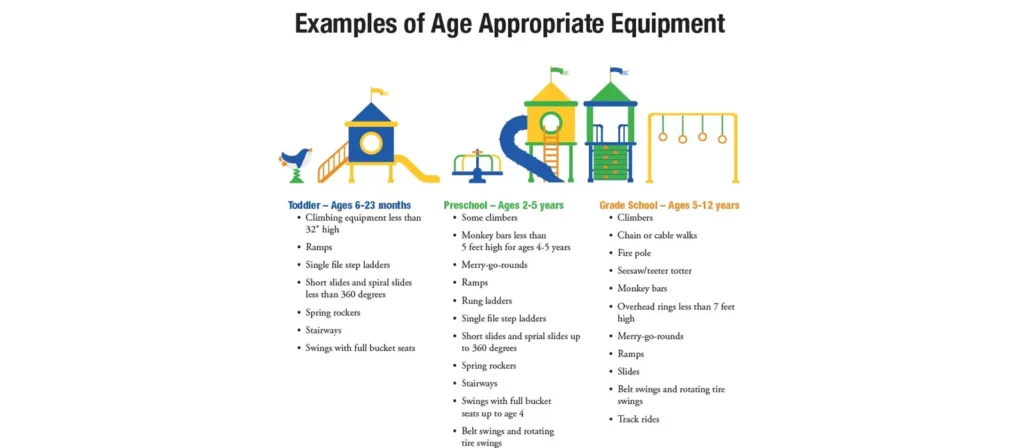
Preschool playground equipment must be carefully matched to the developmental stage of the children using it. Preschoolers typically require equipment that is low to the ground, easy to grasp, and designed to support balance, coordination, and basic motor skills. Structures should encourage climbing, sliding, and imaginative play without introducing unnecessary risk. Choosing age-appropriate equipment not only improves safety but also ensures children remain engaged and confident during play.
Available Outdoor Space and Layout
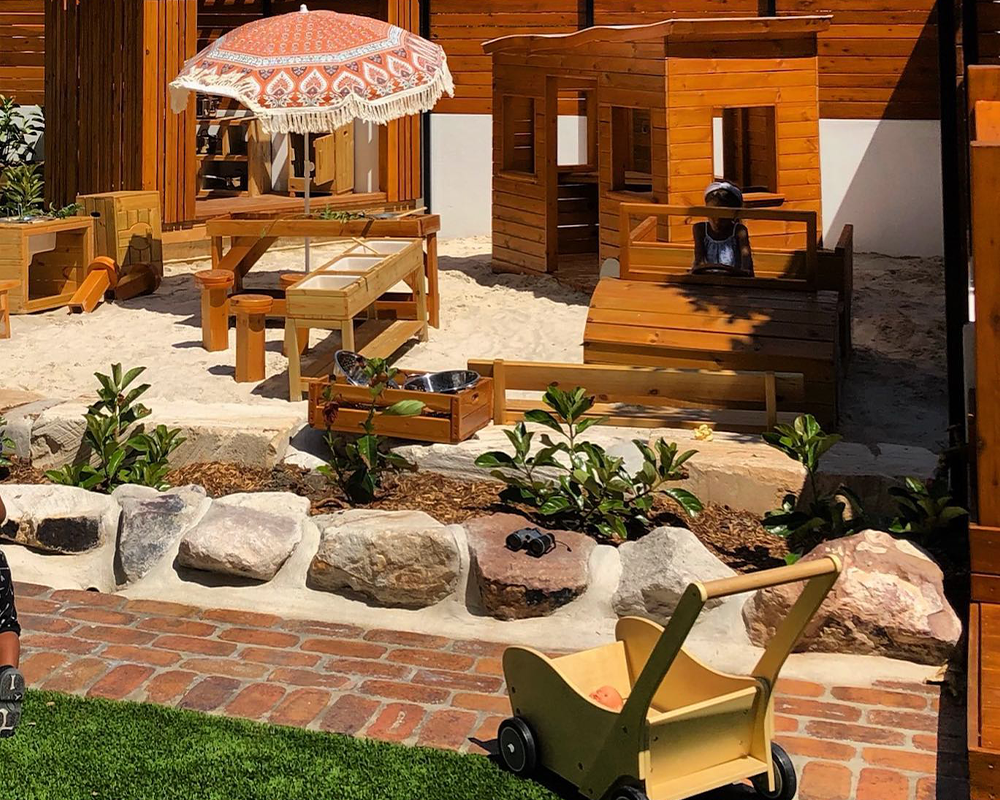
The size and layout of your outdoor area directly influence what type of playground equipment can be installed. Smaller spaces benefit from compact, multi-functional structures that combine climbing, sliding, and sensory elements into a single unit. Larger playgrounds allow for zoning, such as separating active play areas from quiet or sensory play zones. Proper spacing between equipment is critical for safe movement, supervision, and compliance with safety guidelines.
Number of Children and Daily Usage
Understanding how many children will use the playground each day is a key purchasing consideration. High-traffic preschool environments require equipment built for frequent use and consistent wear. Durable construction, reinforced connections, and weather-resistant materials help maintain safety and performance over time. Planning for daily usage also helps determine how many play stations are needed to reduce congestion and encourage cooperative play.
Safety and Compliance Standards You Must Check
Safety is the most critical factor when selecting preschool playground equipment. For schools and early learning centers, safety is not only about protecting children but also about meeting regulatory requirements and reducing long-term liability. Equipment should comply with recognized safety standards and be designed specifically for preschool-age users.

Essential Playground Safety Standards
Preschool playground equipment should meet established national or international safety standards. These standards define requirements for structural strength, fall protection, material safety, and installation practices. Commonly referenced standards include those set by the American Society for Testing and Materials (ASTM), the Consumer Product Safety Commission (CPSC), and the Canadian Standards Association (CSA). Verifying compliance ensures the equipment has been tested for typical preschool use conditions and meets baseline safety expectations.
Structural Safety and Design Features
Beyond formal certification, the physical design of playground equipment plays a major role in everyday safety. Preschool equipment should feature rounded edges, enclosed or gently sloped platforms, and secure guardrails where elevation is involved. Openings must be sized appropriately to prevent head or limb entrapment. Materials should be non-toxic, smooth to the touch, and free from sharp corners or exposed fasteners. These design considerations help reduce the risk of falls, cuts, and impact injuries during active play.
Balancing Challenge and Risk for Preschoolers
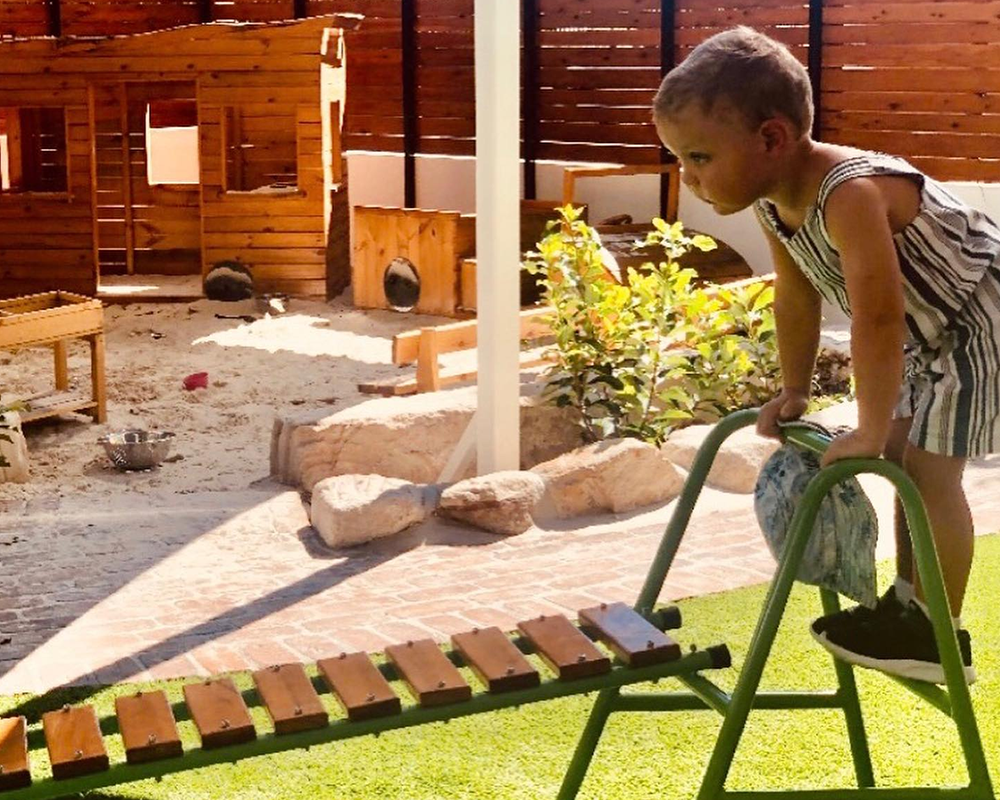
Well-designed playground equipment offers appropriate challenges without exposing children to unnecessary danger. Preschoolers benefit from activities that test balance, coordination, and problem-solving, such as low climbers or stepping structures. However, these challenges must align with their physical and cognitive abilities. Equipment that is too complex or too high can increase the likelihood of accidents. A balanced approach supports confidence-building and skill development while maintaining a controlled and predictable play environment.
Material and Climate Considerations for Outdoor Playgrounds
Outdoor preschool playground equipment must perform reliably in real-world conditions. Material selection and climate suitability directly affect safety, lifespan, maintenance costs, and long-term value. Choosing materials without considering environmental exposure often leads to premature wear or increased upkeep.
Common Materials Used in Preschool Playground Equipment
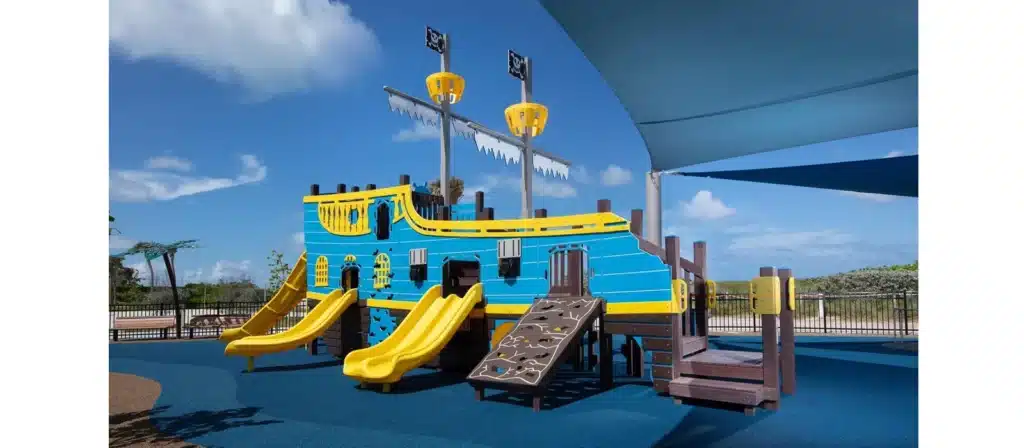
Preschool playground equipment is typically manufactured using wood, metal, or high-density polyethylene (HDPE). Wooden structures offer a natural appearance and tactile experience but require regular maintenance to prevent splintering and weather damage. Metal components provide high structural strength and durability, though they must be properly treated to prevent corrosion. HDPE plastic is widely used for panels and slides due to its resistance to fading, cracking, and moisture, as well as its smooth, child-safe surface.
How Climate Conditions Affect Material Choice
Local climate conditions should guide material selection. In hot climates, exposed metal surfaces can become uncomfortably hot, making light-colored plastics or treated wood more suitable. In cold regions, materials must withstand freezing and thawing cycles without cracking or becoming brittle. For wet or humid environments, corrosion-resistant metals and water-resistant coatings are essential to prevent rust, decay, and structural weakening over time.
Maintenance Requirements and Long-Term Durability
Maintenance is a long-term cost factor that should be considered during the purchasing stage. Equipment designed with durable finishes, reinforced joints, and weather-resistant materials reduces the frequency of repairs and inspections. Lower maintenance requirements not only extend the service life of the playground but also minimize downtime and ensure consistent safety standards throughout daily use.
Most Popular Preschool Playground Equipment
When outfitting a preschool playground, certain equipment pieces consistently rank as favorites among children. These not only support physical development but also enhance social skills and cognitive learning. Here’s a closer look at some of the most popular pieces and why they are beneficial in a preschool setting.
1. Swings

Swings are a staple of any playground and are very beneficial to young children. They help develop balance and coordination, and the rhythmic motion has been shown to soothe and relax. Swings also encourage social interaction and turn-taking for preschoolers, making them great for developing early social skills.
Swings come in a variety of styles including belt swings, barrel swings, rope swings, tire swings, porch swings, baby swings, hammock swings, canopy swings and double swings.
2. Slides

Slides are another perennial favorite, providing the exciting sensory experience that kids crave. Some slides are flat and short, while others are wavy and long. Plastic slides are among the most affordable. They promote physical fitness, coordination and balance as kids climb up and slide down. Slides also help children overcome fears and learn about gravity and spatial orientation, providing fun and educational benefits.
3. Seesaws
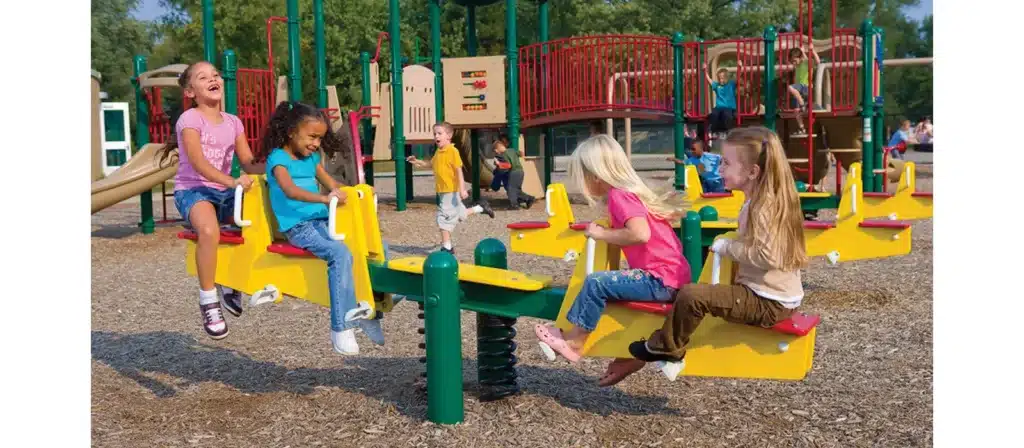
Seesaws, or teeter-totters, are excellent for developing social and emotional skills. They require children to work together, teaching them about balance and coordination while also fostering teamwork. The up-and-down motion of the seesaw is not only enjoyable but also helps children understand the principles of weight distribution and balance.
4. Monkey Bars

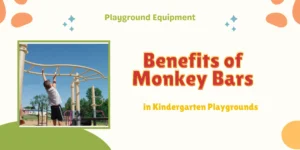
Monkey bars challenge kids physically and mentally, helping them build upper body strength and improve grip. Monkey bars can be freestanding or attached to other structures that encourage risk-taking and perseverance, promoting self-confidence and physical growth as kids learn to navigate from one end to the other.
5. Climbers

Climbers come in various forms, including rock climbing walls and rope nets. They are excellent for developing motor skills, strength, and problem-solving capabilities. Climbers also provide a safe way for children to take risks within a controlled environment, encouraging creativity and physical fitness.
6. Sensory Playground Equipment

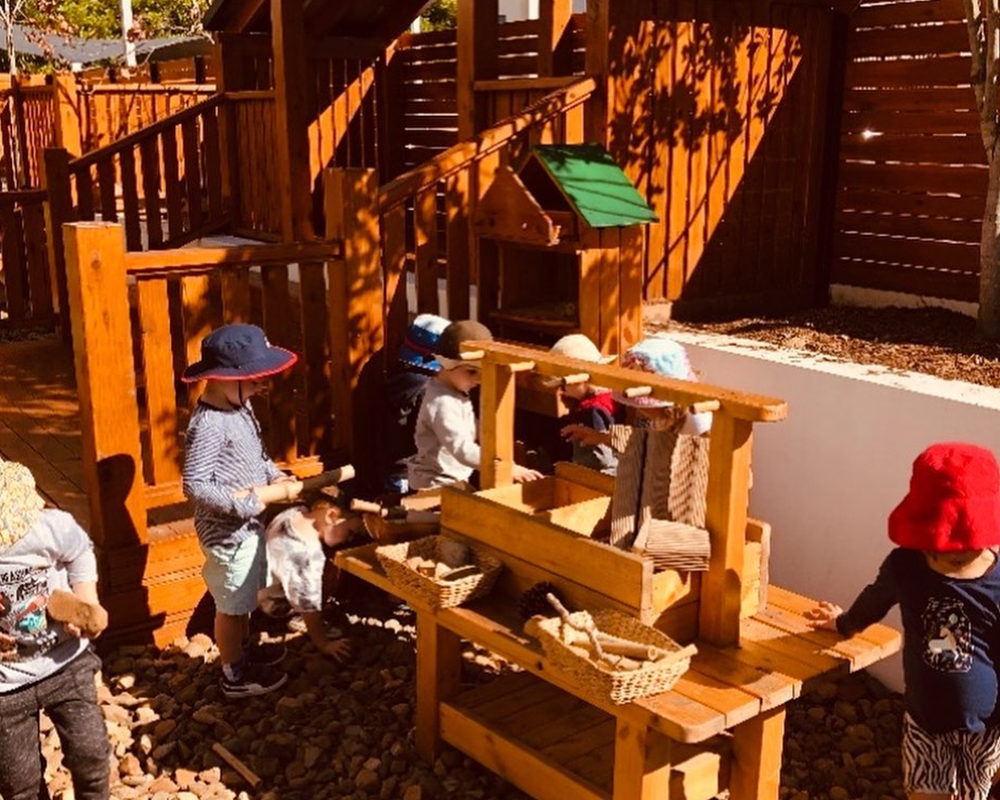
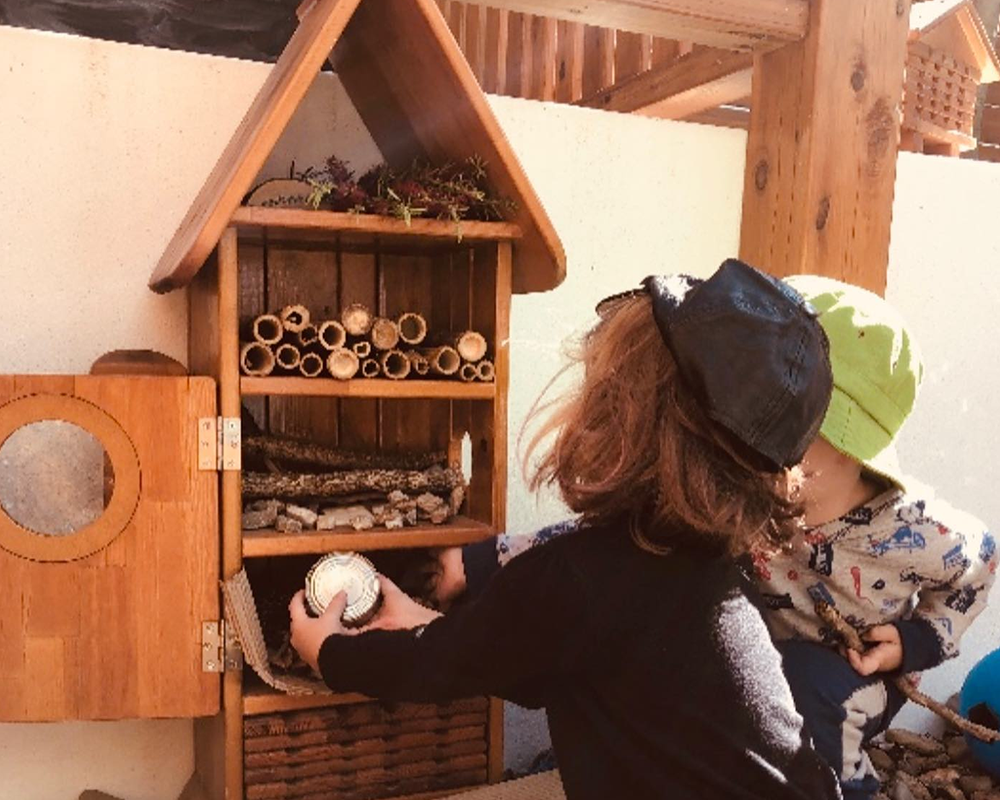
Sensory playground equipment is designed to stimulate the senses, supporting cognitive development, fine motor skills, and sensory integration. These can include musical instruments, textured panels, and interactive garden elements. Such equipment is especially beneficial for inclusive playgrounds that cater to children of all abilities, ensuring everyone can participate in play.
Why Choose Xihamontessori as Your Playground Equipment Supplier
Selecting preschool playground equipment requires more than choosing the right products. It also depends on working with a supplier who can consistently deliver safety, quality, and reliable support.
Xihamontessori is a professional manufacturer and supplier of preschool furniture and playground equipment, offering a practical, one-stop solution for early learning environments.
Our advantages include:
Manufacturing-focused expertise
As a direct manufacturer, we control materials, production, and quality inspection, ensuring playground equipment is built for daily preschool use and long-term durability.
Safety-driven product design
Our playground equipment is designed with recognized safety standards in mind, focusing on structural stability, child-safe materials, and age-appropriate play challenges.
Customization for real preschool needs
We support customized playground layouts, themes, and equipment configurations to match different spaces, educational approaches, and usage requirements.
Reliable delivery and project coordination
Clear production schedules and dependable lead times help schools plan playground projects with confidence and avoid unnecessary delays.
Dedicated support throughout the process
From product selection to post-delivery communication, our team provides clear information and responsive support to ensure a smooth purchasing experience.