How to Become A Montessori Parent

Montessori parents are parents who approach their role in a more relaxed manner. They guide their children but allow ample opportunities for learning and independent play. Montessori parents are patient with their children, as well as respectful of their children. Montessori parents empower their children, setting them up for success.
What Are The 4 Montessori Planes of Development
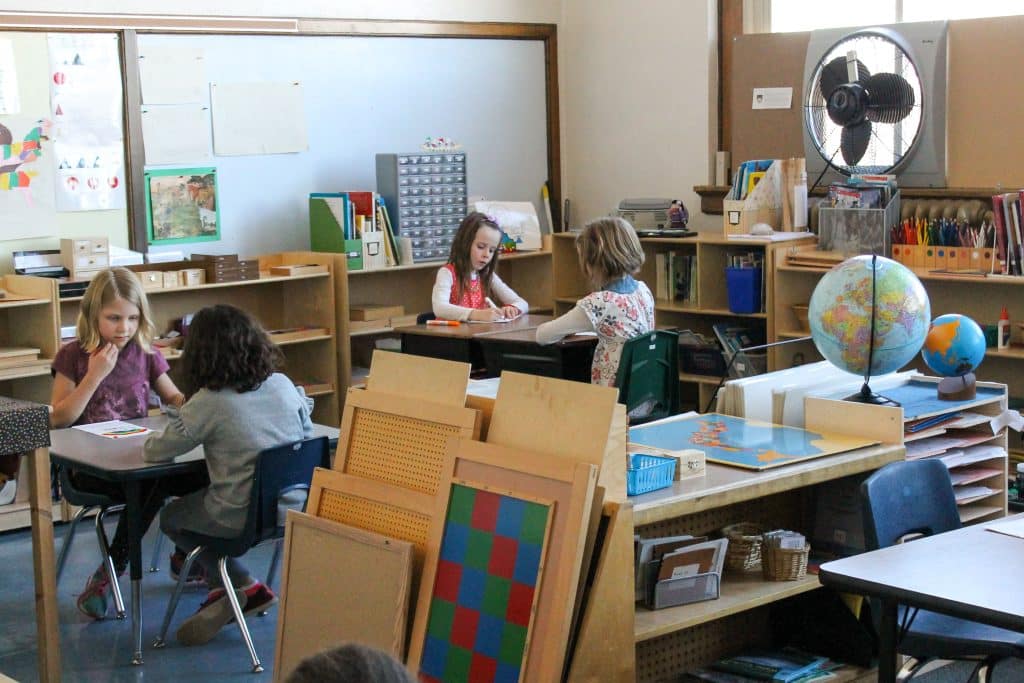
It’s never too late to start using Montessori principles in your child’s education. Find activities that suit their age and cater to their interests, and watch your child develop into a happy, healthy adult.
What is Montessori Style Parenting?

In adapting the Montessori style of parenting, parents give the child freedom and support to learn through exploring and experience. As a result, the child develops confidence and enthusiasm, learns to think critically, work independently, and collaborate respectfully with others.
How Does Montessori Teach Culture?

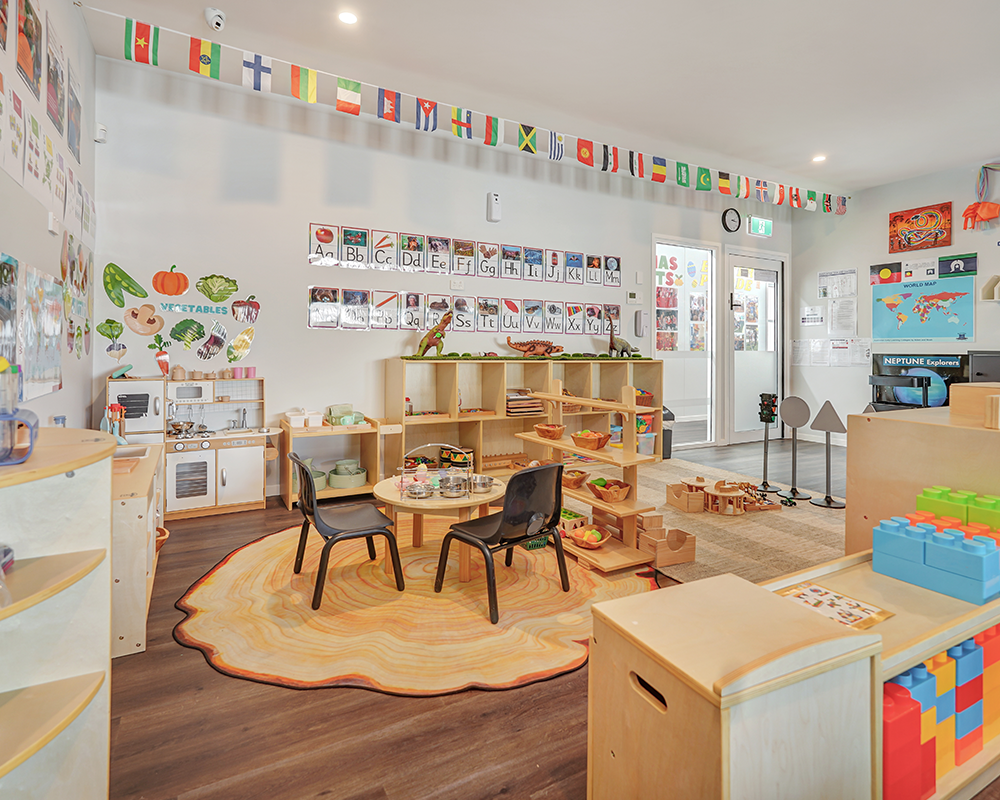
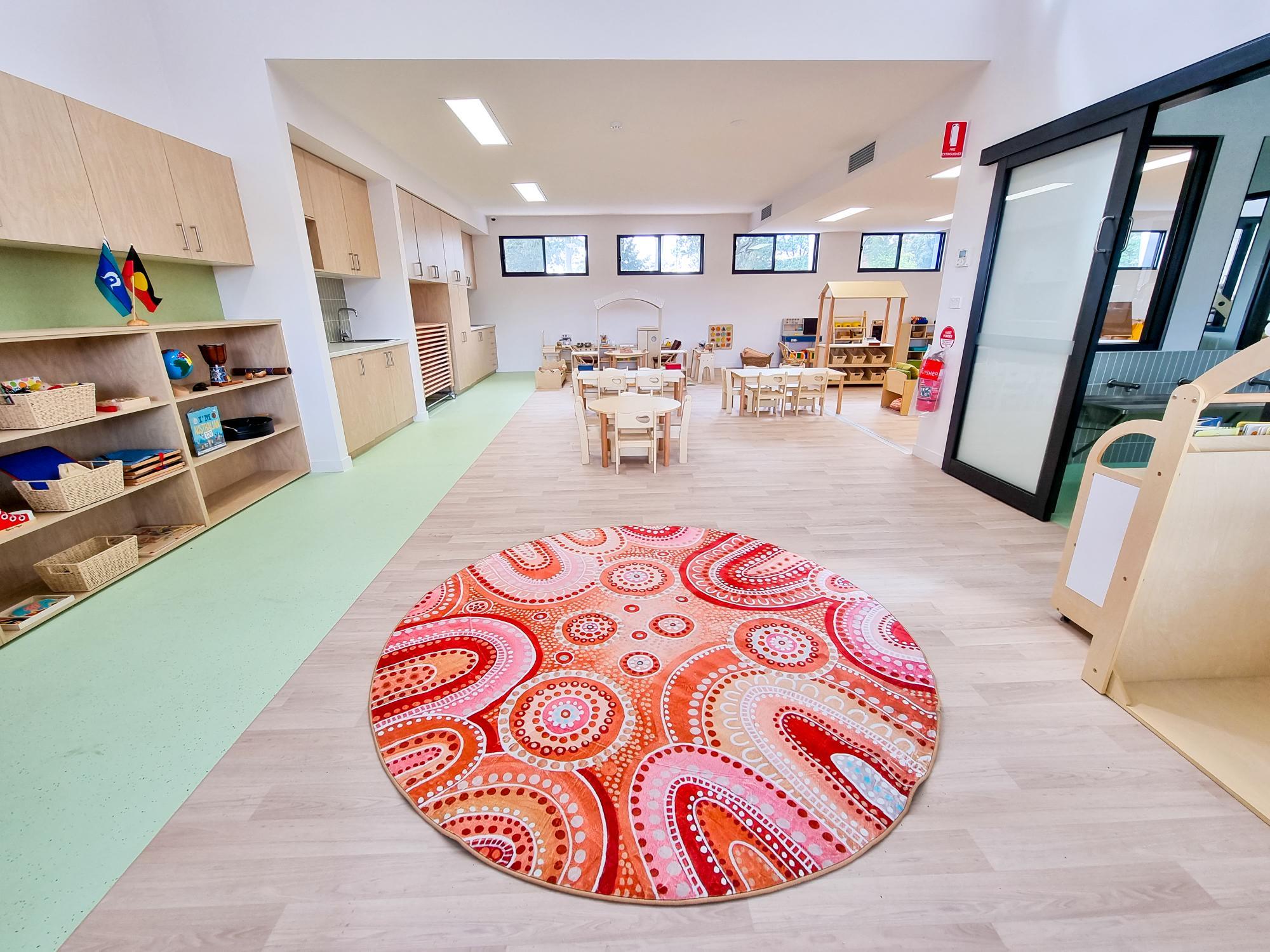
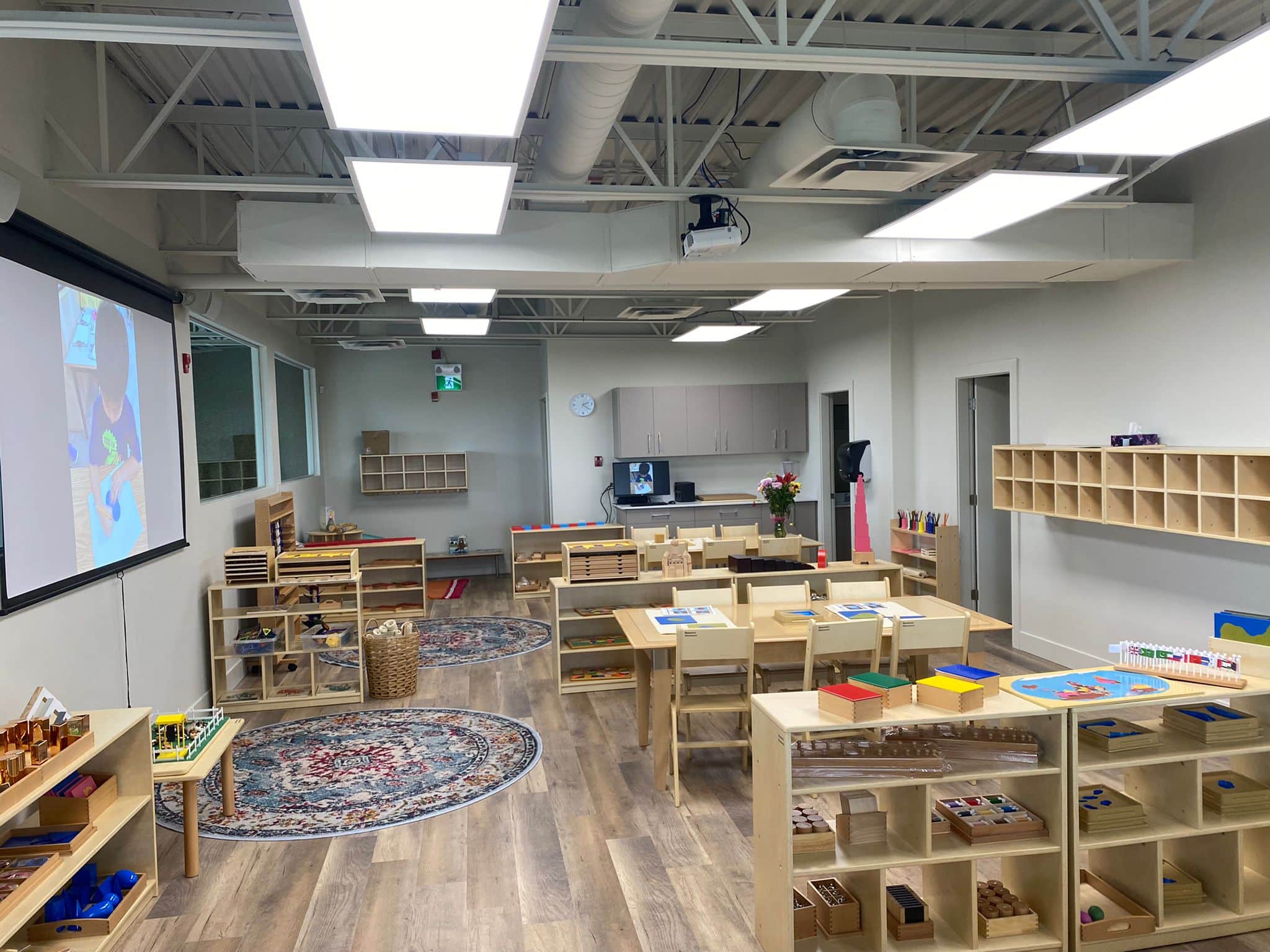
Cultural Studies in Montessori allow children a chance to grasp just how large the world they live in is. Cultural Studies show children just how culturally diverse the countries of the world are. Cultural Studies allow children a chance to explore their culture and help shape their worldview from a young age.
Practical Life in Montessori: What it is and How to Teach It
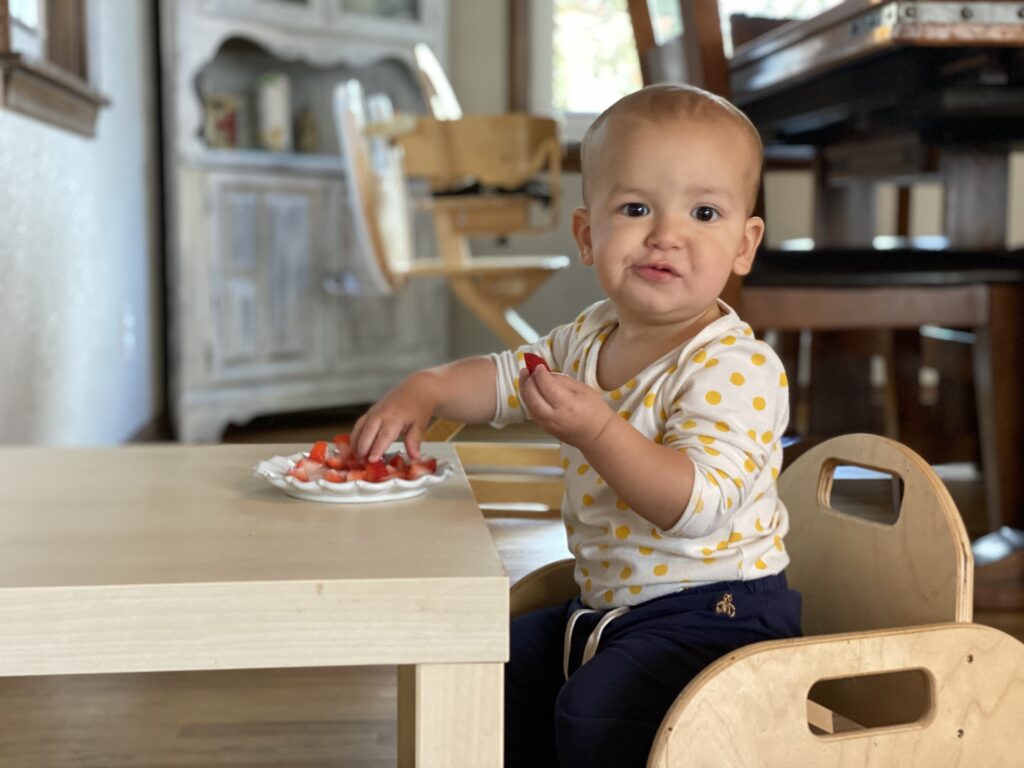
The Montessori methodology focuses on an aspect termed Practical Life, which is a four-category process in where children can explore education at their own pace. The four aspects of practical life in Montessori are care of the self, care of the environment, grace and courtesy, and control of movement.
From Independence to Interdependence

In Montessori, we talk a lot about independence. However, one of the lesser known or understood aspects of Montessori is that independence isn’t the end goal.
What is Practical Life

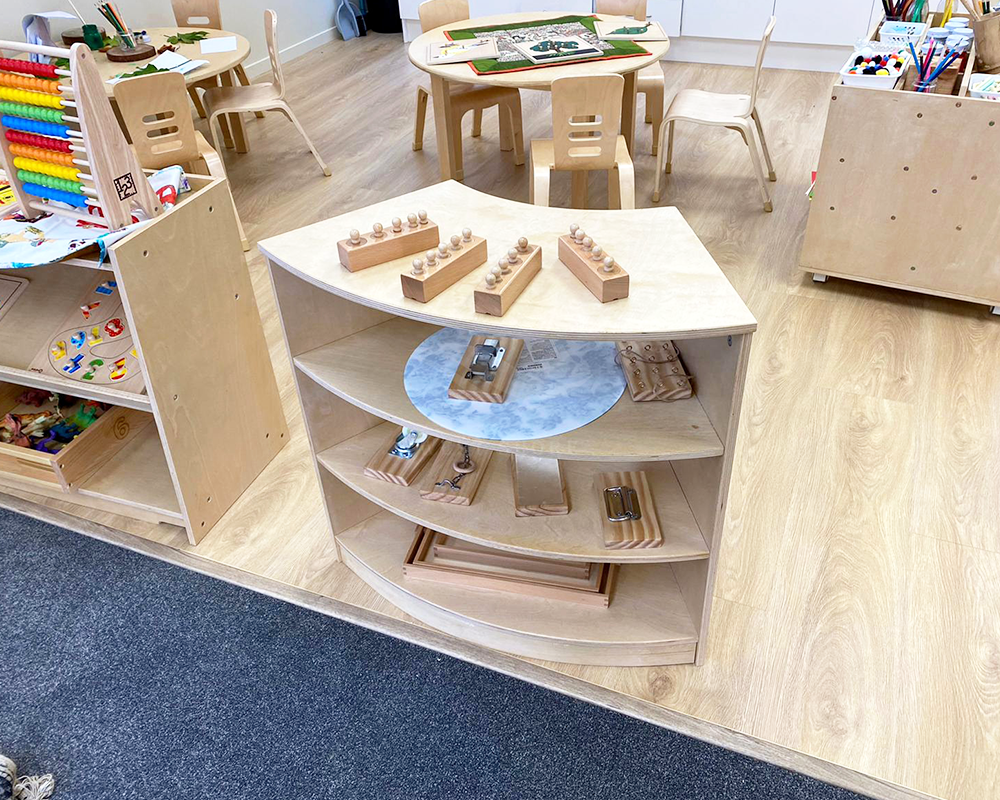
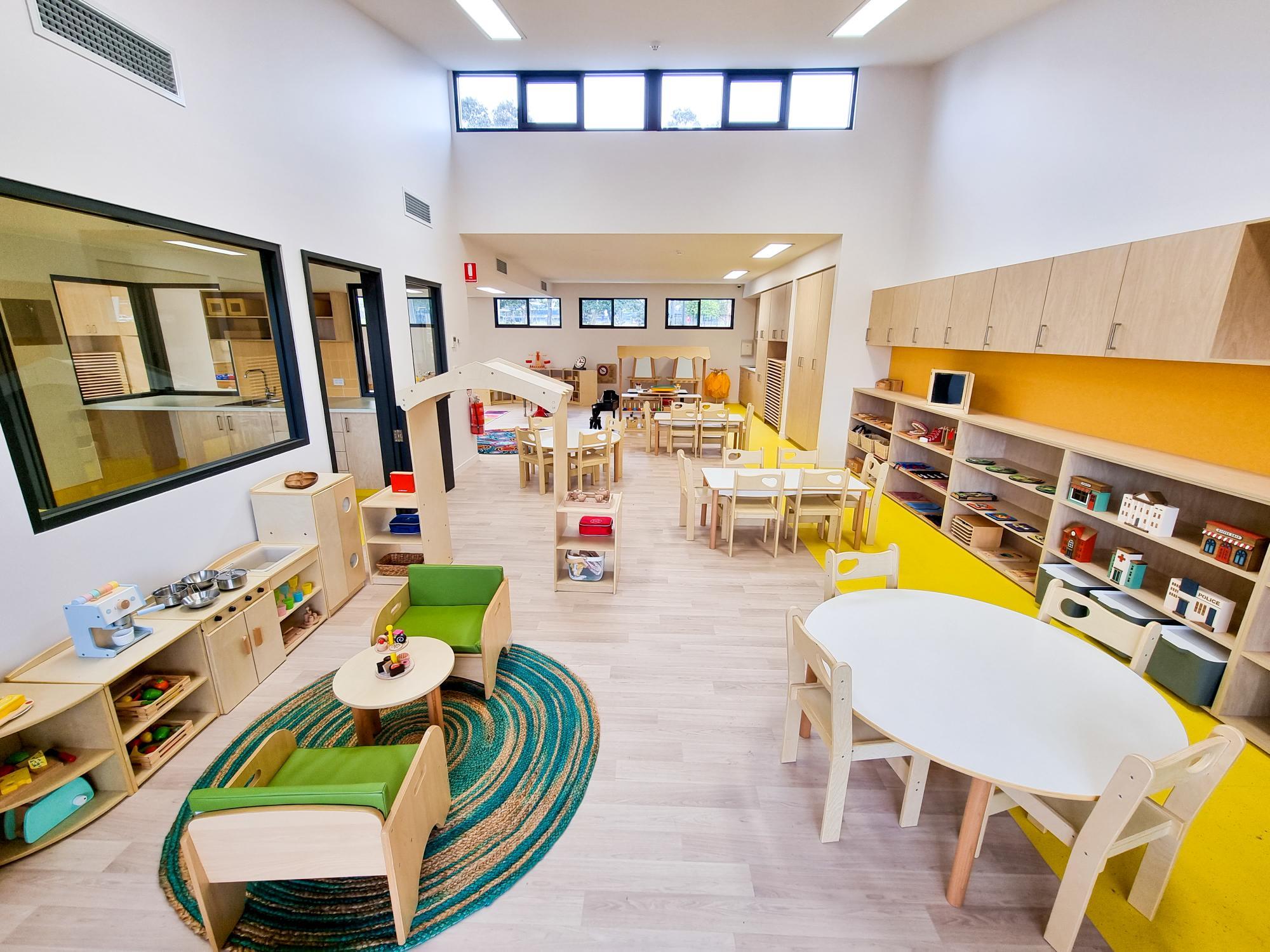
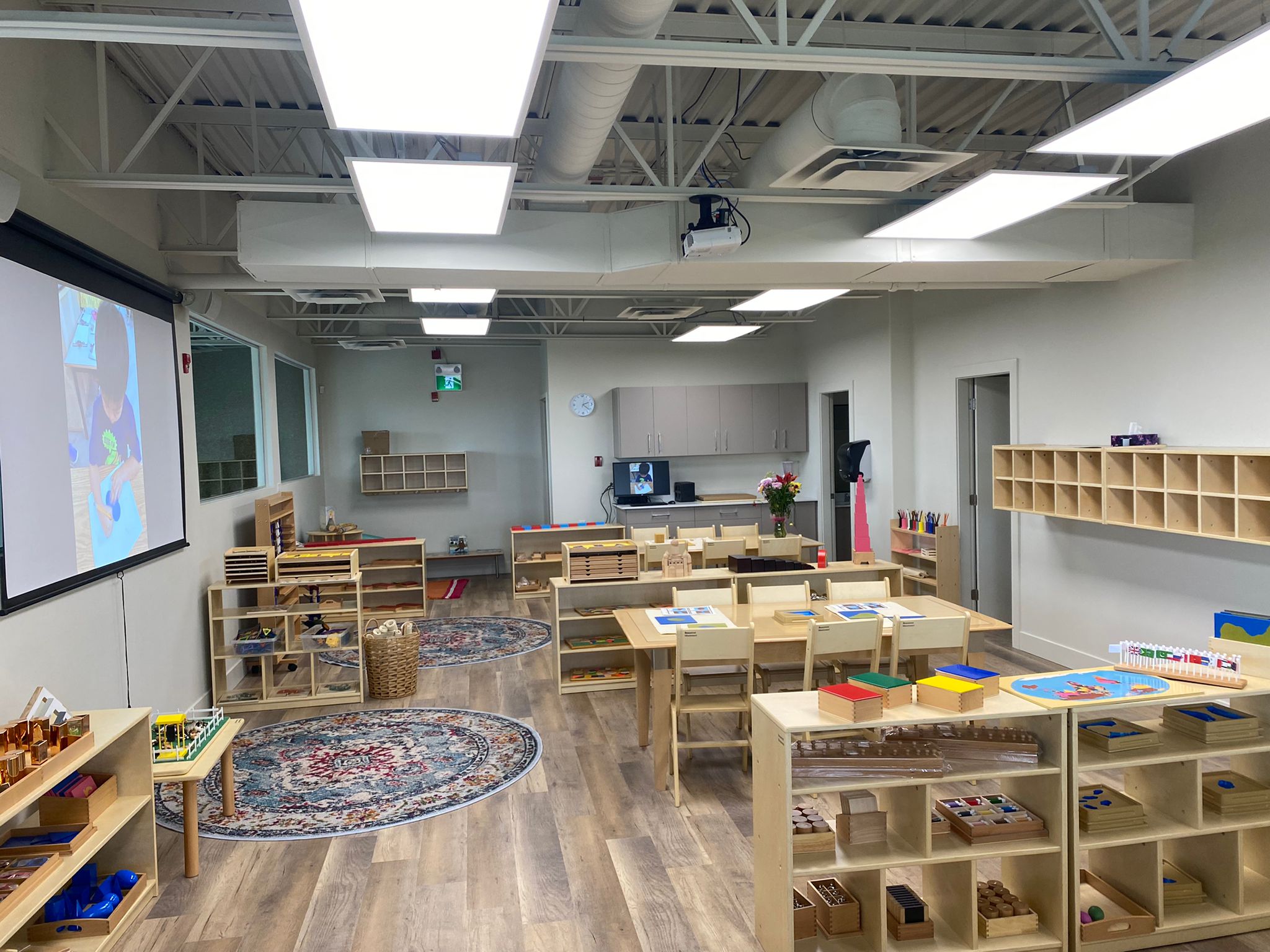
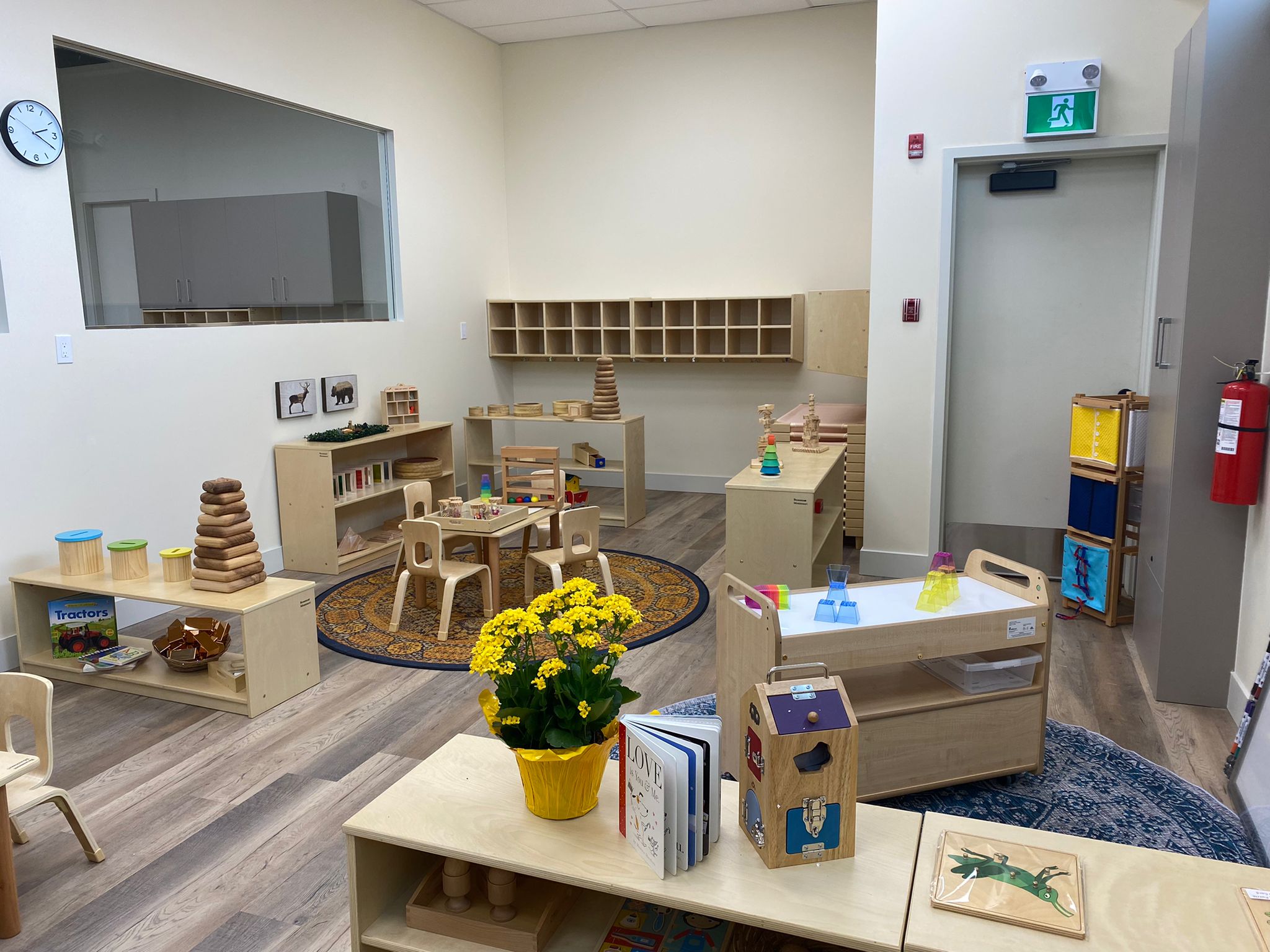
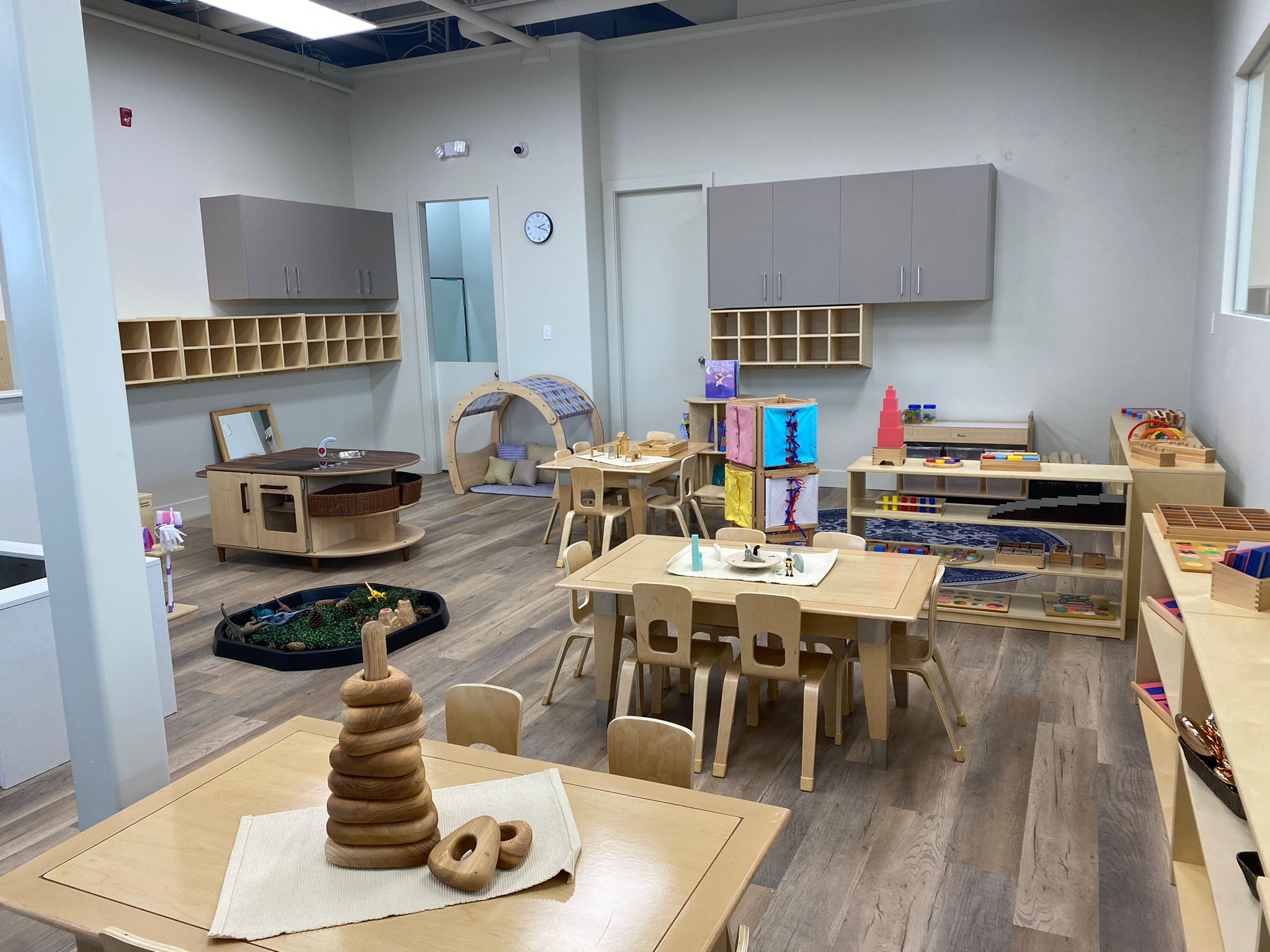
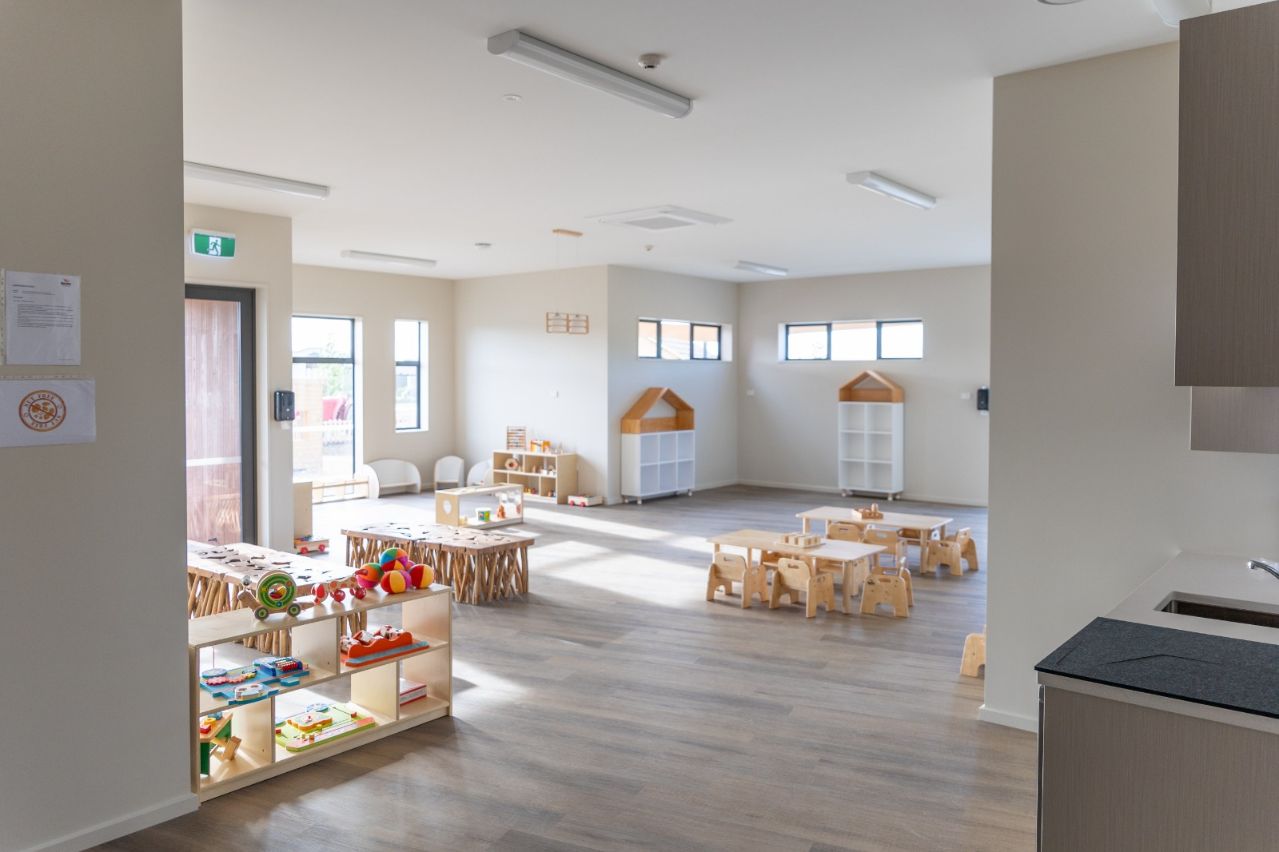
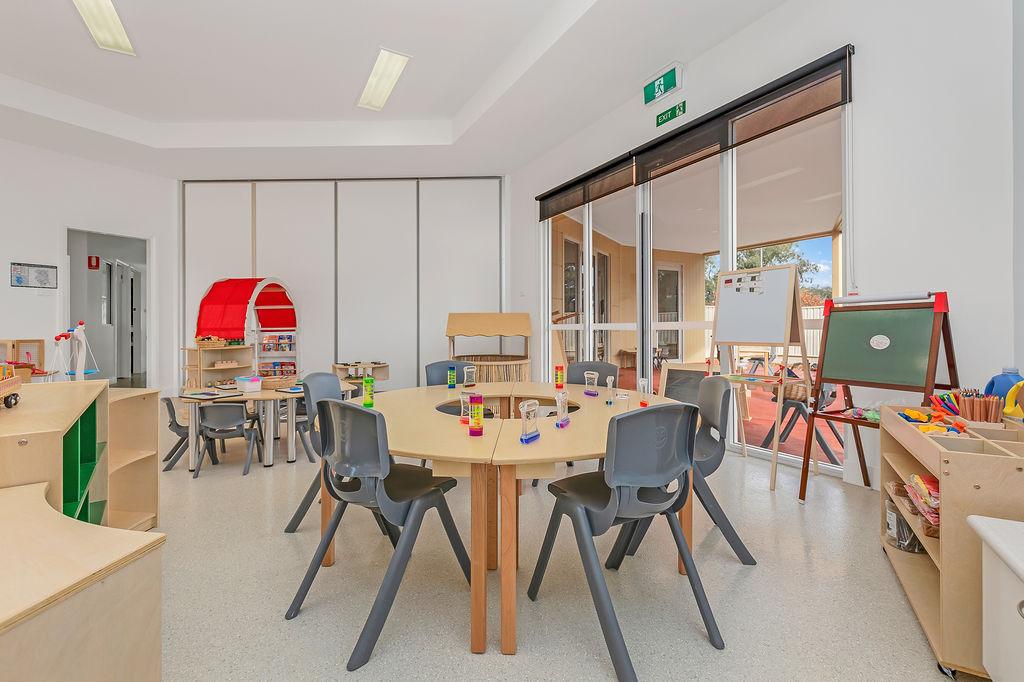
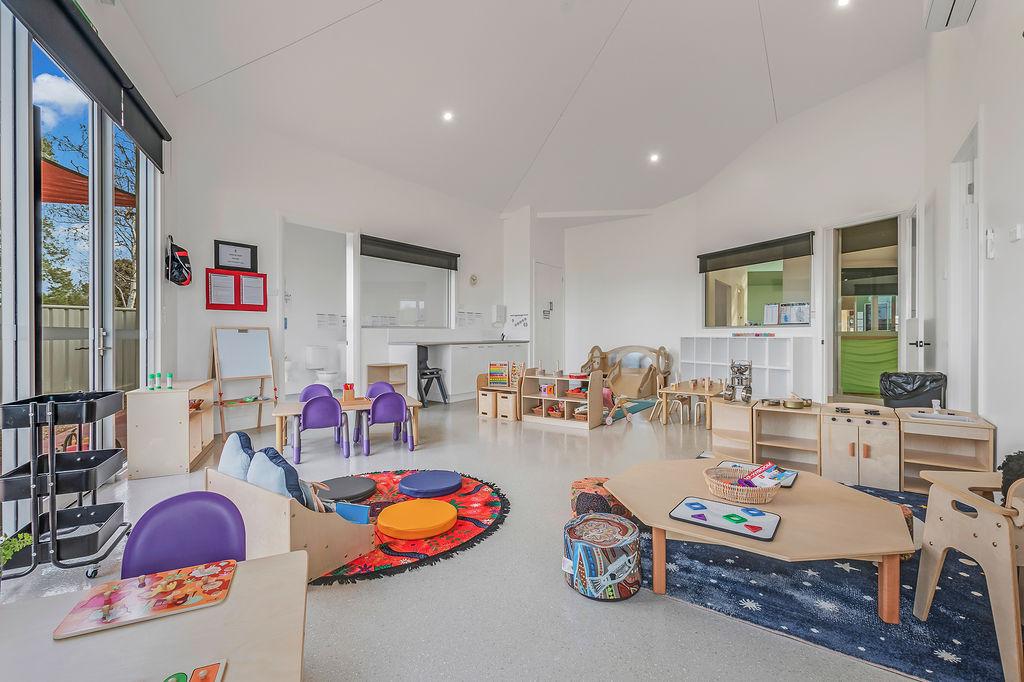
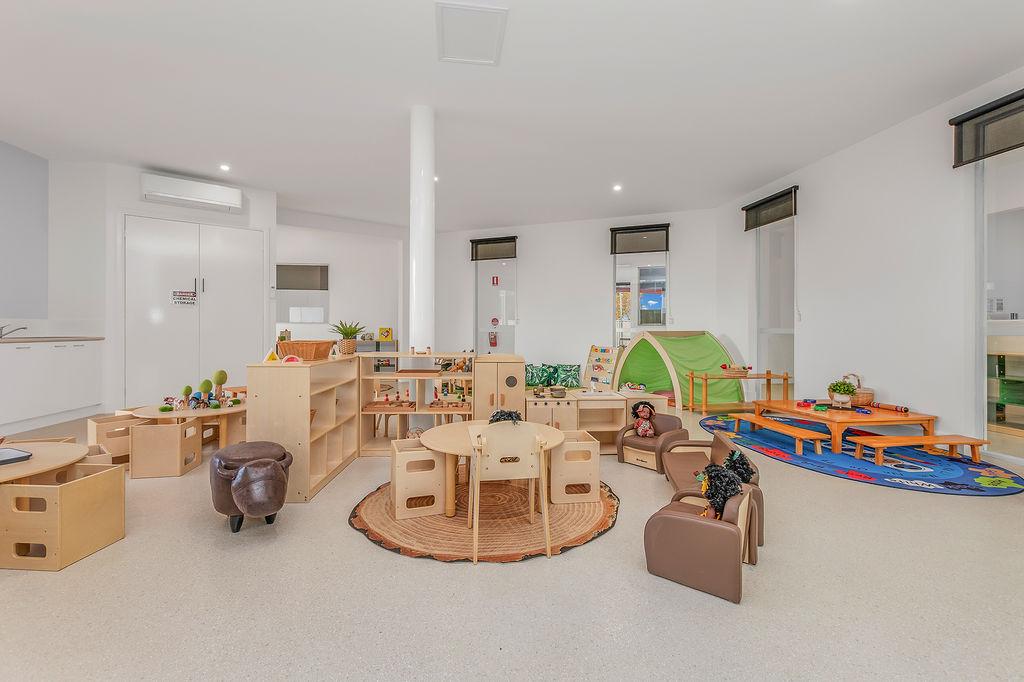
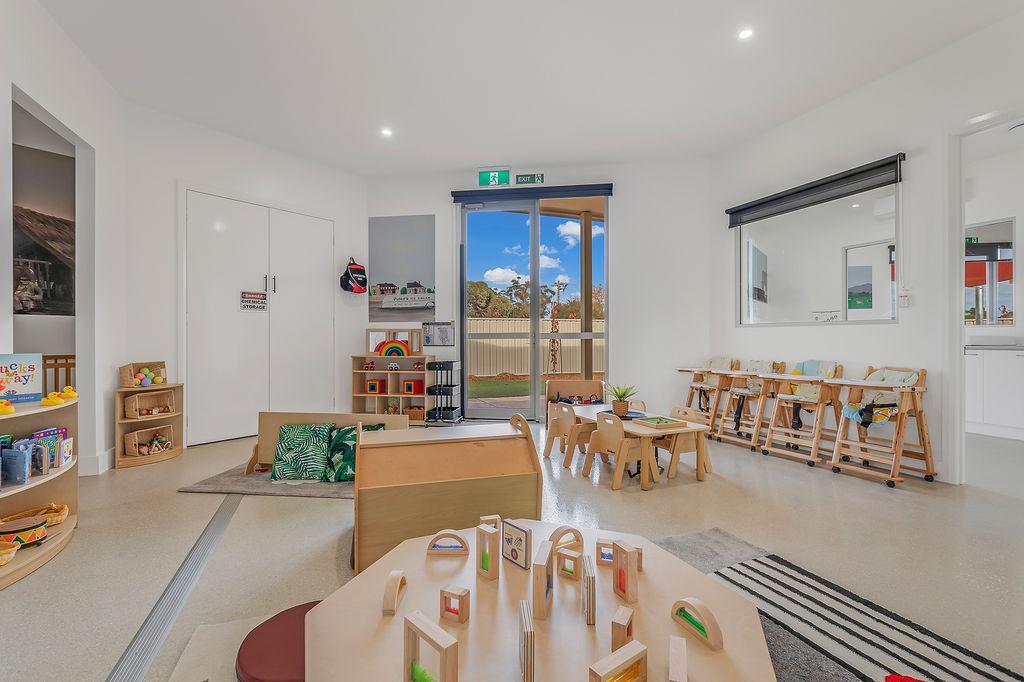
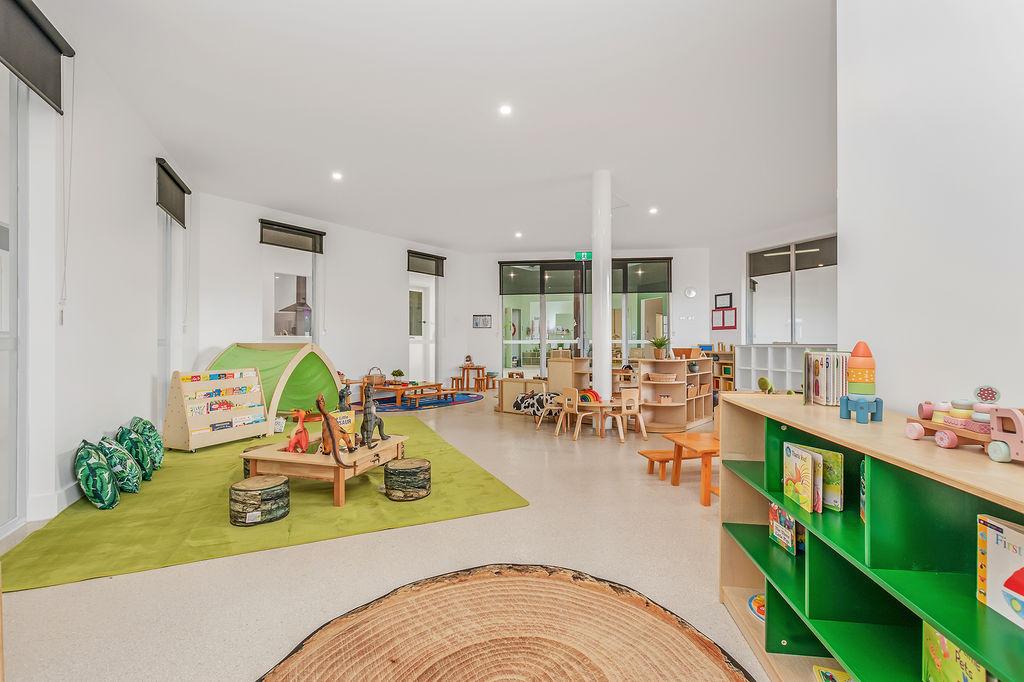
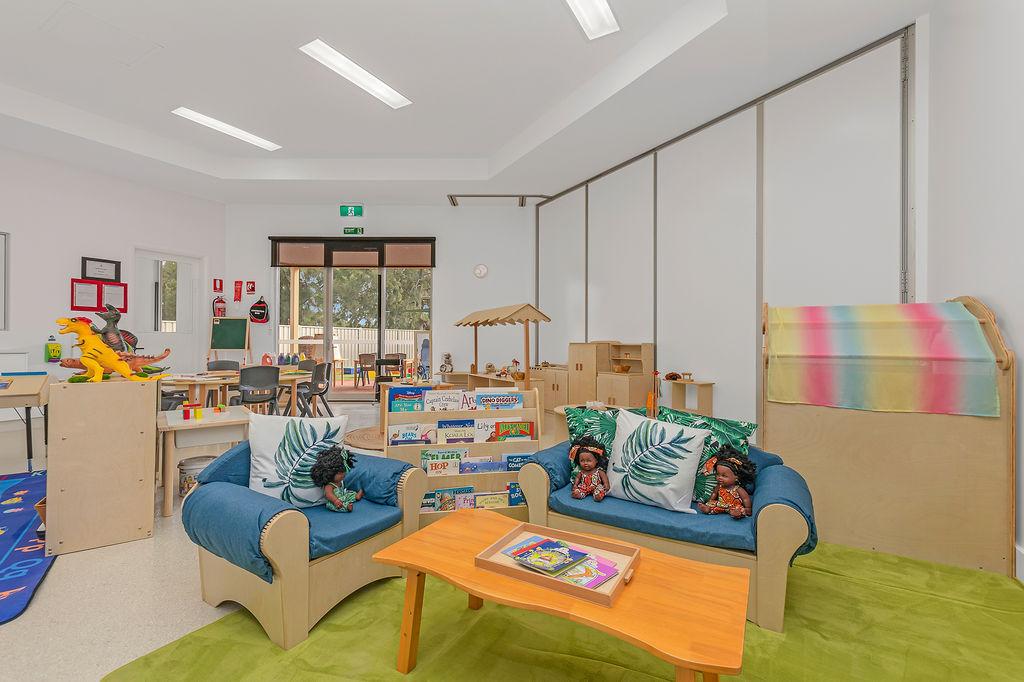
In Montessori, we offer young children useful activities that serve a real purpose. Children have beautiful child-sized materials that allow them to wash tables, dust shelves, polish silver, prepare food, and so much more. Although most traditional early childhood programs have a play area that includes cleaning items or kitchen toys, these items are for pretend, imitation, and play rather than for actually cleaning or cooking.
Montessori Philosophy And Practices
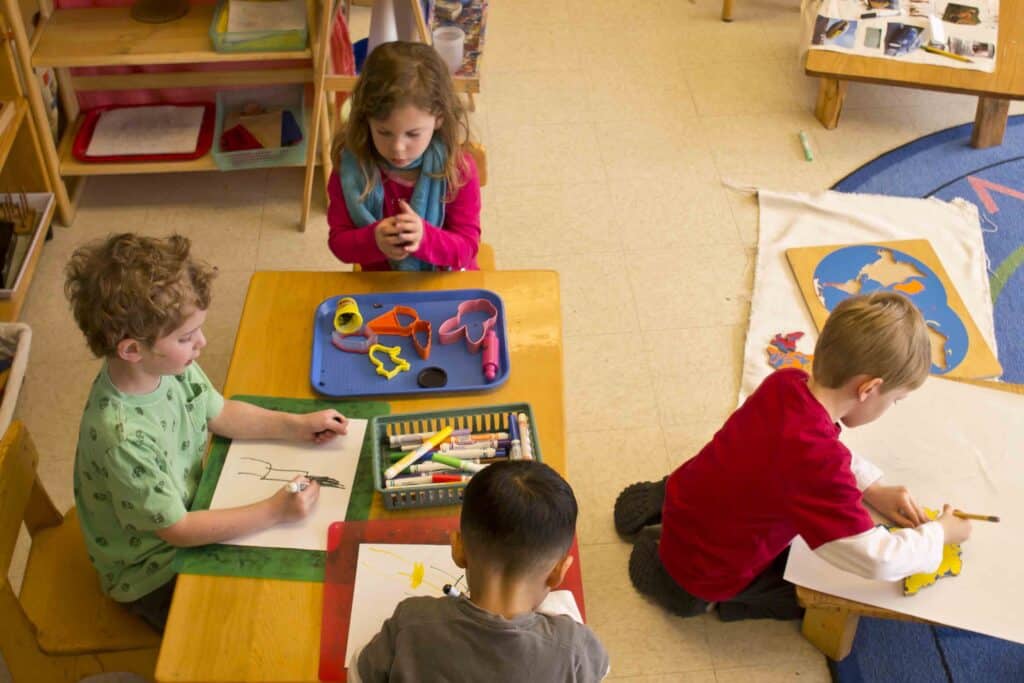
Dr. Maria Montessori recognized that children are small human beings who are curious and full of marvelous potential. To this day, Montessori teachers believe that children have a deep love of learning and wish to do purposeful work. When given that opportunity, children develop all kinds of skills that traditional education often glosses over.
The Benefits of Sensorial Learning and Why Your Child Should Start as Early as Possible
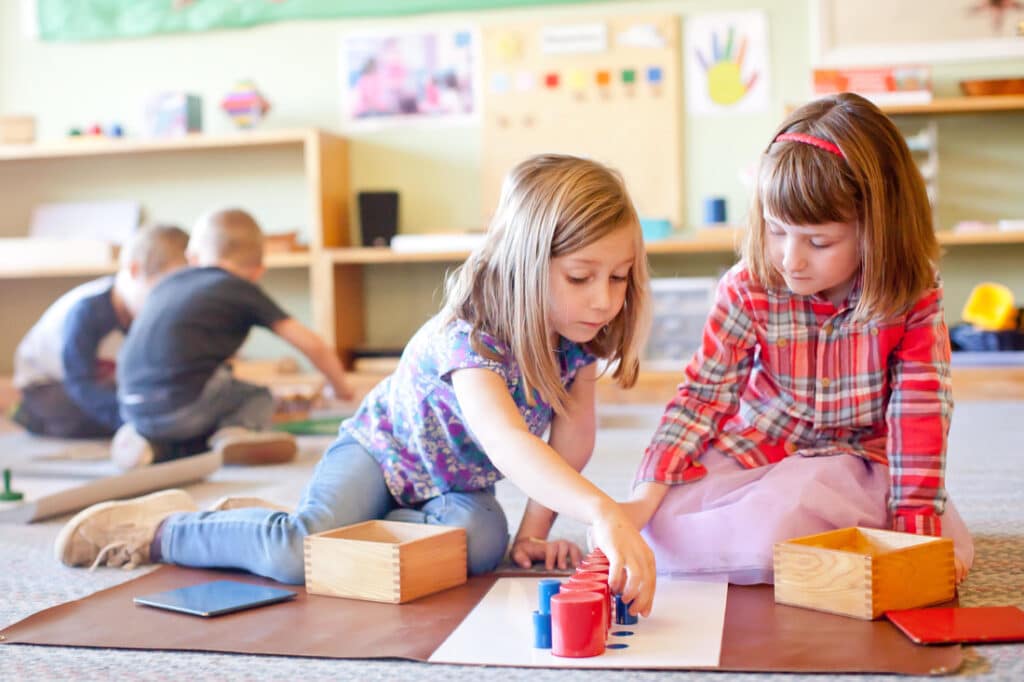
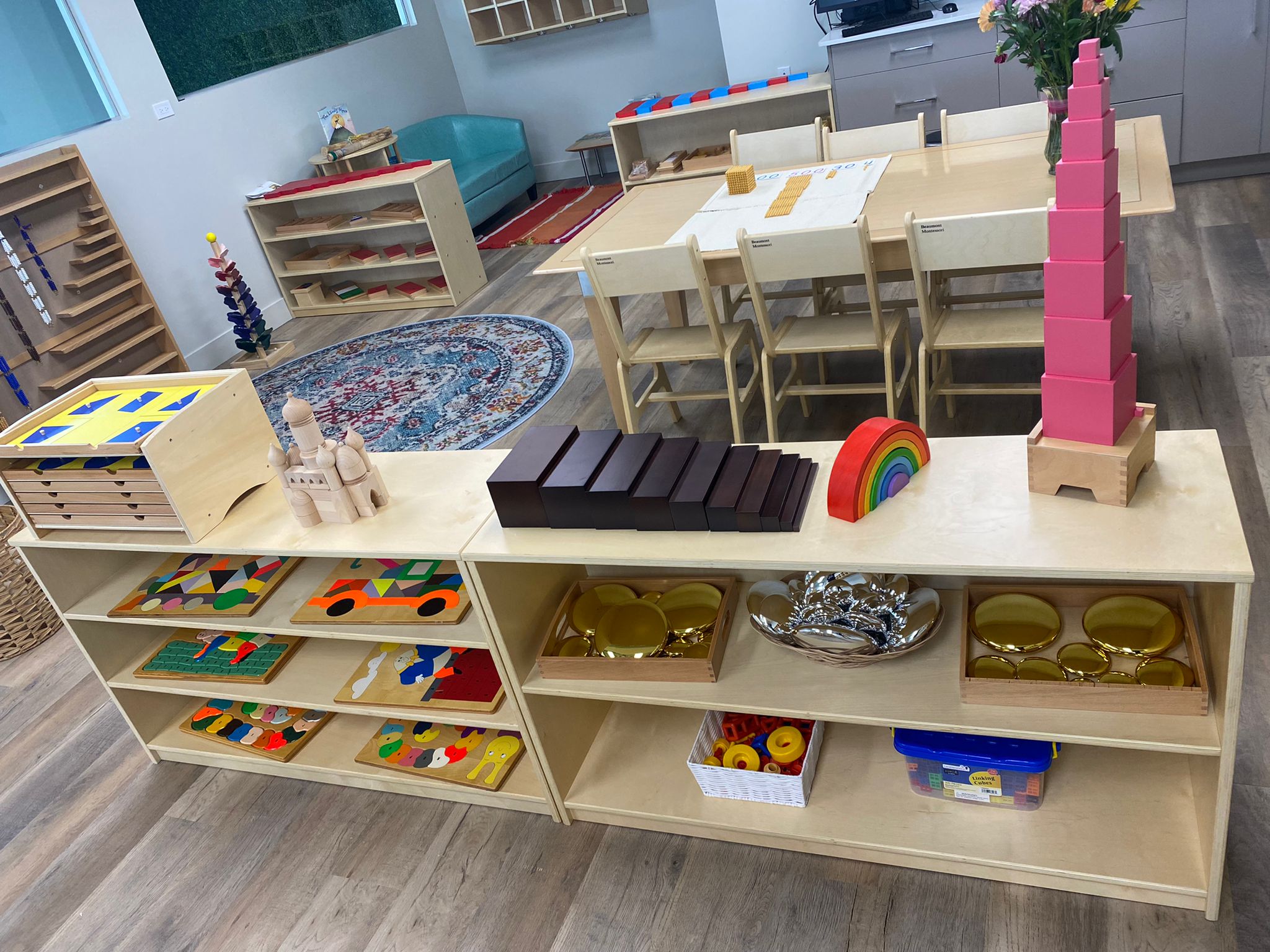
Sensorial learning is a teaching approach that stimulates the child’s five senses; taste, touch, smell, sight, and hearing. This allows children to use their senses to explore and understand the world around them. It includes activities that help them study objects, colors, textures, tastes, numbers, and situations.