Efficiently Set Up Your Preschool You Can Call Us!
Library Center Furniture

Library Center Furniture

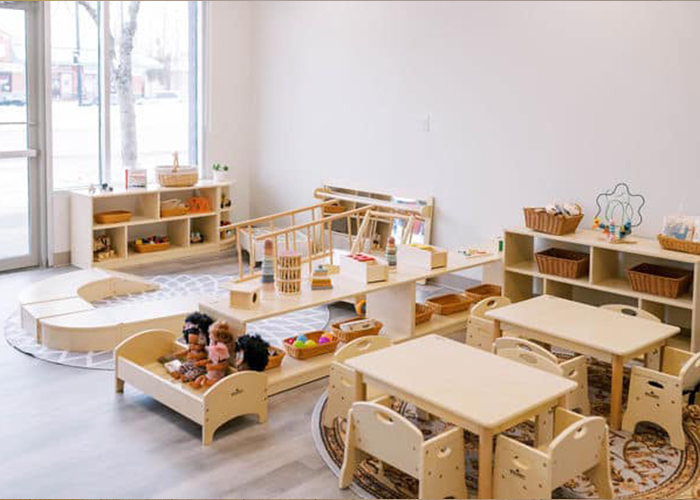
Our Library Center Furniture collection is designed to support reading, research, and collaborative learning in modern educational environments. We offer a comprehensive range of library furniture, including bookshelves, reading tables, mobile carts, display units, and soft seating—each crafted for durability, accessibility, and ergonomic comfort. Whether you're furnishing a school library, media center, or reading corner, our solutions are customizable to meet the diverse needs of students and educators.

Versatile Library Center Furniture for Schools

Our Library Center collection includes a full range of functional and ergonomic furniture designed for K–12 libraries, media centers, and reading corners. From book storage and display solutions to collaborative workstations and quiet reading zones, each product is tailored to foster focused learning and resource accessibility.

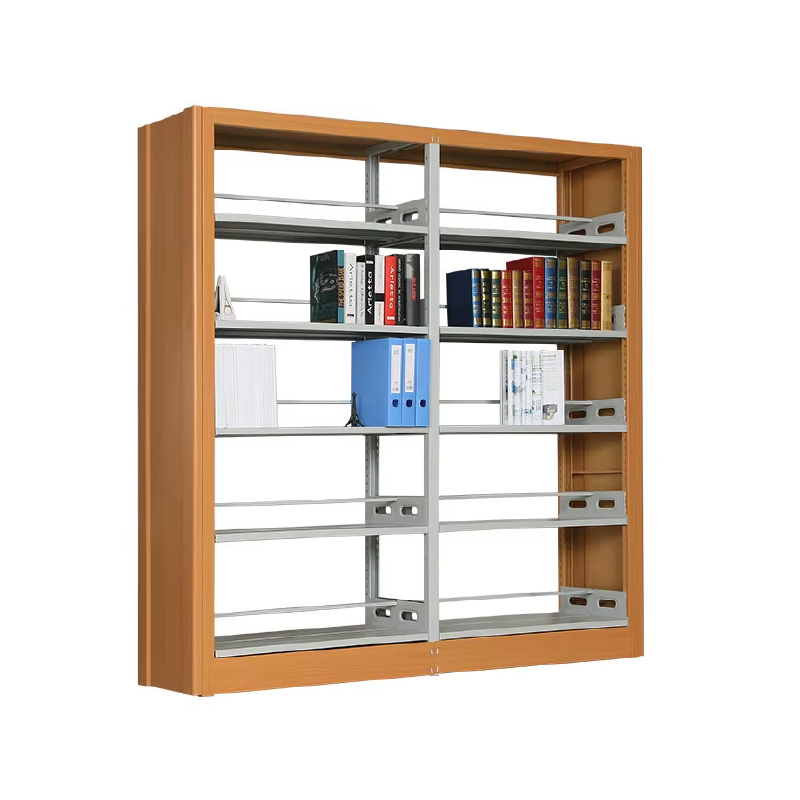
Library Bookshelves

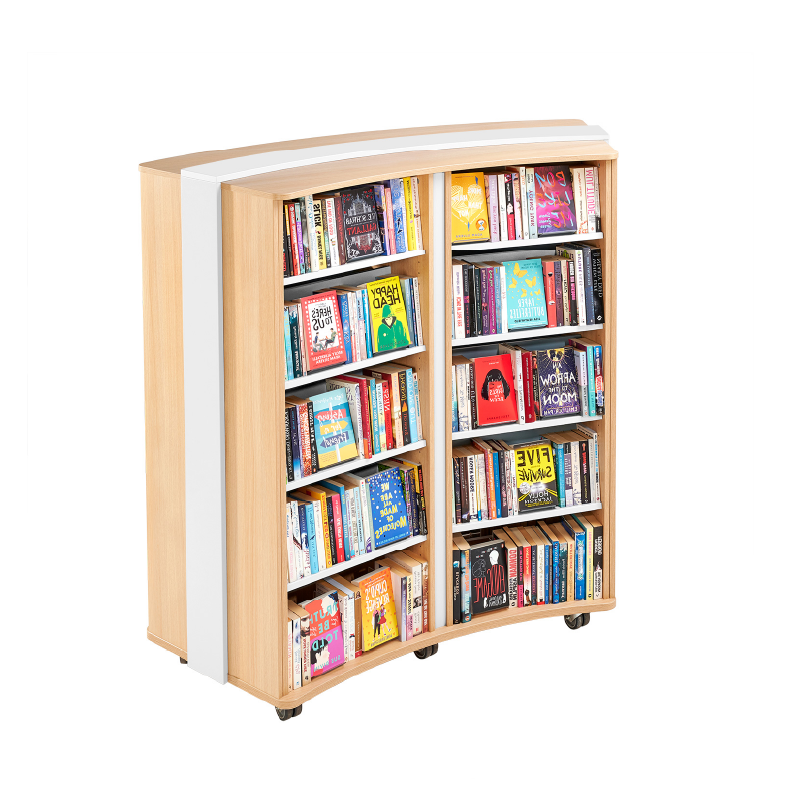
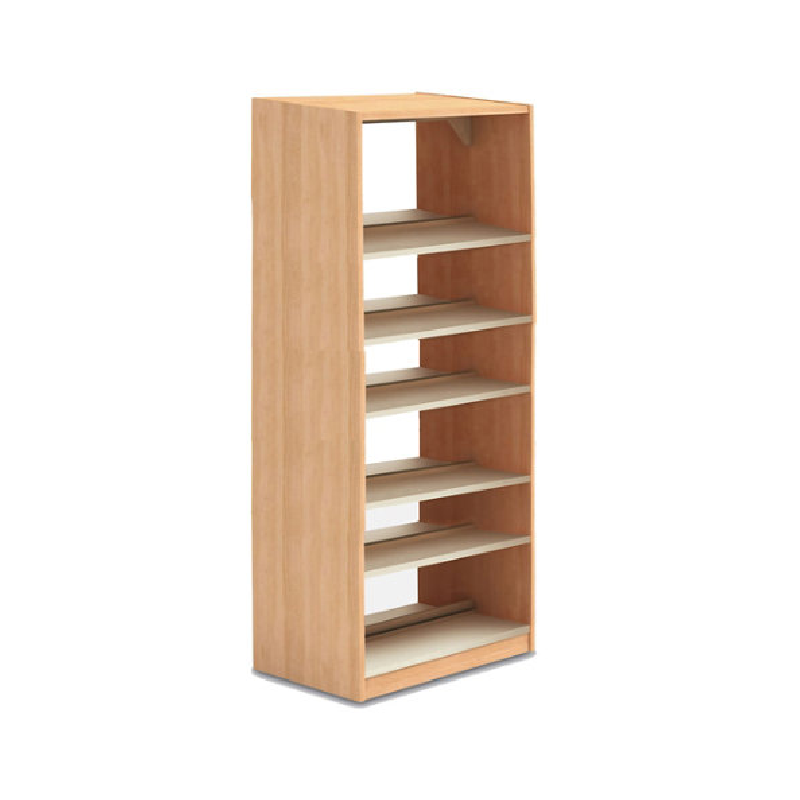
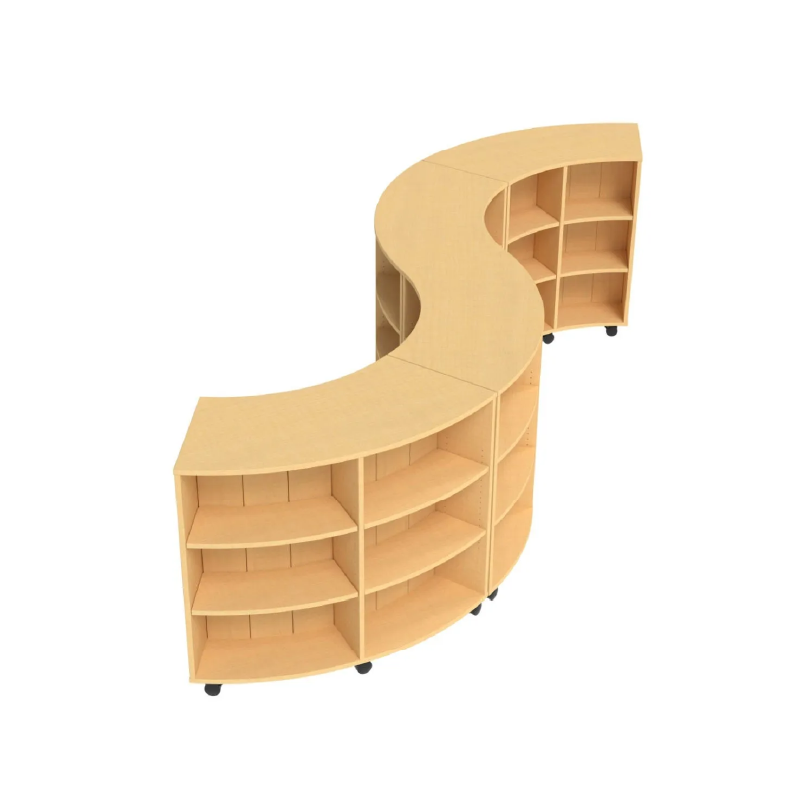
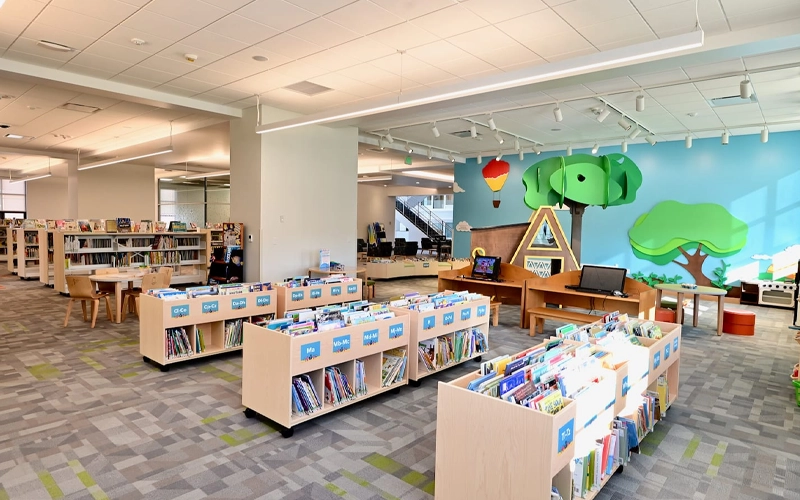
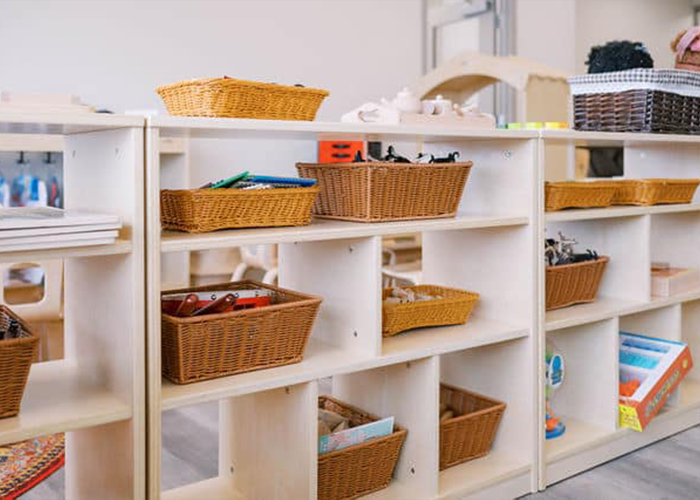
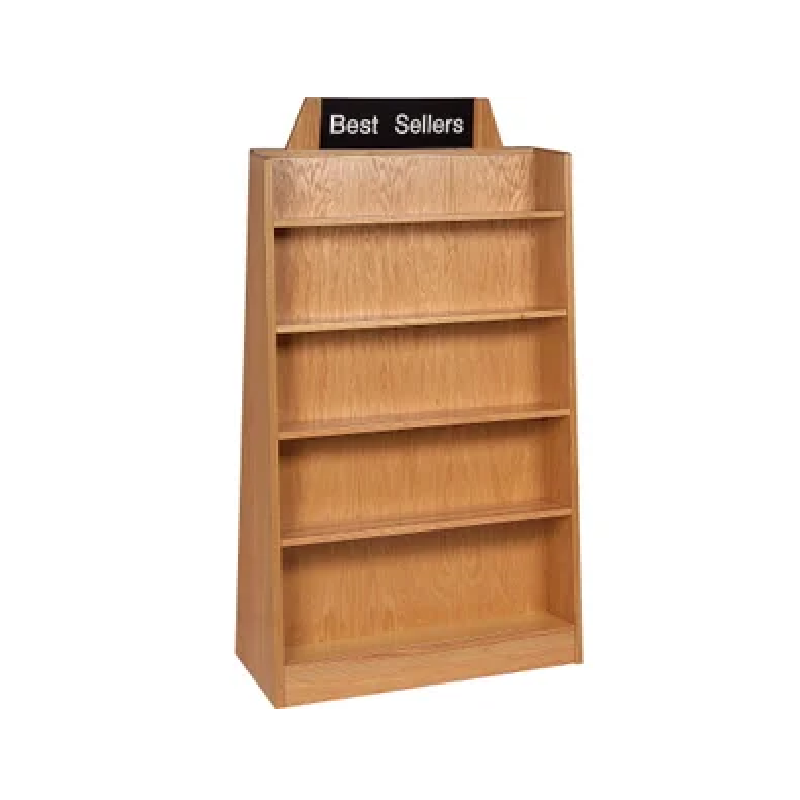
Sturdy, well-crafted bookshelves designed for efficient book display and organization. Available in single- or double-sided configurations, with adjustable shelving heights to accommodate collections of all sizes and age groups.

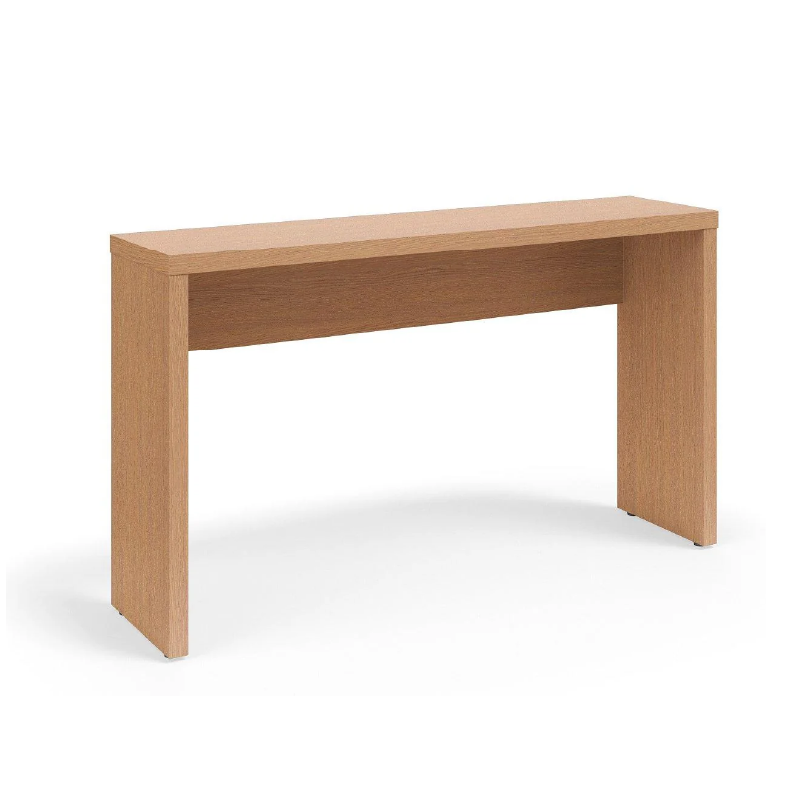
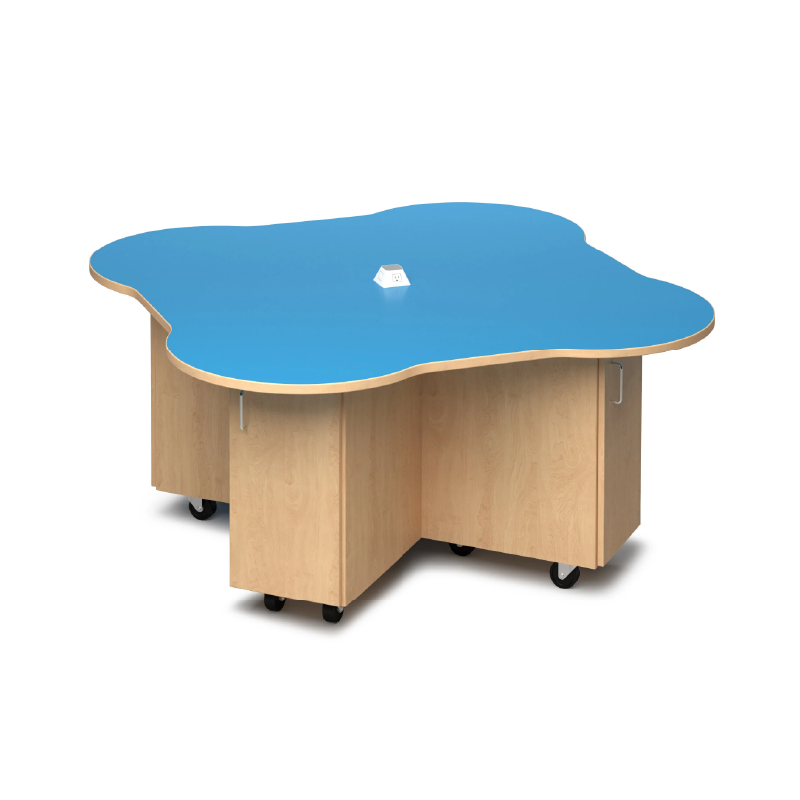
Library Tables

Multi-purpose reading and study tables built for both individual and group use. Options include round, rectangular, and trapezoid shapes with optional casters, cable management, and height adjustability for enhanced flexibility.

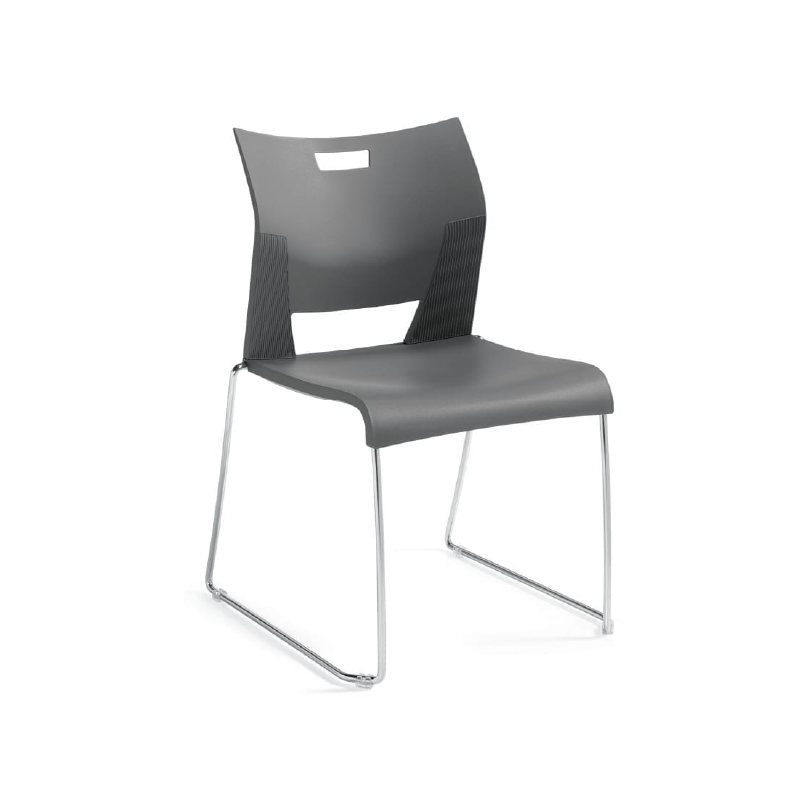
Library Chairs

Comfortable seating tailored for long study sessions, including ergonomic designs, stacking options, and chairs with arms or tablet attachments. Materials include wood, plastic, and upholstered finishes.

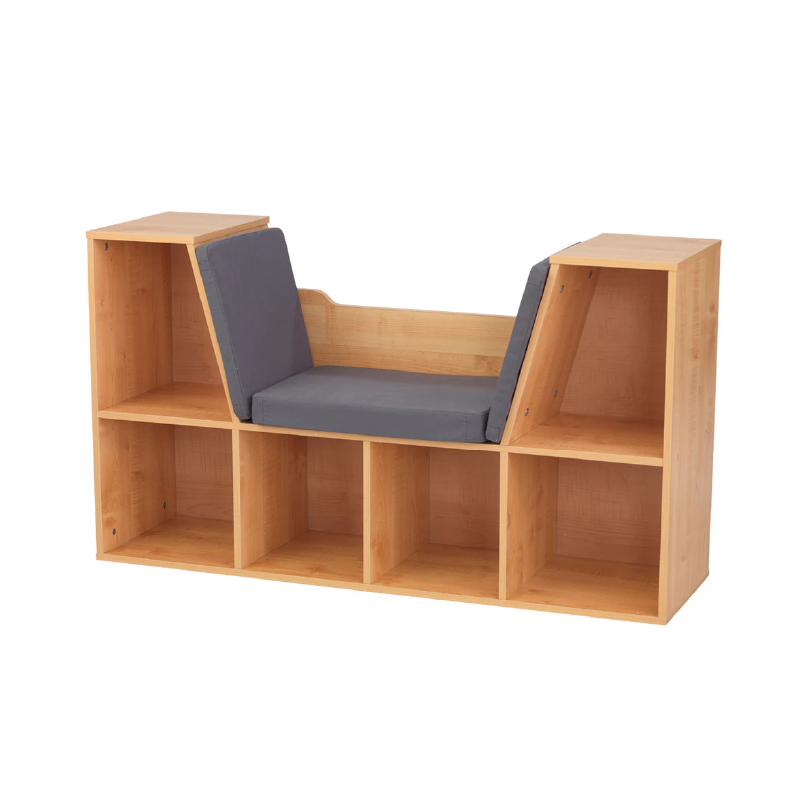
Library Nooks

Cozy, semi-enclosed reading areas that encourage quiet reflection and immersive reading experiences. Often paired with soft seating and acoustical panels to create a calm, child-friendly atmosphere.

Library Stools

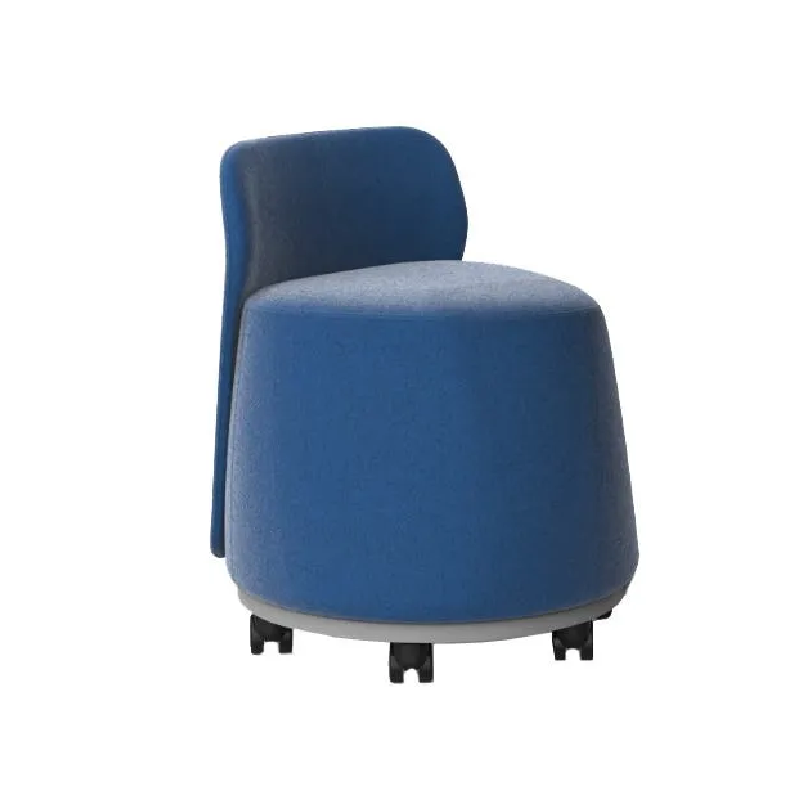
Compact and movable seating solutions for high tables, maker spaces, or informal reading corners. Designs include backless, adjustable-height, and swivel stools suited for dynamic use.

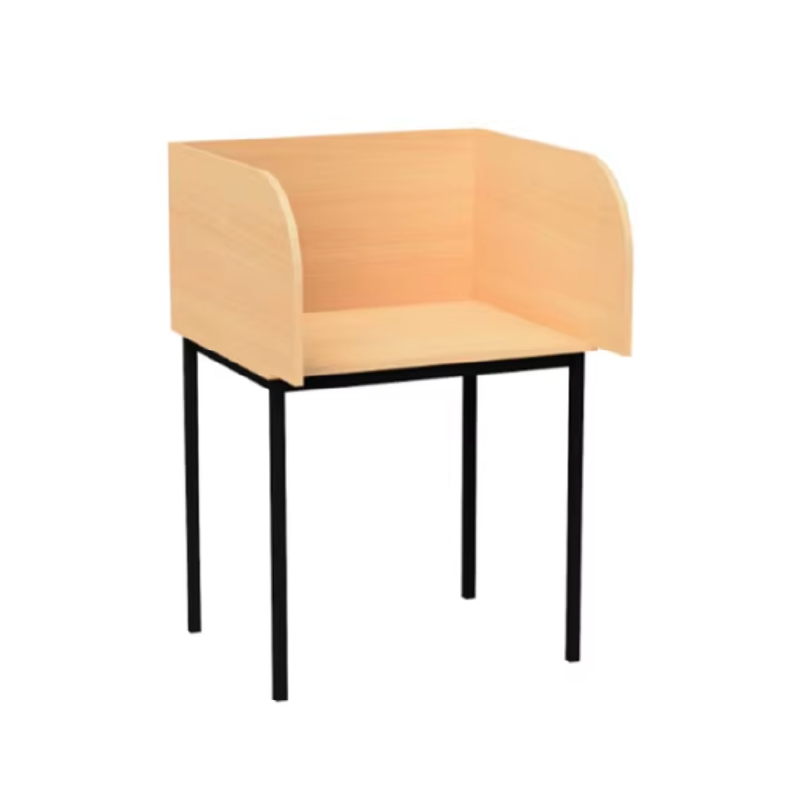
Study Cubicles

Individual workstations offering privacy for concentrated study. Includes integrated shelving, sound-reducing side panels, and optional power access, ideal for exam prep or focused research.

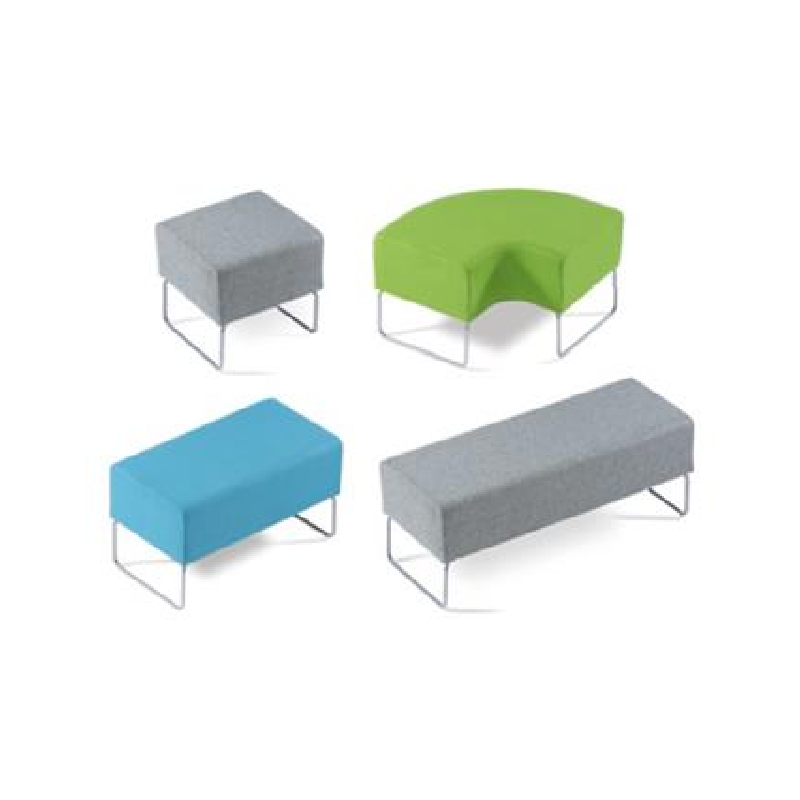
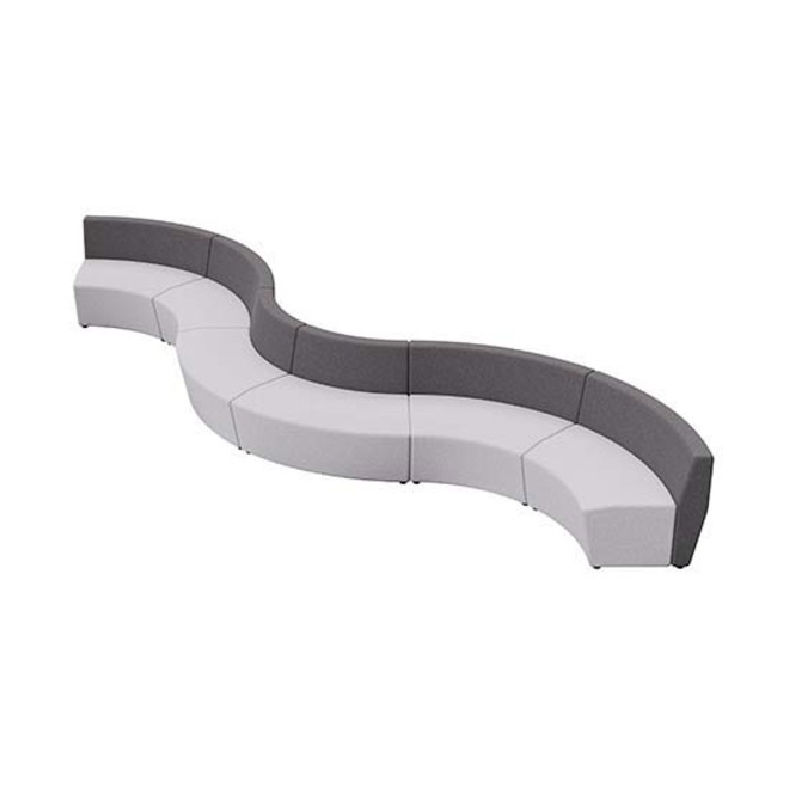
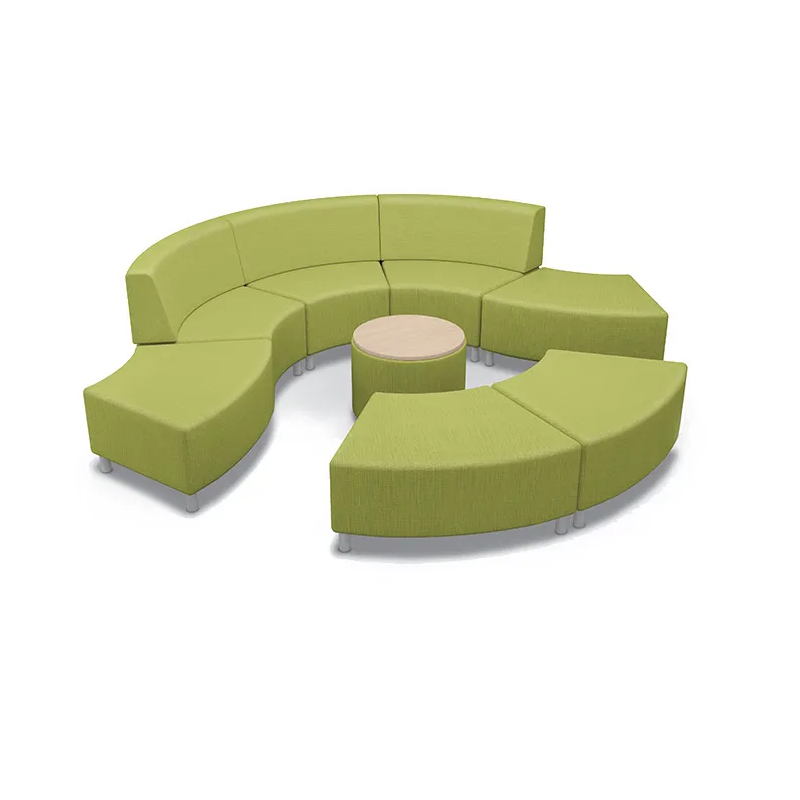
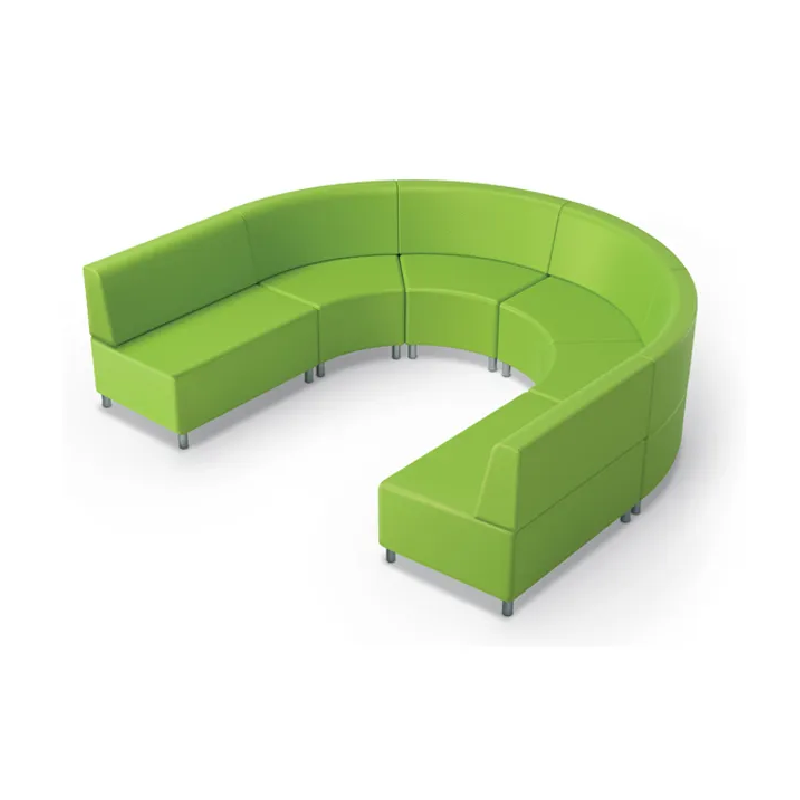
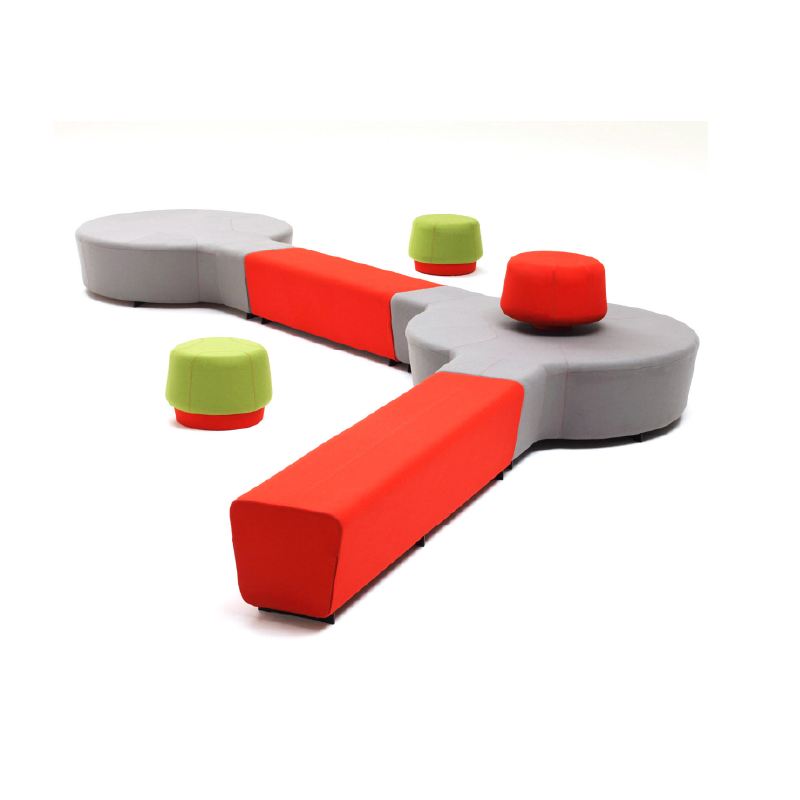
Modular Lounge Seating

Flexible seating arrangements composed of configurable soft seating units. Ideal for collaborative learning spaces and adaptable to various library layouts and student group sizes.

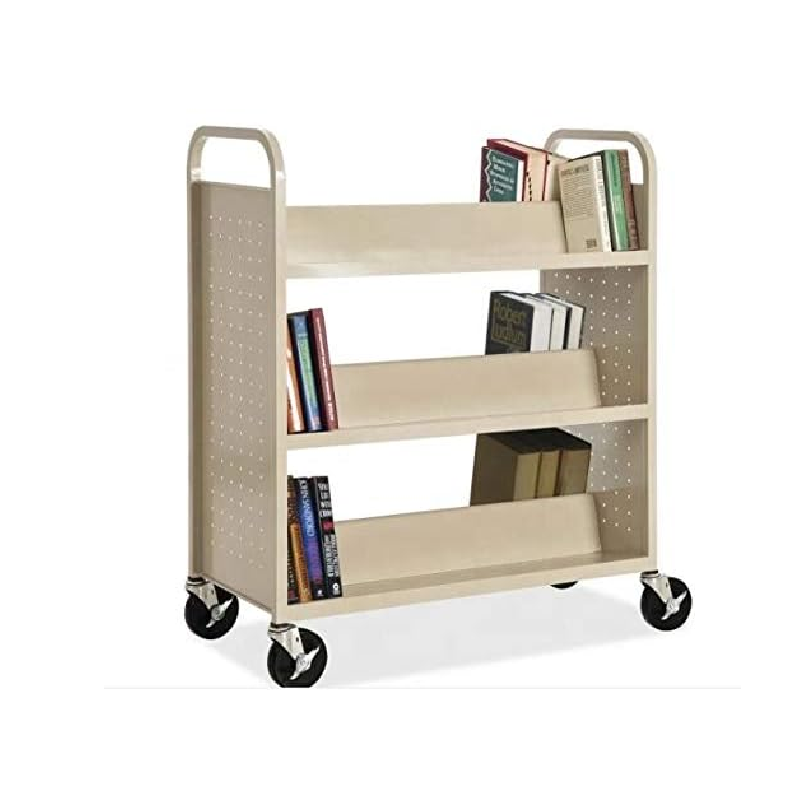
Book Carts

Mobile carts are designed for book transport, reshelving, or temporary displays. Typically feature dual-sided access, lockable casters, and durable steel or wood construction for longevity.

Library Circulation Desks

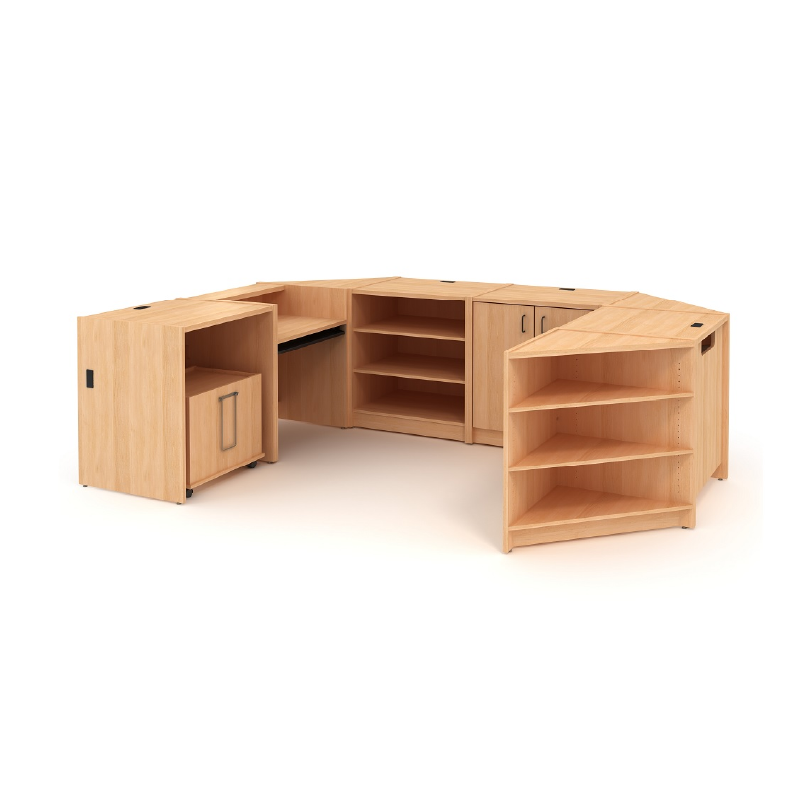
Functional central hubs for library staff, supporting check-in/out operations, storage, and device management. Available in customizable modular units with integrated technology and ample workspace.

Library Display Furniture

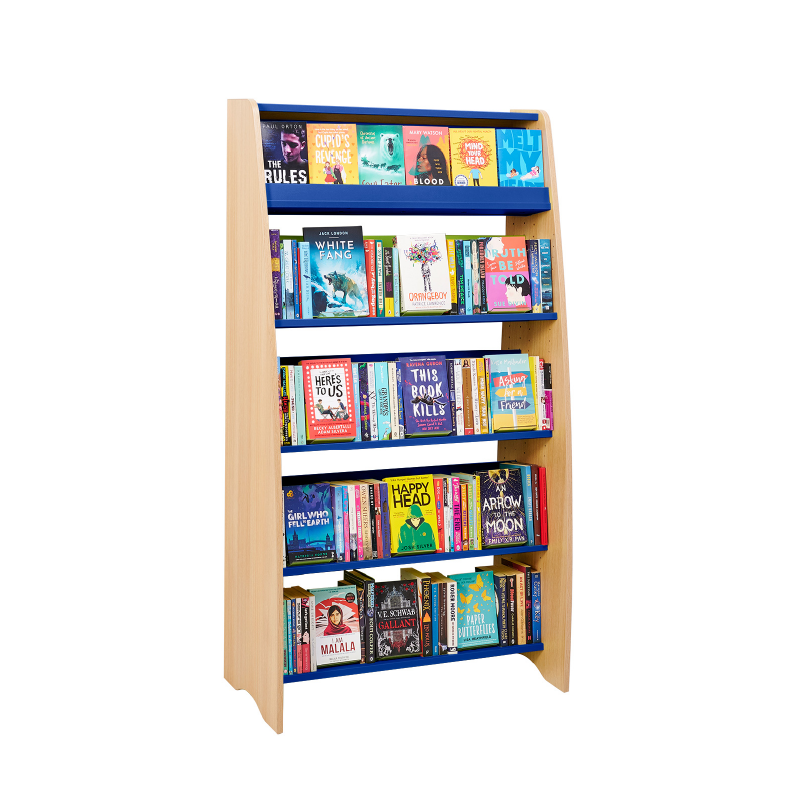
Front-facing book displays, spinner racks, and feature shelves to highlight new arrivals, themed collections, or student recommendations. Promotes visual engagement and independent exploration.

XIha Montessori: Trusted Supplier of Library Center Furniture for Schools

As a professional manufacturer and supplier of Library Center furniture, we specialize in providing tailored solutions for school libraries, media rooms, and reading corners. From bookshelves and study desks to circulation counters and lounge seating, every piece is designed for functionality, comfort, and long-term durability.

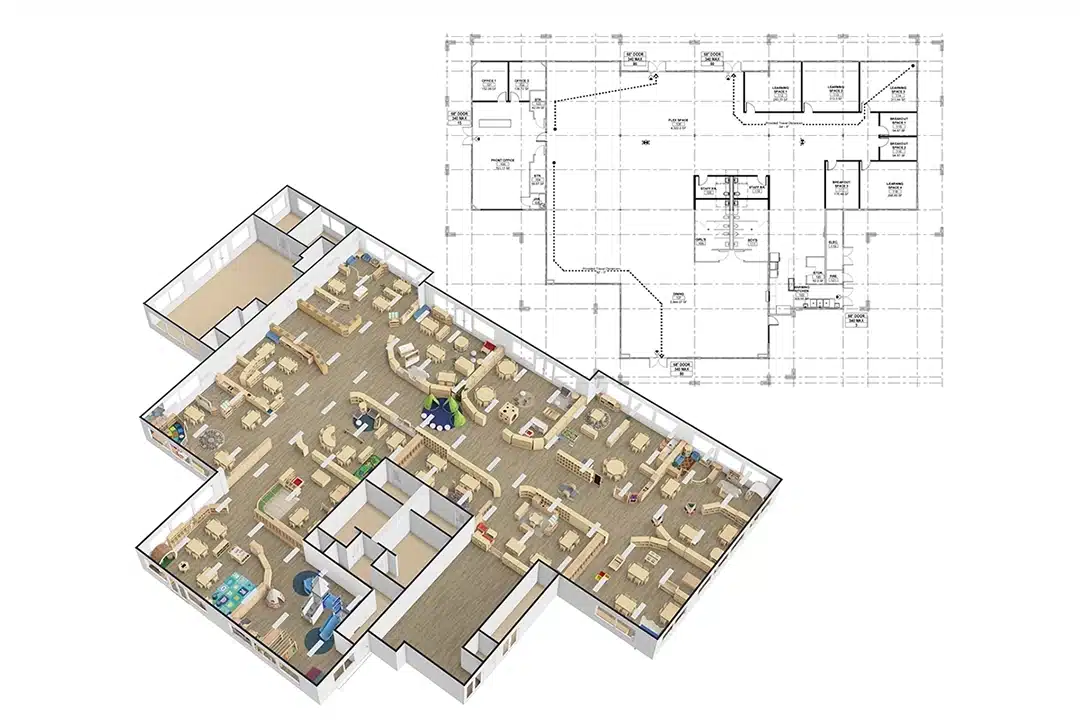
With years of experience serving schools and institutions worldwide, we combine precision manufacturing with expert design consultation, offering full customization, free 2D/3D layout support, and fast global delivery. Our library solutions meet strict safety and quality standards—helping you create a space that inspires literacy, curiosity, and calm.

Materials Used in Library Center Furniture

The quality, durability, and appearance of Library Center furniture are determined by the materials used in its construction. From bookshelves to circulation desks, selecting the right material ensures longevity, safety, and a welcoming learning environment. Below are the most common materials applied in Library Center furniture:

  • Birch Plywood Known for its strength and smooth finish, birch plywood is a popular choice for bookshelves and modular seating. It resists warping, accepts paint or clear finishes well, and has a warm, natural appearance ideal for educational settings.
  • MDF (Medium Density Fiberboard) MDF is widely used in library furniture for its affordability and versatility. It provides a flat, smooth surface ideal for laminated finishes, often used in study desks, cubicles, and cabinet units.
  • Solid Wood Solid wood options like oak, beech, or rubberwood offer premium strength and timeless appeal. These materials are ideal for high-traffic zones such as circulation desks and tables due to their durability and elegant look.
  • Metal (Steel or Aluminum) Metal frames are frequently used in shelving, book carts, and chair bases to enhance structural integrity. Powder-coated finishes ensure resistance to scratches, rust, and corrosion, making them ideal for long-term use.
  • Plastic (Polypropylene or ABS) Lightweight and easy to clean, high-grade plastic is often used in stackable chairs, book bins, and children’s seating. It offers comfort, color variety, and easy maintenance.
  • Glass Panels Applied in display cases and circulation desks, tempered glass adds a sleek finish and ensures safety while allowing visibility of displayed books or items.

Key Factors in Choosing Library Furniture

When selecting furniture for a school library center, you should consider multiple interrelated factors. Below are the main criteria, each of which has implications for usability, cost, durability, and student comfort.

Function

  • Intended use: Determine what the furniture will be used for. Is it for reading, studying, group discussion, maker activities, technology stations, or display? Each purpose demands different furniture forms. For example, reading corners benefit from lounge seating; studying benefits from desks; maker spaces often need worktables with durable surfaces and easy cleaning.
  • Flexibility vs. fixed function: Some furniture is designed for a single use. Others are modular or multi‑purpose (e.g., tables that can convert, mobile shelves). Flexibility allows the library to change configuration for classes, events, or evolving pedagogical needs.
  • Student age and mobility: Furniture needs differ for younger children, teens, and adults. Younger students need low seats, rounded edges, and safe materials. Older students may need ergonomic chairs, adjustable desks, and quiet study carrels.
  • Technology integration: If students will bring laptops/tablets, or if there are computers in the library, furniture must accommodate charging, cable management, possibly screens, and ease of access.

Space Required and Quantity

  • Size of library space: Measure the total square footage, ceiling height, access points (doors, windows), and existing fixed features (columns, built‑in cabinetry). These constraints define what furniture shapes and sizes will physically fit and allow good traffic flow.
  • Quantity vs. circulation: How many students will use the library at peak times? The furniture must scale accordingly. You may need more seating or tables than are currently needed to accommodate future growth.
  • Spacing standards: Ensure aisles are wide enough (e.g., for ADA compliance), that there is room for wheelchair access, comfortable movement, and supervision by staff. Overcrowded furniture reduces safety and utility.
  • Module dimensions: Understand standard furniture module sizes (e.g., bookcases 36‑72 inches wide, tables 48‑72 inches long) so multiple units can line up or stack neatly.

Aesthetics

  • Visual harmony: The furniture style should harmonize with the building’s architecture, materials, and finishes. It should feel neither jarring nor out of place. For example, wood tones may complement warm interiors; metal and glass may fit modern or minimalist spaces.
  • Color and mood: Colors affect mood, focus, and perception of space. Muted, neutral tones can help reduce visual distraction; accent colors can bring energy or demarcate zones (e.g., bright colors in children’s areas, calm tones in quiet study).
  • Branding and identity: If your school has particular colors, motifs, or identity elements, furniture can subtly reflect that — upholstery, finishes, or accent pieces can tie the library to the broader school community.
  • Comfort and appeal: Even beautiful furniture needs to invite use. Comfortable upholstery, proportional scale for human size, and inviting forms increase student engagement.

Storage Space

  • Book collection: Consider how many books, periodicals, and multimedia items you will store. The shelving needs to accommodate current volume and allow growth. Adjustable shelving helps adapt to different book depths.
  • Other resources: Makerspace tools, curriculum materials, equipment, and laptops/tablets need secure storage. Furniture with built‑in storage, rolling cabinets, and lockable drawers may be necessary.
  • Display features: For features like new book displays or reading recommendations, furniture may include slanted shelves, front‑facing display racks, or tiered tables.
  • Hidden vs visible storage: Visible shelves help browsing; closed storage helps reduce visual clutter and provides security. Balance both kinds, depending on function and aesthetic.

Budget Considerations

  • Initial purchase cost: How much is allocated? Setting a clear budget helps you prioritize durability, quality, and function.
  • Long‑term cost of ownership: Consider maintenance, parts replacement, upholstery, cleaning, and repairs. A more expensive piece that lasts ten or more years may cost less per year than cheap furniture that fails quickly.
  • Bulk purchase benefits: Ordering many units of the same style often reduces cost. Also, standardizing pieces may simplify maintenance and spare part sourcing.
  • Funding and grants: Some furniture options may be eligible for educational grants, sustainability funding, or donor contributions. Research this beforehand.
  • Trade‑offs: Perhaps high durability in high‑use zones (entrance, checkout) and more decorative/softer furniture in low‑traffic zones (reading nooks) is the optimal split.

Durability

  • Materials: Choose materials that withstand high traffic, spills, cleaning chemicals, and movement. Metals, high‑quality plywood, powder‑coated steel, or solid wood are preferable.
  • Joinery and construction: How are seams, joints, and legs constructed? Screws, dowels, welded frames, and reinforcements make big differences in longevity.
  • Finish and surface protection: Laminates, stain‑resistant coatings, and edge banding protect against wear and moisture. Upholstery fabrics should be durable, ideally rated for heavy commercial use.
  • Replaceable parts: Furniture designed so parts can be replaced (e.g., glides, wheels, cushions) extends useful life.
  • Testing and warranties: Check whether furniture meets safety and durability certifications. Long warranties (5‑10 years) often indicate manufacturer confidence.

Common School Library Bookcase Heights

Library Level / Age Group Typical Bookcase Height Purpose / Rationale
Elementary, Children’s Area 30 in – 36 in (≈ 76–91 cm) Low shelves allow young children to reach books safely and independently
Lower Elementary / Early Readers 36 in – 42 in (≈ 91–107 cm) Slightly higher to accommodate more books while still reachable by younger students
Upper Elementary / Middle School 48 in – 54 in (≈ 122–137 cm) Taller shelves for more volume; students are taller and can reach higher safely
High School / General Circulation 60 in – 72 in (≈ 152–183 cm) Maximize capacity in vertical space; adult height makes higher shelves feasible
Display & Featured Collections 36 in – 48 in (≈ 91–122 cm) Lower/display shelves for visibility; front‑facing display units work well at mid‑height

Different Spaces in the Library Center

A school library center typically comprises several distinct spaces, each with specific functions and furniture needs. Understanding these zones helps in selecting suitable furniture for each. Below are common spaces and what to consider.

Children’s Space

Children’s Space

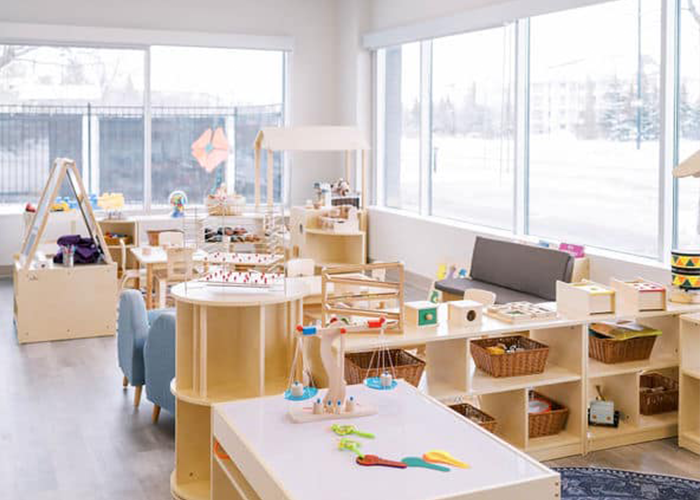
  • Low‑height bookcases and display racks so children can see & reach materials.
  • Soft seating (beanbags, single cushioned chairs, small couches) for reading.
  • Activity tables with rounded edges and easy-to-clean surfaces.
  • Furniture that encourages exploration and physical safety (no sharp corners; stable, low to the ground).
  • Storage for hands‑on kits, art supplies, and games; visible and accessible storage bins.
  • Colorful, engaging materials, but balance so as not to overstimulate.

Youth Area

Youth Area

  • Desks and tables sized for adolescents, sometimes adjustable or higher height.
  • Comfortable reading chairs or lounge seating, perhaps modular so groups can rearrange.
  • Shelving suited for young adult titles, multimedia, and graphic novels.
  • Technology stations: seating near power outlets; tables that allow laptop or device use comfortably.
  • Collaborative workspaces: tables for group study, discussion booths.

Maker Space

Maker Space

  • Sturdy tables or workbenches with durable, sometimes scratch‑, stain‑, and water‑resistant surfaces.
  • Storage for tools, materials, and containers, ideally lockable or well organized.
  • Floor space to move materials; good lighting; perhaps high stools or workshop seating.
  • Electrical accessibility: outlets on or near tables; possibly built‑in charging units.
  • Flexible furniture that can be reconfigured based on project needs.

Community and Meeting Rooms

Community and Meeting Rooms

  • Conference tables or modular tables that can be combined or separated.
  • Comfortable chairs; sometimes stackable or foldable to expand or free the space.
  • AV equipment: tables or stands for projectors, screens, and lecterns.
  • Acoustic considerations: furniture with soft materials, partitions or panels to reduce echo.
  • Lighting control and possibly privacy features (curtains, blinds) to adapt to different events.

Common Areas and Shelving

Common Areas and Shelving

  • Browsing shelves: mid‑height shelving so users can see across the library (aid wayfinding).
  • Seating clusters: small group tables, occasional chairs for casual reading.
  • Display tables for new books or featured themes.
  • Clear aisles: furniture layout that allows supervision and easy circulation.
  • Durable flooring beneath high traffic zones; furniture with protective feet to avoid floor damage.

Entrance and Circulation Desk

Entrance and Circulation Desk

  • Reception or service desk: suitable height for staff, with storage for supplies, security cameras, and lockable sections.
  • Seating near the entrance: waiting chairs or benches for parents or visitors.
  • First impression: furniture here often conveys the tone of the library (materials, color).
  • Safety/security: furniture that doesn’t block sightlines; locks or secure drawers for valuables.
  • Durable surfaces: the top of the circulation desk takes heavy wear, needs scratch and stain resistance.

Traditional vs. Modern Library Furniture

Feature Traditional Library Furniture Modern Library Furniture
Materials used Solid wood, heavy timbers, dark finishes, ornately detailed moldings Lightweight metals, engineered woods, laminates, lighter or mixed finishes, clean lines
Aesthetic / Style Classic, warm, formal, often decorative Minimalist, sleek, open, versatile, sometimes industrial or contemporary
Flexibility Less flexible; heavy, fixed pieces, not easily moved or reconfigured Highly flexible; modular, mobile, stackable/foldable pieces; reconfigurable layouts
Technology accommodation Designed before pervasive personal devices; less provision for cables or device charging Designed with cable management, built‑in power/USB outlets, provisions for tech hubs or digital labs
Cost profile Often higher per piece if genuine hardwood; longer lifespans but potentially heavier maintenance; may require refinishing Variable: engineered materials may be less expensive; design innovations can add cost; may require replacement sooner depending on material quality
Durability & Maintenance Very durable if well maintained; heavier and more resistant to minor damage; but refinishing and repair can be labor intensive Some modern materials resist scratches, stains and are easier to clean; lighter furniture may suffer more from misuse or rough handling

Storage Solutions for Keeping Things Tidy

Thoughtful storage keeps the library organized, reduces clutter, and helps students and staff find what they need with ease. Each type of storage should serve a clear purpose and be tailored to the users' needs.

Support for Books and Materials

Shelving must be accessible, age-appropriate, and flexible. Younger students benefit from low, front-facing shelves, while older students need taller, categorized shelving. Adjustable shelves help accommodate different book sizes and future changes.

Specialized Resource Storage

Modern libraries house more than books. Items like tablets, STEM kits, and craft supplies need secure, organized storage. Lockable cabinets, labeled bins, and rolling carts work well to keep these materials safe and easy to manage.

Multi-Use Furniture with Built-In Storage

Furniture that doubles as storage—like benches with compartments or tables with shelves—saves space and adds function. These solutions keep supplies hidden but accessible, supporting both comfort and efficiency in smaller libraries.

Labeling and Organization

Clear, consistent labeling helps users return items correctly and reduces staff workload. Visual icons work well for younger children, while color codes and signs help older students navigate quickly and independently.

Placement and Accessibility

Storage should be placed where it’s needed most—frequent-use items near entrances or desks, and long-term storage out of main traffic areas. Accessibility is essential so all students, regardless of ability, can use the library effectively.

Safety Standards for School Furniture

Safety must be built into the table’s design, not added as an afterthought. Schools are dynamic, high-traffic environments; even a minor safety oversight can lead to injury or liability.

  • Structural Stability All furniture must be stable and secure, designed to prevent tipping or wobbling.
  • Rounded Corners Tables, chairs, and shelving should have smooth, rounded edges to reduce the risk of injury.
  • Non-Toxic Materials Materials must be free from harmful chemicals and meet safety standards for indoor environments.
  • Fire Resistance Upholstered and soft furniture should comply with fire safety regulations to minimize fire hazards.
  • Ergonomic Compliance Furniture should meet ANSI/BIFMA (U.S.) or EN 1729 (EU) standards for appropriate sizing and comfort.
  • ADA Accessibility Desks and seating should comply with ADA standards to ensure access for students with disabilities.
  • Low Emission Certification Prefer furniture certified for low VOC emissions (e.g., GREENGUARD) to protect indoor air quality.
  • Child Safety Compliance For areas serving younger students, furniture should meet ASTM or CPSC standards for child-safe use.

Best Practices for Cleaning Library Furniture

By integrating these maintenance practices into your routine, you not only preserve the visual and functional quality of your library center furniture but also create a healthier, more welcoming learning environment for all users.

  • Establish a cleaning schedule tailored to usage levels. High-use furniture such as study tables and chairs should be cleaned more frequently.
  • Use non-toxic, school-safe cleaning agents to ensure student and staff safety.
  • Immediately clean spills or stains to prevent permanent damage or odor buildup.
  • Use protective pads on furniture legs to reduce floor damage and noise.
  • Avoid exposing furniture to direct sunlight for prolonged periods, as this can fade finishes and damage upholstery.
  • Train custodial staff or contracted cleaners on specific care instructions, especially for specialty materials or finishes.

FAQs

Student needs and how they will use the space. Function always comes before form.

Use flexible, mobile furniture and open layouts to maximize visual space and usability.

Absolutely. Their feedback ensures the space will be both functional and well-used.

Choose furniture with built-in USB ports, media tables, or charging lockers for devices.

Prioritize essential functional furniture, such as tables, chairs, and bookshelves, as well as furniture for safety and comfort. Next, consider flexible and movable furniture. Finally, consider decorative or secondary functional furniture.

Xiha Montessori Solutions

Xiha Montessoris supplies superior preschool furniture and toys to over 500 kindergartens across the globe. ​

Contact us for a free consultation to customize the perfect solution for your needs.

Planning a New Daycare? We’re Here to Help

If you need a list of preschool products, send us an inquiry to contact us!

Leading Manufacturer & Supplier of Preschool Furniture

Offering free classroom design and customized furniture services

Request Preschool Catalog Now

preschool suppliers

We're Preschool Furniture Supplier

Fill out the form below, and we will contact you within 48 hours.

Montessori Kindergarten, New Zealand

Reggio Kindergarten, America

Montessori Kindergarten, Australian

Reggio Kindergarten, Singapore

Montessori Kindergarten, Spain

Montessori Kindergarten, Denmark

Montessori Perschool, Canada

Reggio Kindergarten, New Zealand

Reggio Kindergarten, Australia