Are your students disengaged in class, passively waiting for the bell to ring? Do they forget important concepts soon after exams? Struggling to connect theory with real-world relevance? Could project based learning be the missing link to inspire lasting curiosity?
Project Based Learning is an instructional method where students explore and solve real-world problems through meaningful projects. By engaging in hands-on tasks, learners apply critical thinking, collaborate effectively, and develop practical skills that go beyond memorization. With Project Based Learning, education becomes an active journey rather than a passive routine.
Project based learning can transform traditional classrooms into vibrant hubs of innovation. Let’s uncover how it works, its advantages, and why it’s gaining global attention.
What is Project Based Learning?
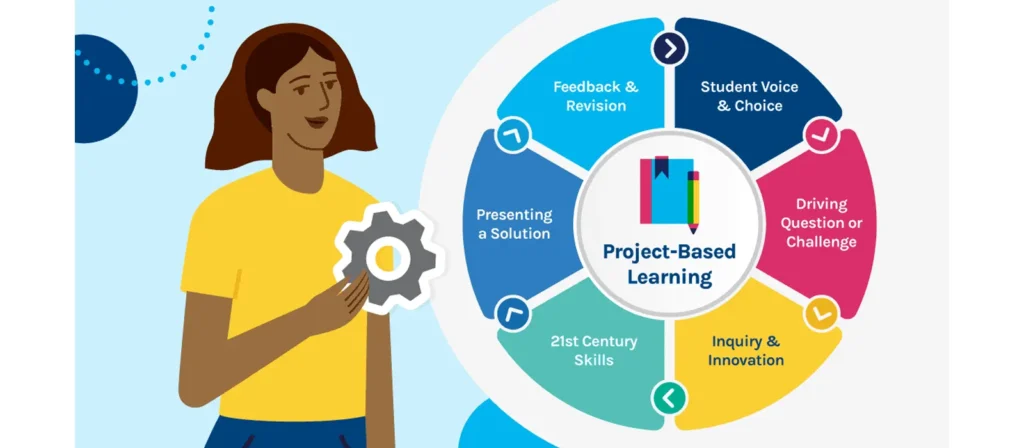
Project Based Learning (often shortened to PBL) is a student-centered pedagogy that organizes learning around projects anchored by a challenging driving question. The project is not an “extra” after the real teaching happens—it is the vehicle for teaching standards-aligned content, literacy, and numeracy while simultaneously cultivating collaboration, communication, creativity, critical thinking, and self-management.
Key Characteristics of Project Based Learning
While every classroom adapts Project Based Learning to its context, effective implementations share certain hallmarks. Think of these as quality guardrails that keep PBL rigorous and equitable.
- A compelling driving question that frames inquiry: “How might we reduce food waste in our cafeteria?” or “What design can make our local playground safer and more inclusive?”
- Authentic purpose and audience. Students create products that matter beyond the classroom—policy briefs for the school board, public service announcements for the community, prototypes for a nonprofit partner, or exhibits for a local museum.
- Sustained inquiry over days or weeks, during which students research, test, gather feedback, iterate, and improve.
- Student voice and choice in how they investigate, which sources they trust, the tools they use, the roles they take, and the form of their final product—while still meeting the same learning targets.
- Frequent critique and revision based on clear criteria. Students learn to give and receive actionable feedback, revise their work, and reflect on their progress.
- Culminating public product or performance that requires professional polish and real accountability.
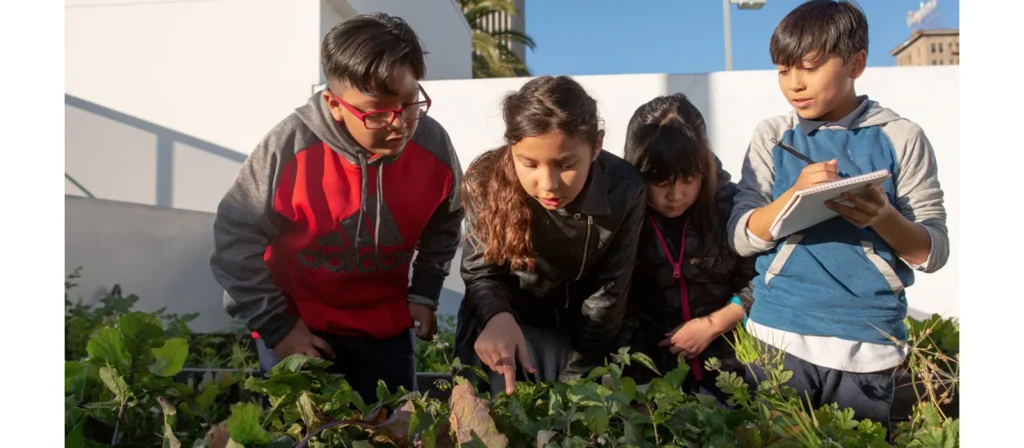
How Project-Based Learning Works?
Here’s the practical workflow I recommend for Project Based Learning. Think of it as a living blueprint you can scale up or down, depending on time, context, and outcomes.
Step 1: Clarify Outcomes and Constraints
Start with standards or competencies. Identify core content, key skills, and transfer goals. Define constraints—timeline, resources, stakeholders. Set success criteria visible from day one. This gives Project Based Learning its backbone.
Step 2: Design a Compelling Driving Question and Scenario
The scenario frames the world students will inhabit. Write it like a brief: the problem, the users, the deliverables, the non‑negotiables. Pair it with a driving question that is intriguing and achievable. Validate the question with colleagues or external partners.
Step 3: Launch With an Entry Event
Kick off with a spark: a short video, a site walk‑through, a user interview, a data puzzle, or an artifact. The entry event should raise questions and create cognitive tension. In Project Based Learning, the launch moment converts passive interest into active inquiry.
Step 4: Plan Inquiry and Teaching Arcs
Map the project into sprints. Decide which mini‑lessons will be taught just‑in‑time—research methods, statistical tests, design principles, citation practices, storytelling. Align checkpoints with draft expectations. Clarify what “done” looks like at each checkpoint. This prevents last‑minute chaos.
Step 5: Manage Teams and Roles
Project teams aren’t random groups. Assign or negotiate roles: project manager, lead researcher, prototyper, data lead, editor, presenter. Rotate roles across projects to build range. Use simple school tools—Kanban boards, stand‑up meetings, shared calendars—to keep work visible. These habits make Project Based Learning sustainable.
Step 6: Embed Critique and Revision
Plan feedback rounds with rubrics and protocols. Teach students how to give and receive feedback that is kind, specific, and helpful. Require evidence of revision—tracked changes, version logs, or annotated drafts. In Project Based Learning, revision is not optional; it is the engine of quality.
Step 7: Publish and Celebrate
A public audience raises the bar. Publish reports, pitch to panels, demo prototypes, or host exhibitions. Provide a structure for Q&A. Celebrate both outcomes and processes—what was learned, what changed, and what remains to explore. Authentic closure reinforces the value of the work.
Step 8: Reflect and Document Learning
Close with reflection prompts: What did we learn? How did we learn it? What would we do differently? Collect artifacts in a portfolio—process notes, data sets, code, drafts, final products. This documentation becomes evidence for assessment and growth.
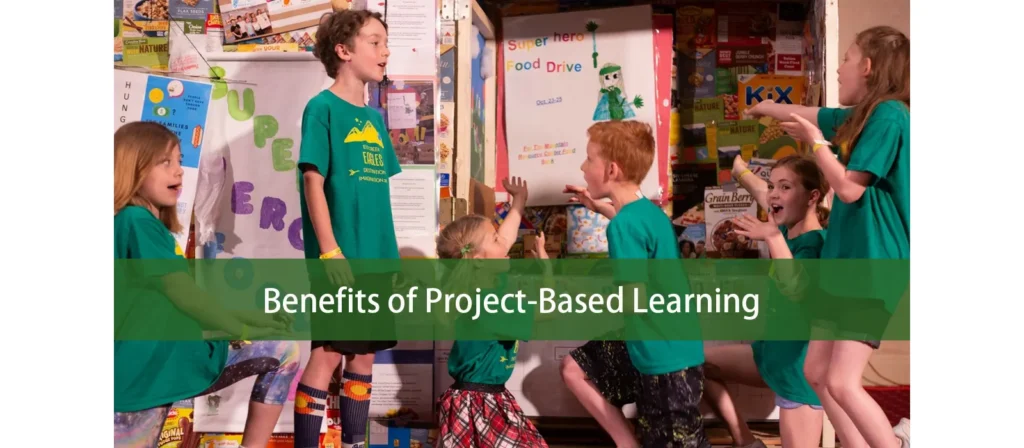
Benefits of Project-Based Learning
Project-Based Learning offers a wide range of advantages that go beyond mastering academic content. By engaging students in meaningful, real-world challenges, PBL helps them develop essential life skills, fosters a growth mindset, and prepares them for success in future academic, professional, and personal contexts.
- Collaboration – Students work in structured teams, share responsibilities, and practice communication, negotiation, and conflict resolution.
- Problem Solving – Learners tackle complex, open-ended problems, break them into manageable parts, and develop evidence-based solutions.
- Creativity – Encourages generating innovative ideas within real constraints, using diverse formats and tools for expression.
- Confidence – Builds self-assurance through goal achievement, public presentations, and constructive feedback from authentic audiences.
- Critical Thinking – Strengthens skills in evaluating evidence, questioning assumptions, and making logical, well-supported decisions.
- Project Management – Develops planning, time management, and task coordination skills essential for long-term projects.
- Curiosity – Sparks and sustains interest through student choice, real-world relevance, and continuous discovery.
- Perseverance – Fosters resilience and adaptability by overcoming obstacles, refining work, and persisting toward quality outcomes.
Project-Based Learning vs. Traditional Learning
| Dimension | Project Based Learning | Traditional Learning |
|---|---|---|
| Primary Mode | Inquiry-driven projects anchored by a driving question | Teacher-delivered lessons followed by practice and a test |
| Role of Teacher | Facilitator, coach, designer of learning experiences | Lecturer, primary source of knowledge |
| Role of Student | Active investigator, collaborator, creator | Passive recipient, note-taker, test-taker |
| Time Structure | Extended, multi-week units with milestones | Short, discrete lessons organized by topic |
| Content Coverage | Depth over breadth; standards embedded in projects | Breadth over depth; coverage of many topics |
| Assessment | Rubrics, portfolios, performances, public products; ongoing formative checks | Unit tests, quizzes, and homework grades |
| Feedback | Frequent critique and revision cycles | Limited feedback focused on correctness |
| Collaboration | Structured teamwork with assessed roles | Occasional group work; individual performance emphasized |
| Technology Use | Purposeful tools for research, design, data, and publishing | Presentation tools; occasional research |
| Differentiation | Voice and choice, varied roles and products, targeted scaffolds | Same task for all; limited differentiation |
Examples of PBL Project Ideas
Project-Based Learning can be applied across subjects and grade levels, encouraging students to connect classroom learning with real-world challenges. Below are 15 versatile project ideas that can be adapted to fit different curricula and contexts:
- Community Waste Reduction Plan – Audit local waste and design a strategy to cut landfill contributions.
- Safe Routes to School Proposal – Map and recommend safer walking and biking paths for students.
- Local History Documentary – Research and produce a short film about an important community event.
- Urban Heat Island Solutions – Design and test methods to reduce heat in urban environments.
- School Lunch Redesign – Create a healthier, cost-effective, and culturally responsive school menu.
- Financial Literacy Simulation – Plan a monthly budget based on a chosen career and living costs.
- Campus Biodiversity Guide – Document and publish profiles of local plants and wildlife.
- Energy-Efficient Tiny House Design – Build a model home that minimizes energy use.
- Civic Policy Brief – Research a local policy issue and propose evidence-based recommendations.
- Literature-to-Performance Adaptation – Turn a book or story into a staged or recorded performance.
- Global Water Resource Map – Create an interactive map highlighting water access and challenges worldwide.
- Assistive Technology Prototype – Design a low-cost device to support individuals with disabilities.
- Mathematical Art Exhibit – Produce artwork that visually demonstrates mathematical concepts.
- Eco-Tourism Plan – Develop a sustainable tourism proposal for a local natural area.
- Digital Wellness Campaign – Create resources promoting healthy technology use habits.
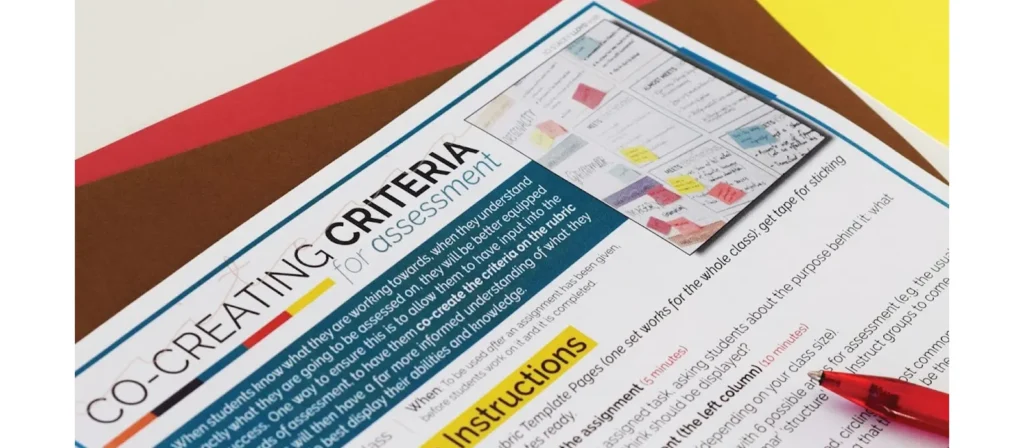
Creating Criteria for Effective Learning Projects
Effective projects are not accidents; they are engineered. The following criteria function as guardrails to keep learning deep, equitable, and feasible. Use them to design new projects or audit existing ones.
Clear Purpose and Driving Question
A project’s heartbeat is a consequential question that demands thinking, not mere recall. It should be open-ended, standards-aligned, and consequential to students’ lives or communities. Strong driving questions start with “How might we…,” “What is the best way to…,” or “To what extent should…,” and they point naturally to research, design, argumentation, or performance.
Authenticity and Audience
Authenticity arises when students use real tools to address real needs for a real audience. This does not require expensive partnerships; a community group, a school board, local families, or a digital public can supply authentic stakes. When an outside audience is expecting a deliverable, students raise their game.
Standards Alignment and Cognitive Demand
Map standards directly to milestones and rubrics. Name the verbs and cognitive moves students must perform: analyze, model, justify, synthesize, evaluate. If the project can be completed with copy-and-paste research and decorative posters, it needs redesign.
Feasibility, Constraints, and Timeboxing
Set constraints on time, budget, tools, and scope so students iterate within realistic boundaries. Identify the minimum viable product and the stretch goals. Make the calendar visible, protect studio time, and schedule critique cycles.
Student Voice, Choice, and Role Clarity
Students should make meaningful decisions about approach, sources, tools, and products while meeting common learning targets. Use team contracts and rotating roles to distribute cognitive and logistical labor. Choice without clarity produces chaos; clarity without any choice produces compliance. Aim for both.
Scaffolding and Just‑in‑Time Teaching
Plan mini-lessons for the skills students will need precisely when they will need them: source evaluation, data analysis, modeling, CAD basics, persuasive structure, visual design, citation, or presentation techniques. Scaffolds include exemplars, checklists, sentence frames, glossaries, and rehearsal protocols.
Critique, Revision, and Documentation
Quality emerges from cycles of feedback and improvement. Require at least two formal critique rounds anchored in rubrics or success criteria, and document iterations. Portfolios should include drafts, feedback notes, and reflection journals to make learning visible.
Equity, Access, and Universal Design
Design multiple access points: varied roles, multimodal texts, multilingual resources, and diverse product options (report, podcast, video, prototype, performance). Build in accommodations and assistive technologies from the start so differentiation is a feature, not an afterthought.
Safety, Ethics, and Academic Integrity
Anticipate safety considerations in labs, fieldwork, and digital spaces. Teach ethical research and the responsible use of AI and data. Establish norms for attribution, collaboration, and originality, and assess them.
Assessment Fitness
Assessment should provide a trustworthy picture of what students know and can do. Use a mix of formative checks and summative performances, triangulate evidence from process and product, and calibrate scoring with colleagues to reduce drift.
Sustainability and Reusability
Well-designed projects become part of the school’s repertoire. Package each project with a ready-to-use folder of briefs, rubrics, models, and timelines. Future you—and your colleagues—will thank you.
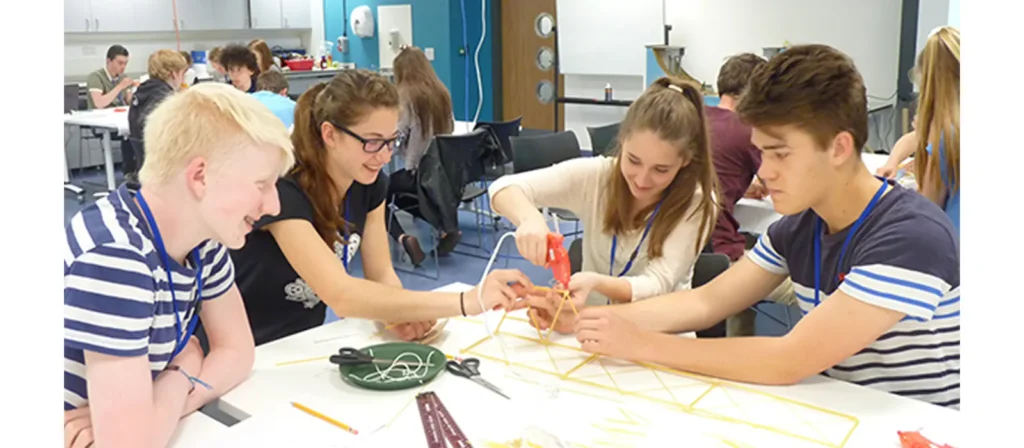
The Importance of Project-Based Learning for Schools
Project-Based Learning benefits schools by improving academic outcomes through deeper understanding and application of knowledge, while also building essential future-ready skills such as collaboration, communication, and critical thinking. It increases student engagement by connecting lessons to real-world challenges, fosters equity by allowing multiple ways to demonstrate mastery, and strengthens school–community connections through partnerships with local organizations. Teachers benefit from enhanced professional growth and cross-disciplinary collaboration, while public exhibitions of student work create a culture of high expectations and achievement. When implemented systemically, PBL also aligns curriculum with a school’s graduate profile and ensures a clear progression of skills across grade levels.
The Role of Technology in Project-Based Learning
- Enhances Research Capabilities – Gives students access to credible databases, archives, and real-time information sources.
- Supports Data Analysis and Visualization – Enables interpretation of complex data sets through spreadsheets, graphs, and interactive dashboards.
- Facilitates Collaboration – Allows real-time document sharing, task tracking, and communication across teams.
- Enables Digital Prototyping and Design – Provides tools for CAD modeling, video editing, and multimedia production.
- Expands Publishing Opportunities – Lets students share work through websites, podcasts, videos, and online exhibitions.
- Improves Accessibility – Offers translation tools, captions, and assistive technologies for inclusive participation.
- Speeds Feedback Loops – Uses online surveys, comment features, and video feedback to improve work in progress.
- Teaches Digital Citizenship – Builds awareness of online safety, intellectual property, and ethical content creation.
- Integrates AI as a Learning Partner – Supports brainstorming, drafting, and revision when used critically and transparently.
Unstructured vs. Structured Projects
| Dimension | Unstructured Projects | Structured Projects |
|---|---|---|
| Definition | Open‑ended tasks with minimal scaffolding; students determine most processes and outcomes. | Clearly framed tasks with explicit steps, milestones, and assessment criteria aligned to standards. |
| Typical Use Case | Advanced learners, exploratory or passion projects, enrichment contexts. | Core instruction, mixed‑readiness classes, introduction to new project routines or methods. |
| Strengths | High autonomy, fosters creativity and divergent thinking, allows deep personalization. | Predictable rigor, equitable access, transparent expectations, easier progress monitoring. |
| Risks | Scope creep, uneven quality, cognitive overload, hidden inequities in role distribution. | Over‑scaffolding can dampen agency and creativity; risk of checklist compliance without deep inquiry. |
| Teacher Role | Mentor and advisor; intervenes on demand; light touch. | Designer and coach; provides just‑in‑time instruction, structured critique, and checkpoints. |
| Student Role | Self‑directed planner and researcher; sets own criteria for quality. | Co‑designer within guardrails; operates within shared criteria and timeline. |
| Assessment | Portfolios and reflections; criteria may emerge post hoc. | Rubric‑based formative checks and summative evaluation mapped to targets. |
| Best Practices | Require proposals and periodic “design reviews” to maintain feasibility; ensure equity through role rotation and public accountability. | Include choice within structure; gradually release responsibility by removing scaffolds as competence grows. |
| When to Choose | After students demonstrate fluency with project methods and self‑management. | When building foundational PBL routines or ensuring coverage of critical standards. |
In practice, most successful PBL sits between the poles. Begin with structured projects to establish routines and equitable rigor, then progressively open the structure as students demonstrate readiness for autonomy.

Project-Based Learning Assessment Strategies
Assessment in Project Based Learning must be continuous, evidence‑rich, and fair to both individuals and teams. I build an assessment architecture before launch so that students understand how learning will be documented and judged.
1. Multi‑source Evidence
I collect process, product, and performance evidence. Process includes design logs, research notes, and peer feedback. Product includes prototypes, reports, or media. Performance captures presentations, demos, and Q&A. This triangulation provides a fuller picture than any single test.
2. Rubrics That Separate Dimensions
Good rubrics separate content understanding from skills like collaboration, communication, and creativity. That separation clarifies feedback and grades. Students see precisely where to improve. I publish rubrics with exemplars, then calibrate expectations with the class and staff.
3. Formative Checkpoints and Micro‑grades
In Project-Based Learning, I grade lightly and frequently—draft briefs, annotated bibliographies, user‑test summaries, storyboard iterations. Micro‑grades keep momentum and reduce end‑of‑project surprises.
4. Self and Peer Assessment With Evidence
I don’t ask for “How did we do?” I ask for “What evidence shows your contribution?” Students cite artifacts—commits, research summaries, meeting notes. Peer and self assessments affect collaboration scores but must be evidence‑based.
5. Individual Accountability
To avoid free‑riding, I add individual reflections, short concept checks, or role‑specific deliverables. Team success matters, but so does personal mastery. Balanced grading keeps Project Based Learning credible.
6. Public Audience Feedback
Judges or stakeholders complete short feedback forms aligned to rubrics. This external perspective validates rigor and helps students translate their work to non‑experts.
7. Reflection as Data
I treat reflection as assessment, not fluff. Students articulate decisions, trade‑offs, and next steps. They identify how they’ll transfer learning to a new context. Reflection converts experience into strategy.

Tools and Resources for Implementing Project-Based Learning
The right tools simplify complexity. Begin with a small, coherent stack that students can master, then expand as needed. The list below is organized by function rather than brand so you can substitute equivalents in your ecosystem.
Planning and Design
- PBLWorks Project Planner – Templates for creating driving questions, mapping standards, and defining milestones.
- Understanding by Design Framework – Guides backward design to ensure alignment between learning goals and project activities.
- Design Thinking Toolkits – Frameworks from IDEO or Stanford d.school for structuring creative problem-solving in projects.
Collaboration and Project Management
- Trello or Asana – Visual boards for task tracking, deadlines, and progress updates.
- Google Workspace – Shared Docs, Sheets, and Slides for real-time collaboration.
- Miro or Jamboard – Digital whiteboards for brainstorming and organizing ideas.
Research and Information Literacy
- Google Scholar – Access to peer-reviewed articles and academic research.
- ProQuest or EBSCOhost – Subscription databases with credible sources for student research.
- CRAAP Test Resources – Checklists to evaluate source credibility and relevance.
Data Analysis and Visualization
- Microsoft Excel or Google Sheets – For data cleaning, calculations, and chart creation.
- Tableau Public – Free tool for building interactive data visualizations.
- Flourish – User-friendly platform for creating charts, maps, and infographics.
Design, Media, and Prototyping
- Canva – Easy design tool for infographics, posters, and presentations.
- Tinkercad – Beginner-friendly 3D design and modeling platform.
- Adobe Express or Premiere Rush – Tools for creating and editing videos.
Assessment and Feedback
- Rubistar – Online rubric generator for consistent grading criteria.
- Padlet – Digital board for collecting peer and teacher feedback.
- Formative – Real-time assessment platform for quizzes and checkpoints.
Accessibility and Language Support
- Microsoft Immersive Reader – Reading support with adjustable text and translation features.
- Otter.ai – Automatic transcription and note-taking tool for discussions.
- Read&Write – Literacy support tool for reading, writing, and research assistance.
Professional Learning and Community
- Edutopia PBL Resources – Articles, videos, and case studies on effective PBL.
- PBLWorks Online Workshops – Professional development for teachers at all experience levels.
- Global SchoolNet – Connects classrooms worldwide for collaborative PBL projects.
FAQs
- How long does a typical PBL project last?
The duration can range from a few days to an entire semester, depending on the complexity of the topic and goals. Shorter projects focus on specific skills, while longer ones integrate multiple subjects and deeper research. - Is PBL only for group work?
Not at all. While many PBL activities encourage teamwork, they can also be designed for individual students. The choice depends on the learning objectives, student needs, and the nature of the project. - How is PBL assessed?
Assessment in PBL goes beyond tests—it includes rubrics, presentations, project portfolios, and reflective journals. These tools evaluate both the process and the final product, ensuring a more comprehensive measure of learning. - Does PBL work for all subjects?
Yes. PBL can be applied to sciences, arts, humanities, and even technical courses. The key is framing the project around meaningful questions and real-world contexts relevant to the subject. - Do students enjoy PBL more than traditional learning?
Many students report higher engagement, better retention of knowledge, and greater satisfaction. They appreciate the freedom to explore topics of interest and the opportunity to work on tasks that feel purposeful. - Is PBL suitable for all grade levels?
Yes, PBL can be adapted for learners of all ages—from early childhood to higher education. The complexity, scope, and subject integration can be adjusted to suit the developmental stage and prior knowledge of the students. - Does PBL require technology?
No, technology is not mandatory for PBL, but it can significantly enhance the experience. Digital tools make research, collaboration, and presentation more efficient, especially when projects involve remote communication or multimedia outputs. - Can PBL work in online learning environments?
Yes, PBL can thrive in virtual classrooms by using collaborative platforms like Google Workspace, Trello, or Zoom. Online tools allow students to brainstorm, share resources, and present final products to a global audience without being in the same location.
Conclusion
Project Based Learning aligns what students study with the complexity of the world they inhabit. It elevates relevance, demands rigor, and cultivates the human skills—communication, critical thinking, creativity, and collaboration—that employers, communities, and democracies depend on. Implemented well, PBL is not merely an alternative pedagogy; it is a coherent vision of schooling where knowledge is applied, not just acquired, where students are producers, not just consumers, and where learning has purpose beyond the classroom walls.
When schools make Project Based Learning a norm rather than a novelty, they tend to see a culture shift. Curiosity becomes contagious. Teachers collaborate across disciplines. Assessment becomes more authentic. Students discover that their work can matter to someone other than a grader. And perhaps most importantly, they leave with the confidence and competence to keep learning, solving, and contributing long after the final exhibition ends.