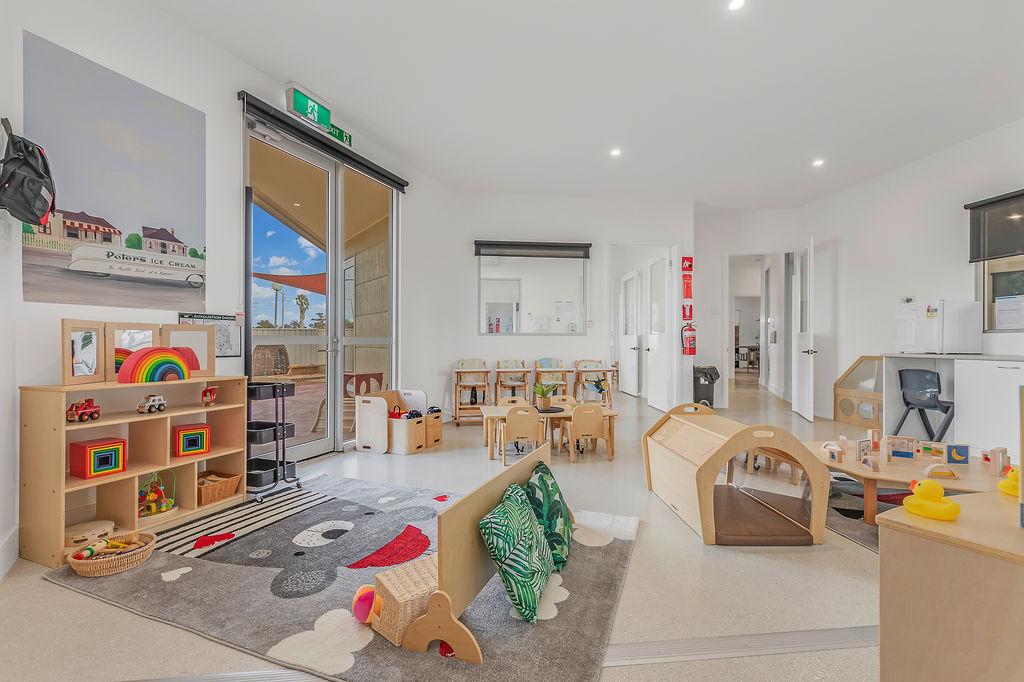
Revolutionizing Child Care Facility Design for Optimal Development
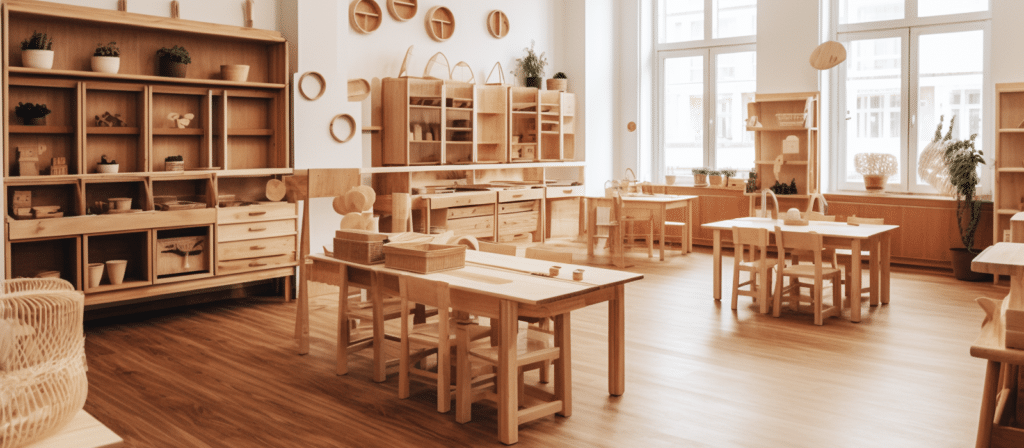
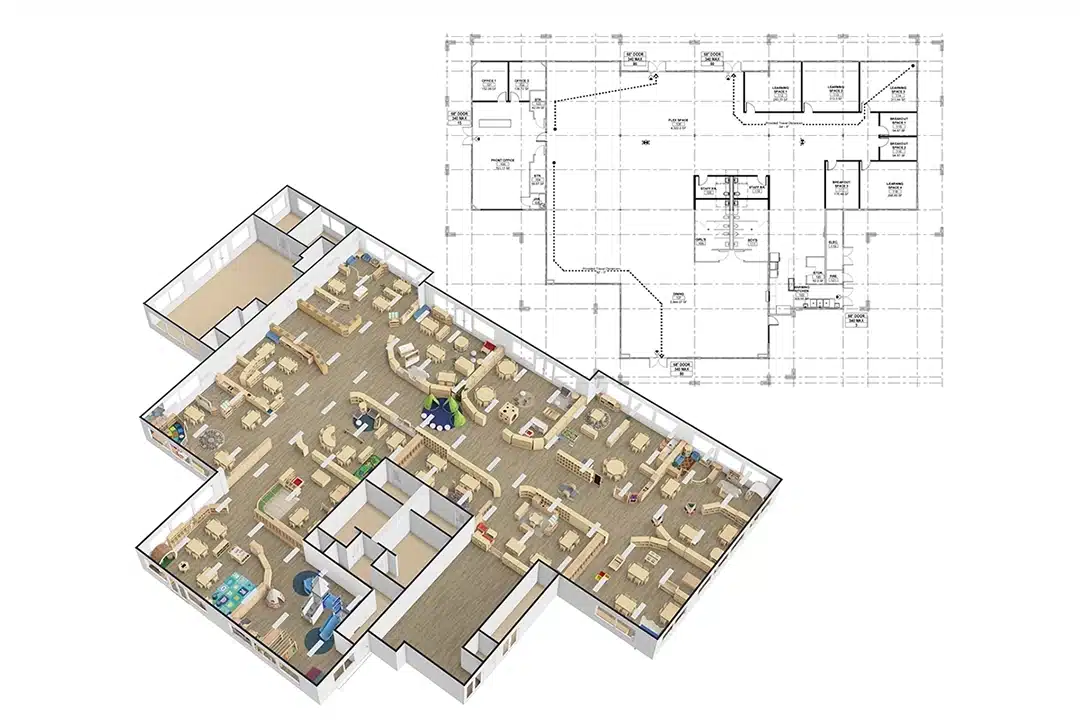
Innovating concurrent design for holistic child care facilities, merging experts’ insights, fostering function-first approach, enhancing user collaboration, crafting environments that empower children’s growth and learning.
Exploring the Subtleties of Early Childhood Environments
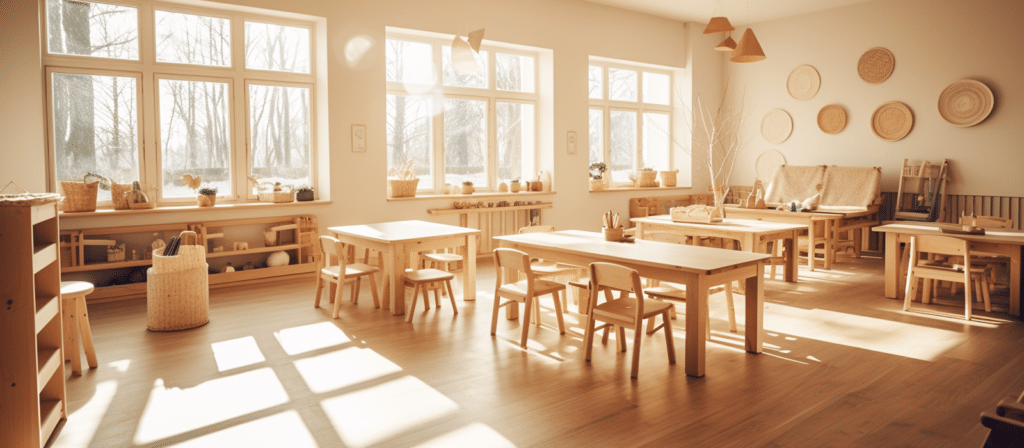
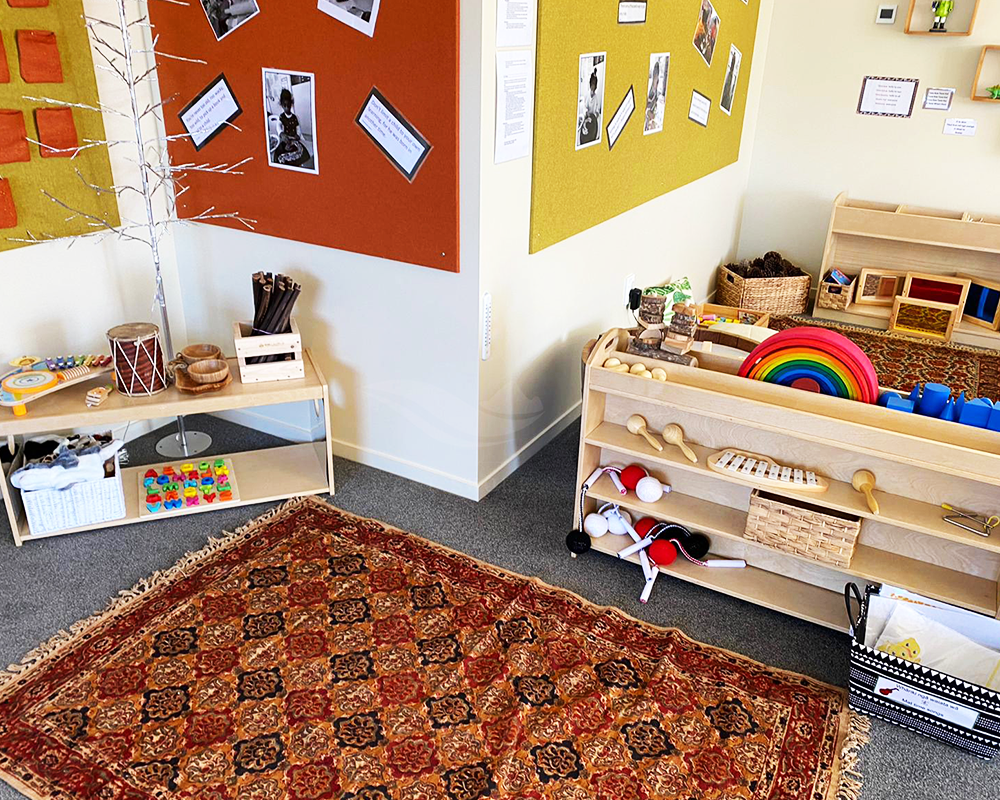
Creating Soft Environments for Childcare” explores incorporating sensory-responsive elements in daycare settings, benefiting child development and adult well-being.
Creating Comfort: A Call to Rekindle Softness in Early Education Spaces
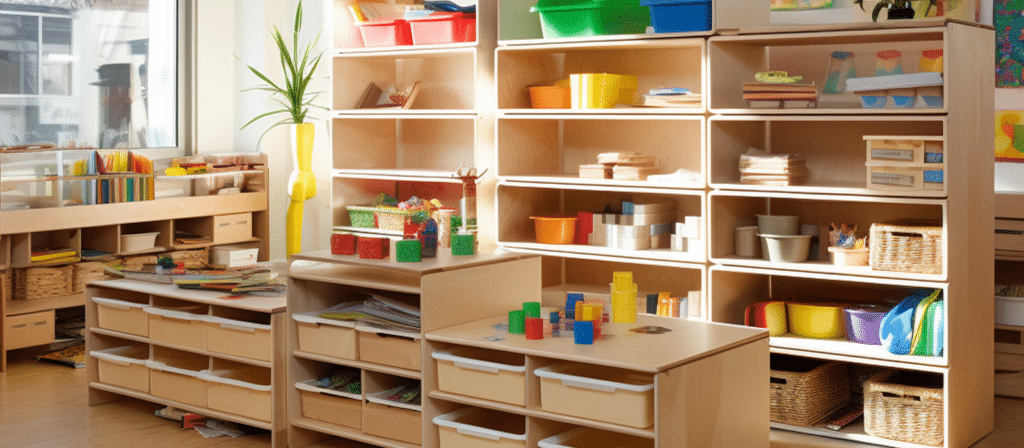
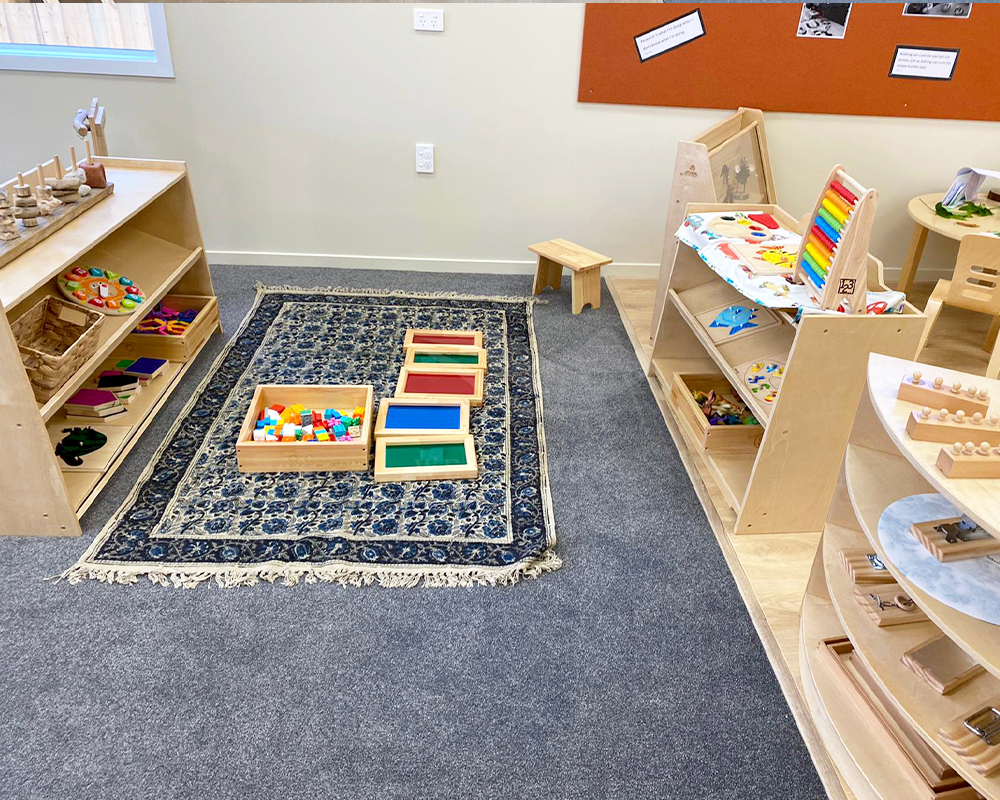
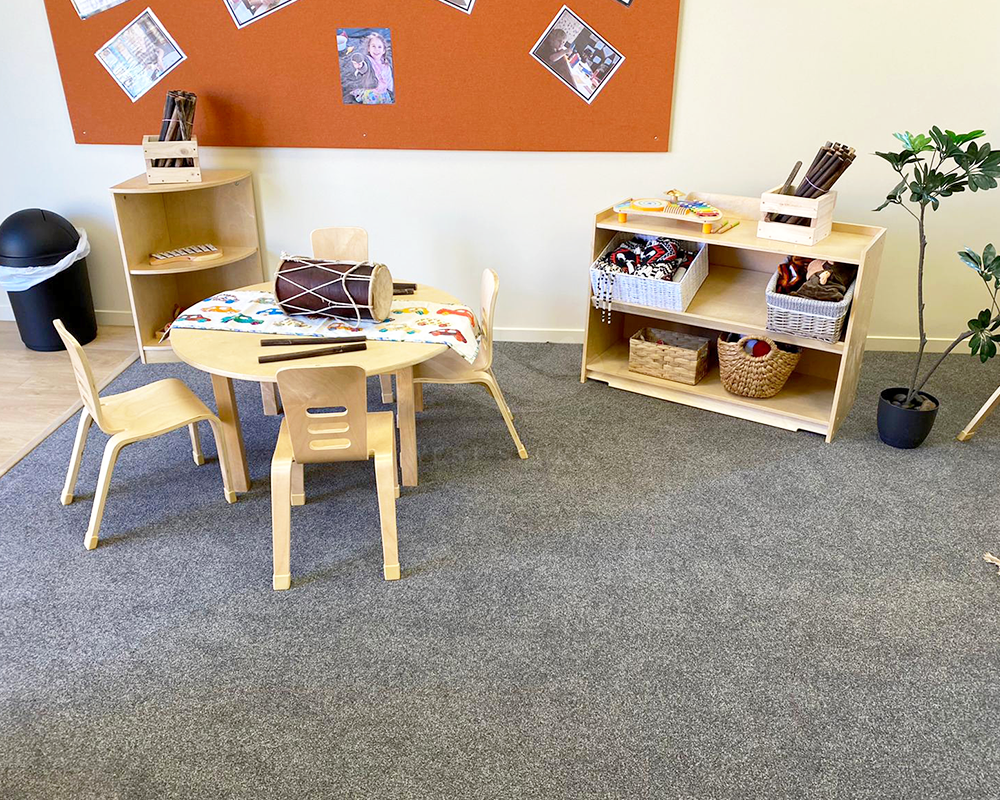
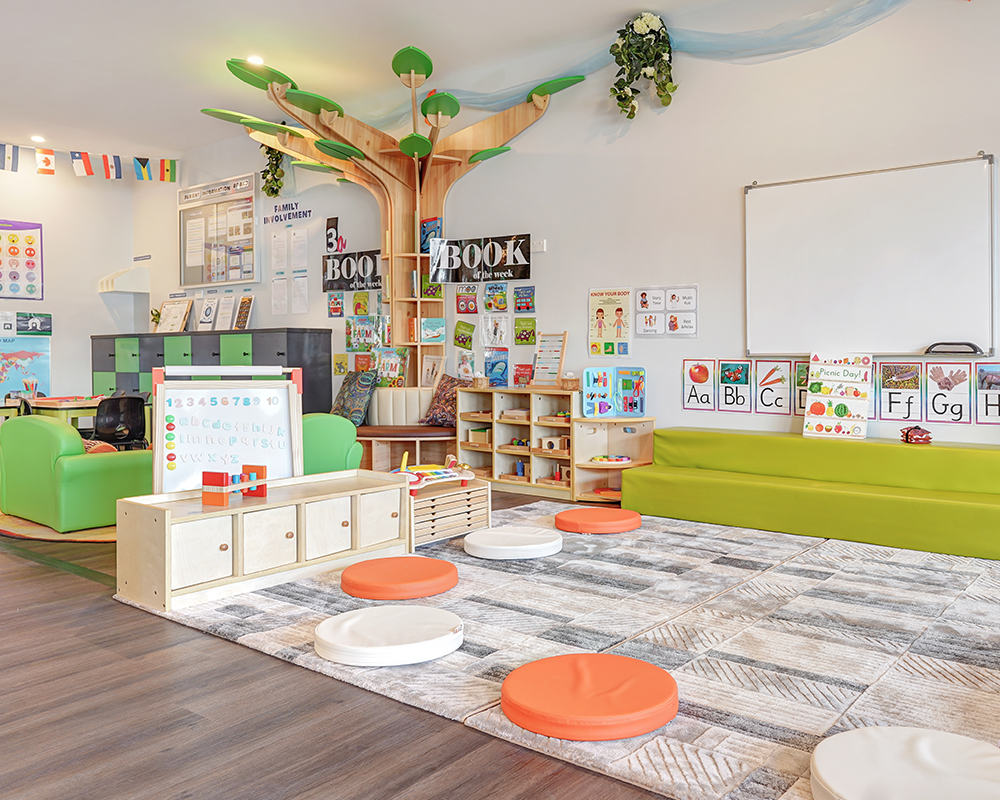
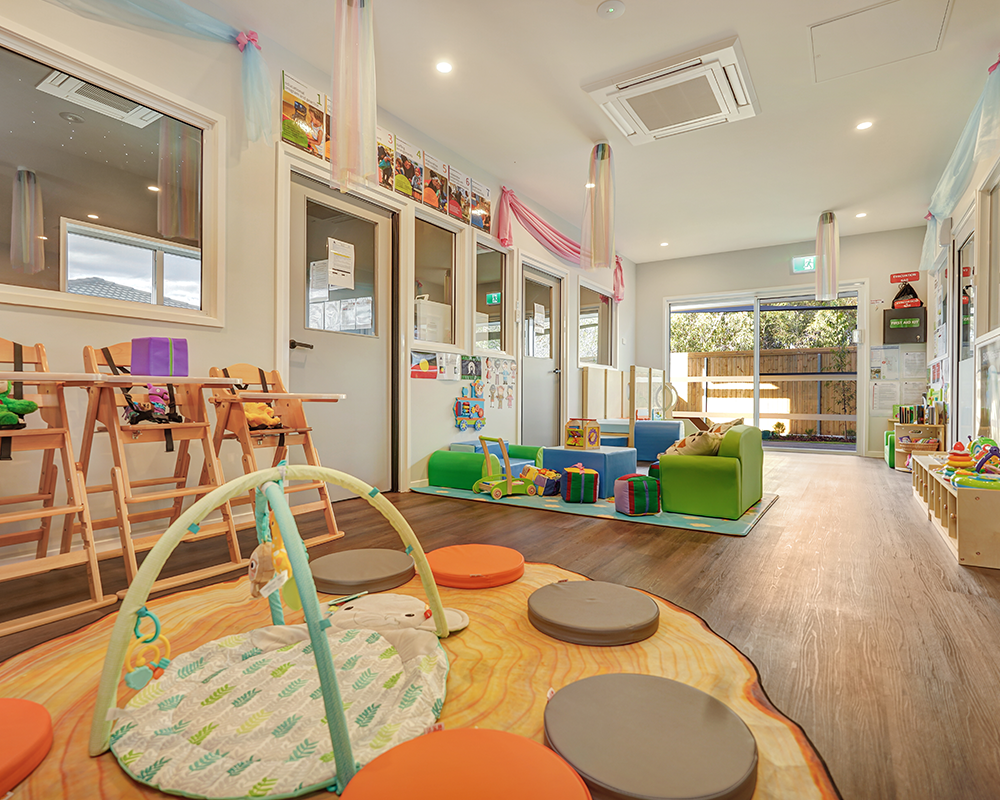
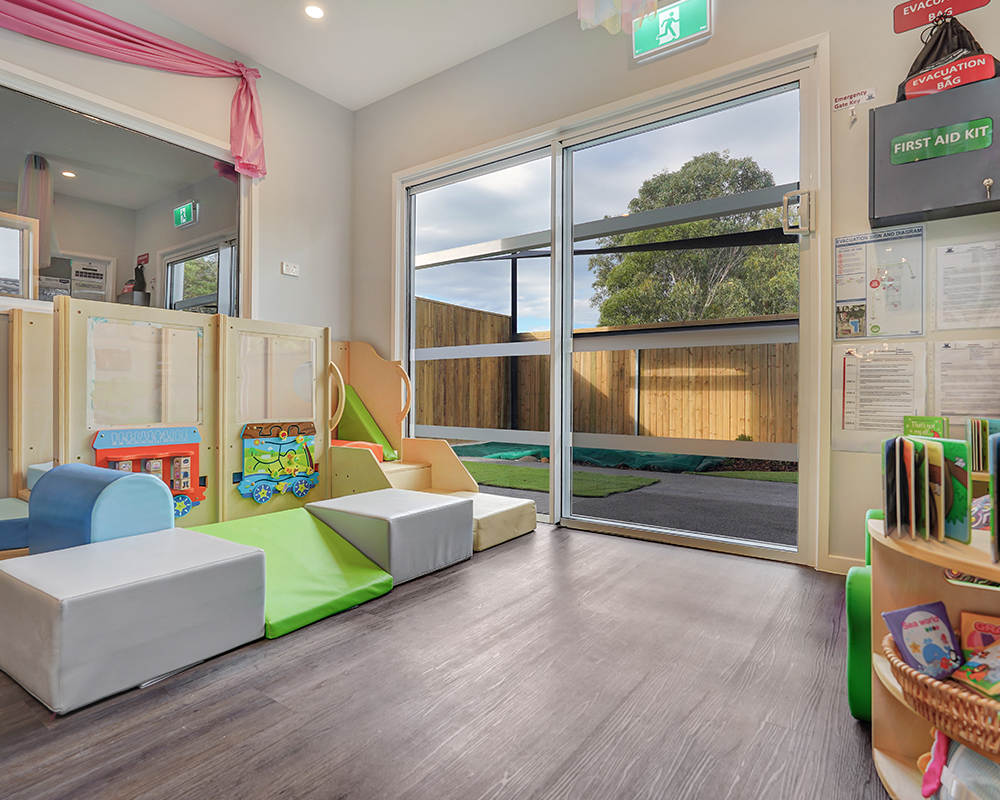
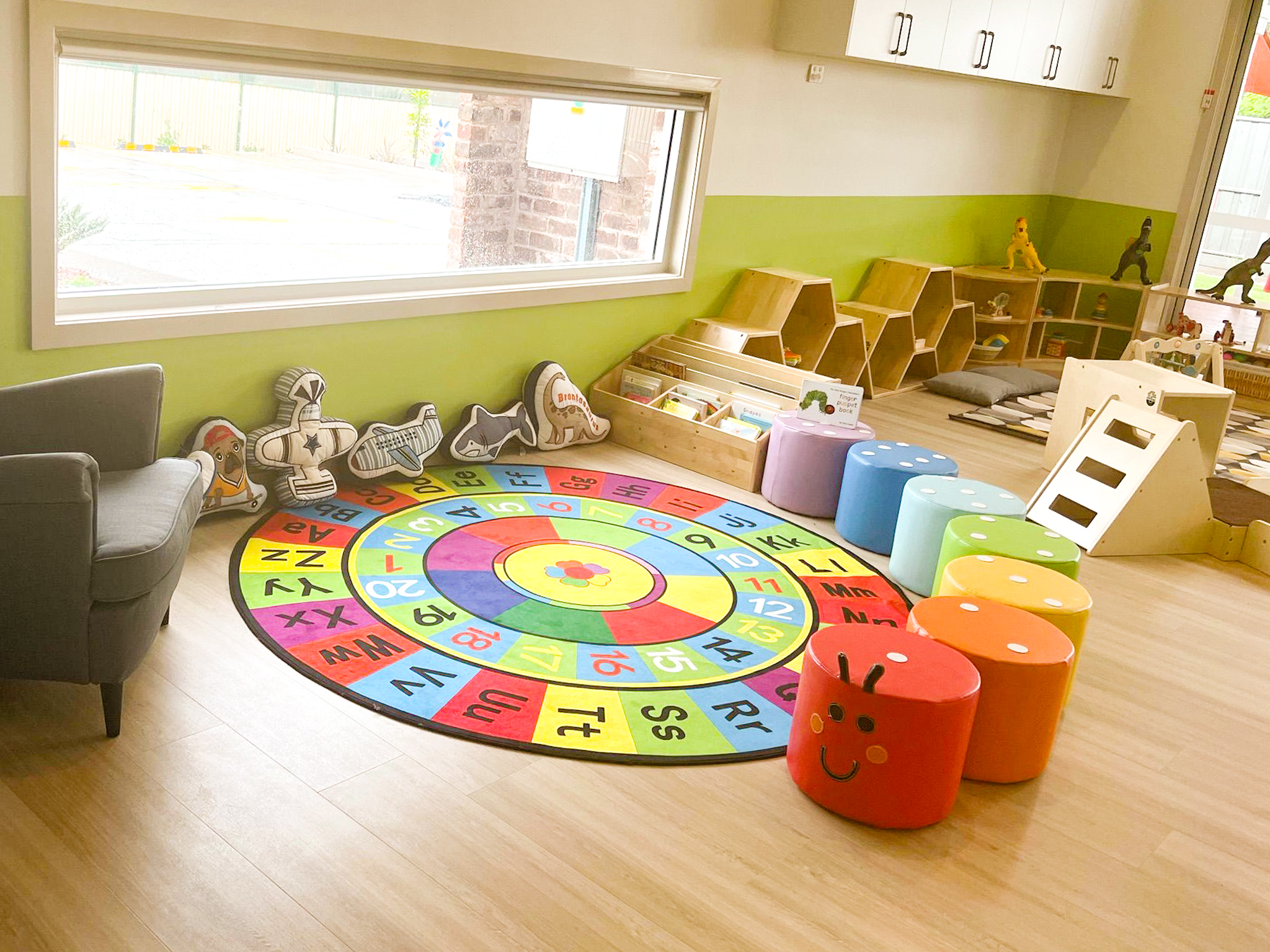
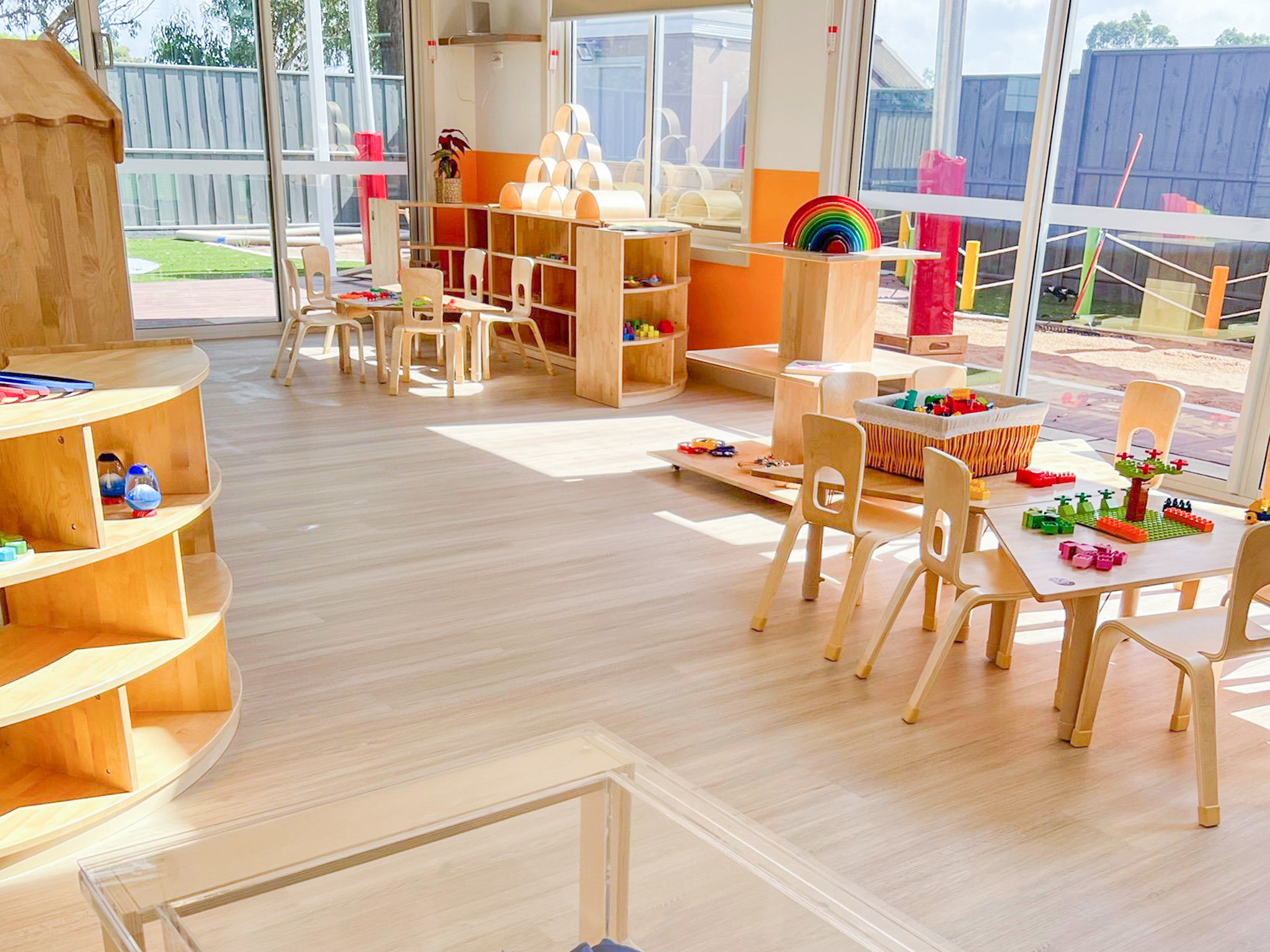
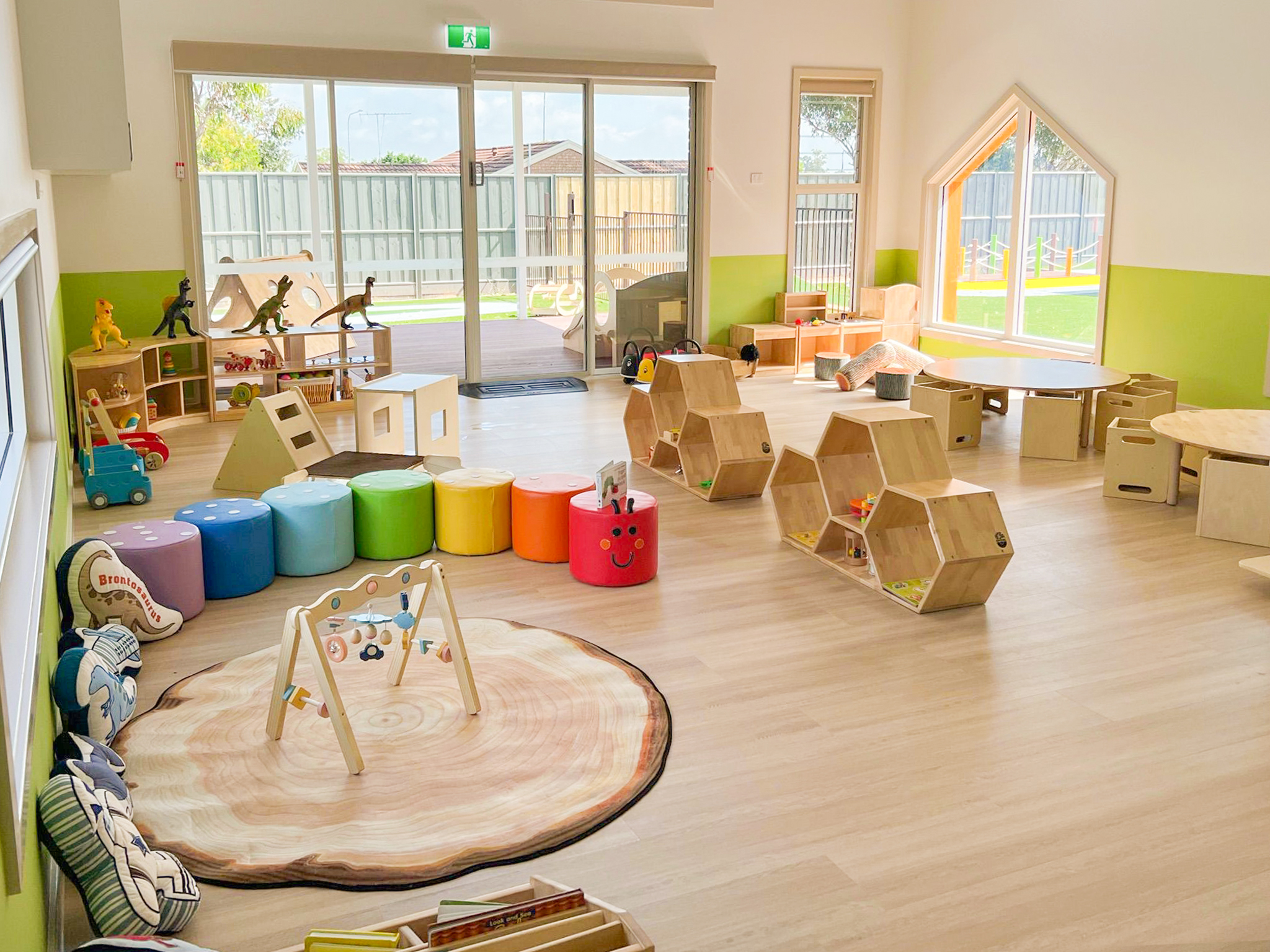
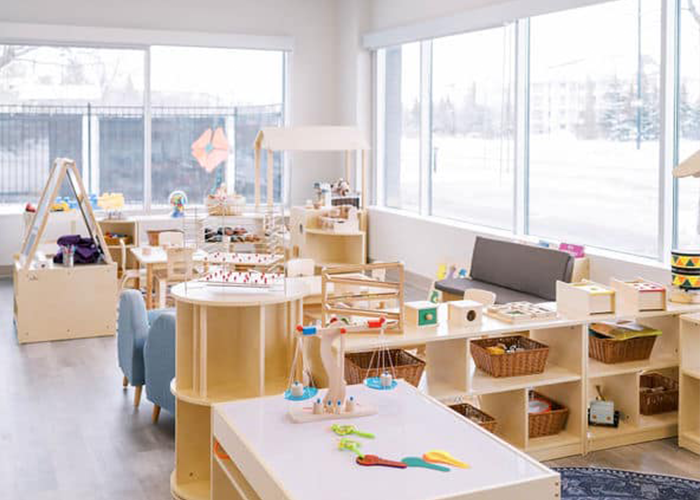
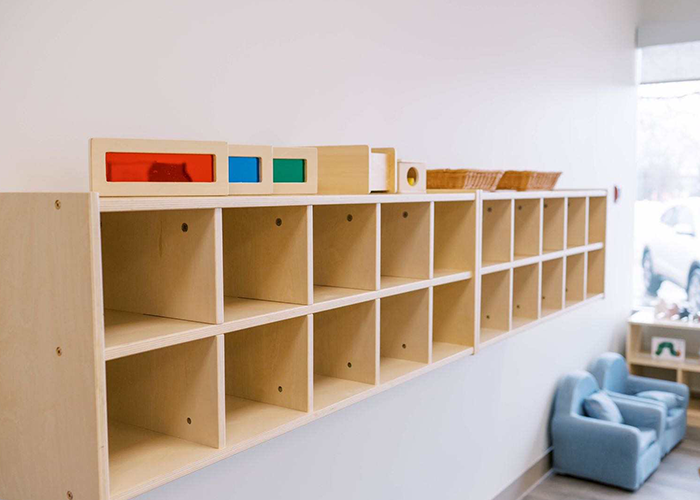
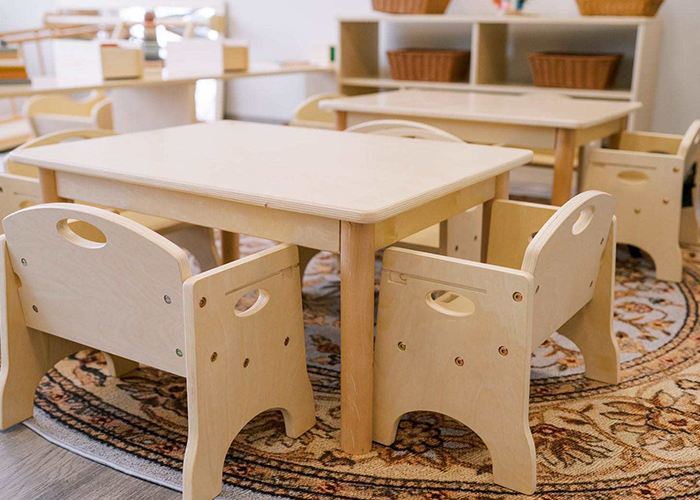
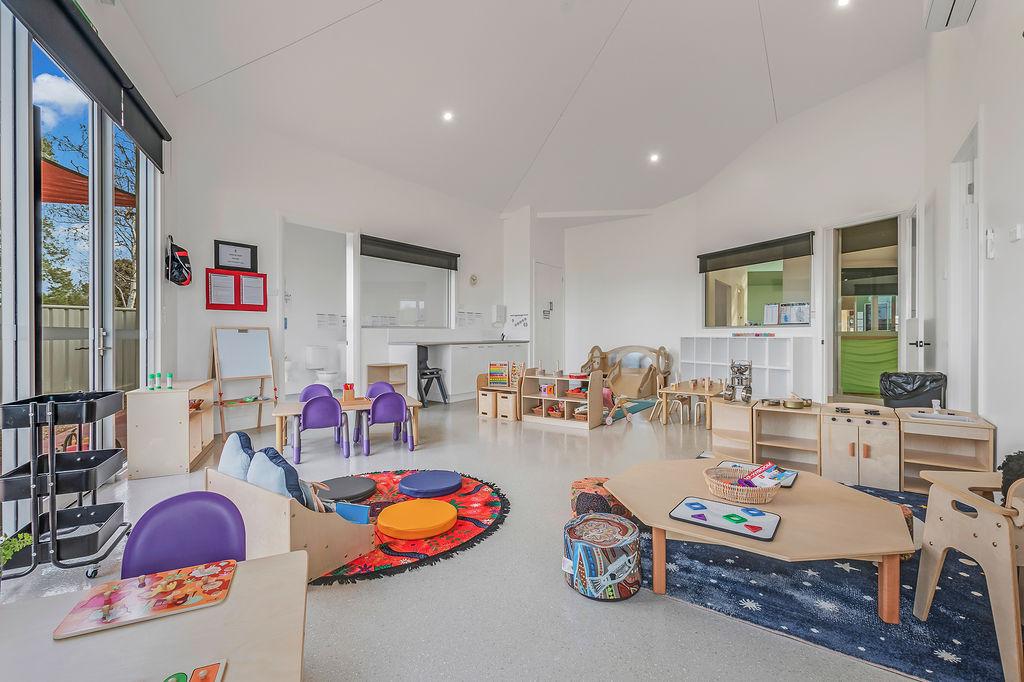
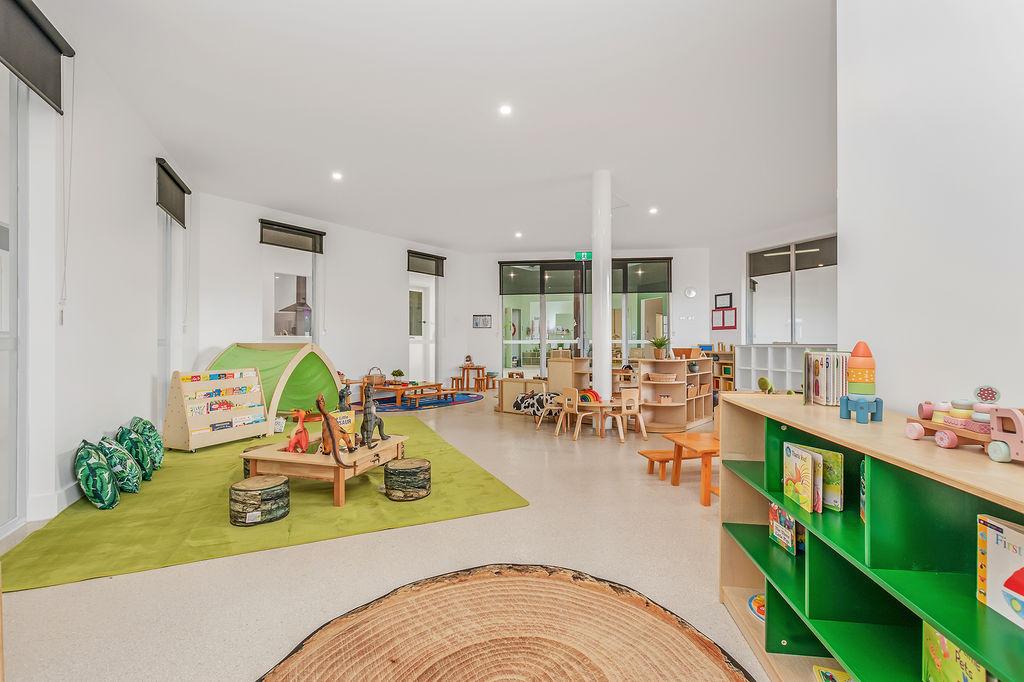
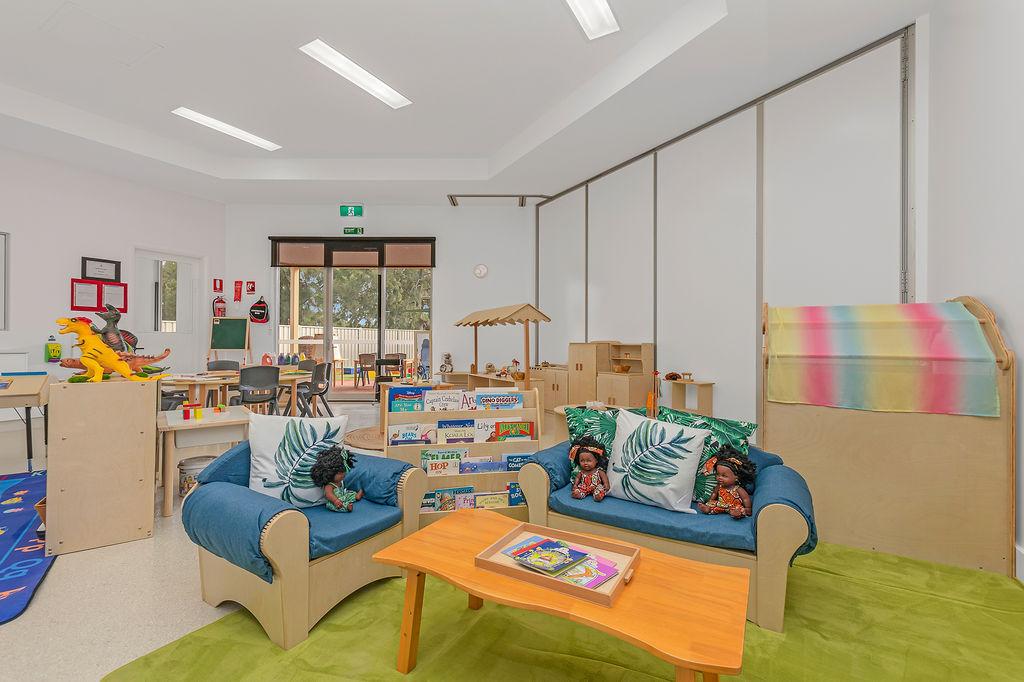
Reviving Comfort in Early Education Spaces: Soft elements, like cozy seating and gentle décor, bring warmth and solace to sterile environments. They foster bonding, diminish noise, and enhance well-being.
Optimal Environments for Infant Development
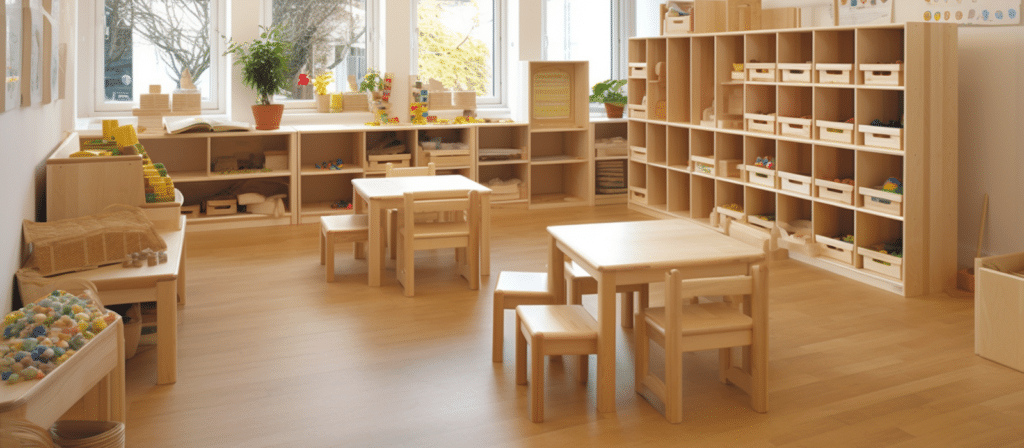
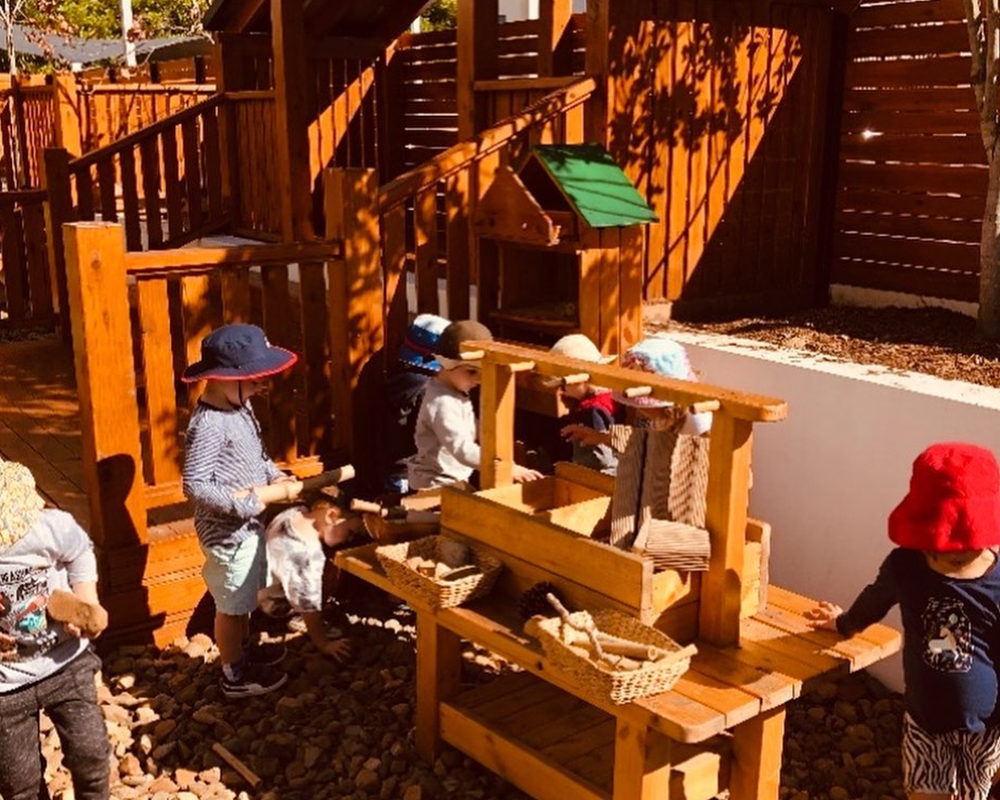
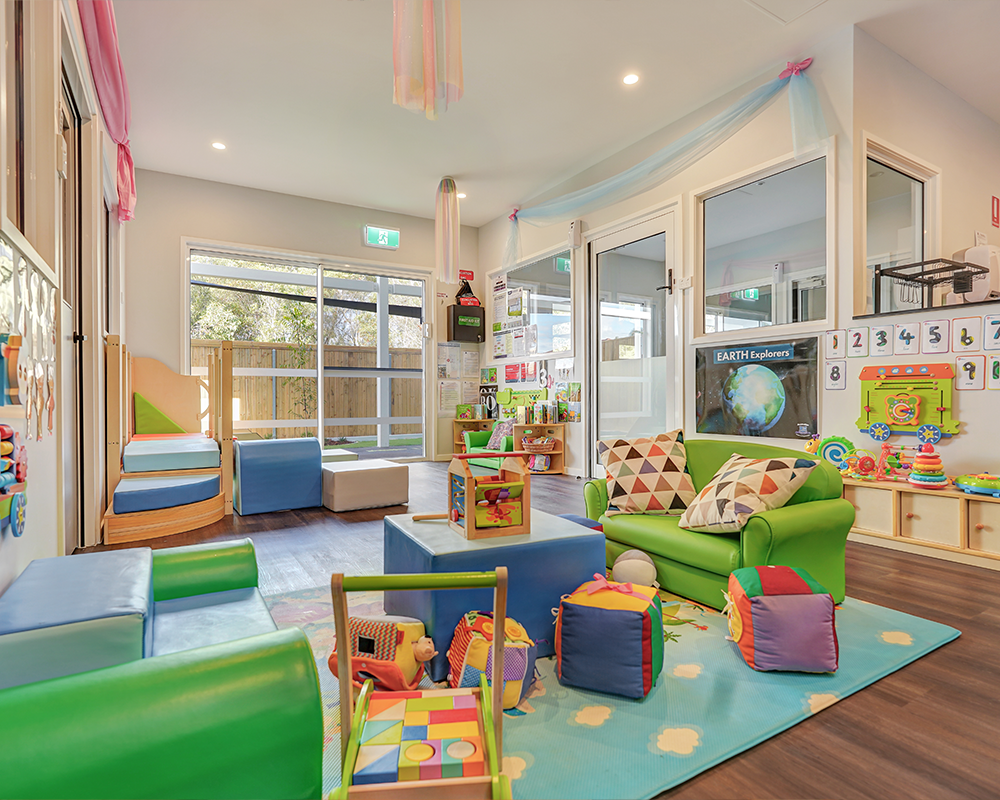
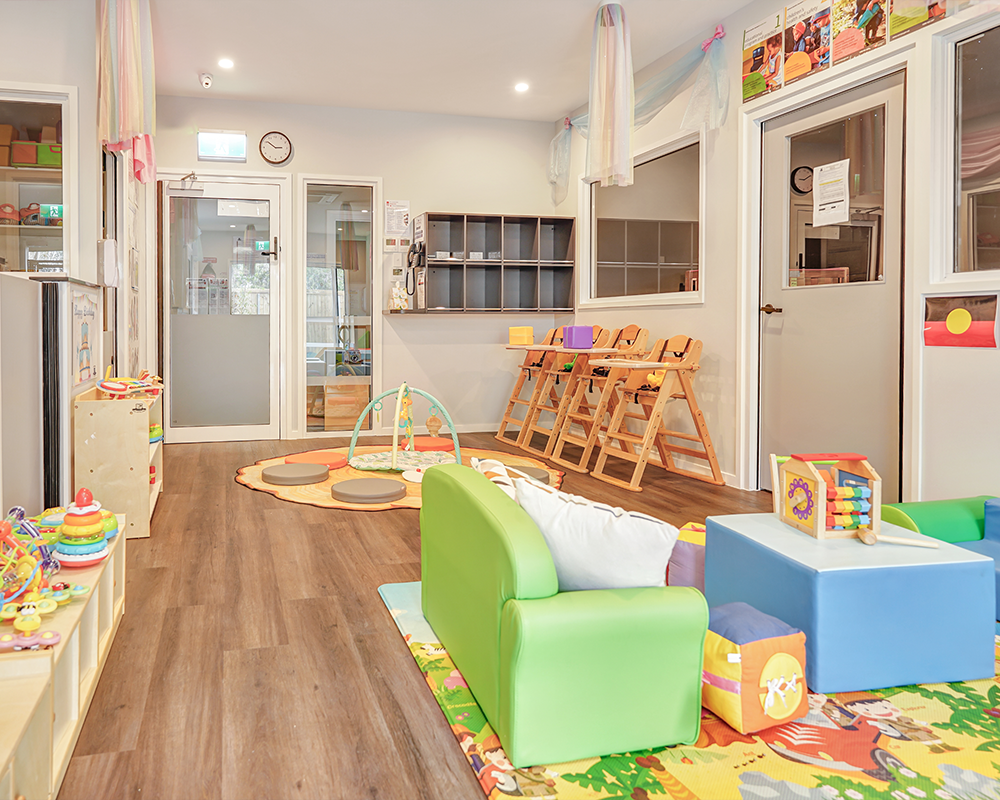
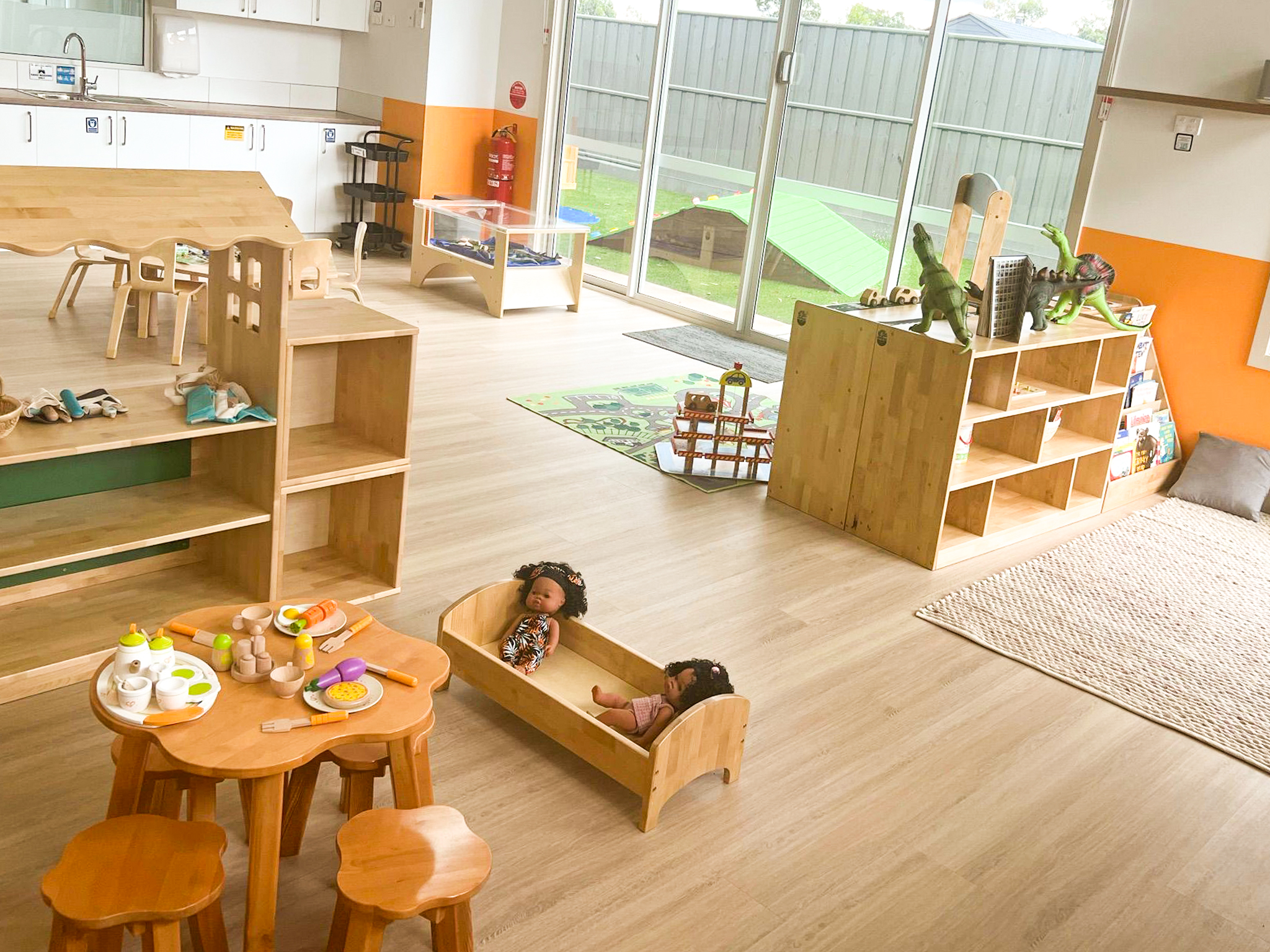
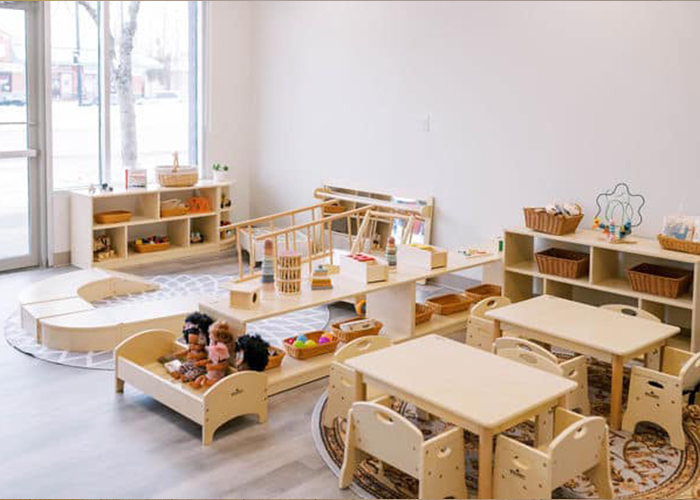
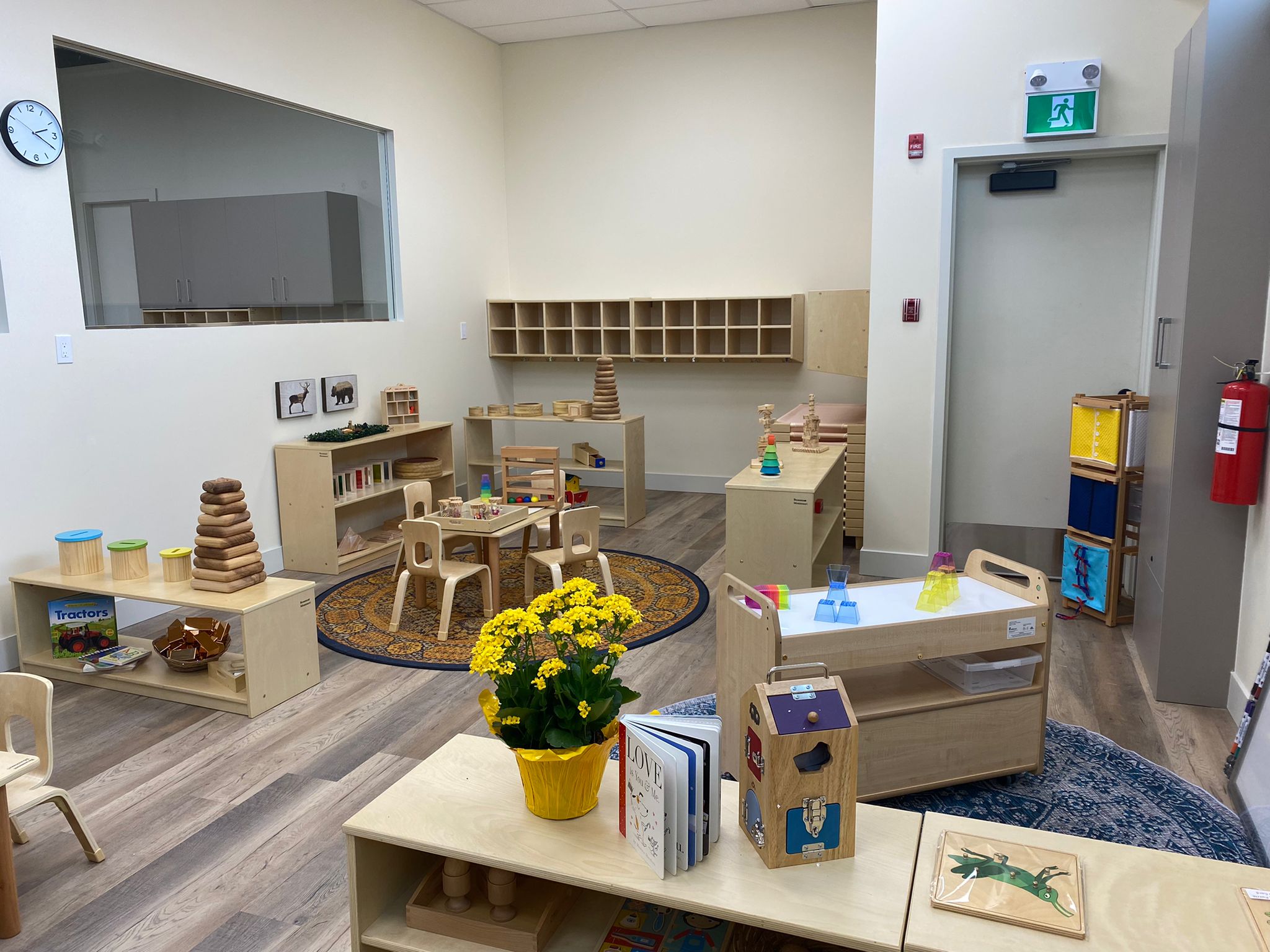
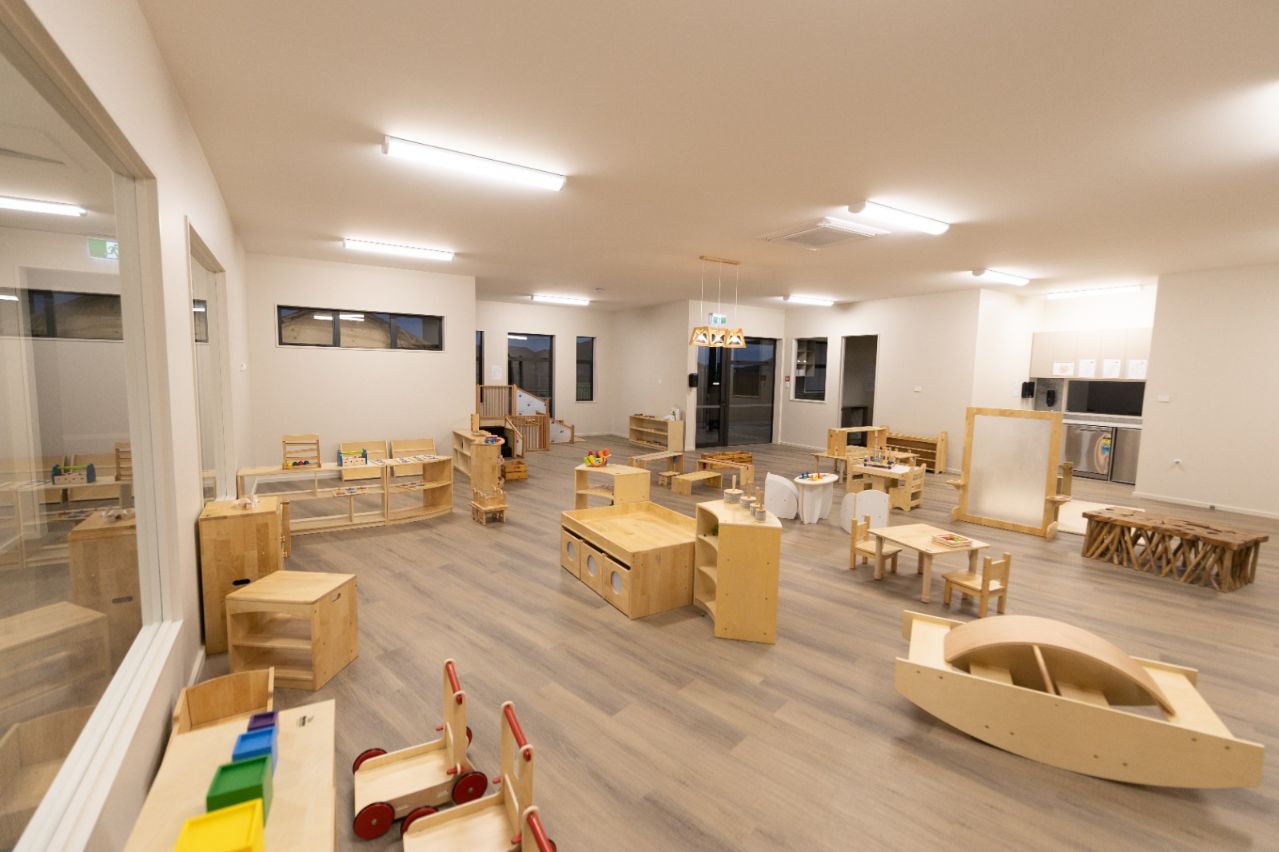
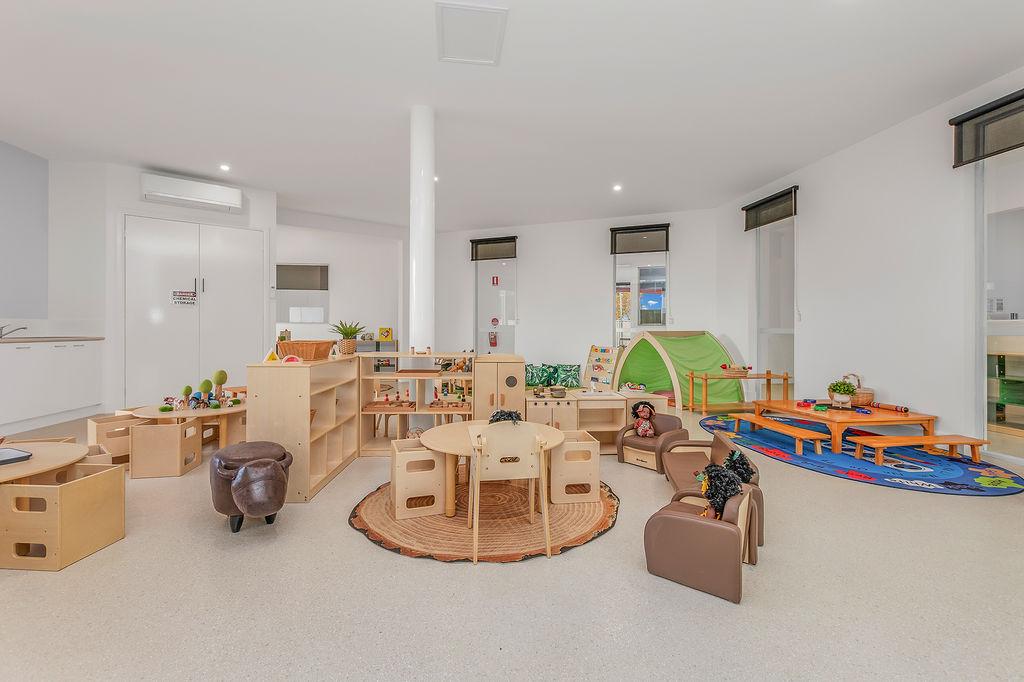
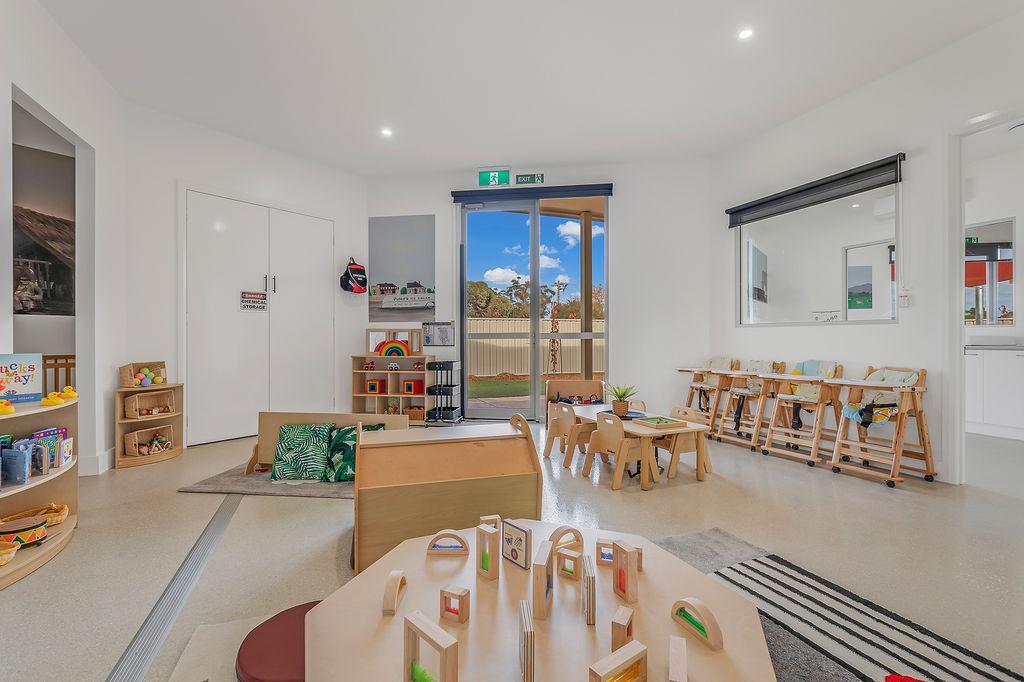
A haven of exploration and growth, embracing safety, warmth, and engagement. Designing spaces rich in sensory, motor, and language experiences, fostering learning and connection
Designing Inspiring Early Childhood Learning Spaces
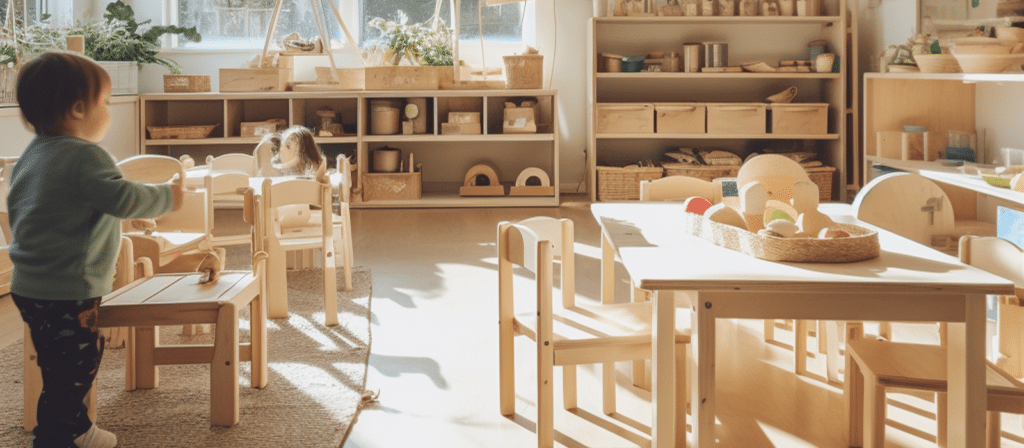
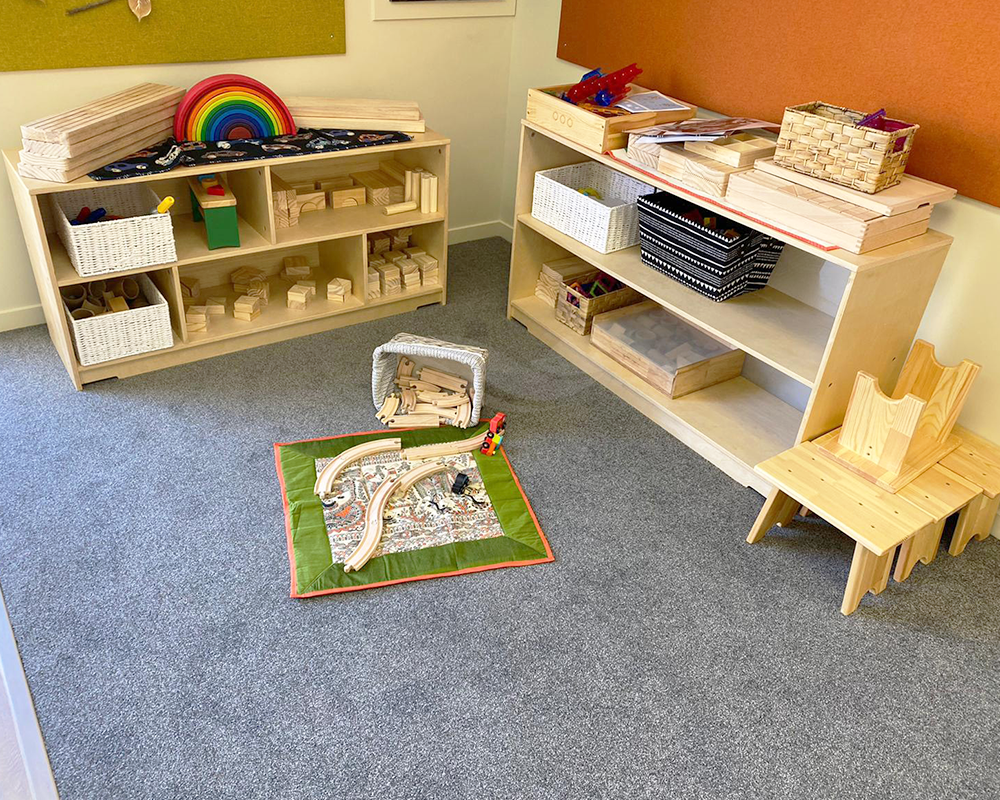
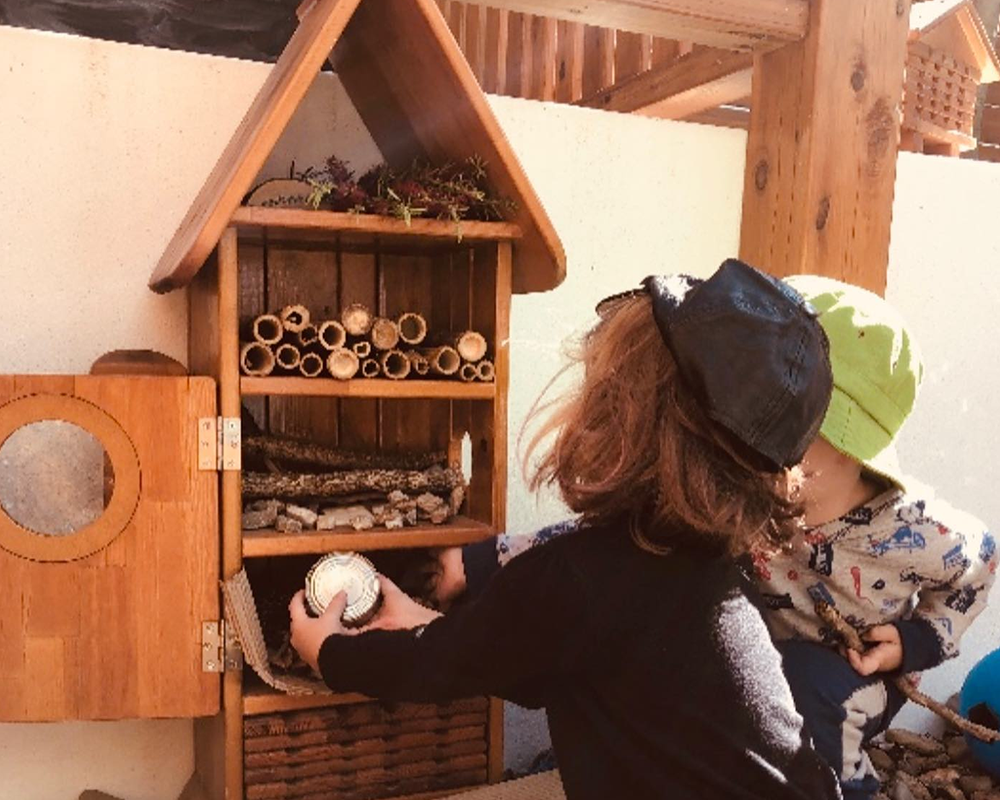
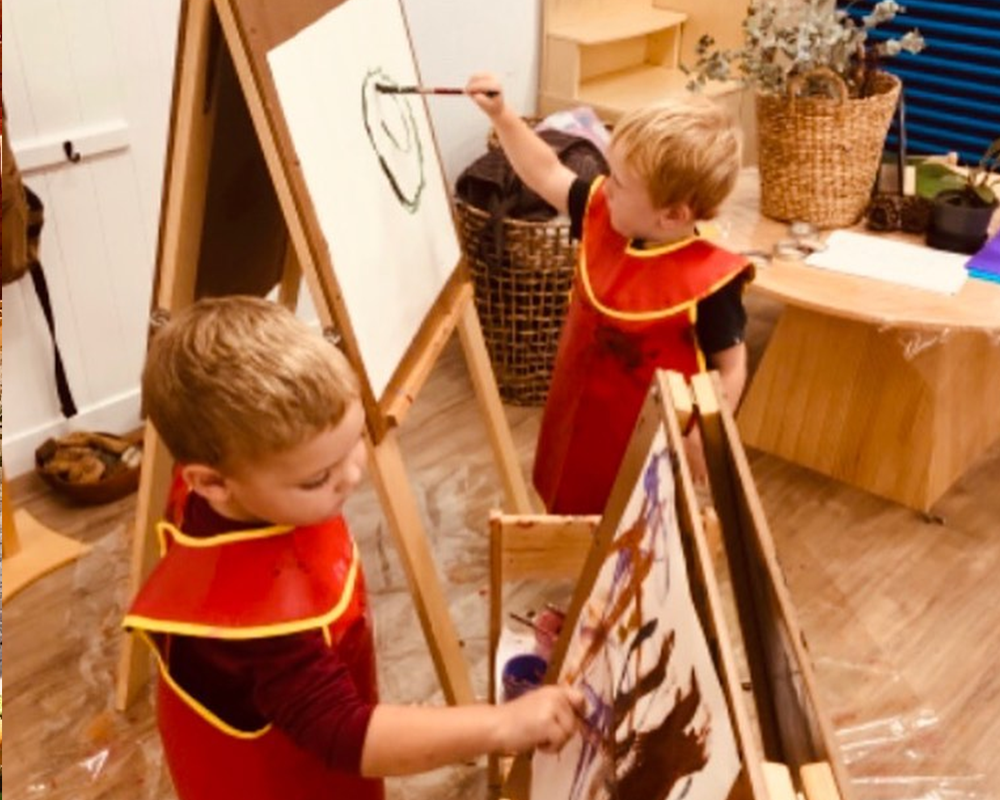
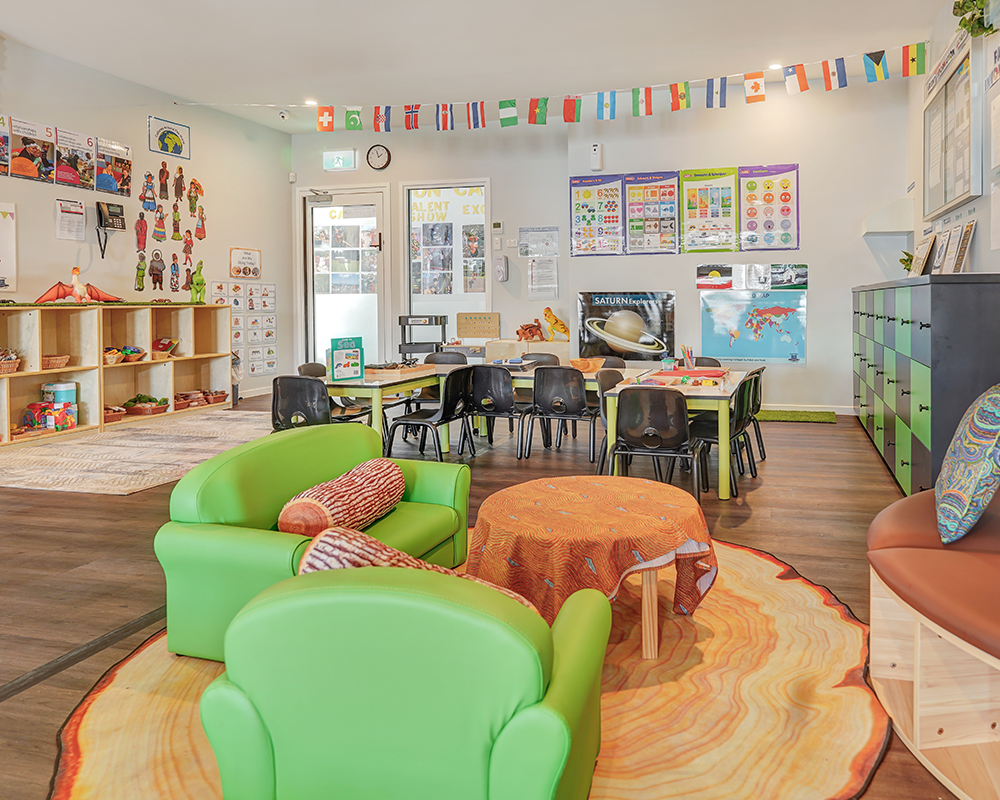
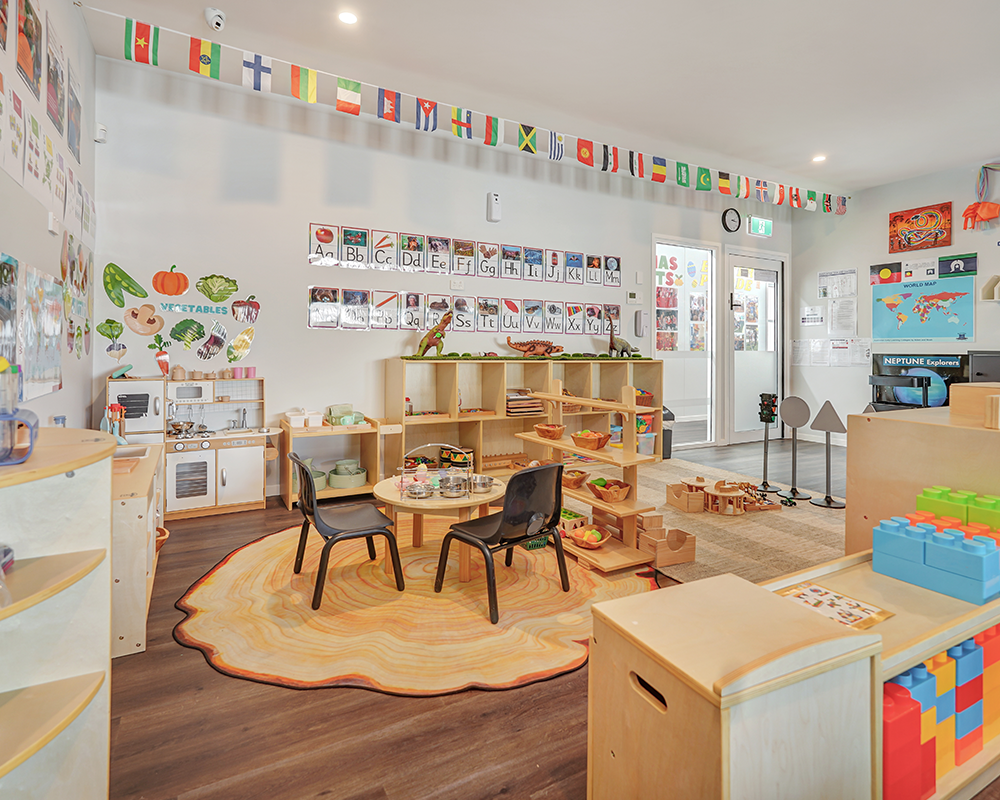
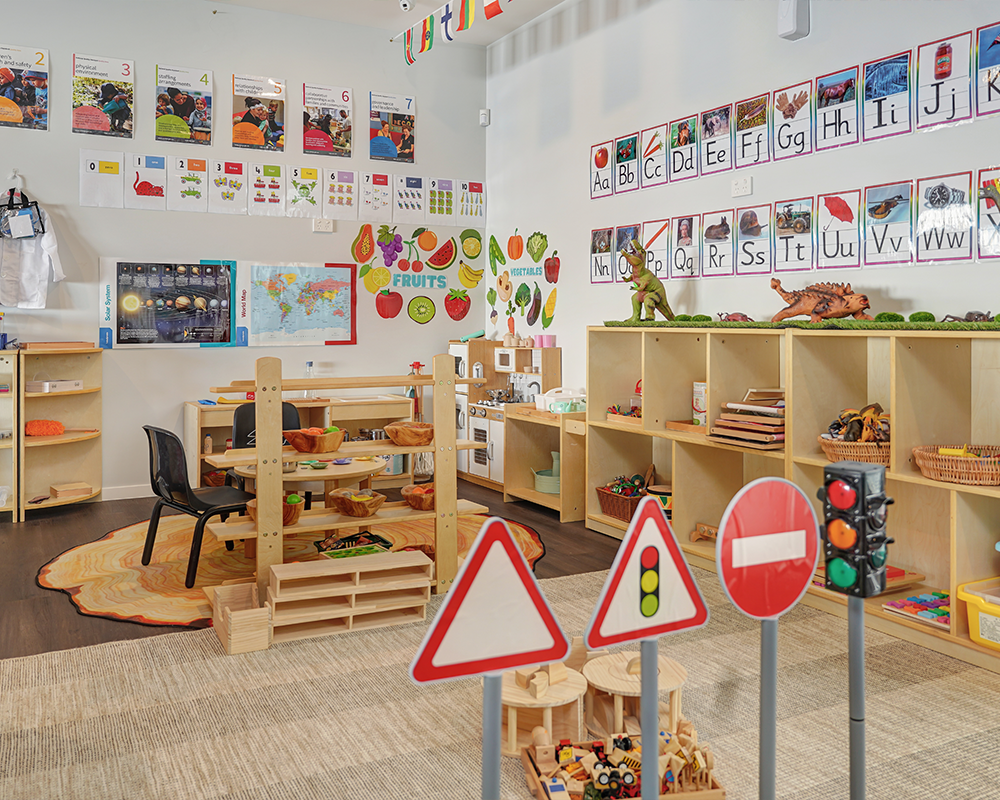
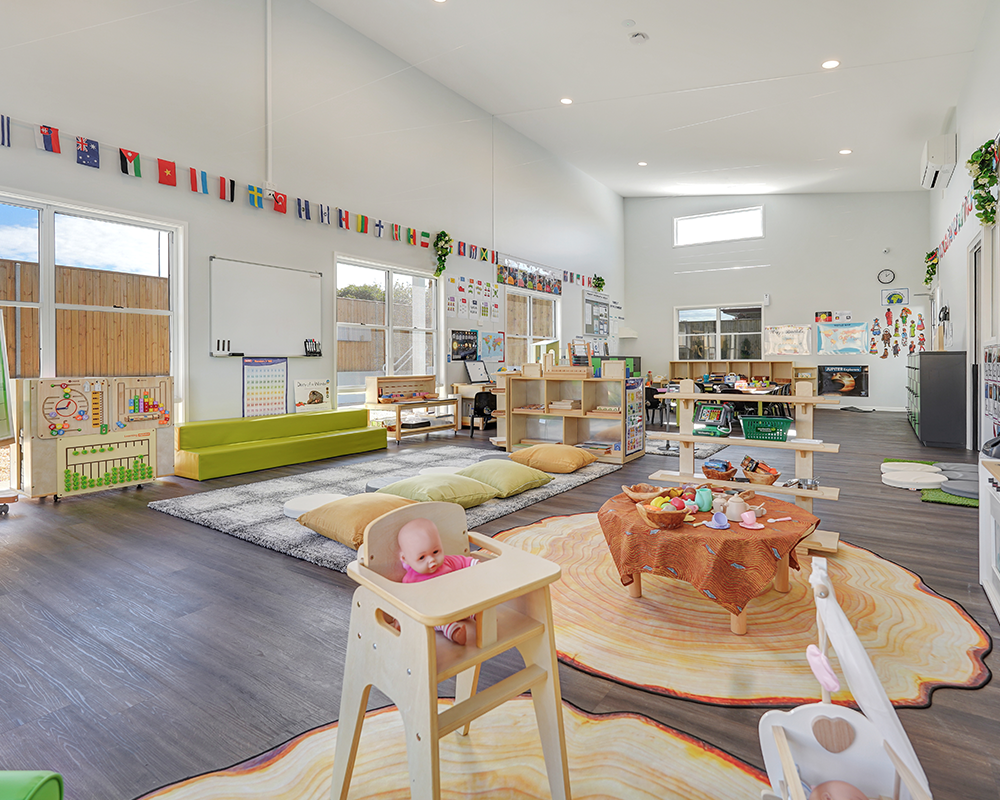
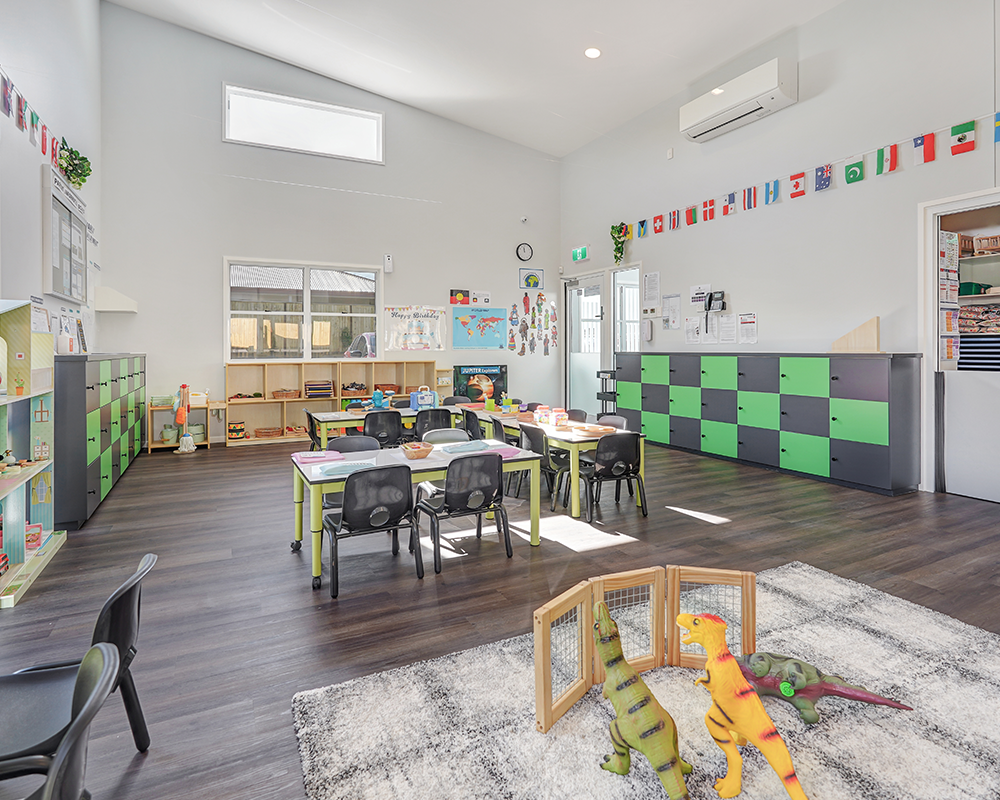
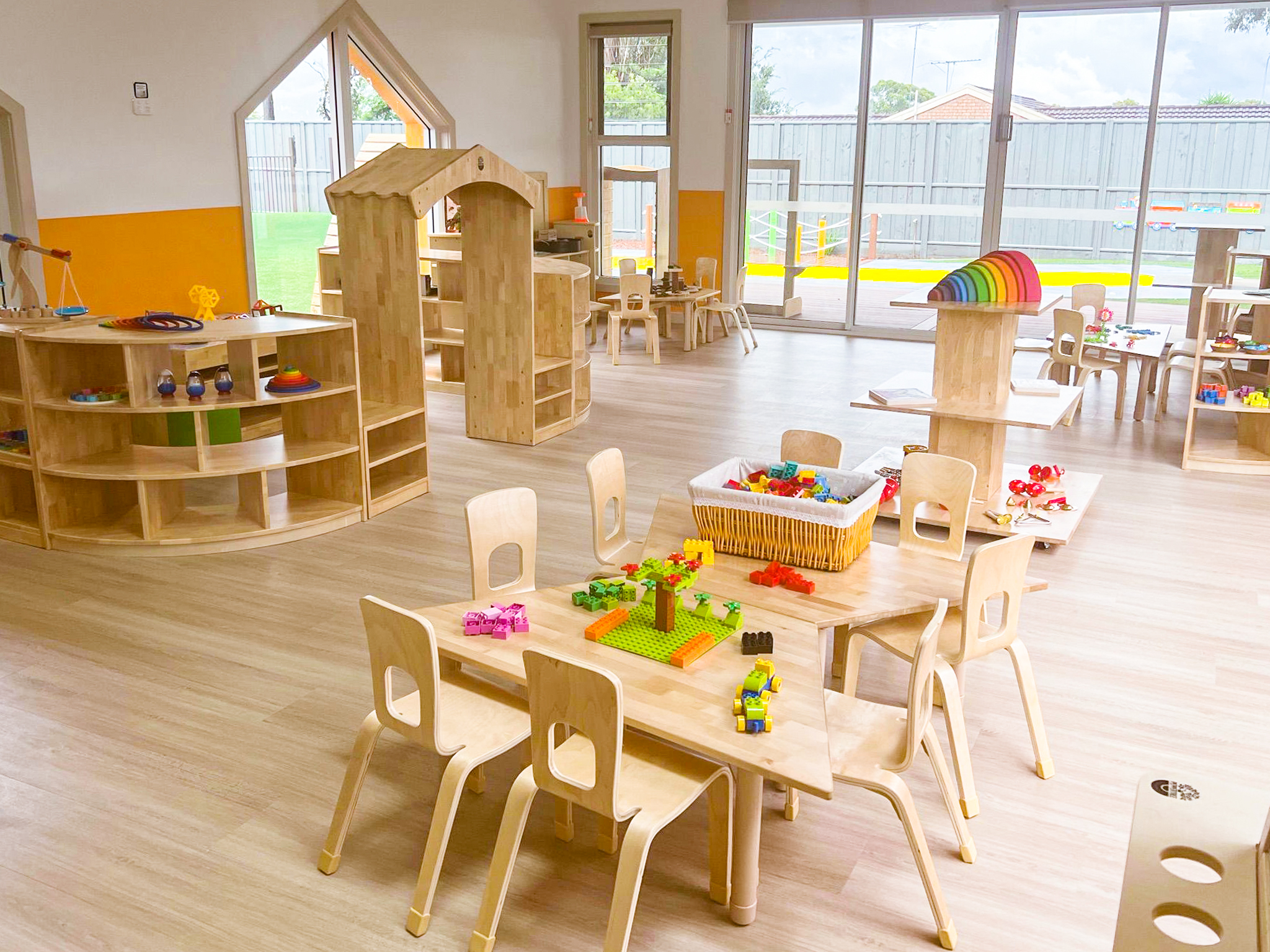
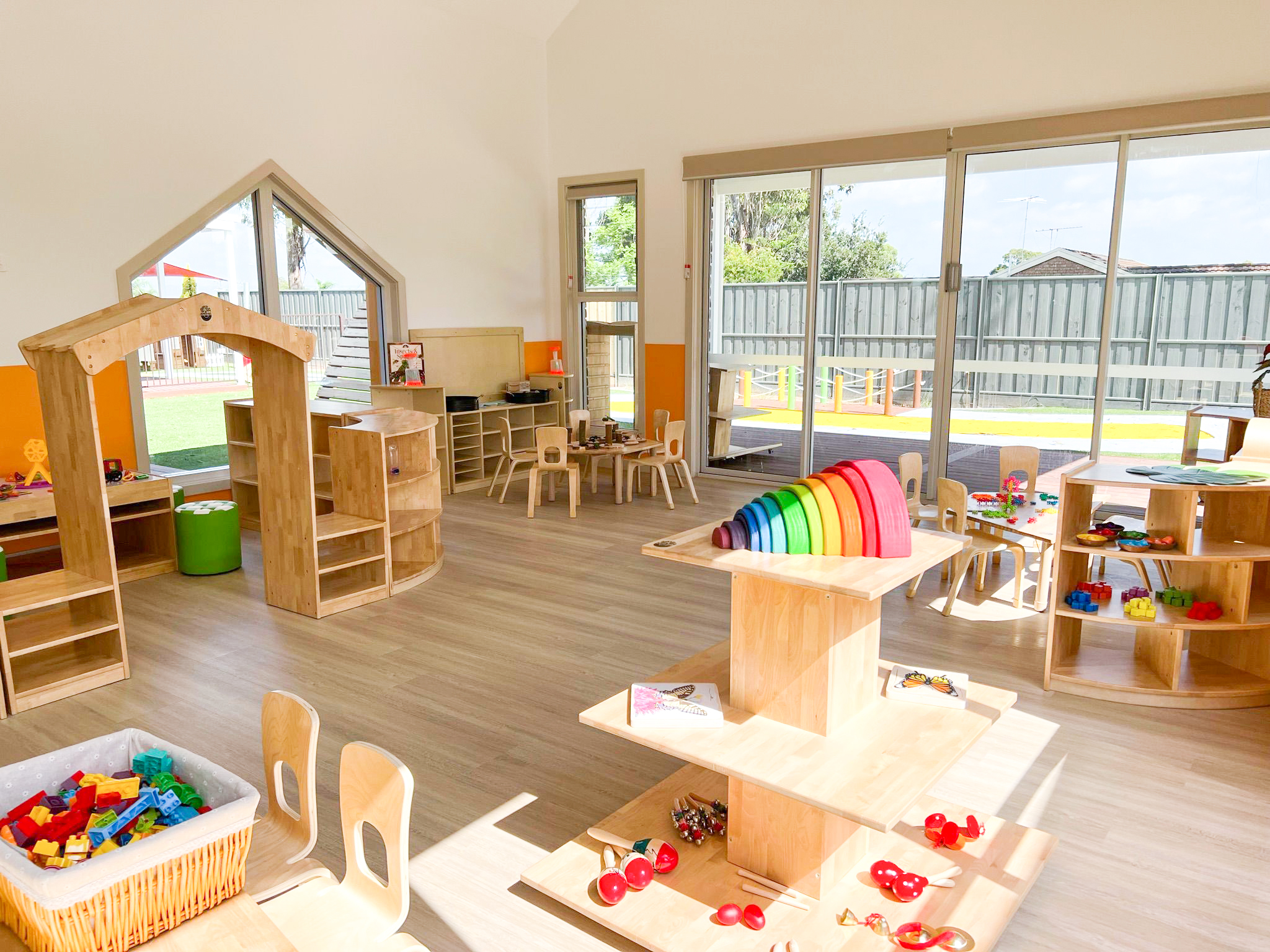
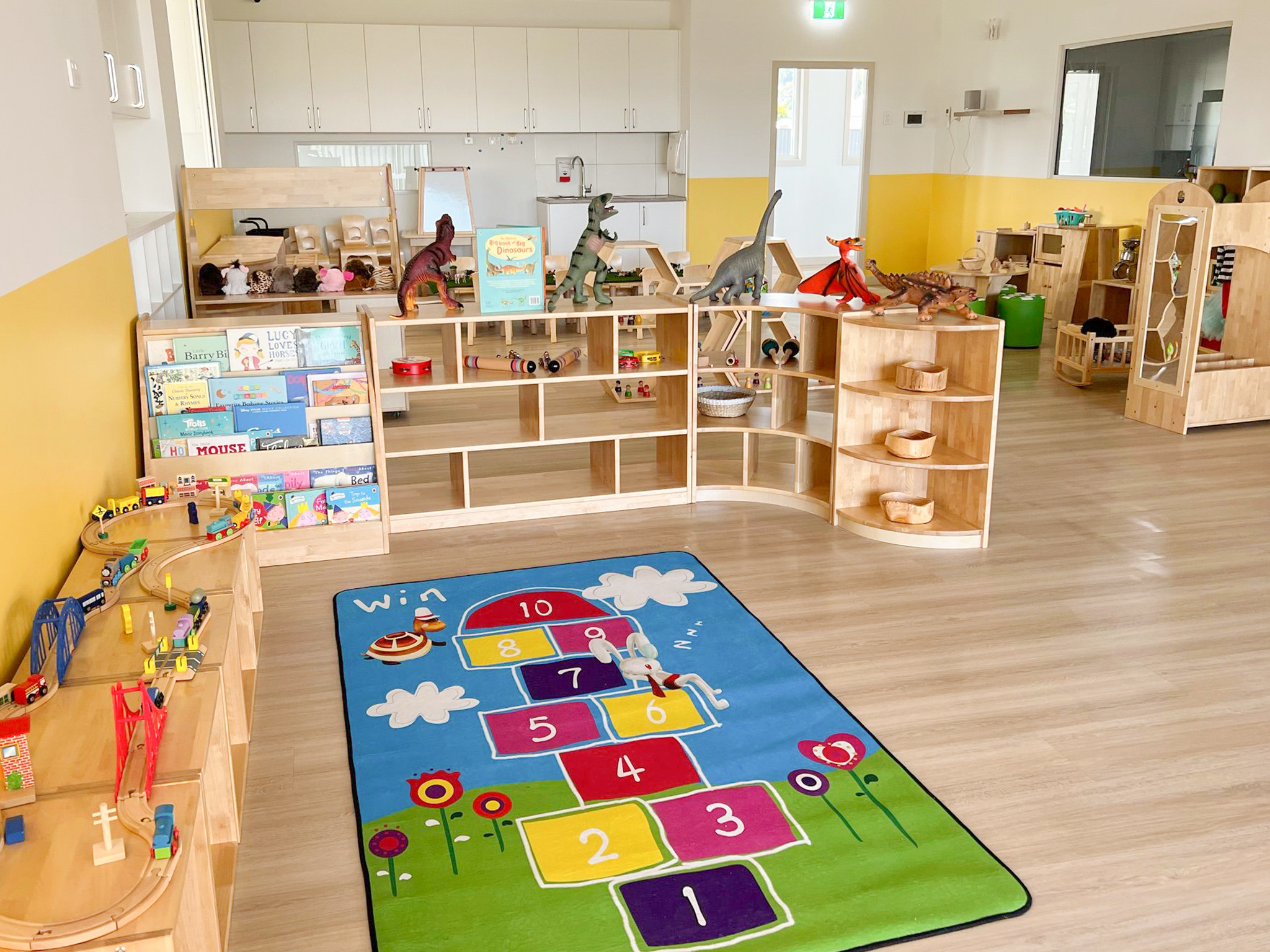
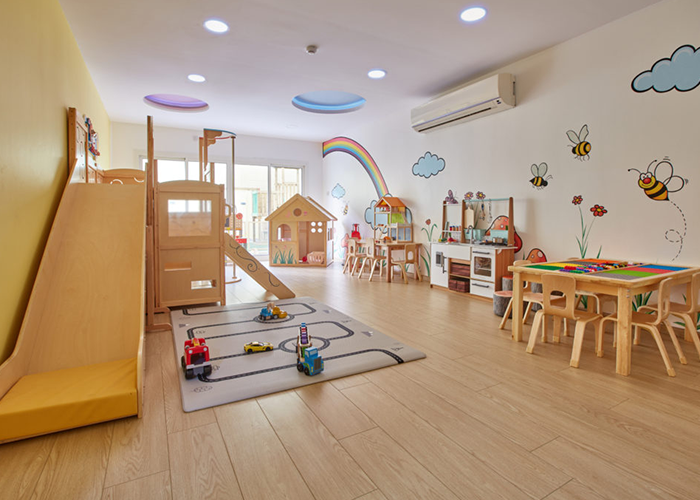
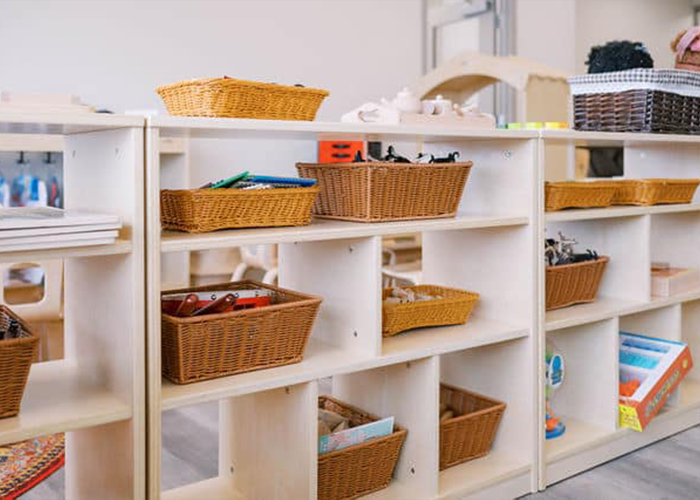
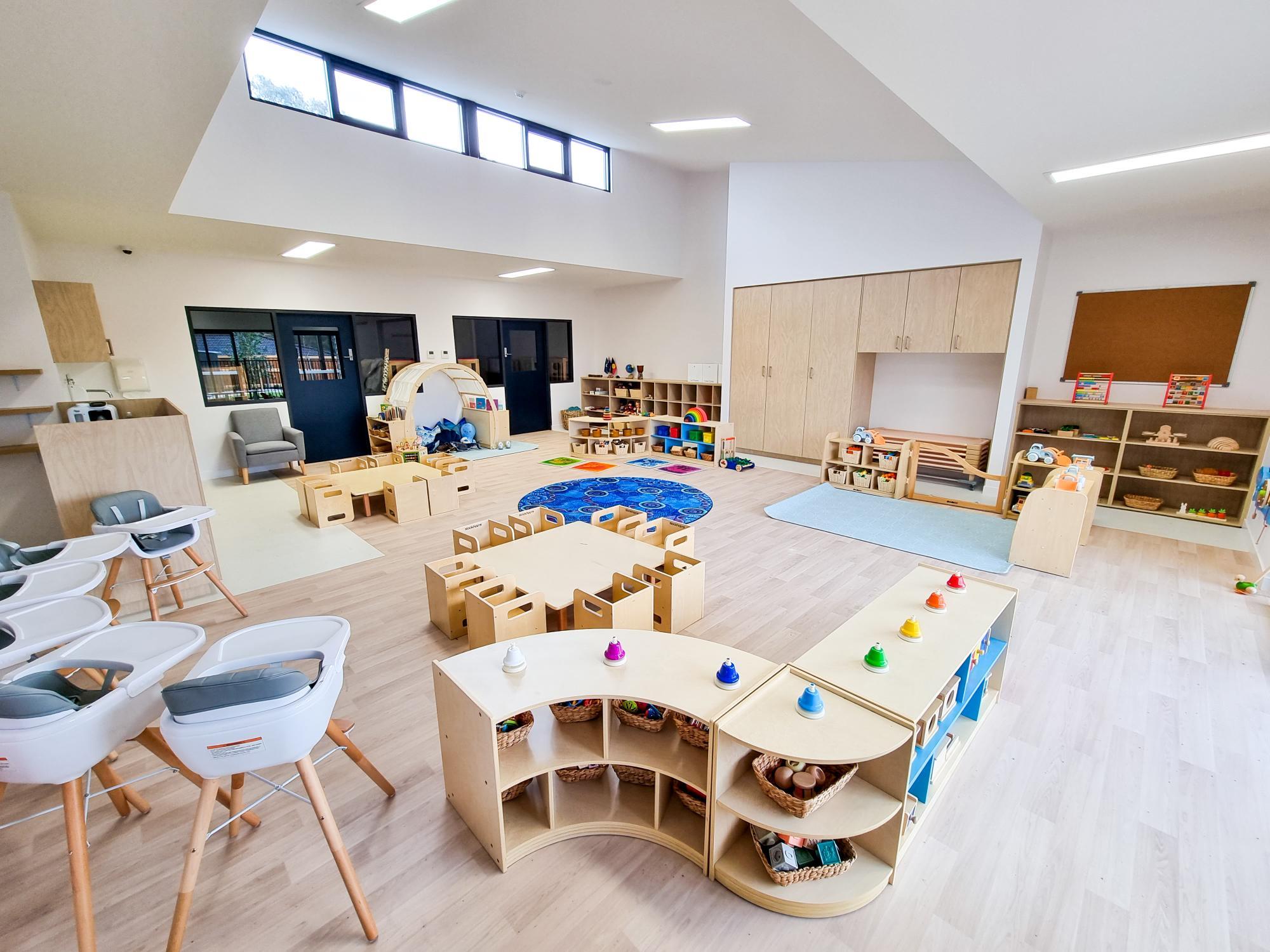
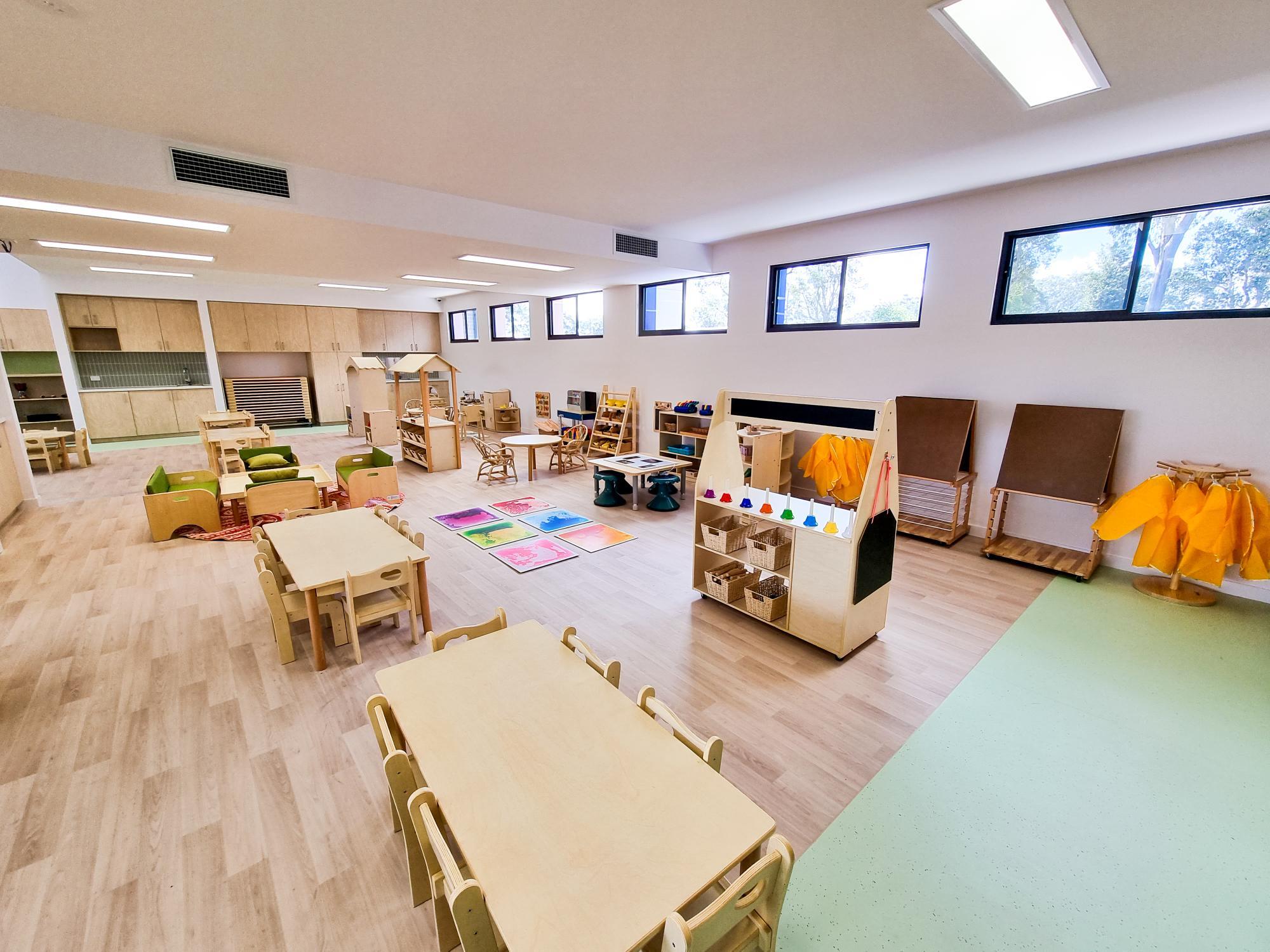
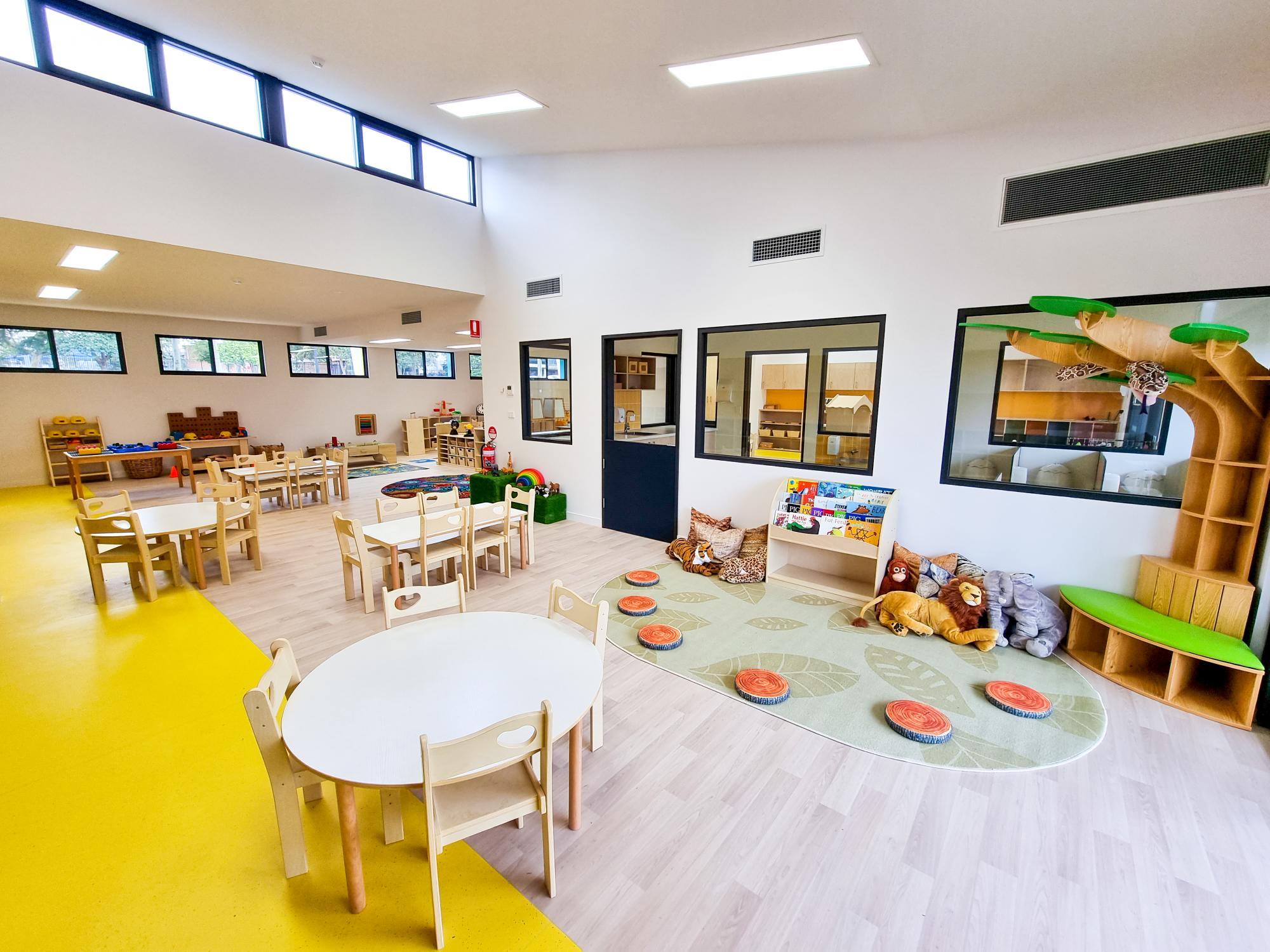
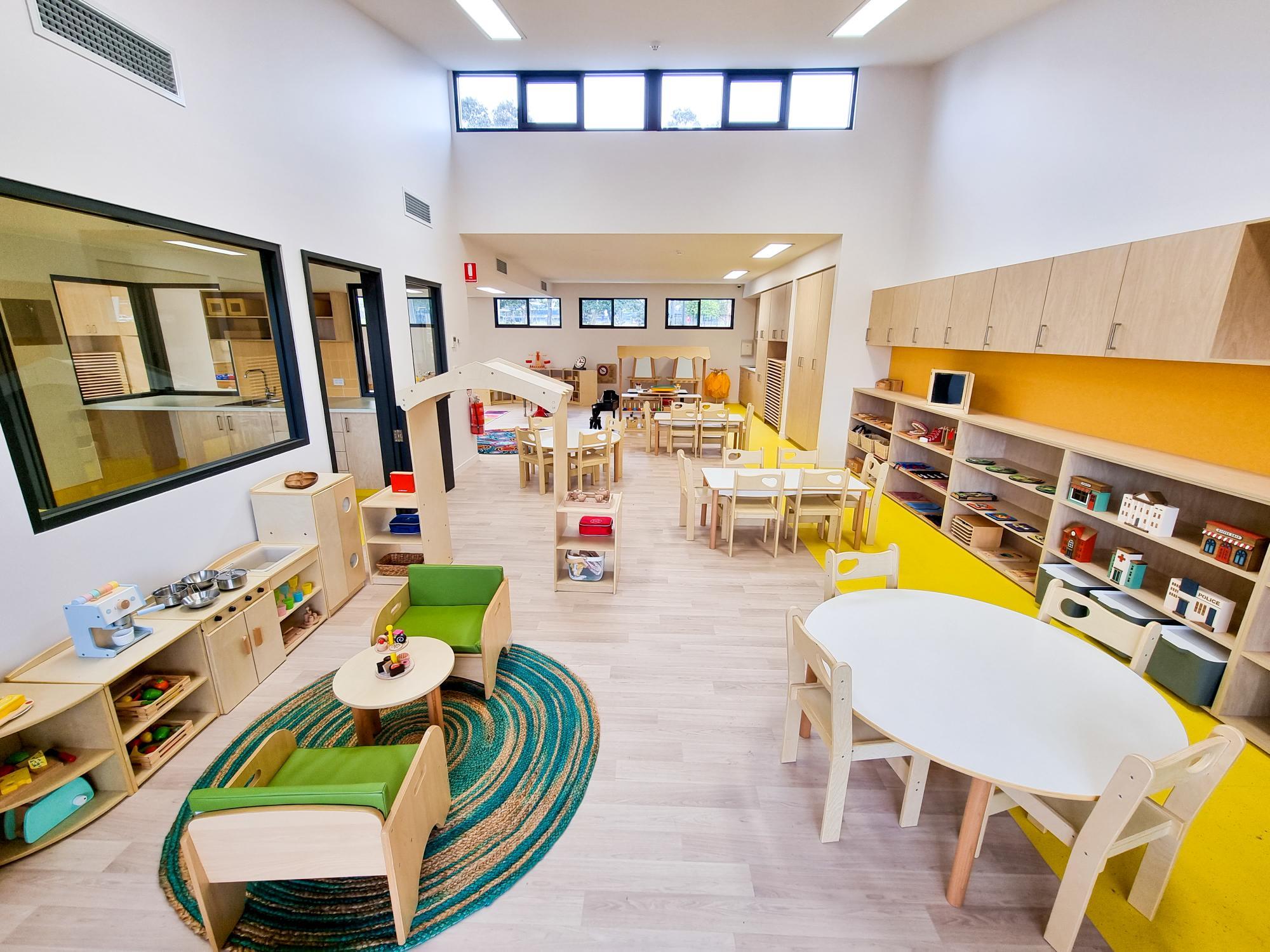
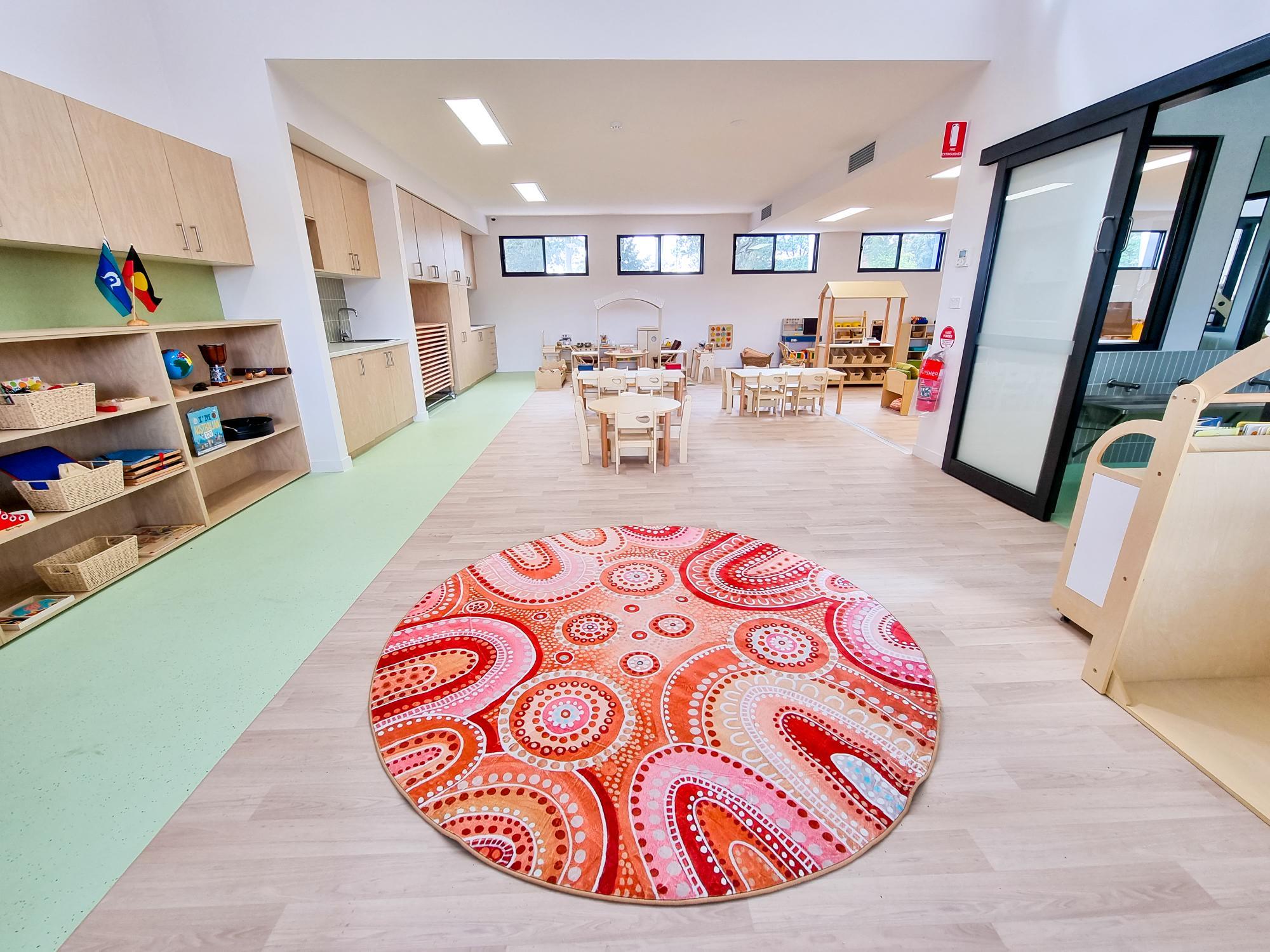
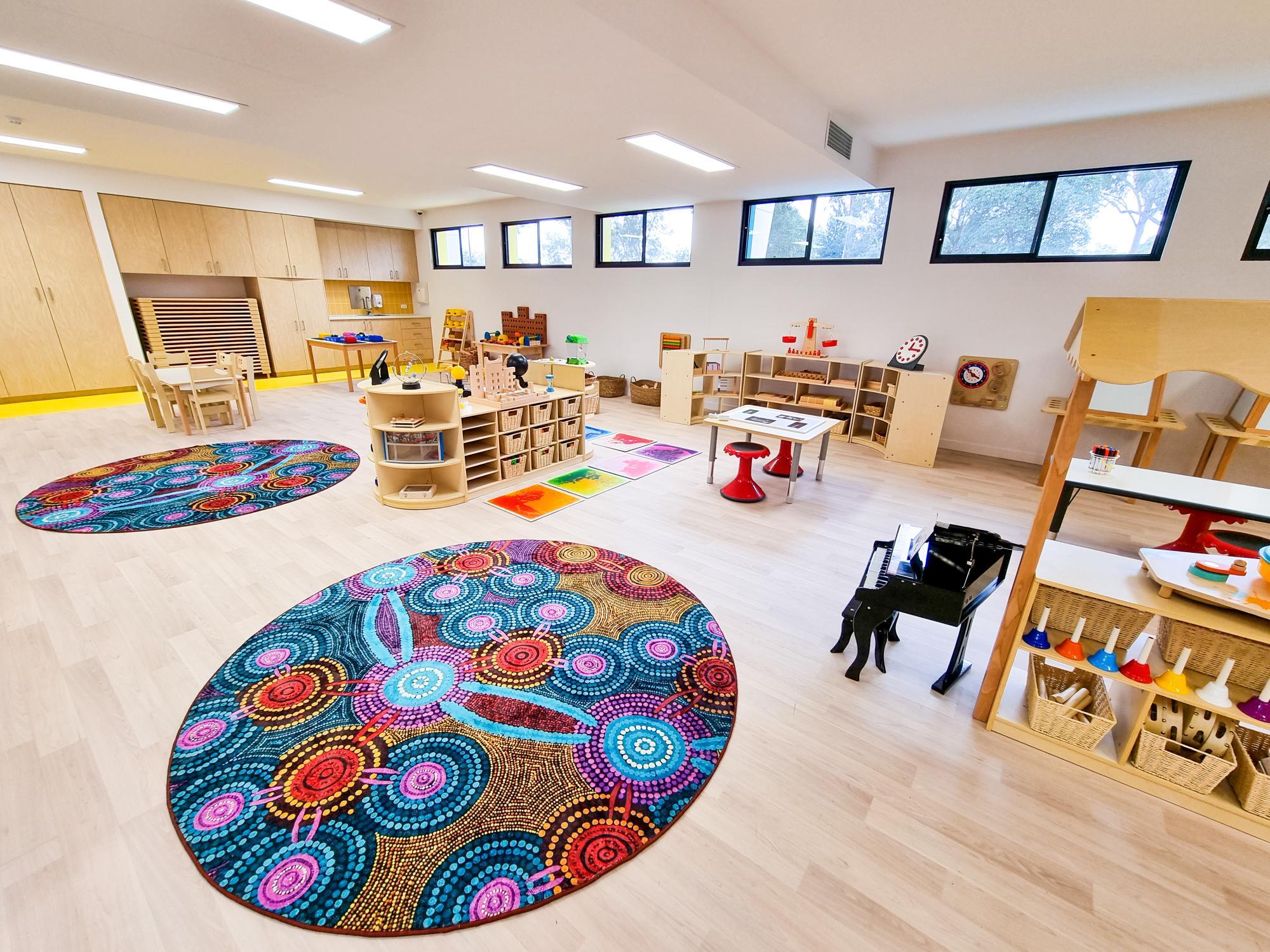
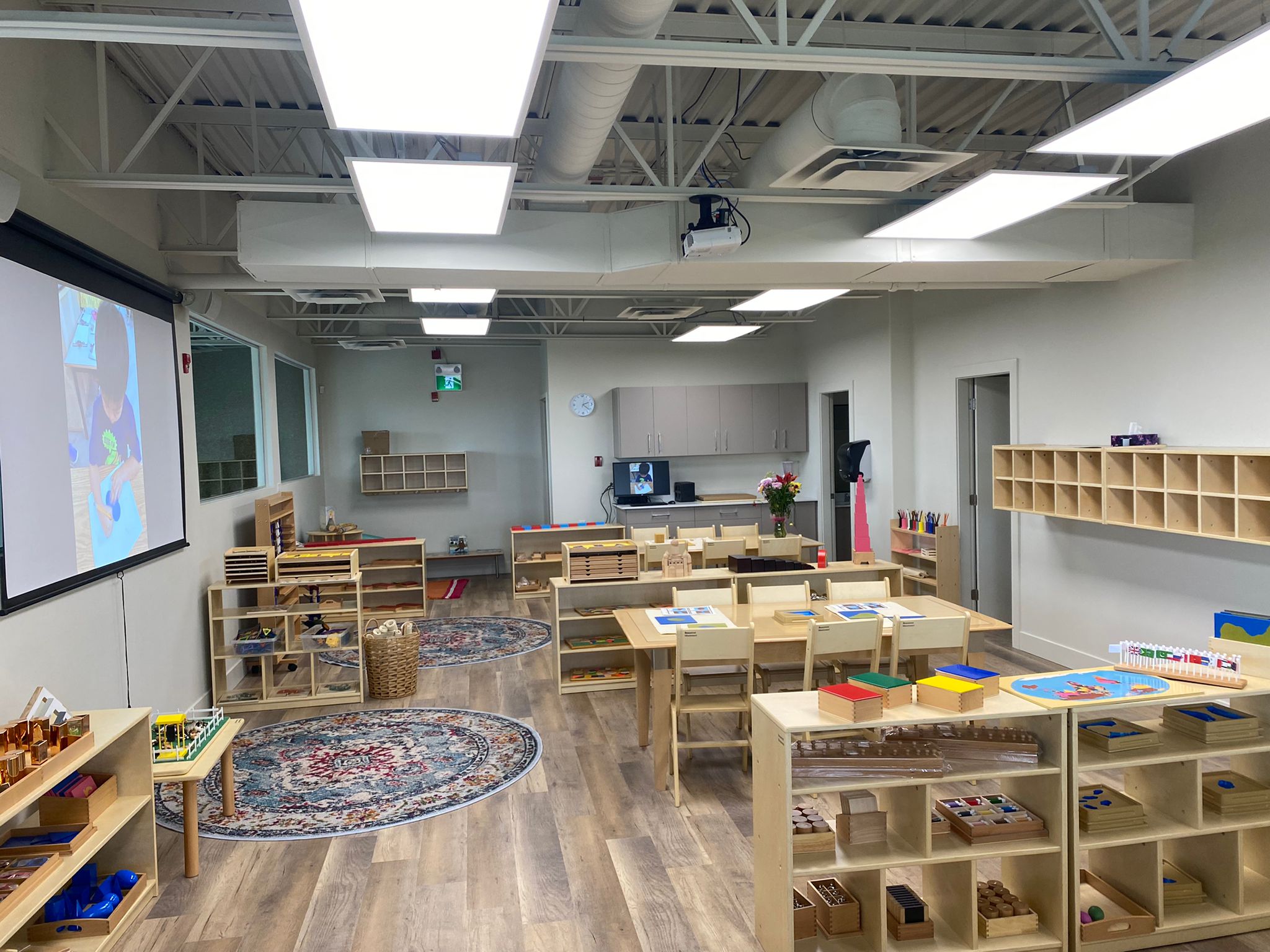
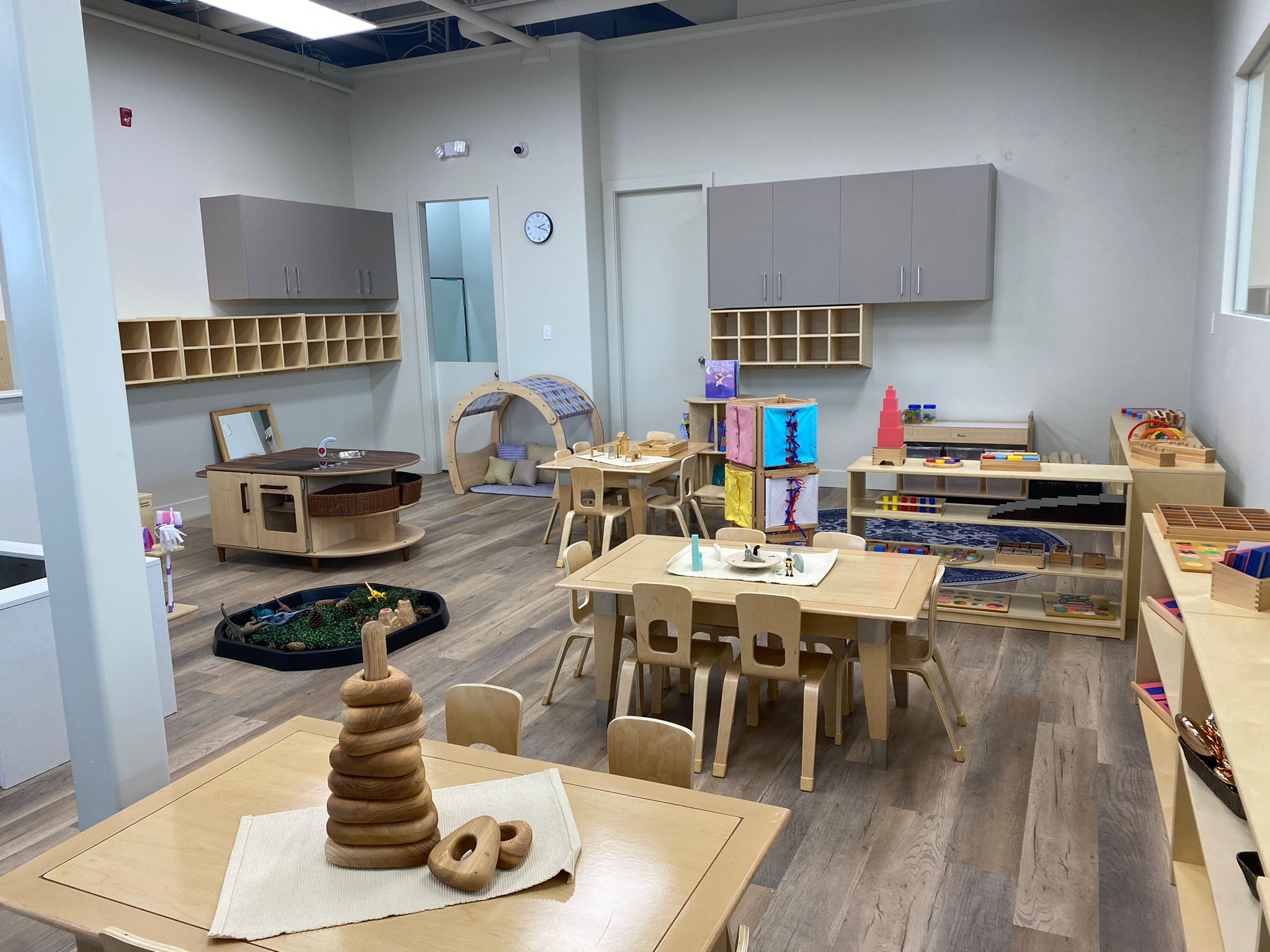
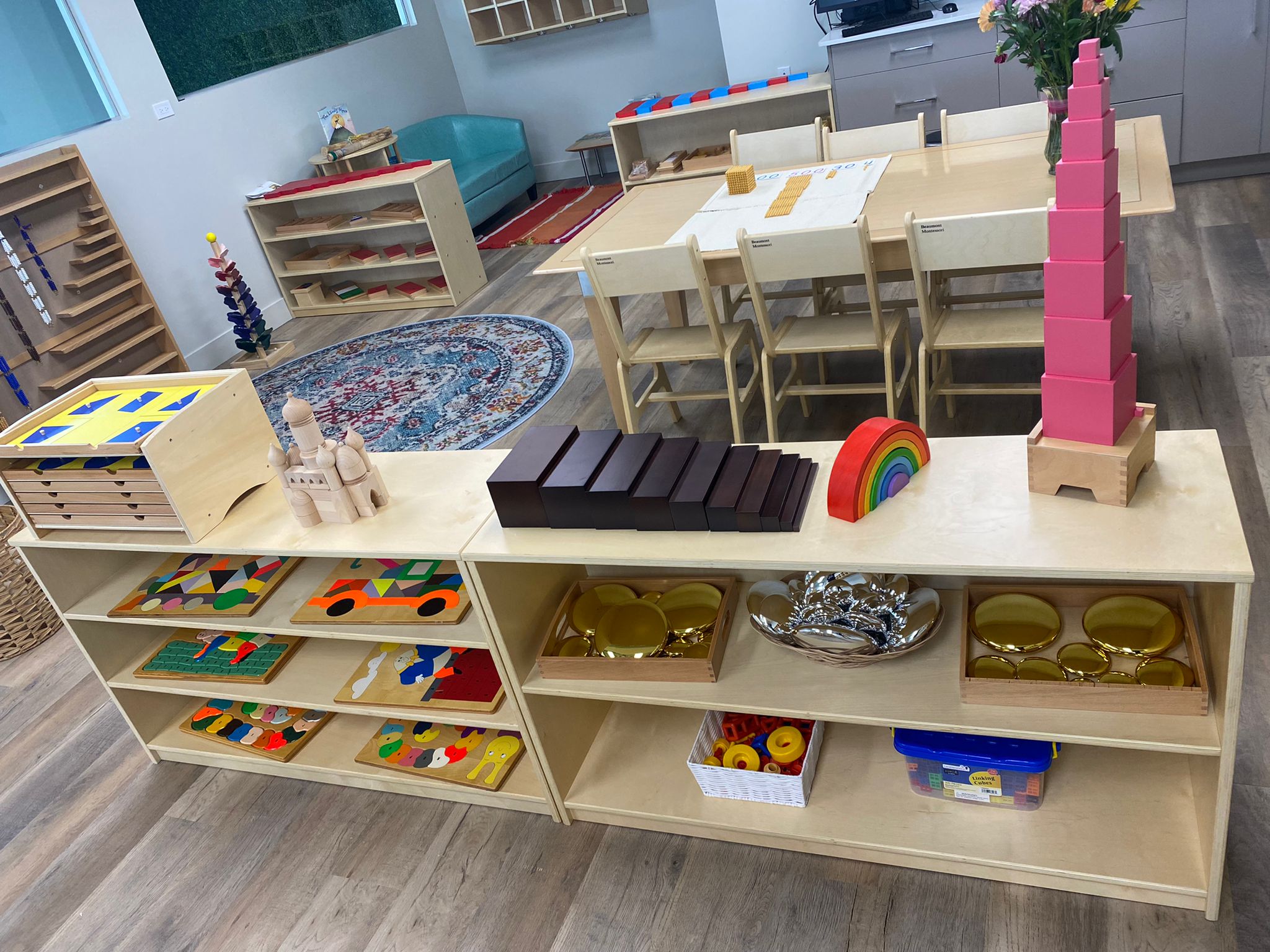
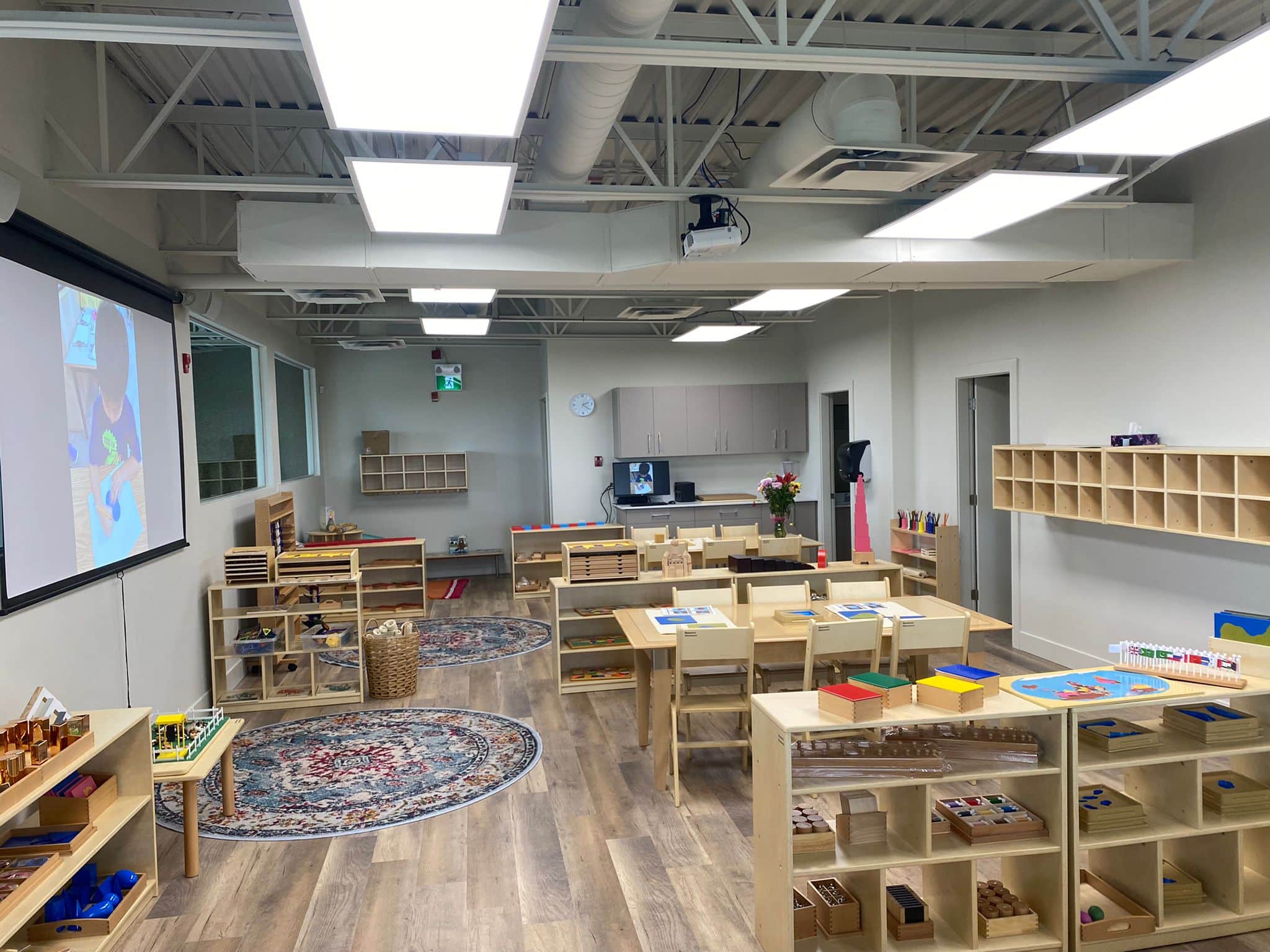
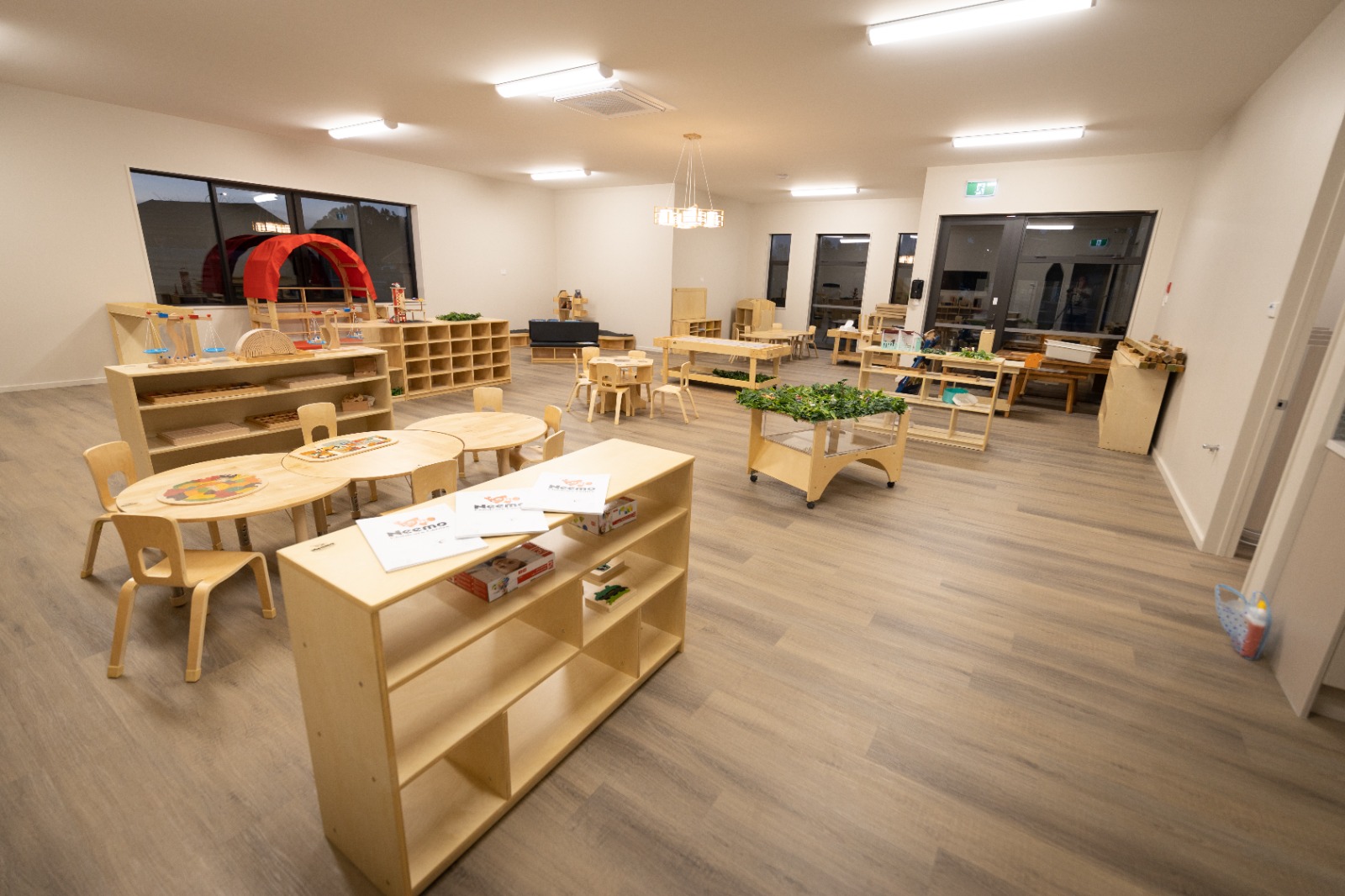
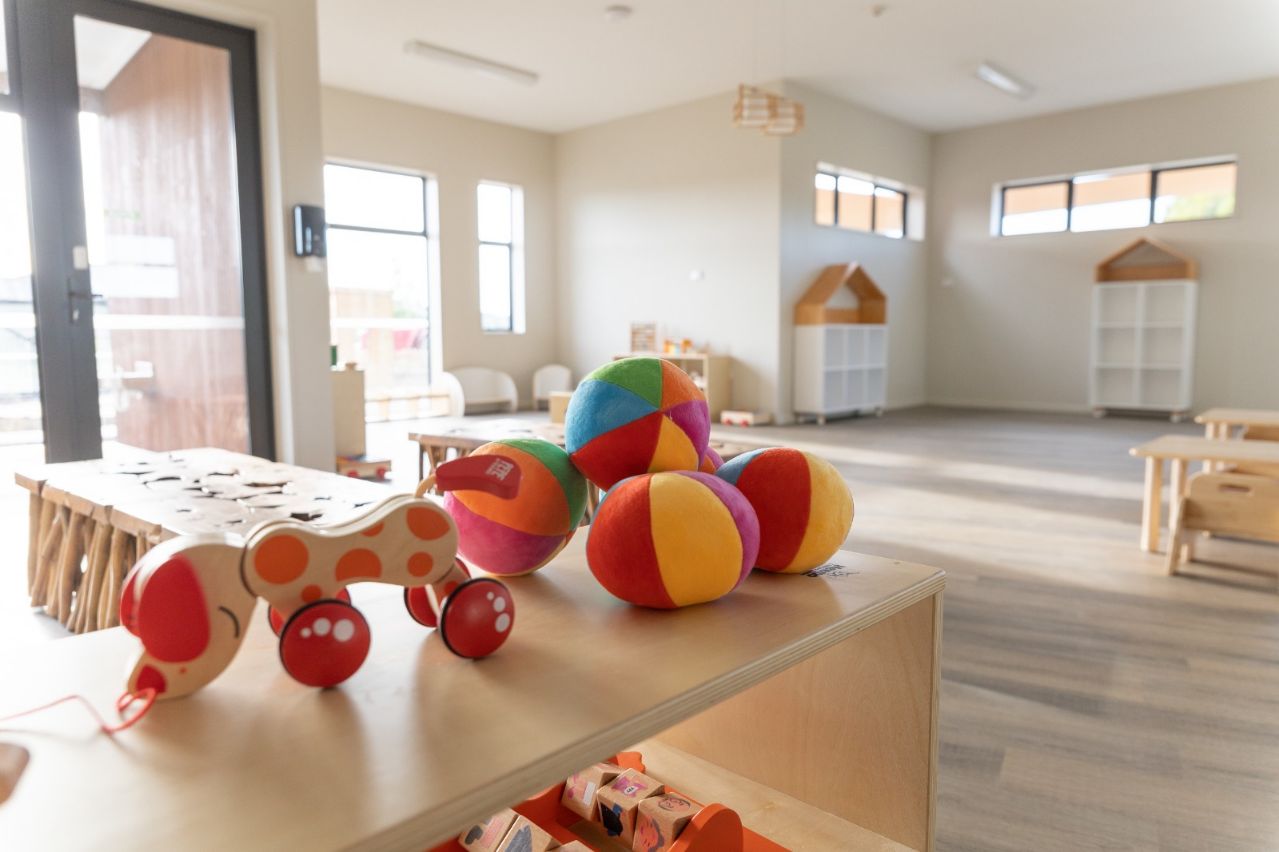
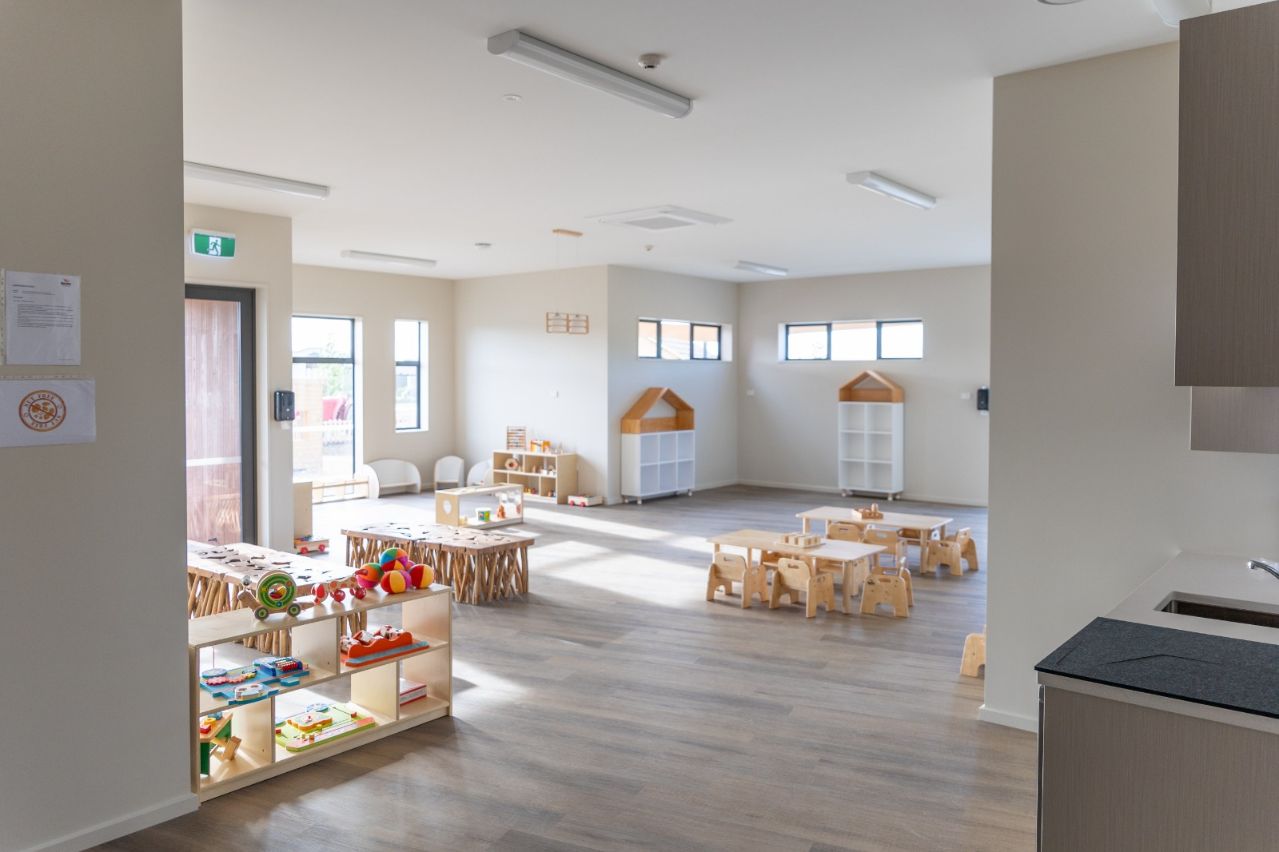
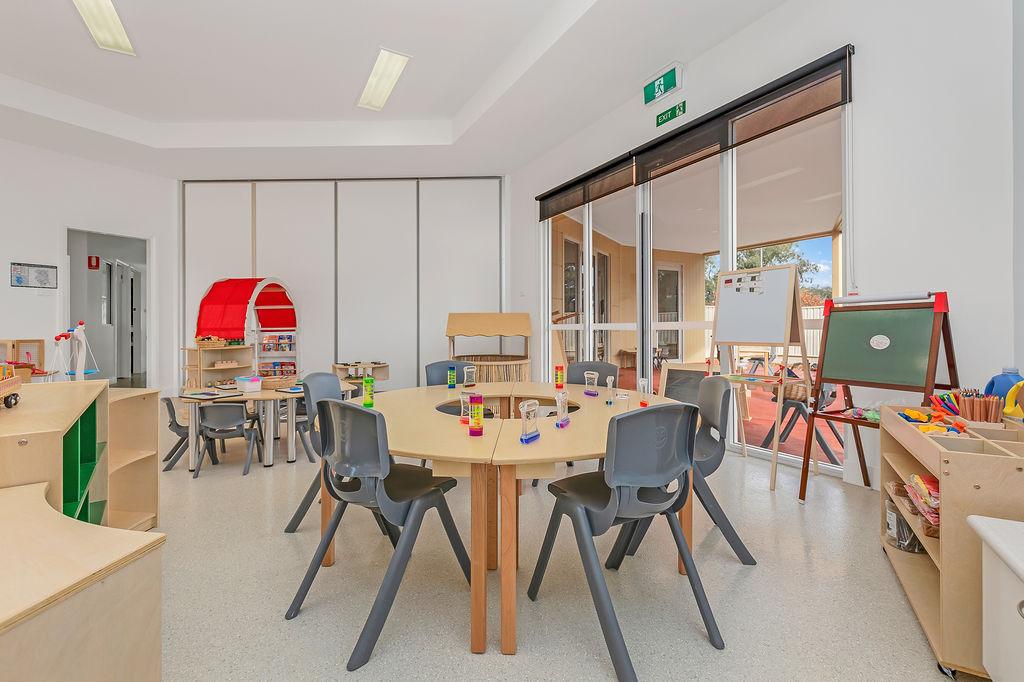
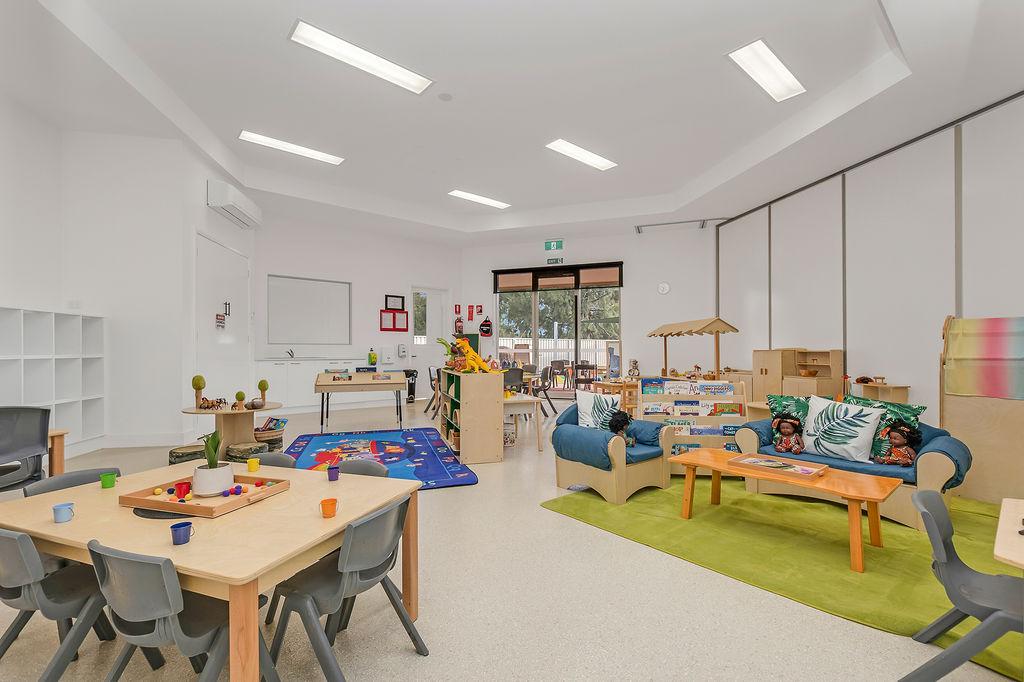
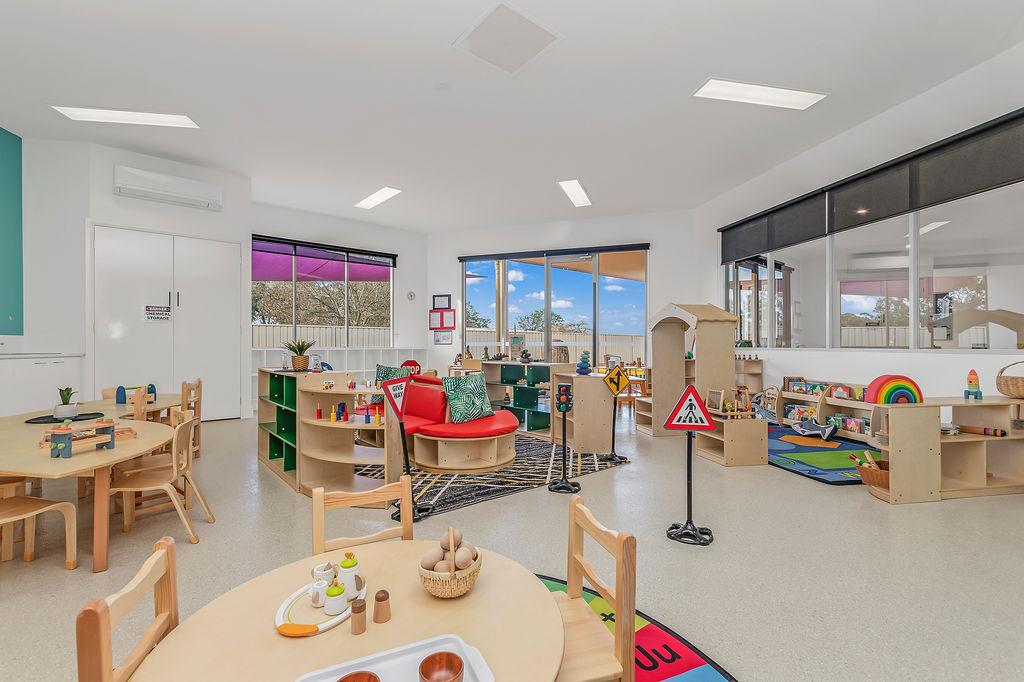
Crafting dynamic early childhood spaces: harmonizing stimuli, colors, materials, and functionality for holistic growth and inspired learning.
Essential Factors in Choosing Play Equipment
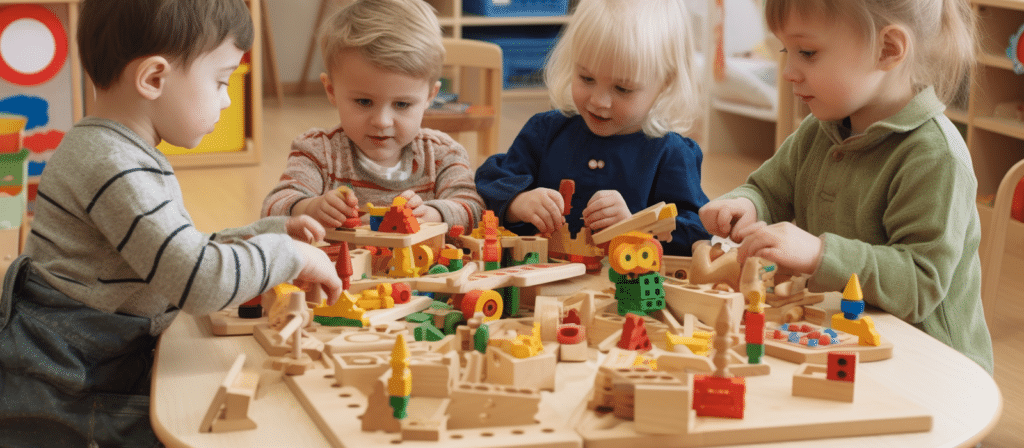
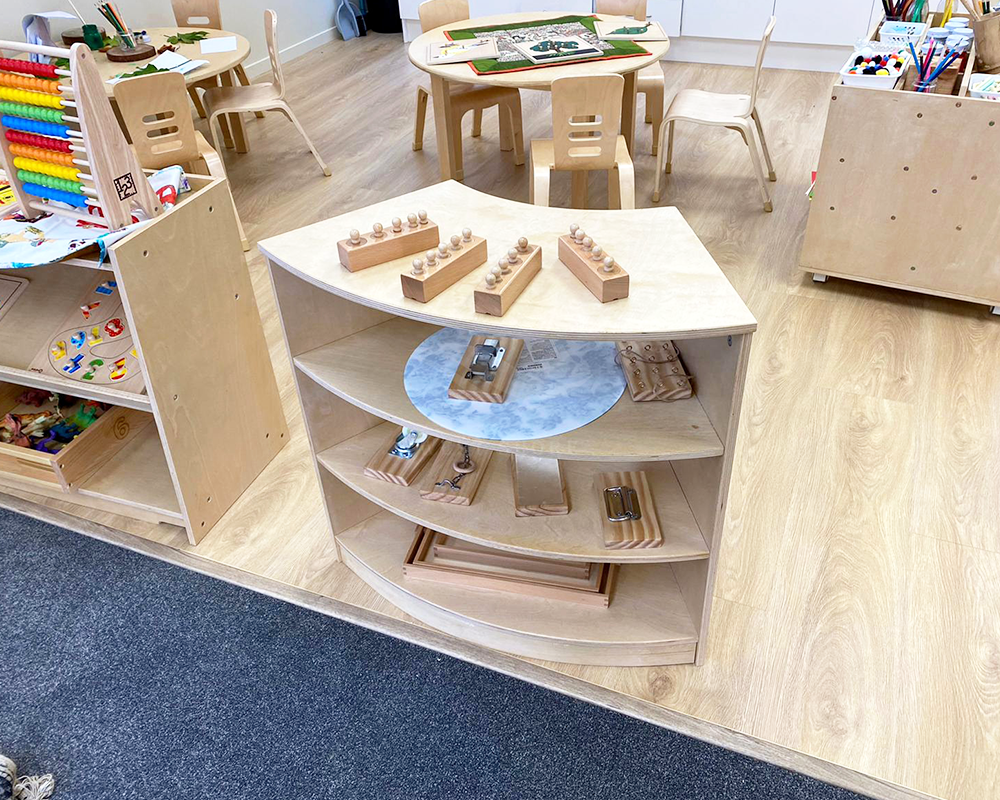
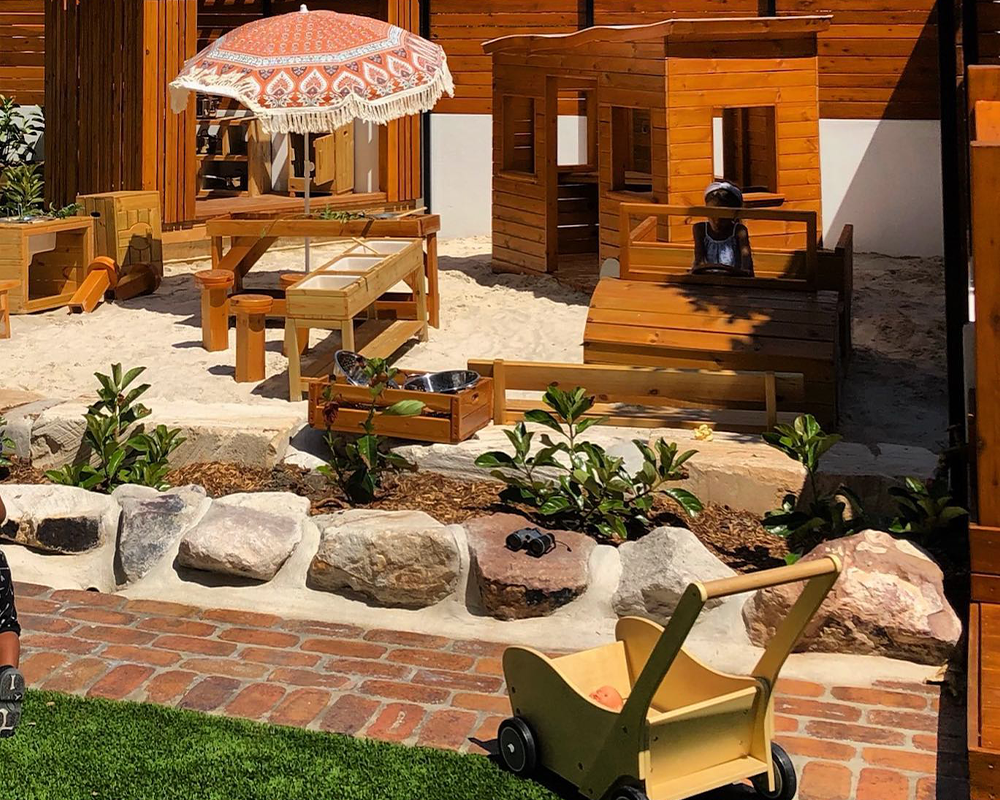
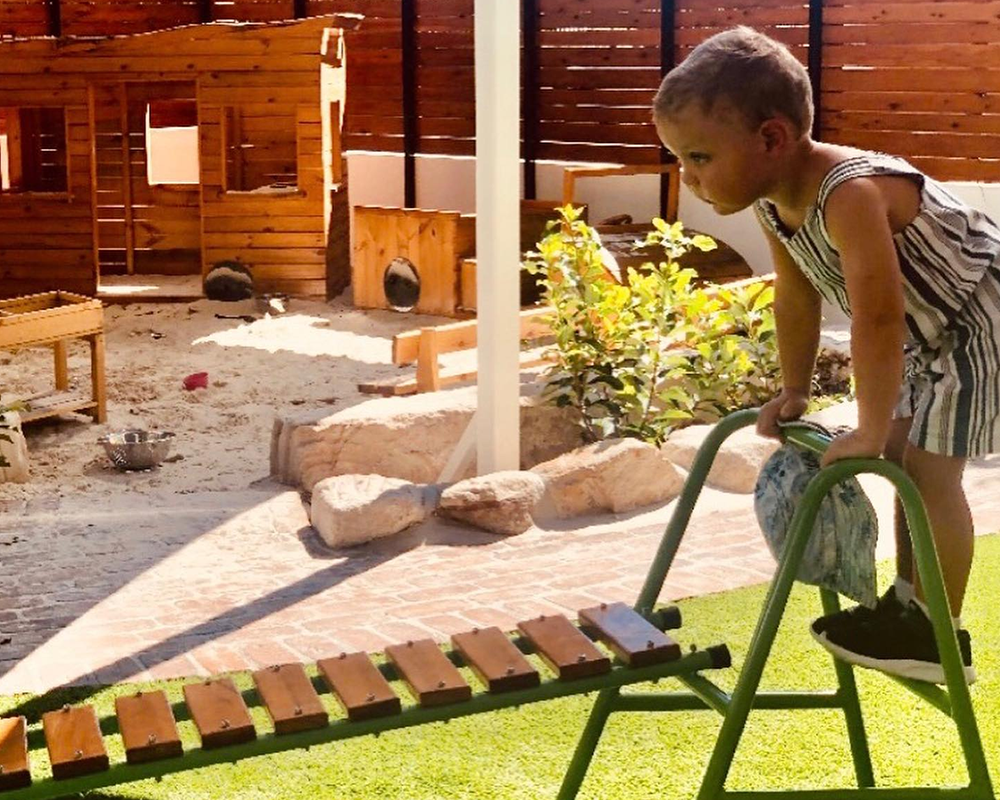
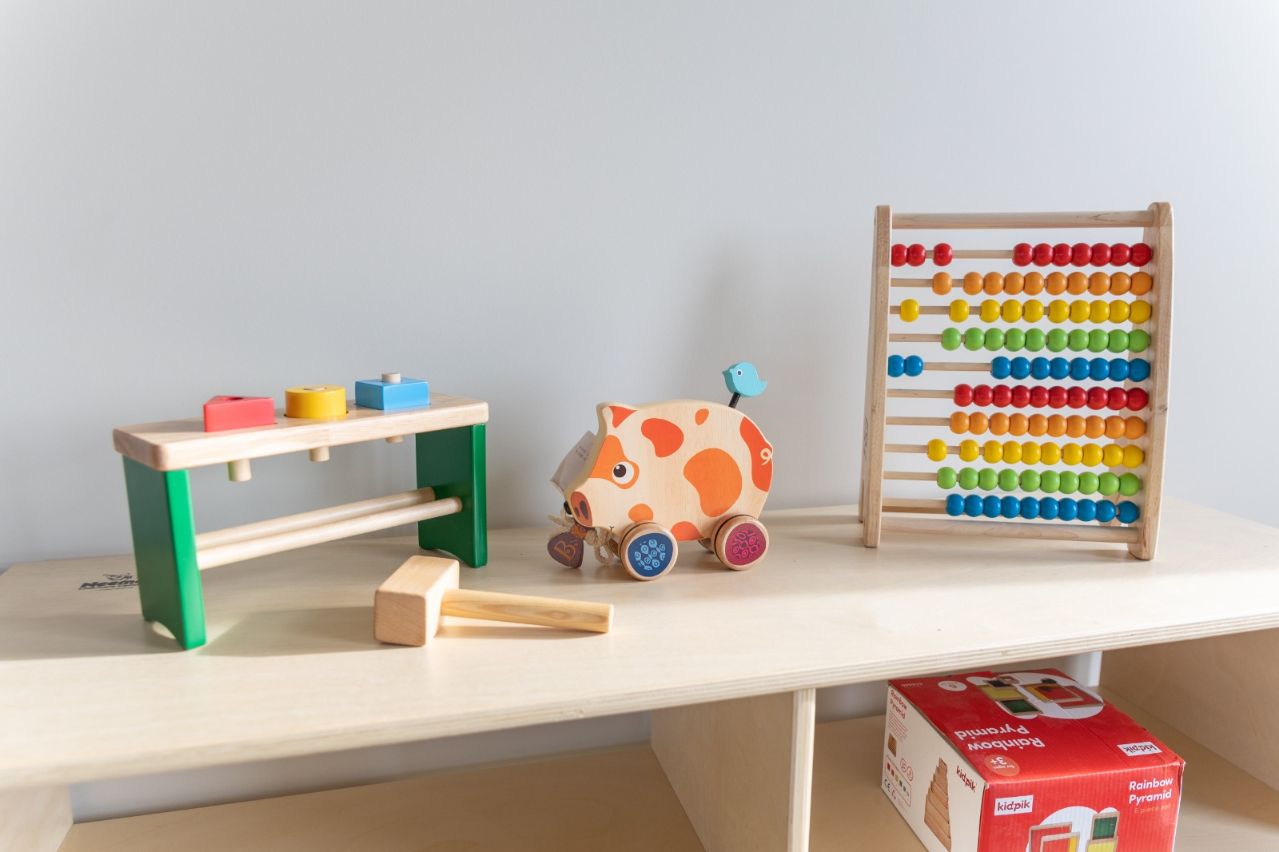
Optimal play equipment embodies simplicity, engagement, versatility, safety, fostering creativity and cooperation, enhancing child development.
Reimagining Classroom Entryways: A Gateway to Engaging Learning Environments
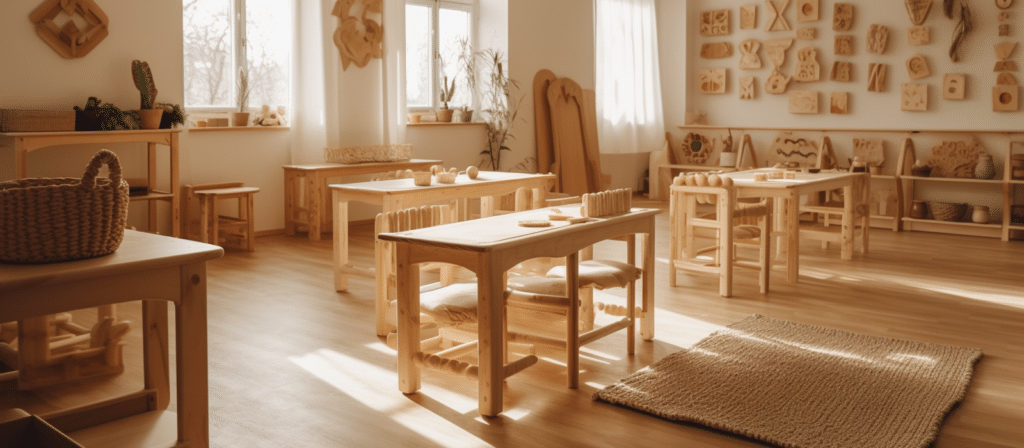
Reimagine classroom entryways as gateways to diverse, engaging, and nurturing learning environments, fostering holistic growth, social interactions, and curiosity.
Create A Homey Atmosphere In The Classroom
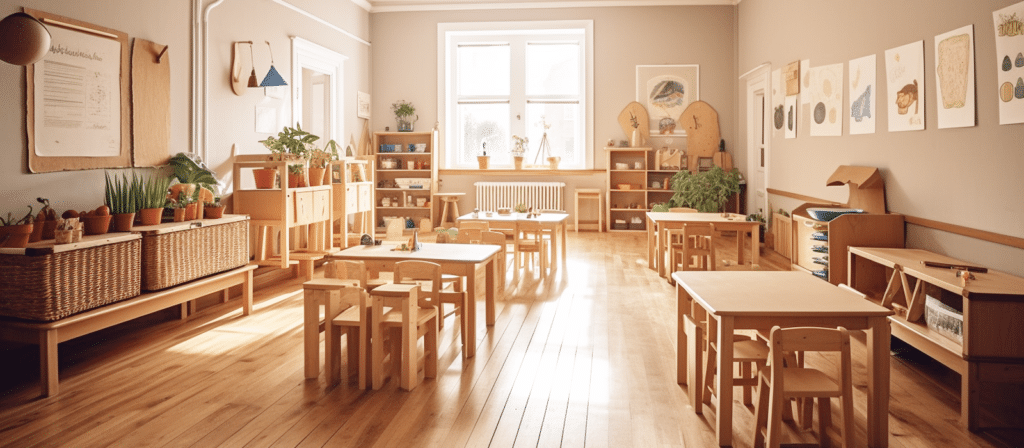
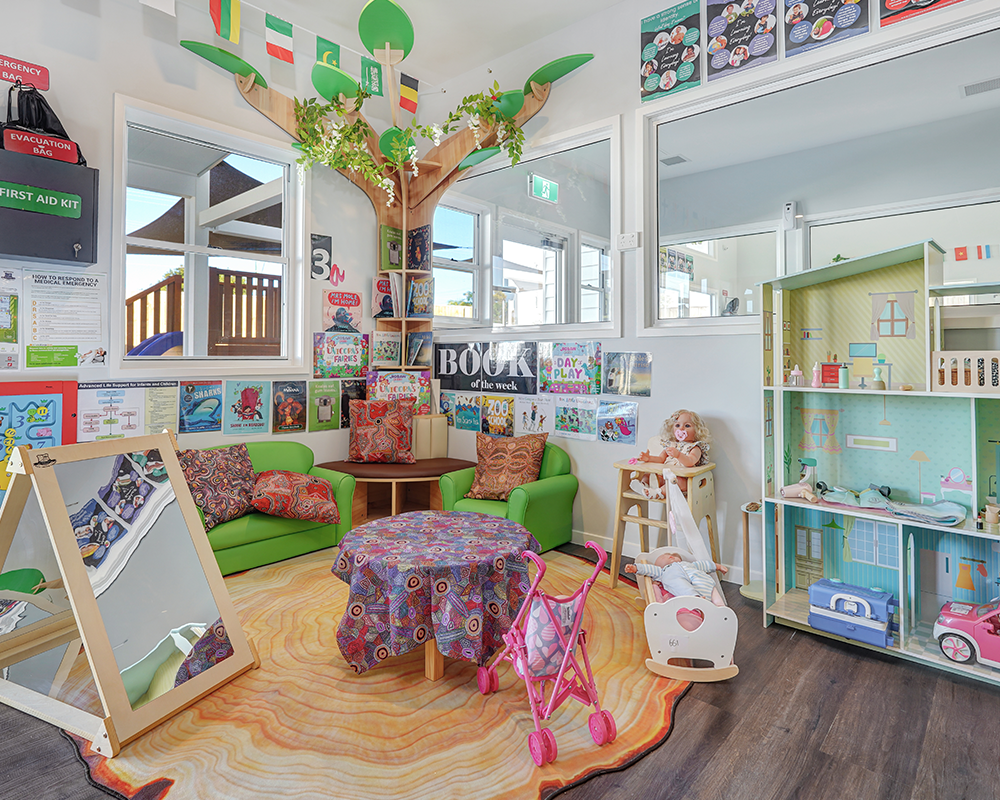
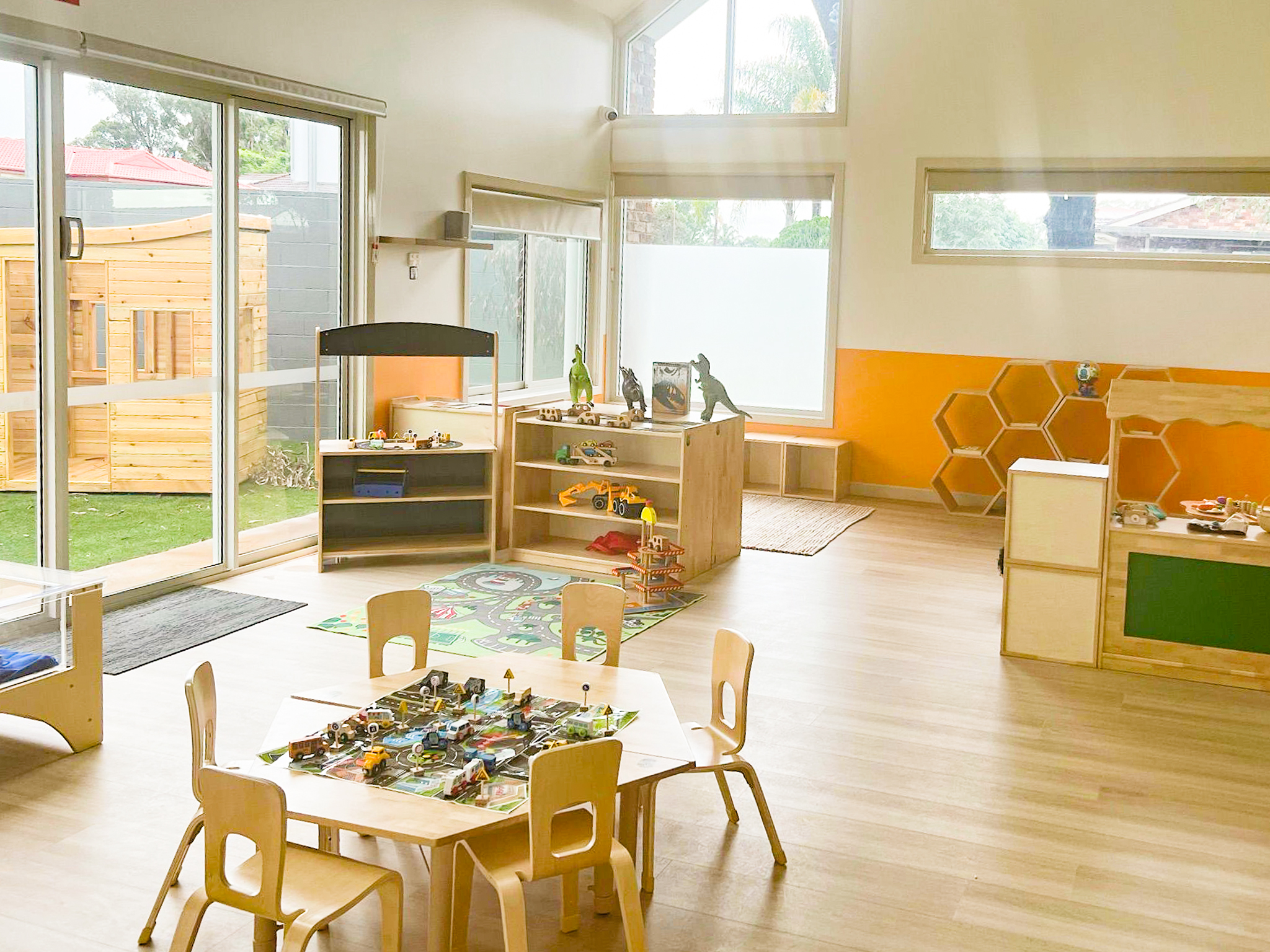
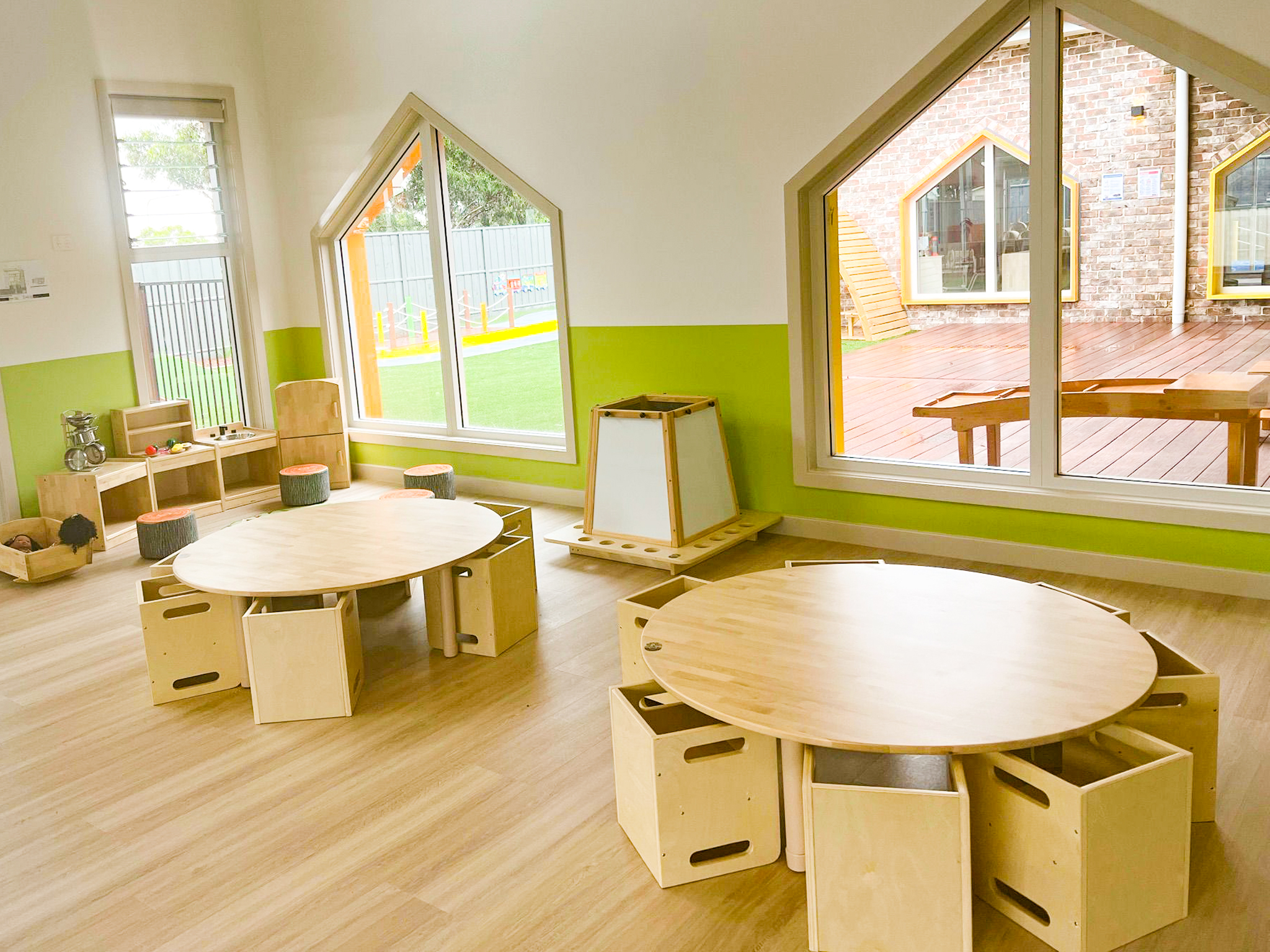
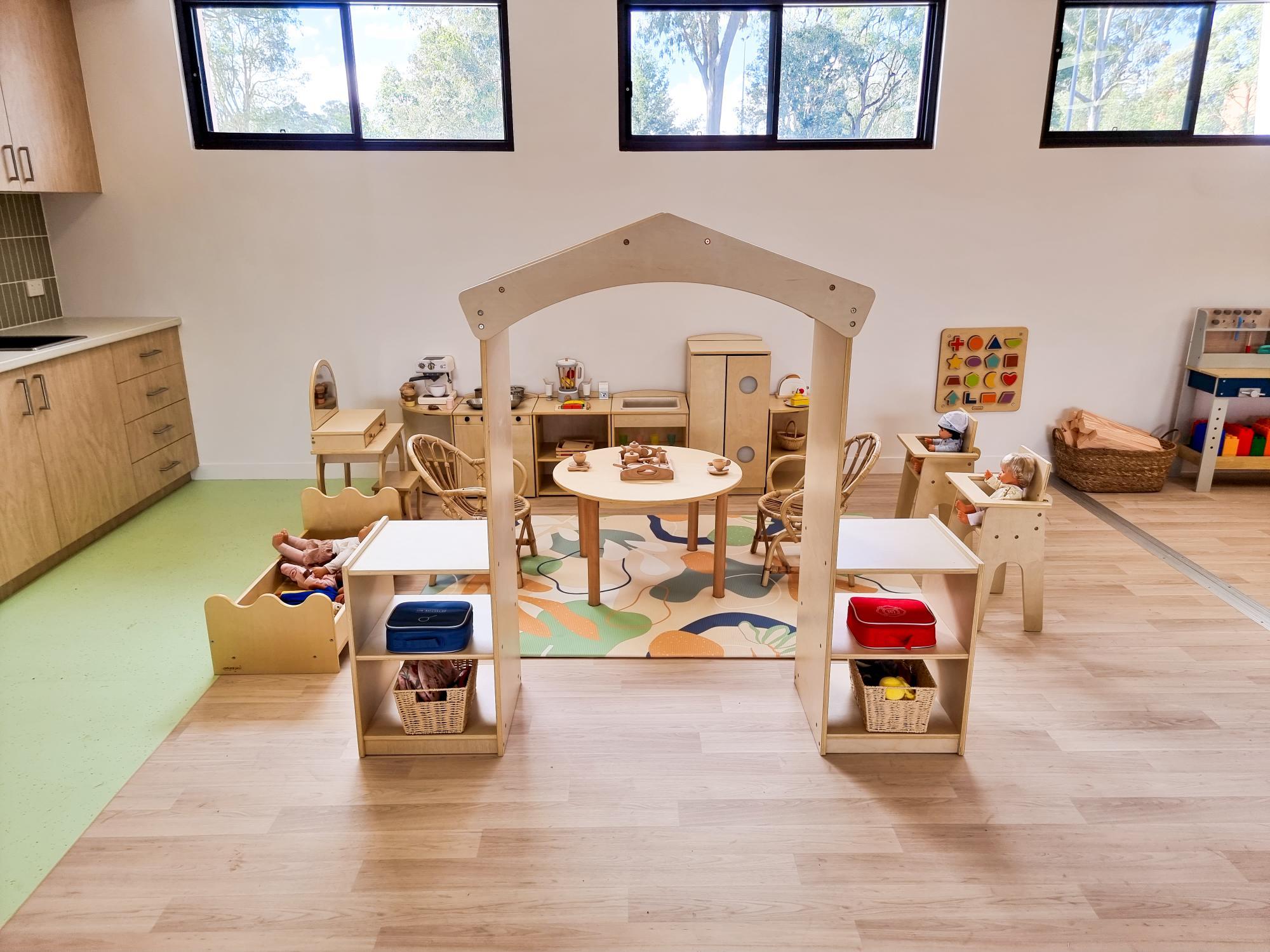
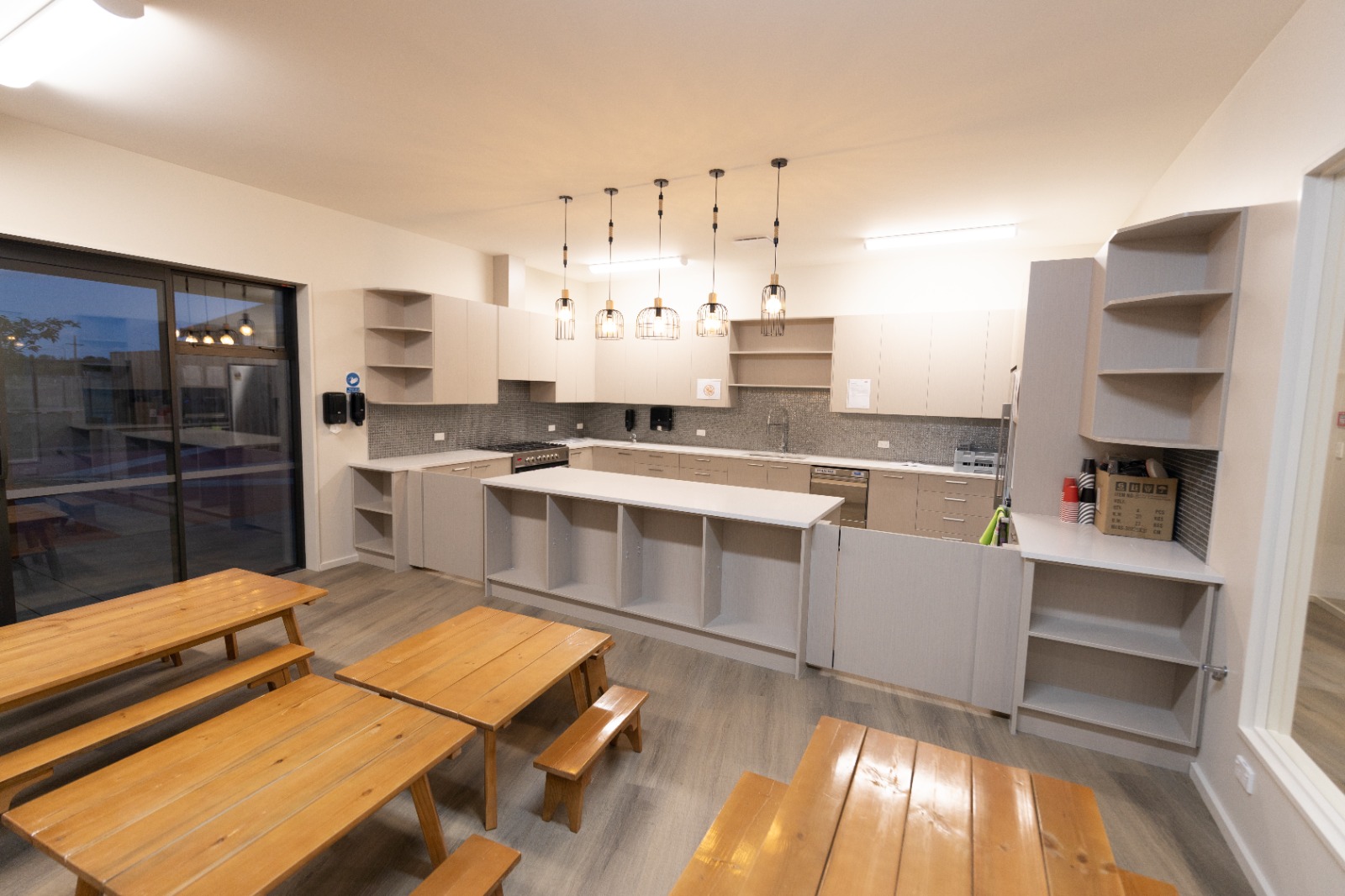
Creating a Homelike Atmosphere in Childcare: Colors, textures, lighting, and personal touches merge to nurture comfort, engagement, and a sense of belonging.
Creating a Warm and Inviting Classroom Atmosphere
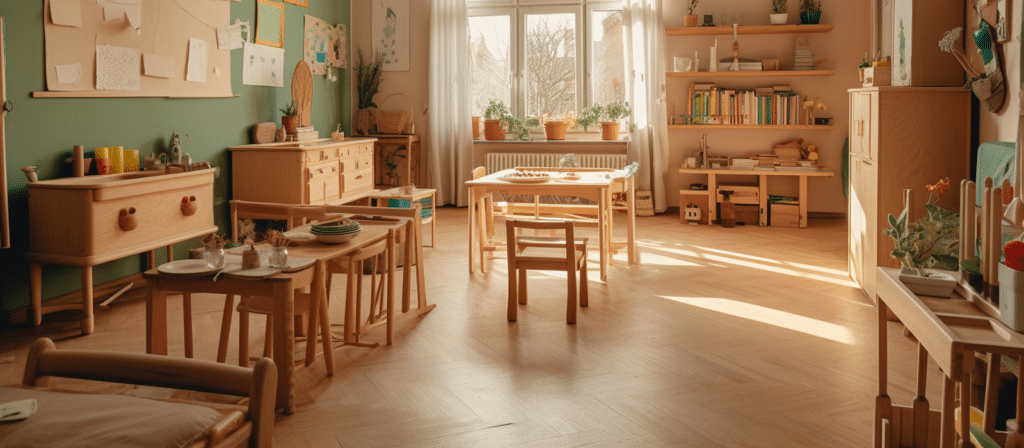
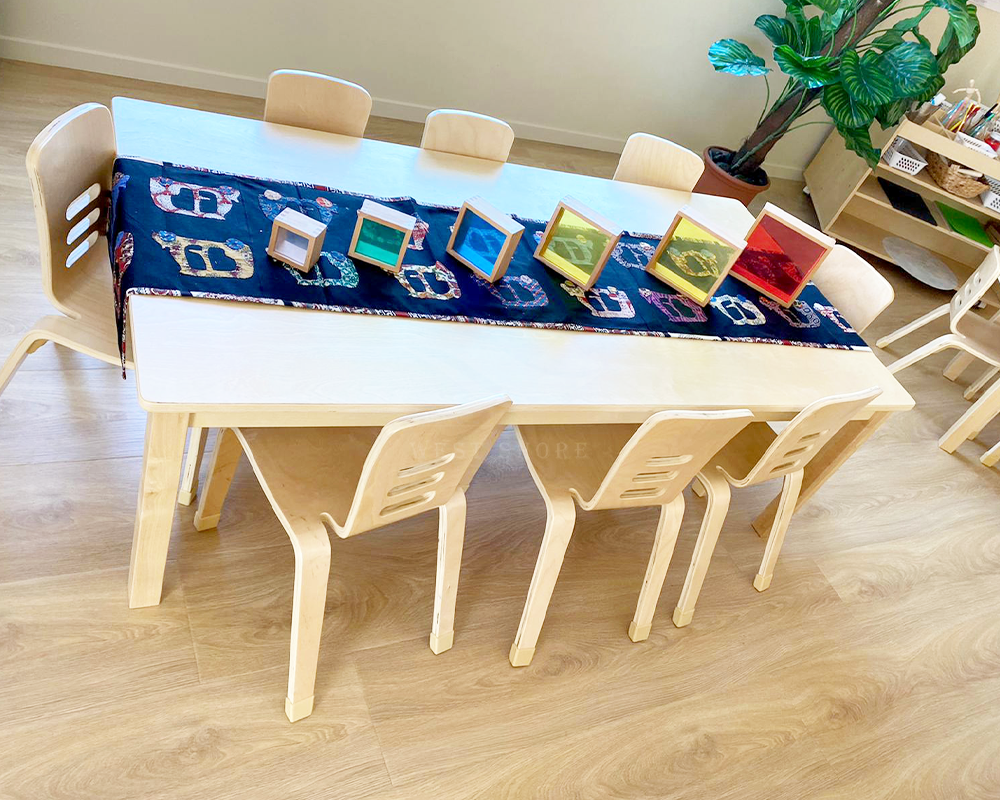
Fostering Comfortable Classrooms: Personalized spaces, nature connections, and communal meals create a welcoming ambiance for children’s holistic learning.