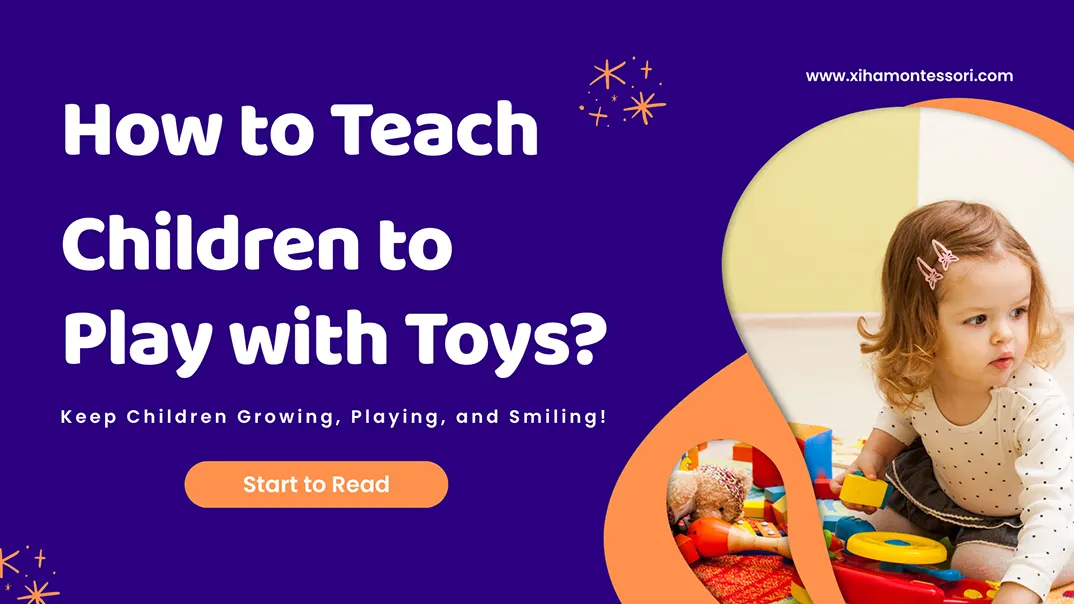
How to Teach Children to Play with Toys?

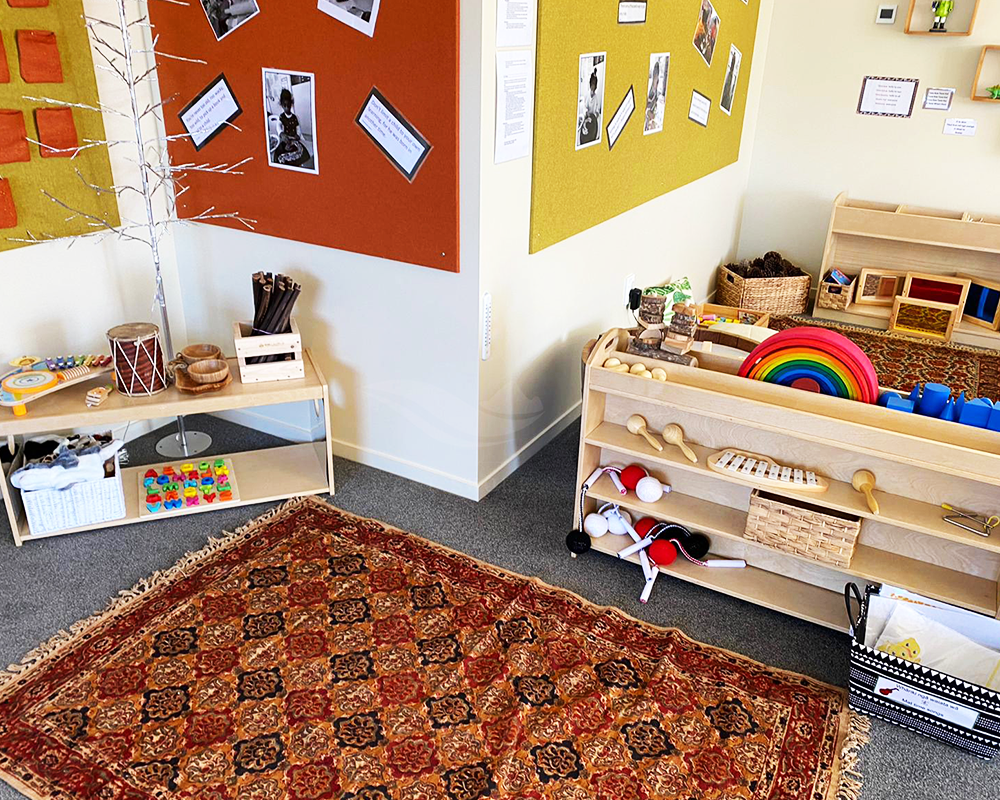
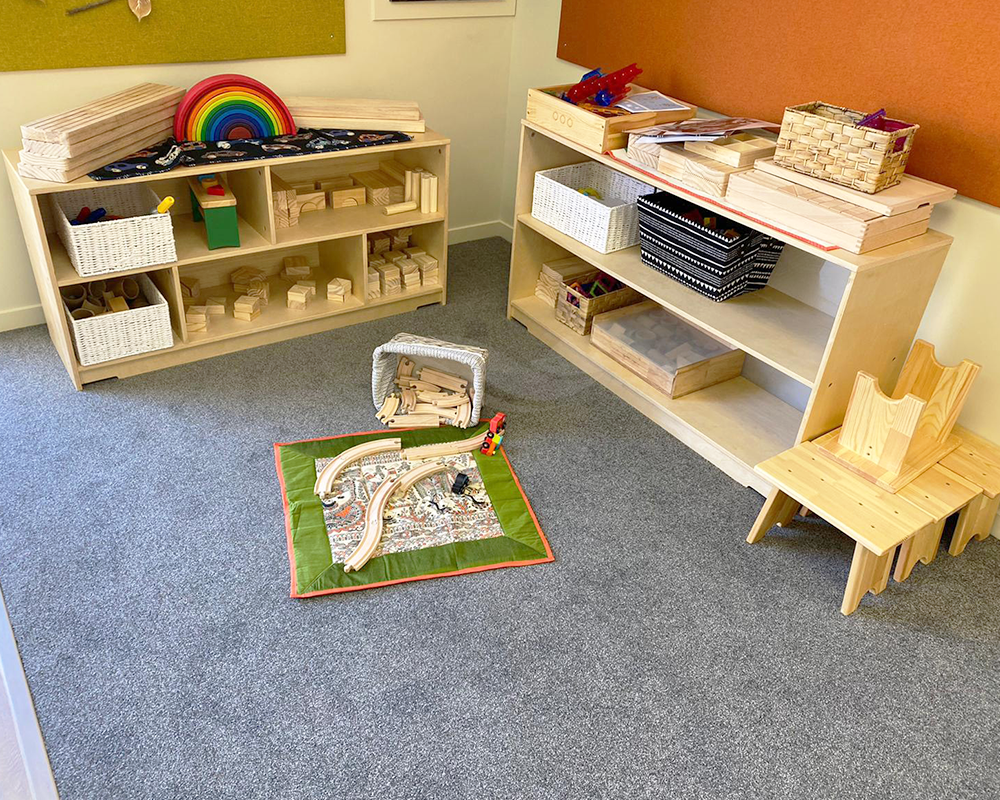
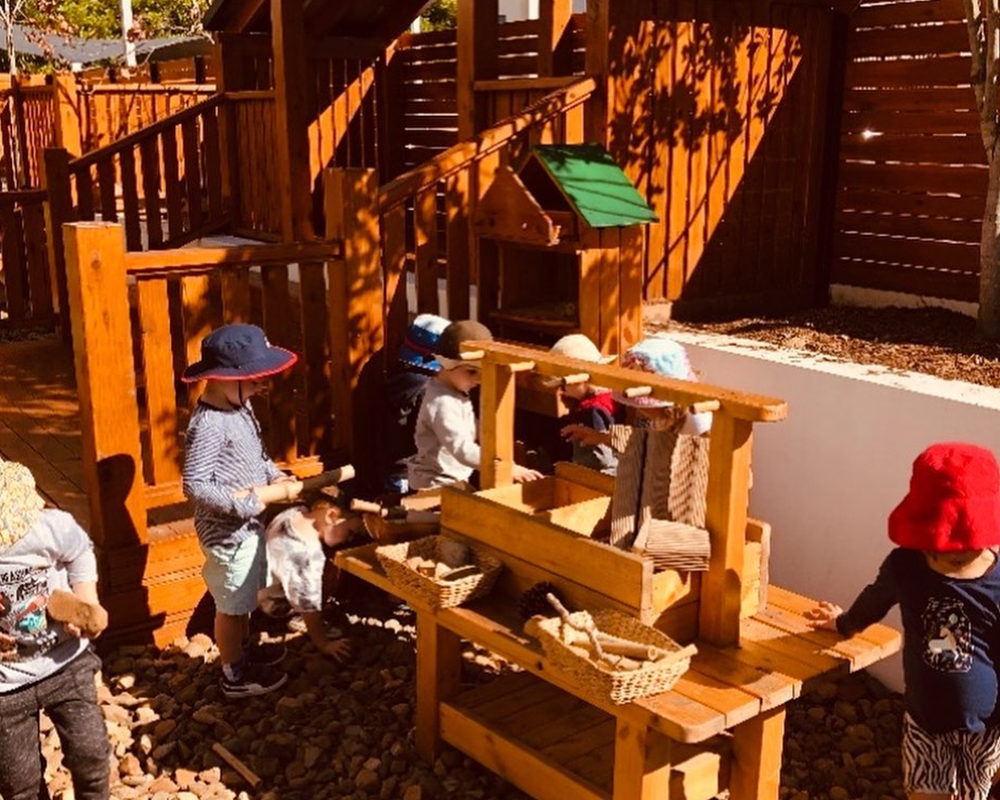
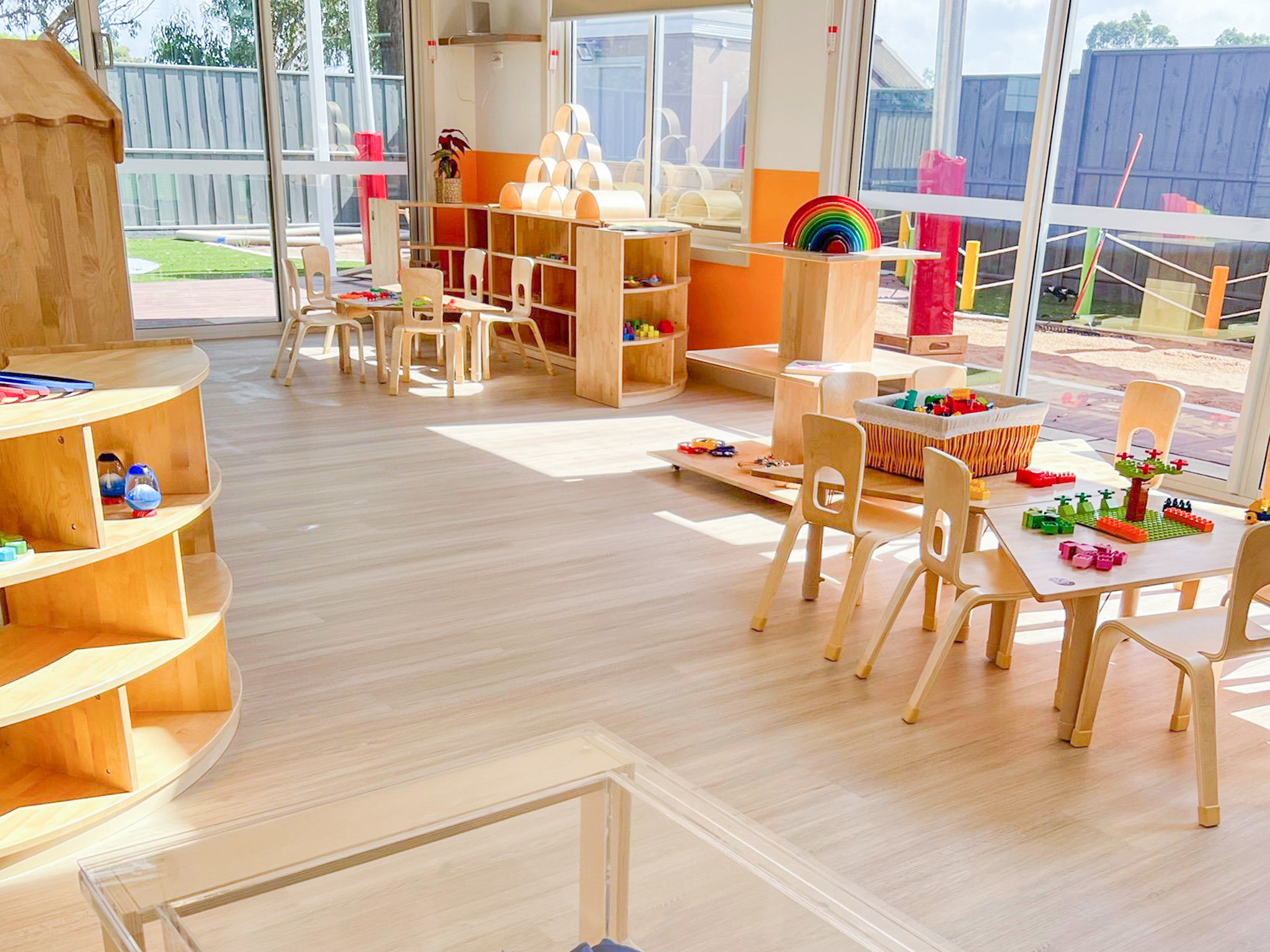
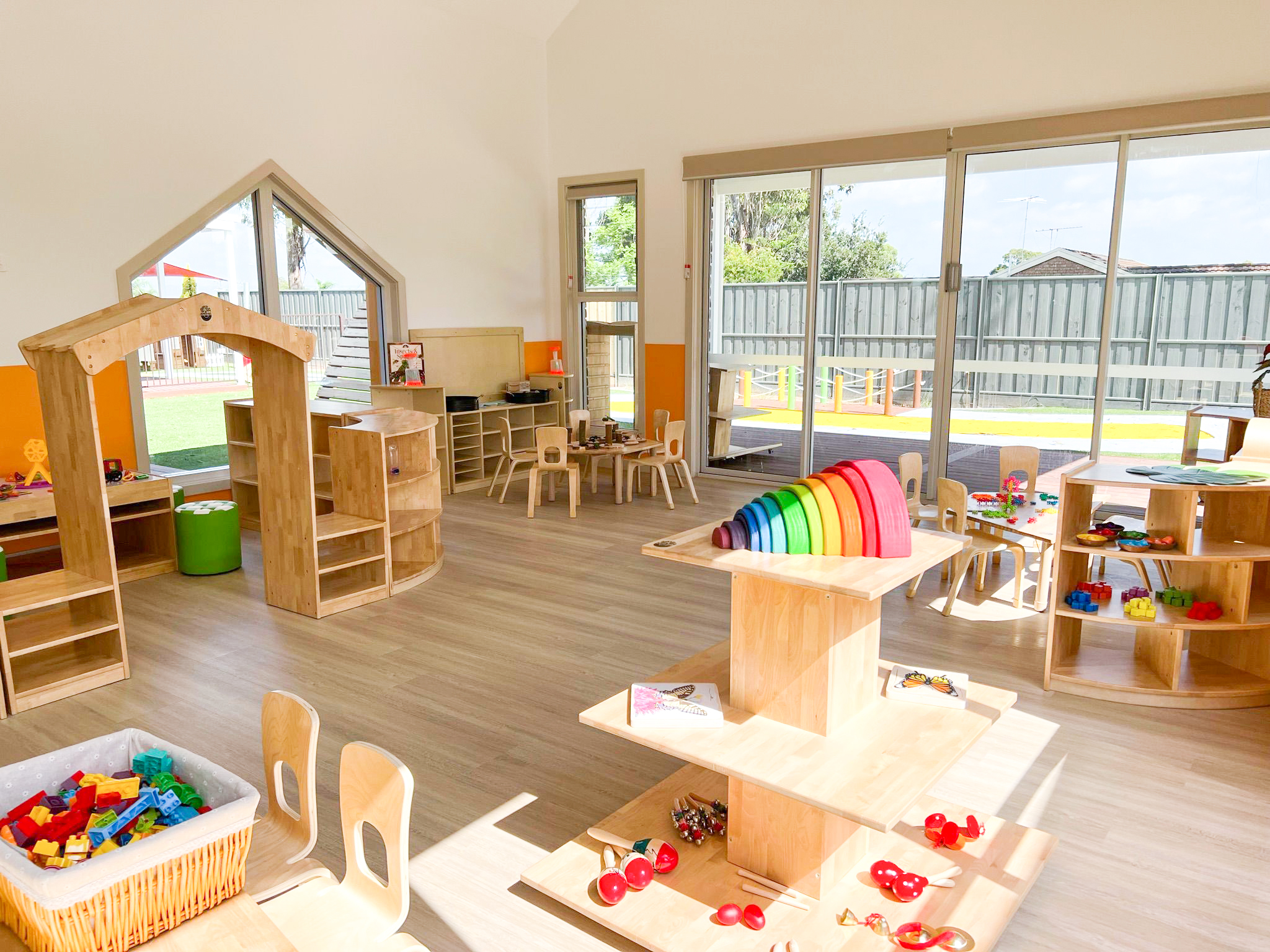
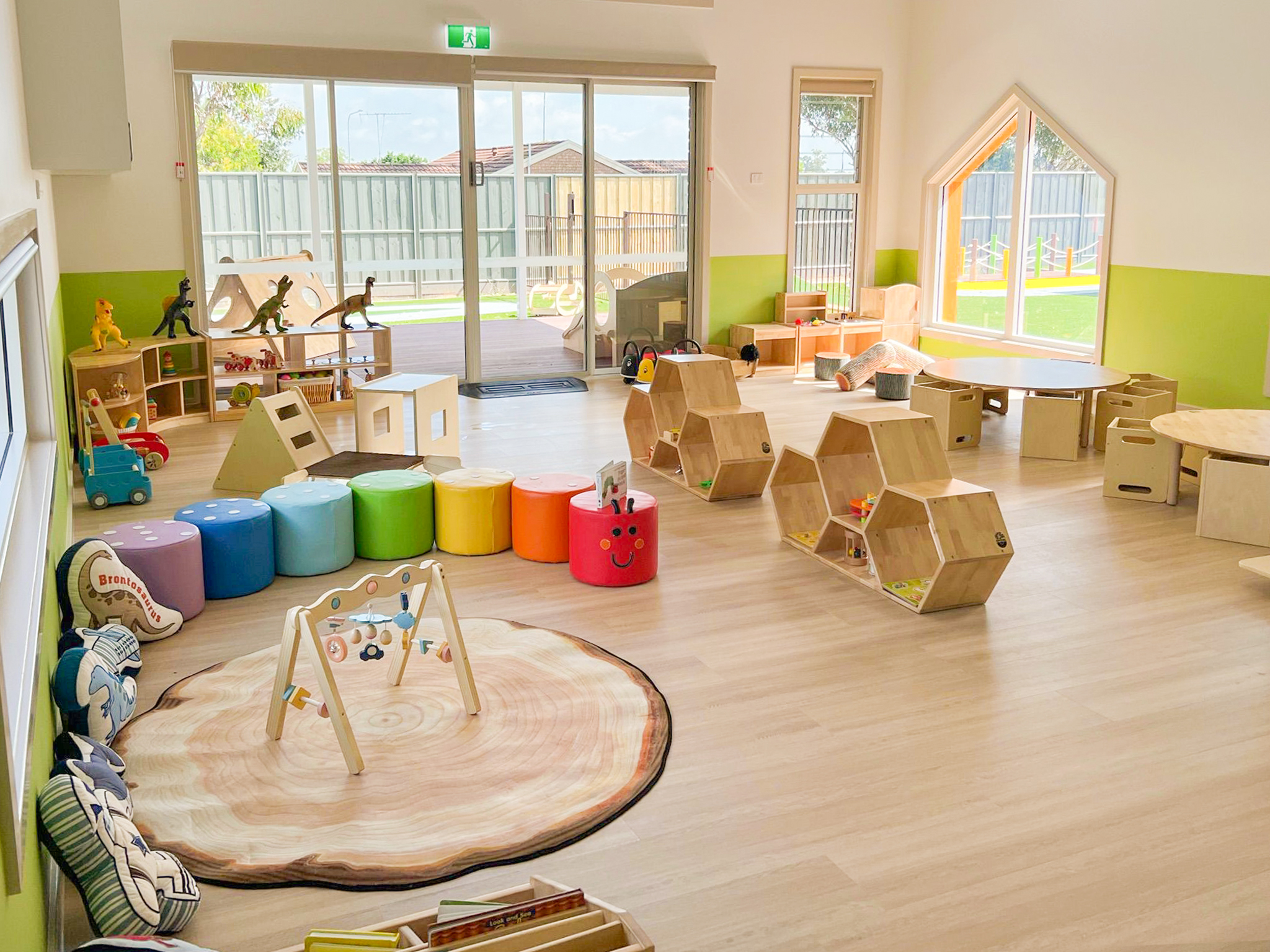
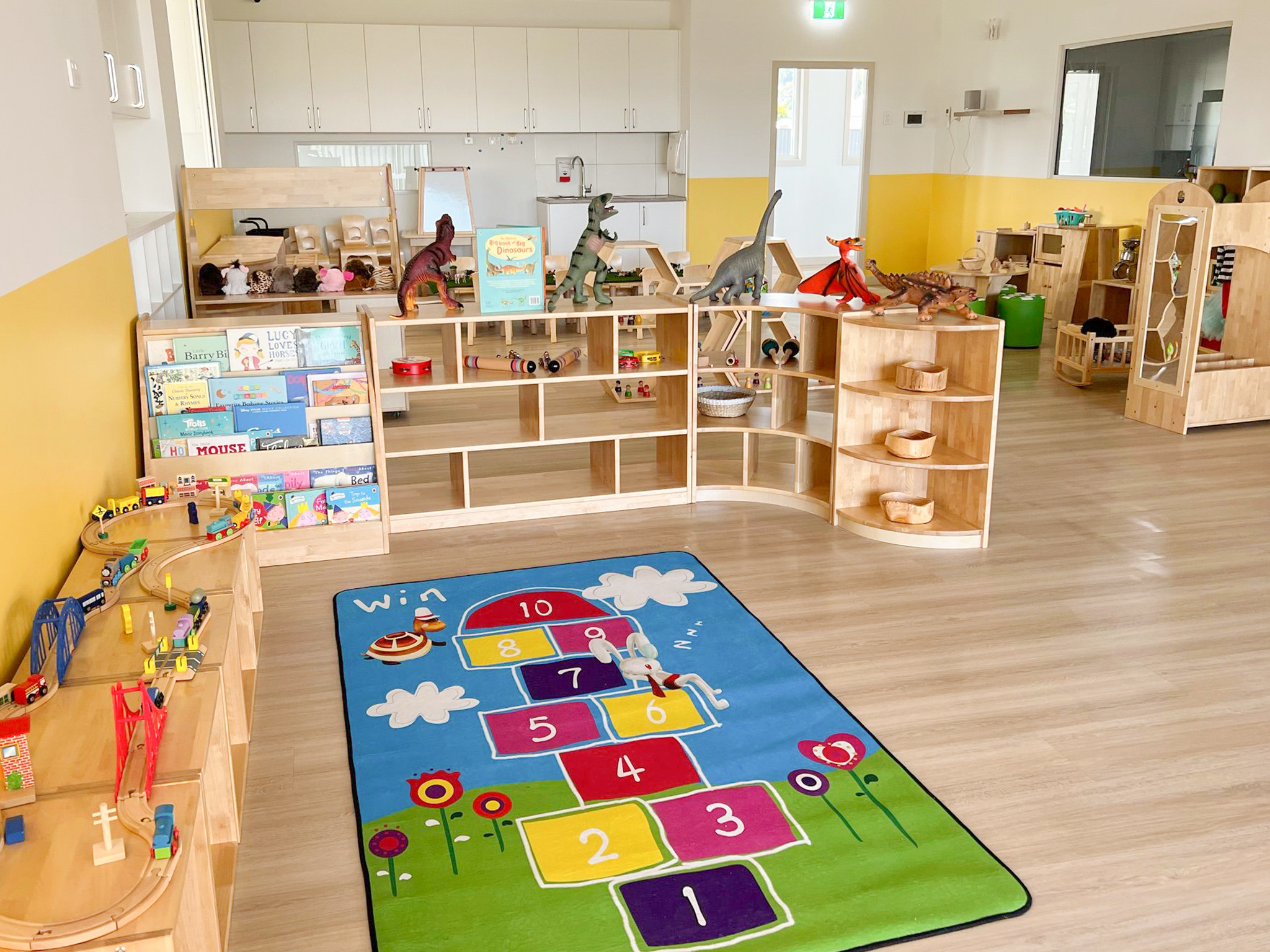
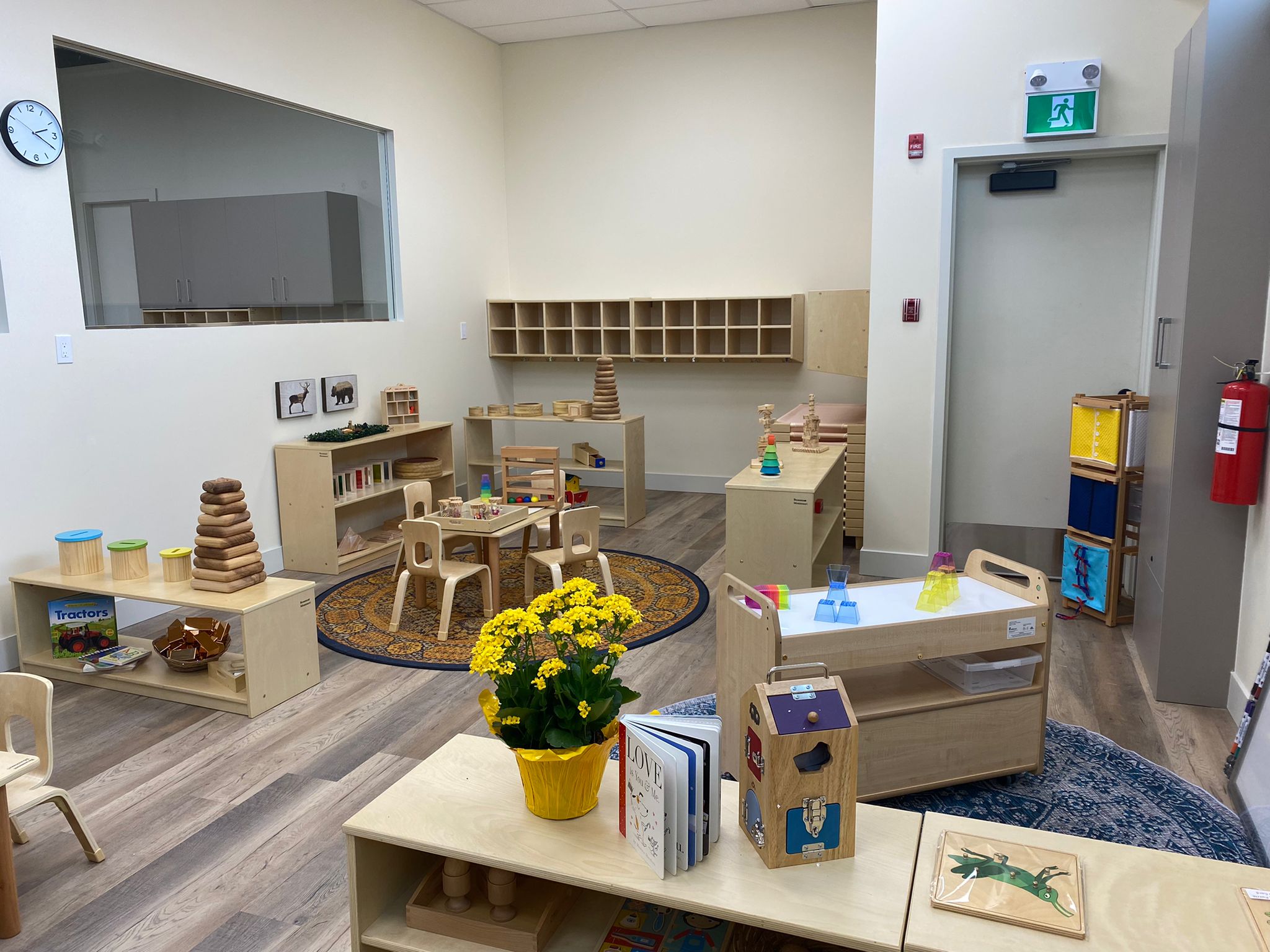
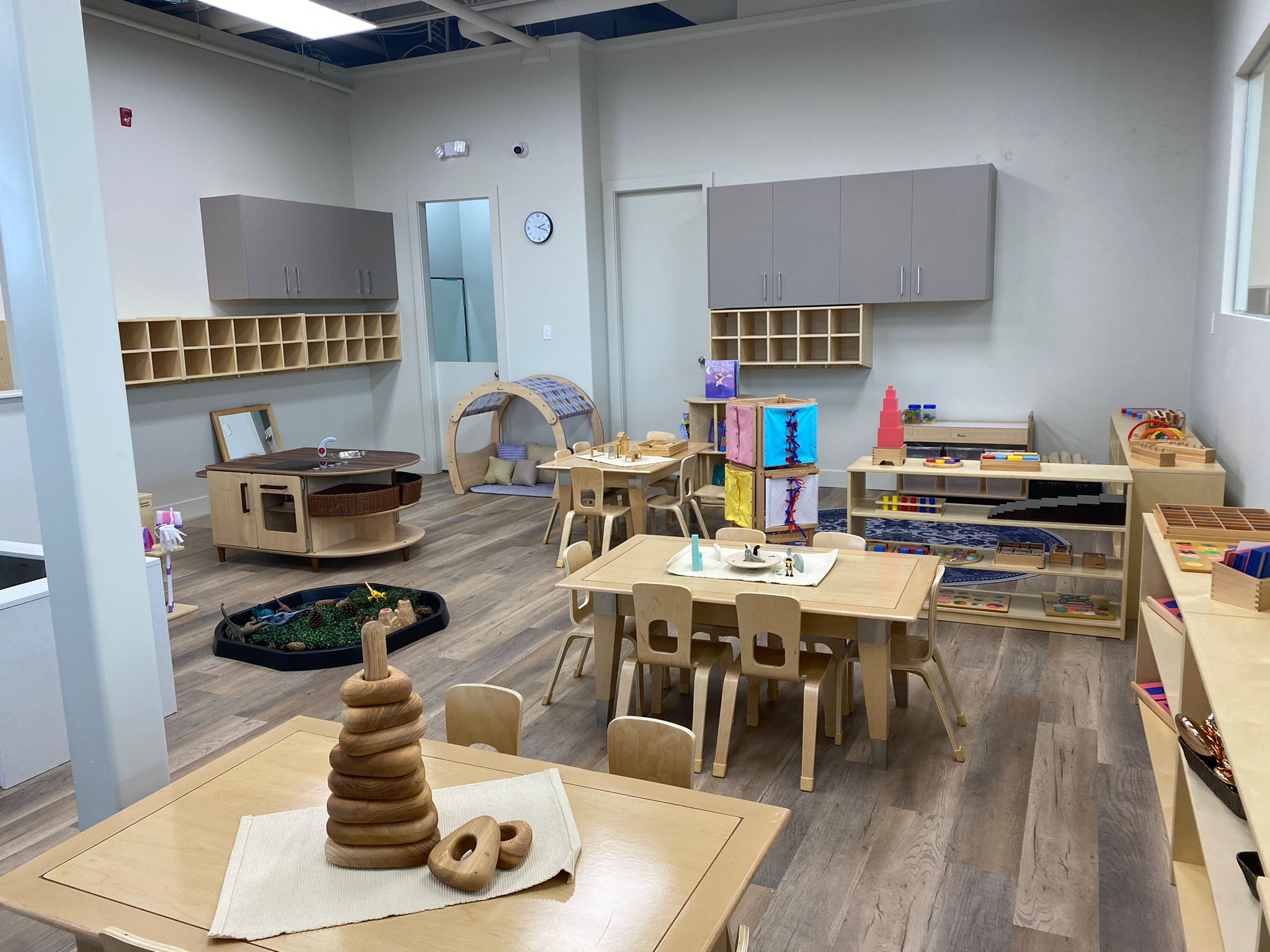
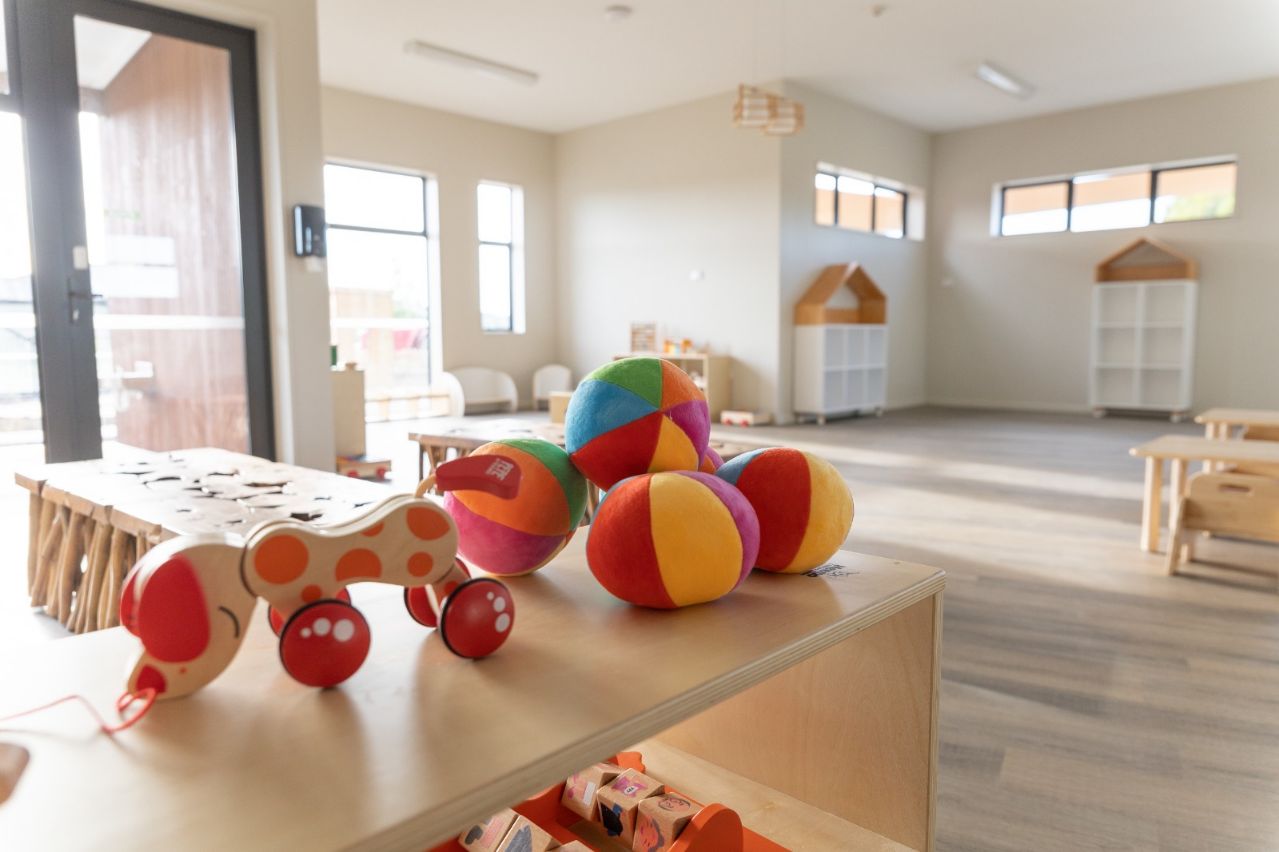
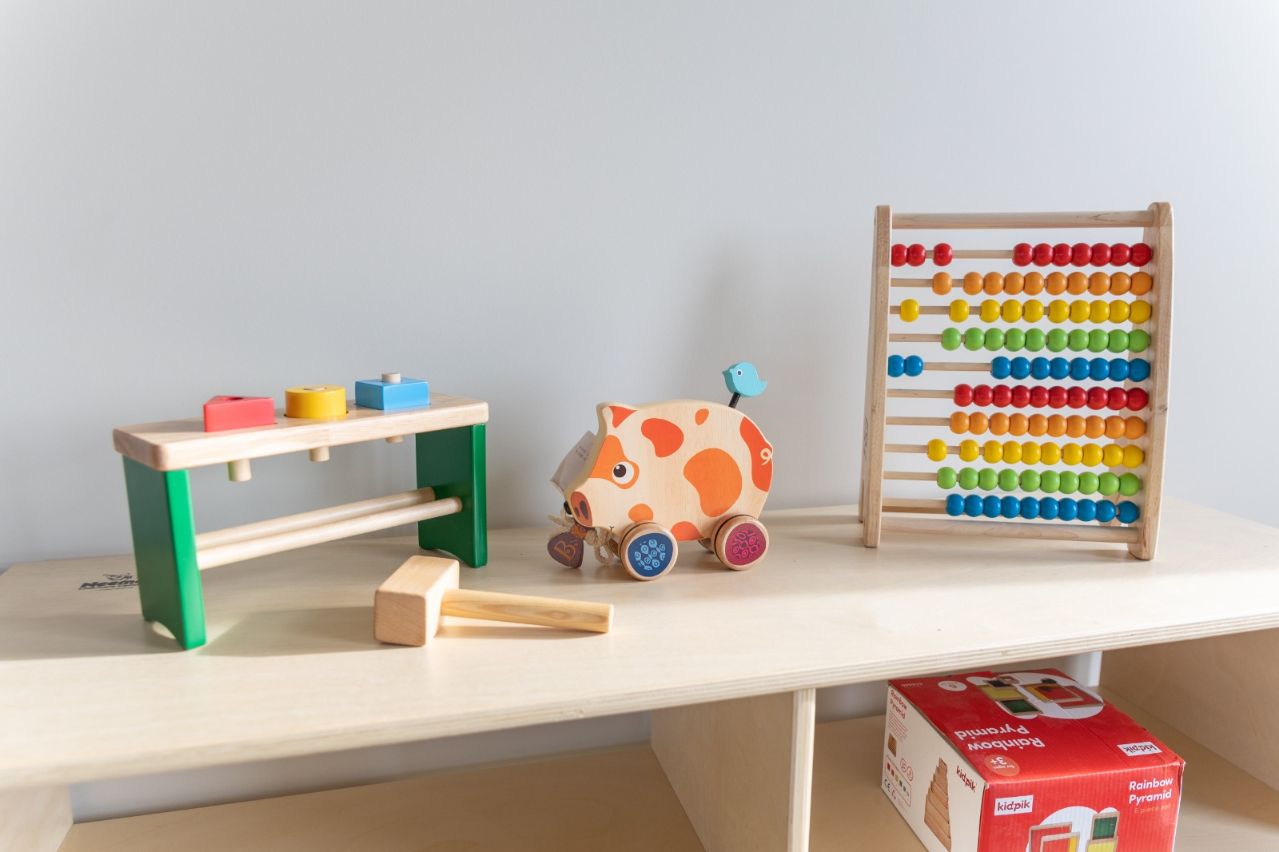
Teaching children to play with toys is not about strict rules. It is about modeling, offering gentle prompts, and choosing toys that match a child’s stage. This guide shows how to teach kids to play with toys in ways that build focus, language, and social skills, with simple steps for every age and play style.
Key Stages of Writing Development Early Childhood

Writing development in early childhood progresses through key stages, from random scribbling to structured sentences. Understanding these stages helps educators and parents support children’s literacy skills effectively. This article explores each phase in detail and provides practical guidance for fostering writing growth.
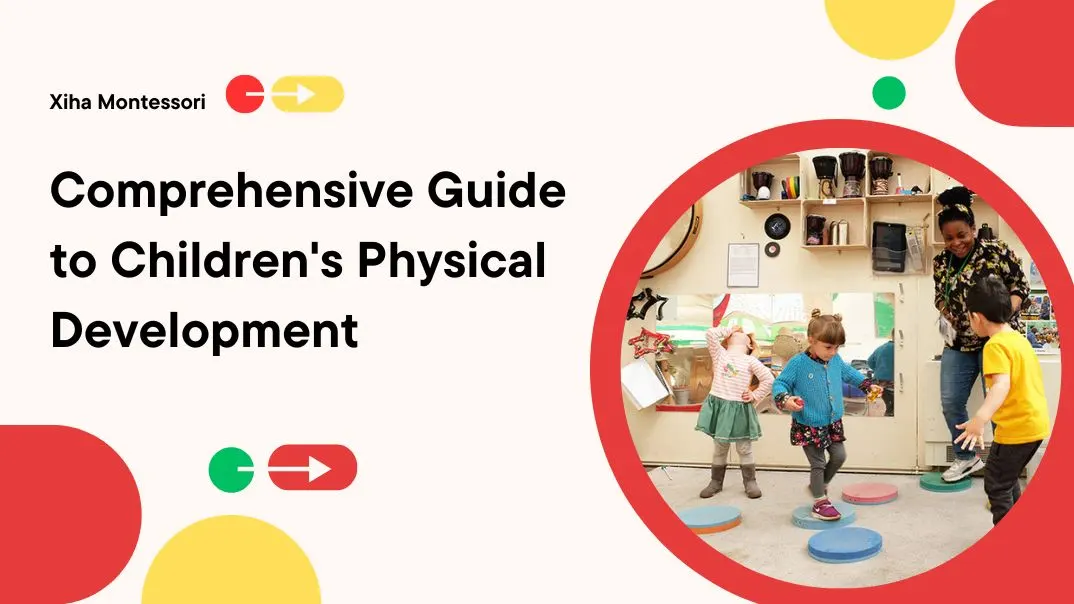
Comprehensive Guide to Children’s Physical Development

Understanding children’s physical development is crucial for parents and educators. This guide explains key stages of growth, from motor skills to physical health, with insights on fostering healthy development from infancy through early childhood.
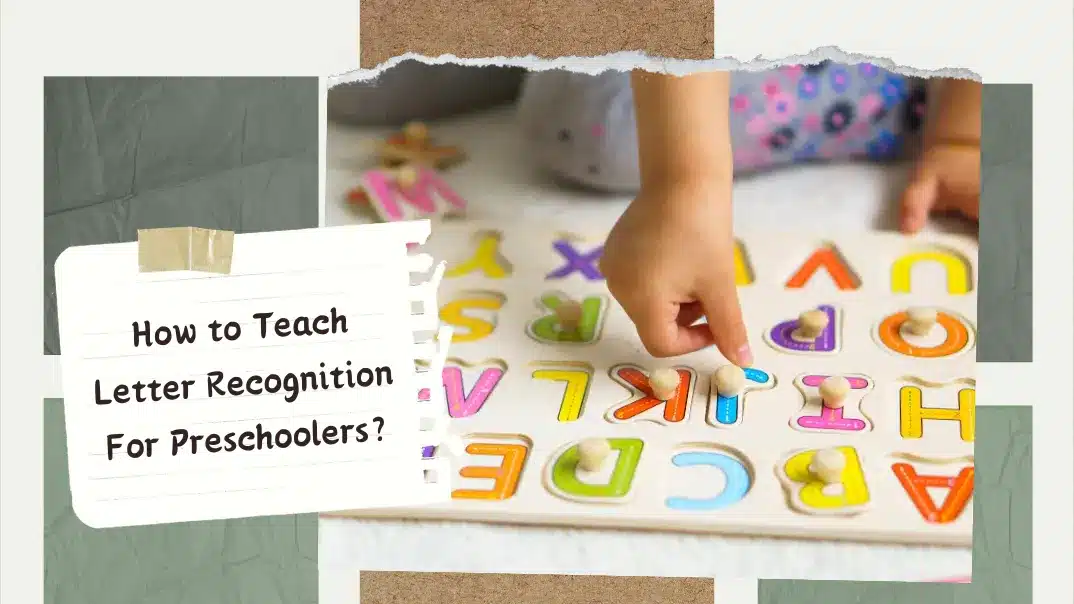
How to Teach Letter Recognition For Preschoolers?

Teaching letter recognition to preschoolers is key to their early literacy development. Learn practical tips, fun activities, and expert advice to help your little ones master letter shapes and sounds.
The Ultimate Guide About Montessori Geography Materials and Methods

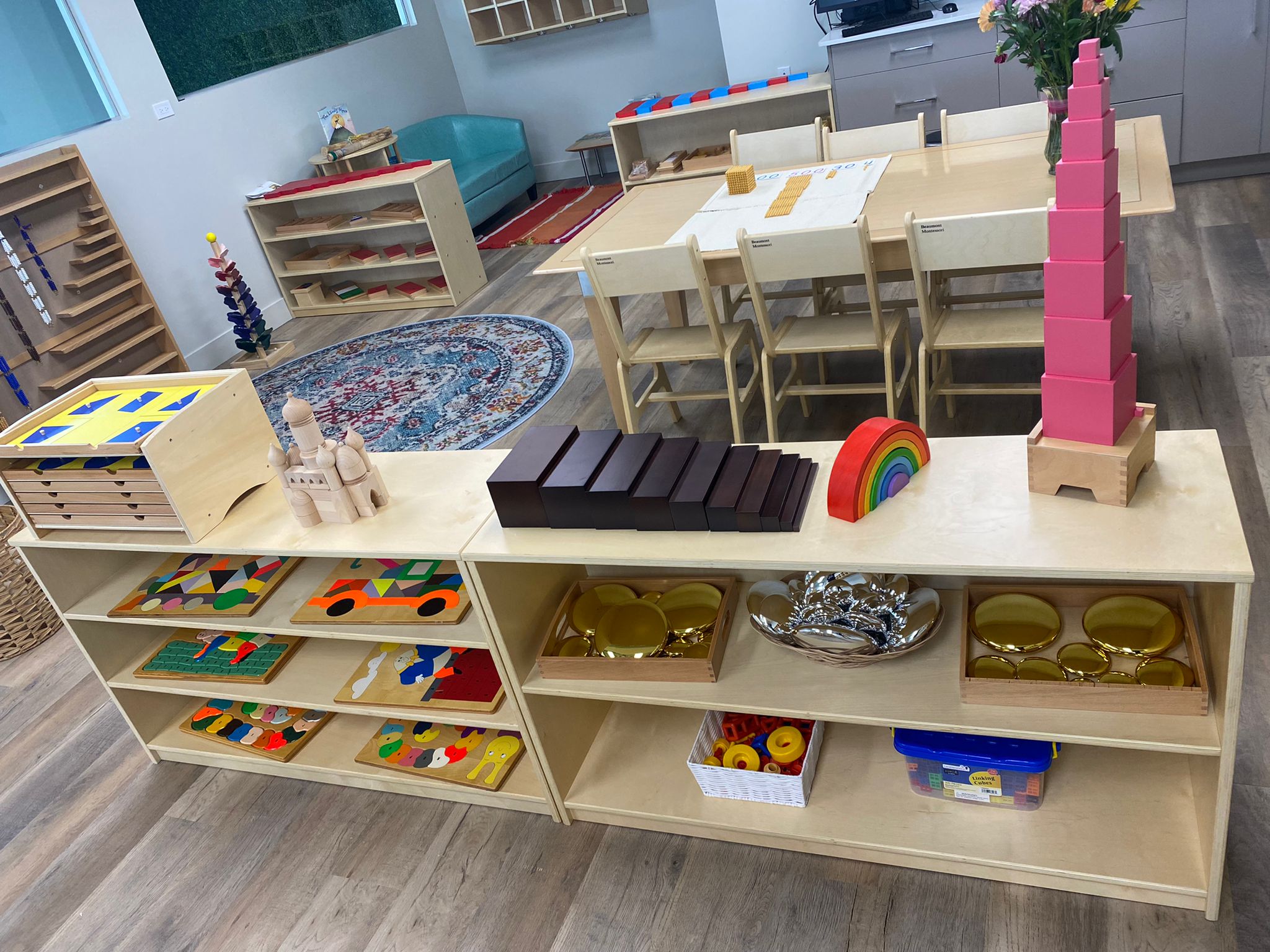
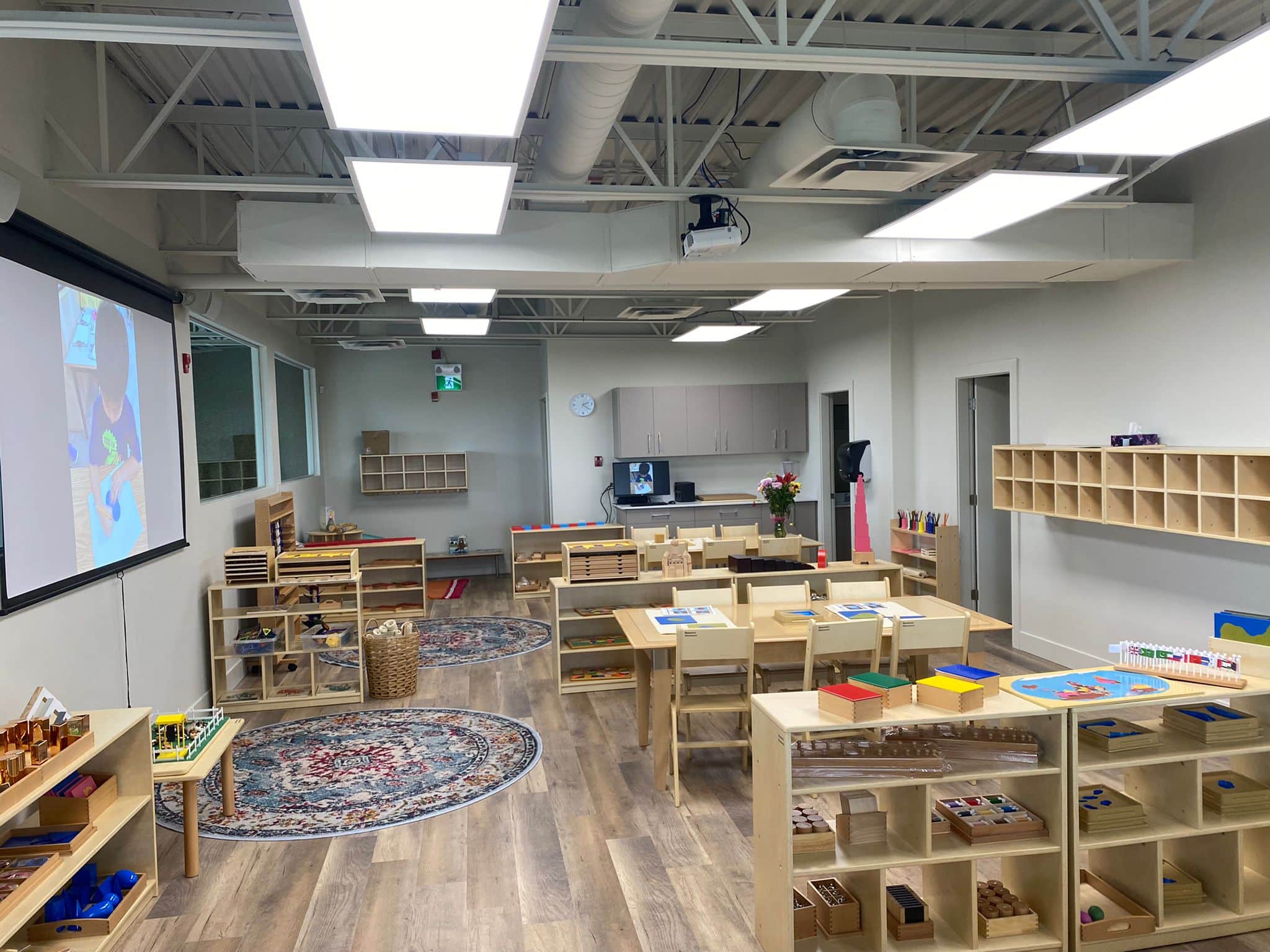
This guide explores Montessori geography materials and methods. By focusing on self-directed learning and hands-on experiences, Montessori geography encourages young children to engage with the world around them, build a strong sense of place, and appreciate diverse cultures.
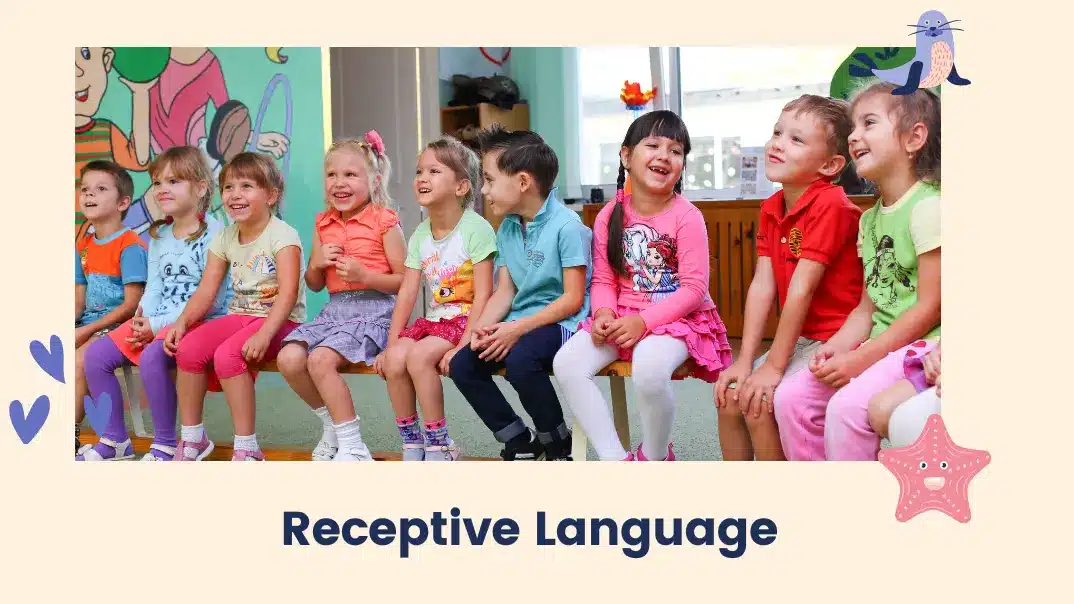
Receptive Language: A Guide to Effective Communication

Receptive language refers to the ability to understand and process spoken or written language, making it the foundation for meaningful communication. In this guide, we’ll explore what receptive language is, how it develops, and how you can improve it for better communication.
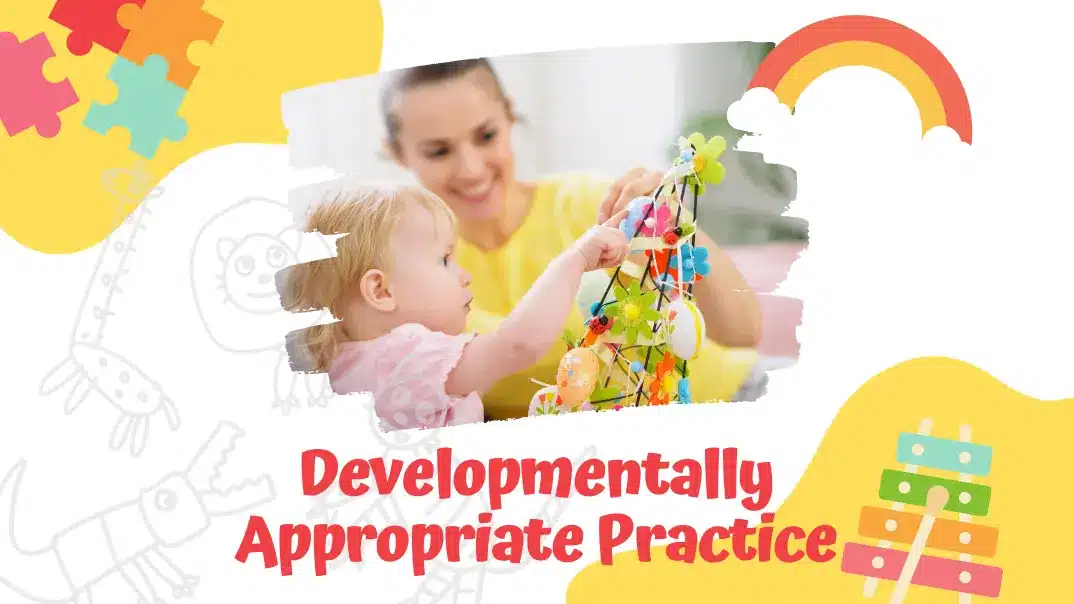
What is Developmentally Appropriate Practice?

Developmentally Appropriate Practice is a research-based framework that guides educators in making instructional decisions that align with the age, individual needs, and cultural context of each child. In other words, it’s about offering the right level of challenge and support based on the child’s cognitive, physical, emotional, and social development.
Social Skills Development Guide for Children

This article will delve into the nuances of social skills development in children and provide a detailed guide to building these skills.
Unlock the Secrets to Successful Circle Time for Preschoolers

Circle time for preschoolers is a vital part of early education, promoting social, emotional, and cognitive growth. This guide covers its benefits, purpose, and how to make circle time engaging with activities, songs, and themes. Perfect for teachers and parents, it offers tips for structuring sessions and managing transitions effectively.