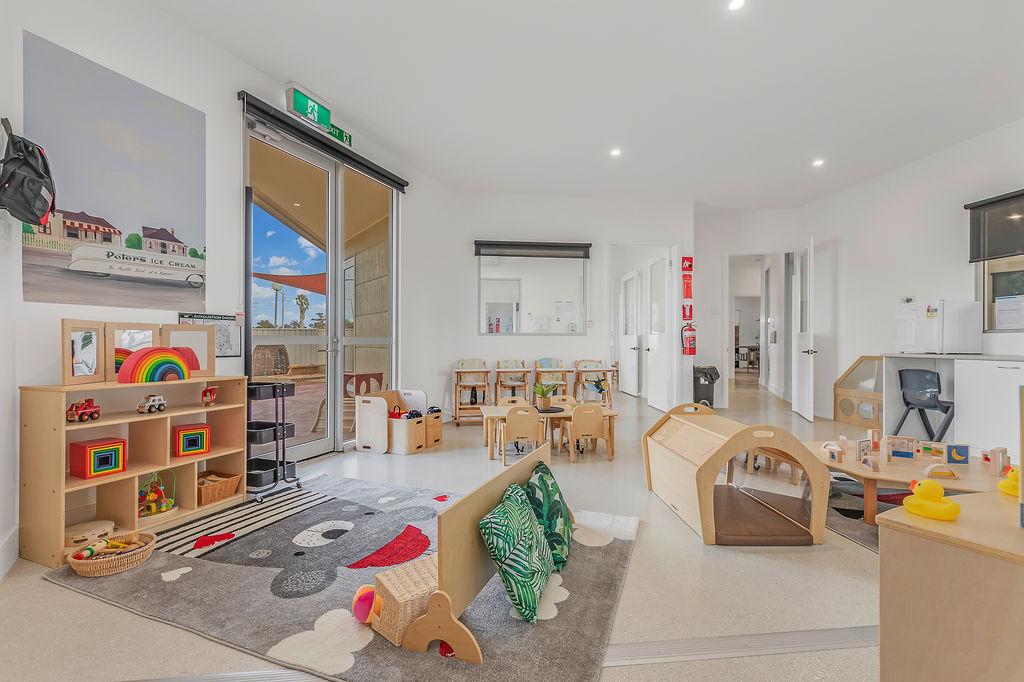
Are you confused about the difference between childcare and early learning? Childcare and early learning are two terms that are often used interchangeably, but they actually represent very different concepts. Many parents and guardians have a hard time understanding the difference between these two terms. In this article, we’ll break down the differences and help you make an informed decision about which option is best for your child.
While both involve caring for and educating young children, there are key differences between the two. Childcare usually refers to care provided to a child at a specific time, usually when parents are working or otherwise unavailable. Early learning focuses on providing structured educational programs that develop children’s cognitive, social, and emotional skills during the critical early years.
By understanding the difference between childcare and early learning, you can choose the option that best meets your child’s needs and expectations. So, let’s dive into this topic together!
What is Early Learning?
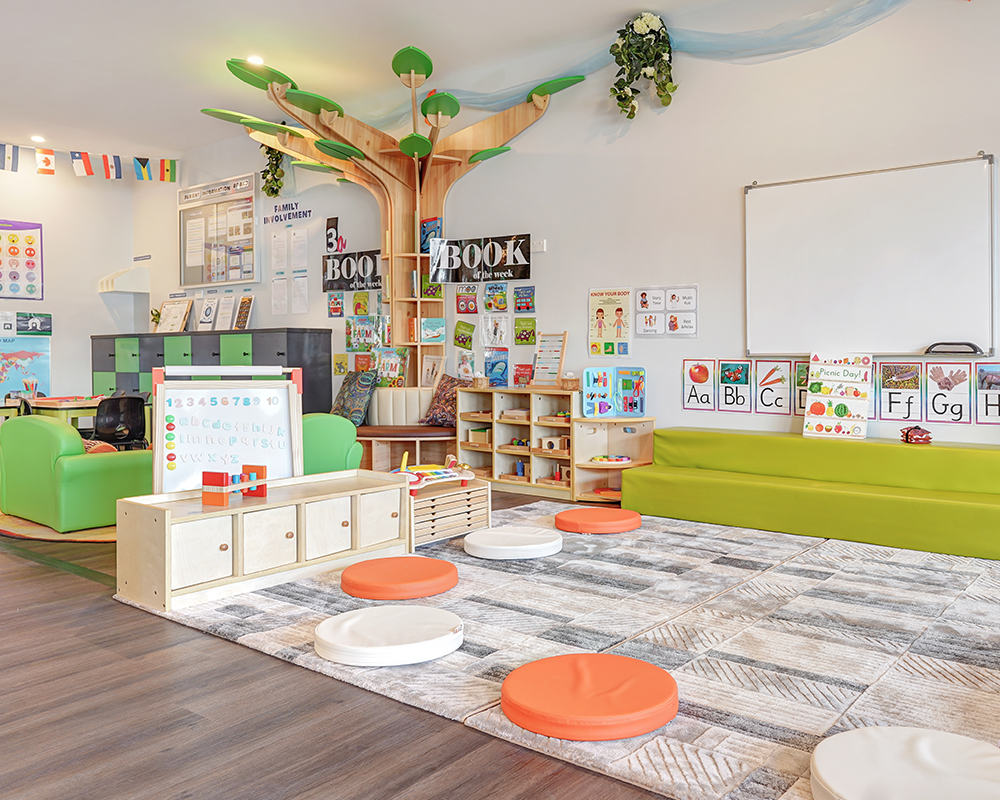
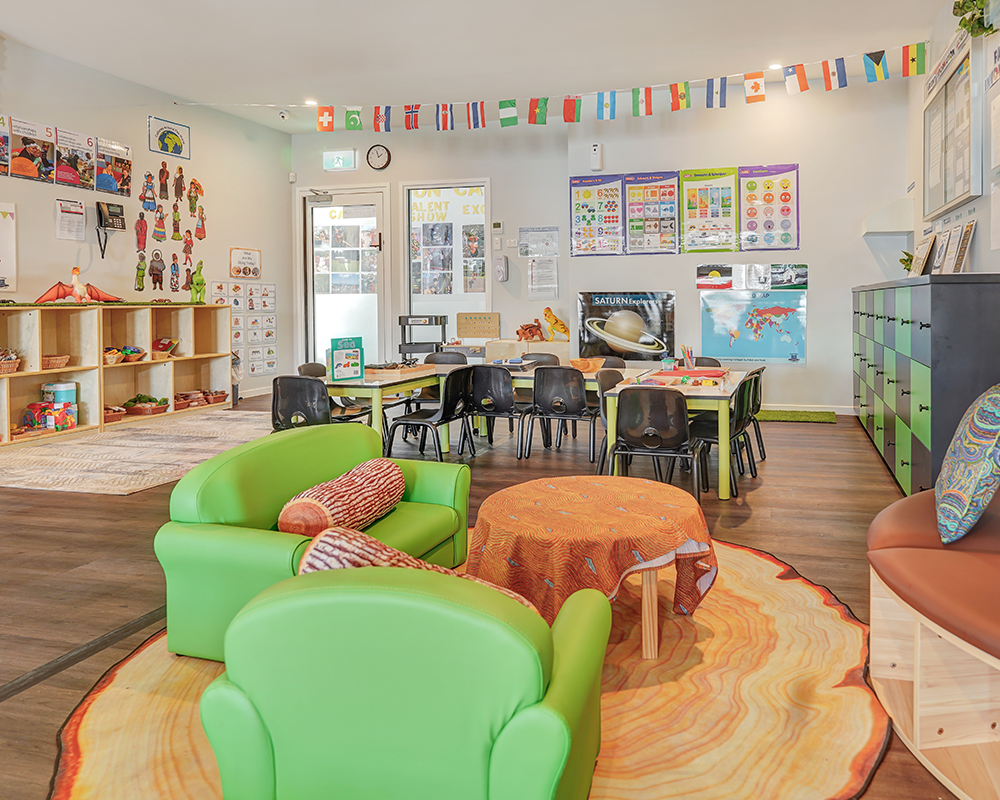
Early learning refers to the structured educational programs targeting children from birth to age five. These programs are designed to foster cognitive, social, emotional, and physical development through play-based learning, storytelling, and other interactive activities.
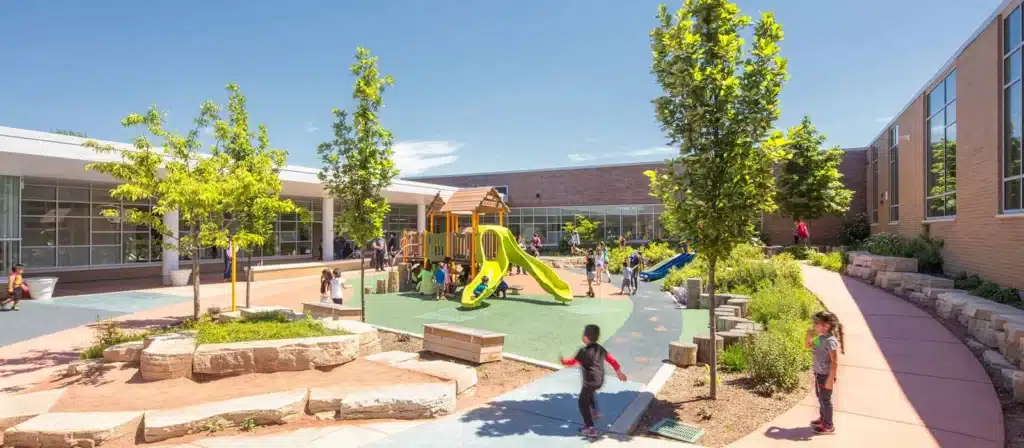
Research consistently shows that the brain’s most rapid period of development occurs in the early years. Early learning settings, such as preschools and kindergartens, provide a structured environment where children can explore, discover, and learn about the world around them. These experiences are crucial for developing critical thinking, problem-solving skills, and a love of learning.
Early learning programs often follow a curriculum that includes language and literacy, math, science, art, and physical activities. These curricula are designed to be age-appropriate and cater to the developmental stages of young children, emphasizing learning through play, which is considered the most effective way for young children to learn and develop new skills.
What is Childcare?
Childcare, often considered a more traditional form of care, focuses on providing a safe and nurturing environment for children while their parents or guardians are engaged in work or other commitments. The primary goal of childcare is to ensure the physical well-being and safety of children, with a secondary focus on play and socialization.
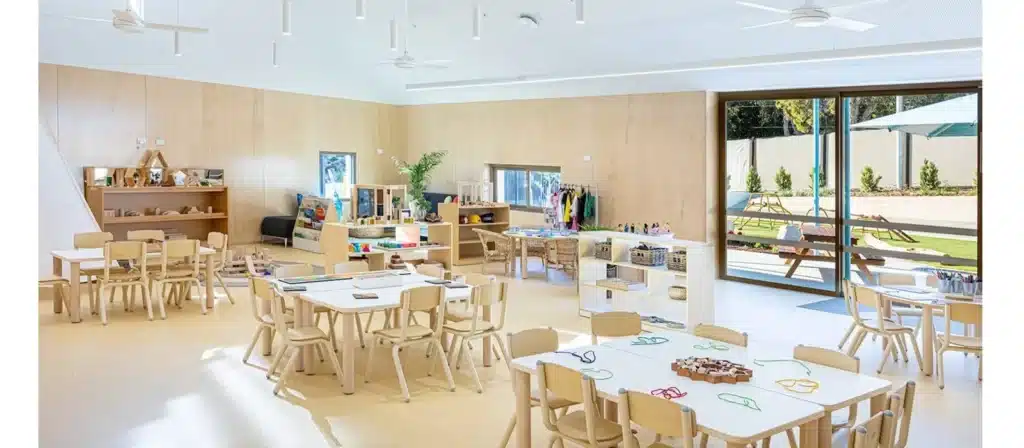
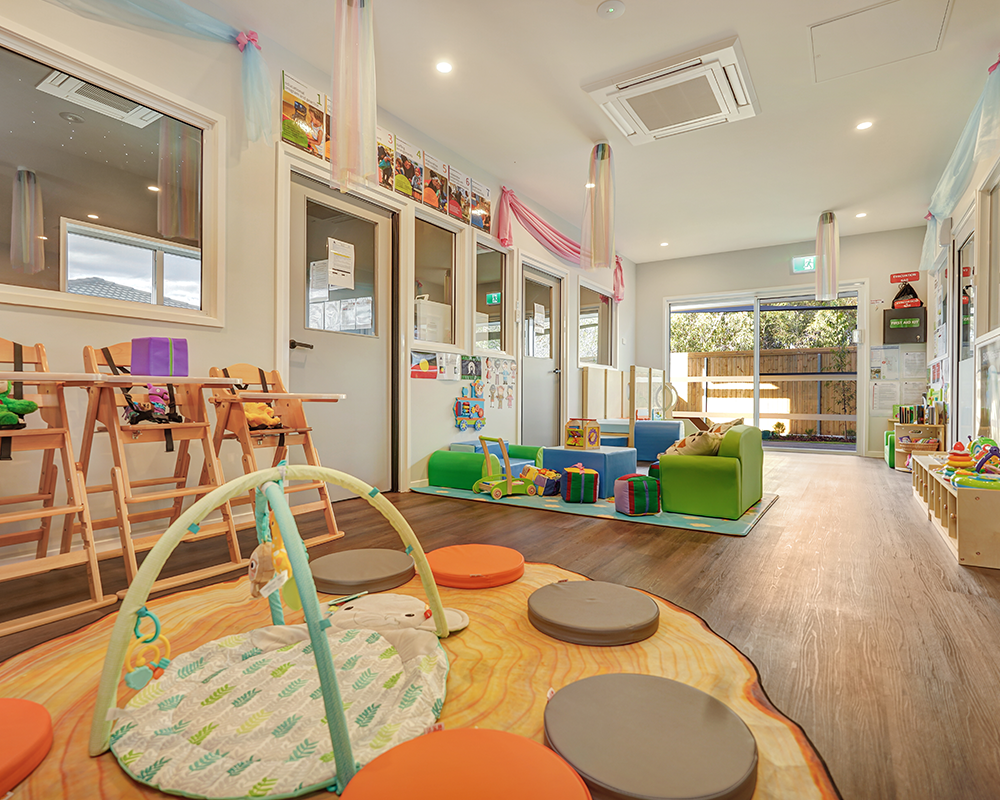
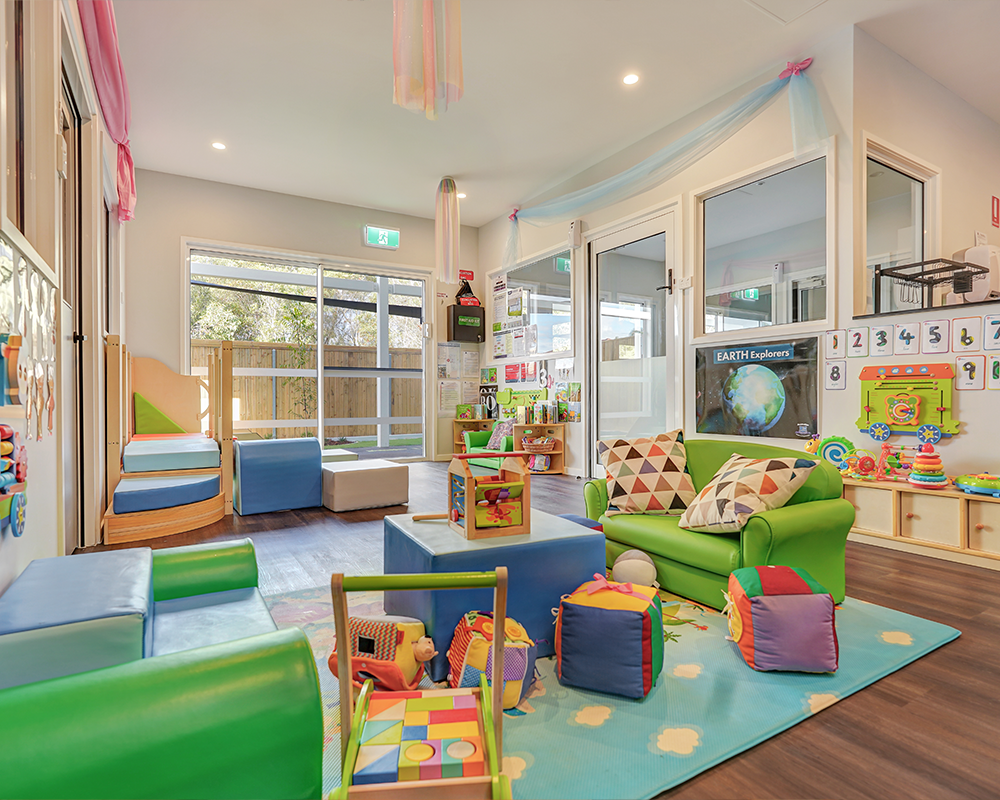
Childcare settings vary widely, from home-based daycare to larger, center-based facilities. These environments offer care for children of various ages, from infants to school-aged children. The services provided in these settings include feeding, resting, playtime, and basic educational activities.
Preschool (Ages 2-5)
Focuses on social and emotional development. It offers a less structured environment where children explore and learn at their own pace, building a foundation for future learning.
Kindergarten (Age 5+)
Serves as a bridge to primary school. It focuses on foundational academics (reading, writing, math) within a more formal and structured setting.
Key Differences Between Childcare and Early Learning
Childcare and early learning centers are two basic options for parents, but they differ greatly in purpose and approach. The main differences between childcare centers and early learning centers are listed below:
Primary Purpose
When parents compare childcare and early learning, the first big difference lies in why each type of service exists. Childcare centers are primarily designed to provide a safe, nurturing place for children to stay when parents are at work or otherwise unavailable. The focus is on supervision, comfort, and meeting children’s basic daily needs such as meals, rest, hygiene, and general safety.
Early learning centers, on the other hand, are built around the educational and developmental needs of young children. Their main purpose is to support and extend children’s cognitive, social, emotional, and language development during the crucial early years. While children are still cared for and kept safe, the core aim is to help them learn, explore, and prepare for school in a more intentional way.
In short, childcare and early learning both support families, but childcare centers focus more on care and supervision, whereas early learning centers focus on education and holistic development.
Learning Approach
Another key difference between childcare and early learning is the way children are encouraged to learn throughout the day. In many childcare centers, learning is present but often takes the form of general play activities, simple crafts, songs, and stories. These activities are beneficial, but they may not always follow a structured educational framework or long term learning goals. The emphasis is more on keeping children engaged, happy, and occupied in a safe environment.
Early learning centers typically follow a planned curriculum that is aligned with early childhood education frameworks. Educators intentionally design experiences that build skills in early literacy, numeracy, problem solving, communication, and social interaction. Learning happens through play based and inquiry based activities, but each activity is chosen with clear developmental outcomes in mind. Teachers observe children, reflect on their progress, and adjust the program to support ongoing growth.
Because of this, families who are specifically looking for structured educational experiences often lean more towards early learning centers, while families who primarily need reliable care may be satisfied with a childcare focused environment that offers more general play and interaction.
Focus on the Child
Childcare and early learning services can also differ in how they respond to each child. In many childcare centers, educators care for a larger group of children across a wide age range. They work hard to meet everyone’s needs, but much of the day is organised around group routines such as meal times, nap times, and shared indoor and outdoor play. Individual interests are supported, but the main priority is ensuring the whole group is safe, settled, and well cared for.
Early learning centers usually place a stronger emphasis on individualised learning plans. Educators observe each child’s interests, strengths, and areas for growth, and then plan activities that are tailored to those needs. This might include setting specific learning goals, documenting progress, and sharing regular updates with families. Children are often encouraged to make choices, follow their curiosity, and participate in experiences that match their developmental stage and personality.
For parents, this means that childcare and early learning may feel quite different in terms of individual attention. Childcare centers meet each child’s basic needs within a group setting, while early learning centers are more likely to highlight each child’s unique learning journey and adjust the program accordingly.
Daily Schedule
The operating hours and daily rhythm are another clear difference between childcare and early learning. Childcare centers are generally designed to match the needs of working families, so they often provide extended hours, sometimes opening early in the morning and closing later in the evening. Many also offer full-day care, casual bookings, or flexible attendance patterns to suit different work schedules and family situations.
Early learning centers typically follow a schedule that looks more similar to a school day. Many operate five days a week with set session times, for example, around six hours per day. The daily routine usually includes structured learning blocks, group times such as morning meetings or story time, free play, outdoor play, meal times, and rest periods, all carefully arranged to support children’s concentration and learning cycles.
For parents deciding between childcare and early learning, this difference in daily schedule can be a major factor. Families who need longer or more flexible hours may gravitate towards childcare centers, while families who can work around fixed session times may prefer early learning centers for their school-like routine and focused learning time. Some parents choose to combine both types of services on different days or at different stages, depending on their work commitments and their child’s needs.
Parental Needs
Finally, the choice between childcare and early learning is often shaped by what parents value most at a particular time. Many parents initially look for childcare because they urgently need a reliable, safe place where their child can stay while they work, study, or manage other responsibilities. In this case, practical factors such as location, cost, opening hours, and availability can be just as important as the educational program. Childcare centers are often designed with this practicality in mind, offering flexible arrangements to support busy families.
In reality, many families see childcare and early learning as complementary rather than competing options. Some start with a more care-focused service when their child is very young and then move into an early learning program as they approach preschool age. Others look for services that blend both, offering flexible hours as well as a strong educational focus. The right choice depends on each family’s work patterns, values, and long-term goals for their child.
Pros and Cons of Childcare Centers
Pros
- Flexibility: Ideal for parents with unpredictable or traditional work hours, offering extended care options.
- Socialization: Children develop social skills through interaction with peers in a diverse age group.
- Safety and Care: Emphasis on providing a secure and nurturing environment that caters to the basic care needs of children.
Cons
- Less Focus on Education: While some learning activities are provided, the curriculum is not as structured or comprehensive as in early learning centers.
- Larger Groups: Often, childcare centers have higher child-to-teacher ratios, which might limit individual attention.
Pros and Cons of Early Learning Centers
Pros
- Structured Curriculum: Focuses on educational and developmental milestones, preparing children for school.
- Educational Philosophy: Incorporation of renowned educational frameworks that support holistic child development.
- Smaller Class Sizes: They typically feature lower child-to-teacher ratios, allowing for more personalized instruction.
Cons
- Cost: Tend to be more expensive than childcare centers due to the specialized curriculum and lower ratios.
- Less Flexibility: Operating hours might be more restrictive, aligning closely with traditional school hours.
The Role of Caregivers in Childcare
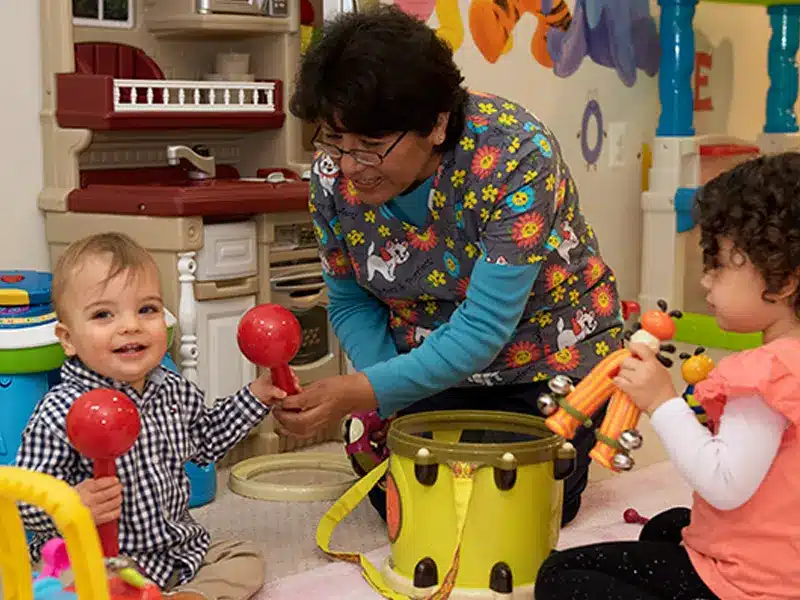
Caregivers are the backbone of childcare settings, providing the care, supervision, and nurturing that children need in their early years. They create a safe environment where children can play and rest, ensuring their basic needs are met while their parents are away.

Building Trust and Security
The relationship between caregivers and children is based on trust and security. Caregivers are skilled in offering emotional support, helping children develop a sense of security and belonging. This emotional foundation is crucial for young children’s overall development and well-being.
Supporting Early Development
While their primary focus is on care and safety, caregivers also play a significant role in the early development of children. Through interactive play and basic educational activities, they support the social, emotional, and cognitive development of the children in their care.
The Role of Educators in Early Learning
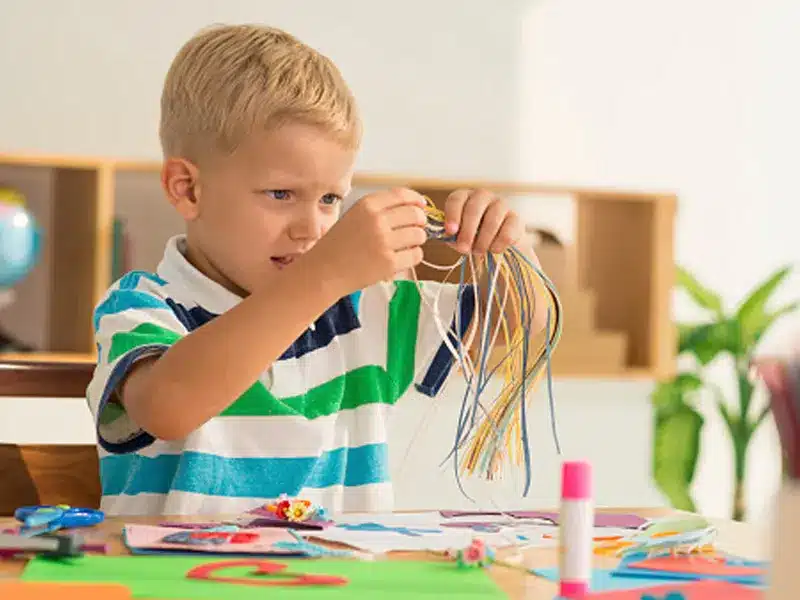
Educators in early learning settings are more than teachers; they are facilitators of learning, creators of stimulating environments, and supporters of exploration and discovery. Their role is multifaceted, impacting various aspects of a child’s development.

Academic and Social Skills
Early learning educators are adept at weaving academic learning with social skill development. They create a classroom dynamic that encourages children to learn from each other, work together on projects.
Structured Yet Flexible Approach
A structured yet flexible approach allows educators to adapt their teaching methods to the individual needs of each child. This adaptability ensures that all children, regardless of their learning pace or style, receive the support and encouragement they need to thrive.
How to Choose the Right Type of Care for Your Child?
Choosing the right care for your child involves balancing various factors, including your child’s developmental needs, your family’s routine, and your educational aspirations for your child. Understanding the spectrum of care available is the first step toward making an informed choice.
Assessing Your Child’s Needs
Each child has his or her own needs, interests, and pace of development, and these should guide your choice between childcare and early learning options. Think about your child’s temperament, how they handle separation, and whether they are more comfortable in small, familiar groups or larger, busier rooms. Some children seek out social interaction, structured routines, and new challenges, while others need more time, space, and emotional support to feel secure in a group environment.
It can also help to look at your child’s emerging skills and the kind of support they respond to best. A child who loves stories, puzzles, and asking questions may flourish in an early learning setting with a strong educational program. A child who is still adjusting to group care may benefit initially from a smaller, nurturing childcare environment with a gentle routine. Visiting a few services, observing your child’s reactions, and talking with educators can give you clear clues about where your child is most likely to thrive.
Debunking Common Misconceptions about Childcare and Early Learning
“Childcare is just babysitting.”
Quality childcare offers structured learning, socialization, and cognitive development experiences that go far beyond basic supervision.
“Preschool is unnecessary for academic success.”
Research proves high-quality preschool provides a vital educational foundation, impacting long-term social and academic achievement.
“The best childcare is the most expensive one.”
Quality is about alignment with your child’s needs and family values. Many affordable options provide exceptional care and education.
“Children only learn through formal lessons.”
In early childhood, play-based learning is the most effective way to develop critical thinking, problem-solving, and literacy skills.
Considering Family Logistics
Your family’s daily routine, work patterns, and support network have a major influence on which type of care is realistic and sustainable. Consider your typical start and finish times at work, how long your commute is, and who is usually responsible for drop-offs and pick-ups. A service with extended hours may be essential if you work standard office hours or shifts, while a center with shorter, school-like sessions may fit better if a grandparent or another caregiver can help before and after.
Location, fees, and flexibility also matter when you are comparing childcare and early learning services. A center close to home can reduce morning stress, while one near your workplace might make it easier to attend events or respond quickly if your child becomes unwell. Think about whether you need casual days, part-time care, or a set number of days each week, and whether the service offers holiday programs or closure periods. Planning for younger siblings, changes in jobs, or moving house can help you choose an option that will continue to work for your family over the long term.
Educational Goals and Values
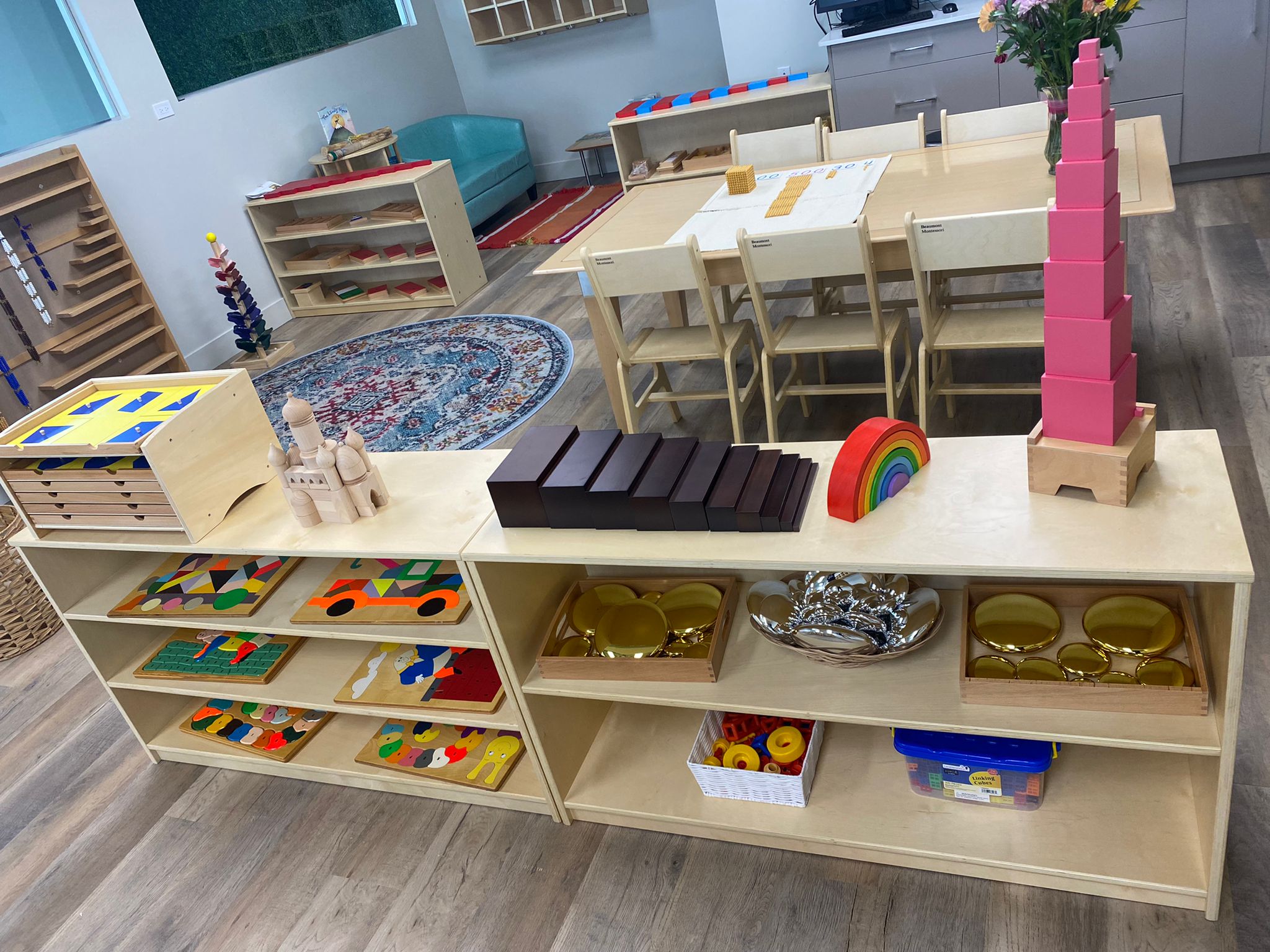
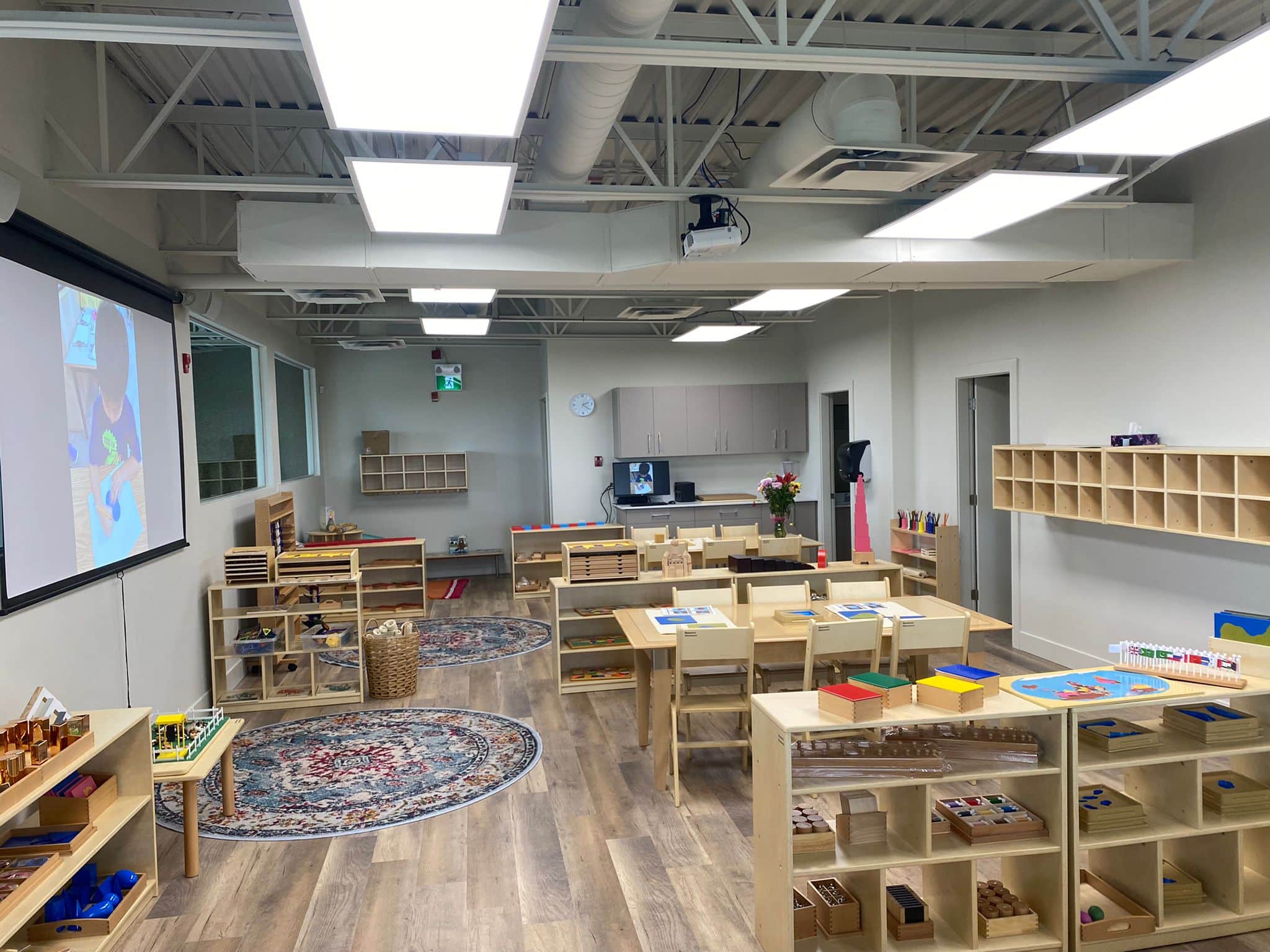
Do you prioritize play-based learning, language acquisition, socialization, or preparation for formal schooling? Different settings offer various approaches to early learning, from Montessori and Reggio Emilia to traditional preschool programs.
Budget for School
Budgetary cost is an important consideration when choosing between childcare and early learning services, especially when you are planning for several years of attendance. Fees can vary widely depending on the type of program, the qualifications of staff, and the resources provided. Early learning centers often invest more in specialised educational programs and qualified teachers, which can make them more expensive than general childcare options. When comparing services, look beyond the weekly fee and think about what is included, such as meals, nappies, excursions, or special programs.
Location
Location has a big impact on how smoothly childcare and early learning fit into your everyday routine. A center close to home can make mornings and evenings calmer, especially if more than one adult is involved in drop-offs and pick-ups. On the other hand, a service near your workplace may make it easier to attend special events, stay connected with educators, and respond quickly if your child needs to be collected early. Think about traffic patterns, parking, public transport, and how the journey will feel for your child at the start and end of the day.
The local community around the service is also worth considering. Some families like their child to attend care in the same area as their future school, so that friendships and familiarity with the neighbourhood can grow over time. Others prefer a quieter area away from busy roads or construction. When you visit, take note of the surroundings, how safe and welcoming the entrance feels, and whether outdoor spaces are protected from noise and pollution. A convenient, comfortable location can reduce daily stress and help your child feel that their childcare or early learning center is a natural, secure part of family life.
Common Types of Childcare Facilities
Understanding the landscape of childcare options can help parents make choices that feel right for their child and family situation. Here’s a rundown of the most common types of facilities:
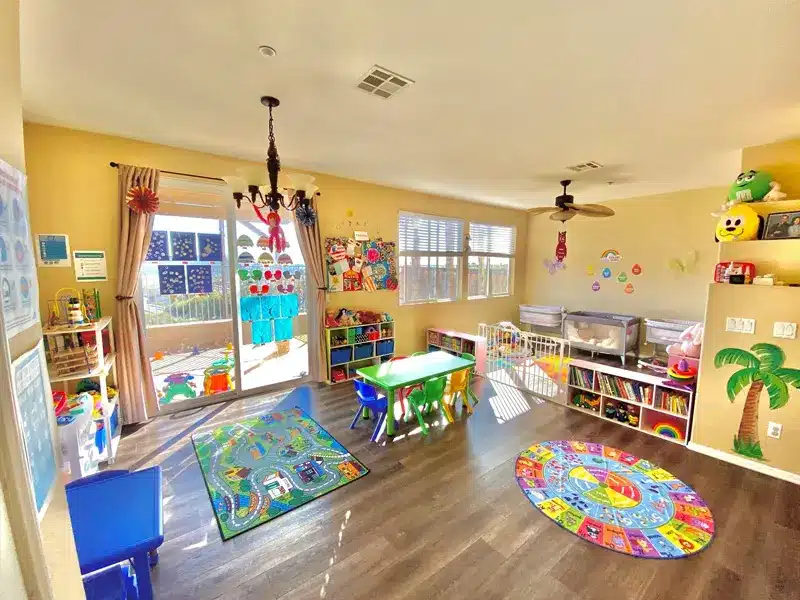
Home Daycare
Home daycares operate out of the caregiver’s home, offering a more personal, home-like environment. They typically have fewer children, allowing for more individualized attention, but may have less structured educational programming.
Daycare Centers
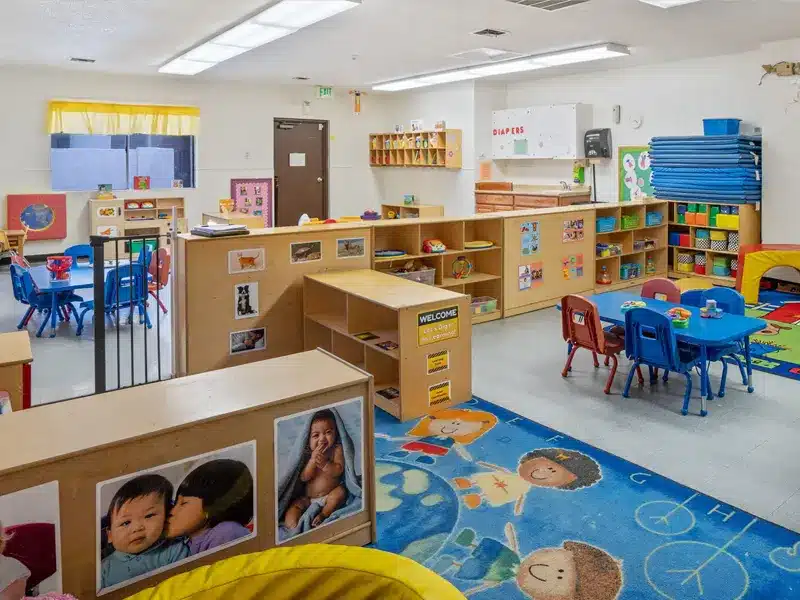
Daycare centers are facility-based programs that can accommodate more children. These centers often have a more structured day with set times for meals, naps, and educational activities. They are usually licensed and regulated, providing parents with peace of mind regarding safety and care standards.
Preschools
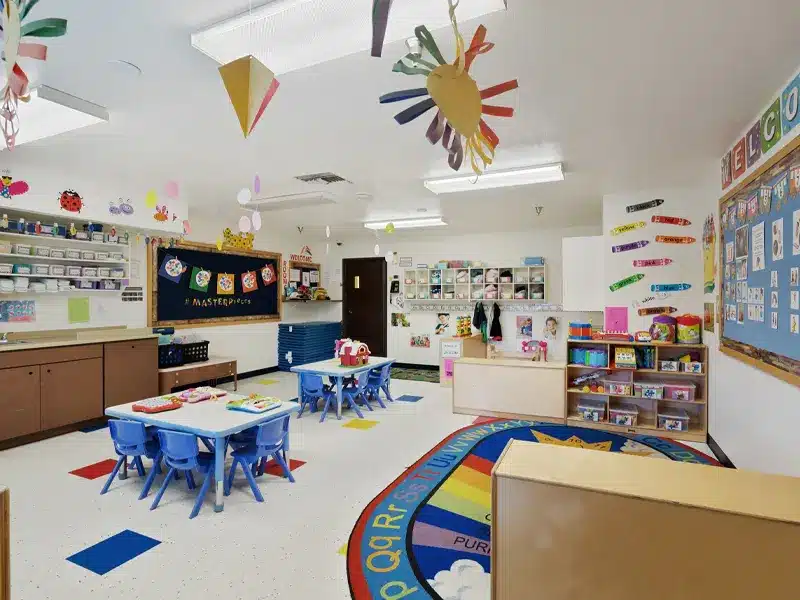
Preschools are geared towards early learning, with a focus on preparing children for kindergarten. They offer a curriculum that includes basic academics along with social, physical, and emotional development. Preschools can operate within private facilities, schools, or community centers.
Family Group Daycare
Family group daycares are a hybrid between home daycares and larger centers. They operate out of a residential home but are staffed by multiple caregivers. This option can offer the benefits of a home-like environment with the resources and structure of a larger program.

Find Quality Childcare and Early Learning Centers
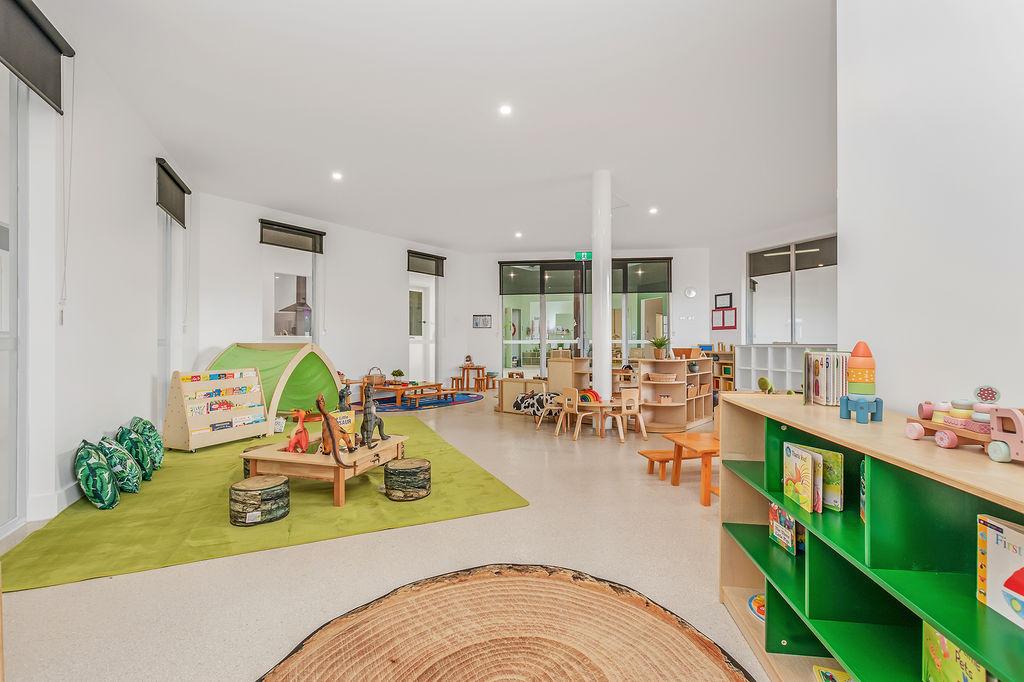
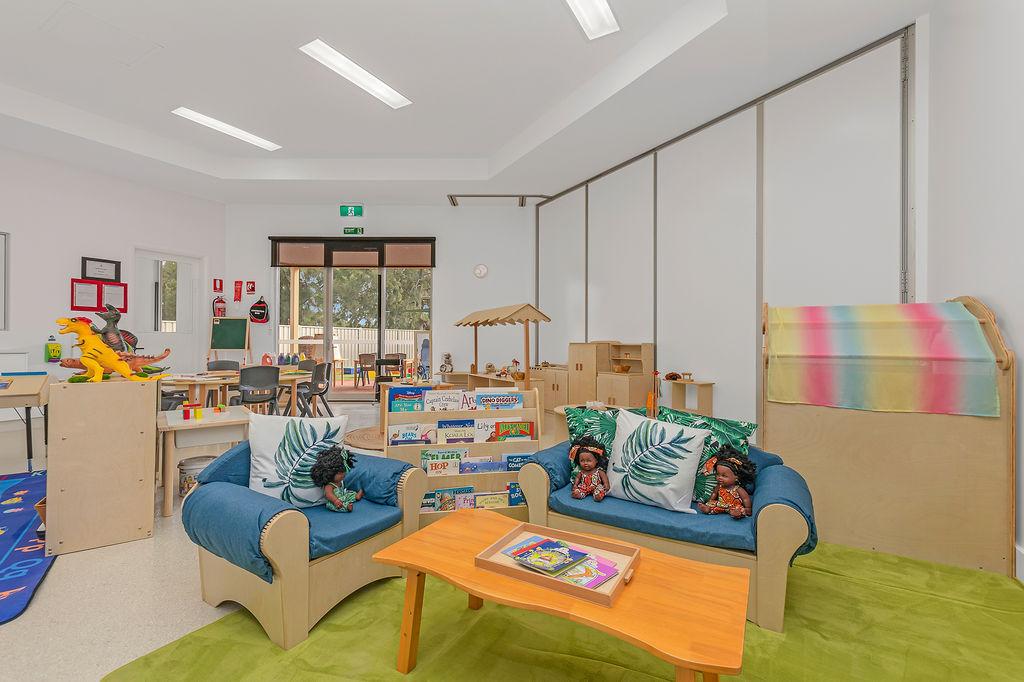
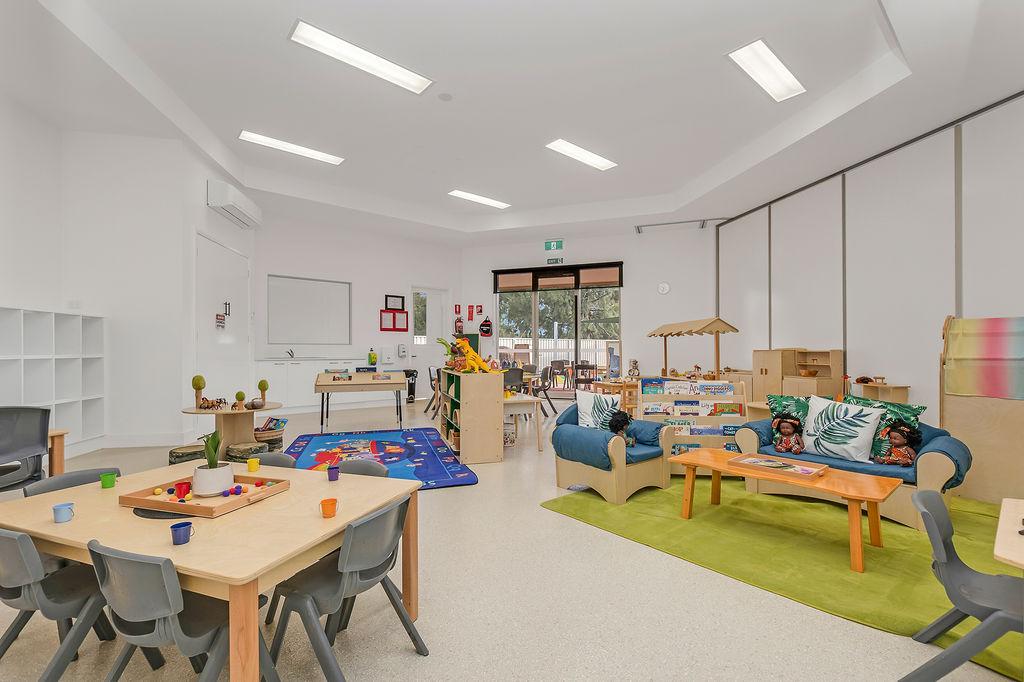
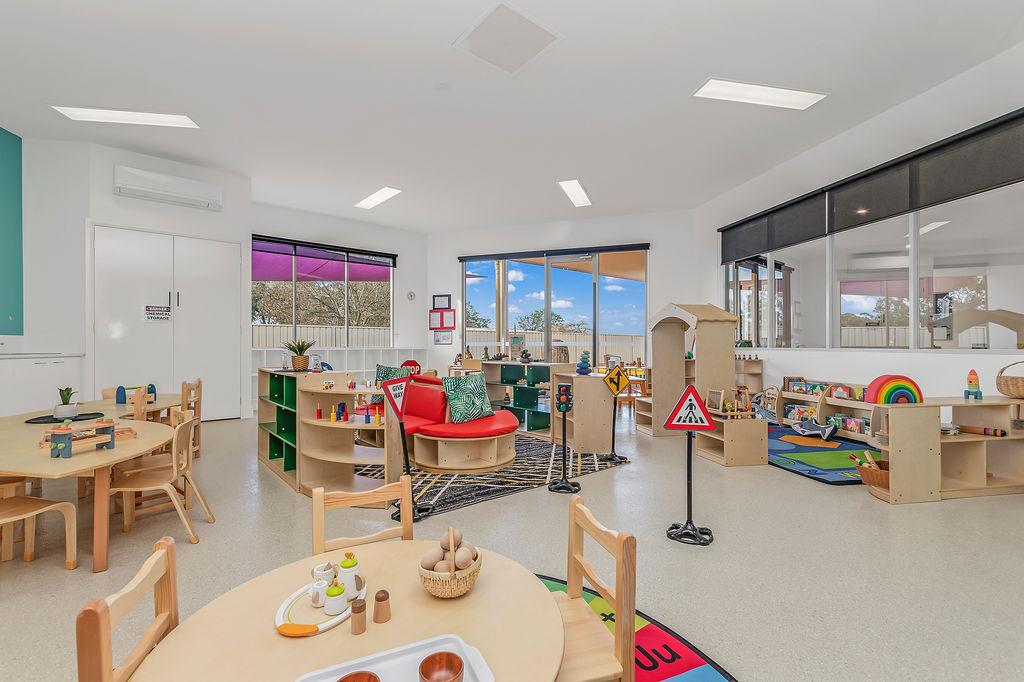
Identifying a high-quality childcare or early learning center is crucial for your child’s well-being and development. Here are key factors to consider:
- Staff Qualifications and Ratios
The qualifications of the staff, including their education and training in early childhood development, are critical. Additionally, lower child-to-staff ratios ensure more personalized attention and care for each child. - Environment and Facilities
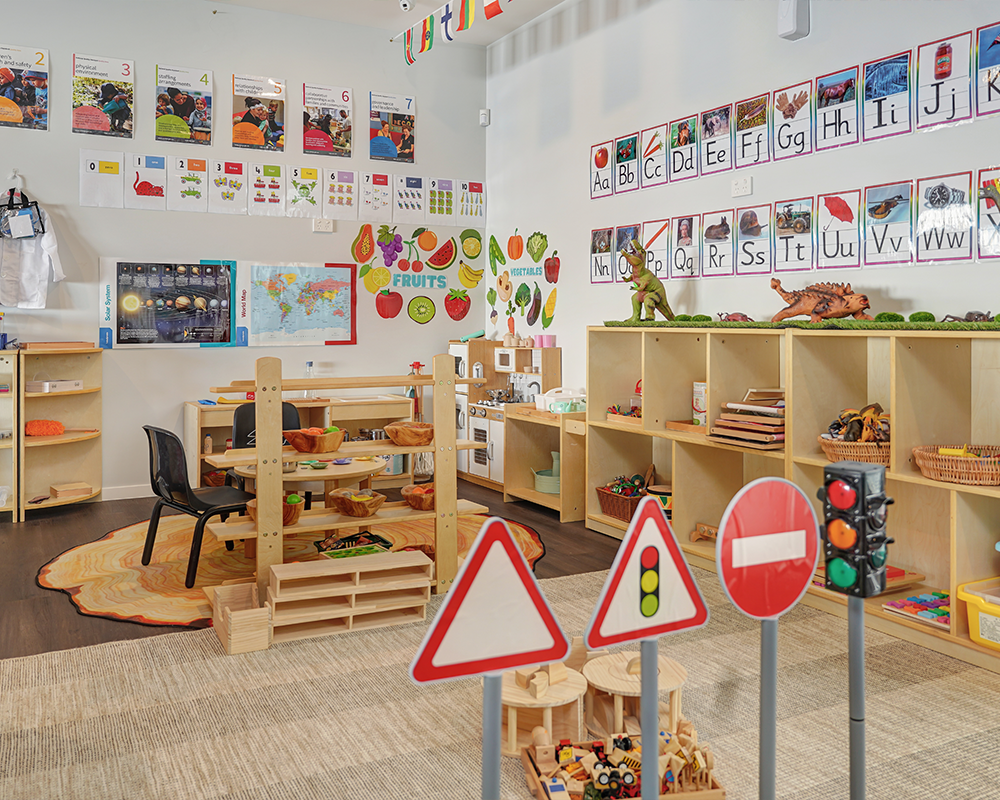
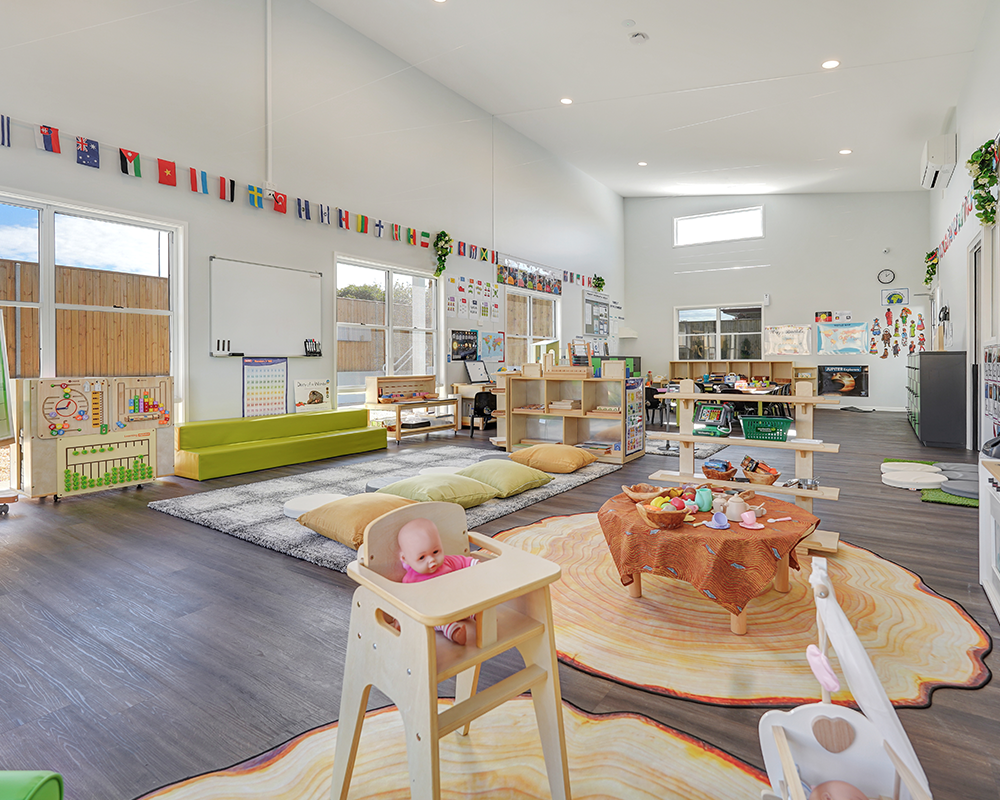
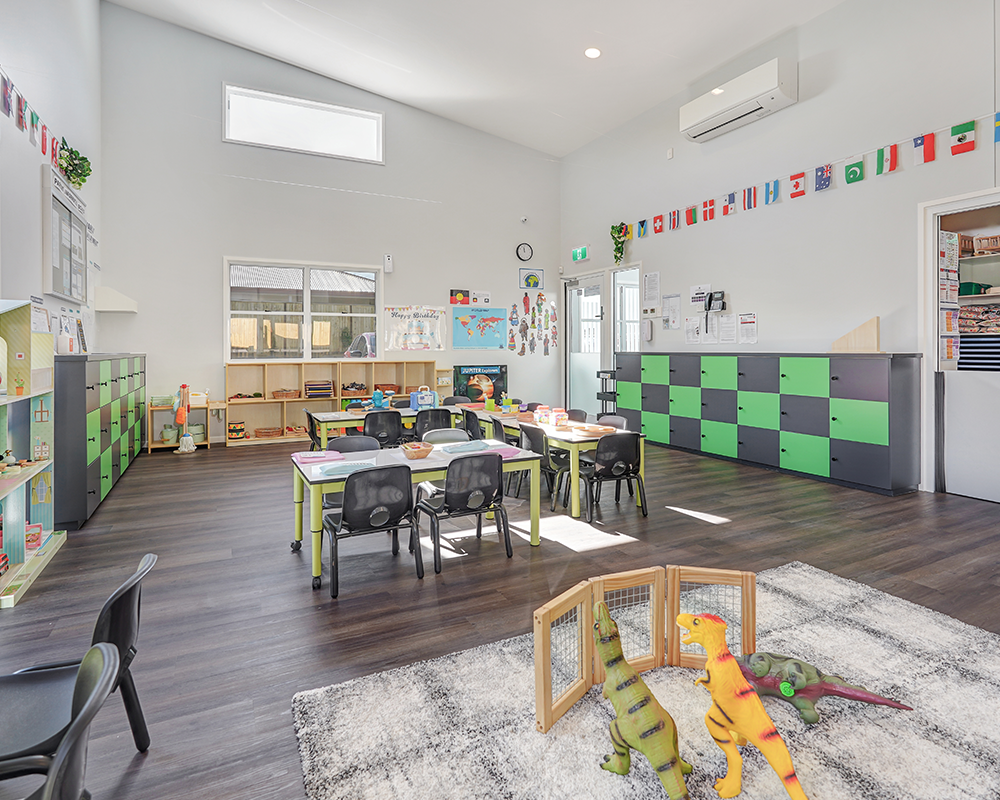
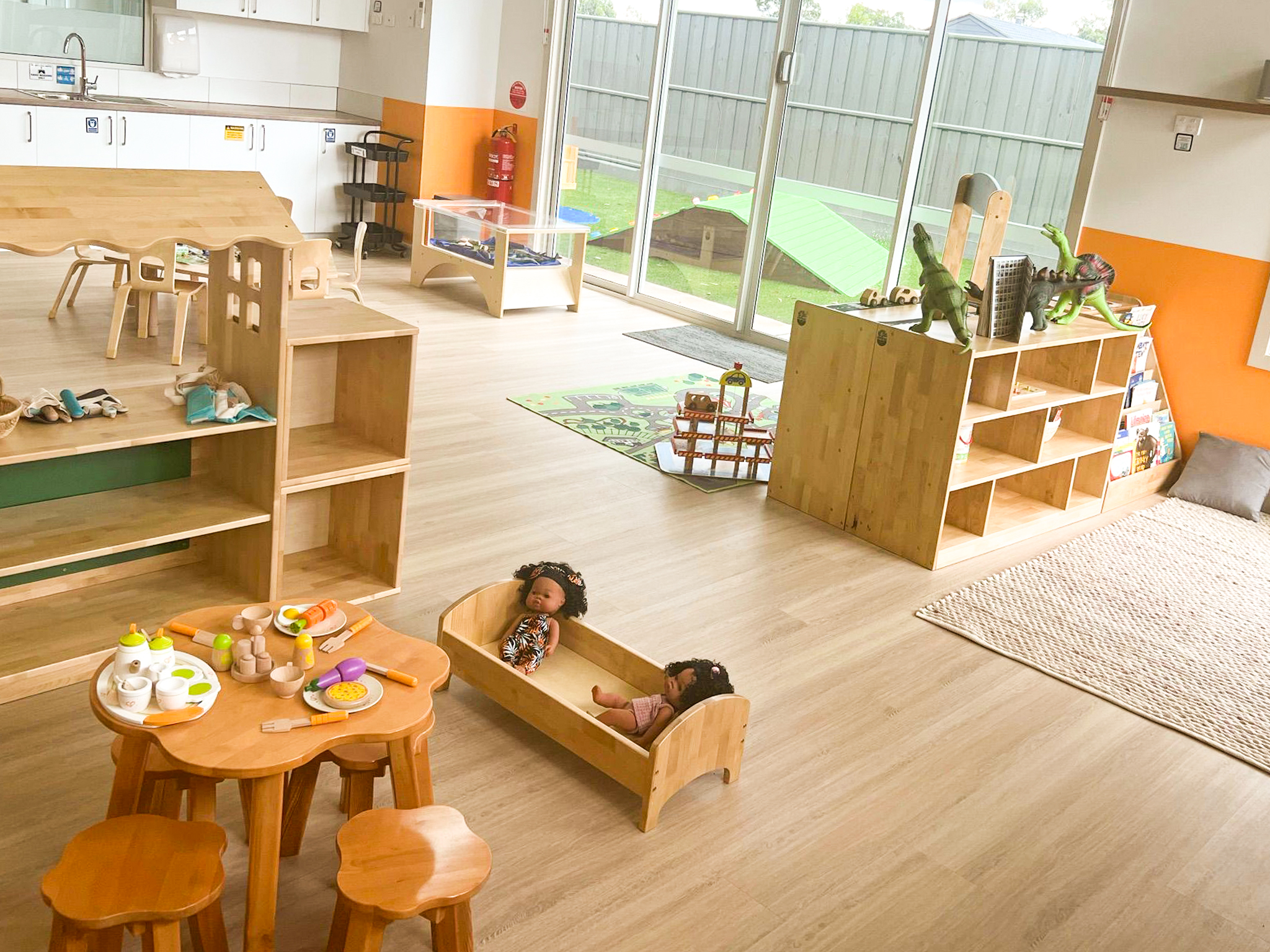
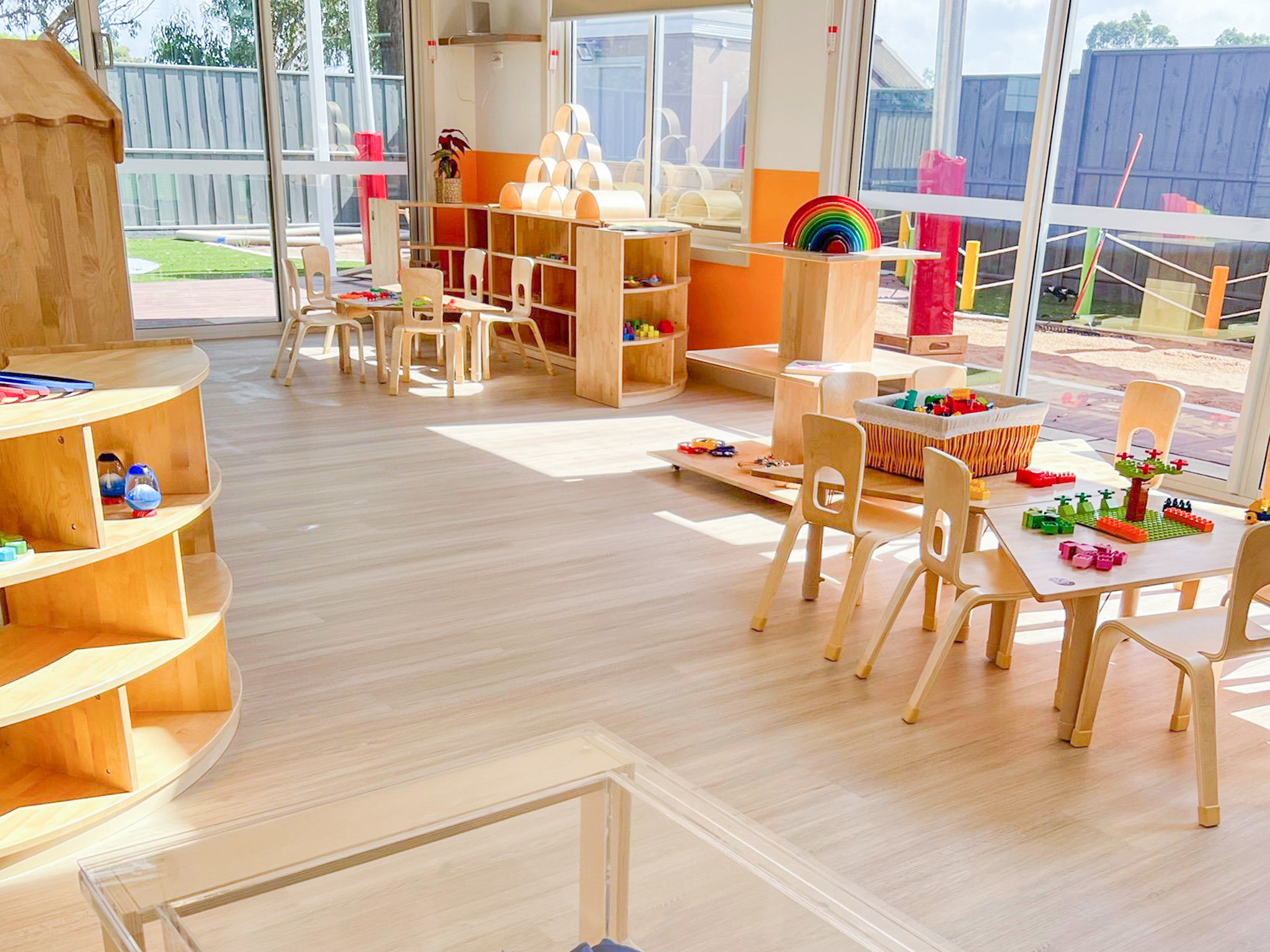
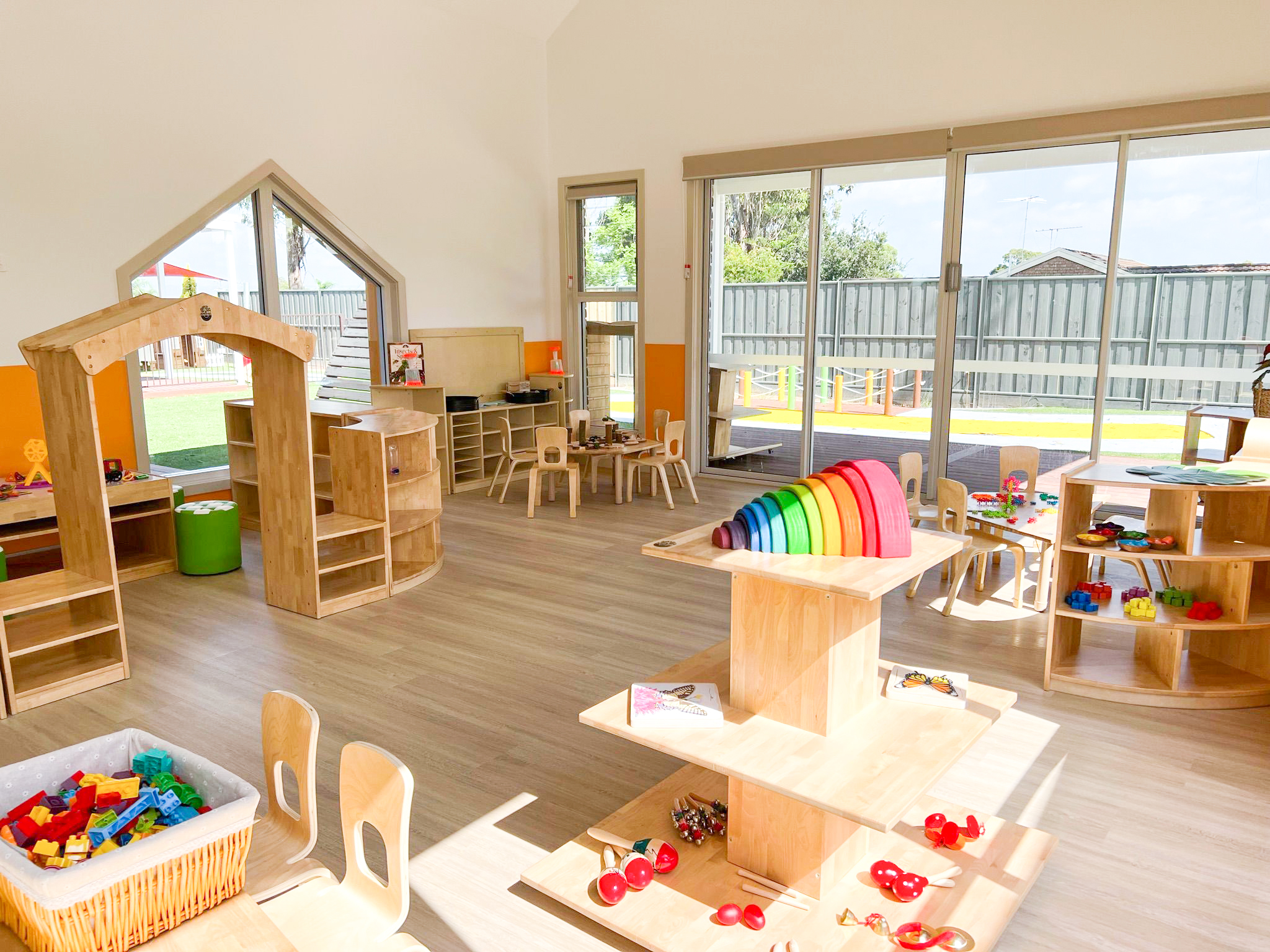
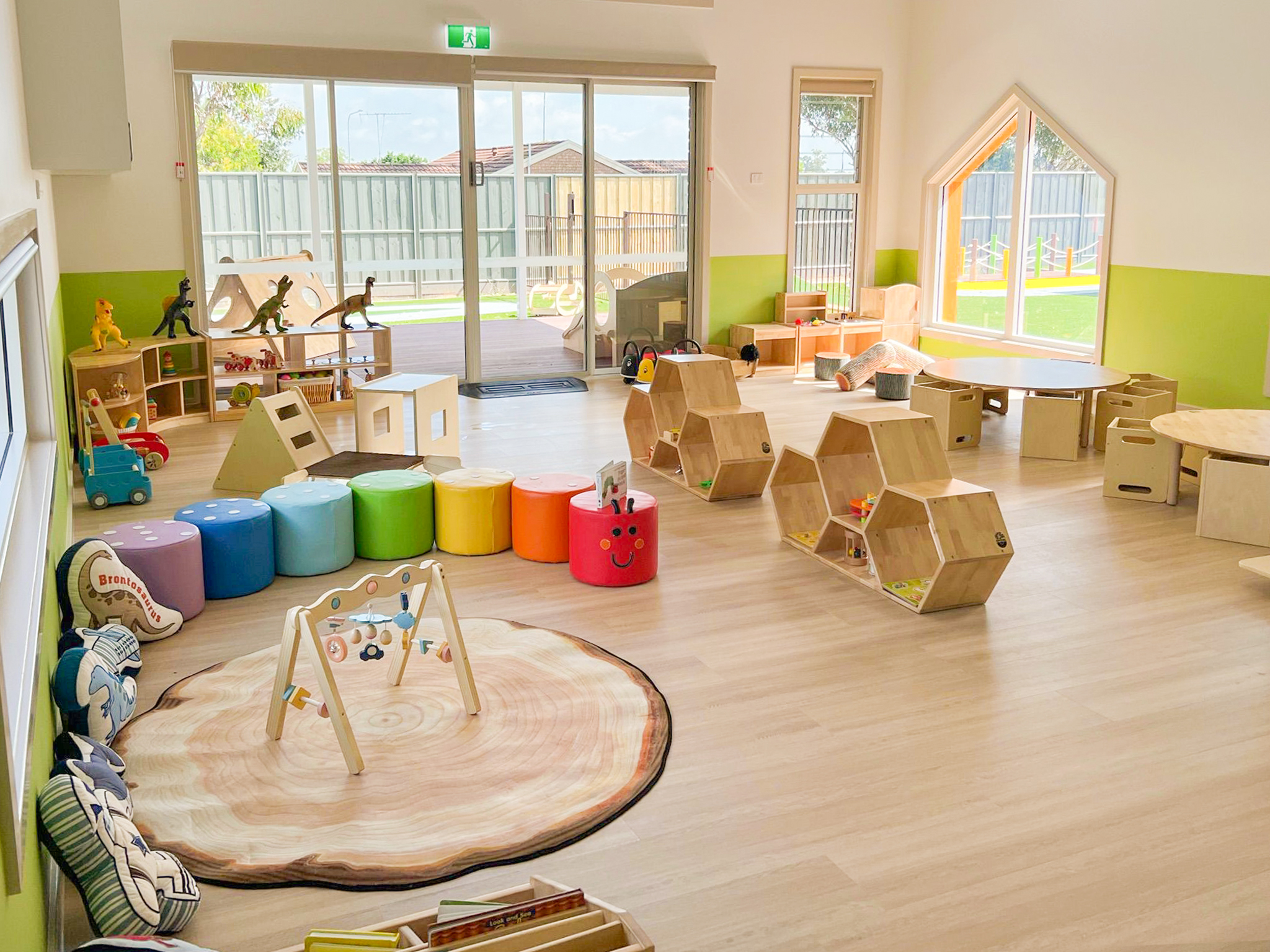
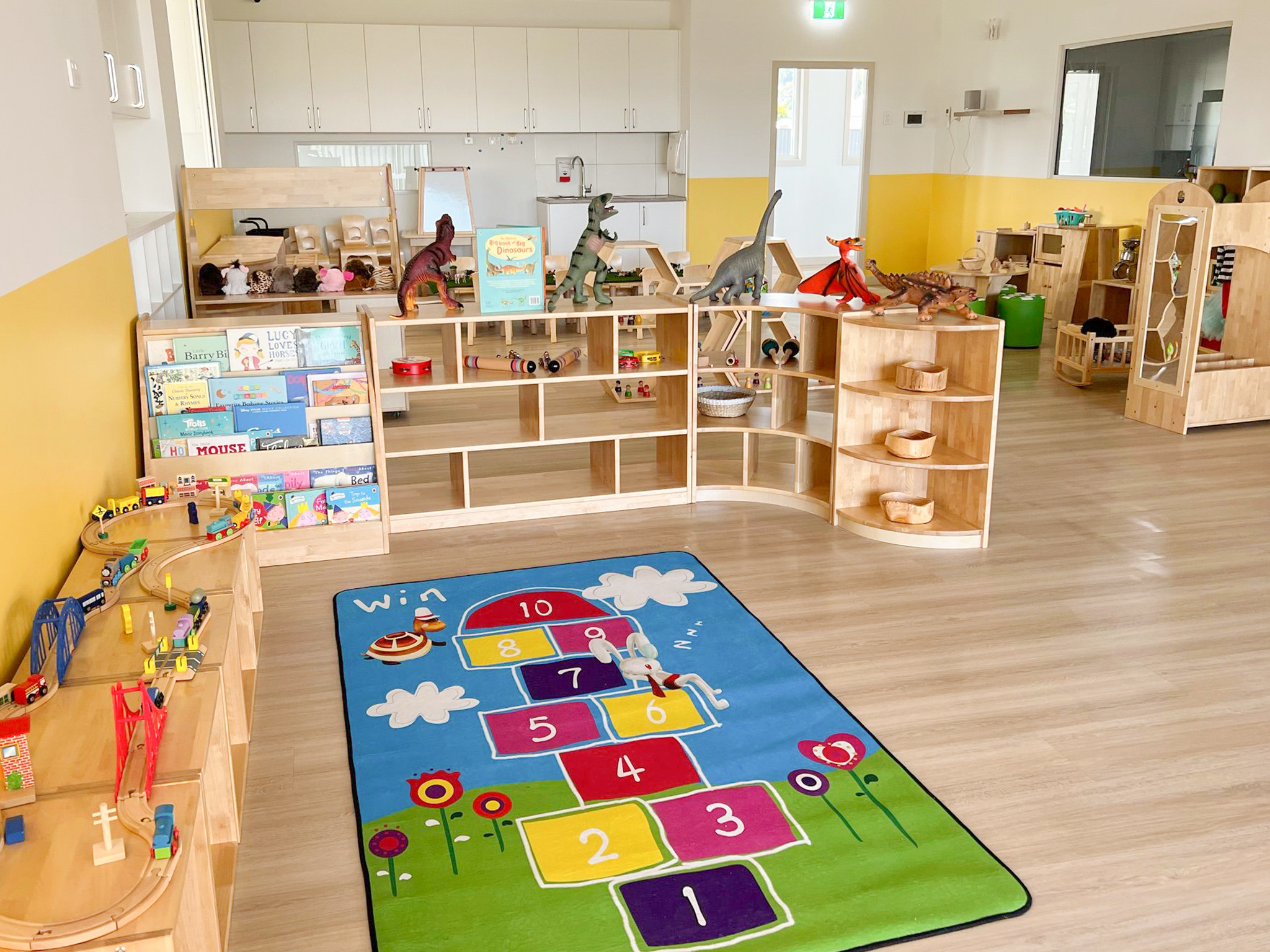
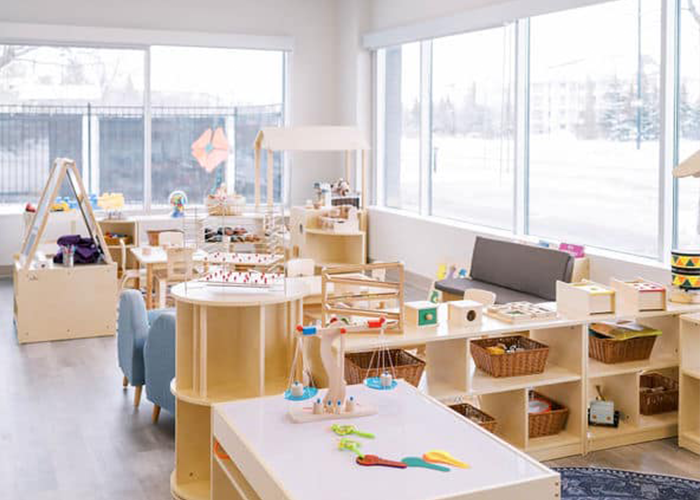
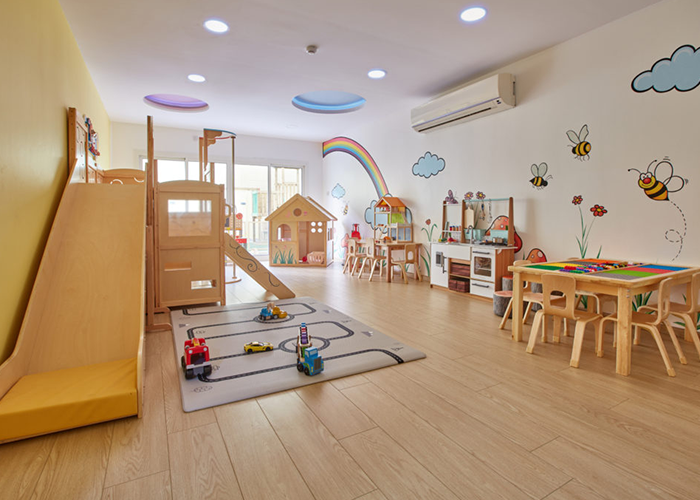
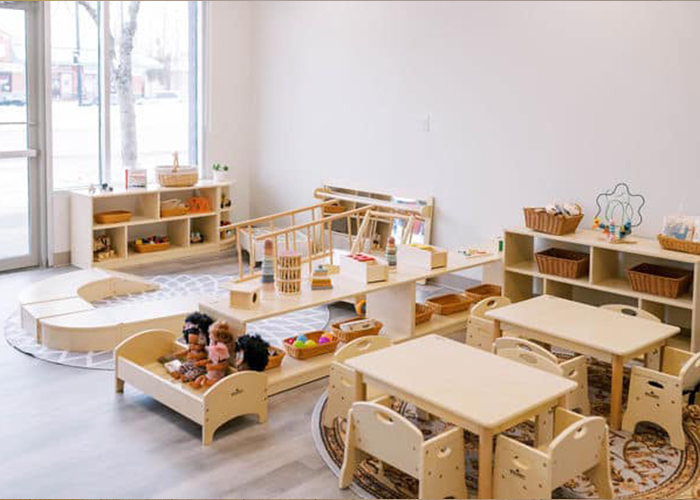
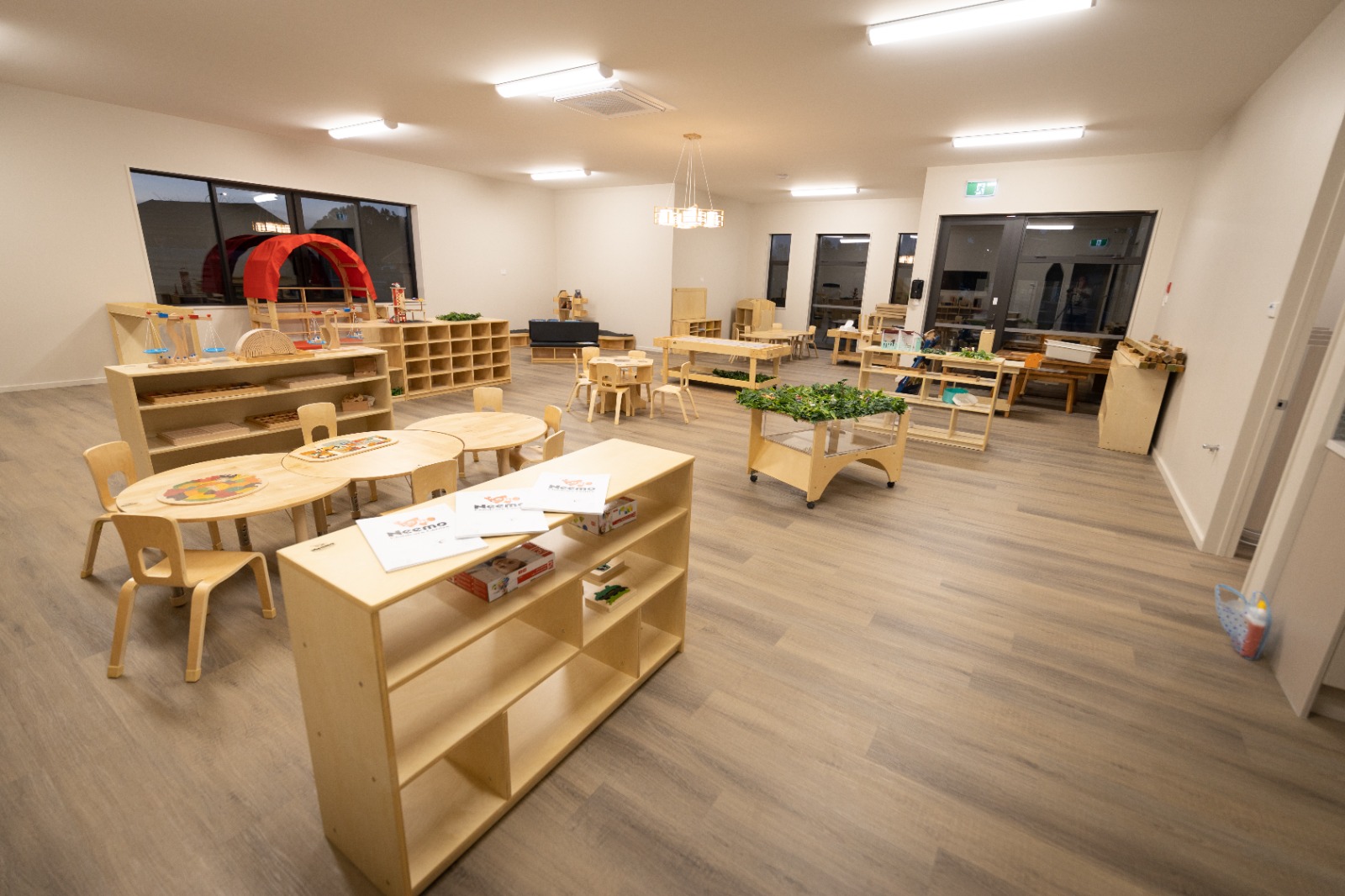
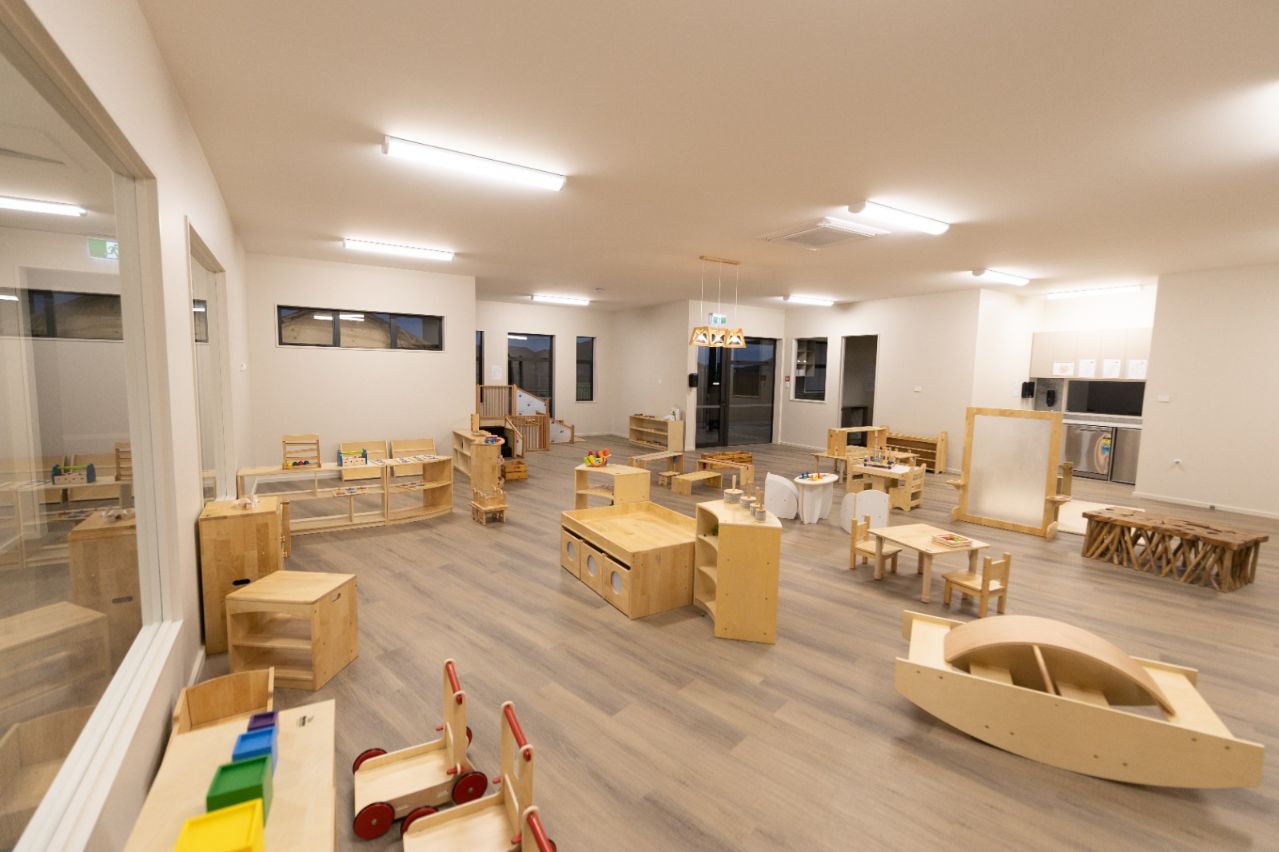
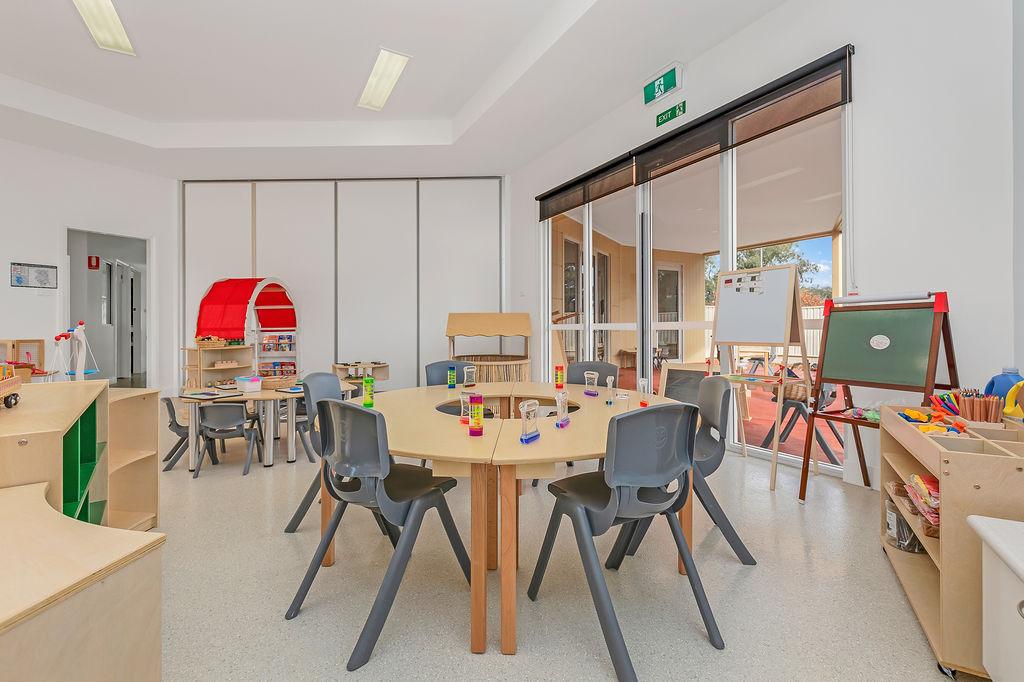
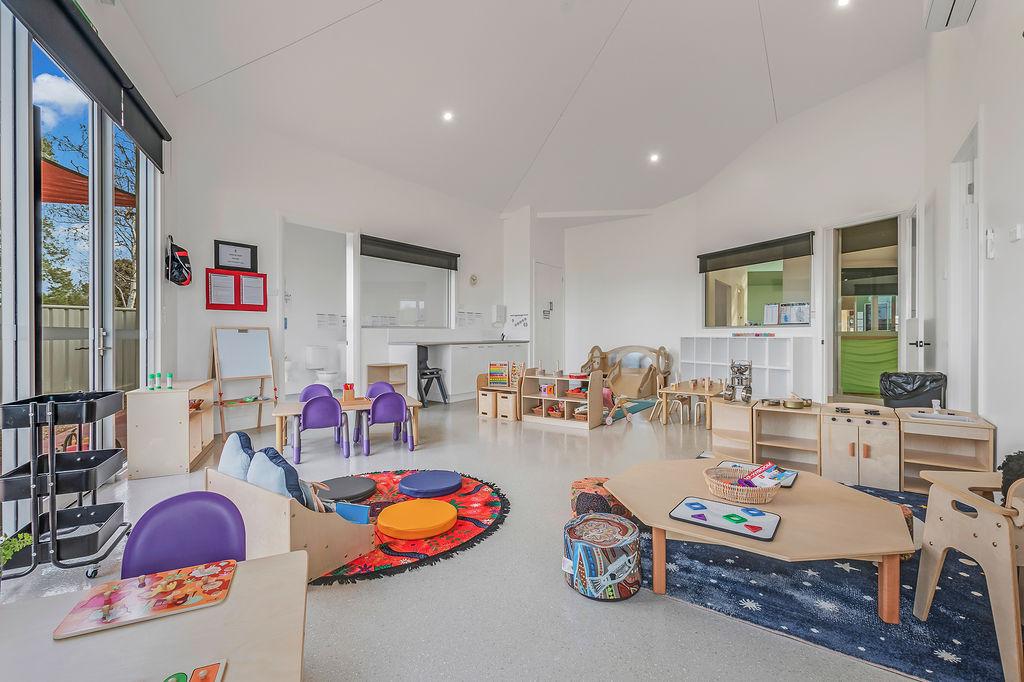
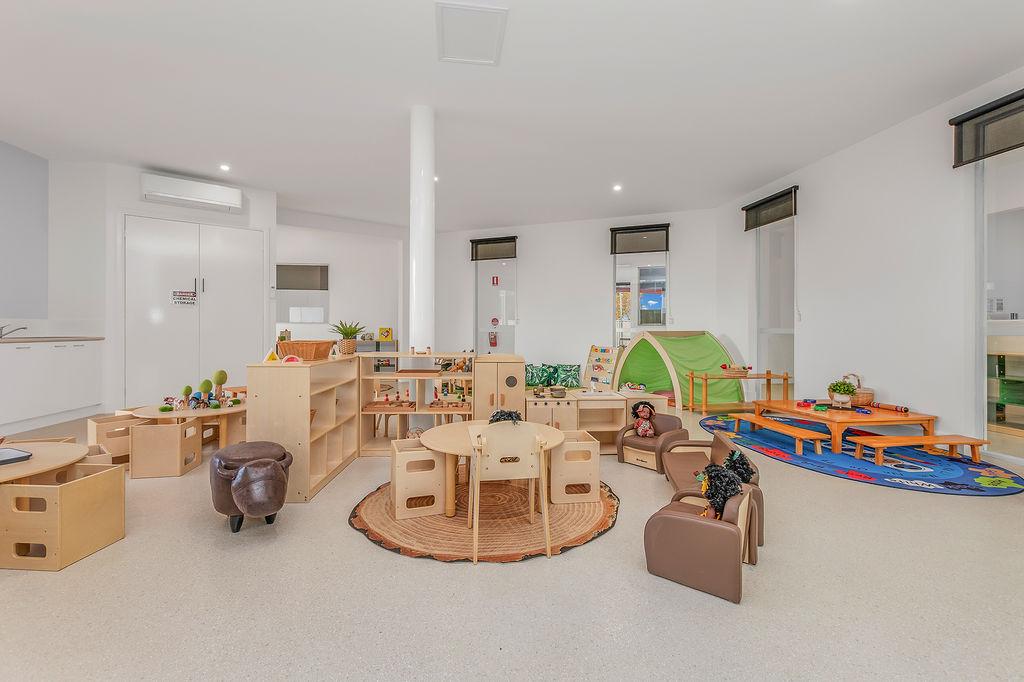
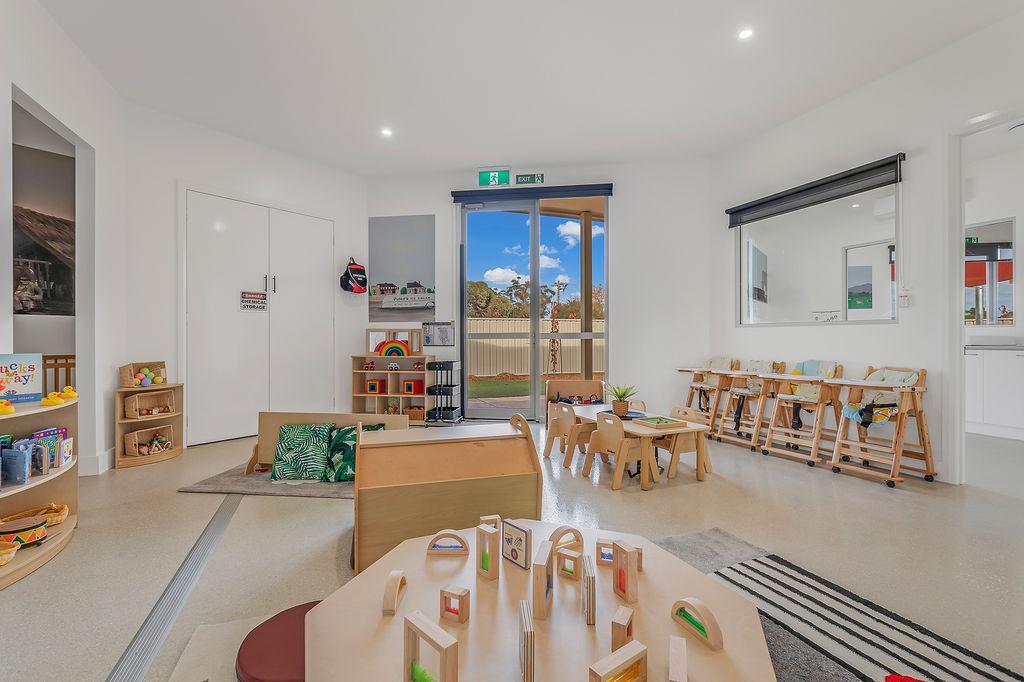
The physical environment should be safe, clean, and welcoming, with age-appropriate toys and resources. Outdoor play areas and well-organized classrooms enhance the learning experience. - Curriculum and Educational Philosophy
High-quality centers have a clear educational philosophy and curriculum that promote learning through play, exploration, and structured activities. Look for programs that align with your educational values and goals for your child. - Parent Involvement and Communication
Open communication between parents and caregivers is essential. Look for facilities that encourage parental involvement and offer regular updates on your child’s progress and day-to-day activities.
Conclusion
The distinction between childcare and early learning is nuanced, reflecting the diverse needs of children at different stages of their development. As the CEO of Xiha Montessori, I understand the importance of providing environments that cater to both the care and educational needs of children. Through our top-quality preschool and daycare furniture, we aim to support caregivers and educators in creating spaces that foster both safety and learning. Understanding these differences helps parents make informed decisions, ensuring their children receive the best start in life.