Are you unsure how to Choose Learning Tower that’s both safe and practical? Wondering which features actually matter and how they can benefit your child’s daily learning and development? With so many designs and safety standards on the market, it’s easy to feel overwhelmed by safety risks and a missed chance to truly support your child’s growth at home.
Choose learning tower isn’t just about design — it’s about enhancing your child’s independence, safety, and engagement in everyday activities. A well-selected standing tower allows kids to safely explore kitchen tasks, develop fine motor skills, and feel more involved at home. It fosters confidence, curiosity, and learning through hands-on experiences.
Understanding how to choose Learning Tower involves looking at stability, adjustability, ease of cleaning, and safety features. In the next sections, you’ll find helpful tips that make the selection process simple and stress-free.

Understanding Learning Towers
Choos learning tower starts with understanding exactly what it is, how it works, and why it matters for your child’s growth. A standing tower is more than just a step stool—it’s a tool designed to keep children safe while encouraging them to take part in everyday activities. Before you choose Learning Tower for your home, it’s important to explore its features, benefits, and the best age for your child to start using one. This knowledge ensures you make a choice that’s not only practical but also enhances your child’s development.
What Is a Learning Tower?
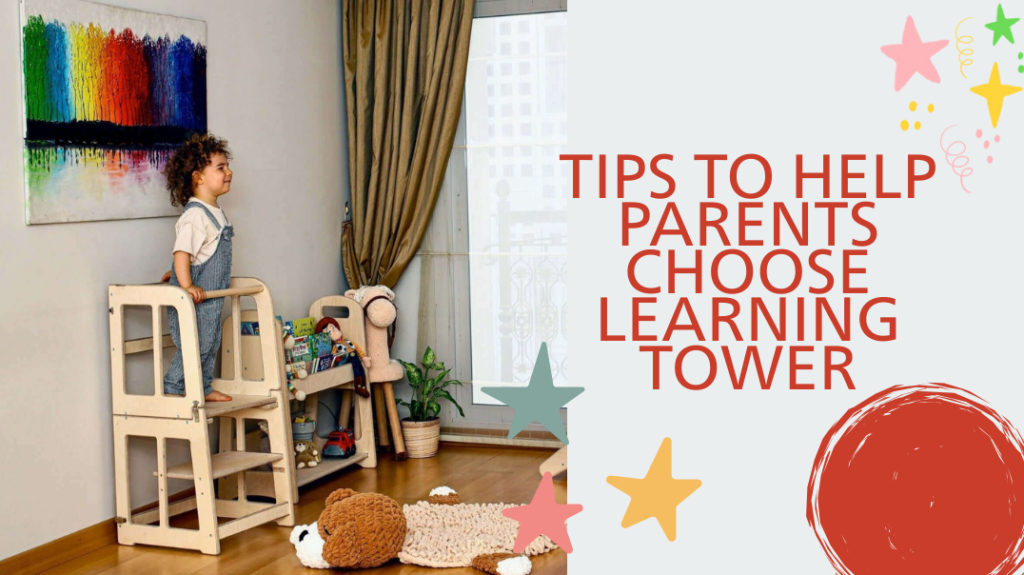
A toddler tower is a thoughtfully designed child-safety tool that helps toddlers and young children reach countertop height safely and securely. Unlike a standard step stool, a kitchen helper comes with protective guard rails, a wide base for stability, and sometimes even adjustable platforms to grow with your child. The concept was born from Montessori principles—fostering independence by giving children safe access to participate in daily activities such as cooking, brushing teeth, or arts and crafts.
When you’re looking to choose learning tower for your child, understanding its core purpose is the first step. A well-designed kitchen helper creates a supportive environment where a child can explore their surroundings without risking injury. It’s not just a step stool—it’s a gateway to more hands-on learning, family interaction, and developmental growth.
Benefits of Using a Learning Tower
Choosing the right standing tower offers a multitude of benefits for both parents and children. It’s more than just a parenting trend—it’s a tool that actively supports a child’s physical, cognitive, and emotional development.
- Encourages Independence: Children love to imitate adults. A kitchen helper lets them stand beside you while you cook or wash dishes, promoting independence by allowing them to participate rather than watch from afar.
- Boosts Confidence and Self-Esteem: The ability to accomplish real tasks at adult height makes children feel more capable. This self-confidence carries over into other areas like dressing, eating, and problem-solving.
- Promotes Motor Skill Development: Tasks like mixing batter, pouring water, or reaching for utensils improve hand-eye coordination and fine motor skills.
- Fosters Family Bonding: Shared activities in the kitchen or at the sink become learning moments, strengthening the parent-child relationship through meaningful interaction.
- Safe Exploration: A sturdy, enclosed tower allows children to safely explore areas typically off-limits due to height constraints.
As you choose learning tower options, look for designs that align with these benefits. Safety should always be your top priority, followed closely by comfort and ease of use.

When Should You Start Using a Learning Tower?
Parents often ask, “When is the right time to introduce a toddler tower?” The ideal age to start using one is around 18 months to 2 years, depending on your child’s physical development and ability to stand steadily. Children at this stage are naturally curious and eager to participate in adult activities—they want to stir, pour, and observe everything around them.
However, age alone shouldn’t be the deciding factor when you choose learning tower. Consider your child’s motor skills, height, and understanding of boundaries. If your child can stand on their own without support and understands simple instructions like “stay still” or “hold the rail,” they’re likely ready.
Some towers are designed for younger toddlers with extra guard rails and narrower openings, while others are more open and suited for older preschoolers. Choosing a model with adjustable height is beneficial if you want the tower to grow with your child.
Parents should also ensure the tower fits well within their living space. Before you choose learning tower models, measure your counter height and assess the available space in your kitchen or bathroom to ensure a good fit.
In summary, kitchen helper offer tremendous developmental advantages and create joyful learning opportunities in everyday tasks. Knowing when and how to introduce one—and what features to look for—can make a world of difference in your child’s early learning journey.

How to Choose Learning Tower?
Selecting the right standing tower is a decision that blends safety, functionality, and long-term value. A well-chosen tower can support your child from toddler years into early school age, adapting to their growth while fitting seamlessly into your home. Before you choose Learning Tower, it’s essential to evaluate construction quality, size, adjustability, materials, and compliance with safety standards. The following considerations will help you make a decision that serves both your child’s needs and your household’s practical requirements.
Safety First: What to Look For in Build and Design
Safety is the absolute top priority when choosing a toddler tower. Not all towers are created equal, and overlooking small details could lead to dangerous situations.
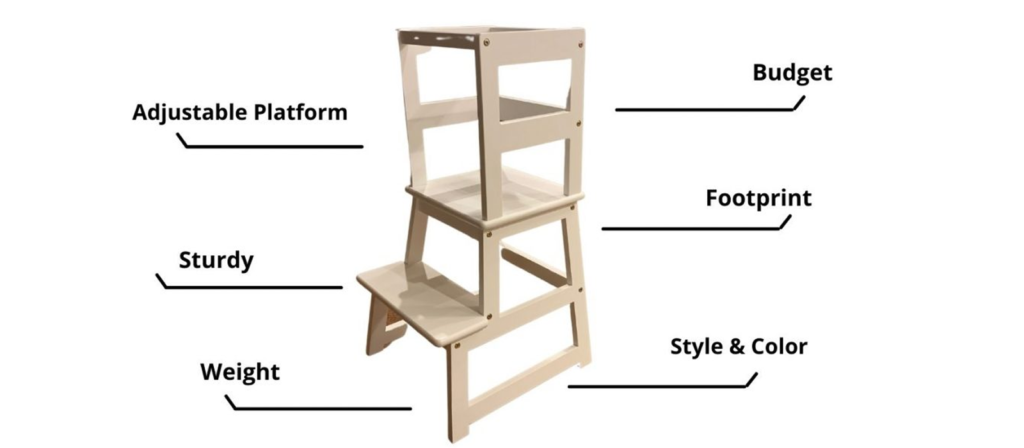
- Solid Construction and Stability: Look for towers with a wide base and strong, durable materials. The structure should feel solid when you gently shake it. Avoid anything that wobbles or feels too lightweight—it must hold steady when your child is climbing, shifting weight, or leaning.
- Guard Rails and Enclosures: A standing tower should include high side rails and backboards to prevent accidental falls. Some designs feature enclosed standing areas, creating a safer “cage-like” feeling where a child can’t easily slip out.
- Rounded Edges and Smooth Finishes: Toddlers love to touch everything. To prevent cuts and bruises, opt for towers with rounded edges and non-toxic, splinter-free finishes. If it’s painted, confirm that the paint is child-safe and lead-free.
Adjustability
Children grow fast—so should their kitchen helper. Adjustable platforms are not just a bonus feature; they are a long-term investment.
A good model allows you to change the height of the platform as your child gets taller, often ranging from 12 inches to 20+ inches. This adjustability ensures ergonomic alignment with countertops and reduces strain on your child’s legs and back.
Some towers even offer adjustable guard rails or foot supports, helping you fine-tune the fit based on your child’s age and activity. If you’re hoping to choose learning tower that lasts several years, this feature is essential.
Materials: Wood vs. Plastic
When you choose learning tower, material matters more than you might think. The two most common options—wood and plastic—each come with their own set of pros and cons.
Wooden learning towers are a favorite for their strength, durability, and timeless appearance. Made from solid hardwoods like birch or beech, these towers offer excellent stability, making them safer for wobbly toddlers. They also blend beautifully into most home decor and often feel more like furniture than toys. Parents who value sustainability often lean toward wood, especially when the tower is made from eco-friendly materials and finished with non-toxic paints.
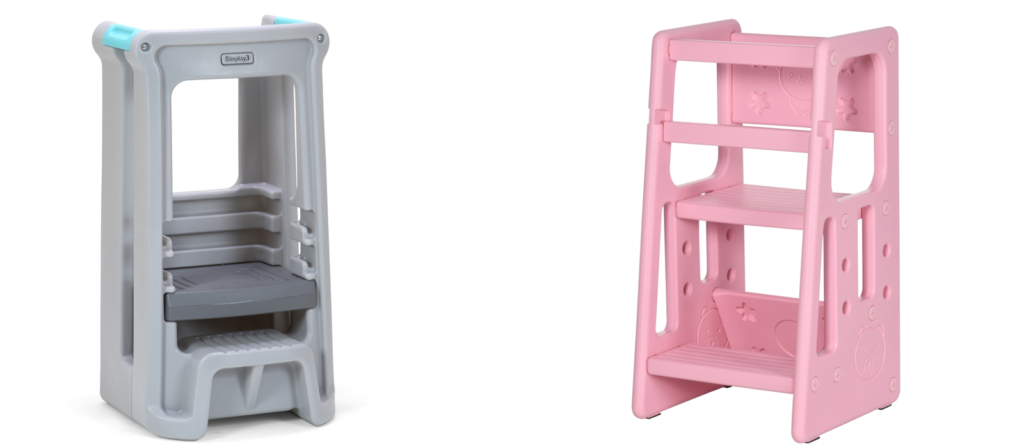
Plastic learning towers, on the other hand, are lightweight, affordable, and very easy to clean. They’re great for families who want portability or plan to use the tower in different areas of the house. Plastic models typically come in bright colors and molded shapes that appeal to kids. They’re also water-resistant, making them ideal for activities like handwashing or outdoor play.
In the end, the choice comes down to your priorities. If you want durability and aesthetic appeal, go with wood. If ease of cleaning and portability matter more, plastic may be your best bet.
Ease of Cleaning and Maintenance
Children are messy by nature. Whether it’s sticky fingers or food crumbs, your kitchen helper will get dirty—and often.
Choose a tower with smooth surfaces, easy-to-wipe finishes, and minimal crevices where grime can build up. Plastic towers typically win in this category, but some wooden models come with sealed or lacquered finishes that make them nearly as easy to clean.
Also, consider the maintenance factor. A well-made wooden tower may need occasional sanding or re-sealing, while plastic versions may fade or crack over time if exposed to the sun.
Meet Safety Standards
Before clicking “buy,” check if the product meets recognized safety standards such as ASTM (American Society for Testing and Materials) or EN71 (European toy safety standard).
These certifications indicate that the product has undergone rigorous testing for things like stability, chemical safety, and durability. If a brand doesn’t disclose whether it meets these standards, it’s better to skip it and look for one that does.
When you choose learning tower with certified safety, you’re investing in peace of mind as well as functionality.
Foldable or Fixed Design: What Works for You
Depending on your space and lifestyle, you may prefer a standing tower that folds for storage or one that stays permanently assembled.
Foldable Towers
Great for families with limited kitchen space or those who need to store the tower between uses. Look for locking mechanisms that ensure stability when in use.
Fixed Towers
These are often sturdier and more durable. They’re a good choice if you plan to use the tower daily and have room to keep it out all the time.
Each option has pros and cons, and your choice will depend on your family’s habits, storage space, and how often you plan to use the tower.

Types of Learning Towers
Adjustable Height Learning Tower
Adjustable toddler tower grow with your child. They feature platforms that can be set at different heights, usually by repositioning a base board. This means toddlers as young as 18 months can use the tower, and it can adapt until they’re 5 or 6 years old. For parents hoping to choose learning tower that offers long-term value, adjustability is key. It ensures ergonomic safety and maximizes usage over several developmental stages.

Foldable Learning Tower
Foldable models are perfect for families in smaller homes or apartments. These towers can be collapsed and stored easily after use, freeing up valuable floor space. Despite being foldable, many designs are still sturdy and safe. If you’re aiming to choose learning tower that balances functionality with compact living, foldable towers provide great versatility without compromising your child’s safety during use.

Convertible 2-in-1 or 3-in-1 Toddler Tower
These towers are multi-functional and can transform into a toddler table, desk, or chair. Some even become slides or activity stations. Convertible designs are excellent for families who want to maximize the value of one product. When you choose learning tower with conversion capabilities, you’re not just buying a step stool—you’re investing in a multi-use learning and play hub.

Montessori Learning Tower
Inspired by Montessori principles, these towers encourage independence and hands-on learning. They’re often made from natural wood and feature simple, open designs that foster exploration. For parents practicing child-led learning, choosing a Montessori-style kitchen helper aligns well with educational goals. These towers are less flashy and more focused on developmental function and simplicity.

Standard Fixed Learning Tower
The most classic and widely used type, a standard fixed standing tower features a non-foldable, sturdy frame with guard rails and a standing platform. These towers are perfect for daily kitchen use, offering unmatched stability. If you’re looking to choose learning tower that stays in one place and is used often, this is an ideal option. It’s built for safety and simplicity, making it especially good for households with enough space to keep it out all the time.

Plastic Toddler Tower
Made from BPA-free, high-density plastic, these towers are lighter, water-resistant, and easy to clean. They’re perfect for messy play, bathroom use, or outdoor activities. If you choose learning tower based on practicality and portability, plastic models are a great fit. Though typically less durable than wood, they’re cost-effective and ideal for parents prioritizing convenience and hygiene.
Top Recommended Brands for Learning Towers
When you choose learning tower for your home, it’s important to go with trusted brands that prioritize safety, functionality, and design. Here are ten highly recommended brands, each offering something unique for growing families:
1. Little Partners – Famous for their flagship “toddler tower,” Little Partners designs are solid, tip-resistant, and height-adjustable. These towers are ideal for everyday use and support children from 18 months to 6 years. Many models also feature art panels and chalkboards for added creativity.
2. Guidecraft – Their “Kitchen Helper” series stands out for foldable wooden towers that are both safe and stylish. These towers include removable side panels, safety treads, and accessory packs for extended play. Perfect for families looking to save space without sacrificing quality.
3. SDADI – Offering solid pine wood towers at affordable prices, SDADI is perfect for budget-conscious parents. Their simple, durable designs come with adjustable platforms and are easy to assemble. It’s an excellent first tower for homes trying Montessori tools.
4. Xiha montessori – Xihamontessori combines function, beauty, and child-focused design in their wooden towers. With smooth edges, adjustable platforms, and non-toxic finishes, their models support independent play and safe exploration. A strong choice for Montessori-style homes.
5. Helper Tower – This brand focuses on modern, ergonomic designs with high safety rails and durable finishes. Their towers are compact enough for small kitchens while still offering robust safety features. Ideal for parents who prioritize form and function.
6. Piccalio – Piccalio’s kitchen helper are multifunctional and often convertible into chairs or desks. Their Scandinavian-inspired designs are compact, safe, and great for play-based learning. These towers offer long-term value in homes with limited space.
7. Xiairworld – Known for ergonomic builds and robust construction, Xiairworld’s towers are crafted for both home and school settings. They emphasize safety with anti-slip features and stable bases. Their toddler tower come in natural wood tones and are easy to assemble.
8. Simplay3 – Focused on plastic models, Simplay3 offers durable, weather-resistant towers that are easy to wipe clean. Their designs are brightly colored, lightweight, and great for both indoor and outdoor use. Ideal for parents who need quick setup and low maintenance.
9. Xiha Kidz – Designed with fun and functionality in mind, Xiha Kidz towers are colorful, engaging, and often convertible. Many models feature slide-out activity platforms or 2-in-1 functions like desk conversions. Great for families who want both play and practicality.
10. ECR4Kids – Features vibrant, kid-friendly designs made from birch plywood with smooth surfaces. Easy to clean and often found in daycare centers for their durability.
Safety for Kids When Using Learning Towers
Learning towers can be one of the best investments for encouraging your child’s independence and participation in daily activities, but they must be used with care. When you choose learning tower options for your home, remember that the real safety lies in proper usage. The right tower is only as safe as the environment, supervision, and rules you put in place. Below are essential guidelines to help ensure your child benefits from a kitchen helper safely.
Always Supervise Young Children
Even if you choose learning tower models with excellent safety features, constant supervision is non-negotiable. Toddlers are naturally curious, and in just seconds they might try to climb over rails or reach for hot or sharp objects. Your role is to guide them, provide verbal reminders, and be within arm’s reach at all times. A standing tower should never replace attentive parenting it should complement it.
Introduce Slowly with Supervised Practice
When you choose learning tower for a first-time user, start with short, structured lessons so safety habits become automatic. Demonstrate mounting and dismounting with three points of contact, show how to stand facing forward with both feet flat, and practice gripping the rails before handing over tools or ingredients. Begin at the lowest platform setting, then raise gradually as balance and impulse control improve; pair each height increase with new boundaries (no leaning, no climbing the outside, ask before reaching). Keep sessions distraction-free, remove hazards within arm’s reach, and narrate actions (“step up, hold rail, stand still”) to reinforce cues. Maintain arm’s reach supervision until your child consistently follows rules across several sessions.

Use on Level Surfaces Only
A stable base is critical for preventing accidents. No matter which design you choose learning tower from, always place it on flat, solid flooring. Uneven tiles, rugs, or sloped areas can destabilize even the most secure towers. Dedicate a specific spot in your kitchen or home that’s clear of obstacles and hazards, so the tower can remain safe during every use.
Limit Use to One Child at a Time
Even when you choose learning tower models with wide platforms or high weight limits, treat every tower as single-occupancy to protect balance and prevent collisions. Two children shifting, leaning, or reaching in opposite directions can move the center of gravity and create tip risk, especially near counters crowded with utensils or appliances. Set a clear “one child up” rule, rotate turns, and position a sturdy step stool or second tower nearby if siblings are eager to help. Always follow the manufacturer’s user and load guidelines; even “roomy” designs are engineered for one child to maintain stability and predictable movement patterns.

Conclusion
Choosing toddler tower is about more than picking a step stool—it’s about creating a safe, engaging, and practical way for your child to participate in daily life. The best choice balances safety, durability, and adaptability, with features like a stable anti-tip design, guard rails, and adjustable height to grow with your child. Whether you prefer the sturdiness of wood, the convenience of plastic, a compact foldable model, or a multifunctional convertible design, the right tower should fit your space, your lifestyle, and your child’s developmental stage. By taking time to carefully choose learning tower that meets both safety standards and your family’s needs, you’re investing in a tool that supports independence, learning, and meaningful family interaction for years to come.
FAQs
1. Can I choose Learning Tower for twins or siblings?
Most toddler tower are designed for one child at a time for safety reasons. If you have twins or siblings, consider purchasing two towers or a specially designed double-width model.
2. Do I need to choose learning tower with extra accessories?
Accessories like activity boards, cushioned mats, or storage hooks can make the tower more engaging. When you choose learning tower, decide whether these extras add value for your child’s learning style and your daily routines.
3. What’s the difference between Montessori and regular when I choose learning tower?
When you choose learning tower, Montessori designs often focus on simplicity, natural wood, and open-ended learning. Regular models may have brighter colors, playful themes, or convertible functions. Your choice depends on style preference and educational approach.
4. How do you choose a learning tower?
To choose a toddler tower, focus on safety features like a stable base, guard rails, and non-slip surfaces. Consider adjustable height for long-term use, pick wood for durability or plastic for easy cleaning, and choose a design that fits your space and your child’s needs.
5. How do I know if I choose Learning Tower that fits my kitchen?
Measure the available floor space and counter height before buying. Compare these measurements with the tower’s dimensions to ensure it fits comfortably without blocking movement.