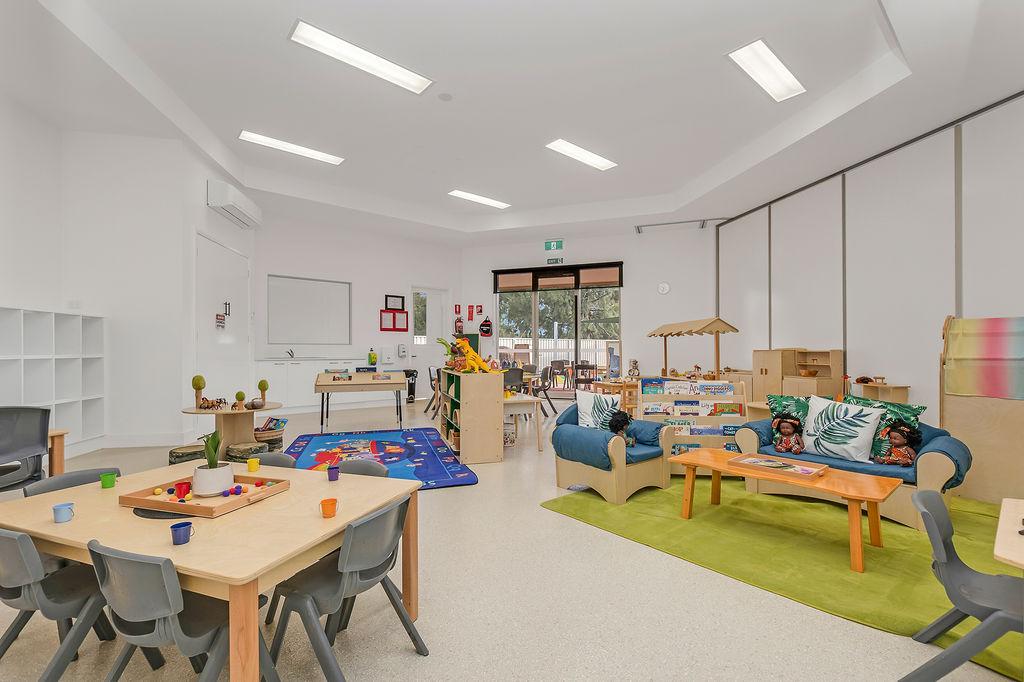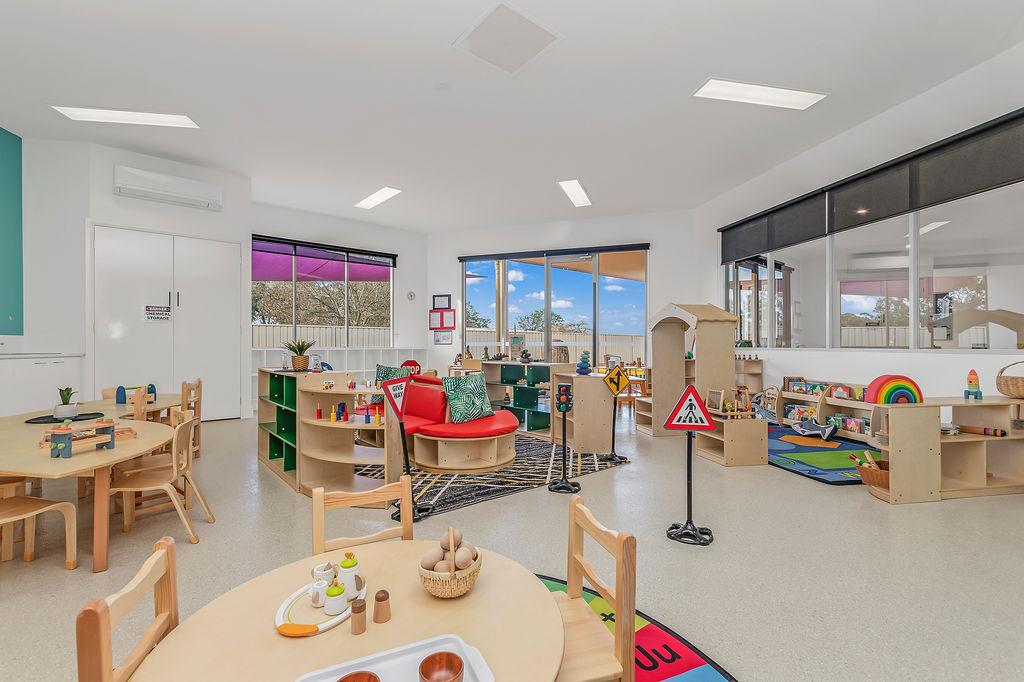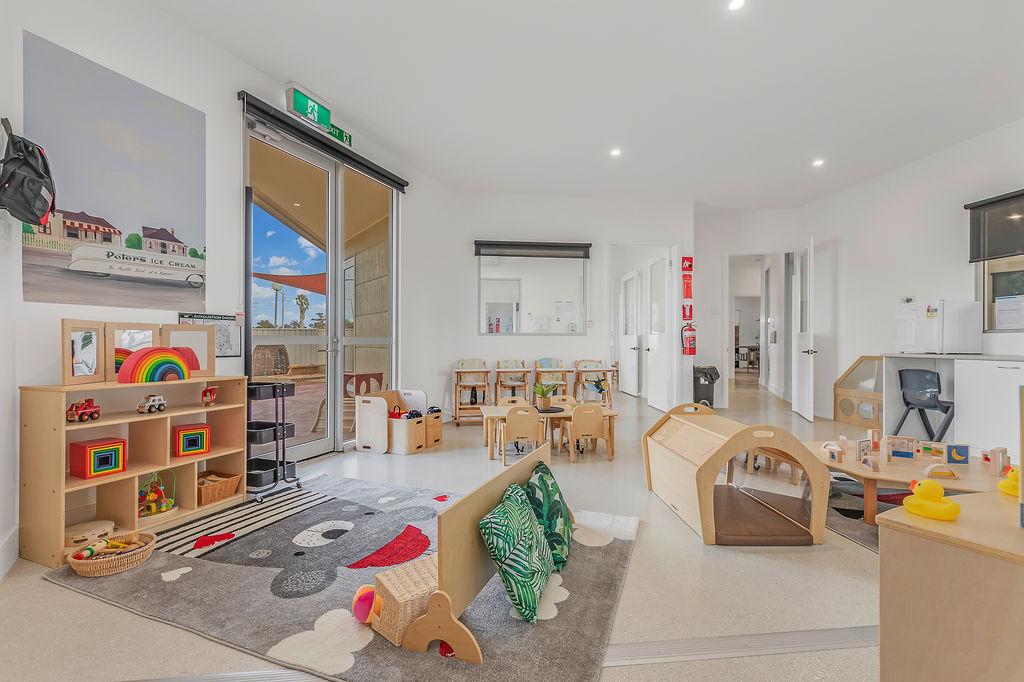
Cots and mats can both work well for daycare nap time, but they are designed for different classroom situations. Cots often suit structured nap routines and hygiene-focused environments. Mats, by contrast, offer flexibility and easy storage for smaller or multi-use spaces.
Nap time supports physical growth, emotional regulation, and a smoother classroom schedule. The sleep surface children use can affect comfort, cleanliness, and how easily nap time fits into the overall routine. In childcare settings, nap time equipment needs to balance safety, comfort, and daily efficiency.
As a manufacturer and supplier serving preschools and childcare centers globally, we’ve helped countless clients select the best nap solutions for their space. In this article, we provide practical guidance that balances comfort, sanitation, and real-world constraints to help you choose between cots vs mats.
What Are Daycare Cots?
Daycare cots are elevated sleeping surfaces designed specifically for use in early childhood education environments. They typically feature a sturdy frame constructed from steel or heavy-duty plastic with a breathable mesh fabric stretched tightly across the top. This design lifts the child a few inches off the ground to provide a supportive and distinct sleeping area. The primary purpose of a cot is to separate the sleeping surface from the floor to ensure better airflow and hygiene.
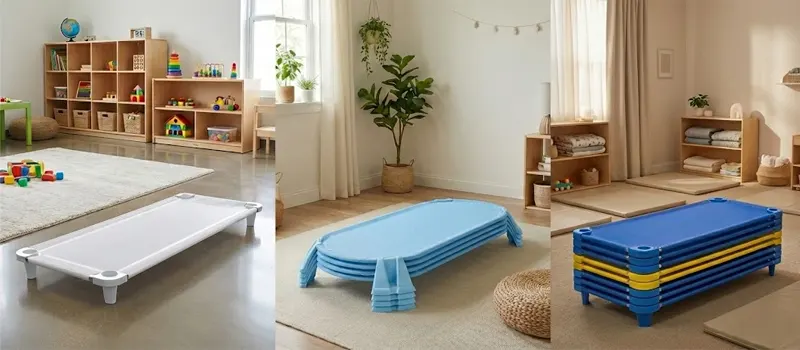
Advantages of Daycare Cots
- Enhanced Hygiene and Airflow: The elevated design ensures that children do not sleep directly on the floor. This separation helps maintain a comfortable temperature by allowing air to circulate underneath the sleeping surface. It also keeps children away from dust, drafts, and cold surfaces.
- Defined Sleeping Boundaries: The rigid frame creates a clear physical boundary for each child. This helps toddlers and preschoolers stay within their designated space during nap time. It minimizes the likelihood of children rolling onto a neighbor and disrupting the sleep of others.
- Long-Term Durability: High-quality cots are built to withstand daily use in busy childcare centers. The metal or plastic frames are resistant to warping, and the fabric is usually easy to wipe down and sanitize.
Disadvantages of Daycare Cots
- Higher Initial Cost: Cots generally require a larger upfront financial investment compared to mats. This can be a significant factor for new centers with a limited budget.
- Storage and Weight: Although most cots are stackable, they are rigid and cannot be folded or compressed. They occupy a fixed amount of vertical and horizontal space in the storage area. Additionally, they are heavier to move around than lightweight foam alternatives.
- Assembly and Maintenance: Some cot models require assembly upon arrival. Over time, the fabric tension may loosen, or the screws may need tightening. This requires staff to perform regular maintenance checks to ensure safety.
What Are Daycare Mats?
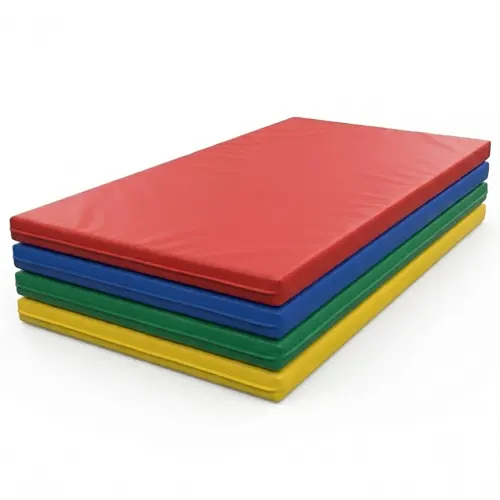
Daycare nap mats are cushioned sleeping pads designed to rest directly on the floor surface to provide a comfortable resting area for children. These mats are typically constructed from a foam core encased in a durable and waterproof vinyl covering. They provide a soft and insulated layer between the child and the hard floor. Many educators and facility managers choose mats because they are lightweight and versatile.


Advantages of Daycare Mats
- Cost Effectiveness: The most immediate benefit of choosing mats is the lower price point. Mats are generally significantly less expensive than cots. This allows childcare centers to purchase a larger quantity of inventory with a smaller budget.
- Space Efficiency and Portability: Mats are incredibly lightweight and easy for teachers to handle. Many designs feature a folding mechanism that allows them to be stored in compact cubbies or cabinets. This makes them an excellent choice for smaller classrooms where floor space is at a premium.
- Soft and Cozy Comfort: The foam core provides a sensation similar to a mattress. Some children find the plush nature of a thick mat more comfortable and familiar than the taut fabric surface of a cot.
Disadvantages of Daycare Mats
- Hygiene and Floor Contact: Since mats rest directly on the floor, they are more susceptible to picking up dust and dirt. Staff members must be diligent about cleaning the floor before and after nap time to ensure a sanitary environment. Furthermore, airflow is restricted underneath the mat.
- Durability Concerns: The vinyl covering on mats is prone to cracking or tearing over time. Once the outer seal is broken, the inner foam can absorb bacteria or odors. This means mats generally have a shorter lifespan than rigid cots and may need to be replaced more frequently.
- Lack of Defined Boundaries: Unlike cots which have a frame, mats do not have a physical barrier to keep a child contained. Active sleepers may easily roll off the mat onto the floor or onto a neighboring child.
What Are the Differences Between Cots vs. Mats?
Sleeping Surface and Support
Cots
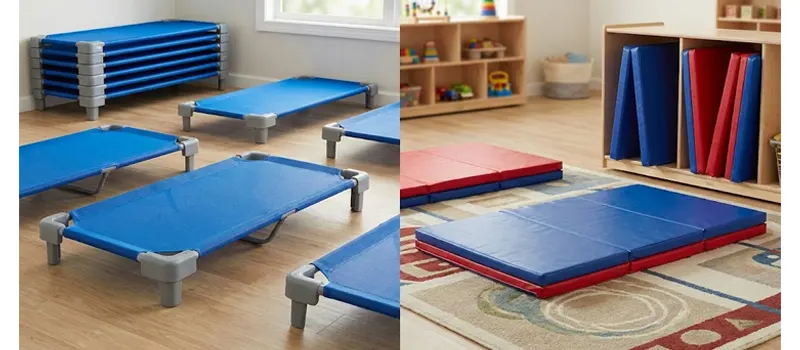
The sleep surface of a cot is made from breathable mesh stretched over a rigid frame. This structure provides firm support while keeping children slightly elevated above the ground. The suspended design promotes air circulation and helps prevent overheating during nap time.
Mats
Mats are padded with foam to offer soft cushioning, similar to a small mattress. They are placed directly on the floor and provide insulation, which helps keep children warm, especially in cooler rooms or on tile surfaces.
Hygiene and Sanitation
Cots
Because the surface stays above the floor, cots avoid direct contact with dirt or debris. If a spill occurs, it typically flows through the mesh to the floor, where it can be cleaned without soaking the cot. The mesh material is also easy to wipe and disinfect.
Mats
Since mats rest directly on the ground, they are more exposed to dust and require regular floor cleaning. Although many mats have waterproof covers, they still risk picking up contaminants. It’s important to store them carefully to prevent the bottom side from contacting the sleep surface.
Storage and Space Requirements
Cots
Cots maintain their shape and must be stacked vertically when not in use. This requires dedicated storage space and may involve the use of a trolley or corner rack. While stackable, they do not compress, so the overall footprint remains the same.
Mats
Mats are highly flexible and can be folded or rolled into compact shapes. Many styles can be stored in cubbies or hung on wall-mounted hooks, making them more practical in classrooms with limited space.
Durability and Lifespan
Cots
Built for heavy use, cots often feature steel or heavy-duty plastic frames and durable mesh fabric. With proper care, they can last for many years. If the fabric eventually wears out or tears it can often be replaced without needing to buy a whole new frame structure.
Mats
Mats generally have a shorter lifespan compared to cots. The repeated folding and pressure from daily use can eventually cause the vinyl covering to crack or peel. Once the waterproof seal is compromised the inner foam absorbs moisture and must be discarded to prevent mold or bacteria growth.

Cost and Budget Considerations
Cots
The initial purchase cost of cots is higher due to their materials and construction. However, the durability and long-term value often justify the investment for centers looking for a more permanent solution.
Mats
Mats are the budget-friendly option for daycare centers. They allow a facility to equip a full classroom for a fraction of the cost required for cots. This lower entry price makes them an attractive choice for startup daycares or centers that need to quickly expand their capacity.
How to Choose Between Cots and Mats for Your Daycare?
Selecting the right sleeping equipment requires a careful assessment of your facility’s specific needs and limitations. The decision usually comes down to balancing financial constraints with storage capacity and hygiene standards. Here are several practical factors to guide you through the comparison of cots vs mats for your classroom.

1. Local Licensing and Health Regulations
Always review your region’s childcare licensing standards before committing to a sleep solution. Some US states and Australian territories require cots for certain age groups or mandate that sleeping surfaces be elevated and washable. Mats may be accepted only under specific conditions, such as use with a waterproof barrier or in home-based daycare.
2. Analyze Your Budget Constraints
Financial planning plays a major role when outfitting a new childcare center. Mats offer a significantly lower upfront cost, which makes them ideal for startups or programs with tight budgets. Cots require a larger initial investment but they often save money in the long run due to their superior durability and replaceable parts.
3. Factor in the Age of the Children
The age group of your classroom significantly impacts the effectiveness of the sleeping equipment. Younger toddlers often benefit from the raised boundaries of a cot because it helps keep them contained in their designated spot. Older preschoolers who understand nap time rules may find the soft and mattress-like feel of a mat more comfortable and less restrictive.
4. Evaluate Your Available Storage
Look closely at the available storage areas in your classroom before making a purchase. Mats are an excellent choice if you have deep cubbies or existing cabinets, since many models fold into compact squares. Cots are better suited for rooms with open corners where they can be stacked vertically without blocking pathways or exits. Consider not only how nap time looks, but how fast the room needs to change afterward.
5. Review Hygiene and Cleaning Protocols
Consider how much time your staff can dedicate to sanitation duties each day. Cots are generally easier to keep clean because liquids pass through the mesh to the floor. Mats require diligent floor cleaning since they rest directly on the ground surface. You must be prepared to clean the floor before every nap session if you choose mats.
6. Don’t Ignore Workflow Efficiency
The speed of transition from play time to nap time is a critical operational factor. Mats are often lightweight enough that older preschoolers can help retrieve them, which teaches responsibility and speeds up the setup process. Cots typically require adult effort to unstack and arrange safely. If your daily schedule is tight, you should prioritize the option that allows for the quickest setup and breakdown to maximize active learning time.
7. Consistent Nap Routine
No matter which option you choose, consistency matters. Children rest best when they feel secure, and that security often comes from familiarity. Avoid switching between mats and cots frequently unless there’s a clear developmental or hygiene reason to do so. If you must mix both types in one classroom, maintain consistent assignments for each child.
Safety Standards to Consider When Choosing Cots and Mats
Safety is the absolute priority when selecting furniture for early childhood environments. Facility directors must ensure that every piece of equipment meets rigorous industry standards to protect the health and well-being of the children. Verifying these certifications is a crucial step in the purchasing process for both cots and mats.

GREENGUARD Gold Certification
Indoor air quality is a major concern in daycare centers where children spend many hours sleeping. The GREENGUARD Gold Certification indicates that a product has been tested for over ten thousand volatile organic compounds also known as VOCs. Choosing cots or mats with this certification ensures that the equipment does not emit harmful chemicals into the air. This is particularly important for children with asthma or allergies.
CPSIA Compliance and Material Safety
All naptime equipment used in childcare settings must comply with the CPSIA. This law sets strict limits on lead and phthalates in children’s products. CPSIA-compliant cots and mats are made with materials that are safe during frequent hand and mouth contact.
Structural Stability and Weight Ratings
Structural safety is a key factor when comparing cots vs mats. Cots should have a stable, tip-resistant design and a clearly stated weight rating to support daily use. Mats do not include frames, but they should meet appropriate density standards to provide safe support for children resting on the floor.
Flammability Standards
Fire safety regulations are strictly enforced in educational buildings. Sleeping pads and cot fabrics must meet federal flammability standards to be legal for use in a daycare setting. Managers should look for labels that confirm compliance with regulations such as CA-117. This certification proves that the foam and fabric components resist ignition from open flames or heat sources.
FAQs
Are cots or mats safer for daycare nap time?
Both cots and mats can be safe when they meet daycare safety standards. Cots provide a raised sleeping surface that reduces floor contact, while mats allow children to rest directly on the floor. Safety depends more on proper use, spacing, and supervision than on the option itself.
Can cots or mats affect how easily children fall asleep?
Yes. Some children sleep better on raised cots because they feel more defined and separated, while others relax more easily on mats due to floor-level familiarity. Individual comfort and routine consistency matter most.
How often should daycare cots or mats be replaced?
Cots can last for several years with proper care, and some models allow fabric replacement without discarding the frame. Mats, on the other hand, may need to be replaced every 6 to 18 months, depending on usage frequency, material quality, and signs of wear such as cracking, peeling, or loss of waterproofing.
How can daycare centers extend the lifespan of their cots or mats?
Cleaning and fully drying them after each use, following the manufacturer’s usage guidelines, and storing them properly to prevent warping or foam damage. Regular inspections for wear or damage and rotating equipment evenly across classrooms also help reduce long-term wear and keep nap equipment safe and durable.
Conclusion
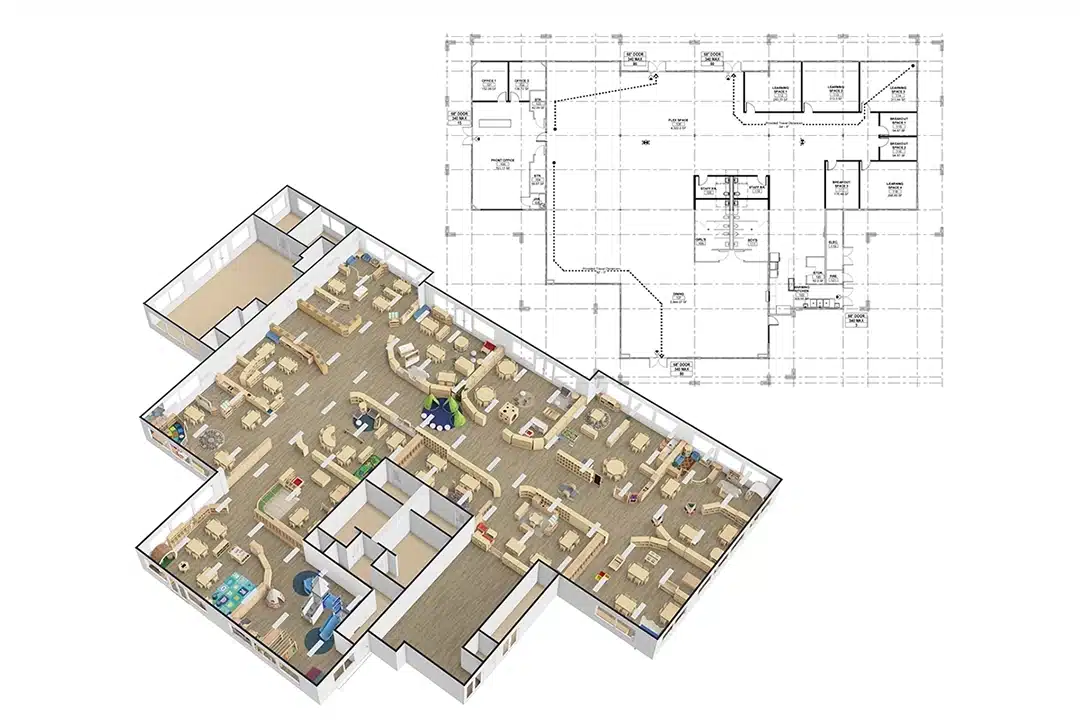
After supporting many early childhood programs through layout planning and product selection, one thing is clear. There is no single solution that works for every daycare.
If your facility has consistent enrollment and full-day programs, cots often provide more structure, better hygiene, and long-term value. On the other hand, if your space needs to shift throughout the day or if you’re running short-term or part-time programs, mats may offer the flexibility and storage ease you need. Some childcare centers even find that using both options, depending on the classroom or schedule, brings the best results.
If you are currently selecting nap-time solutions for your daycare and feel unsure where to start, feel free to reach out to Xiha Montessori. Our team is here to help you choose the right fit based on your space, licensing needs, and long-term plans.