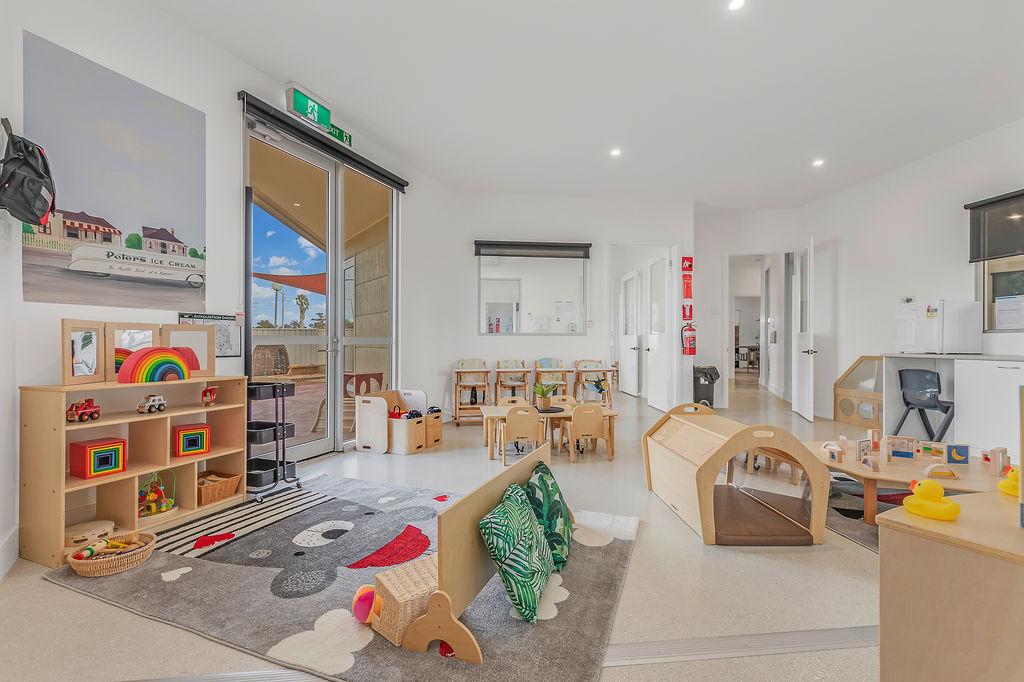
Receptive and Expressive Language: What is the Difference?
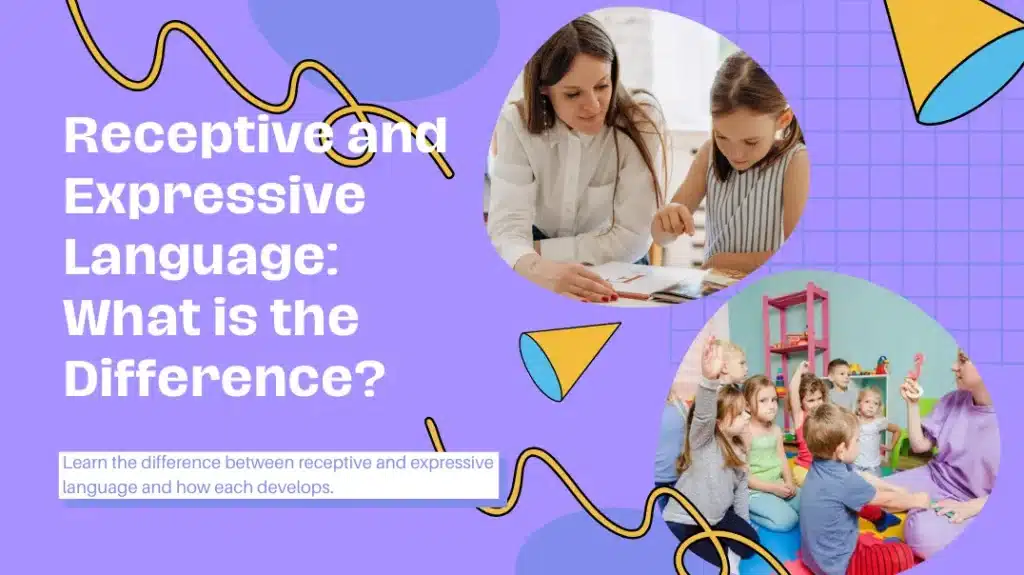
This article explains the difference between receptive and expressive language, how each supports child development, signs of delays, and practical strategies to encourage communication in early education.
How to Organize a Memorable Preschool Graduation?
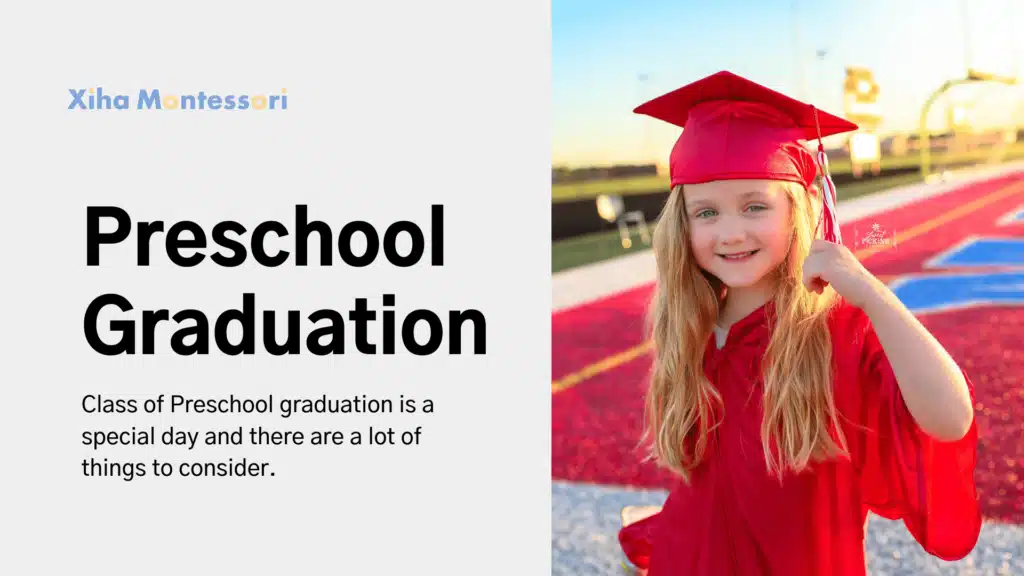
Organizing a preschool graduation can feel overwhelming, but with the right plan, it becomes a magical event. This guide covers everything from ceremony ideas and gifts to songs and crafts, helping educators celebrate every child’s milestone with joy and creativity.
A Guide to Preschool Learning Objectives
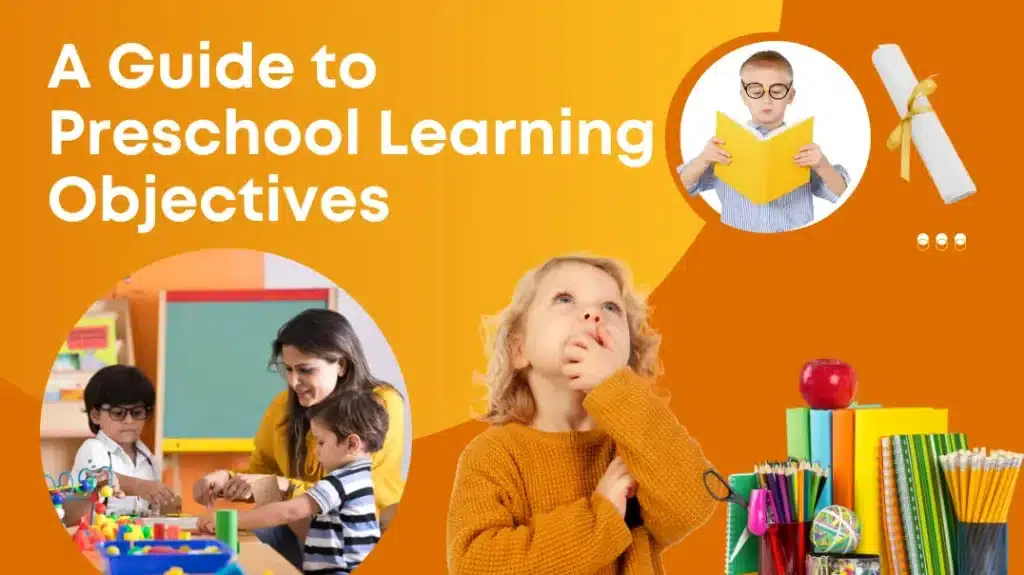
In this article, I explore the essential preschool learning objectives that guide early childhood education. From cognitive skills to emotional development and social interaction, I break down the core outcomes every kindergarten should aim for to ensure holistic growth in children.
The Power of Sensory Play for Child Development

Sensory play enhances child development by stimulating brain growth, improving motor skills, and supporting emotional regulation. This article explores its scientific foundations, classroom applications, and practical tips for educators to create engaging, developmentally rich environments.
What is Associative Play? Promotes Child Development and Social Skills

Associative play is a vital stage in child development, where kids begin playing with peers without formal organization. This article explores its benefits, differences from other play types, and how teachers and parents can foster it in preschool settings.
Piaget Stages and Theory of Cognitive Development

Explore Jean Piaget’s theory of cognitive development, including his four key stages. Understand how this theory impacts early childhood education and how educators can apply Piaget’s insights in creating effective learning environments for young children.
How to Foster Independence in Preschoolers?

This article explores effective strategies for fostering independence in preschoolers, focusing on creating supportive environments, encouraging decision-making, teaching self-help skills, and promoting problem-solving. By gradually guiding children toward self-sufficiency, parents and educators can help preschoolers build confidence, resilience, and independence, which are essential for their growth and development.
A Comprehensive Guide to Sensory Development in Early Childhood
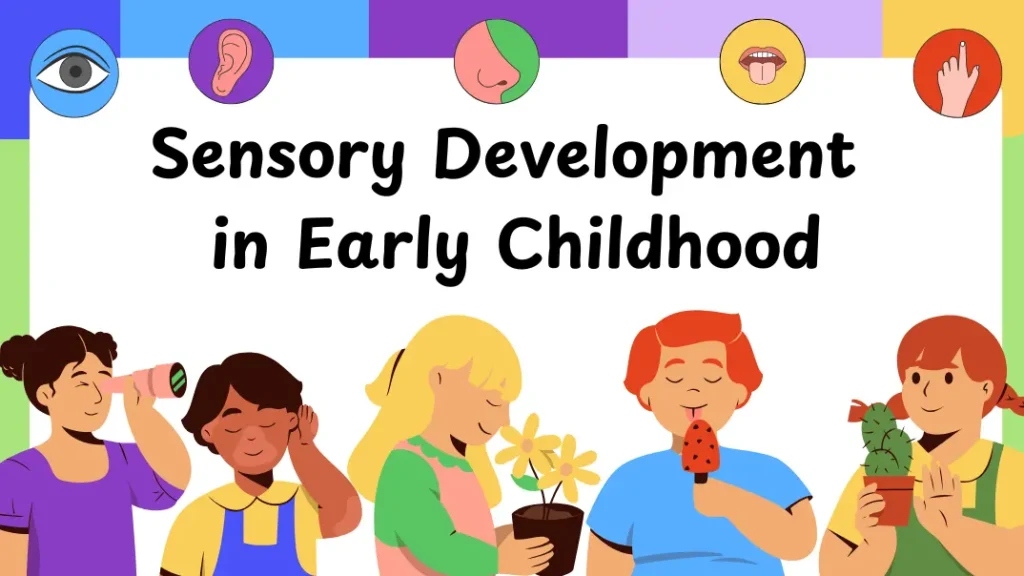
This guide explores the significance of sensory development in early childhood, focusing on how sensory activities contribute to a child’s cognitive, physical, and emotional growth. It highlights the role of sensory play in shaping a child’s ability to interact with and respond to their environment, supporting key developmental milestones.
Formal vs Informal Assessment: Which Method Truly Enhances Student Learning?

This article explores the differences between formal and informal assessments, analyzing how each method affects student learning and overall educational development. It will provide insights into which method enhances learning outcomes the most in different classroom environments.