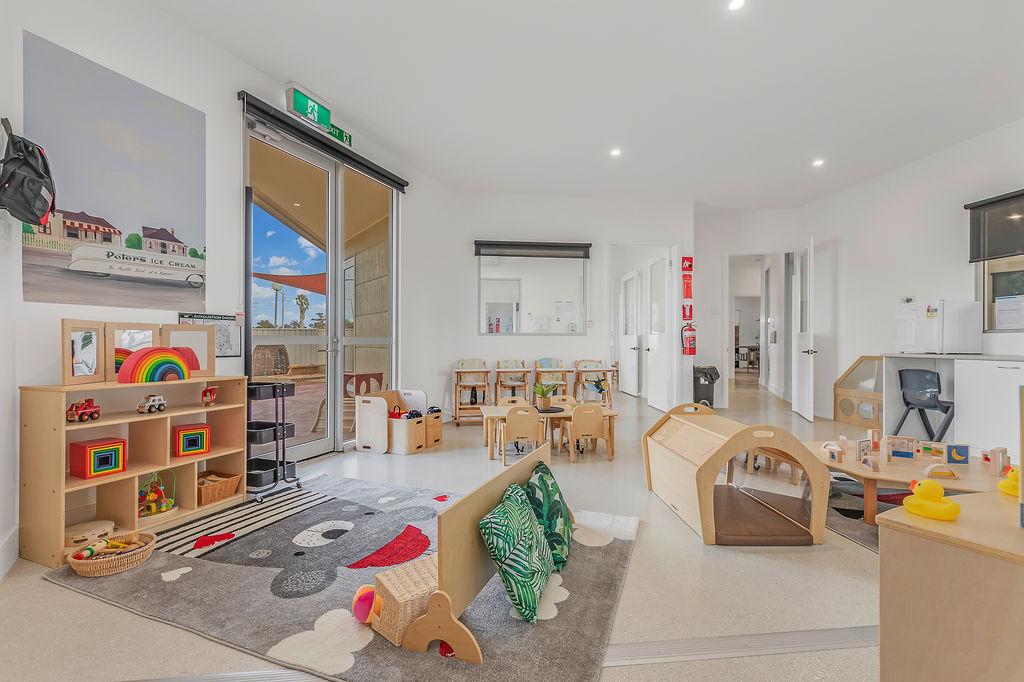
Why Mixed Age Classrooms Are a Perfect Fit for Early Childhood Education
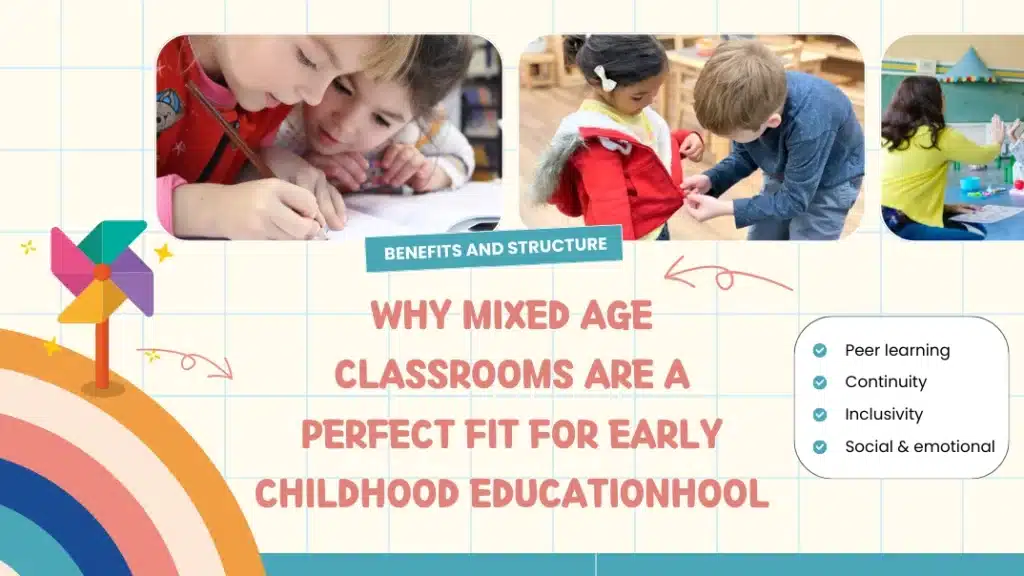
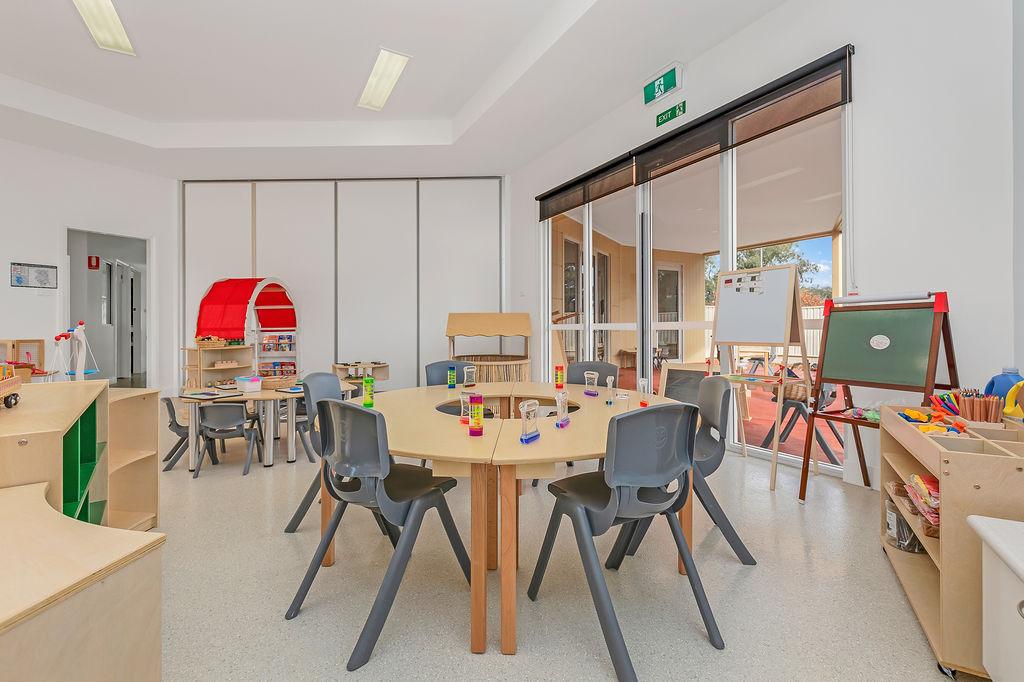
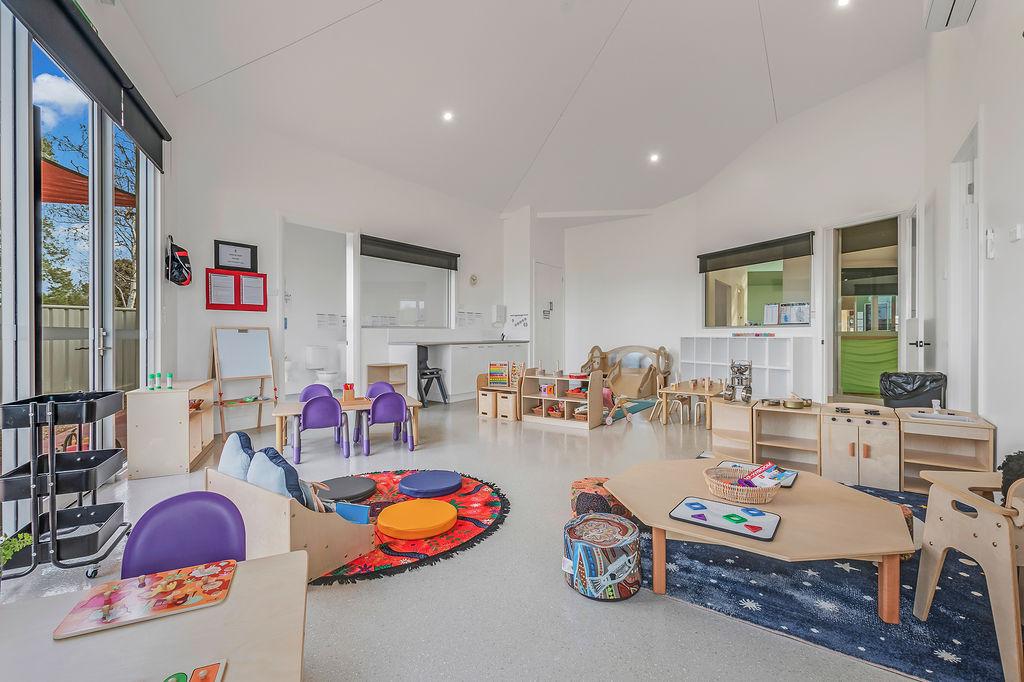
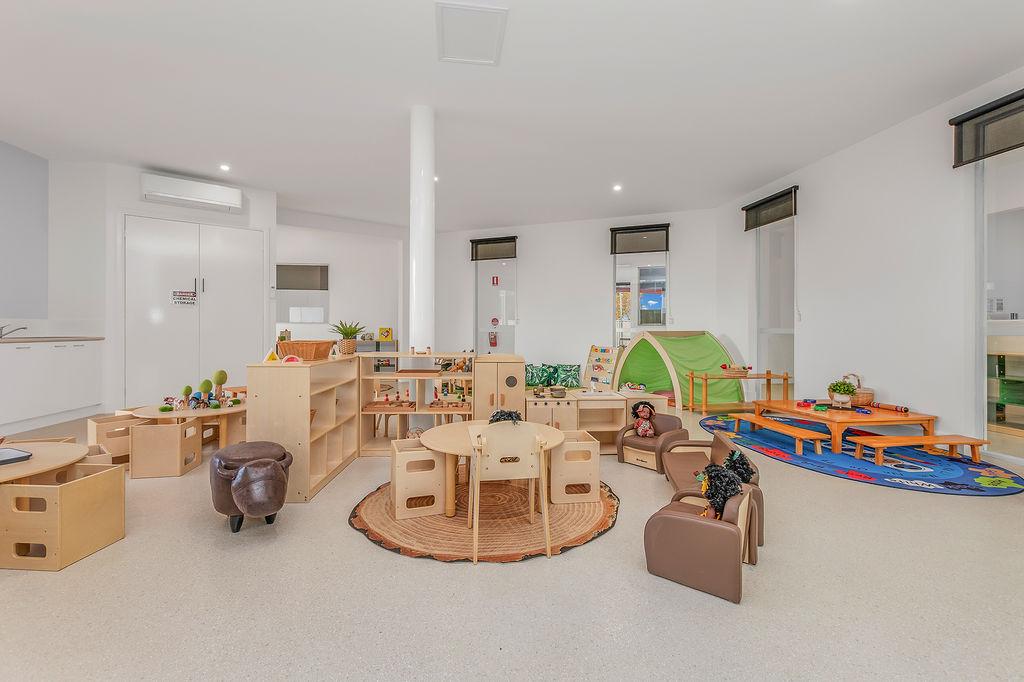
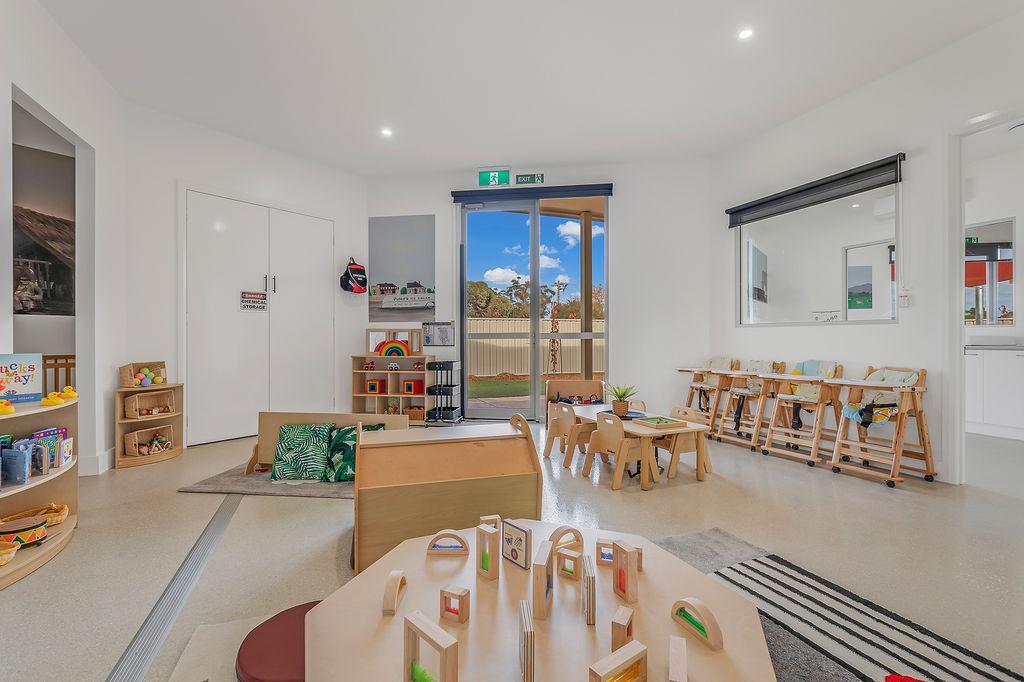
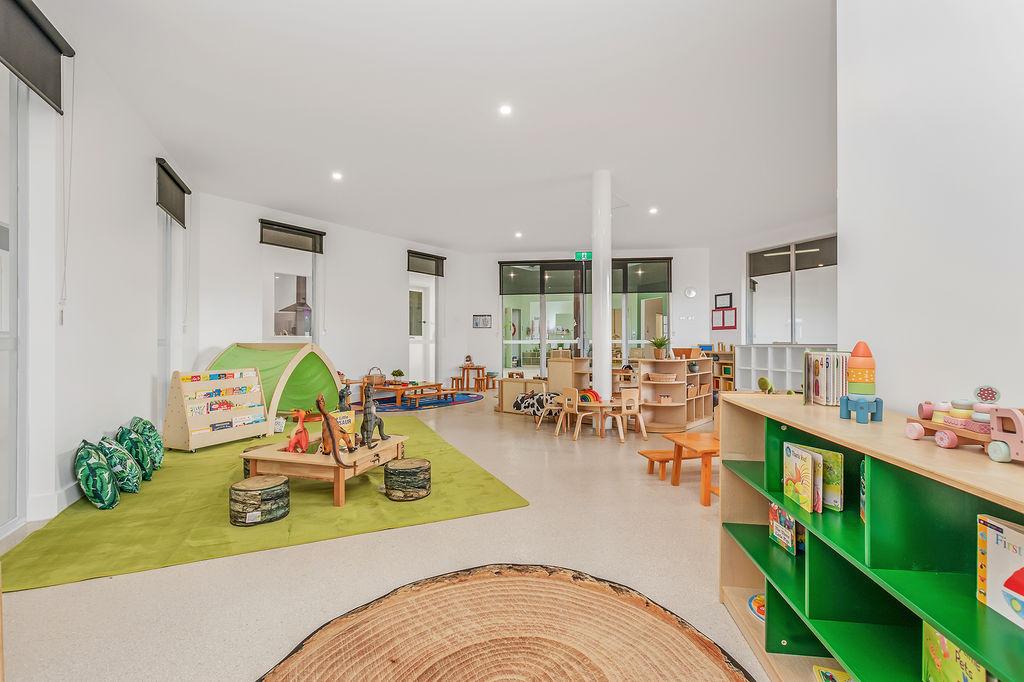
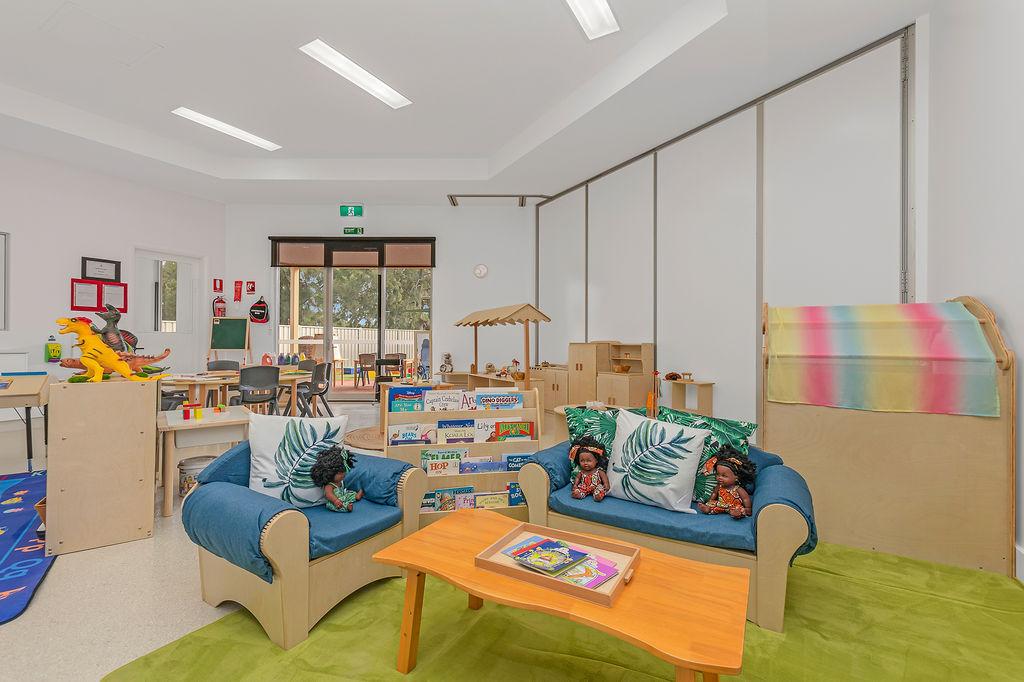
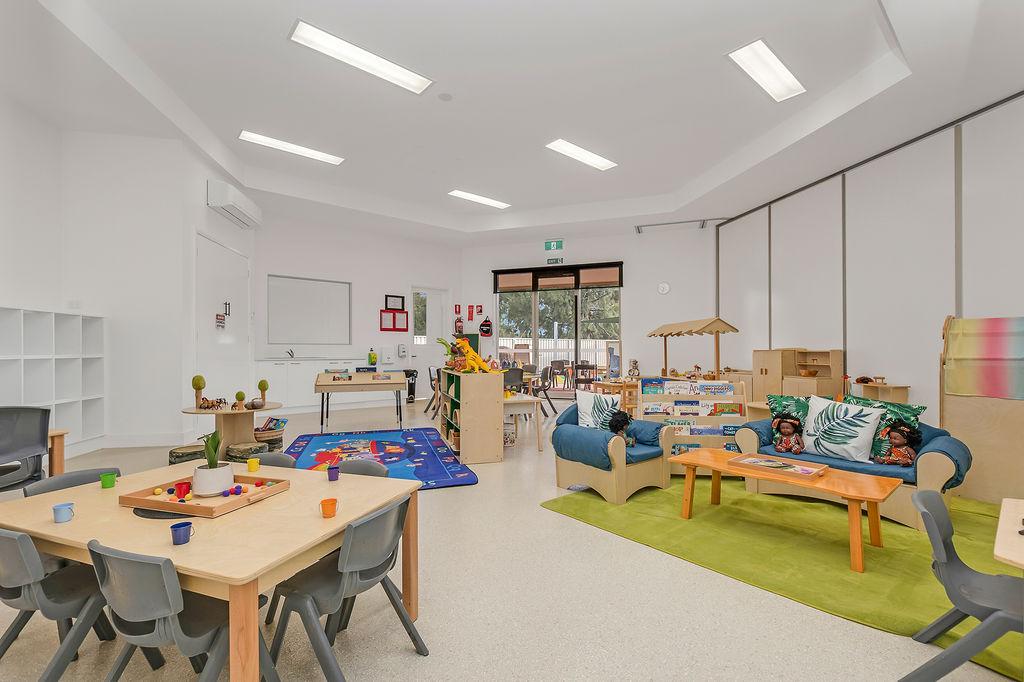
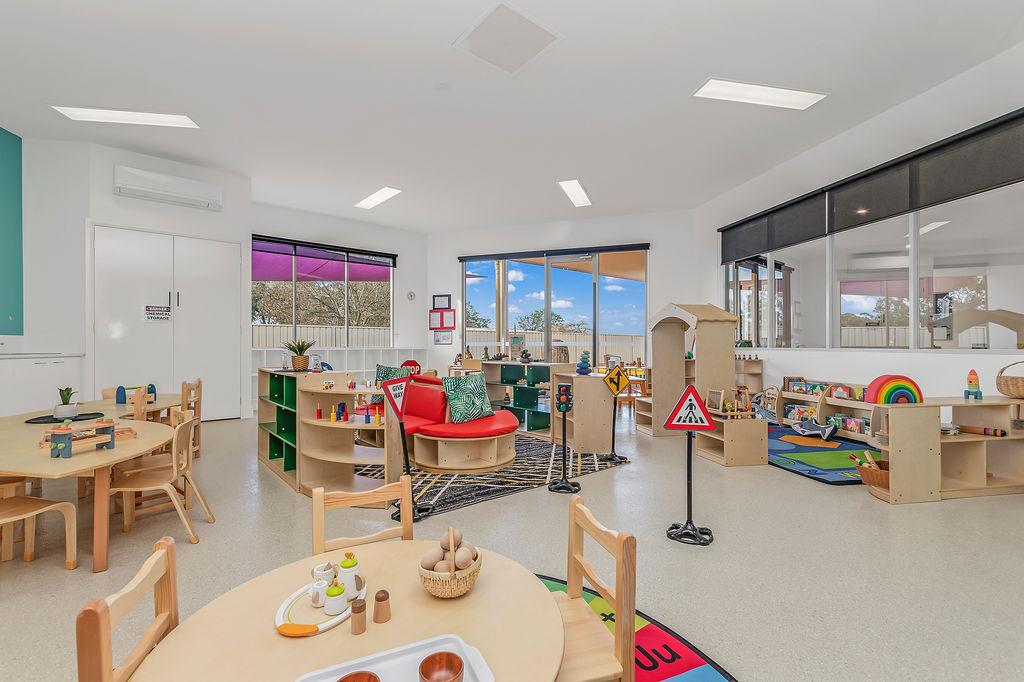
Mixed age classrooms offer a dynamic and inclusive learning environment, blending students of varying ages to foster collaboration, personalized learning, and holistic development. This model encourages peer mentorship, reduces unhealthy competition, and supports emotional and social growth.
Montessori Practical Life: Nurturing Independence and Confidence in Children
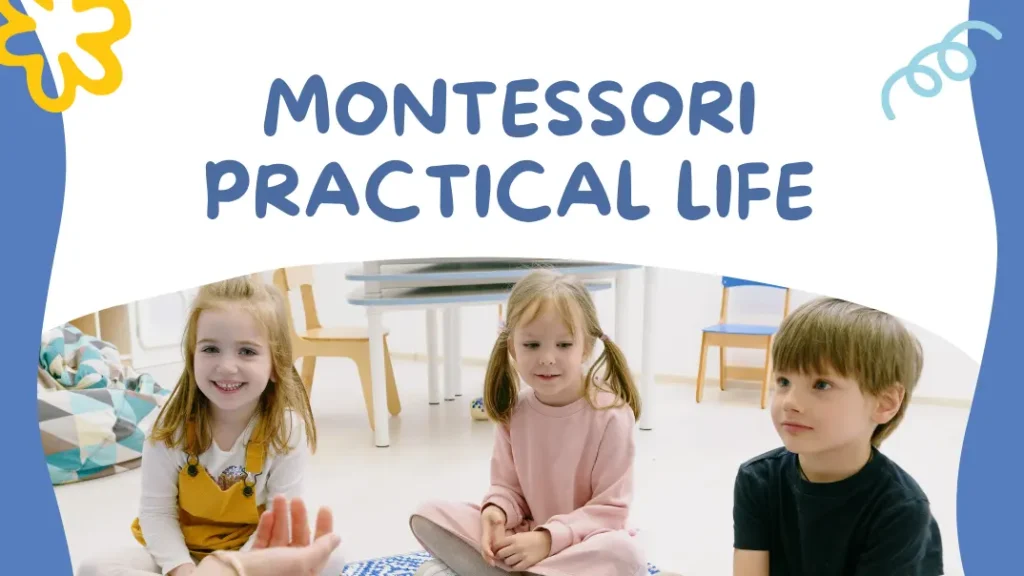
With Montessori Practical Life activities, you can empower your child with essential skills, fostering independence and confidence in a structured, supportive way.
The Difference Between Montessori vs Daycare

This guide breaks down the differences between Montessori vs daycare to help you make an informed decision that aligns with your family’s values and your child’s needs.
Preschool vs Pre K: What’s the Difference?
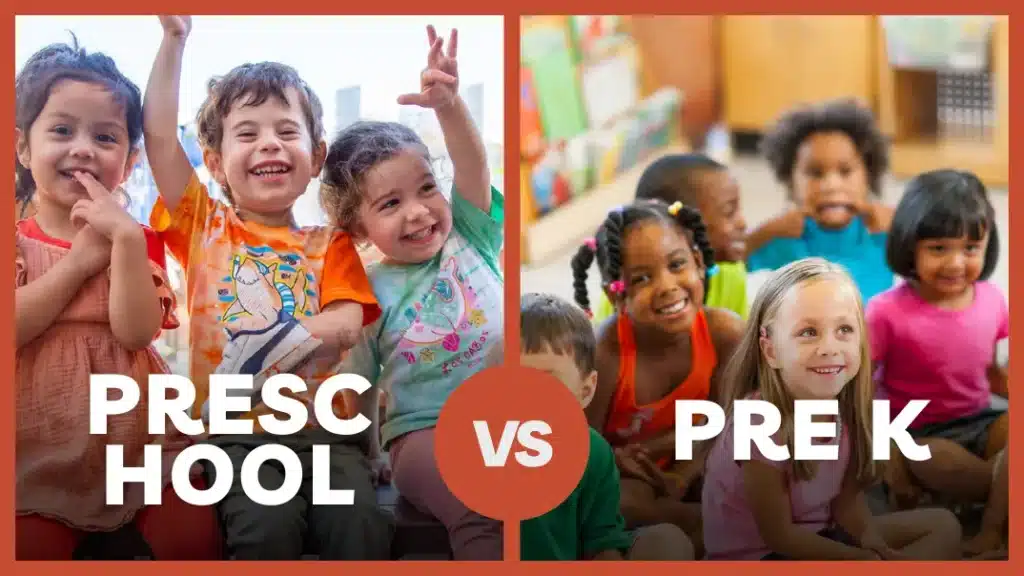
Many parents have a hard time understanding the difference between preschool vs pre k. In this article, we’ll clarify the nuances and help you make an informed decision about your child’s education.
Traditional vs Montessori Education: the Ultimate Guide
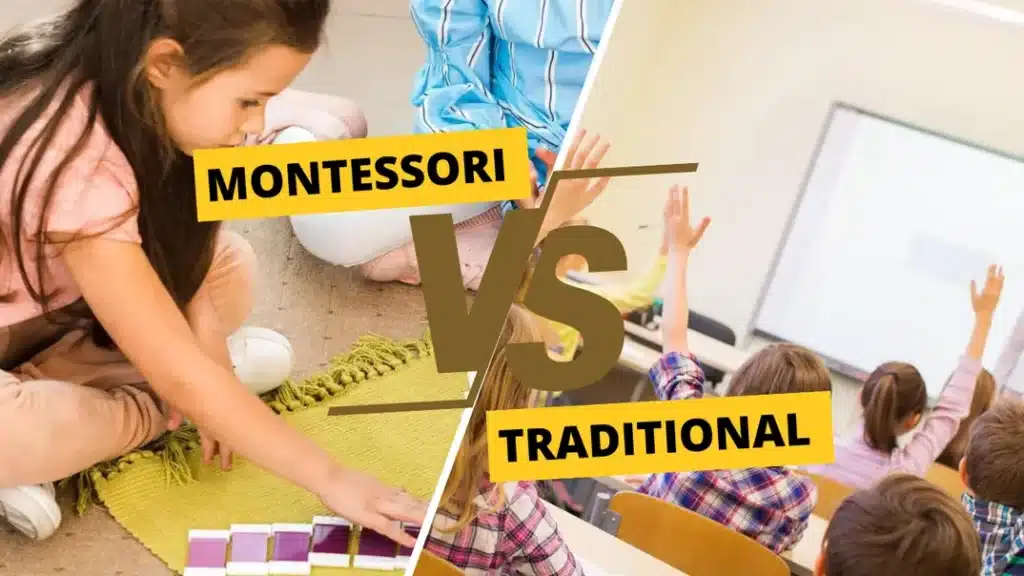
This guide explores the key differences between Traditional vs Montessori education, comparing learning environments, teaching methods, and student roles. It highlights how each approach shapes independence, creativity, and lifelong learning skills.
What is Montessori Education?
Montessori Education offers a unique approach to learning. Students engage in self-directed activities and hands-on experiences. This method encourages collaborative play.
53 Fun and Educational Outdoor Activities for Preschoolers

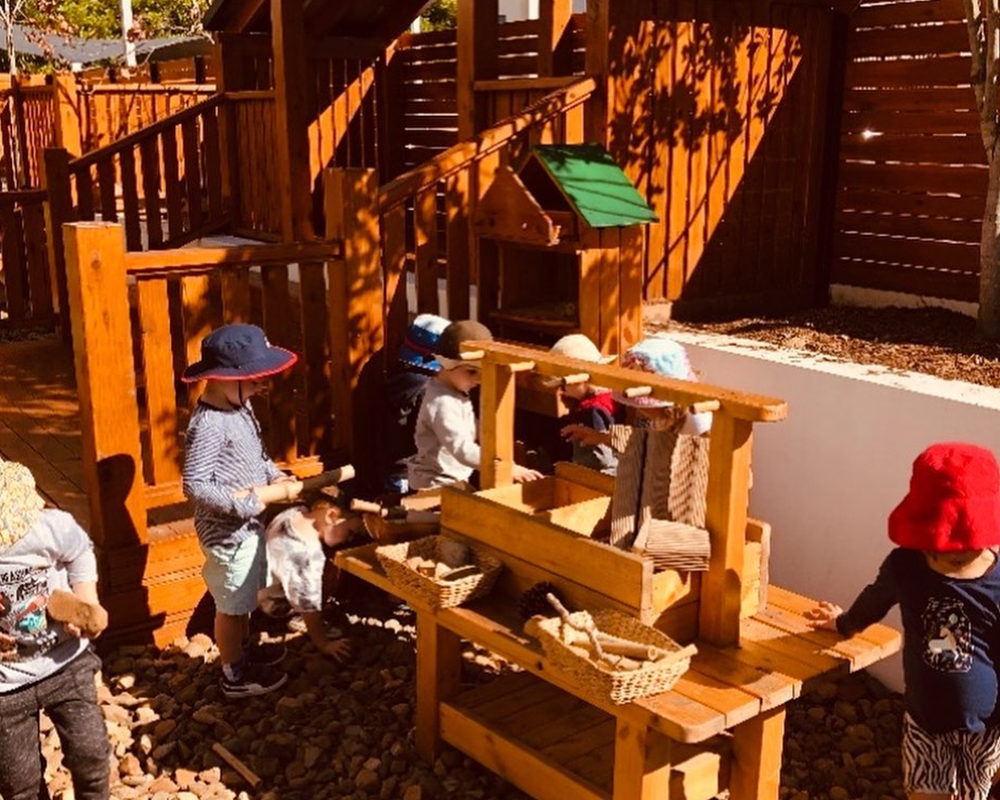
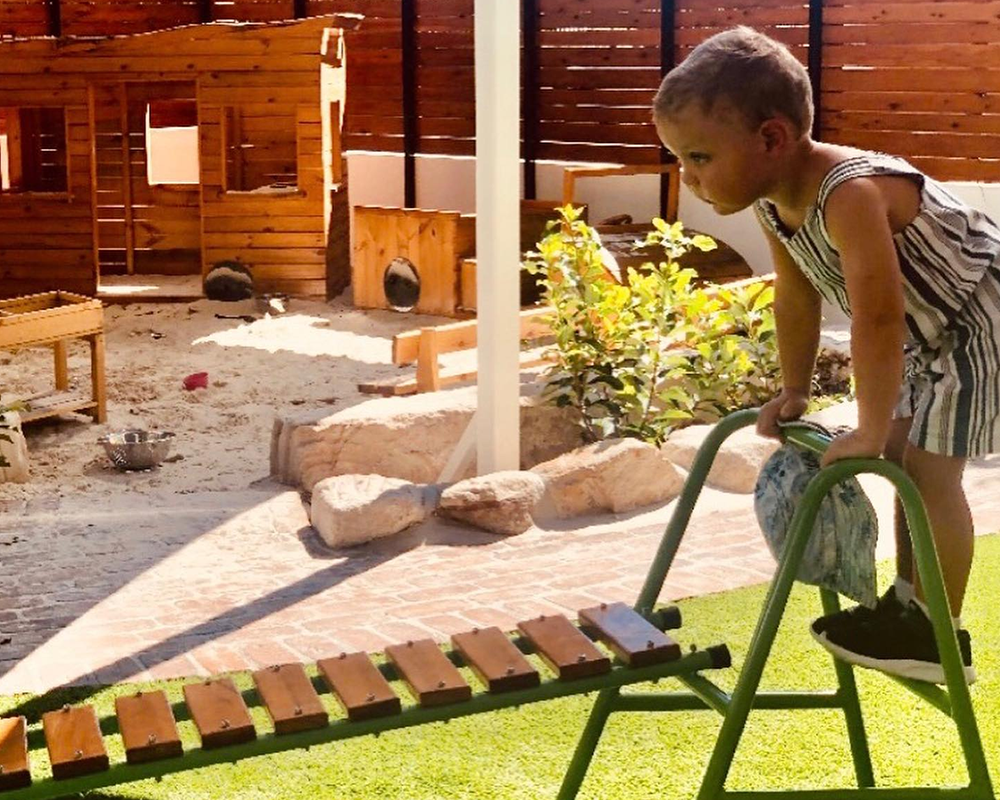
Outdoor activities for preschoolers a blend of physical exercise, cognitive development, and emotional growth. From gross motor skill challenges to creative nature-based tasks, outdoor activities cover a wide range of developmental needs.
Was ist das Vorschulalter?
Verstehen Sie den Altersbereich der Vorschulalter, wichtige Entwicklungsmeilensteine und die Vorteile der frühkindlichen Bildung. Erhalten Sie praktische Tipps zur Vorbereitung Ihres Kindes.
How Parallel Play Enhances Early Childhood Development
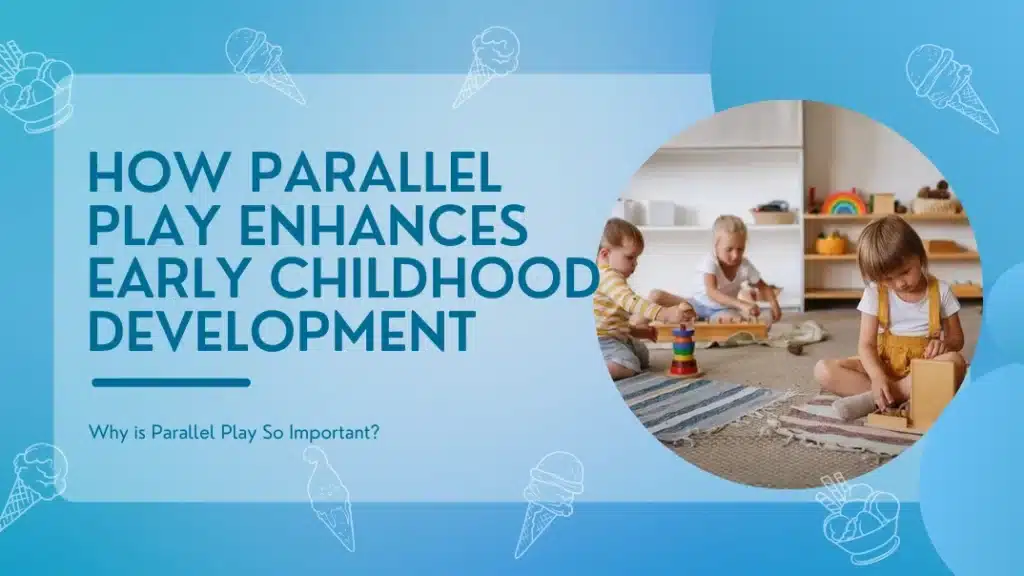
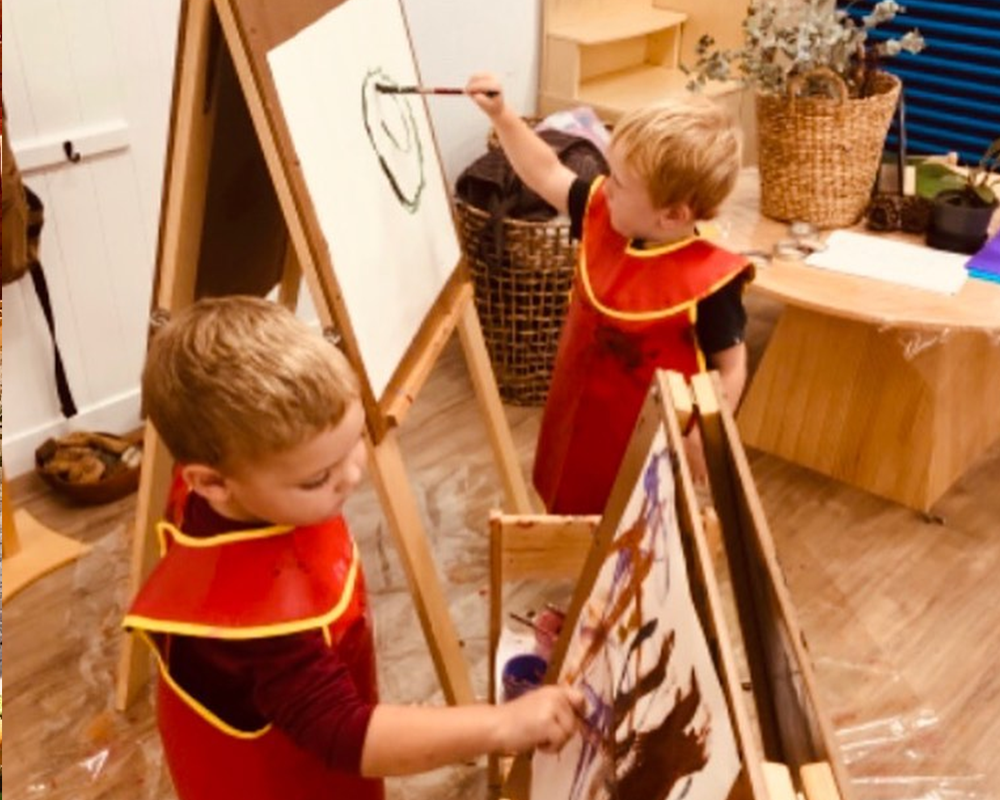
Parallel play refers to the stage when children play alongside each other without directly engaging. This might look like two toddlers building blocks next to each other or playing with dolls in the same space without interacting. Typically occurring between the ages of 2 and 3, parallel play is often mistaken for solitary play because the children seem absorbed in their activities. However, there is a significant difference: while they may appear to be playing alone, they learn by observing and mimicking each other, developing crucial skills that will serve them well as they grow.