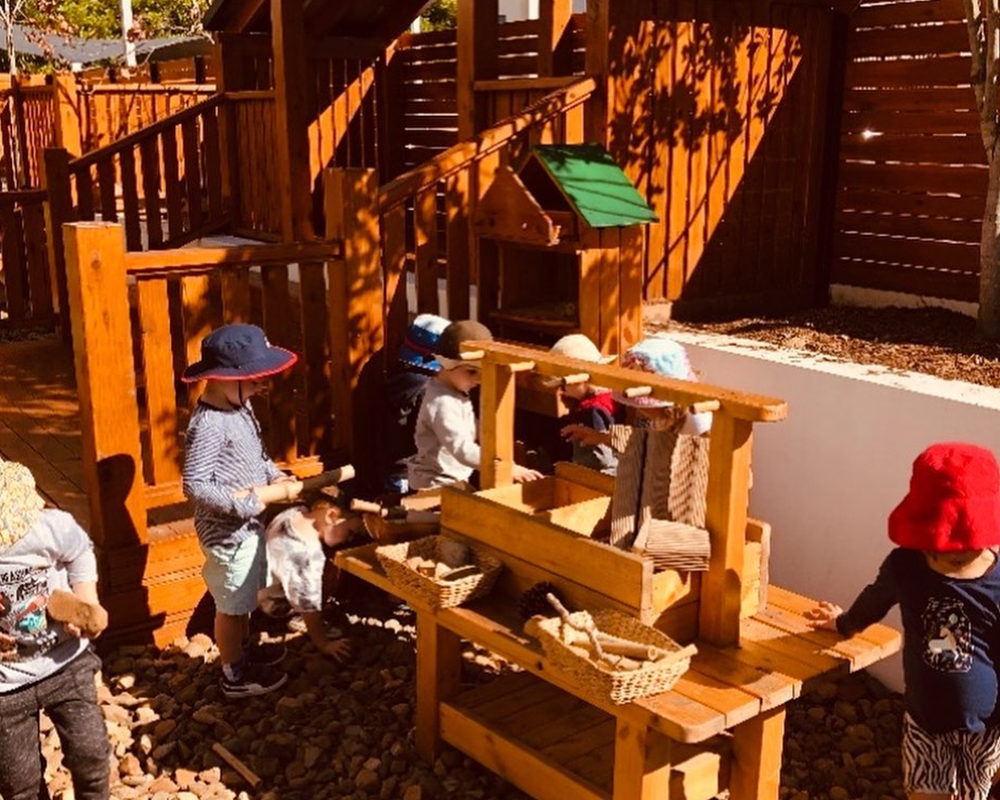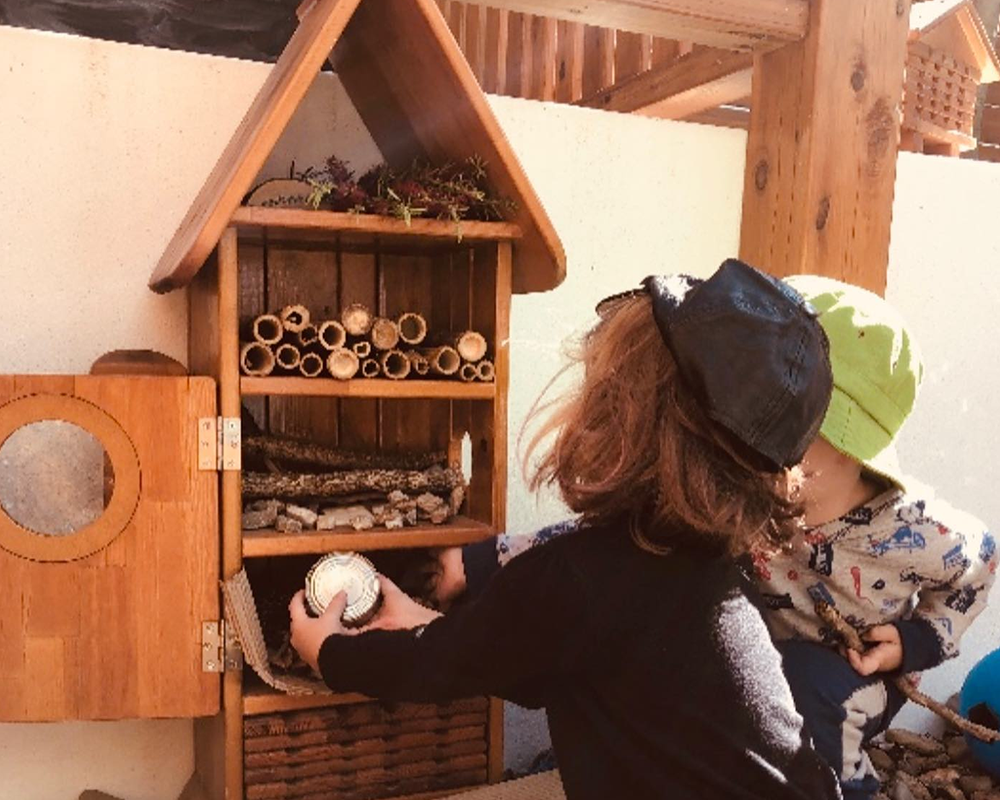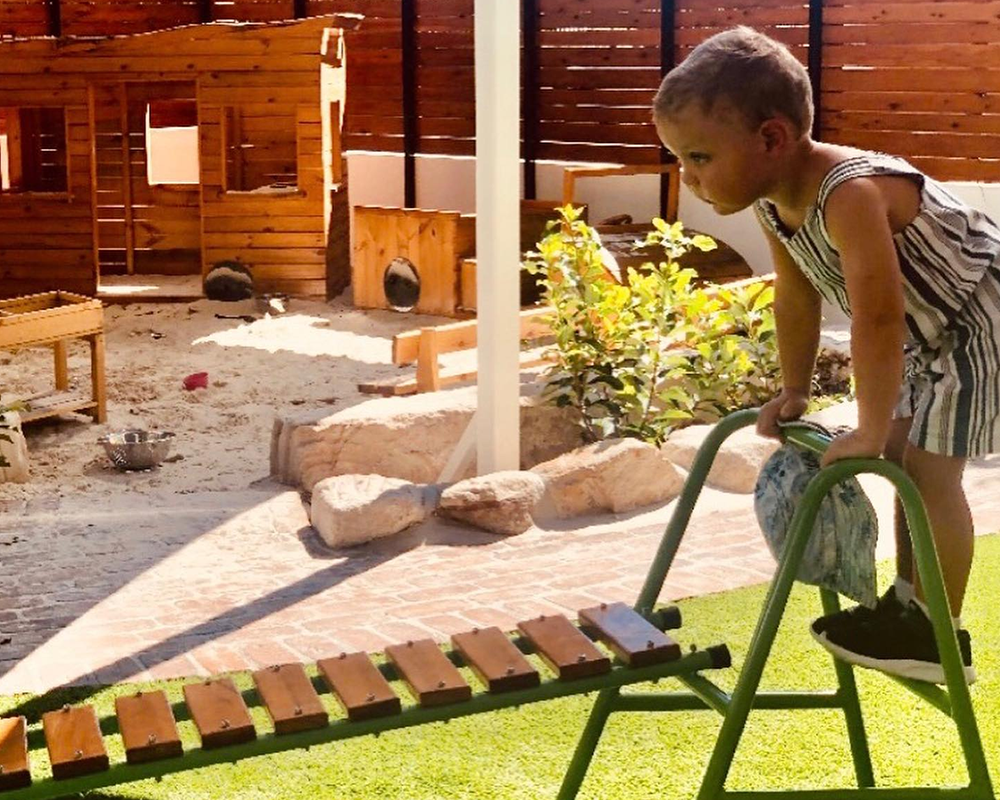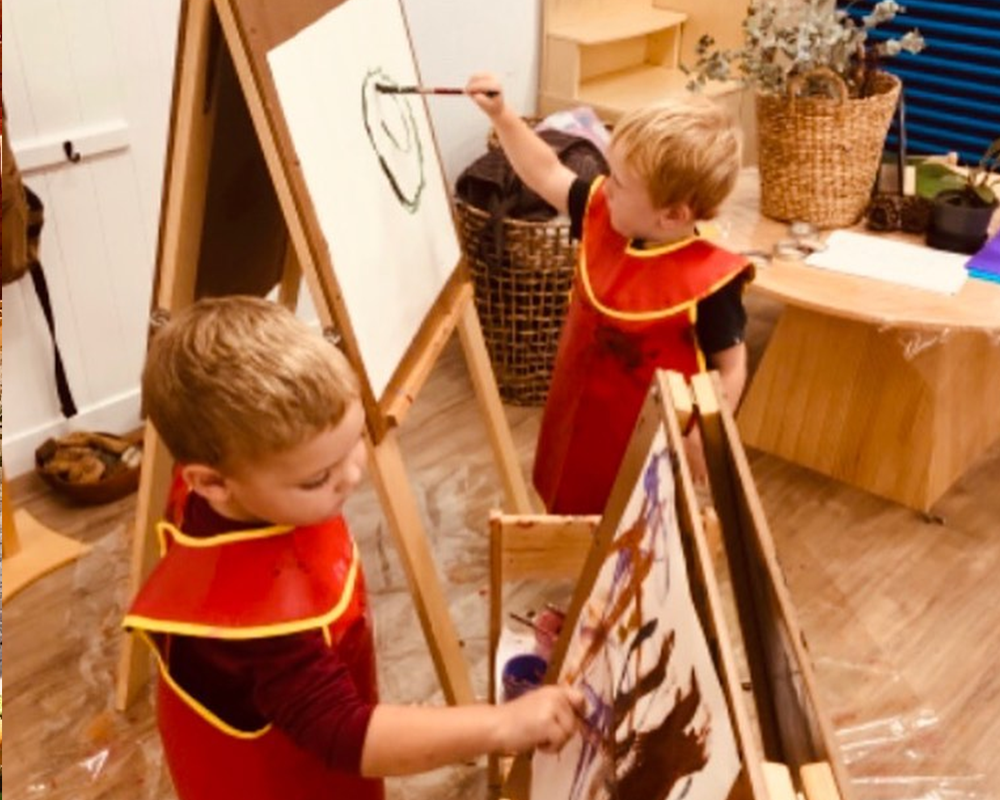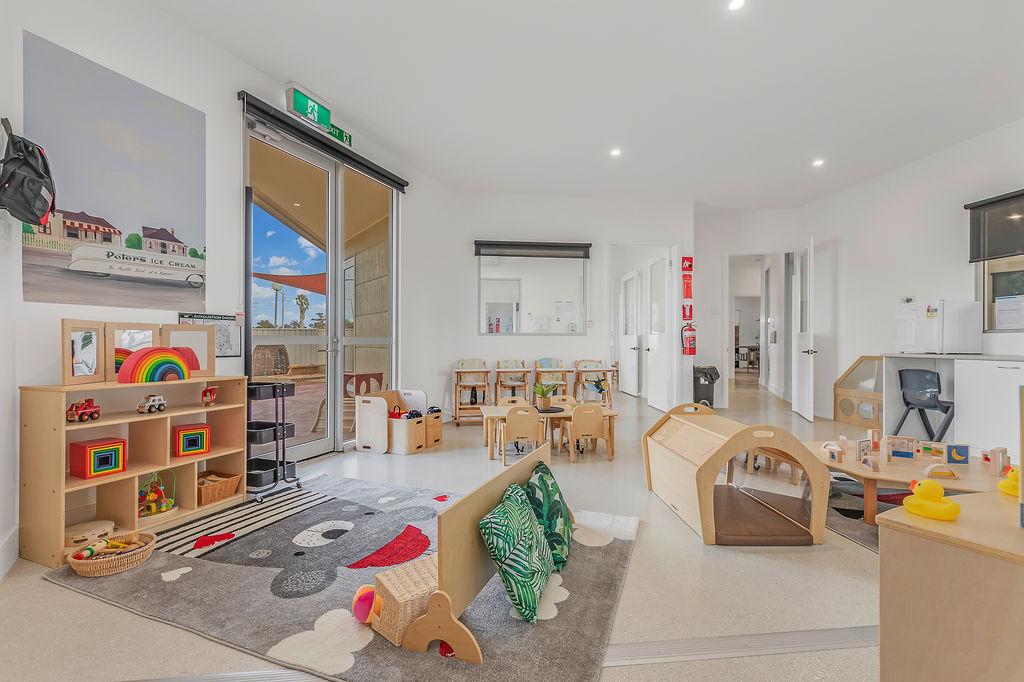
Every parent and educator wants children to grow into capable, independent, and confident individuals. Without effective tools, children might miss opportunities to develop confidence, coordination, and responsibility, leaving them unprepared for life’s challenges. The answer lies in Montessori Practical Life, an approach that teaches children essential skills for daily living while fostering autonomy and responsibility.
Montessori Practical Life focuses on purposeful, real-world tasks to develop independence, concentration, and fine motor skills. It integrates learning into everyday actions, making it an effective tool for holistic development.
Imagine a child confidently pouring water, tying shoelaces, or setting a table. Through practical life activities in Montessori, children develop competence and pride in their achievements.
What Is Montessori Practical Life?
Montessori Practical Life is a key component of the Montessori Practical Life curriculum, focusing on hands-on, real-world tasks that help children master essential skills. These activities foster independence, self-discipline, and confidence while encouraging the development of fine and gross motor skills.
Characteristics of Practical Life in Montessori
- Purposeful Activities: Each task is designed with intention, teaching children specific practical life skills Montessori emphasizes, such as dressing or cleaning.
- Developmentally Appropriate: Activities are tailored to the child’s age and abilities, ensuring success while maintaining a challenge.
- Repetition and Concentration: Children refine their abilities through repeated practice, enhancing focus and perseverance.
- Real-Life Relevance: The exercises mirror everyday tasks, making them meaningful and engaging.
Importance of Practical Life in Montessori
The importance of practical life in Montessori cannot be overstated. These tasks:
- Foster independence by enabling children to care for themselves and their environment.
- Develop focus, patience, and problem-solving skills through structured, step-by-step actions.
- Teach practical life skills, preparing children for future responsibilities.
The importance of practical life in Montessori lies in its ability to bridge the gap between a child’s home life and learning environment. It empowers children to feel capable and connected to their surroundings.
Five Major Areas of Montessori Practical Life
The areas of practical life Montessori activities are categorized into five key domains, each addressing specific developmental needs.
1. Preliminary Exercises
Preliminary exercises introduce children to basic skills they use in more complex activities. These activities help develop hand-eye coordination, precision, and concentration.
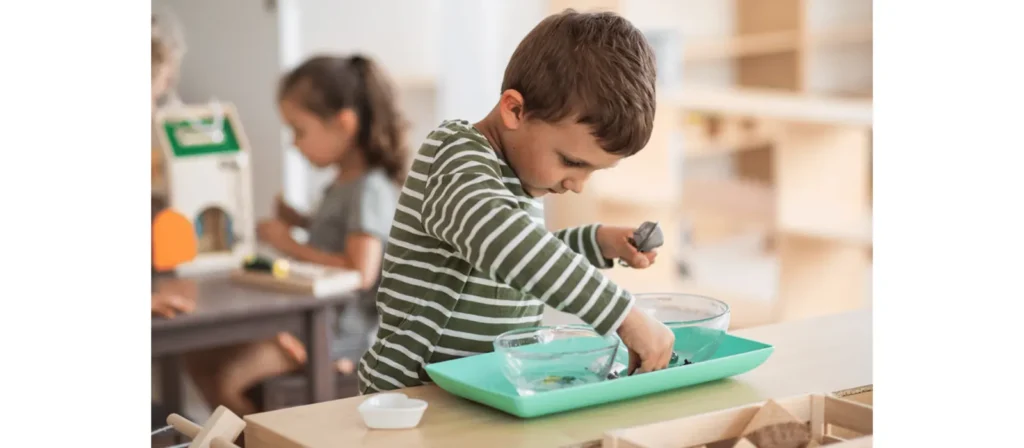
Examples of exercise practical life Montessori:
- Pouring water or grains between containers.
- Rolling and unrolling mats.
- Transferring objects with spoons or tweezers.
2. Caring for Self and Others
The Montessori practical life care of self teaches personal hygiene and responsibility, while “care of others” fosters empathy.
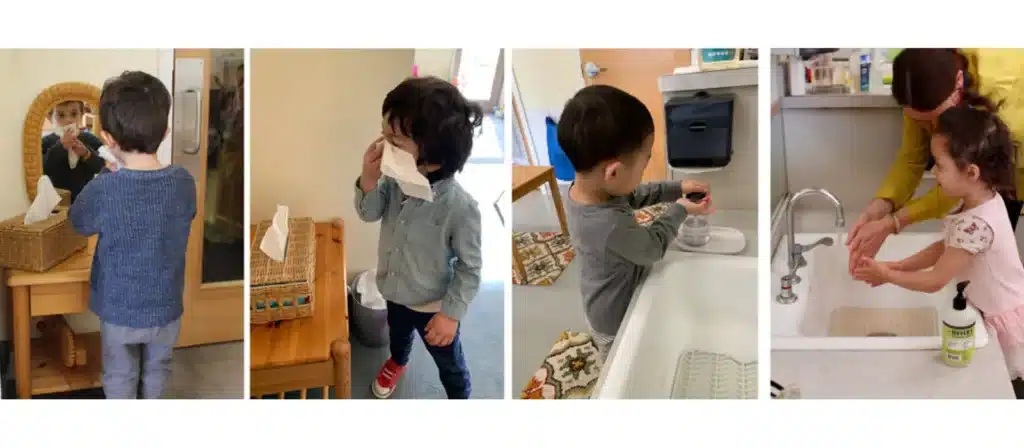
- Washing hands, brushing teeth, and combing hair.
- Helping peers carry items or set the table.
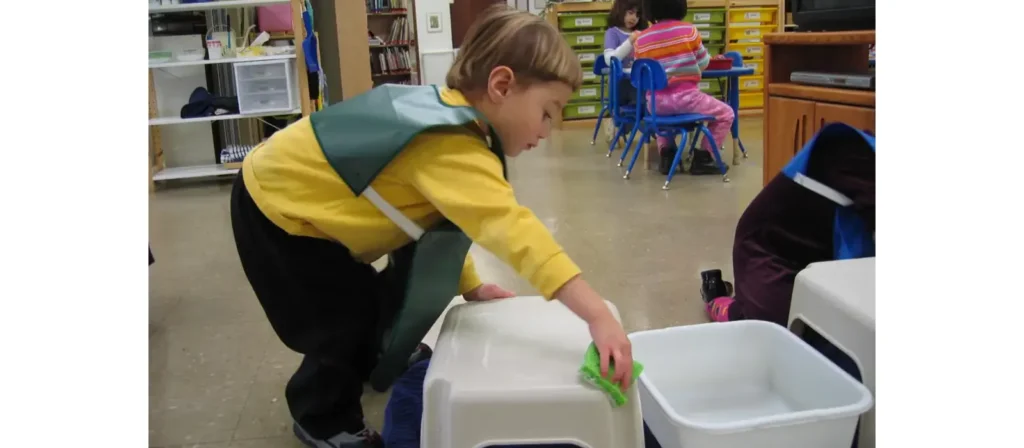
3. Protecting the Environment
Children learn to respect and care for their surroundings, instilling a sense of order and stewardship.
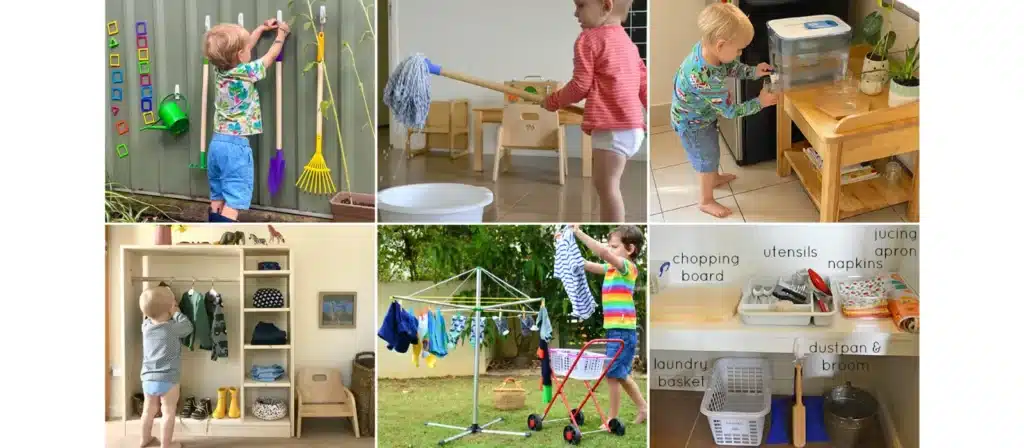
- Watering plants.
- Dusting shelves.
- Sorting recyclables.
- Dusting furniture or sweeping floors.
4. Body Control and Coordination
Activities in this category focus on physical movement, teaching children to move with grace and precision.
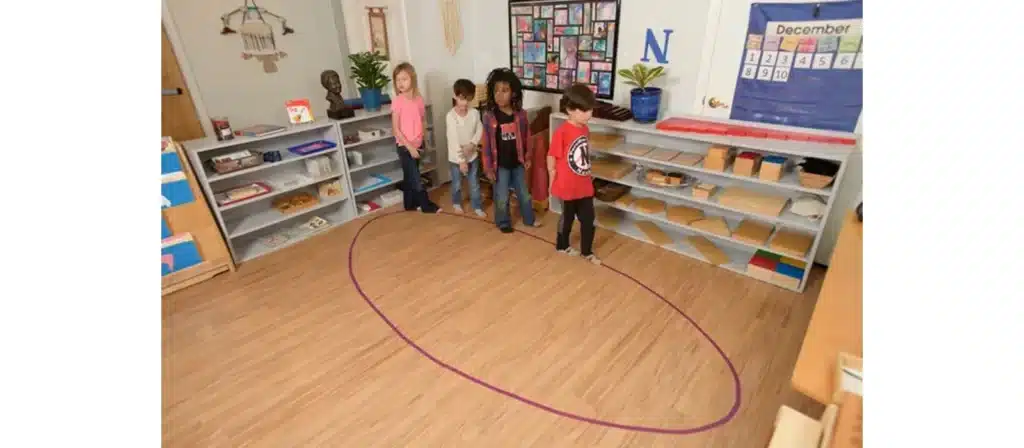
- Walking carefully while balancing an object.
- Threading beads onto a string.
- Pouring liquids from one container to another.
5. Grace and Courtesy
Social skills are a vital part of the Montessori practical life area. This area helps children learn social etiquette, fostering positive interactions and respectful communication.
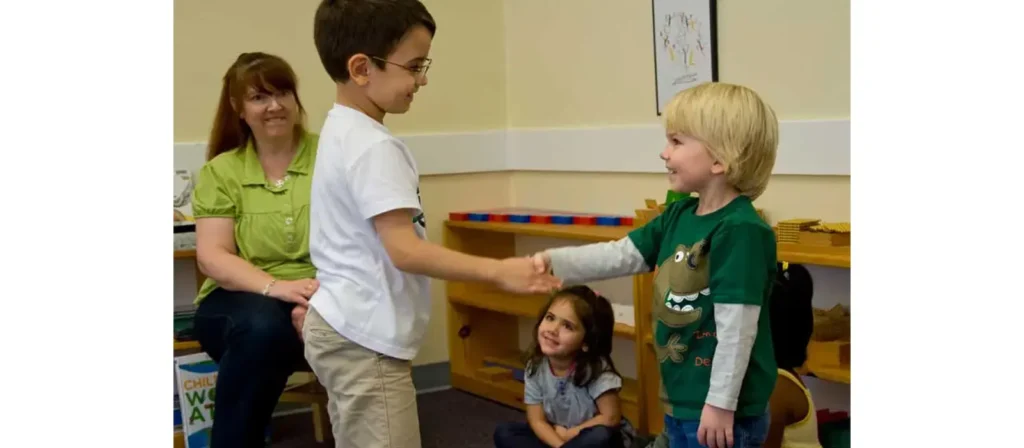
- Greeting visitors with a handshake.
- Practicing patience and turn-taking.
- Saying “please” and “thank you”.
Montessori Practical Life Materials
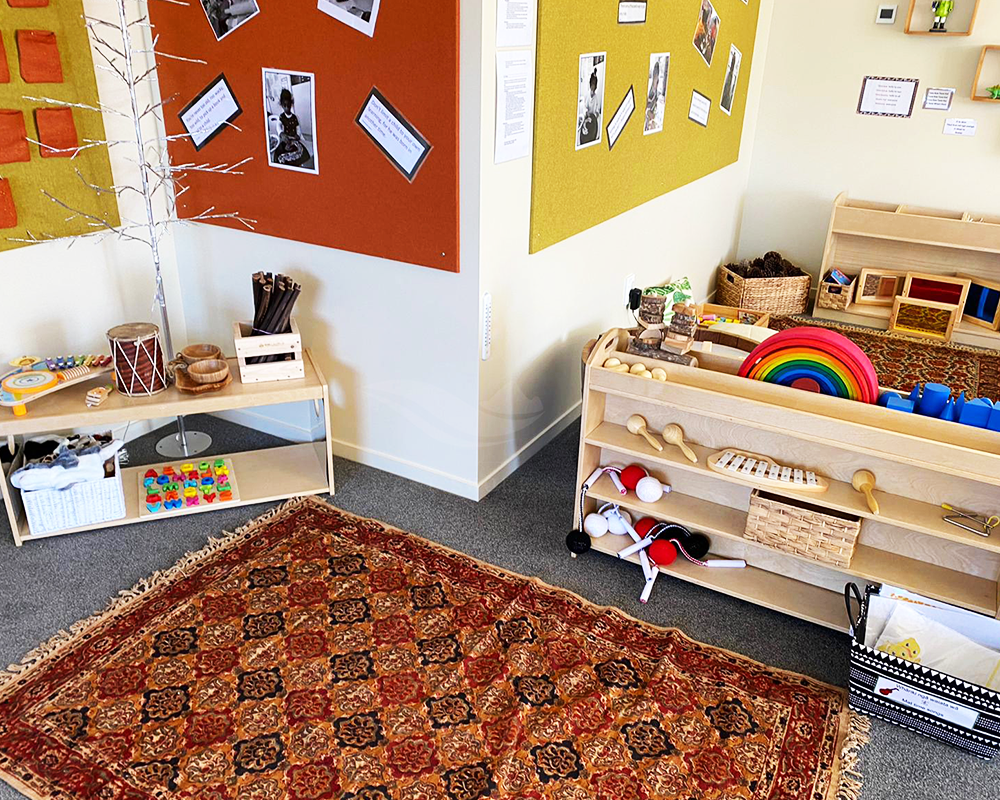
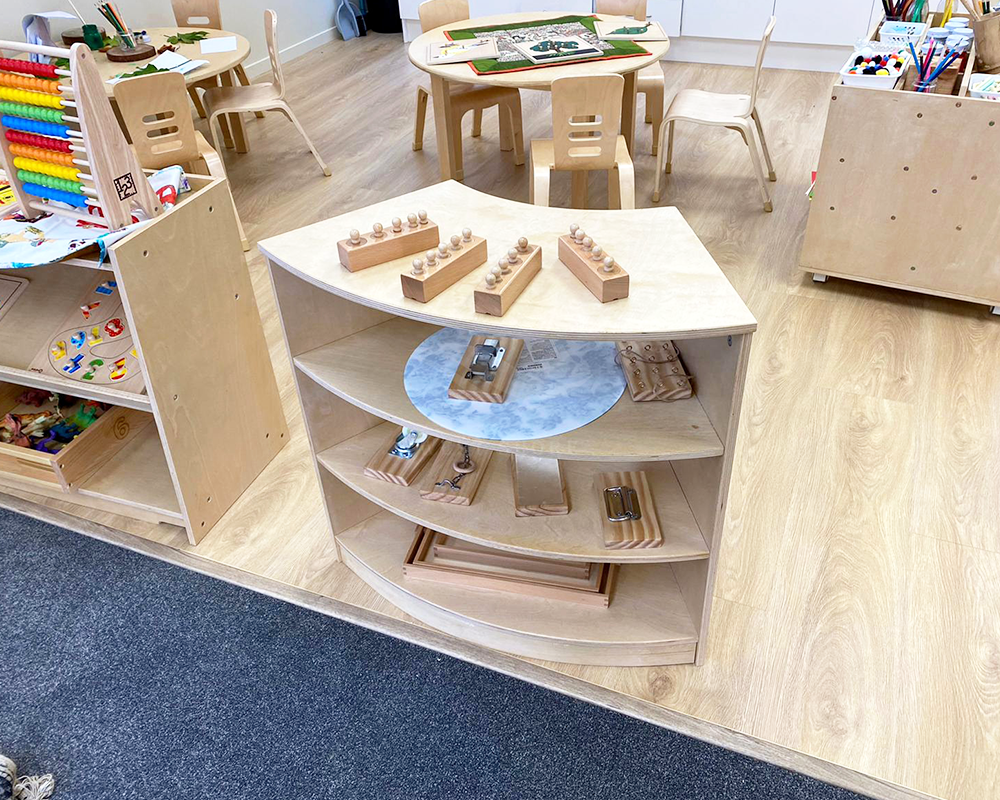
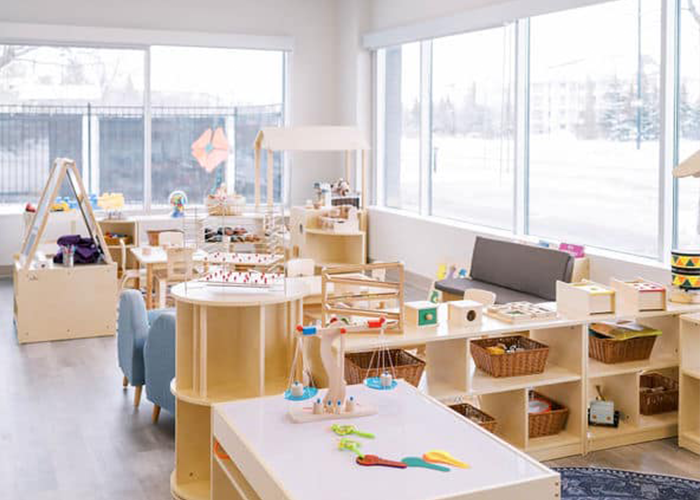
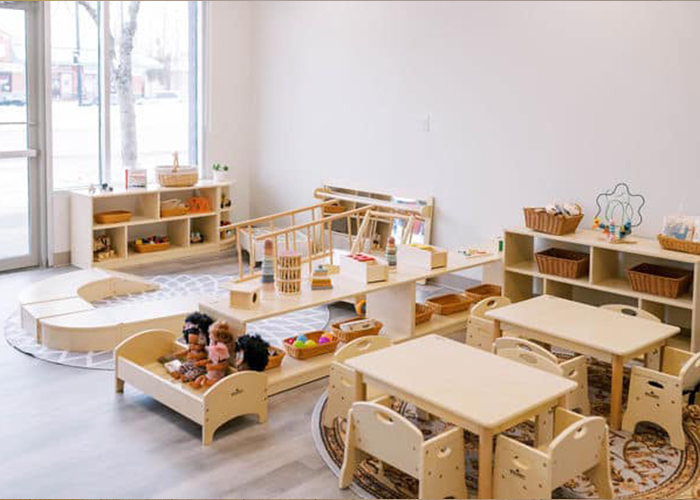
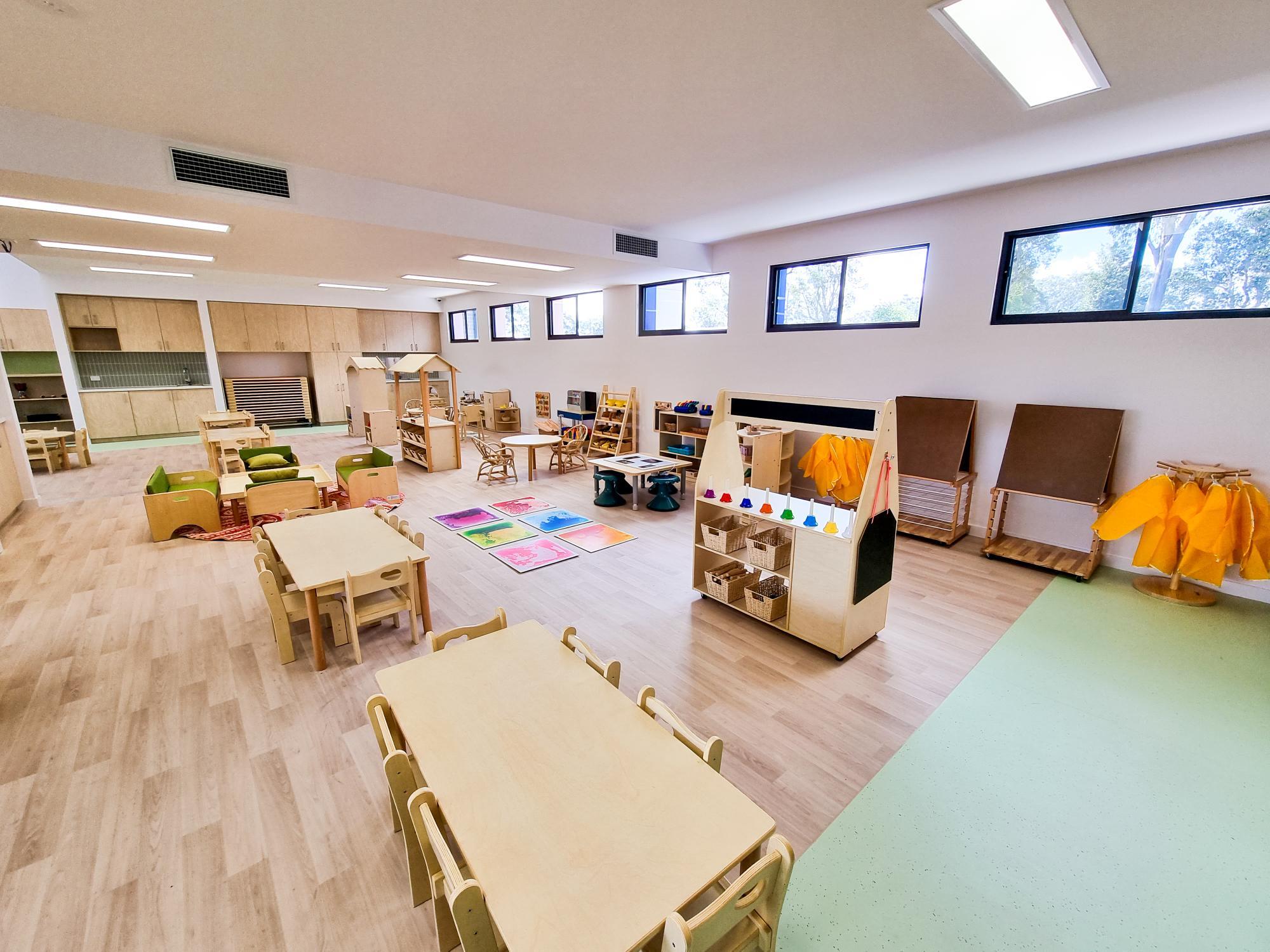
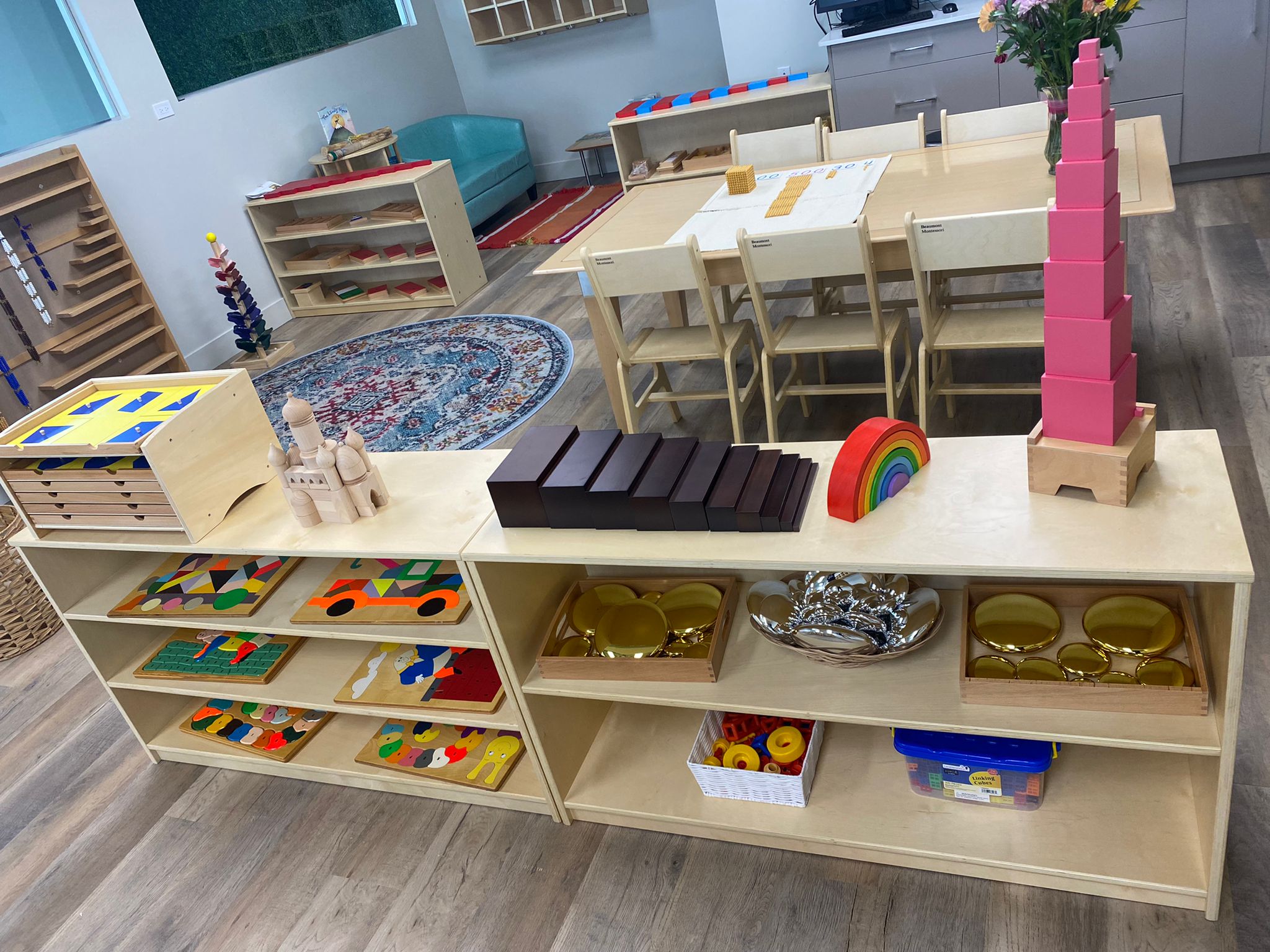
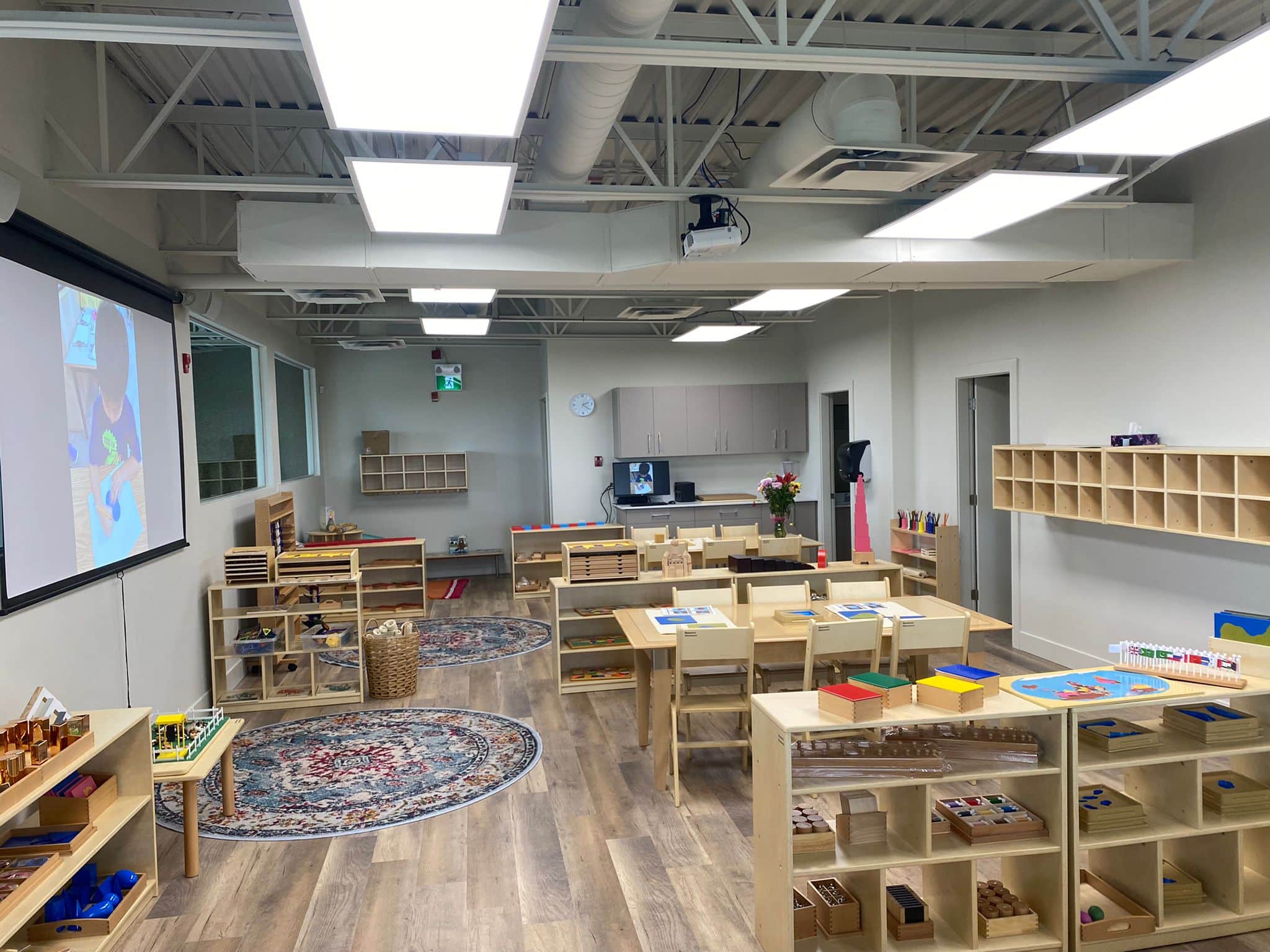
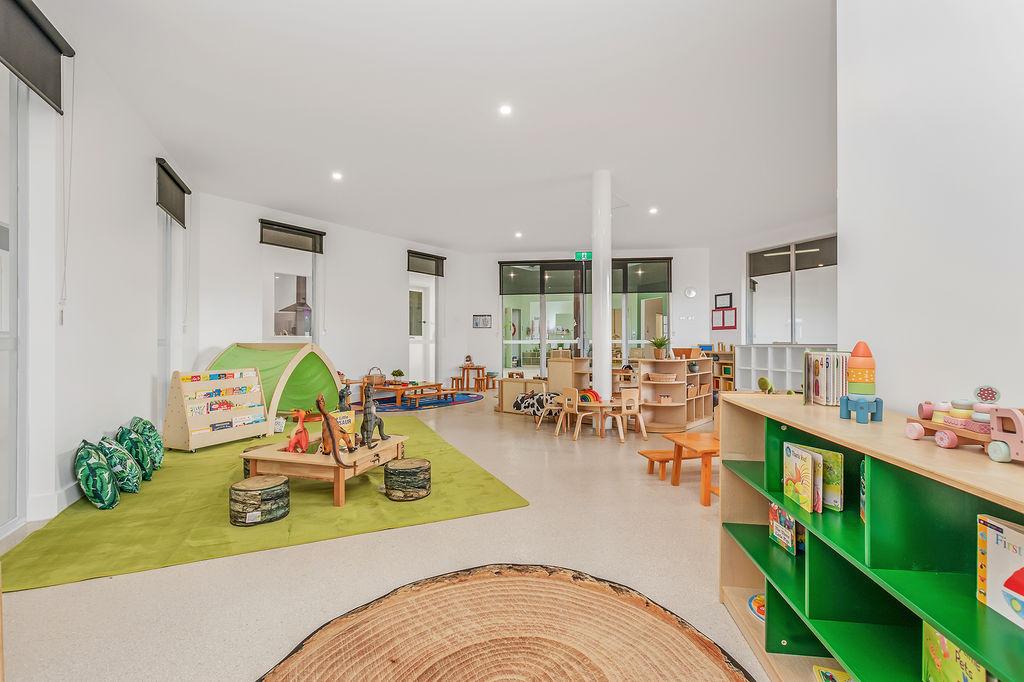
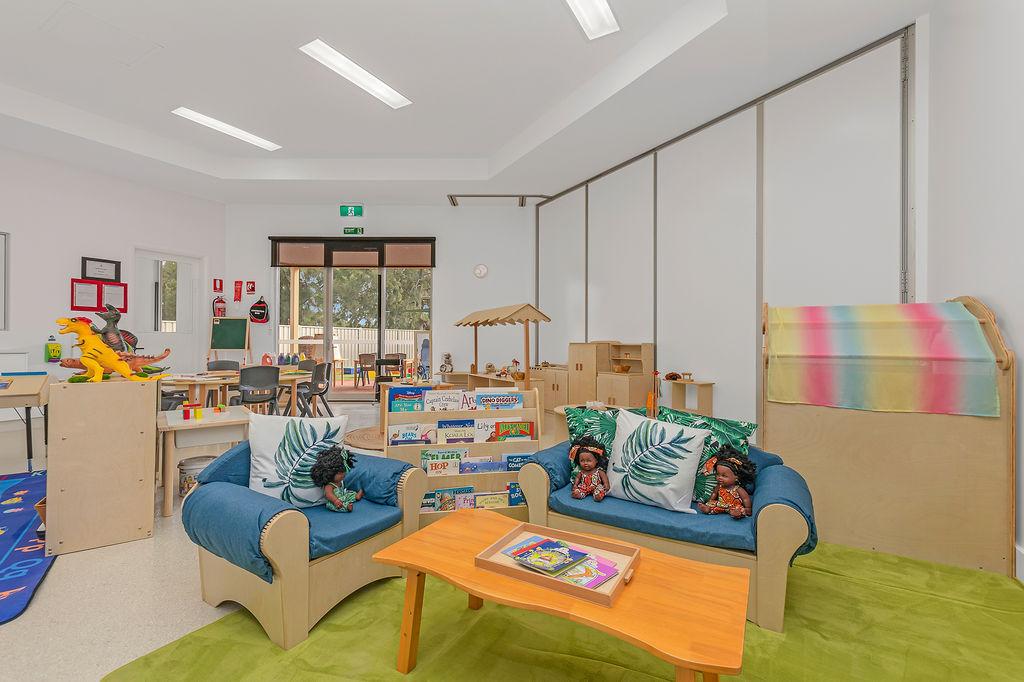
Selecting appropriate Montessori materials is crucial to ensuring meaningful and engaging activities. These tools are designed to be functional, child-sized, and realistic.
Montessori Practical Life Materials List
- Pouring and Transferring Tools: Small pitchers, funnels, tongs, and bowls for pouring water or transferring grains.
- Cleaning Supplies: Child-sized brooms, dustpans, mops, and sponges for tidying tasks.
- Dressing Frames: Zipper, button, and lacing frames for practicing dressing skills.
- Food Preparation Tools: Small cutting boards, child-safe knives, peelers, and mixing bowls for cooking exercises.
- Plant Care Kits: Mini watering cans, small shovels, and pots for gardening.
- Polishing Kits: Cloths and brushes for polishing shoes or wooden furniture.
- Laundry Tools: Clothespins, folding boards, and child-sized laundry baskets.
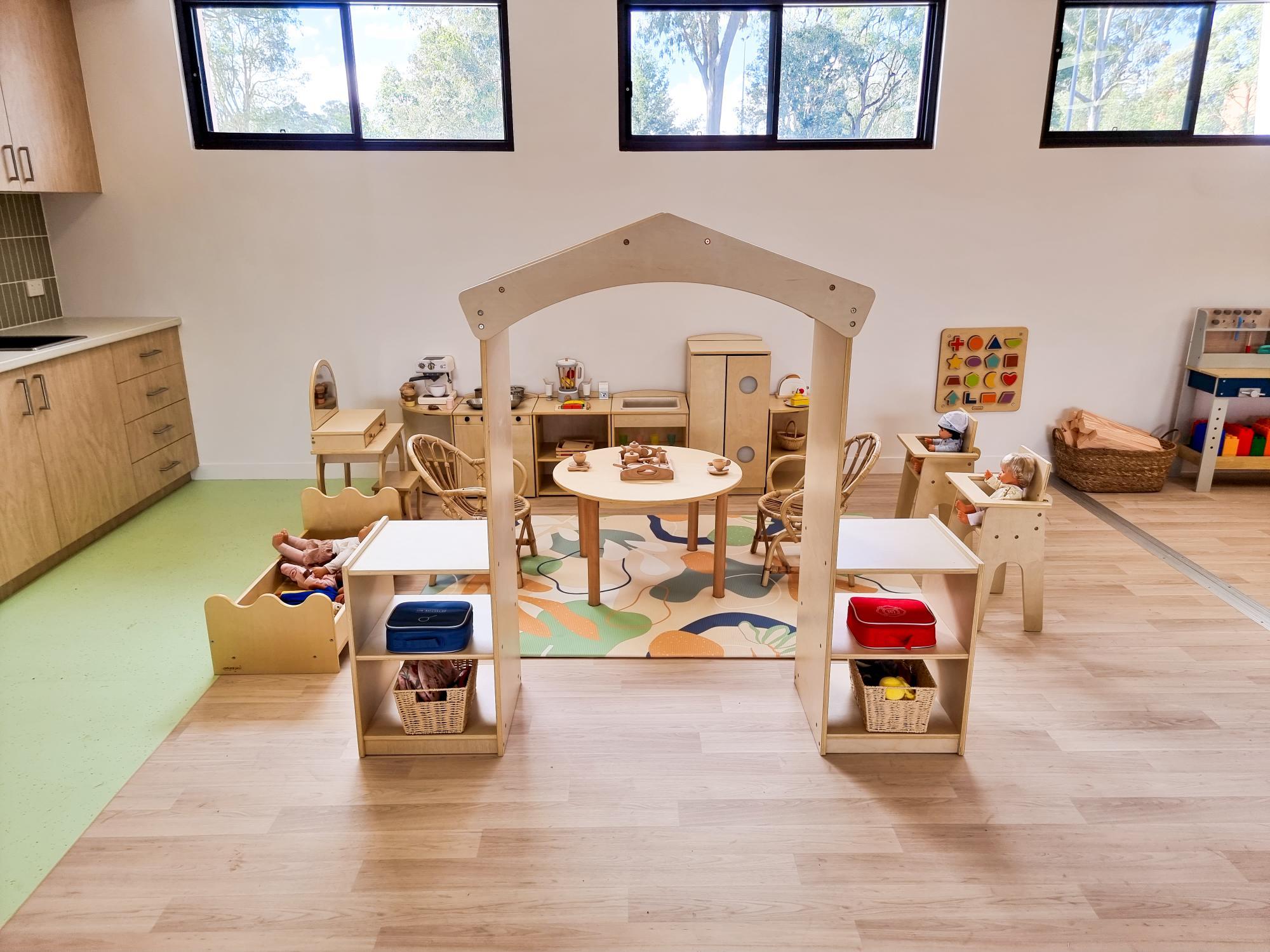
- Social Props: Play with tea sets, placemats, and trays to practice grace and courtesy.
- Measuring Tools: Scales, measuring cups, and spoons for practical applications in math.
- Sensory Items: Materials like rice, beans, or beads for transferring activities.

Children feel empowered to perform tasks independently using these practical life materials in Montessori.
Examples of Montessori Practical Life Activities
A well-rounded list of Montessori practical life activities includes a mix of tasks that address self-care, environmental stewardship, and social engagement. Here are some detailed examples:
- Washing hands with soap and drying them properly
- Brushing teeth and combing hair independently
- Pouring water into glasses and serving drinks
- Peeling bananas or slicing soft fruits using a child-safe knife
- Setting the dining table with plates, napkins, and utensils
- Folding towels, napkins, or small pieces of clothing
- Cleaning a spill using a sponge or mop
- Watering indoor plants with a small watering can
- Organizing books or toys on shelves
- Sweeping the floor with a child-sized broom
- Dusting surfaces with a cloth
- Polishing wooden furniture or shoes with polishing tools
- Preparing simple snacks, such as spreading butter on bread
- Transferring objects between containers using tongs or spoons
- Opening and closing jars, lids, or boxes
- Practicing zipping, buttoning, and tying shoelaces on dressing frames
- Mixing ingredients for baking or cooking
- Sorting recyclables into appropriate bins
- Practicing polite greetings, such as “please” and “thank you.”
- Carrying trays carefully without spilling objects
- Walking on a line to develop balance and coordination
These activities teach practical skills and instill a sense of accomplishment and responsibility in children.
How to Introduce Practical Life Activities?
Successfully integrating practical life Montessori at home or in the classroom requires thoughtful planning and preparation. Here are actionable tips to help children engage meaningfully with these activities:
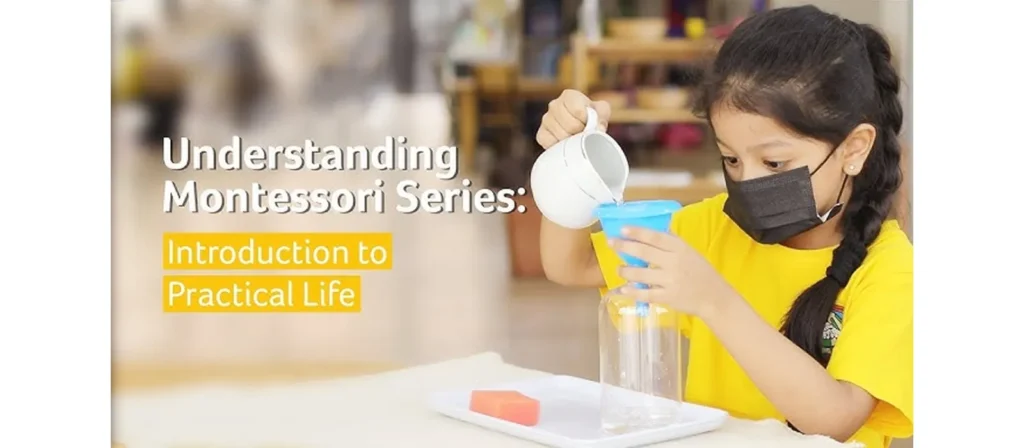
- Start Simple: Begin with easy tasks like pouring water or folding napkins. These provide a sense of accomplishment and lay the foundation for more complex activities.
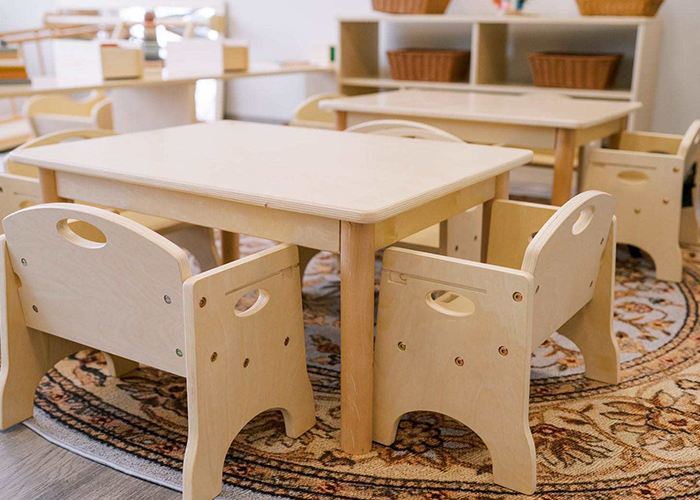
- Use Child-Sized Tools: Ensure the tools and materials are appropriate for the child’s size and capabilities. For example, use small pitchers, lightweight brooms, and easy-to-grip utensils.
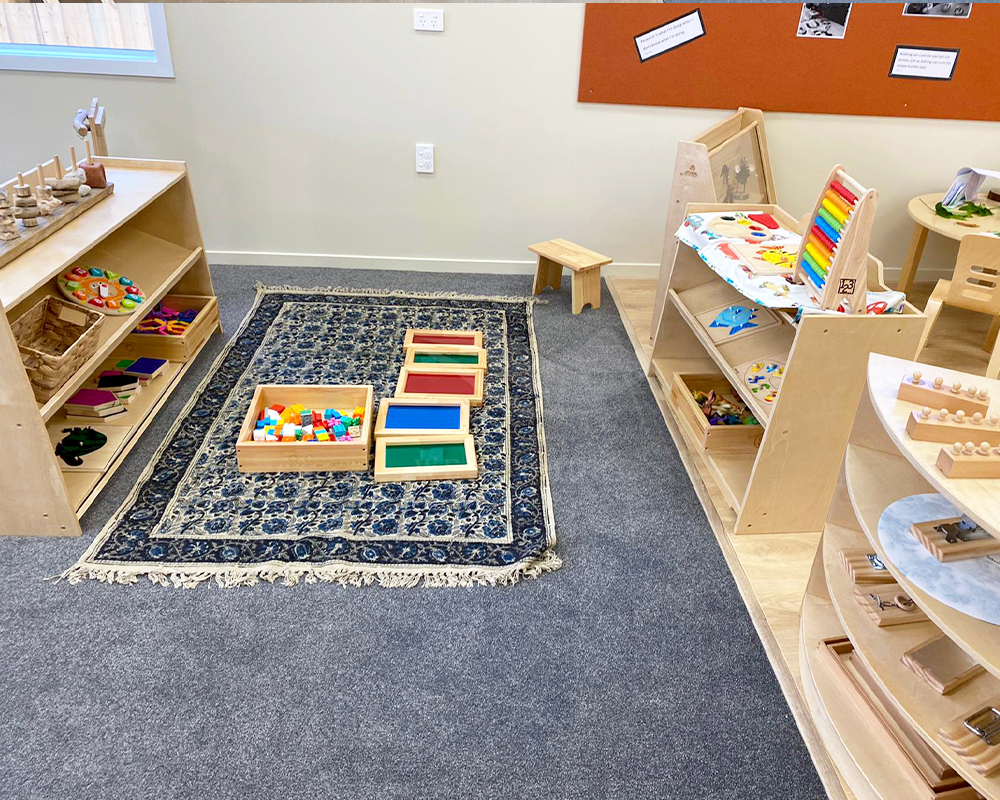
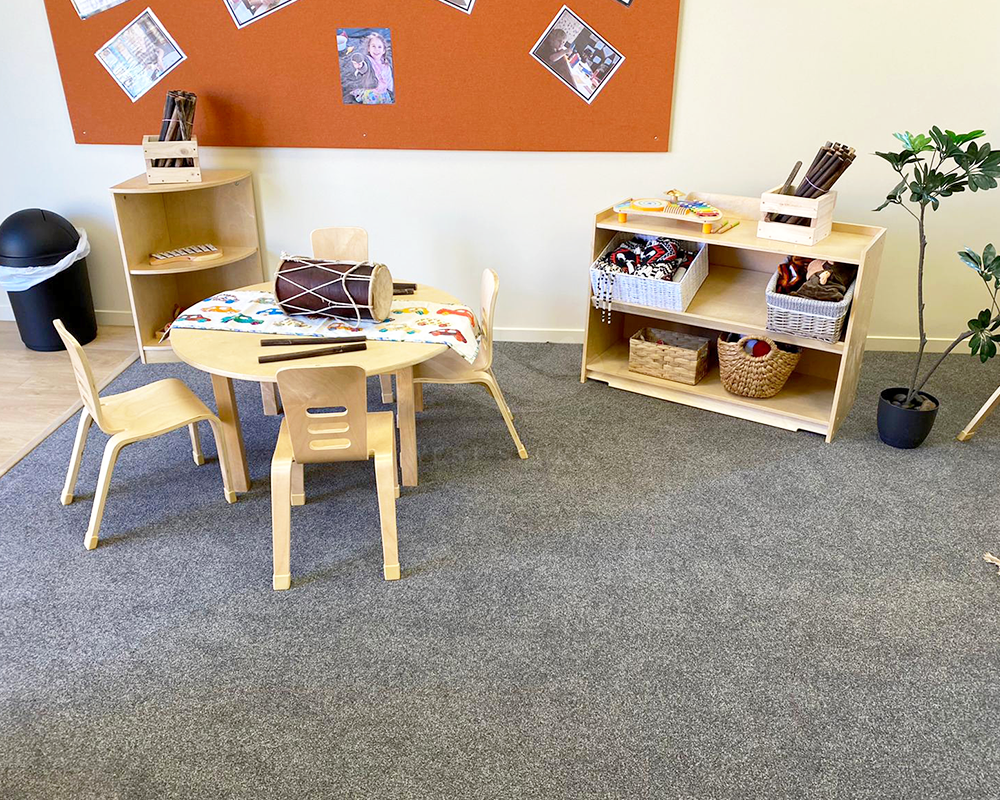
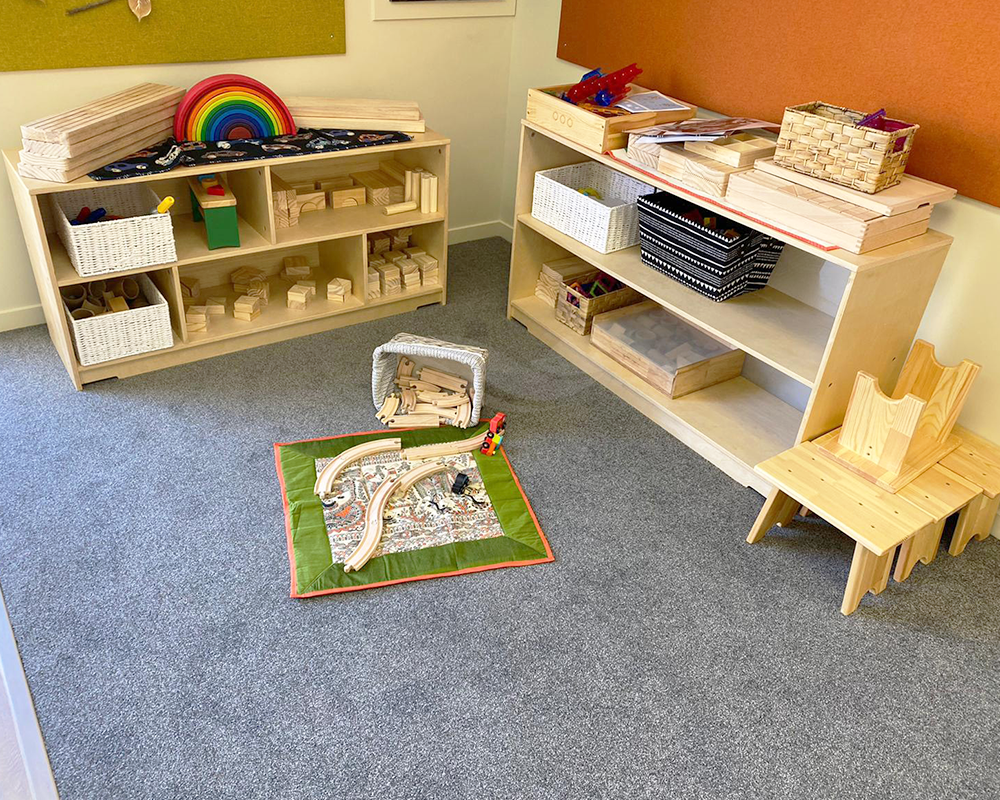
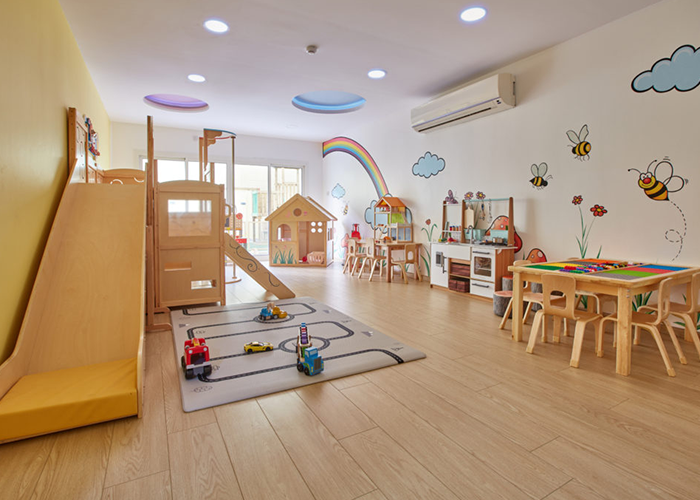
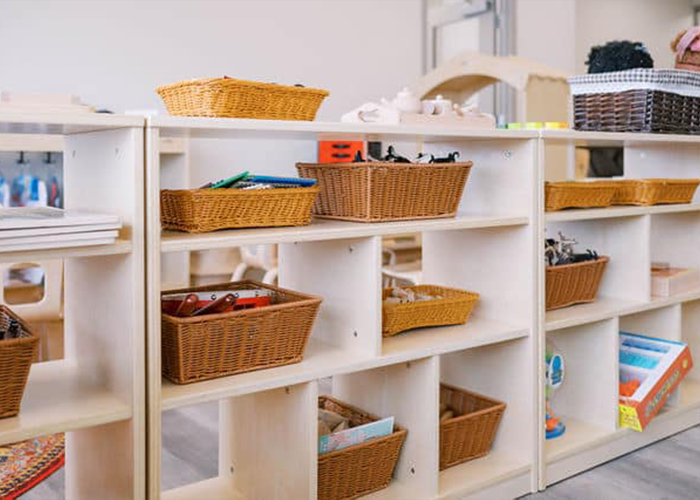
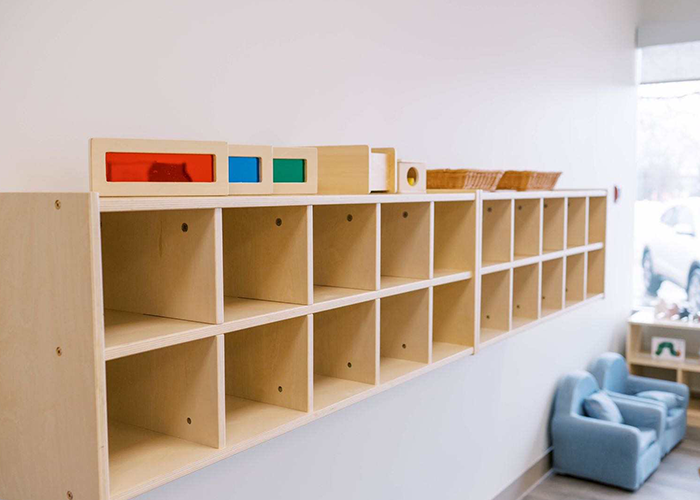
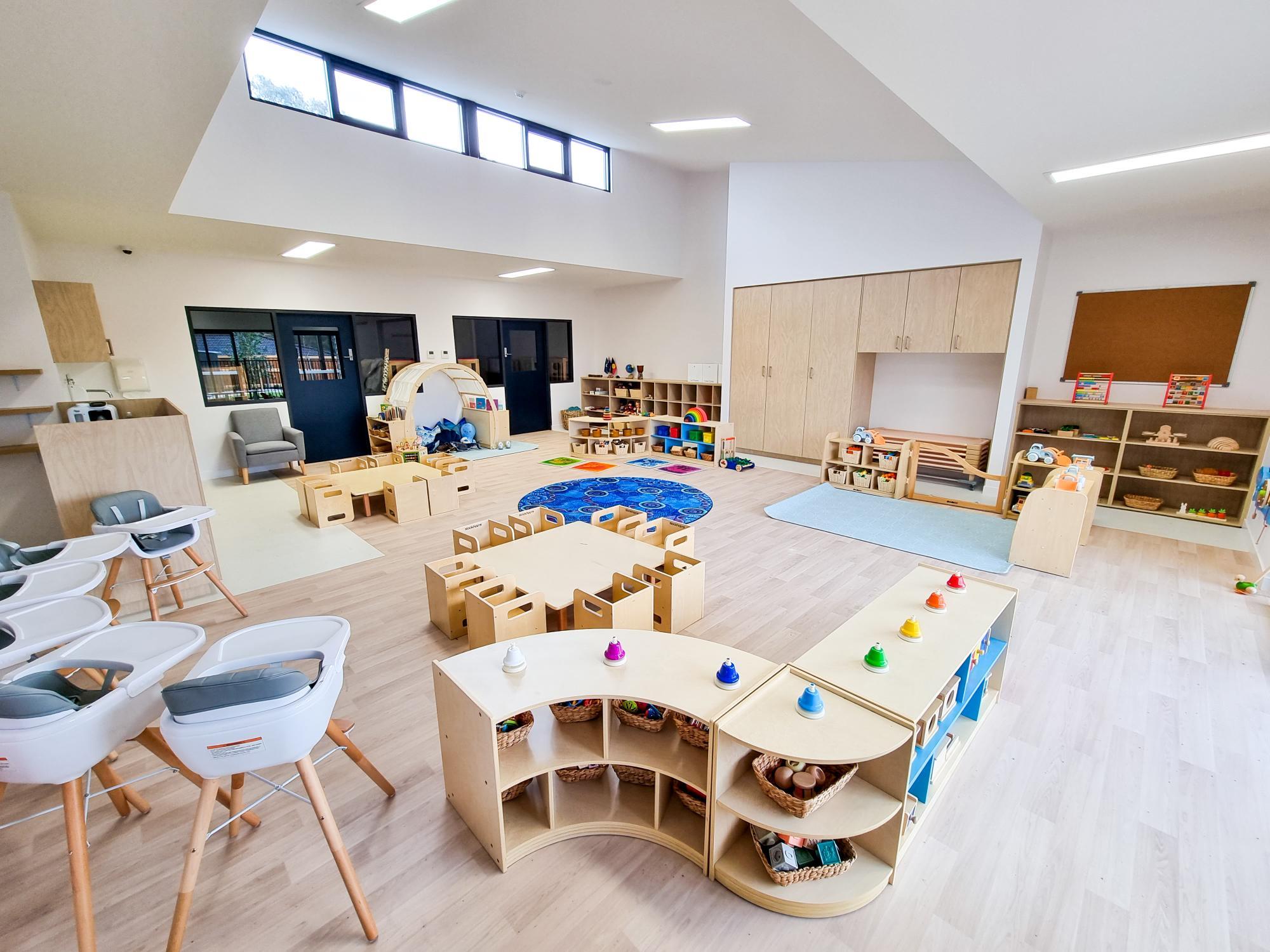
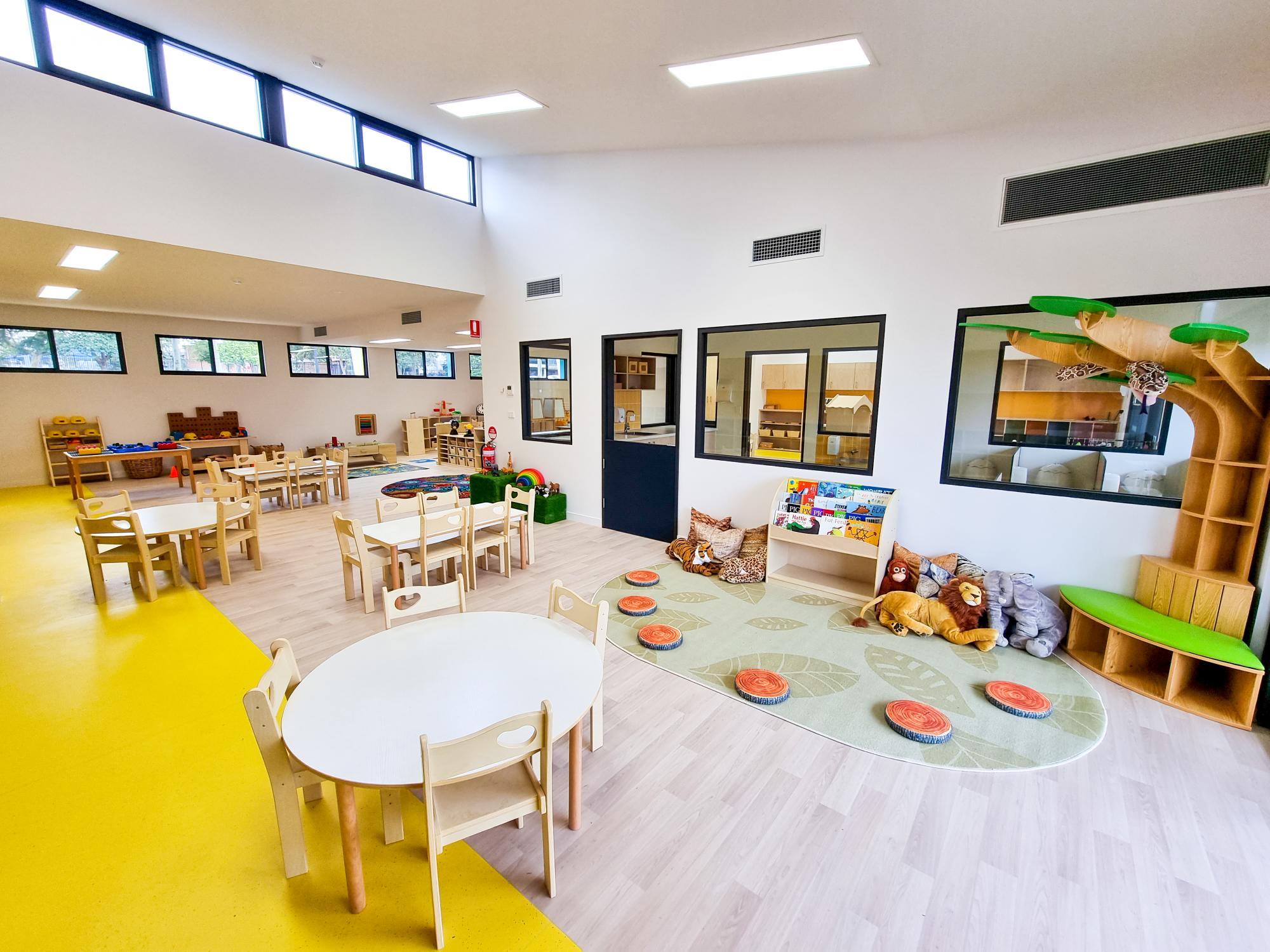
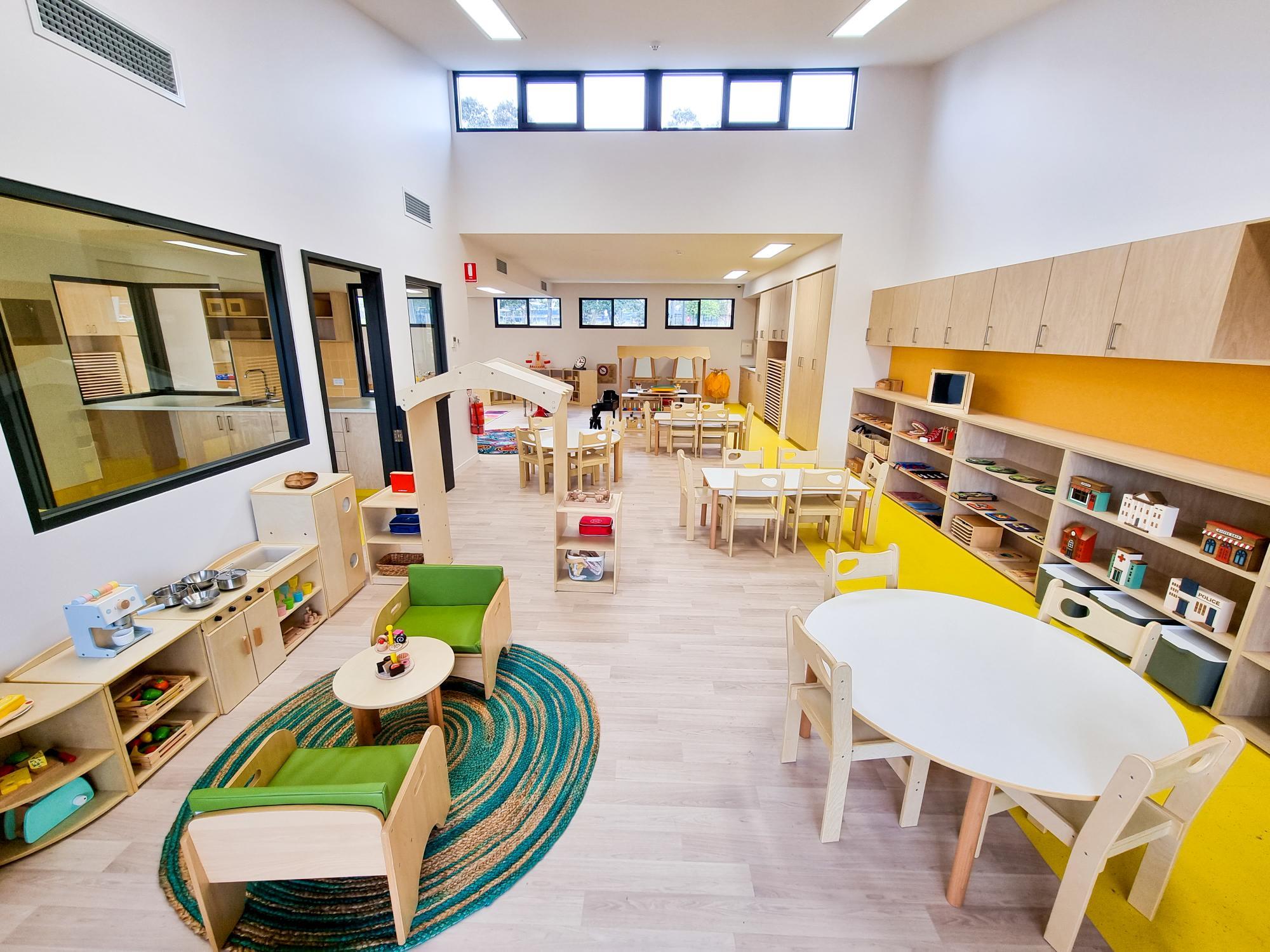
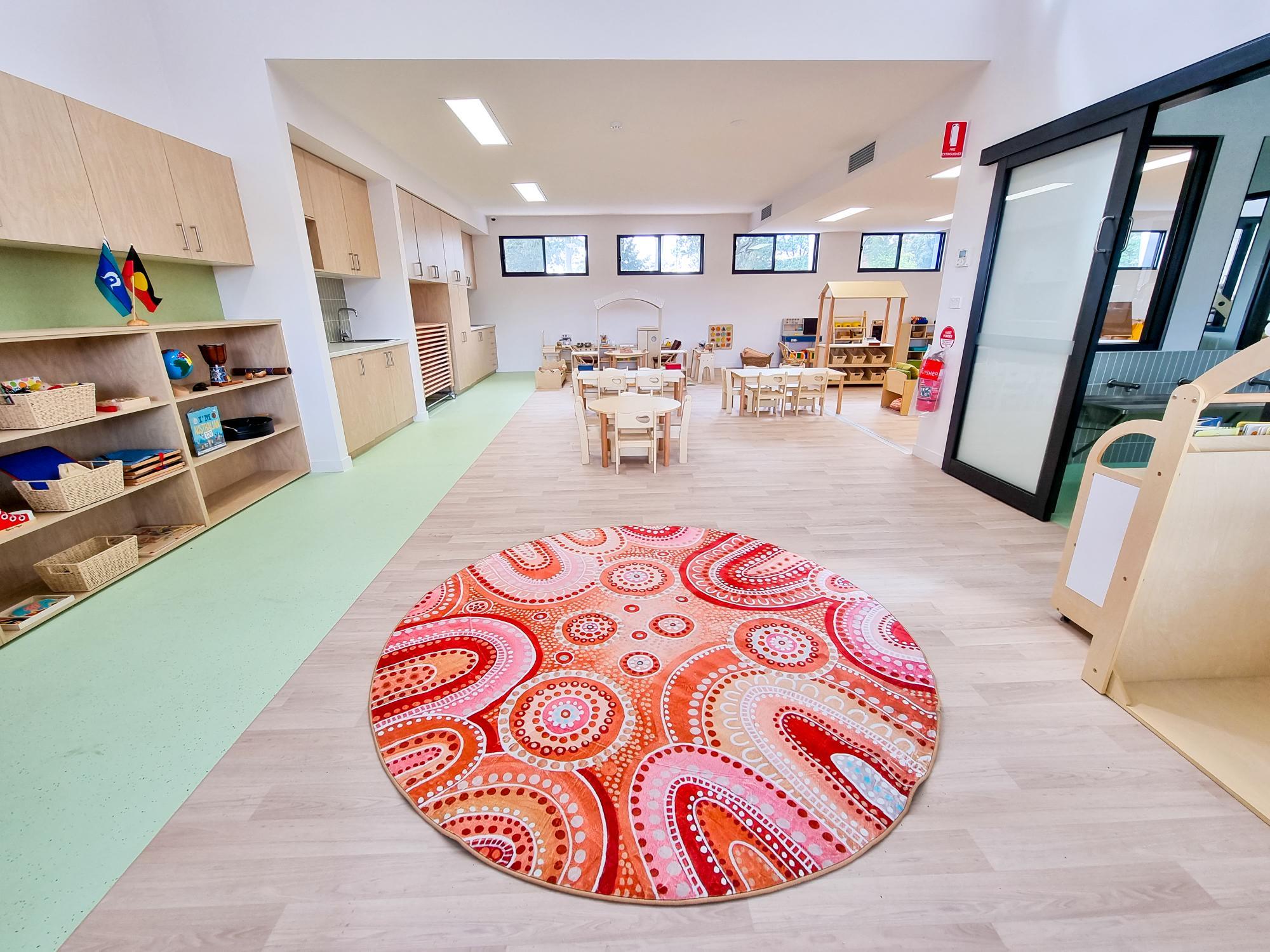
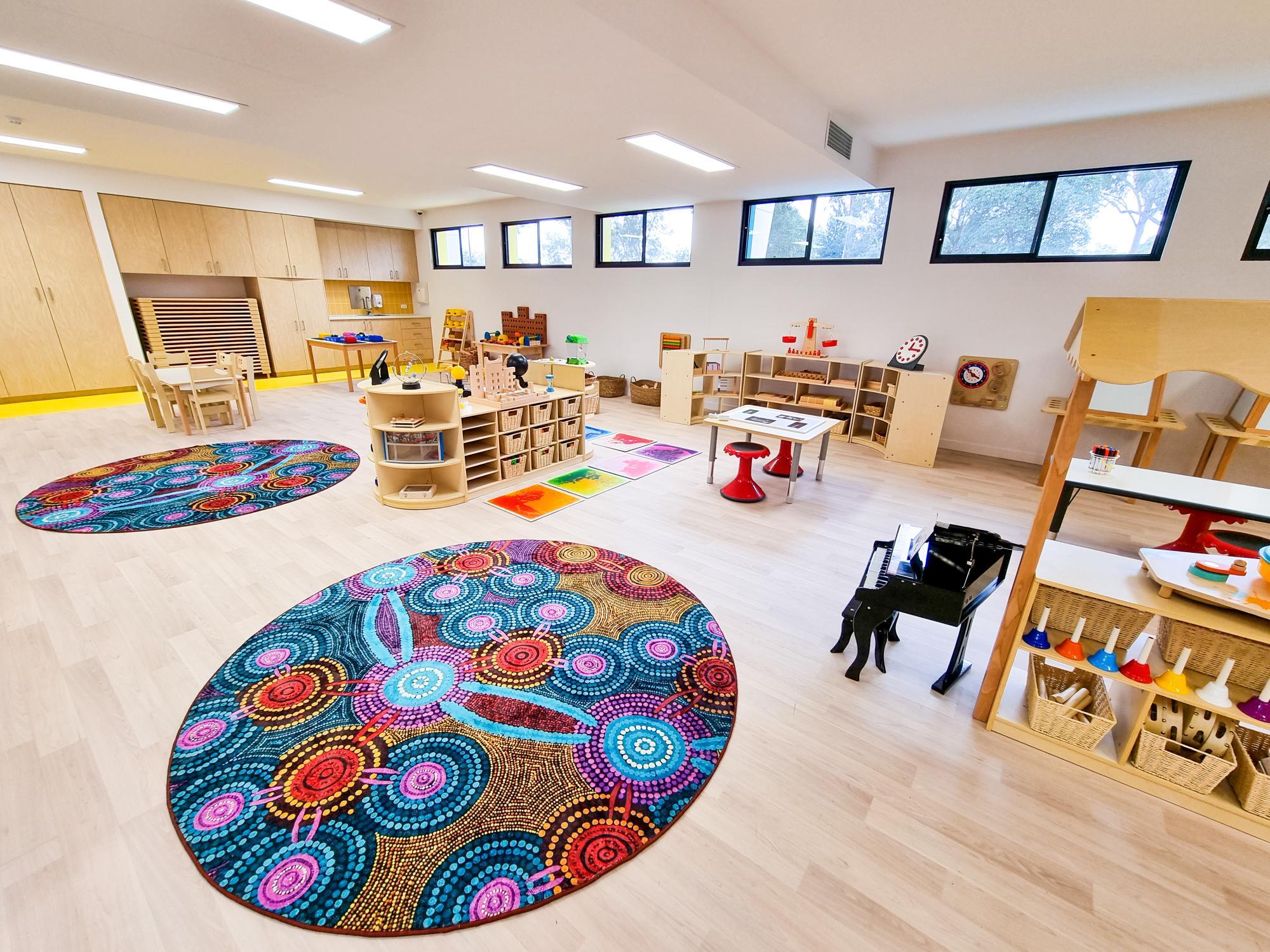
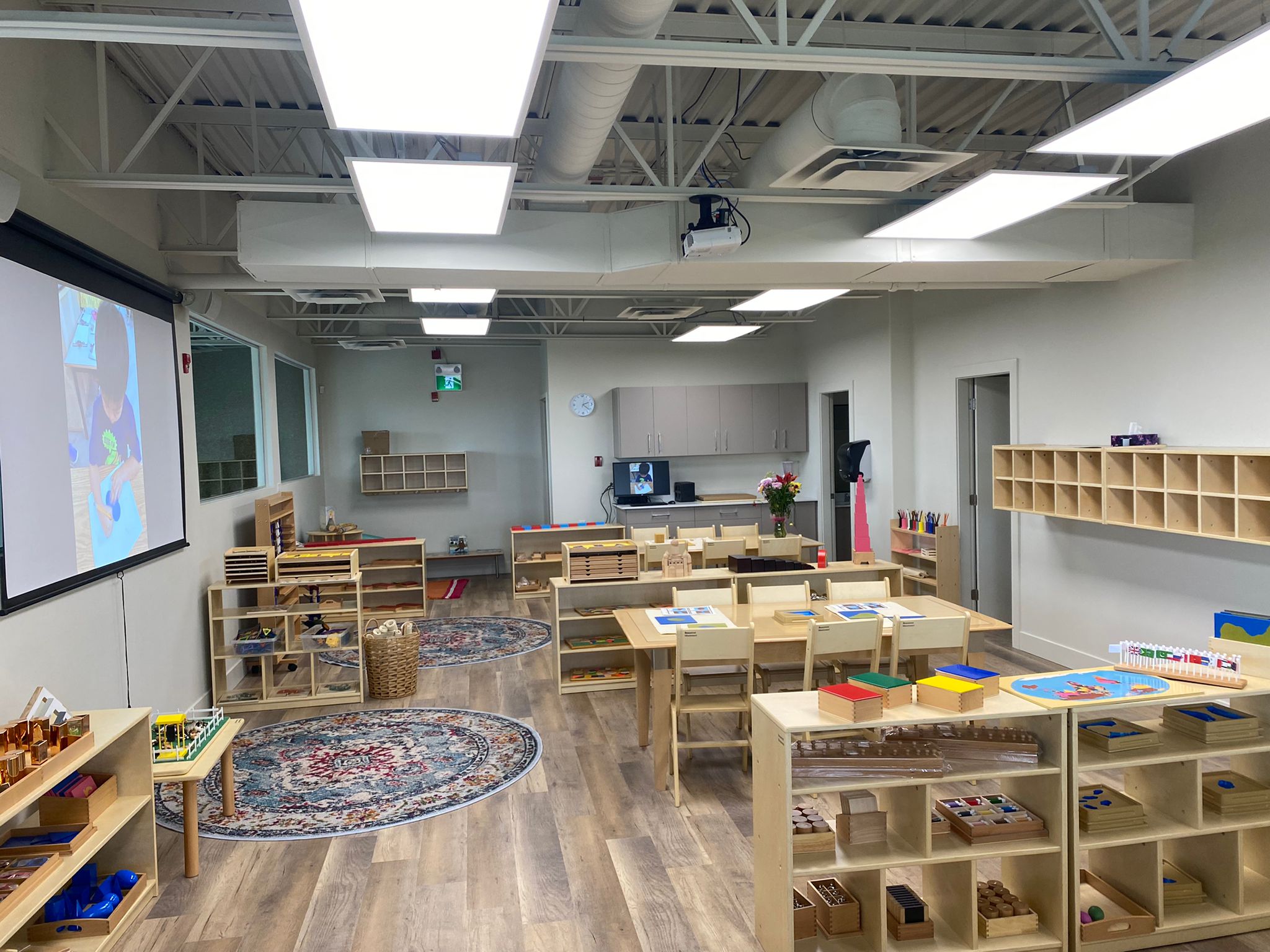
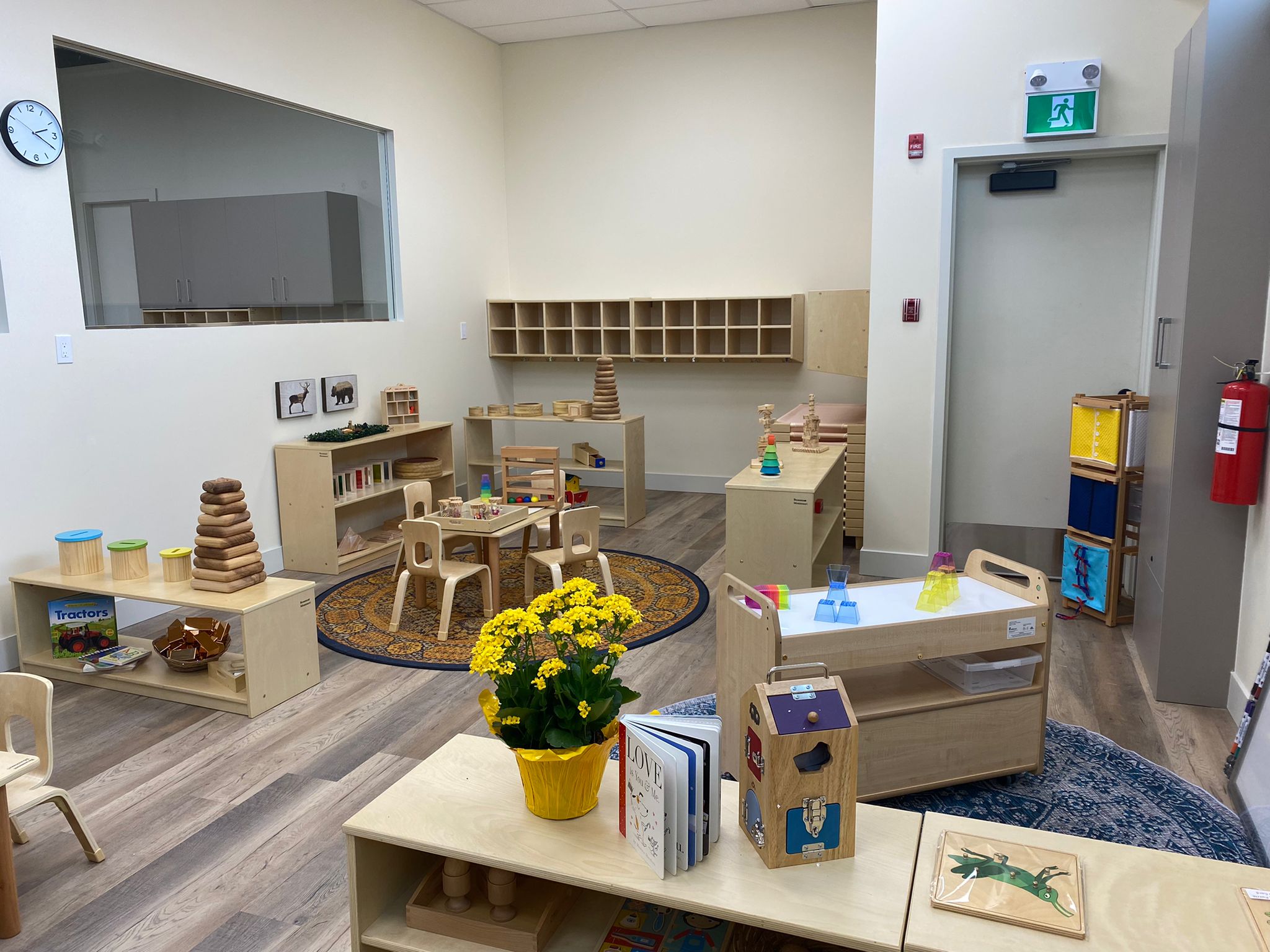
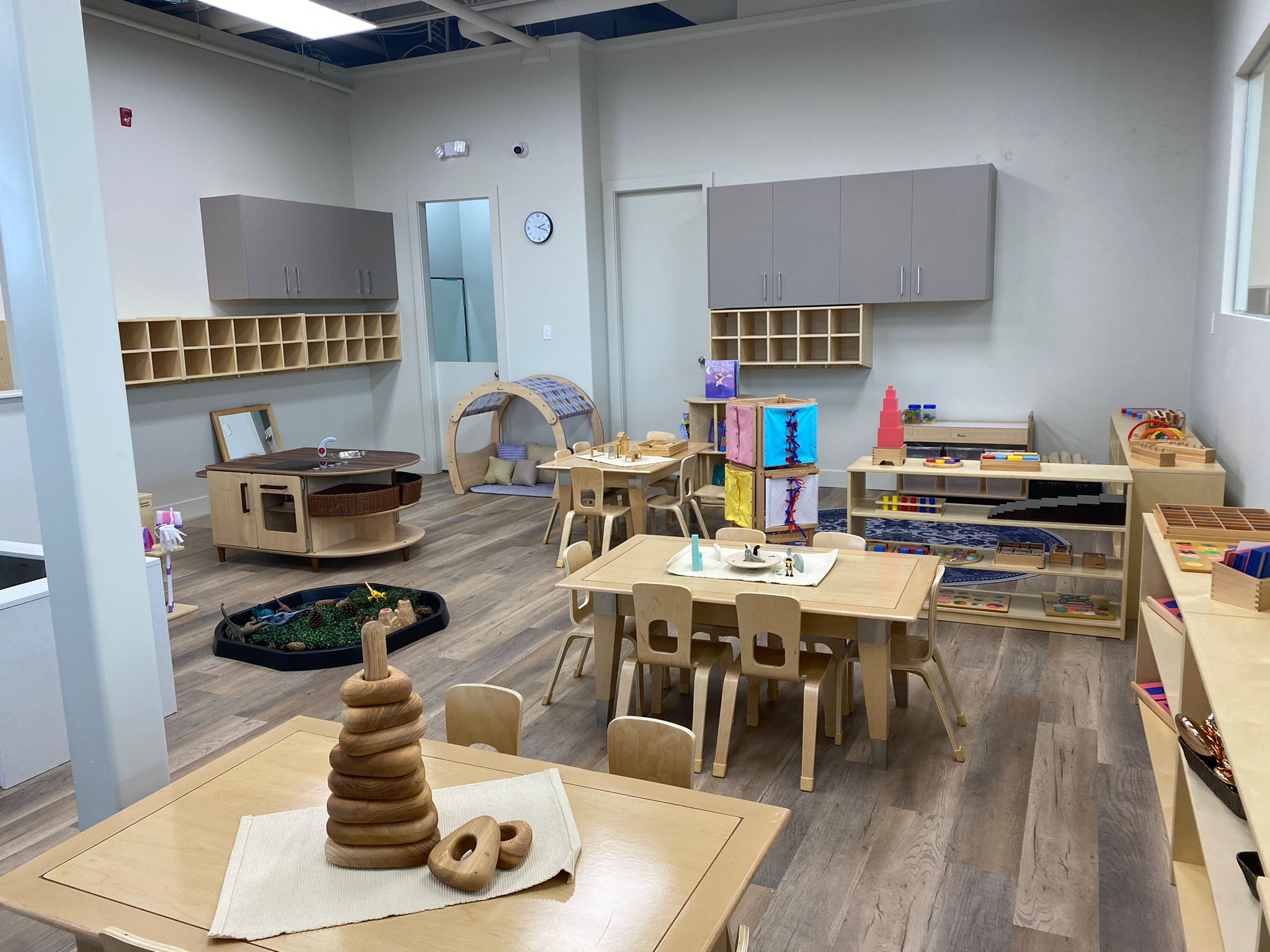
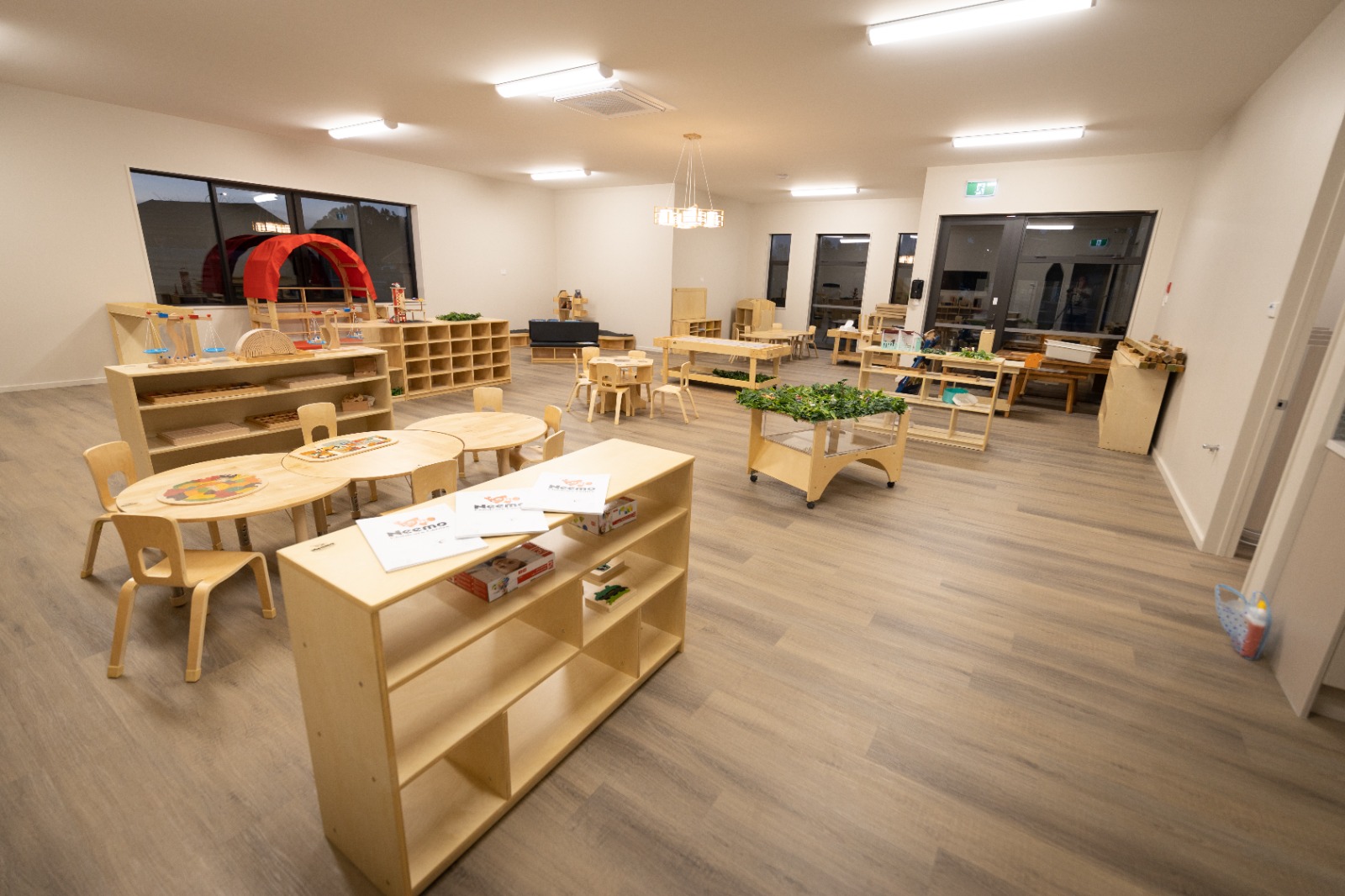
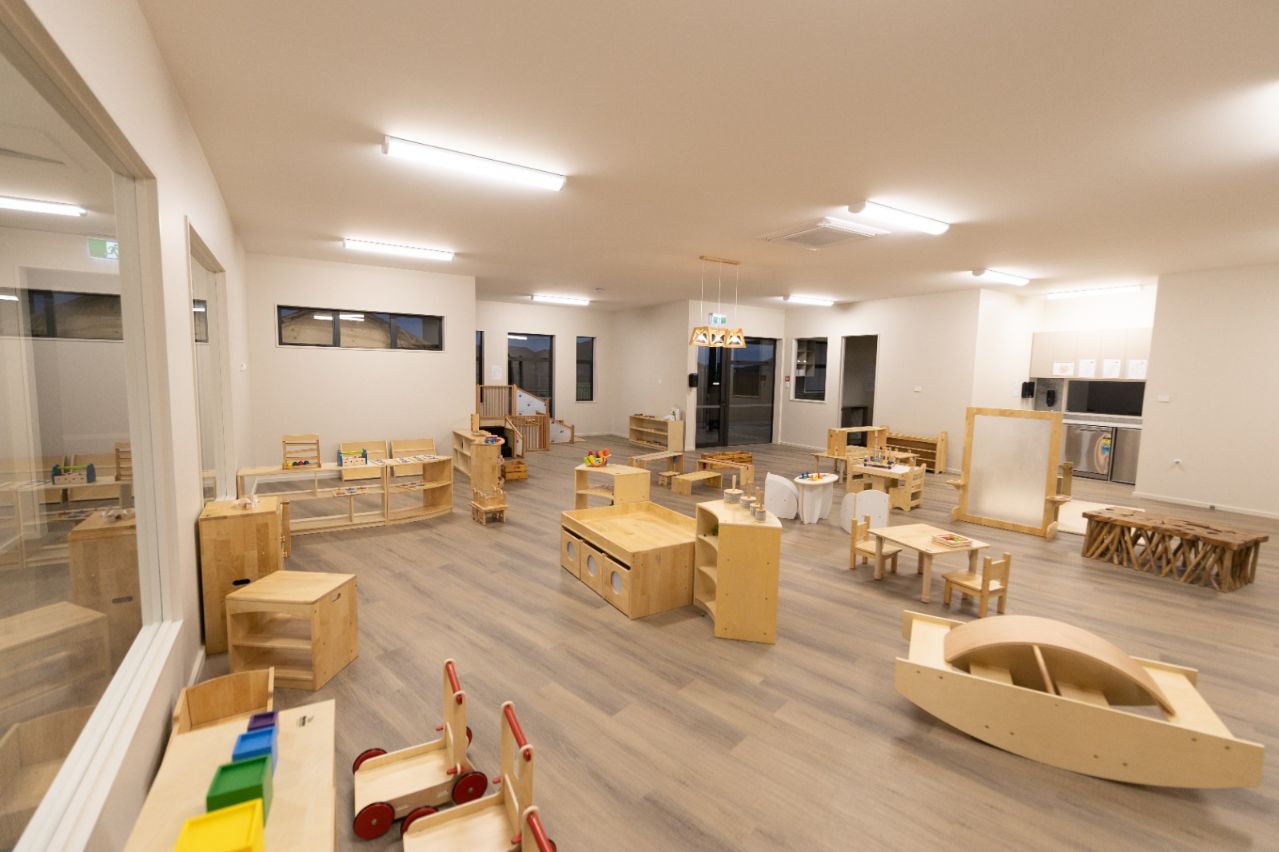
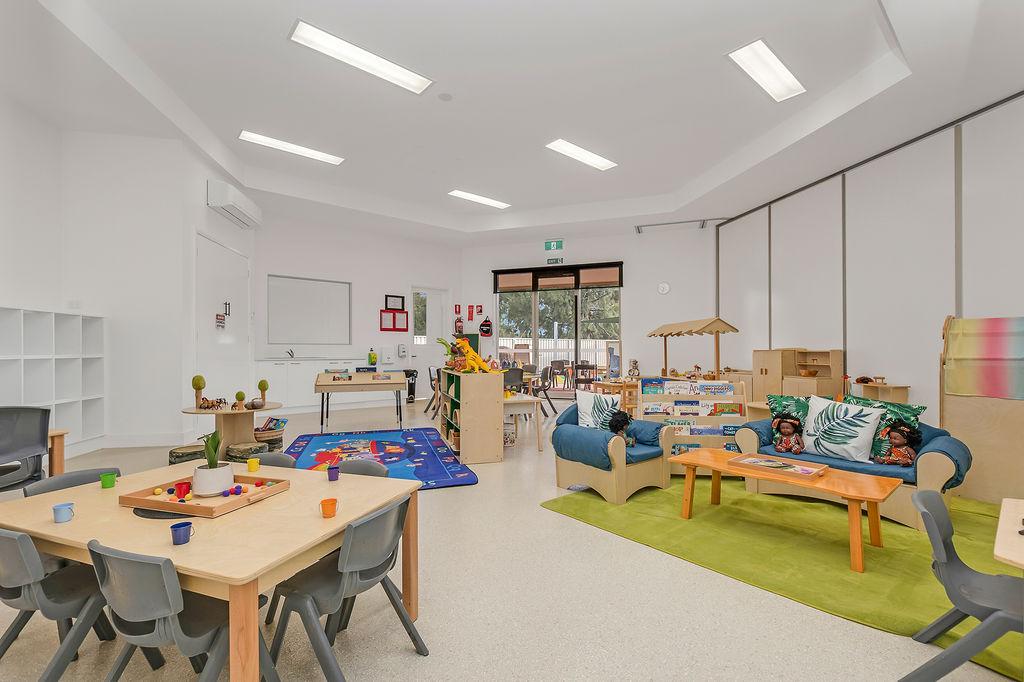
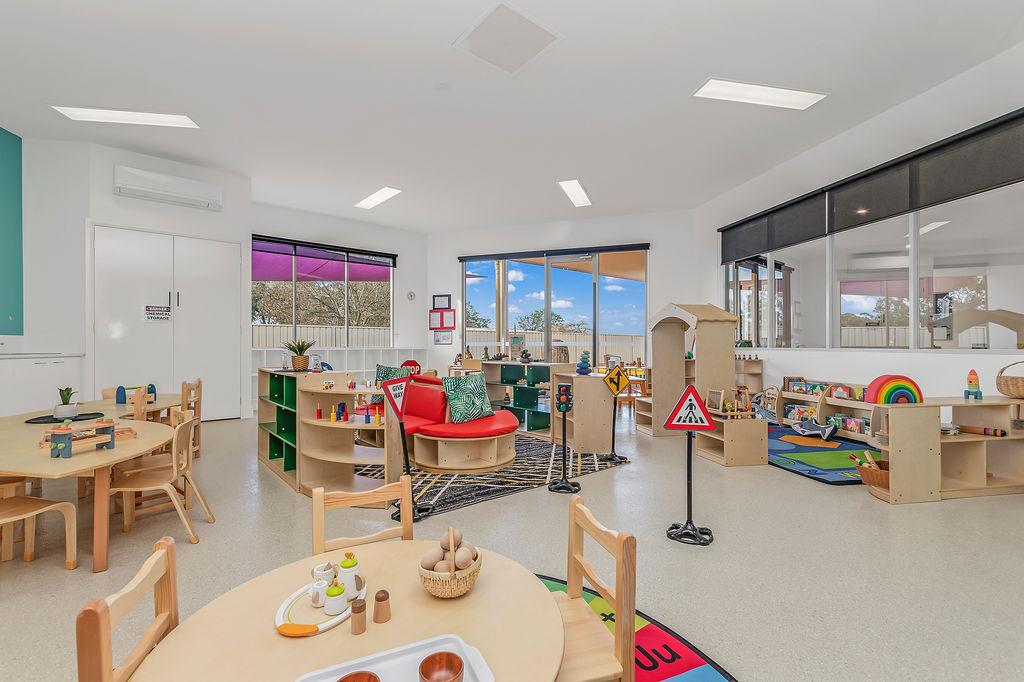
- Create a Prepared Environment: Organize materials in a dedicated space that is tidy, accessible, and inviting. A well-structured environment encourages children to explore independently.
- Demonstrate First: Show the child how to perform the task step-by-step without rushing. Clear demonstrations help them understand what is expected.
- Encourage Repetition: Allow children to repeat tasks until they feel confident. Repetition reinforces skills and builds muscle memory.
- Be Patient: Avoid stepping in too quickly if the child struggles. Allow them to figure things out independently, as problem-solving is a key part of the learning process.
- Praise Effort Over Results: Focus on their dedication and perseverance rather than the outcome. This fosters a growth mindset and encourages resilience.
- Rotate Activities: Introduce new activities periodically to maintain interest and address different areas of development.
- Integrate Real-Life Tasks: Incorporate activities that mirror your child’s daily life, such as setting the table or helping with meal preparation.
- Stay Consistent: Make practical life activities a regular part of the child’s routine. Consistency helps solidify learning and instills a sense of responsibility.
Conclusion
Montessori Practical Life activities are more than tasks—they are a gateway to developing children’s independence, confidence, and essential life skills. Whether practiced in a Montessori practical life area at school or through practical life Montessori at home, these activities empower children to become capable, thoughtful, and engaged members of their communities.
Introducing practical life activities Montessori into your child’s daily routine can nurture their potential and lay the foundation for a lifetime of learning and growth.