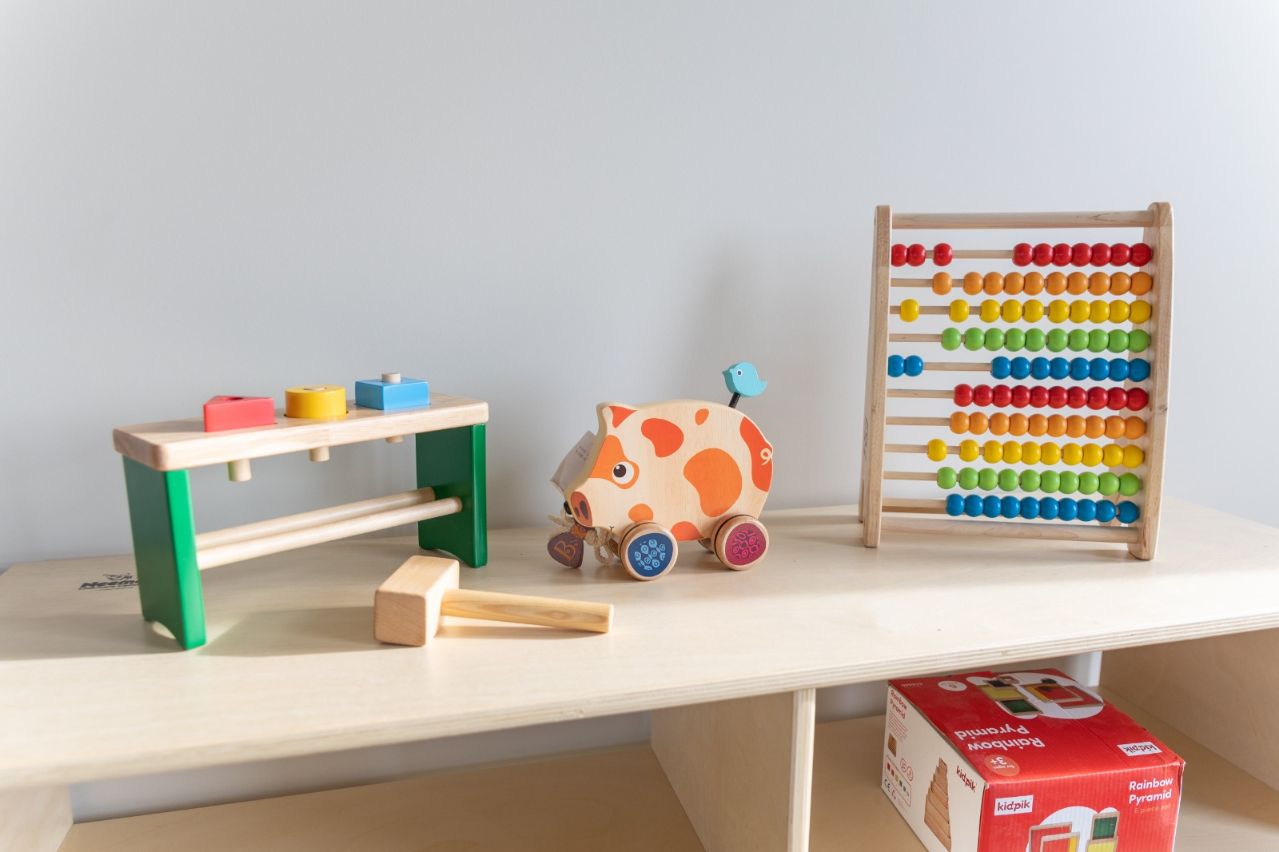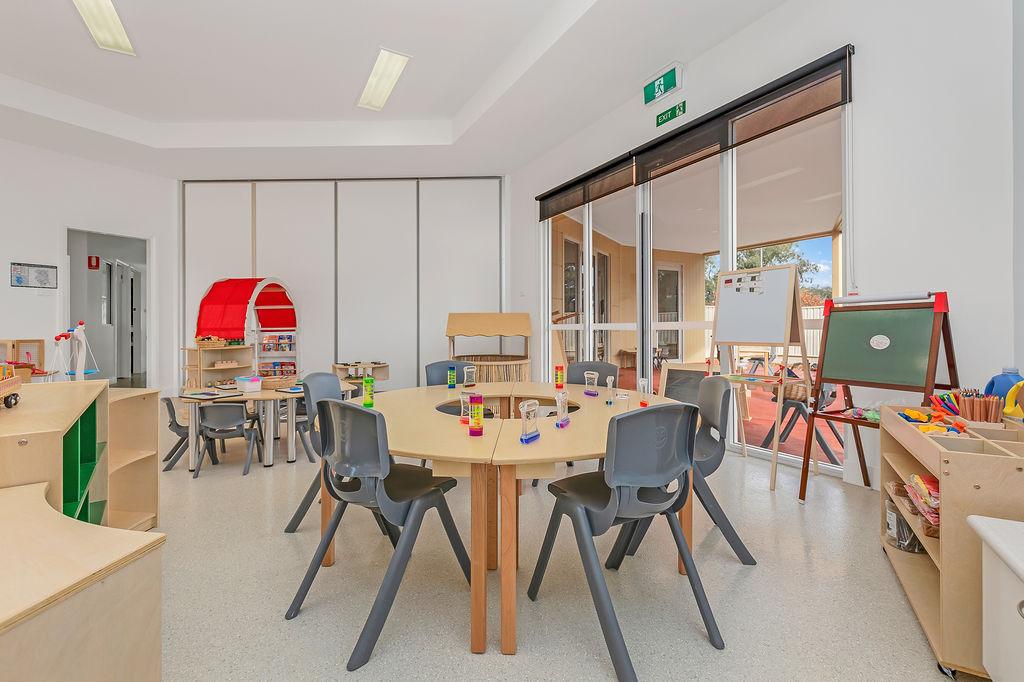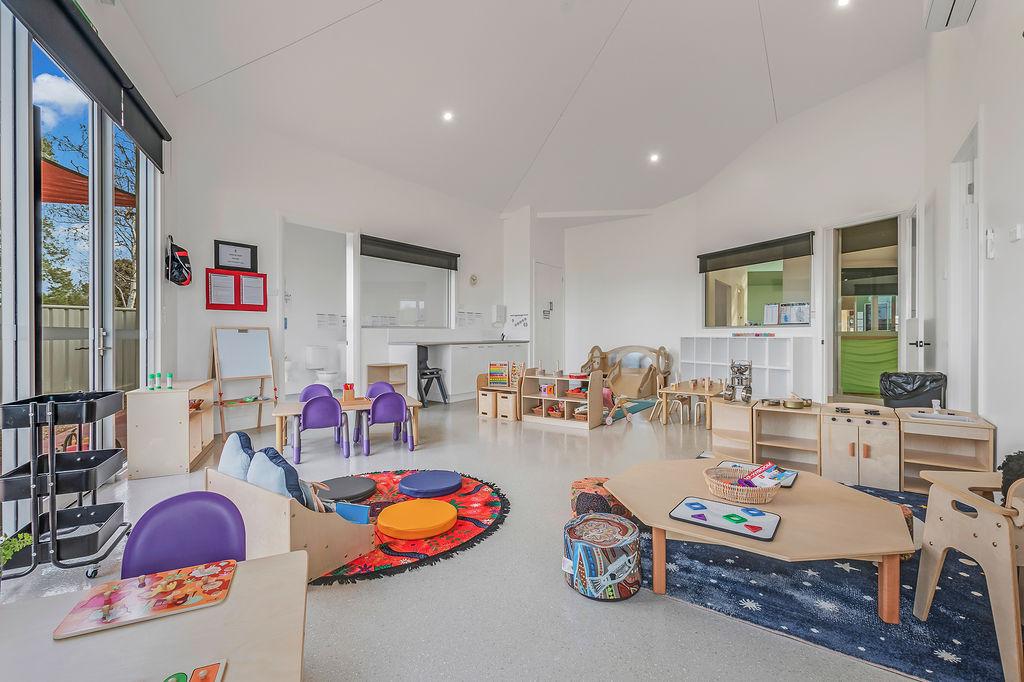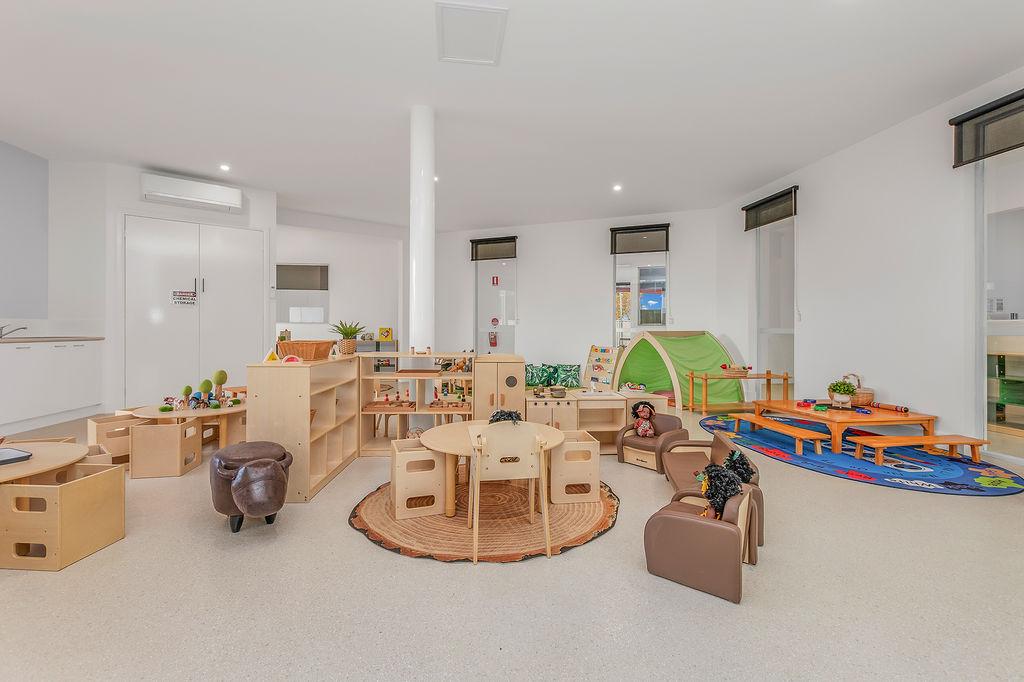
To teach children to play with toys, you must transition from active modeling (demonstrating how a toy works) to scaffolding (playing together) and finally to independent exploration. The goal is not to dictate rules, but to spark curiosity by showing a toy’s possibilities and then stepping back to let the child lead.
Many parents assume that play is purely instinctual, but when a child is overwhelmed by choice or lacks the motor skills to use a new toy, they often resort to boredom or destructive behavior. This “toy burnout” leaves parents feeling like they’ve wasted money and leads to a constant demand for screen time.
This happens because children aren’t born knowing that a doll can have a doctor’s appointment or that magnets can build a bridge. They see objects; we see stories. Teaching them to play is the process of sharing those stories until they can invent their own.
Today’s guide is designed to help you bridge that gap. We’ll walk through how to model play without being overbearing, ensuring your child develops the focus and creativity they need to flourish.
Why Children Need to Be Taught How to Play with Toys?
While play is often seen as a natural instinct, the skill of playing with specific tools (toys) is a learned behavior. Much like walking or speaking, children require “social scaffolding” to understand how to interact with their environment in meaningful ways. Without guidance, a child may see a toy but lack the cognitive or motor roadmap to engage with it beyond simple exploration.
1. Bridging the Skill Gap
Many modern toys require a level of fine motor control or logical reasoning that a child hasn’t yet mastered. For example, a shape sorter is a lesson in geometry and spatial awareness. By teaching a child how to play, you are essentially providing the “onboarding” they need to turn a confusing object into a source of achievement.
2. Moving from Functional to Symbolic Play
Research in child development shows that children go through stages of play.
- Functional Play: Banging a spoon on a pot to hear the noise.
- Symbolic Play: Using that spoon to “feed” a teddy bear. Children often get stuck in the functional stage. Teaching them helps them cross the bridge into symbolic play, which is the foundation for abstract thinking, language development, and empathy.
3. Preventing “Toy Overload” and Boredom
When children don’t know how to use a toy’s full potential, they become bored quickly. This often leads to “toy dumping”—where a child throws everything out of the bin just to see it fall. Teaching them play strategies (like how to build a stable tower or create a story with figurines) increases their attention span and reduces the constant need for new stimuli.
4. Support Children’s Development
- Cognitive Growth: Enhances problem-solving and cause-and-effect recognition.
- Emotional Regulation: Helps children learn to handle the frustration of a collapsing tower or a difficult puzzle.
- Social Modeling: Sets the stage for turn-taking and cooperative play with peers later in life.
Core Principles for Teaching Children to Play with Toys
Teaching children to play with toys is most effective when it is guided by clear, child-centered principles rather than strict rules. These core ideas help adults support play in ways that feel natural, respectful, and developmentally appropriate, while still encouraging learning and growth.
Follow the Child’s Lead
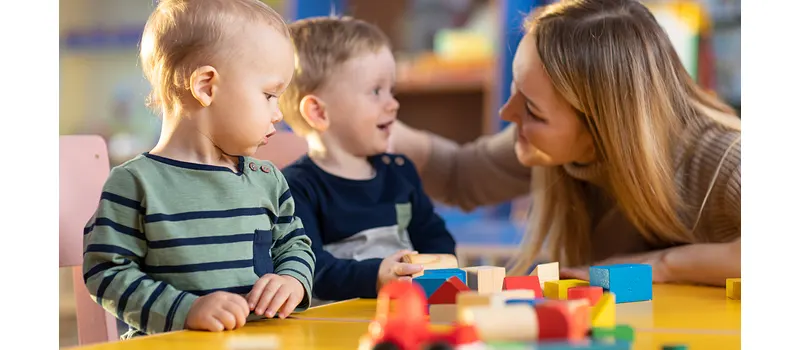
One of the most important principles in teaching children to play with toys is allowing the child to take the lead. When children choose how to use a toy, they feel ownership and confidence. Adults can observe first, then join in by mirroring actions or adding small suggestions that build on what the child is already doing. This approach helps play remain meaningful rather than forced.
Model Before You Direct
Children learn how to play with toys by watching others. Instead of explaining how a toy works, show one simple example. Demonstration gives children a clear starting point without limiting creativity. After modeling, step back and allow the child to explore. This balance helps children understand basic use while still discovering new possibilities.
Keep Play Open and Flexible
Toys do not need to be used in only one correct way. A key principle in teaching children to play with toys is accepting multiple ways to engage. Blocks can become roads, towers, or homes. Figures can take on different roles each time. Flexible play encourages imagination, problem-solving, and independent thinking.
Use Language to Support Play
Language plays an important role in helping children learn how to play with toys. Describe actions, label objects, and reflect on what the child is doing using simple, natural sentences. Instead of quizzing or correcting, use language to extend play, such as naming emotions in pretend play or describing cause and effect during building activities.
Offer Just Enough Support
Effective guidance means knowing when to help and when to step back. If a child becomes frustrated, offer gentle hints or break the task into smaller steps. Avoid taking over the play. The goal is to support success while preserving the child’s sense of independence and motivation.
Focus on Enjoyment, Not Outcomes
Play should feel enjoyable, not like a lesson. When adults focus too much on learning goals, children may lose interest. Teaching children to play with toys works best when the experience is fun, relaxed, and emotionally safe. Learning naturally follows when children are engaged and curious.
Create a Safe and Inviting Play Environment
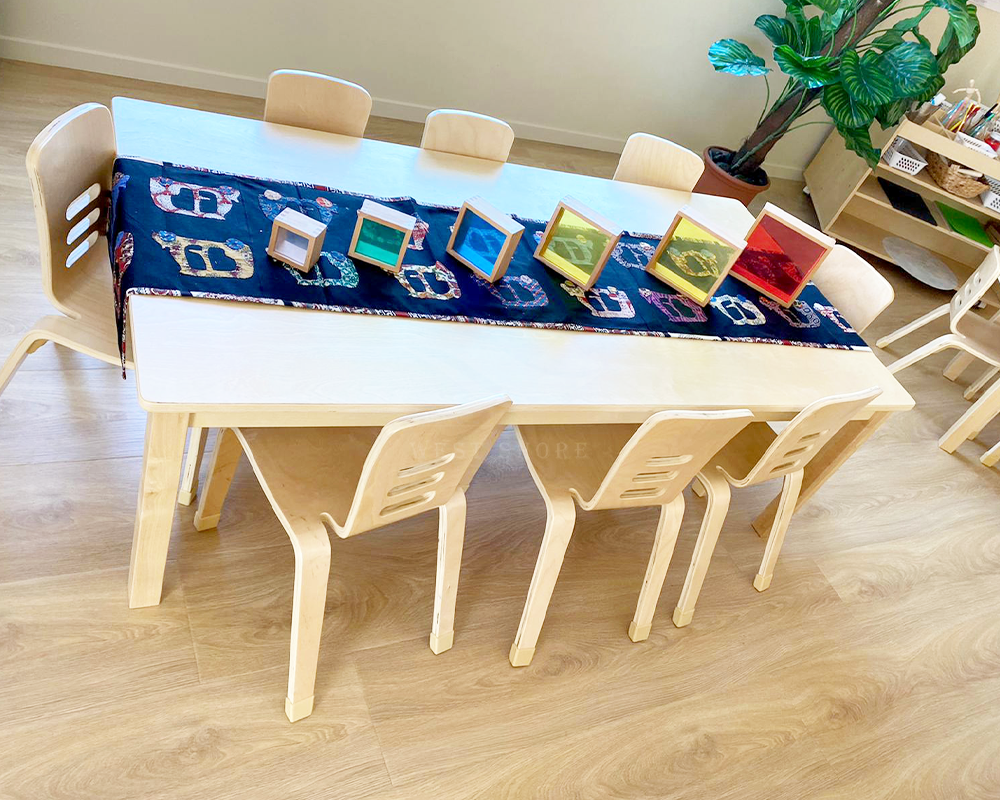
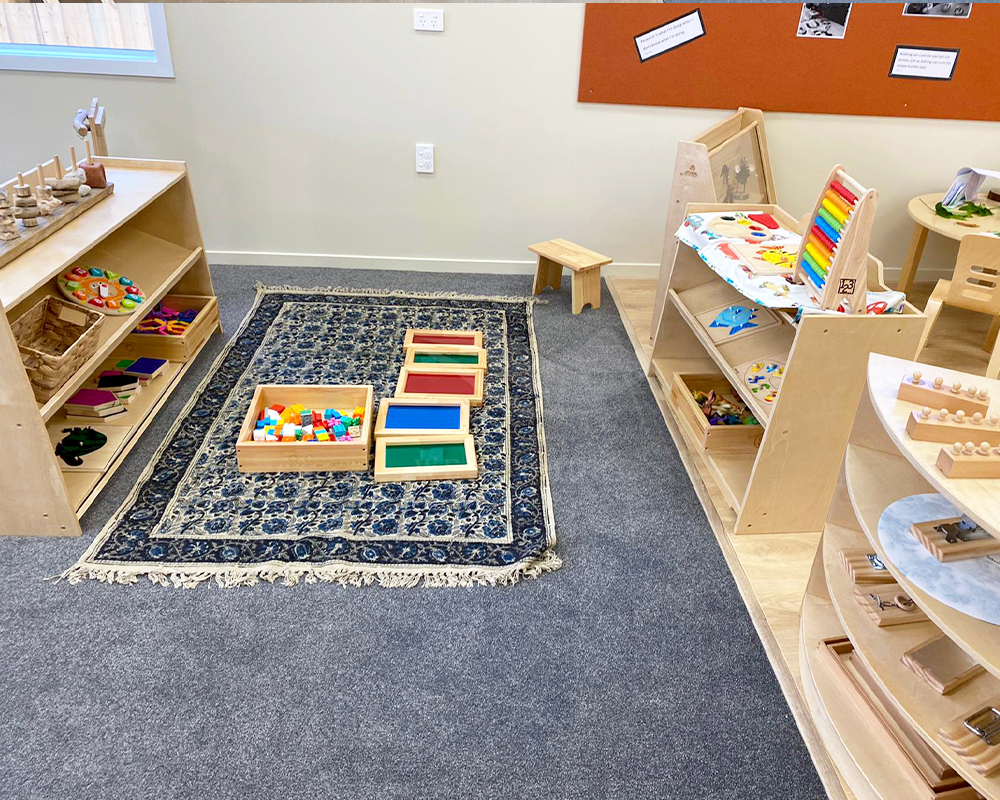
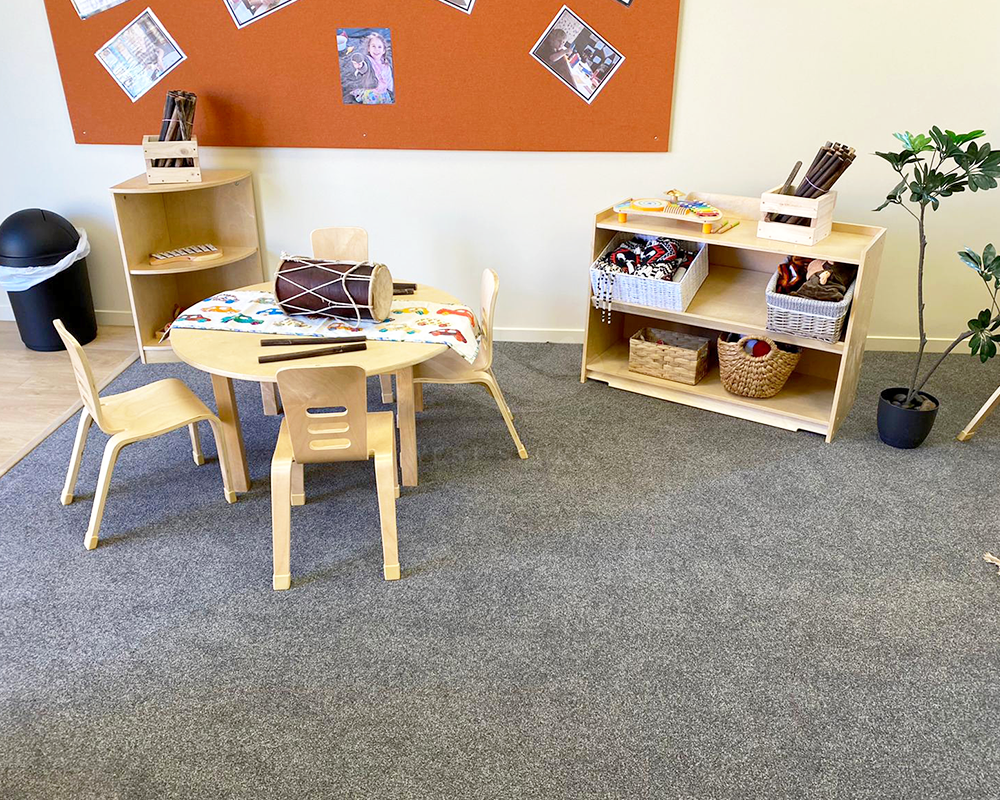
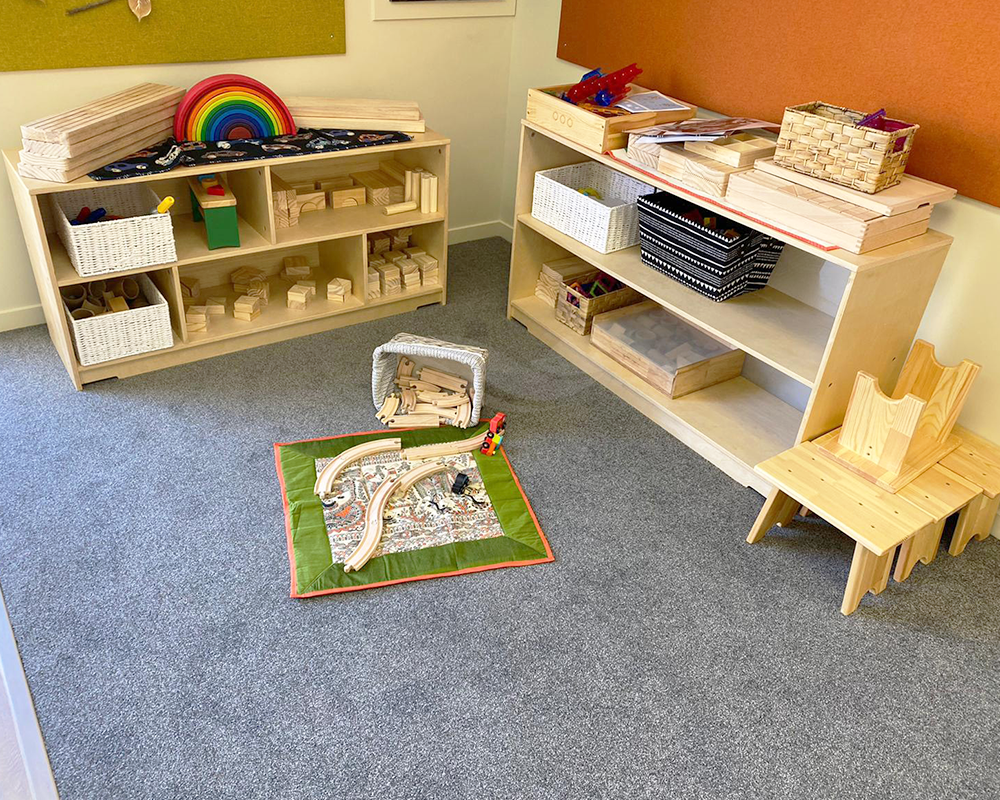
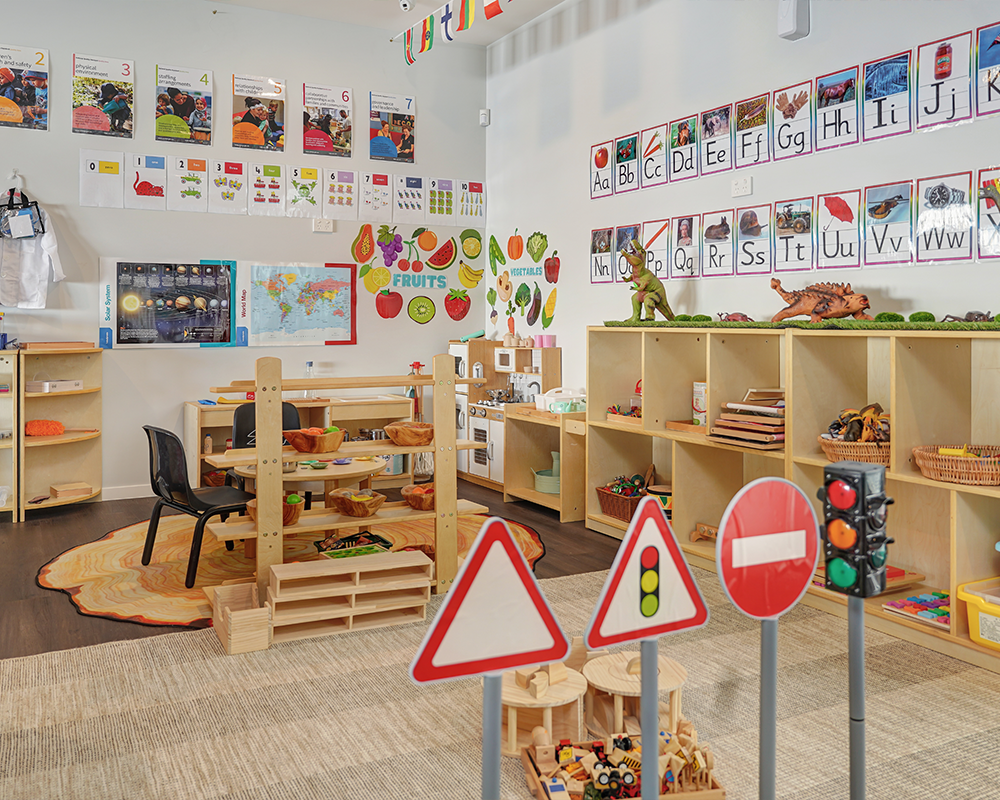
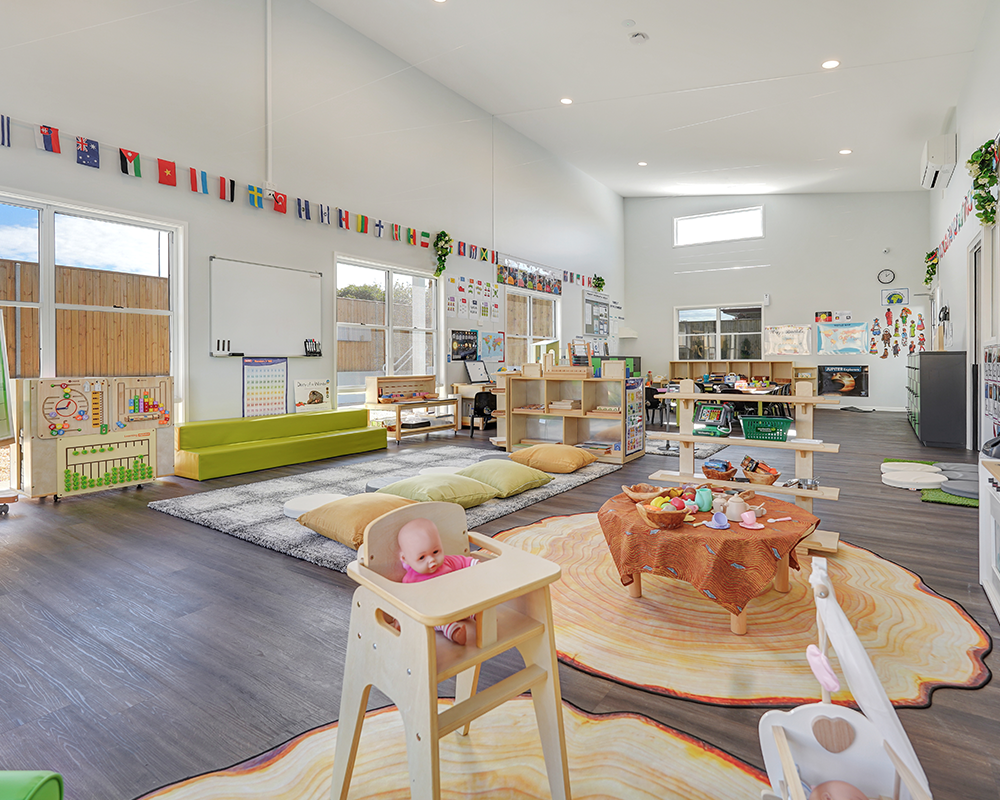
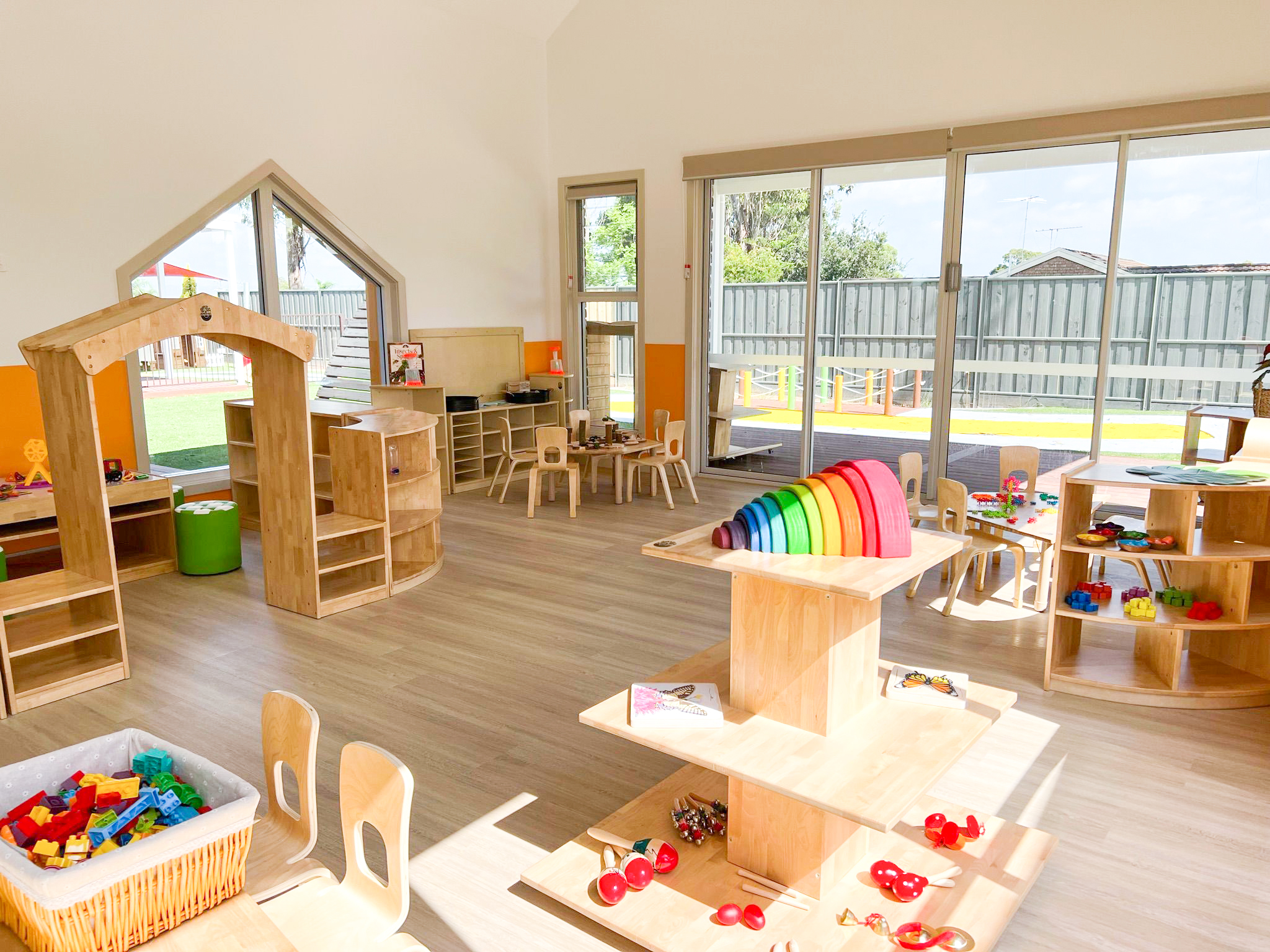
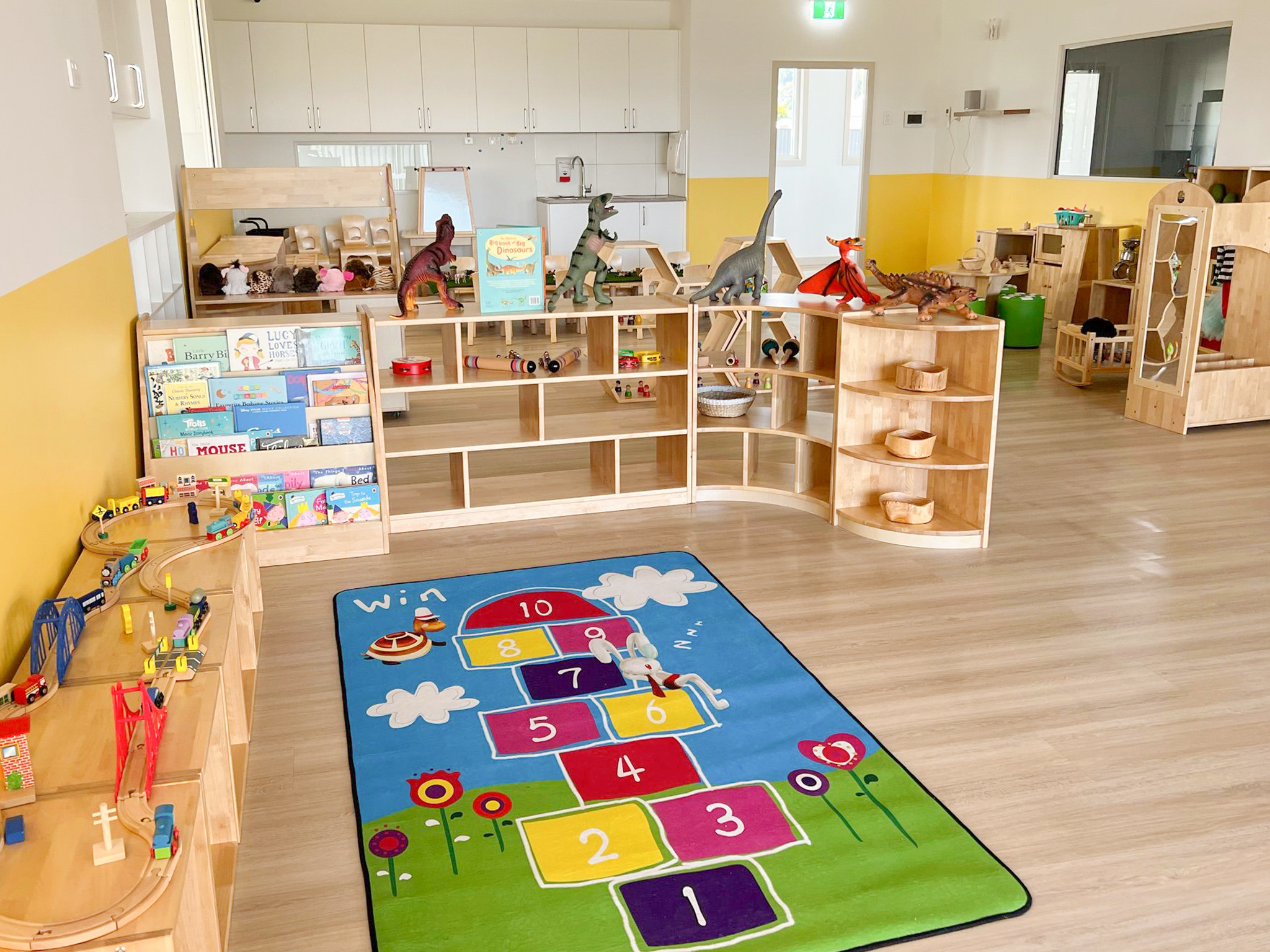
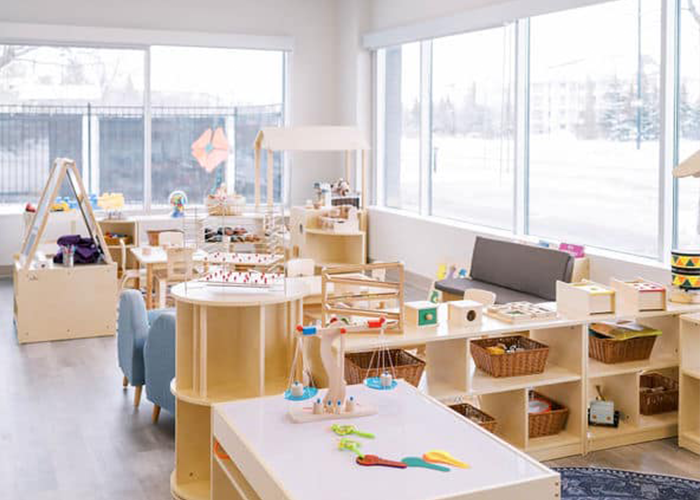
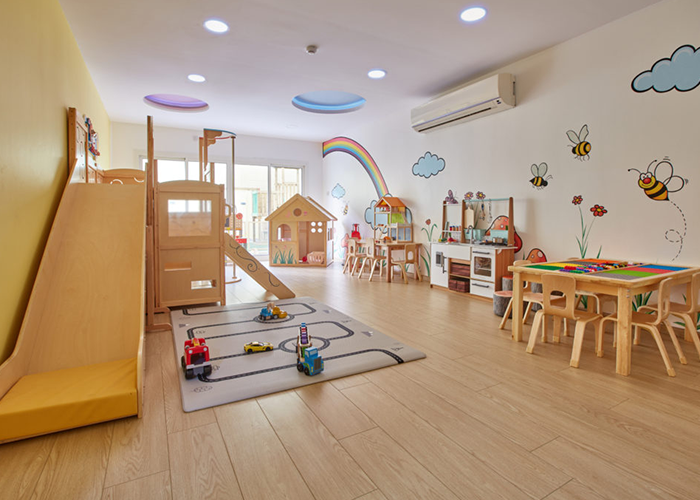
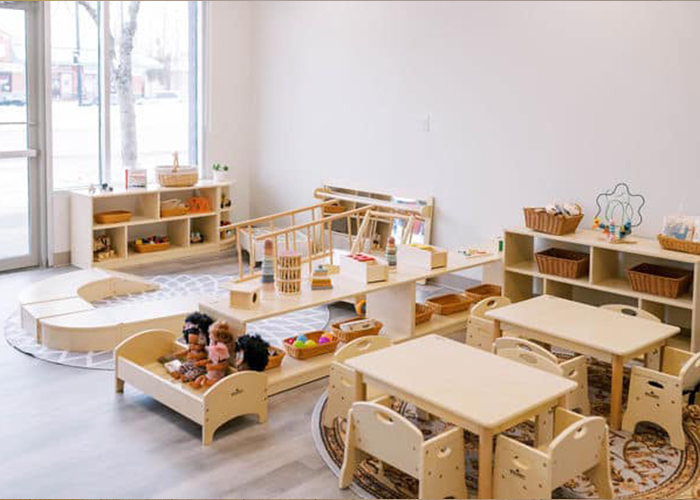
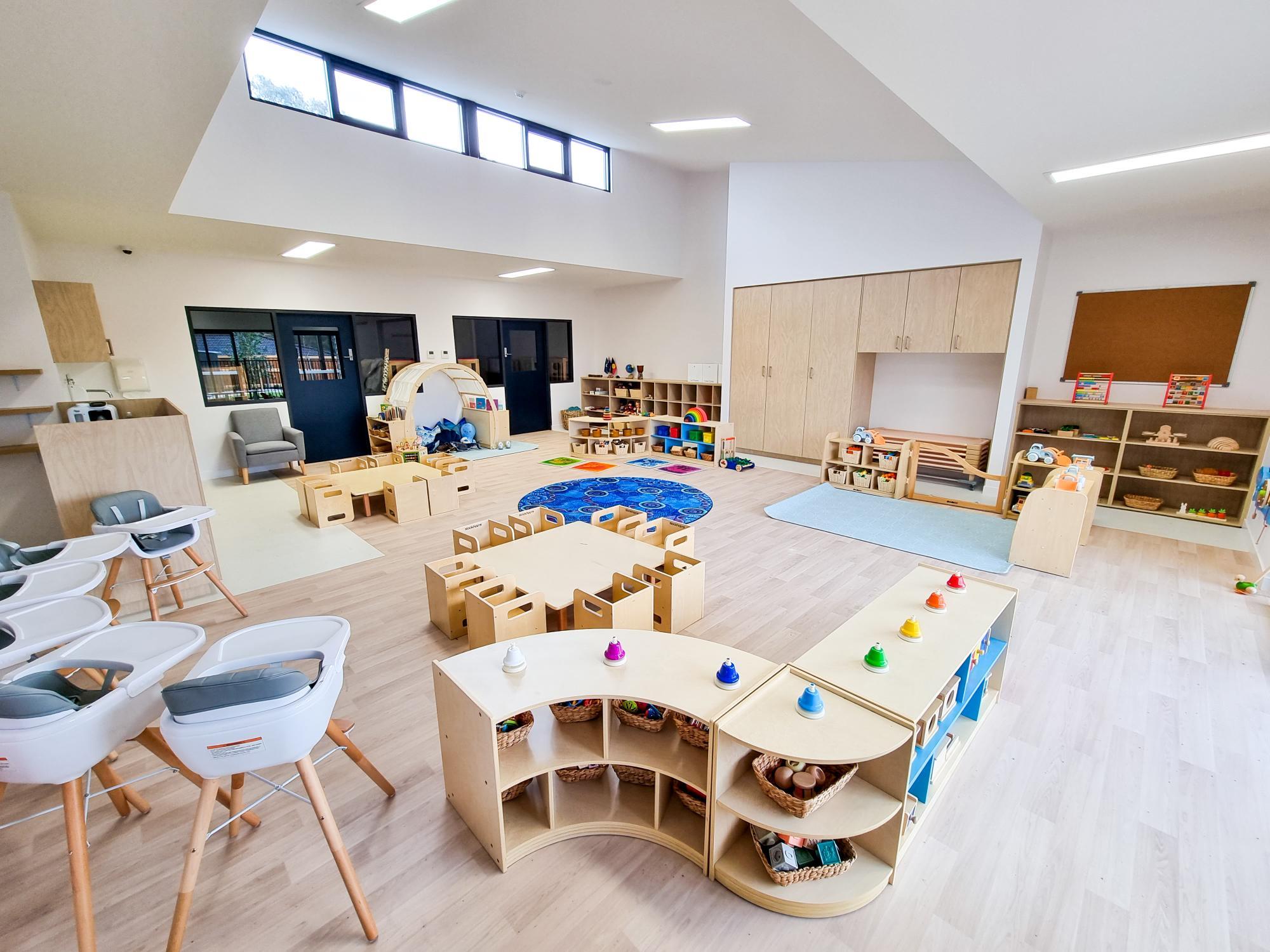
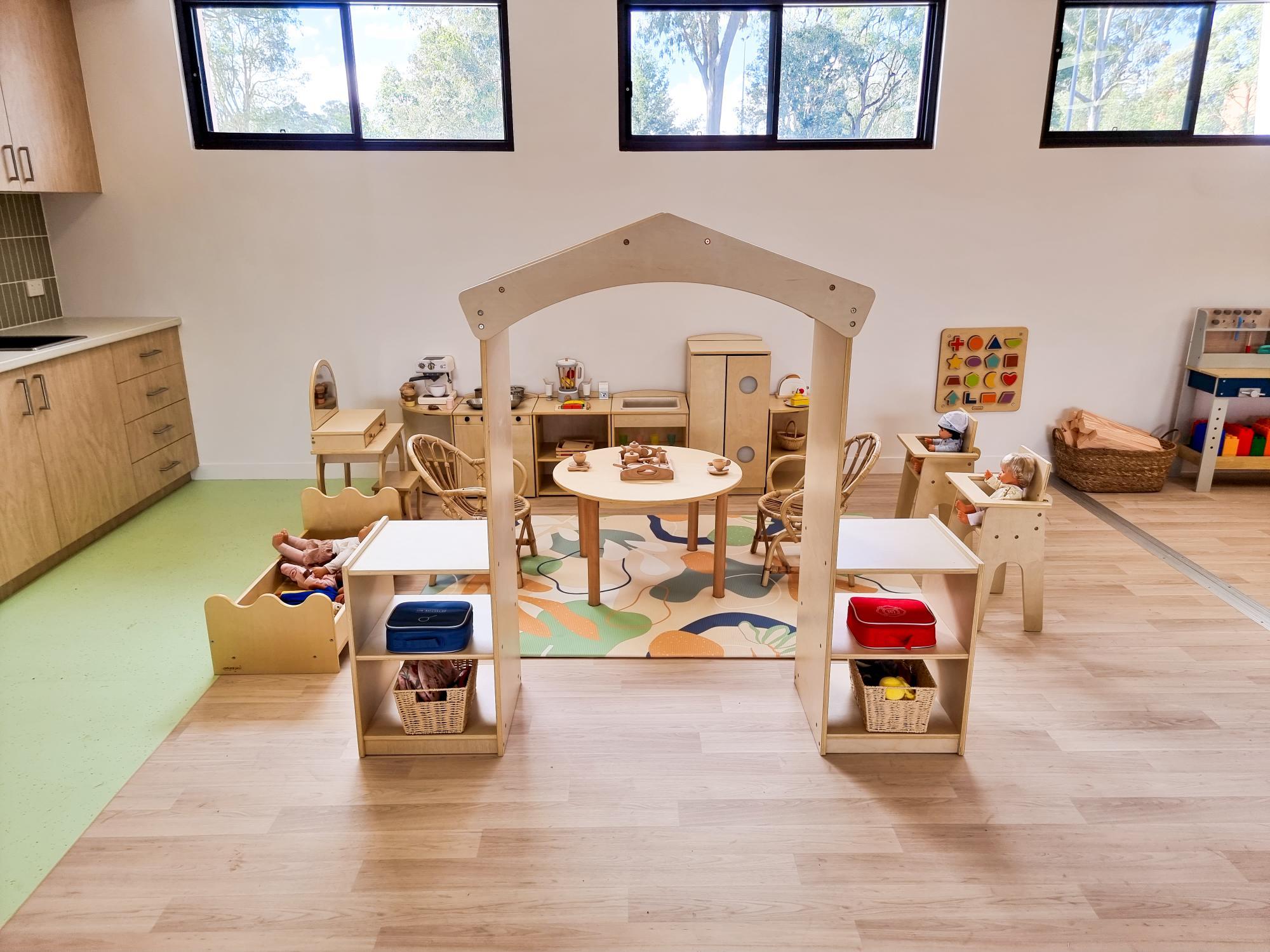
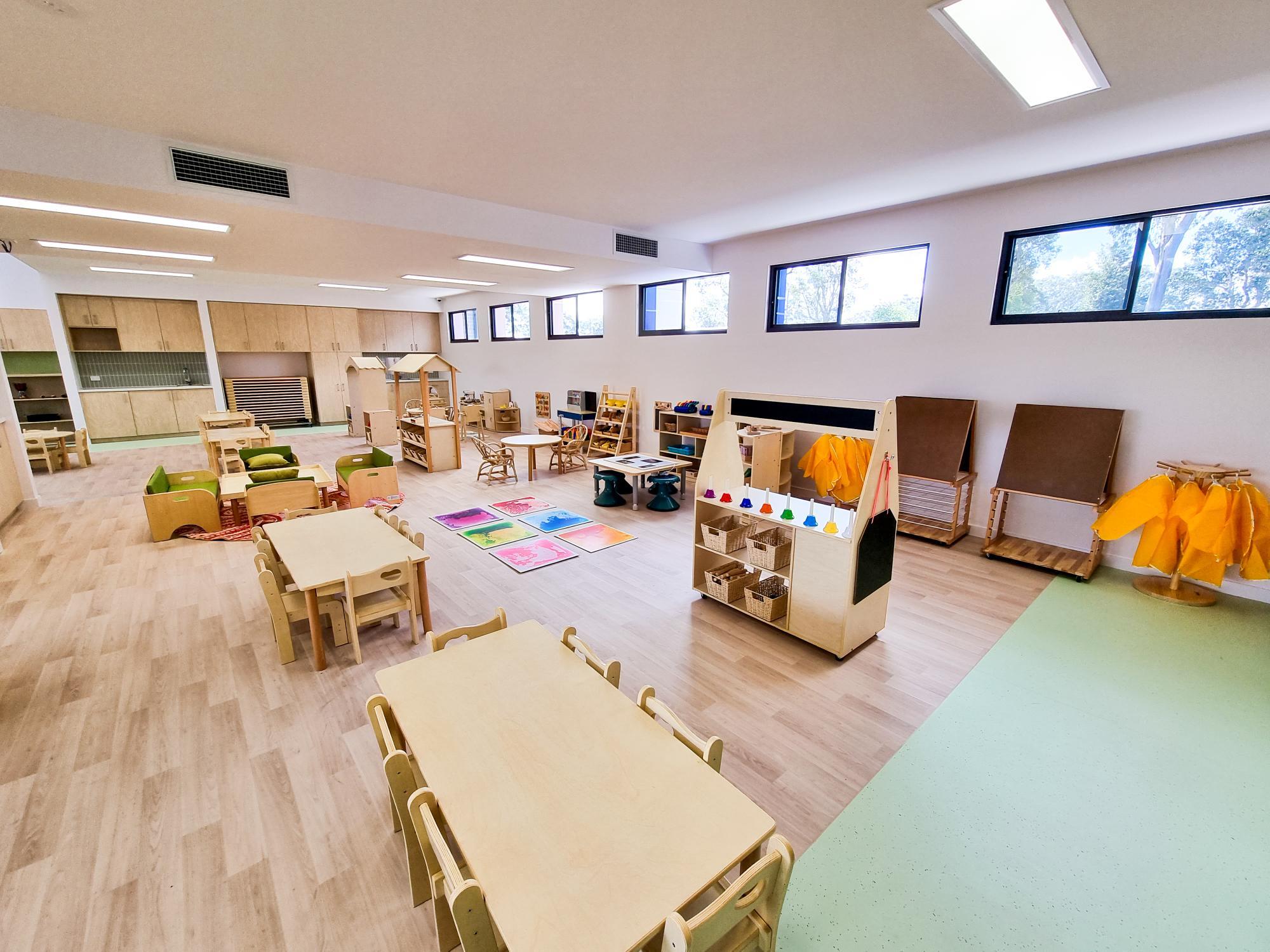
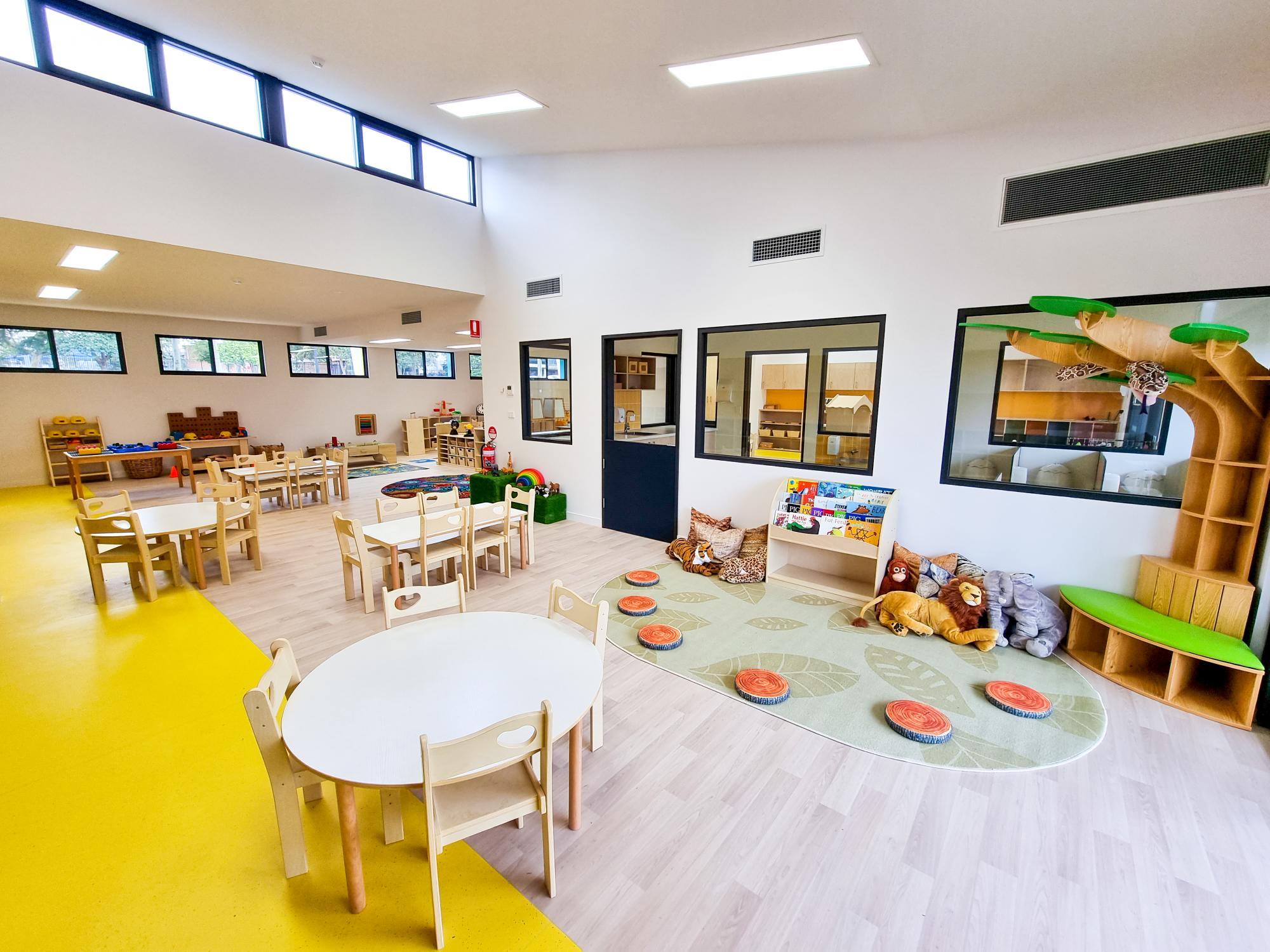
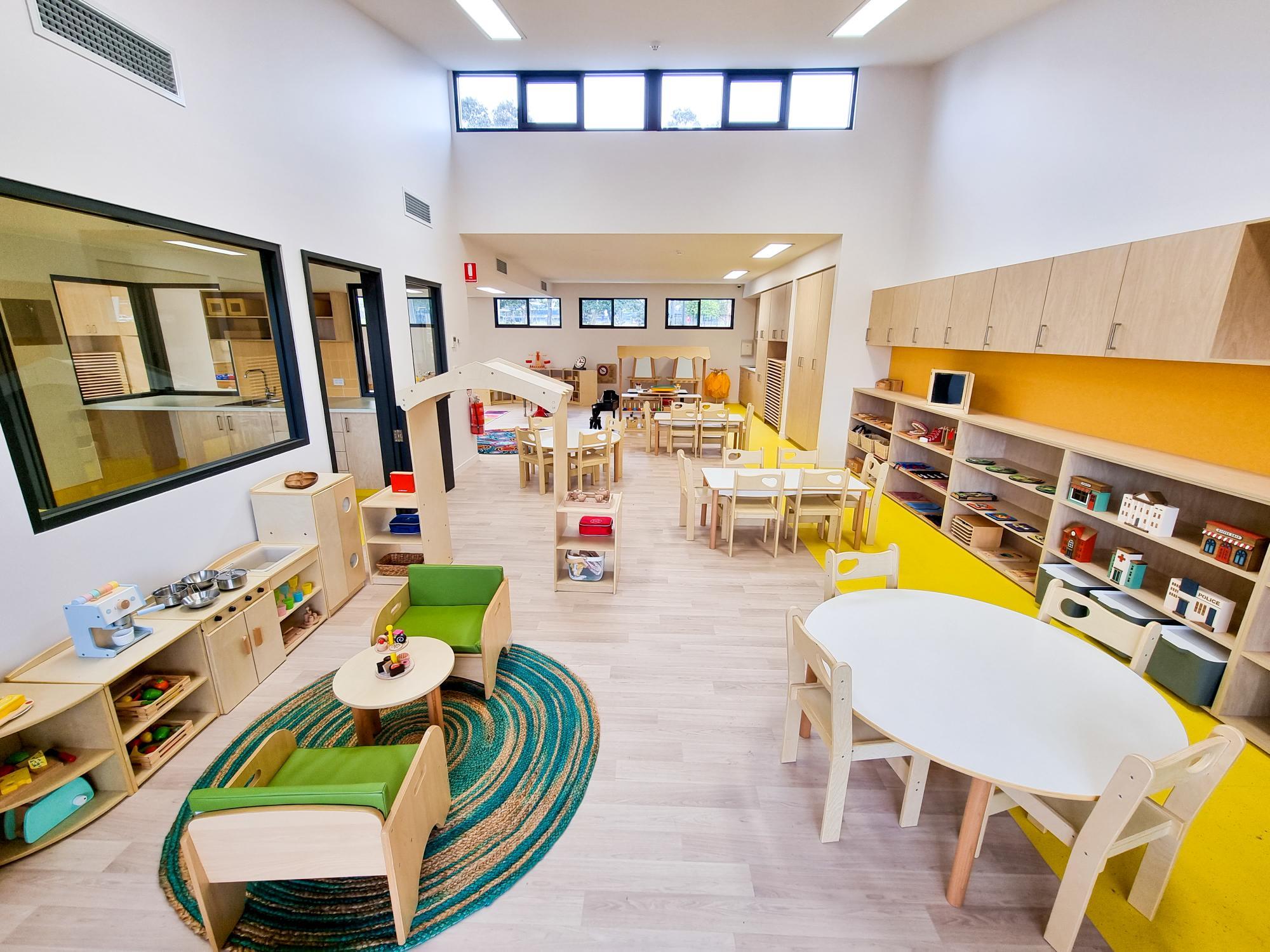
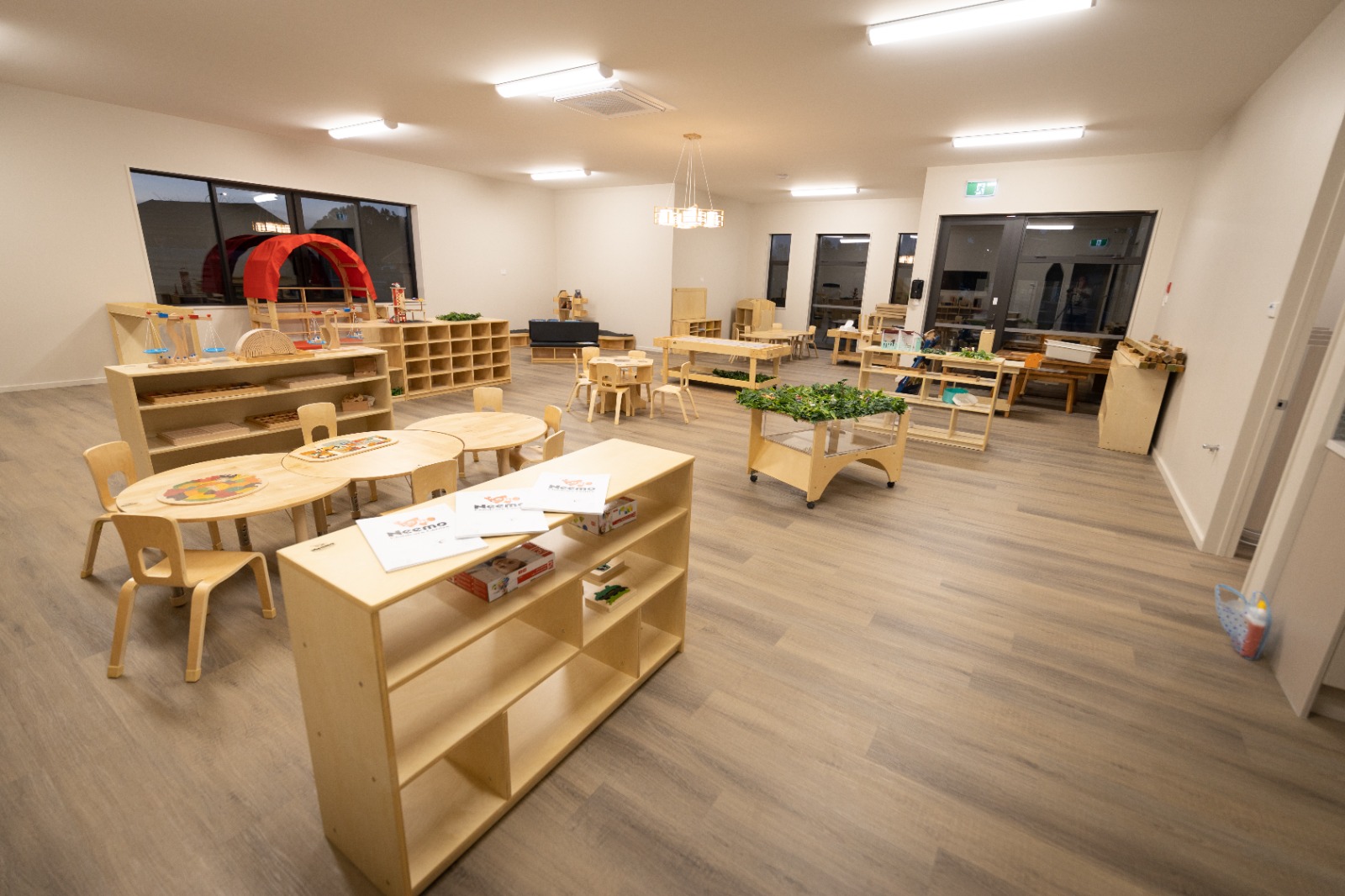
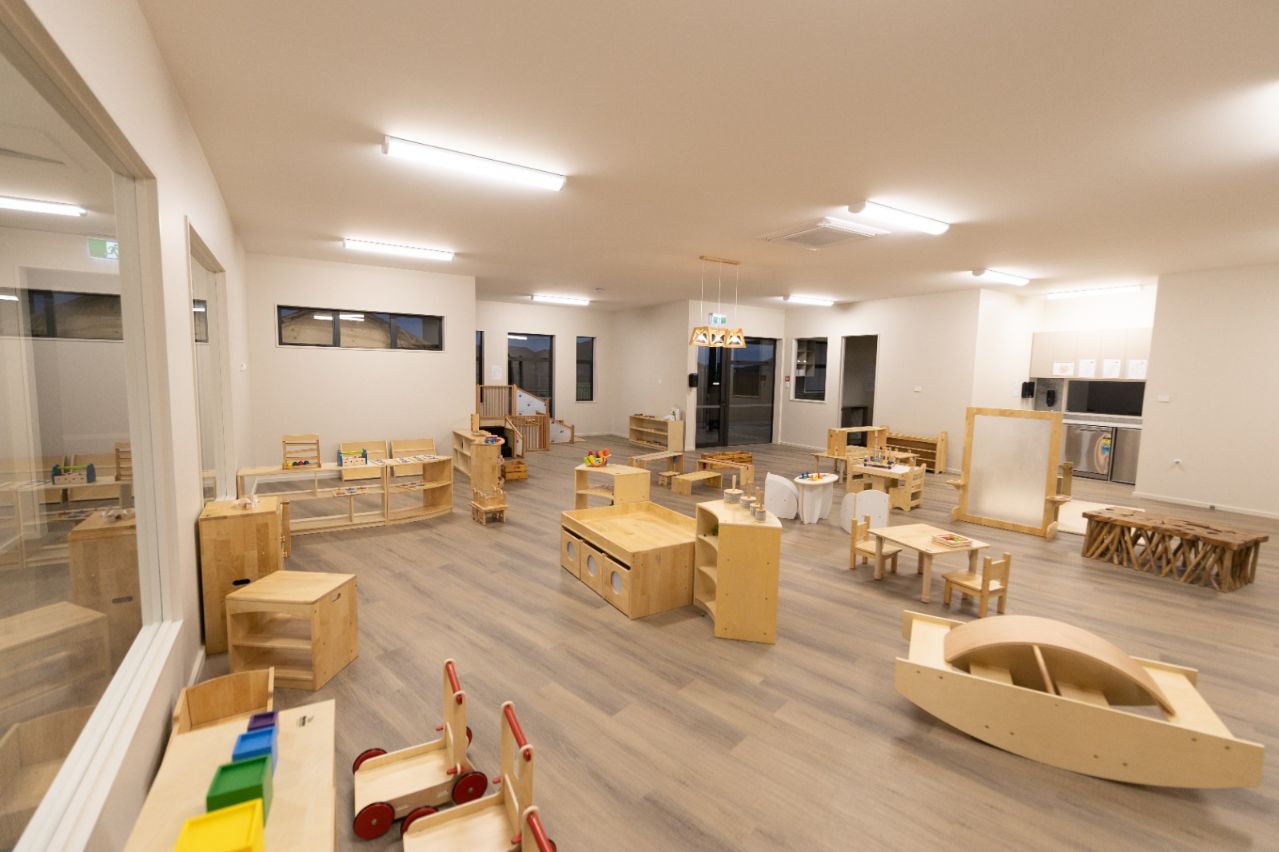
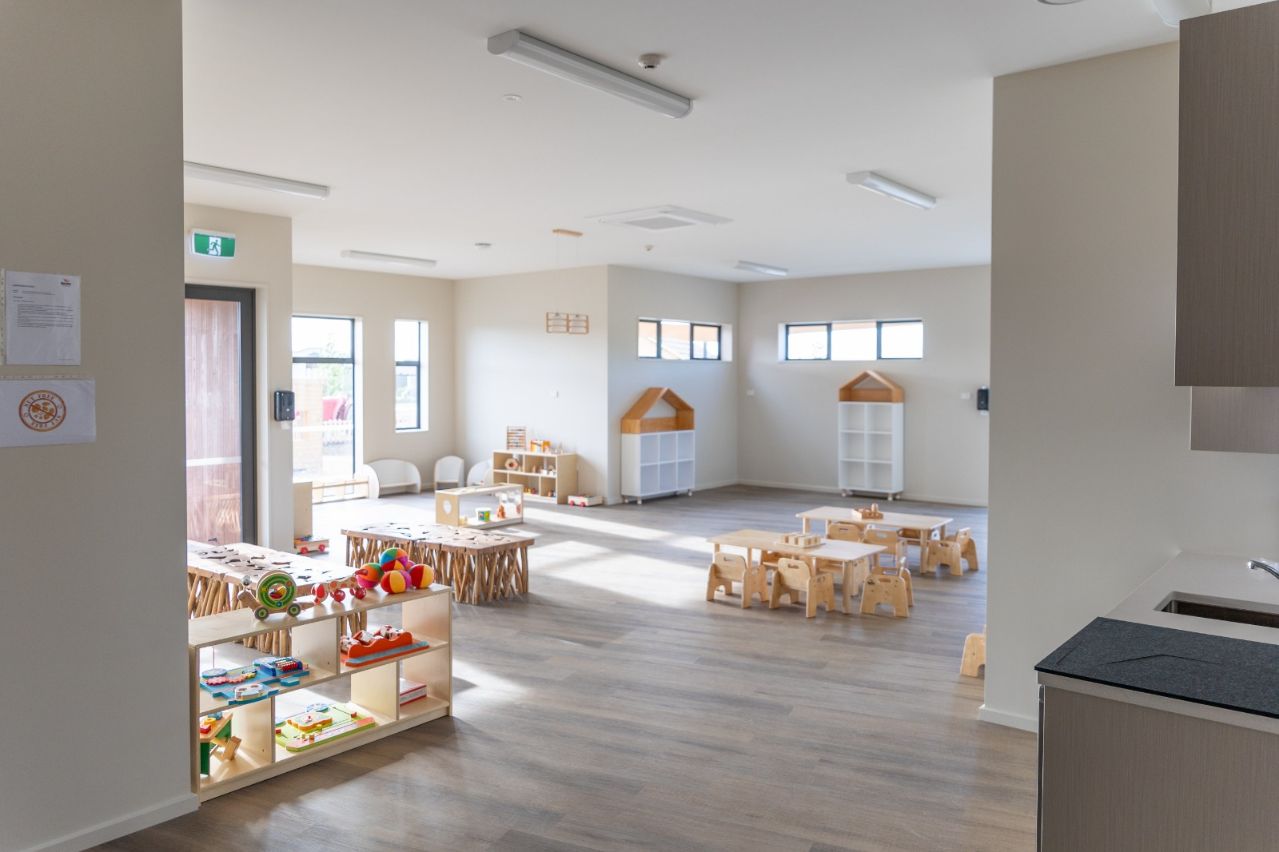
The environment strongly influences how children play with toys. Arrange toys so they are easy to see and reach. Offer a manageable number of choices to avoid overwhelm. A calm, organized space helps children focus, make decisions, and stay engaged in play for longer periods.
How to Teach Children to Play with Toys at Different Ages?
A child’s ability to interact with toys evolves rapidly. Teaching a 6-month-old is about sensory input, while teaching a 4-year-old is about narrative and logic. To be an effective “play coach,” you must match your teaching style to their developmental window.
1. Infants (0–12 Months): The Sensory Explorers
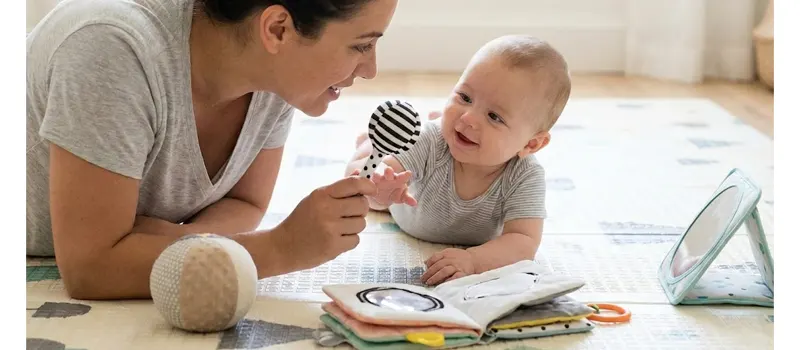
At this stage, “teaching” is about introducing the concept of cause and effect. Infants learn through their five senses, and their primary goal is to master basic motor control.
- The Focus: Visual tracking, grasping, and auditory response.
- How to Teach: Use the “Mirroring” technique. If the baby shakes a rattle, shake yours back. Demonstrate simple actions like dropping a soft ball into a wide bucket and saying “Uh-oh!” or “In!”
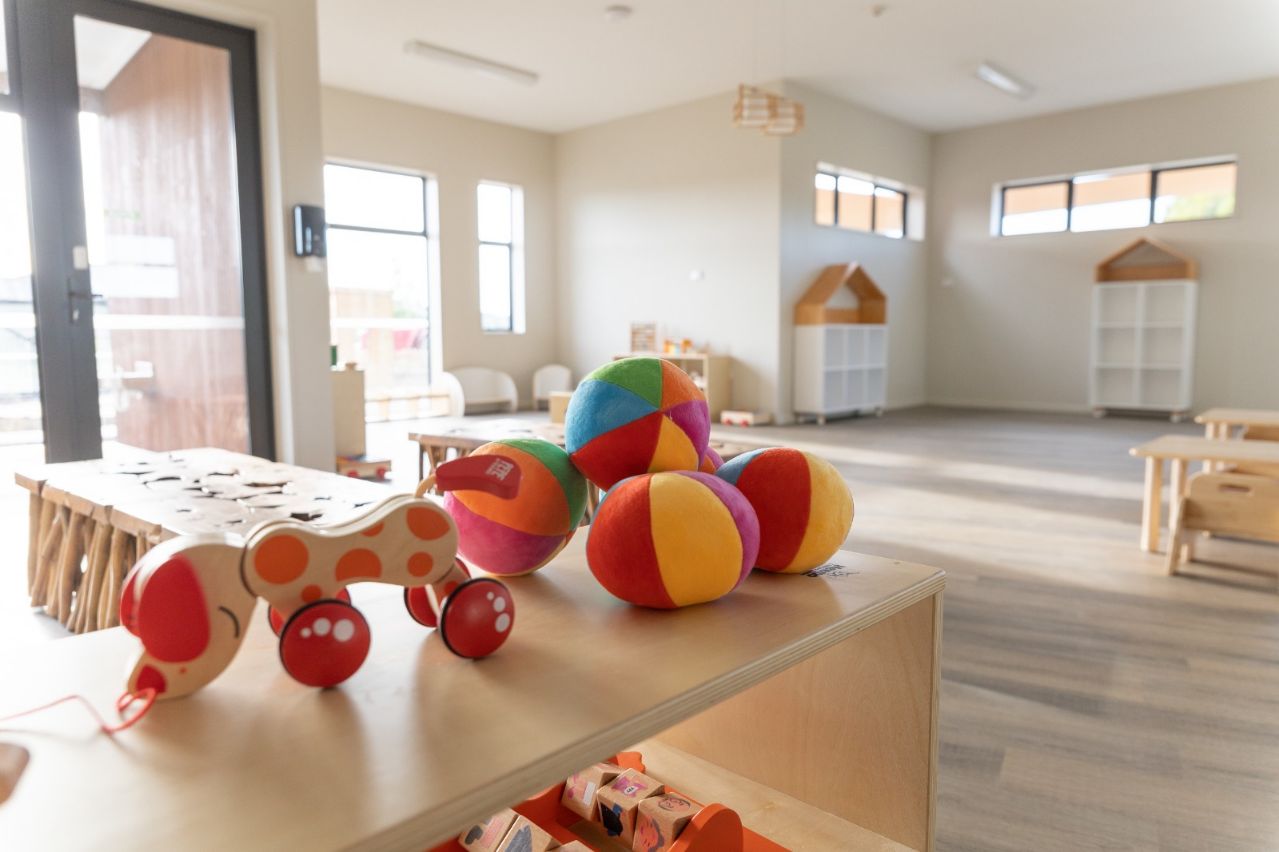
- Best Toys: High-contrast cards, soft rattles, textured balls, and “tummy time” mirrors.
2. Toddlers (1–3 Years): The Functional Builders
Toddlers are moving from “What is this object?” to “What can this object do?” This is the peak age for developing fine motor skills and early problem-solving.
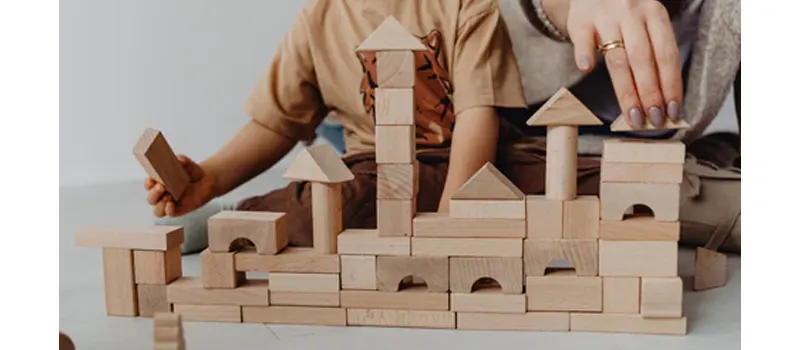
- The Focus: Stacking, sorting, and imitation.
- How to Teach: Use Parallel Play. Sit next to them and build your own tower. When it falls, show them how to restart. Use “Self-Talk” (e.g., “I am putting the blue block on the red block”) to narrate the logic behind your play.
- Best Toys: Large building blocks, simple 3-piece puzzles, stacking rings, and push-pull toys.
3. Preschoolers (3–5 Years): The Imaginative Storytellers
By age three, children begin to engage in Symbolic Play, where one object represents another. Teaching now shifts from physical mechanics to creative expansion.

- The Focus: Role-playing, social cooperation, and complex construction.
- How to Teach: Use Open-Ended Prompting. Instead of showing them how to build a house, ask, “Who lives in this castle?” or “The dinosaur is hungry, what should we cook for him?” Help them create “scripts” for their play to build their vocabulary and social empathy.
- Best Toys: Dolls, play kitchens, magnetic tiles, dress-up clothes, and animal figurines.
How to Introduce a New Toy: The 3-Step Method
Introducing a new toy is more than just unboxing an object and handing it to your child. To prevent the frustration that leads to “toy rejection,” You can choose a systematic approach known as the “I Do, We Do, You Do” method. This framework builds a bridge between a child’s current abilities and the new challenges a toy presents, ensuring they feel supported rather than overwhelmed.
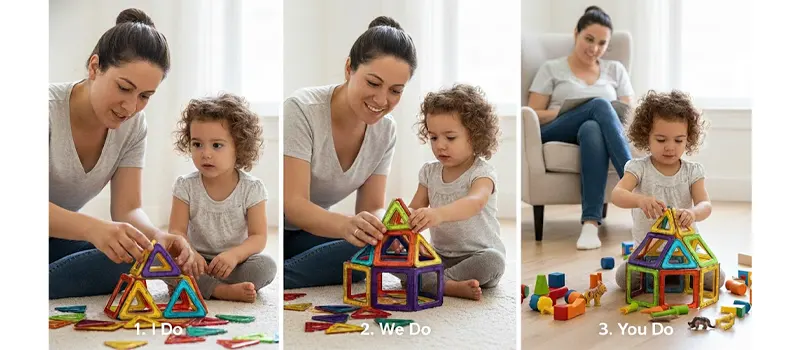
I Do: Model the Play Clearly
During the initial stage, you act as the primary model while your child takes the role of the observer. Children learn primarily through visual imitation, so it is essential to perform the toy’s basic functions with slow, deliberate movements. Rather than overwhelming them with complex verbal instructions, focus on the physical mechanics of the toy.
For instance, if you are introducing a marble run, show the marble at eye level before releasing it down the track, allowing them to track the motion without distraction. This phase establishes the “logic” of the toy and sparks the initial curiosity needed for deeper engagement.
We Do: Play Together Briefly
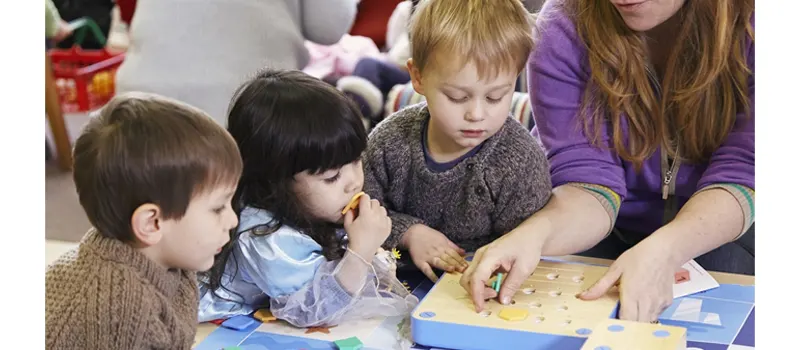
Once the child shows interest, you move into the collaborative phase, which developmental psychologists call “scaffolding.” Here, you invite the child to participate in the play process while you provide the necessary stability and encouragement to ensure success.
If you are playing with magnetic tiles, you might hold the base steady while inviting your child to click the next piece into place. The goal is to share the “heavy lifting” of the task so the child experiences the reward of the toy’s function without the stress of failure. This shared achievement builds the confidence required for them to eventually tackle the toy on their own.
You Do: Step Back and Let the Child Lead
The final and most critical step is the transition to independence, where you deliberately shift from a play partner to a quiet observer. Once you see the child has grasped the basic mechanics, physically move a few feet away and engage in your own quiet activity, such as reading a book.
It is vital during this stage to resist the urge to “correct” their play; if they use a toy car as a rolling pin for play-dough, let them explore that creative tangent. By stepping back, you grant them the autonomy to enter a state of “flow,” which is where true cognitive development and independent problem-solving flourish.
Where Are the Best Places for Children to Play with Toys?
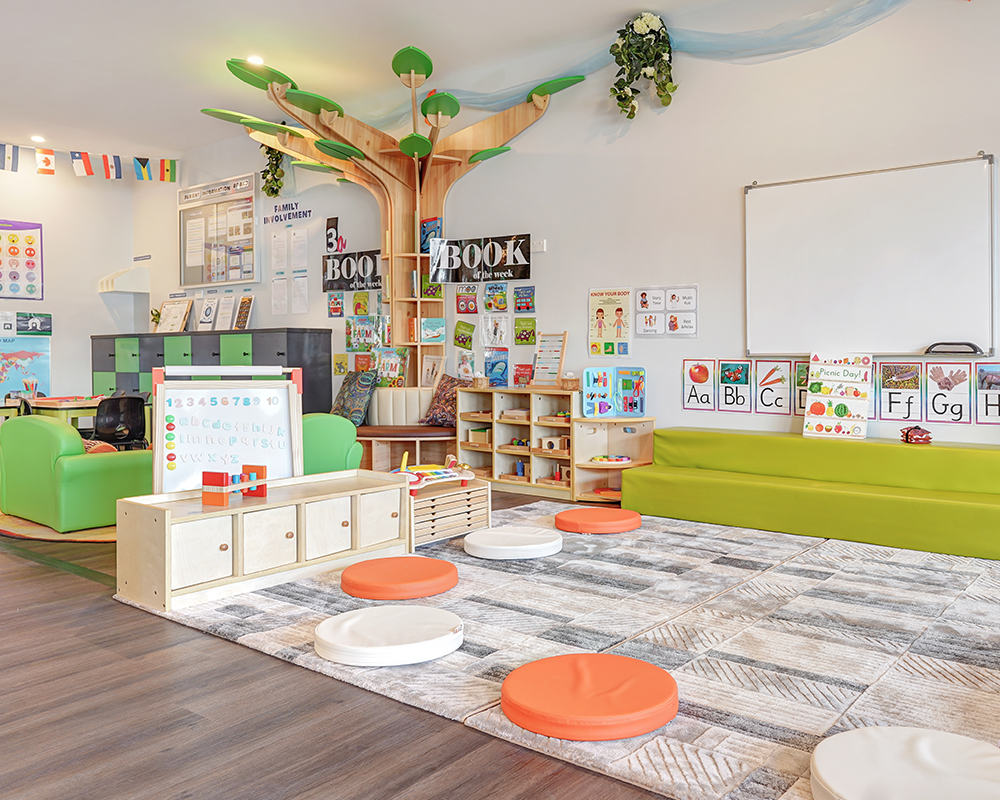
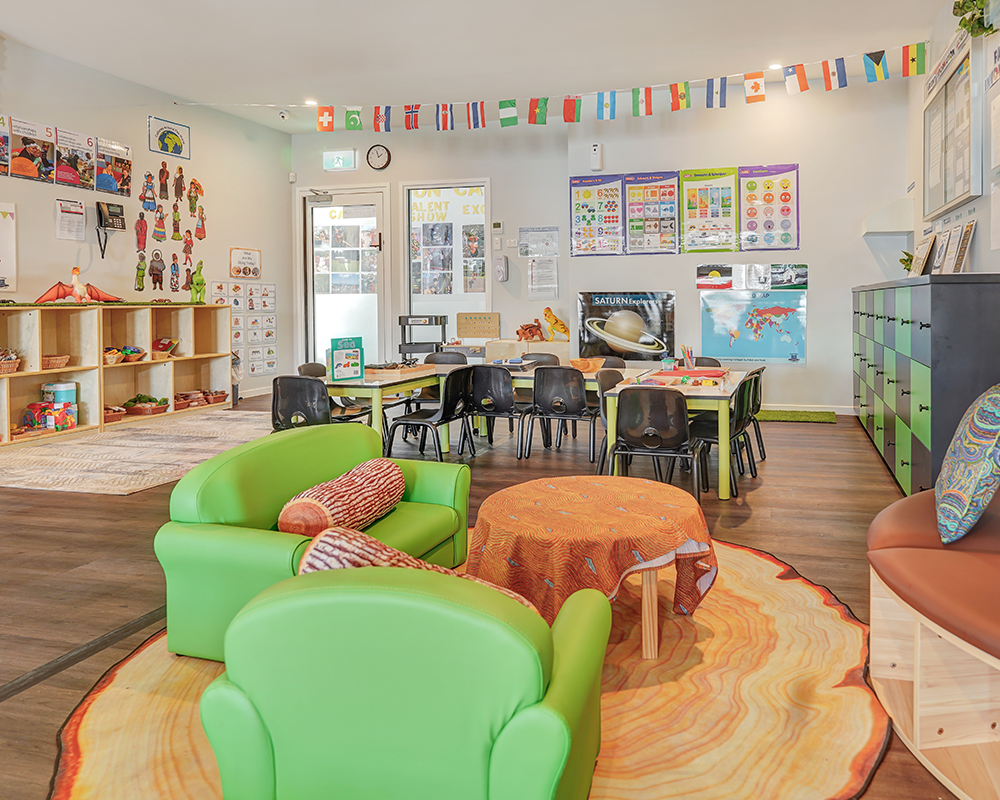
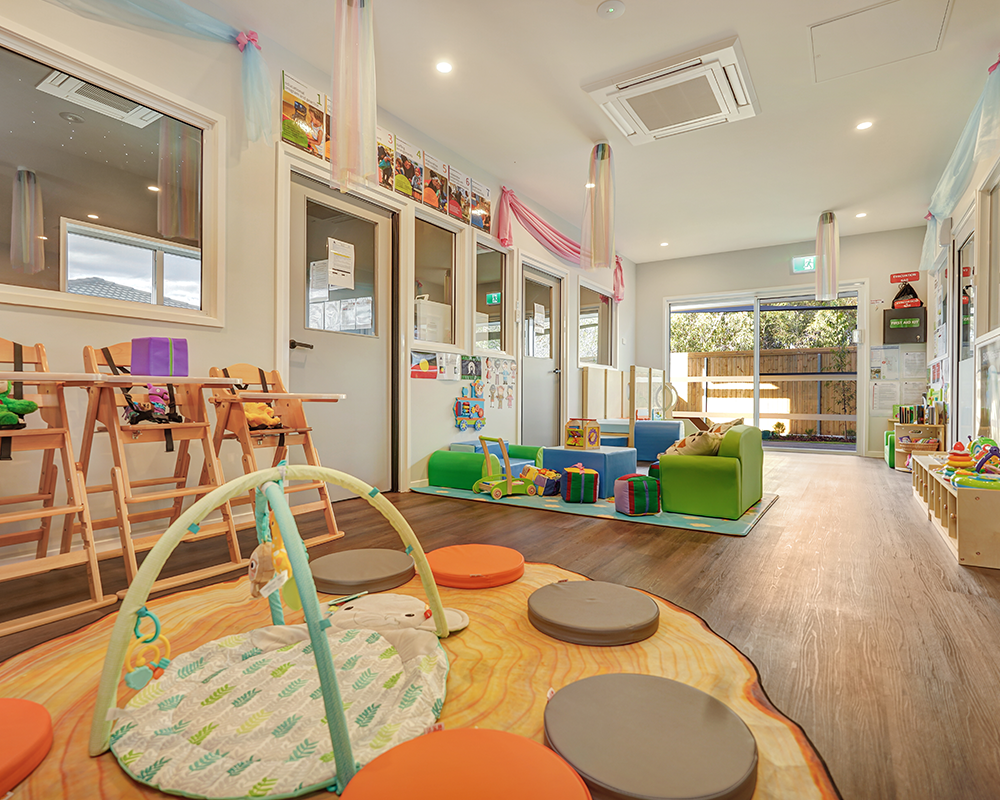
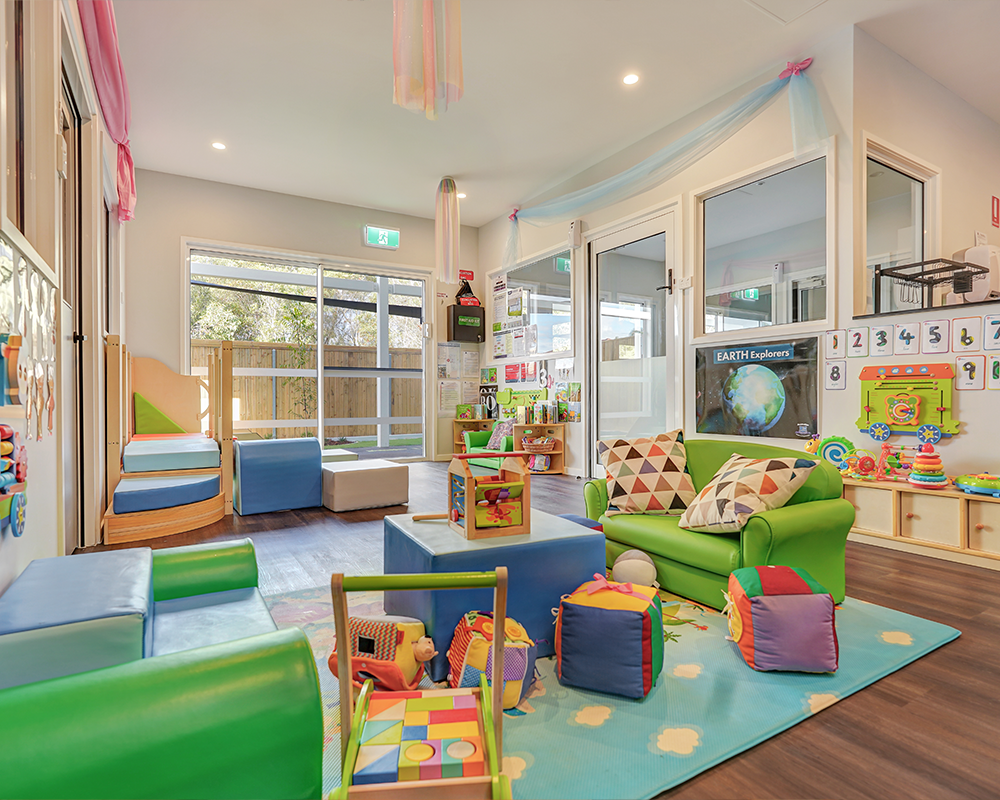
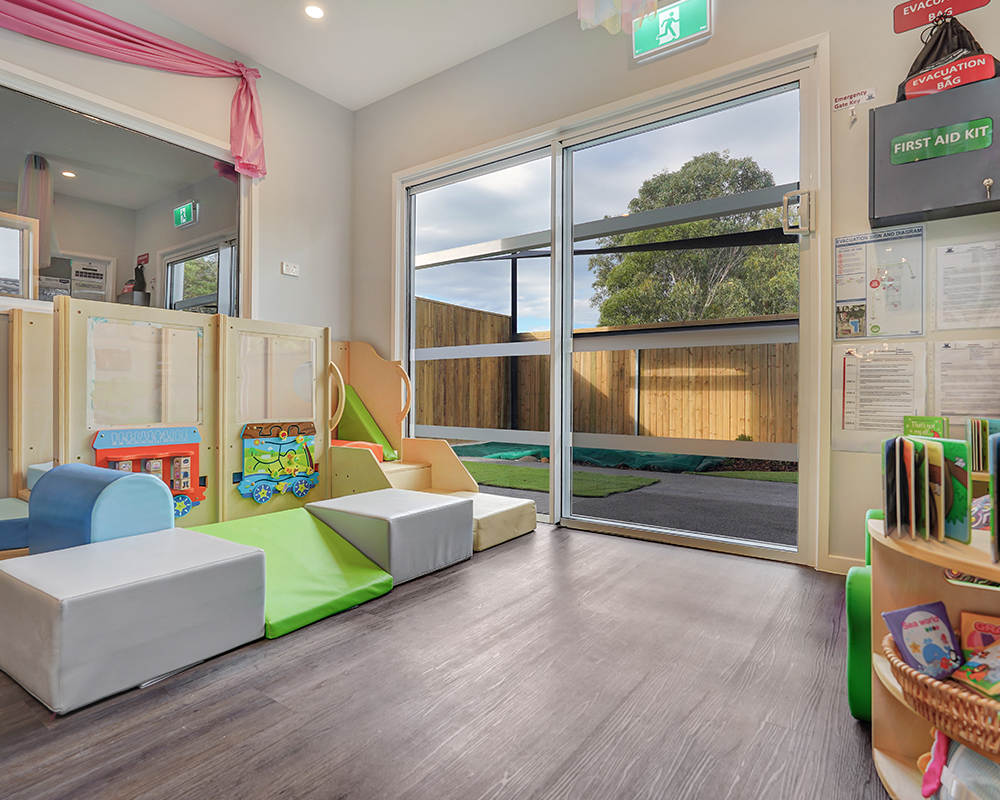
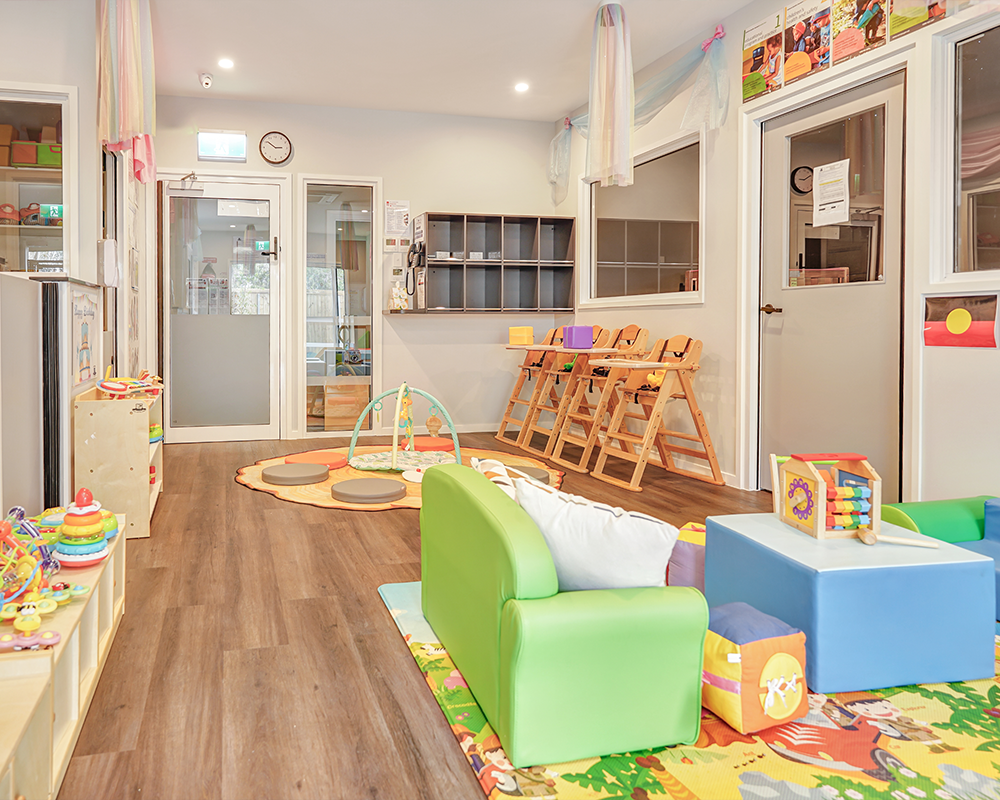
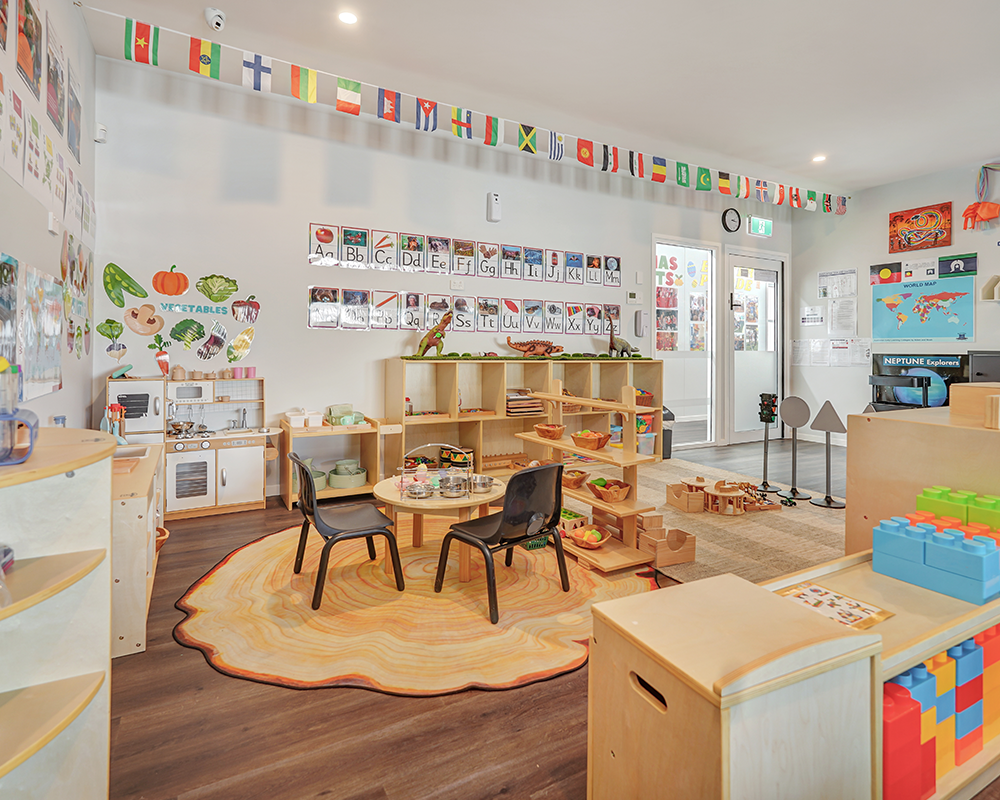
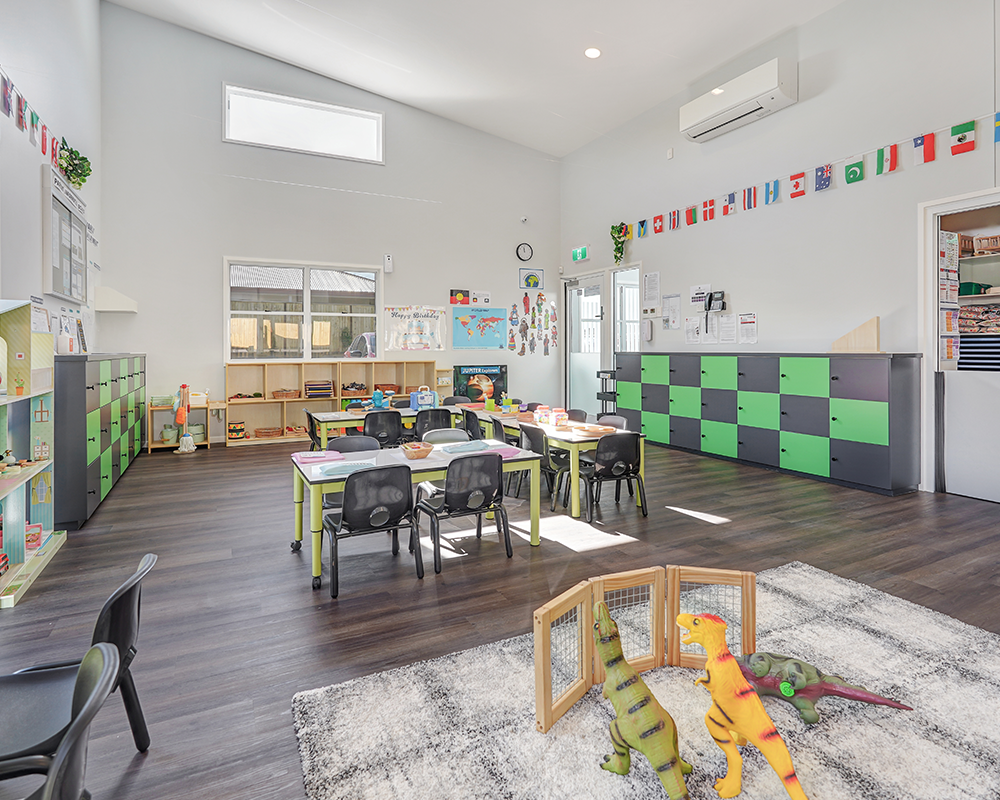
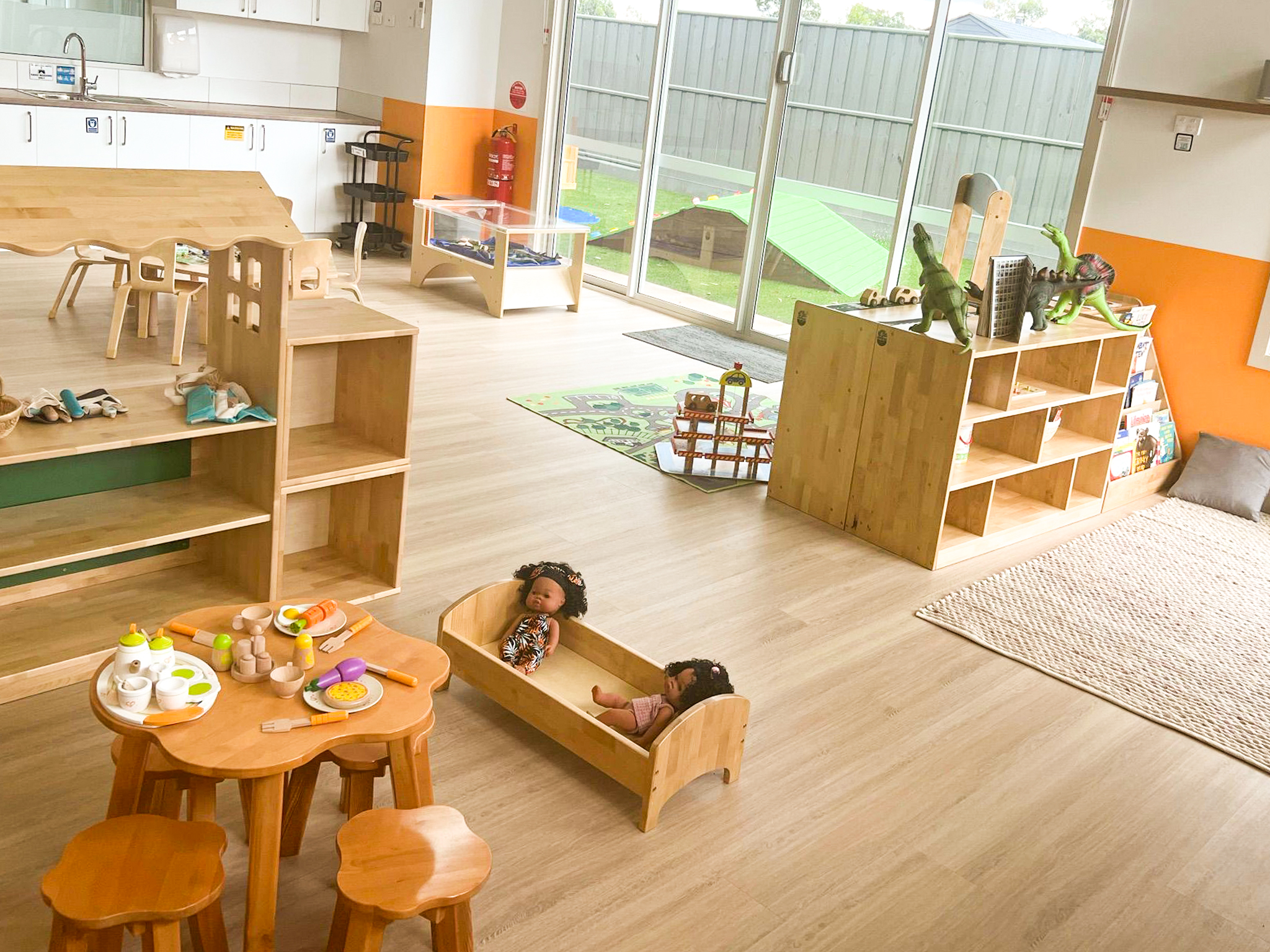
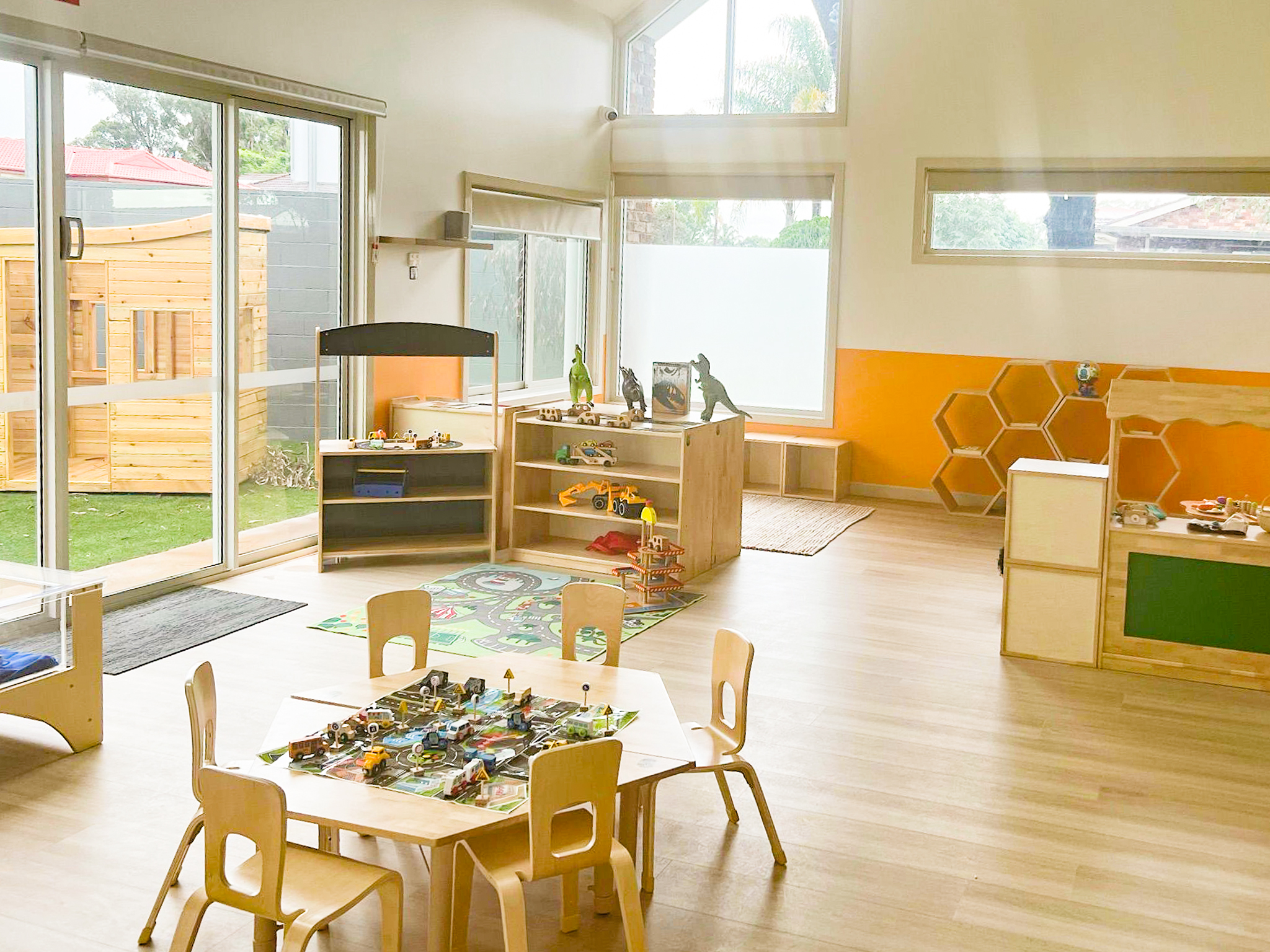
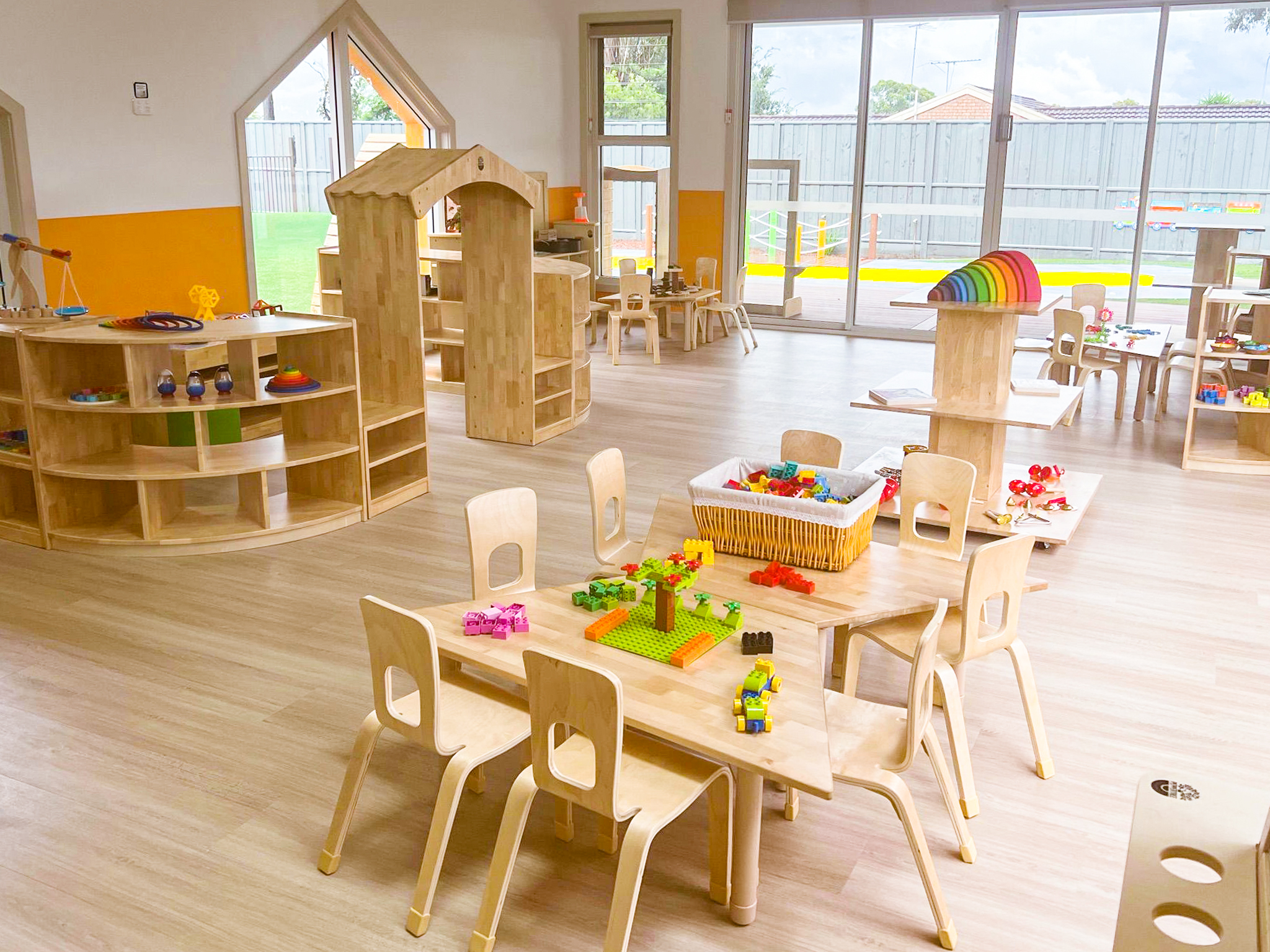
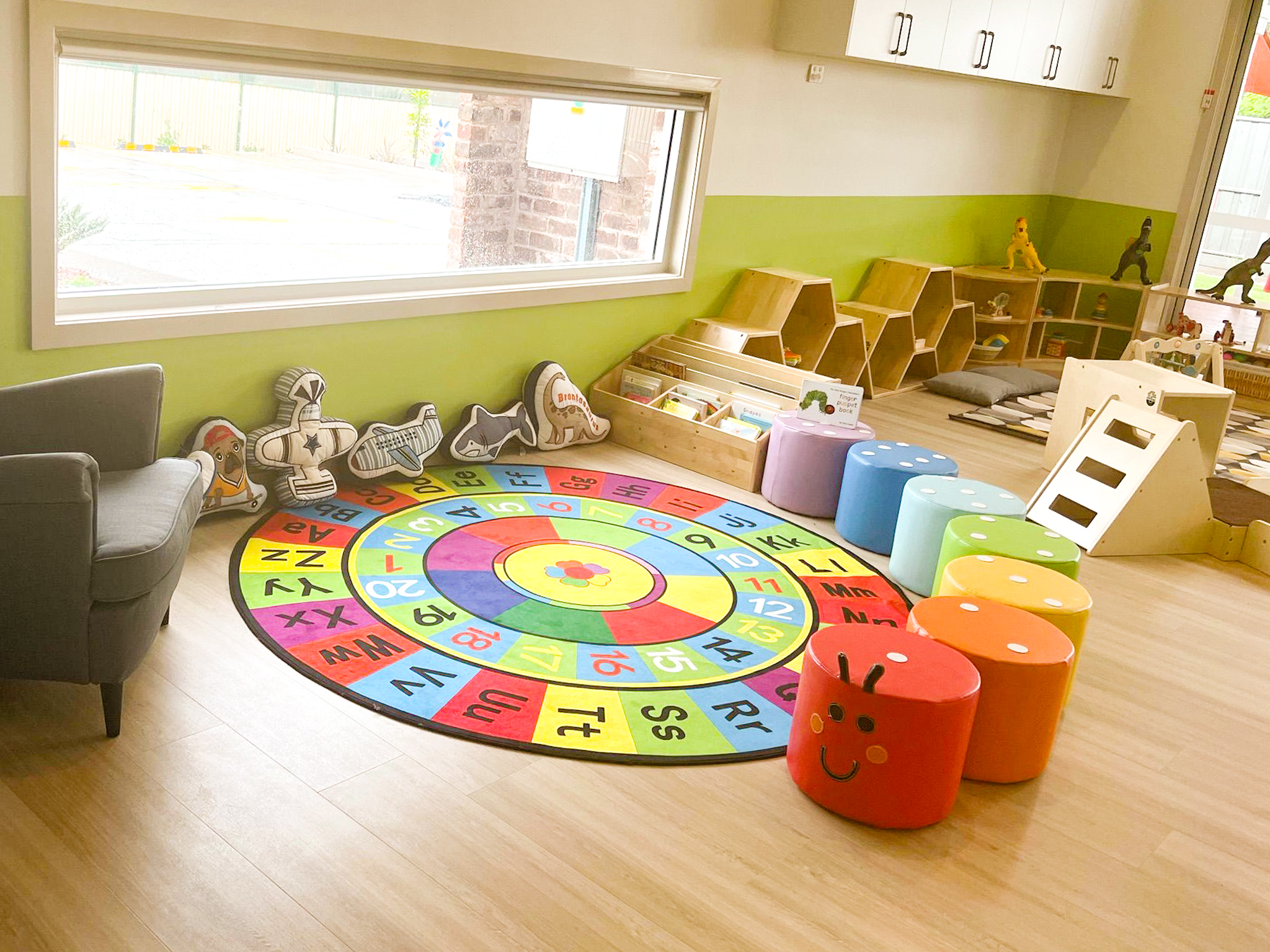
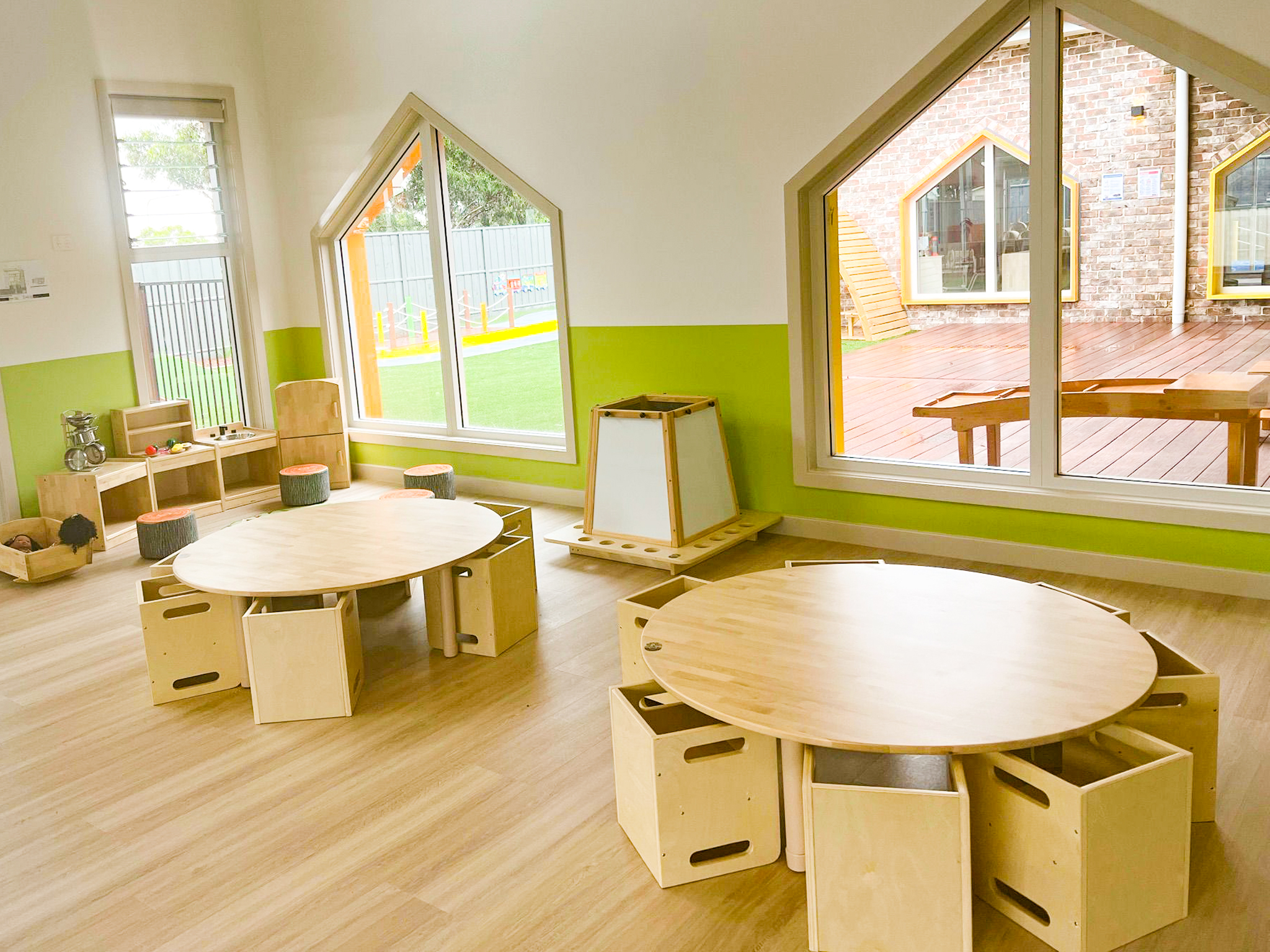
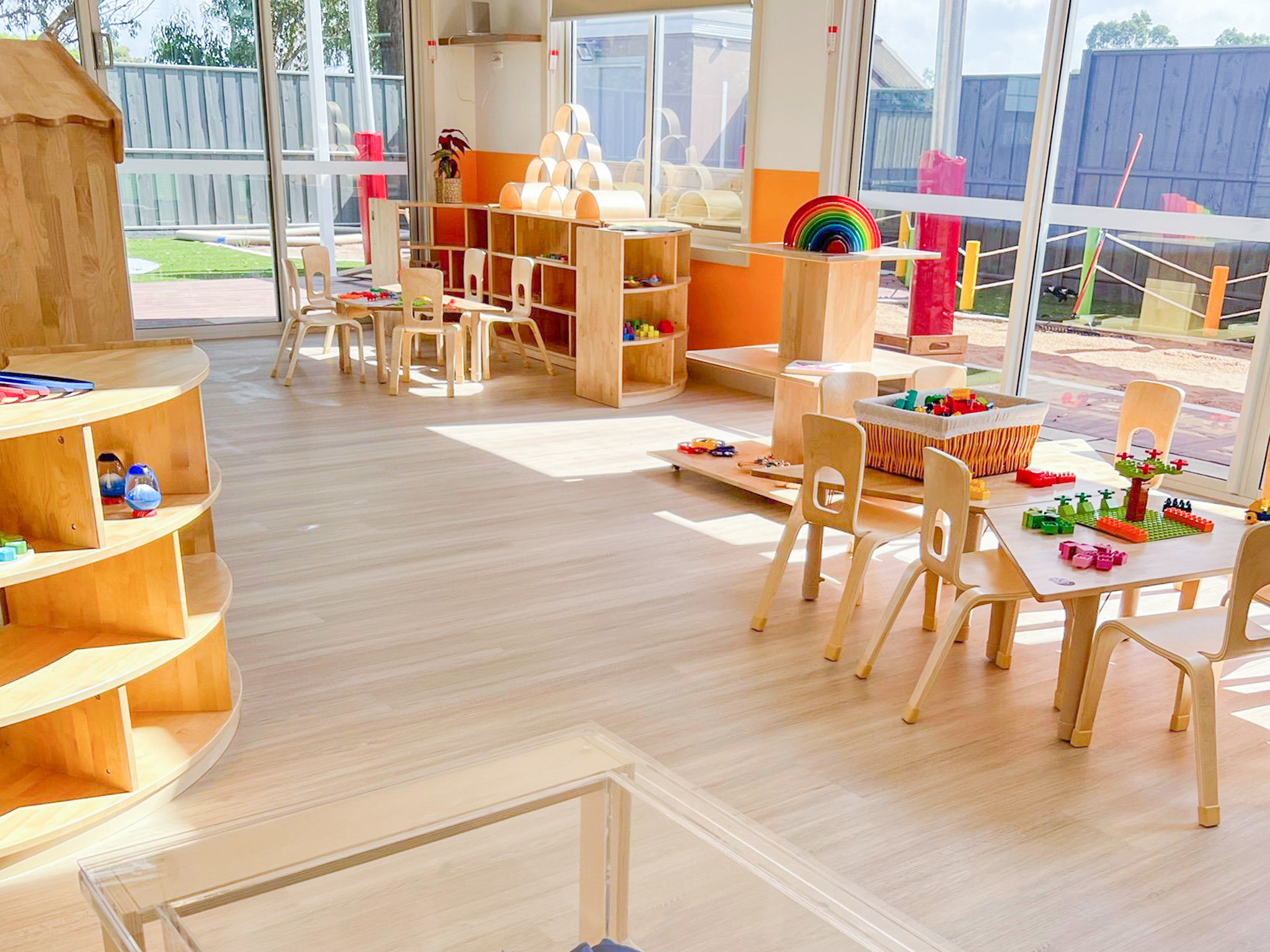
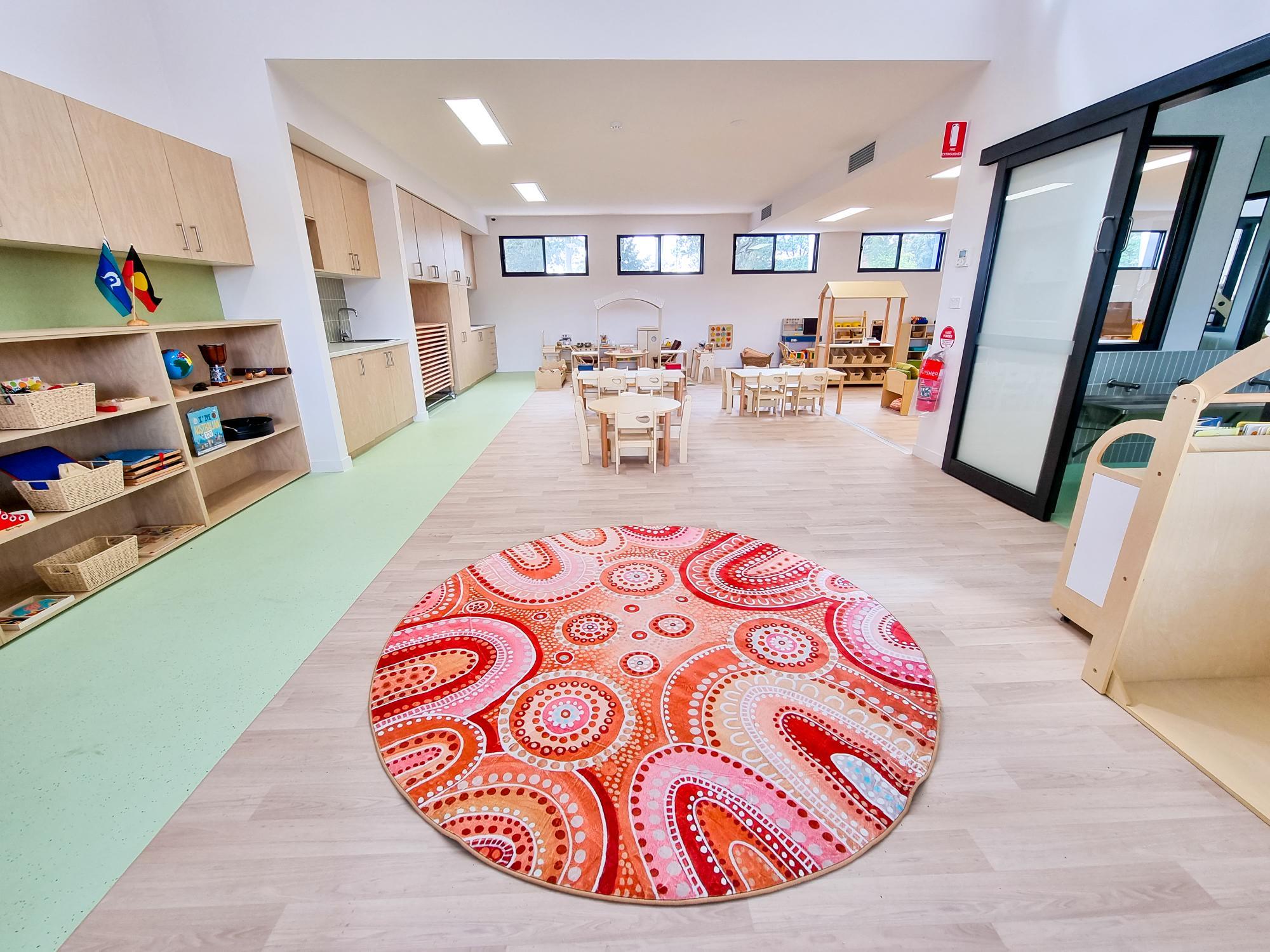
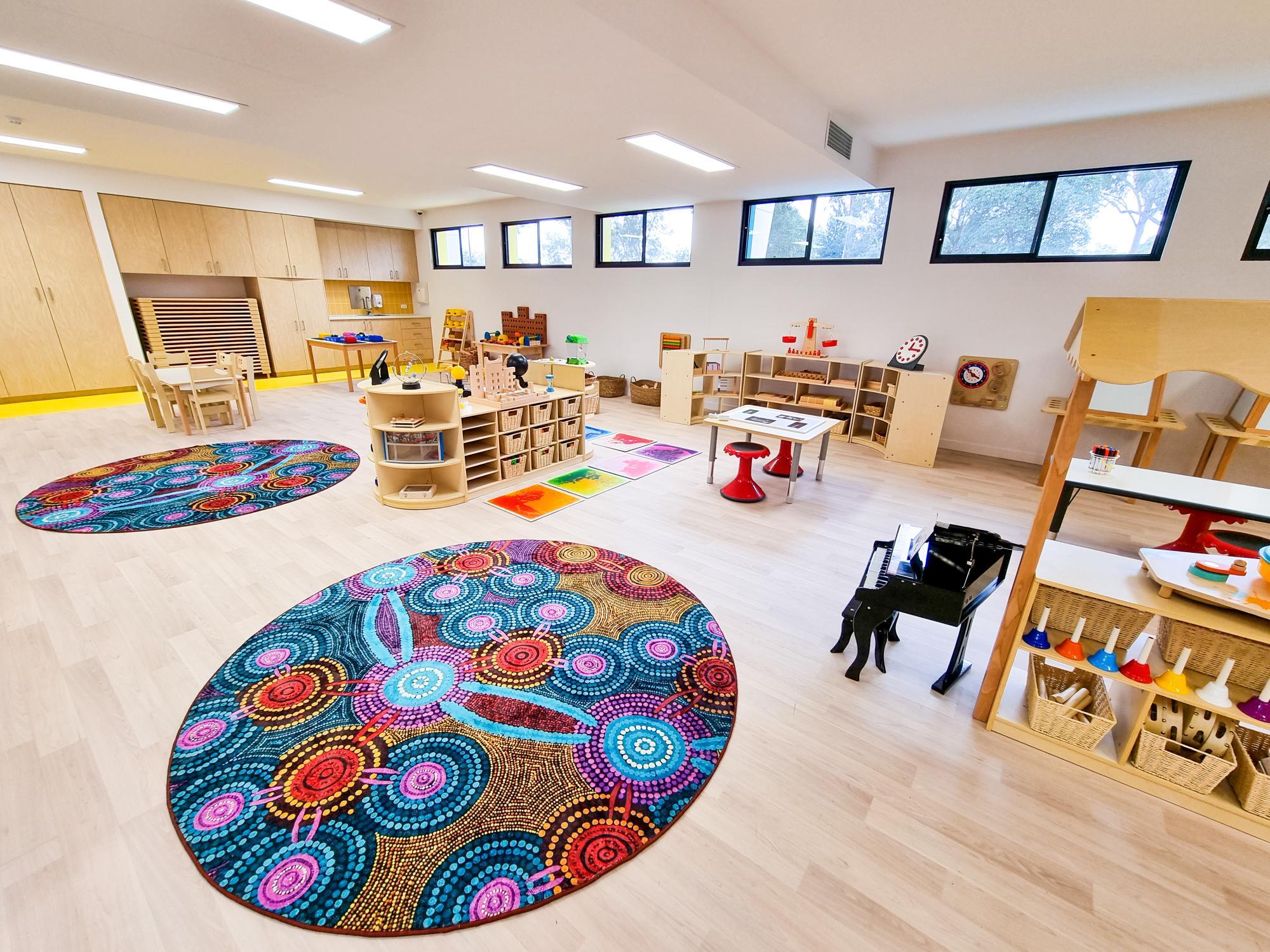
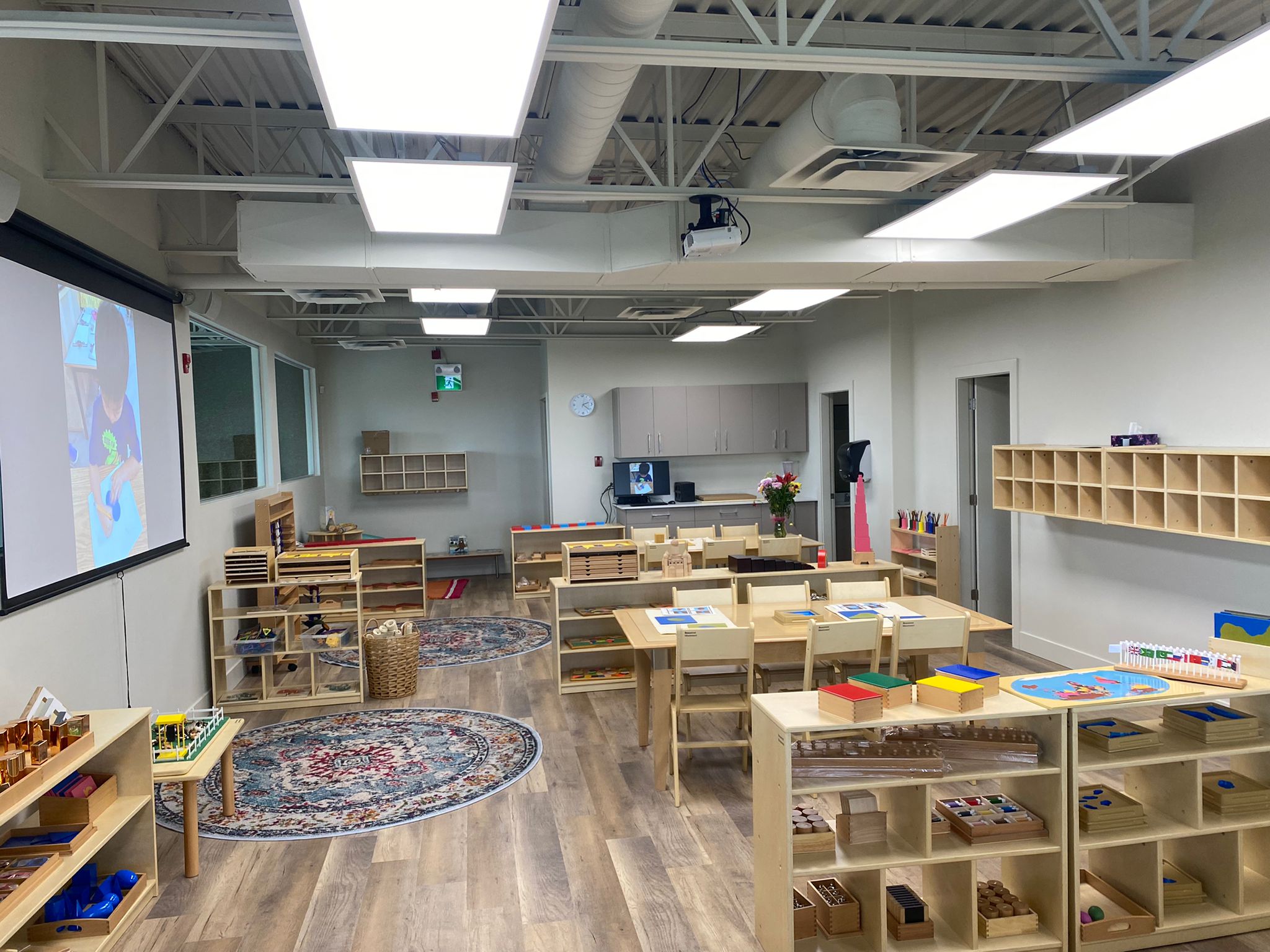
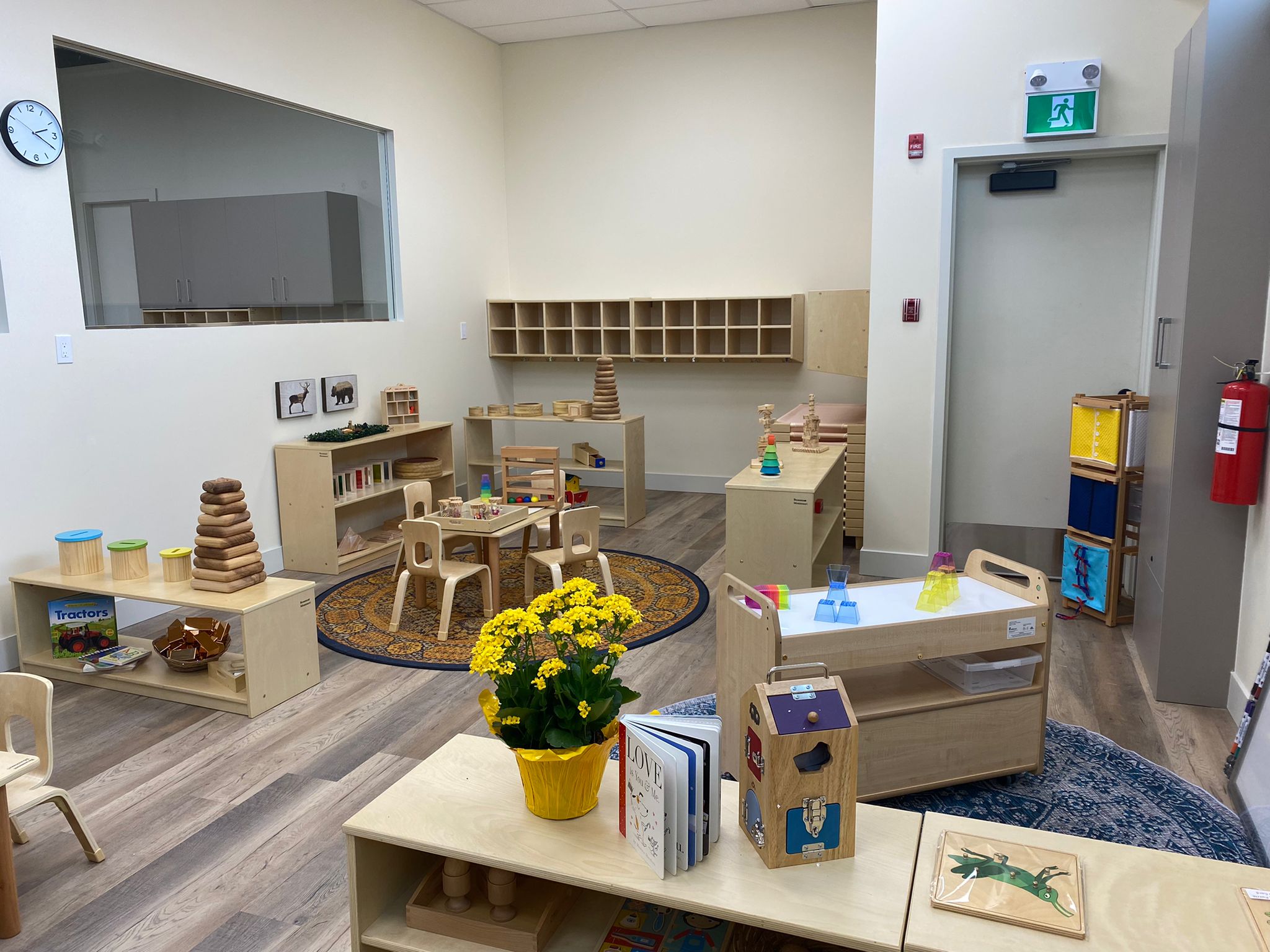
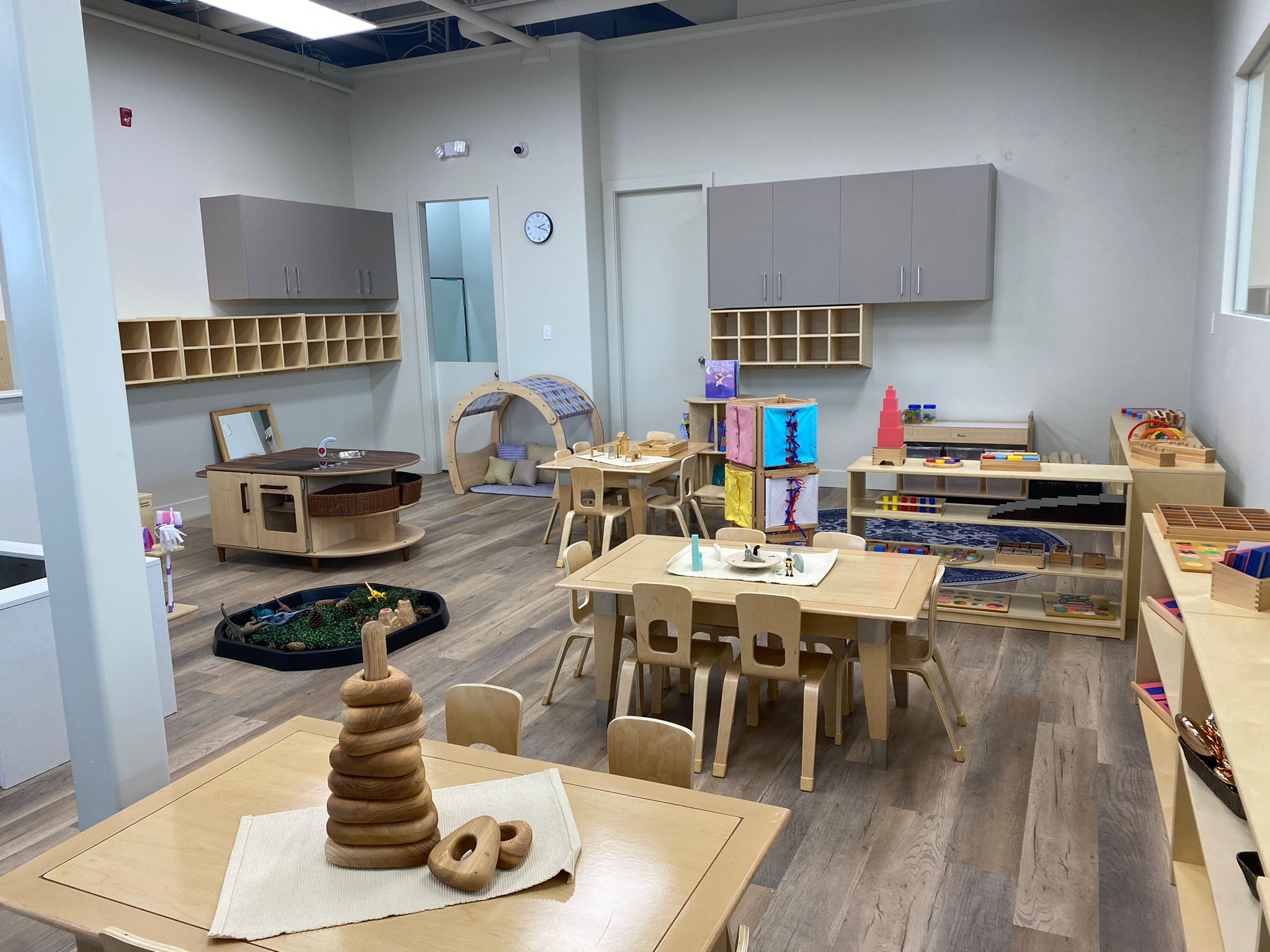
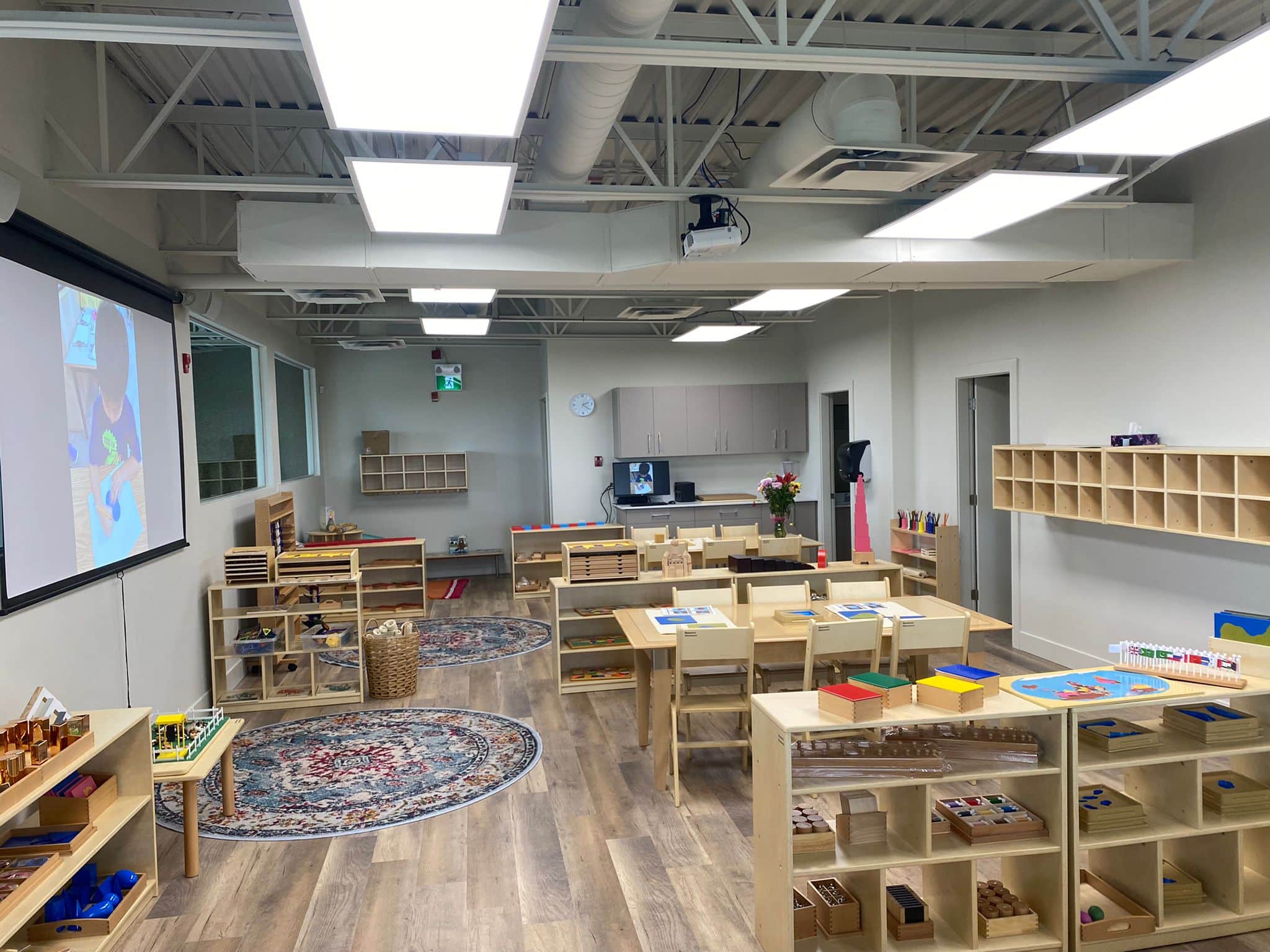
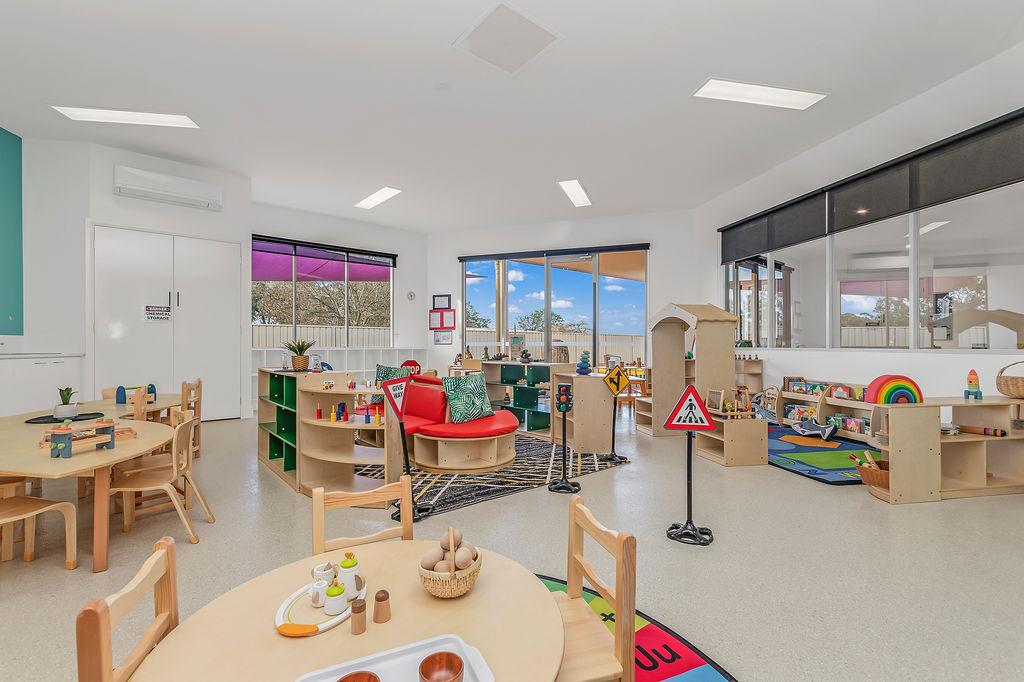
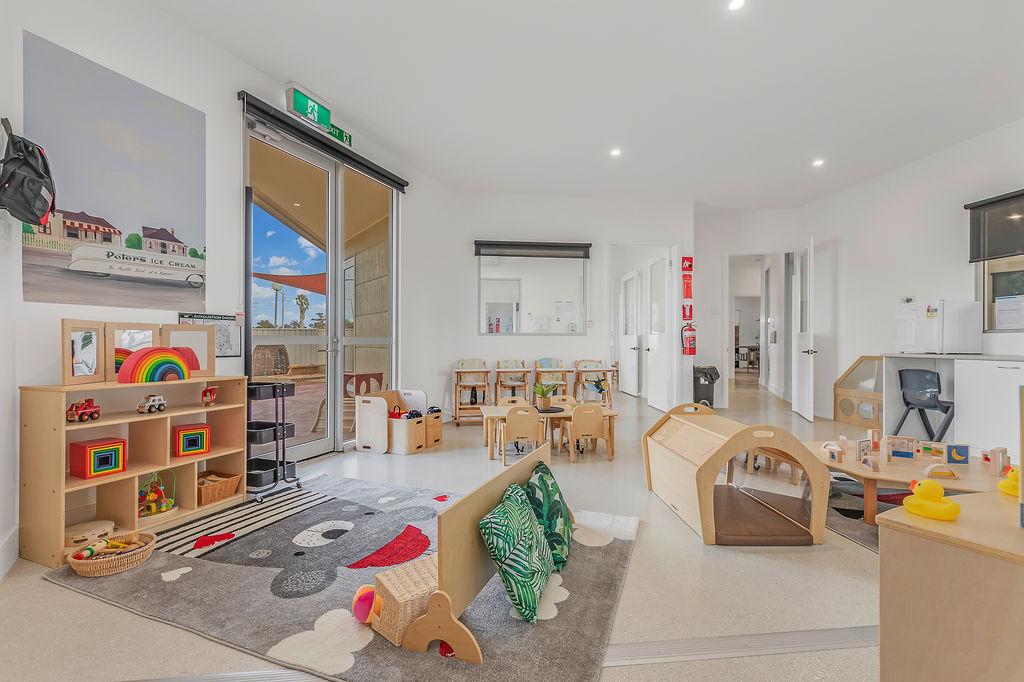
The physical environment serves as the “third teacher” in a child’s development. While play can happen anywhere, selecting the right location can dramatically increase a child’s focus and the educational value of a toy. A well-designed play space should feel safe, accessible, and intentionally organized to spark natural curiosity while minimizing the sensory “noise” that leads to overstimulation.
Dedicated Indoor Focused Zones
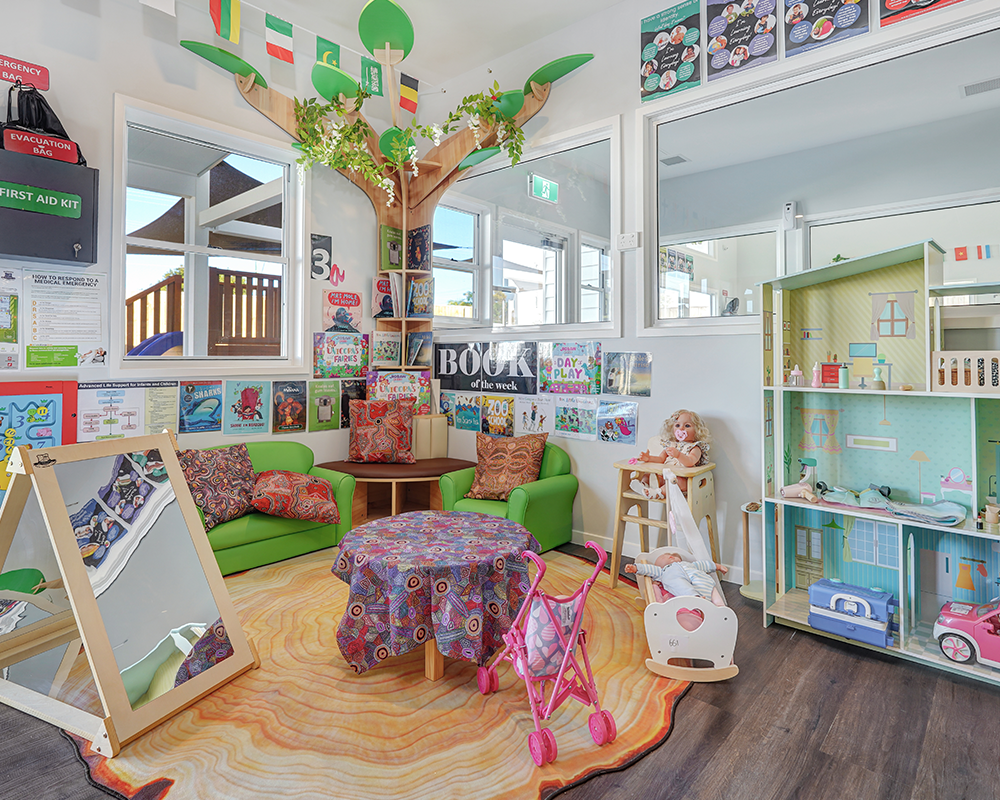
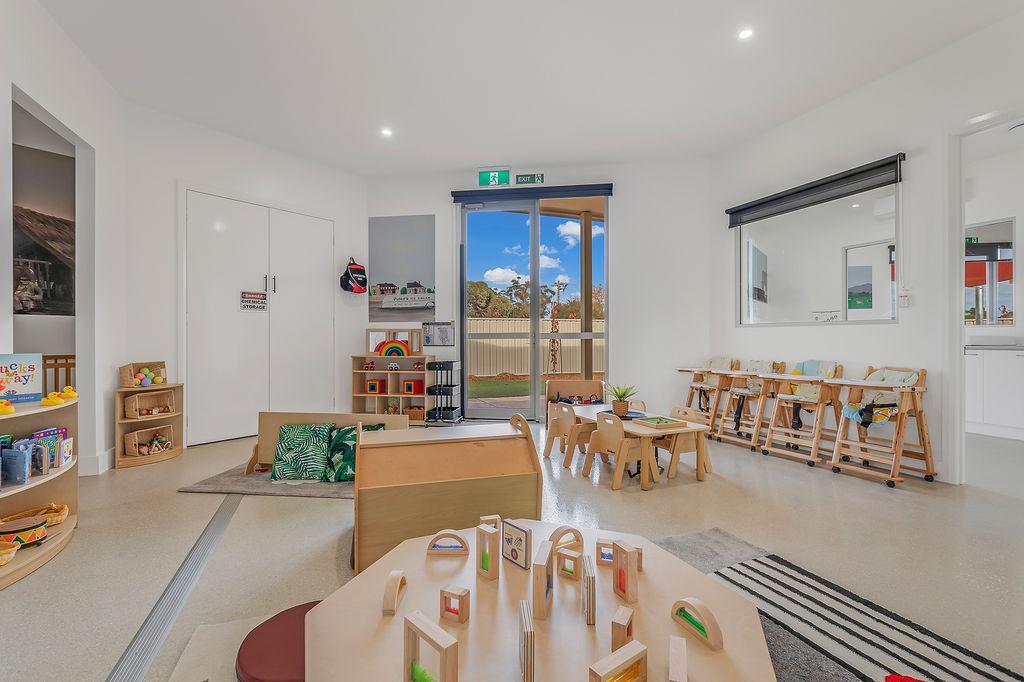
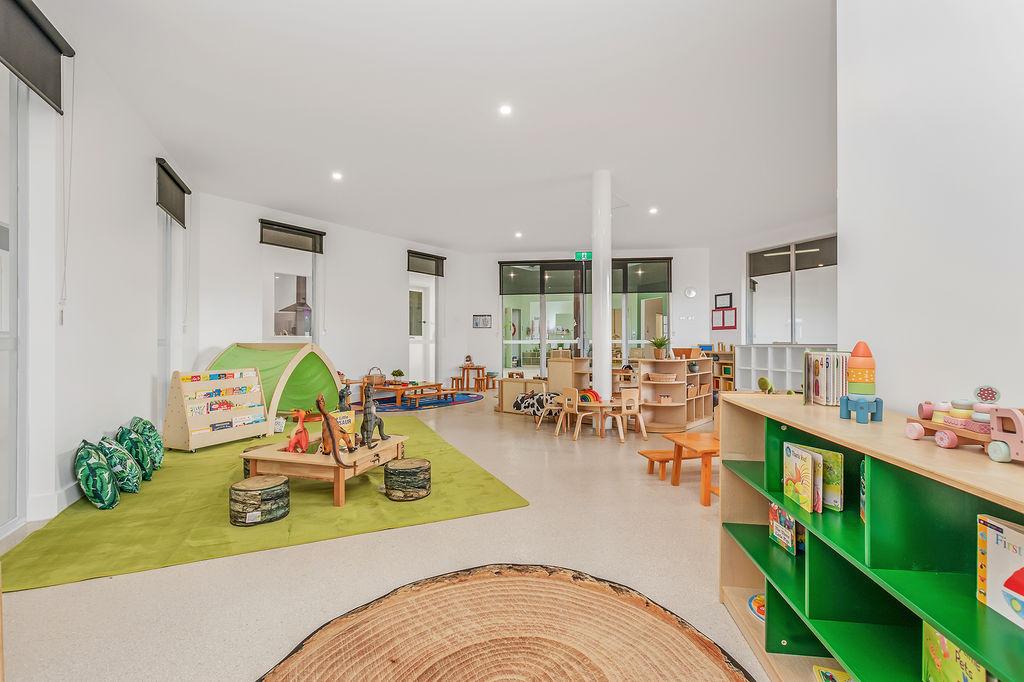
A primary indoor play area should be a low-distraction zone where the child feels a sense of ownership and security. These spaces are best utilized for toys that require high levels of concentration, such as puzzles, building blocks, or fine-motor tools. By keeping these areas away from high-traffic zones, you allow the child to enter a state of “flow” where deep learning occurs.
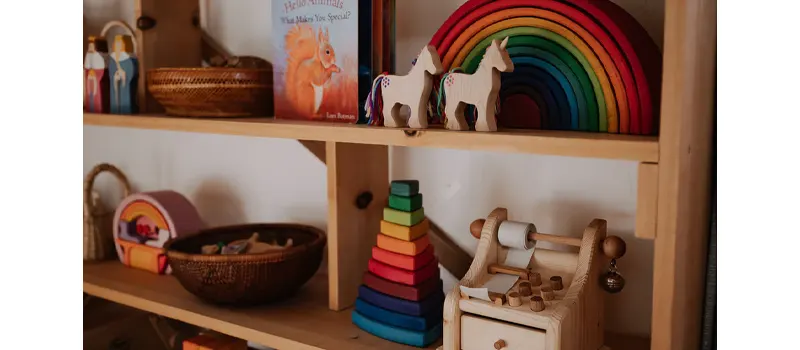
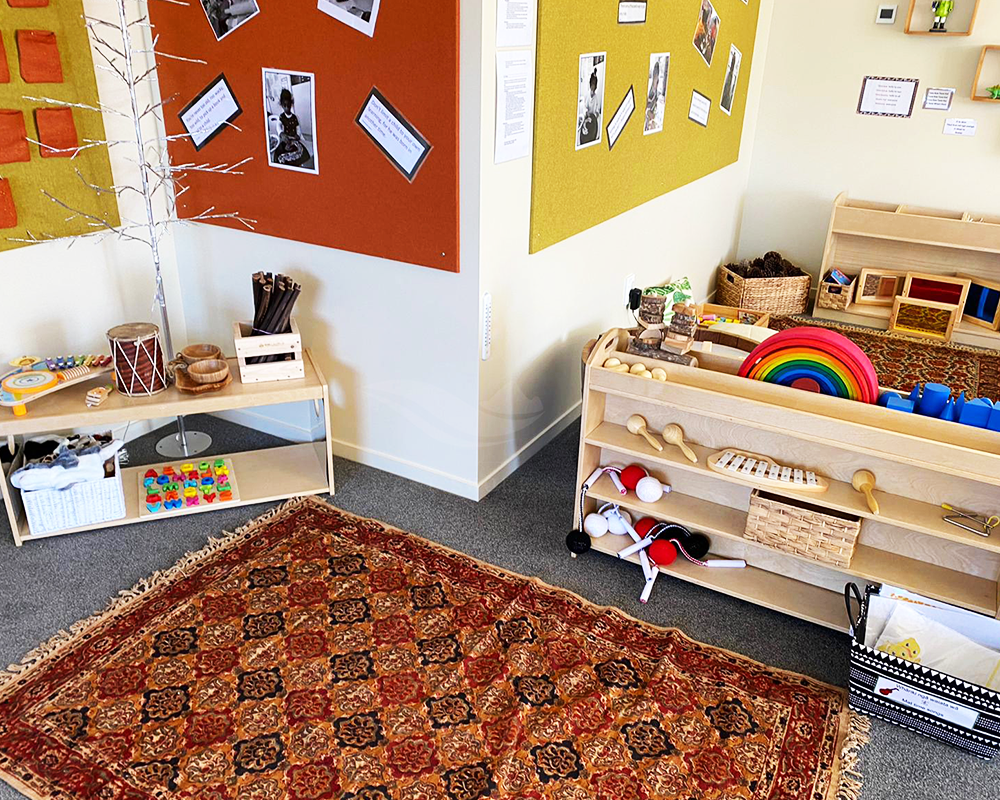
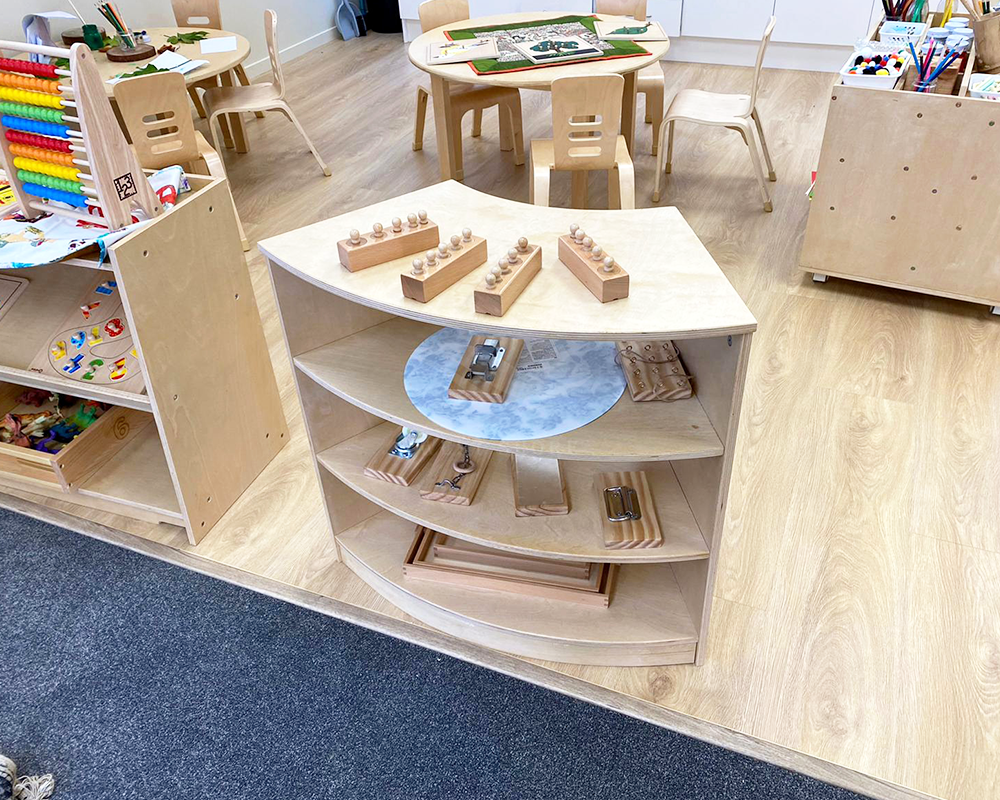
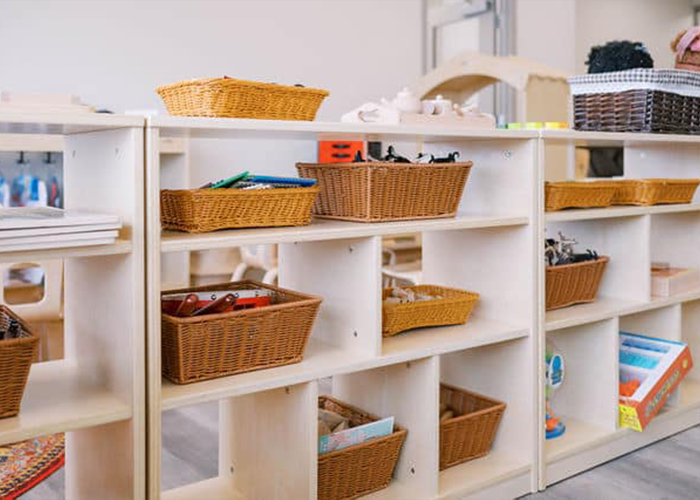
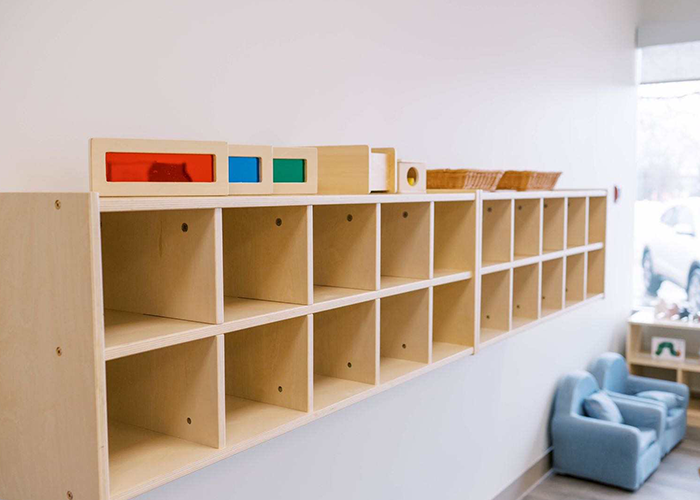
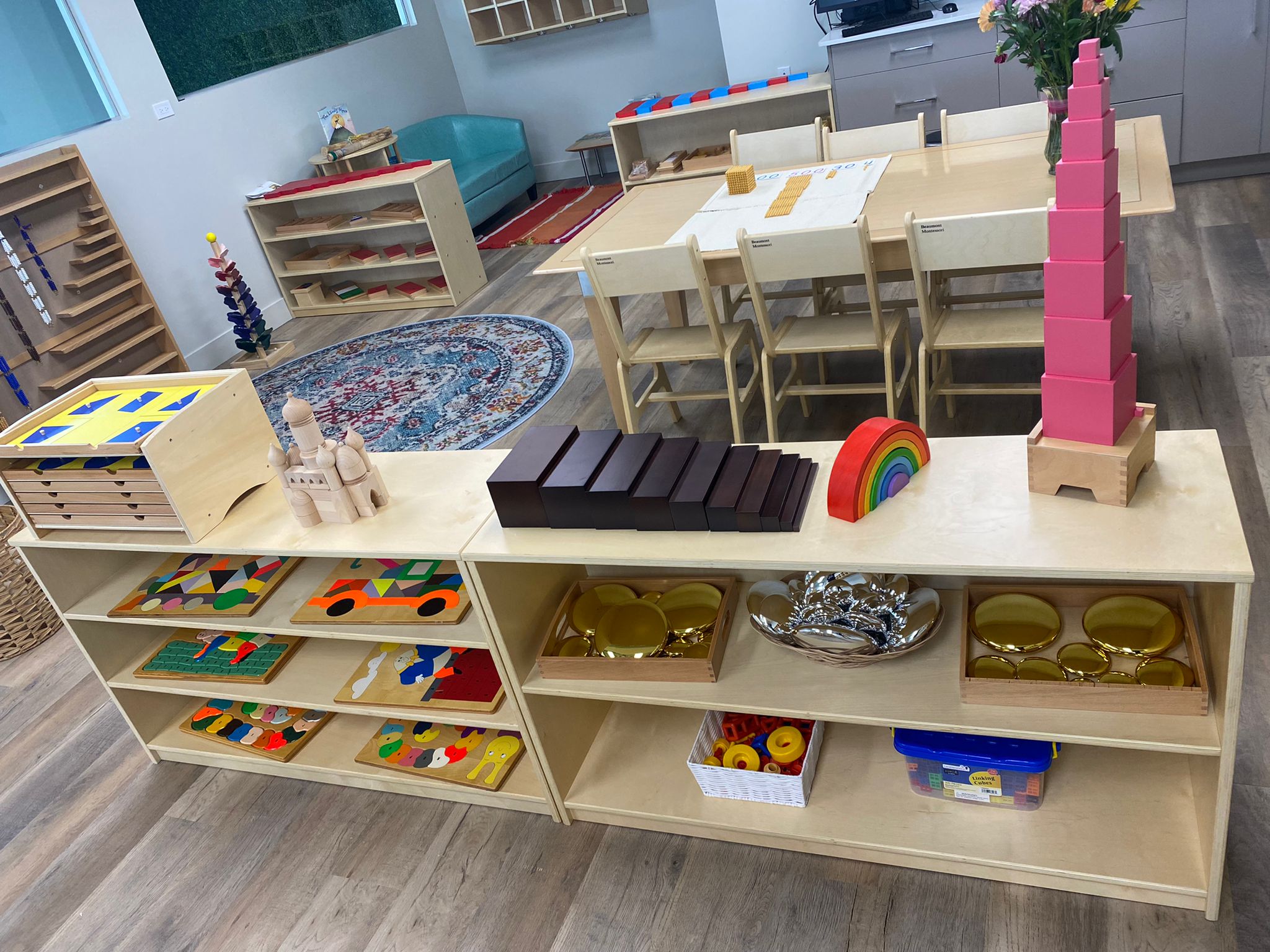
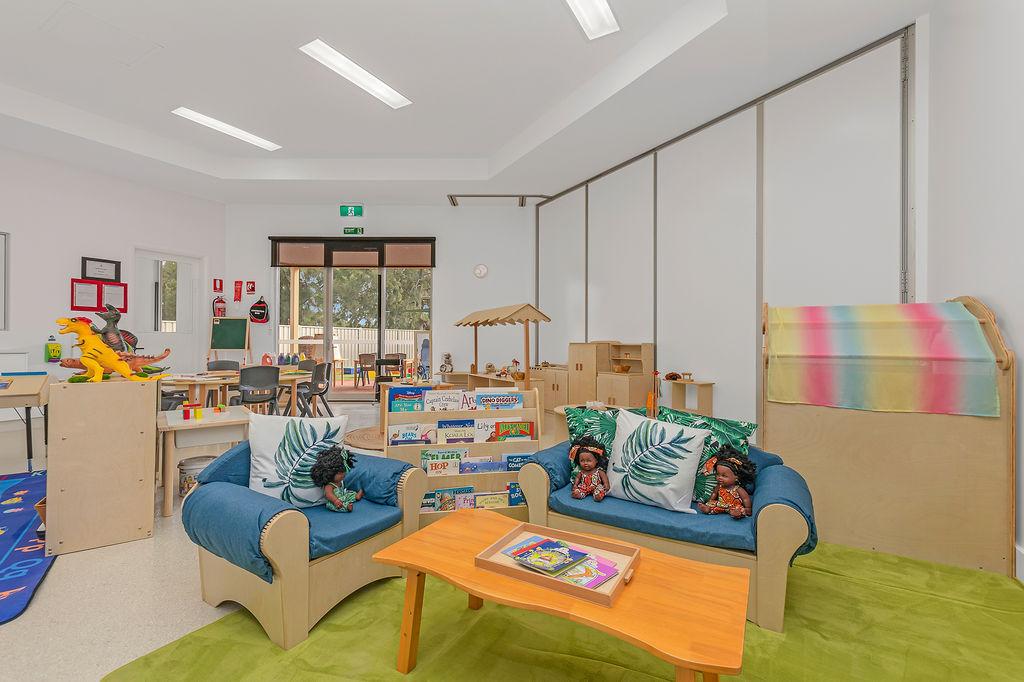
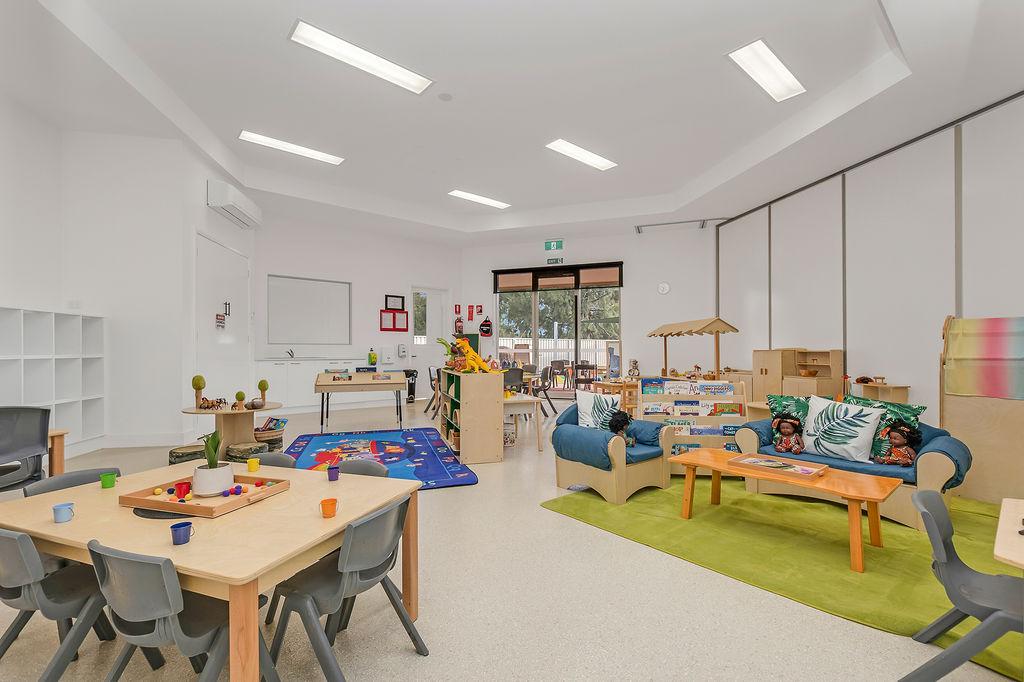
- Low Open Shelves: Instead of toy boxes, use open shelving at the child’s eye level to display a few select toys, making them easily accessible and inviting.
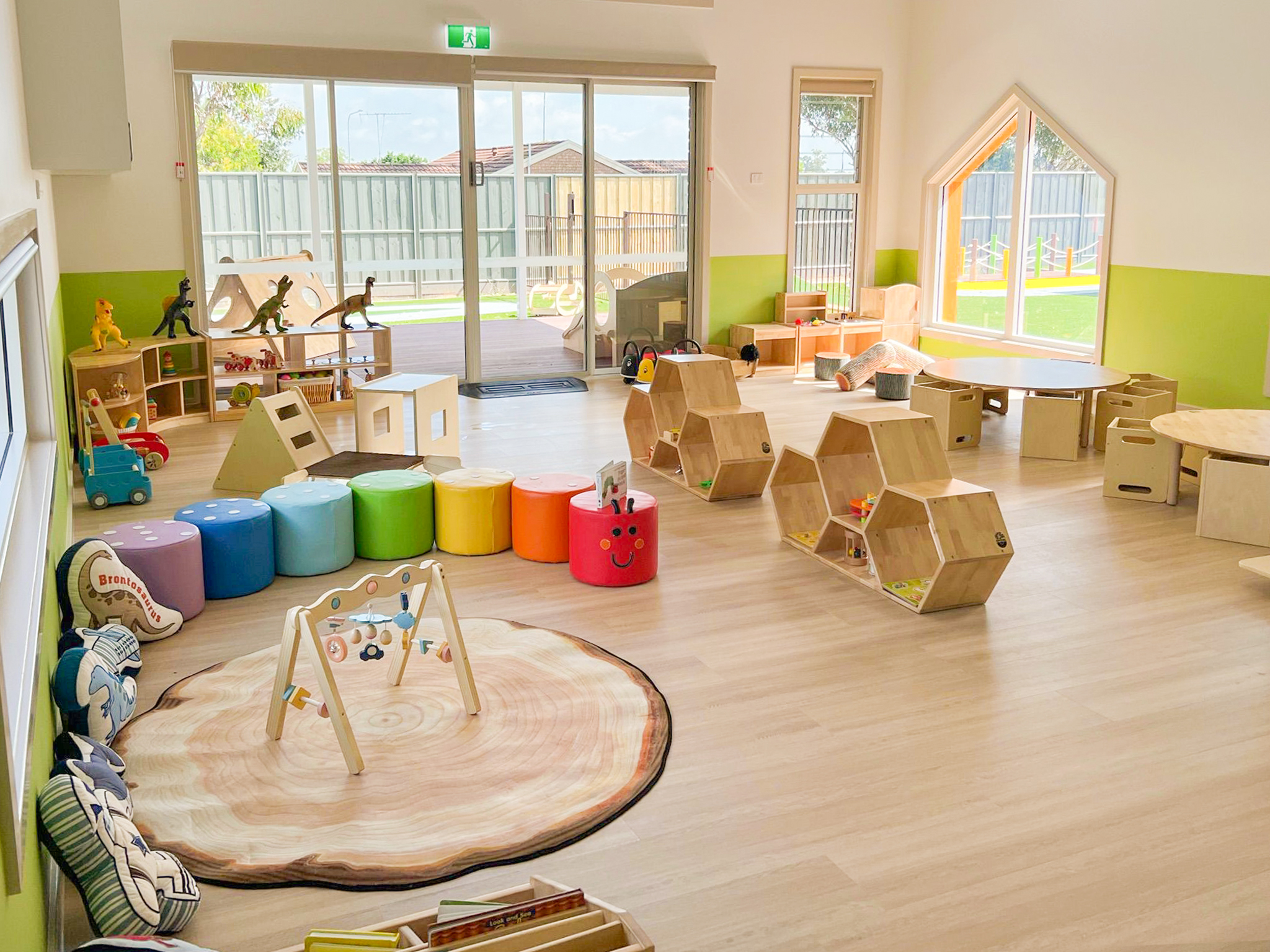
- A Cozy Reading Nook: A corner with a rug and floor cushions is perfect for quiet play with books, puppets, or soft toys.
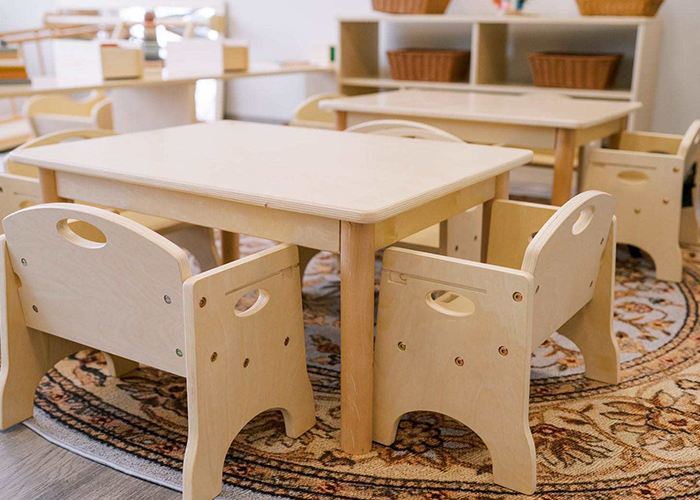
- The Dining Table: High surfaces are ideal for “messy” but focused tasks like play-dough, painting, or complex Lego builds that need to be kept away from younger siblings.
Dynamic Outdoor and Natural Spaces
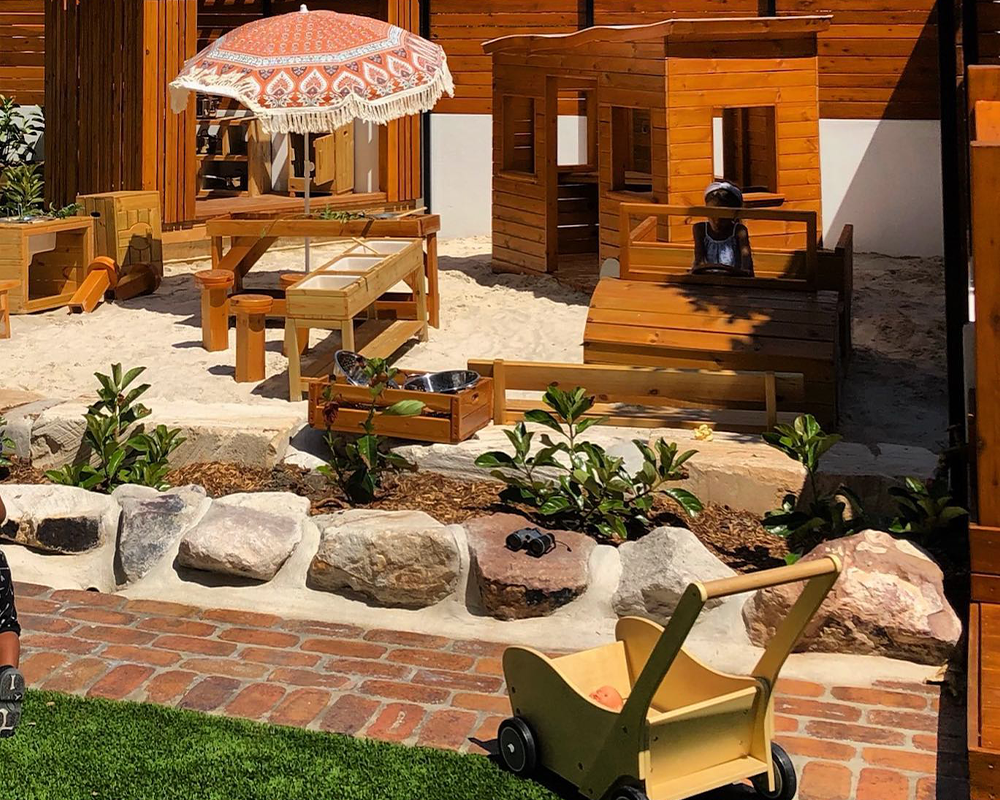
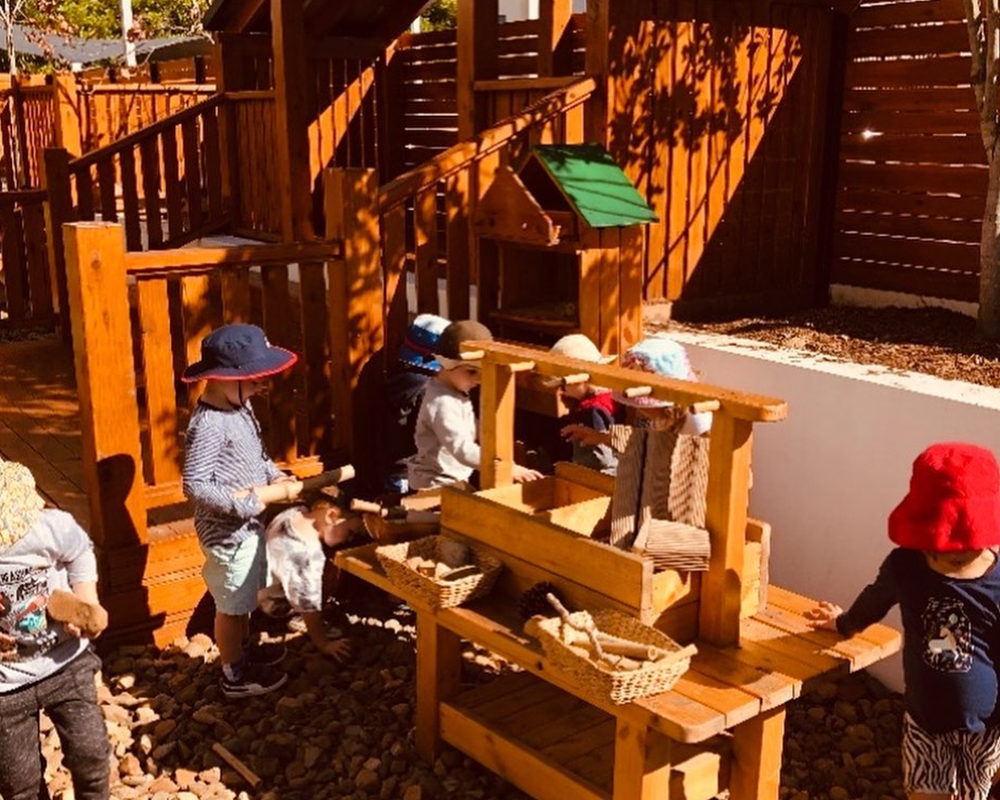
Nature provides an unpredictable, multi-sensory environment that a playroom simply cannot replicate. The varied terrain of an outdoor space forces children to adapt their play to different textures like grass, dirt, and stone. Whether it is a sandbox, a shaded patch of grass, or a small patio, outdoor play spaces encourage more vigorous physical engagement and allow for “messy play” that is often restricted indoors, such as experimenting with water or kinetic sand.
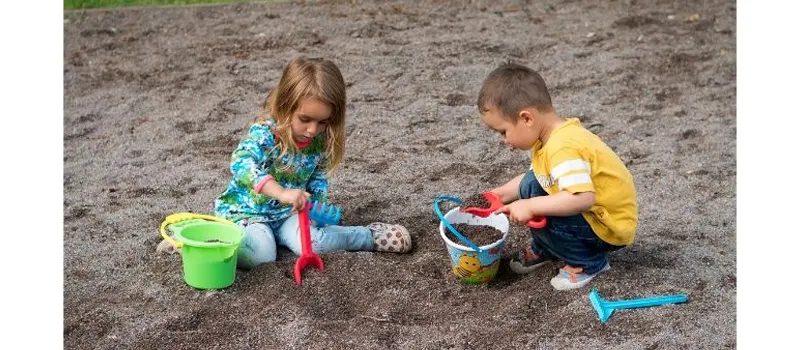
- The Sandbox: This is the ultimate laboratory for “loose parts” play, where shovels, trucks, and buckets teach the physics of volume and weight.
- The Patio or Driveway: Flat, hard surfaces are the best places for chalk art, riding toys, or large-scale building projects with cardboard boxes.
- Natural Shaded Patches: A spot under a tree is an excellent location for imaginative “small world” play, using figurines among sticks, leaves, and roots.
Functional Utility Spaces
Sometimes the best places for play are the rooms where daily routines happen. By integrating play into functional spaces, you can teach children that play is a constant part of life, not just a scheduled activity. These areas often provide unique sensory opportunities that are not found in a traditional playroom.
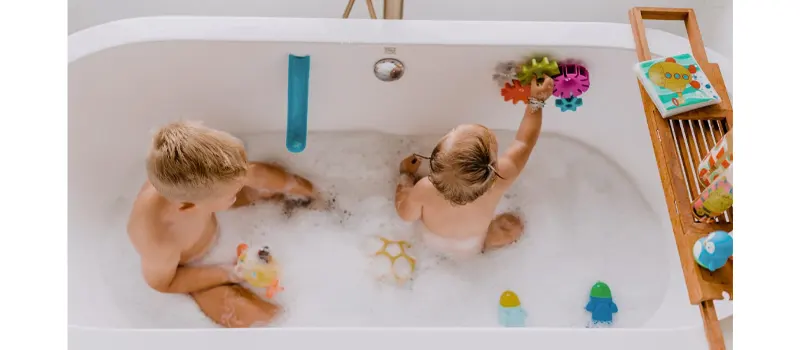
- The Bathtub: Water play is one of the most engaging forms of sensory learning; using cups, strainers, and floating toys helps children master concepts like buoyancy and flow.
- The Kitchen Floor: A safe corner of the kitchen with a few pots, pans, and wooden spoons allows for “imitative play” while parents prepare meals.
- The Bedroom: A child’s bed or a small play tent in the bedroom can serve as a “safe haven” for symbolic play with dolls or stuffed animals, fostering a sense of emotional security.
Common Mistakes When Teaching Children to Play with Toys
Teaching play is a delicate balance of guidance and restraint. Often, with the best of intentions, adults can inadvertently stifle a child’s creativity or discourage their independence. Recognizing these common pitfalls allows you to adjust your approach, ensuring that “teaching” doesn’t become “controlling.”

Over-Directing the Play
One of the most common mistakes is telling children exactly how to use a toy. When adults control every step, children lose the chance to explore, experiment, and think independently. Playing with toys should allow children to make choices, try ideas, and discover possibilities on their own.
Interrupting Play Too Often
Frequent interruptions can break a child’s focus and reduce the depth of play. Correcting, questioning, or redirecting too quickly may signal that there is a “right” way to play. Children benefit most when they are given enough time and space to stay engaged with a toy without constant adult input.
Focusing Too Much on Outcomes
Some adults view toys mainly as tools to teach specific skills or achieve visible results. When play is overly goal-driven, children may feel pressure rather than enjoyment. Playing with toys is most effective when the process of exploration matters more than the final result.
Offering Too Many Toys at Once
An environment filled with too many toys can overwhelm children and shorten attention spans. Instead of encouraging creativity, excess choice often leads to shallow play. Fewer, well-chosen toys help children focus, explore deeply, and return to play ideas over time.
Correcting Instead of Observing
Stepping in too quickly to fix mistakes can limit learning. Children develop problem-solving skills by testing ideas and making errors. Observing first allows adults to understand how a child is thinking and when support is truly needed.
Expecting Immediate or “Correct” Play
Children do not always use toys in the way adults expect. Early exploration may look unstructured or repetitive, but it is a natural part of learning. Allowing children to approach play with toys in their own way builds confidence and creativity.
FAQs
My child refuses to play with toys and only wants a screen. How do I fix this?
Start with toys that have high sensory feedback, such as bright marble runs or kinetic sand. Use the Collaborate Phase heavily at first to make the physical play as socially rewarding as the screen was mentally stimulating.
What should I do if my child only wants to throw or break toys?
Instead of viewing it as bad behavior, recognize it as a child testing the physical limits of their environment. Redirect the energy. If they want to throw a wooden block, give them a soft wool ball or a beanbag. If they want to break things, provide “deconstruction” toys like interlocking blocks or cardboard boxes that are meant to be pulled apart.
Why does my child prefer household objects like boxes or spoons over playing with toys?
Embrace it! Some of the best “teaching” happens when you show a child how to use a wooden spoon as a drum or a magnifying glass to look at a carpet. These objects stimulate more creativity than toys that only do one specific thing (like a singing plastic bus).
At what age should children learn how to play with toys?
Children begin learning how to play with toys from infancy. Even very young babies learn through sensory exploration. As children grow, play becomes more purposeful, imaginative, and social, and adult guidance adjusts to support each developmental stage.
Conclusion
Teaching children to play with toys is not about showing them the correct way to play. It is about creating the right conditions for exploration, confidence, and enjoyment. When adults slow down, observe carefully, and offer support only when needed, play becomes a natural and meaningful part of a child’s development.
The most valuable play experiences are often quiet, self-directed, and imperfect. When children feel free to experiment, they develop problem-solving skills, imagination, emotional resilience, and independence. These skills extend far beyond playtime and support learning in everyday life.
By respecting a child’s pace and interests, adults can transform toys from simple objects into powerful tools for growth. When children are given space to play with toys in their own way, they are not just playing. They are learning how to think, explore, and engage with the world around them.