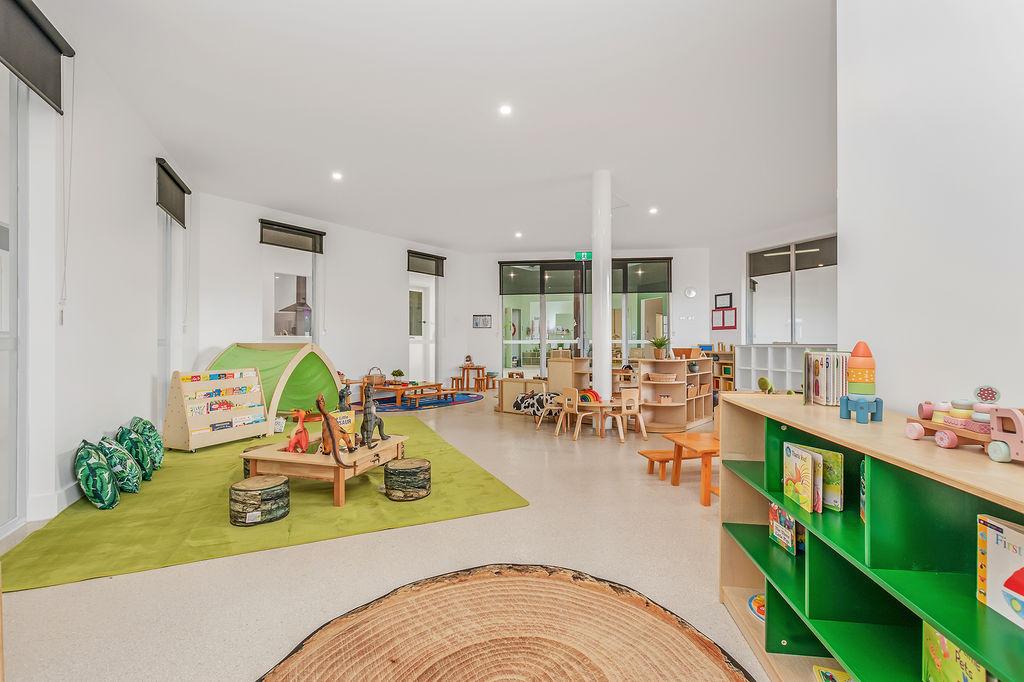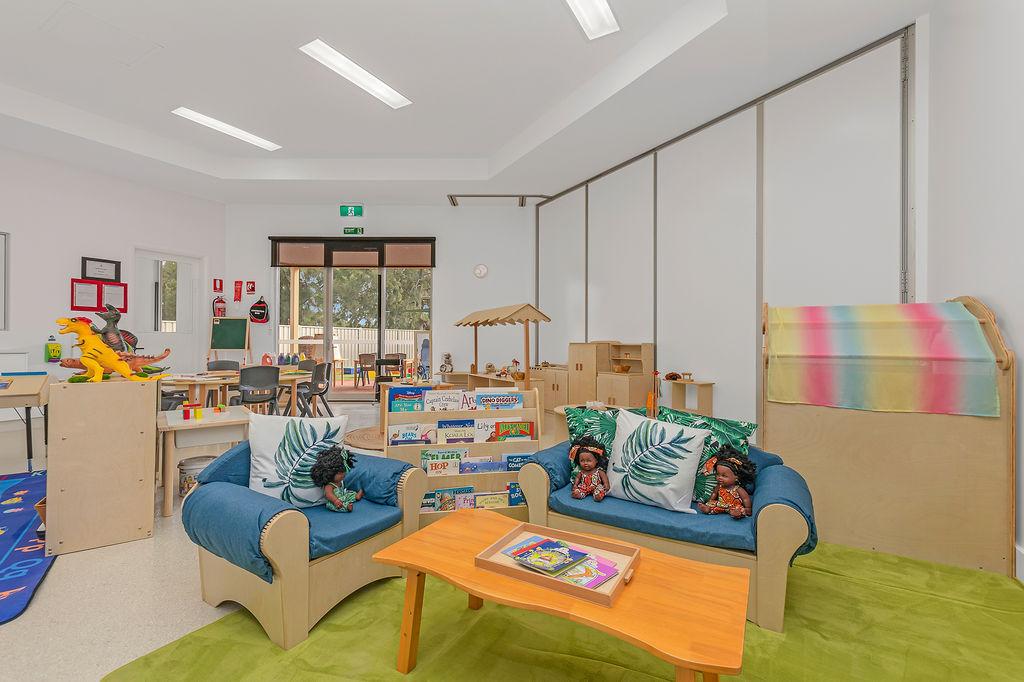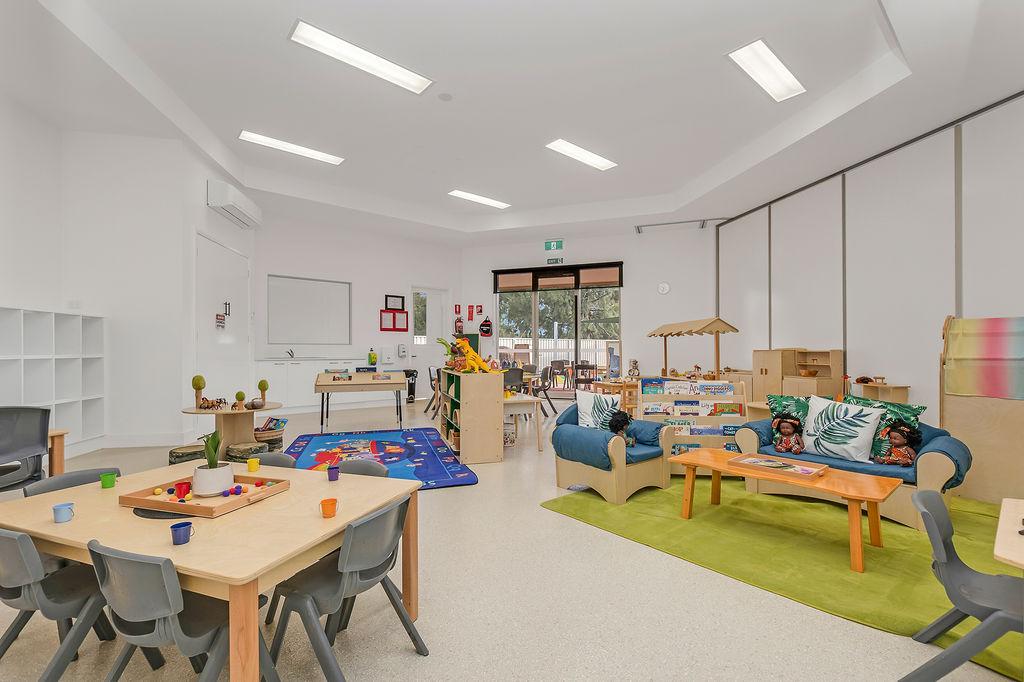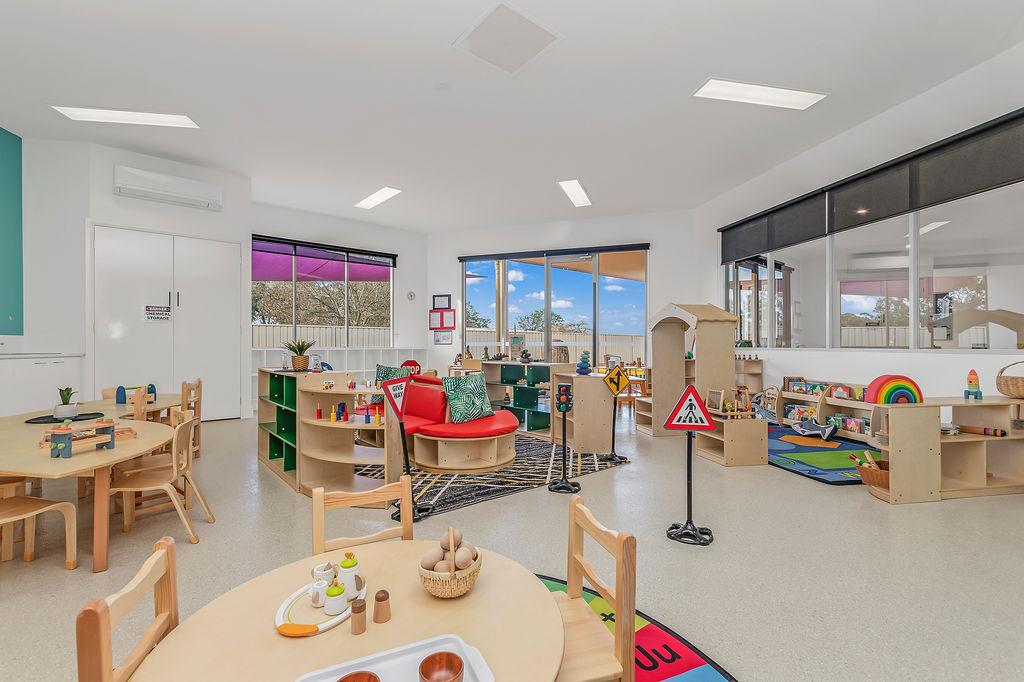
A preschool art center is often the place where the classroom feels most alive. Children come here to mix colors, try new tools, and turn simple materials into something that reflects their ideas. It is a spot where curiosity grows naturally, and where small hands learn to control brushes, glue, and scissors with growing confidence.
Setting up this area takes some planning. Children need to see the materials clearly and know exactly where things belong. When shelves are easy to understand, containers are labeled, and tools are placed at a height children can reach, the whole space becomes calmer and more inviting. Children feel comfortable choosing what they need and starting a project on their own without waiting for adults.
This guide will walk you through the steps that help an art center run smoothly every day. You will find tips on choosing supplies, arranging the layout, organizing storage, and creating a space that encourages creative work while keeping the classroom manageable.

Why Is the Art Center Important in Preschool?
An art center isn’t just a “nice to have”—it’s a vital part of a well-rounded preschool classroom. For young kids, art is a form of language. Before they can write sentences, they draw them. Through scribbles, smudges, and surprisingly intense glue usage, children learn to communicate thoughts, experiment with cause and effect, and even problem-solve.
From a developmental standpoint, engaging in art activities strengthens fine motor skills, supports early math (think symmetry and spatial awareness), and boosts confidence. Plus, it gives children a chance to make choices—what color to use, how to hold the brush, or whether their lion should have two eyes or twelve.
Beyond skill-building, a preschool art center also nurtures emotional expression. Some kids may struggle with words but can show feelings through bold strokes of paint or careful collage work. It’s a safe space to try, fail, and try again. And in a world full of rules, that kind of freedom is gold.
How to Set Up a Preschool Art Center?
Your preschool art center setup’s layout, materials, and organization are key to its success. Let’s explore some creative art center ideas for preschool classrooms and practical tips for setting up this space.

1. Determine the Size and Location of the Art Center
Start by choosing the area where your art center will live. Look for a section of the room that can handle noise and mess without disturbing other activities. It does not have to be large, but it should be clearly defined so children know when they are in the art space. If space is limited, it’s helpful to use vertical storage options or mobile carts for supplies.
Look for a location near a sink, if possible. This small convenience will save you countless trips and prevent paint-covered hands from wandering across the classroom. Also consider foot traffic. The space shouldn’t block classroom pathways or sit too close to high-activity centers like dramatic play or blocks.
2. Age-Appropriate Layout and Design for Children

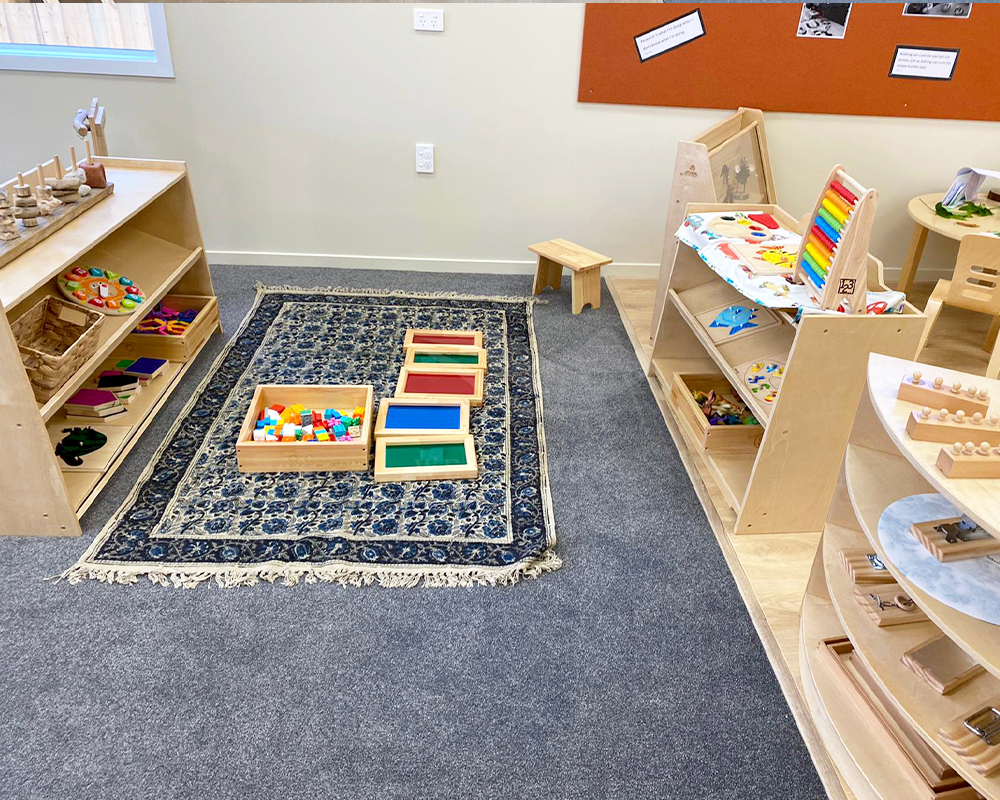
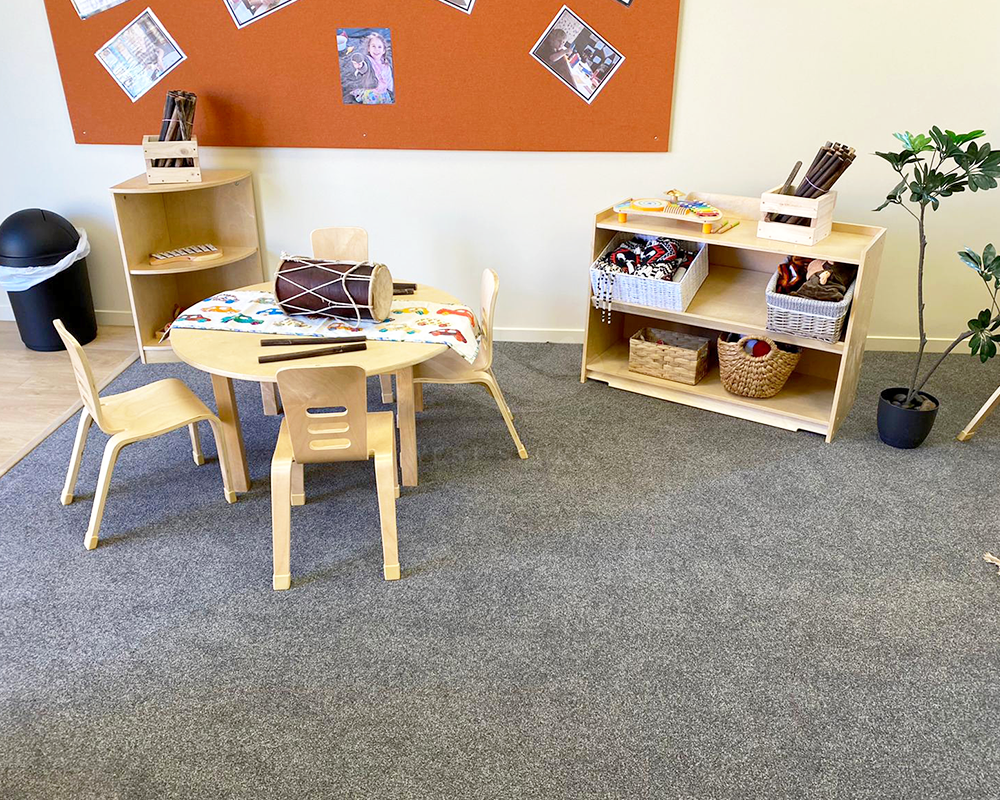
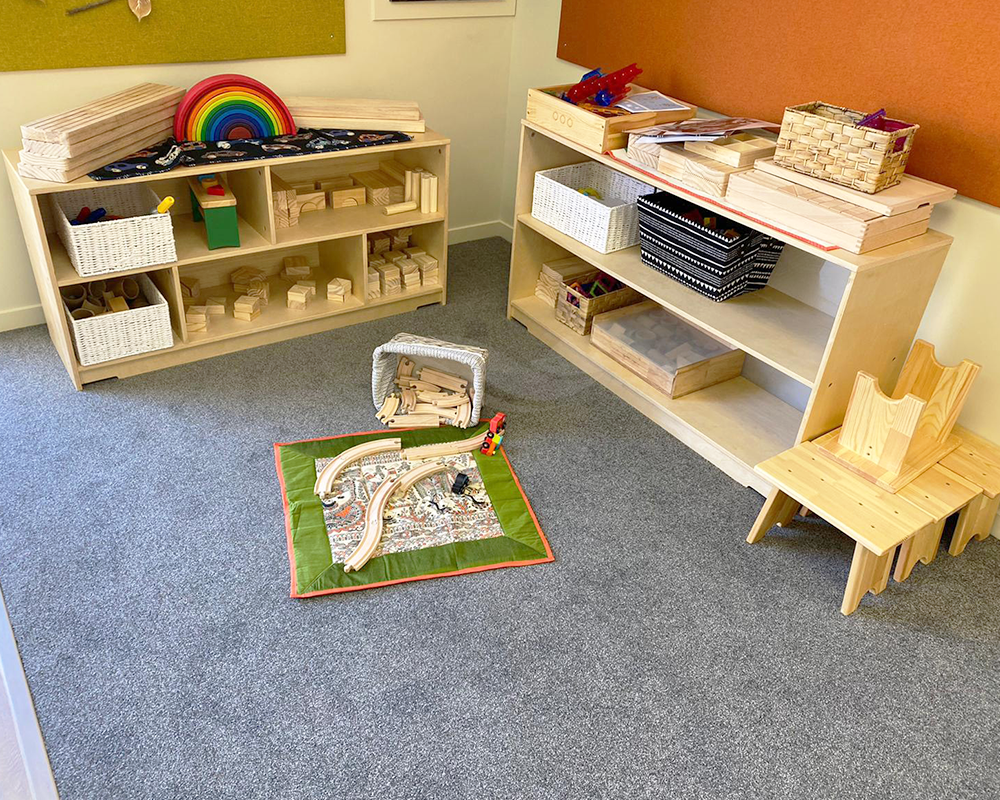
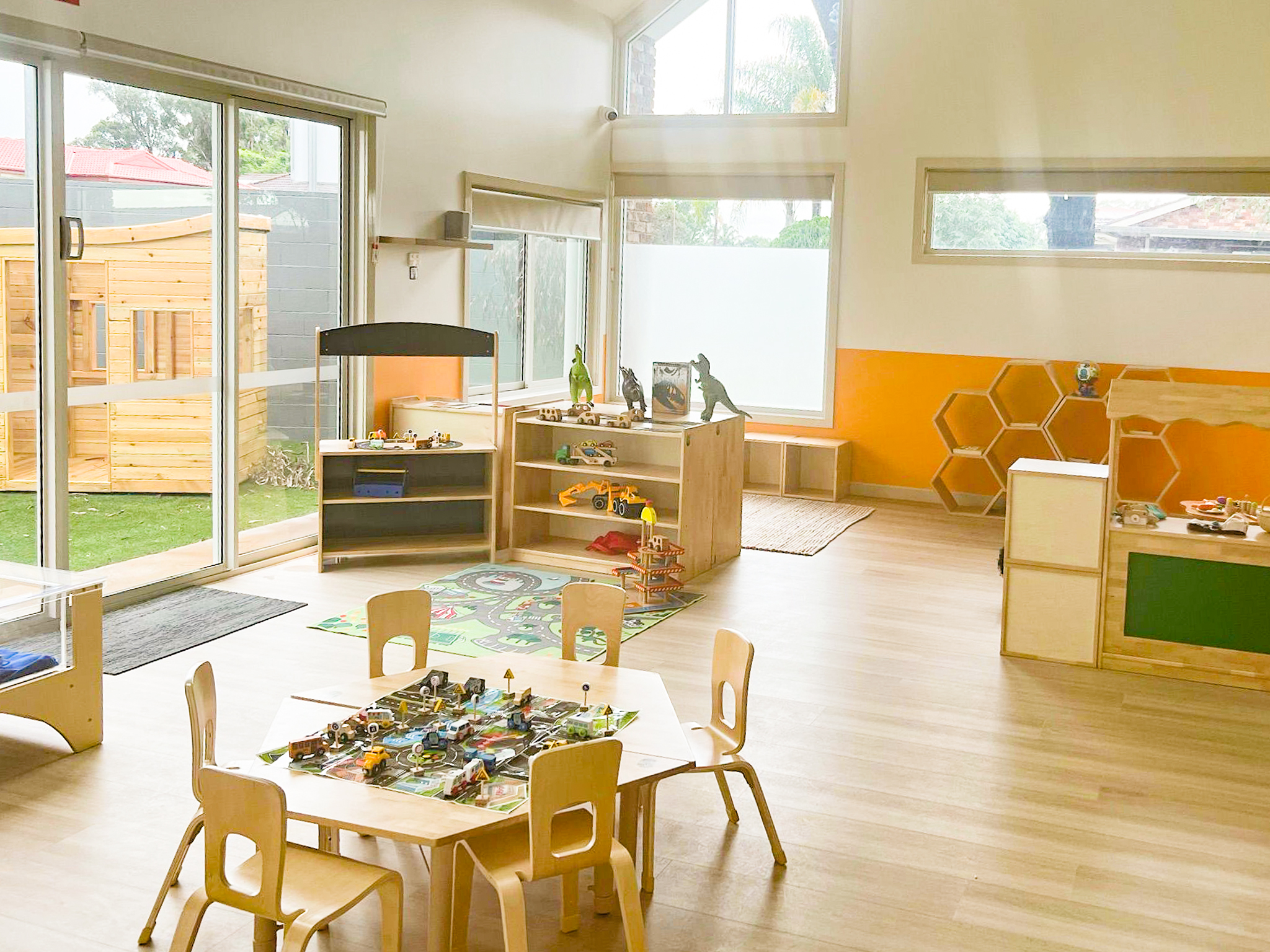
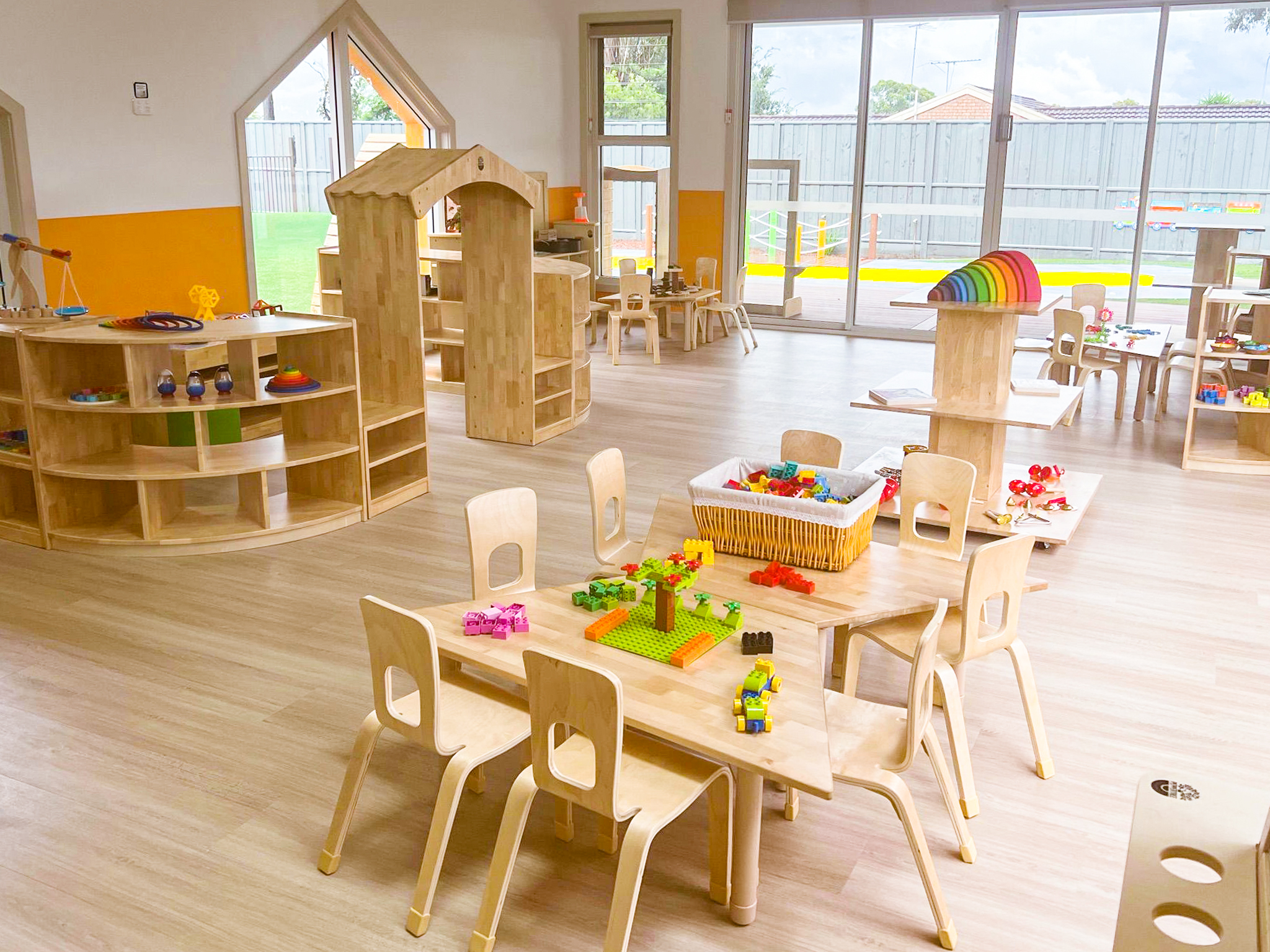
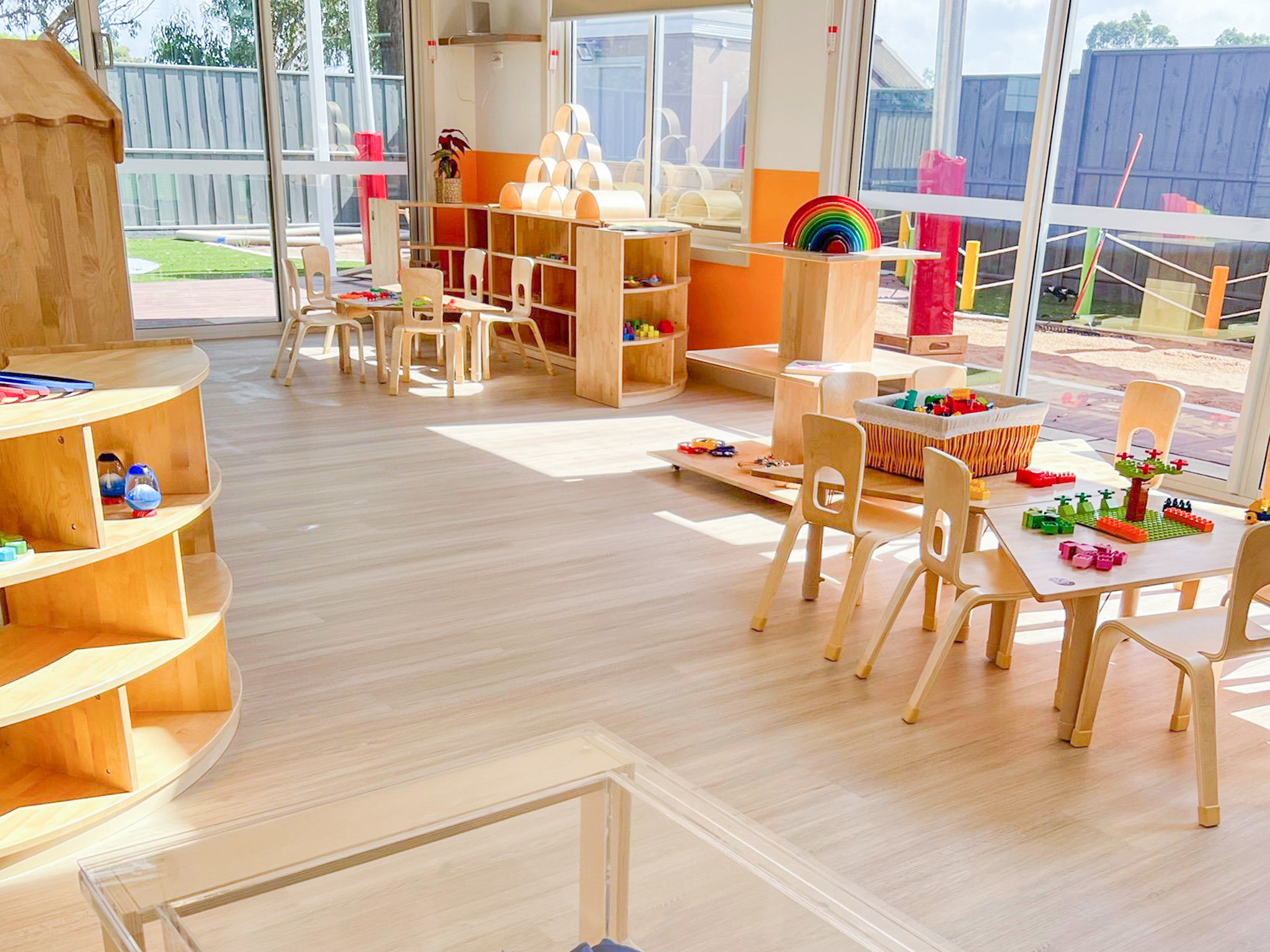
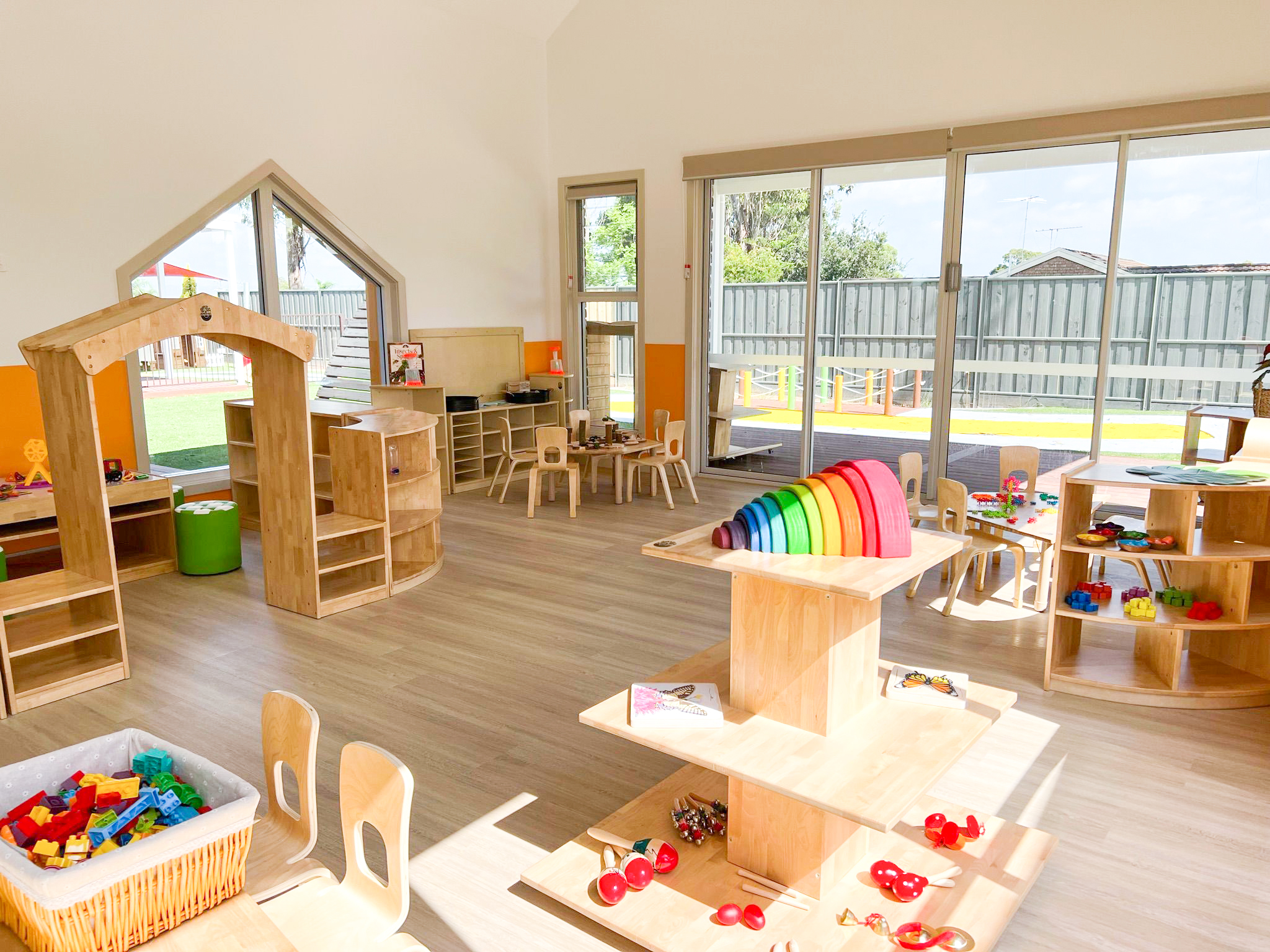
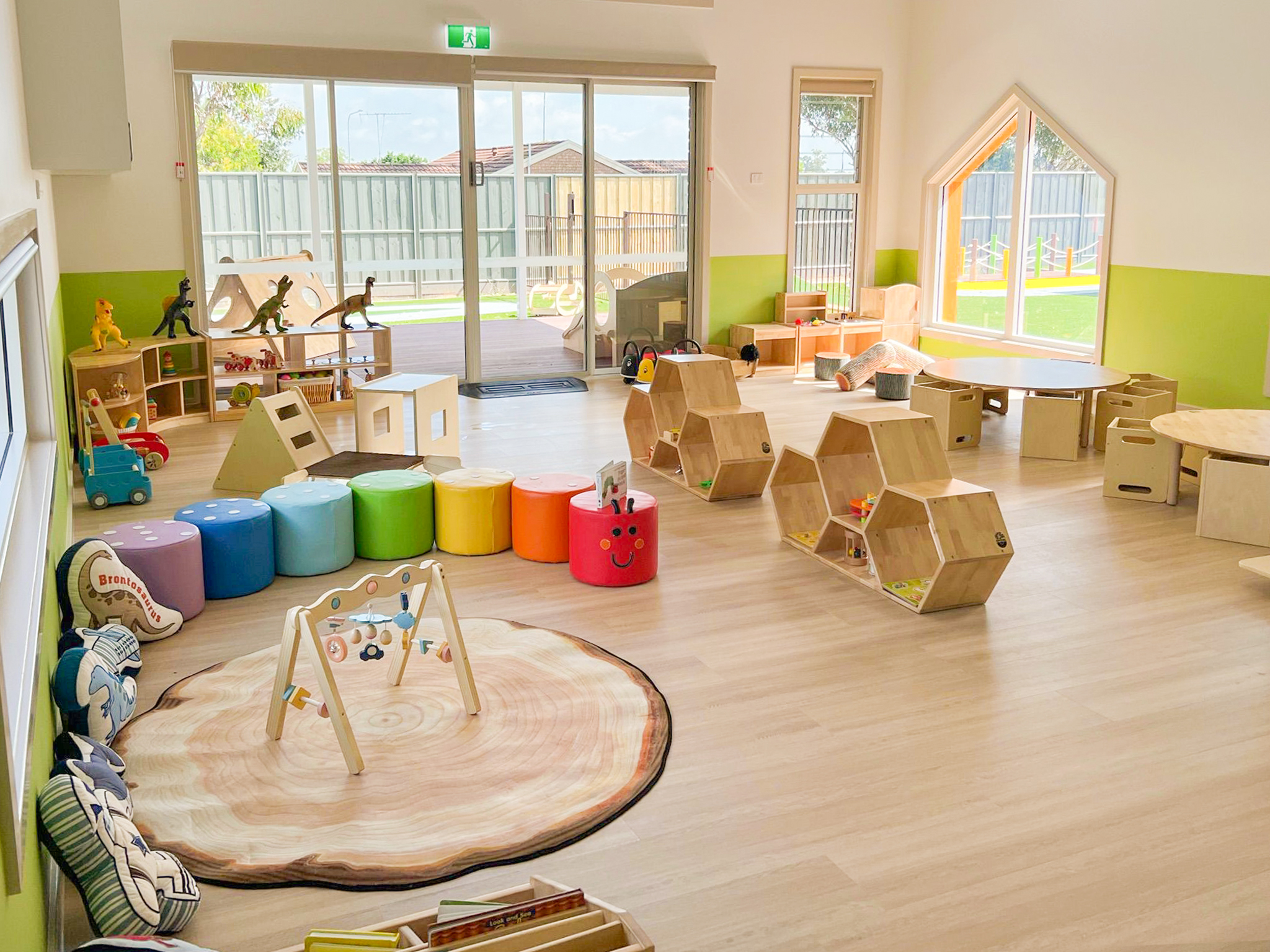
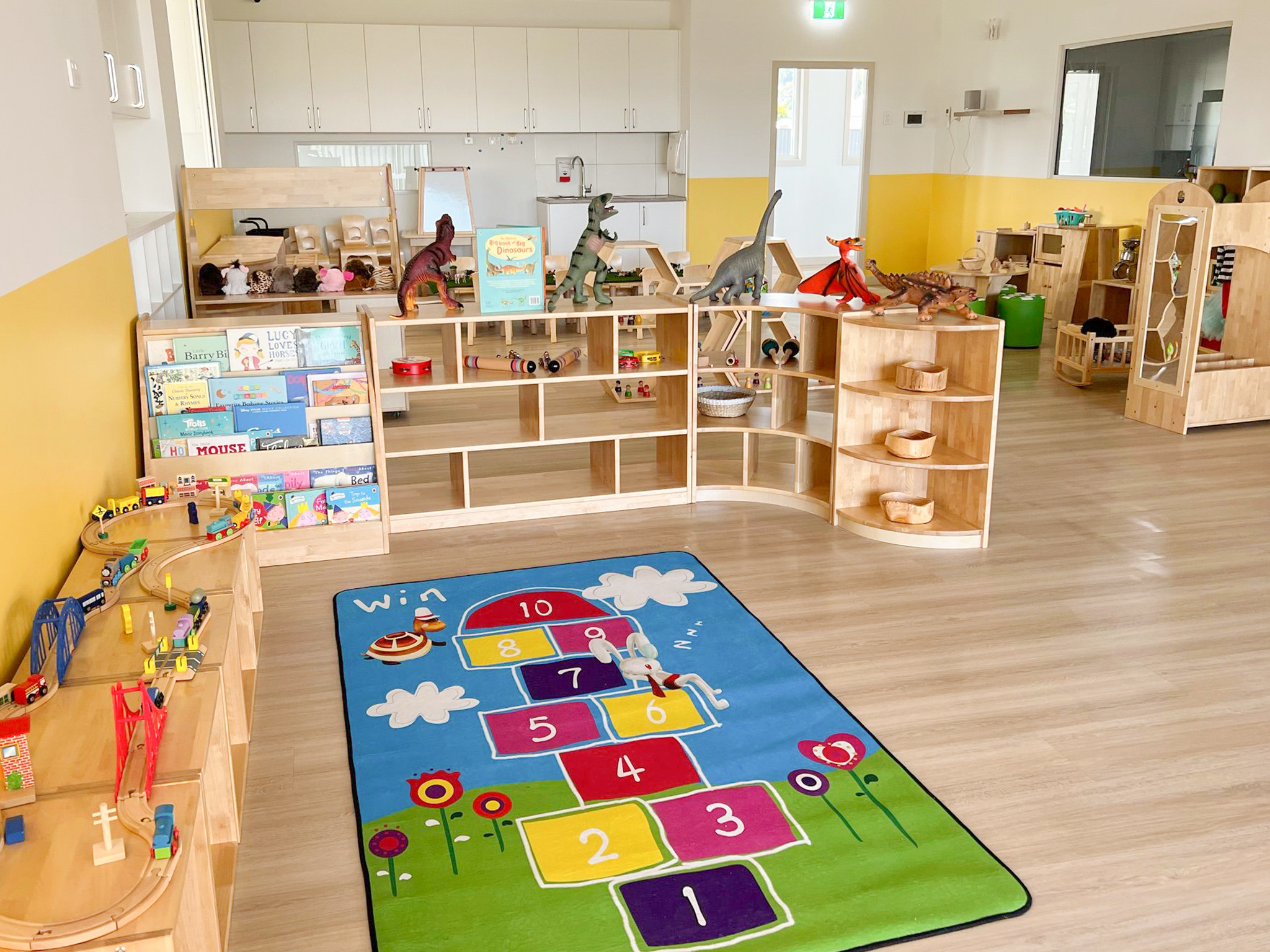
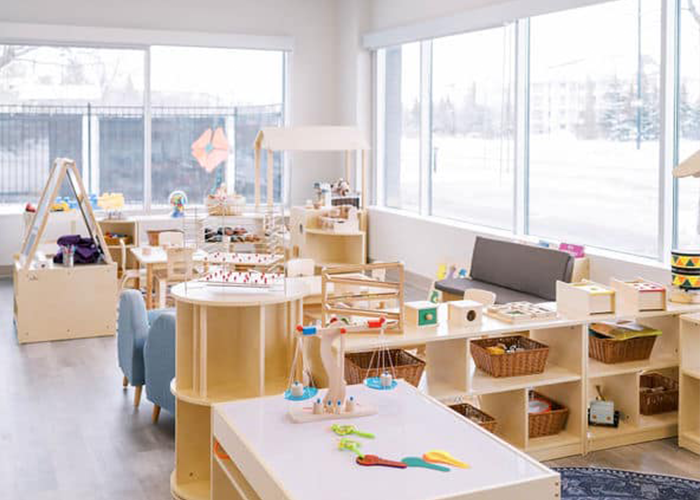
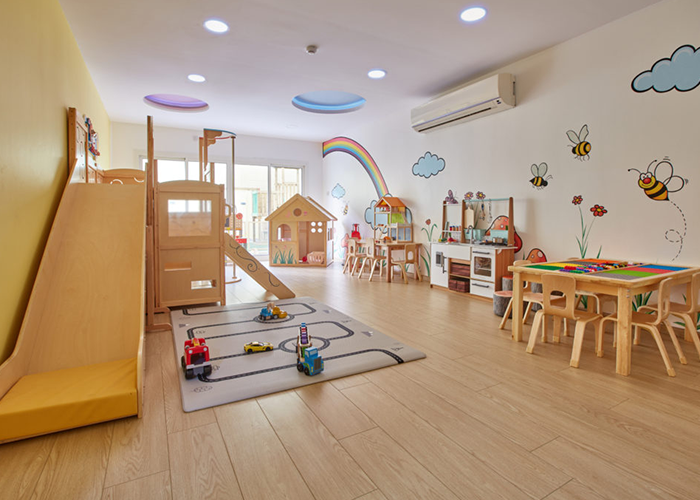
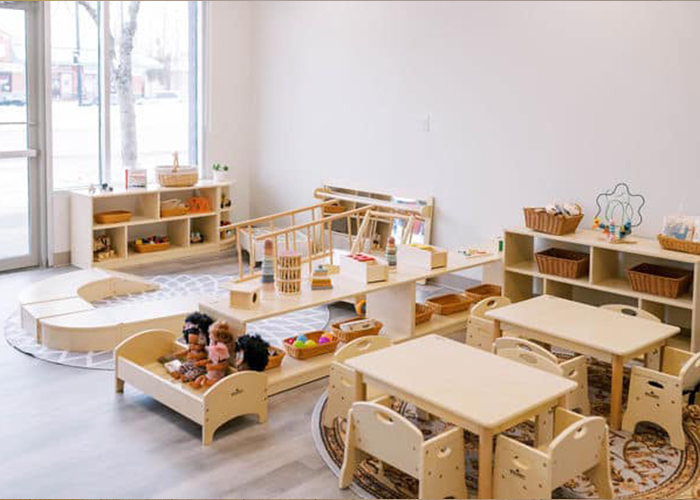
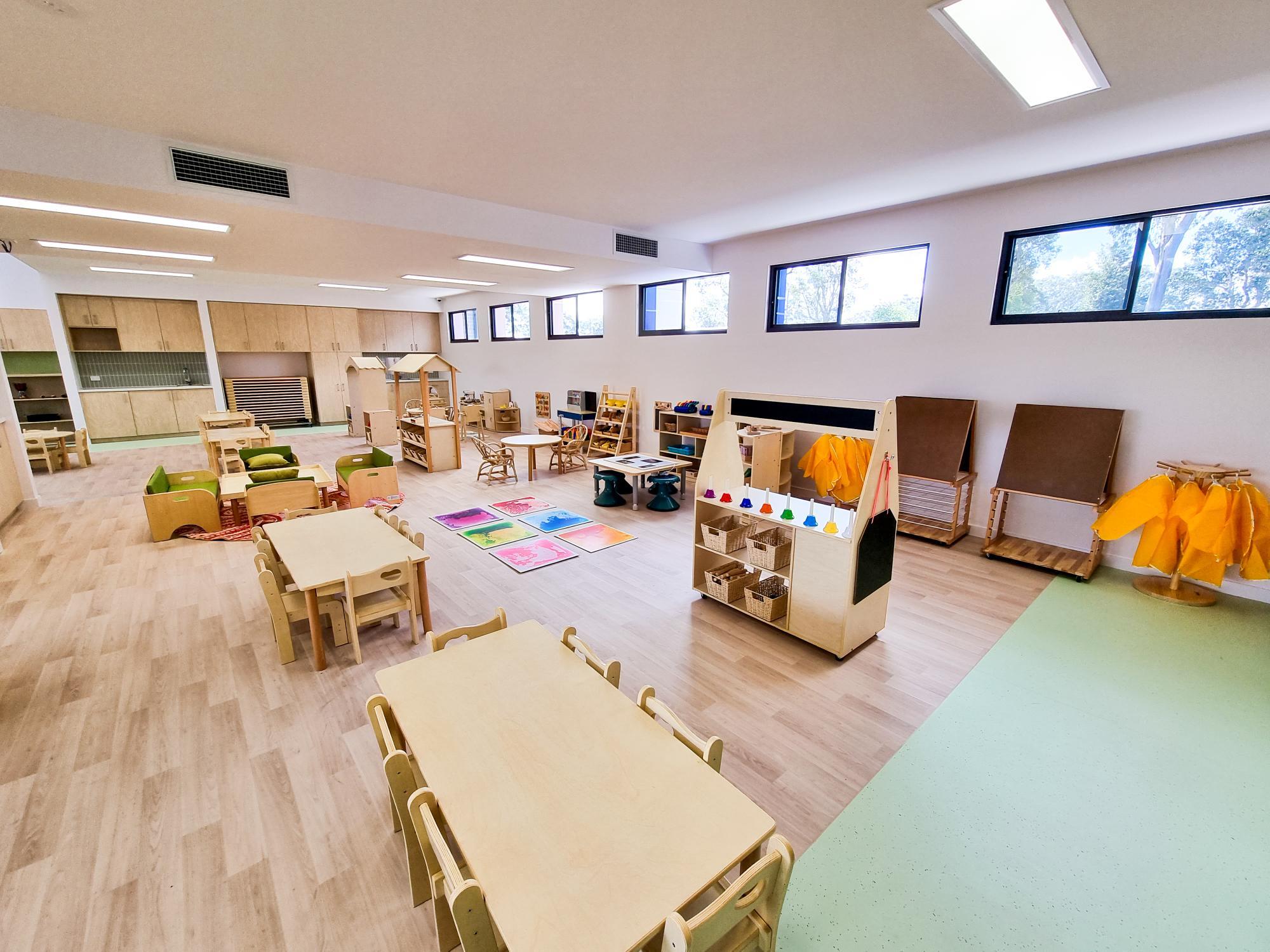
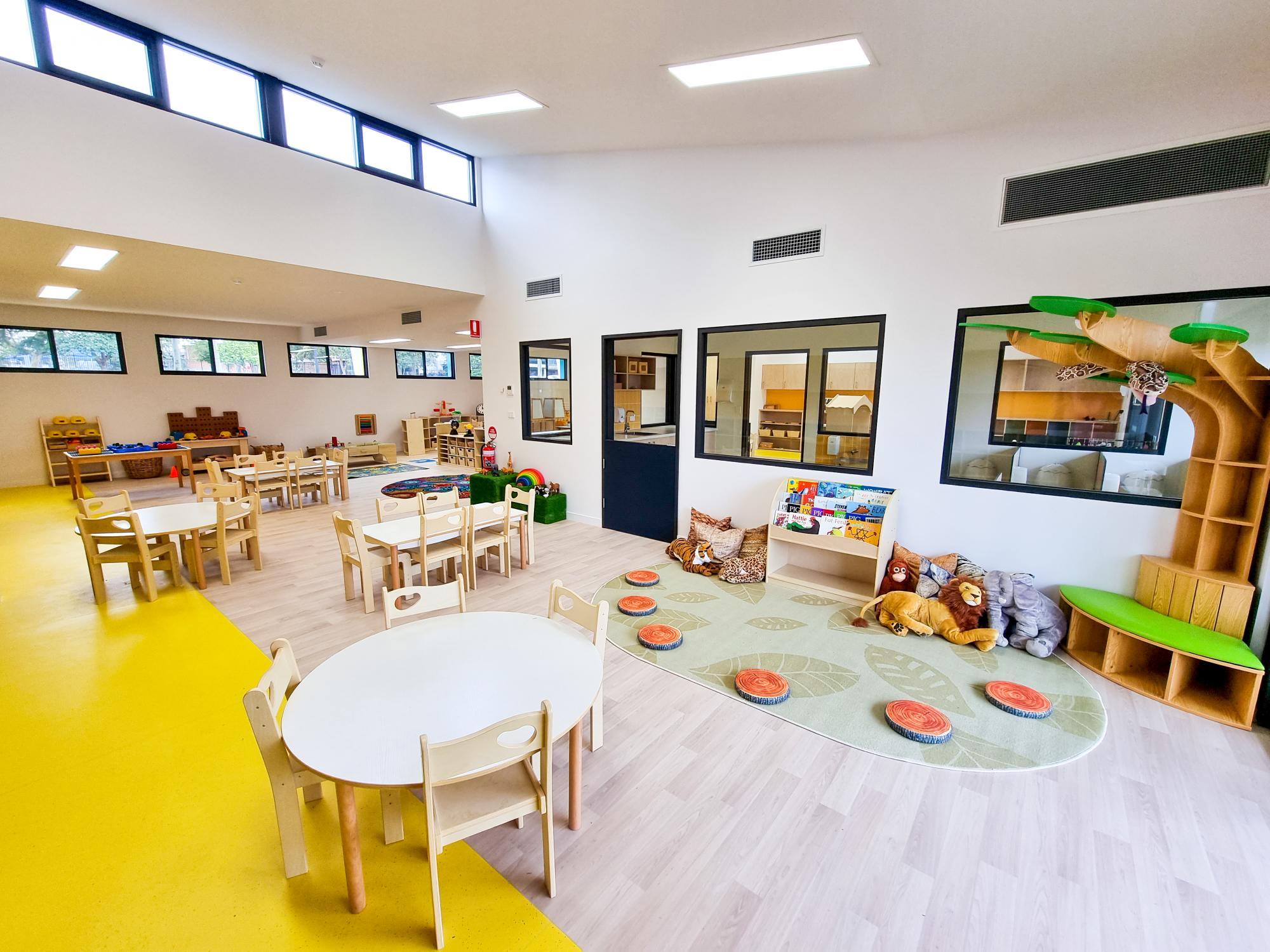
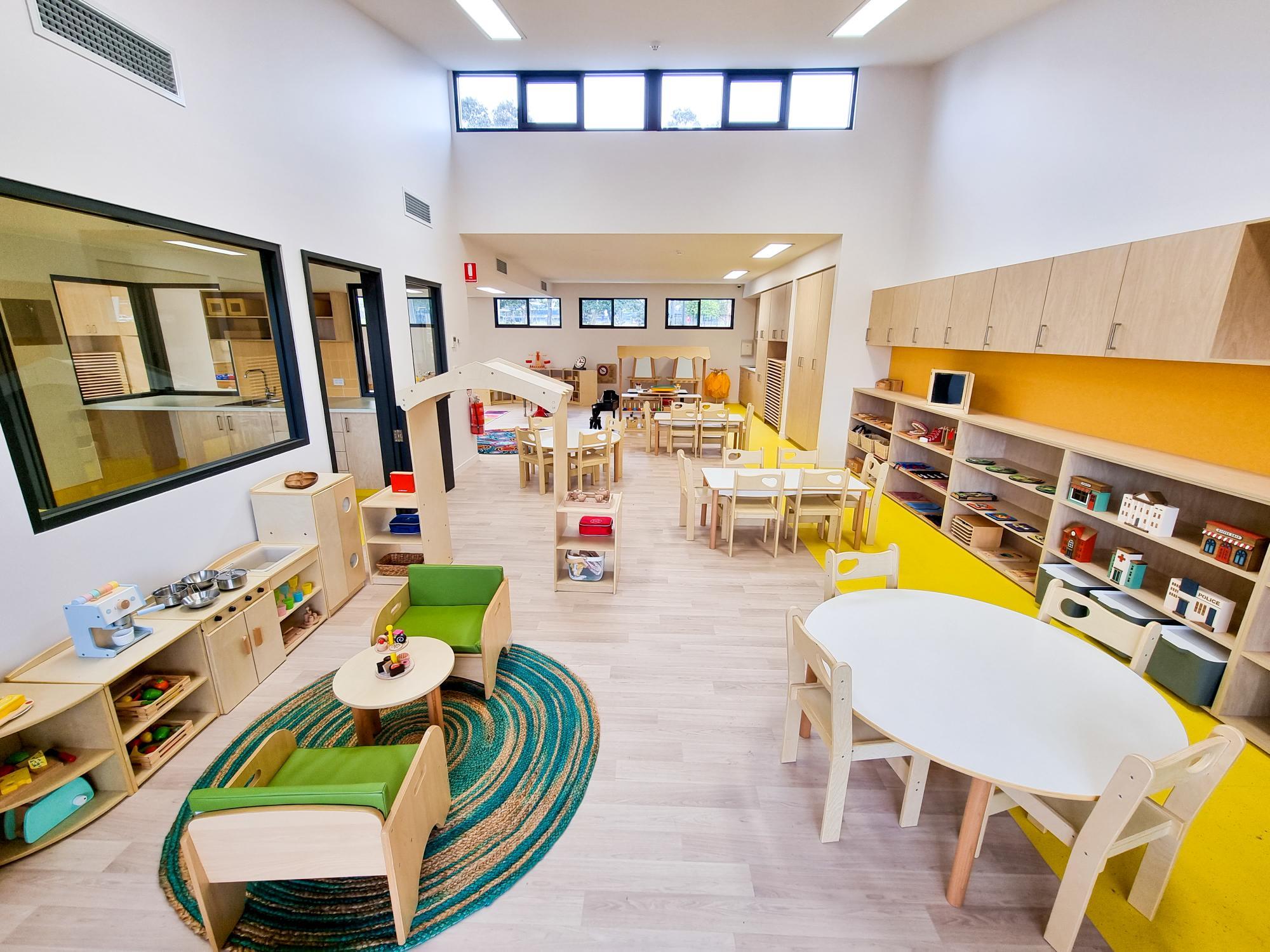
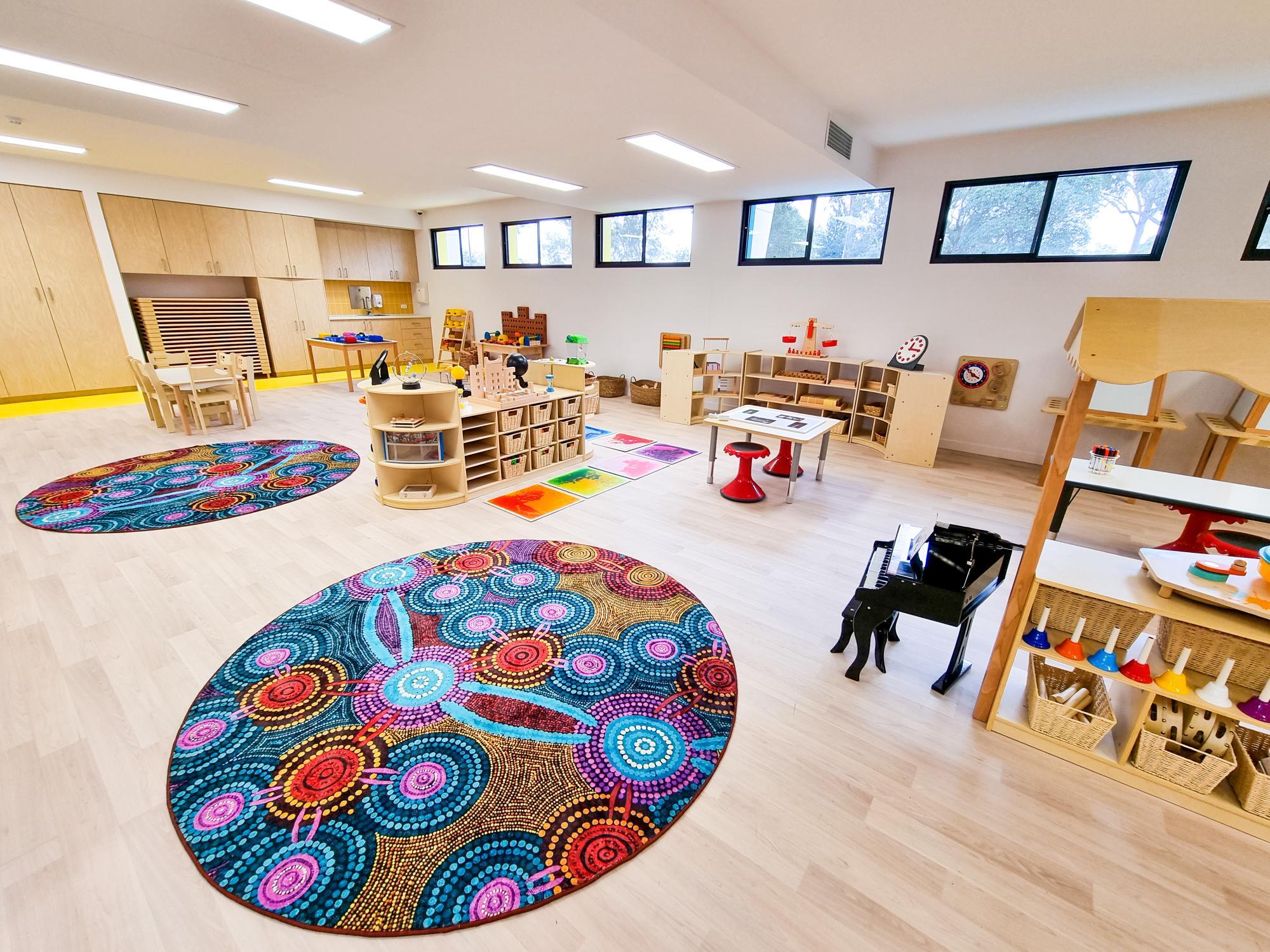
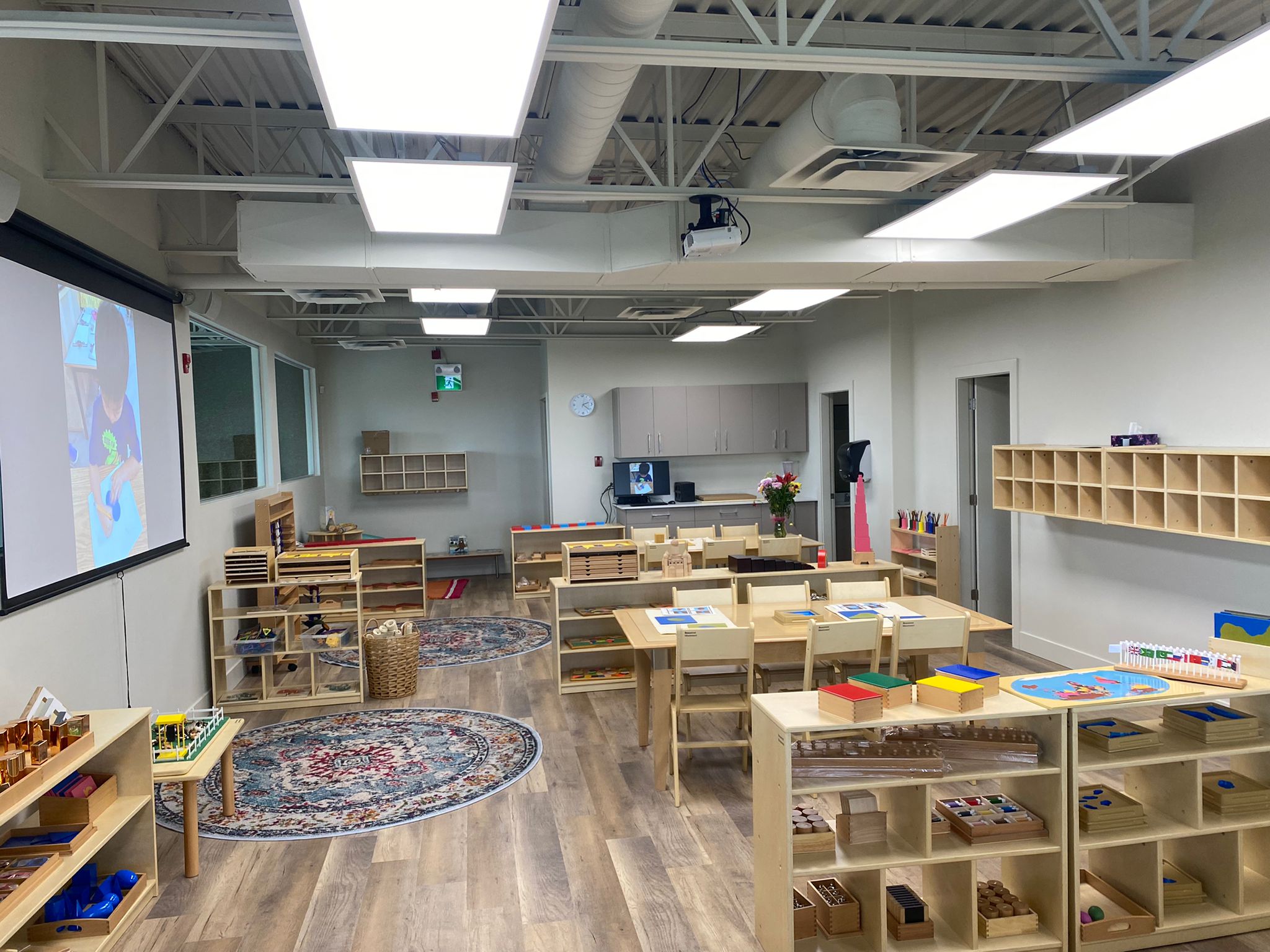
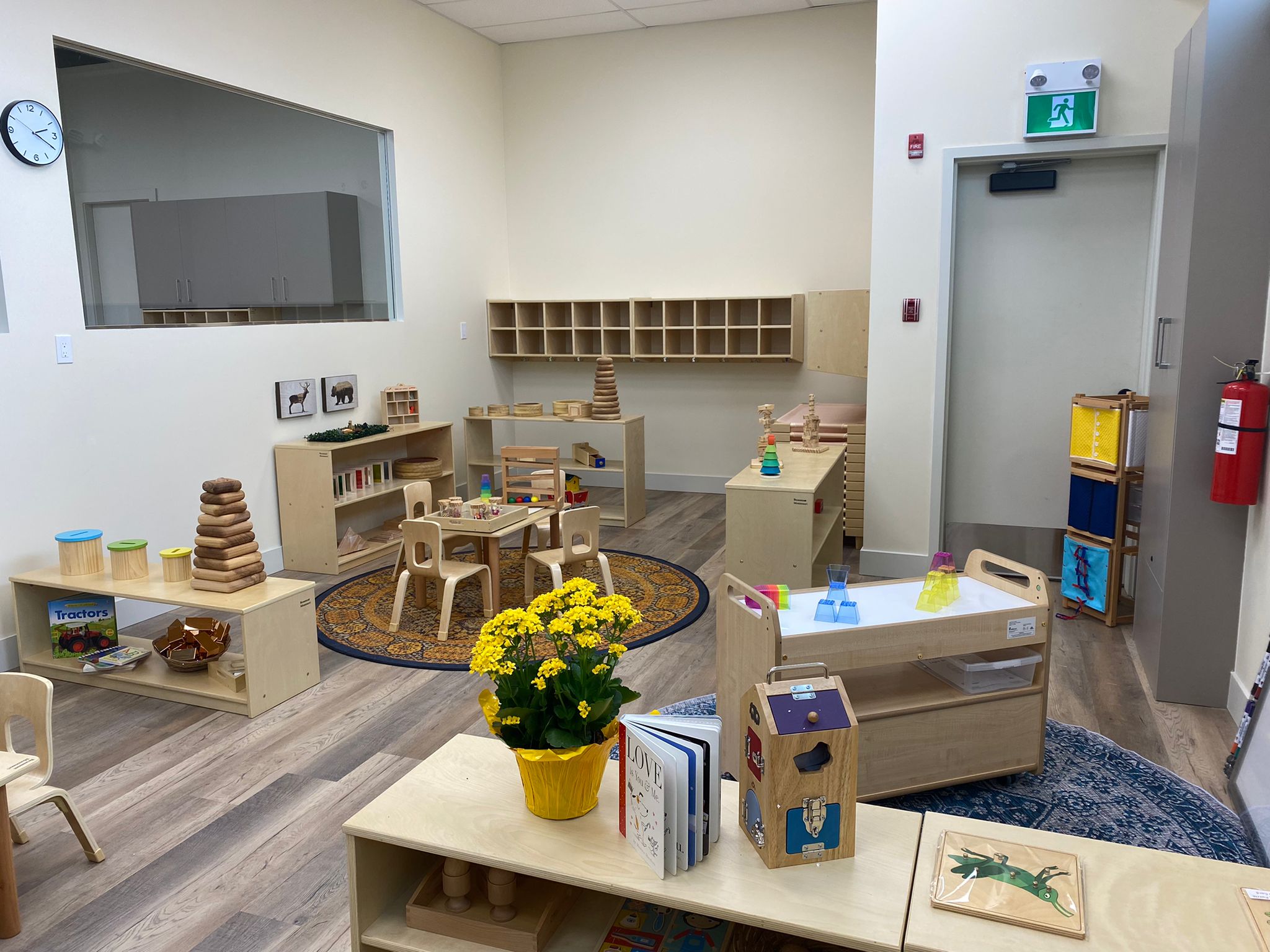
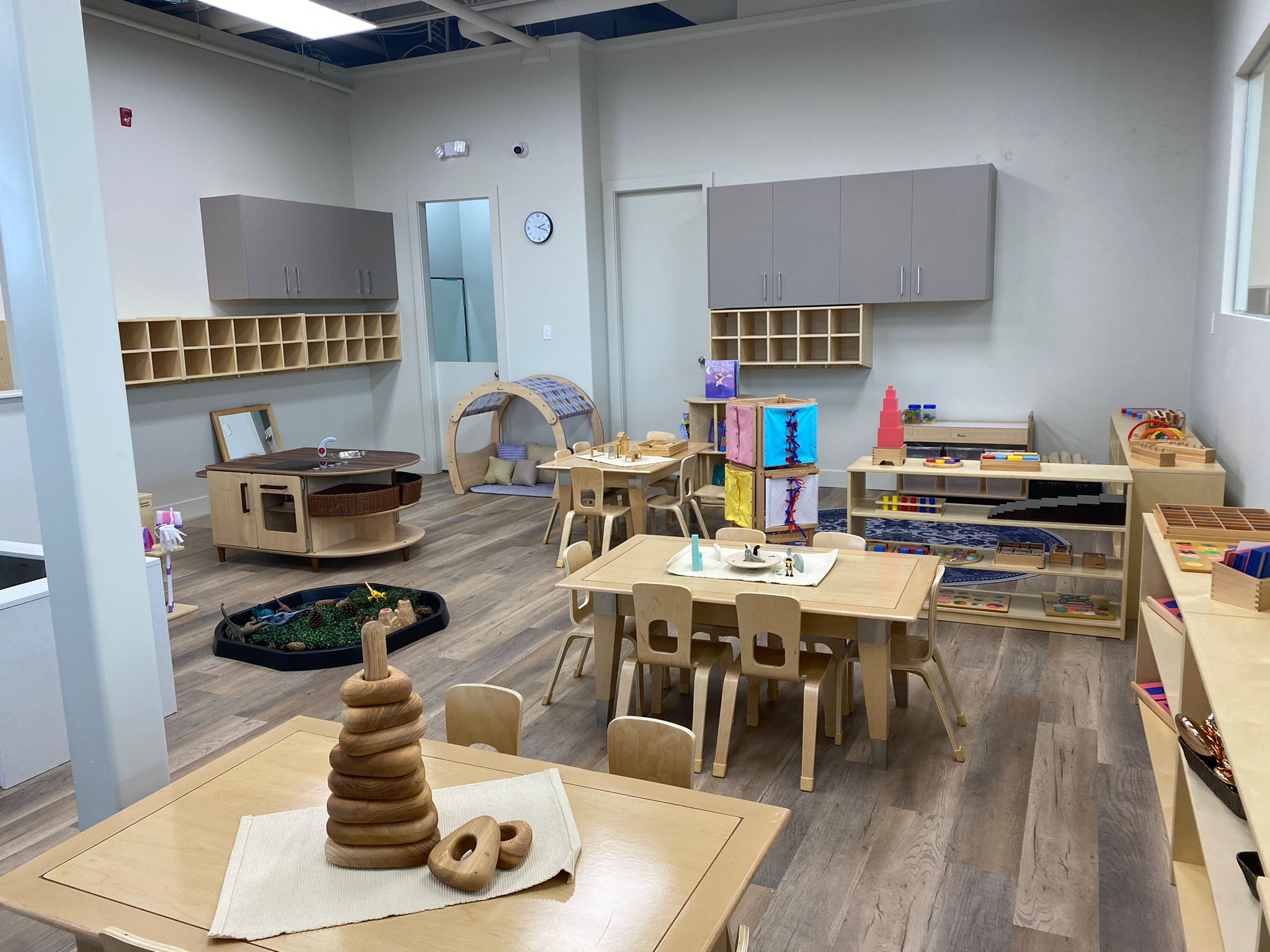
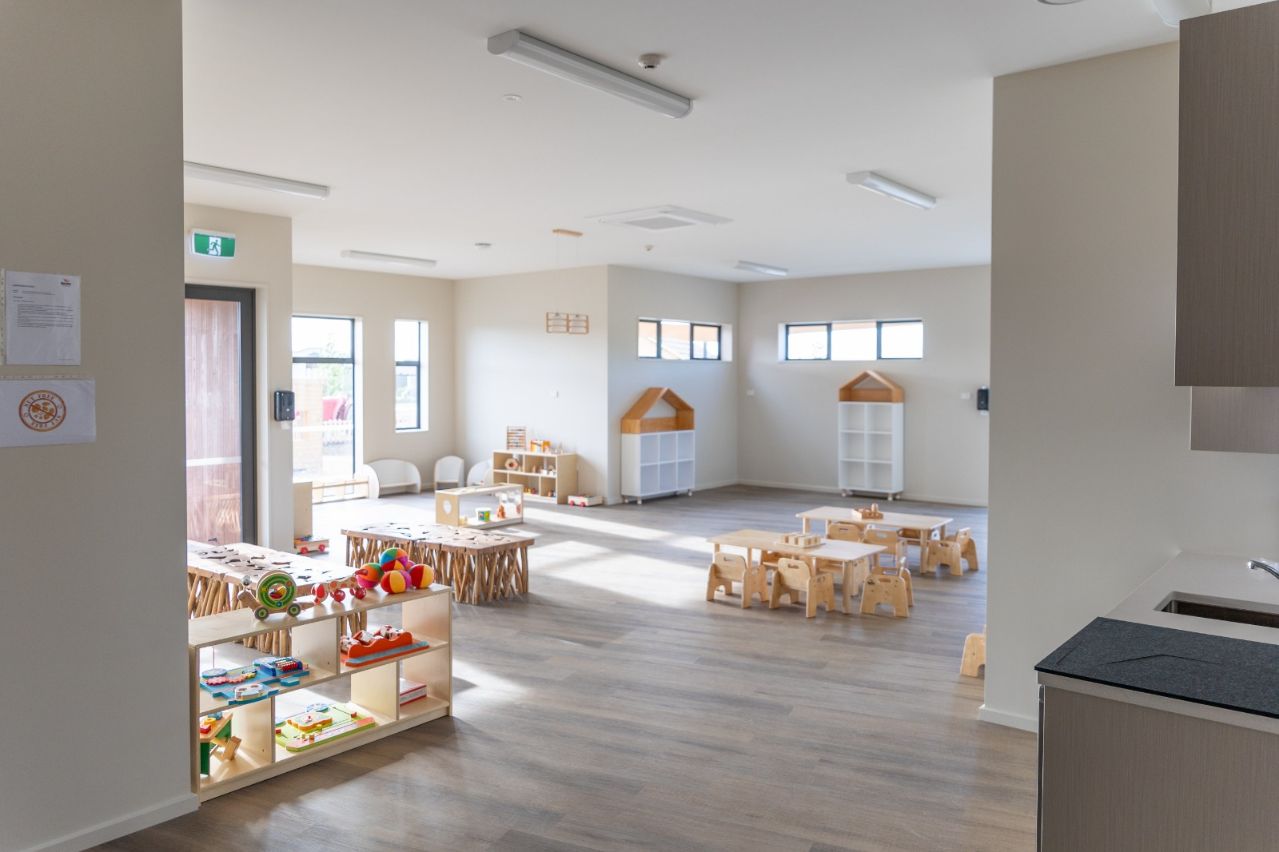
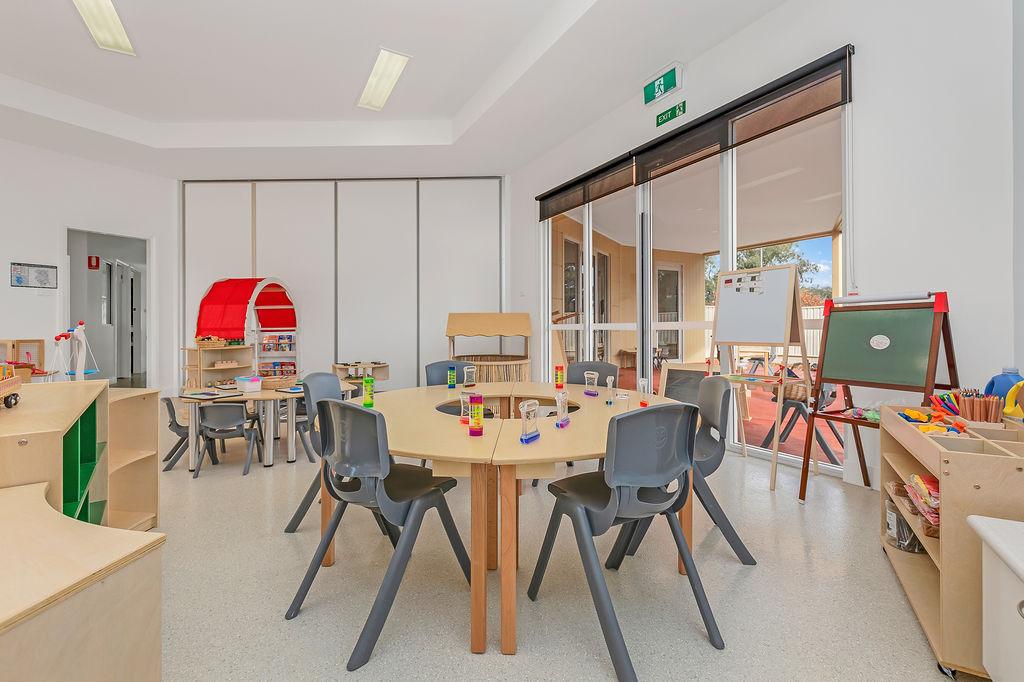
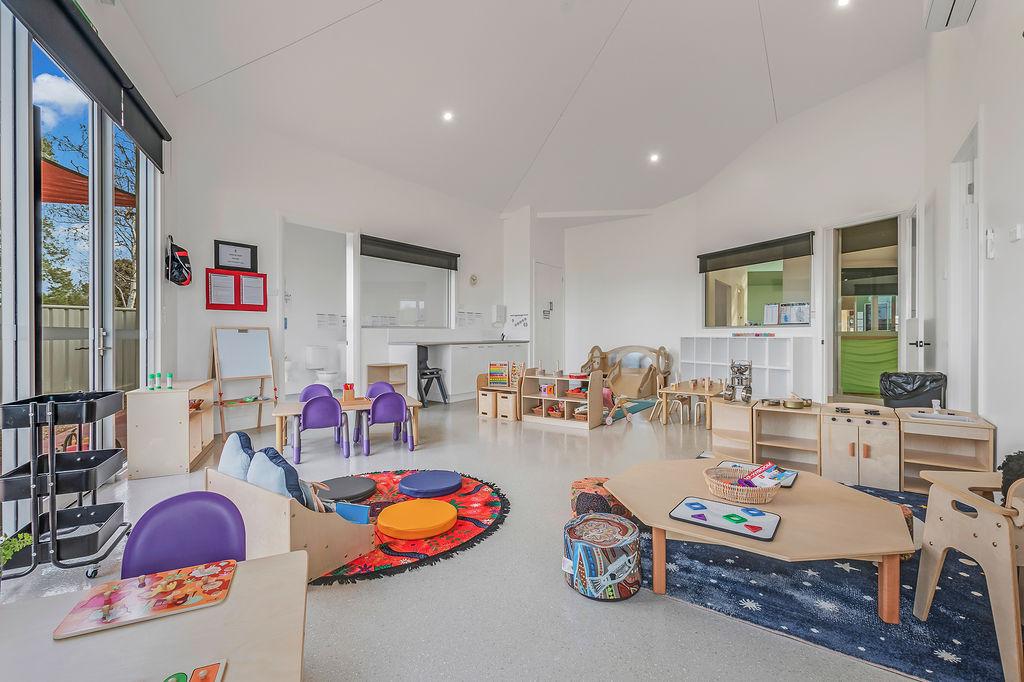
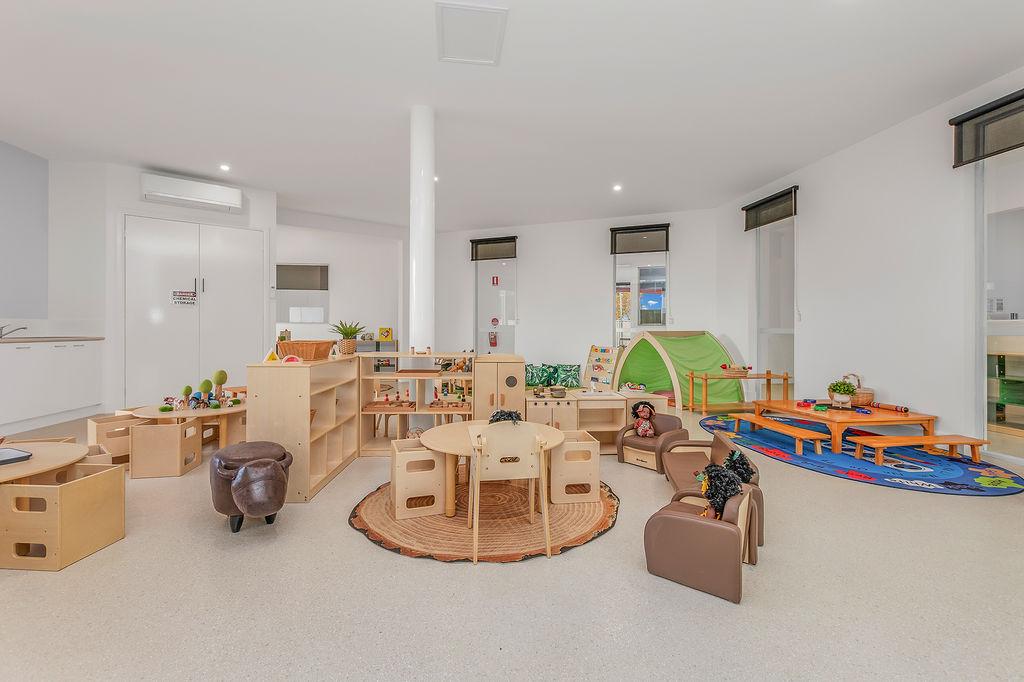
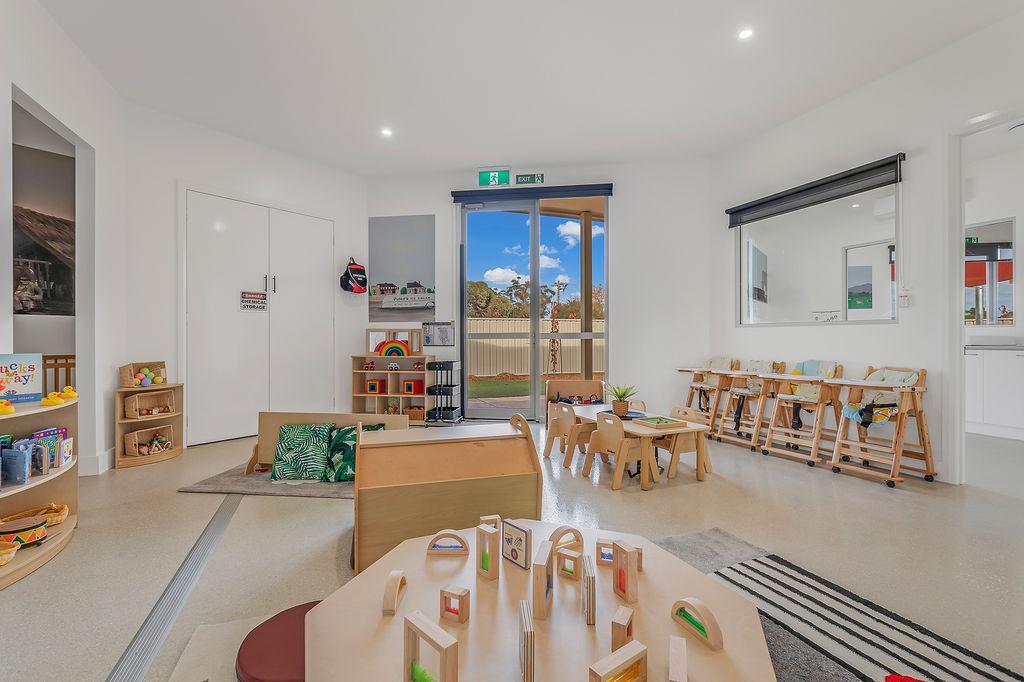
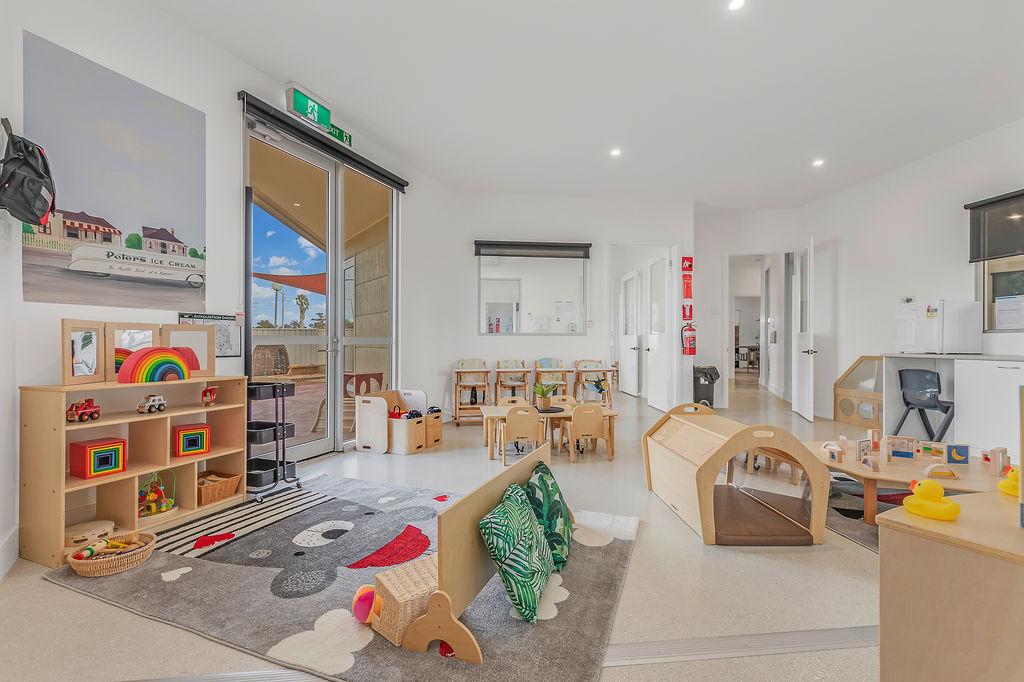
Design the center with preschoolers in mind. Everything—from shelving to storage bins to work surfaces—should be at child height to promote independence. This empowers children to select materials, clean up after themselves, and work confidently.
Make sure the layout includes enough workspace for at least two to four children at a time. Many preschoolers enjoy working side by side, observing others, and learning collaboratively. Provide both seated and standing options to support different learning styles and physical needs.
An organized layout promotes creativity. Break your art center preschool classroom into distinct areas for different types of art activities. For example:
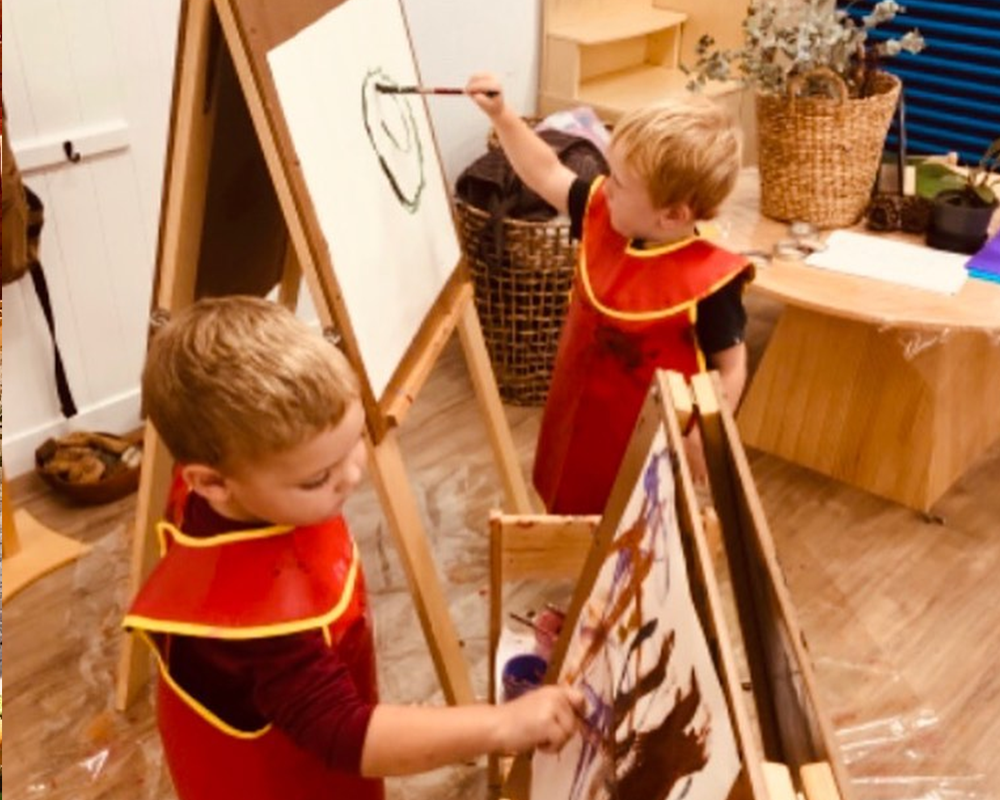
- Drawing and Painting Area: Place easels, large sheets of paper, and crayons, markers, and paints here. This is the most versatile and popular area in your preschool art center.
- Crafting Station: Provide materials like glue, fabric, beads, and scrap paper for creating collages and other tactile projects.
- Sensory Play Area: Integrating sensory play with art is important. Include materials like clay, sand, or playdough to encourage tactile exploration.
These sections ensure that children can flow through different types of creative activities and helps them develop a wide range of skills.
3. Choose the Right Preschool Furniture
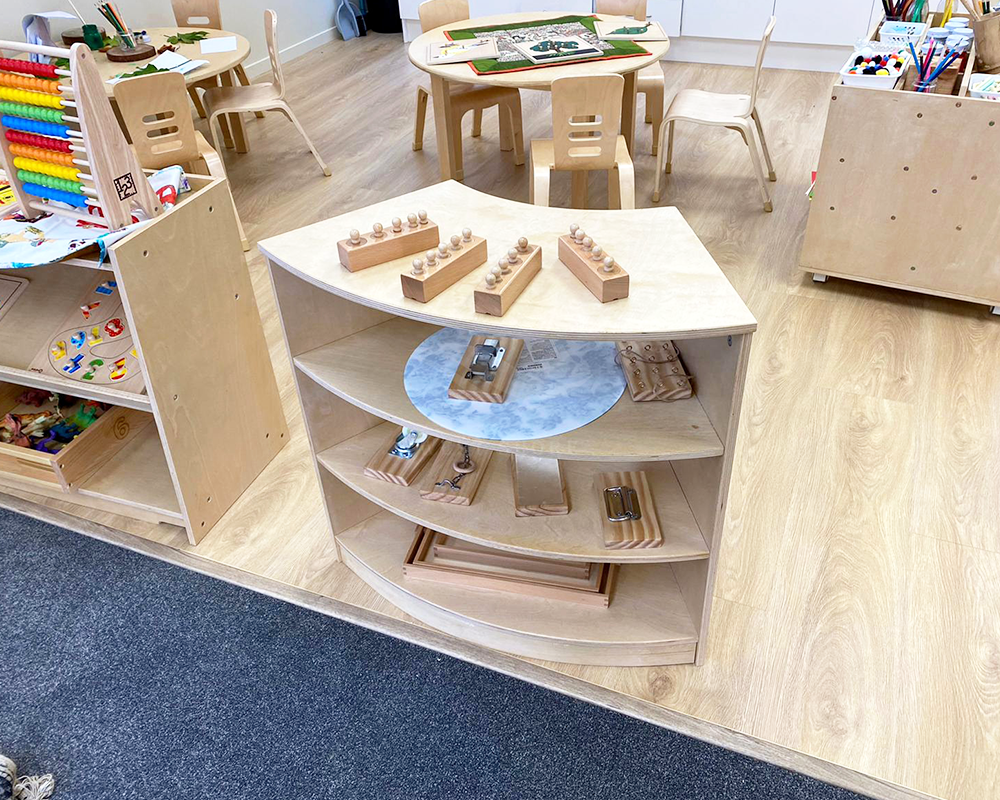
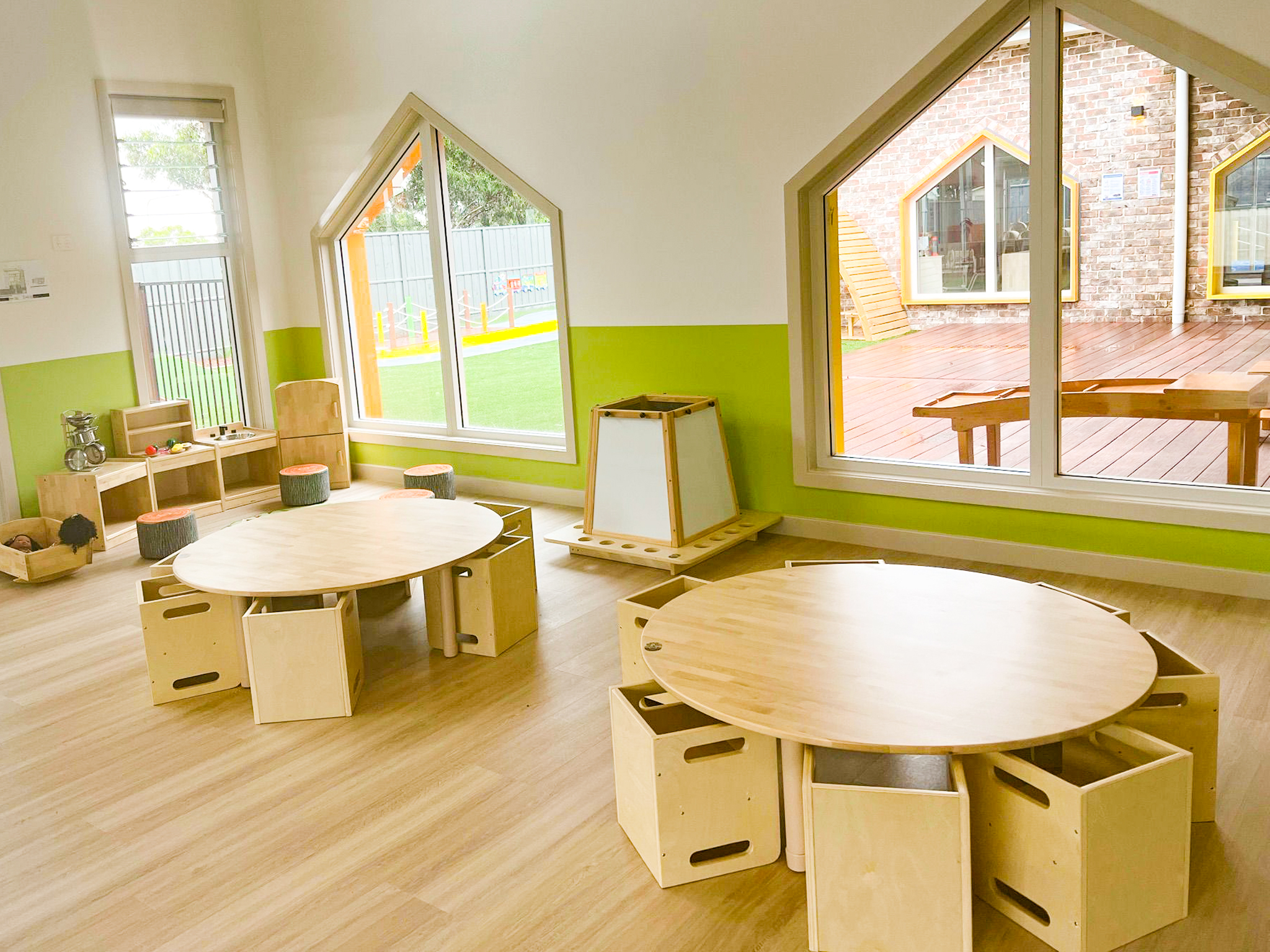
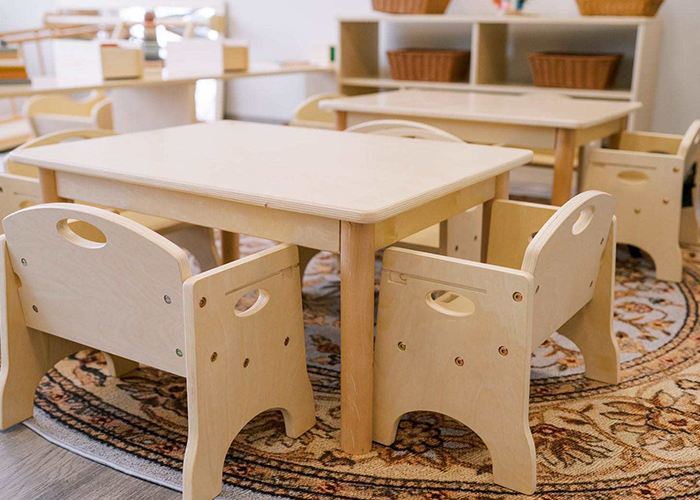
The furniture in a preschool art center should be functional and child-friendly. Rounded tables, sturdy chairs or stools can reduce the risk of falls or collisions. Tables and chairs must be easy for children, and furniture should be sturdy yet lightweight for easy rearrangement. Low, open shelving is ideal for easy access to art center materials for preschool. If space allows, incorporate child-sized easels or drawing boards.
4. Easy-to-Clean Floors
Flooring matters more than many people expect. In a preschool art center, paint drips, glue spills, and small scraps on the floor are part of daily life.
If your classroom has hard flooring such as vinyl or tile, this can be an advantage because it is easy to mop. You may still want a washable mat or tarp under easels and paint areas to protect the main floor and make cleanup faster.
If your art center is on top of carpet, plan for extra protection. You can use:
- Vinyl tablecloths or plastic mats on the floor during messy projects
- Area rugs that are dark enough to hide stains and can be cleaned or replaced
- Clearly defined wet and dry zones so messy activities stay in one area
Teach children how to notice and wipe up small spills right away. Keeping the floor as clean as possible helps prevent slips and keeps the classroom feeling cared for.
5. Art Storage Solutions
Every preschool art center needs a plan for storing both supplies and finished artwork. Without organization, art centers can become cluttered, frustrating, and underused.
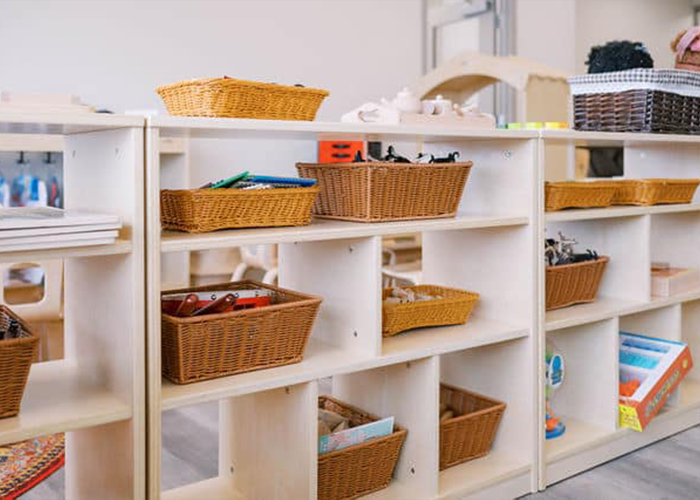
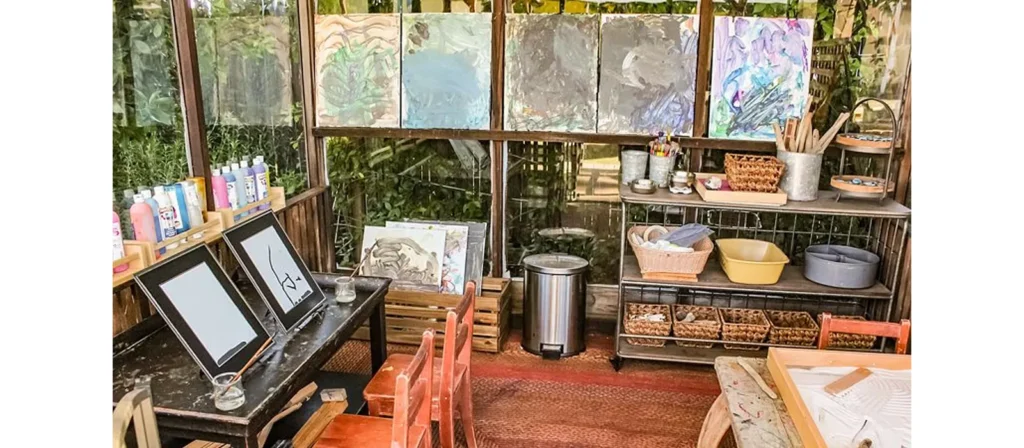
Use shallow bins or baskets for ongoing supplies — crayons, markers, scissors, glue, paper scraps — and label them with simple words or picture labels. This helps preschoolers know where each material belongs, and encourages self-service and cleanup.
For paper artwork (drawings, paintings), designate large flat trays or shallow shelves so pieces don’t crumple. For ongoing or multi-step projects, consider “work-in-progress” trays or folders where children can leave unfinished work rather than stacking them haphazardly.
For finished art, create a display area — a string across the wall, clips on a bulletin board, or large flat storage bins for saving older pieces. Rotate displays regularly so children see their work valued and to make room for new creations. For older work you want to keep long-term, flat portfolios or large envelopes labeled with child’s name can work.
Having a clear organization plan from the start ensures materials don’t get lost, artwork doesn’t get thrown away accidentally, and the art center remains inviting rather than chaotic.
6. Prepare Comprehensive Art Materials and Tools
Once you have furniture, layout, flooring, and storage planned, build up your supply collection thoughtfully. Start with basic, versatile materials, then gradually expand based on children’s interests and needs.
Consider acquiring: a variety of paint colors (including skin tones, metallics, bold primaries), large and small brushes, sponges, rollers, stamp materials, stencils.
Add collage supplies: scrap fabrics, yarn, felt pieces, colored paper, recycled paper, magazine clippings, natural materials (leaves, dried flowers, sticks).
Provide sculpting materials: play‑doh or clay, simple plastic shaping tools, rolling pins, cookie cutters.
How to Set up an Outdoor Preschool Art Center?
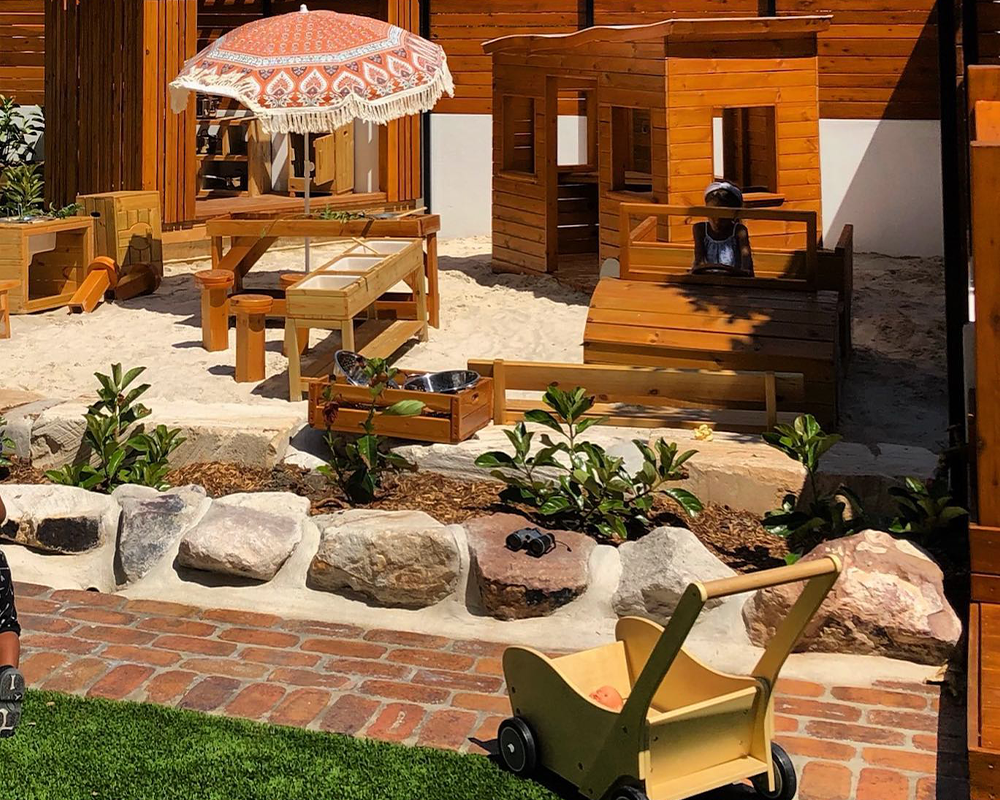
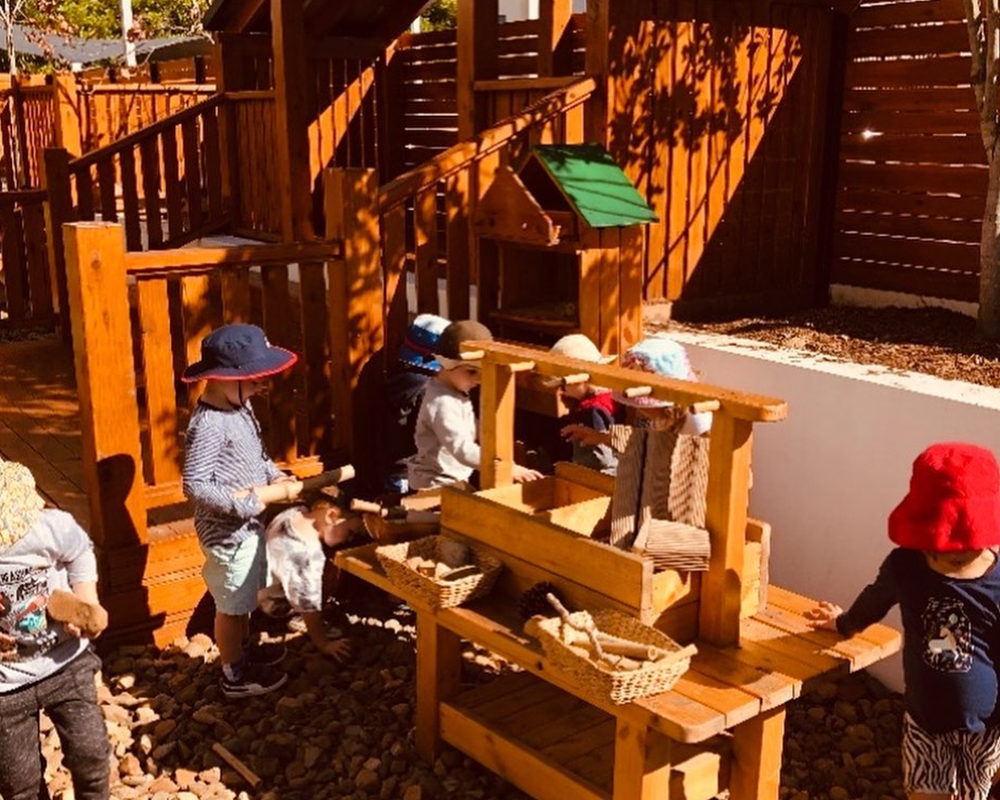
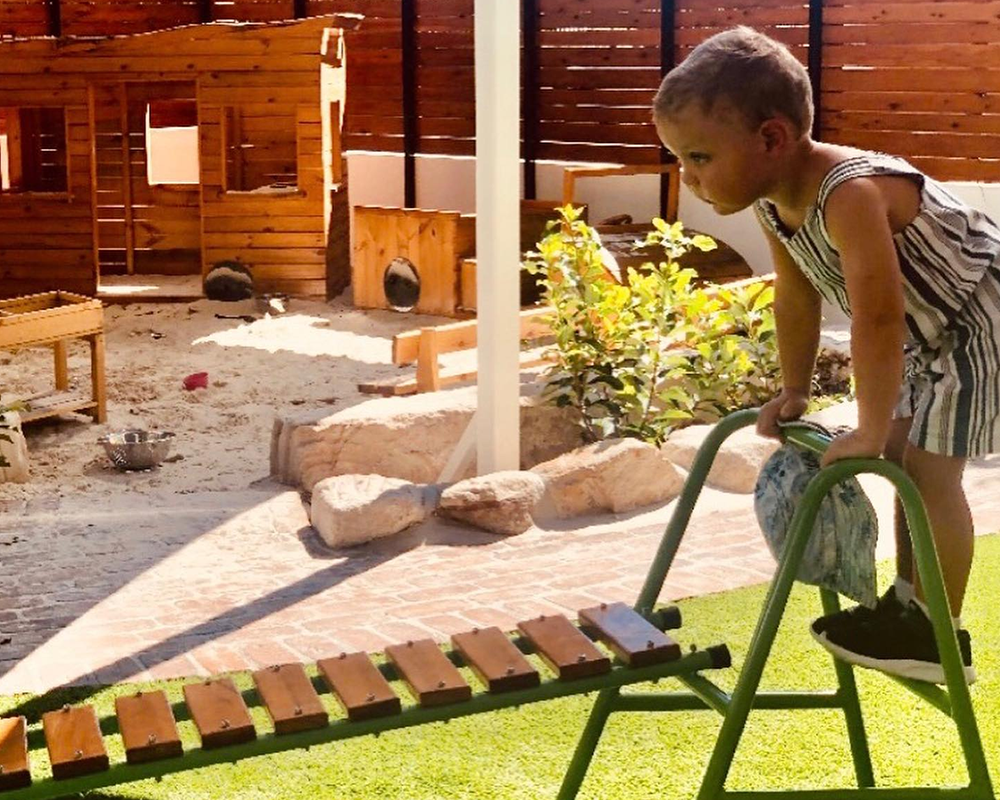
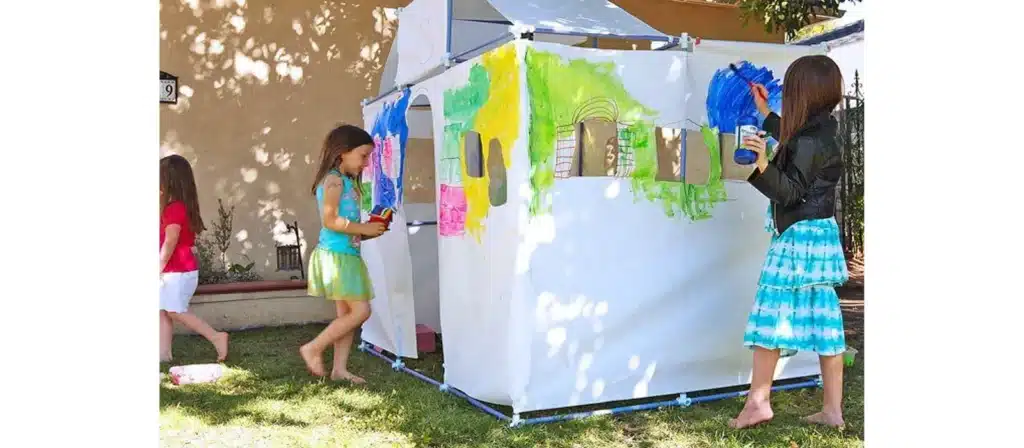
Taking the preschool art center outdoors opens up a world of natural inspiration, sensory engagement, and creative freedom. With fresh air, textured surroundings, and endless materials provided by nature, children can explore art in a more dynamic and unstructured way.
Choose the Right Location
Start by selecting a safe, shaded, and accessible spot in your outdoor space. It could be a corner of the playground, a patio, or even a grassy area under a tree. Make sure the ground is even, and if possible, place a tarp or large mat to define the art area. Having a weather-resistant table or work surface is ideal, but picnic benches or even tree stumps can serve the same purpose.
Create Micro-Zones for Multiple Artistic Experiences
Instead of one table for everything, break the outdoor space into micro-zones:
- A “messy area” for splatter or water-based painting
- A “quiet nook” with clipboards and coloring materials
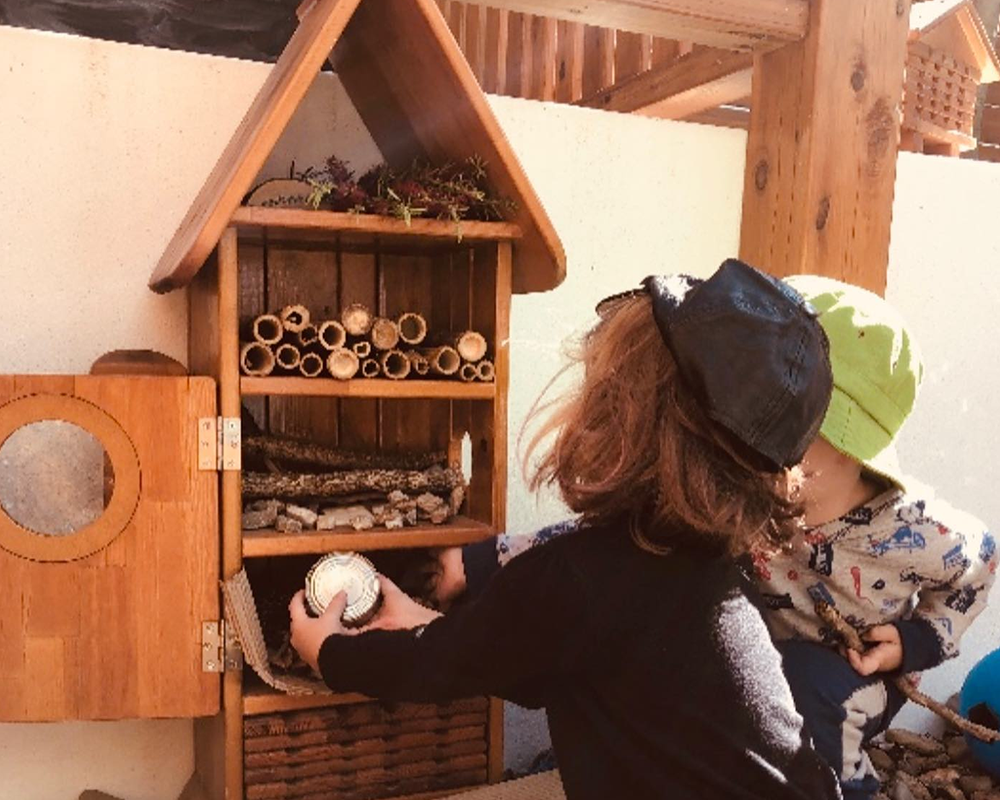
- A “nature lab” with baskets for sorting and arranging leaves or pebbles
- A vertical art wall for stand-up creativity
By clearly defining these micro-zones, children intuitively know how to navigate and choose their activities.
Use Nature as Both Setting and Supply
One of the greatest advantages of an outdoor preschool art center is the access to natural materials. Encourage children to gather leaves, twigs, stones, pinecones, flower petals, or sand. These elements can be used for collage, printmaking, sculptures, or transient art. Natural textures and patterns enhance sensory experiences and creativity.
Weather Awareness and Smart Storage
Outdoor environments are unpredictable, so preparation is key. Rather than repeating standard tips like “use weather-resistant paint,” focus on smart material strategy:
- Use laminated supply menus or instruction cards to survive dew or rain
- Install a covered caddy or DIY art shed with labeled compartments
- Hang drying racks from fences or install retractable clotheslines for wet art
- Keep resealable bags for easy transport of damp or unfinished work
This proactive setup ensures the preschool art center stays functional across seasons.nd out or store them in a shed or covered container nearby.
Incorporate Easels and Vertical Surfaces
Standing easels or vertical boards hung on fences are perfect for large-movement art outdoors. They allow for expressive painting, encourage gross motor development, and are easy to hose down after messy play. If space is limited, clipboards attached to fences with clothespins also work well.
Create a System for Organization and Cleanup
Teach children how to care for materials by setting up a clear clean-up station with labeled buckets for brushes, cloths, and dirty tools. Include a water station for rinsing hands and tools. Outdoor rules should be simple but clear—respect materials, nature, and each other.
What Does a Preschool Art Center Include?
A strong preschool art center is more than a table with crayons. It is a complete mini environment within your classroom, with its own storage, furniture, materials, and visual identity. Thinking about each element separately will help you create a balanced space that works in daily practice.
Storage and organization
- Clear plastic bins
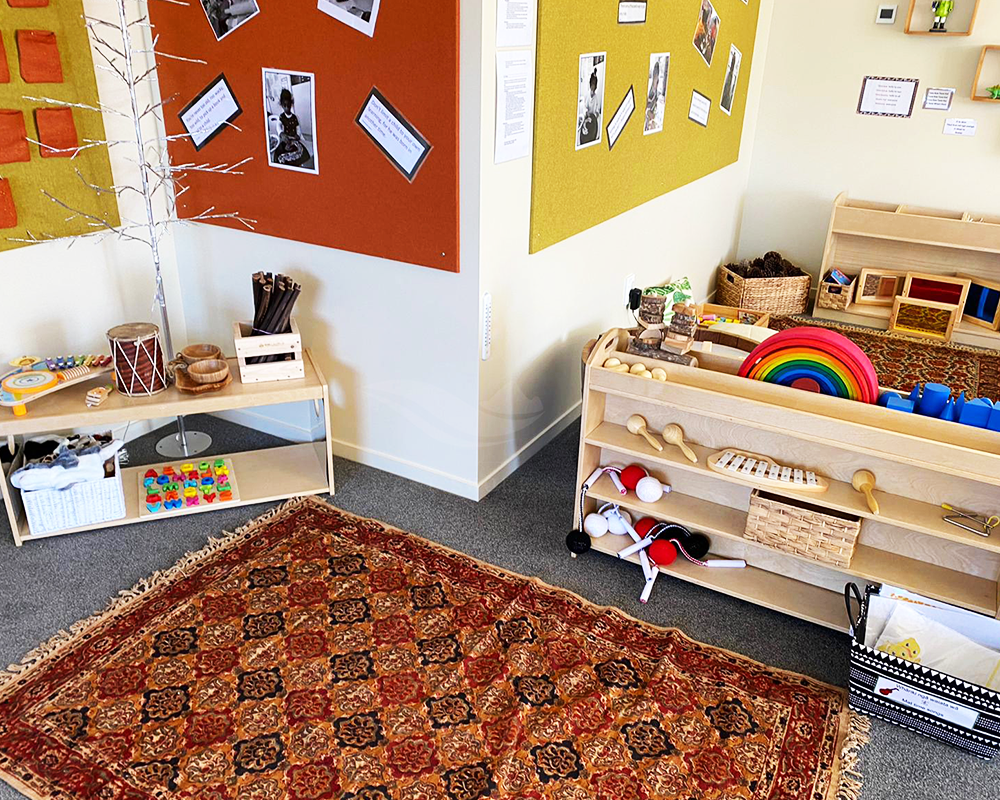
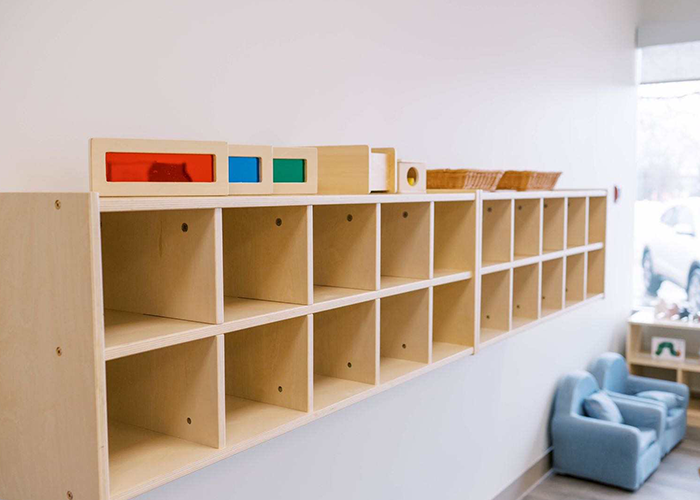
- Open shelving at child height
- Drawer units or rolling carts
- Labeled containers
- Drying rack for artwork
- Baskets or trays for daily-use supplies
Preschool Art Center Supplies
Setting up a preschool art center requires a variety of art center materials for preschool that support creativity and are easy for young children to use.
Basic Materials

A wide variety of basic art supplies are necessary for any preschool art center. These materials encourage children to experiment with different textures, colors, and techniques. Here’s a list of the basic items to include:
- Crayons: Non-toxic and easy to grip, perfect for young children.
- Markers: Washable markers in different colors for drawing and coloring.
- Colored Pencils: Provides shading options for more intricate work.
- Scissors: Safety scissors for little hands to practice cutting.
- Glue and Glue Sticks: Essential for collage work and paper crafts.
- Rulers: Simple plastic or wooden rulers for teaching shapes and straight lines.
- Pencils: Soft-lead pencils for beginners who are learning to draw.
- Chalk: Ideal for use on chalkboards or chalkboard paper, providing a different texture and experience for children.
Paint Pens
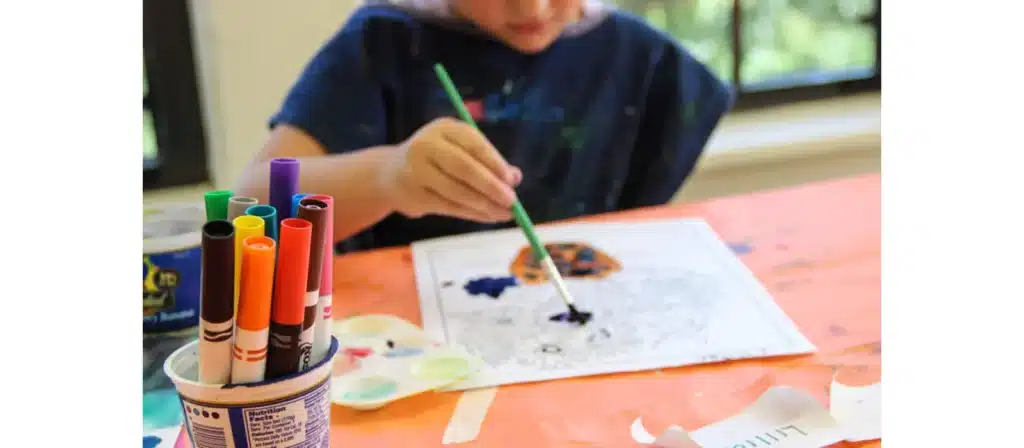
For more vibrant and bold artwork, paint pens are a must. These pens allow children to easily draw or paint without the mess of traditional brushes or paints. They are ideal for projects like:
- Dot Painting: Children can use the pens to create textured artwork by making dots of paint.
- Tracing and Drawing: The fine tips allow for detailed drawing on different surfaces.
Paper

Paper is one of the most essential items in any art center preschool classroom. There are various types of paper you can include to offer a variety of textures and weights for different projects:
- Construction Paper: Available in a wide range of colors, great for cut-and-paste projects.
- Watercolor Paper: Sturdier paper that works well with paints and liquid mediums.
- Tissue Paper: Used for collages, craft projects, or in creative experiments with transparency and texture.
- Newsprint Paper: An affordable option for general drawings and scribbling.
Collage Materials

Collage projects are great for developing fine motor skills and creativity. To build an engaging art center for preschool, include a selection of collage materials that children can use to create layered art pieces:
- Fabric Scraps: Provide children with small bits of fabric that they can cut or tear for textured collages.
- Buttons and Beads: Great for adding 3D effects to their art projects.
- Magazine Cutouts: Let children explore cutting out pictures or letters from magazines to enhance their artwork.
- Foil and Glitter: For children who love to add sparkle and shine to their creations.
Art Furniture
The furniture in your preschool art center should fit the physical needs of young children and the type of work they will do there.

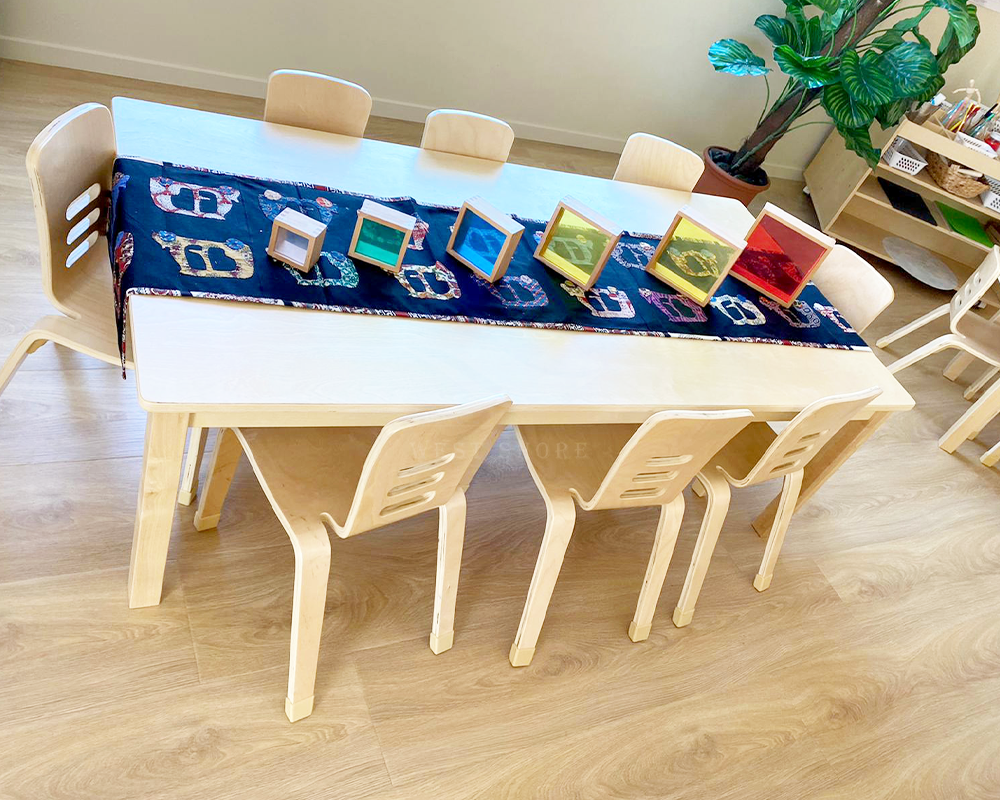
- Child-Sized Tables: These should be sturdy enough to hold art supplies and withstand messy projects.
- Storage Carts: Mobile carts with bins or drawers for organizing art supplies like paper, glue, and scissors.
- Easels: Provide easels for painting or drawing, allowing children to work standing up or seated.
- Shelving Units: Open shelving for easy access to materials and finished artwork.
- Comfortable Seating: Low chairs or stools that are easy for children to sit on during art activities.
Display area
Displaying children’s artwork is an important part of the preschool art center. It shows children that their work is valued and gives them a sense of pride. It also helps families see what children are doing and learning in the art space.
Essential products:
- Bulletin board or corkboard
- Art display clips or magnetic strips
- Wall-mounted string with clothespins
- Easels for displaying 3D art
- Rotating shelves or ledges
- Clear plastic folders
- Magnetic strips or frames
Decorations
Decorations in the preschool art center should support the purpose of the space without overwhelming it. You do not need a lot of store bought posters. Instead, focus on elements that inspire children and reflect their own creativity.
Essential products:
- Inspirational art quotes or posters
- Seasonal décor
- Themed wall borders
- Fabric curtains or soft backdrops
- Tabletop displays of natural or artistic items
- Mood lighting or soft lamps
- Children’s own work used as décor
Seasonal Materials That Can Be Added to the Art Center
Seasonal materials bring fresh energy to a preschool art center. As the weather changes and holidays come and go, children become more curious about what is happening around them. Adding materials that reflect each season helps them connect their art making with real experiences. These changes also keep the art center interesting without requiring a full redesign. Small updates a few times a year can inspire new conversations, new techniques, and new creativity.
Spring
- Fresh or dried flowers (for pressing)
- Green tissue paper
- Floral stickers
- Feather pieces
- Pastel-colored paper
- Grass clippings (optional/outdoor)
- Egg cartons (for upcycled art)
Summer
- Sand or sandpaper
- Seashells (blunt, safe edges)
- Bright neon paper
- Paper sun templates
- Blue cellophane or transparent paper (ocean effect)
- Water droppers or spray bottles (for watercolor splashes)
Fall (Autumn)
- Real or artificial leaves (pressed or dried)
- Small sticks and twigs
- Pinecones
- Acorns (for supervised activities)
- Cinnamon sticks or nutmeg (for sensory collages)
- Brown, orange, yellow, red construction paper
- Leaf-shaped sponges or cookie cutters
- Mini pumpkins or gourds (for painting)
Winter
- Cotton balls (snow)
- White and silver glitter
- Snowflake cutouts or stencils
- Aluminum foil (shiny texture)
- Light blue, silver, and white paper
- Fake snow or salt (supervised use)
- Mitten or hat templates
Preschool Art Center Rules
To maintain order and ensure that all children can enjoy the art center in preschool classroom, it’s essential to have a few simple rules:
- Respect the Materials: Teach children to use supplies carefully and responsibly. Materials should be used as intended.
- Clean Up After Yourself: Children should clean up their workspace when they’re done with an art project.
- Take Turns: If multiple children are using the same materials or space, make sure they take turns and respect each other’s space.
- Safety Guidelines: Safety is a priority in any art center preschool environment. Rules should include safe handling of scissors, brushes, and other materials, as well as guidelines for sharing supplies.
Process Art in Preschool
Process art focuses on the creative process rather than the final product. It’s an essential part of preschool art center ideas because it promotes exploration and experimentation. By engaging in process art activities, children develop critical thinking, problem-solving, and decision-making skills. This approach supports personal growth and independence. For example, in a preschool art center, children can:
- Use their fingers to explore painting techniques.
- Play with clay and create sculptures, experimenting with texture and shape.
This type of art fosters experimentation, emotional expression, and creative problem-solving.

Tips for Managing a Preschool Art Center
Maintaining a preschool art center involves more than just providing supplies—it’s about fostering a creative environment where children feel inspired to create and explore. Below are some essential tips for managing the art center preschool:
- Establish Clear Rules: Teach children the importance of respecting materials and the space. Rules like “use materials carefully,” “clean up after yourself,” and “share with your friends” will help maintain a positive environment.
- Organize Supplies: Keep the supplies organized by category and within easy reach for the children. Label storage bins with words and pictures so kids can independently return materials to their correct spots.
- Rotate Materials Regularly: Keep the art center preschool classroom fresh by rotating the materials available. Introduce new supplies or techniques to keep children excited and engaged.
- Maintain Cleanliness: Art activities can get messy, so set up a system where children can easily wash their hands and clean their space. Use wipes or damp cloths for quick clean-ups and sanitize art tools regularly.
- Offer Guided Choices: While it’s important for children to express their creativity freely, you can also provide guided options for projects or activities. This can help children explore new techniques and avoid feeling overwhelmed by too many choices.
- Encourage Independence: Allow children to independently explore materials and engage in their projects. The more they handle art tools and materials on their own, the more confident and capable they become.
Art Activities for Preschoolers
Preschoolers benefit from a variety of art activities that help develop creativity, motor skills, and social interaction. Here are six popular art activities that can be implemented in a preschool art center:
1. Finger Painting
One of the most enjoyable and sensory-rich activities for preschoolers. Children use their hands and fingers to spread paint on large sheets of paper, which helps develop fine motor skills while allowing them to explore colors and textures.
2. Collage Making
Children love tearing and gluing paper, fabric, and other materials to create collages. This activity promotes creativity and helps children practice hand-eye coordination as they carefully place each piece.

3. Clay Sculpting
Using modeling clay, children can create simple sculptures and models. This activity is excellent for enhancing fine motor skills, as it involves squishing, rolling, and molding the clay into different shapes.
4. Nature Art
Collect leaves, flowers, and sticks from outdoors and incorporate them into artwork. This not only gives children the opportunity to work with natural materials but also teaches them about the environment.

5. Paper Mâché
A fun, messy art project that involves using strips of paper soaked in glue to form shapes or sculptures. It’s great for building sensory skills and learning about textures.
6. Watercolor Painting
Watercolors allow for subtle blends of color and encourage experimentation. Children can explore different techniques, from wet-on-wet painting to color mixing, and create beautiful art pieces.
Frequently Asked Questions about the Preschool Art Center
- What Is a Preschool Art Center?
A preschool art center is a dedicated area in the classroom or outdoor space where young children can engage in creative, hands-on art activities. It typically includes supplies like crayons, markers, paint, scissors, glue, and paper, and is designed to promote self-expression, fine motor development, and imagination. - How Does Teacher Refreshed Materials in the Art Center Preschool?
Teachers refresh the preschool art center by rotating art supplies based on themes, seasons, or student interests. They replace worn-out items and introduce new materials like textured paper or natural objects. This keeps the center engaging and encourages creative exploration. - How Can I Keep the Art Center Organized?
Use labeled bins, trays, and shelves to store materials by type. Choose clear containers for easy visibility, and rotate supplies periodically to keep the space fresh. Teach children how to clean up and put items back in their proper place as part of the routine. - Can I Create an Art Center in a Small Classroom?
Yes! Even a small table with a few bins of supplies can serve as a functional preschool art center. Use vertical storage, rolling carts, or foldable easels to maximize space. Focus on offering a variety of materials that encourage creativity, even in compact areas. - What Age Is Appropriate to Start Using an Art Center in Preschool?
Children as young as two can begin exploring simple art materials under supervision. The key is offering age-appropriate tools and guidance. - Can the Preschool Art Center Be Linked to the Curriculum?
Absolutely. Art projects can reinforce literacy, math, science, and social studies through storytelling, pattern creation, nature exploration, and more. - How Can I Encourage Reluctant Children to Participate in Art Activities?
Start with simple, low-pressure activities and allow children to observe before joining. Offer choices in materials and respect their pace. Use praise to build confidence and create a welcoming, judgment-free preschool art center that values effort over outcome.
Conclusion
Setting up a preschool art center is one of the best ways to promote creativity and early learning in young children. By thoughtfully organizing the space and providing a variety of materials, you can create an inspiring and engaging environment where children can develop essential skills such as fine motor control, language, and imagination. Don’t forget to incorporate outdoor spaces for added variety and allow children to experience art in new ways.