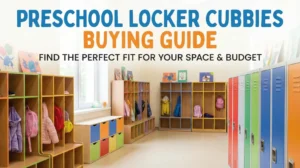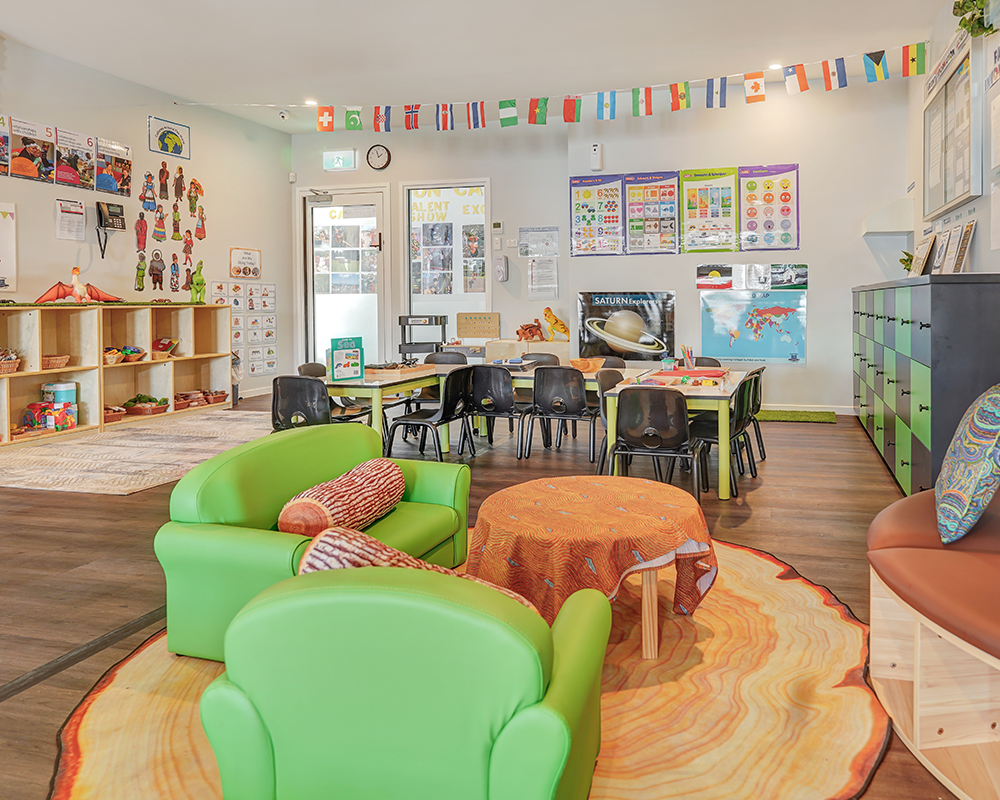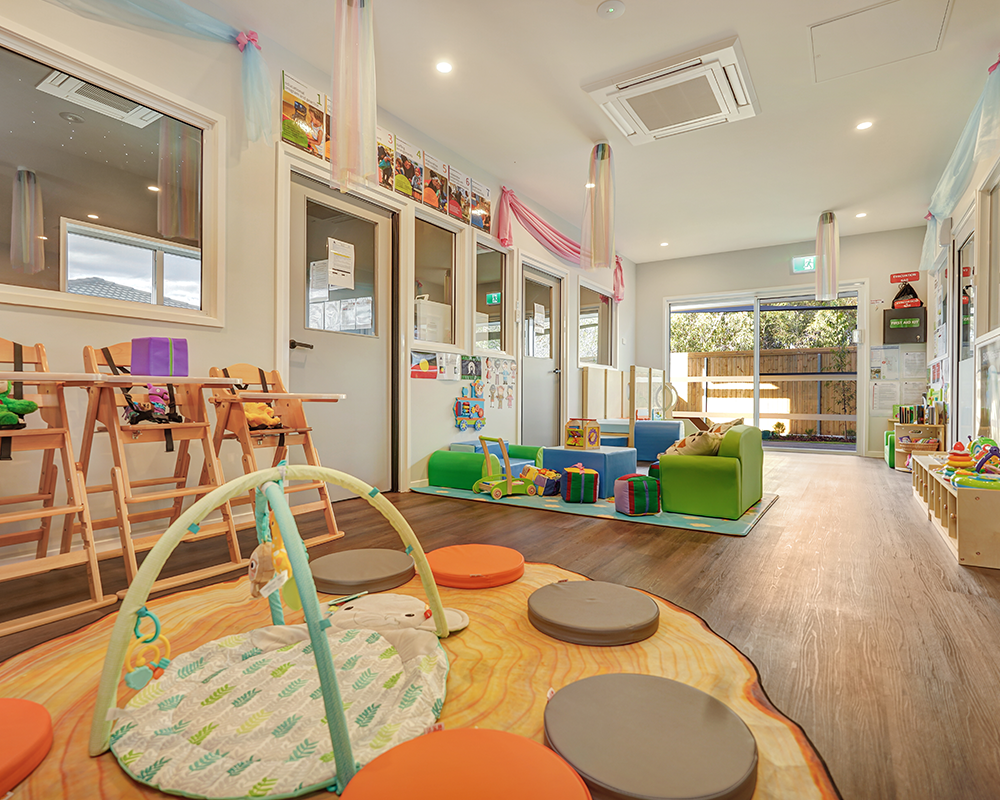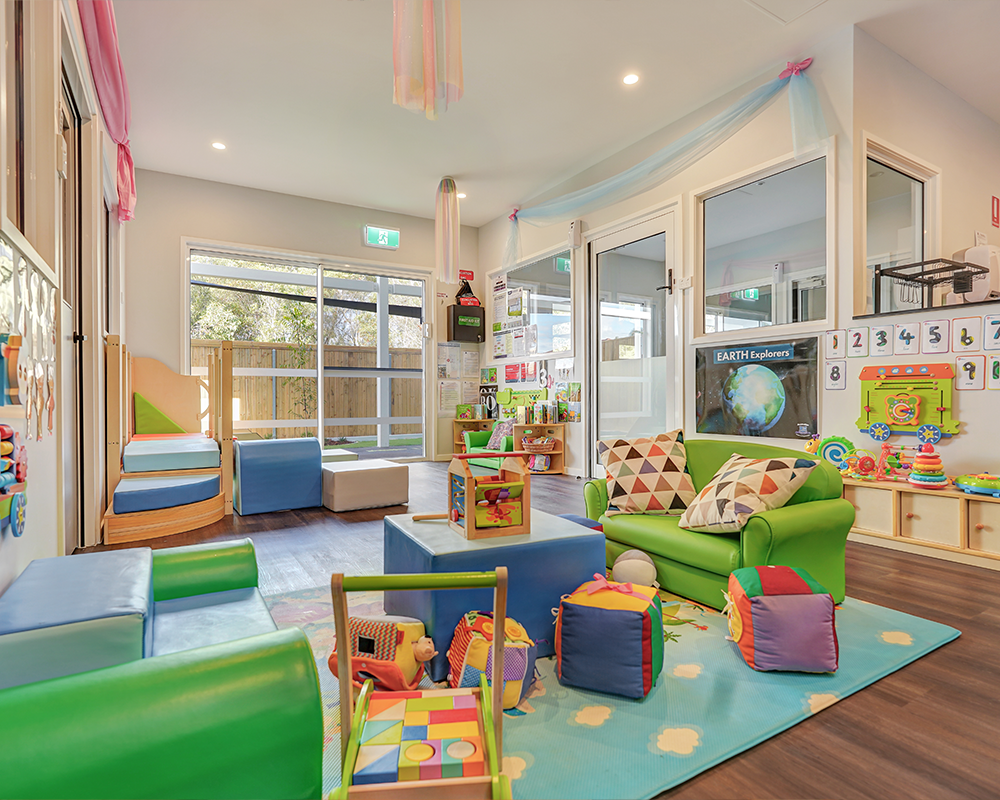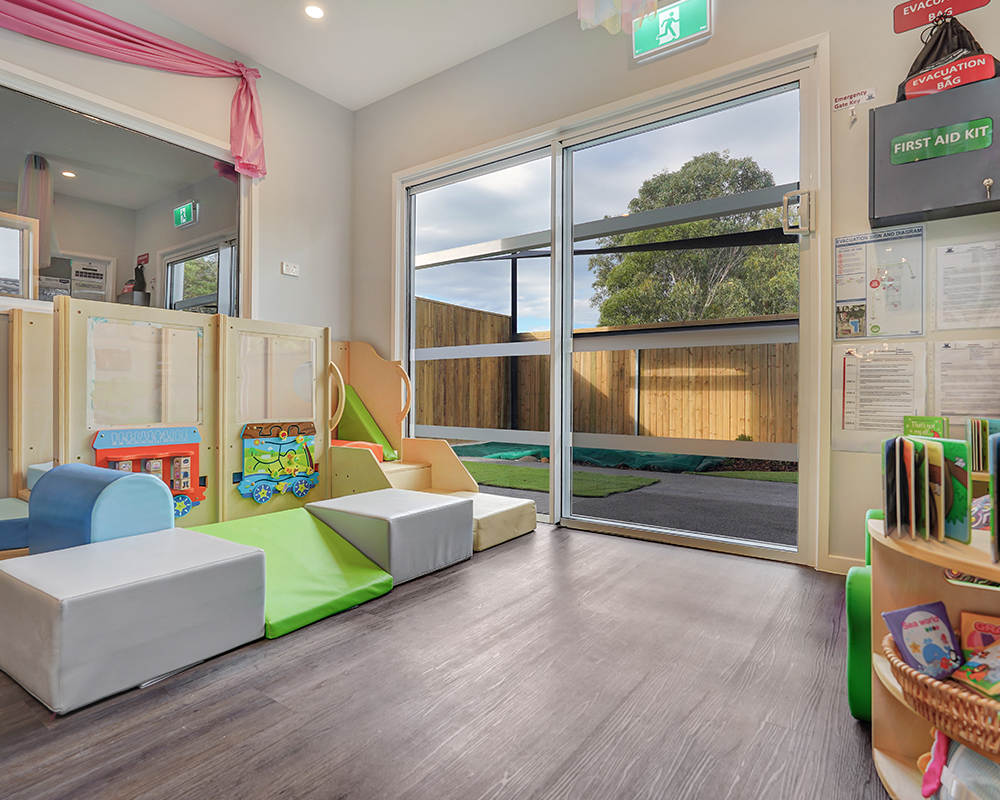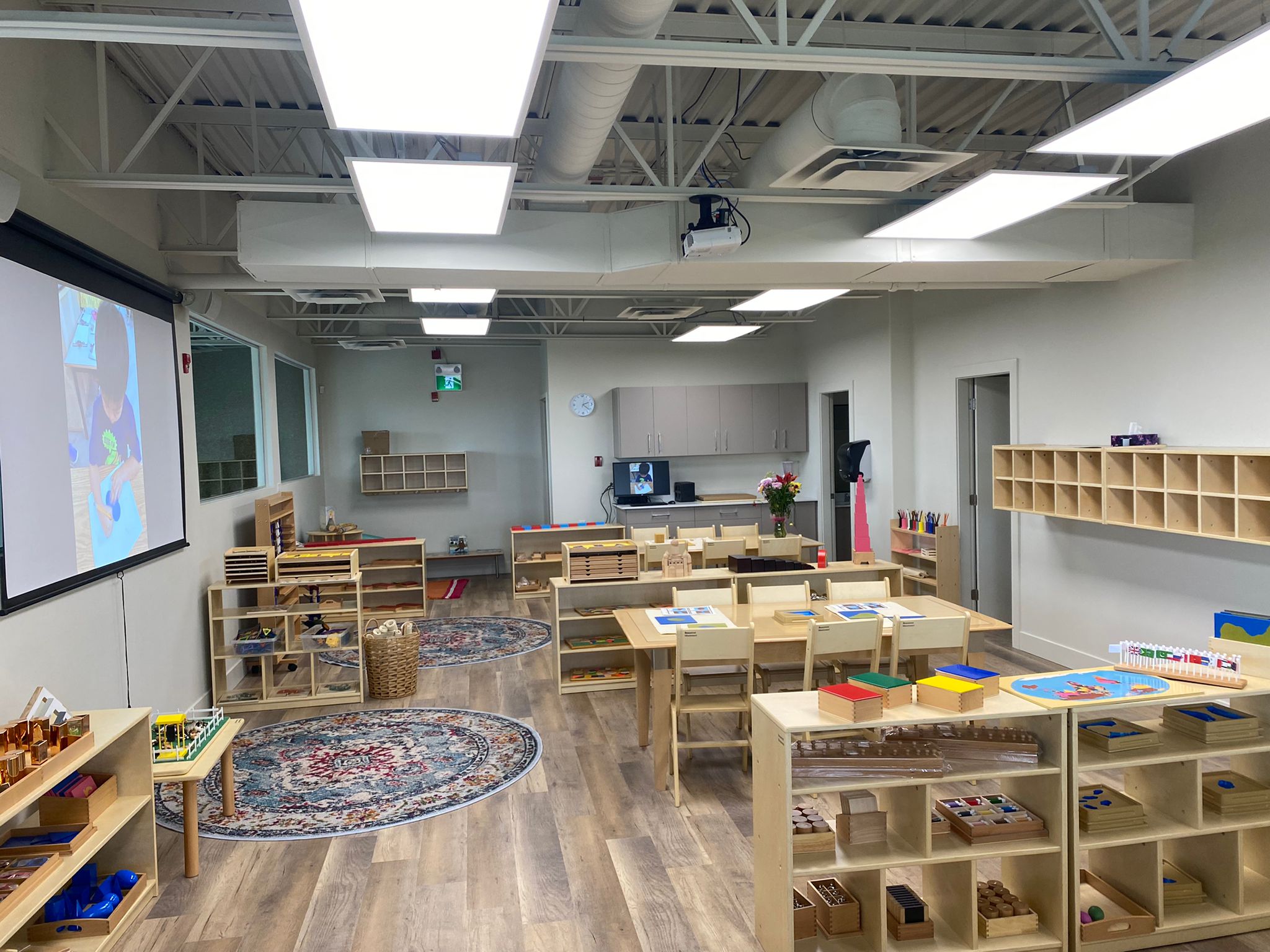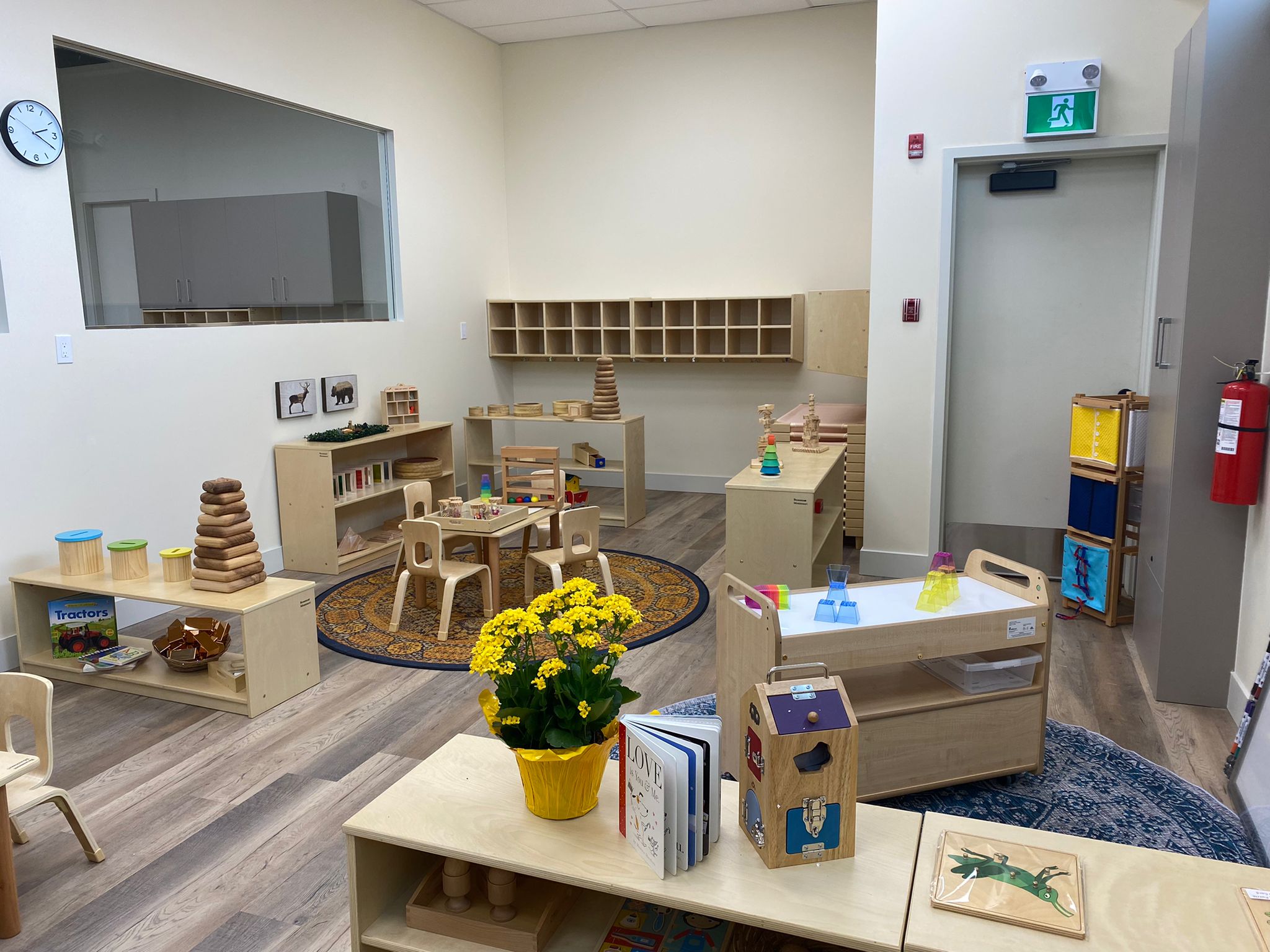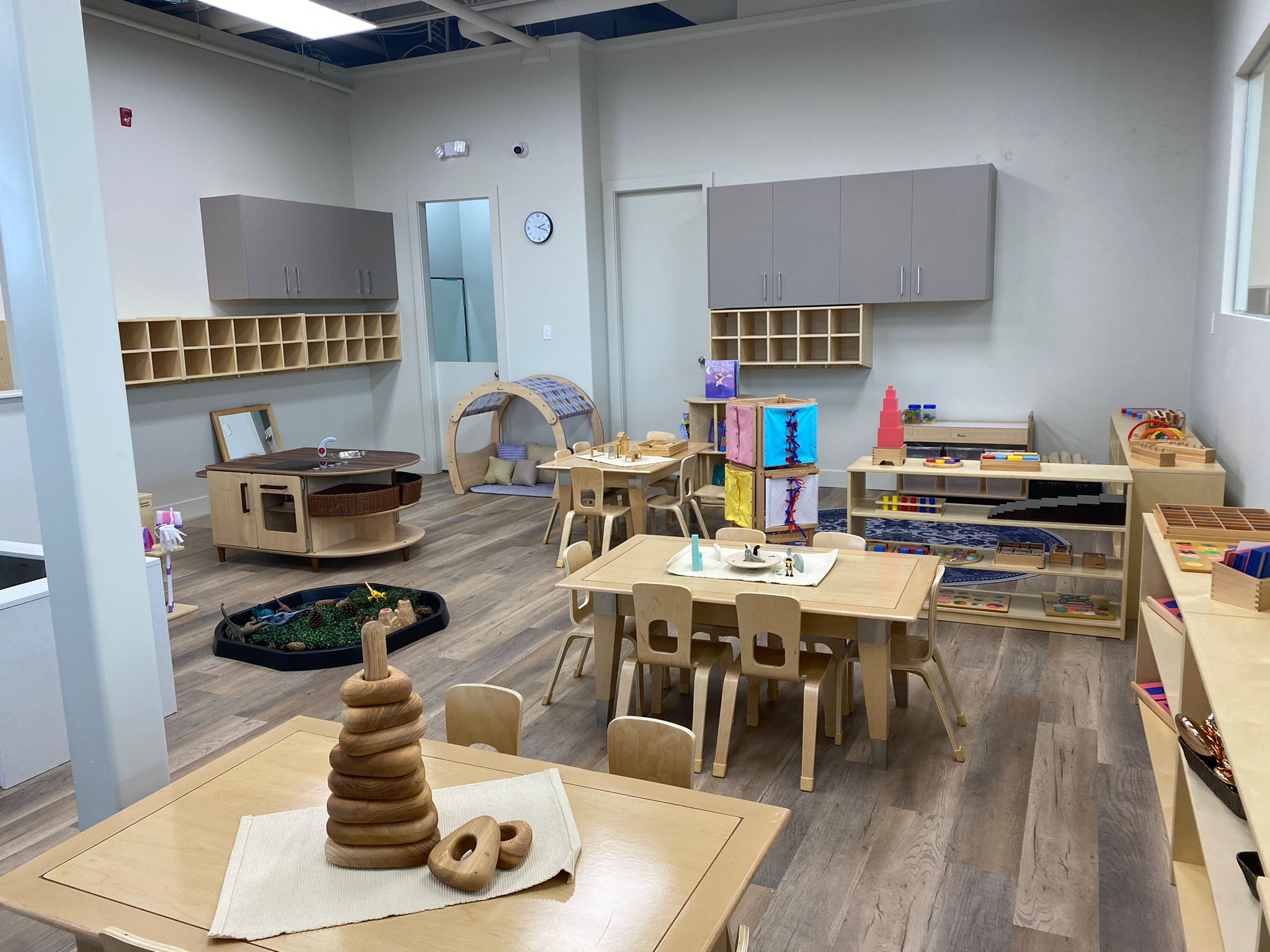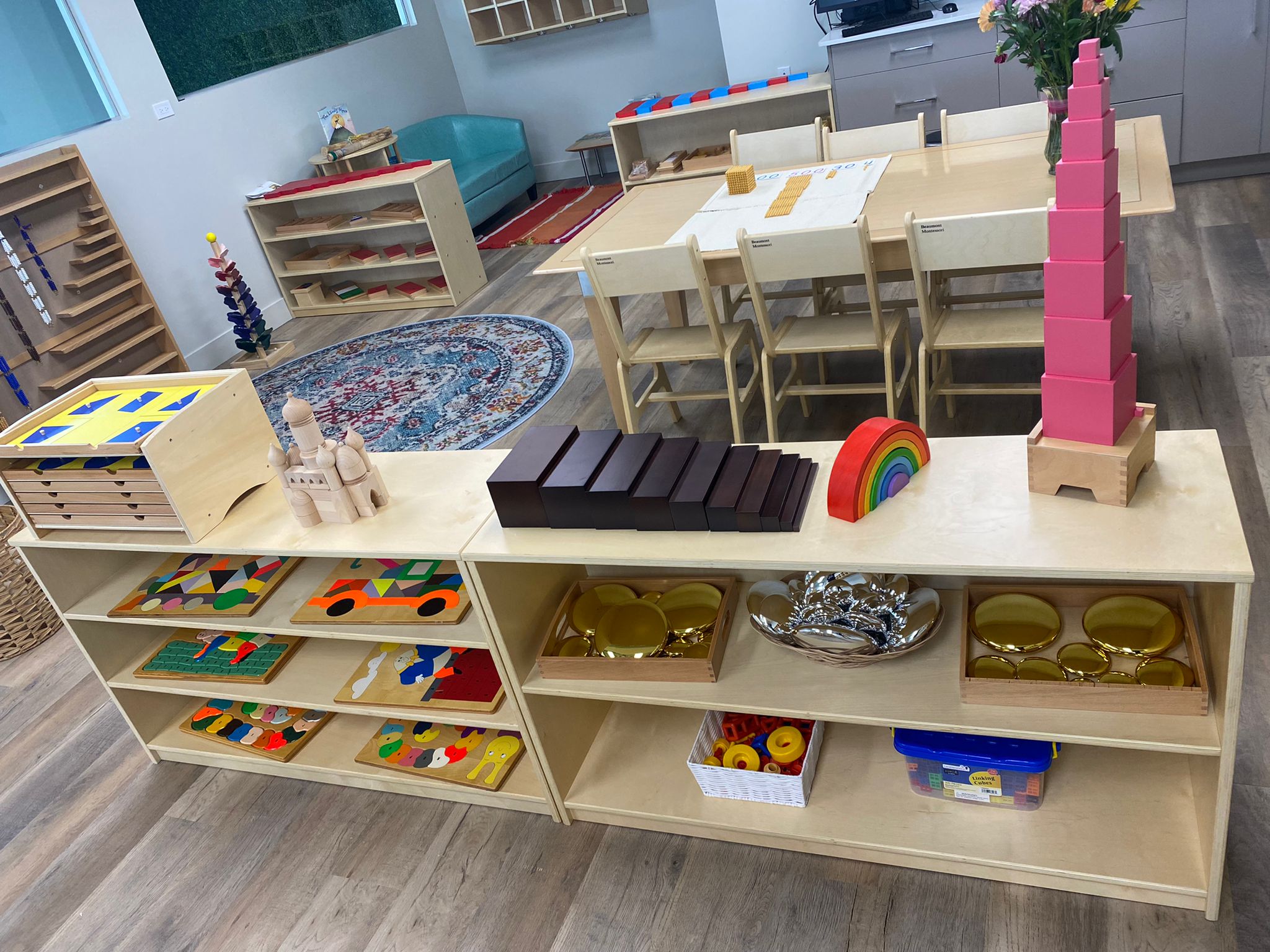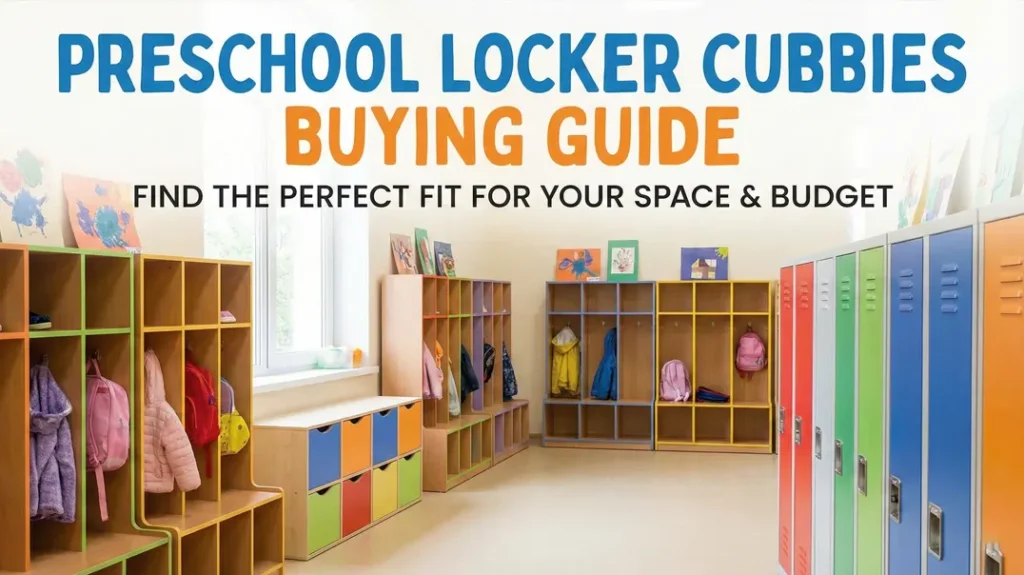
If you are choosing locker cubbies for a preschool or education program, you are making a decision that touches daily operations. You need storage that supports independence, keeps the environment orderly, and holds up to frequent cleaning. You also have real constraints: limited space near entrances, mixed age classrooms, safety requirements, and budgets that have to cover more than one category of equipment.
We have seen how small cubby decisions create big outcomes. Cubbies that are too shallow can cause constant overflow. Poor placement can crowd a doorway and make supervision harder. Weak construction shows up quickly in busy programs, especially when cleaning routines are strict and usage is high. The goal is not to find the most complicated design. The goal is to choose a cubby solution that matches your routine, your space, and your expectations for durability.
This Locker Cubbies Buying Guide is written as a practical reference, not a sales pitch. We will explain how to evaluate cubbies based on size, configuration, traffic flow, materials, safety features, and long term maintenance. You will also find guidance on labeling systems, shared storage needs, and planning for delivery and installation timelines.
By the end, you will have a clear set of criteria to compare options confidently and choose cubbies that make your classroom run better every day.
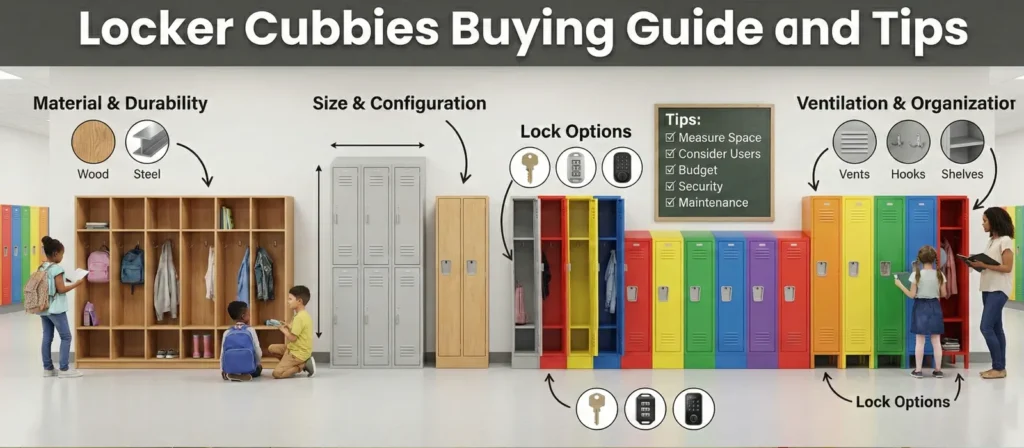
Preschool Locker Cubbies Buying Guide and Tips
1. Start With Your Space and Your Children
Before you look at catalogs or websites, measure your space and consider the age group you serve. Locker cubbies for two-year-olds must be lower and shallower than locker cubbies for third graders. As a rule of thumb, most early childhood programs choose locker cubbies between 36 and 48 inches high so children can see and reach every shelf without climbing.
Count your enrollment and your peak traffic patterns. Do children arrive all at once or in waves? Do families enter through one door or several? These details determine how many locker cubbies you need and whether they should line a hallway, sit inside classrooms, or be shared between rooms. When in doubt, plan for a few extra locker cubbies so you can handle new enrollments, guests, or spare clothing without crowding.
2. Material and Durability
In catalog photos, every set of locker cubbies looks solid and fresh. In real school life, those locker cubbies are kicked by little shoes, bumped by scooters, wiped down with disinfectant wipes, and exposed to wet boots all winter. Material choice is where you protect your investment.
Common options include:
- Solid wood locker cubbies
- Plywood with veneer
- High-pressure laminate over composite cores
- Metal locker cubbies
For early childhood and elementary programs in the U.S., many schools lean toward high-pressure laminate or high-quality plywood with durable finishes. These materials:
- Resist stains from markers, snacks, and mystery spills
- Wipe down easily with standard school cleaning products
- Look warm and kid-friendly without feeling industrial
- Offer a wide range of neutral and accent colors
Solid wood locker cubbies can look beautiful and high-end, particularly in private schools or faith-based programs that favor a natural aesthetic. The trade-off is that real wood can dent and show wear more quickly, especially at the base where kids’ shoes and backpacks constantly make contact.
3. Locking Options
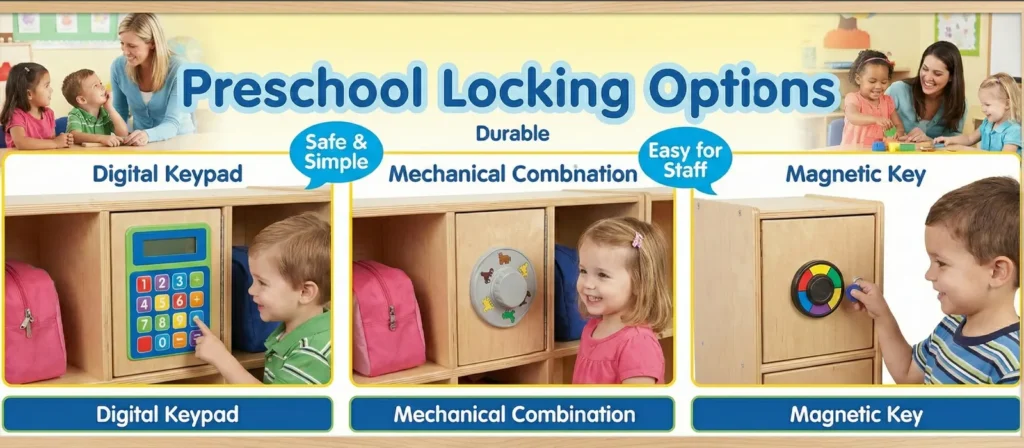
In early childhood environments, many locker cubbies are open or have simple doors with no locks. That makes sense: young children need quick access, and staff need to see what is inside. But there are situations where you might want locking options built into your locker cubbies plan.
Consider whether you need:
- Locking compartments for medication or sensitive items
- Staff-only locker cubbies in the same area as children’s cubbies
- Lockable storage within the locker cubbies bank for electronics or testing materials
For most preschool and kindergarten students, you will not use individual combination locks or keys. Those systems are better suited for middle and high school lockers, where students manage their own security. For younger kids, locks tend to cause bottlenecks and lost keys rather than increasing safety.
4. Locker Accessories
Well-chosen accessories improve usability. Hooks for jackets, baskets for loose items, and nameplates for personalization make each cubby more functional. Accessories should be securely fastened, made from safe materials, and easy to use. For younger students, consider using photos or color coding to help them identify their cubby. Teachers benefit from accessories that streamline routines and keep shared spaces organized. Simple features like double hooks or removable bins can make a big difference.
5. Locker Cubbies Dimensions
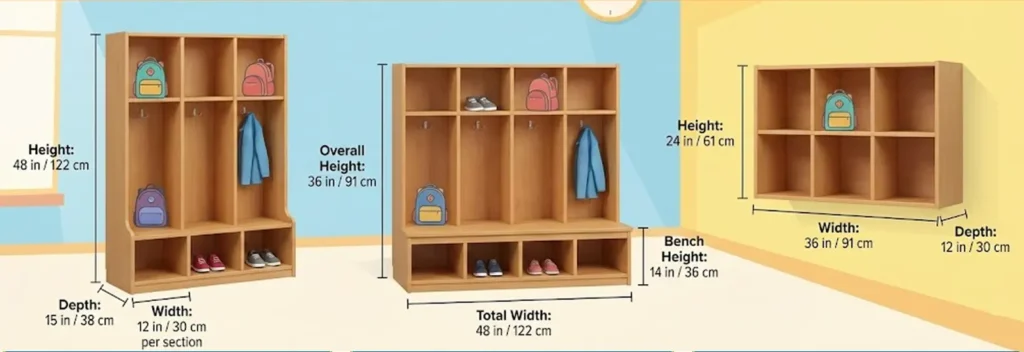
Dimensions can make or break your locker cubbies purchase. Even high-quality locker cubbies will frustrate staff if they are too deep, too high, or too narrow for real backpacks.
Key dimensions to consider:
- Overall height: For preschool and kindergarten, 36–48 inches is typical. First through third grade can use slightly taller locker cubbies, while upper elementary may approach standard “school locker” heights.
- Individual cubby width: Many schools find that 10–12 inches wide per cubby works well for a standard backpack and coat. Narrower than that and items feel jammed; wider than that and you lose capacity along the wall.
- Depth: Around 12–15 inches deep is usually enough for most daily items. Deeper cubbies may seem generous but often just become black holes where mittens and notes disappear.
- Clearance under hooks: Make sure there is enough vertical space for coats to hang without dragging on the floor or crumpling at the bottom.
Common Standard Sizes for Preschool Locker Cubbies
| Cubby Type | Height (inches) | Width (inches) | Depth (inches) |
|---|---|---|---|
| Single Open Cubbies | 24 – 30 | 10 – 15 | 12 – 15 |
| Double Cubbies | 36 – 42 | 20 – 30 | 12 – 16 |
| Cubbies with Seating | 12 – 18 | 24 – 36 | 14 – 18 |
| Vertical Locker Units | 48 – 60 | 12 – 18 | 15 – 18 |
| Modular Stack Systems | Variable | Variable | 12 – 16 |
6. Budget and Total Cost
Don’t focus only on upfront price—look at total value over time. Durable, well-built cubbies reduce replacement costs and downtime. Consider installation, shipping, and maintenance expenses when comparing options. Budgeting should also factor in warranties and the availability of replacement parts. Ask if volume discounts are available or if your district has preferred vendors. Spending wisely from the start prevents regret later when cheap materials wear out or fail.
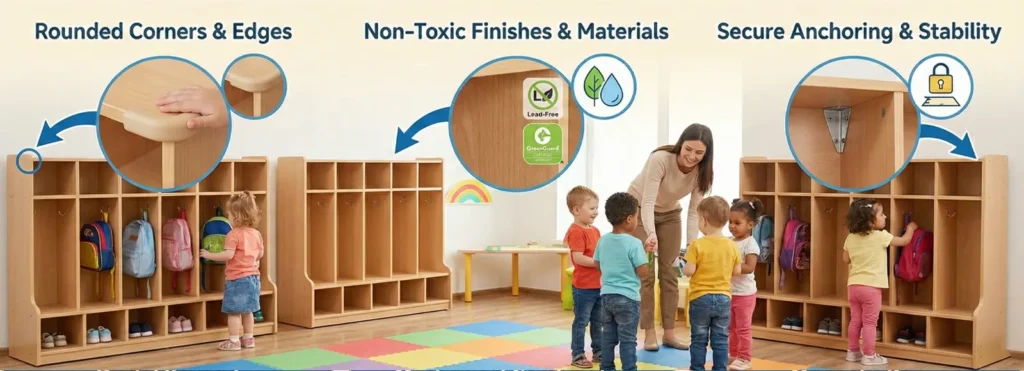
7. Prioritize Safety in Every Detail
Safety is non-negotiable, especially when furniture is used daily by three-, four-, and five-year-olds. Locker cubbies might look harmless, but if they are not installed correctly, they can become tipping hazards or blocking points in emergencies.
Key safety factors to address:
- Anchoring: Tall or freestanding locker cubbies must be anchored to the wall or floor. The hardware should match your wall type (drywall, concrete, block) and meet local building codes. Do not skip this step or leave it to “when things slow down.”
- Stability: Even shorter locker cubbies should not rock or shift when kids lean on them. Test units after installation by applying firm pressure from different angles.
- Edge and corner treatment: Look for smooth, rounded edges on all exposed corners. Sharp 90-degree edges increase the risk of bumps and scrapes when children move quickly in crowded spaces.
- Hook design: Choose rounded hooks with no sharp points. Double hooks or large single hooks with blunt ends reduce snagging and poking hazards.
- Ventilation: Locker cubbies that trap moisture can lead to mildew and smells. Open-top designs, slatted backs, or ventilation holes help items dry out more quickly.
- Accessibility: Ensure that at least some locker cubbies meet ADA guidelines for reach range and clear floor space. If you regularly serve students with mobility needs, plan accessible locker cubbies right from the start instead of improvising later.
Do a quick safety walk-through after any new locker cubbies install:
- Are there any spots where children might be tempted to climb?
- Do doors or cubby units block sight lines for supervision?
- Do open doors cut into hallways where people walk?
- Is there enough light for staff to quickly scan all locker cubbies during a fire drill?
In many American schools, your insurance carrier or state licensing agency will also care about how locker cubbies are installed and used. Keeping documentation of anchoring, material specs, and layout decisions can help during inspections or after any incident.
8. Partner with a Professional Locker Service Provider
Working with an experienced school furniture provider can save time, money, and hassle. Vendors who understand educational settings can help you select the right configuration, ensure ADA compliance, and deliver cubbies that meet safety regulations. Ask for layout services, installation support, and long-term service options. Partnering with a specialist also means better access to product warranties, bulk pricing, and future replacement parts.
For schools seeking thoughtfully designed storage that supports independence and safety, Xiha Montessori offers cubby solutions made for real classroom use. Trusted by educators worldwide, our products combine function with child-centered design.
The real-world cases we have experienced
A useful real world example comes from a small private preschool in North Carolina that contacted us right before ordering new cubbies online. They had already picked tall, very deep units in one long run for their main hallway and just wanted a quick confirmation that they were making the right call.
Instead of guessing from a floor plan, we walked them through a few simple checks by email and a short video call. We asked them to
- measure the actual hallway width
- tape the planned cubby depth on the floor along one wall
- have a few teachers walk that path with real backpacks and a stroller during a busy time
Once they did that, the problems were obvious. The original units would have pushed too far into the hallway, made it hard for kids and adults to pass each other and likely created issues during fire inspections. We also noticed they were about to order the same cubby height for both toddlers and pre K, which would have forced their youngest children to reach and stretch for hooks and shelves every day.
Based on those small corrections, they switched to shallower, child height, open cubbies arranged in two shorter zones closer to the classrooms instead of one long wall. They also added a small buffer of extra cubbies to handle future enrollment changes.
The result was that they skipped the expensive mistake of living with the wrong furniture and ended up with locker cubbies that actually fit their space, matched their children’s height and worked with their daily routines instead of against them.

How to Choose the Right Locker Material?
Material selection for locker cubbies in preschool settings plays a major role in long-term durability, aesthetics, maintenance effort. Below, we explore the three most common material categories and how they stack up for early education environments.
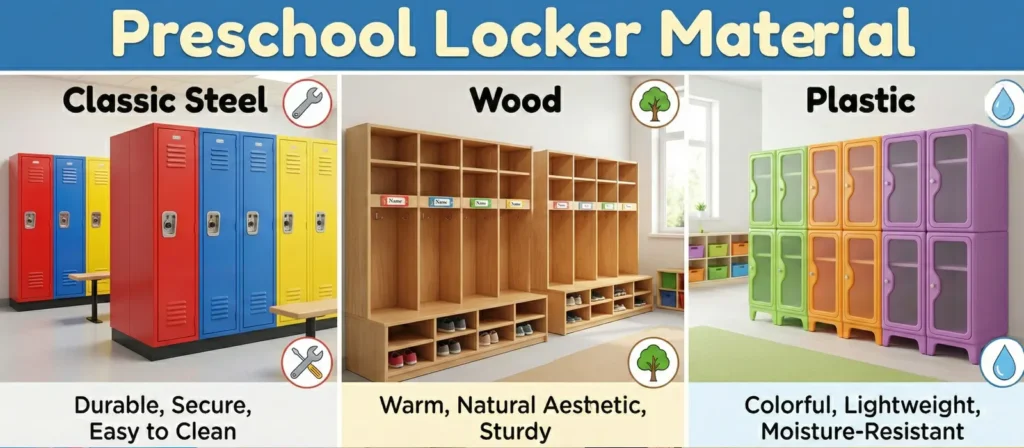
1. Classic Steel Locker Cubbies
Steel lockers are often associated with middle schools and high schools, but modified versions appear in early learning centers, especially in high-traffic hallways. The benefits of steel include:
- Durability: Properly powder-coated steel withstands years of heavy use, impact, and wear from bags, shoes, and weather gear.
- Security: Steel units can support locking systems more securely than other materials.
- Fire Resistance: Metal is naturally non-combustible, which some schools prefer for certain building code requirements.
However, steel has drawbacks in preschool settings. It can feel cold or industrial unless paired with soft design elements. It also may dent over time and can show fingerprints or scratches more visibly. If your priority is warmth, tactile experience, and comfort, steel might not be your top choice.
2. Wood Locker Cubbies
Wood and wood-composite cubbies have a timeless look that suits early childhood environments beautifully. They often match Montessori aesthetics or more nature-based classroom designs.
- Warmth and Visual Appeal: Natural finishes or laminated options soften the classroom look, creating a more calming environment for children.
- Customization: Wood is easily cut, modified, or refinished, offering schools more flexibility.
- Stability: When well-constructed, wooden cubbies have a lower center of gravity, reducing tip risk.
On the downside, raw wood can be susceptible to damage from moisture or rough handling. That’s why most modern cubbies are made from plywood cores with a laminate or melamine finish. Look for water-resistant coatings and edge-banding that won’t peel.
3. Plastic Locker Cubbies
Plastic cubbies have become a go-to option for many preschools and for good reason.
- Lightweight: Easy to move during classroom reconfigurations or cleanings.
- Color Variety: Bright, fun finishes help create a cheerful learning space and support visual organization.
- Maintenance Friendly: Smooth surfaces make daily cleaning quick and thorough — a must in shared environments.
High-end plastic cubbies are far from flimsy. Many are reinforced with steel frames or molded into heavy-duty structures that resist cracking and warping. They’re also inherently resistant to mold, rot, and moisture — making them a strong fit for schools in humid or rainy regions.
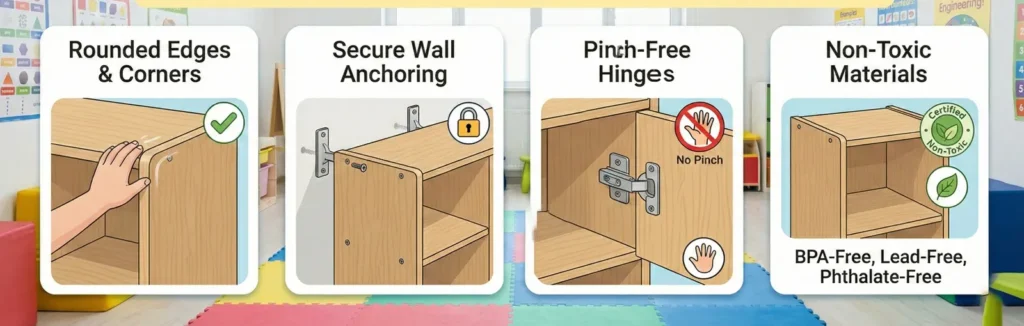
Key Safety Features to Check for in Locker Cubbies
Safety is where you cannot cut corners. Locker cubbies might seem simple, but the wrong design or sloppy installation can create real risks for young children. Before you sign off on a purchase, walk through a safety checklist like this one and make sure the products you are considering measure up.
- Rounded Corners and Edges: Avoid sharp corners at all costs. Cubbies should have smooth, rounded edges to prevent cuts, bumps, or scrapes during transitions.
- Anchoring Systems: Tall or heavy cubby units should be anchored to walls or floors to prevent tipping. Especially important in earthquake-prone regions or high-traffic hallways.
- Non-Toxic Finishes: All paints, adhesives, laminates, and plastics should be labeled as low-VOC, formaldehyde-free, and suitable for indoor child environments. Always ask suppliers for safety certifications.
- Sturdy Construction: Units should not wobble, bend, or shift under normal use. Internal shelves should support daily weight loads (at least 25–50 lbs per cubby), especially if backpacks are stored.
- Proper Ventilation: For cubbies used to store shoes, jackets, or gym clothes, look for open backs or slotted panels that allow air circulation and reduce odor or moisture buildup.
- Secure but Accessible Hooks: Hooks should be child-safe (not pointy) and firmly attached. They should also be reachable for the intended age group to foster independence.
- No Pinch Points: Doors or lids that close automatically should include slow-close or soft-close mechanisms to prevent finger injuries. Avoid spring hinges that slam shut.
- Slip-Resistant Bases: Freestanding units should have rubber feet or stabilizers that keep them from sliding on tile or hardwood floors.
- Clear Labeling Zones: Labels should be easy to attach and change, without requiring staples or adhesives that could become safety hazards. Magnetic or slide-in labels are ideal.
- ADA Compliance (if required): In shared spaces or inclusive classrooms, ensure some cubbies are mounted at accessible heights and allow for reach and maneuvering by children with mobility aids.
- Warranty and Compliance Documentation: Choose vendors who back their products with clear safety documentation, test reports, and multi-year warranties. It’s not just about trust — it’s about accountability in child-safe design.
Locker Cubby Configuration Comparison
When choosing locker cubbies, the configuration you pick directly impacts how students interact with their space, how teachers manage transitions, and how the room feels overall. There’s no one-size-fits-all setup. It’s about matching cubby design to real-world classroom dynamics.
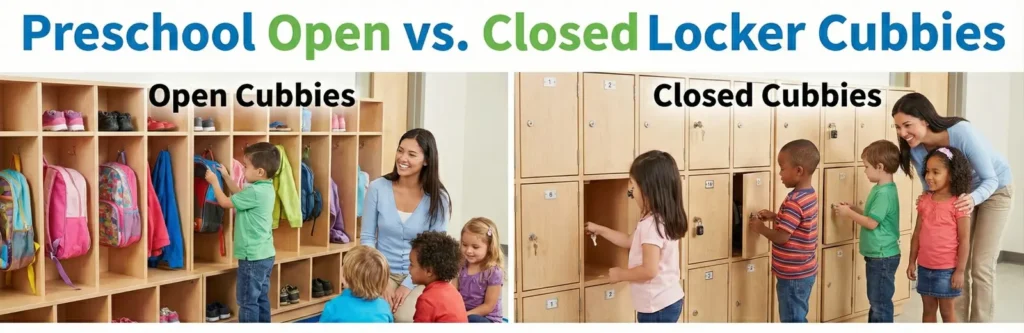
1. Open vs. Closed Locker Cubbies
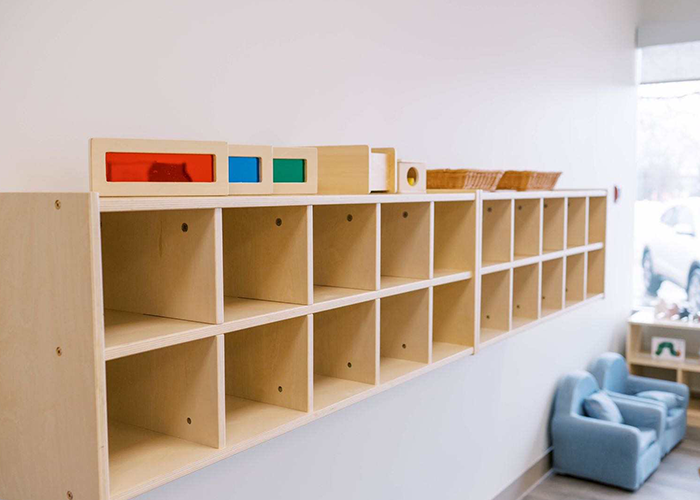
Open cubbies let children easily see and reach their belongings. They encourage independence and make it easier for teachers to spot missing items. Closed cubbies create a cleaner look and help reduce visual clutter, but they can be harder for younger children to use. Open styles are usually the better fit for preschool classrooms, while closed units may be more useful in shared spaces or hallways.
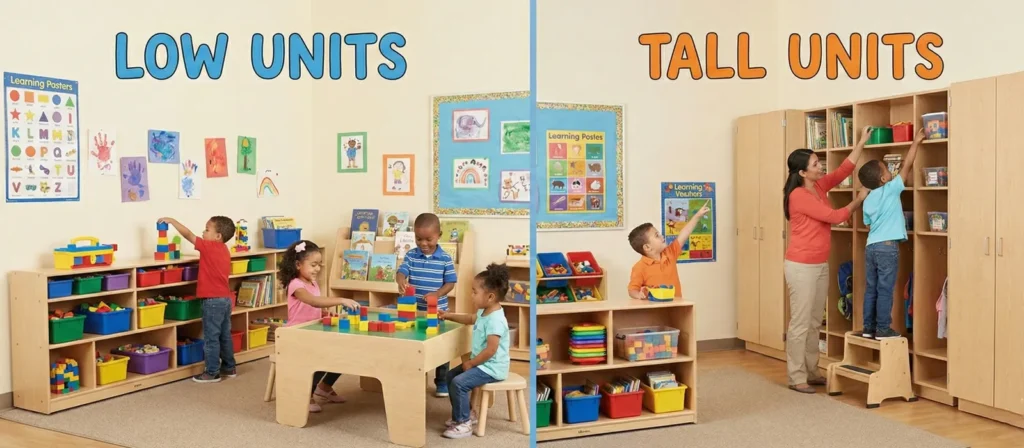
2. Low vs. Tall Units
Low cubbies are easy for preschoolers to reach and use on their own. They are safer and support self-help skills. Tall cubbies offer more storage but can be harder for young kids to access. If tall units are used, they should always be secured to the wall to prevent tipping. In most cases, lower units are a more practical choice for early learners.
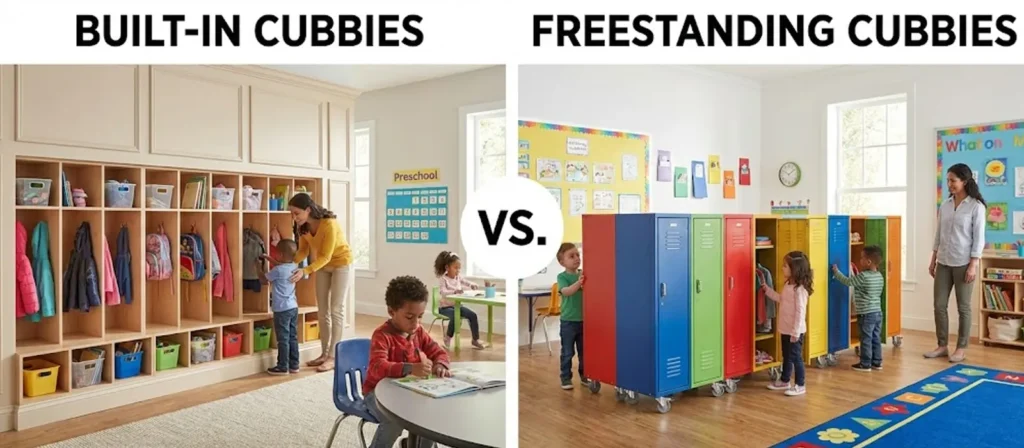
3. Built in vs Freestanding Locker Cubbies
Built-in locker cubbies, custom-fitted to your walls, look seamless and maximize every inch. They are ideal when you are renovating or building a new facility. The trade-off is flexibility; once installed, built-in locker cubbies are hard to move or repurpose if your program changes.
Freestanding locker cubbies ship ready-made and can move with you to a new space. They support gradual growth because you can add more units as enrollment rises. On the other hand, they may leave small gaps at walls or require extra planning to anchor securely. Many schools mix both: permanent built-in locker cubbies in main corridors and flexible freestanding locker cubbies in classrooms.
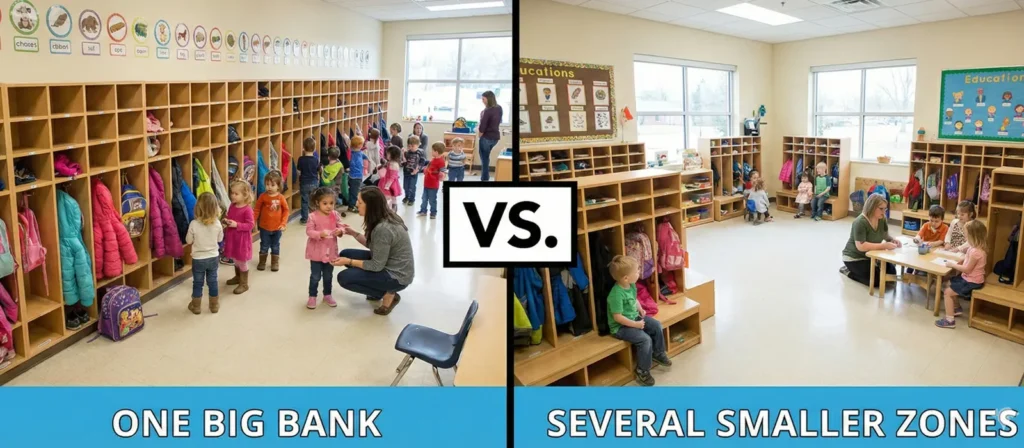
4. One Big Bank vs. Several Smaller Zones
Having one main wall of cubbies keeps everything together and is easy to manage. It works well near the classroom entrance or in spaces with organized drop-off and pick-up routines. Placing smaller cubby groups throughout the room helps reduce congestion and supports smoother movement during busy times. It also connects storage to activity zones, which can help with classroom flow.
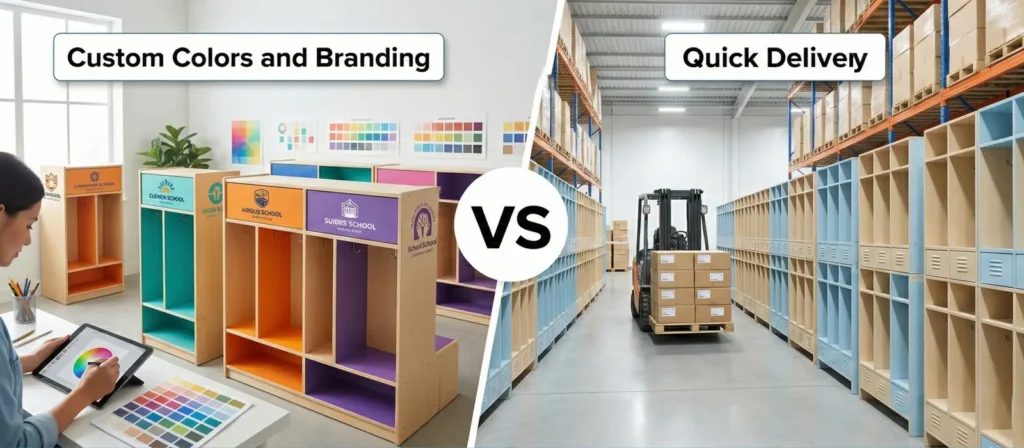
5. Custom Colors and Branding vs. Quick Delivery
Custom-colored cubbies can make your space look polished and help with organization by color-coding student groups. Some schools also use branding to match logos or classroom themes. These custom features usually come with longer lead times. If you need furniture quickly, neutral in-stock models are often the best choice. Many schools choose to start with standard units and upgrade to custom options later.
FAQs
- What’s the best locker cubby size for preschoolers?
Most preschools choose cubbies around 24 to 30 inches tall, 12 to 15 inches deep, and 10 to 14 inches wide. This makes them easy for kids to reach and big enough to store backpacks and jackets. - Are plastic cubbies durable enough for daily use?
Yes, high-quality plastic cubbies made for schools are sturdy, easy to clean, and hold up well under daily use. Just make sure they’re BPA-free and classroom-rated. - How can I make sure my cubbies are safe for young children?
Look for smooth edges, stable construction, no pinch points, and non-toxic finishes. Tall cubbies should always be secured to the wall or floor. - How many cubbies should a preschool classroom have?
Start with one per child, but it’s smart to add a few extras for teachers, visitors, or spare supplies. Planning for a bit of growth helps avoid overcrowding. - Do I need to anchor cubbies to the wall?
If your cubbies are tall or placed in high-traffic areas, anchoring is strongly recommended. It prevents tipping and keeps the classroom safer. - What materials are best for long-term durability?
Metal and high-grade plastic are both highly durable. Wood offers a warmer look but needs sealing and gentle care to last in busy classrooms. - How do I keep cubbies organized throughout the year?
Use clear labels with names or photos, group cubbies by color or class, and encourage daily routines for clean-up. Simple systems make a big difference. - Are open locker cubbies really better than closed lockers for younger children?
For preschool and early elementary, open locker cubbies are usually the better choice. They let kids see exactly where their belongings go and allow teachers to scan quickly for missing jackets, folders or lunches. There are no doors to slam and far fewer places for fingers to get pinched. - What are the most common size mistakes schools make with locker cubbies?
The two biggest mistakes are going too deep and too tall. Deep cubbies look generous on paper, but in real life they become black holes where mittens, papers and snacks disappear. For most preschool and elementary programs, a depth of about 12 to 15 inches is more than enough.
Conclusion
When you step back from all the details, locker cubbies turn out to be one of those quiet pieces of your school that affects everything. The right choices on size, material, safety and layout make mornings calmer, transitions faster and hallways easier to supervise. The wrong choices do the opposite.
If you start with your own building, your real students and your daily schedule, the decisions get a lot simpler. Choose cubbies that match how big your kids are, what they carry, how your hallways are laid out and how strict your local codes are. Pick materials you can actually clean and live with, and configurations that let teachers see kids and kids reach their own things.
Handled this way, locker cubbies stop being a decorating decision and become a tool that supports independence, safety and family trust. You end up with a space that looks organized and feels easy to run, and with children who know exactly where their things go from the first bell to the last.