
Efficiently Set Up Your Preschool You Can Call Us!

Montessori Materials

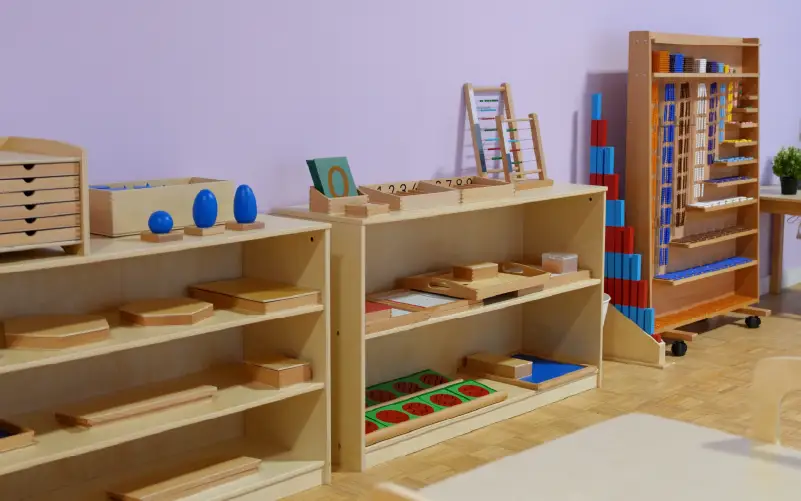
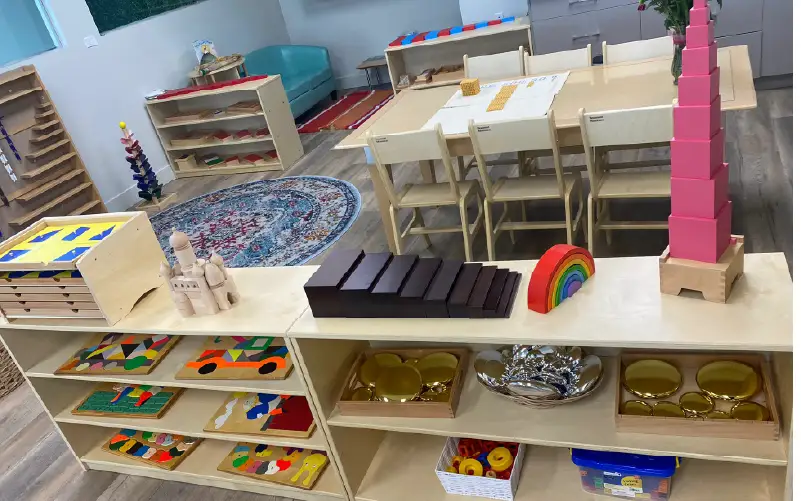
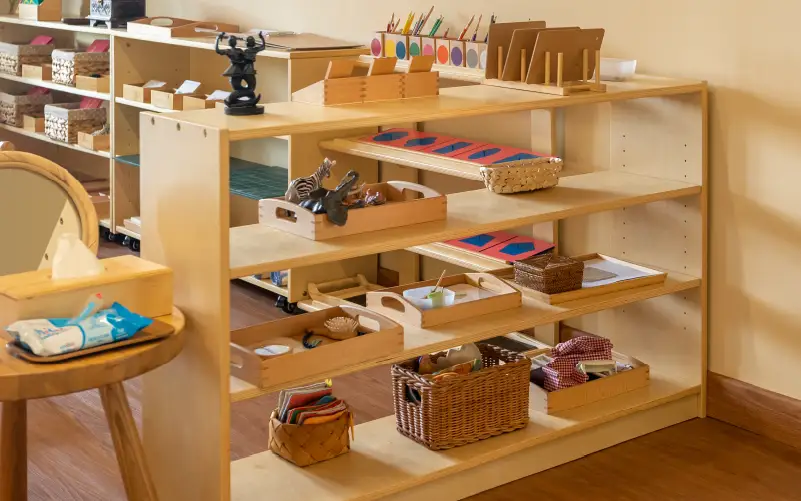
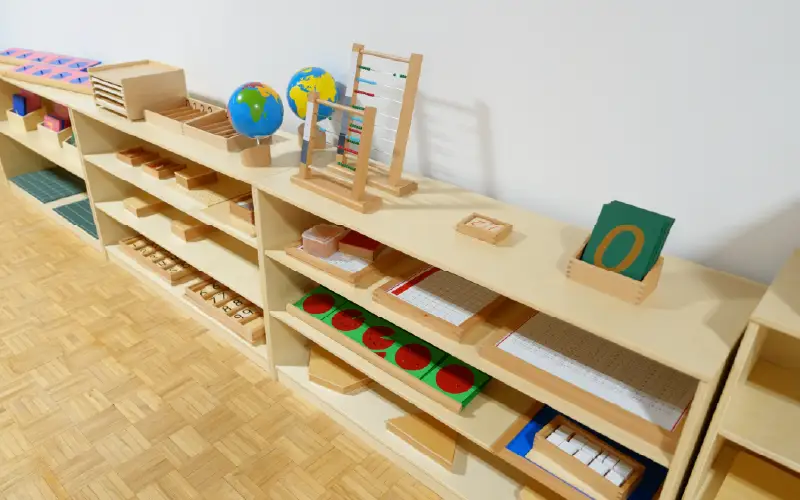
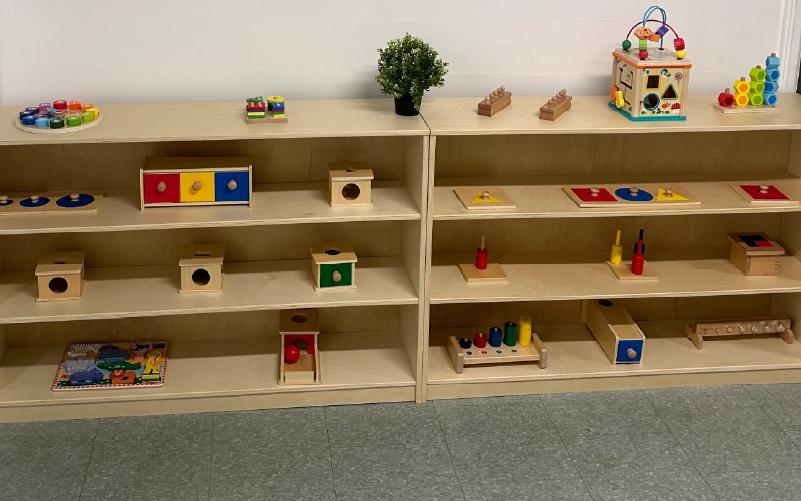
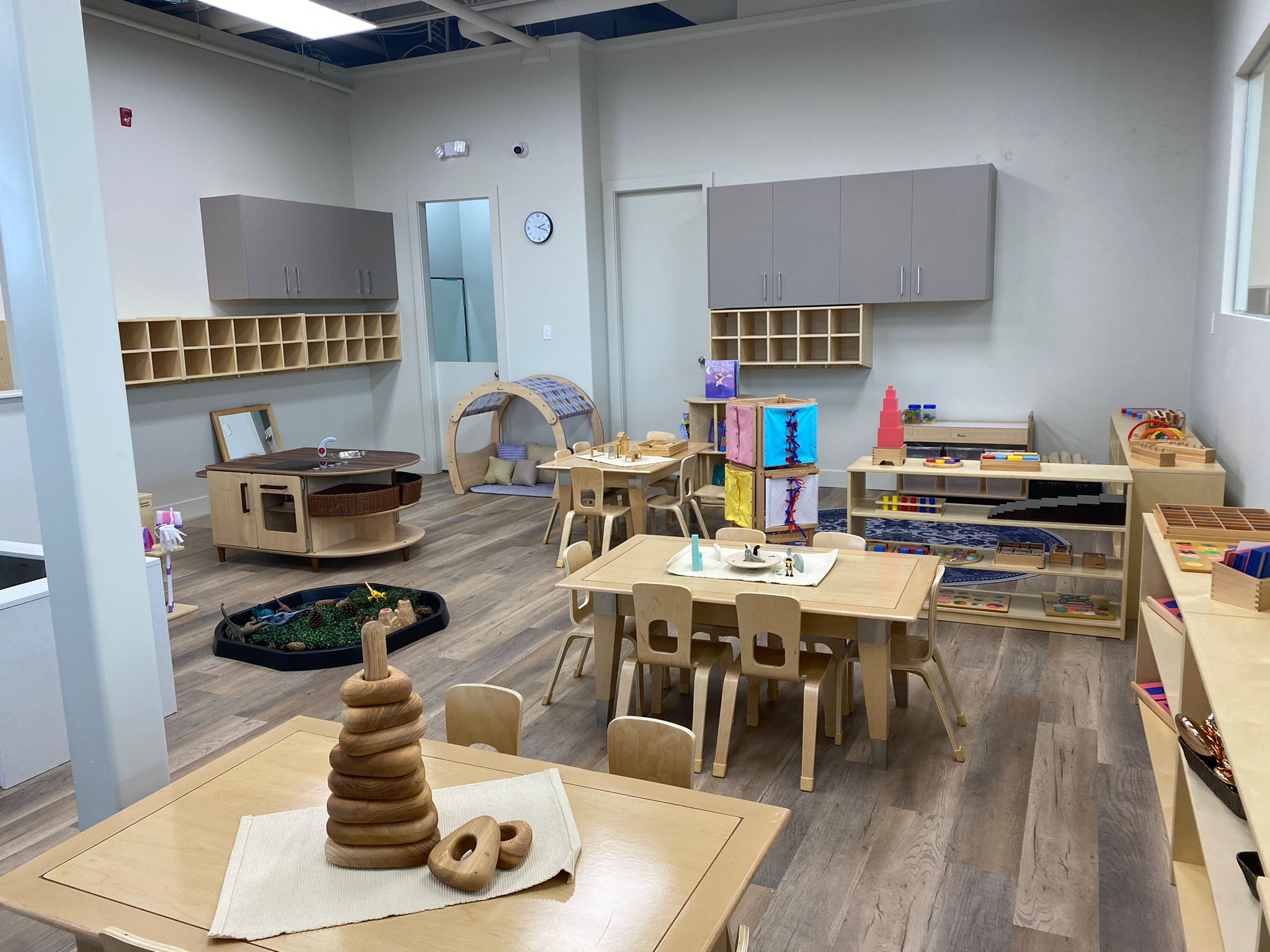
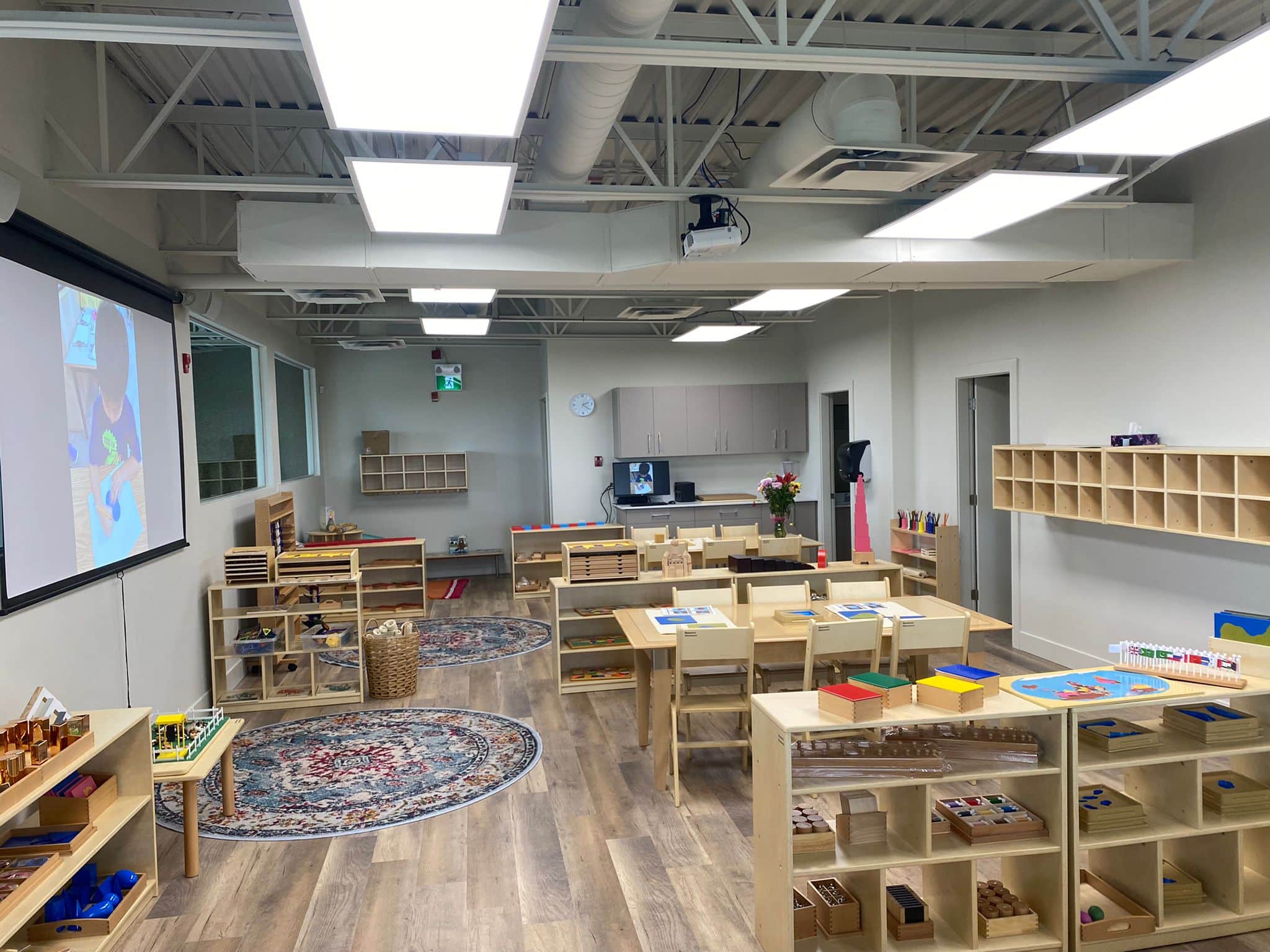
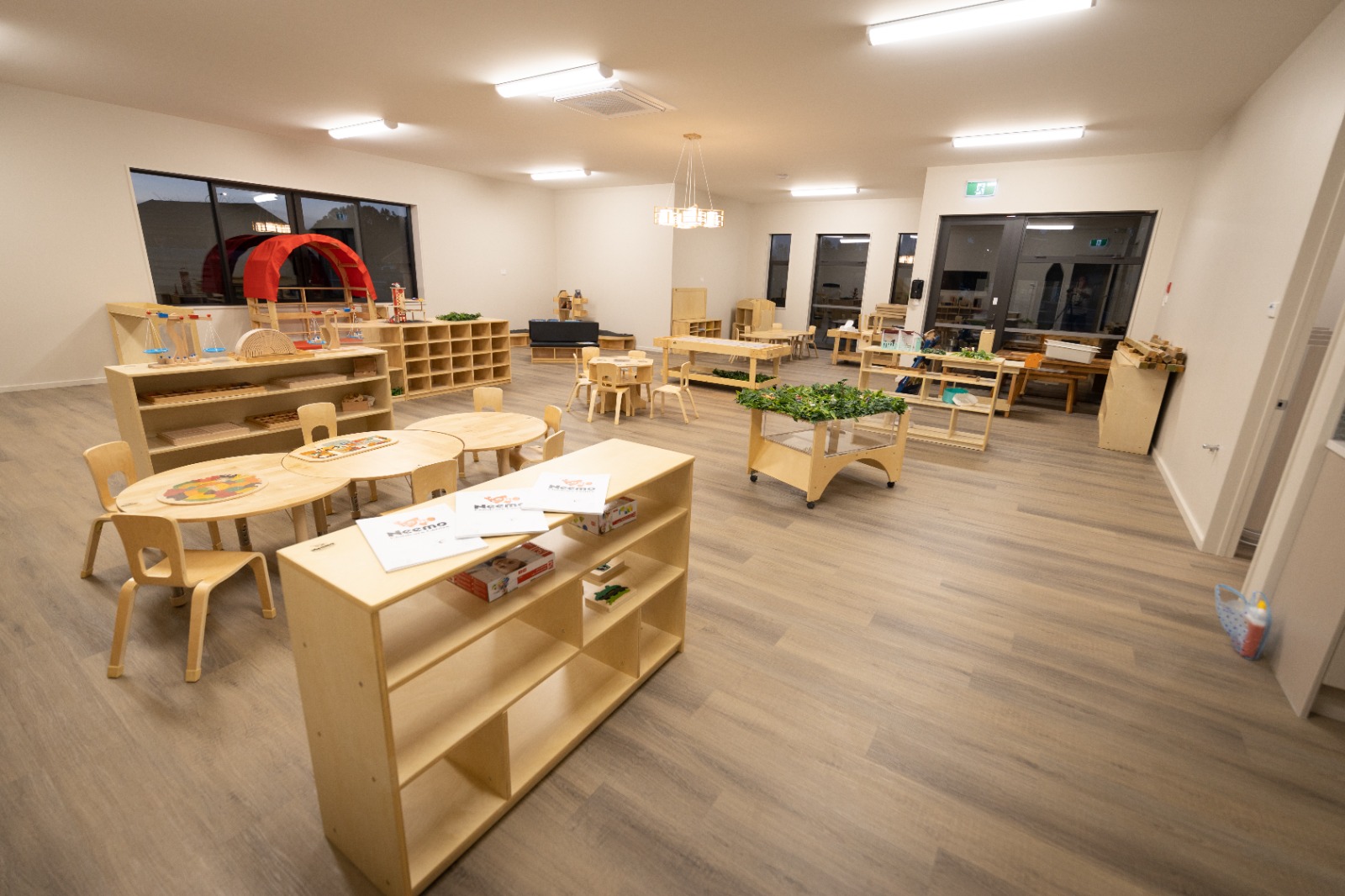
We mass-produce and supply Montessori materials for early childhood classrooms, covering practical life, sensorial, and math. With consistent quality, clear specs, customization options, and stable supply, we help professional buyers source either individual materials or complete classroom sets, with project support for new setups and upgrades.

Best Sellers

If you want a proven starting point, begin with best sellers and complete sets. These are the Montessori Materials most frequently selected by school buyers because they cover essential lessons, hold up to daily classroom use, and are easy to manage in bulk purchasing.

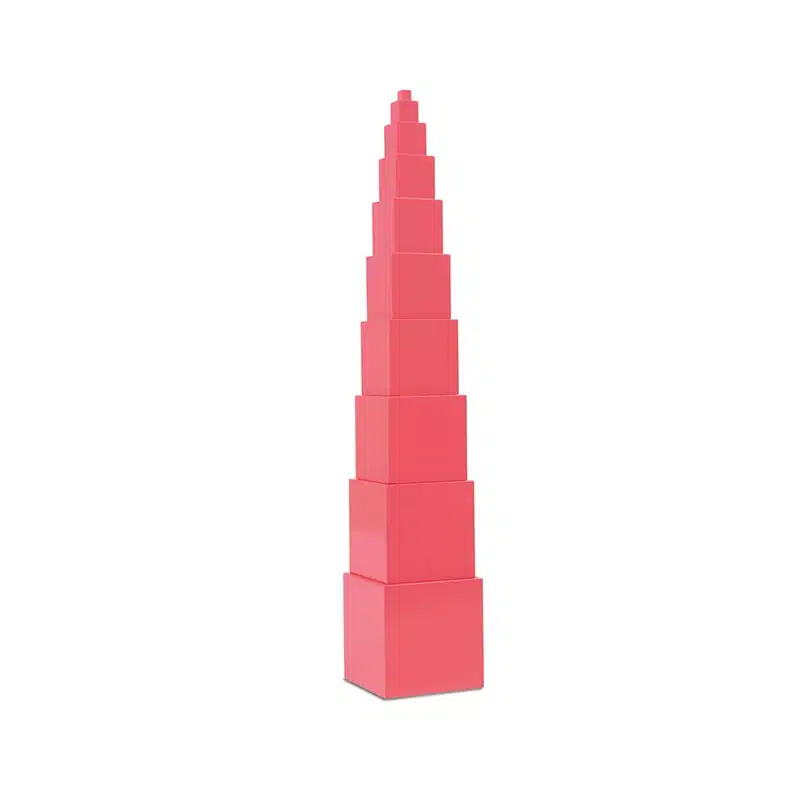
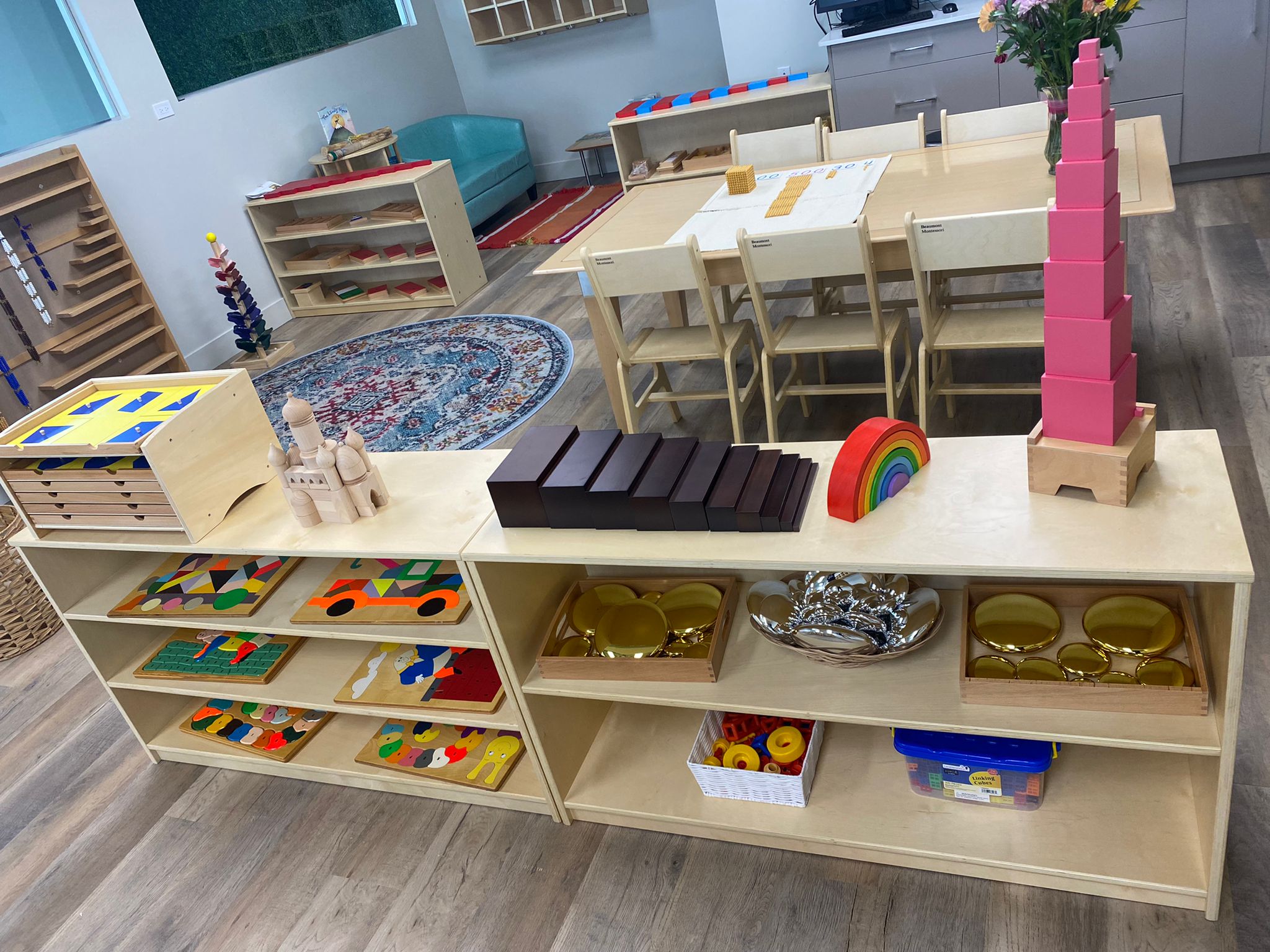
Pink Tower

A core sensorial material used in nearly every Primary classroom, and often the first sensorial “icon” buyers confirm on their list.

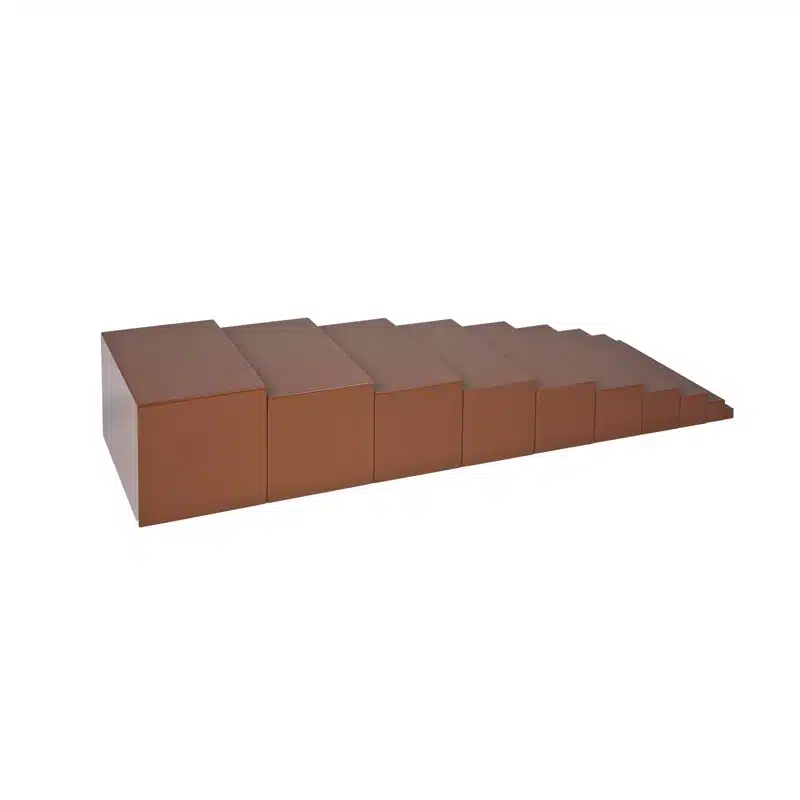
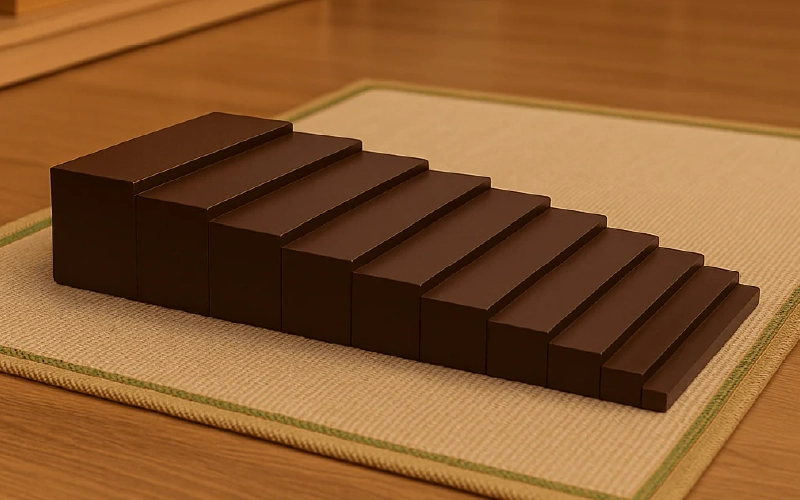
Brown Stair

Commonly purchased together with Pink Tower to complete the core sensorial progression.
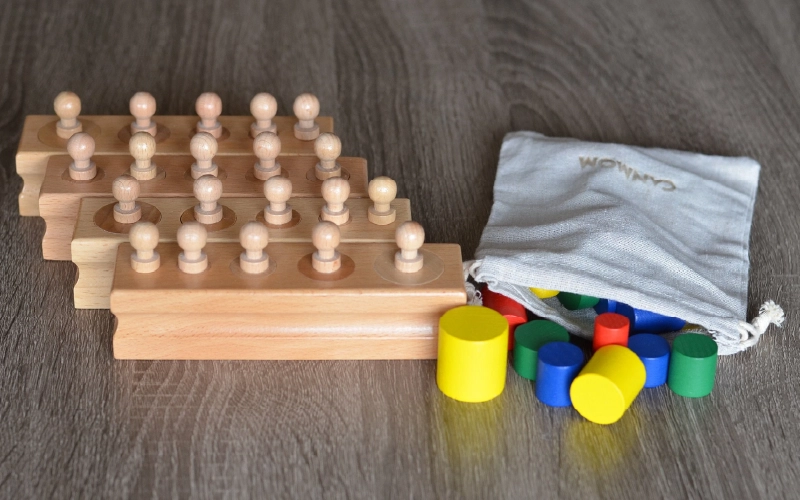
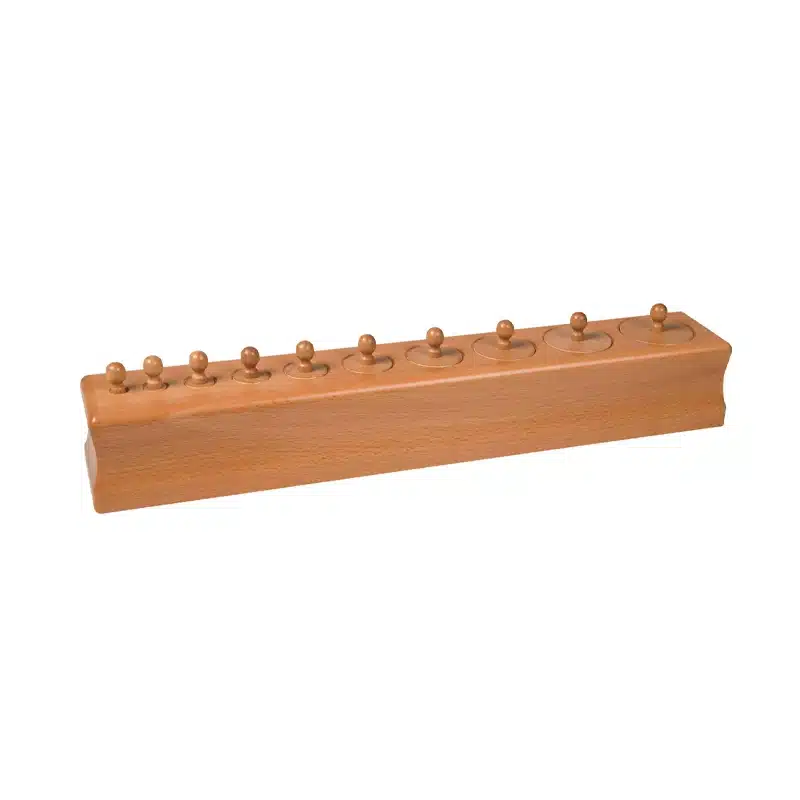
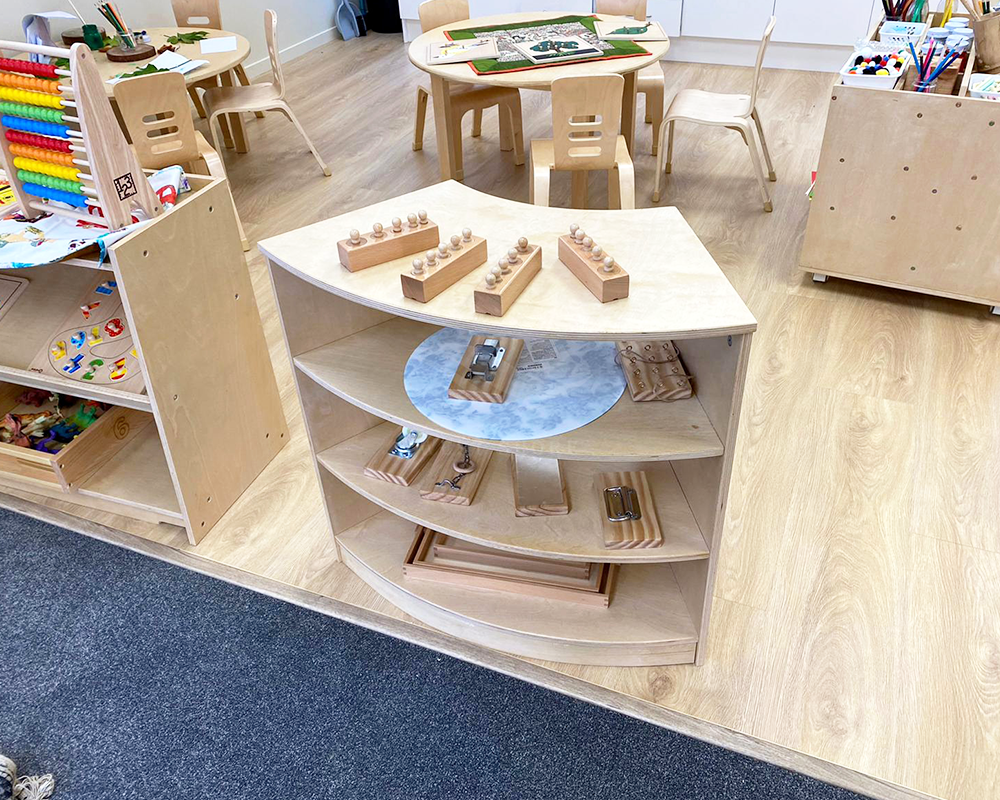
Knobbed Cylinder Blocks

High frequency use material that supports early refinement of the pincer grip and visual discrimination.
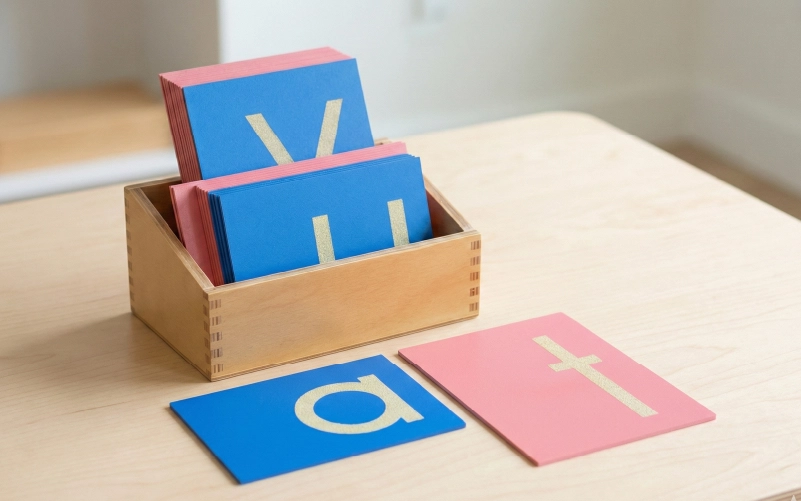
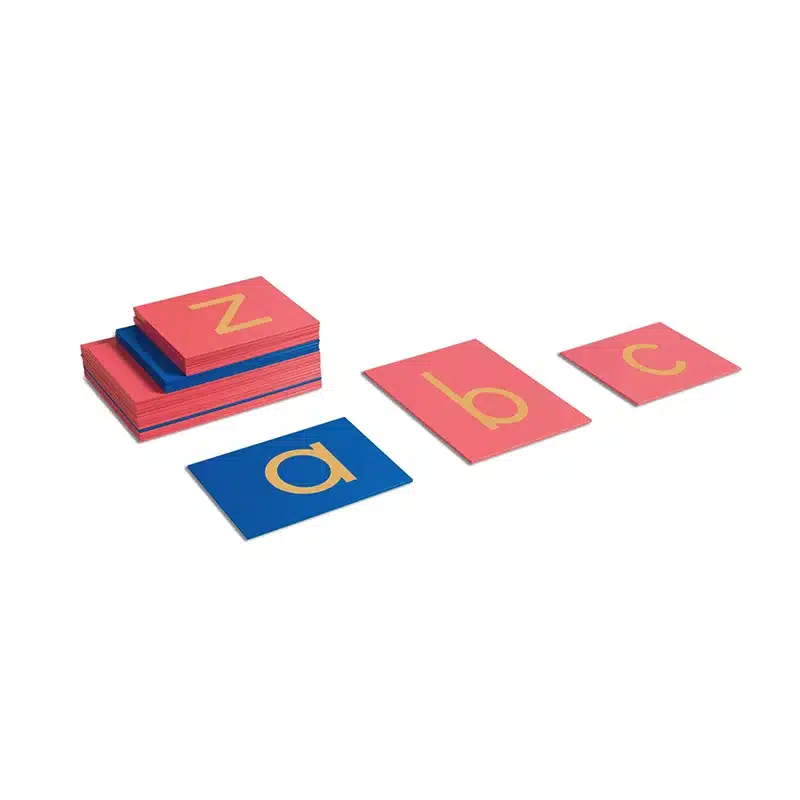
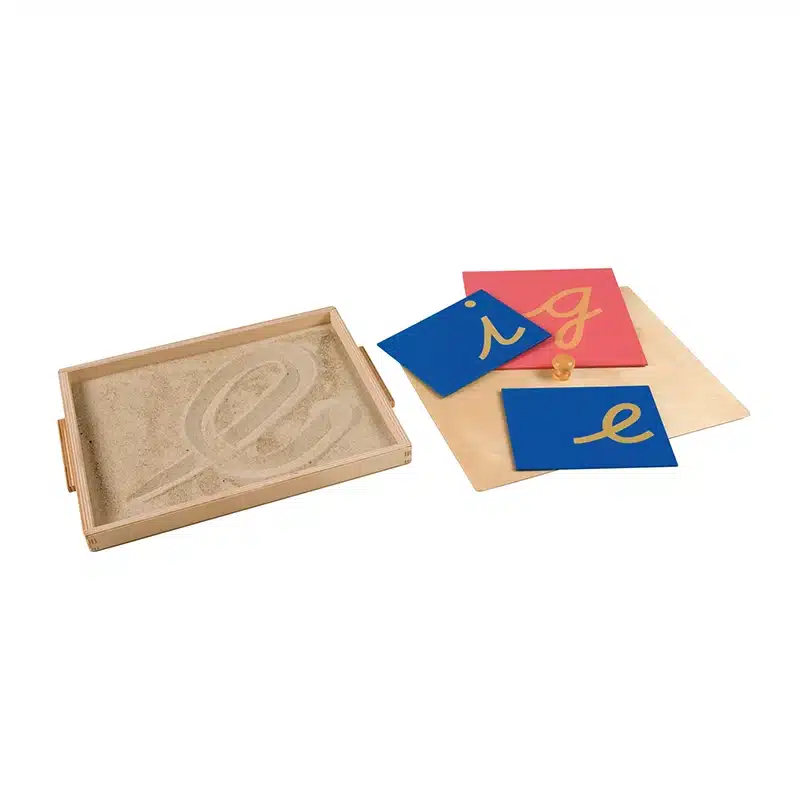
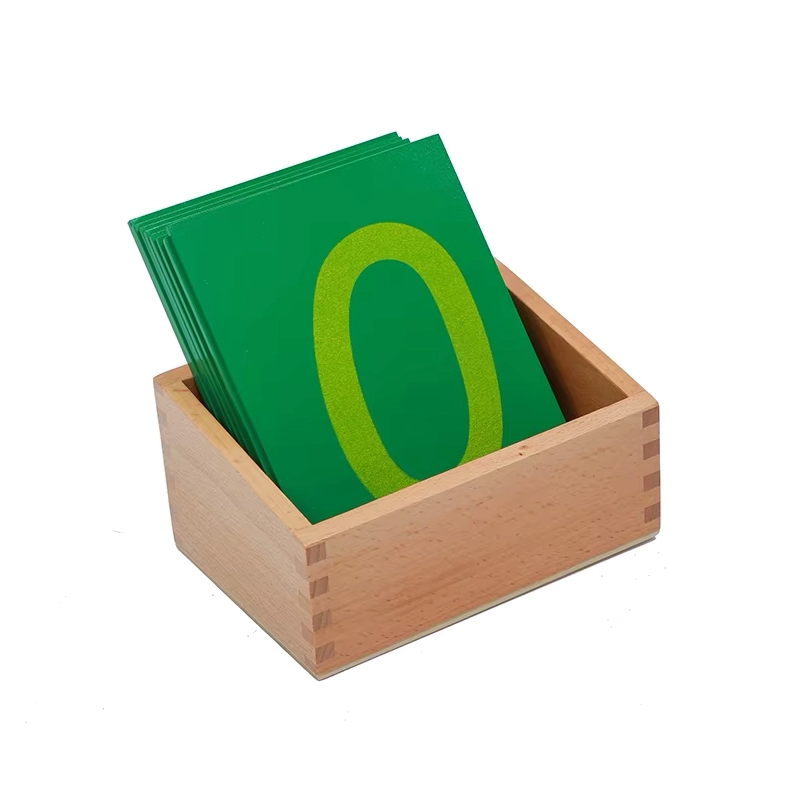
Sandpaper Letters

A key language material for phonetic preparation, and one of the most requested items when building a complete Montessori Materials list.
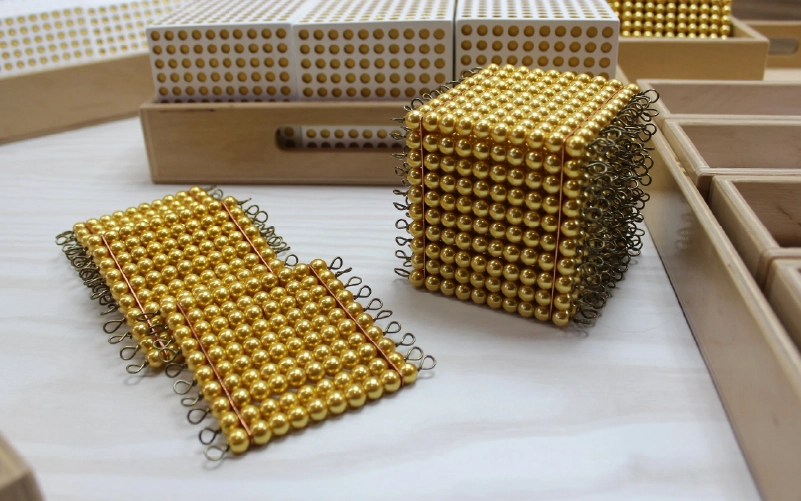
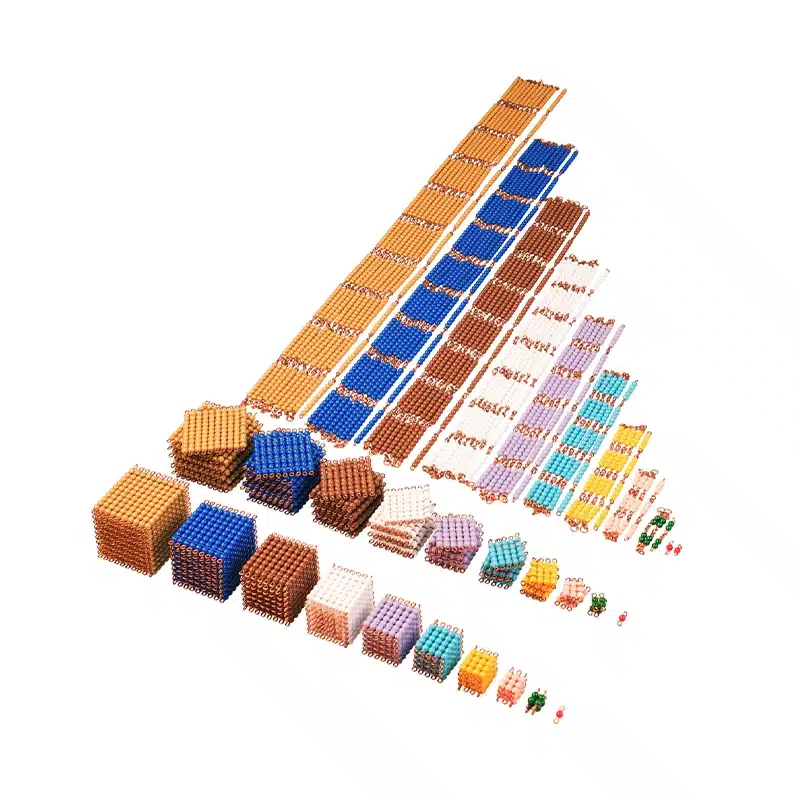
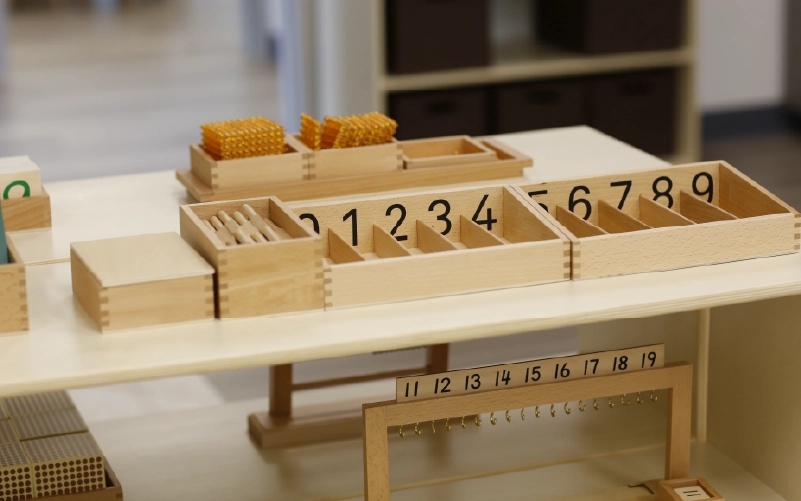
Golden Bead Material

Essential for teaching place value and operations, and a standard requirement for Primary classrooms.
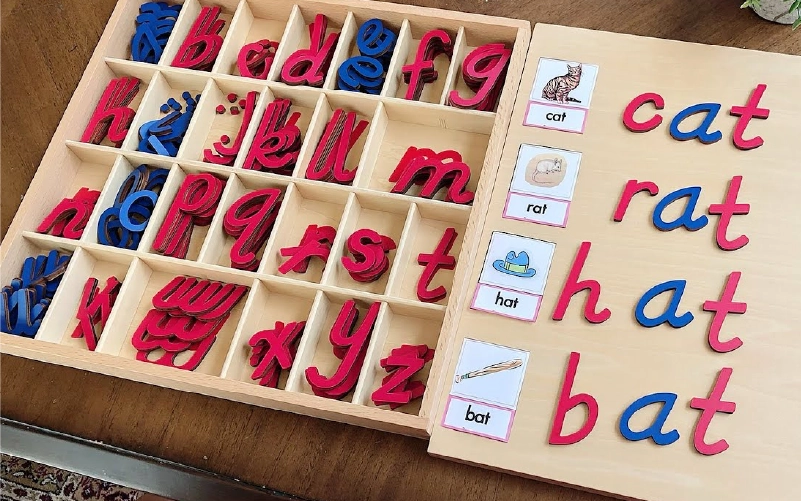
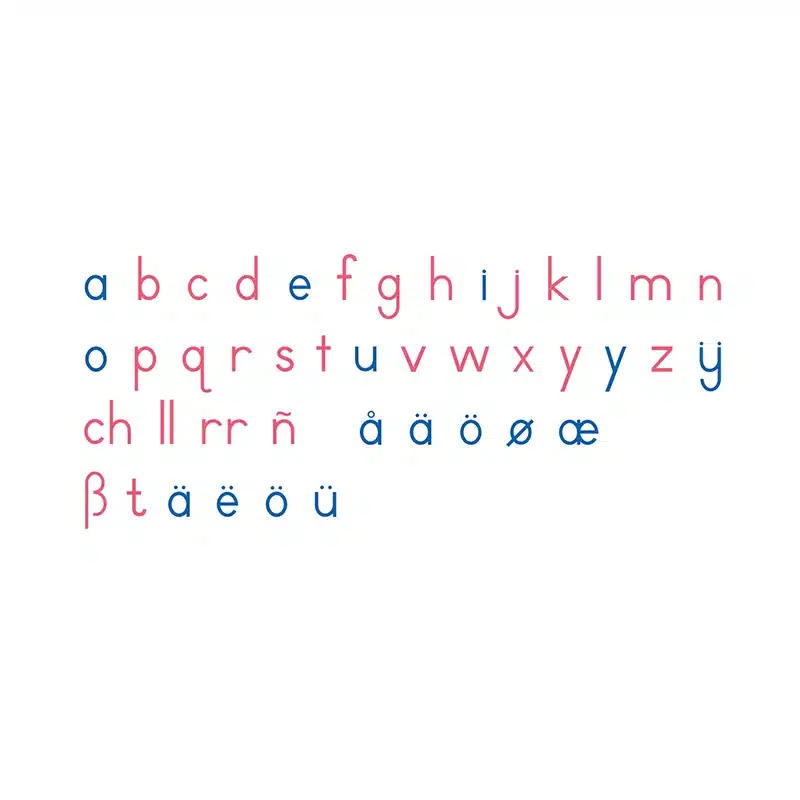
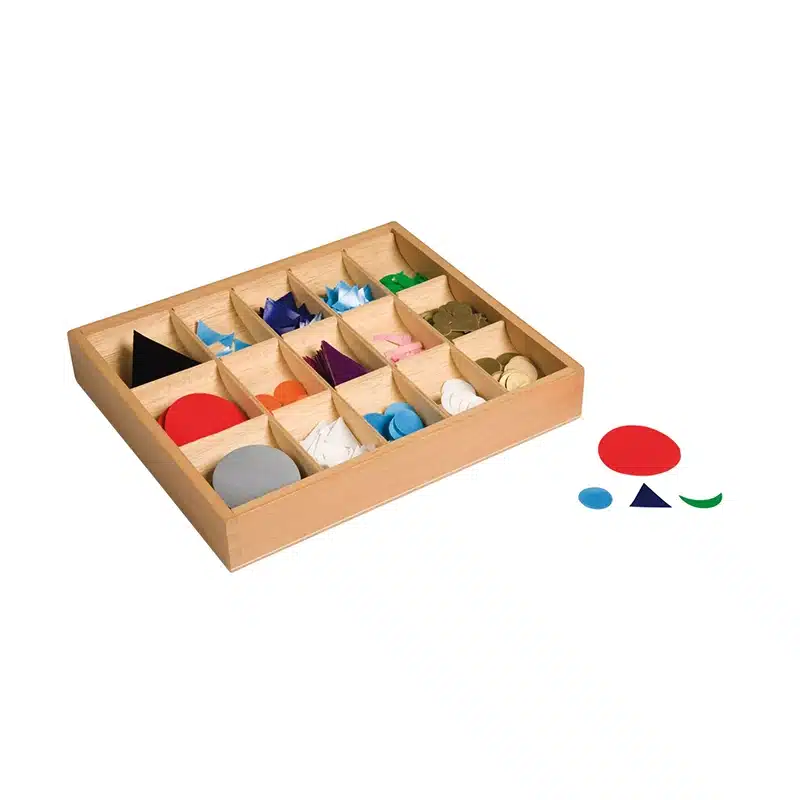
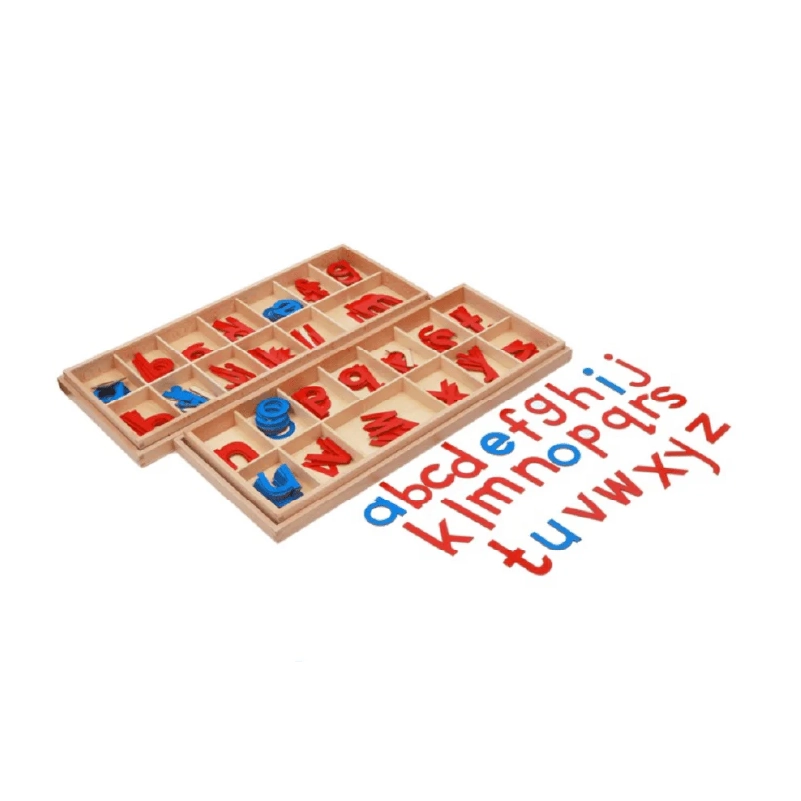
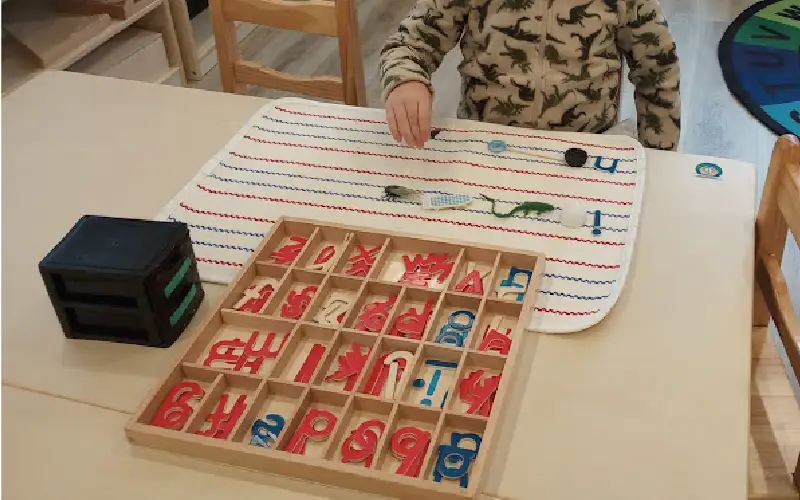
Moveable Alphabet

Supports early spelling and word building before handwriting is mastered.
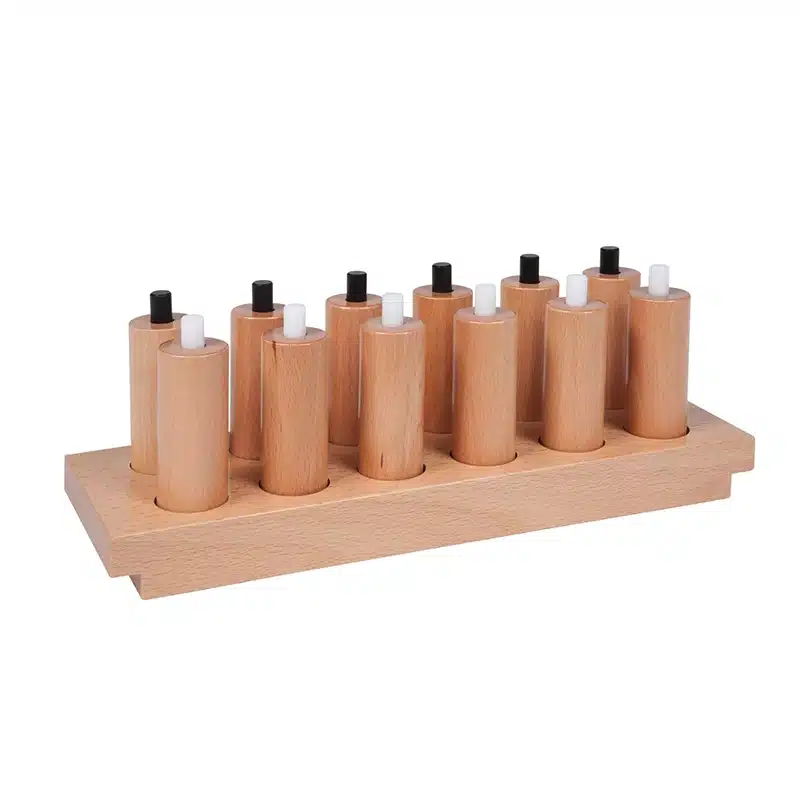
Montessori Materials Collection

Montessori materials are designed to encourage hands-on learning and independence. They cover areas such as sensorial development, practical life skills, mathematics, language, and cultural studies. Each material is crafted to help children learn through exploration and self-correction, supporting the Montessori philosophy of fostering curiosity and self-directed growth.

Sensorial

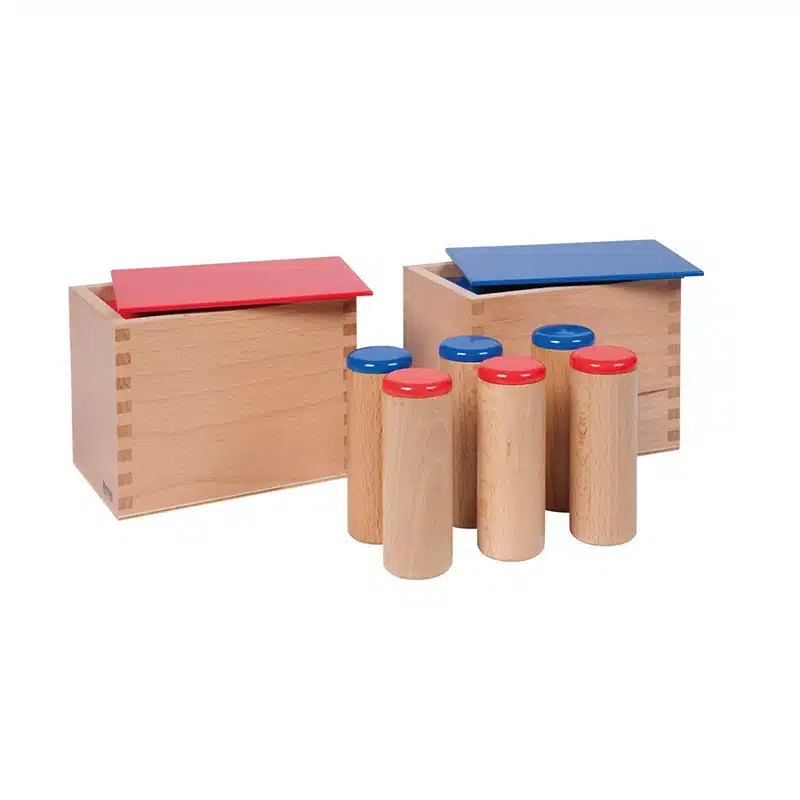
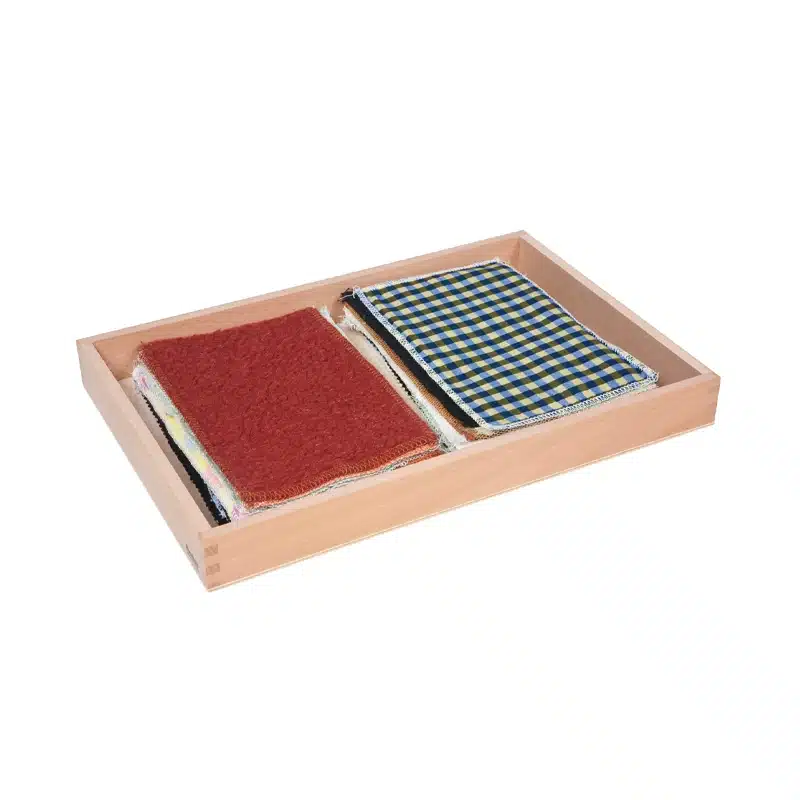
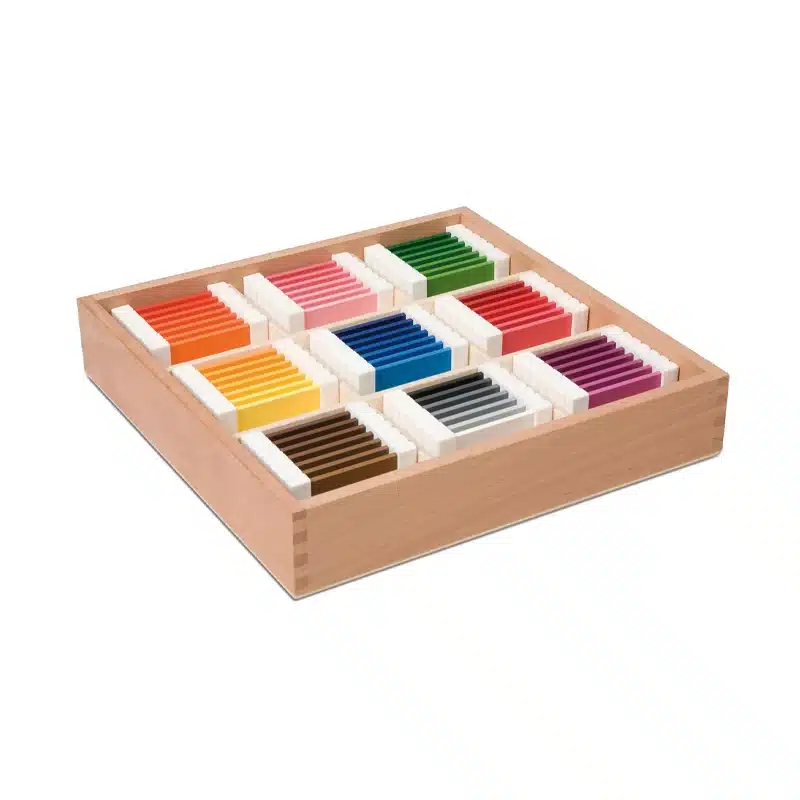
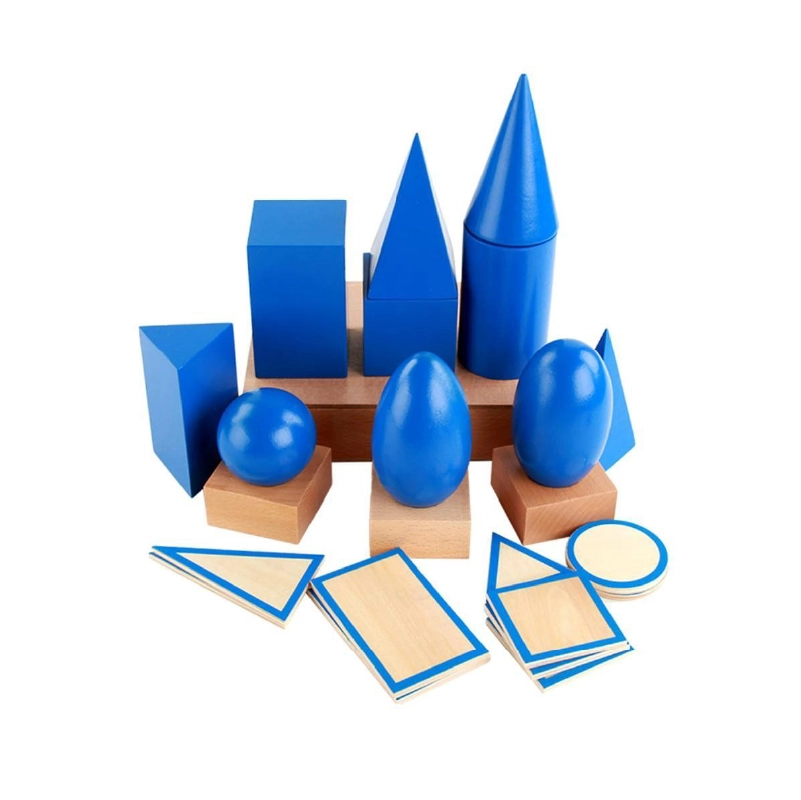
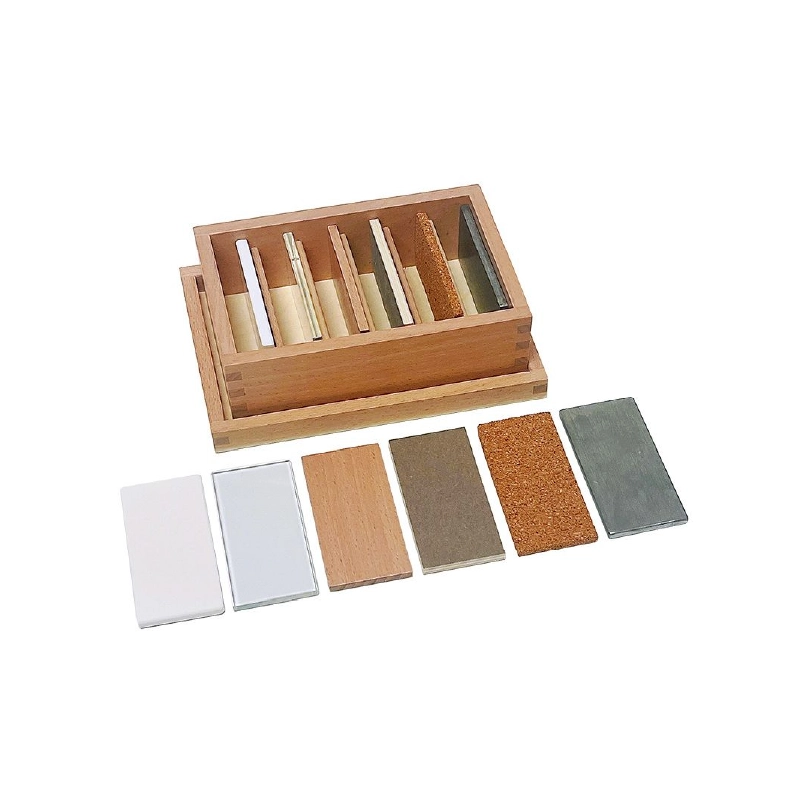
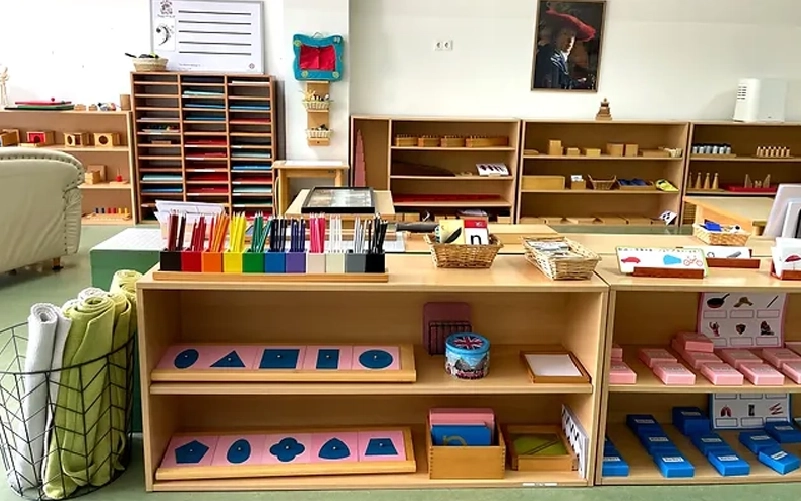
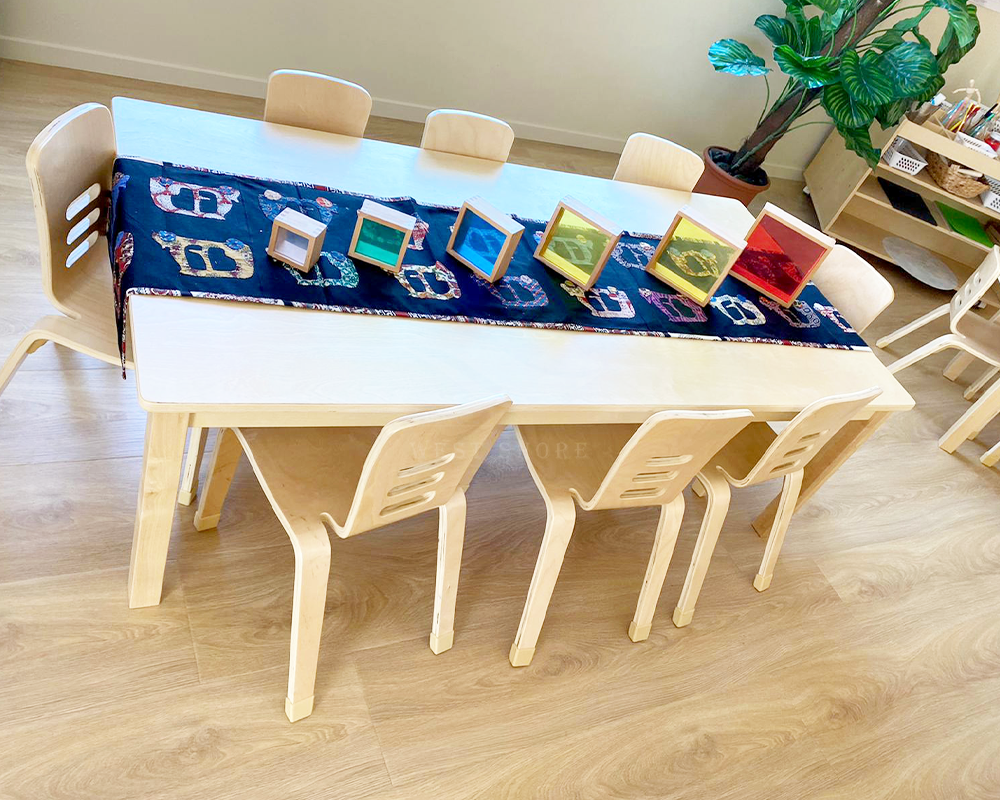
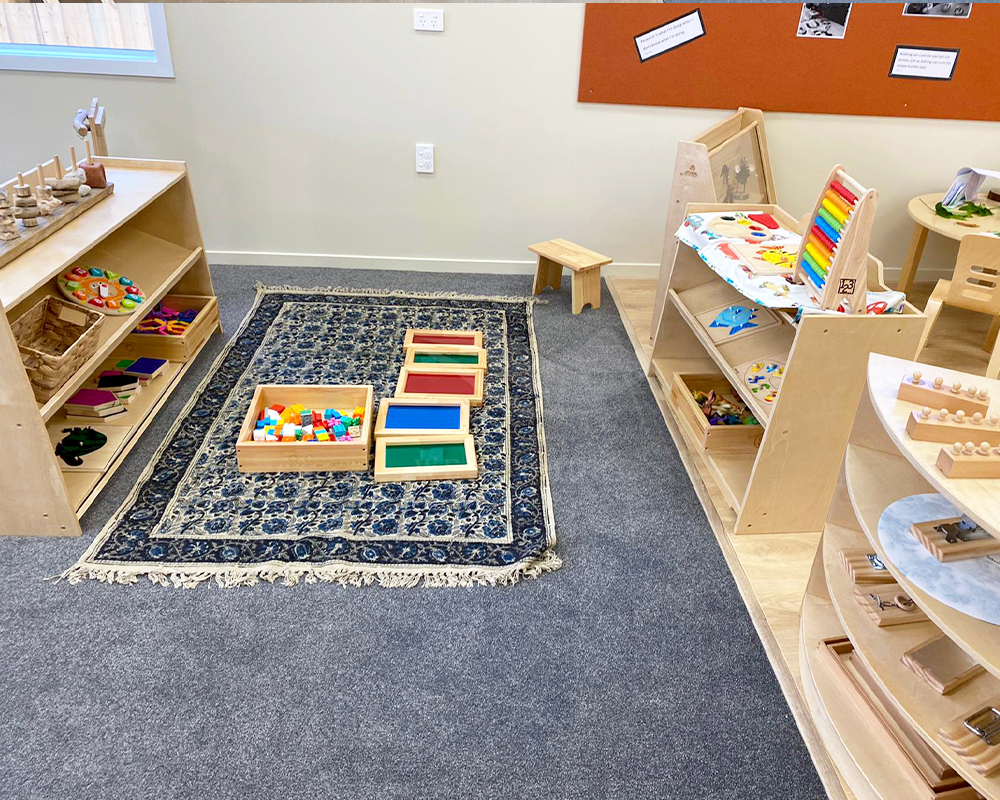
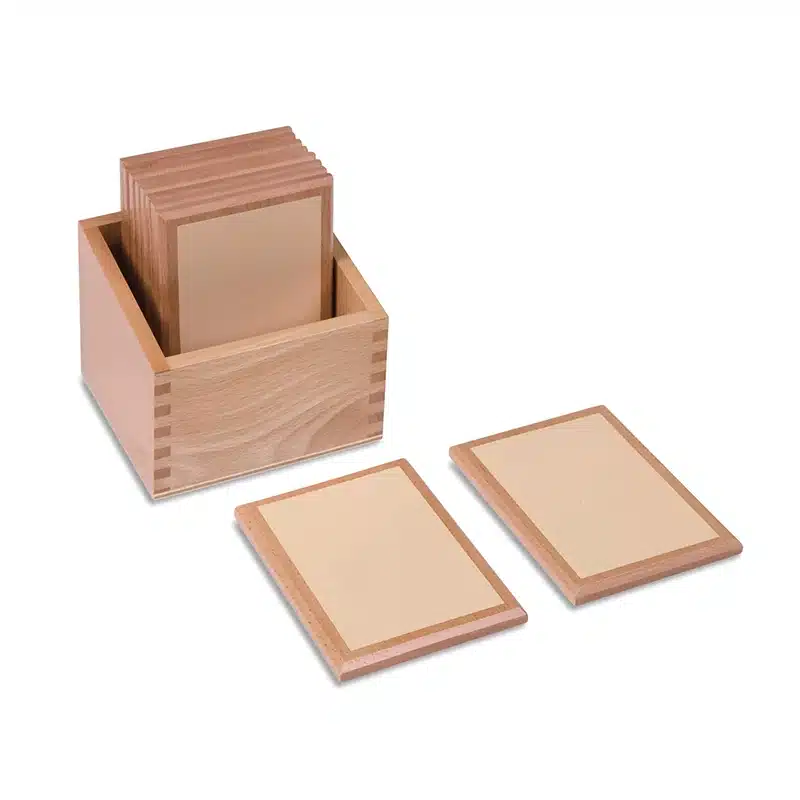
Sensorial materials refine the child’s senses—sight, touch, hearing, smell, and taste—by isolating specific sensory inputs. Products include the Pink Tower, Knobbed Cylinders, Color Tablets, Sound Boxes, and Touch Boards. These tools support pattern recognition, spatial awareness, and foundational logical thinking through progressive challenges and repetition.

Practical Life

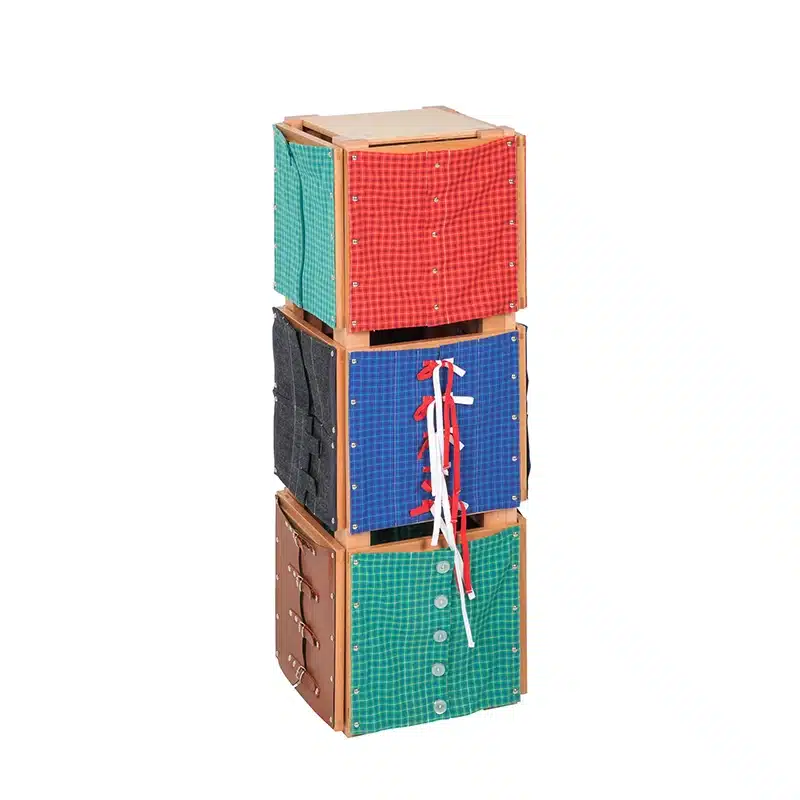
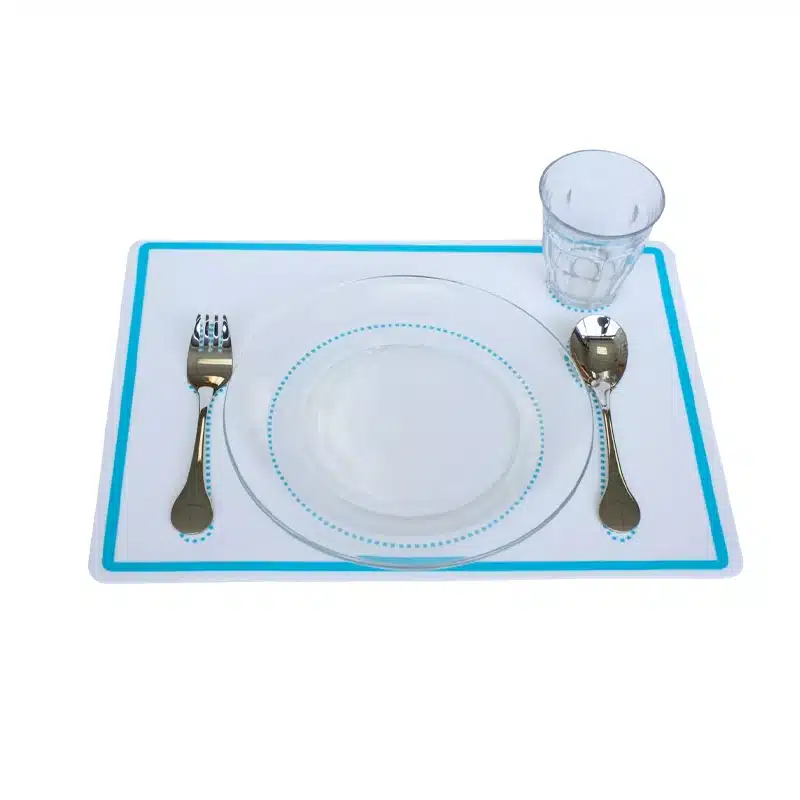
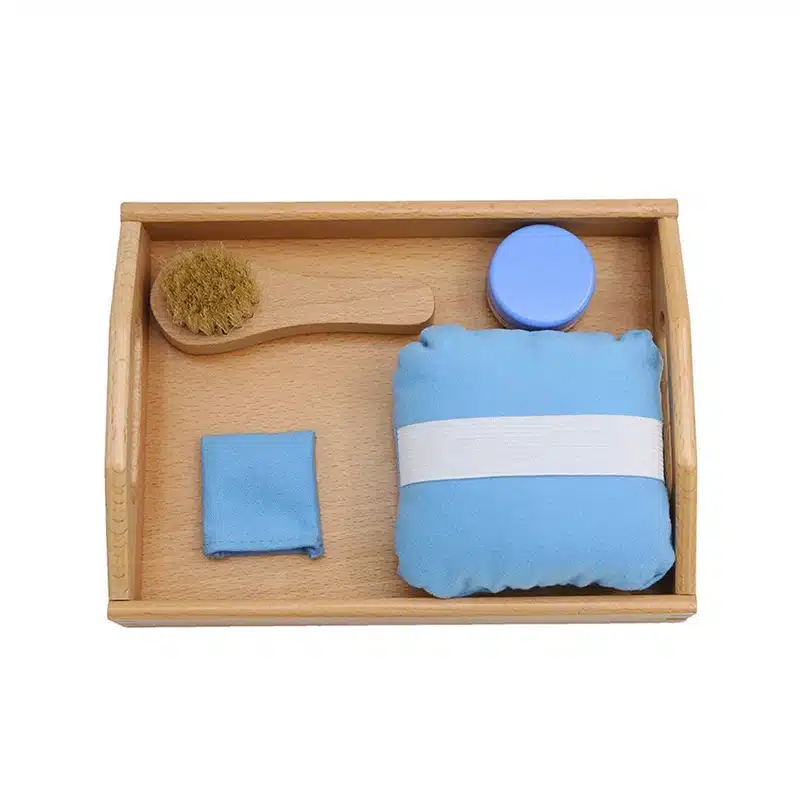
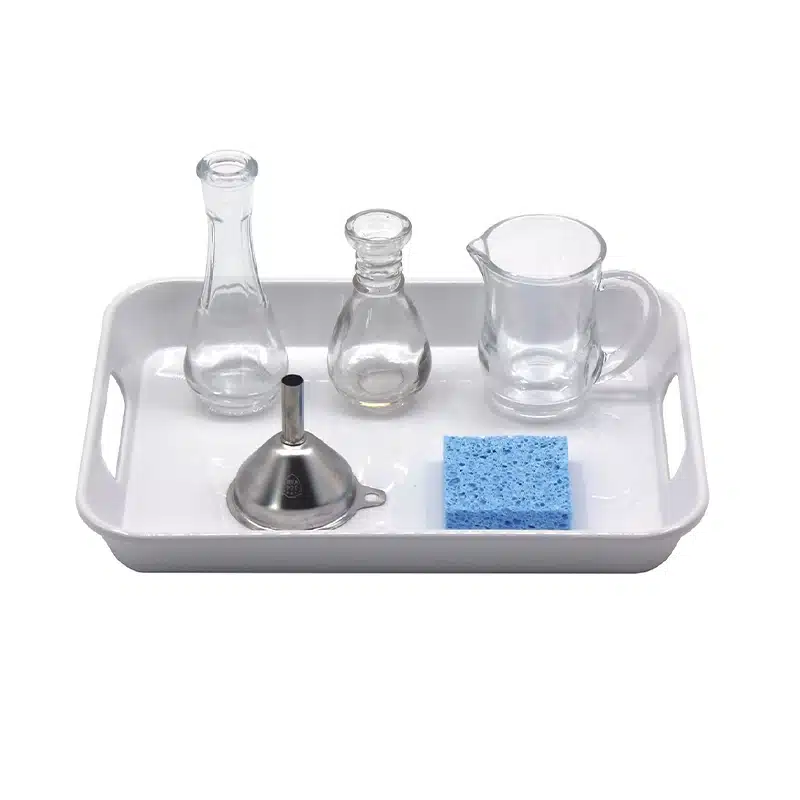
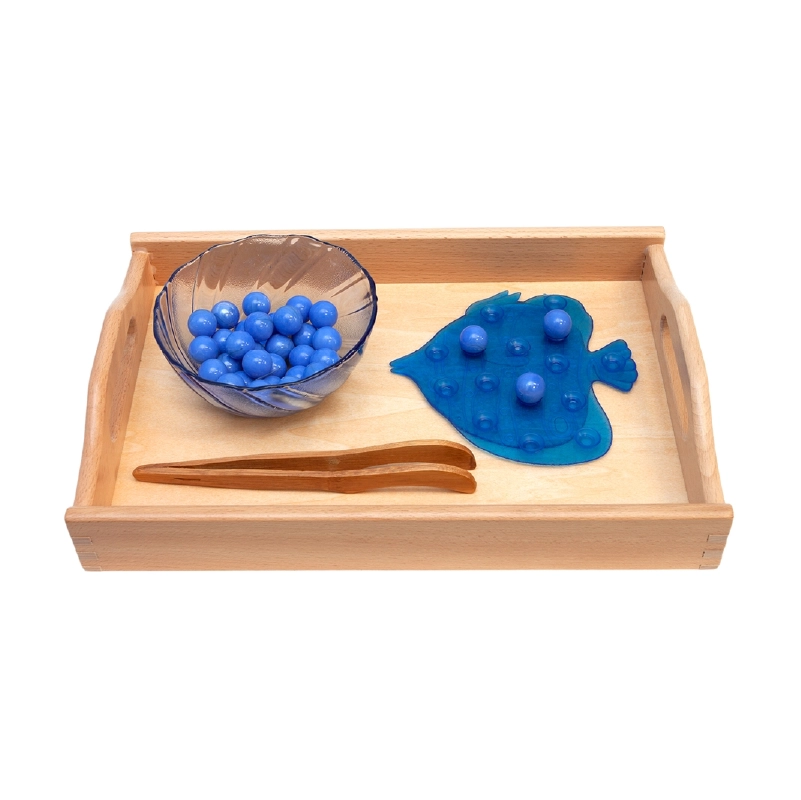
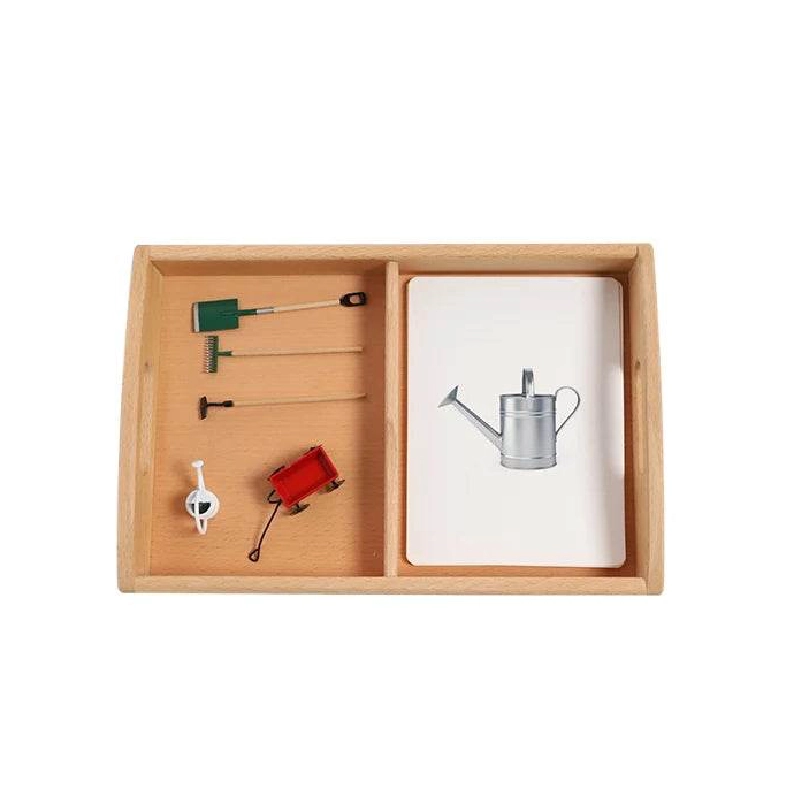
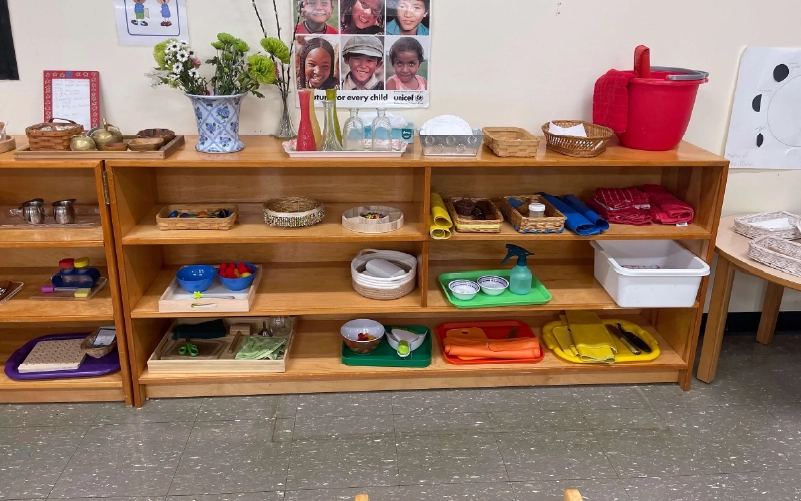
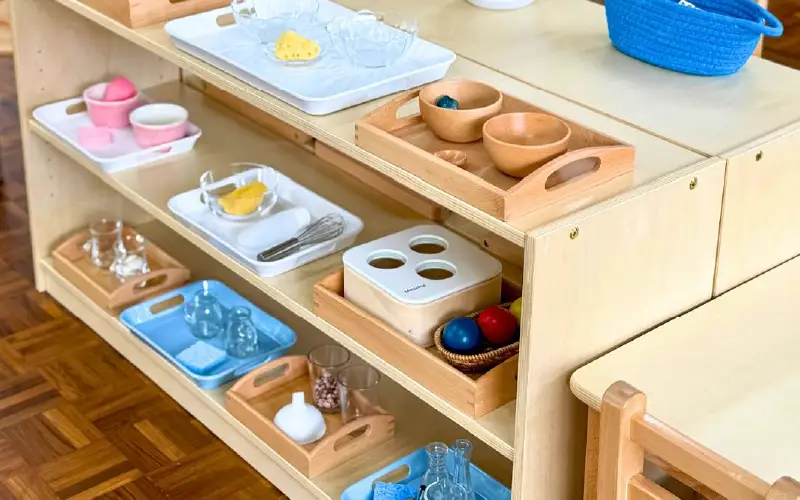
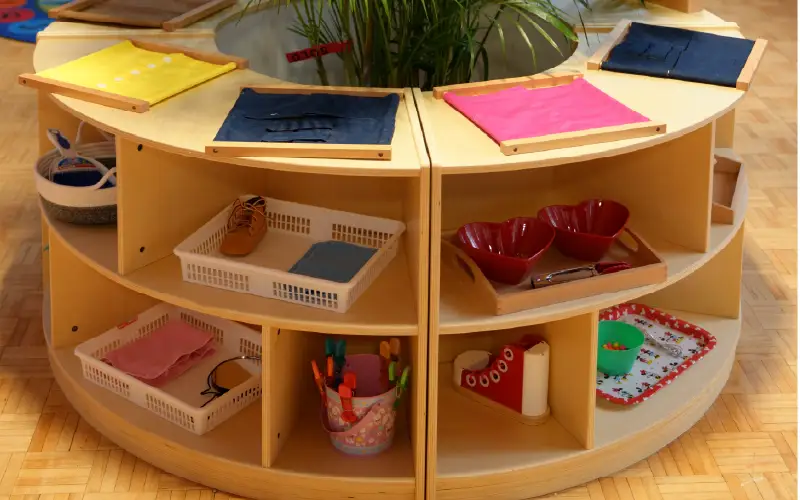
Dressing frames, pouring and scooping sets, food-preparation trays, and cleaning tools mirror real-world tasks. These activities strengthen fine-motor coordination, order, concentration, and independence while preparing children for social responsibility.

Mathematics

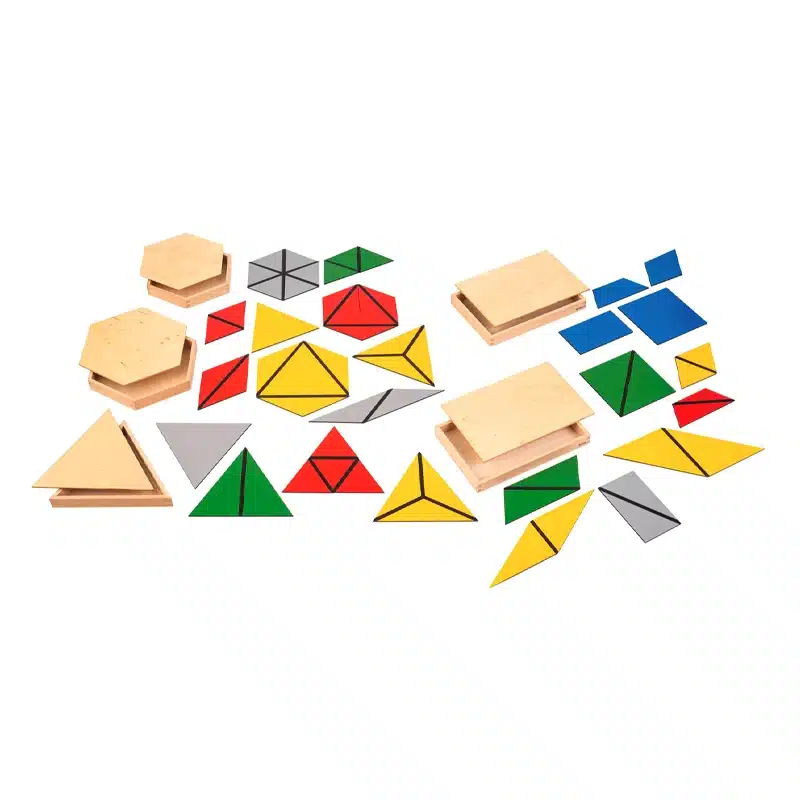
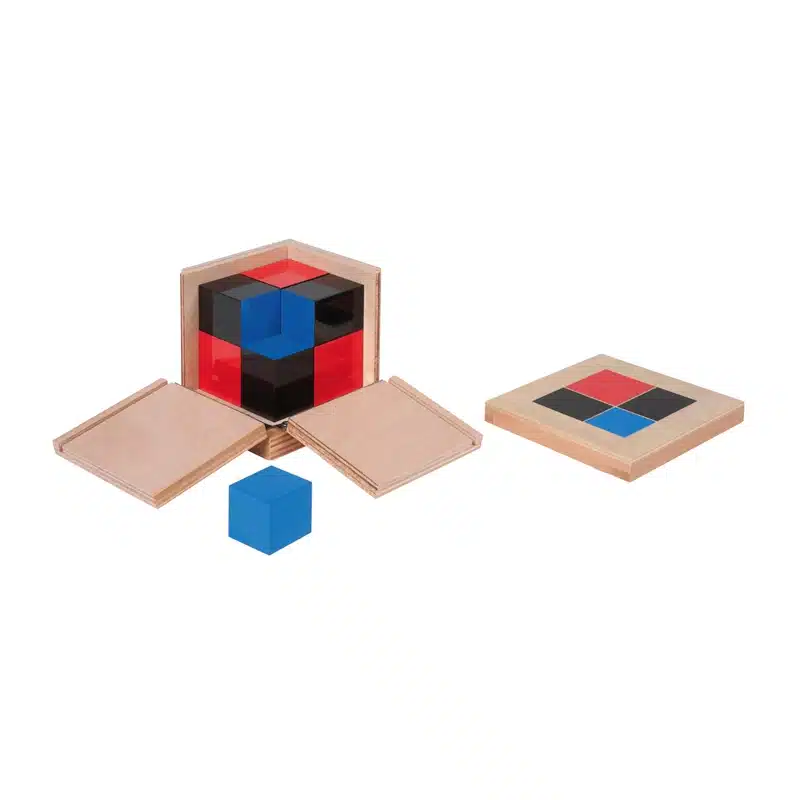
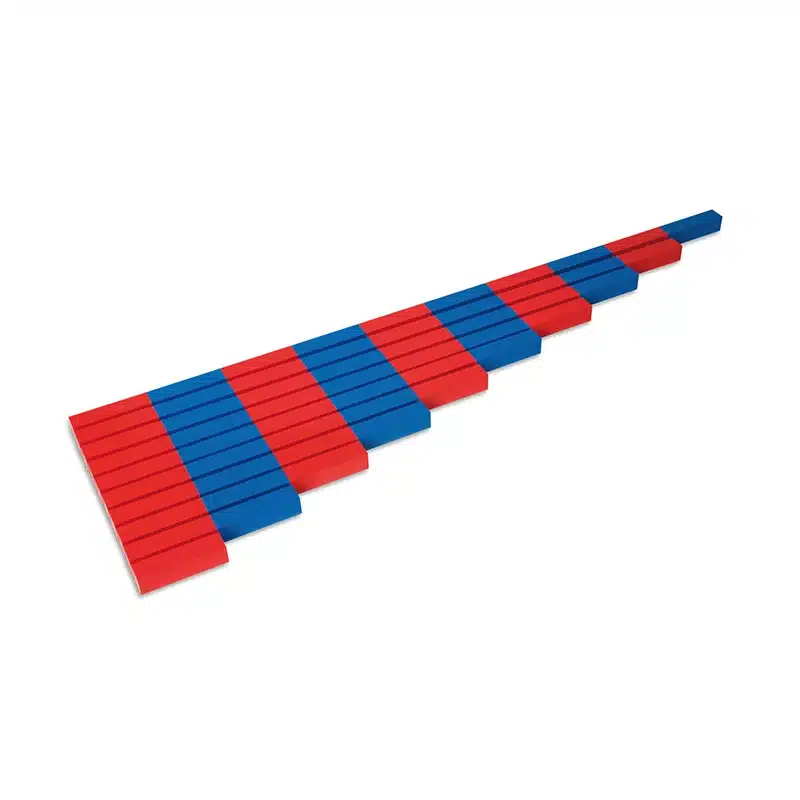
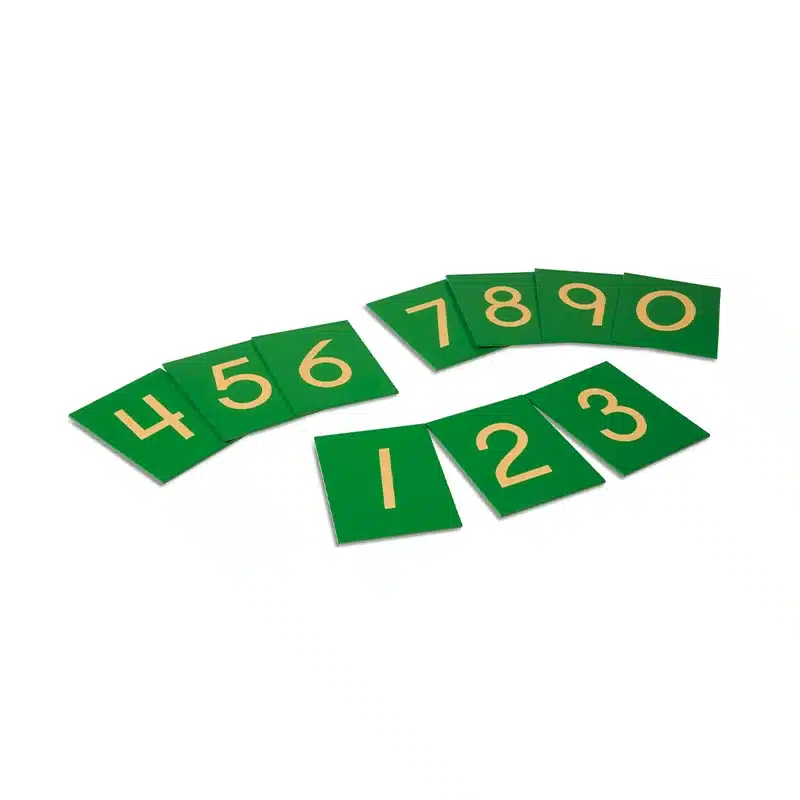
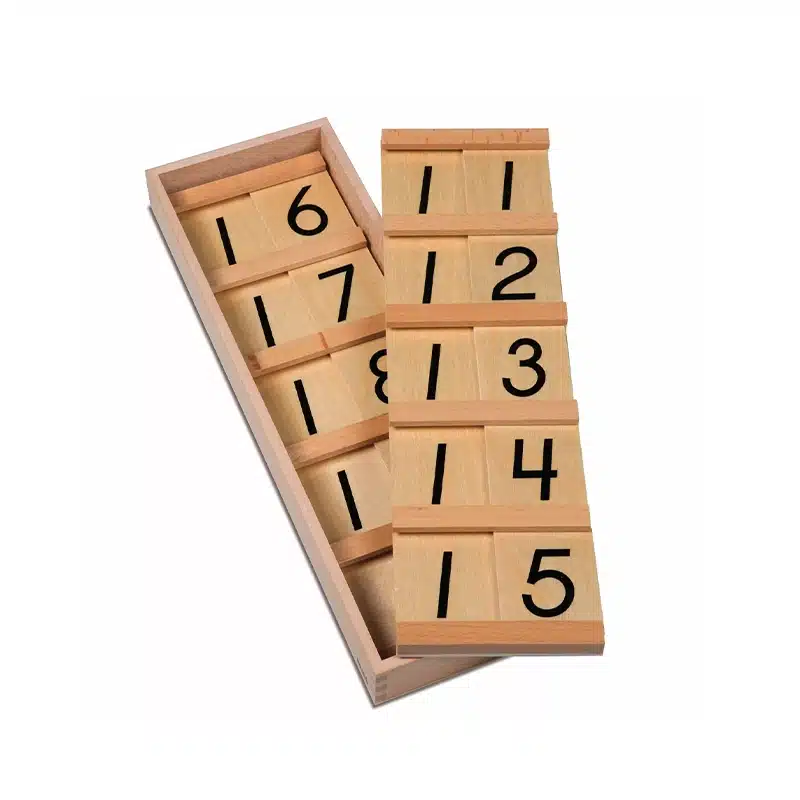
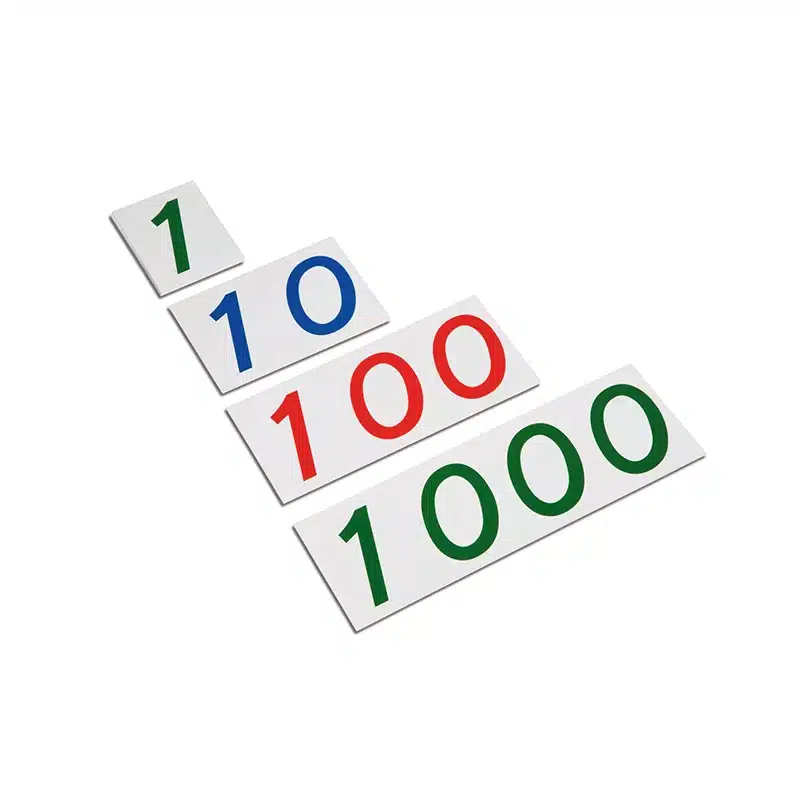
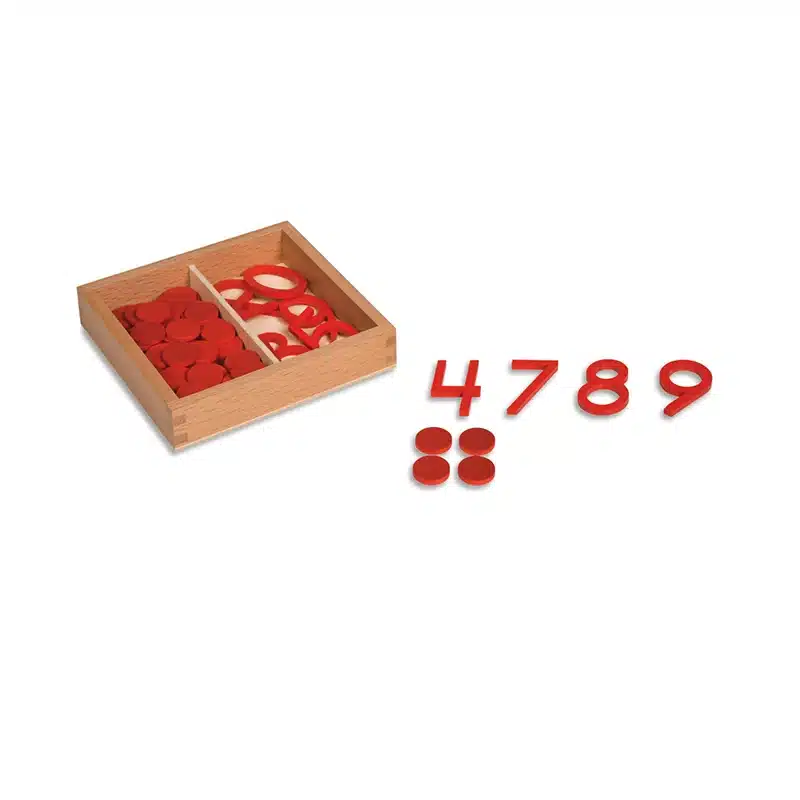
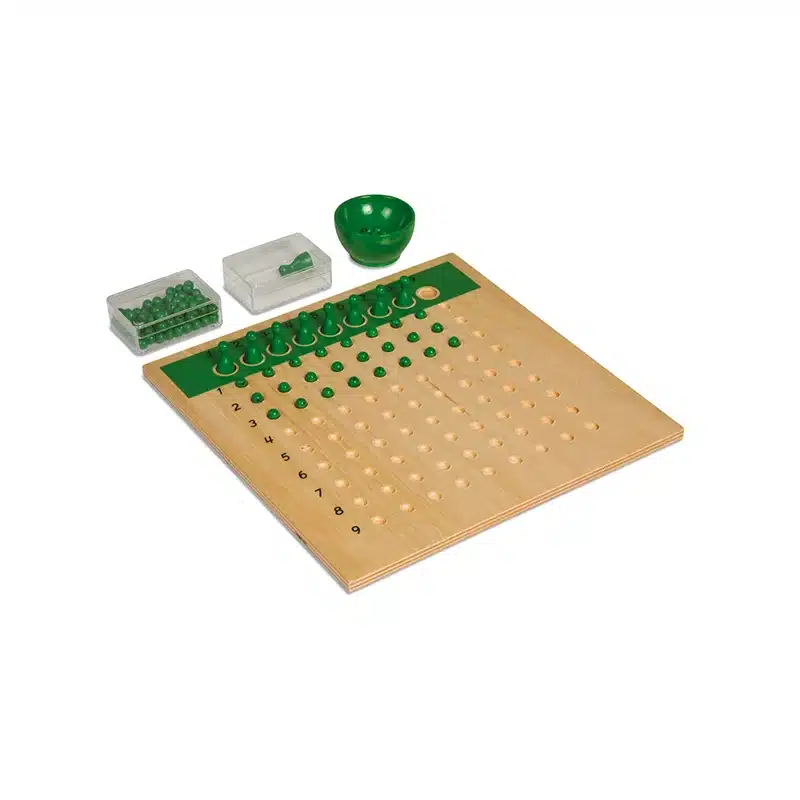
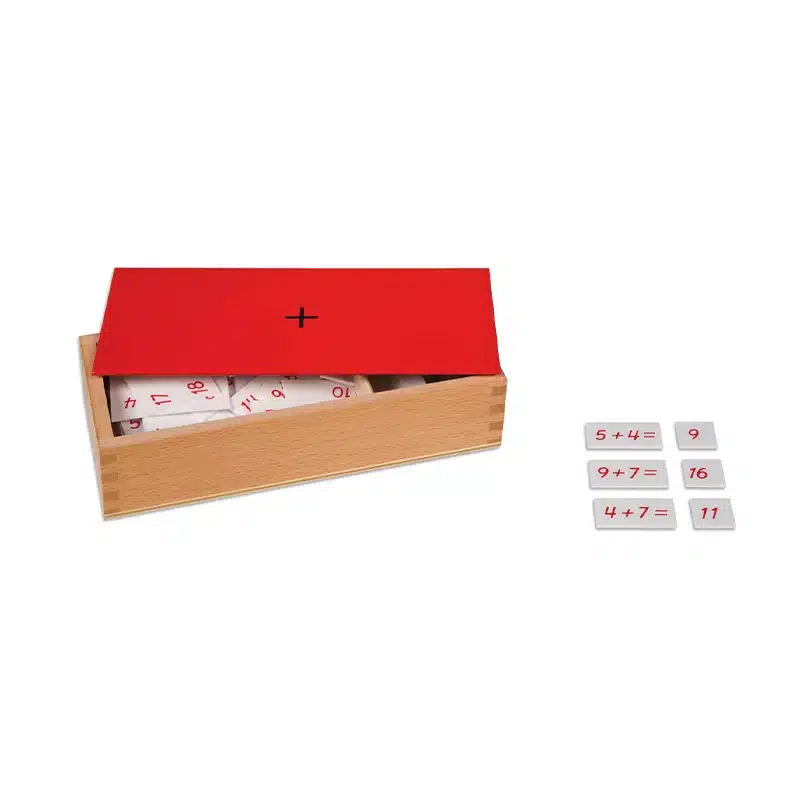
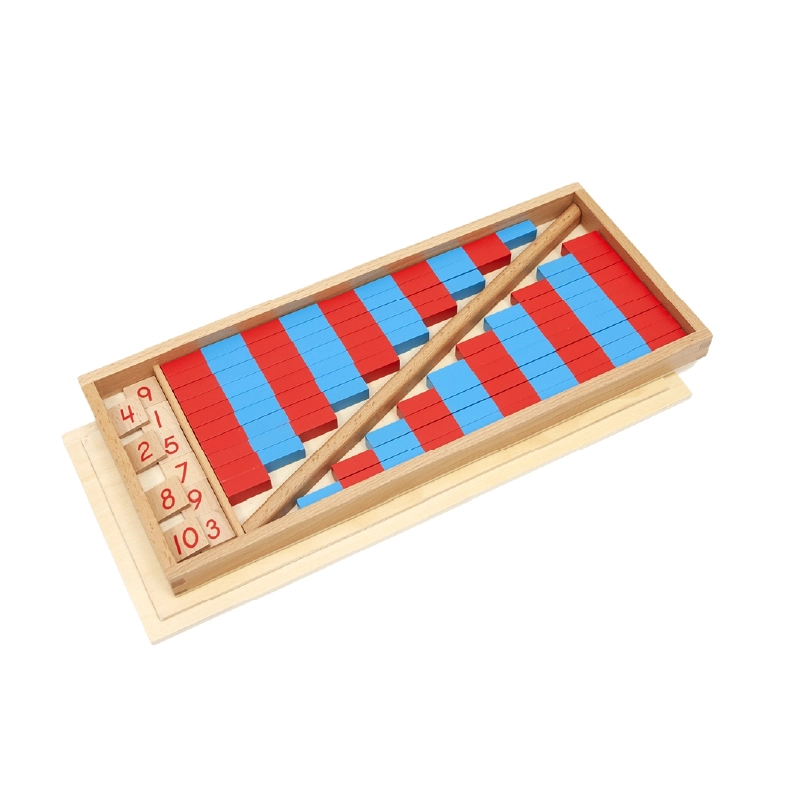
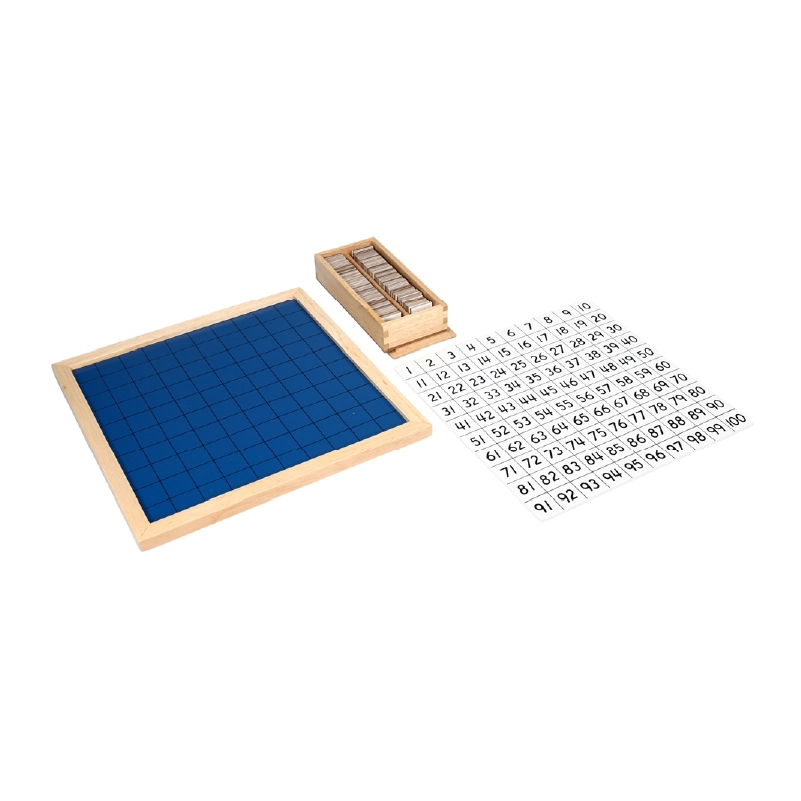
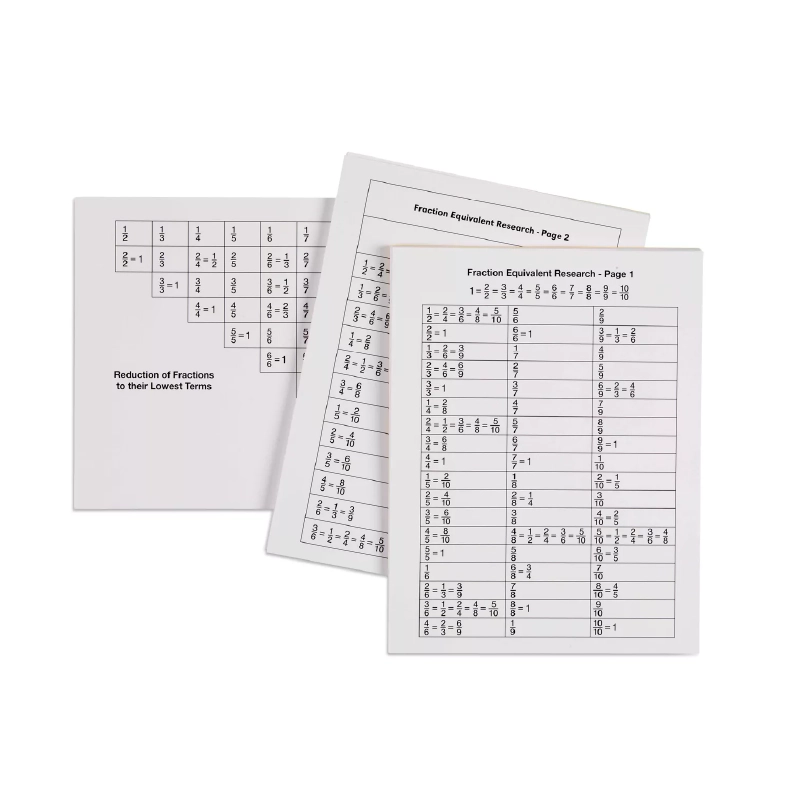
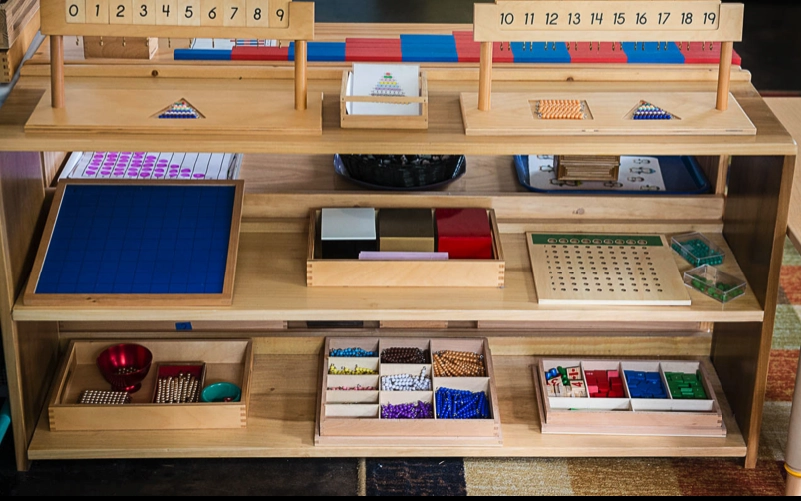
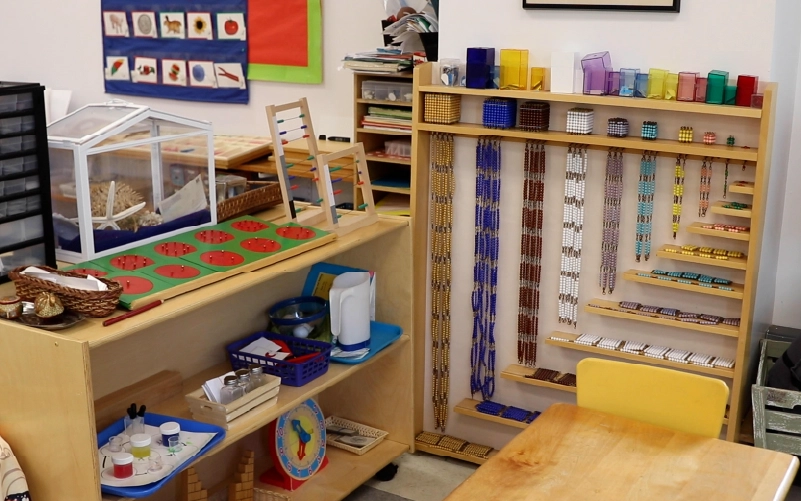
Montessori math materials guide children from concrete to abstract understanding through visual and tactile exploration. Core items include Number Rods, Sandpaper Numbers, the Golden Beads system, Bead Chains, and the Stamp Game. These tools introduce concepts of quantity, place value, operations, and early problem-solving in a developmentally appropriate sequence.

Language

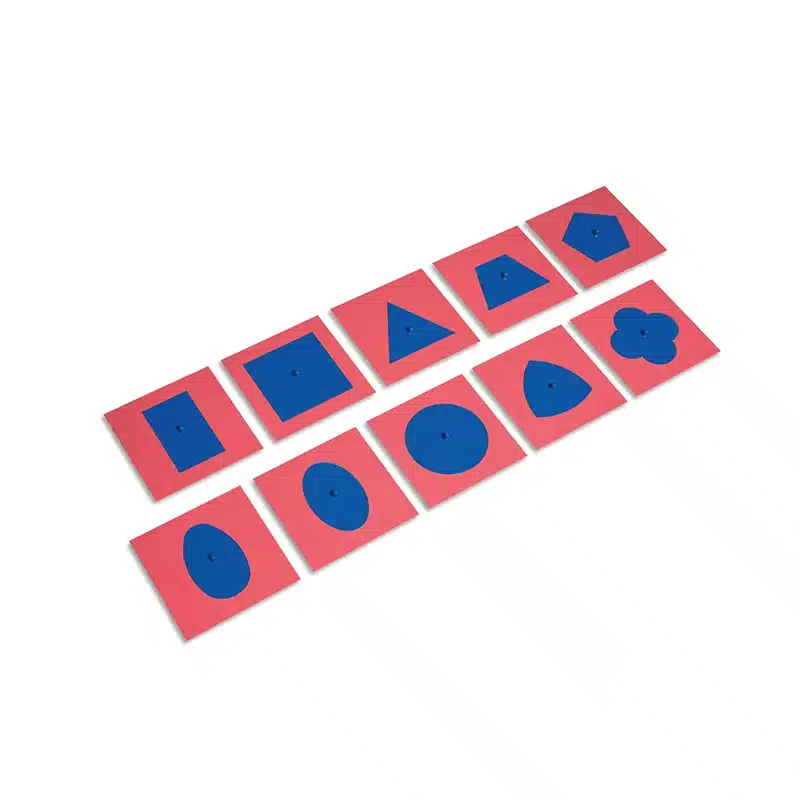
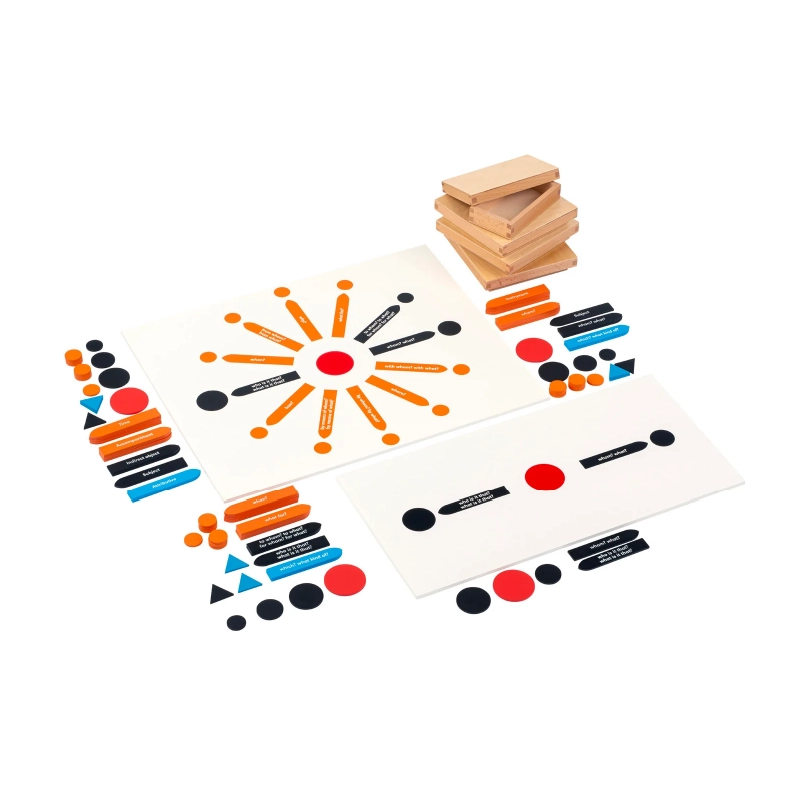
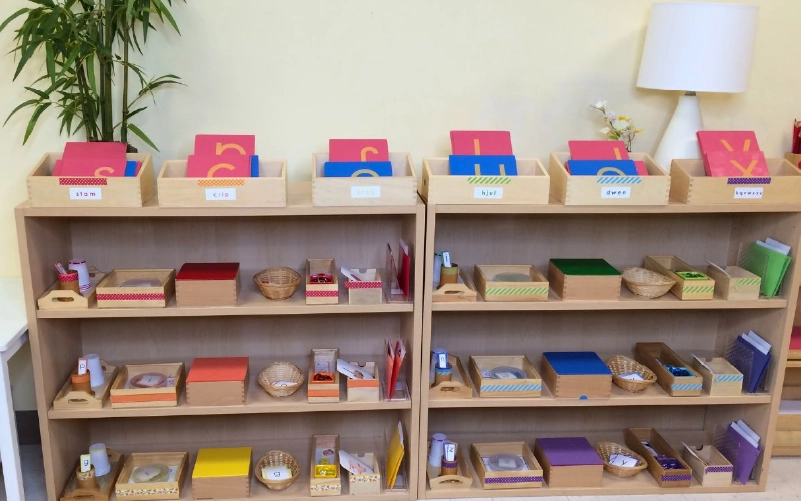
Language materials support phonemic awareness, vocabulary development, reading readiness, and early writing skills. Key tools include Sandpaper Letters, Moveable Alphabets, Metal Insets, and phonetic object boxes. These resources follow a structured approach that connects auditory, visual, and kinesthetic learning pathways for literacy development.

Geography

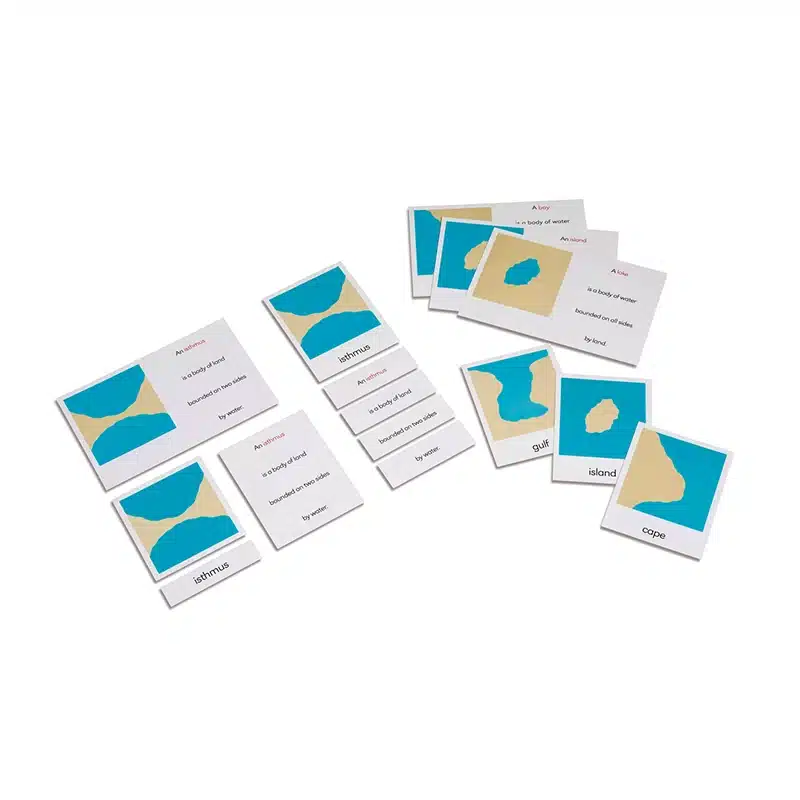
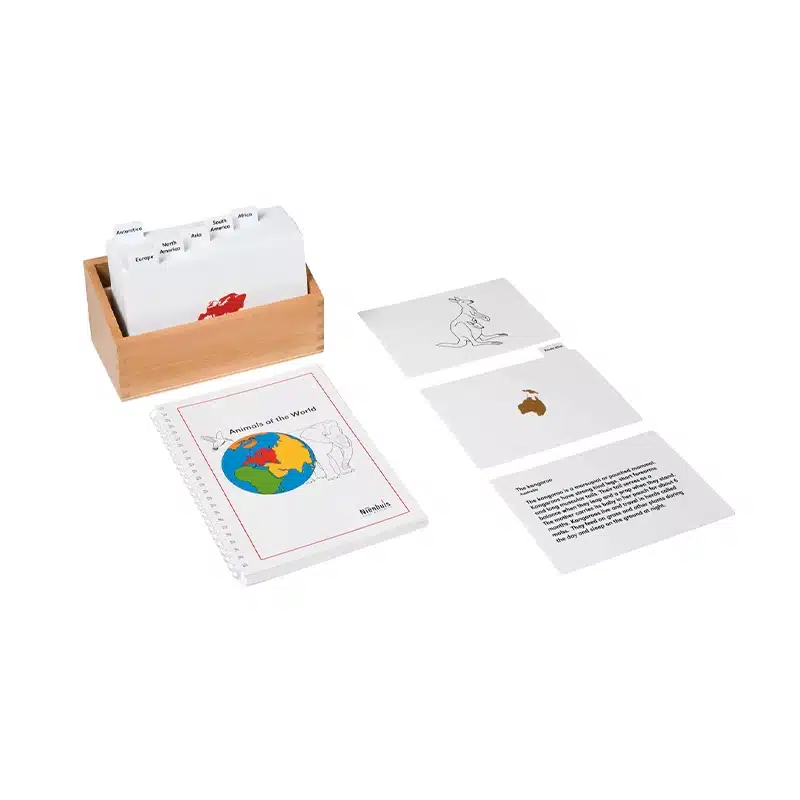
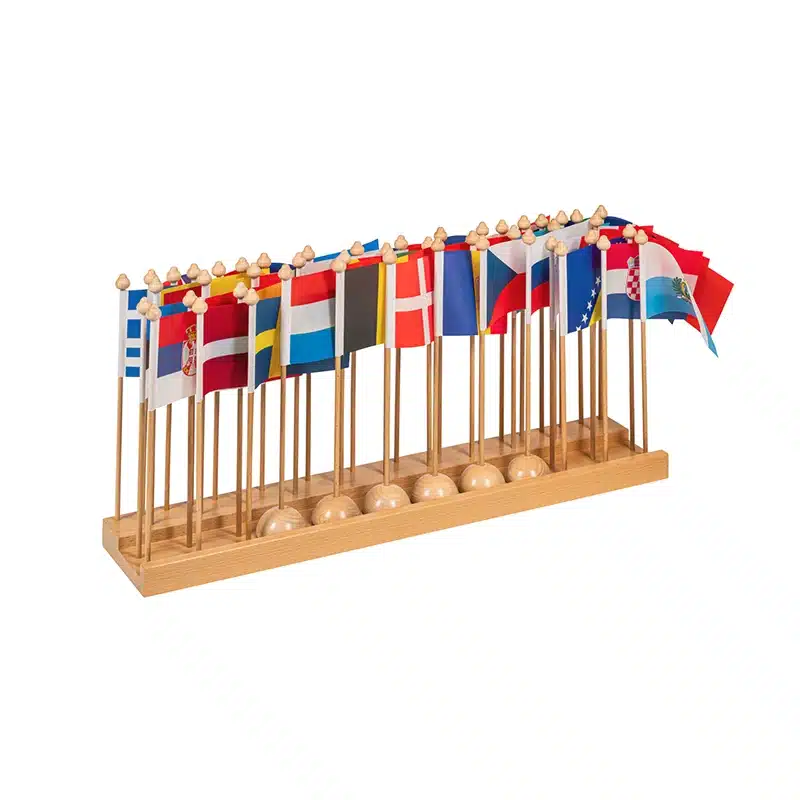
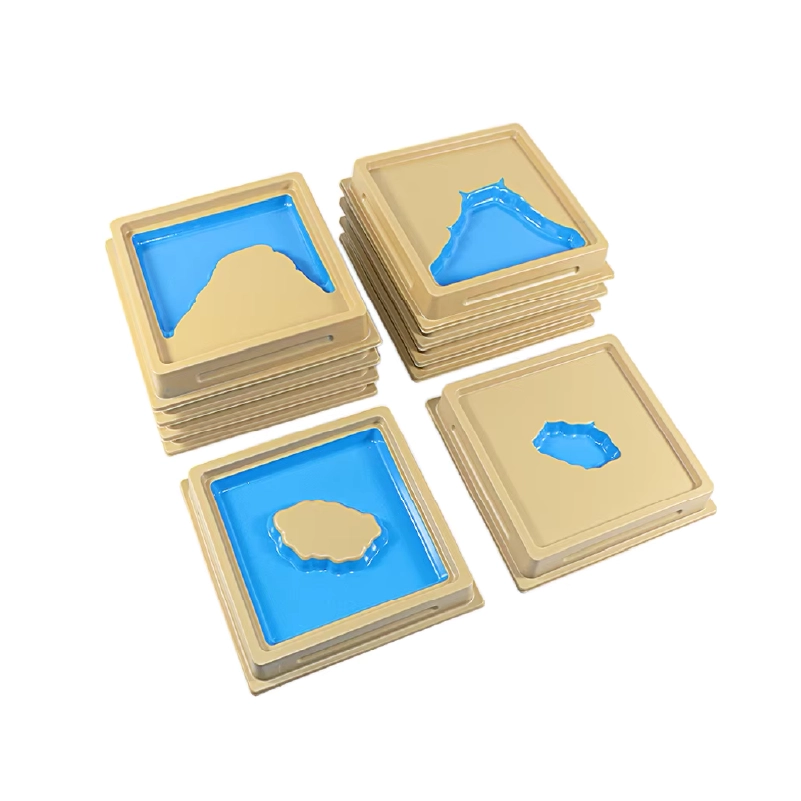
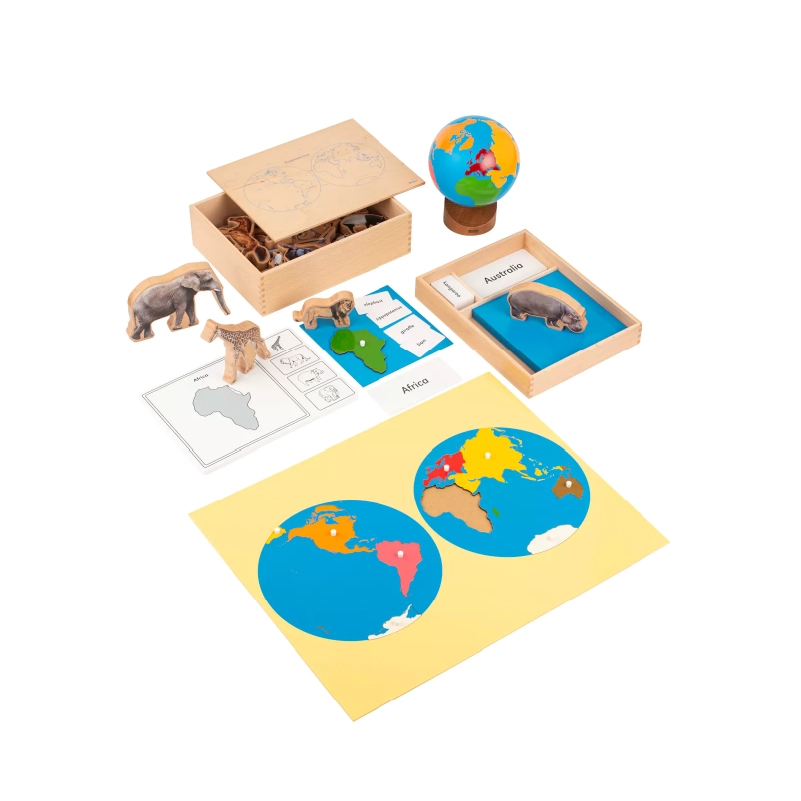
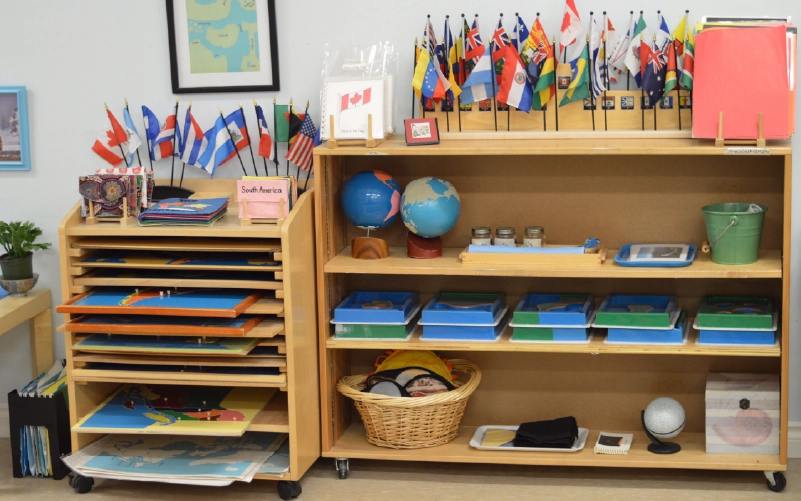
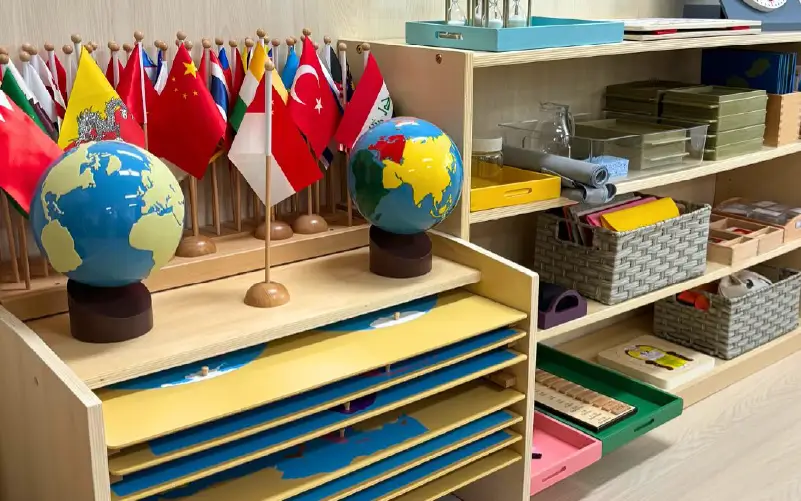
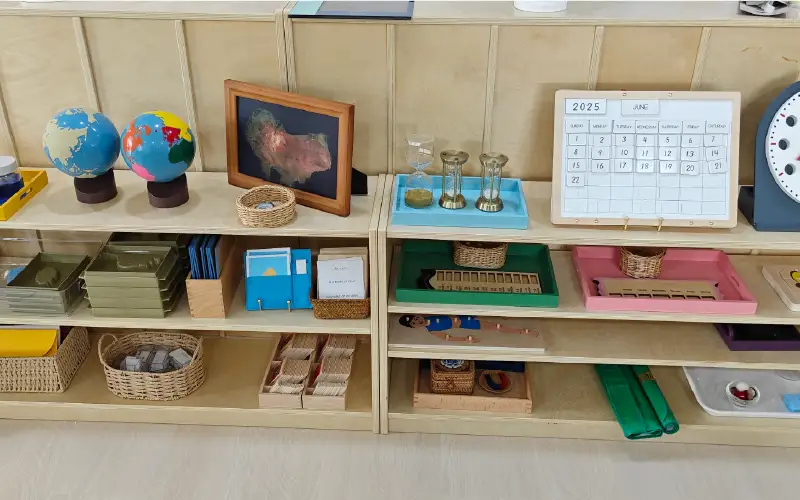
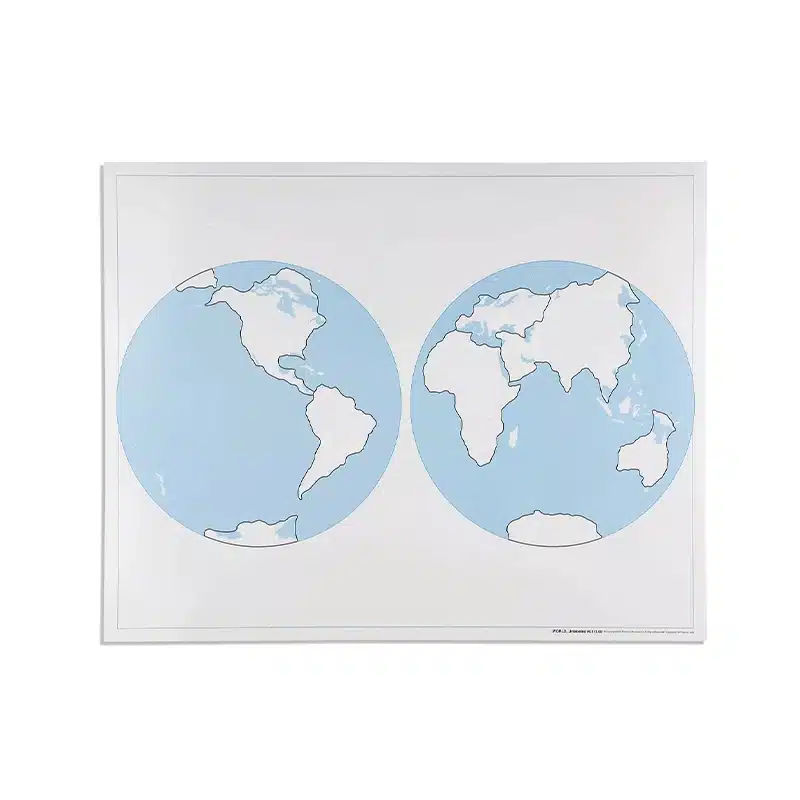
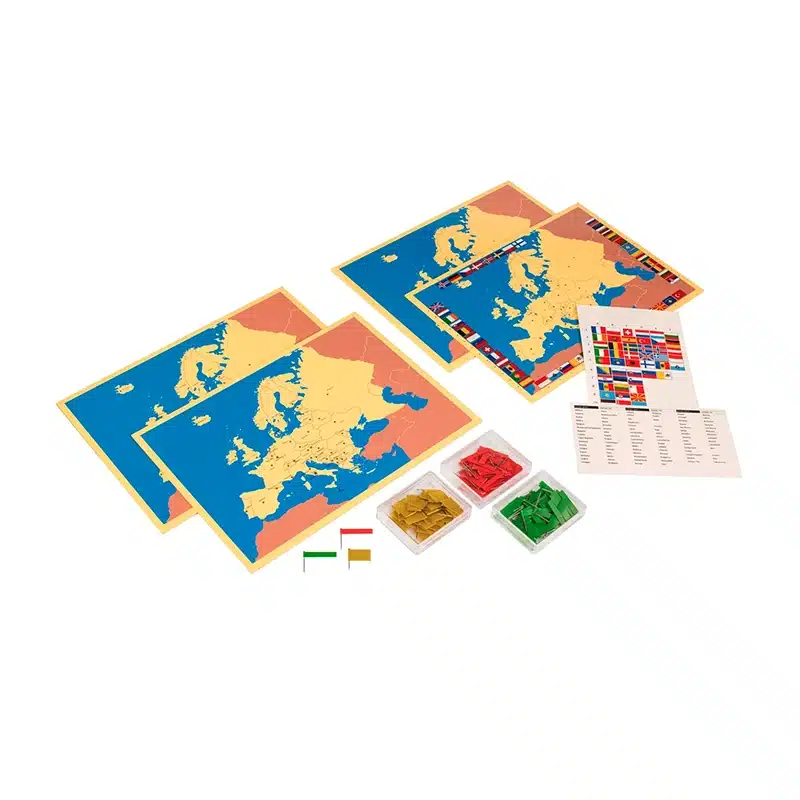
Puzzle maps, land-and-water forms, flags, and cultural picture cards introduce continents, countries, and physical geography. Children gain spatial awareness and cultural appreciation through hands-on exploration of the planet.

Biology

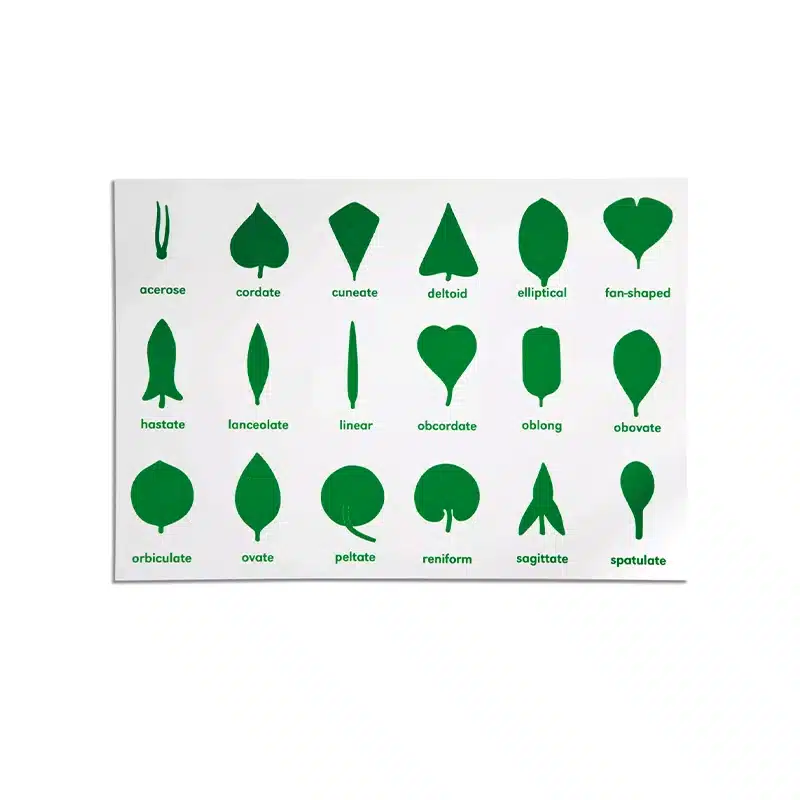
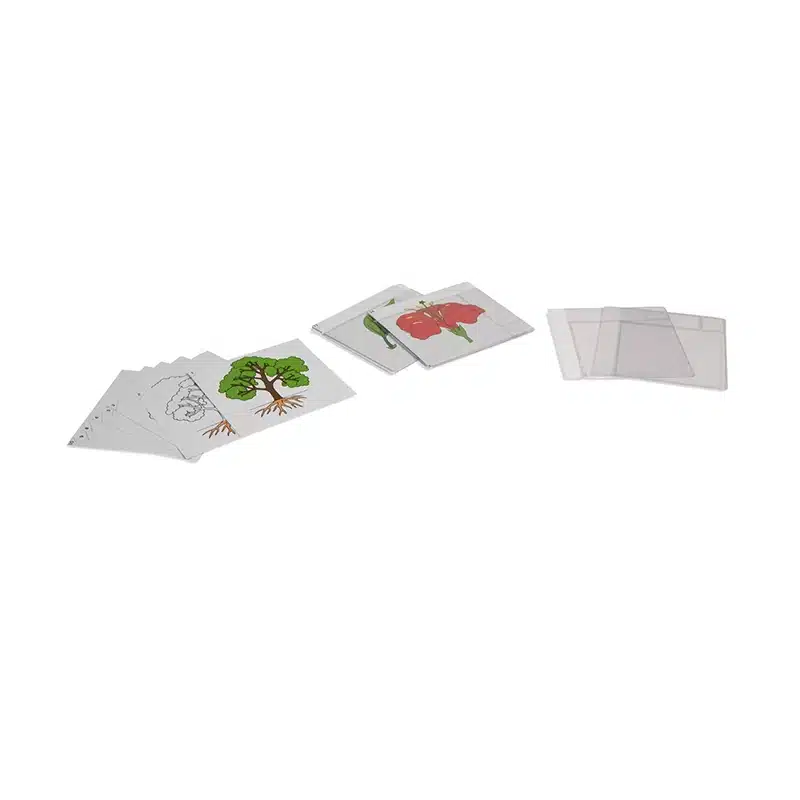
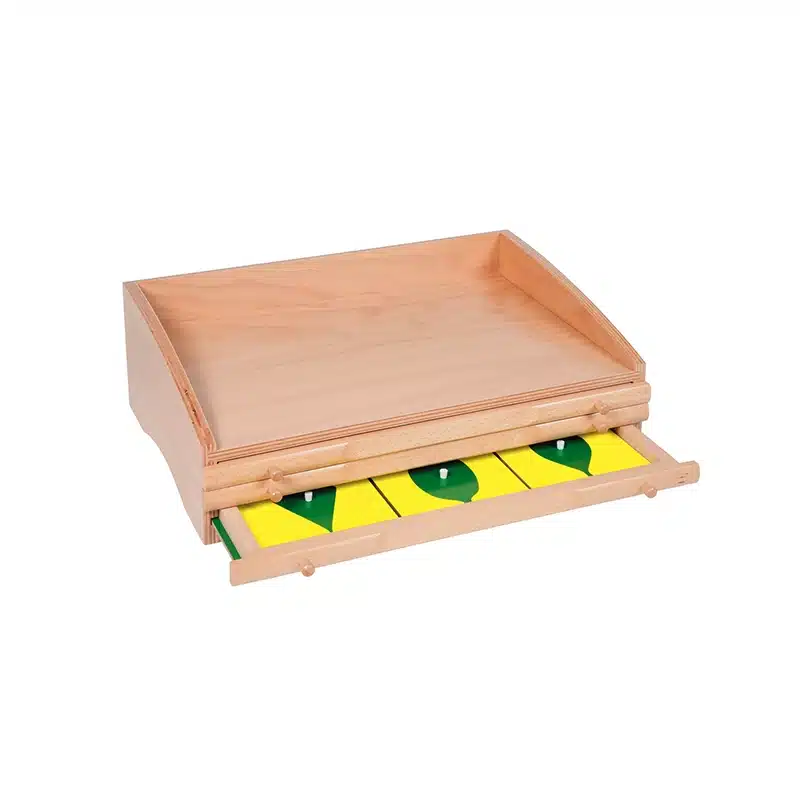
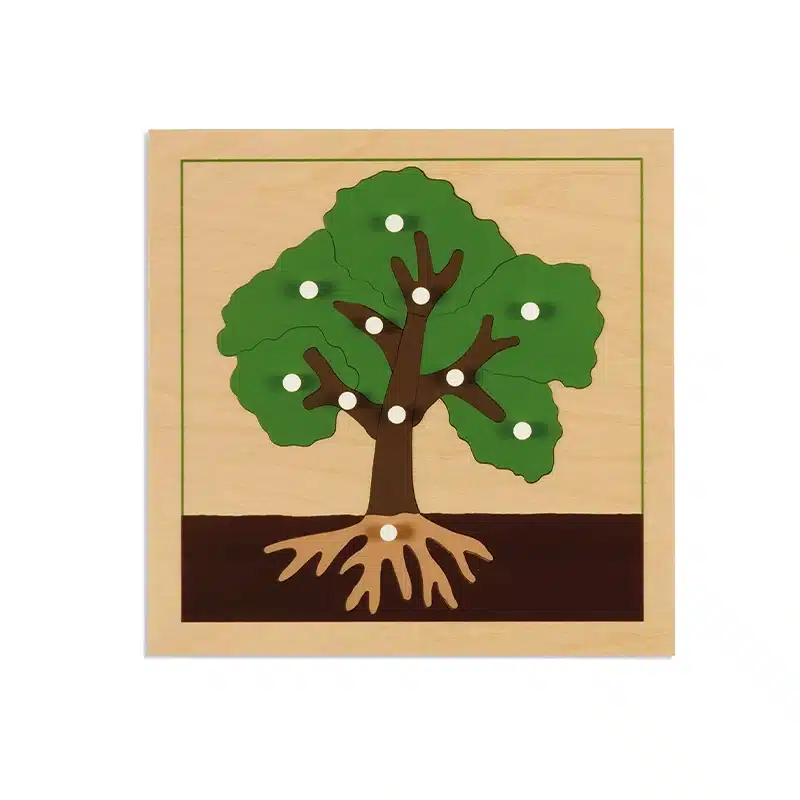
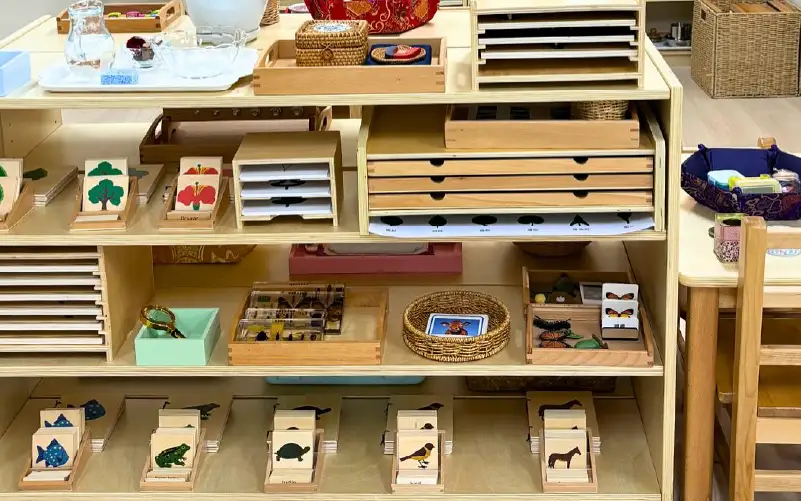
Montessori biology materials introduce botany and zoology through hands-on classification and observation. Products include plant and animal puzzles, life cycle sets, nomenclature cards, and 3-part cards with scientific vocabulary. These tools foster respect for living things and lay the foundation for scientific thinking.

B2B Support for Bulk Purchasing

Clear specifications, stable production, and quality inspection for repeat orders. Share your age range, classroom plan, or required list and we will recommend a practical Montessori Materials package with quantities and matching accessories.

Montessori Materials by Age Group

Montessori materials are most effective when they match a child’s developmental stage and the way lessons are typically presented in the classroom. Below is a practical reference by age group, so you can plan purchasing lists and classroom bundles more efficiently.

0–3 Years (Infant And Toddler)

0–3 Years (Infant and Toddler)

independence, coordination, simple order, and safe hands on exploration.

3–6 Years (Primary Montessori)

3–6 Years (Primary Montessori)

full Practical Life sequence, core Sensorial materials, early Math and Language progression.

6–12 Years (Elementary Montessori)

6–12 Years (Elementary Montessori)

advanced Math, expanded language work, research skills, and deeper cultural studies.

Not sure which level you are building for?

Share your age range, class size, and room count. We will recommend a Montessori Materials list with clear quantities, specifications, and budget options.

Classroom Sets and Project Bundles

Many buyers do not want to source Montessori materials one by one. They want complete, matched sets that fit shelves, curriculum goals, and daily classroom routines. We support flexible set configurations; you can order ready-made sets or customize them according to your project needs.

Area based sets

Choose by Montessori curriculum area, ideal for buyers building a balanced classroom.

Montessoir Materials Classroom Size Sets

Classroom size sets

Built around real class capacity and learning stations.

  • Small group set for limited shelf space

  • Standard classroom set for daily rotation

  • Multi classroom program set for chain centers and school groups

We can recommend quantities based on how many shelves or stations you plan to run at the same time.

New Classroom Starter Sets

Designed for new openings and upgrades. These include a curated mix of Montessori materials most commonly used for daily work, with clear item lists and stable specs for repeat orders.

Classroom Age Level Bundles

These age-range sets help businesses select Montessori materials more quickly and consistently. Each set groups the most commonly used materials for that stage, so you can build a balanced classroom without missing key items.

Nido Set (0 To 18 Months)

NIDO Set (0 to 18 months)

Focus: early sensory exploration, movement, grasping, and calm routines.

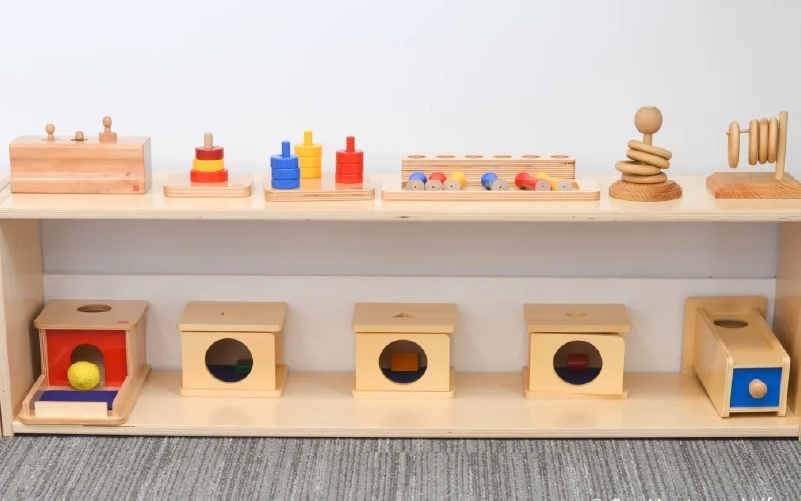
Includes: mobiles, grasping materials, object permanence basics, movement mats, simple visual and tactile materials.

Toddler Set (18 Months To 3 Years)

Toddler Set (18 months to 3 years)

Focus: independence, coordination, practical life repetition, early sorting and language.

Includes: transferring and pouring activities, open and close works, simple puzzles, matching cards, early sorting and grading materials.

Casa Set (3 To 6 Years)

CASA Set (3 to 6 years)

Focus: full Montessori progression across practical life, sensorial, language, math, and culture.

Includes: core sensorial materials, sandpaper letters and moveable alphabet, foundational math materials, puzzle maps and basic science materials, practical life extensions.

Choose The Right Set

How we help you choose the right set

If you share any of the details below, we can recommend a practical bundle quickly:

  • Child age range and Montessori level
  • Number of children per classroom
  • Areas you plan to open first
  • Shelf count or available shelf length
  • Budget range and priority materials

What Sets Our Montessori Materials Apart

Montessori Materials are not simply toys. They are precision learning tools. In a school environment, materials must stay accurate, complete, and consistent across repeated use. Our approach focuses on classroom durability, stable specifications, and clear documentation so procurement teams can purchase with confidence.

  • Classroom ready workmanship - Smooth surfaces and edges designed for frequent handling
    - Accurate fit between components to support control of error
    - Stable structure for materials that stack, grade, or align
    - Clear visual presentation so children can work independently
  • Consistent specifications for repeat supply Bulk procurement often requires repeat orders across different times. We support stable specifications so your classroom set remains consistent.
    - Defined sizes and component counts - Standardized packing lists
    - Batch consistency focus for ongoing supply
  • Materials and finishes selected We focus on materials that perform in real classrooms.
    - Durable wood and hardware where structure matters
    - Finishes selected to support cleaning and daily use
    - Components designed to resist common wear points in schools
  • Quality control checkpoints We build quality through process, not promises.
    - Incoming material check
    - In process checks during key production steps
    - Assembly and completeness check for multi part materials
    - Final inspection before packing
    - Packing verification to match the inventory list
  • Documentation that supports procurement - Itemized product lists and specifications
    - Packing lists for bulk orders
    - Photo confirmation options for key materials
    - Replacement part support planning when needed

Customization and OEM for Montessori Materials

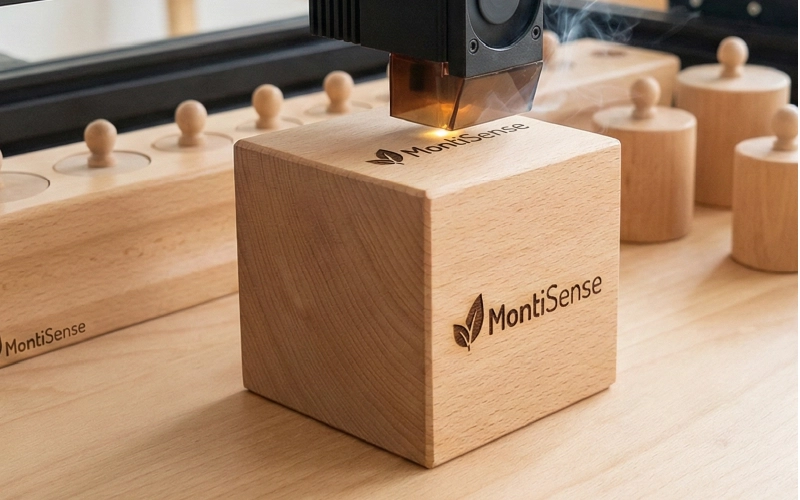
School buyers often need Montessori Materials to match a specific curriculum, language environment, branding requirement, or classroom plan. We support standard products as well as customization and OEM for bulk orders, with a clear process that reduces risk.

Product Level Customization

Product level customization

Branding And Oem Options

Branding and OEM options

Packaging Customization

Packaging customization

Project Support for New Classrooms

We aim to help you build a fully functional learning environment within your limited time and budget. We support your classroom projects by assisting you in selecting appropriate teaching materials based on grade level, determining the quantities needed based on the number of students, and compiling your order into a practical and comprehensive list.

  • A complete materials list that matches the classroom level We help you structure Montessori Materials by curriculum area and progression, so your classroom is complete instead of random.
  • Quantity planning based on class size and daily use We recommend quantities based on how Montessori Materials are typically used in group rotations and individual work, so you can avoid shortages or unnecessary duplication.
  • Budget aligned set options We can prepare essential, standard, and expanded lists so your team can compare coverage, cost, and priorities before confirming purchase.
  • Multi room and multi site ordering For chains, distributors, and project contractors, we support consistent specifications across multiple rooms or locations to make reordering simple.

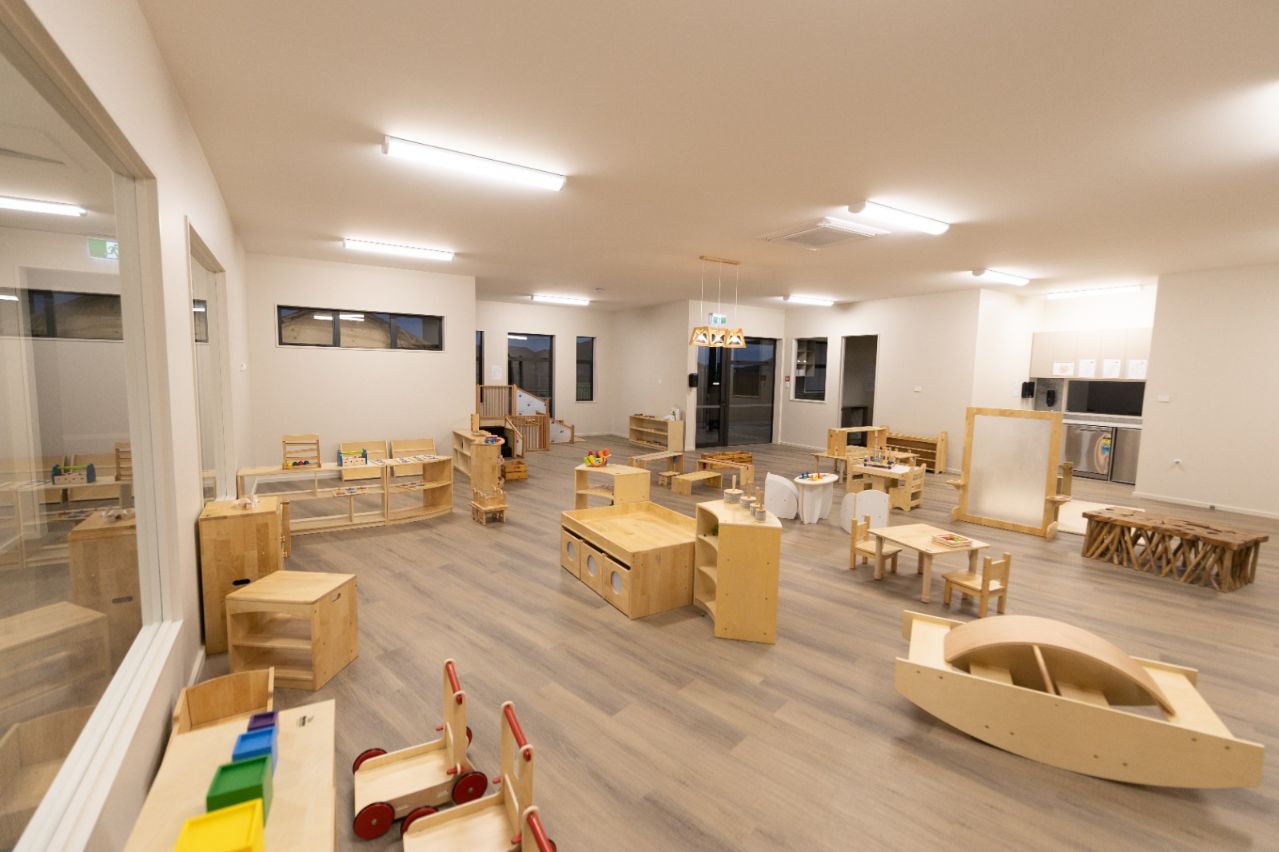
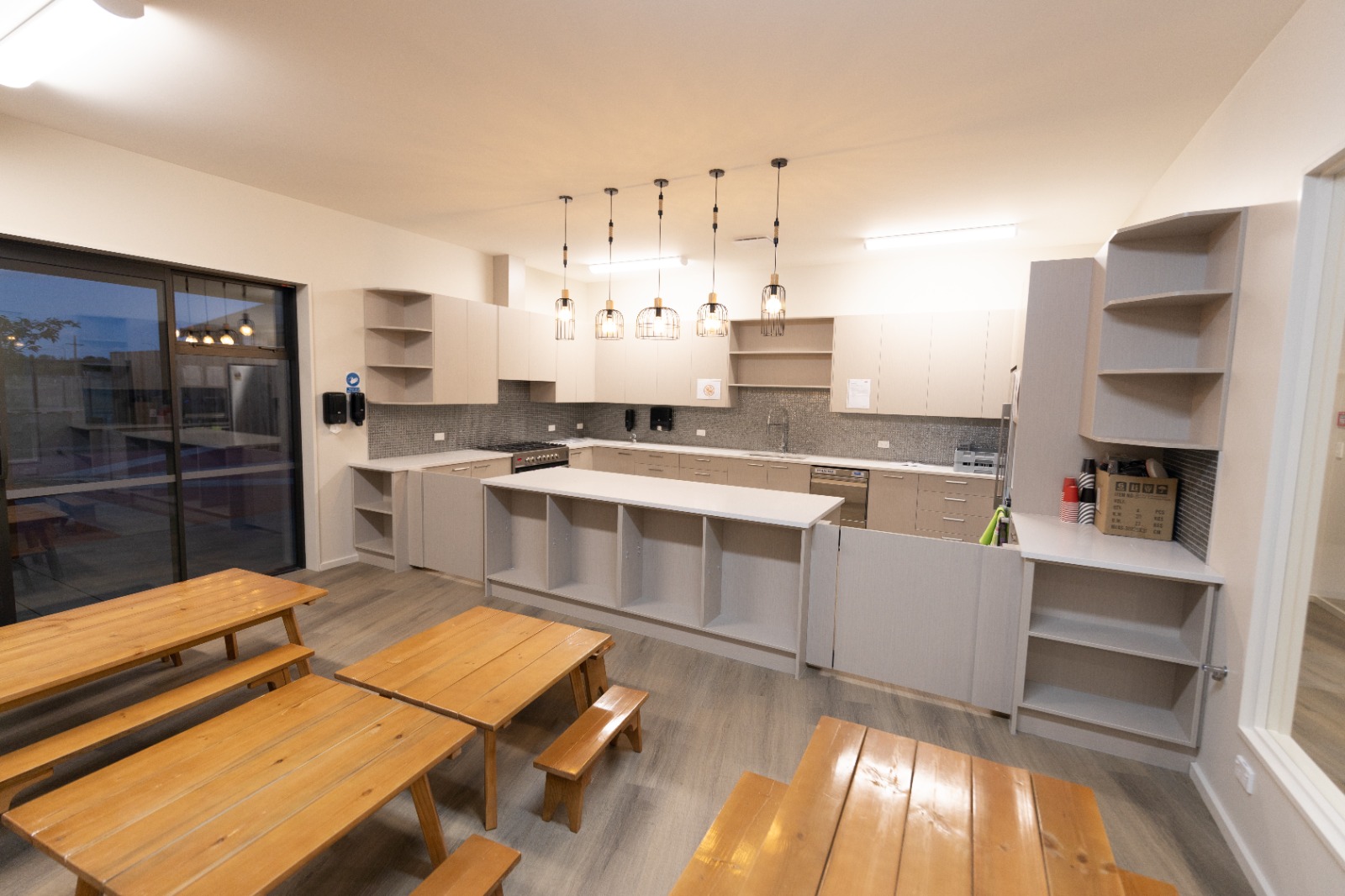
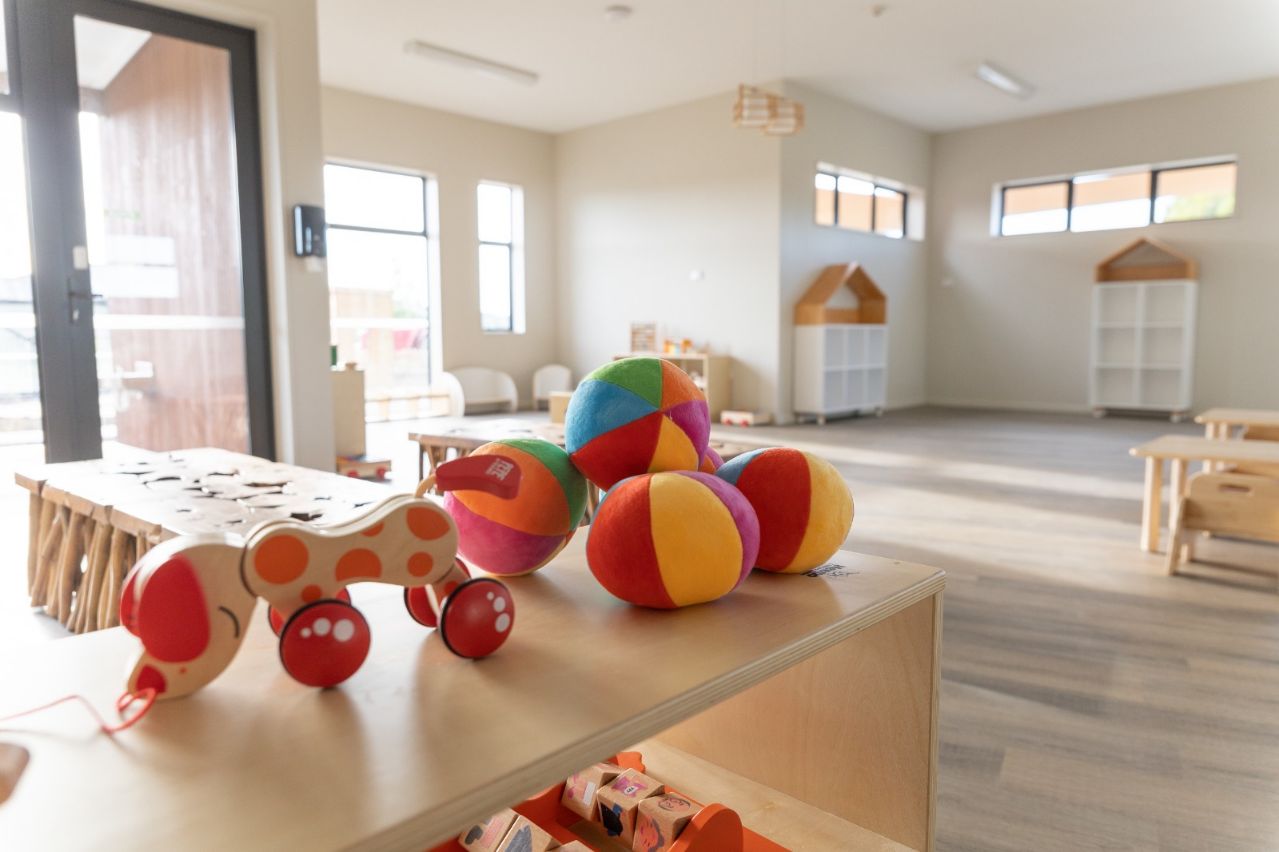
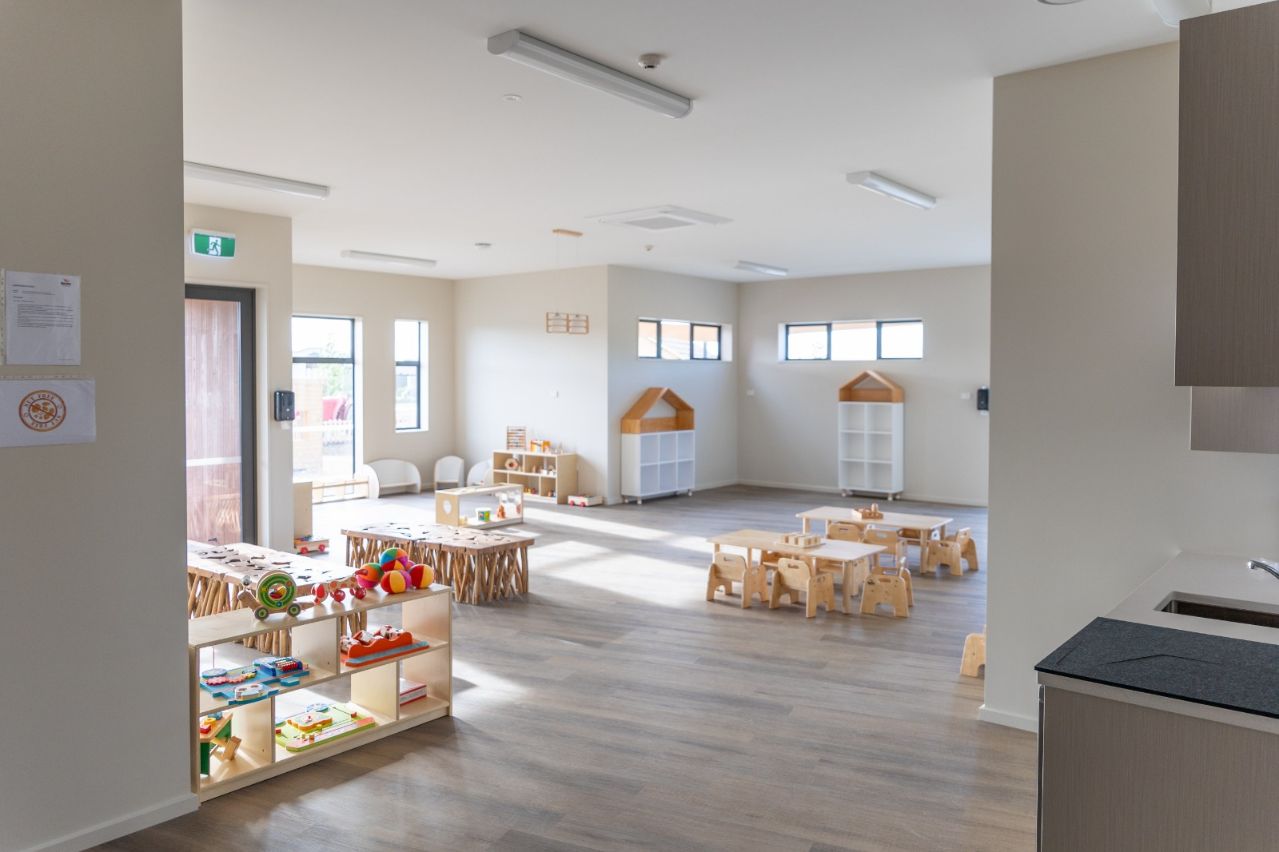
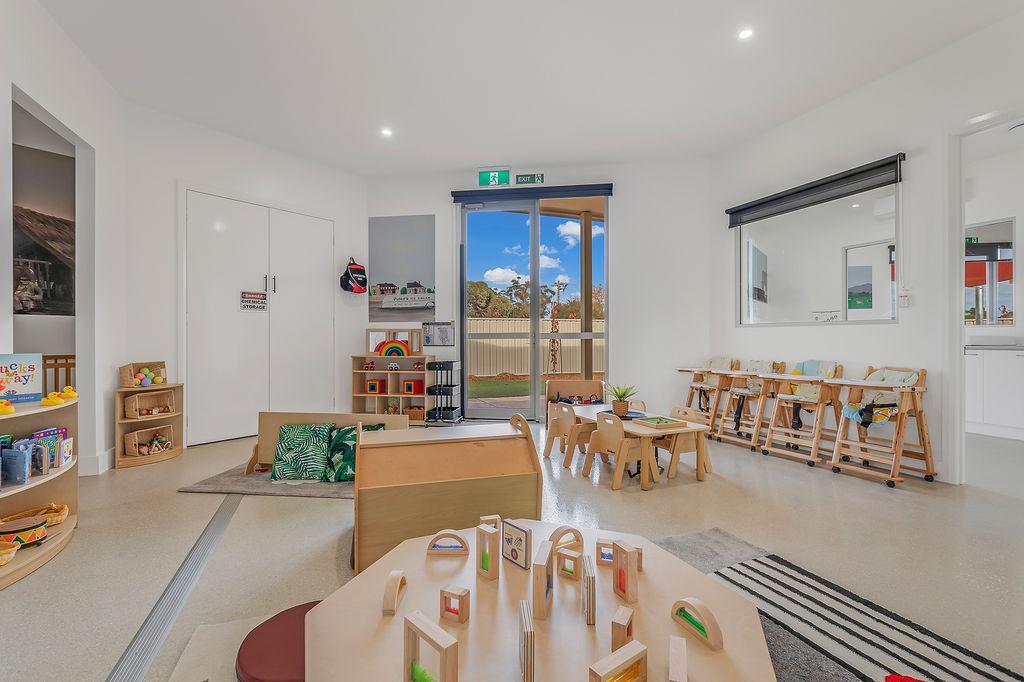
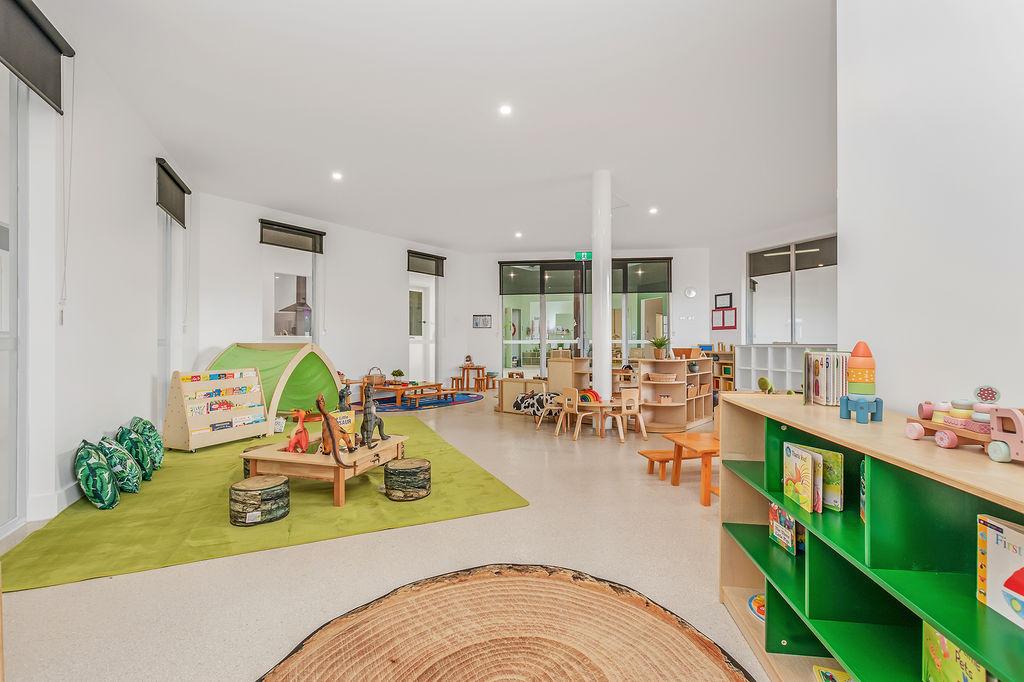
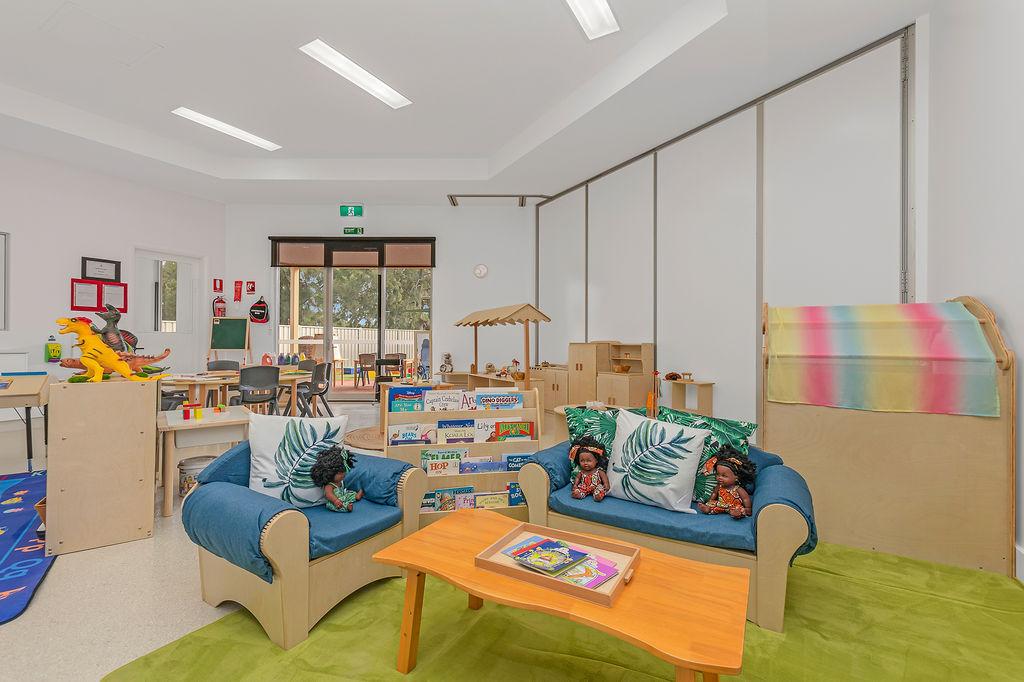
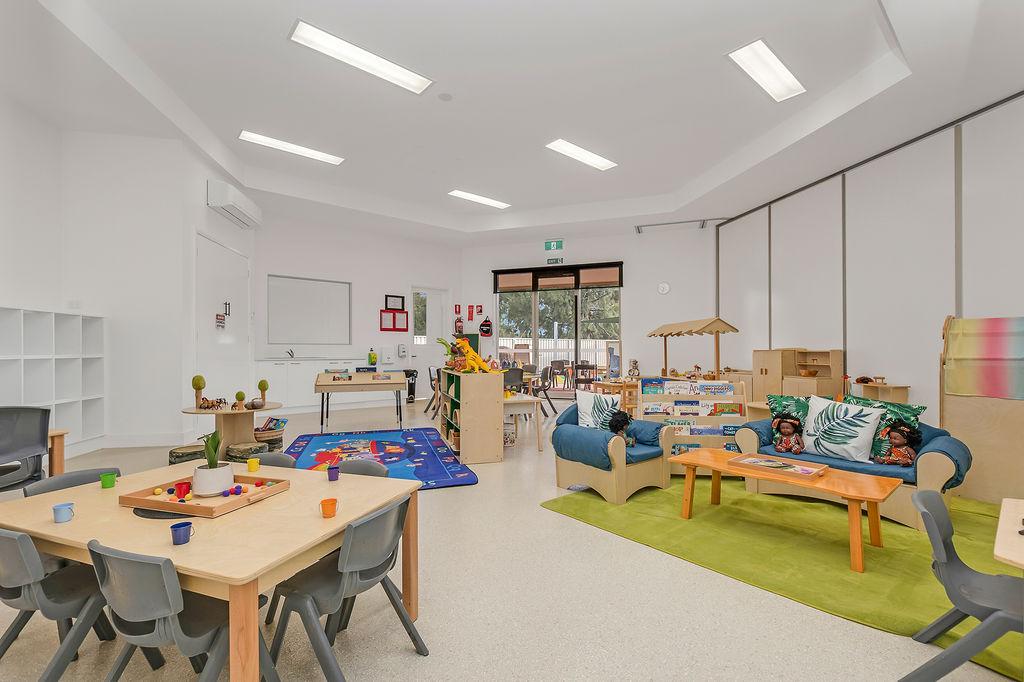
Our Clients Projects

Selection Criteria and Usage Principles

The process of selecting Montessori materials requires attention to both educational philosophy and practical considerations. A well-chosen set of materials will not only align with the Montessori curriculum but also meet children at their developmental level and help them move to the next stage.

Age

Montessori materials must correspond to a child’s developmental stage. For kindergartners, typically aged 3 to 6, the materials should nurture fine motor development, sensory awareness, language acquisition, mathematical thinking, and social responsibility.

Materials

Authenticity is crucial. Traditional Montessori materials are made of natural wood, metal, glass, or fabric. These materials offer rich sensory feedback—smooth surfaces, varying weights, and textures that plastic simply cannot replicate. Wood, in particular, provides a warm, grounded experience and stands up well to frequent use.

Function

Each Montessori material should teach a single concept or isolate a particular quality—whether it be length, sound, color, or quantity. This helps children focus and internalize specific ideas without distraction.

Durability

Since materials are used repeatedly by young learners, they must withstand wear and tear. Look for high-quality craftsmanship—joinery that doesn't splinter, finishes that resist peeling, and paints that don't chip. While cheaper alternatives might be tempting, low-quality tools often lead to higher replacement costs and reduced educational effectiveness.

Safety

Safety cannot be compromised. Ensure all items are free of sharp edges, small detachable parts that could pose a choking hazard, or toxic finishes. Materials should comply with child safety standards like ASTM or EN71. Also, verify whether they’re coated with food-safe oils and water-based paints.
Montessori Materials vs. Traditional Toys

The difference between Montessori materials and conventional toys is not merely semantic. It is foundational. The table below outlines the key contrasts:

Feature Montessori Materials Traditional Toys
Purpose Designed to teach a specific concept Often entertainment-focused
Design Simple, realistic, natural materials Bright, noisy, cartoon-themed
Interactivity Self-correcting and encourages independent problem-solving Often requires adult guidance or lacks clear purpose
Age Appropriateness Aligned with developmental stages May be generic or overstimulating
Outcome Builds concentration, order, independence May encourage passive play or overstimulation

Common Mistakes to Avoid When Selecting Montessori Materials

Even seasoned educators can misstep. Here are critical pitfalls to sidestep:

  • Choosing Flashy Over Functional Bright colors, noises, and lights are not Montessori. Overstimulating tools defeat the method’s purpose. Stick to neutral tones and purposeful design.
  • Ignoring Child Readiness Not every 3-year-old is ready for math materials, and not every 5-year-old will embrace geography tools. Materials must meet the child where they are developmentally.
  • Neglecting the Sequential Nature of Montessori Materials Montessori materials are carefully designed to build upon each other in sequence. Introducing materials out of order, or before a child is developmentally ready, can cause confusion and frustration.
  • Forgetting to Rotate Bright colors, noises, and lights are not Montessori. Overstimulating tools defeat the method’s purpose. Stick to neutral and purposeful design.
  • Skipping Teacher Training Materials are tools—not teachers. Without proper training, even the best materials remain underutilized or misused.
  • Using Inauthentic or Generic “Montessori-Inspired” Tools Many toys and tools are labeled “Montessori” without adhering to any of the core principles. These materials often introduce multiple concepts at once, include batteries or sound effects, or use bright cartoon imagery that distracts rather than focuses.

Benefits of Montessori Materials in Early Learning

Montessori materials play a pivotal role in guiding children through their crucial early years of development. By focusing on sensory skills, fostering independence, refining motor abilities, and laying a solid academic foundation, these tools equip young learners with the skills and confidence needed to navigate their educational journey and the world around them.

Sensory Skills

Enhances observation and comparison abilities.

Independence

Boosts problem-solving and self-confidence.

Motor Skills

Refines physical coordination and control.

Academic Skills

Lays groundwork for reading, writing, and math.

Montessori Material Care and Cleaning

Once selected, maintaining Montessori materials ensures their longevity and continued safety. Kindergartners may be mindful, but materials still endure spills, drool, and daily wear.

  • Cleaning Wooden Materials Use a damp cloth with a gentle, non-toxic cleanser. Avoid submerging in water, which can warp wood. Periodically, apply beeswax or food-safe oil to preserve texture and color.
  • Sanitizing Fabric Items Washable cloths, aprons, or mats should be laundered regularly using mild detergent. For items not machine-safe, spot-clean and sun-dry when possible.
  • Glass and Metal Tools Use gentle dish soap and water, ensuring all surfaces are dry before returning them to the shelf. Regular checks for cracks or rust are necessary, especially for tools used in practical life activities.
  • Rotation and Inspection A monthly inspection can prevent minor damage from turning into major issues. Create a checklist for rotating and evaluating materials for relevance and safety.

FAQs

Check for AMI/AMS certification and avoid flashy, gimmicky designs.

Not necessarily. Many kindergartens blend Montessori with traditional methods.

Every 2-4 weeks, depending on children’s engagement and progress.

While wood is preferred, some plastic tools are used, especially for safety. Ensure they serve a clear purpose and are well-made.

Most classrooms start with Practical Life and Sensorial basics, then expand into Math and Language based on level and teaching plan.

It's possible, but purity matters in Montessori. Mixing can dilute its effectiveness unless carefully aligned.
Yes. We supply area based sets and full classroom bundles with clear piece counts and organized packing.

Yes. OEM options include logo labels, barcodes, manuals, and carton marks, with defined MOQs per design.

Yes. Mixed SKU orders are supported, especially for classroom setup projects.

Yes. Many buyers purchase by curriculum area, such as Practical Life or Math, especially when upgrading an existing classroom.

Focus on the standard progression: Sensorial core materials, phonics preparation for Language, and place value foundation for Math. We can propose a level matched list based on your teaching goals.

MOQ depends on the product type and whether you order standard items or customized versions. Send your product list and we will confirm the MOQ clearly in the quote.

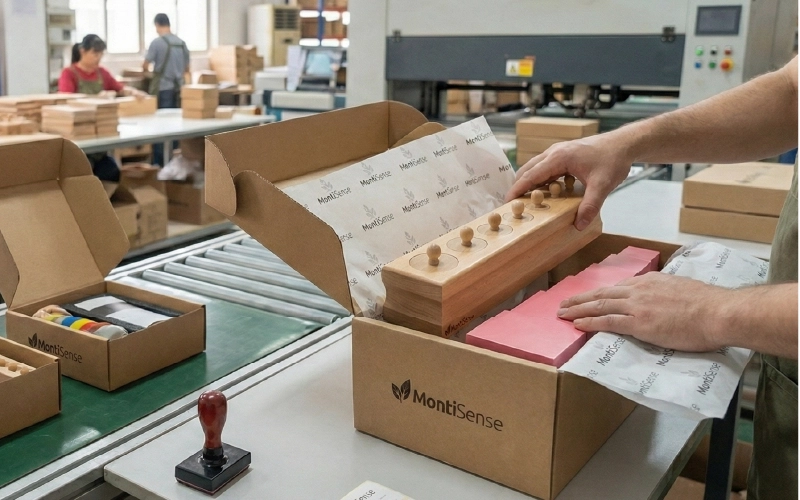
We use itemized packing lists and controlled inner packing standards for multi part Montessori Materials to support accurate receiving and classroom setup.

Yes. Share your student number, room count, and daily schedule style. We will recommend quantities aligned with real classroom rotation and material sharing.

Do you support replacement parts for Montessori Materials?

Planning a New Daycare? We’re Here to Help

If you need a list of preschool products, send us an inquiry to contact us!

Leading Manufacturer & Supplier of Preschool Furniture

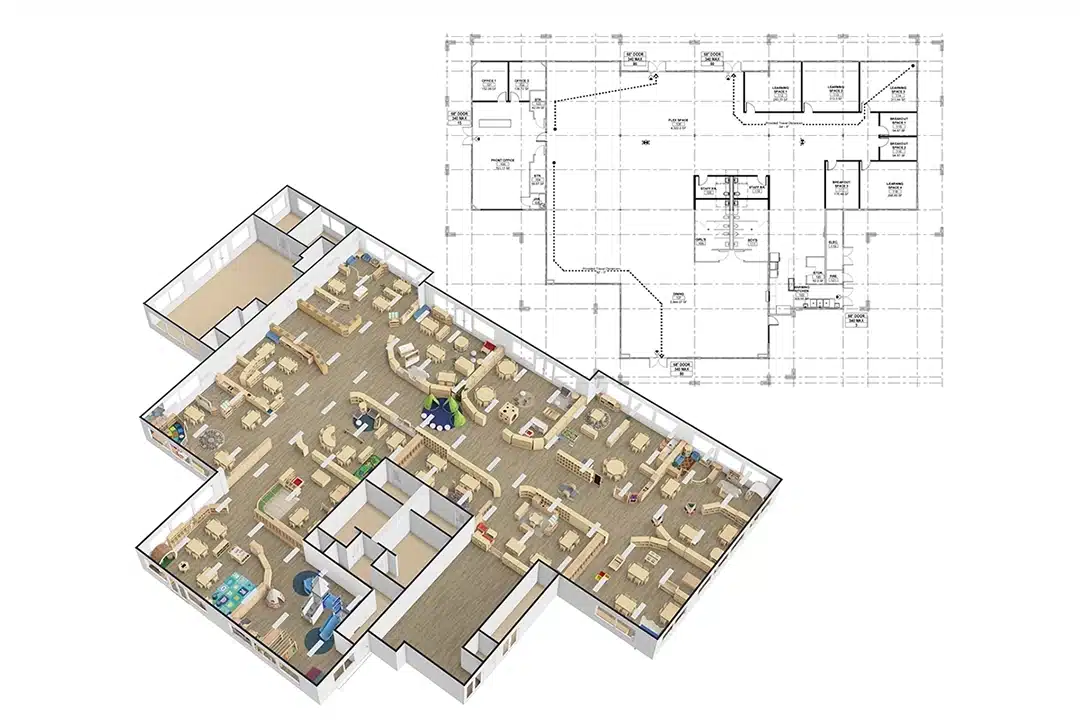
Offering free classroom design and customized furniture services

Request Preschool Catalog Now

preschool suppliers

We're Preschool Furniture Supplier

Fill out the form below, and we will contact you within 48 hours.

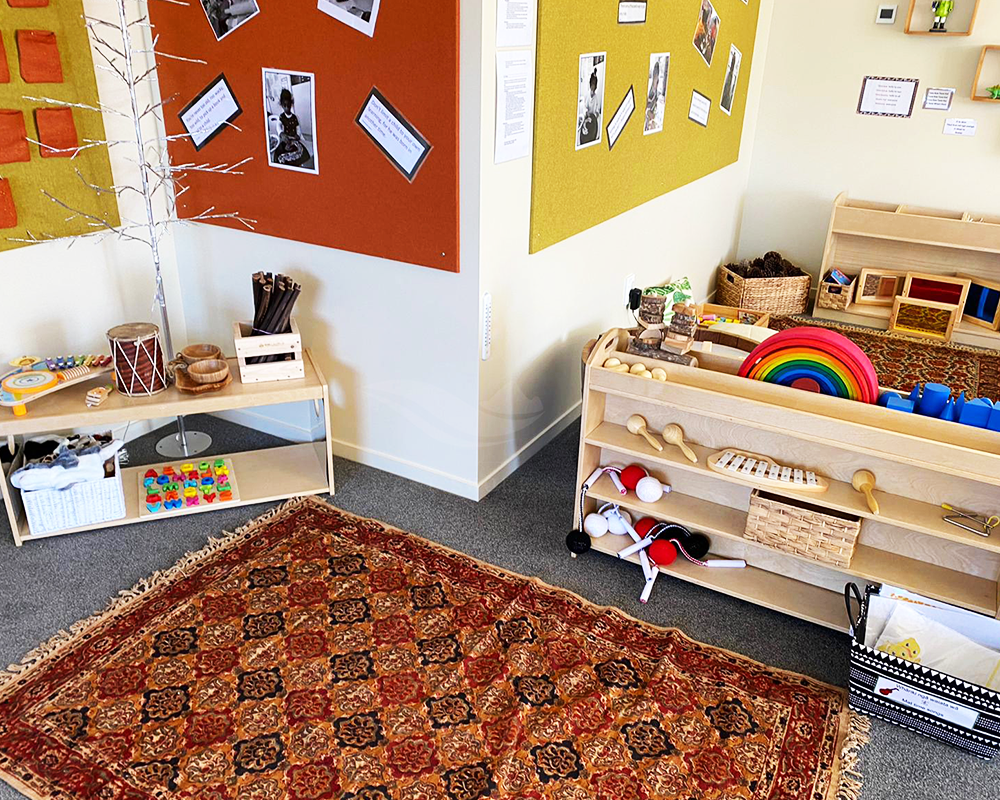
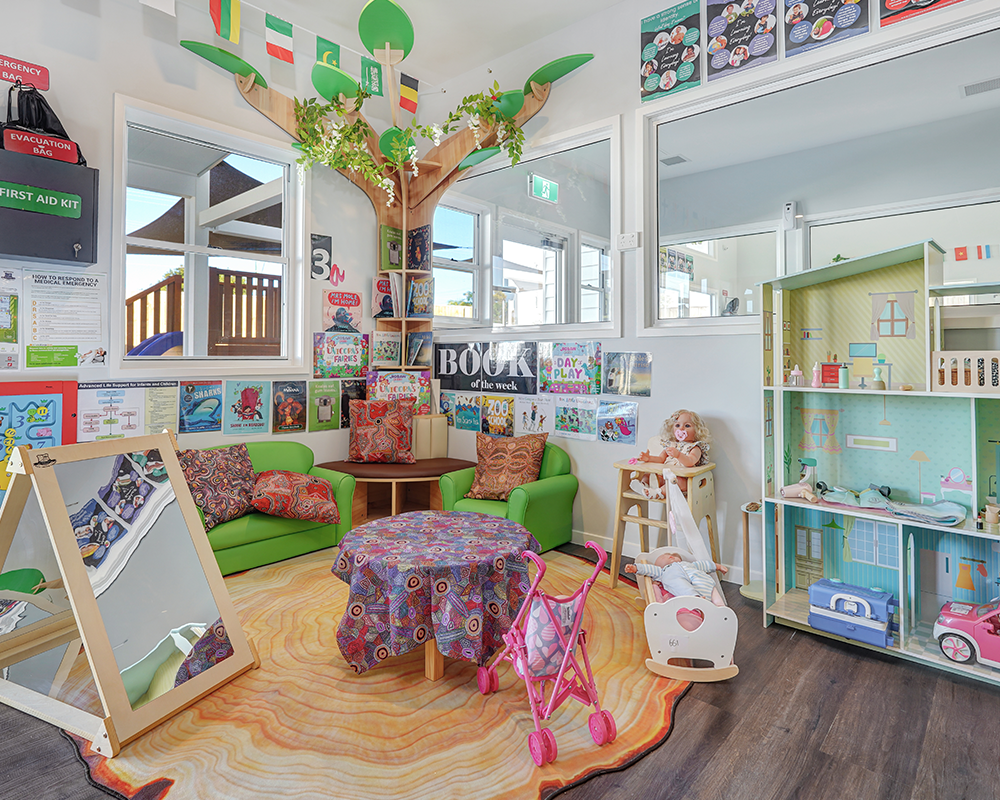
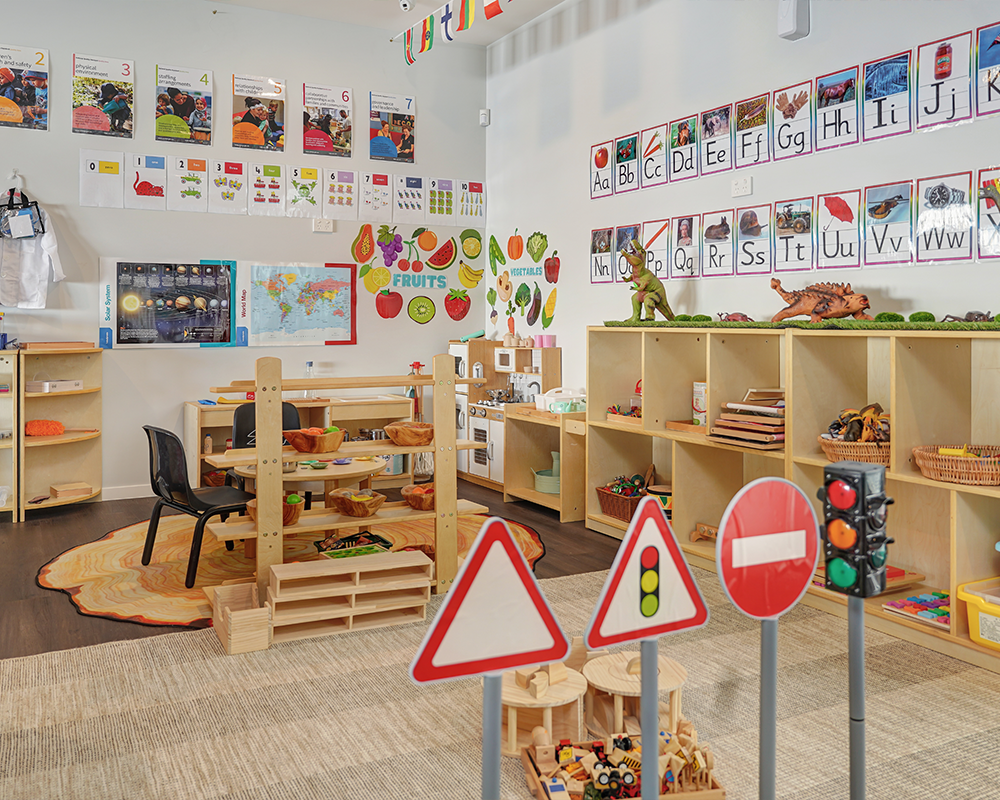
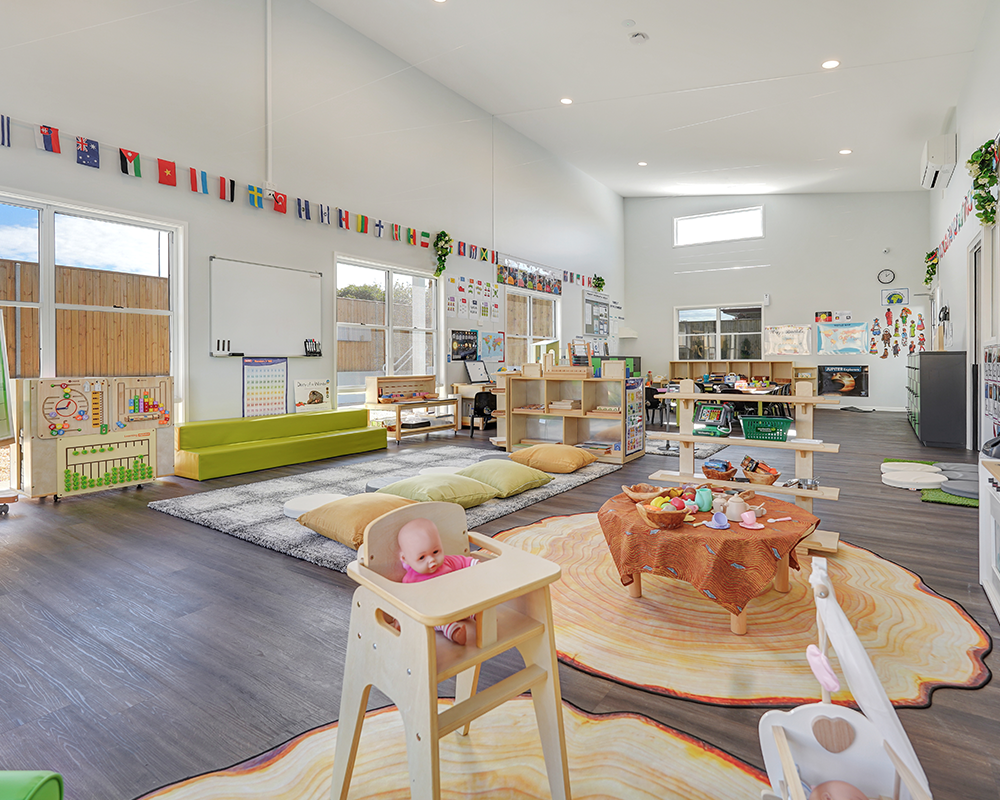
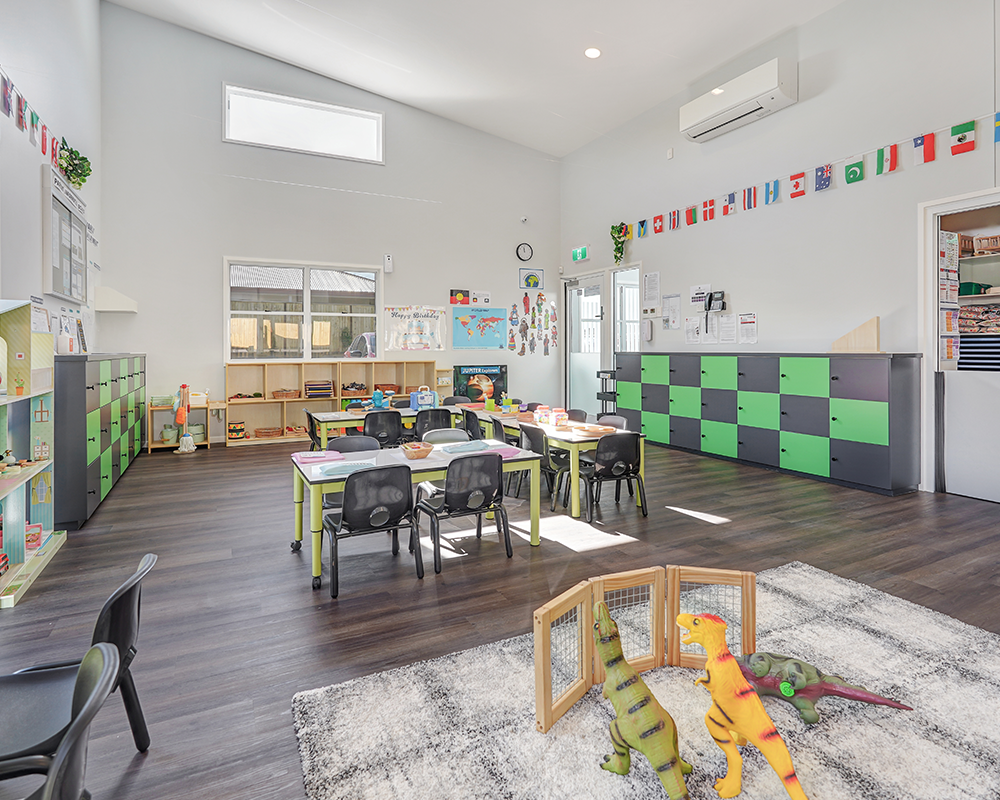
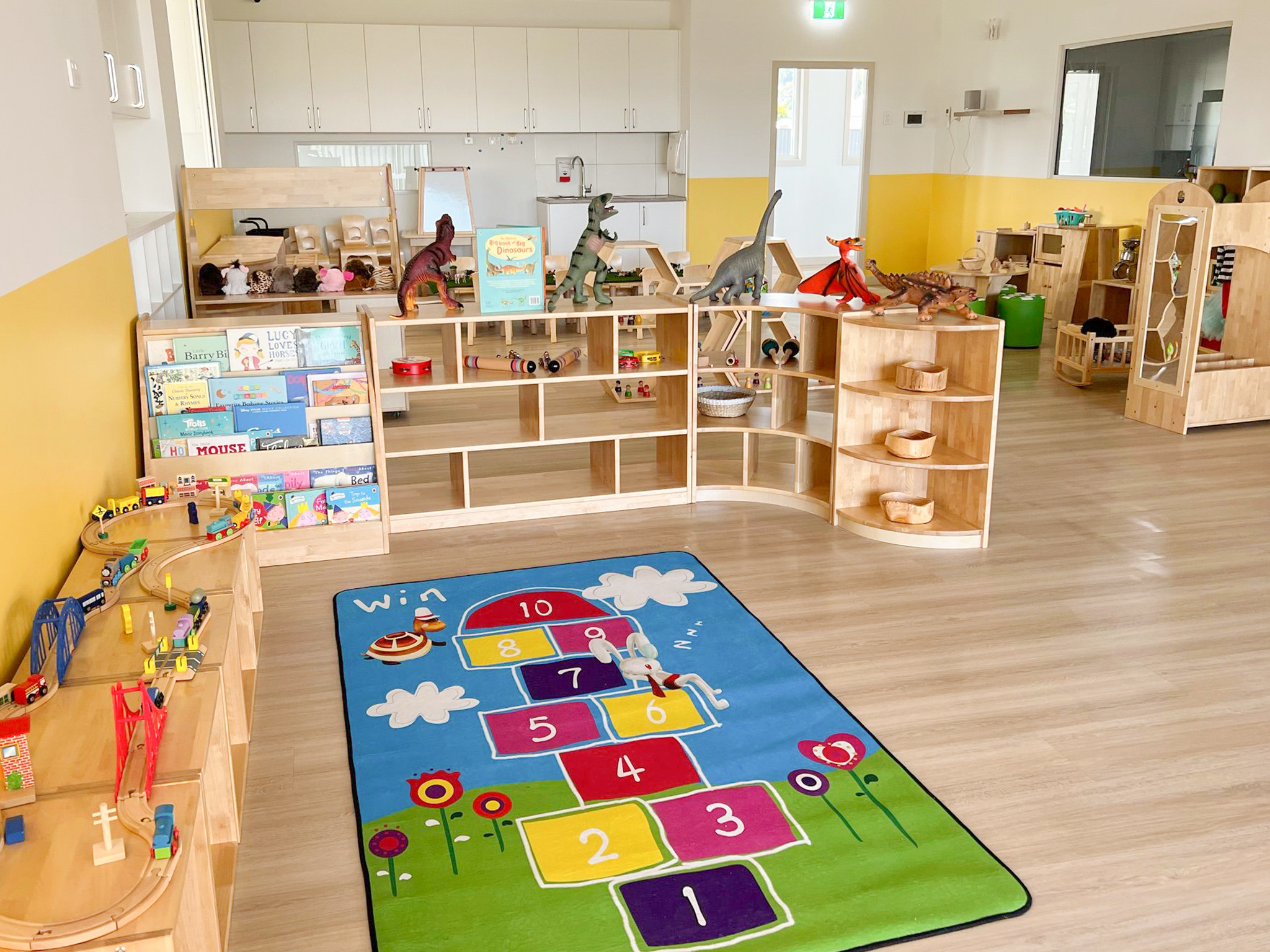
Montessori Kindergarten, New Zealand

Reggio Kindergarten, America

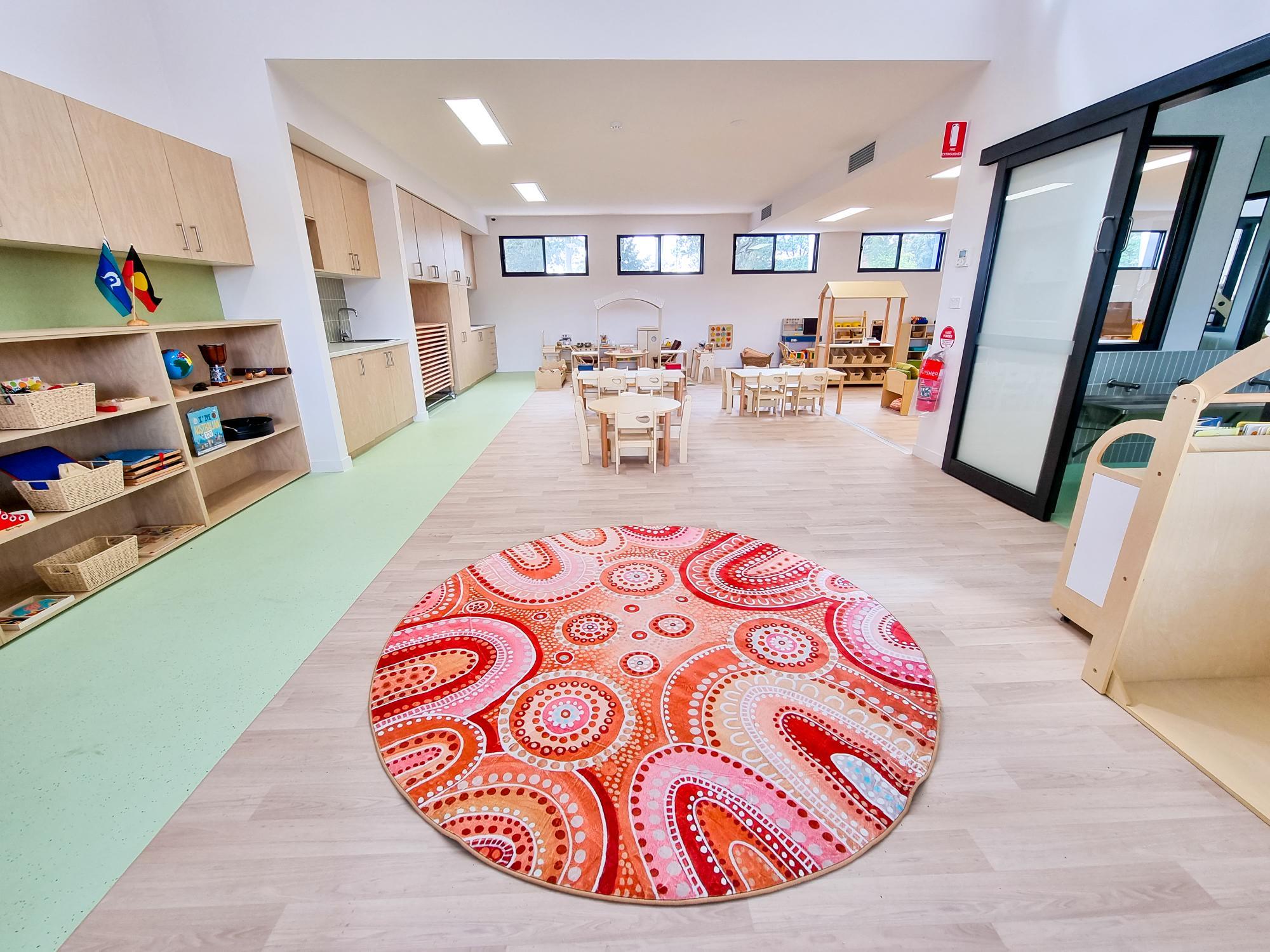
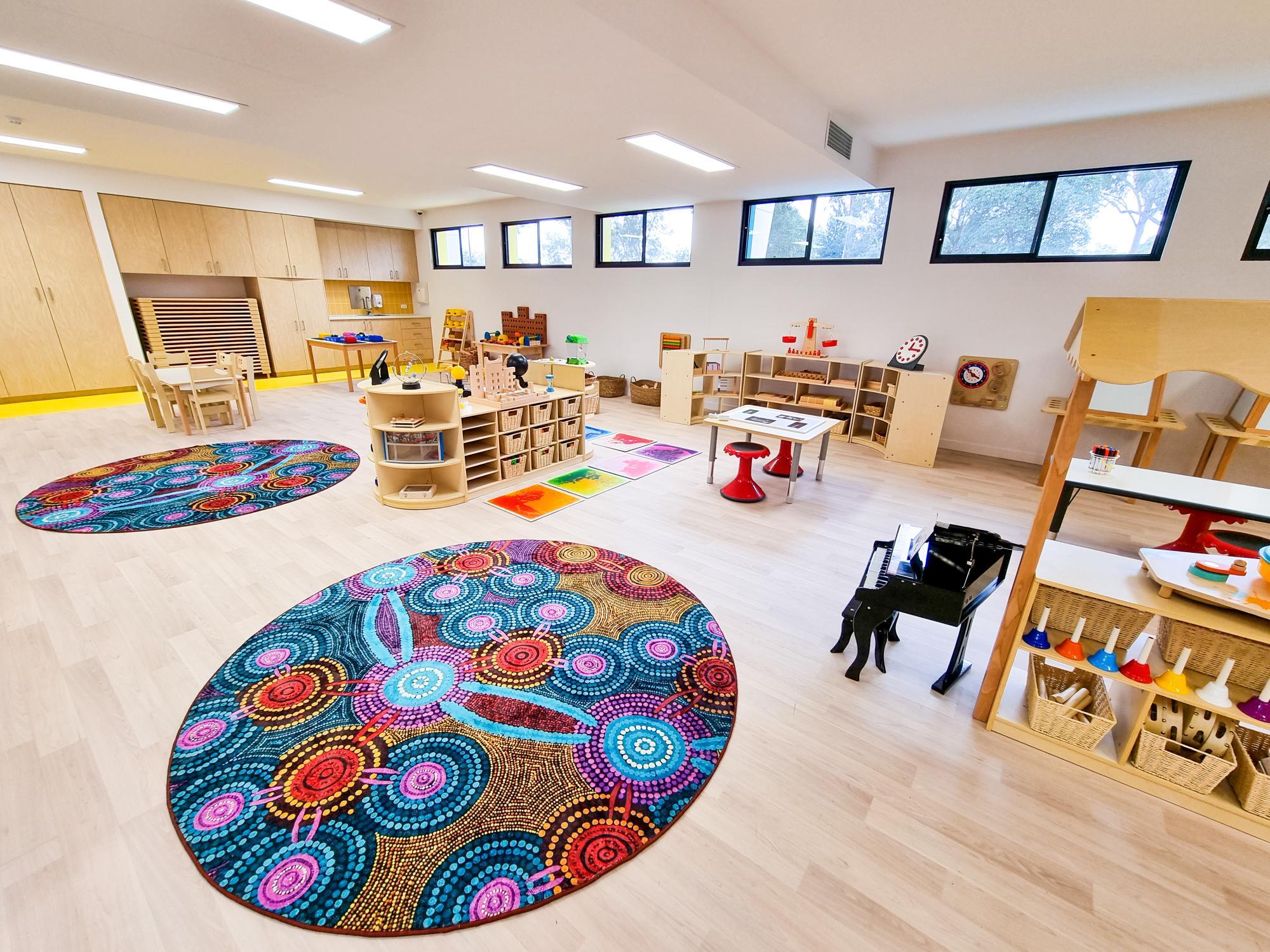
Montessori Kindergarten, Australian

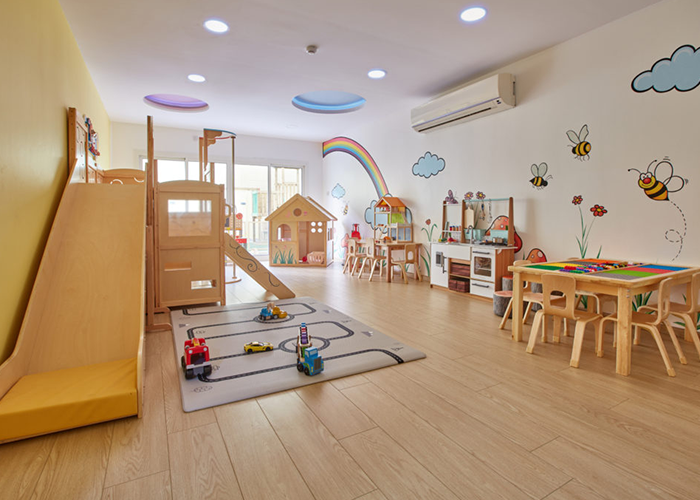
Reggio Kindergarten, Singapore

Montessori Kindergarten, Spain

Montessori Kindergarten, Denmark

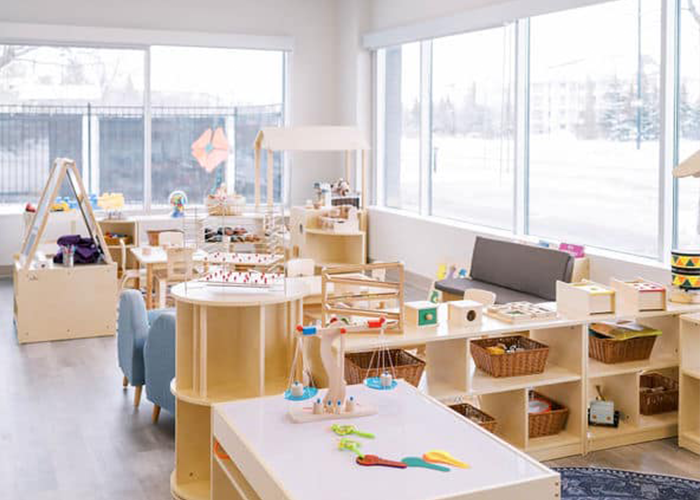
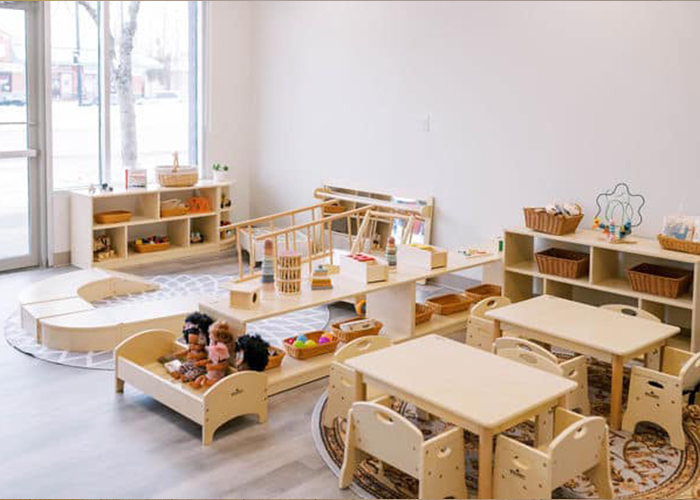
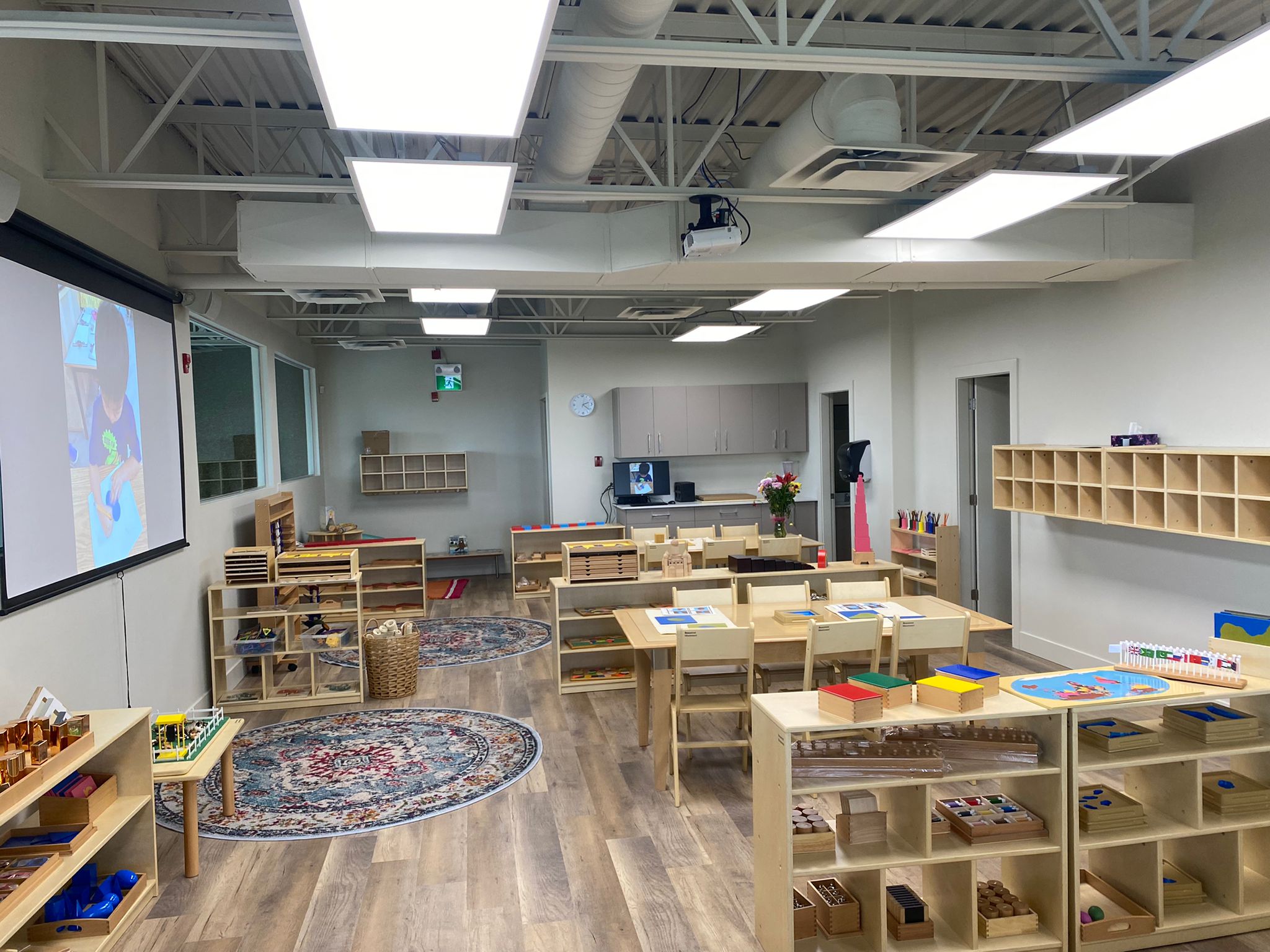
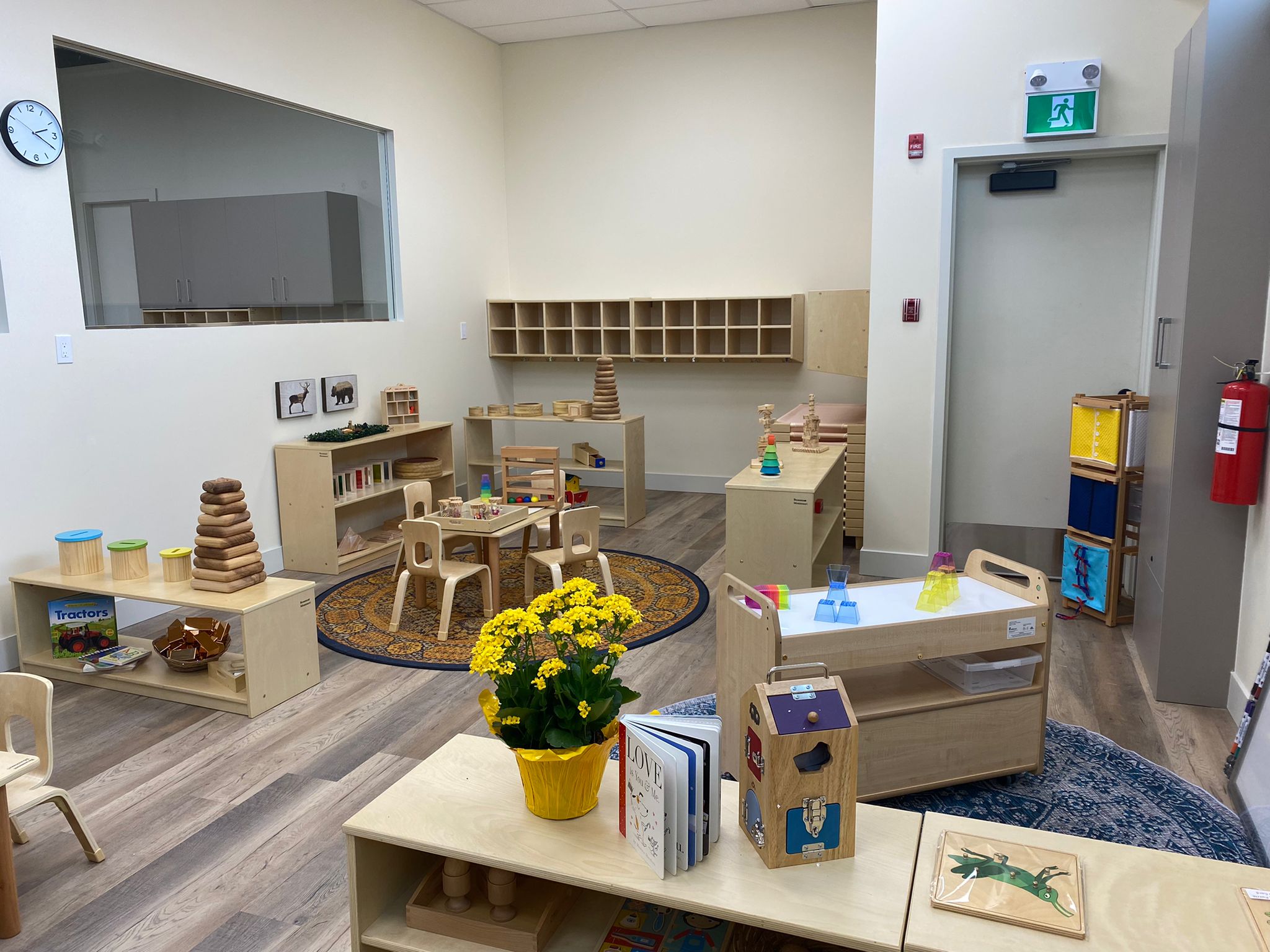
Montessori Perschool, Canada

Reggio Kindergarten, New Zealand

Reggio Kindergarten, Australia