Why can one child sit quietly through storytime while another is rolling on the floor within minutes? Why do some kids stay calm when challenged by peers, while others cry, lash out, or lose control instantly? These aren’t “bad kids” or ones simply choosing to misbehave. They’re children who haven’t yet developed the crucial skill of self-regulation. That’s precisely why understanding and applying the right self-regulation strategies for kids is so important.
Without solid self-regulation strategies for kids, even simple challenges can lead to overwhelming reactions. Emotional regulation isn’t just helpful. It’s essential. When kids learn how to name their feelings, pause before reacting, and calm themselves when upset, they build confidence and emotional resilience. These skills help them feel safer, more in control, and better understood. The earlier we start building this foundation, the stronger it becomes.
With the right self-regulation strategies for kids, every child can learn to manage their emotions and actions step by step. In this article, we’ll explore easy-to-use, research-backed methods that help young children regulate their feelings, improve focus, and grow socially. Whether you’re a teacher, school leader, or parent, these strategies are designed to create calmer, more balanced environments where kids feel confident and in control, both in the classroom and beyond.

What is Self Regulation?
Self-regulation is a foundational life skill that allows children to manage their emotions, behavior, and attention in socially appropriate and goal-directed ways.
What’s important to understand is that self-regulation in childhood is not innate. While some children may appear naturally calm or focused, most need structured opportunities to learn and practice these skills over time. Just like we teach the alphabet, we must also intentionally teach emotional regulation, patience, and flexibility.
In fact, early childhood is the ideal time to lay this foundation. Research shows that children who develop strong self-regulation skills early on tend to:
- Perform better academically
- Have healthier relationships with peers
- Experience fewer behavioral problems
- Show higher levels of emotional resilience in later life
These benefits make self-regulation one of the most critical skills a child can develop early on.

What Does Emotional Distress Look Like in Kindergarten?
Emotional distress in kindergarten often appears as disruptive behavior, but it is usually a signal that a child is struggling with self-regulation. In a busy classroom, it can be easy to misread these behaviors as simple misbehavior. However, behind the shouting, hiding under tables, hitting, or even silent withdrawal, there is often one underlying issue: difficulty with self-regulating emotions.
Let’s look at some common, real-world behaviors that are self-regulation challenges in disguise:
1. Explosive Reactions to Small Problems
When a child bursts into tears because someone took the red crayon or throws blocks when asked to clean up, it is not simply defiance. These behaviors often come from children who have not yet learned how to pause, label their emotions, or respond in a calm and regulated way.
2. Shutting Down or Withdrawing
Not all emotional distress is loud or visible. Some children go quiet, stop participating, or seem disconnected during activities. This kind of emotional shutdown is often a defense mechanism when the classroom environment feels overwhelming and the child does not have the skills to cope.
3. Difficulty Transitioning Between Activities
A child who has a meltdown at the end of circle time or refuses to leave the playground may be reacting to the emotional challenge of shifting from one task to another. Smooth transitions require self-regulation strategies for kids, and many children are still in the process of developing these skills.
4. Impulsivity and Inattention
Jumping out of seats, grabbing toys, or constantly interrupting are not always signs of poor behavior. These are often indicators that a child is still learning the self-regulation skills needed to control impulses and maintain focus.
5. Aggressive or Defiant Behavior
When a child hits, shouts, or refuses to cooperate, the natural response might be to correct the behavior quickly. However, it is more helpful to ask what is causing the reaction. In many cases, the child is emotionally overwhelmed and does not yet have the tools to express their frustration in a safe or controlled way.
If we misinterpret these signs as simple misbehavior, we risk responding with punishment instead of providing the support the child truly needs. Recognizing these behaviors as invitations for help allows us to use the appropriate self-regulation strategies for kids that encourage development rather than shame.
In reality, emotional distress is not just a disruption. It is a valuable opportunity to teach. Each meltdown or moment of frustration can become a chance to guide children toward stronger self-awareness, practical coping skills, and emotional control. When educators and caregivers shift from reacting to understanding, the entire classroom becomes a space where children feel safe, supported, and capable of growth.

24 Self-Regulation Strategies for Kids
Effective self-regulation strategies for kids build emotional awareness, cognitive flexibility, social behavior, and resilience. These skills are teachable, and they start with simple, consistent routines supported by adults and environments that understand the needs of young learners.
Below are 24 developmentally appropriate self-regulation strategies for kids, organized into five categories: emotional, cognitive, social, environmental, and parental support. Each approach can be adapted to suit individual needs in both classroom and home settings.
A. Emotional Awareness and Regulation Strategies
These strategies help children recognize, understand, and manage their emotions.
1. Identifying and Labeling Emotions
Helping children name their feelings is the first step toward emotional self-regulation. Use tools like illustrated emotion charts, puppet shows, or a mirror and ask, “What do you look like when you’re sad?” or “Which card shows how you feel today?” Reinforce words like happy, frustrated, worried, or calm during real-time situations, especially after conflicts or during group time.
When children can put words to their emotions, they’re less likely to express them through outbursts, hitting, or withdrawal. Emotional labeling increases self-awareness and gives adults clear insight into a child’s inner state—allowing for more effective support before behavior escalates.
2. Mindful Breathing
Mindful breathing teaches children how to calm their bodies and refocus through intentional breath. A simple method is “smell the flower, blow out the candle”—inhale through the nose as if smelling a flower, then exhale slowly like blowing out a candle. This technique should be practiced during calm moments so it’s available during stress, transitions, or after emotional upsets.
Slow, controlled breathing signals the nervous system to relax. It helps reduce impulsivity, slows heart rate, and gives children a moment to pause before reacting. Over time, it becomes an internal tool children can access independently to manage strong feelings.
Mindful activities are short, calming exercises that guide children to focus on the present. Lead them in a one-minute “sound safari” to notice and count the noises around them, or guide a seated “body scan,” asking them to pay quiet attention to different parts of their body. These activities work well during transitions or after high-energy play.
By practicing mindfulness, children learn to slow down, listen to their bodies, and build mental stillness. This strengthens attention control, reduces emotional overload, and creates a space between feeling and reacting—making regulation more natural and less reactive.

4. Positive Self-Talk
Positive self-talk gives children a voice inside their heads that supports rather than criticizes them. Use role-play or storytelling to teach phrases like “I can try again” or “It’s okay to feel upset.” Encourage kids to repeat these mantras in front of mirrors or when solving small problems independently.
This internal dialogue helps children replace negative thoughts with supportive ones. Over time, it reduces self-doubt, builds emotional resilience, and supports calm, problem-solving behavior in stressful or disappointing moments.
5. Feelings Check-In
Create a daily check-in routine where children identify how they’re feeling using feeling cards, emotion zones, or color choices. Invite them to select a card when they arrive or after lunch and say, “How are you feeling right now?” Follow up with support if needed.
This routine builds emotional awareness and helps children reflect on their mood before it affects their behavior. It also gives teachers and caregivers valuable insight to support kids who may be struggling that day proactively.
B. Cognitive Self-Regulation Strategies
These build internal control through executive functioning, self-awareness, and goal-oriented behavior.
6. Planning and Goal Setting
Planning and goal setting teach children how to think ahead and manage tasks step by step. Start with simple prompts like, “What do you want to finish before snack time?” or “How will you clean up the block area?” Use visual goal boards or picture cues to help them track small achievements throughout the day.
This self-regulation strategy for kids builds executive function by helping them focus, complete tasks, and feel successful. It reduces frustration from overwhelming demands and boosts independence as they learn how to manage their time, decisions, and behavior in preschool settings.
7. Problem-Solving Practice
Problem-solving helps children approach social and emotional challenges with thought rather than impulse. Teach them the “Stop, Think, Choose” method: pause when a problem happens, think of two options, and choose the better one. Practice this during pretend play or when resolving peer conflicts with teacher guidance.
This strategy supports self-regulation in childhood by replacing reactive behavior with intentional decision-making. Children begin to see themselves as problem solvers, which increases confidence and reduces outbursts, especially when they face frustration or social tension.
8. Self-Monitoring
Self-monitoring encourages kids to reflect on their behavior and recognize what they’re doing well or need to improve. After key activities like group time or clean-up, ask, “How did you do?” Use thumbs up, emojis, or simple rating scales to guide their reflection.
This self-regulation skill for kids builds metacognition—awareness of their thoughts and actions. It helps them develop internal feedback loops, supporting long-term behavioral control without always relying on adult correction or rewards.

9. Role-Playing Scenarios
Role-playing gives kids a safe space to practice new behaviors, responses, and self-regulation strategies before real-world challenges arise. Act out situations like “Someone grabs your toy” or “You feel angry because you lost a game,” and encourage them to try calm responses or ask for help.
This method improves behavioral flexibility and emotional preparedness. Kids who rehearse solutions are more likely to use them when real problems occur, making role-play one of the most effective self-regulation strategies for kids in early learning environments.
10. Story-Based Learning
Children connect deeply with characters in stories, making narrative one of the most powerful tools for teaching self-regulation in childhood. Read books with social-emotional themes, then ask open-ended questions like, “How did the character feel?” and “What could they have done differently?”
Stories give children self-regulation examples in a way that’s safe, non-confrontational, and memorable. This approach helps young learners understand consequences, express empathy, and develop internal scripts for how to act when they face similar situations in real life.
C. Social and Behavioral Strategies
These strategies help children apply regulation in group settings by supporting communication, cooperation, and peer interaction.
11. Turn-Taking and Sharing Games
Turn-taking games are essential for helping children develop patience, impulse control, and fairness—all key components of self-regulation. Use simple, structured games like “Red Light, Green Light,” musical chairs, or cooperative board games to encourage waiting, observing, and following rules. Always preview the rules and model expected behavior before the game begins.
These activities teach young learners how to delay gratification, wait for their turn, and manage big feelings like disappointment when they don’t win. These social interactions directly support self-regulation skills for kids by embedding emotional practice into fun, low-pressure experiences.

12. Conflict Resolution Practice
Learning to resolve conflicts without yelling or hitting is one of the most important self-regulation strategies for kids. Teach them simple, repeatable scripts like, “I didn’t like that,” “Can I have a turn when you’re done?” or “Let’s take a break.” Use real peer conflicts as teaching opportunities, guiding both parties toward calm conversation.
This approach empowers children to solve problems verbally instead of physically. Over time, they build trust in their own ability to communicate needs and frustrations—reducing tantrums and emotional outbursts in both classroom and home settings.
13. Taking Breaks
Knowing when to step away from a frustrating situation is a powerful self-regulation skill. Set up a calm, non-punitive “Take a Break” area in the classroom and teach children how to use it before they lose control. Offer tools like a soft cushion, sensory item, or calming visual to support quiet reflection.
This strategy teaches children to recognize rising emotions and act on them before they become unmanageable. It encourages internal regulation by showing kids that it’s okay—and even smart—to take space and reset when emotions run high.
14. Modeling Self-Regulation
Children learn best by watching trusted adults, which makes teacher and parent behavior one of the most influential self-regulation strategies. Model your own emotional management by narrating moments like, “I’m feeling frustrated, so I’m going to take a deep breath.” Use daily situations to show calm reactions in real time.
When kids see adults handle emotions with control, they internalize those same behaviors. This kind of live demonstration reinforces self-regulation in childhood better than any lecture, especially when paired with warm, supportive interactions.
15. Praise and Encouragement
Specific, timely praise reinforces the development of self-regulation skills for kids by making calm behavior meaningful and memorable. Instead of generic praise like “Good job,” say, “You waited so patiently for your turn—that was very respectful,” or “I noticed how you took a breath before answering.”
Recognizing small wins helps kids associate emotional control with success and pride. It builds intrinsic motivation and shows them that their efforts to stay calm or follow rules are valued and effective.
D. Environmental and Sensory Strategies
These strategies use the physical environment to support calmer behavior and reduce emotional triggers.
16. Creating a Calm Environment
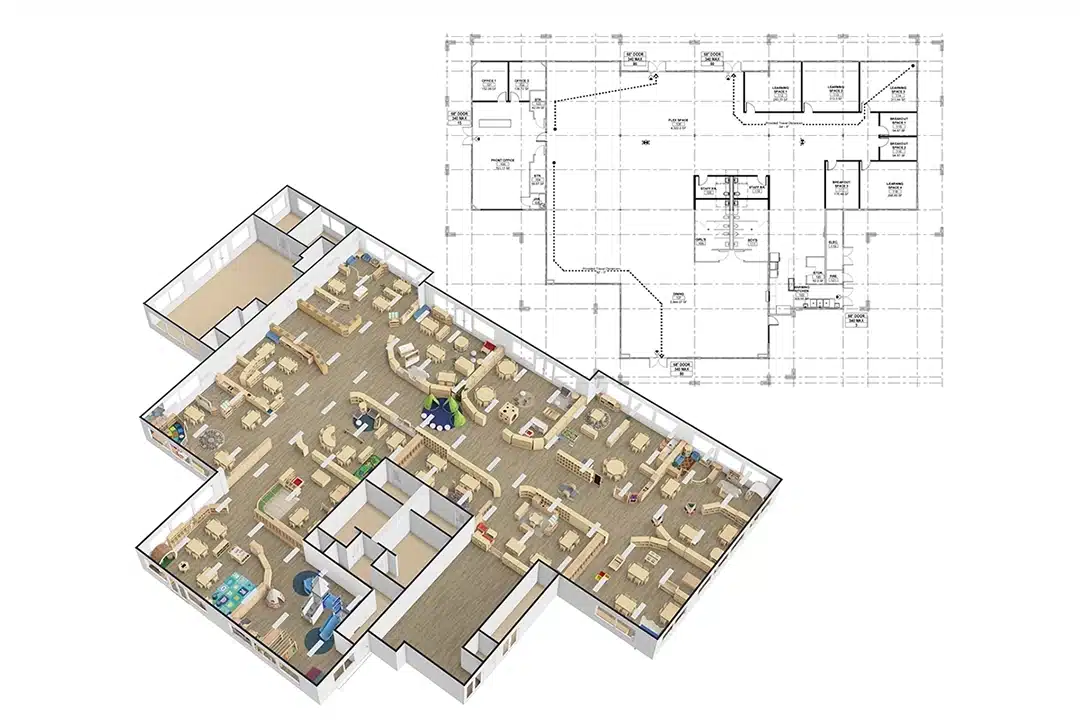
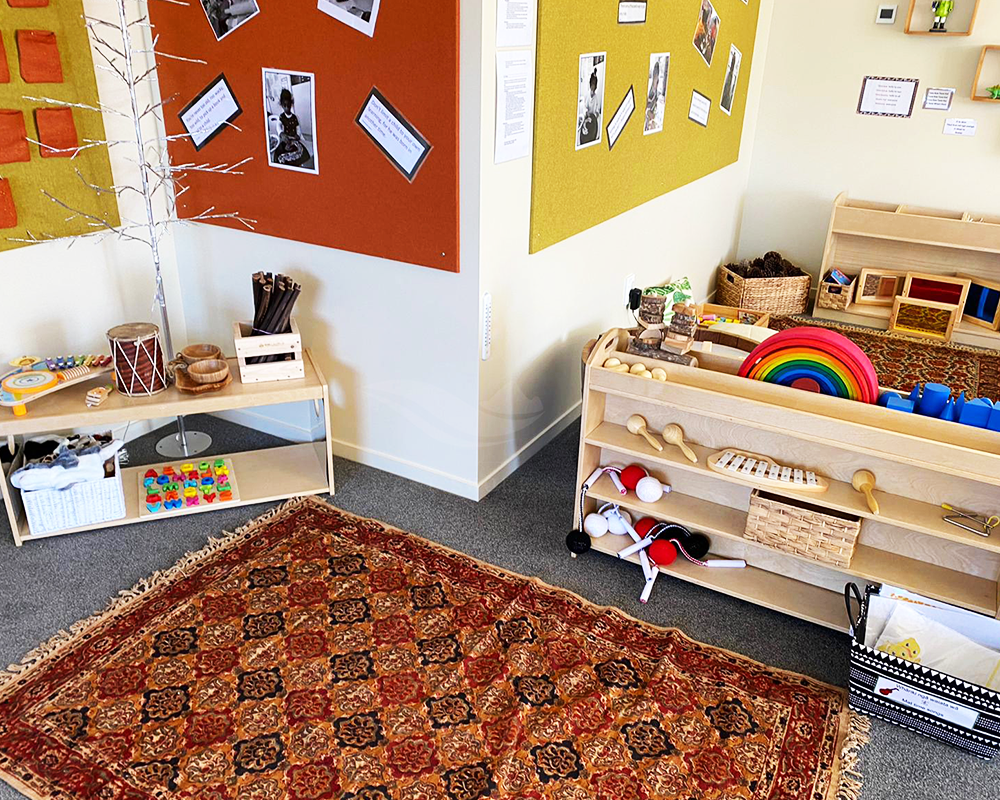
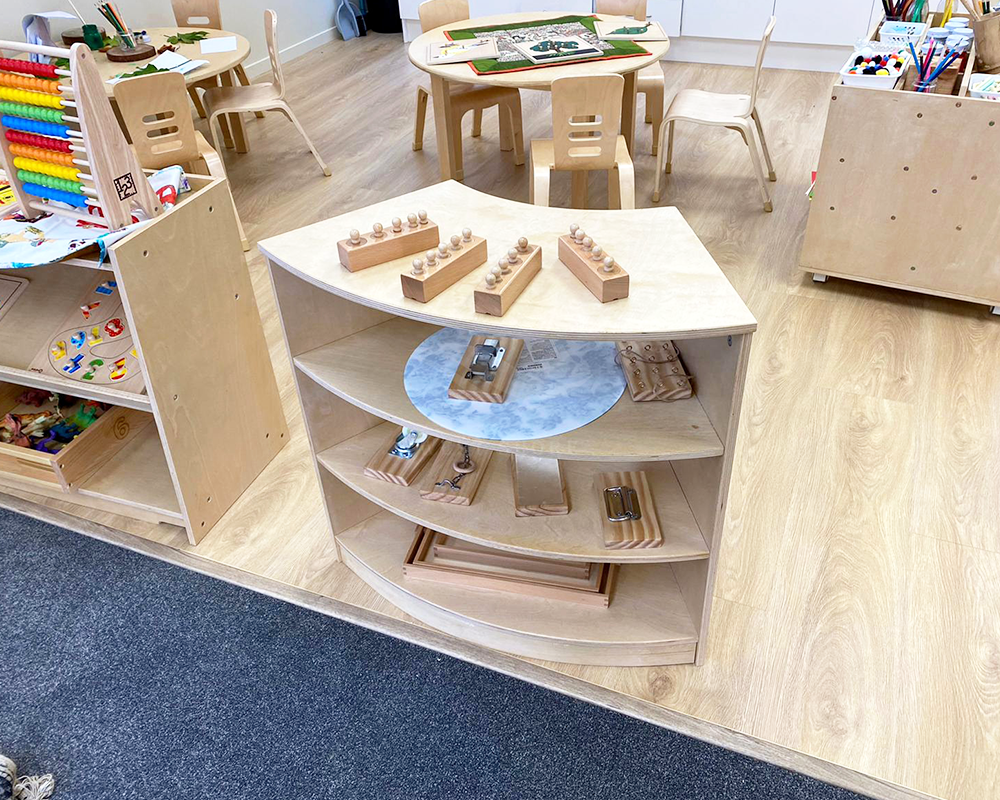
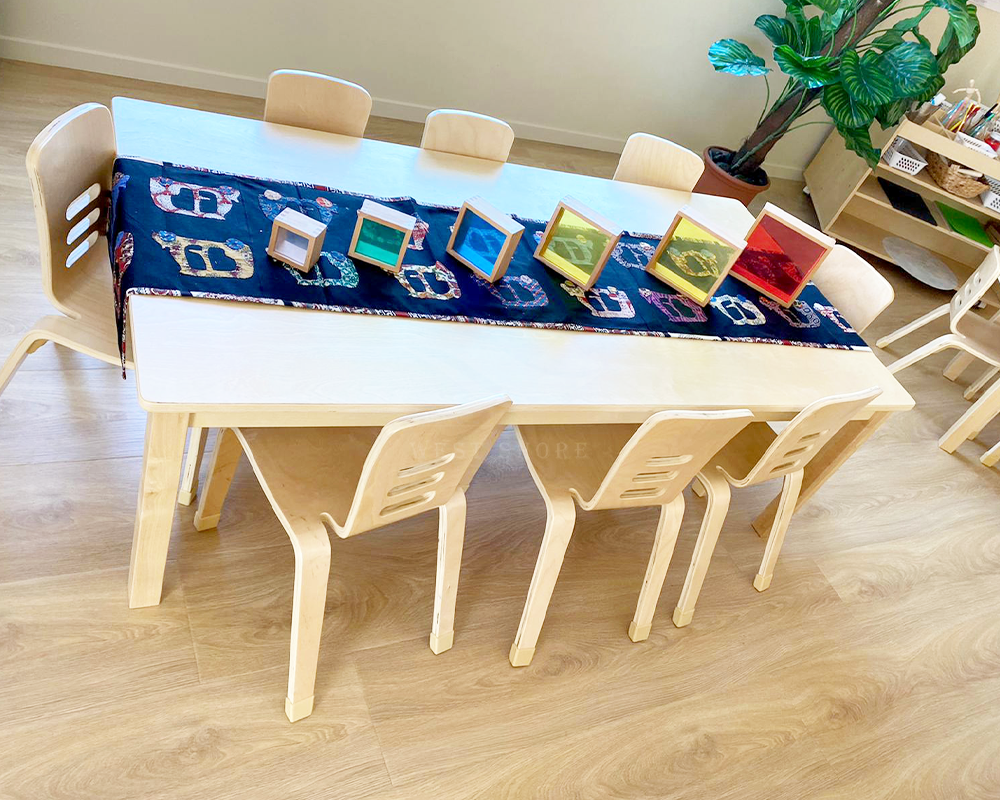
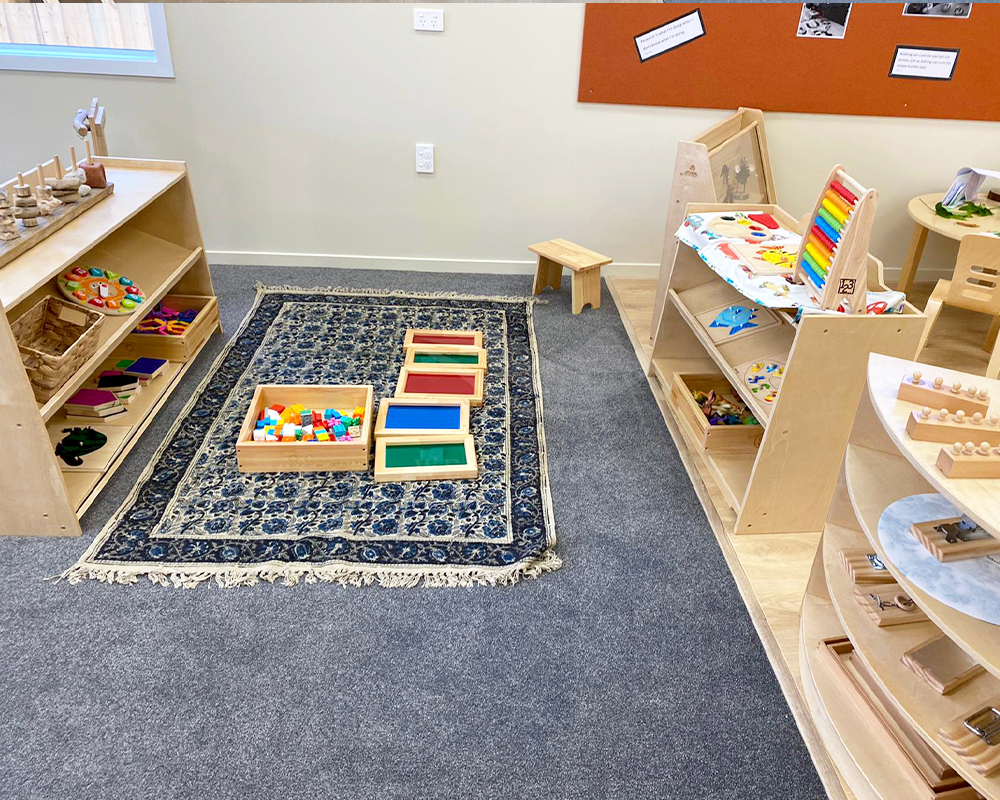
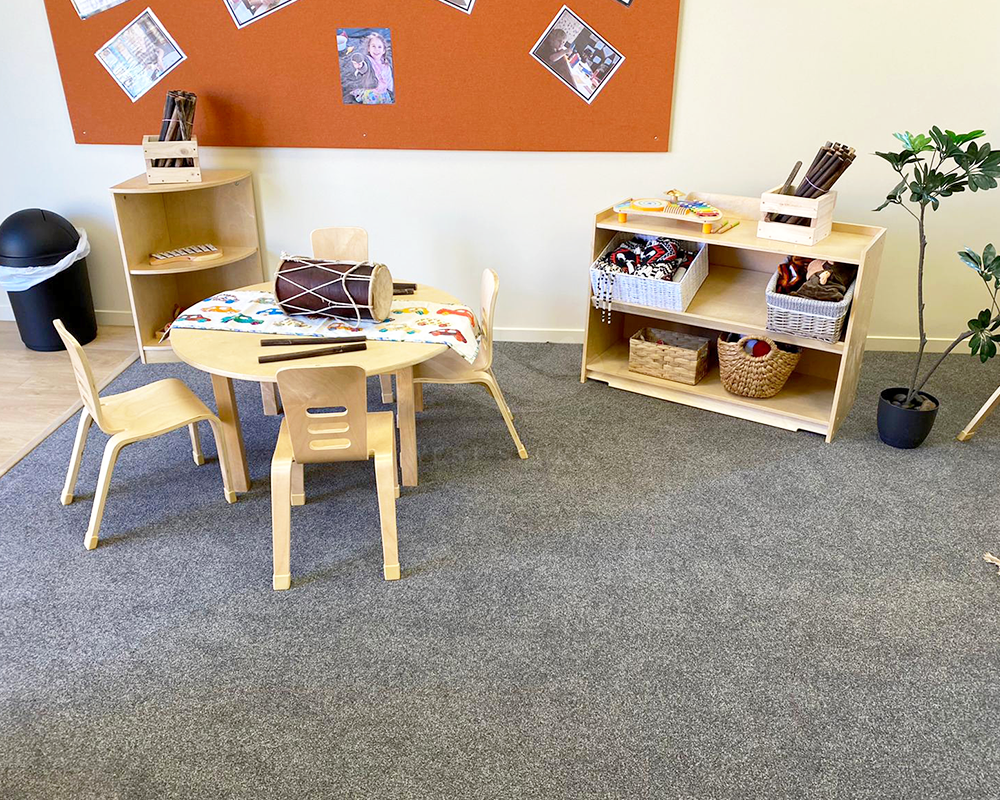
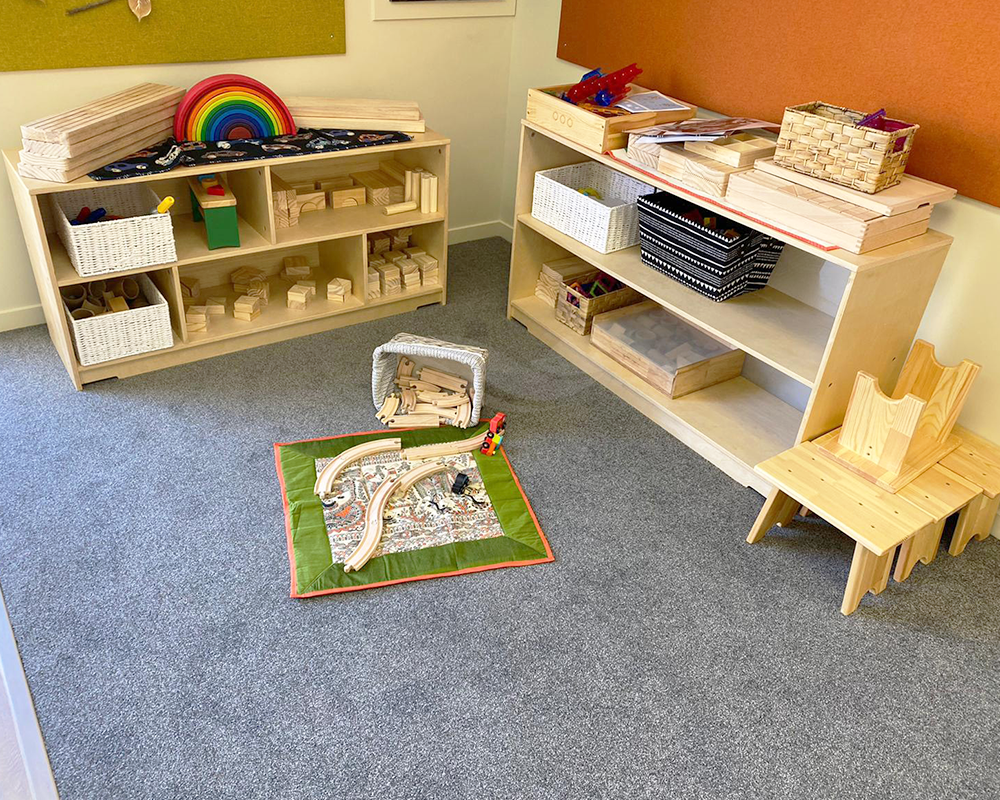
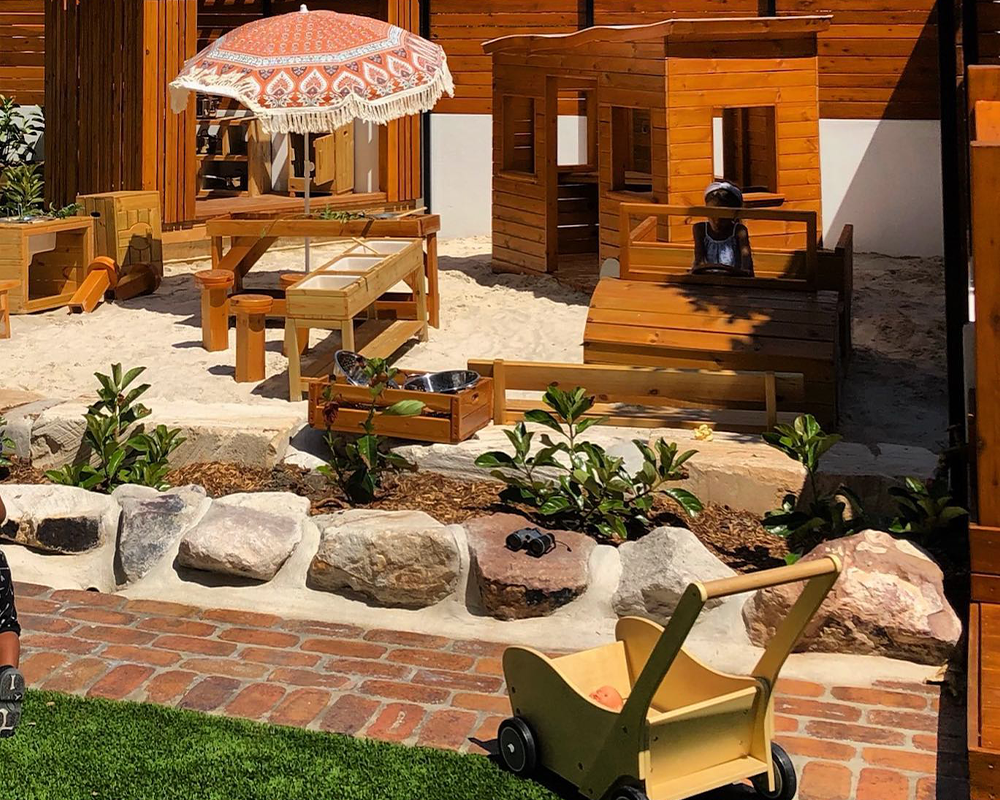
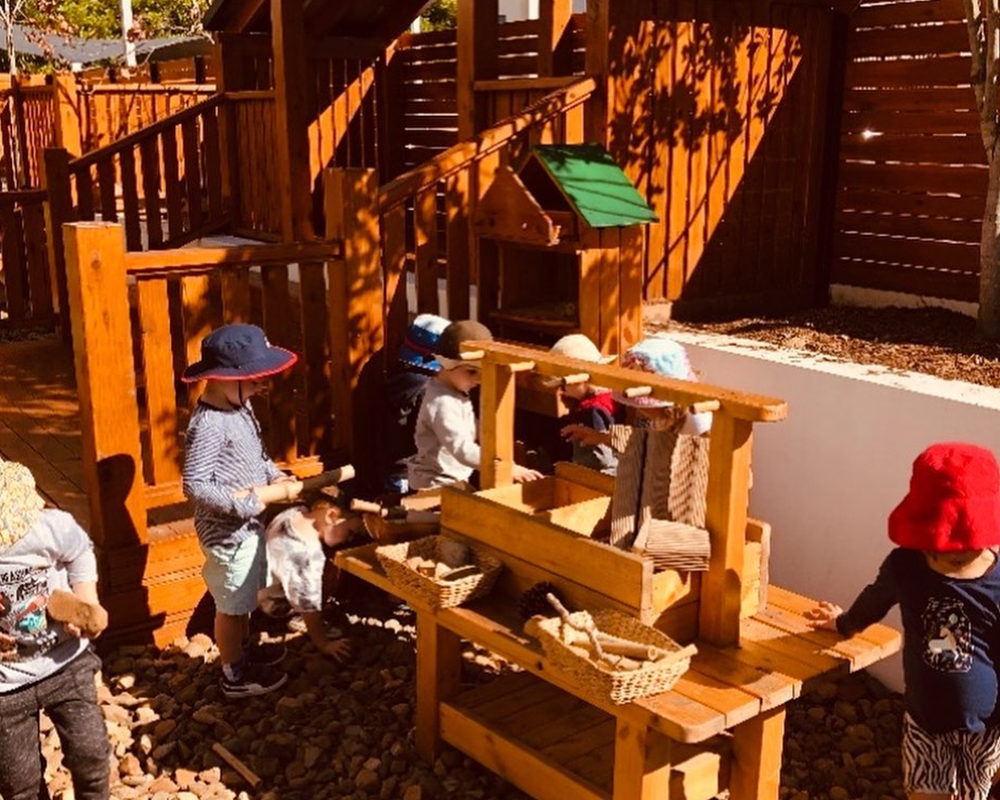
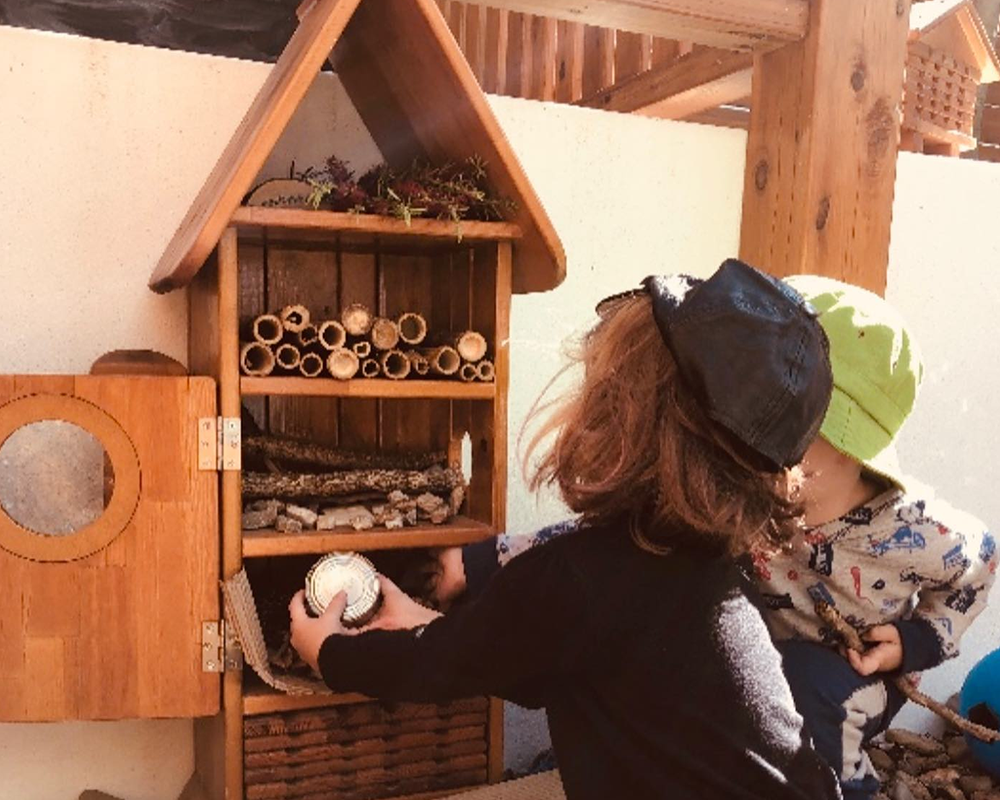
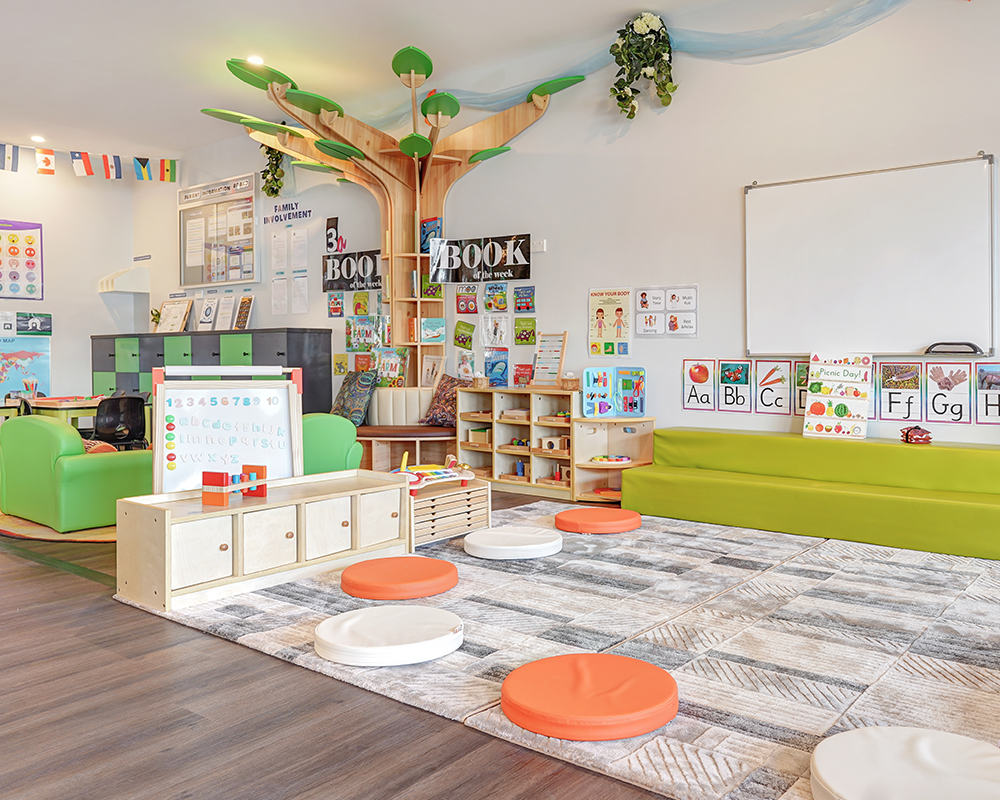
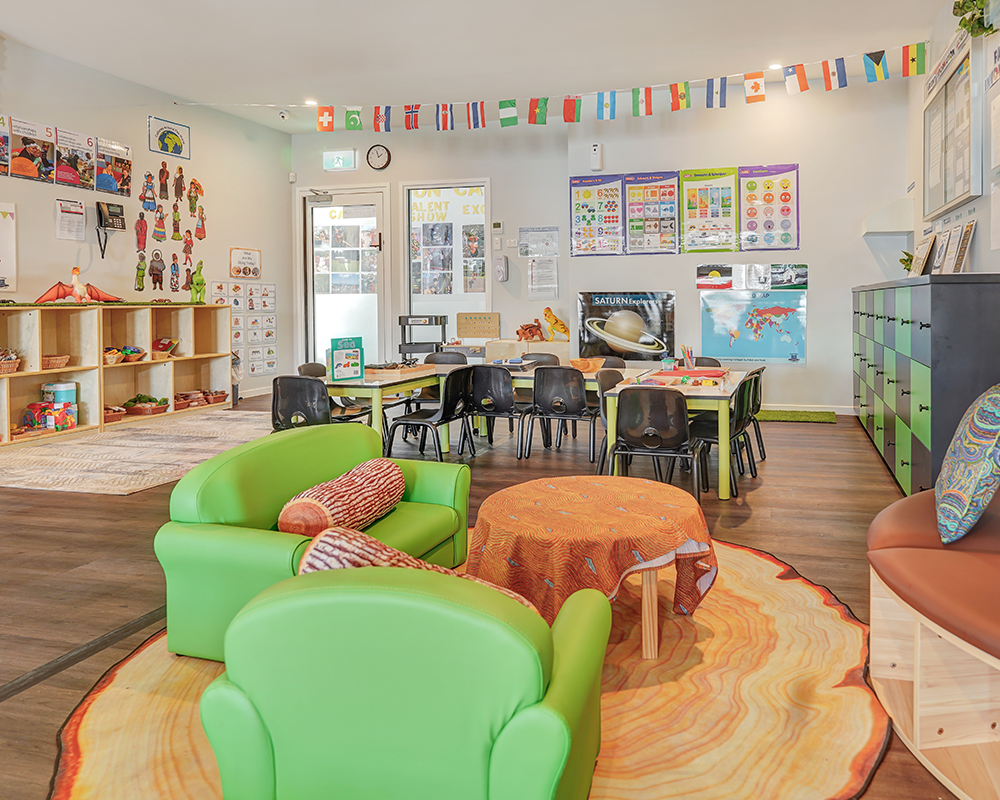
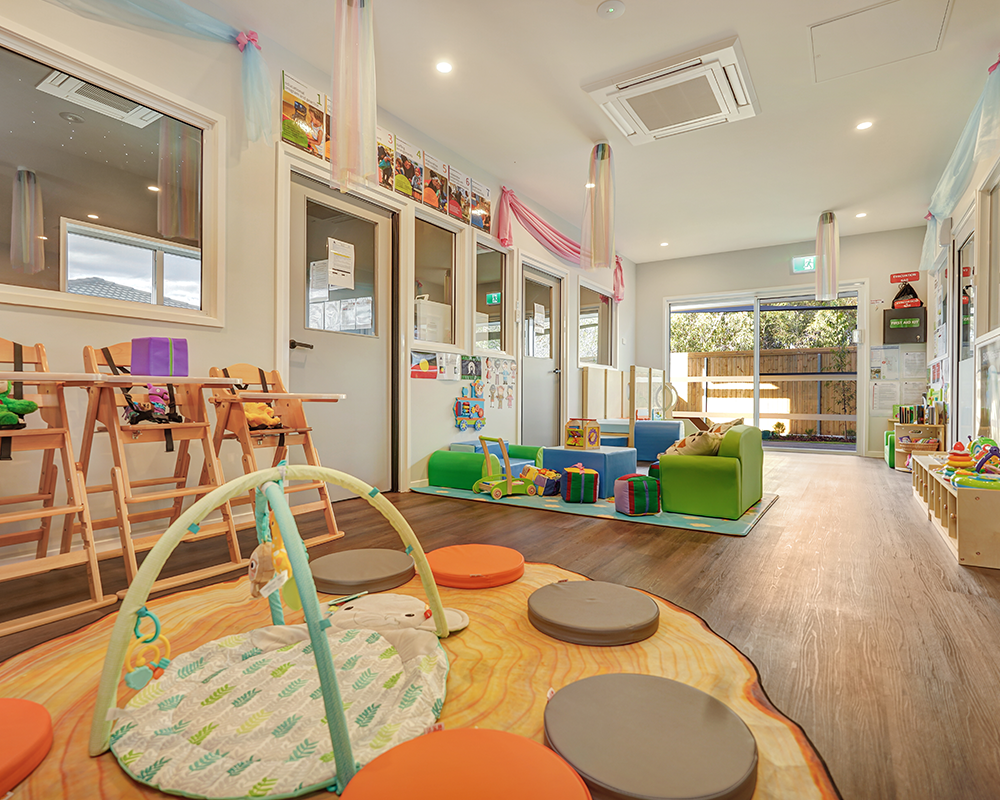
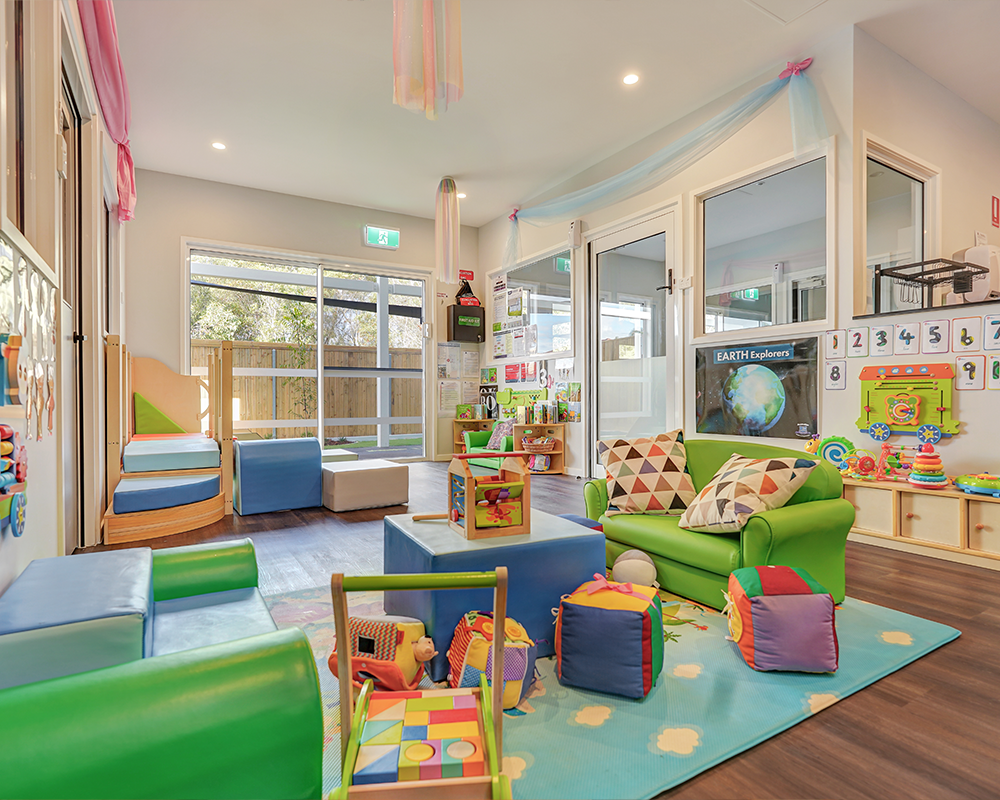
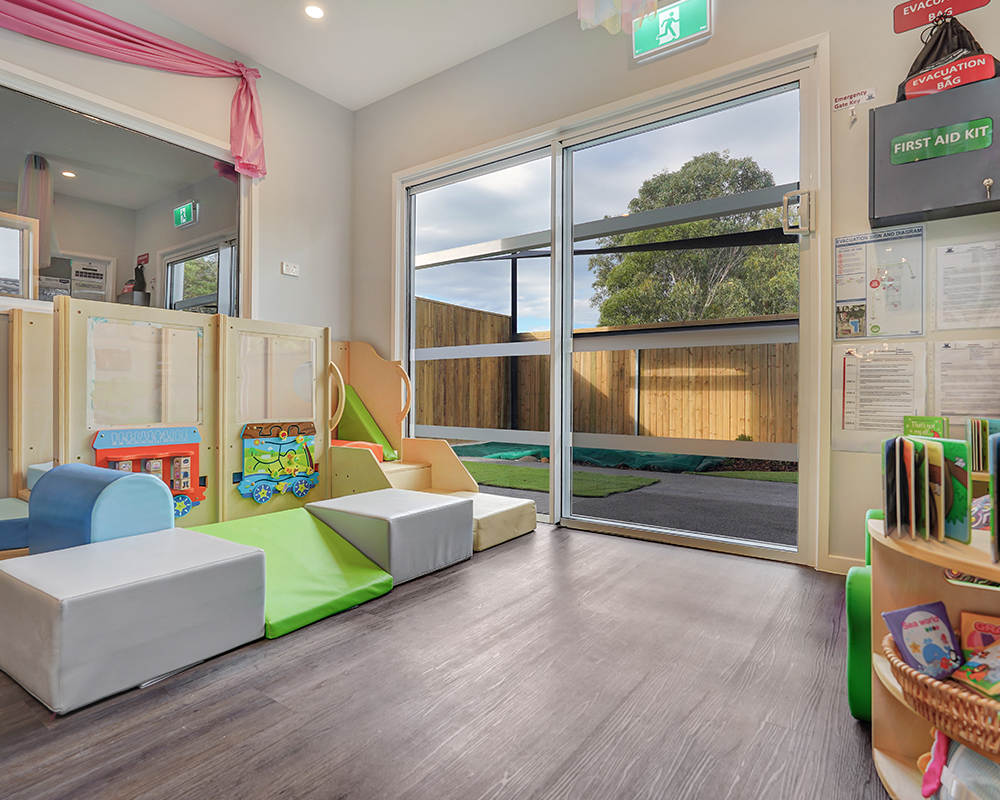
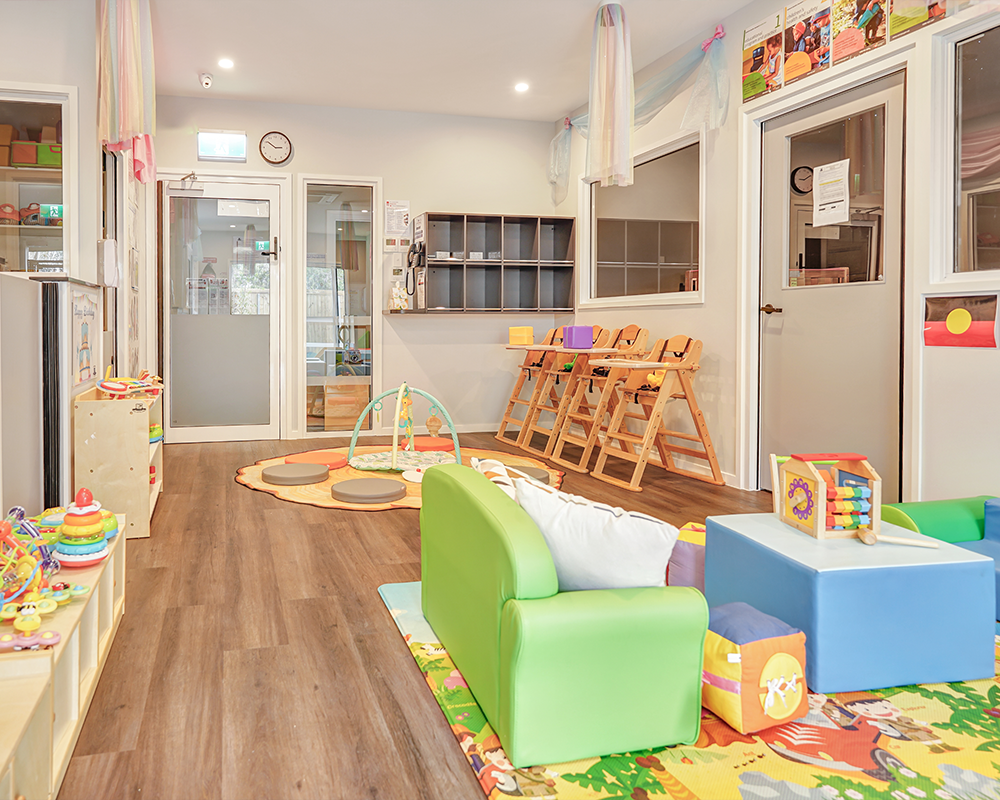
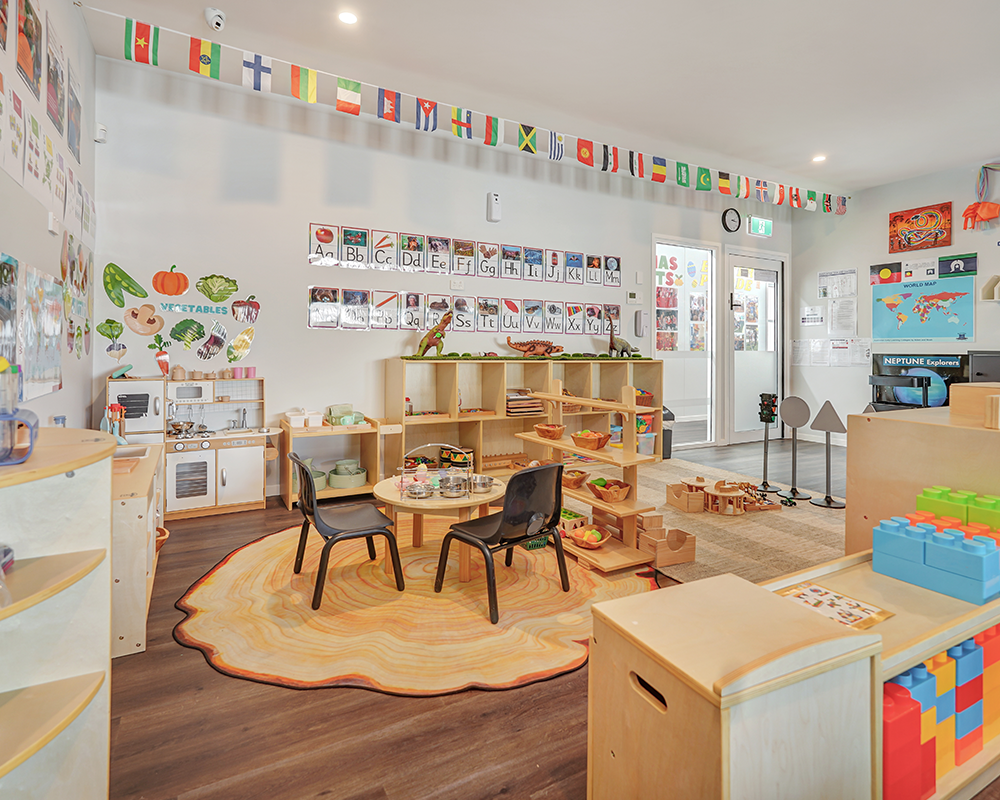
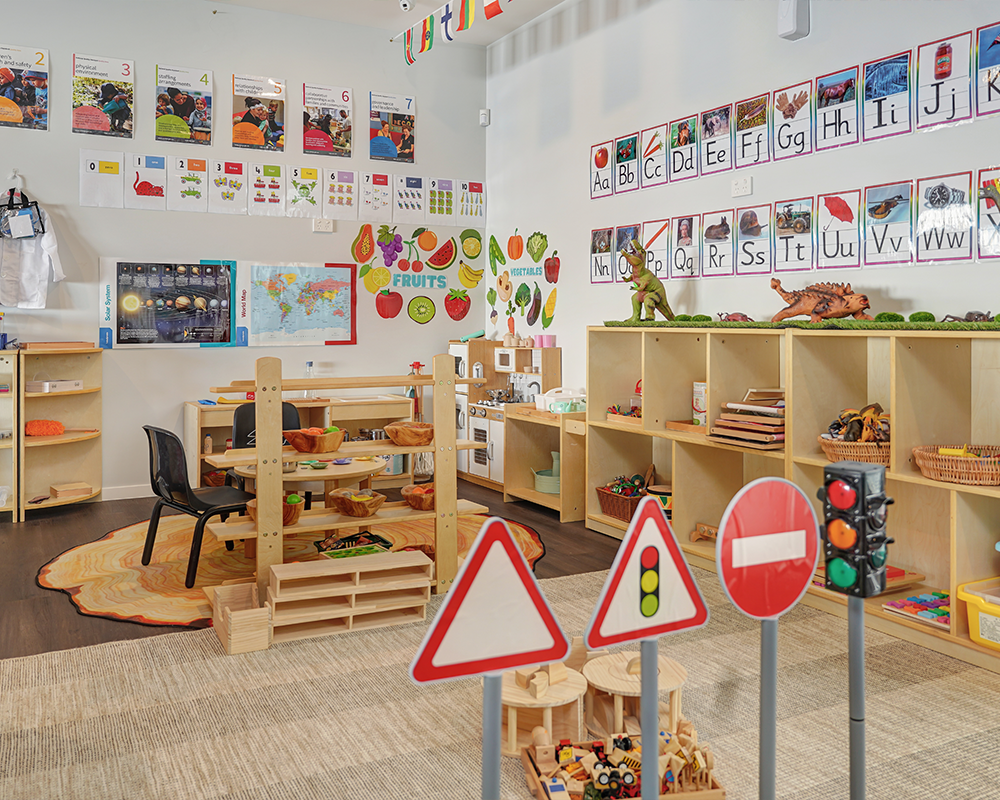
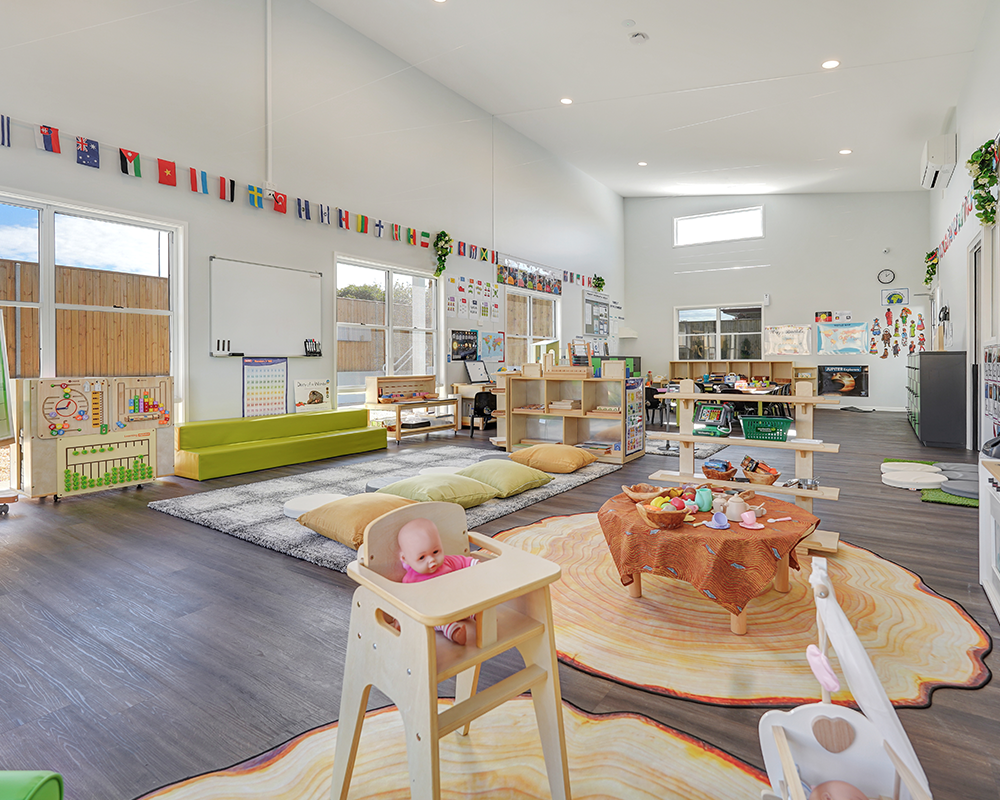
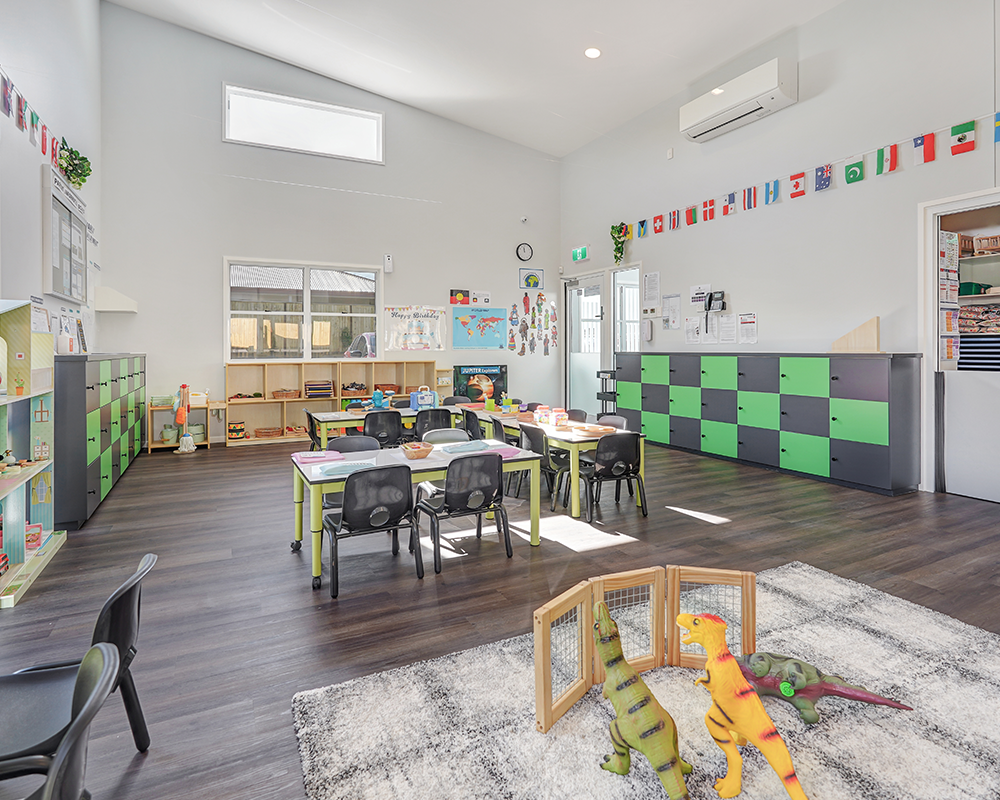
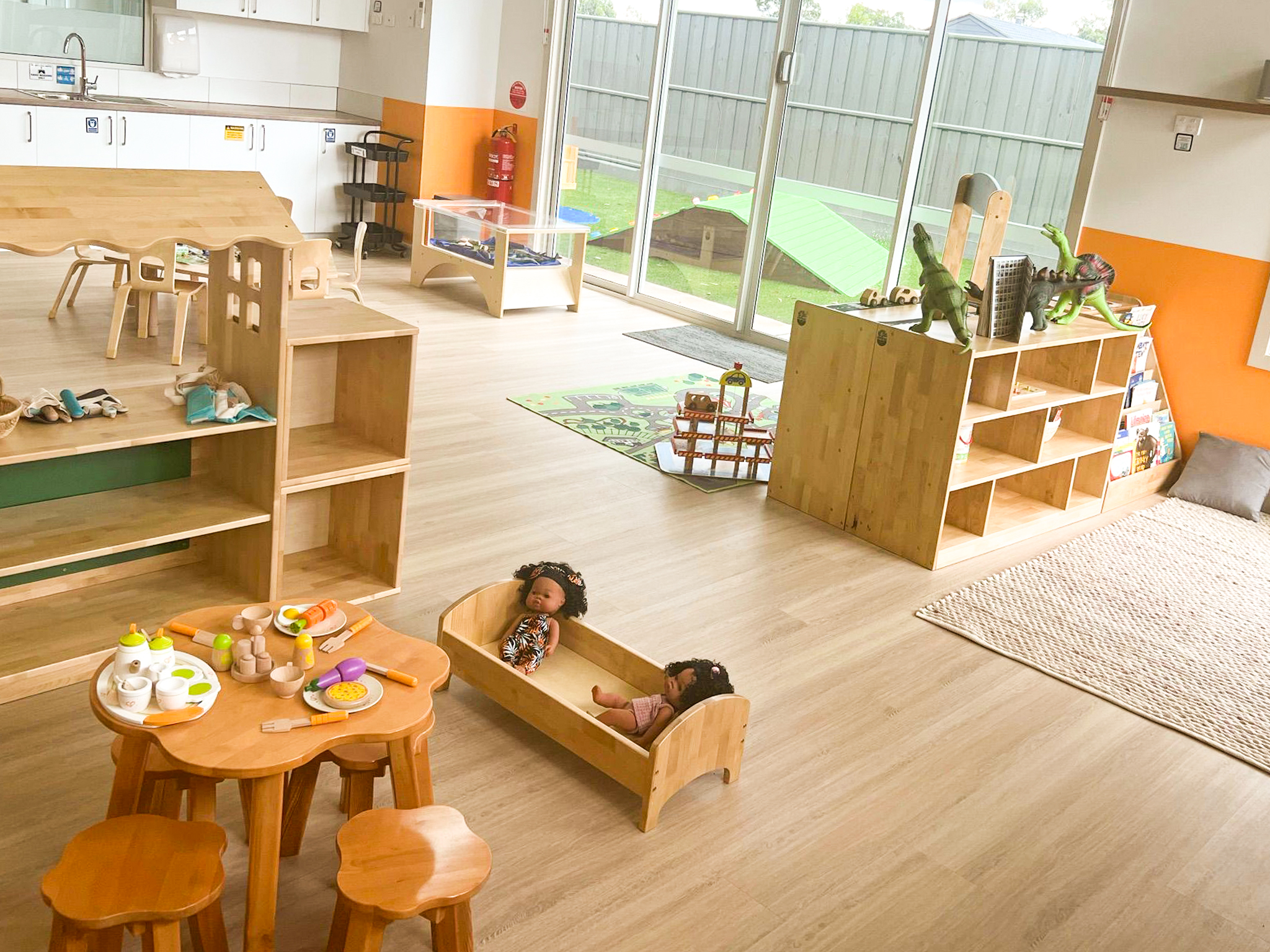
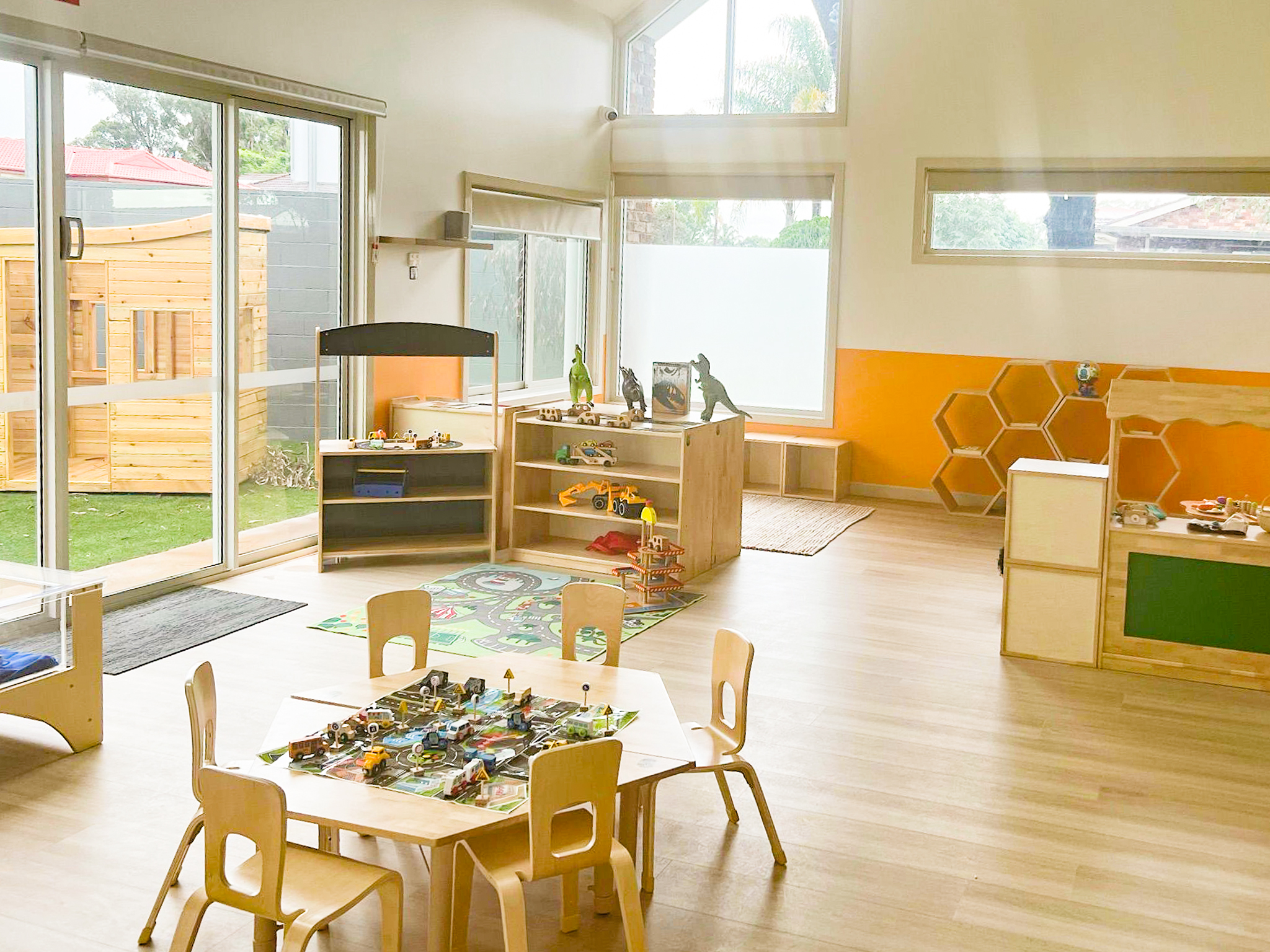
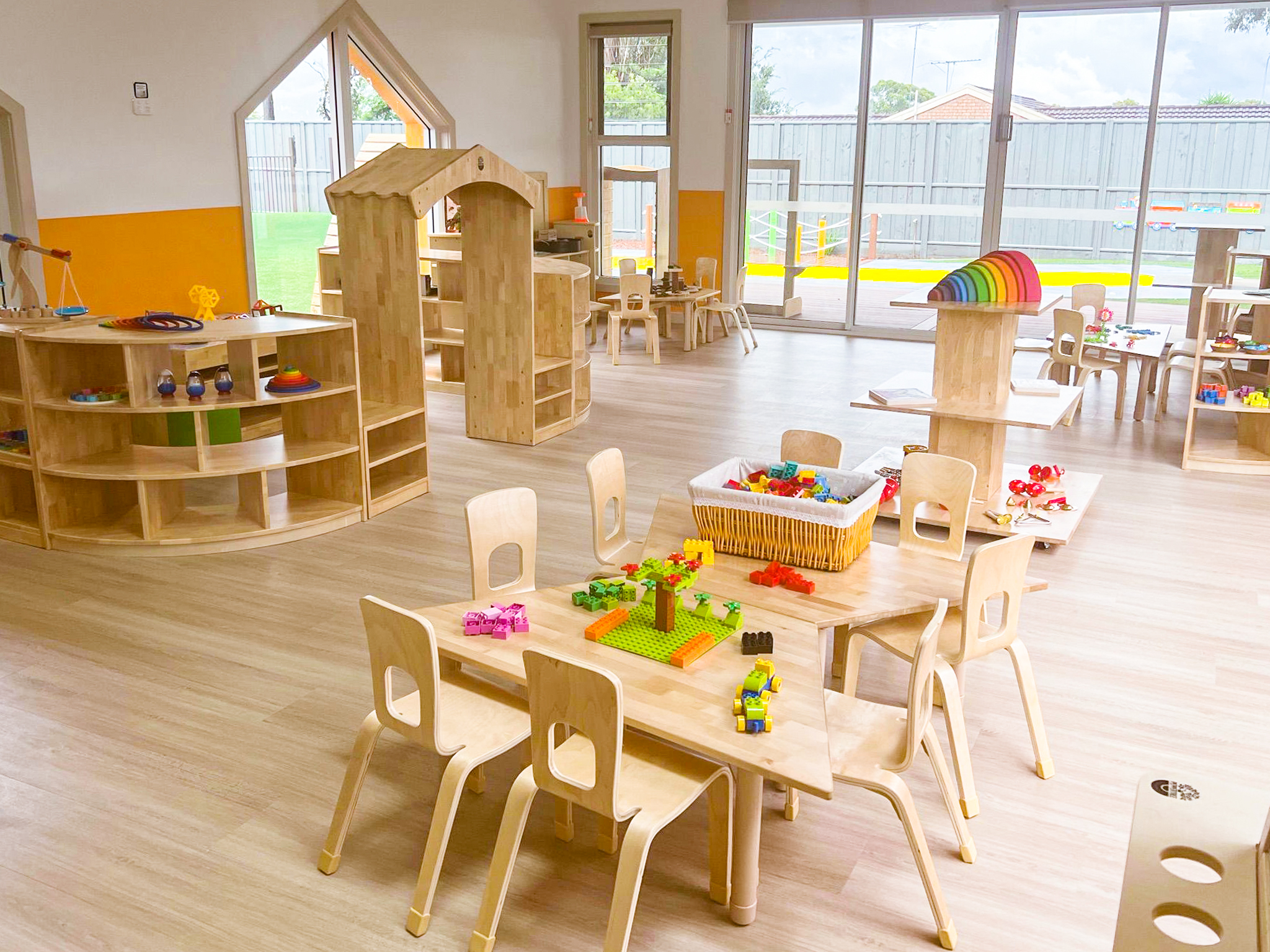
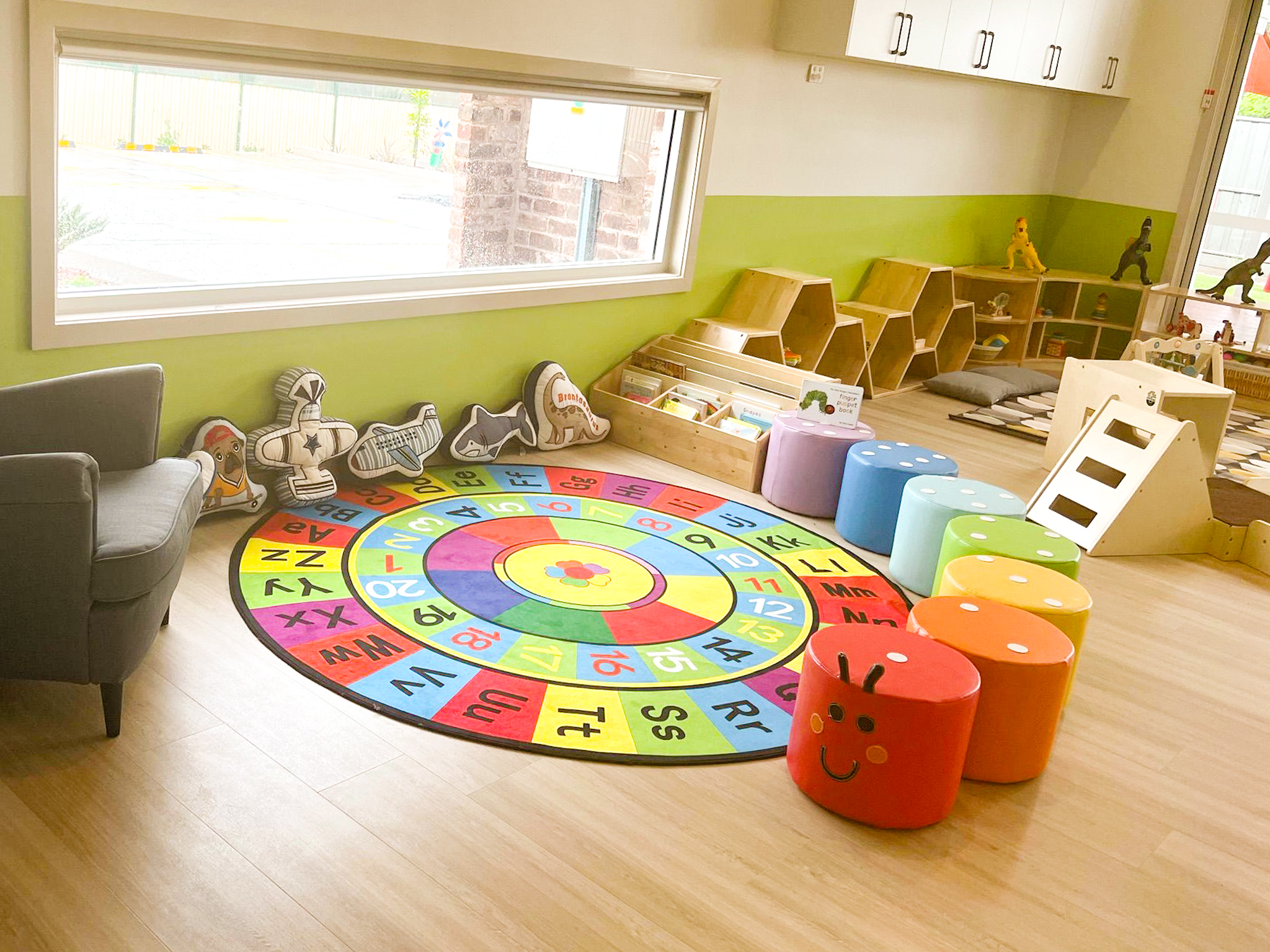
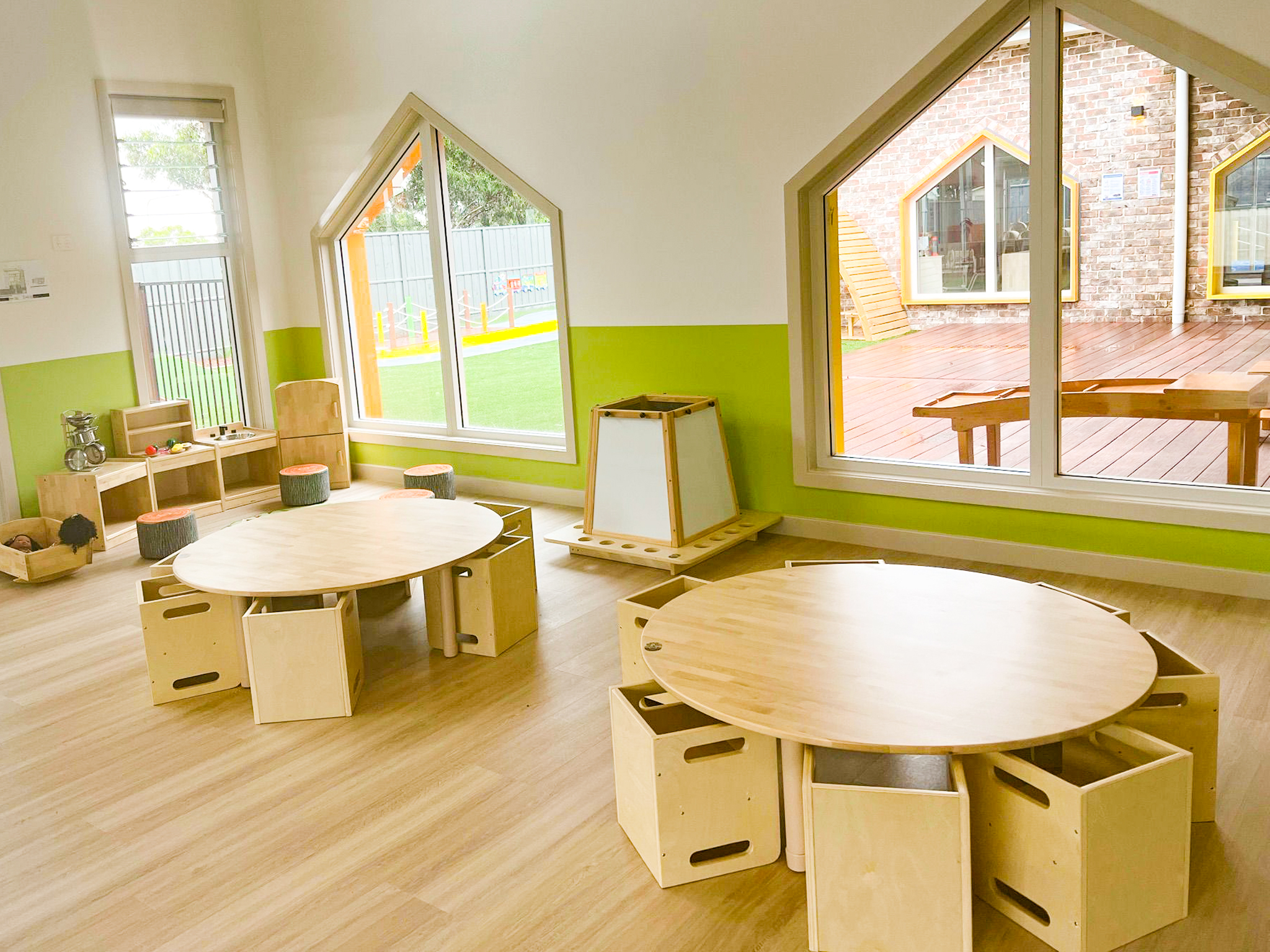
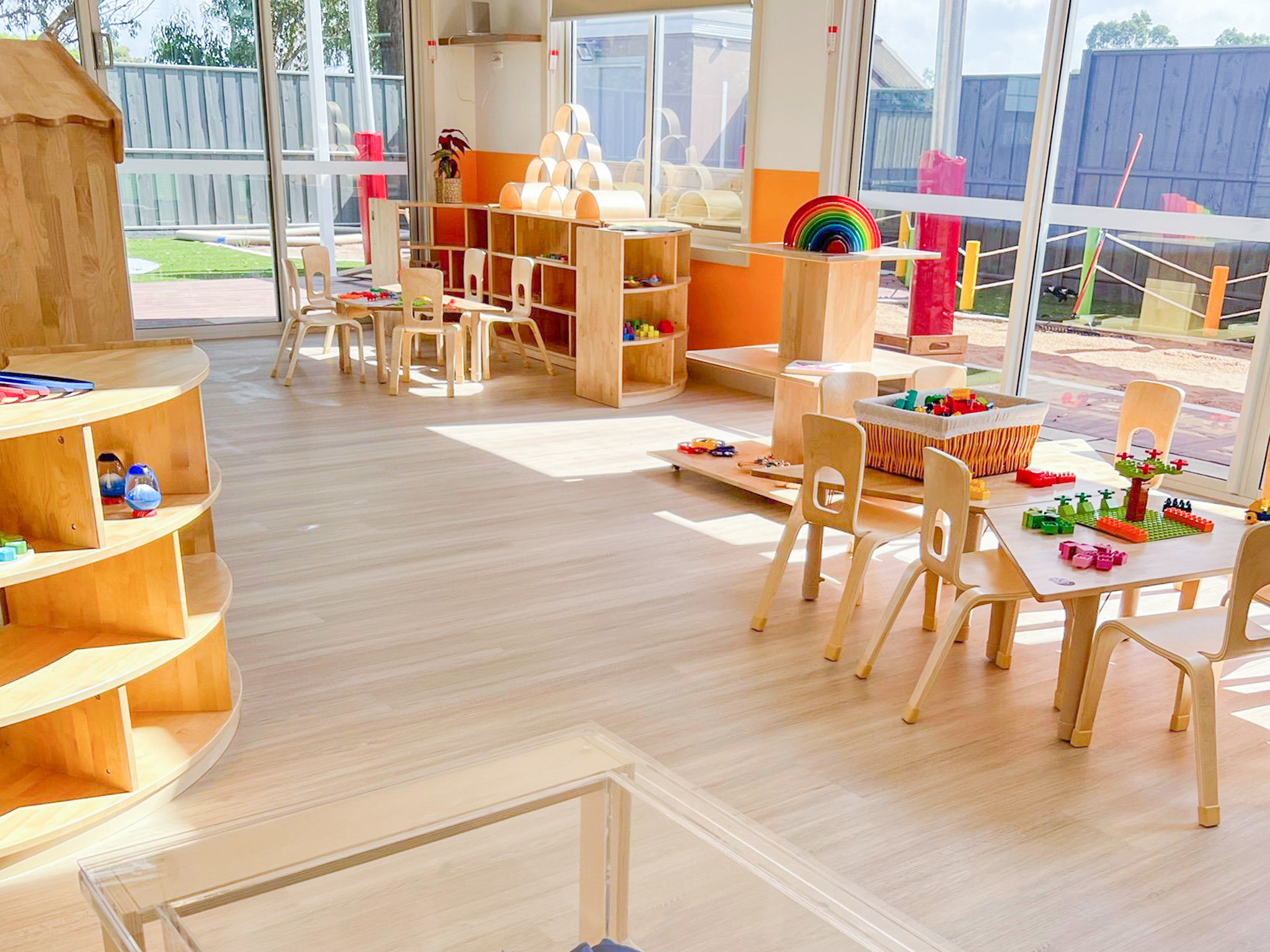
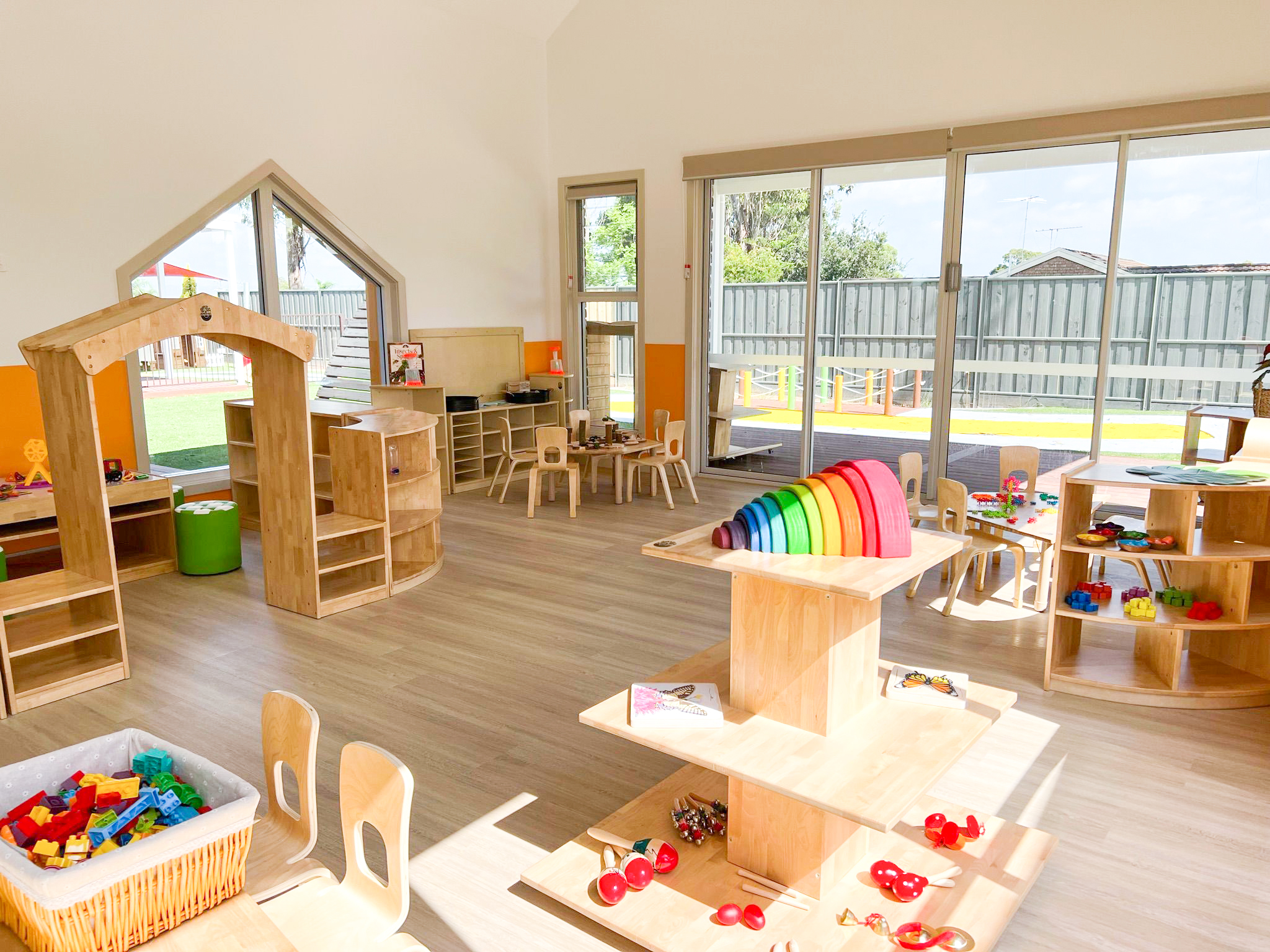
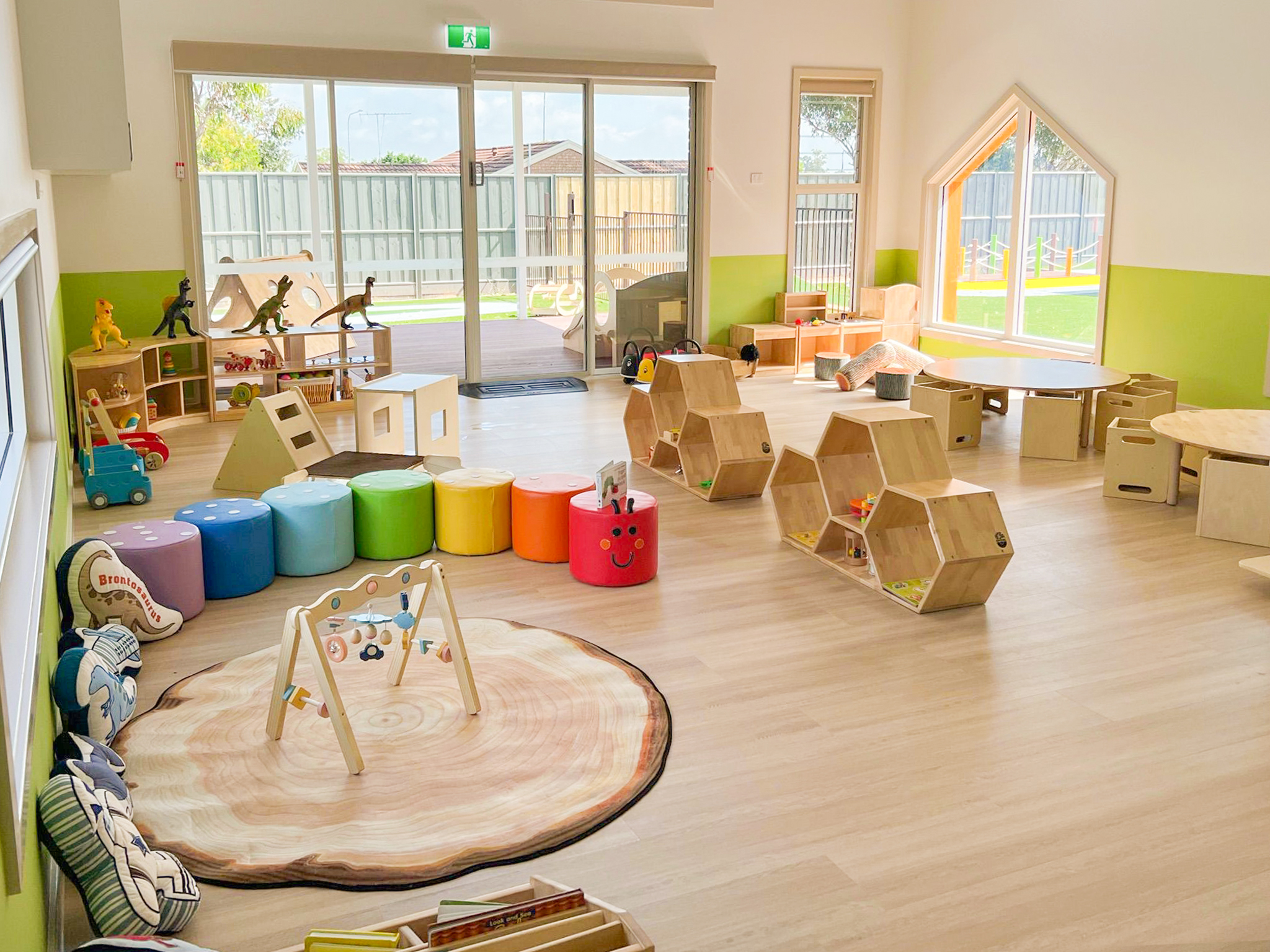
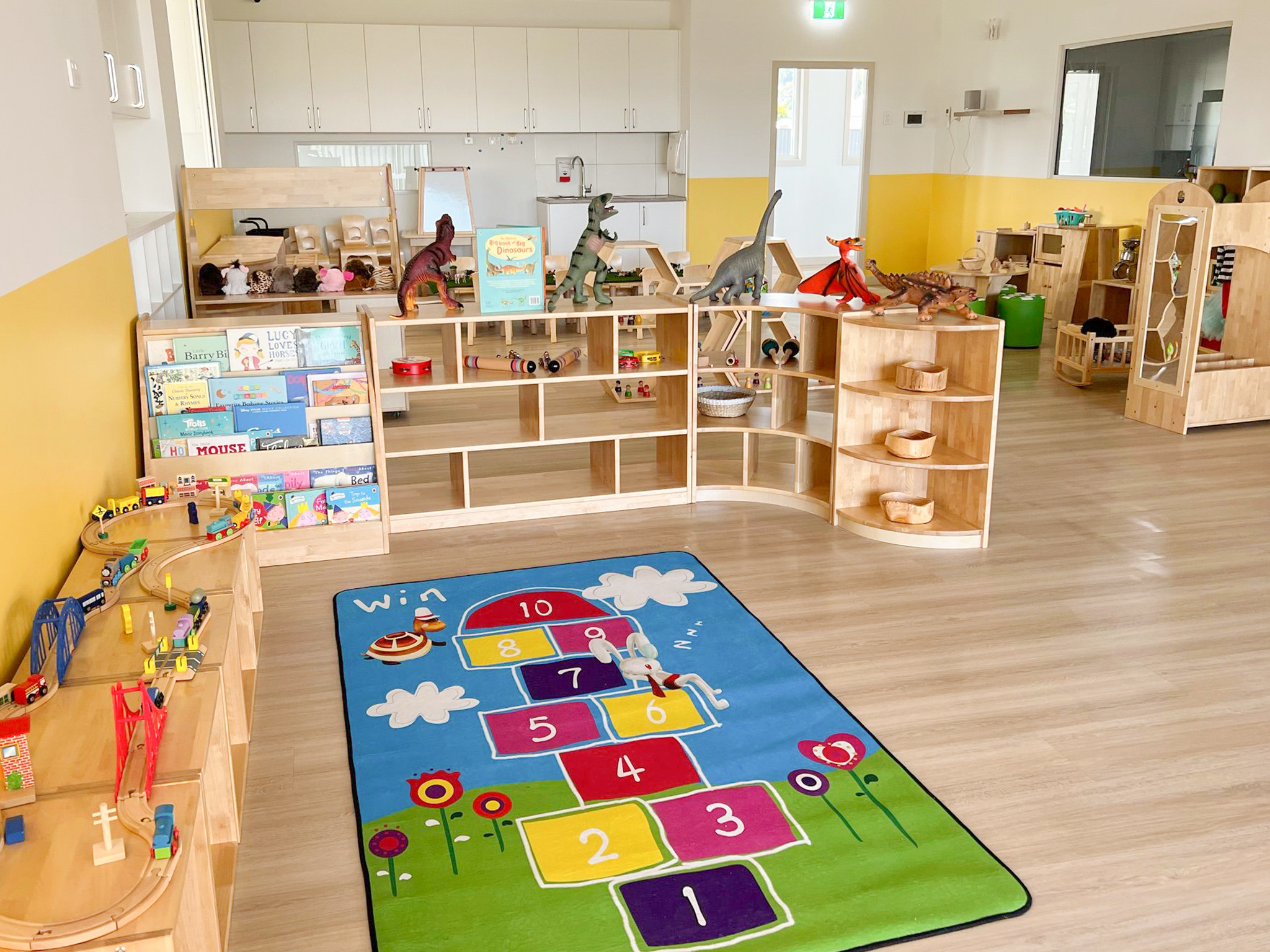
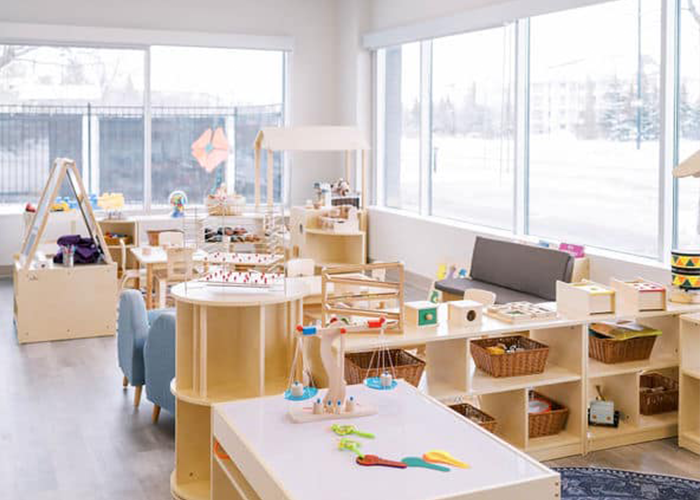
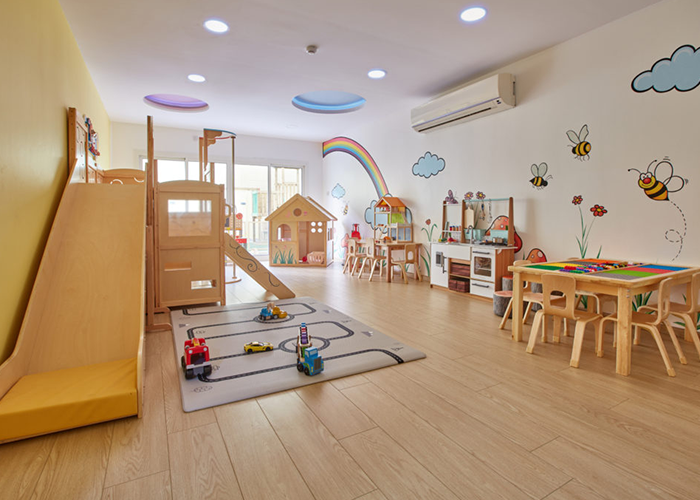
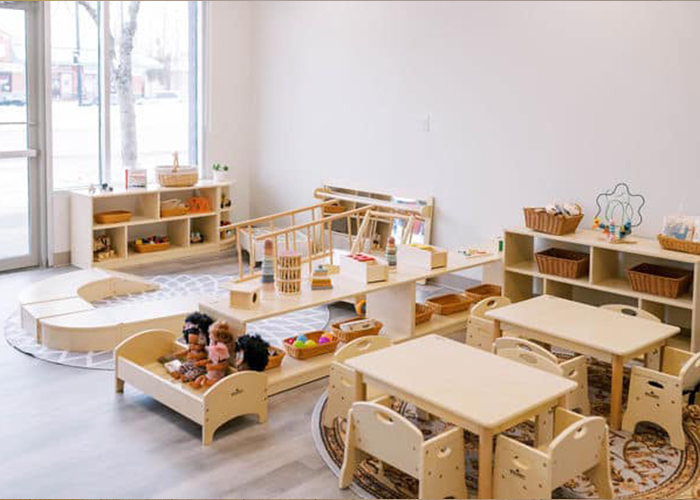
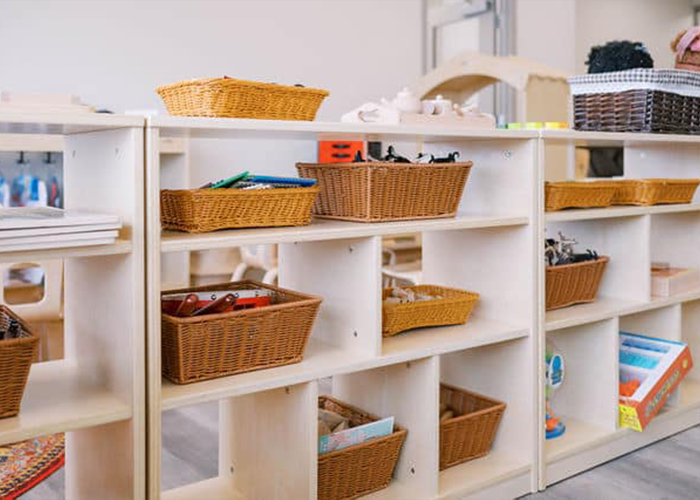
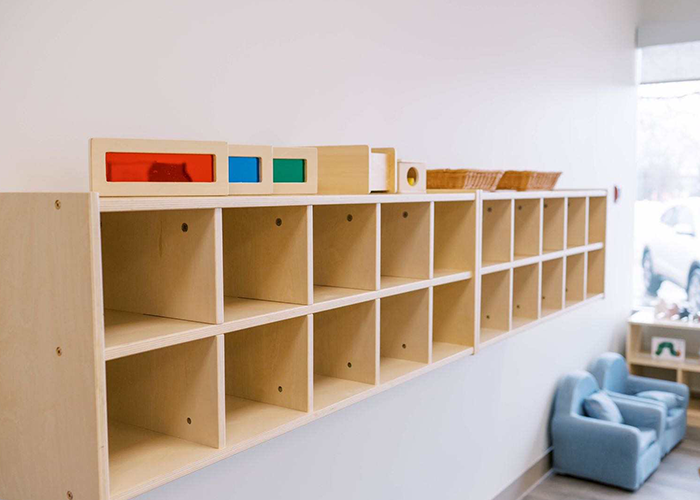
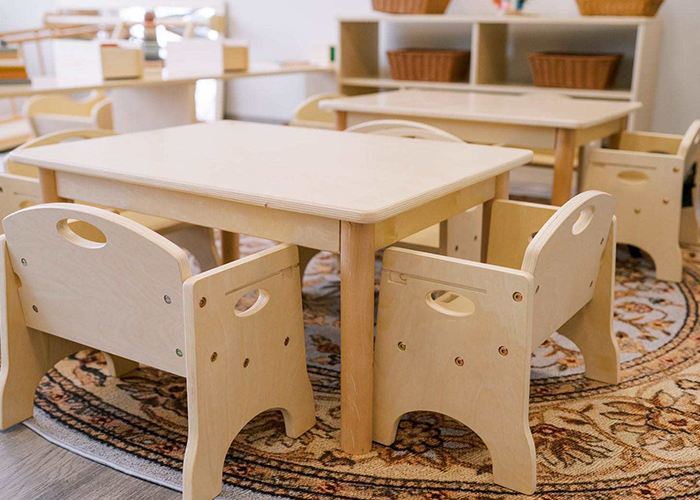
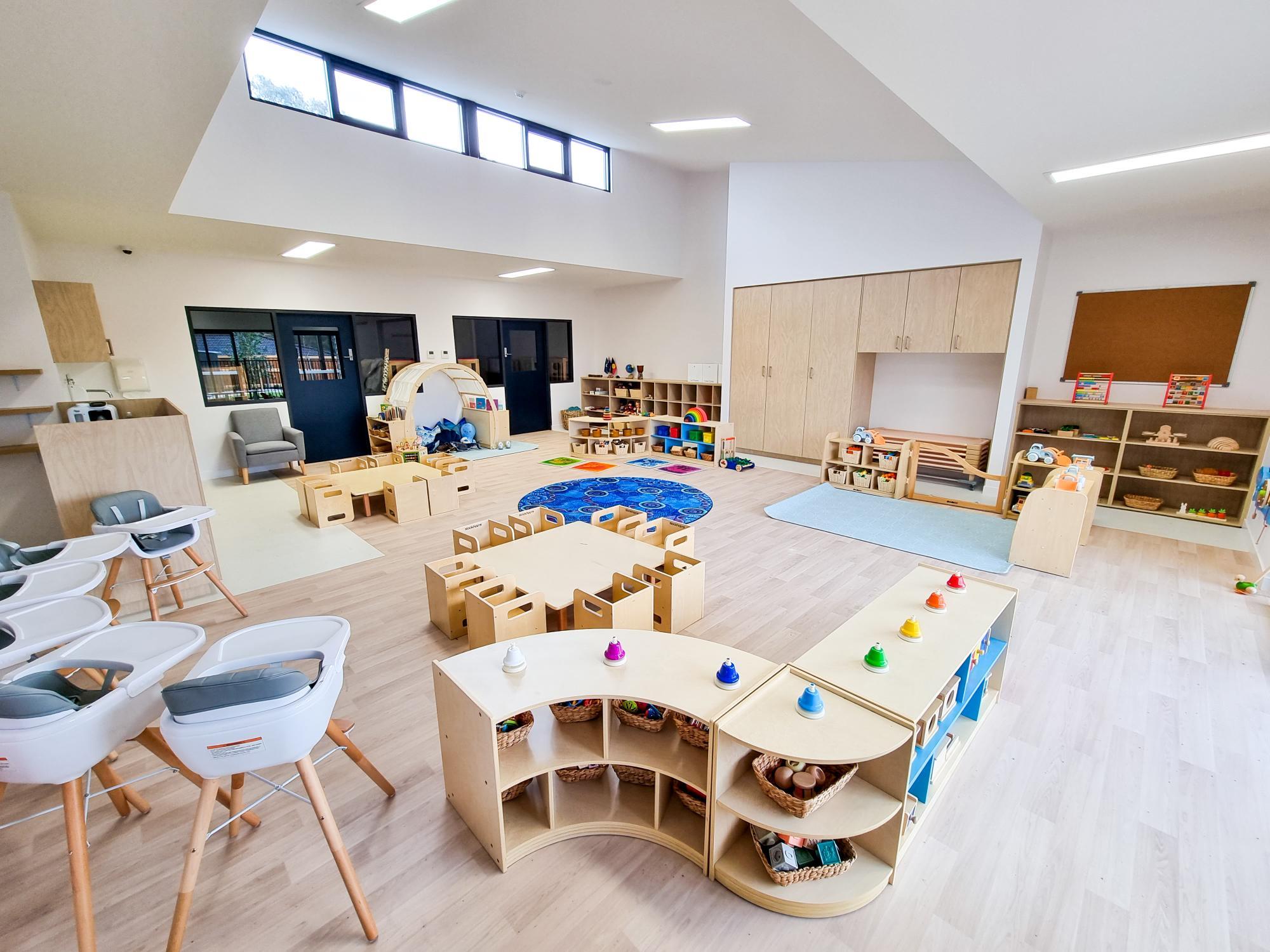
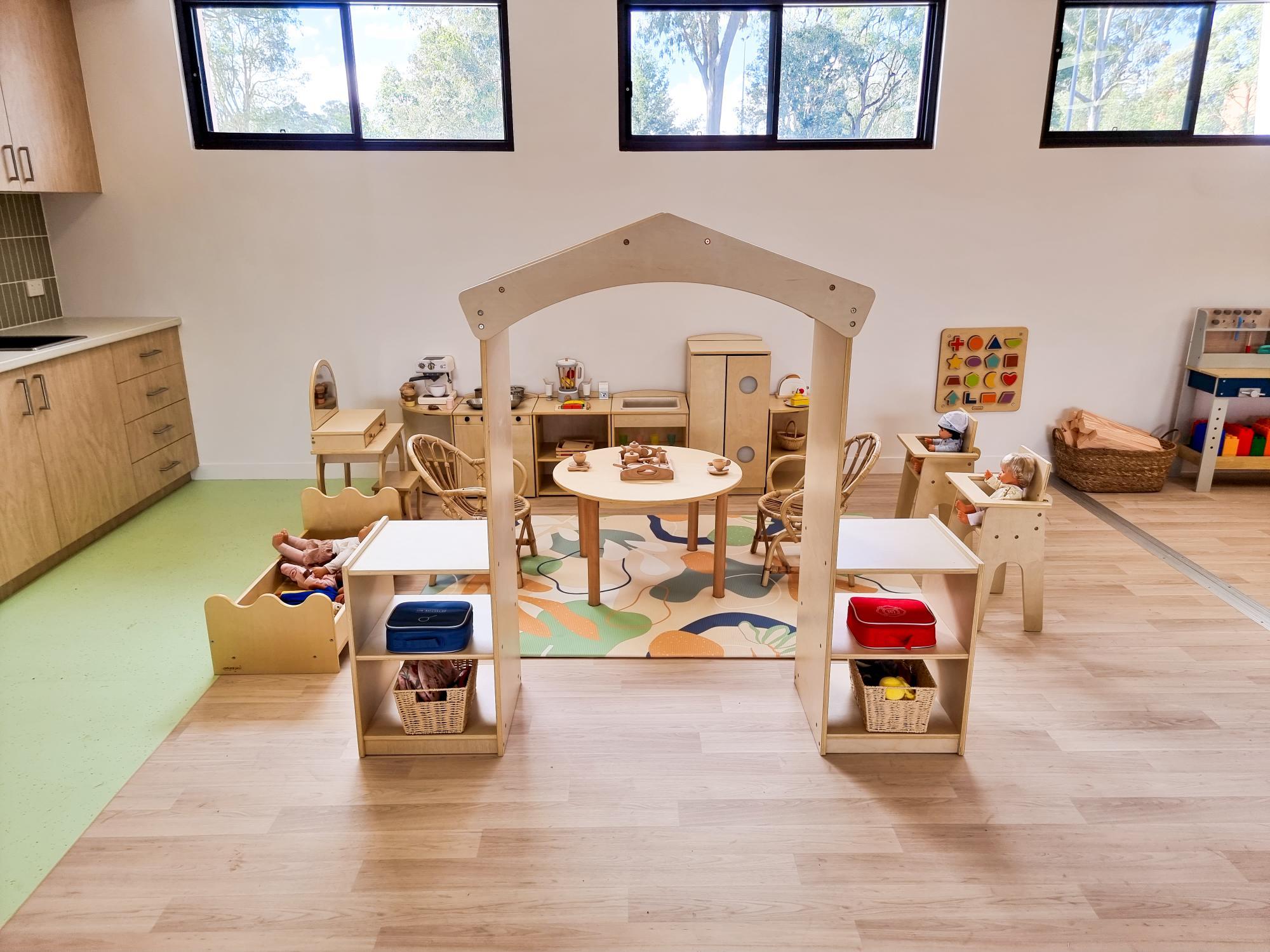
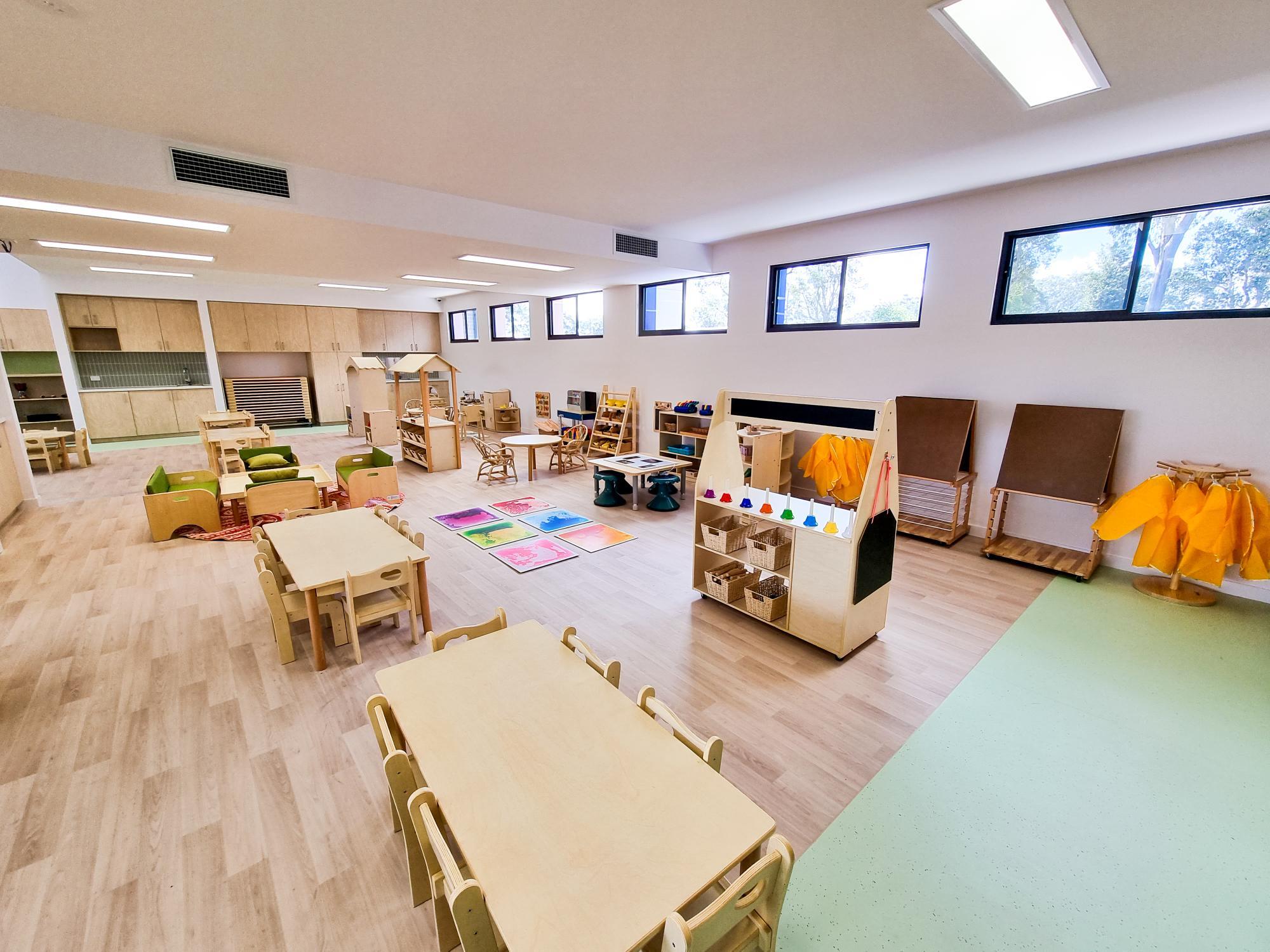
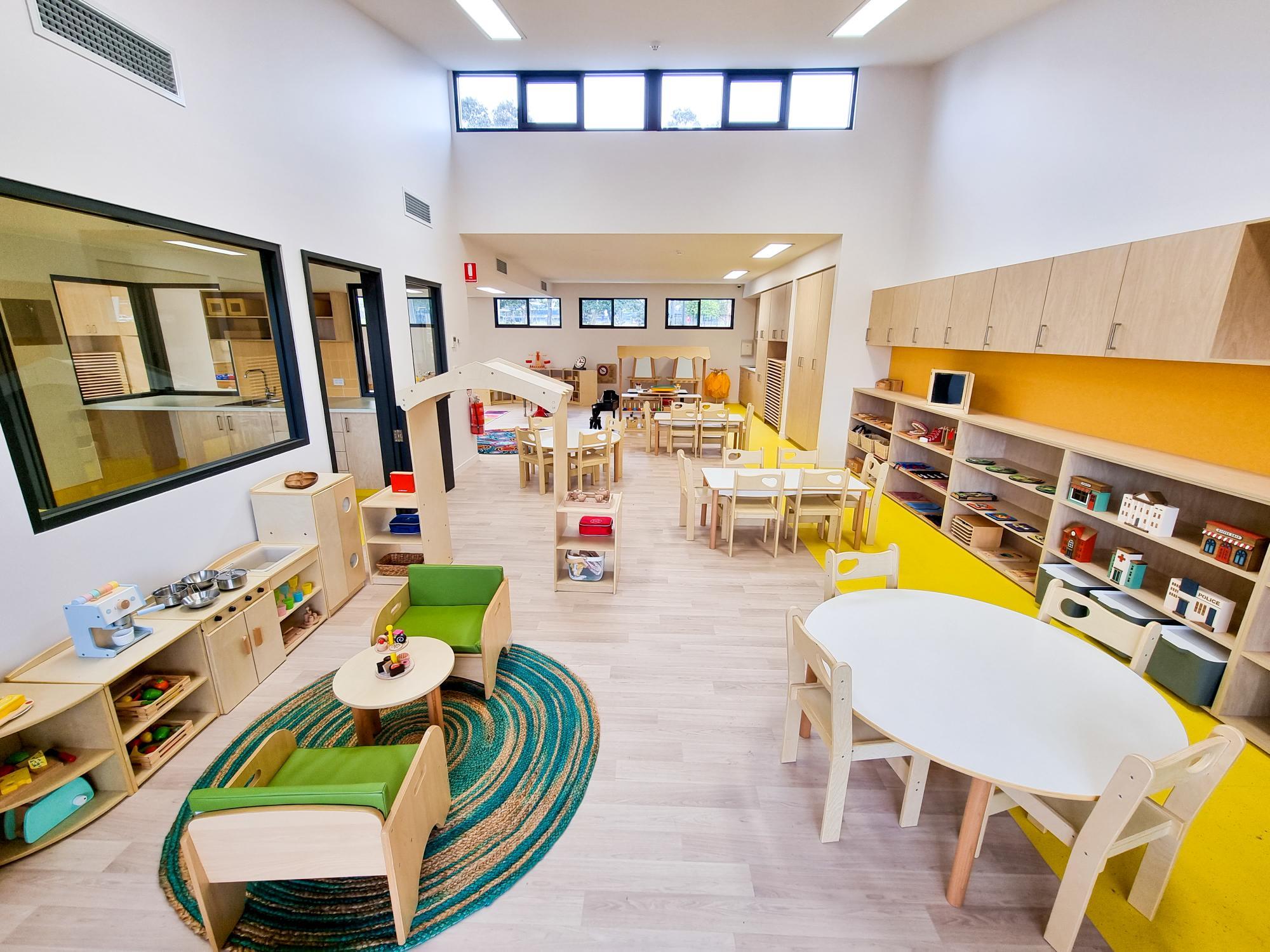
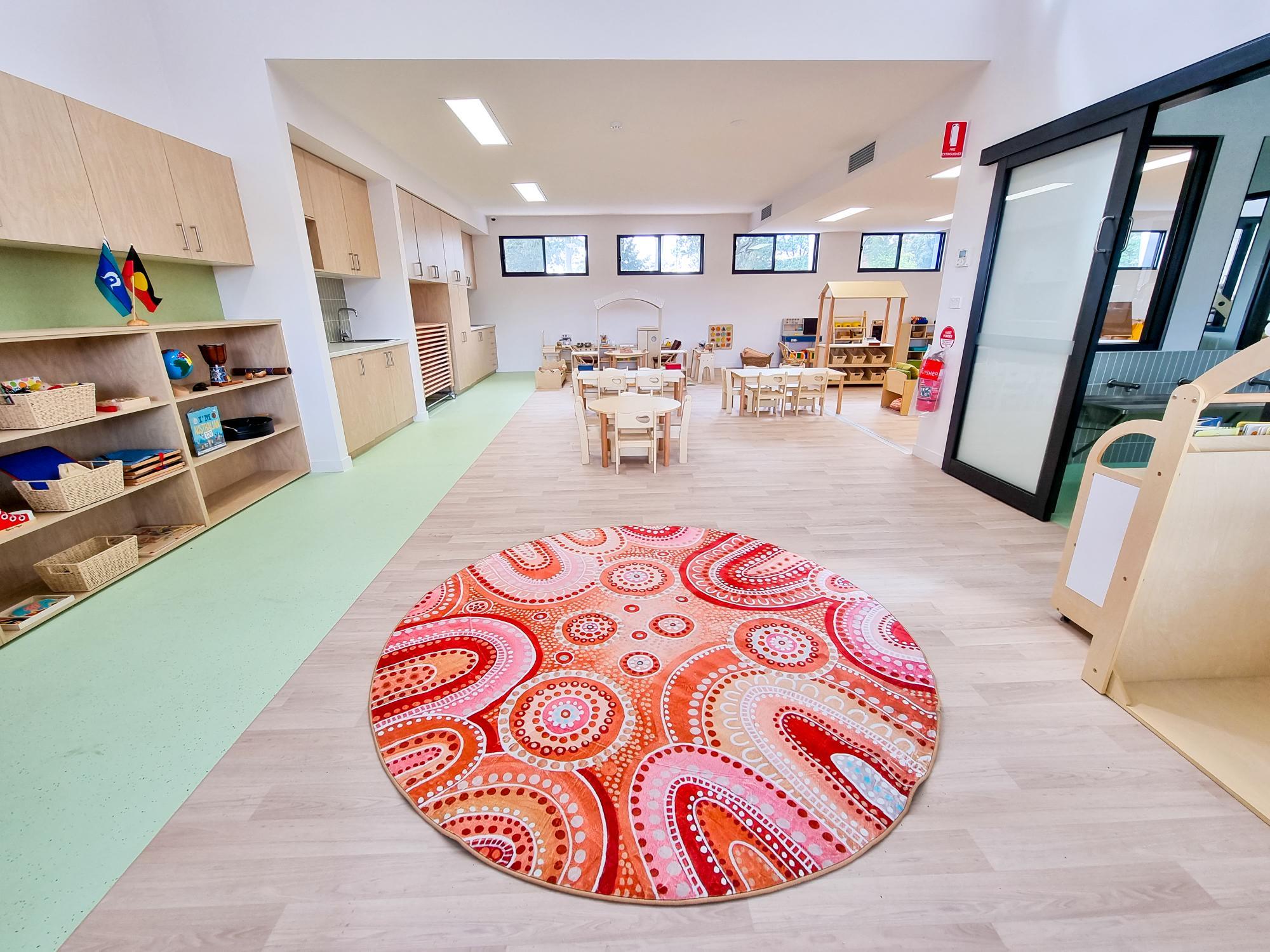
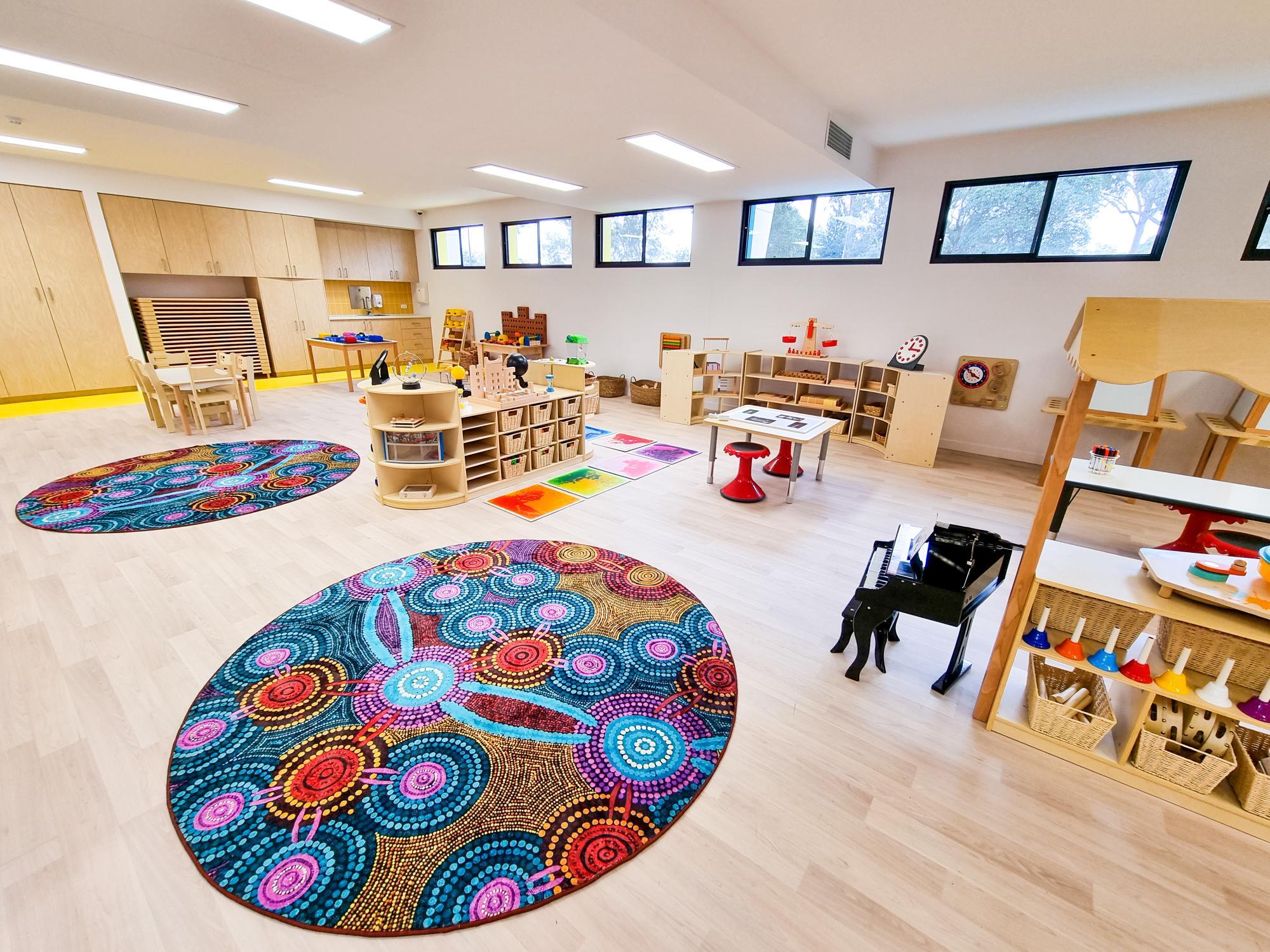
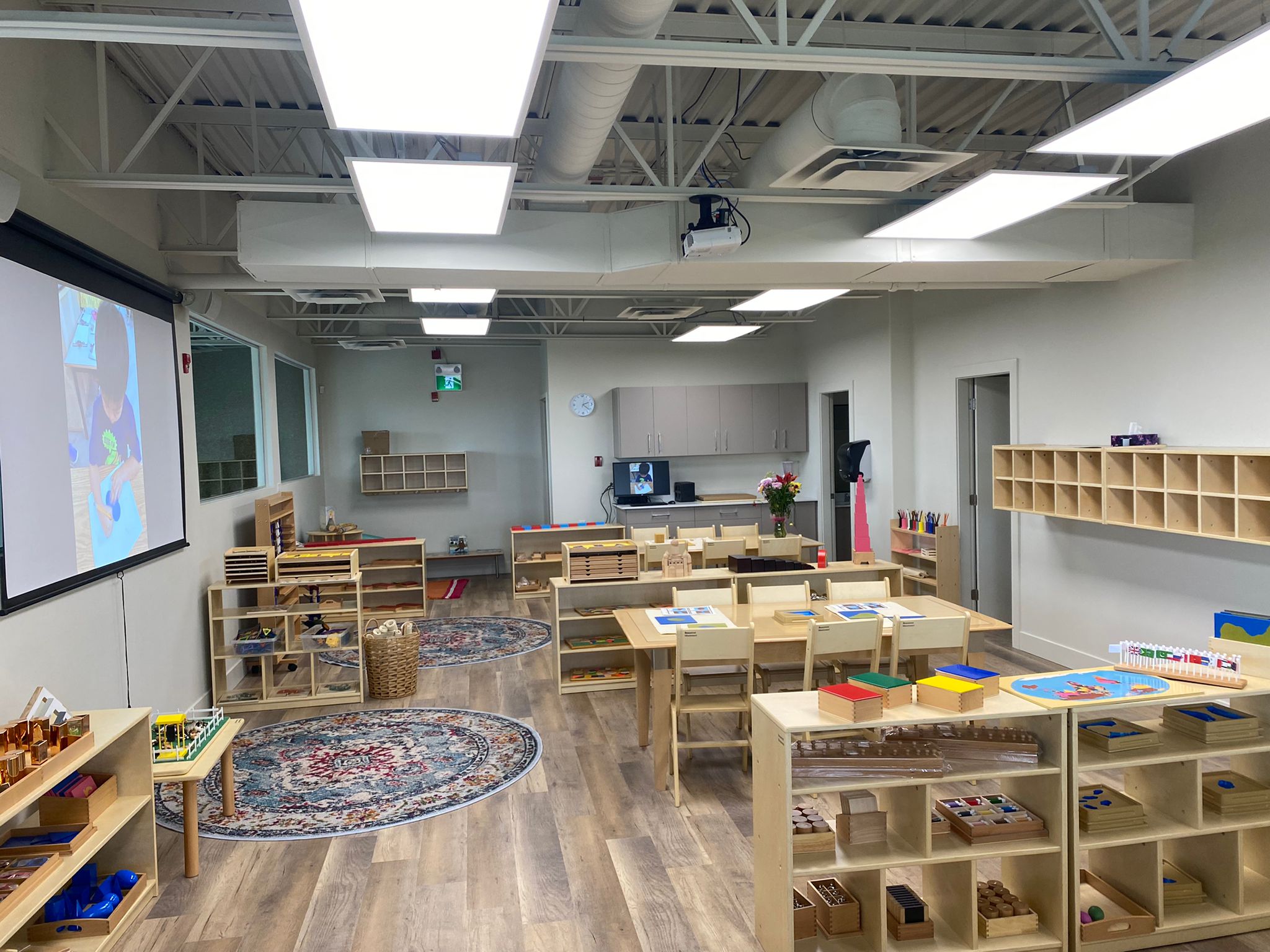
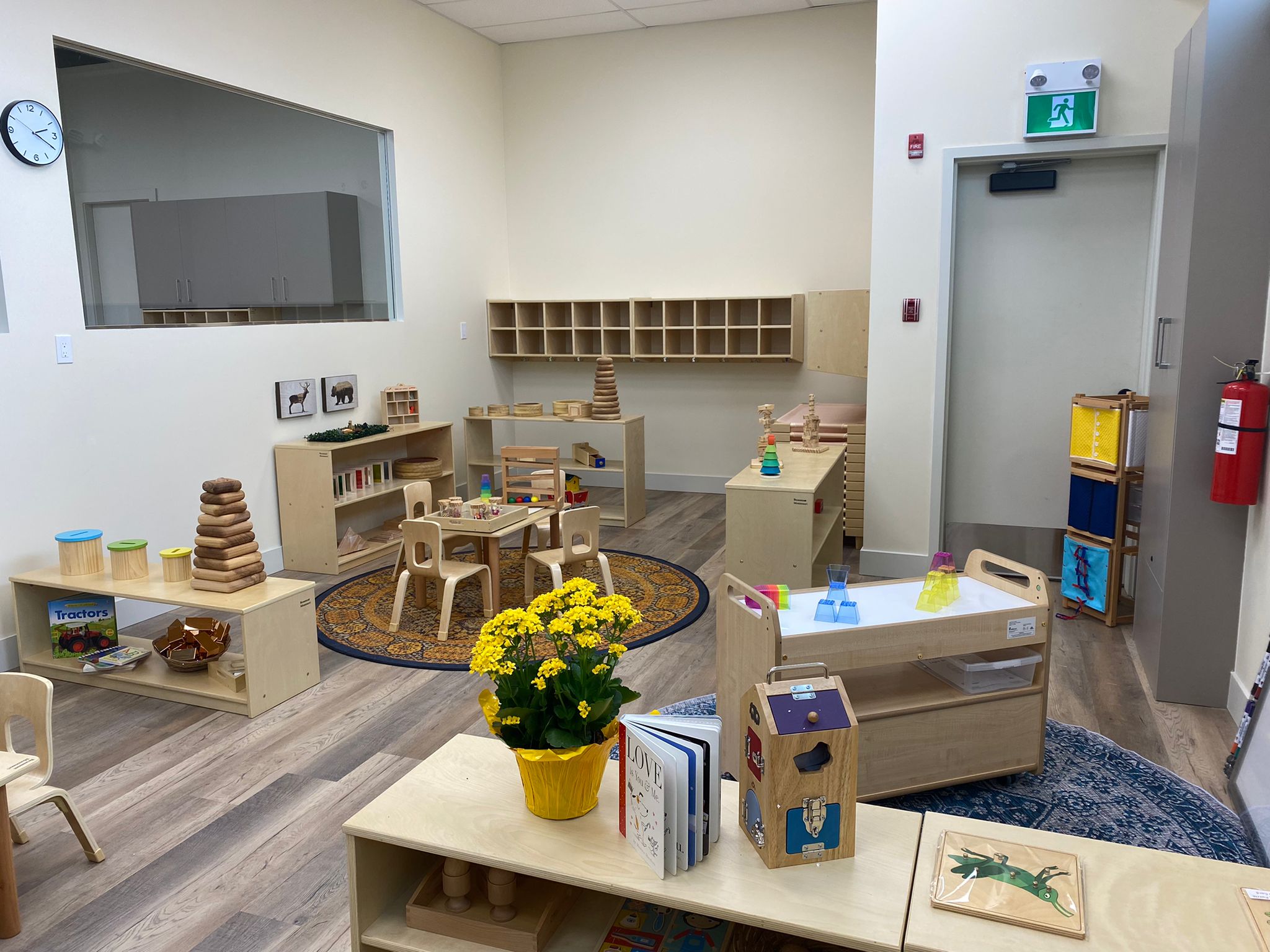
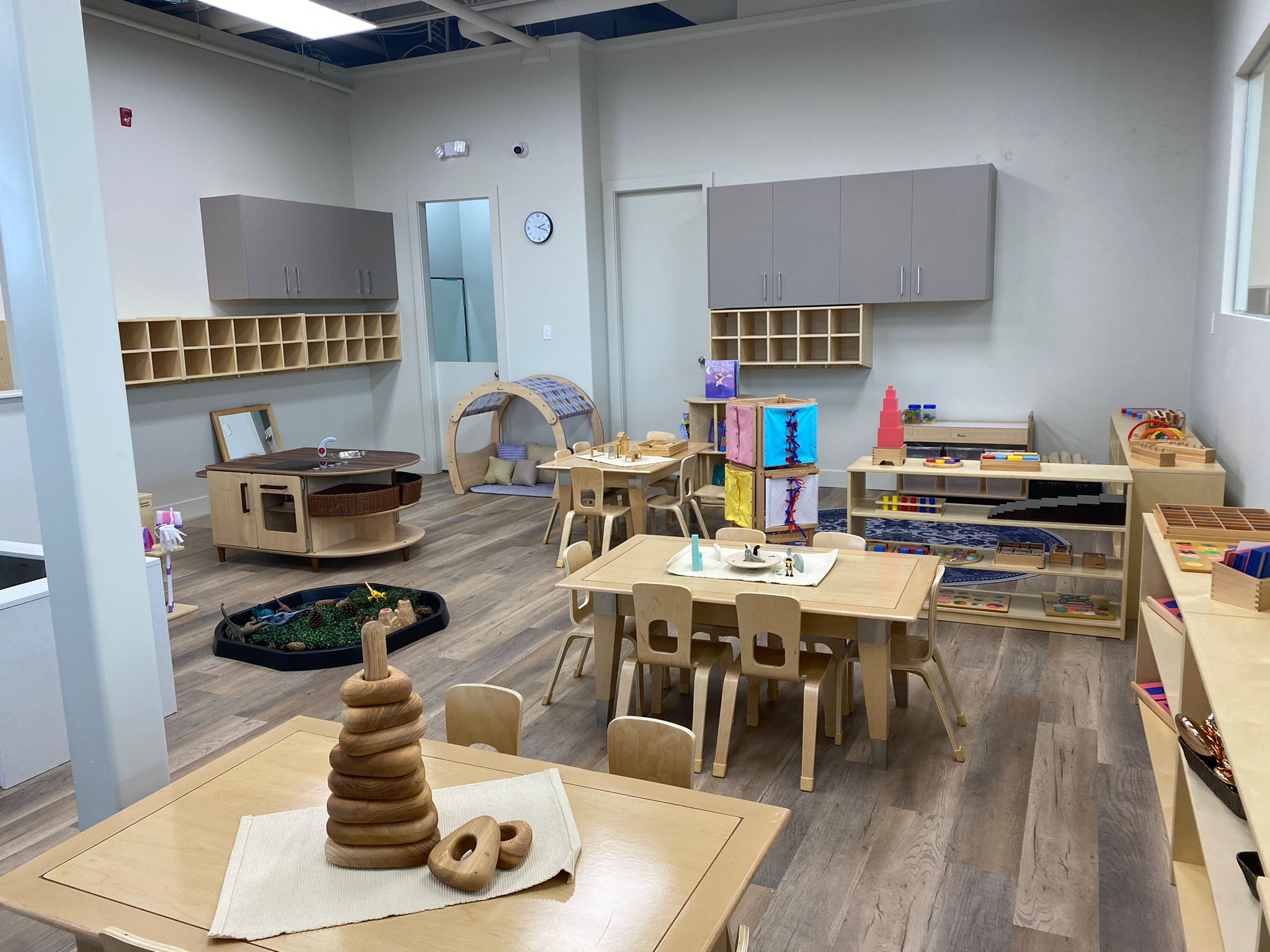
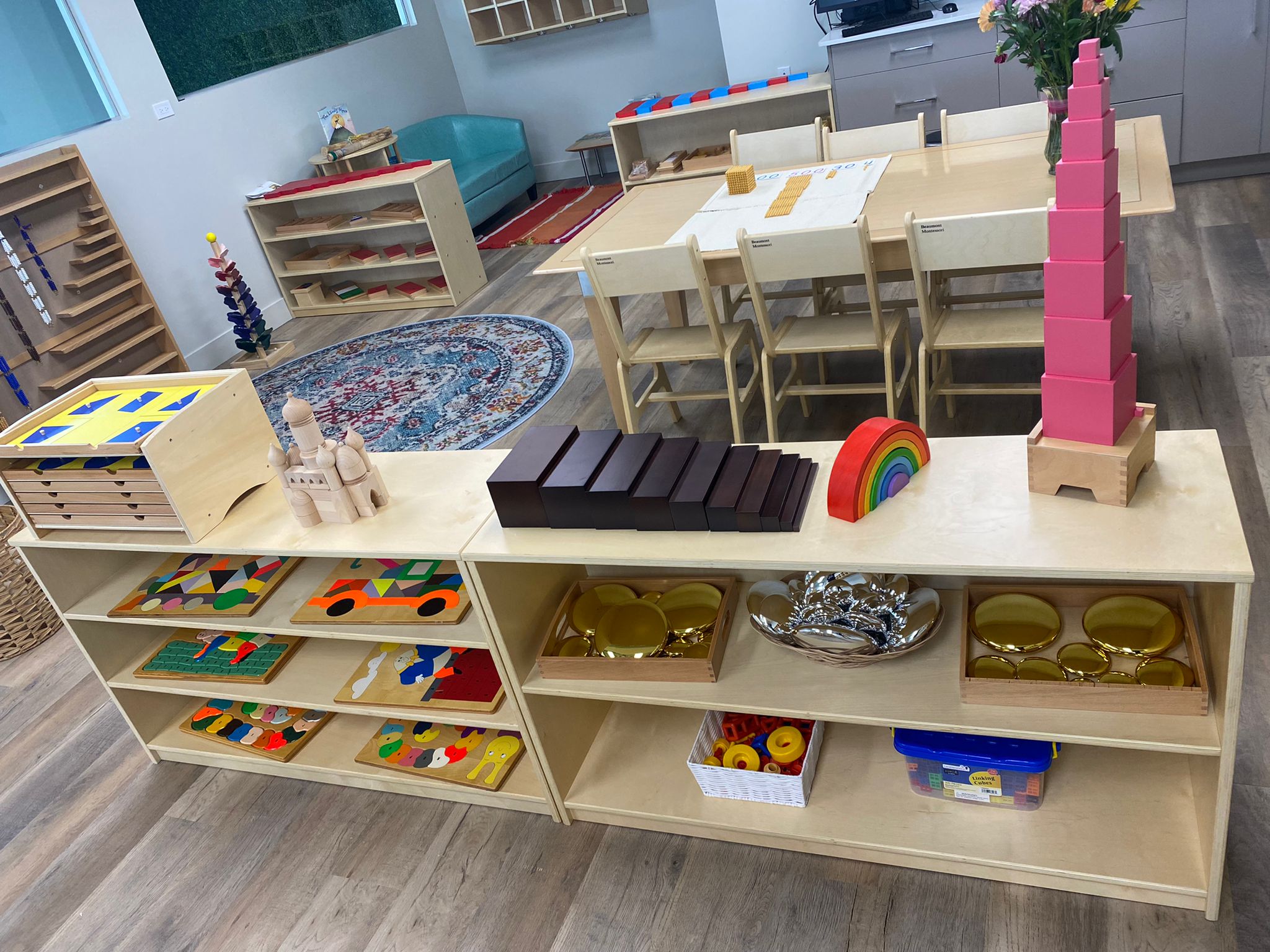
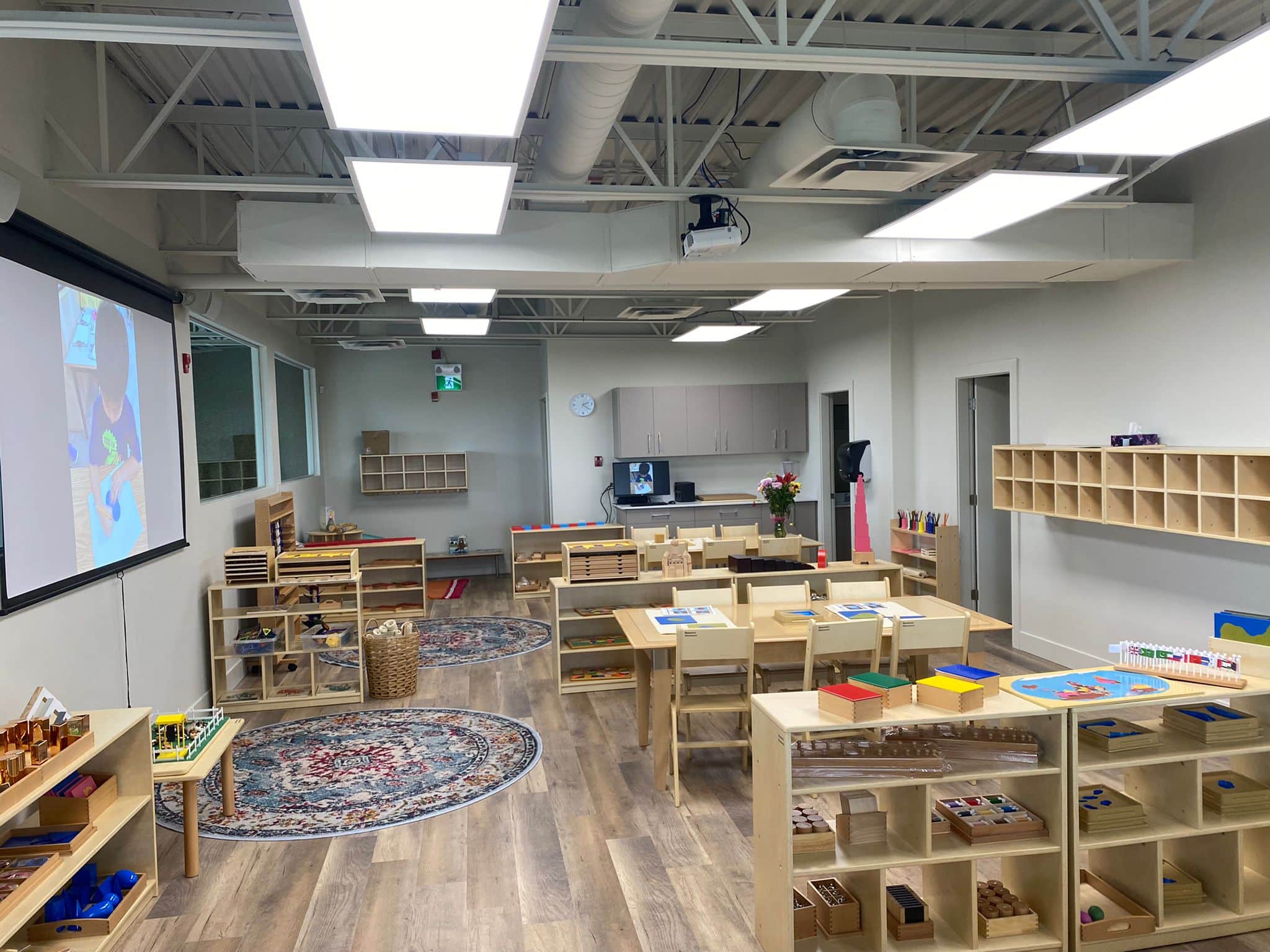
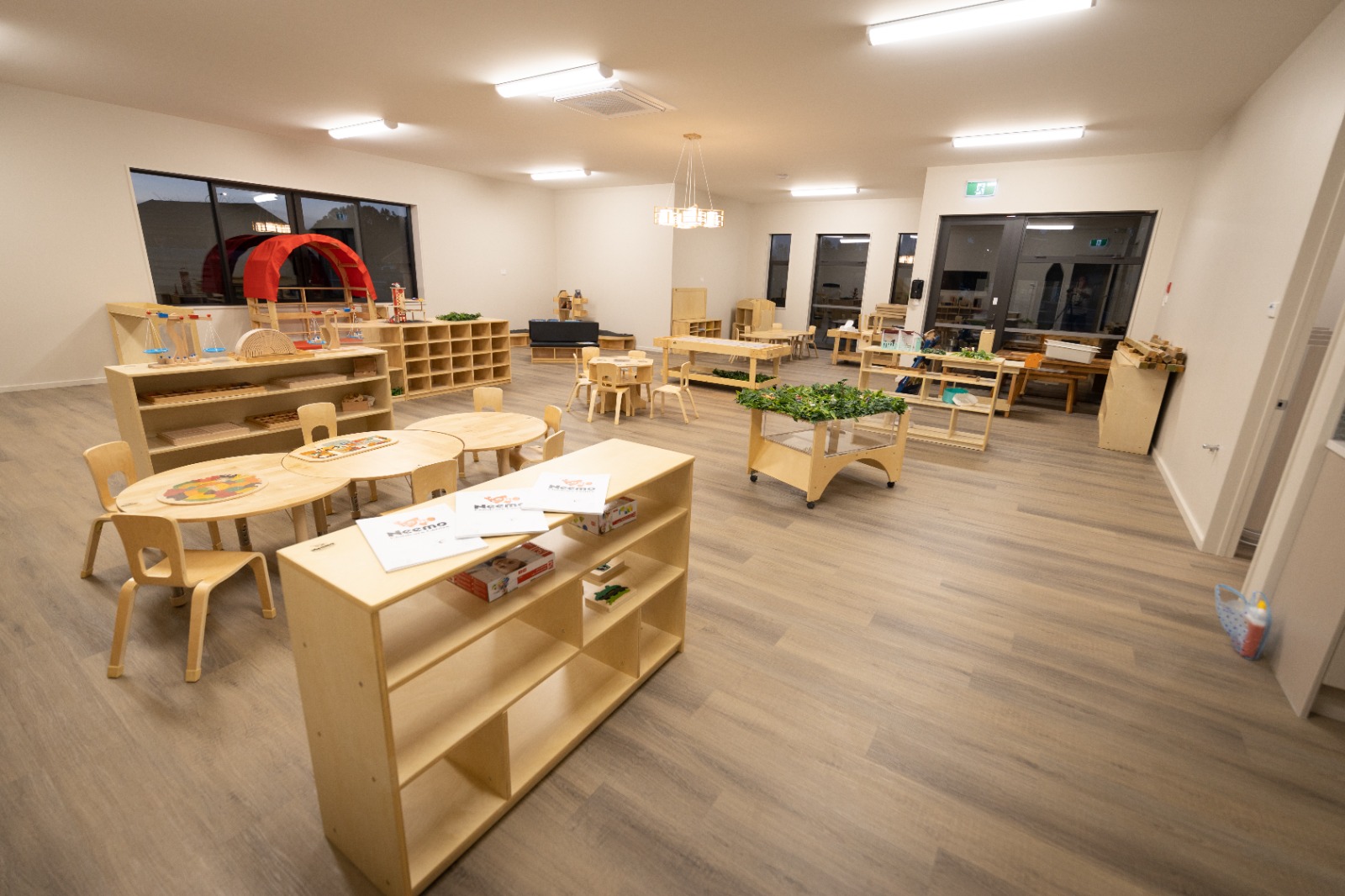
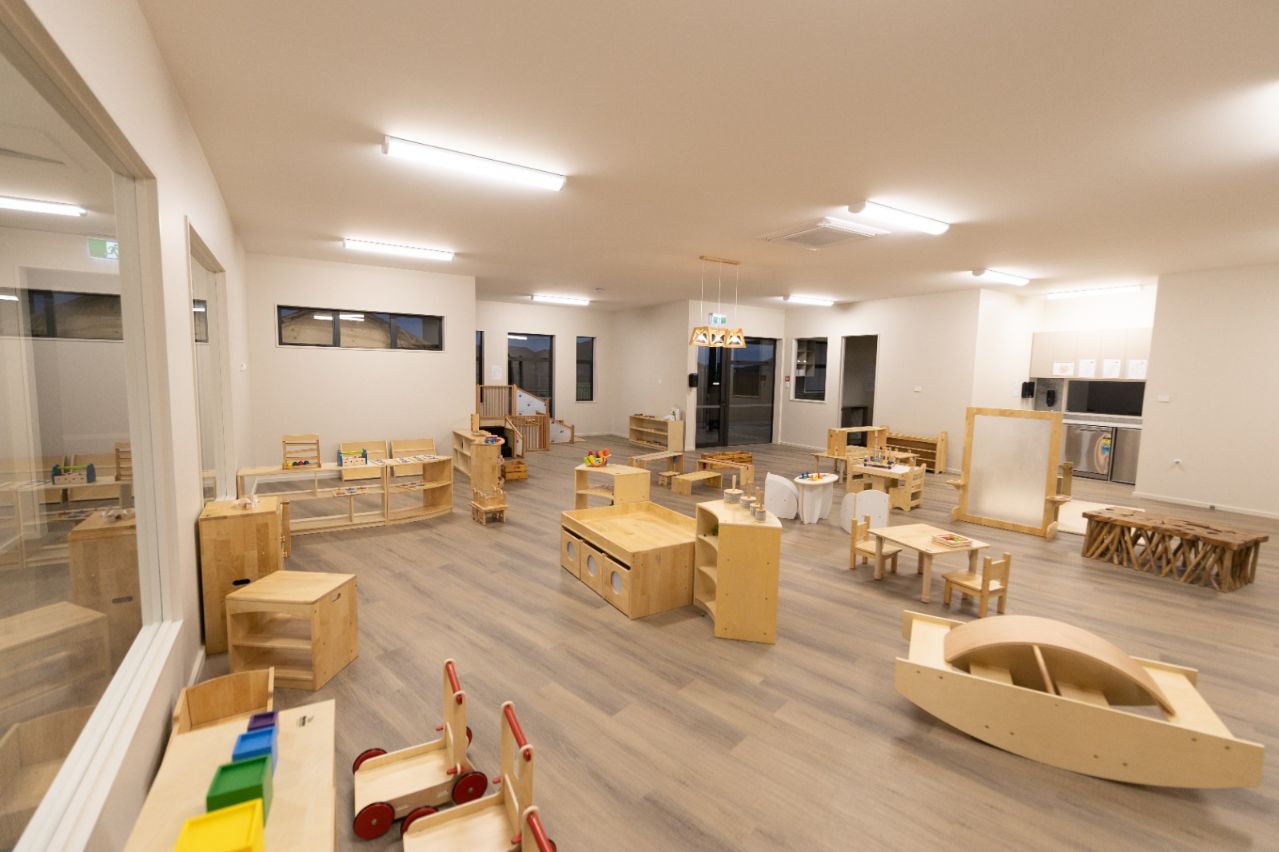
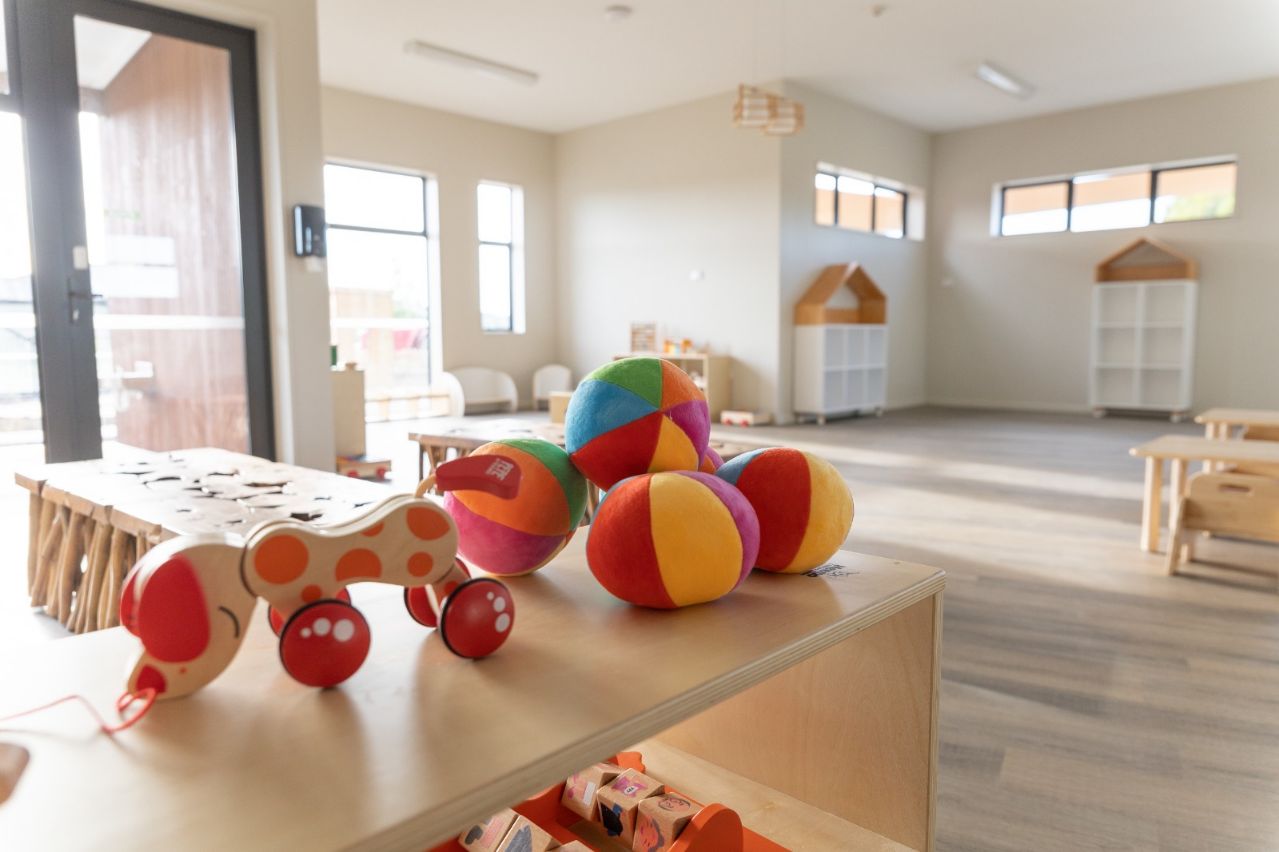
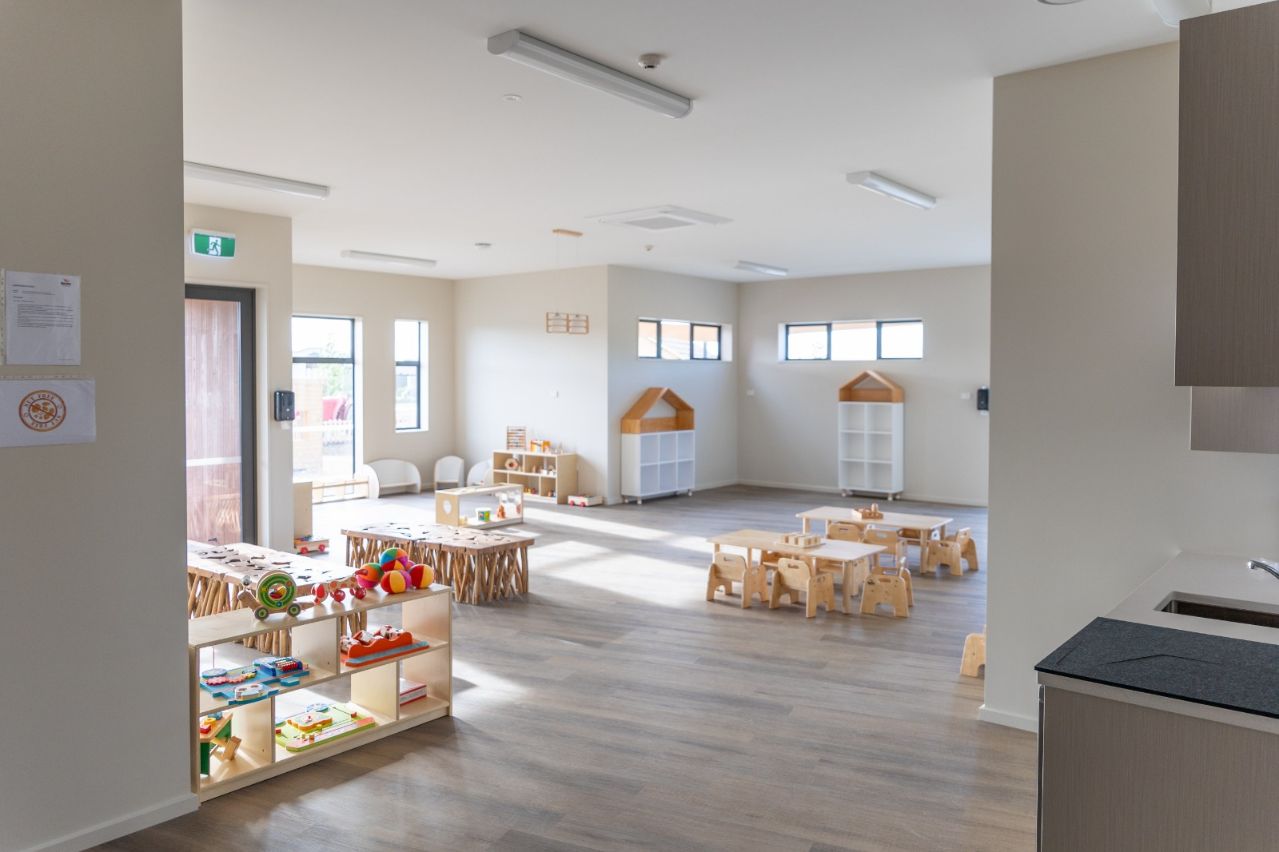
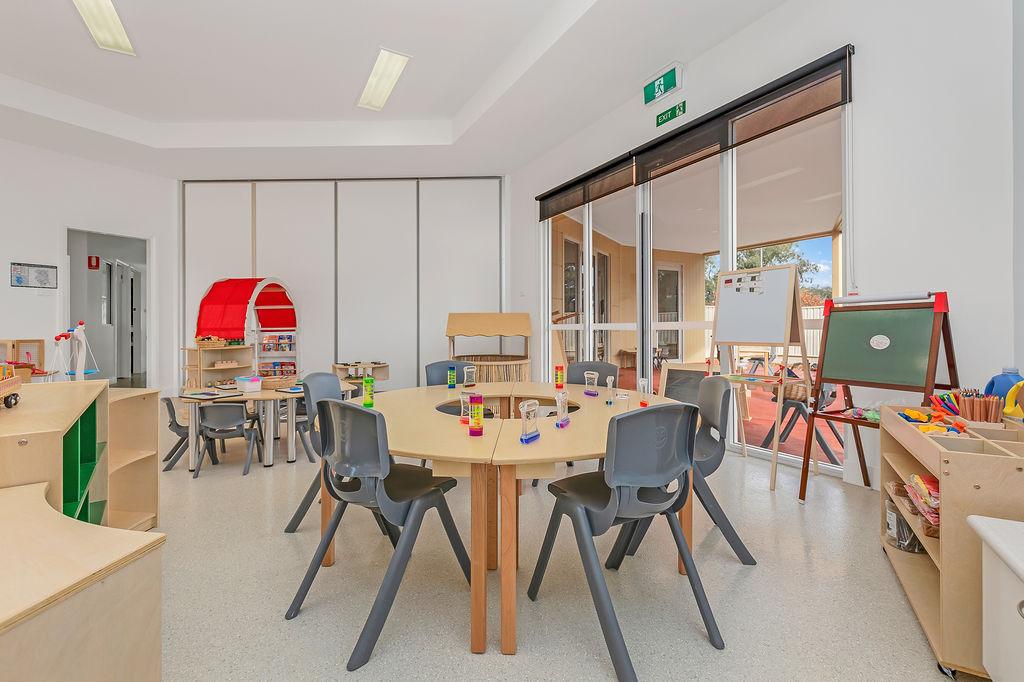
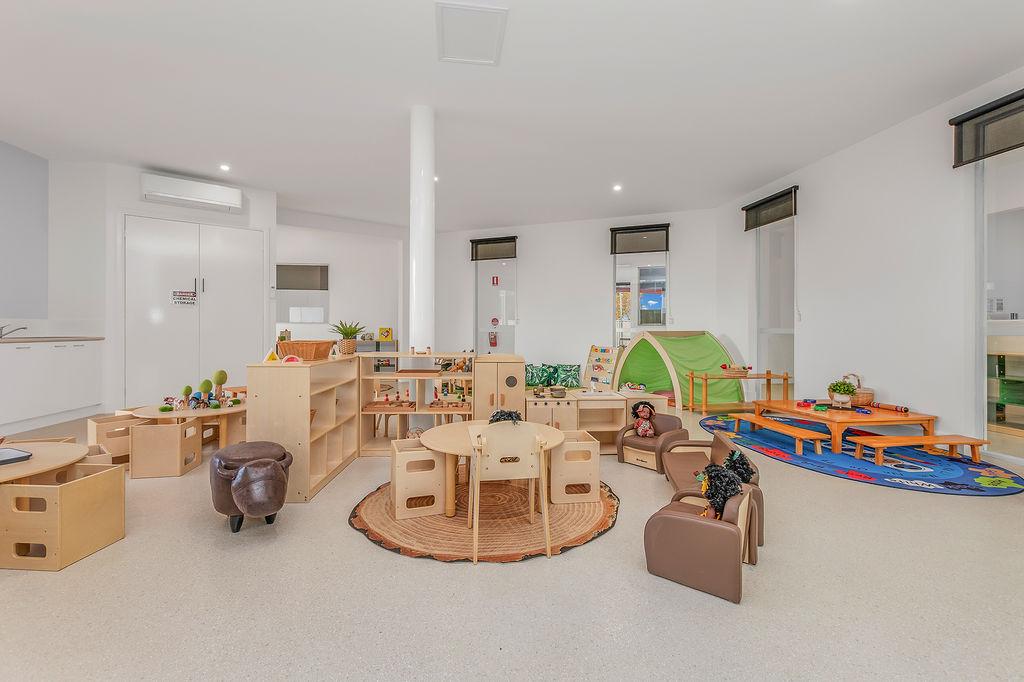
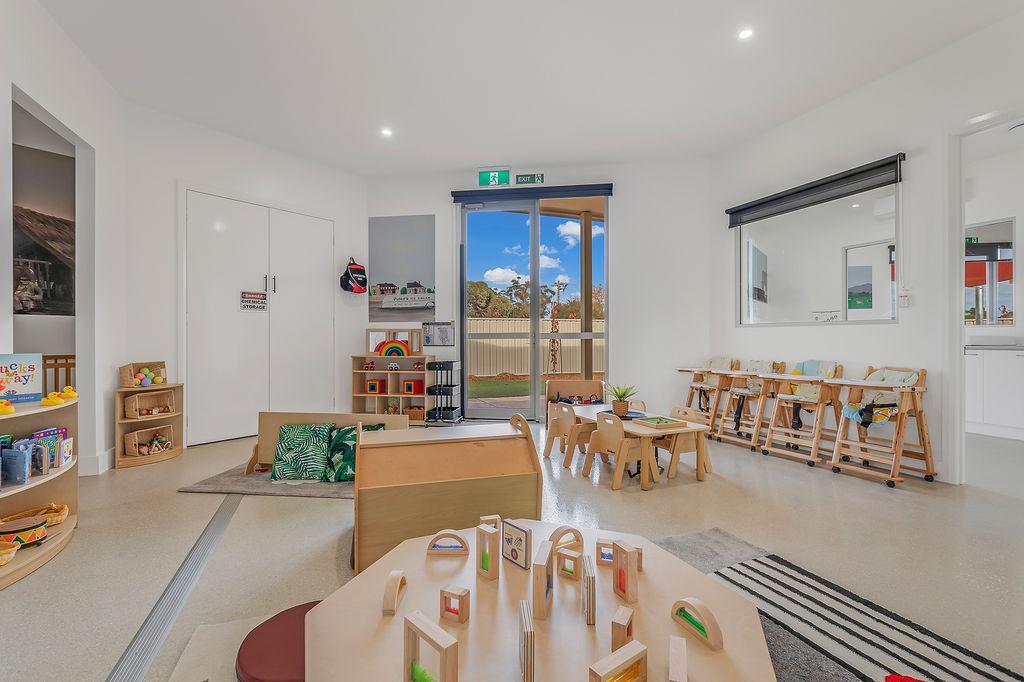
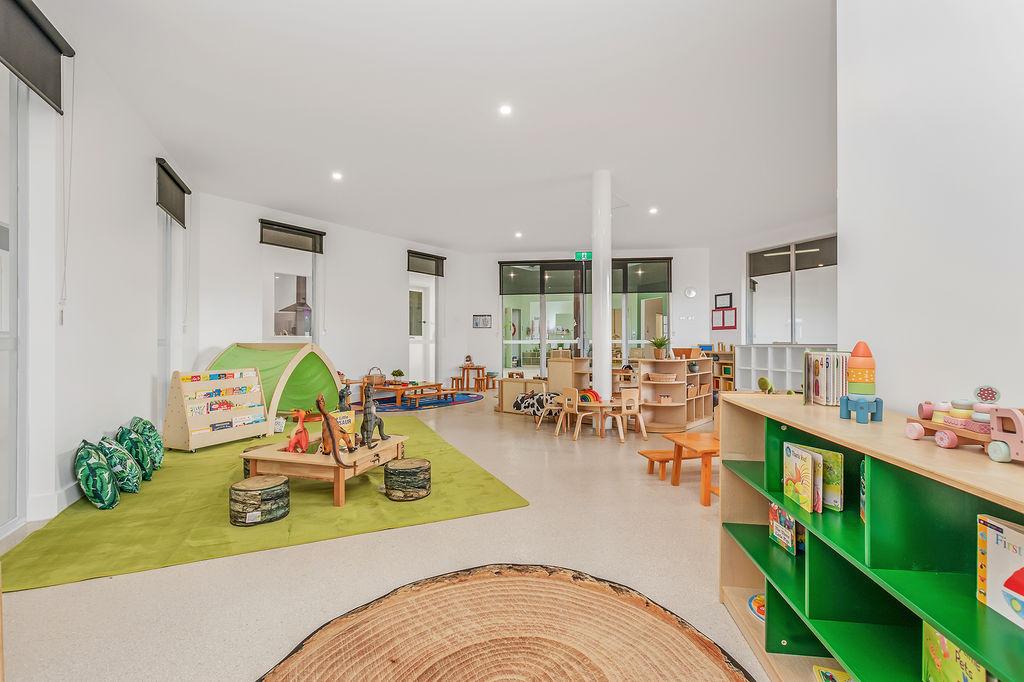
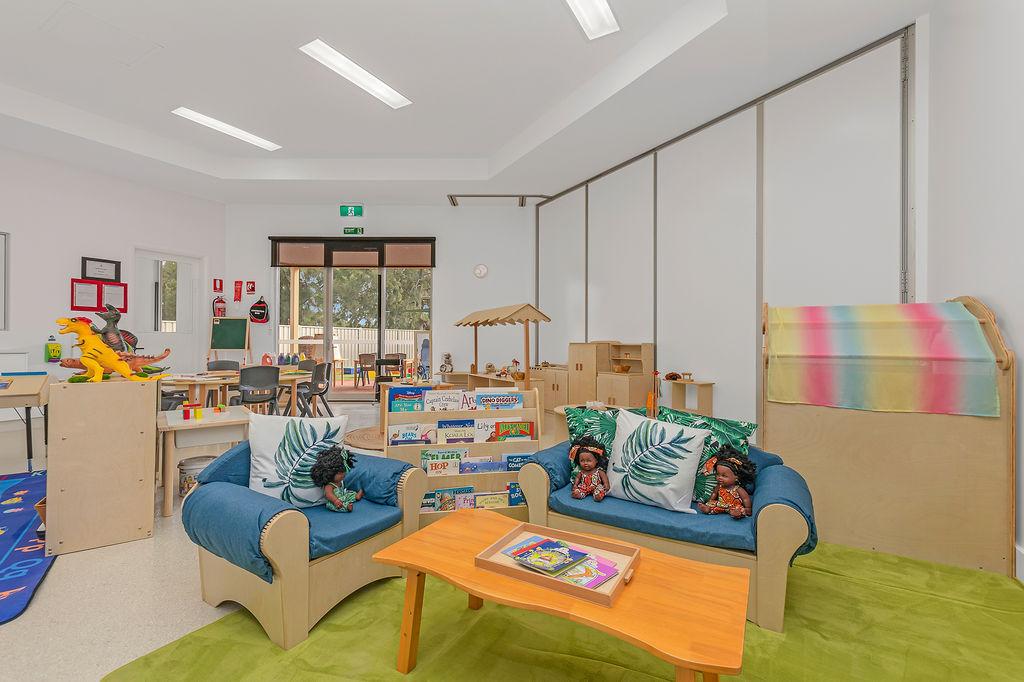
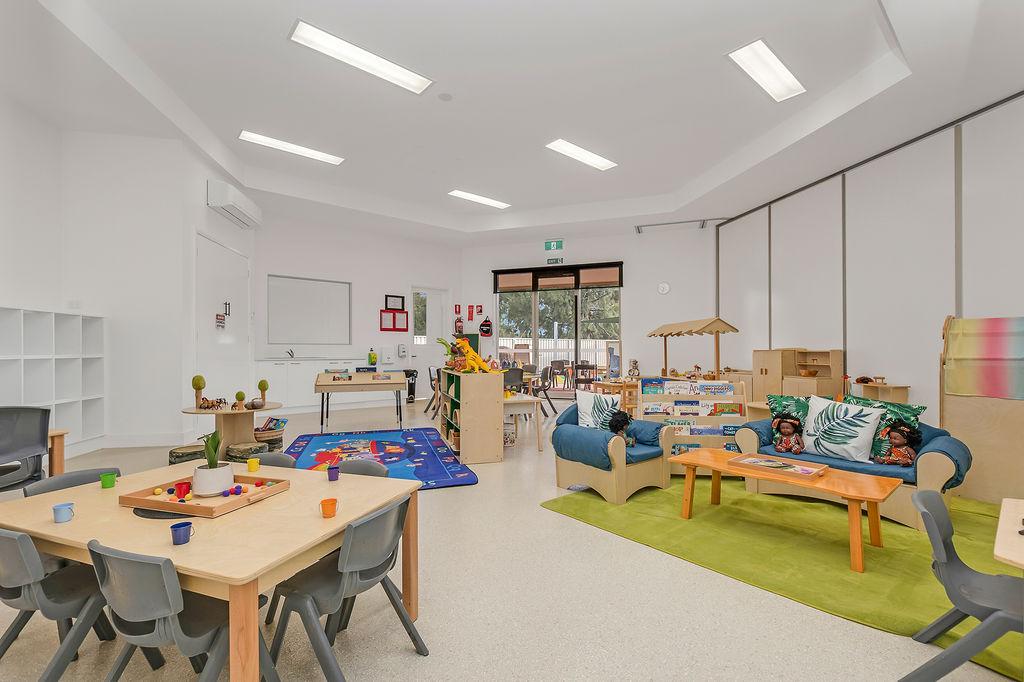
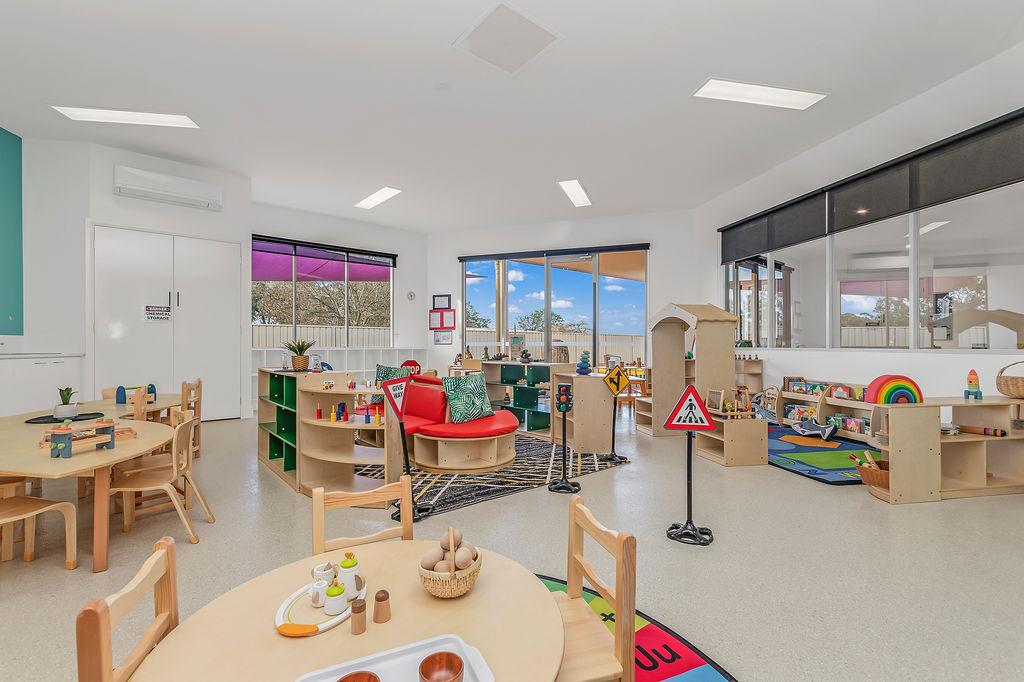
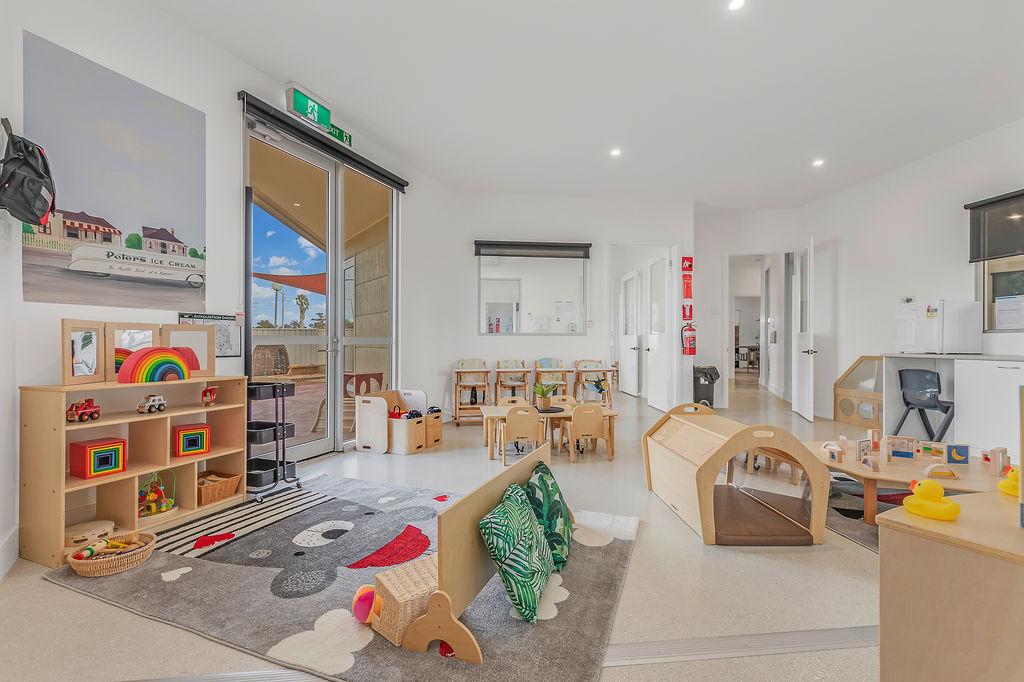
The classroom environment plays a direct role in shaping a child’s emotional state and behavior. A calm space begins with thoughtful choices: soft lighting, natural materials, low-noise areas, and clearly defined zones for work, play, and rest. Keep materials organized and predictable so children feel safe and in control.
A structured, peaceful setting minimizes sensory overload and emotional agitation. It becomes easier for children to focus, listen, and apply self-regulation strategies when the physical space itself supports calmness and consistency. This is a foundational piece of self-regulation in childhood.

17. Using Sensory Tools
Sensory tools help children regulate emotions through tactile, visual, or proprioceptive input. Offer items like fidget toys, stress balls, textured fabrics, weighted lap pads, or chewable necklaces during activities that require focus or during emotional recovery times.
These tools give children alternative outlets for their feelings, especially when they can’t yet express what they need verbally. They’re especially effective for kids who become overstimulated, and they support both emotional release and focus—critical aspects of self-regulation strategies for kids.
18. Physical Activity Breaks
Children naturally need to move, and intentional movement breaks can prevent dysregulation before it starts. Use transitions to include quick, structured activities like jumping jacks, animal walks, freeze dance, or yoga stretches. Schedule these consistently between seated learning sessions.
Movement releases pent-up energy, resets attention, and helps kids return to tasks with better emotional control. This is a proactive strategy to support the body-brain connection and is one of the most underrated self-regulation skills for kids in the preschool setting.
19. Quiet Zones or Cozy Corners
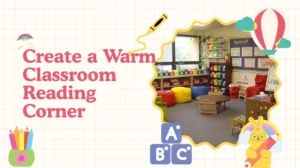
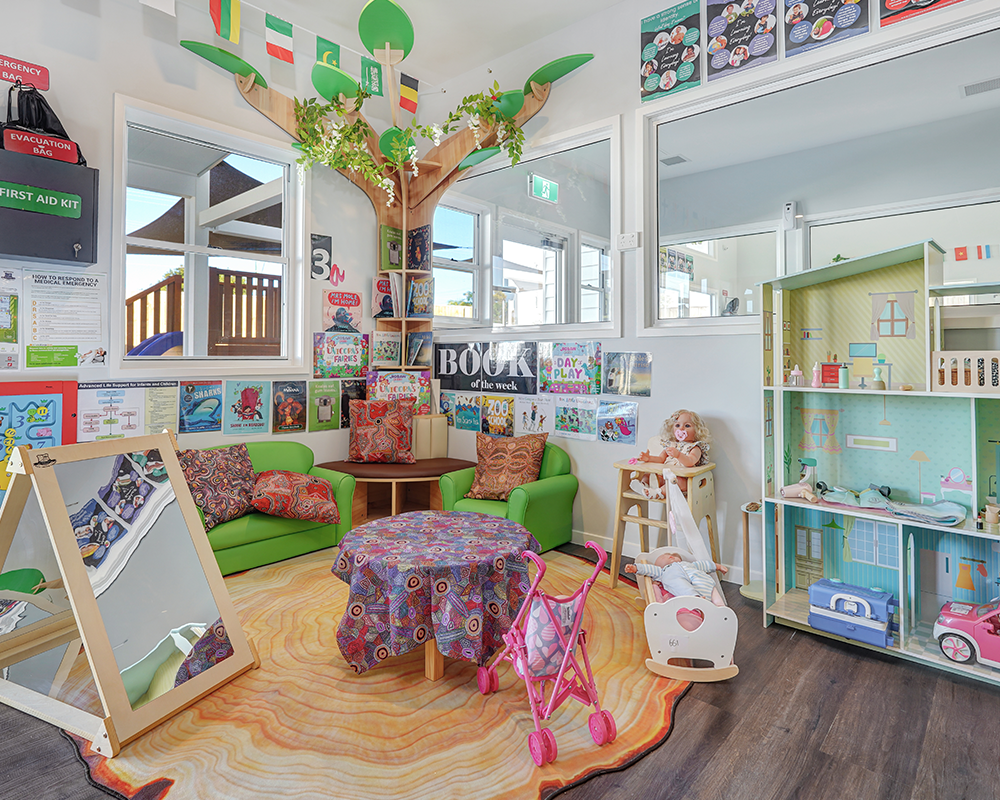
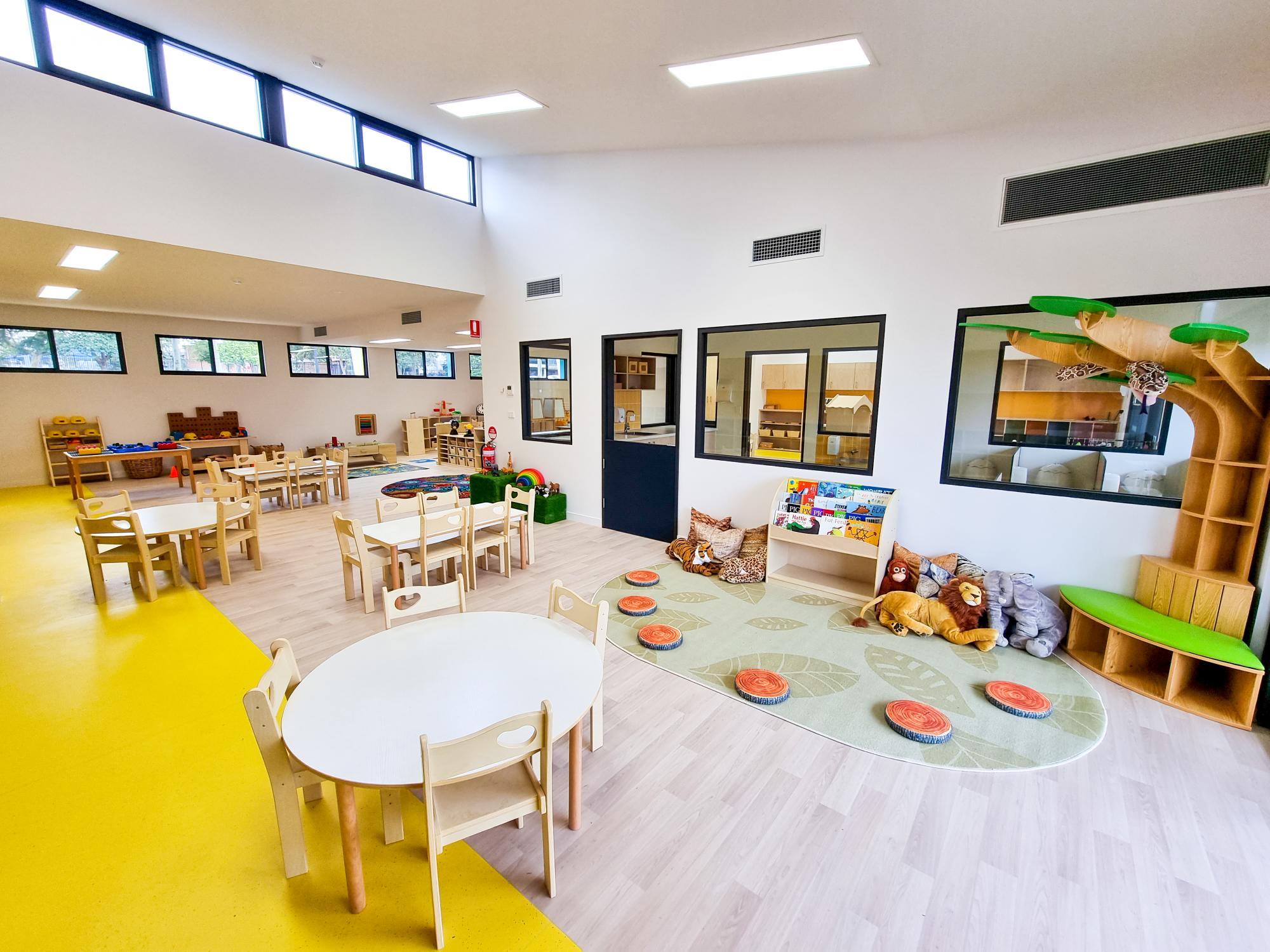
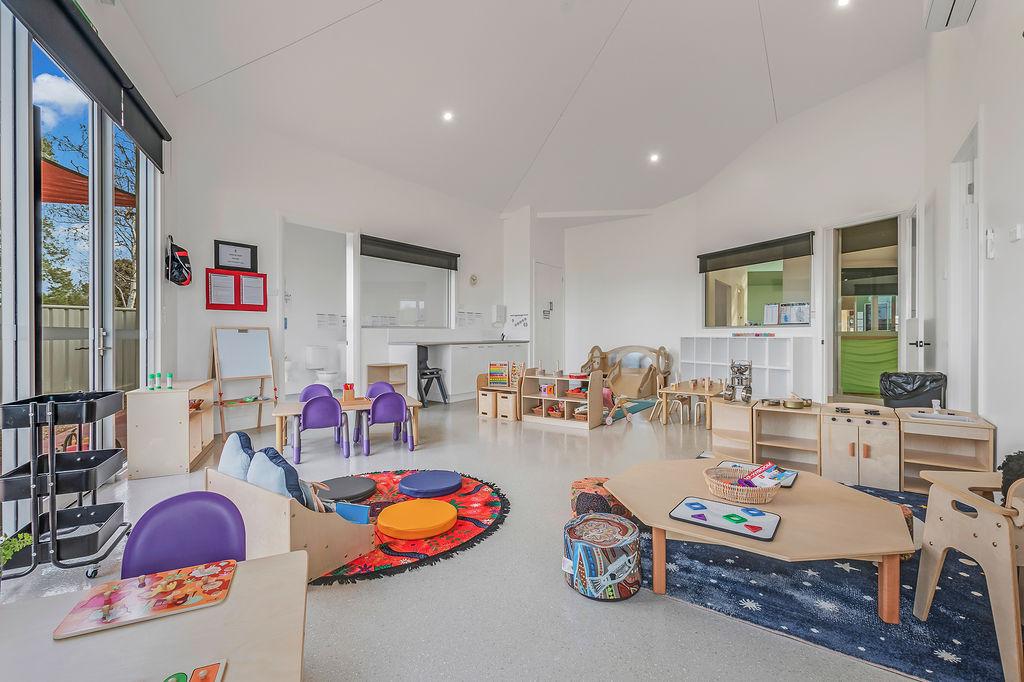
A quiet zone gives children a designated space to calm themselves without feeling punished. Create a cozy corner with pillows, low lighting, calming visuals, and sensory tools. Introduce it as a positive space to visit when emotions feel too big or overwhelming.
When kids have access to a non-judgmental retreat, they learn that stepping away is a thoughtful, healthy response—not a failure. Over time, they begin choosing self-regulation independently, reinforcing emotional resilience and self-trust.
20. Visual Schedules
Visual schedules help children understand the flow of the day, easing anxiety and reducing emotional reactions to change. Use clear icons or pictures to represent daily activities and update them regularly. Review the schedule at transitions and invite kids to move icons as tasks are completed.
Predictability reduces stress. When kids know what to expect, they’re more prepared to transition without resistance. This simple visual support is one of the most effective self-regulation strategies for kids who struggle with unpredictability or sudden changes.
21. Sleep and Nutrition Awareness
Sleep and nutrition aren’t taught in the classroom, but their impact is felt there every day. Talk with families about the importance of routines, rest, and balanced meals. Keep healthy snacks on hand and observe behaviors that may signal tiredness or hunger.
A child who is overtired or undernourished is more likely to struggle with self-regulation in childhood. By recognizing and supporting these basic needs, educators create a stronger foundation for emotional control, attention, and positive behavior.
E. Parental Support and Modeling Strategies
The home-to-school connection matters. These strategies ensure consistency in teaching self-regulation across environments.
22. Model Self-Regulation at Home
Children absorb emotional habits by observing the adults around them. When parents narrate their emotions and show calm responses, children learn by example. Phrases like, “I’m upset, so I’m going to take a deep breath,” or “I need a quiet moment to calm down,” give children real-life scripts they can mimic.
This modeling is a powerful self-regulation strategy for kids because it brings emotional control into the child’s natural environment. The consistency between home and school reinforces these skills and helps children understand that managing feelings is a normal, healthy part of life.

23. Provide Encouragement and Coaching
Coaching children through emotional moments teaches them what to do when they feel overwhelmed. Rather than punishing a meltdown, acknowledge the emotion—“I see you’re feeling really angry”—and guide the child toward a tool, like breathing, counting, or asking for space.
Supportive coaching builds trust and teaches children that emotions are manageable, not scary. It strengthens the child’s belief that they can handle stress, while reinforcing key self-regulation skills for kids in a safe and predictable way.
24. Celebrate Successes
Acknowledging and celebrating small steps in emotional growth reinforces self-regulation in childhood. Use praise, sticker charts, or a simple high-five when a child waits patiently, uses words instead of hitting, or remembers to breathe before reacting. Be specific—“You calmed down so quickly after that problem!”
Positive reinforcement boosts confidence and motivation. When children feel seen for their self-control efforts, they’re more likely to repeat them. This turns self-regulation into something rewarding and empowering, rather than just expected.
How to Teach Self-Regulation Strategy?
Helping children develop self-regulation skills takes more than just correcting behavior. It requires intentional teaching, consistent modeling, and the right environment. In this section, I’ll walk you through practical ways teachers can guide young children toward emotional control and independence.
Understanding the Basics
To teach self-regulation effectively, educators must first understand that this is a skill, not a behavior to demand. It’s not about stopping outbursts or keeping children quiet—it’s about building their ability to recognize emotions, pause before reacting, and make thoughtful choices. In early childhood education, these abilities are still developing and need to be taught just like literacy or math. A teacher who recognizes that emotional reactions are learning opportunities, not discipline problems, can respond with strategies that build skills rather than frustration. The foundation of all self-regulation strategies for kids starts with this shift in mindset: from control to coaching.
Practice
Children can’t apply what they’ve only been told—they need consistent, structured chances to rehearse self-regulation in real-life settings. That means teachers must create environments where calming techniques and problem-solving tools are used every day, not just during crises. Simple, guided routines like breathing before transitions, emotion check-ins during circle time, or modeling social scripts during play help embed these habits in daily life. Every time a child tries a strategy, even if imperfectly, they’re laying down a foundation for better emotional control in the future. With enough repetition, what starts as teacher-guided practice becomes self-initiated behavior.
Be a Positive Role Model
Teachers are the most potent examples of emotional behavior in the classroom, and students are watching constantly. When a teacher handles frustration with calm words, manages conflict respectfully, or openly expresses their emotional strategies, they show children what regulation looks like in real time. Saying things like “I feel overwhelmed, so I’m going to take three deep breaths” turns emotional control into something visible and achievable. Over time, children begin to copy these actions—not because they were told to, but because they were shown how. This modeling is one of the most natural and powerful self-regulation strategies for kids.
Fostering a Supportive Environment
A classroom that supports self-regulation isn’t just organized—it’s emotionally responsive. Children thrive when the environment around them is predictable, calm, and filled with signals that it’s safe to slow down and try again. Tools like visual schedules, cozy corners, sensory materials, and consistent transitions give kids a sense of security, and that sense of security becomes the ground from which regulation grows. But the environment also includes teacher language: words that acknowledge emotion, offer connection, and gently guide children toward better responses are just as important as any physical tool. Regulation doesn’t grow in pressure—it grows in safety.
Individual Differences
Every child brings their emotional wiring into the classroom, and teachers must respond to that diversity with flexible strategies. Some children need movement, others need quiet; some react to visuals, others need one-on-one support. Teaching self-regulation in childhood means observing closely and adjusting methods to meet each child where they are. A one-size-fits-all approach will leave some children behind, especially those with neurodiverse needs. The most effective educators see beyond the behavior and ask, “What does this child need to succeed at regulation?” Then they adjust their support to match that answer with compassion and clarity.
Patience and Persistence
Self-regulation doesn’t develop in a straight line. One day, a child uses their coping tool perfectly, and the next day, they’re back to yelling or hitting. That doesn’t mean failure—it means they’re still learning. Teachers need the patience to stay consistent even when it feels like nothing is changing, and the persistence to keep reinforcing strategies even when the payoff isn’t immediate. A single moment of calm might have taken weeks to build behind the scenes. With steady support, those moments increase. Over time, they become the norm. Self-regulation strategies for kids work when adults don’t give up on them.
Professional Support
When a child consistently struggles despite clear strategies and ongoing support, it may be time to involve professionals who can offer more profound insight. School psychologists, behavioral specialists, and occupational therapists can assess underlying issues and recommend individualized plans that go beyond what a classroom teacher can provide alone. Seeking help is not a sign of failure—it’s a professional response to a complex need. The earlier a child receives targeted support, the more likely they are to develop the self-regulation skills that will carry them through school and life. Sometimes, the most effective strategy is knowing when to reach for more help.
These strategies work best when taught with patience and consistency. Self-regulation in childhood is built step by step—and every small improvement counts.

Over-Regulating
Some children become over-regulated when they feel unsafe showing emotions. They may have learned that crying, complaining, or making mistakes leads to scolding or rejection. Instead of self-regulation, they practice emotional avoidance. Teachers must know: silence is not always success.
In the classroom, over-regulating might look like a child who never asks for help, who hides their tears, or who follows every rule without engaging socially. These kids are often labeled “easy,” but they may be deeply disconnected from their feelings.
To support these students, teachers should focus on emotional permission. Use check-in routines, feeling cards, and low-pressure moments to invite children to name what they’re feeling. Praise openness, not just compliance.
Effective self-regulation strategies for kids must include expression, not just control. Emotional resilience means being able to pause, reflect, and respond—but also to speak up, ask for help, and feel seen.
Teachers should create classrooms where it’s okay to cry, to disagree respectfully, or to take a break. When children know they’re safe to feel, they learn how to regulate in ways that are flexible, not rigid.

Approaches to Learning — Self-Regulation Domain
In the DRDP framework, Approaches to Learning—Self-Regulation (ATL-REG) is more than a label. It’s a structured way to observe how young children grow into capable, focused, and emotionally aware learners. This domain focuses on two deeply connected areas: how children approach learning tasks, and how they regulate themselves in social and emotional situations. For educators, ATL-REG is not just a theory—it’s a roadmap for understanding what a child can do, what they’re working on, and what kind of support they need next.
Attention Maintenance
The ability to maintain attention is a core part of learning. While younger children are naturally distractible, preschoolers begin to show the ability to focus for more extended periods, with help. Teachers may notice this when a child listens through an entire story, finishes a puzzle without walking away, or returns to an activity after being interrupted. These are early signs of growing self-regulation skills for kids.
Engagement and Persistence
Learning isn’t always easy, and this measure looks at how children respond when things get challenging. A child who keeps trying after blocks fall, or who experiments with different strategies to solve a problem, is showing cognitive self-regulation in action. Teachers can nurture this by praising effort, offering gentle support, and modeling problem-solving themselves.
Curiosity and Initiative
Children who ask questions, try new tools, or explore new spaces without being prompted are building independence. This kind of initiative is closely tied to emotional confidence—kids feel safe enough to take risks. Encouraging curiosity, instead of always directing behavior, builds both learning and self-regulation strategies for kids.
Self-Comforting
Managing distress is one of the earliest self-regulation behaviors. A child might look for a quiet spot, hug a toy, or seek out a trusted adult after something upsetting. These responses are signs that the child is beginning to manage emotions without melting down. Teachers can support this by validating feelings and reinforcing calming routines.
Imitation
From facial expressions to phrases and actions, young children often learn by copying others. When a child mirrors calming behavior, like using breathing tools after seeing a peer do so, they’re practicing early self-regulation in childhood. Teachers need to model behaviors intentionally, knowing they’re always being watched and learned from.
Self-Control of Feelings and Behavior
This measure reflects a child’s ability to pause, wait, or choose a different reaction without being told. It includes waiting for a turn, asking instead of grabbing, and using words instead of acting out. Self-regulation strategies for kids must consist of coaching, repetition, and positive reinforcement to help these behaviors take root.
Shared Use of Space and Materials
Children aren’t born knowing how to share or collaborate. These skills develop gradually through adult guidance and peer interaction. A child who takes turns with a toy or invites others into their play area is showing both social-emotional growth and behavioral self-control. Teachers can support this with group tasks, open-ended materials, and routines that involve cooperation.
Supporting Self-Regulation Through Assessment
Understanding a child’s strengths and challenges in ATL-REG isn’t about guesswork. The DRDP system offers a clear, research-based tool to assess where each child is along a developmental path. Teachers observe behavior and place children along four levels: Responding, Exploring, Building, and Integrating.
- Responding: The child reacts to their environment but depends on adults to guide behavior.
- Exploring: The child begins using strategies with frequent support.
- Building: The child shows more consistency and independence.
- Integrating: The child applies self-regulation flexibly across situations.
These levels aren’t scores—they’re guides. By knowing where a child is, teachers can better tailor environments, routines, and self-regulation strategies for kids that match their current needs. For example, a child at the “responding” stage may need physical comfort and co-regulation, while one at the “building” stage can start using emotion charts or breathing techniques with minimal cues.
Assessing self-regulation in childhood this way ensures no child is left behind simply because they aren’t “acting out.” It helps teachers notice both the loud struggles and the quiet ones—and respond with support, not just correction. In the end, self-regulation isn’t about compliance. It’s about helping children connect with their emotions, take control of their choices, and grow into confident, capable learners.
Final Conclusion
Self-regulation isn’t a single skill—it’s a foundation for everything young children do, from making friends to solving problems and staying engaged in learning. When we intentionally teach self-regulation strategies for kids, we’re not just preventing meltdowns. We’re helping children become emotionally aware, socially capable, and ready to succeed in school and life. Whether through modeling, routines, classroom tools, or careful developmental assessment like the DRDP, early childhood educators have the power to shape this growth every day. The goal isn’t perfection. It’s progress, confidence, and connection. And it all starts with recognizing that every child can learn to regulate—with the proper support, at the right time.
FAQ: Self-Regulation Strategies for Kids
What can a child do better through self-regulation?
When children develop strong self-regulation skills, they can manage emotions, follow directions, stay focused, and interact positively with peers. These abilities help them learn more effectively, handle frustration, and participate in group activities with confidence. In short, self-regulation in childhood supports better academic performance, healthier relationships, and fewer behavior issues. With consistent support and the right self-regulation strategies for kids, they can thrive in both learning and life.
What are the 5 steps to self-regulation?
The five basic steps to self-regulation are:
- Recognize emotions
- Label the feeling
- Pause before reacting
- Choose a calming strategy
- Reflect or try again
- Teaching these steps with simple routines and visual tools builds core self-regulation skills for kids. Over time, children learn to pause and respond thoughtfully, not impulsively—a key goal in developing emotional control and resilience.
At what age can a child start controlling their emotions?
Emotional self-regulation begins developing in toddlerhood but strengthens through preschool and early childhood. Most children start learning basic self-regulation strategies between ages 3 and 5, though progress varies. Full emotional control is still forming into the early school years. That’s why teaching self-regulation strategies for kids during this window is so important—it lays the groundwork for lifelong coping and learning.