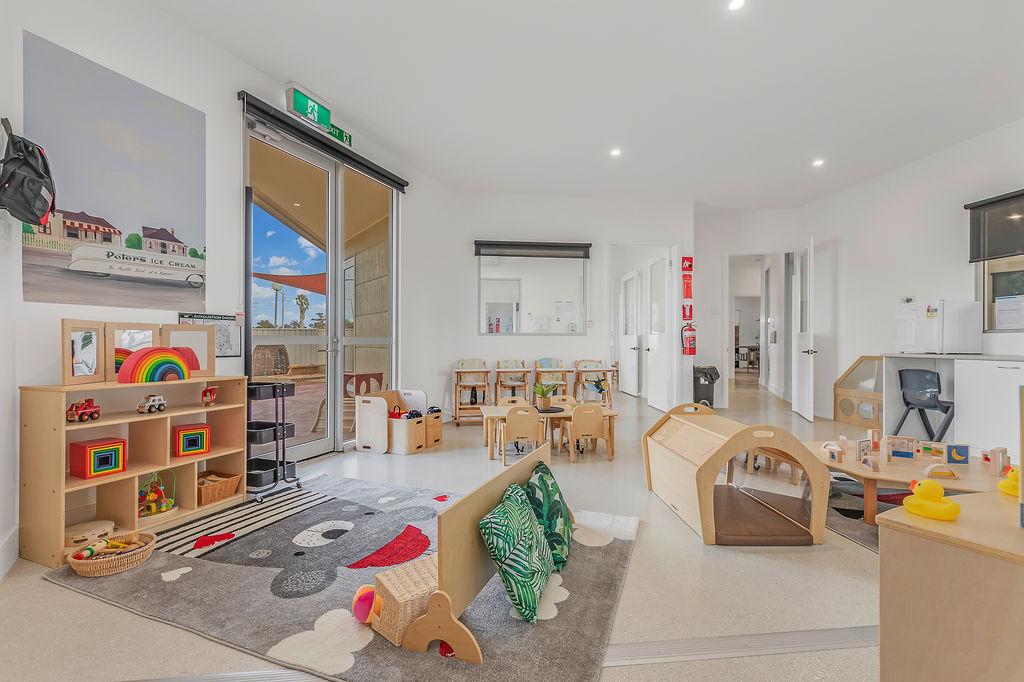
Practical Life in Montessori: What it is and How to Teach It
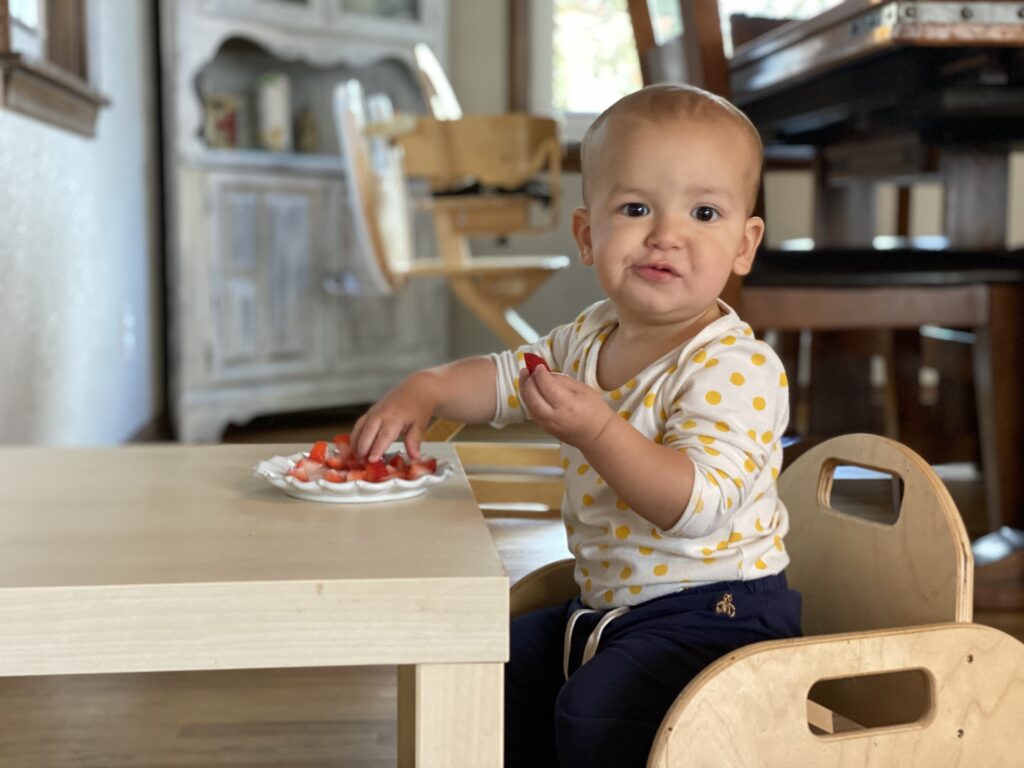
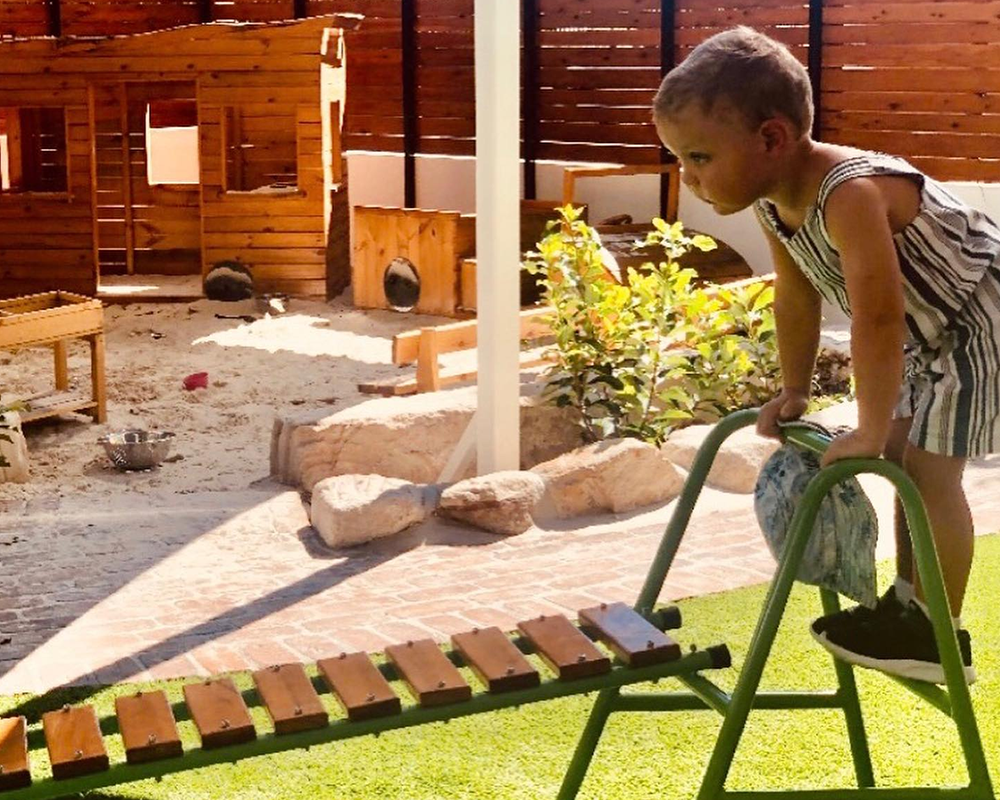
The Montessori methodology focuses on an aspect termed Practical Life, which is a four-category process in where children can explore education at their own pace. The four aspects of practical life in Montessori are care of the self, care of the environment, grace and courtesy, and control of movement.
From Independence to Interdependence

In Montessori, we talk a lot about independence. However, one of the lesser known or understood aspects of Montessori is that independence isn’t the end goal.
What is Practical Life

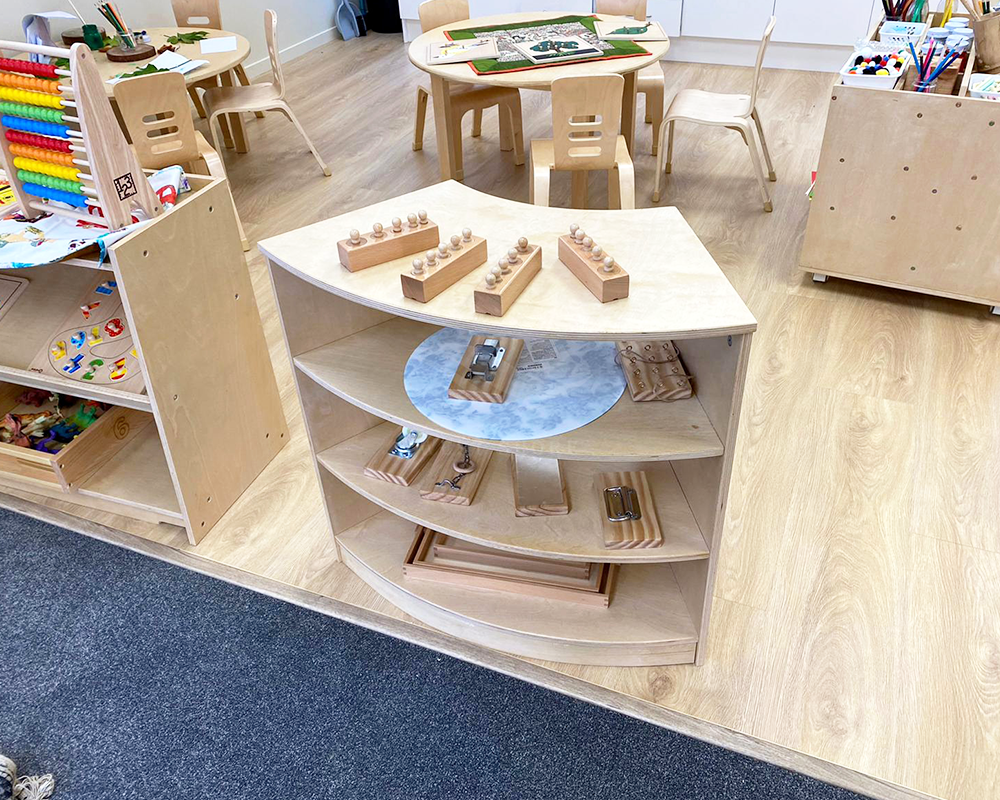
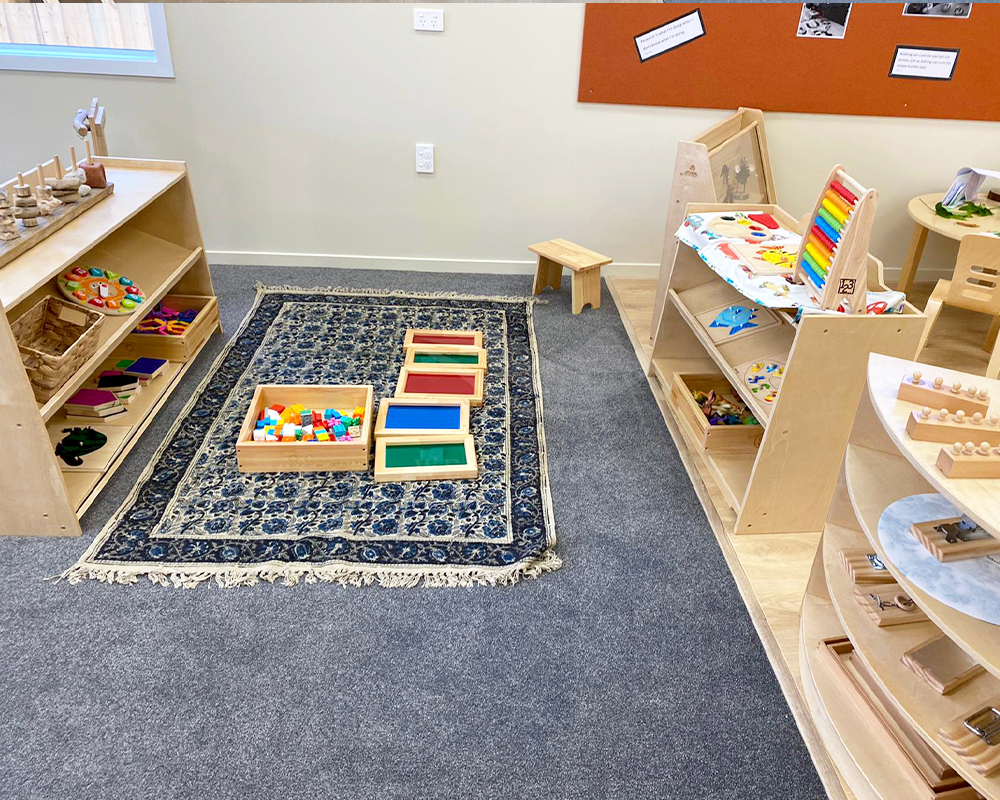
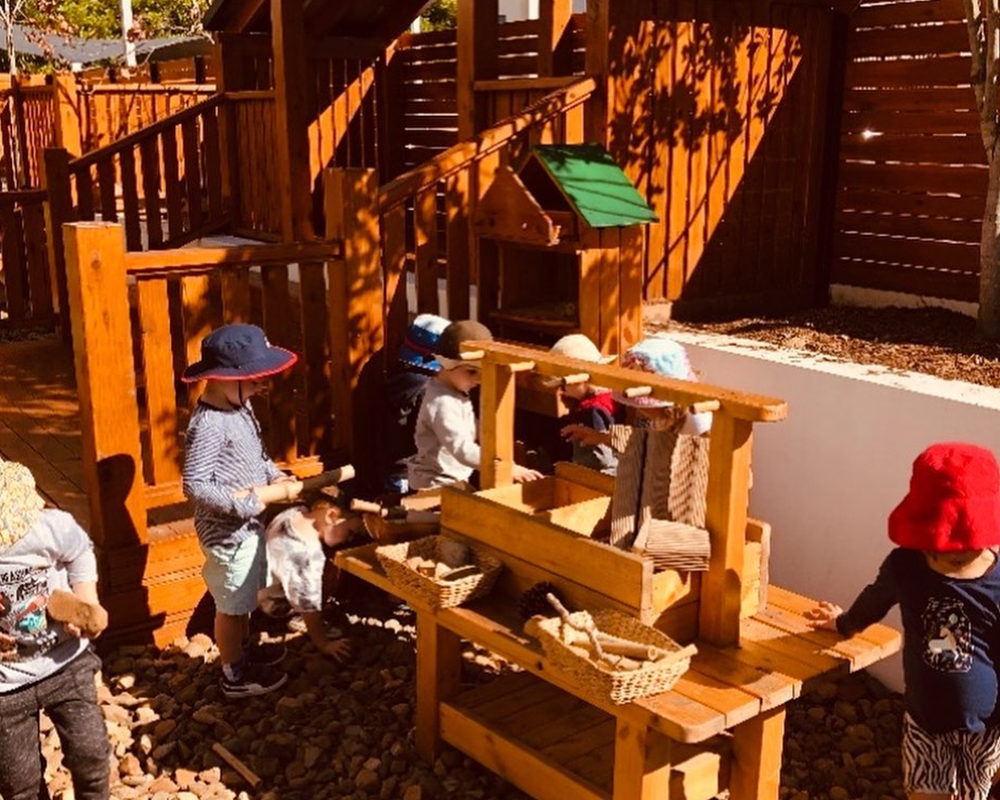
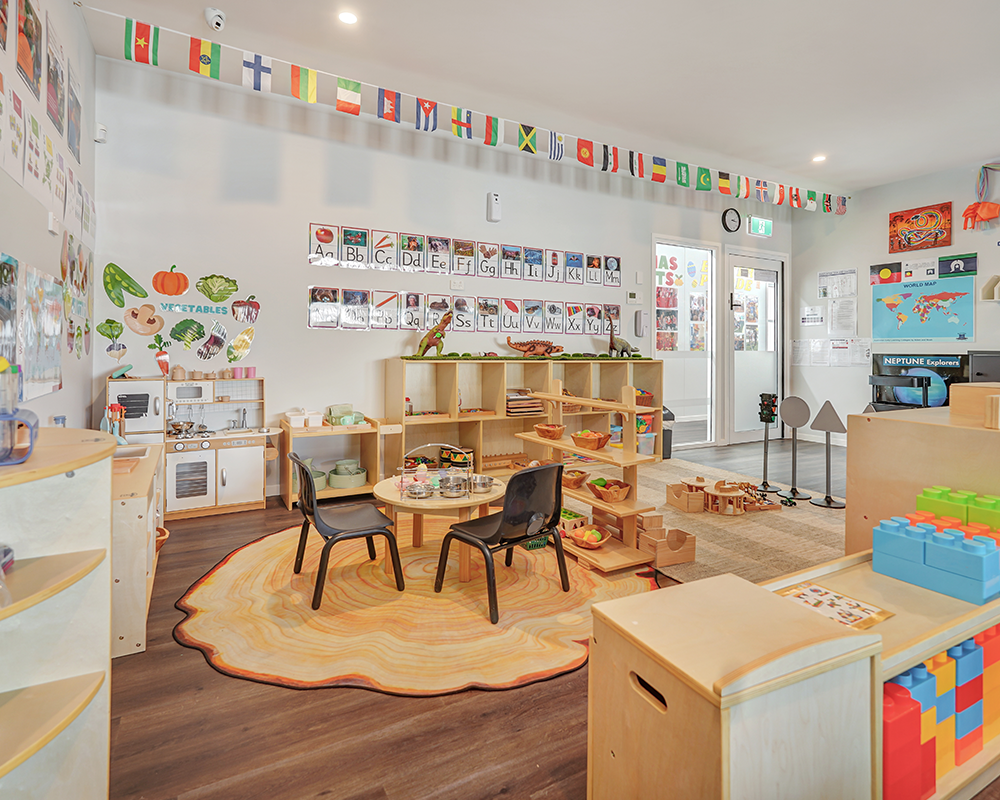
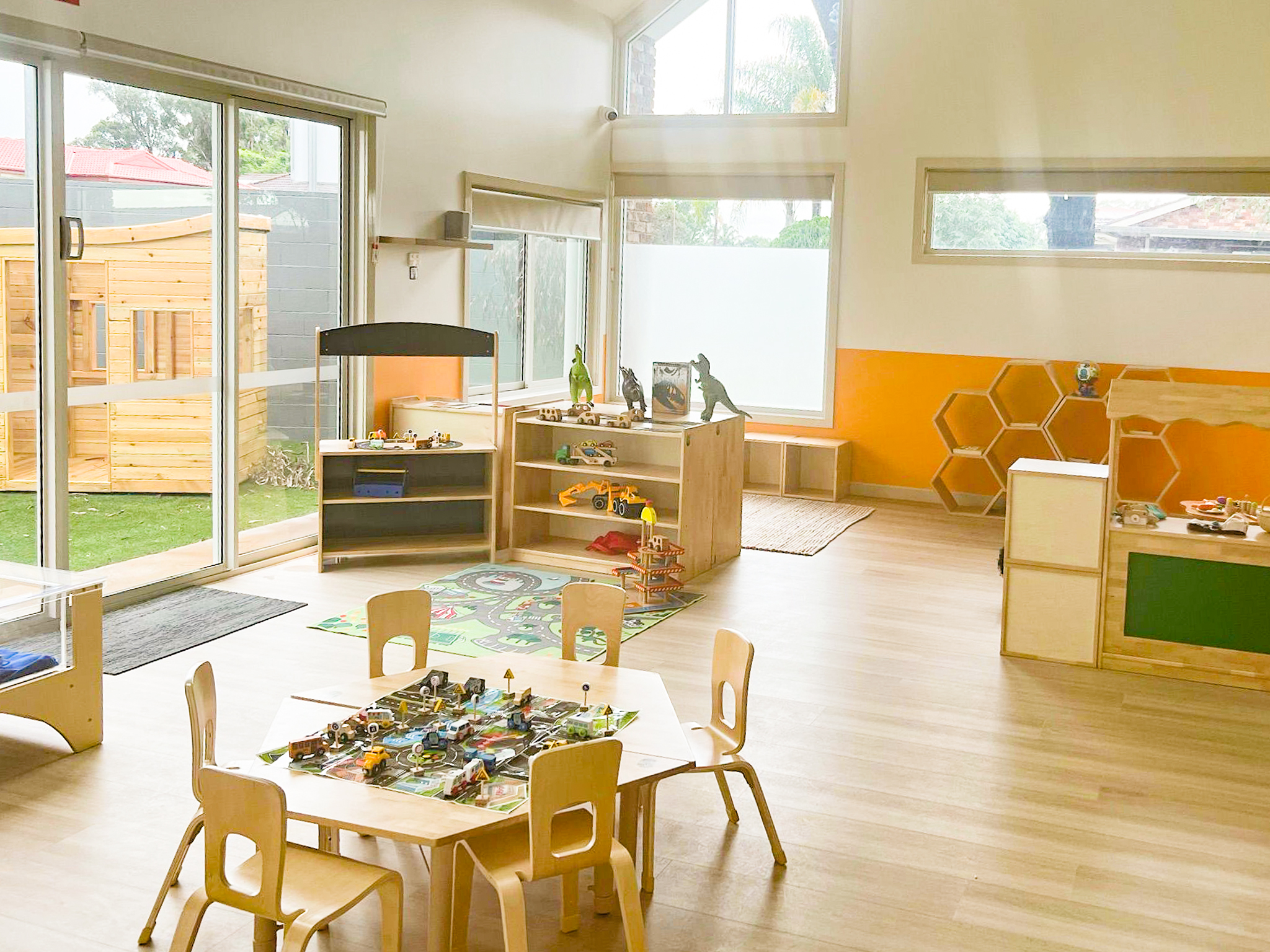
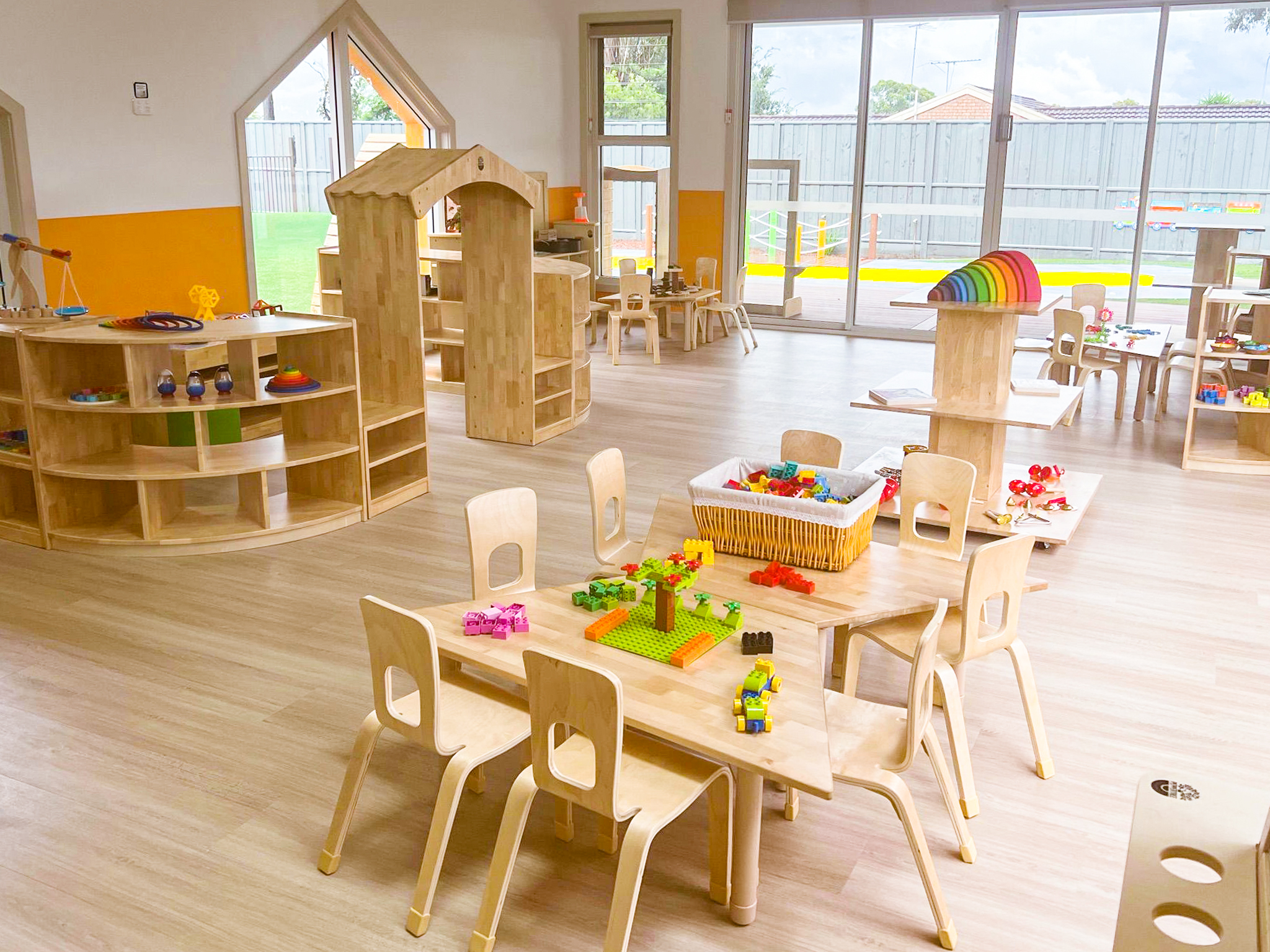
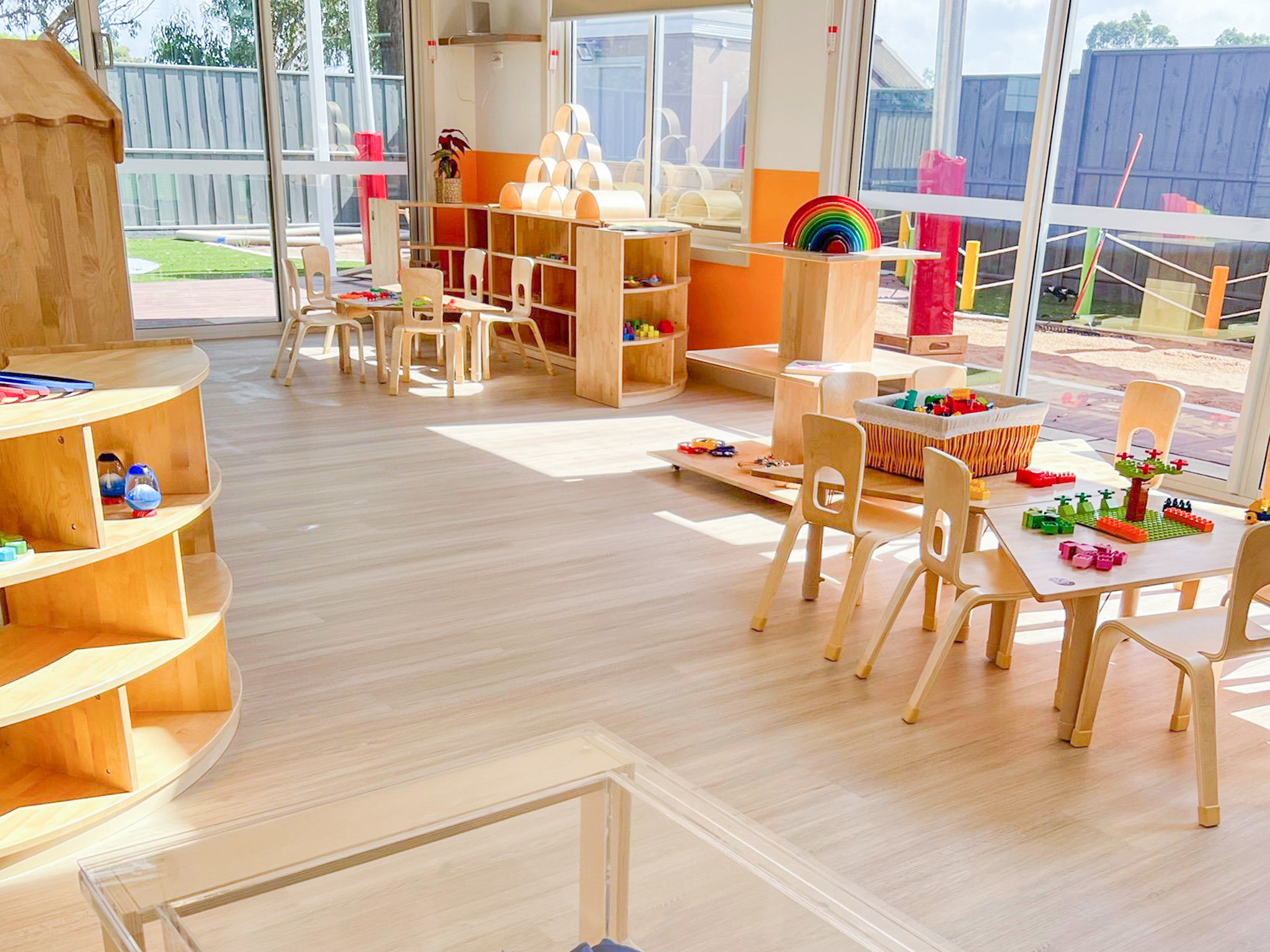
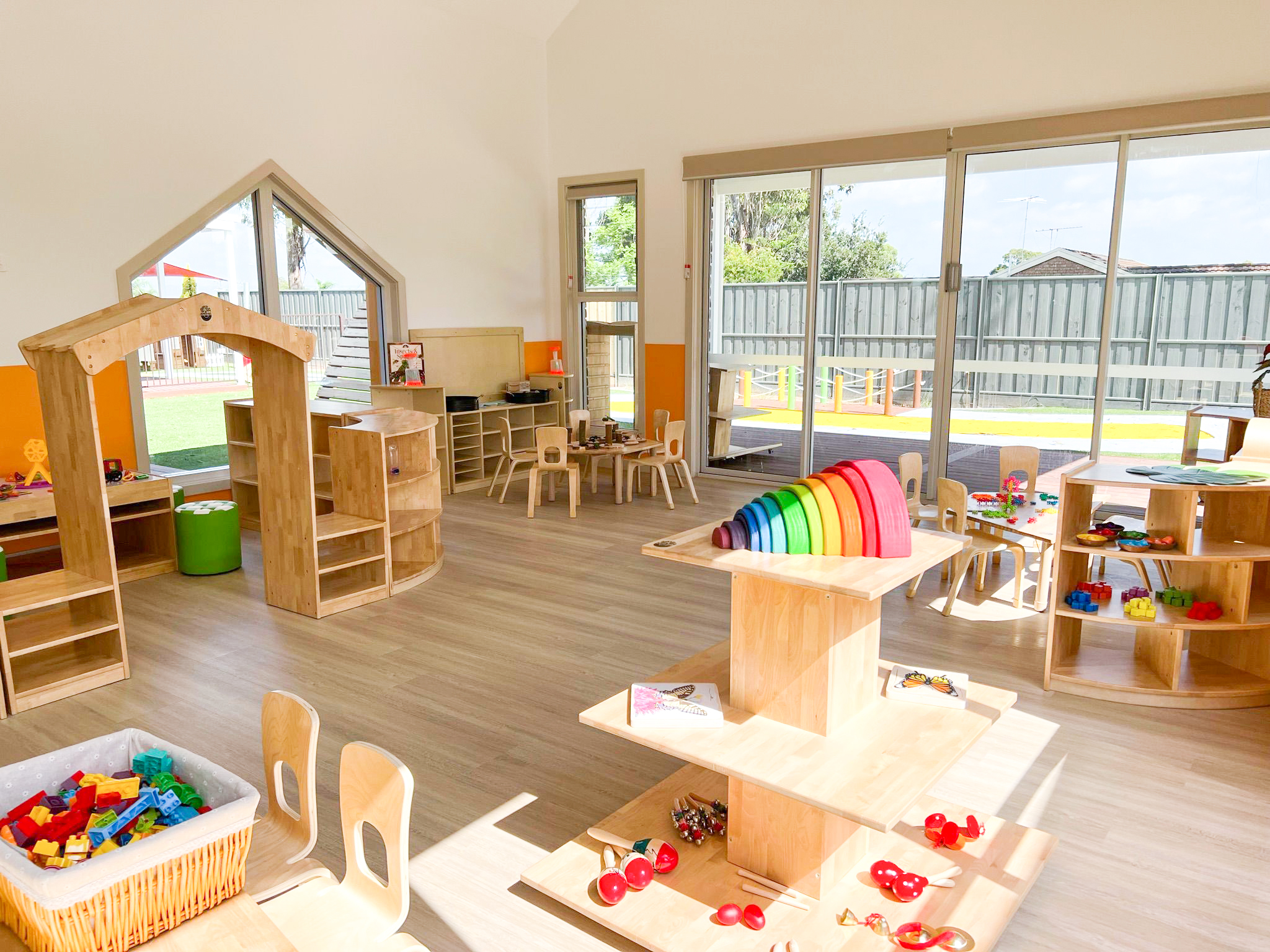
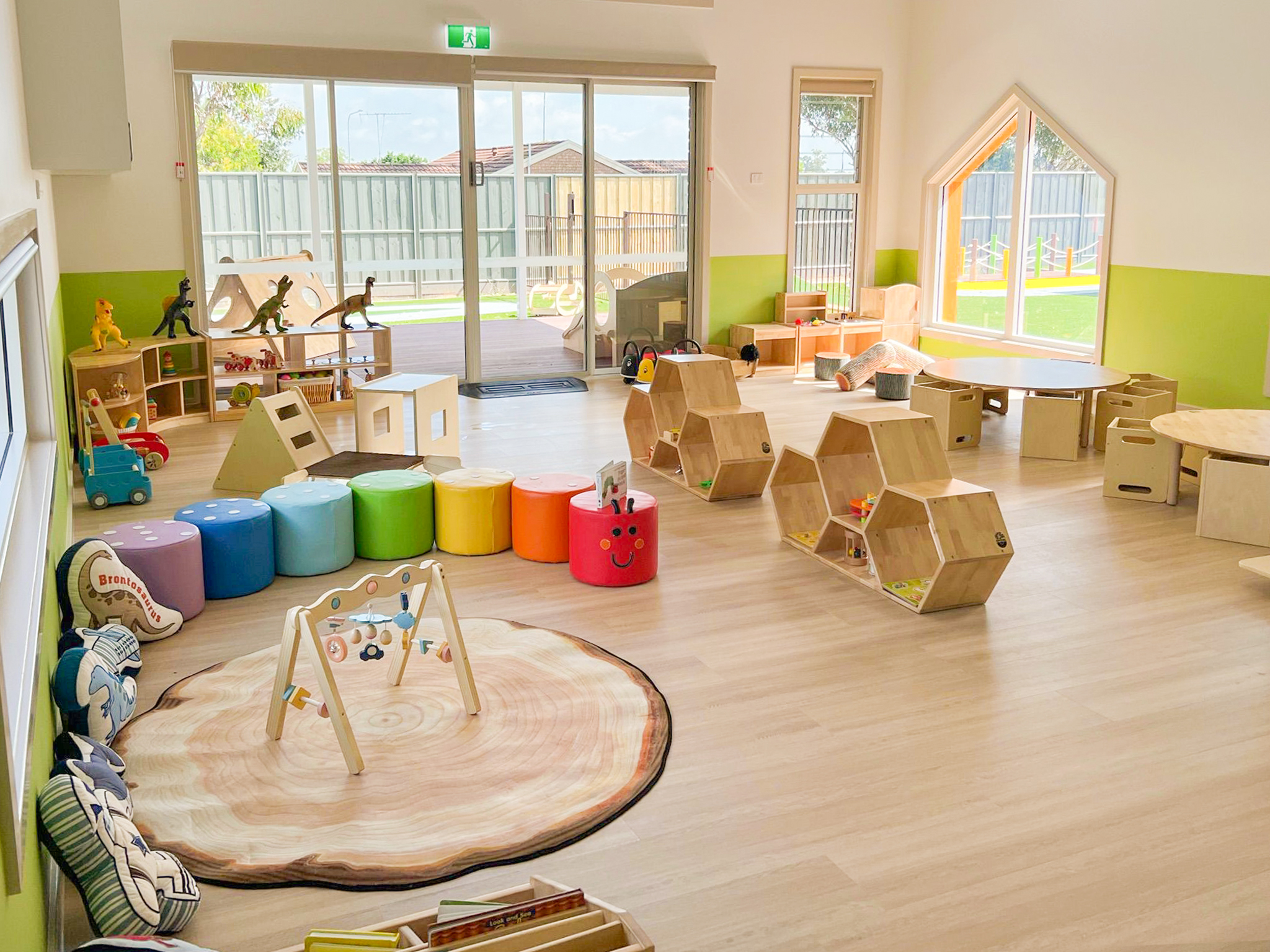
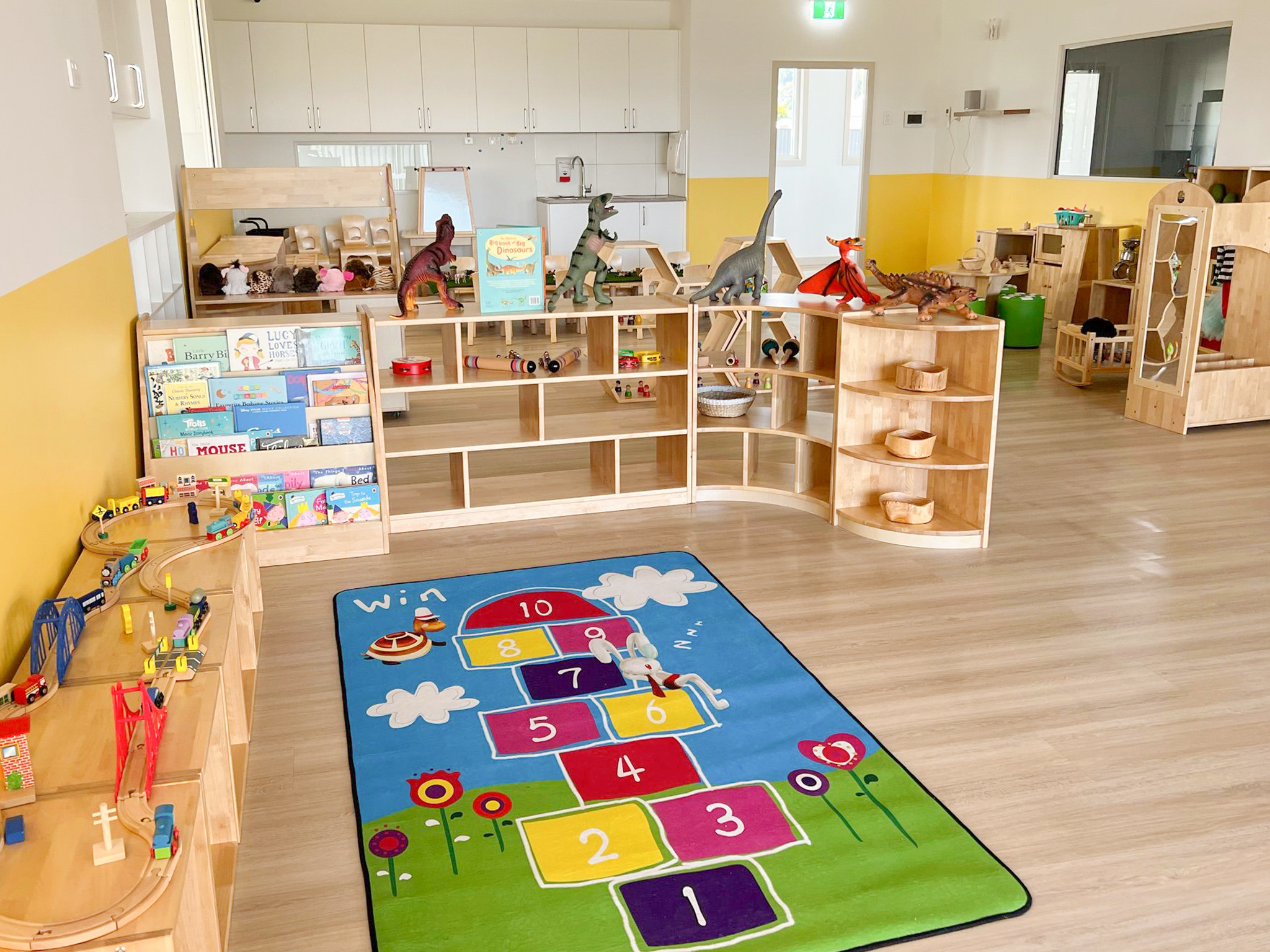
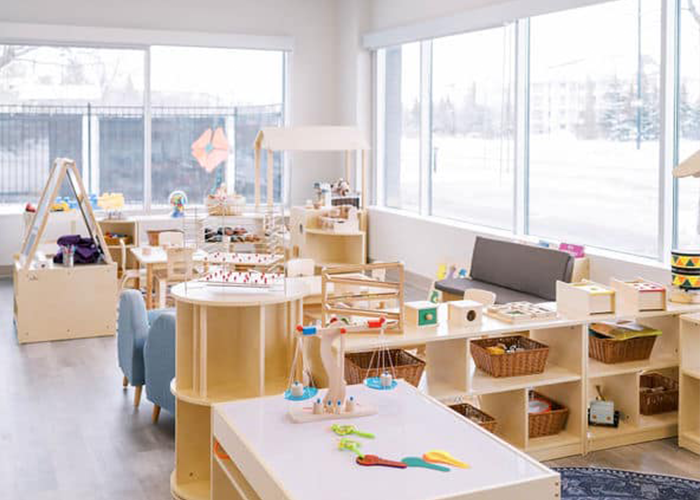
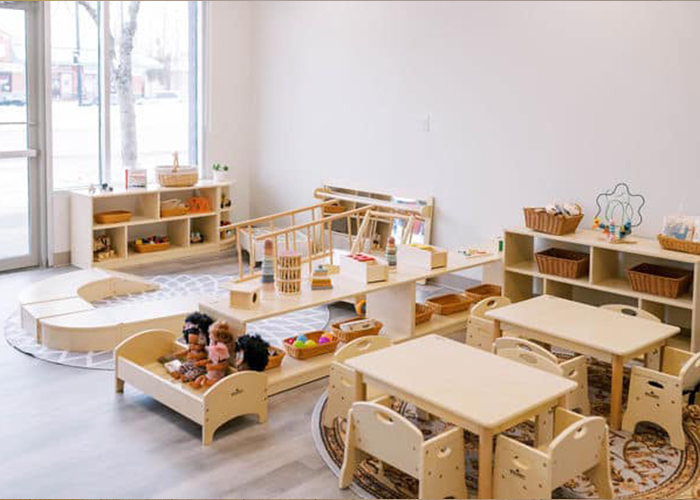
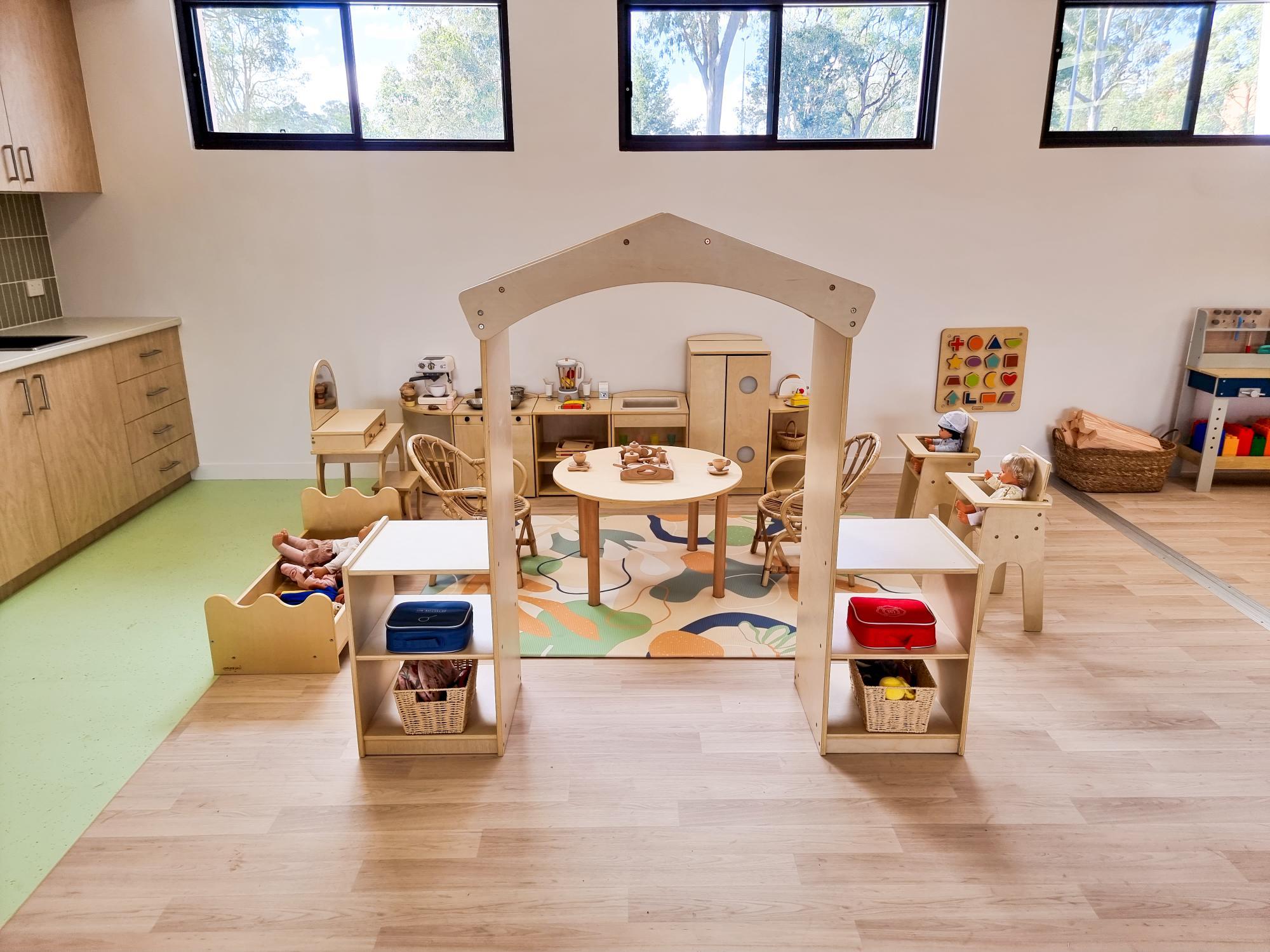
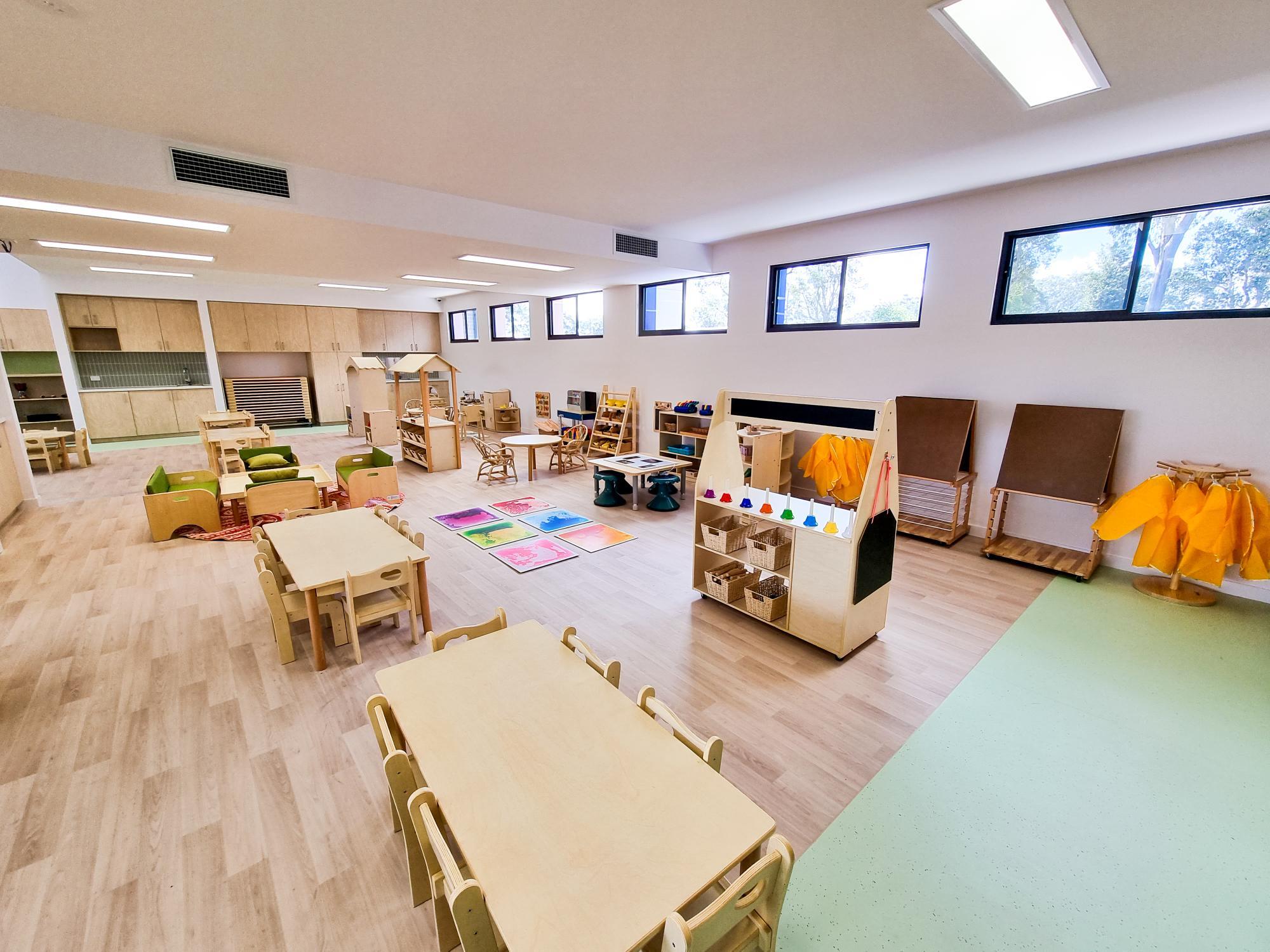
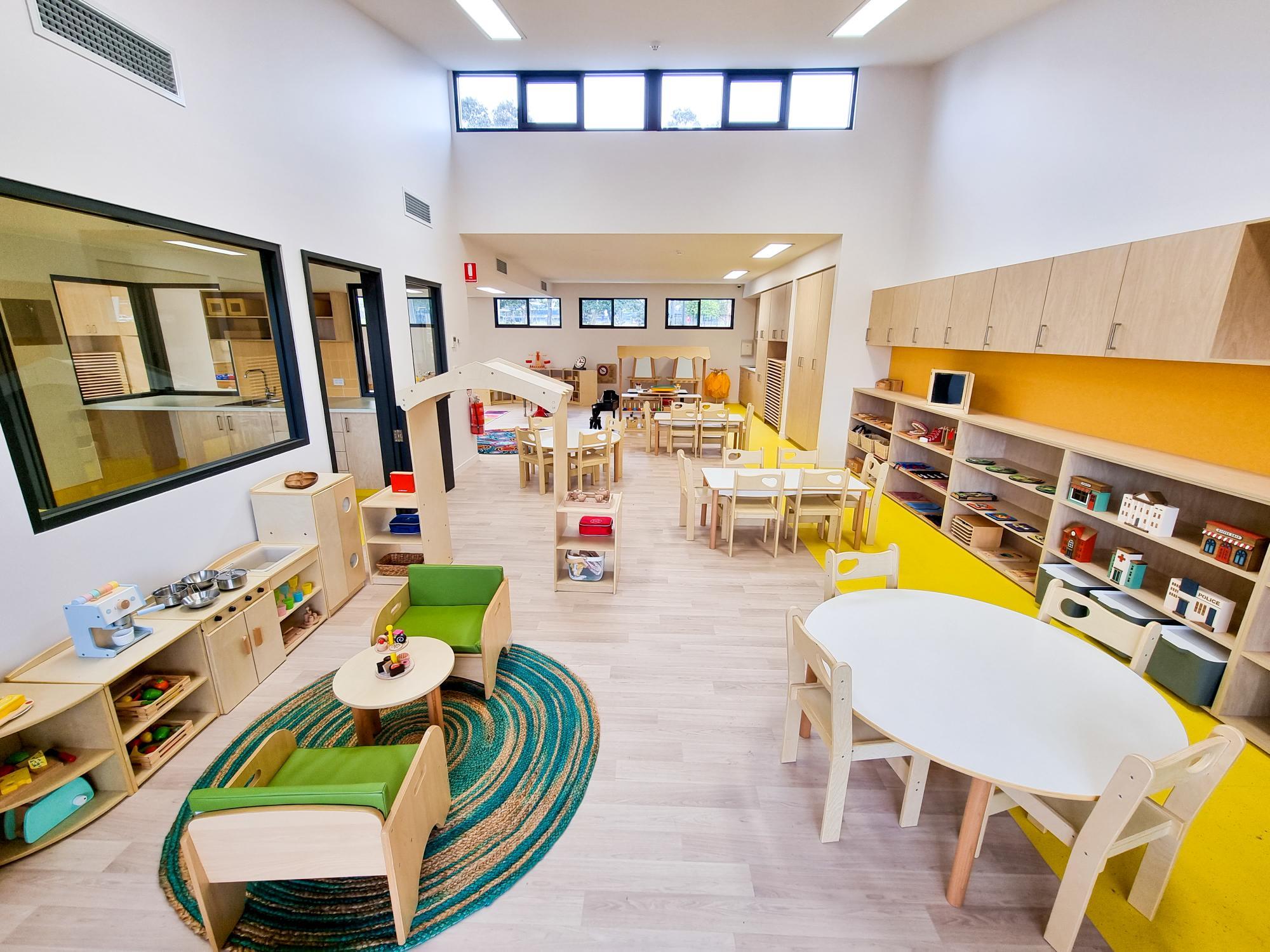
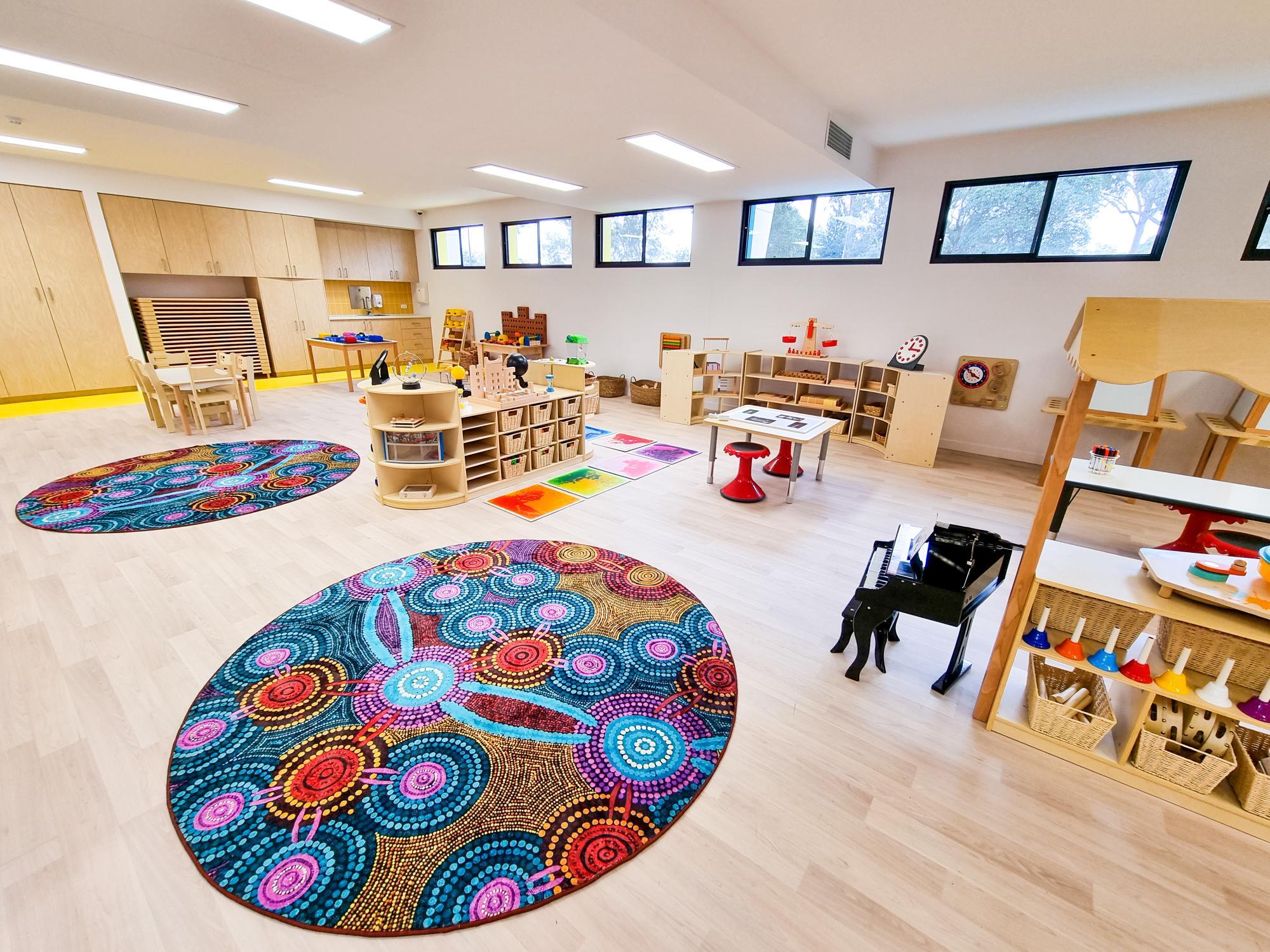
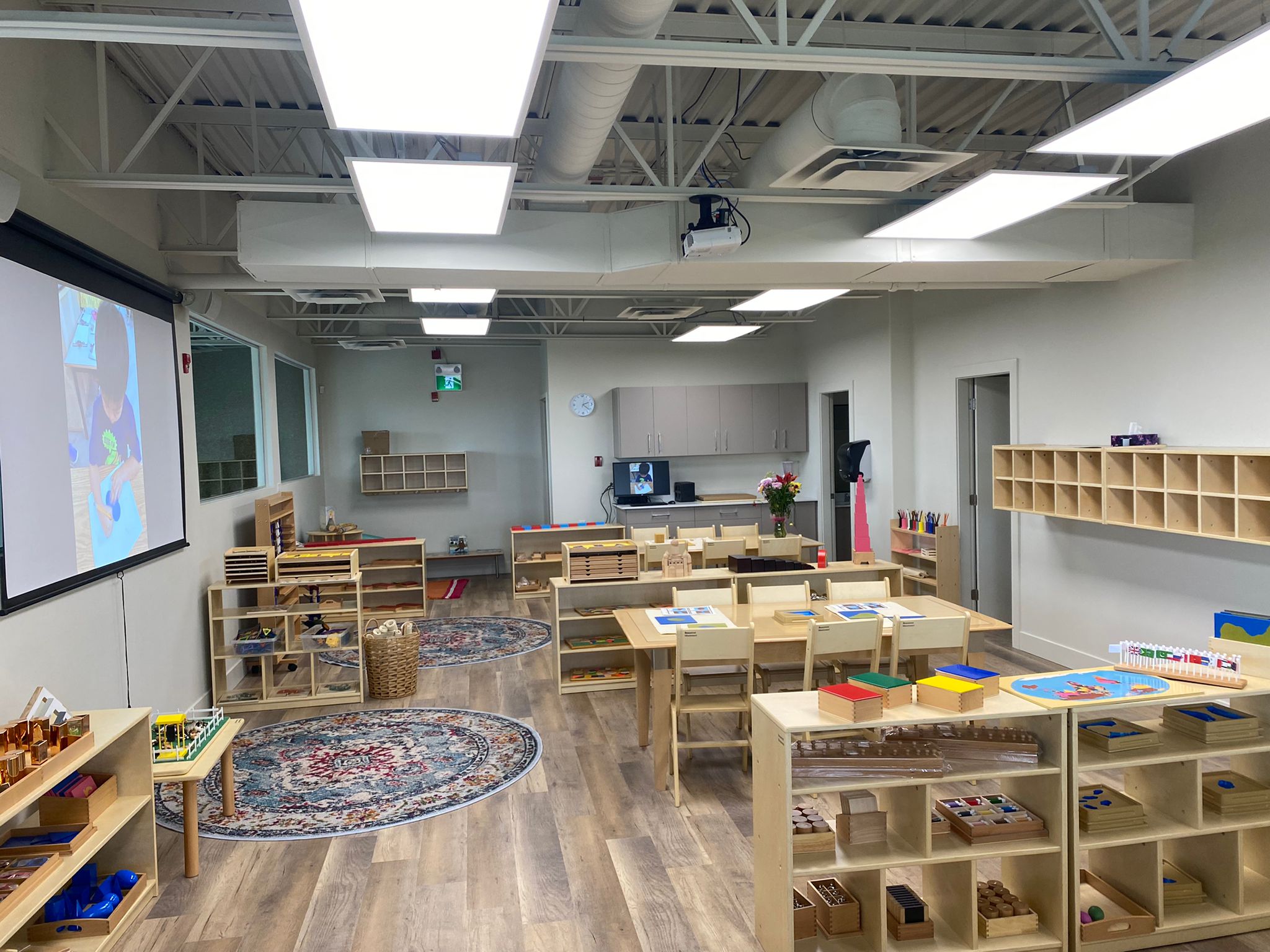
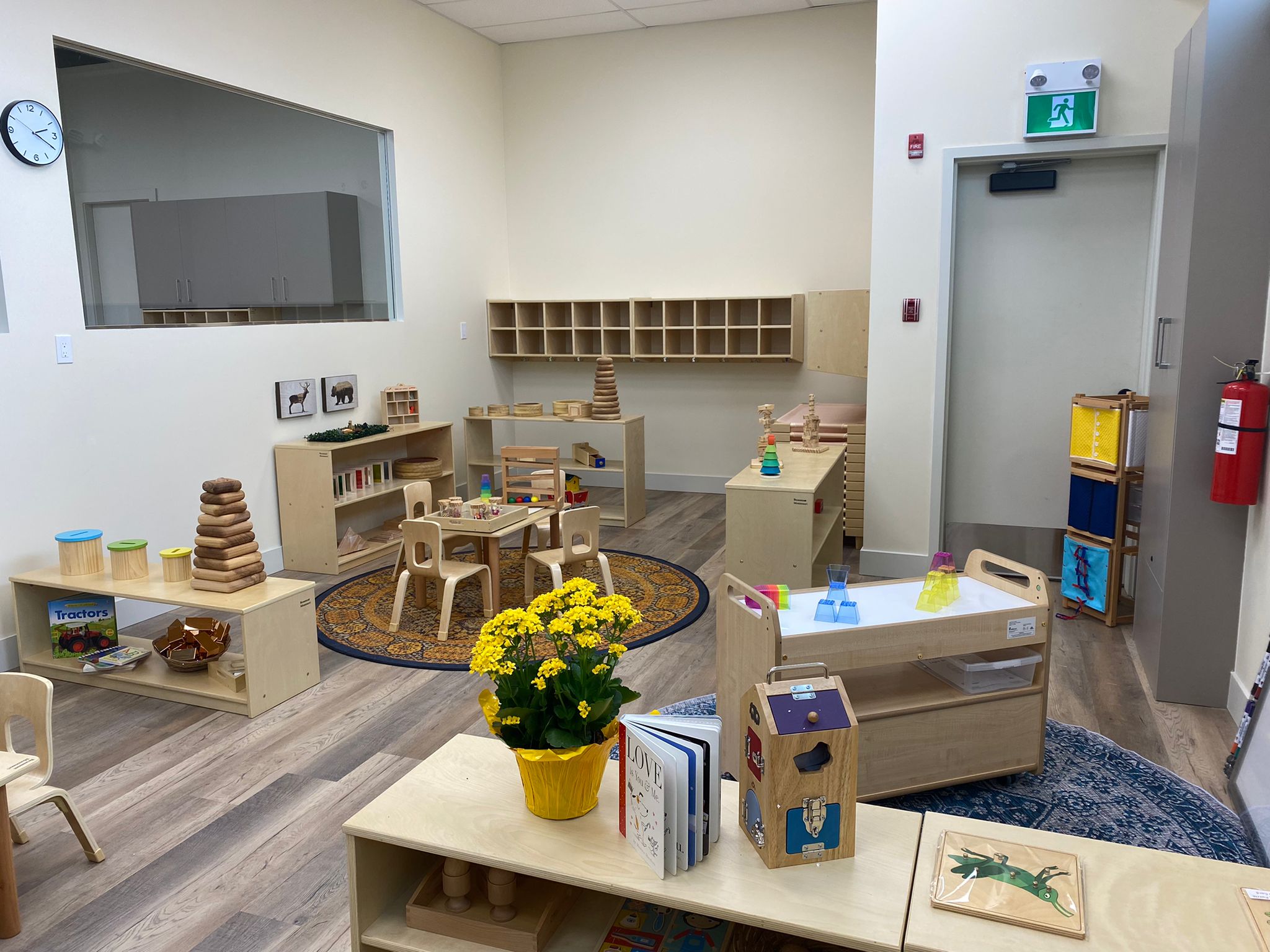
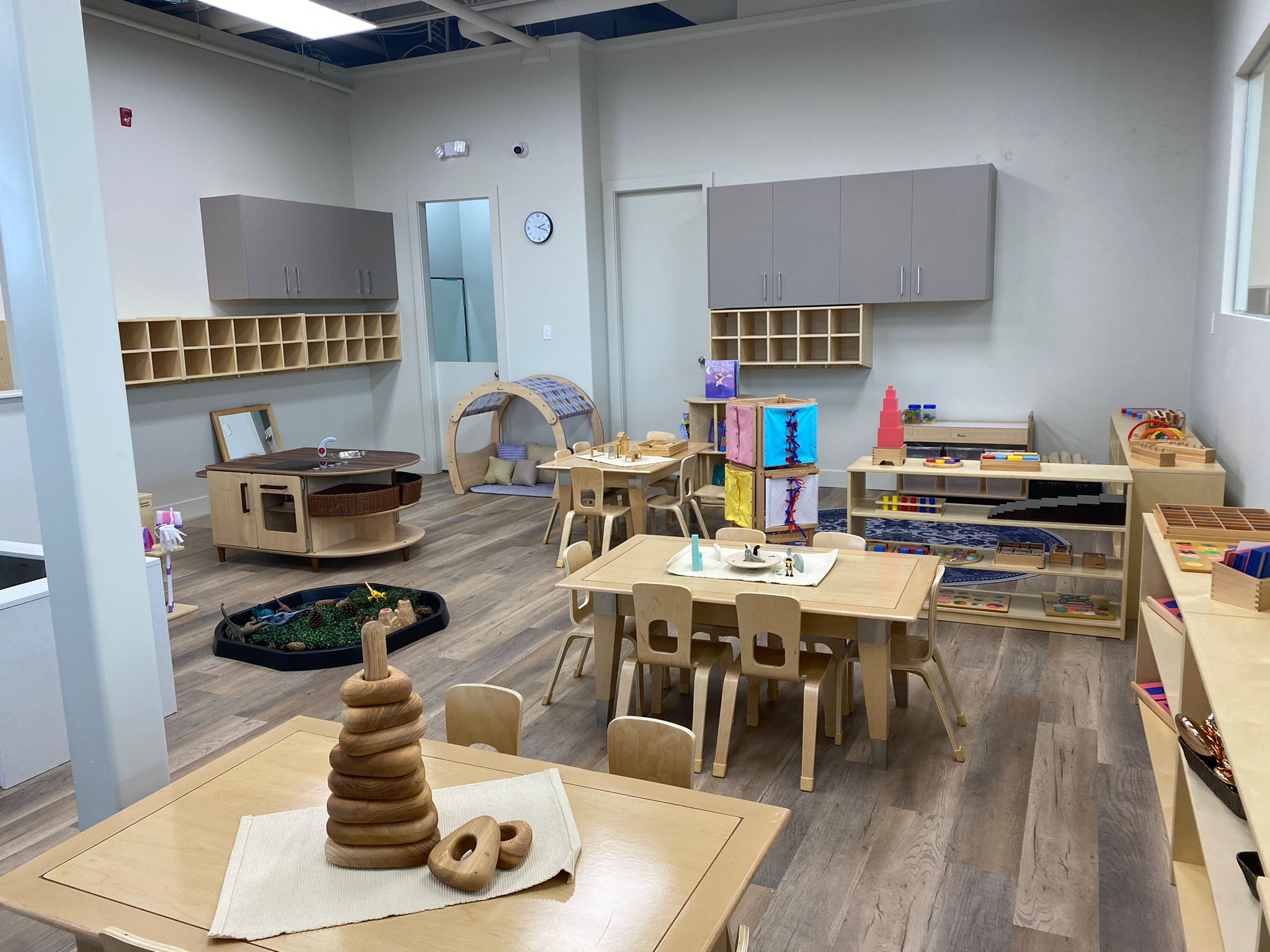
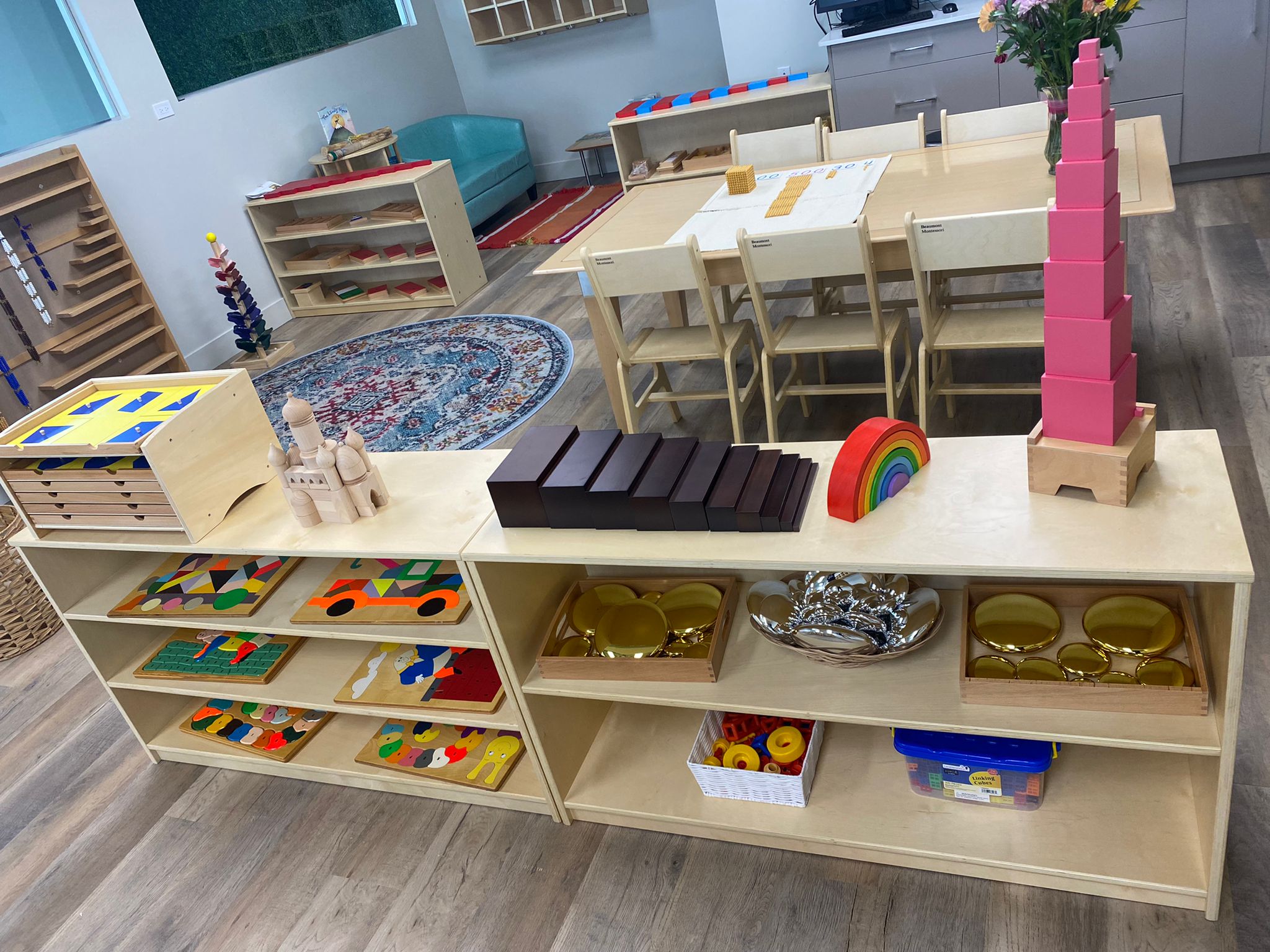
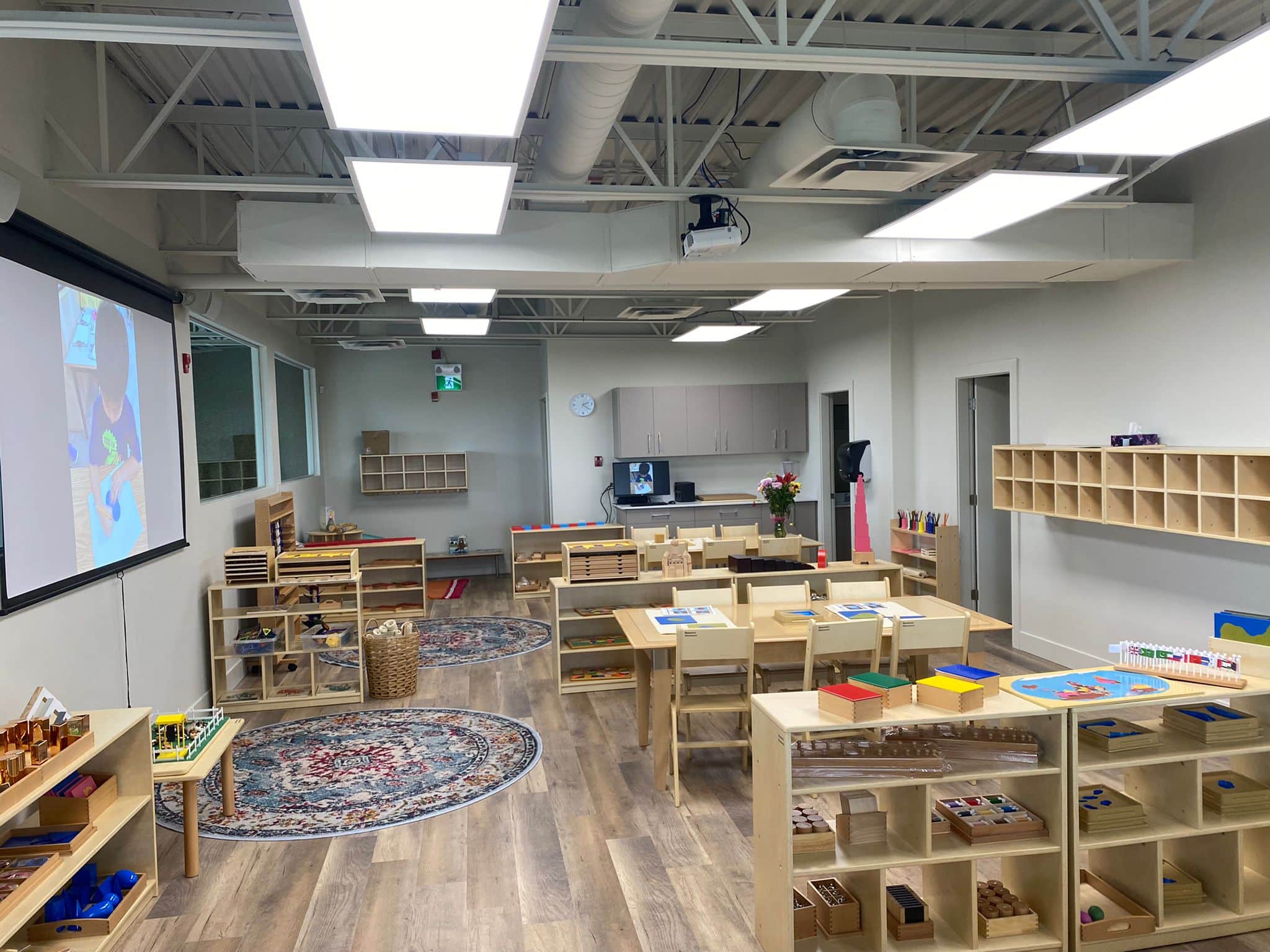
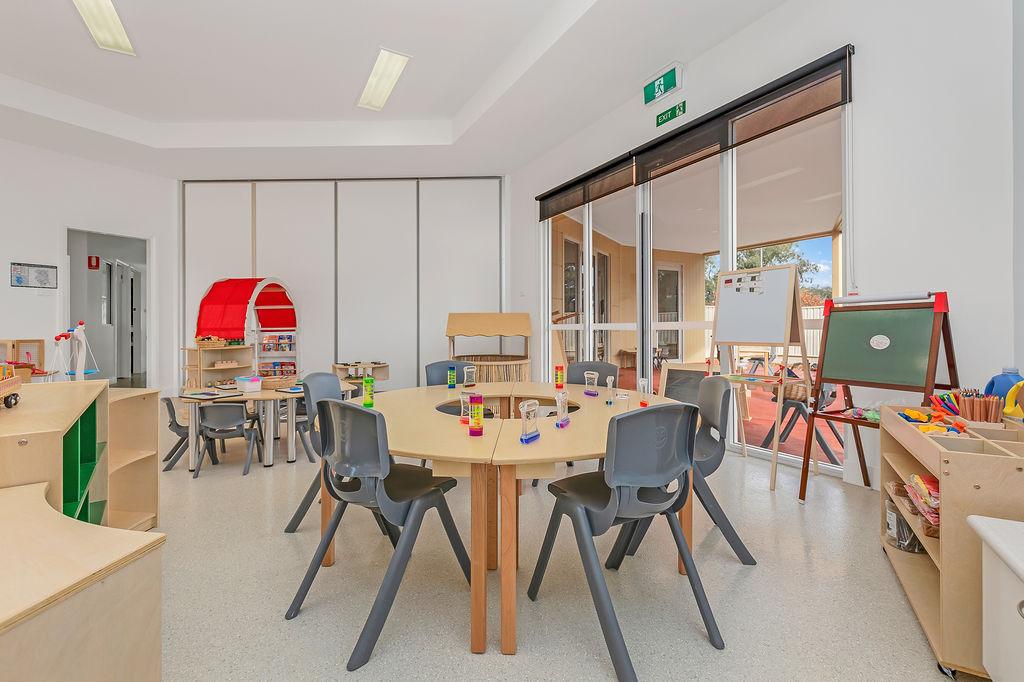
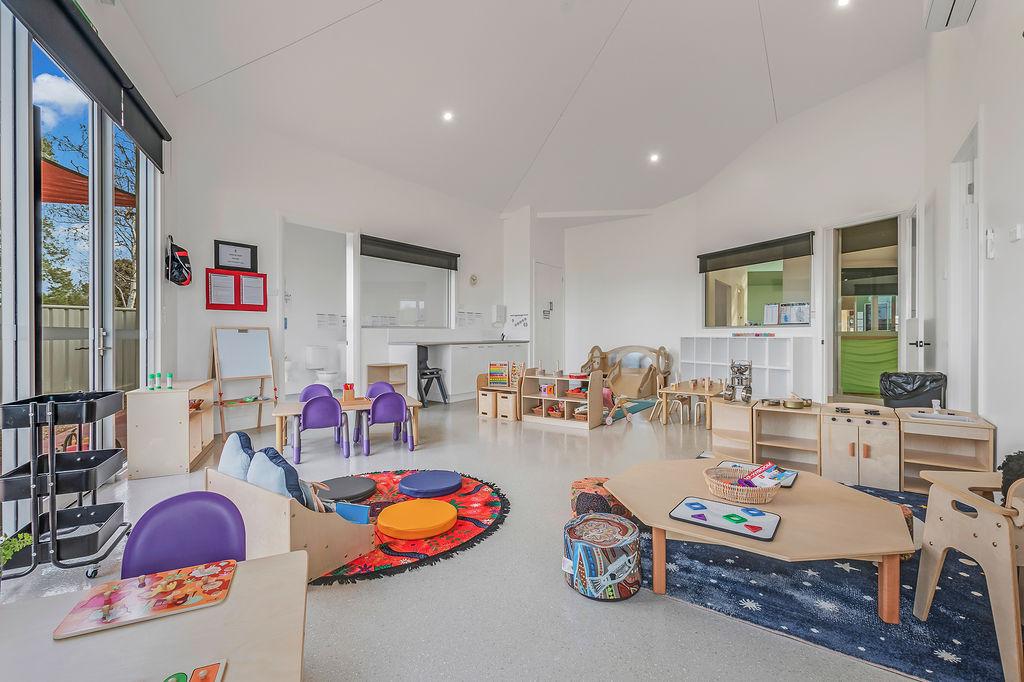
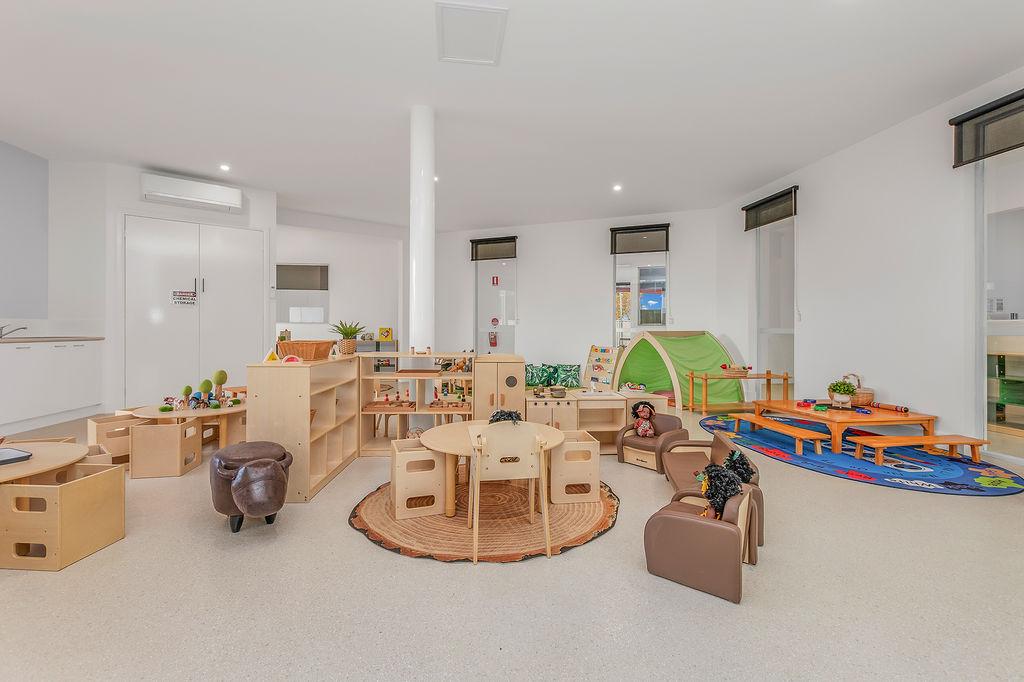
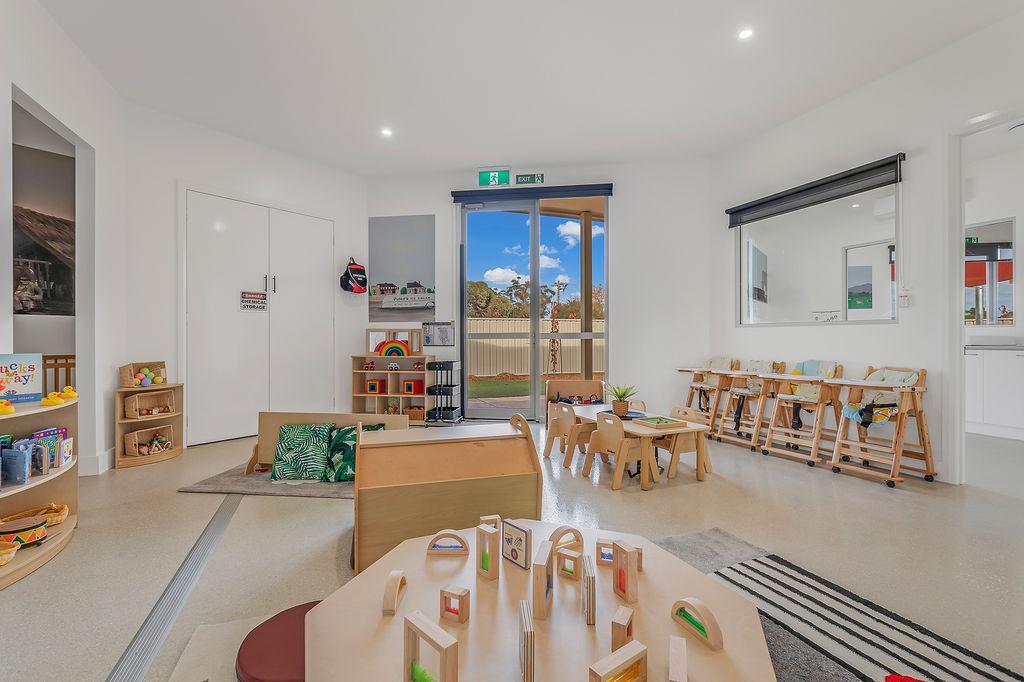
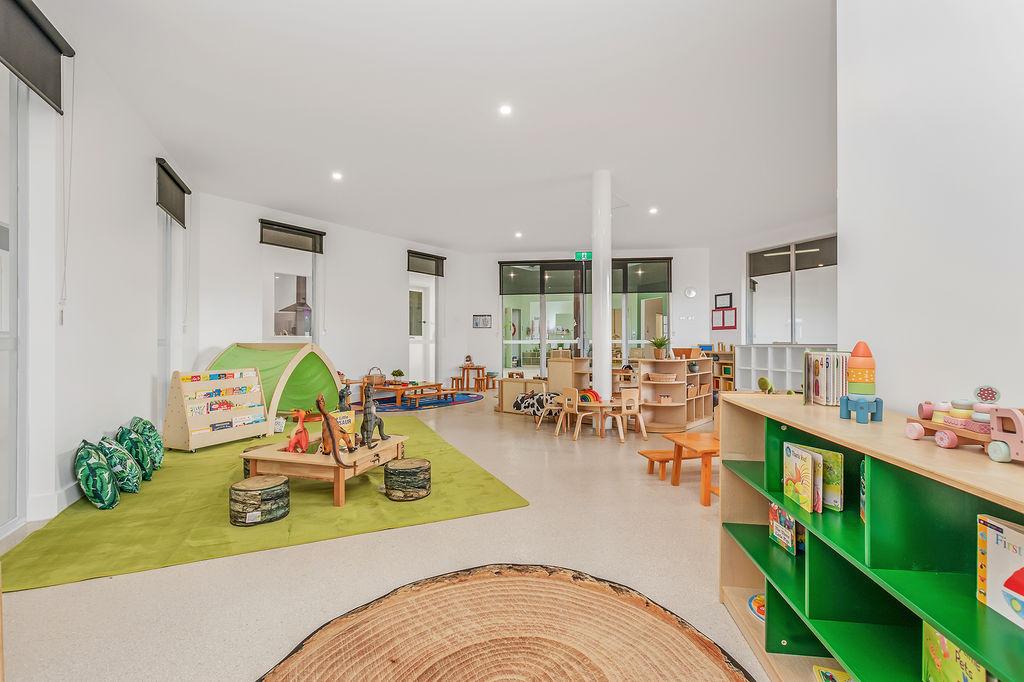
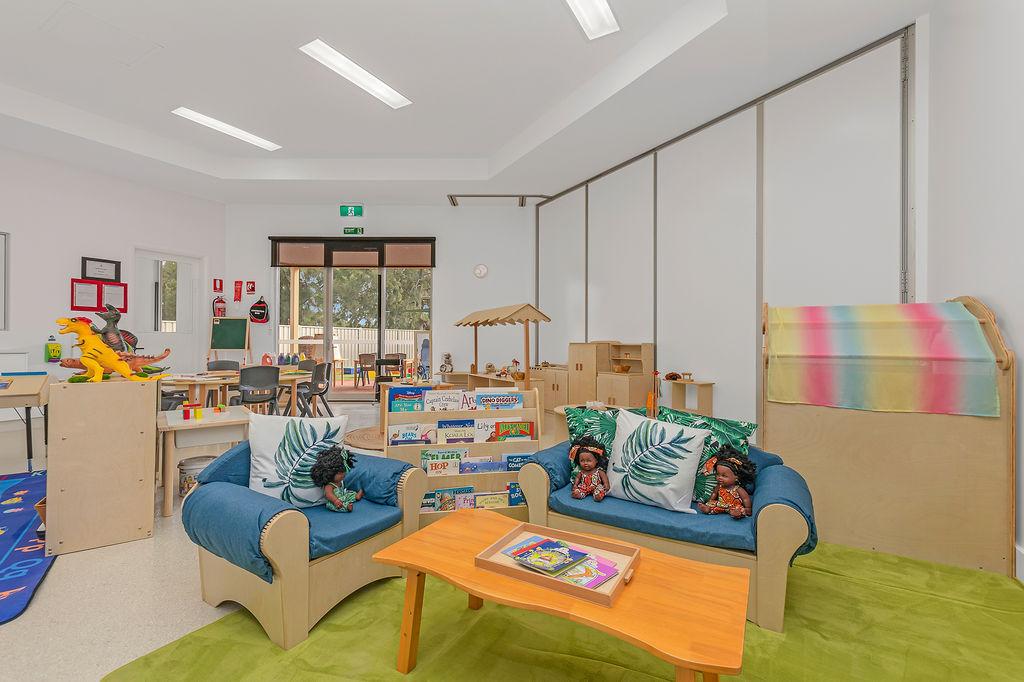
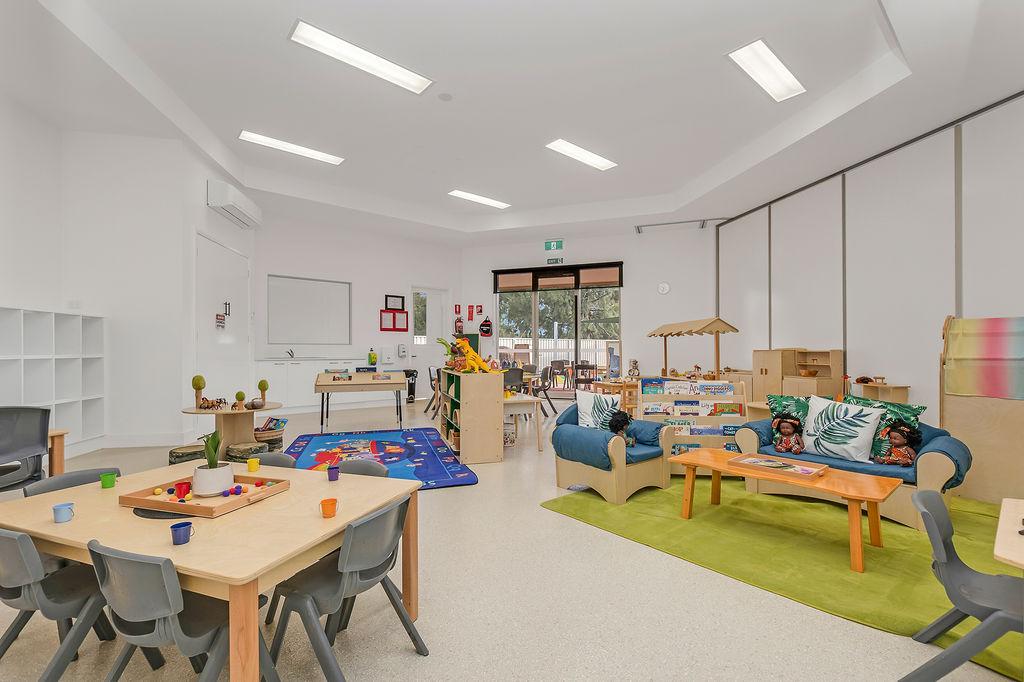
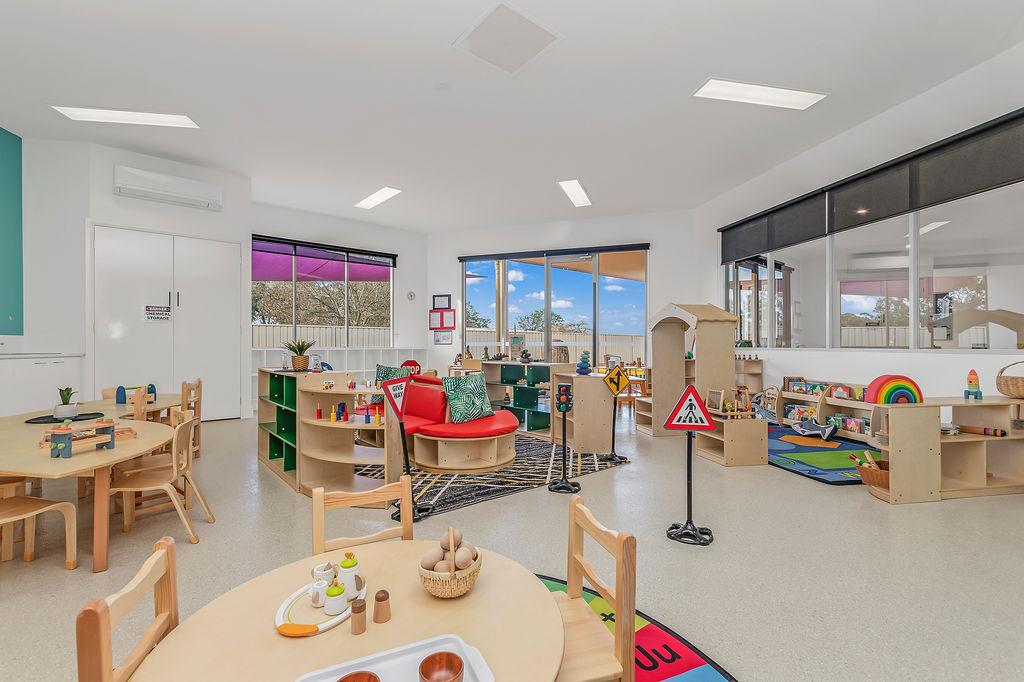
In Montessori, we offer young children useful activities that serve a real purpose. Children have beautiful child-sized materials that allow them to wash tables, dust shelves, polish silver, prepare food, and so much more. Although most traditional early childhood programs have a play area that includes cleaning items or kitchen toys, these items are for pretend, imitation, and play rather than for actually cleaning or cooking.
Montessori Philosophy And Practices
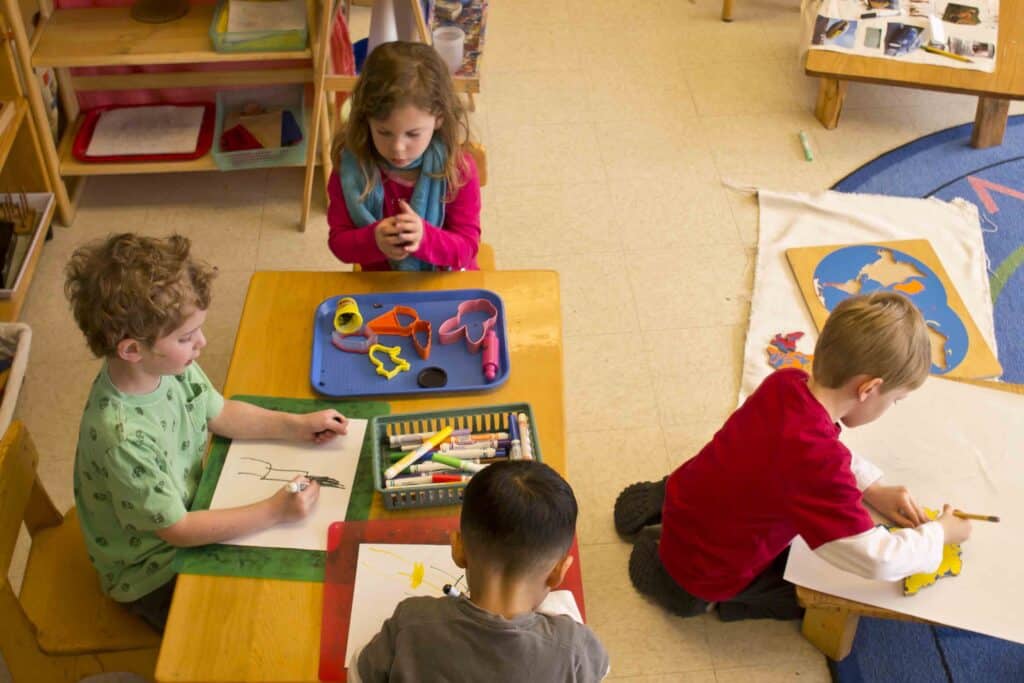
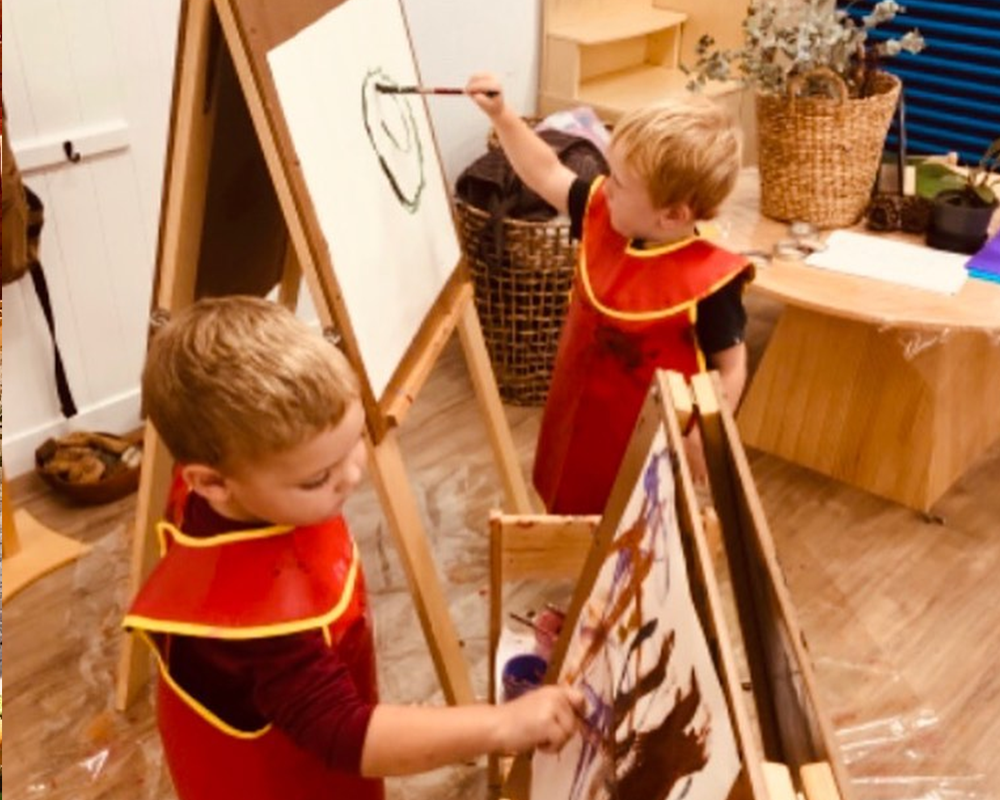
Dr. Maria Montessori recognized that children are small human beings who are curious and full of marvelous potential. To this day, Montessori teachers believe that children have a deep love of learning and wish to do purposeful work. When given that opportunity, children develop all kinds of skills that traditional education often glosses over.
The Benefits of Sensorial Learning and Why Your Child Should Start as Early as Possible
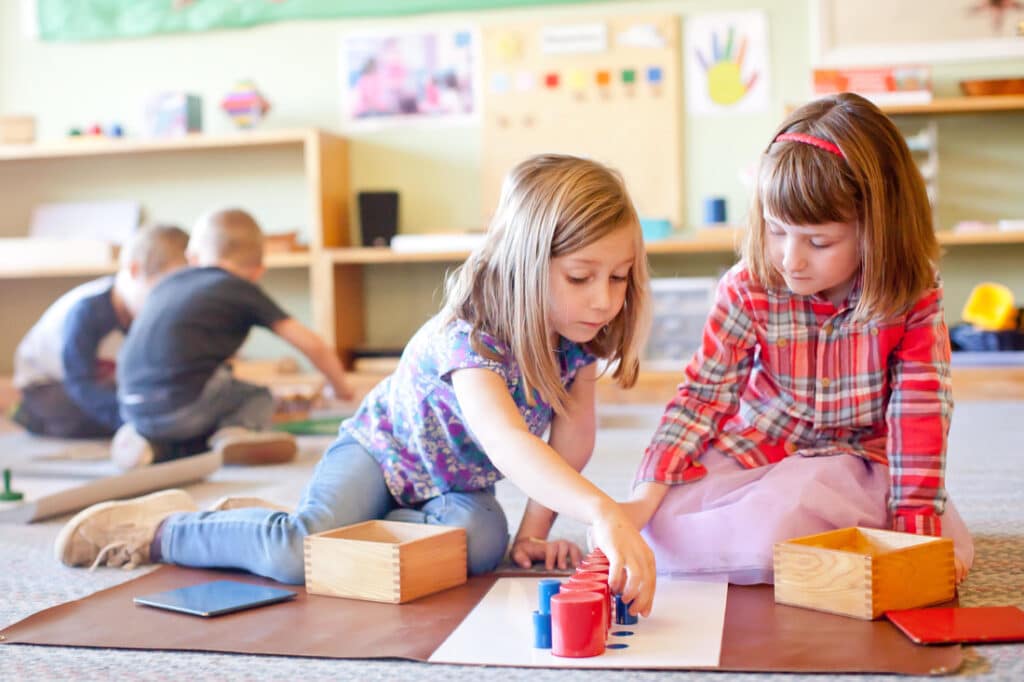
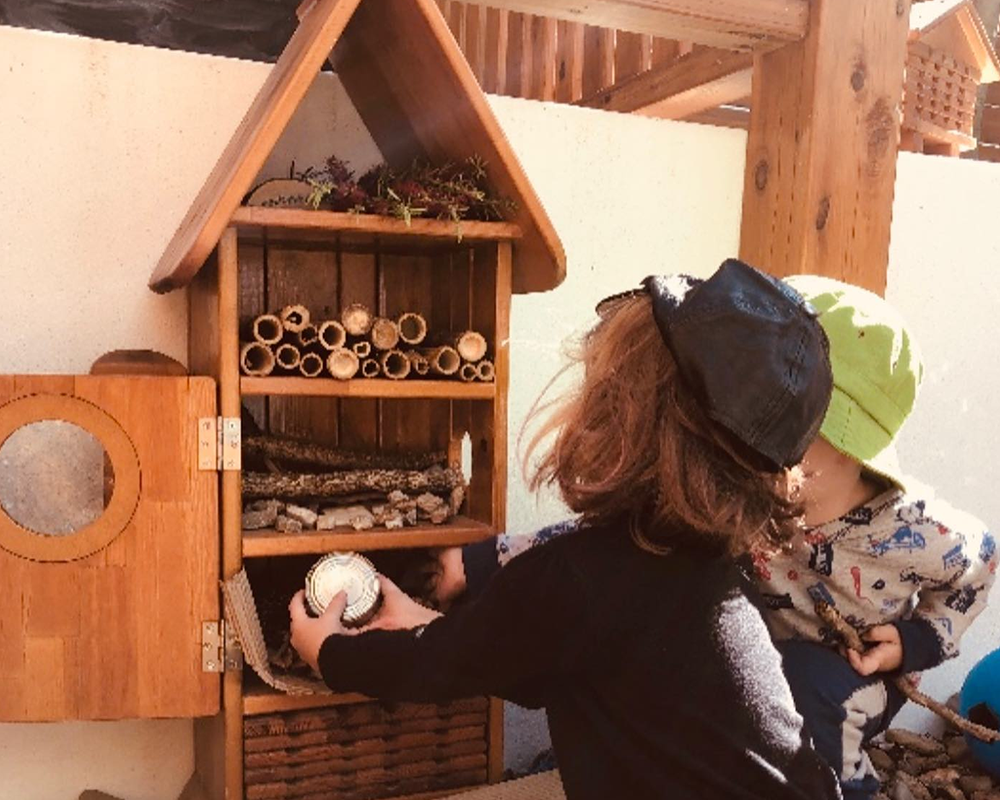
Sensorial learning is a teaching approach that stimulates the child’s five senses; taste, touch, smell, sight, and hearing. This allows children to use their senses to explore and understand the world around them. It includes activities that help them study objects, colors, textures, tastes, numbers, and situations.
Why and How Larger Classrooms Work Well In Montessori(Part 1 of 2)
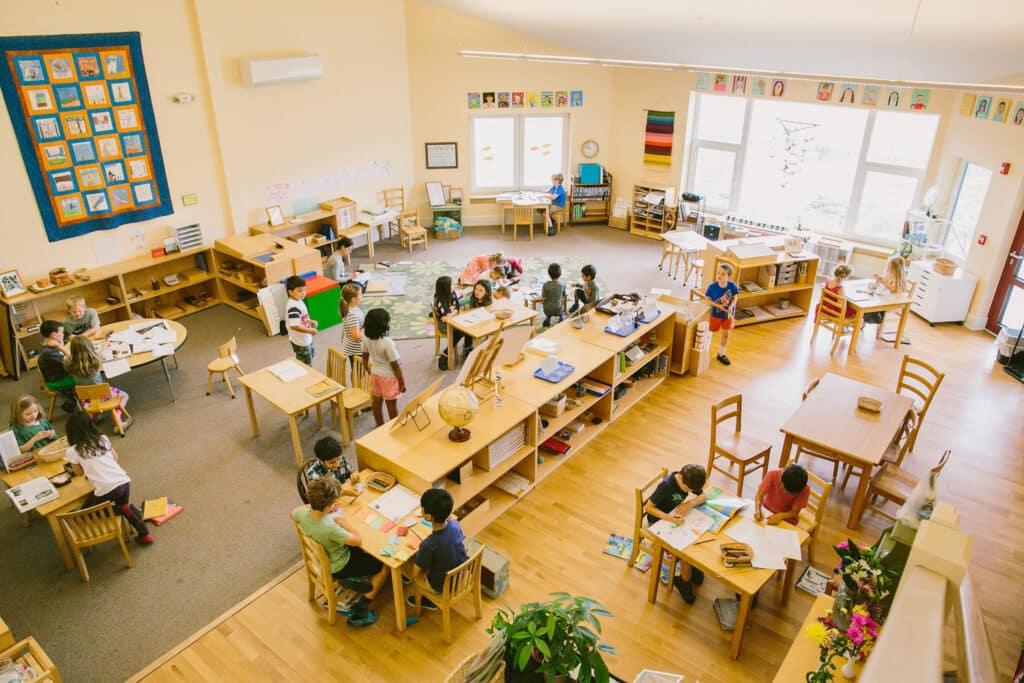
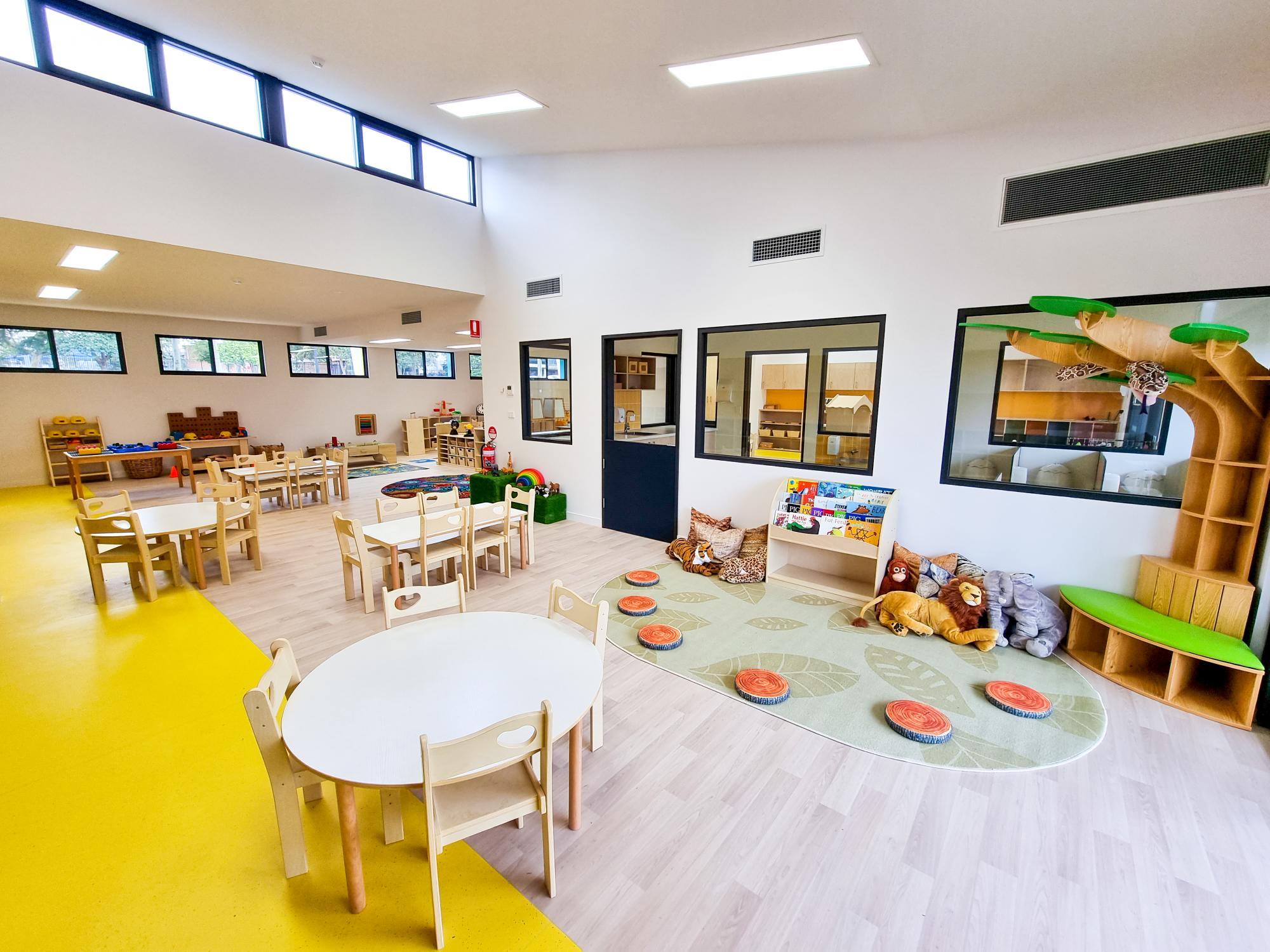
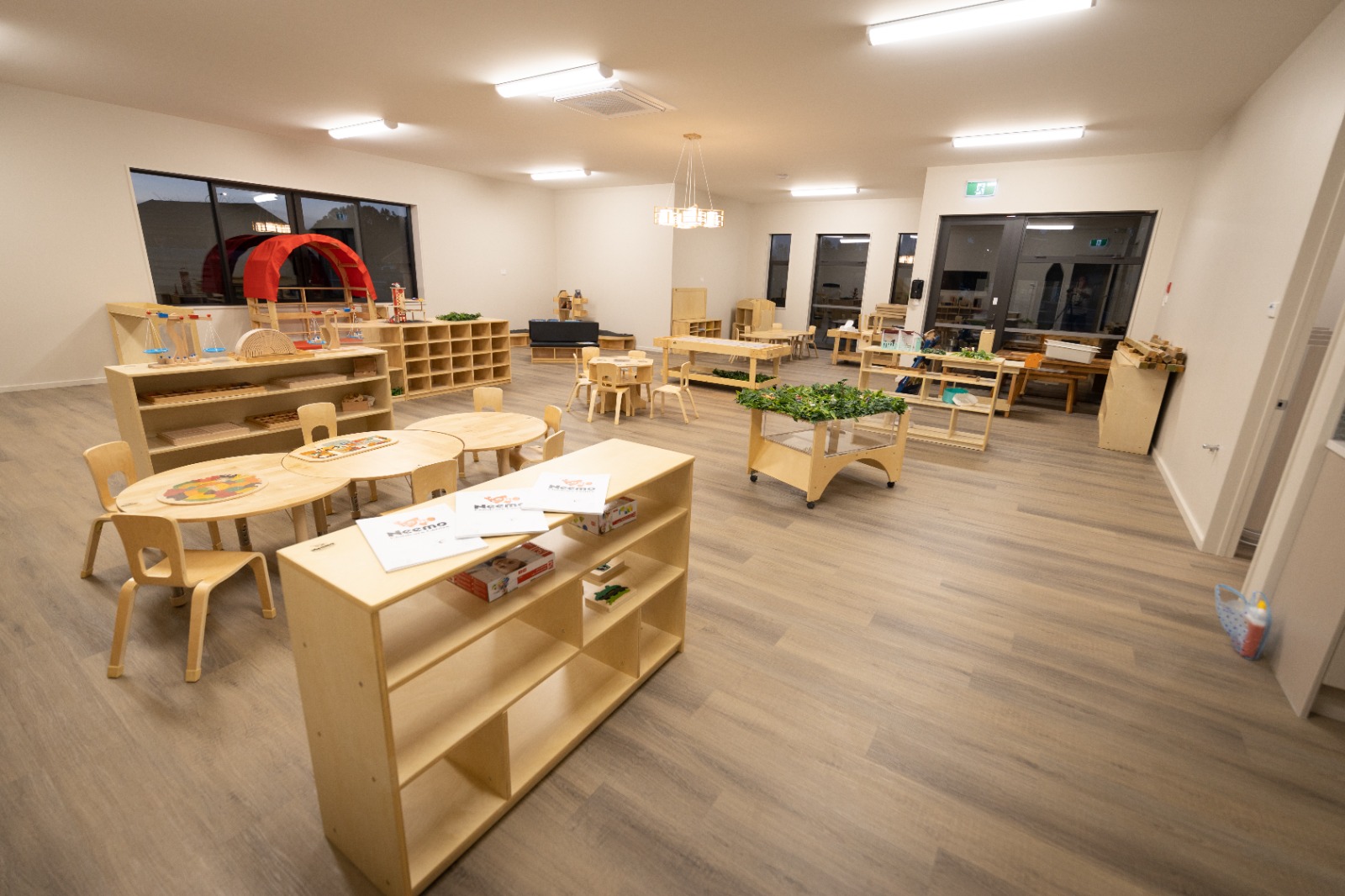
Montessori functions very differently from traditional education—with the initially surprising result that larger classroom communities at the primary (ages 3-6) and elementary/middle school level are generally recognized by Montessorians to function better than smaller class sizes.
Montessori Mixed Age Groups: in school & with siblings at home
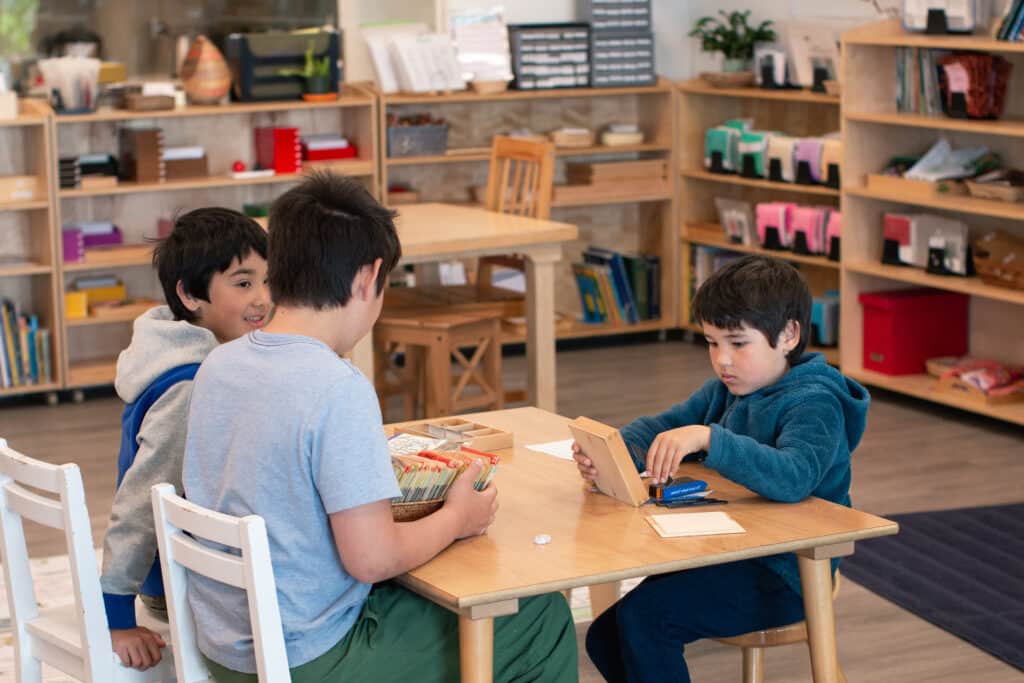
This relationship of mutual care and respect, of self awareness, and awareness of the strengths and weaknesses of others make Montessori mixed-age classrooms the ideal place for learning peaceful conflict resolution. The Montessori approach is an Education for Peace and mixed age groups is its cornerstone.
What Age is Best to Get My Child Started in Montessori School?
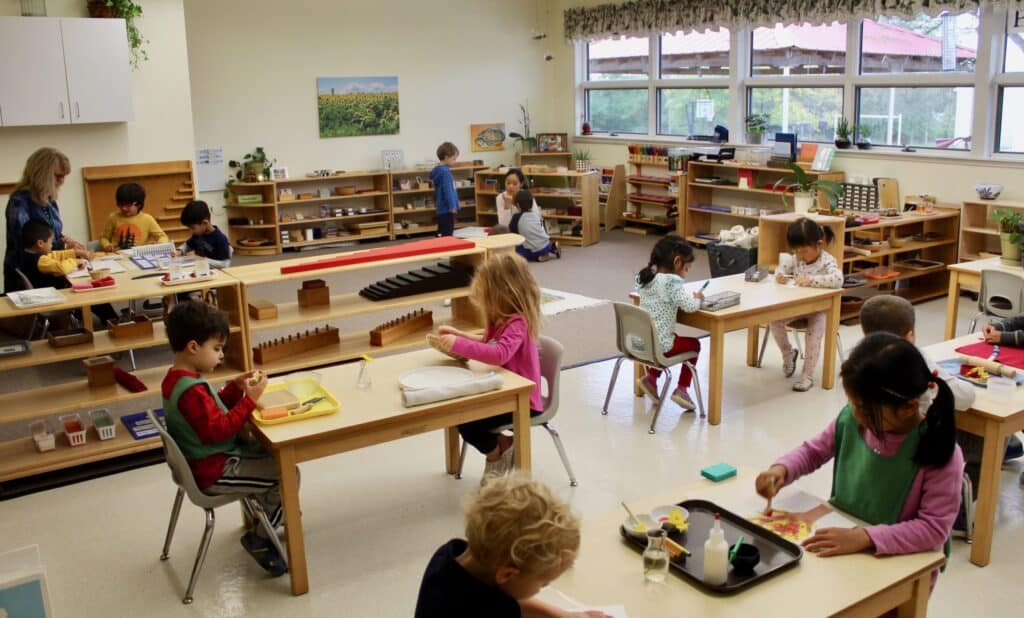
Finding the right school for your child and getting them started at the right time can significantly impact their development. Enrolling your child in a Montessori school is always an excellent idea, but what age is best to get your child started?
A Practical Approach to Toddler Development
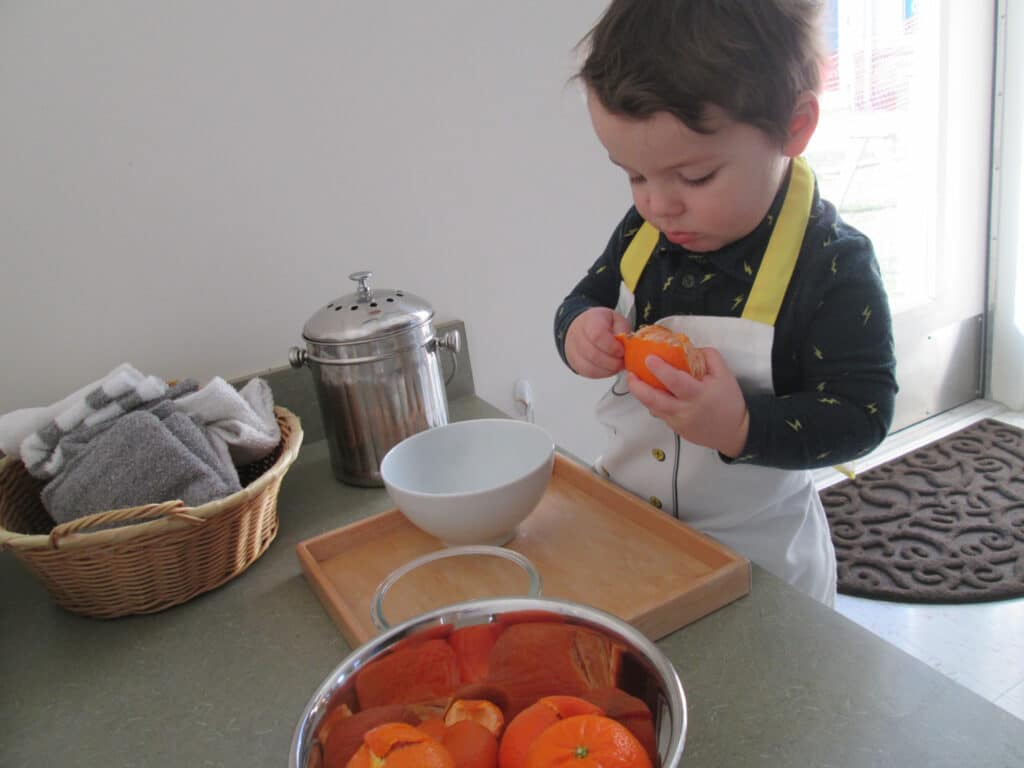
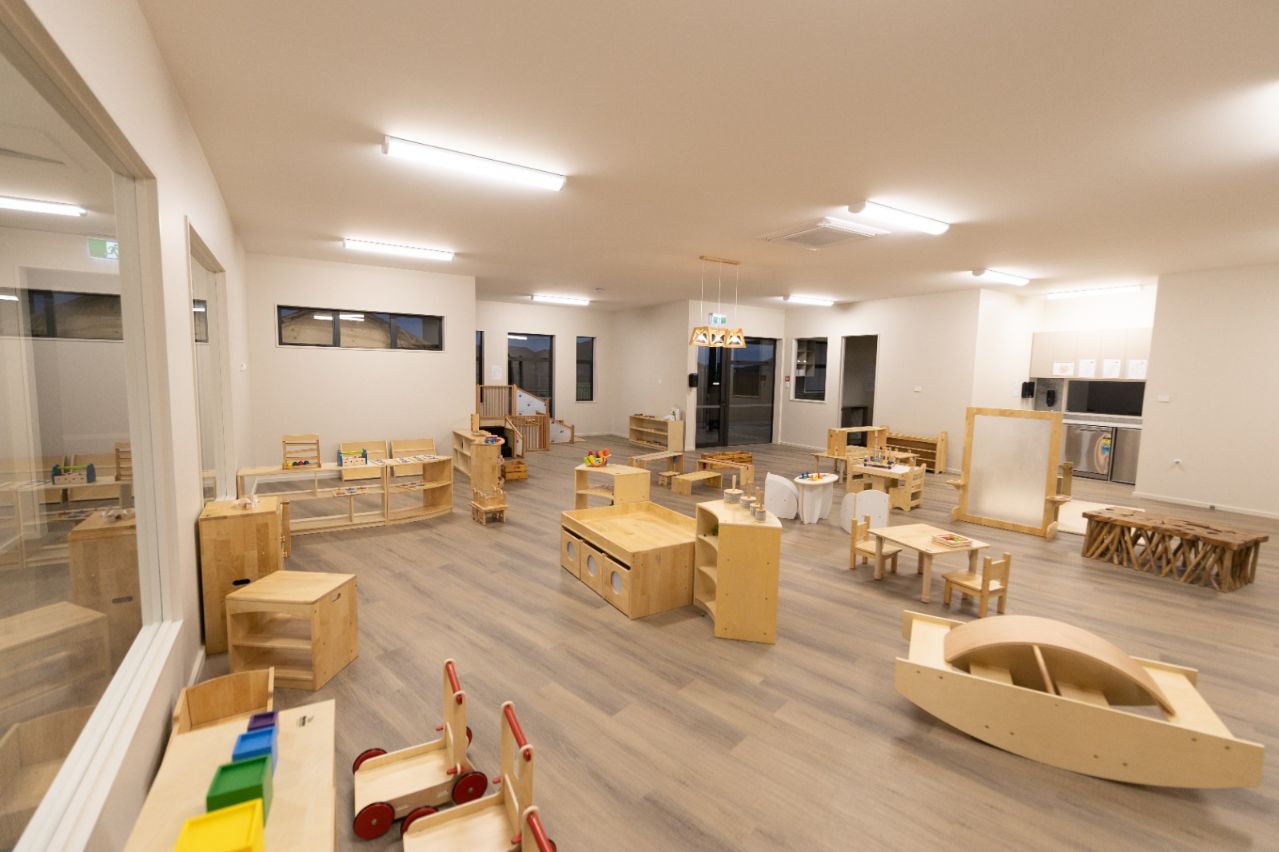
Montessori is not just a good choice, it is a wonderful choice for young children. The Montessori Method is extremely effective at observing and recognizing a child’s growth and development. Whenever a child enters a new Sensitive Period, the Montessori teacher is there to provide them with a new task to help a child acquire certain abilities.