What Are The Long Term Benefits Of Early Childhood Education In Preschool
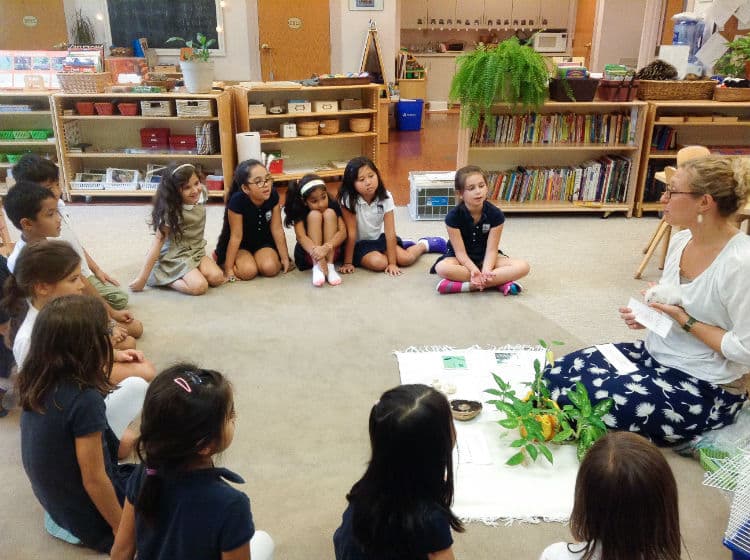
Preschool is so much more than a place for children to play during the day. It offers countless social, cognitive, academic, emotional and health benefits that could aid them throughout their childhood and well into their adult life.
Basic Principles of Montessori Education

The Montessori learning model is a self-directed process, in which a child is treated differently from adults and individually from other kids. The role of a teacher in the Montessori classroom is supportive and encouraging rather than instructive and authoritative.
What Are The Long Term Benefits Of Early Childhood Education In Preschool?
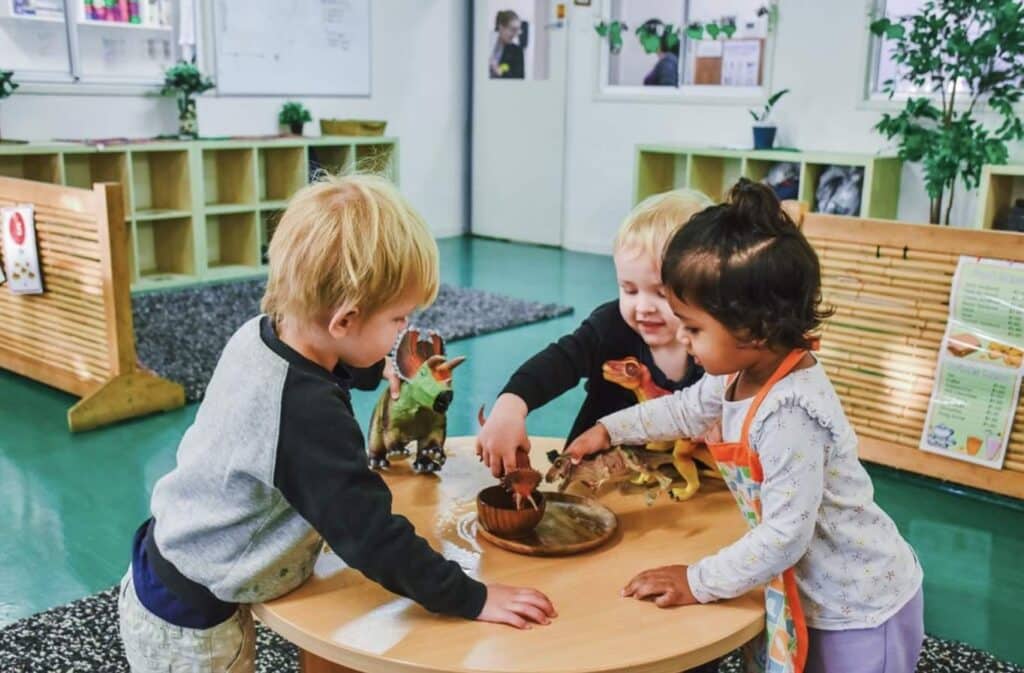
Children’s early non-academic skills, such as social competence and self-regulation, also contribute to school success. Some studies suggest that early social skills are linked to future literacy achievement.
What is the Right Age to Start Montessori?
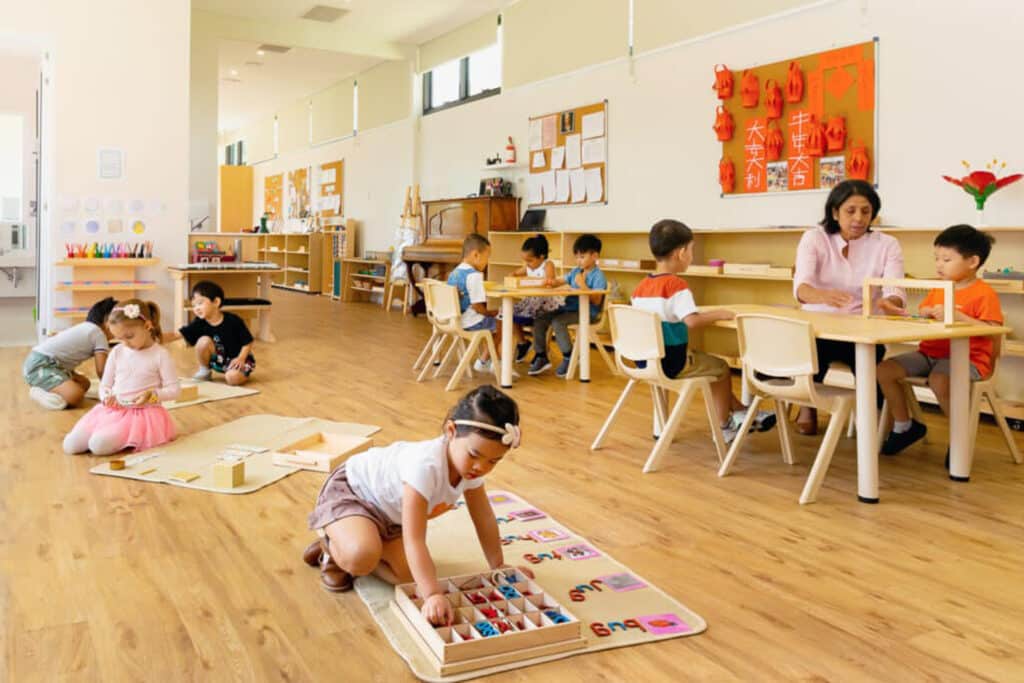
When it comes to Montessori, education options are available for infants, toddlers, children, lower elementary education, upper elementary education, and secondary education. Children can get started at any of these stages, and there are benefits at every level.
Montessori in the Kitchen: Cooking with Your Child
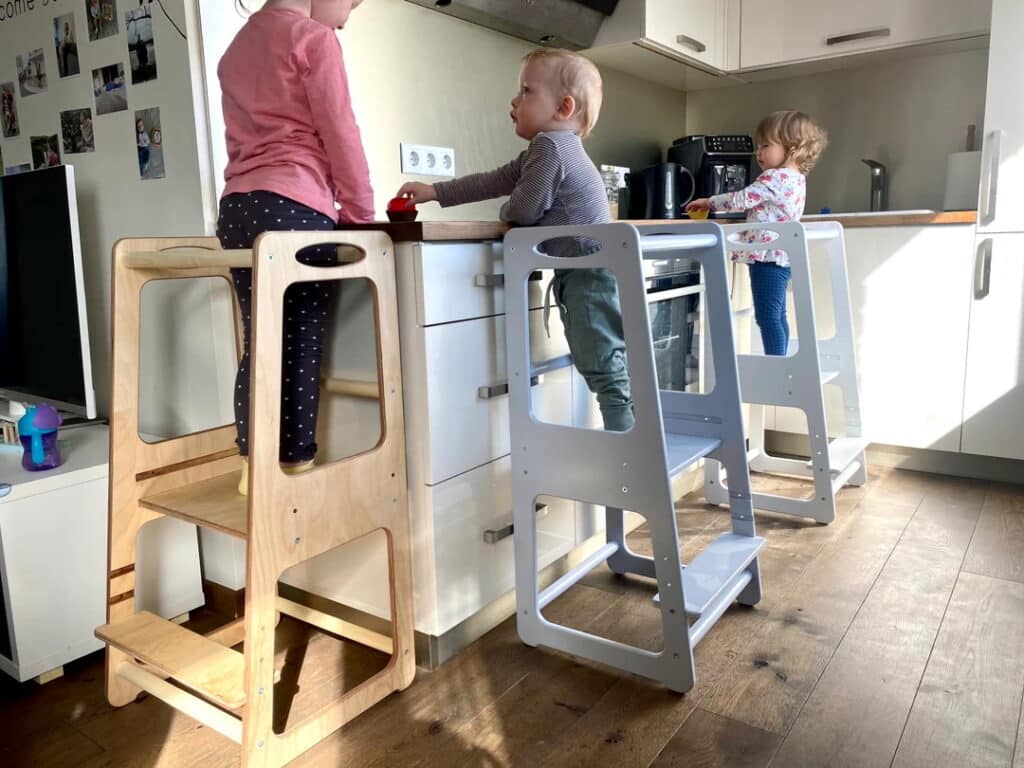
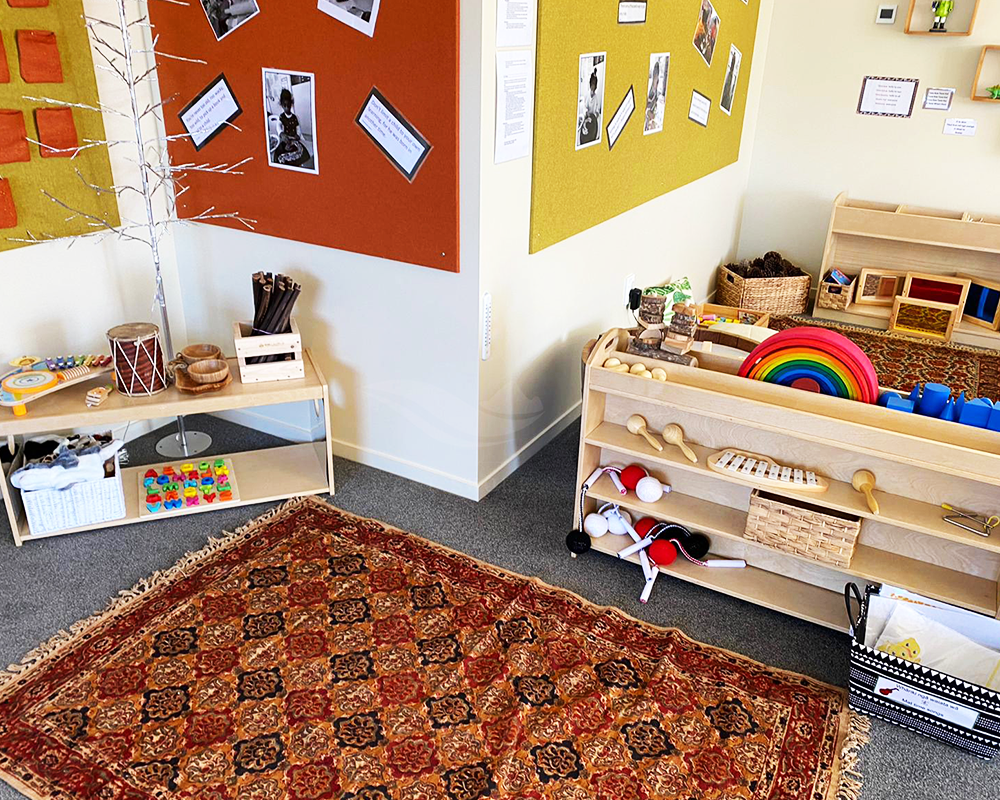
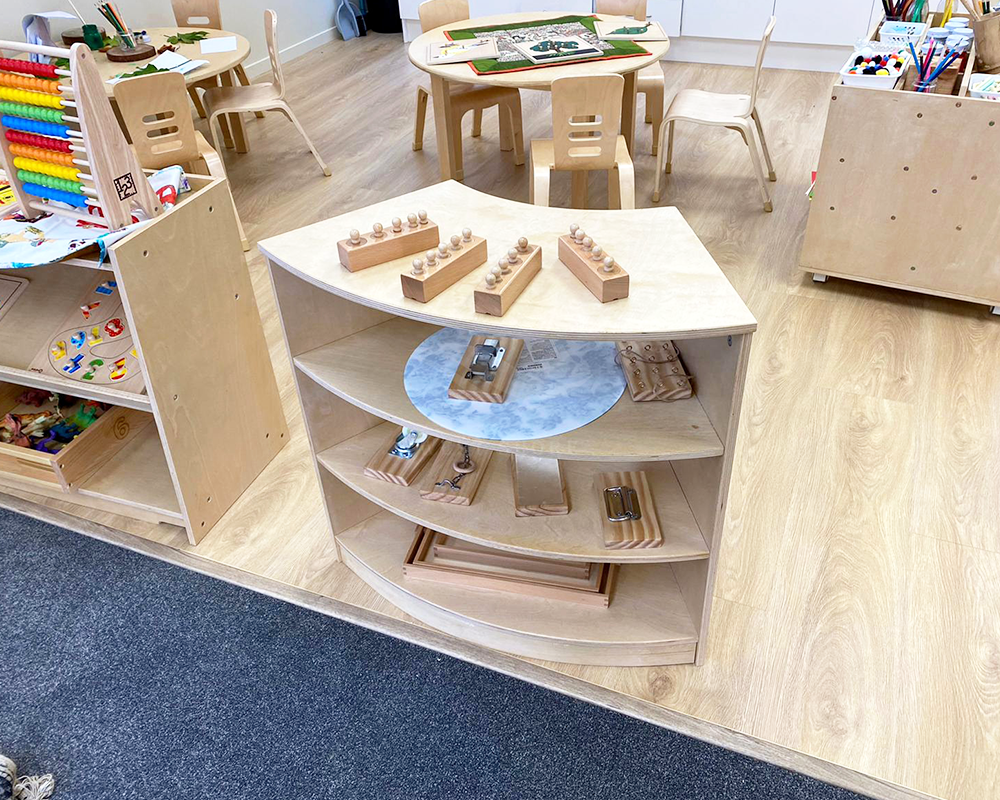
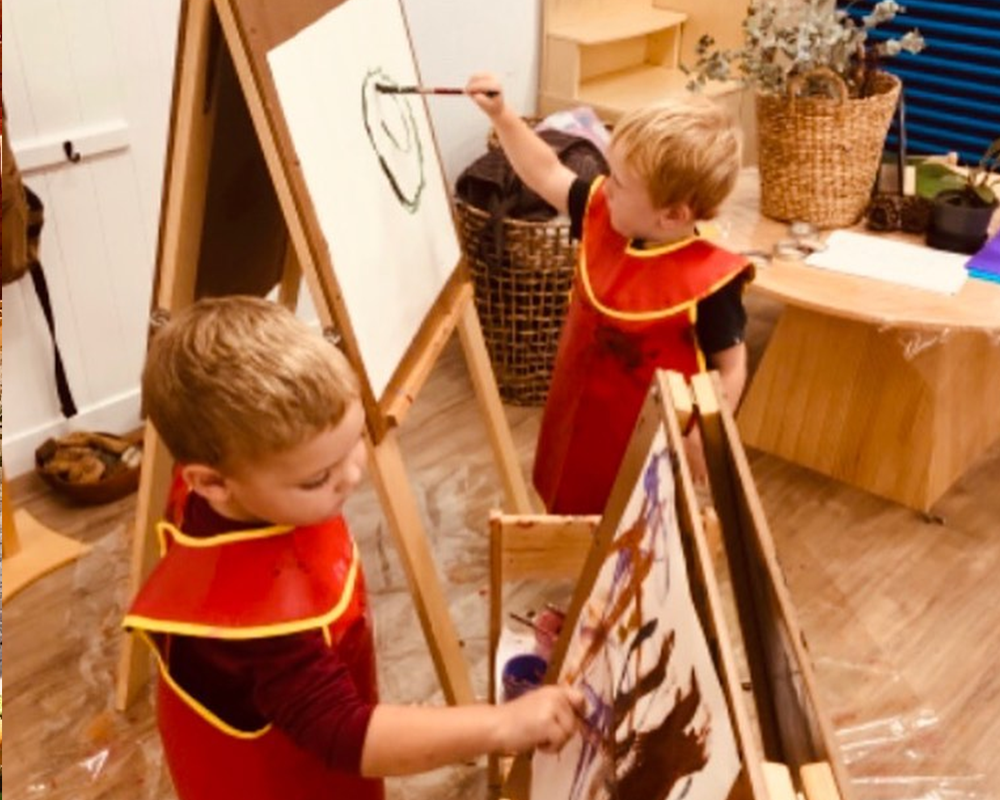
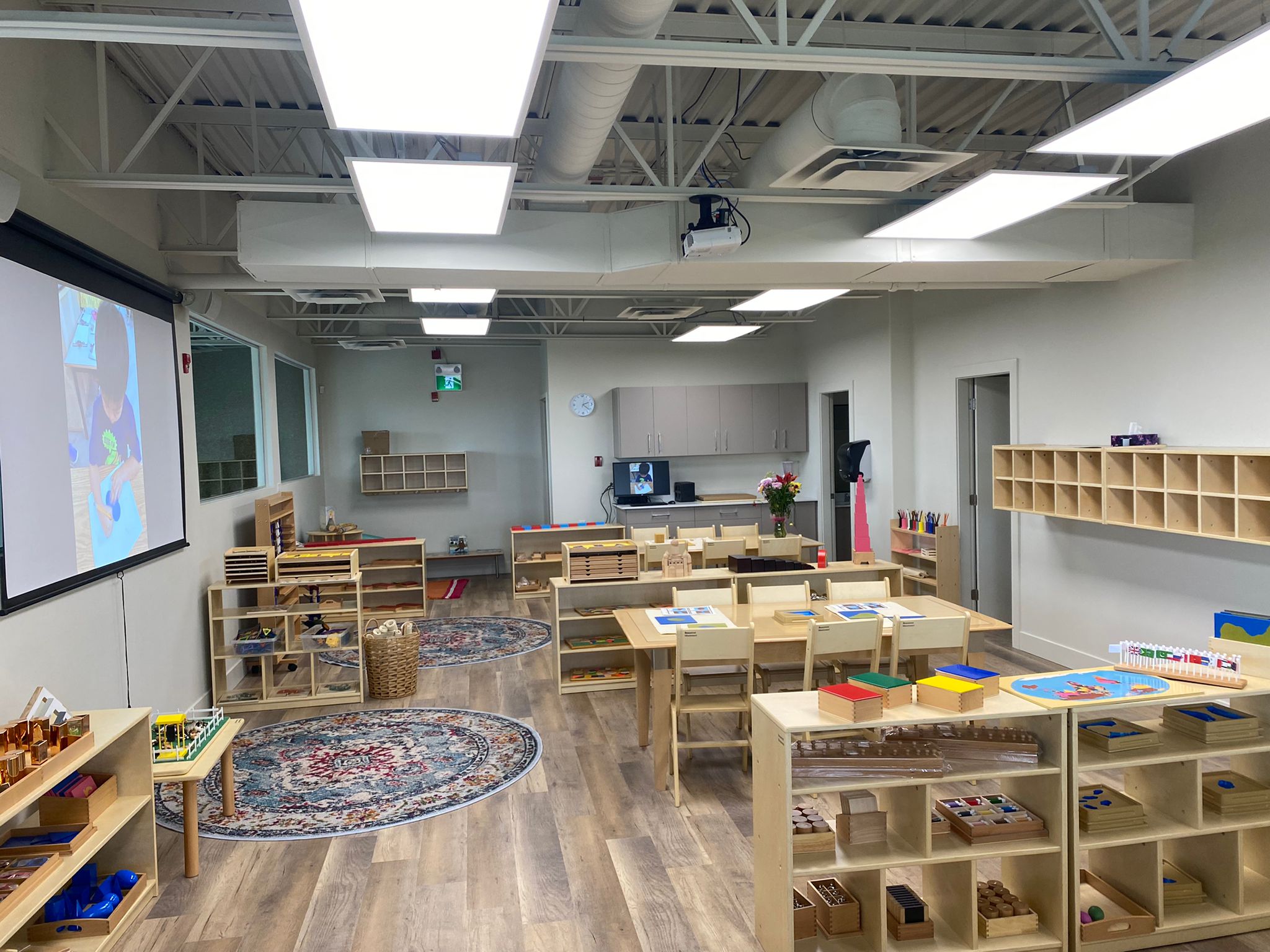
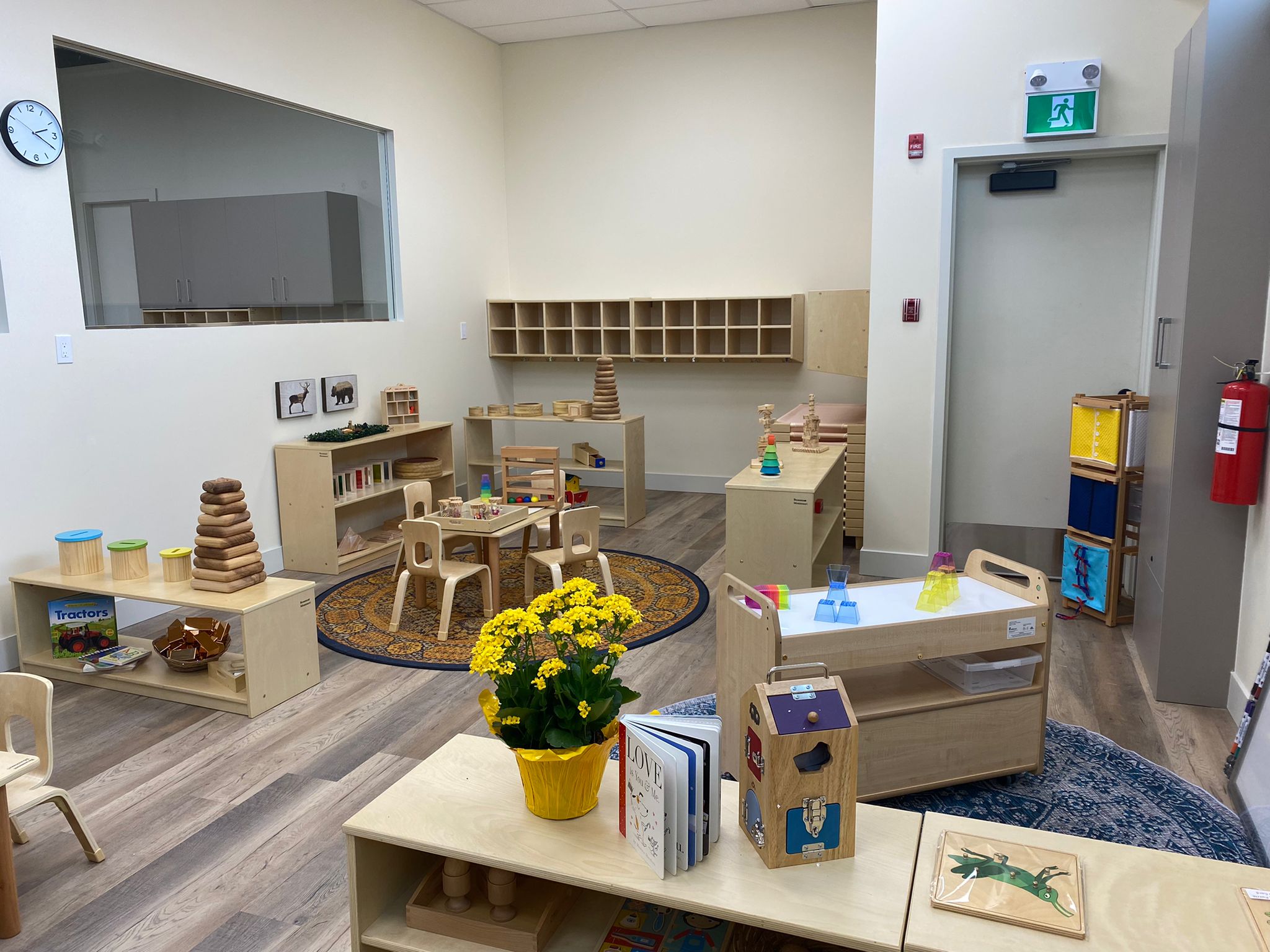
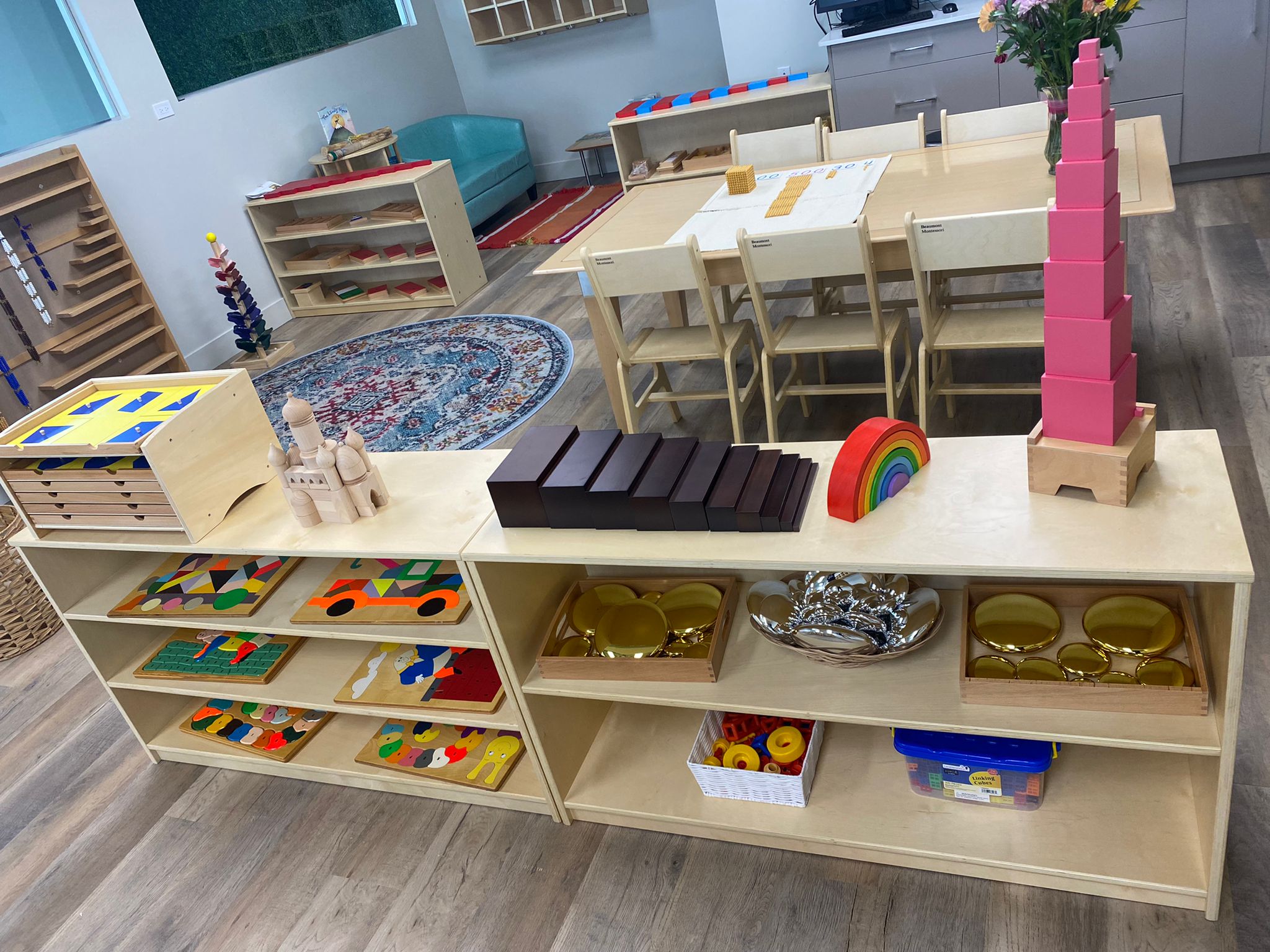
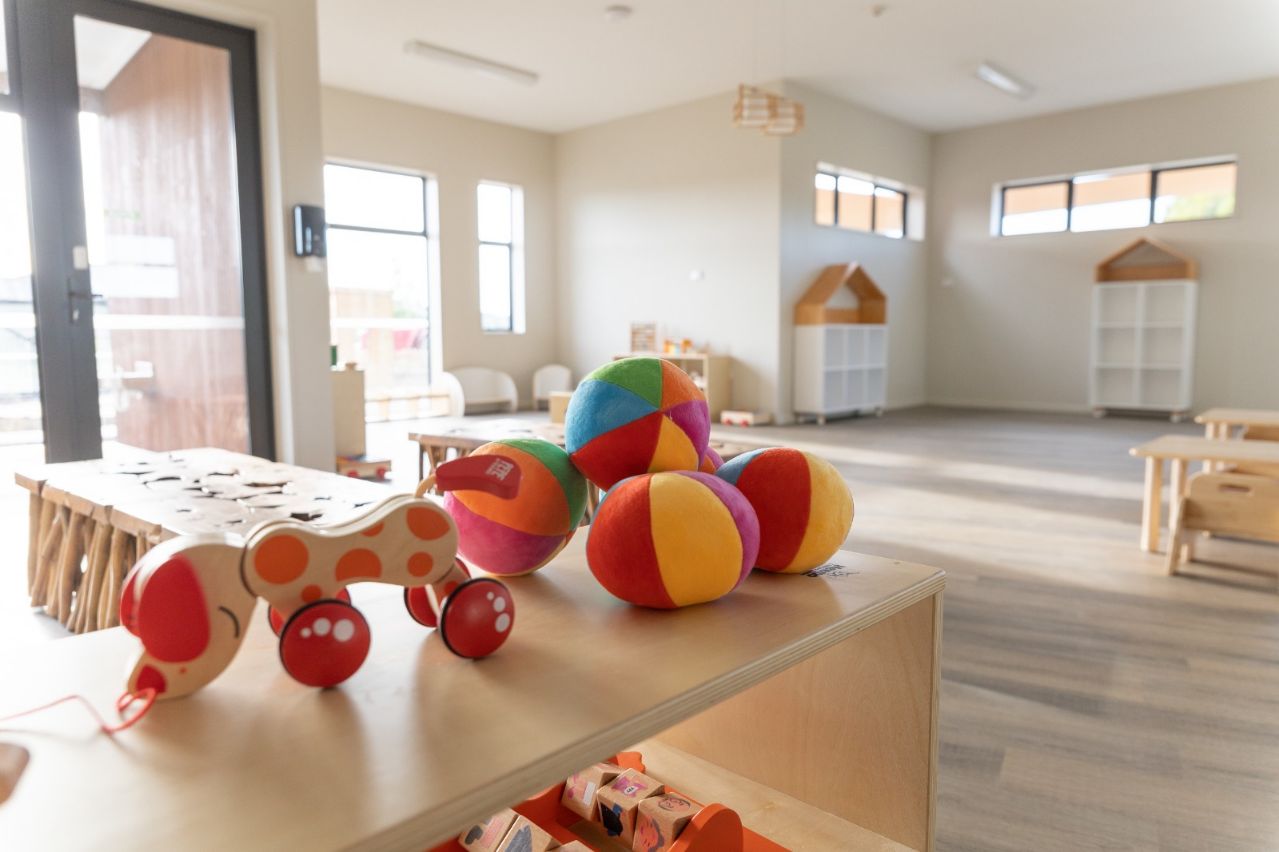
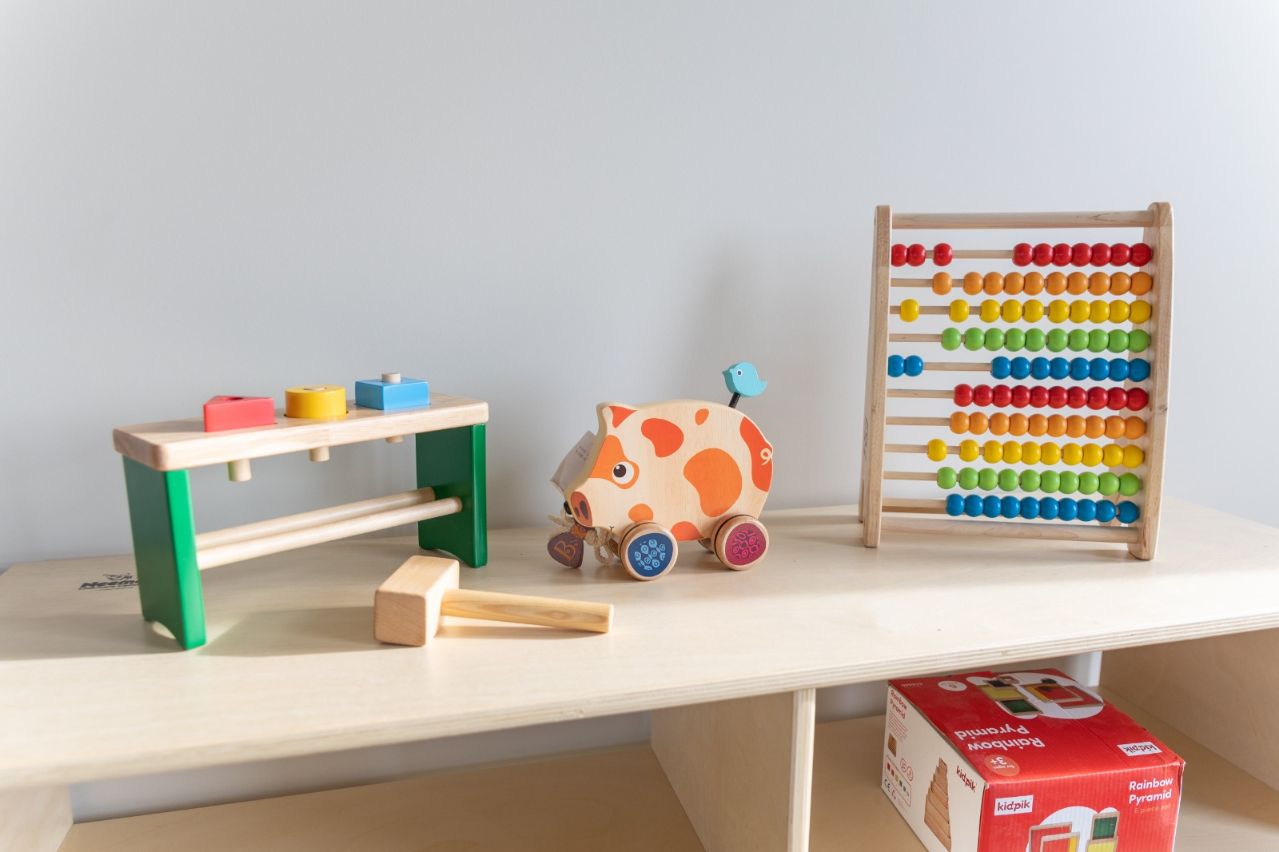
A good Montessori preschool will have a wide variety of these materials for children to use in the classroom during what is called practical life activities. The purpose of these activities is to help the child gain control in coordination of movement, become an independent individual, and develop a sense of being and belonging in society.
Why Preschools are Better Than Home Education
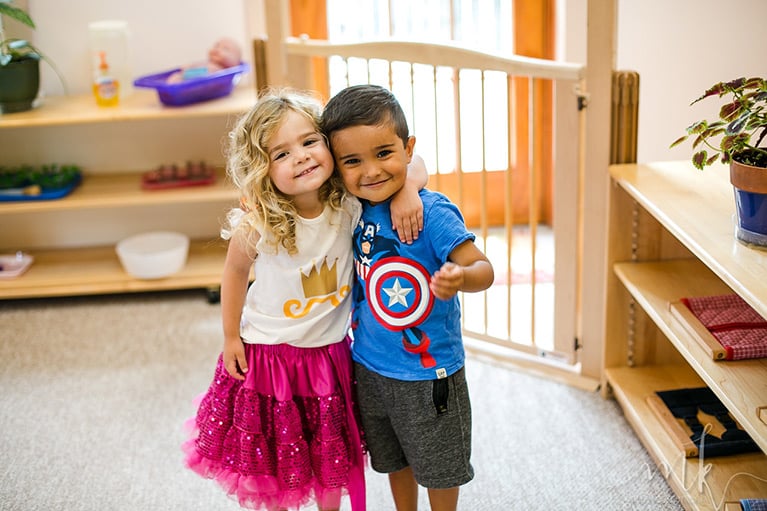
Preschools focus on a multifaceted and sophisticated approach to personality development. They lay the foundation for children’s emotional, physical, mental and social growth.
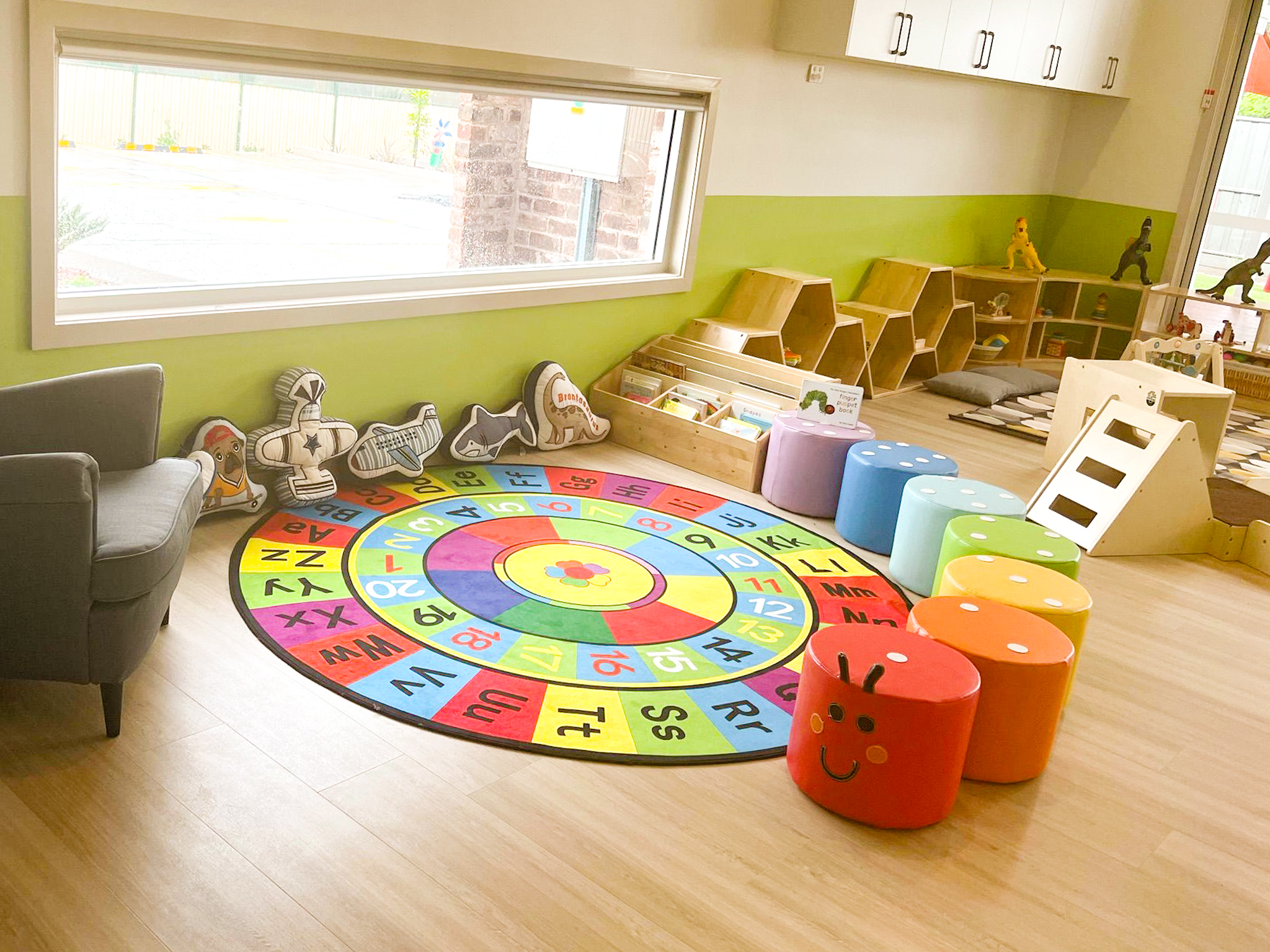
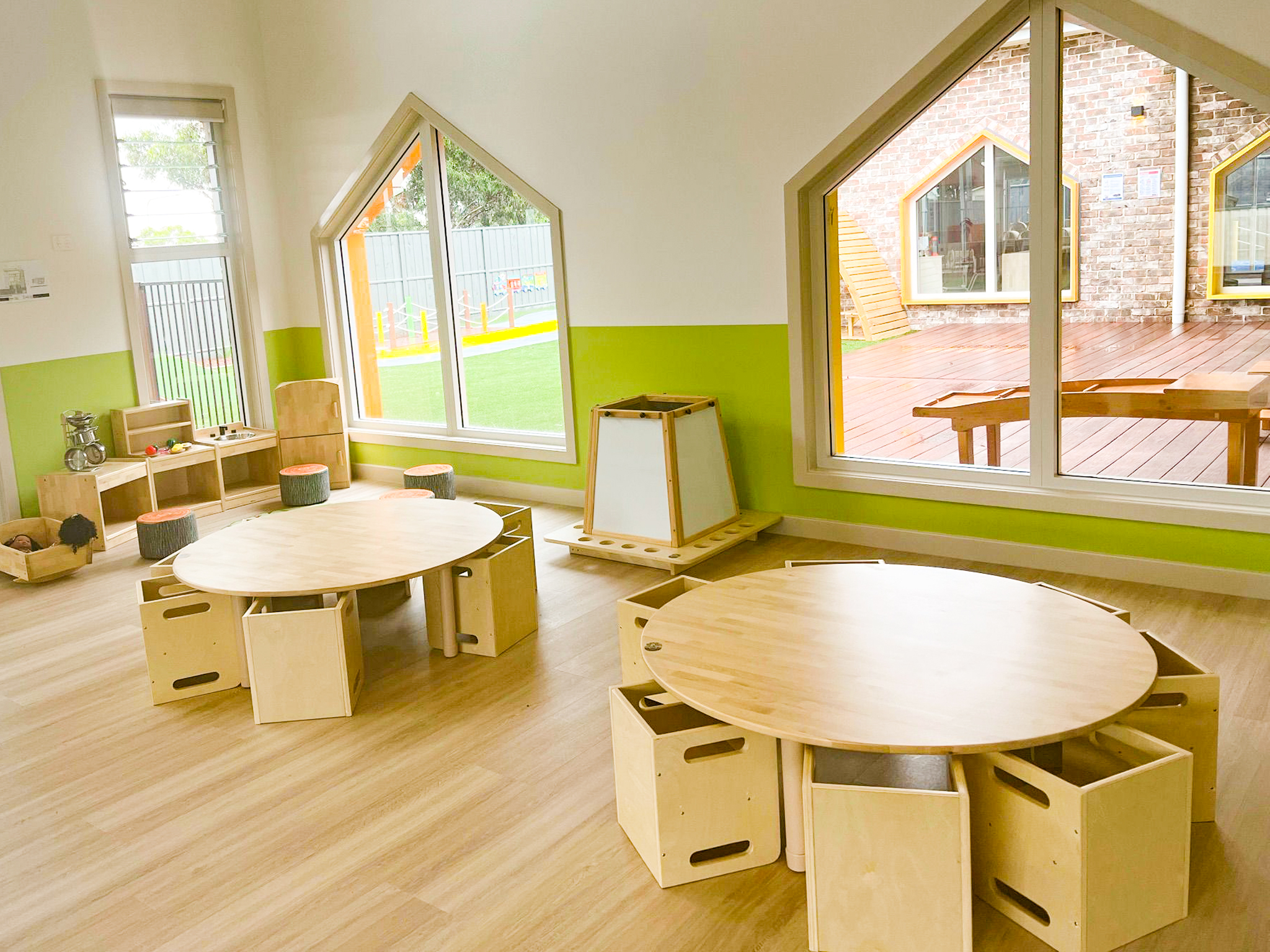
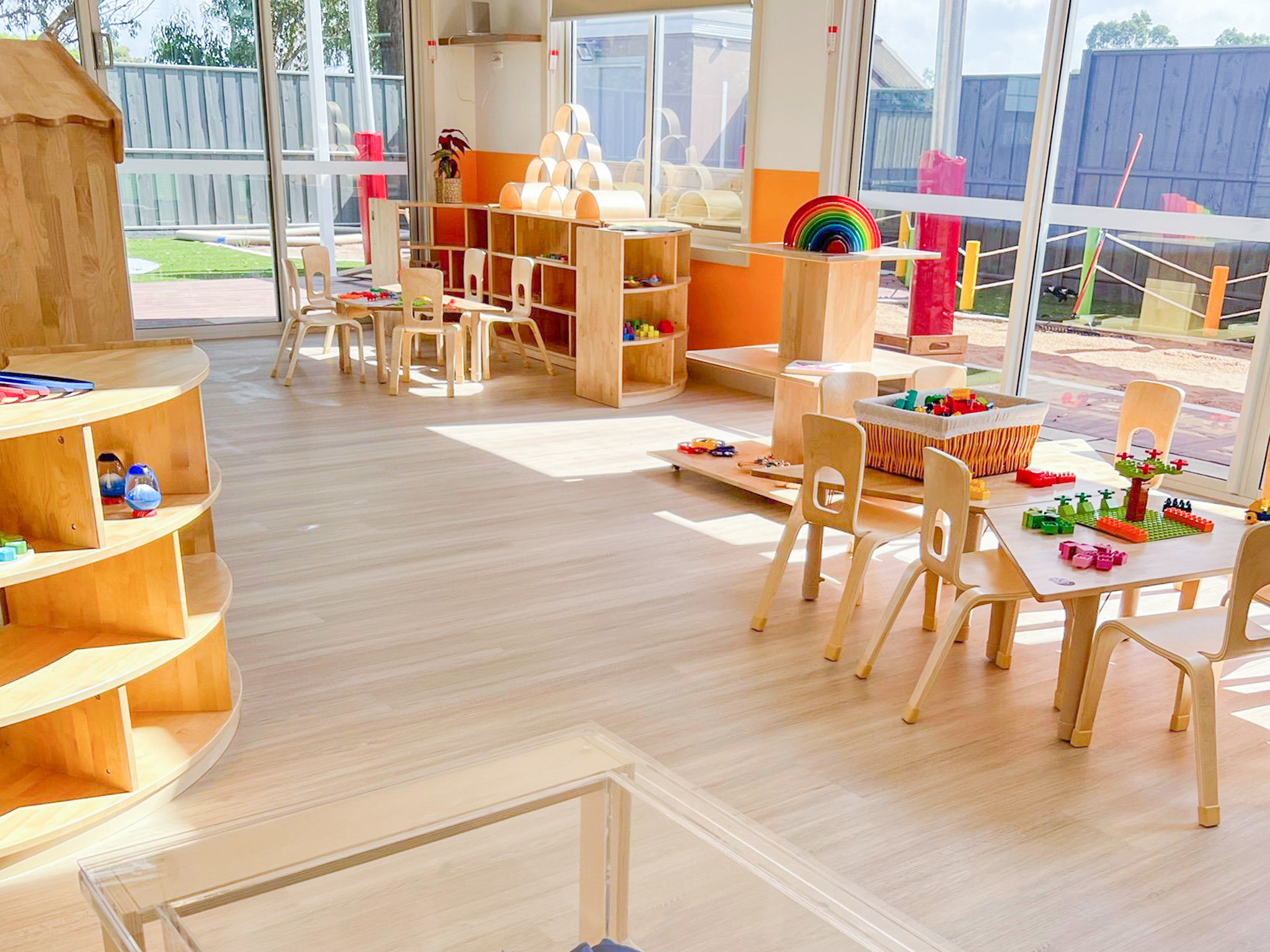
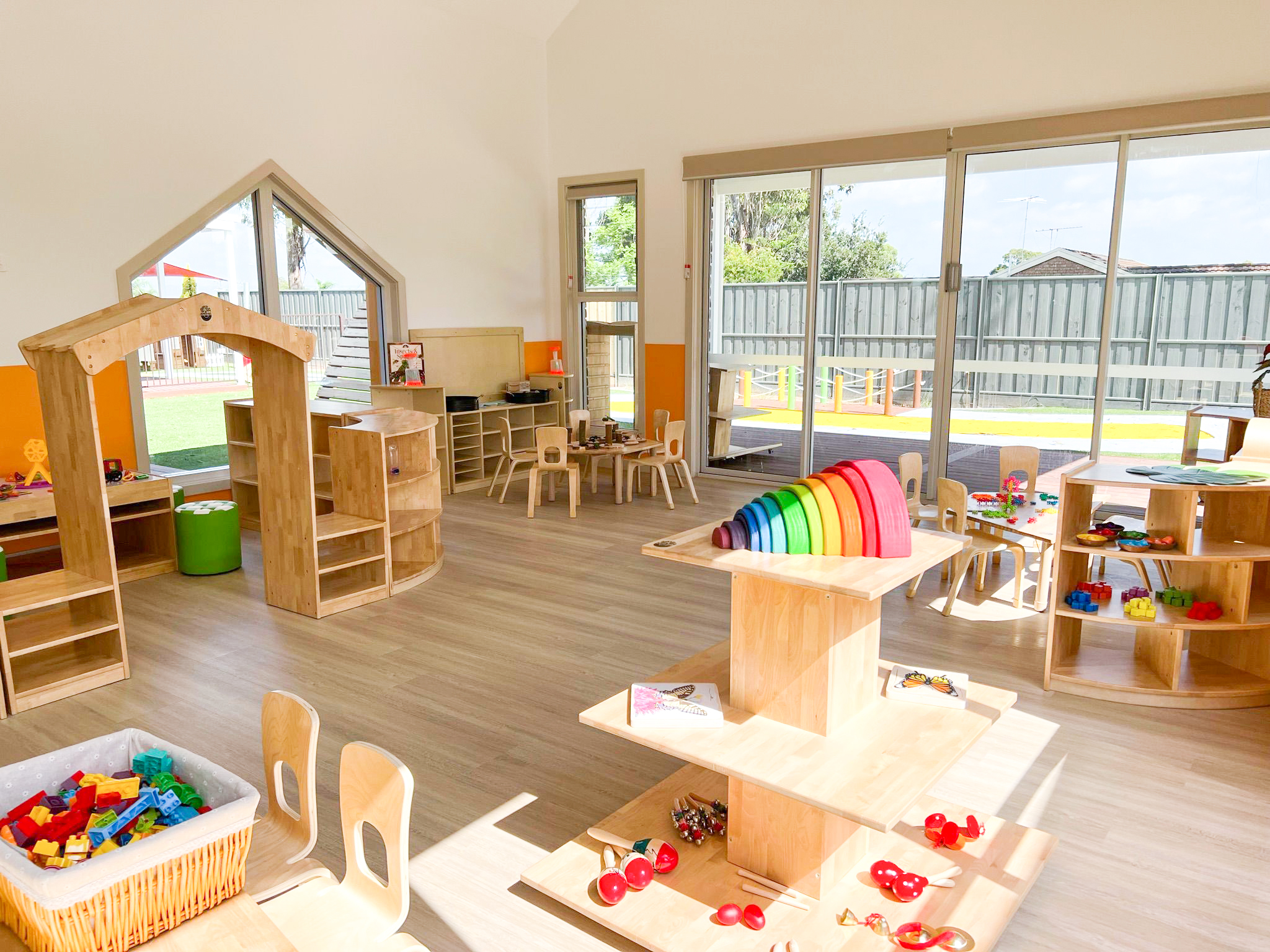
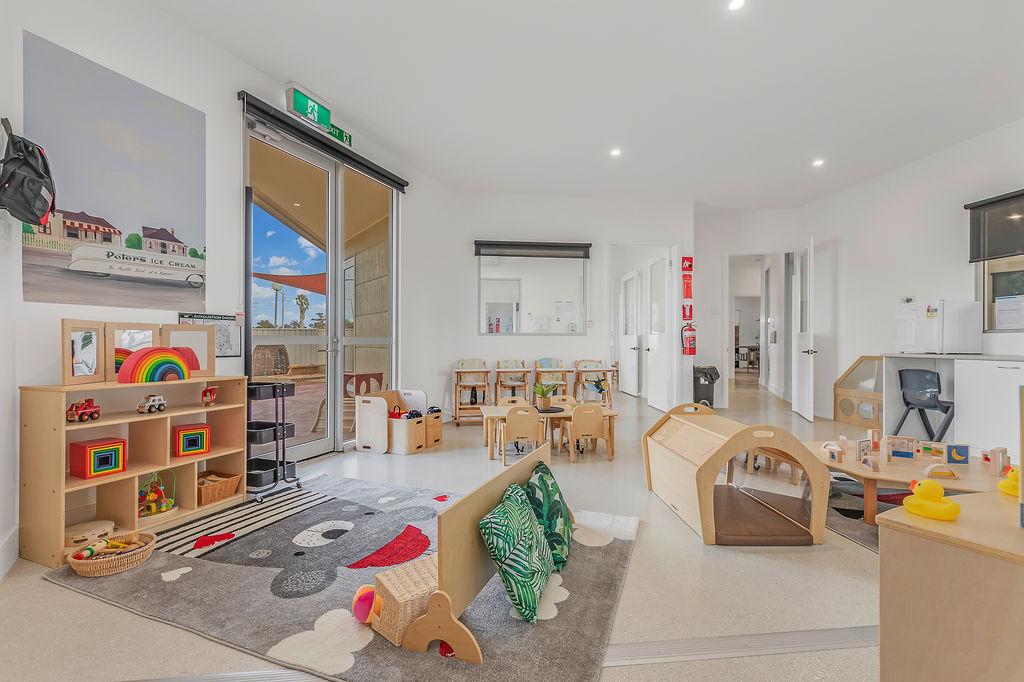
How to create a warm and welcoming environment for children in early childhood
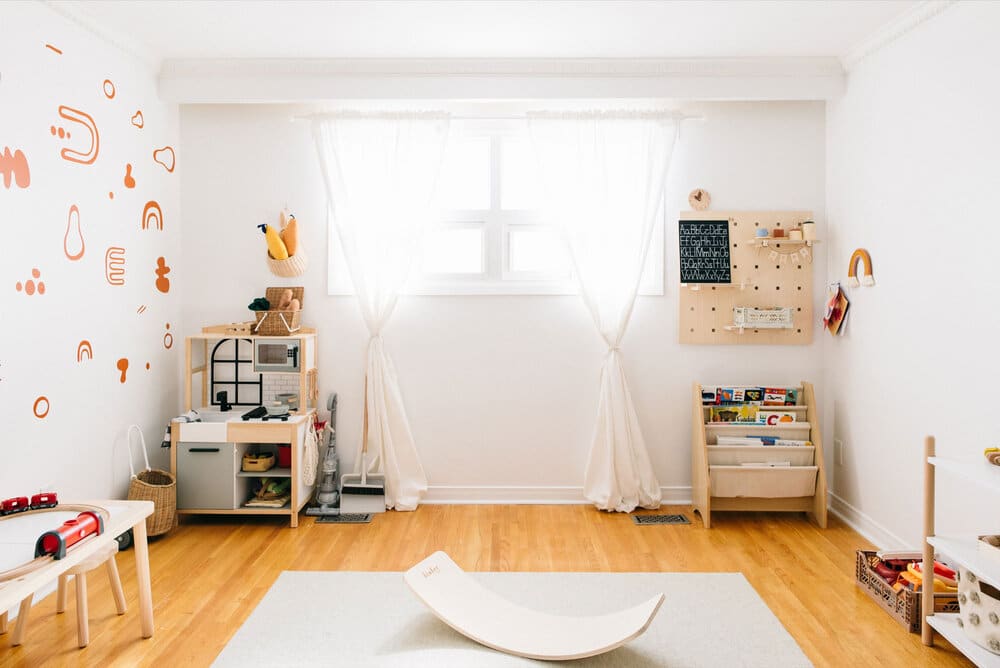
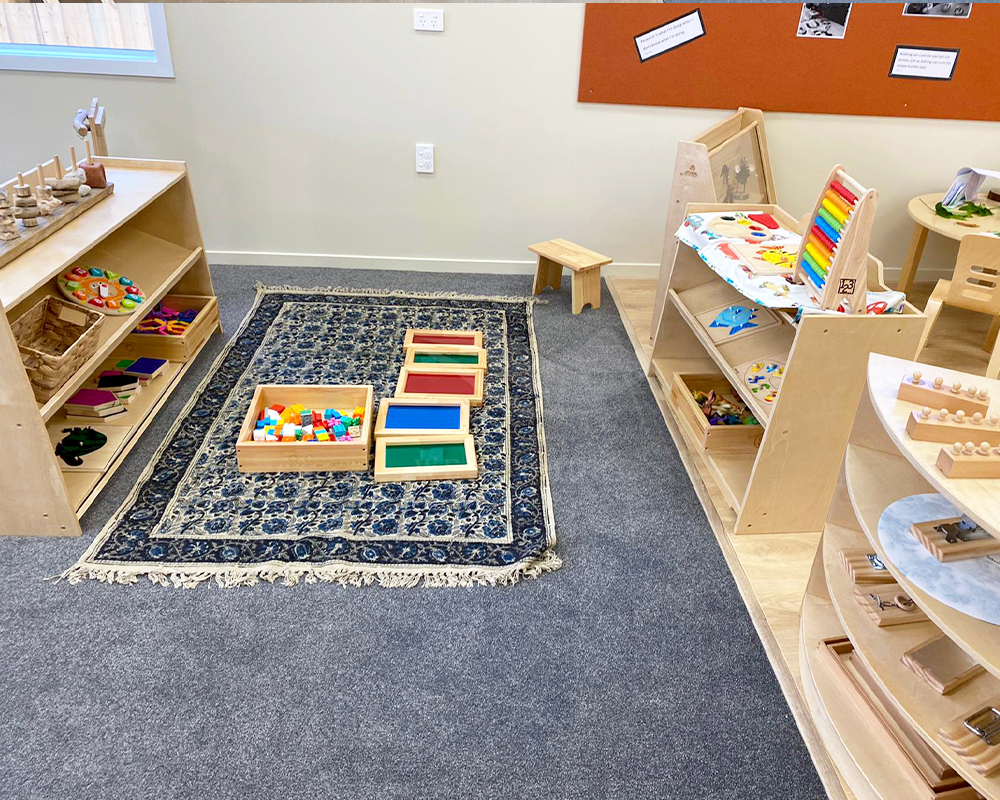
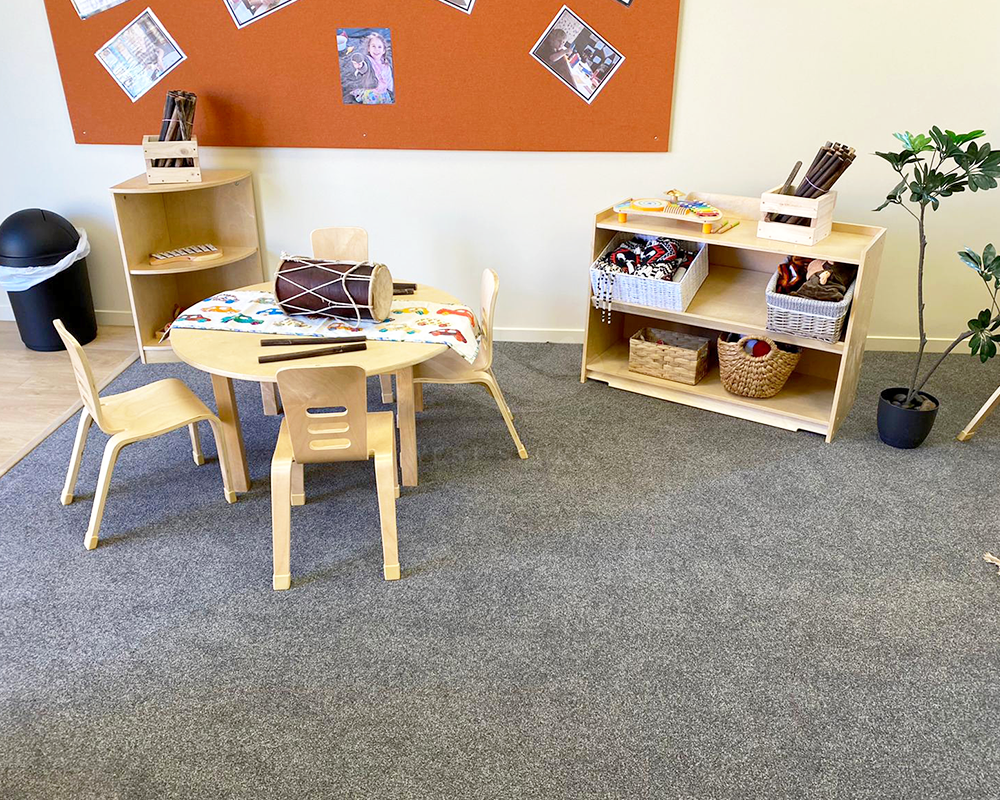
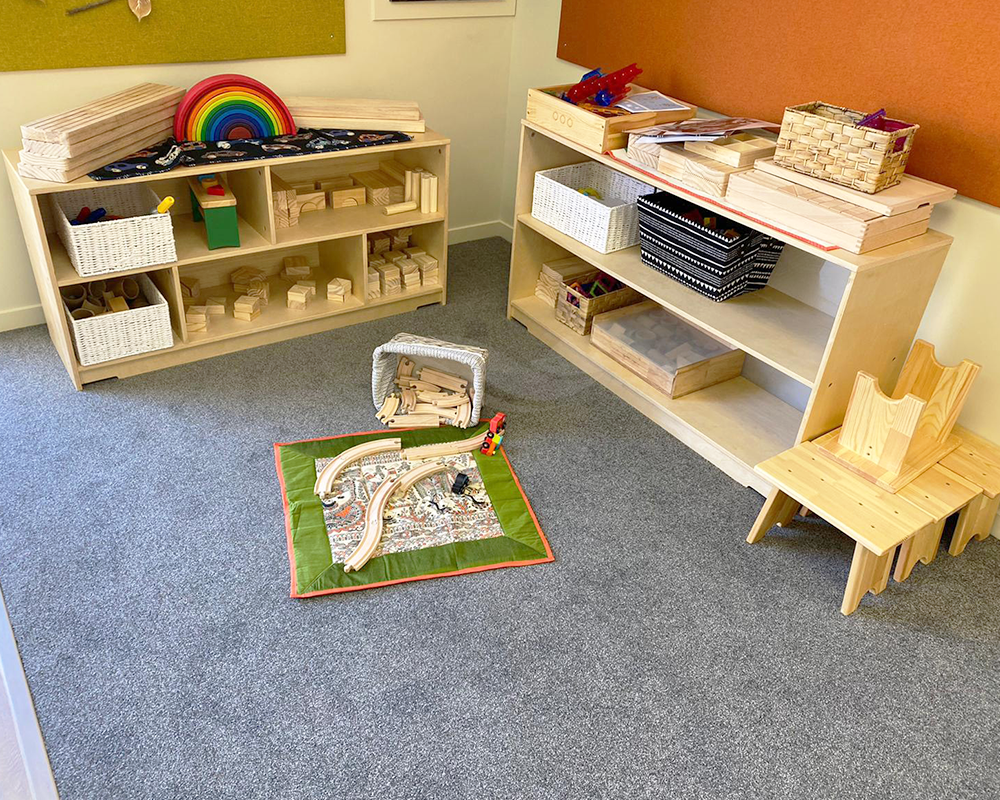
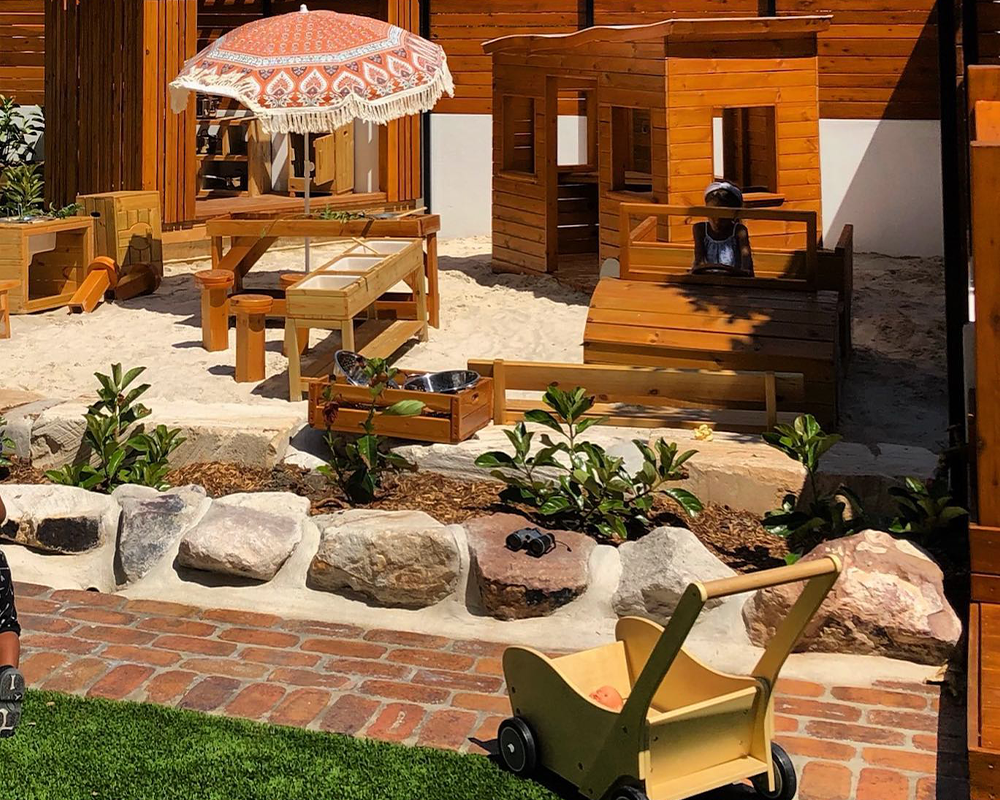
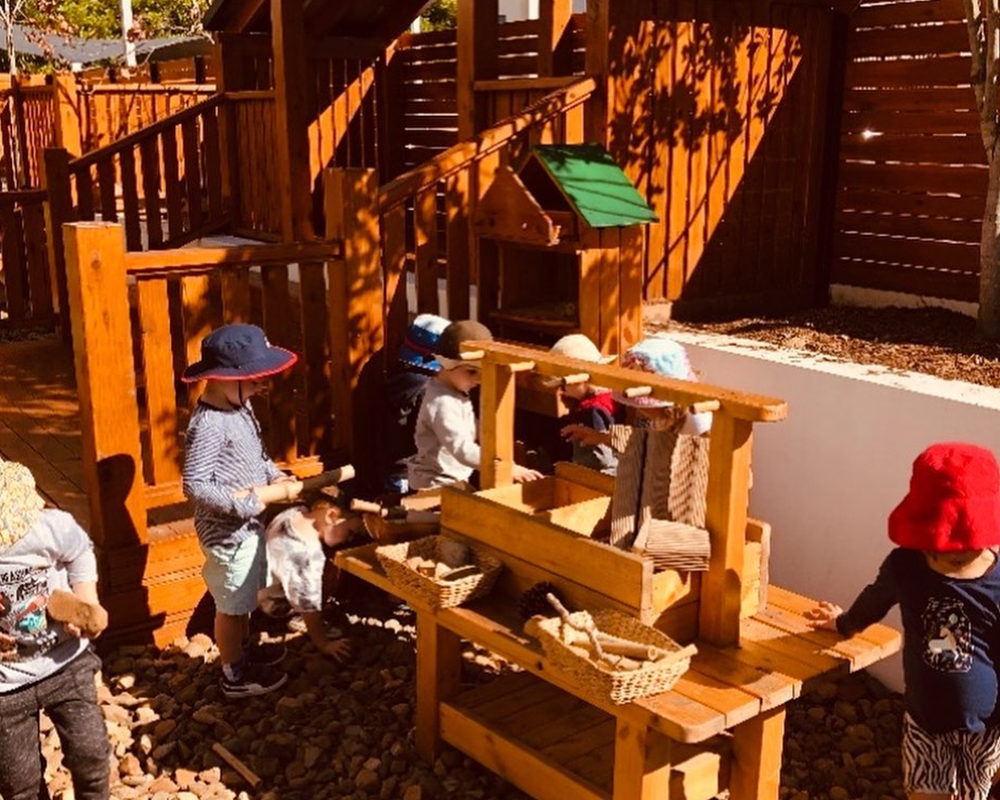
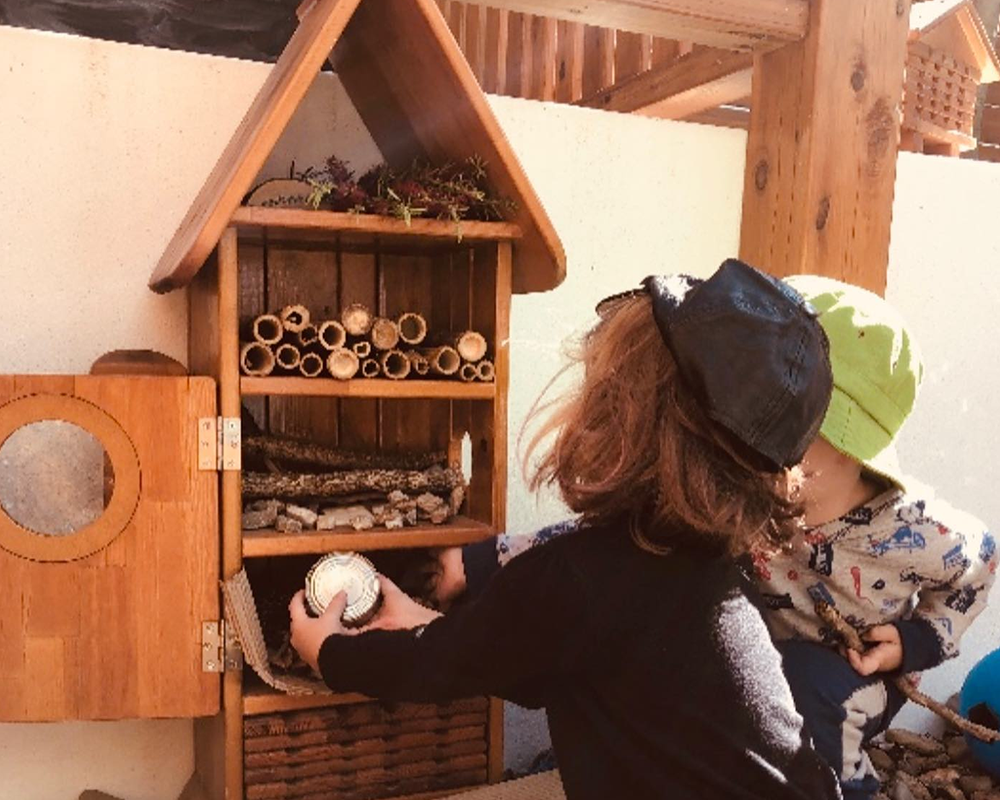
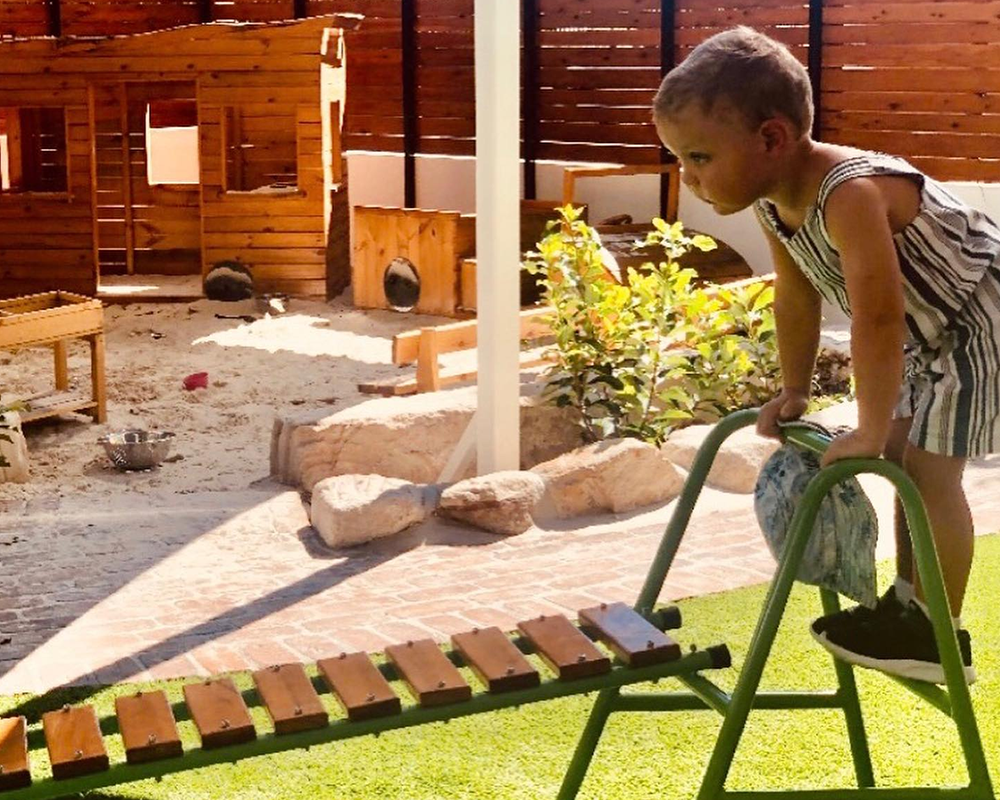
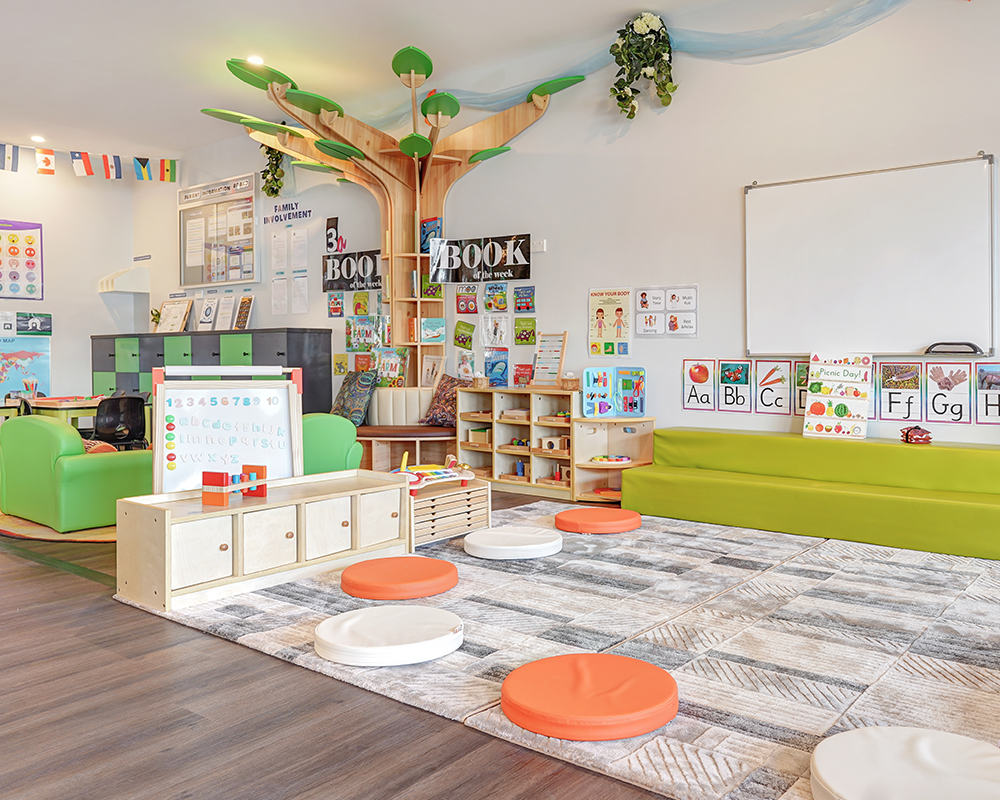
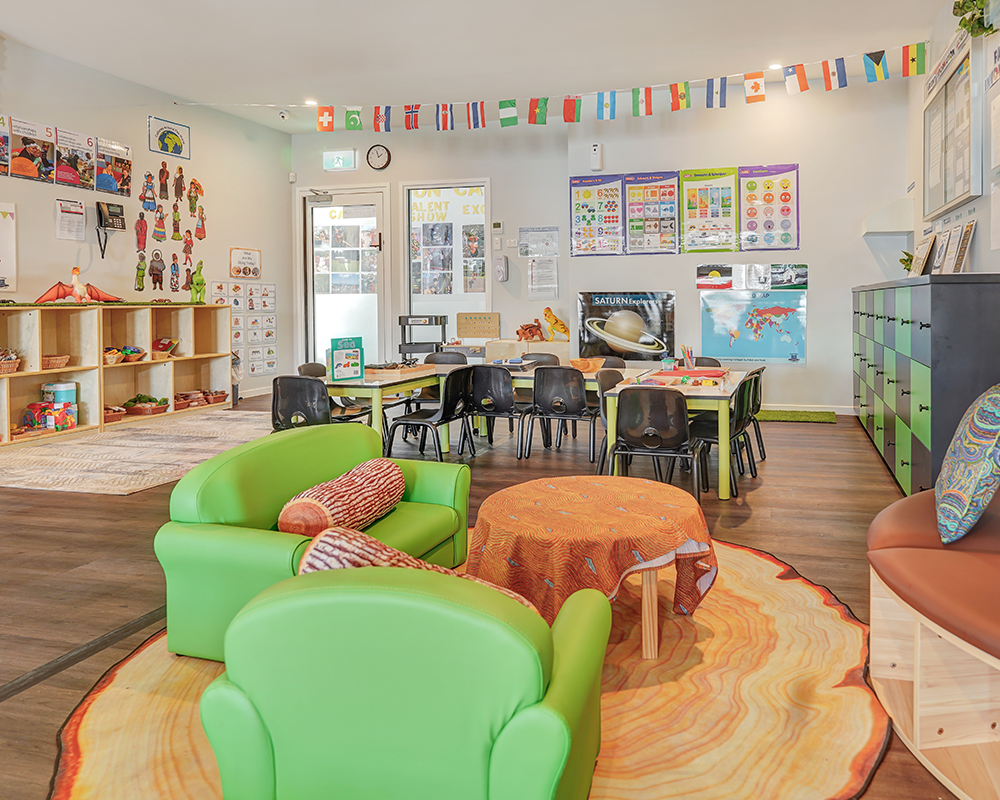
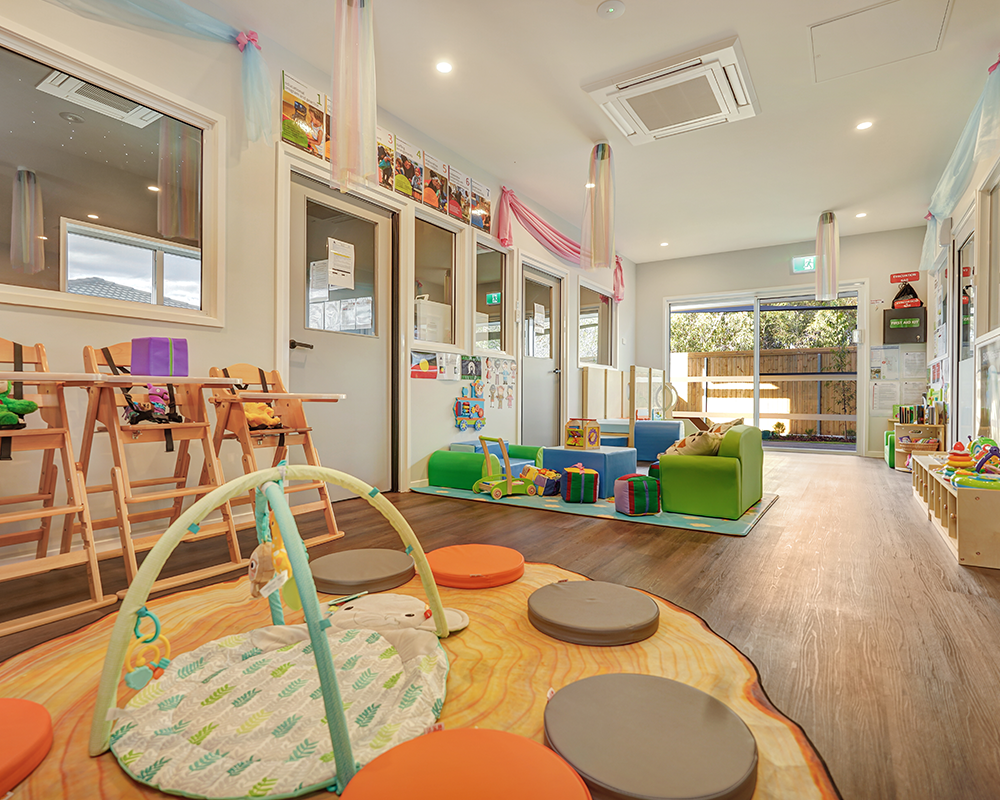
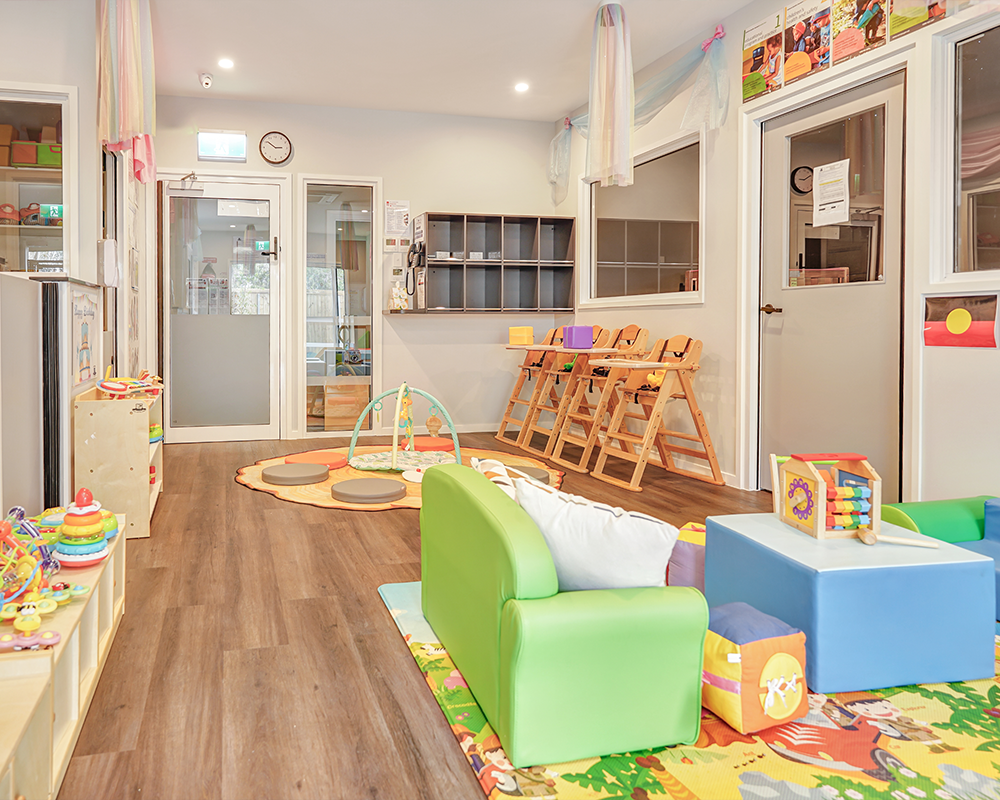
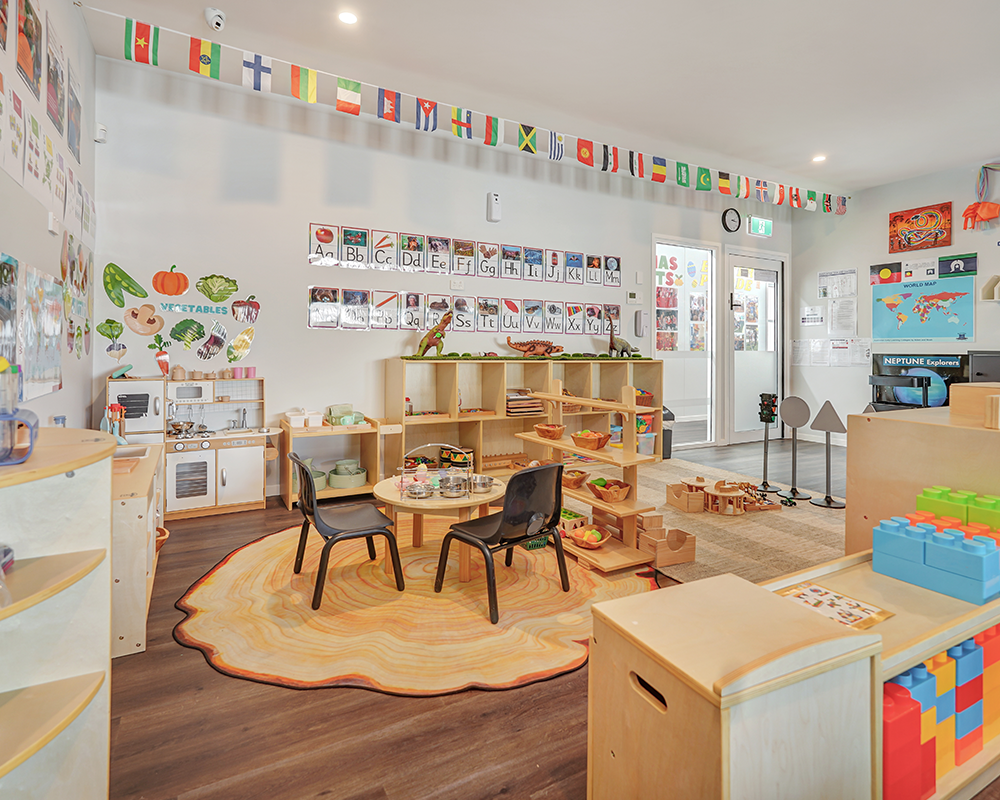
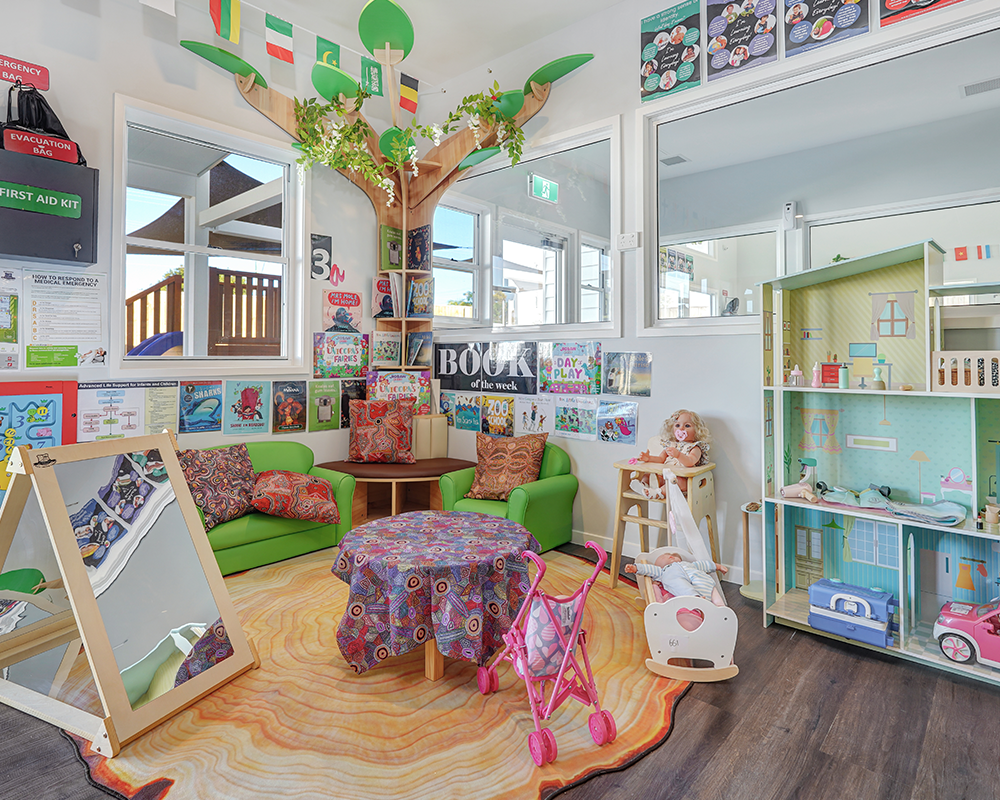
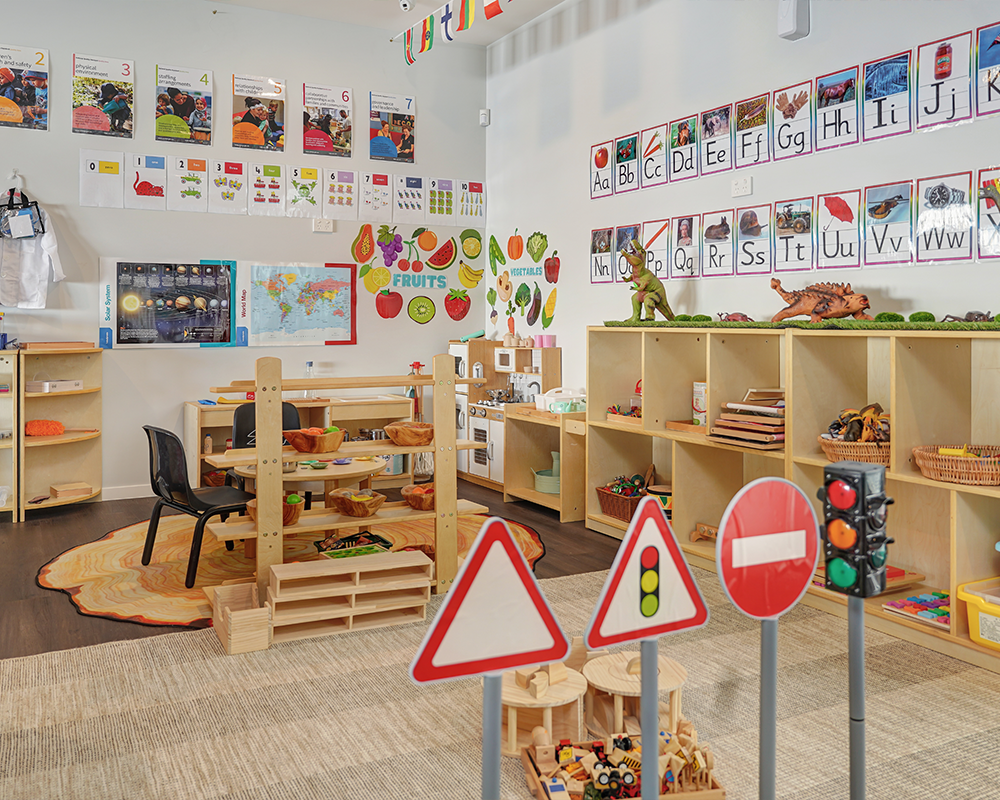
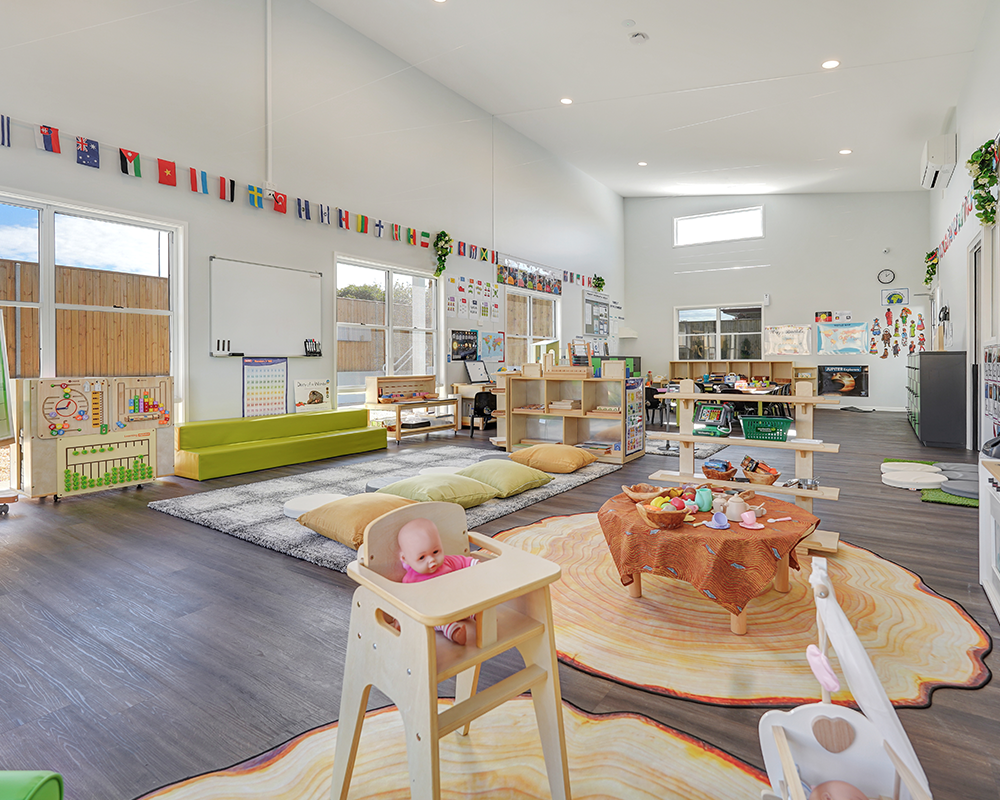
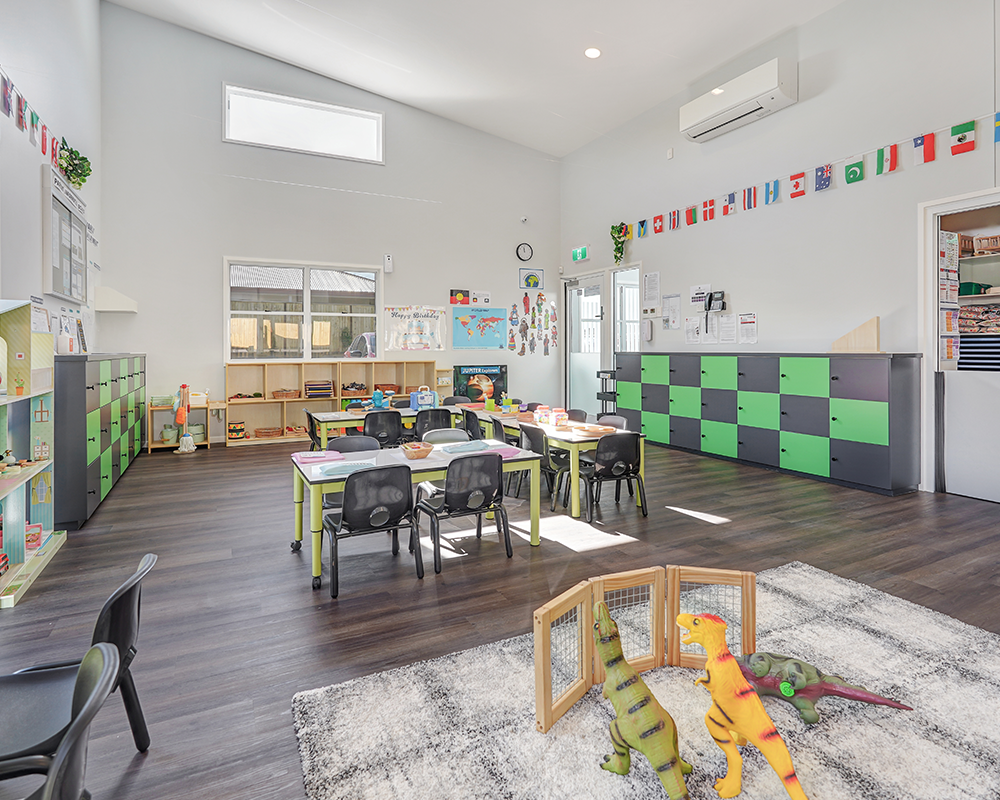
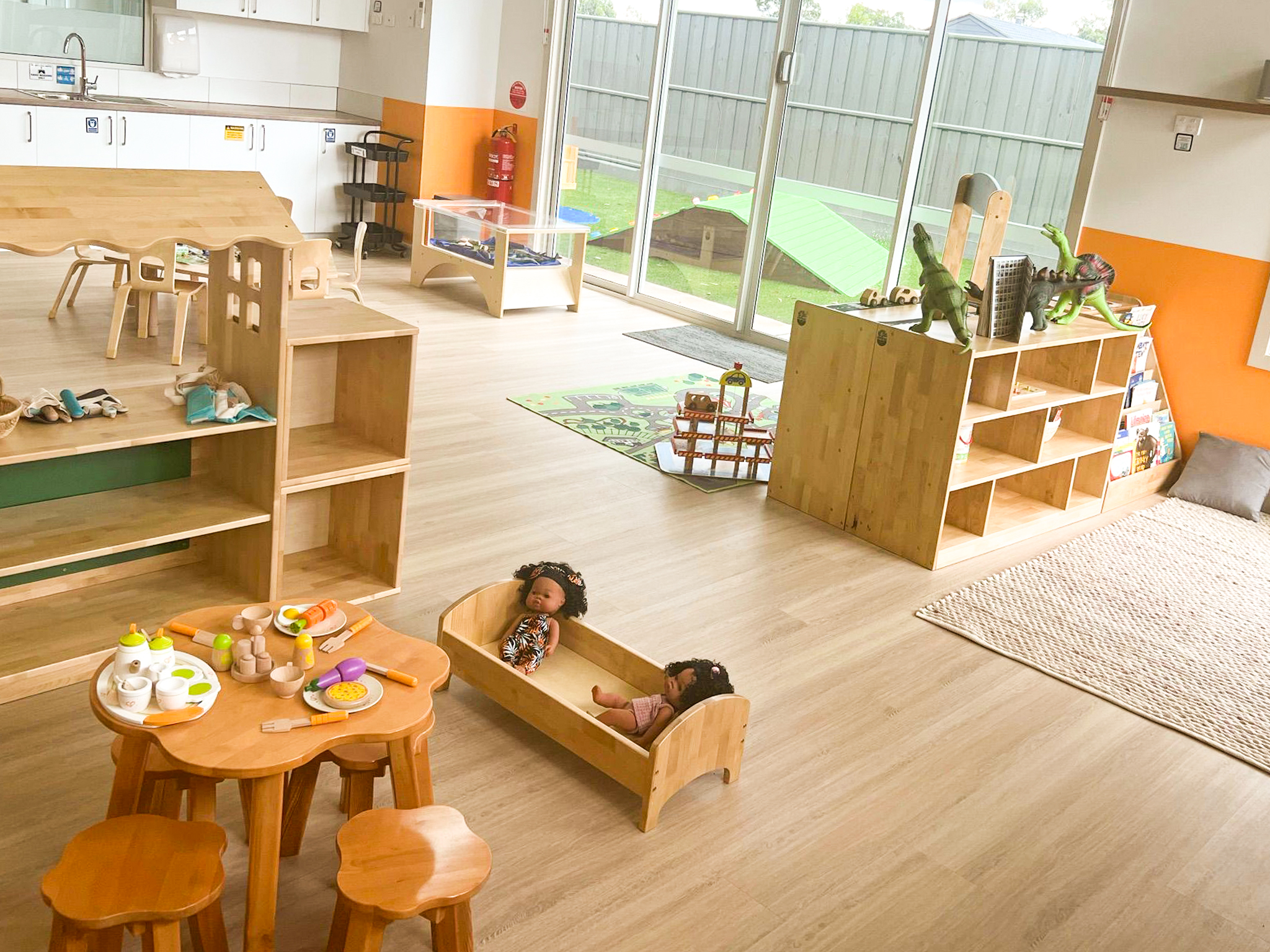
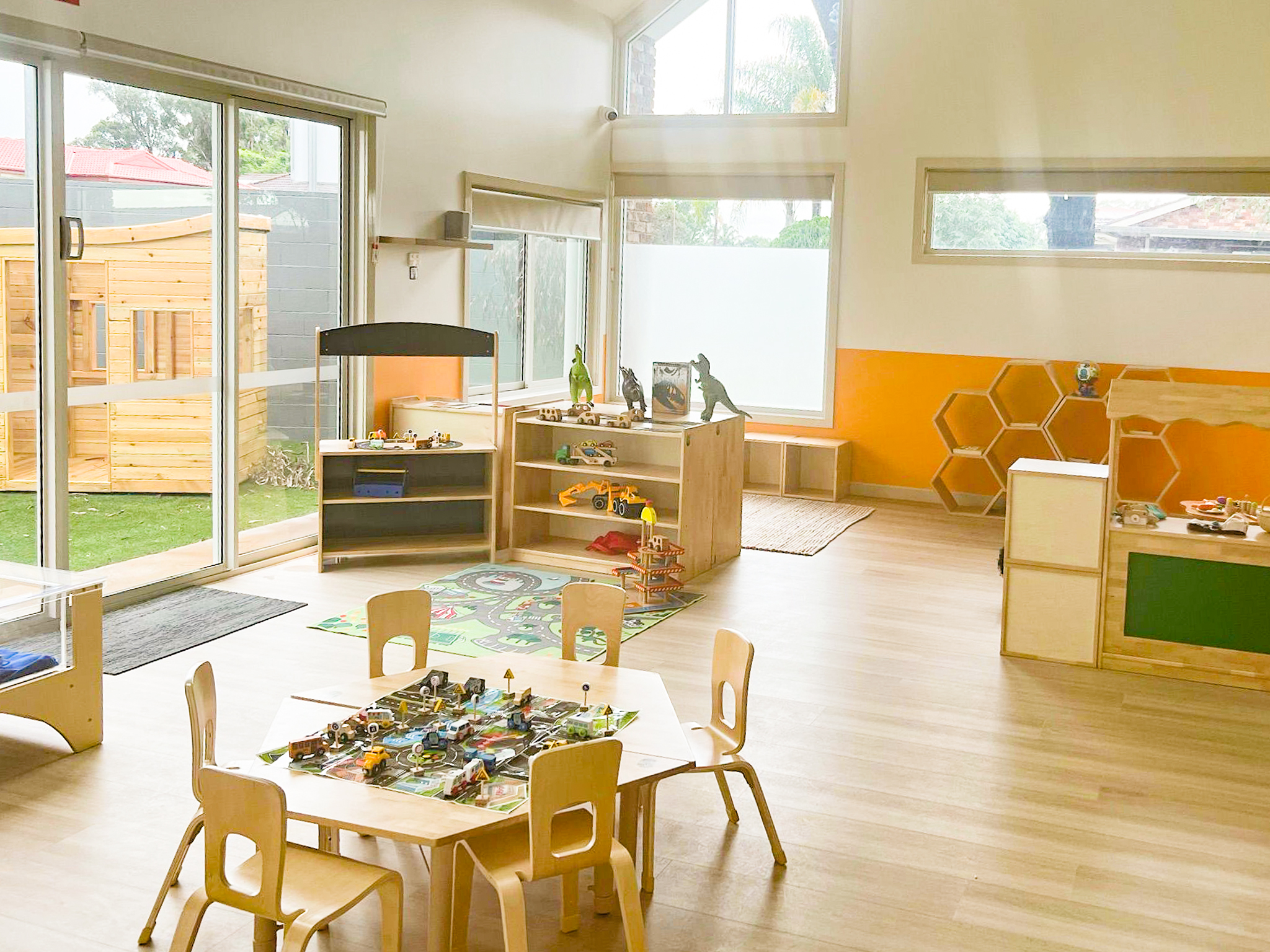
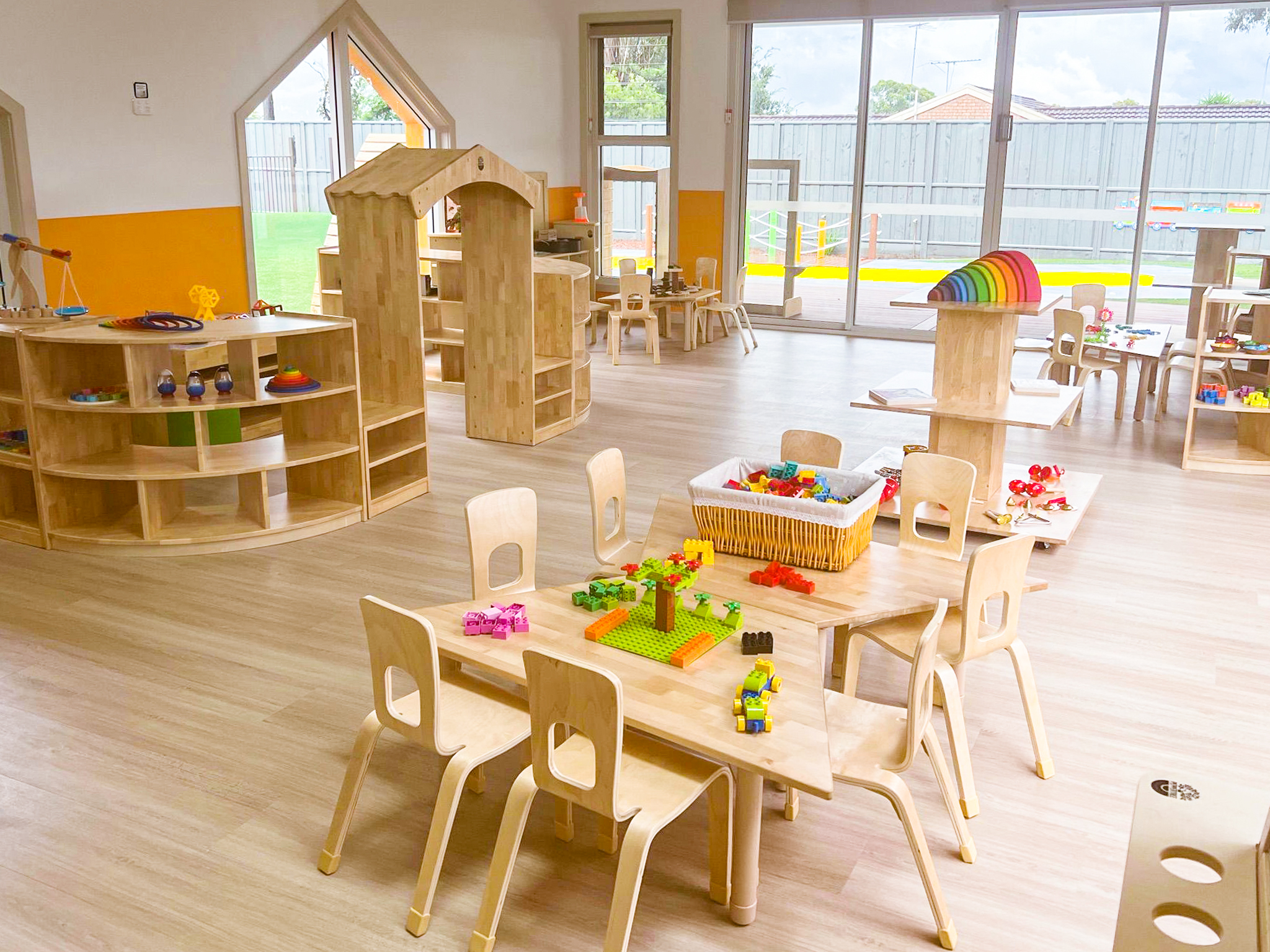
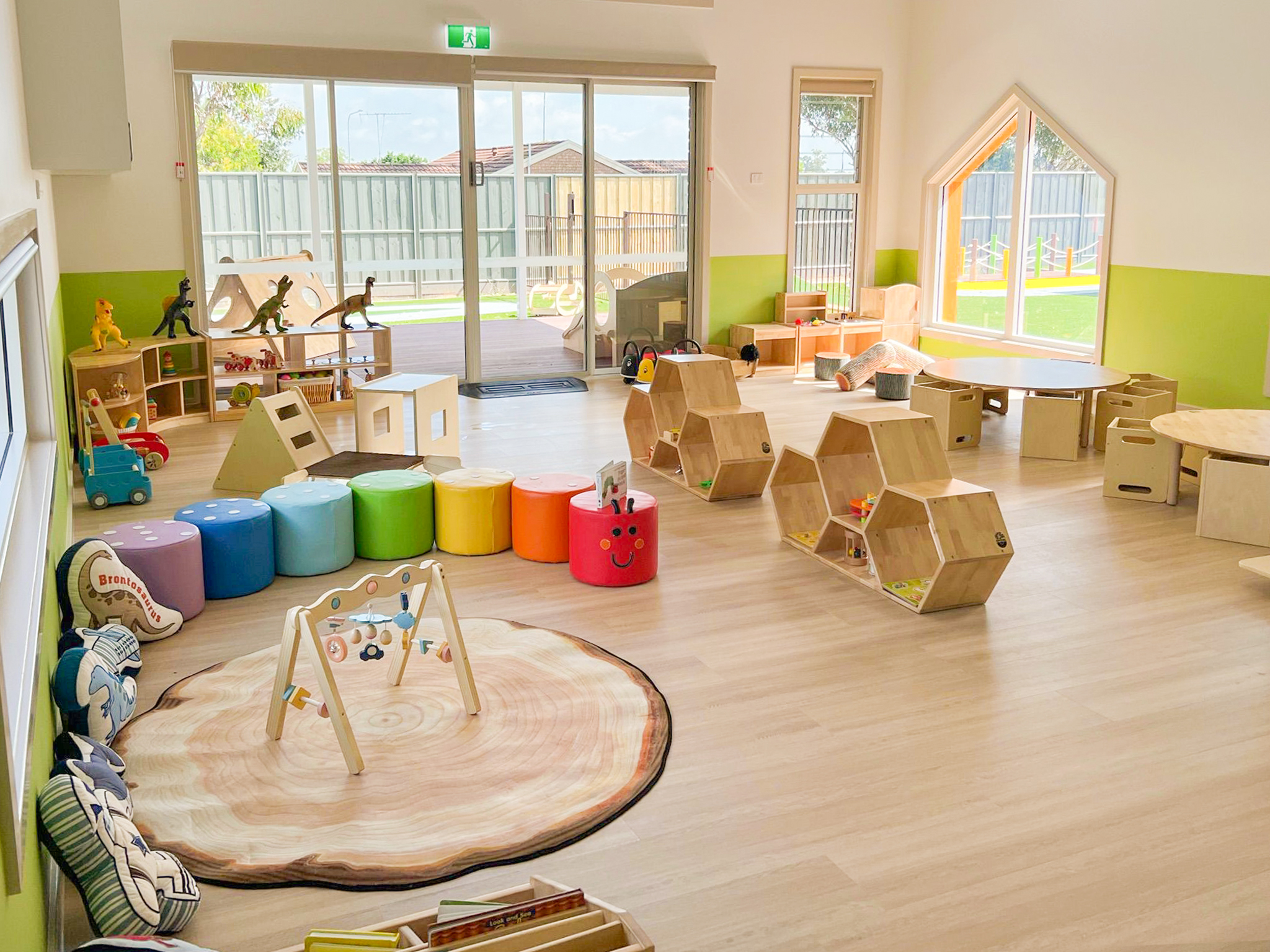
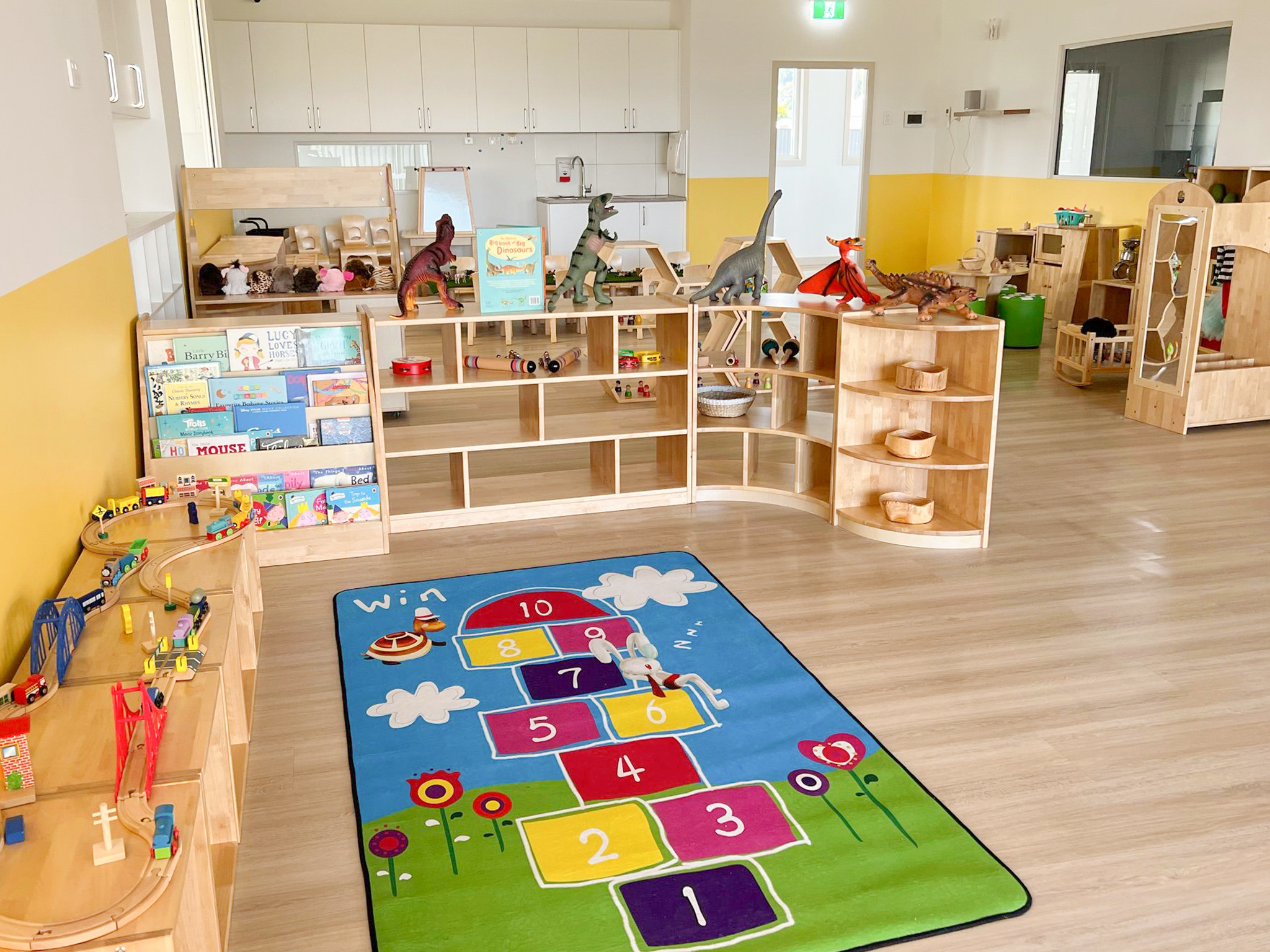
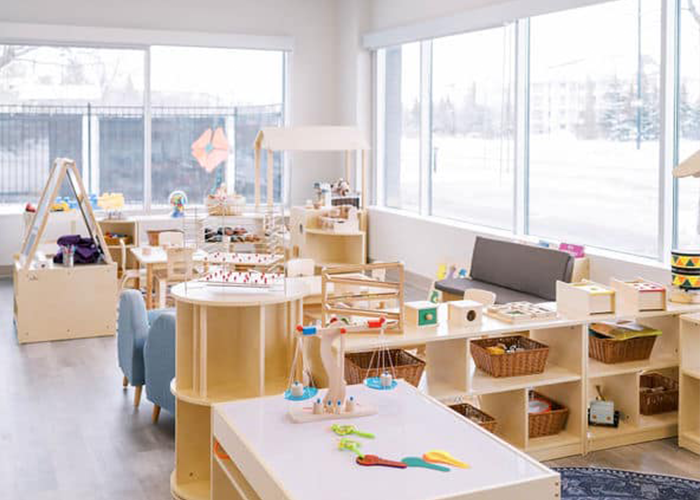
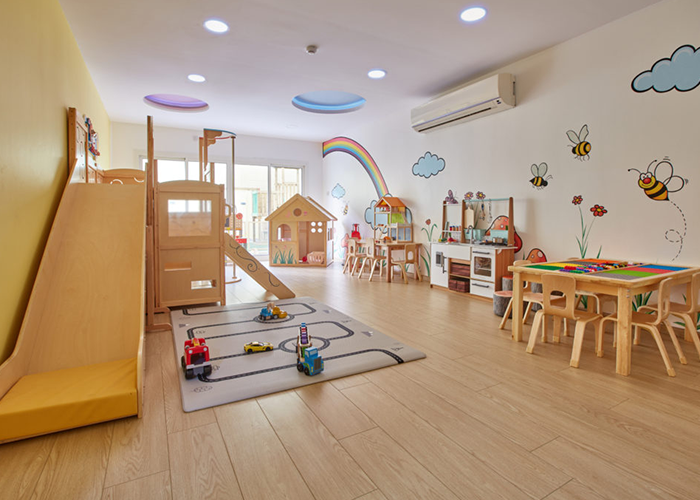
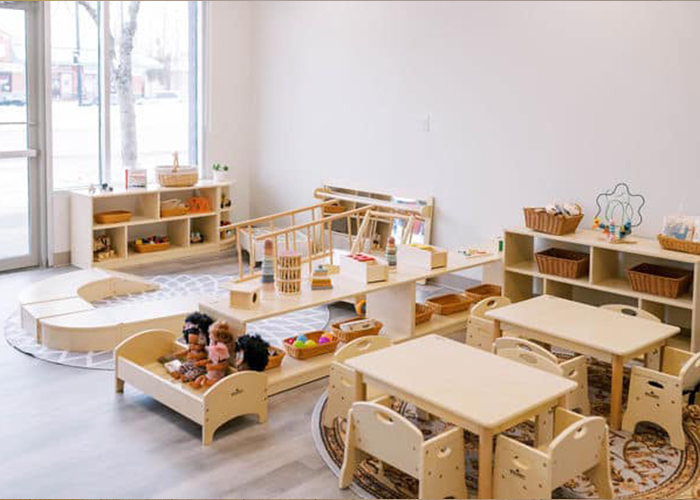
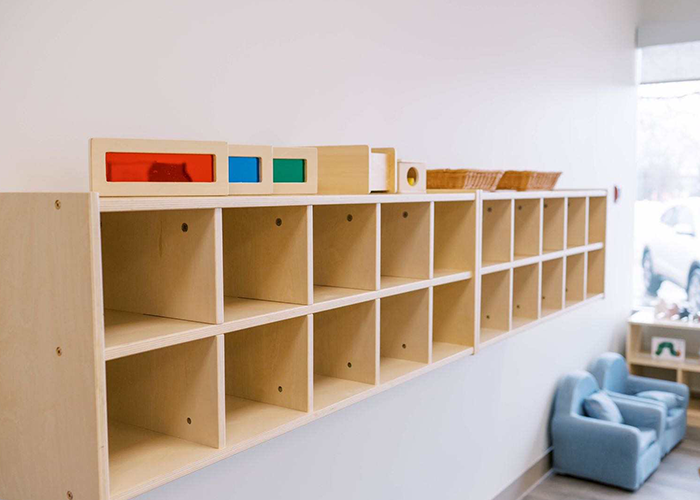
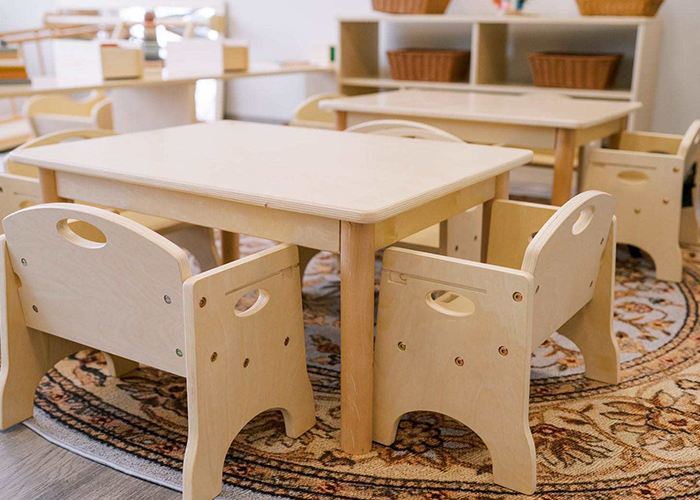
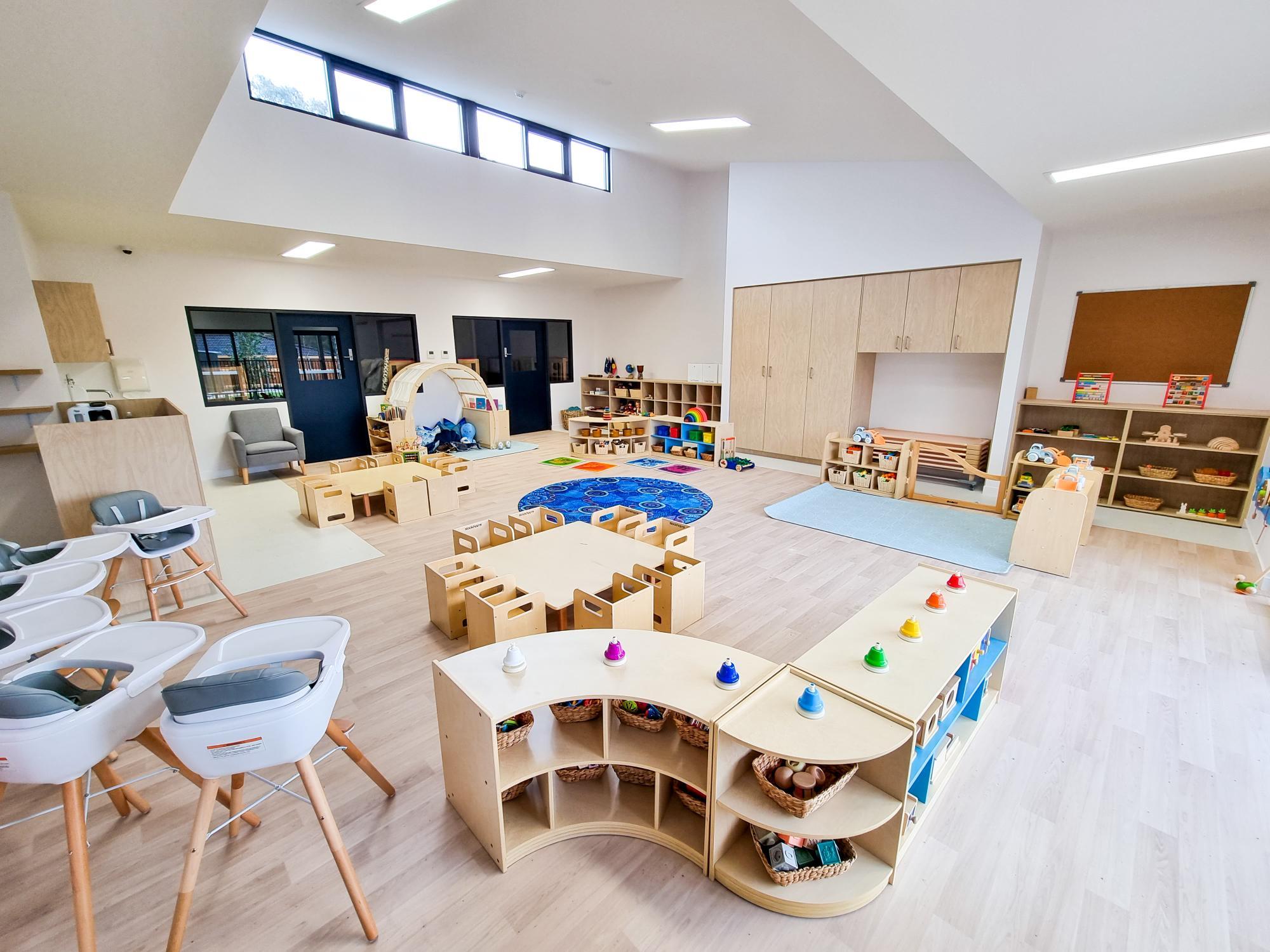
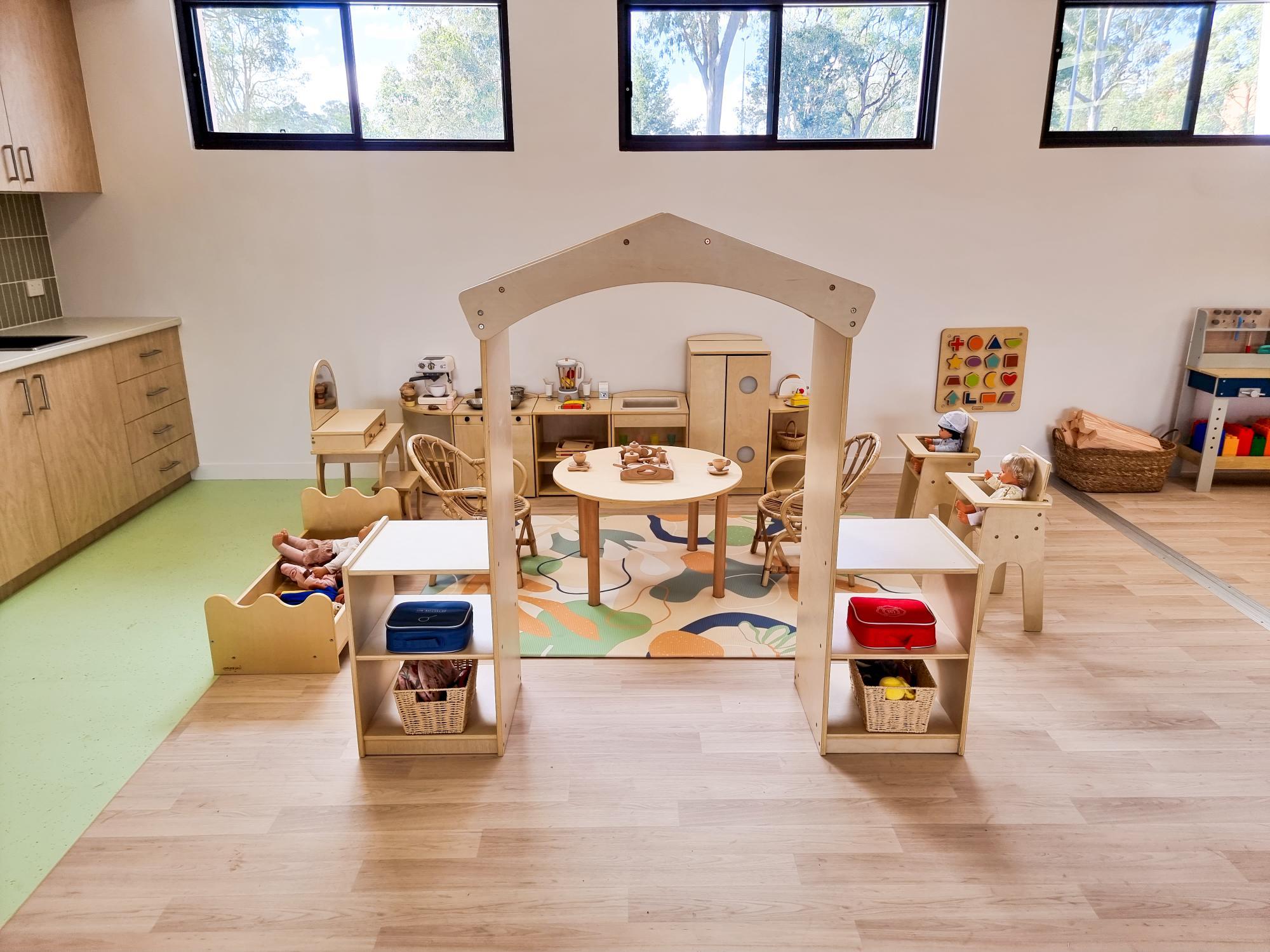
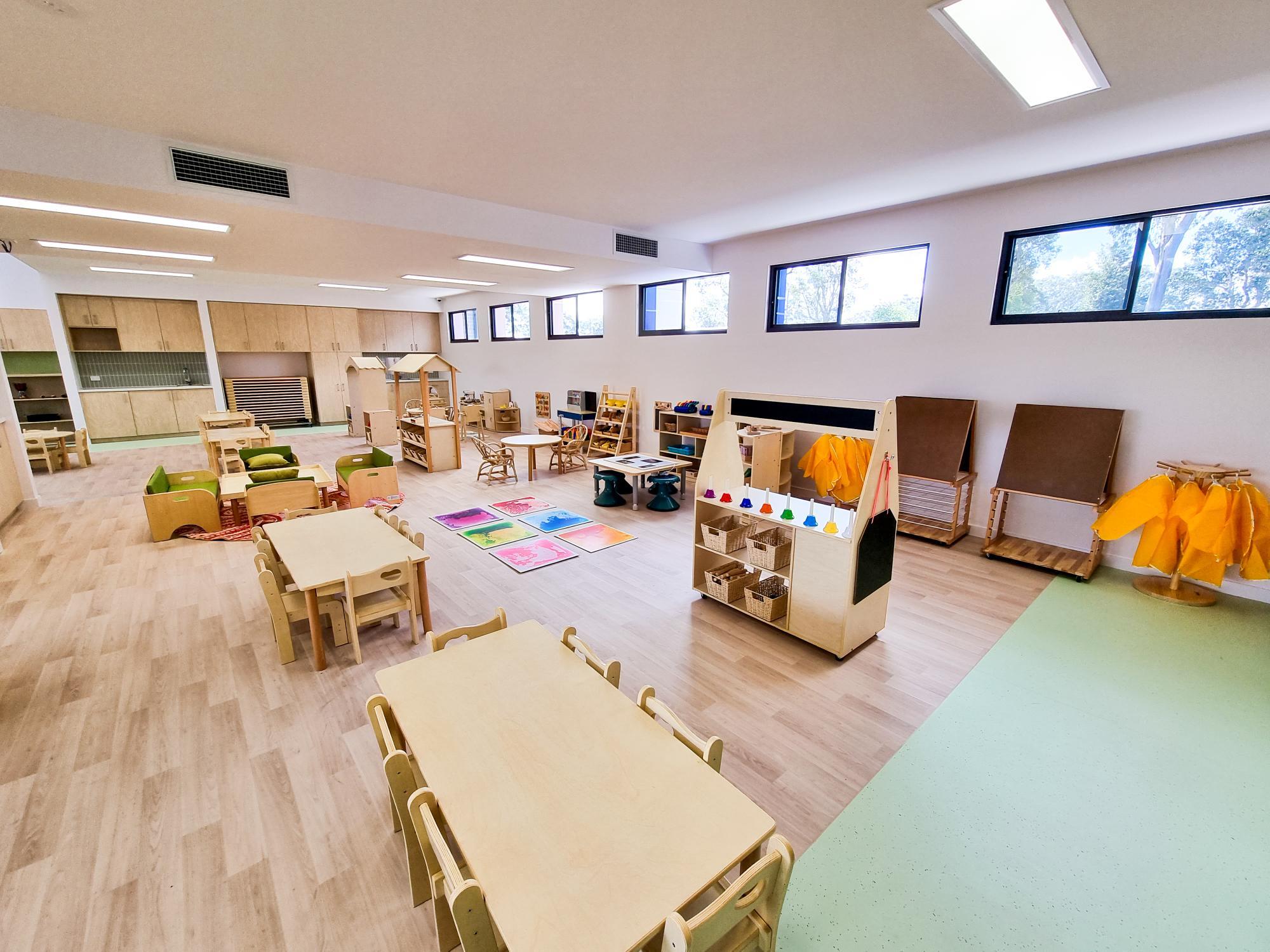
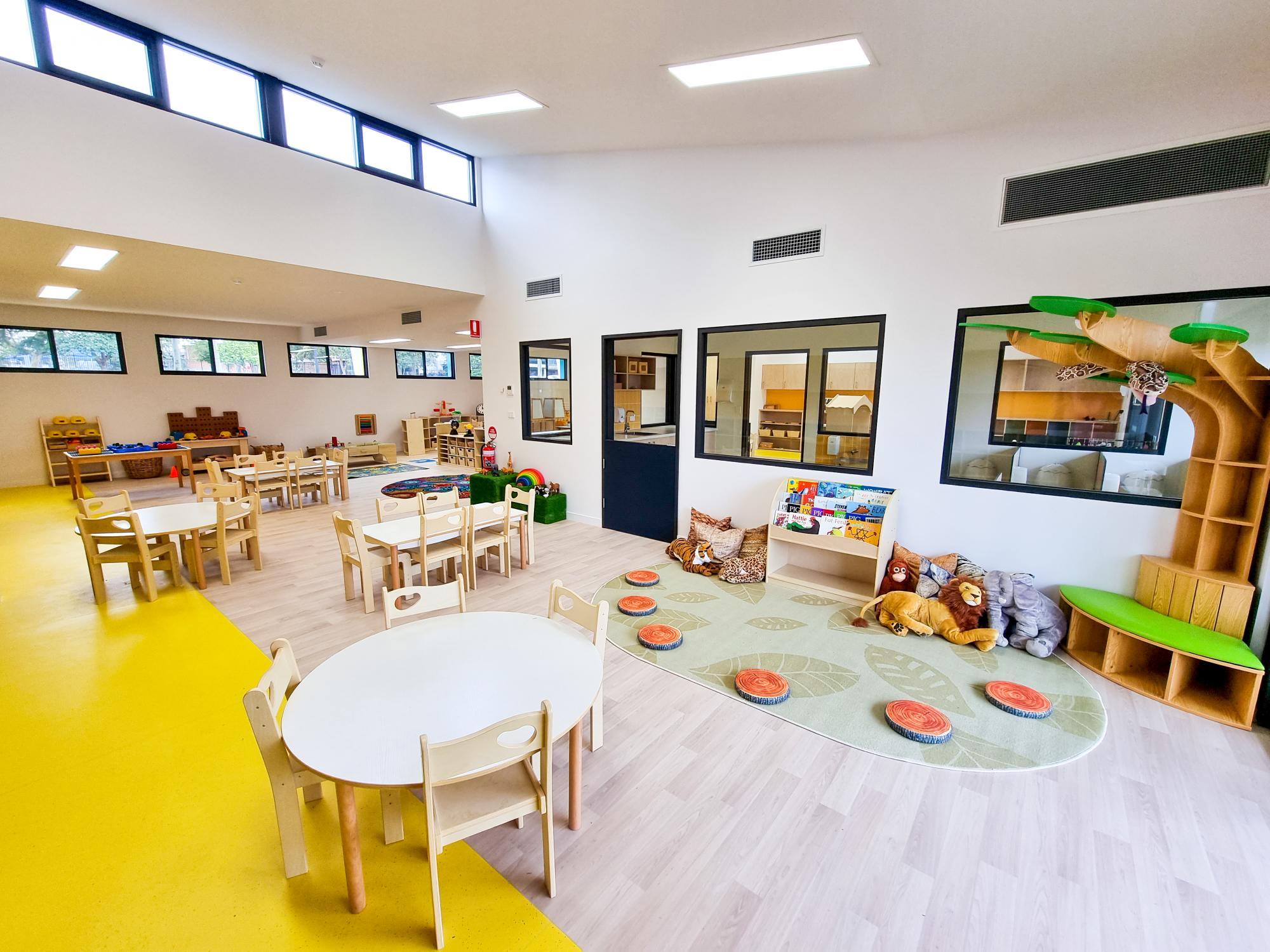
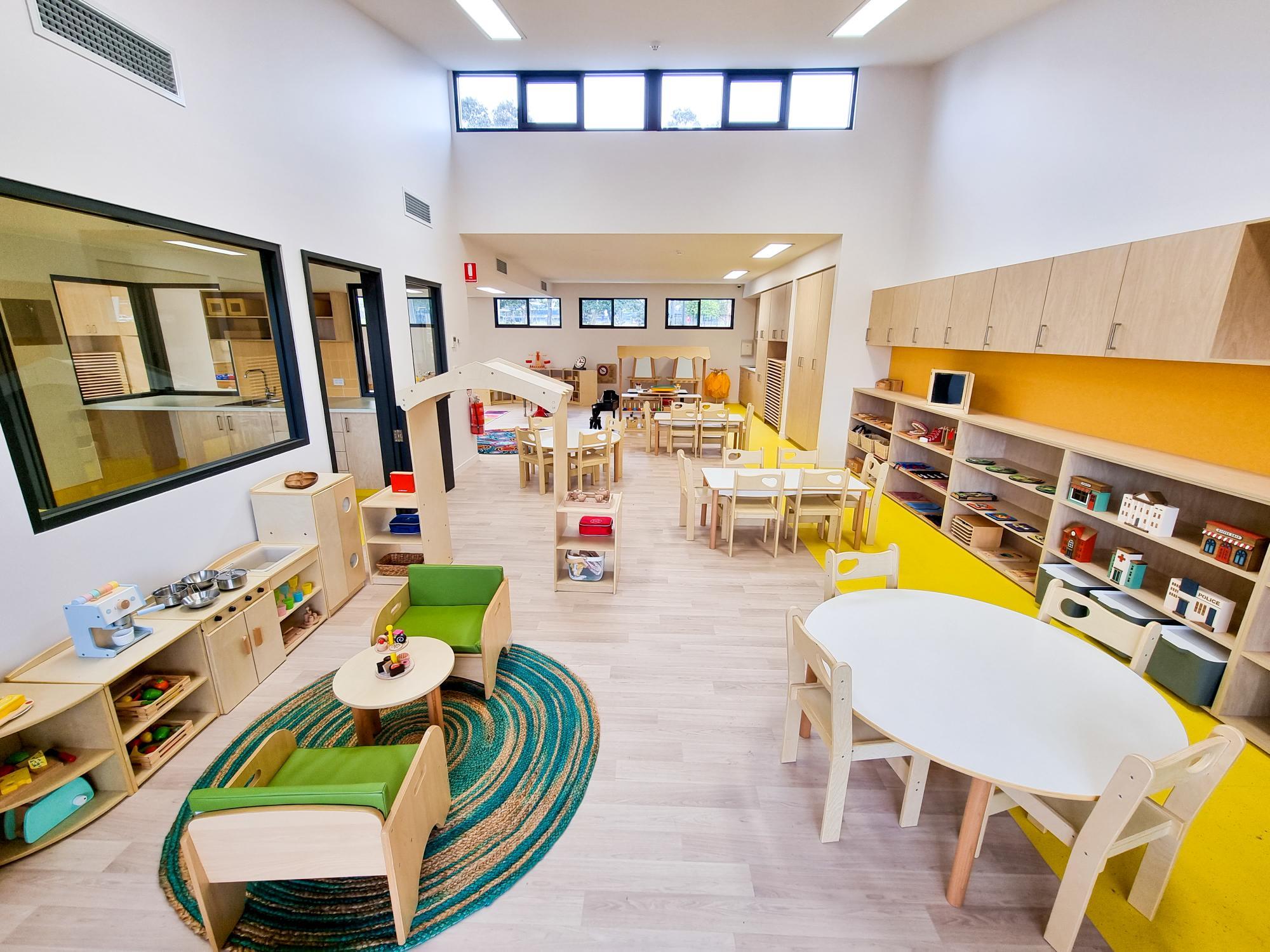
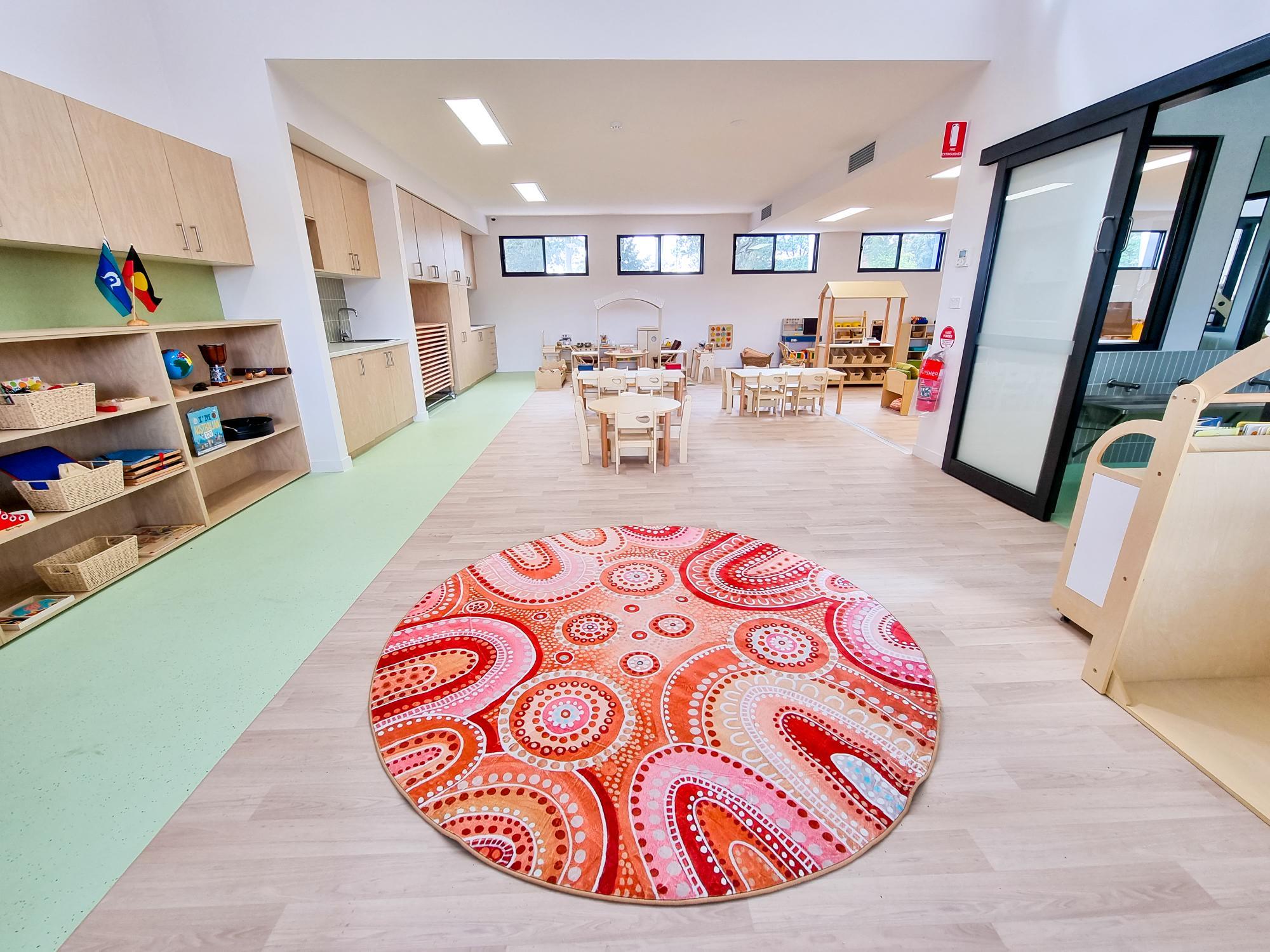
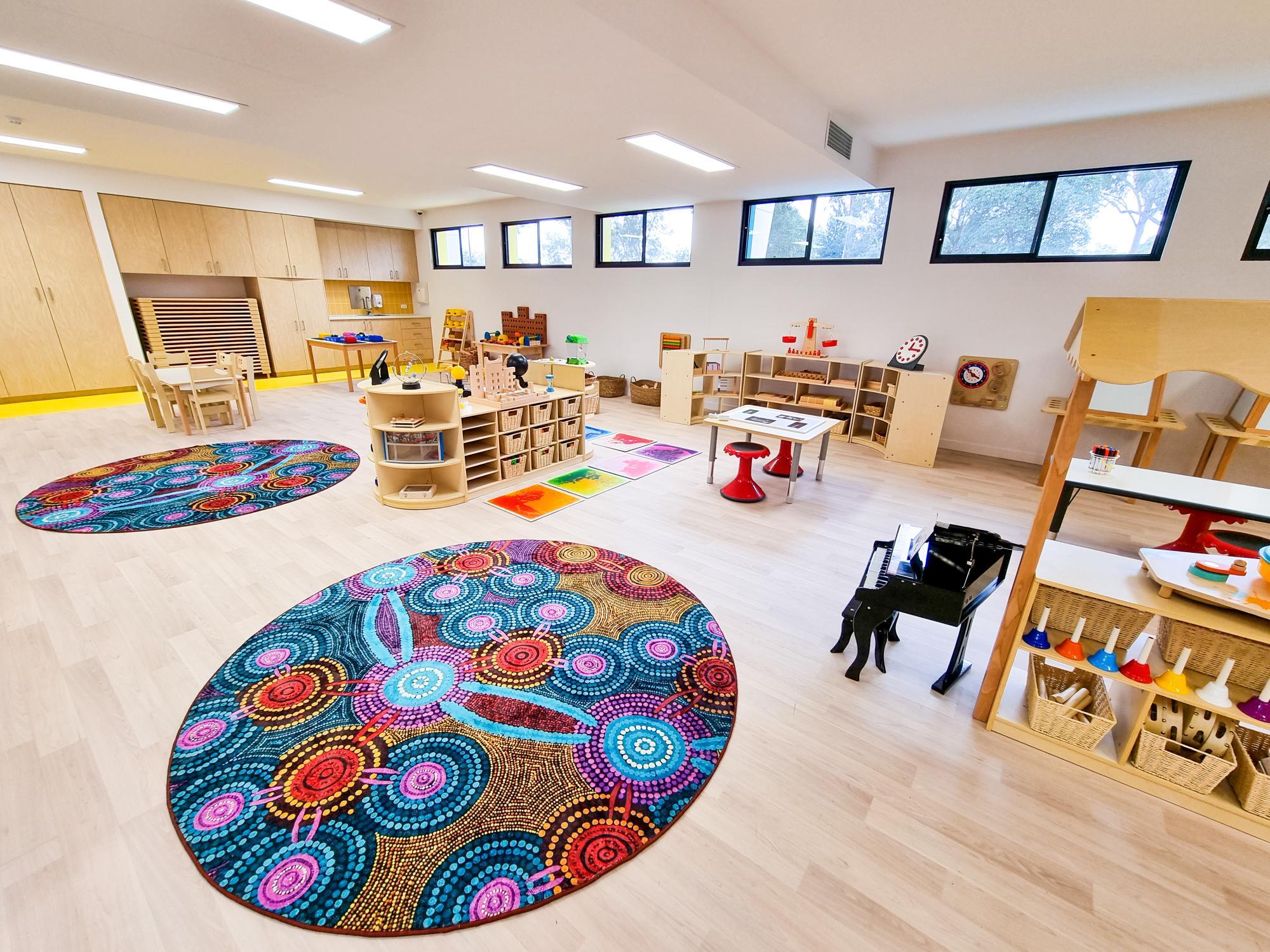
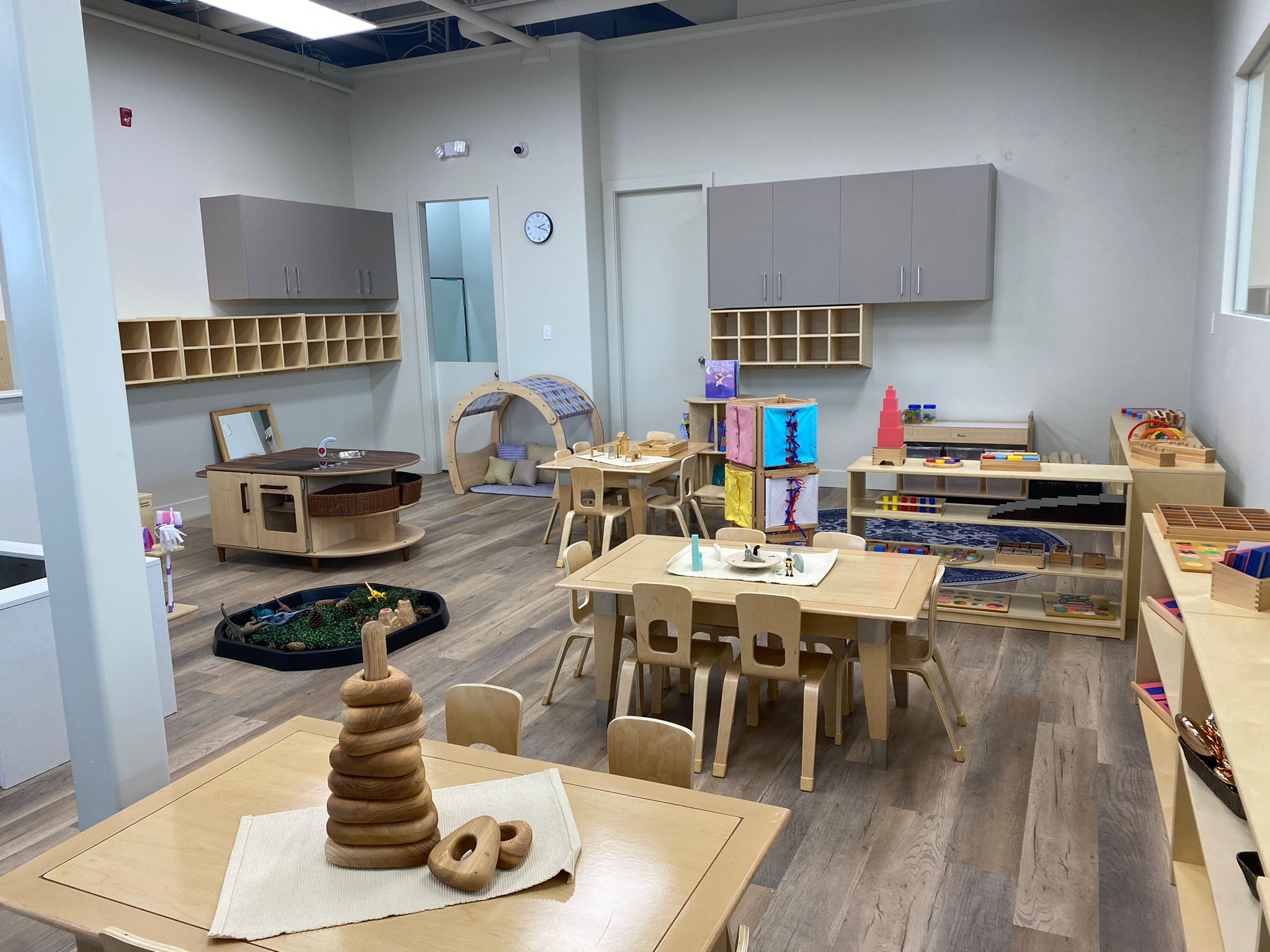
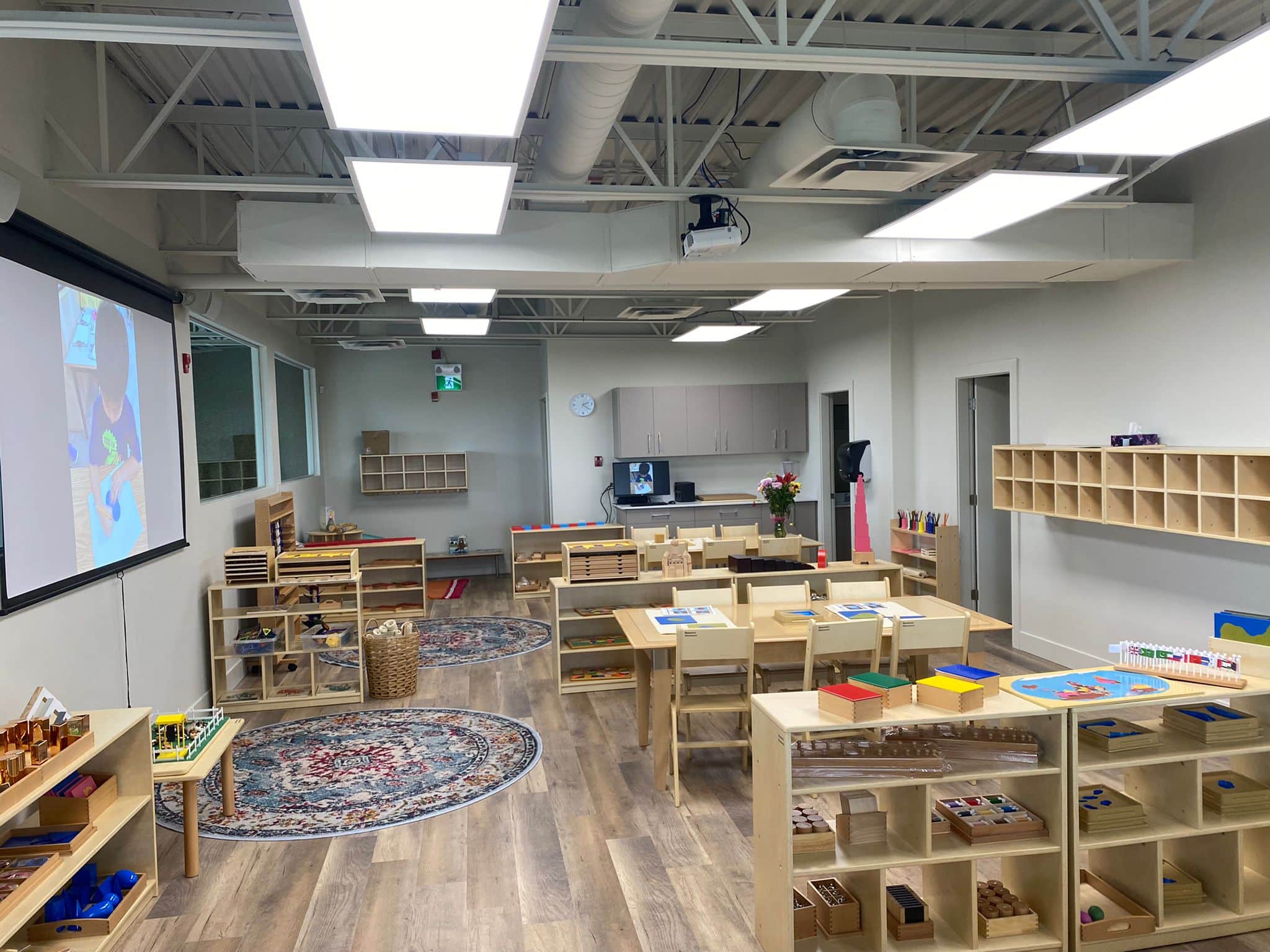
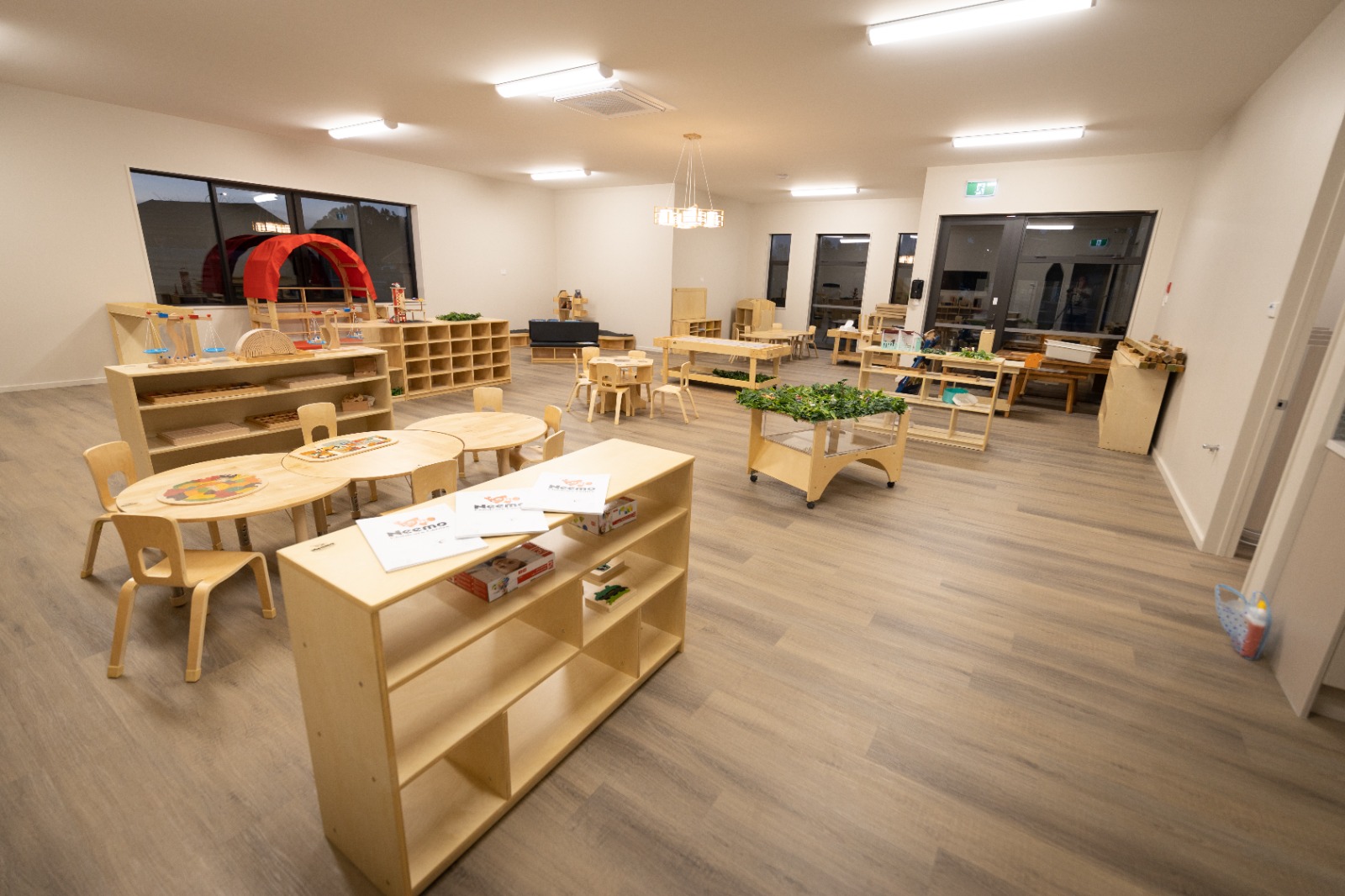
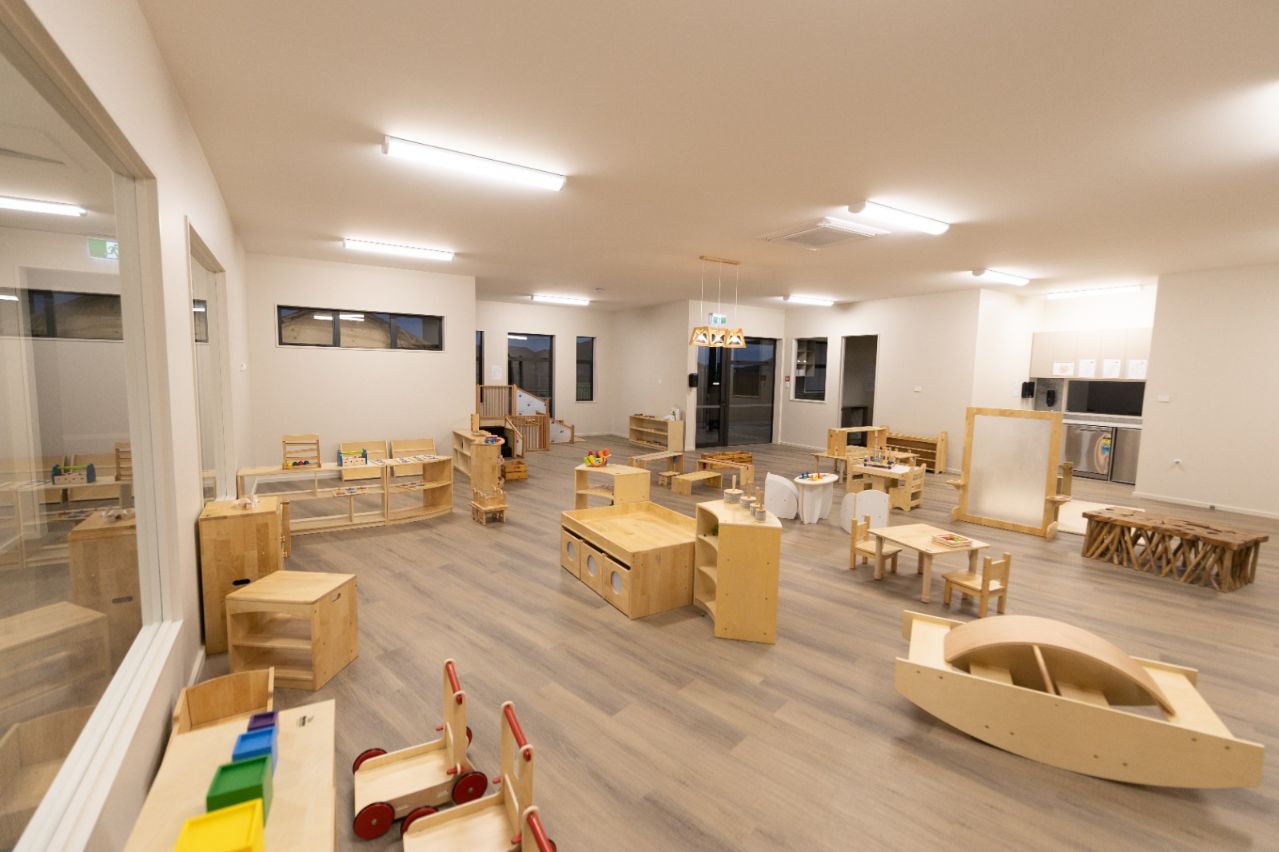
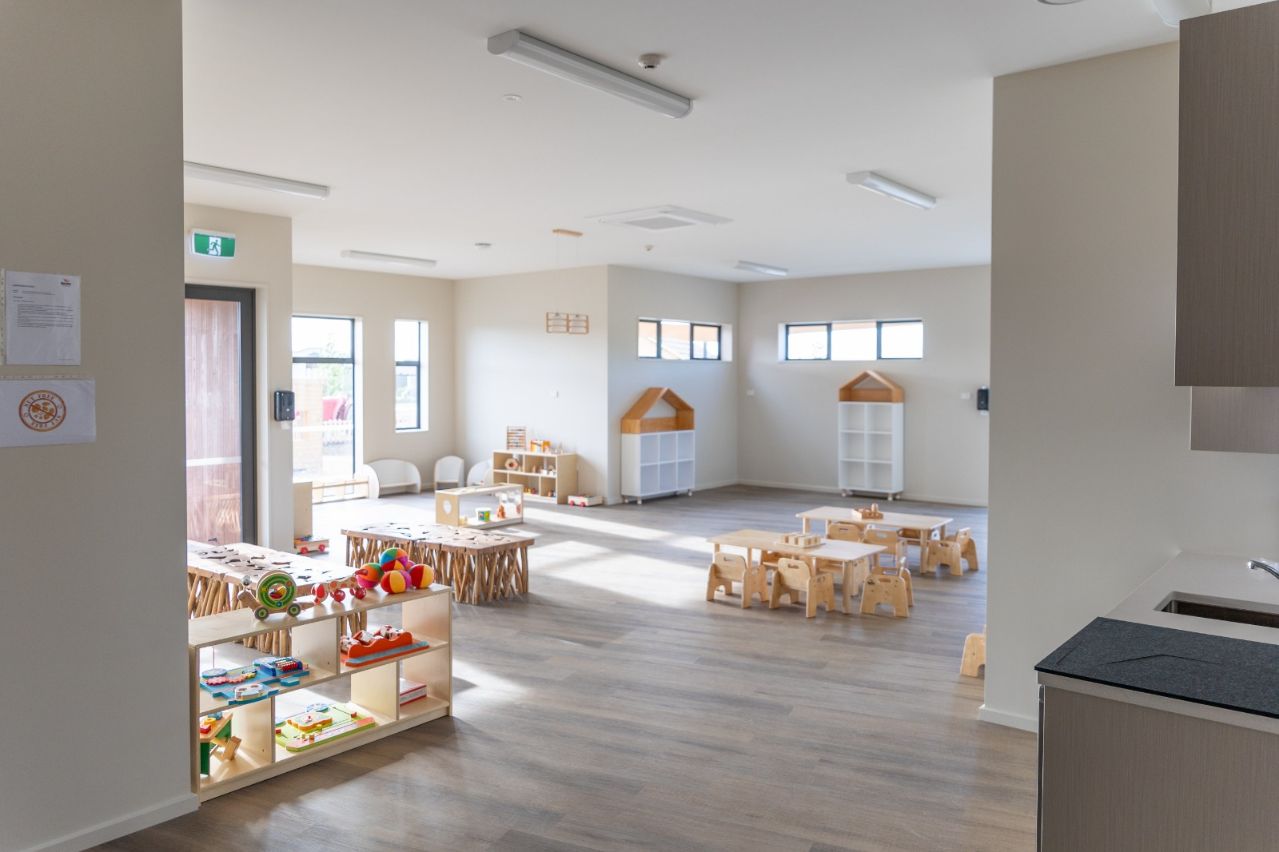
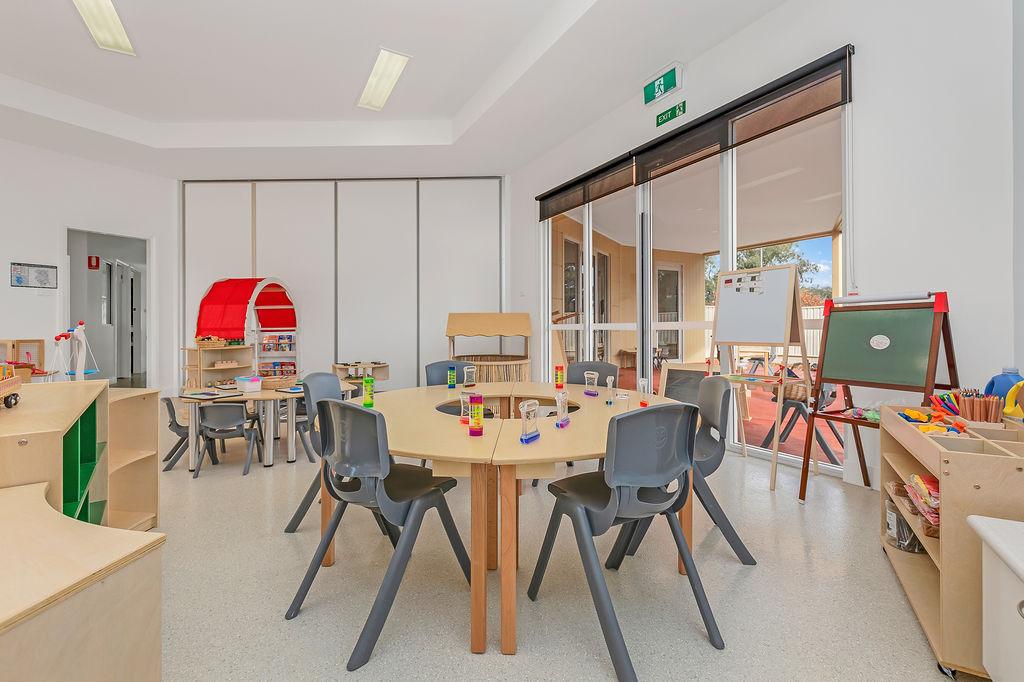
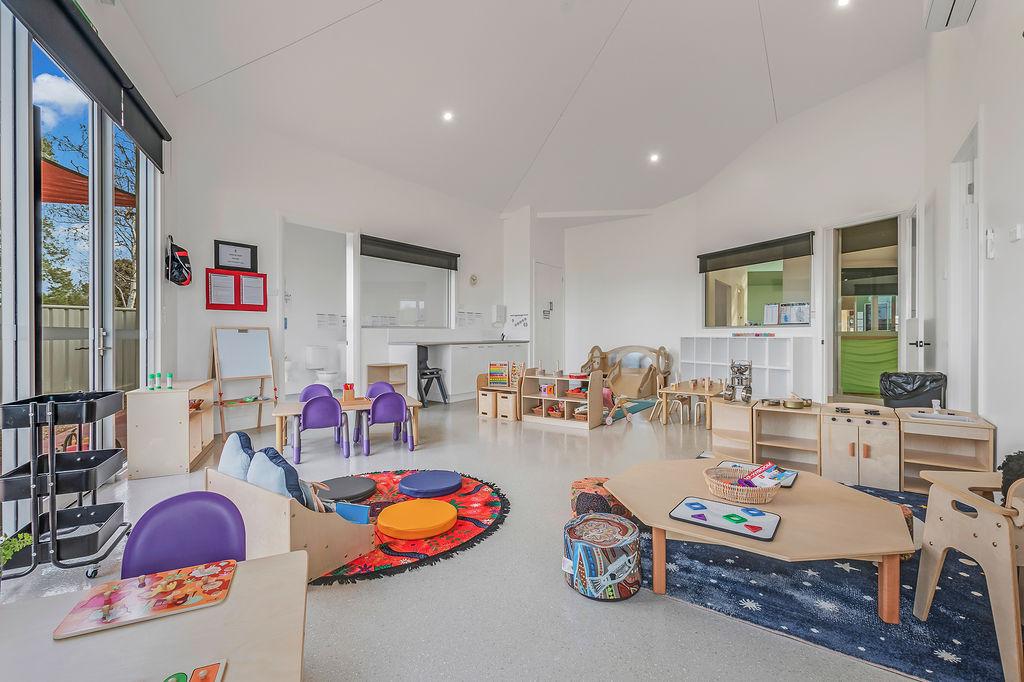
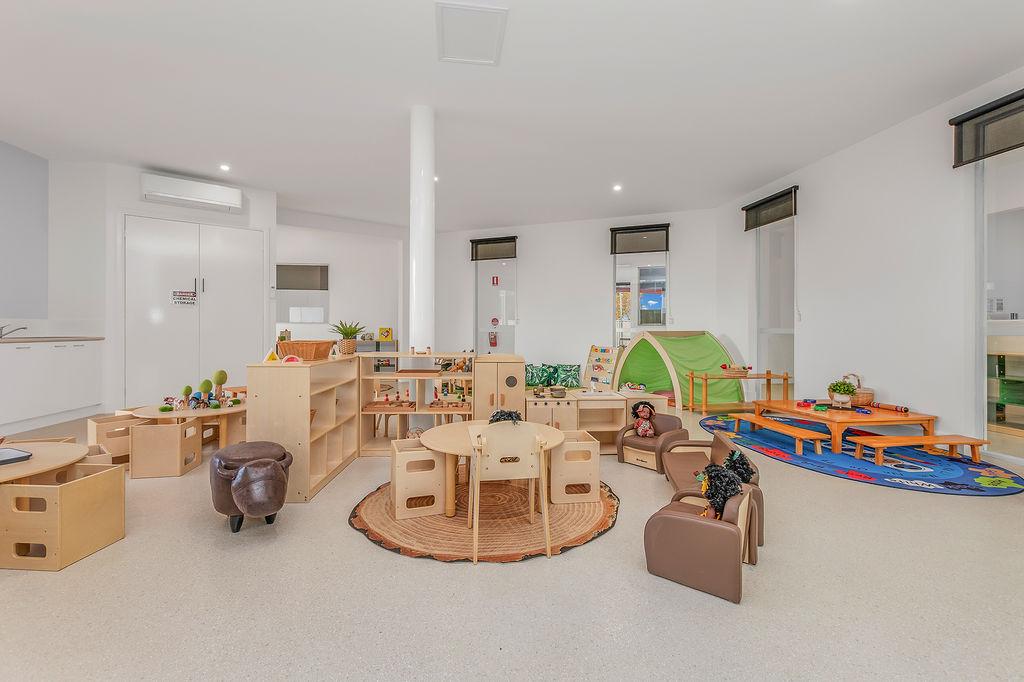
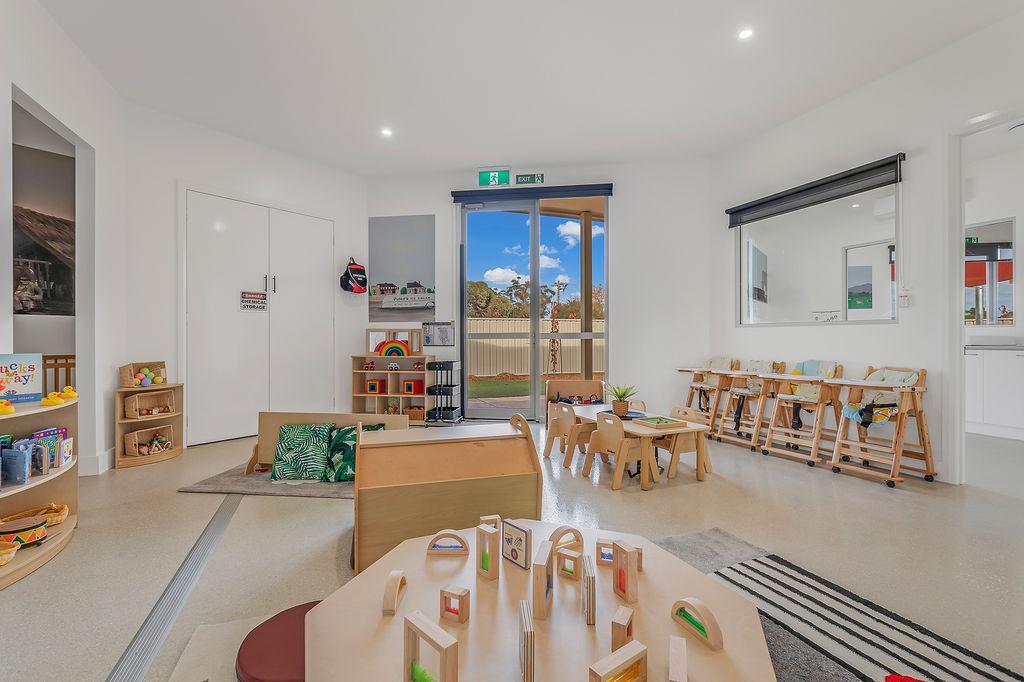
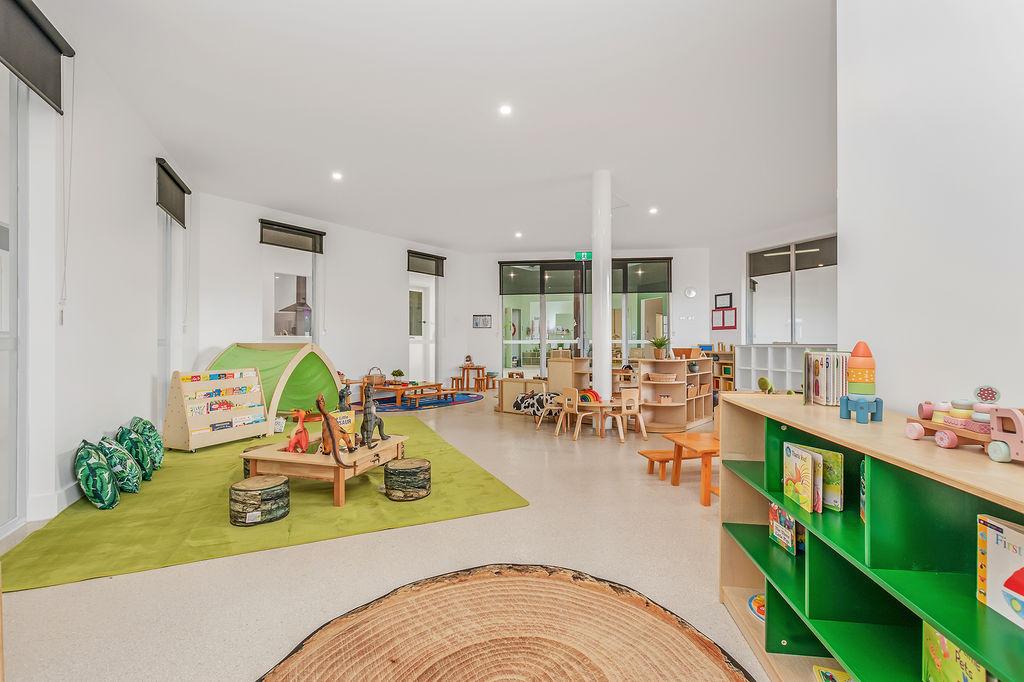
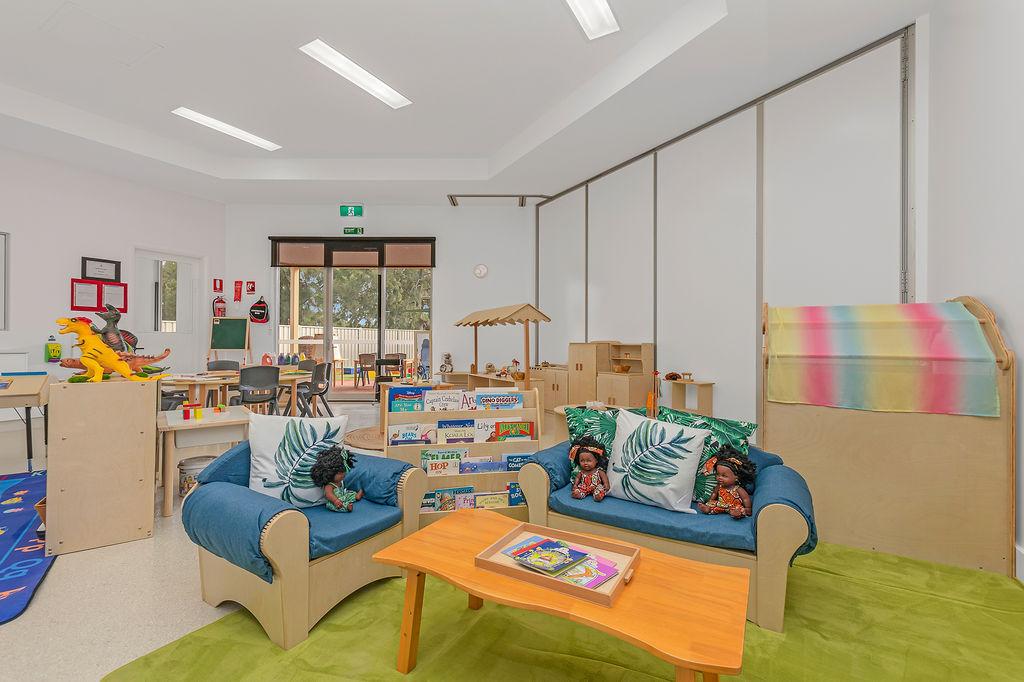
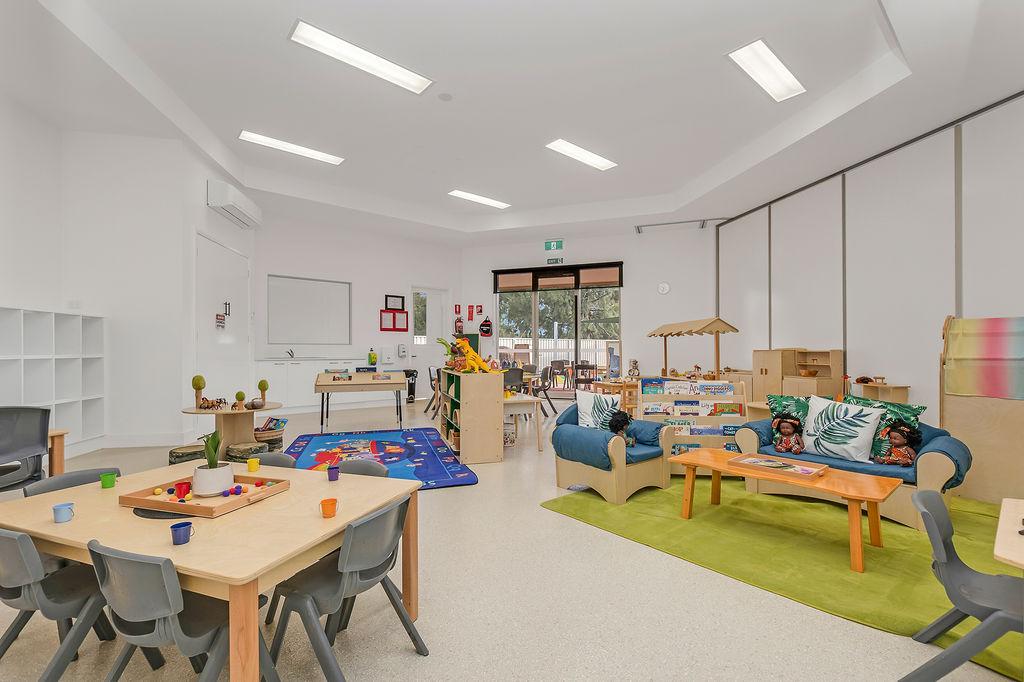
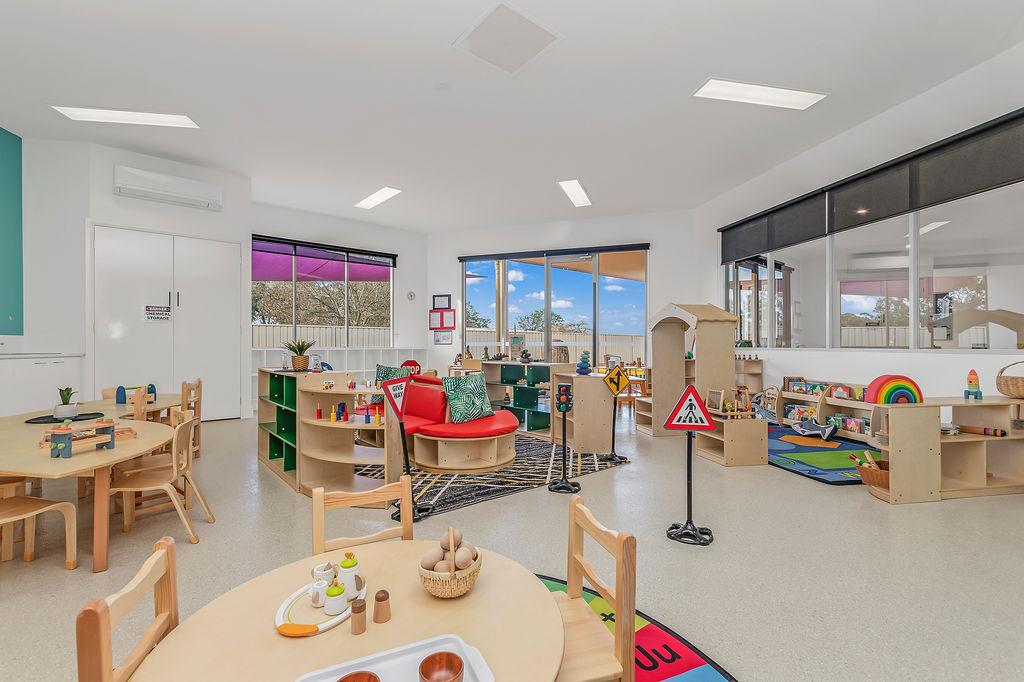
Setting up a classroom space is one of the key pieces to starting your program off on the right foot. It is one that takes time but is worth it. I encourage you to be intentional with all the things that you place in your room, little or big.
How the Montessori school rules are applied

The Montessori approach, gives meaning to rules and discipline and invites children to understand why they exist. Montessori students and children raised in Montessori households will push boundaries and test limits, like all children, but the Ground Rules and the response to this testing and pushing will help them understand these limits and boundaries and make their own choices about how they want to behave in the future.
Montessori’s View on Pretend Play, Imagination, and Creativity
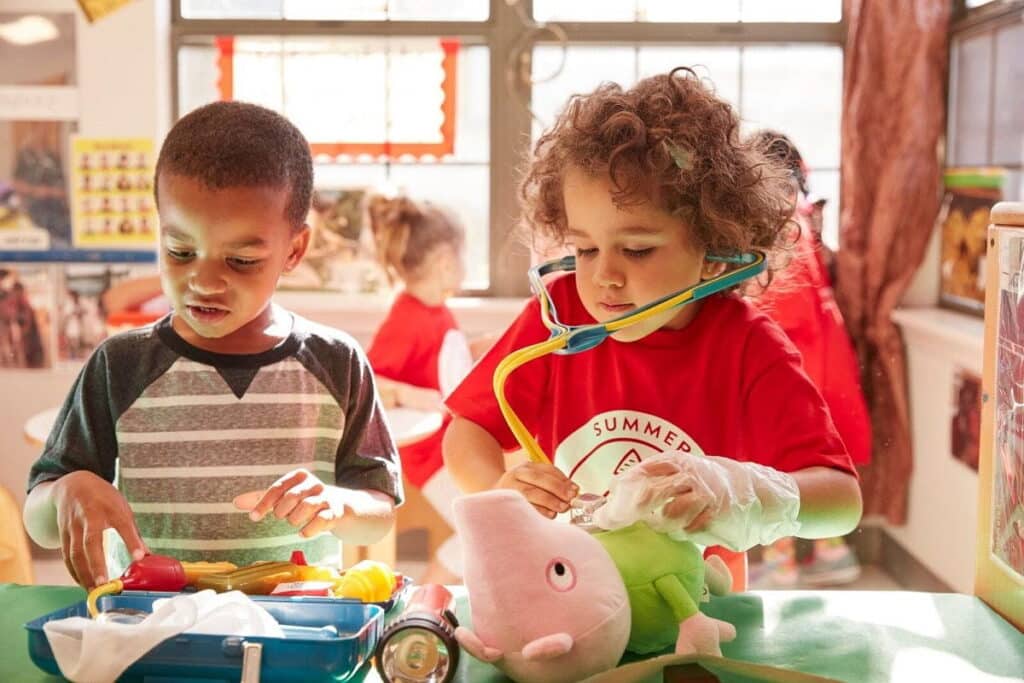
Montessori educators discourage children from engaging in fantasy play, eschewing it instead for play based in reality. It recognizes, however, that imagination is a critical part of a child’s ability to learn and grow as well as being a foundation for human creativity.