Across the United States, parents are asking the same urgent question: Why is childcare so expensive? From Los Angeles to Boston, the cost of placing a child in full-time care can rival a mortgage payment. According to the U.S. Department of Labor’s National Database of Childcare Prices (2023), the average daycare cost per month for an infant exceeds $1,200 in most states, and in major metropolitan areas, it can top $2,000.
This financial burden affects not only families’ daily budgets but also workforce participation, particularly among mothers. When the cost of childcare rivals after-tax income, many parents scale back hours or exit the workforce entirely. Economists estimate that lost productivity from childcare barriers costs the U.S. economy over $120 billion annually.
The problem isn’t that centers or home-based providers are profiteering; most operate on razor-thin margins. Instead, the system itself is structurally expensive. To understand why childcare is so expensive, we must unpack the real drivers, from strict staffing regulations to rising insurance premiums, and explore how each shapes the average cost of childcare per month in America.
Staff-to-Child Ratios Regulations
To truly understand why childcare is so expensive, consider how staff ratios directly raise tuition. One of the most significant cost drivers behind daycare prices is the legally mandated staff-to-child ratio. Every state enforces specific requirements that determine how many caregivers must be present per group of children. For infants, most states demand a ratio of 1 adult for every 3–4 children; for toddlers, 1 to 6; for preschoolers, 1 to 10.
At first glance, these rules seem straightforward, but their impact on daycare cost is enormous. Labor makes up 60–70 percent of total childcare expenses, according to the Center for the Study of Child Care Employment (University of California Berkeley). Unlike many industries, a childcare provider cannot “scale” by increasing the number of children per teacher doing so would violate licensing laws.

In states such as Massachusetts or California, stringent ratios combine with high wage floors and cost-of-living pressures. The result? The average cost of daycare per month for an infant easily surpasses $1,800.
While these ratios safeguard quality and safety, they also cap revenue potential. A classroom of six infants might require two qualified teachers earning around $18–$25 per hour each, plus benefits. Once payroll taxes, health coverage, and training hours are factored in, labor expenses per child can exceed $1,000 monthly before rent, food, or supplies are even considered.
Yet there’s consensus among early-education experts: low ratios matter. Research by the National Institute of Child Health and Human Development shows that smaller groups and better-qualified teachers directly improve language development and social outcomes. Parents want safe, responsive environments; regulations ensure that standard. Unfortunately, quality and affordability often exist in tension. Maintaining compliance raises the cost of childcare, but reducing ratios would compromise safety, a trade-off that has no easy fix in the U.S.
Increasing Operational Cost
The second major factor explaining why childcare is so expensive is the relentless rise in operational costs. Childcare centers operate in a high-overhead industry: rent, utilities, cleaning supplies, food, learning materials, maintenance, and technology systems all add up. Inflation has amplified each of these inputs over the past decade.
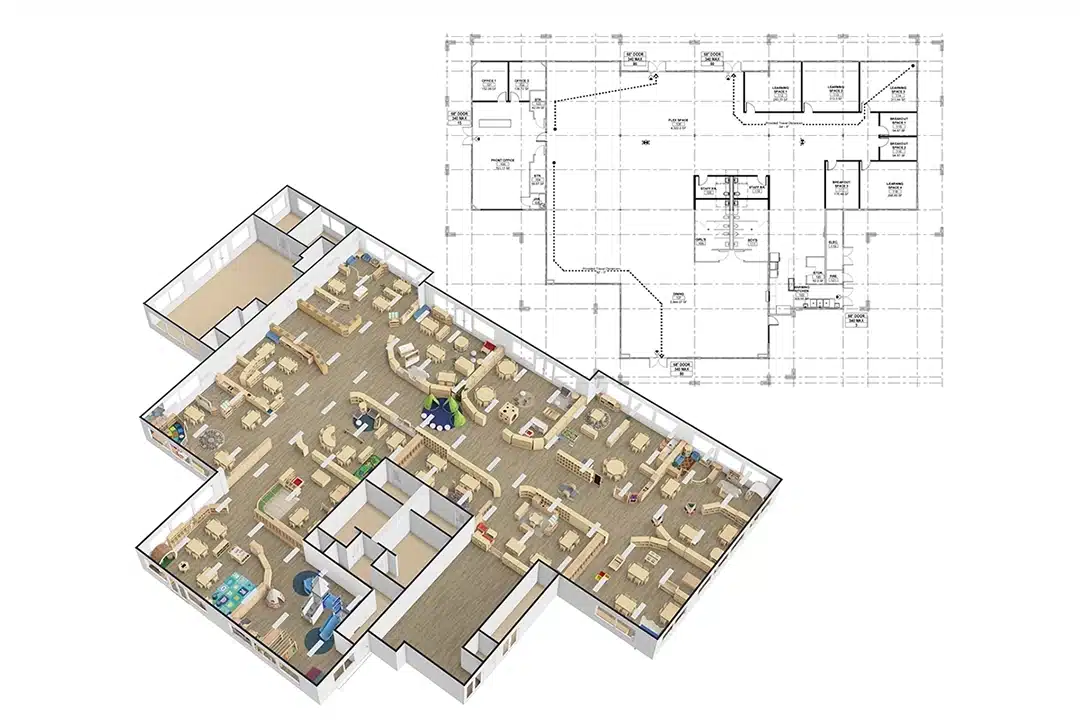
According to the Bureau of Labor Statistics, daycare costs have risen nearly 30 percent faster than general inflation since 2010. Real estate prices are a key driver. In urban centers like New York City, San Francisco, and Washington D.C., commercial rents can reach $50–$70 per square foot. Because most childcare regulations require a minimum of 35–50 square feet per child, a 60-child center might lease 3,000 square feet, translating to $150,000 or more in annual rent. These strict ratios explain part of why childcare is so expensive across different states.

Labor, already the largest expense, is climbing even faster. Teacher shortages have driven up wages as centers compete with public-school districts and other service sectors. The average childcare cost per month reflects these pressures; parents in Chicago now pay roughly $1,400 for toddler care, up 20 percent since 2019.
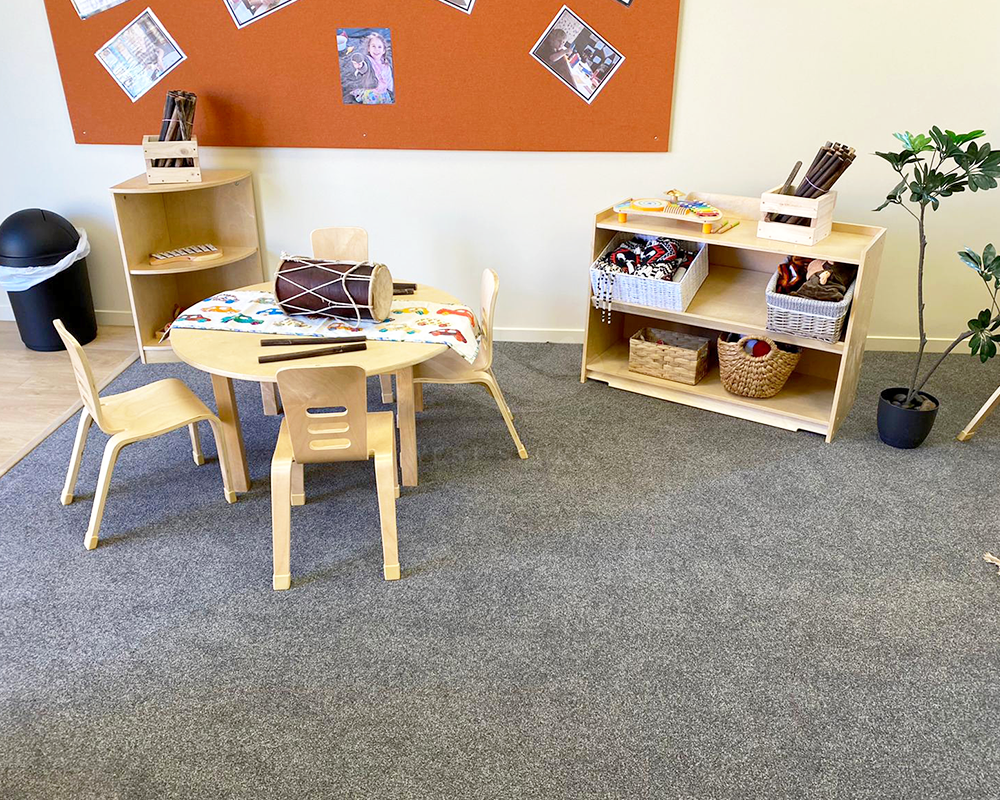
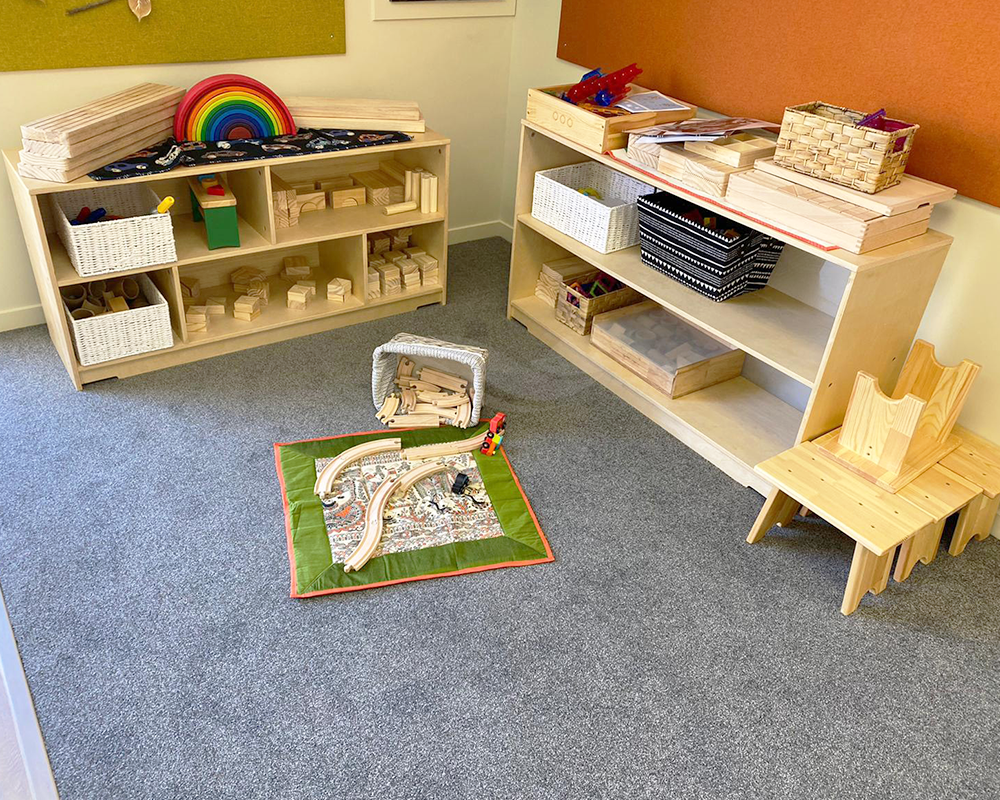
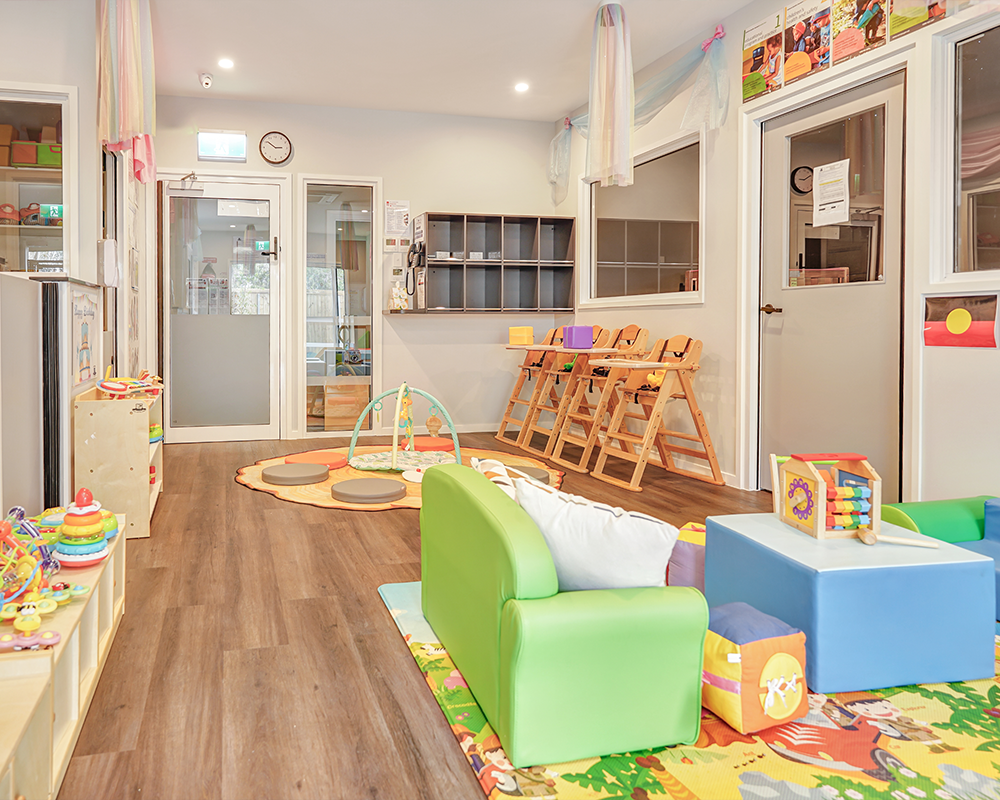
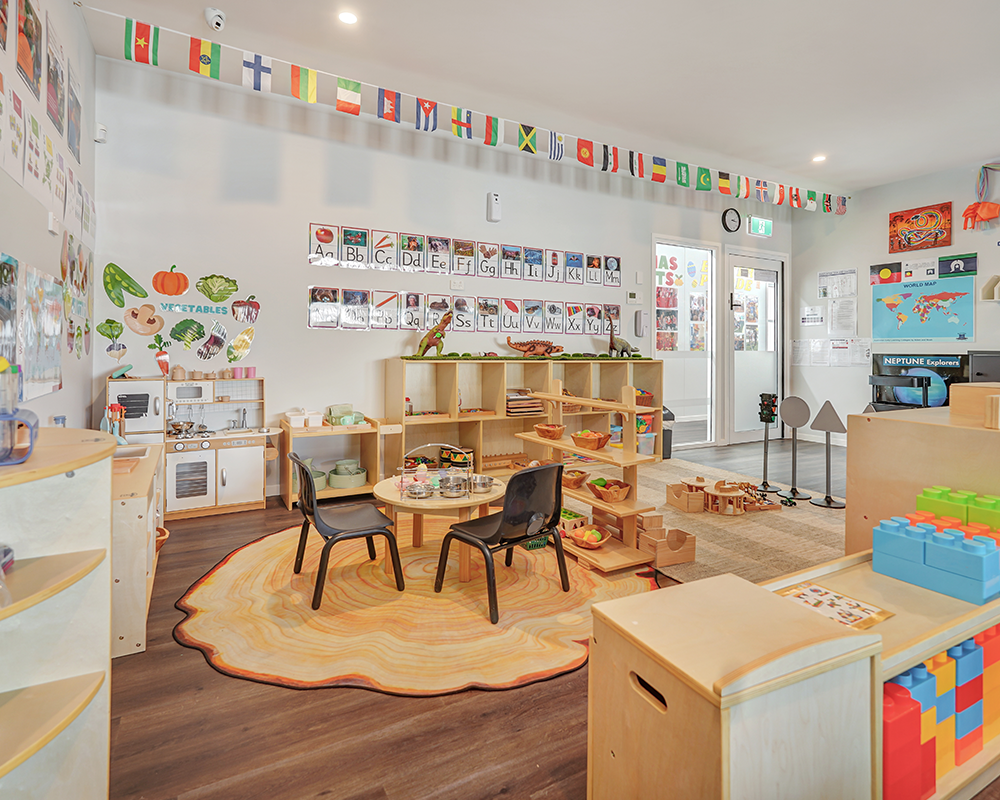
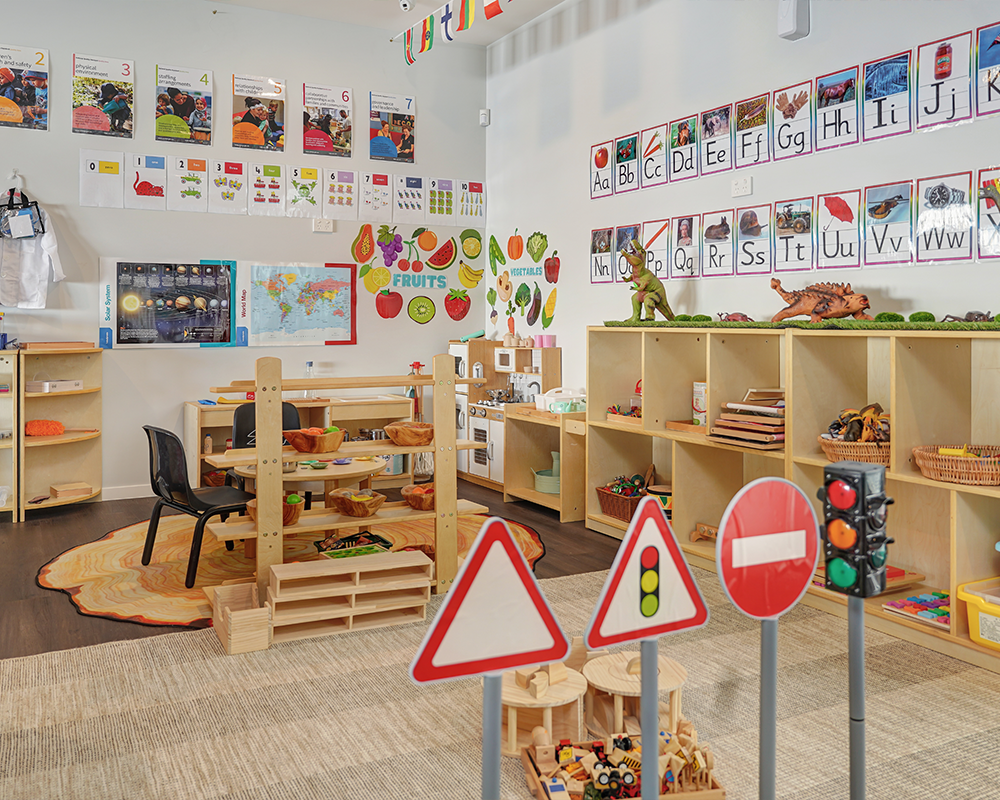
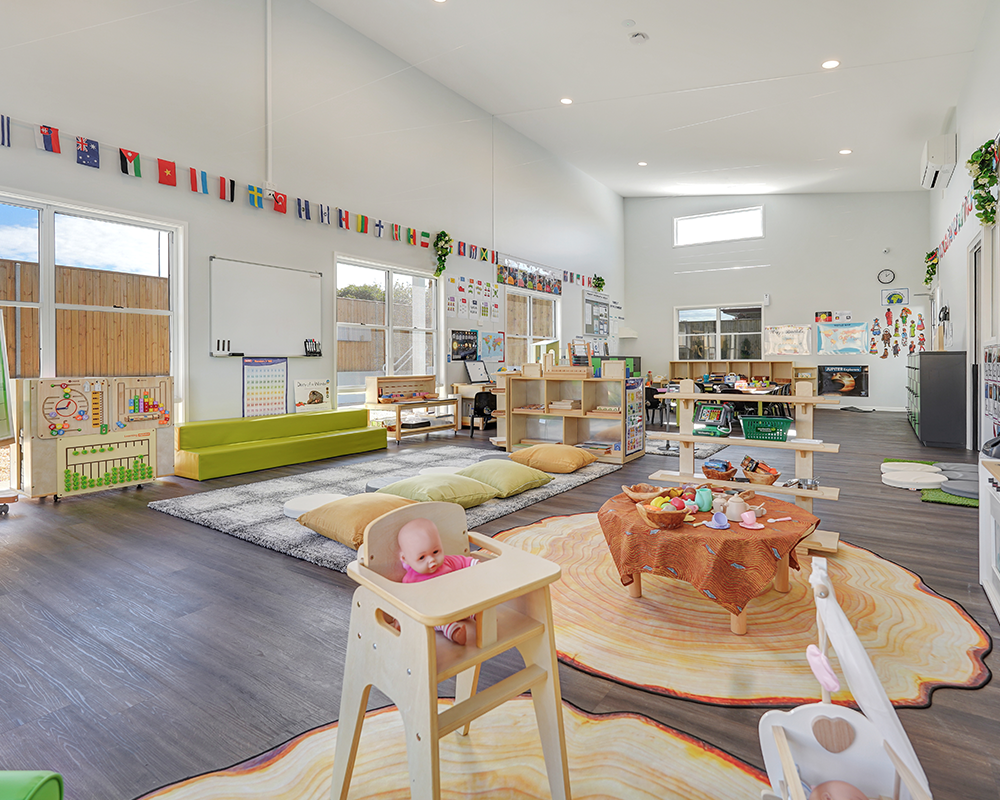
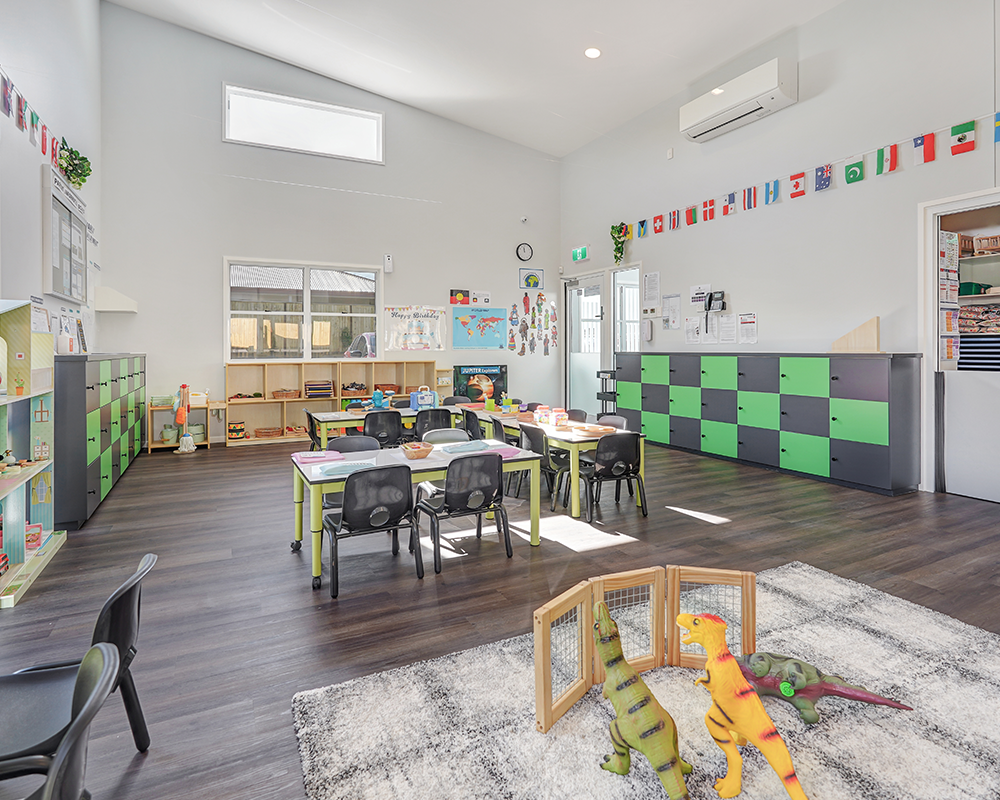
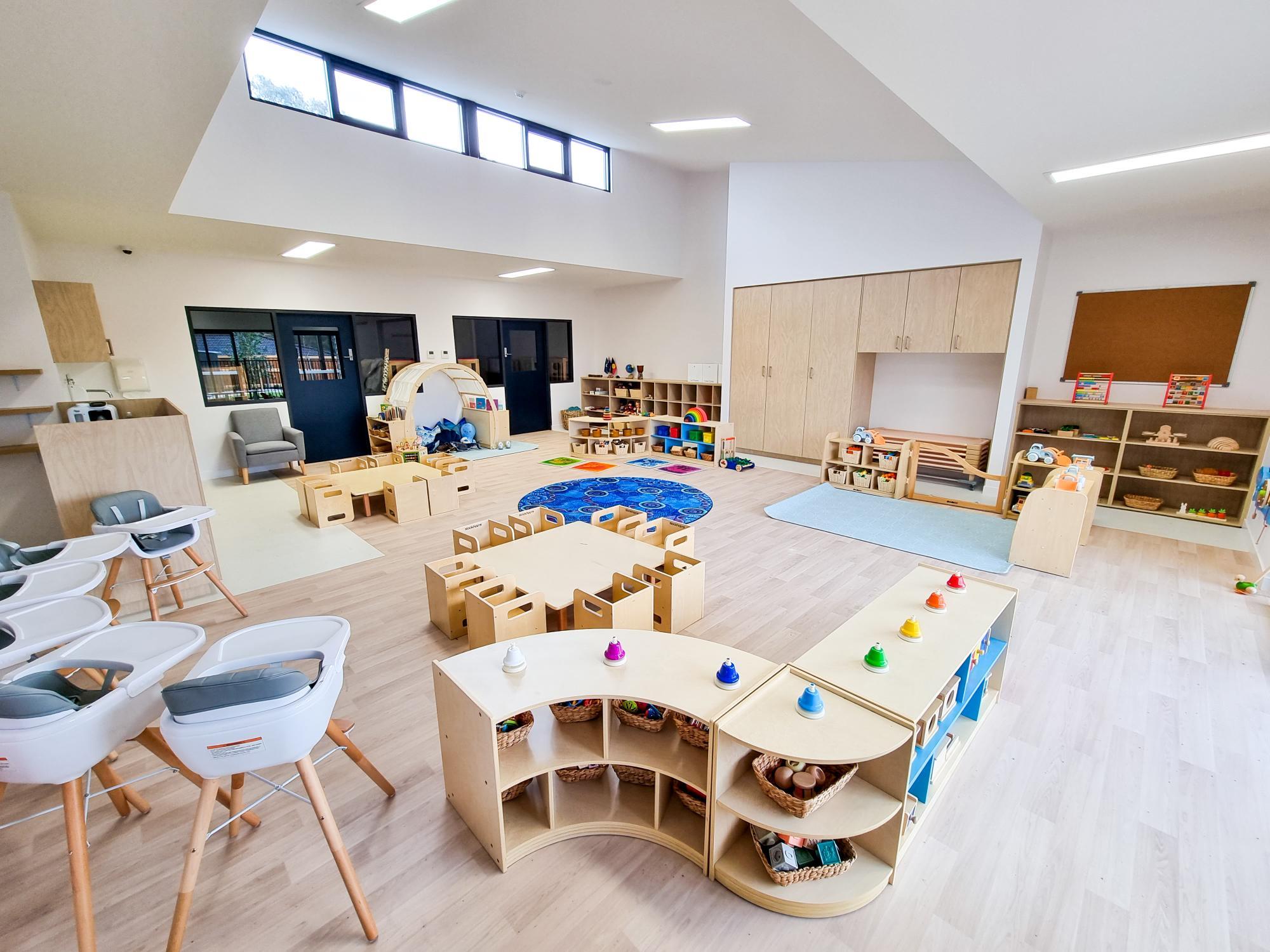
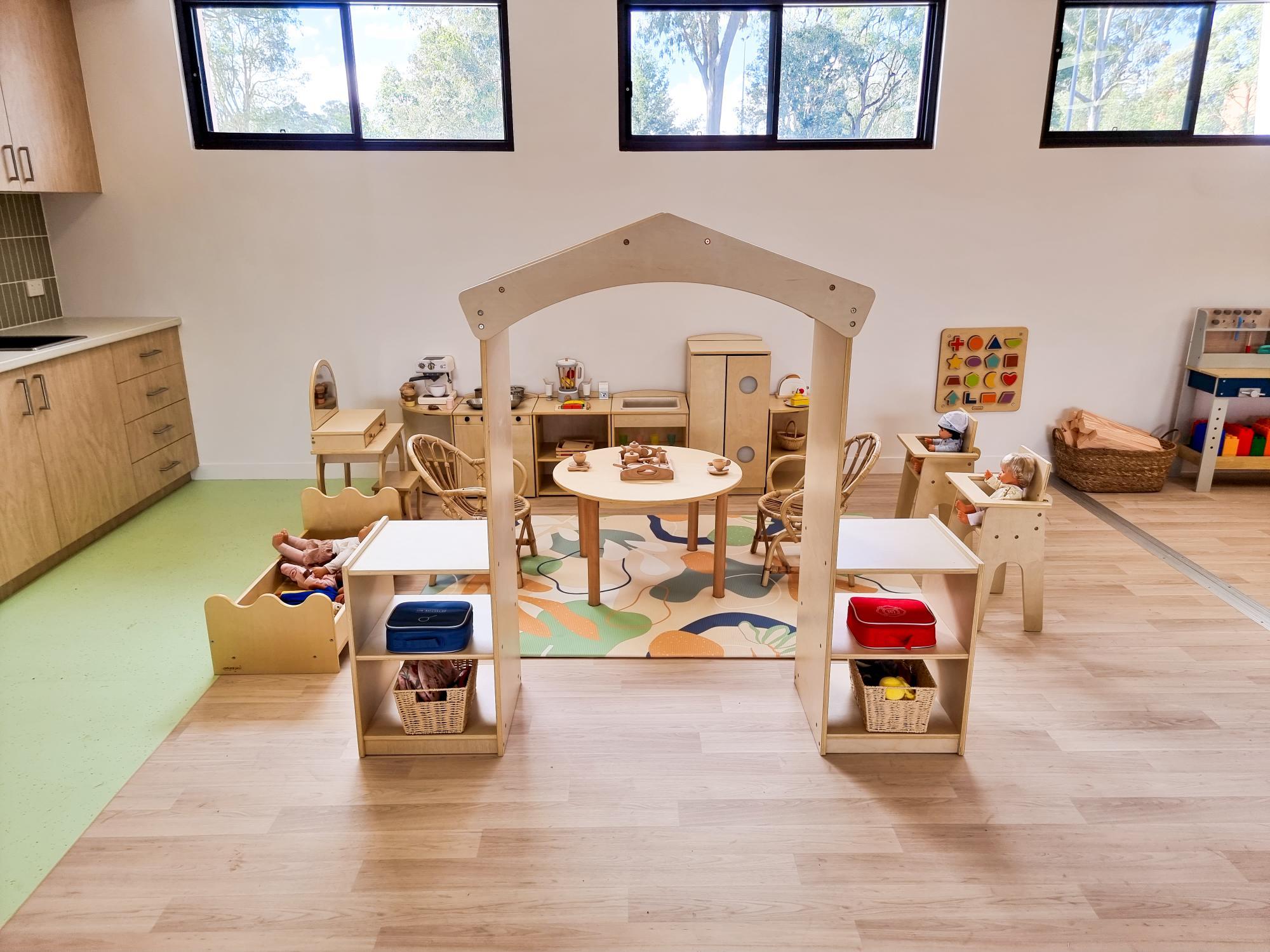
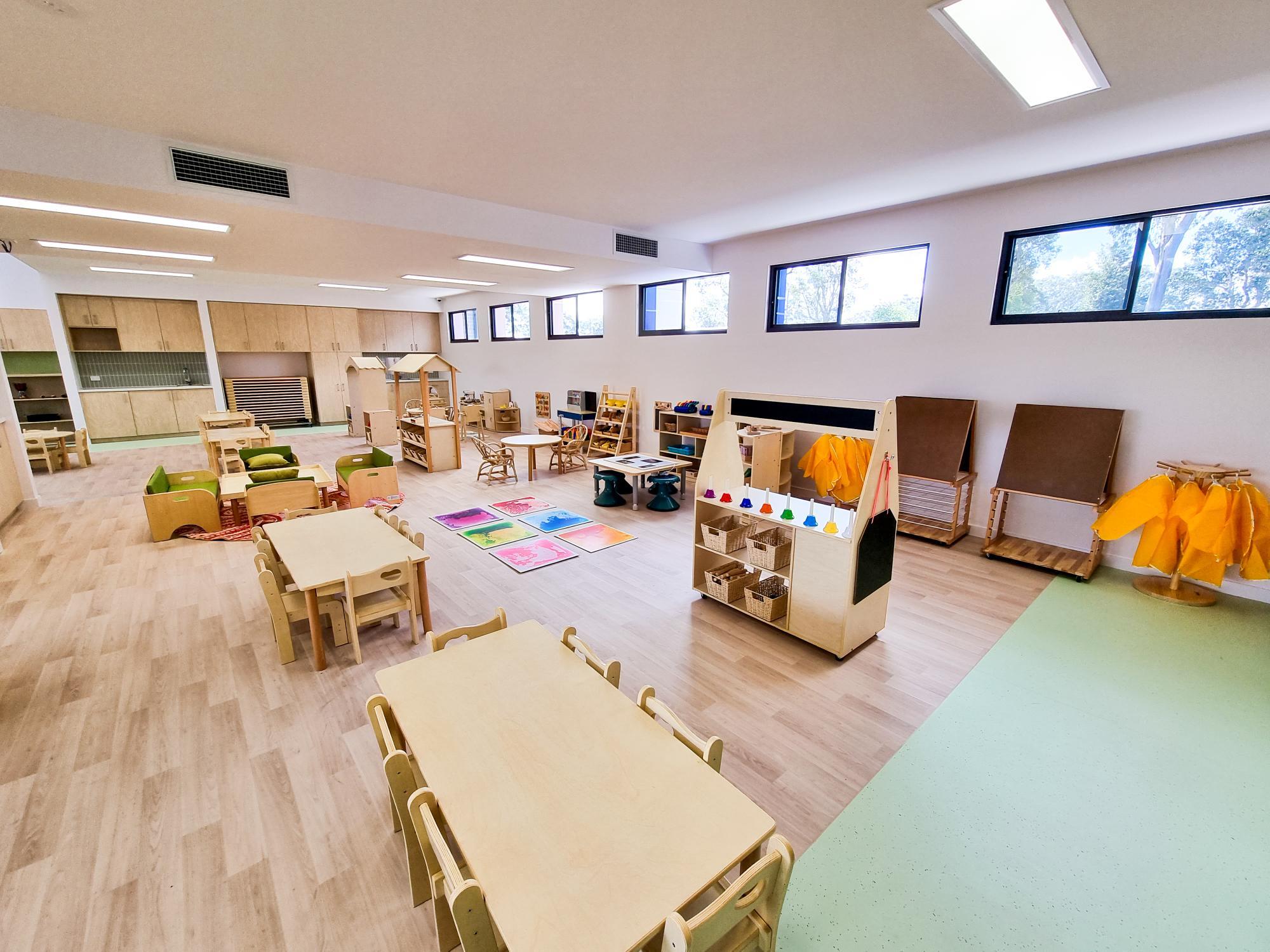
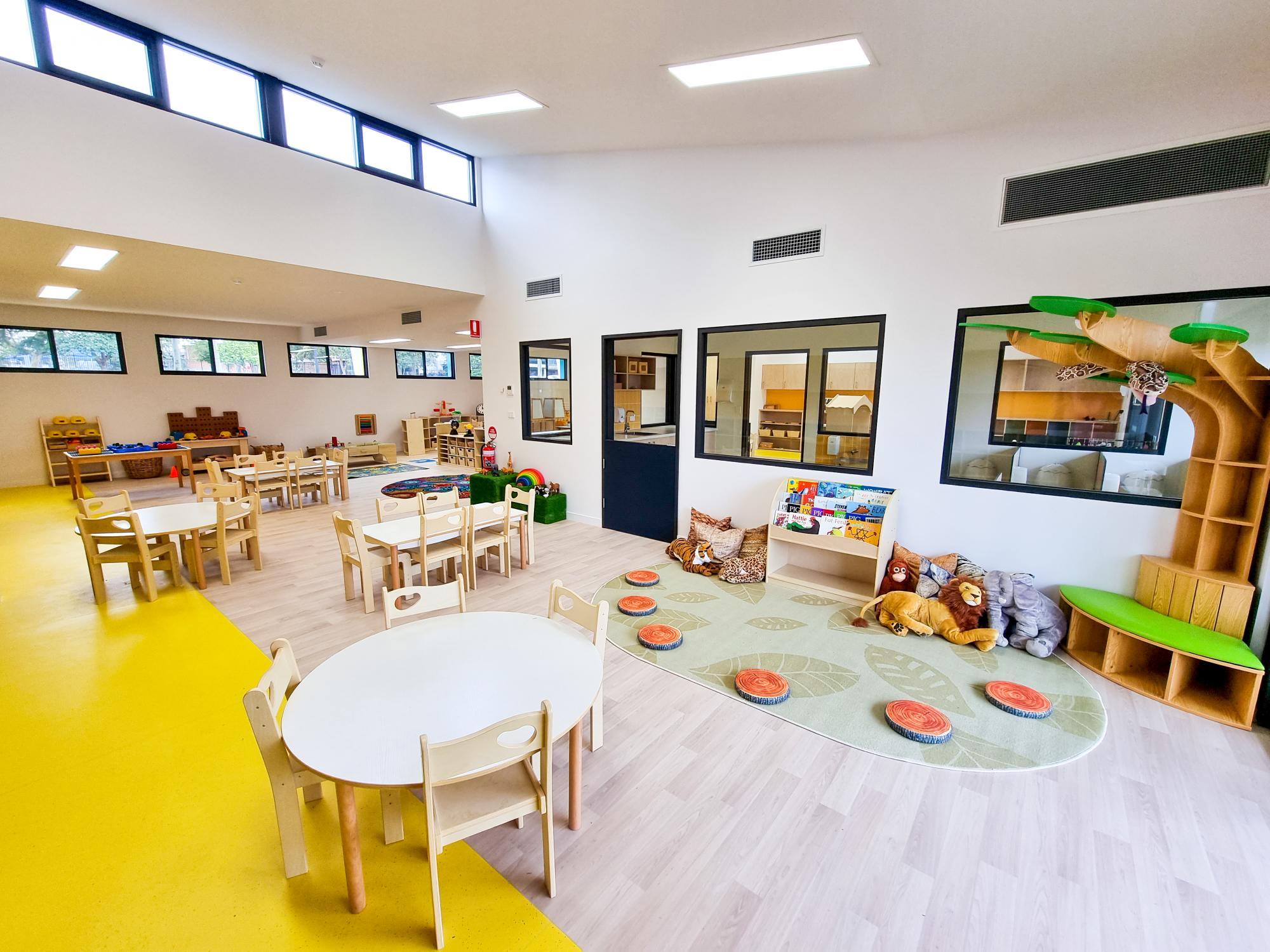
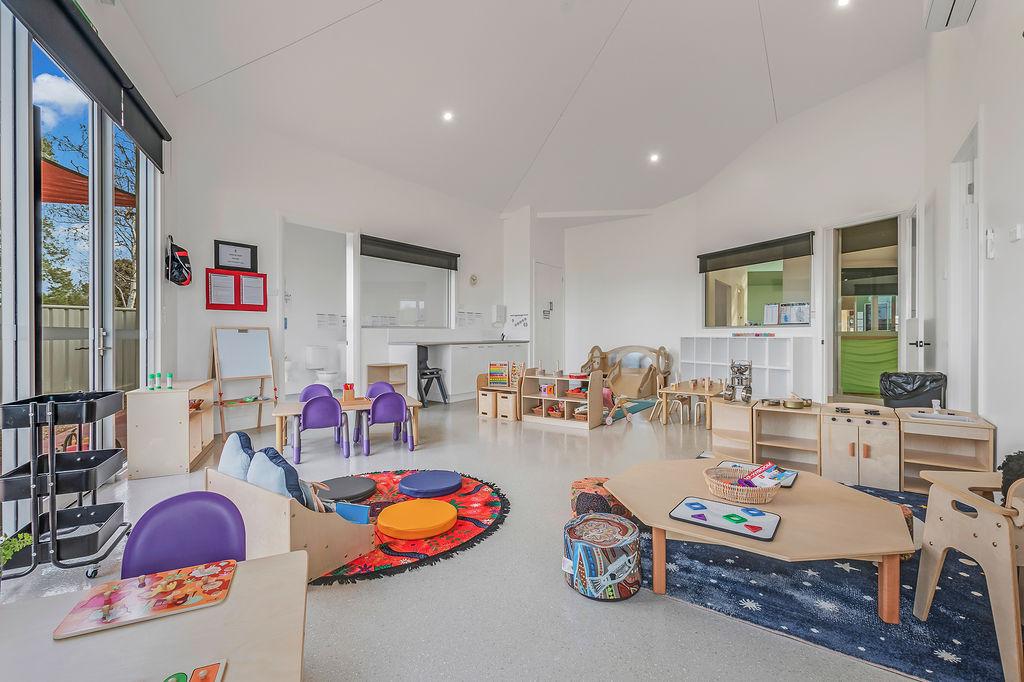
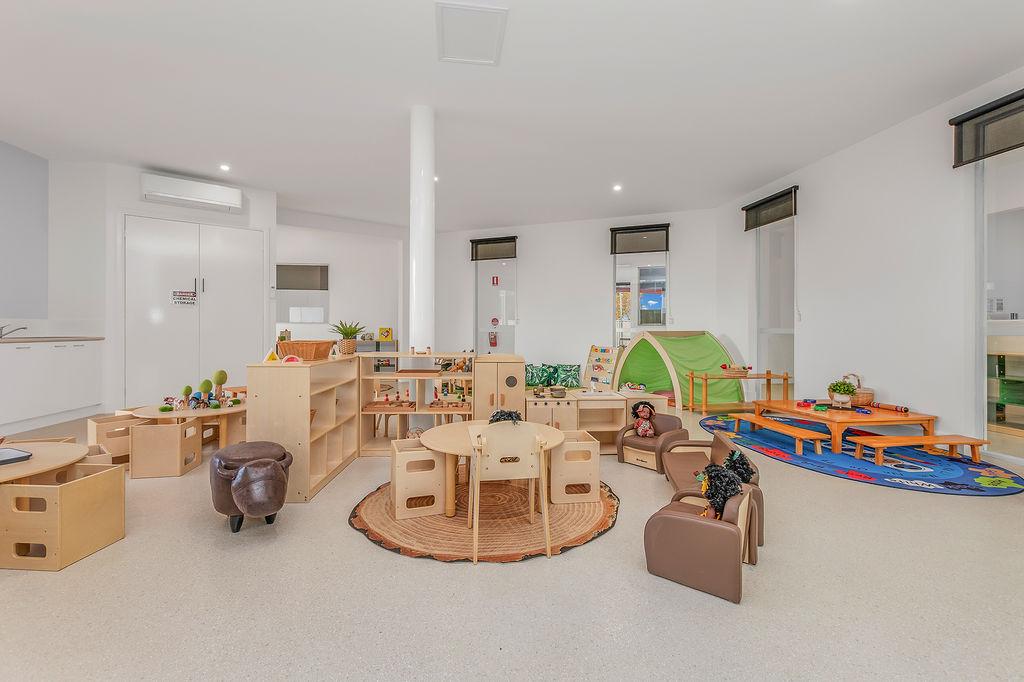
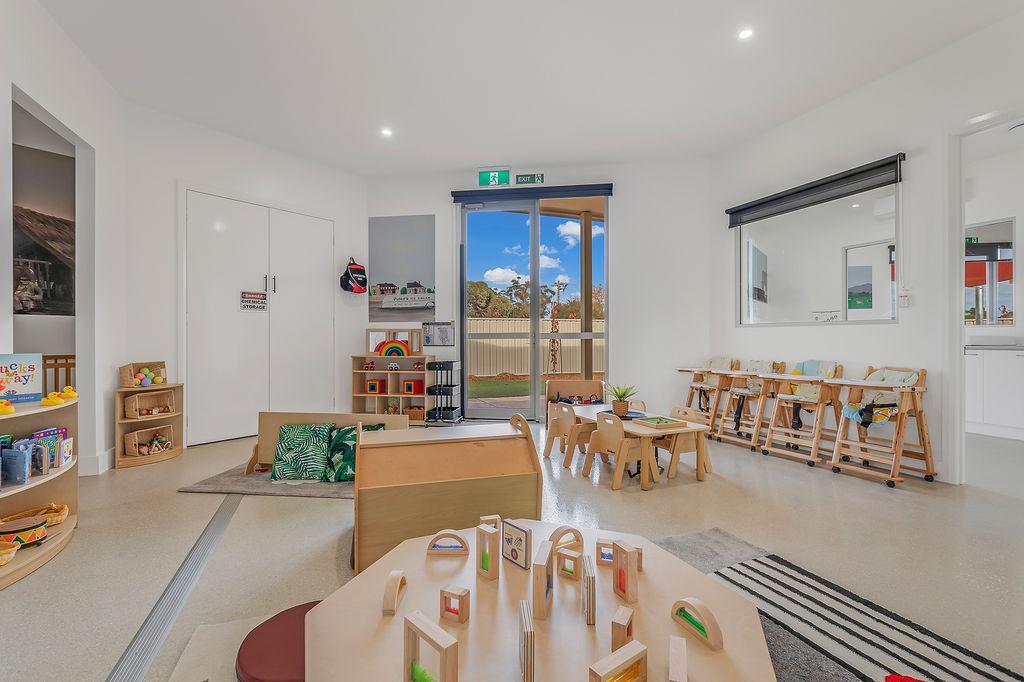
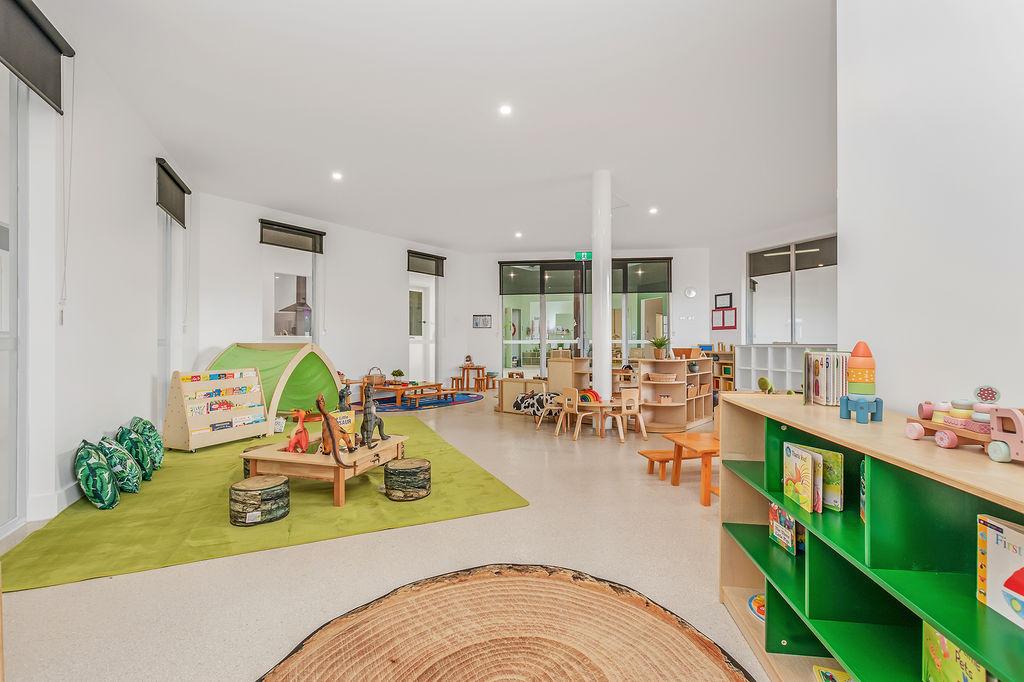
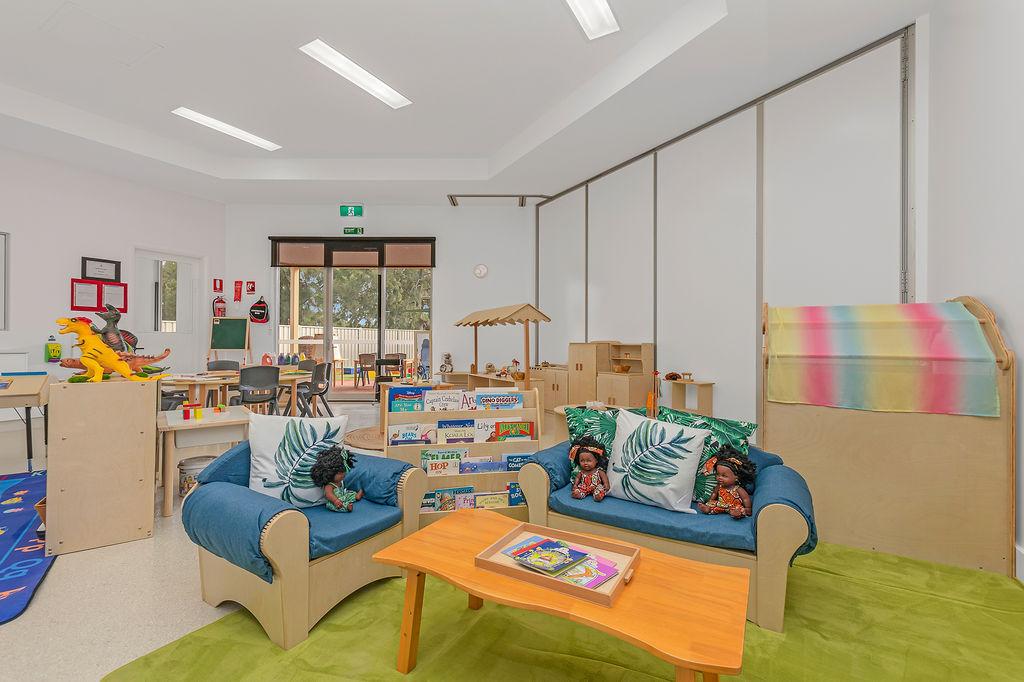
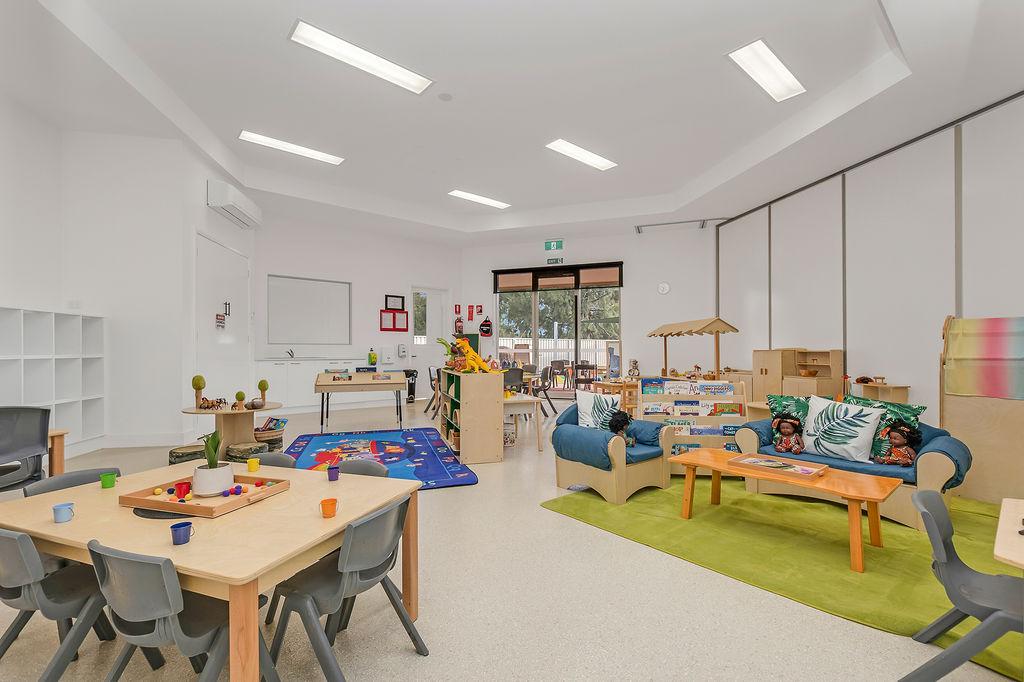
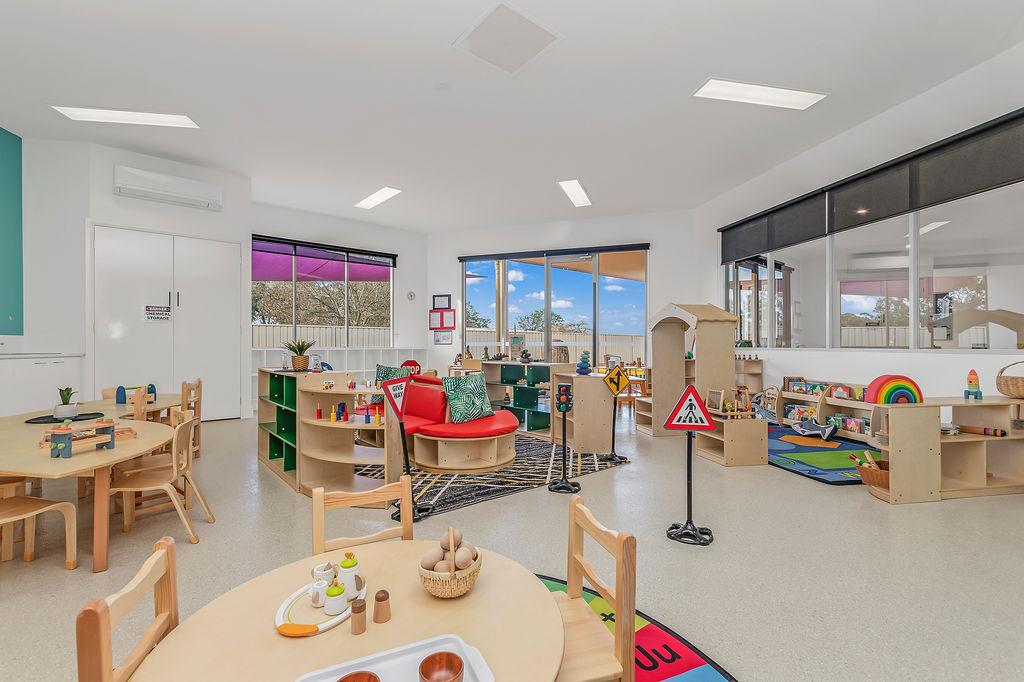
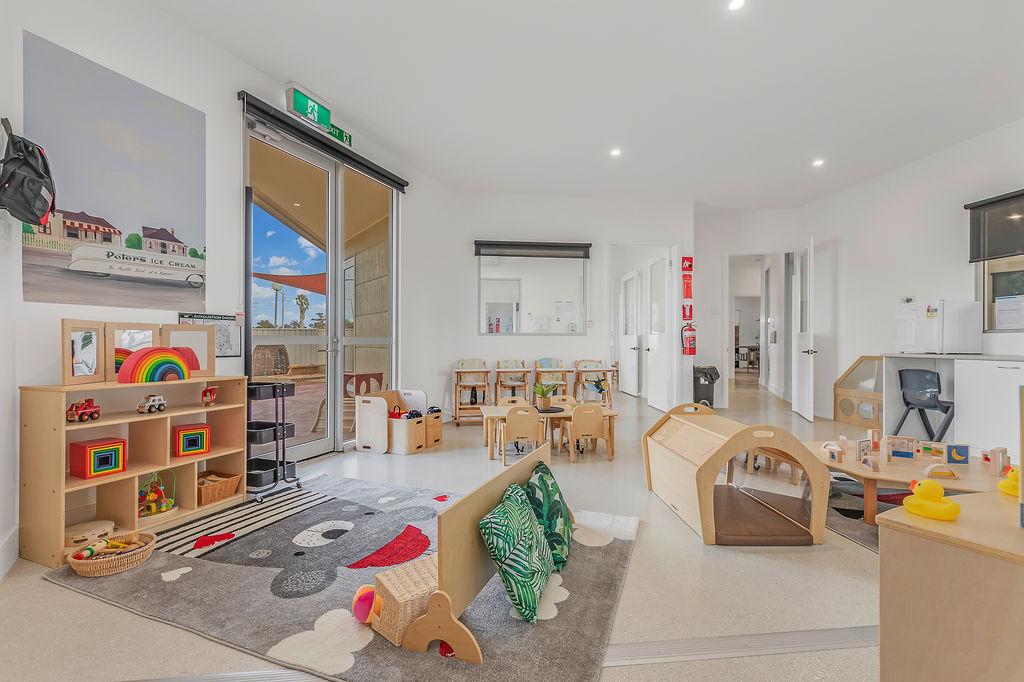
Beyond staffing and rent, the physical environment itself including the furniture, toys, and daily supplies used in childcare represents a substantial and often underestimated portion of the overall cost structure.
Cost of Classroom Essentials
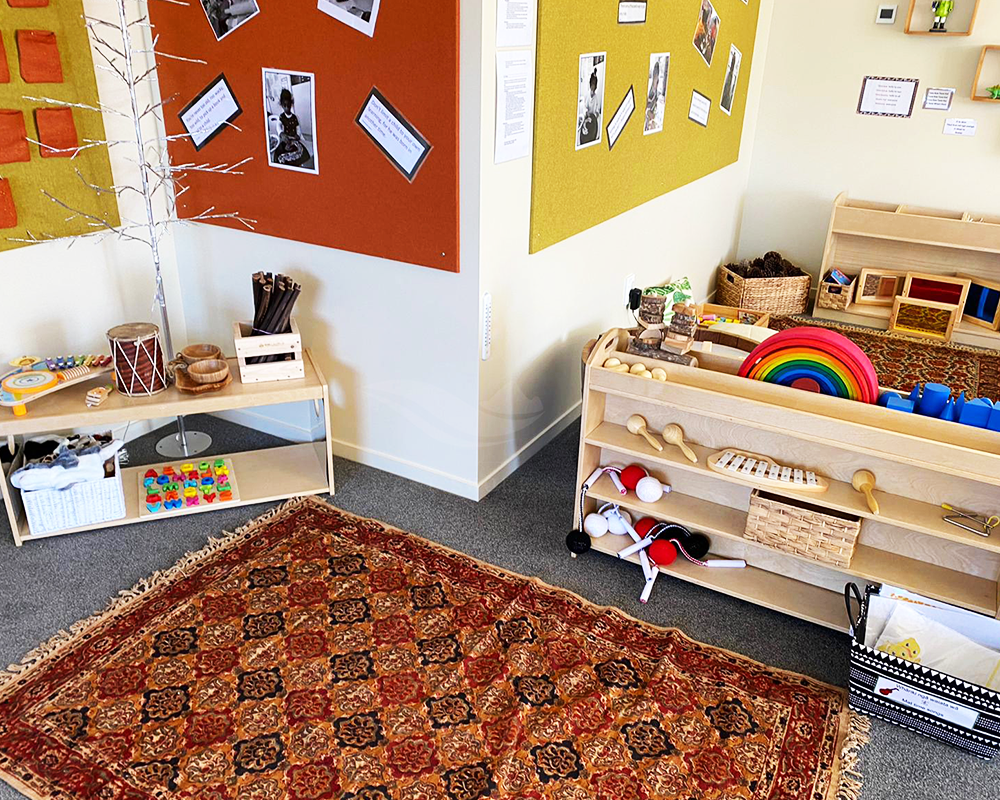
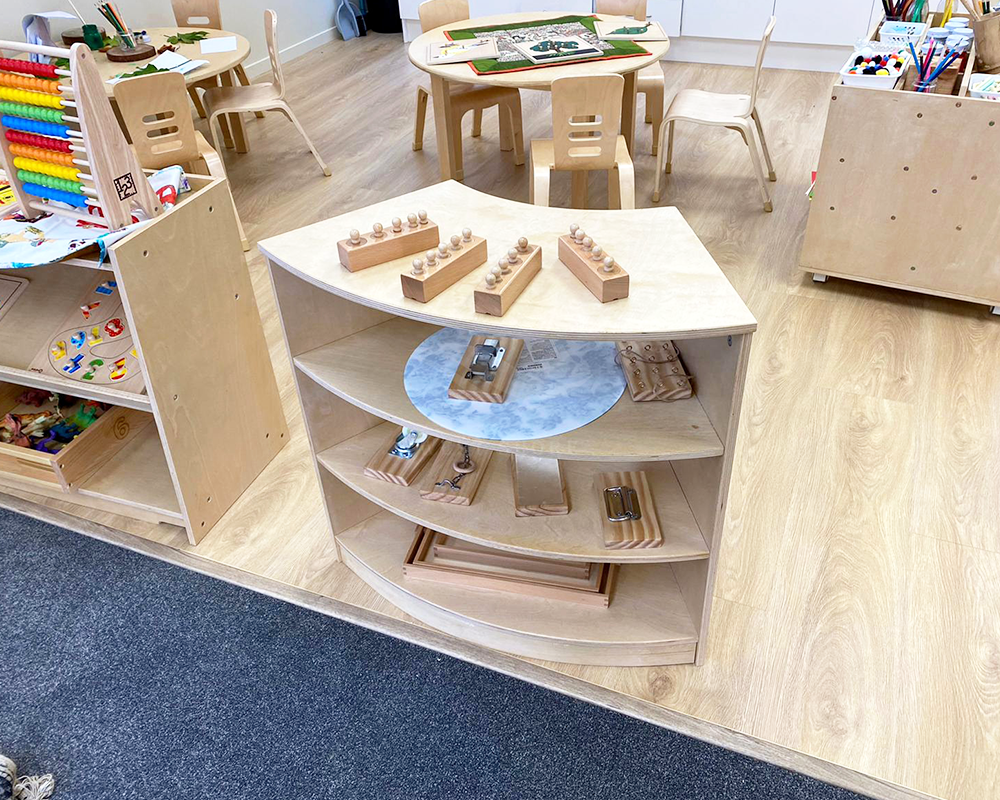
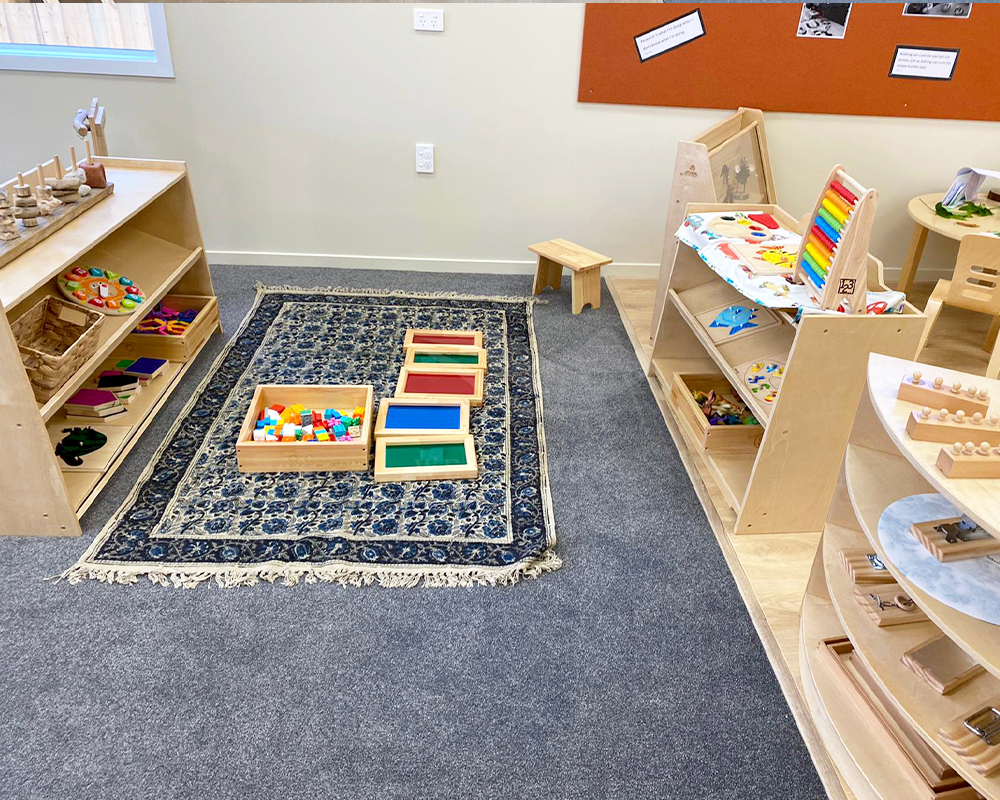
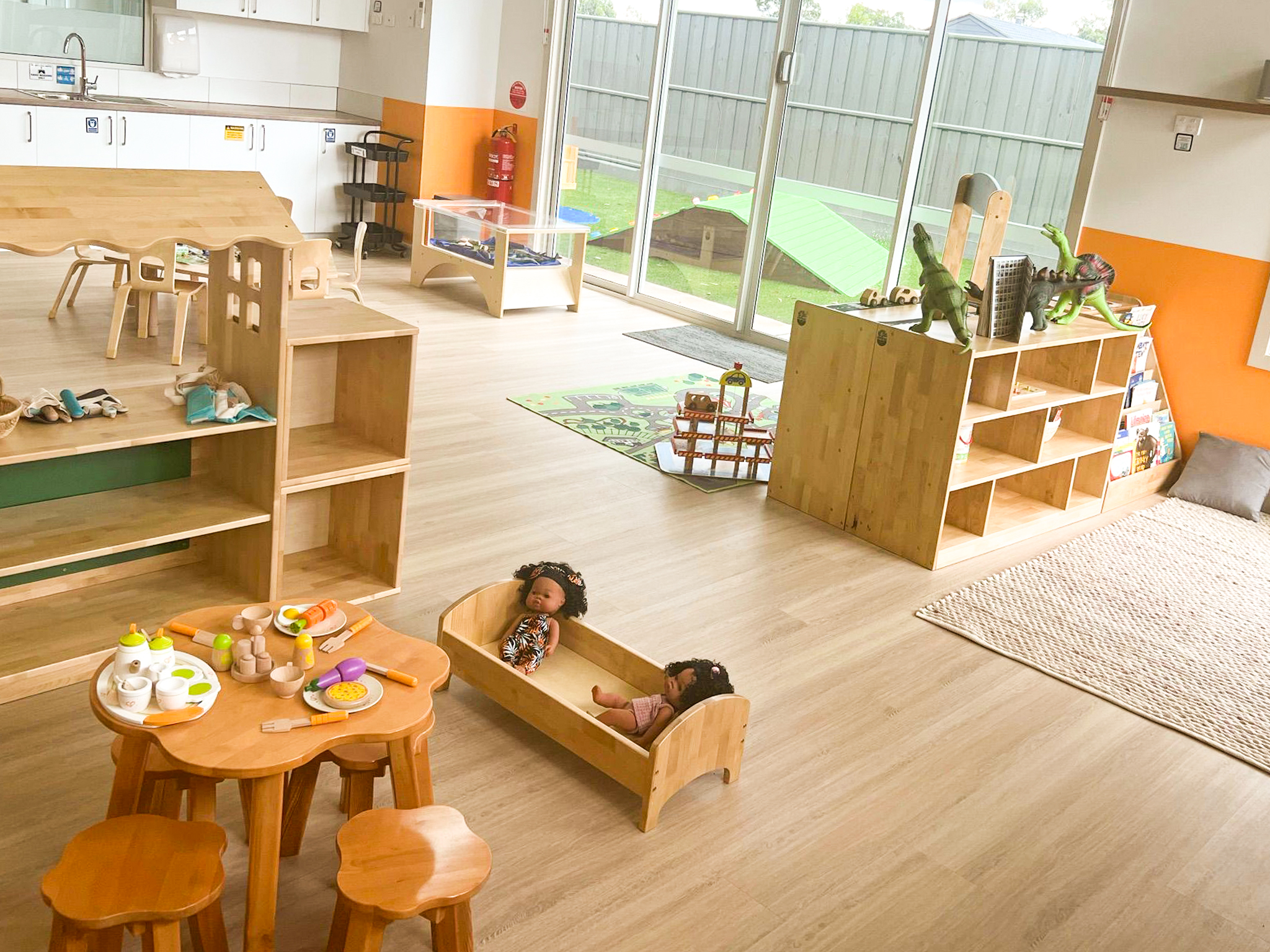
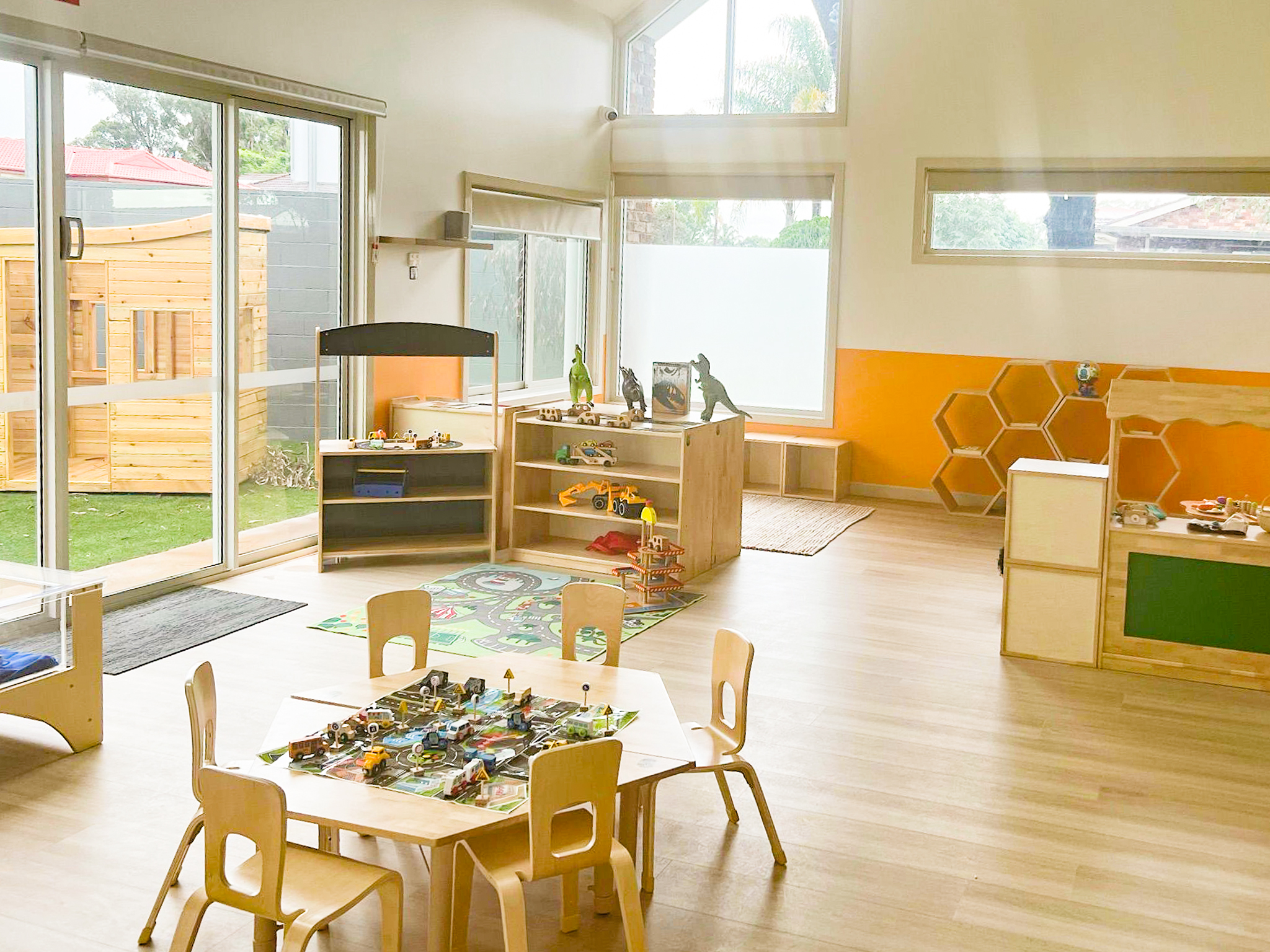
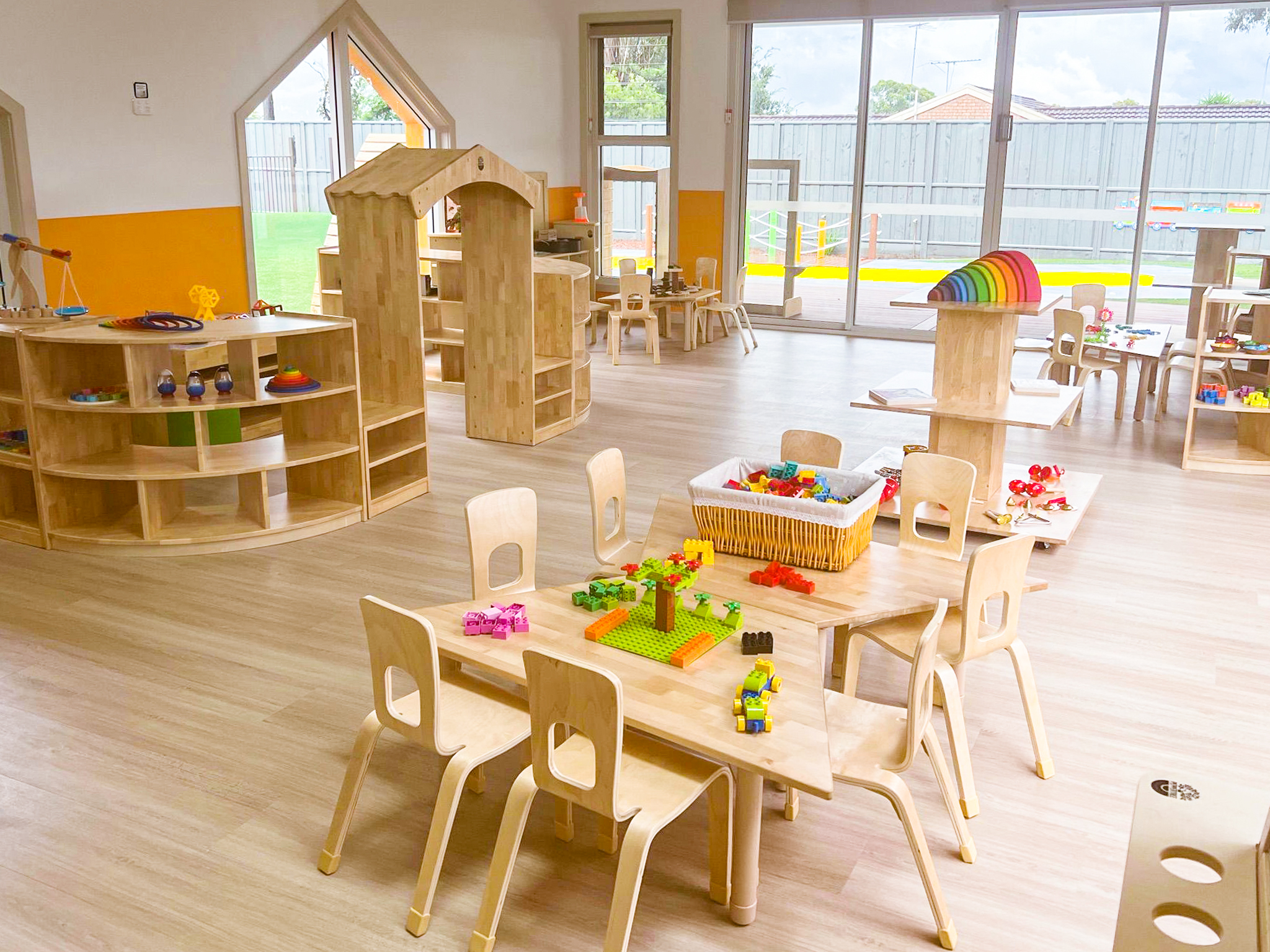
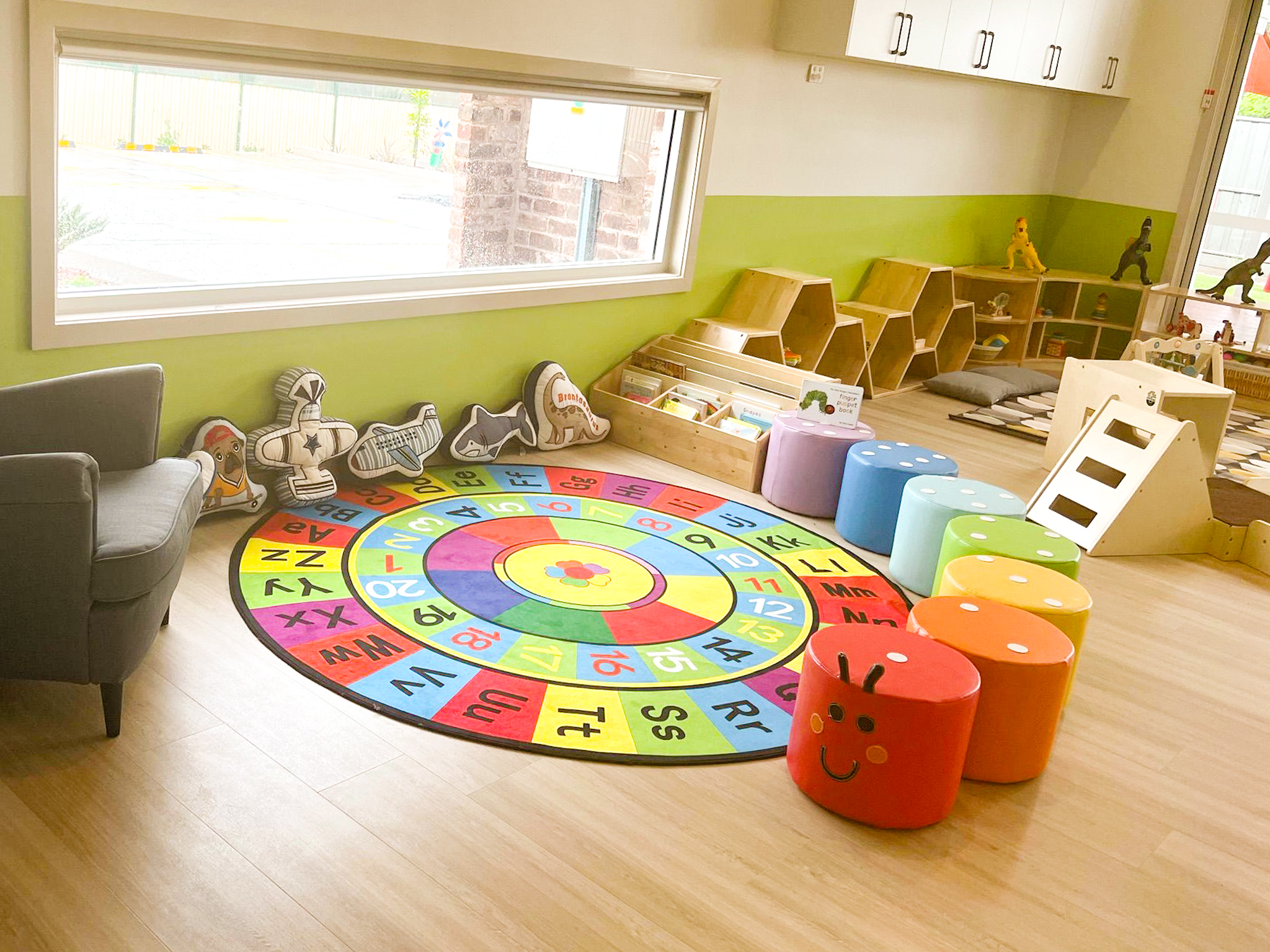
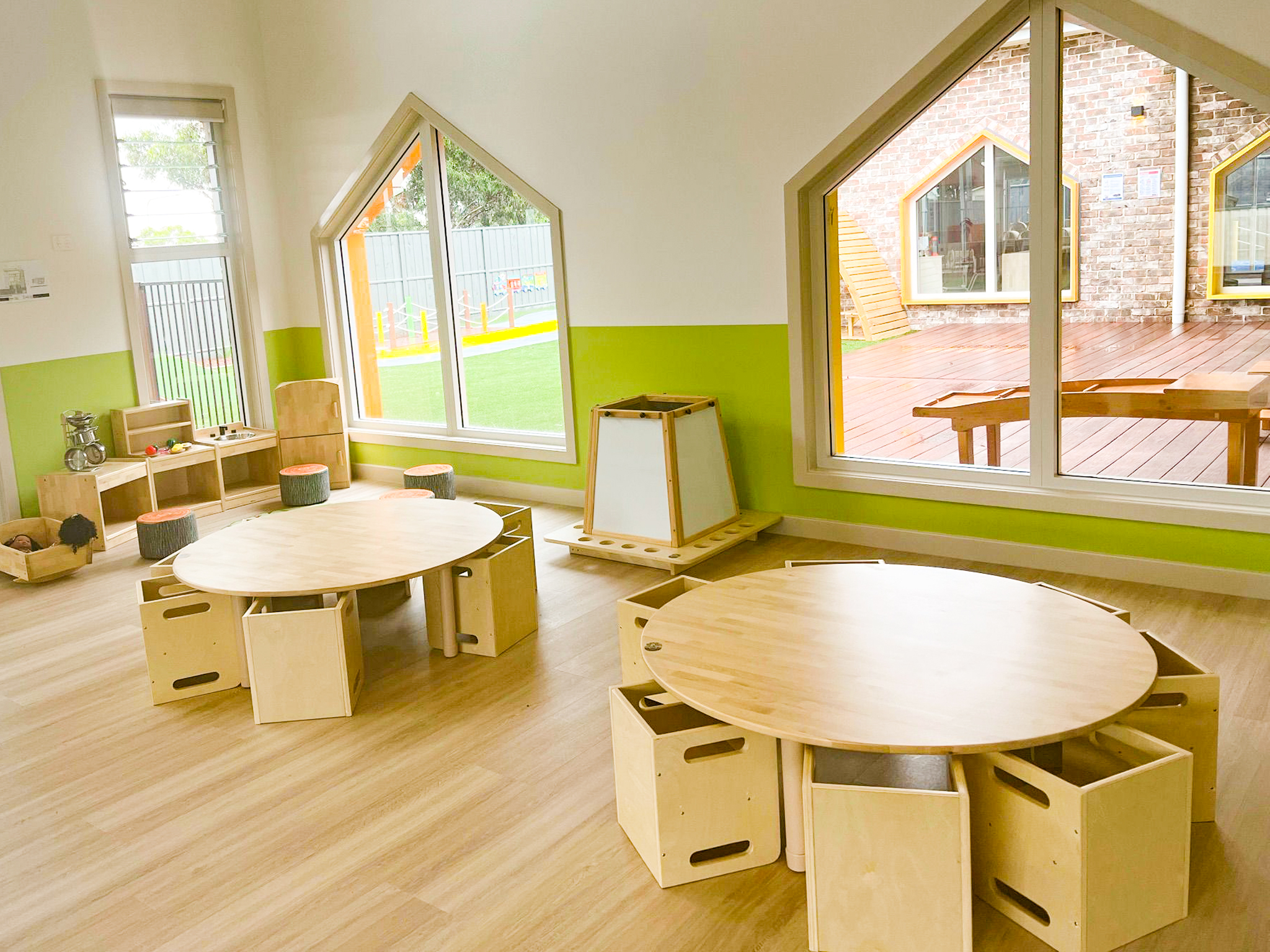
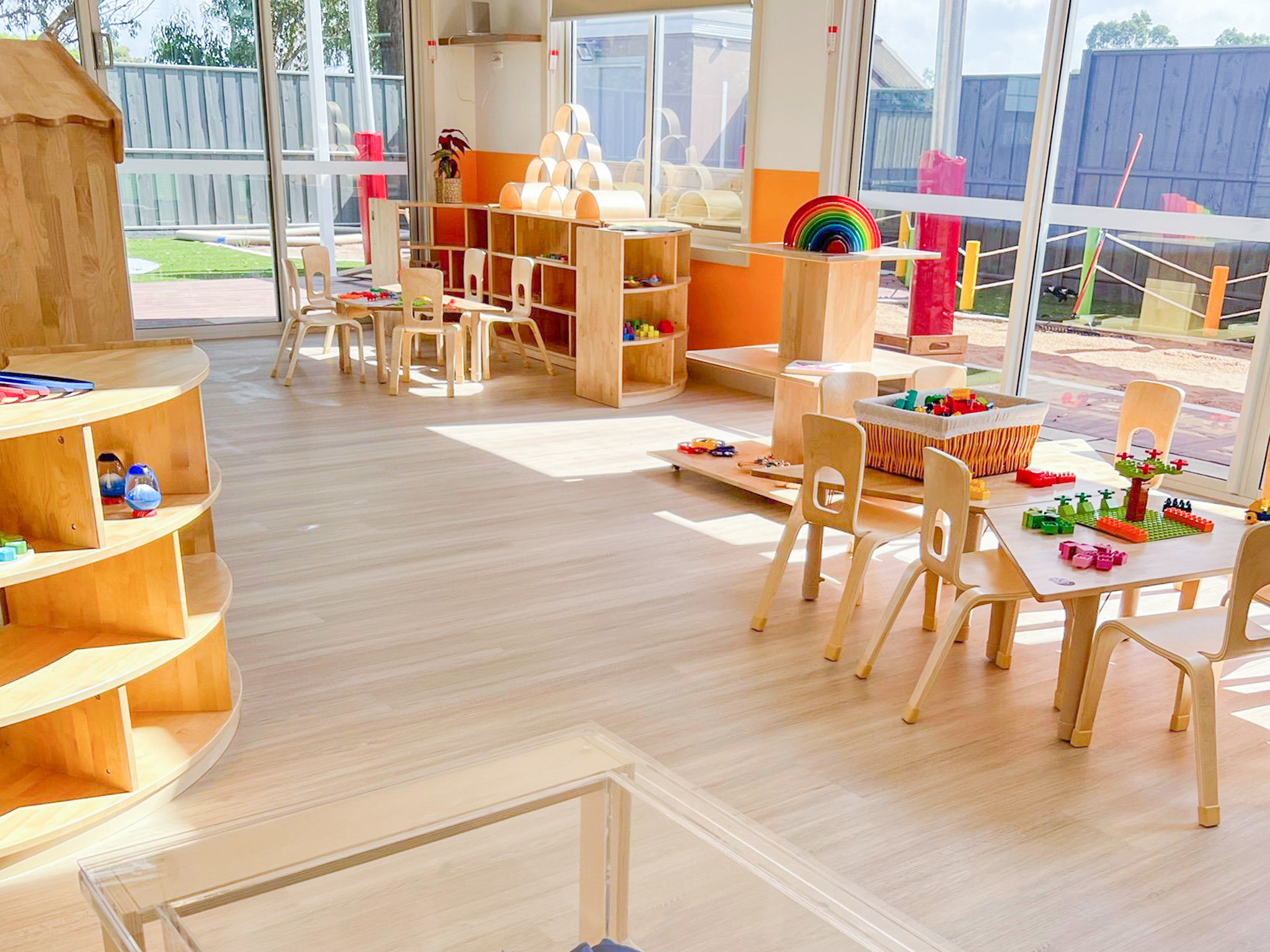
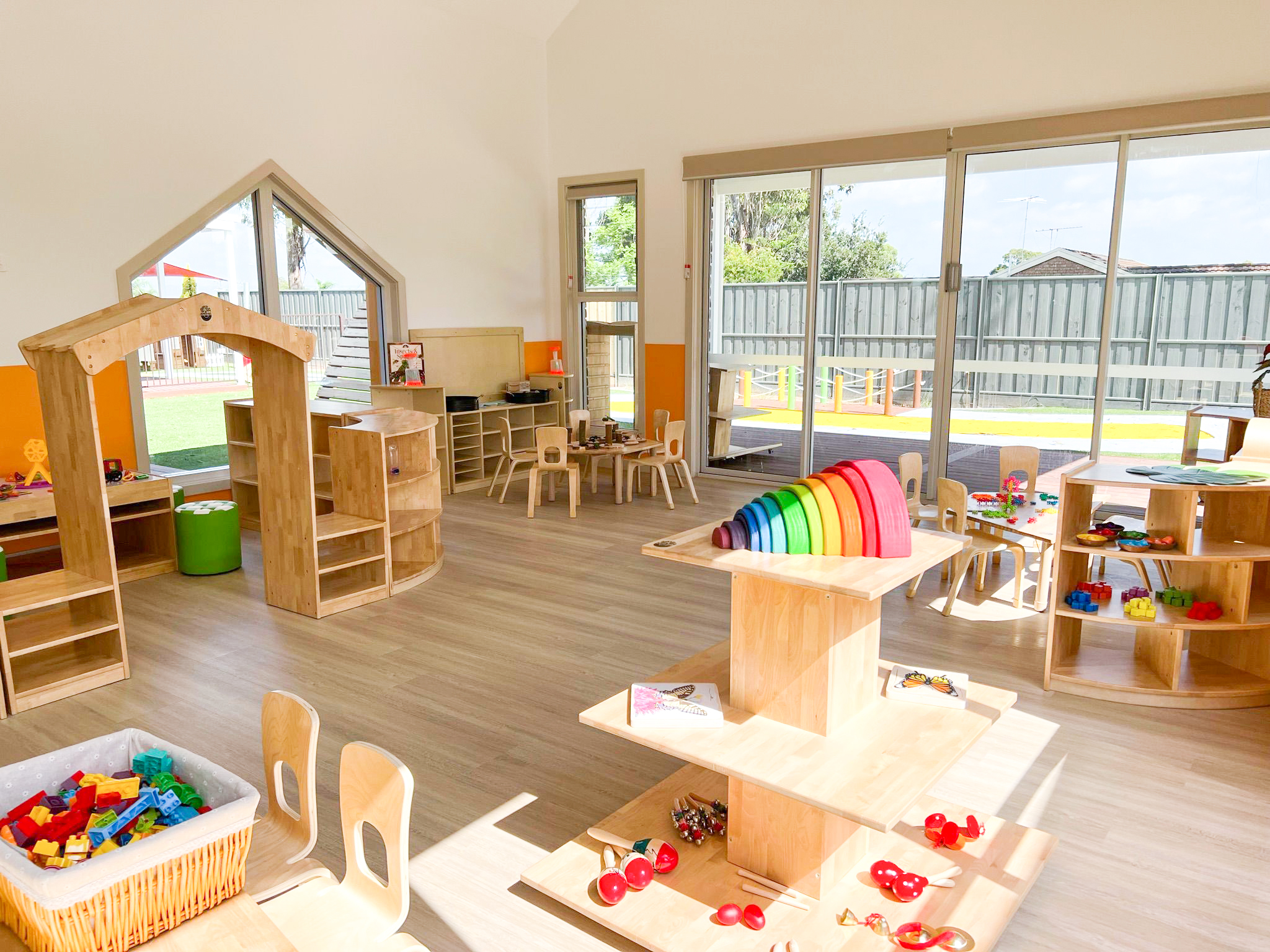
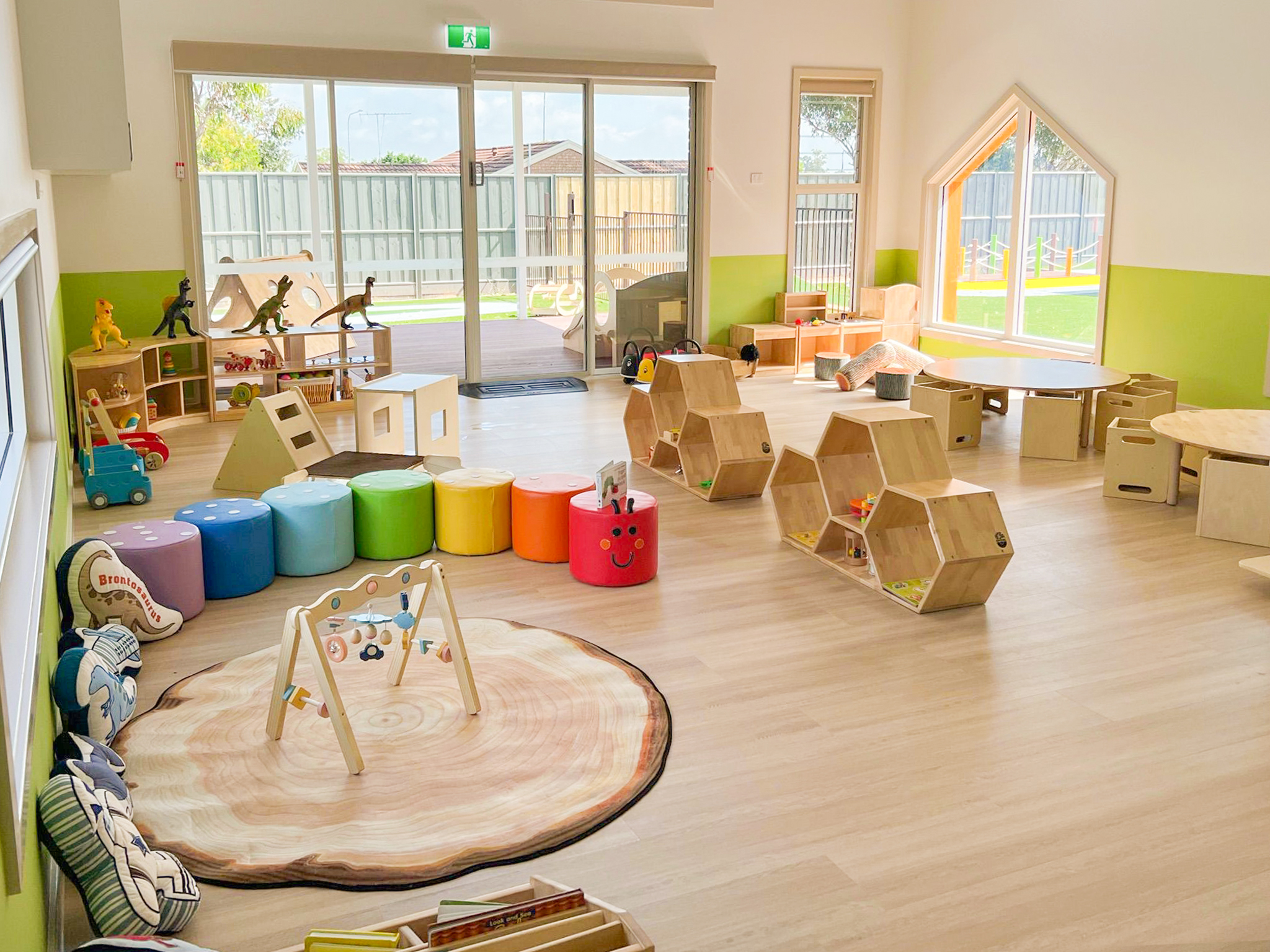
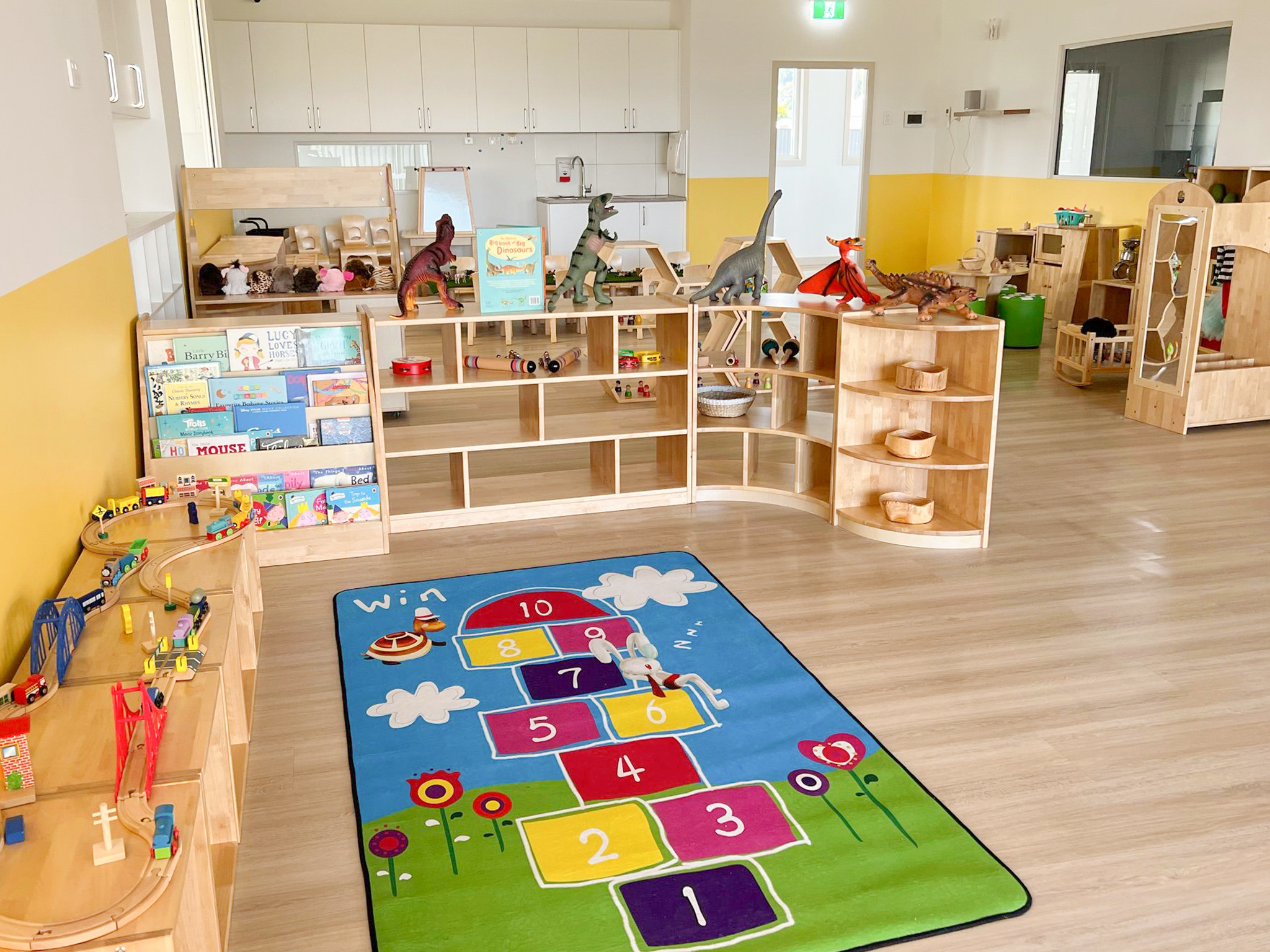
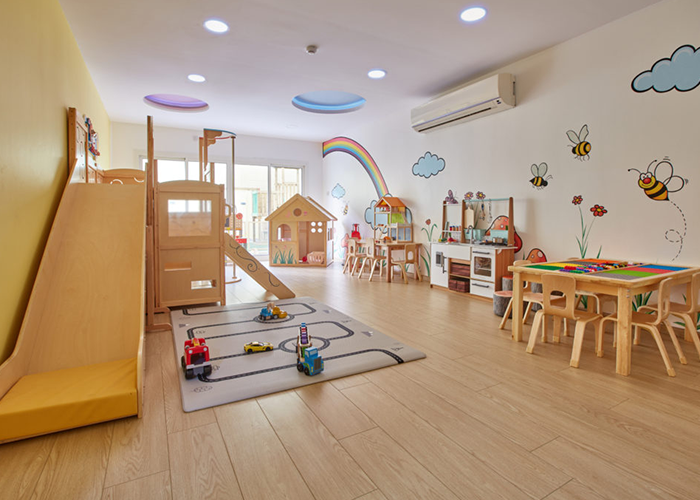
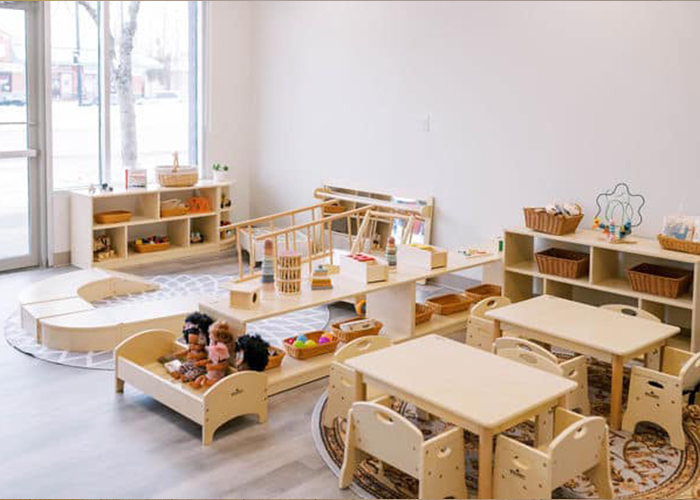
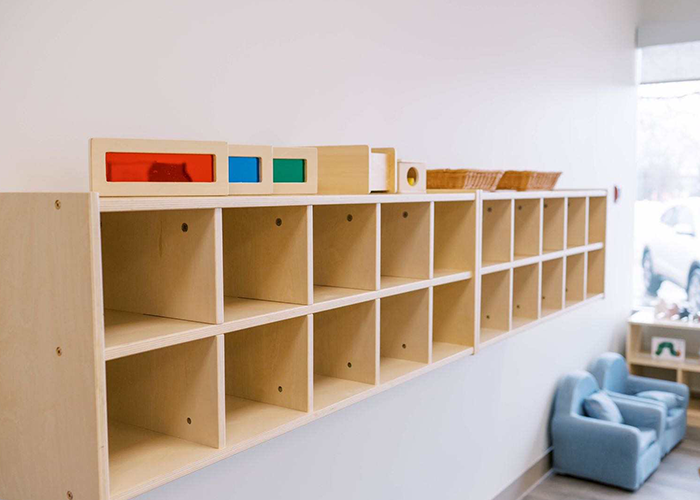
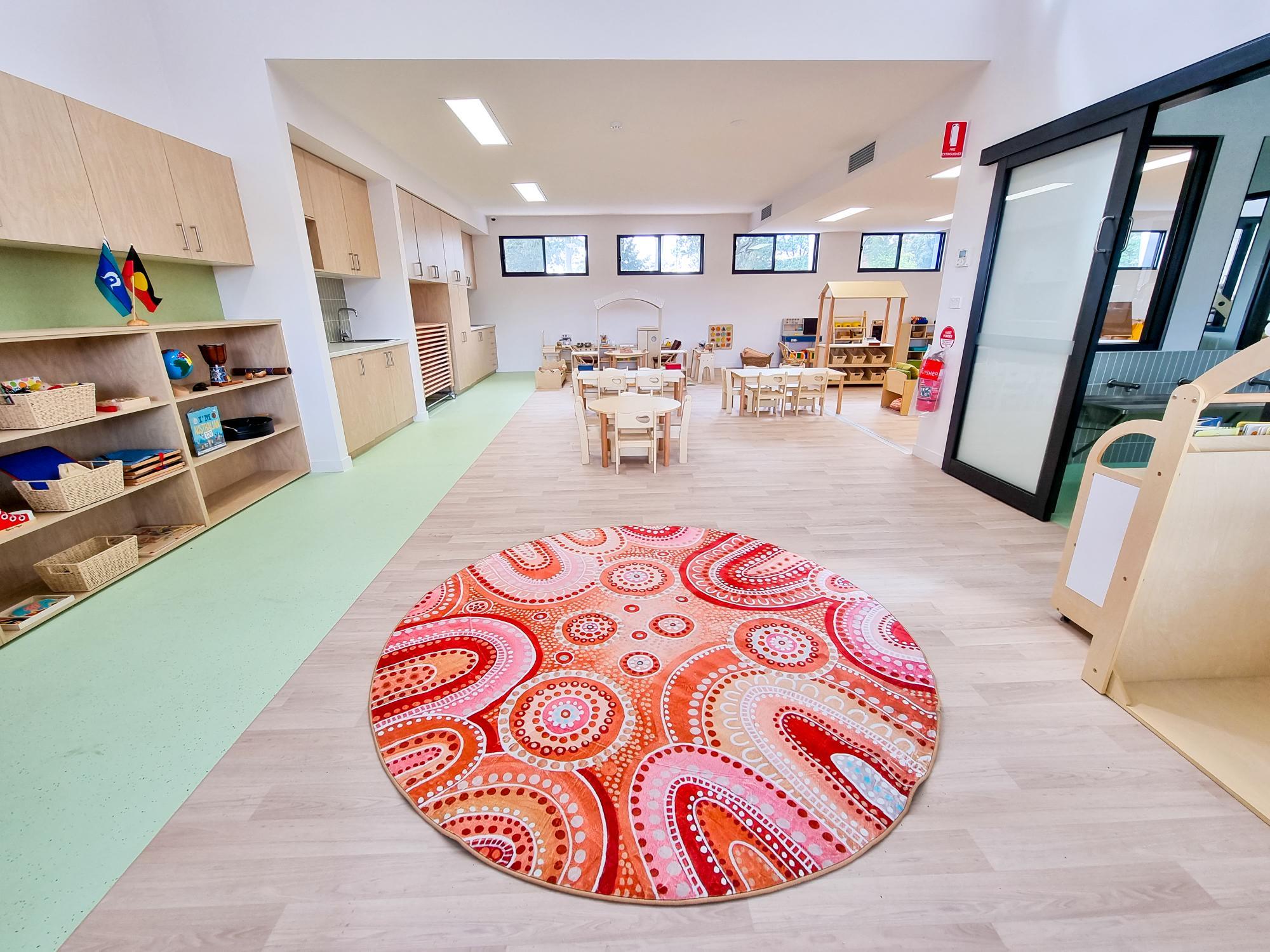
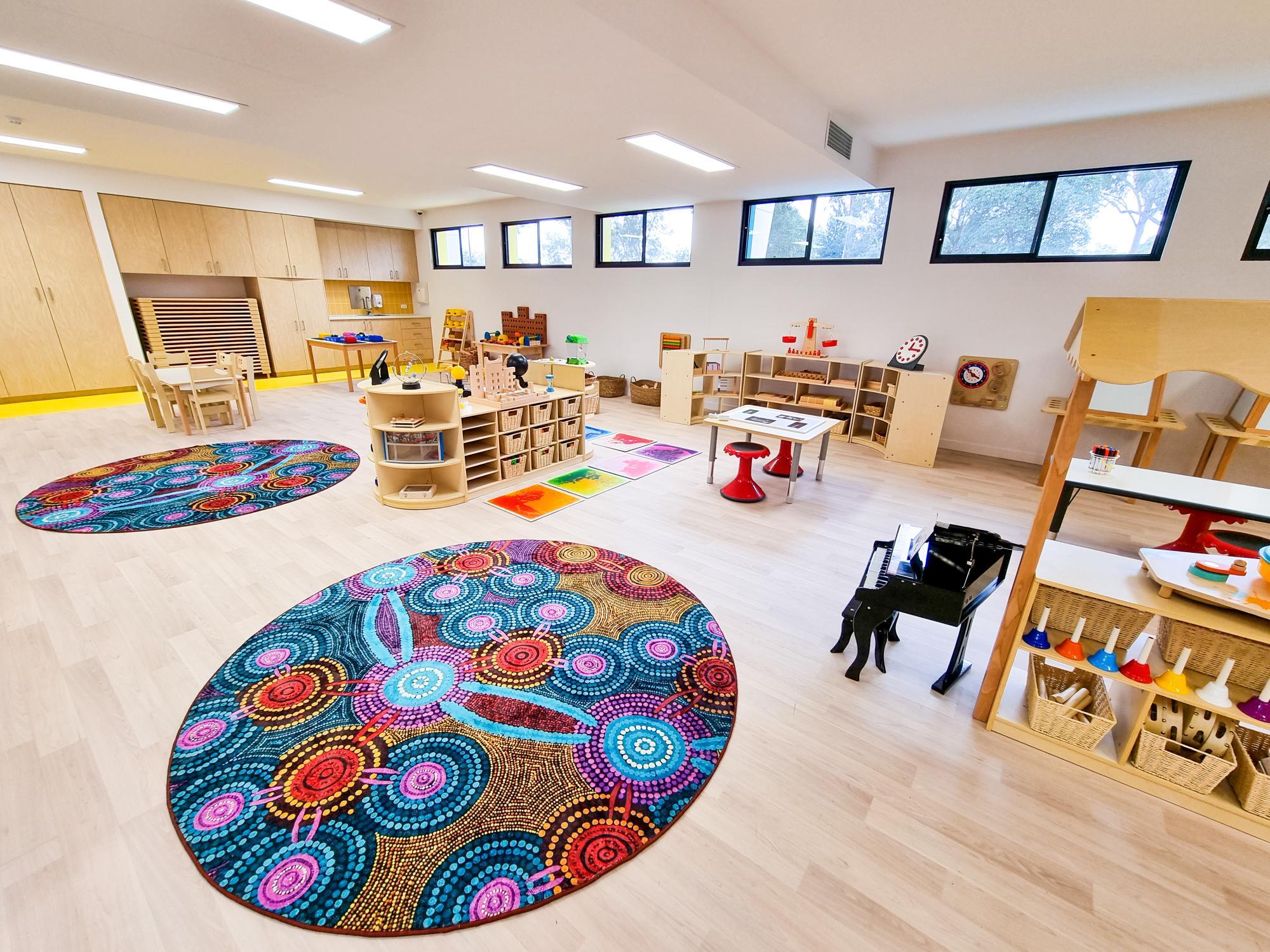
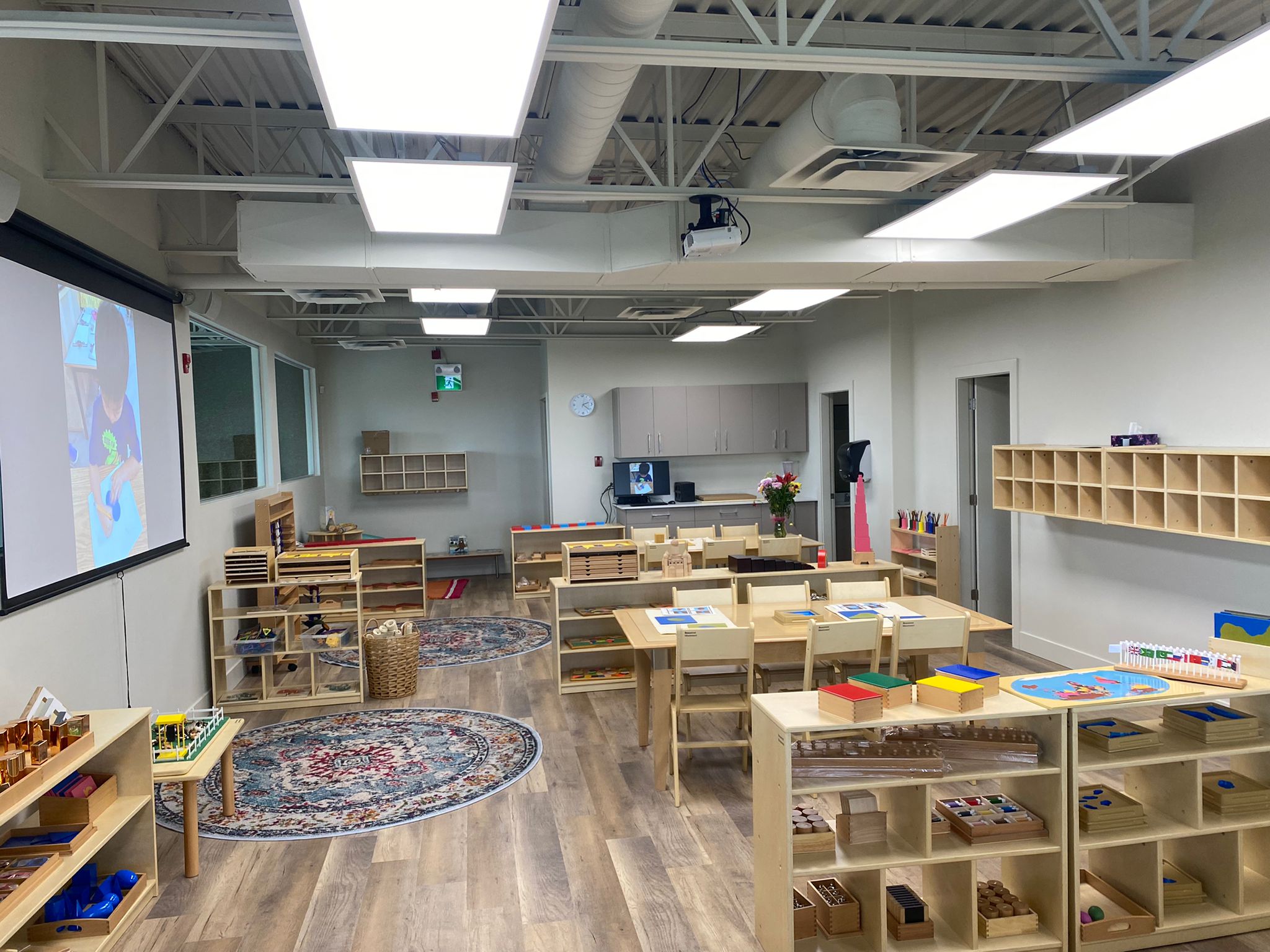
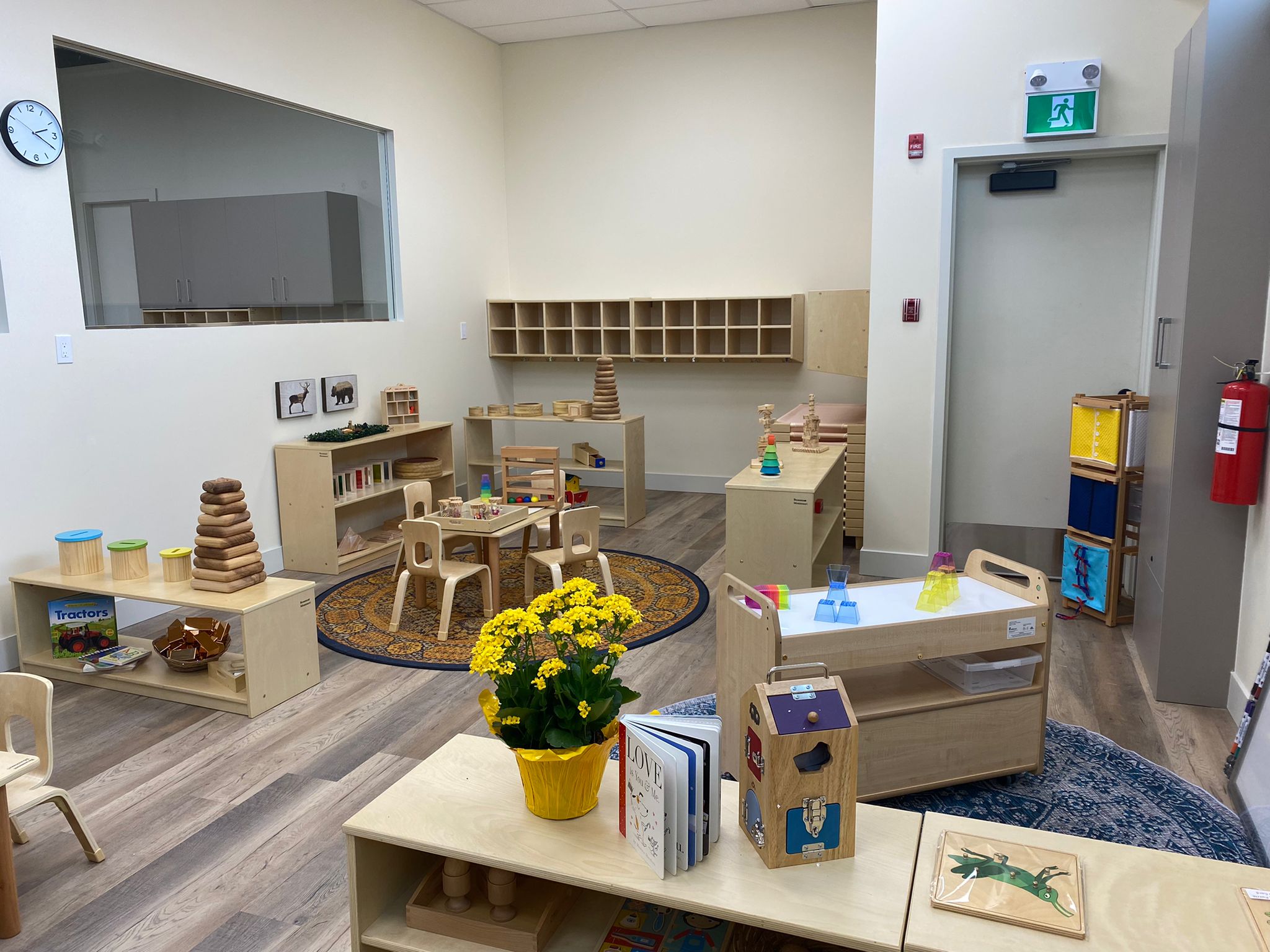
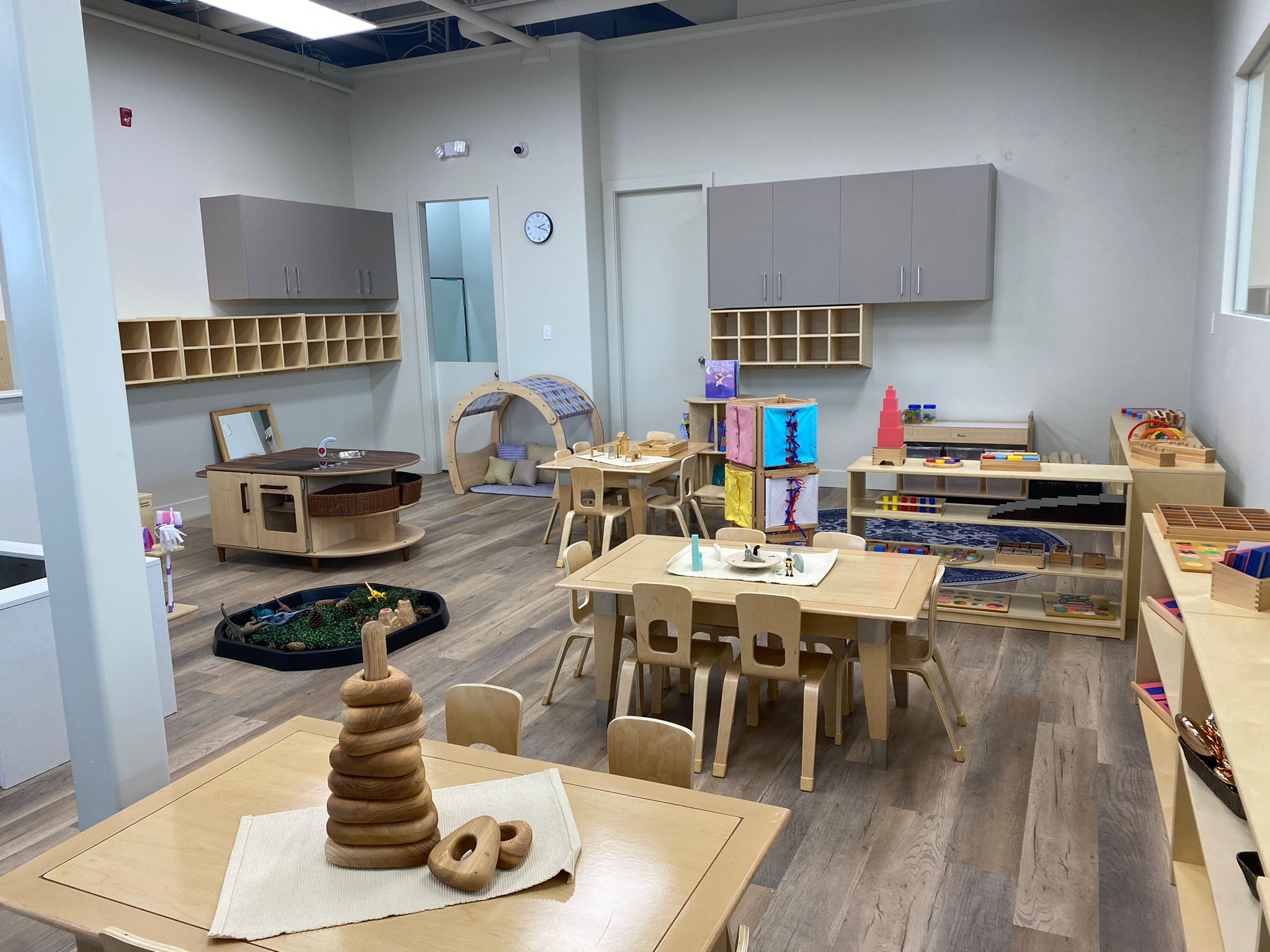
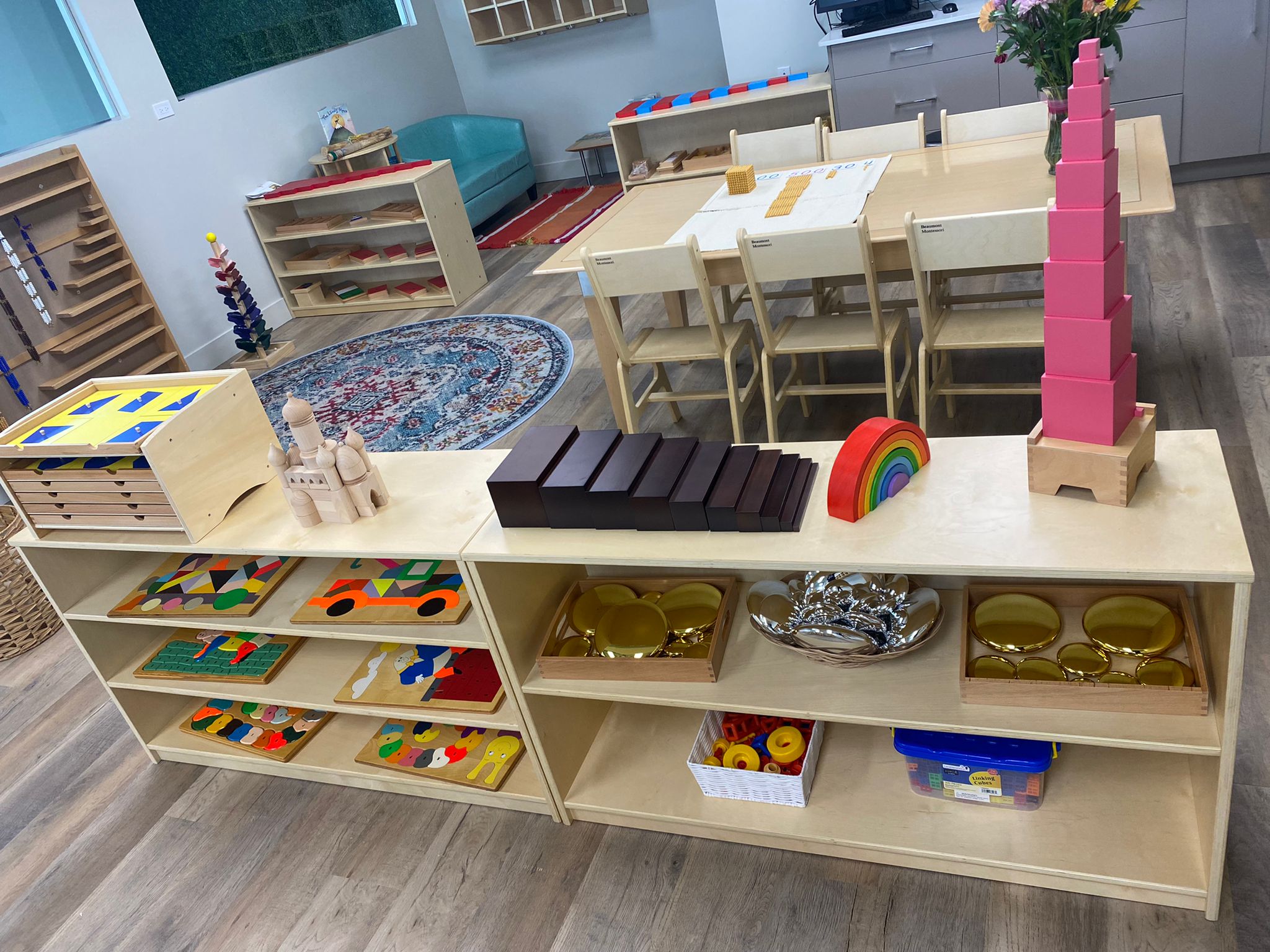
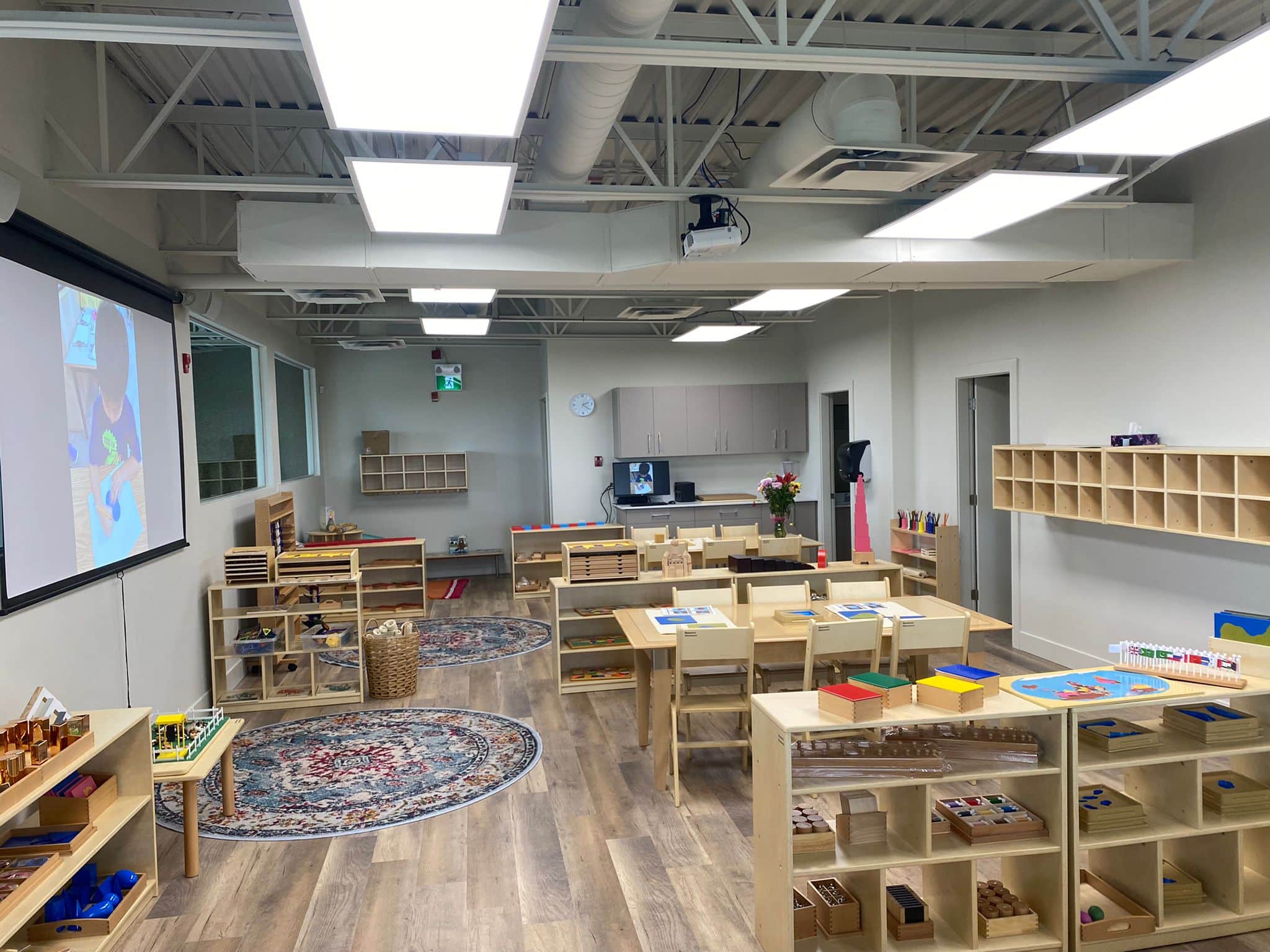
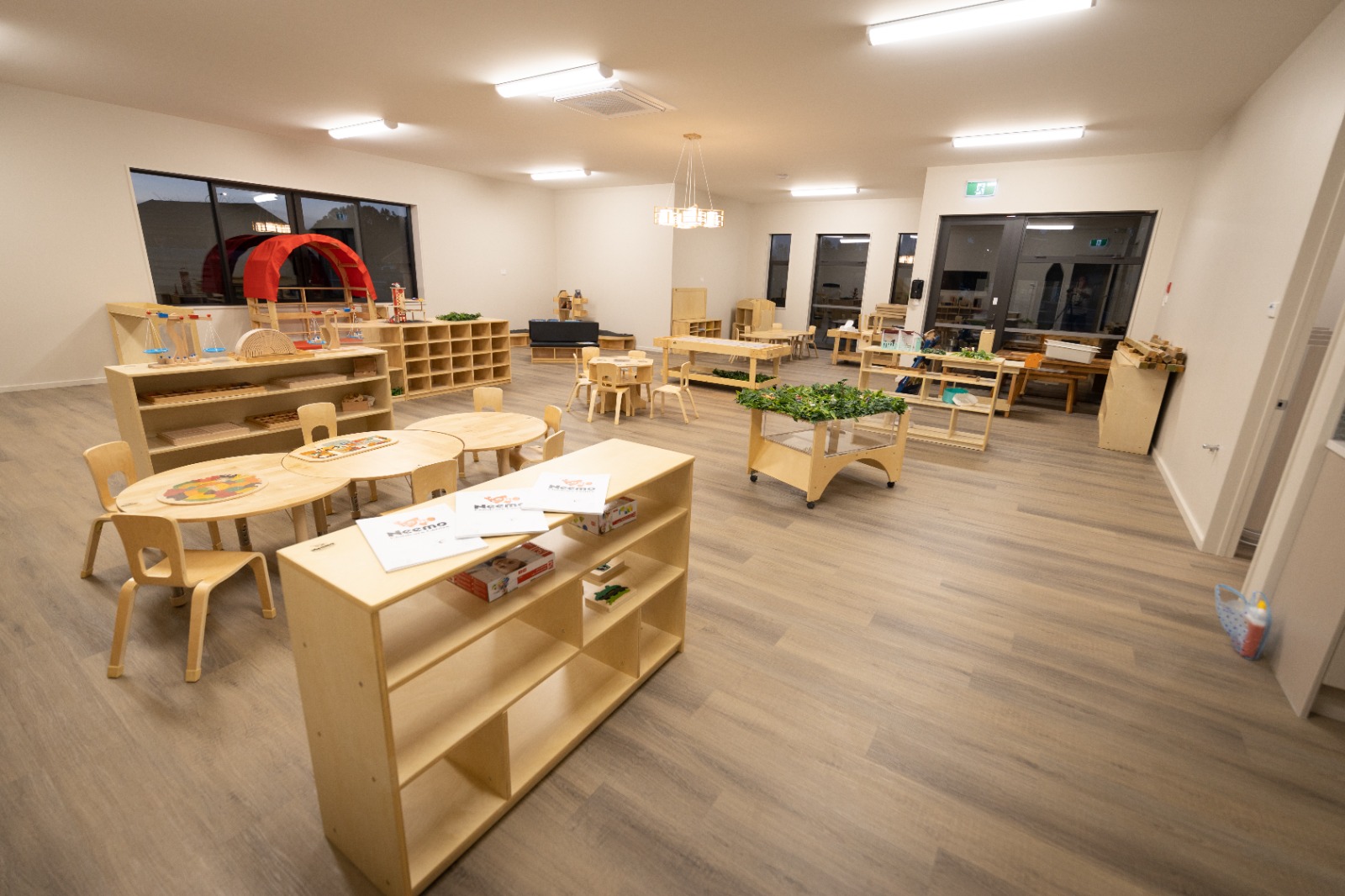
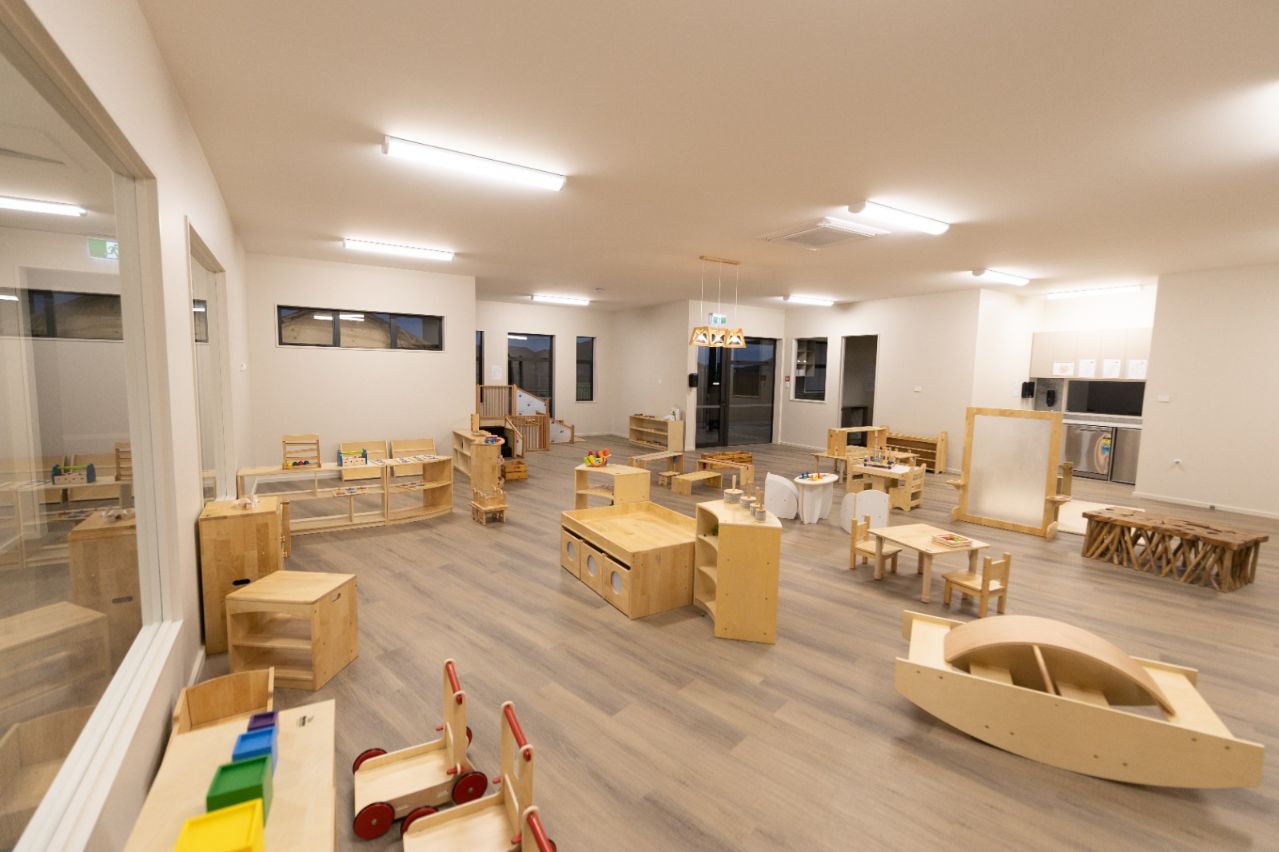
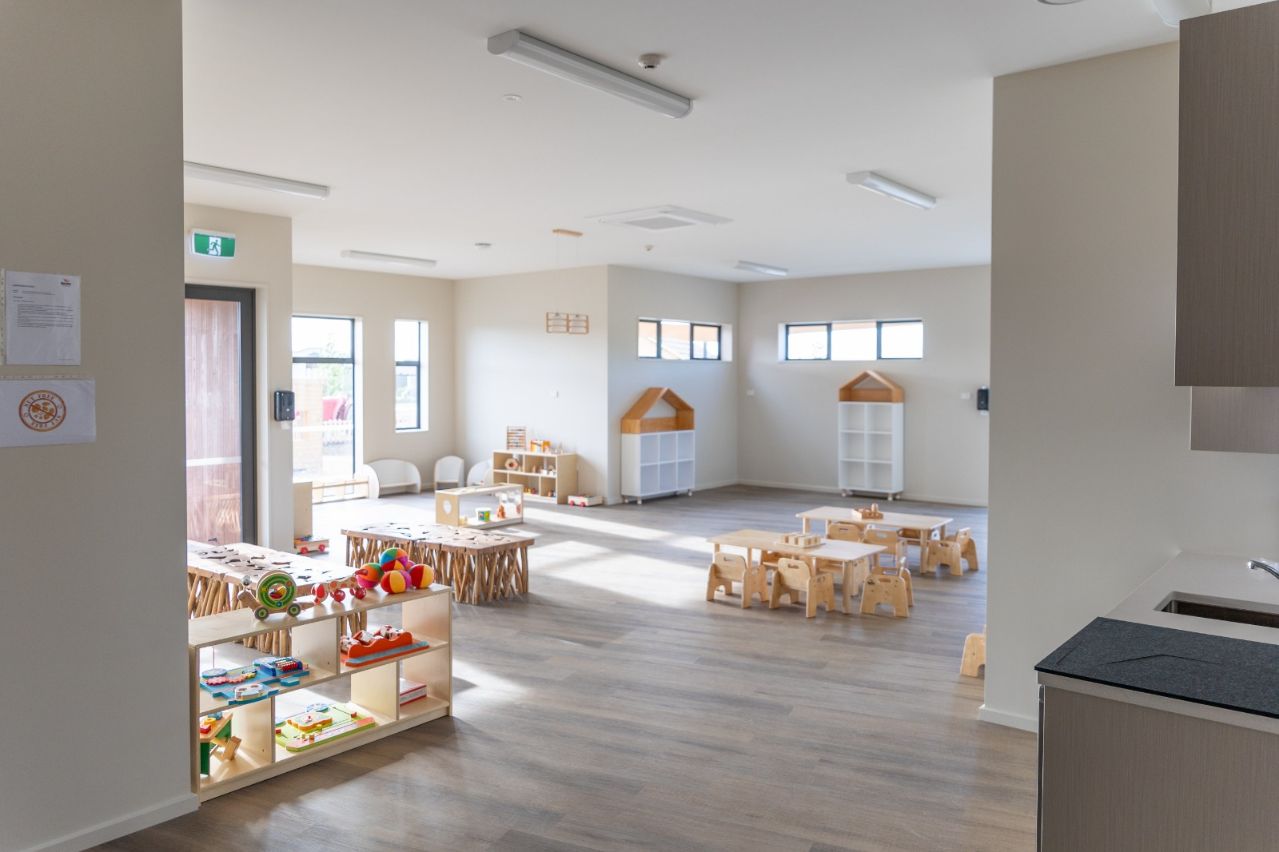
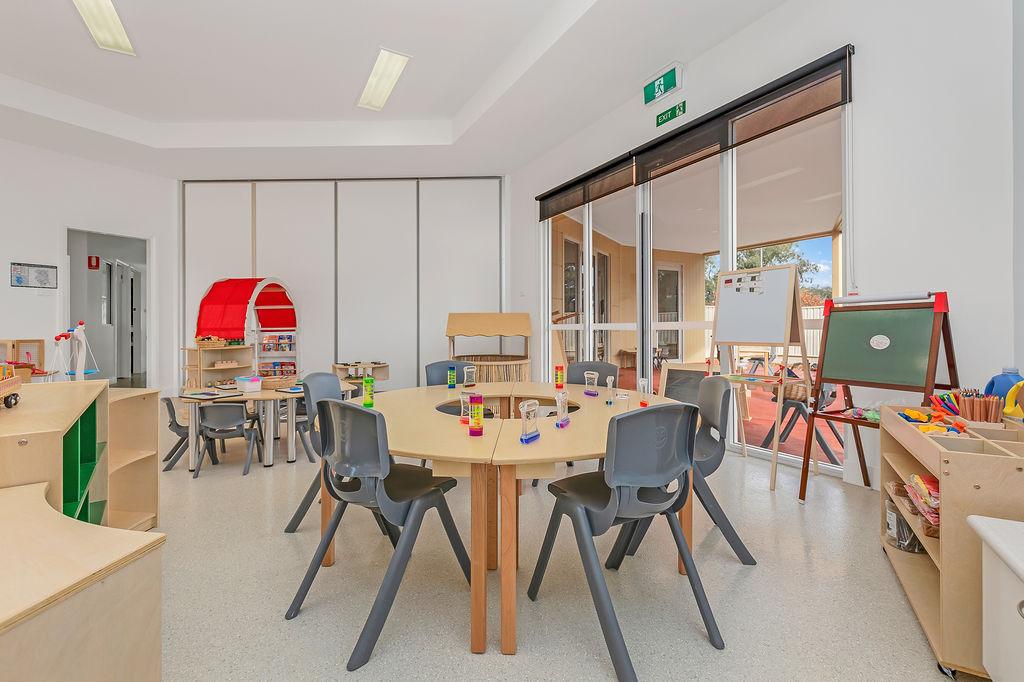
Beyond labor and rent, the cost of furnishing and equipping a childcare center is a major operational burden. High-quality furniture, educational toys, and everyday essentials are crucial for both safety and development. Whether it’s Montessori shelves, soft seating, manipulatives, or sensory play tools, all materials must meet age-appropriate safety standards and be built to withstand intensive daily use. Outfitting a classroom from scratch can easily cost over $10,000, especially when choosing customized or imported goods.

A single classroom setup might require thousands of dollars in customized furniture and certified educational materials, especially for centers that follow structured curricula like Montessori. International centers face even higher costs due to import logistics, customs duties, and compliance certifications required in their home countries. These expenses, though often invisible to parents, quietly push up tuition fees across the board.


Operational expenses also vary by program type. In-home providers may save on rent, but often absorb higher per-child supply costs and lack economies of scale. Conversely, large franchised centers face corporate fees and compliance audits. Either way, the underlying trend persists: running a safe, accredited childcare operation in America is simply expensive, and those structural costs inevitably flow to parents’ wallets.
Limited Public Funding
A third reason why childcare is so expensive lies in the United States’ limited public investment. Unlike K-12 education, early childcare is not universally funded. Parents shoulder most of the expense privately, making America one of the most market-driven childcare systems in the developed world.
According to the OECD Education at a Glance 2023 report, the U.S. government spends less than 0.5 percent of GDP on early-childhood education, less than half the OECD average. Nations such as France, Sweden, and Canada subsidize childcare directly or reimburse providers, dramatically lowering family contributions. In Sweden, for example, parents pay roughly 5 to 10 percent of household income for childcare; in the U.S., families often spend 25 percent or more.

While some states offer limited assistance through the Child Care and Development Fund (CCDF), eligibility is typically tied to very low income thresholds. Middle-class families rarely qualify, yet they don’t earn enough to absorb the daycare prices exceeding a college tuition bill. Indeed, the Economic Policy Institute notes that in 34 states, infant care costs more than in-state public college tuition a staggering comparison that underscores systemic underfunding.
Providers also feel the absence of funding. Without sustained subsidies, they rely solely on tuition revenue to cover payroll, rent, and compliance costs. That dependency keeps the average cost of childcare high and volatile. Some operators close during economic downturns, tightening local supply and pushing childcare costs even higher.
Location
Location is one of the strongest predictors of why childcare is so expensive across the United States. Just as housing and groceries cost more in certain cities, the cost of childcare also fluctuates dramatically depending on where you live.

In states like California, Massachusetts, and New York, where both property costs and labor wages are high, providers face steep operational expenses. Centers in San Francisco, Los Angeles, and Boston report average daycare costs of $1,800 to $2,400 monthly per infant. By contrast, providers in the Midwest or the South may pay lower rent and wages but often deal with smaller markets, limited subsidies, and fewer staff pipelines, factors that can also drive up local childcare costs due to limited supply.
Parents relocating for work often experience “childcare sticker shock.” Someone moving from Omaha to San Jose might find that their daycare cost has tripled, even though quality standards look similar on paper.
For example, in Boston, limited licensed capacity means waitlists can exceed six months for infants, allowing centers to charge premium tuition rates. Conversely, in smaller cities like Des Moines or Tulsa, a higher ratio of in-home providers helps moderate the average cost of daycare per month, though availability remains inconsistent. Understanding these regional differences helps explain why childcare is so expensive for some parents but slightly less burdensome for others.
Regulatory Complexity and Legal Counsel
Few parents realize how complex and costly compliance has become for childcare providers. Yet this is another significant reason why childcare is so expensive. Every licensed facility must adhere to layers of federal, state, and local regulations covering health, safety, employment, zoning, sanitation, and educational standards.
To navigate this maze, many centers hire legal or compliance consultants. In high-regulation states like New York, California, and Massachusetts, small operators routinely spend $5,000 to $10,000 per year on professional counsel. Larger centers or franchises might allocate entire departments to compliance oversight. These administrative costs, while nonnegotiable, inevitably push up the cost of childcare.
Moreover, every regulation interacts with another. A state’s new child-safety mandate might require facility renovations, which then trigger building-code reviews and insurance adjustments. Each step adds paperwork and potential penalties for missteps. For example, failing to file updated background-check documentation could result in license suspension a risk few providers can afford.
There’s also the issue of liability. With the rise of legal scrutiny around child injuries or neglect allegations, many providers invest in specialized legal support to mitigate risk. This increases operating costs further, contributing to the overall daycare cost families pay.
Parents benefit from these rules they ensure safety, transparency, and accountability but they also indirectly fund the bureaucracy behind them. In other words, comprehensive regulation is both the guardian and the gatekeeper of affordable childcare. The complexity of compliance explains another major dimension of why childcare is so expensive in the United States.
Insurance
Insurance represents a hidden but growing expense in the total cost of childcare. Every licensed center must carry multiple forms of coverage: general liability, property, workers’ compensation, and often abuse-and-molestation coverage. These policies protect both children and providers, but premiums have surged nationwide.
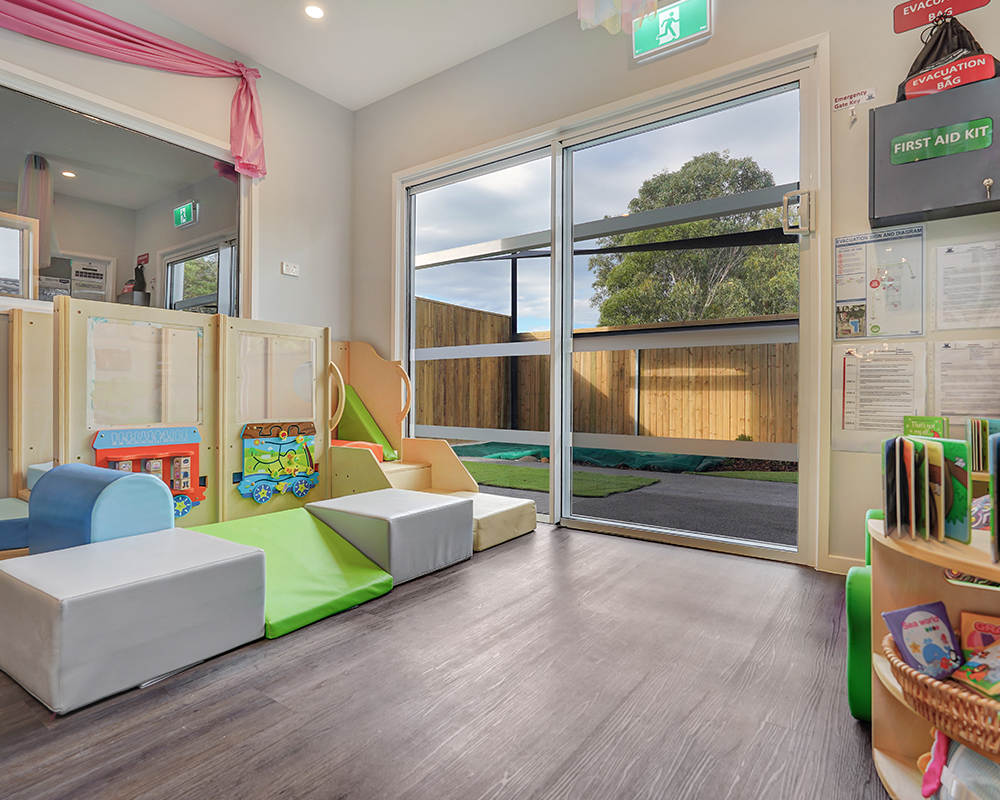
In the wake of increasing claims and litigation, underwriters view childcare as a high-risk category. For instance, a center with 60 enrolled children might pay $10,000–$15,000 annually for comprehensive coverage, sometimes more in high-risk states. In addition, policies often require specific facility upgrades such as fire alarms, secured entries, and safety equipment, all of which add indirect costs.
But even the most compliant programs cannot escape rising rates. Since 2020, commercial liability premiums in the childcare sector have increased roughly 30 percent nationwide, outpacing inflation. This upward trend directly translates into higher daycare costs for families.
Home-based providers face similar challenges. Although their total premiums are lower, coverage is often bundled with homeowners or renters insurance, creating complications if policies exclude childcare-related claims. Some states now require additional riders, further inflating costs.
For parents, these expenses rarely appear itemized on invoices, but they’re embedded in tuition. Whether paying $900 or $2,000 per month, families indirectly fund risk management that protects everyone involved. In a country as litigious as the U.S., insurance is not optional it’s survival.
So when asking why childcare is so expensive, insurance deserves more attention. It’s a financial safeguard for rare but catastrophic events, and in today’s environment, that peace of mind carries a steep price.
Employee Recruitment and Training
Another crucial factor behind why childcare is so expensive is the struggle to attract and retain qualified staff. The childcare workforce is among the lowest-paid segments of the education sector, yet the work demands exceptional responsibility, patience, and training.
According to the U.S. Bureau of Labor Statistics, the median annual wage for childcare workers in 2024 was just $29,000, barely above the federal poverty line for a family of four. Meanwhile, public-school kindergarten teachers earn roughly double that figure. As a result, many talented educators leave the field for higher-paying opportunities in public education or private tutoring.

Training also contributes to higher childcare costs. Every staff member must complete CPR, first aid, mandated reporter training, and early childhood education coursework. States such as Illinois and Massachusetts require annual continuing-education hours to maintain licensure. Tuition reimbursement and paid training time represent a direct expense to providers.
When centers raise pay to remain competitive, those costs are passed to parents through tuition hikes. According to Child Care Aware of America’s 2024 Report, wages have risen nearly 25 percent since 2019, with the average cost of infant daycare increasing proportionally.
Some progressive centers are experimenting with profit-sharing or subsidized college programs to retain staff, but these innovations remain rare. Without systemic wage reform or stronger subsidies, the economics of quality childcare will continue to pressure providers and parents alike. As long as staffing remains underpaid yet indispensable, the human cost will remain a major reason why childcare is so expensive.
Good Childcare Matters
Despite all these costs, one truth remains: good childcare is worth it. The final reason why childcare is so expensive may also be the most positive it reflects the value of quality care and education.
Decades of developmental research show that early childhood experiences shape lifelong outcomes. Children in high-quality care environments exhibit stronger language skills, emotional regulation, and academic performance through elementary school. In this sense, childcare is both a service and an investment.
The challenge for American families is balancing that long-term value with short-term affordability. Parents don’t just pay for supervision; they pay for professional educators who foster curiosity, social development, and empathy. The average cost of childcare per month may feel crushing, but much of it supports training, curriculum design, and enrichment programs that benefit children profoundly.
Good childcare also benefits society at large. Every dollar invested in early education returns multiple dollars in future productivity, reduced social-service spending, and stronger labor participation. When families can access reliable, affordable childcare, parents especially mothers are more likely to stay employed, boosting GDP and tax revenue.
Still, value alone doesn’t make care affordable. Until public policy aligns with economic reality, the U.S. will continue to face a paradox: a service that’s both essential and unaffordable. Understanding why childcare is so expensive is the first step toward reform because when parents, providers, and policymakers see the full picture, sustainable solutions become possible.
Frequently Asked Questions (FAQs)
1. Why is childcare so expensive in the U.S.?
Childcare is costly because of high labor requirements, strict staff-to-child ratios, limited government funding, and rising operational expenses. Unlike K-12 education, childcare relies primarily on private payment rather than public investment.
2. How much does childcare cost per month in the U.S.?
The average childcare cost per month ranges from $800 in lower-cost states to more than $2,500 in cities like Washington, D.C. The national average for infant care is around $1,300 monthly.
3. Why are daycares so expensive compared to schools?
Public schools receive government funding and tax support, whereas daycares are privately financed. Daycares must also maintain low teacher-to-child ratios, which increases the per-child cost of care.
4. How does location affect childcare prices?
In high-cost regions such as California and Massachusetts, daycare prices reflect high wages and real estate costs. Rural states may be cheaper but often have fewer providers, limiting options for families.
5. What is the average cost of daycare for an infant?
Nationally, the average cost of infant daycare is between $1,200 and $1,800 per month, depending on state regulations and provider type.
Conclusion
Childcare in America is not expensive by accident; it’s pricey by design. Each factor, from staffing mandates to legal compliance, adds legitimate value while inflating cost. Labor, insurance, training, and regulatory complexity make running a center both noble and financially challenging.
The takeaway is that why childcare is so expensive isn’t a mystery; it’s a reflection of systemic choices. When society underfunds early education, the cost shifts to parents. When safety and quality are prioritized, they require real investment.
If the U.S. aims to support working families and strengthen the next generation, the solution isn’t to cut corners; it’s to fund care as the public good it truly is. Until then, parents will continue to navigate one of the highest childcare costs in the developed world, searching for a balance between affordability and the promise of a better future for their children.