Many educators know the importance of holding young children’s attention. In a preschool setting, curiosity is high and focus can shift quickly. During circle time or transitions, getting kids to stop and listen often takes more than just a raised voice. This is where attention getters for kids play a key role. They gently redirect focus and turn scattered energy into moments of learning.
This article looks at why attention getters matter, how to use them effectively, and which methods work best in early education. We’ll also explore how preschool furniture can support these strategies by reducing distractions and encouraging structure. Whether you’re just starting out or refining your approach, mastering attention in the classroom makes learning smoother and more joyful.
Why Attention Getters Matter in the Classroom
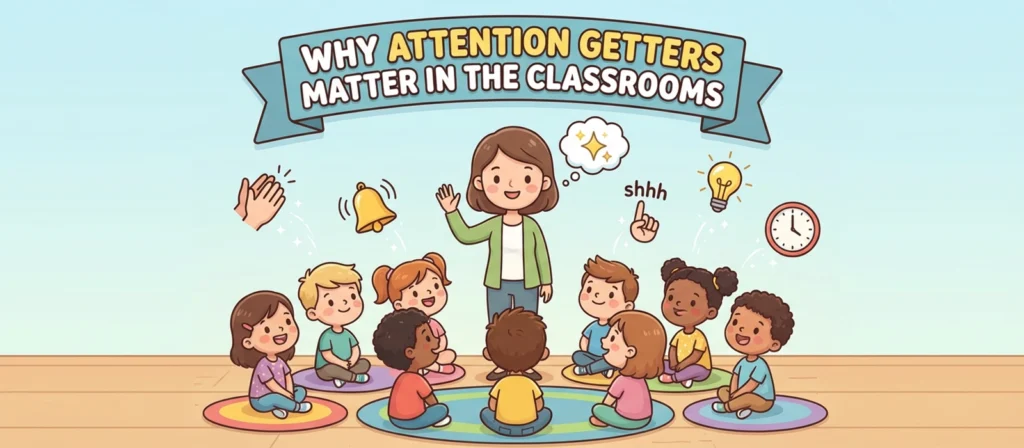
In any preschool classroom, the ability to gain children’s attention quickly and calmly is essential. Attention getters act as gentle transitions, helping shift children from play to focus, from movement to listening. These small moments shape a smoother, more responsive classroom flow.
Good attention getters for kids do more than get children to look up. Used regularly, they create a rhythm that children learn to follow. A simple call-and-response like “1, 2, 3—eyes on me” becomes a reliable signal. Over time, children connect these cues with specific behaviors, such as pausing, looking, and listening. This consistency supports emotional security and helps build cooperative routines, key aspects of strong preschool classroom management.
The benefits of using attention getters are far-reaching and support many aspects of a successful early childhood classroom. These include:
- Smoother Transitions: Clear attention signals reduce confusion when moving from one activity to another, minimizing downtime and helping students stay on track.
- Positive Behavior Reinforcement: Instead of shouting or repeating instructions, teachers can use engaging cues to redirect behavior in a calm and constructive way.
- Increased Engagement: Fun or rhythmic attention getters appeal to children’s sense of play and help bring their focus back to the teacher in a non-threatening manner.
- Support for Emotional Regulation: Familiar routines provide children with structure, which fosters a sense of security and predictability.
- Stronger Teacher-Student Connection: Consistent verbal and visual signals build a shared language between educators and children, enhancing mutual understanding.
Attention getters also contribute to a respectful classroom culture. Instead of raising your voice, a creative cue redirects energy in a positive way.
Why Do Children Have Difficulty Concentrating in Class?
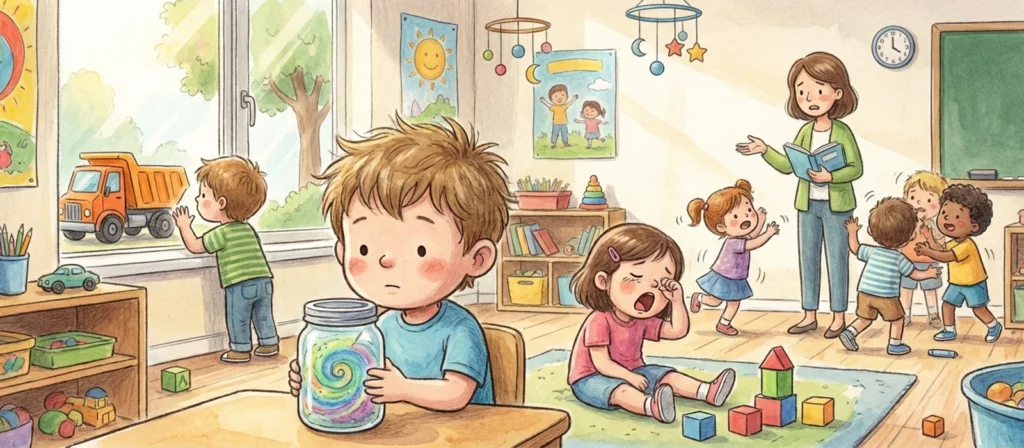
Before introducing attention getters for kids, it’s important to understand why young children often struggle to stay focused in classroom settings. Knowing the reasons behind inattention helps teachers respond with patience and the right strategies.It can also help children develop daily routines.
Common Reasons for Difficulty Concentrating:
- Developmental Readiness
Young children are still building their ability to focus for extended periods. Their brains are wired for movement, exploration, and short bursts of attention. - Sensory Overload
Bright lights, loud noises, or a cluttered classroom can overwhelm a child’s senses, making it harder to stay attentive to instructions or group activities. - Lack of Clear Routines
Without consistent transitions and classroom rhythms, children may not know what is expected, which leads to confusion and wandering attention. - Emotional Discomfort
Children who feel anxious, hungry, or insecure may find it difficult to concentrate. Their emotional needs often take priority over external directions. - Too Much Sitting Still
Long stretches without physical movement can cause restlessness. Young learners need frequent opportunities to move their bodies to reset their focus. - Minimal Engagement
If a lesson or task does not connect with a child’s interests or feels too difficult, their attention naturally drifts elsewhere.
Understanding these factors helps educators approach preschool classroom management with more empathy and creativity. With the right tools, even the most distracted child can learn to pause, listen, and participate more fully.
20 Creative Attention Getters for Kids
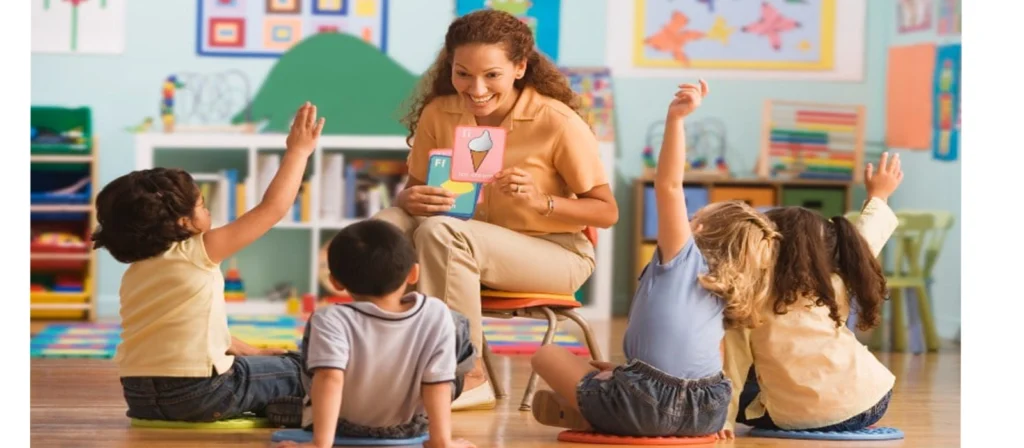
1. Clap and Repeat
A classic and effective method where the teacher claps a rhythmic pattern and children repeat it back. This simple auditory cue immediately signals a transition or the need for focus, even in large or noisy groups. It reinforces active listening and auditory memory, while encouraging group participation in a non-verbal way. Over time, it becomes a reliable tool for smooth classroom flow.
- Age Group: 3–6 years
- Materials Needed: None
2. Lights Off, Eyes Up
Temporarily turning off the classroom lights captures attention instantly without saying a word. When paired with a calm voice saying “Eyes up here,” it creates a strong contrast that cuts through distractions. This sensory shift quickly quiets the room and resets the energy. Especially helpful during moments of overstimulation or loud free play sessions.
- Age Group: 4–6 years
- Materials Needed: Classroom with controllable lighting
3. Magic Carpet Squares
Each child has a soft square mat or small rug designated as their “magic carpet.” When the teacher calls out “Find your magic carpet,” children know to move quickly and quietly to their spots. This method creates personal space, minimizes wandering, and reinforces self-regulation. The mats also support structure during group time or story sessions, key components of strong preschool classroom management.
- Age Group: 3–5 years
- Materials Needed: Individual carpet squares or mats
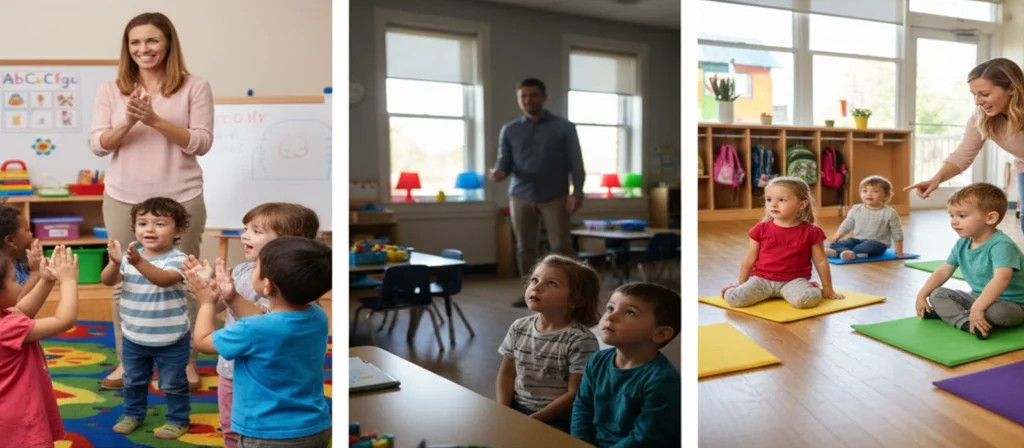
4. Musical Freeze
Play an upbeat tune during activity time. When the music stops, children must freeze their bodies and make eye contact with the teacher. This game-like method blends movement and listening, and is ideal for regaining focus after physical play. It introduces self-control in a fun, engaging way and becomes one of the most memorable attention getters for kids when practiced consistently.
- Age Group: 3–6 years
- Materials Needed: Speaker or musical toy
5. Countdown from 5
Slowly counting down from five to one, with fingers held up, builds anticipation and focus. Children learn that when the teacher reaches “one,” they must be still and silent. This countdown structure becomes a predictable auditory signal for transitions, especially helpful when gathering students in open classroom spaces. Repetition builds habit and reduces the need for reminders.
- Age Group: 3–6 years
- Materials Needed: None
6. Table Tap and Sit
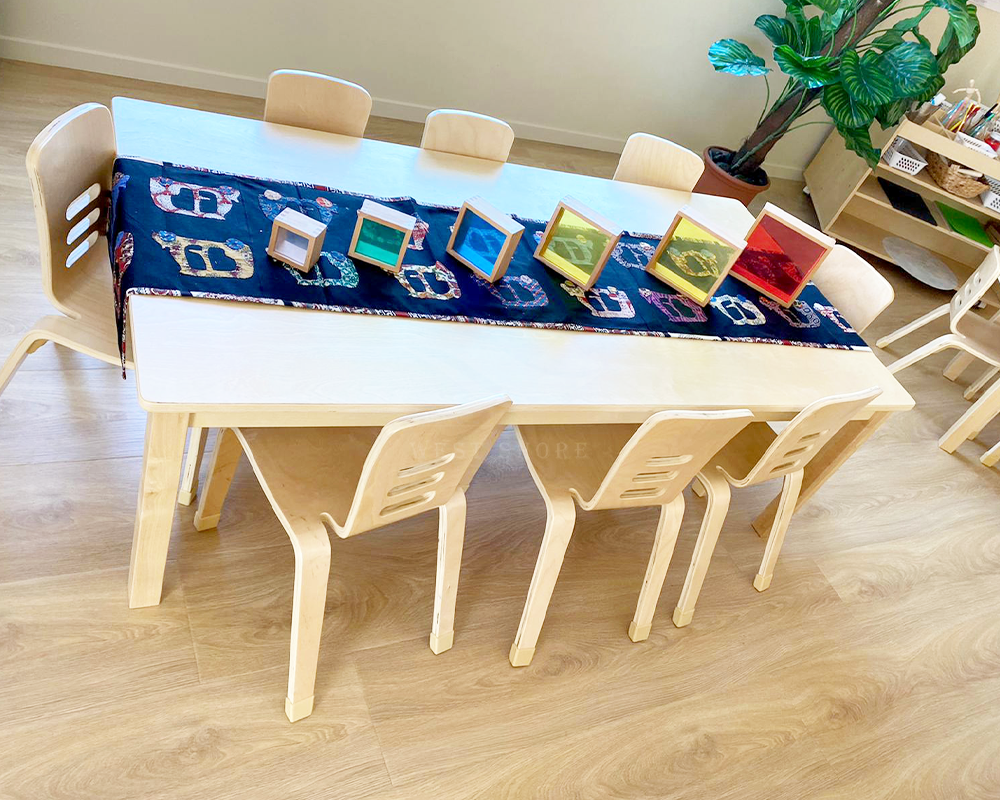
A gentle tap on a shared classroom table signals children to stop chatting and sit upright. This physical sound cue is particularly effective in small group settings like snack or art areas. It minimizes verbal repetition and uses the furniture itself as a passive attention tool. Ideal for teaching situational behavior in zones that tend to get noisy.
- Age Group: 3–6 years
- Materials Needed: Wooden or plastic tables
7. Puppet Says Listen
Bring out a small puppet character who “speaks” for the teacher. Children become excited to hear instructions from a friendly animal or puppet friend. This imaginative strategy lowers resistance and increases engagement, especially during story time or routine reminders. It’s also effective for shy children who respond better to playful, indirect communication.
- Age Group: 3–5 years
- Materials Needed: Hand or finger puppet
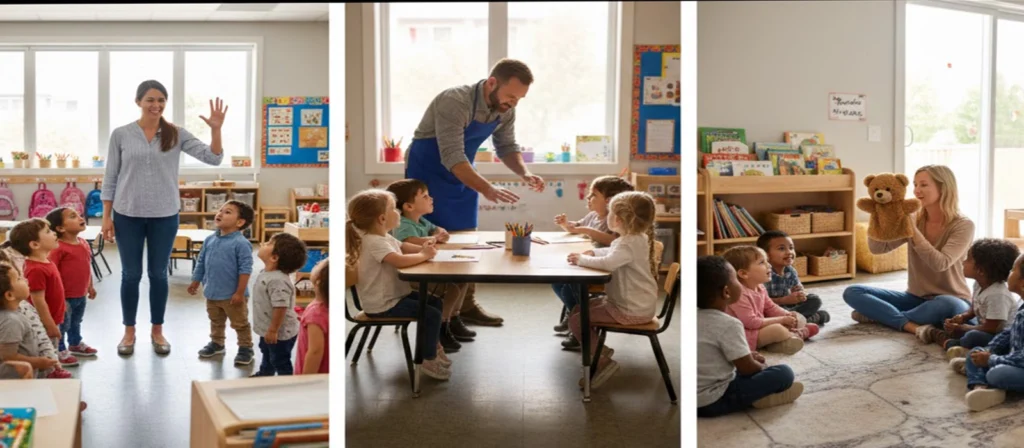
8. Chair Turn Challenge
Tell children to “turn and face your chair” as a subtle way to help them settle down. As they turn and sit correctly, it signals the end of play or group activity and the beginning of listening time. This method promotes awareness of personal space and strengthens association between furniture positioning and classroom behavior expectations.
- Age Group: 3–5 years
- Materials Needed: Preschool-sized chairs
9. Color Code Bell
Assign different color-coded bells or chimes to various zones of the classroom. Ringing a specific bell tells children to clean up or rotate centers. This reduces the need for shouting across the room and gives children clear, non-verbal structure. It’s especially powerful in Montessori or Reggio-inspired setups with multiple active learning spaces.
- Age Group: 4–6 years
- Materials Needed: Small bells or chimes
10. Whisper Chain
Start a quiet whisper message and pass it around the circle. Children love the challenge of listening closely and repeating softly, which naturally brings down the noise level. This attention getter fosters listening skills and builds patience, while keeping kids curious and engaged without raising your voice.
- Age Group: 4–6 years
- Materials Needed: None
11. Line Leader Tap
Before transitioning to the hallway or another activity, quietly tap the chosen line leader on the shoulder. This silent signal prompts them to stand up and model calm, ready-to-move behavior for the rest of the class. It avoids group noise and teaches peer leadership. This simple technique reinforces positive attention and respectful movement in shared spaces.
- Age Group: 4–6 years
- Materials Needed: None
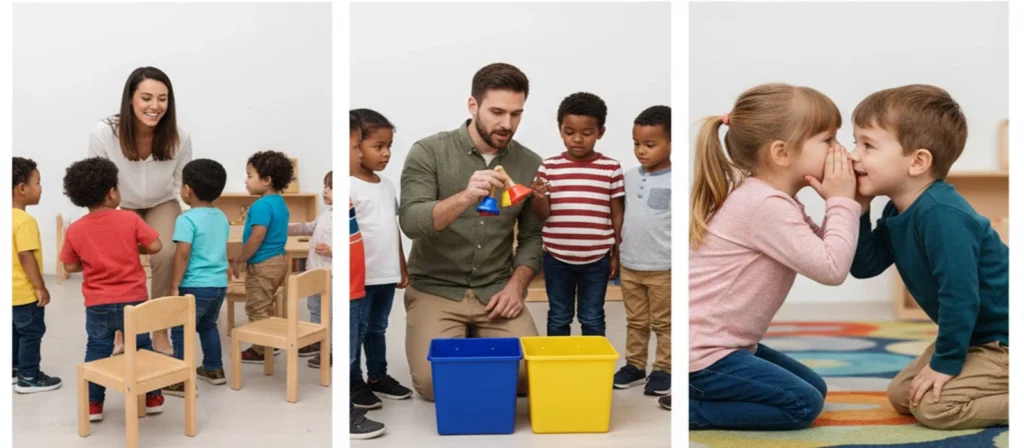
12. “Find and Freeze” with Classroom Rugs
Instruct children to move quietly to a designated shape or color zone on the classroom rug, then freeze in place. This playful technique combines gross motor control with spatial awareness. It works especially well with rugs that have built-in patterns like squares, circles, or letters. Using existing furniture design as part of classroom routines supports stronger environmental cues.
- Age Group: 3–5 years
- Materials Needed: Patterned classroom rug
13. Story Chair Signal
Designate a special, cozy teacher chair in the reading area. Whenever the teacher sits down on it, students know it’s time for listening. This physical signal becomes a non-verbal prompt to quiet down. Over time, it helps children associate specific furniture with calm, focused behavior, reinforcing an orderly and emotionally safe space for shared storytelling.
- Age Group: 3–6 years
- Materials Needed: Teacher reading chair
14. Clean-Up Song Cue
Sing or play a familiar tune like “Clean-up, clean-up, everybody everywhere” to signal the end of play. When children hear the song, they begin to put toys away and return materials to shelves. It reduces the stress of abrupt transitions and supports independence. Consistent use of music reinforces routines and strengthens overall preschool classroom management.
- Age Group: 2–5 years
- Materials Needed: Clean-up song audio or teacher-led singing
15. Eye Spy with Furniture
Use the phrase “I spy with my little eye…” to highlight children who are modeling expected behavior, such as sitting properly in a blue chair or folding hands at a red table. This fun observational game draws focus and offers subtle praise. It also connects physical classroom elements to behavior recognition, reinforcing attention through real objects in the room.
- Age Group: 3–5 years
- Materials Needed: Colored chairs or identifiable furniture
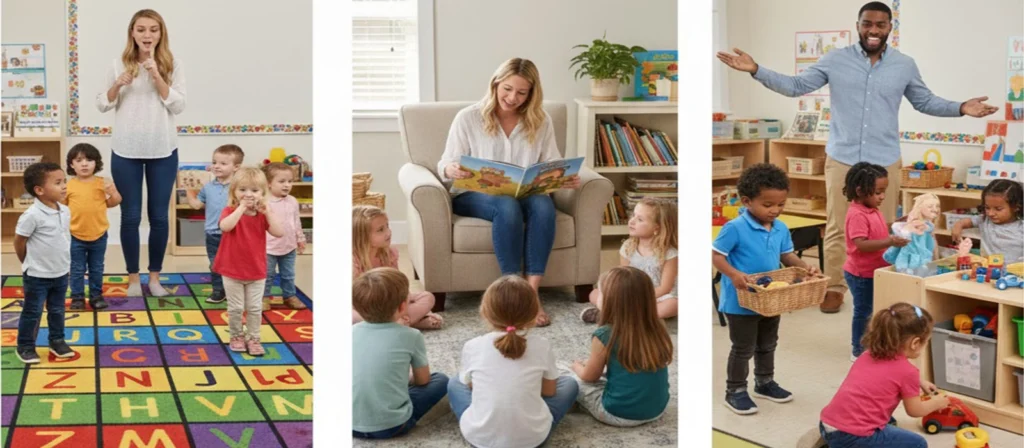
16. Toy Tambourine Cue
Use a toy tambourine as a pleasant-sounding auditory signal. One tap may mean “look at the teacher,” while two taps mean “line up.” Over time, children begin to associate specific rhythms with actions. This strategy is especially helpful during free play or clean-up times when verbal cues may be drowned out by ambient noise.
- Age Group: 3–6 years
- Materials Needed: Tambourine or hand percussion toy
17. Touch the Table, Tap the Floor
This rhythmic body cue game involves light movement and pattern repetition. Children copy the teacher’s gestures: “Touch the table, tap the floor, hands on knees, eyes forward.” It resets classroom focus and offers a short physical outlet. Using furniture within the routine helps center energy while reinforcing body control and listening.
- Age Group: 3–6 years
- Materials Needed: Classroom tables or desks
18. Sensory Bin Reset
After a sensory play session, cue the children to return all tools and materials to the bin using the phrase “Time for a sensory reset!” This visual and tactile routine helps children recognize the end of an activity and prepares them for the next. Incorporating toy cleanup as part of an attention-getting strategy supports independence and environmental responsibility.
- Age Group: 3–5 years
- Materials Needed: Sensory bins with scoops, containers, and filler materials
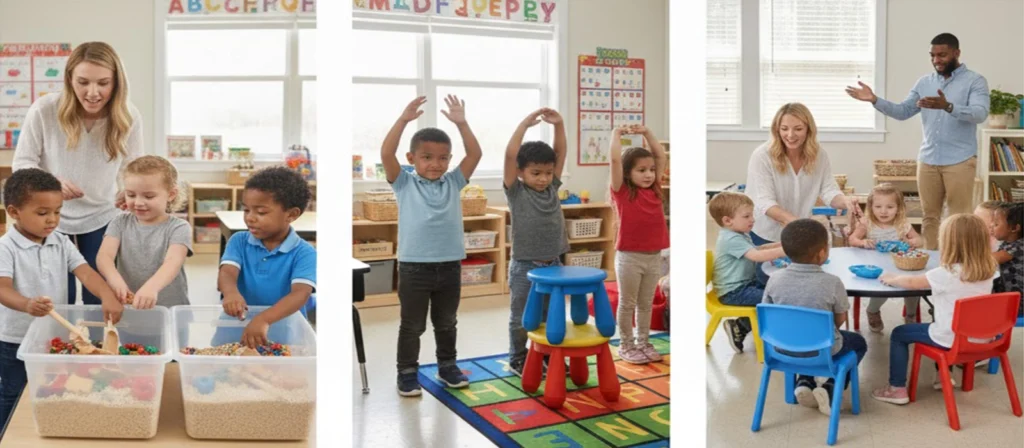
19. “Rainbow Hands” Pose
Ask children to raise both hands in an arc shape over their heads like a rainbow, then freeze in that position. This quiet, visual signal gives everyone a shared posture to imitate, increasing group focus without noise. It encourages calm body awareness and is especially useful after transitions or before story time.
- Age Group: 3–6 years
- Materials Needed: None
20. Stack and Sit
During clean-up or transition, children are instructed to gently stack their stools or chairs and then sit in a circle or on a rug. This routine promotes responsibility while involving furniture in the process. It also reduces clutter quickly and efficiently. Used consistently, it becomes one of the most effective attention getters for kids tied to physical structure.
- Age Group: 4–6 years
- Materials Needed: Stackable stools or lightwei
Preschool Furniture That Helps Kids Focus
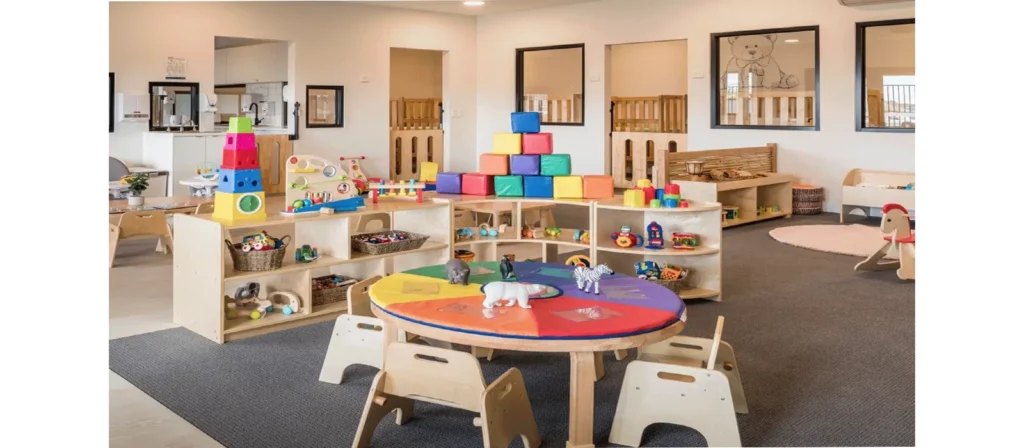
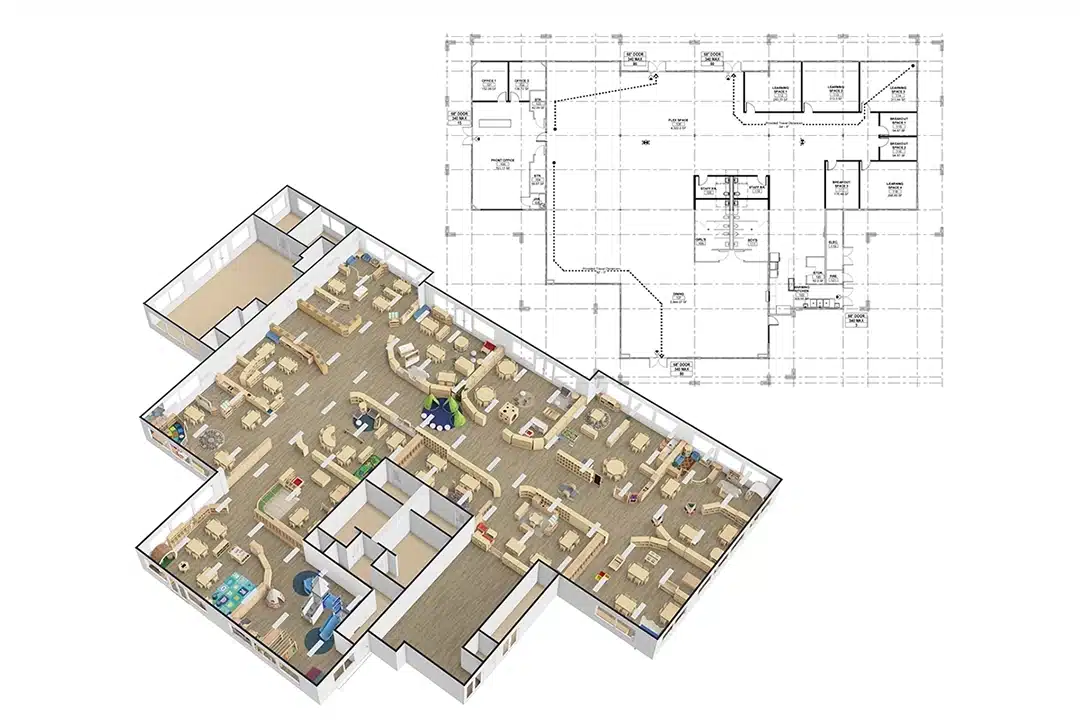
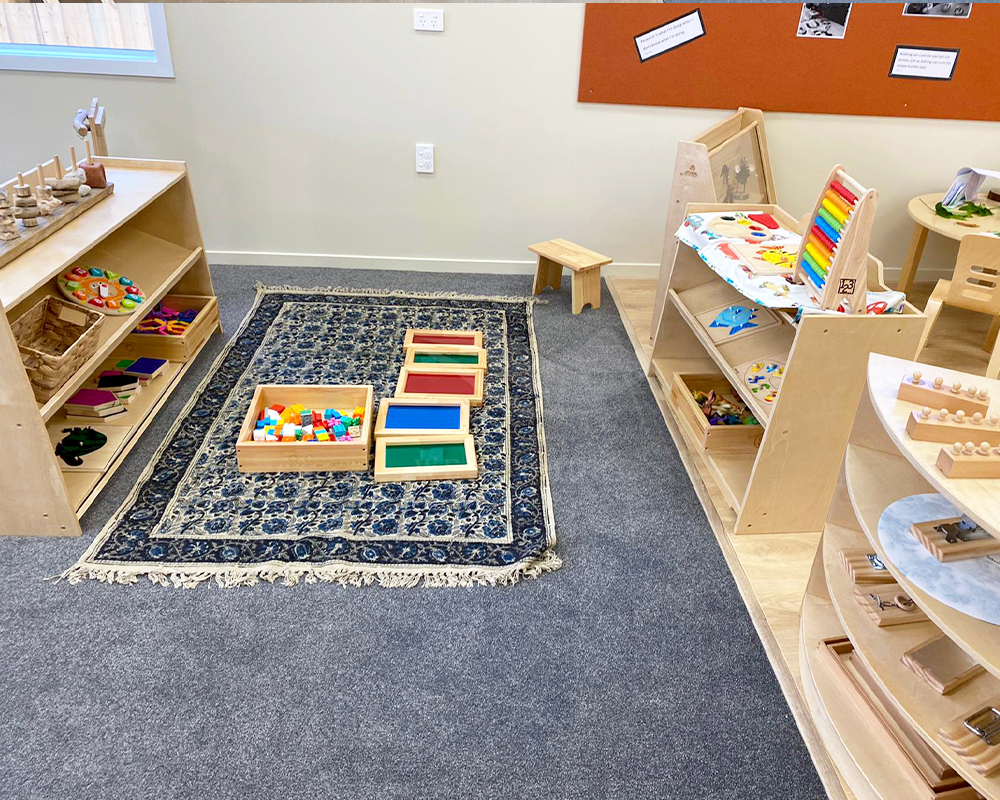
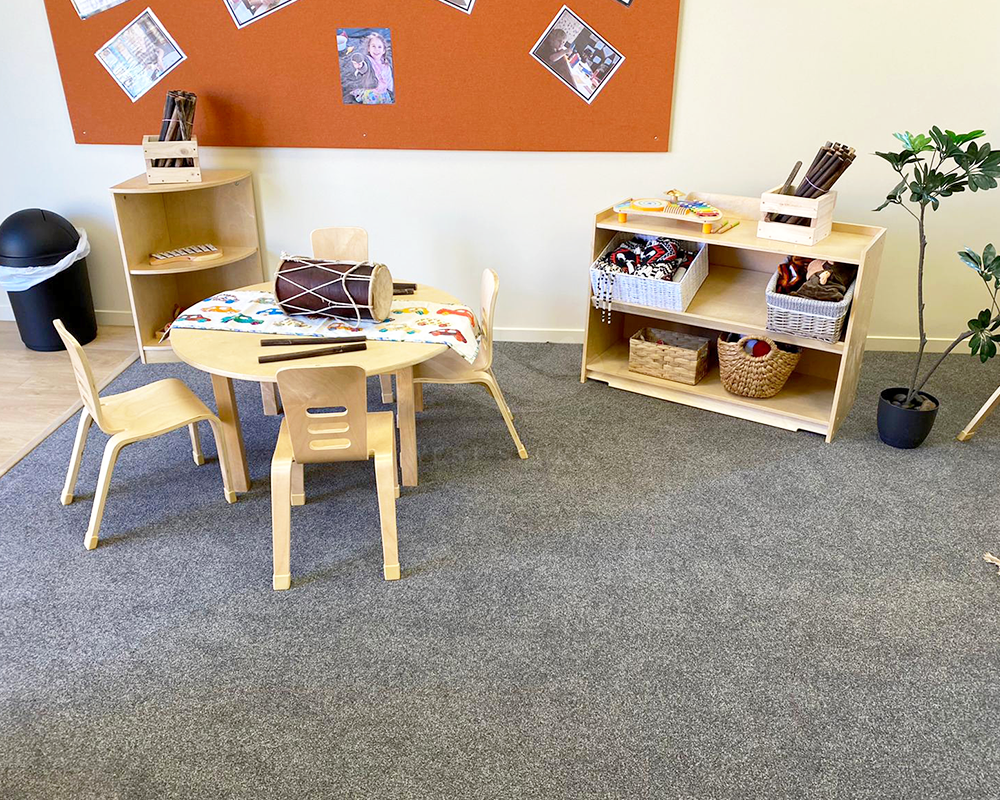
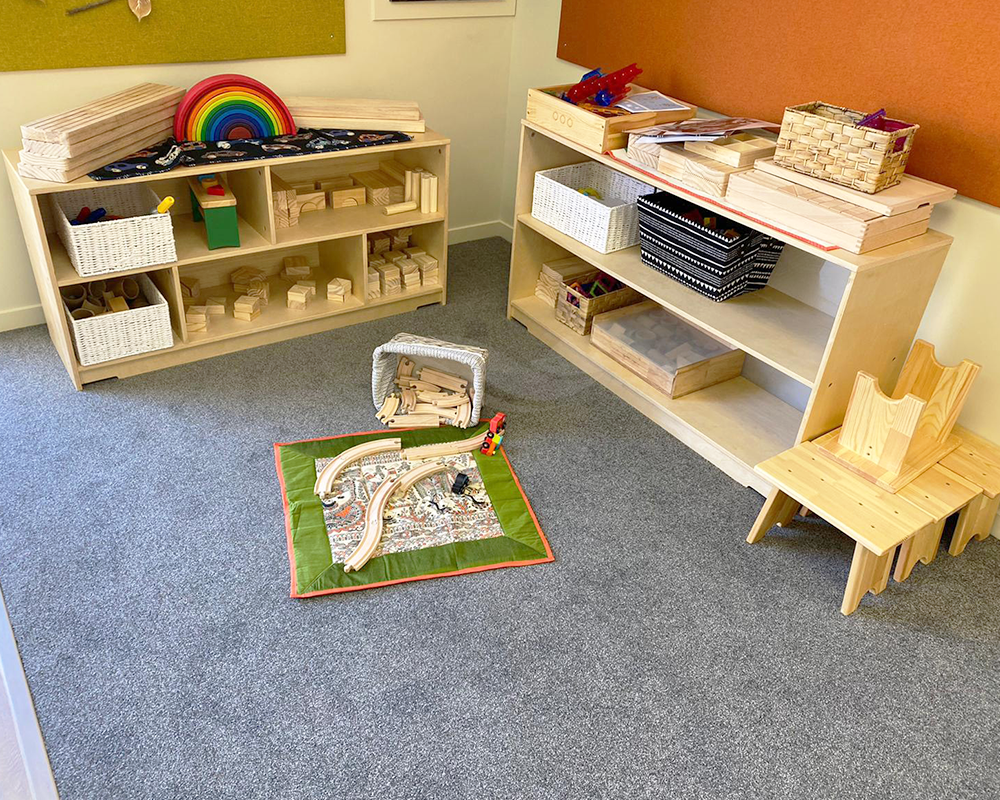
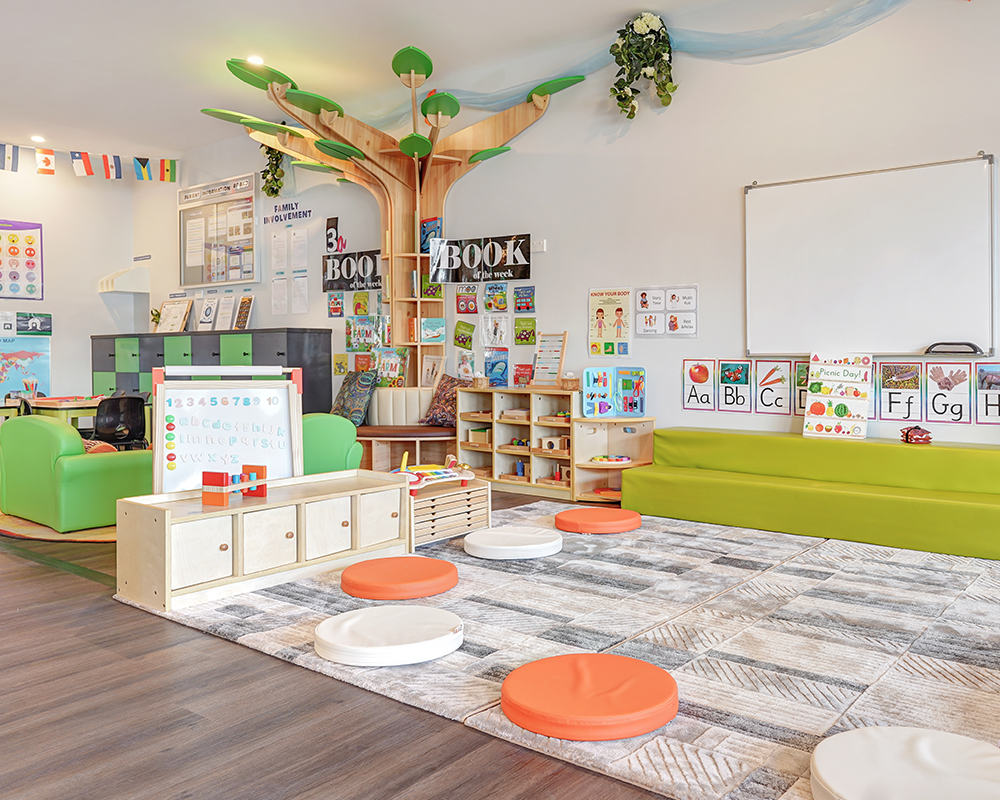
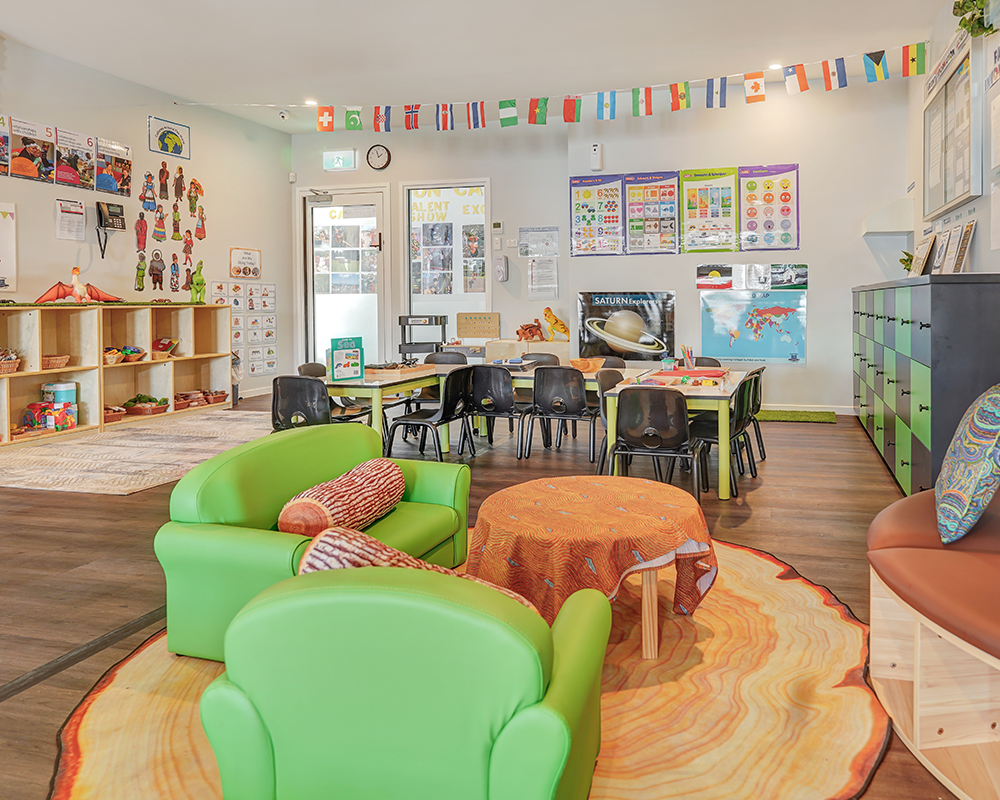
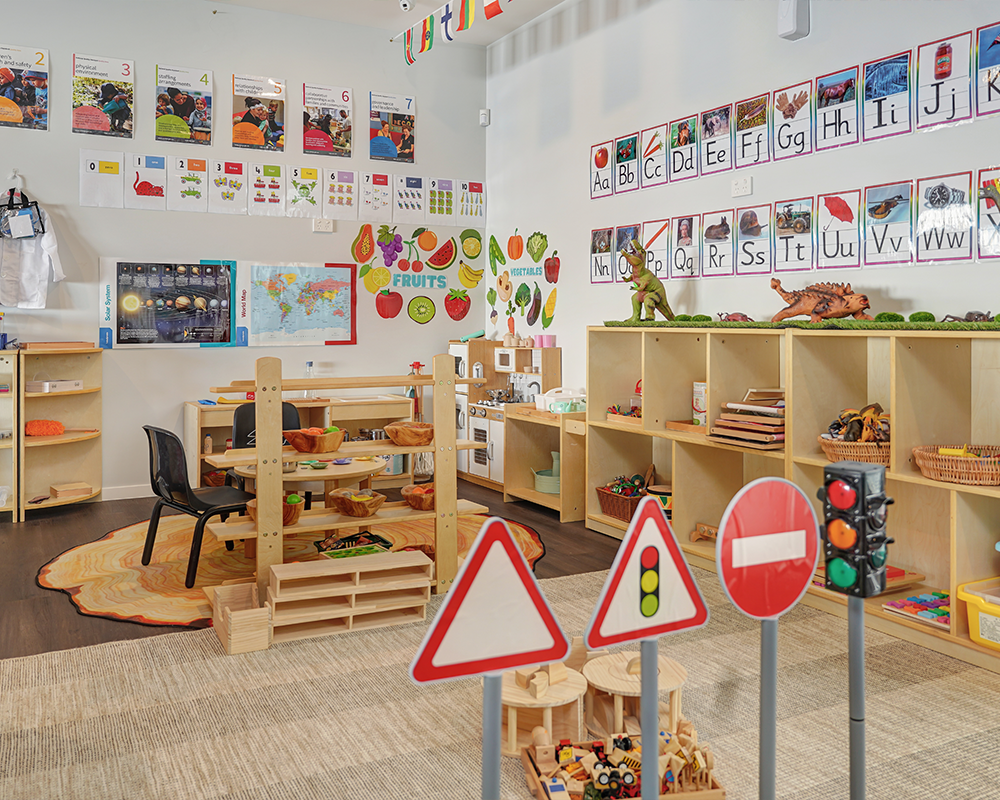
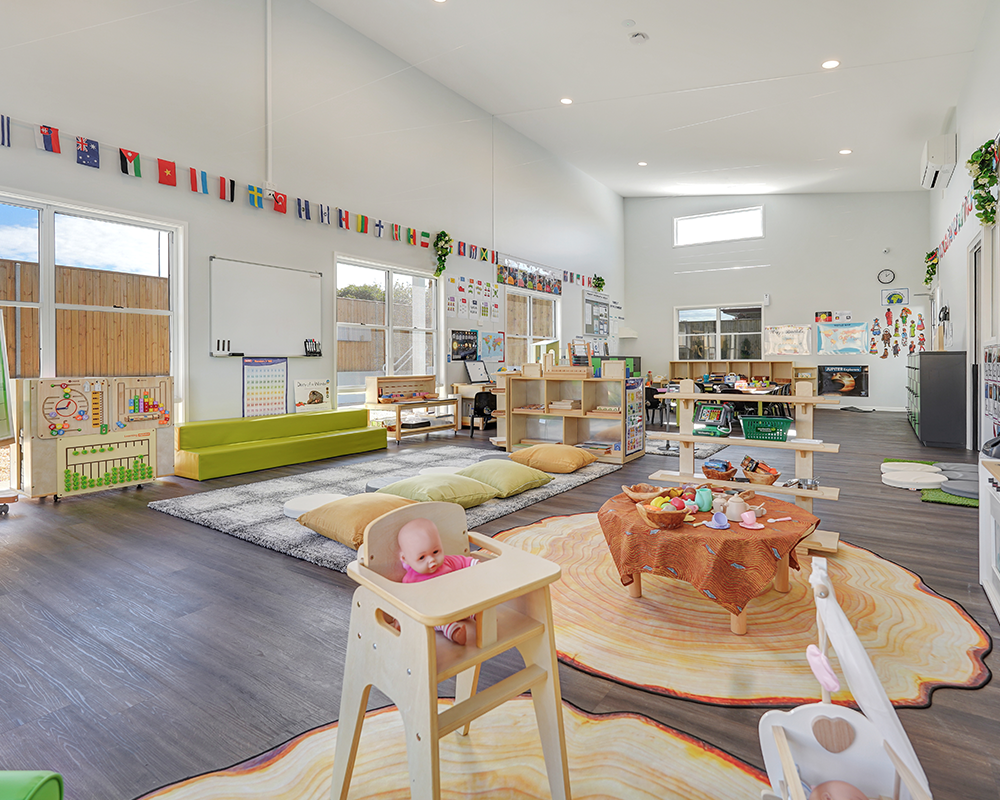
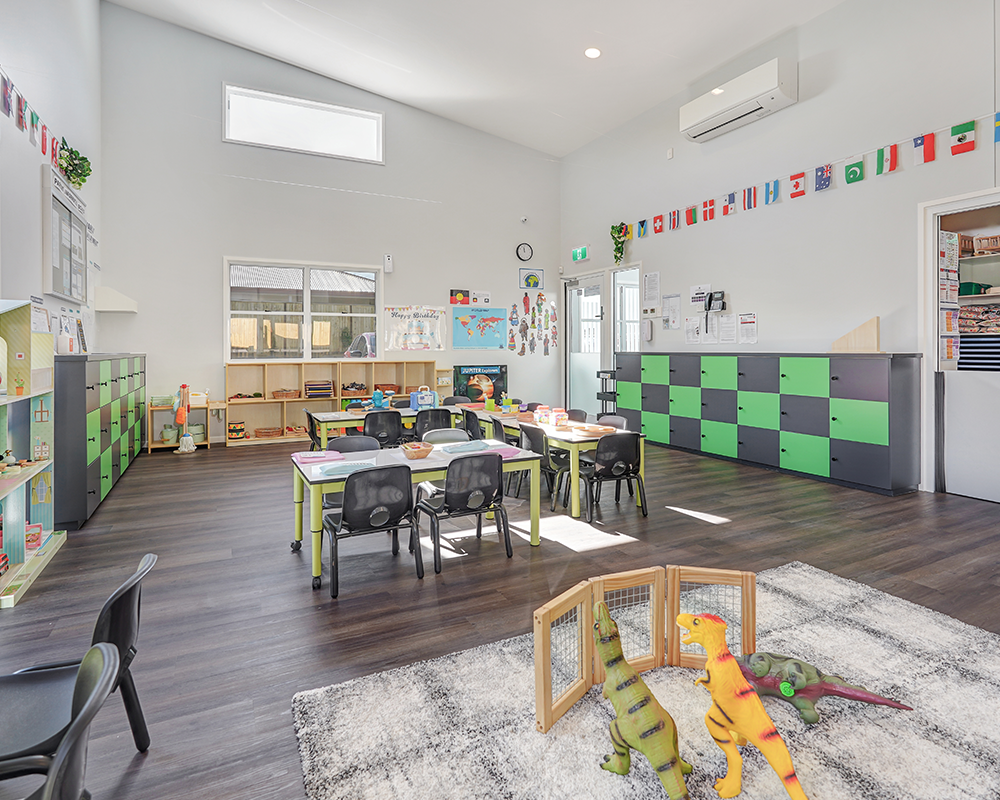
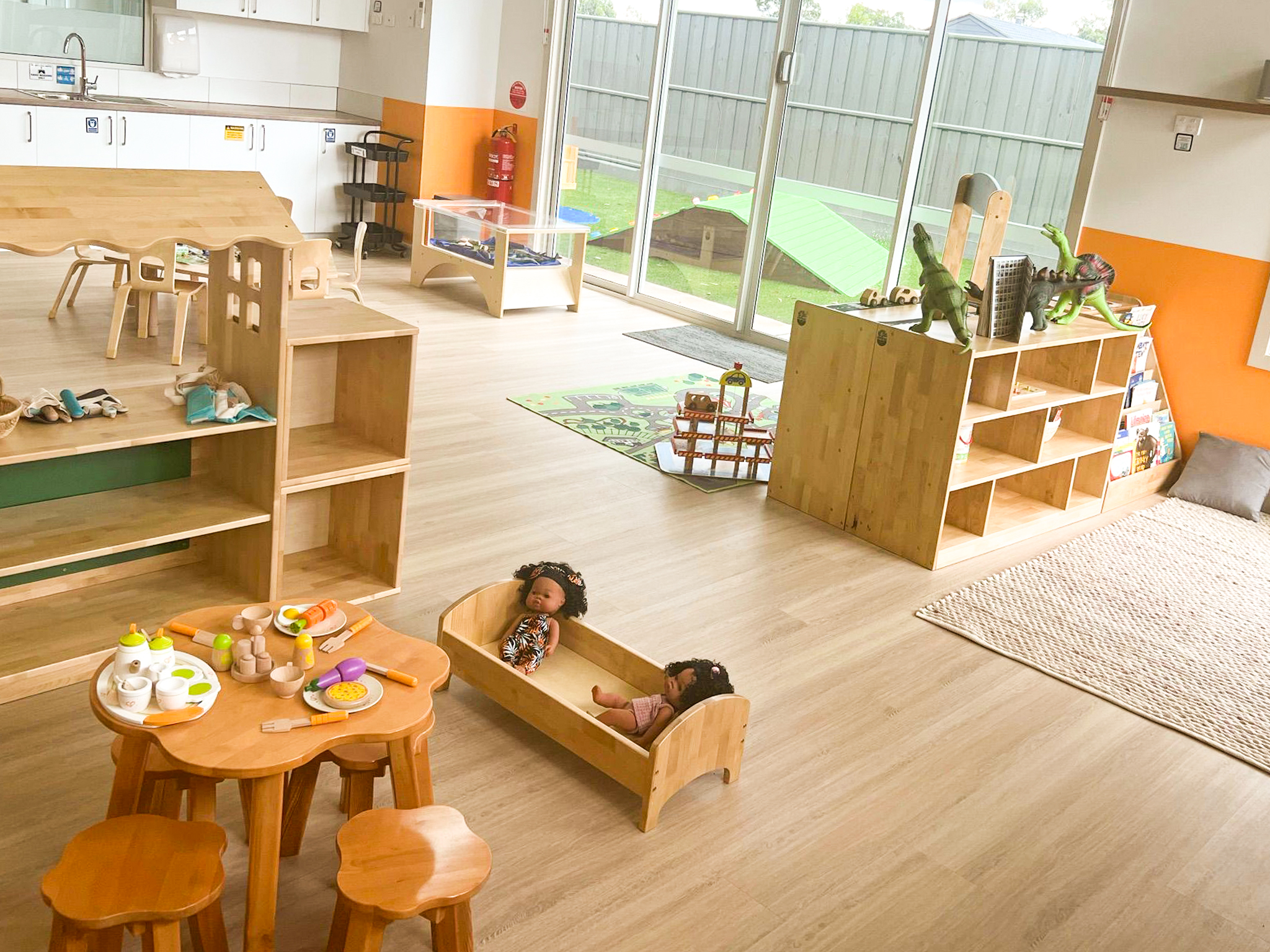
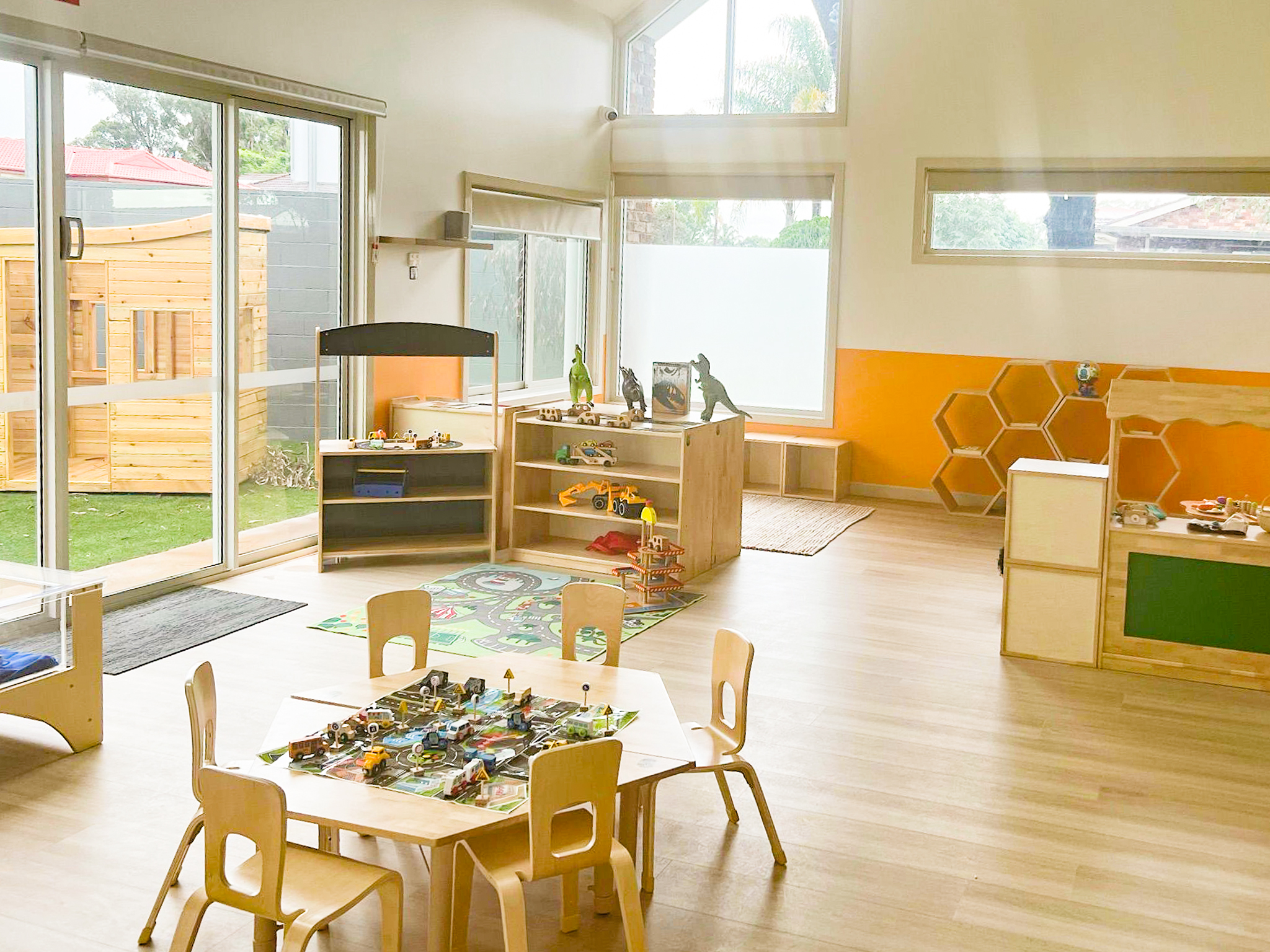
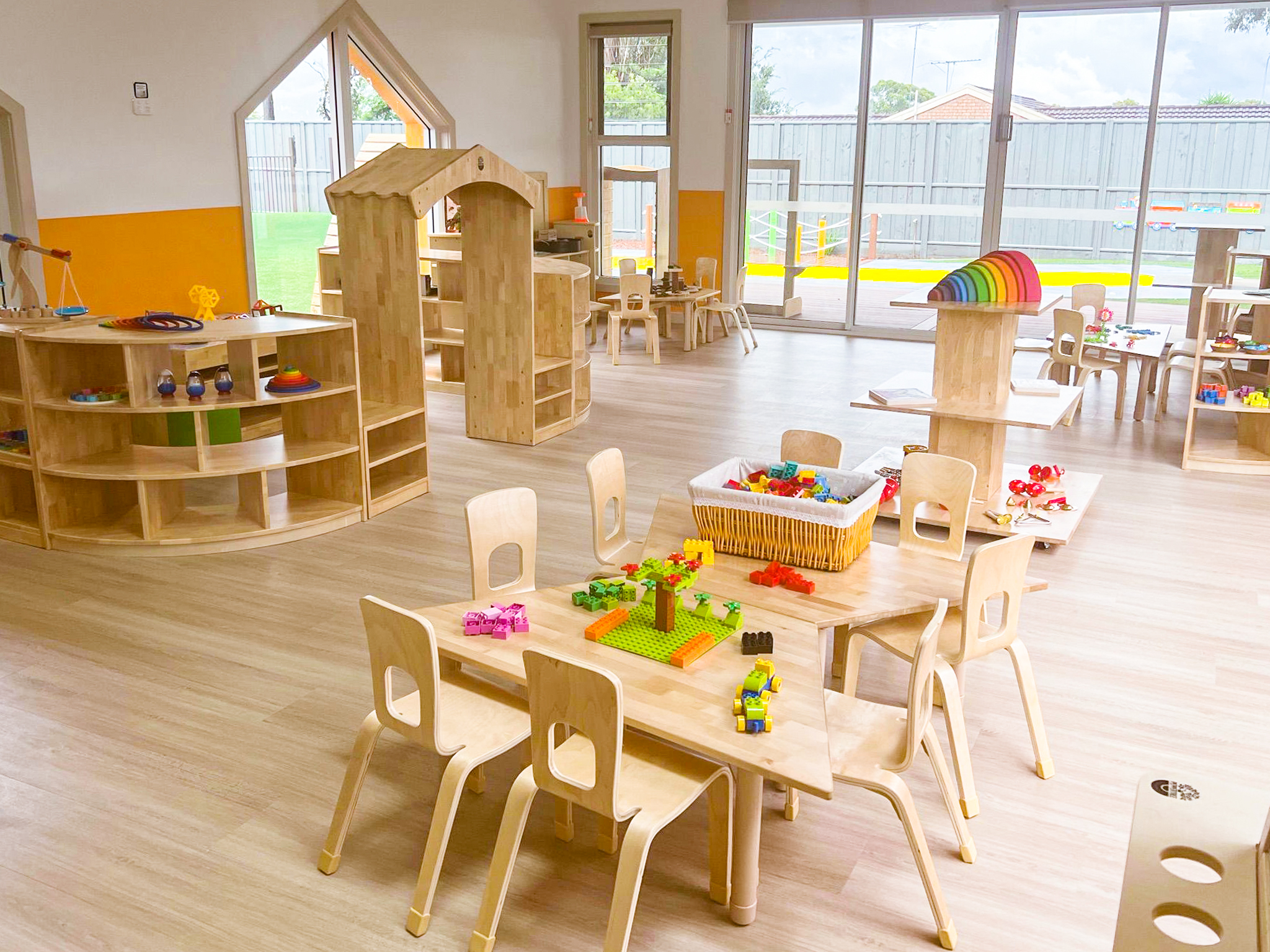
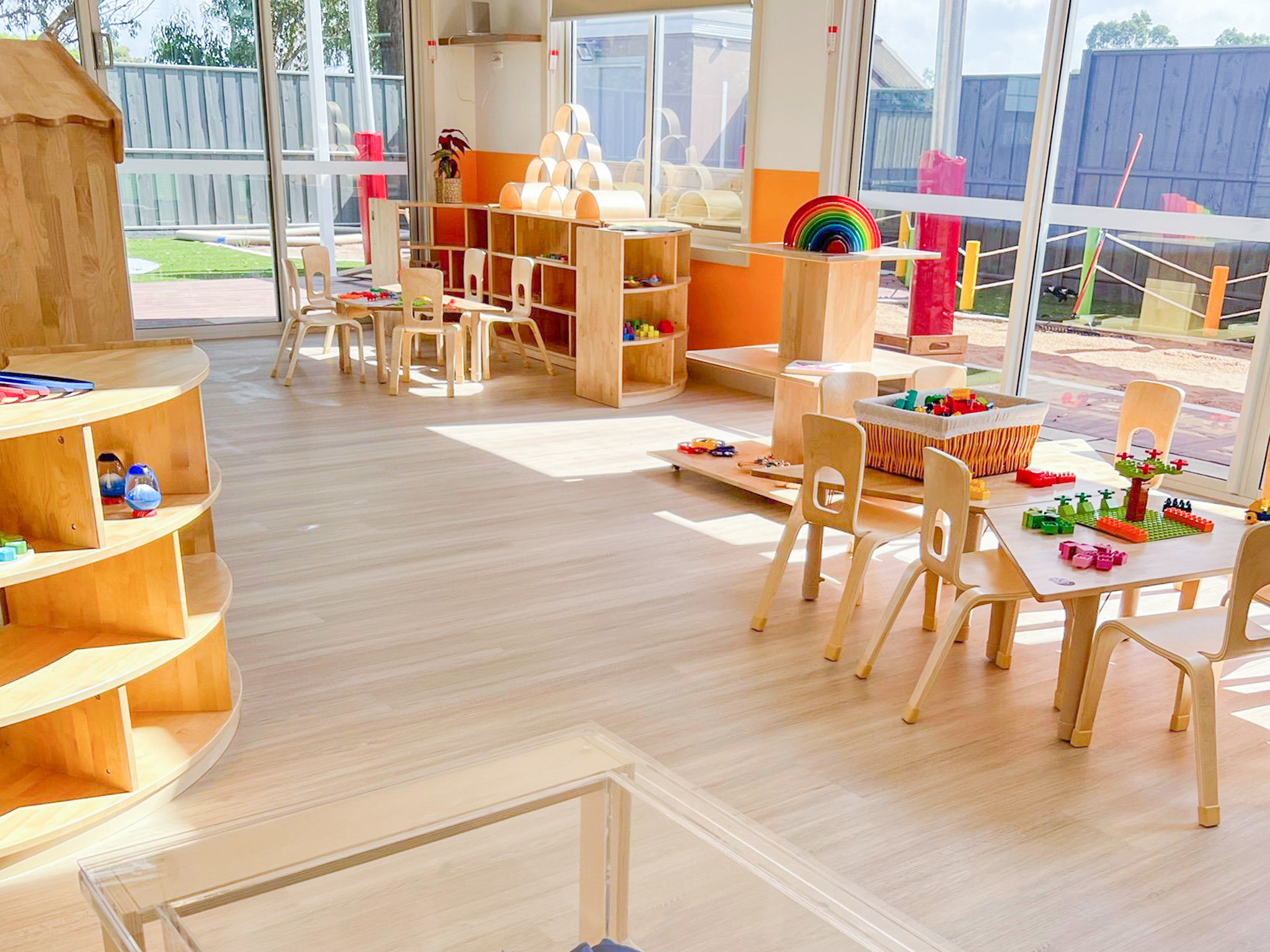
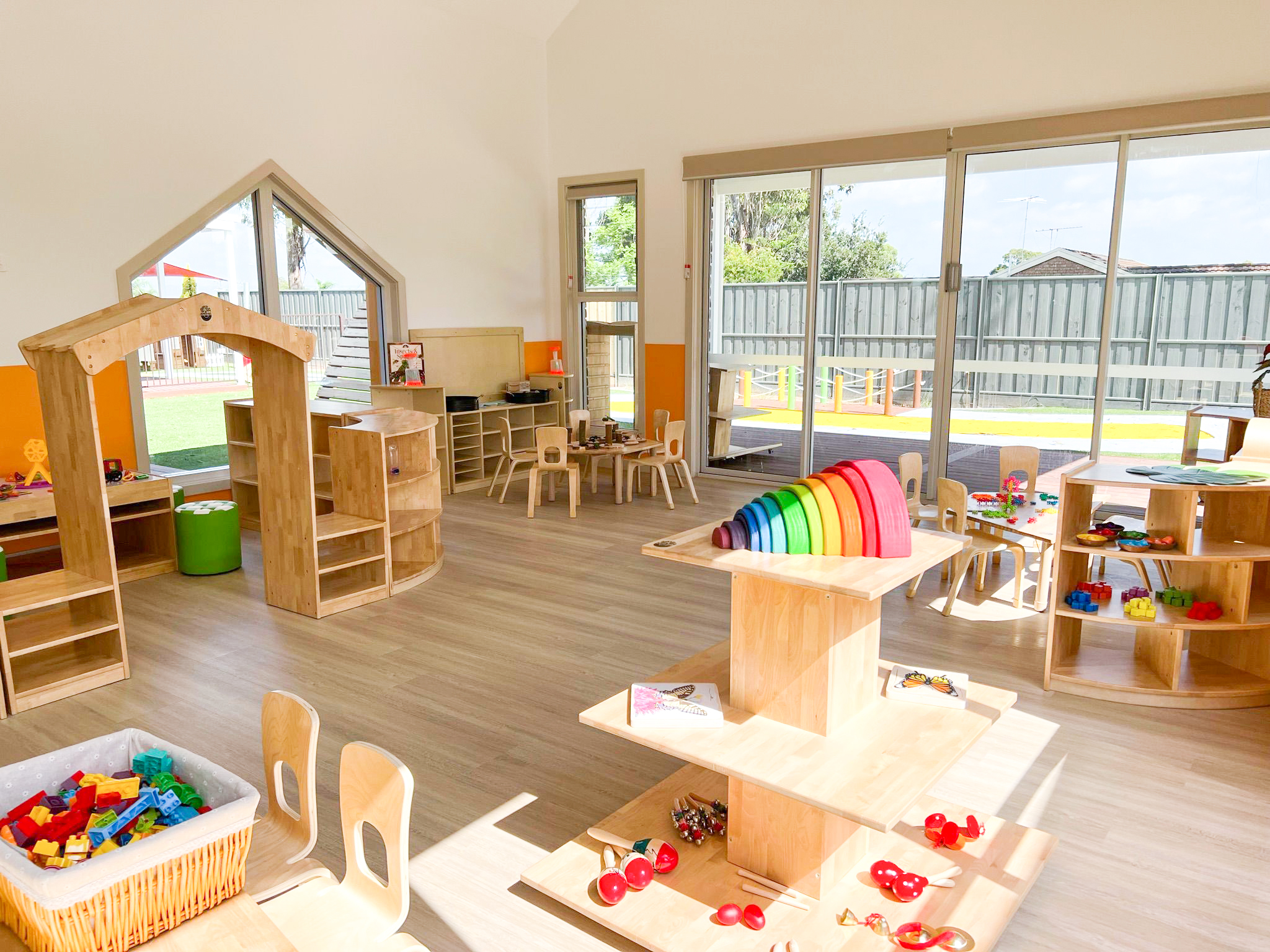
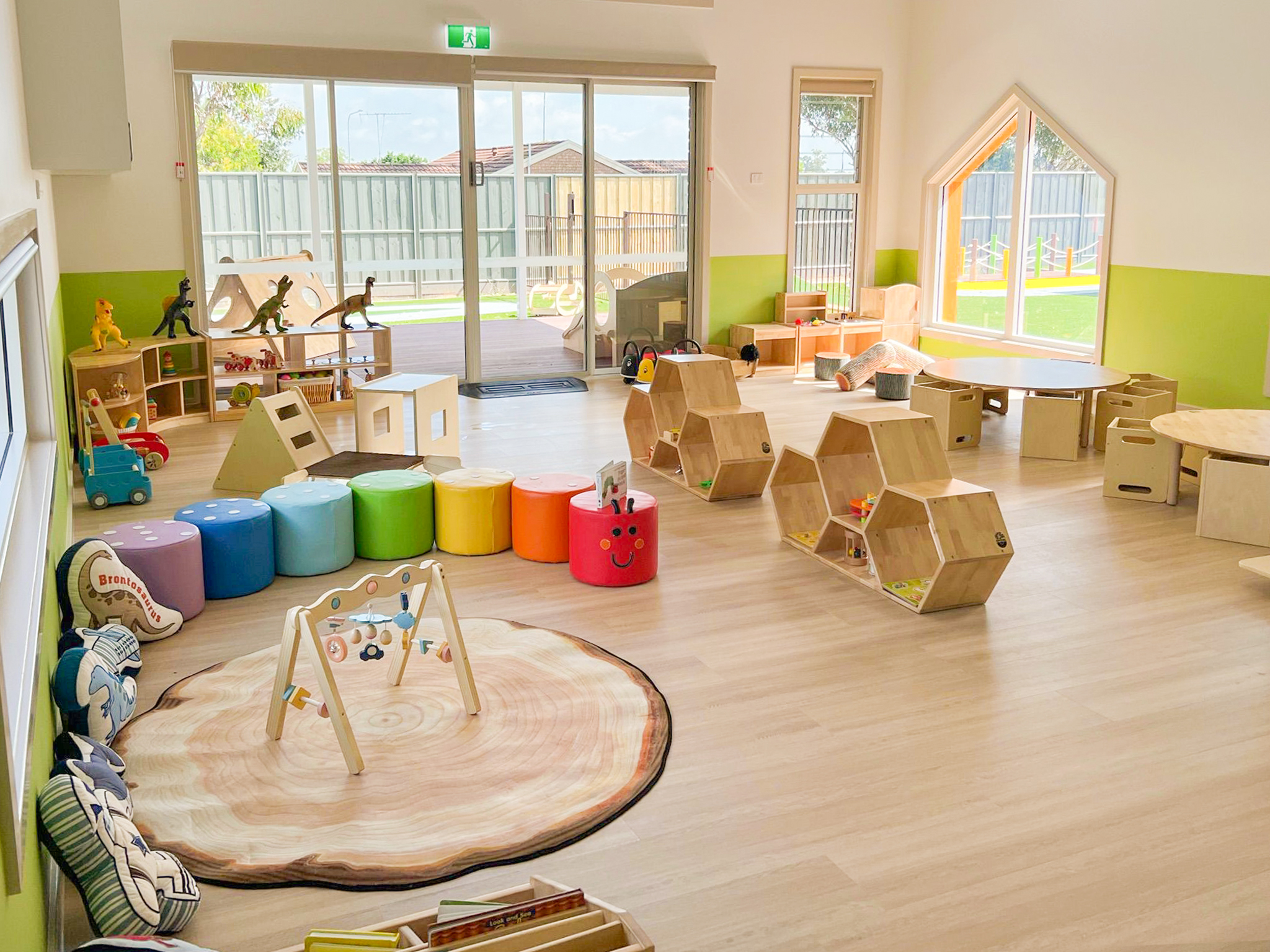
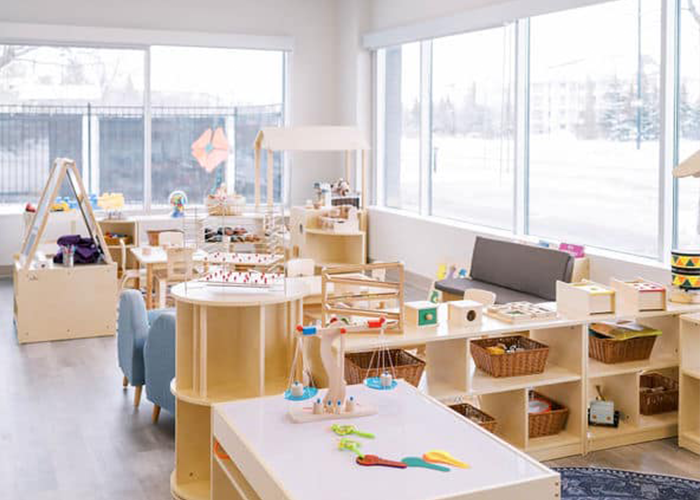
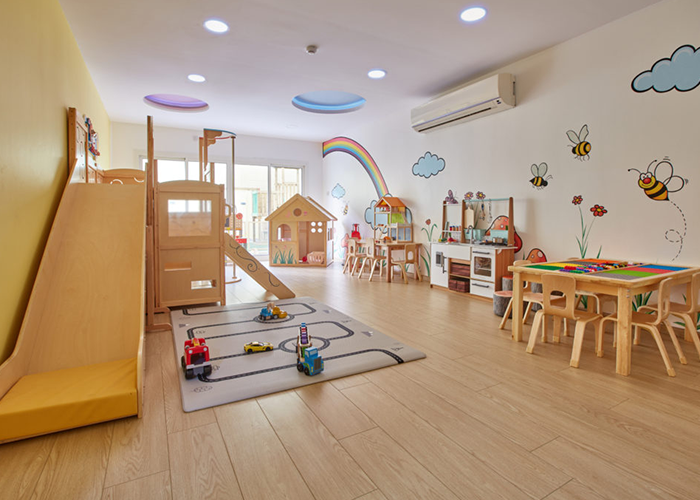
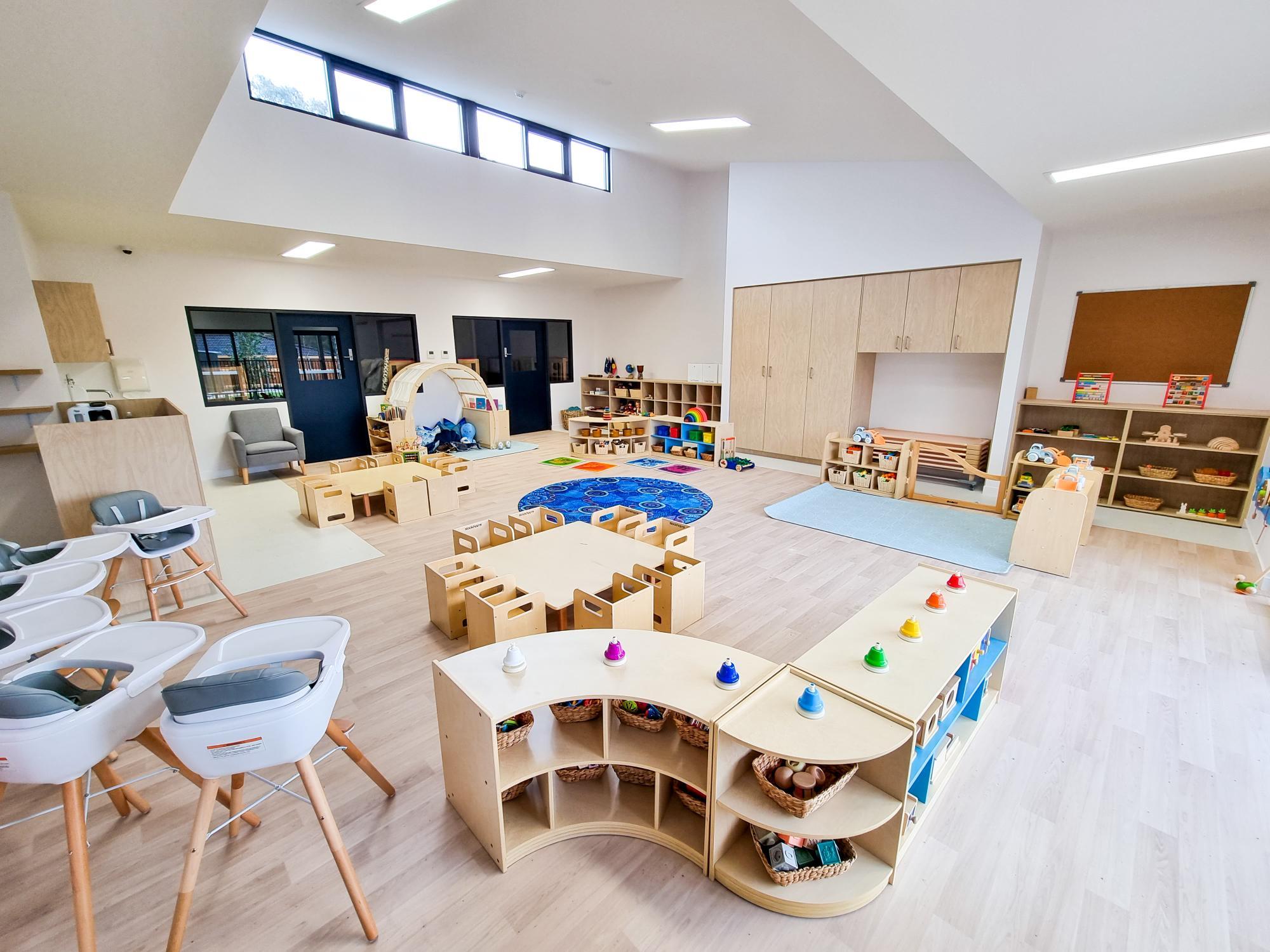
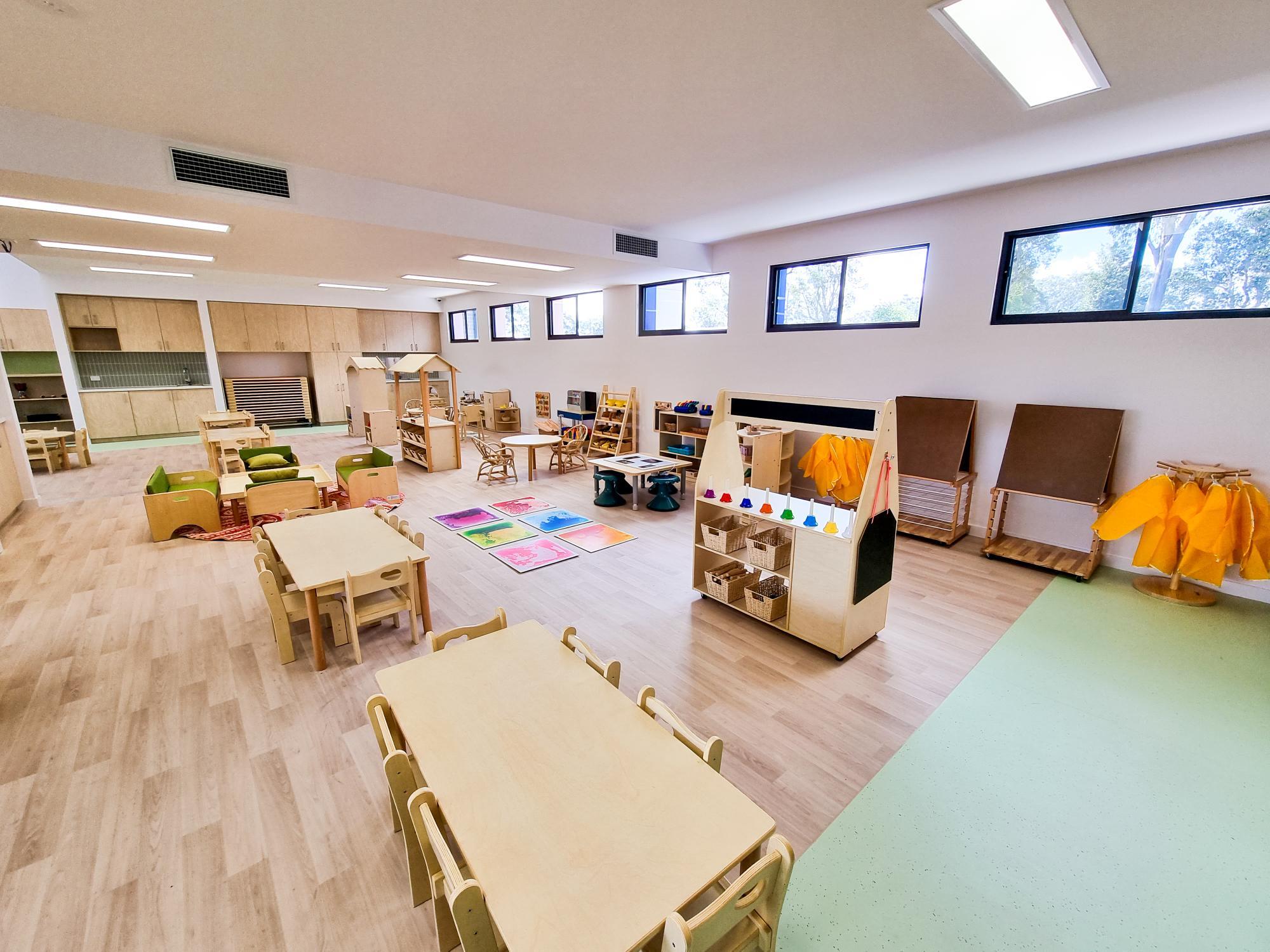
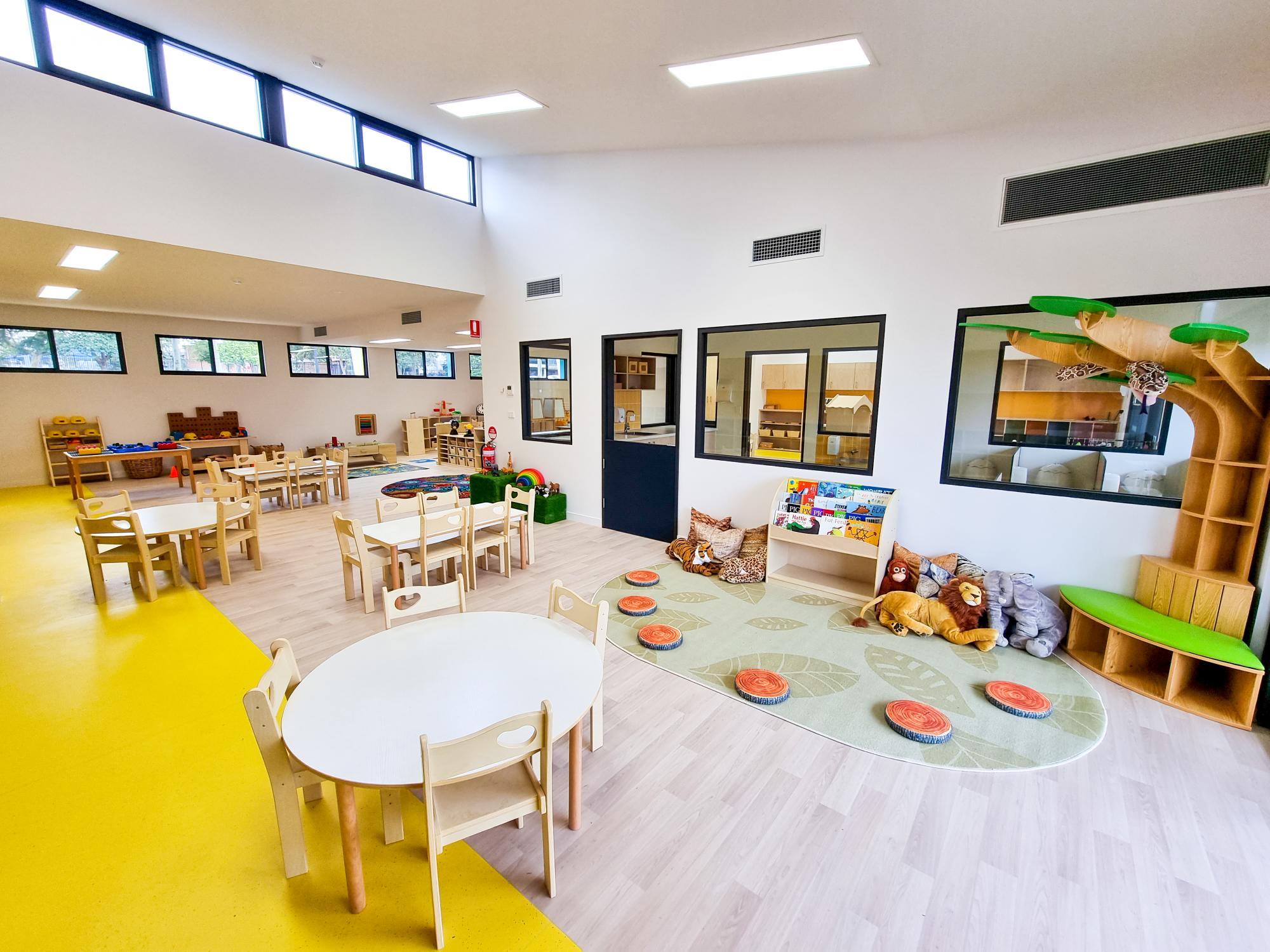
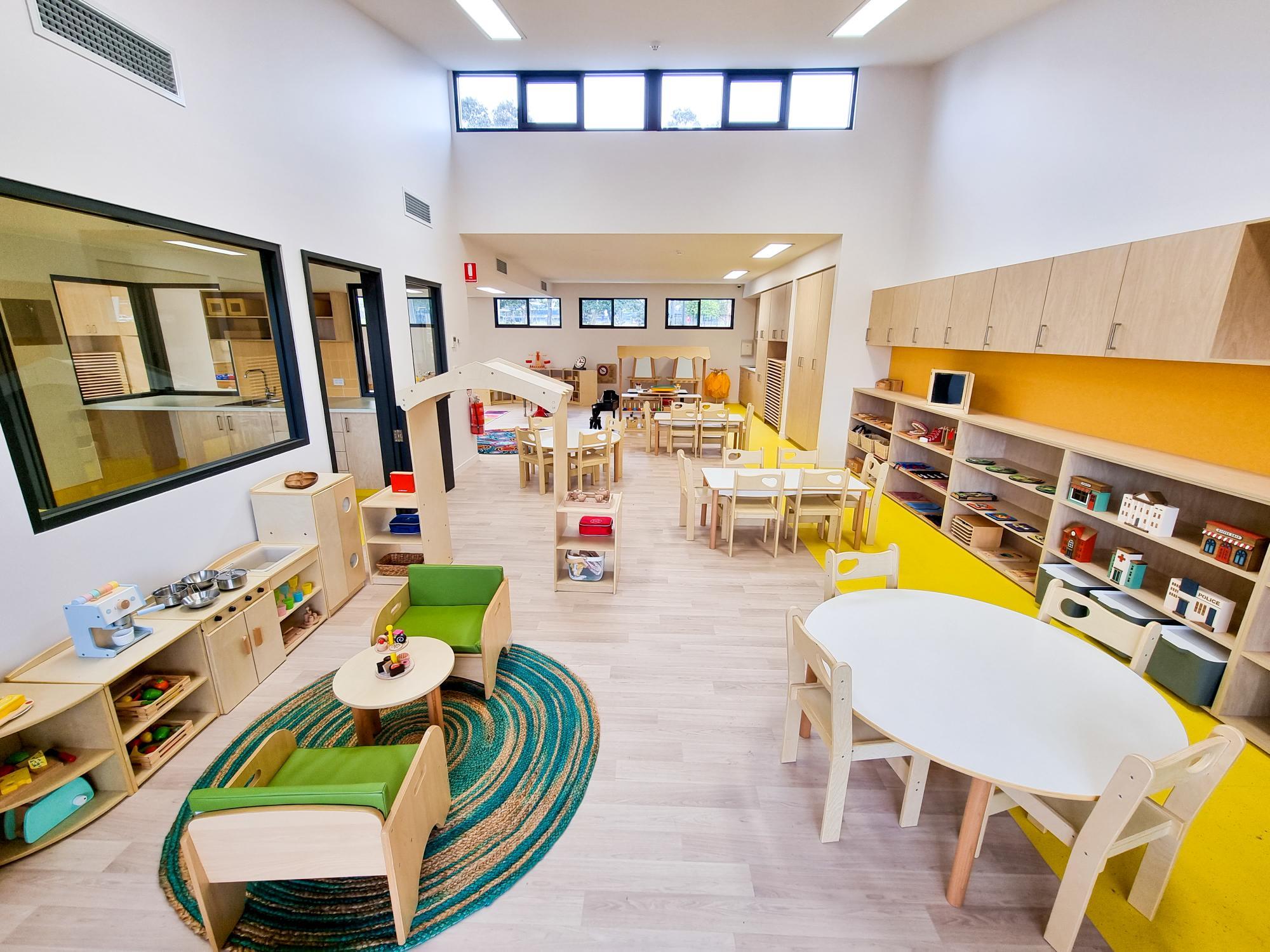
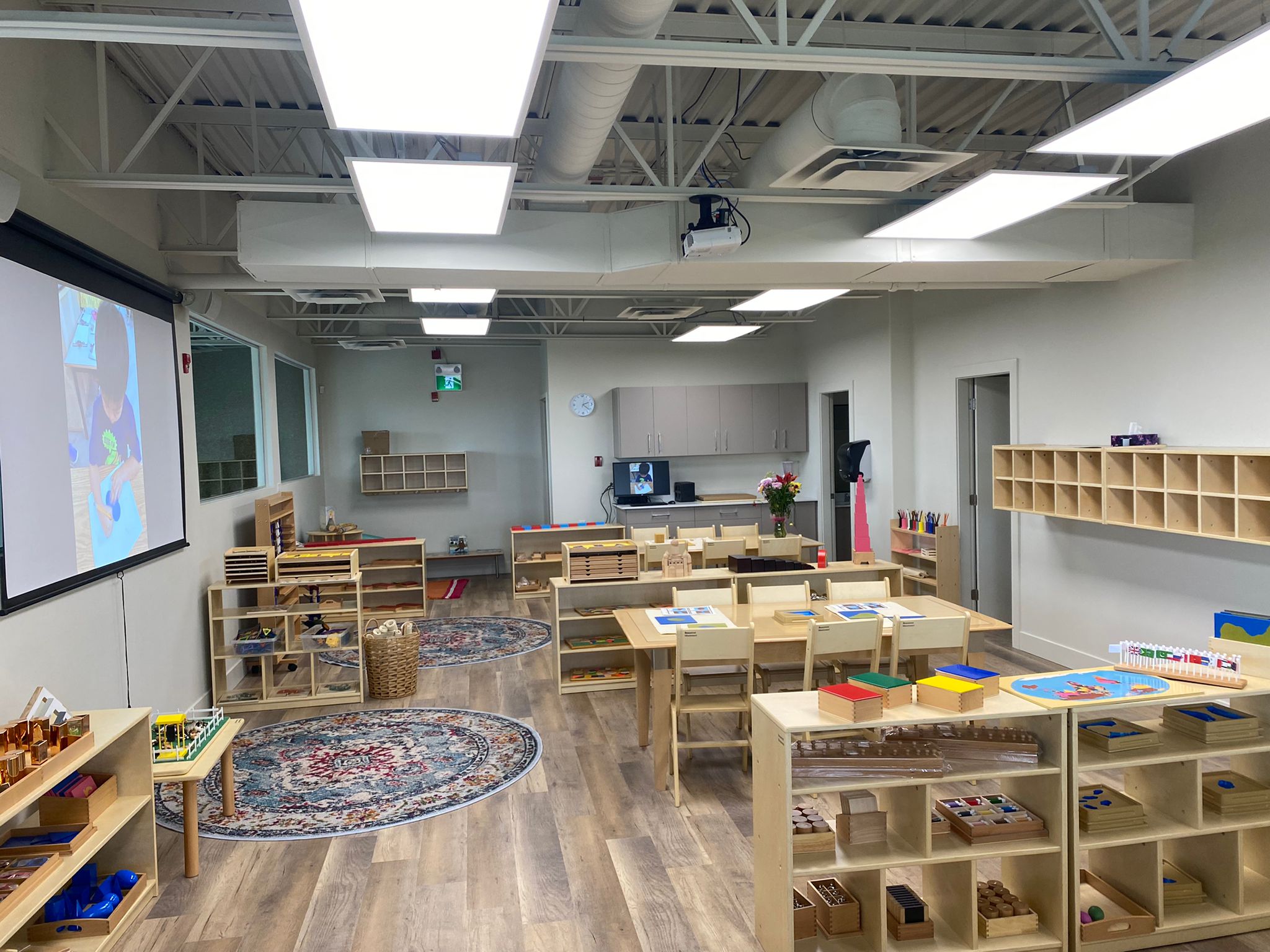
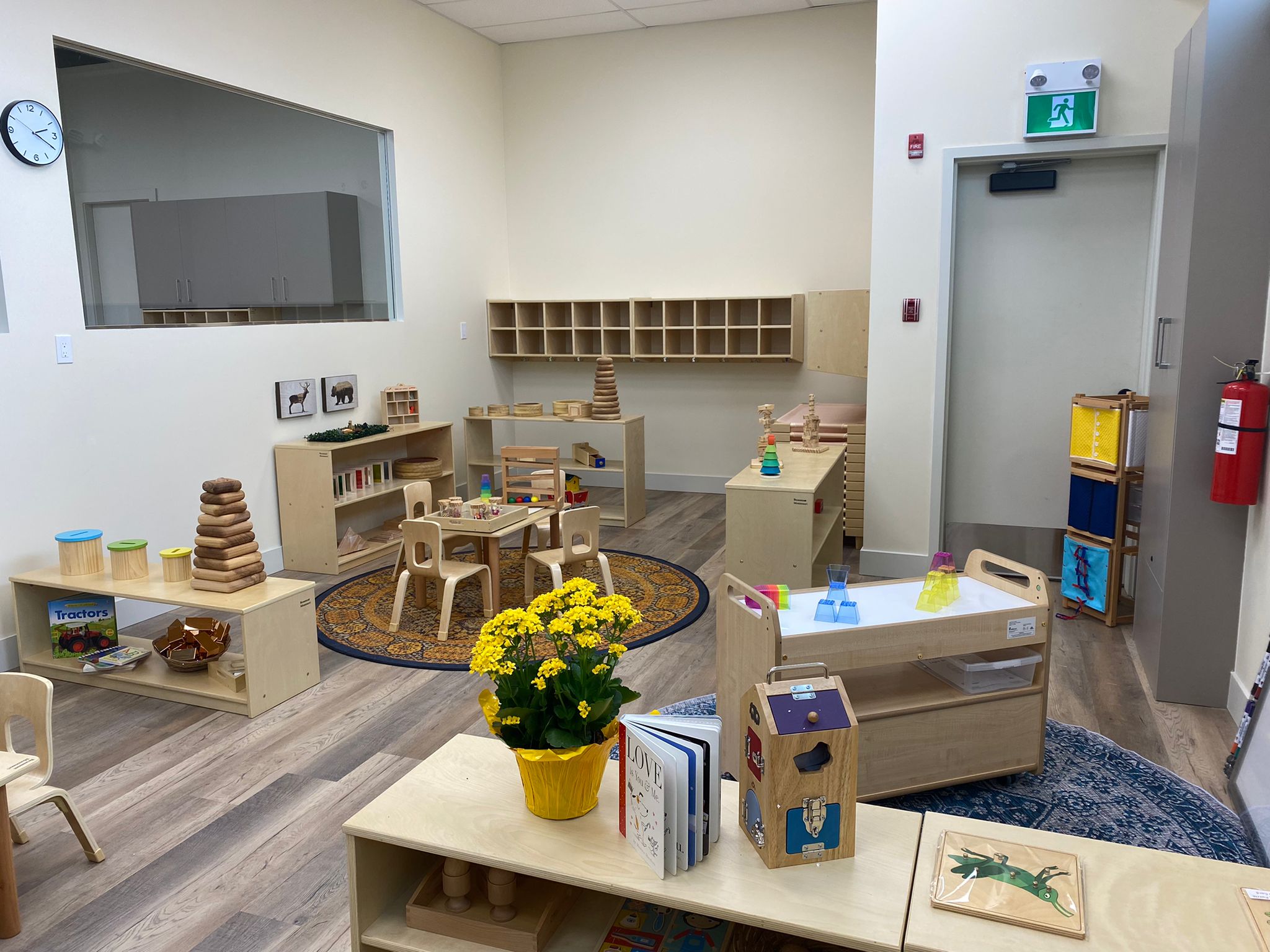
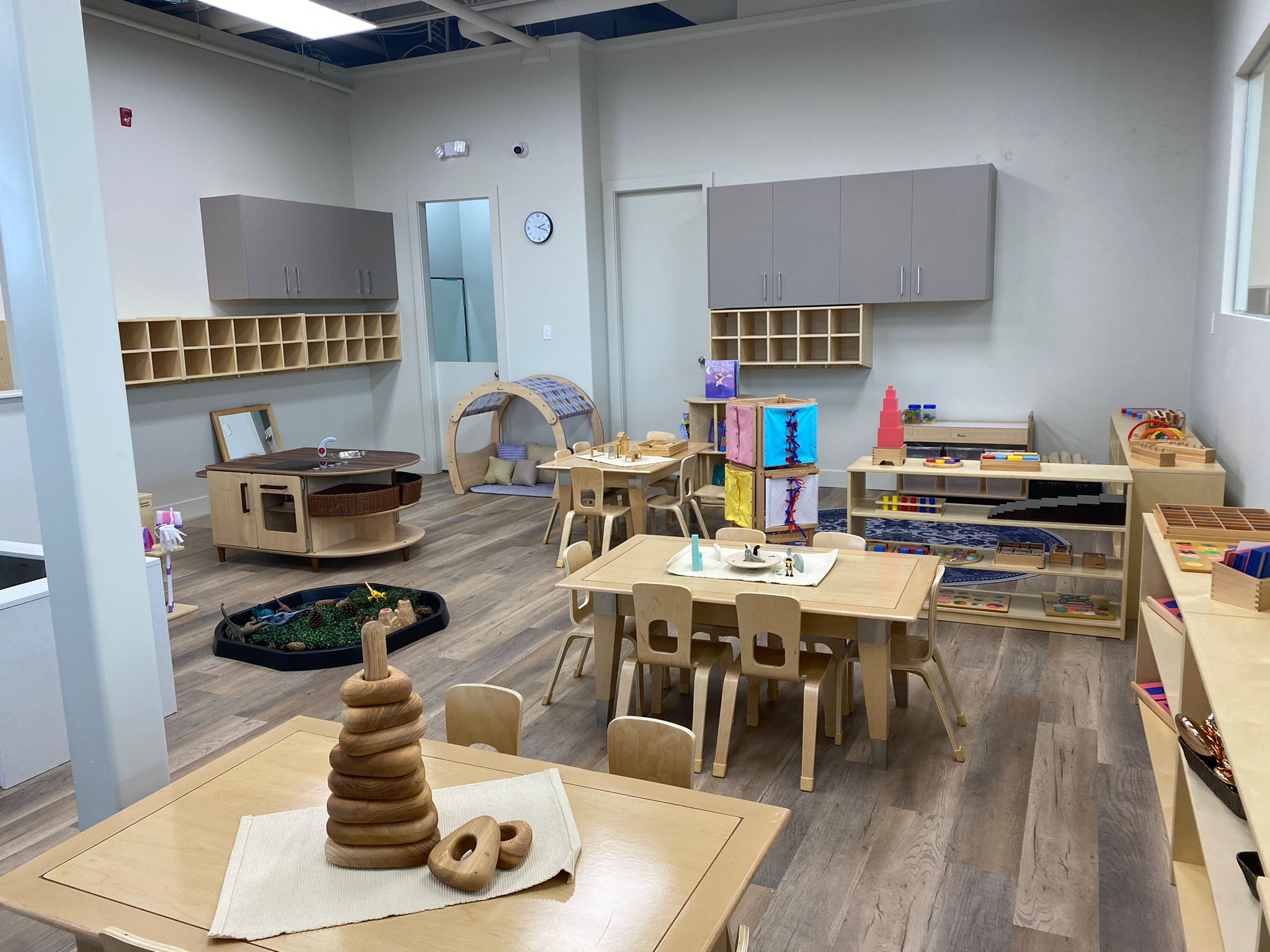
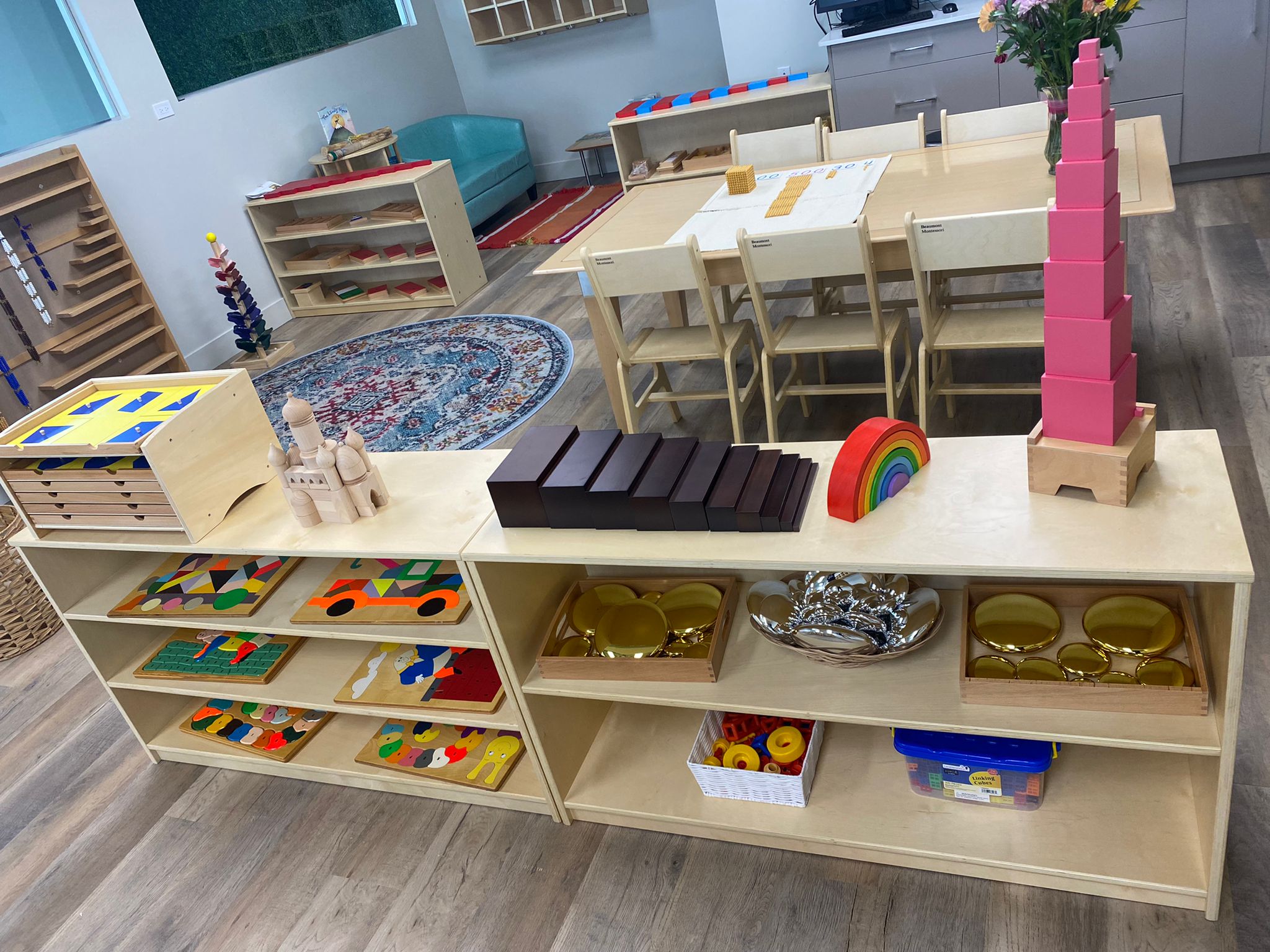
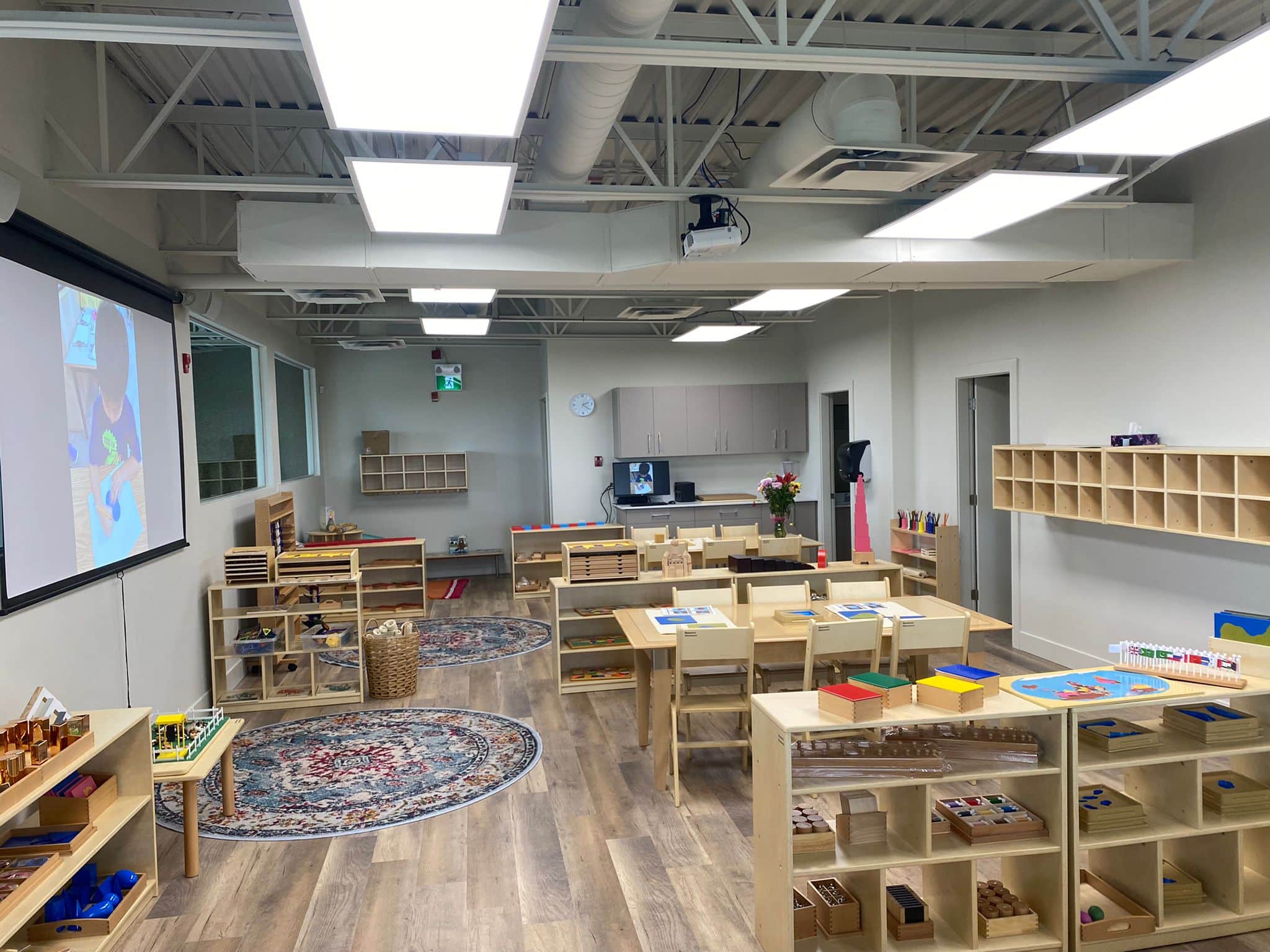
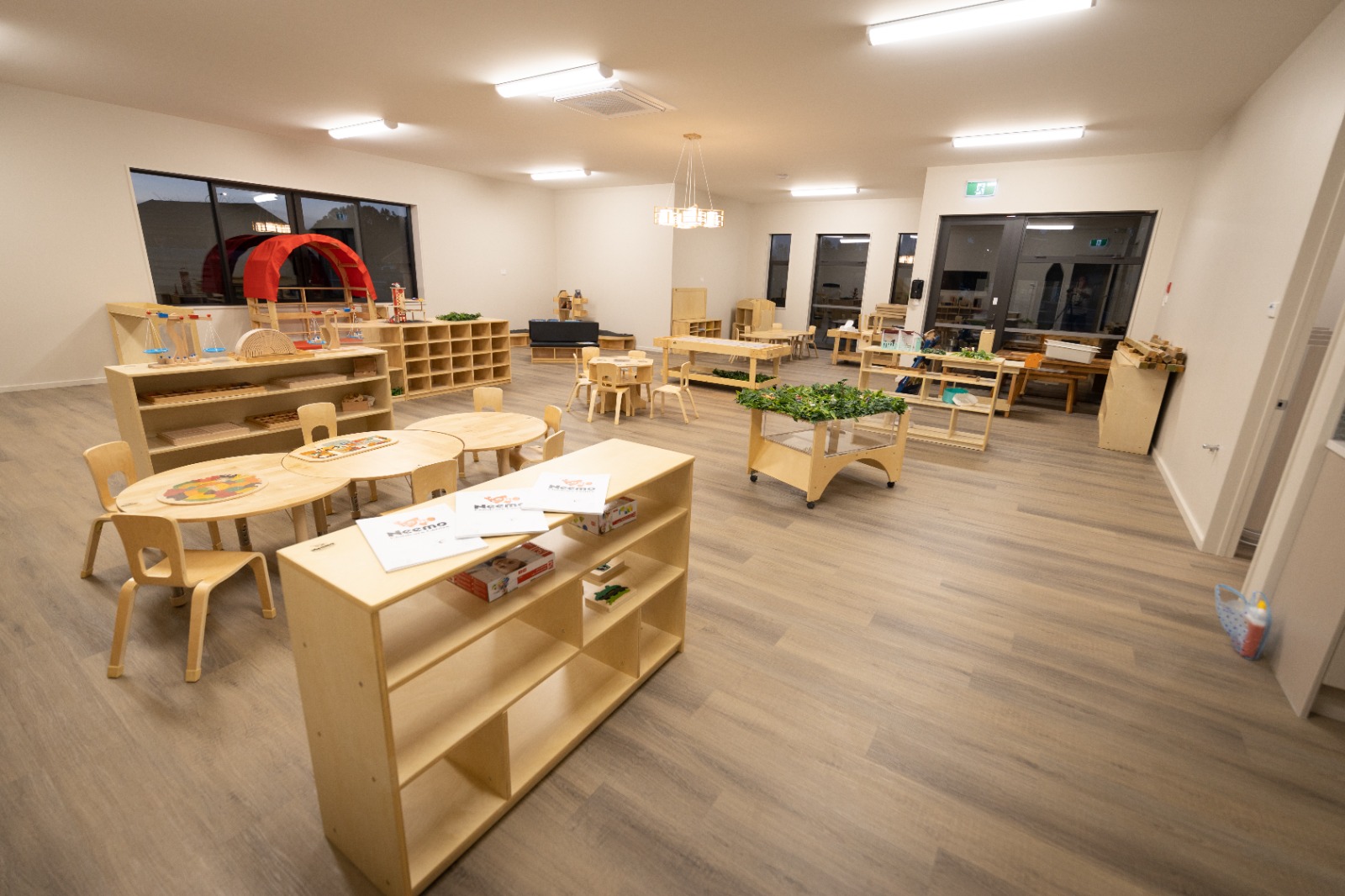
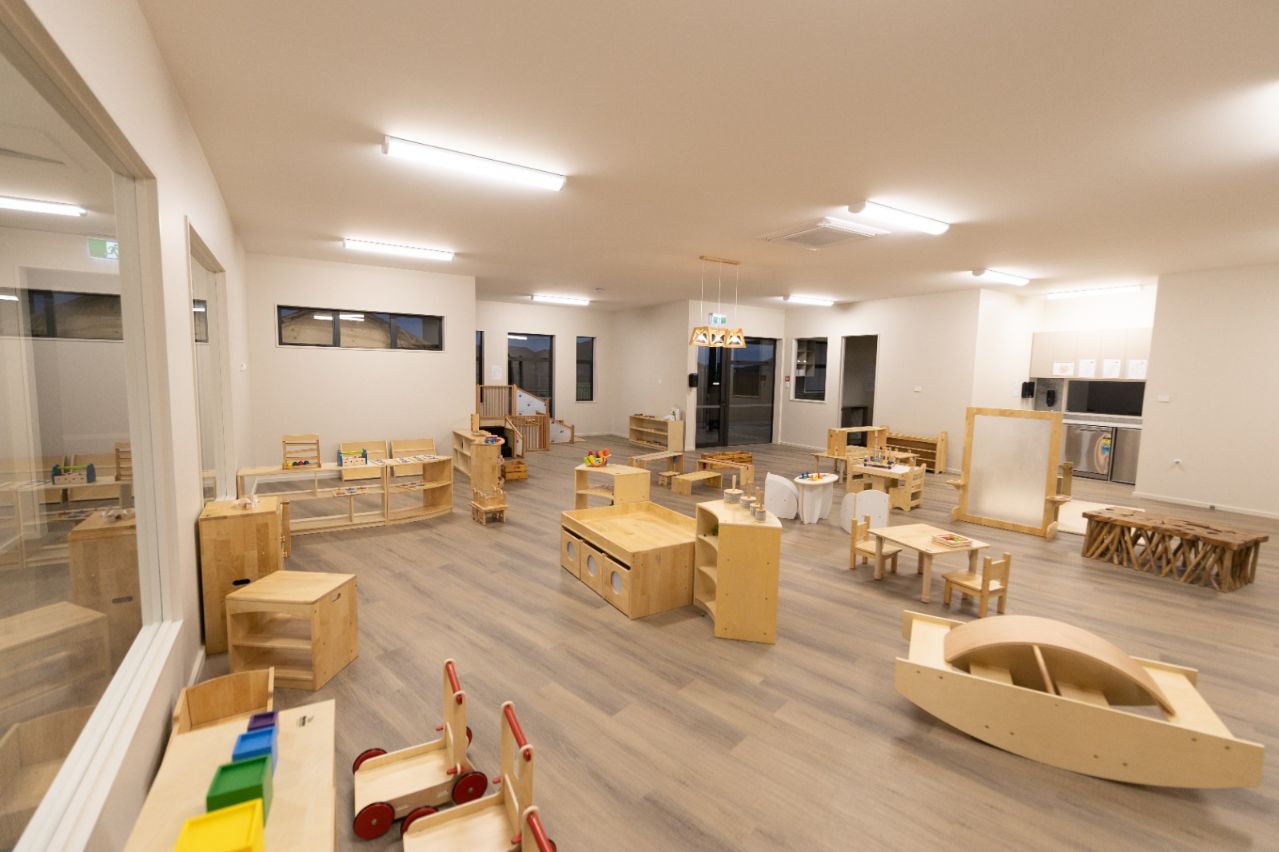
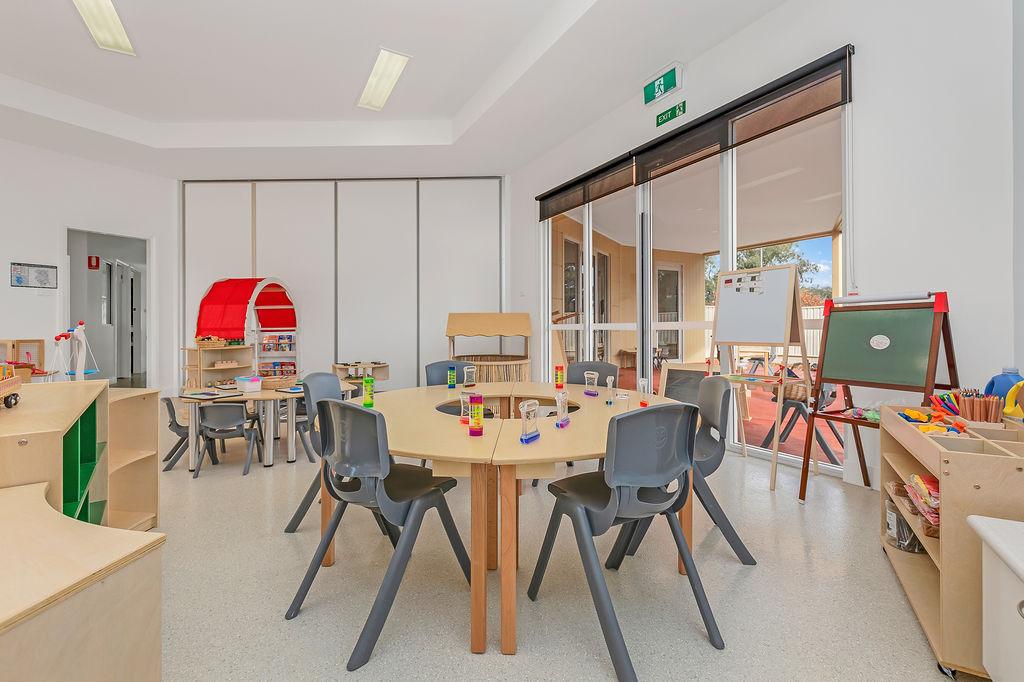
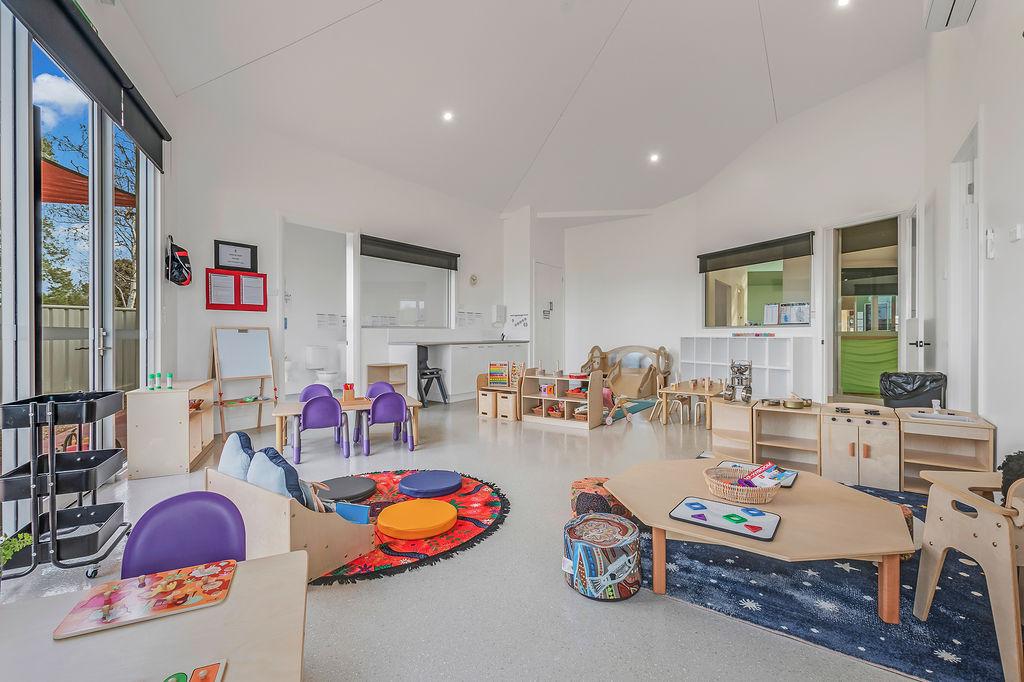
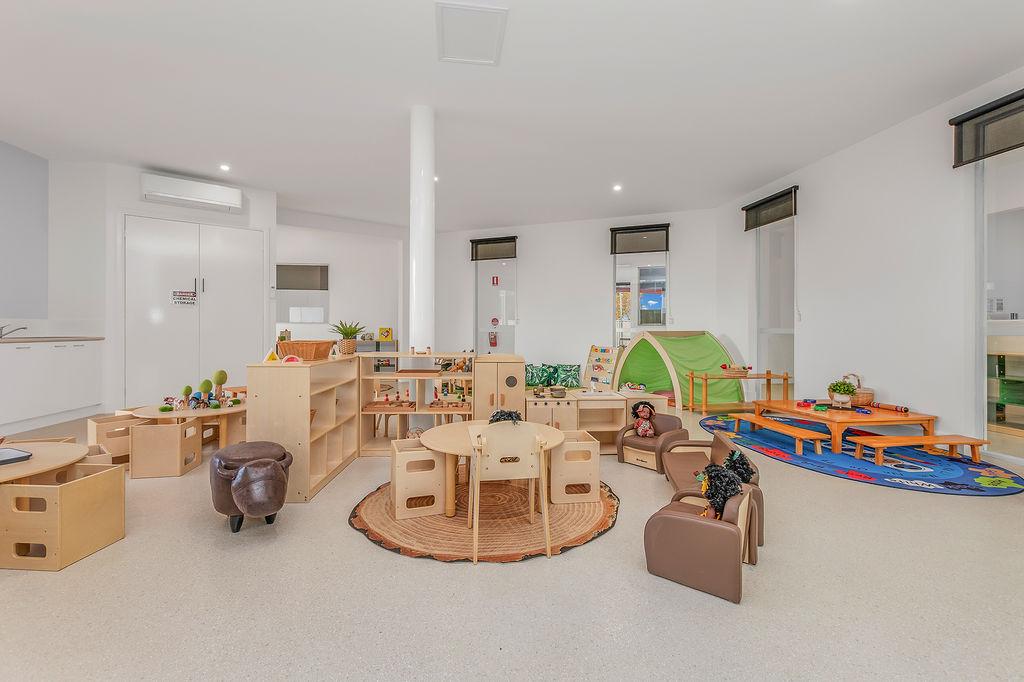
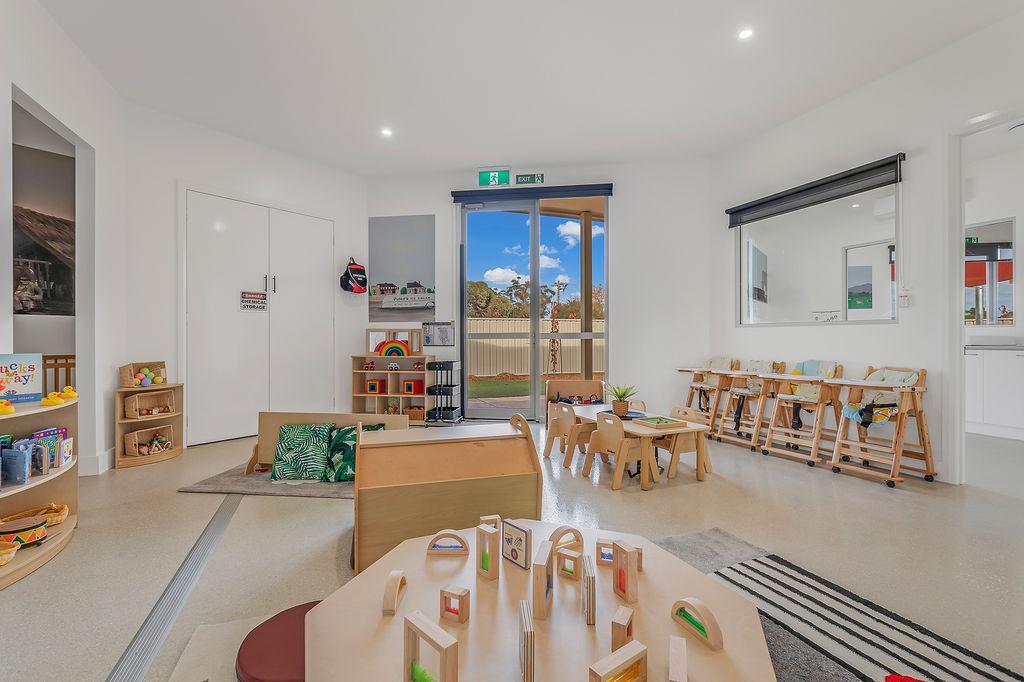
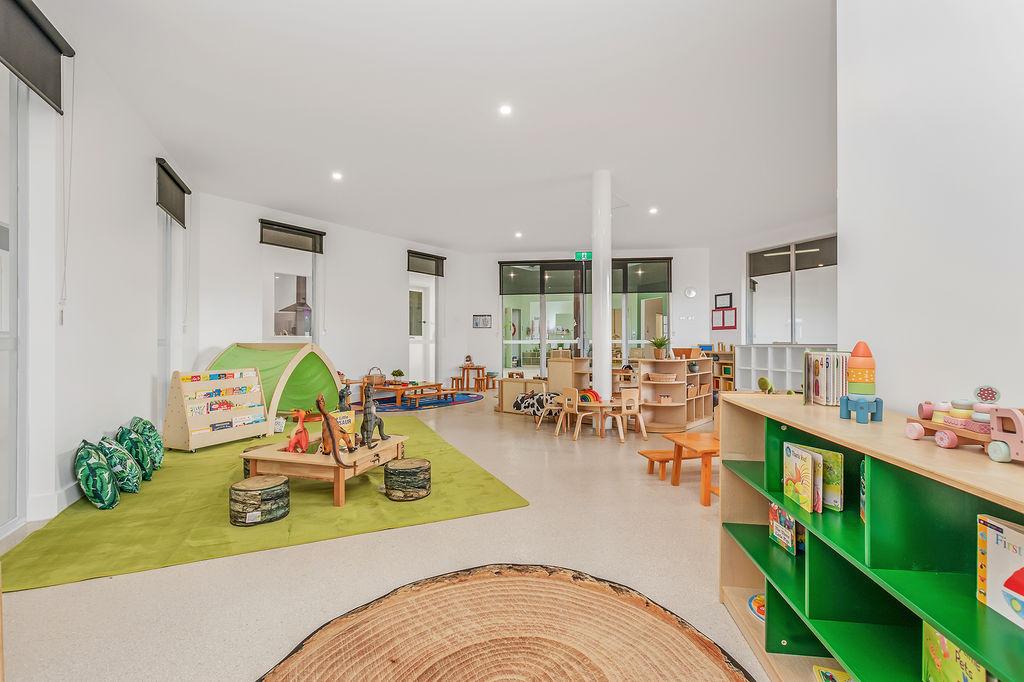
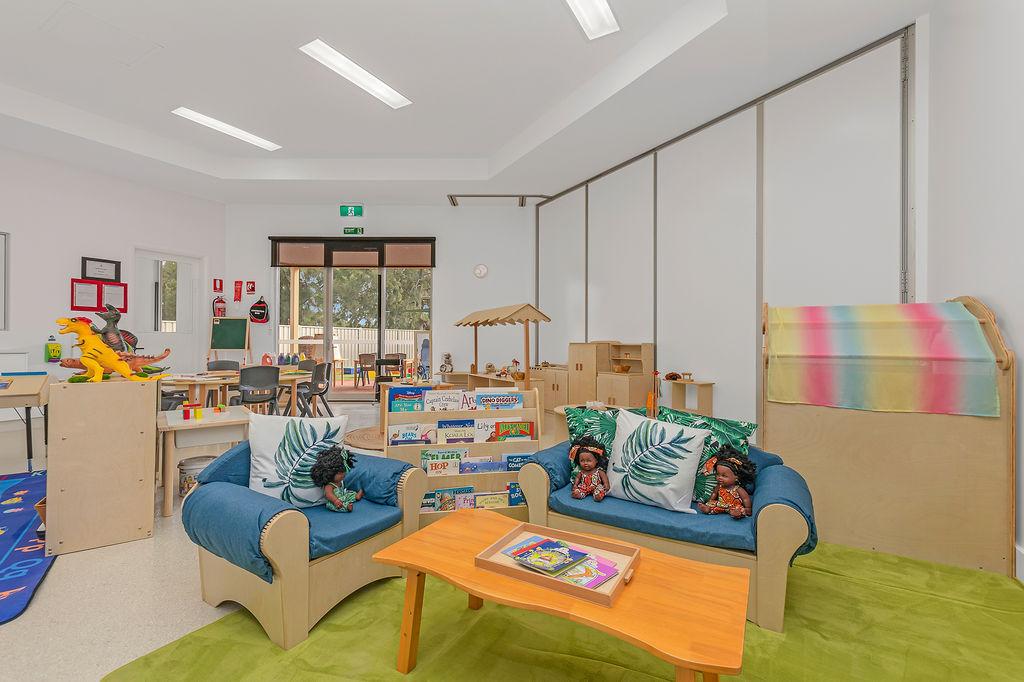
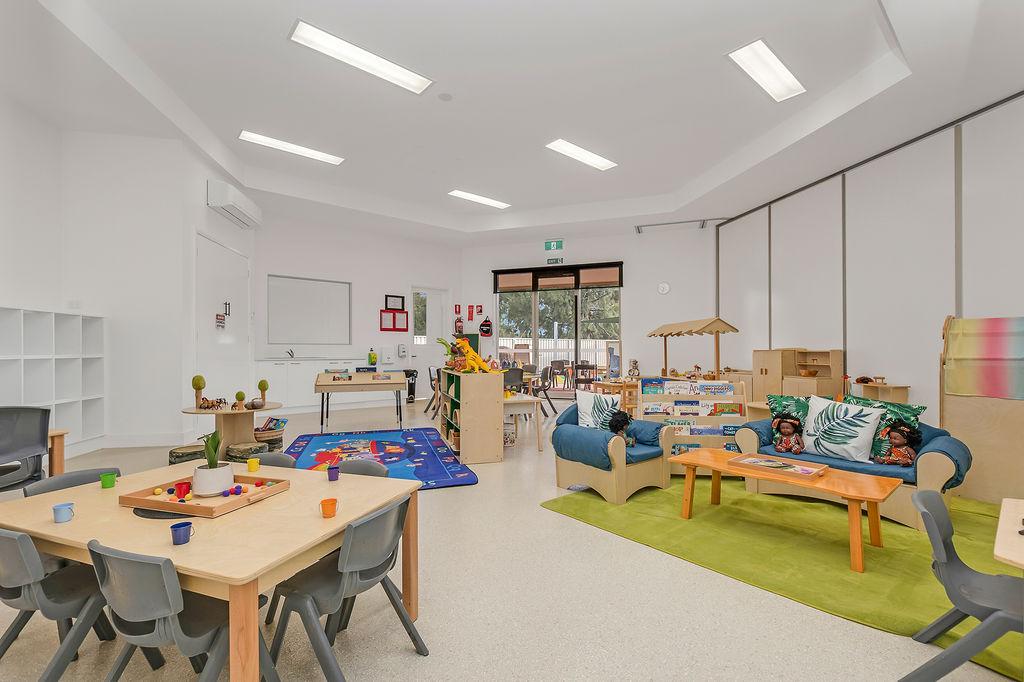
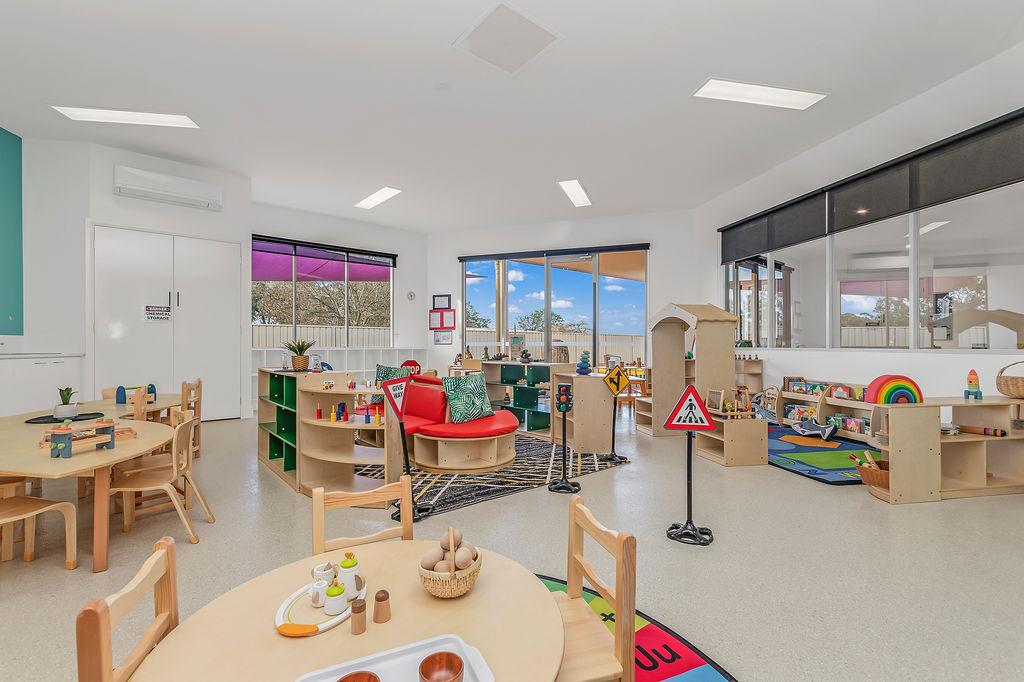
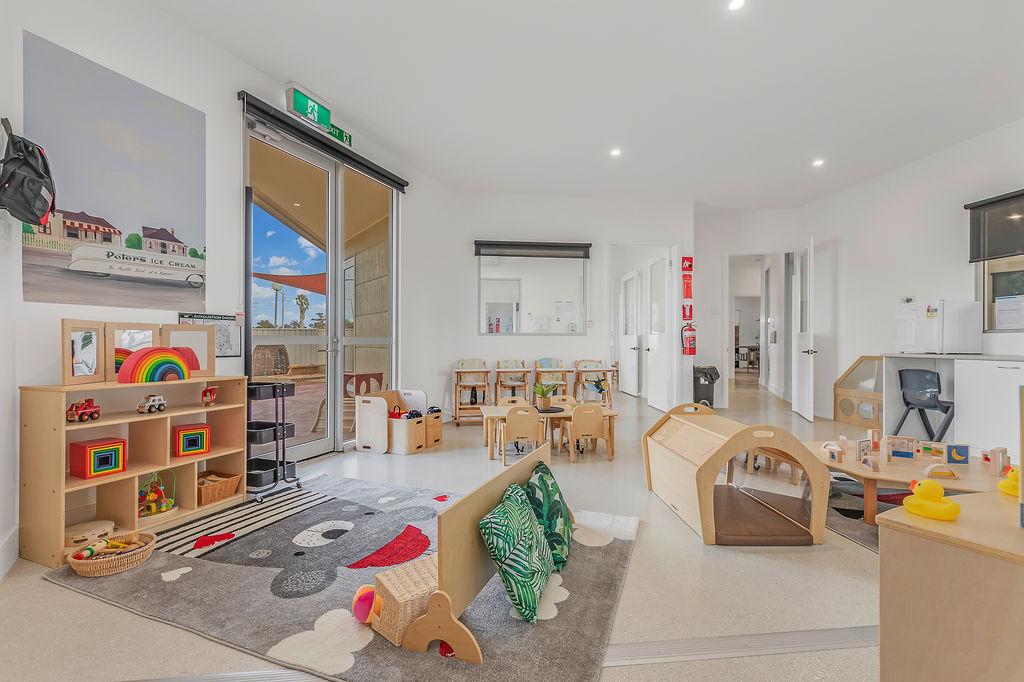
Creating a calm and engaging learning space begins with thoughtful furniture choices. In early childhood classrooms, furniture does more than provide a place to sit or store materials. It gently shapes routines, defines spaces, and supports children in knowing what to do and where to go. When used with intention, furniture becomes a quiet but powerful part of classroom management.
1. Individual Seating Options
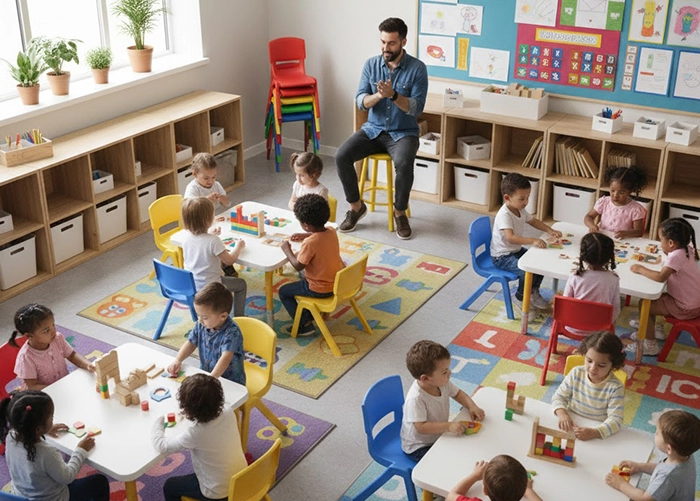
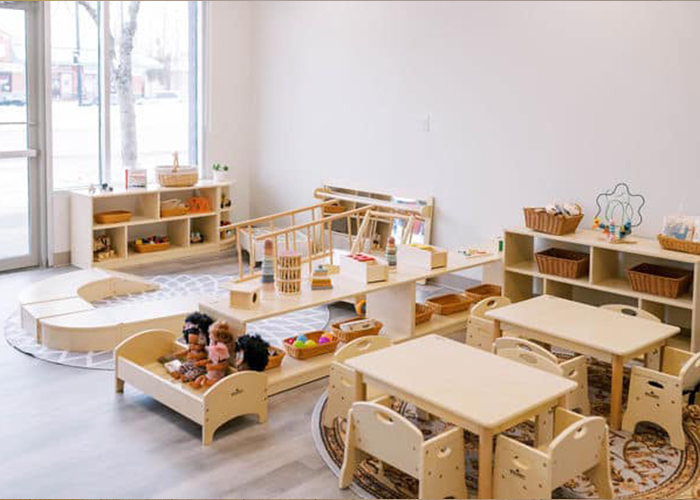
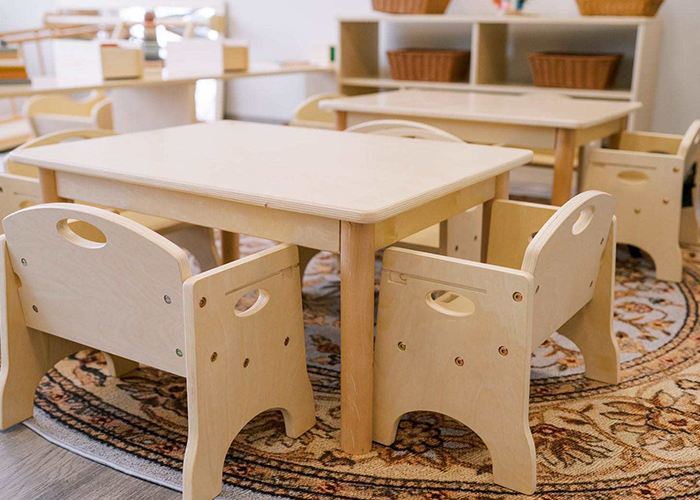
Chairs, cushions, floor mats, and small stools can help children recognize their personal space and settle more easily into a focused state. When each child has a consistent place to sit, transitions become smoother and distractions lessen. These defined spaces encourage responsibility and help children tune in to the teacher’s voice during group time or lessons.
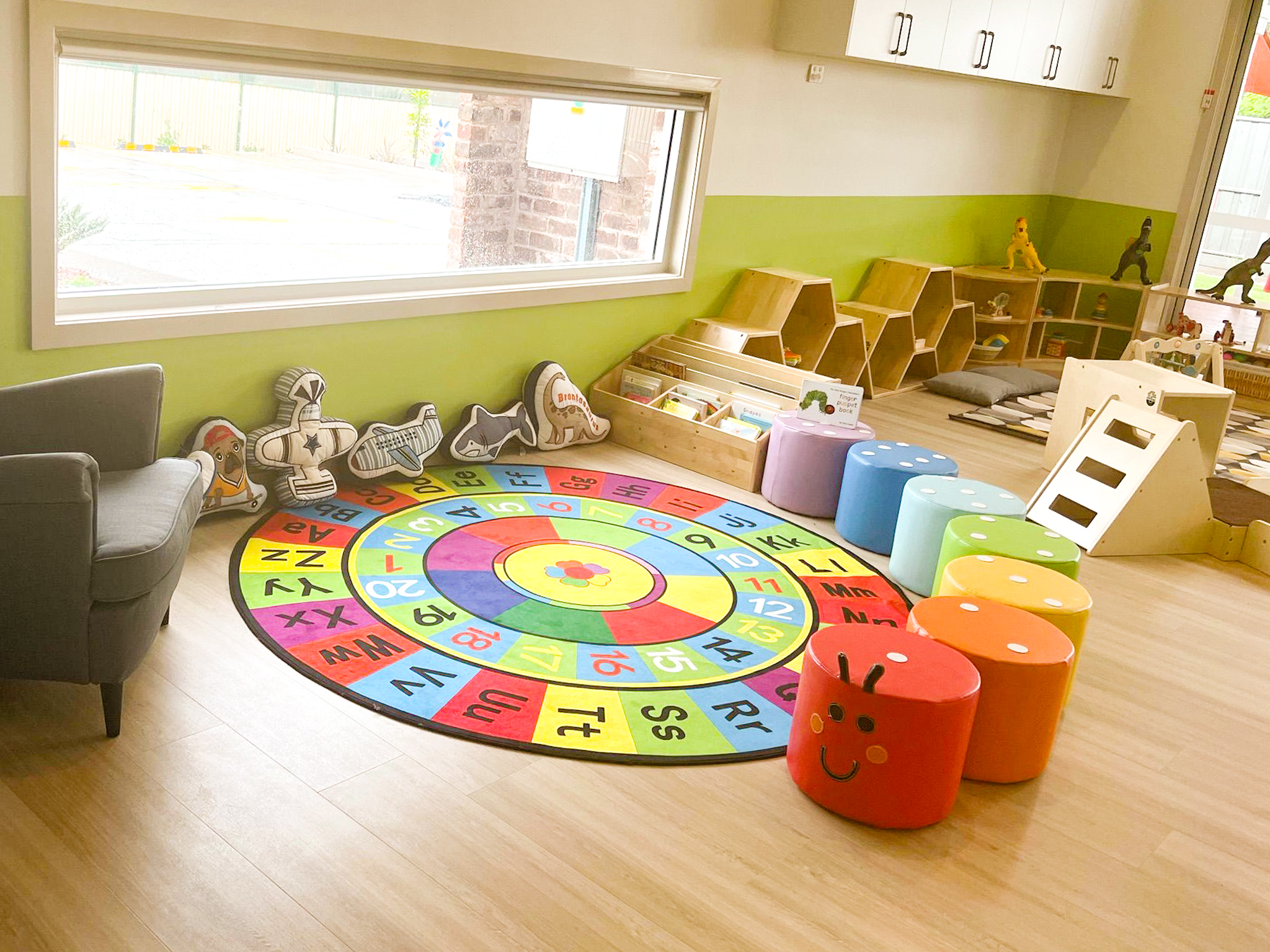
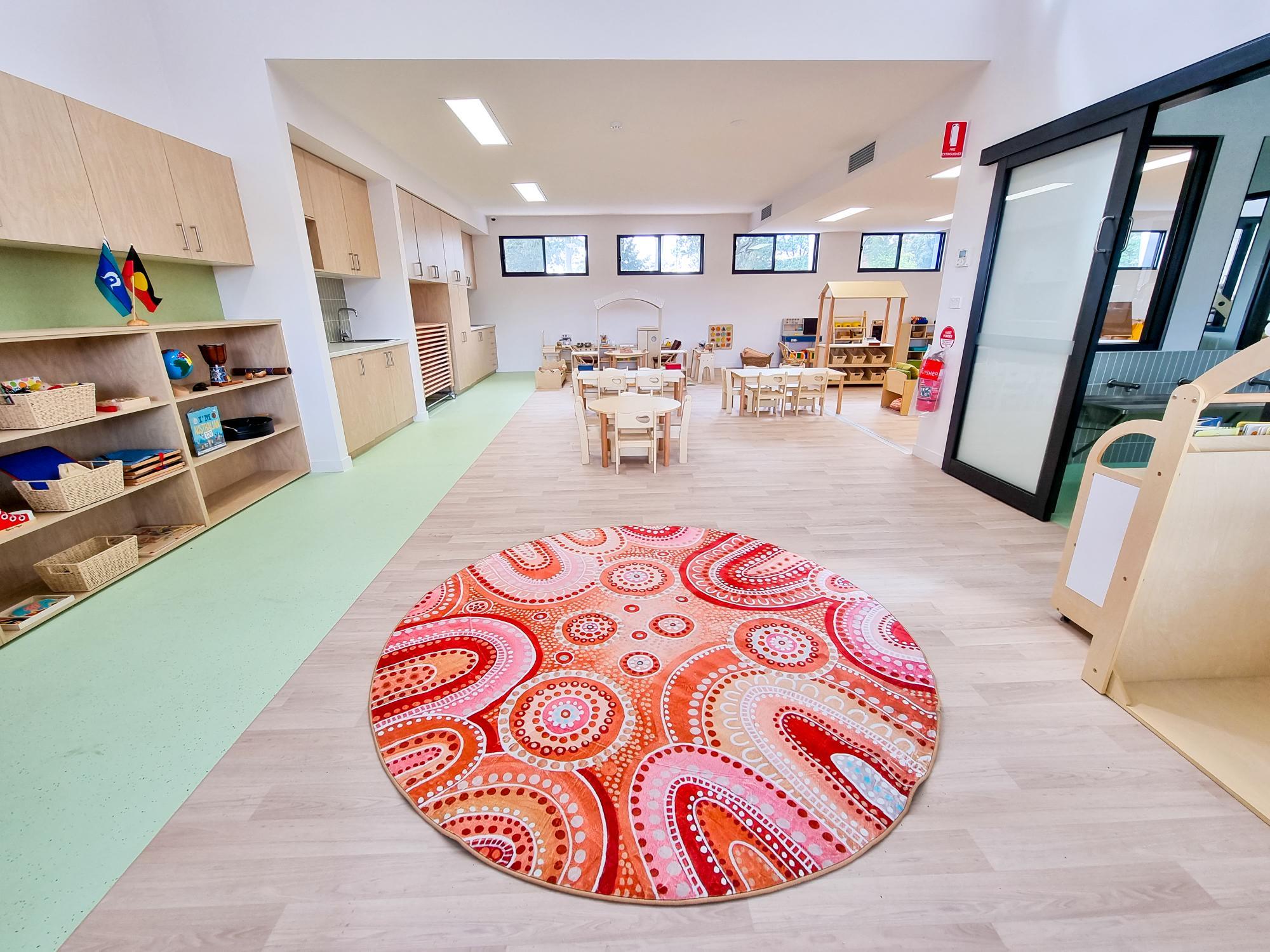
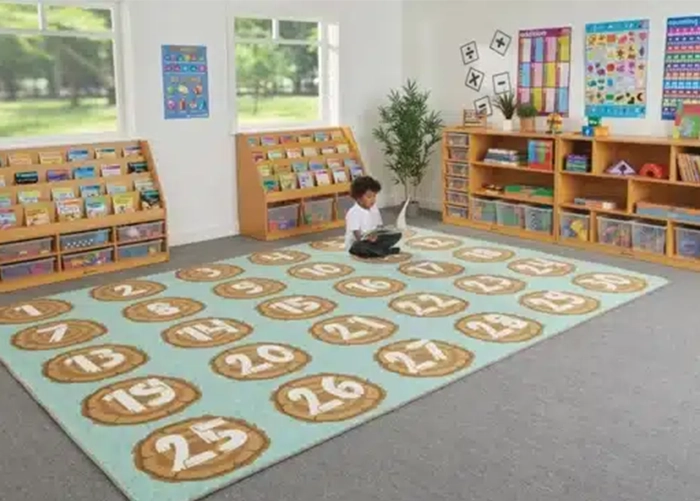
2. Circle Time Rugs or Group Carpets
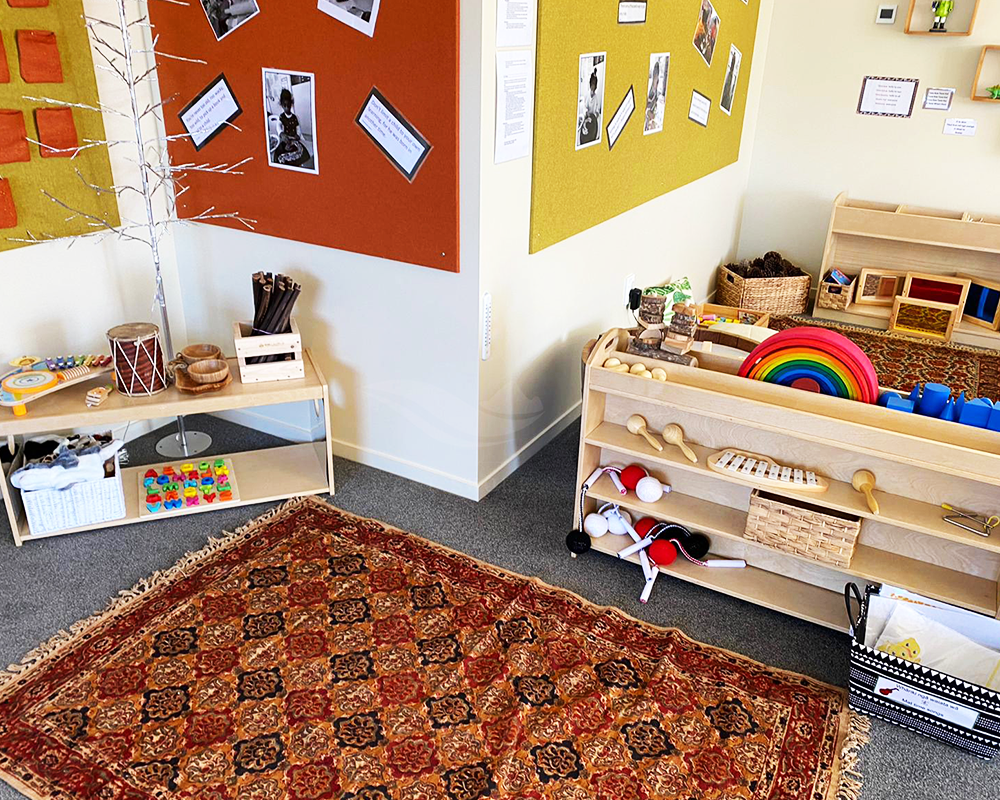
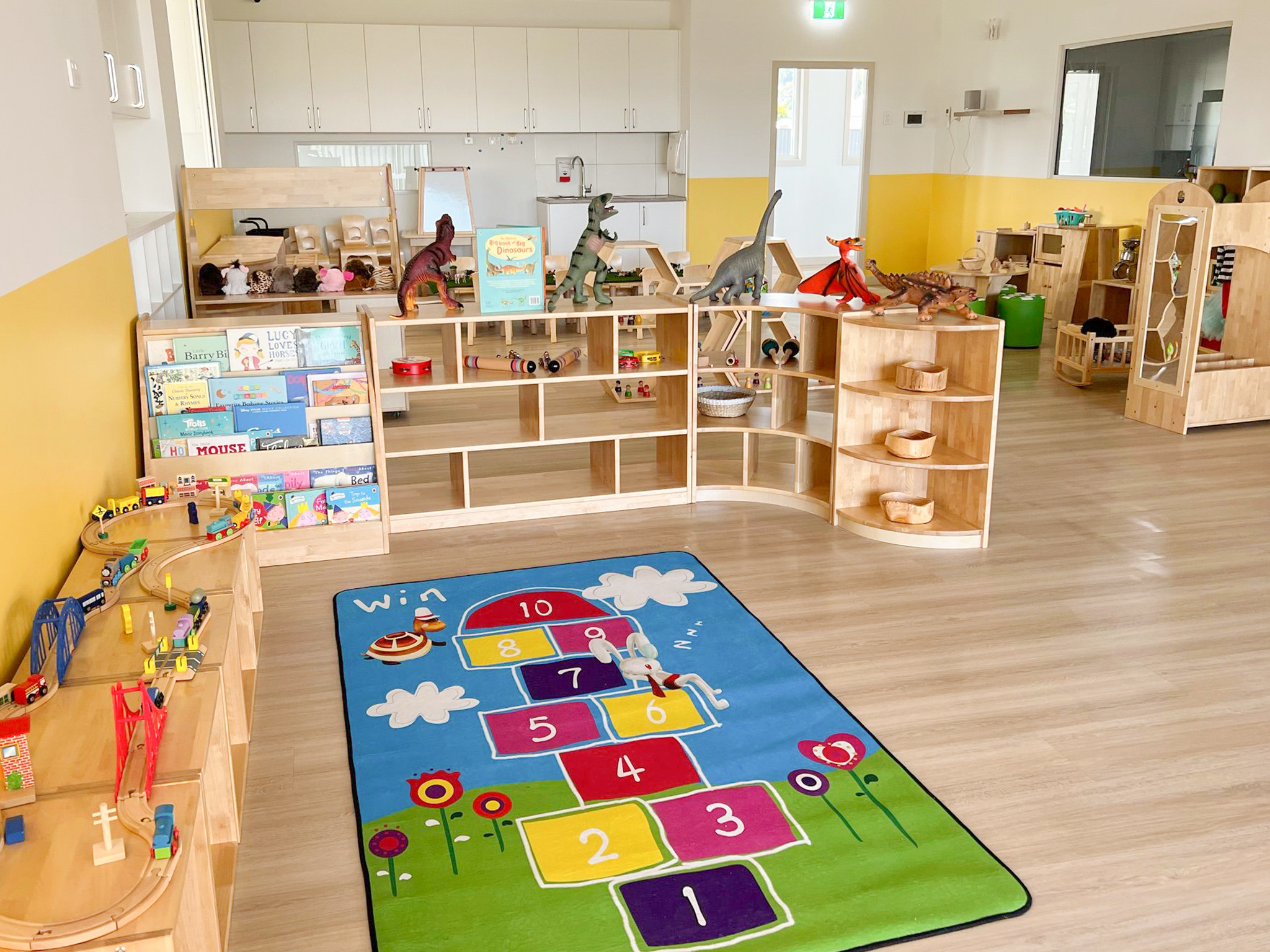
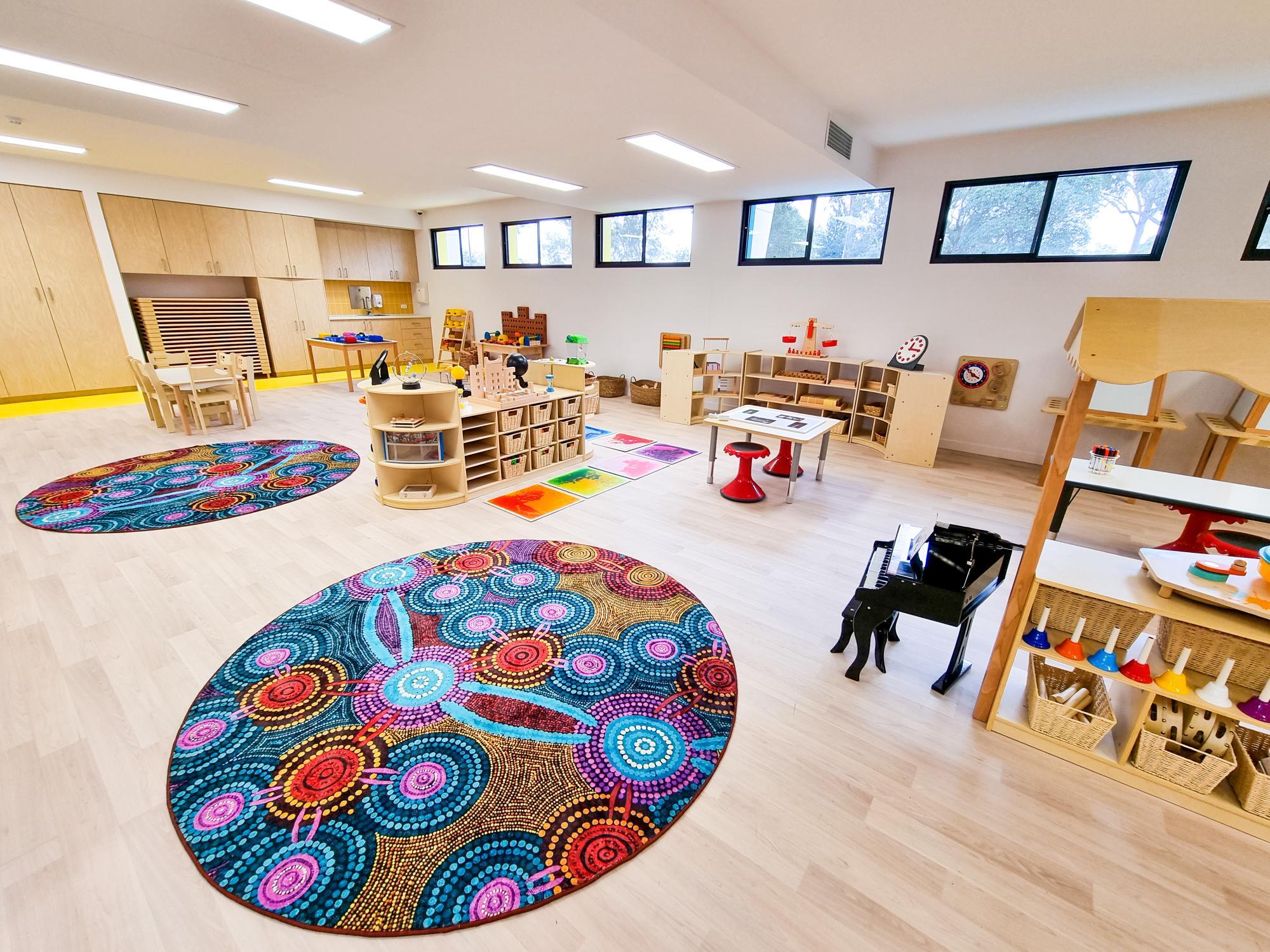
Colorful rugs with shapes, numbers, or individual seating spots provide both visual structure During circle time, these carpets guide children to gather as a group while maintaining personal boundaries. The rug becomes a familiar space for songs, stories, and movement cues, making it easier to use group attention getters that rely on physical positioning and visual cues.
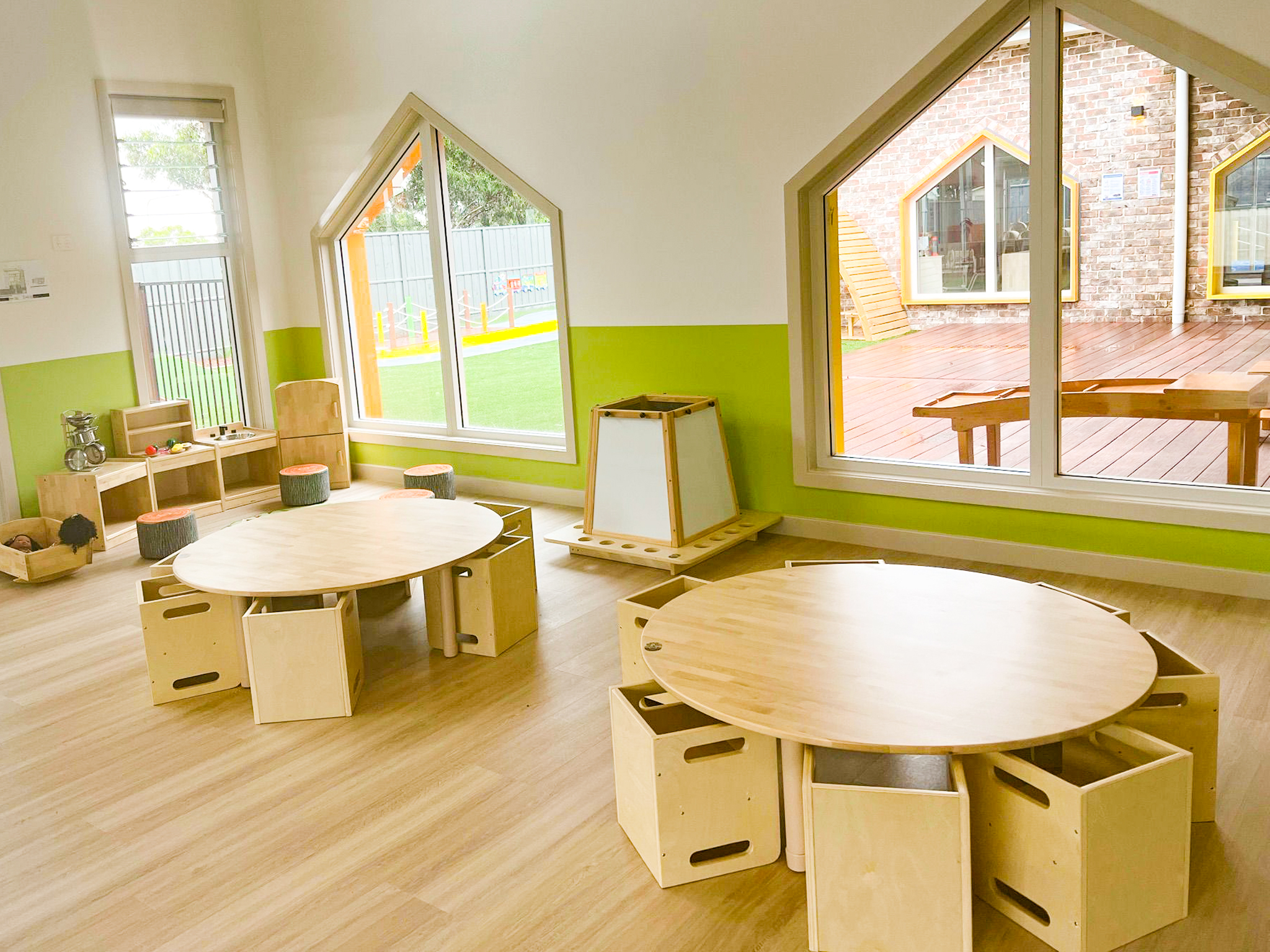
3. Adjustable Tables
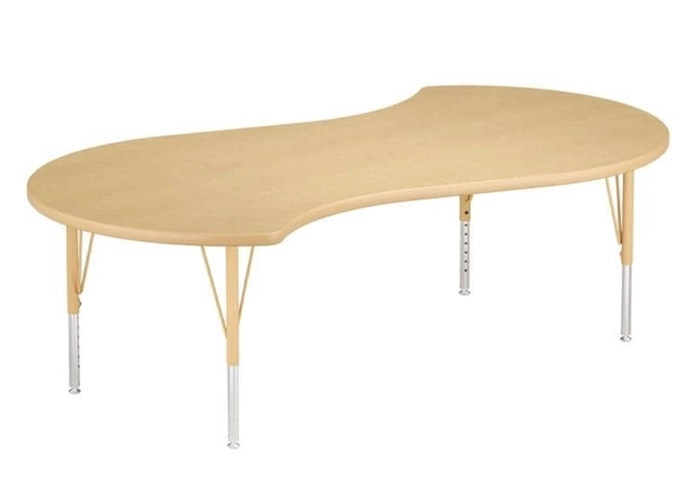
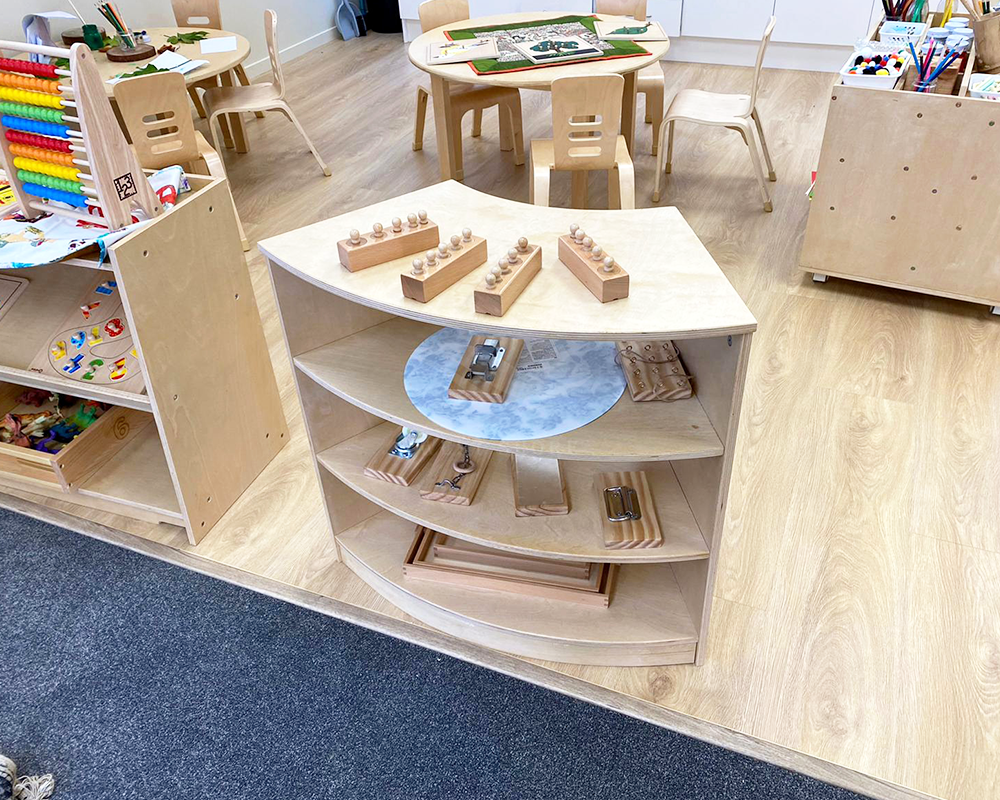
Tables that can be raised, lowered, or rearranged to fit the needs of different activities are especially useful in preschool classrooms. Whether working in small groups or rotating through centers, children respond well to environments that feel organized and purposeful. Adjustable tables help reduce distractions and make it easier for teachers to maintain focus across a changing schedule.
4. Teacher’s Chair or Signal Furniture
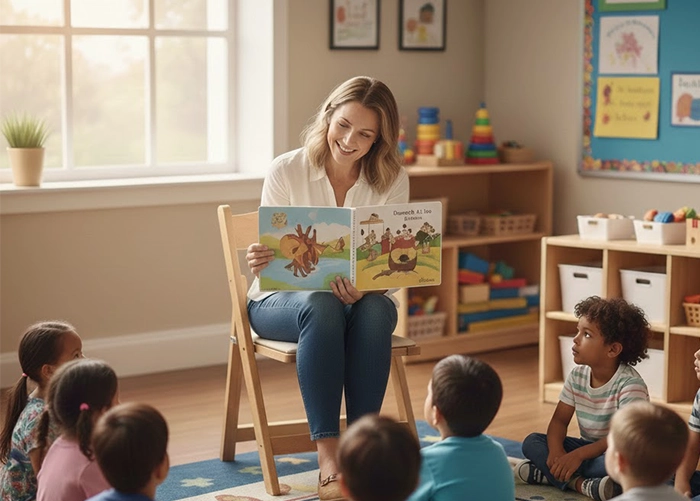
A dedicated story chair or a special seat used only during certain parts of the day becomes a meaningful signal for children. When the teacher sits in that chair, students quickly understand that it is time to quiet down and listen. Over time, this piece of furniture develops into a trusted visual anchor that supports calm transitions and attentive behavior.
5. Portable Seating or Stackable Stools
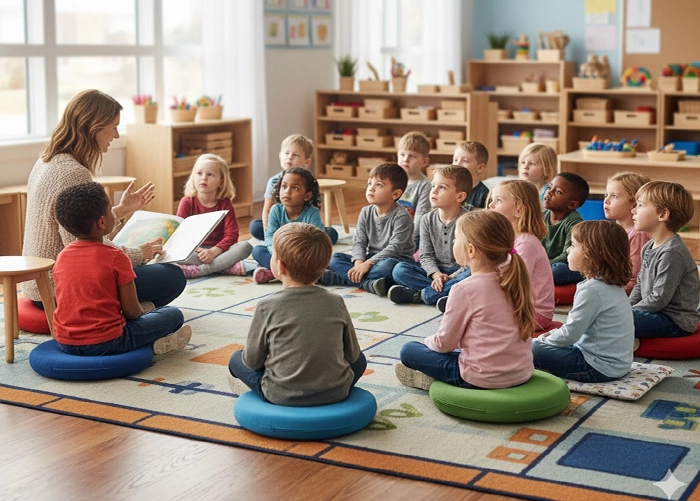
Lightweight stools or floor cushions allow children to move easily between learning areas while still maintaining structure. These flexible pieces work beautifully with routines like “Stack and Sit” or “Find Your Spot,” where the movement itself becomes part of the attention getter. By giving children ownership of their seating, teachers foster independence while maintaining classroom flow.
Preschool furniture can do more than support posture or comfort. When selected with purpose, it becomes part of the learning language itself. Teachers who use furniture thoughtfully often find it easier to keep students engaged, responsive, and ready to learn.
How to Use Attention Getters Effectively
Even the most creative attention getters for kids will fall flat if not used correctly. Successful classroom implementation relies on consistency, timing, modeling, and understanding the developmental needs of young children. In this section, we explore practical ways to apply these strategies in real classroom environments and highlight how thoughtful preschool classroom management can turn a simple signal into a powerful teaching tool.
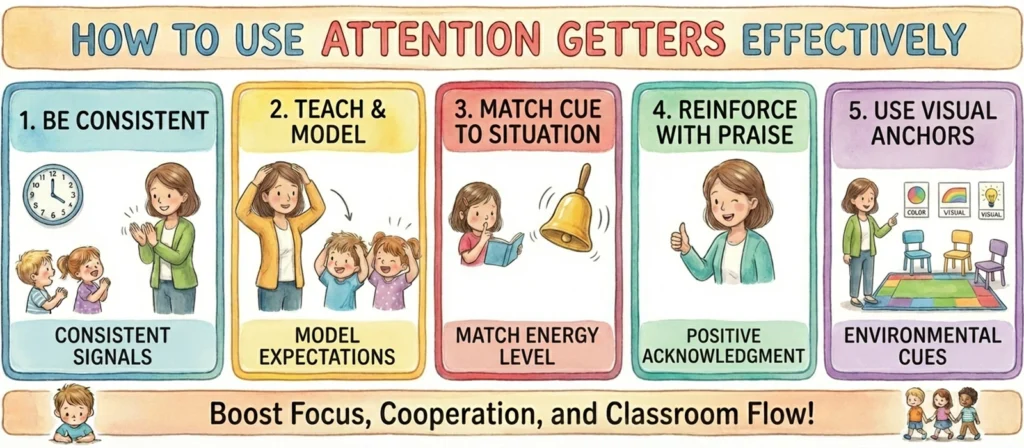
1. Be Consistent with Signals and Expectations
Children thrive on routine. If an attention getter is used inconsistently, it can lead to confusion. Repetition teaches kids to associate the signal with a behavior. For instance, playing the same clean-up song daily builds a reliable classroom habit. Consistent use helps signals become part of the natural classroom flow, strengthening group cooperation.
2. Teach and Model Before Using
Before using a new attention getter, explain and demonstrate it clearly. Modeling helps children understand what’s expected. Teachers can role-play how to respond, turning it into a fun classroom moment. This approach builds understanding and respect, especially useful when establishing routines early in the school year or after breaks.
3. Match the Cue to the Situation
Different situations call for different strategies. A quiet cue works during reading, while a lively signal suits post-recess transitions. Matching energy levels helps keep attention getters effective. Teachers who use a mix of methods based on classroom mood find it easier to keep students engaged and behavior on track.
4. Reinforce with Positive Acknowledgment
When children respond well to a cue, give simple, sincere praise. Comments like “I love how you stopped and listened” show that their behavior is noticed. Positive reinforcement encourages consistent responses, builds confidence, and promotes a respectful classroom tone that supports long-term success in behavior management.
5. Use Visual and Environmental Anchors
Furniture and visuals can reinforce attention signals. Gathering at the rug or using color-coded chairs creates strong location-based cues. These physical anchors help children connect space with expectations. When classroom layout supports your attention strategies, kids are more likely to respond without constant verbal direction.
Quick Reference Table: Keys to Using Attention Getters Successfully
| Strategy | Purpose | Tips for Success |
|---|---|---|
| Consistency | Builds routine and clarity | Use the same signal for the same purpose daily |
| Modeling | Sets clear expectations | Demonstrate behavior before expecting it |
| Context Matching | Aligns signal with energy level | Use calm signals during quiet time, active for transitions |
| Positive Reinforcement | Encourages participation | Acknowledge good responses with specific praise |
| Visual & Environmental Anchors | Connects cues to classroom layout | Use chairs, rugs, and signs as part of the system |
Conclusion
Attention getters for kids are more than just classroom tricks, they are tools that support focus, cooperation, and emotional readiness. When paired with thoughtful preschool classroom management and the right physical environment, these strategies help children feel secure, understand expectations, and transition with ease. By combining consistent signals with supportive furniture and routines, teachers create spaces where attention is gently guided and learning can truly flourish.