Visual communication for early learners
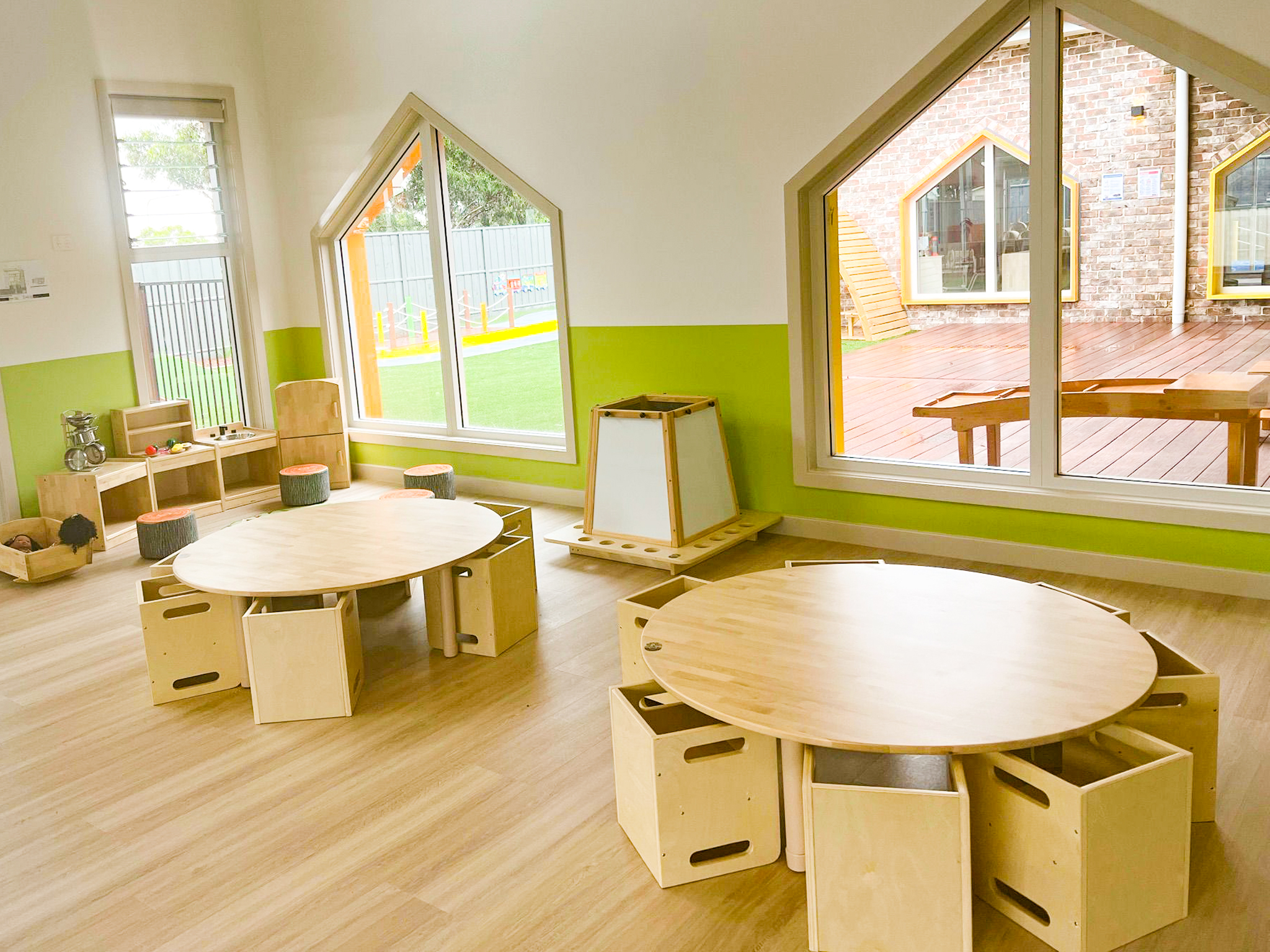
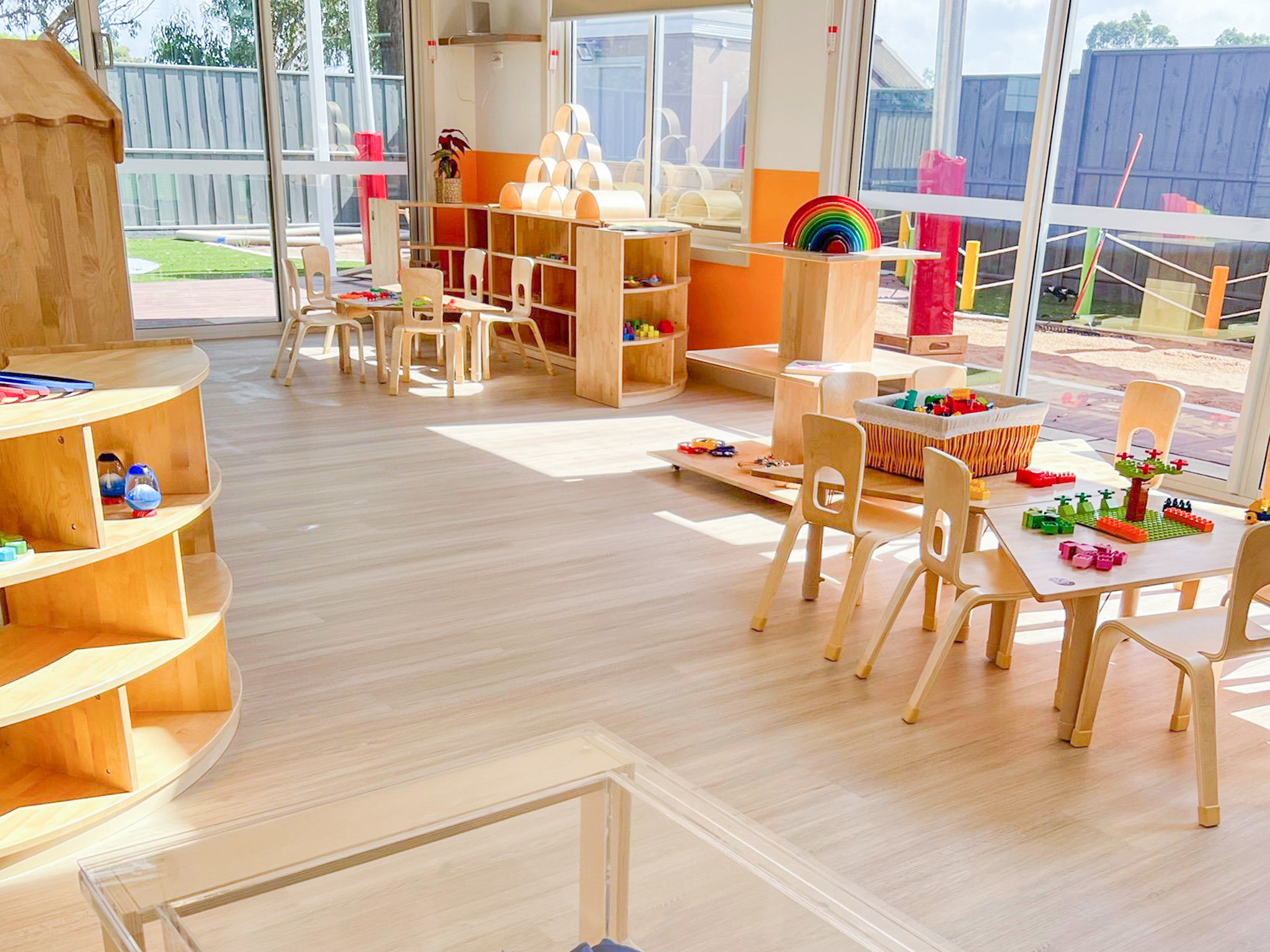
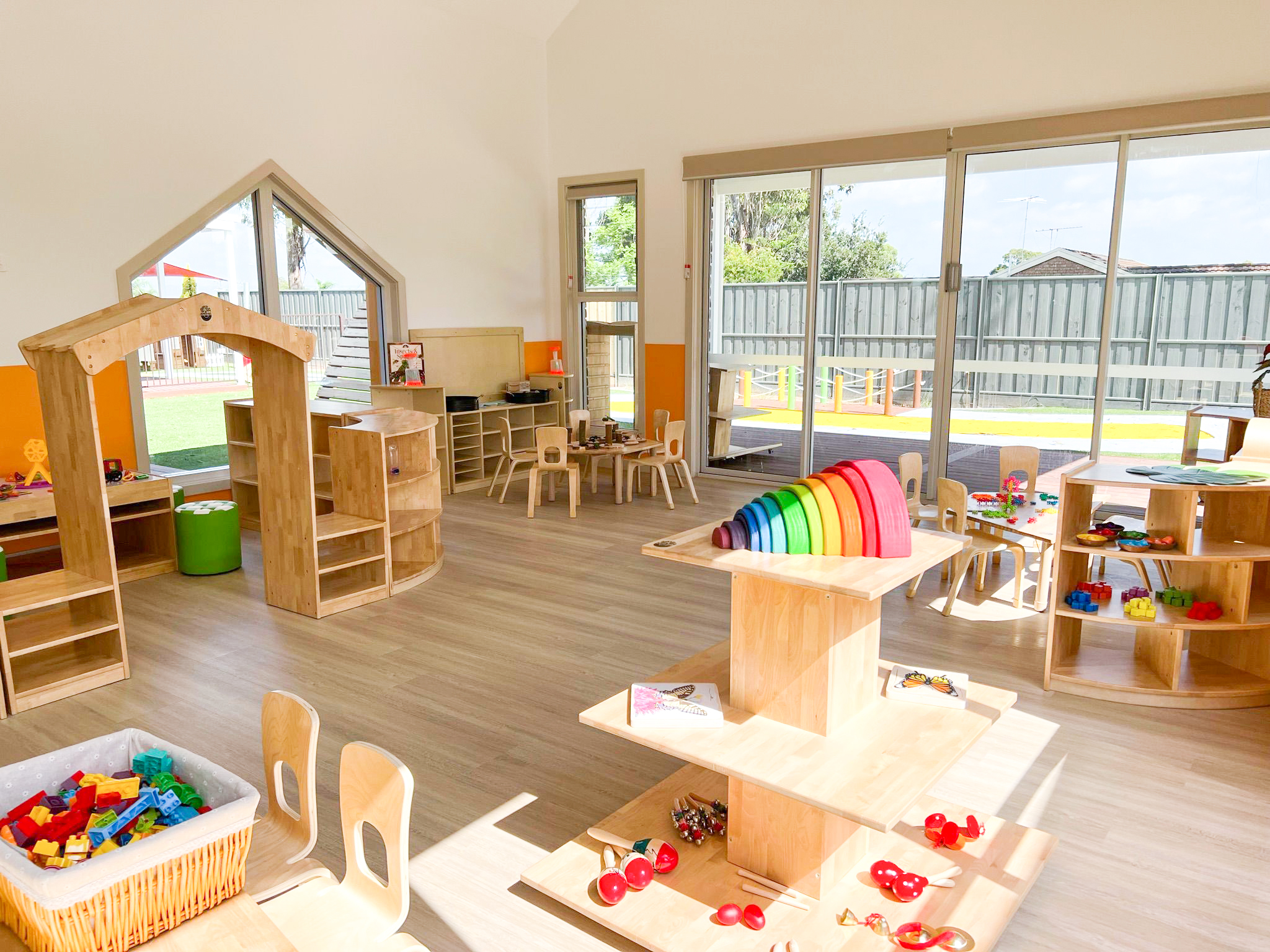
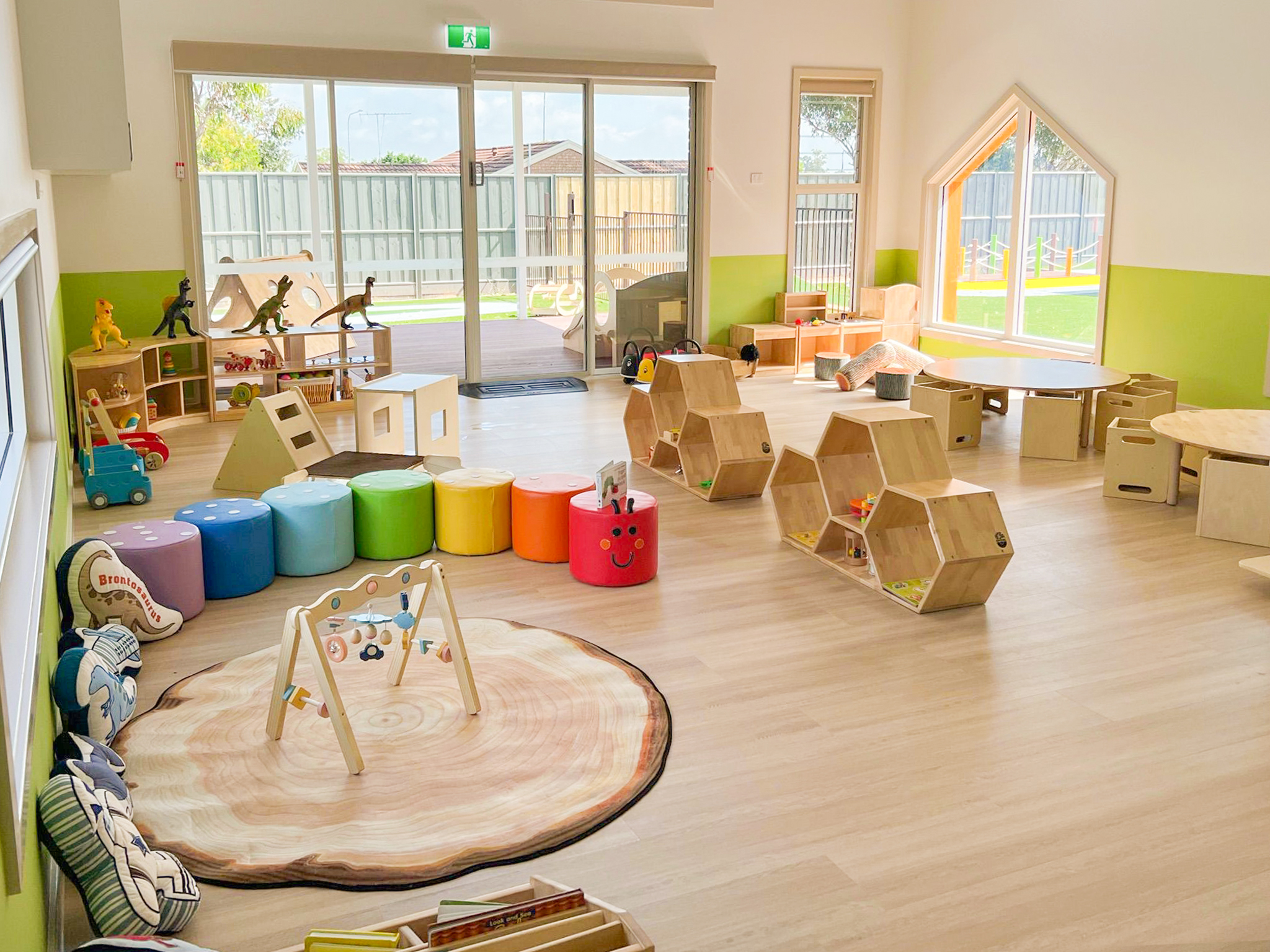
Albert Einstein once said, “If I can’t picture it, I can’t understand it.” Like the mind of that remarkable man, children’s brains process information in ways that we don’t always understand.
Discover our collection of blogs featuring insights on classroom and outdoor equipment, along with valuable parenting resources for holistic child development.

Albert Einstein once said, “If I can’t picture it, I can’t understand it.” Like the mind of that remarkable man, children’s brains process information in ways that we don’t always understand.

The researchers found that parent-child music activities have great benefits for youngsters – especially when the activities happen at home. And, more surprisingly, this study suggests that the benefits of these shared musical moments may actually outweigh the benefits of book-sharing in a child’s early years.
Our little ones are not born with an innate knowledge of how best to behave and so it’s our role to discipline them – that is, to teach them about socially appropriate behaviour.
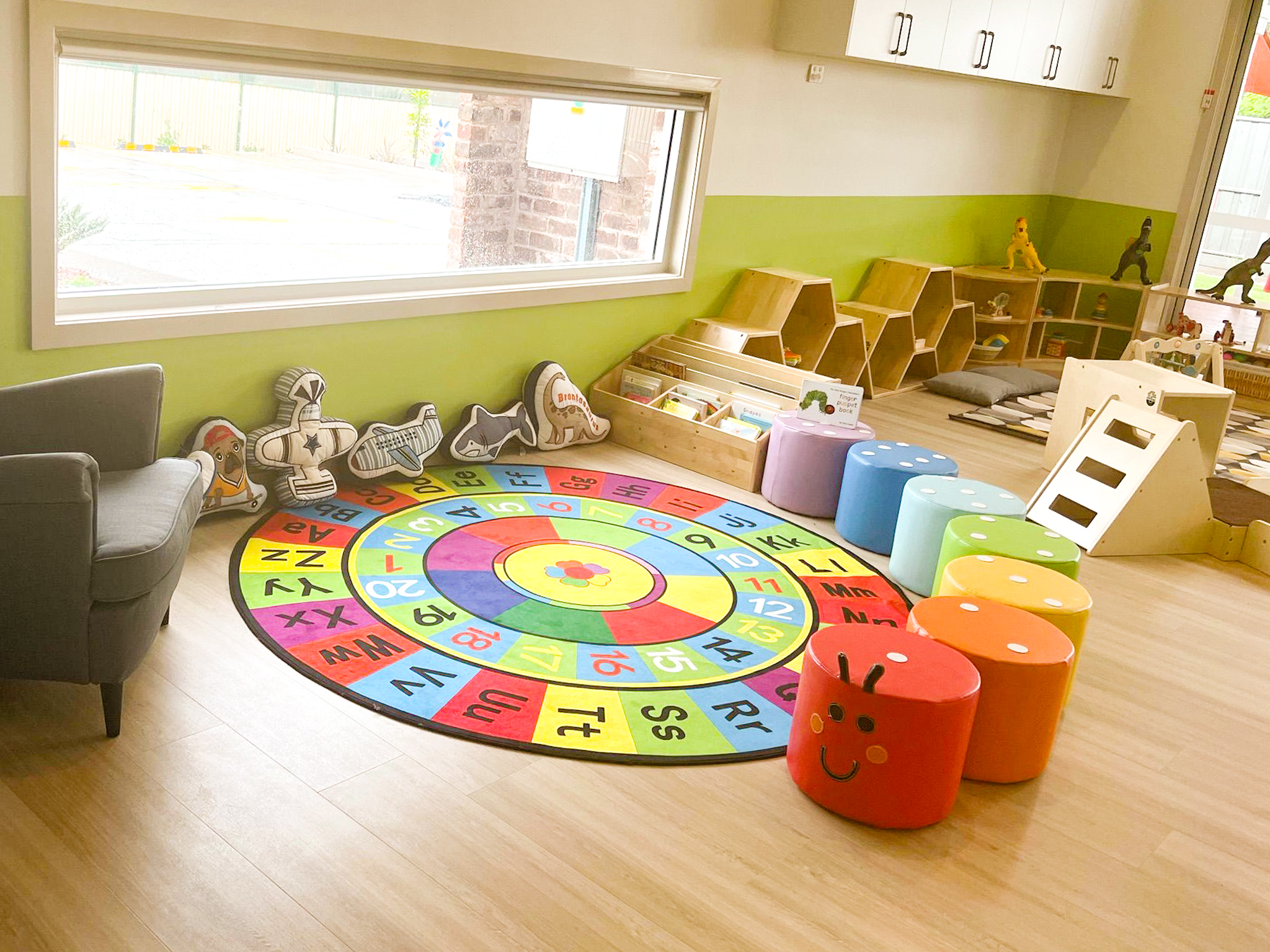
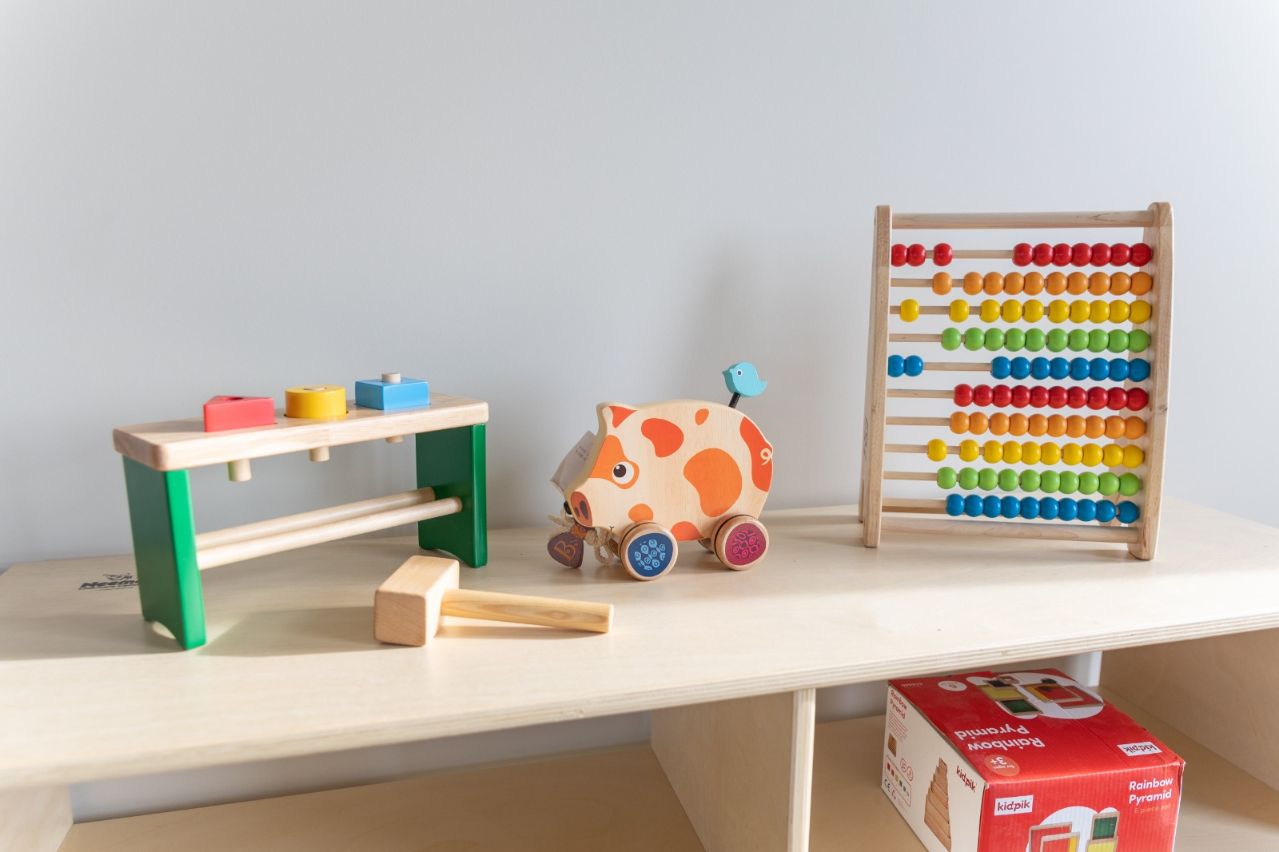
Toys are a fun way to develop youngsters’ motor skills, enliven their imagination, encourage social skills, practice problem-solving and foster independence, but it is possible to have too much of a good thing.

From the moment they’re born, sound is an integral part of children’s development. Infants respond to their parents’ voices, lullabies, and white noise, and as they grow, different sounds help them to learn and connect.

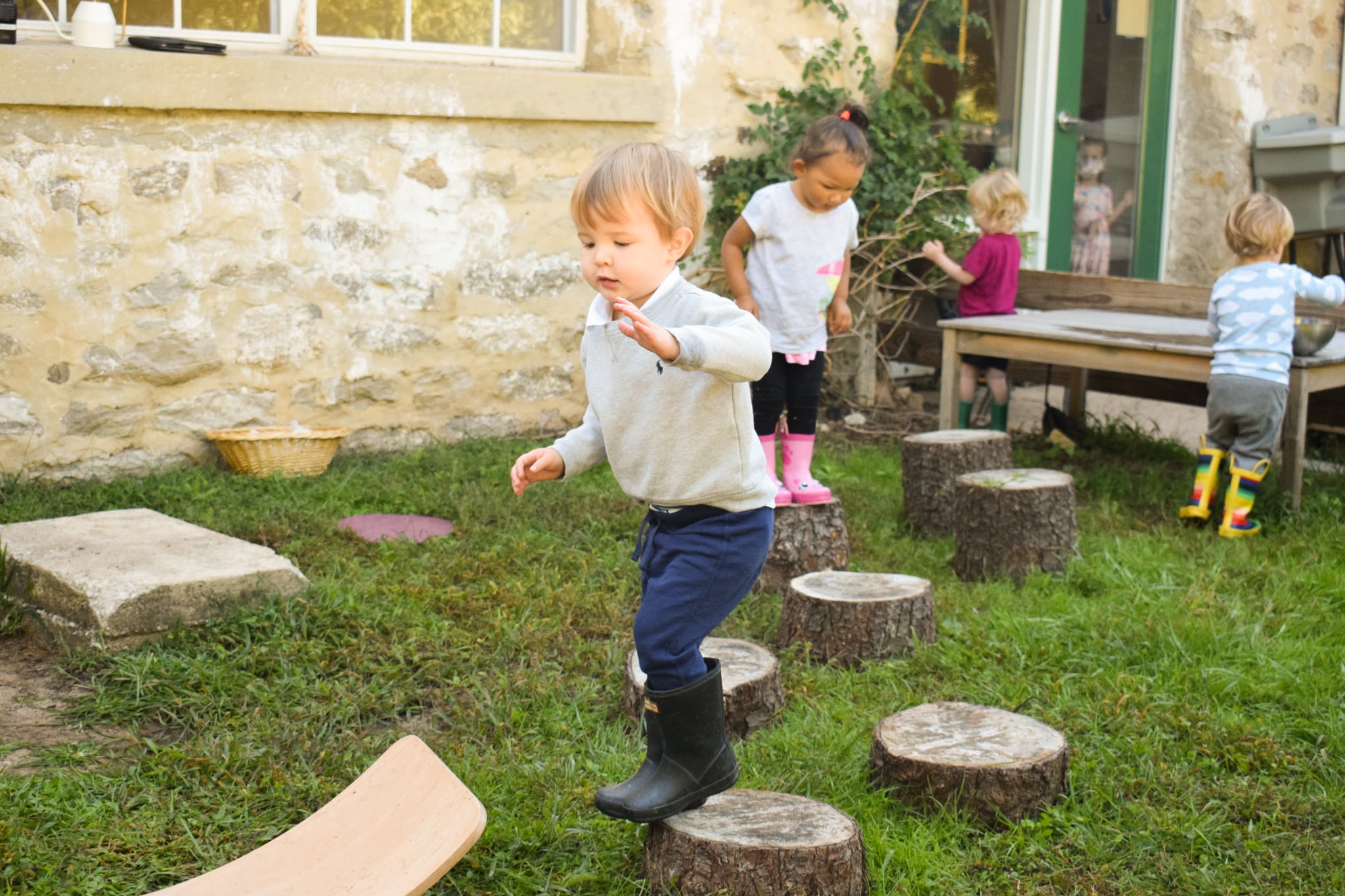
Researchers have linked childhood play with adult achievement, so let’s see how play can help children understand and experience the world, develop vital skills and possibly even get a good job later in life.

Whether you’re a parent or an educator, never underestimate how much children love your company. While it might feel like more effort on your part, when you make tasks fun, you meet children’s need for closeness and play, while teaching them to behave cooperatively.

Young children’s palates are piqued as they harvest ingredients, test recipes and taste self-made meals, and along the way, mini-chefs learn key skills that will stay with them for life.

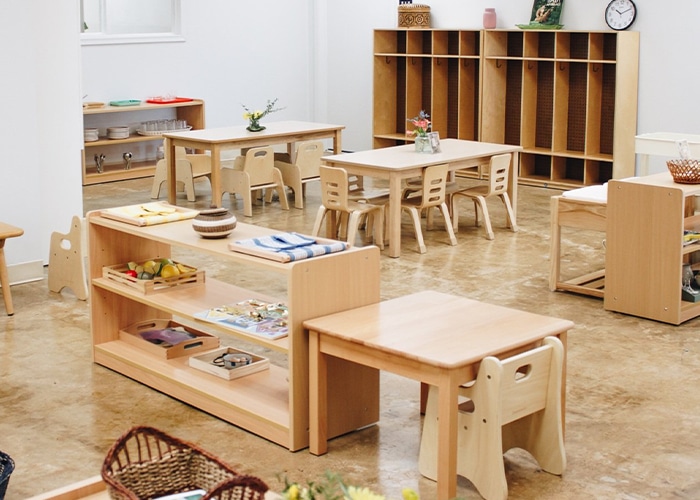
Dr Montessori based her educational methods on scientific observation of children’s learning processes. Guided by her discovery that children teach themselves, Dr Montessori designed a “prepared environment” in which children could freely choose from a number of developmentally appropriate activities.
Click to chat
I'm online now.
Hello, This is Roger, Xiha Montessori Founder. How can I help you? We can send you our catalogs.
Contact Us
🟢 Online丨Privacy policy
Chat With Us
If you need a list of preschool products, send us an inquiry to contact us!
Fill out the form below, and we will contact you within 48 hours.