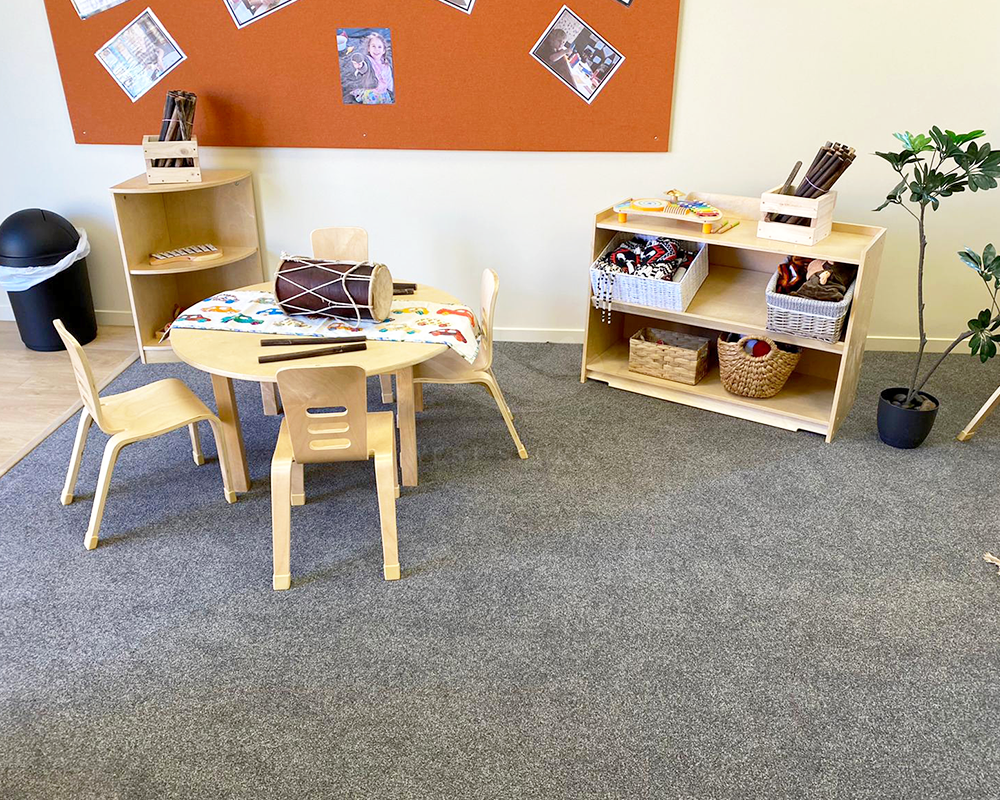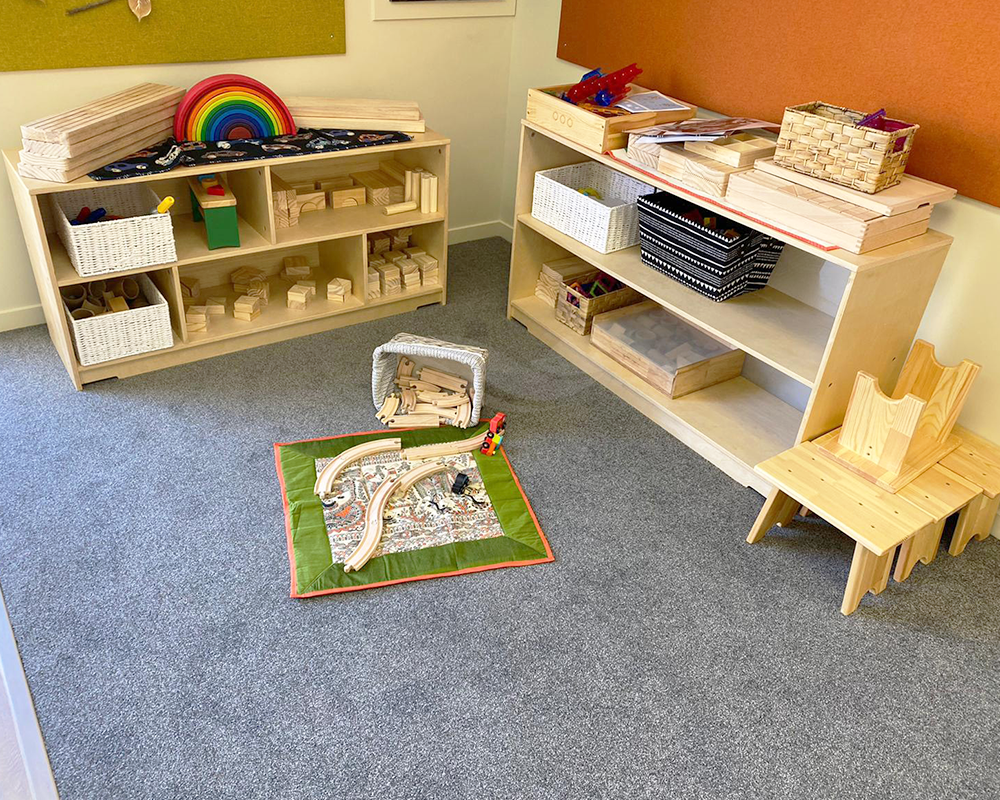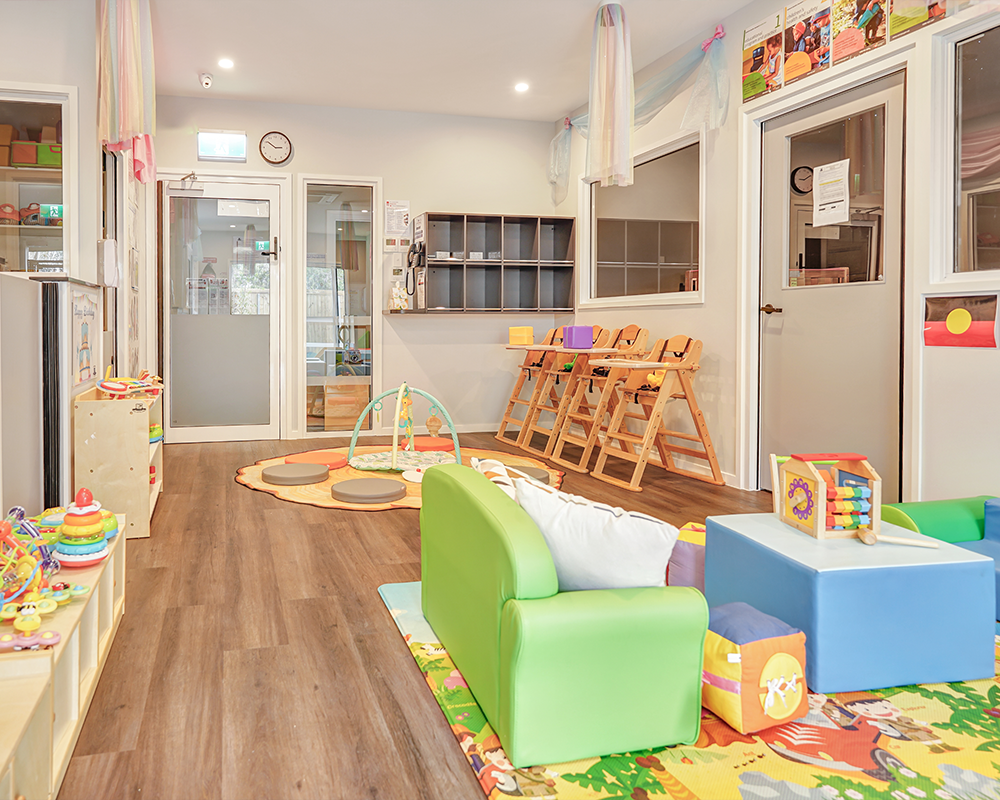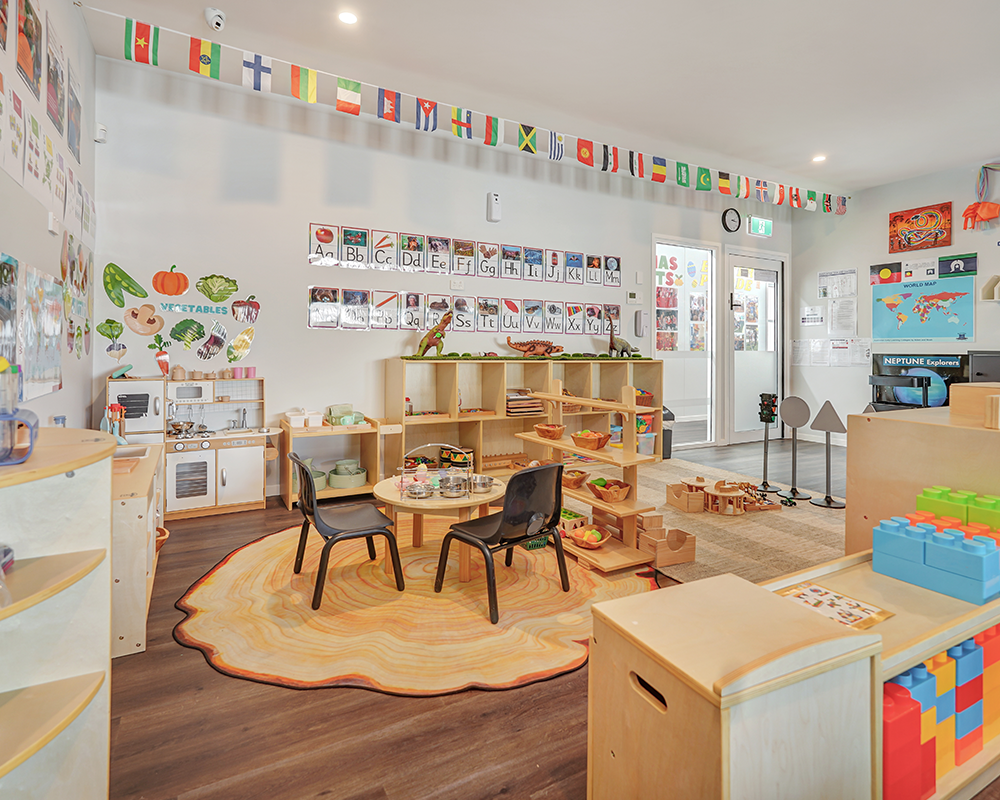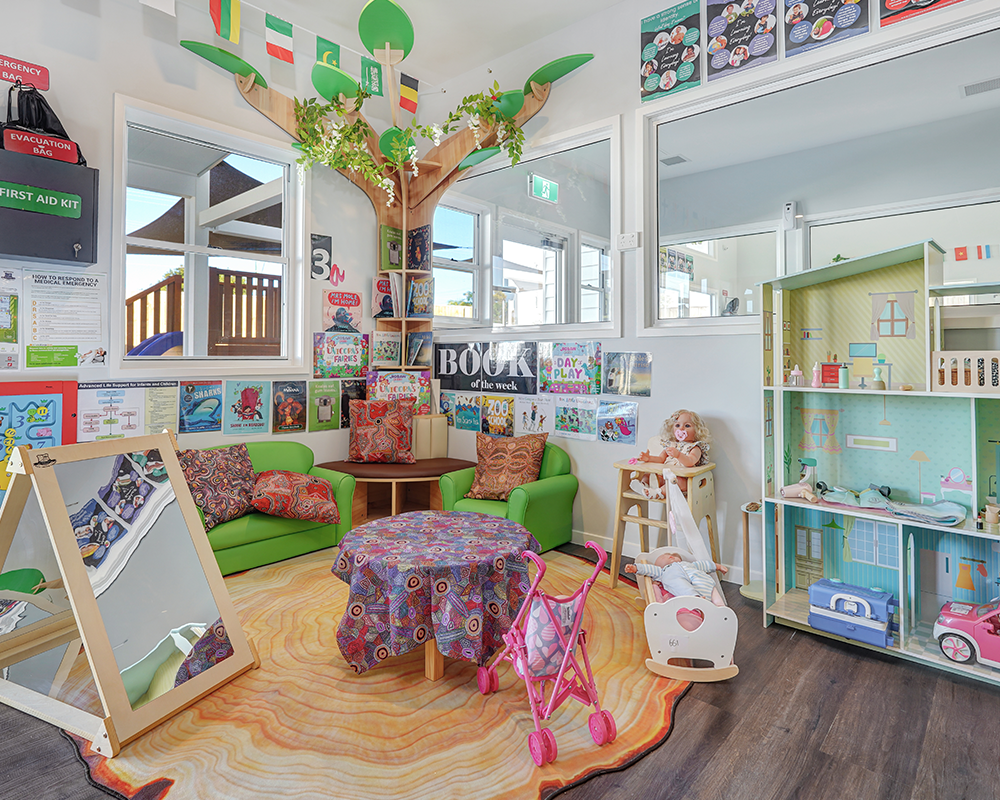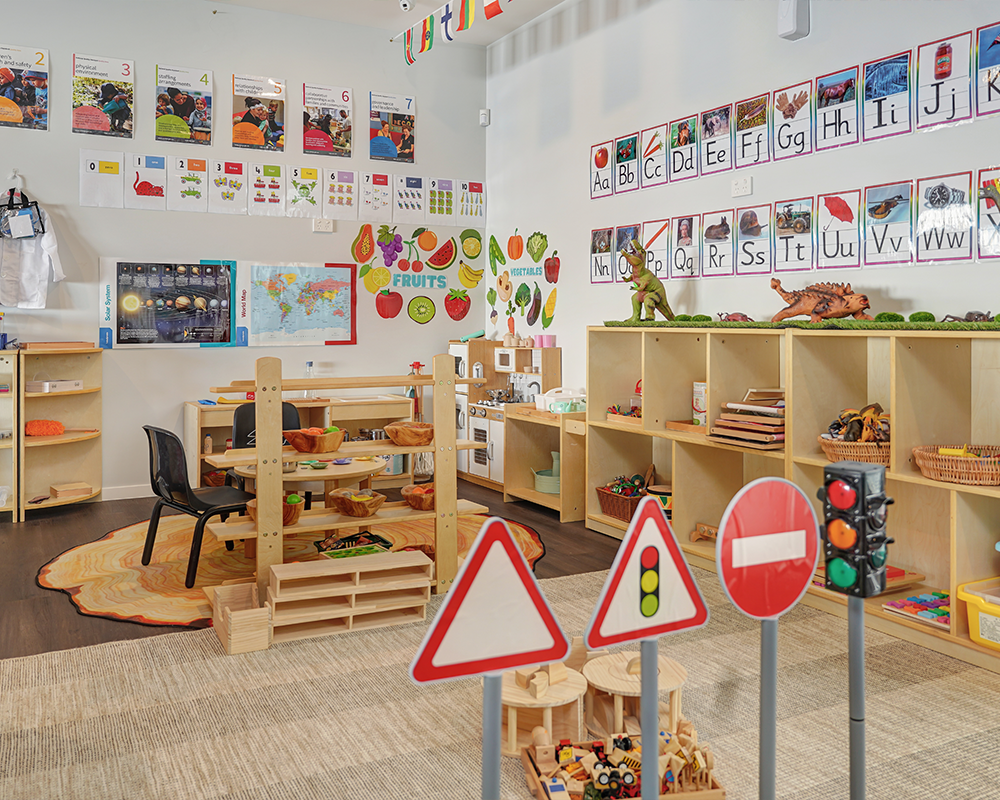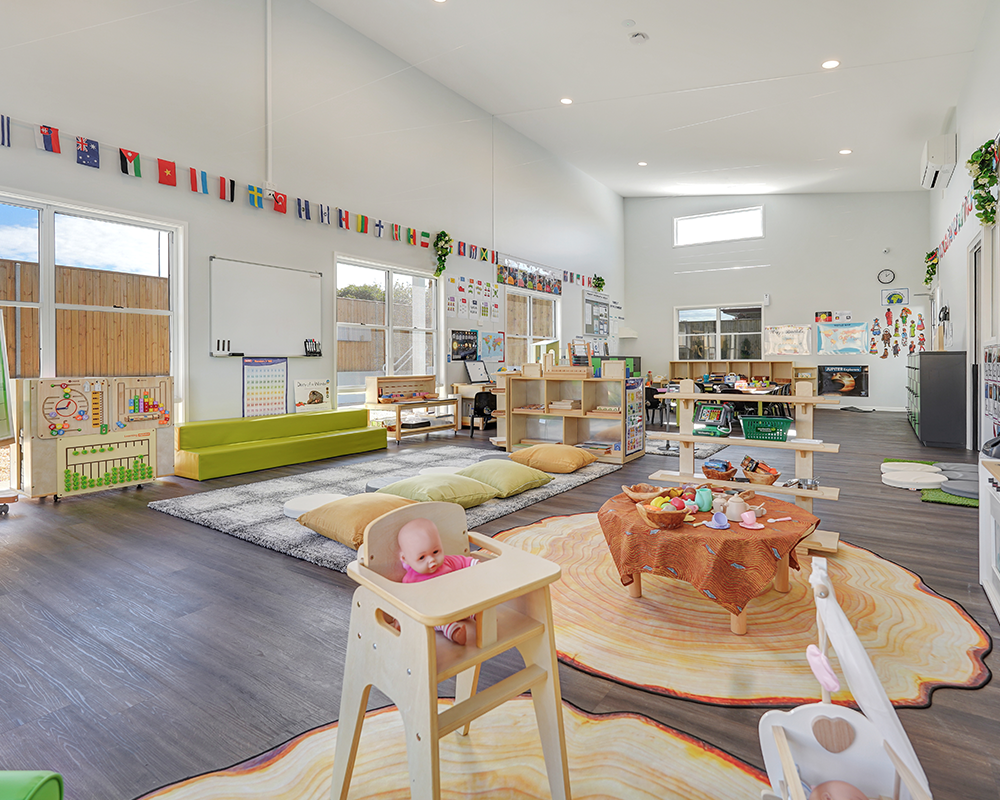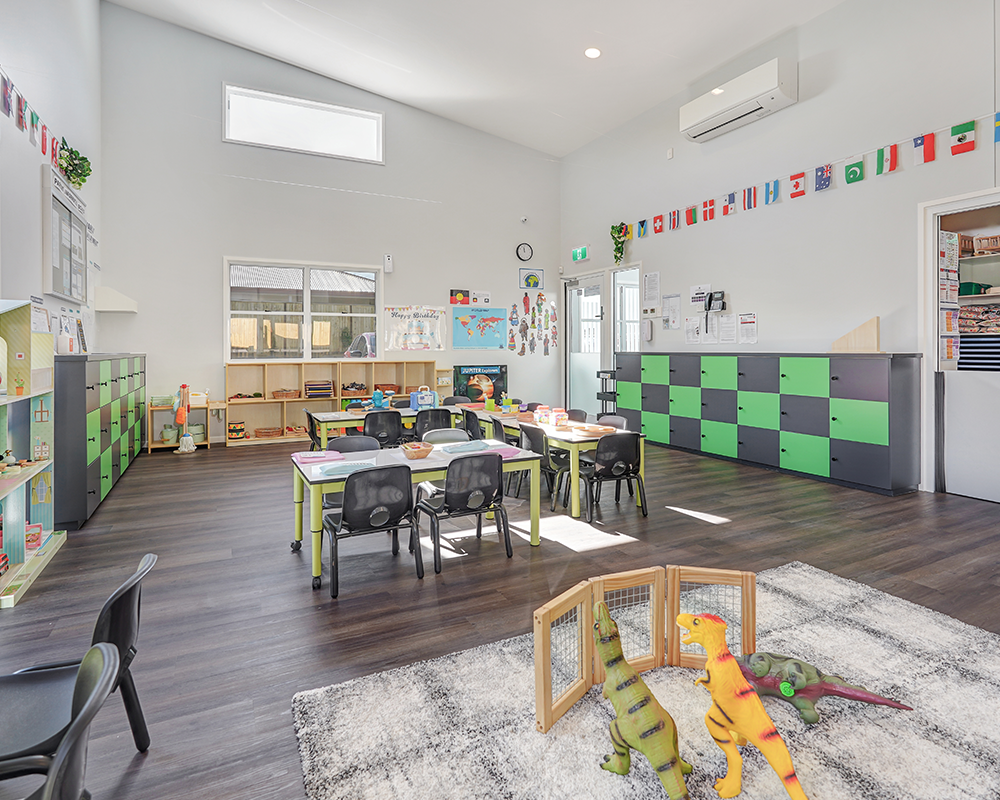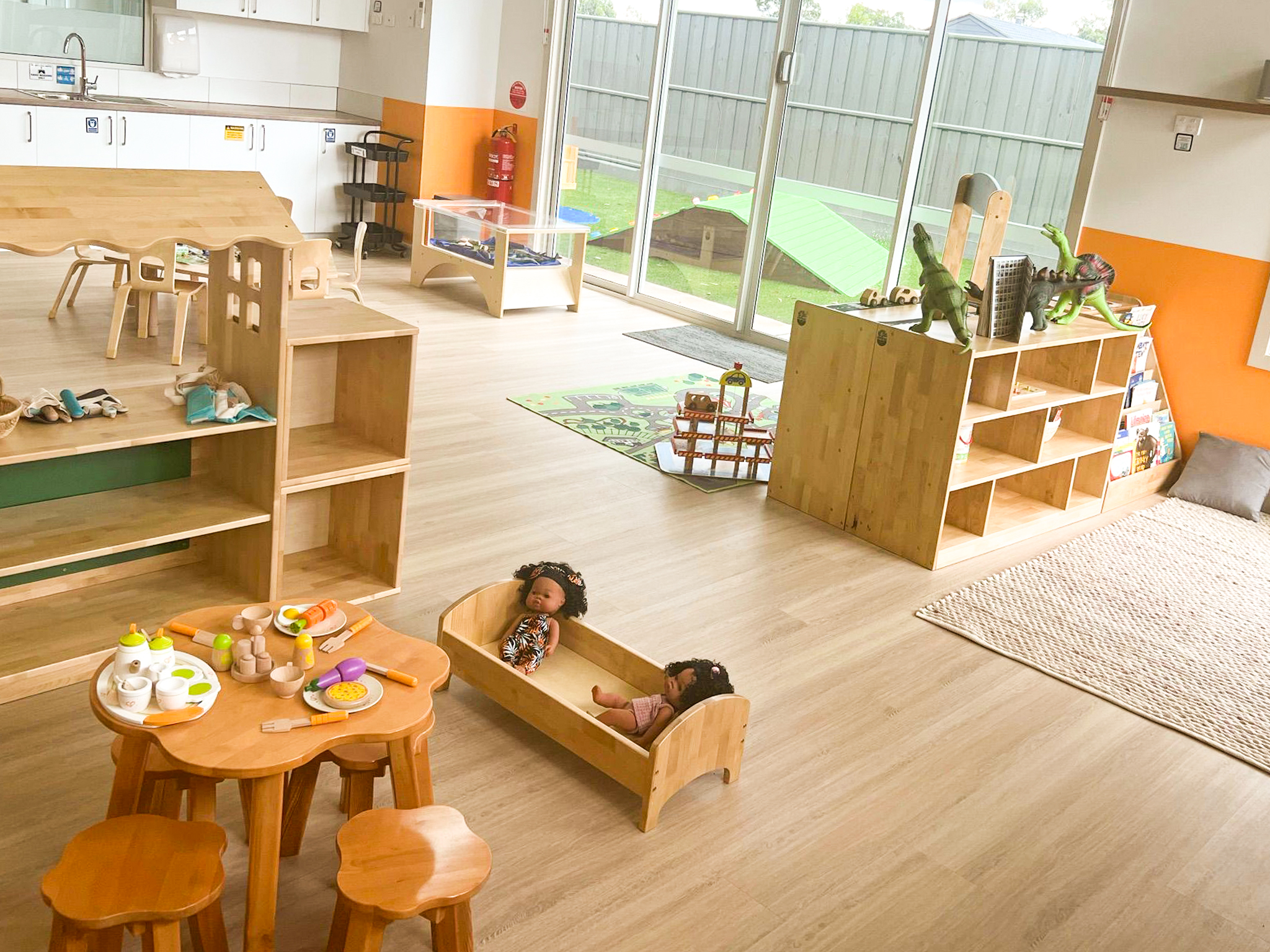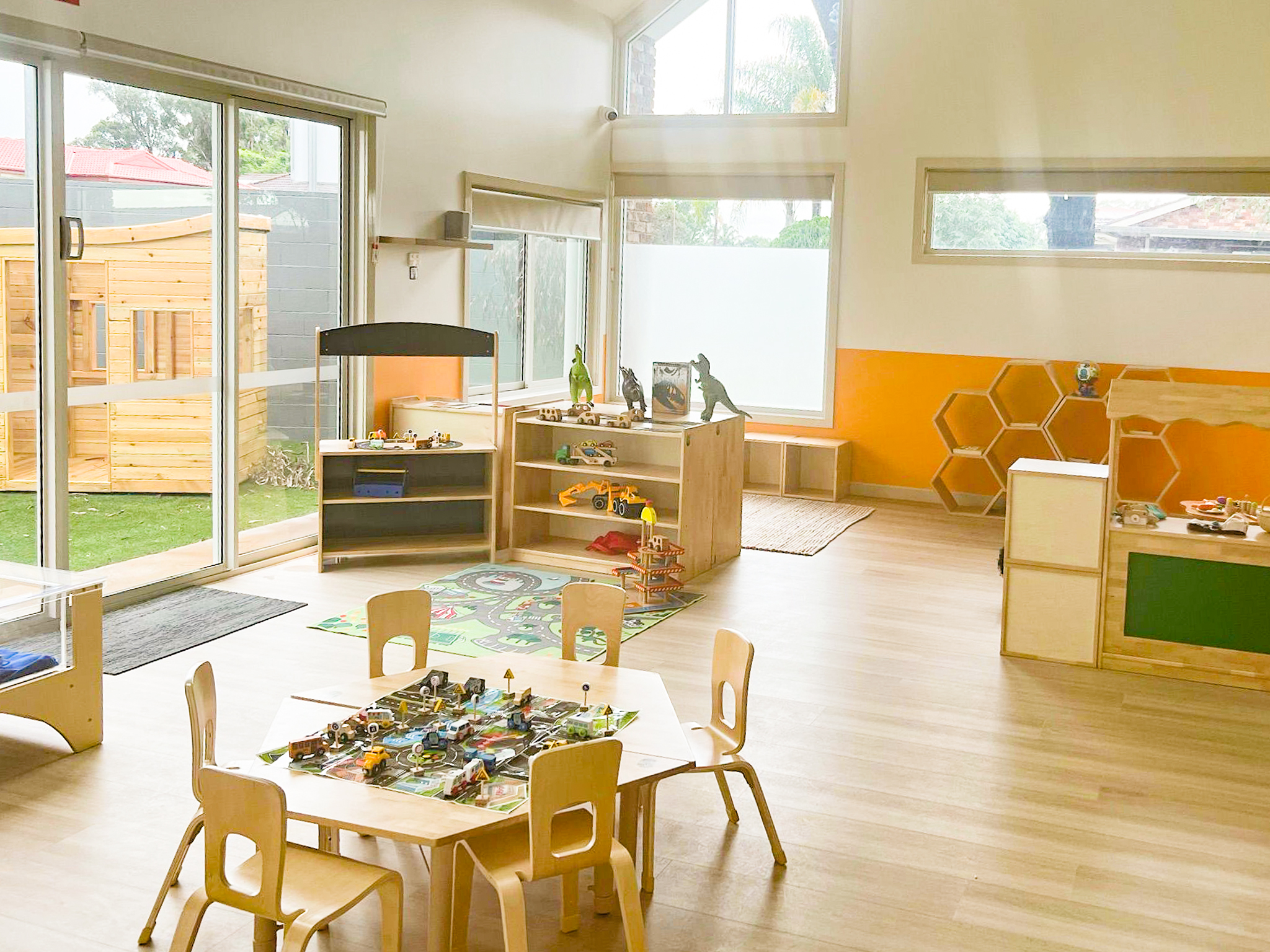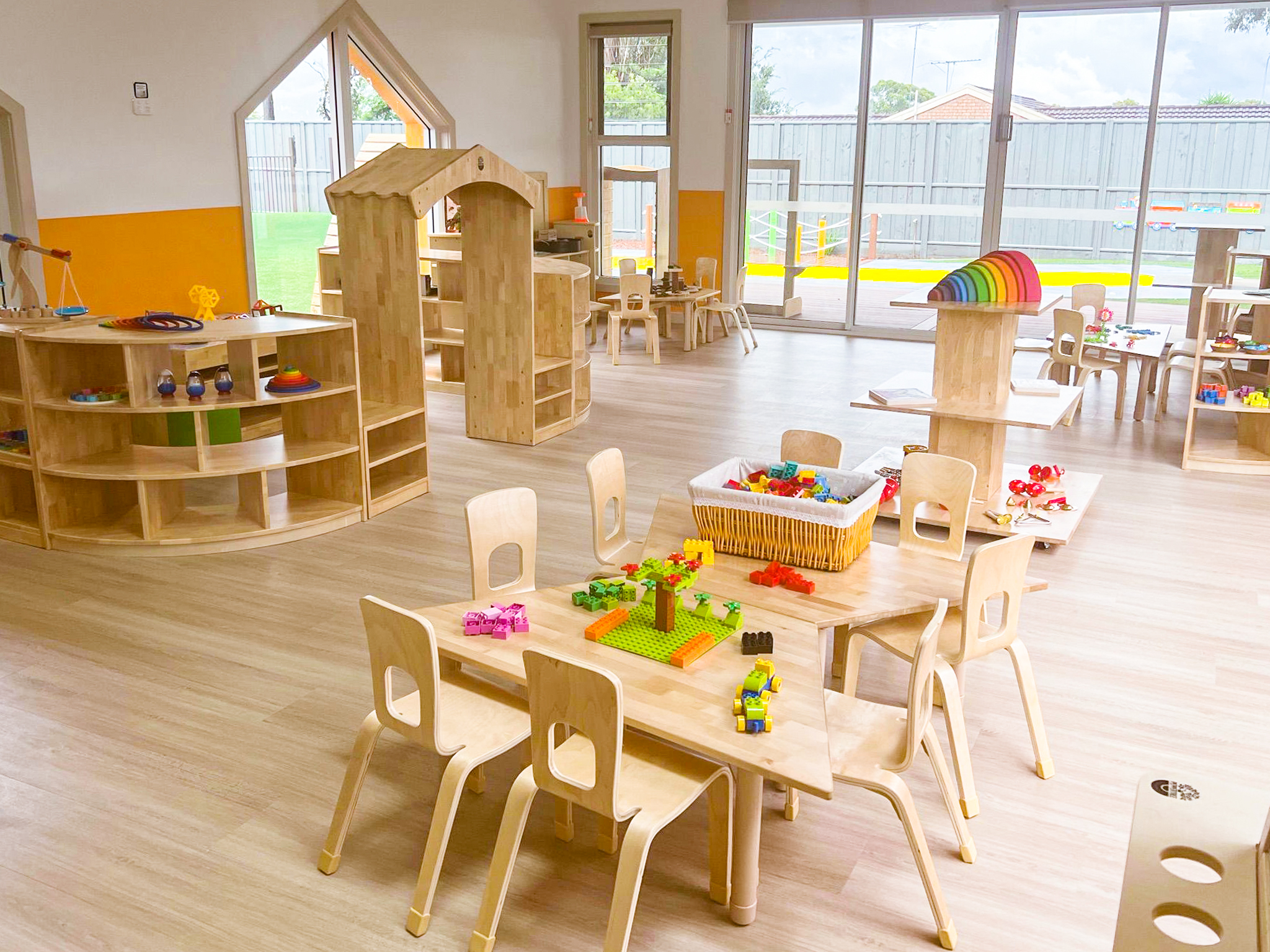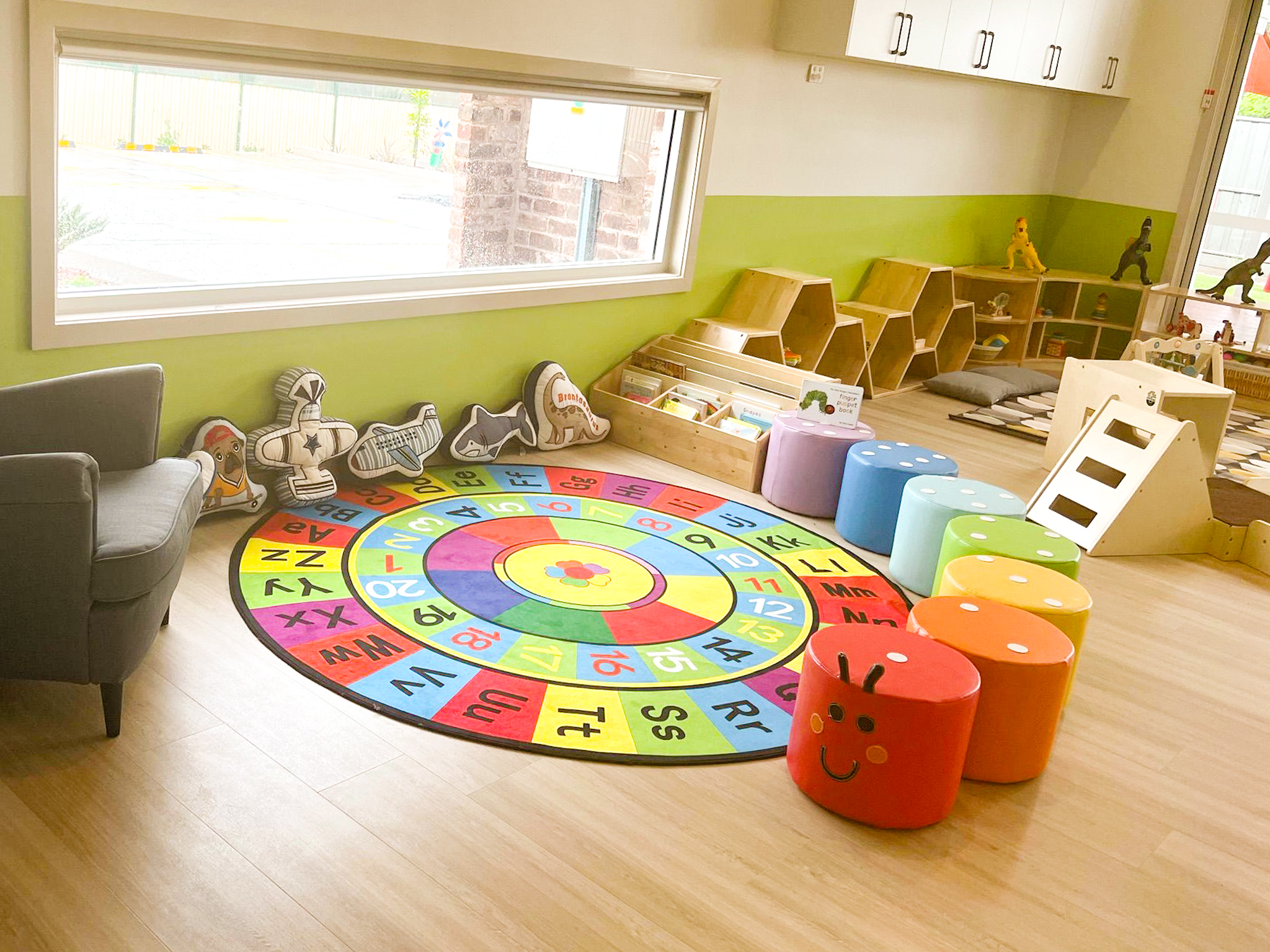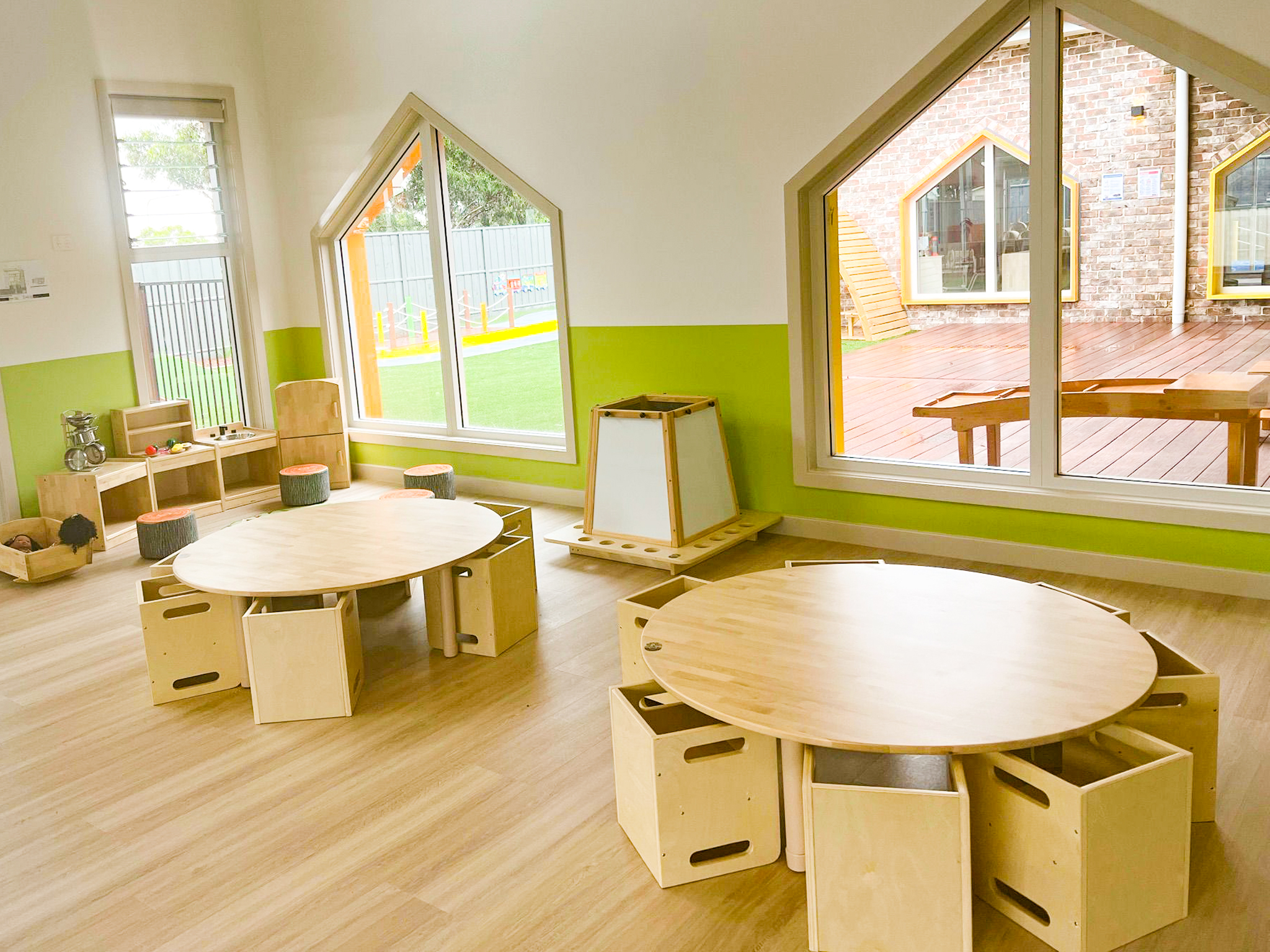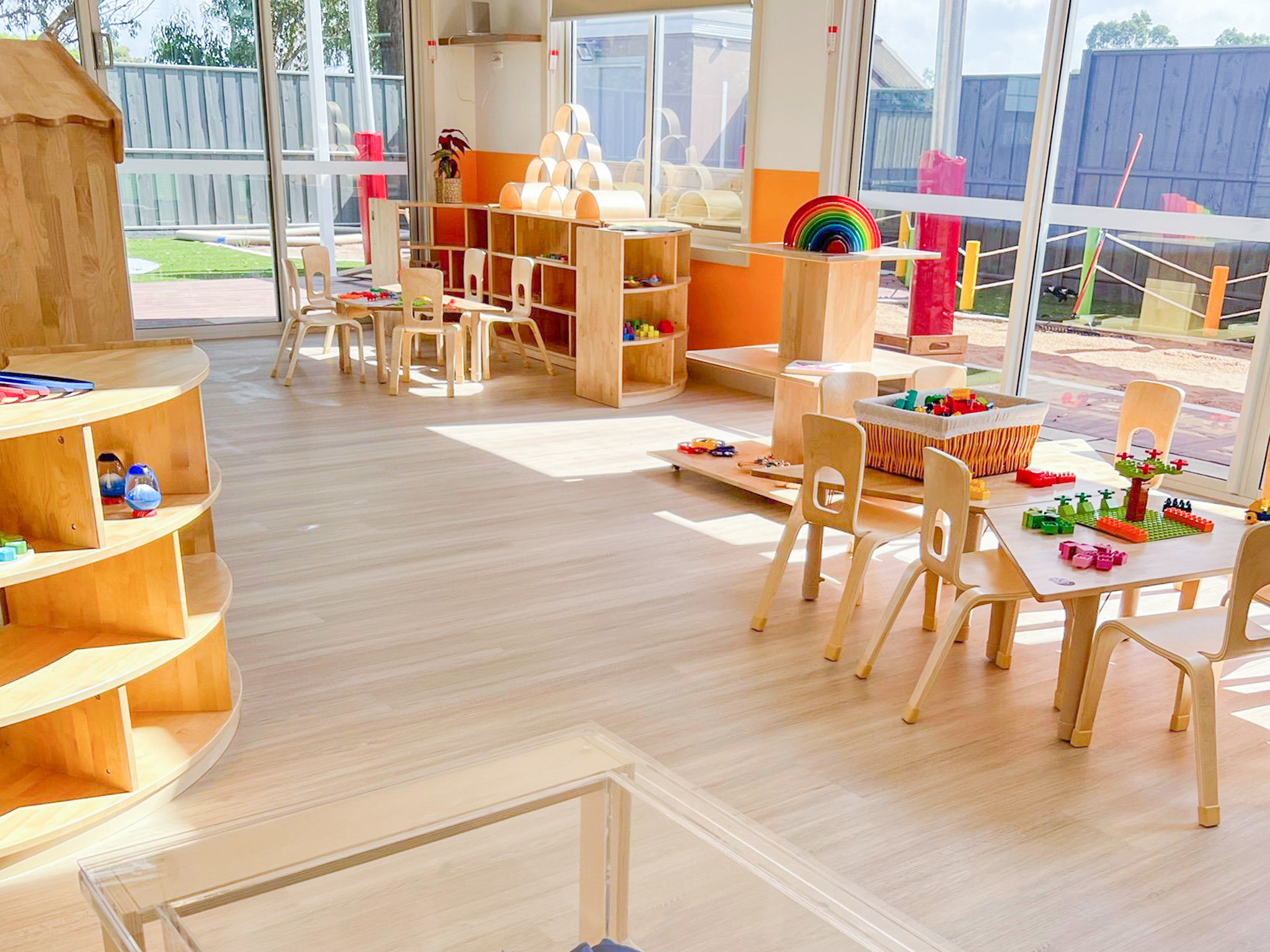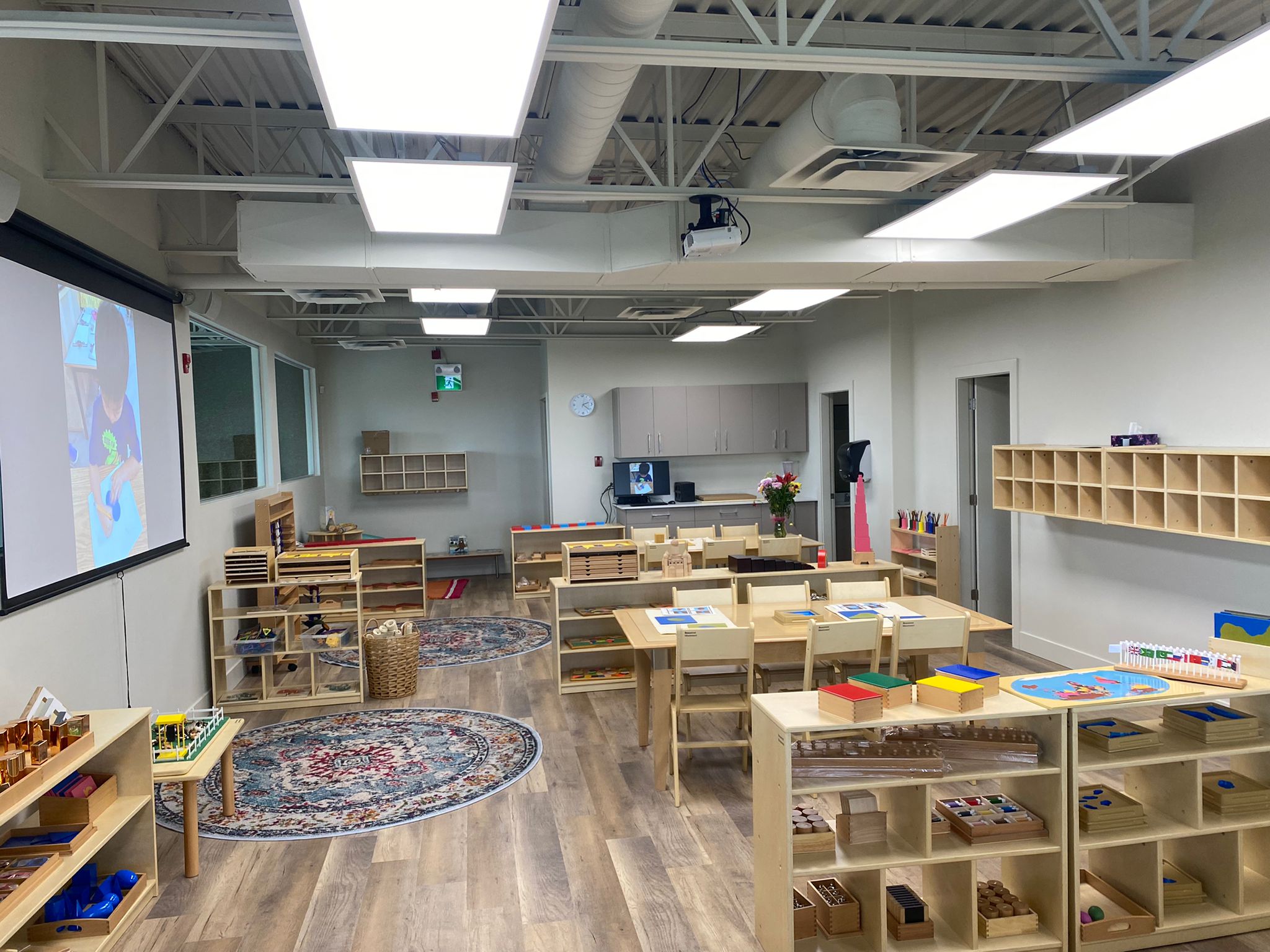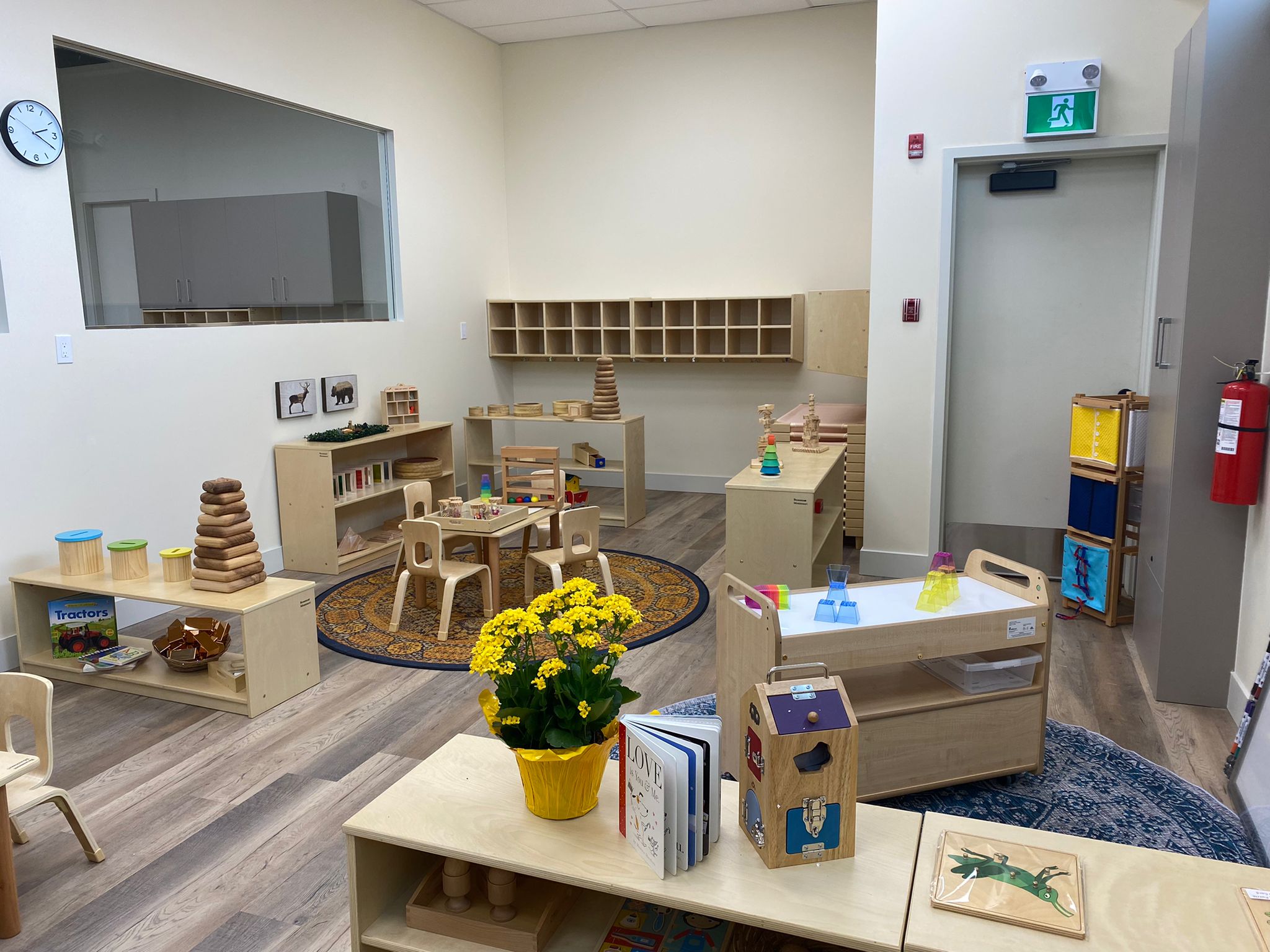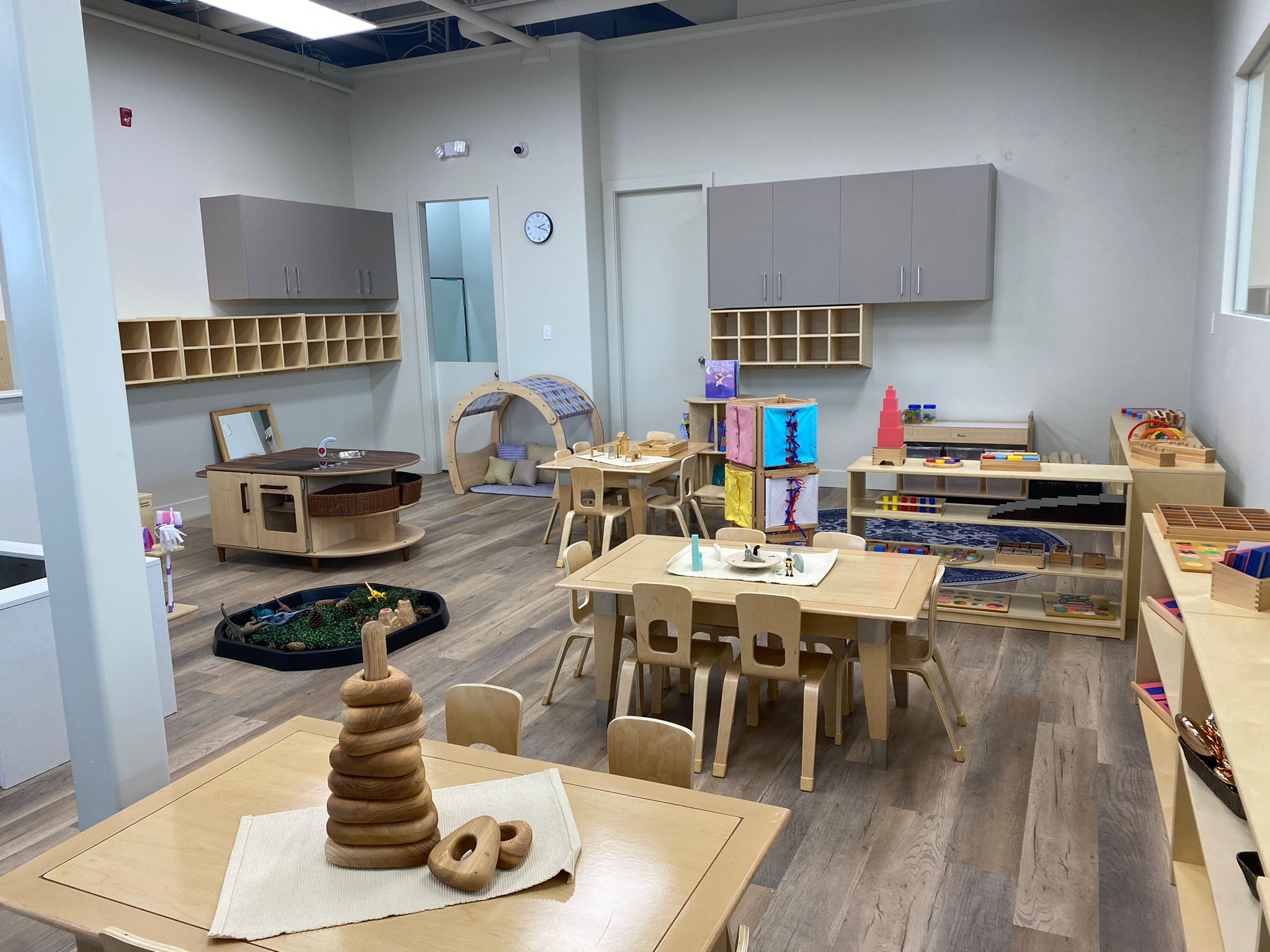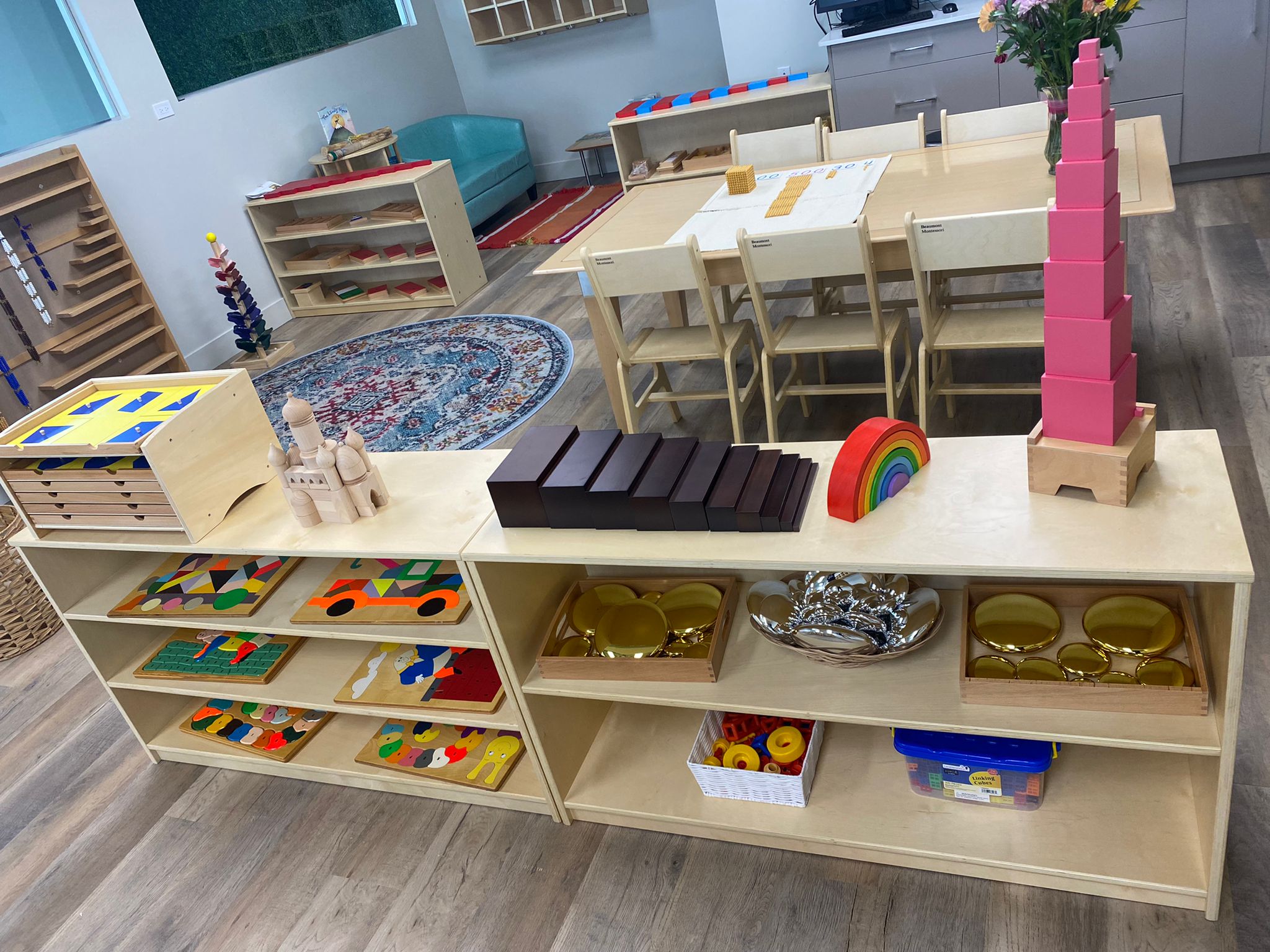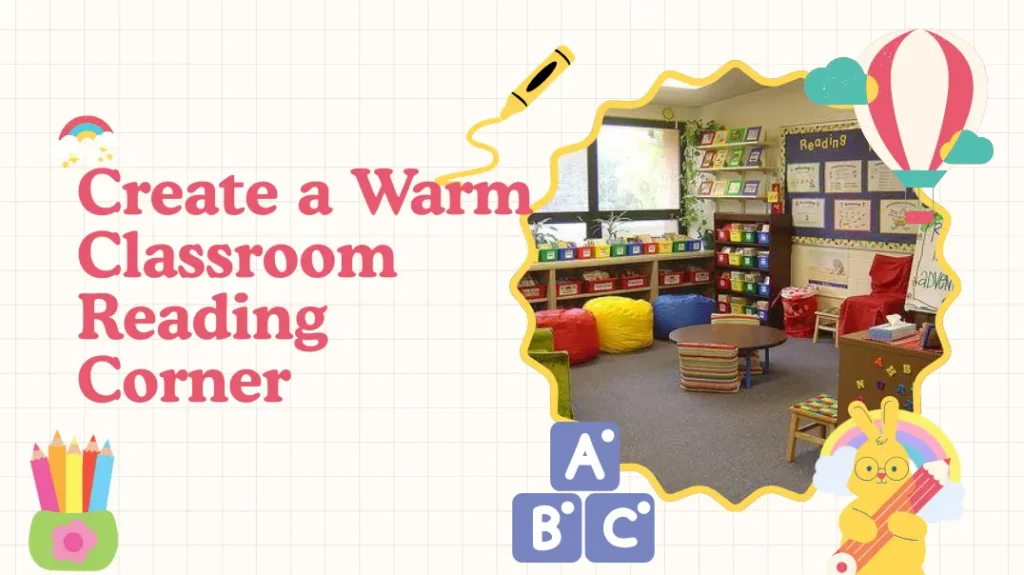
Many classrooms struggle with the same quiet problem: children are surrounded by books, yet reading rarely feels inviting. A classroom reading corner may exist in name, but it often becomes a noisy pass-through, a cluttered shelf, or a space children avoid unless directed. When reading areas feel cold, overstimulating, or uncomfortable, students associate reading with effort instead of enjoyment, and teachers end up managing behavior instead of nurturing literacy. Over time, this gap quietly limits reading time, focus, and independent learning opportunities that children deeply need.
The impact goes beyond reading skills. When a classroom reading corner fails to provide calm and comfort, children who need regulation lose a safe option to reset, early finishers wander, and transitions become harder to manage. Reluctant readers feel exposed, confident readers disengage, and books sit untouched. Teachers may sense something is off but feel overwhelmed by time, budget, or uncertainty about what actually makes a reading corner work. The result is frustration on both sides and a missed chance to shape positive reading habits early.
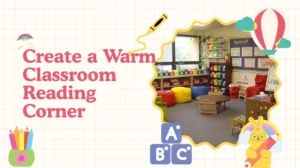
A warm classroom reading corner solves this by design, not decoration. When the space is planned with children’s needs in mind, including comfort, clarity, safety, and choice, it naturally draws students in. The right seating, layout, and children’s books transform reading into a calming routine rather than a task. This guide breaks down how to create a classroom reading corner that truly supports focus, behavior, and literacy using practical steps and realistic solutions that fit real classrooms and real teaching days.
What Is a Warm Classroom Reading Corner?
A warm classroom reading corner is a small, intentionally designed space where children can read in a way that feels safe, calm, and comfortable. It’s not the book area that’s near a shelf. It’s a classroom reading corner with a clear purpose: to help kids slow down, focus, and enjoy reading without feeling rushed, watched too closely, or overstimulated.
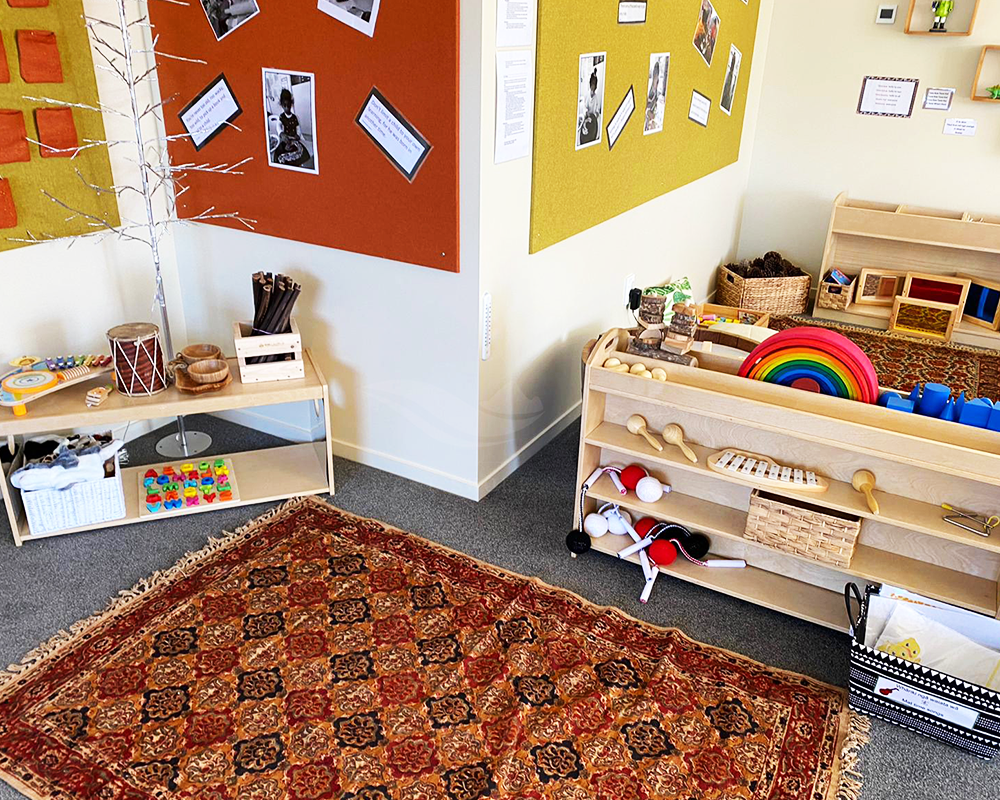
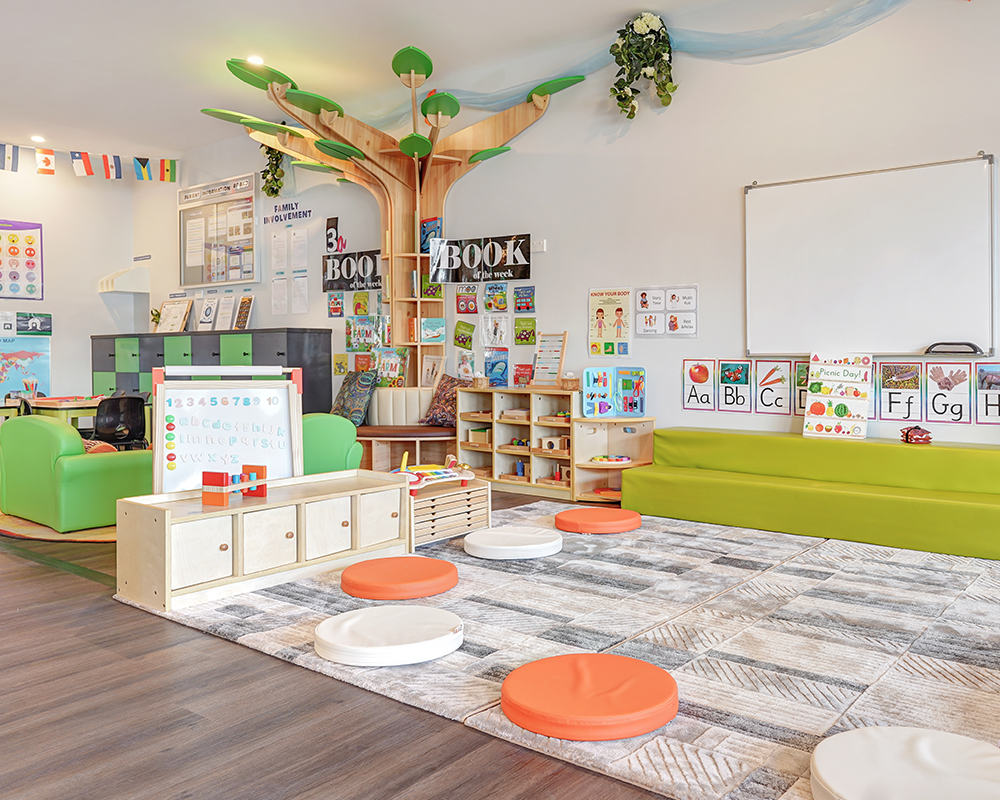
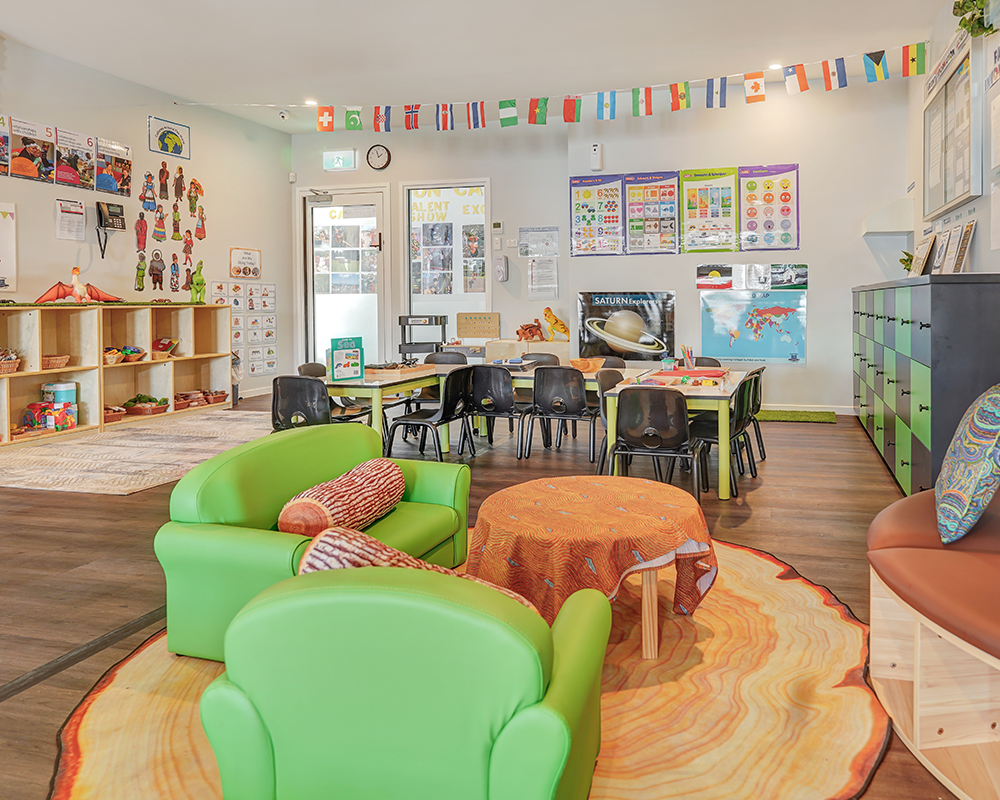
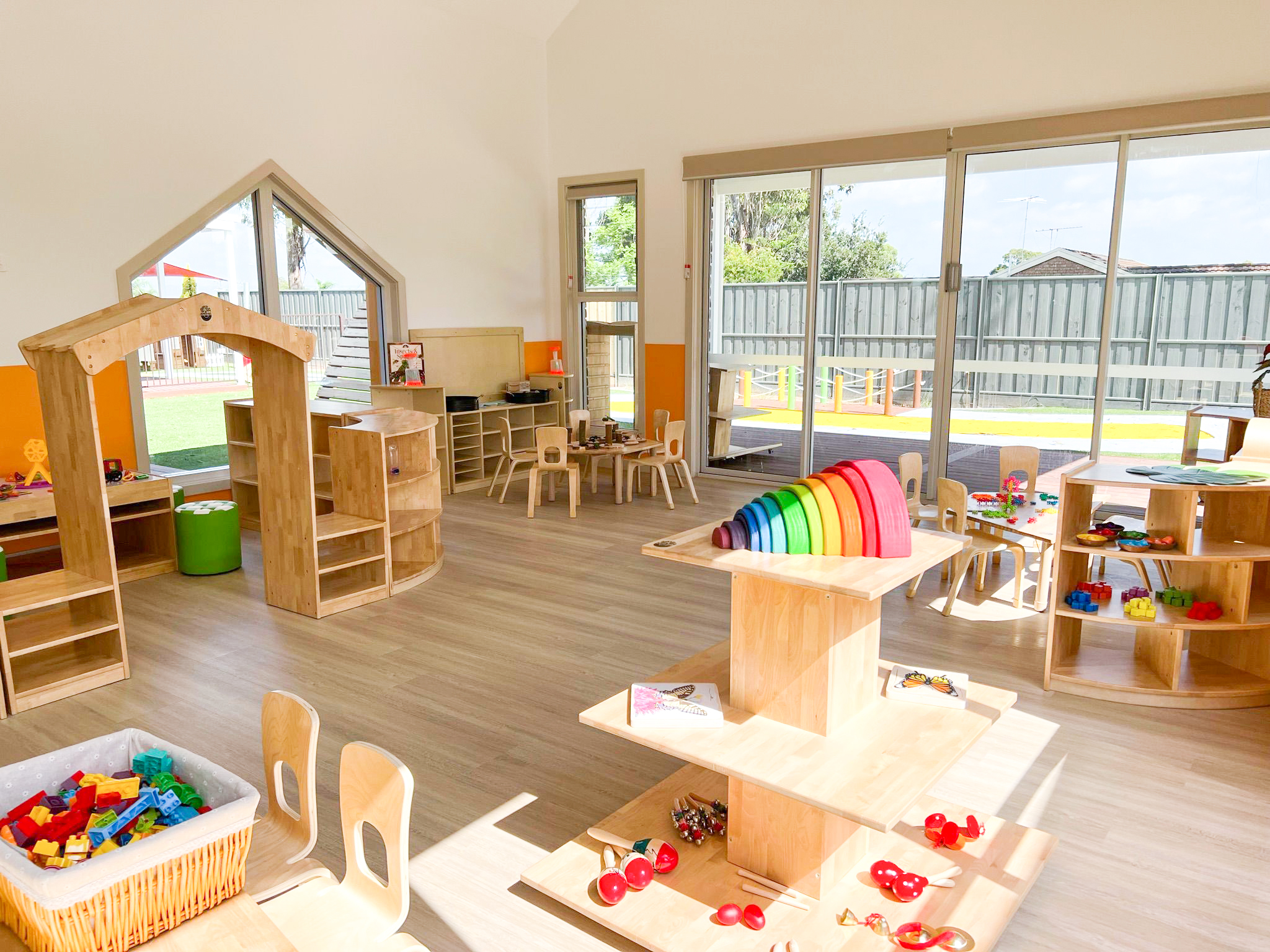
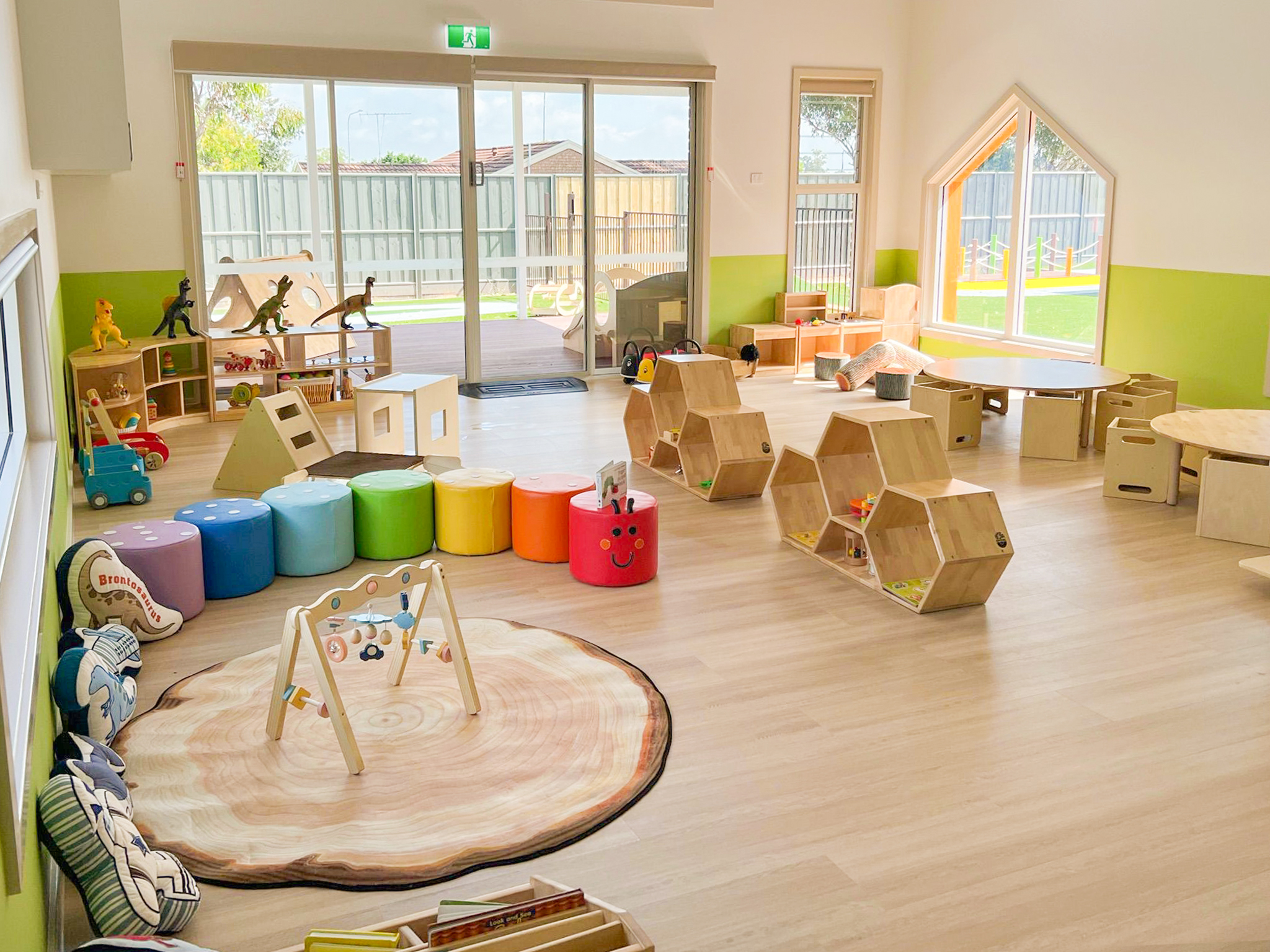
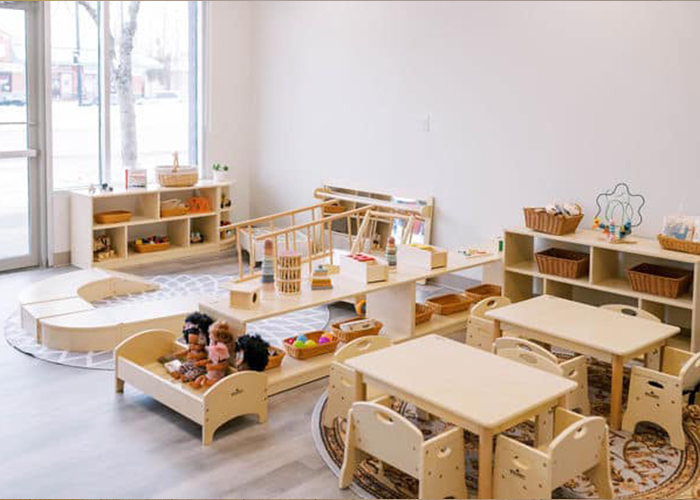
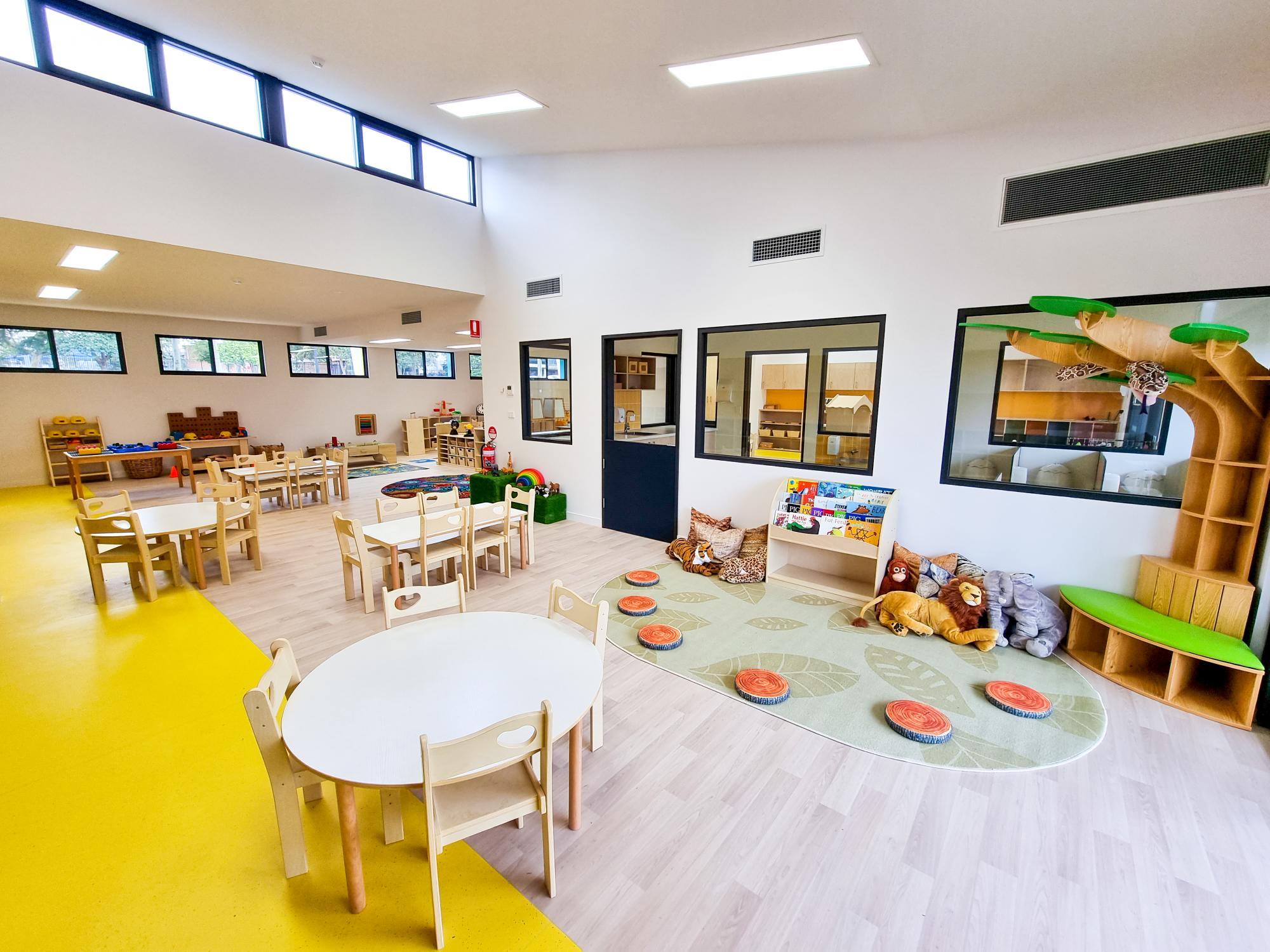
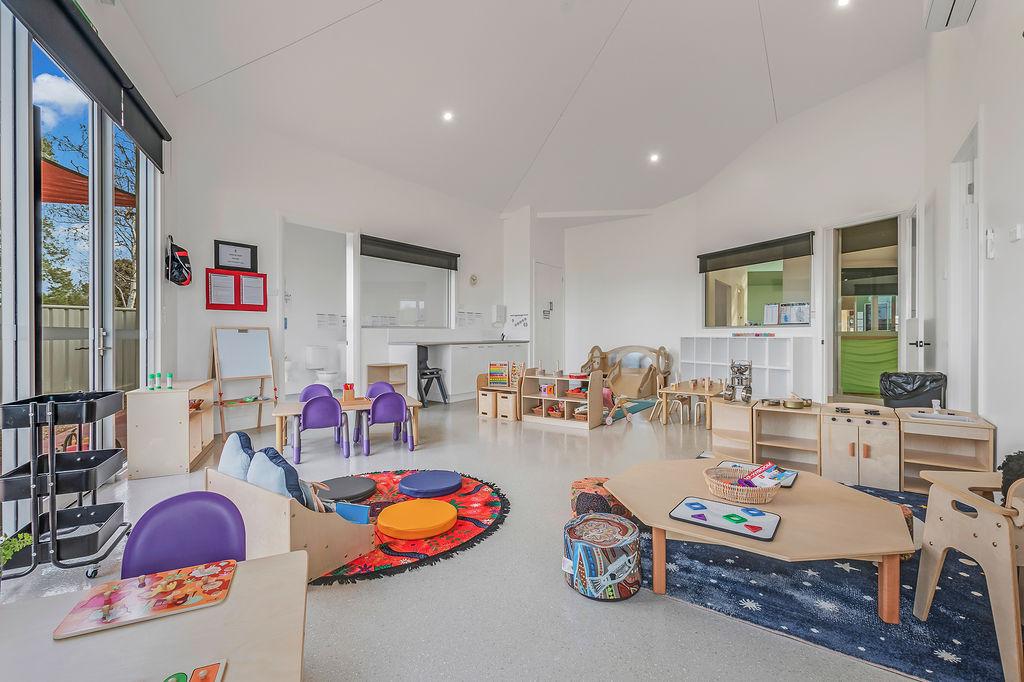
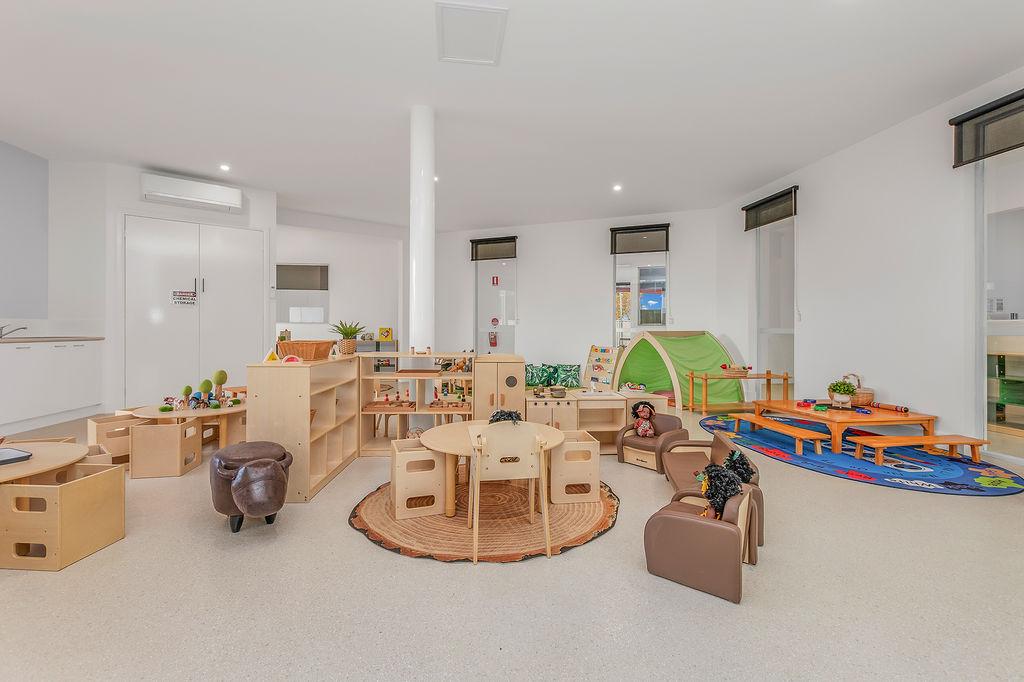
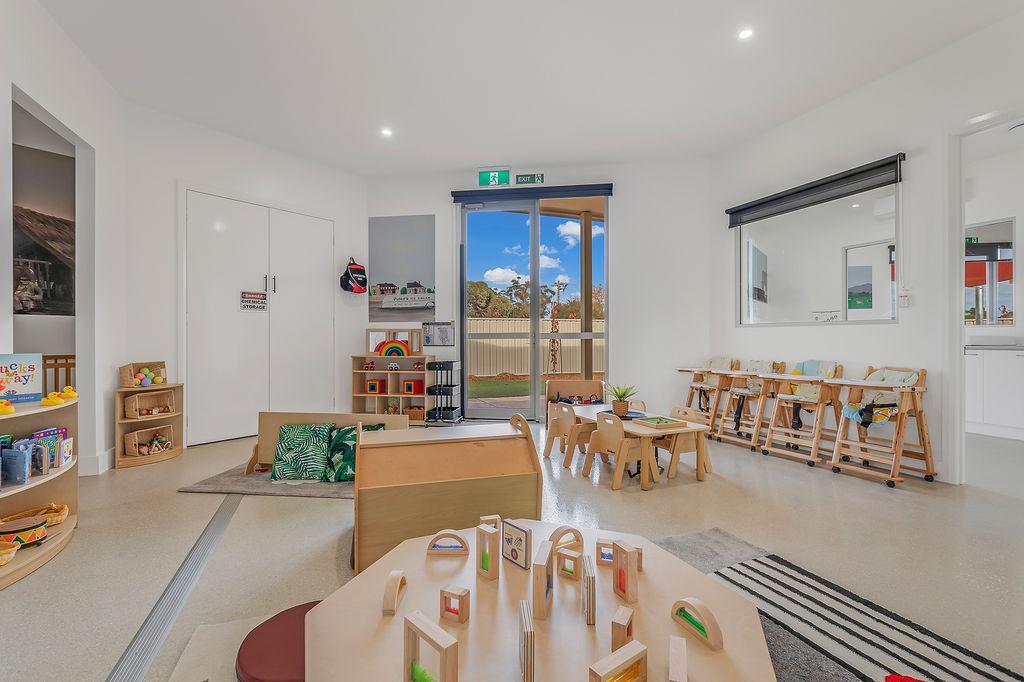
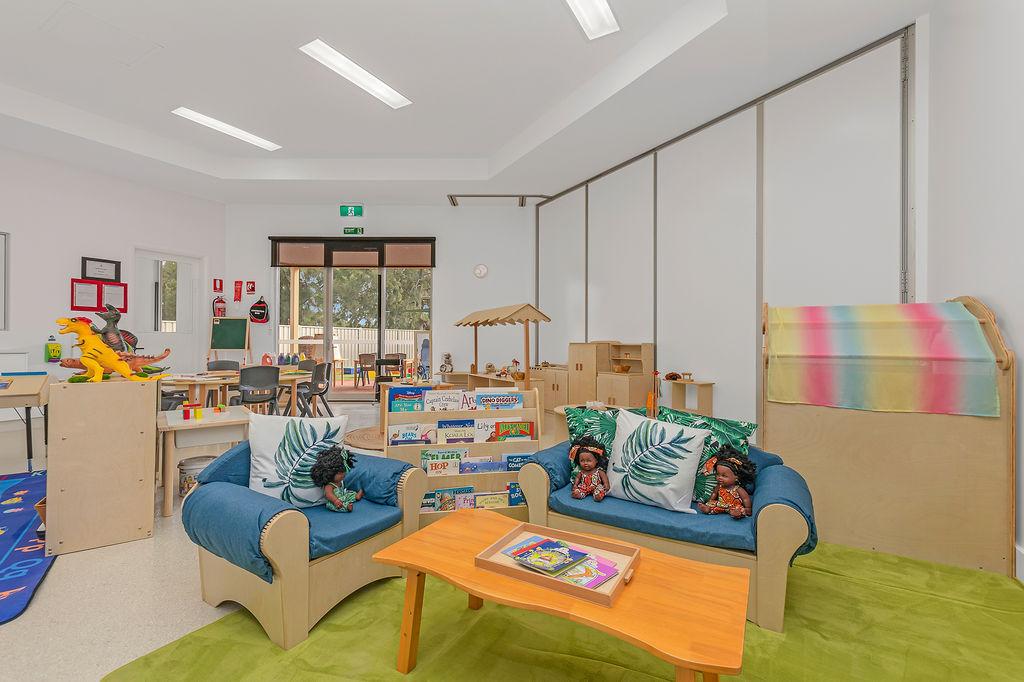
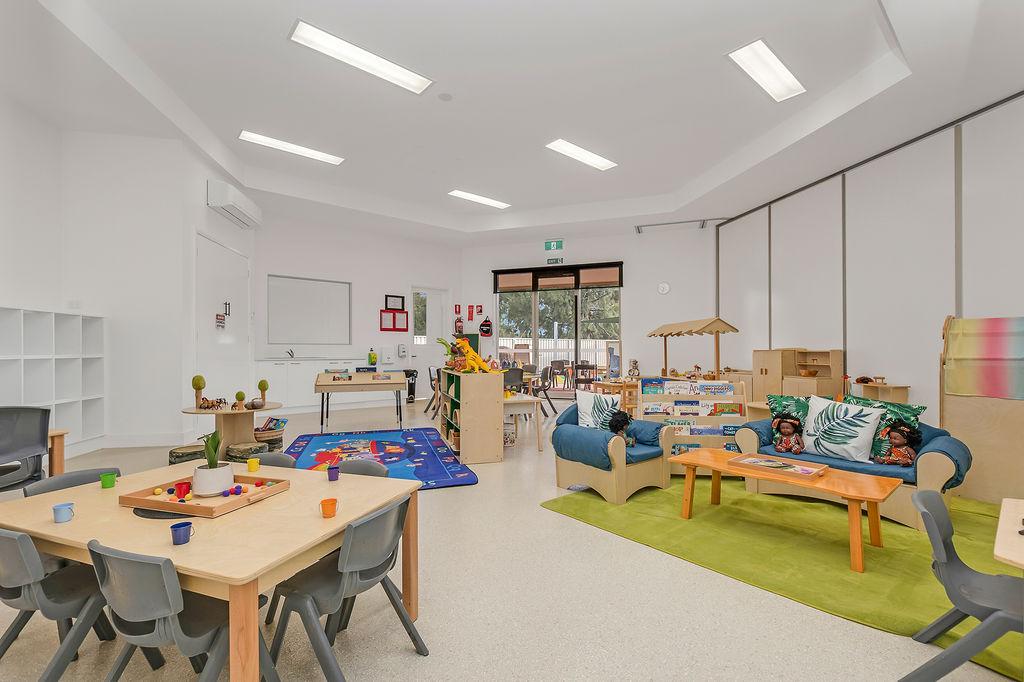
A warm classroom reading corner usually has a few visible signals: soft seating or a cozy floor option, books that face forward so children can choose easily, gentle boundaries that make the space feel like its own little zone, and simple expectations that support peaceful reading. The best version is one you can actually maintain during a busy week, not one that only looks good on day one.
Why a Classroom Reading Corner Matters for Kids
A classroom reading corner matters because it turns reading into an everyday option, not a special event. When books are accessible, and the space feels welcoming, kids are more likely to pick up a book during choice time, after finishing work early, or during transitions when a calm reset is needed.
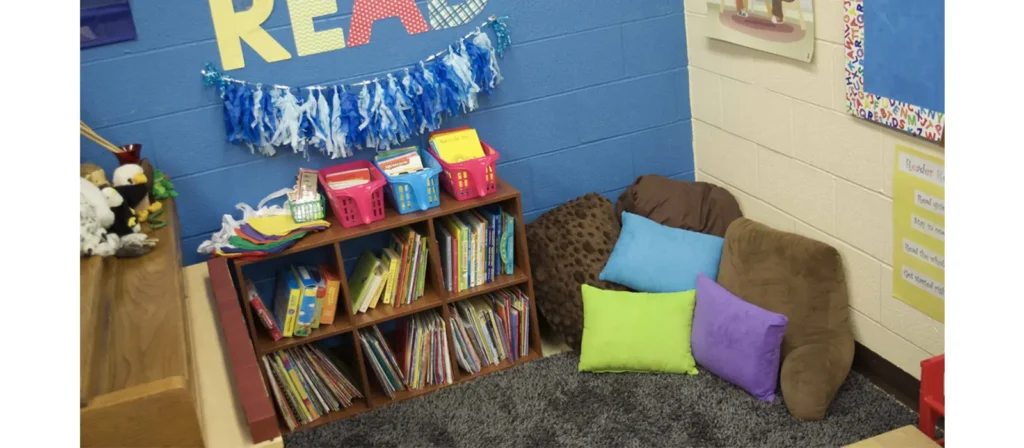
It also builds independence. Many children want to read but don’t know how to start, what to choose, or where to sit. A well-planned classroom reading corner removes those barriers. It quietly teaches routines such as selecting a book, settling your body, staying with a text for a few minutes, and returning the book when done. These small skills add up to real reading stamina.
For reluctant readers, the environment can be the difference between “I don’t like reading” and “I can handle reading for a bit.” A hard chair, a noisy corner, and books stored spine-out like a library shelf often make reading feel like work. A warm classroom reading corner makes reading feel like something they get to do, not something they have to do.
A warm classroom reading corner supports literacy by increasing the amount of time children spend with books. More time with books usually leads to stronger vocabulary, better comprehension, and more confidence in choosing texts. When children can browse easily, they practice making reading decisions: picking topics, noticing covers, trying a book, and switching if it isn’t a good fit. That is authentic reading behavior, and it matters.
The biggest win is that it supports the whole room, not just reading time. When children have a predictable place to settle, your classroom runs with less friction. Over time, the classroom reading corner can become one of your most effective “quiet tools” for helping children regulate, refocus, and return to learning.
What “warm” Means: Safe, Calm, and Inviting
In a classroom, “coziness” is a practical design goal. This means creating a space that fosters a comfortable and relaxing atmosphere while also serving its educational function.
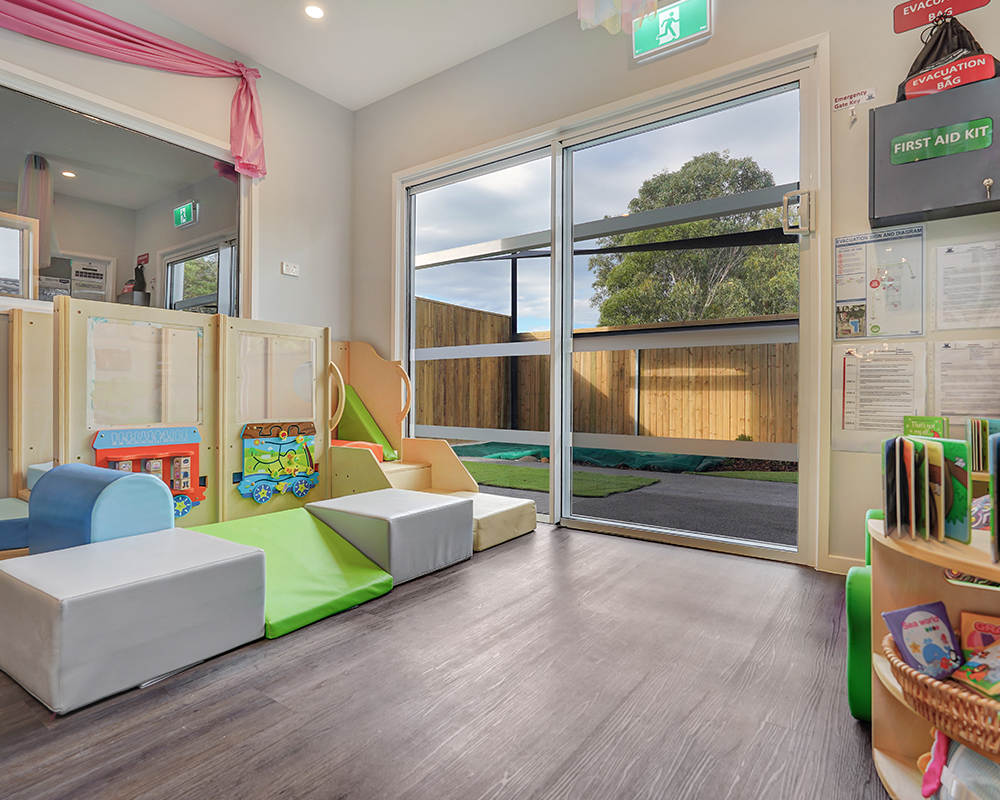
Safety means children can use the area safely. Furniture is stable, bookshelves won’t tip over, edges are rounded, wires are neatly organized, and pathways are unobstructed.
Tranquility means the reading corner reduces rather than increases stimulation. The space should minimize visual clutter, avoid harsh lighting, and limit “flashy” decorations that distract children and prevent them from focusing on books.
Attractiveness also means children know they are welcome to be there. The seating looks comfortable, the books look interesting, and the layout is child-friendly. If the classroom reading corner is treated as a display area, children will quickly sense this and avoid it. A sense of coziness comes from genuine use: a lived-in, warm, and comfortable space.
Plan the Classroom Reading Corner Space
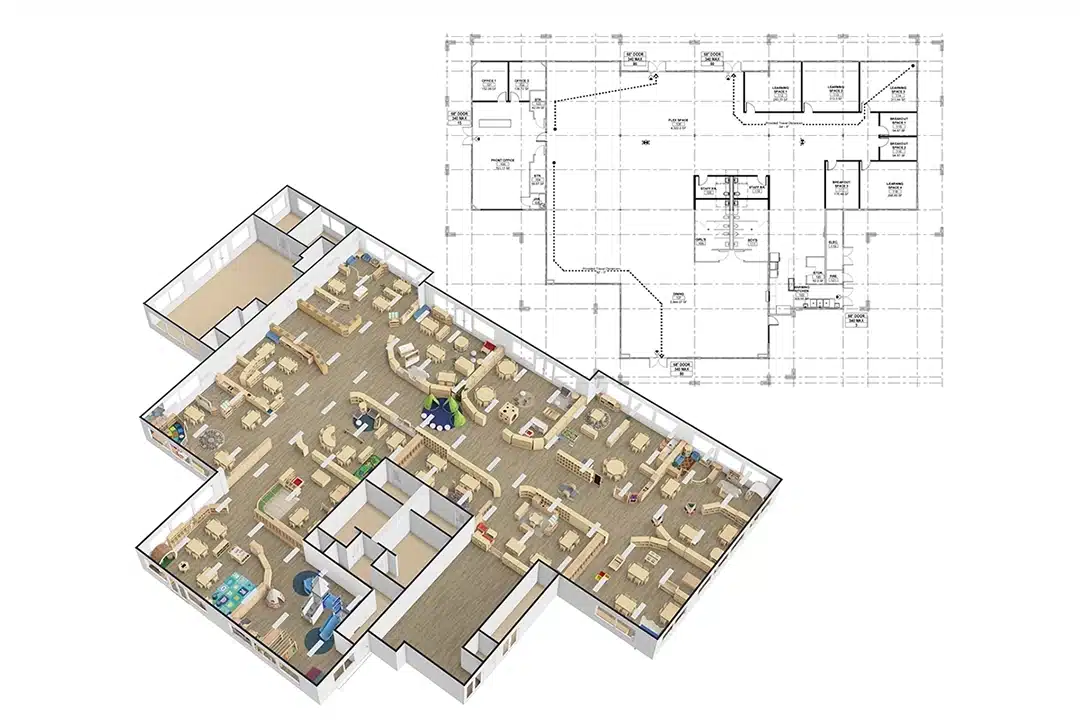
Planning the space is where a classroom reading corner either succeeds quietly or becomes a constant headache. Before you think about pillows, baskets, or posters, it helps to slow down and look at how your room actually works during a normal day. A warm classroom reading corner should fit into your classroom flow, not fight against it.
Pick a quiet but easy-to-see spot
The best place for a classroom reading corner is usually away from doors, pencil sharpeners, cubbies, and high-traffic paths. These areas create constant movement and noise, which makes it harder for kids to settle into reading. Even motivated readers struggle when people are walking past them every few seconds.
At the same time, the reading corner should not be hidden. If children feel cut off from the rest of the room, they may treat the space like a hiding spot instead of a reading area. From a classroom management point of view, you should be able to see the reading corner from where you teach, circulate, or work with small groups.
Many teachers find success placing the classroom reading corner along a wall or in a back corner where one or two sides are naturally defined. This gives the space a sense of enclosure without closing it off completely. Windows can work nearby if they provide natural light, but avoid spots where glare or outside activity becomes distracting.
Set soft boundaries without blocking vision
Boundaries help children understand where the classroom reading corner begins and ends. Without them, the space can feel messy or undefined, and kids may wander in and out without settling. The key is to create boundaries that feel gentle, not rigid.
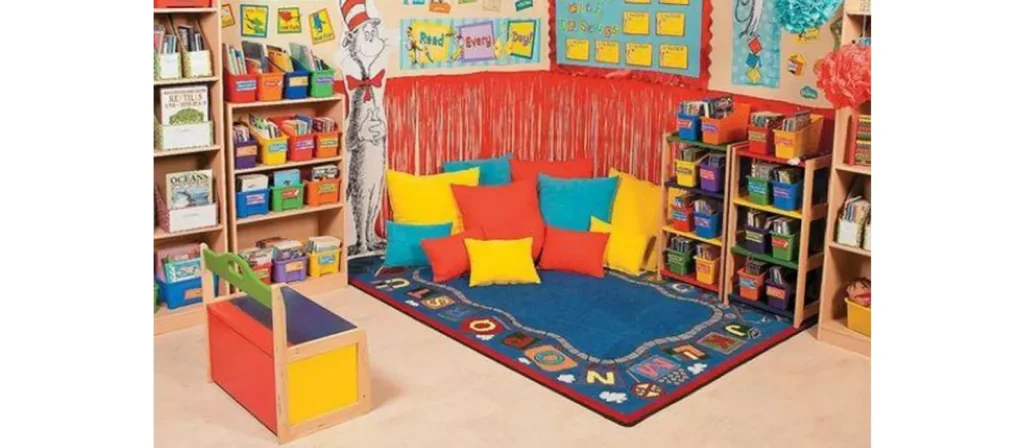
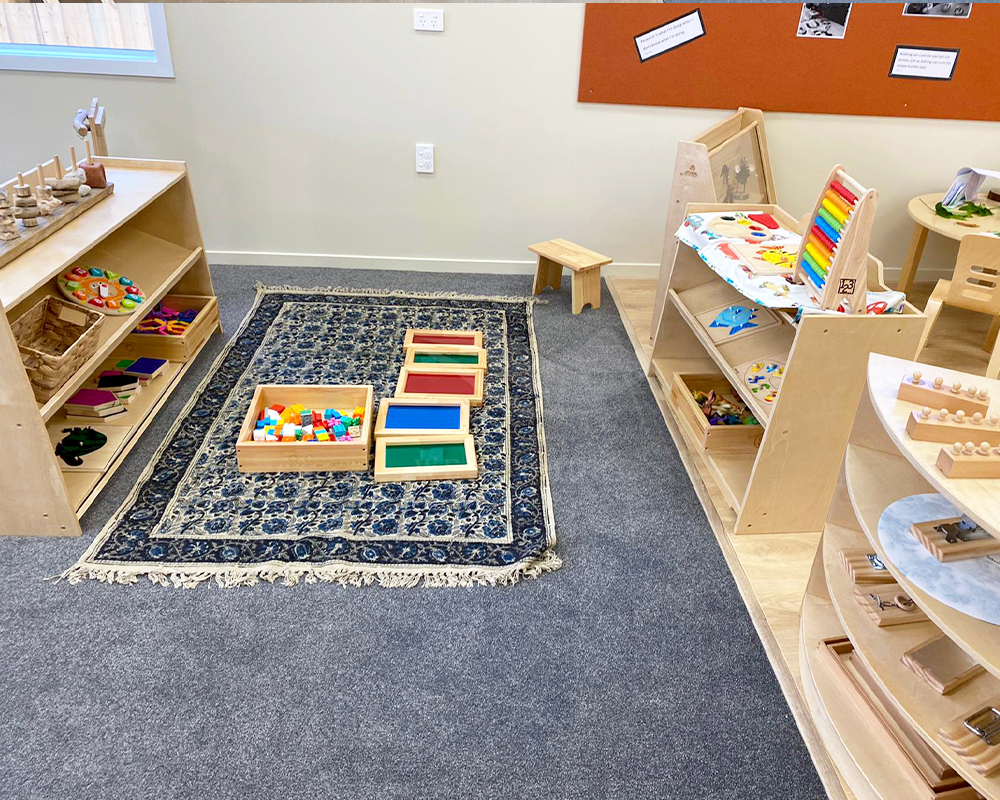
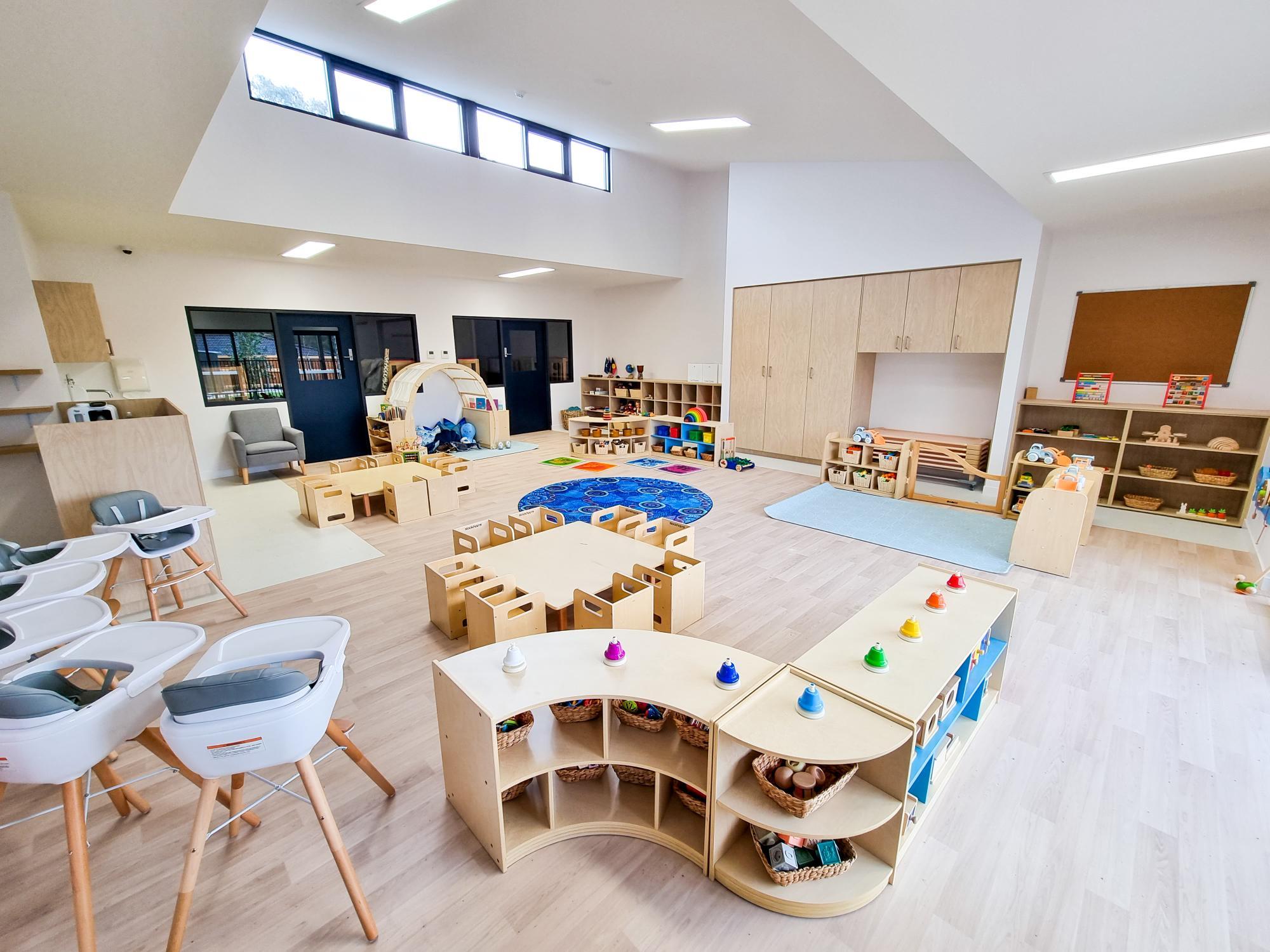
Low bookcases, rugs, mats, or floor tape can all define the reading area clearly while keeping sightlines open. A rug is often the simplest starting point because it visually signals, “This is a different kind of space.” When children step onto the rug, they naturally adjust their behavior.
Avoid tall furniture, heavy curtains, or anything that blocks your view or traps sound. The reading corner should feel separate but still part of the classroom community. Think of it as a quiet nook, not a closed room. Soft boundaries also make it easier to adjust the space later if your class size or routines change.
Size Guide for Daycare, Preschool, and Elementary
A warm classroom reading corner does not need to be large, but it does need to be realistic for the number of children using it. Too small, and kids feel crowded. Too large, and it becomes a hangout zone instead of a reading space.
- Daycare and toddler rooms
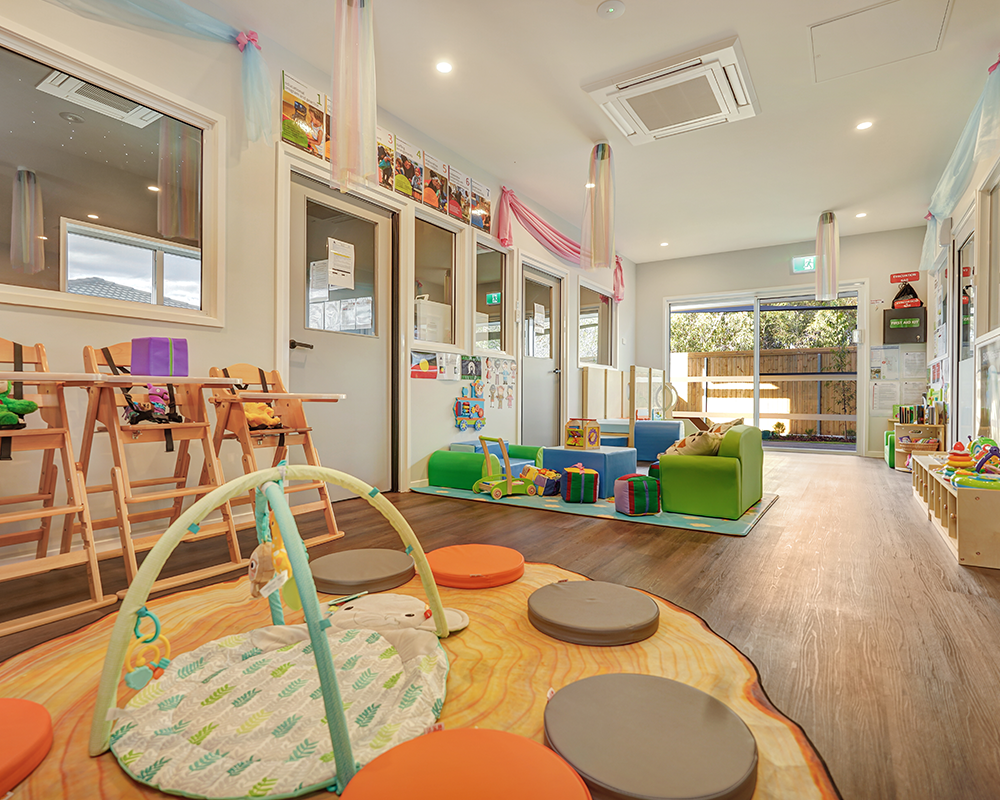
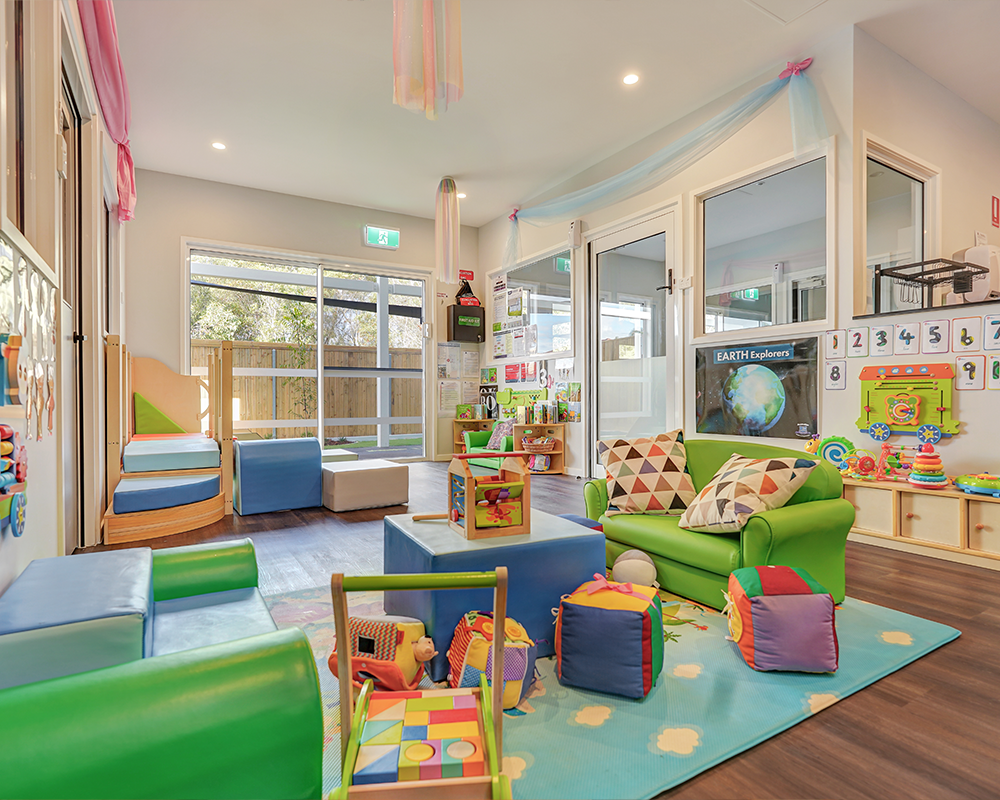
A classroom reading corner can be very small at this stage. Space for two to three children to sit or lie down comfortably is usually enough. Short, frequent reading moments are more important than long reading sessions, so the area should feel cozy, contained, and easy for young children to manage on their own. - Preschool classrooms
Plan the classroom reading corner for about four to six children, depending on your group size. Preschoolers often enjoy sitting near each other, even when reading different books. Floor seating with soft support works especially well, as long as each child has a clearly defined spot to help reduce crowding and distractions. - Elementary classrooms
Design the classroom reading corner for flexible use by six to eight students at a time. Not all students will use the space simultaneously, so focus on creating enough room for both independent reading and quiet partner reading. Seating should allow children to settle in without bumping into each other or competing for limited spots.
Plan traffic flow so kids don’t cut through
One of the most common mistakes with a classroom reading corner is placing it directly in a walking path. When students have to cut through the reading area to get somewhere else, the space loses its calm almost immediately.
Look at how children move during typical routines: lining up, getting supplies, turning in work, and transitioning to centers. The reading corner should be positioned so that students can walk around it, not through it. Even one frequent shortcut can turn the area into a distraction zone.
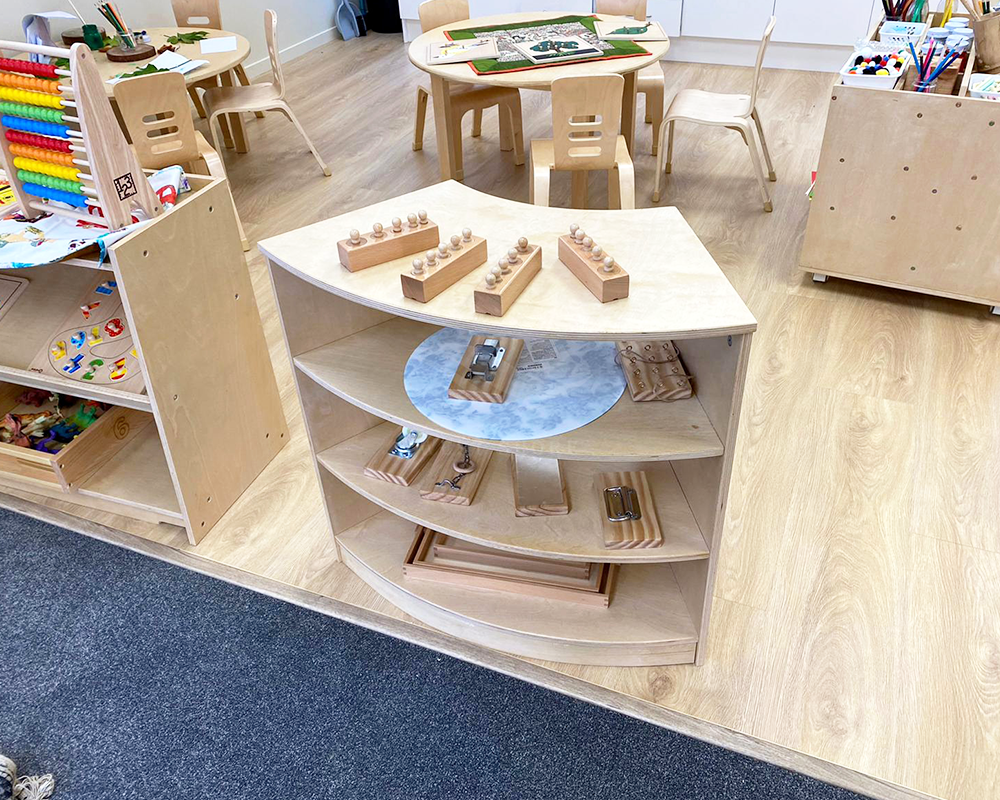
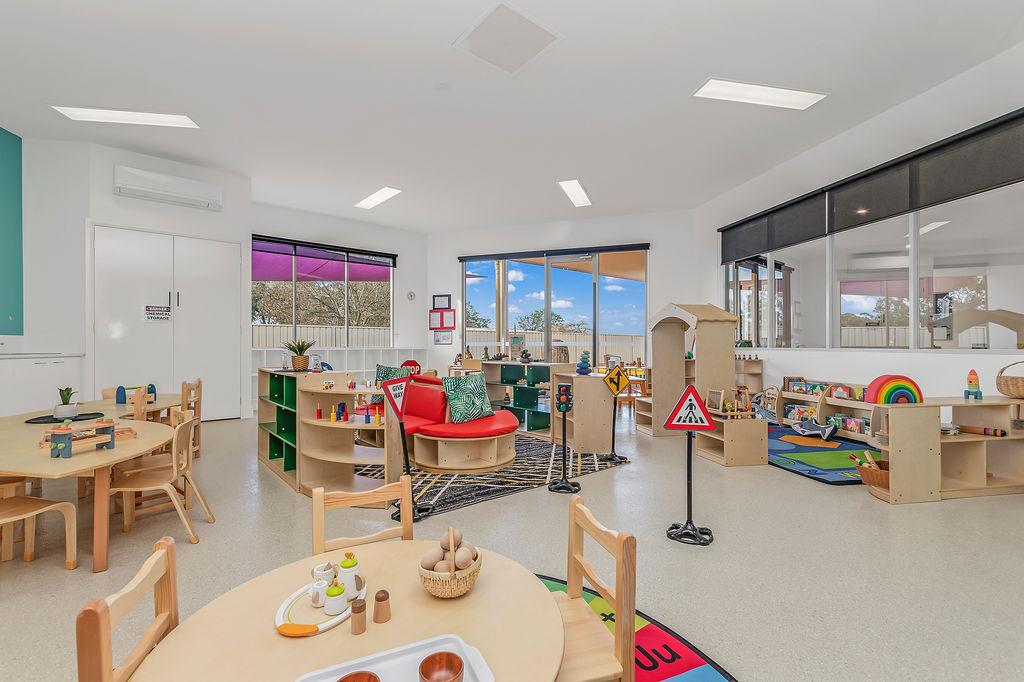
If space is tight, use furniture or rugs strategically to guide movement. A low shelf or storage unit can gently redirect traffic without making the room feel crowded. Clear pathways help children understand that the classroom reading corner is a destination, not a hallway.
When traffic flow is planned well, students learn that entering the reading corner is a choice tied to reading, not just a place they pass through. That clarity makes it much easier for the space to stay calm and purposeful throughout the day.
Classroom Reading Corner Essentials Checklist
When a classroom reading corner truly works, it’s usually because the products inside it are doing the heavy lifting. Well-chosen furniture and accessories quietly guide behavior, protect safety, and make reading feel special instead of stressful. This checklist focuses on high-impact classroom products that improve comfort, organization, and durability while being easy for teachers to manage day after day.
Comfortable Seating That Encourages Calm Reading
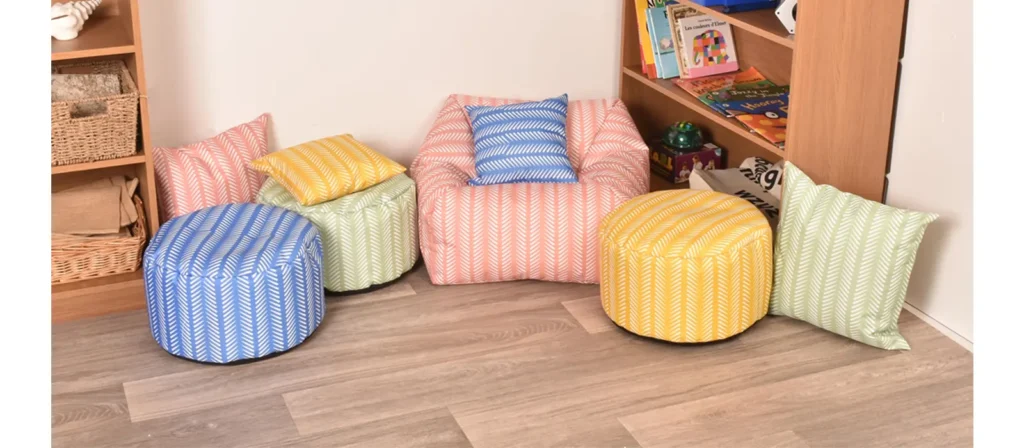
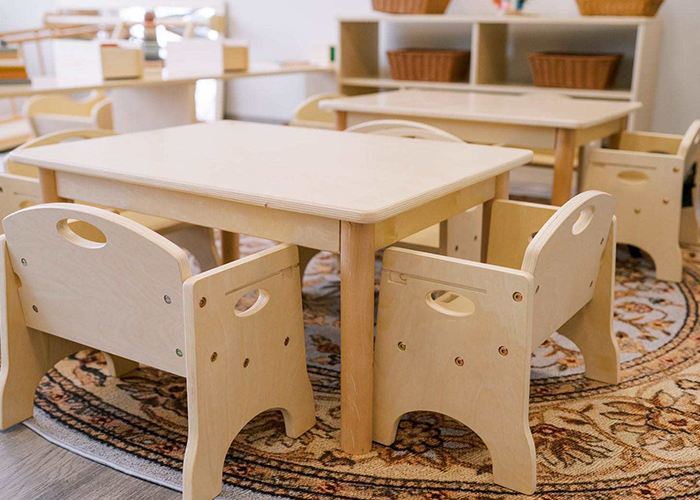
Soft, purpose-built classroom seating makes a noticeable difference in how long children stay focused. Products like low-profile floor seats, foam reading chairs, or child-sized loungers naturally slow bodies down and reduce fidgeting. Unlike standard classroom chairs, these seating options support relaxed postures that are ideal for quiet reading.
Well-designed reading seating also defines personal space. When each child has a clear, comfortable spot, there’s less shifting, less crowding, and fewer reminders needed. Investing in durable, easy-to-clean seating designed for classroom use pays off quickly in calmer reading sessions.
Front-Facing Book Display And Extra Storage
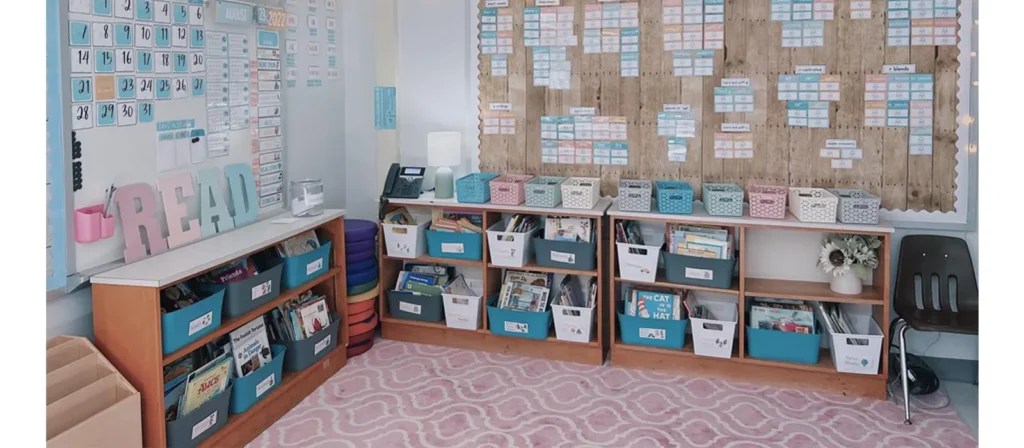
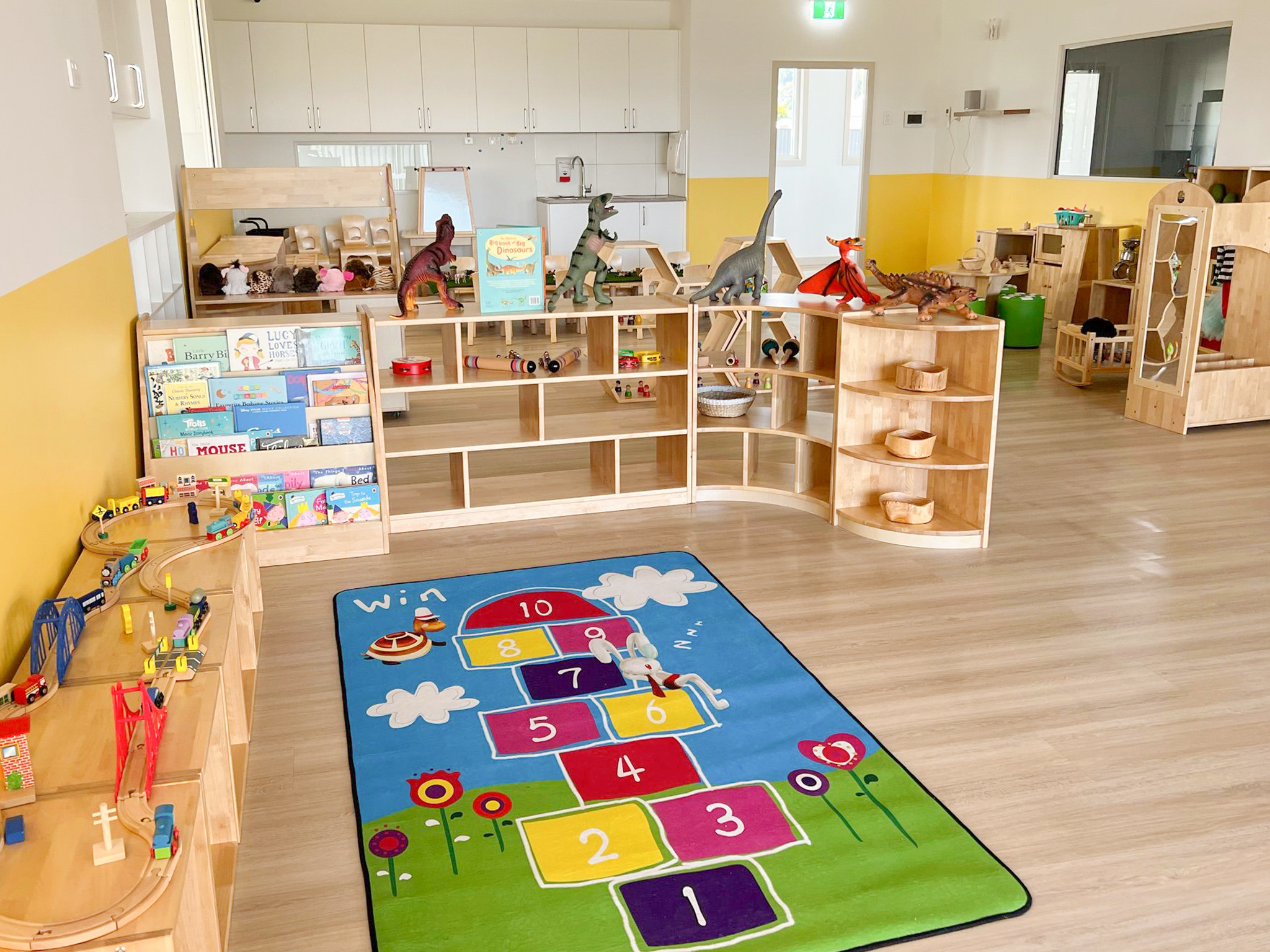
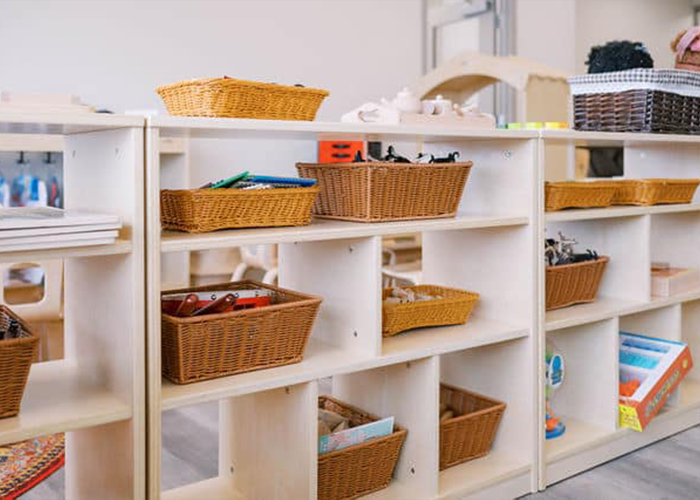
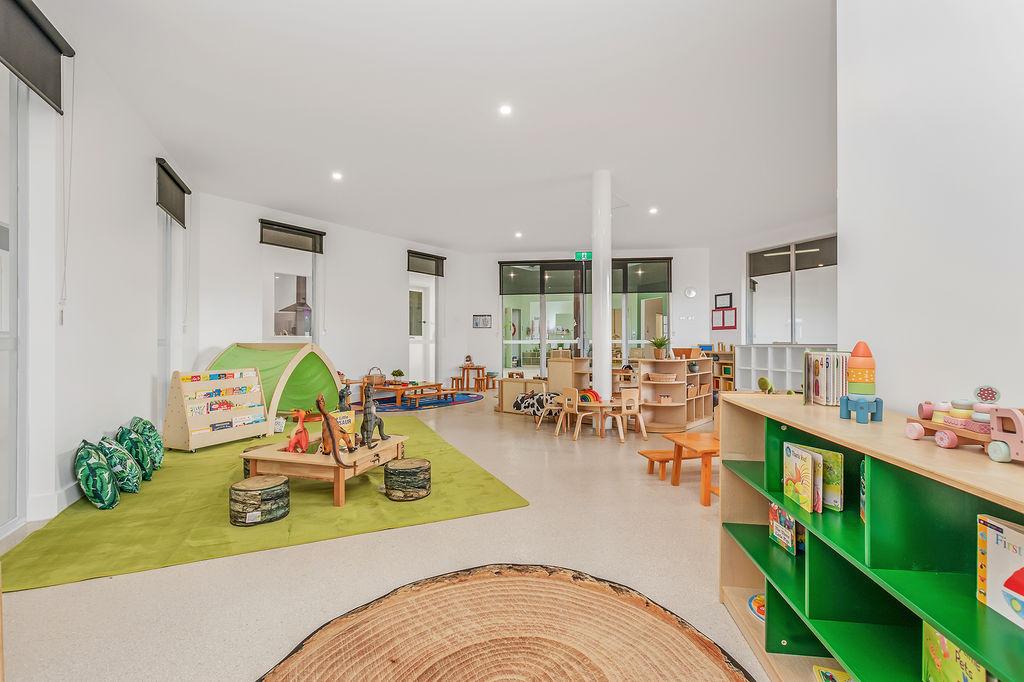
A front-facing book display is one of the most effective classroom reading corner products you can add. Display shelves that show book covers help children choose independently and increase interest in new titles. When books look appealing and easy to access, children are far more likely to pick one up without prompting.
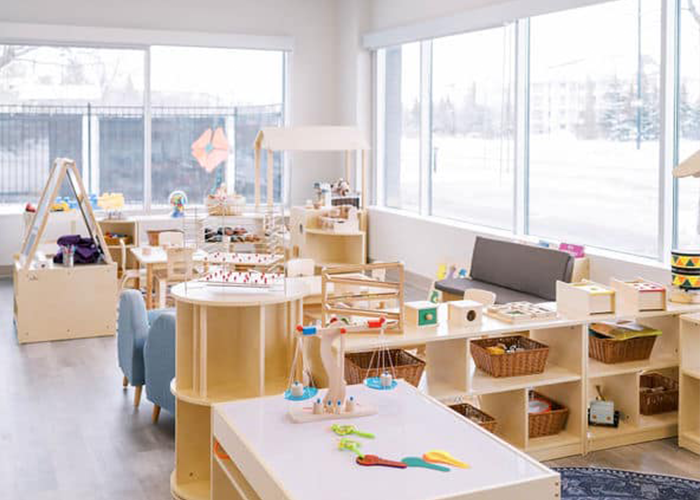
Pair the display with labeled book bins or mobile storage units to keep extra titles organized. Modular storage products designed for classrooms make book rotation simple and help maintain a clean, inviting reading corner without constant reorganizing.
Rug Or Mat To Define The Reading Zone
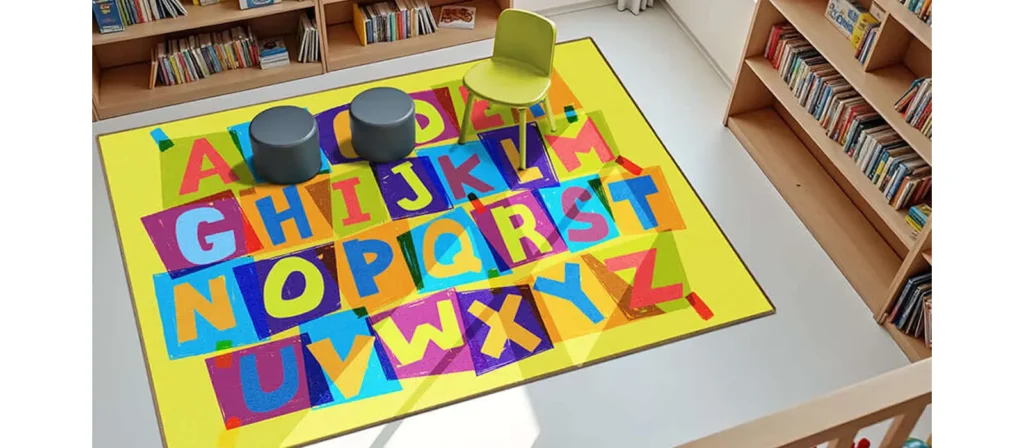
A high-quality classroom rug instantly anchors the reading corner. Unlike decorative rugs, classroom-grade mats are designed to handle daily use, frequent cleaning, and active students. They clearly define the reading area while adding warmth and sound absorption.
Rugs with subtle patterns or defined seating spots help children understand boundaries without verbal reminders. As a product choice, a durable reading rug supports both behavior and comfort while visually signaling that this is a special, calm space.
Warm, Safe Lighting For Eyes And Mood
Lighting products designed for classroom use can transform the feel of a reading corner. Soft, warm LED lamps or wall-mounted reading lights reduce the harshness of overhead lighting and create a more relaxed atmosphere.
Choosing child-safe lighting with stable bases and protected cords ensures the space stays safe and compliant. Good lighting products support eye comfort, improve focus, and make the classroom reading corner feel intentionally designed rather than improvised.
Calming Add-Ons: Cushions, Canopy, And Sound Softening
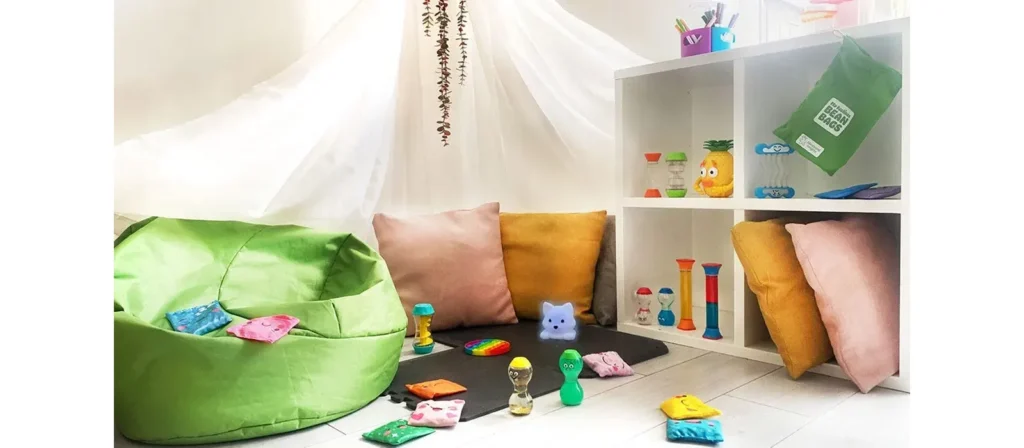
Targeted add-on products elevate a classroom reading corner without clutter. Washable floor cushions, soft-backed pillows, or lightweight canopies add comfort while helping define the space visually.
Sound-absorbing products, such as fabric panels or padded seating, reduce noise spillover and help maintain a quiet reading environment. These items enhance the overall experience while remaining practical for everyday classroom use.
Simple Reading Rules With Clear Visual Cues
Visual rule posters and signage products support independence and consistency. Professionally designed reading rule signs use clear icons and minimal text to communicate expectations quickly.
Mounted at child eye level, these products reduce the need for repeated verbal reminders and help the reading corner run smoothly. Clear visual cues make expectations feel supportive rather than restrictive.
Labels, Posters, And Signs That Support Reading
Classroom labeling products bring order to the reading corner. Durable bin labels, shelf markers, and category signs help children return books correctly and find new ones with confidence.
Reading strategy posters or “how to choose a book” signs reinforce positive reading habits and fit naturally into the space. When labeling and signage are consistent and well-designed, the classroom reading corner feels organized, professional, and easy for students to use independently.
How To Set Up A Classroom Reading Corner In 60 Minutes
A fast, teacher-friendly setup plan. Each step highlights key classroom reading corner products without links.
-
1
Mark The Area And Lay The Rug
Define the classroom reading corner with a classroom rug or a wipeable floor mat.
-
2
Position Book Displays And Storage Units
Place a front-facing book display first, then add book bins, labeled baskets, or a mobile storage cart.
-
3
Arrange Seating For Solo And Buddy Reading
Set out floor cushions, foam reading chairs, or child-sized loungers with clear personal spots.
-
4
Adjust Lighting And Remove Visual Clutter
Add a warm LED reading lamp, secure cords, and clear distractions around the books.
-
5
Add And Rotate Books With A Simple System
Start with 20–40 titles in the display, store extras in theme-based bins, and rotate weekly.
-
6
Post Reading Rules And Test The Space With Kids
Hang reading rules posters and bin labels at child eye level, then test the space with students.
Age-Based Reading Corner Ideas By Classroom Level
A classroom reading corner works best when it matches how children actually move, sit, and read at different ages. The products you choose should feel “just right” for their bodies and attention spans. Below are age-based ideas that keep the setup warm and practical, with product-style wording you can later turn into internal links if needed.
Daycare (Toddlers): Safety And Sensory Comfort First
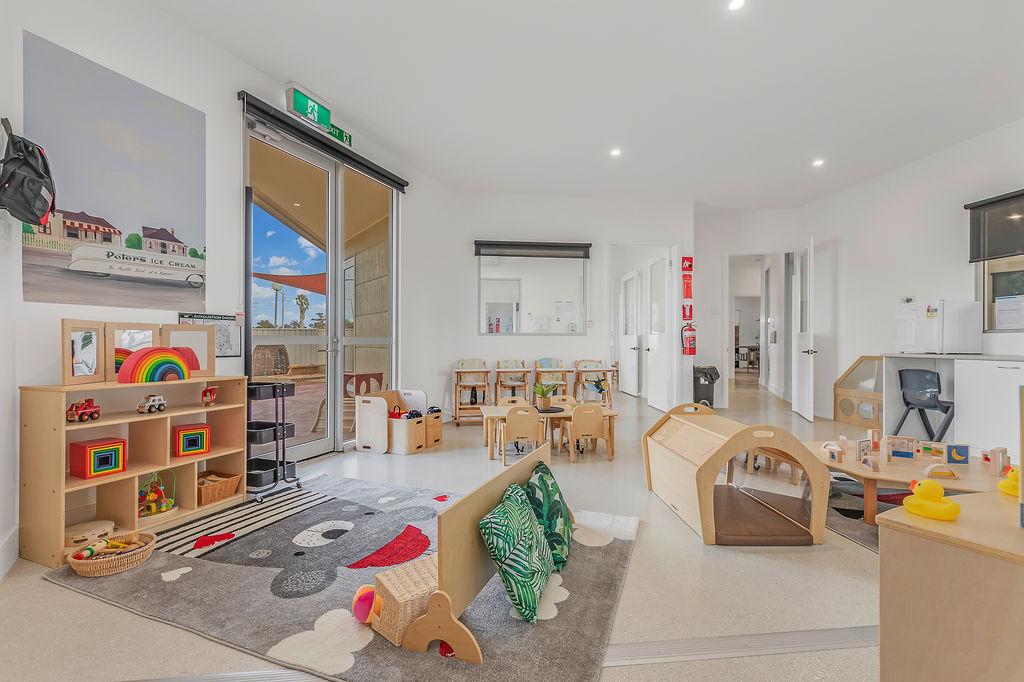
- Low-height, floor-friendly furniture to reduce bumps and support safe movement
- Thick classroom mats or padded rugs to create a soft reading base
- Foam seating or small floor cushions for short, flexible reading moments
- Front-facing board book bins so toddlers can choose by cover
- Small, sturdy book selections with wipeable, easy-clean surfaces
Preschool: Independence, Choice, And Routines
- Front-facing book displays with a rotating selection of picture books
- Labeled book bins to support clean-up and self-management
- Floor cushions, sit spots, or low reading chairs for cozy seating
- Defined seating areas on rugs to reduce crowding and support routines
Early Elementary: Focus, Stamina, And Simple Book Levels
- A mix of foam reading chairs and floor seating for longer reading time
- Level-based or category book bins for easy book selection
- Mobile storage carts for rotating themes, units, or seasonal books
- Clear organization to avoid turning the corner into a full library
Upper Elementary: Quiet Focus And Deeper Book Choices
- More structured seating, such as supportive cushions or stable chairs
- Clean, mature layouts that avoid overly playful elements
- Genre, author, or topic-based book organizers
- Front-facing display for new arrivals or teacher recommendations
- Minimal visual clutter to support sustained focus
Tips For Mixed-Age Or Shared Classrooms
- A combination of floor cushions, foam seats, and a few chairs
- Separate book zones for picture books and higher-level reads
- Clear labels to keep organization simple for all age groups
- Mobile storage units and stackable seating for quick room resets
Safety And Durability In A Classroom Reading Corner
A warm classroom reading corner only works when children can use it confidently and safely every day. Because this space is used frequently and often independently, the products you choose must handle real classroom wear while minimizing risk. Focusing on safety and durability from the start prevents constant repairs, replacements, and classroom management issues later.
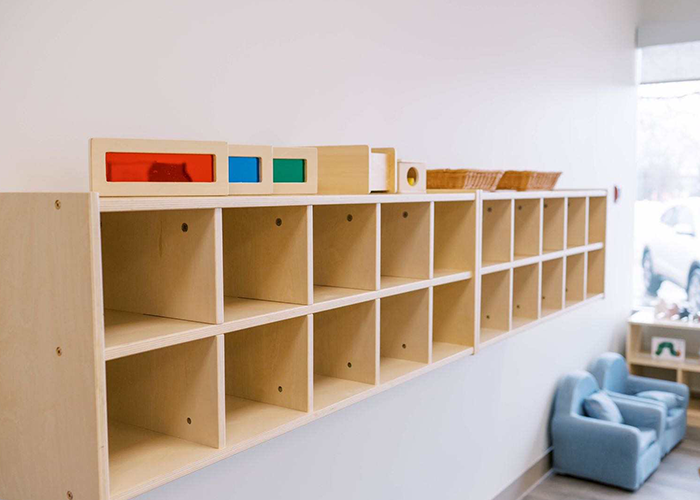
- Stable, Tip-Resistant Shelves And Soft Edges
Choose low, tip-resistant shelving with rounded edges so children can browse books independently without risk, even during busy transitions or when multiple students use the classroom reading corner at the same time. - Non-Toxic, Child-Safe Materials And Finishes
Classroom reading corner furniture should use certified child-safe materials and sealed finishes that resist chipping or peeling, protecting children while keeping the space durable and visually clean after frequent use. - Fire Safety, Cords, And Outlet Covers
Any lighting in the classroom reading corner should have secured cords, protected outlets, and proper spacing from fabric items to reduce hazards while maintaining a calm and functional reading environment. - Washable Covers, Wipeable Rugs, And Easy-Clean Surfaces
Select seating, rugs, and furniture with washable or wipeable surfaces so the classroom reading corner stays hygienic and inviting without adding extra maintenance work for teachers.
Inclusive Classroom Reading Corner For All Learners
An inclusive classroom reading corner ensures every child can participate comfortably, regardless of physical ability, sensory needs, or language background. Thoughtful product choices and simple layout decisions make the space welcoming without calling extra attention to differences. Inclusion works best when supports are built in quietly and naturally.
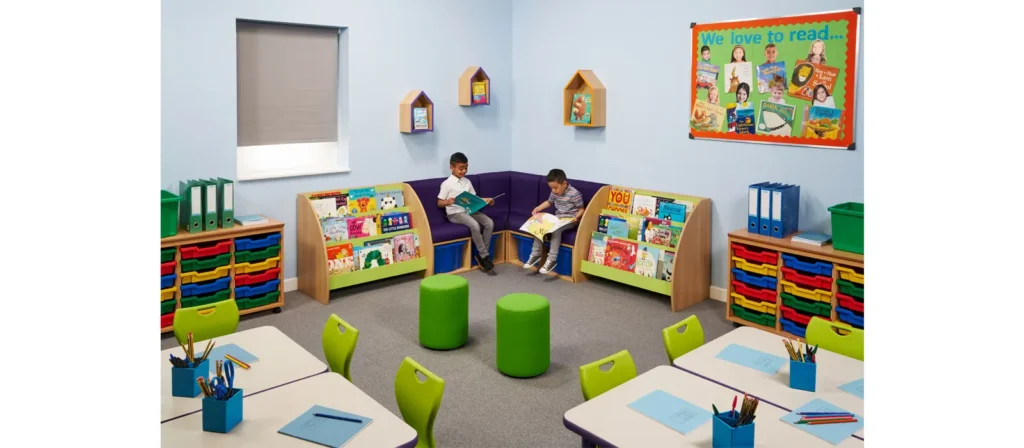
Adapt Seating For Different Bodies And Needs
Offer a range of seating options so children can choose what feels right for their bodies. A mix of floor cushions, supportive foam seats, and a few stable chairs allows students to sit upright, recline slightly, or change position without disrupting others. When seating variety is normalized, children self-regulate more effectively and stay engaged with reading longer.
Add Sensory-Friendly Tools Without Overstimulating
Sensory supports should calm, not distract. Soft textures, weighted lap pads, or subtle boundary seating can help children who need extra input to focus. Keep colors neutral and avoid overly bright or noisy items so the classroom reading corner remains soothing for all learners, including those sensitive to visual or auditory overload.
Offer Books In Different Languages And Levels
An inclusive classroom reading corner reflects the diversity of its readers. Providing books in multiple languages, along with a wide range of reading levels, allows children to see themselves in the space and choose texts they can access with confidence. Clear labels help students find books that fit their needs without asking for help.
Make The Reading Corner Accessible For Wheelchairs
Accessibility starts with layout. Ensure there is enough open space for wheelchairs or mobility aids to enter and turn comfortably. Low shelving, reachable book displays, and clear floor space allow all students to browse, choose, and read independently, reinforcing that the classroom reading corner is for everyone.
Classroom Reading Corner Book Selection And Rotation
A well-functioning classroom reading corner depends on thoughtful children’s book selection rather than sheer volume. Stocking the space with a balanced mix of children’s storybooks, picture books, and age-appropriate nonfiction helps meet different reading moods and learning goals. When children’s books reflect familiar topics, diverse characters, and clear reading levels, students are more likely to choose independently and stay engaged without constant guidance.
Book rotation keeps the classroom reading corner feeling fresh without overwhelming teachers. Instead of swapping everything, rotate a small group of children’s books every one to two weeks while keeping familiar favorites in place. Using labeled bins for themed children’s book sets or seasonal topics makes it easy to refresh the space quickly. This approach maintains excitement while preserving routines that help children feel comfortable and focused.
Involving students in book choices adds long-term value to the classroom reading corner. Allowing children to vote on new children’s books, recommend favorites, or help organize displays builds ownership and respect for the space. When students see their preferences reflected in the reading corner, they return to it more often and develop stronger reading habits naturally.
Conclusion
Creating a warm classroom reading corner is not about copying a perfect setup from photos or adding more decorations. It’s about designing a space that truly works for children and for teachers. When the reading corner feels calm, comfortable, and intentionally organized, children naturally spend more time with books, settle their bodies more easily, and build stronger reading habits over time.
By planning the space carefully, choosing durable and child-friendly products, and stocking the area with well-selected children’s books, a classroom reading corner becomes more than a quiet spot. It turns into a daily support system for literacy, behavior, and independence. Small, consistent choices matter more than big changes, and even modest classrooms can create a reading corner that feels warm and meaningful.
Most importantly, a successful classroom reading corner evolves. As students grow, interests shift, and routines change, the space can adapt with simple updates to seating, book rotation, and layout. When children see that the reading corner is valued and used every day, they learn that reading itself is valued too.