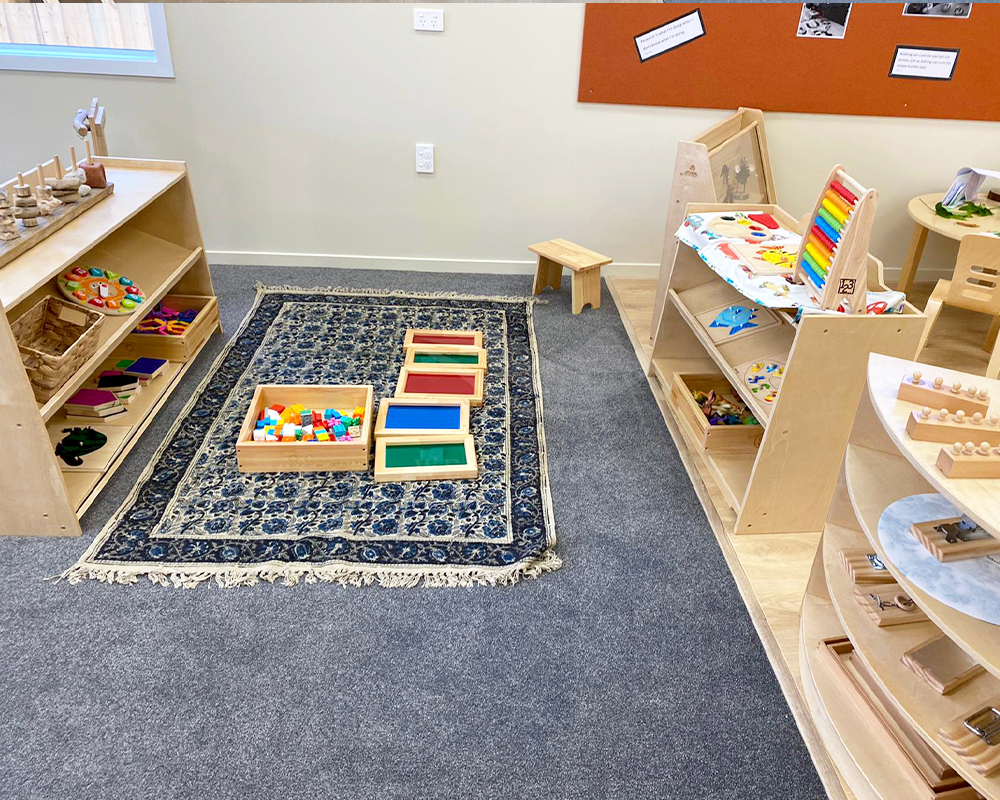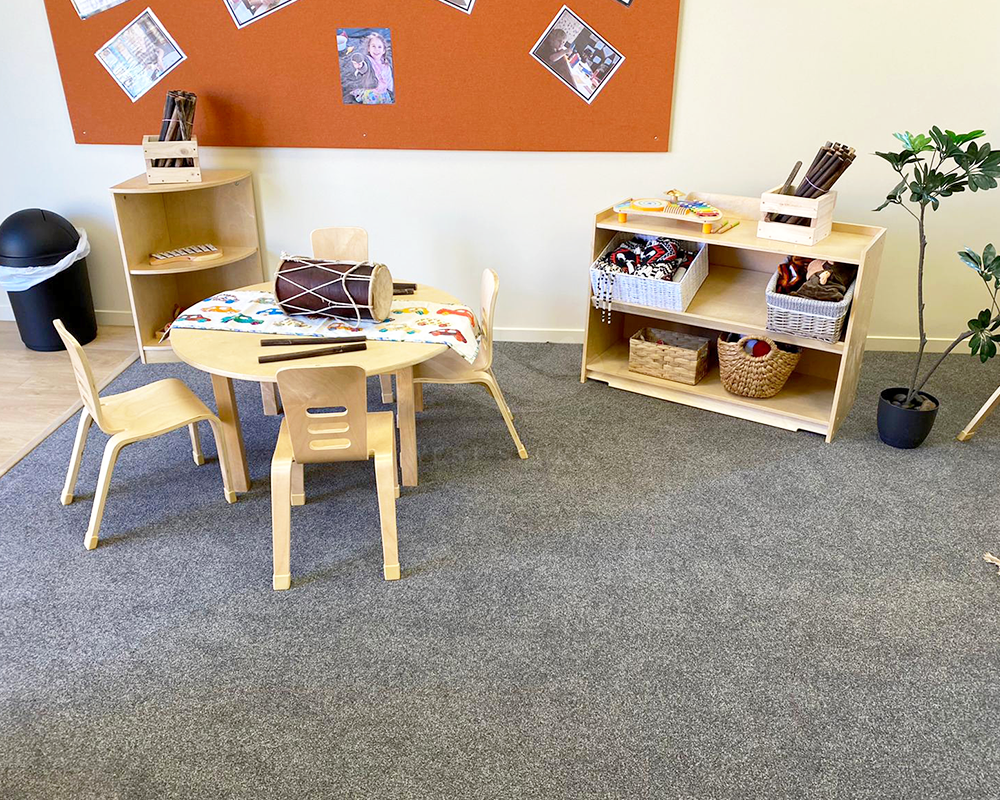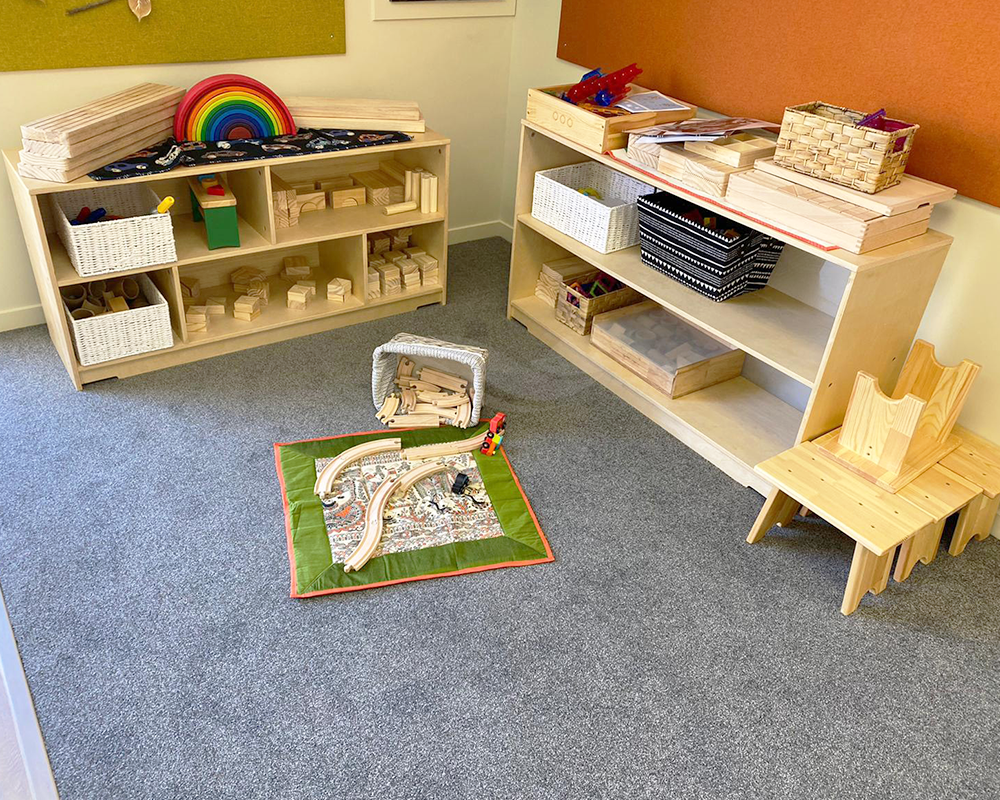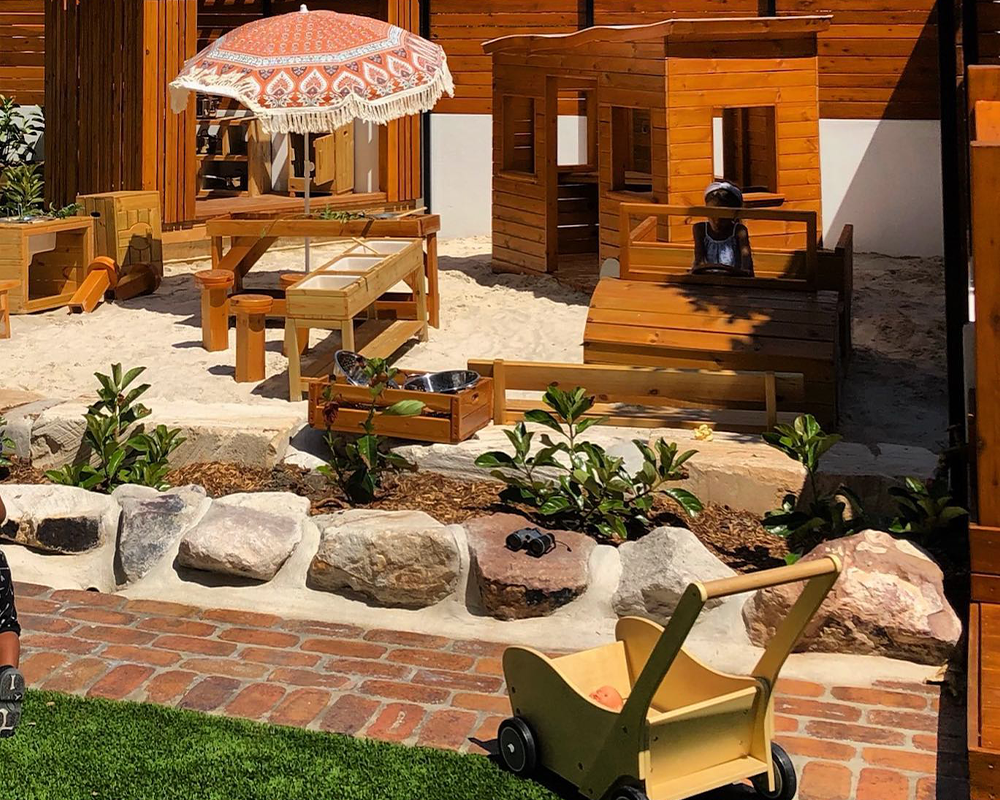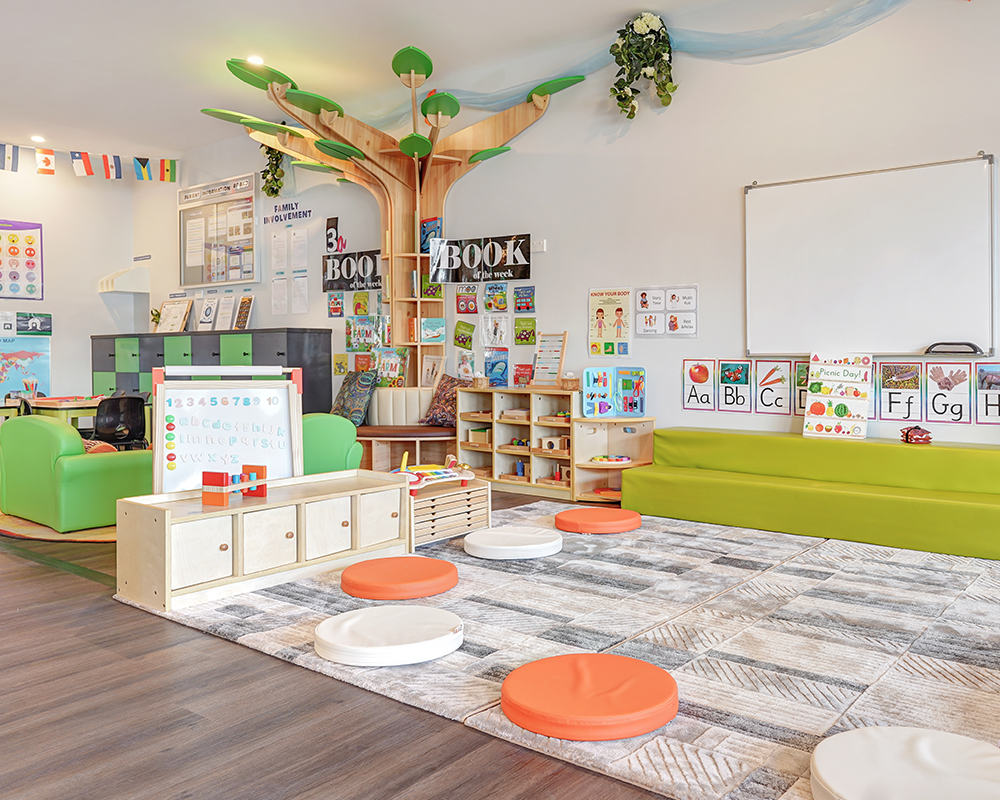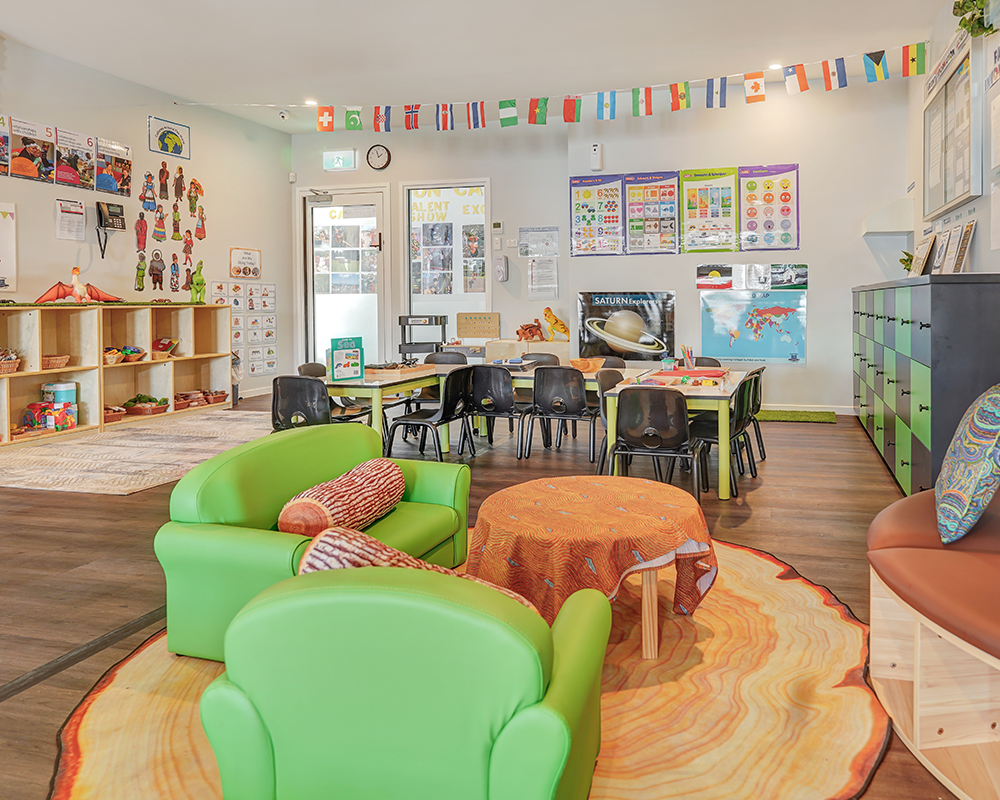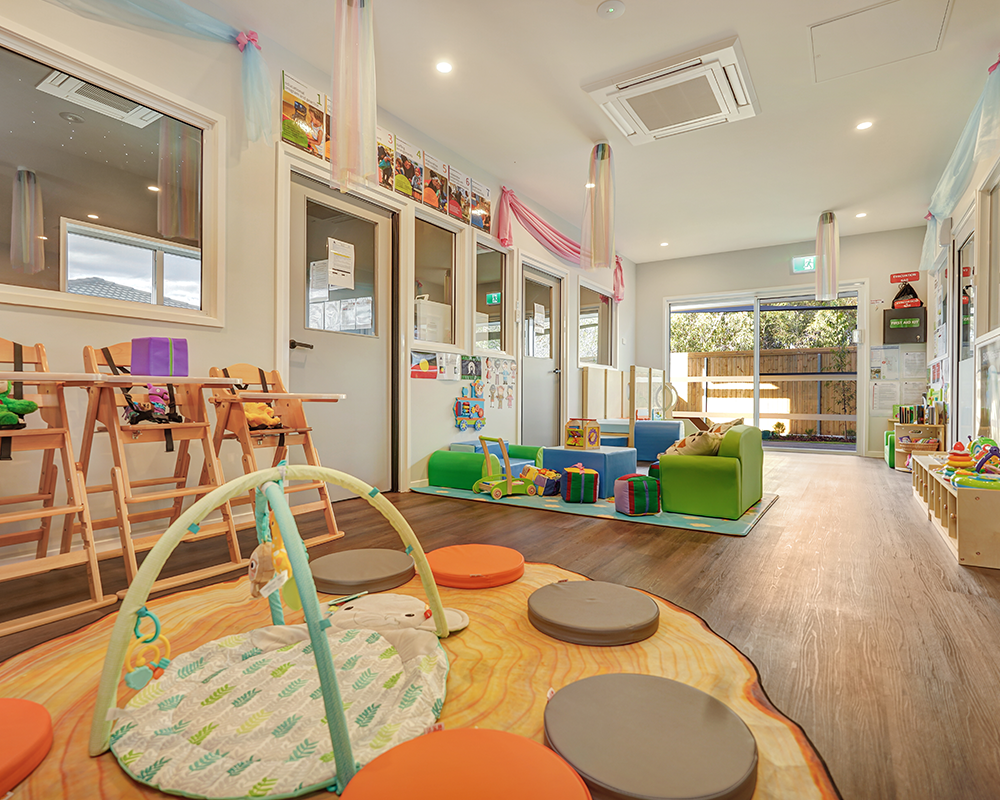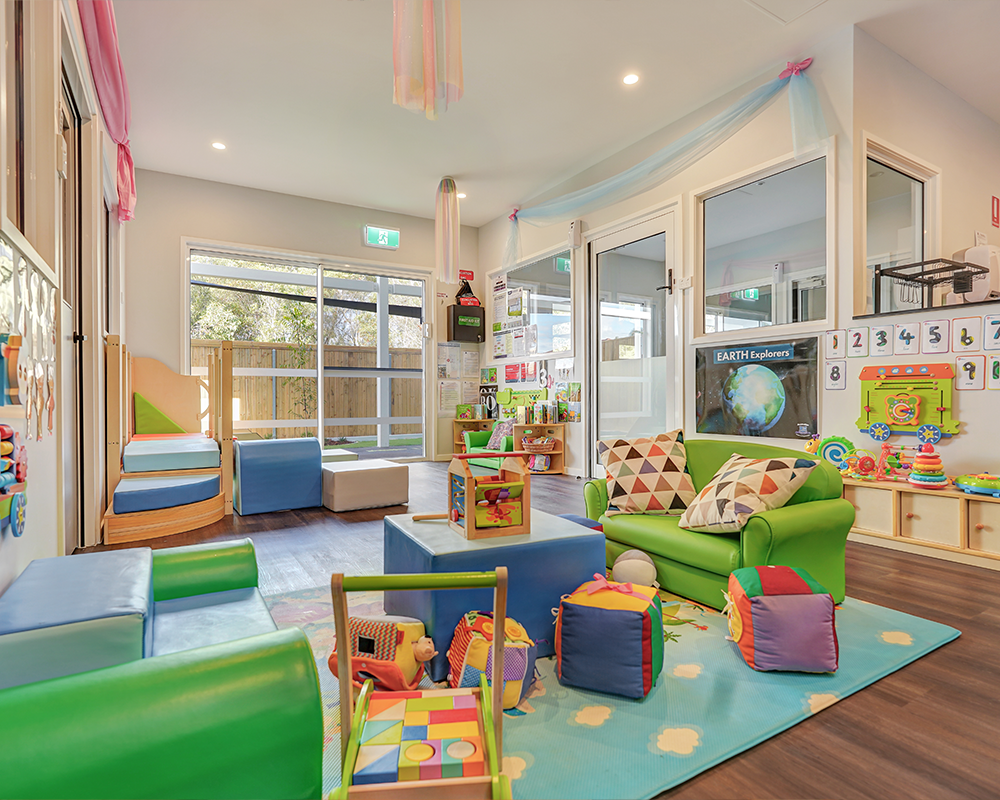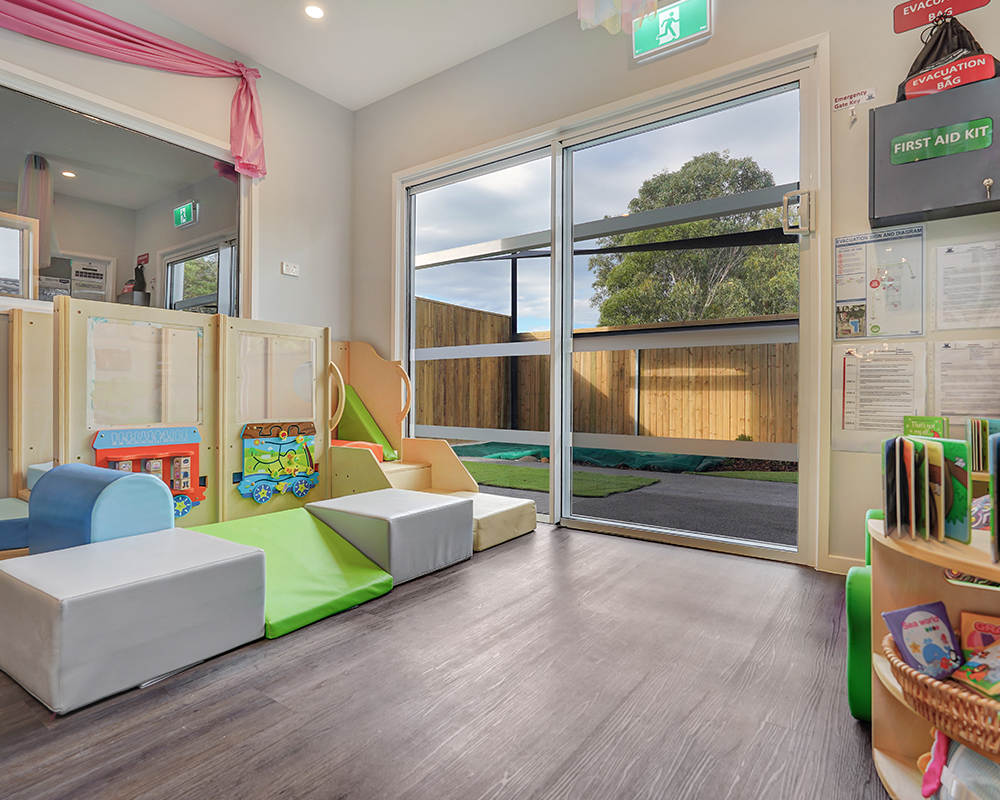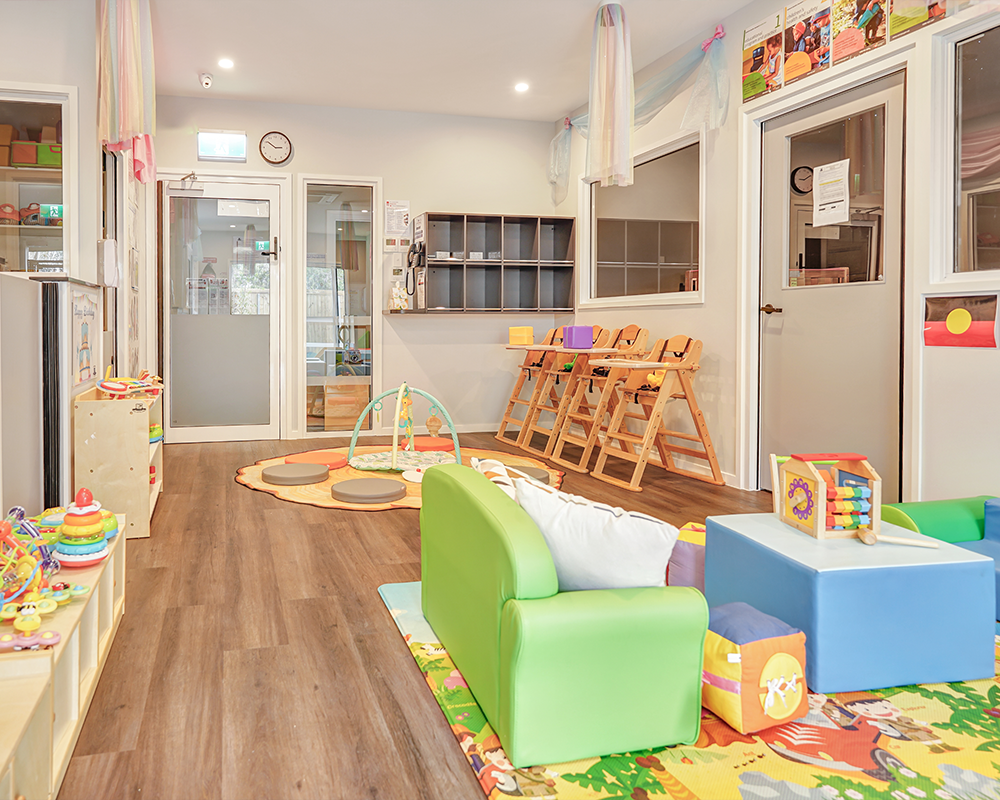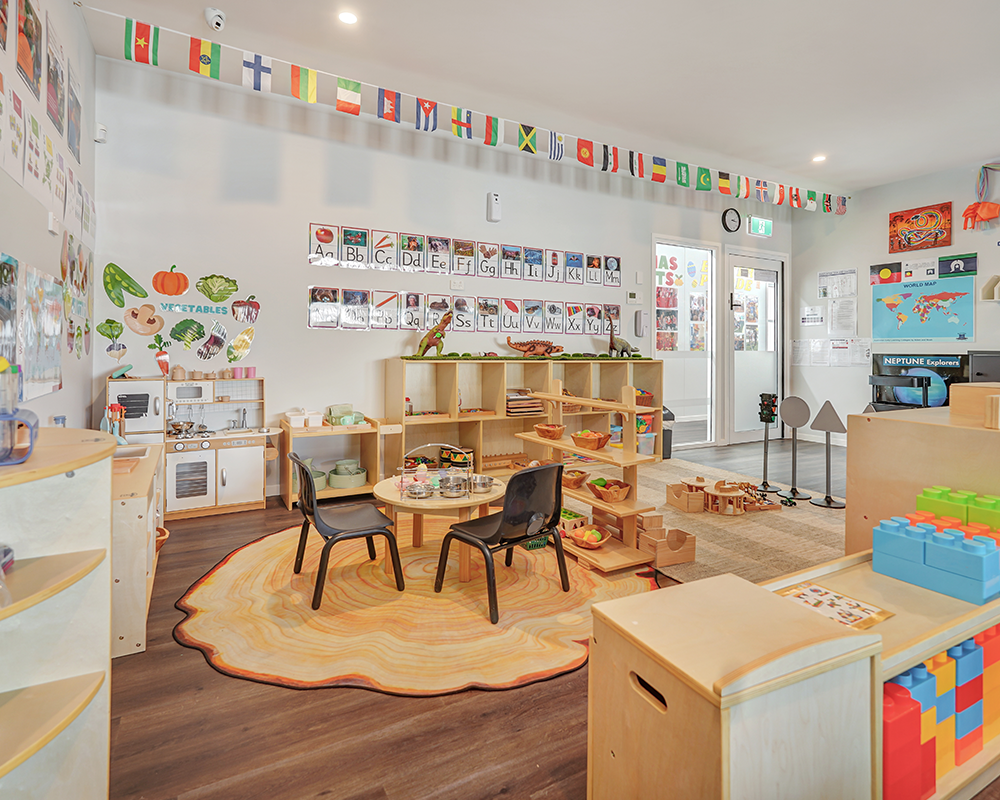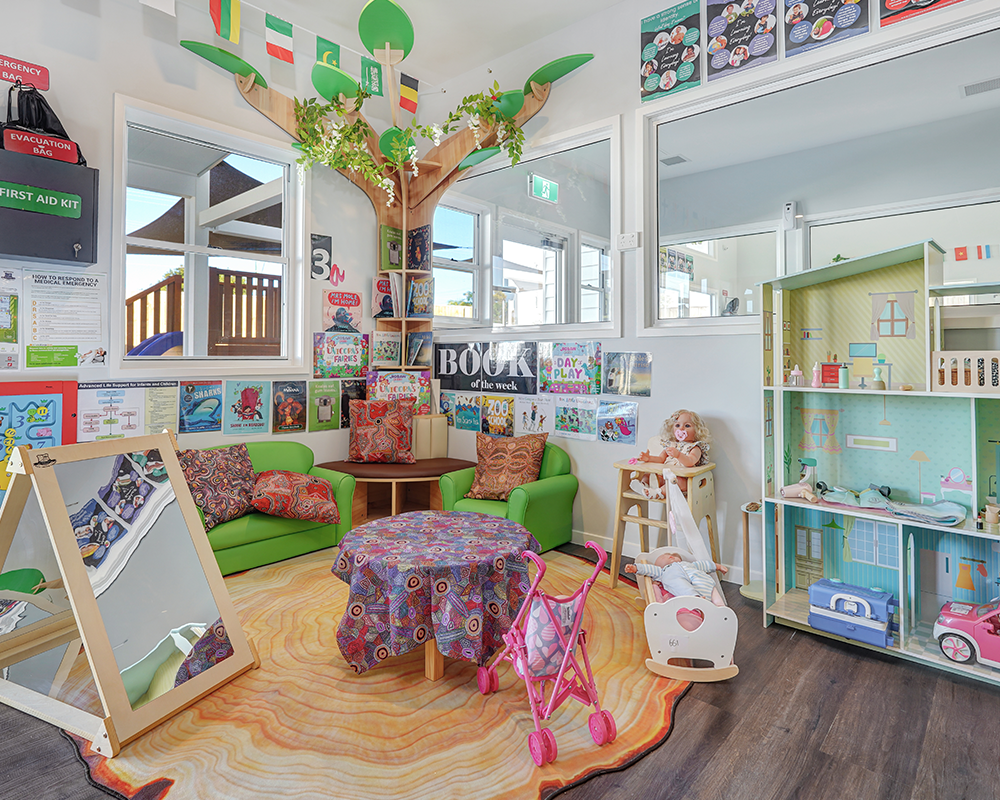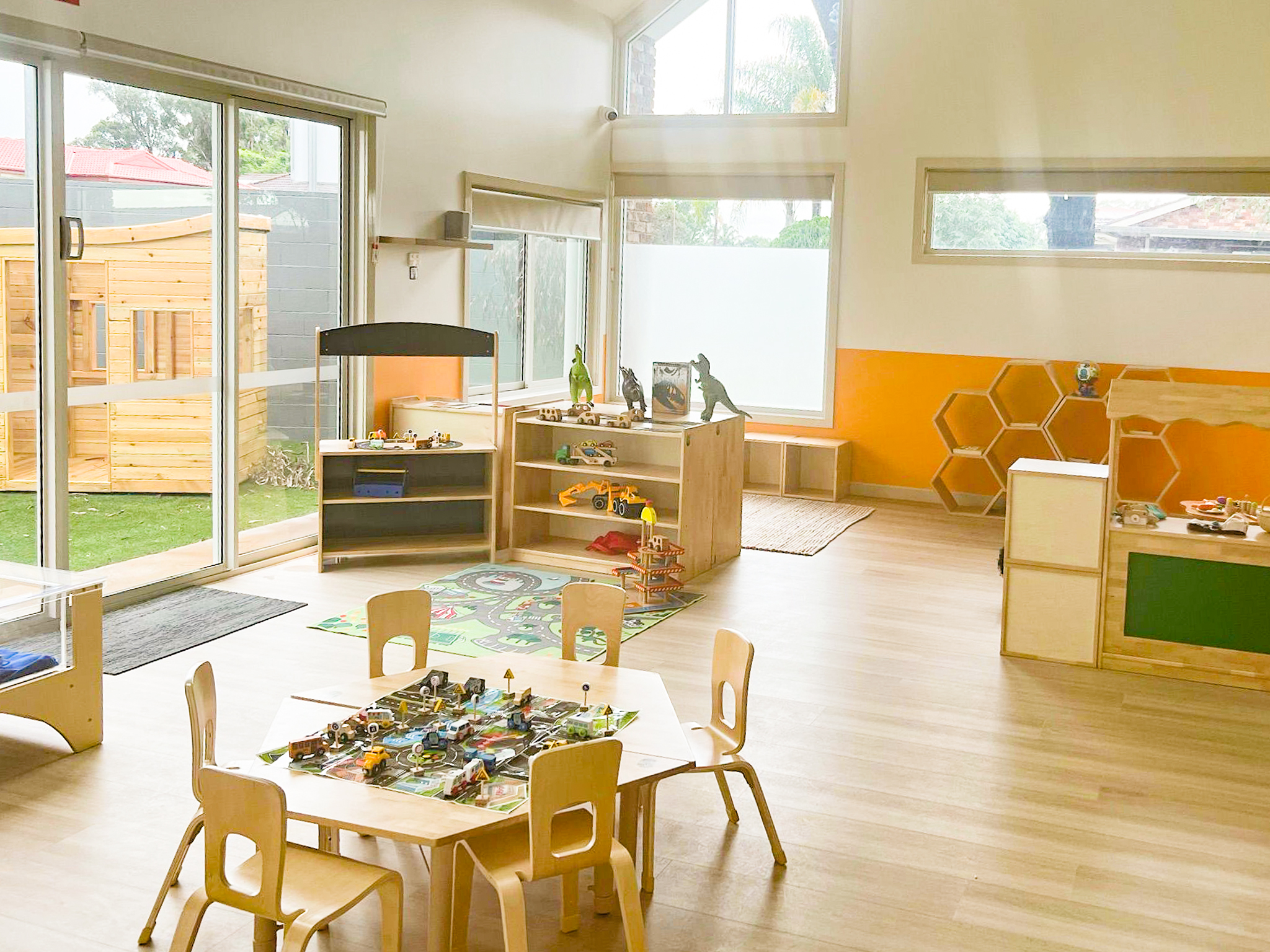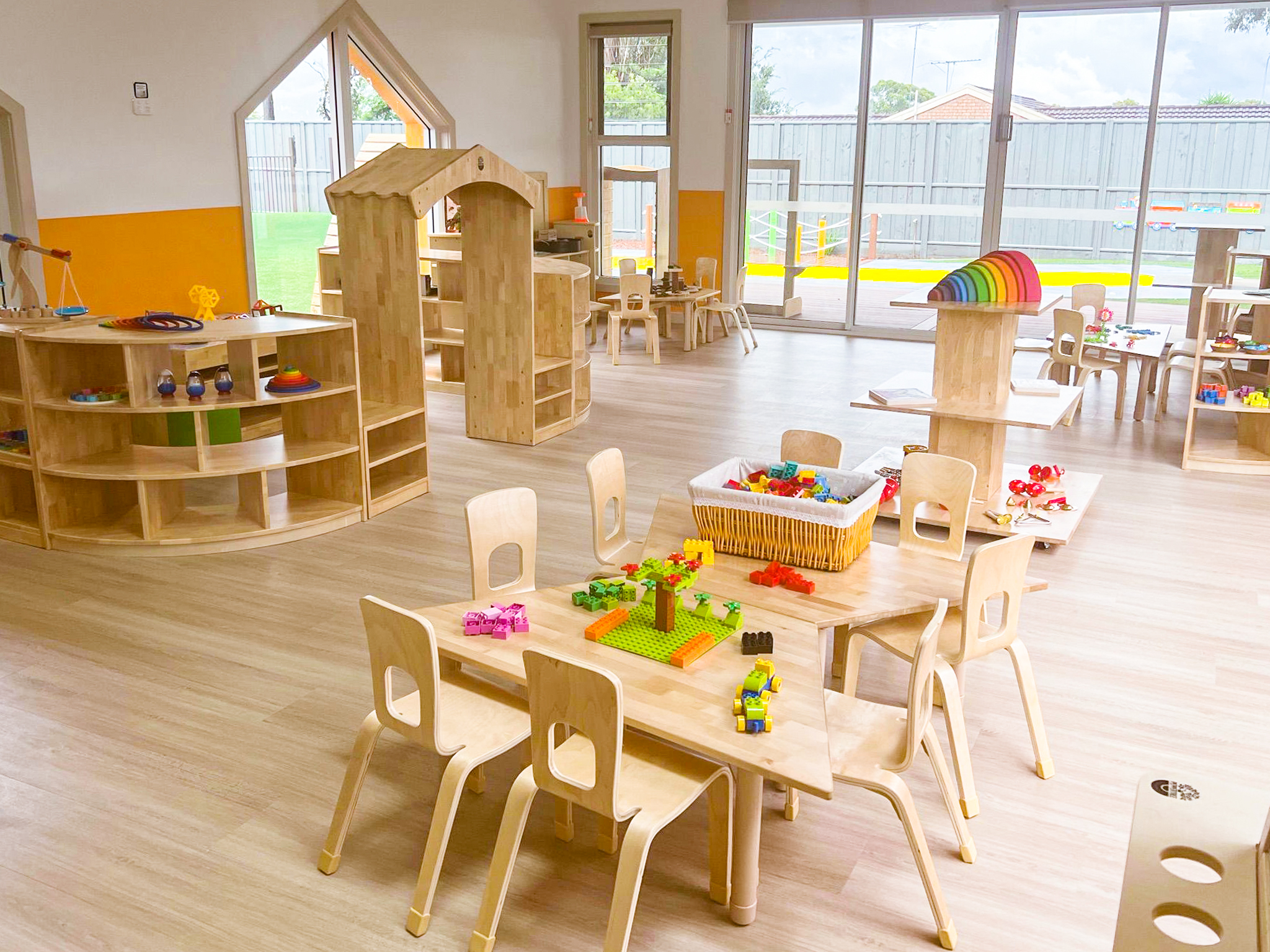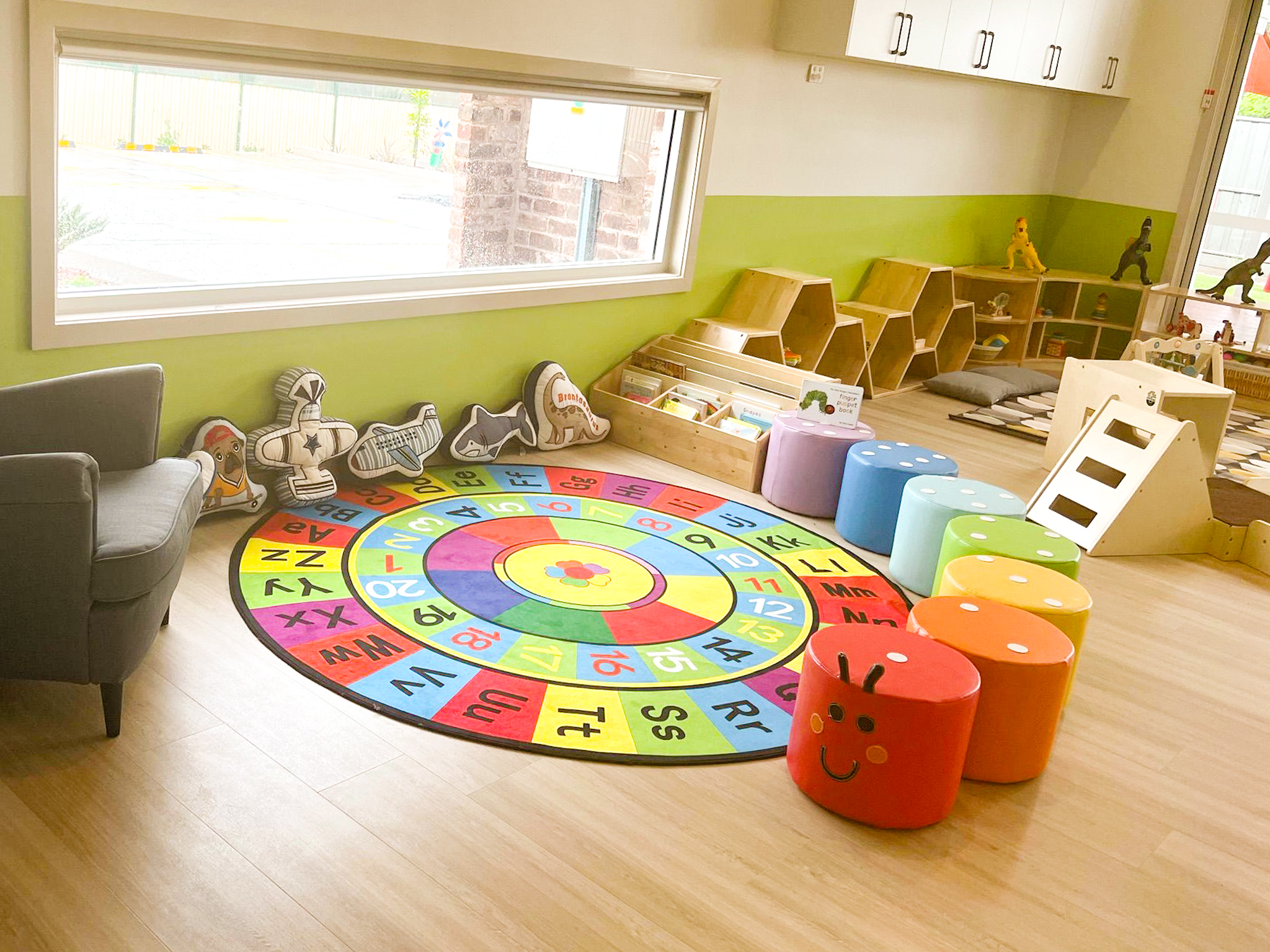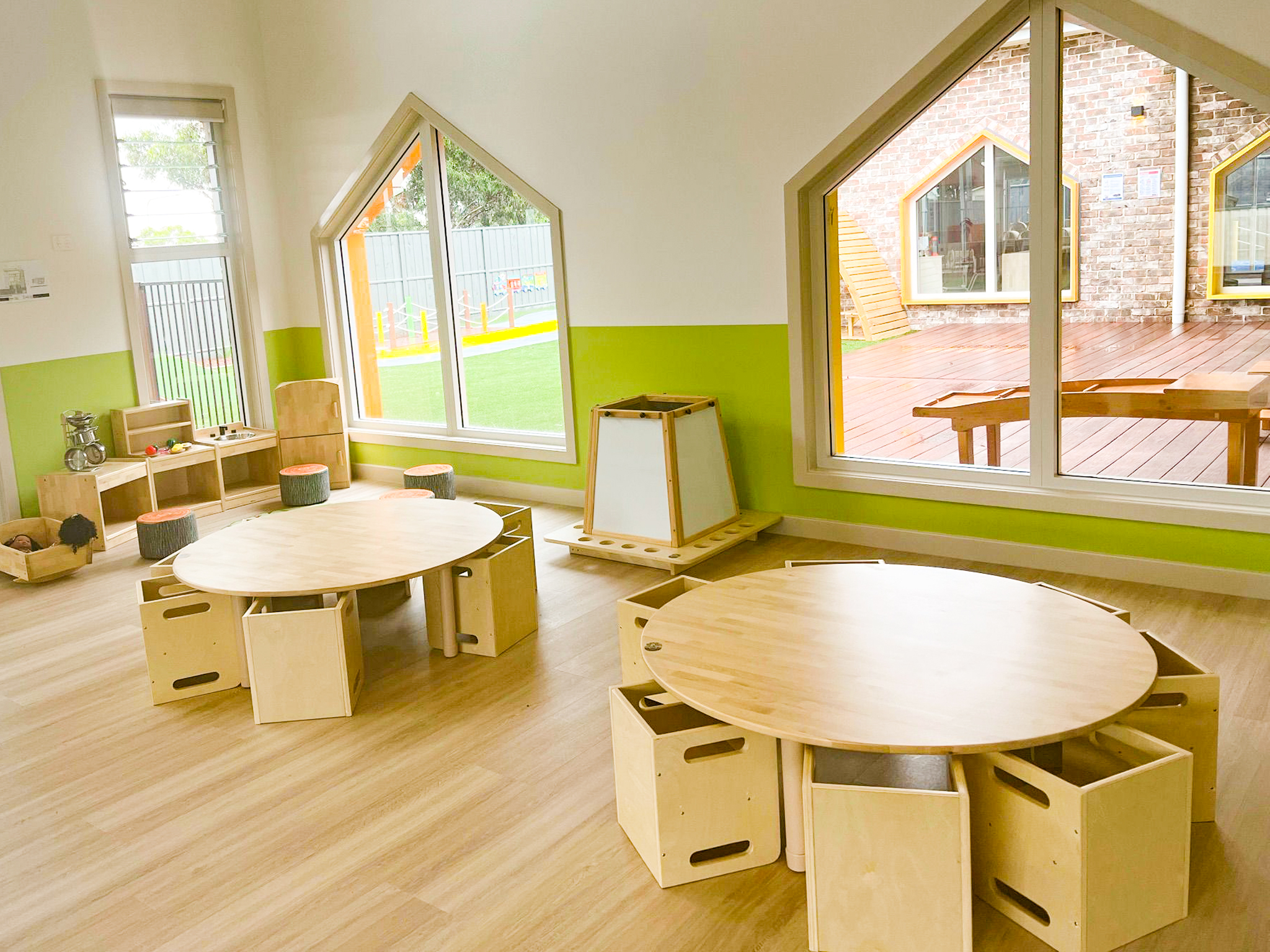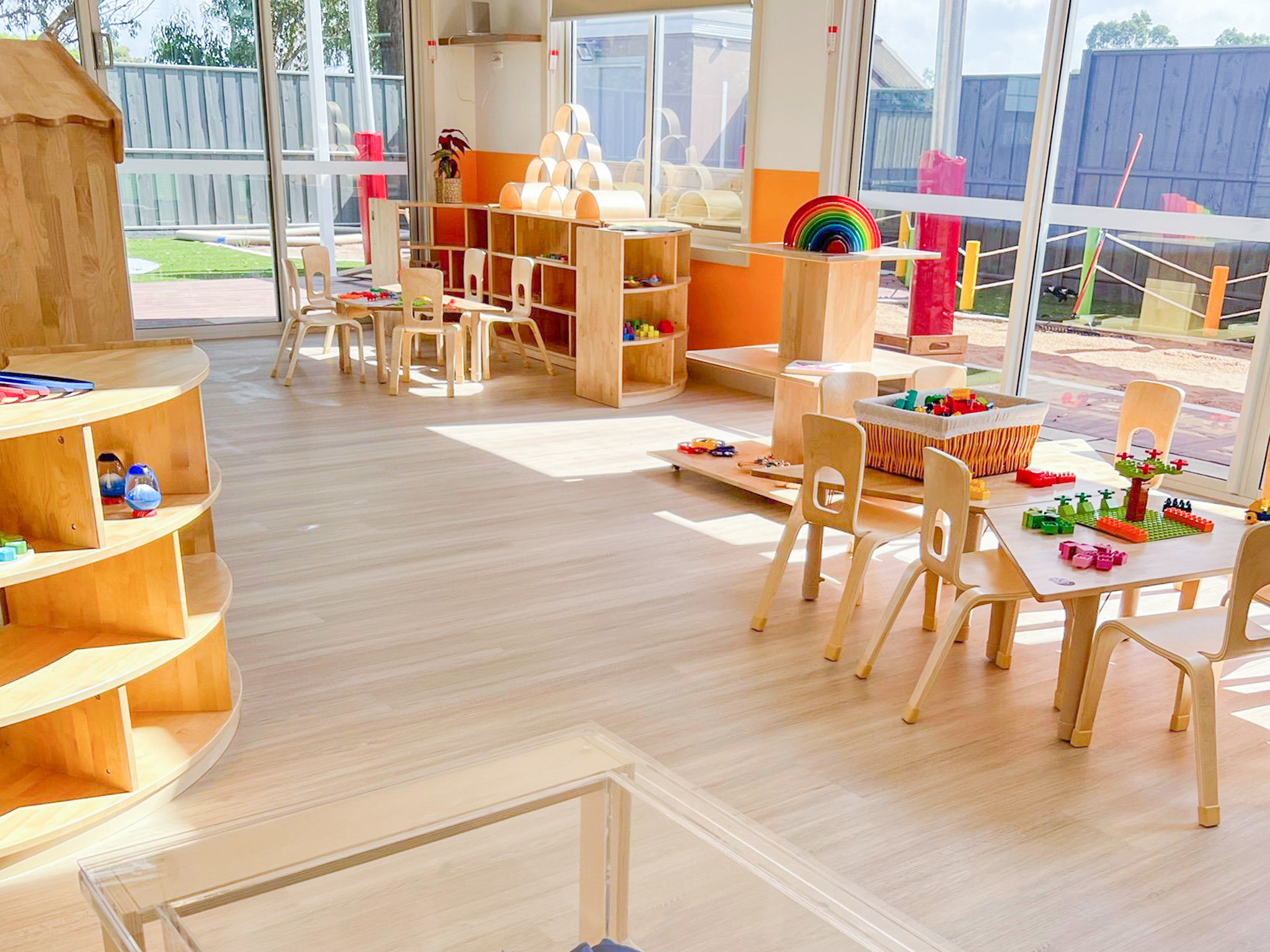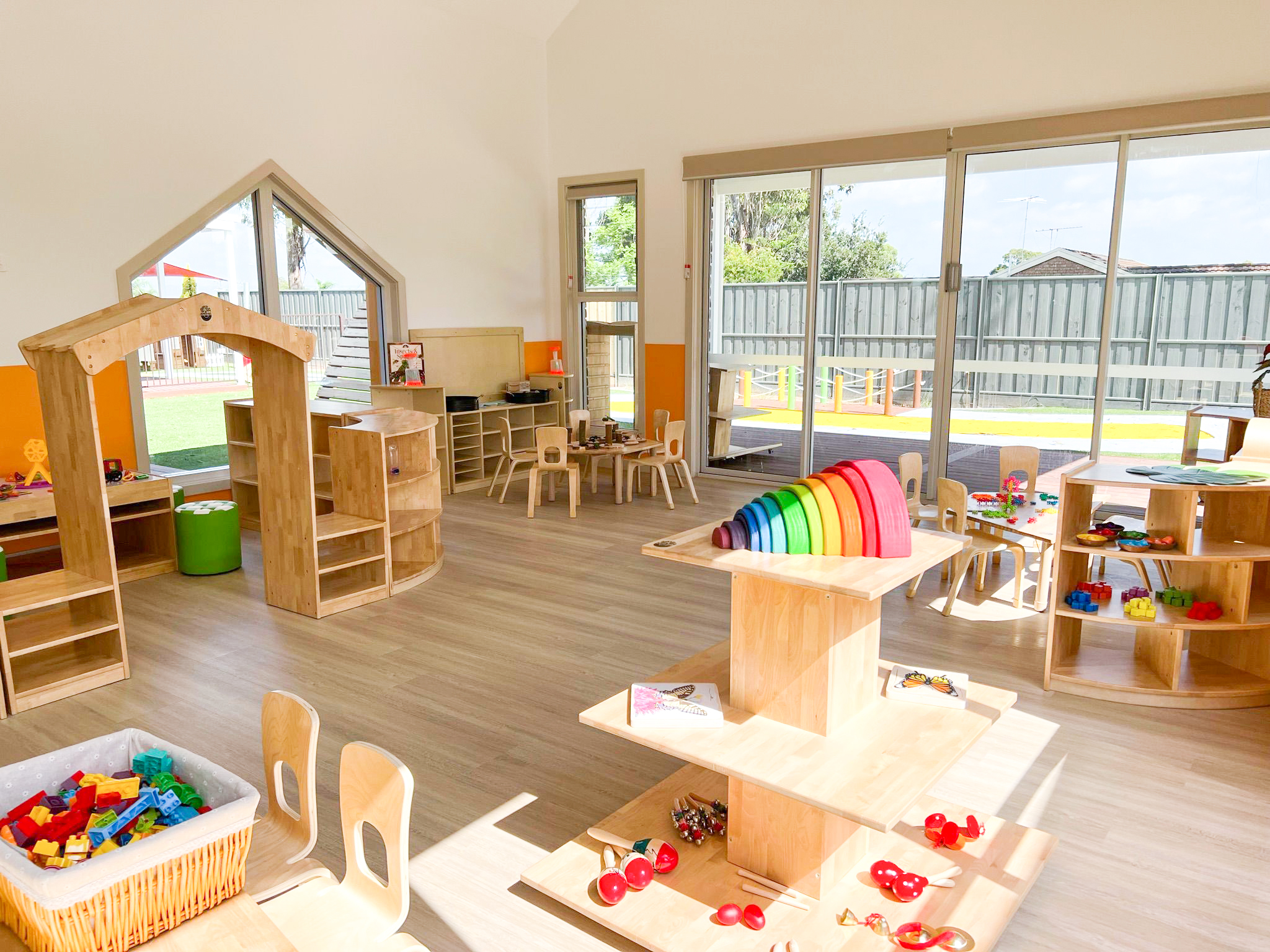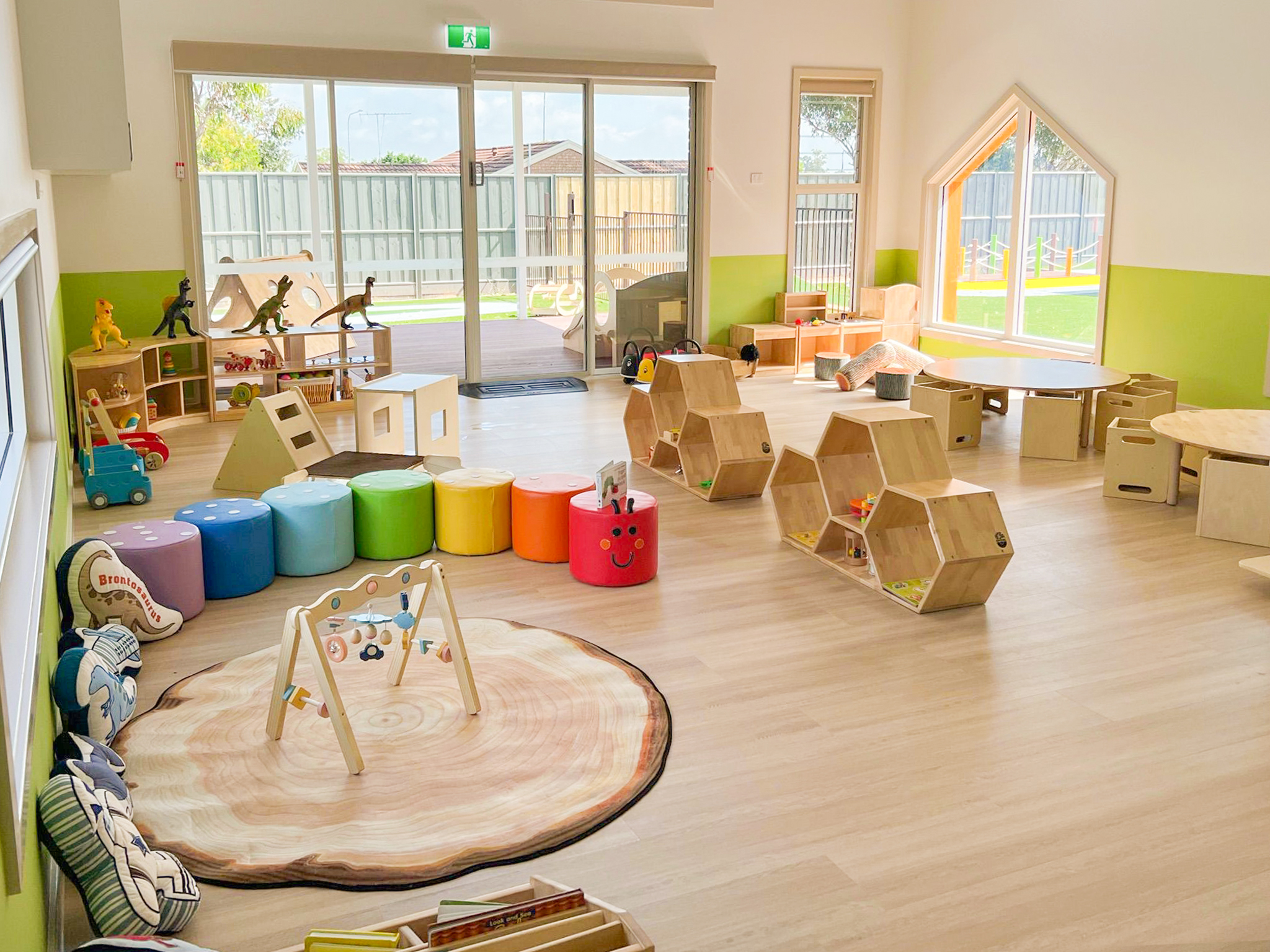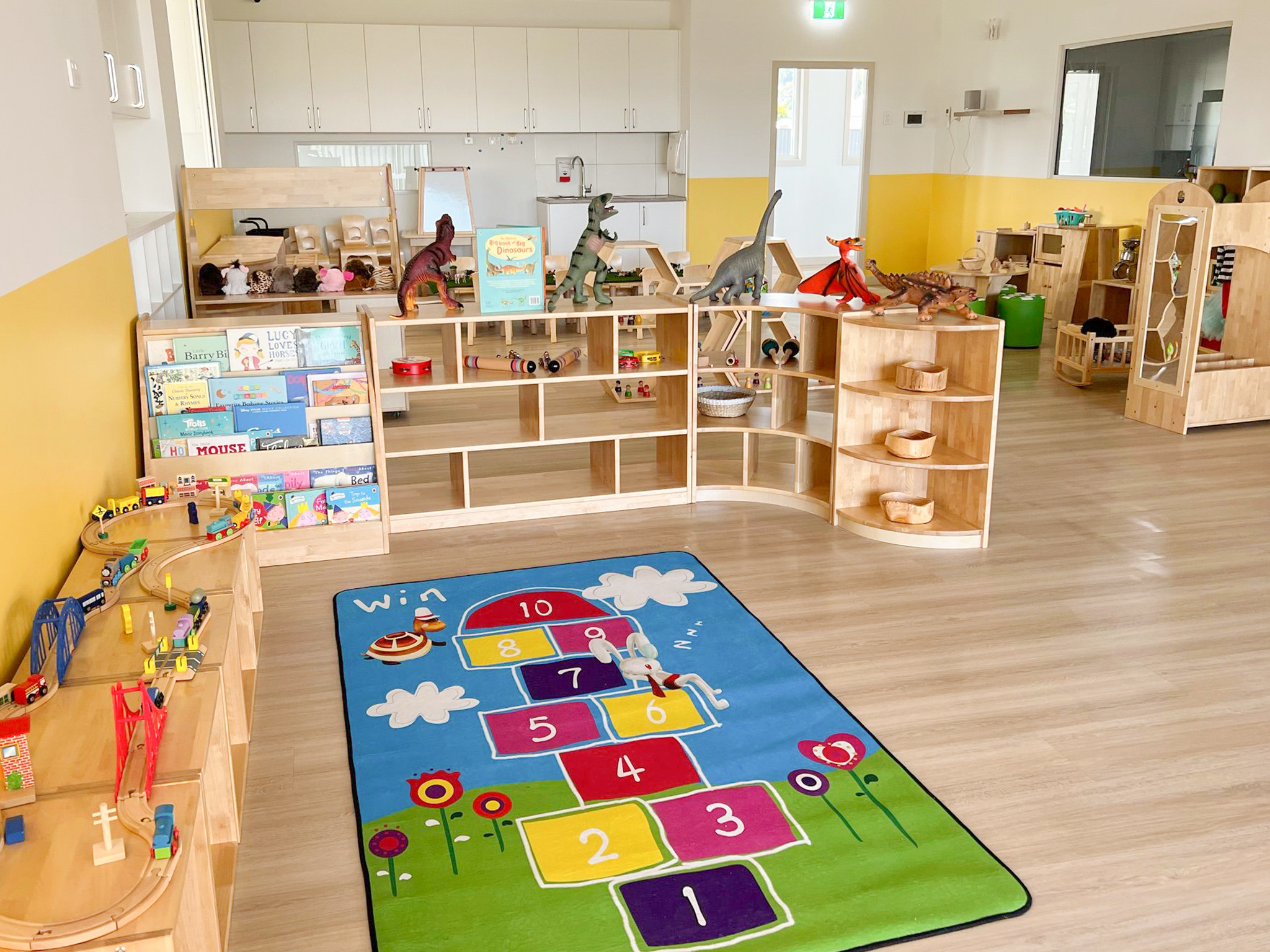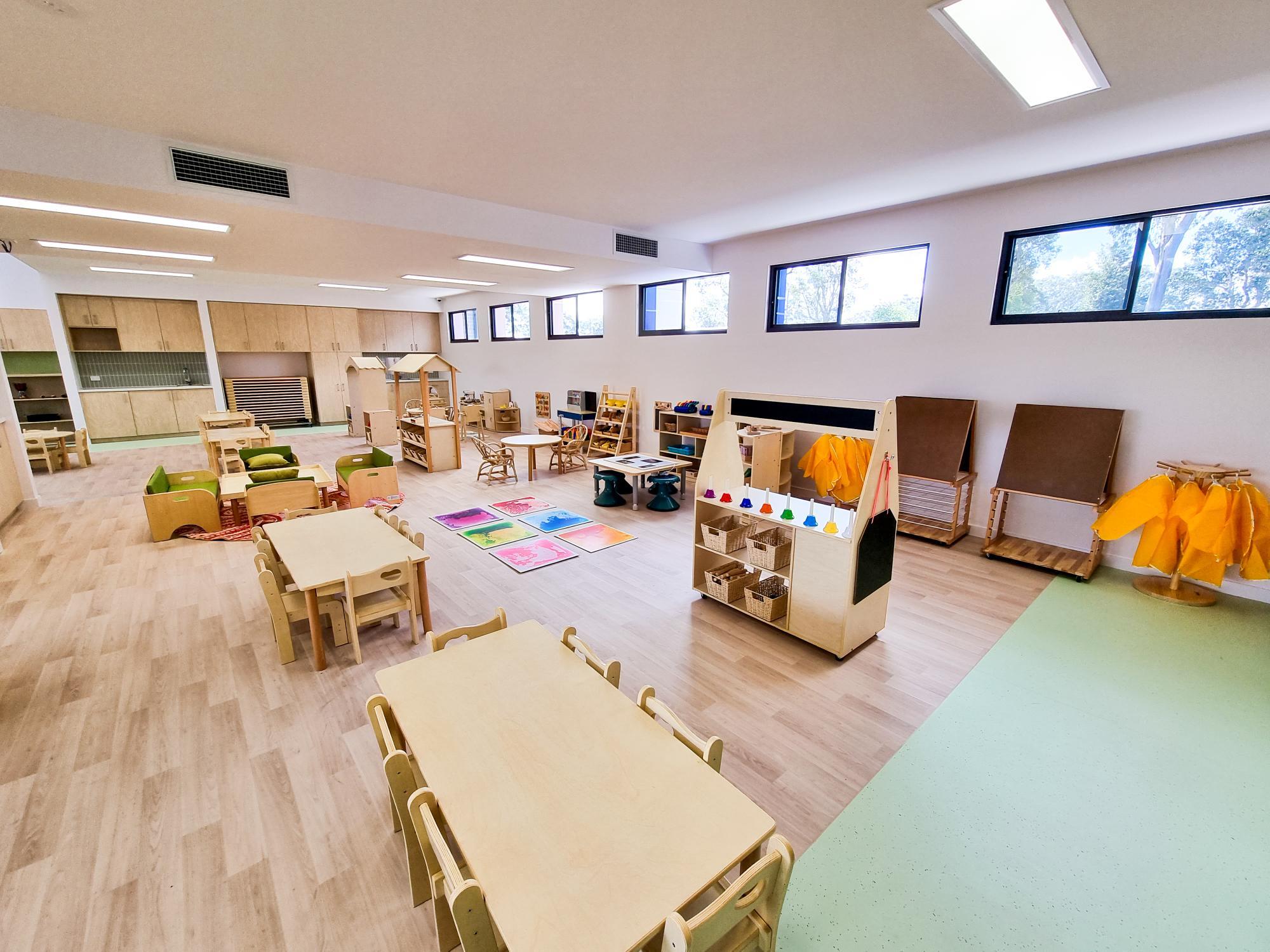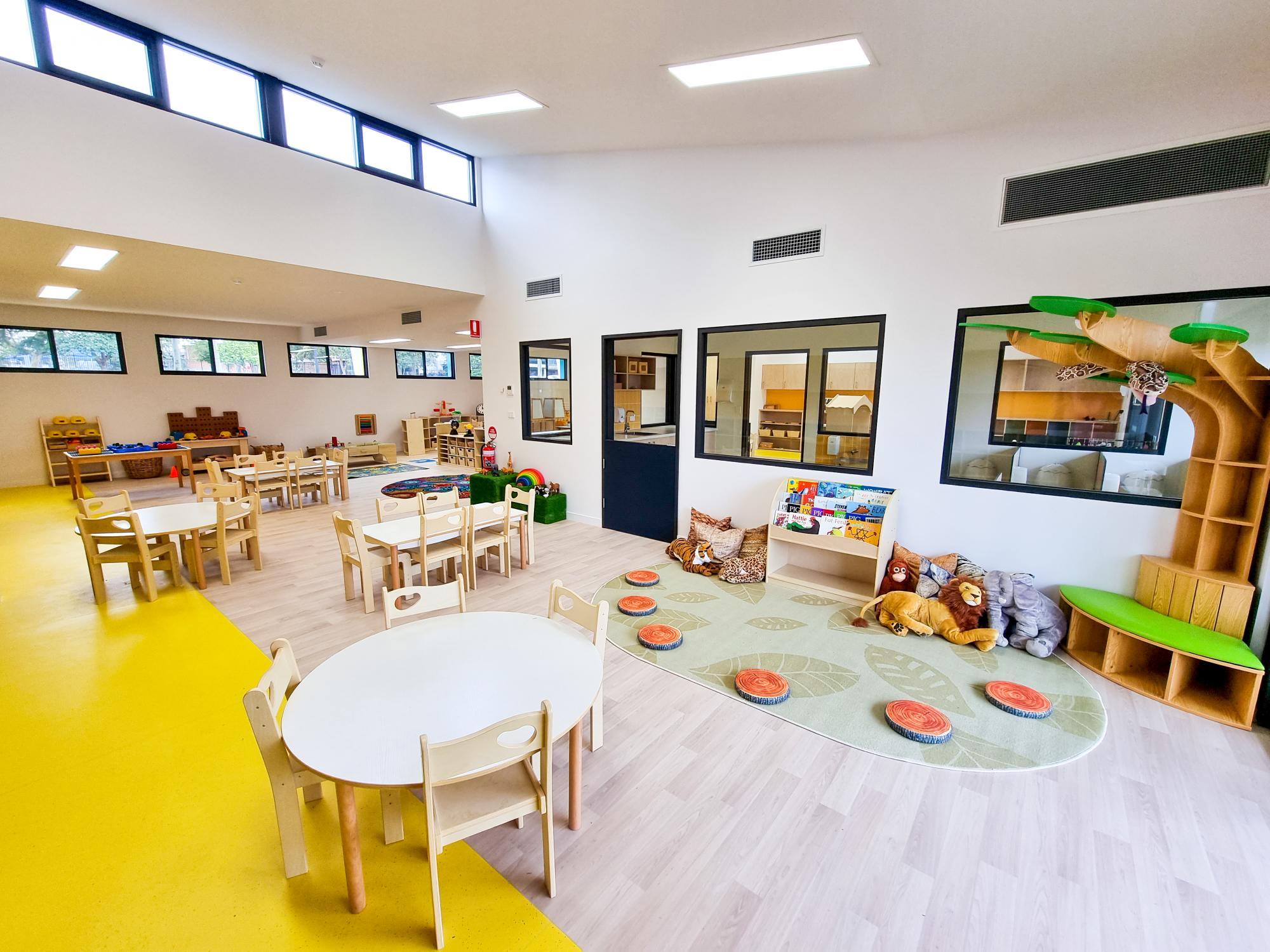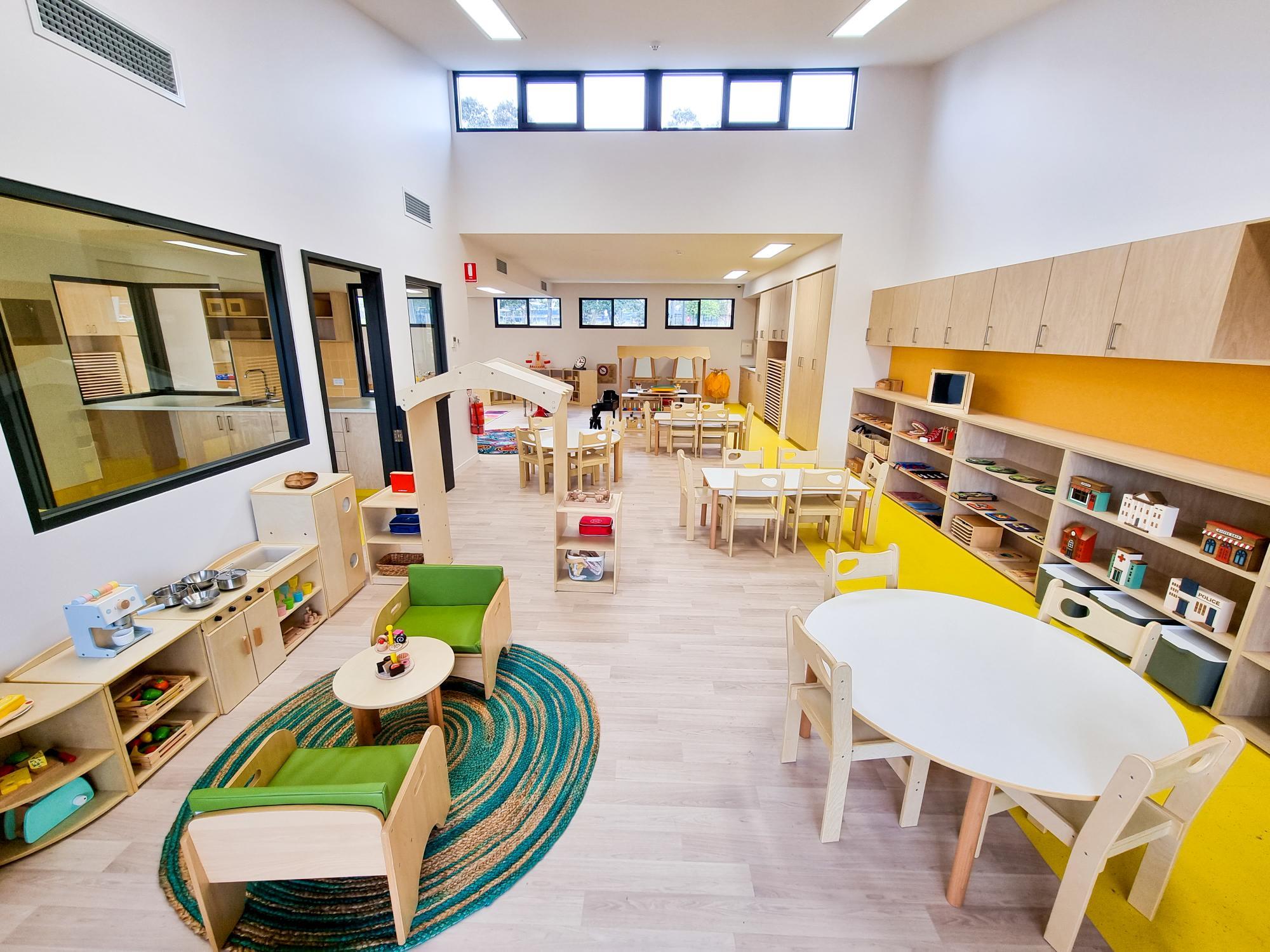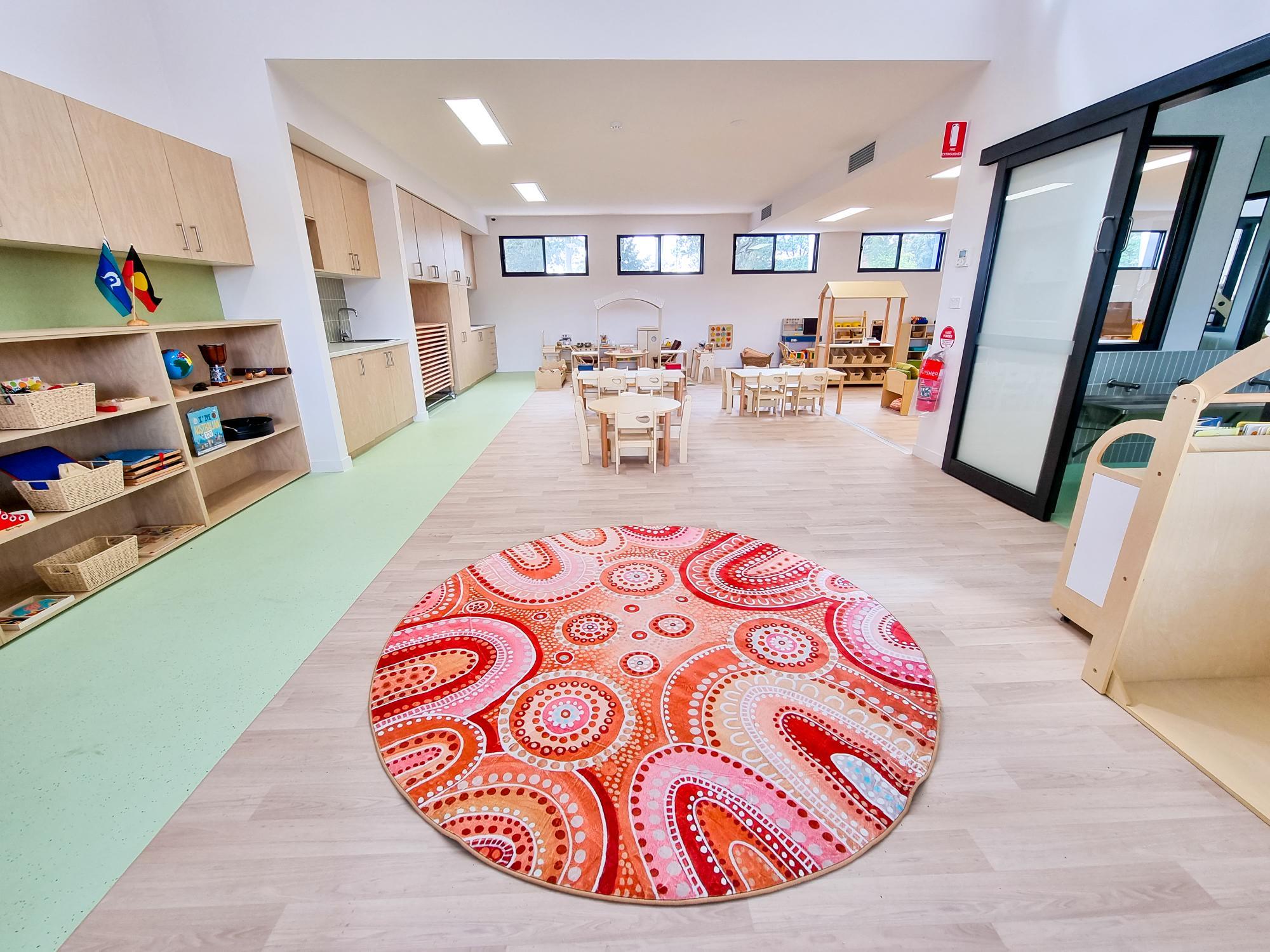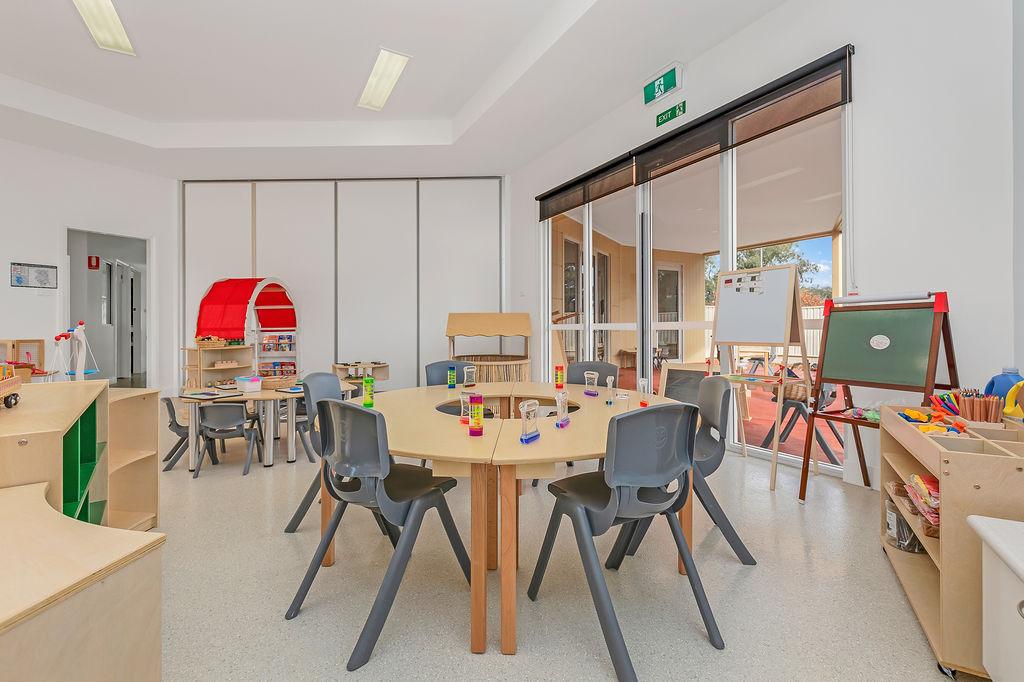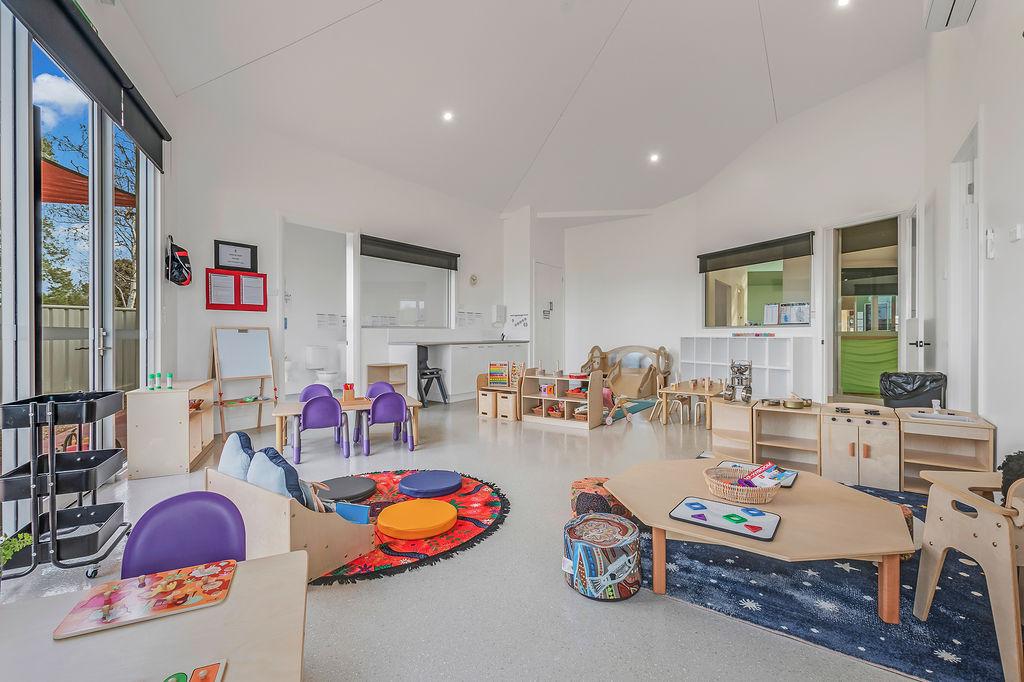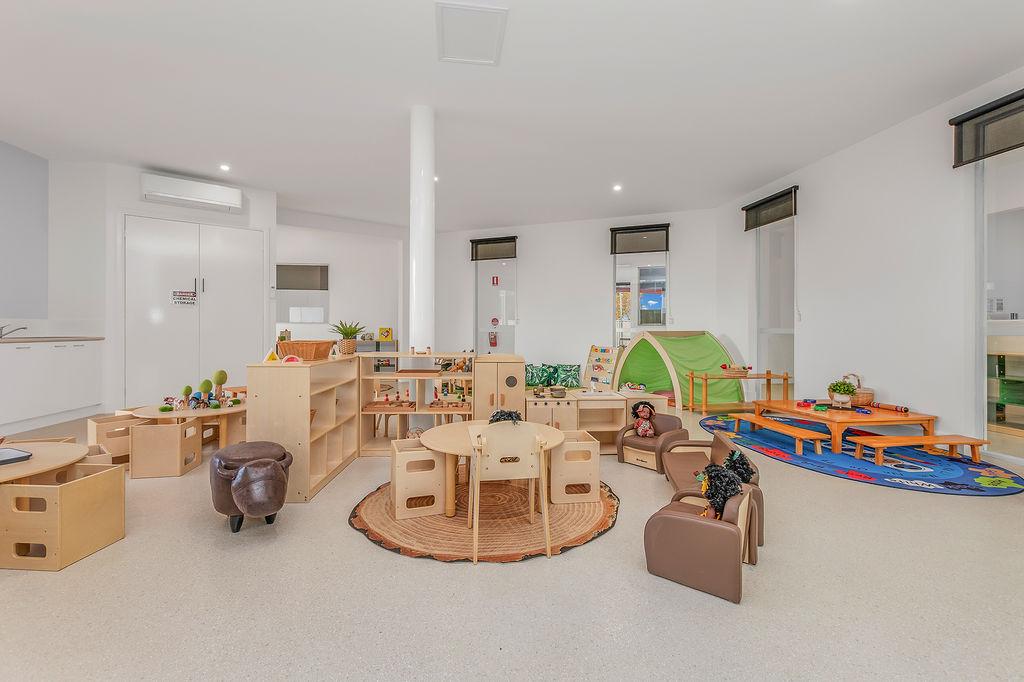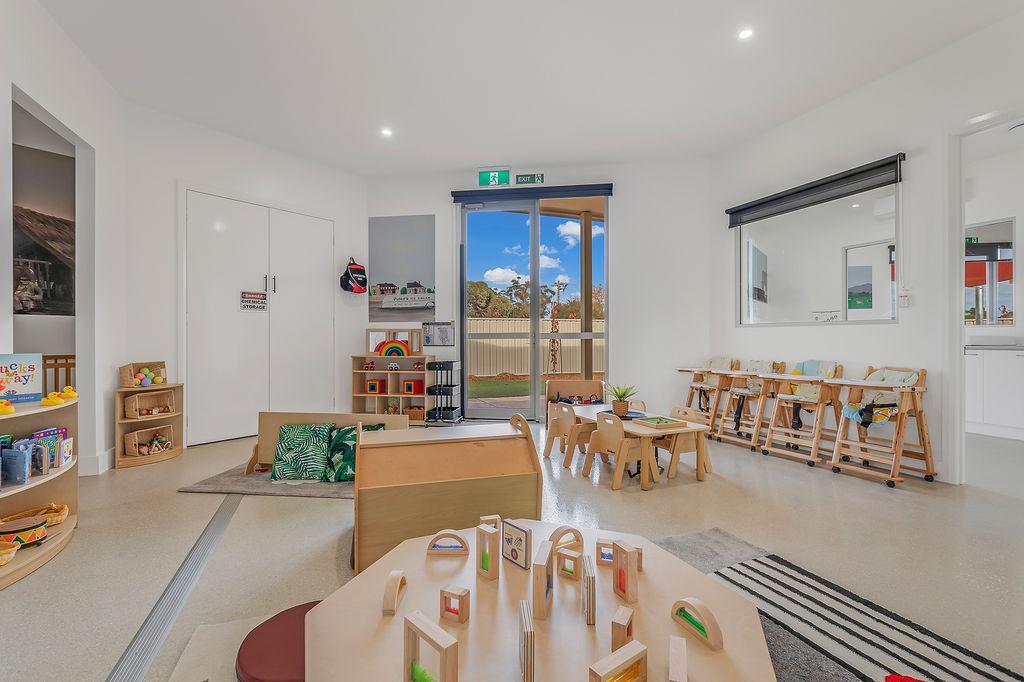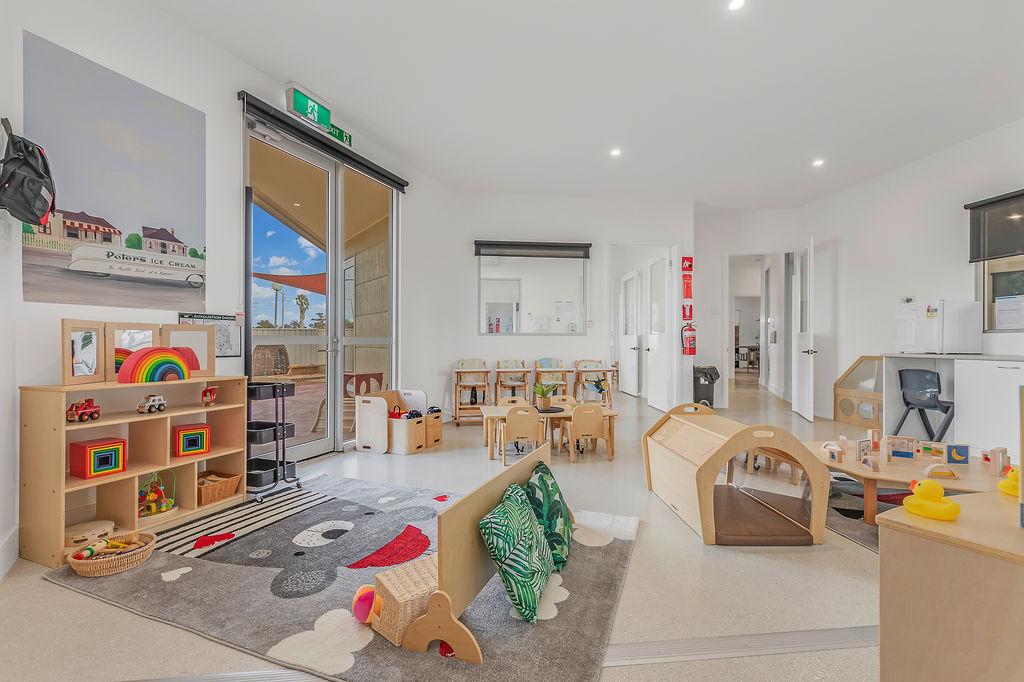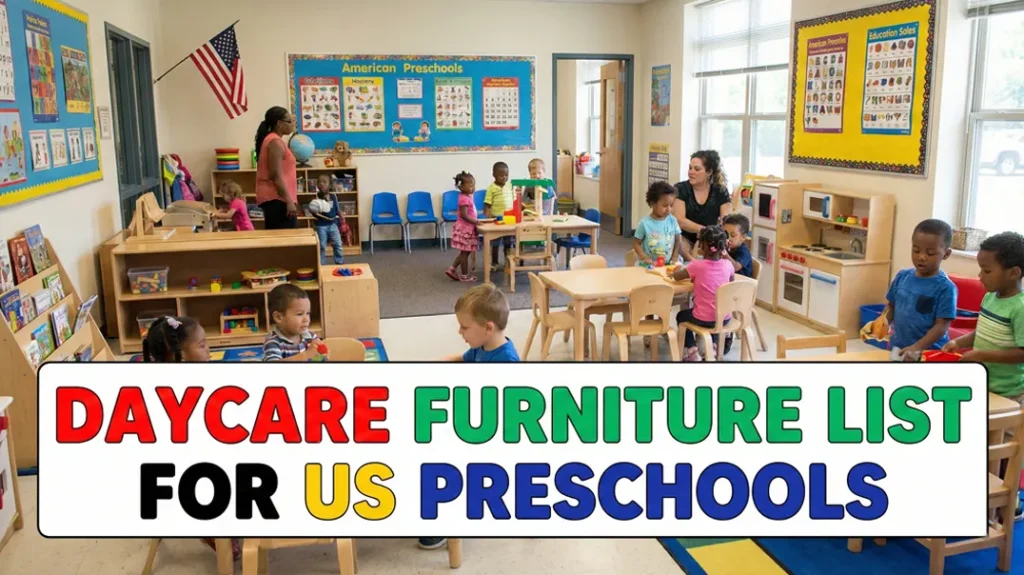
Opening and operating a preschool in the United States involves far more than choosing attractive furniture from a catalog. Classroom furniture must support daily routines, meet safety expectations, align with age group needs, and pass local licensing and inspection requirements. A poorly planned setup can lead to operational inefficiencies, safety concerns, or costly adjustments after opening.
Many preschool owners rely on general furniture checklists that look complete on paper but fail in real classrooms. Furniture that is too large, poorly placed, or not age appropriate can disrupt learning flow, limit supervision, and reduce usable space. In some cases, mismatched furniture can even raise red flags during inspections.
This practical guide breaks down daycare furniture selection for US preschools by age group and classroom function. Rather than offering a one size fits all list, it explains how each furniture category supports learning, safety, and daily routines.
By understanding the purpose behind each furniture choice, preschool owners can build classrooms that are organized, compliant, and easy to operate over time.
How Furniture Is Used in US Preschool Classrooms
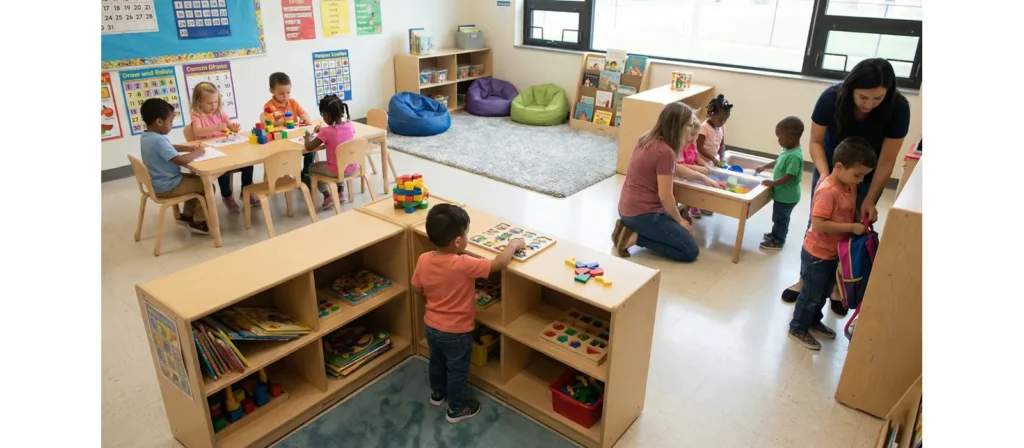
In US preschools and daycares, furniture is not treated as static classroom equipment. It is part of the daily workflow that supports supervision, transitions, and independent learning. How furniture is placed and used has a direct impact on how smoothly a classroom operates from morning drop off to afternoon pickup.
Furniture as the Skeleton of the Classroom
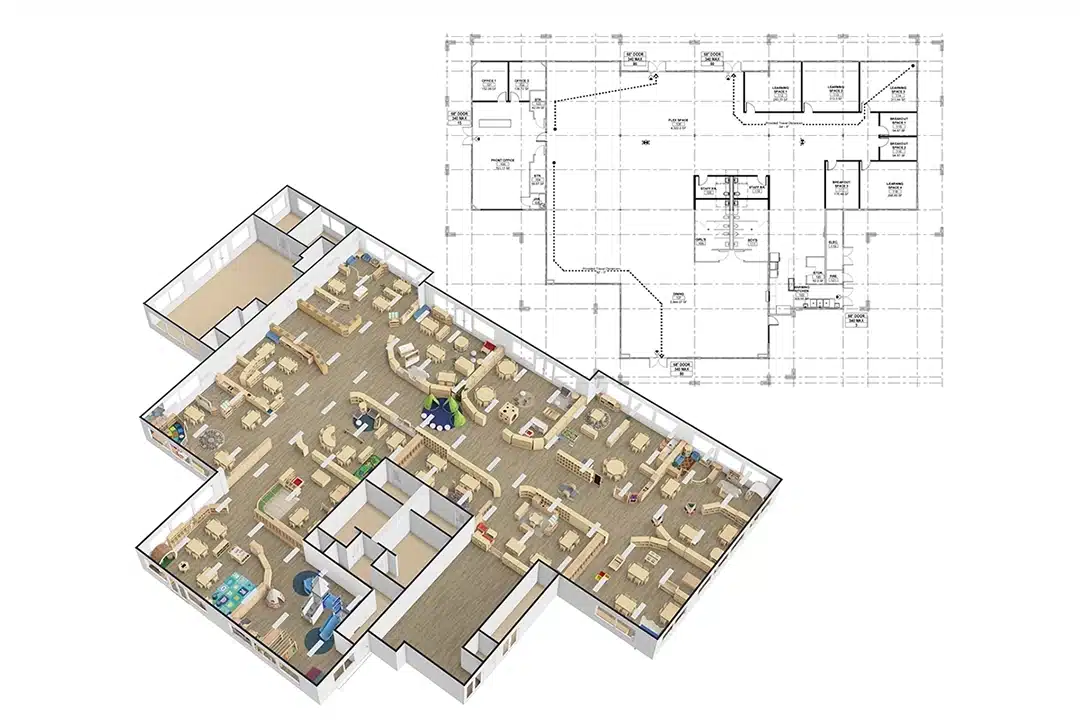
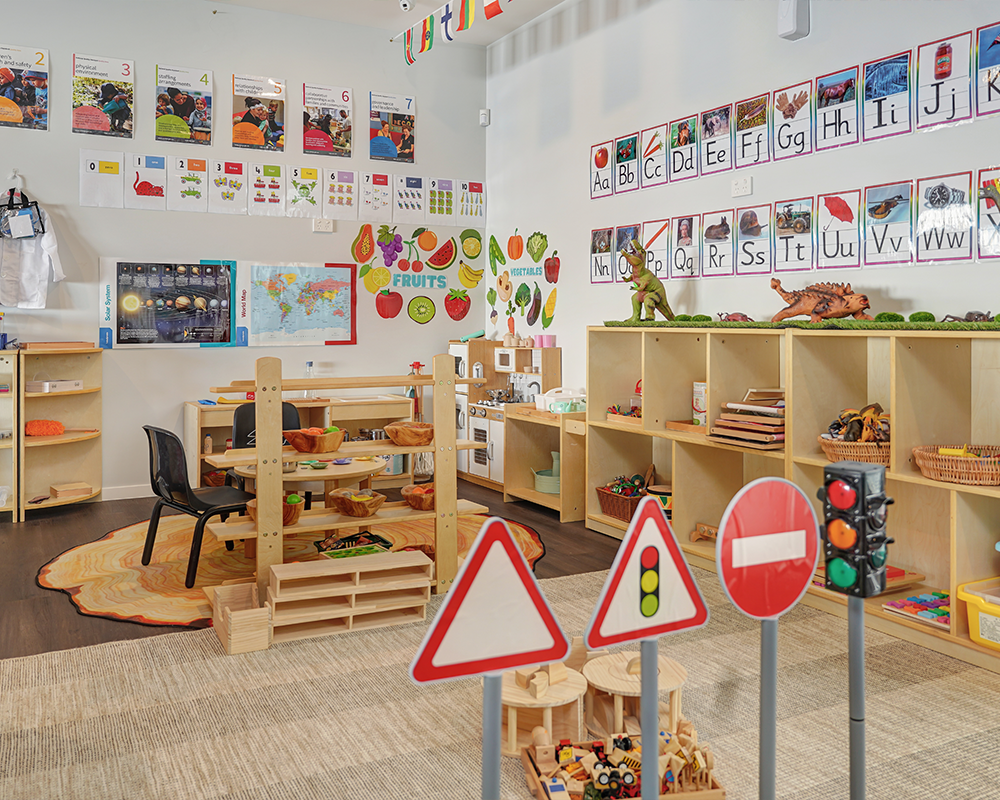
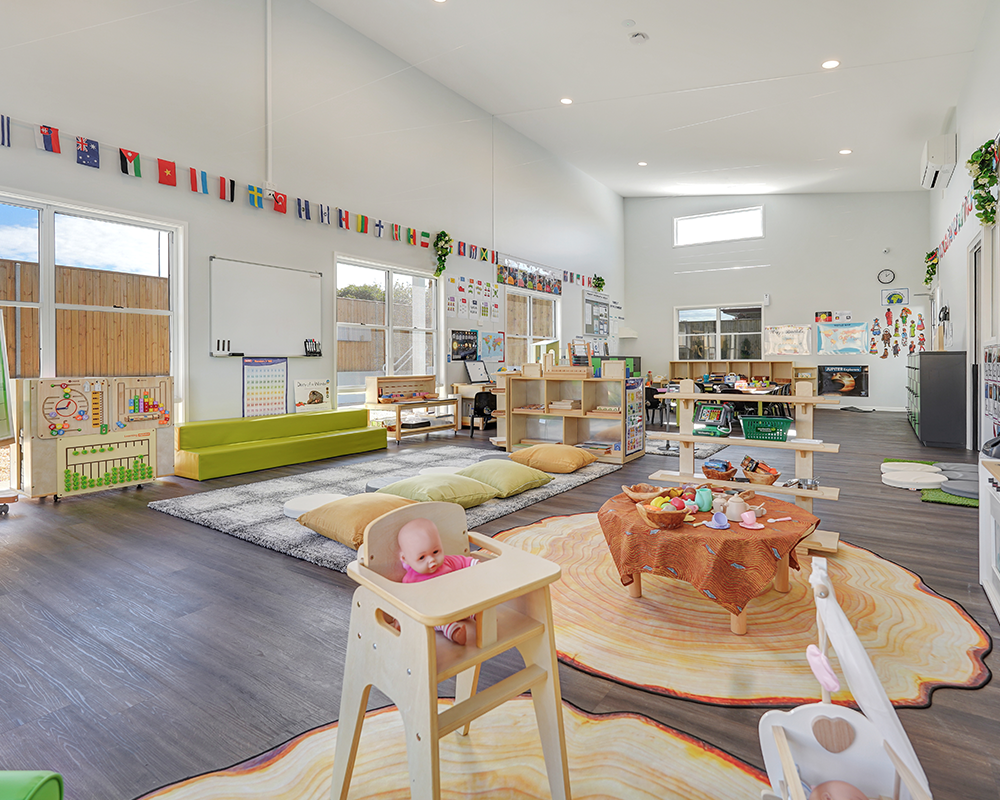
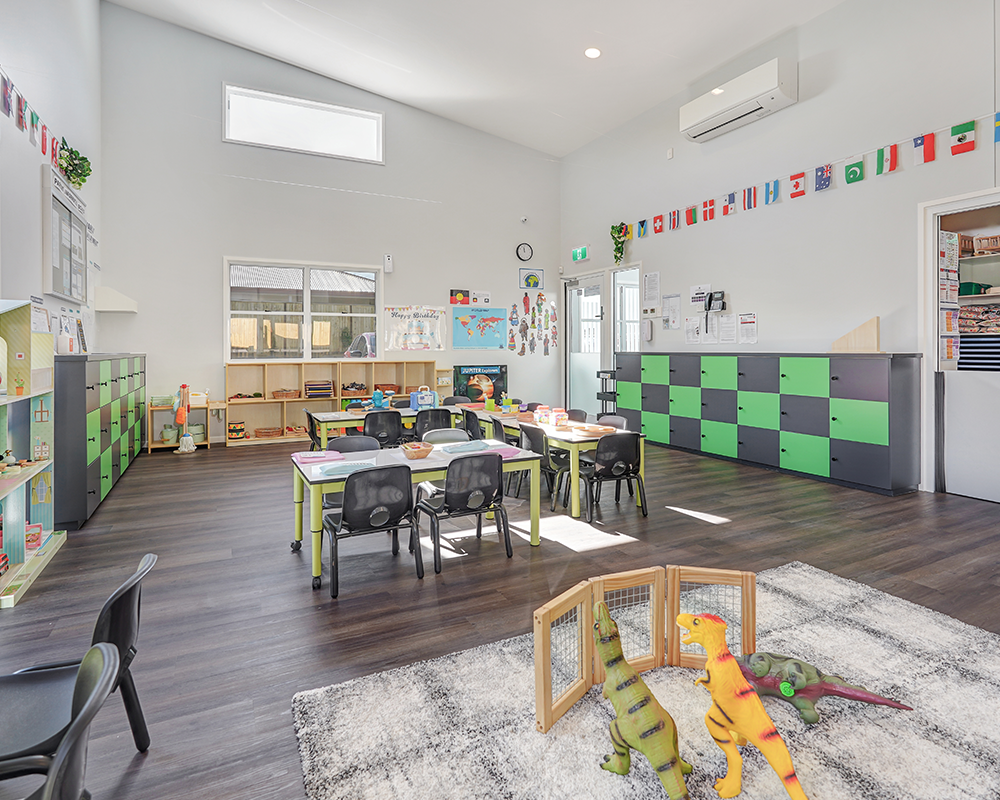
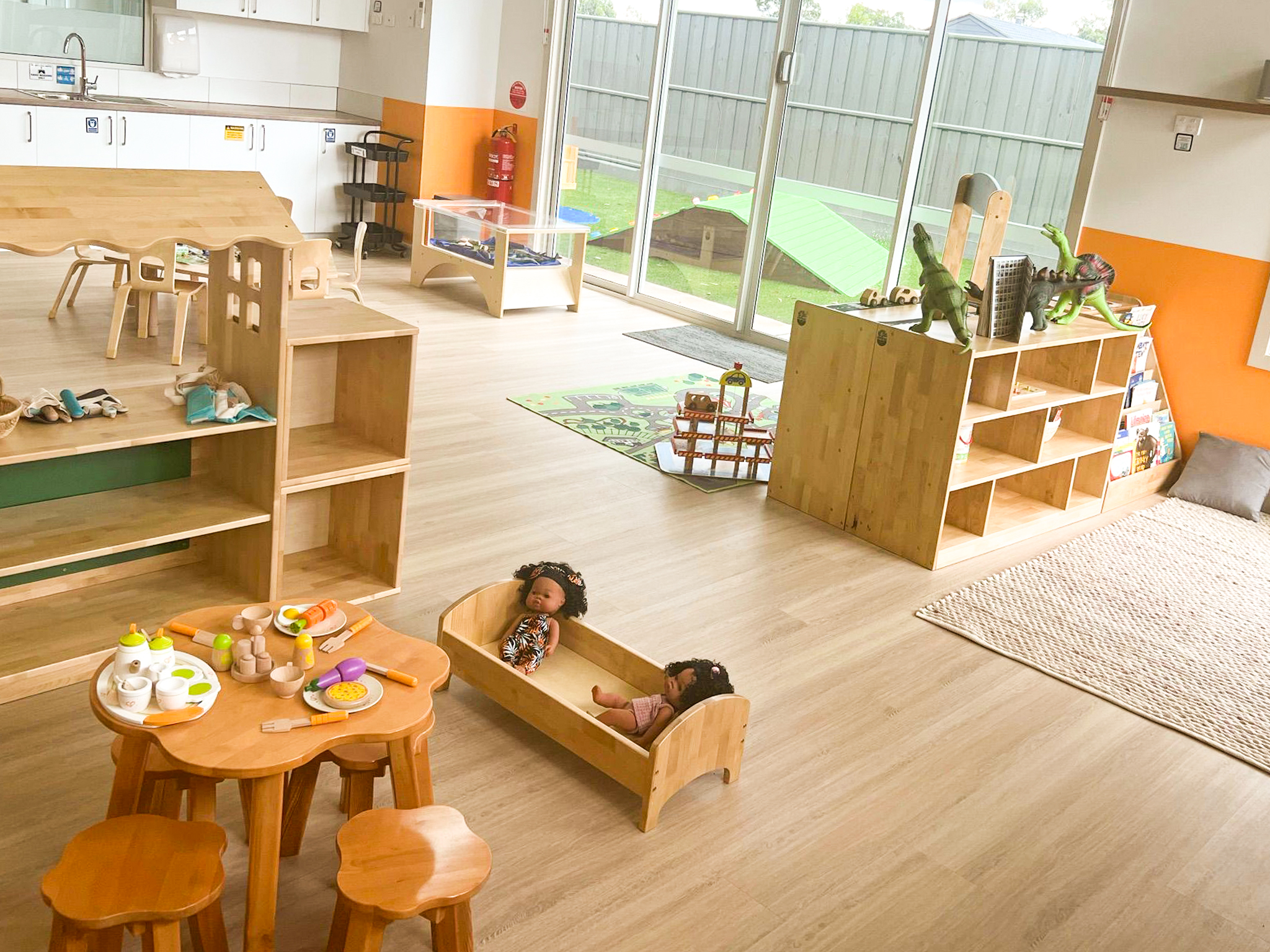
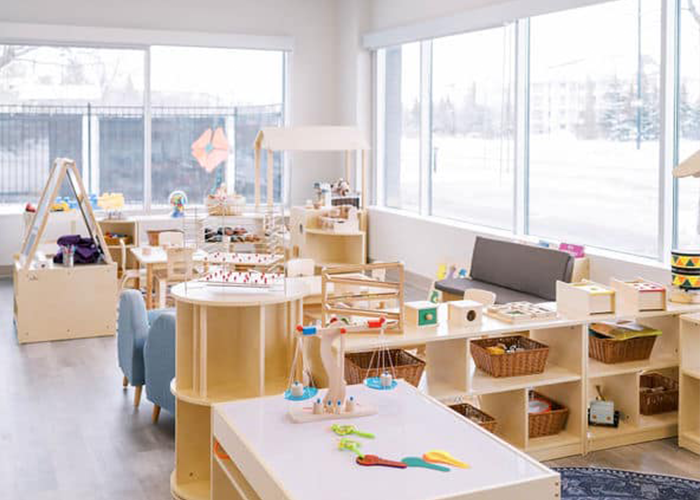
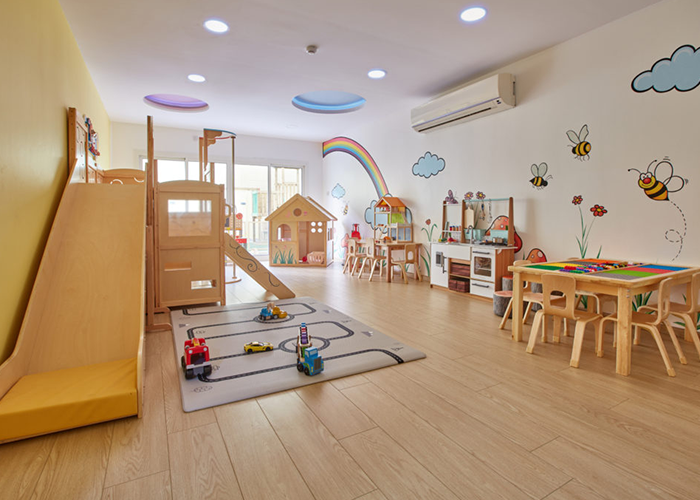
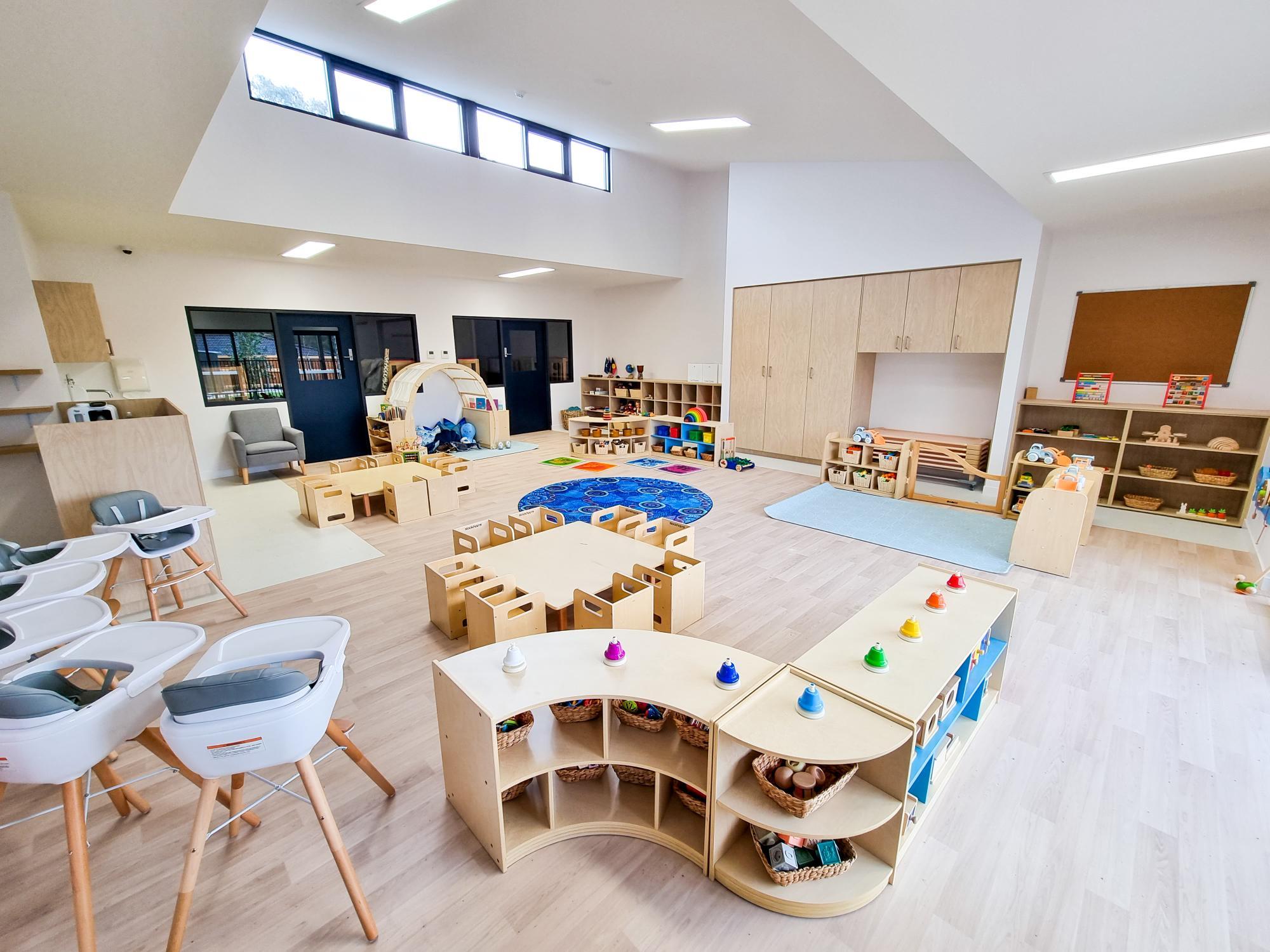
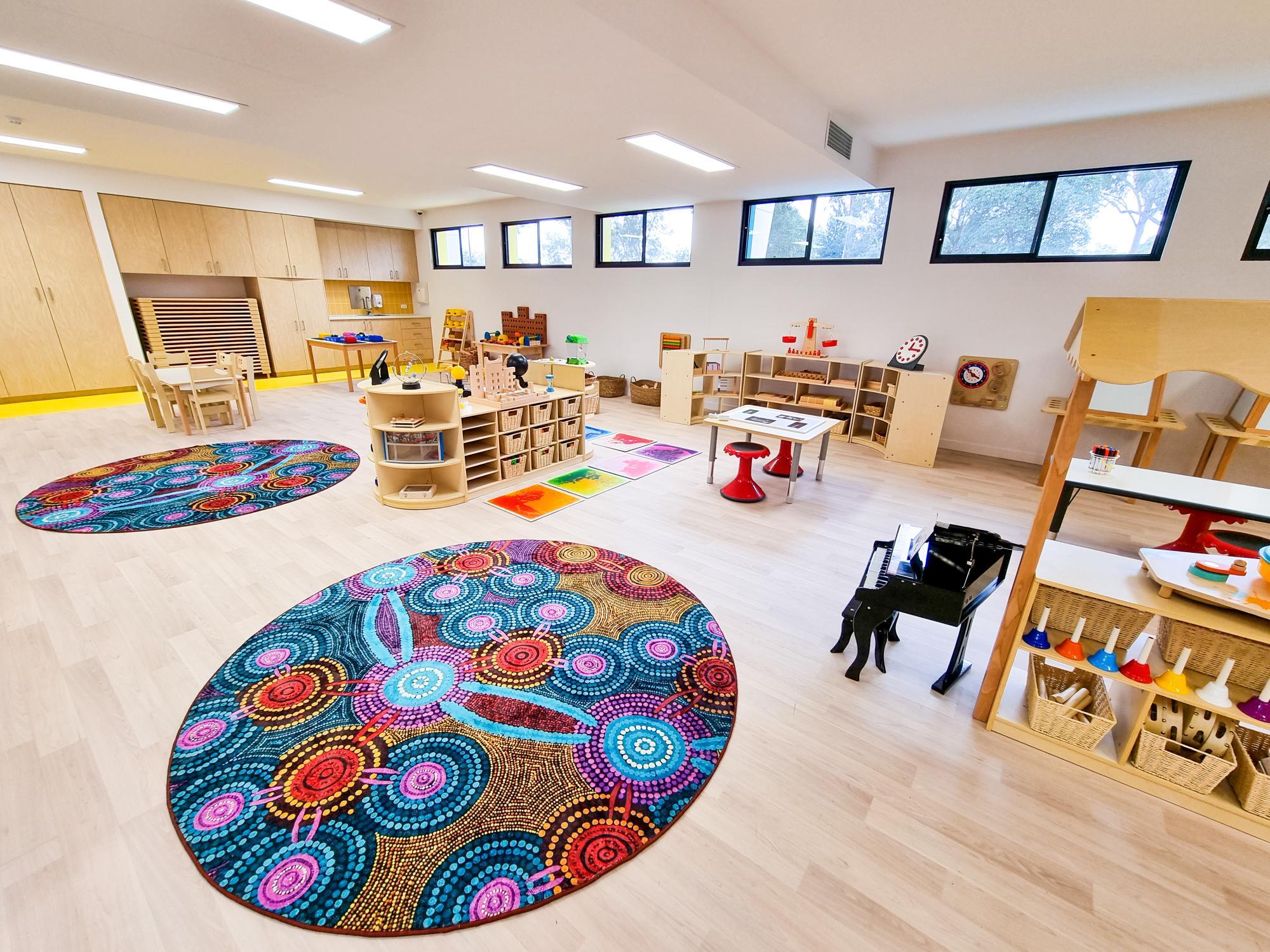
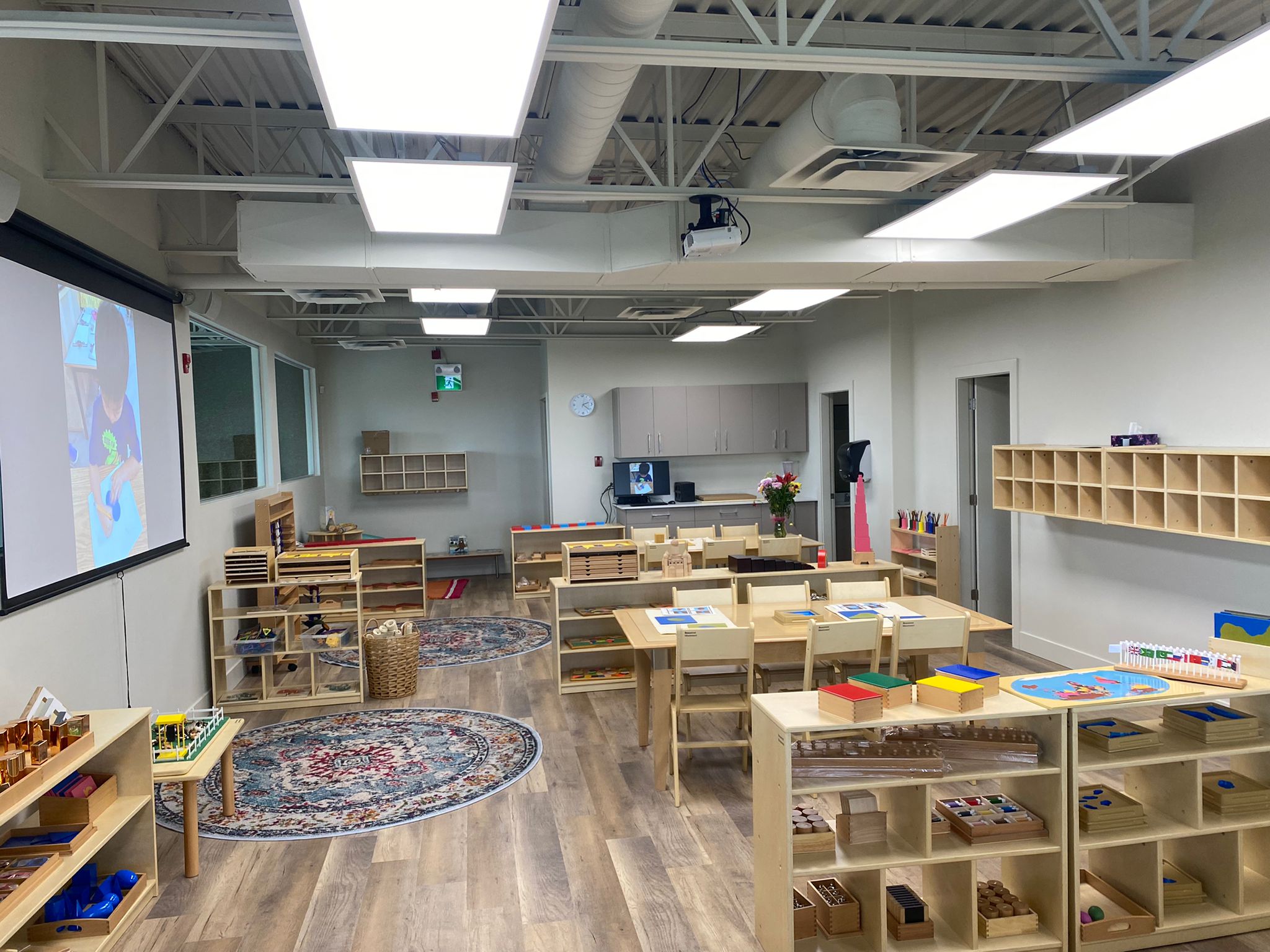
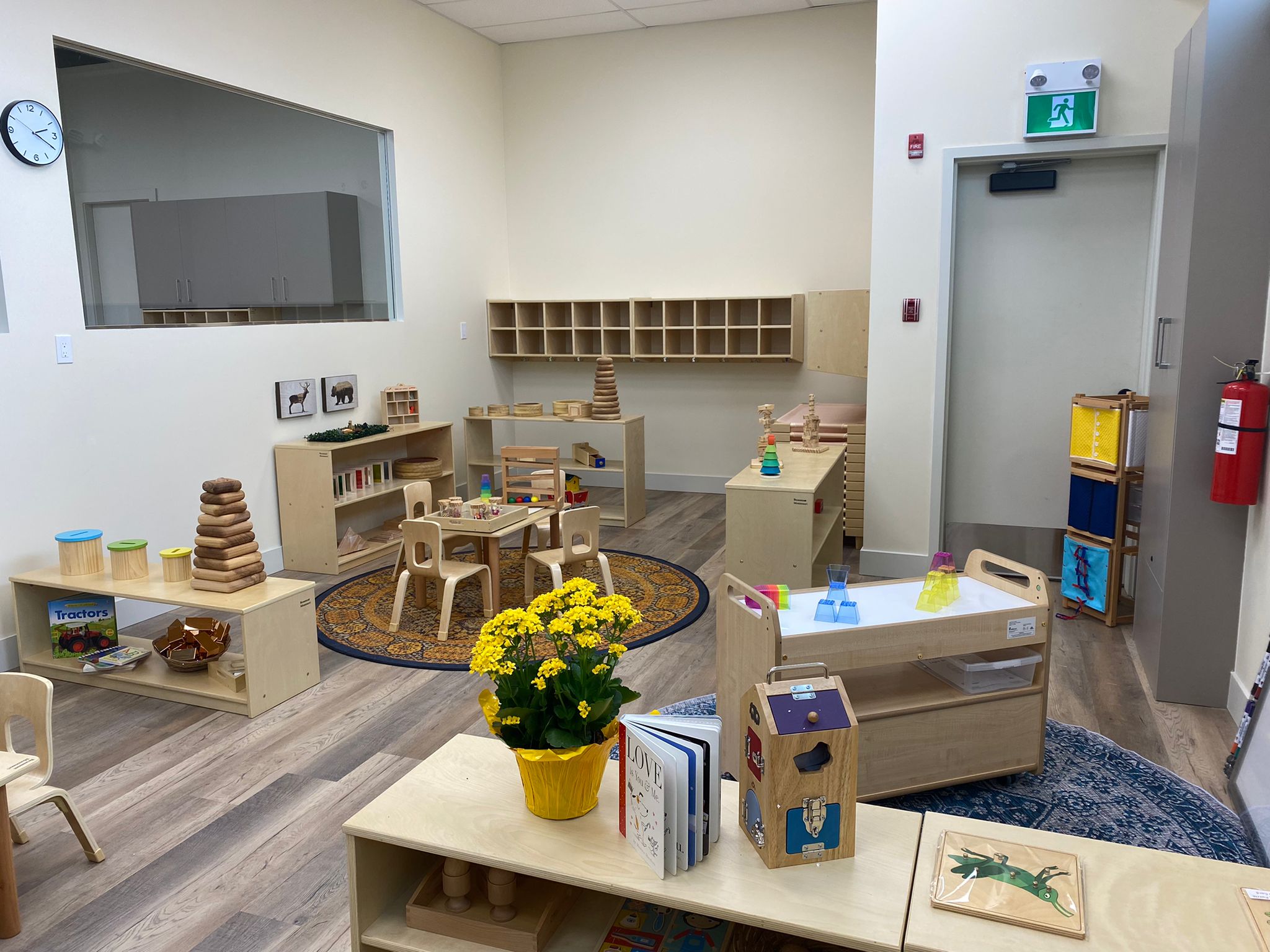
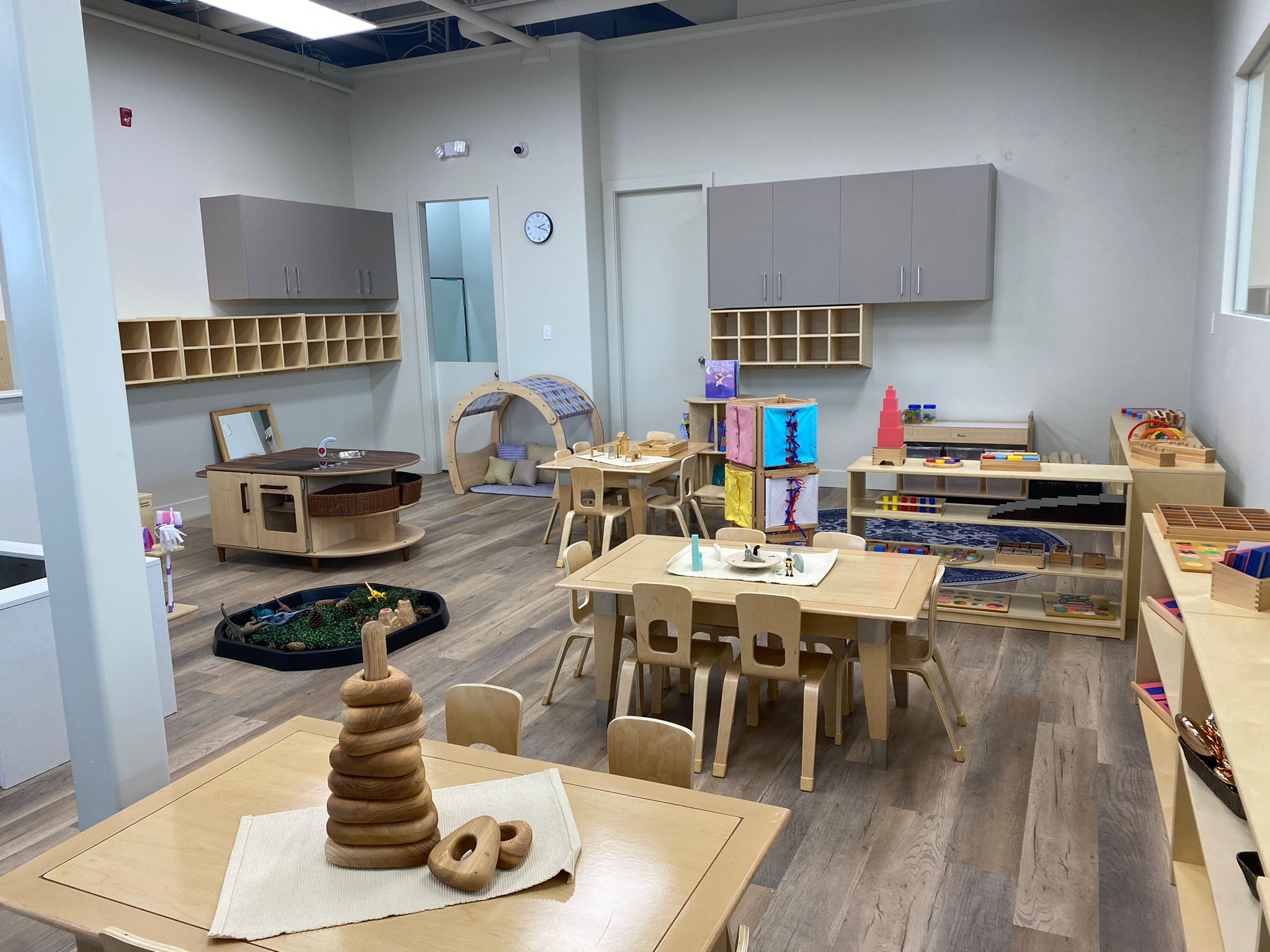
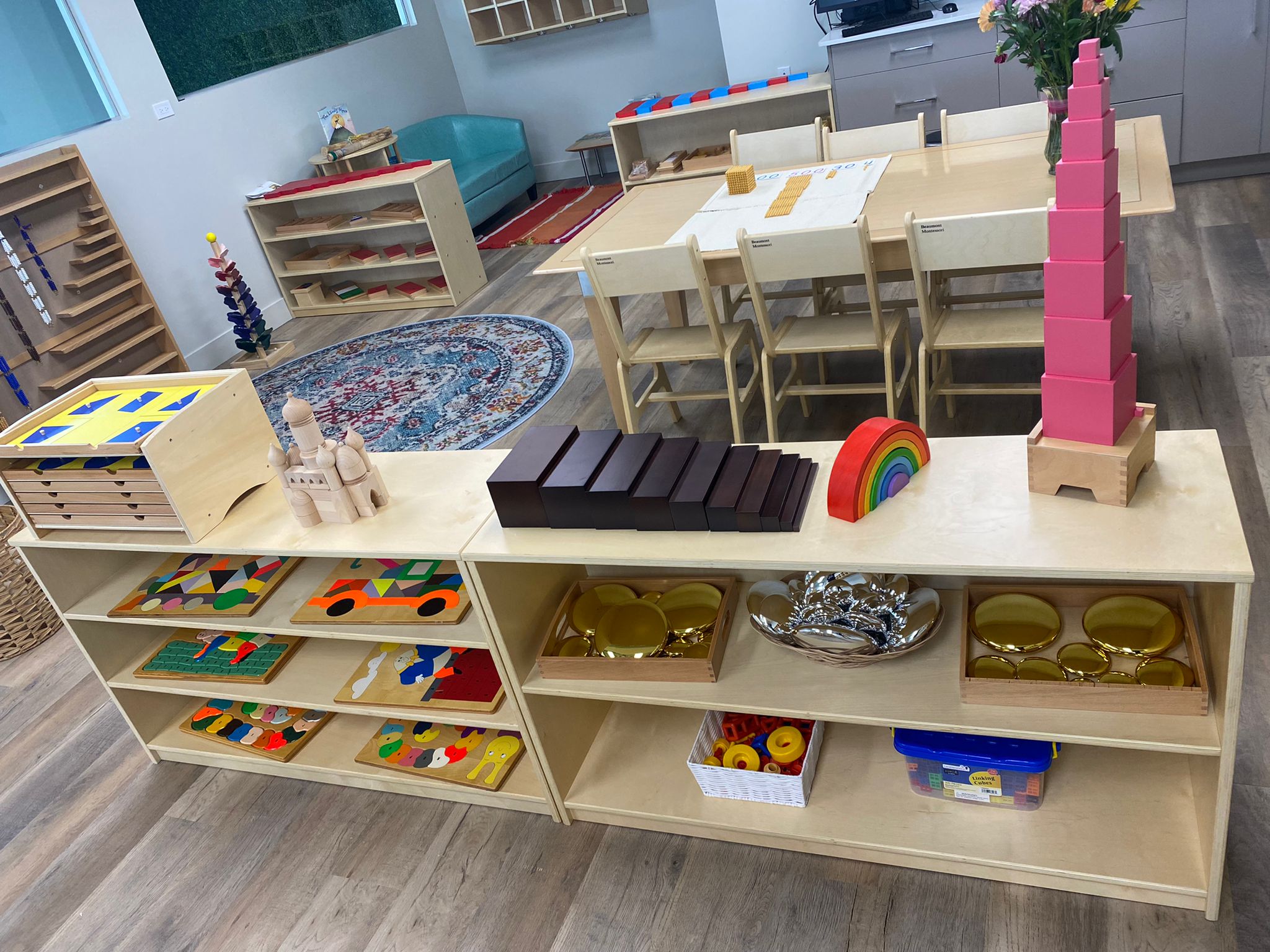
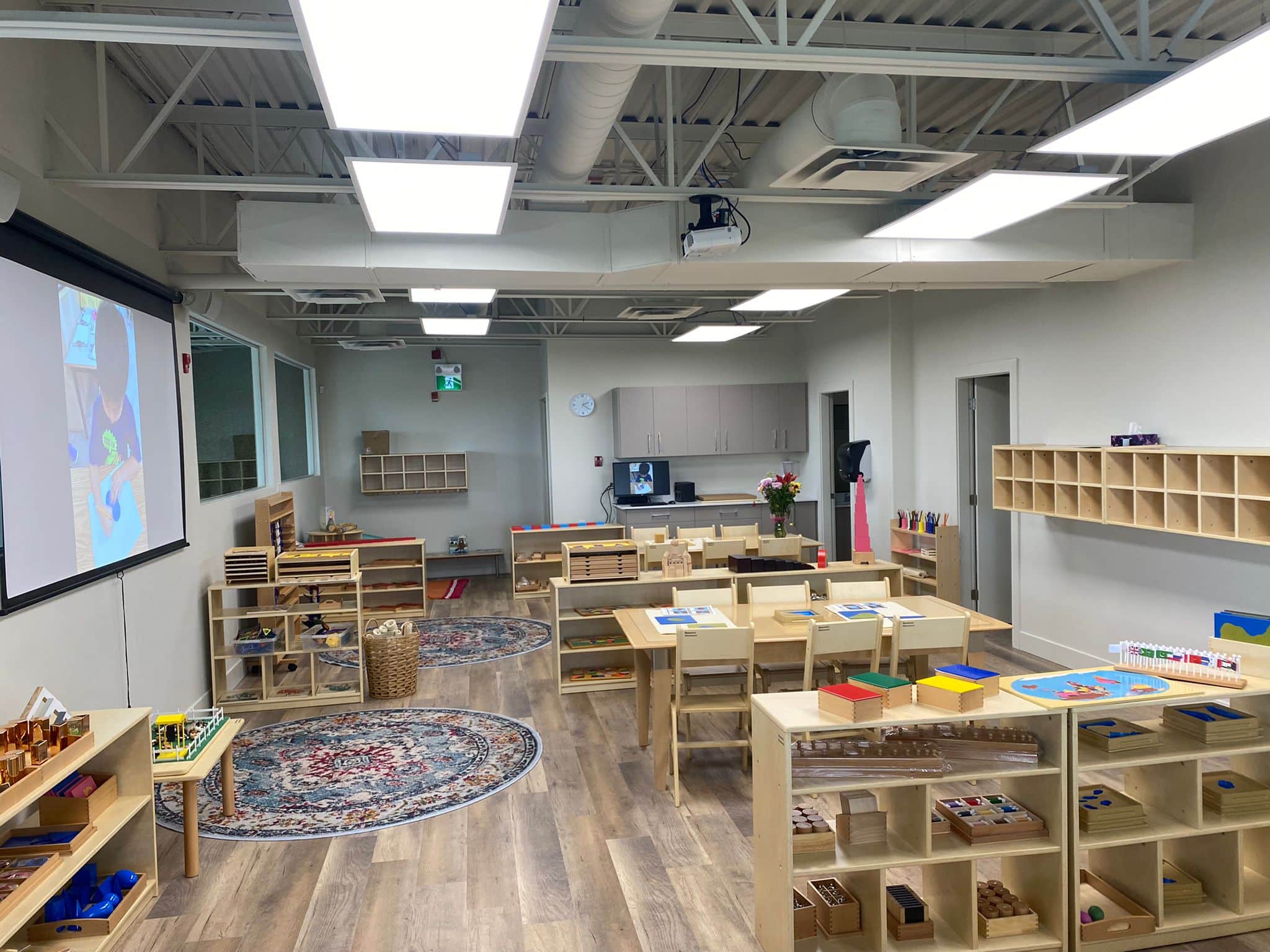
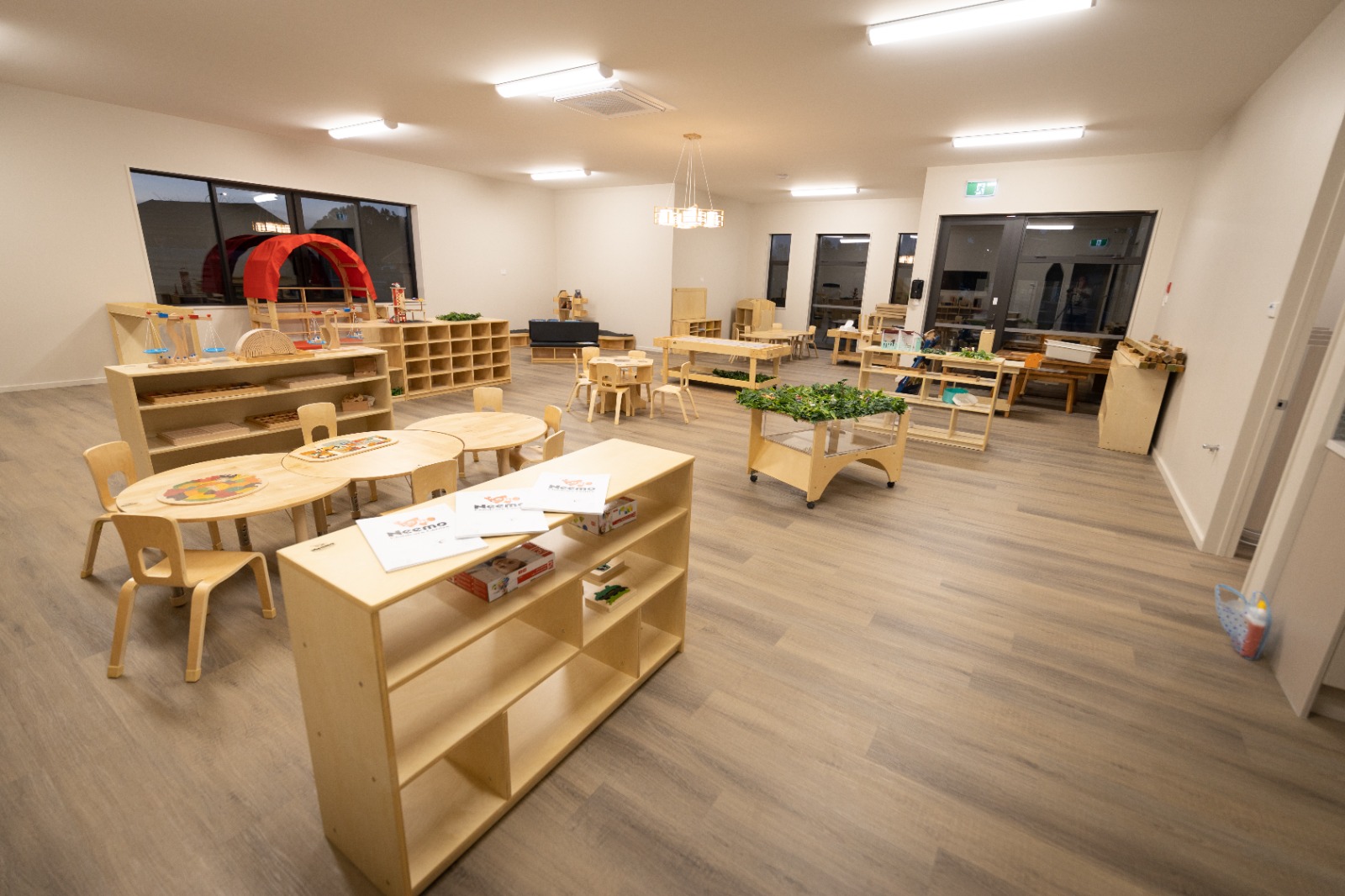
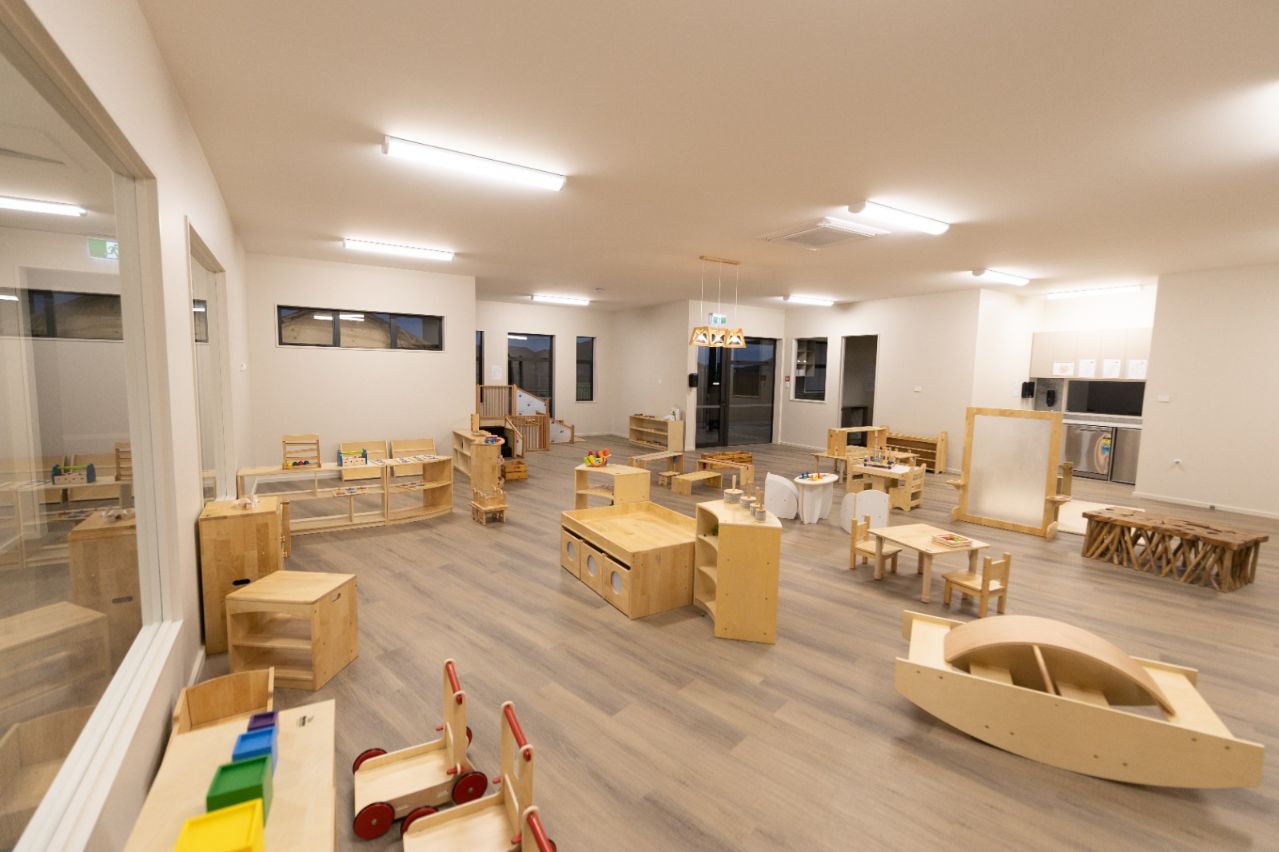
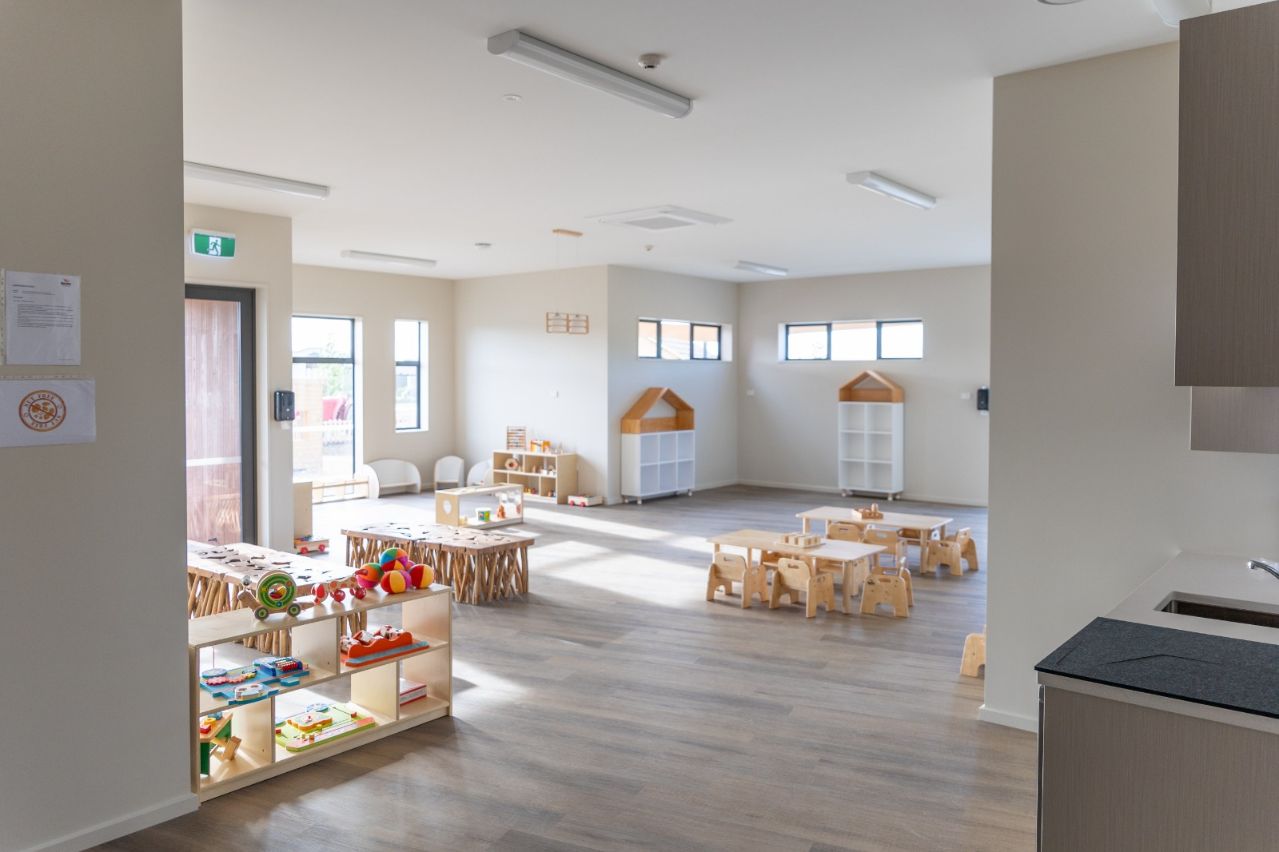
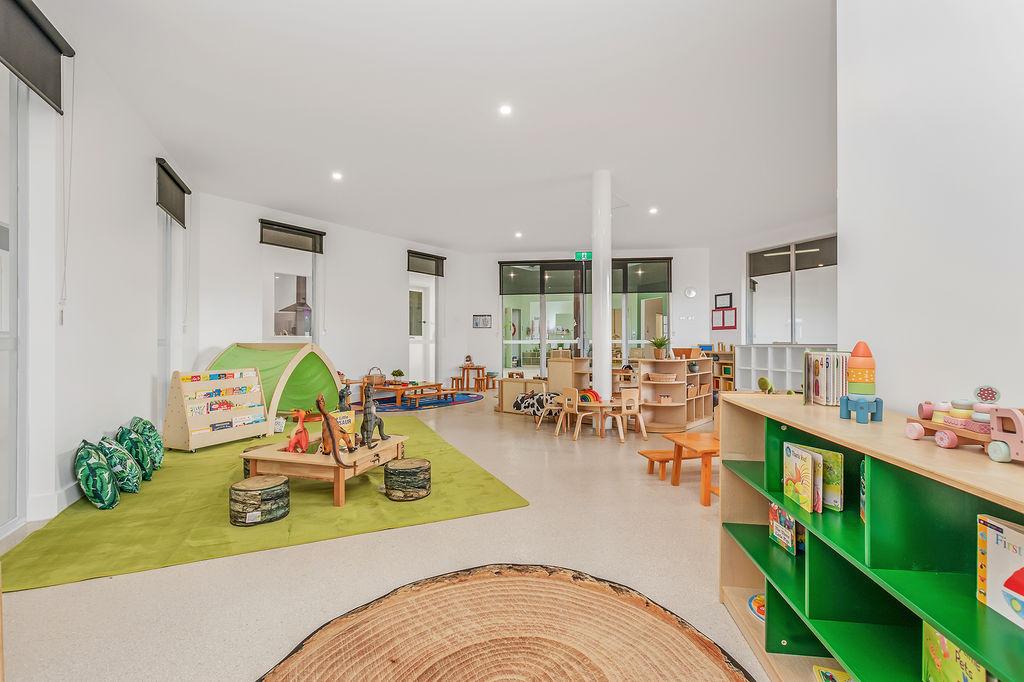
Think of furniture as the skeleton of the learning environment. The same room can feel chaotic or calm, cramped or spacious, depending entirely on where you place tables, shelves, and soft areas.
In a typical US preschool classroom, furniture is used to:
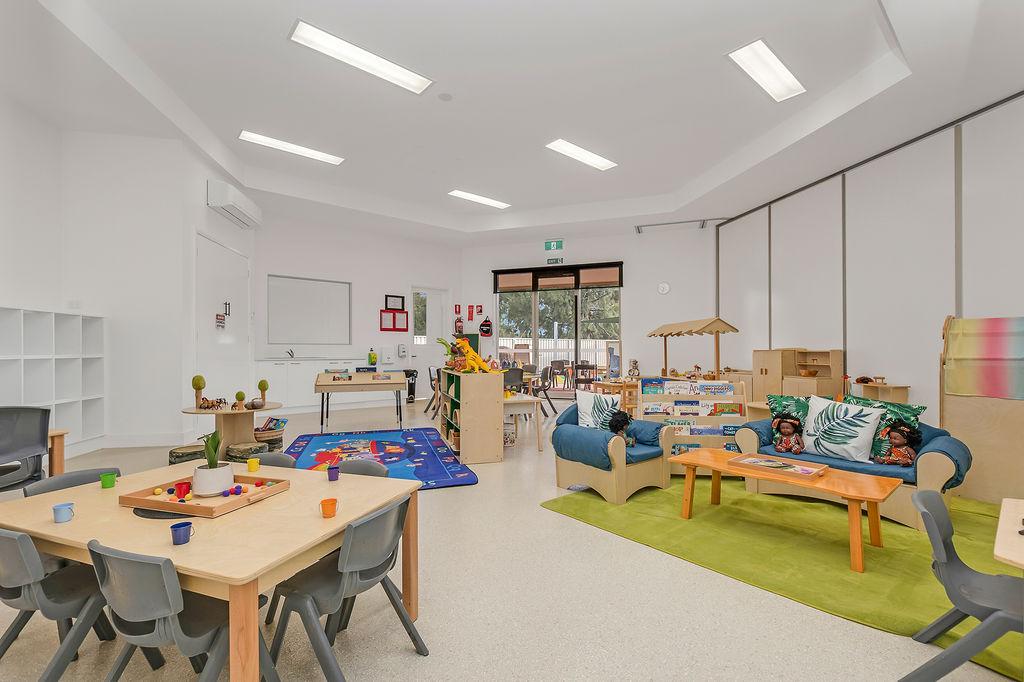
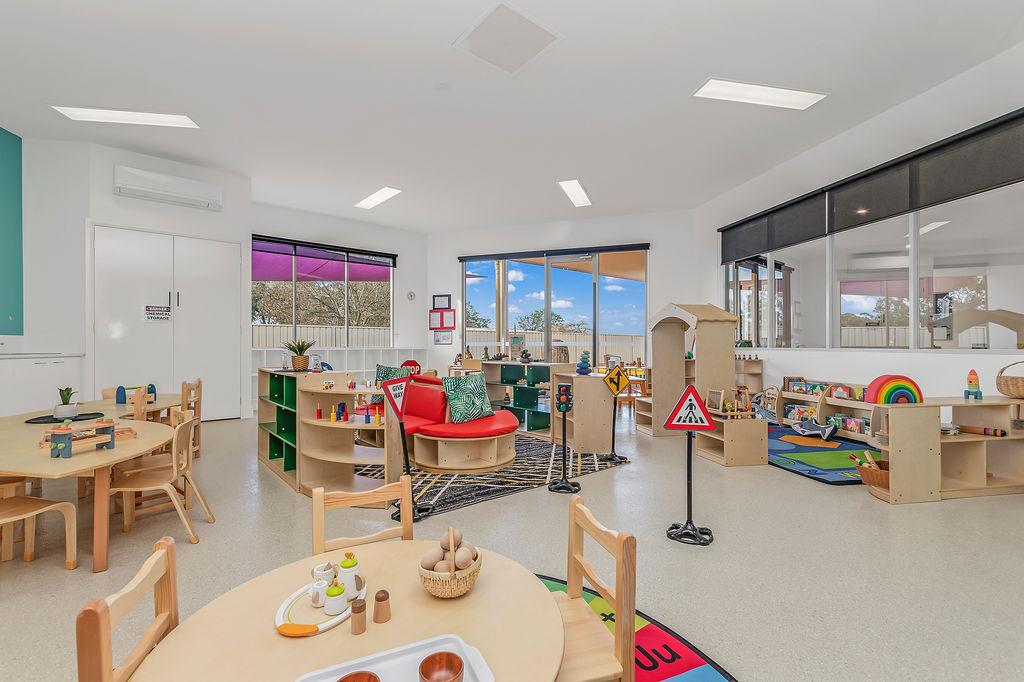
- Define activity zones: reading corner, block area, dramatic play, art, science, quiet space.
- Direct traffic flow: where children walk, where they tend to run, and where bottlenecks form.
- Protect quiet areas from noisy ones: for example, placing reading nooks away from block towers or dramatic play kitchens.
- Maintain clear sight lines for supervision, so teachers can see every child without constantly moving around obstacles.
Furniture as a Safety and Compliance Tool
In the US, licensing inspections and safety standards look closely at how furniture is selected and used. Here are a few ways furniture intersects with compliance in practice:
- Space per child: Big, heavy pieces can eat into your usable square footage. Remember that many states calculate required indoor activity space per child based on open usable floor area, excluding bathrooms, kitchens, and some storage. Oversized furniture in the middle of the room can inadvertently reduce your capacity.
- Tip-over prevention: Tall shelves, wardrobes, and heavy cabinets must be anchored to walls or floors to prevent tip-over accidents. Recent federal standards targeting furniture tip-overs have made this a higher-priority safety issue for programs serving young children.
- Cleanability: Surfaces must tolerate frequent disinfecting and be free from cracks, tears, and splinters. Upholstered furniture and rugs must meet fire code and be maintained in good condition.
- Safe sleep: Infant rooms must use compliant cribs and follow safe-sleep rules; older children use cots or mats that can be cleaned and stored properly.
Furniture and Educational Philosophy
Most American preschools follow play-based, emergent, or standards-aligned curricula. In all of them, furniture decisions quietly express your educational philosophy
Organizations like NAEYC consistently highlight the importance of child-sized, sturdy, accessible furniture as part of high-quality environments for toddlers and preschoolers.
When you view your classroom through that lens, the daycare furniture list stops being “a bunch of items you have to buy” and becomes a set of intentional tools that support your program’s vision.
Must-Have Daycare Furniture List for US
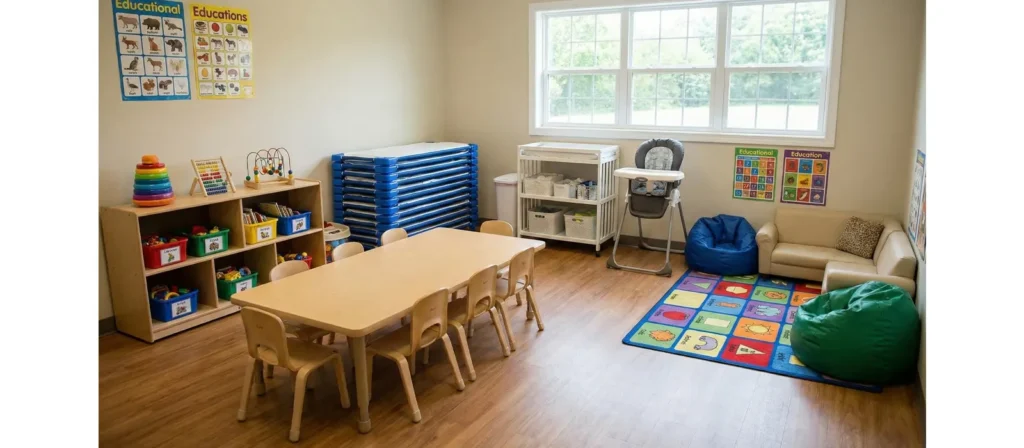
You do not need every item from every catalog, but there are core categories of furniture that almost every US preschool classroom needs. We will look at these through six practical sub-areas: learning, play, rest, organization, dining, and outdoor.
Within each category, you will see:
- What you actually need and why
- How the furniture is used in daily routines
- Safety and compliance considerations
- Common mistakes and how to avoid them
You can scale quantities up or down depending on group size and room dimensions, but the core logic remains the same.
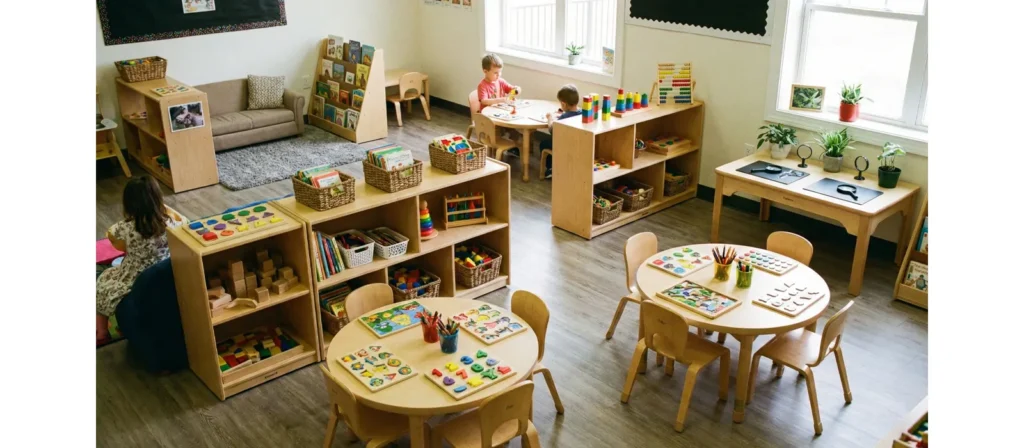
1. Learning Area Furniture
The learning area is where focused instruction, group activities, and guided interactions occur. It is typically located in a space that balances visibility, flexibility, and accessibility.
- Large enough for every child to have a defined sitting space without crowding.
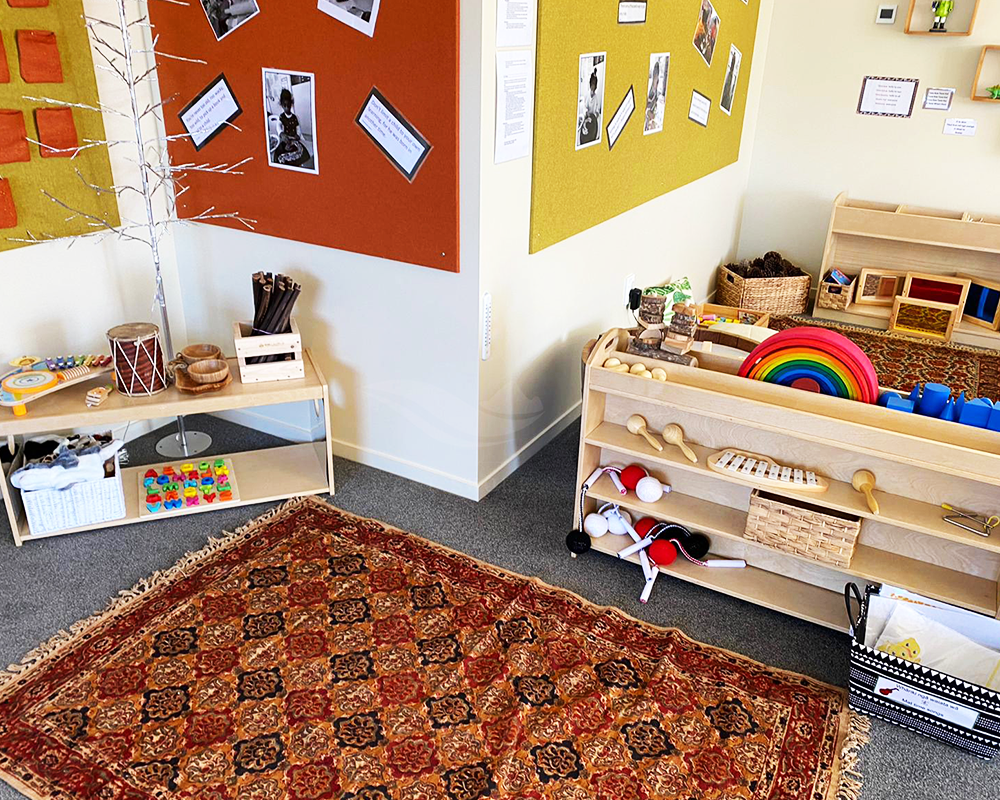
- Low-pile, commercial-grade, with non-slip backing and clearly bound edges.
- Neutral or simple patterns are better than loud, distracting designs.
The rug signals “gather here,” and is used for morning meetings, read-alouds, songs, and mini-lessons. In smaller rooms, it often doubles as a play area; in larger rooms, you can dedicate it purely to group time.
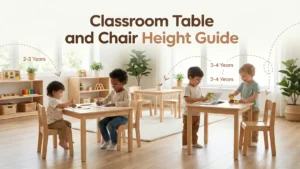
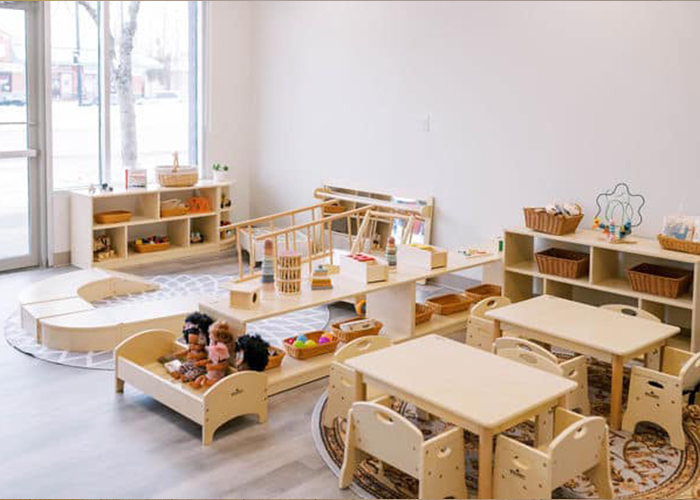
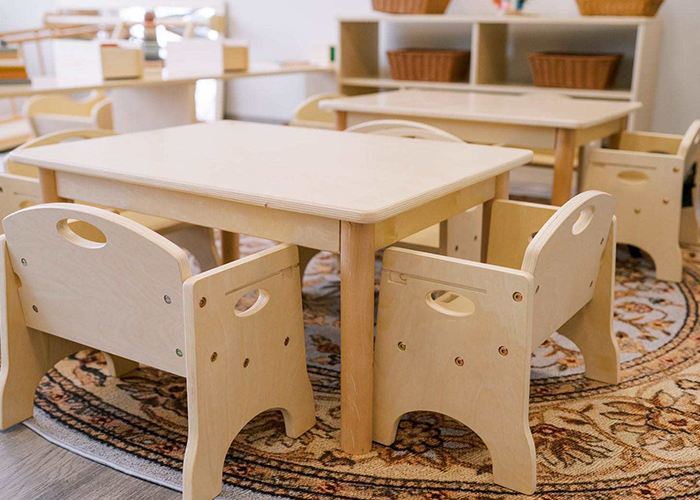
- Heights matched to your age group; typically lower for toddlers than for preschoolers.
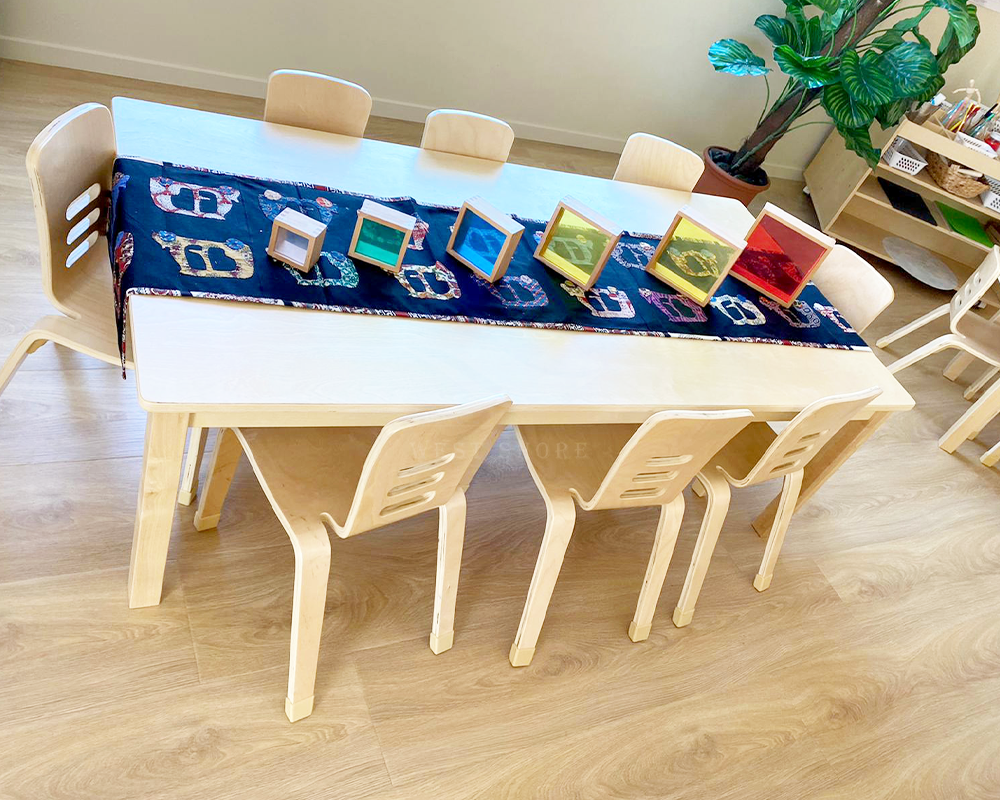
- A mix of rectangular and round tables works well. Rectangles are efficient for small groups; rounds are ideal for collaborative activities.
- Non-porous tops with rounded corners and stable legs.
These tables are where children do puzzles, pre-writing activities, manipulatives, art projects, and group work. Avoid overly large tables where 8–10 children crowd together; smaller groups are easier to manage and more conducive to learning.

Child-sized chairs
- Seat height proportional to children’s leg length so feet can touch the floor or a footrest.
- Solid wood or quality plastic with no sharp edges. Stackable chairs save space.
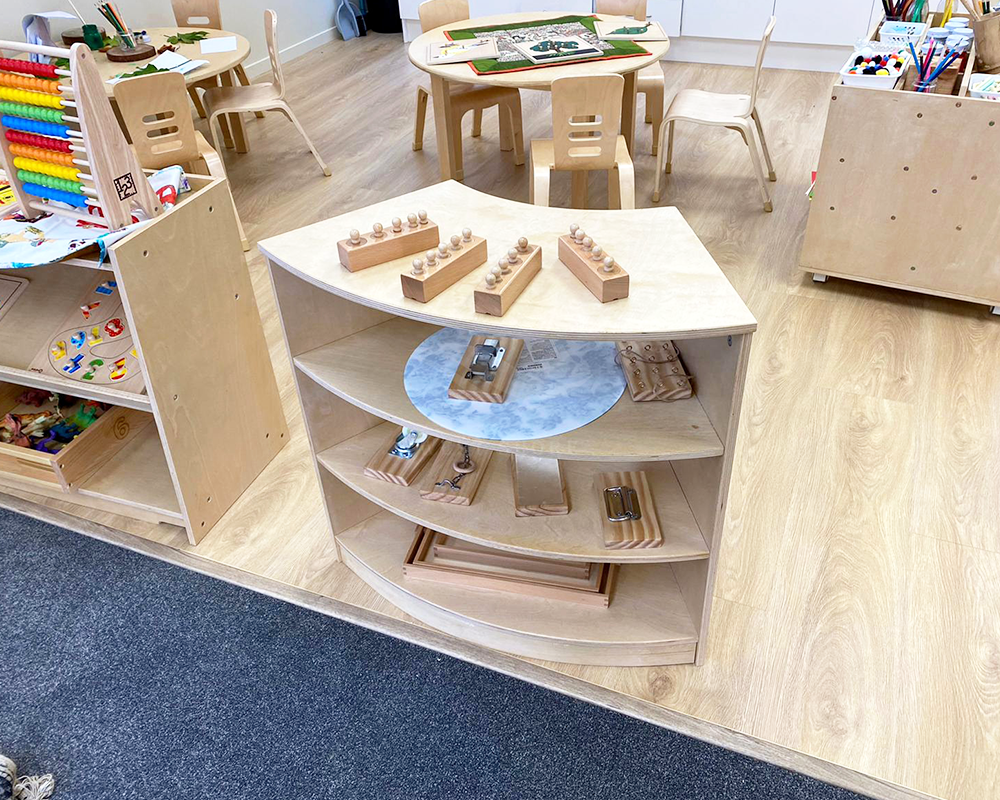
- Waist-height or lower for children, allowing visibility across the room.
- Stable enough that children cannot tip or move them easily; anchor if tall.
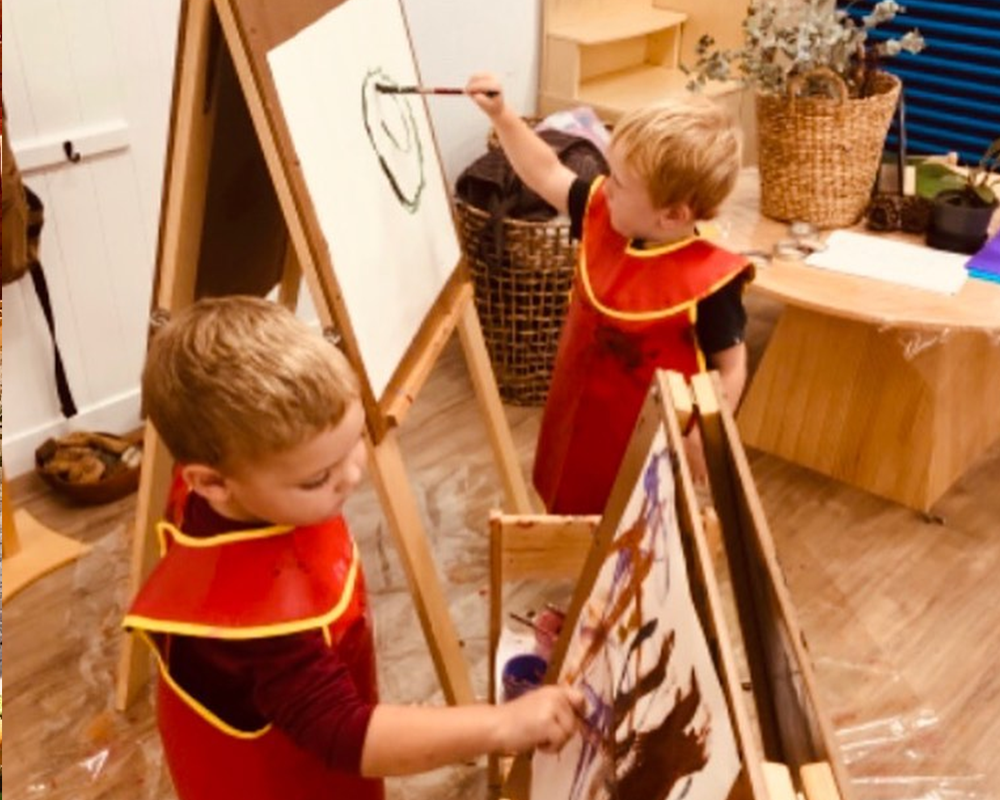
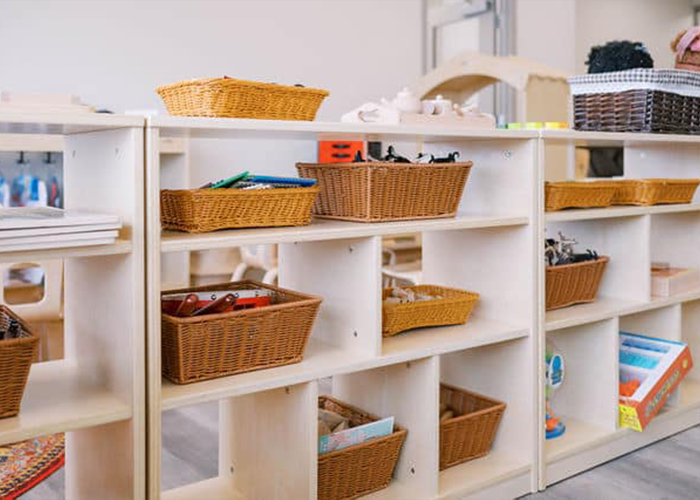
- Open shelves encourage independence; add labeled bins or baskets to support organization.
Writing center furniture
- A small table or desk with 2–4 chairs.
- A paper organizer or caddy for pencils, crayons, scissors (stored safely), and name cards.
Instructional Display Boards
Whiteboards, magnetic boards, and visual scheduling charts placed at child height encourage participation and agency. They support daily routines, name recognition, letter/number instruction, and visual communication. These must be securely wall‑mounted and positioned where all children can engage without strain.
While child‑centered areas dominate, educators also need a teacher station. This should include a desk or counter space to prepare materials, plan lessons, and store professional resources. It should be positioned to allow clear sightlines to all areas of the classroom.
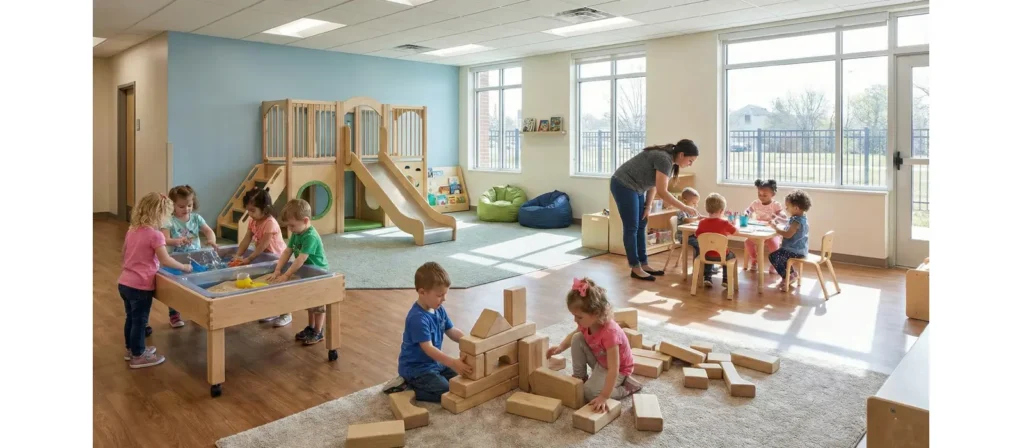
2. Play & Exploration Areas
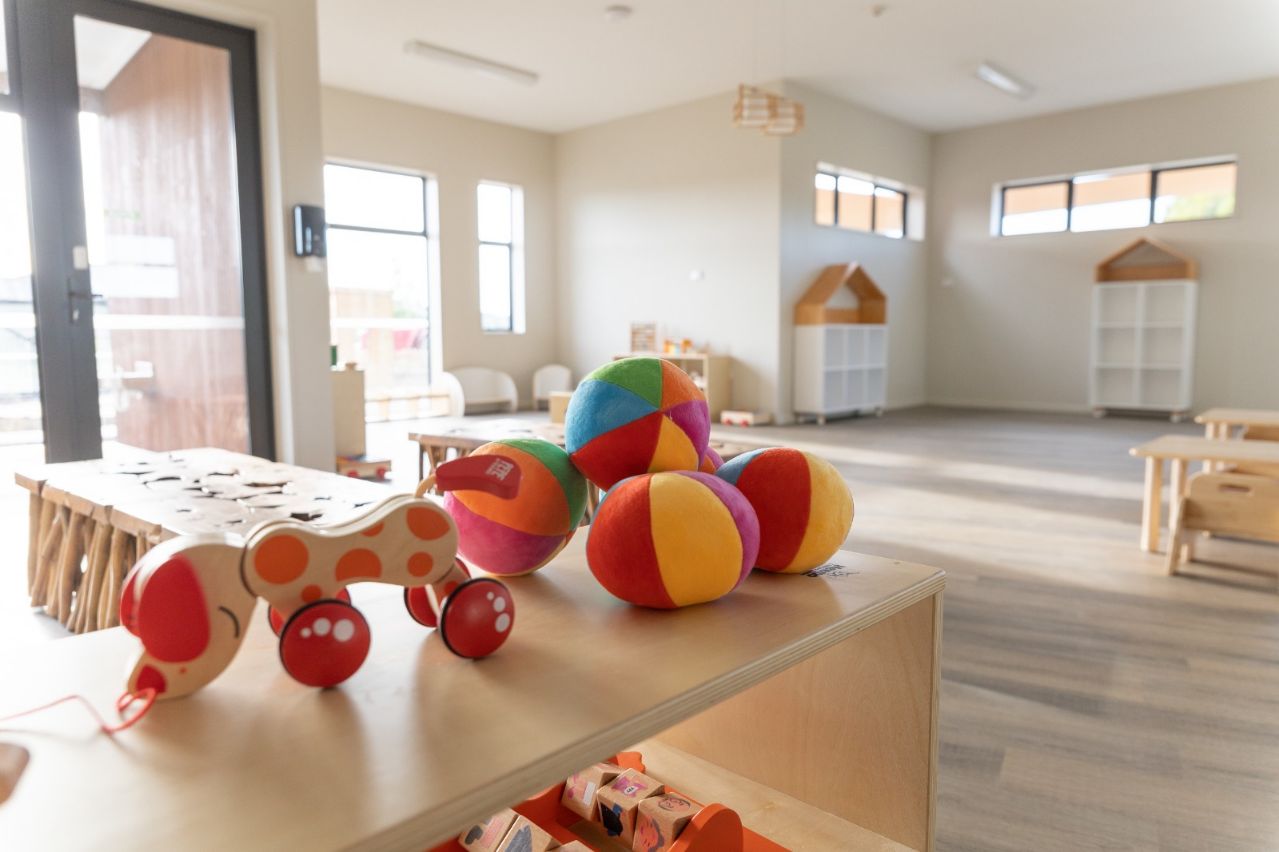
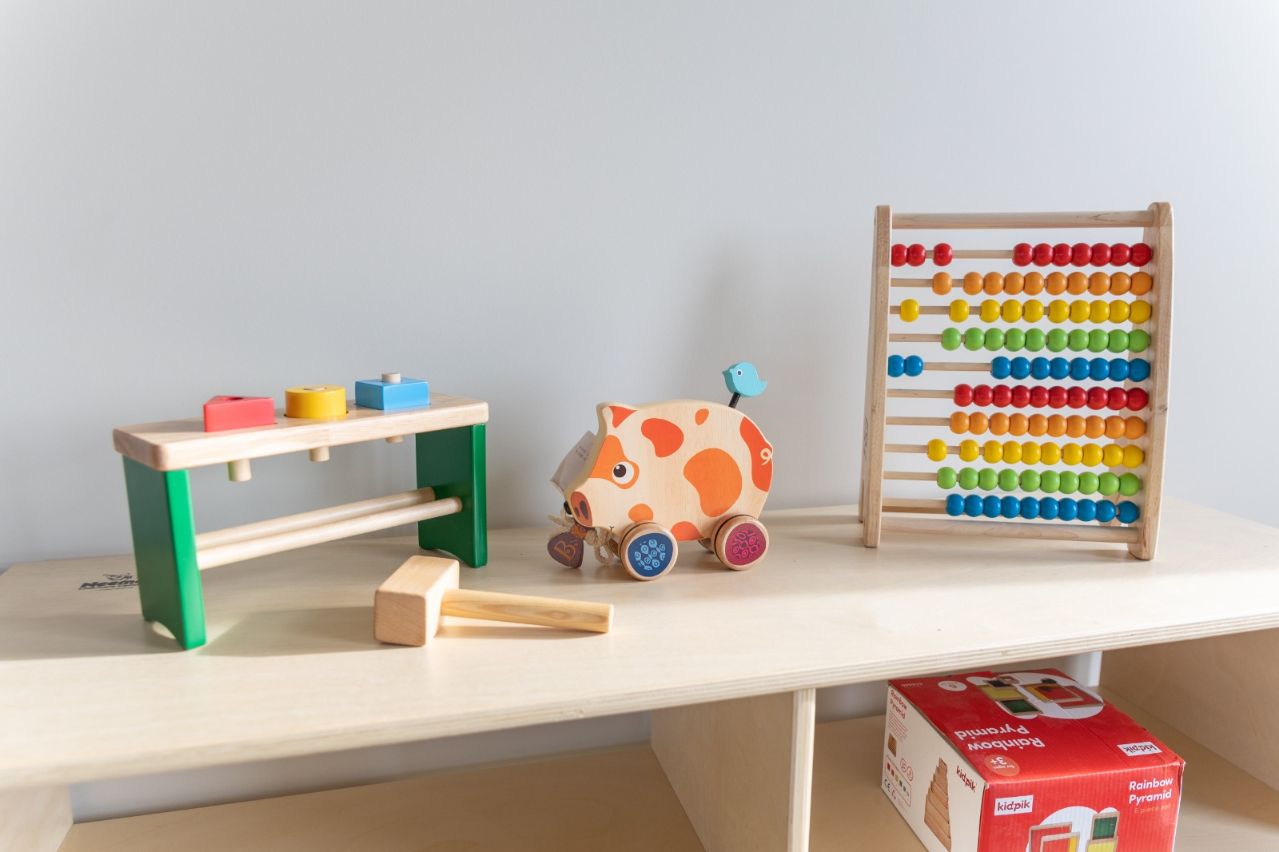
Play is not a break from learning in preschool—it is the primary way children explore social roles, test ideas, and develop language and problem-solving skills. Play and exploration furniture must be sturdy, safe, and flexible, with clear boundaries so play does not spill over into every corner of the room.
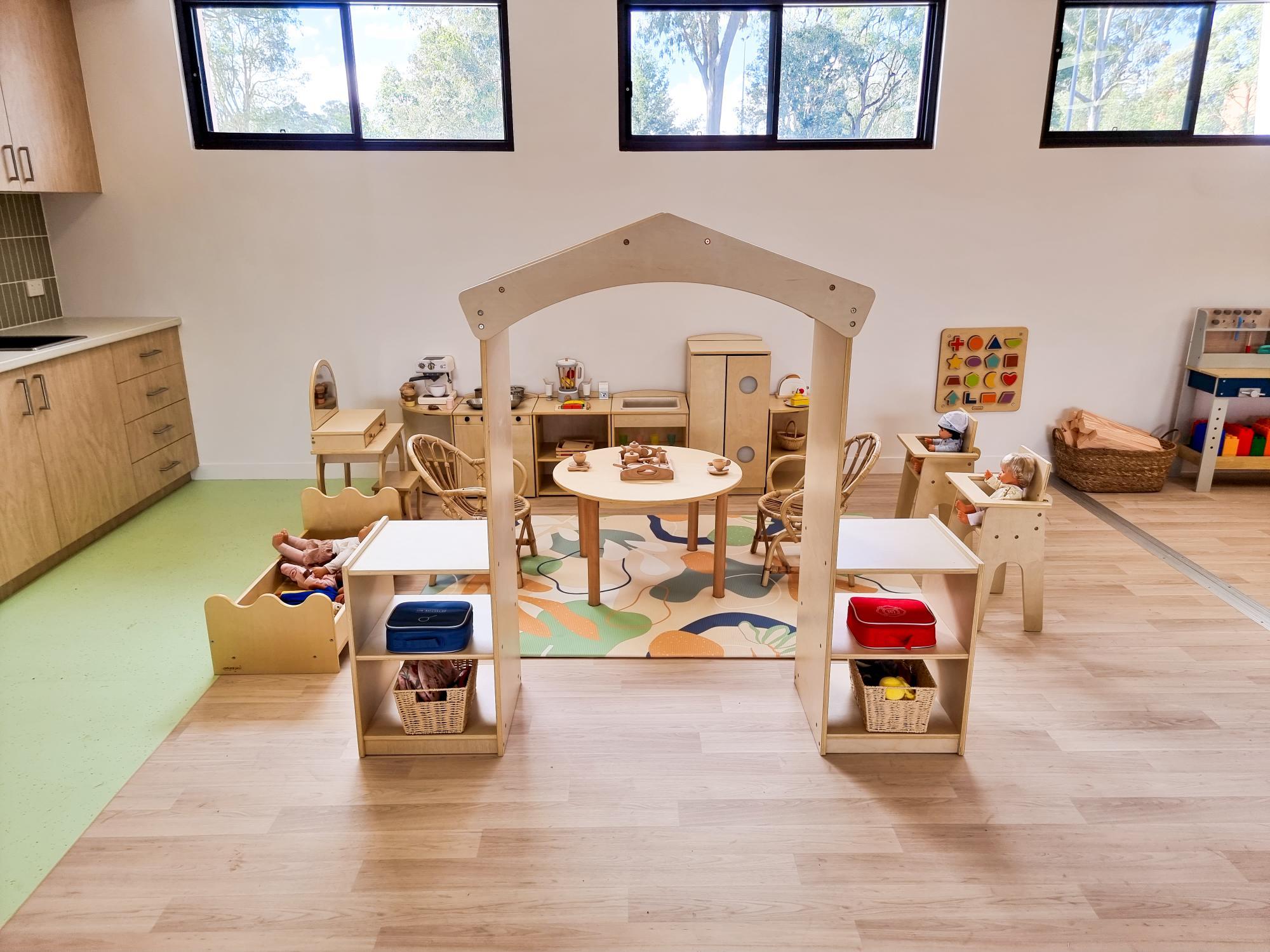
- Child-sized play kitchen (stove, fridge, sink) anchored against a wall.
- Small dining table with 2–4 chairs.
- Open shelving or wardrobe unit for costumes, bags, hats, and props.
- Baskets for pretend food, dishes, and baby dolls.
- Low, deep block shelf to store wooden blocks, vehicles, and figures.
- Flat floor space or a low, sturdy platform for building.
- Optional carpet or mat to define the area and dampen noise.
Sensory and Science Area
- Sensory table with removable bins for sand, water, beans, or sensory materials.
- Locking casters so the table can be moved for cleaning but stays put in use.
- A nearby shelf for tools: scoops, measuring cups, funnels, brushes.
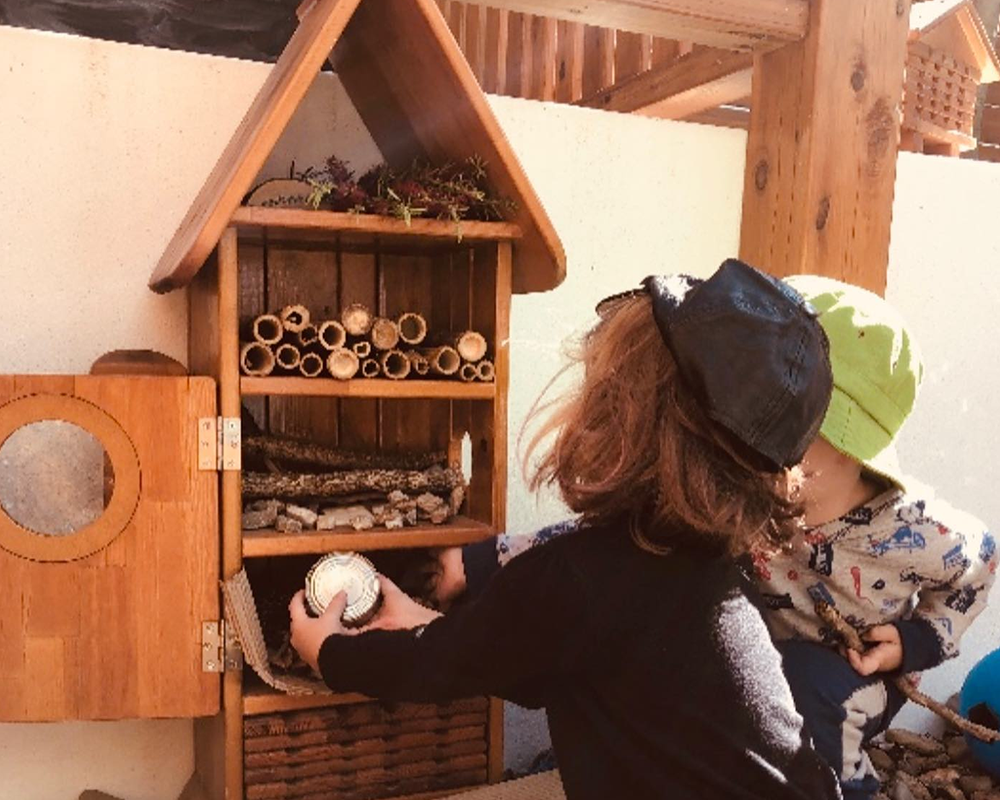
- Science table or shelf for plants, rocks, magnifiers, and seasonal items.
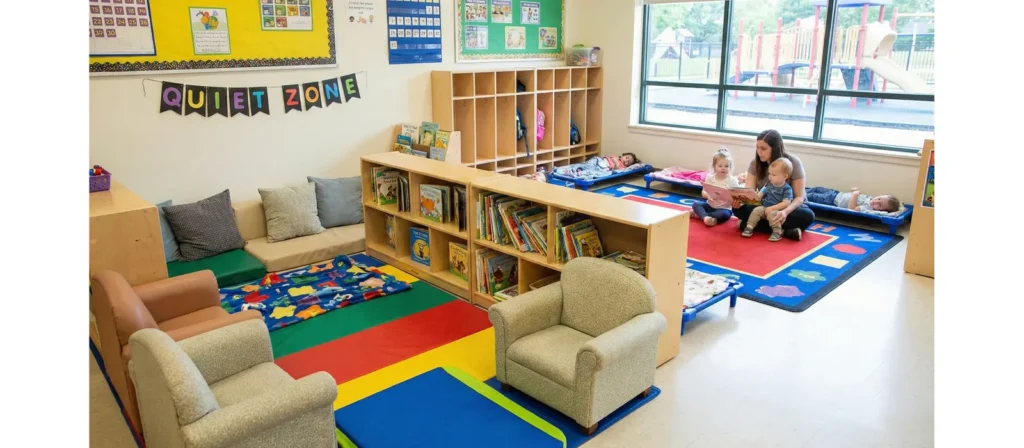
3. Rest & Quiet Corners
Children need downtime to regulate energy and emotions. Quiet corners should be distinct from active zones, offering a calming retreat that supports concentration, rest, and self‑soothing.
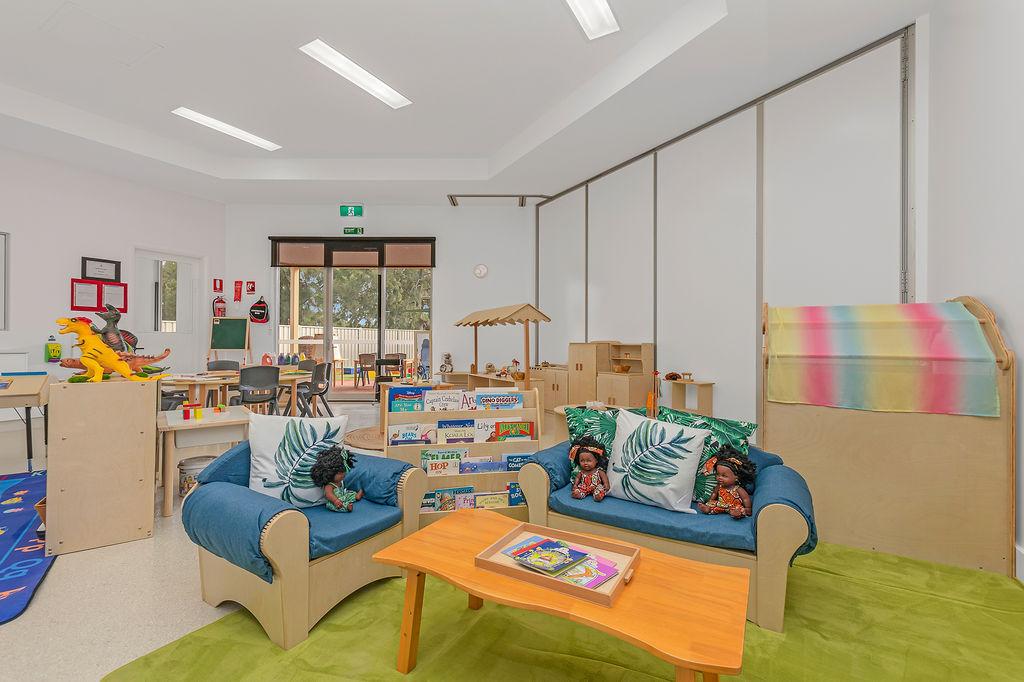
Quiet Seating
Soft chairs, small sofas, or padded benches are ideal for reading and reflection. These must be stable, easy to clean, and placed away from high‑traffic areas.
For preschools that provide rest time, nap mats or individual cots are required. These should be easily sanitized, foldable for storage, and spaced to meet classroom licensing guidelines.
Low Bookshelves
Books encourage language, literacy, and independent choice. Bookshelves should be low and accessible, so children can select materials without adult assistance. Books should be displayed cover‑forward whenever possible to increase engagement.
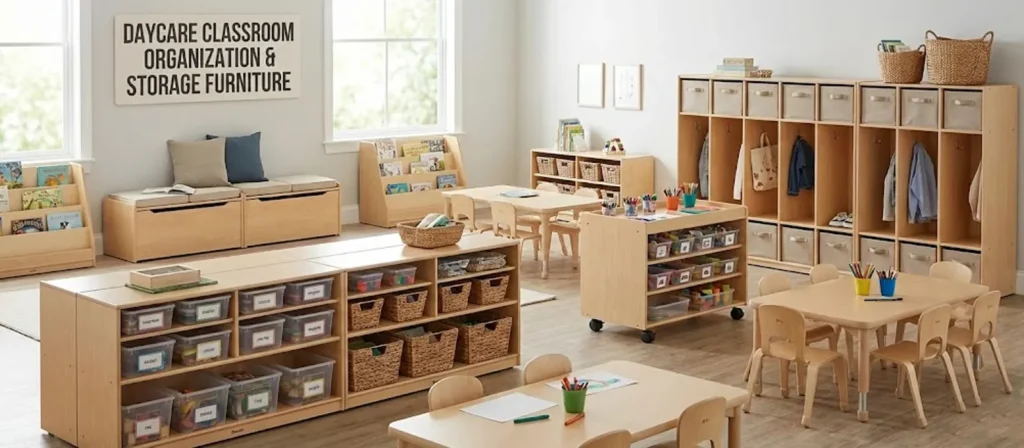
4. Classroom Organization and Storage Furniture
If there is one category many new operators underestimate, it is storage. Without enough storage, even a beautiful classroom becomes cluttered and stressful.
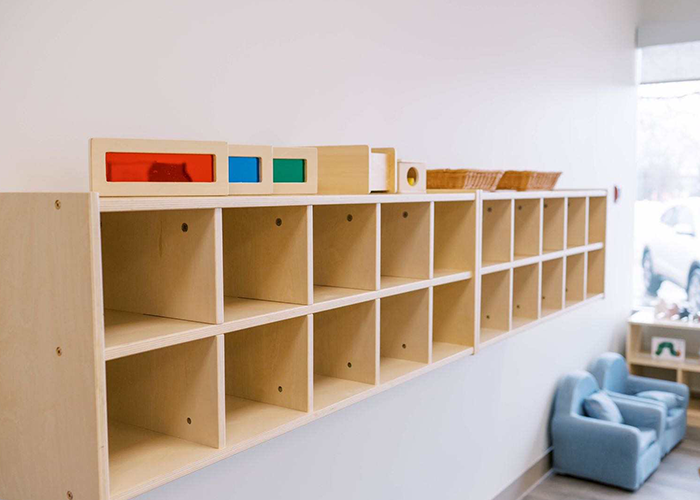
Cubbies and Personal Storage
Every child needs a dedicated space for belongings. Typical furniture solutions include:
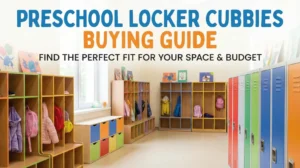
- Cubbies with individual compartments, either open or with small cabinet doors.
- Wall-mounted coat hooks at child height.
- Bench-style cubbies near the entrance to help with shoes and coats.
Lockable Cabinets for Supplies
Cleaning supplies, first aid kits, medications, and other restricted items must be stored securely. Cabinets should be tall and lockable, out of reach of children, and clearly labeled.
Mobile Storage Carts
Flexible classrooms benefit from mobile carts that can move materials between zones. These carts should have locking wheels and closed storage to protect materials when not in use.
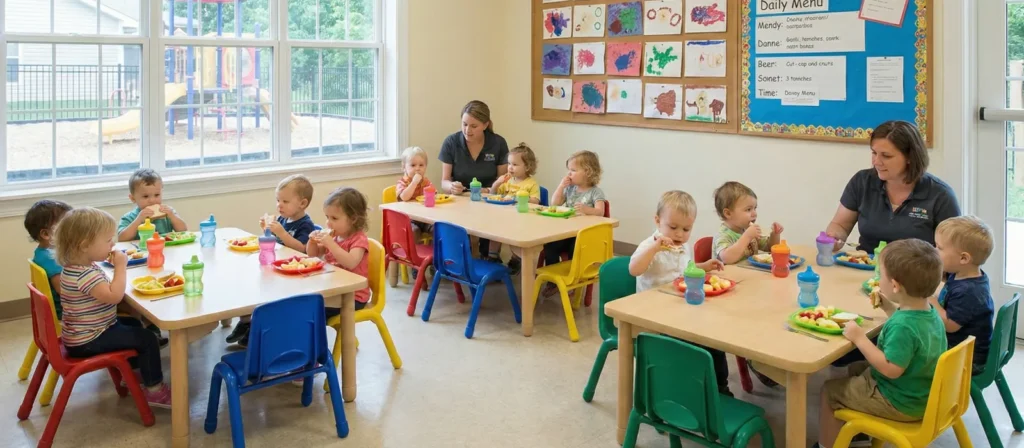
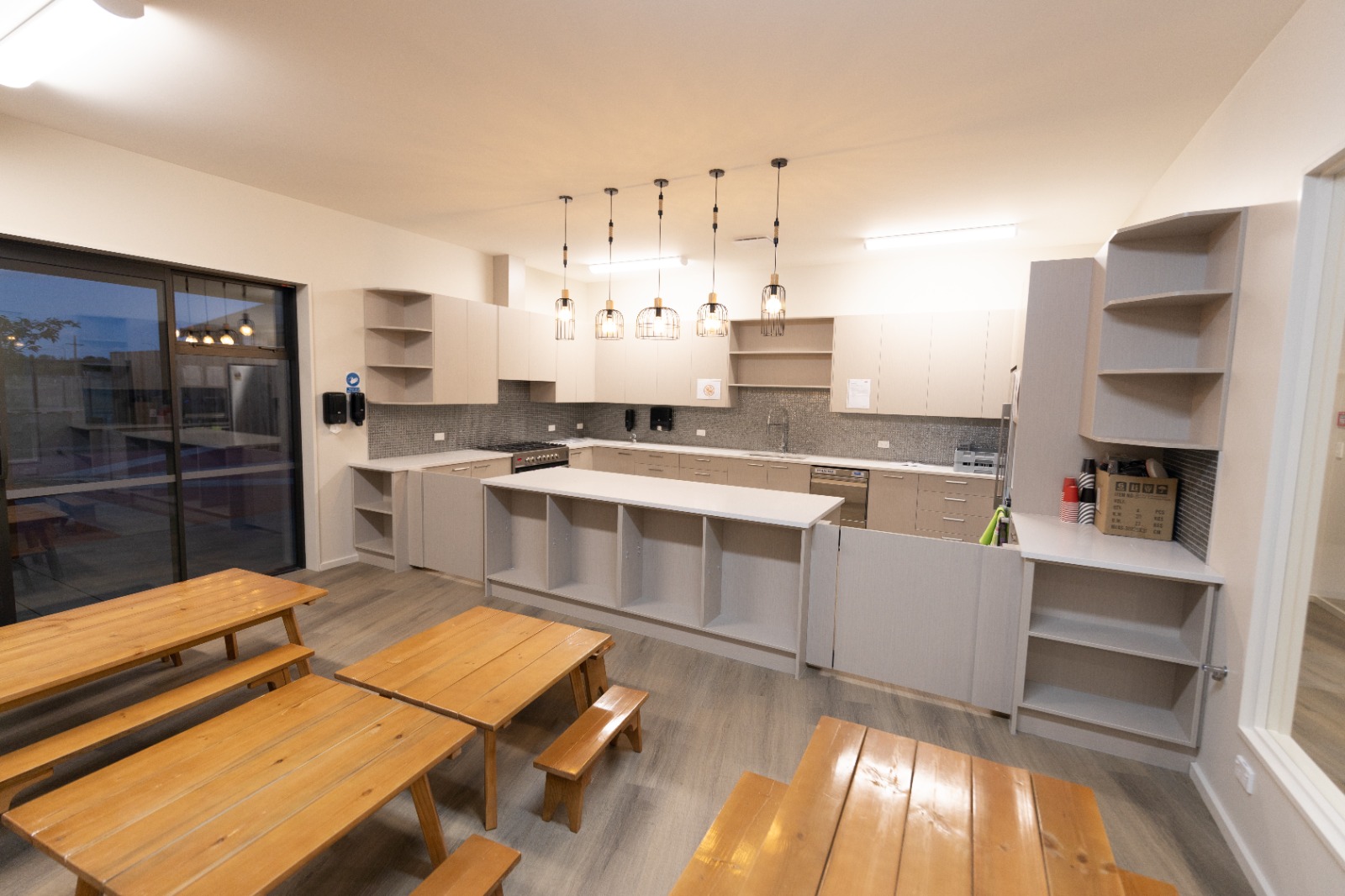
5. Dining Area
Whether you serve meals in a classroom or a shared dining room, you need furniture suitable for frequent cleaning, quick transitions, and safe seating.
Child-height dining tables
- Smooth, non-porous surfaces that can be sanitized multiple times per day.
- Rounded corners and strong, stable legs.
- Sized appropriately: it is better to have more small tables than one huge table children can barely reach across.
Chairs and feeding seats
- Child-sized chairs with the correct seat height and depth to support posture.
- For toddlers not yet stable in regular chairs, strap-equipped toddler chairs or high chairs with a wide base and safety harness.
- All seating free from cracks or tears and easy to wipe.
Food service storage
- A low rolling cart for transporting food trays, if meals are coming from a kitchen.
- A closed cabinet or shelf area for dishes, cups, and utensils.
Trash and recycling cans
- Step-on lids to allow hands-free operation.
- Lined and cleaned regularly, located away from children’s direct eating space but reachable by staff.
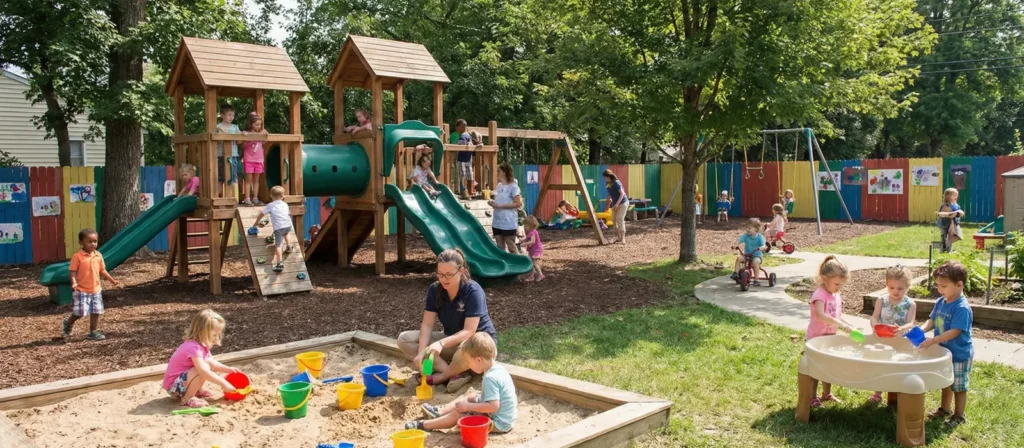
6. Outdoor Play Area
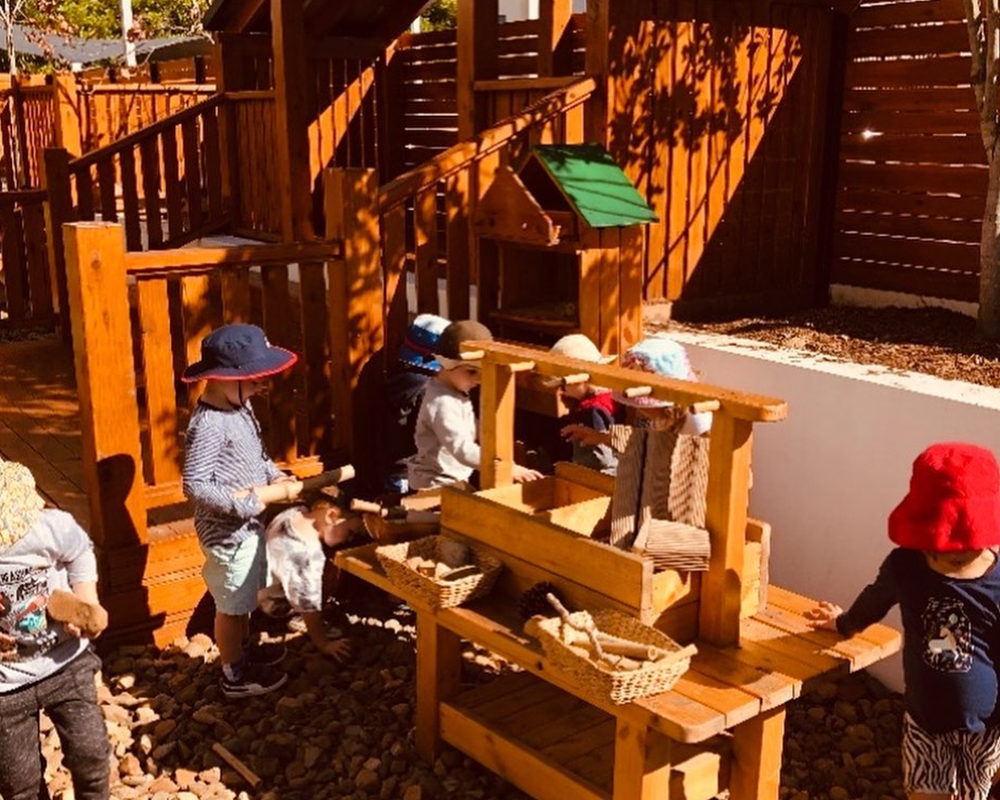
Outdoor areas are often shared across classrooms, but the furniture and equipment still must match your age groups, ratios, and licensing rules. Design guides and regulations typically call for a minimum amount of outdoor play space per child and emphasize a variety of age-appropriate equipment rather than a single large structure.
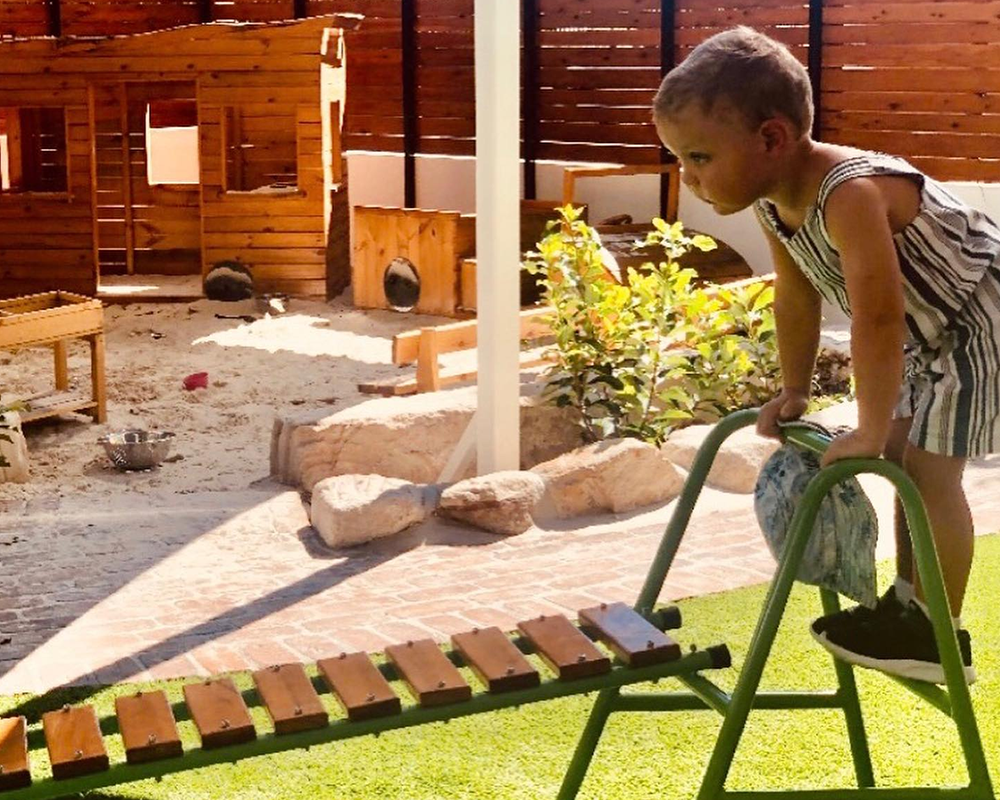
Climbing and gross motor structures
- Age-appropriate climbers, slides, and platforms with safety surfacing beneath.
- Separate zones or designated times for different age groups to prevent overcrowding and collisions.
Ride-on paths and wheeled toys
- Clear, loop-based path with tricycles, scooters, or push toys.
- Simple traffic rules taught as part of safety routines.
Outdoor seating and gathering areas
- Child-height picnic tables or benches for snacks, projects, or outdoor circle time.
- Shade structures or umbrellas to protect children from direct sun.
- Sandboxes with covers to protect from animals and debris.
- Outdoor water tables or splash areas with proper drainage and supervision.
Storage for outdoor materials
- Weather-resistant storage sheds or cabinets to hold balls, chalk, gardening tools, and loose parts.
- Locks if the area is accessible outside program hours.
Safety and Compliance Notes
- Outdoor equipment must be installed according to manufacturer specifications and inspected regularly for wear, rust, and sharp edges.
- Many states require soft surfacing (mulch, rubber, sand) under and around climbing equipment.
- Infant and toddler play areas are often required to be physically separated from older children’s outdoor zones.
Outdoor furniture is an extension of your classroom, not just “recess stuff.” Plan it with the same attention to age, safety, and developmental goals as your indoor environment.
Age-Based Furniture Considerations in US Preschools
In the US, preschool furniture is rarely one size fits all. Age grouping, licensing requirements, and daily routines all influence how furniture should be selected and arranged. Understanding how furniture needs change by age helps avoid safety issues and improves classroom flow.
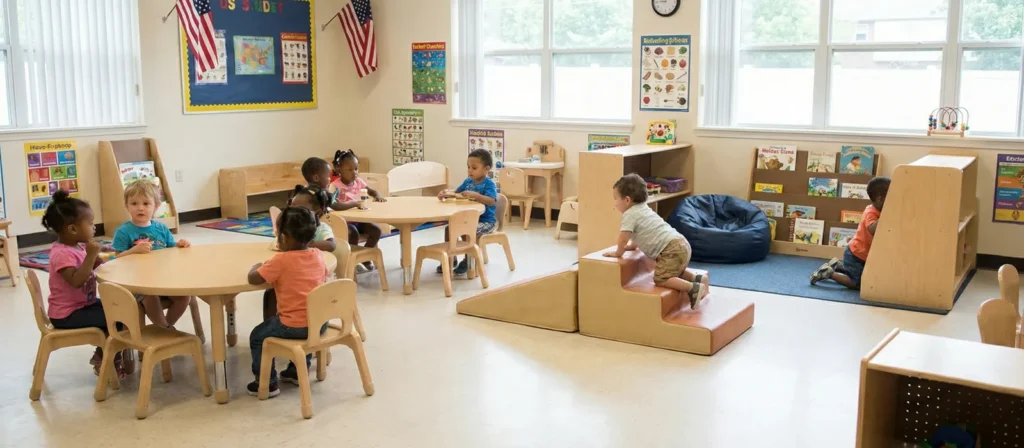
Furniture for Toddlers
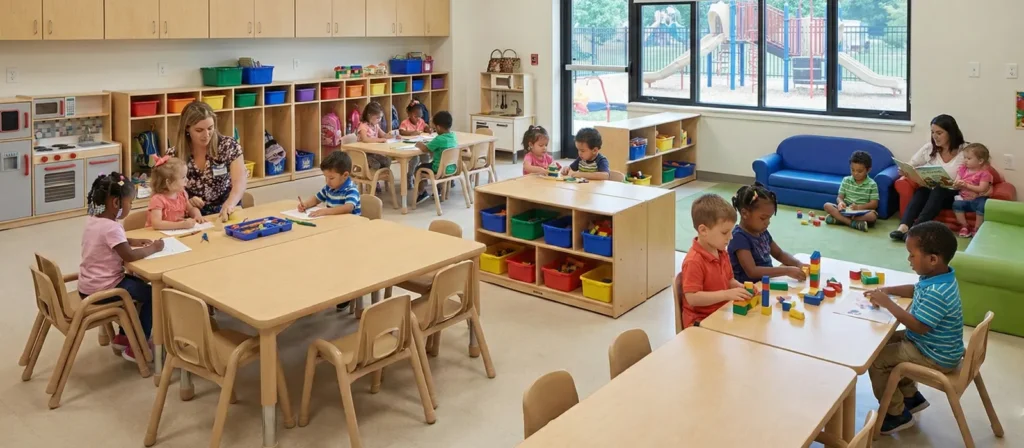
Toddler classrooms in US daycares focus heavily on safety, simplicity, and supervision. Furniture must support early independence while minimizing risks.
Common priorities for toddler furniture include:
- Low height tables and seating for easy access
- Wide bases and stable construction to prevent tipping
- Rounded edges and smooth finishes
- Simple layouts that allow clear movement paths
Furniture for Preschool-Age Children
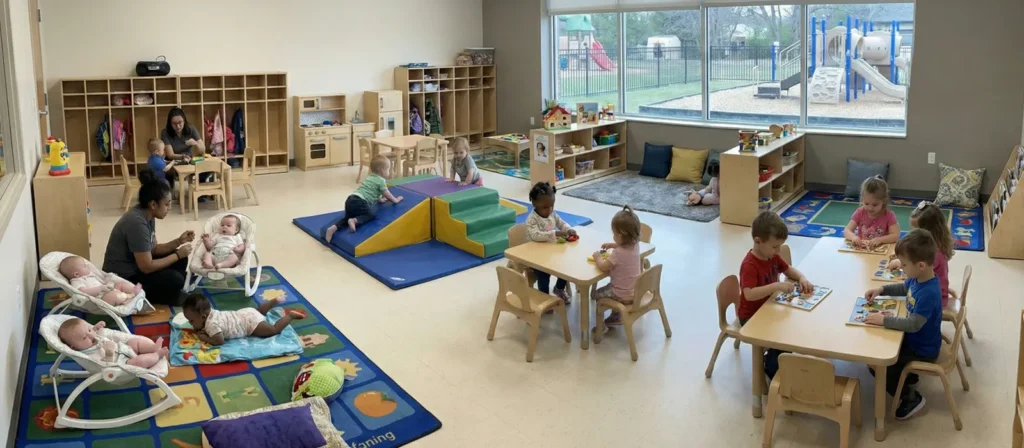
Preschool age classrooms place a greater emphasis on independence, choice, and flexible learning areas. Furniture is often used to define zones rather than control movement.
Furniture considerations for this age group often include:
- Child sized tables that support small group activities
- Open shelving for self directed material use
- Lightweight furniture that can be rearranged during the day
- Multi purpose furniture that supports different activities
At this stage, furniture becomes part of how children manage their time, space, and responsibilities in the classroom.
Mixed-Age Classroom Considerations
Mixed age classrooms are common in Montessori programs across the US. Furniture in these spaces must accommodate a wider range of abilities without limiting older children or overwhelming younger ones.
Effective strategies for mixed age furniture setups include:
- Using varied furniture heights within the same classroom
- Creating zones designed for different developmental levels
- Avoiding oversized furniture that excludes younger children
Thoughtful furniture planning helps mixed age classrooms remain inclusive and functional throughout the day.
Common Furniture Arrangement Mistakes in American Preschool Classrooms
Let’s start inside the classroom. Many US preschool owners purchase good-quality furniture and still struggle with classrooms that feel loud, messy, and hard to supervise. In most cases, the problem is not the furniture itself but the way it is arranged.
Below are some of the most common layout mistakes, why they happen, and how to fix them without demolishing walls or replacing everything you own.
1. Designing for Adults Instead of Children
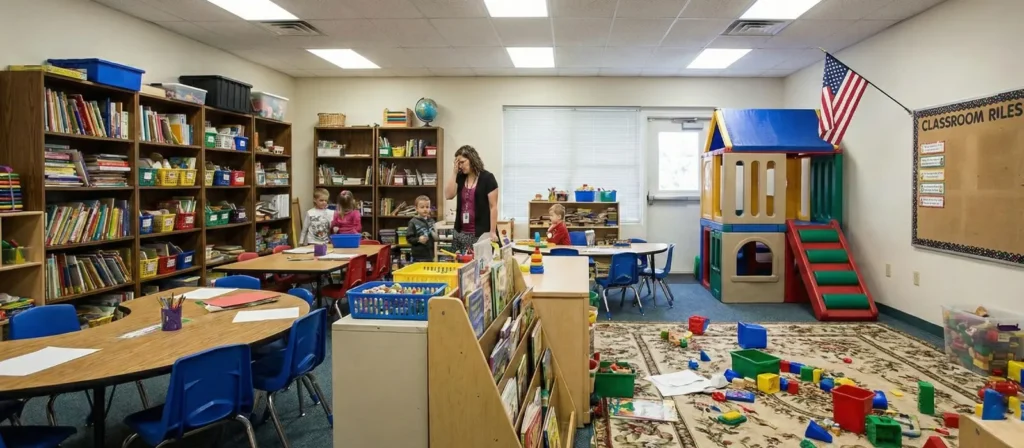
One of the most basic mistakes is arranging the room to look “good” to adults standing at the door, instead of thinking about the children who will actually use the space.
You see this when:
- Shelves are tall, so they look tidy from the doorway, but children cannot see or reach materials.
- Important displays are hung high on the wall where only adults can read them.
- Cubbies are stacked so high that younger children need help or are tempted to climb.
2. Crowding the Center of the Room
Another common error is placing too many pieces of furniture in the center of the classroom. This often happens when educators try to include too many centers or learning stations without considering circulation.
Position larger, stationary furniture like group tables, shelves, and work tables against walls or spaced edges of the room. Maintain clear pathways between zones, ideally at least 36–48 inches wide, so children and teachers can move safely.
3. Overcrowding the Room with Furniture
Another very common problem is simply too much furniture. Owners worry that classrooms will look empty to parents, so they pack the room with every possible unit: several large tables, many shelving units, multiple storage cabinets, a big reading couch, a large play kitchen, and so on.
On paper, each piece seems useful. In reality, children end up with narrow paths between bulky furniture. You may still meet the required square footage per child on paper, but the usable space for movement and play becomes very limited. Children bump into each other, run through the few open spots, and materials spill into walkways.
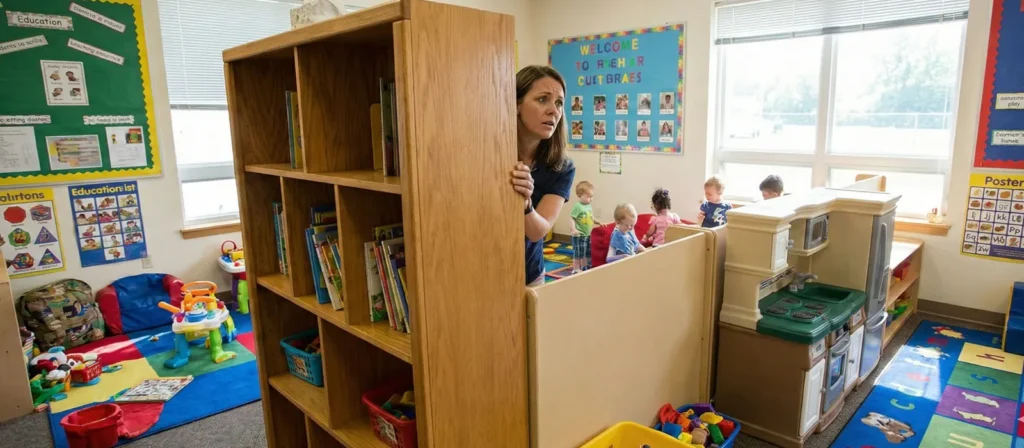
4. Blocking Sight Lines and Creating Supervision Blind Spots
Supervision is not negotiable in an American preschool. Most states require that children are always within sight and hearing of staff. If your furniture creates blind spots, you are making supervision harder than it needs to be and potentially putting children at risk.
5. No Clear Boundaries Between Noisy and Quiet Areas
Young children are noisy by nature. Instead of fighting that, good classroom design channels it. One of the biggest layout mistakes is to place the quietest activities right next to the loudest ones.
Examples:
- The reading corner is placed directly beside the block area, where towers crash all day.
- The writing center is next to the dramatic play kitchen, where children role-play loudly.
- The nap cots are laid out beside a storage closet that teachers use constantly during rest time.
You do not need walls; you just need enough visual boundaries so children understand that “this side of the room is for big movement and loud pretend play” and “that side is for books, drawing, and quiet activities.”
6. Ignoring Cleaning and Sanitation Practicalities
Preschools in the US must follow strict cleaning schedules, especially for surfaces used for eating, diapering, and toileting. Furniture that is hard to clean quickly becomes a burden.
When furniture is chosen only for appearance, cleaning takes longer, and staff may struggle to keep up with sanitation requirements. Over time, this can contribute to more illness and more licensing risk.
7. Forgetting About Inclusion and Accessibility
Finally, a subtle but important mistake is designing a “one size fits all” layout that does not consider children with disabilities, mobility devices, or sensory needs, or even the physical needs of adult staff.
You do not need to rebuild your whole environment to be inclusive, but you do need to plan for flexibility. That planning starts with how you arrange the pieces you already have.
8. Relying on One “Multi-Purpose” Area for Everything
Some classrooms are arranged around a single large table area or carpet area that is used for everything: meals, art, blocks, puzzles, group lessons, and more. While this may seem efficient, it often leads to constant transitions and conflicts over space.
How to Choose a Furniture Supplier for American Preschools?
Once you have a clear idea of how your rooms should function and how you want furniture arranged, the next critical decision is who you buy from. Choosing a furniture supplier for American preschools is not the same as ordering home furniture online. Preschool furniture is heavily used, must meet specific safety expectations, and often needs to match licensing and accreditation requirements.
A good supplier becomes a long-term partner, not just a one-time store. A poor supplier can leave you with delays, broken items, or furniture that inspectors question.
1. Prioritize Child Safety and Compliance
Ensure all products meet relevant U.S. safety standards such as those from the CPSC (Consumer Product Safety Commission) and ASTM. Ask for certifications and confirm that finishes are non-toxic and child-safe.
2. Choose Suppliers With Preschool Experience
Not all furniture is built with early learning environments in mind. Look for suppliers that specialize in early childhood settings and understand the importance of age-appropriate sizing, durability, and flexible classroom arrangements.
3. Assess Quality, Warranty, and Support
Opt for solid construction materials that can withstand high usage. A good supplier offers transparent warranties and responsive after-sales service.
4. Ask About Customization and Layout Support
The best vendors will help tailor furniture selections to your room size, classroom zones, and learning approach. Some also provide layout consulting or bundled classroom sets.
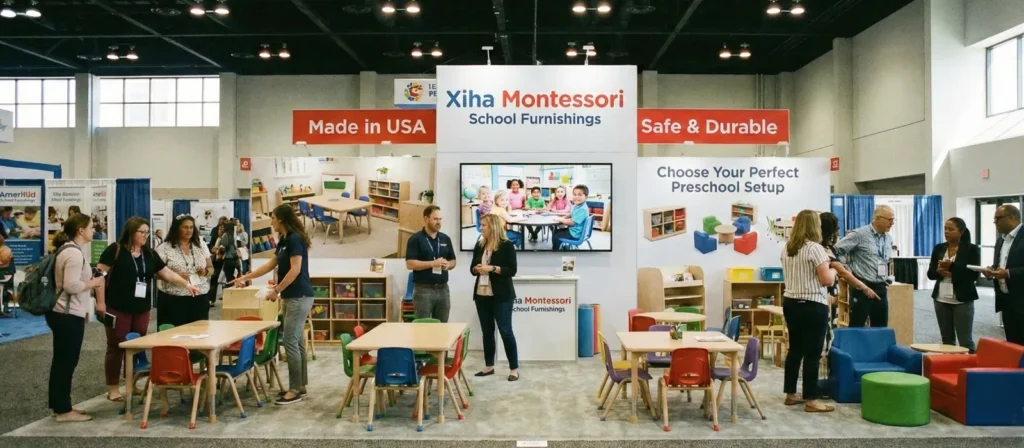
One brand recognized by many early childhood educators is Xiha Montessori. They focus specifically on Montessori and preschool environments, offering a wide selection of age-specific, safety-tested, and well-designed furniture. The brand positions itself as a professional preschool furniture manufacturer with a one-stop service model: they support classroom design, furniture selection, and budget planning for preschools and daycare centers.
FAQs
- How much furniture should I buy before my licensing visit?
Licensing typically expects to see core items from your daycare furniture list in place for your requested capacity: safe sleep equipment, age-appropriate tables and chairs, storage, diapering/toileting setups, and basic learning centers. Focus on those essentials first. Décor, extra toys, and non-essential furniture can be added after you pass inspection and confirm enrollment. - How often should I inspect and replace furniture?
At least once a year, walk each room with your daycare furniture list in hand. - What is the ideal table height for 3‑year‑olds?
Typically 18–20 inches for preschool tables — it allows children to place feet flat on the floor and sit comfortably. - How much space should be allocated per child in a preschool classroom?
Most licensing standards require ~35 square feet per child indoors, but always check your state regulations. - Should preschool furniture be anchored to walls?
Tall shelving and cabinets should be anchored to prevent tipping and enhance child safety. - What is the best way to arrange preschool classroom furniture?
The best approach is to create clearly defined zones—such as learning areas, play spaces, quiet corners, and dining zones—while maintaining clear sightlines for supervision. Furniture should be arranged to support smooth transitions, encourage child independence, and separate active from quiet areas. - How do I choose safe preschool furniture?
Look for items that comply with U.S. safety standards (CPSC, ASTM), have rounded edges, are made from non-toxic materials, and are stable enough to resist tipping. Always request safety documentation from your supplier. - Can preschool furniture be customized for different classroom layouts?
Yes, many quality suppliers offer modular or customizable furniture options. This includes adjustable-height tables, mobile storage units, and items sized for specific age groups. Customization helps align furniture with your curriculum and space constraints. - How do I design a mixed-age preschool classroom with furniture?
Use adjustable furniture where possible and create zones that naturally appeal to different developmental levels. Label storage clearly, provide multiple seating heights, and ensure that younger children aren’t overwhelmed by older peers’ activity zones. - Should preschools plan for future changes when choosing furniture?
Yes, many US preschools benefit from selecting furniture that can adapt as programs grow or classroom needs change. Flexible layouts, modular furniture, and thoughtful planning help avoid costly replacements when enrollment or age groups shift over time.
Conclusion
Furniture plays a critical role in how US preschool classrooms function on a daily basis. Beyond filling a space, the right furniture supports supervision, smooth transitions, independent learning, and compliance with licensing expectations.
Rather than focusing solely on creating a complete list, US preschools benefit most from understanding how furniture is used throughout the day and how it supports both children and teachers. When furniture choices are guided by daily routines, age groups, and classroom flow, classrooms become safer, more flexible, and easier to manage over the long term.