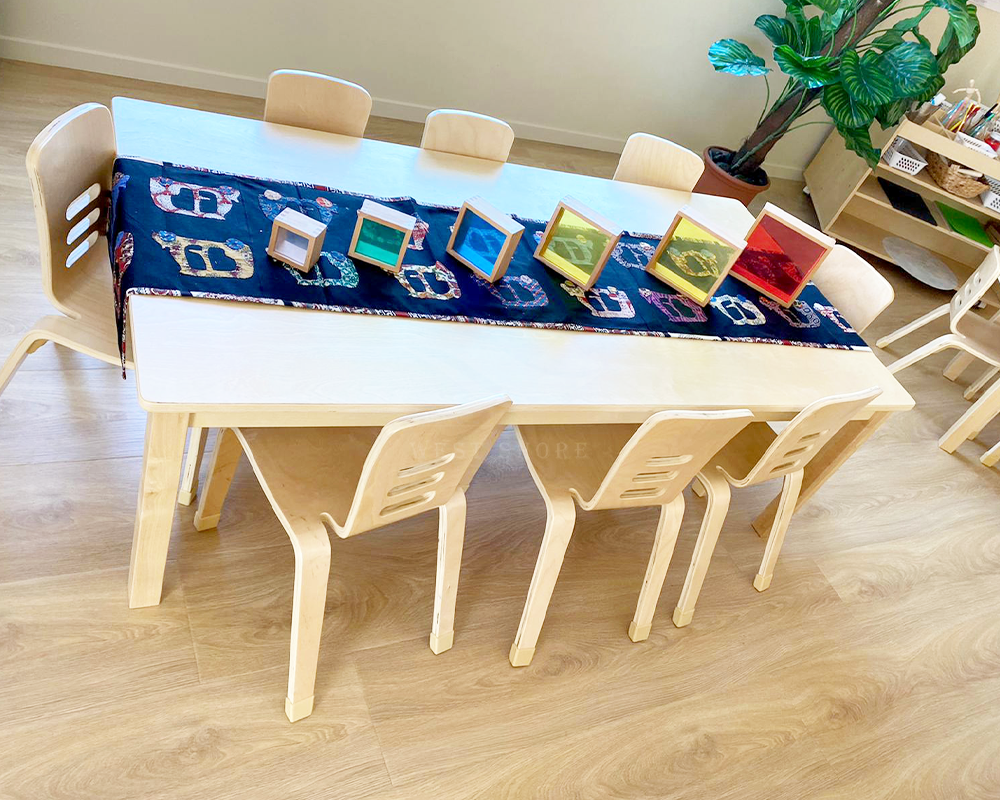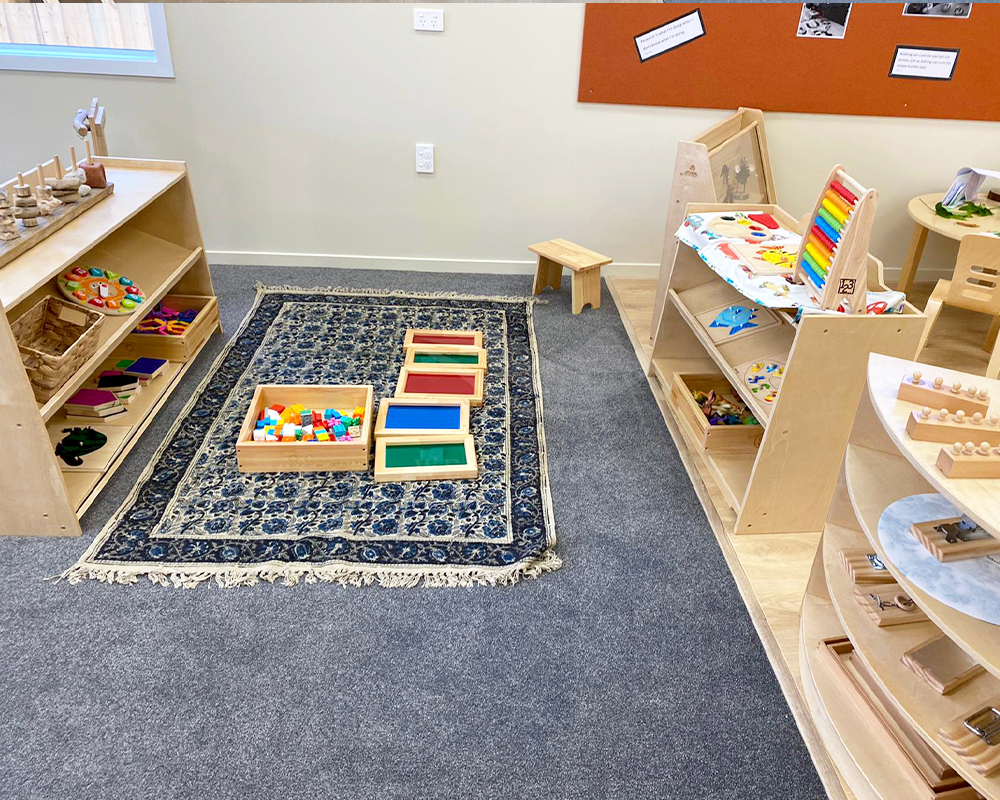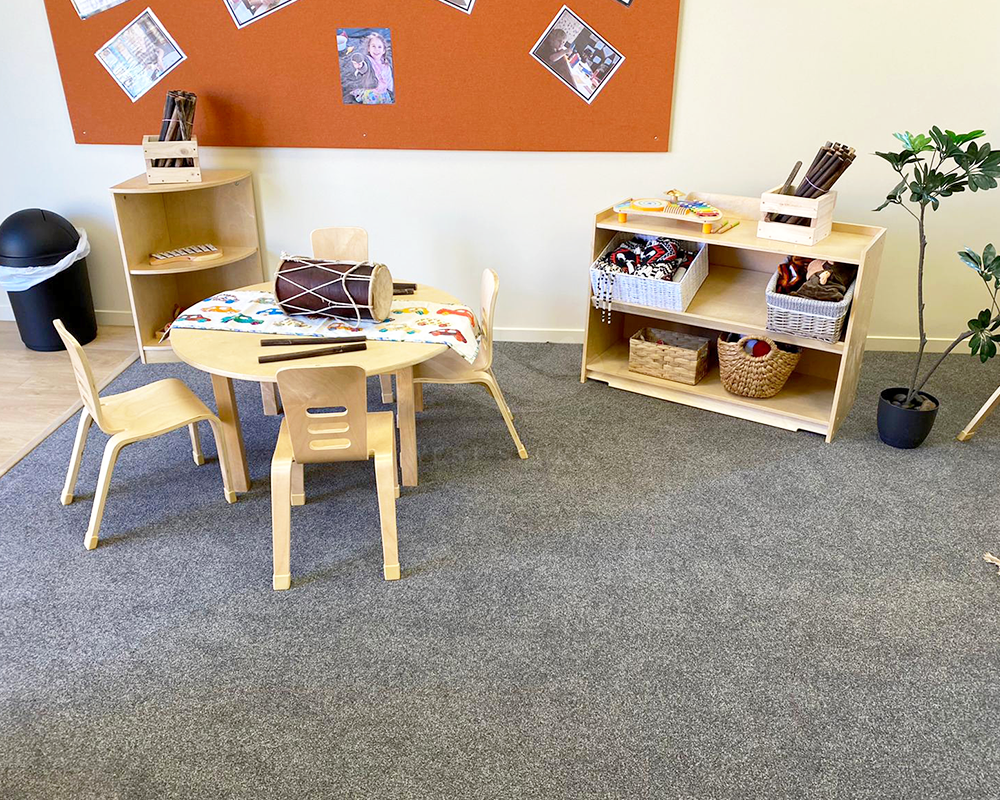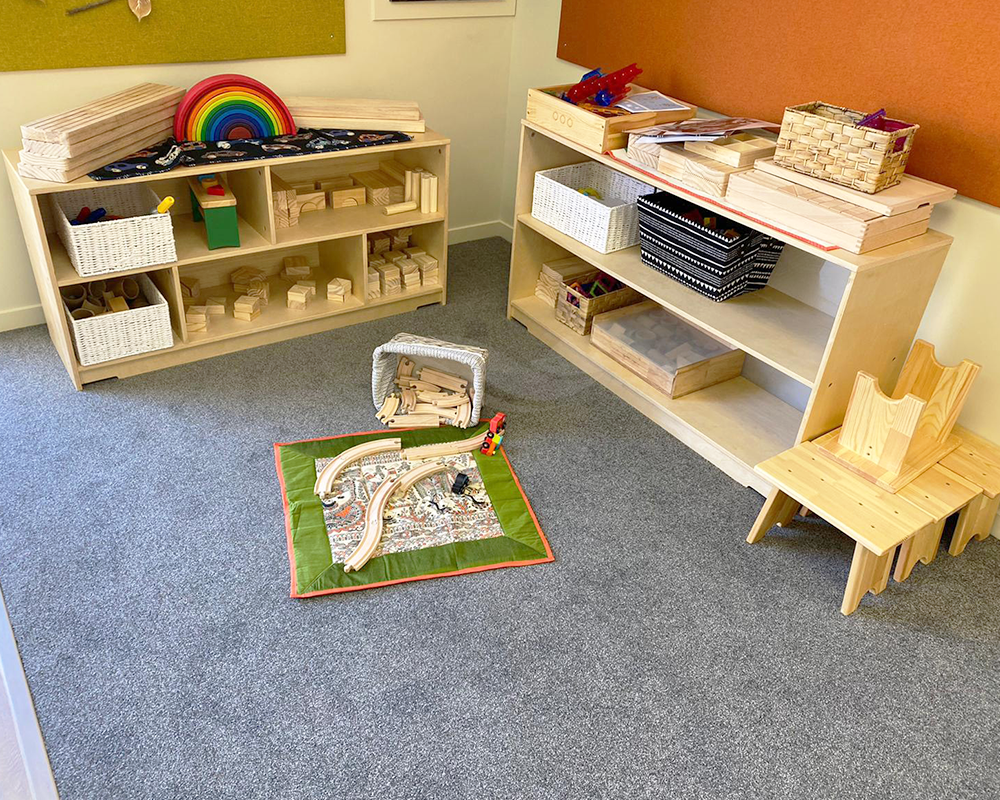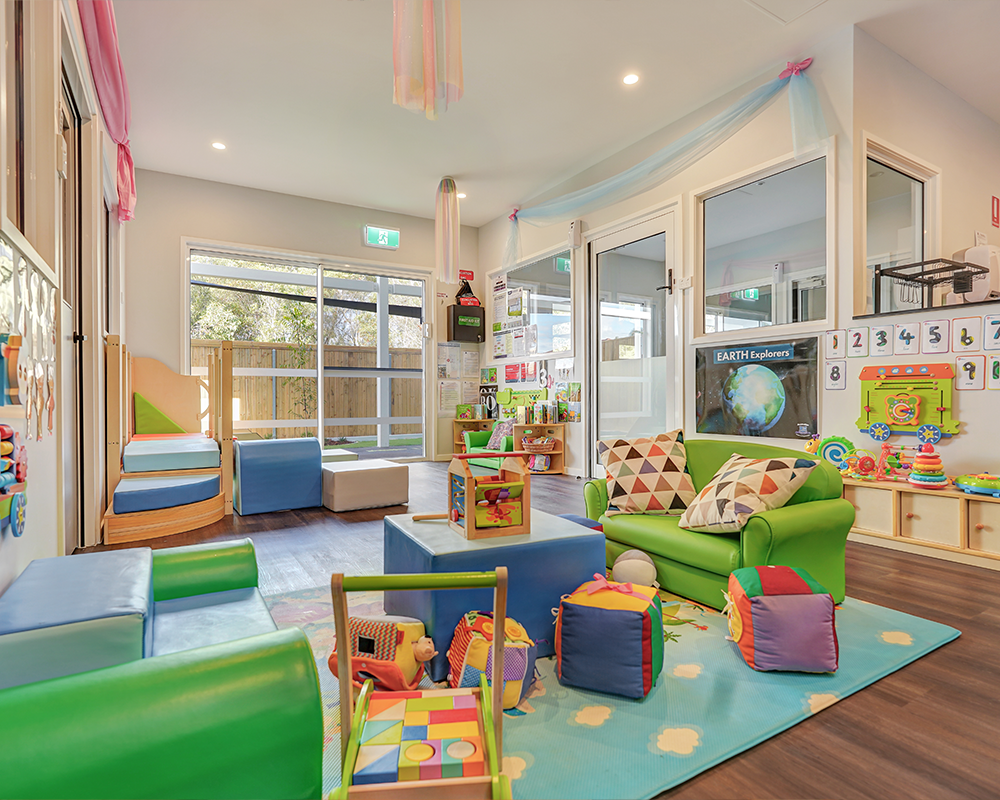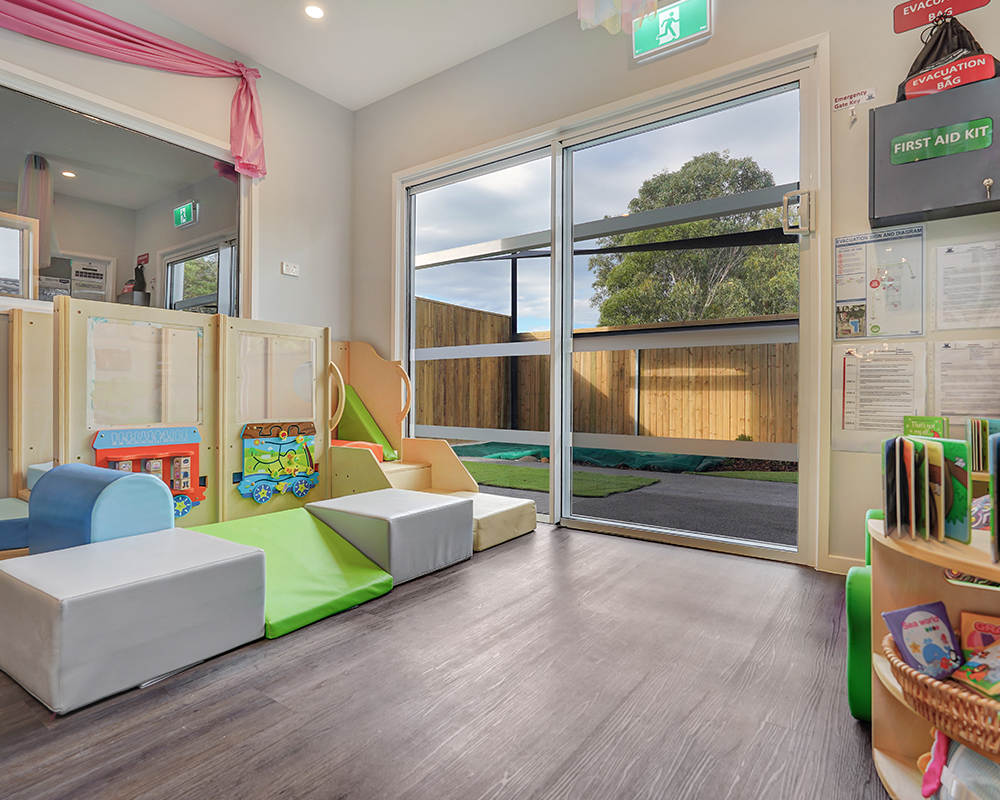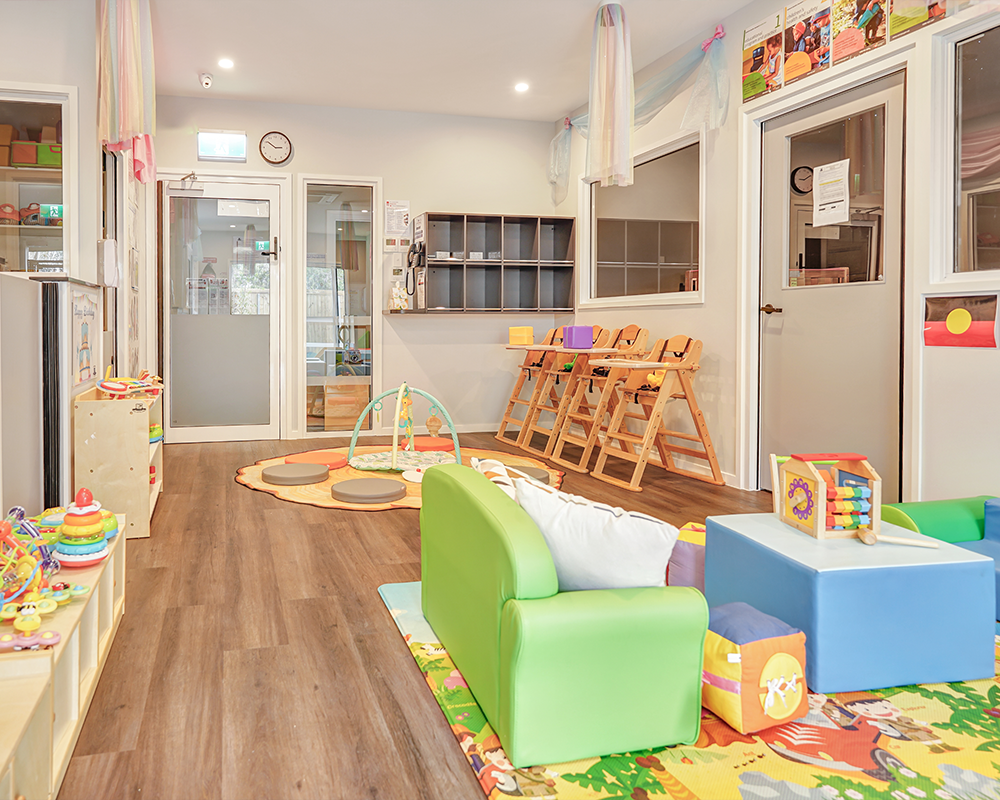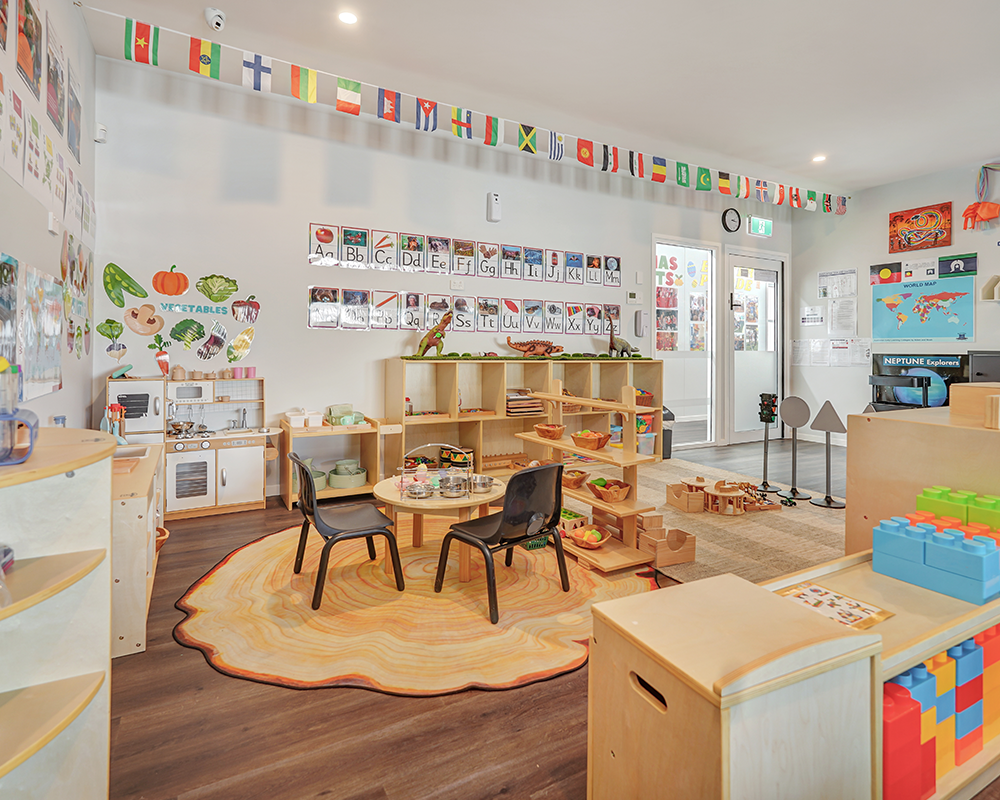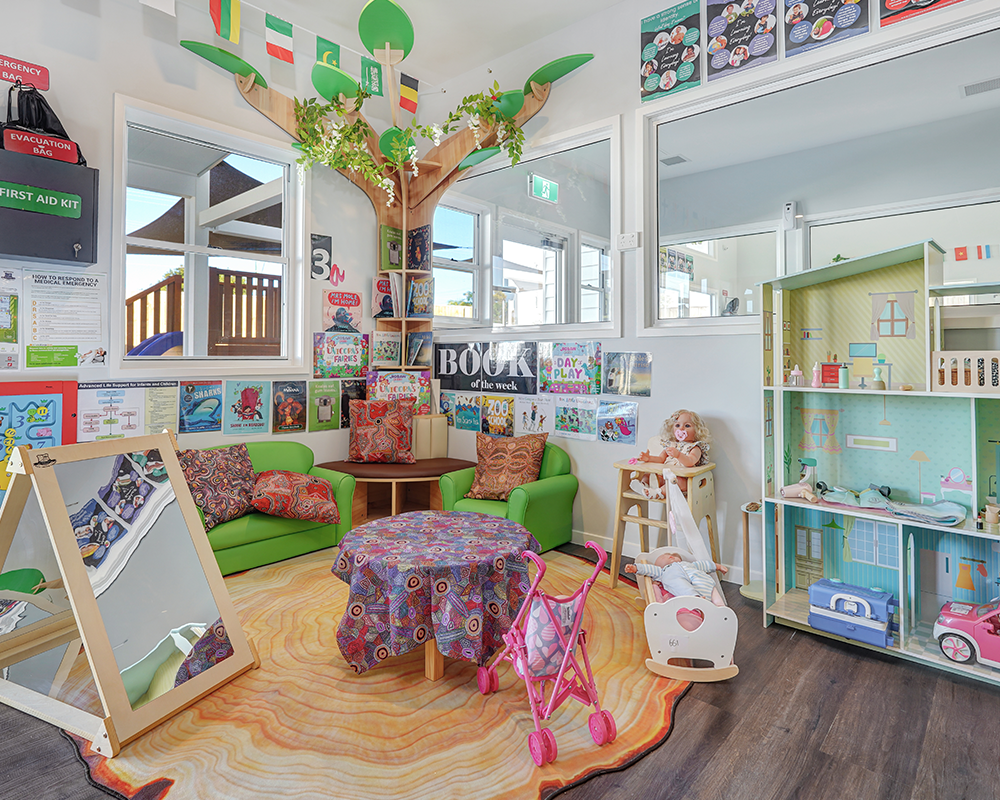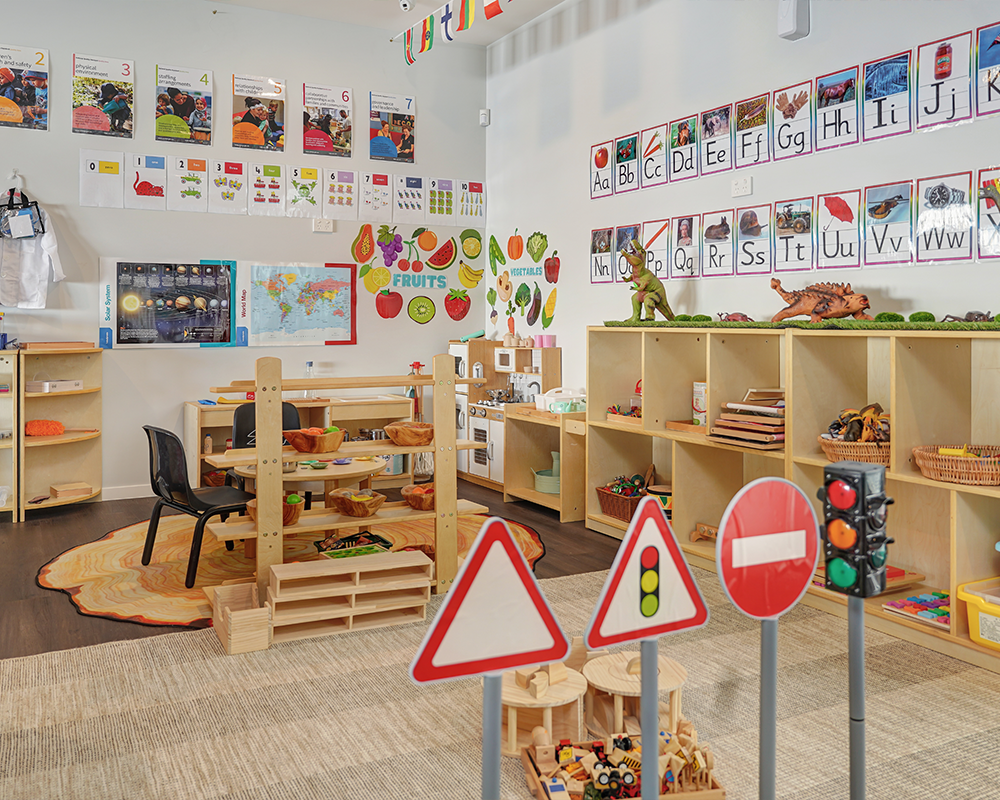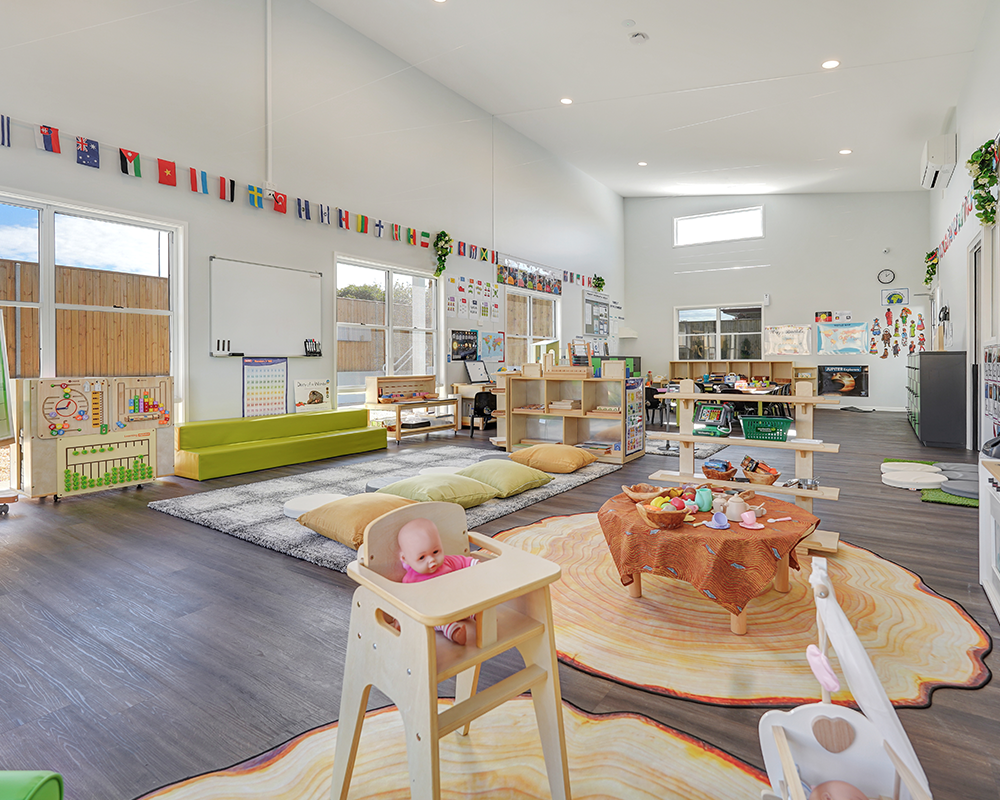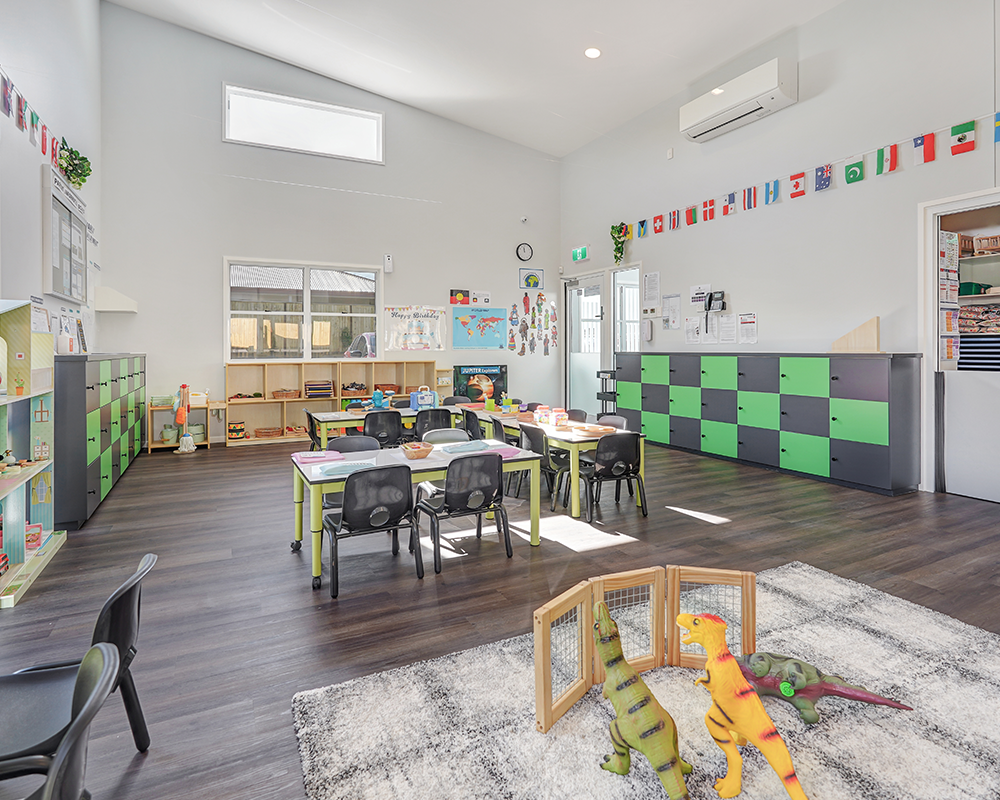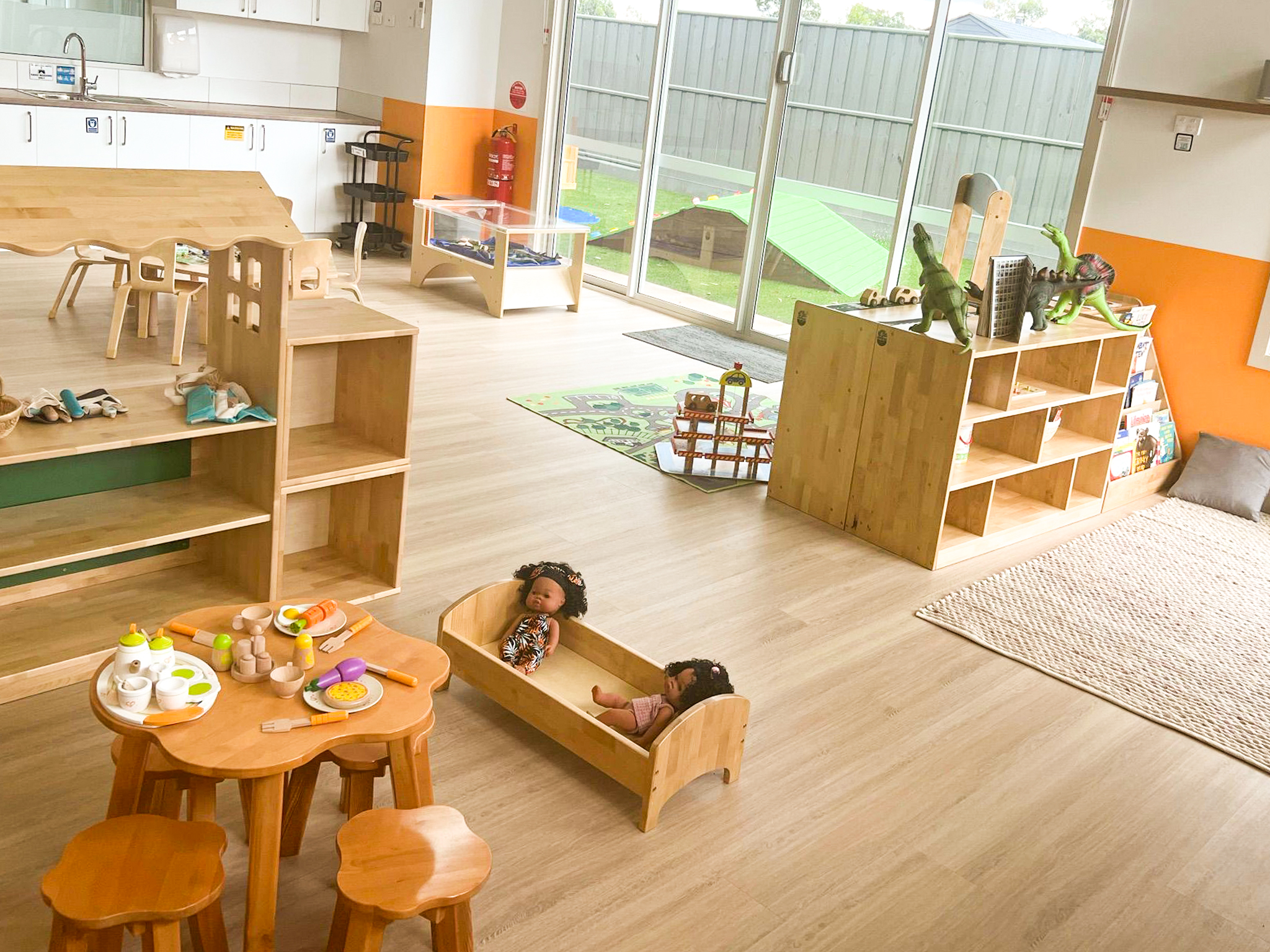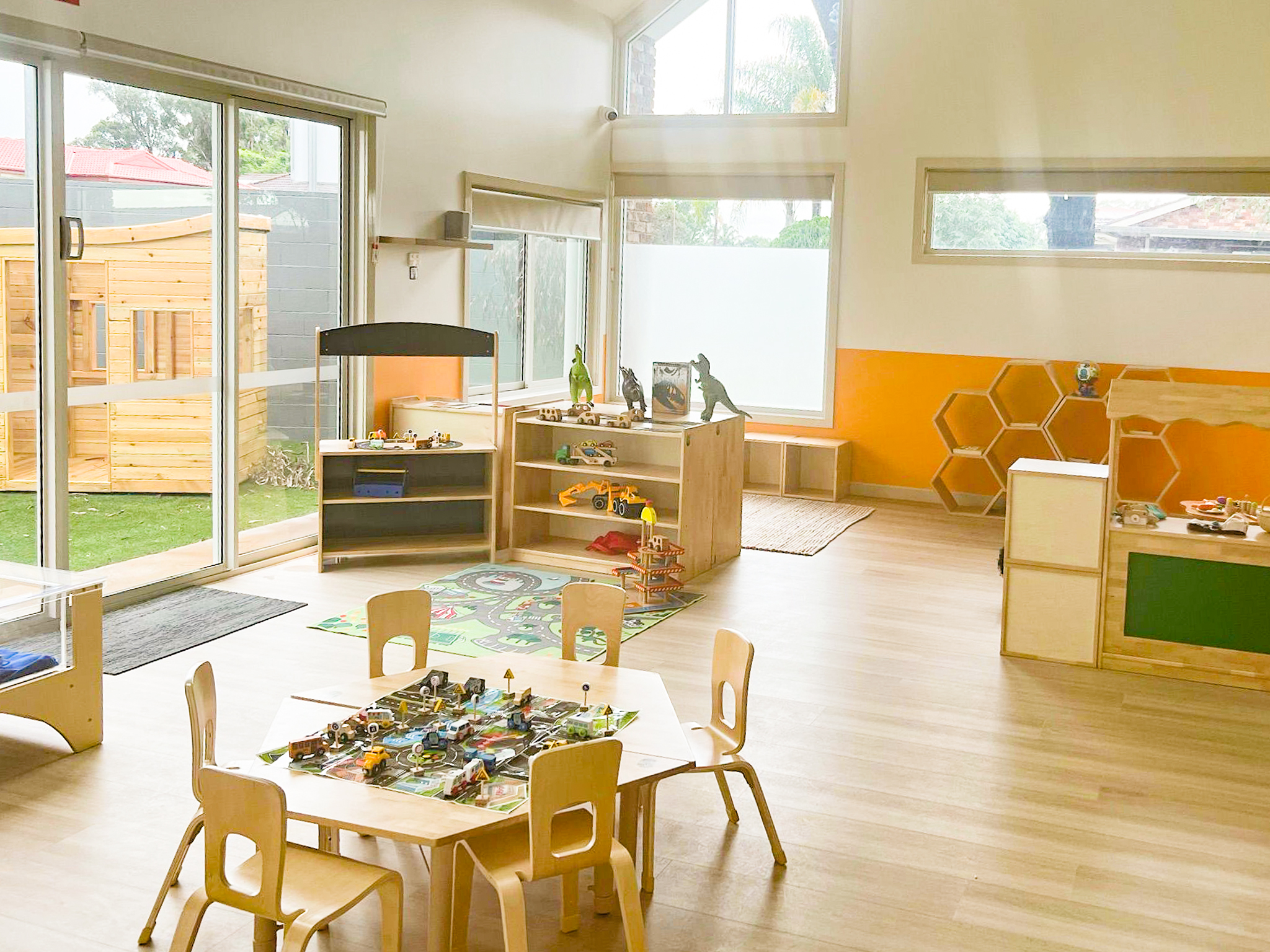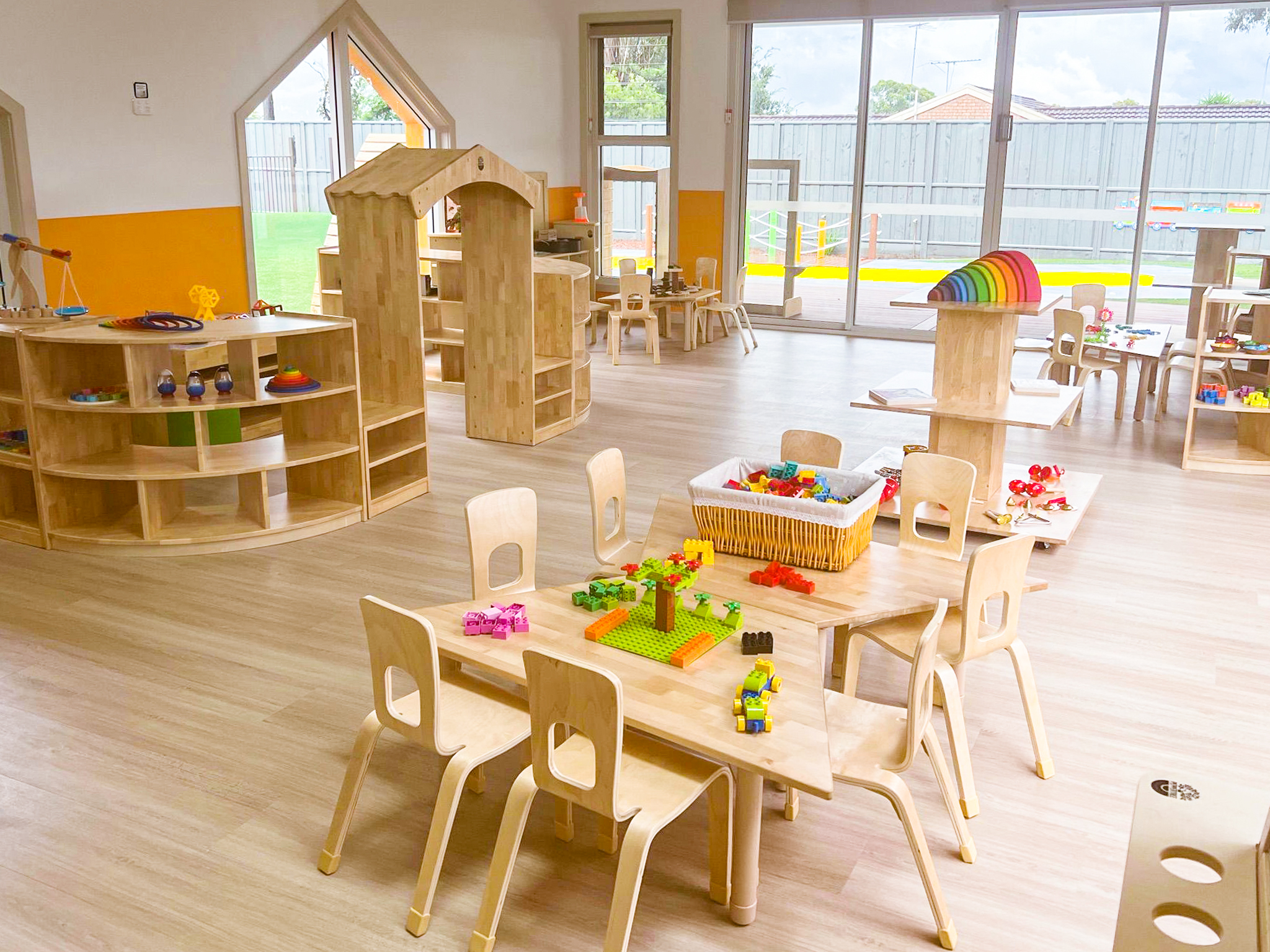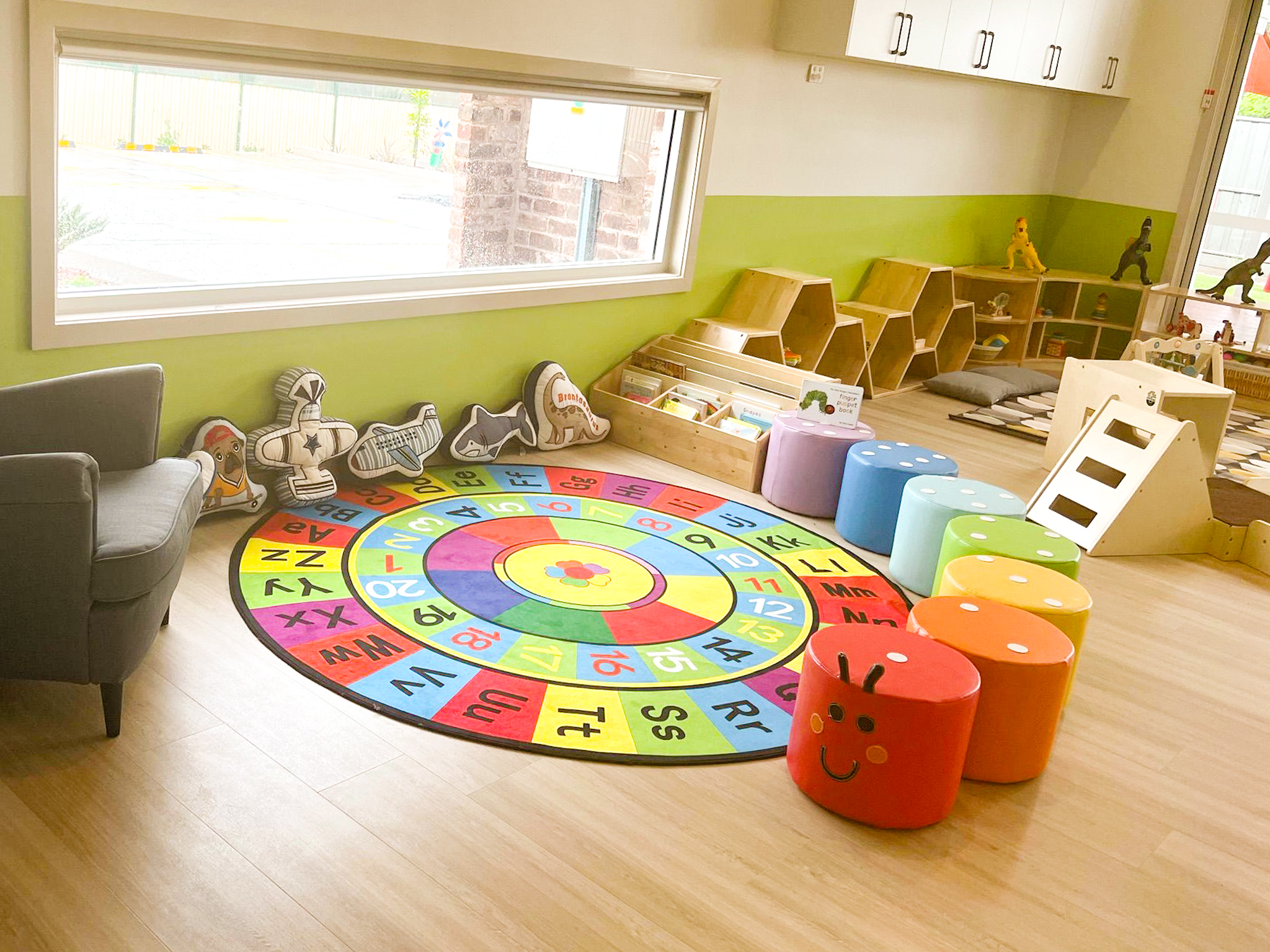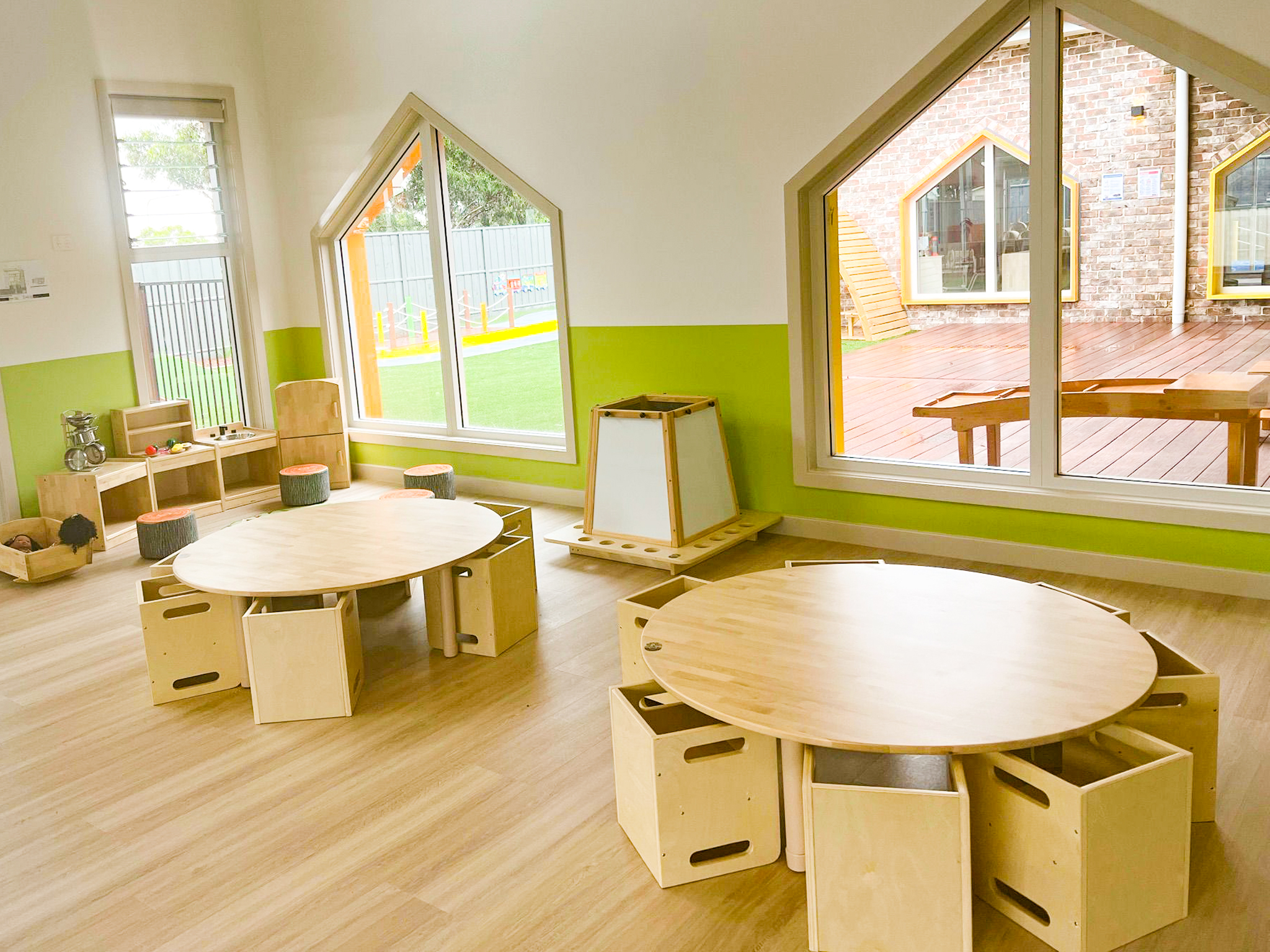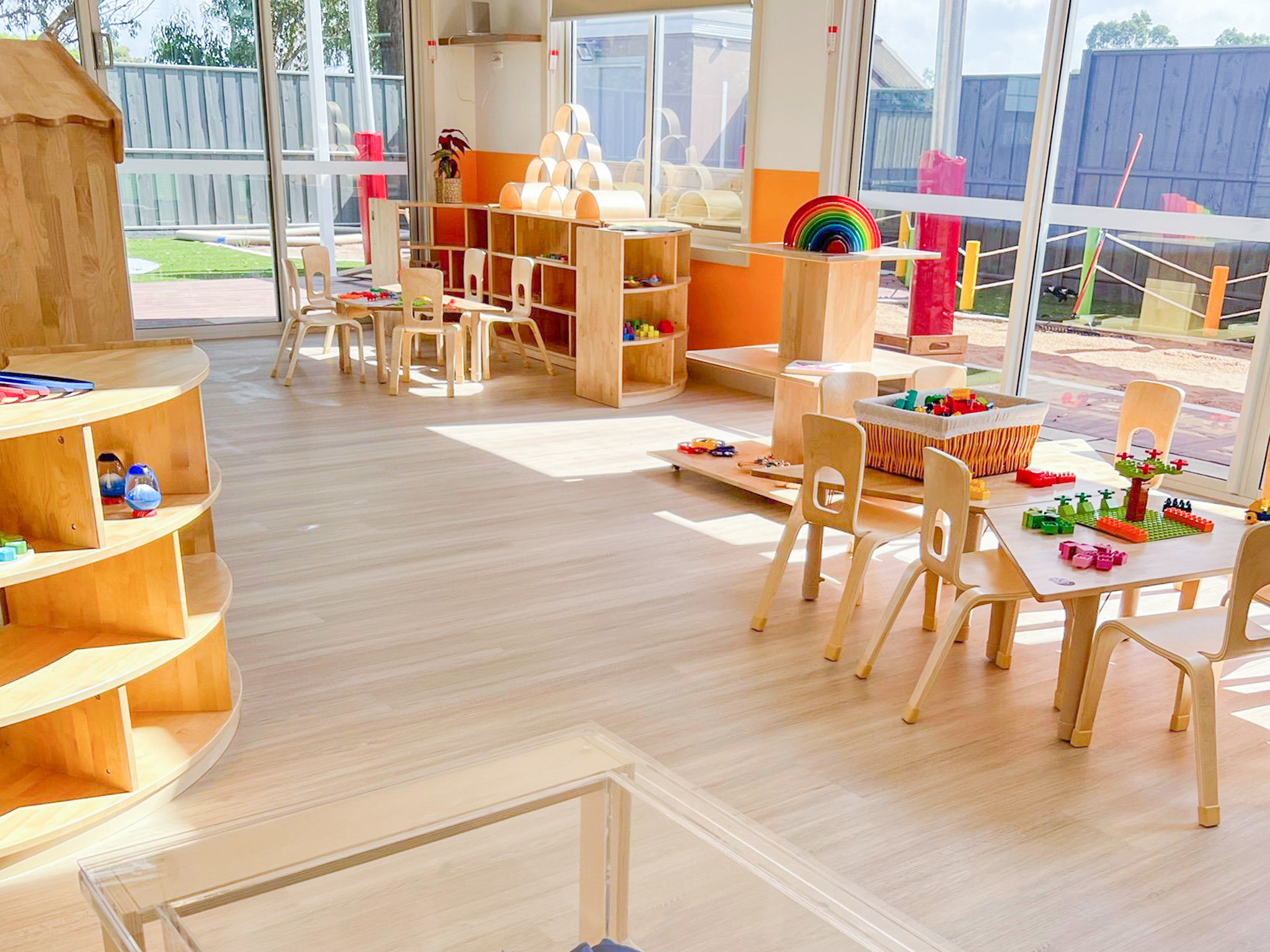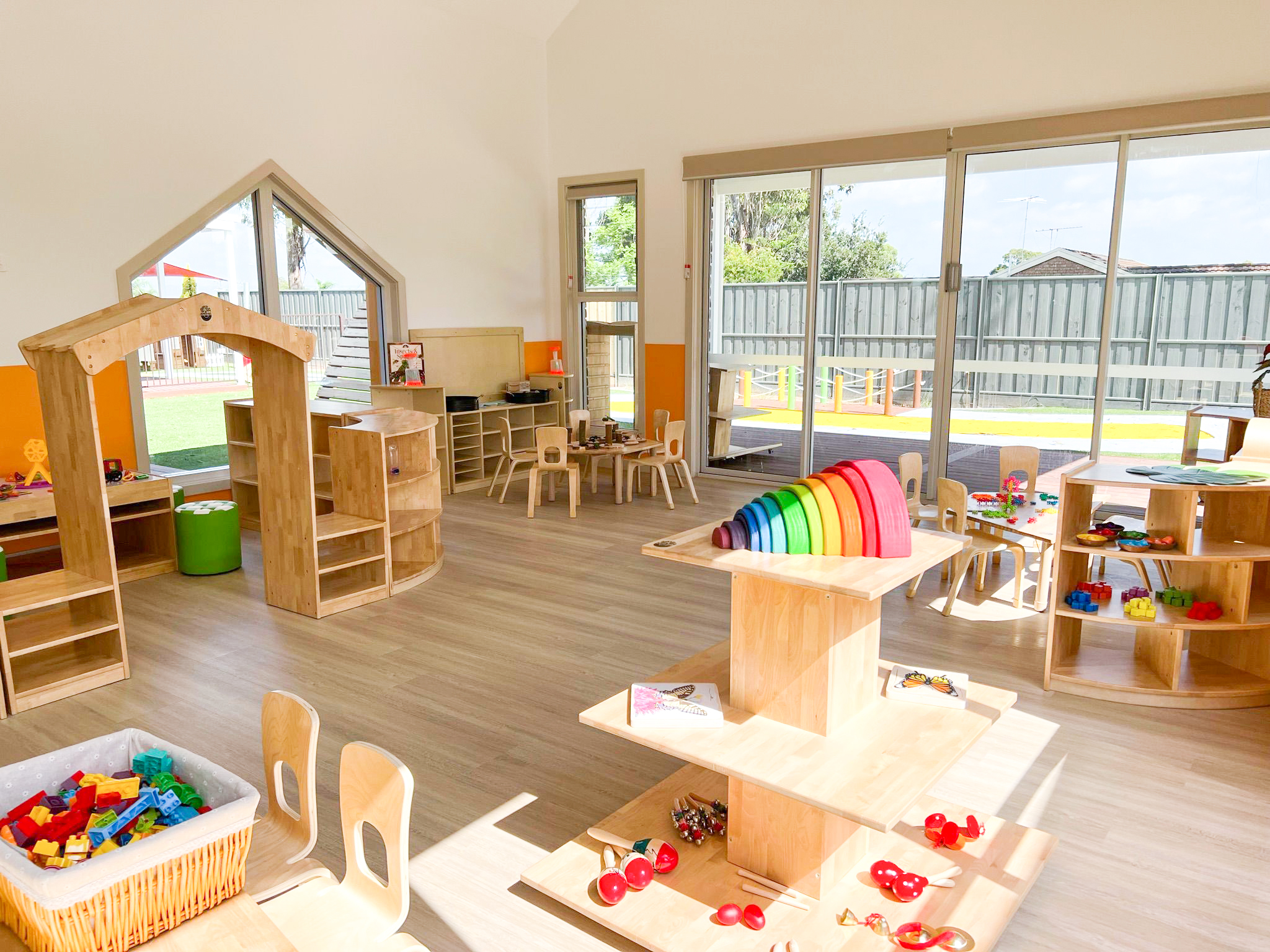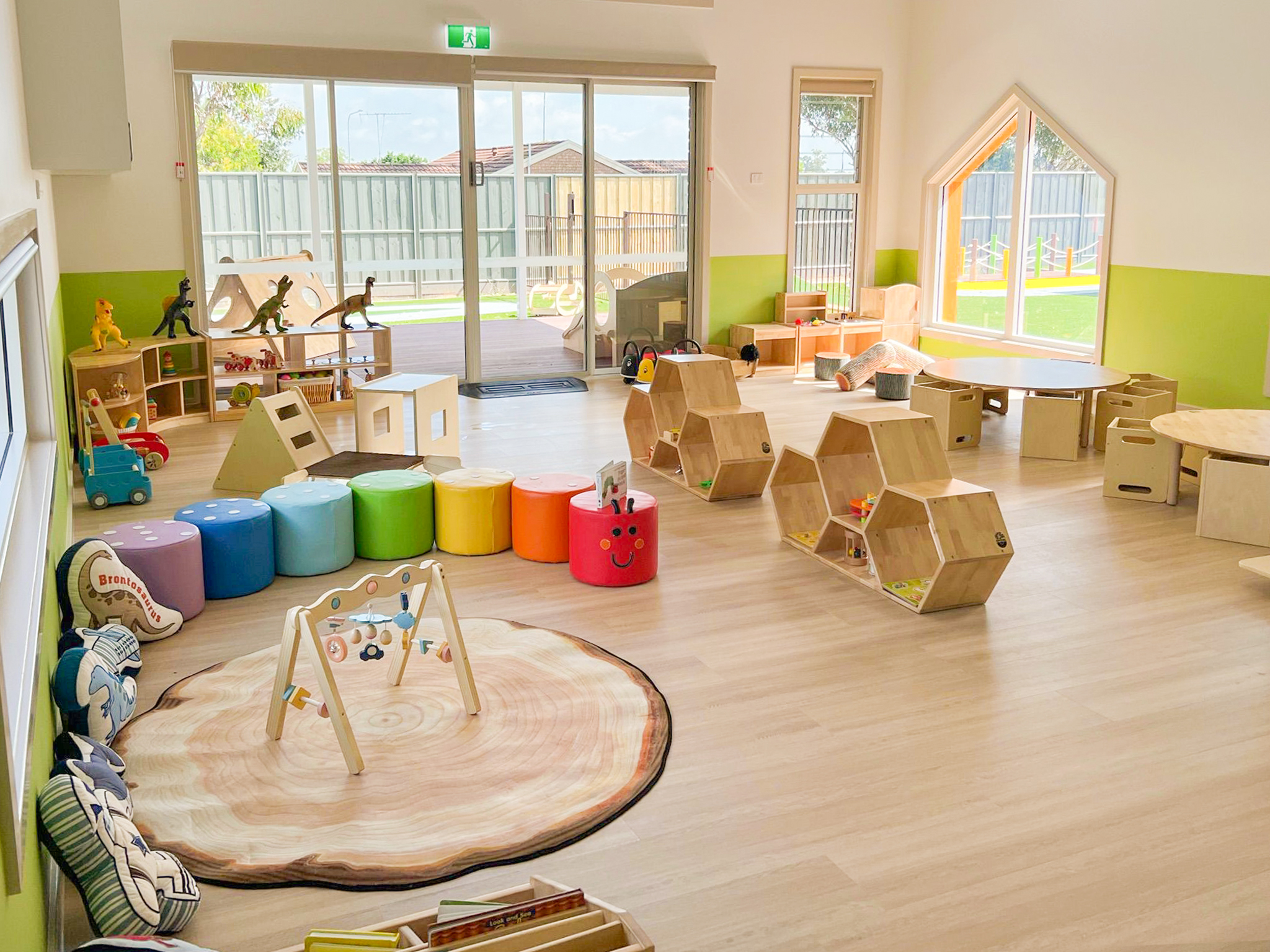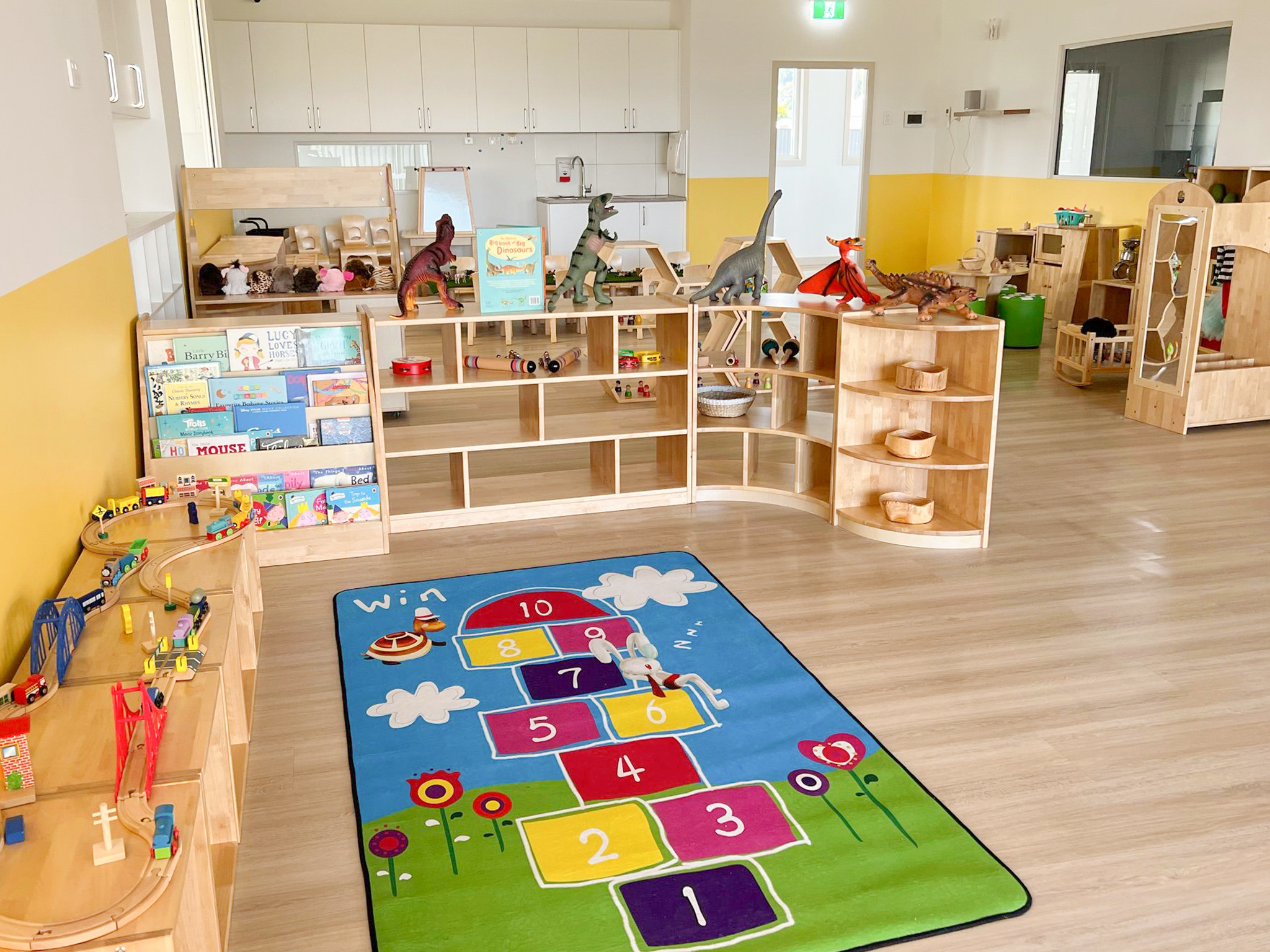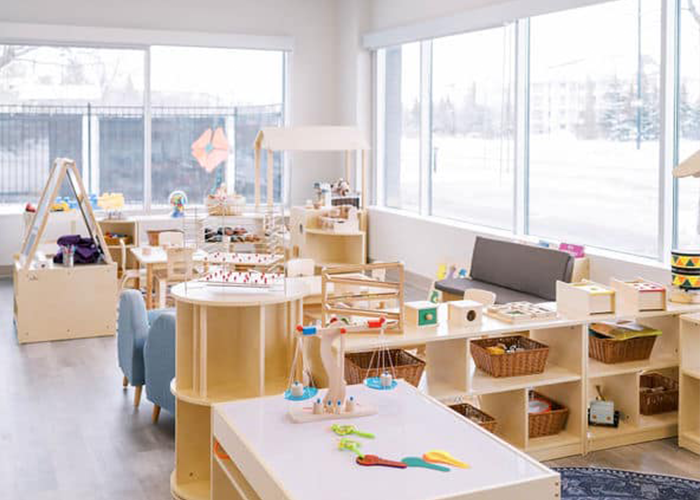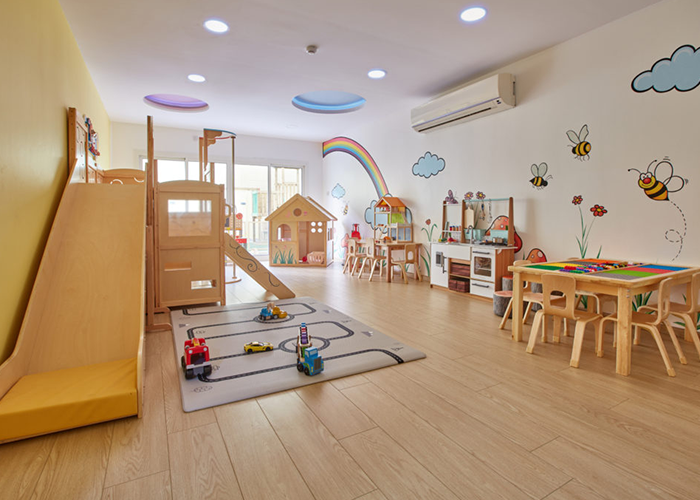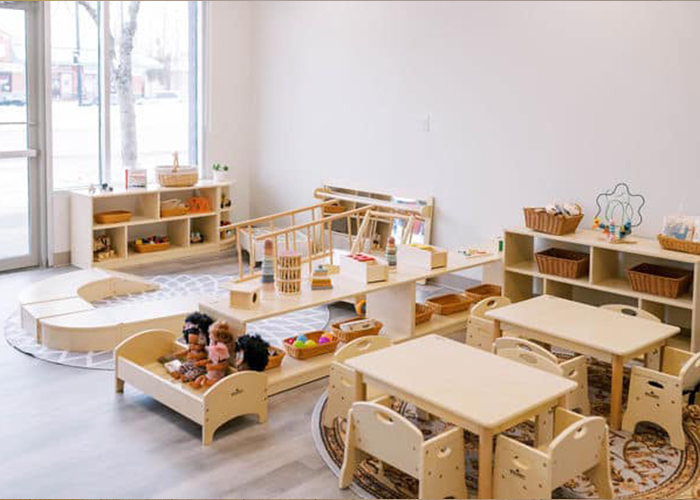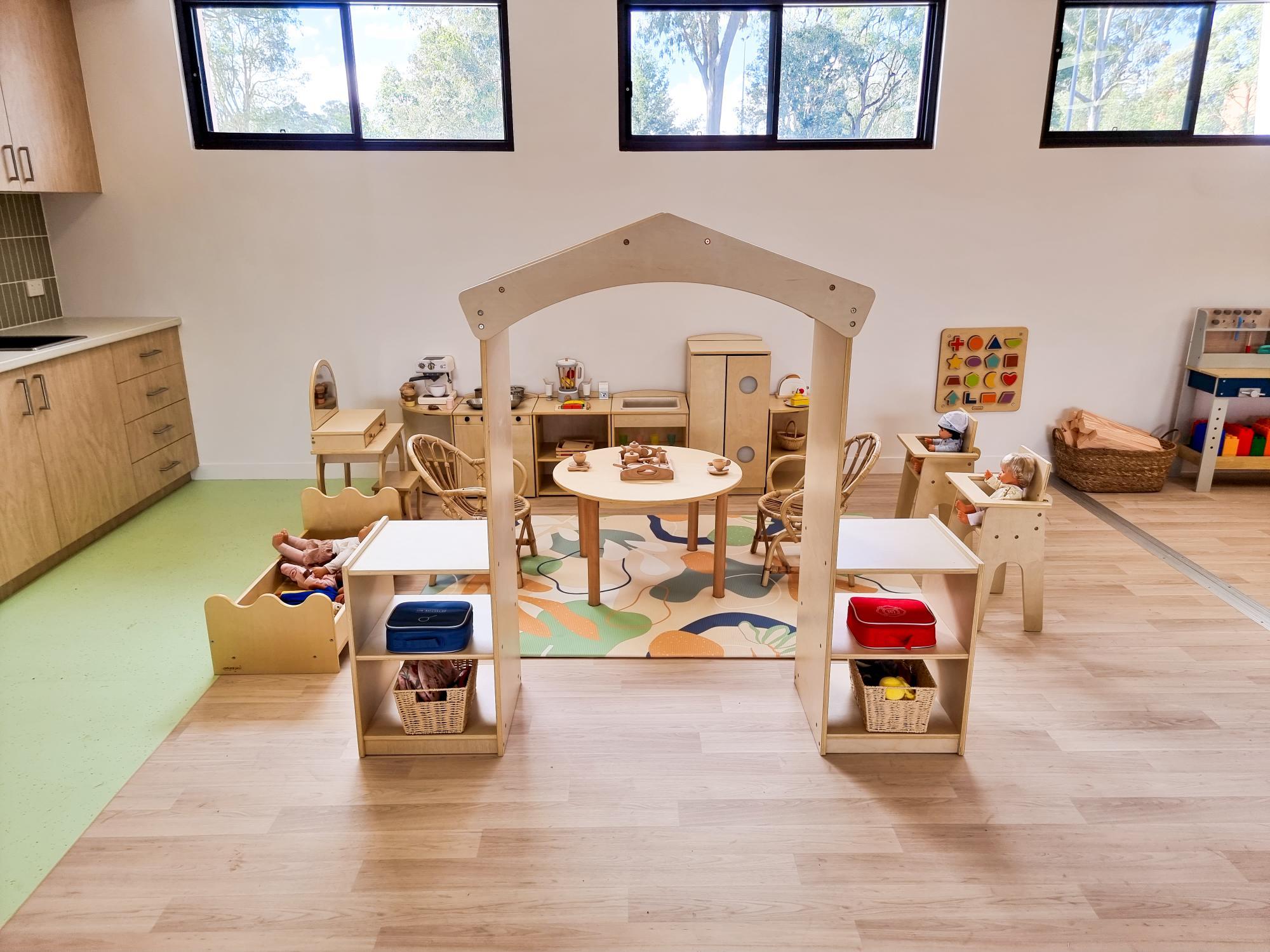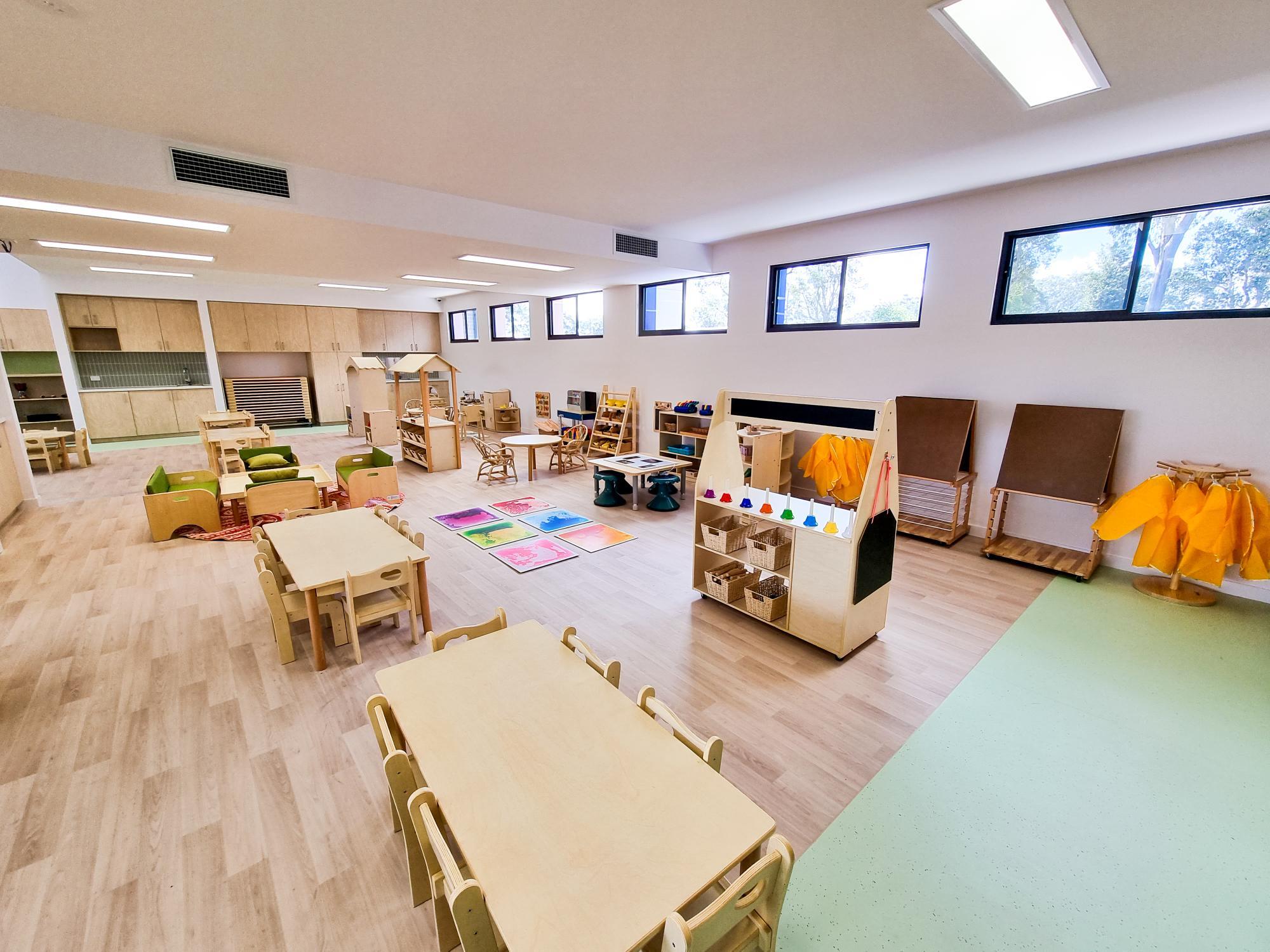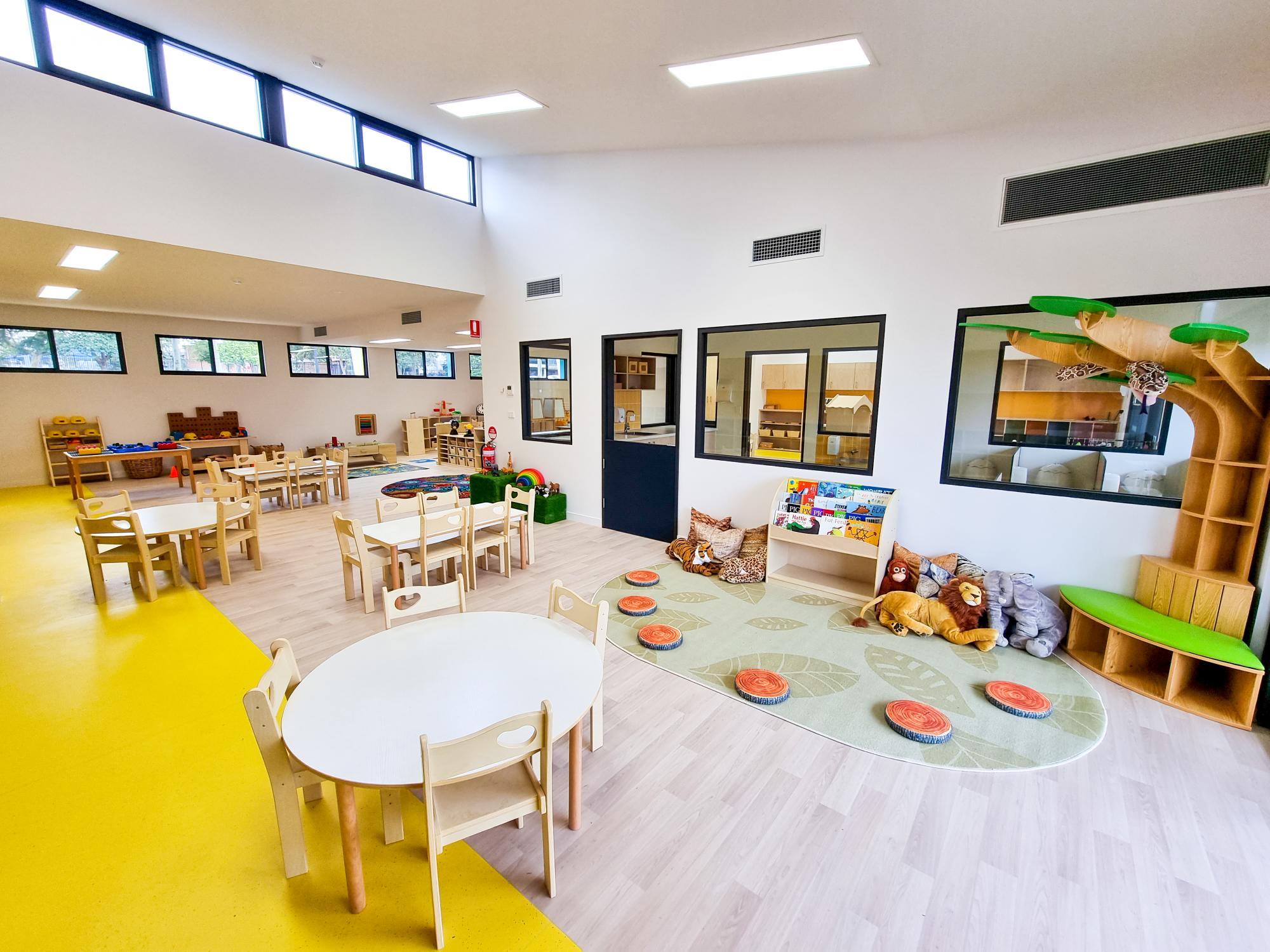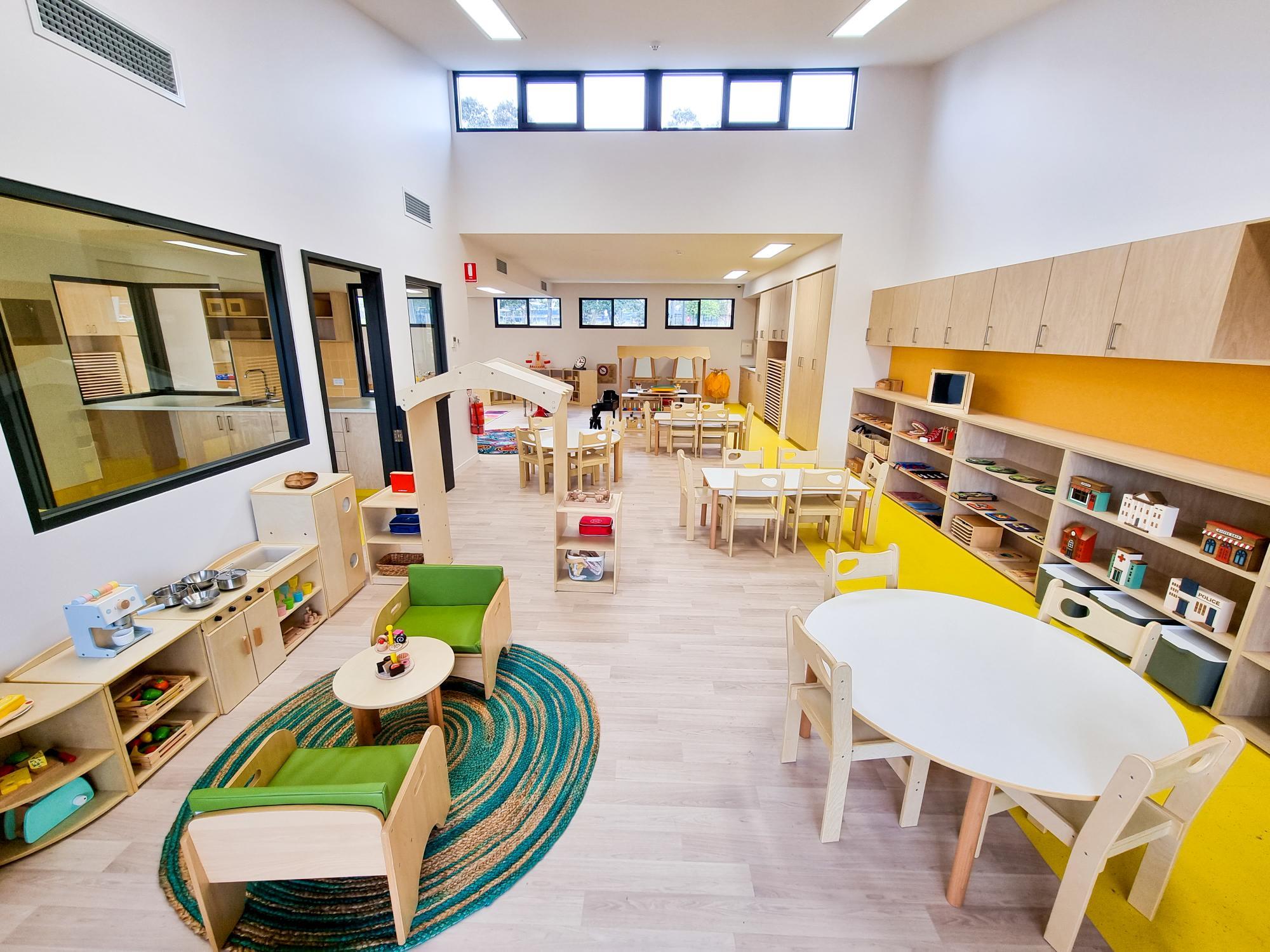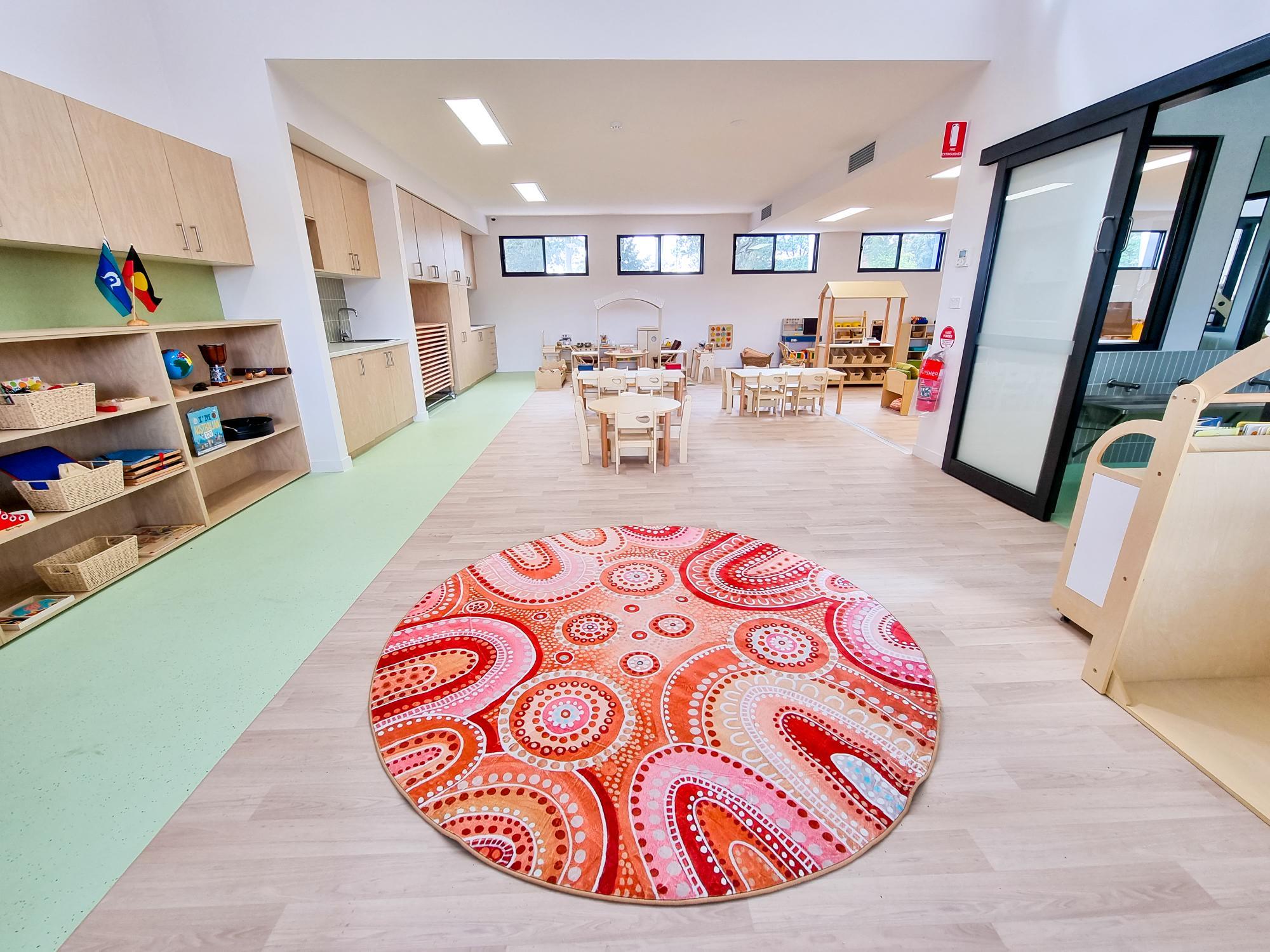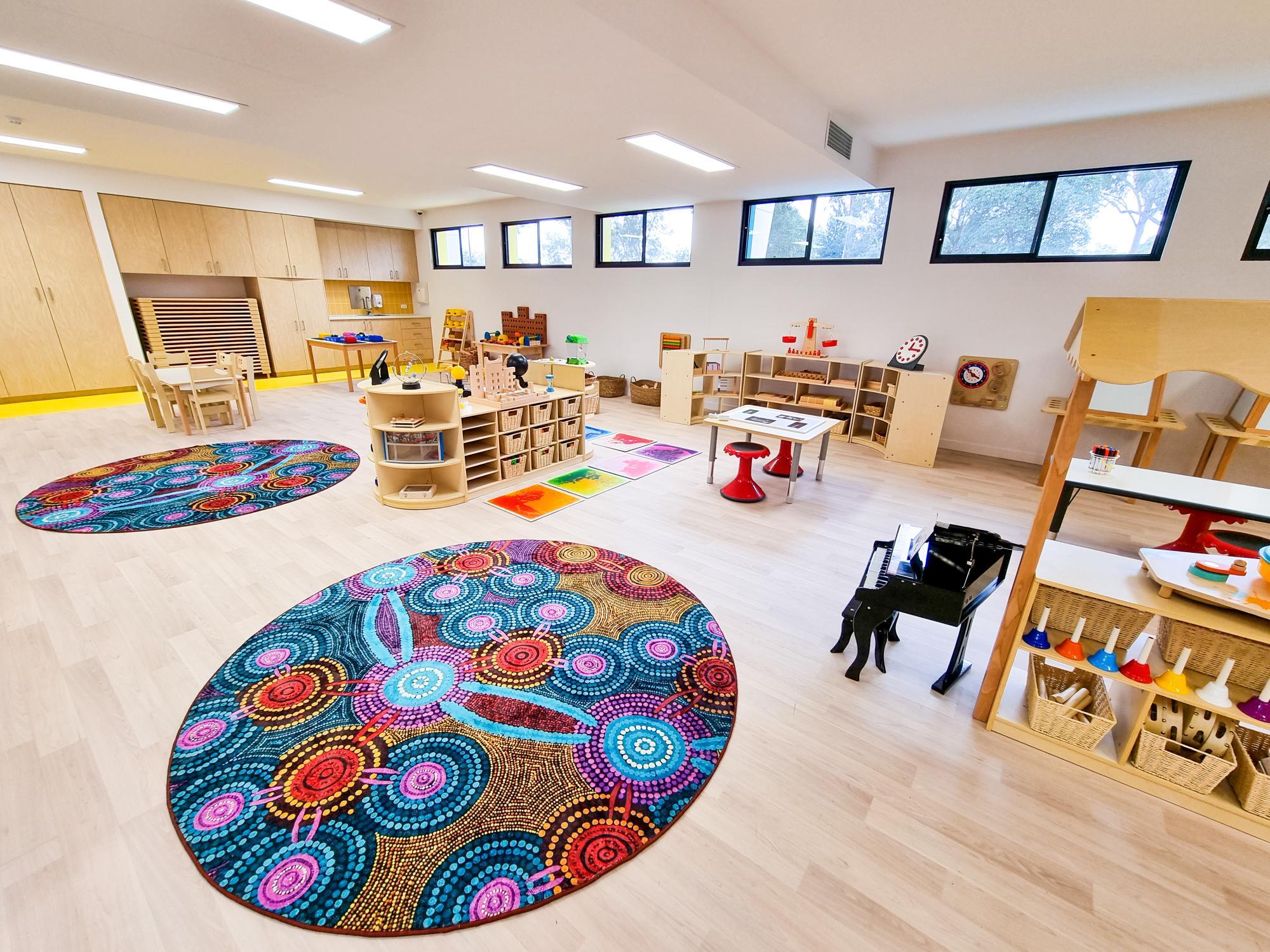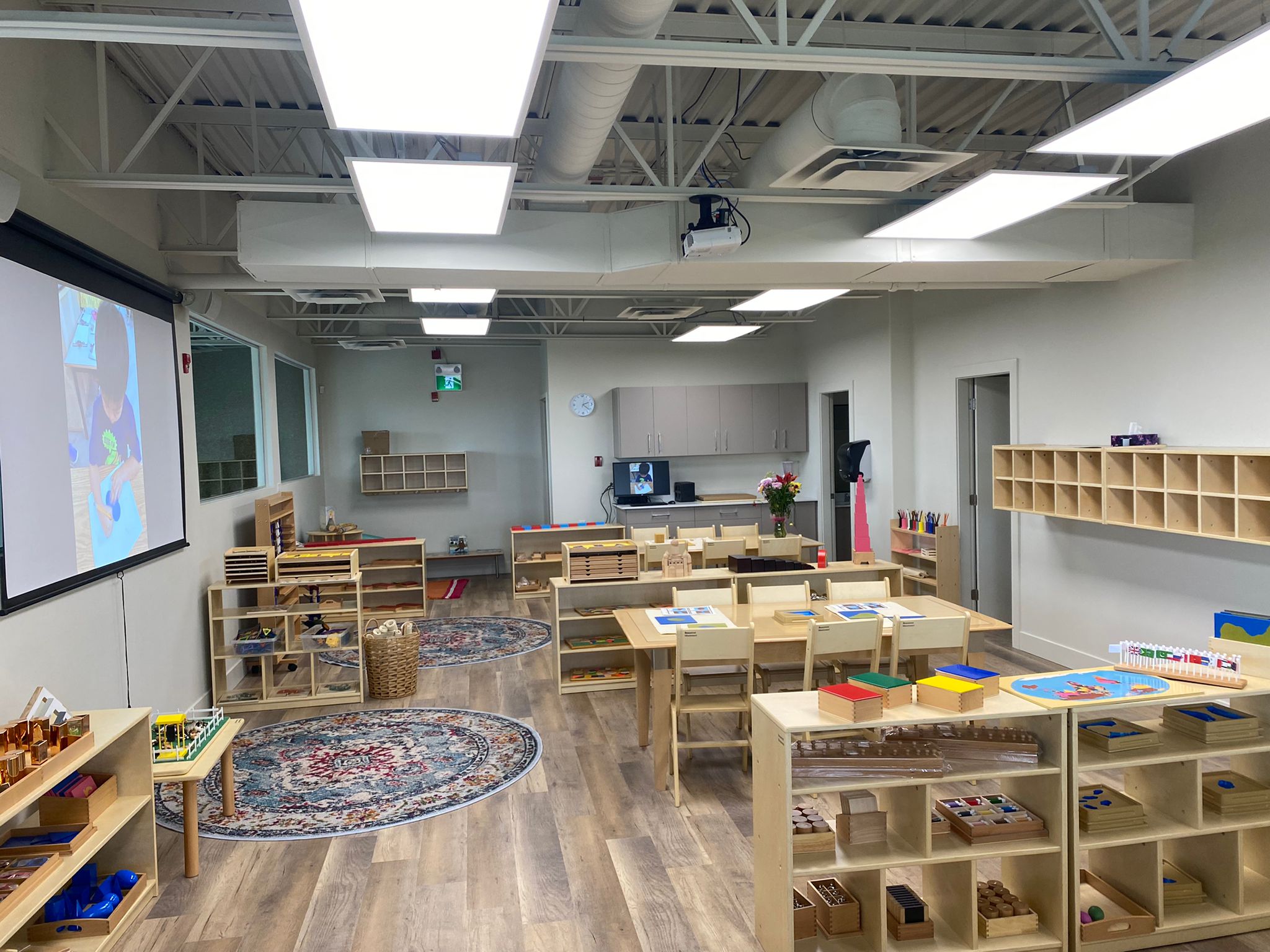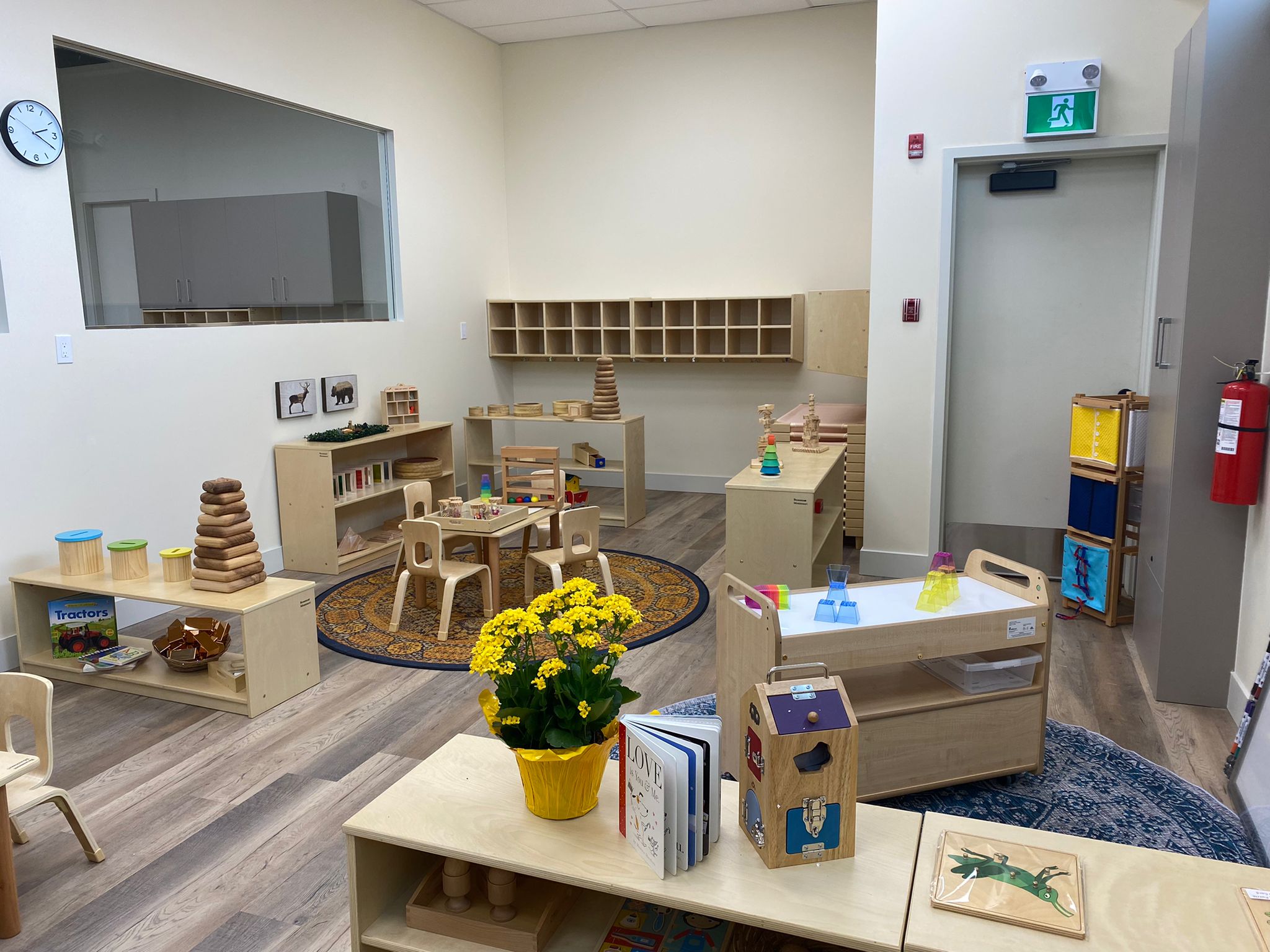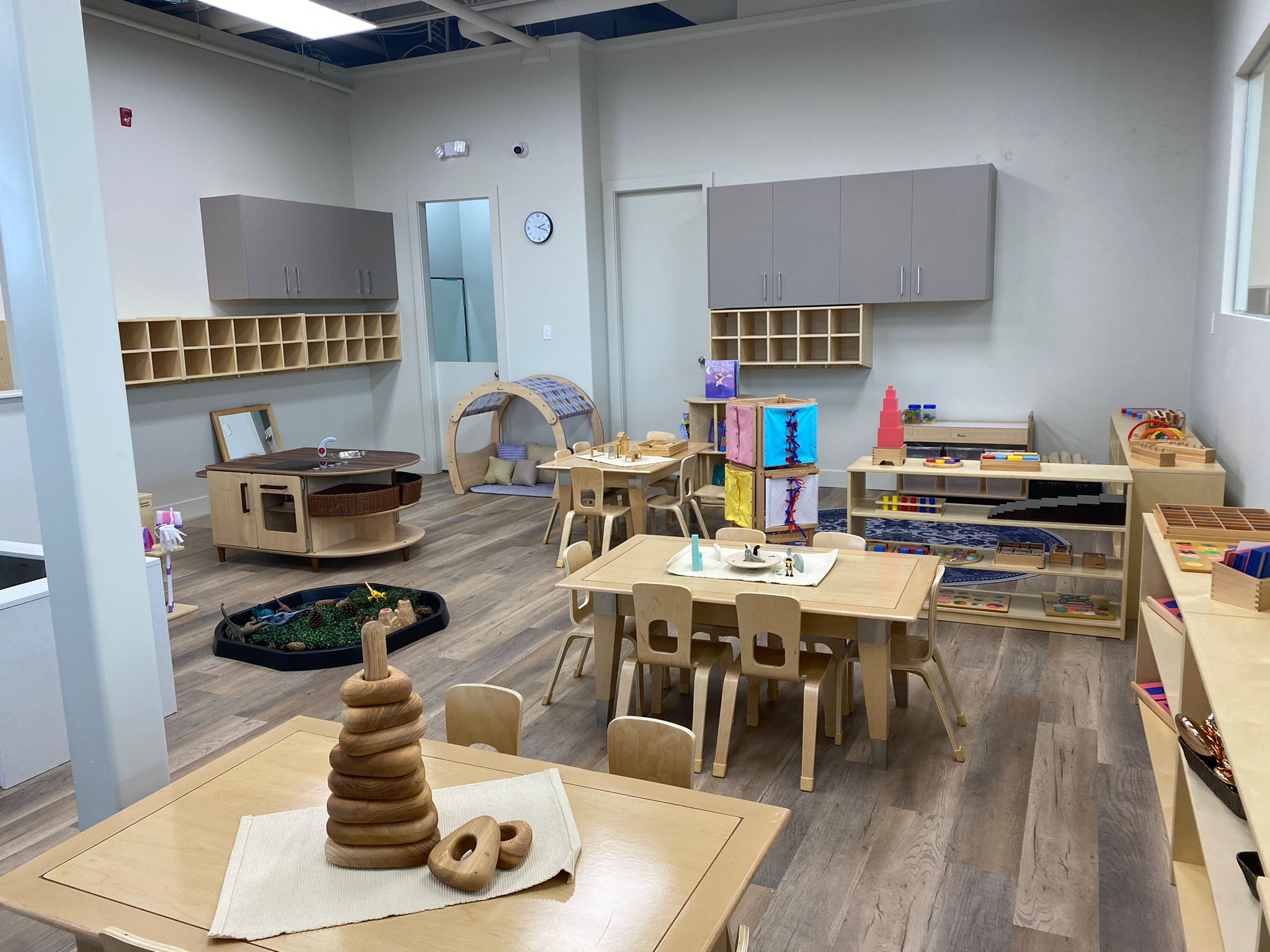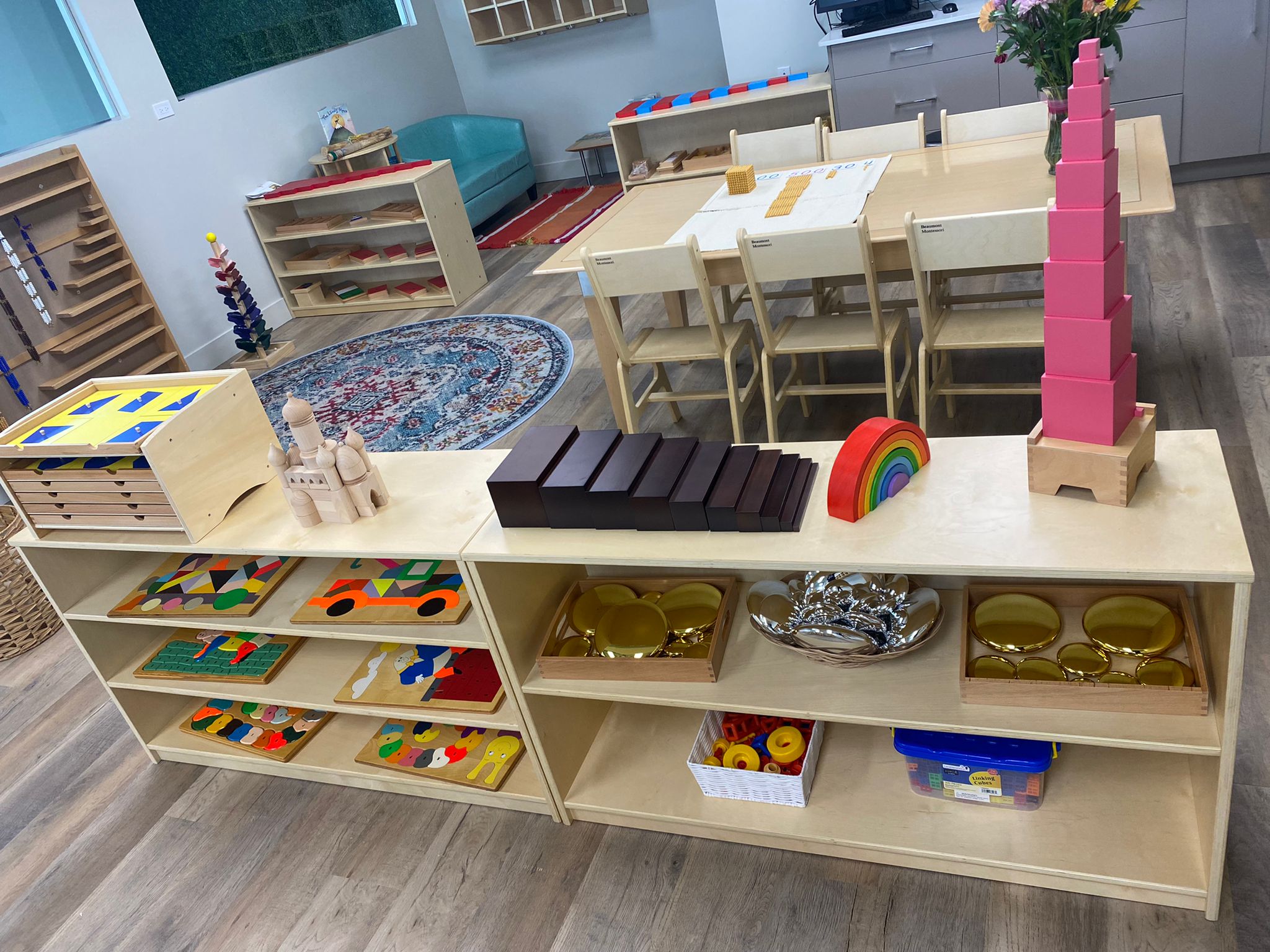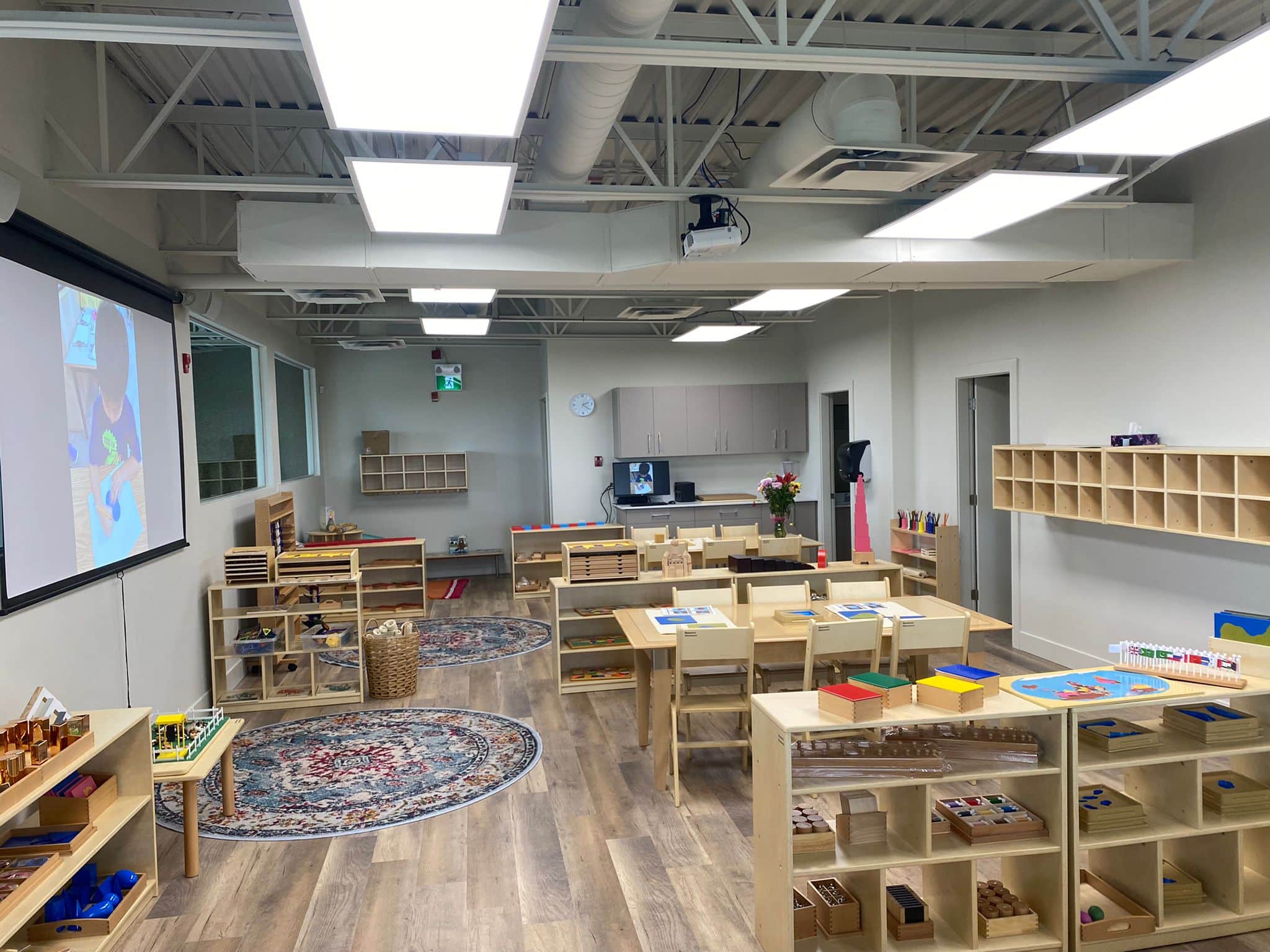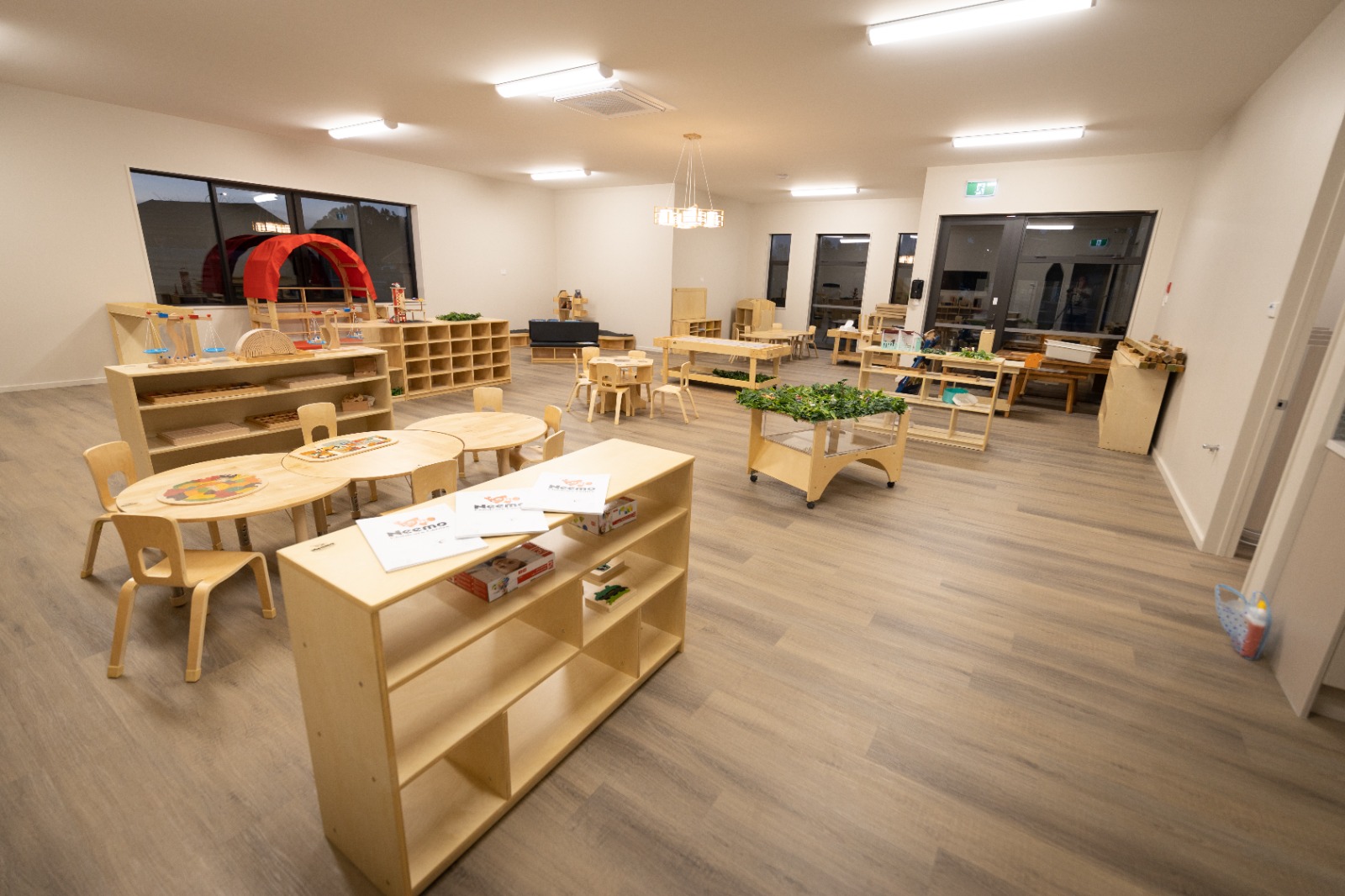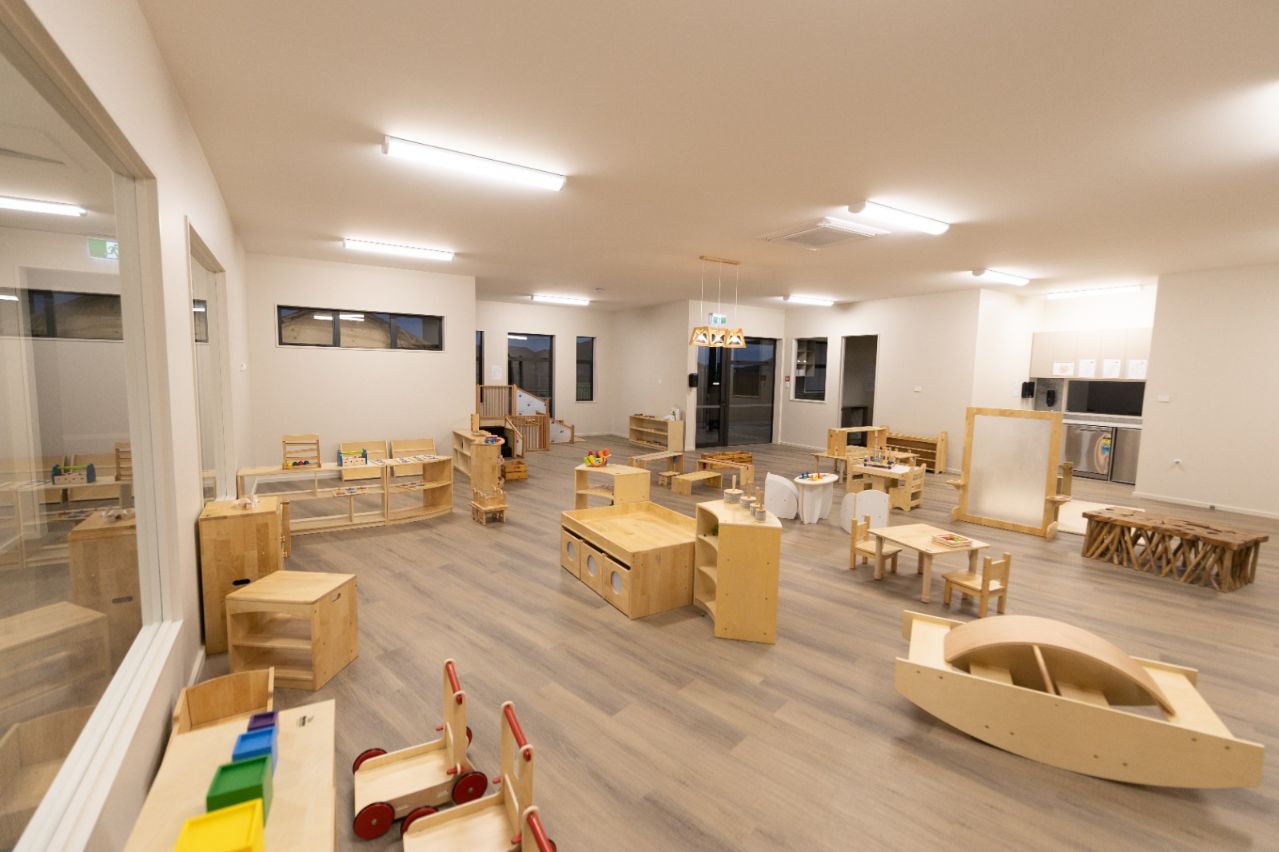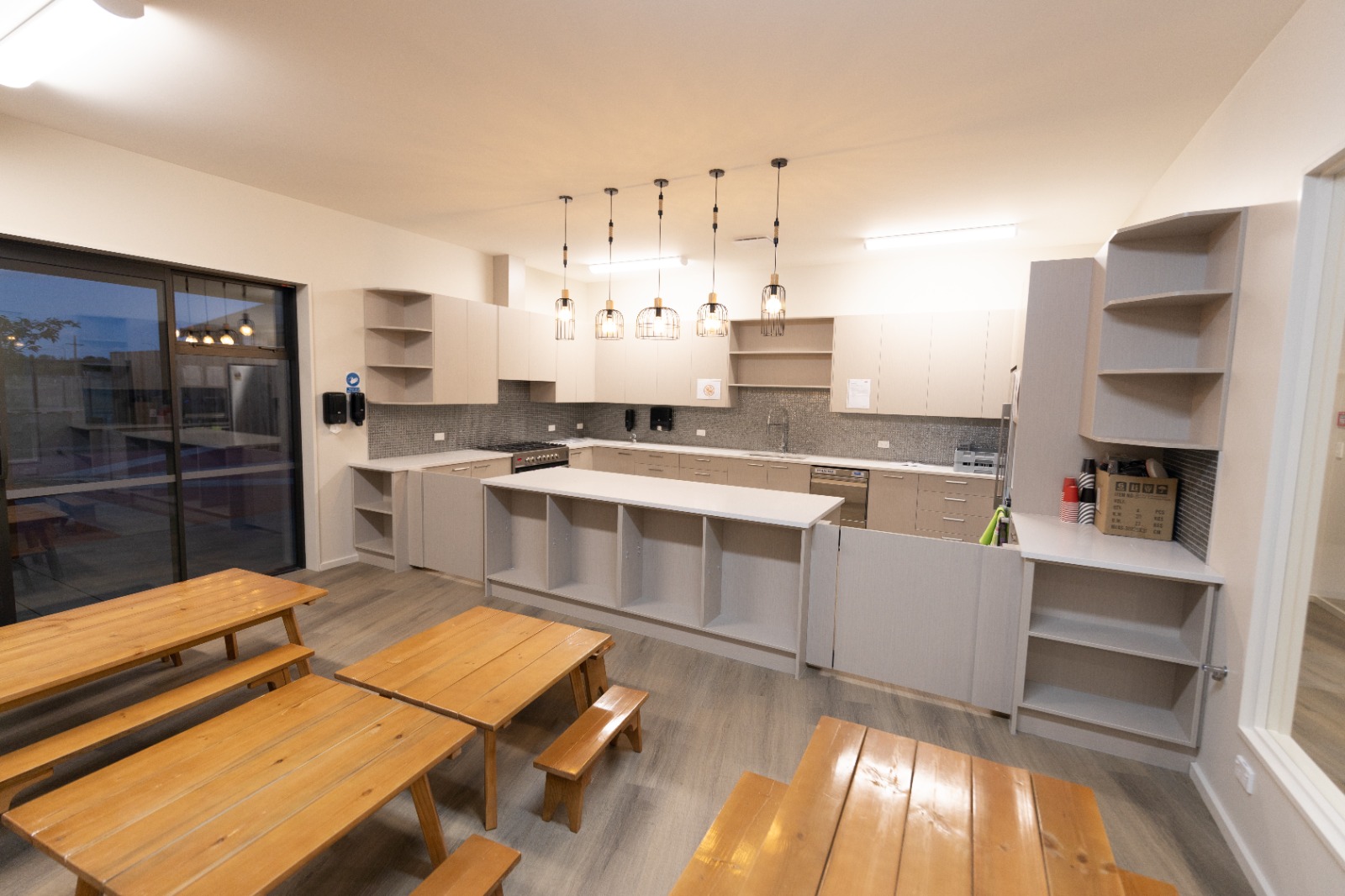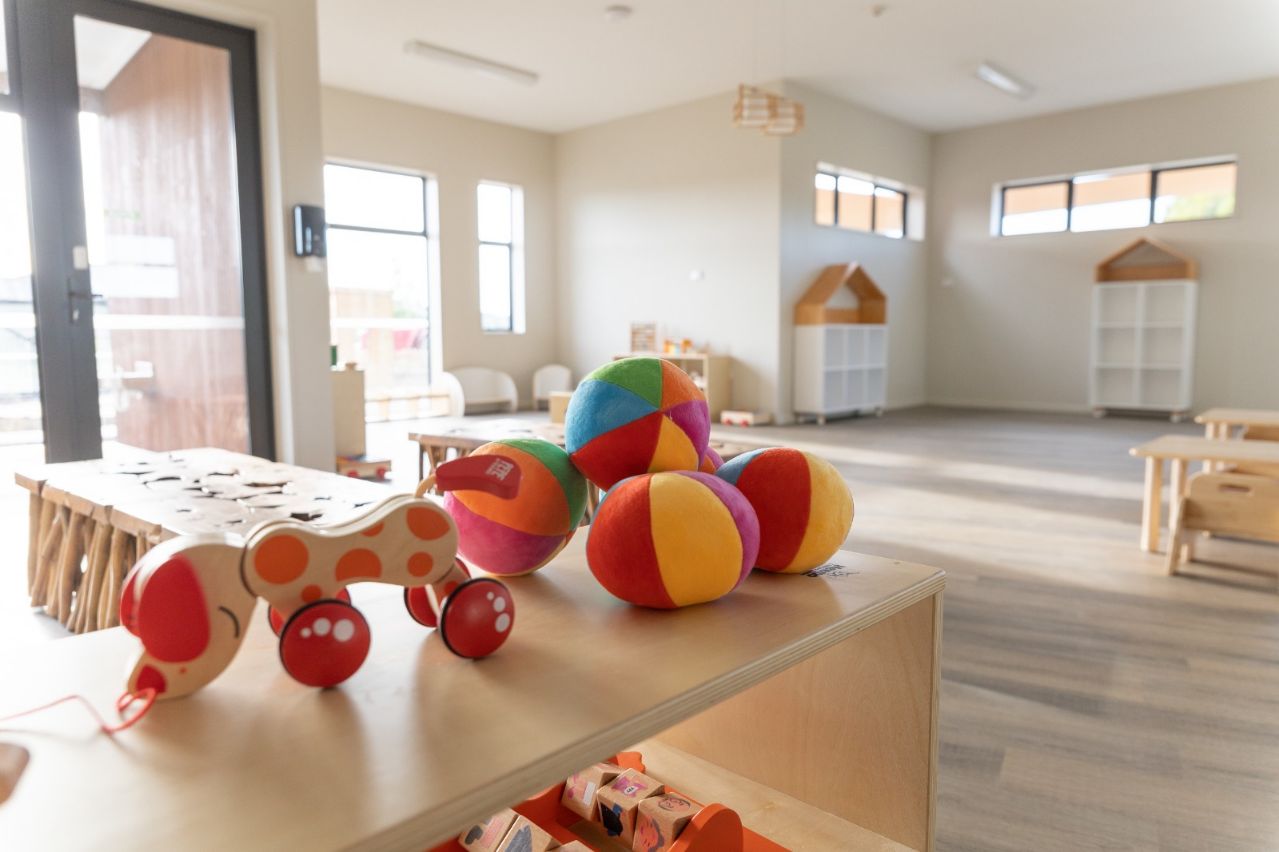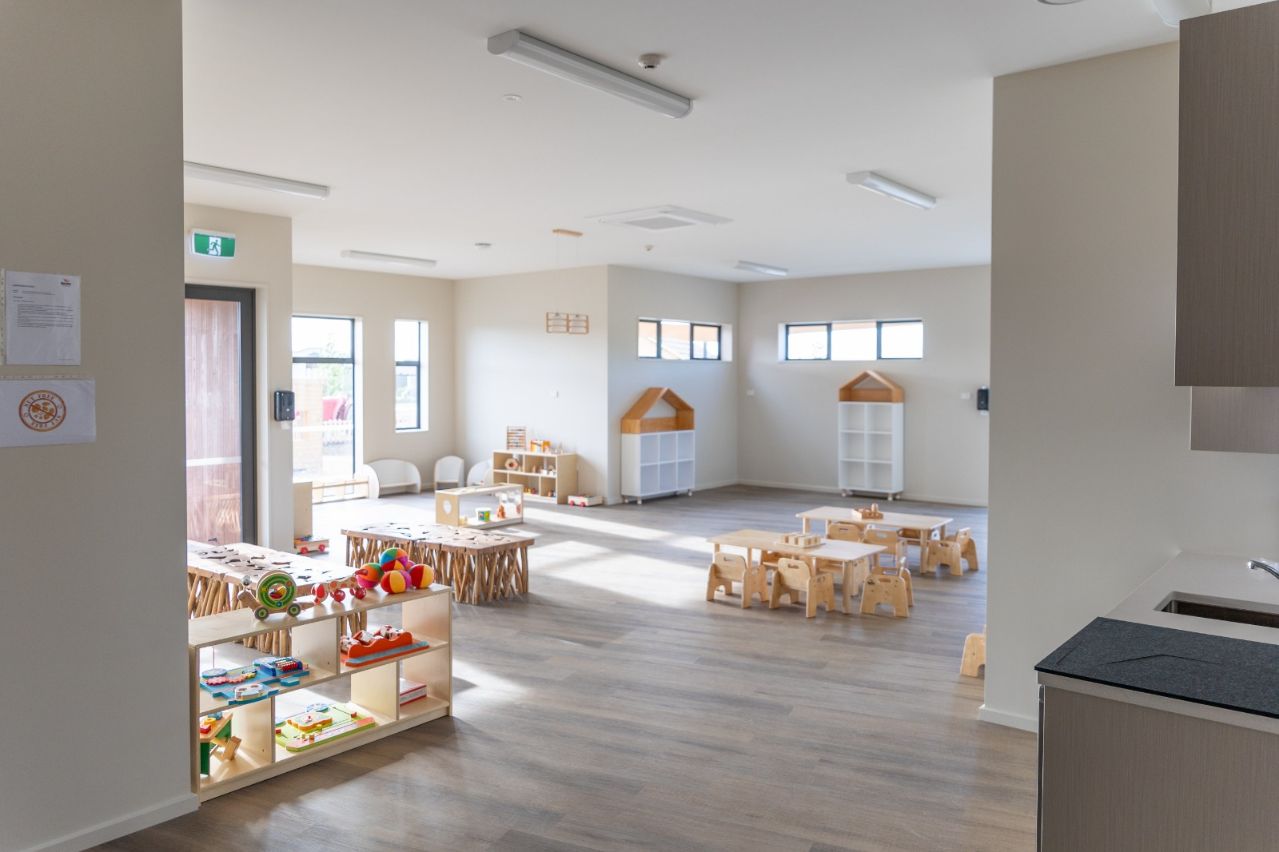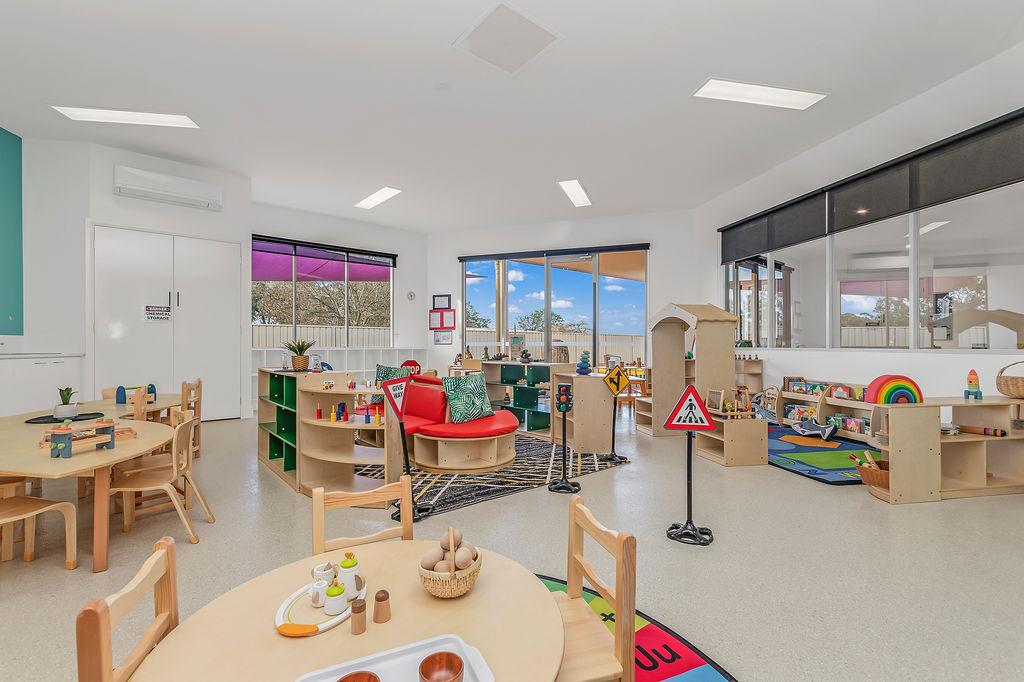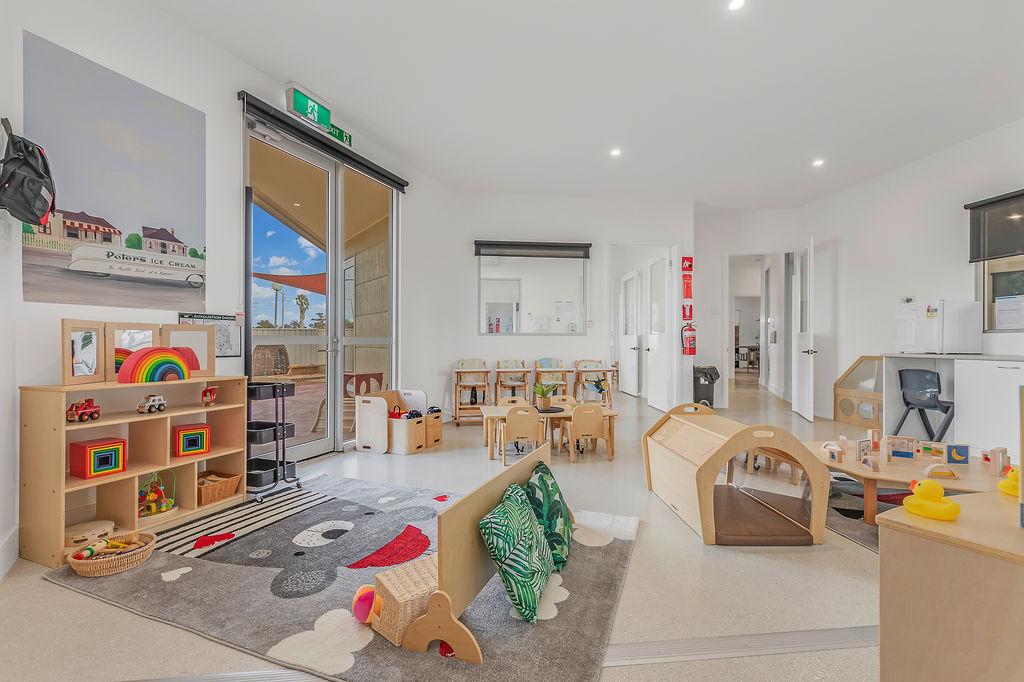
This Preschool Furniture Buying Guide helps you make confident choices by starting with what matters most: safety, child-sized ergonomics, and real classroom use. The most expensive mistakes usually come from skipping compliance checks, choosing materials that cannot handle daily cleaning, or buying pieces that look right on paper but do not fit your room or routines.
Preschool furniture is not a typical retail purchase. It needs to meet safety expectations, support children’s posture and independence, and withstand high-frequency use in real classrooms. A chair that is slightly the wrong height, a table edge that chips easily, or a finish that cannot handle routine sanitizing can turn into daily frustration and avoidable replacement costs.
A smart buying plan starts with age-appropriate sizing and the functions each learning area must support, then moves to materials, construction details, maintenance, and total cost of ownership. This guide translates those requirements into a practical checklist you can use for sourcing, comparing quotes, and making decisions that hold up long after delivery, not just on day one.

What Is Preschool Furniture and Why Is It Important?
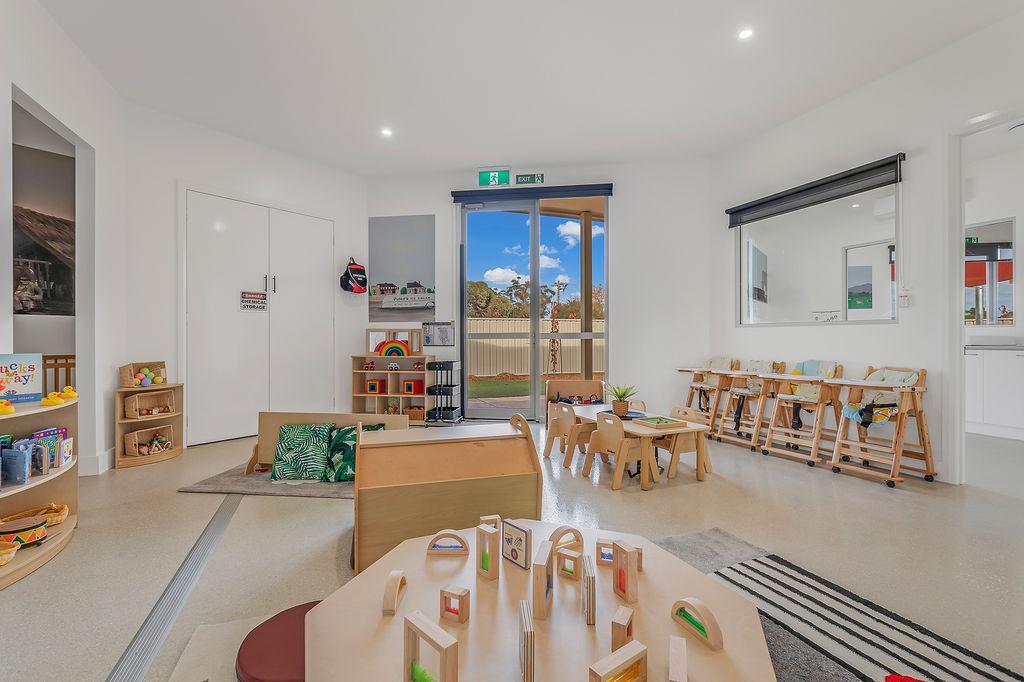
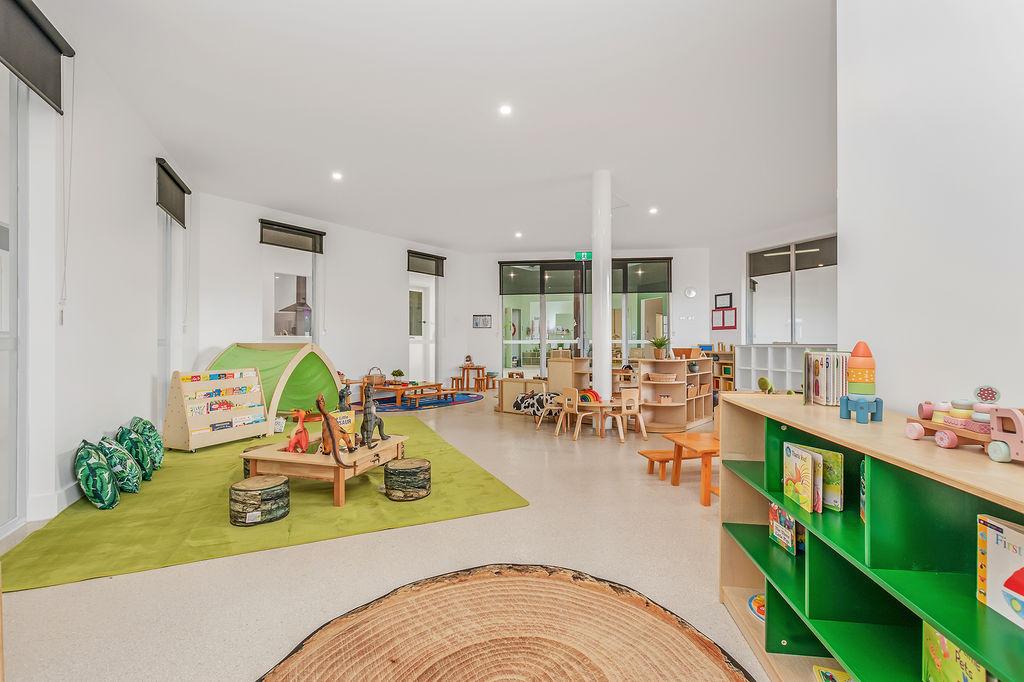
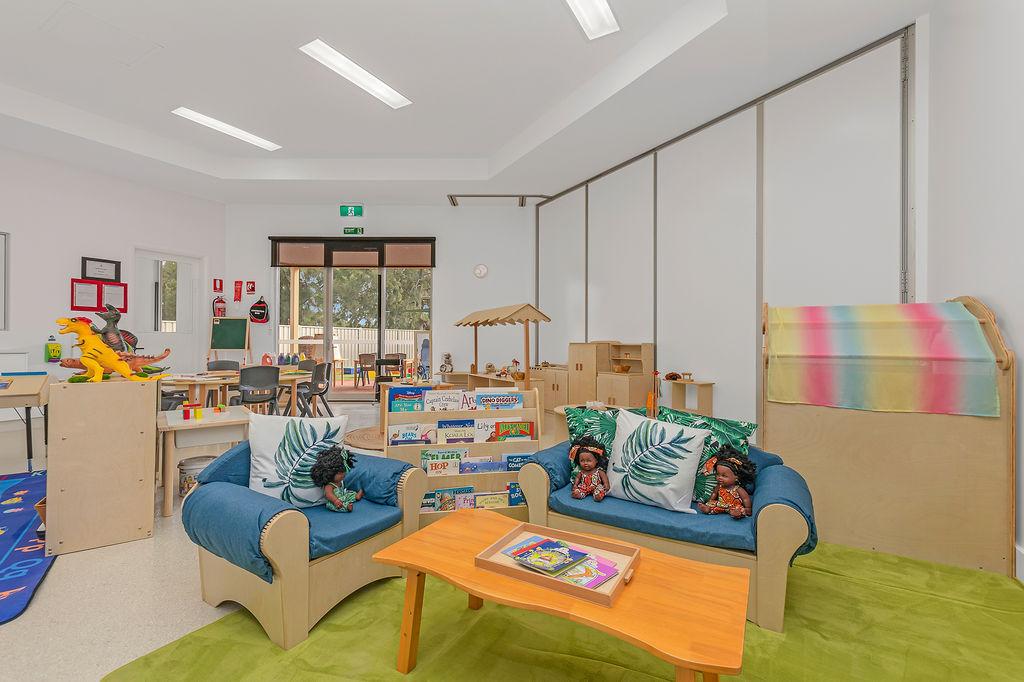
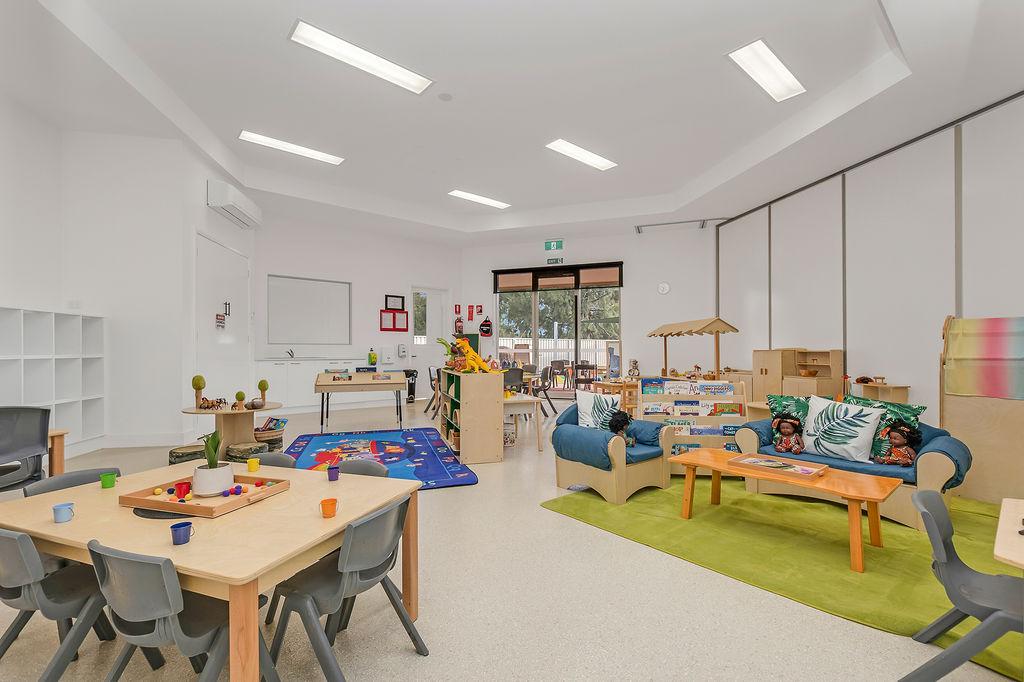
Preschool furniture refers to the child-sized tables, chairs, shelves, and storage units designed specifically for early childhood environments—typically ages 3 to 5. It differs from standard school or household furniture in several key ways: it must be smaller, more accessible, safer, and built to support the unique developmental needs of young children.
Preschoolers are in a stage of rapid development. The furniture around them directly affects their posture, comfort, sense of independence, and even their engagement with peers and teachers.
- Support healthy physical development through proper sizing and ergonomics
- Foster self-confidence by enabling children to reach, sit, and organize on their own
- Enhance focus and reduce classroom disruptions through better design and layout
- Help prevent injuries by minimizing hazards like tipping, pinching, or sharp edges

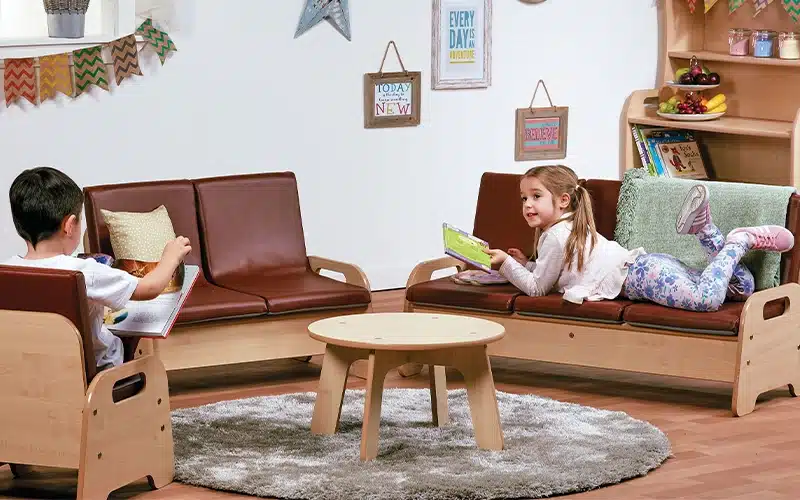
The Philosophy Behind Children’s Furniture
Most buyers start by thinking about colors, materials, and price. Experienced early childhood teams start one level deeper: the learning philosophy and the daily habits they want to build. When furniture matches your approach, it becomes easier to maintain calm, independence, and purposeful movement. When it does not match, you can still teach well, but you will spend more energy correcting the environment every day.
Montessori Method
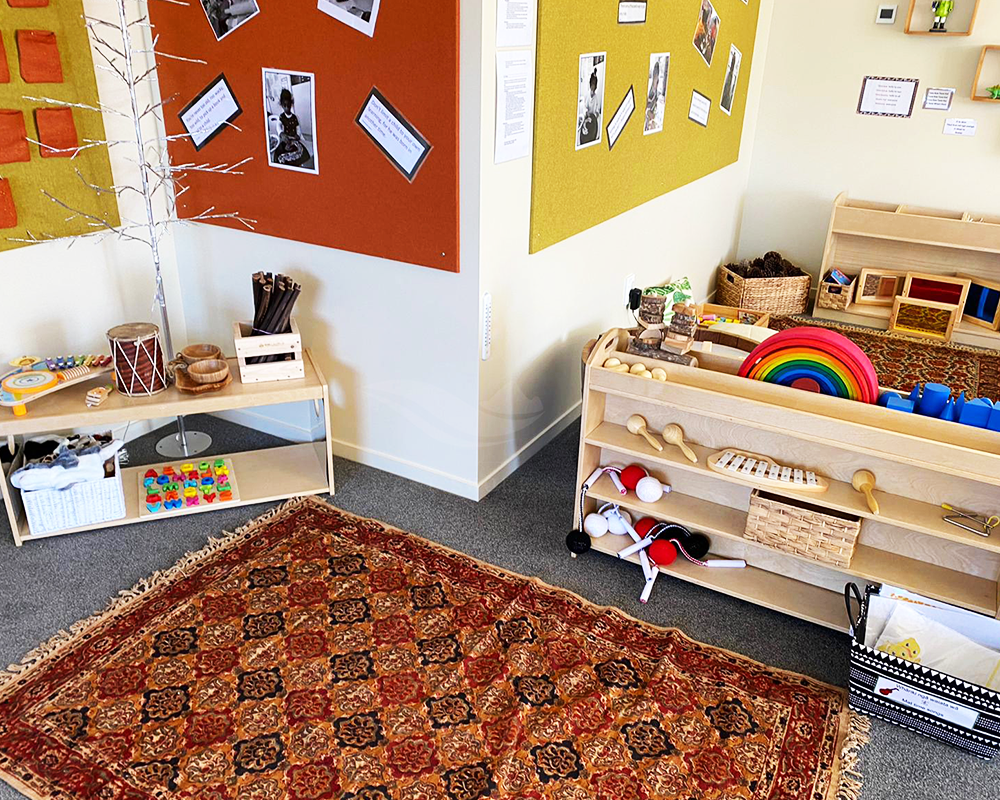
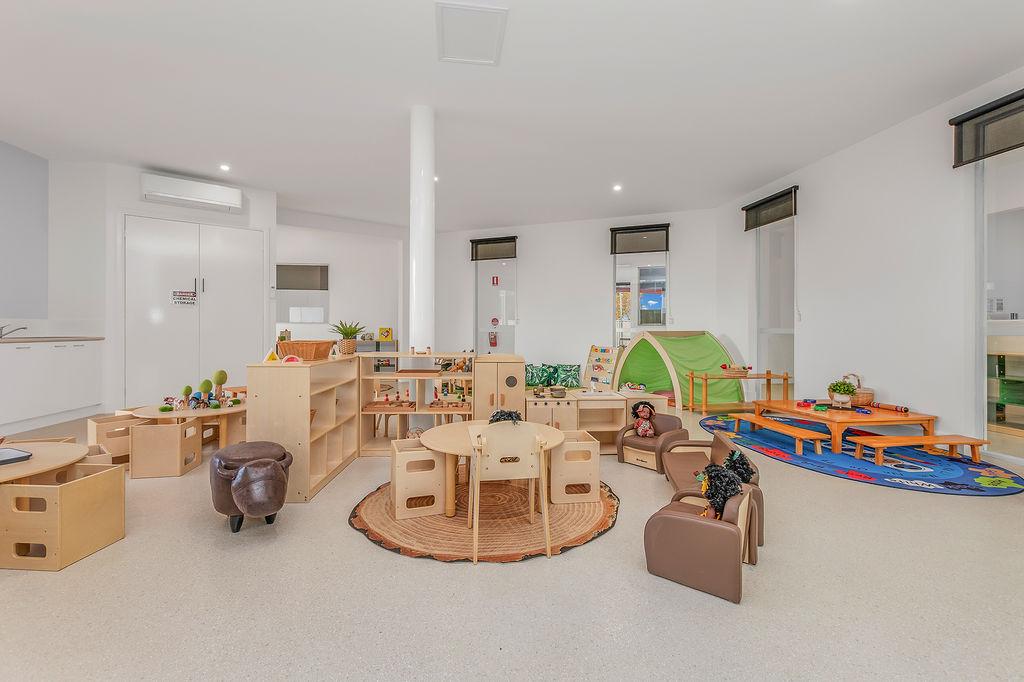
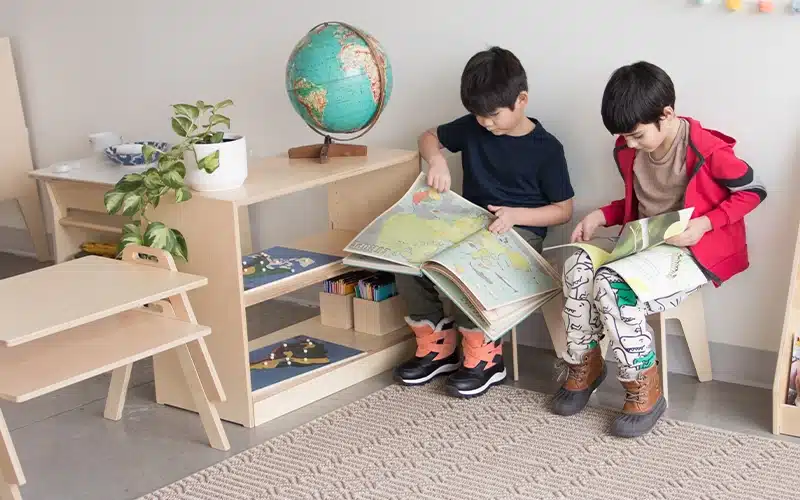
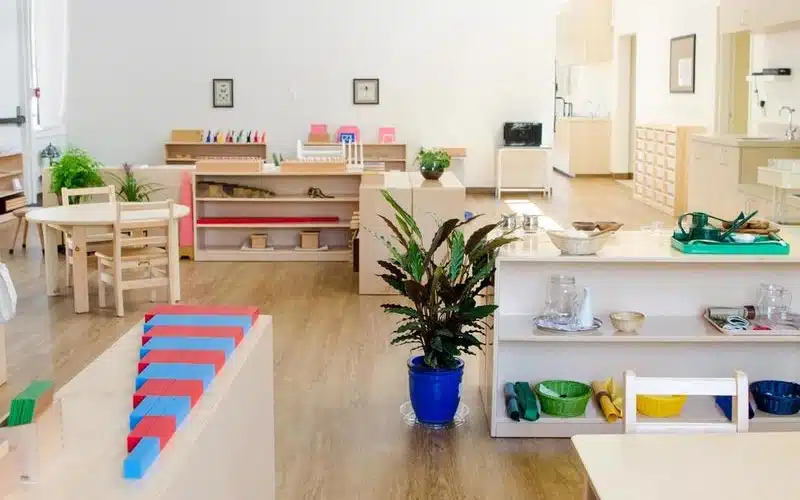
Montessori classrooms are famous for looking calm, ordered, and almost “quiet” visually. The environment is considered a teacher, and furniture is a major part of that. It assumes that children thrive when given the tools and freedom to explore on their own terms.
Buying for a Montessori-inspired space means prioritizing accessibility and autonomy. If a child can’t open a cabinet or safely carry a chair to their chosen workspace, the furniture is working against the philosophy.
Reggio Emilia Approach
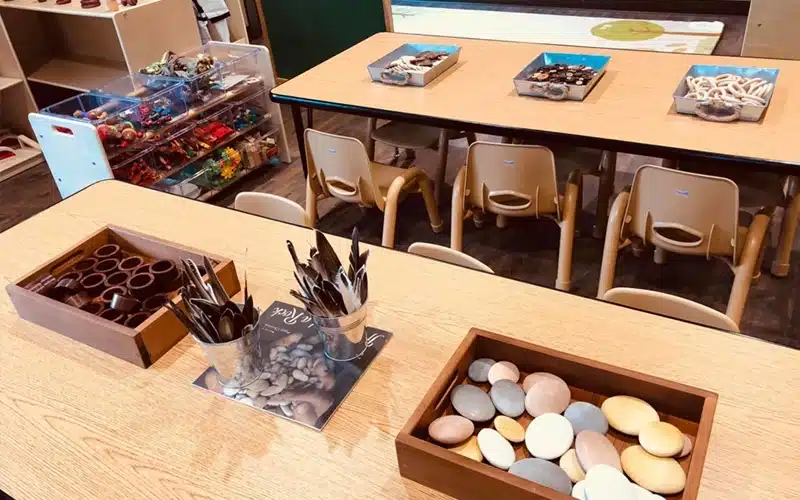
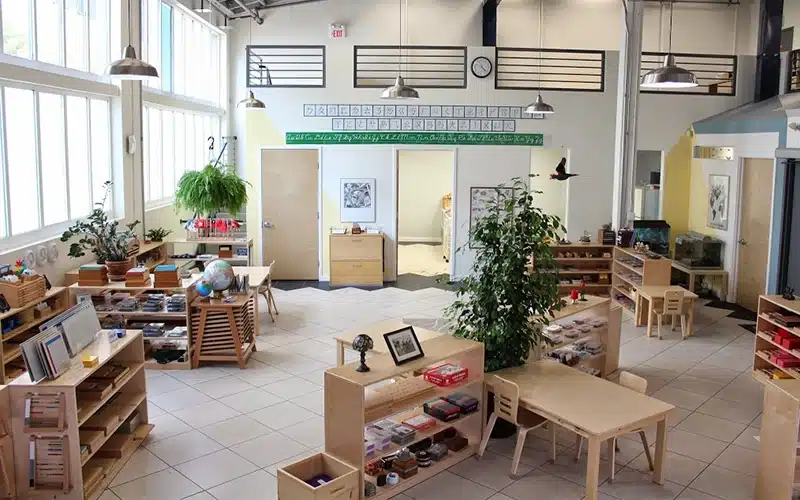
Reggio Emilia classrooms are built around the idea that the environment is the “third teacher”—after adults and peers. This means every element in the room, including furniture, plays a role in encouraging exploration, collaboration, and expression.
When buying furniture with Reggio Emilia in mind, your priority is to choose pieces that invite curiosity and can evolve with the classroom’s ongoing projects.
Waldorf Education
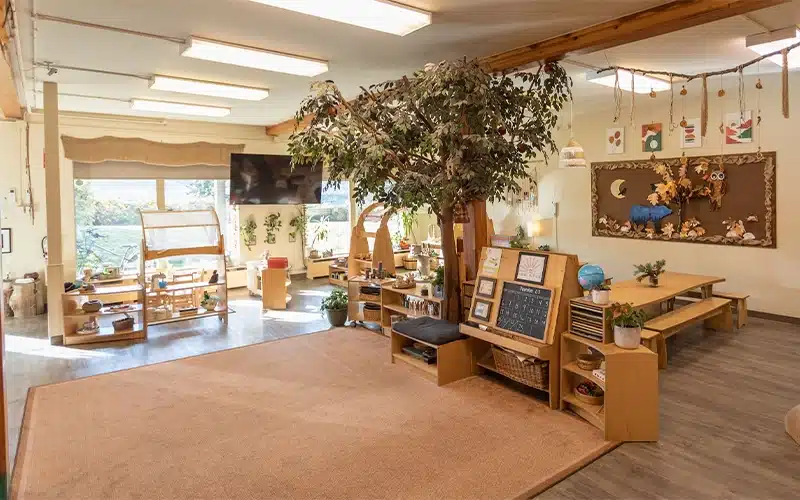
Waldorf inspired spaces emphasize warmth, rhythm, imagination, and sensory experience. The environment tends to feel home like, with natural materials, soft lighting, and open ended play.
If you’re furnishing a Waldorf-inspired classroom, seek timeless, hand-crafted pieces with soul. Quality craftsmanship and natural beauty matter just as much as functionality.

Key Features of Preschool Furniture
Regardless of your educational philosophy, certain features should always be evaluated when purchasing preschool furniture. These are the non-negotiables that separate high-quality, child-safe furnishings from budget options that may compromise comfort, learning, or safety.
1. Safety Certification
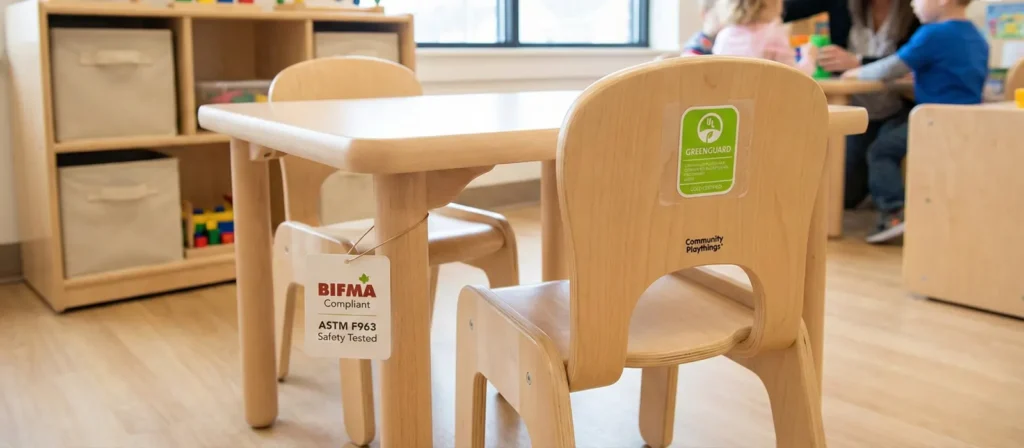
Safety should never be assumed—it must be verified. Reliable preschool furniture is certified to meet or exceed federal and industry standards. Look for the following certifications:
- ASTM (American Society for Testing and Materials): Sets national safety standards for children’s furniture.
- CPSIA (Consumer Product Safety Improvement Act): Ensures products are free from harmful levels of lead, phthalates, and other toxins.
- Greenguard or Greenguard Gold: Certifies low chemical emissions, critical in classrooms where indoor air quality matters.
- ADA Compliance: If your facility serves children with mobility impairments, ADA-compliant furniture ensures accessibility.
Certified furniture often costs more. But it’s an investment in liability protection, regulatory compliance, and most importantly, child well-being.
2. Furniture Materials
Preschool furniture materials impact not only safety and durability but also aesthetics, maintenance, and environmental health.
Common materials:
- Solid wood: Durable, attractive, and sustainable. Popular in Montessori and Waldorf settings.
- Plywood with laminate: Offers a balance of strength and easy cleaning.
- Plastic: Lightweight and affordable, but must be BPA-free and durable enough to resist cracking.
- Metal frames: Typically used for chairs or tables requiring additional strength. Watch for sharp corners or rust risk.
Tips:
- Avoid particleboard with weak joints or questionable glues.
- Steer clear of materials with strong chemical odors.
- Choose surfaces that resist scratching, staining, and moisture.
3. Size
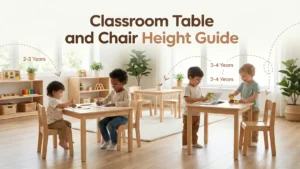
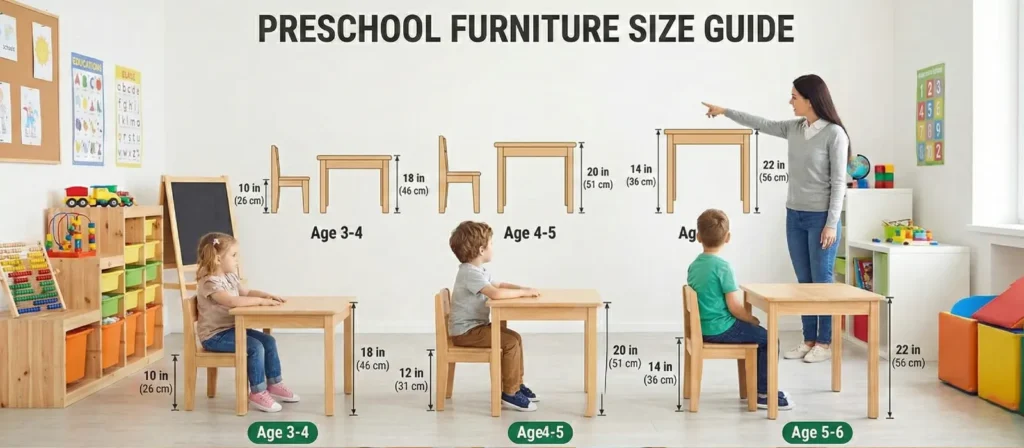
Size is where many programs lose money, especially when buying online or ordering in bulk. Furniture that is “close enough” often creates daily problems: poor posture, increased behavior issues at tables, and inefficient room flow.
| Furniture Type | Recommended Size | Age Group |
|---|---|---|
| Chair (Seat Height) | 10–12 inches | 3–5 years |
| Table (Surface Height) | 18–22 inches | 3–5 years |
| Shelving (Top Shelf Height) | Max 36 inches | 3–5 years |
4. Durability and Weight Capacity
Preschool furniture lives a harder life than most office furniture. Children drag chairs, stand on benches, bang toys on table edges, and test shelves like climbing walls. Durability is not a luxury feature. It is a cost control strategy.
Weight capacity and real-world use
- Published weight limits for chairs, stools, and benches. Aim for pieces that can handle an adult’s weight, because teachers will sit in them too.
- Reinforced joints and hardware, especially in chairs (double dowels, mortise-and-tenon joints, or strong welds).
- Table legs that are securely fastened and don’t wobble when pushed.
If a piece of furniture can’t handle a 180–200 pound adult sitting or leaning on it without complaint, it probably won’t survive in a preschool.
5. Cleaning and Maintenance
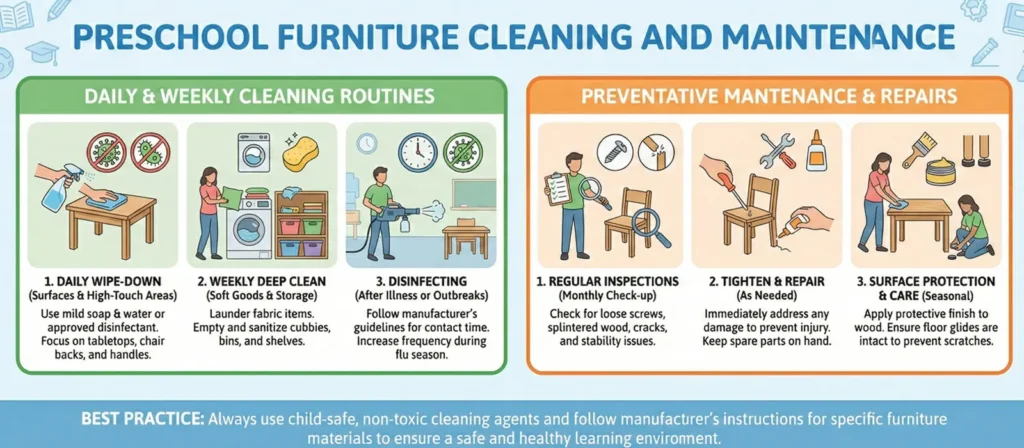
If furniture is hard to clean, it will never stay as clean as you want. In childcare, maintenance is not optional, and the people doing the cleaning are busy teachers and staff, not a dedicated facilities team.
- Smooth, sealed surfaces
Wipeable surfaces save time. Sealed wood and quality laminate often perform well. Avoid deeply textured surfaces or decorative grooves that trap dirt. In a classroom, simple is not boring. Simple is sanitary. - Rounded edges and minimal seams
Corners and seams collect grime. Rounded edges are easier to wipe. Clean seams reduce build up. This matters most on tables, shelves, and cubbies. - Moisture resistance
Spills happen daily. Water tables, sensory bins, and snack time all introduce moisture. If edges are not sealed, composite cores can swell. Look for furniture designed to resist moisture intrusion. - Removable and replaceable parts
Some items, like cot fabric or storage bins, wear out faster than frames. If parts are replaceable, your furniture lasts longer and total cost drops.
6. Assembly
Lastly, consider how furniture will be assembled and moved.
- Pre-assembled pieces reduce setup time but may cost more.
- Modular options allow easier transport and storage.
- Clear instructions and labeled parts are essential for DIY assembly.
Don’t underestimate the frustration or safety risk of poorly assembled furniture. If it wobbles, pinches fingers, or lacks stability, it’s not suitable—regardless of its price or appearance.
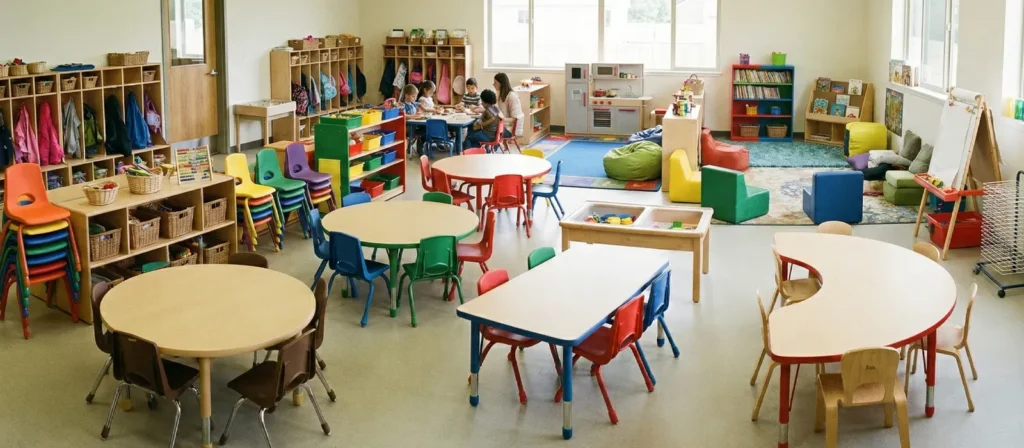
Preschool Furniture Buying Guide (Item by Item)
When browsing product catalogs or talking to sales representatives, you don’t need to remember every single detail. Instead, you can use this structure as your mental checklist. If an item fails any of the tests for safety, size, durability, ease of cleaning, and suitability for your daily habits—then no matter how attractive the discount, it’s probably not the right fit for your needs.

1. Table and Chair Sets
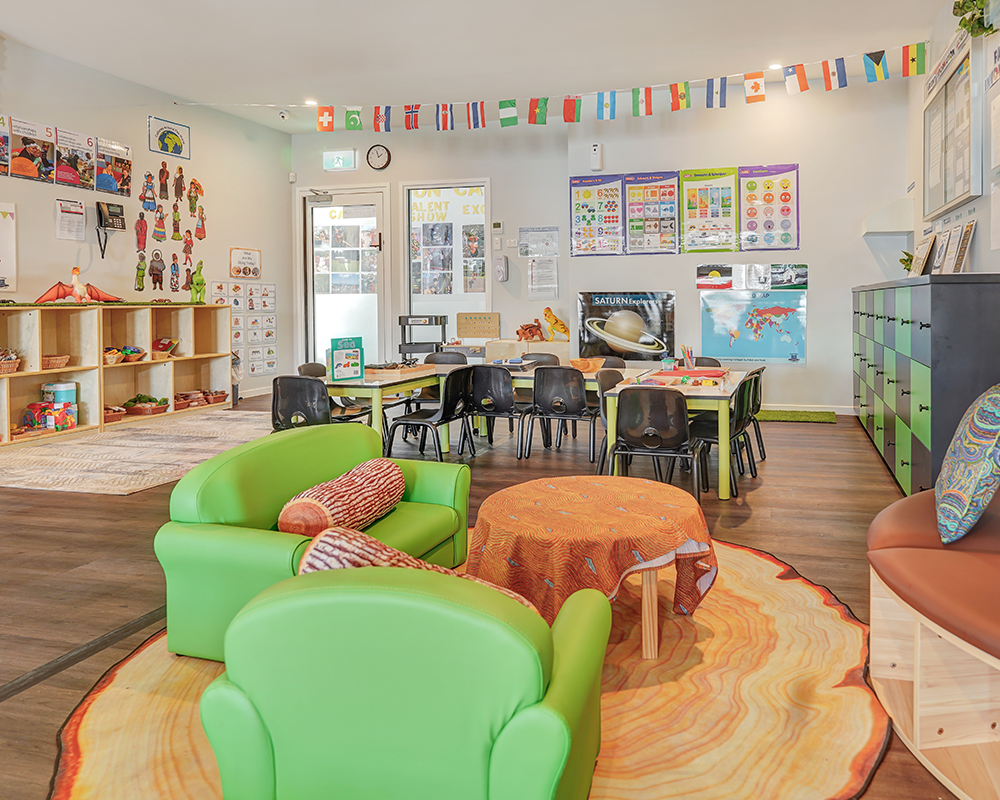
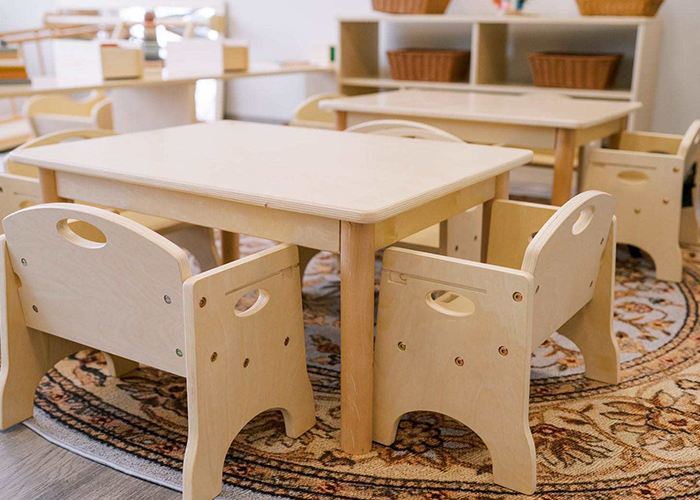
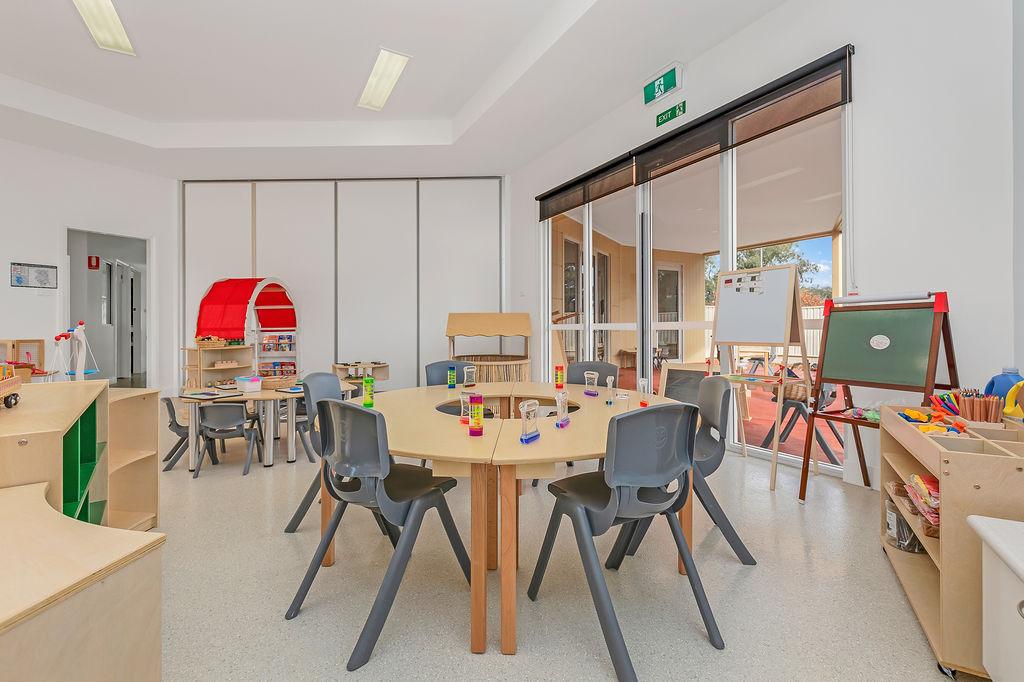
Tables and chairs are the backbone of any preschool classroom. Children sit, eat, create art, collaborate, and learn at these basic pieces of furniture. When selecting tables and chairs, your goal should be ergonomics, durability, and adjustability.
- Size and Scale: Preschool tables and chairs must be appropriately scaled for children ages 3–5. A standard guideline for chairs is a seat height of approximately 10–12 inches for this age group, and table heights around 18–22 inches. Proper scaling prevents slouching, slipping out of chairs, and discomfort.
- Stable Construction: Avoid furniture that tips easily. Chairs should have a wide base and table legs should be reinforced.
- Surface Material: Look for tabletops that resist scratches and are easy to wipe clean with disinfectants. Smooth edges are essential to reduce injury risk.
- Adjustability: Some furniture offers adjustable height legs, which is useful if your classroom serves a range of ages or if you anticipate growth throughout the year.
- Group vs. Individual Use: Rectangular or trapezoid tables encourage group work and social interaction, while smaller round tables work well for focused activities.
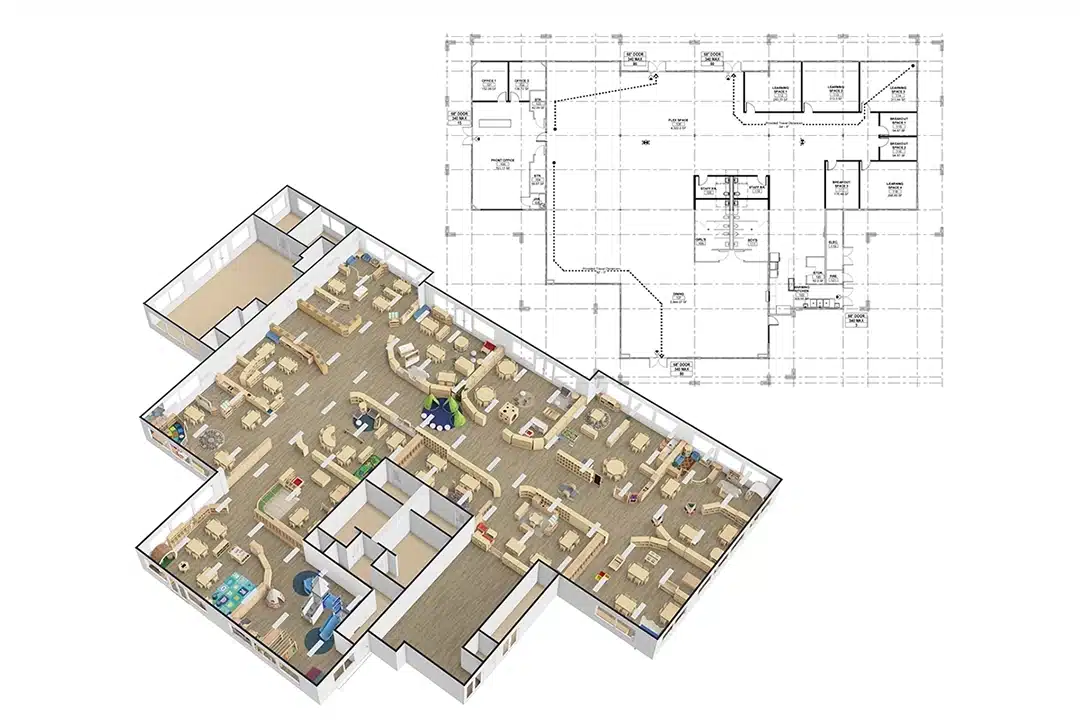
If you want clear size charts, material comparisons, and sample classroom layouts, you can jump into our detailed Preschool Tables and Chairs Buying Guide, where we walk through sizing, shapes, and vendor options step by step.
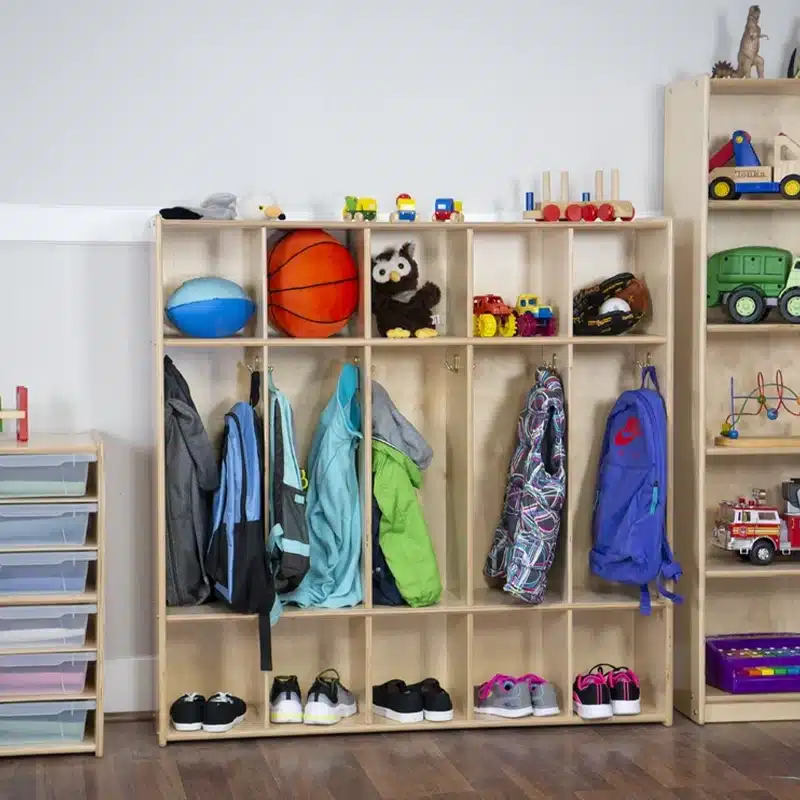
2. Locker Cubbies
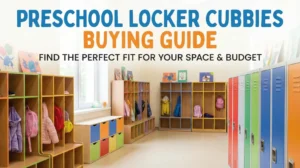
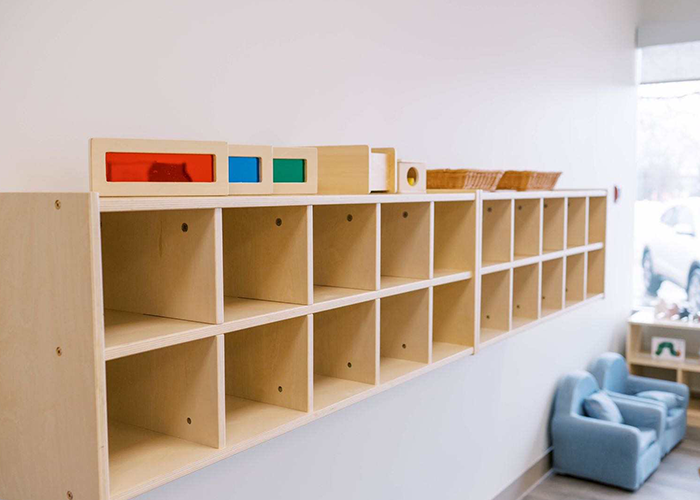
Individual lockers help children store personal items like backpacks, jackets, and lunch boxes. They play a role not just in organization, but in teaching responsibility and routine.
- Child‑Sized Compartments: Lockers should be sized so children can open and reach their belongings independently.
- Ventilation: Proper airflow prevents odors and keeps belongings fresh.
- Sturdy Hooks and Shelves: School‑grade hardware holds heavier items without bending or breaking.
- Open or Door‑Style: Some classrooms use open cubbies; others prefer lockers with doors. Both can work, but doors add a sense of personal ownership.
- Name/Label Holders: Easy identification helps children locate their own space and build independence.
If you want help choosing between different locker styles, planning for small vs. large entry areas, and setting up a family-friendly drop-off zone, you can head over to our dedicated Preschool Lockers Buying Guide for examples and layout tips.
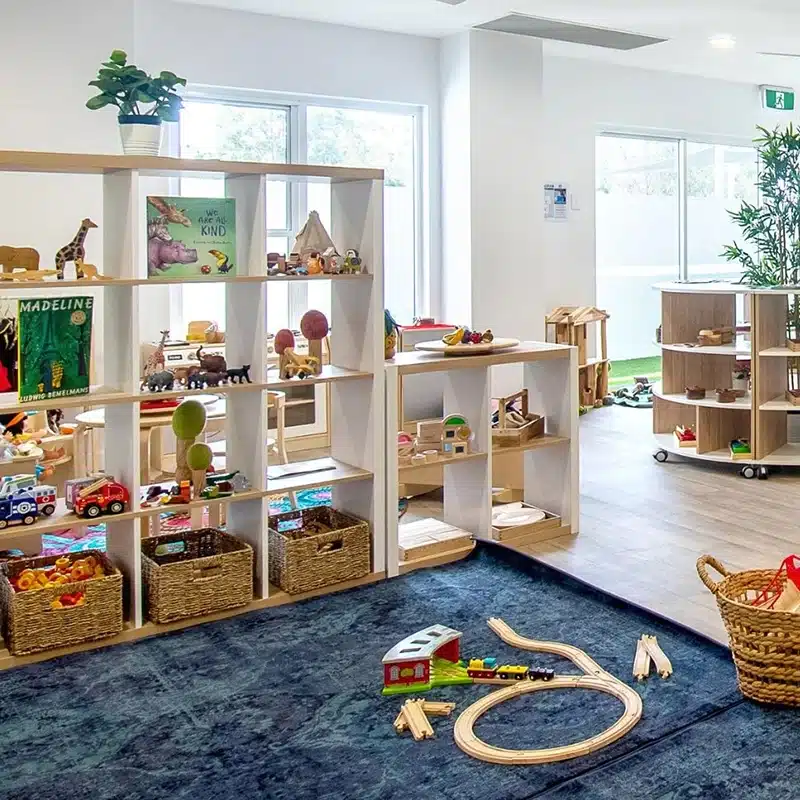
3. Storage Cabinets
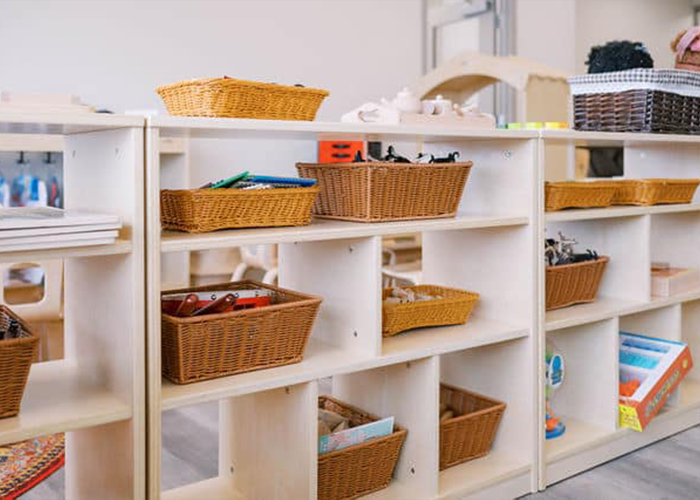
Storage cabinets hold everything from blocks to puzzles to sensory materials. But not all cabinets are created equal. In a preschool setting, storage needs to be durable, safe, and organized.
- Accessibility: Storage should be reachable without climbing or assistance. Lower shelves and bins that pull out easily are ideal.
- Safety: All cabinets must have smooth, child‑safe finishes and doors that don’t slam or pinch fingers. Soft‑close mechanisms are preferred.
- Visibility and Labels: Transparent bins or clear labeling helps children locate items independently and supports literacy (when words are used).
- Segmentation: Smaller compartments help organize materials by category—crayons in one, blocks in another—reducing mix‑ups and wasted time.
- Ease of Cleaning: Preschool storage sees heavy use. Cabinets should withstand frequent wipe‑downs and sanitizer sprays without damage.
For help mapping out how much storage each classroom really needs, which cabinets must lock, and how to set up “teacher only” vs. “kid friendly” zones, you can dig into our Preschool Storage and Cabinets Buying Guide for a full planning framework.

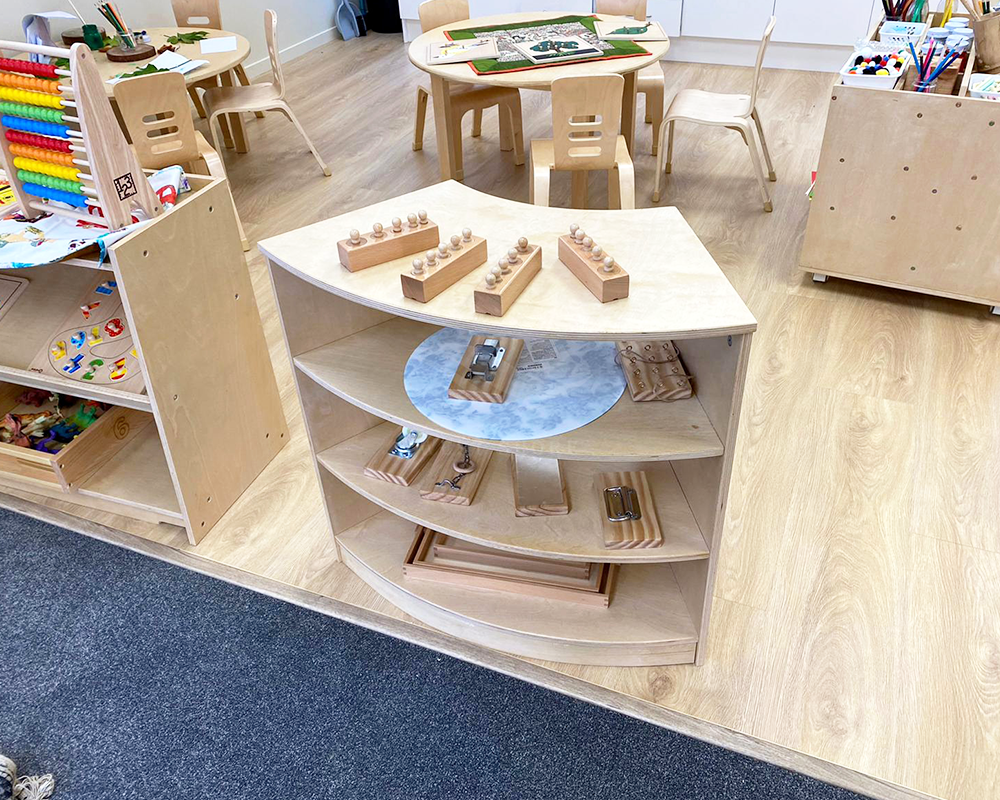
4. Bookshelves
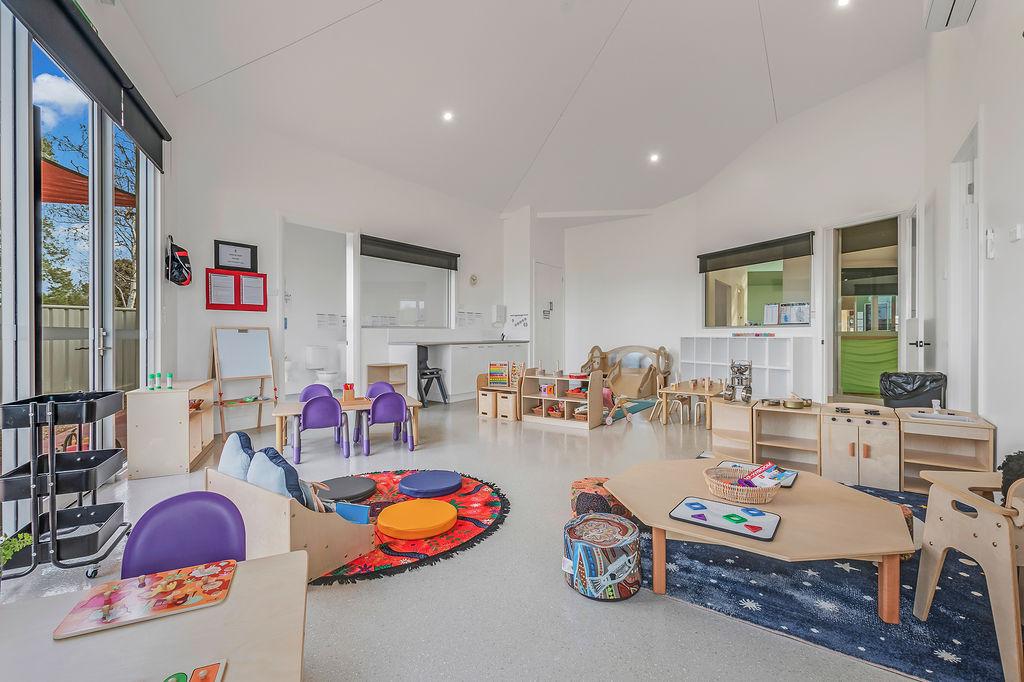
Books and learning materials should be visible, accessible, and easy for children to reach and put away. Bookcases and shelves are more than storage; they help promote independence and order.
- Child‑Accessible Heights: Top shelves should be within reach of a preschooler. Typically, shelving no taller than 36 inches works well so children can choose books and materials without assistance.
- Open Fronts: Look for open bins or cubbies that allow children to see contents easily. Visual access supports choice and ownership.
- Rounded Edges and Corners: Sharp corners pose a hazard in play areas. Whatever the shelf size, rounded or protected edges reduce the risk of bumps and scrapes.
- Multi‑Functional Storage: Some shelves double as puppet theaters or dramatic play backdrops, supporting multiple use cases.
- Anchoring Options: In U.S. classrooms, wall‑anchoring is standard practice to prevent tip‑overs. Choose units with secure anchoring hardware.
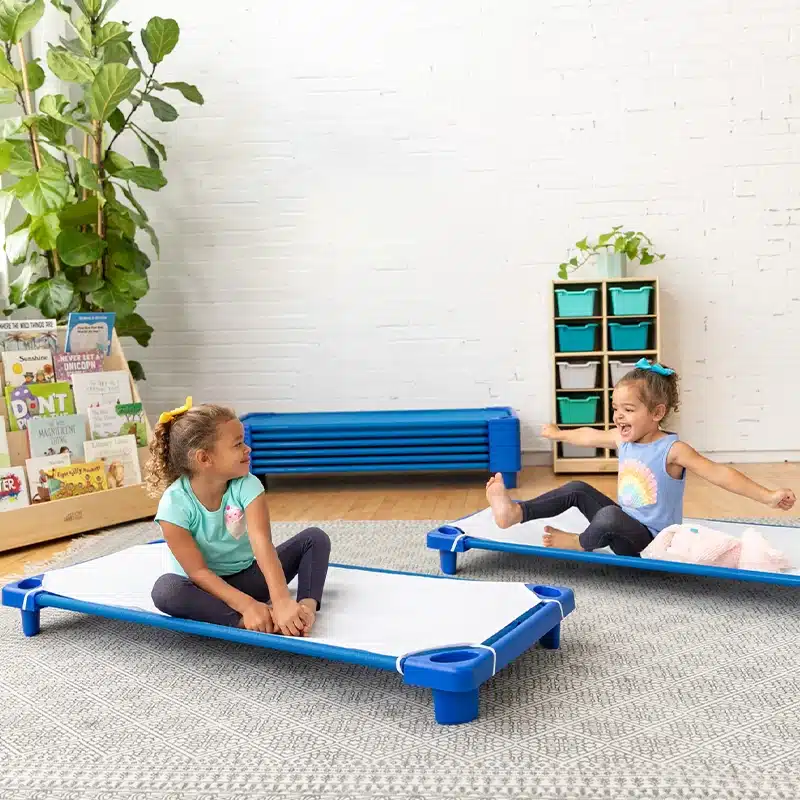
5. Cribs and Nap Mats
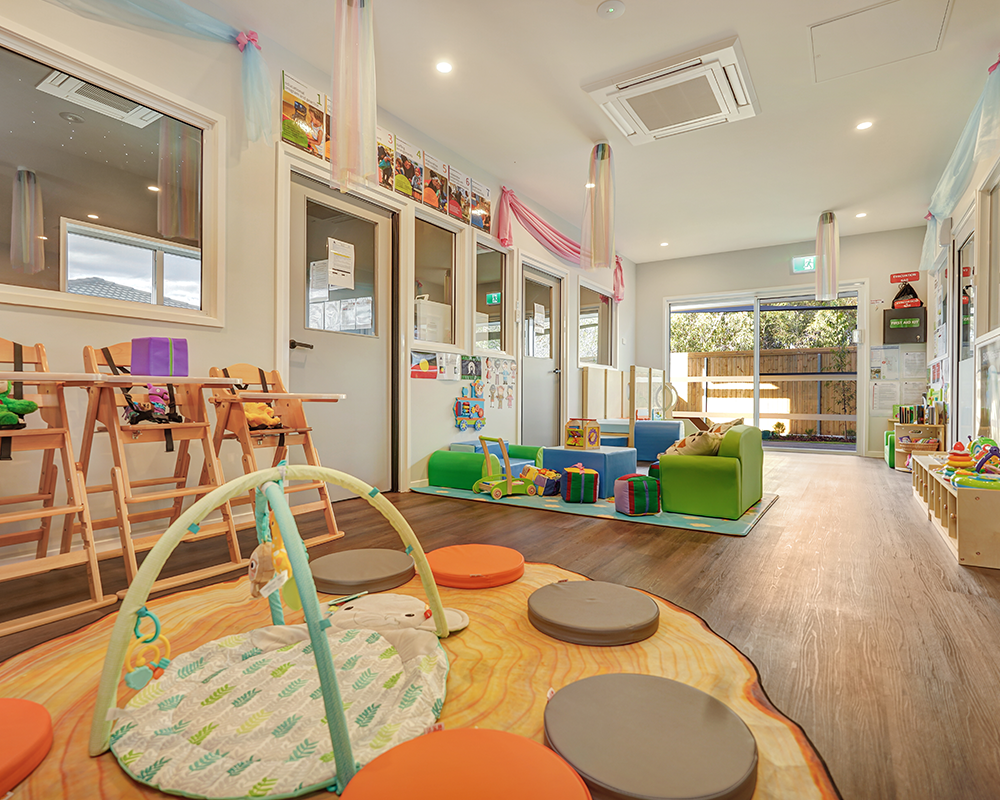
Rest time is a daily routine in many preschool programs. Whether you provide full‑size cribs for infants or nap mats for older toddlers and preschoolers, comfort and safety are paramount.
- Safety Standards: In the U.S., cribs must meet strict federal safety guidelines. Look for units that meet or exceed Consumer Product Safety Commission (CPSC) standards.
- Easy‑to‑Clean Materials: Nap mats and crib mattresses should have removable, washable covers. Vinyl covers that withstand cleaning agents help prevent the spread of illness.
- Appropriate Size: Nap mats should be large enough for comfort but small enough for easy storage during the day.
- Quick Setup and Storage: Folding mats should lock securely and store easily in cubbies or racks.

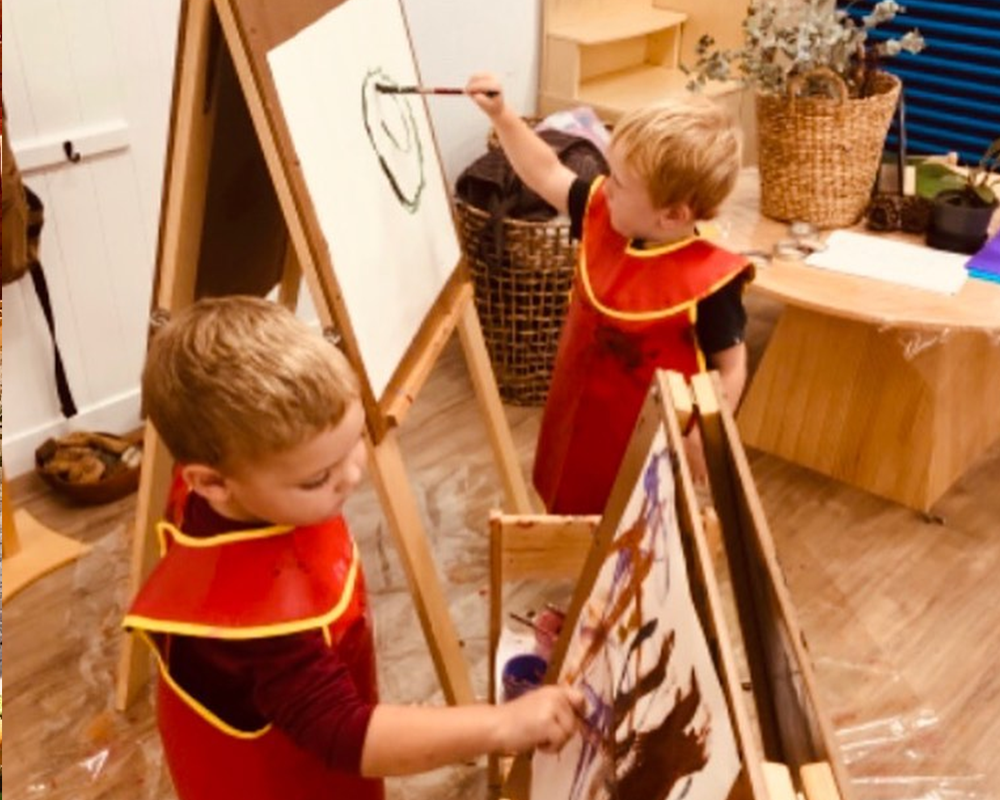
6. Preschool Art Furniture
Art stations are where creativity flows. Furniture in these areas has to survive paint, glue, water, clay, and kids who are sometimes more enthusiastic than coordinated.
- Washable Surfaces: Tabletops and aprons should tolerate washable paints, glue, markers, and water.
- Adequate Storage: Supplied drawers or racks for brushes, paper, and tools keep clutter down.
- Child‑Height Considerations: Art tables and easels must be accessible so children can use them comfortably.
- Stable Bases: Easels should not tip or wobble during use.
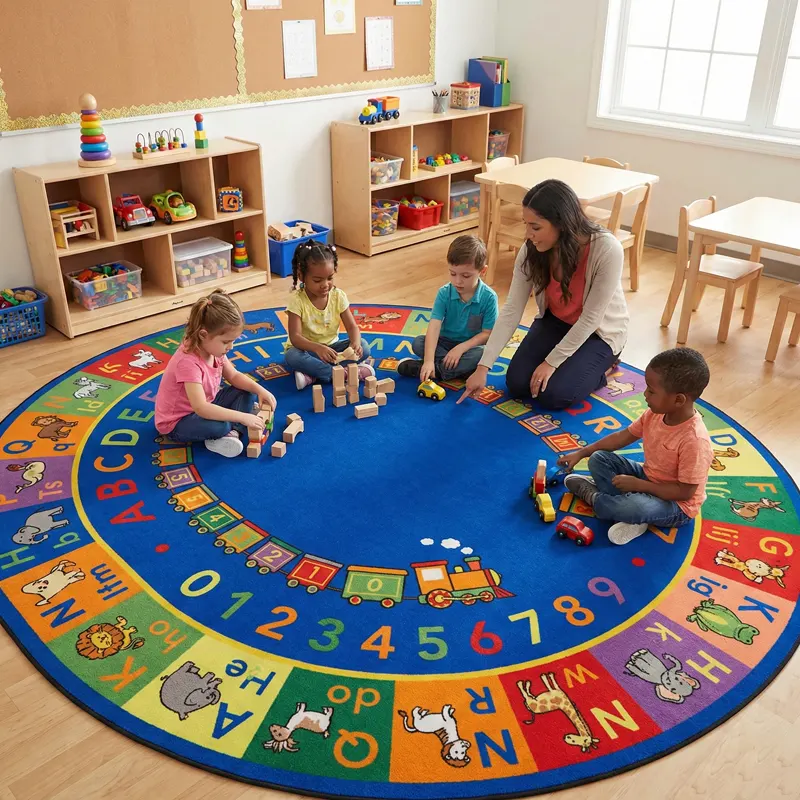
7. Classroom Rugs
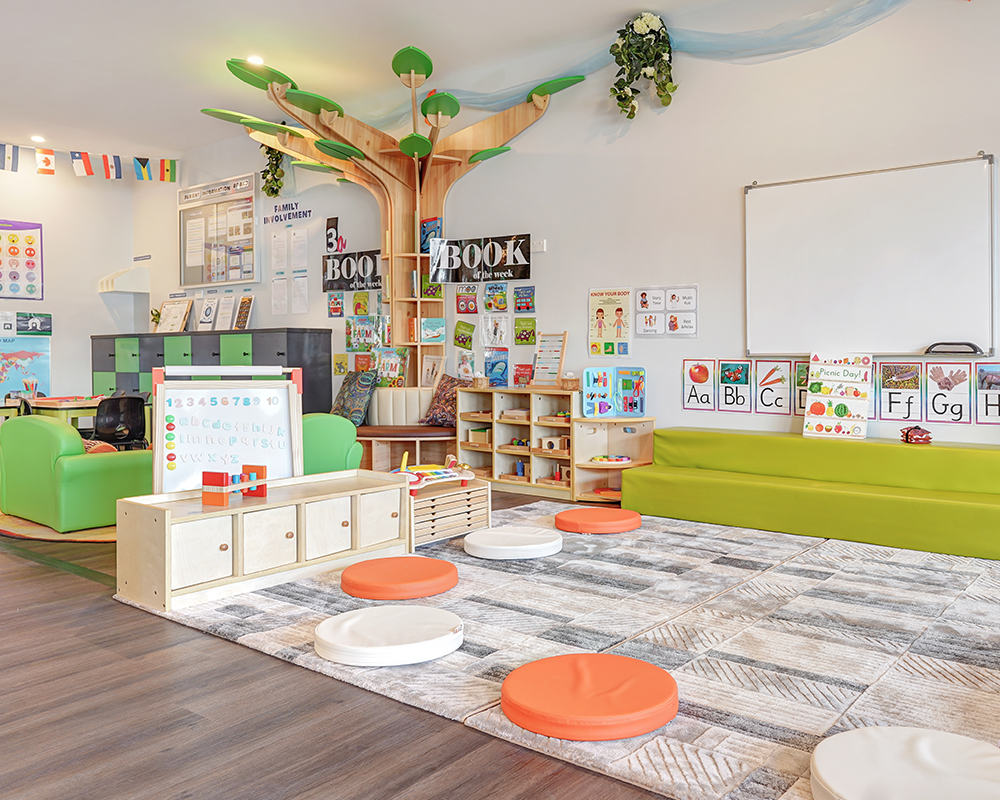
Classroom rugs define where kids gather as a group and where certain activities happen. The most important thing is size. If you constantly find children half on and half off the rug, it is probably too small for your actual enrollment.
- Durable and Washable: Choose rugs that stand up to frequent vacuuming and spot cleaning. Stain‑resistant materials help busy classrooms stay fresh.
- Low Pile: Low‑profile rugs reduce tripping hazards and make it easier for chairs and tables to remain stable.
- Non‑Slip Backing: Safety is key—rugs should stay firmly in place even with heavy foot traffic.
- Defined Zones: Rugs can anchor small‑group areas, reading corners, or dramatic play spaces. Choose sizes that fit your layout.
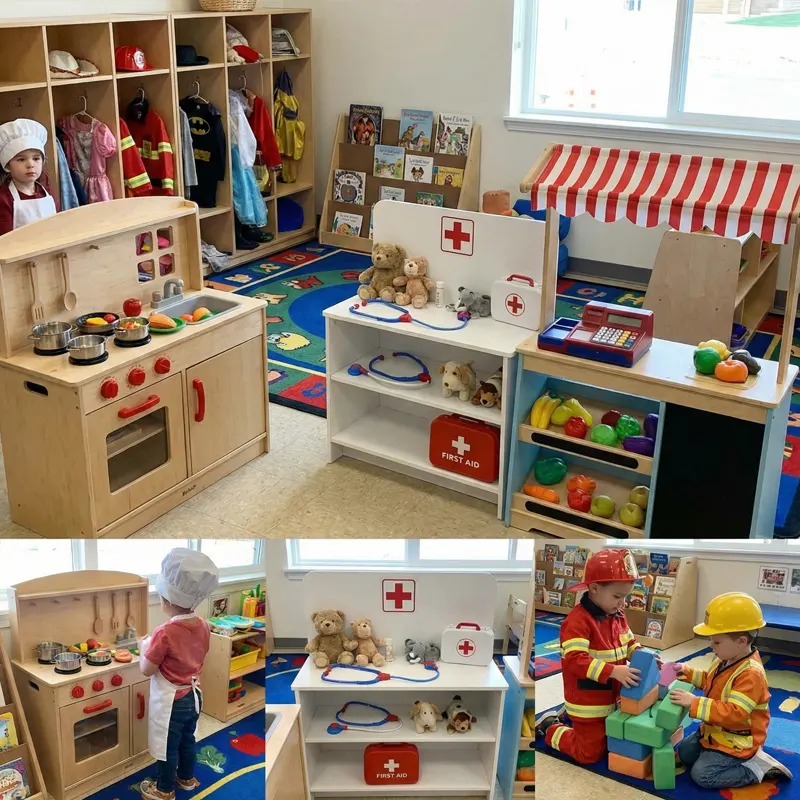
8. Role‑Playing Sets
Role-playing sets like play kitchens, markets, or clinic corners take a beating in preschool. Kids pull open doors, lean on counters, and treat every horizontal surface as a stage. Because of that, the main things to focus on are stability, durability, and flexibility.
- Safety and Scale: Play kitchens, workbenches, and play stores must be sized for preschoolers and free from sharp edges.
- Durability: Props get bounced around. Hardwearing finishes help these pieces endure.
- Thematic Consistency: A kitchen set works well near a dramatic play table; a market set pairs with bins for play food.
- Open Storage: Easy access to props encourages engagement and reduces teacher intervention.
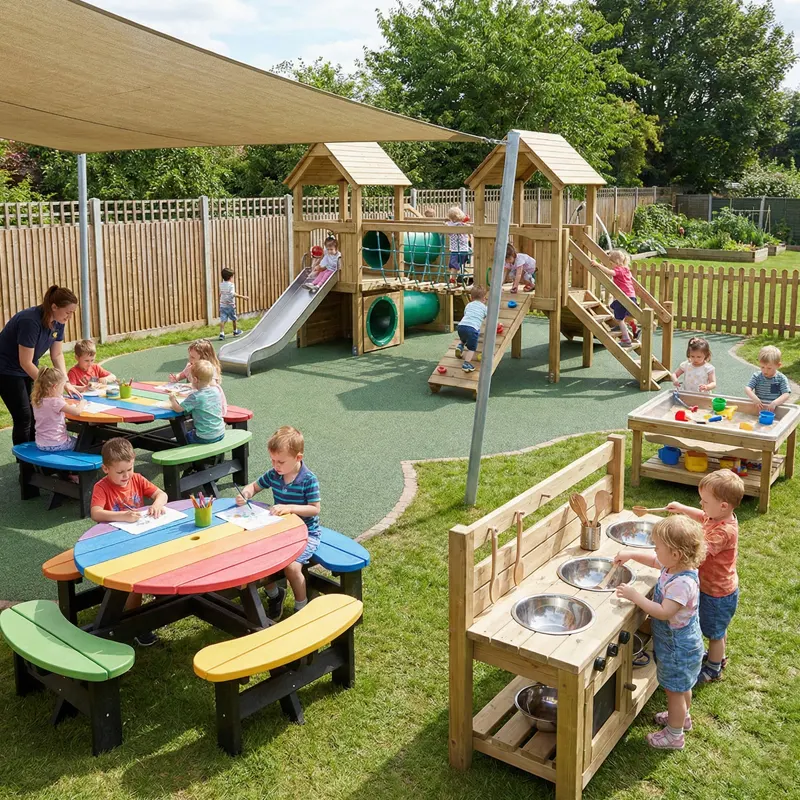
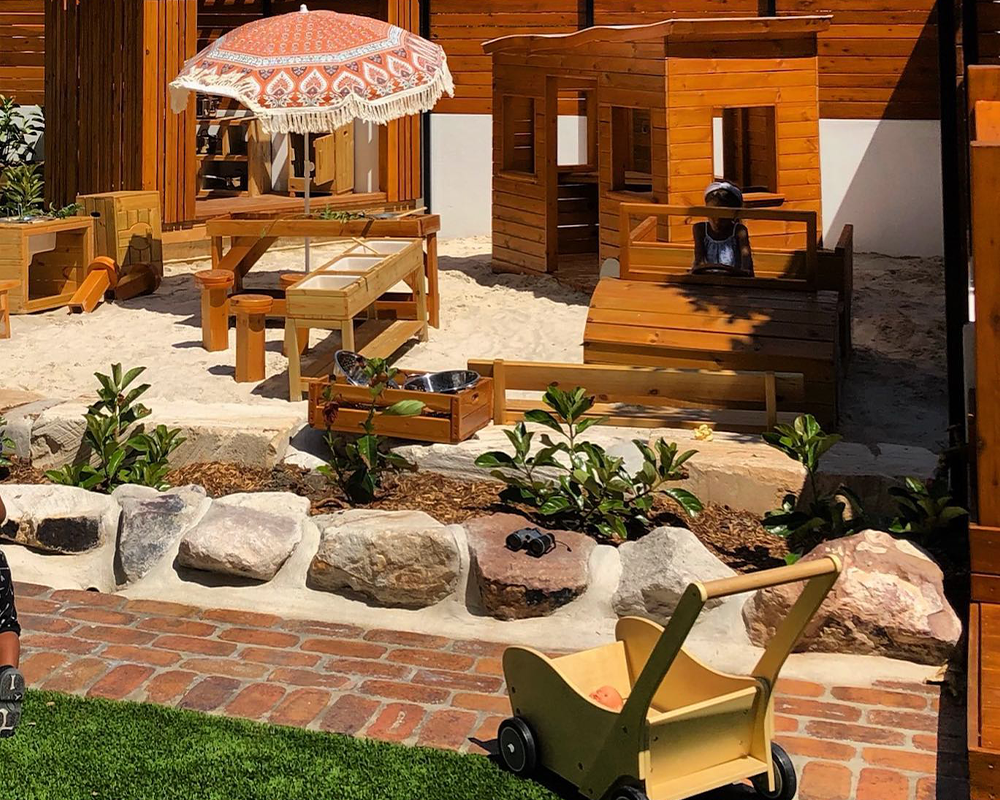
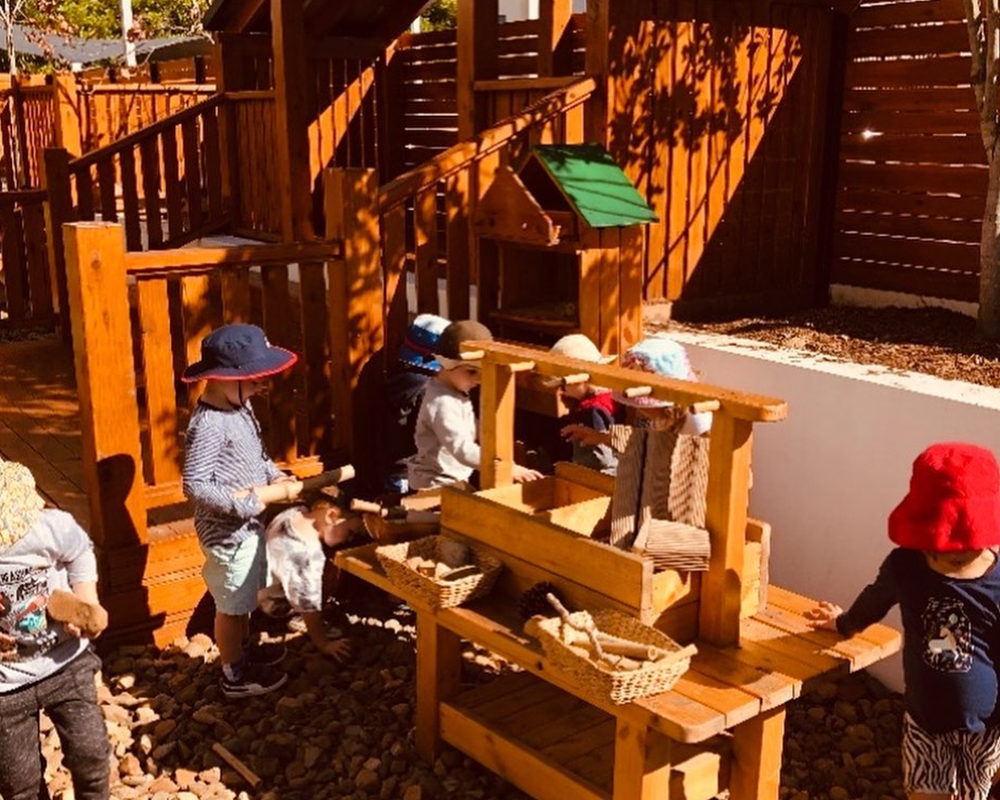
9. Preschool Outdoor Furniture
Outdoor furniture lives a harder life than anything inside. It has to deal with weather, rough play, and the same safety expectations you apply indoors. When you choose outdoor tables, benches, and storage, focus first on materials that can handle your climate.
- Weather Resistance: Outdoor benches, tables, and play panels should withstand sun, rain, and temperature swings.
- Rust‑Proof Hardware: Metal parts need coatings that prevent corrosion.
- Smooth, Safe Edges: Outdoor pieces should meet the same safety standards as indoor furniture.
- Functional Design: Picnic tables, sand‑and‑water tables, and bench seating support group play and social interaction.
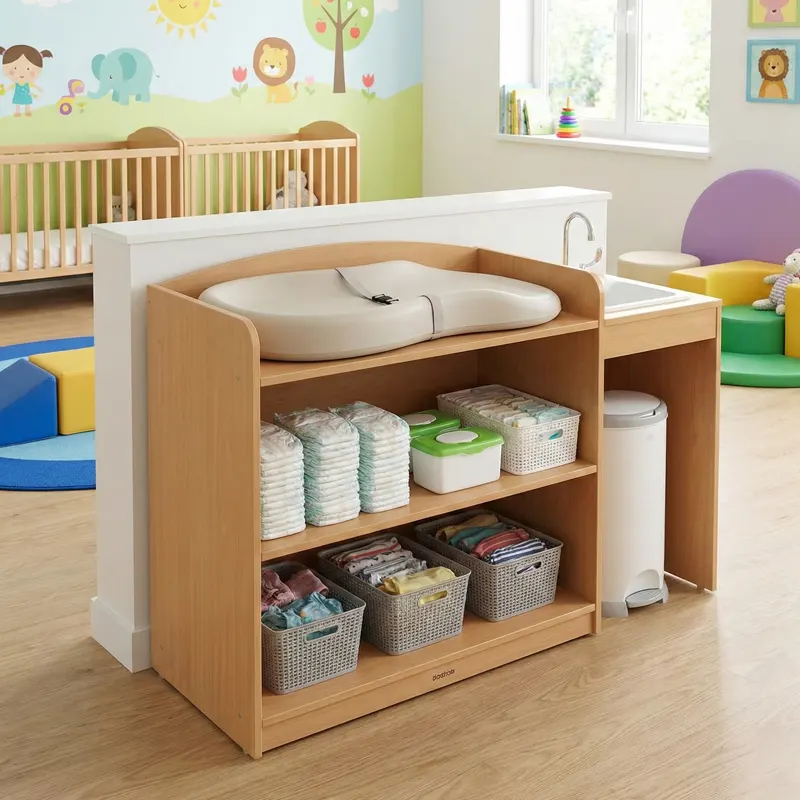
10. Changing Tables
A safe unit has guardrails on three sides, a firm changing surface, and a height that lets adults stand upright without straining their backs. The table itself should not wobble or shift when you apply pressure. Any straps that come with it are there as extra security, but your setup should never rely on straps alone.
- Secure Guardrails: Raised guardrails prevent falls.
- Built‑In Safety Straps: These help ensure children stay in place during a diaper change.
- Easy‑Clean Surfaces: Changing pads with removable, washable covers make sanitation easier.
- Storage for Supplies: Shelves or baskets within arm’s reach keep wipes, diapers, and creams organized without pulling your attention away from the child.
For detailed guidance on wall-mounted vs. freestanding units, ergonomic height choices, and storage configurations, you can refer to our Changing Tables Buying Guide, which walks through regulations, layouts, and real-world product photos.
Price Level Reference
Below is a concise price-level reference in table form, so you can compare options at a glance when budgeting for daycare and preschool furniture.
| Price Level | Common Materials | Main Advantages | Main Trade-offs | Best Used For |
|---|---|---|---|---|
| Entry-level | Lighter-gauge metal, thin plastic, particleboard with basic laminate | Lowest upfront cost, easy to buy in bulk, good for short-term use | Lower durability, more wobble and chipping, shorter warranties | Low-wear areas, short-term setups, items you plan to upgrade later, non-core pieces like extra side tables |
| Mid-range | Solid wood or quality composite, high-pressure laminate, stronger joints | Good balance of price and durability, looks professional, holds up to daily cleaning | Higher upfront cost than entry-level, still not “forever furniture” | Anchor items used all day: main tables and chairs, key shelving, lockers, cribs, changing stations |
| High-end | Solid hardwood, premium finishes, custom or semi-custom construction | Long lifespan, strong visual impact, often better design details | Highest upfront cost, risk of overbuying aesthetics vs practicality | Lobbies, family lounges, signature classrooms, custom solutions for tricky spaces, a few “showpiece” items |
FAQs
- What is the most important factor when choosing preschool furniture?
Safety should always come first. After that, focus on durability, appropriate sizing for the age group, and how the furniture supports classroom routines. - What type of furniture do I need for a toddler classroom?
Toddlers need low tables and chairs, open shelving for toys, soft seating, and diaper-changing stations. Everything should be sized for easy access. - Is it okay to mix furniture styles from different age groups?
Generally, it’s better to match furniture to each age group’s developmental needs. Using furniture that is too large or too small can create safety risks. - How often should daycare furniture be replaced?
That depends on quality, usage, and maintenance. Well-made mid-range or high-end furniture can last 5–10 years. Entry-level items may need replacement sooner. - What is the best material for preschool furniture?
Solid wood and high-pressure laminate are durable and easy to clean. Avoid soft particleboard or low-grade plastic, especially in high-traffic areas. - Do I need different furniture for indoor and outdoor preschool areas?
Yes. Outdoor furniture should be weather-resistant, rust-proof, and built to handle rougher use. Indoor furniture focuses more on layout and flexibility. - What is the biggest mistake centers make when buying preschool furniture?
The most common mistake is buying “one size fits all” furniture and trying to use it for every age group. Chairs end up too big for toddlers, tables end up too high or too low for different classrooms, and shelves are either too tall for kids or too weak for heavy use. A close second mistake is choosing based only on price without thinking about how often the item will be used and how long it really needs to last. - Who should own the Preschool Furniture Buying Guide in our center?
Ideally, your director, operations or facilities lead, and a lead teacher co-own the Preschool Furniture Buying Guide so it reflects both safety and classroom realities. - How can I tell if preschool furniture is safe?
Look for certifications like ASTM, CPSIA, or Greenguard Gold. Also check that edges are rounded, finishes are non-toxic, and structures are stable.
Conclusion
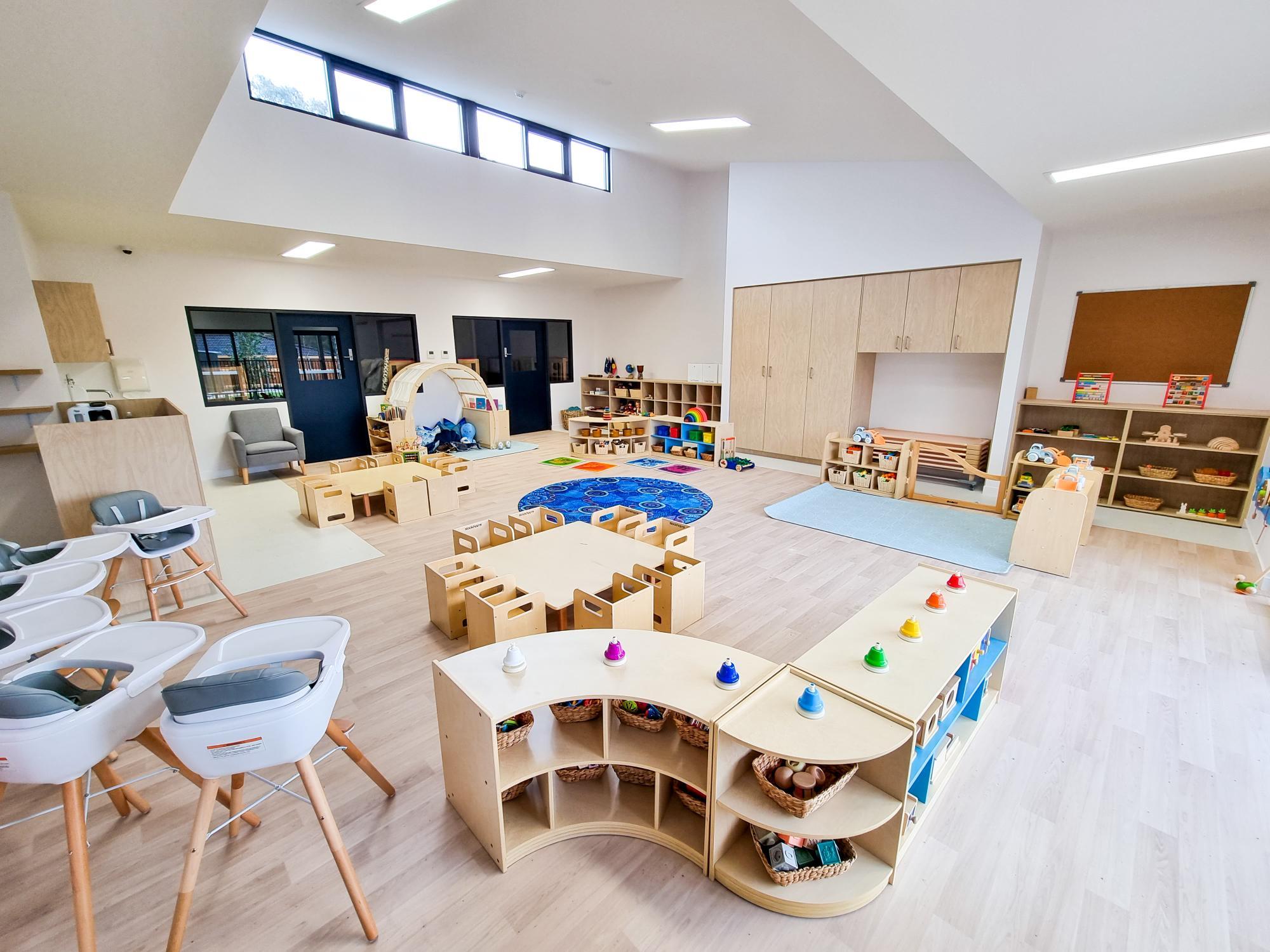
The real decision you face is not which brand name to pick, but what kind of environment you want children and teachers to walk into every day. Furniture is one of the few things in your building that quietly works all day, every day. When it fits the age group, supports your routines, and holds up to real use, everything else about the program gets a little easier.
Cribs, tables, storage units, and play centers should all reflect the daily rhythm of the space and the real needs of the kids who use them. The layout and materials can support different teaching styles, whether the focus is on independence, imagination, or hands-on learning.
At Xiha Montessori, we are committed to helping you make the best choices for your preschool. Our extensive range of high-quality, customizable furniture is designed to support every aspect of early childhood education, ensuring that your classroom is safe, engaging, and conducive to learning. Let us partner with you to create a preschool environment where children can thrive.
Start today by blocking one hour on your calendar to walk your classrooms with this Preschool Furniture Buying Guide in hand. Note what works, what feels unsafe, and what no longer serves your children. Then, assemble your leadership and teaching team to turn those observations into a written Preschool Furniture Buying Guide that reflects your values.