How Montessori Education Teaches Adaptability
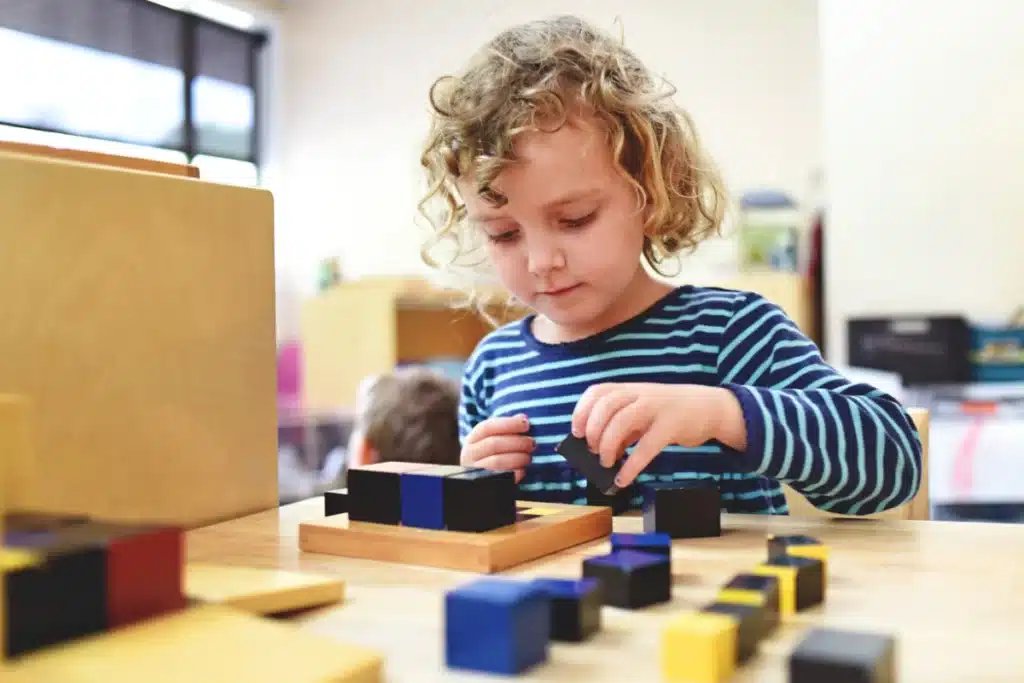
Adaptability is a skill that is often overlooked, but it can help children become successful adults. The ability to remain steady and flexible no matter the circumstances can aid in critical thinking and problem solving. The Montessori philosophy does not underestimate the importance of adaptability, and there are many facets of the classroom and curriculum that teaches this valuable skill.
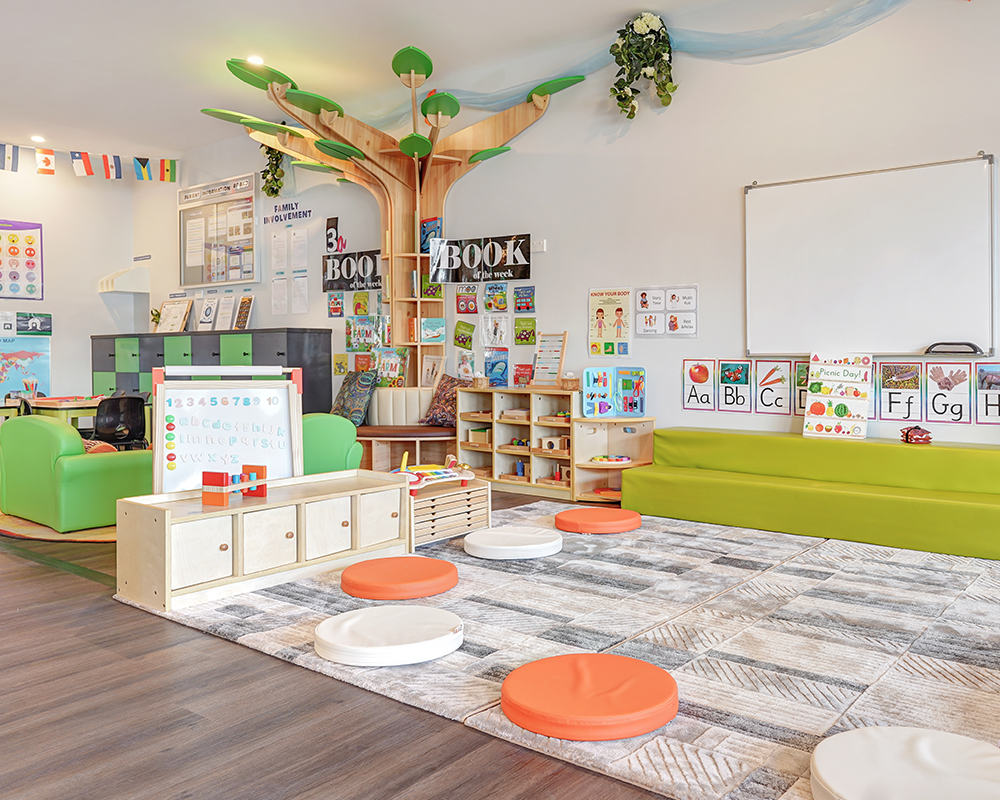
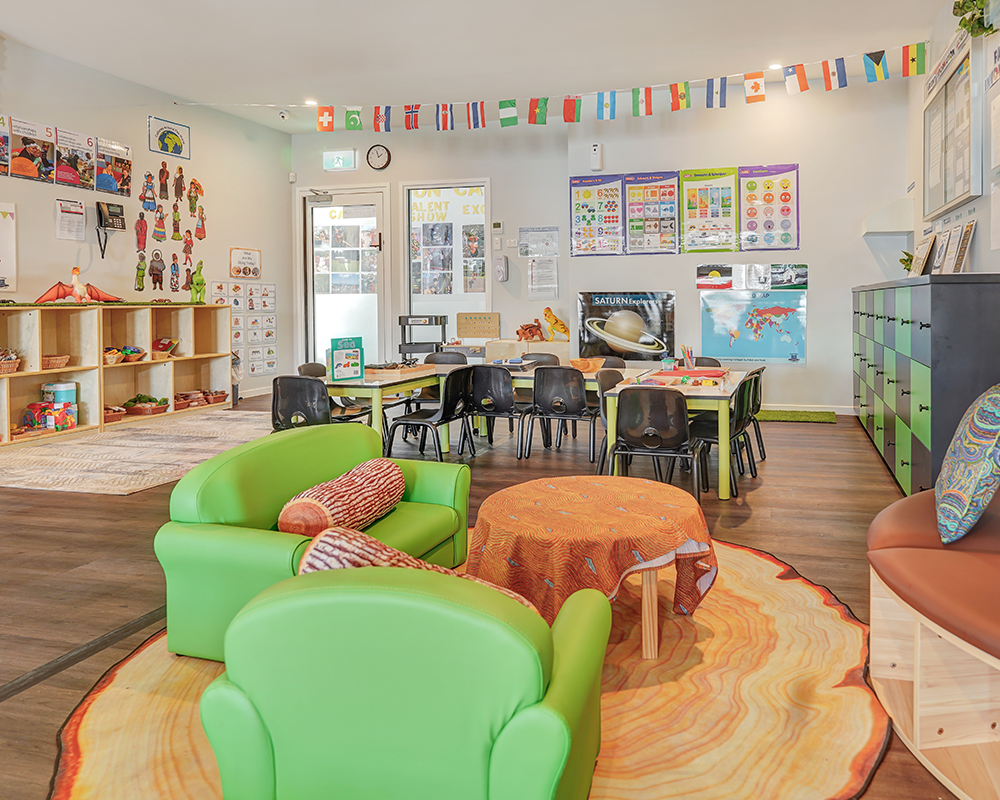
How Montessori Classroom Design Enhances Learning

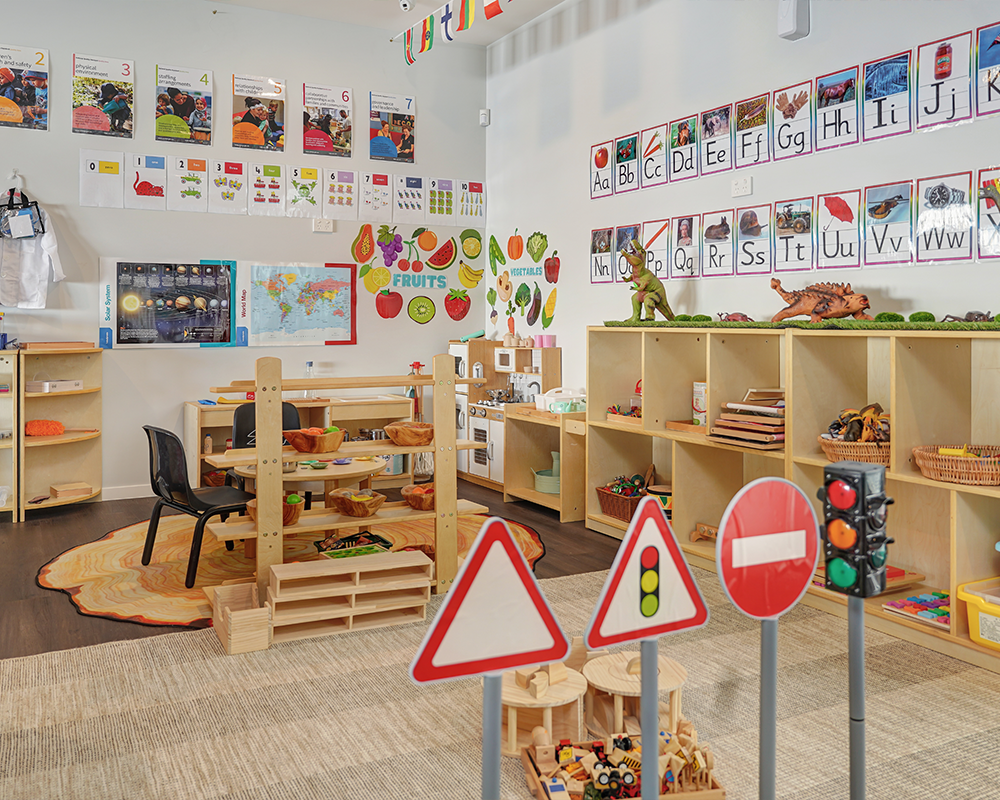
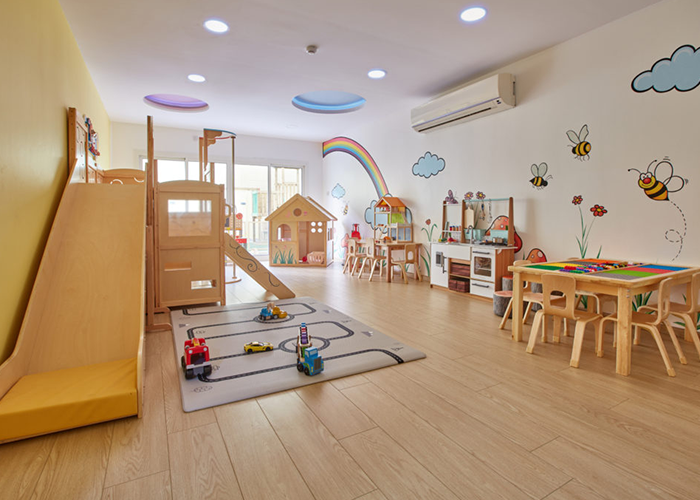
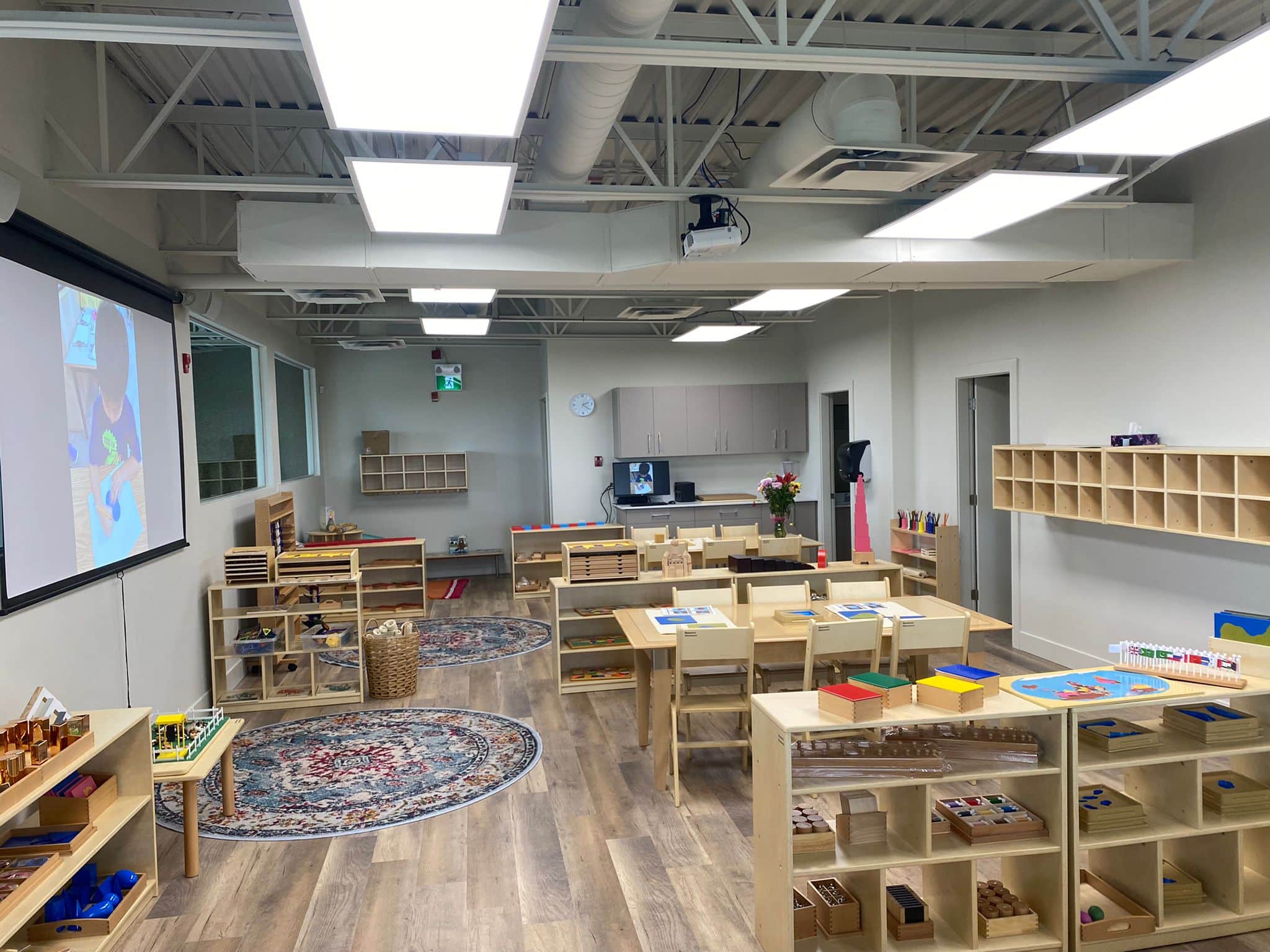
If you were to walk into a traditional preschool classroom, you might notice the décor first. Many classrooms fill the walls with brightly colored charts, posters, and decorations. Some of these items have educational purposes, such as bulletin boards to track students’ progress, but many are simply intended to liven up the space.
The Montessori Furniture Benefits for Child’s Development
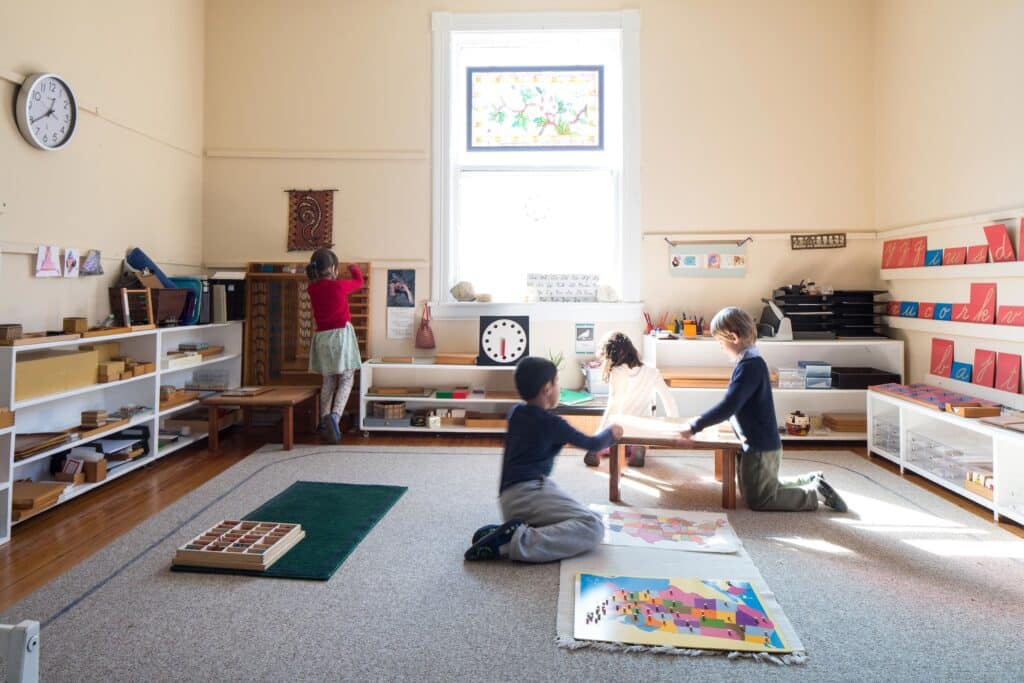
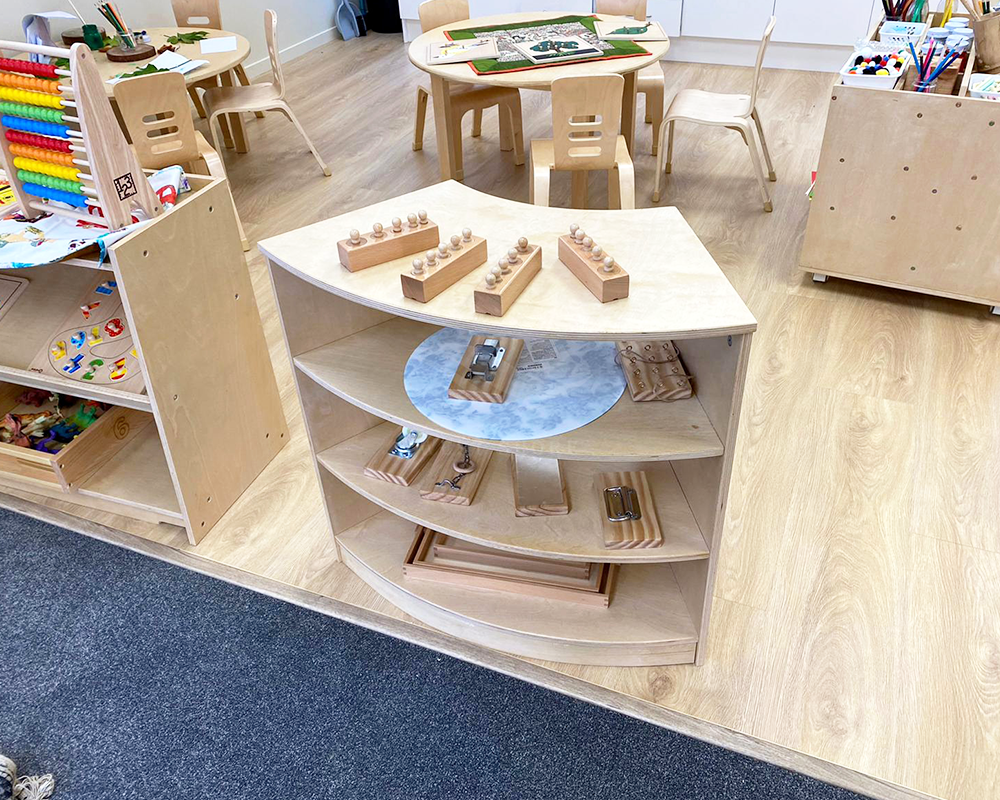
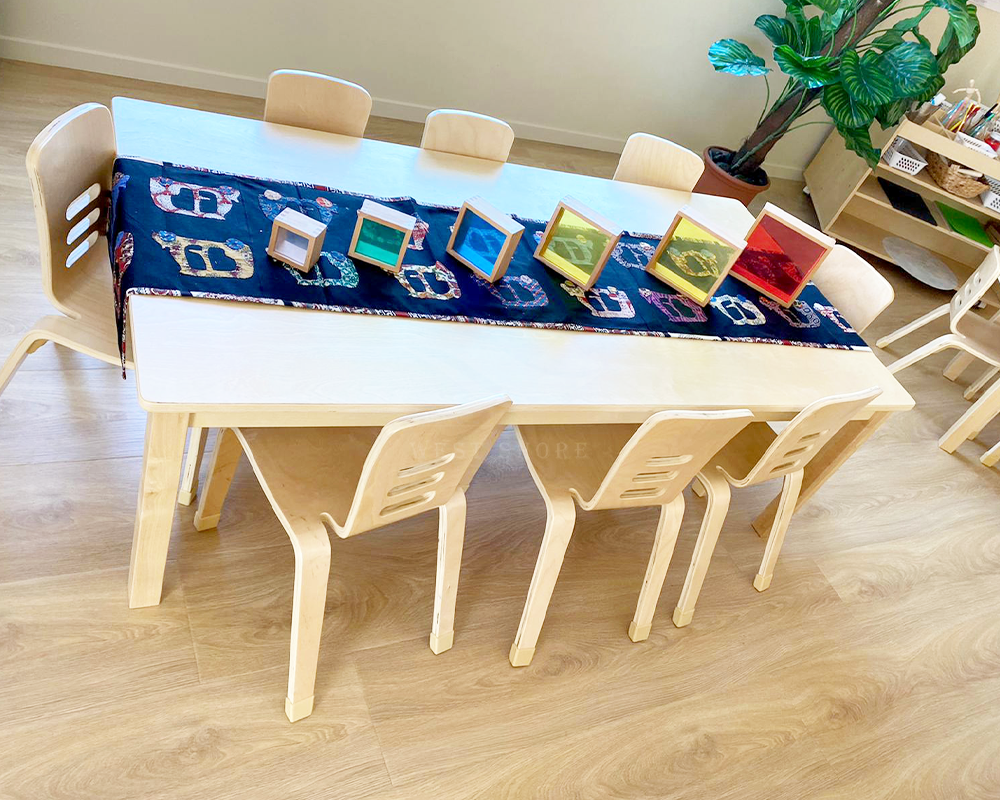
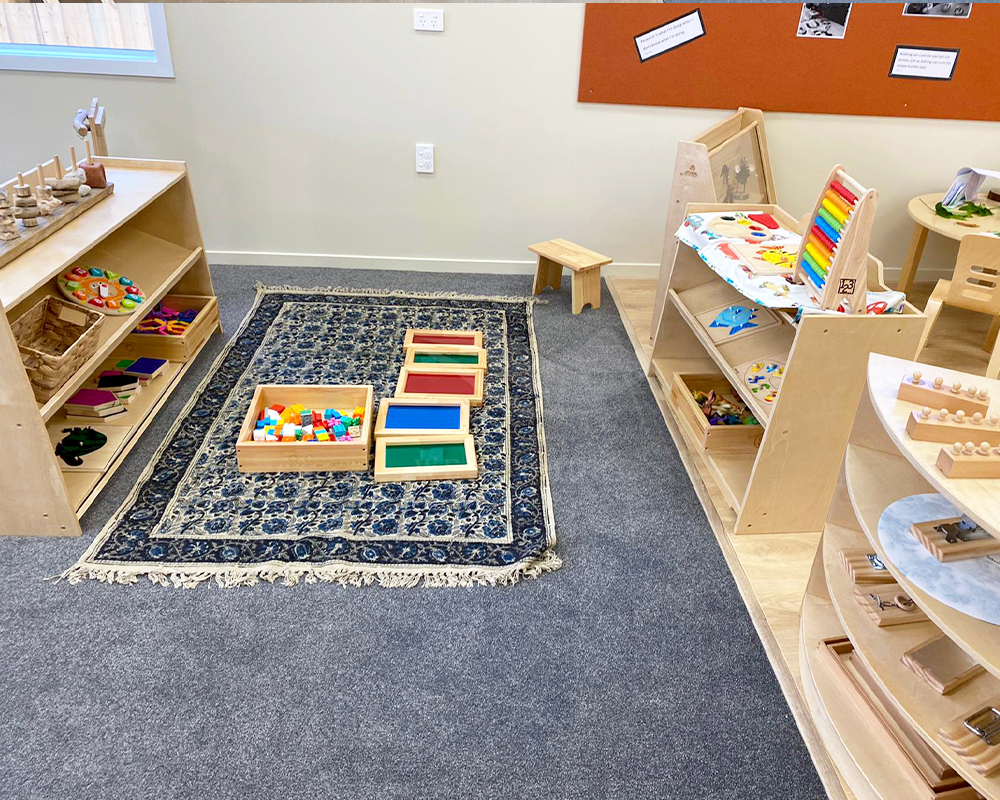
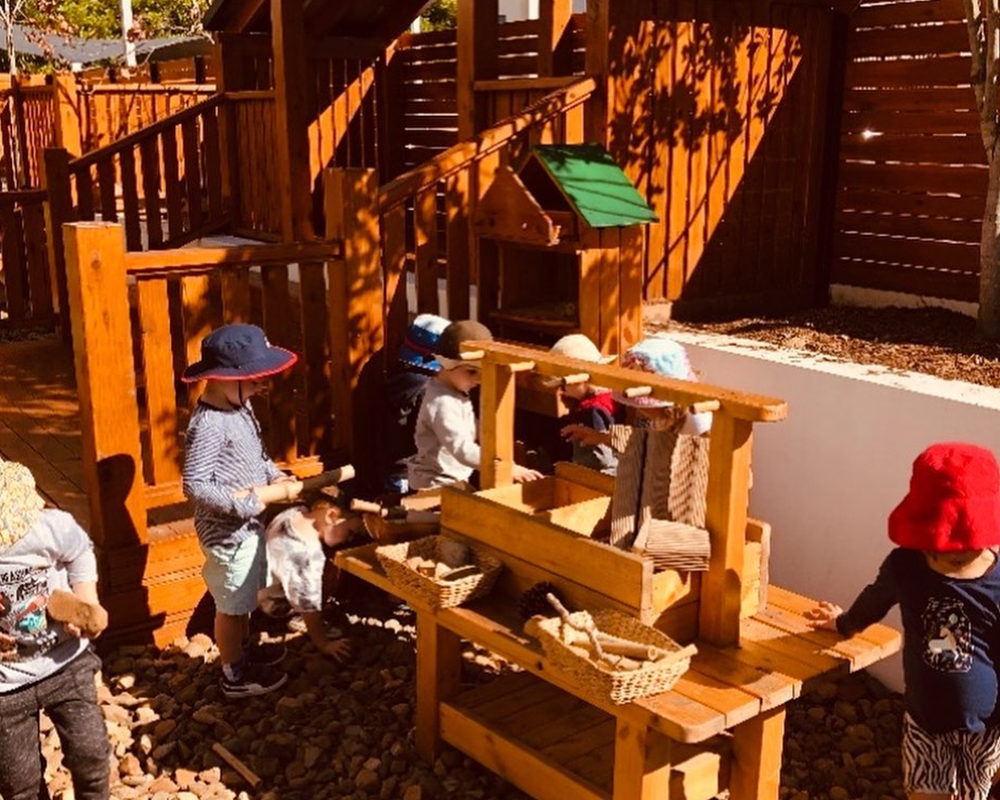
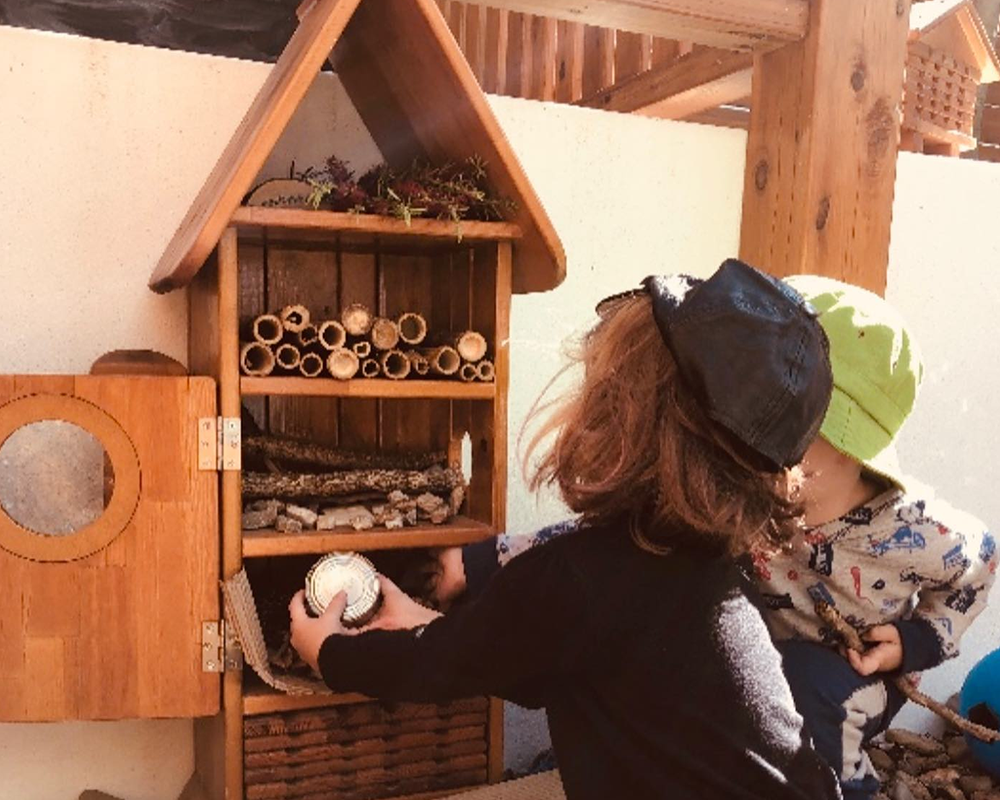
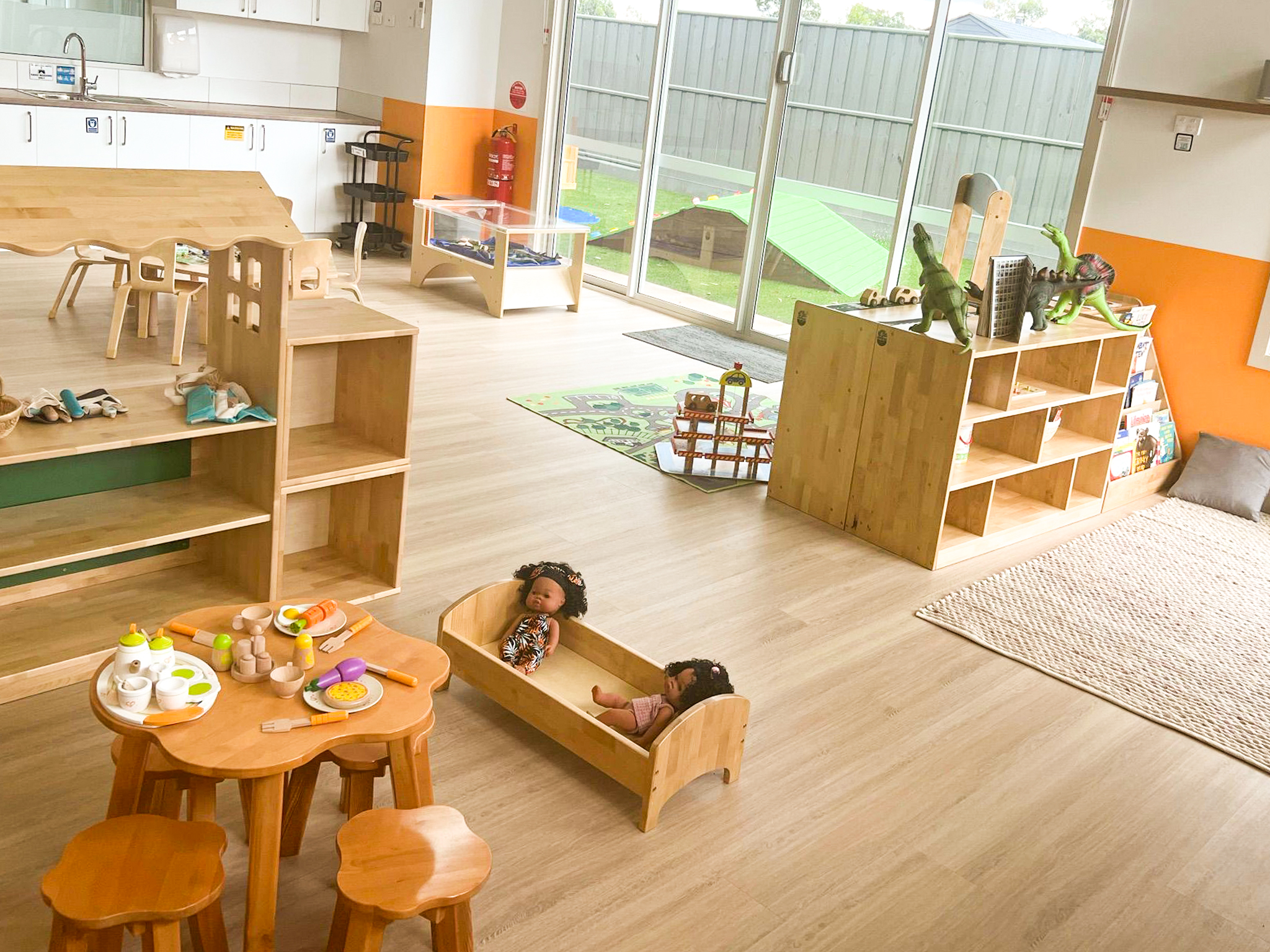
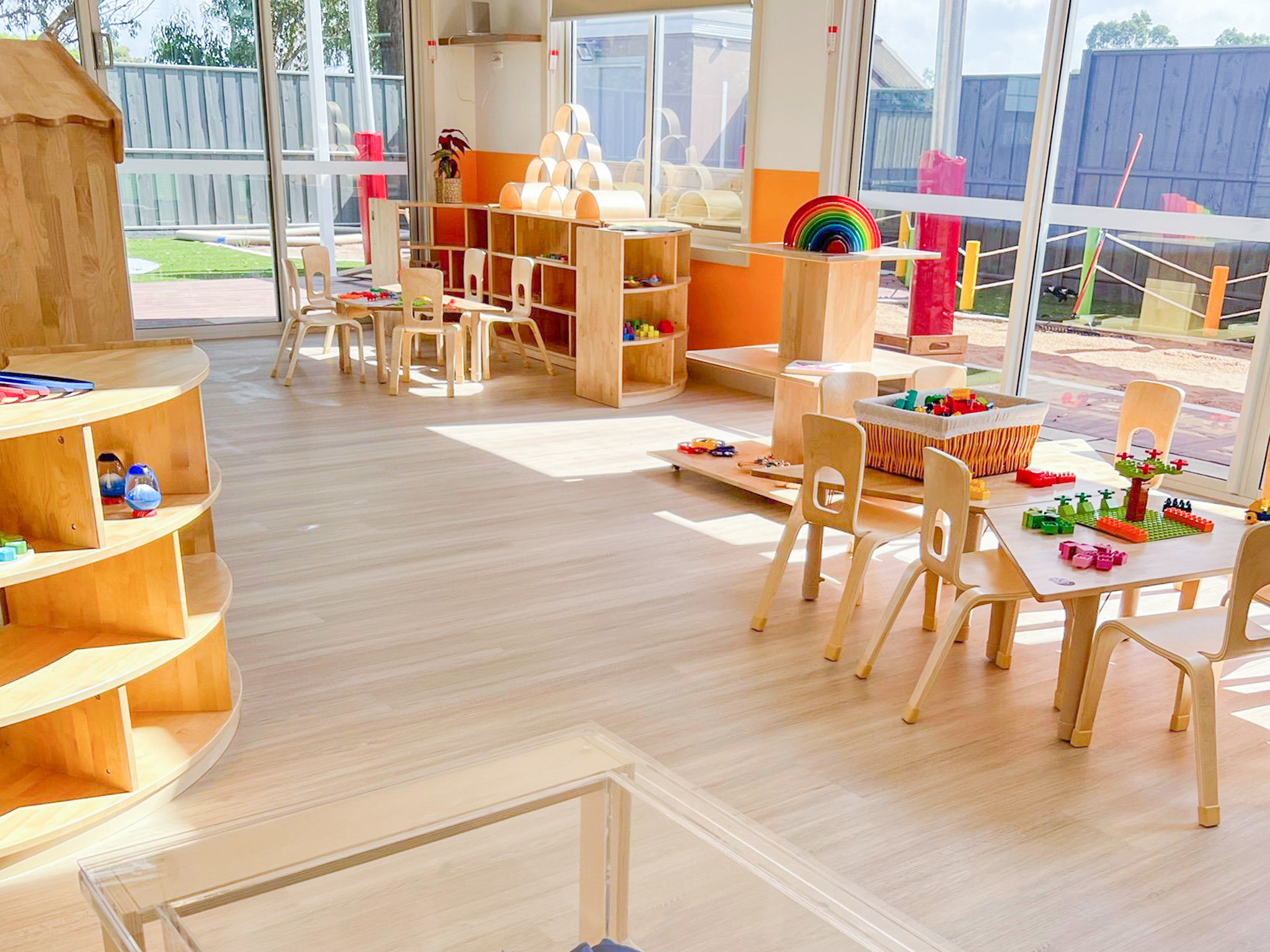
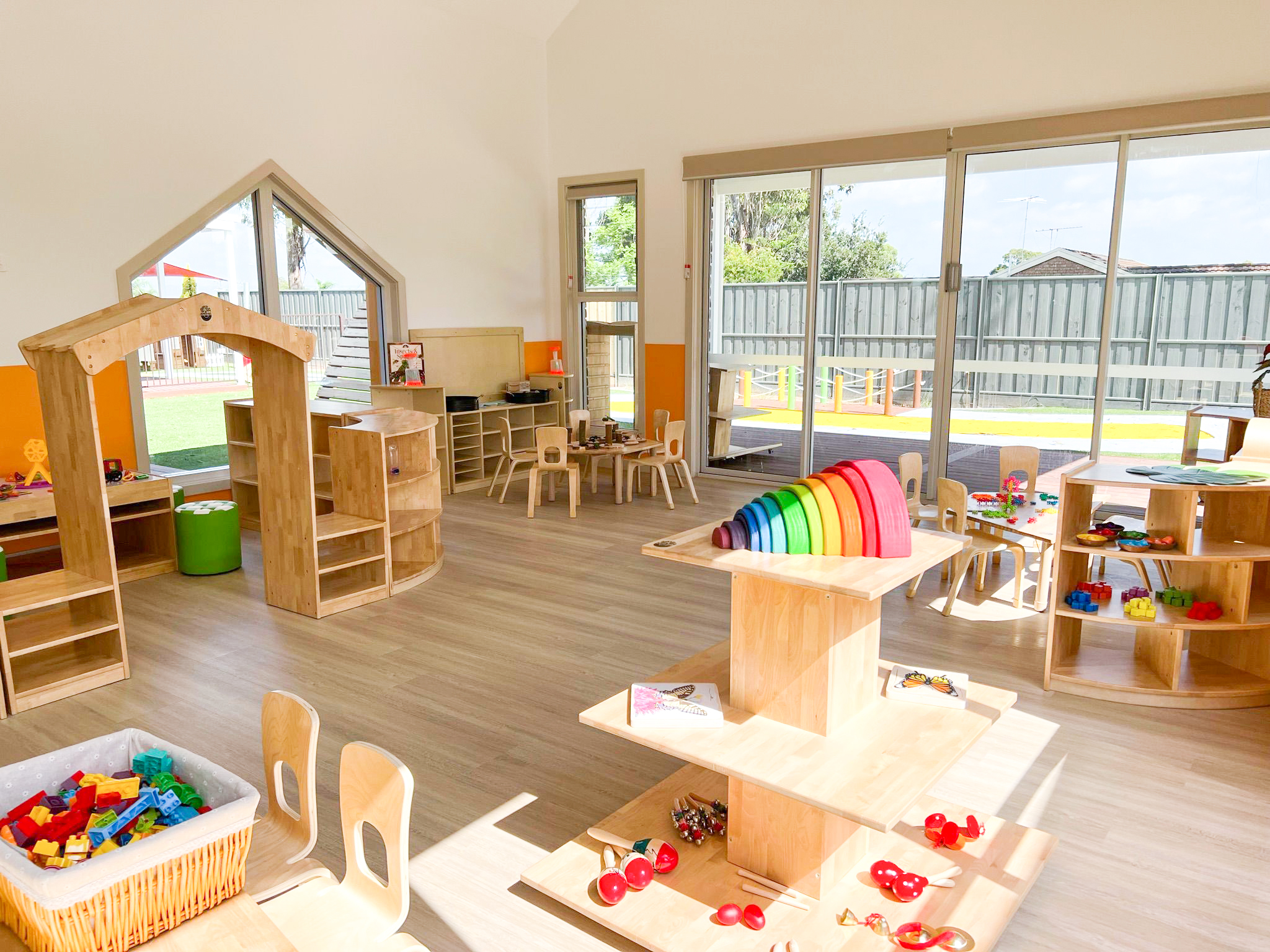
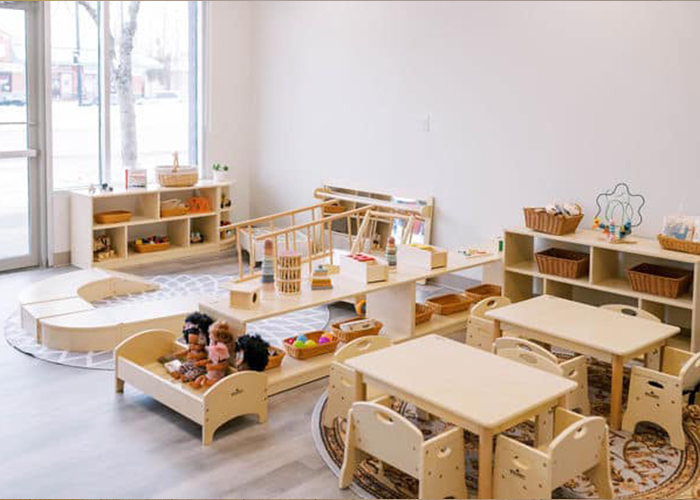
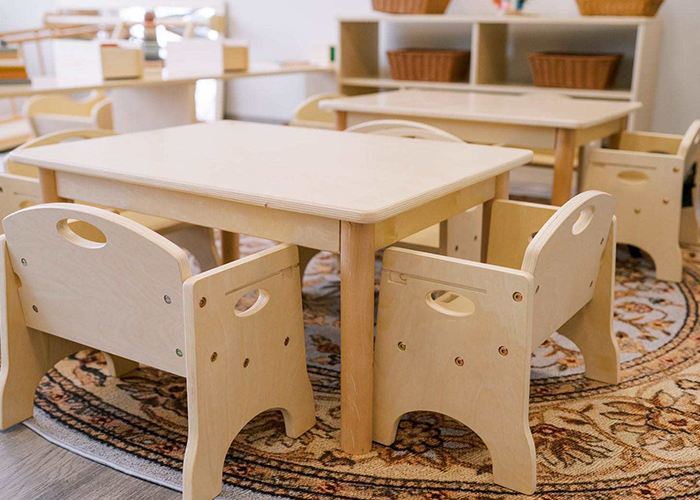
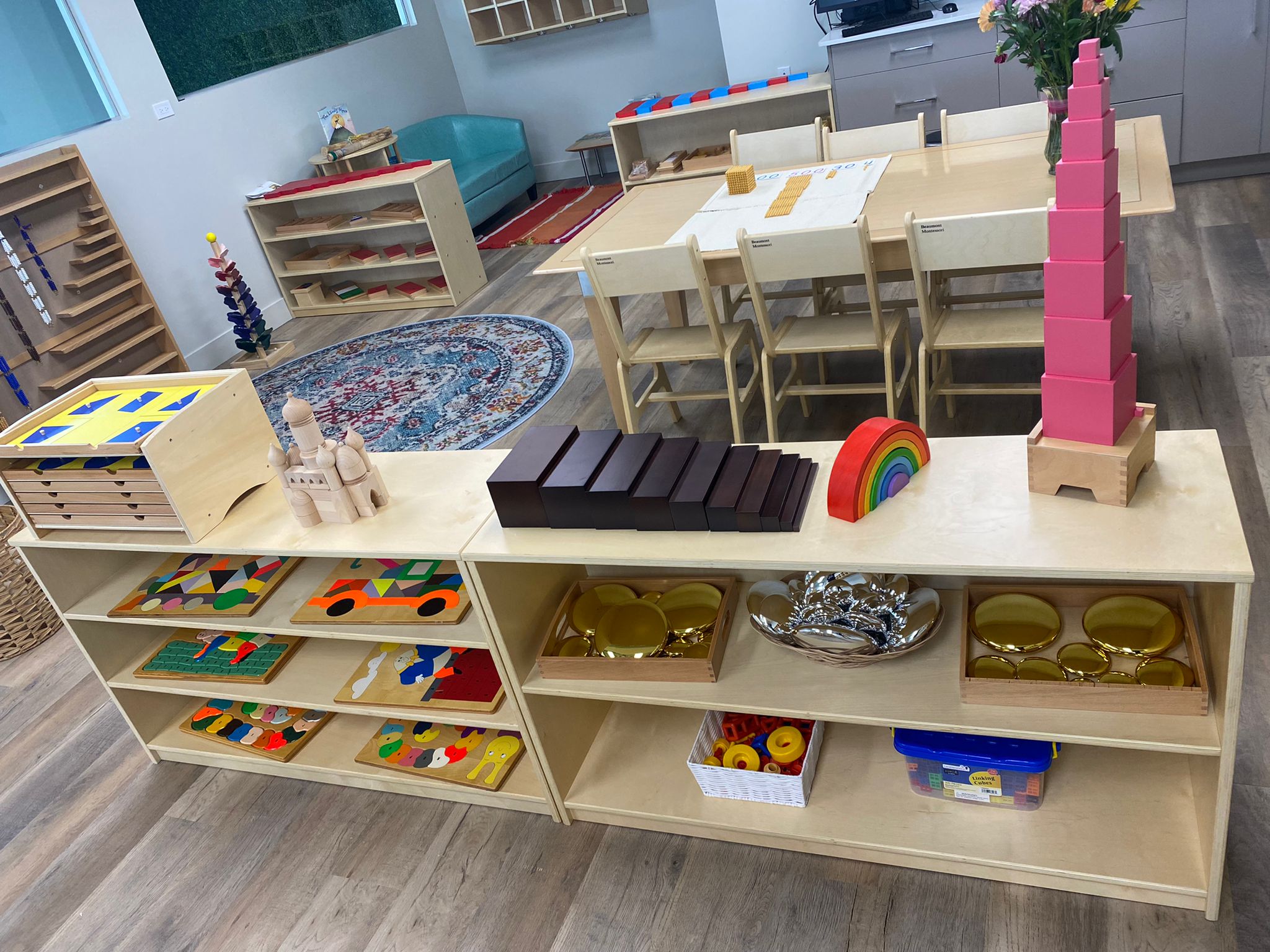
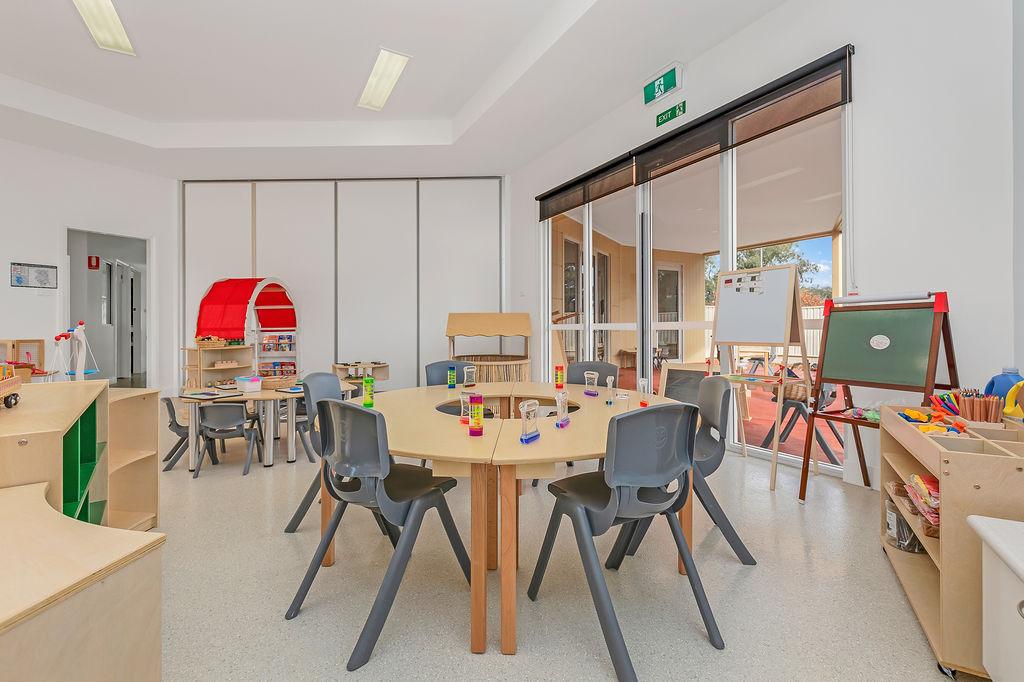
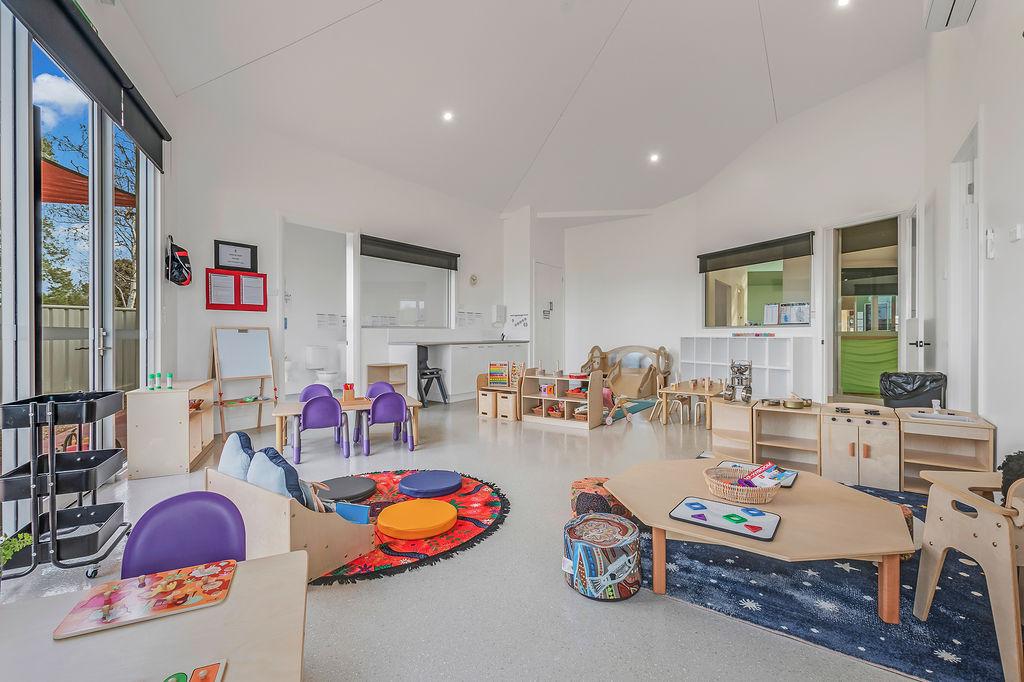
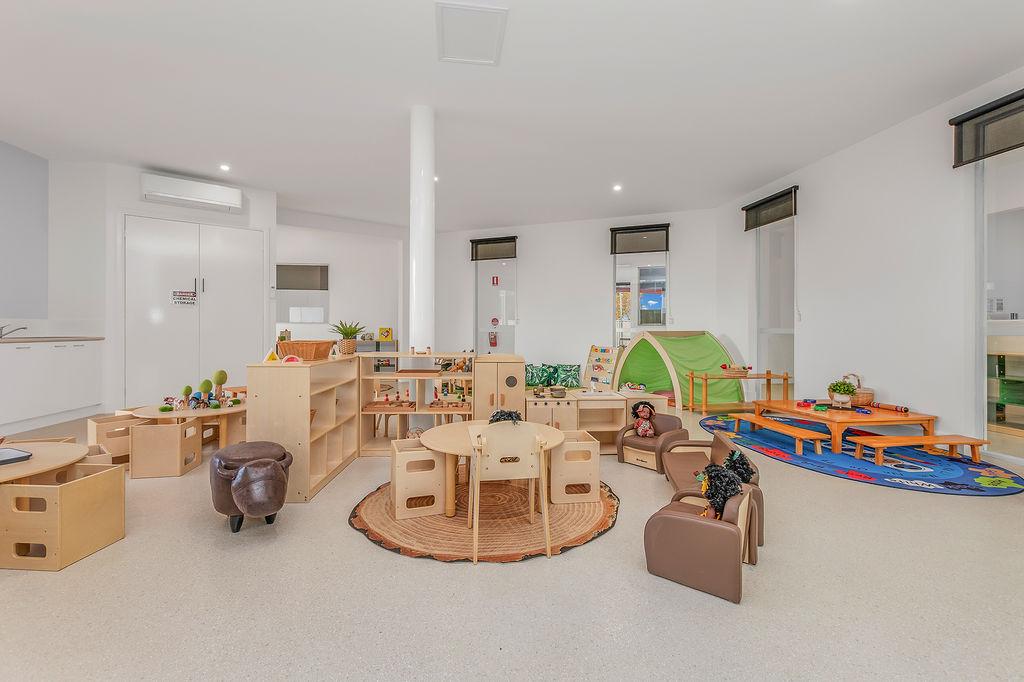
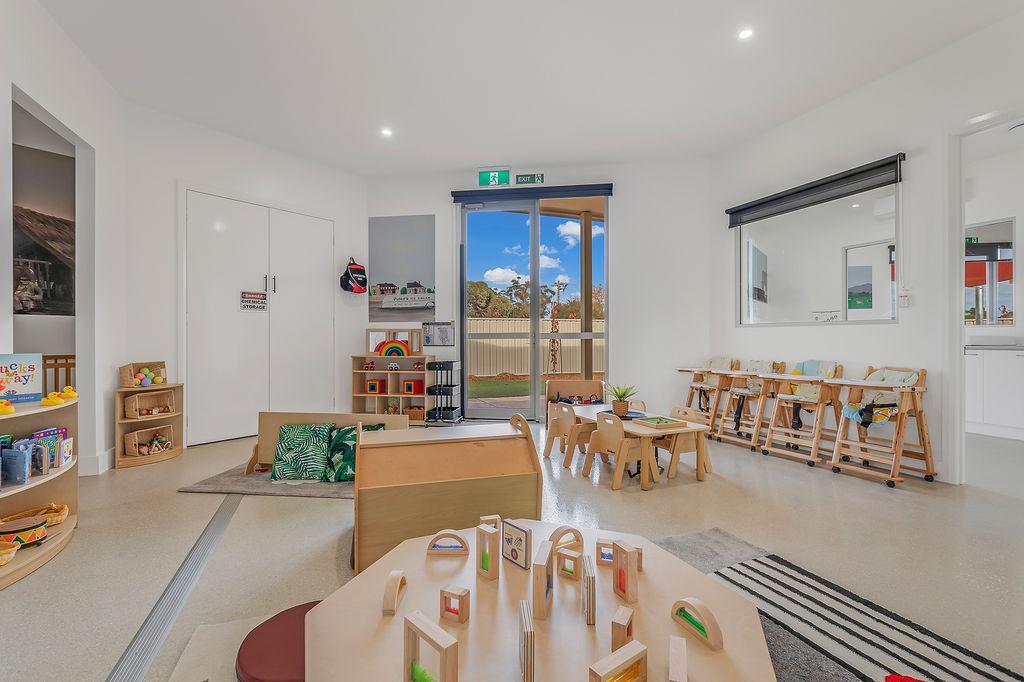
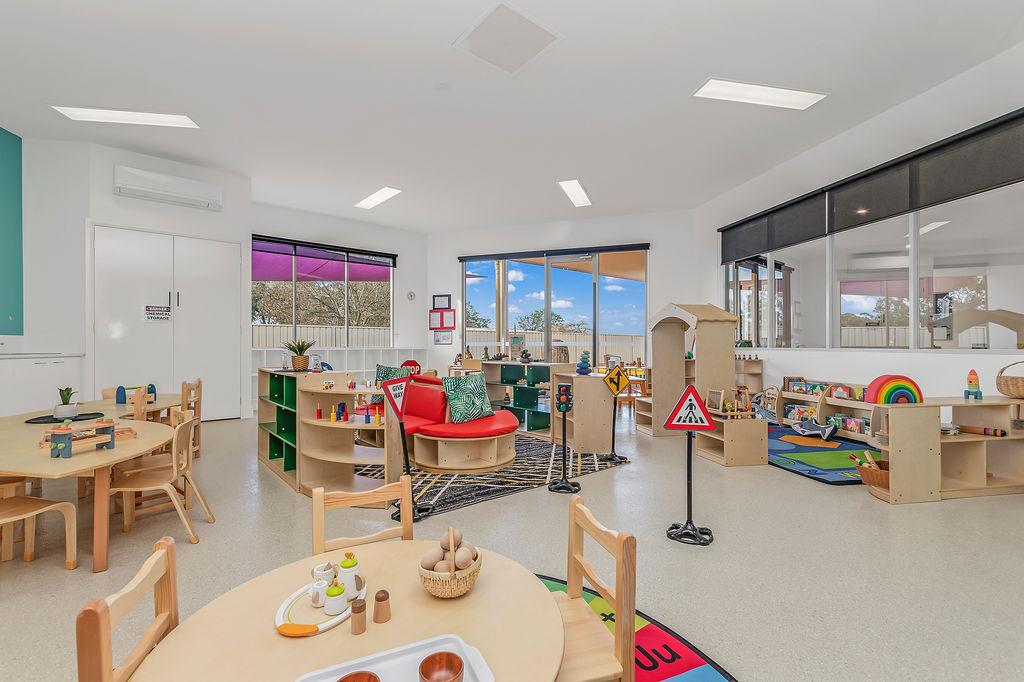
Montessori furniture is specially designed for multi-sensory learning. The pieces allow children to develop active engagement with an object to discover its functions while promoting coordination, fine motor skills, and analytical thinking. In essence, this process prepares children for future tasks involving problem-solving and critical thinking skills.
The Montessori Classroom: Inspired Design
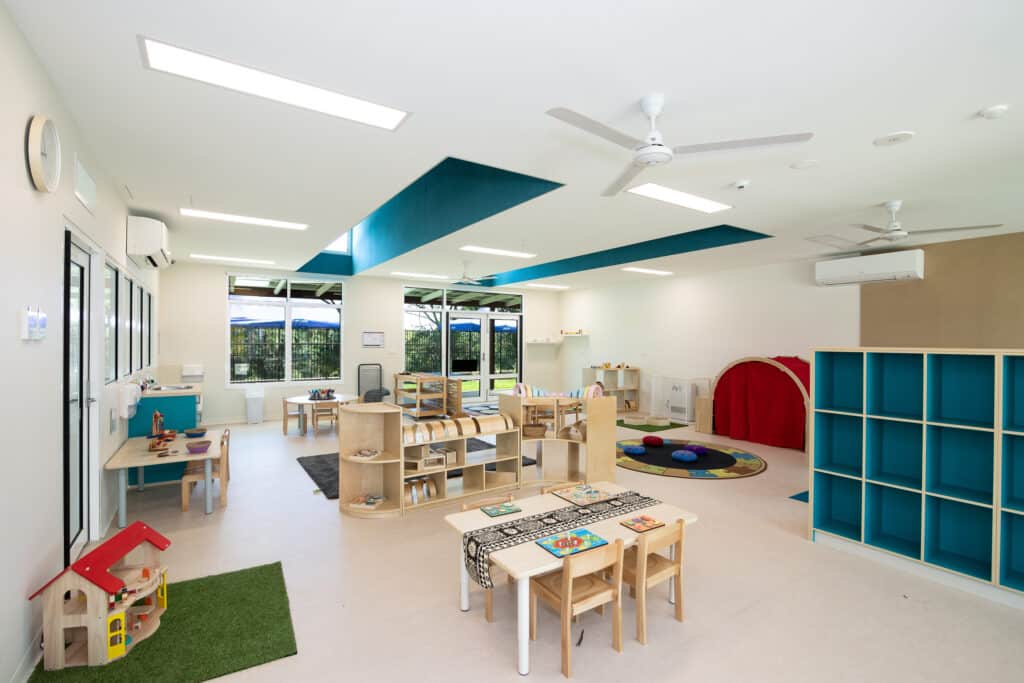
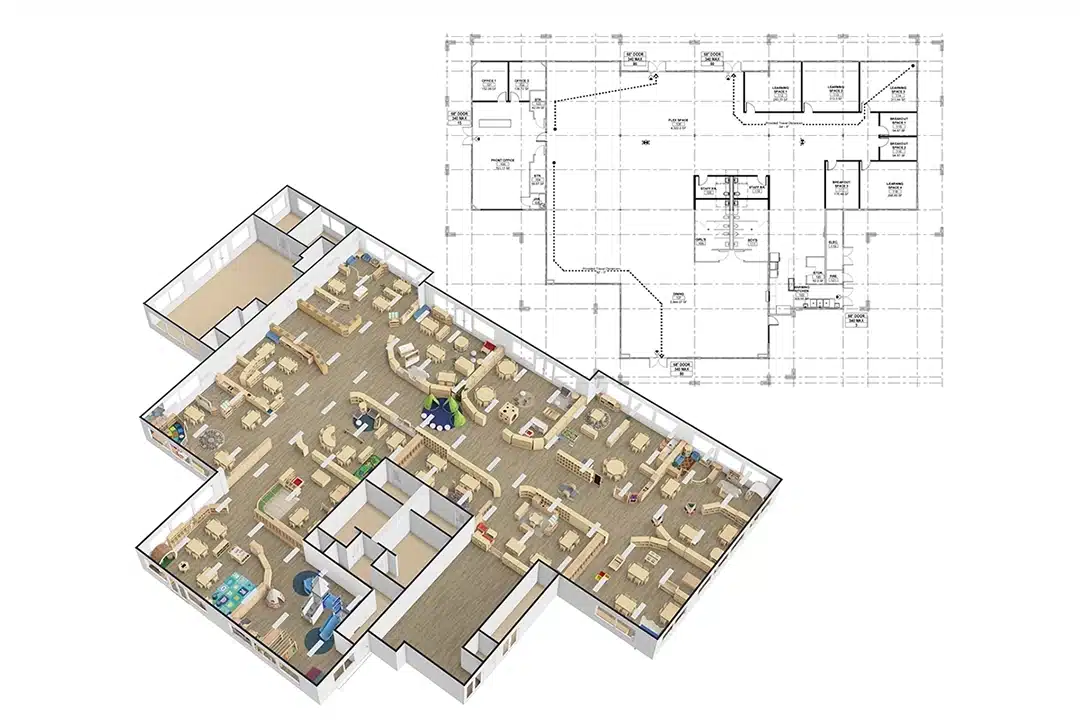
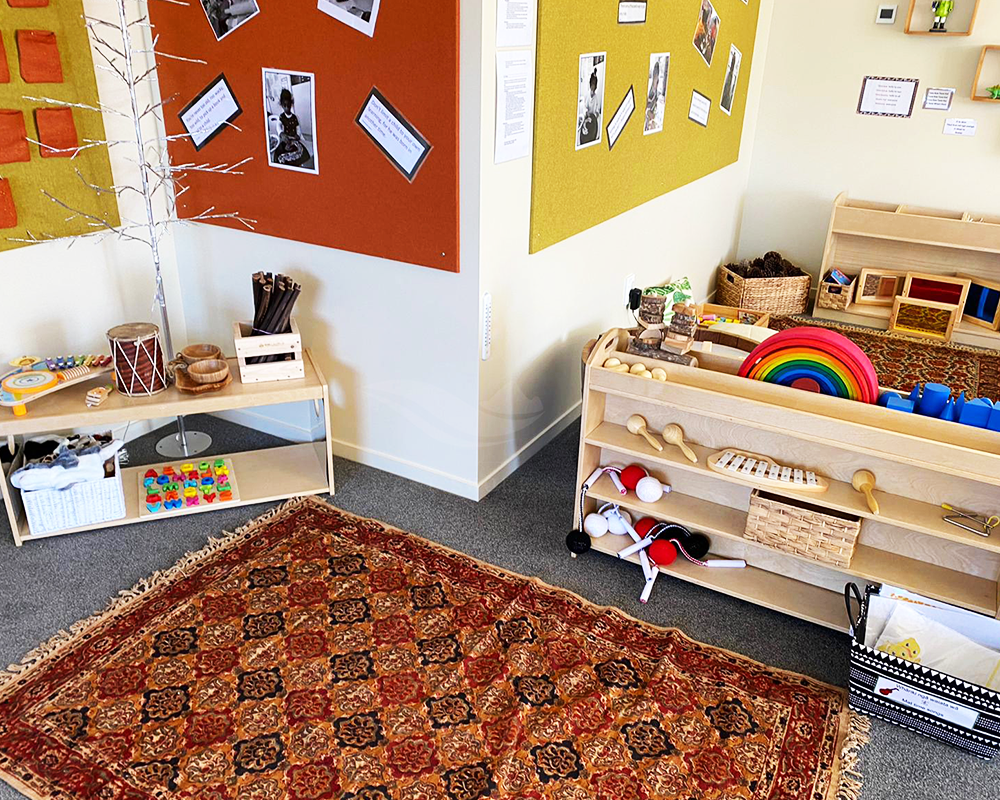
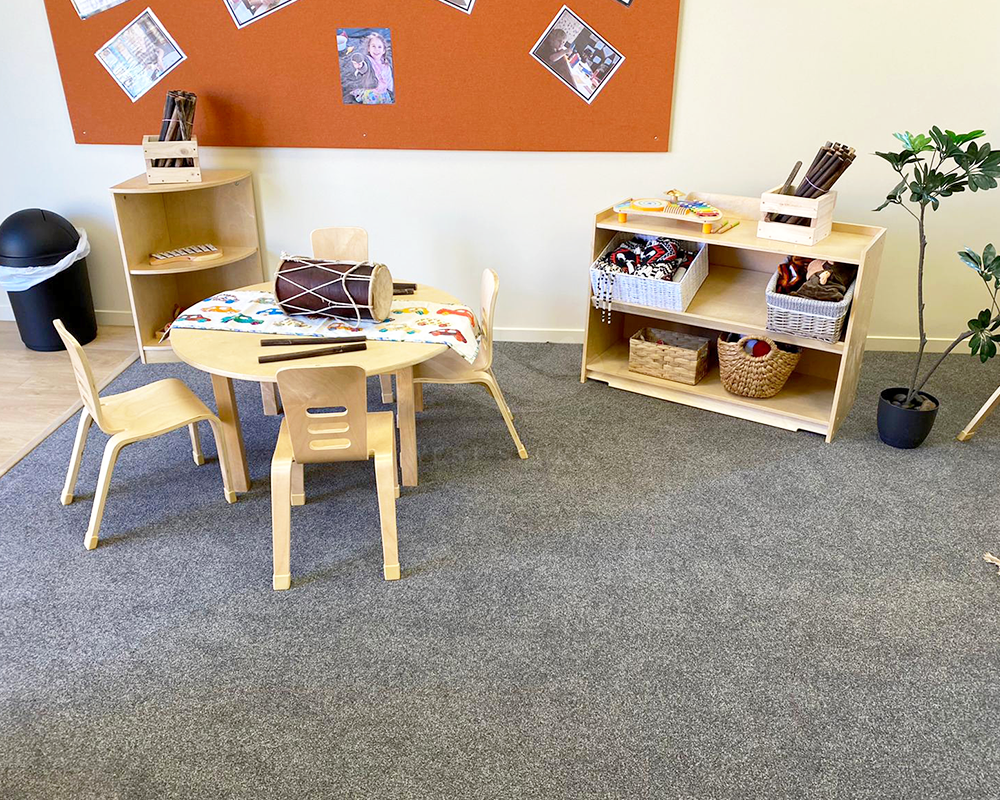
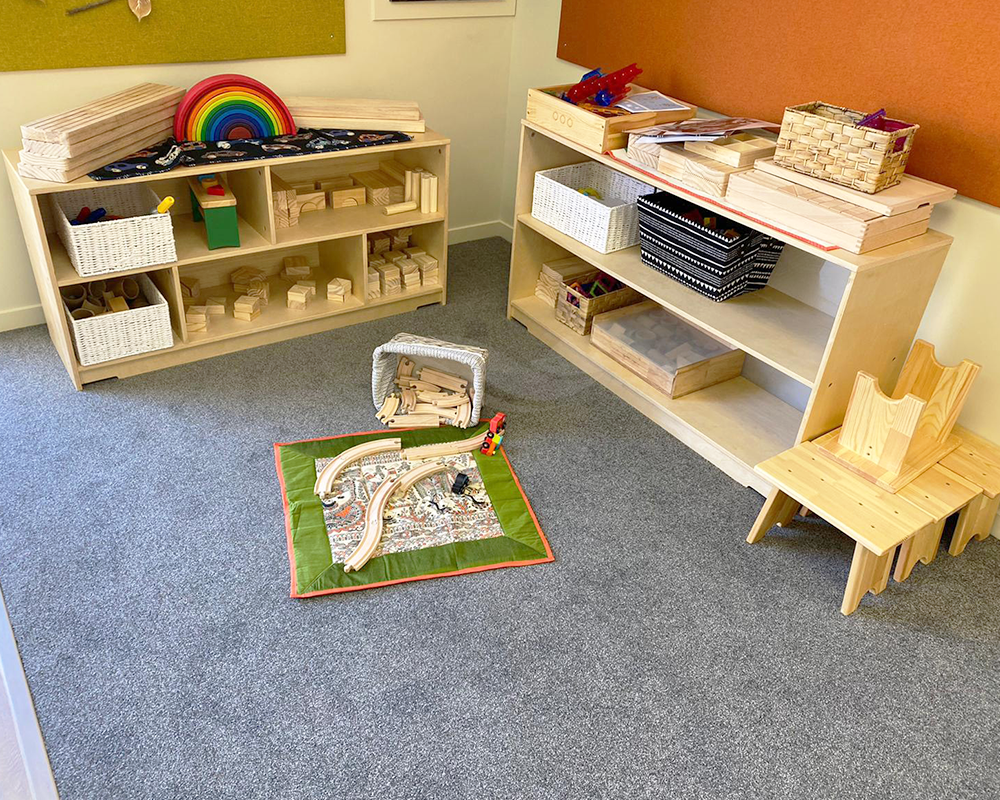
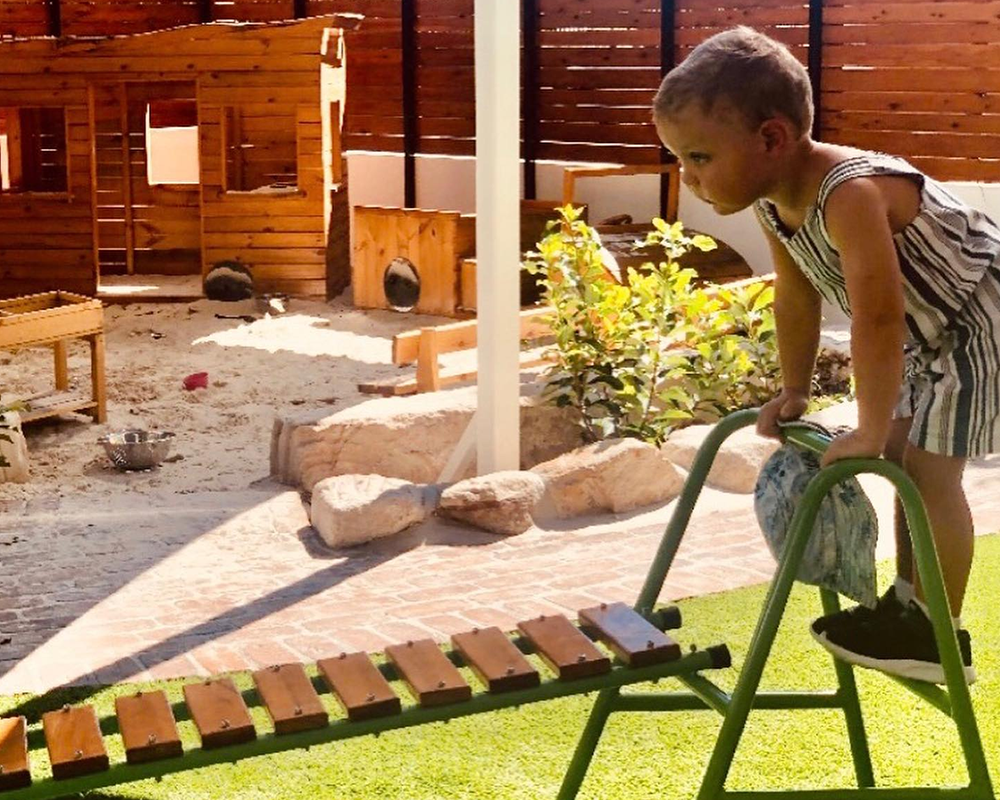
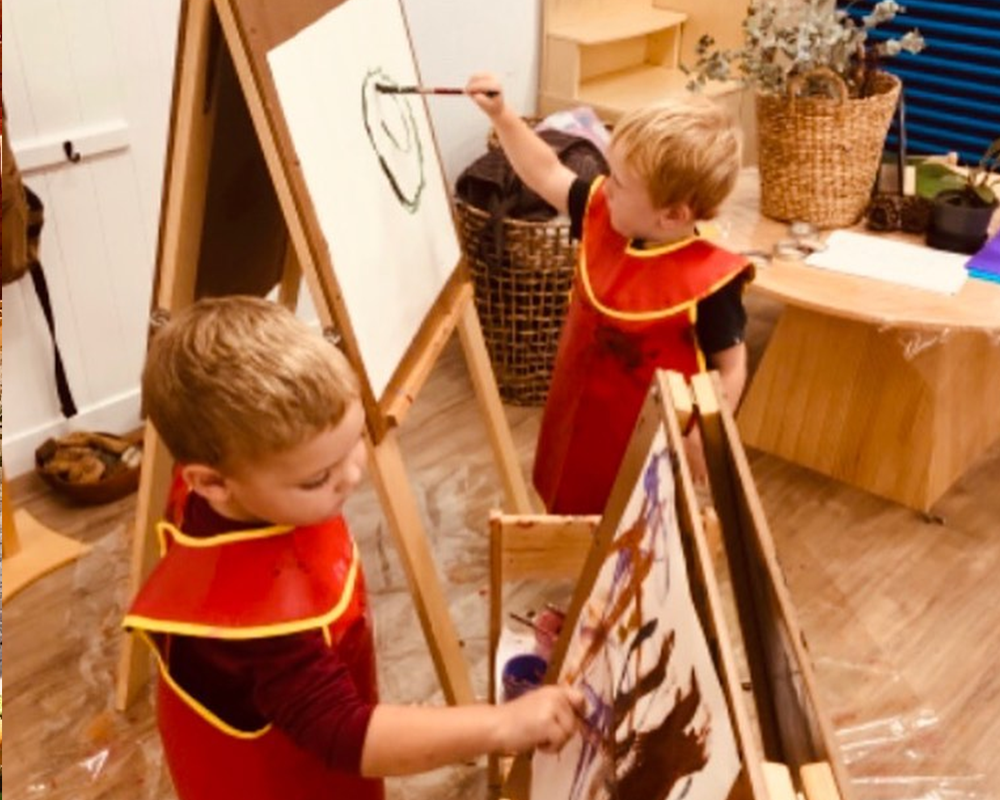
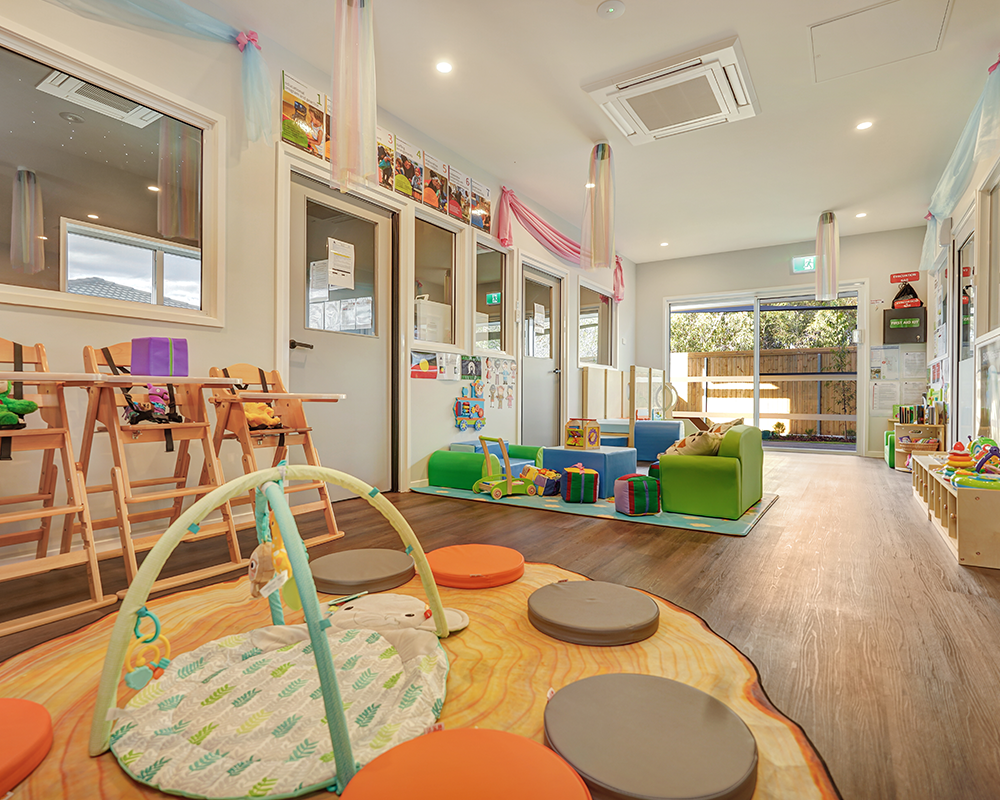
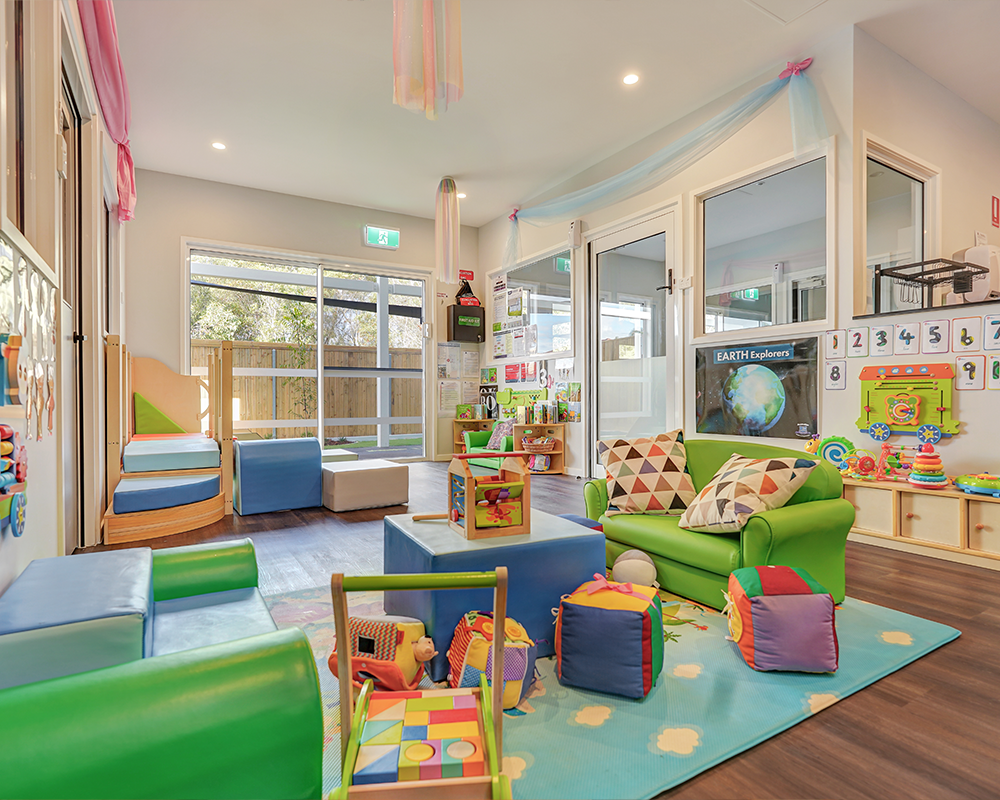
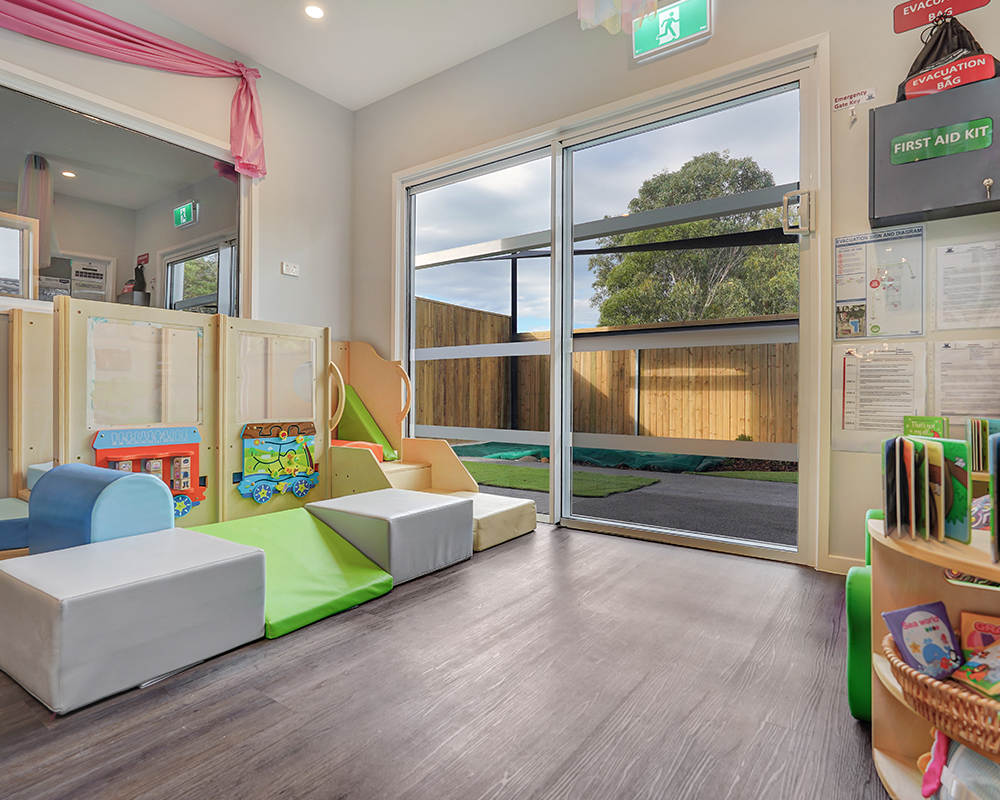
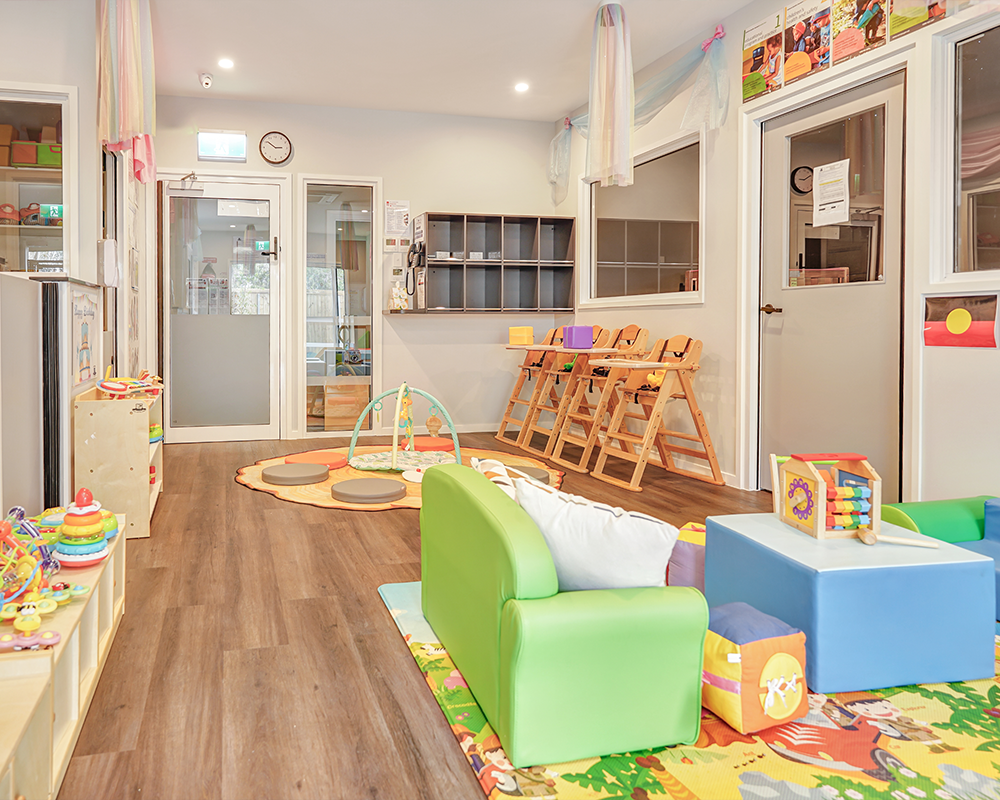
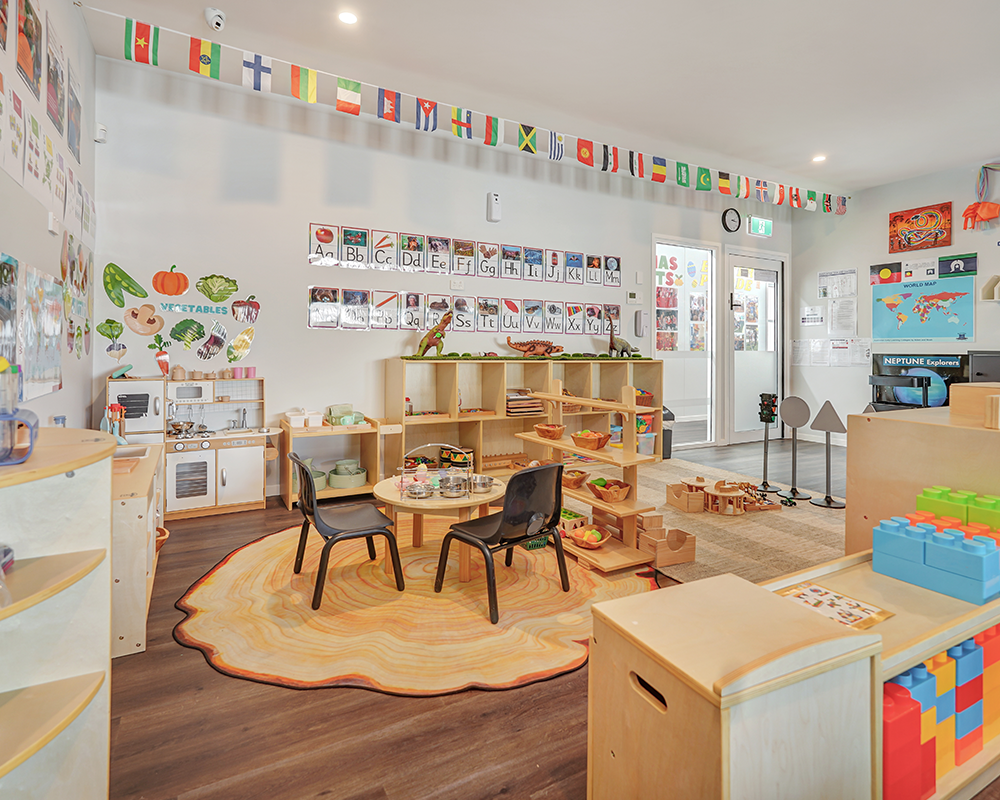
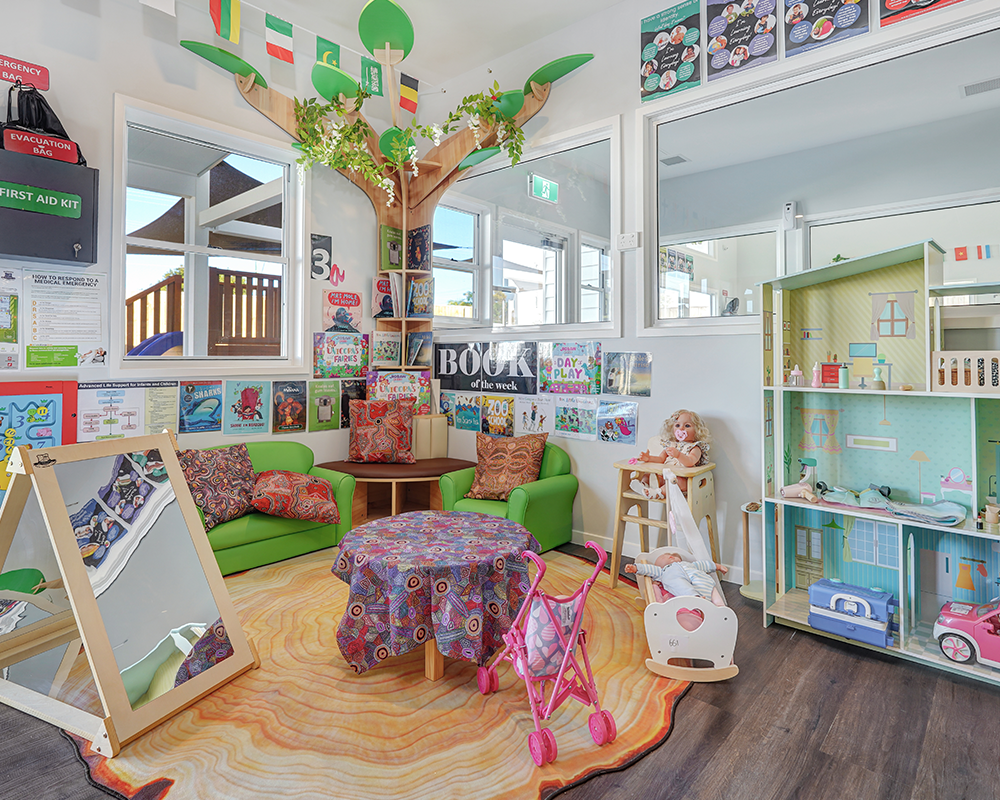
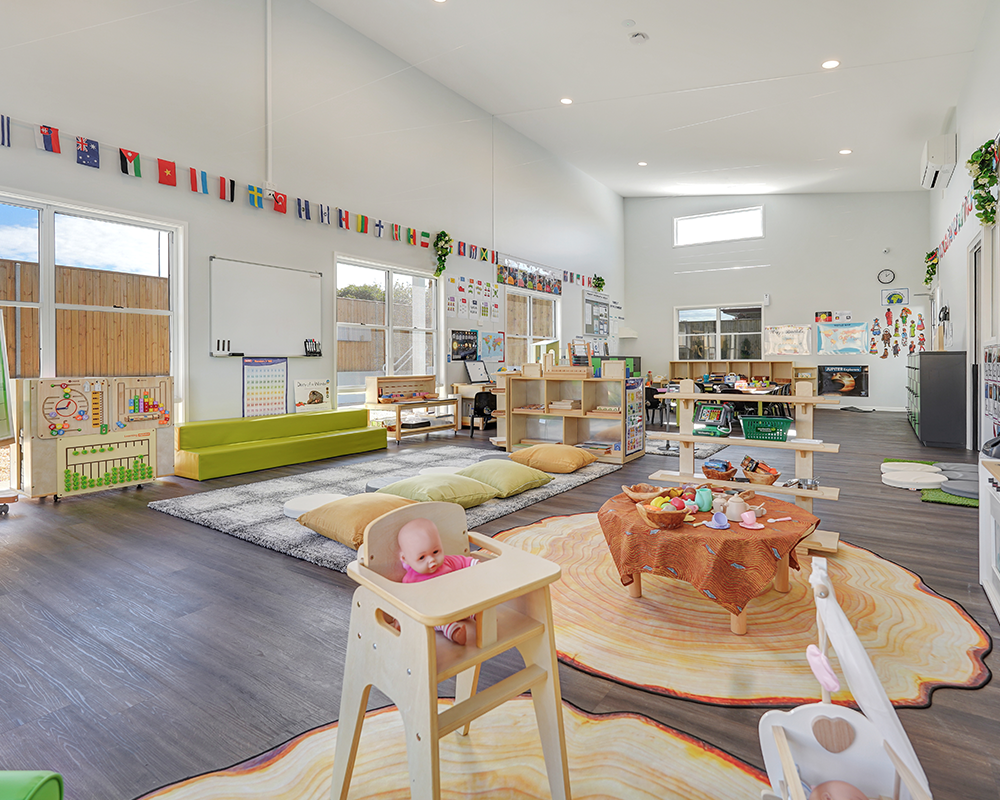
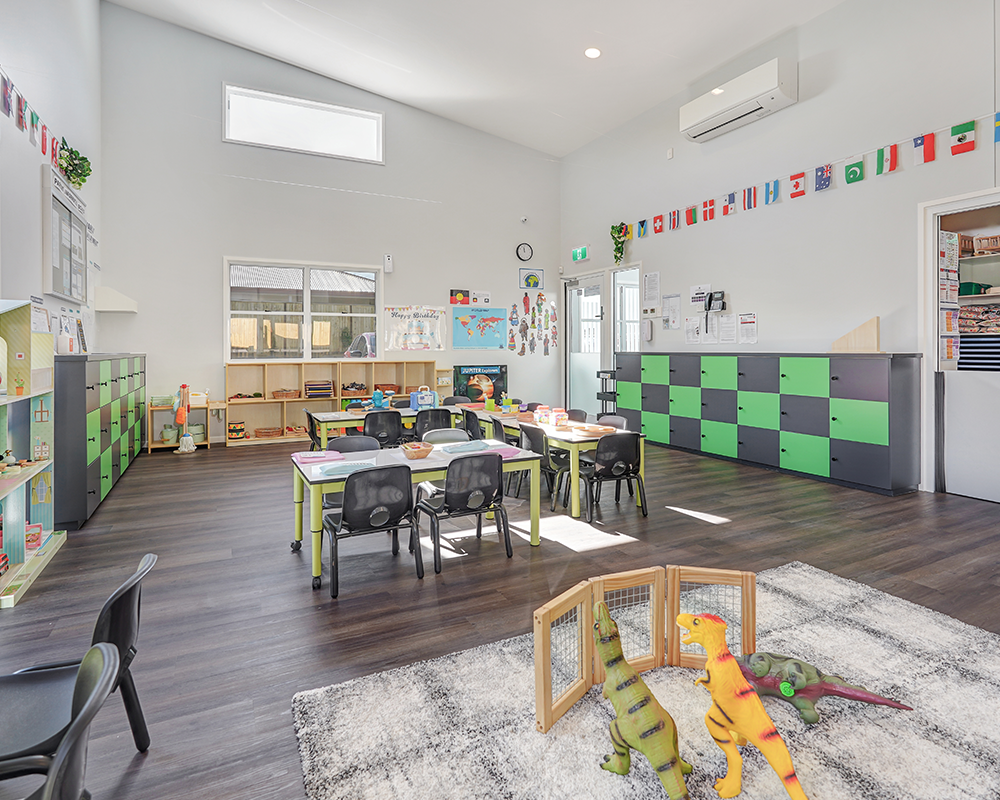
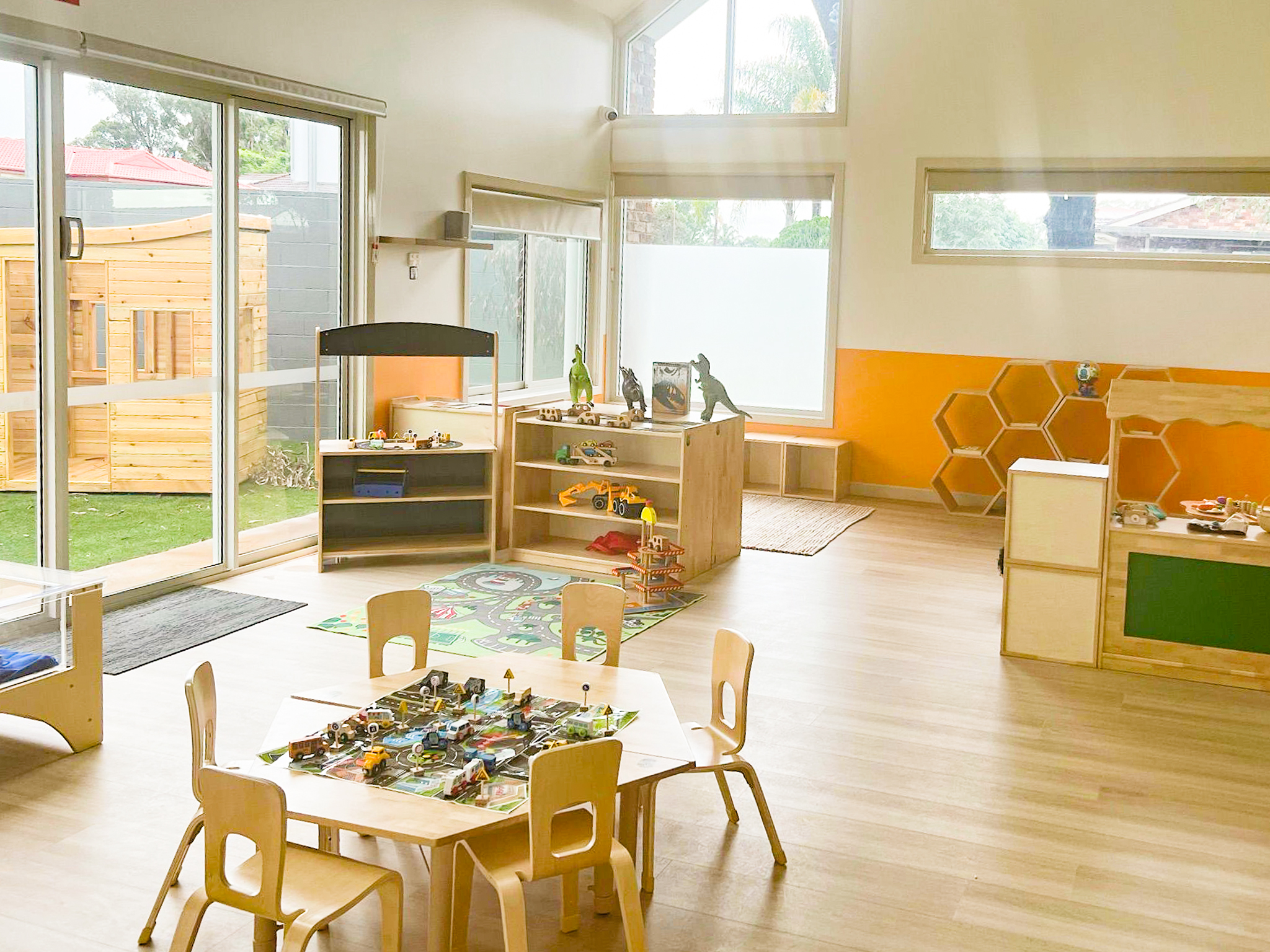
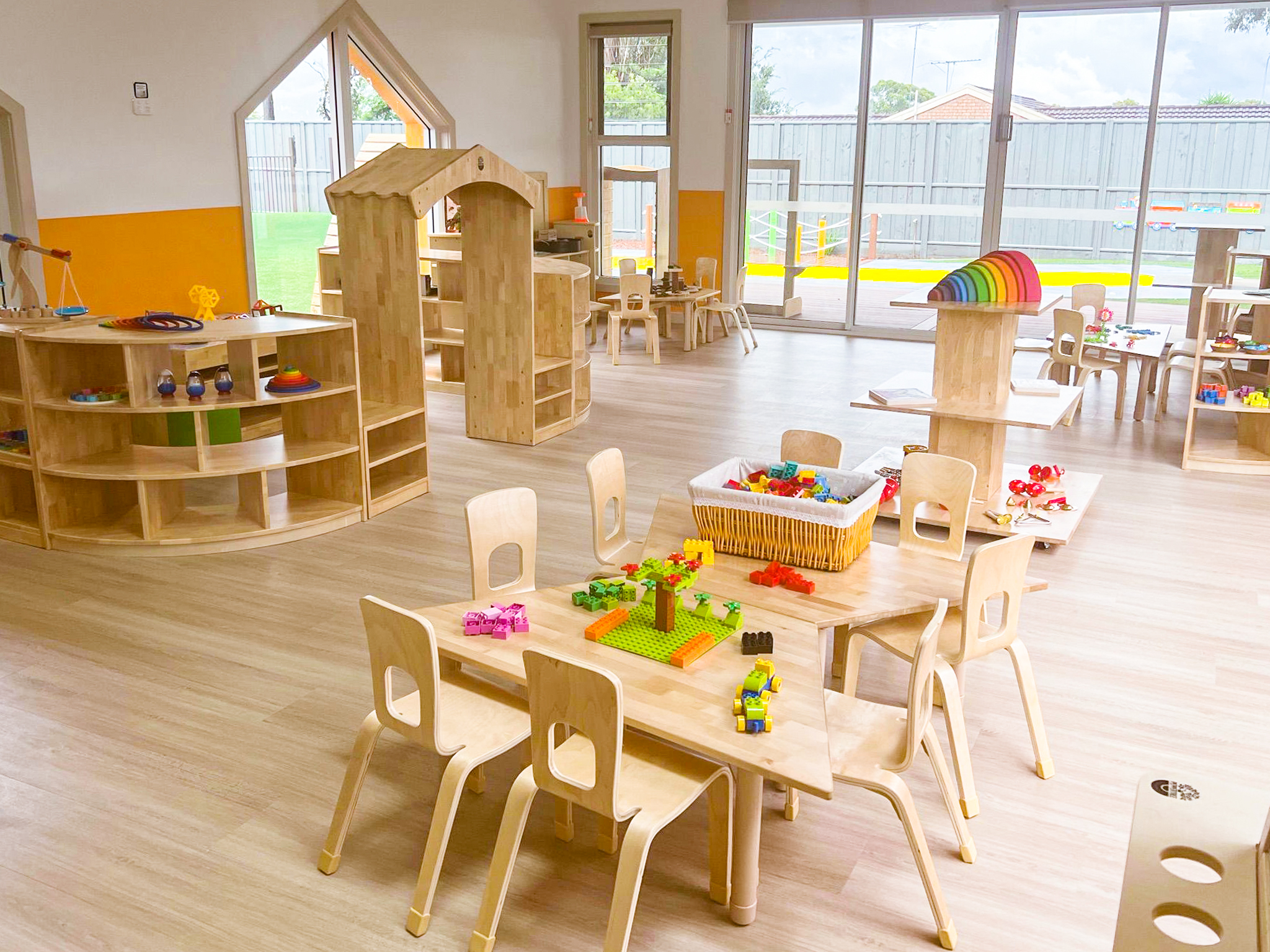
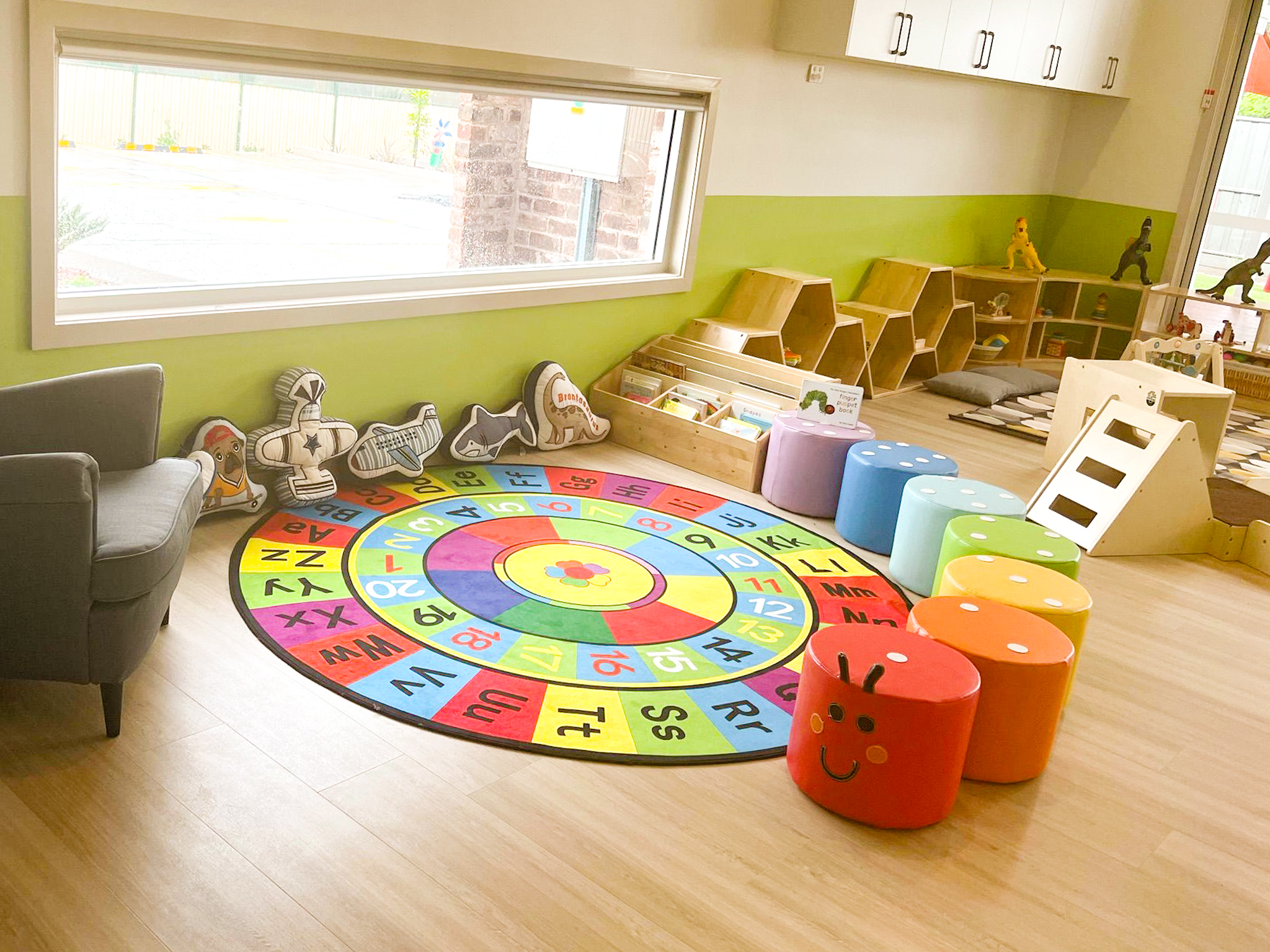
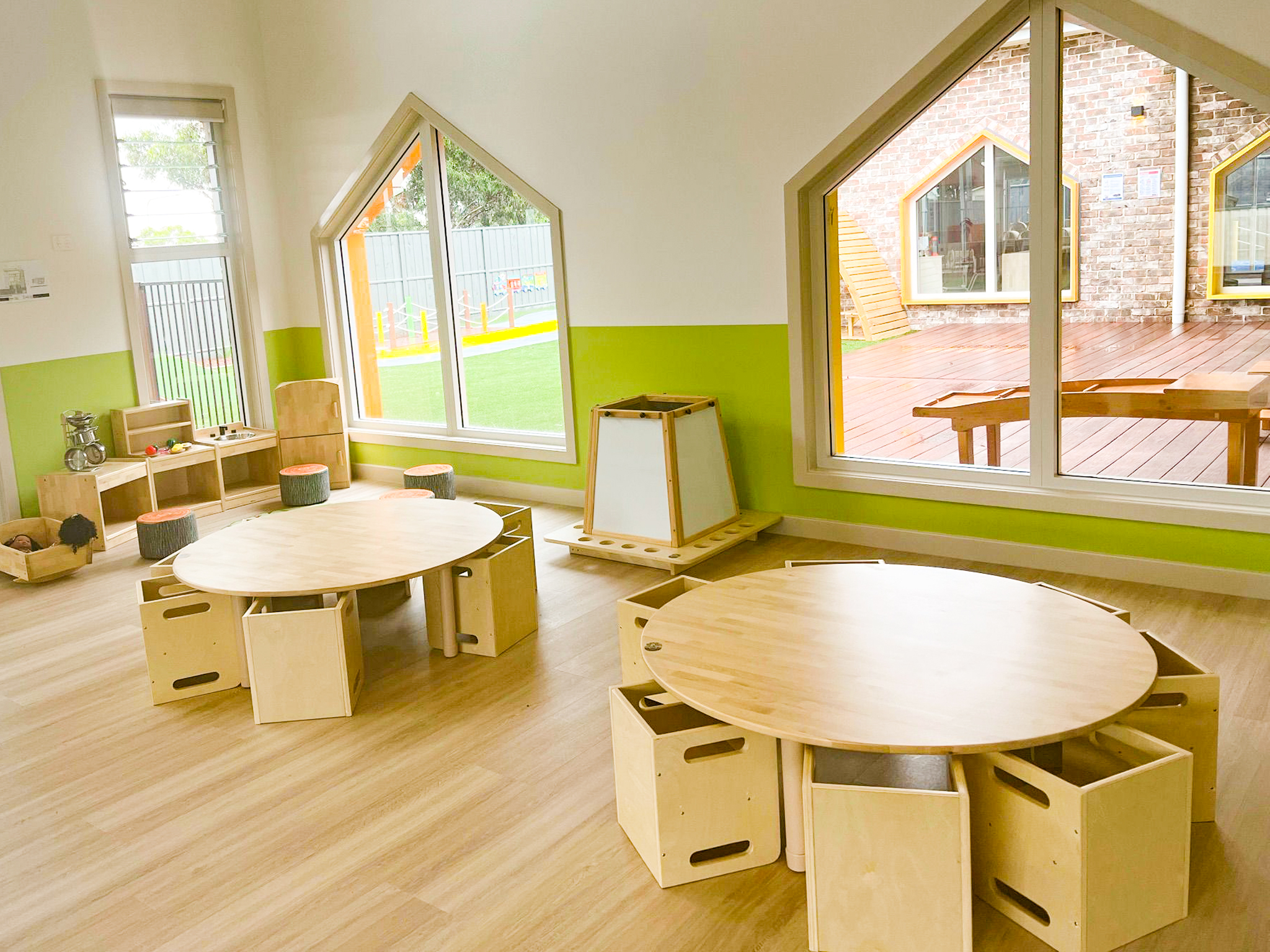
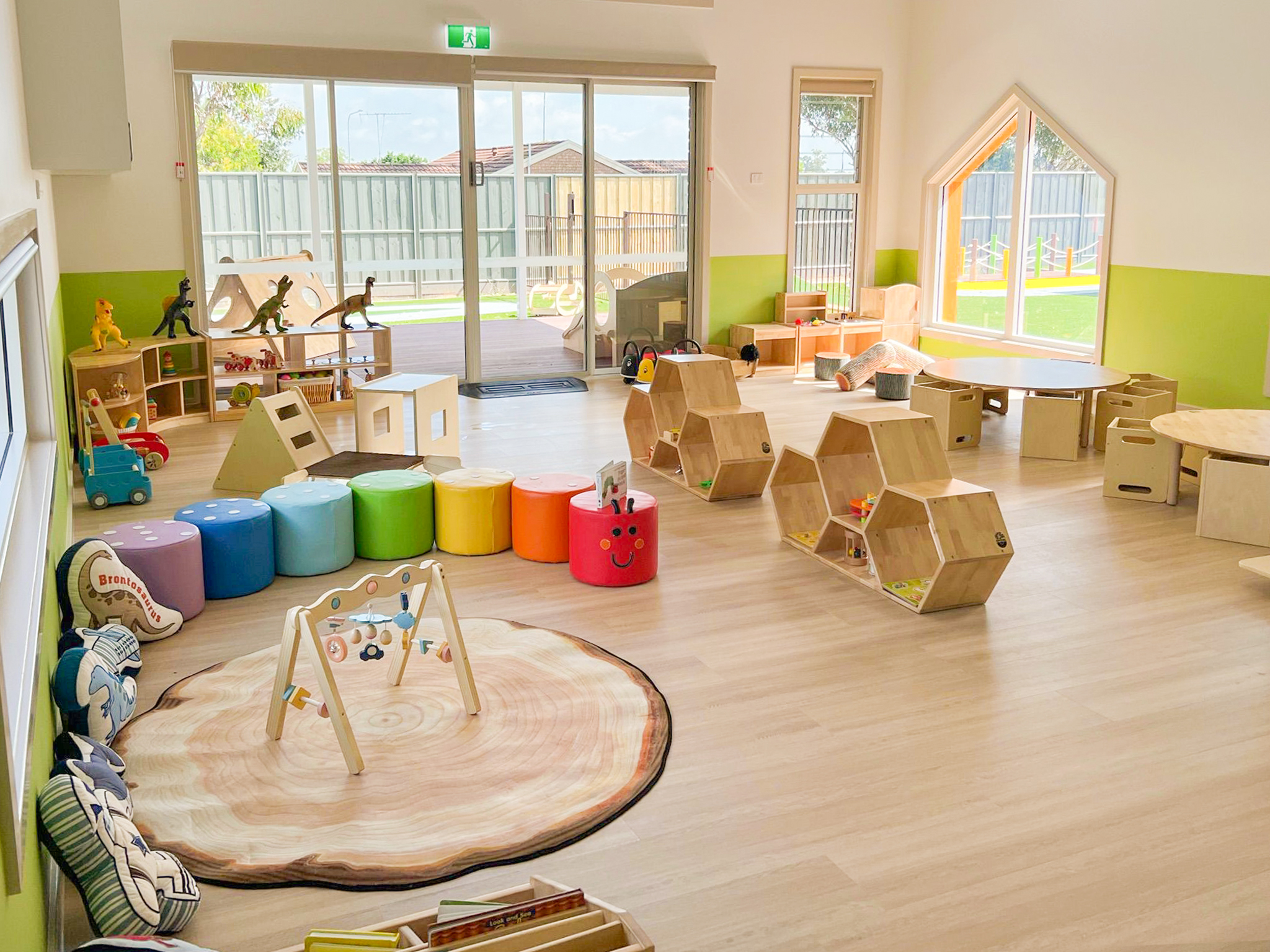
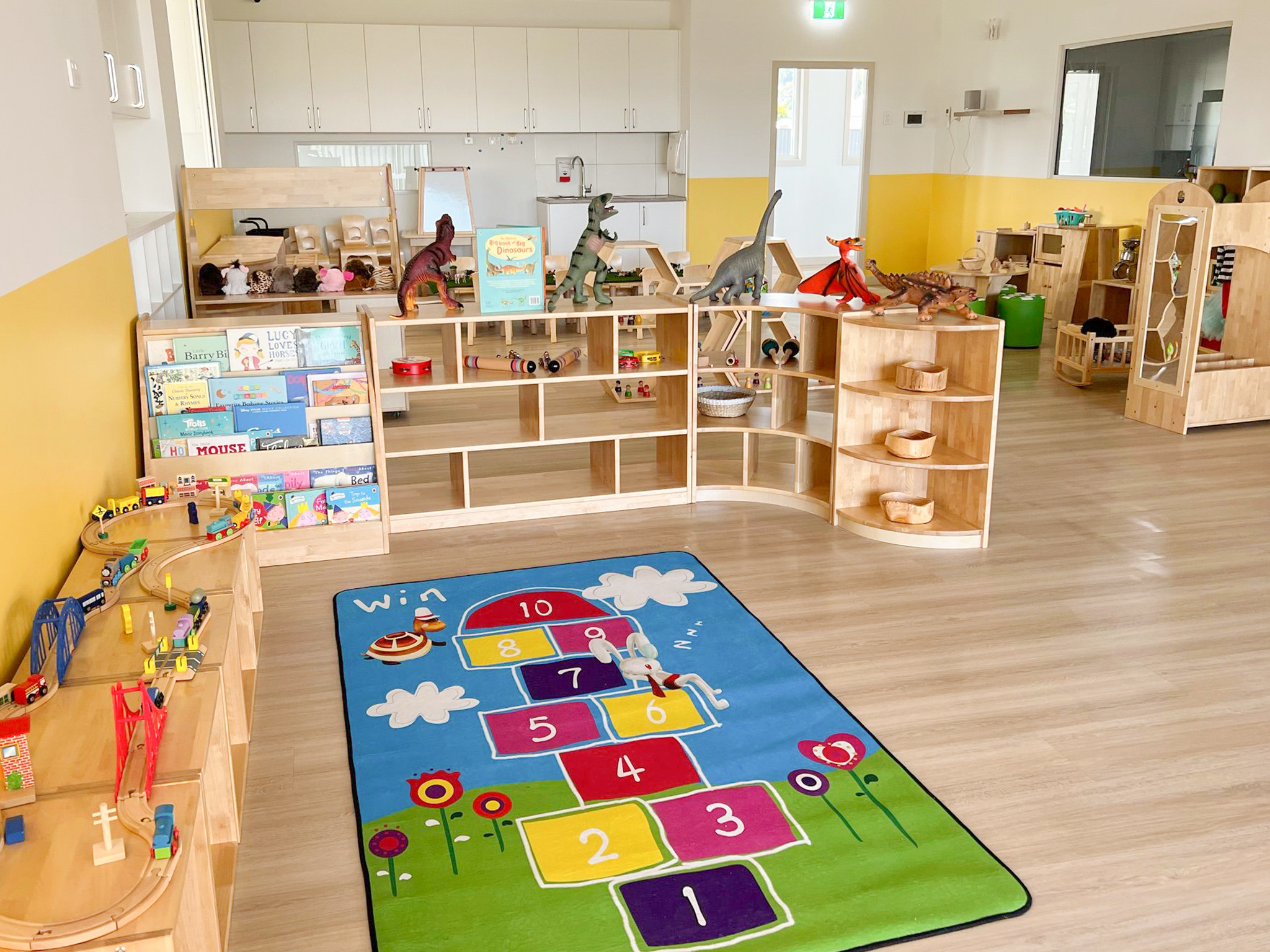
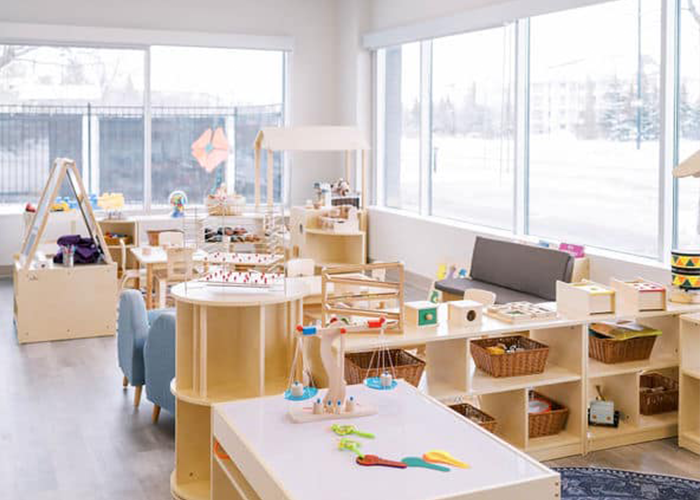
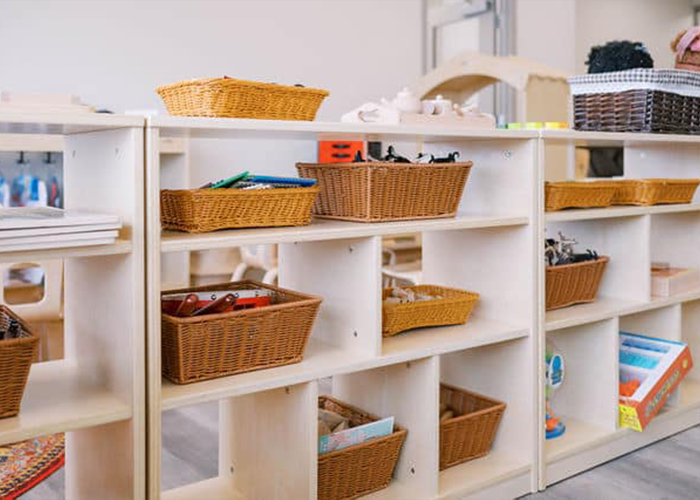
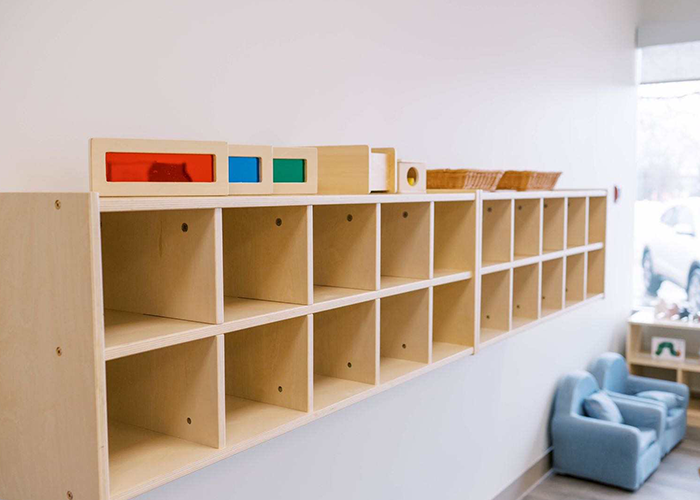
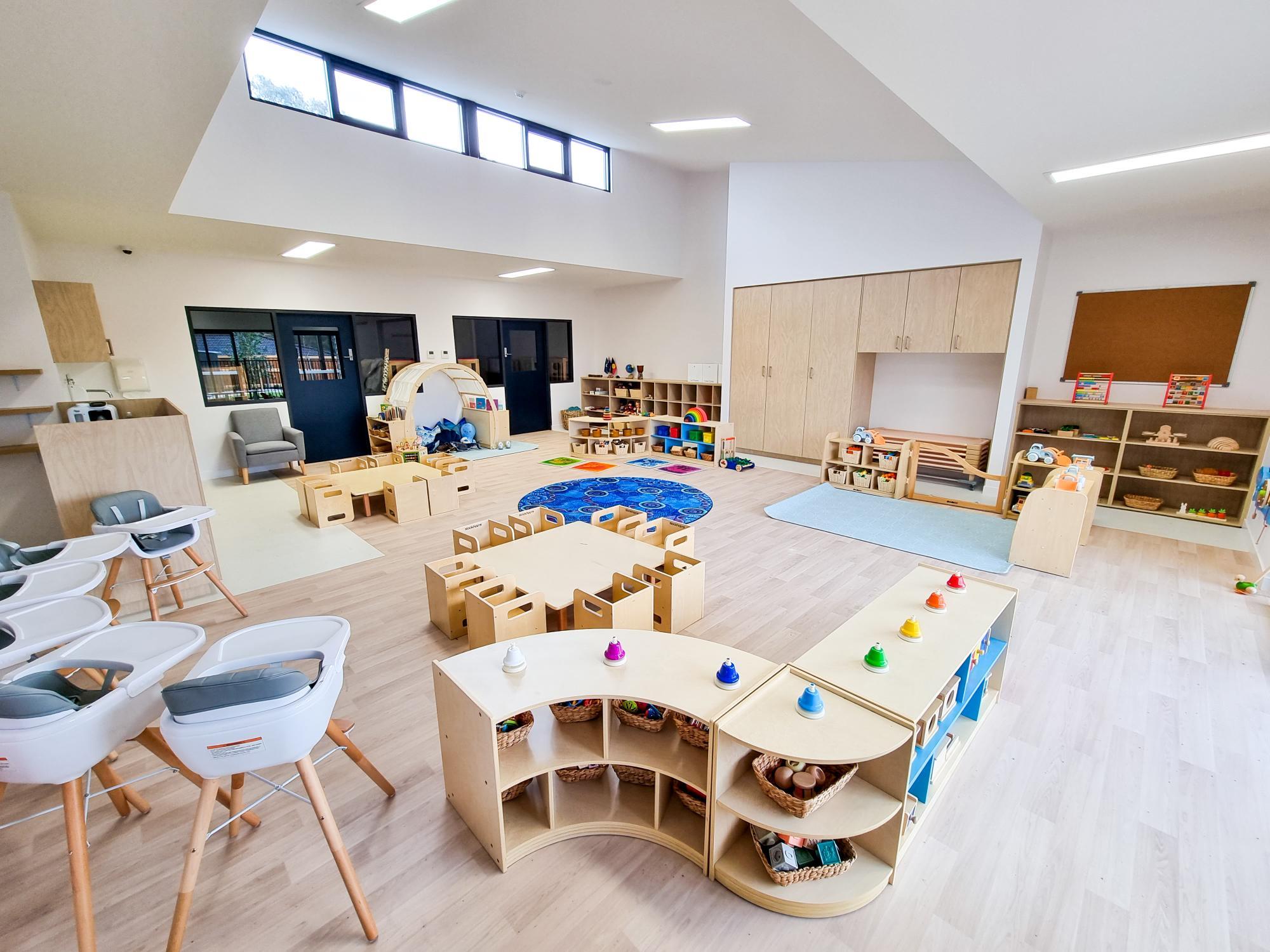
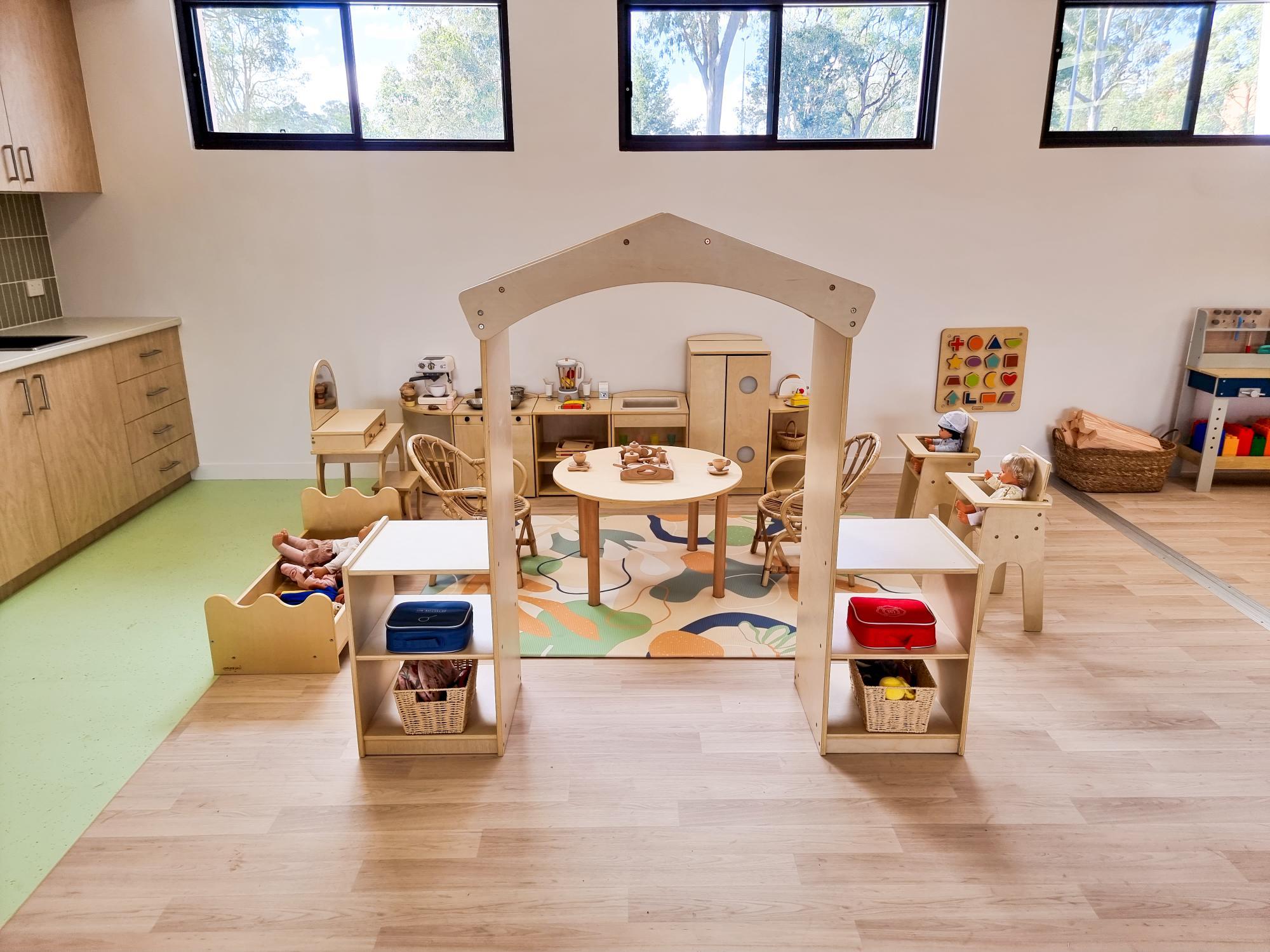
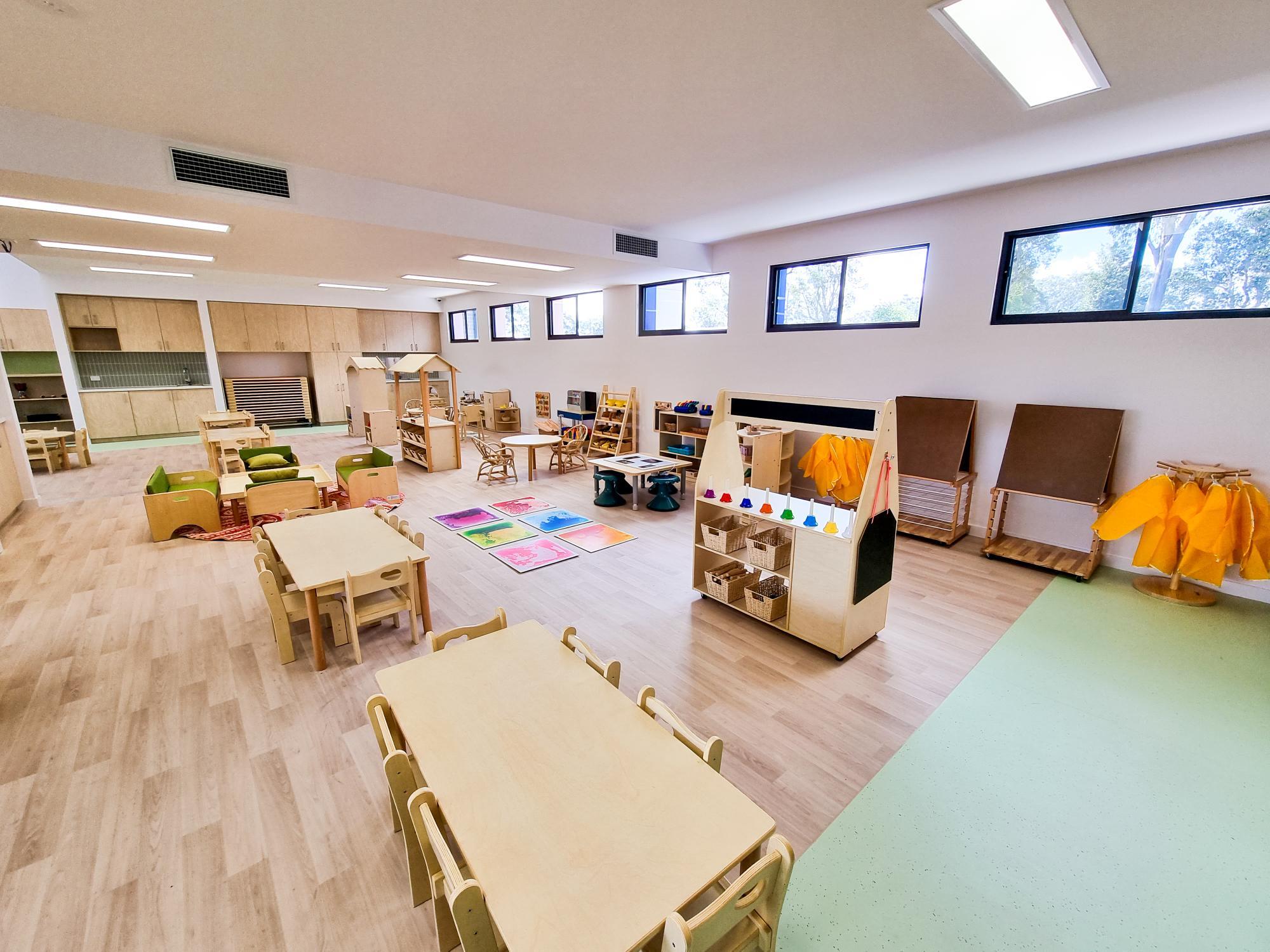
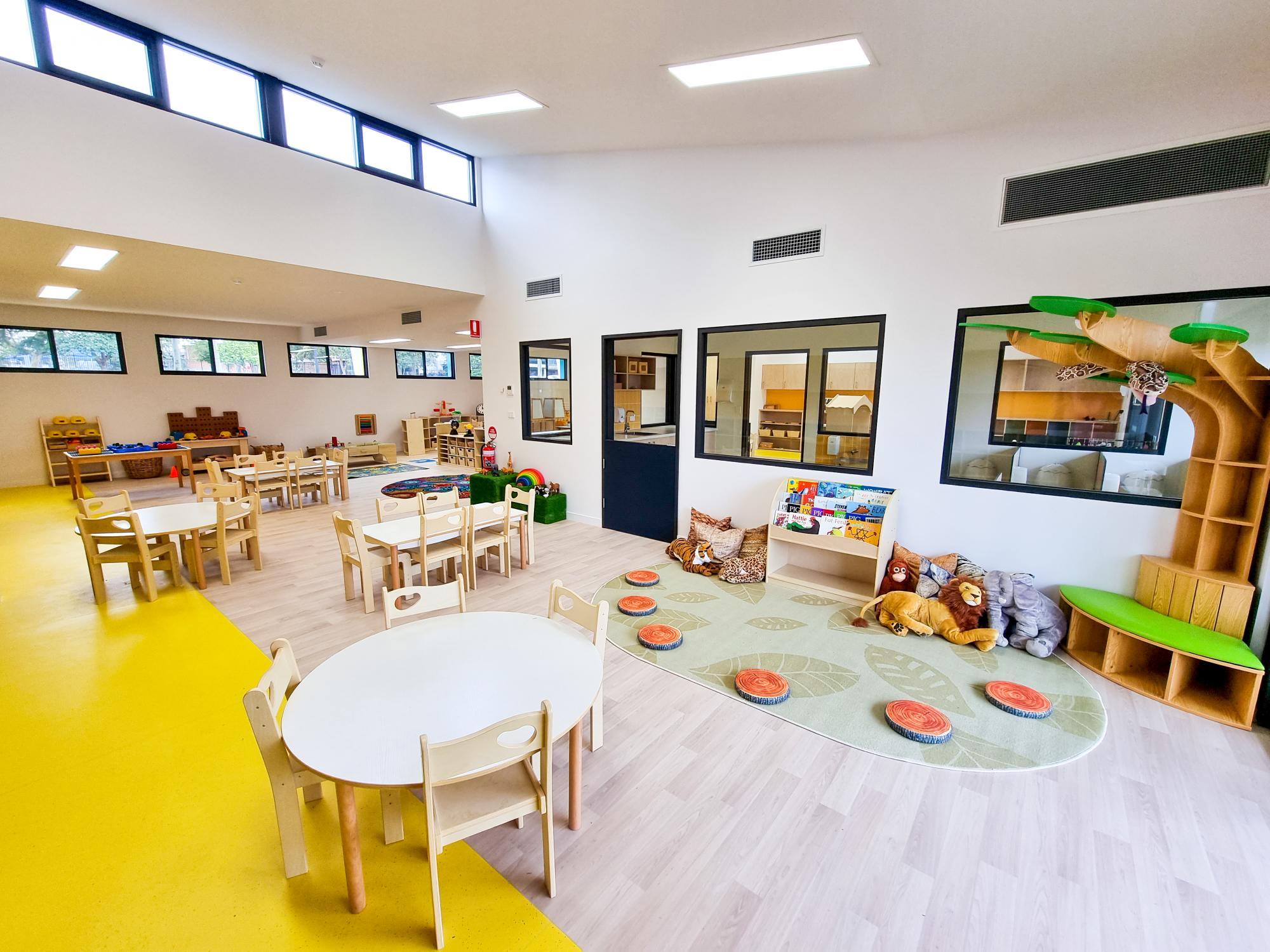
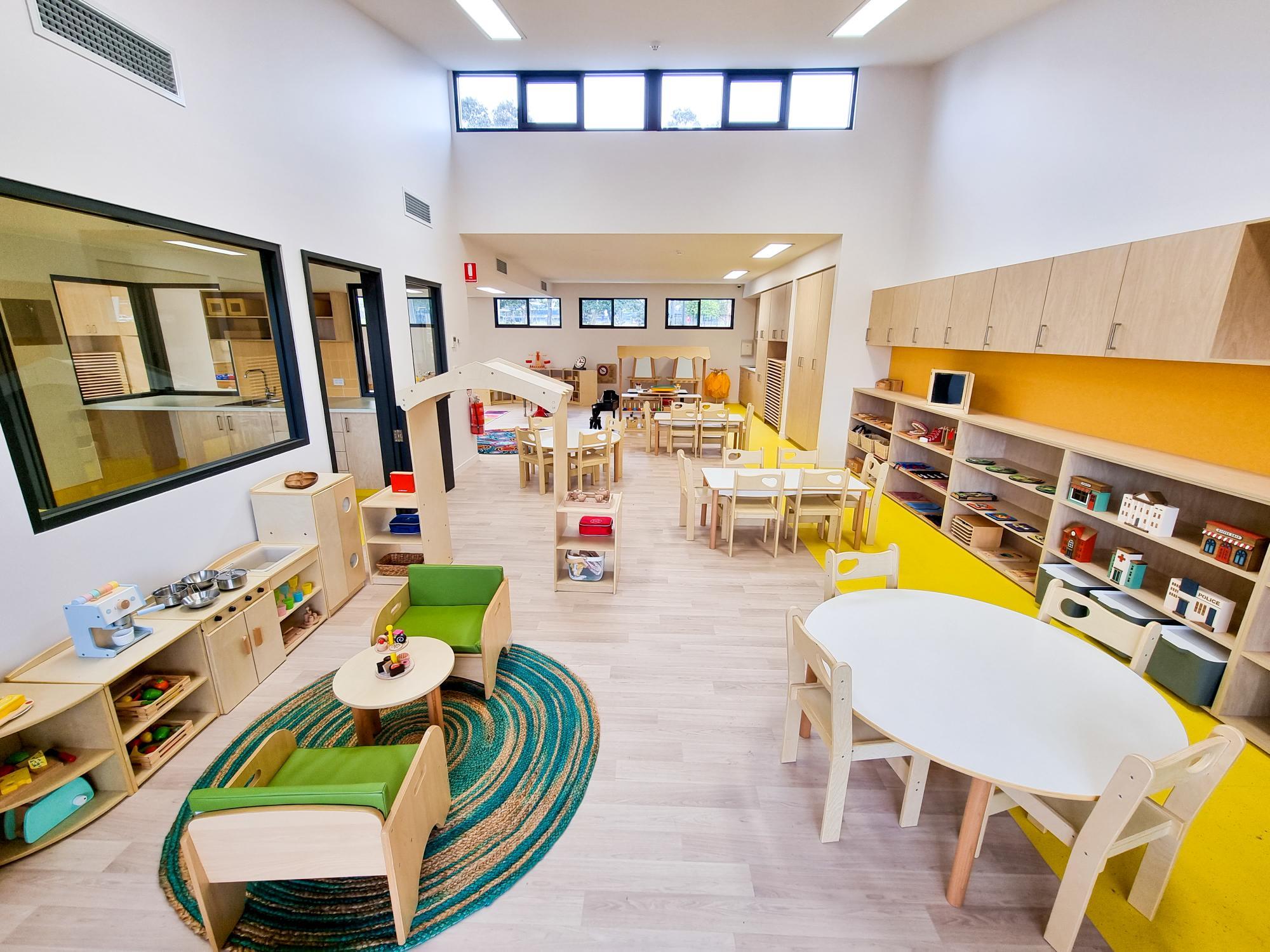
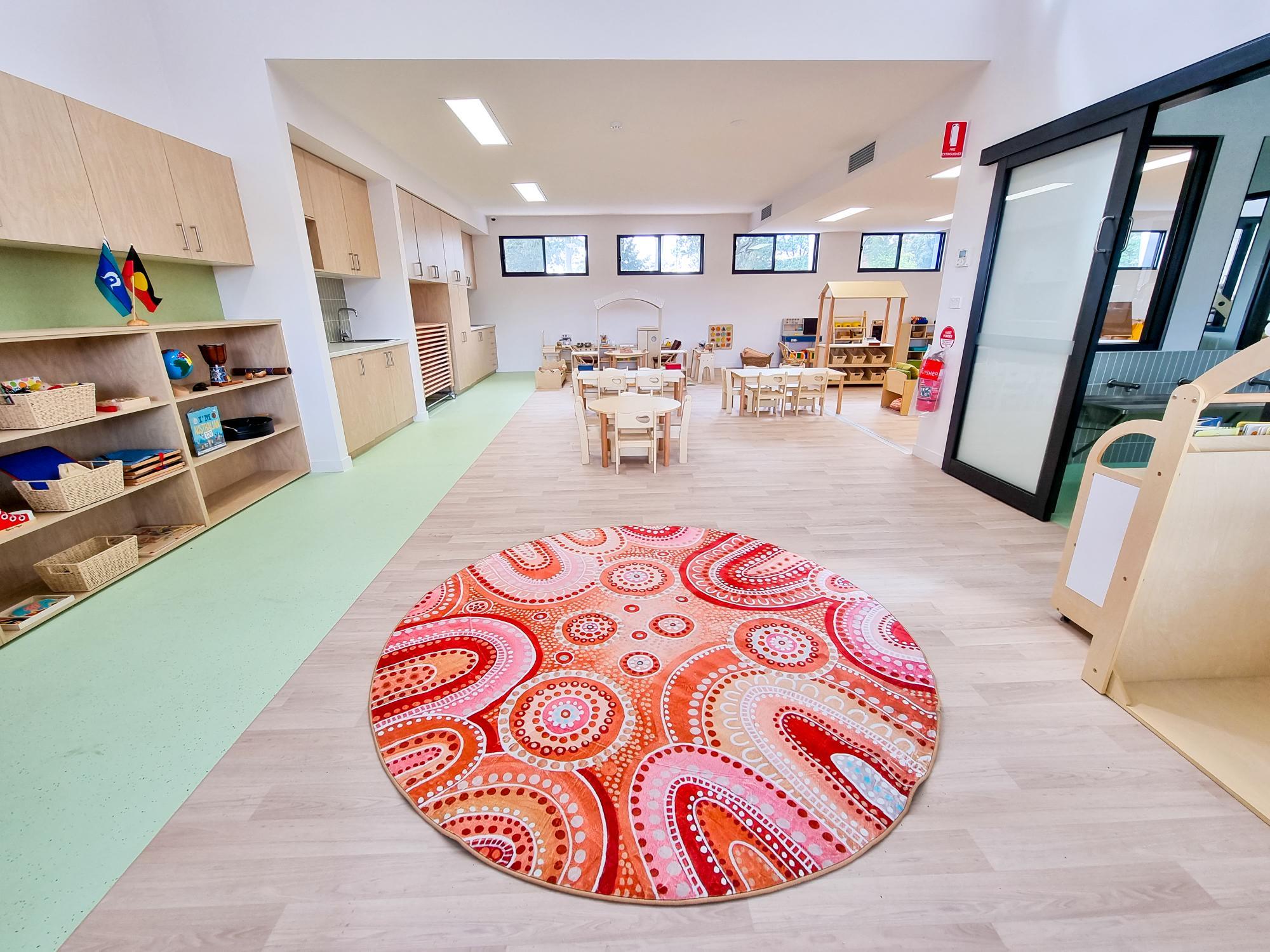
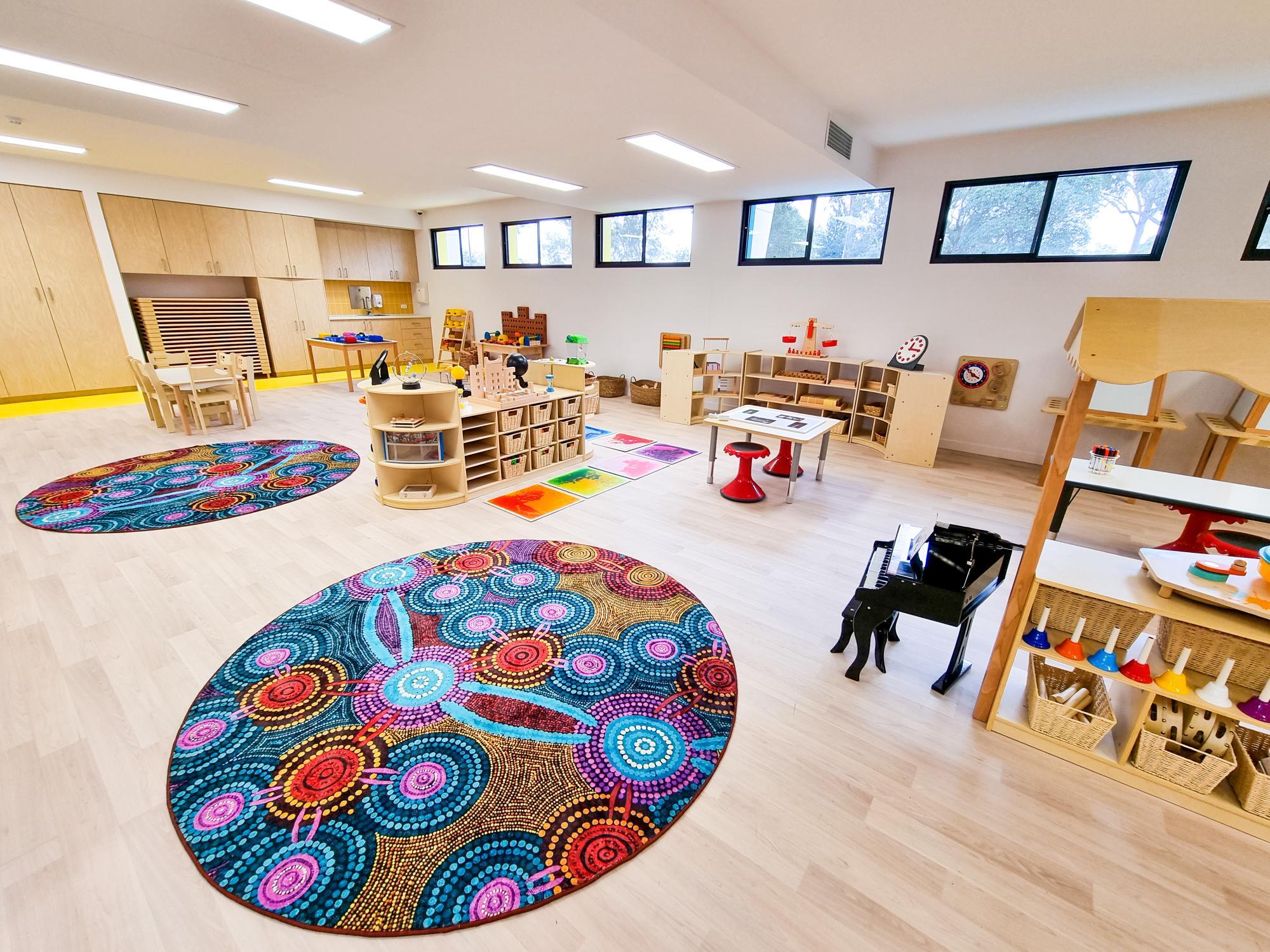
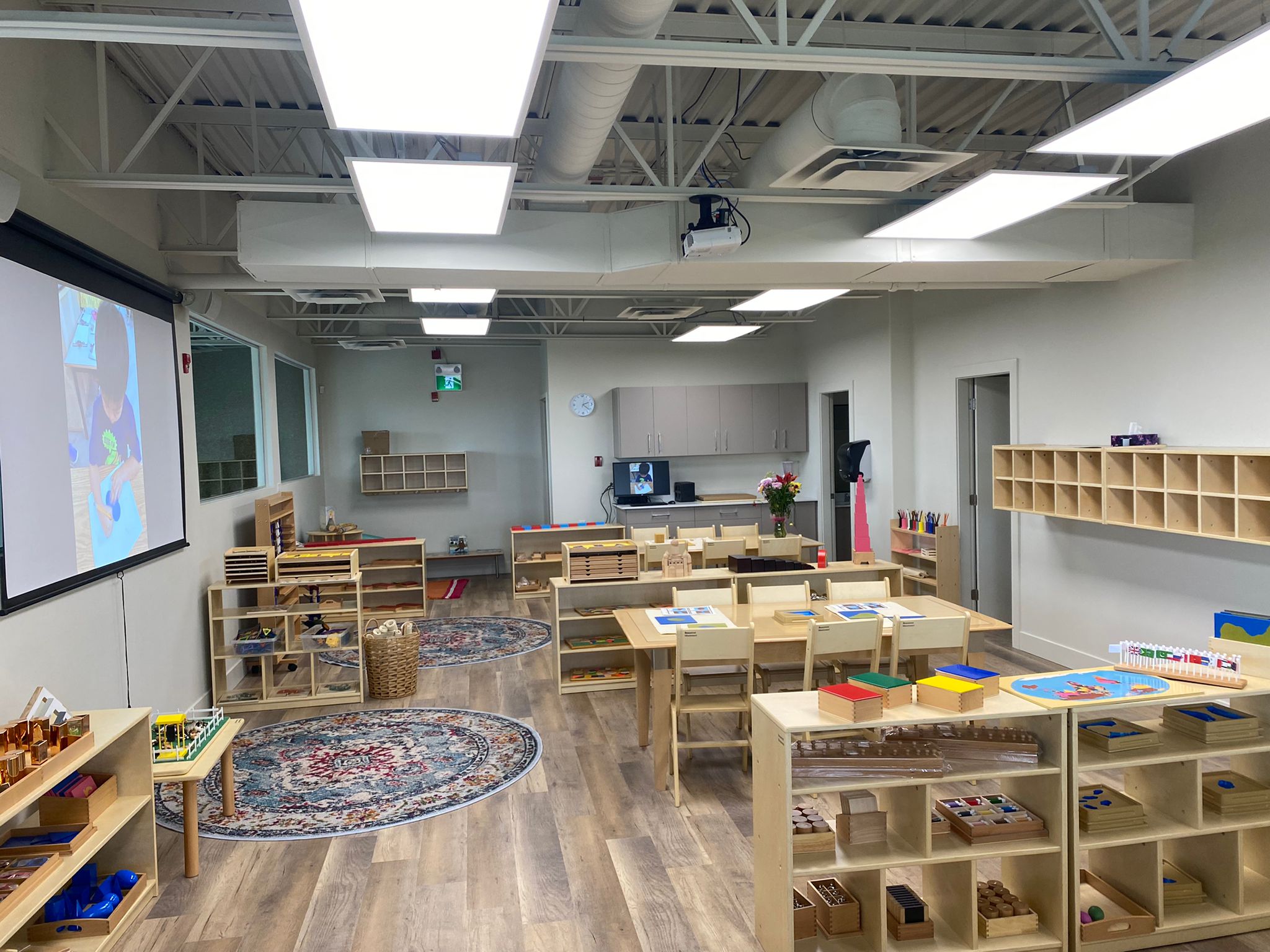
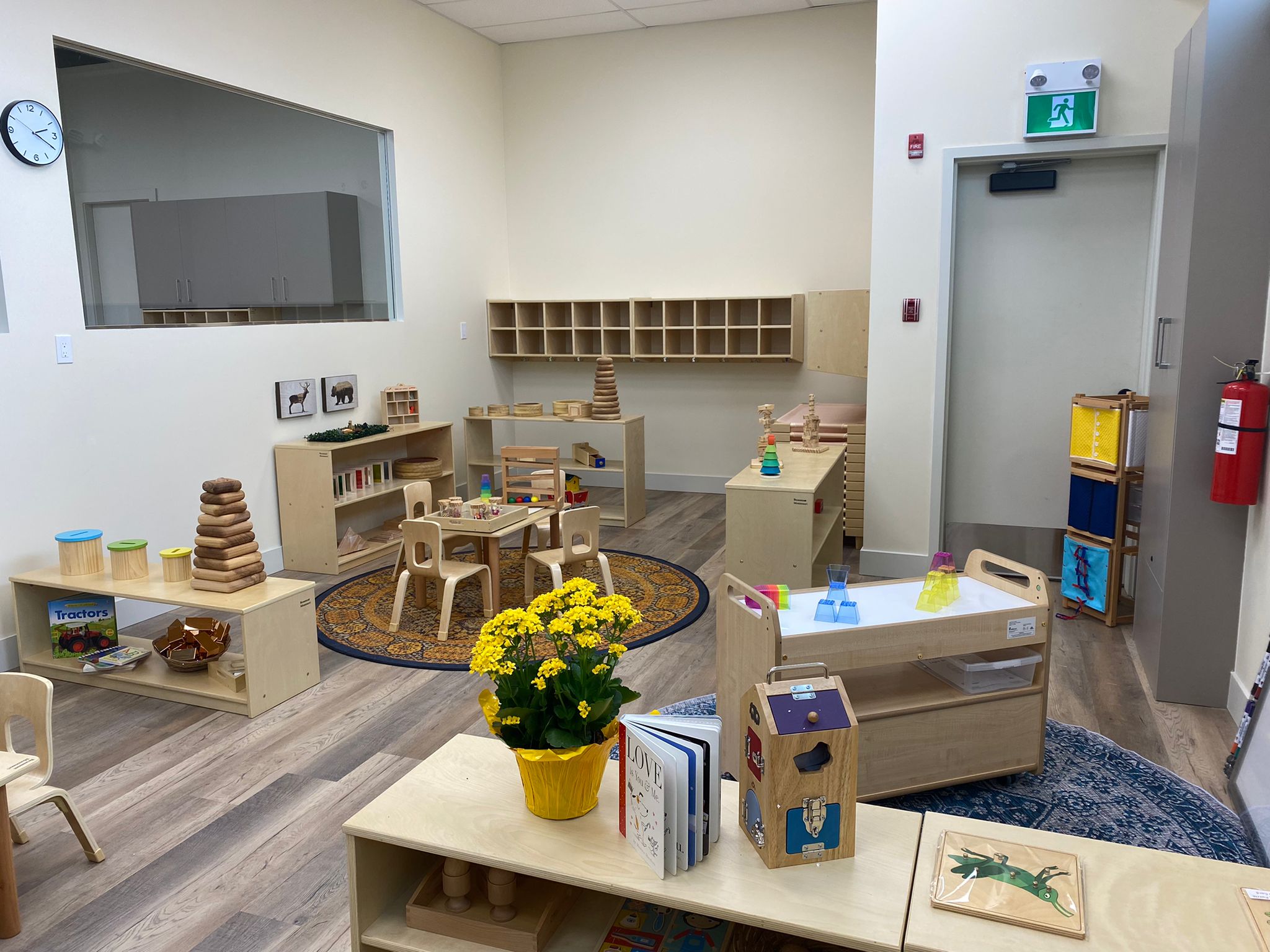
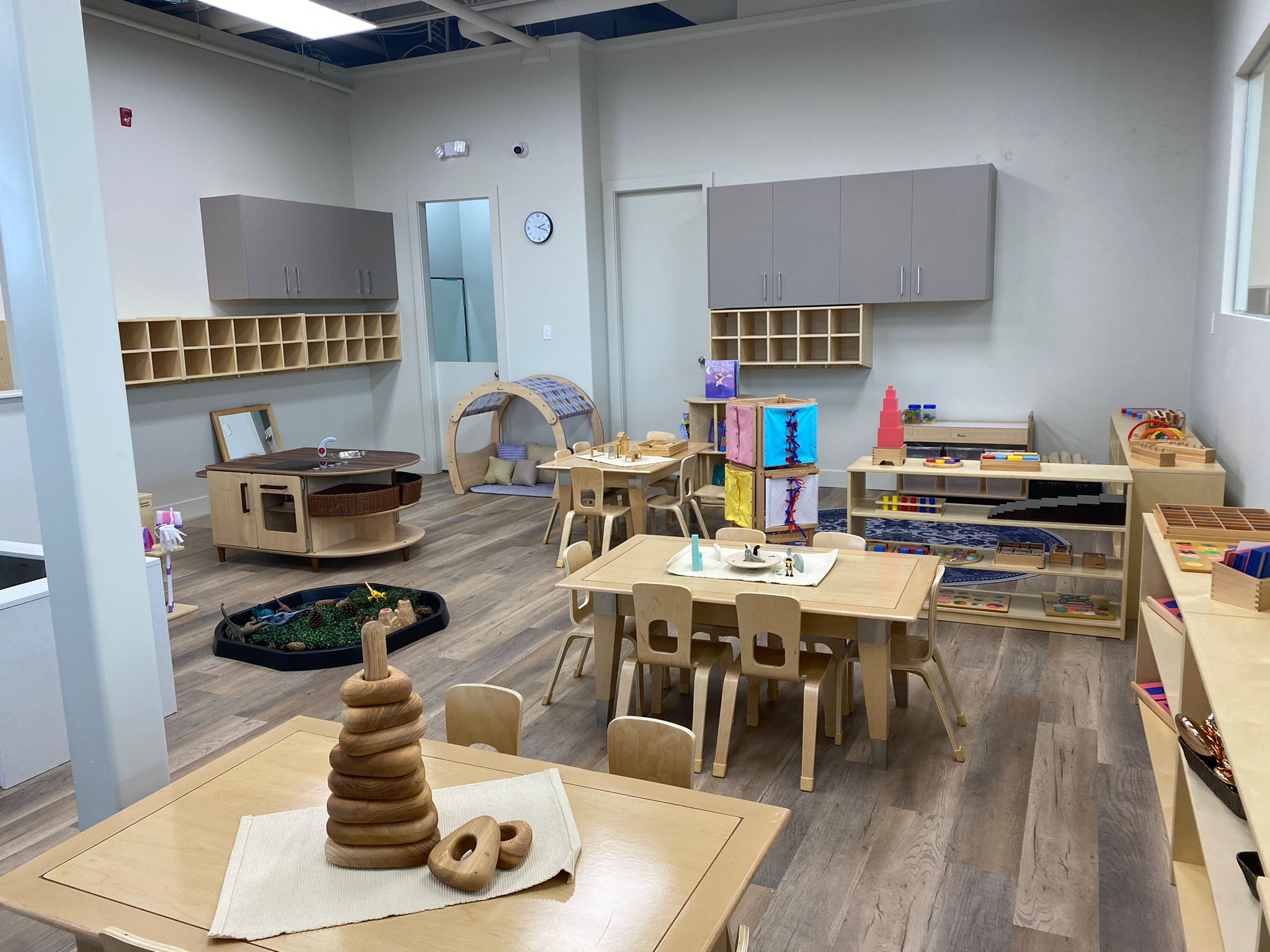
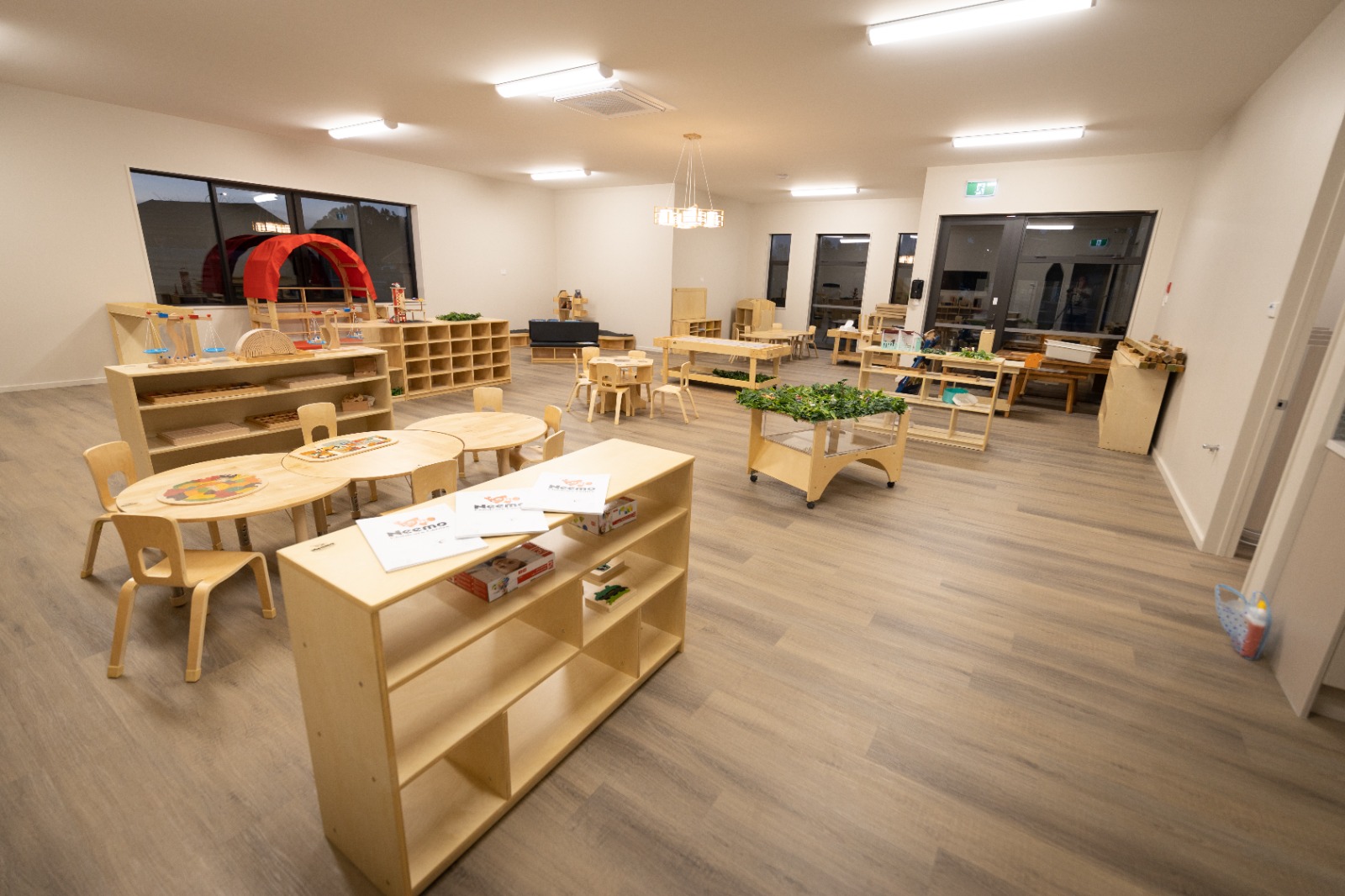
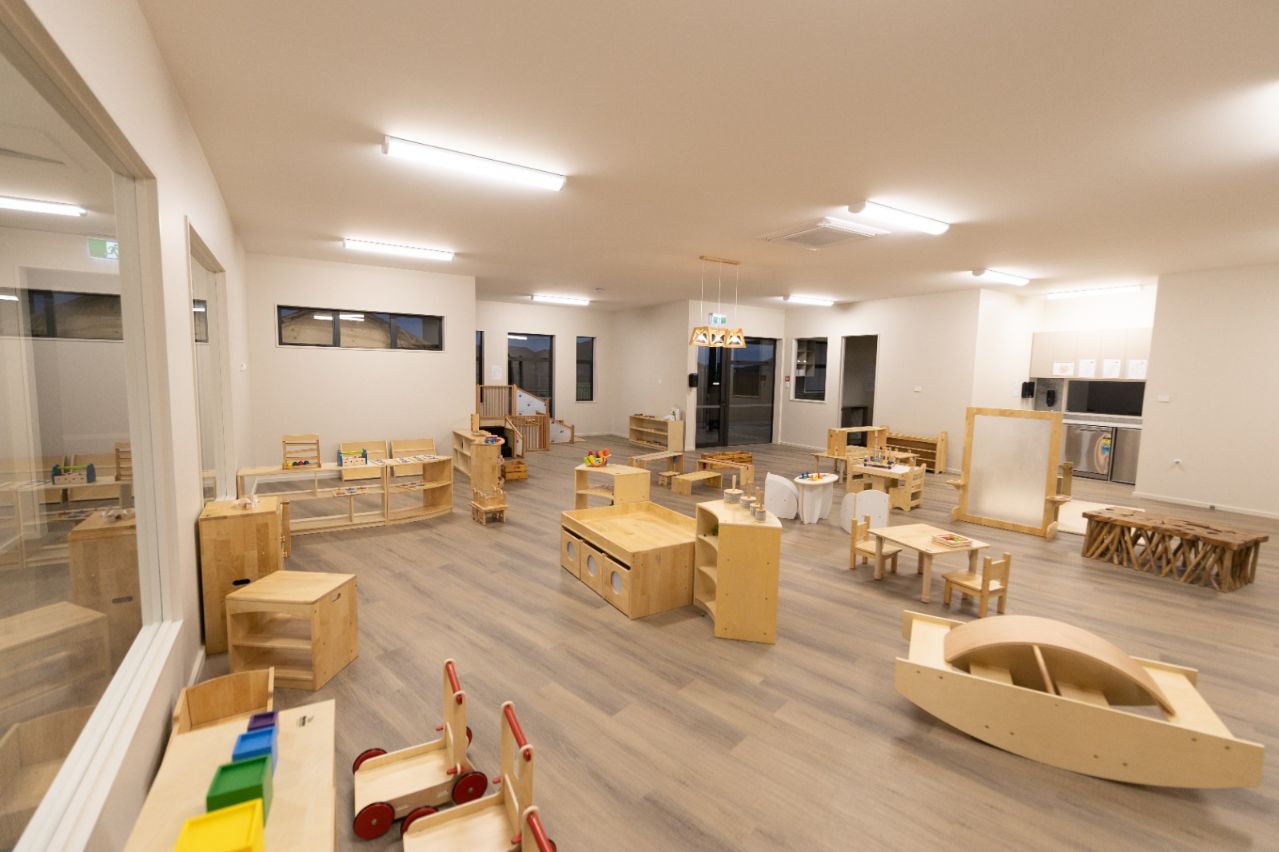
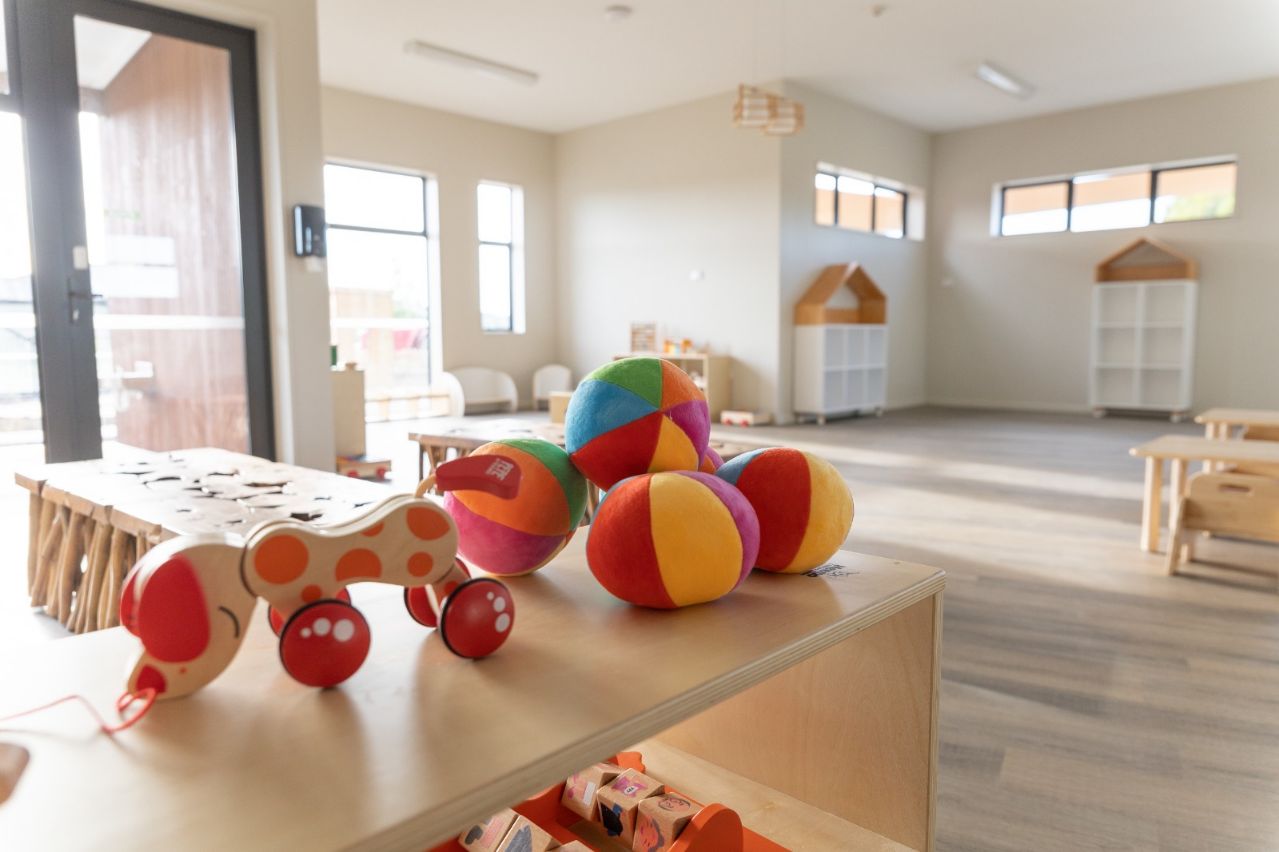
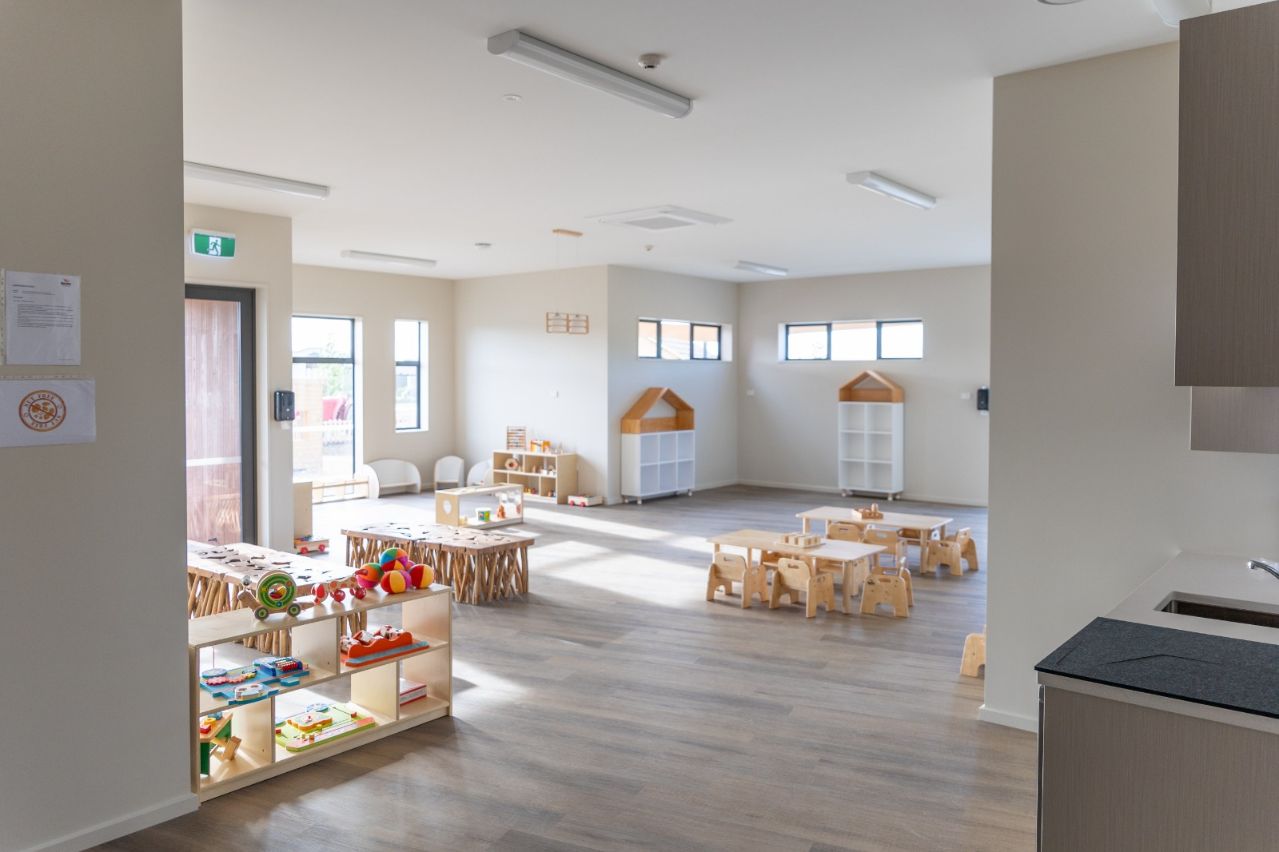
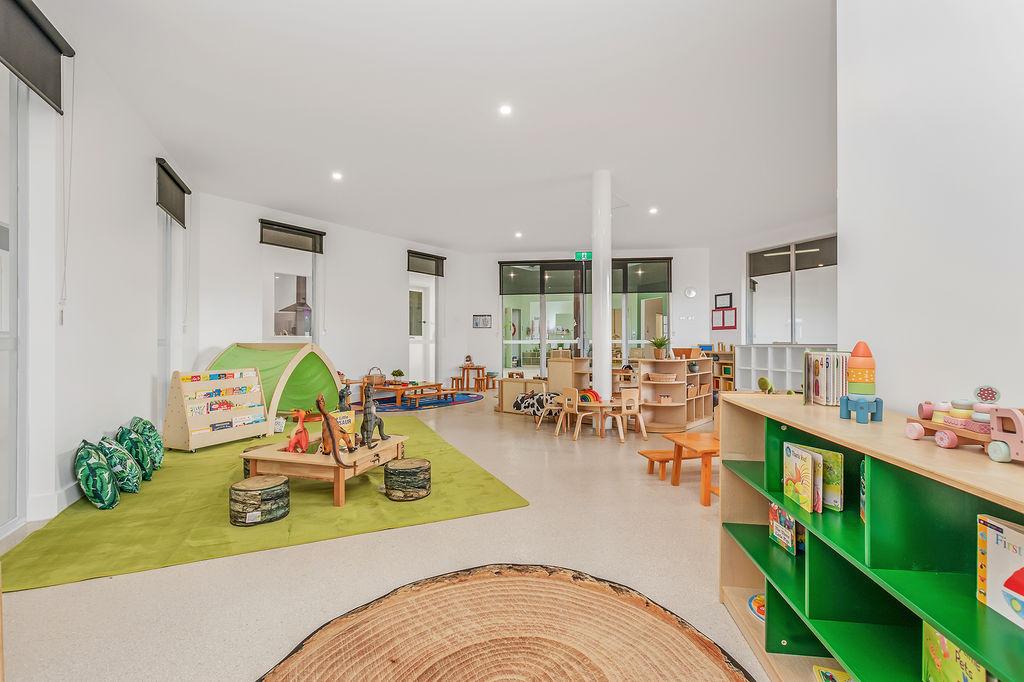
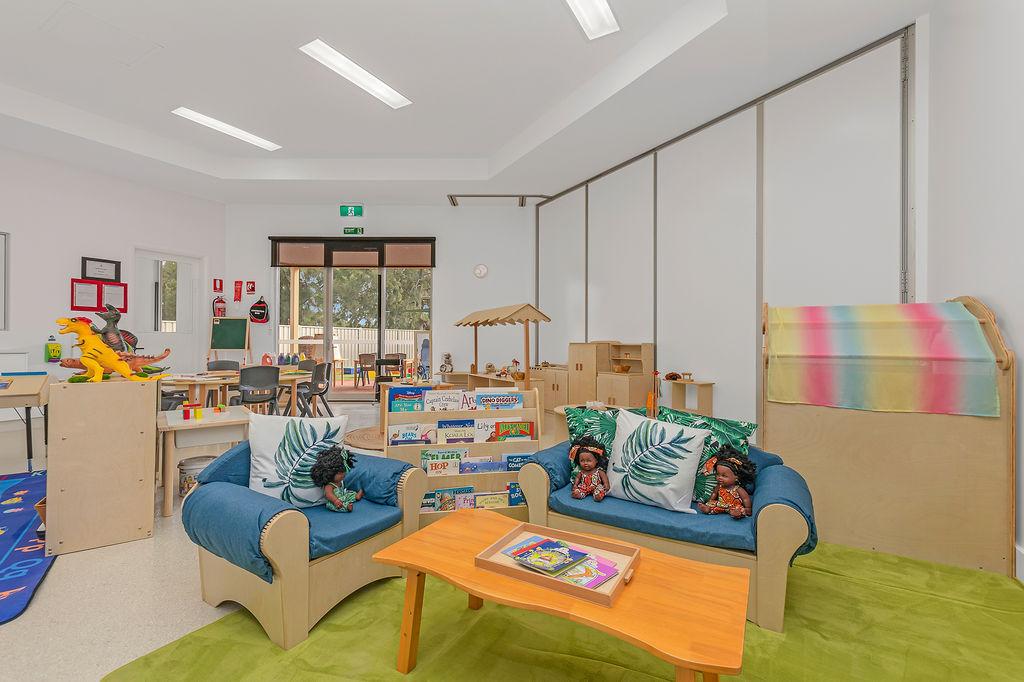
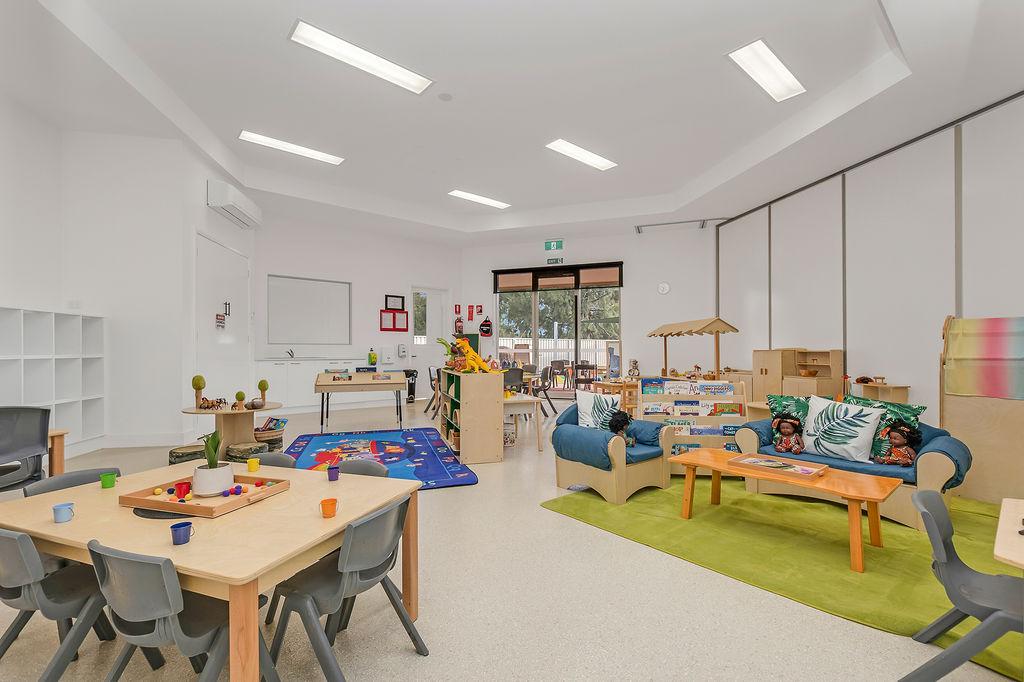
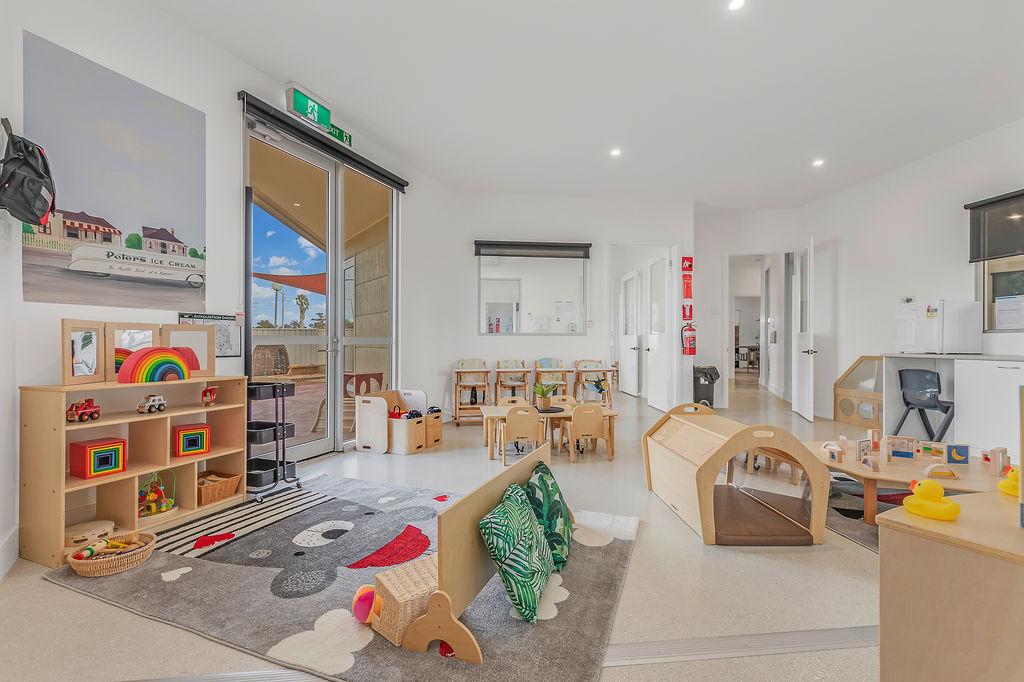
Commonly referred to the ‘prepared environment’, the Montessori classroom is purposely structured to invite interest, encouraging young learners to explore and engage in learning. The result is a natural, beautiful and inviting learning space, that is uncluttered and aesthetically pleasing, being ready for all activities the day holds.
How to declutter toys the Montessori way!
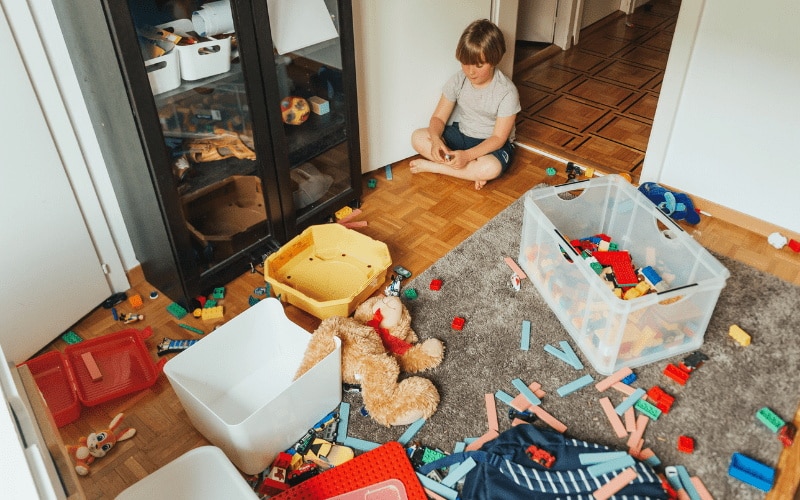
Surveys have shown that a typical child owns 238 toys in total, however parents think they play with just 12 ‘favourites’ on a daily basis, which makes up just five per cent of their toys. If you feel that your child has too many toys, then check my tips to sort them and to keep the ones the most in line with Montessori.
Should I buy Montessori Mirror?
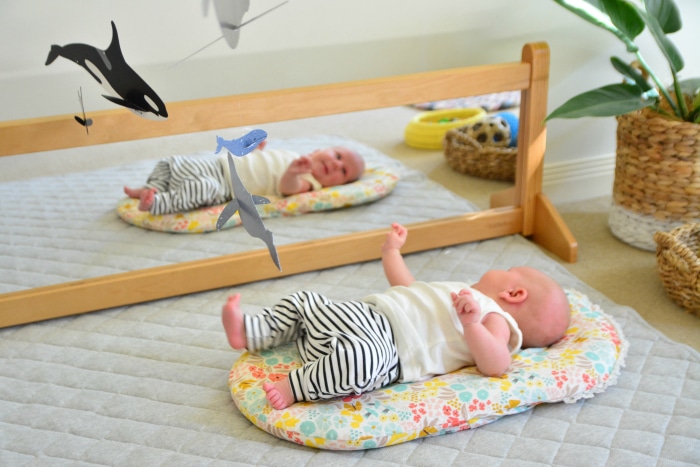
Babies and toddlers are fascinated by mirrors. By observing themselves in the mirror they discover their own identity and movements. By grabbing the rail, children can pull themselves up and walk along the mirror.
Montessori: As Good As Their Teachers

When choosing a school for your child, one of the most important things to remember is that you are also choosing the teachers. Your child’s education is only as successful as the teachers are successful. Fortunately, with the right school and the right teachers, your child will be well on his or her way to a great education and a thriving future.
Educational Benefits of Providing Toys To Children
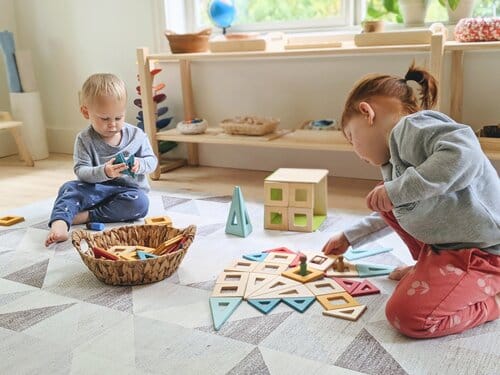
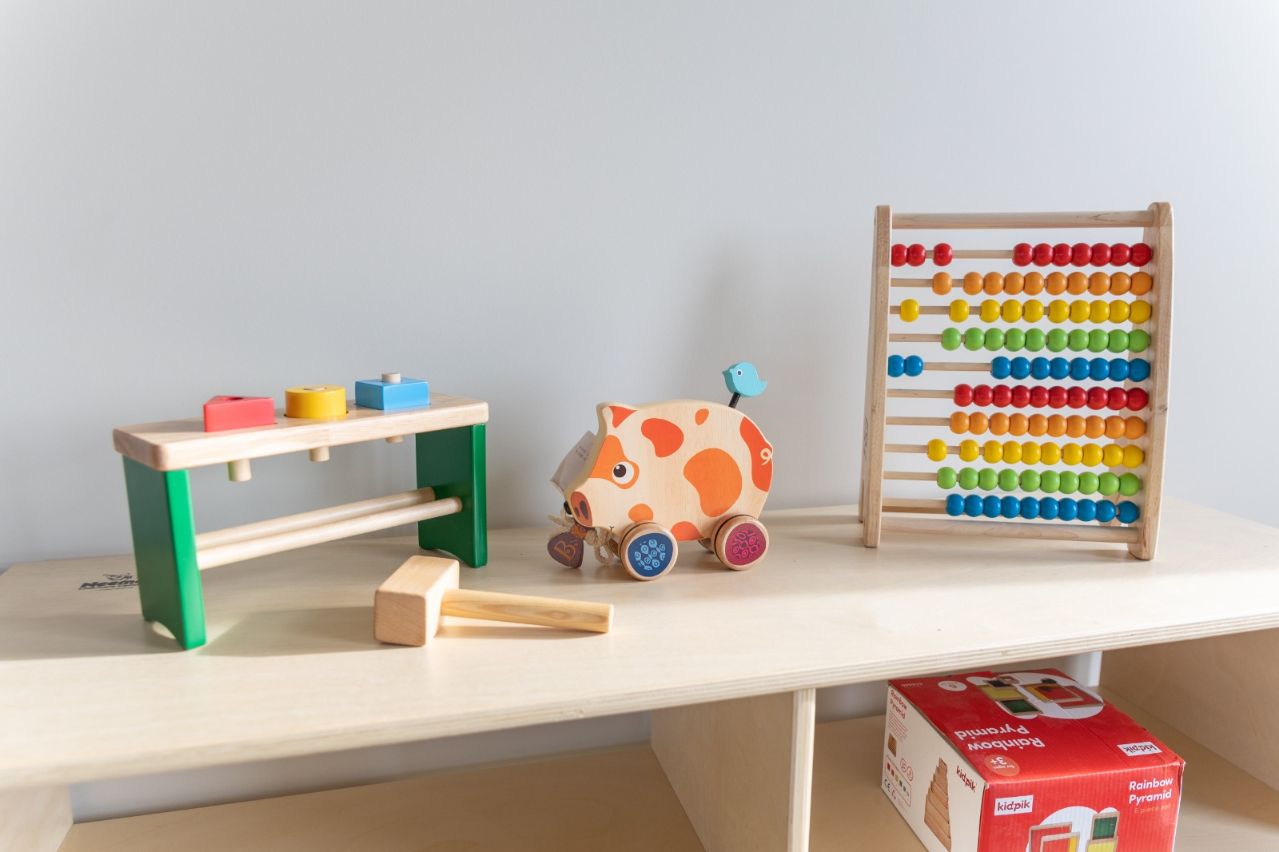
Kids love to play and you should encourage this. Thanks to toys and games, the little ones explore the surrounding world, develop their physical and intellectual abilities, establish emotional connections with other people and learn to express themselves. So the process of playing does not boil down to simply having fun — it also involves a lot of learning. Toys spark the children’s imagination, engage their senses and teach them to interact with the environment.
What is the Difference Between Montessori and Pikler Approaches?
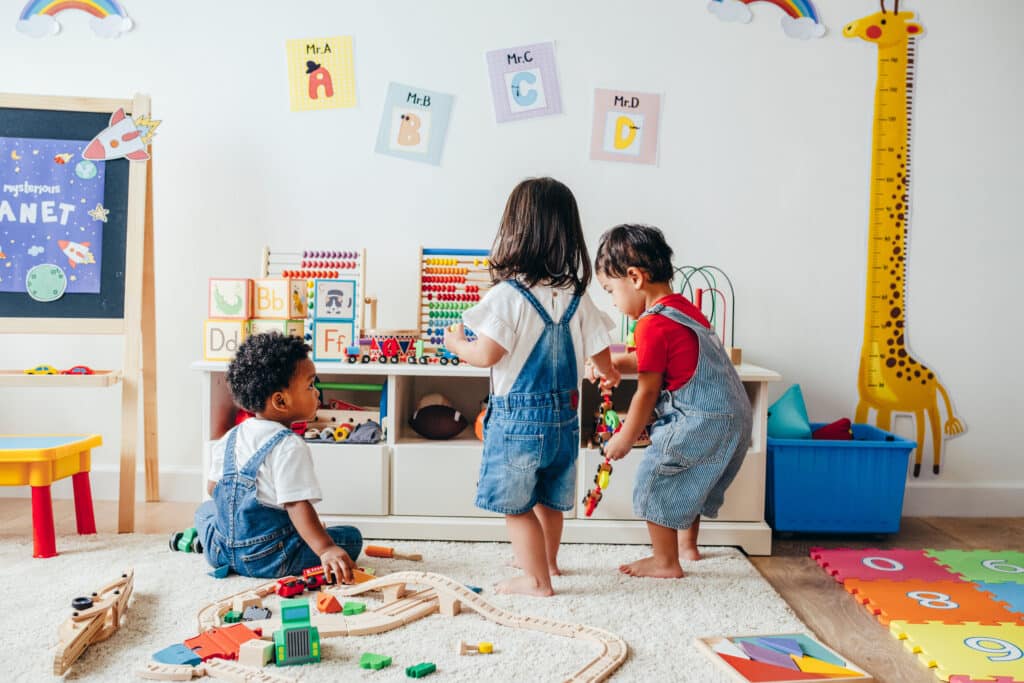
The Montessori and Pikler methods are two of the most popular of these methods, and they’re more than a century old. In these methods, teachers try to provide education based on the principles governing natural development as well as the individual needs of each child according to group games as well as individual activities for children. Also, the atmosphere and architecture of the place are important points too. These days, the Montessori and Pikler methods are being taught in most preschools and kindergartens in most countries. In this article, we want to discuss these two methods, what are the differences between them, and how they can be useful for your child.