
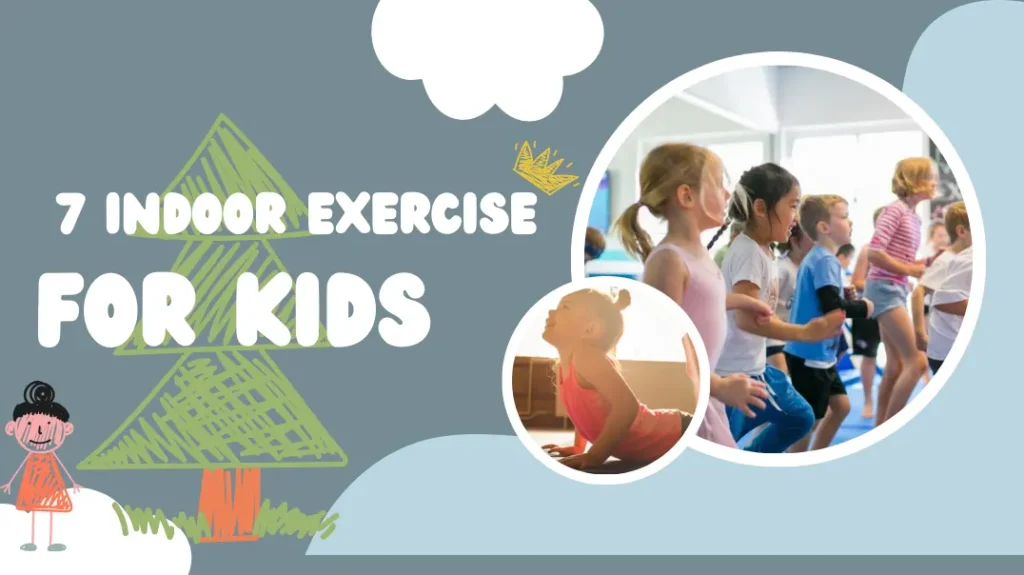
When winter hits and playgrounds are off-limits, finding the right indoor exercise for kids becomes more than just a way to pass the time. Outdoor time shrinks, and playgrounds freeze over, and suddenly the classroom feels a little too small for all those busy bodies. You start to notice it as kids become squirmy, cranky, or simply tired of sitting around.
Young children are not built to stay still for long. Movement is part of how they learn and make sense of the world. It supports their focus, helps them manage their emotions, and strengthens the motor skills they depend on every day. When that movement is limited, you see more restlessness, more meltdowns, and a classroom that becomes harder to steer in the right direction.
That’s where indoor exercise for kids comes in. With the right activities, even a small classroom can become a space for meaningful movement that supports development, focus, and fun. In this guide, you’ll find seven engaging indoor exercises tailored for preschoolers, plus practical tips for safety, motivation, and making the most of indoor days. Let’s turn that restless energy into something joyful and productive.
Indoor Dance Party

A dance party is one of the easiest ways to get preschoolers moving when space is limited. Clear a corner of the classroom, play a few upbeat songs, and let the kids move however they like. There’s no right or wrong way to dance, which makes it perfect for this age group. You can also guide them with simple prompts like “jump,” “spin,” or “freeze,” or use classic games like freeze dance to mix movement with listening skills.
This activity works well as a short energy break or a warm-up before quieter tasks. It requires no setup, no special gear, and it helps kids burn off energy in a safe and fun way. For teachers, it’s a simple way to manage the classroom without adding prep work to the day.
Indoor Obstacle Course
An obstacle course is a flexible way to get preschoolers moving, thinking, and having fun—all within the classroom. You don’t need fancy gear. Soft blocks, tape on the floor, chairs to crawl under, or hoops to jump into will do just fine. Set up a simple path with 3–4 movement stations: step over cushions, walk heel-to-toe along a taped line, hop to the table, crawl through a tunnel made from two chairs and a blanket.
Younger kids often enjoy following an adult through the course rather than remembering a set of instructions. For older preschoolers, you can add a memory element by giving them a short sequence of steps to follow. Some teachers even let the children design their own course using safe items from the classroom. Keep it loose and playful. If attention starts to drift, change the order or add a new challenge to keep things fresh. It’s an easy way to channel energy and build coordination in one go.
Children’s Yoga
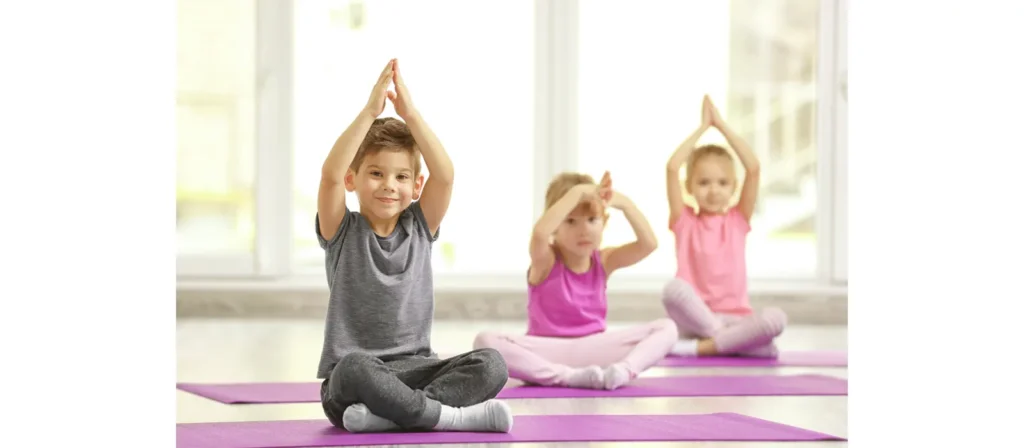
Yoga isn’t just for adults. It can work surprisingly well with preschoolers when kept playful and simple. Instead of focusing on perfect form, the goal is to encourage movement and mindfulness in a way that makes sense to young children. Think of stretches like reaching up tall like a tree, curling into a ball like a rock, or standing on one foot like a flamingo. These actions build balance, body awareness, and a sense of calm.
Using stories or simple visuals can help guide the session. You might lead them on a pretend journey where they flap like birds, stomp like elephants, or rest quietly like sleeping turtles. Sessions can be short, around five to ten minutes, and are especially helpful after high-energy activities or before transitions. You do not need yoga mats or special gear, just a soft surface and enough space to move comfortably. It is a quiet but meaningful way to keep kids active.
Hula Hoops
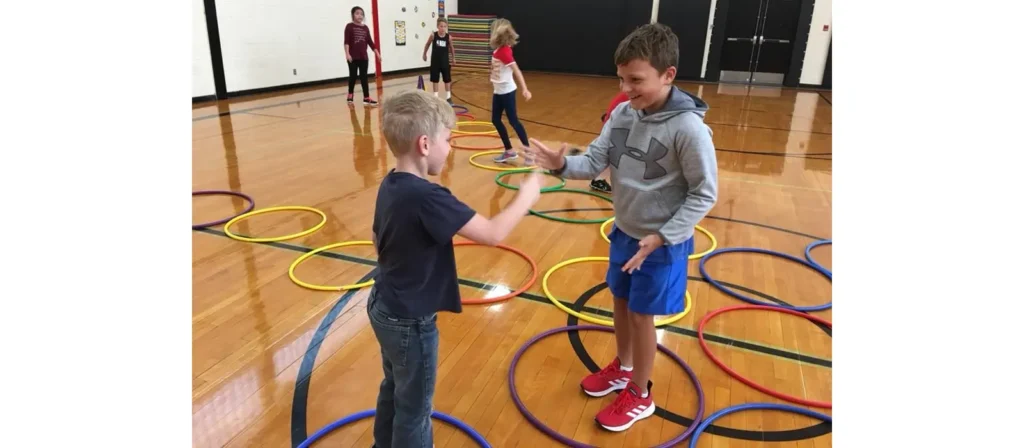
Hula hoops offer more than just the classic spin-around-the-waist move. In a preschool classroom, hoops can be used for jumping games, crawling tunnels, or simple movement stations. You can line them up and have children hop in and out, pretend they are stepping stones, or use them as targets for bean bag tosses. If you have helpers, hold the hoops up so kids can crawl through them like a tunnel.
Another easy group activity is musical hoops. Play music while the kids dance around the room. When the music stops, they each find a hoop to sit in. You can leave all hoops in place so everyone always has one, which tends to work better with younger children. The goal is not competition. It is movement, coordination, and fun. Whether they are balancing, jumping, or learning to twirl, hoops give kids a chance to move their bodies in a variety of ways.
Hopscotch
Hopscotch is an easy indoor exercise for kids that takes just a bit of tape and open floor space. Use masking tape to create a short row of numbered squares on the classroom floor. Keep the layout simple with a mix of single and double squares, spaced for small feet. Kids can take turns hopping through the pattern, either with both feet or switching to one-foot hops. For variation, add a soft object like a beanbag for them to toss and retrieve as they move through the course. It is quick to set up, easy to adapt, and fits well into a group rotation or movement corner.
Walk the Tightrope
This indoor exercise for kids takes just a roll of tape and a bit of imagination. Place a strip of tape on the floor in a straight line to create a “tightrope.” Invite children to walk heel to toe along the line with arms out for balance. You can turn it into a pretend play activity by calling it a bridge, a log over water, or a mountain path. To keep the fun going, add a second tape line nearby and ask kids to jump across the “river” or tiptoe between the paths. It is a simple setup that fits easily into a classroom and adds a bit of adventure to movement time.
Create a Scavenger Hunt
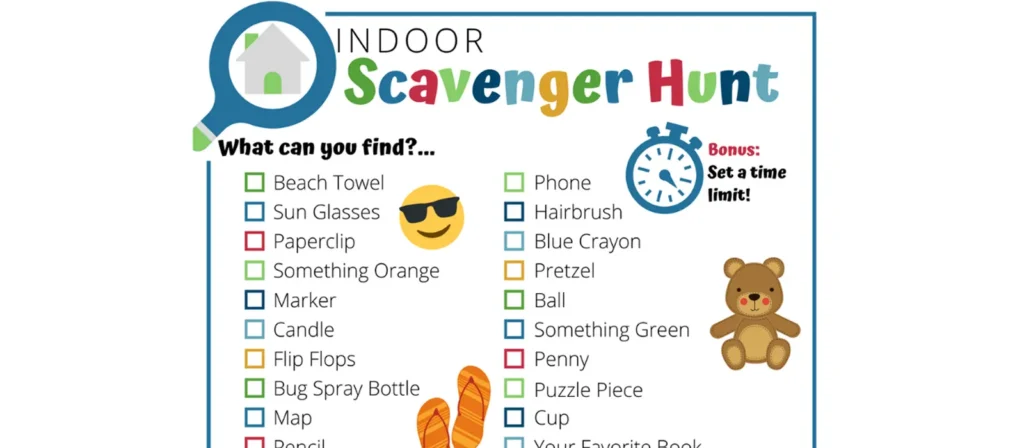
A scavenger hunt is a creative way to turn indoor exercise for kids into an active thinking game. In a preschool setting, you can hide small toys, picture cards, or familiar classroom items around the room, then give the children simple clues or visual prompts to guide their search. The goal is to get them moving by crawling under tables, tiptoeing to corners, or hopping across the room as they hunt for each item. You can theme it by color, shape, or letter to fit your learning goals and adjust the level of challenge based on the group’s age.
For younger children, using printable picture clues or visual task cards helps them stay engaged and follow along more easily. You can also add tools like sorting baskets, collection bags, or sticker charts to make the hunt feel more interactive. If you want to save time, there are free preschool scavenger hunt templates and ready-to-print clue cards available online. It is an easy way to build movement into your day while keeping the classroom energy focused and playful.
The Benefits of Indoor Exercise for Kids in Preschool
Indoor movement activities are more than just a way to keep children busy during colder months. For preschoolers, physical activity is a core part of learning and development. The classroom does not need to be a gym to support meaningful movement. With just a few simple activities, teachers can create daily routines that help children grow physically, socially, and emotionally. Here is how indoor exercise for kids can support multiple areas of early development.
Supports Gross Motor Skill Development
Preschoolers are constantly learning how to move their bodies with control and purpose. Activities like hopping, crawling, balancing, and dancing help strengthen large muscle groups and improve coordination. These movements form the foundation for future skills like running, climbing, and even handwriting. Regular indoor exercise for kids allows teachers to build these skills into the daily routine, even when outdoor time is limited.
Encourages Social Interaction and Teamwork
Many movement-based activities in the classroom naturally require cooperation. Whether it is taking turns in a scavenger hunt or moving together during a group dance, children learn to listen, wait, and work as part of a team. These shared experiences help build trust, develop communication skills, and create a more connected classroom community. Thoughtfully planned indoor exercise for kids can become a daily opportunity for positive social development.
Enhances Focus and Classroom Readiness
Young children often find it difficult to stay still for long periods. Short bursts of movement throughout the day help reset their attention and prepare them to engage with more focused tasks like circle time or group learning. Physical activity provides a healthy outlet and helps children return to their seats feeling calmer and more ready to learn. Simple indoor exercise for kids can be built into transition times to support smoother shifts between activities.
Boosts Mood and Emotional Regulation
Movement plays an important role in emotional health. When children feel restless, frustrated, or overwhelmed, moving their bodies can help them release tension and shift their mood. Regular physical activity also helps reduce stress and improve overall emotional well-being. Even a short indoor dance break or yoga session can give children a moment to reset and feel more in control of their emotions.
Provides an Outlet for Energy Indoors
Some preschoolers have more energy than others, and all children need space to move throughout the day. When outdoor play is not an option, it becomes even more important to offer ways for kids to release that energy safely. Active classroom games, movement corners, and short movement breaks give children an appropriate outlet. Having a variety of indoor exercise for kids ready to go helps maintain a more balanced classroom environment.
Tips for Creating a Safe Indoor Play Space
Before starting any movement activity, it helps to make sure the space is safe and open enough for kids to move around freely. A few small changes in the classroom setup can prevent accidents and make group activities easier to manage. When planning indoor exercise for kids, safety is part of what keeps things fun and stress-free.
Declutter the Area First
Pick one part of the room where movement will happen and clear it out. Push chairs to the side, roll up rugs that slide, and move bins or toys that are not in use. The more open space you can give them, the easier it is for kids to focus on the activity and stay safe. A clear floor also makes it easier for teachers to step in when needed.
Use Soft Mats or Puzzle Flooring
Some preschoolers fall more than others, especially during jumping or balancing activities. Laying down soft mats or foam puzzle tiles helps cushion falls and makes things more comfortable. These are easy to clean and can be picked up quickly after the activity. If indoor exercise for kids is part of your daily routine, having a mat ready can save time and worry.
Secure Furniture and Remove Sharp Corners
Take a quick look at anything nearby that could cause bumps or scratches. Use corner covers on low tables and make sure shelves are steady and not overloaded. Any items that can tip or shift during movement should be moved or blocked off. Even a well-behaved group can bump into things when they’re focused on fun.
Ensure Proper Lighting and Ventilation
A stuffy or dim room makes it harder for kids to stay alert. Open the blinds, switch on ceiling lights, or bring in a lamp if needed. A small fan or a cracked window can help freshen the air. When setting up a space for indoor exercise for kids, these small adjustments make a big difference in how well the group stays engaged.
Keeping Kids Motivated to Move During Indoor Activities
Getting preschoolers to move is not always the hard part. The real challenge is keeping them interested once the excitement wears off. Many kids lose focus quickly, especially if the activity feels too repetitive or if they are not sure what to do. To keep them engaged, variety is key. Switch between fast and slow movements, or mix up the format with games, pretend play, or music.
Letting children have a say in the activity also helps. Ask them to choose between two options or give them small roles, like being the line leader or movement helper. In group settings, these little choices make them feel more involved. You can also build simple goals into the day, like collecting items during a scavenger hunt or completing a short movement path together. These tasks do not need prizes. The activity itself becomes the reward.

The teacher’s energy plays a big role, too. If you join in with the movements, kids are more likely to stay with it. When movement feels shared instead of instructed, it becomes part of the class rhythm. With a little planning and the right tone, indoor exercise for kids becomes something they look forward to. Whether it is a short dance break or a planned circuit, building movement into your routine helps support focus, learning, and group connection. When indoor exercise for kids feels like play instead of work, everyone benefits.
Conclusion
Keeping preschoolers active indoors does not require a big budget, a large space, or complicated equipment. With just a few basic materials and a little imagination, movement can become part of the daily rhythm in any classroom. Activities like dance, obstacle courses, and yoga not only support physical development but also help improve focus, group behavior, and emotional balance.
At this age, kids learn best when their bodies are involved. Making time for short, active breaks during the day helps children stay engaged and feel more settled. Planning ahead for indoor exercise for kids creates space for growth, joy, and connection. It is not just about filling the time. It is about giving children what they naturally need to thrive.
Frequently Asked Questions
How do you tell if your child is a kinesthetic learner?
Many kinesthetic learners show their best focus when their hands and bodies are involved. You may notice your child prefers touching objects rather than just looking, enjoys movement-based play, or remembers instructions better when they can act them out. These children often get restless during long sitting periods and may naturally gravitate toward building, climbing, or exploring with their whole body. Observing when your child seems the most engaged can help you understand if a movement-centered learning style fits them.
How can I increase my bodily kinesthetic intelligence?
Improving kinesthetic intelligence involves connecting physical movement with awareness and control. Activities like yoga, balance exercises, dance, and even basic coordination drills help strengthen this skill. Practicing new motions slowly and then adding speed or repetition can sharpen body control. You can also try activities that require precision, such as throwing, catching, or learning a short movement routine. The more you challenge your body in different ways, the more responsive and coordinated it becomes over time.
Why do some kids focus better after movement?
Movement increases blood flow and wakes up the parts of the brain responsible for attention, memory, and emotional control. Some children need physical activity before they can settle into quieter tasks. A short burst of movement can relieve restlessness and make it easier for them to listen and engage. Teachers often notice smoother group transitions when movement breaks are built into the day.
What indoor activities help build balance and coordination?
Simple activities such as walking along a taped line, stepping over soft blocks, jumping from hoop to hoop, or crawling through tunnels can build balance and coordination. These activities allow children to experiment with body control in a safe setting. They do not need equipment-heavy routines. A small open space and thoughtful prompts often provide enough challenge for preschoolers.
How much physical activity do preschoolers need each day?
Preschoolers benefit from frequent bursts of active play throughout the day rather than one long session. Many early childhood guidelines suggest a mix of structured and unstructured movement that adds up to at least two hours daily. This can include indoor games, outdoor play, short movement breaks, or simple classroom activities that encourage jumping, stretching or balancing. The goal is steady movement that fits naturally into the rhythm of the day.