Every parent’s greatest fear is leaving their child in a place that isn’t truly safe. Hidden risks, such as unsecured furniture, lax access control, or inadequate emergency preparedness, can turn a happy daycare into a potential danger zone.
In recent years, reports of common safety incidents in daycare centers have raised serious concerns. From daycare electrical outlet safety issues to missing fire safety in daycares’ procedures, many centers unknowingly expose children to preventable hazards. Even digital threats are on the rise, with unprotected systems compromising private family data.
That’s why we created The Ultimate Guide to Daycare Safety and Security, a complete framework for building, maintaining, and auditing a daycare safety plan that protects children, reassures parents, and strengthens your center’s reputation. We’ll walk through essential daycare safety rules, security systems, an indoor safety checklist for daycare, and even cybersecurity measures so you can operate with full confidence.
Why Daycare Safety is Important
Safety is the foundation of parental trust. When parents know that your facility follows strict daycare safety regulations, their confidence grows. Consistent communication about security protocols, safety drills, and health updates fosters lasting reassurance.

A safe daycare environment allows children to explore freely and learn without fear. Eliminating risks like unstable furniture or choking hazards promotes both physical and emotional development. When daycare safety rules are followed, every child thrives.
In today’s competitive childcare industry, safety defines reputation. Centers known for strong daycare safety policies and visible security measures naturally attract more families. It’s a mark of professionalism, care, and accountability.
Legal Impact
Failing to implement proper safety measures can lead to lawsuits, revoked licenses, and even permanent shutdowns. Every daycare must comply with national and local daycare safety regulations, including structural standards, caregiver training, and regular inspections.
Core External Security Measures for Daycares
Ensuring external security is the first line of defense in any daycare safety plan.
Security Cameras and Surveillance Systems
Modern daycare security relies heavily on video systems. Cameras should cover all entry points, playgrounds, and hallways while respecting children’s privacy. Footage retention policies should comply with local laws. This is essential for maintaining safety and security at a daycare center.

Controlled Access Systems
Installing smart locks, ID badges, and secure visitor tracking ensures that only authorized individuals enter. This simple measure prevents unauthorized access, a crucial part of safety and security at a daycare center’s management. Front desk check-in procedures and visitor badges are essential additions to your daycare security framework.
Emergency Alarm Systems and Preparedness
Every daycare must include smoke detectors, carbon monoxide alarms, panic buttons, and clear evacuation plans. Every staff member must know how to respond to emergencies. Regular fire drills and readiness protocols are part of a solid fire safety in daycares strategy.

Employee Identification and Verification
Staff screening is an often-overlooked aspect of daycare safety. Ensure criminal background checks, ID badges, and strict visitor logs are maintained to uphold a trusted environment. Verification reduces risks and reassures parents. It’s also a key point in your daycare safety policies.
Internal Security Measures
The internal environment of a daycare center is where safety meets everyday life. It’s the world children explore, play, eat, and rest in, making it the most sensitive and risk-prone zone.
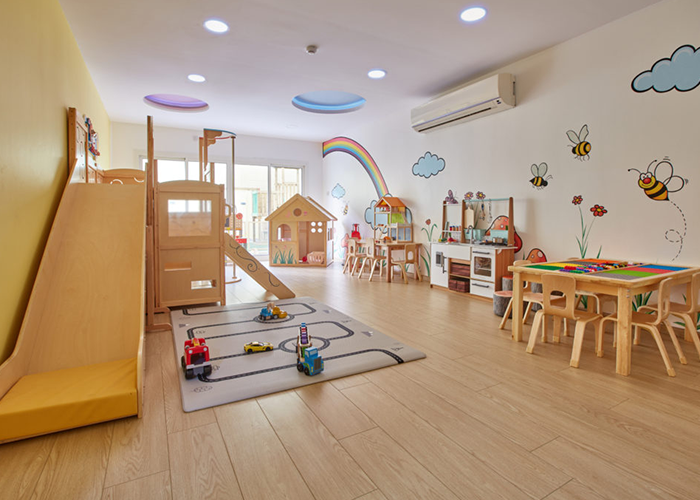
That’s why internal safety isn’t just a checklist item; it’s a philosophy. From the toys they handle to the furniture they use, every object must be intentionally designed to prevent harm. Poorly constructed furniture, toxic materials, or unstable furniture can quickly become silent threats in a child-centered environment.
Safe Toys
Playtime is more than fun, it’s developmental learning. But poorly made toys can lead to injuries, allergic reactions, or choking. Providers must ensure every toy meets international and local safety standards.
Unsafe toys are one of the top culprits in daycare injuries. Make sure all toys:
- Comply with ASTM F963 or EN71 standards
- They are age-appropriate and non-toxic
- Regularly inspect toys for cracks, loose pieces, or peeling paint. Damaged or cracked toys should be discarded immediately.
- Avoid toys with detachable or small parts for children under three years old.
- Choose toys that are shatterproof and made for repeated daily use.
- Sanitize toys daily with child-safe disinfectants, especially soft materials like plush dolls or cloth books.

When selecting toys for daycare or preschool environments, it’s also helpful to explore resources that showcase educational, age-appropriate, and safe designs. You can find a detailed guide on preschool toys here: https://xihamontessori.com/preschool-toys/.
By implementing these standards, centers ensure daycare safety through proactive prevention, not reactive correction.
Furniture Safety Standards
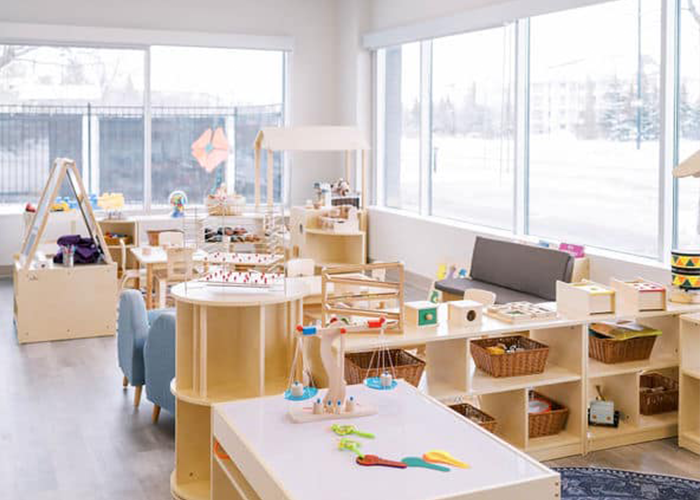
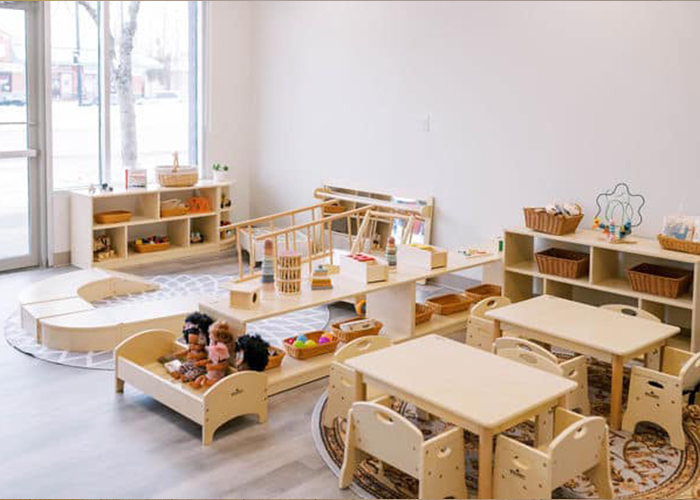
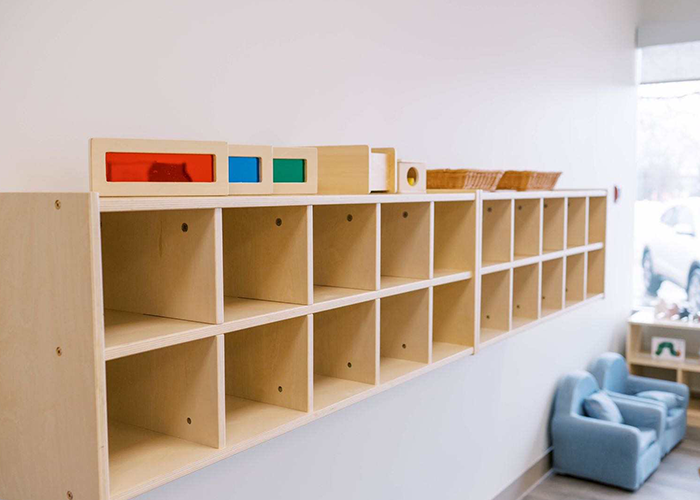
When it comes to daycare safety and security, furniture plays a surprisingly powerful role. Tables, chairs, cribs, and shelves should be designed to protect children from impact, entrapment, and chemical exposure. Well-designed furniture isn’t just about aesthetics; it’s a commitment to child protection. Here’s how to get it right:
Recommended Furniture Materials
The foundation of safety starts with materials. Look for:
- Use E0/E1 grade birch plywood or solid beech. This material is well-suited to children’s daily eating, sleeping, and playing environments.
- BPA-free and phthalate-free plastics for lightweight chairs and toy bins.
- Powder-coated metals instead of painted ones to avoid chipping and lead hazards.
- Try to use environmentally friendly UV paint or natural oil furniture
- Avoid medium-density fiberboard or particleboard, which have high formaldehyde content.

Avoid sharp glass, untreated metals, or soft foam furniture that can release harmful chemicals over time. Avoid medium-density fiberboard or particleboard, which have high formaldehyde content. While they may look similar at first glance, they often contain higher levels of formaldehyde
Furniture Stability and Durability
Children love to climb, pull, and lean against things. That’s why furniture must be designed for stability and endurance.
Checklist for stability:
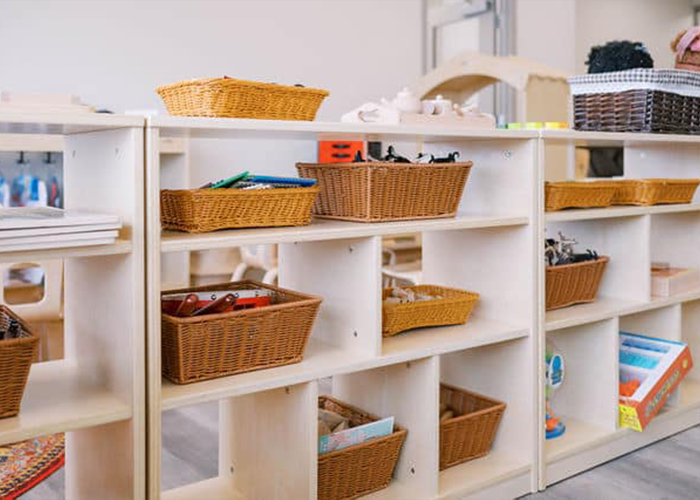
- Secure tall shelves and cabinets to the wall using anti-tip straps.
- Choose furniture with a wide, less-tipable base or furniture with built-in anti-tip bases
- Inspect screws and bolts monthly using your indoor safety inspection checklist for daycare.
- Replace unstable items immediately; never “make do” with broken furniture.

Every piece should pass a child stress test; if it wobbles under minor force, it fails the standard. Durable, tested furniture not only ensures daycare safety but also saves money in long-term maintenance.
Rounded Edges and Corner Protection
Accidents happen quickly in environments full of movement and energy. Rounded corners and edge guards drastically reduce impact injuries.
Implementation Tips:
- Install silicone or rubber corner protectors on tables and shelves.
- Avoid furniture with sharp or angular designs.
- Every edge and corner should be rounded to a minimum radius of 5 mm to prevent abrasions.
- Equip classroom doors with finger pinch guards, a key step in daycare safety, preventing pinched fingers in the door.
- Use soft-close hinges to avoid slamming.

This is not just about comfort it’s a mandatory safety measure outlined in most international daycare safety regulations, including U.S. CPSC, European EN71-1, and Australia’s AS/NZS ISO 8124 standards.These small changes prevent dozens of minor injuries each year and create a calmer, safer space.
In short, safe daycare furniture should be chosen with a specific purpose in mind. Choosing and maintaining furniture should be an ongoing process, and for an objective overview of classroom furniture types and age-appropriate considerations, you can refer to the following resource on preschool furniture: https://xihamontessori.com/preschool-furniture/
Daycare Center Safety Is More Than Just Physical Safety
Cybersecurity and Data Protection
In the digital age, daycare security includes data protection. Secure all parent-child records with password-protected systems and encrypted cloud storage. Use limited-access Wi-Fi for staff only.
Building a Safety Culture
A true culture of safety extends beyond the classroom. Encourage parents to review the health and safety checklist for daycare updates and attend regular safety meetings to stay informed. Staff should lead by example; safety is everyone’s job.
Daycare Center Safety Checklist
Use this safety checklist for daycare to guide your daily, weekly, and monthly reviews:
| Area | Checklist Item |
|---|---|
| Access Control | All entry points secure and monitored |
| Surveillance | All entry points are secure and monitored |
| Staff ID | Verified, background-checked, ID badges worn |
| Toys | Non-toxic, damage-free, age-appropriate |
| Furniture | Rounded corners, anti-tip, safe materials |
| Sanitation | Daily cleaning logs, disinfected surfaces |
| Fire Safety | Alarms working, drills conducted |
| Cybersecurity | Data encrypted, regular backups |
| Communication | Parent updates and engagement tracked |
This table doubles as your indoor safety inspection checklist for daycare and your daycare safety checklist.
Conclusion
Real safety in daycare is a combination of planning, prevention, and participation. Creating a robust daycare safety plan involves striking a balance between empathy and regulation. Implementing proper daycare safety rules, upholding daycare safety regulations, and using a structured daycare safety plan will protect not just children but also your business.