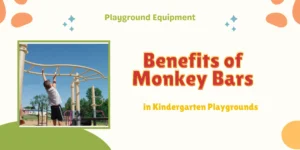
Monkey bars have been a staple in playgrounds for decades, and you’ll find them in almost every kindergarten playground. Kids are naturally drawn to them. They climb, swing, and try to make it across, often failing a few times before they get the hang of it. That simple process is exactly why the benefits of monkey bars go far beyond just keeping children active.
For young children, especially in kindergarten, monkey bars are not as easy as they look. Many struggle with grip strength, timing, or simply the confidence to let go and reach for the next bar. That challenge is part of the value. It pushes children to try again, observe others, and gradually improve through repetition rather than instruction alone. This is also why well-designed monkey bars for kids tend to focus on gradual skill building rather than immediate success.
At the same time, not all monkey bars actually deliver these benefits. Poor spacing, inappropriate height, or designs that don’t match children’s abilities can turn a useful piece of equipment into something frustrating or even unsafe. To understand their real role in early childhood education, it’s important to look at both what monkey bars help children develop and how they should be used and designed in a kindergarten playground.
Key Benefits of Monkey Bars for Children’s Development
Building Strength and Coordination
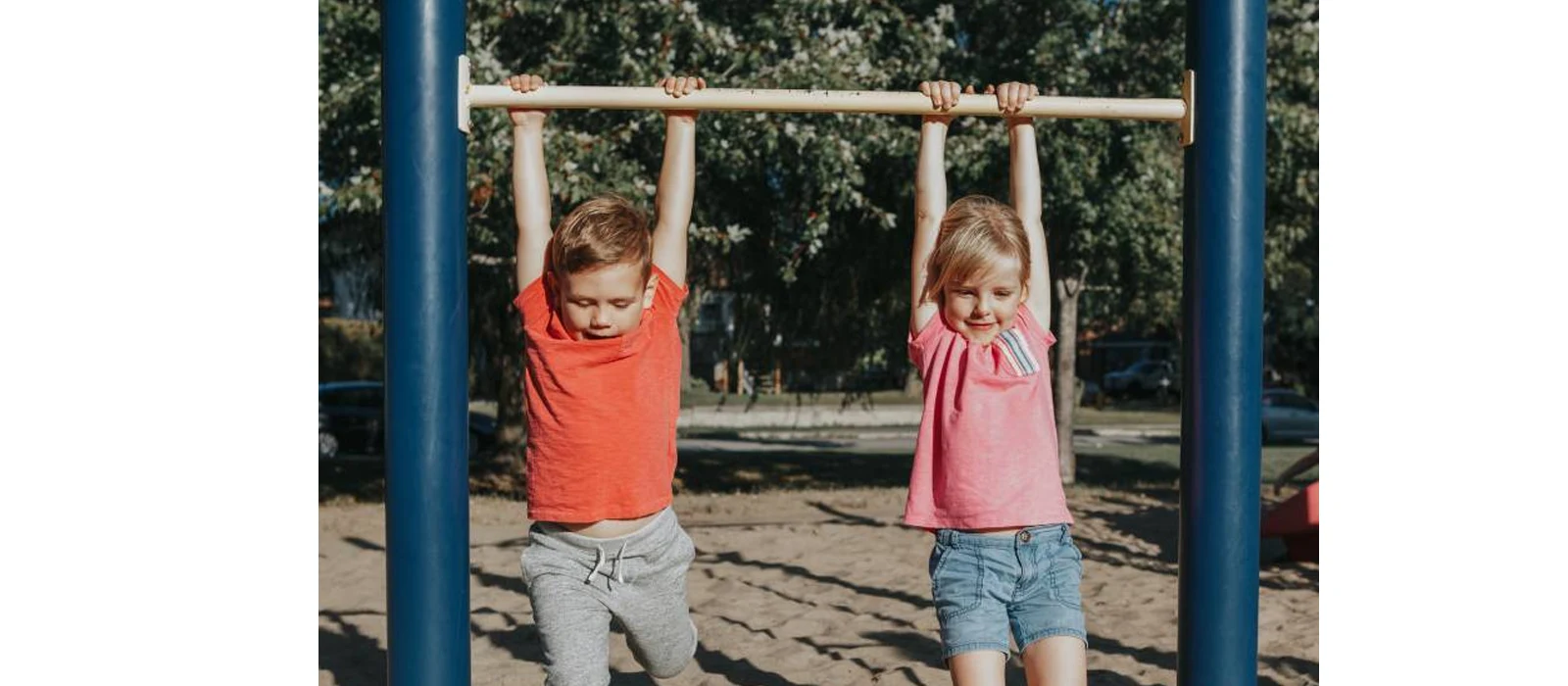
Monkey bars ask more from a child than most playground equipment. To move across even one or two bars, a child has to support their own weight, coordinate both arms, and judge distance at the same time. For many kindergarten-aged children, this does not come naturally. That is exactly why it is useful. As they try, miss, and adjust, they begin to build grip strength, shoulder stability, and a better sense of how their body moves. It is not immediate progress, but over time, the improvement is noticeable, especially on well-designed monkey bars for playgrounds.
Learning Through Challenge
There is also a mental side to monkey bars that often gets overlooked. They are not easy for beginners, and most children will fail before they succeed. That moment matters. It forces them to decide whether to stop or try again. In a kindergarten setting, where children are still learning how to handle frustration, this kind of challenge can be more valuable than something they can do right away. Small progress, like reaching one bar further than before, tends to build confidence in a more lasting way, particularly when using age-appropriate monkey bars for schools.
Encouraging Social Interaction
Monkey bars naturally create situations where children have to pay attention to others. They wait for a turn, watch how someone else moves, and sometimes copy what seems to work. In a classroom or kindergarten playground, that kind of interaction is not forced, it just happens. Some children will encourage each other, while others learn by observing quietly. Either way, it supports social development in a way that more individual play equipment, such as basic playground horizontal bars, often does not.
The Role of Proper Design
The benefits of monkey bars are not guaranteed. If the bars are too high, too far apart, or simply not designed for younger children, they can become frustrating or even unsafe. In those cases, children are more likely to avoid them altogether. When the design matches the age group, the experience changes completely. The challenge feels achievable, and children are more willing to keep trying. That difference is often overlooked, but it plays a big role in whether monkey bars actually deliver the developmental value people expect.
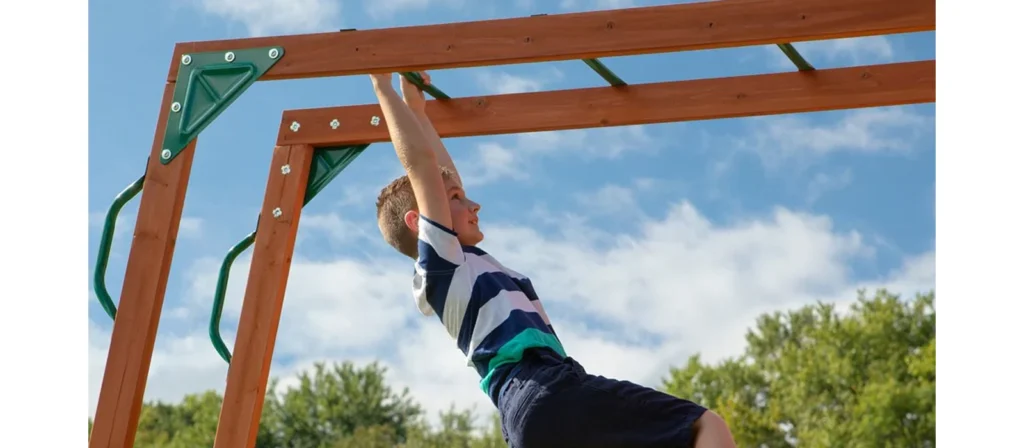
Monkey Bar Safety and Proper Spacing Guidelines
In kindergarten playgrounds, the value of monkey bars is closely tied to how they are designed and used. Safety is not something separate from development. It directly shapes how children interact with the equipment, how often they try, and what they are able to gain from the experience. When monkey bars feel too difficult or unpredictable, many children either avoid them or engage in ways that limit their progress.
Getting the Spacing Right
Spacing is one of the most important factors, yet it is often overlooked. If the bars are too far apart, younger children have to rely on swinging momentum just to reach the next rung, which increases the chance of slipping. In contrast, when spacing matches their reach, movement becomes more controlled and repeatable. That is where real development happens. Children can focus on improving coordination instead of just trying to “survive” each attempt.
Keeping Height Appropriate
Height has a direct impact on how children use monkey bars. When the bars are too high, younger or less confident children are more likely to hesitate or stop after a failed attempt, especially if a fall feels intimidating. Lower, age-appropriate heights create a safer and more approachable experience, making it easier for children to try, adjust, and keep coming back, which ultimately leads to more consistent use and better development over time.
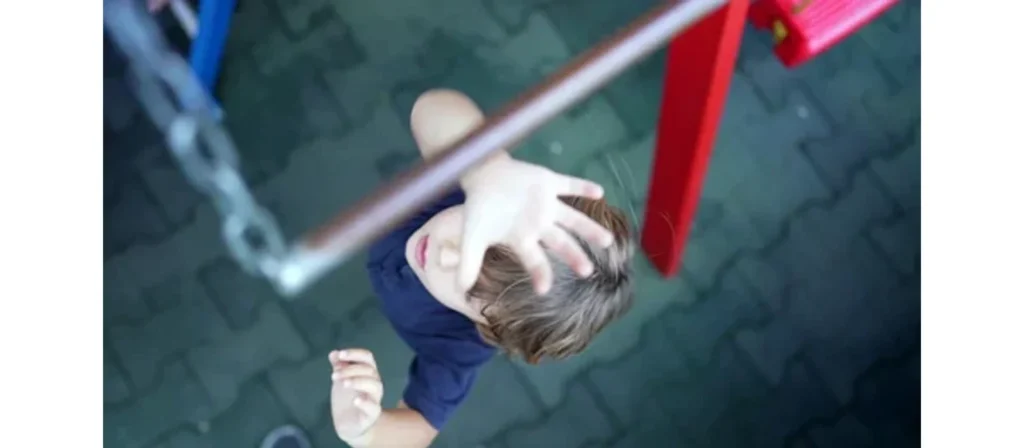
Why Design Affects Real Benefits
This is where safety connects back to development. The benefits of monkey bars do not come from the structure alone, but from how children interact with it over time. When spacing and height are appropriate, children are more likely to engage, repeat movements, and gradually improve in a safer and more controlled way. When those factors are off, the same equipment can increase the risk of falls or misuse. In a kindergarten setting, that difference matters. It determines whether monkey bars become a safe and meaningful part of daily play or just another structure that children avoid.
How to Choose the Right Monkey Bars for Kindergarten Playgrounds
Choosing monkey bars for a kindergarten playground is not about picking the biggest or most eye-catching structure. What matters is whether children actually use it and benefit from it over time. In most cases, that comes down to a few practical factors:
- Age-appropriate height so children feel comfortable trying, not intimidated
- Proper spacing between bars that matches children’s reach and ability
- Comfortable grip design that supports repeated use without strain
- A layout that encourages regular play, not just occasional attempts
When these details are right, monkey bars become something children return to again and again. When they are off, the same equipment can easily be ignored.
That is why many kindergartens and early learning centers look for playground equipment designed specifically for younger children. At Xiha Montessori, we offer monkey bars and outdoor playground solutions created for kindergartens, preschools, and early learning spaces. If you are planning a safer and more engaging playground, you can explore our products to find monkey bars that fit your space, your students, and your daily teaching environment.
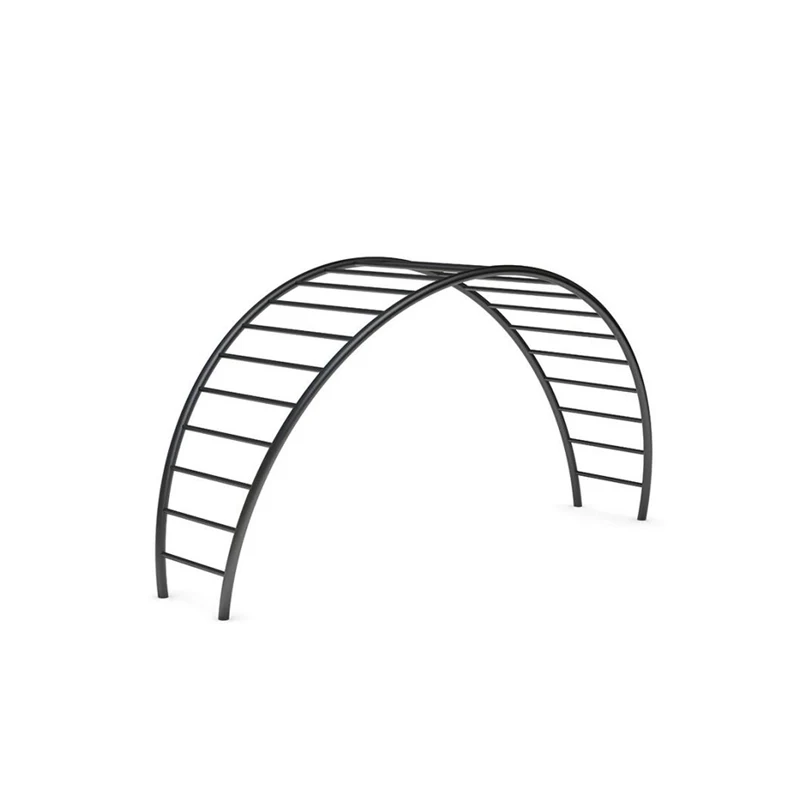
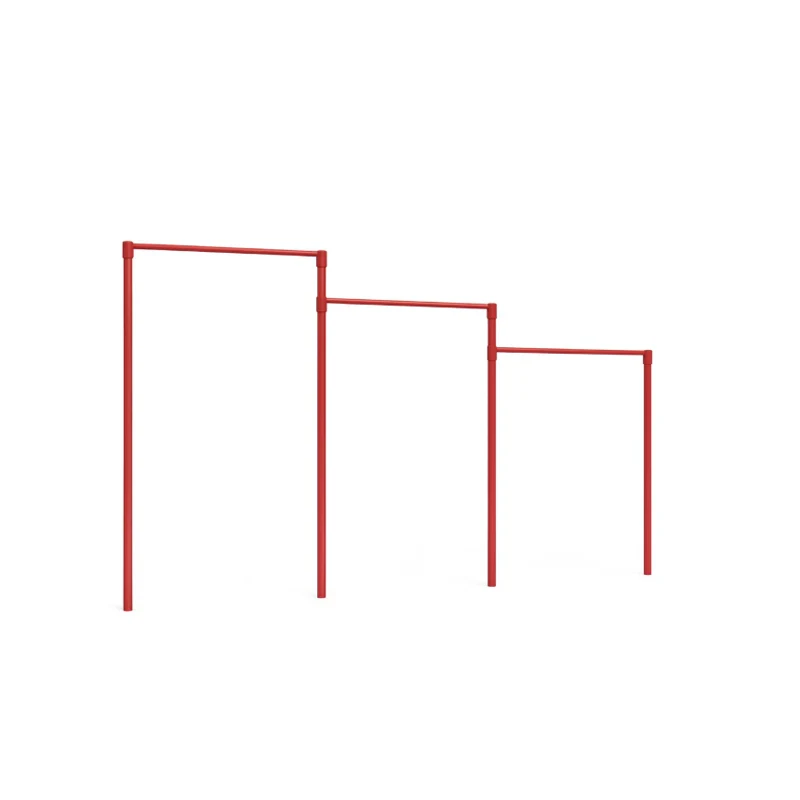
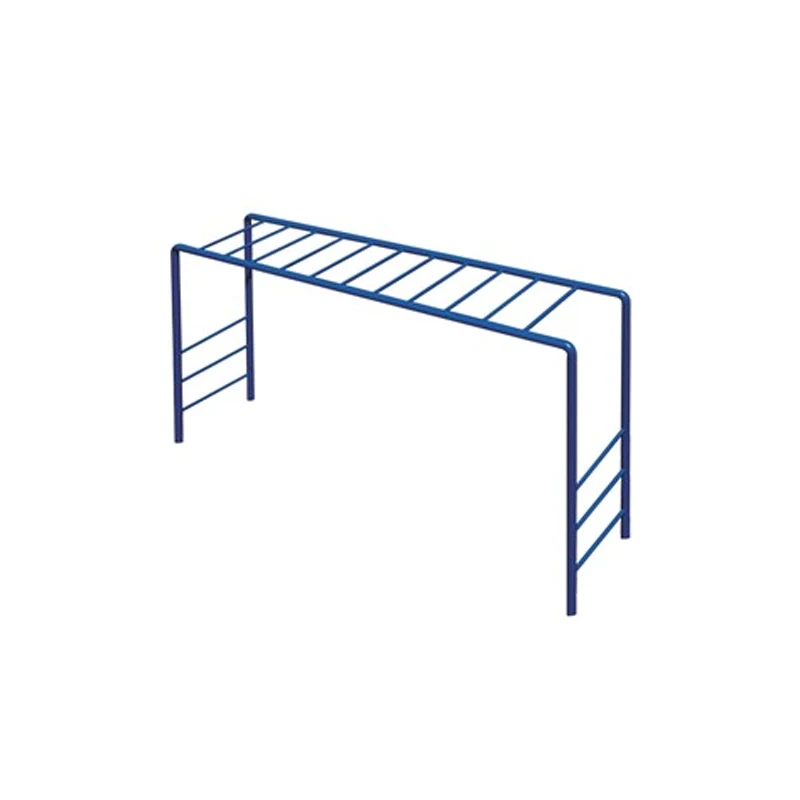
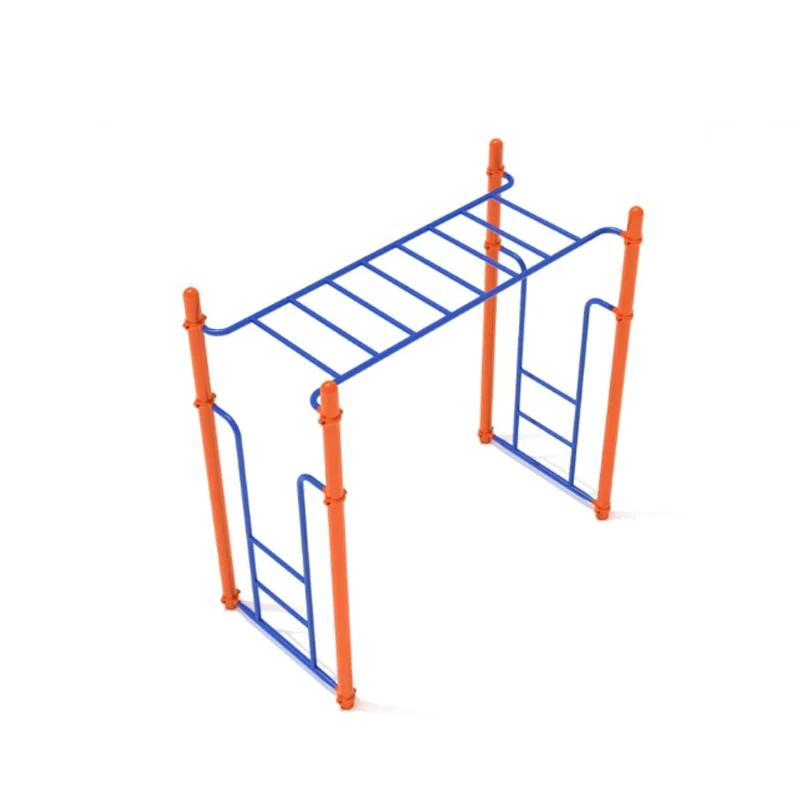
You’ll find a variety of monkey bar designs for kindergartens, from compact setups to larger playground structures.
👉 https://xihamontessori.com/playground-equipment/
Frequently Asked Questions About Monkey Bars
Can monkey bars work in small kindergarten playgrounds?
Yes, as long as the layout is planned carefully. A smaller playground does not automatically mean monkey bars are a poor fit. In many cases, compact designs work better because they leave room for circulation, supervision, and other forms of active play. The real issue is balance. If the monkey bars take over the whole space, they may limit how children move through the playground as a group.
Are monkey bars better for independent play or supervised play?
They work best when both are possible. In the early stages, children usually benefit from close adult supervision, especially when they are still learning how to approach the equipment. Over time, though, monkey bars become more valuable when children can use them with a degree of independence. That shift matters in kindergarten settings because it gives children a chance to test themselves without constant interruption while still remaining within a supervised environment.
How do monkey bars fit into a balanced playground design?
Monkey bars are most effective when they are part of a broader play environment rather than the only challenging feature in the space. A strong kindergarten playground usually includes different types of movement, including climbing, balancing, crawling, pretend play, and open-ended activity. Monkey bars add one kind of challenge, but they work best when children can move between different experiences instead of repeating the same task over and over.
Do monkey bars need regular maintenance?
Yes, and this is one of the details schools sometimes underestimate. Even a well-designed structure can become less safe or less appealing if it is not checked regularly. Loose fittings, worn coatings, rough grip surfaces, or poor conditions underneath the equipment can change how children use it. In a kindergarten environment, maintenance is not only about extending product life. It also affects trust. Children are much more likely to use equipment confidently when it feels stable and consistent.
Are monkey bars suitable for every kindergarten program?
Not always in the same way. Some schools have outdoor programs built around daily physical play, while others use playground time more briefly or with different supervision models. Monkey bars can still be a good fit, but the ideal design may vary depending on the school’s schedule, the age mix of the children, and how the playground is actually used throughout the day. The best choice is usually the one that fits the routine of the school, not just the appearance of the equipment.
How can teachers use monkey bars as part of daily learning?
Monkey bars are usually thought of as free-play equipment, but they can also support teaching goals in subtle ways. Teachers often use playground moments to encourage turn-taking, patience, confidence, and persistence. Monkey bars create natural opportunities for those lessons because children have to wait, observe, and decide when they are ready to try. In that sense, the equipment supports more than movement. It also gives teachers a practical setting for guiding behavior and self-regulation.
What makes monkey bars a long-term investment for kindergartens?
Unlike trend-based playground features that lose interest quickly, monkey bars tend to stay relevant because children use them differently as they grow. A child who starts by simply hanging can later begin reaching, swinging, and moving across with more control. That gradual change gives the equipment a longer useful life within an early learning setting. For schools, that matters because the value of the structure comes from repeated daily use over time, not from novelty in the first few weeks.