Inclusive Learning Strategies for Preschool Classrooms
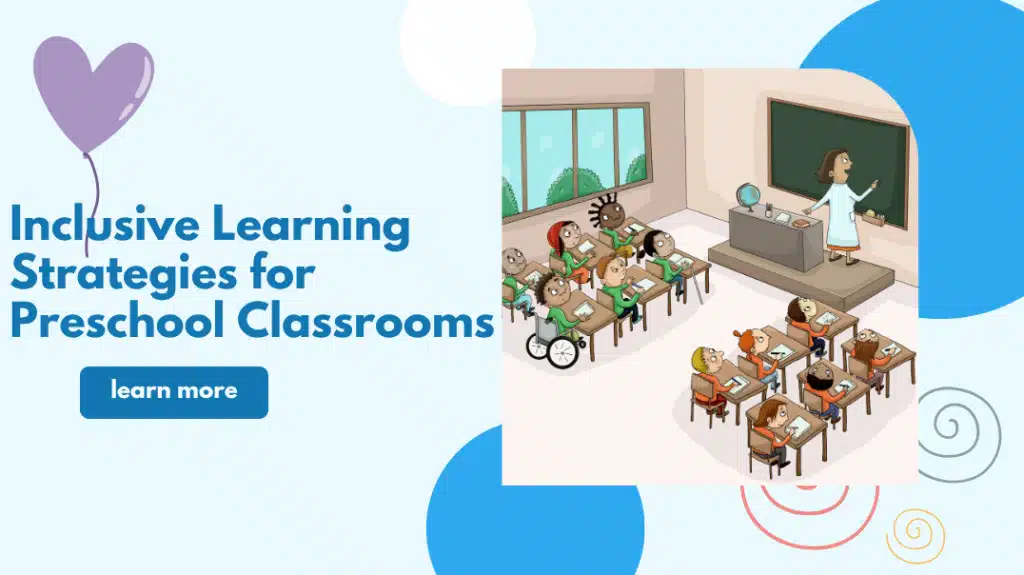
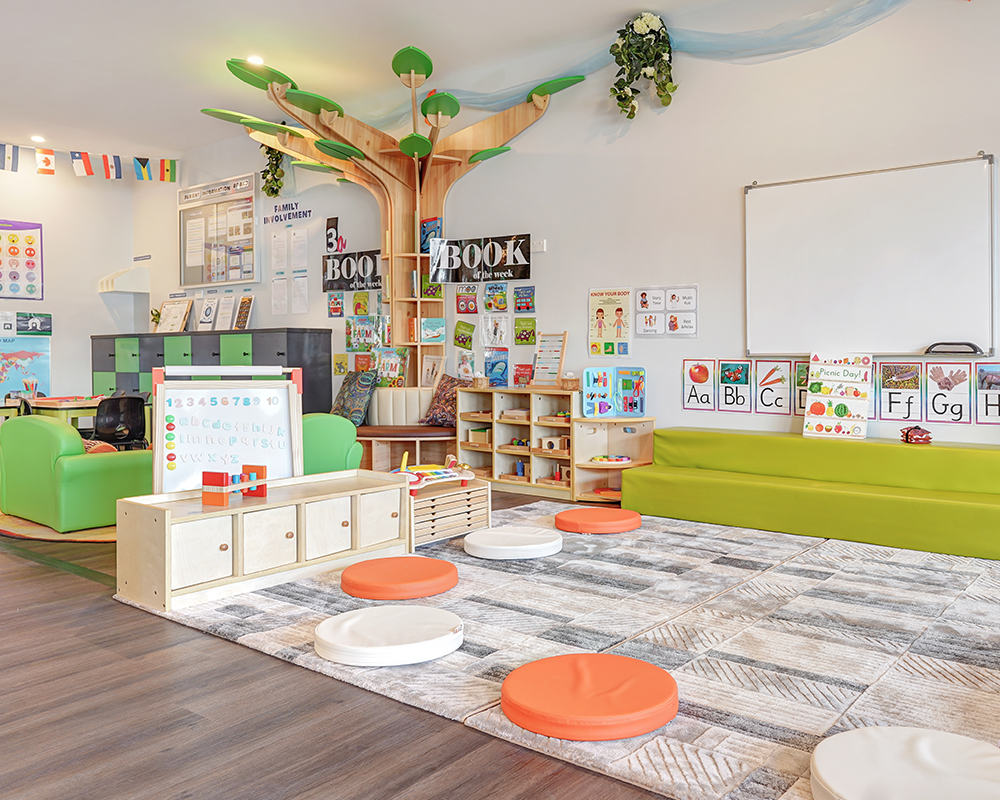
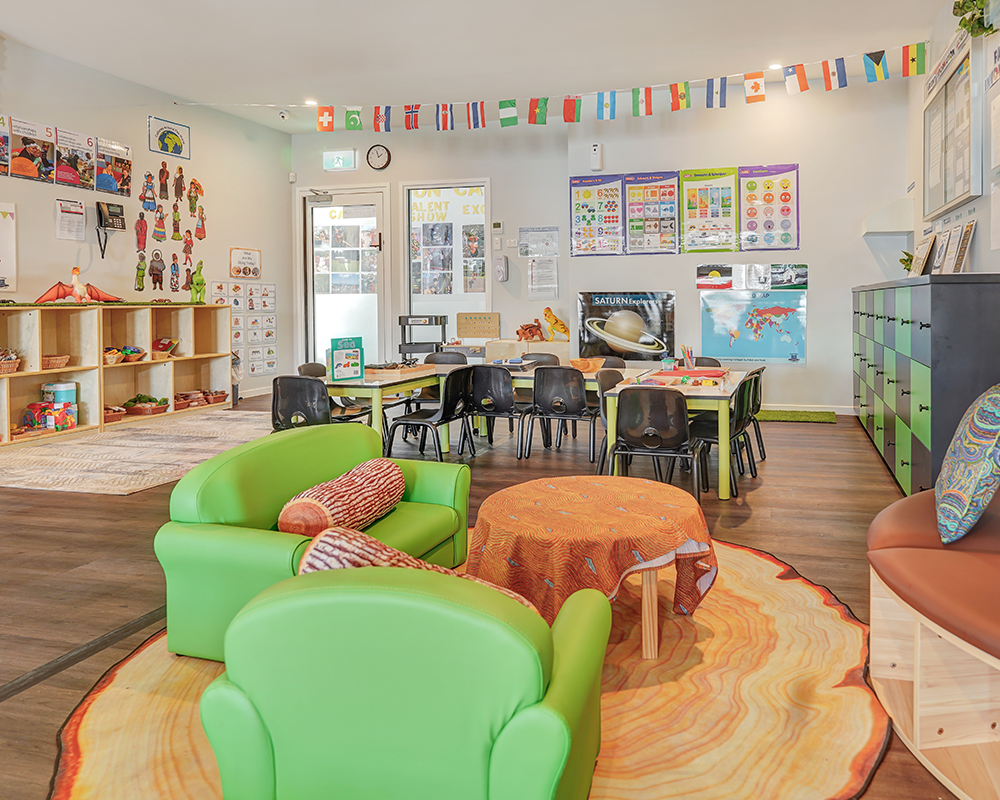
This article explores key strategies and common mistakes to avoid when building an inclusive learning environment in preschool settings. It highlights how inclusive practices benefit both children and educators, creating classrooms that foster growth, empathy, and engagement for all.
How to Teach One to One Correspondence: Tips for Parents and Teachers
One to one correspondence is a foundational math concept that helps young children understand numbers, counting, and quantity. This article provides a clear explanation of what one to one correspondence is, why it’s important, and how it develops in early childhood. Parents and teachers will find simple, engaging strategies and activities to teach this concept effectively at home or in the classroom.
Anxiety Preschoolers Symptoms and How to Respond Effectively
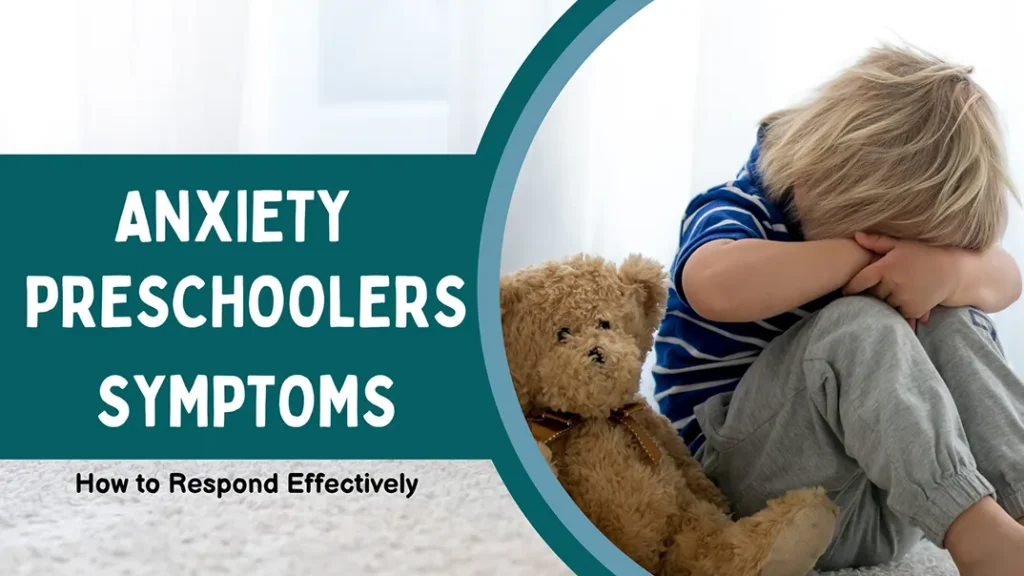
This article explores the common anxiety preschoolers symptoms that may arise in early childhood, including behavioral, emotional, and physical signs. It offers parents, caregivers, and educators clear guidance on how to respond effectively to help preschoolers manage anxiety.
What Is Multisensory Learning? Benefits, Theory, and Impact on Child Development
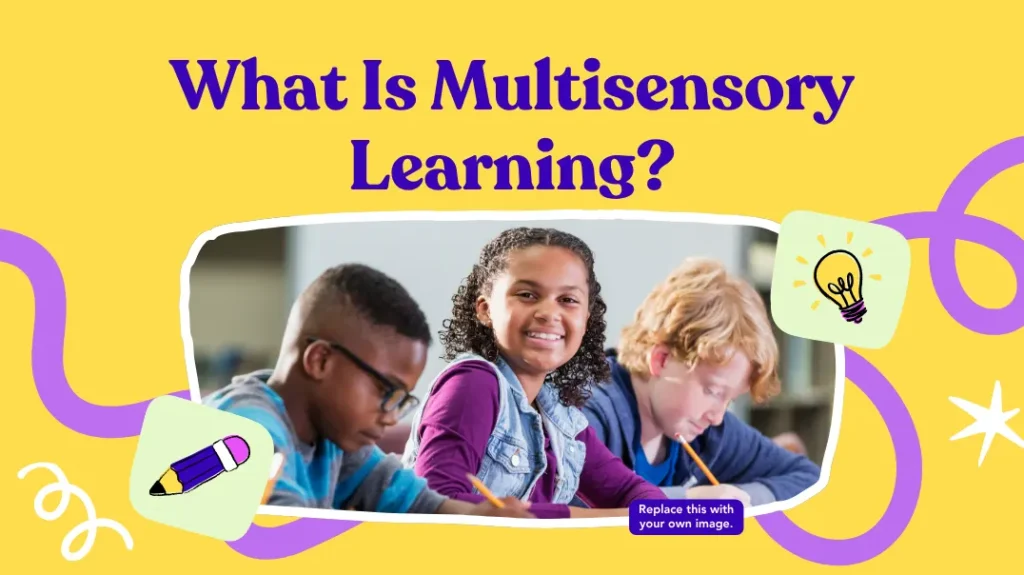
Multisensory learning engages children through sight, sound, touch, and movement to enhance memory, focus, and understanding. This article explores its definition, importance, practical strategies, and how it supports early childhood development across cognitive, motor, emotional, and language domains.
Understanding Childhood Anxiety: Causes, Signs, and Early Detection
Childhood anxiety is a growing concern that affects children across various age groups and backgrounds. This article provides an in-depth understanding of childhood anxiety by exploring its potential causes, identifying key behavioral and emotional signs, and highlighting the importance of early detection.
What Are Anecdotal Records: Definition, Examples, and Best Practices
Anecdotal records are essential tools in early childhood education for documenting real-time observations of children’s behavior and development. In this article, we will define what anecdotal records are, explain their characteristics and benefits, provide real-world examples, and offer best practices for writing and organizing them.
A Guide to Potty Training for Toddlers
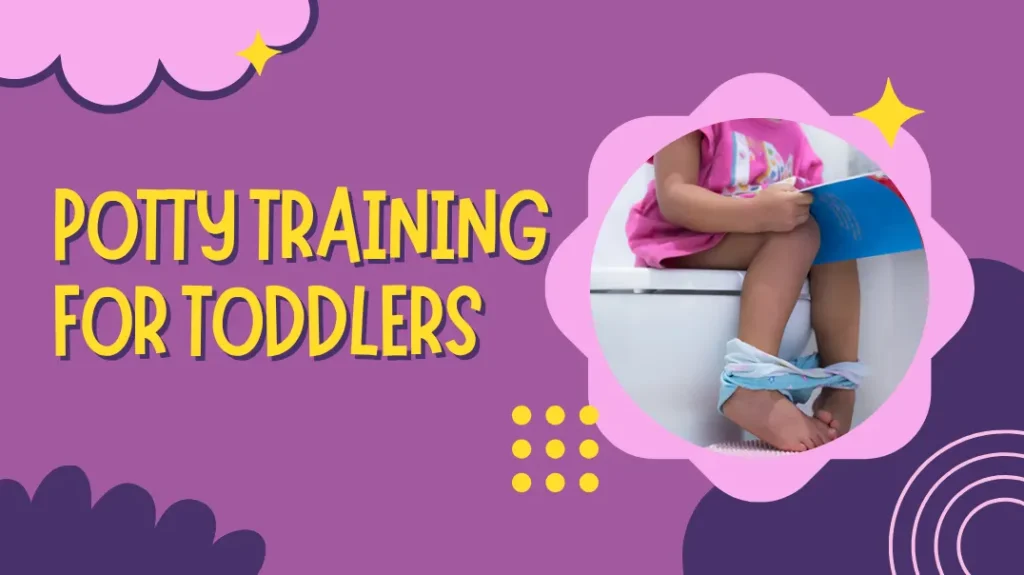
This comprehensive guide to potty training toddlers offers practical, stress-free methods for parents and educators. Learn signs of readiness, effective training steps, and Montessori-based tips to help children transition from diapers with confidence.
Beginner’s Guide to Gentle Parenting
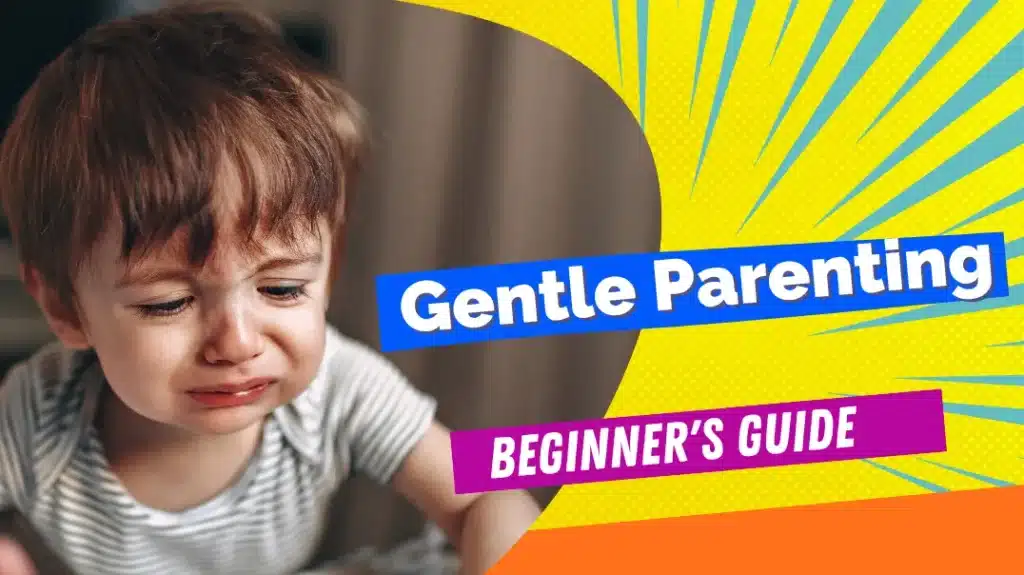
This guide introduces gentle parenting, a respectful and empathetic approach to raising children. Learn how to apply its principles in everyday life to build trust, reduce stress, and support child development without punishments or yelling.
The Benefits of a Mixed-Age Classroom for Holistic Learning
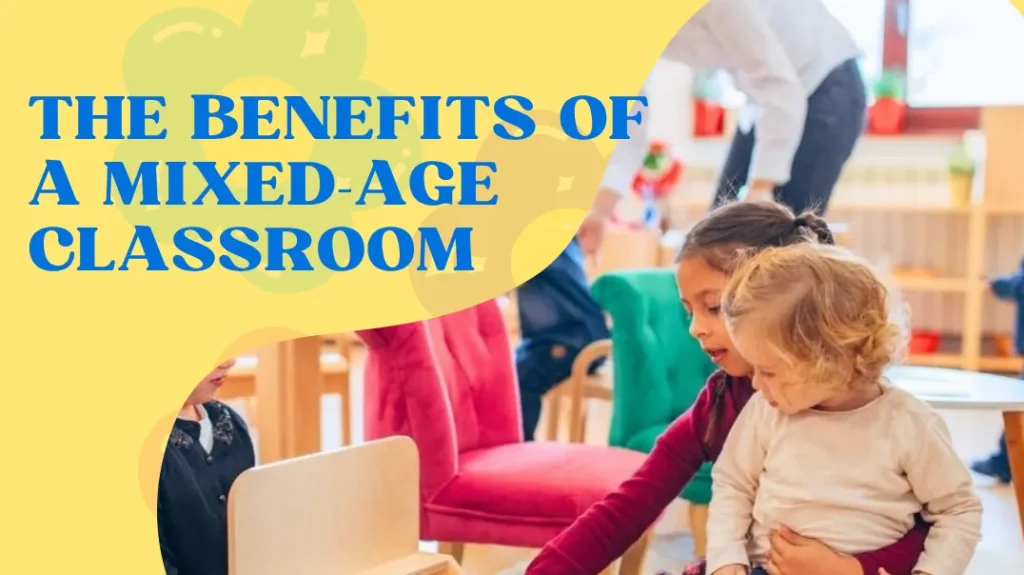
Mixed-age classrooms, a hallmark of Montessori education, create a nurturing and dynamic learning environment. Children benefit cognitively, socially, and emotionally by learning from and with peers of different ages, fostering independence, leadership, and cooperation.