Children are naturally curious learners, constantly exploring the world through their senses. Yet, many traditional teaching methods still rely heavily on sight and hearing alone, leaving other sensory pathways underused. This is where multisensory learning becomes essential, offering a more holistic approach that engages multiple senses to build deeper understanding. Without it, many young learners struggle to grasp new concepts, retain information, or stay engaged in the classroom.
Multisensory learning takes a different approach. By combining visual, auditory, tactile, and kinesthetic experiences, it turns abstract lessons into meaningful, hands-on activities. Whether children are tracing letters in sand, clapping syllables in a word, or exploring shapes with their hands, they are using their whole bodies and brains to understand and remember what they learn.
Educators and child development experts are increasingly recognizing that this approach to learning is not only more engaging but also more effective. It supports stronger memory formation, improves language skills, and fosters cognitive and motor development. For children with diverse learning styles or special needs, multisensory methods can also bridge gaps that traditional teaching often leaves behind.
In this article, we’ll explore what multisensory learning really means, why it’s so important in early childhood education, the science behind it, and how you can use it to create richer, more impactful learning experiences for young children.
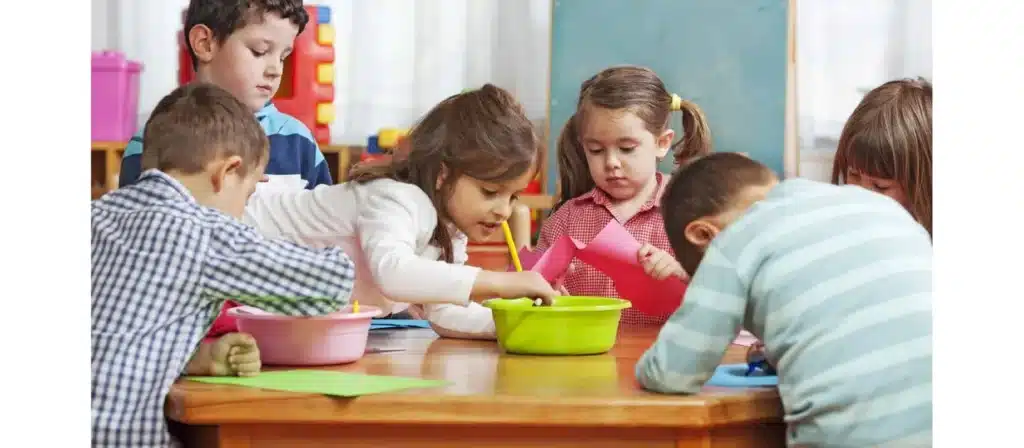
What is Multisensory Learning?
Multisensory learning refers to an educational approach that integrates multiple senses—visual, auditory, tactile, and kinesthetic—in the process of acquiring knowledge. Instead of relying solely on one channel (for example, reading or listening), multisensory learning deliberately weaves together experiences across senses so that learners have multiple paths to internalize and reinforce the same idea.
In practice, a multisensory lesson might ask a child to see a letter, hear its sound, trace it in sand with their fingers (tactile), and act it out with movement (kinesthetic). The expectation is that by hitting multiple neural “hooks,” the material is more deeply encoded, better retained, and more flexibly retrievable.
Multisensory learning is often discussed in contexts such as early literacy, special education, and early childhood development. However, it is broadly applicable: almost any subject can benefit from a well‑designed multisensory component.
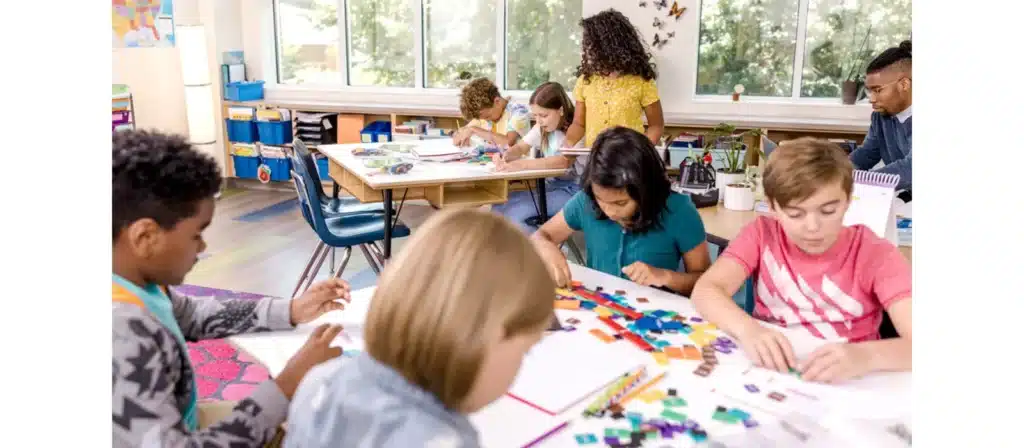
Why Is Multisensory Learning Important?
Multisensory learning is important because it helps students absorb and retain information more effectively by engaging multiple senses at once. When children see, hear, touch, and move while learning, their brains form stronger connections, making it easier to understand and remember new concepts.
This approach supports different learning styles—some kids learn best by seeing, others by doing or listening. Multisensory teaching gives all students a fair chance to succeed, especially those with learning differences like dyslexia or ADHD. It offers more ways for them to access and process information.
It also boosts attention and motivation. Activities that involve movement, sound, and hands-on materials are more engaging than passive learning methods. When students are actively involved, they’re more likely to stay focused and enjoy the learning process.
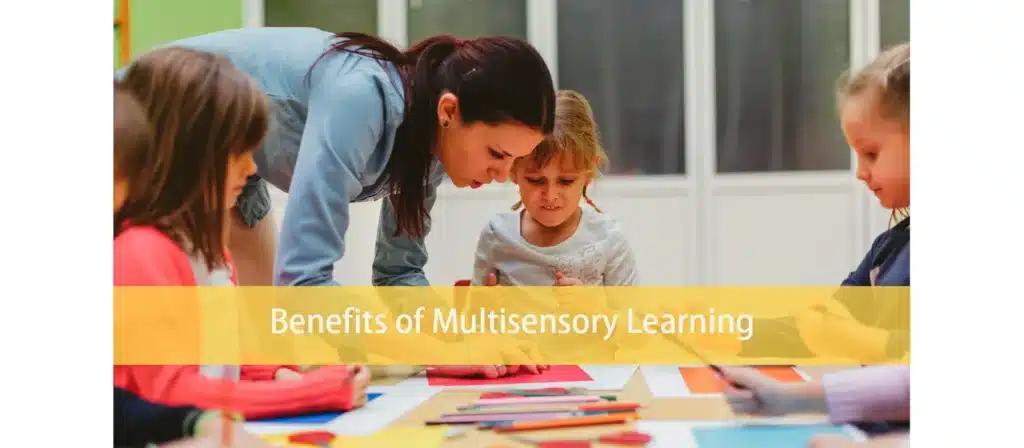
Benefits of Multisensory Learning
Multisensory teaching offers numerous advantages for both children and teachers. Some of the key benefits include:
- Enhanced Memory and Retention
By activating multiple senses, multisensory teaching creates richer and more robust memory connections. This leads to improved recall and long-term retention of learned material. - Increased Engagement
Engaging children with sensory-rich experiences makes learning more fun and engaging. This can lead to improved focus and motivation, especially for children who may find traditional methods of learning monotonous or difficult. - Improved Comprehension
Multisensory methods help children to better understand complex concepts by presenting information in various forms. For example, a math concept might be demonstrated through physical manipulation (e.g., blocks), visual representation (e.g., diagrams), and verbal explanation (e.g., teacher’s instructions). - Support for Diverse Learners
For students with conditions such as dyslexia, ADHD, and autism, multisensory learning offers an inclusive and supportive environment. The use of multiple sensory inputs helps them process and understand content more effectively, providing them with the tools to overcome learning challenges. - Stronger Cognitive and Motor Development
Multisensory activities often require children to coordinate their cognitive and physical actions, which strengthens their motor skills and cognitive development simultaneously. This can have lasting benefits for brain development and academic achievement. - Diverse Learning Styles
Every student has a preferred learning style, whether visual, auditory, or kinesthetic. Multisensory learning accommodates these preferences and allows for more individualized teaching. This ensures that every student has the best possible chance to succeed in their learning journey. - Fostering Creativity
Multisensory approaches encourage creative thinking and problem-solving. When students can explore a concept through different sensory modalities, they are more likely to make connections between ideas, enhancing their ability to think critically and creatively.

Theoretical Frameworks Supporting Multisensory Approaches
Several theoretical frameworks support the use of multisensory approaches in education. These frameworks explain why multisensory learning is so effective in enhancing child development.
insights into brain development and learning.
- Piaget’s Constructivist Theory
Jean Piaget, a Swiss psychologist known for his work on child development, emphasized the active role children play in constructing their own understanding of the world. According to Piaget, children learn through interacting with their environment, and sensory experiences are essential for this interaction. In a multisensory learning environment, children engage with materials physically and mentally, thereby constructing knowledge that is rooted in concrete experiences. - Vygotsky’s Sociocultural Theory
Lev Vygotsky’s theory focuses on the importance of social interaction in learning. He proposed that learning is most effective when it happens in a social context, with the support of more knowledgeable others. Multisensory learning aligns with Vygotsky’s ideas because it often involves collaborative activities, such as group work or peer-assisted learning. Engaging multiple senses in a shared task enhances social interaction, making learning more effective and meaningful. - Cognitive Load Theory
Cognitive load theory, proposed by John Sweller, suggests that humans have limited working memory capacity, and the more ways we can engage with information, the better we can process and retain it. Multisensory learning reduces cognitive overload by distributing information across different sensory pathways, allowing children to process information more easily and efficiently. - Dual Coding Theory
This theory, developed by Allan Paivio, suggests that the human brain processes verbal and non-verbal information through two separate channels: one for visual and one for verbal stimuli. Multisensory learning leverages this by using both channels simultaneously, such as pairing spoken words with corresponding images. This strengthens memory retention as the information is stored in both visual and verbal formats. - The Theory of Neuroplasticity
Neuroplasticity refers to the brain’s ability to reorganize itself by forming new neural connections. Research has shown that multisensory learning can encourage neuroplasticity by stimulating multiple sensory pathways simultaneously. This is especially beneficial for young children whose brains are highly plastic. Engaging a child’s senses in diverse ways encourages the brain to build and strengthen connections that can improve memory, attention, and overall cognitive development.
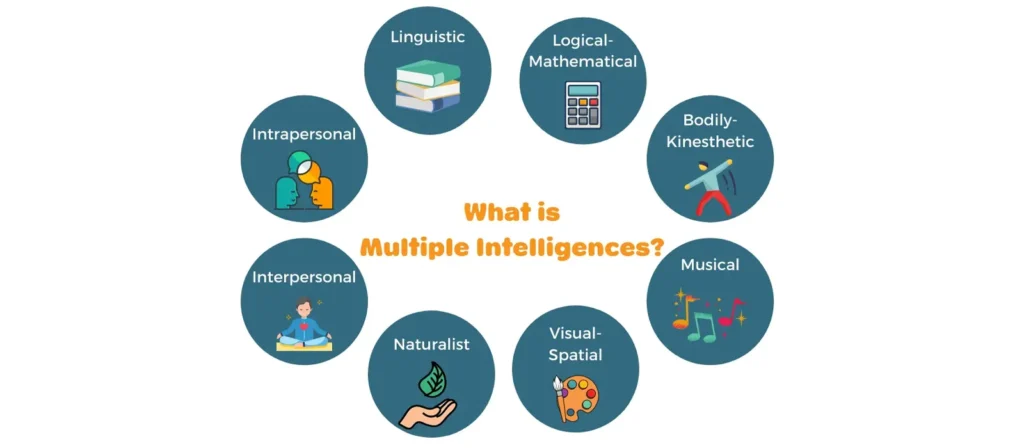
Multisensory Learning and the Theory of Multiple Intelligences
The concept of Multiple Intelligences, proposed by Howard Gardner, is particularly relevant to multisensory learning. Gardner’s theory asserts that intelligence is not a single, uniform capacity but rather a range of abilities. These intelligences include linguistic, logical-mathematical, spatial, bodily-kinesthetic, musical, interpersonal, intrapersonal, and naturalistic intelligence.
| Intelligence Type | Description | Multisensory Learning Approach |
|---|---|---|
| Linguistic Intelligence | The ability to use words effectively, both in writing and speaking. | Use storytelling, reading aloud, and writing exercises to engage auditory and visual learners. |
| Logical-Mathematical Intelligence | The capacity to analyze problems logically, perform mathematical operations, and investigate issues scientifically. | Engage with problem-solving activities, mathematical games, and visual aids like charts and graphs. |
| Spatial Intelligence | The ability to think in three dimensions and visualize with the mind’s eye. | Use visual materials like diagrams, maps, and 3D models, alongside hands-on activities that help students build mental maps. |
| Bodily-Kinesthetic Intelligence | The ability to control body movements and handle objects skillfully. | Incorporate movement-based activities like role-playing, building models, or interactive learning tasks. |
| Musical Intelligence | The ability to think in patterns, rhythms, and sounds. | Integrate music, rhythm, and songs into lessons to reinforce memory and engage auditory learners. |
| Interpersonal Intelligence | The ability to understand and interact effectively with others. | Foster group work, collaborative projects, and peer learning activities to strengthen social skills. |
| Intrapersonal Intelligence | The ability to understand oneself and one’s thoughts and feelings. | Allow for reflection and personal expression through journaling, self-assessment, and personal projects. |
| Naturalistic Intelligence | The ability to recognize and categorize natural objects and phenomena. | Include outdoor activities, nature walks, or environmental studies that engage sensory experiences with nature. |
How Does Multisensory Learning Promote Early Childhood Development?
In early childhood, the brain is highly malleable, and children are at a critical stage of cognitive, emotional, and physical development. Multisensory learning plays a crucial role in this stage, as it supports the development of essential skills in various domains.

Cognitive Development
Multisensory learning stimulates cognitive development by engaging different areas of a child’s brain simultaneously. When children explore knowledge using multiple senses—for example, seeing letters, hearing their sounds, and tracing their shapes—they process and store information more effectively.
This method helps young learners grasp abstract concepts by linking them to physical experiences, making lessons more concrete and easier to recall. Over time, this strengthens memory, attention span, and the ability to make connections between ideas.
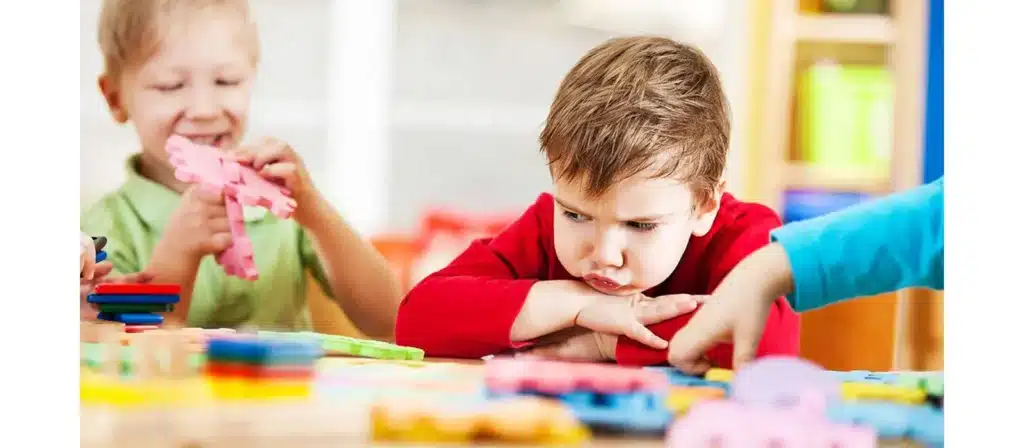
Social and Emotional Development
Young children often learn best when they feel safe, confident, and emotionally supported. Multisensory activities create an inclusive, interactive environment that naturally fosters social connections. Whether they’re playing a rhythm game together or building something with their hands, children learn cooperation, turn-taking, and communication. These shared experiences also help them express feelings and manage frustration in healthy ways. The hands-on nature of multisensory learning gives even shy or hesitant children a way to participate and feel successful, which boosts self-esteem and emotional resilience.
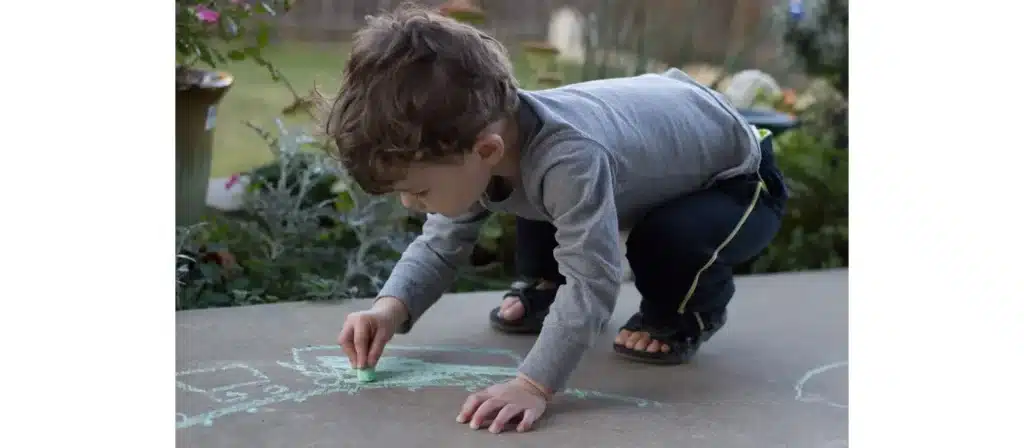
Motor Skill Development
Many multisensory activities involve physical interaction, such as building with blocks, tracing letters in sand, or jumping to count numbers. These types of tasks support both fine motor skills and gross motor skills. As children practice these motions in meaningful contexts, they not only improve their physical coordination but also begin to understand how movement connects to learning.

Language Development
Language development thrives in environments where children can see, hear, and interact with words. Multisensory learning supports this by reinforcing language through actions, sounds, visuals, and textures. Singing songs with gestures, using story cards with pictures, and tracing letters while saying their names all help children connect spoken and written language. These repeated, multi-sensory experiences strengthen phonemic awareness, vocabulary, and comprehension.
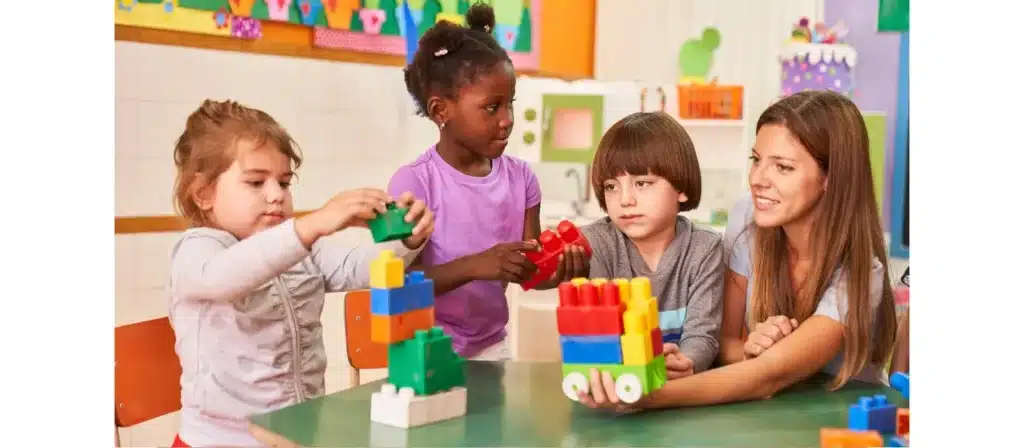
Sensory Integration Development
Sensory integration is how the brain organizes and makes sense of input from the senses. For some children, especially those with differences in sensory processing abilities, this process is not easy. Multisensory learning offers structured, safe experiences that help children learn how to respond appropriately to sensory stimuli. Over time, they become more comfortable filtering out distractions, focusing on important cues, and adapting to new environments. Activities that combine touch, movement, and visual cues can help children build a stronger internal sense of balance, body awareness, and emotional stability.

How Can We Use Multisensory Learning?
Integrating multisensory learning into a curriculum doesn’t mean reinventing every lesson plan. It simply requires thoughtful layering of sensory experiences into your current teaching strategies.
Combine Two or More Senses in Each Lesson
When planning lessons, consider how to integrate multiple senses:
- Visual: Use pictures, videos, diagrams, and written text.
- Auditory: Include rhymes, music, read-alouds, and verbal repetition.
- Tactile: Use sandpaper letters, clay, beads, or textured surfaces.
- Kinesthetic: Add movements, hand signs, dance, or physical games.
Examples by Subject Area
Literacy
- Use letter tiles for spelling.
- Trace letters in shaving cream while saying their sounds.
- Act out verbs in a story.
Math
- Count using physical objects like blocks or beads.
- Clap to practice number sequences or patterns.
- Use number lines that kids can physically walk on.
Science
- Conduct experiments that involve touching, smelling, and observing.
- Label body parts using songs and movement.
- Explore textures with nature-based sensory bins.
Art
- Mix primary colors using hands or textured brushes.
- Add scents to art materials to stimulate olfactory senses.
- Sculpt with clay or dough while describing shapes.
Classroom Configuration & Tips
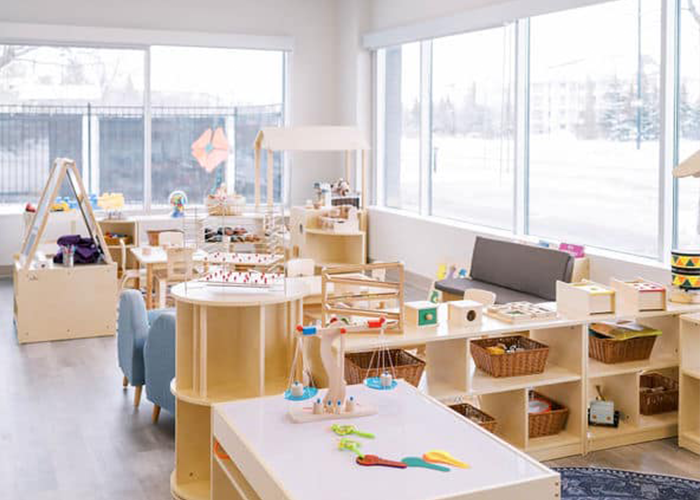
- Arrange flexible, clutter‑free spaces for movement and materials.
- Keep multisensory materials easily accessible: sand trays, tactile cards, building kits.
- Use grouping so that students can teach each other using multisensory strategies.
- Rotate modalities across lessons so students don’t become dependent on only one sensory route.
- Train teachers and provide professional development so they feel confident using these strategies.
When well‑executed, multisensory methods become natural, seamless extensions of instruction, not gimmicks. The goal is that students actively sense, think, and articulate simultaneously — and gradually internalize that integration.
How Does Multisensory Learning Relate to Sensory Learning Styles?
Sensory learning styles refer to the individual preferences and strengths that students have when it comes to how they receive and process information. While some learners may prefer visual stimuli (visual learners), others may prefer auditory input (auditory learners) or kinesthetic experiences (kinesthetic learners). Multisensory learning supports these different sensory preferences by integrating a variety of sensory modalities into the educational experience.
The sensory learning styles most commonly discussed are:
- Visual Learners: These students prefer to see information in the form of diagrams, charts, videos, and written instructions. They often excel when they can visualize concepts, using pictures or colors to organize and connect information.
- Auditory Learners: Auditory learners absorb information best through listening. They may excel in verbal lectures, discussions, audio recordings, and songs. They tend to remember information better when it is spoken aloud or when they can engage in a conversation about the material.
- Kinesthetic Learners: Kinesthetic learners thrive when they can physically engage with the learning material. This group learns best through hands-on activities, experiments, and movement. Their understanding deepens when they can manipulate objects, demonstrate concepts physically, or use gestures to reinforce learning.
- Tactile Learners: These learners prefer to touch and feel to understand new ideas. They benefit from sensory experiences involving textures, sensory materials, or interactive tools. Tactile learning methods include activities like tracing, molding, or using sensory manipulatives.
In a multisensory classroom, teachers can cater to all types of learners by integrating visual, auditory, and kinesthetic elements into lessons. For example, in a lesson about the water cycle, visual learners may use diagrams, auditory learners may listen to an explanation or song, kinesthetic learners could enact the cycle through role-play, and tactile learners may interact with
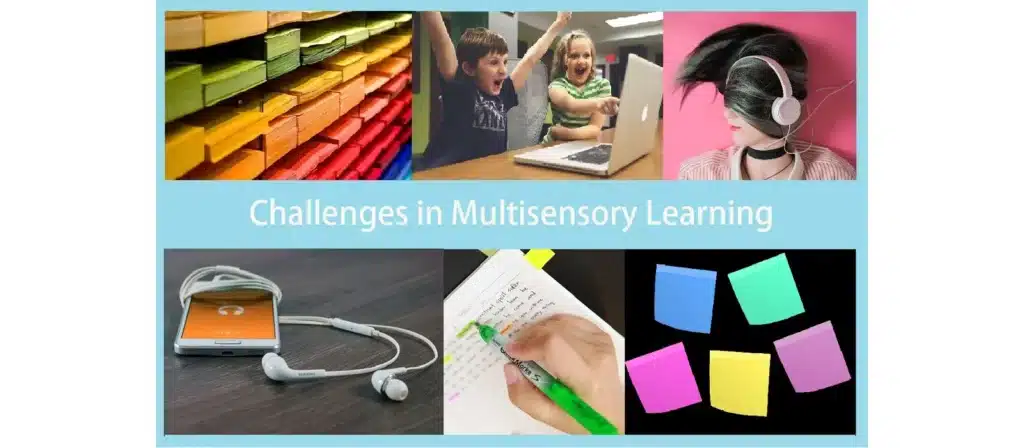
Challenges in Multisensory Learning
While multisensory learning is highly beneficial, it does come with some challenges.
1. Resource Intensity
Multisensory learning often requires a variety of materials and resources, such as tactile objects, educational apps, visual aids, and audio devices. This can be resource-intensive, especially in schools or classrooms with limited budgets.
2. Time and Effort
Designing multisensory lessons can be time-consuming, as teachers need to plan and implement activities that engage multiple senses. Additionally, these activities may require more preparation and organization than traditional lesson plans.
3. Training for Educators
Effective multisensory teaching requires specialized knowledge and skills. Teachers must be trained in how to design and implement multisensory activities and how to assess their effectiveness. Professional development and training programs are essential to ensure that teachers can use multisensory approaches to their full potential.
FAQs
- How does multisensory learning support dyslexic children?
By integrating tactile and auditory routes, it reinforces neural pathways used for decoding and reading. - Can multisensory learning help with math?
Absolutely—manipulatives, kinesthetic counting, visual models and rhythm all help make abstract math concrete. - Is multisensory learning only for young children?
No—teens and adults also benefit, especially using interactive simulations, labs, and hands-on projects. - Can parents implement multisensory learning at home?
Absolutely. Parents can cook, sing, read aloud, and play educational games that engage multiple senses. - Do all children learn better with multisensory approaches?
Most children benefit from multisensory learning, especially those who struggle with traditional methods. It caters to different learning styles, such as visual, auditory, and kinesthetic. - How does multisensory learning work?
It works by stimulating different senses simultaneously, which helps the brain process information in multiple ways. For example, a student might see a picture, hear a story, and touch an object related to a lesson all at once. - Is multisensory learning only useful in classrooms?
No, it can be used at home too. Parents can incorporate multisensory activities like cooking, crafting, or playing games that involve movement or sound to help reinforce learning.
Conclusion
Multisensory learning is an effective and inclusive approach that engages children in deep, meaningful learning by activating multiple senses. From early childhood through to adulthood, this approach enhances memory, comprehension, and engagement, making learning more accessible for all. By incorporating multisensory techniques in both the classroom and at home, educators and parents can create an enriching learning environment that supports children’s cognitive, emotional, and social development.
Multisensory learning is not only beneficial for children with special needs but also improves outcomes for all learners by providing varied pathways to understanding. As research continues to support its benefits, this approach will likely become an integral part of modern education.