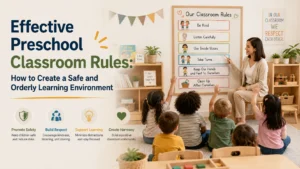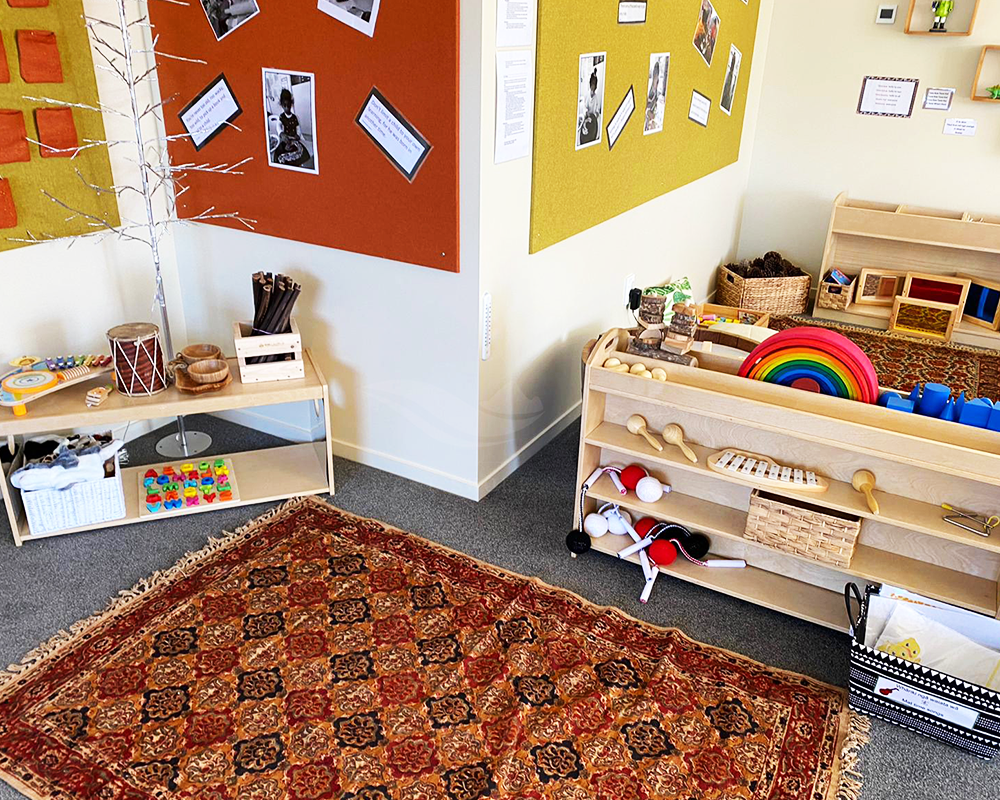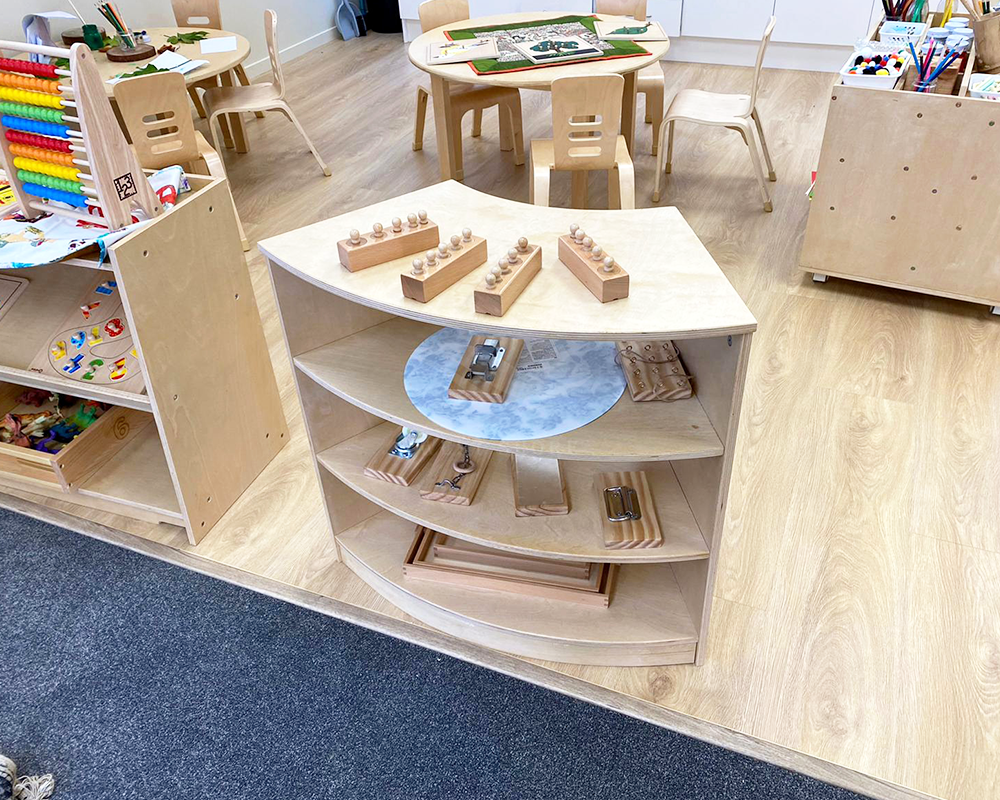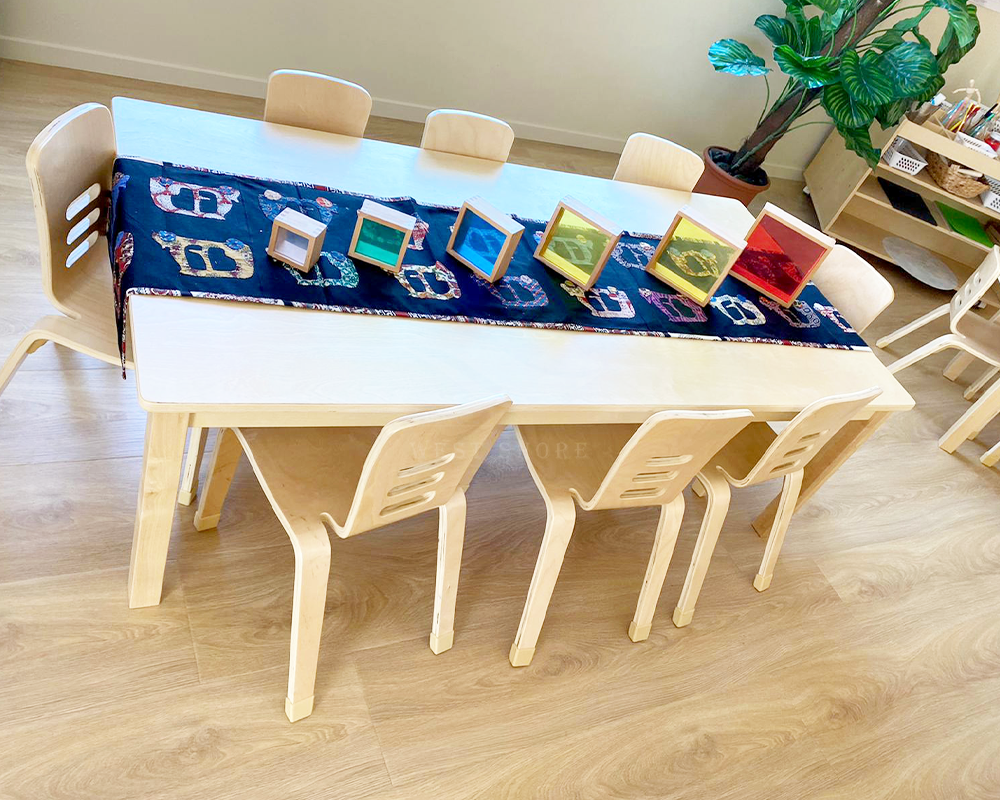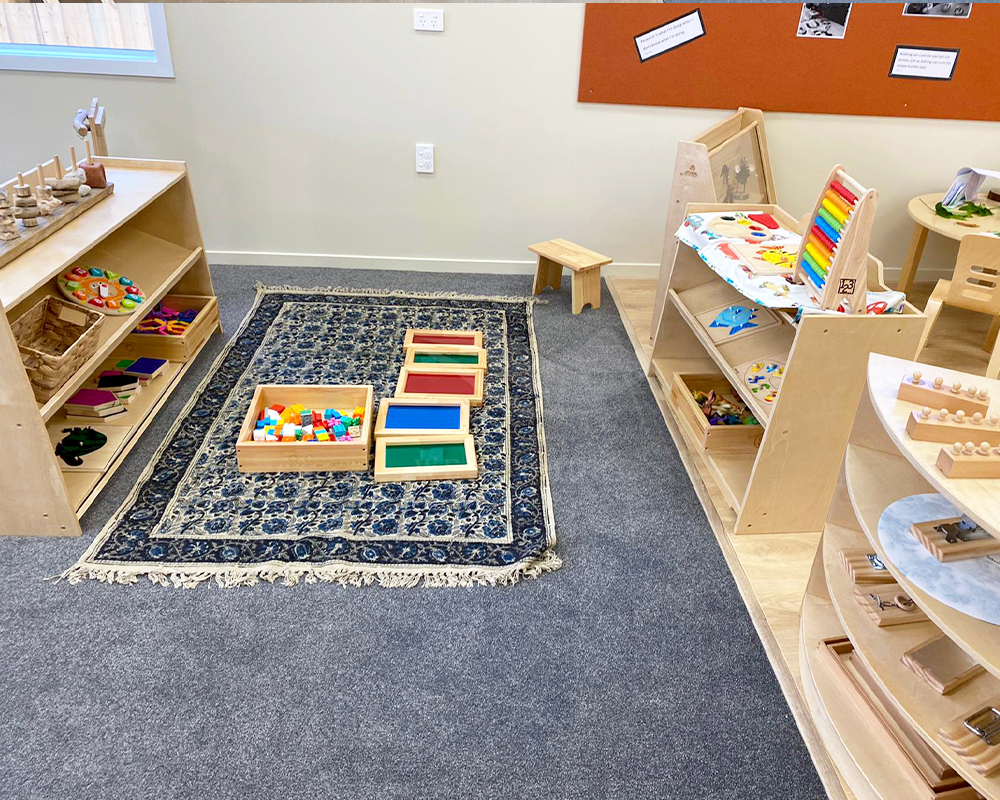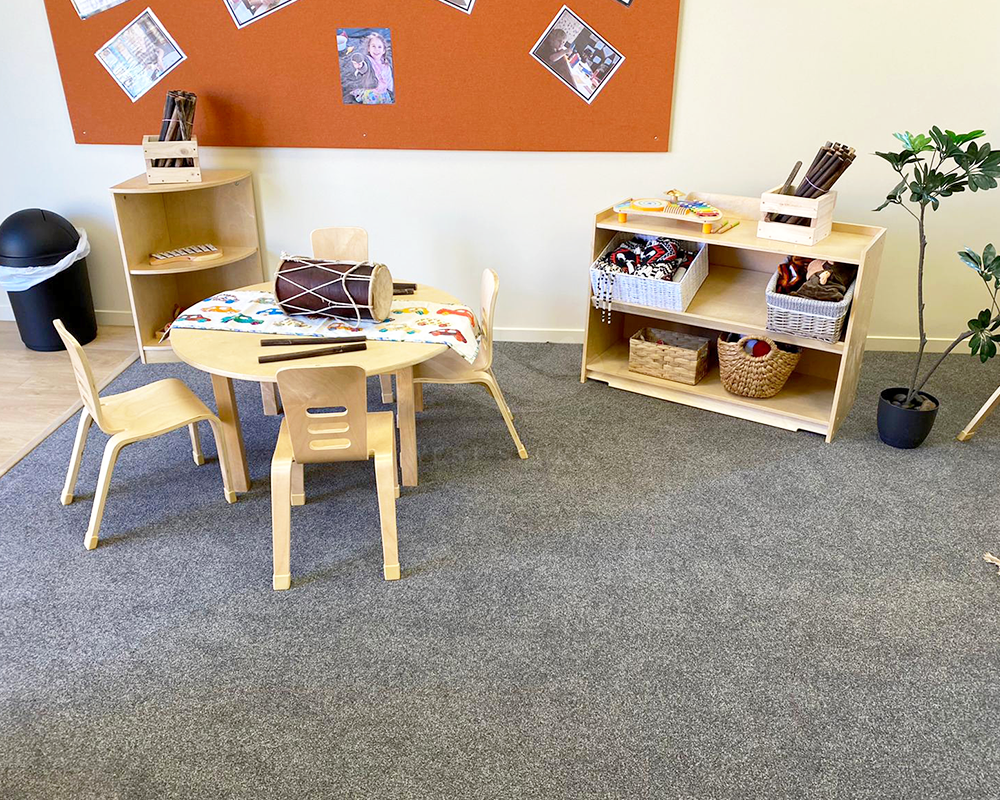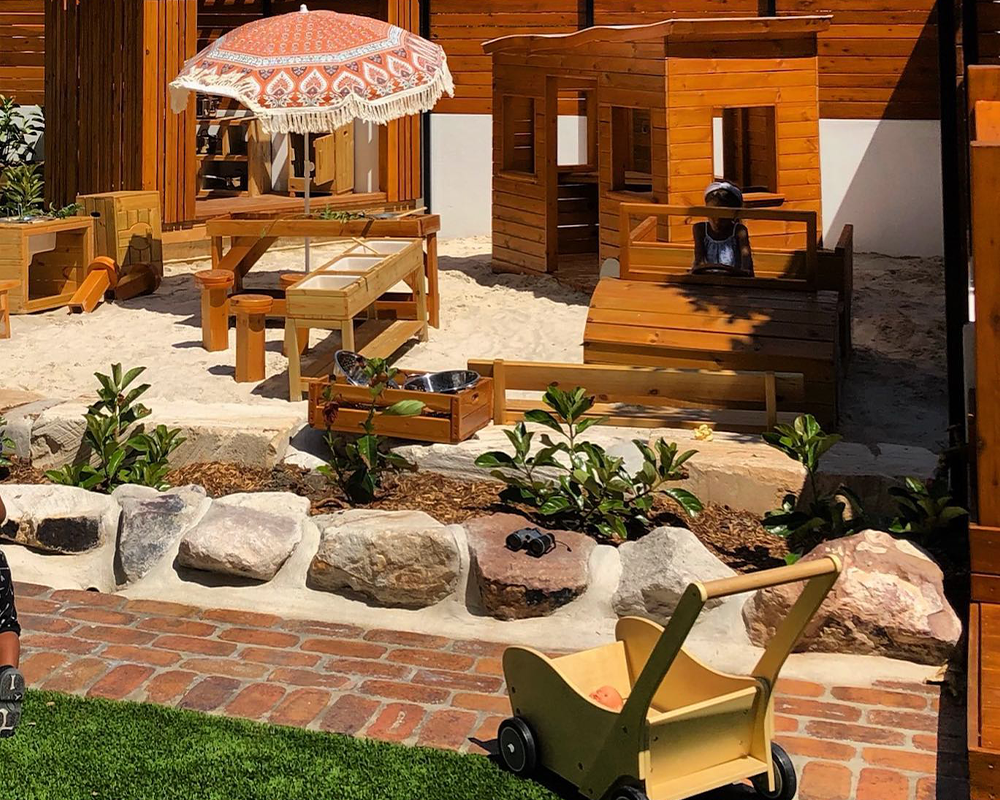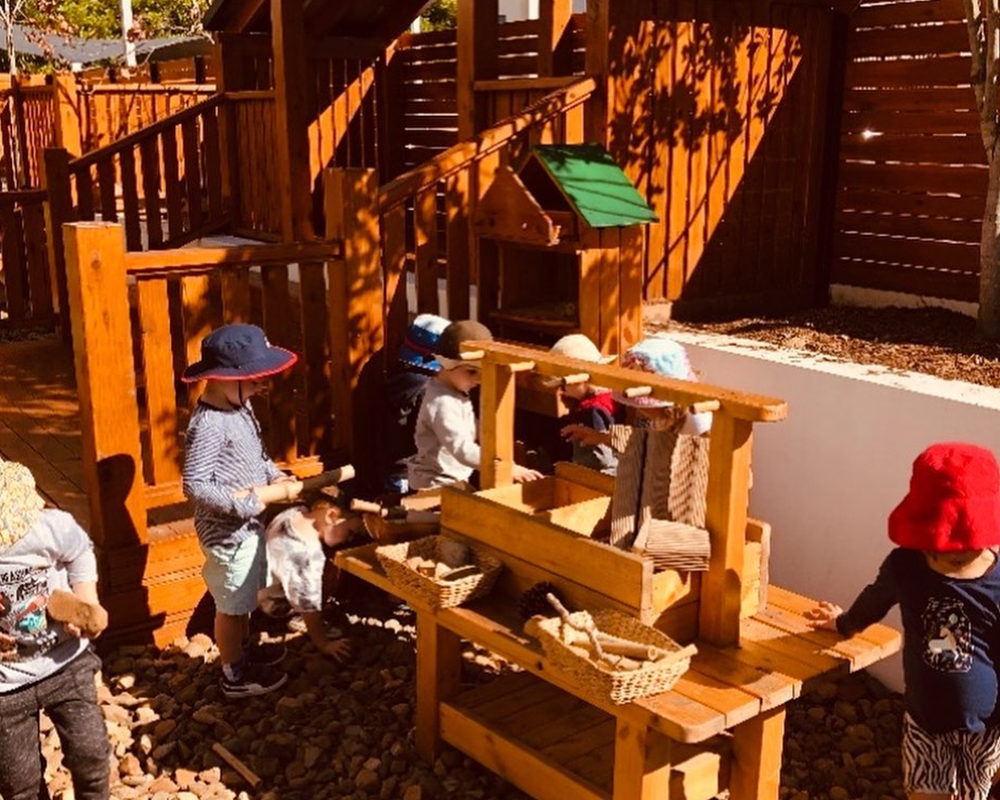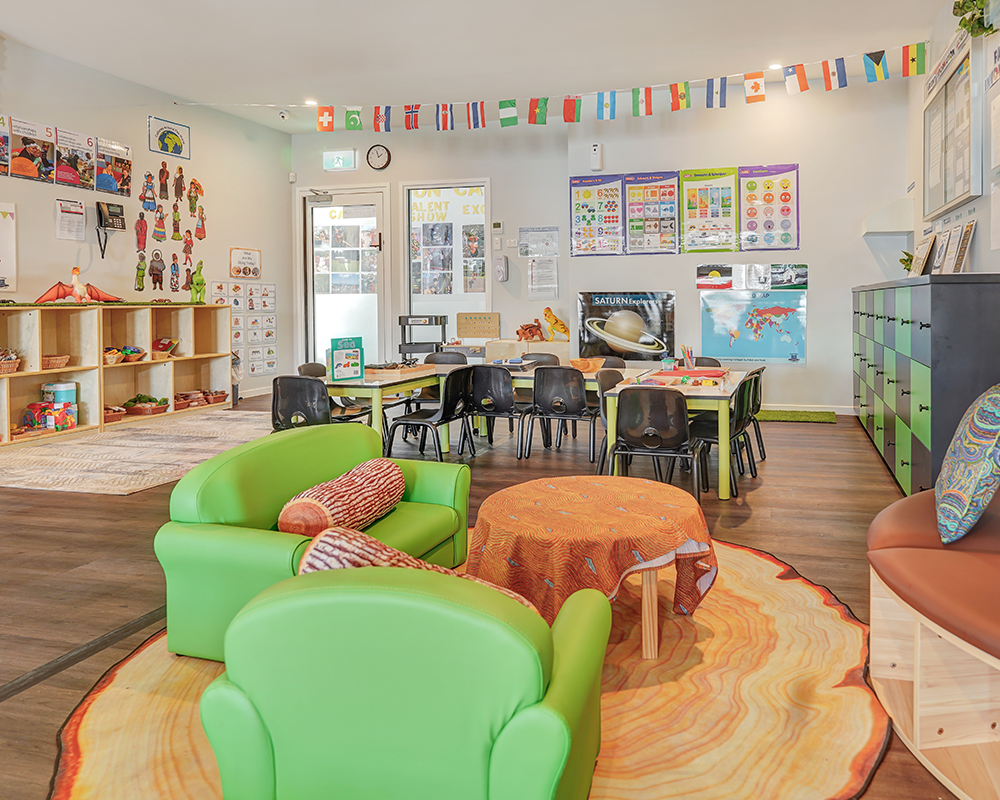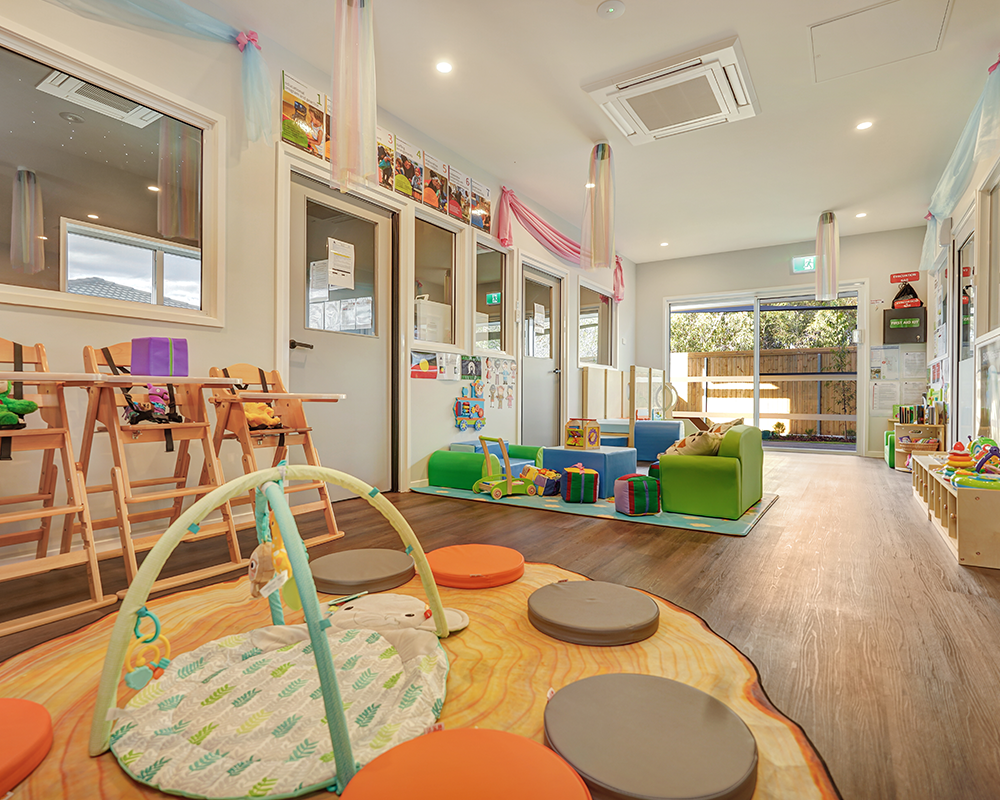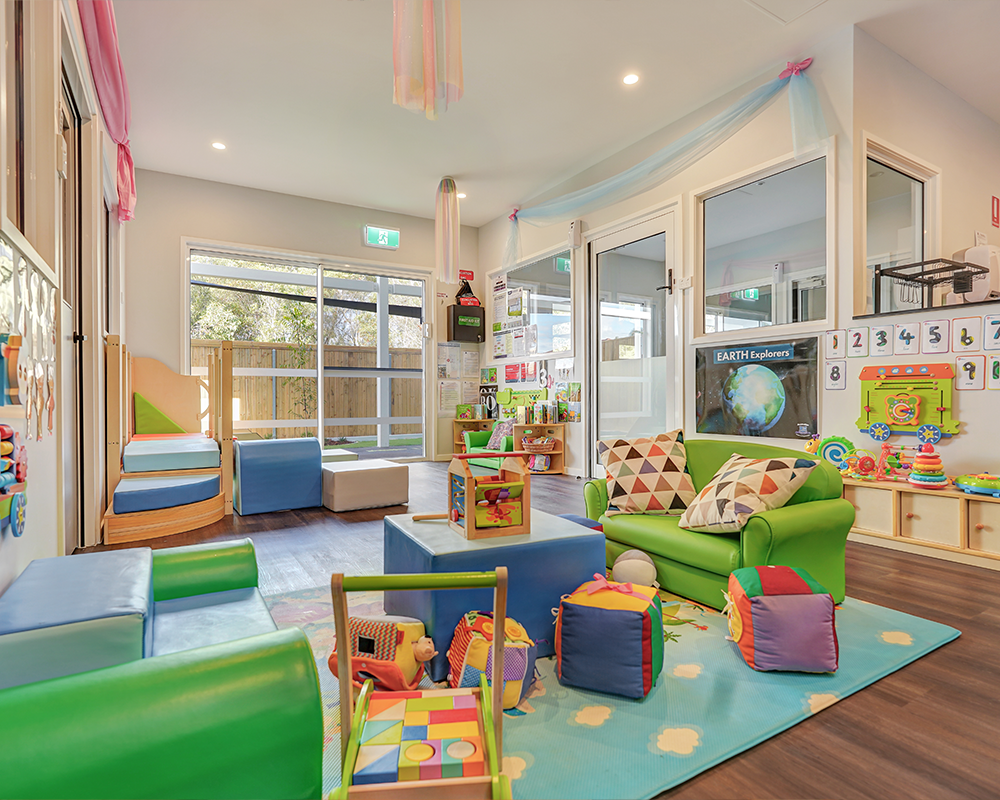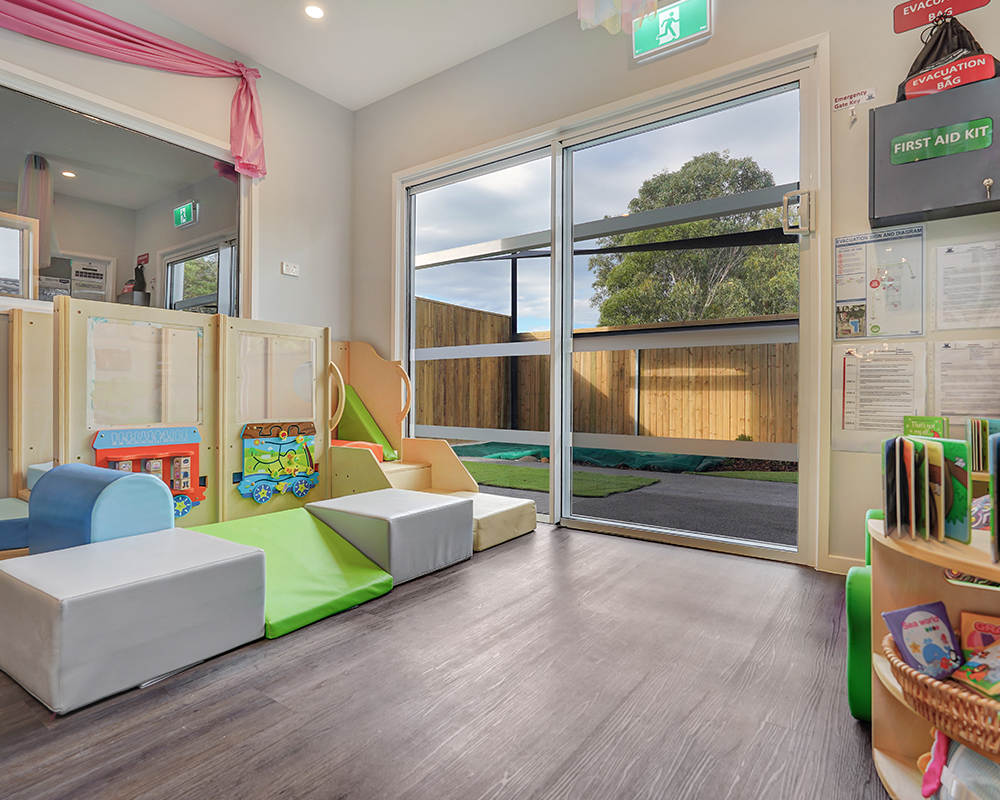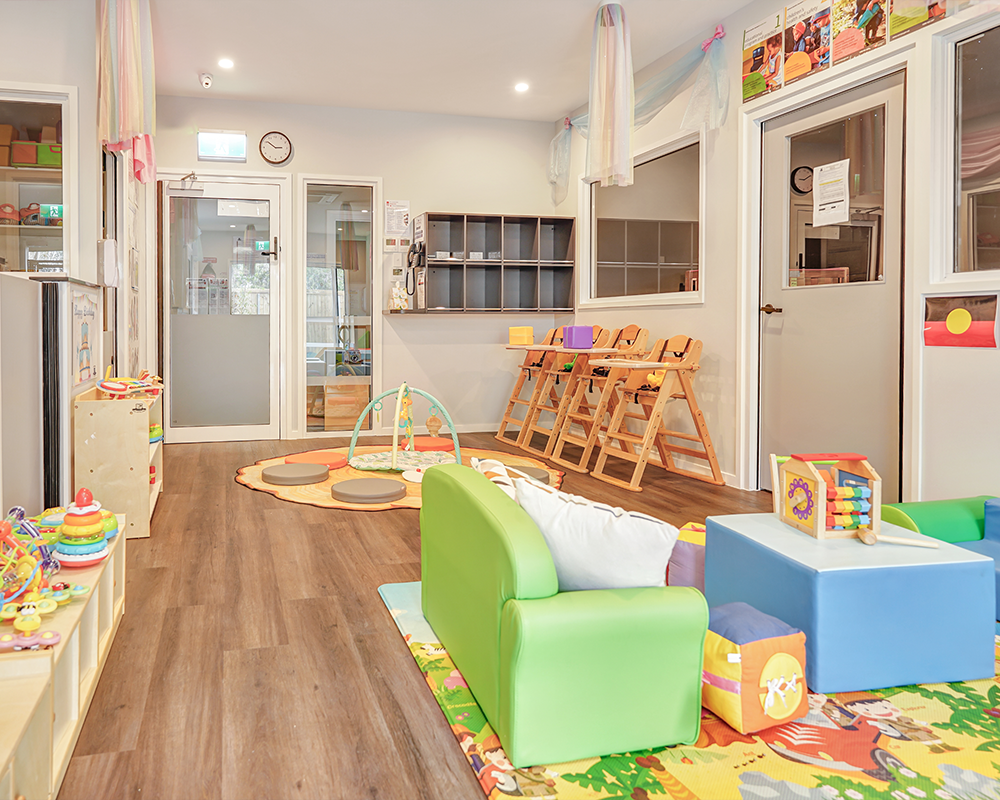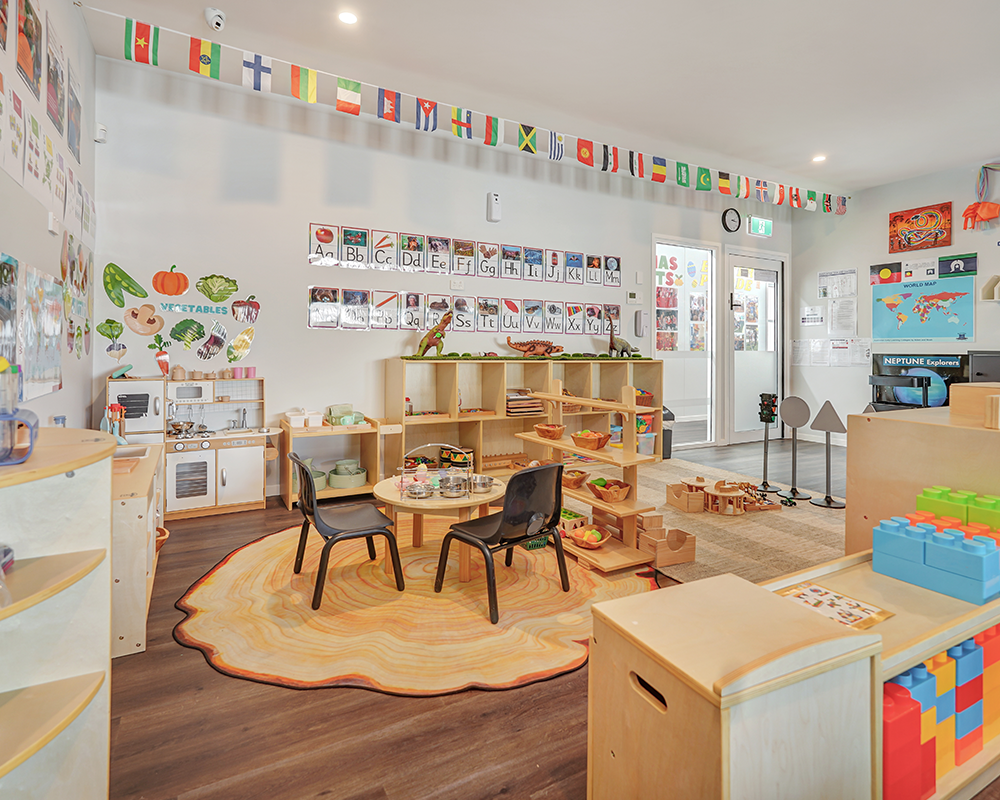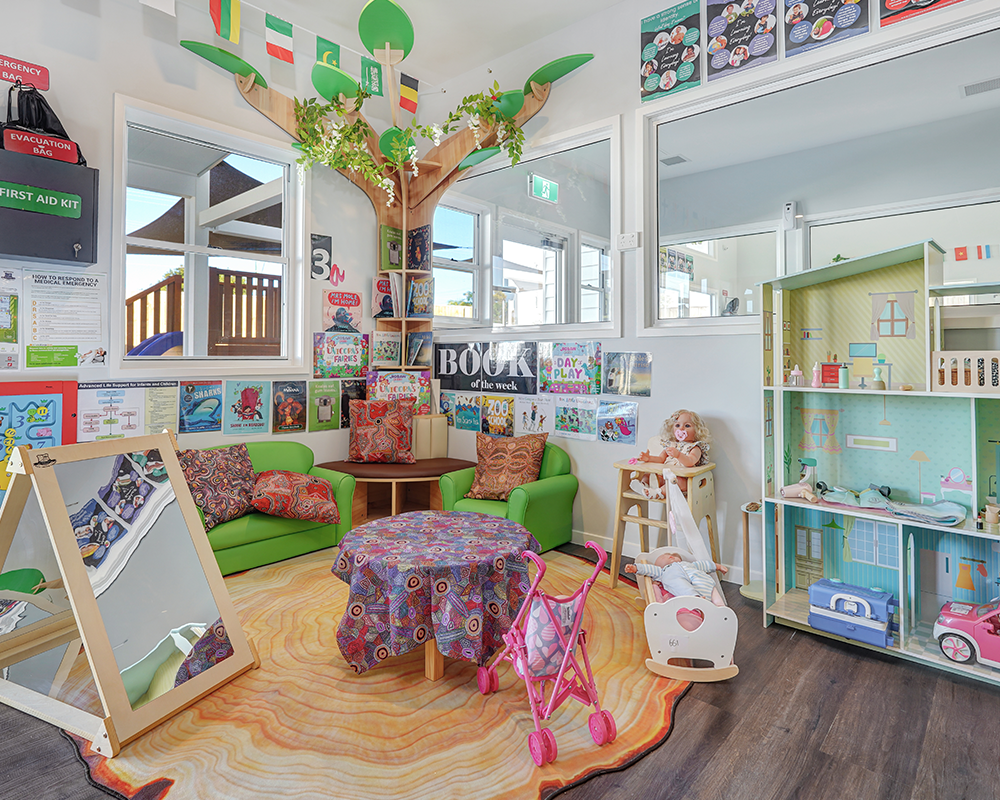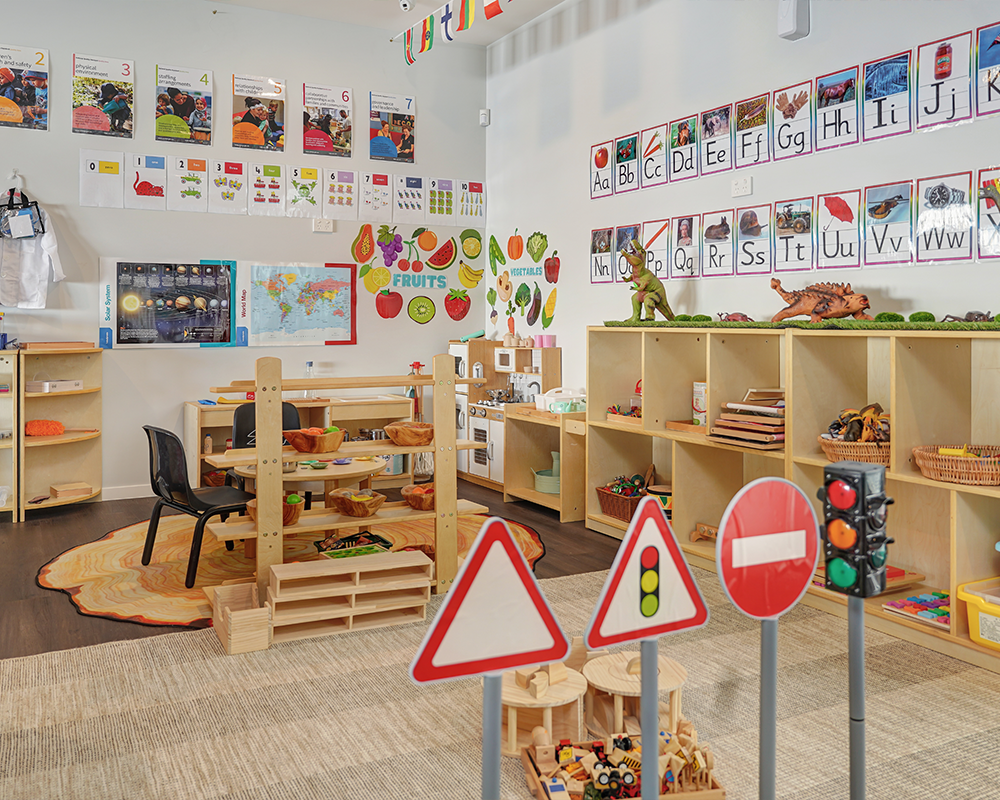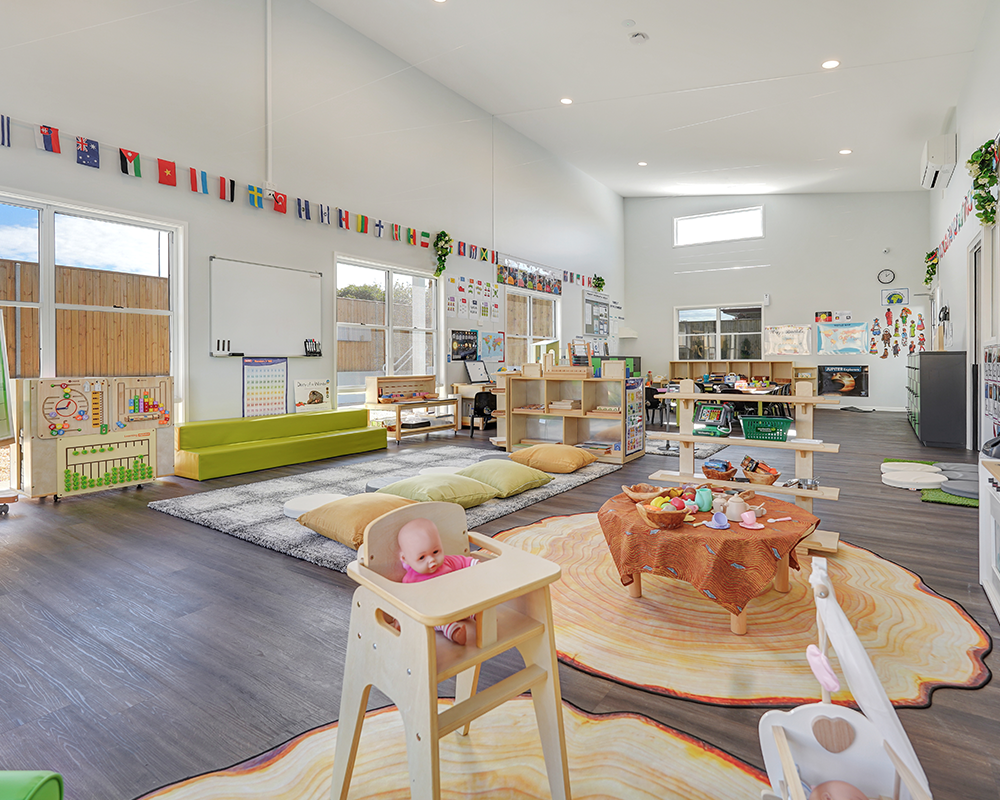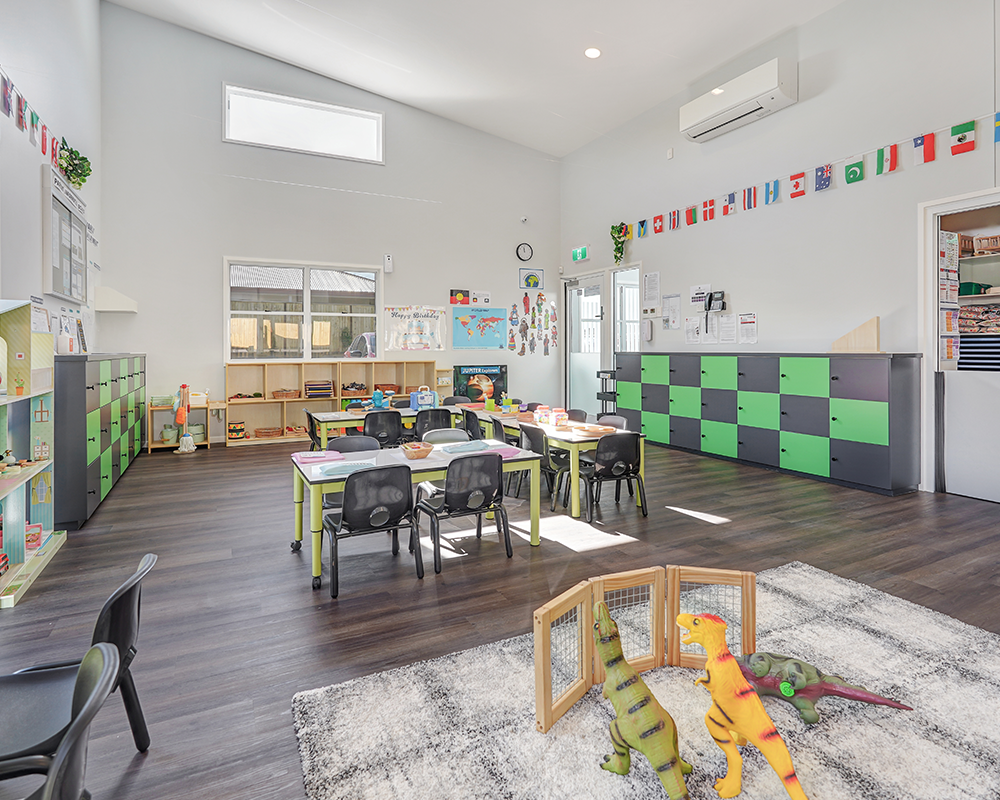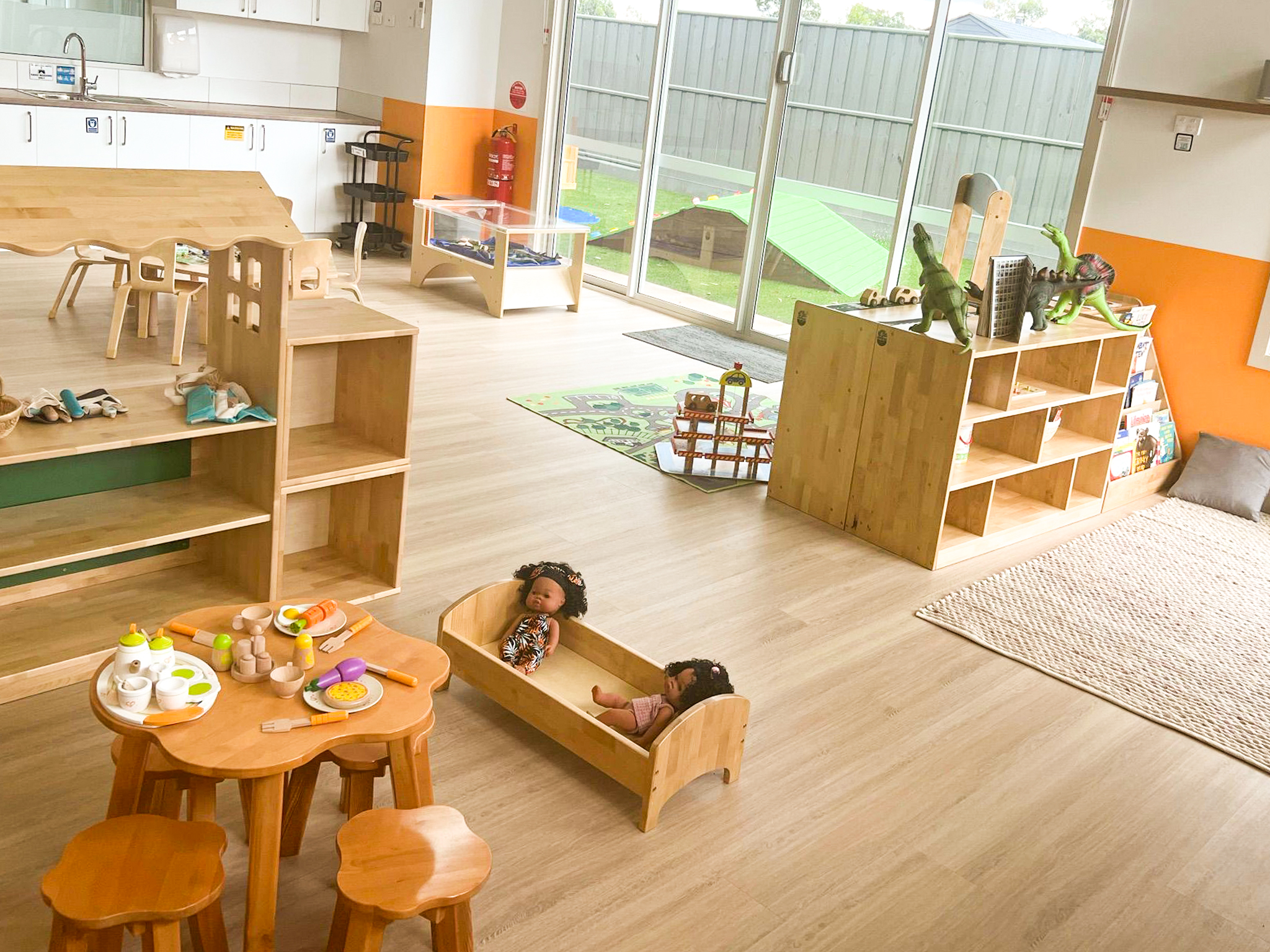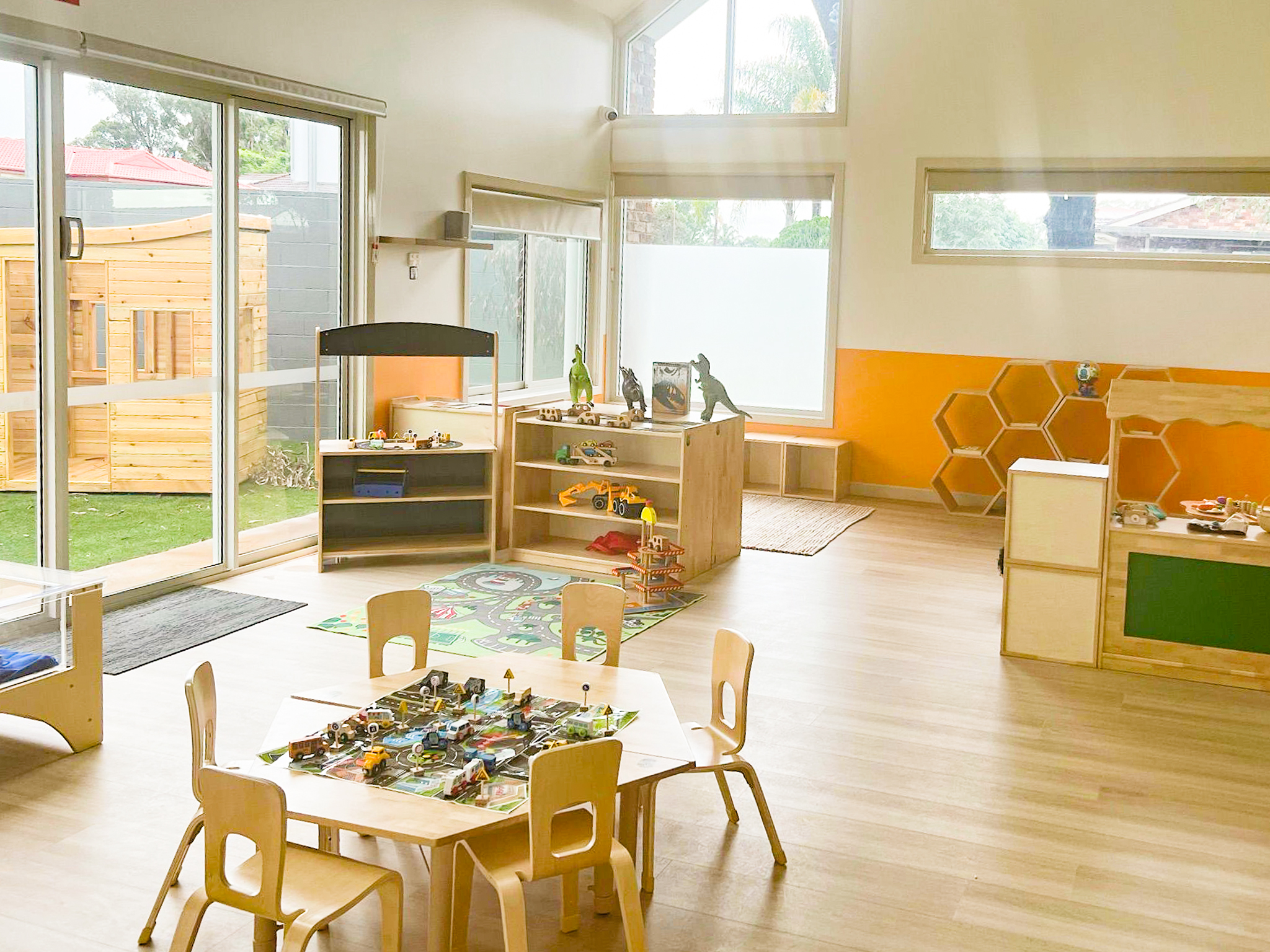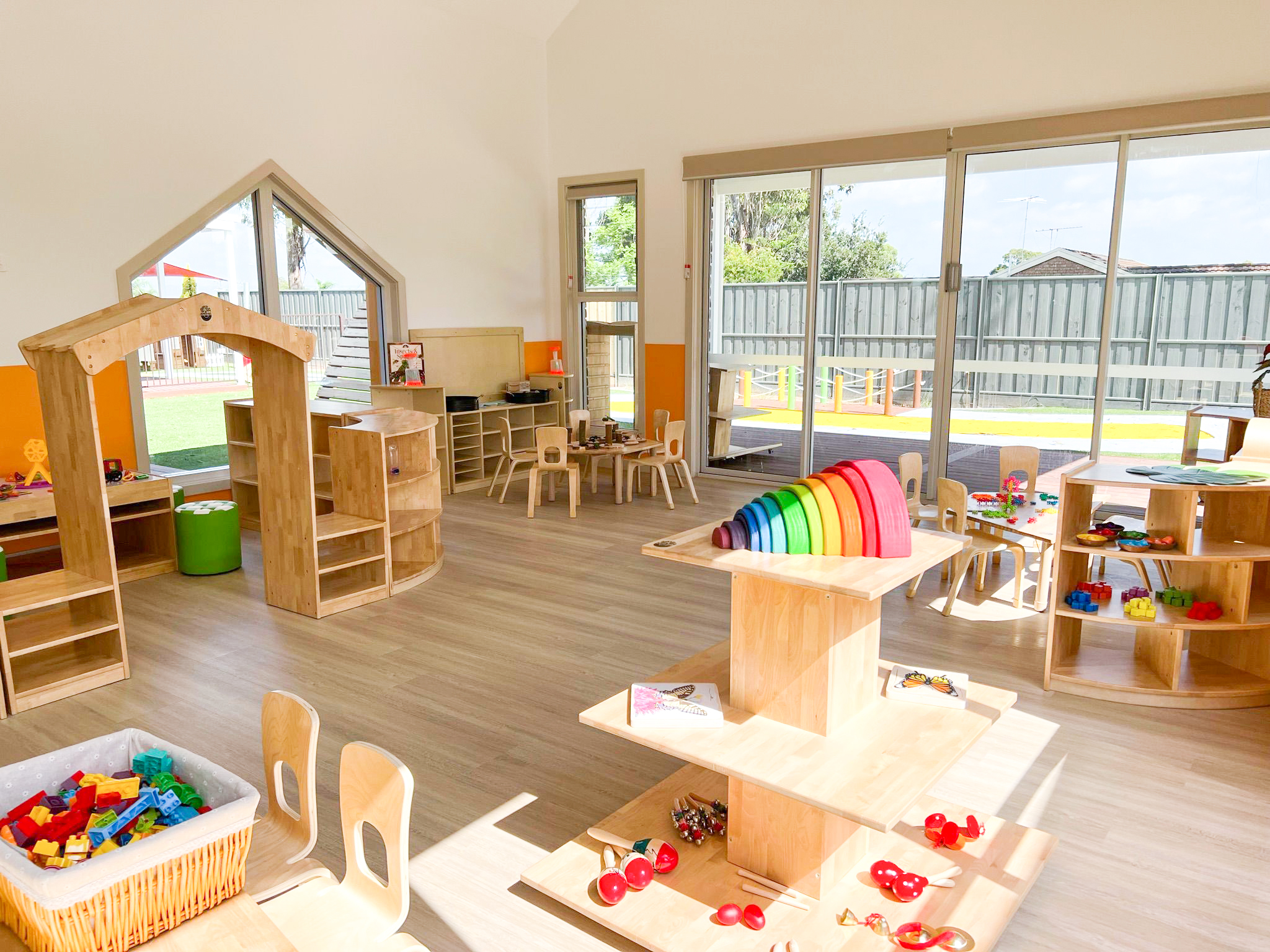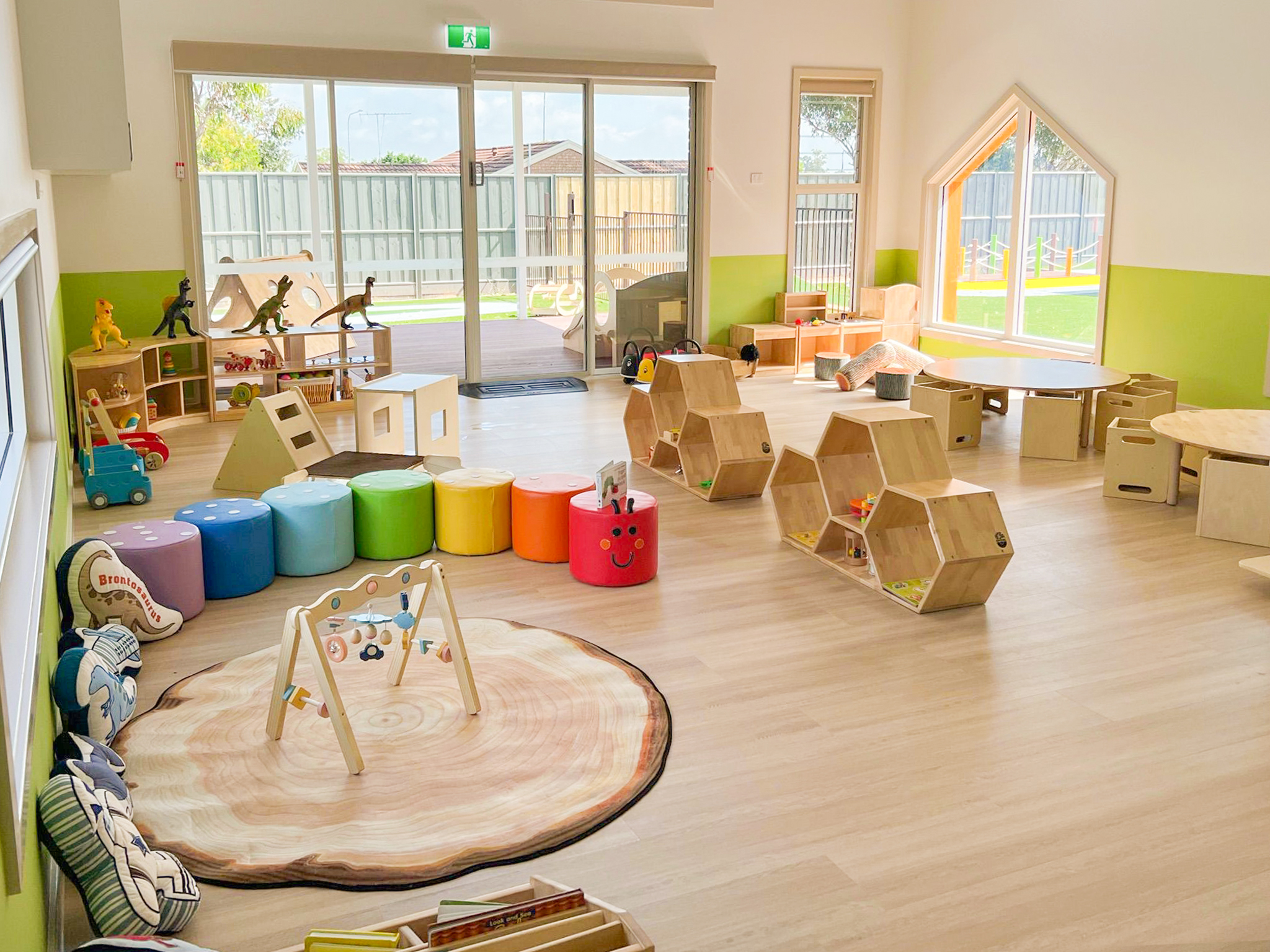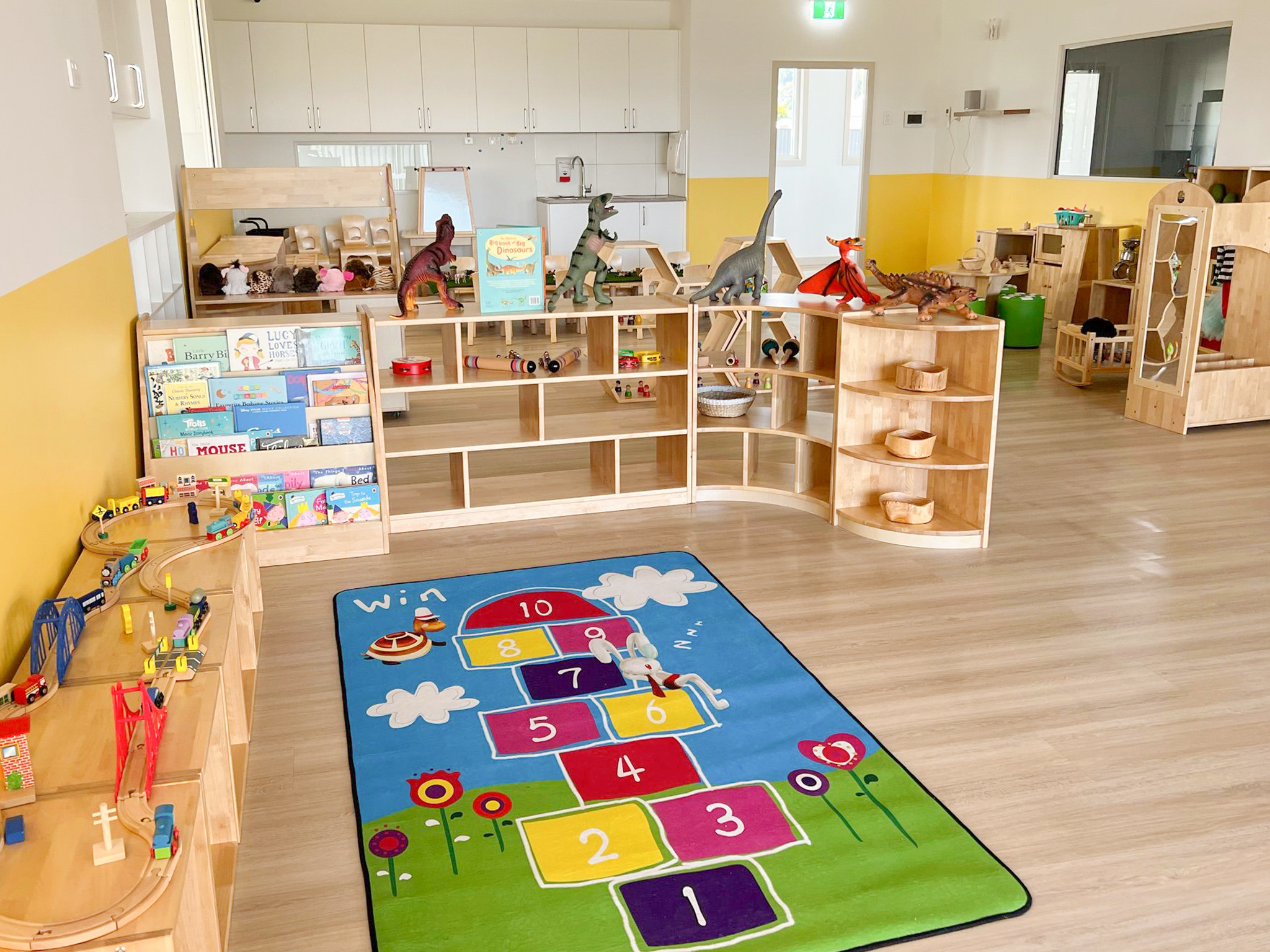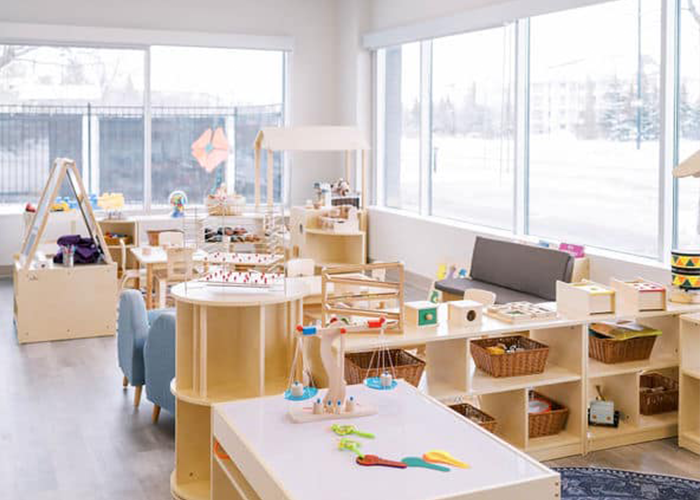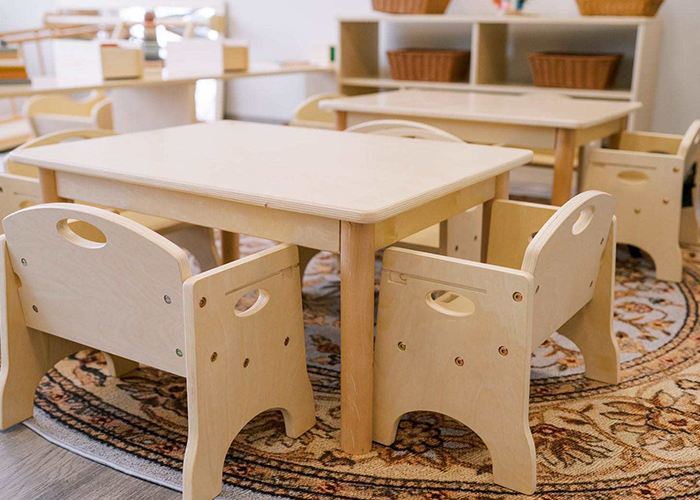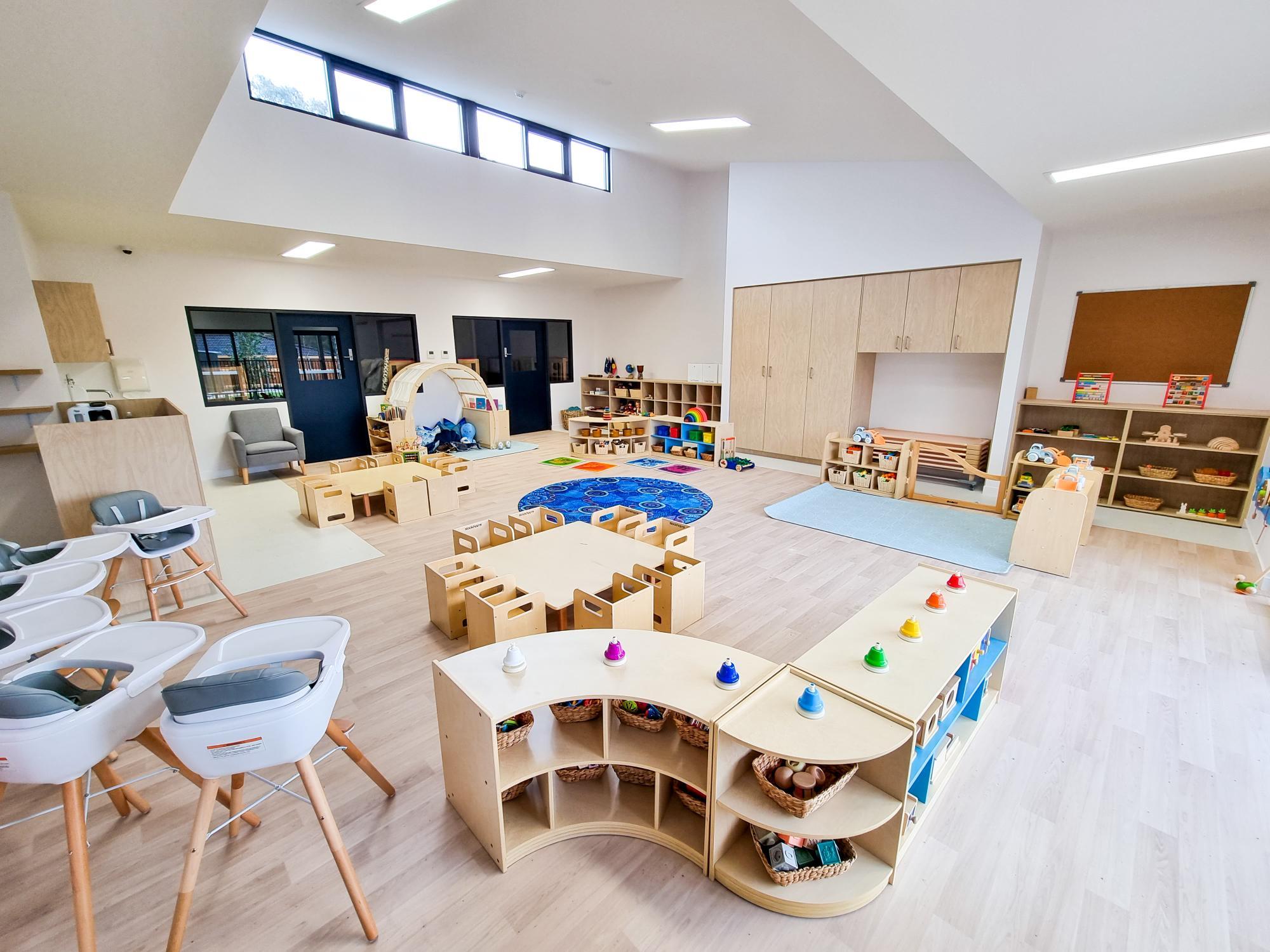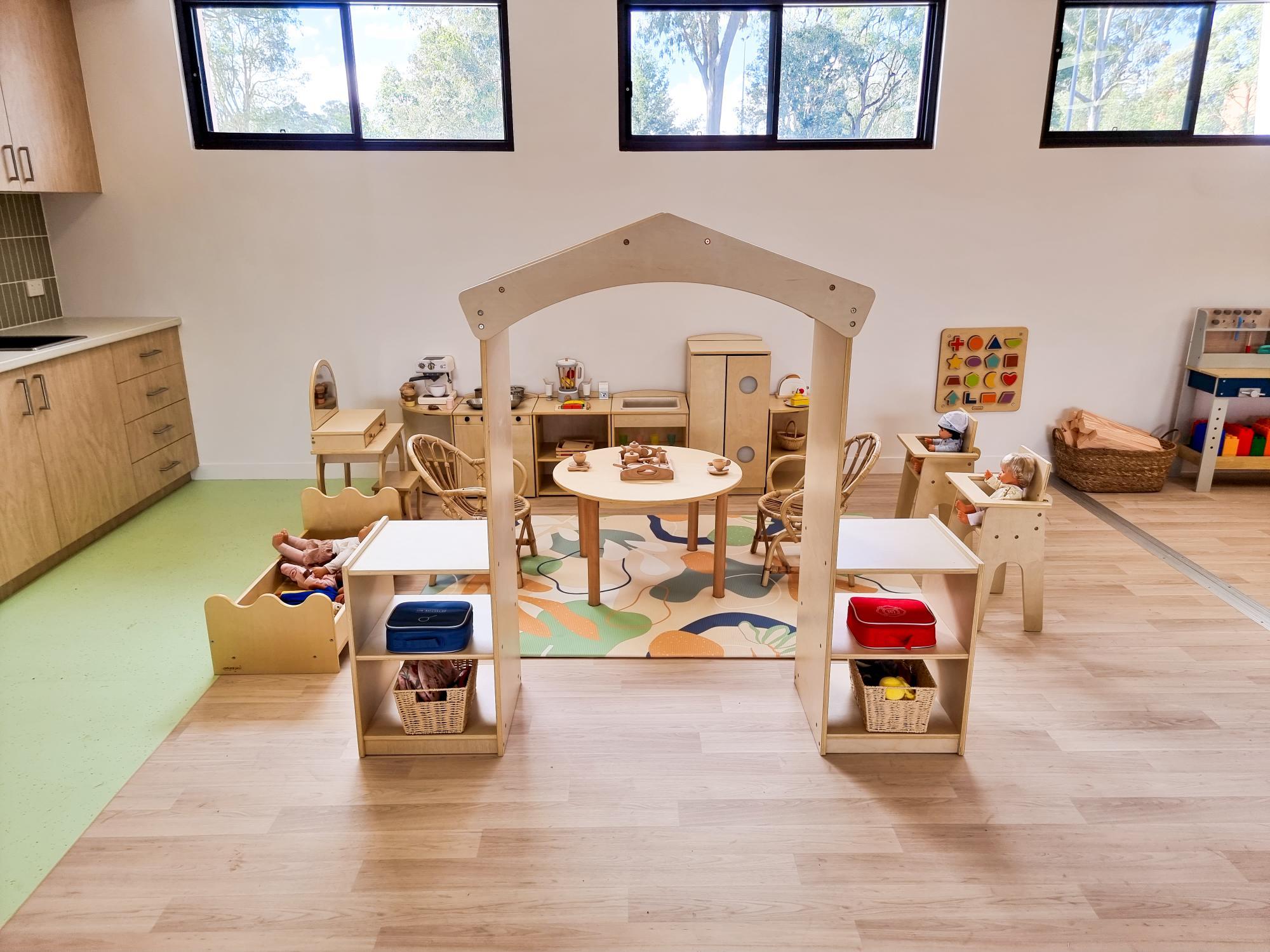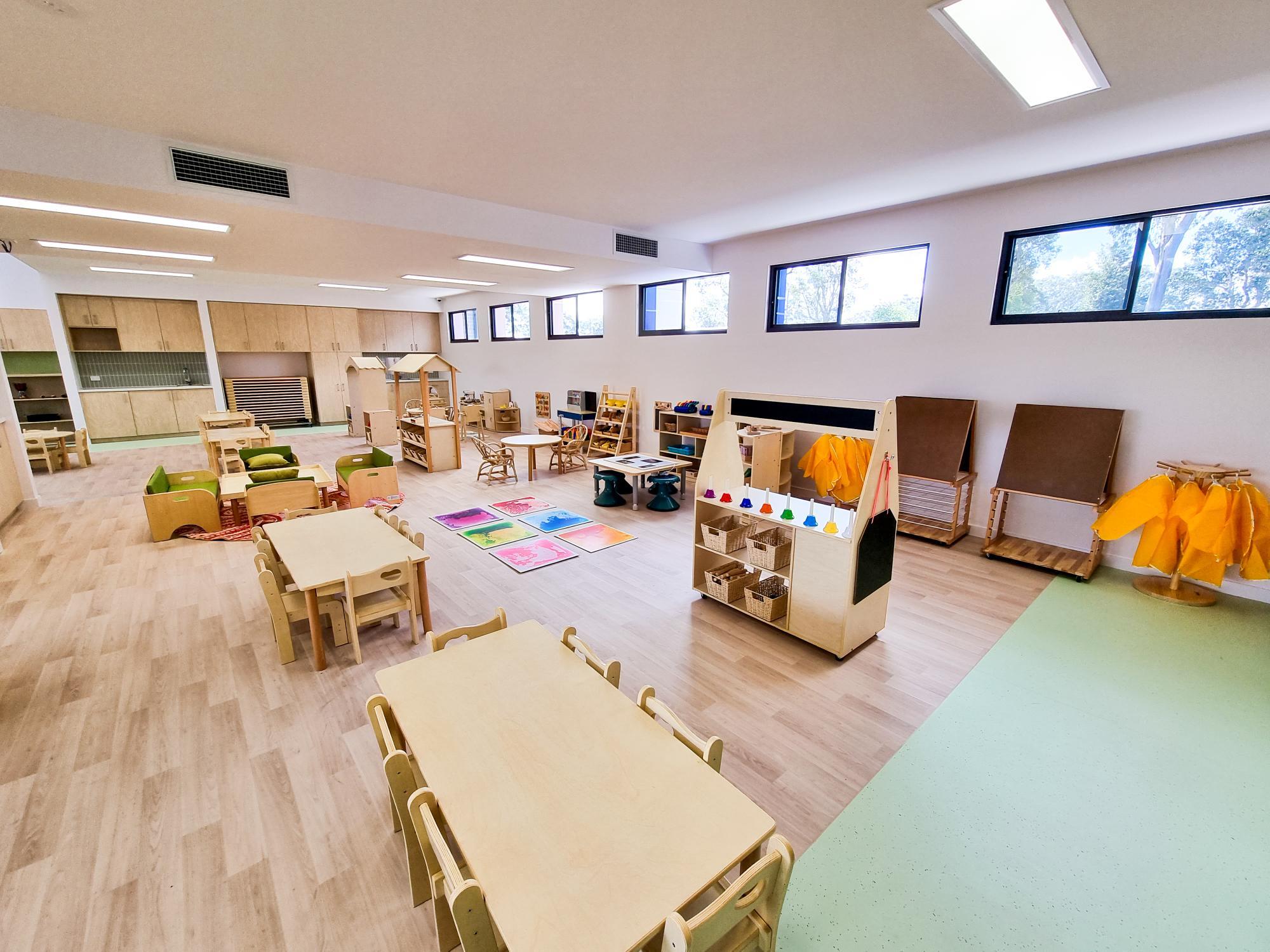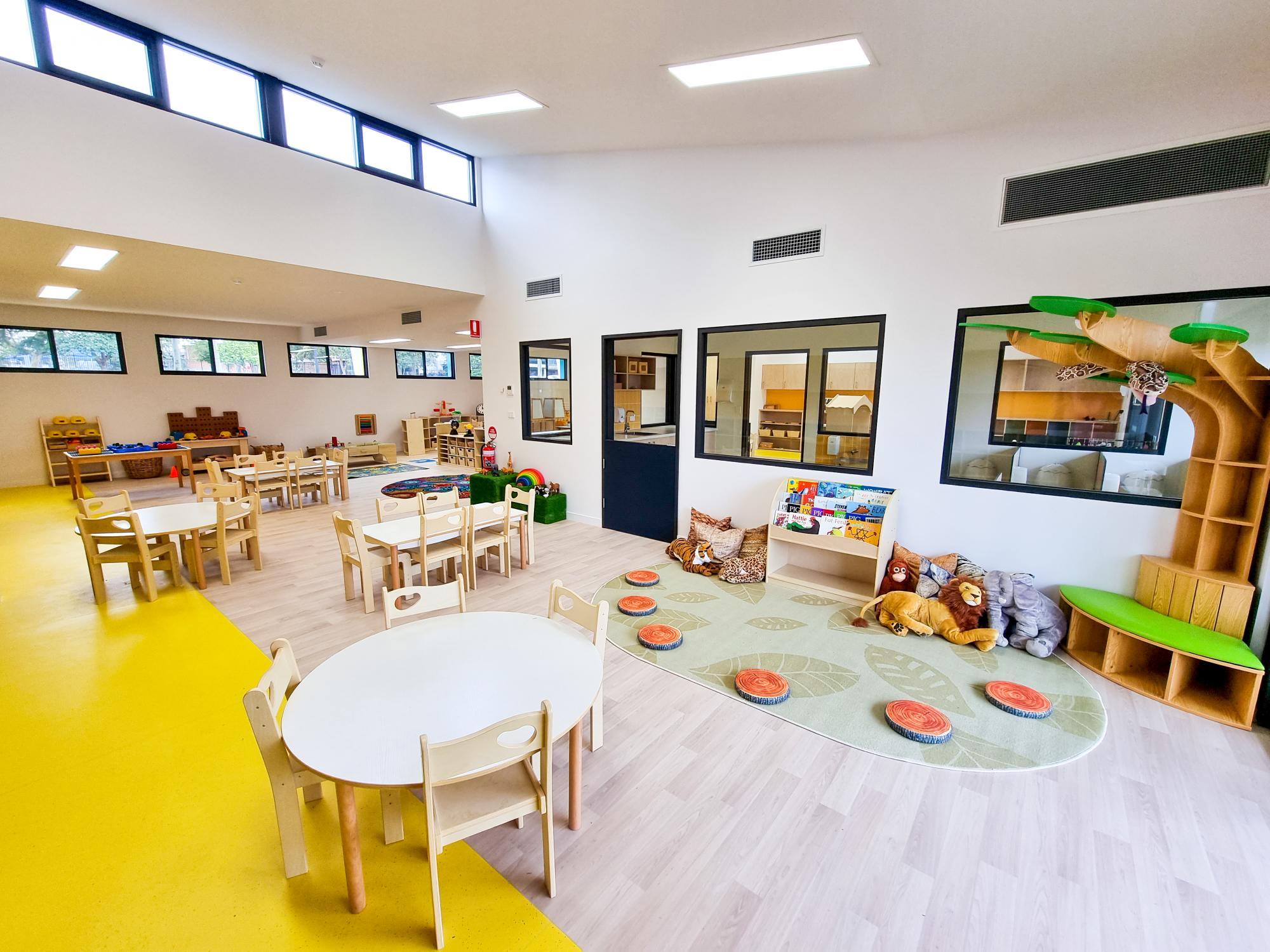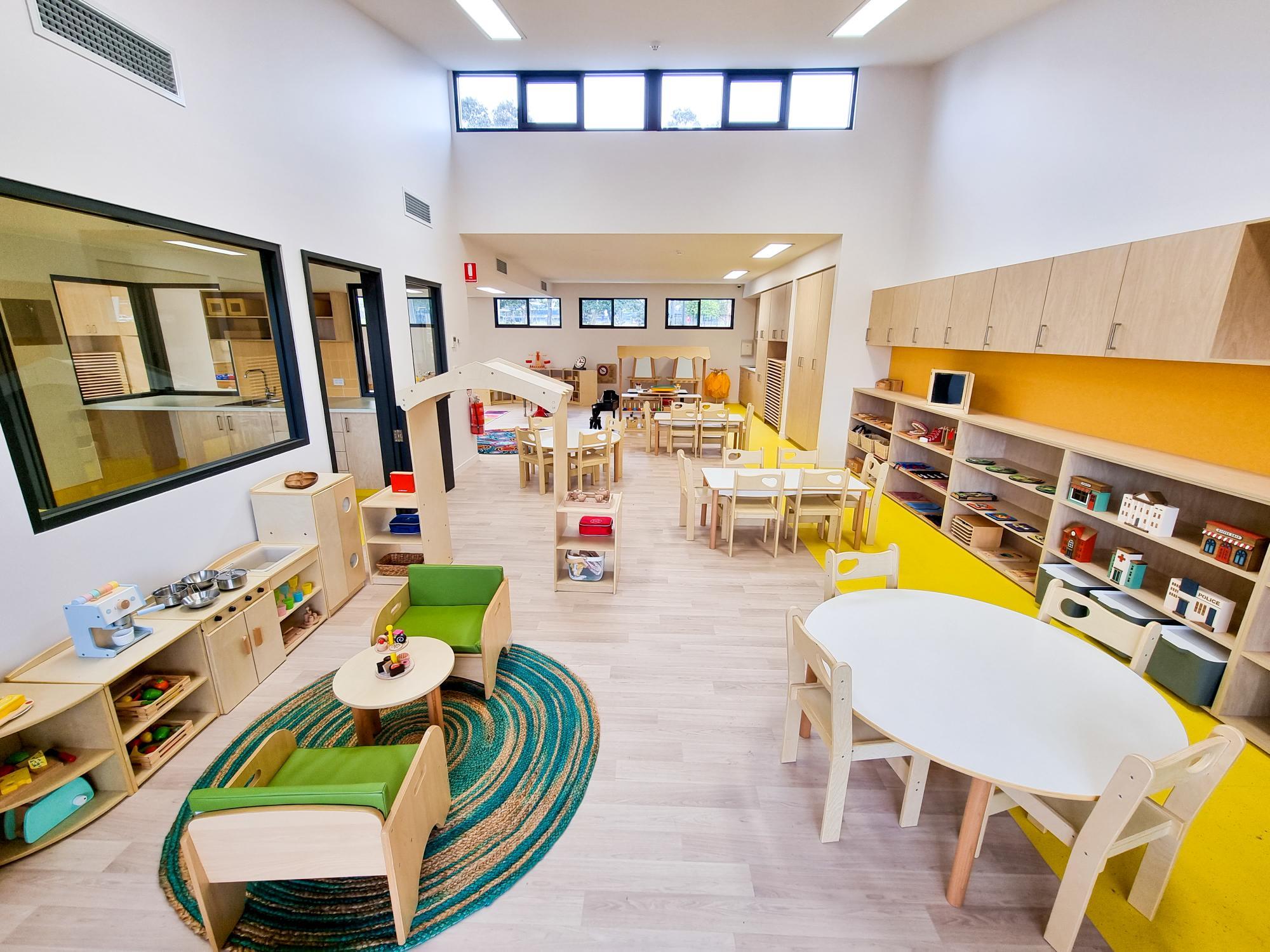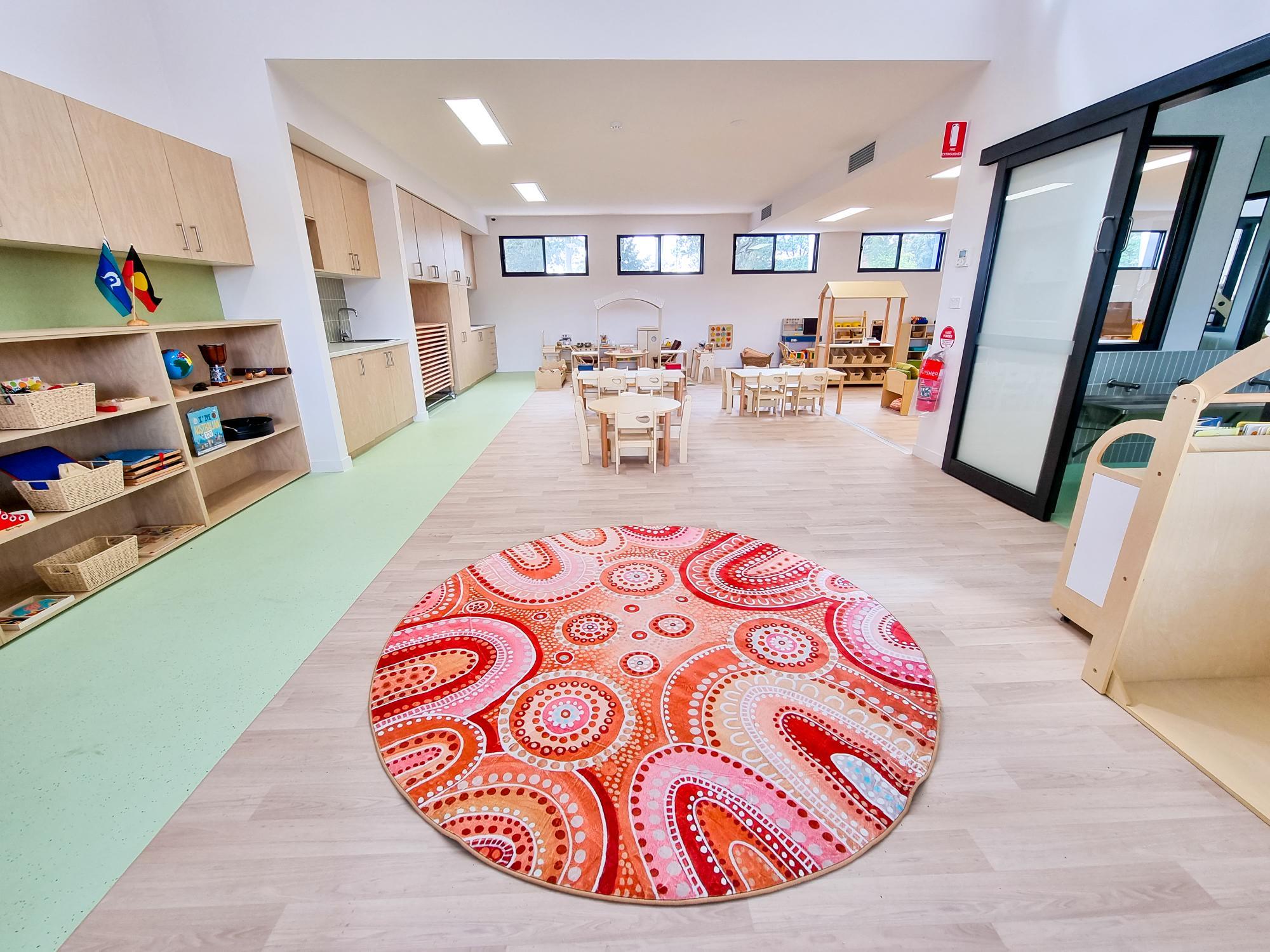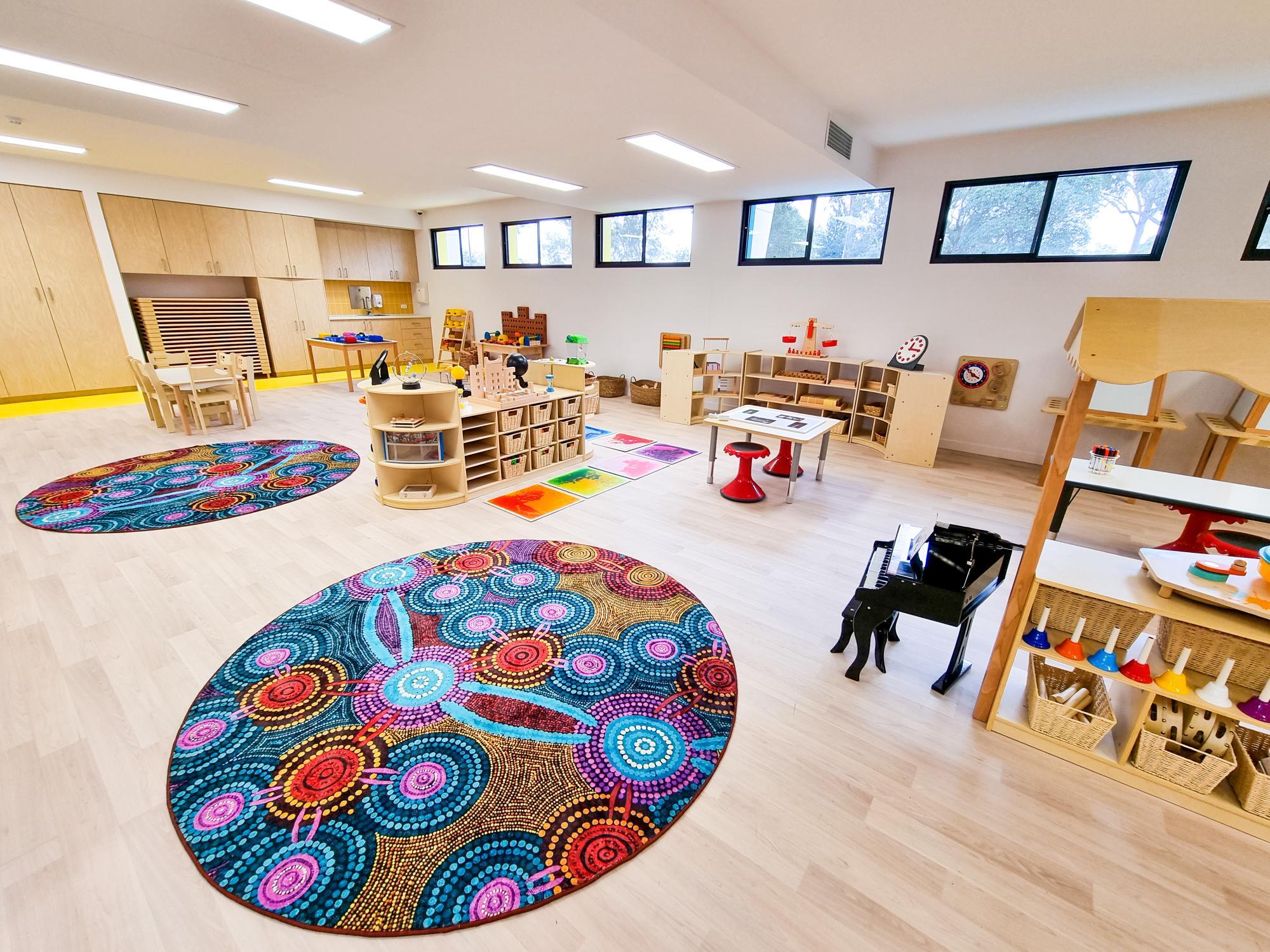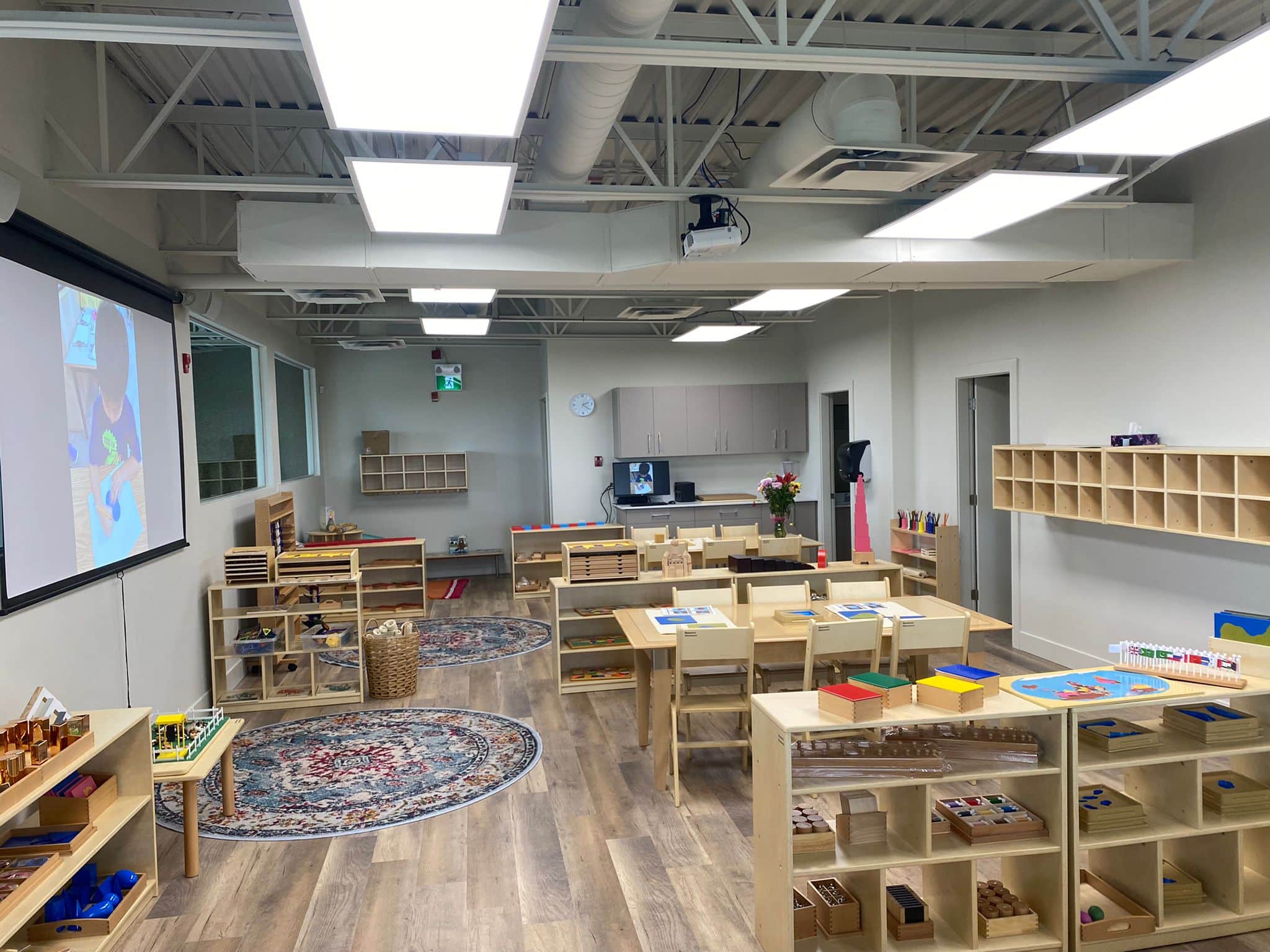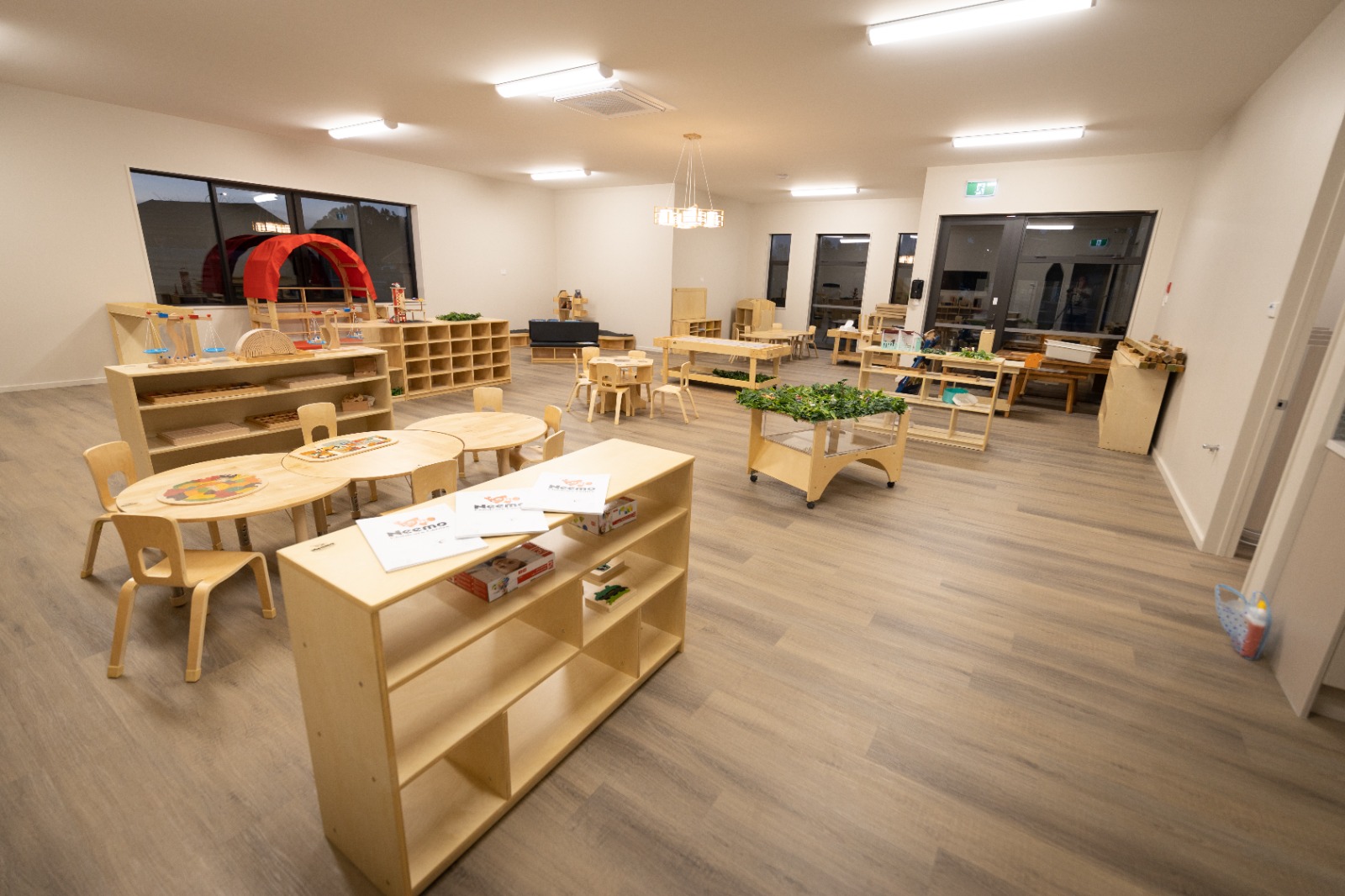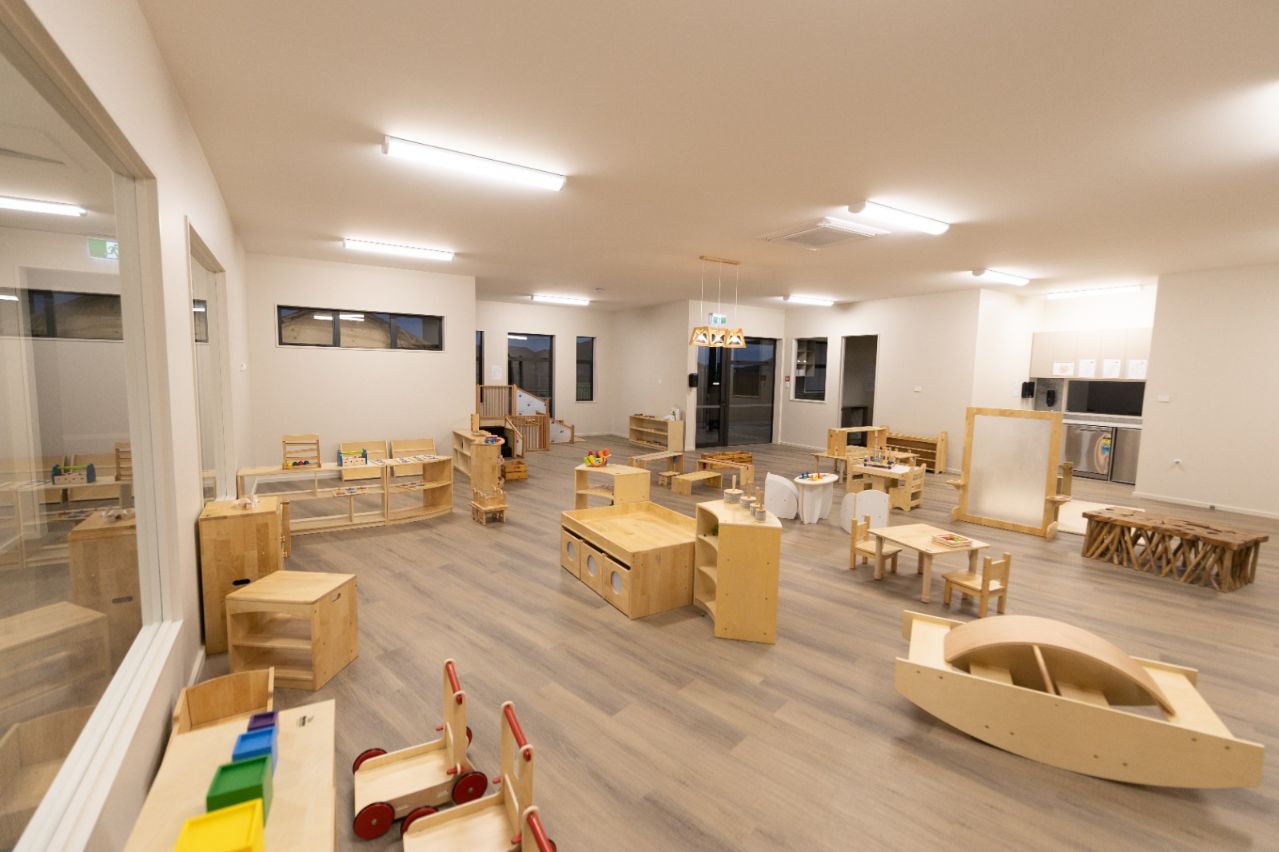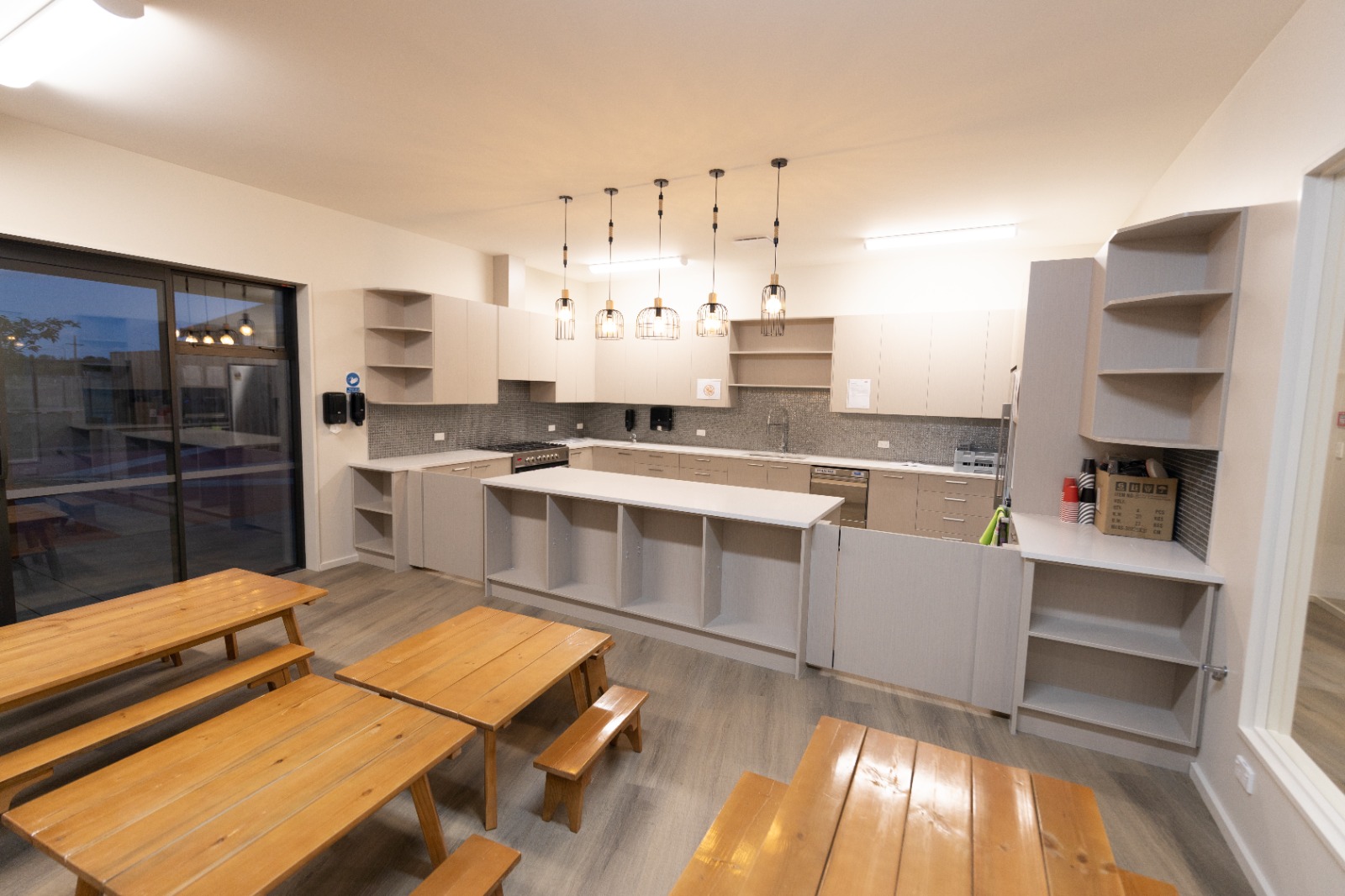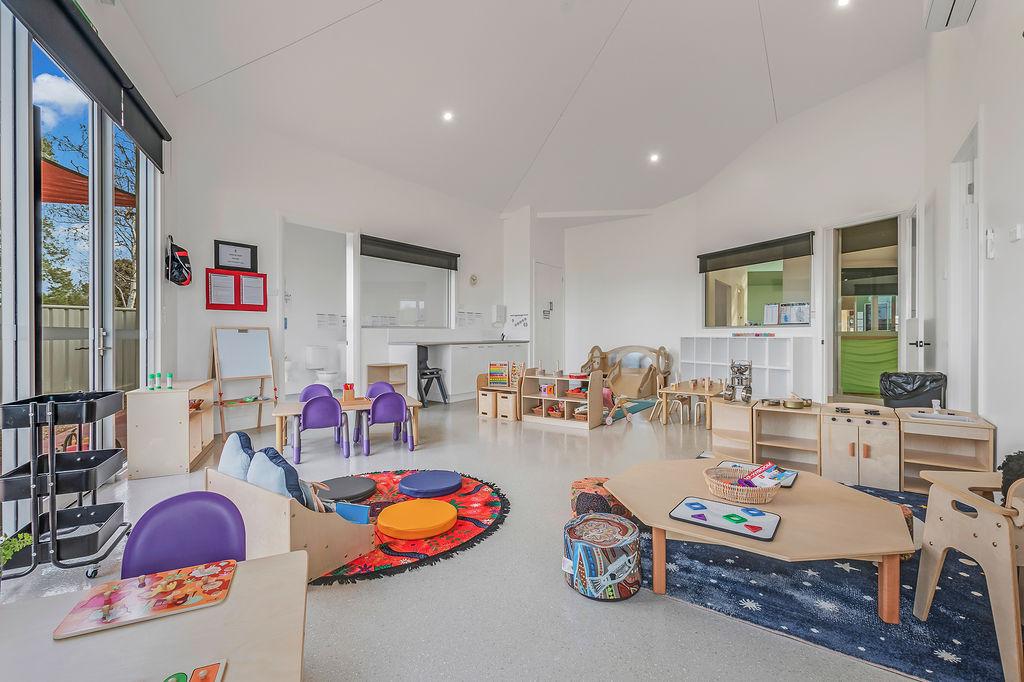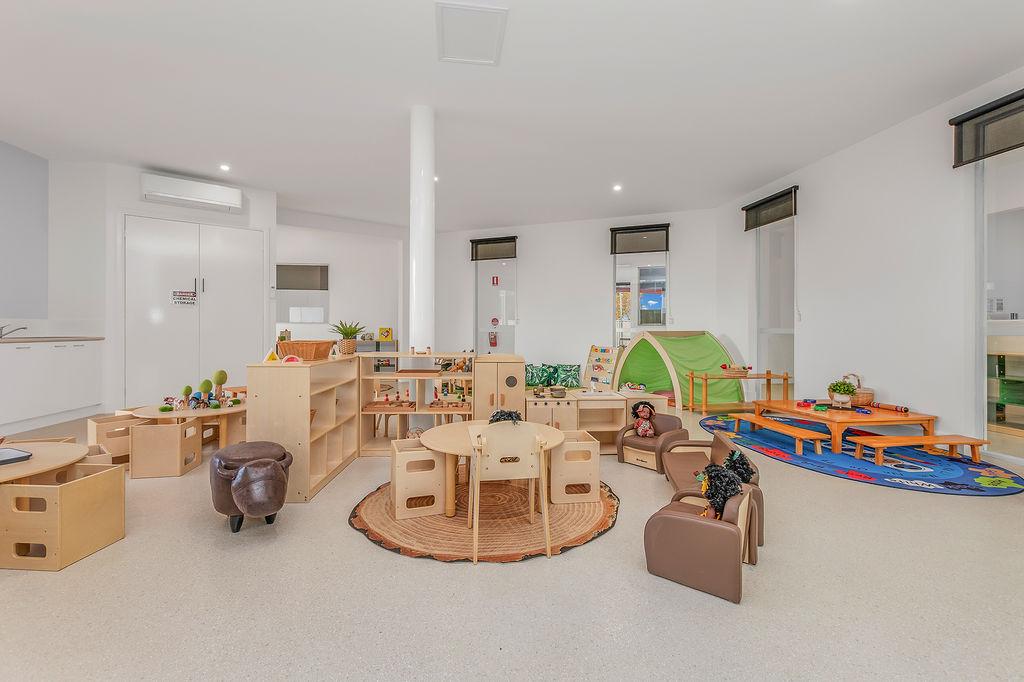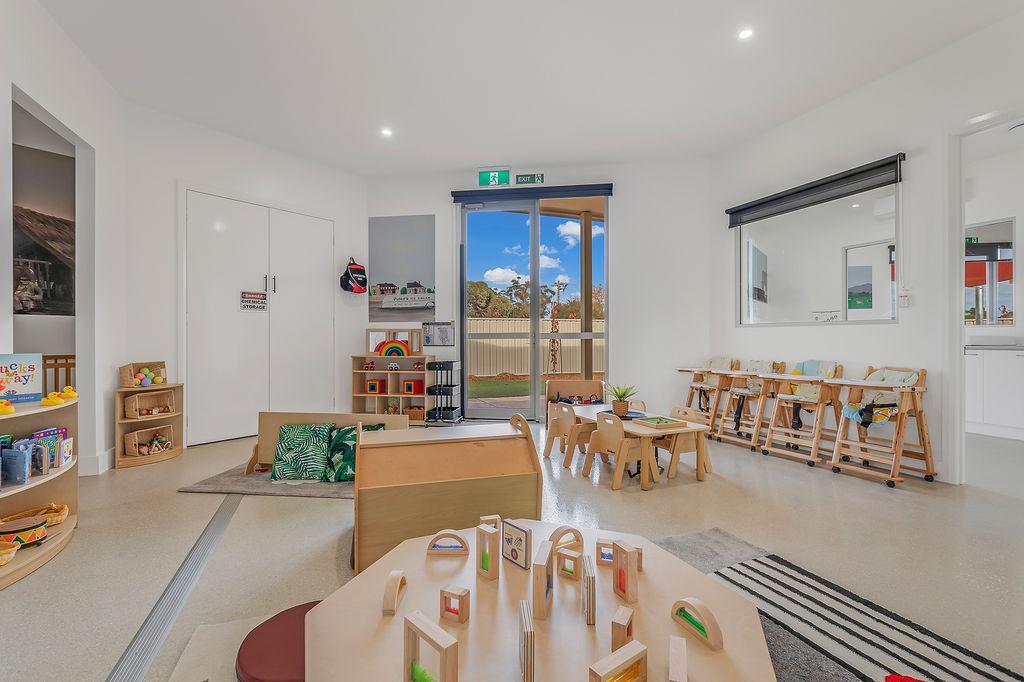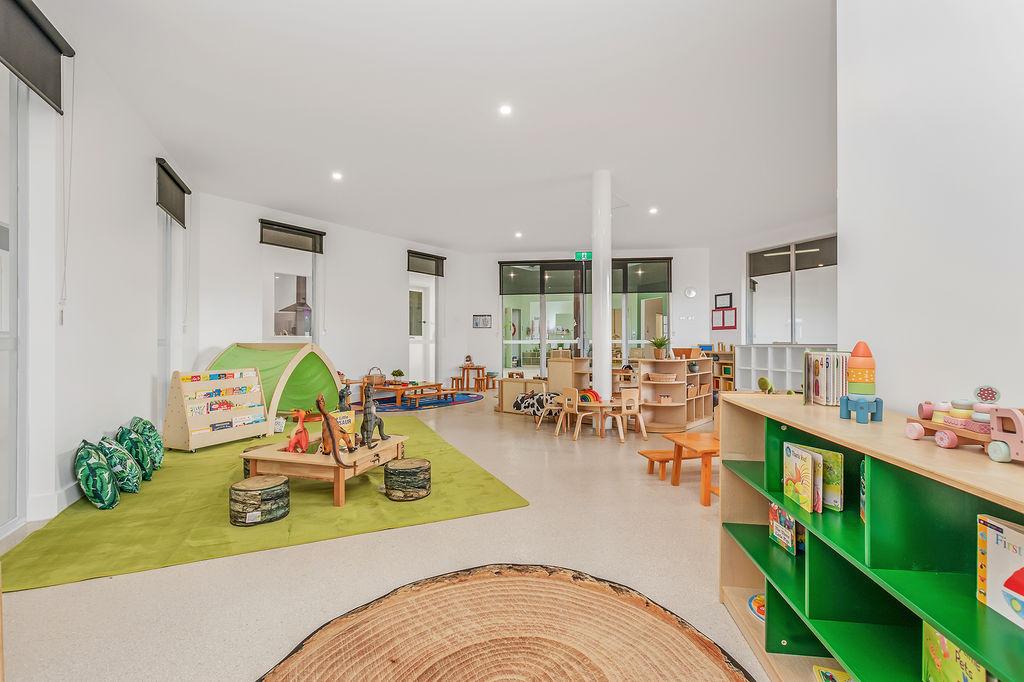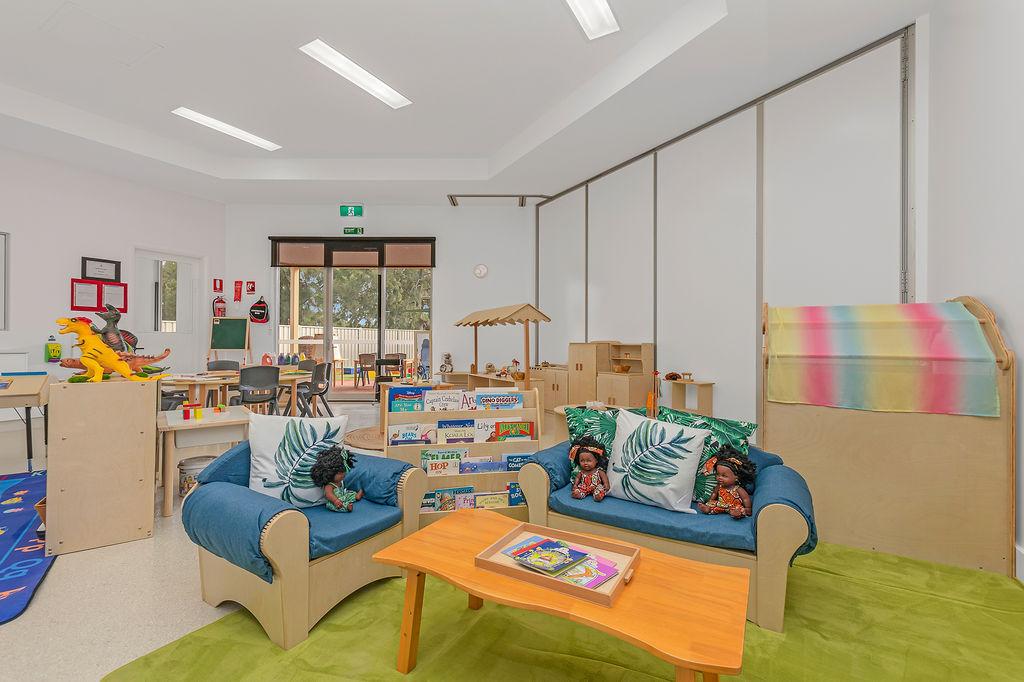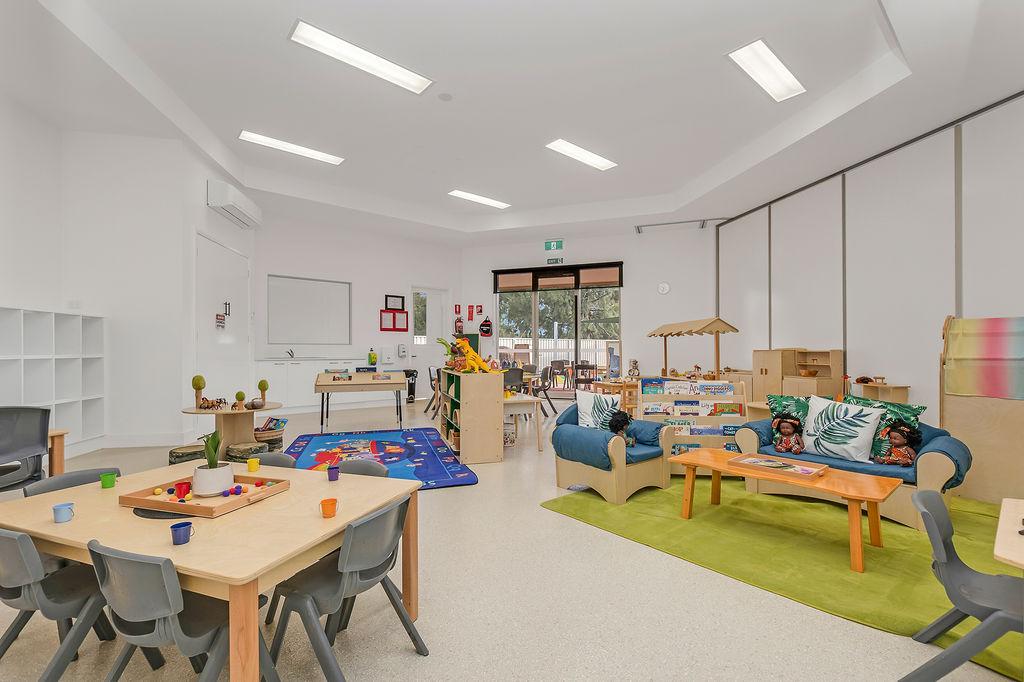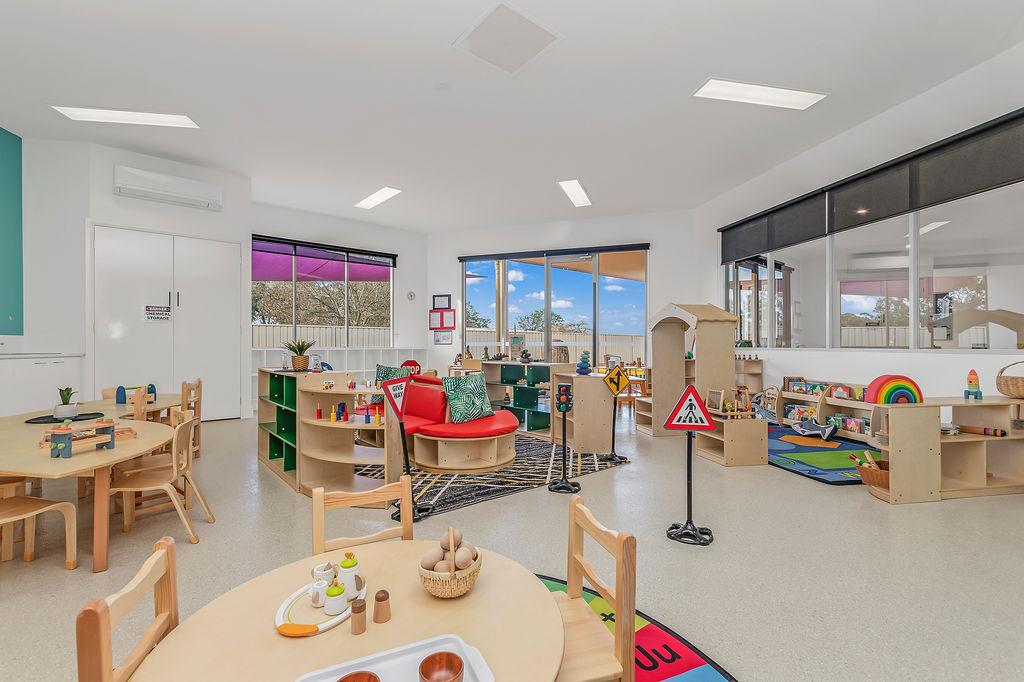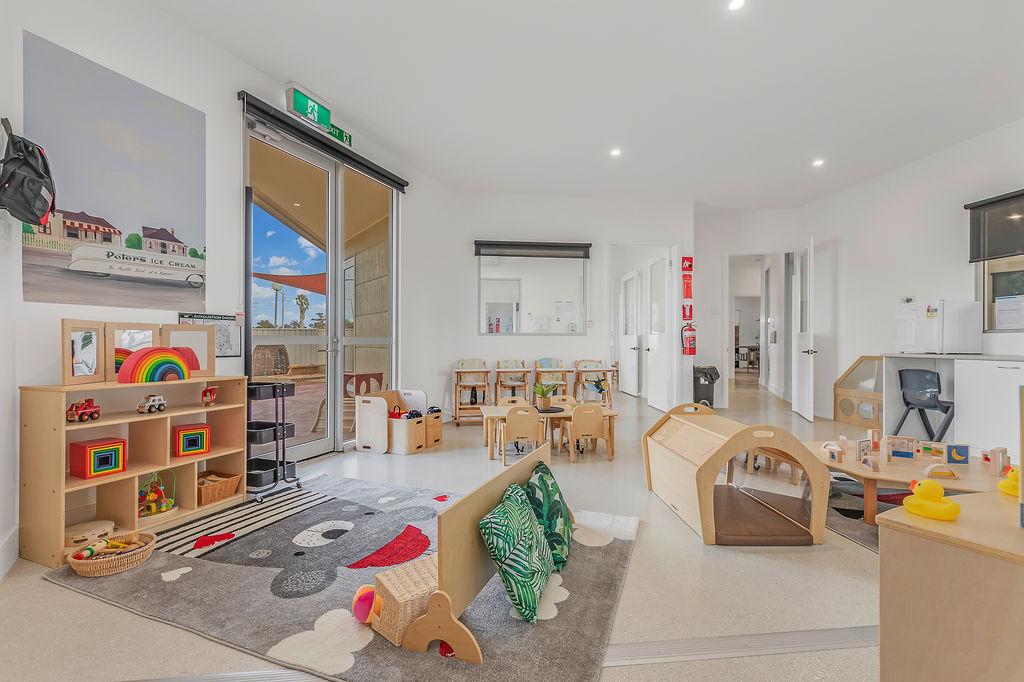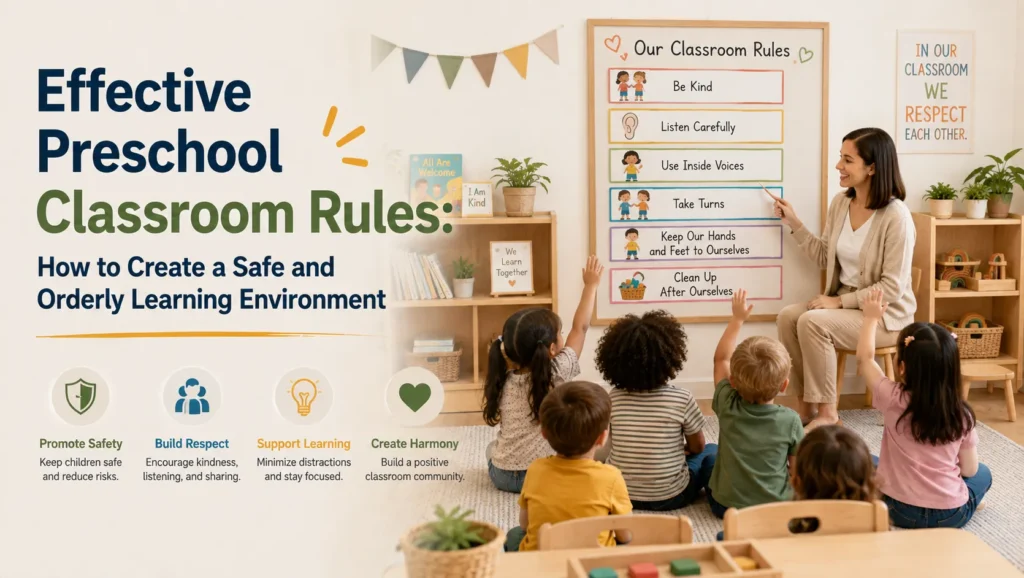
Clear preschool classroom rules create a safer, predictable learning environment. However, rules fail if your classroom environment doesn’t support them. This guide shows how to blend effective rules with smart furniture design to increase teacher efficiency and foster child independence.
Why Are Preschool classroom Rules Necessary in Preschool?
For a preschool owner or director, establishing clear preschool classroom rules is not simply about controlling behavior. They create a shared operating framework for children, teachers, and daily routines.
When expectations are clear, your teachers spend less time correcting the same behaviors, children understand what they are expected to do, and your classroom can move more smoothly from one activity to the next.
Good classroom rules should help you create a center that is safer, more consistent, easier to manage, and more supportive of children’s independence.
Maintain consistency in the teaching team’s style.
One of the greatest benefits of clear classroom rules is consistency.
Without shared expectations, one teacher might permit a certain behavior while another immediately corrects it. This confuses children and makes classroom management overly dependent on individual teaching styles.
When you establish a set of concise, clear rules and use consistent language across your team, children benefit from more predictable guidance. This is particularly important in environments involving multiple teachers per class, several classes within a single center, and a mix of teaching assistants, substitute teachers, and new staff. Well-defined rules allow for a relatively unified set of teaching standards and philosophies—creating harmony while still accommodating each teacher’s unique mindset.
This is precisely where clear rules can solve the problem—they keep your entire team aligned and reduce frequent, inefficient communication.
Reduce Everyday Classroom Safety Risks
Preschool classrooms contain many small but preventable safety risks because children are constantly moving, carrying materials, changing activities, and learning how to share space with others.
Clear classroom rules help children recognize these risks before they become accidents. The most common problems are usually everyday incidents such as children colliding while running, tripping over toys left in walkways, pushing during transitions, climbing furniture, or using classroom materials in unsafe ways.
Keep Pathways Clear
Toys, blocks, bags, books, and art materials left on the floor can quickly become tripping hazards.
A rule such as “Return it before moving on” helps children understand that cleaning up is also part of staying safe.
Keep Feet on the Floor
When appealing items are placed out of reach, children may try to climb up to get them, increasing the risk of falls and potentially causing furniture to tip over. Frequently used items should be kept where children can easily reach them without climbing. Consequently, a clear rule like “keep your feet on the ground” is easier for young children to remember.
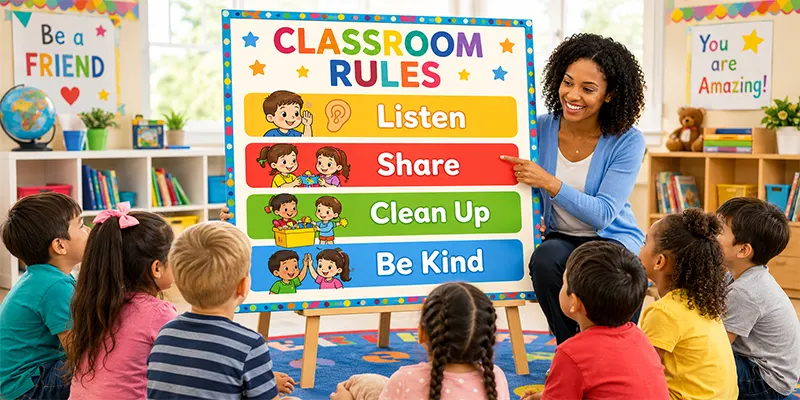
Help children develop a sense of responsibility and the ability to think independently.
Effective classroom rules should enable children to gradually reduce their reliance on adults—almost without realizing it—while subtly fostering their ability to manage things for themselves.
When your children know how to return items, tidy up their belongings, move safely between different areas, and complete simple classroom tasks, they will begin to take more responsibility for their environment.
However, this only truly works if the classroom’s facilities support independence.
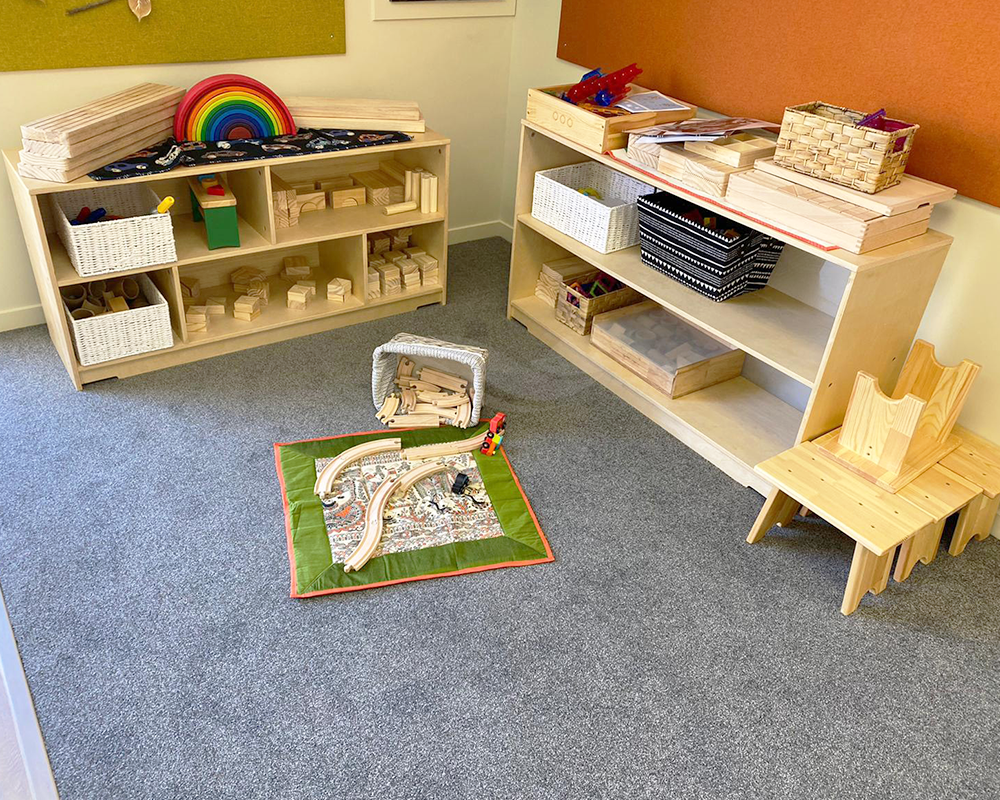
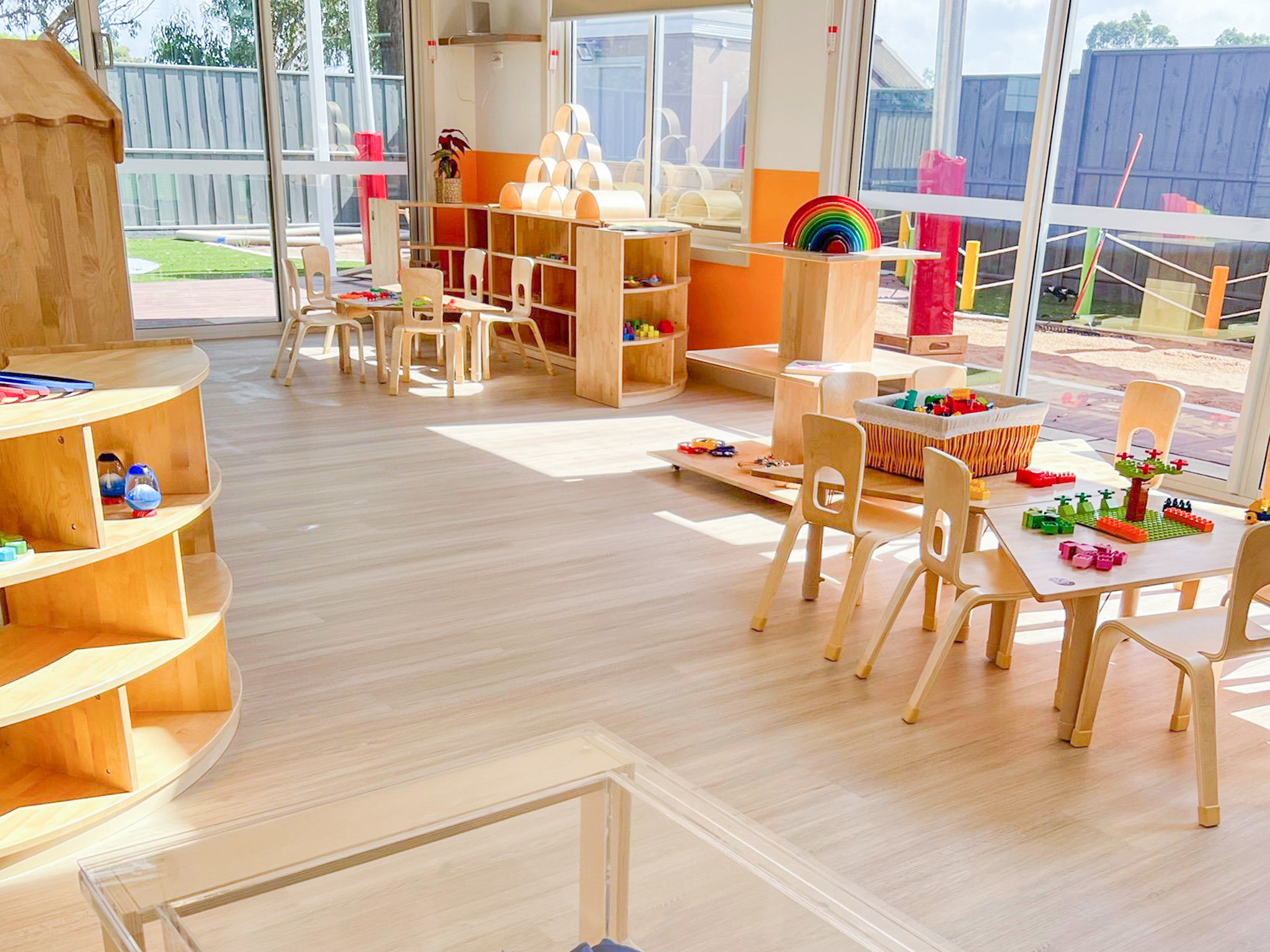
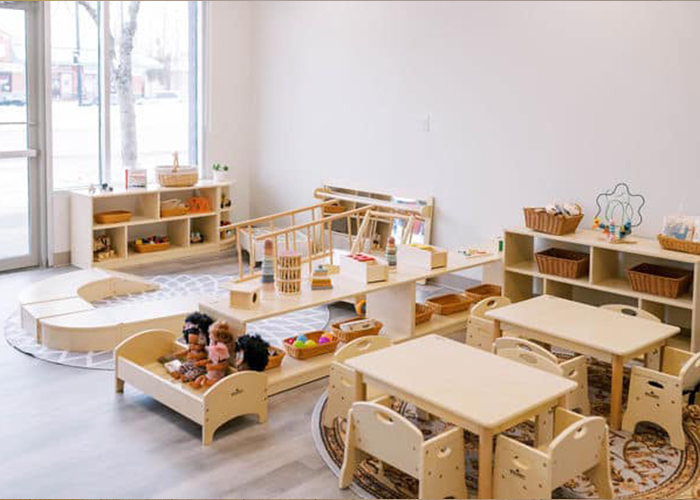
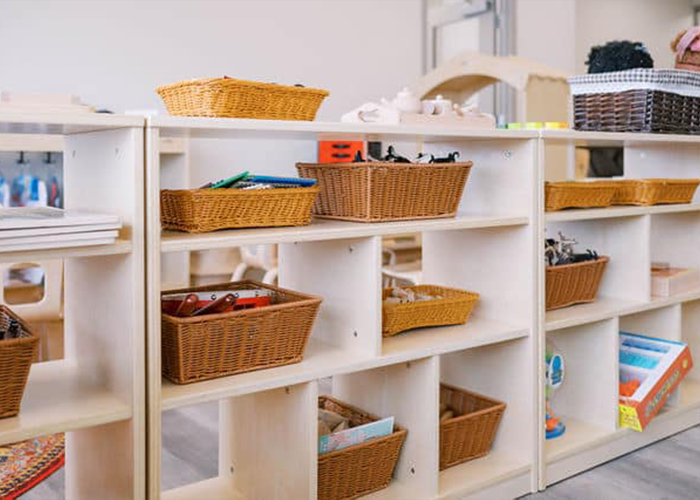
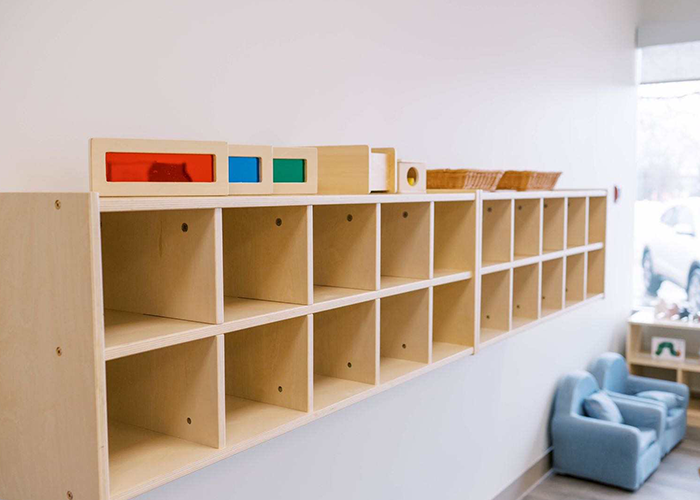
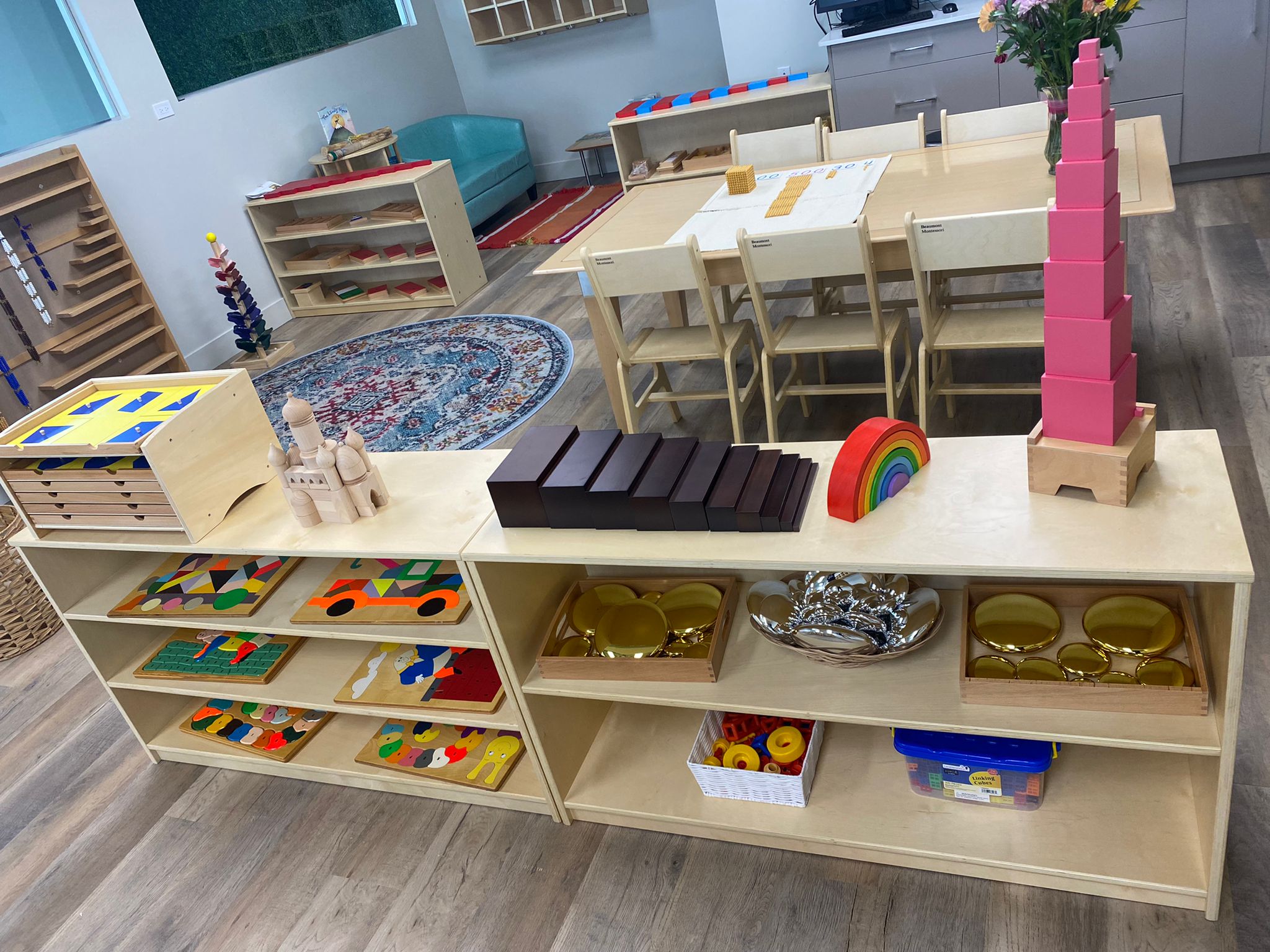
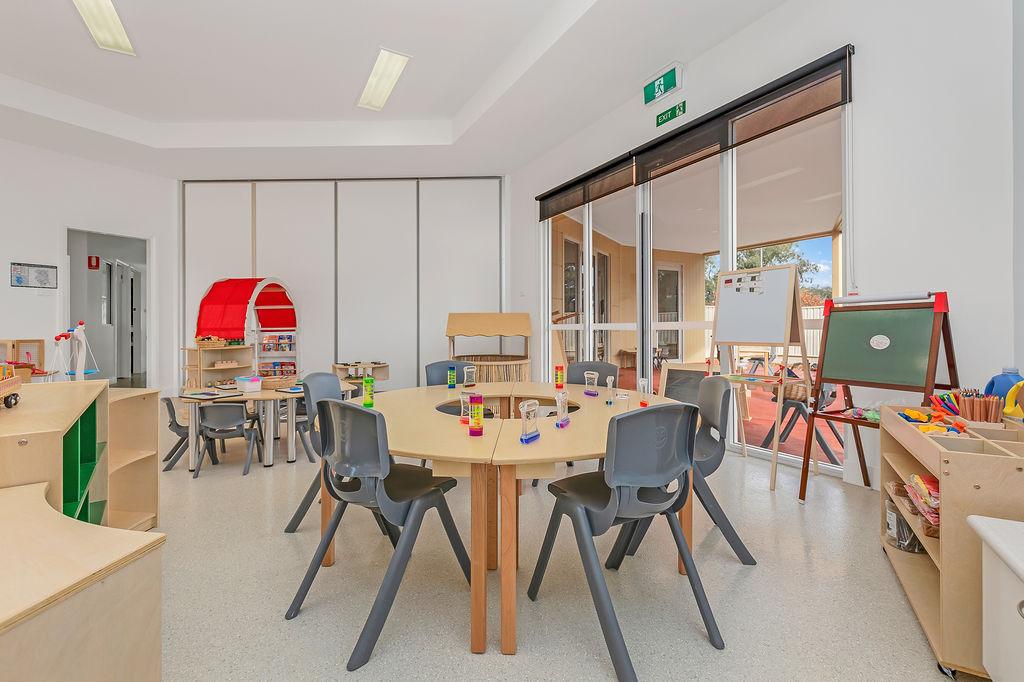
If you want your children to be able to tidy up their belongings independently, then your shelves, storage compartments, baskets, and material storage areas need to be within their reach and easily understood. This allows children to gradually develop the ability to tidy up their belongings independently without even realizing it.
Create a More Predictable Environment for Children and Families
A predictable preschool environment helps children understand what happens next, where activities take place, and what they are expected to do in each part of the day.
You can make the classroom easier to understand by using:
- A simple visual daily schedule
- Fixed locations for common activities
- Clearly defined learning zones
- Consistent places for personal belongings and classroom materials
- Simple transition cues before meals, outdoor play, clean-up, and nap time
When children can navigate their day smoothly and consistently by following classroom rules, their reliance on repeated adult guidance is significantly reduced. Predictability also gives parents greater peace of mind regarding their child’s life at kindergarten, offering them a deeper understanding of the daily schedule and routine; furthermore, it helps children better prepare for their daily classroom activities. Effective classroom rules create an orderly environment, enabling students to easily grasp the day’s agenda even before the teacher explains each step.
Kindergarten classroom rules should be simple and consistent.
The most effective classroom rules are usually the easiest ones for children and teachers to remember.
Keep the text of the rules as concise as possible.
Try to limit the most important classroom rules to four to six words. The rules should be short enough for young children to remember, yet specific enough for them to understand what is expected of them.
Instead of using broad words such as “Safety” or “Responsibility,” turn them into simple, action-based rules such as:
- Walk safely inside the classroom.
- Use kind hands and kind words.
- Listen when someone is speaking.
- Put materials back after you use them.
- Take turns and respect other people’s space.
- Take care of your belongings and classroom materials.
Each rule tells children what the expected behavior actually looks like.
You do not need a separate rule for every possible situation. A small set of clear rules can cover most daily classroom activities while remaining easy for your children and teaching team to remember.emember and for your teaching team to apply consistently.
Use the Same Rule Language Across Your Teaching Team
Use consistent, unchanging language within your teaching team.
For the same actions, your teachers should use clear and easily understood language.
For example, when tidying up, different teachers might say:
“Put the toys away.”
“Clean this area.”
“Put everything back where it belongs.”
“Time to tidy up.”
These instructions mean roughly the same thing, but using different wording every day can confuse children and make things unpredictable.Therefore, we need to standardize such words and sentences into a consistent set of classroom rules.
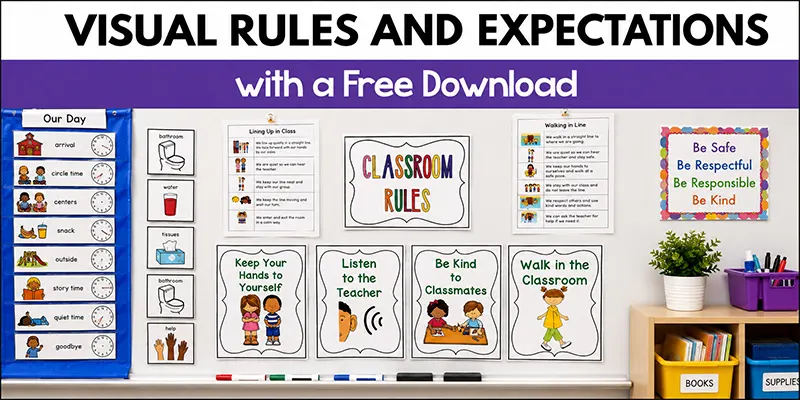
Instead of mixing up instructions, have your team stick to one simple command, like: ‘Put things back where they belong.’
Essential Preschool Classroom Rules for a Safe Learning Environment
Although every preschool has its own teaching philosophy and daily routine, most classrooms face many of the same everyday challenges: children need to move safely, listen during important instructions, share materials, clean up after activities, respect others, and take responsibility for the space they use.
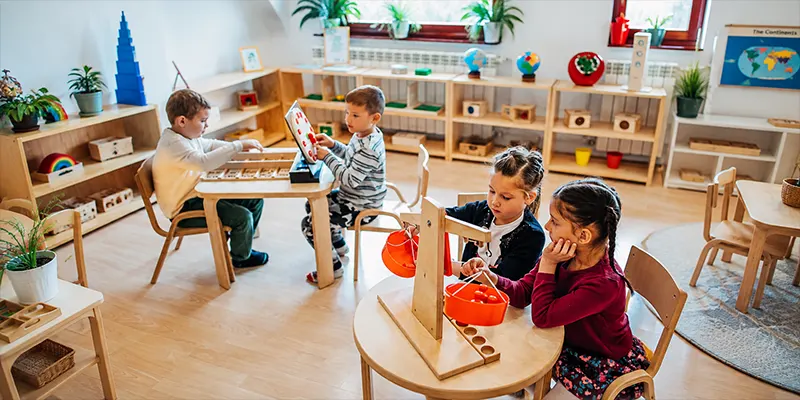
There’s a reason you see the same core rules in every successful preschool—they solve the challenges teachers face every single day. They address the behaviors that happen every day in almost every classroom, regardless of curriculum style or classroom size.
For preschool owners and directors, these common rules are especially useful because they help you:
- Reduce repeated teacher reminders
- Create clearer expectations across different classrooms
- Support safer use of shared spaces and materials
- Help children become more independent
- Protect more time for teaching and play
The goal is not to copy the exact same wording used by every other center. What matters is that your rules cover the core behaviors your classroom depends on every day.
The following are some of the most widely used and practical rules for preschool and kindergarten classrooms, along with why each one matters and how it can support your teaching, classroom management, and daily operations.
1. Walk Safely Indoors
Recommended rule:
“Use walking feet inside.”
This is more useful than simply saying “Be safe” because children immediately understand what action is expected.
The deeper purpose of this rule is not only to prevent running. It helps you control how children move through shared spaces such as:
- Classroom pathways
- Entrances
- Bathrooms
- Meal areas
- Transitions between learning zones
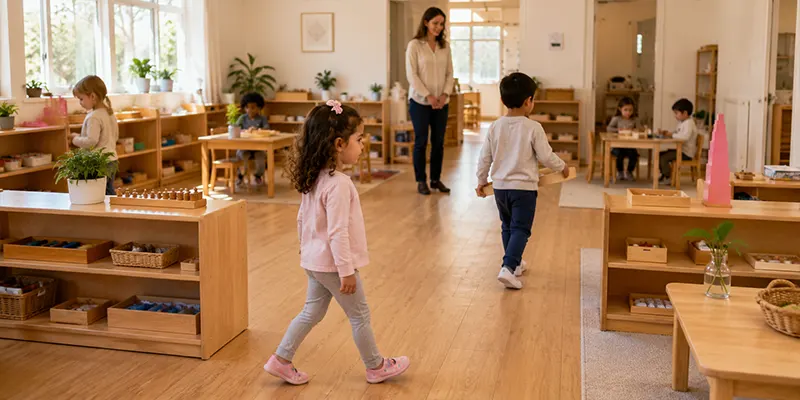
In a busy classroom, uncontrolled movement can quickly interrupt other activities. A child running through the block area may knock down another child’s work, while running near tables or storage units can increase the risk of collisions.
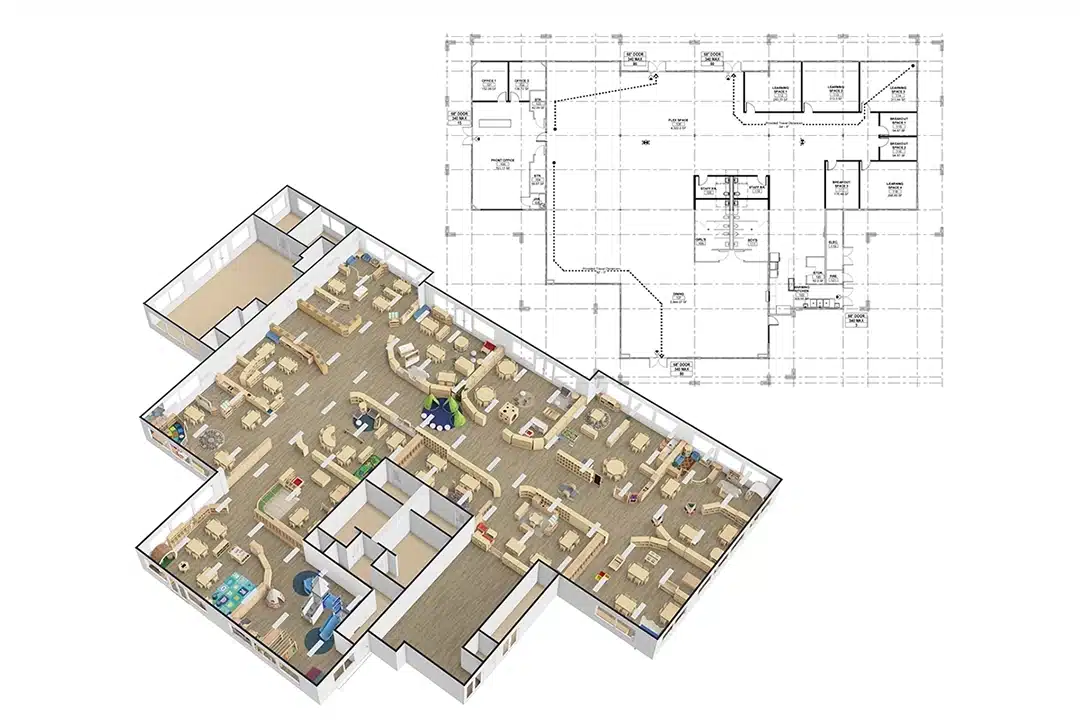
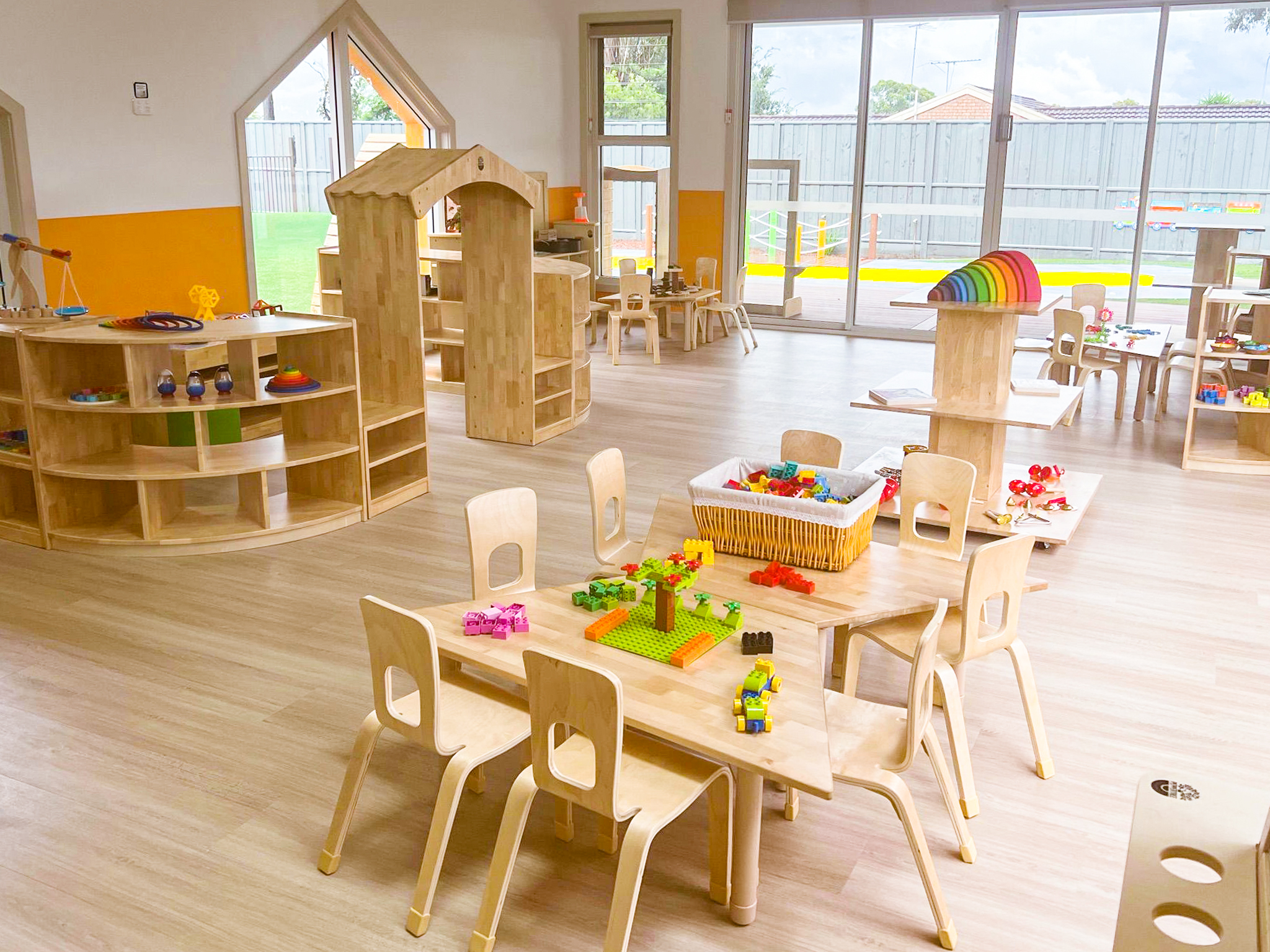
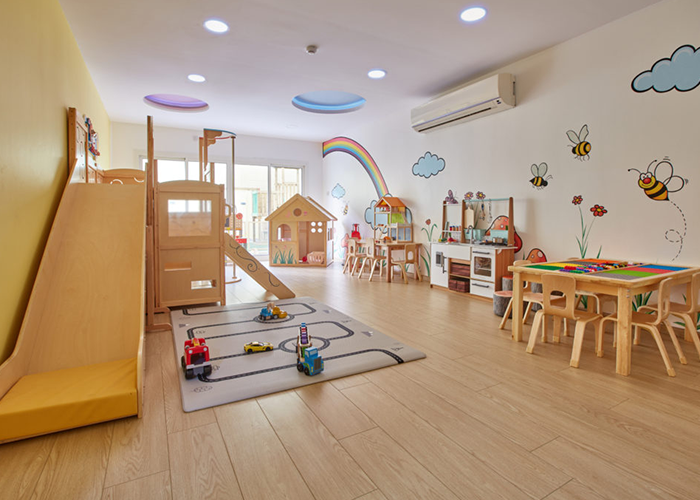
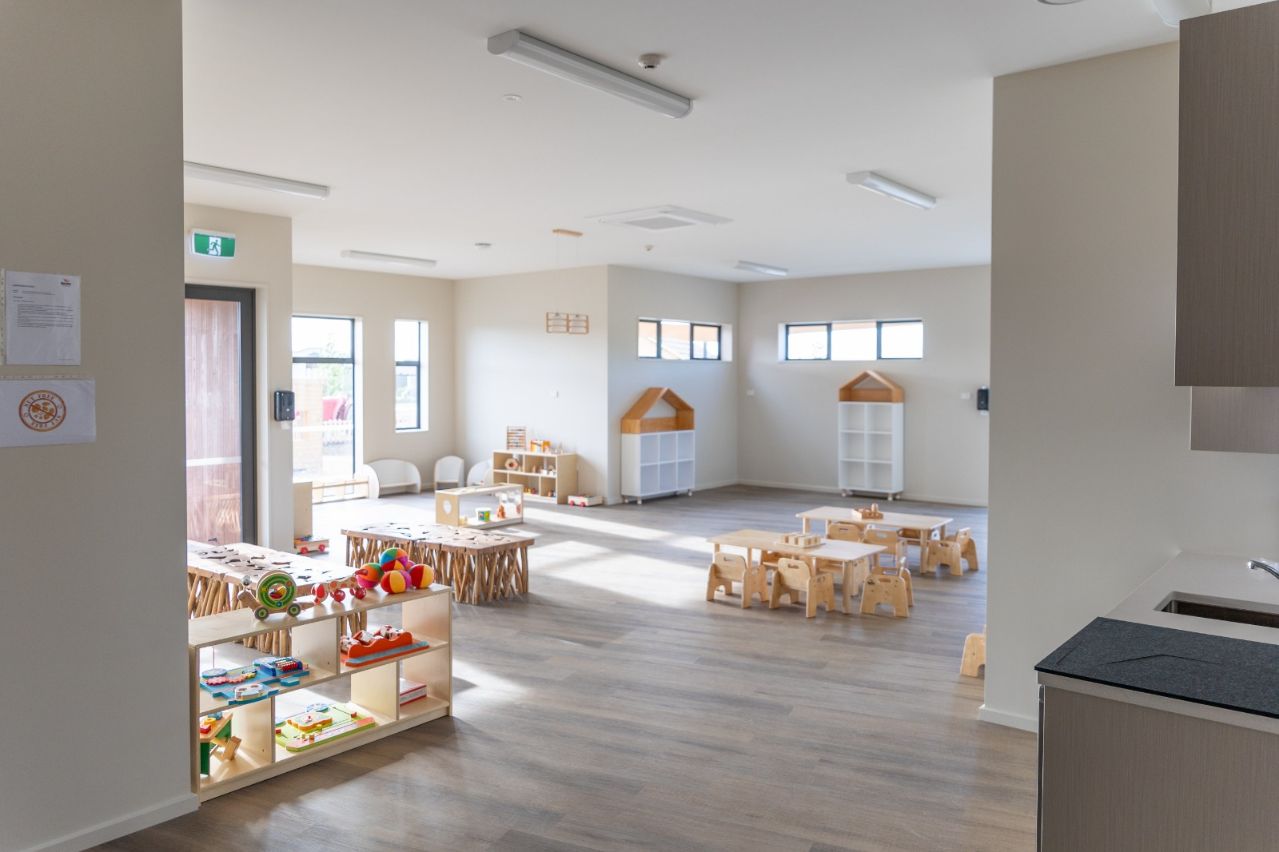
Support this rule with your layout. Keep major circulation paths clear, avoid long open routes that resemble running tracks, and use low furniture to define activity zones without blocking supervision.
When your layout and indoor environment naturally encourage people to slow down, teachers need to issue fewer repeated reminders.
2. Use Kind Hands and Kind Words
“Use kind hands and kind words.”
This is one of the most important classroom rules because it directly supports both safety and order in a preschool environment.
Young children are still learning how to express their needs; without clear expectations, common behaviors such as grabbing toys, pushing, shouting, or arguing can quickly disrupt the class and create safety hazards.
A simple rule such as “Use kind hands and kind words” gives your teachers a clear standard to return to whenever these situations occur.
It can help reduce behaviors such as:
- Pushing or hitting
- Grabbing toys or materials
- Shouting at classmates
- Hurtful language
- Rough physical play
- Conflicts during shared activities
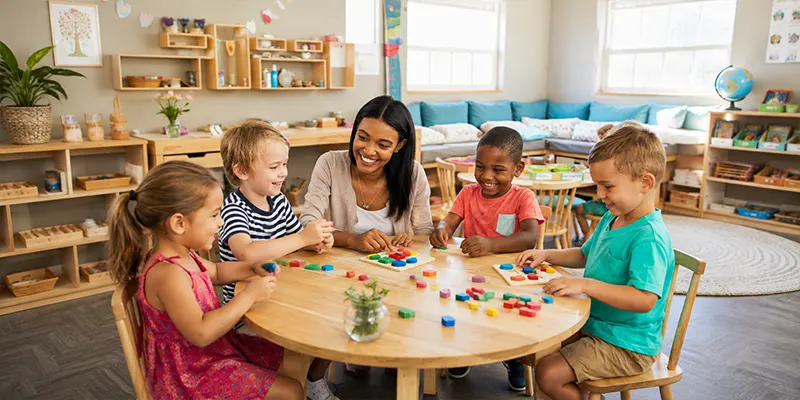
From a classroom management perspective, this rule helps create a calmer and more predictable environment. When children understand that physical aggression and hurtful language are not acceptable, your teachers can spend less time stopping repeated conflicts and more time supporting learning and play.
3. Listen When Someone Is Speaking
This rule is especially important during:
- Group time
- Safety instructions
- Activity demonstrations
- Classroom transitions
- Emergency situations
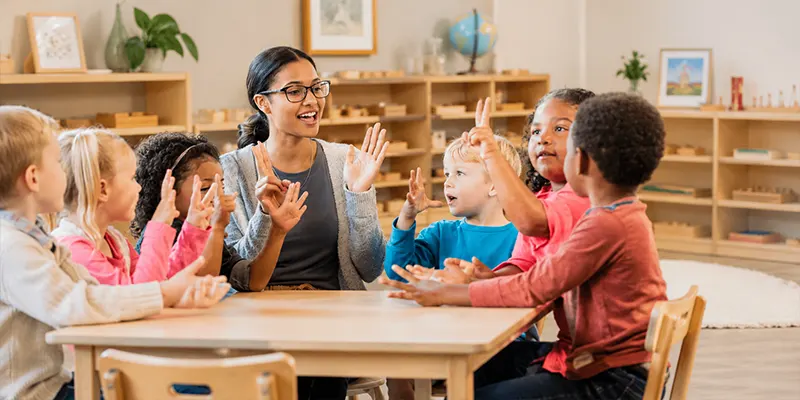
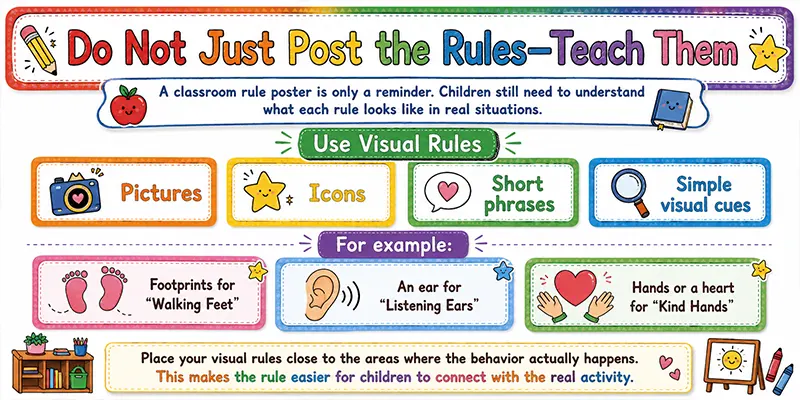
Do Not Just Post the Rules—Teach Them
A classroom rule poster is only a reminder. Children still need to understand what each rule looks like in real situations.
Use Visual Rules
For children ages three to five, you can use:
- Pictures
- Icons
- Short phrases
- Simple visual cues
For example:
- Footprints for “Walking Feet”
- An ear for “Listening Ears”
- Hands or a heart for “Kind Hands”
Place your visual rules close to the areas where the behavior actually happens.
This makes the rule easier for children to connect with the real activity.
Practice Through Demonstration and Role-Play
Do not only explain a rule verbally.
You can practice situations such as:
- What should you do when two children want the same toy?
- Where should blocks go after play?
- How should children walk to the bathroom?
- What should happen when clean-up time begins?
Demonstration, practice, and repetition make expectations more concrete.
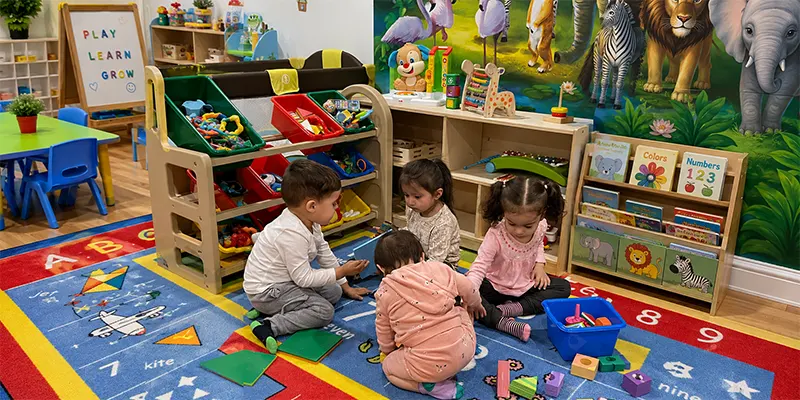
How to Turn Classroom Rules Into Daily Routines
A rule becomes much more effective when it becomes part of your everyday routine.
If you want a behavior to become a habit, your classroom should make the correct action easy to complete.
Integrating Rules into Daily Activities
Classroom rules are most effective when they become an integral part of the school’s daily routine.
Instead of focusing solely on what children “should not do,” link rules to simple, repetitive actions performed throughout the day.
Upon arrival, children can hang up their coats, place their backpacks in designated cubbies, and put their water bottles or lunchboxes in specific spots.
When this sequence of actions is repeated every morning, the rule becomes part of the arrival routine; children gradually learn to manage their belongings independently upon entering the classroom, without waiting for a teacher to assist them.
This also reduces clutter and keeps the entryway tidy.
Meal and snack times offer excellent opportunities to practice behavioral norms.
Children can:
Wash their hands before eating
Carry cups and plates carefully
When engaging in extracurricular activities or using shared items—such as props or toys—children should take turns rather than having one child use the item while another merely watches. A policy of “sharing usage time” helps children grasp the concepts of teamwork and sharing, preventing the development of selfishness; such rules allow children to learn essential virtues through play—virtues that can be genuinely integrated into their daily lives.
可以,这一段最适合做成 “Rule → Environment Support” 一对一对应,不要再大段讲理论。下面这版可以直接放进 BLOG。
Classroom Rules Work Better When the Environment Supports Them
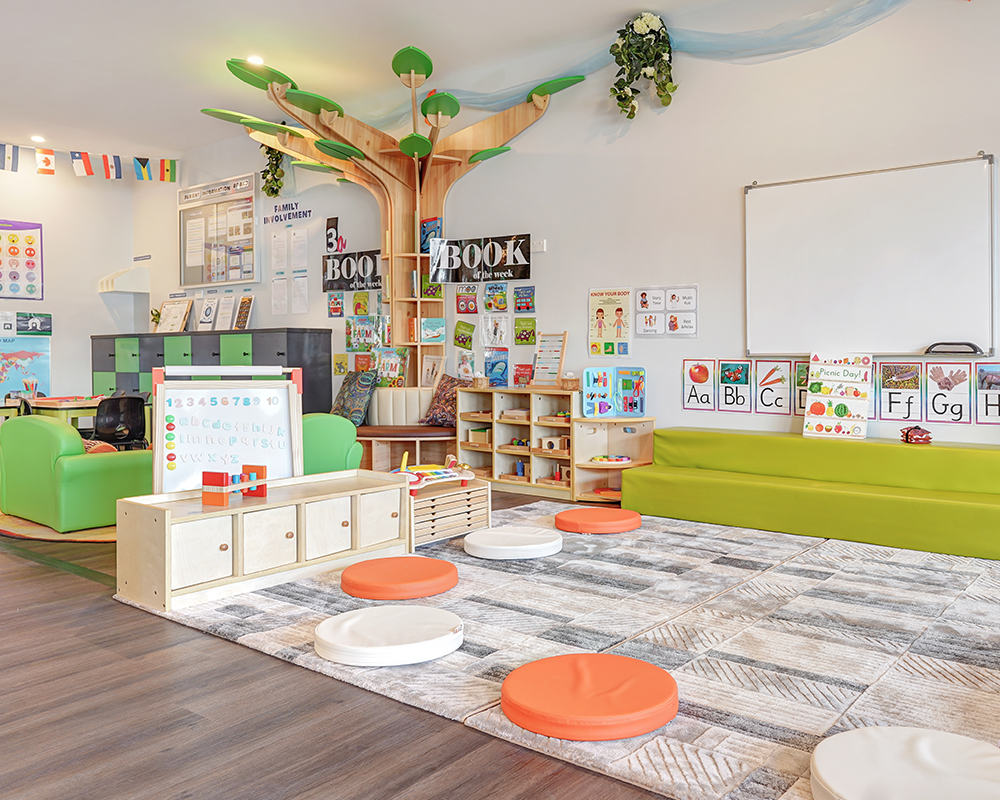
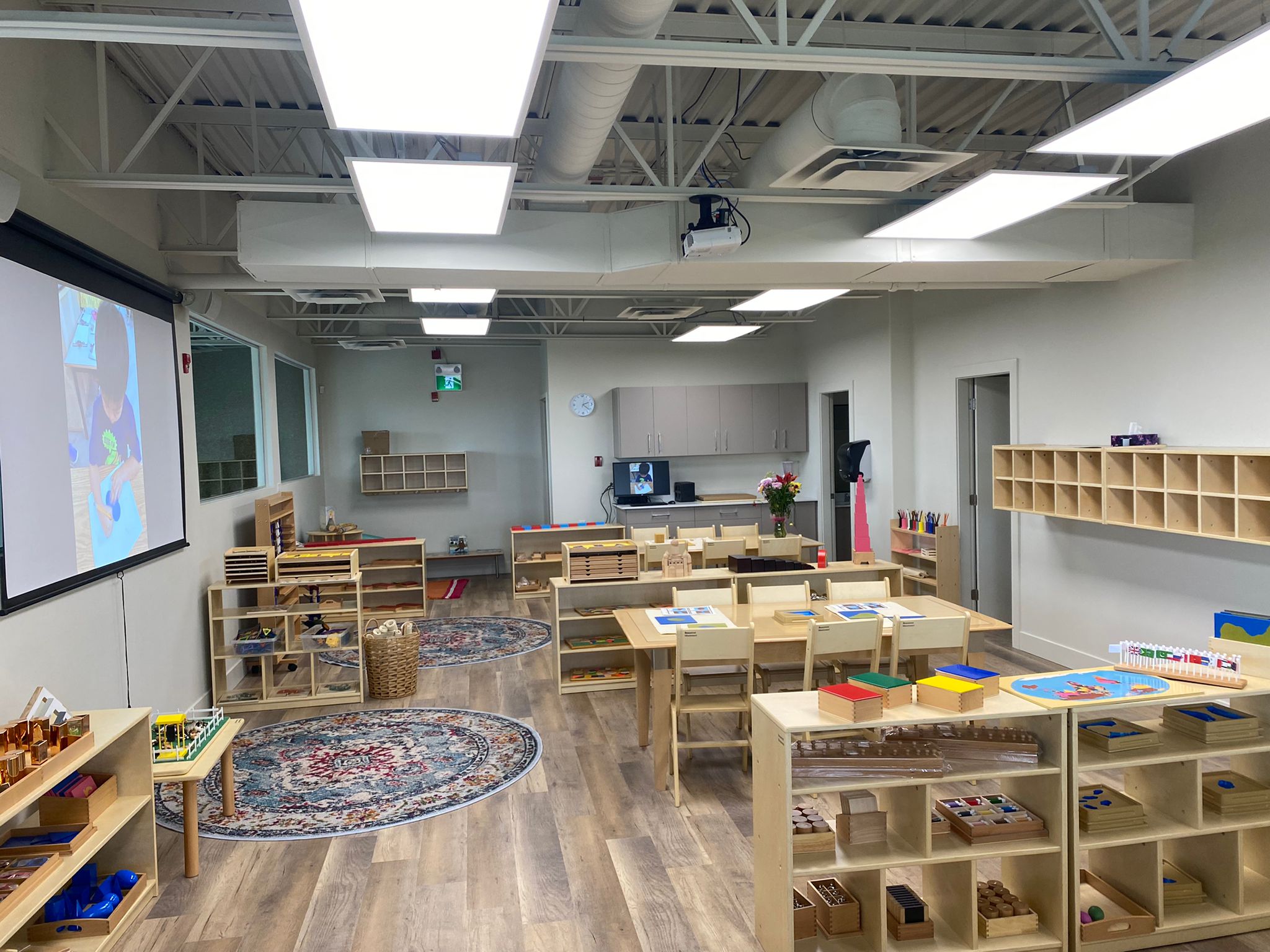
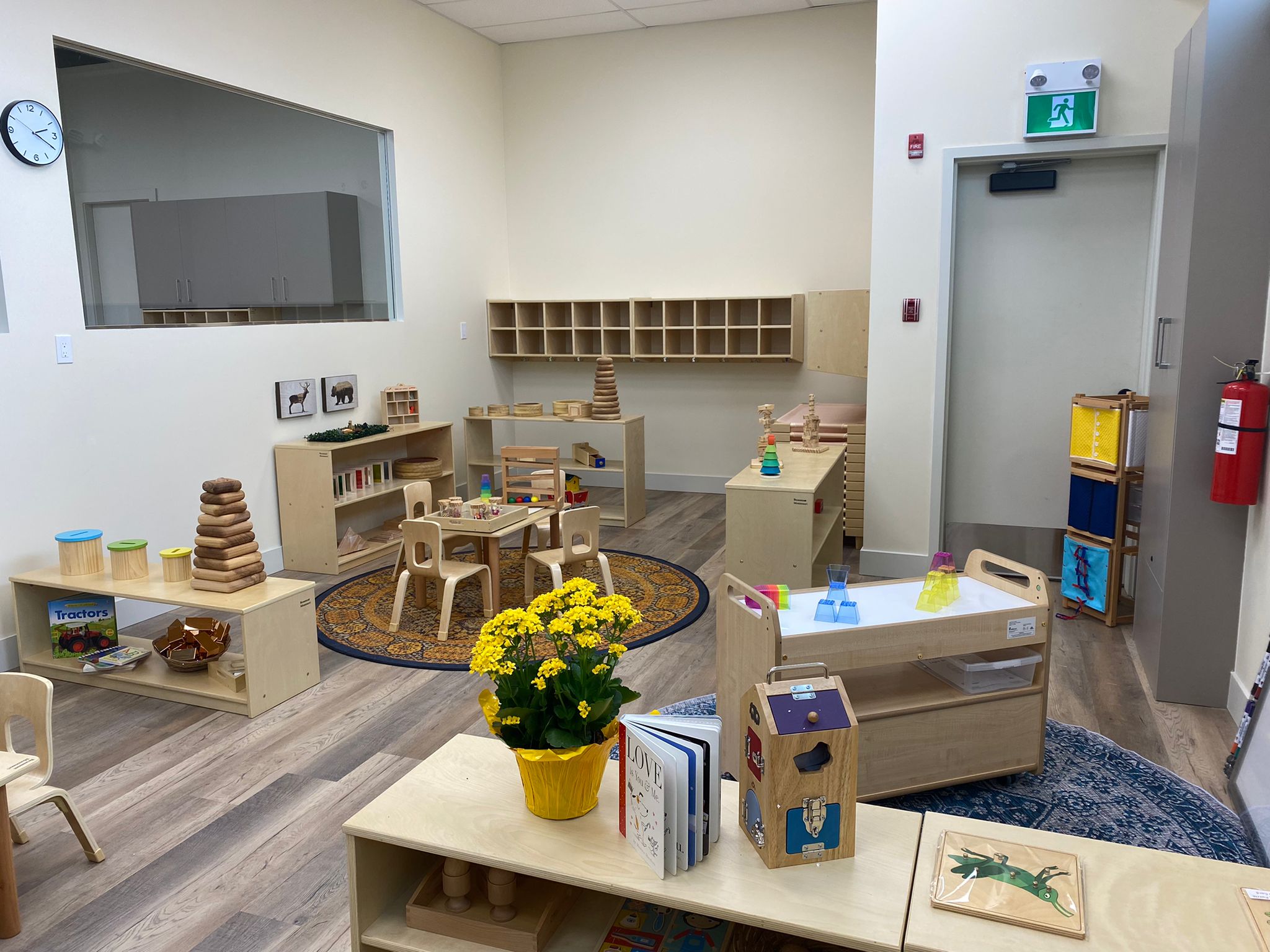
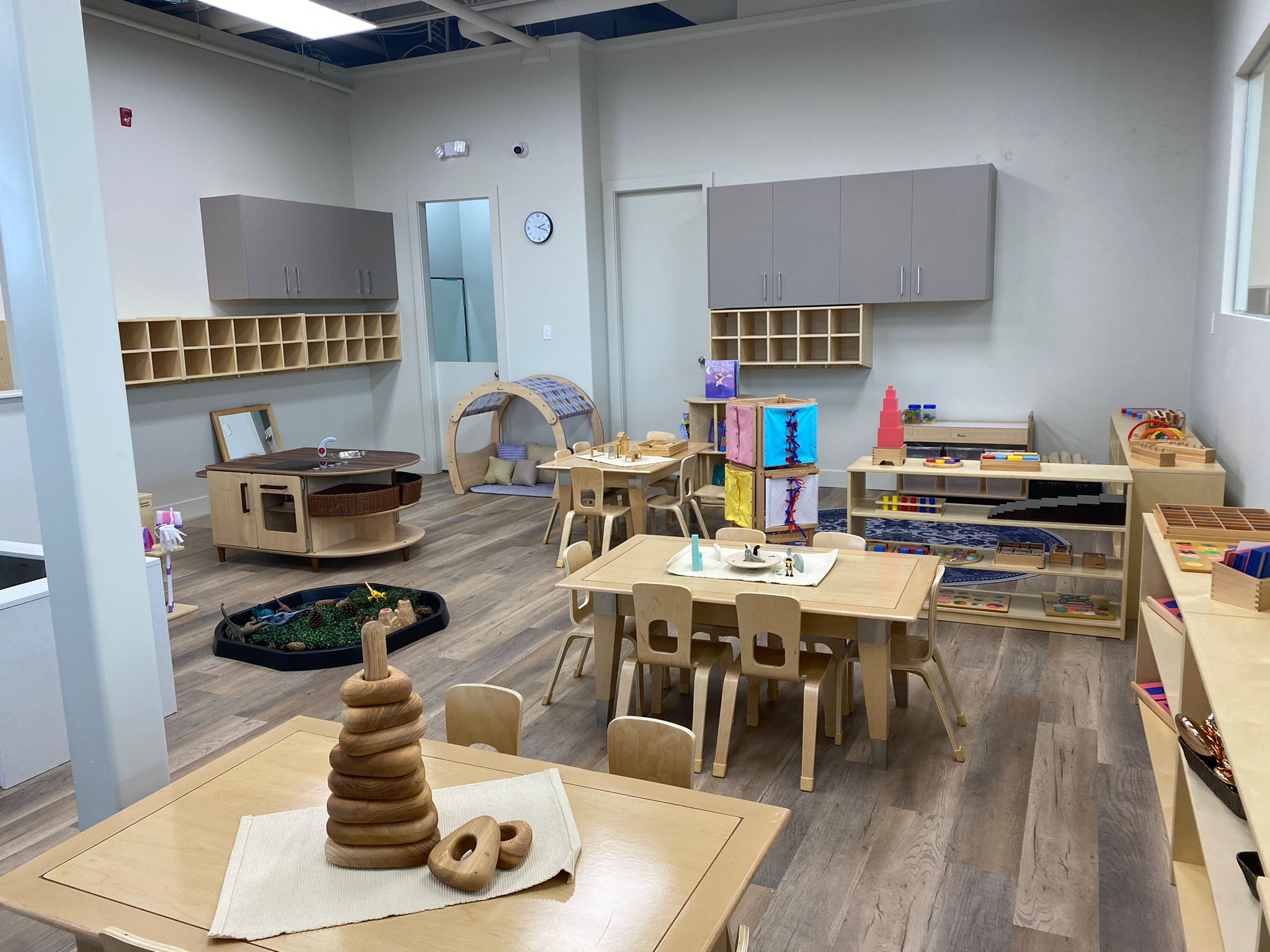
Classroom rules are easier to follow when the environment supports the behaviors you expect. Instead of relying on constant reminders, leverage the room layout, furniture, and storage space to reinforce your rules and create a mutually supportive effect.
Break Long Paths Into Smaller Zones
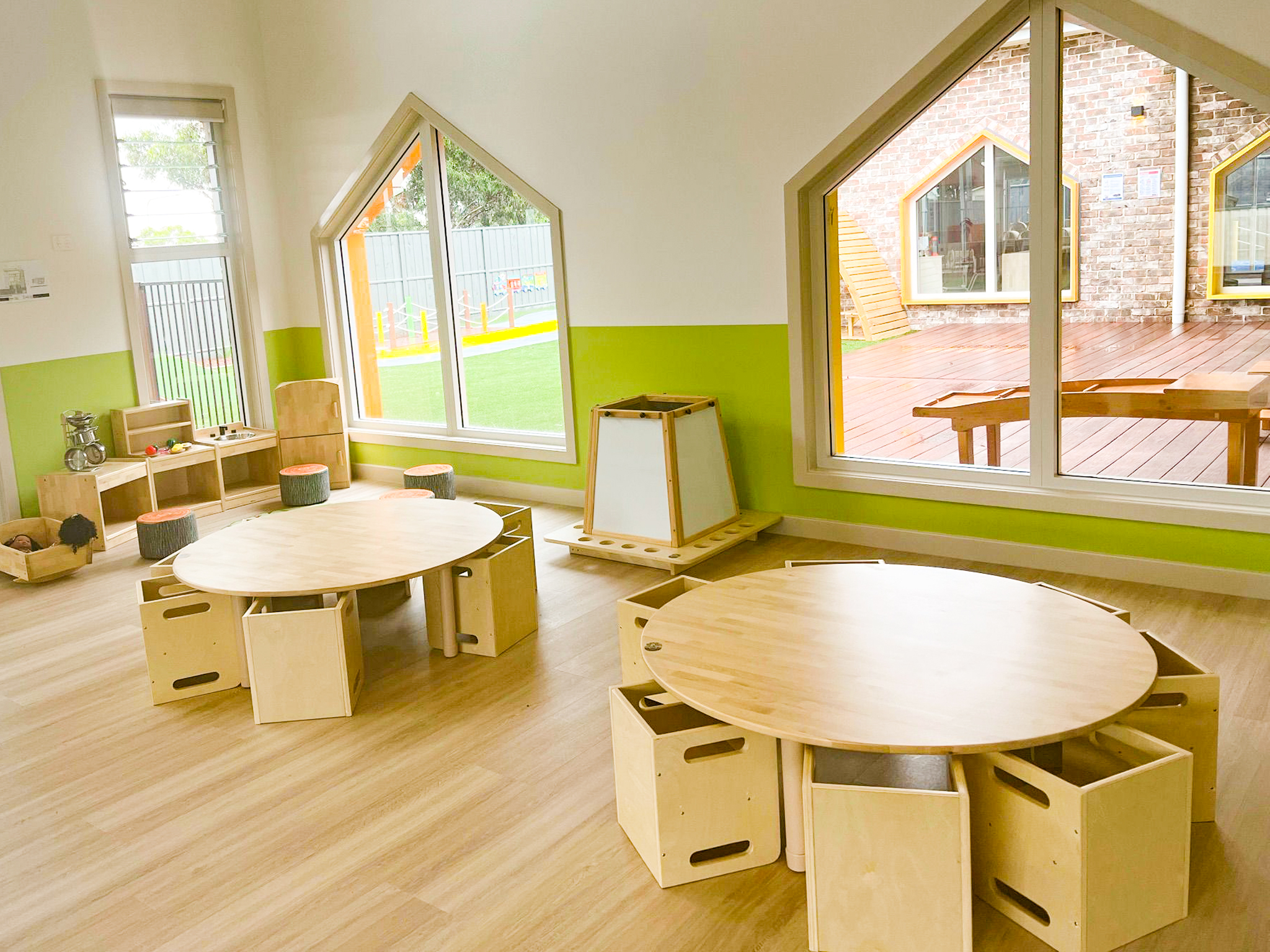
Avoid creating long, straight routes from one side of the classroom to the other. Use low shelves, rugs, tables, or activity furniture to divide the room into smaller learning zones.
This naturally slows down movement and reduces the likelihood of running, while also preventing the creation of roadblocks.
Keep Main Walkways Wide and Clear
Create clear routes between the entrance, activity areas, bathroom, and outdoor door.
Do not place chairs, storage bins, or loose materials in these paths. Clear circulation reduces collisions and makes transitions easier to manage.
Separate Active and Quiet Areas
Place block play, dramatic play, and movement activities away from reading, puzzles, and quiet table work.
This reduces noise and prevents active play from spilling into areas where children are expected to sit and concentrate.
Use Low Furniture to Define Boundaries
Low shelves can separate activity zones without closing off the room.
They help children understand where one activity ends and another begins while still allowing teachers to see across the classroom.
Create Clear Transition Points
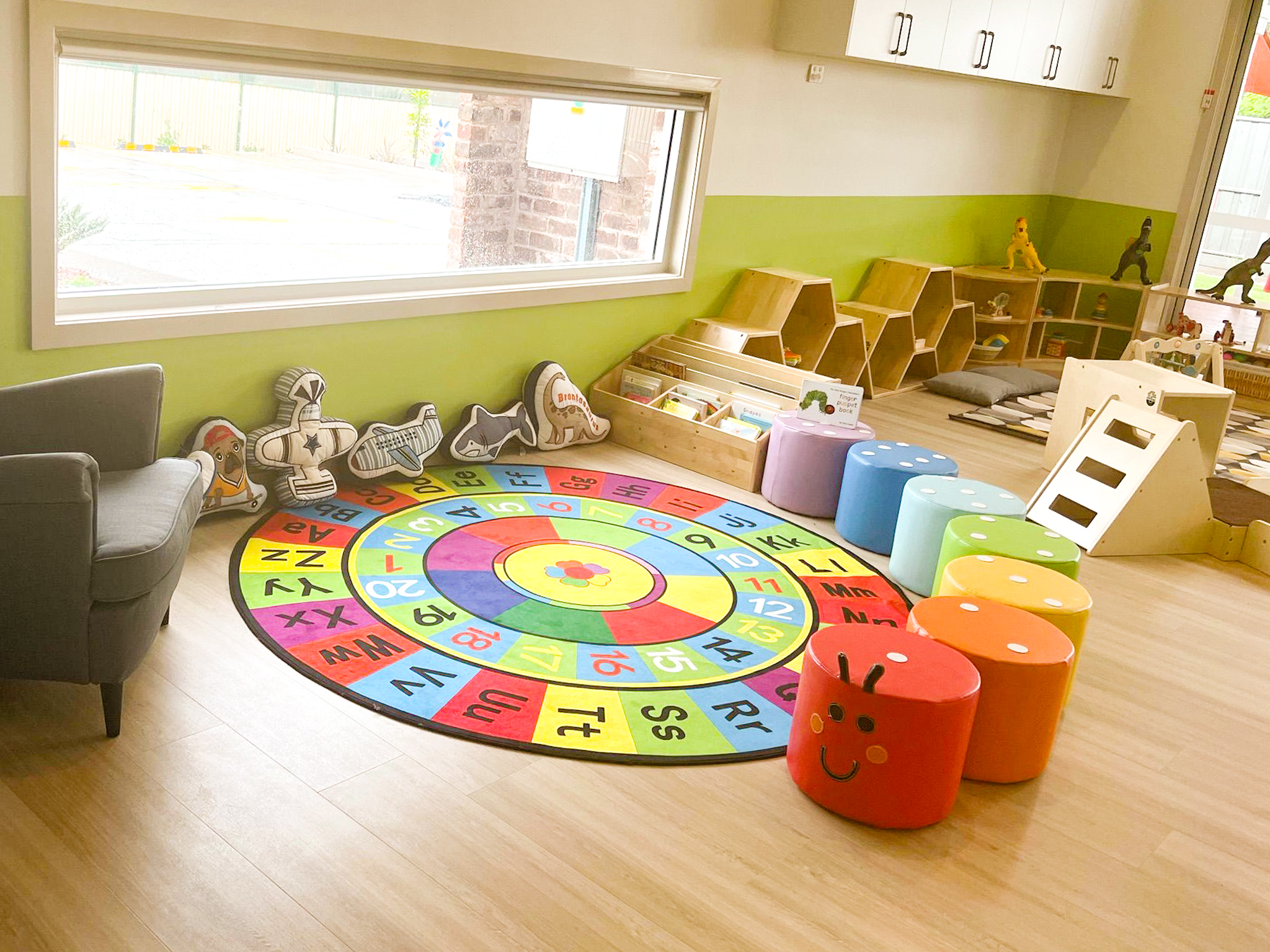
Use a rug, floor marking, or open gathering area near the classroom exit or group area.
Children quickly learn where to stand, sit, or wait before moving to the next activity, making transitions more predictable.
Use Classroom Jobs to Build Responsibility
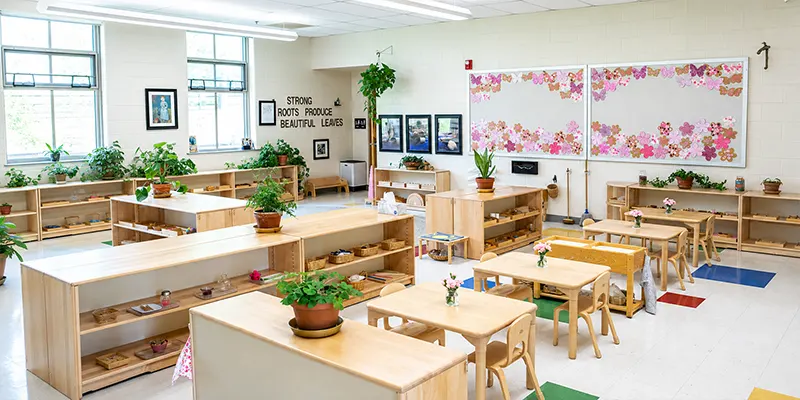
Classroom jobs are most effective when children can clearly understand what they are responsible for and how their work helps the classroom.
Instead of simply giving children job titles, connect each role to a real task they can complete during the day.
For example:
- Clean-Up Helper: Helps return blocks, toys, or art materials to their assigned storage areas after an activity.
- Book Helper: Checks that books are returned to the reading shelf and placed correctly after reading time.
- Table Helper: Helps place simple materials on the table before an activity or wipes the table after meals and art projects.
- Plant Helper: Waters classroom plants or checks whether they need care.
- Material Helper: Helps distribute and collect commonly used classroom materials.
- Line Leader: Leads the group during simple transitions and learns to move calmly while staying aware of others.
These jobs give children a visible role in maintaining the classroom rather than leaving every organizational task to the teacher.
Over time, classroom jobs can turn rules such as “Helping Hands,” “Take Care of Our Classroom,” and “Put Materials Back” into real responsibilities, helping children develop independence, cooperation, and a stronger sense of responsibility.
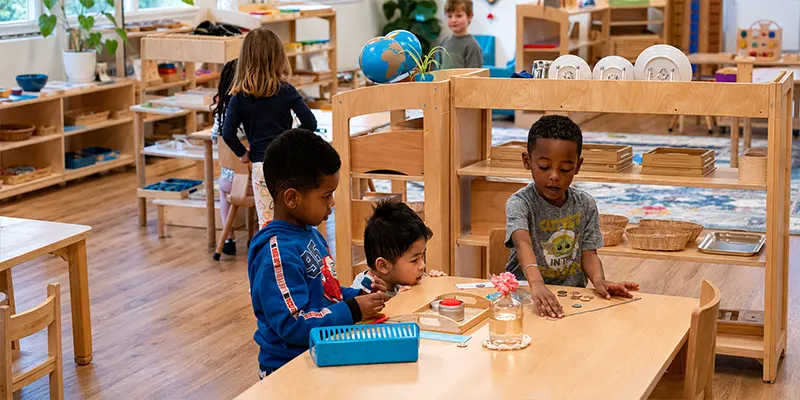
Reward and Punishment System
Praise and Reinforce Specific Behaviors
Children are more likely to repeat a positive behavior when they clearly understand what they did well. For this reason, your reinforcement should focus on the specific behavior, rather than giving only general praise.
Instead of simply saying:
“Good job.”
Verbal praise should be your starting point, but it does not have to be the only way you encourage positive classroom behavior.
You can also use:
- Sticker or heart charts: Children can add a sticker, star, or small heart when they demonstrate a classroom rule such as helping with clean-up, taking turns, or using kind words.
- Classroom recognition boards: Create a simple “Helping Hands” or “Kindness Wall” where teachers can recognize positive behaviors during the week.
- Special classroom responsibilities: Allow a child to become the line leader, book helper, plant helper, or clean-up helper after demonstrating responsible behavior.
- Small privileges: Offer choices such as selecting the next story, helping prepare an activity, or choosing a classroom song.
- Occasional small rewards: Stickers, pencils, bookmarks, or other simple items can be used for special milestones, rather than for every expected behavior.
For example, if your class is working on “Kind Hands and Kind Words,” children might collect hearts on a classroom board when teachers notice them helping a classmate, waiting for a turn, or solving a disagreement calmly.
The goal is not to reward children every time they follow a rule. Instead, use positive reinforcement to help them notice, understand, and repeat the behaviors you want to become part of the classroom routine.
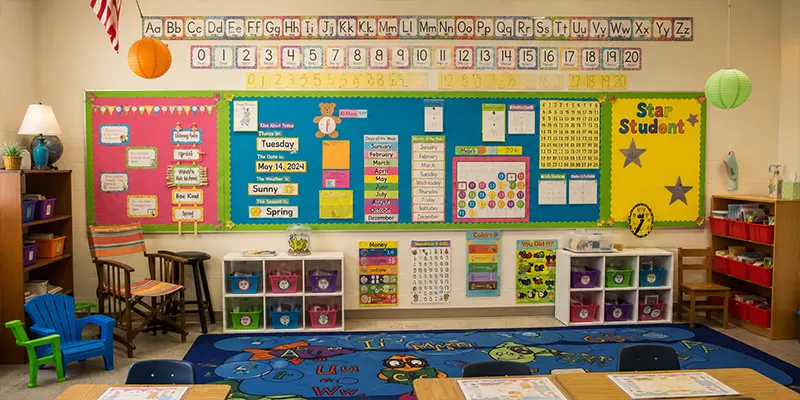
Penalty Rules
The goal should not be to punish immediately. Your priority is to help the child understand the expected behavior and return to the activity.
Tell the Child What to Do Instead
Do not only point out what was wrong.
Make the expected behavior clear.
Instead of:
“Stop that.”
Explain what the child should do next.
Use Logical Consequences
Whenever possible, the consequence should be connected to the behavior.
For example, if a child empties a large container of blocks onto the floor, you can ask the child to help return the blocks before moving to the next activity.
This helps children understand the connection between their actions and responsibilities.
Reflecting on the reasons for frequent violations
When children repeatedly break the same rule in a specific area, the issue may not lie with the rule itself, but rather with the classroom environment making it difficult for them to meet behavioral expectations.
If tidying up is consistently a struggle, examine how items are stored. If materials are placed too high, jumbled together, or lack clear labeling, children will find it hard to put them away independently.
If the reading corner is frequently disrupted, the problem might be its location. Moving it away from the entrance, active play zones, and main walkways can create a quieter, more focused space.
Repeated rule-breaking often serves as a valuable signal. Before issuing more reminders, consider whether the spatial layout, storage methods, or activity zone setup might be conflicting with the behavior you expect.
Set Rules for Different Classroom Areas
Different classroom areas serve different purposes, so they should not all rely on the same expectations.
Entrance Area
Rule: Enter calmly and put away personal belongings.
Reading Area
Rule: Use quiet voices and handle books gently.
Art Area
Rule: Use materials carefully and clean up when the activity is finished.
Dramatic Play Area
Rule: Take turns and interact kindly with others.
Meal Area
Rule: Sit safely and clean your space when you finish.
Nap Area
Rule: Keep your body and voice calm and respect other children who are resting.
FAQ
1.How Many Classroom Rules Should a Preschool Have?
For most preschool classrooms, 3 to 5 core rules is a practical range.
Young children are more likely to remember and follow a few simple expectations than a long list of rules.
The goal is simple: keep the main rules few, clear, and easy to repeat throughout the day.
2.Should You Plan Classroom Rules Before or After Finalizing the Layout?
You should define your core classroom rules and daily routines before finalizing the furniture layout.
For example, if you want children to clean up independently, you need to plan for child-height storage from the beginning. If “Walking Feet” is one of your key rules, you should avoid creating long, open circulation paths that naturally encourage running.
In simple terms, your rules define the behavior you want, while your layout should make that behavior easier to follow. Planning both together can also reduce the need for costly furniture moves or layout changes later.
3.What Should Teachers Do When Children Keep Breaking the Same Rule?
If a child repeatedly breaks the same rule, do not simply raise your voice to restate it. Instead, calmly communicate with the child and maintain a patient, consistent approach involving instruction, practice, and adjustment. When faced with repeated rule-breaking, implement concrete measures rather than relying solely on constant reminders. At the same time, teachers should reflect on their own practices or consult relevant resources to learn how other educators handle similar situations.
4.Are Visual Classroom Rules Helpful for Preschoolers?
Yes. Pictures, symbols, photographs, and simple visual sequences can make routines easier to understand, especially for younger children who cannot yet read.
Children are naturally more interested in visually striking content—such as posters, blackboard displays, and artworks—than in plain, impersonal text. Therefore, presenting classroom rules through visual art (for instance, by incorporating illustrations alongside the rules) can significantly boost children’s interest in them.
5.How Often Should Teachers Review Classroom Rules?
Rules should be reviewed whenever routines stop working smoothly, not only at the beginning of the school year.
Teachers should pay attention to repeated problems such as difficult cleanup, crowded transitions, frequent conflicts, or children constantly needing reminders.
These patterns can show that a rule needs clearer teaching, a routine needs more practice, or the classroom environment needs adjustment.
6.Should Children Help Create Classroom Rules?
Children can participate, especially when discussing how everyone can use the classroom safely and fairly.
Teachers should still set the essential expectations, but children can help describe what those expectations look like in daily life.
For example, instead of simply introducing “Take care of our classroom,” teachers can ask children what they should do with books, blocks, art materials, and chairs after using them.
This makes the rule easier to connect with real classroom behavior.
Conclusion
Effective preschool classroom rules should be simple, practical, and closely connected to the way your classroom actually operates.
When your rules are supported by consistent teacher language, predictable routines, child-accessible storage, clear activity zones, and well-planned furniture placement, children can understand expectations more easily and teachers spend less time repeating the same instructions.
For preschool owners and directors, the goal is not to create a stricter classroom. It is to build an environment where safe, orderly, independent behavior becomes easier to follow throughout the day.
At Xiha Montessori, we support preschools and daycare centers with classroom layout planning, child-sized furniture, storage systems, and complete learning-space solutions designed around real teaching and daily operational needs.