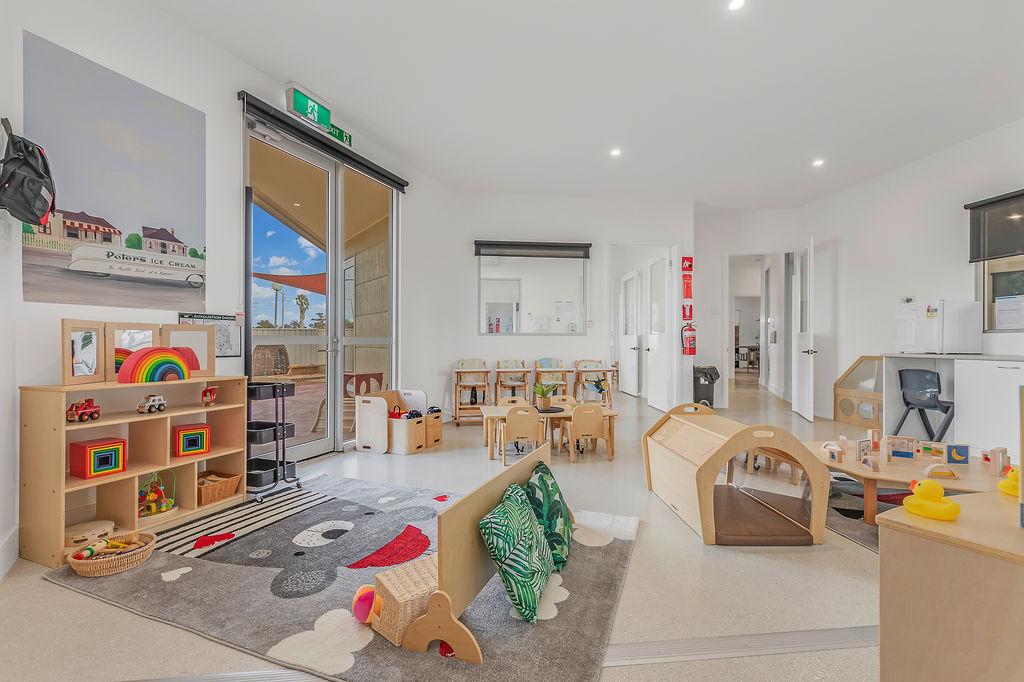
What is Practical Life

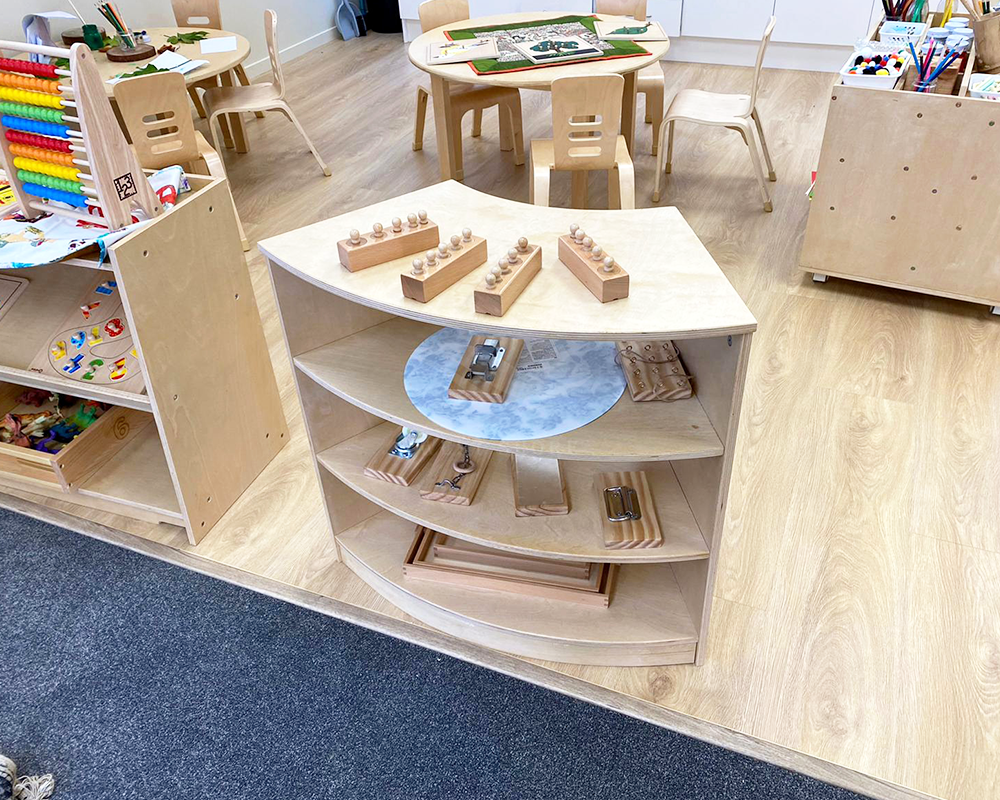
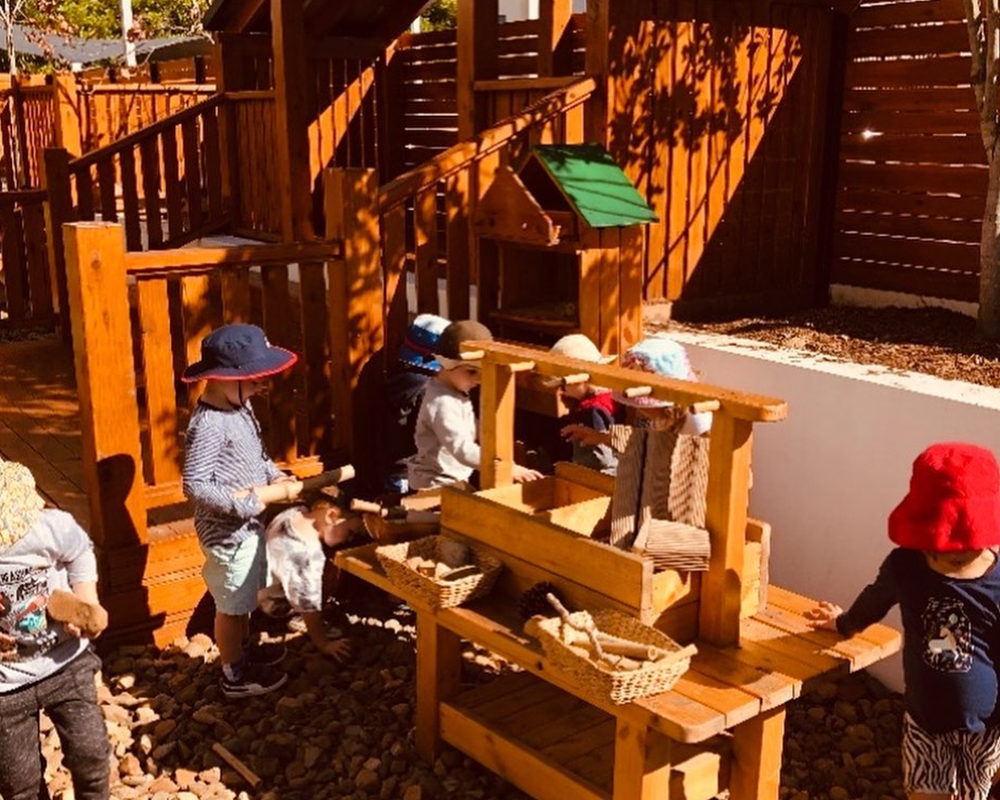
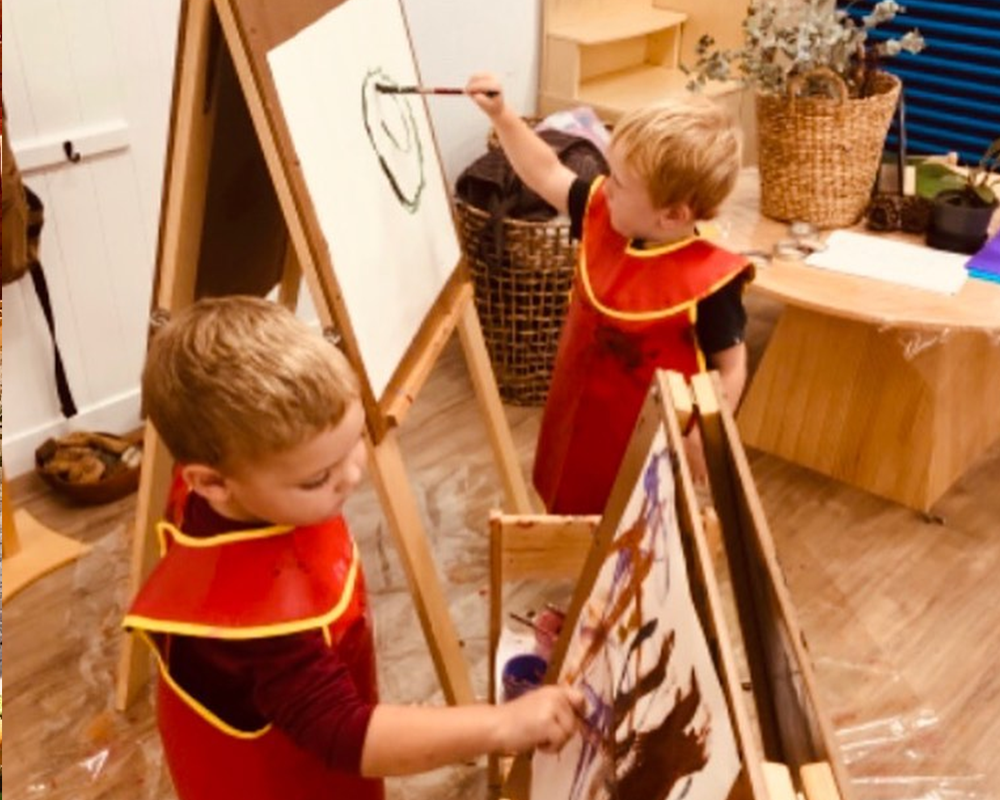
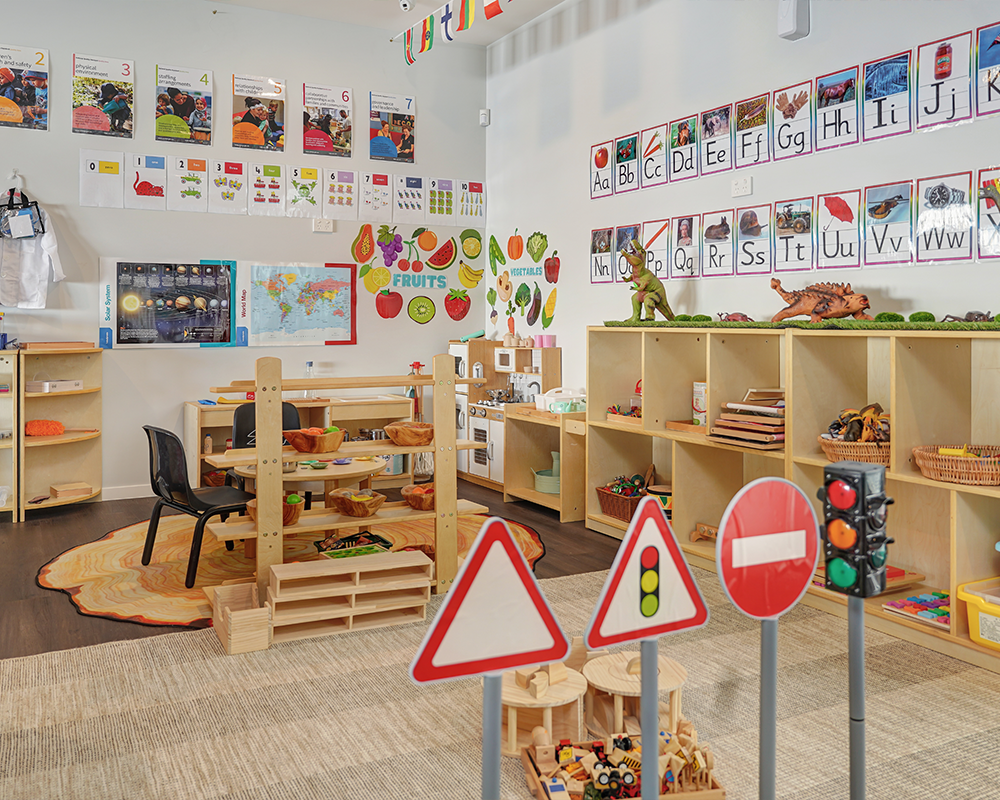
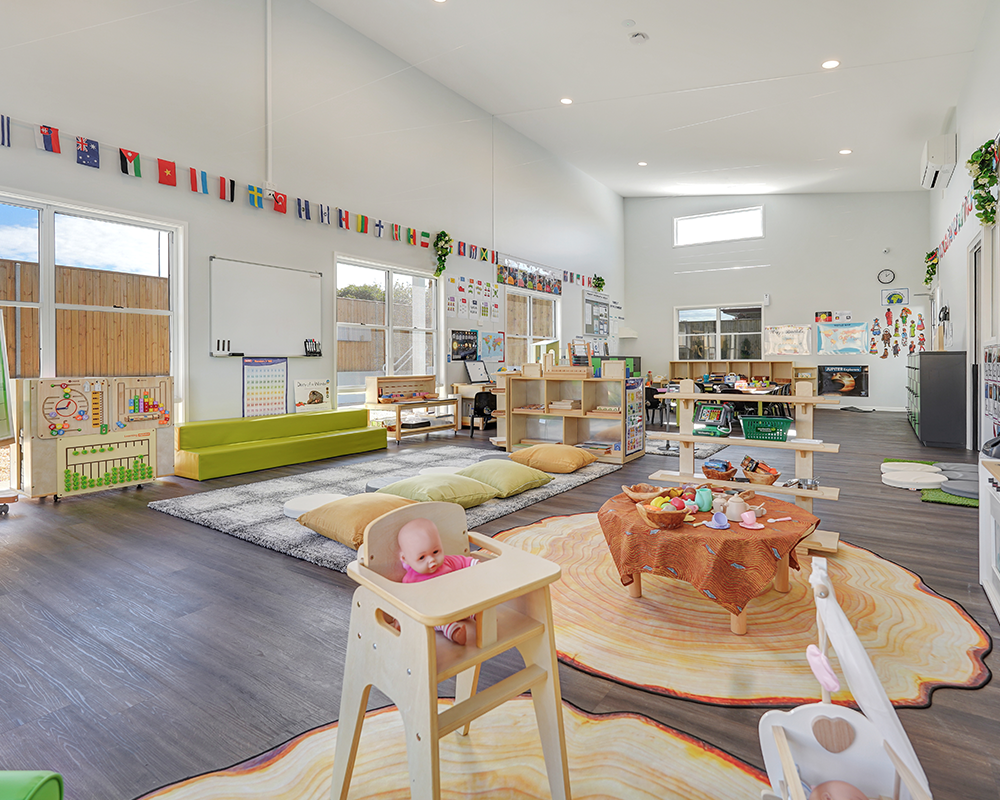
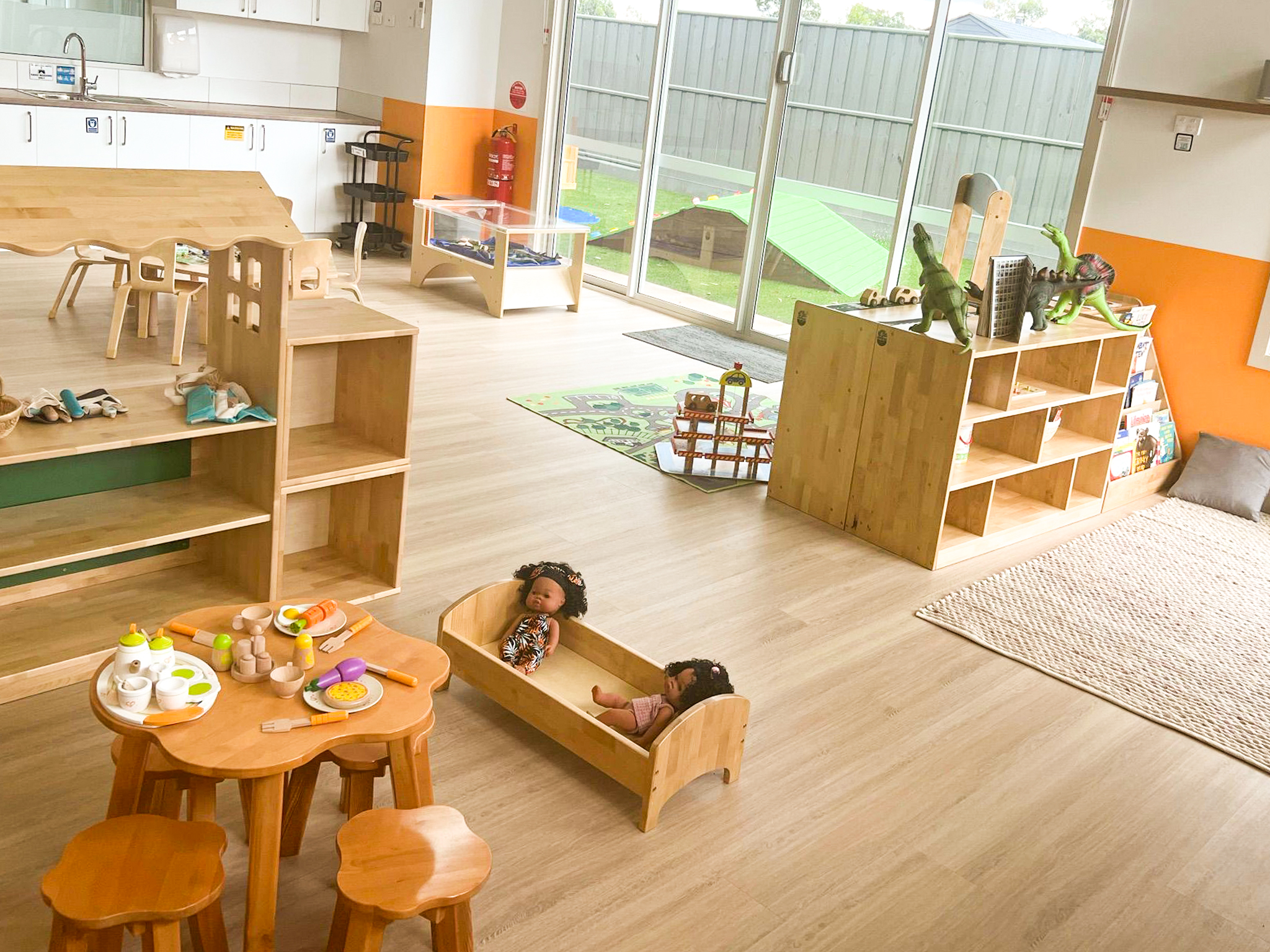
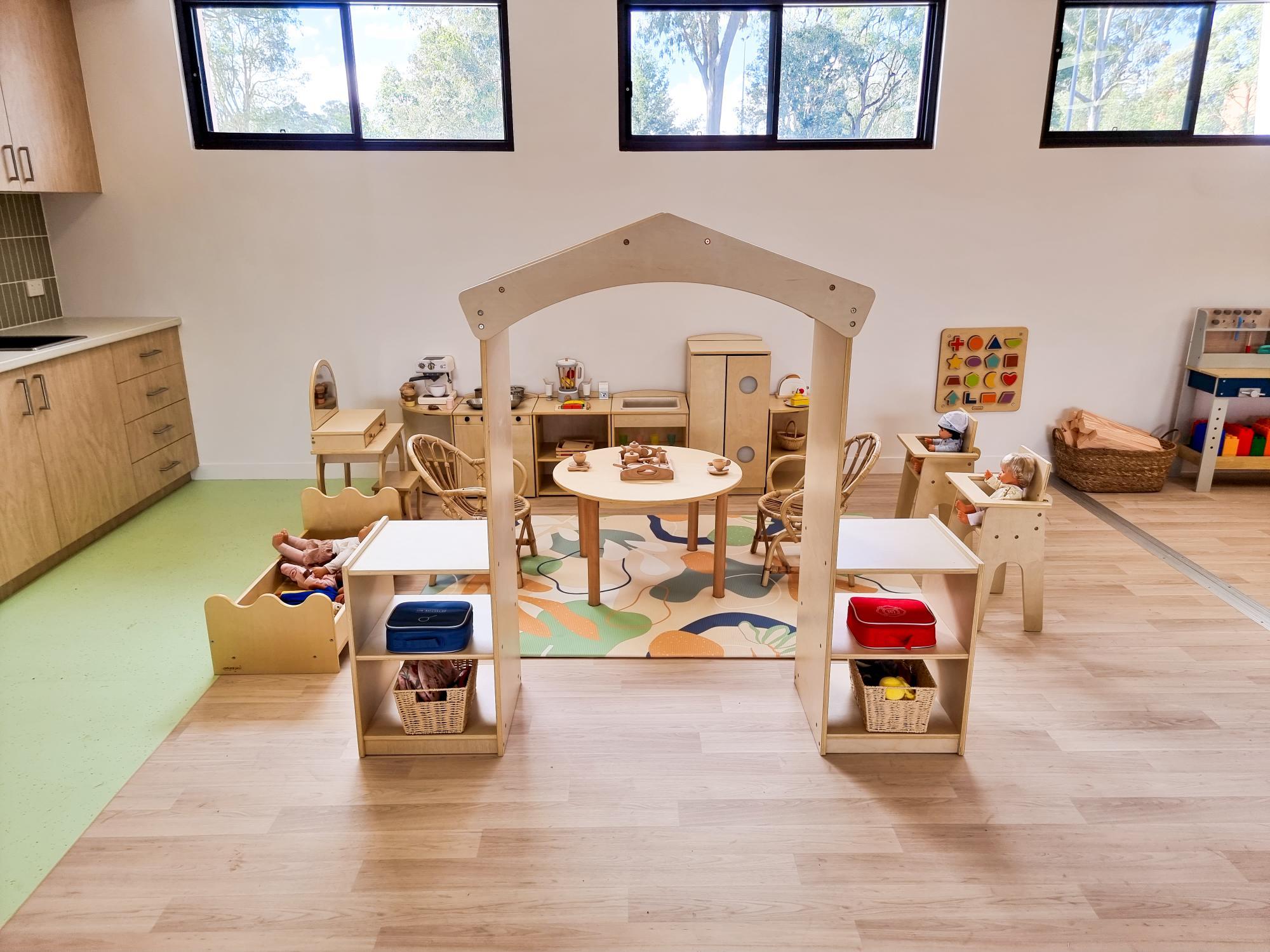
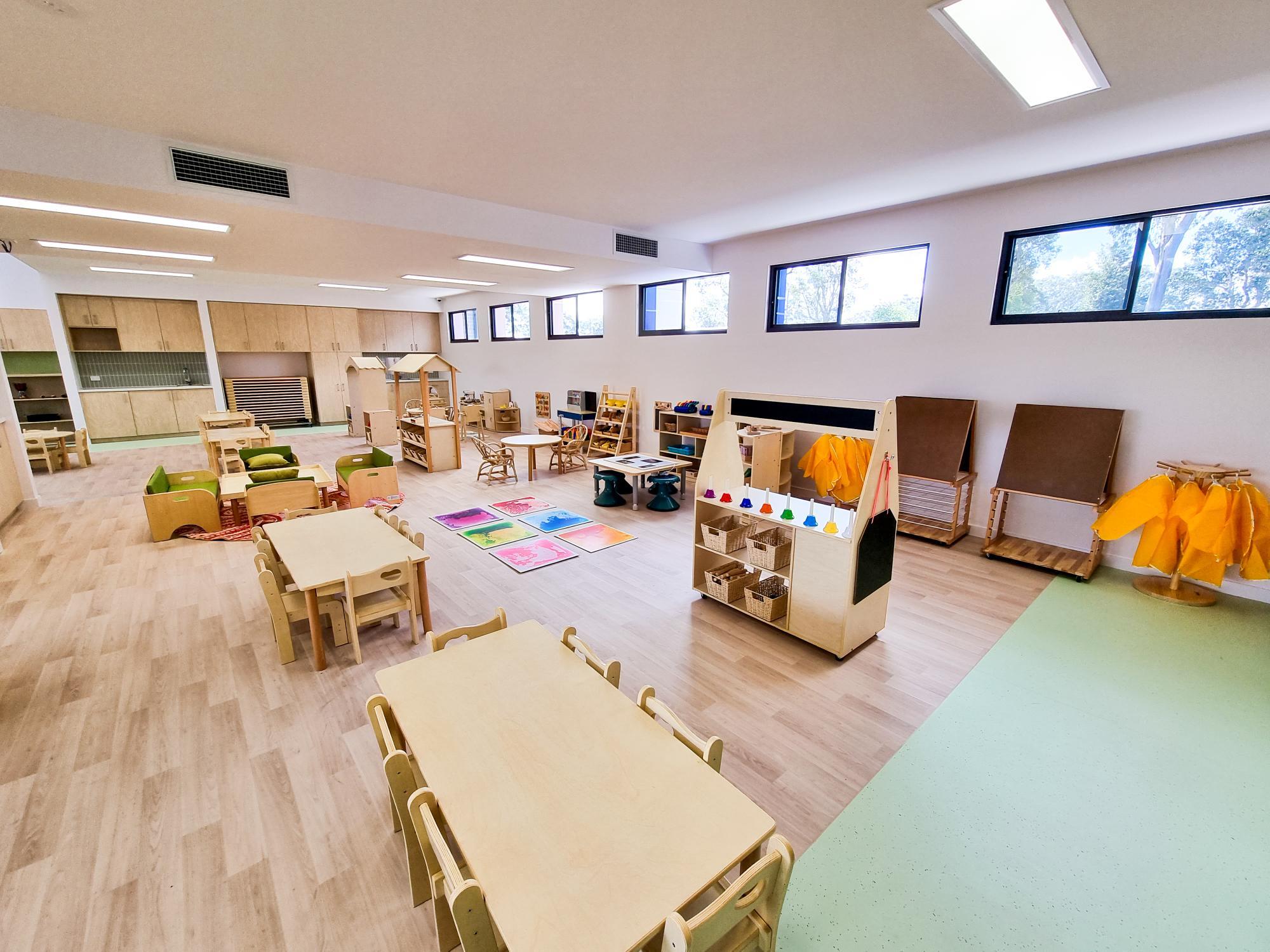
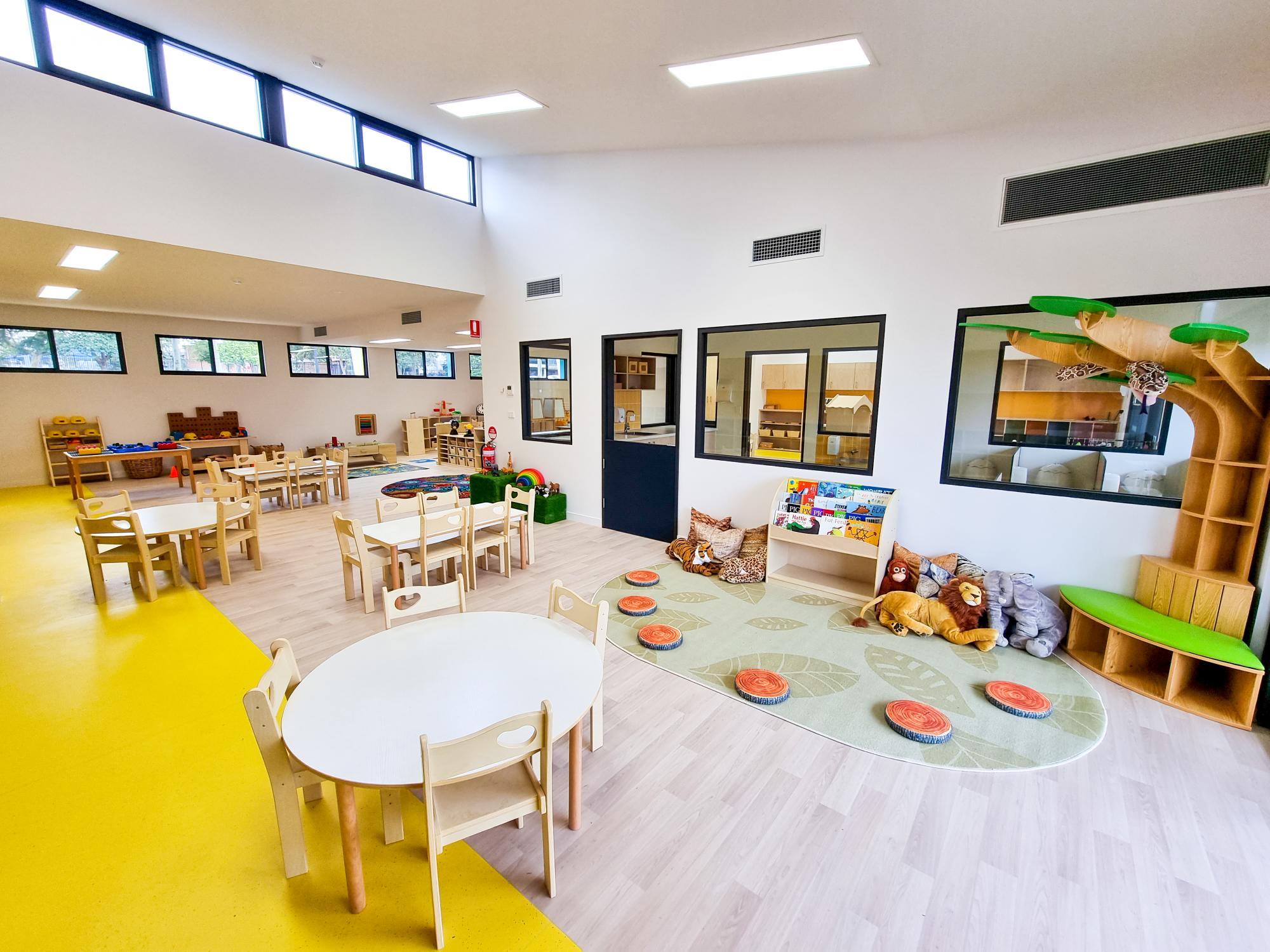
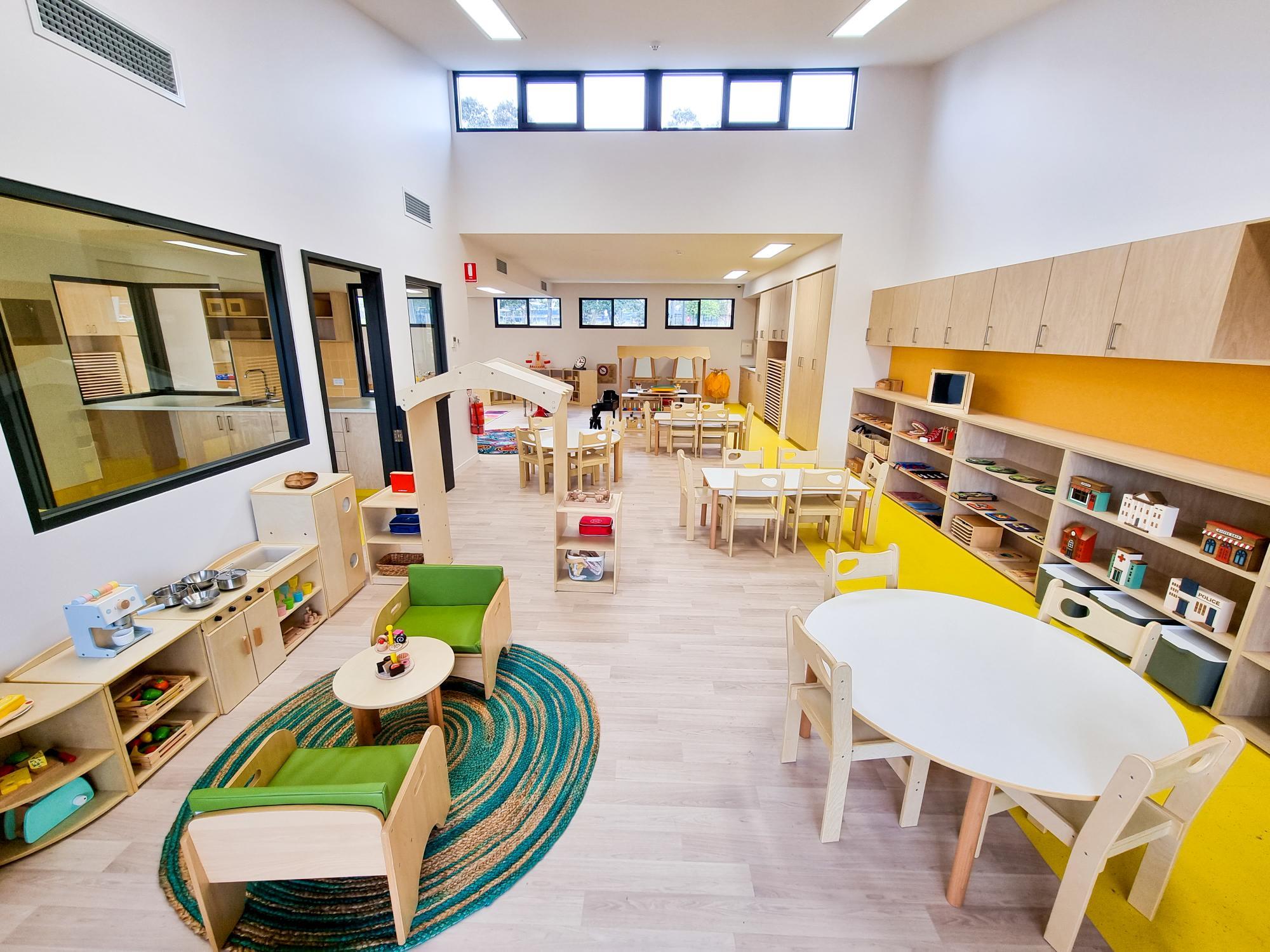
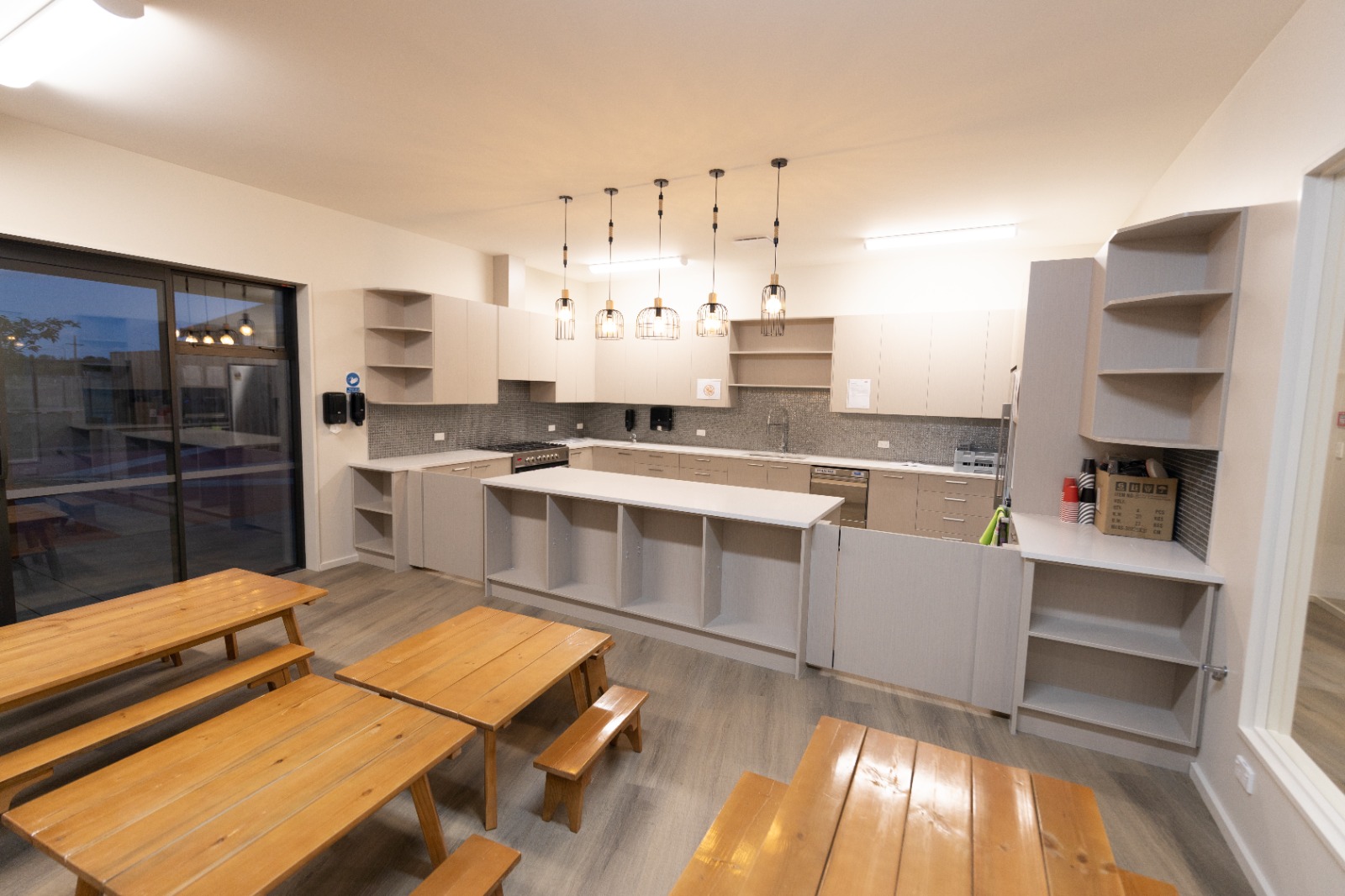
In Montessori, we offer young children useful activities that serve a real purpose. Children have beautiful child-sized materials that allow them to wash tables, dust shelves, polish silver, prepare food, and so much more. Although most traditional early childhood programs have a play area that includes cleaning items or kitchen toys, these items are for pretend, imitation, and play rather than for actually cleaning or cooking.
Montessori Philosophy And Practices
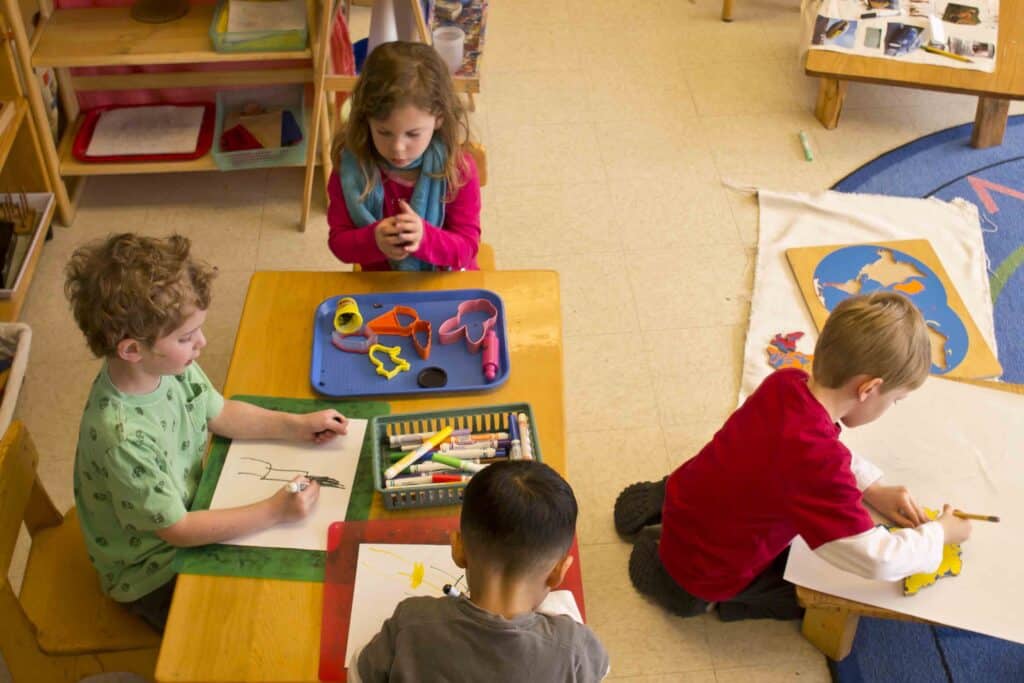
Dr. Maria Montessori recognized that children are small human beings who are curious and full of marvelous potential. To this day, Montessori teachers believe that children have a deep love of learning and wish to do purposeful work. When given that opportunity, children develop all kinds of skills that traditional education often glosses over.
The Benefits of Sensorial Learning and Why Your Child Should Start as Early as Possible
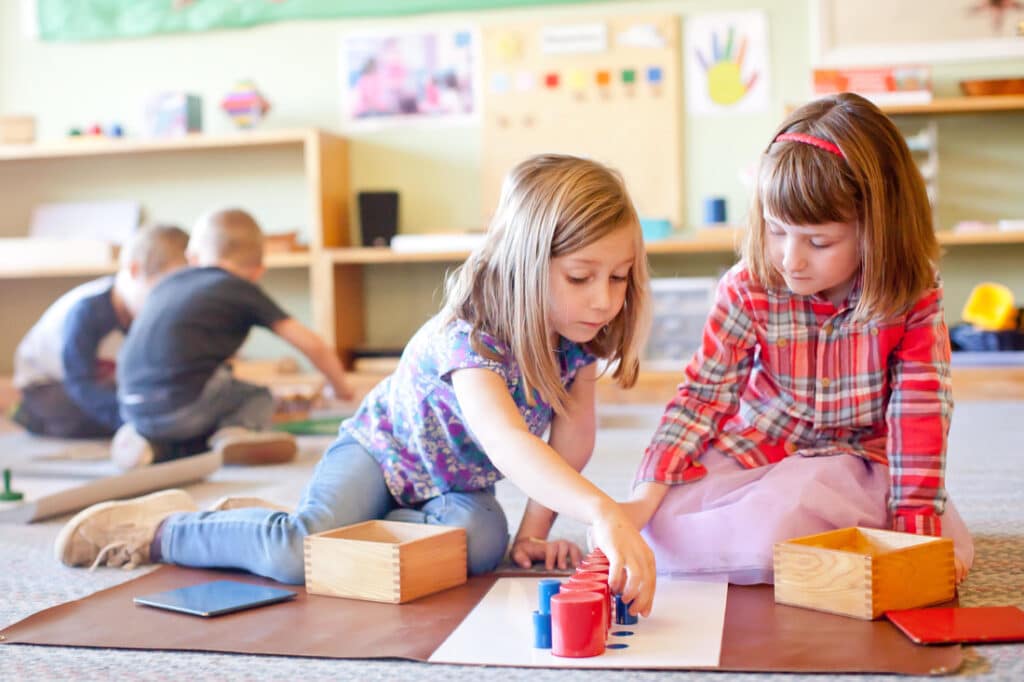
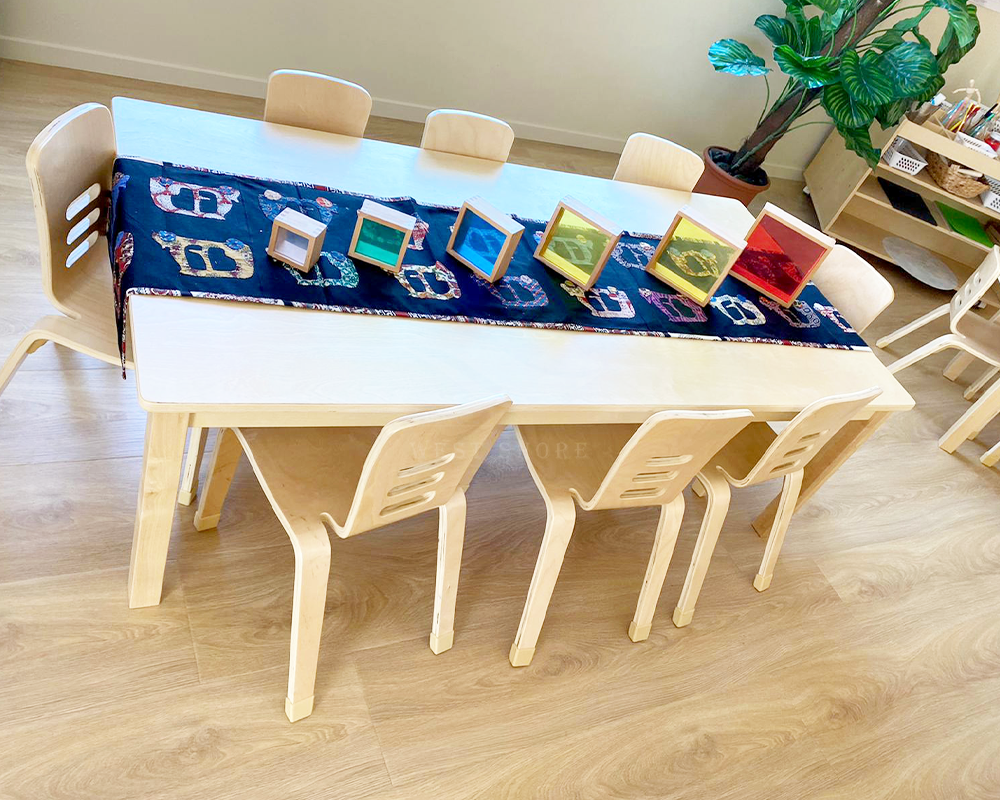
Sensorial learning is a teaching approach that stimulates the child’s five senses; taste, touch, smell, sight, and hearing. This allows children to use their senses to explore and understand the world around them. It includes activities that help them study objects, colors, textures, tastes, numbers, and situations.
Why and How Larger Classrooms Work Well In Montessori(Part 1 of 2)
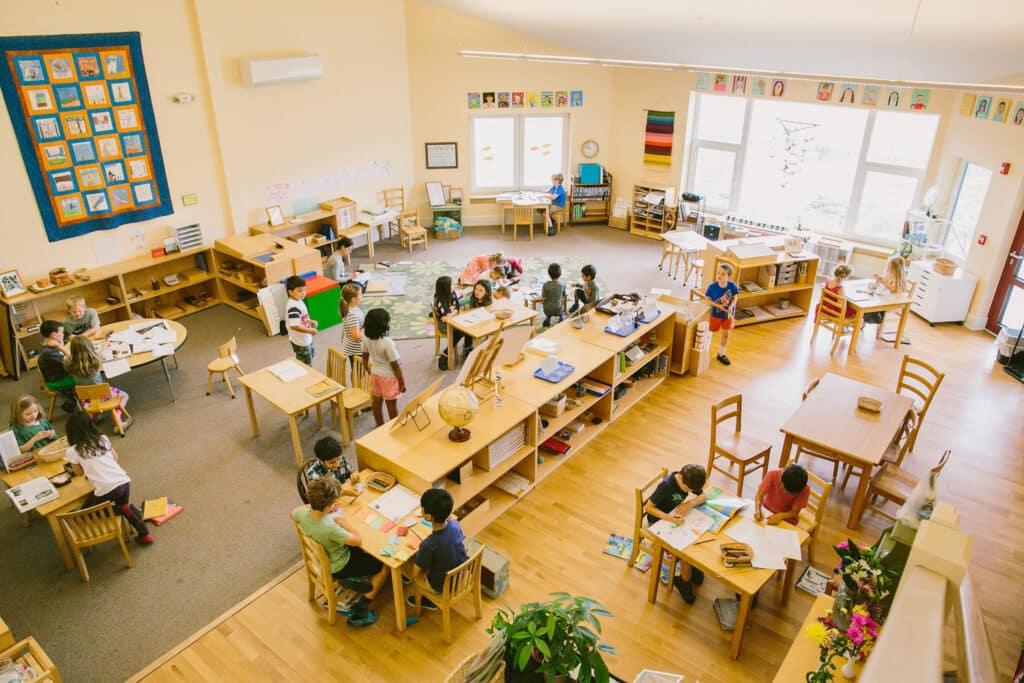
Montessori functions very differently from traditional education—with the initially surprising result that larger classroom communities at the primary (ages 3-6) and elementary/middle school level are generally recognized by Montessorians to function better than smaller class sizes.
Montessori Mixed Age Groups: in school & with siblings at home
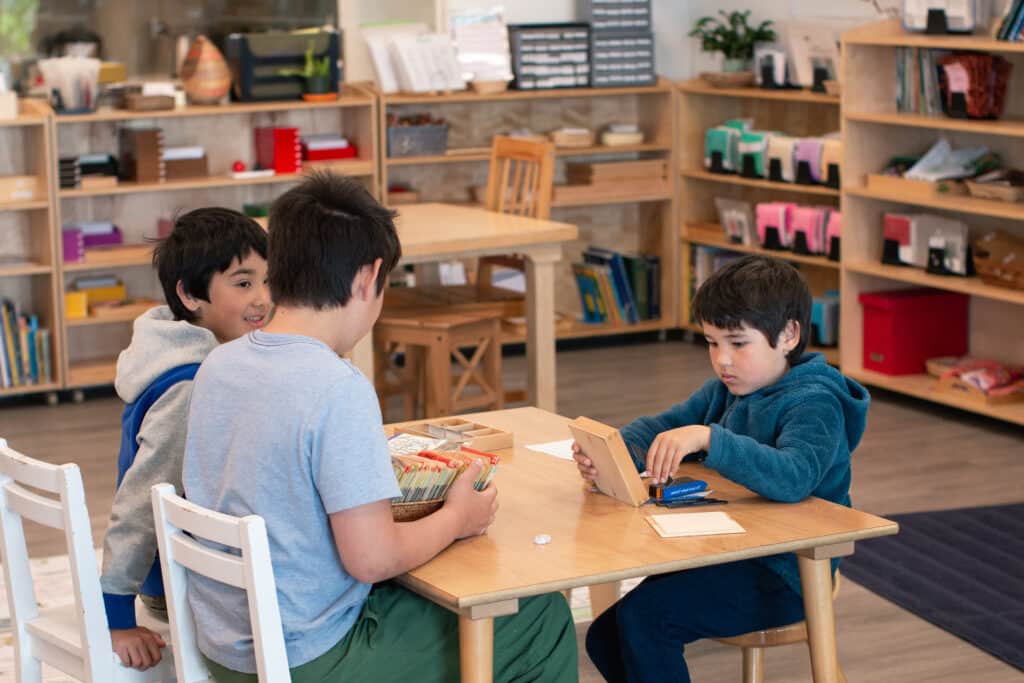
This relationship of mutual care and respect, of self awareness, and awareness of the strengths and weaknesses of others make Montessori mixed-age classrooms the ideal place for learning peaceful conflict resolution. The Montessori approach is an Education for Peace and mixed age groups is its cornerstone.
What Age is Best to Get My Child Started in Montessori School?
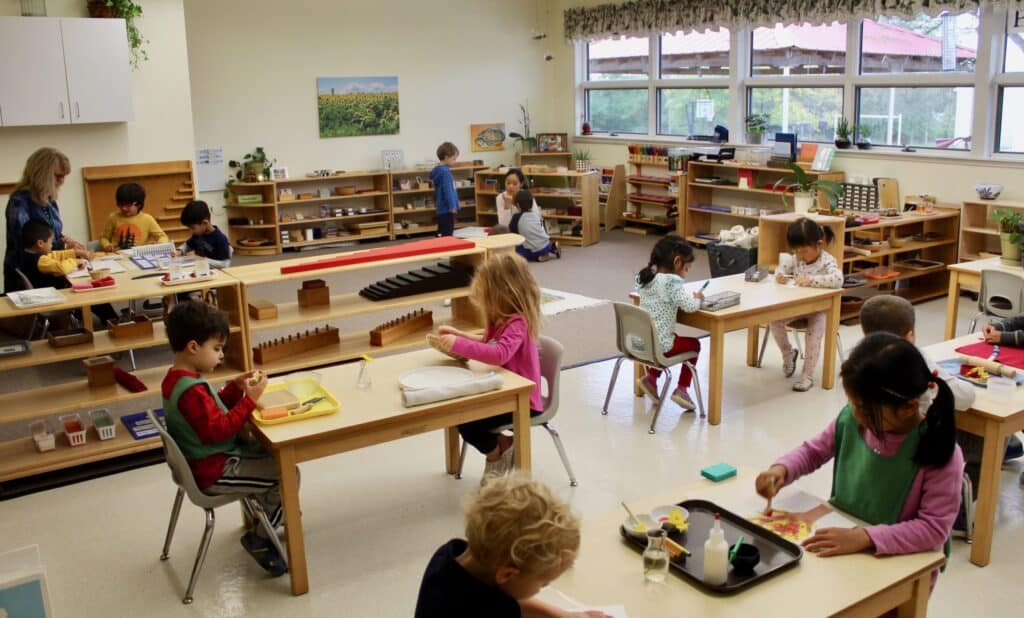
Finding the right school for your child and getting them started at the right time can significantly impact their development. Enrolling your child in a Montessori school is always an excellent idea, but what age is best to get your child started?
Montessori School Helps Children Explore Their Passions
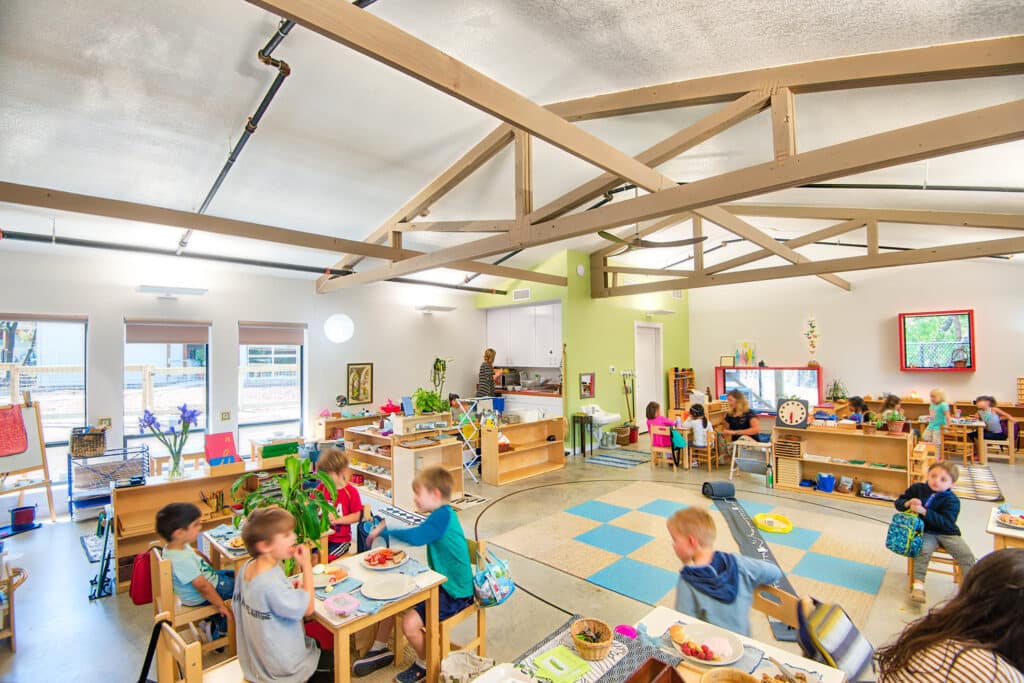
Choosing a Montessori school for your child is beneficial in many ways. Not only is the environment ideal for supporting students individually, it also allows for community-building, and leads to lifelong learners. Montessori students are able to freely engage in materials and concentrate deeply on the task at hand, which opens their minds to possibilities.
How Montessori Education Teaches Adaptability
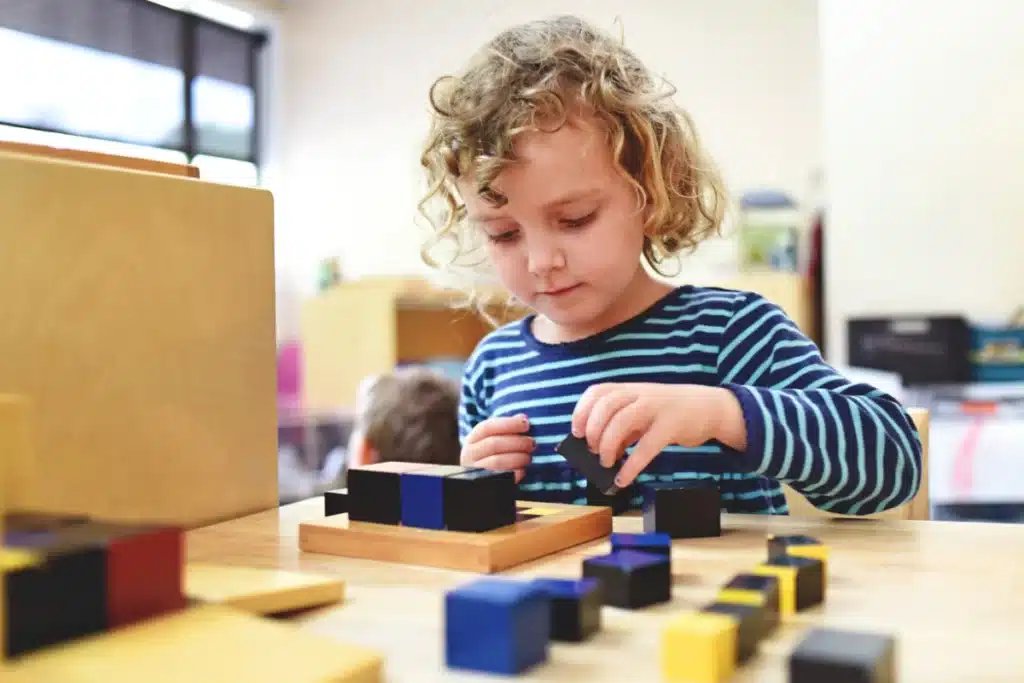
Adaptability is a skill that is often overlooked, but it can help children become successful adults. The ability to remain steady and flexible no matter the circumstances can aid in critical thinking and problem solving. The Montessori philosophy does not underestimate the importance of adaptability, and there are many facets of the classroom and curriculum that teaches this valuable skill.
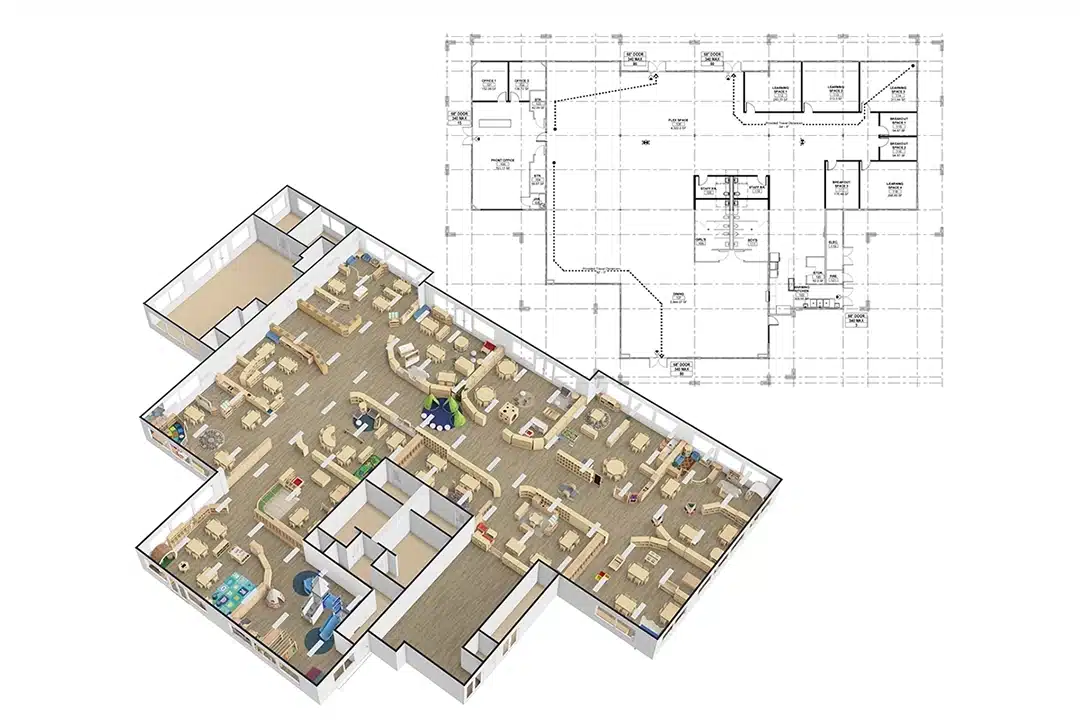
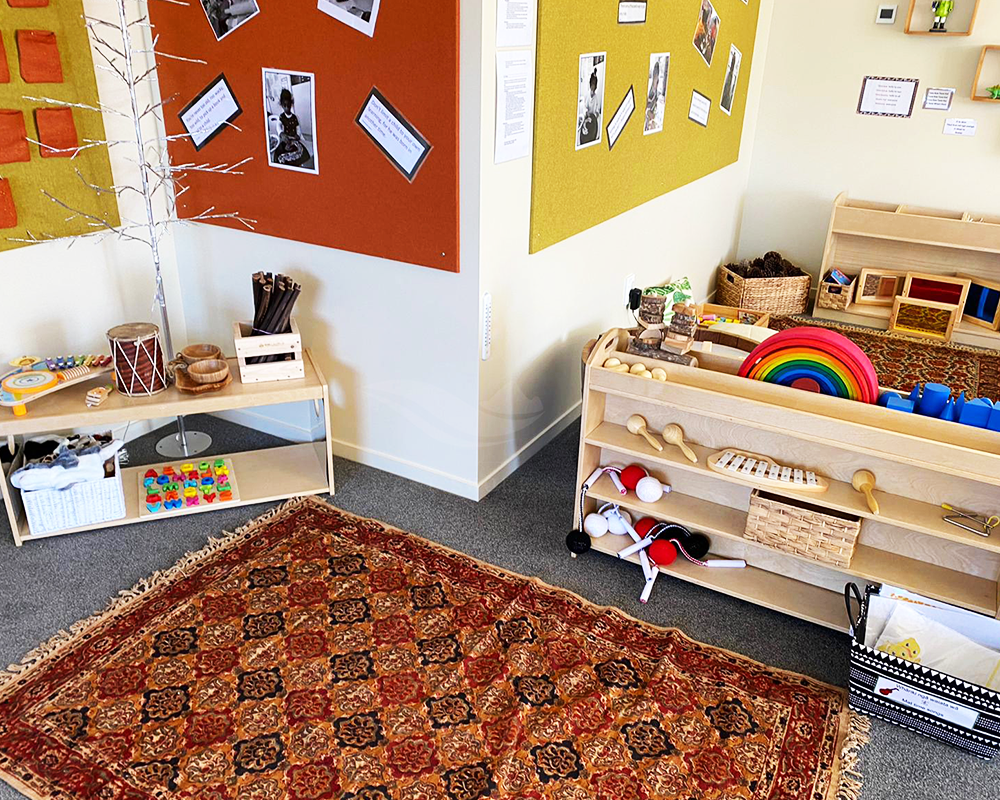
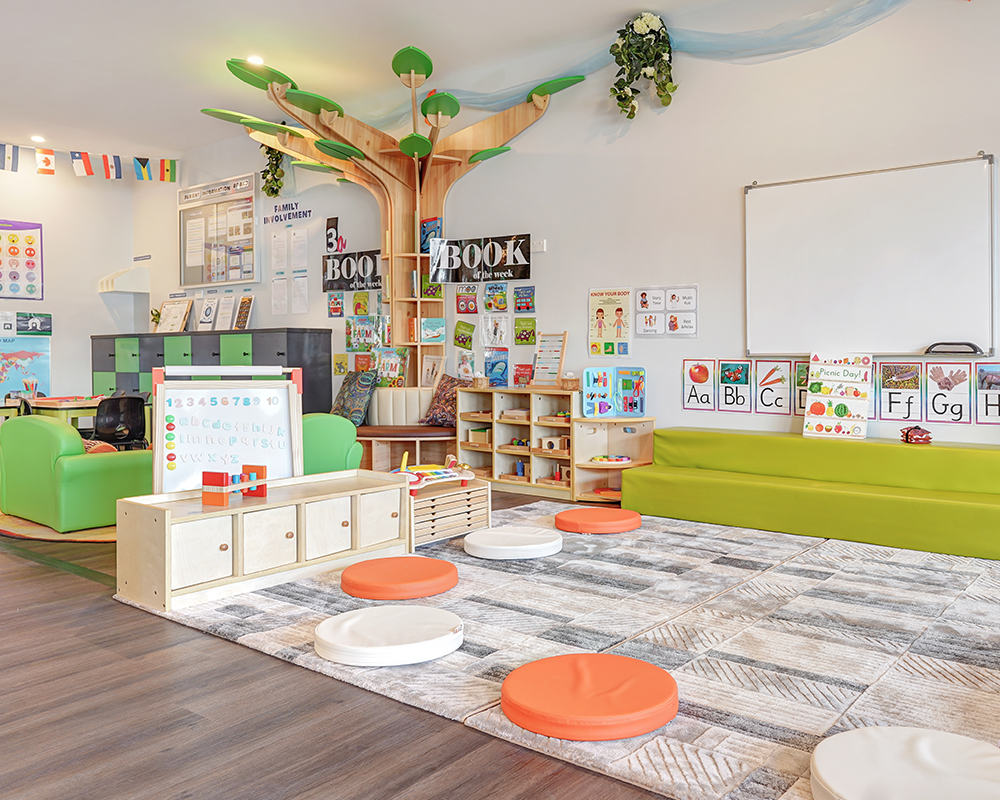
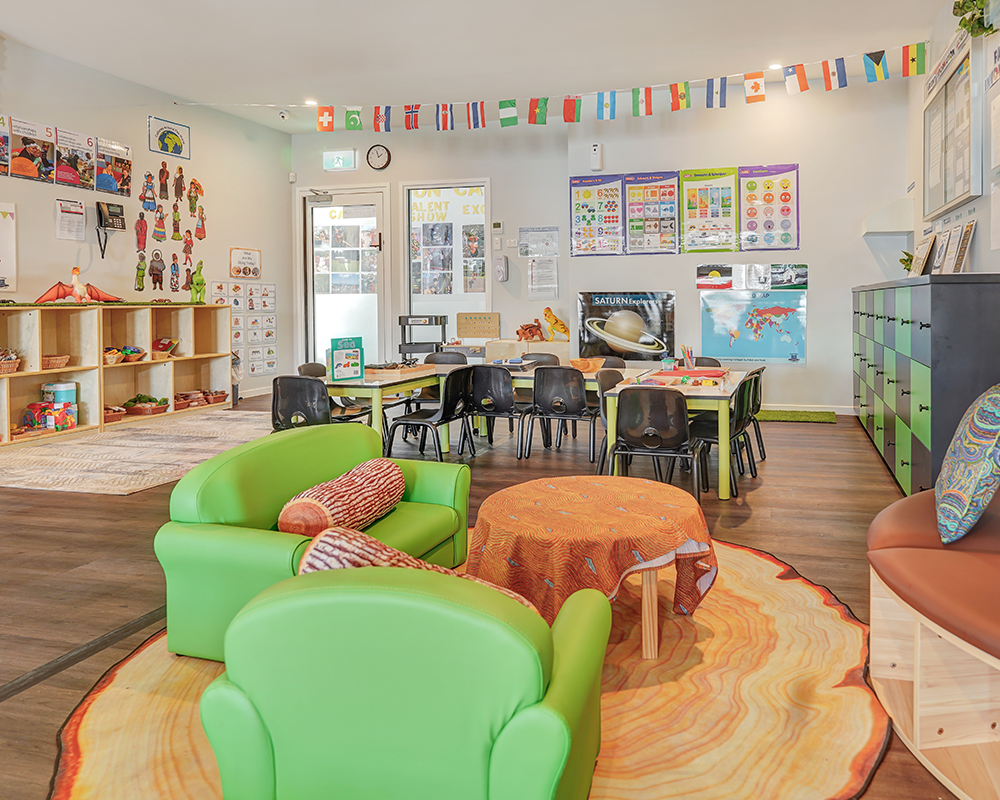
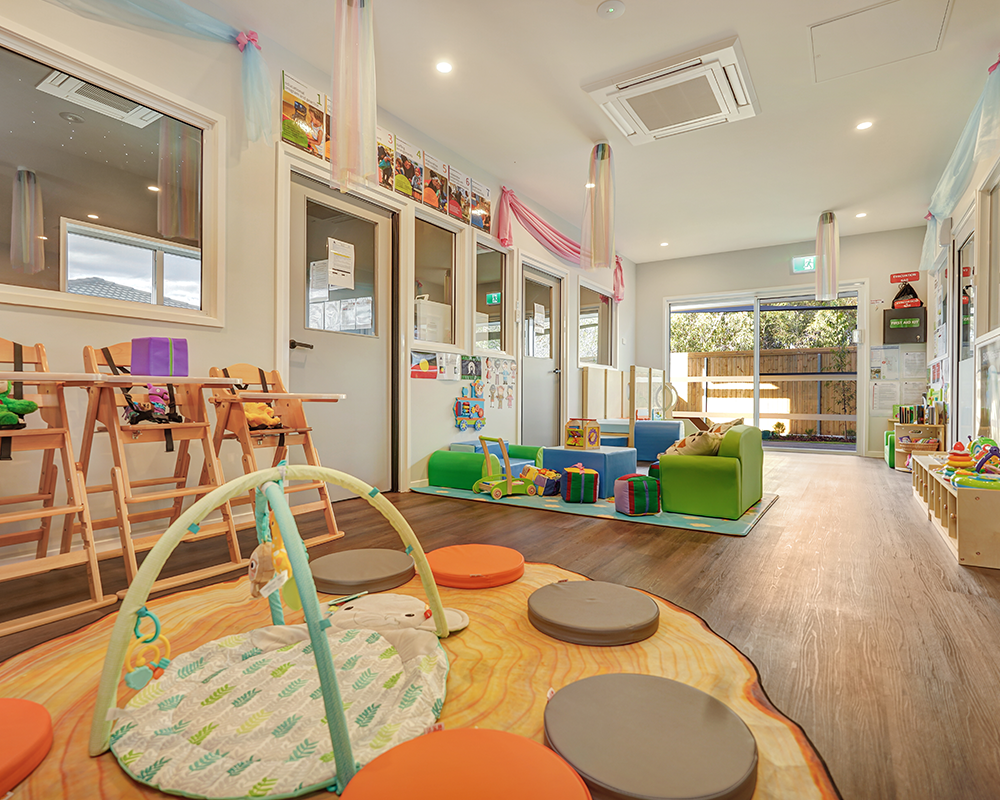
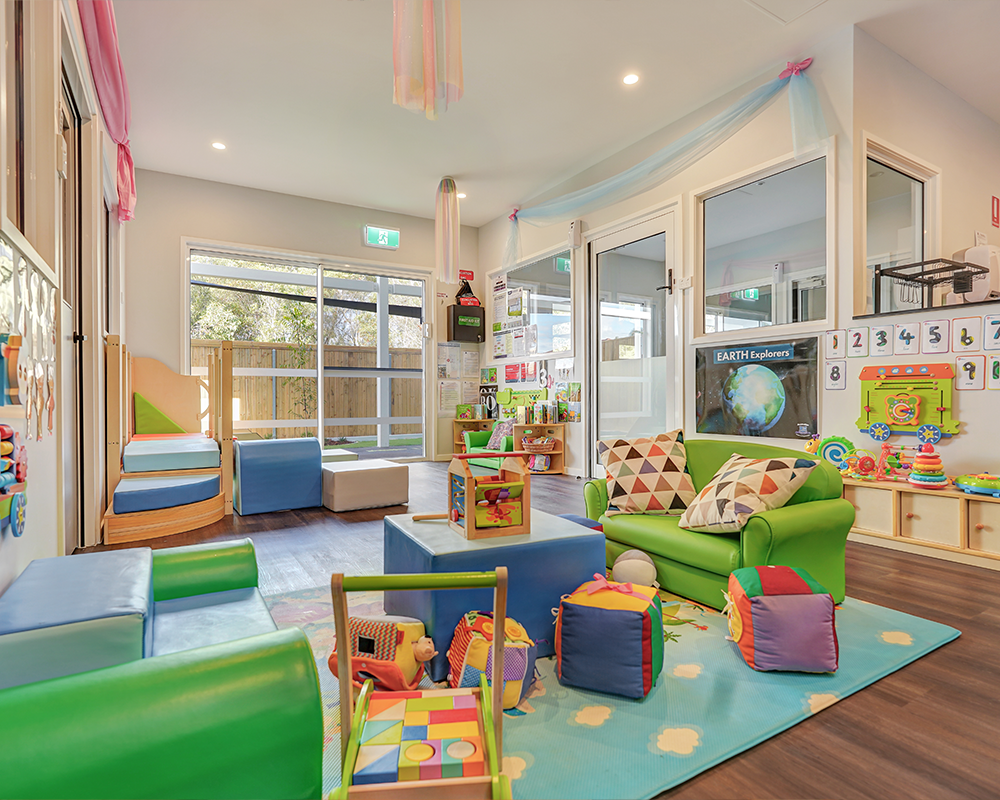
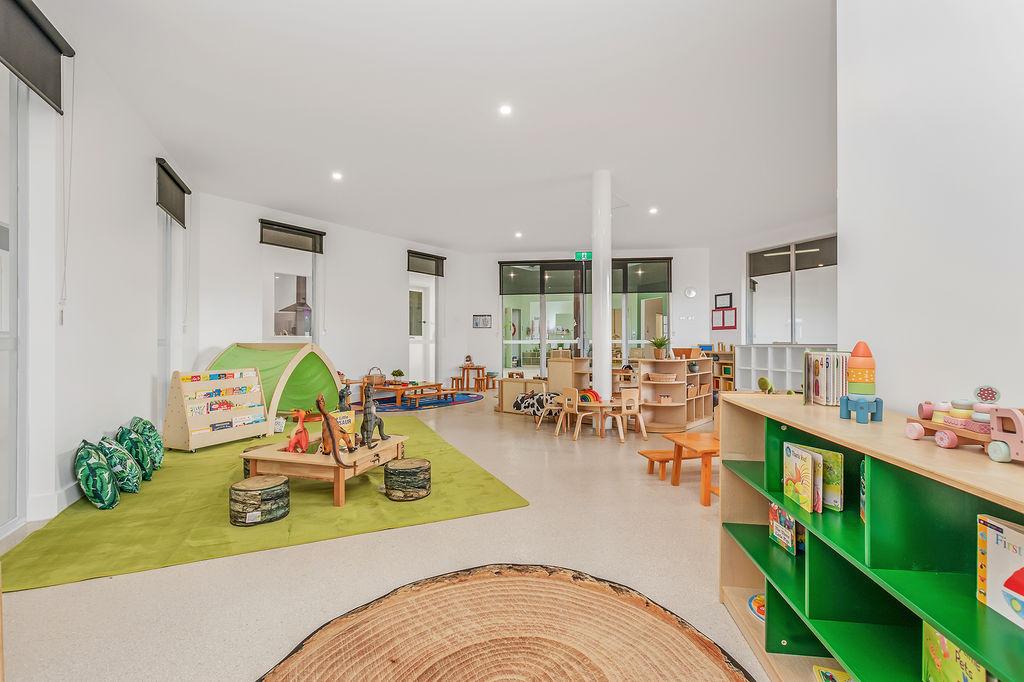
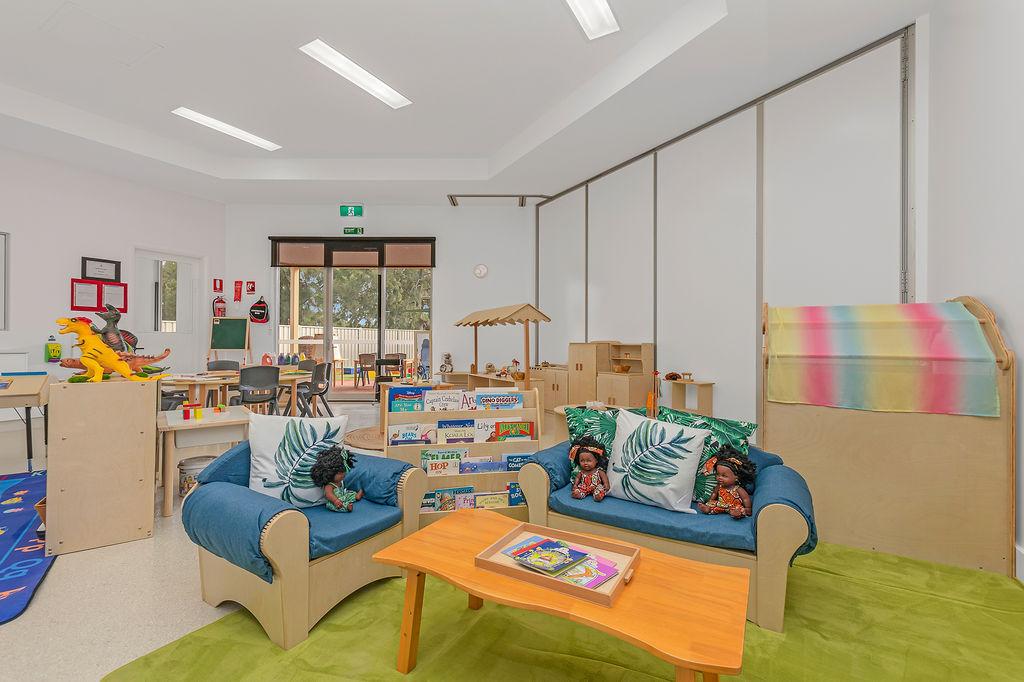
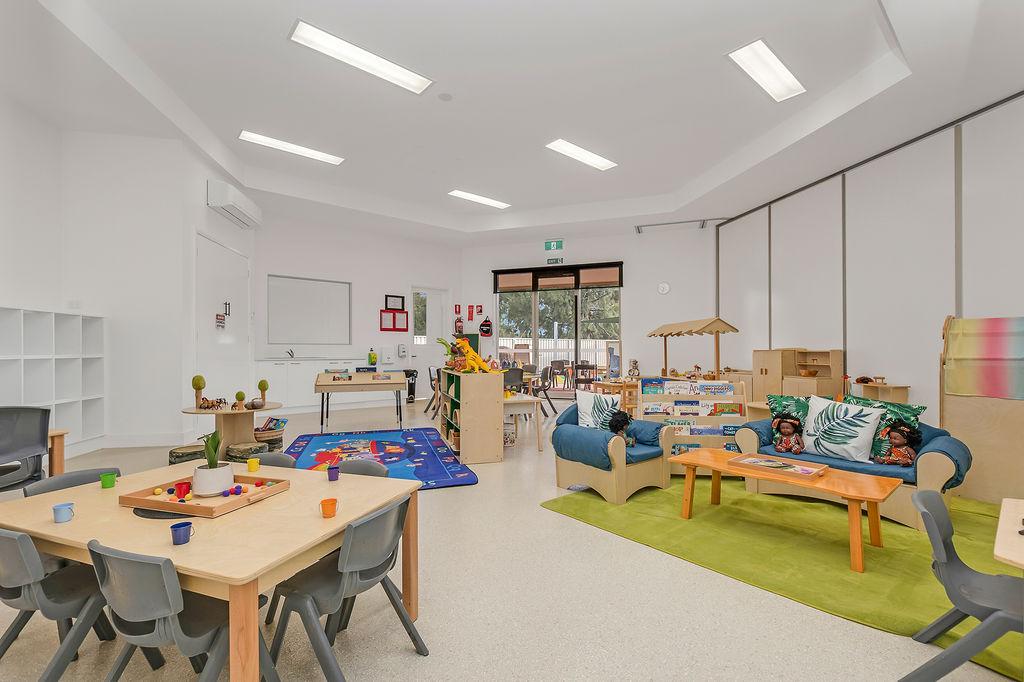
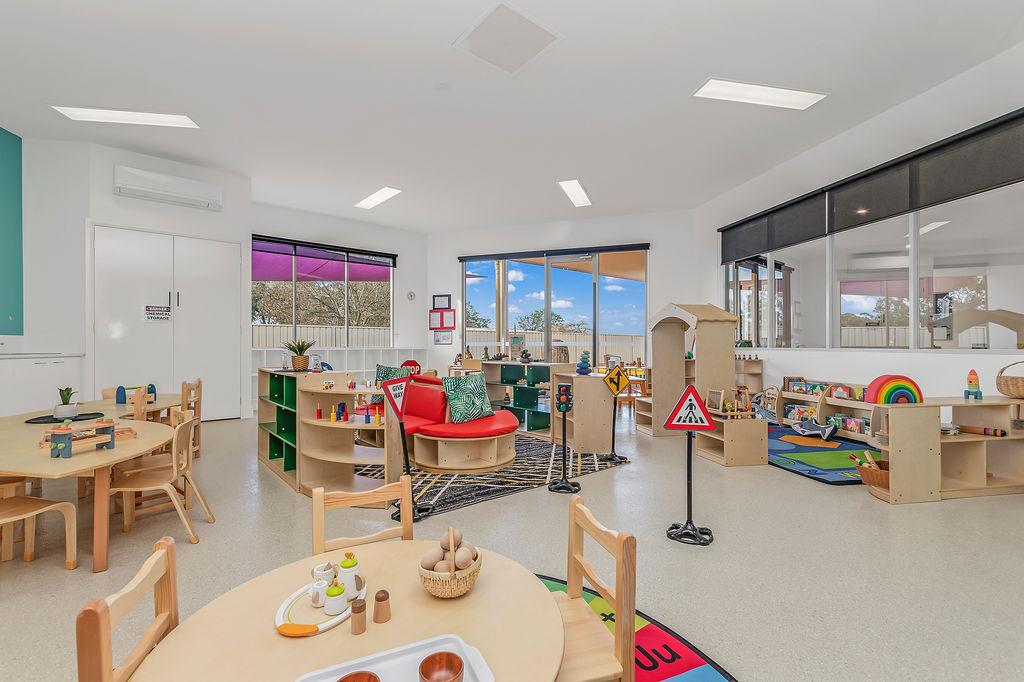
How Montessori Classroom Design Enhances Learning

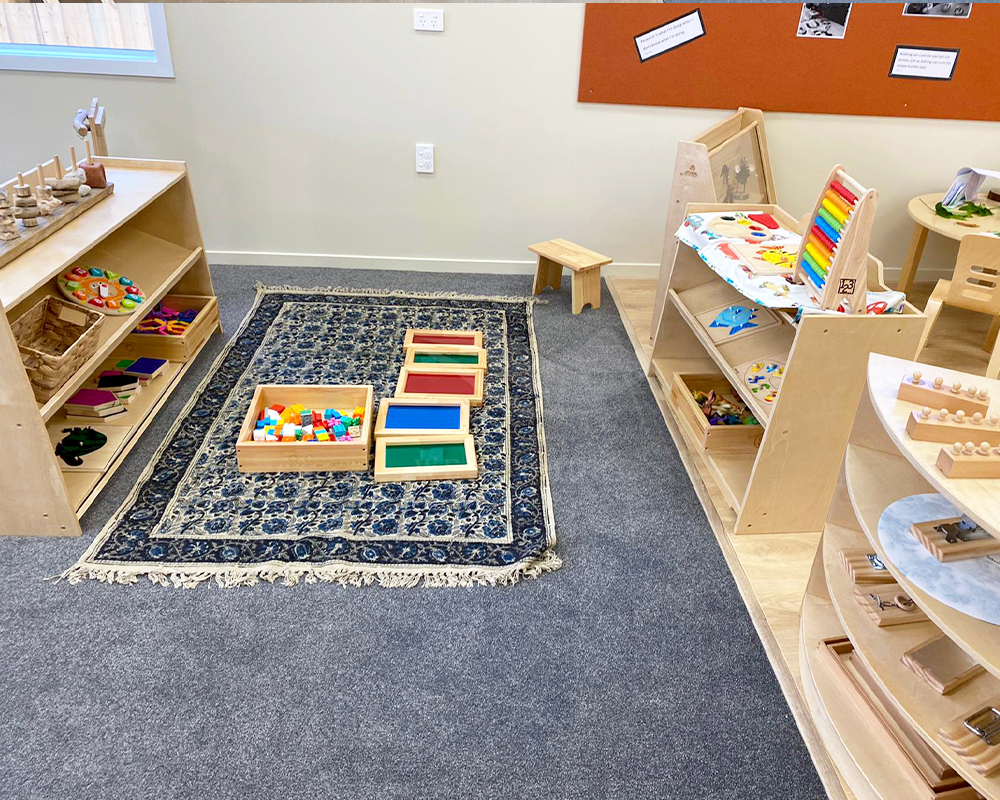
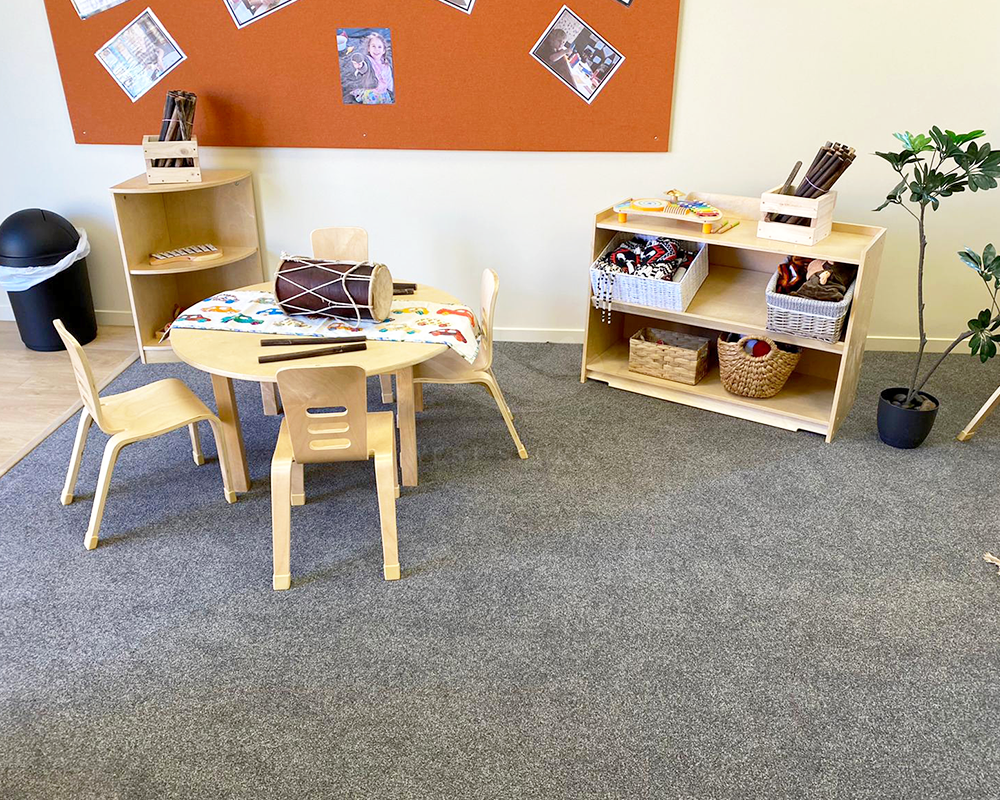
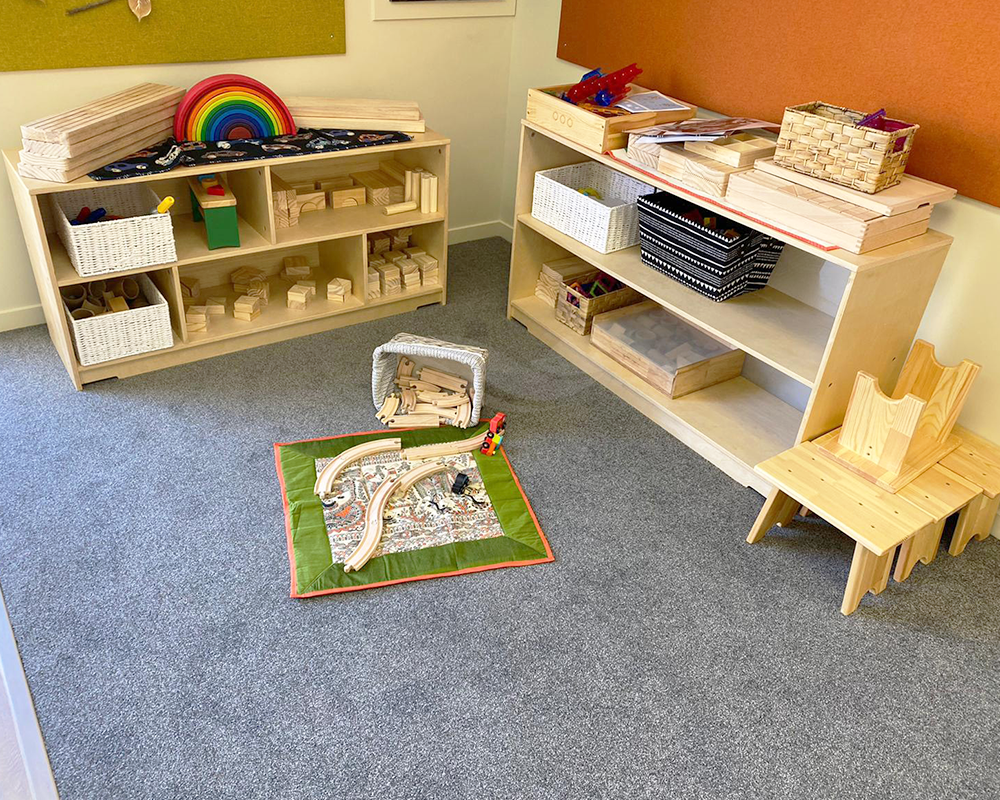
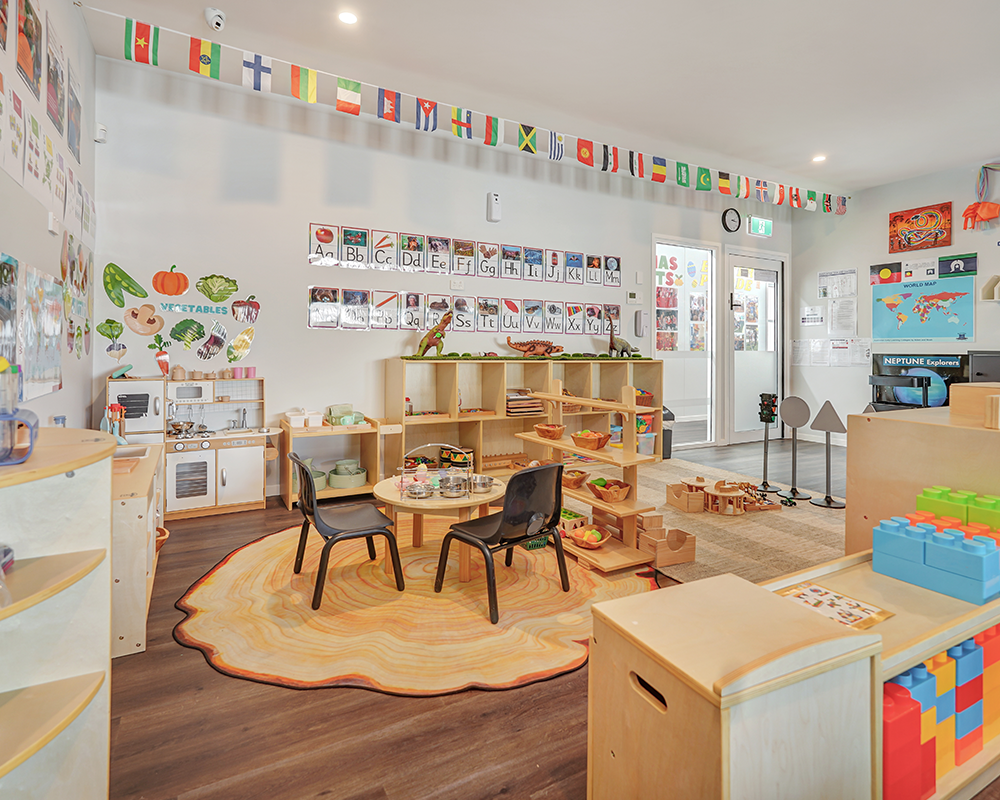
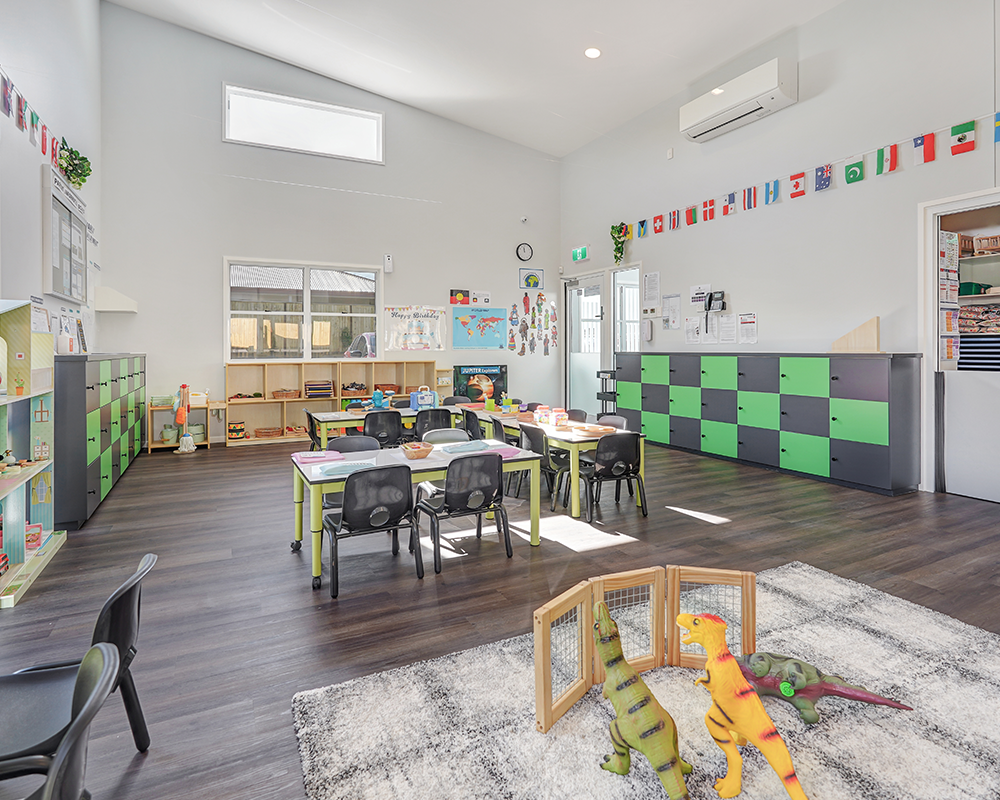
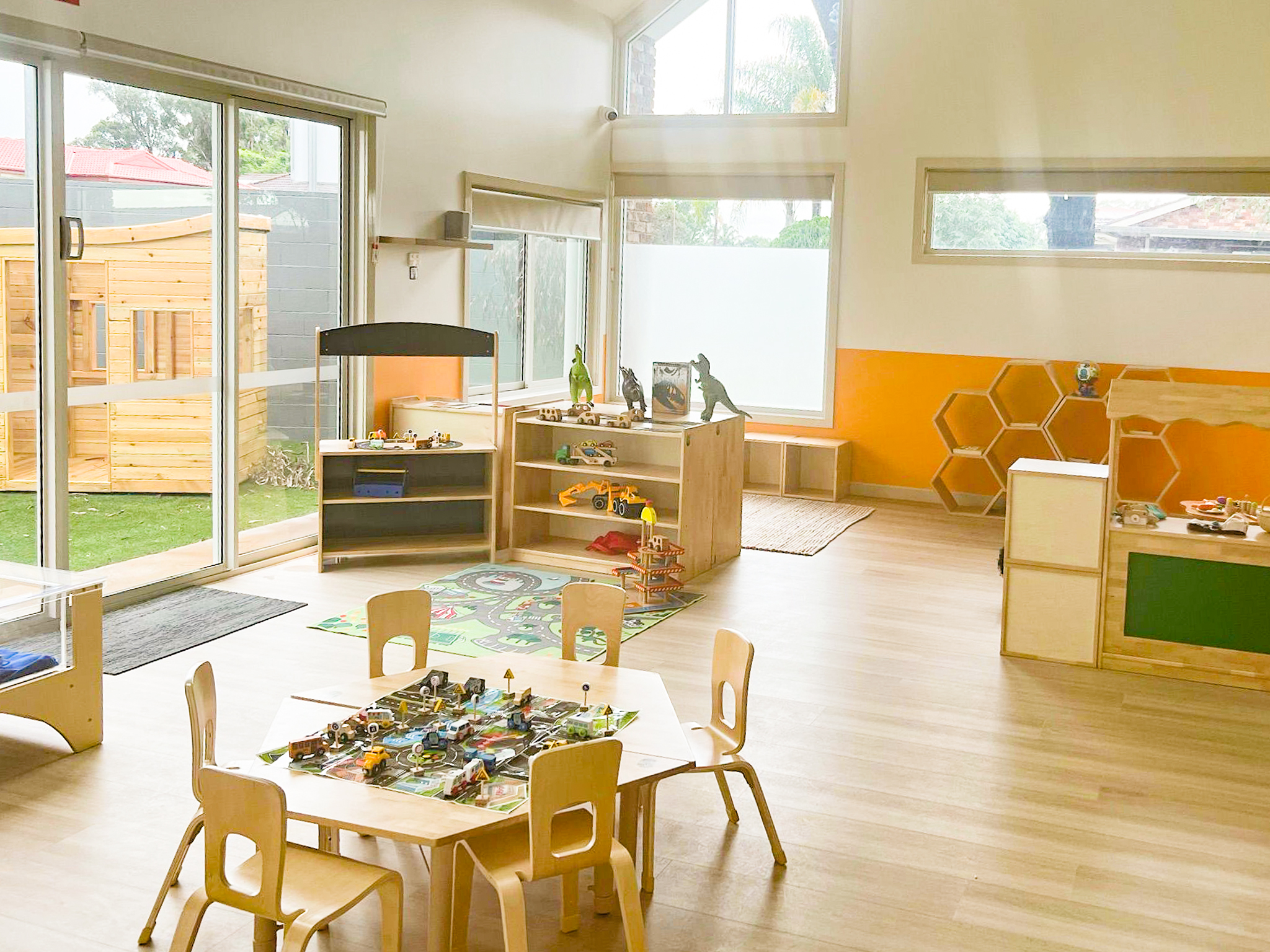
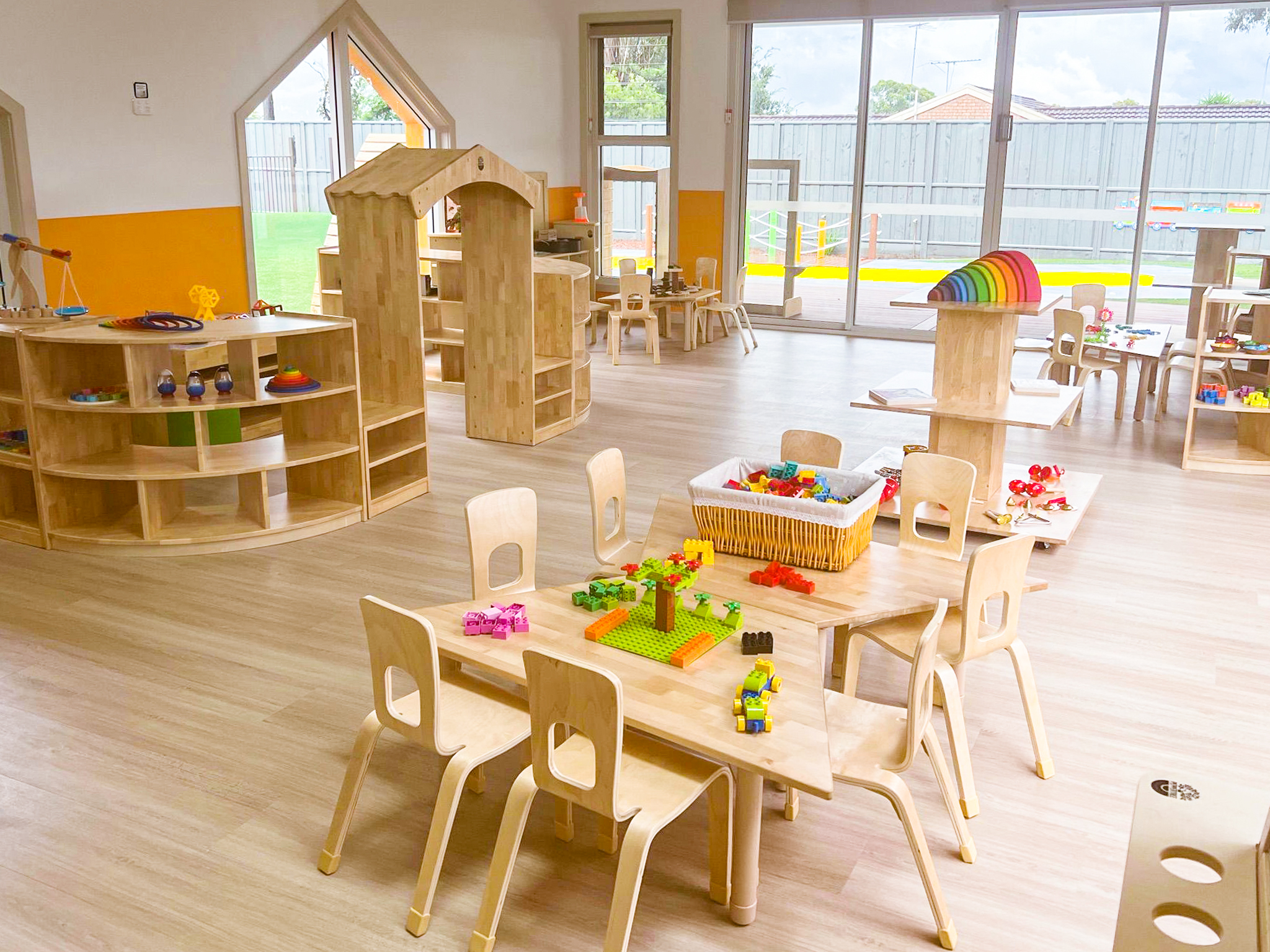
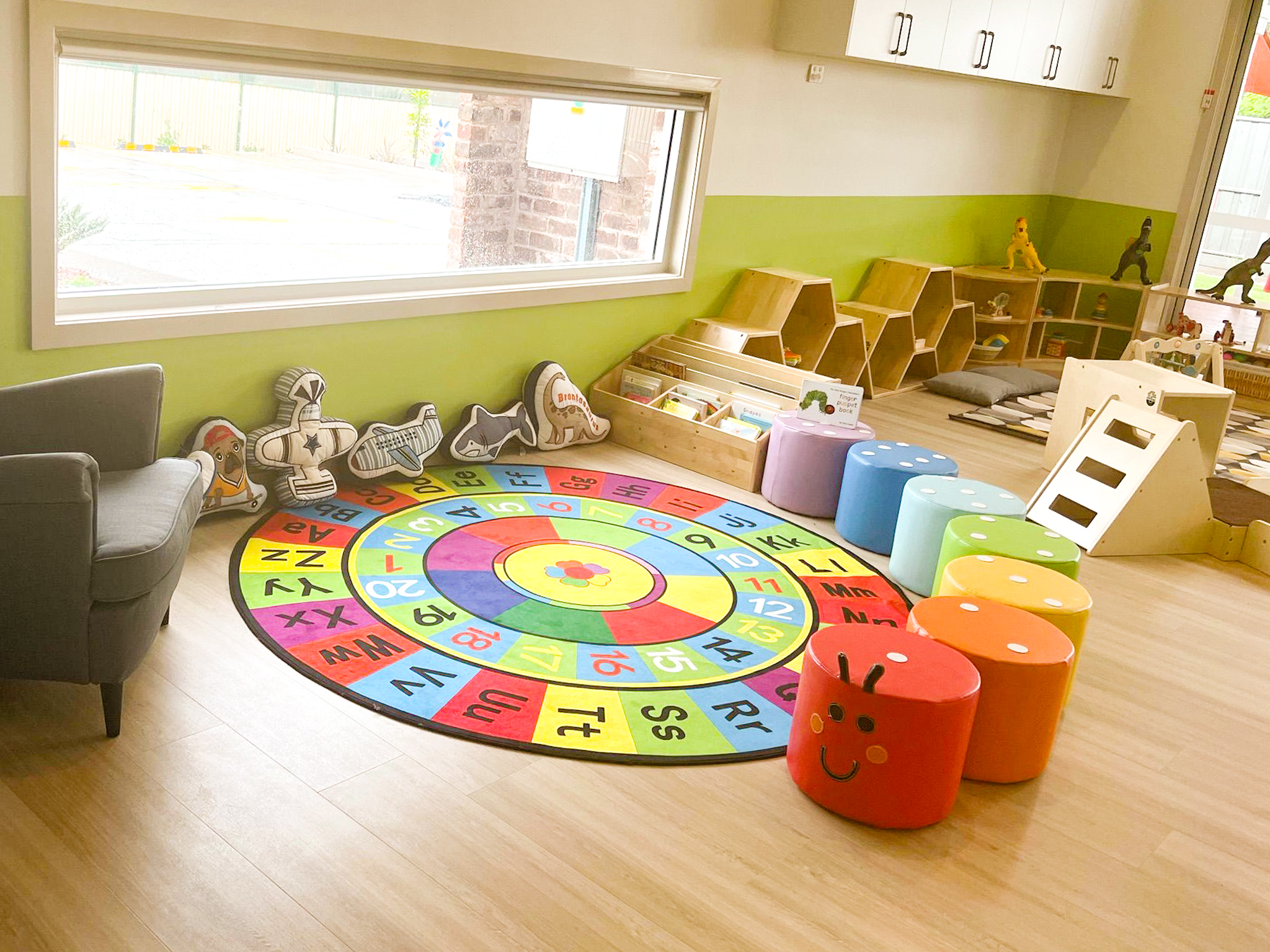
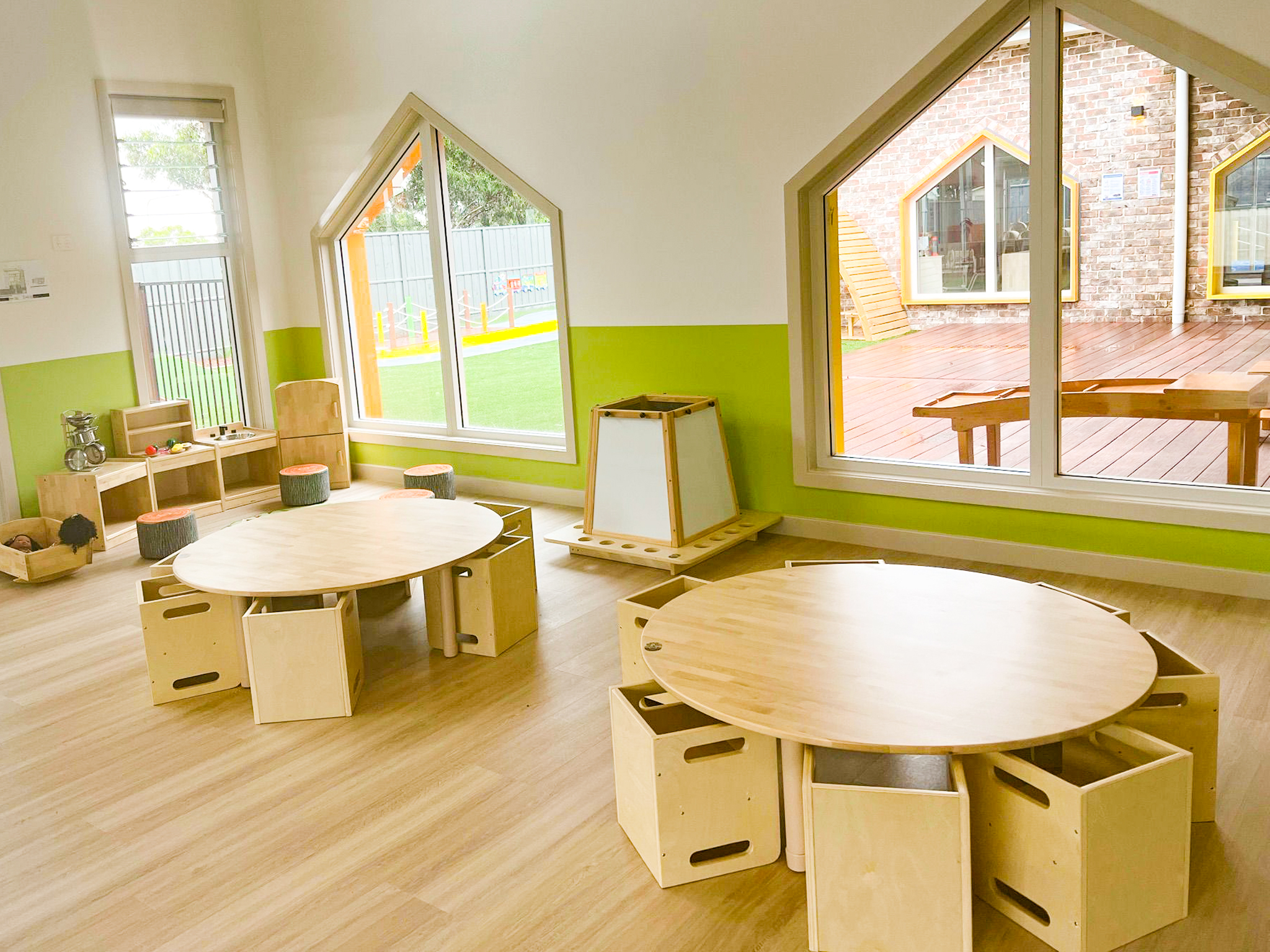
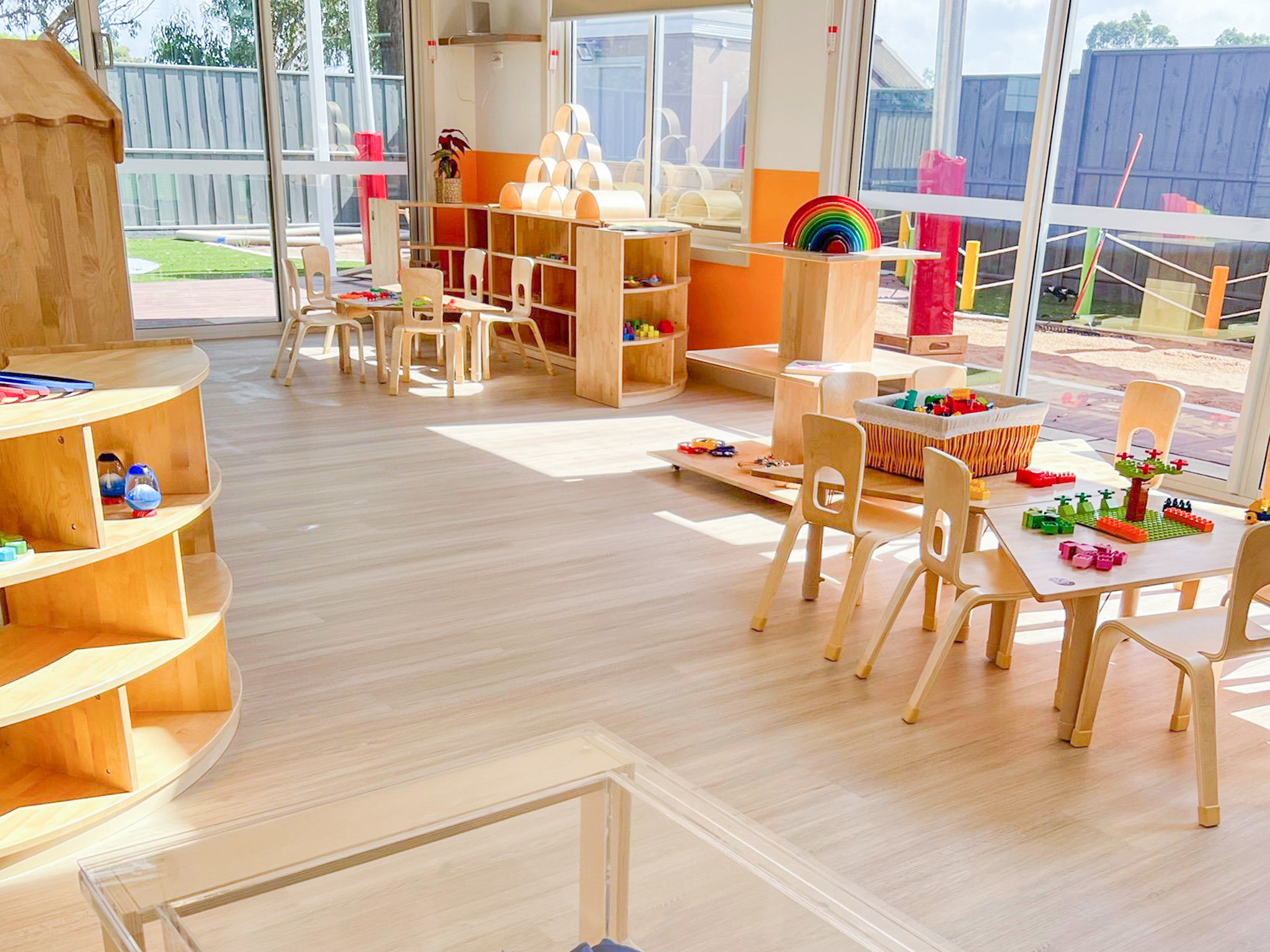
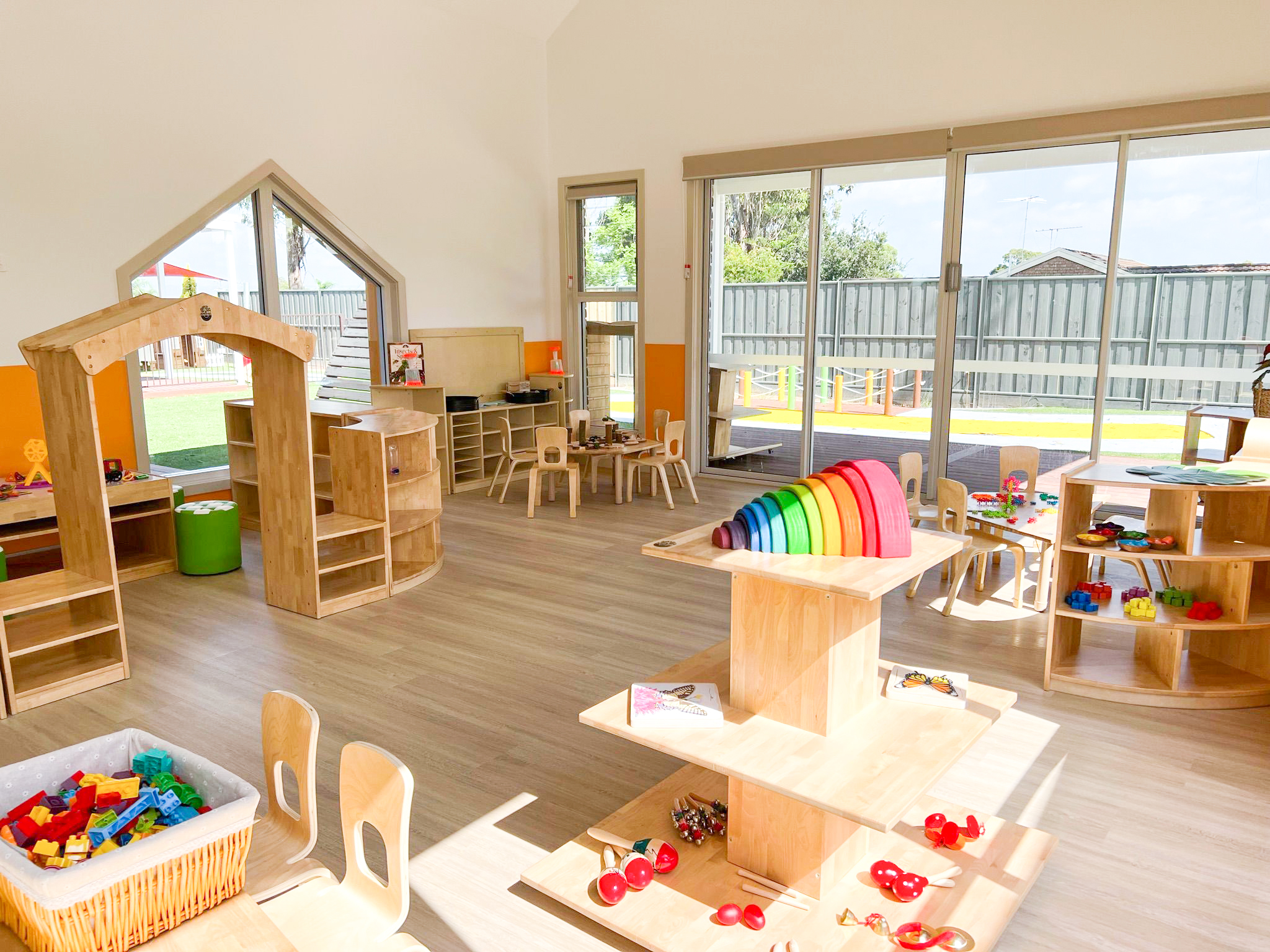
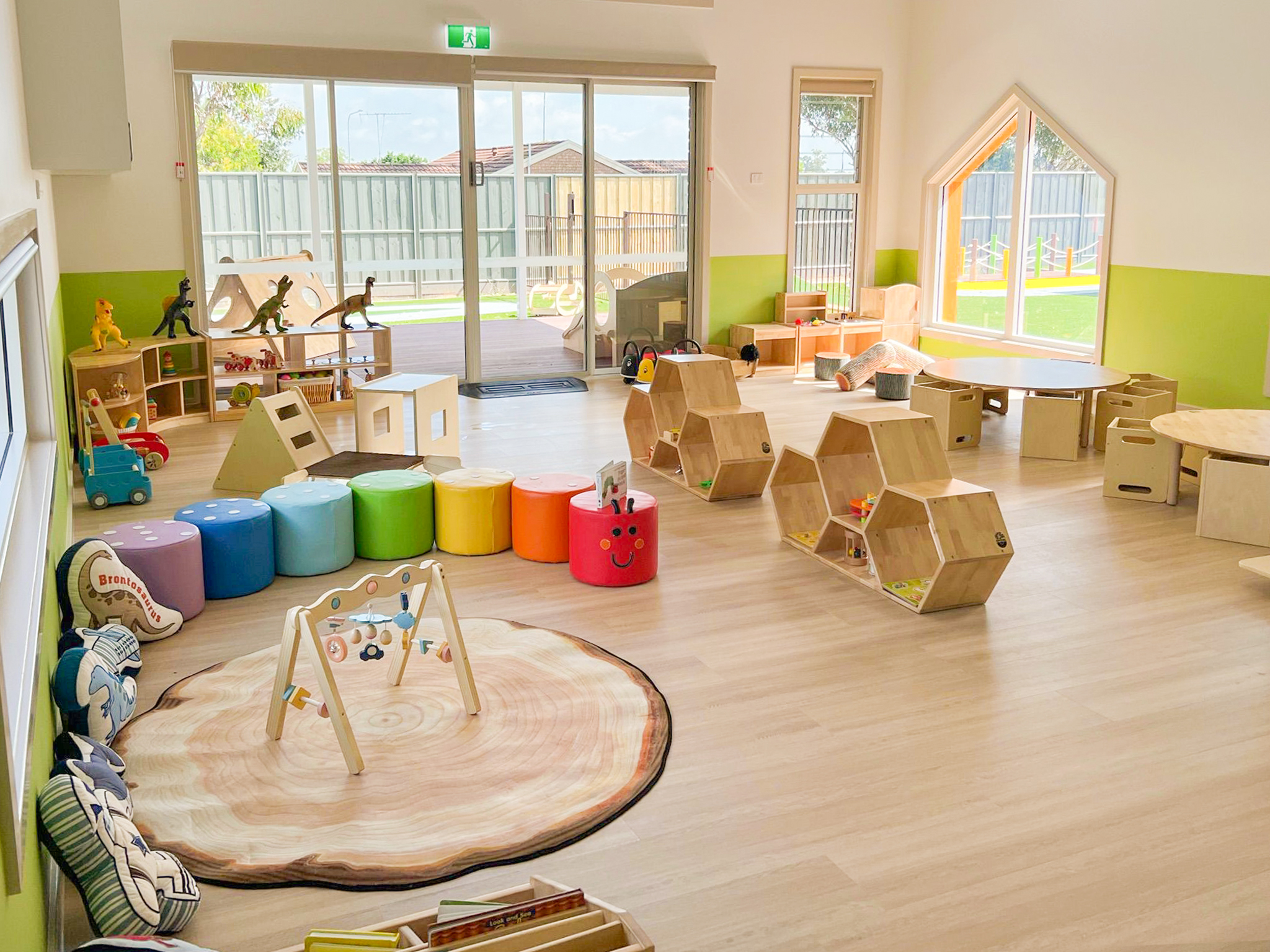
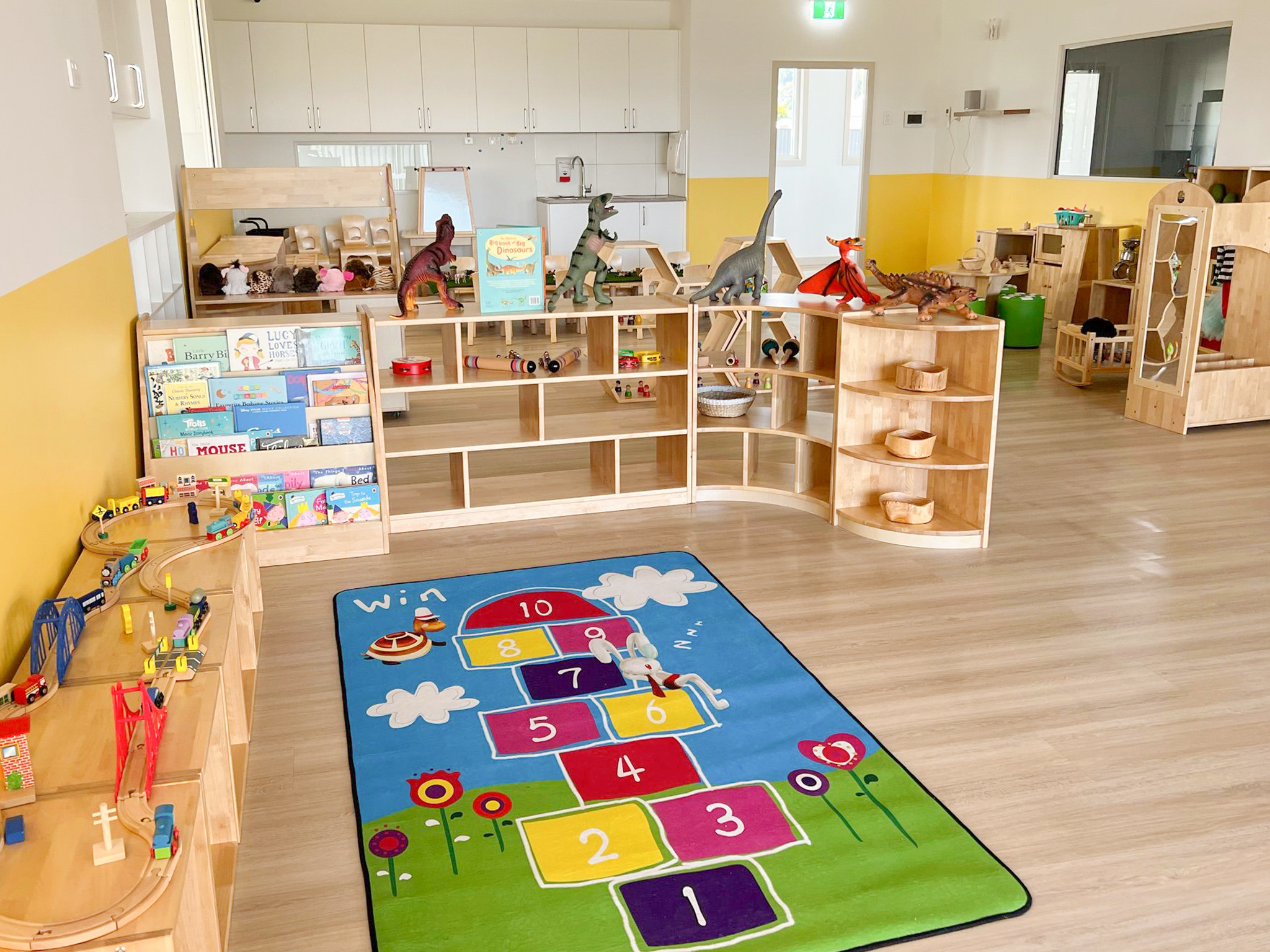
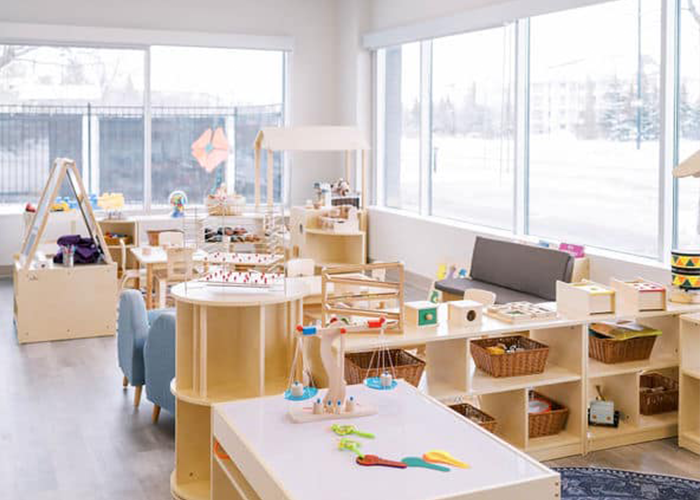
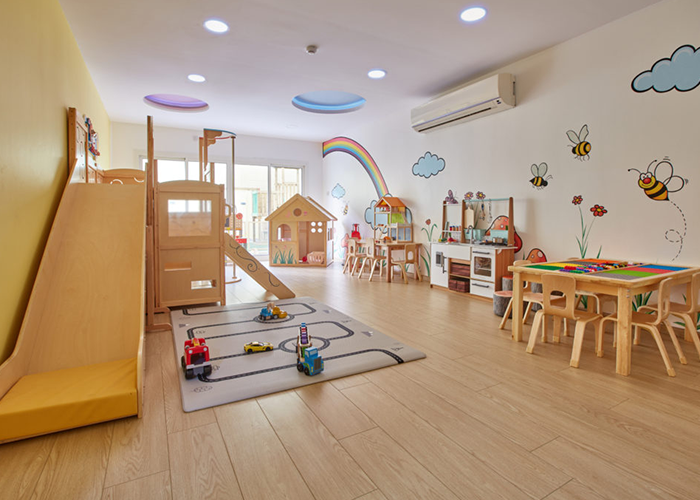
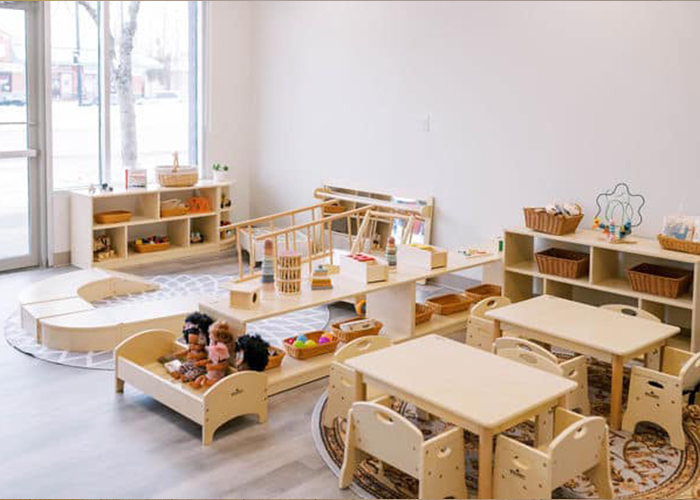
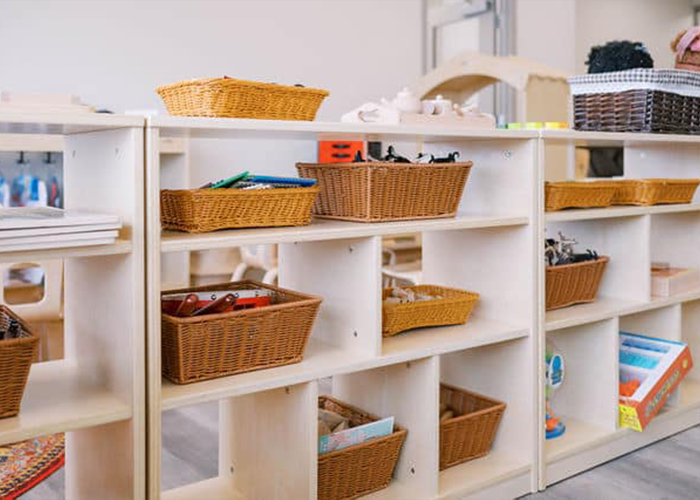
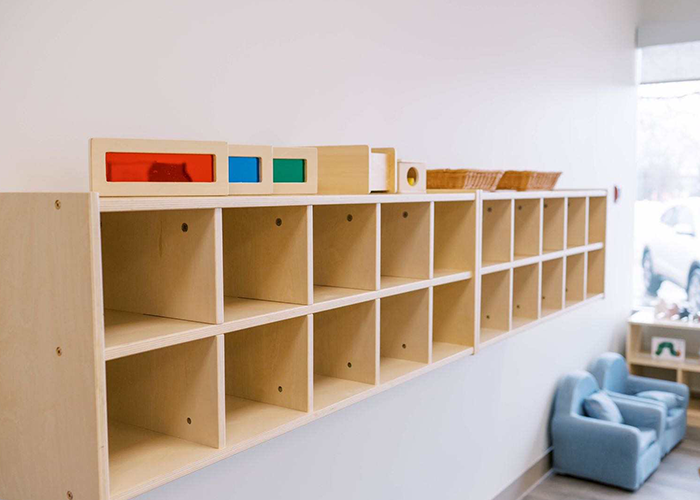
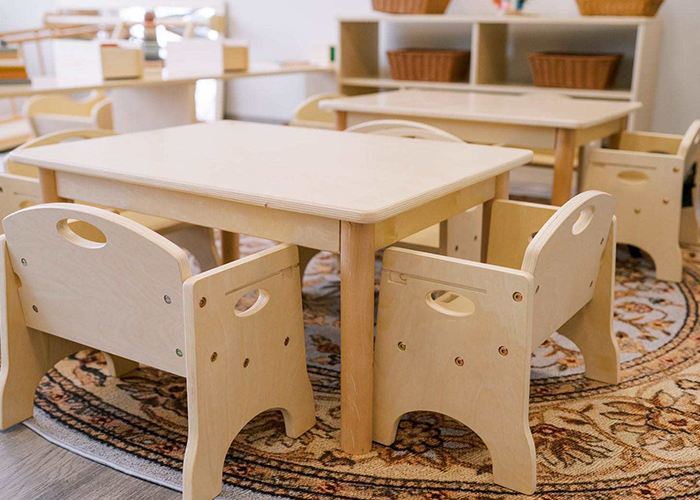
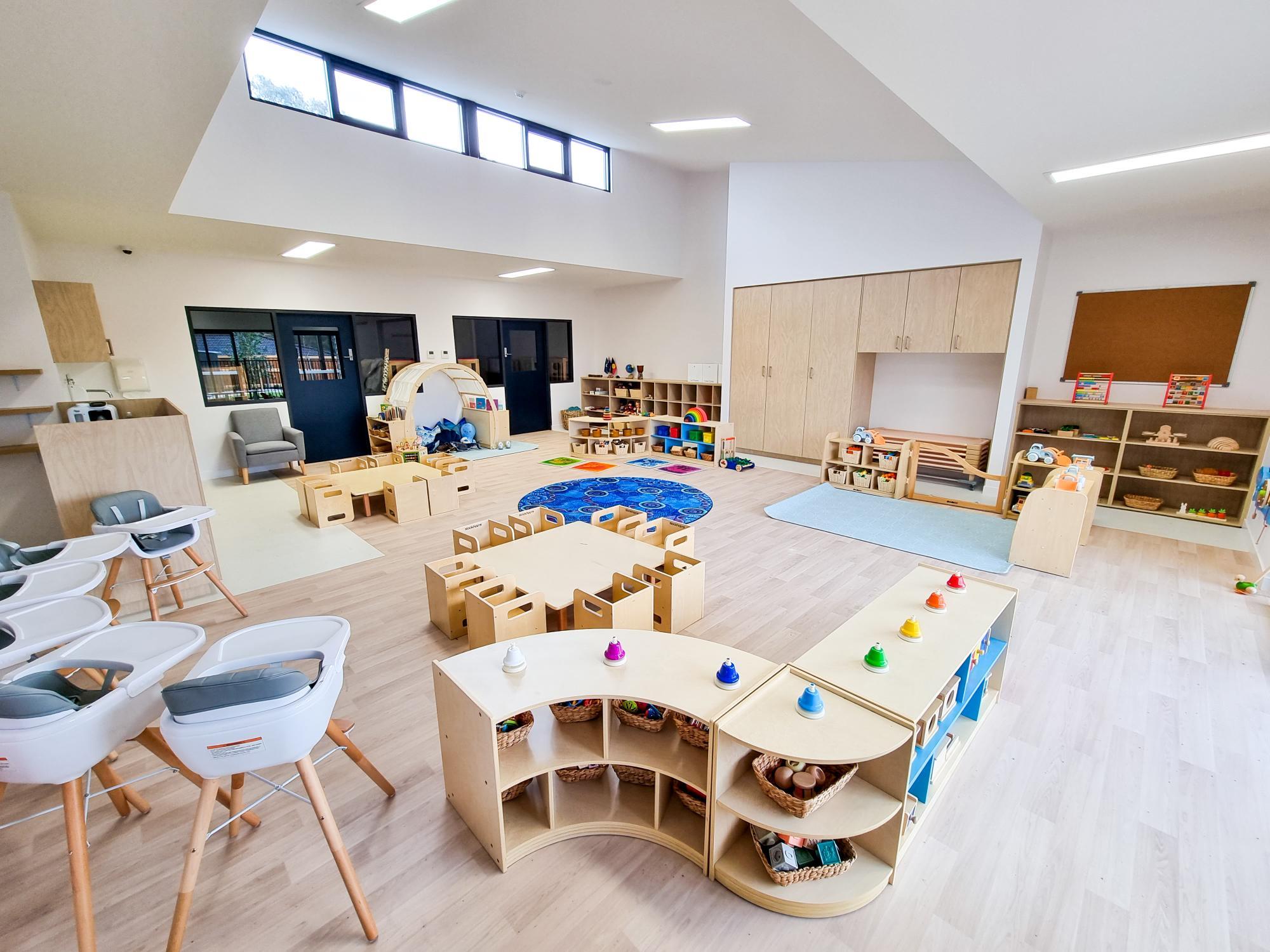
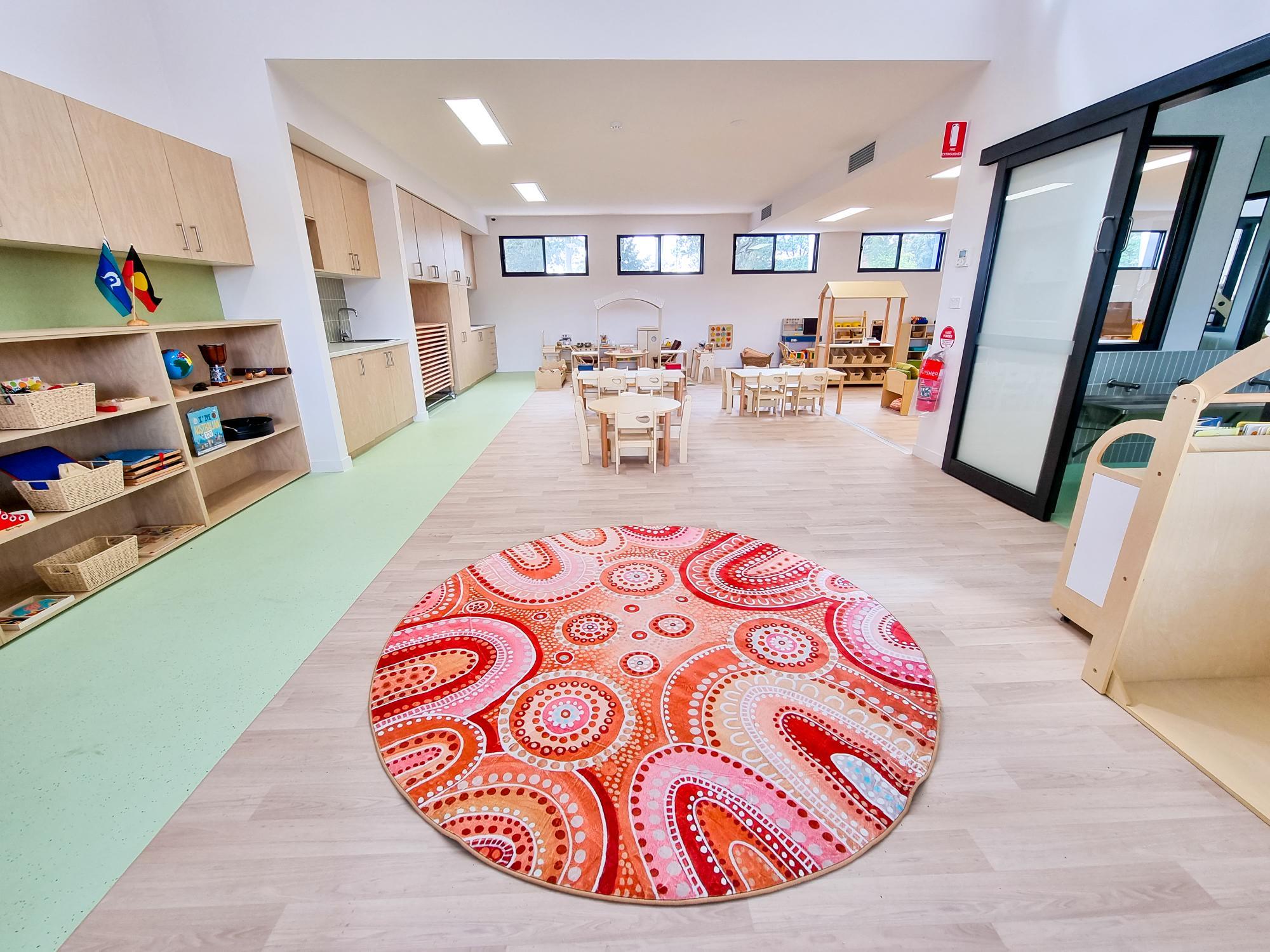
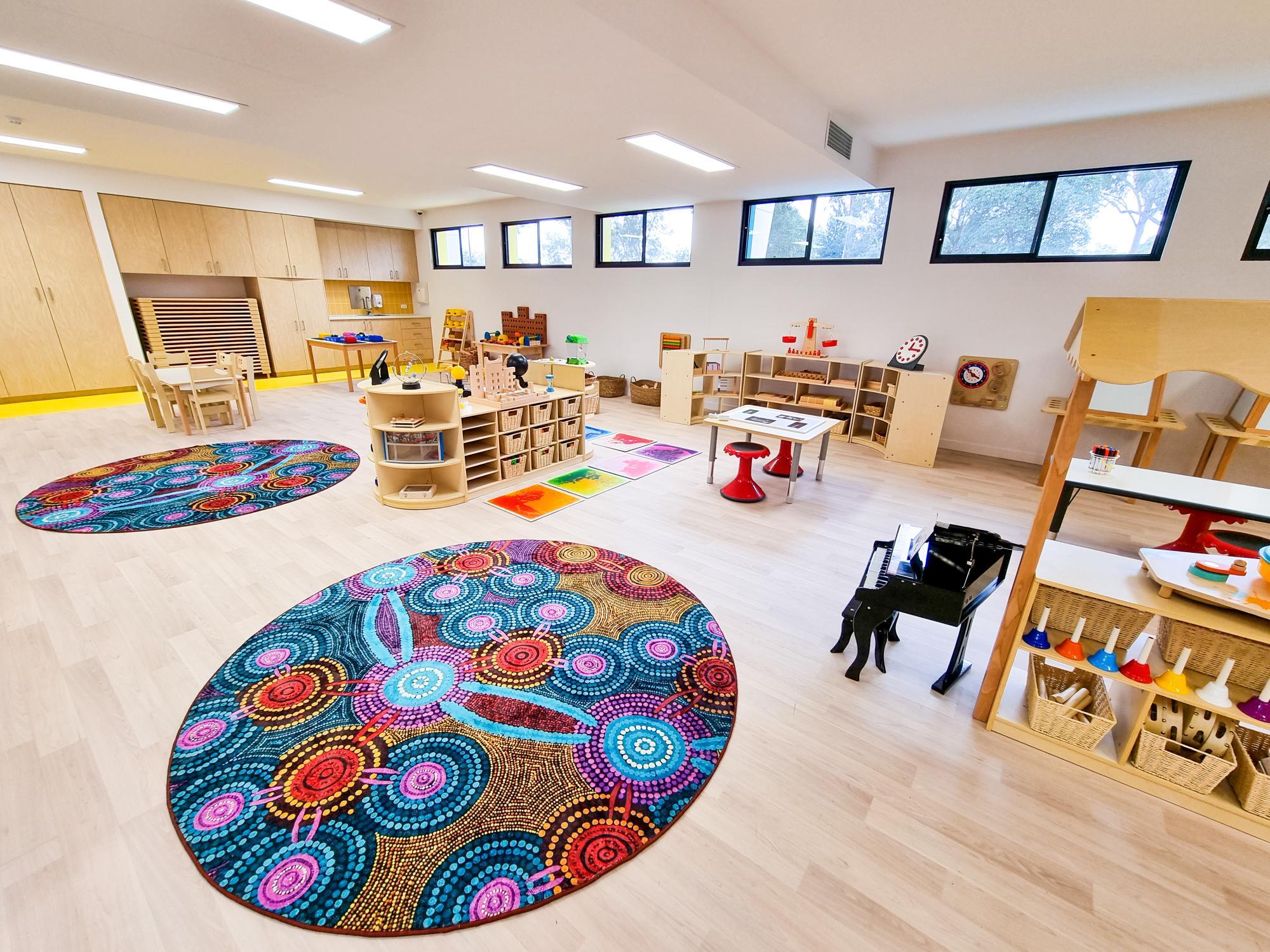
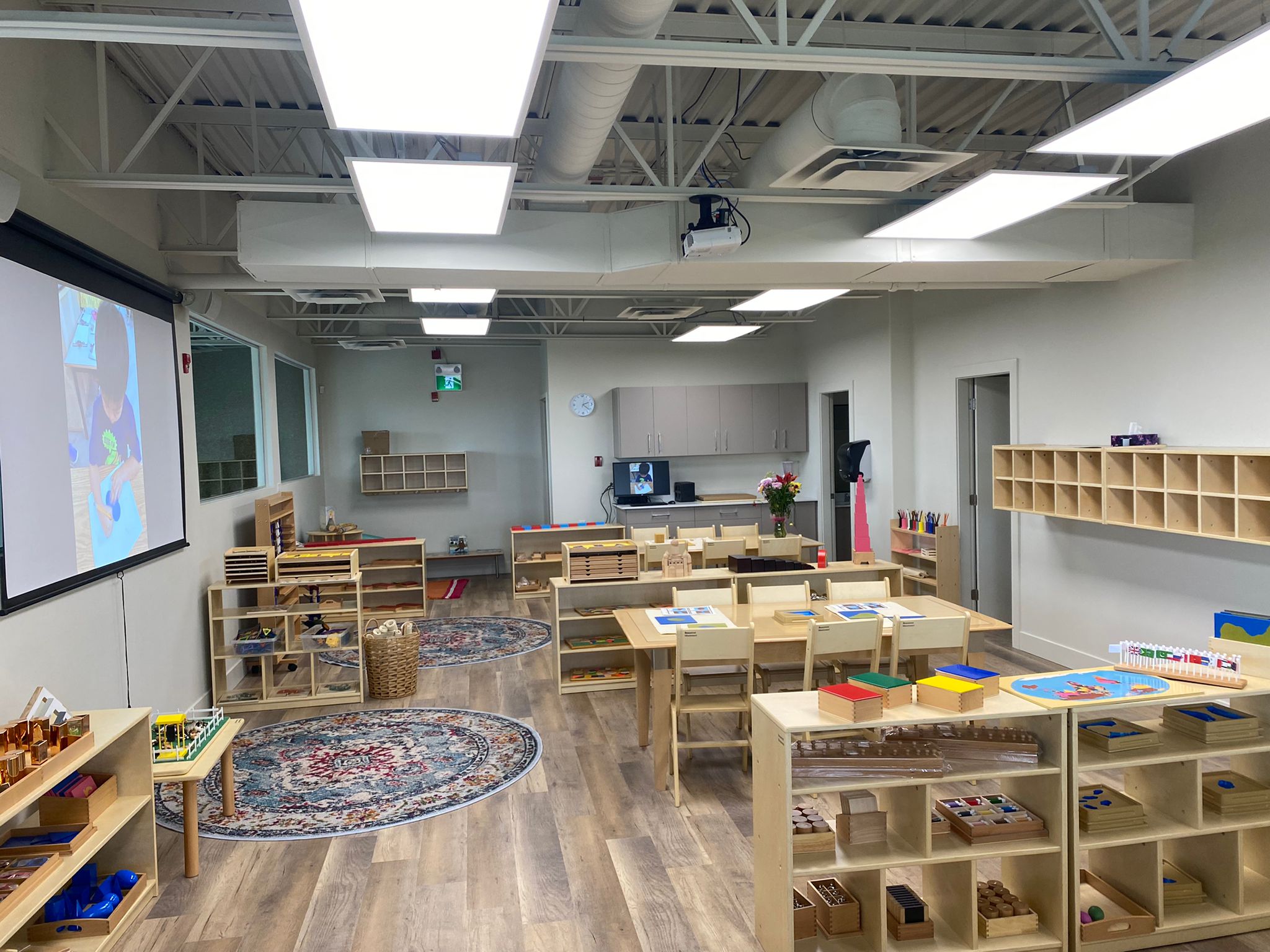
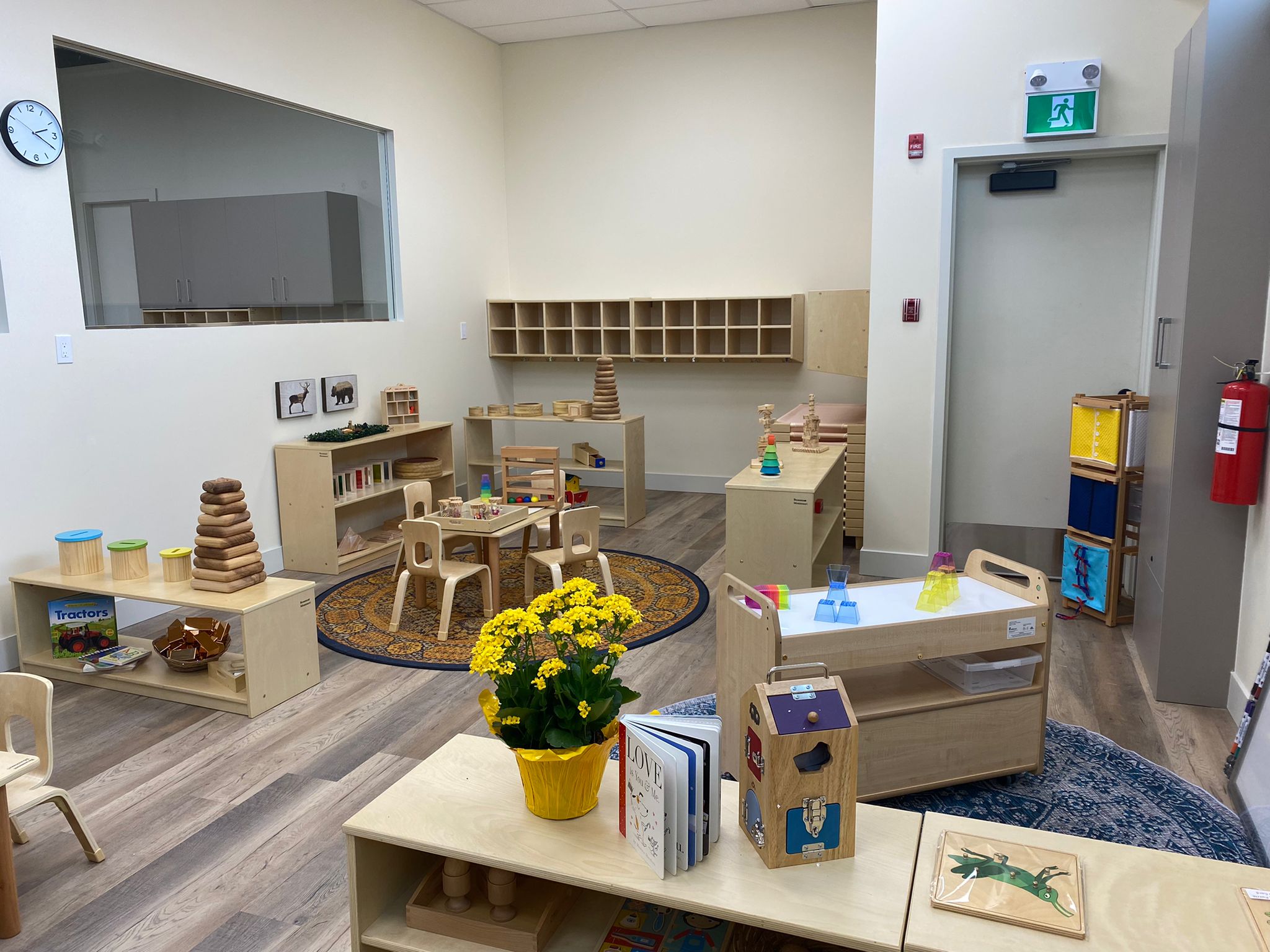
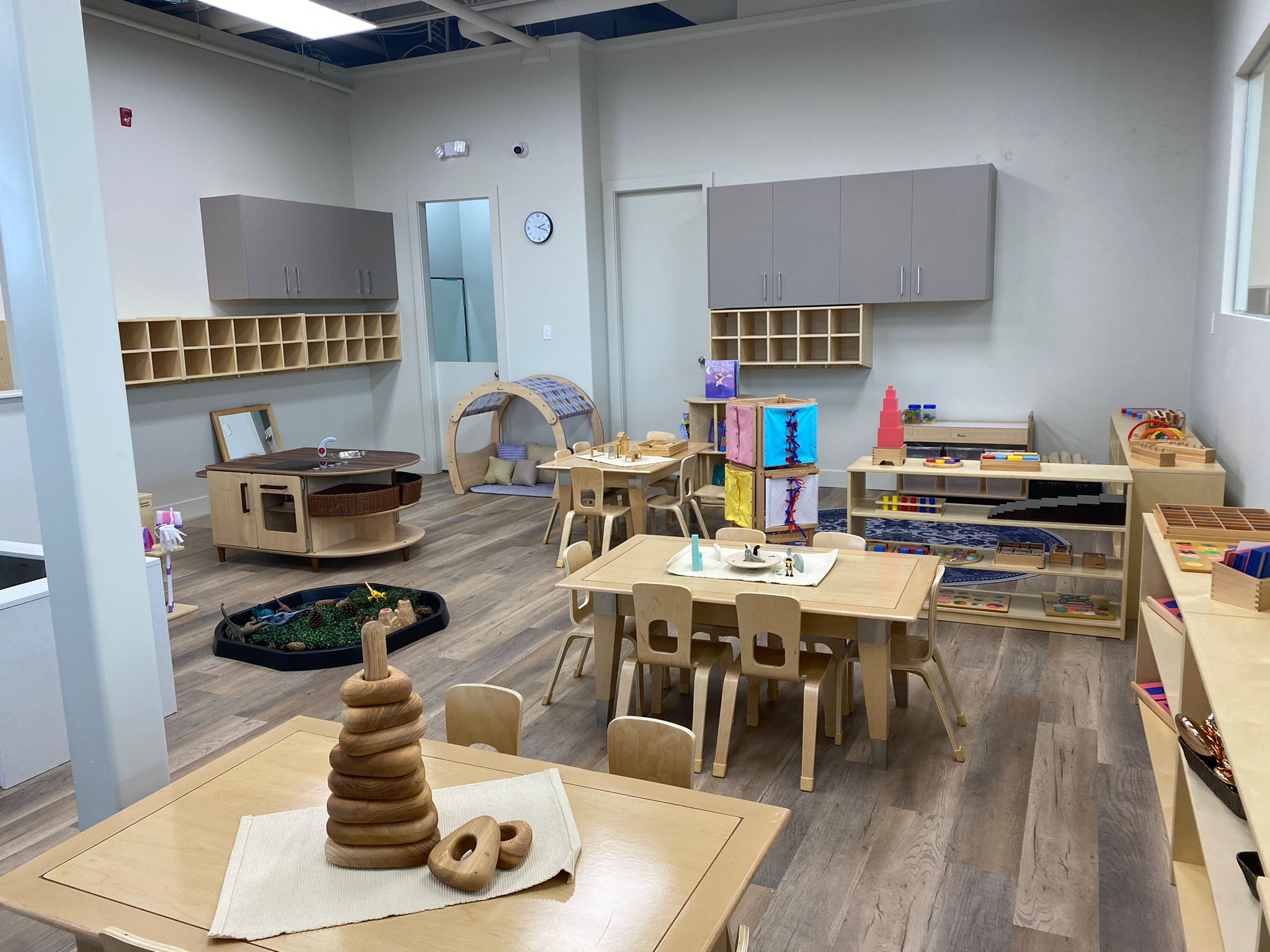
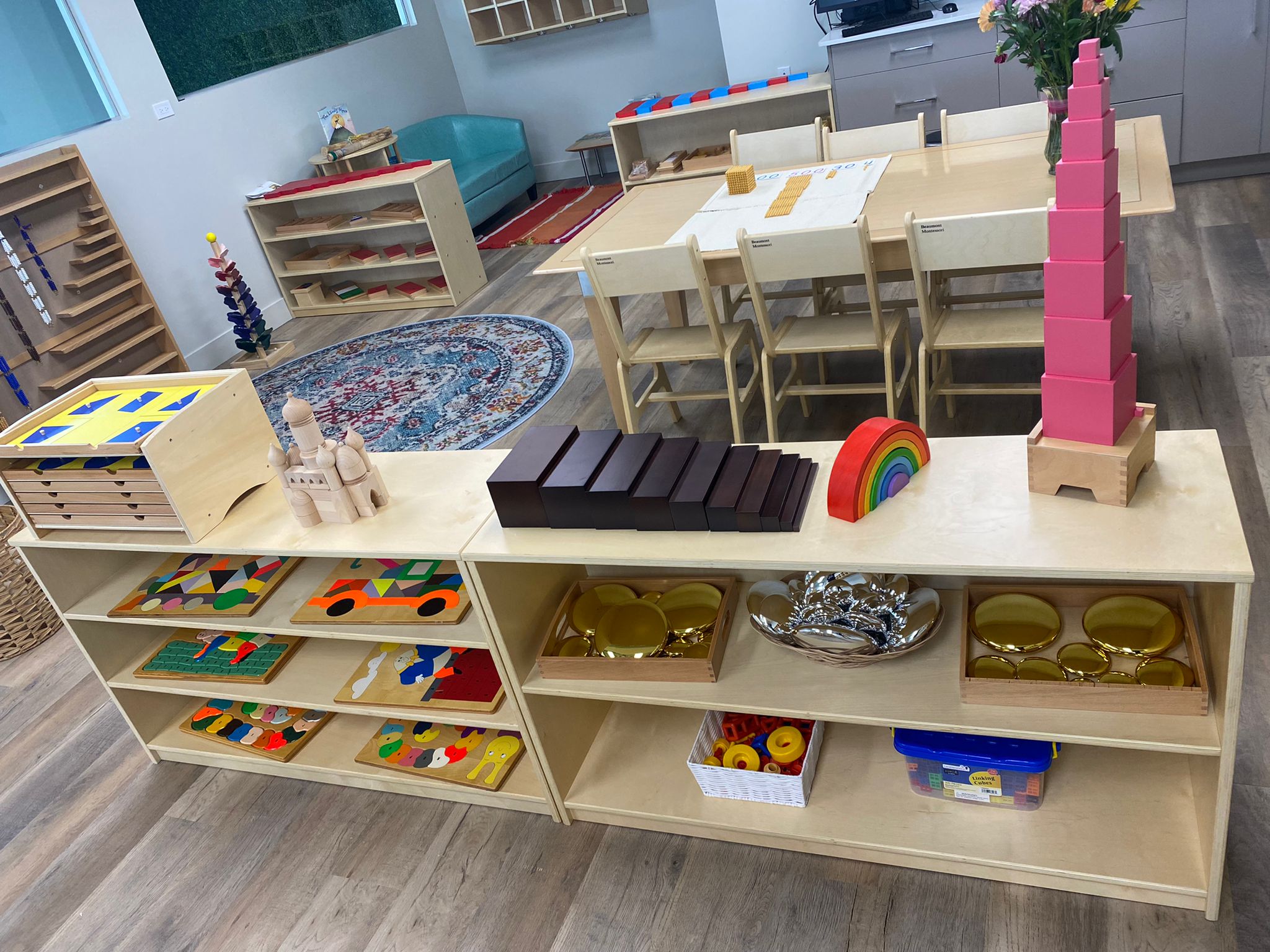
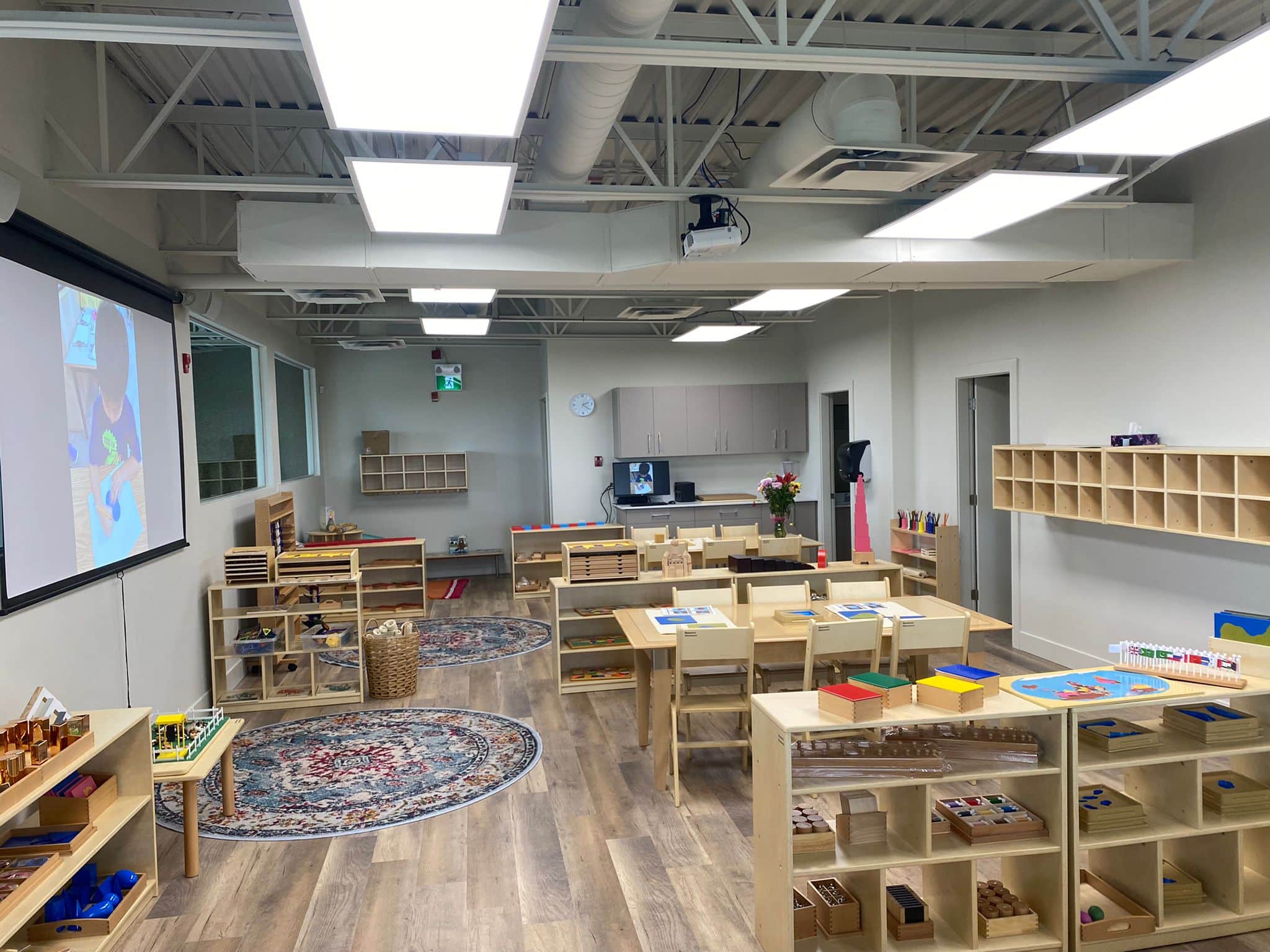
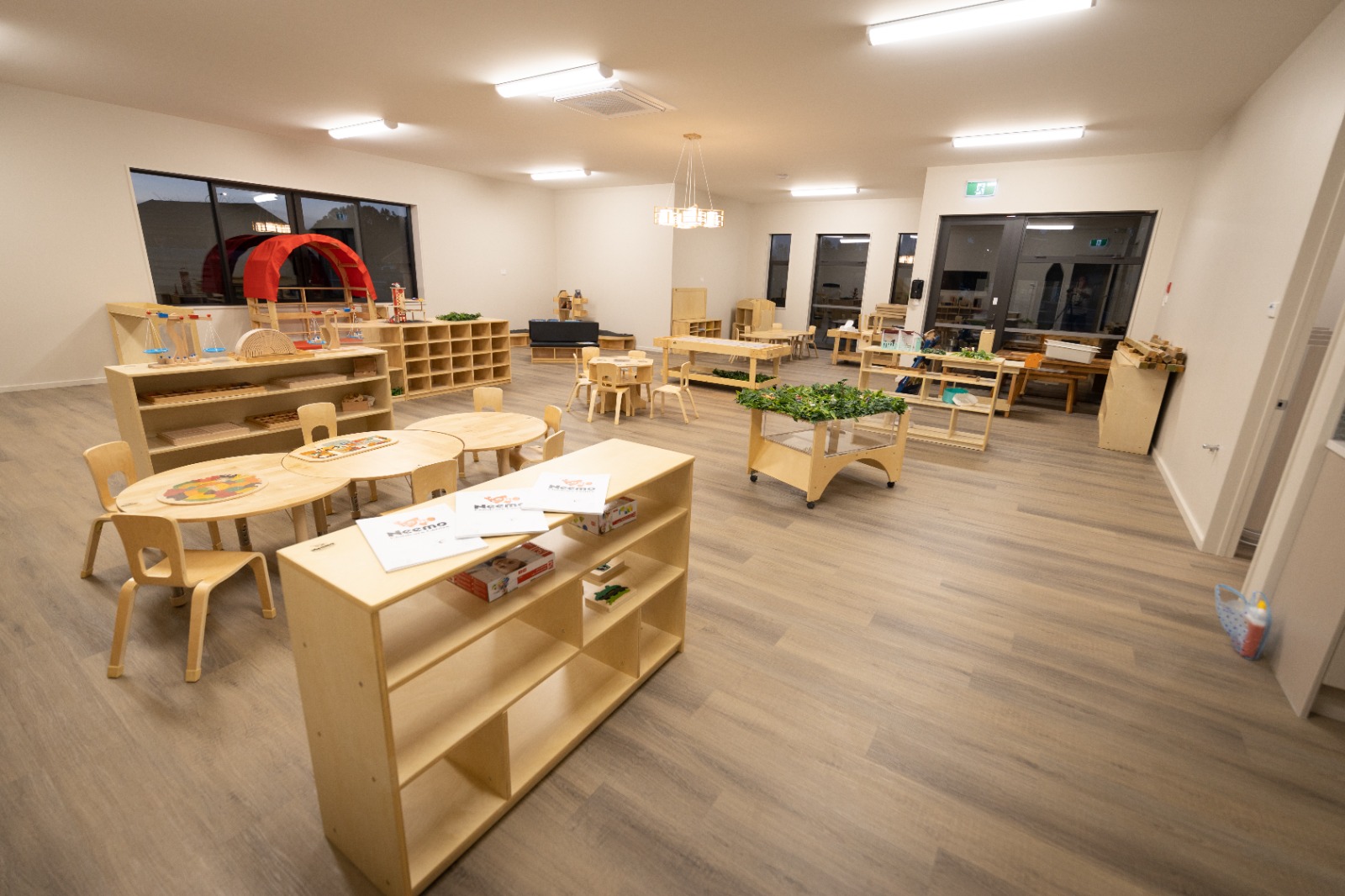
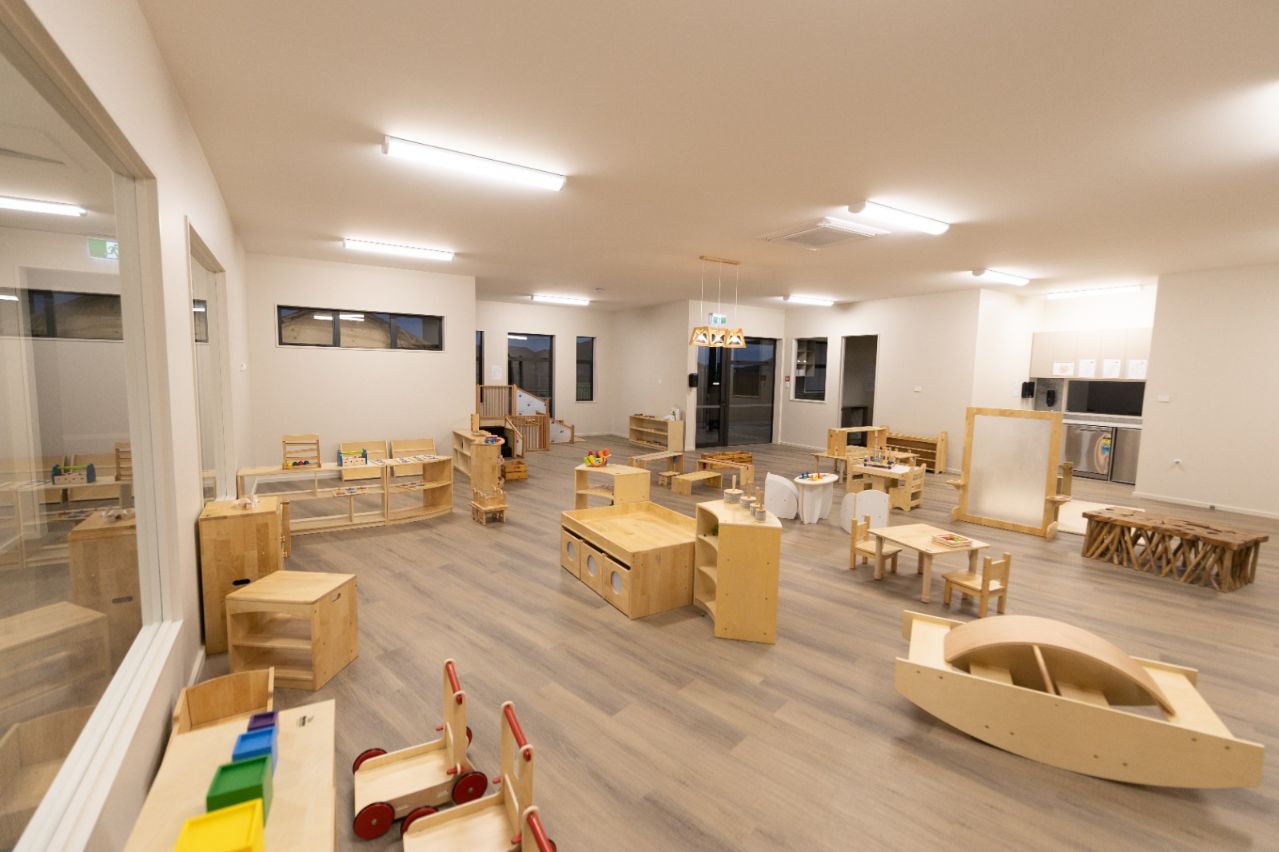
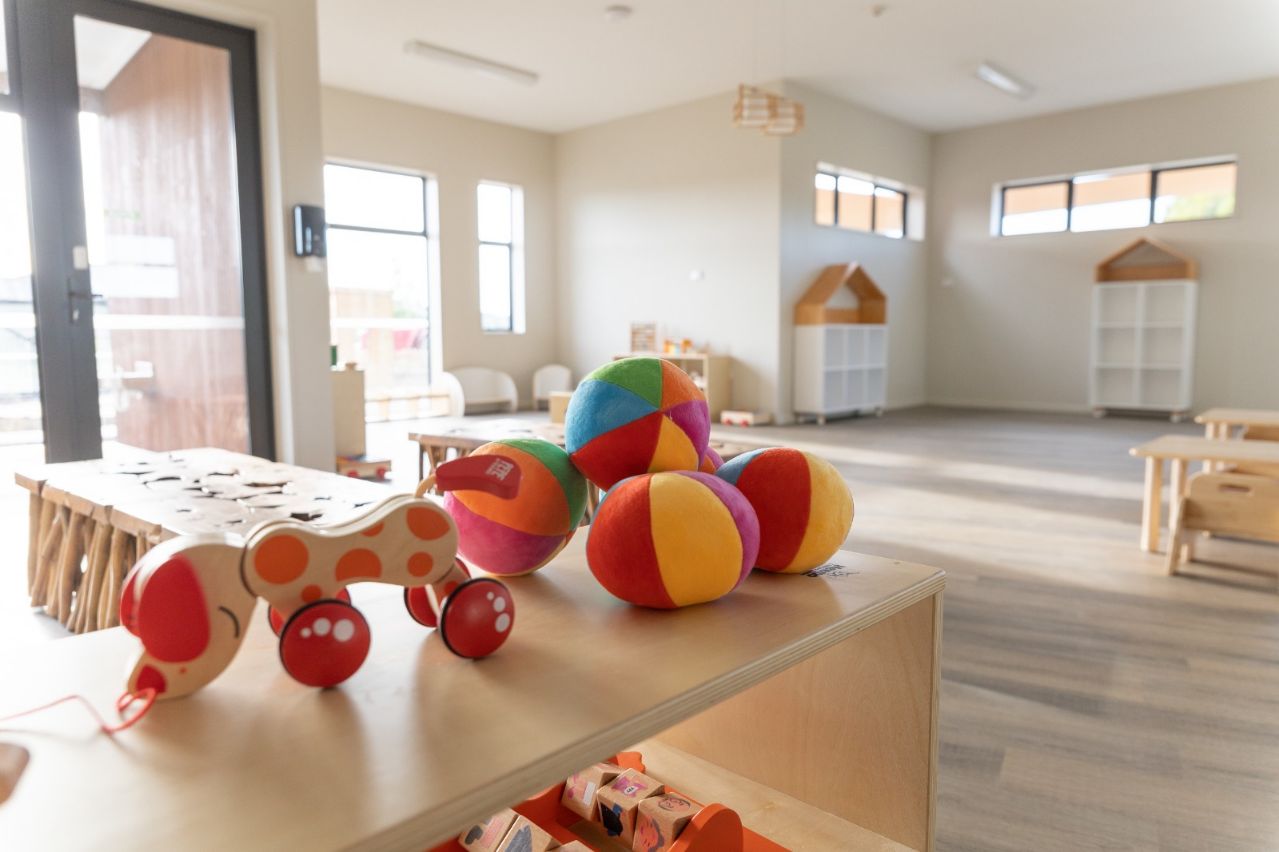
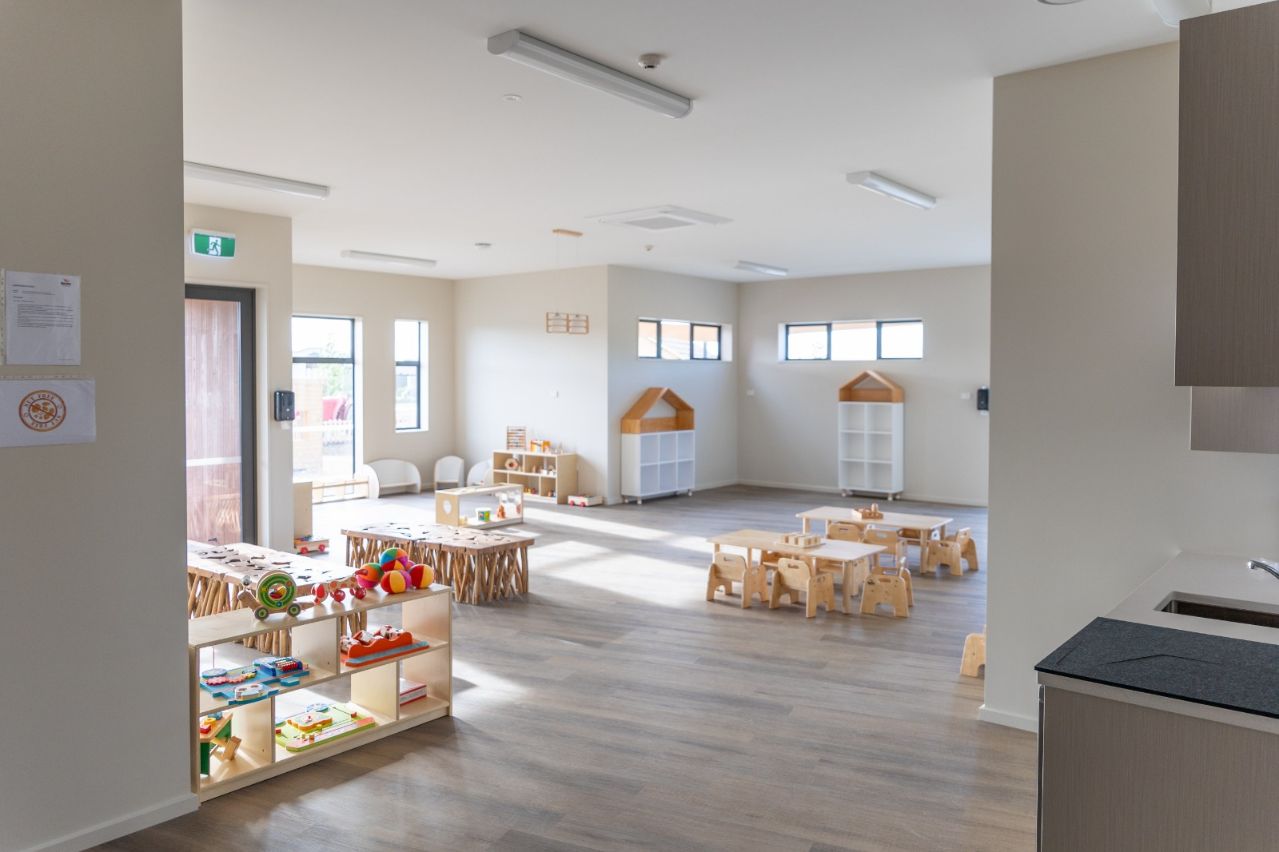
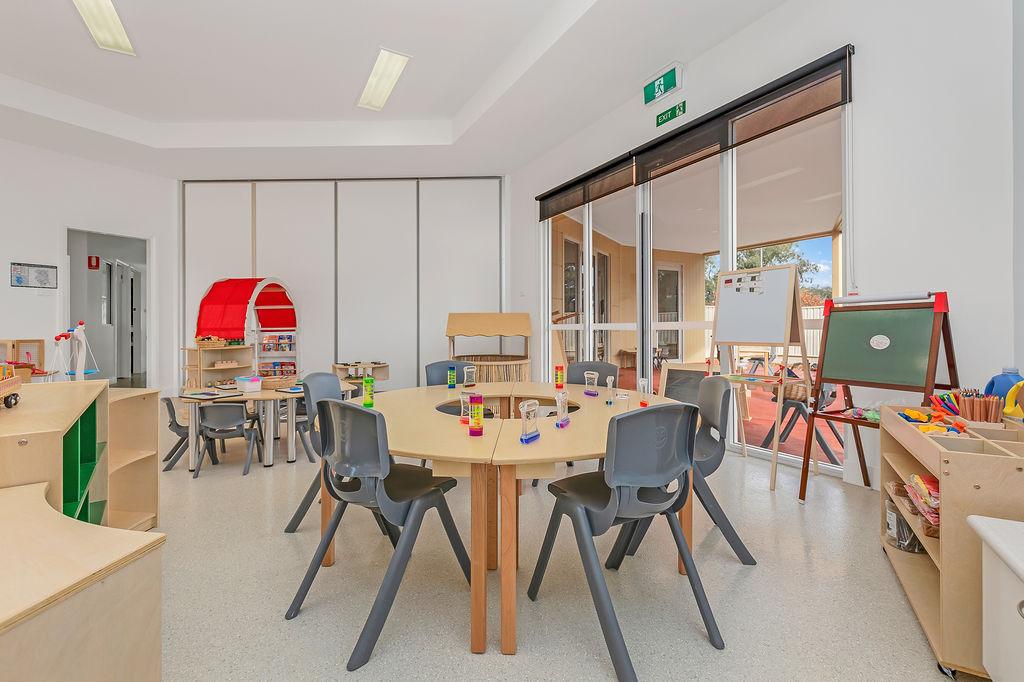
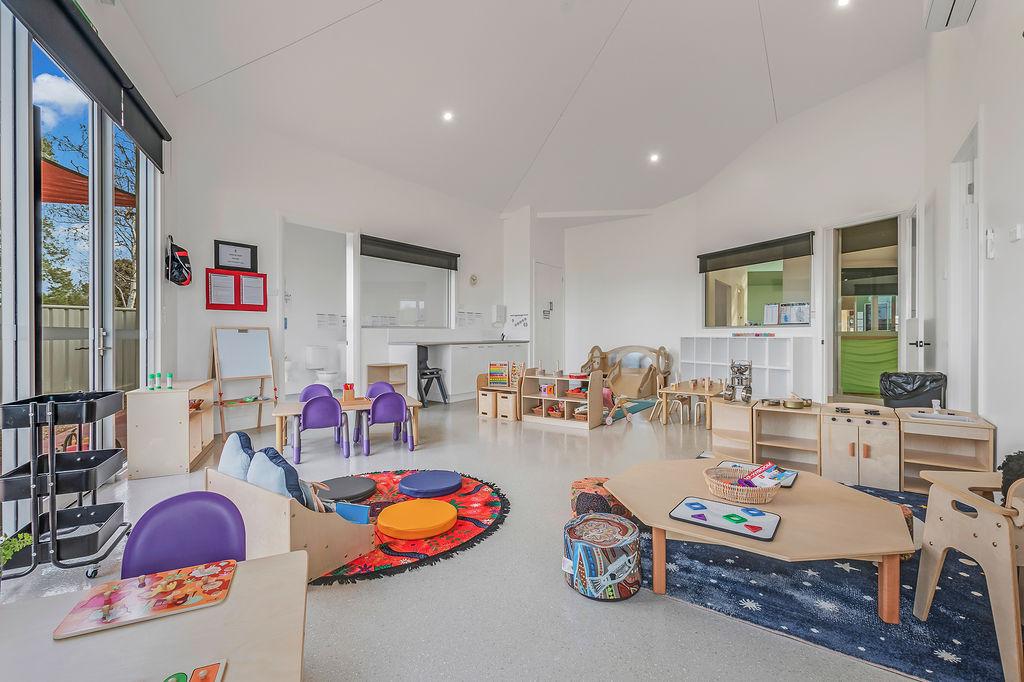
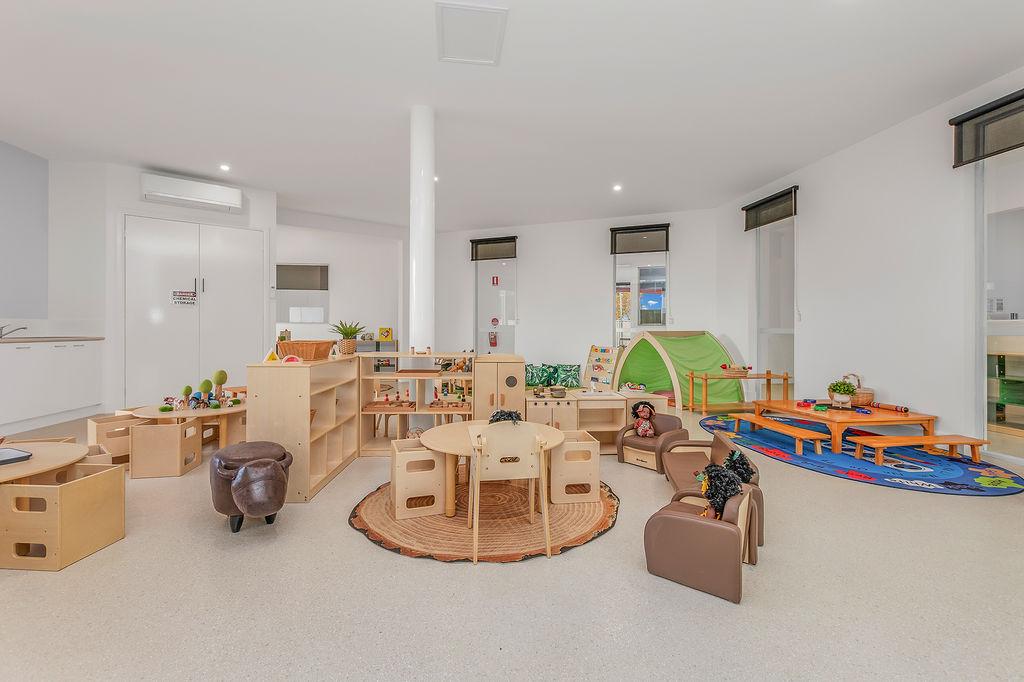
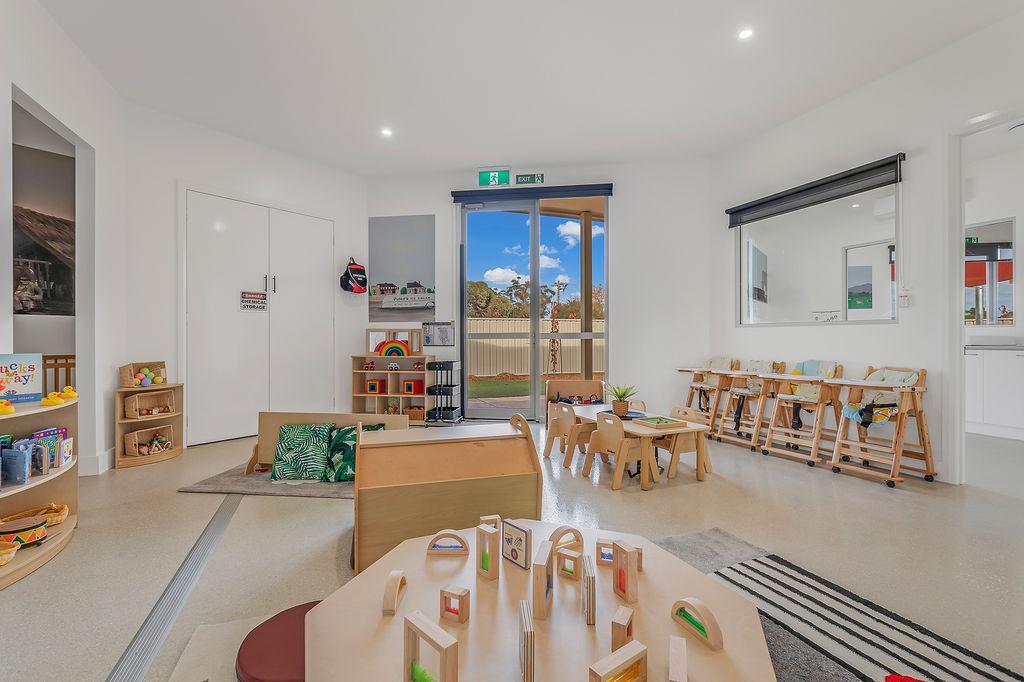
If you were to walk into a traditional preschool classroom, you might notice the décor first. Many classrooms fill the walls with brightly colored charts, posters, and decorations. Some of these items have educational purposes, such as bulletin boards to track students’ progress, but many are simply intended to liven up the space.