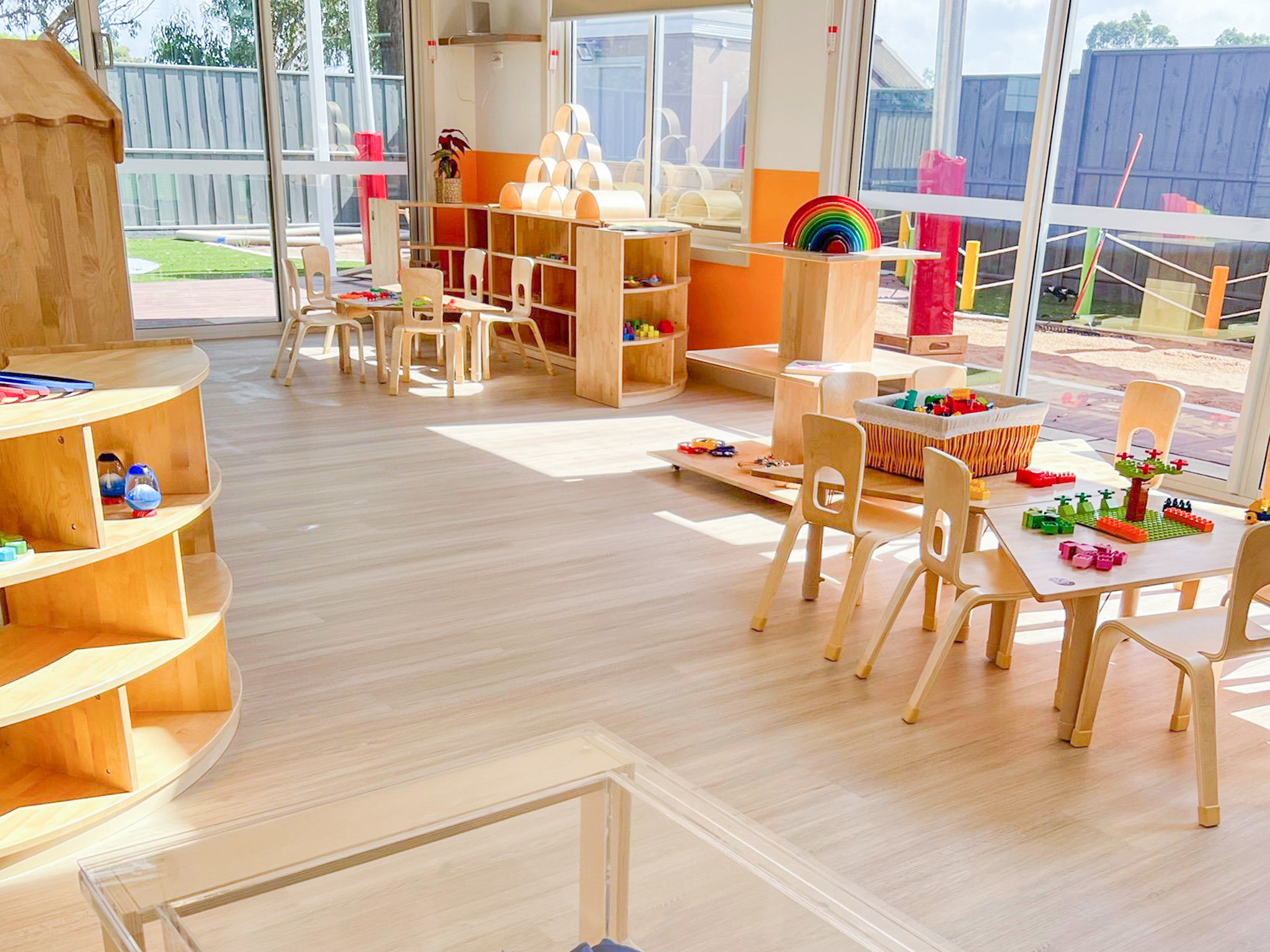
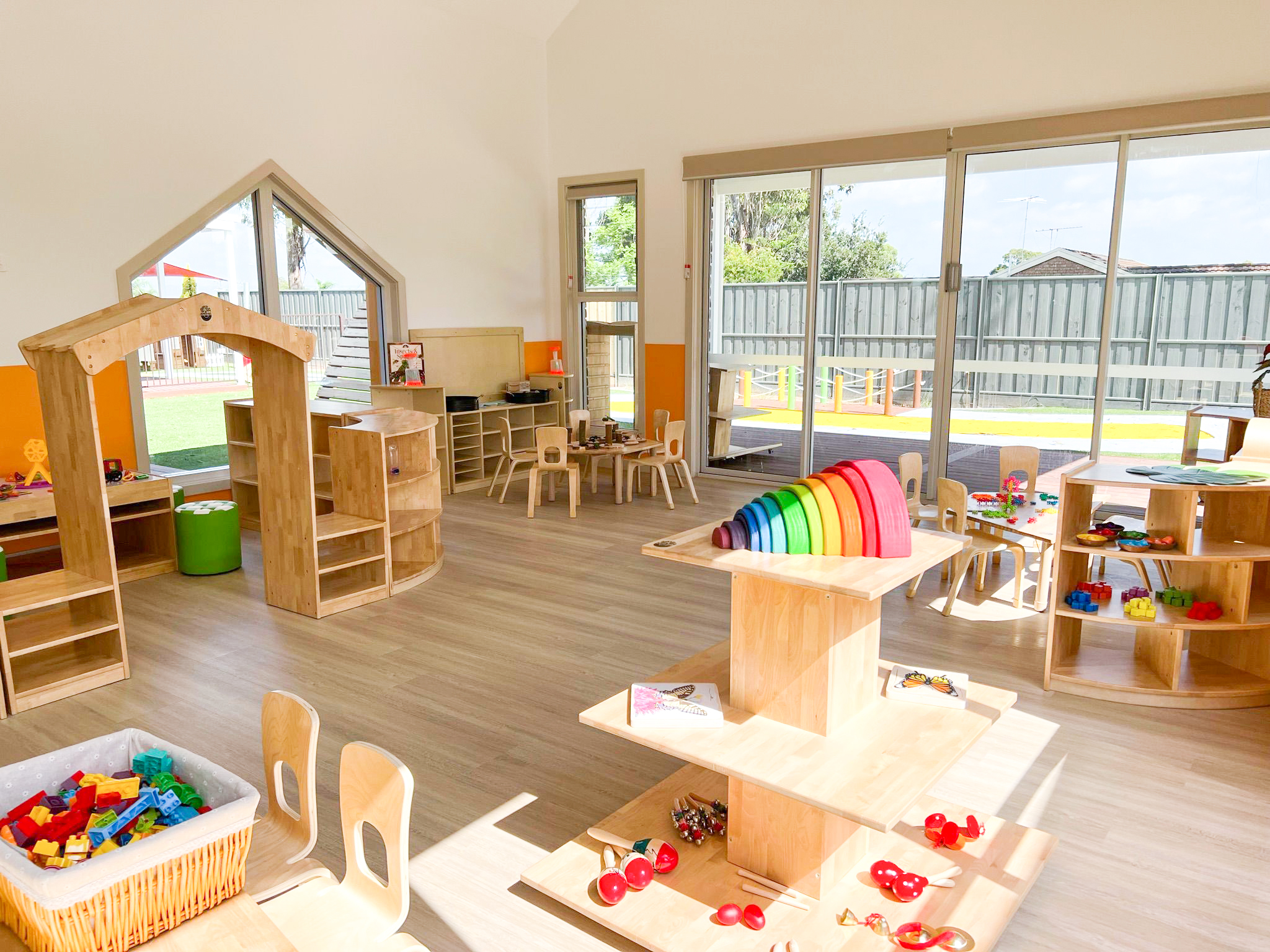
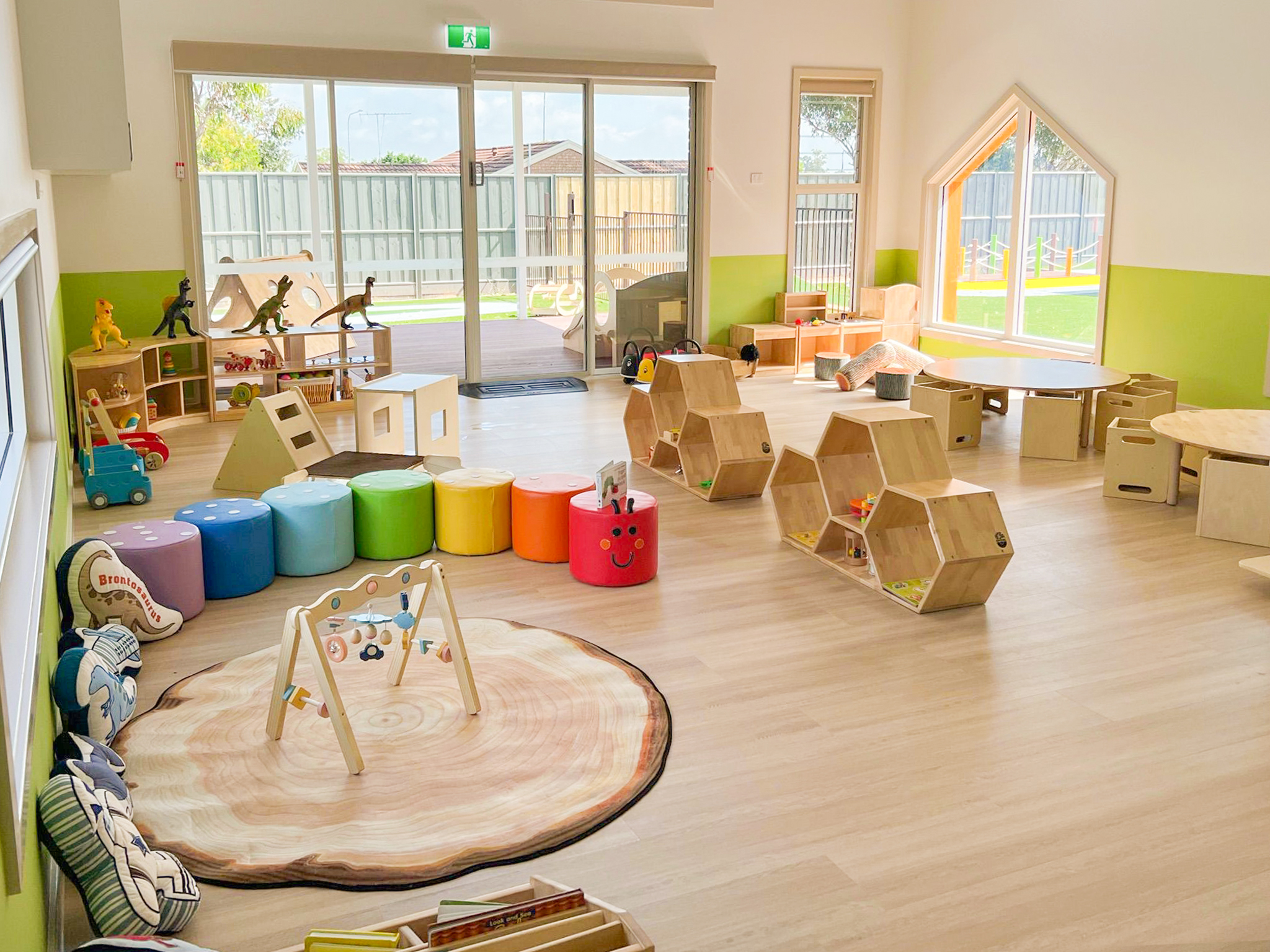
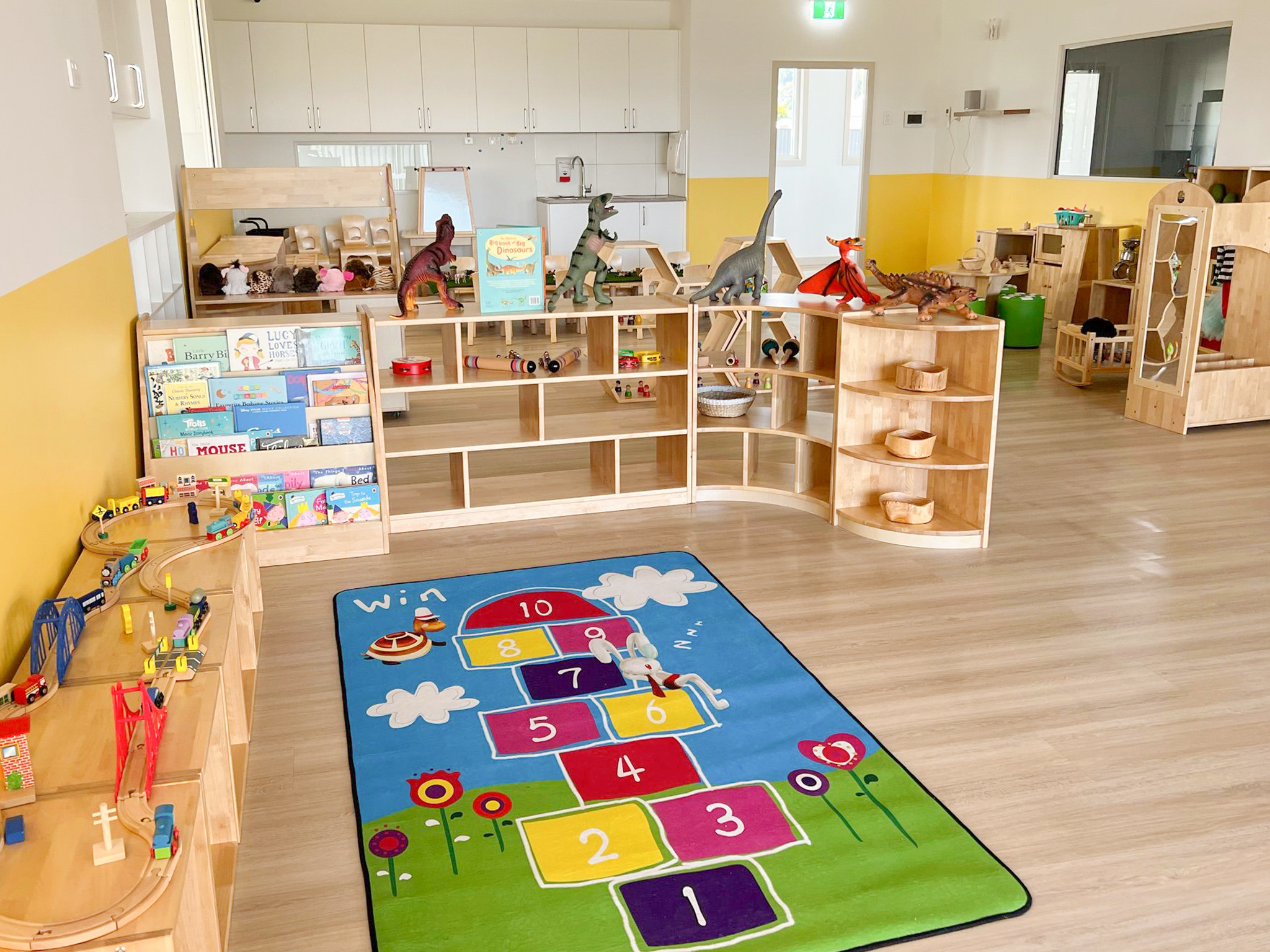
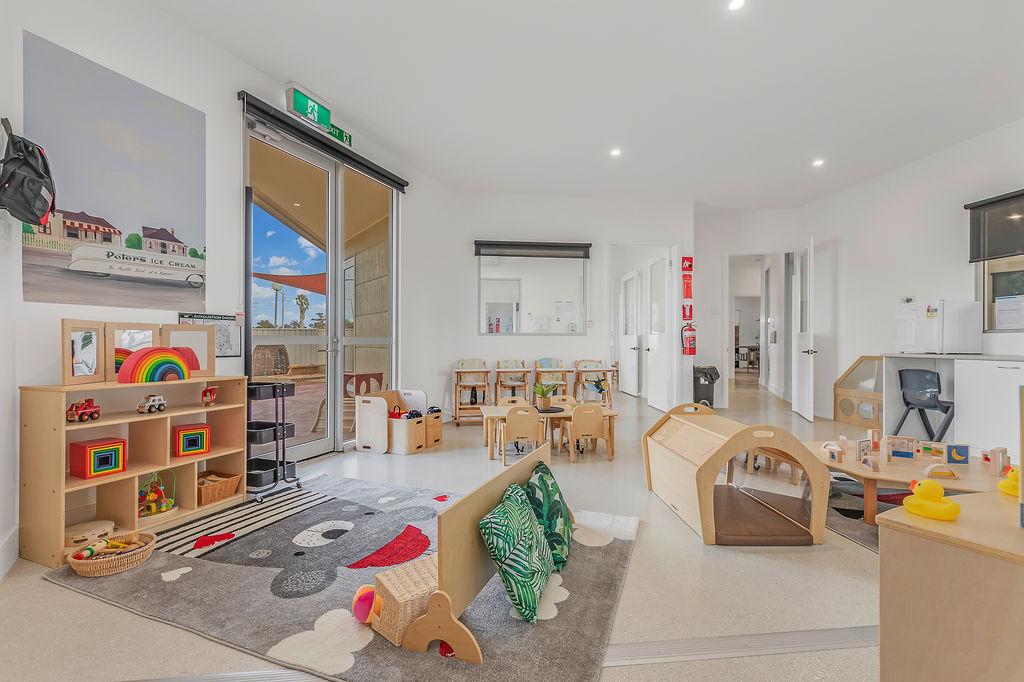
How to declutter toys the Montessori way!
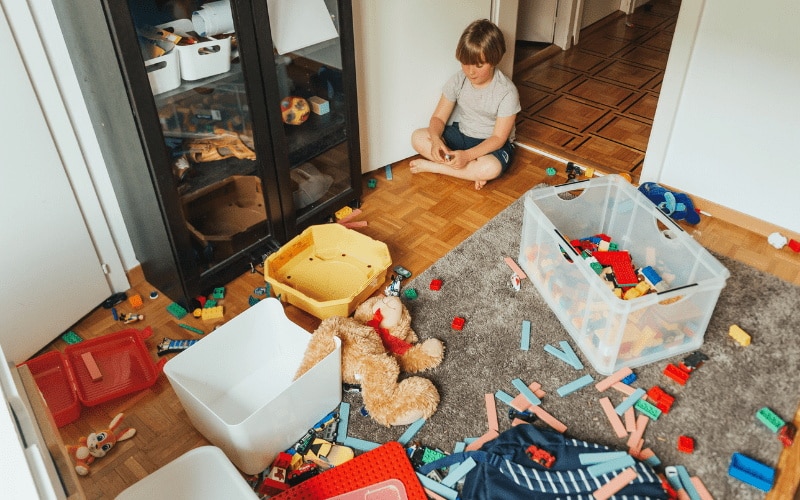
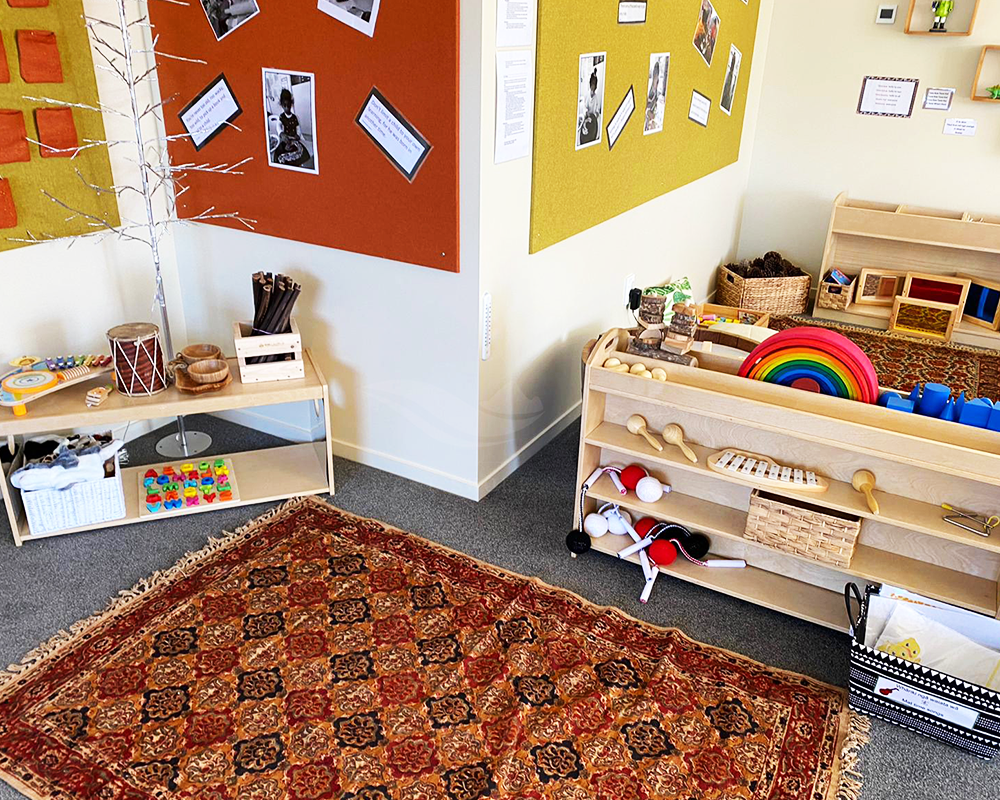
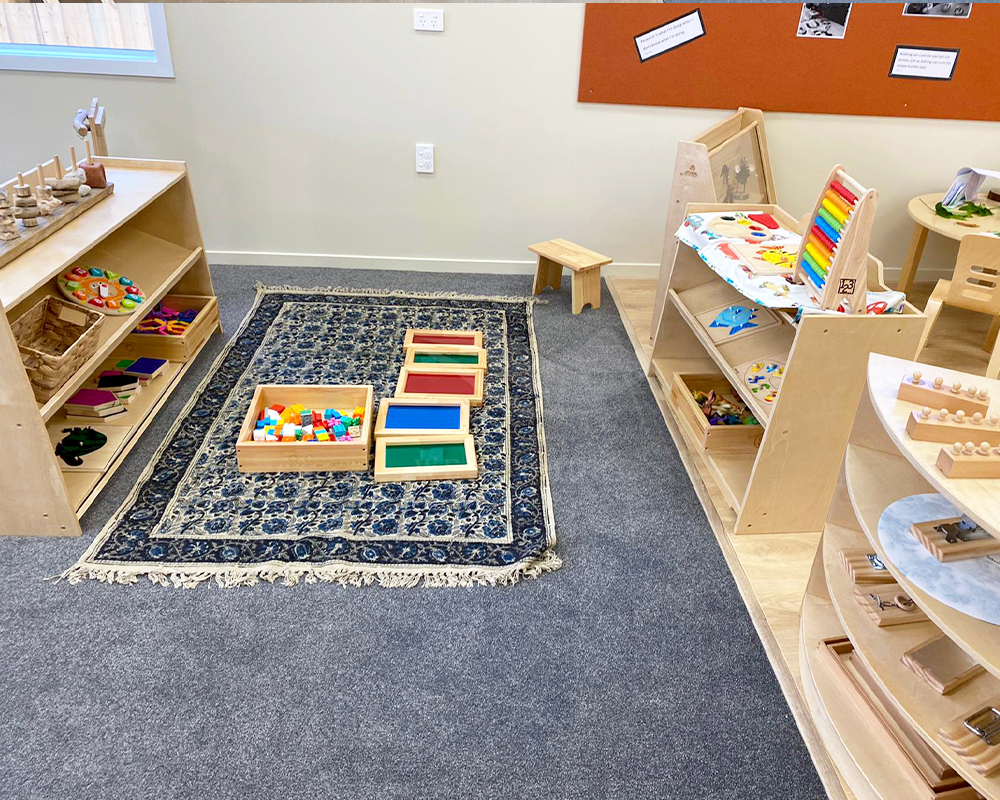
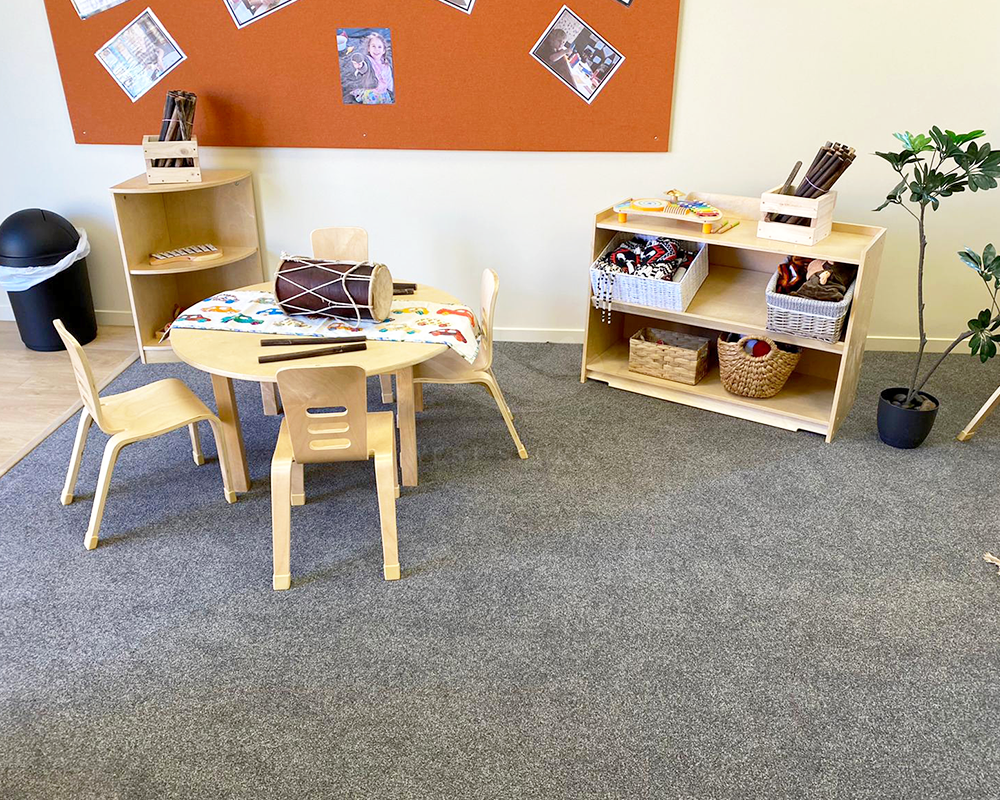
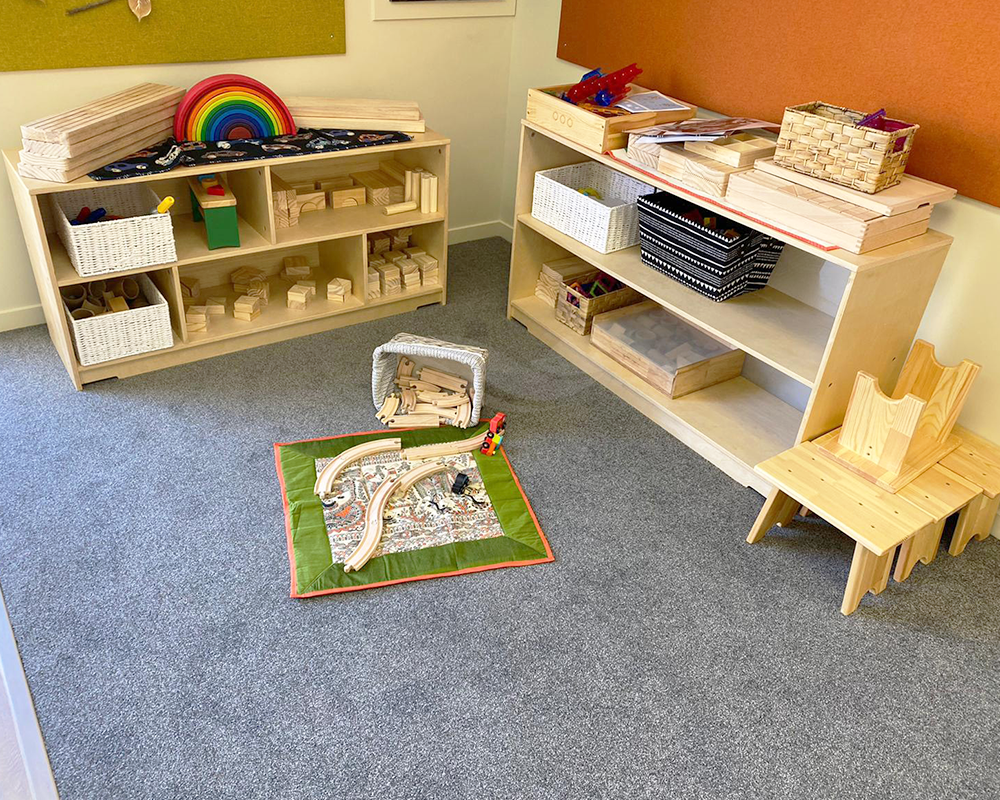
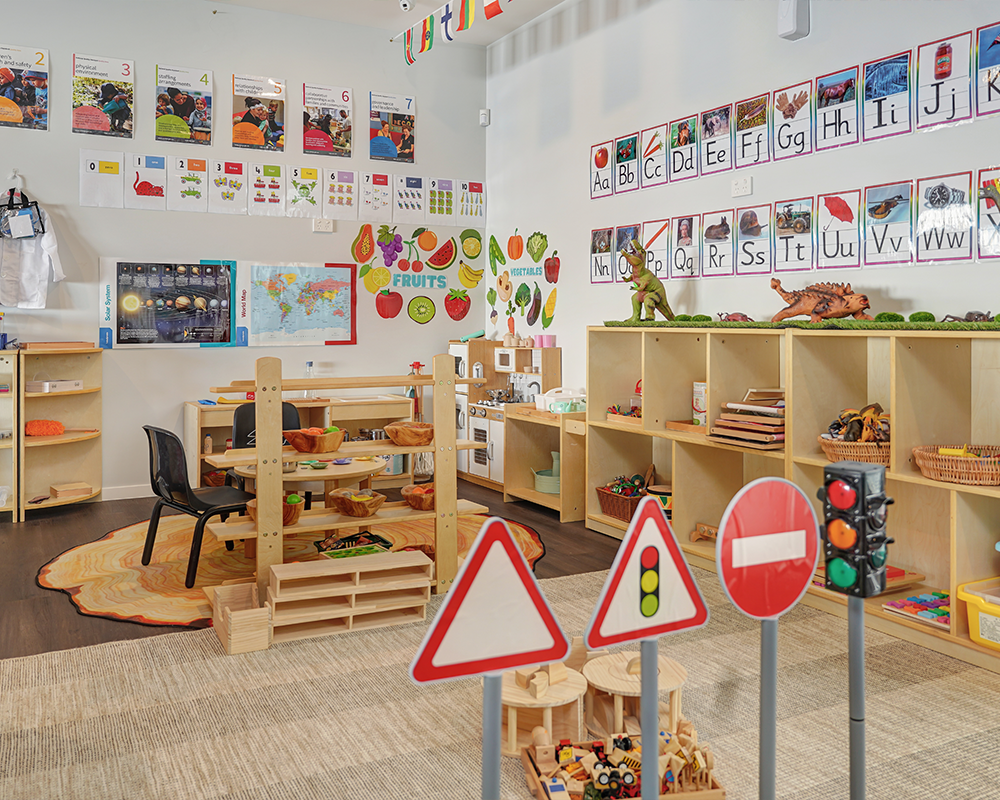
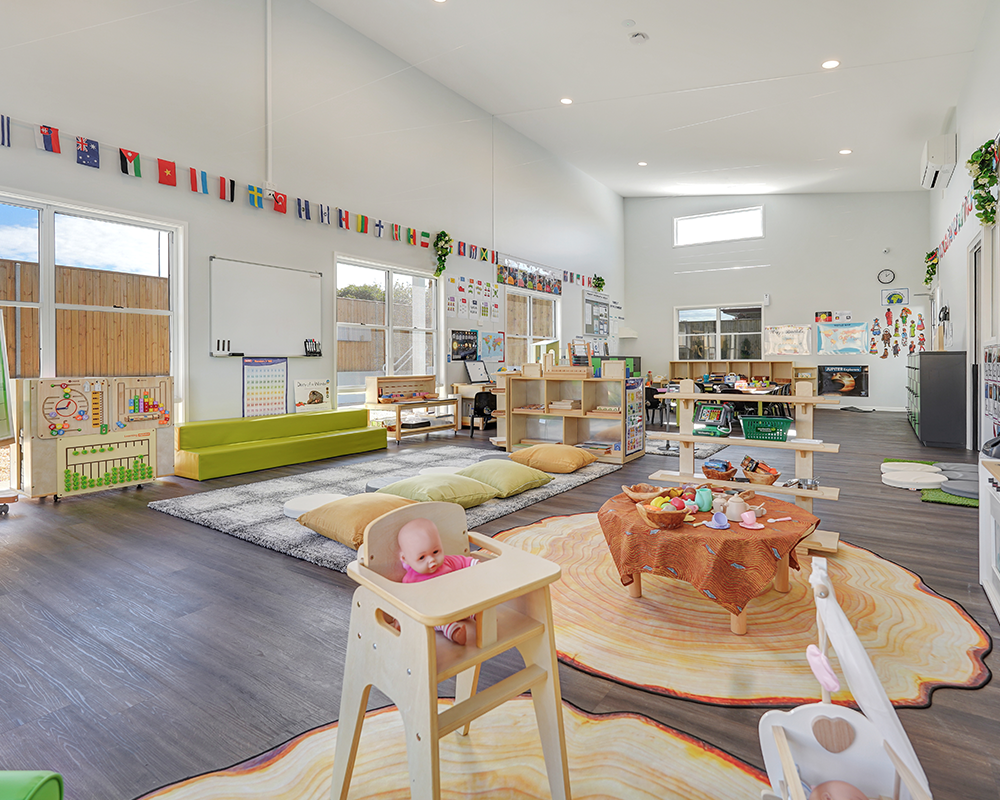
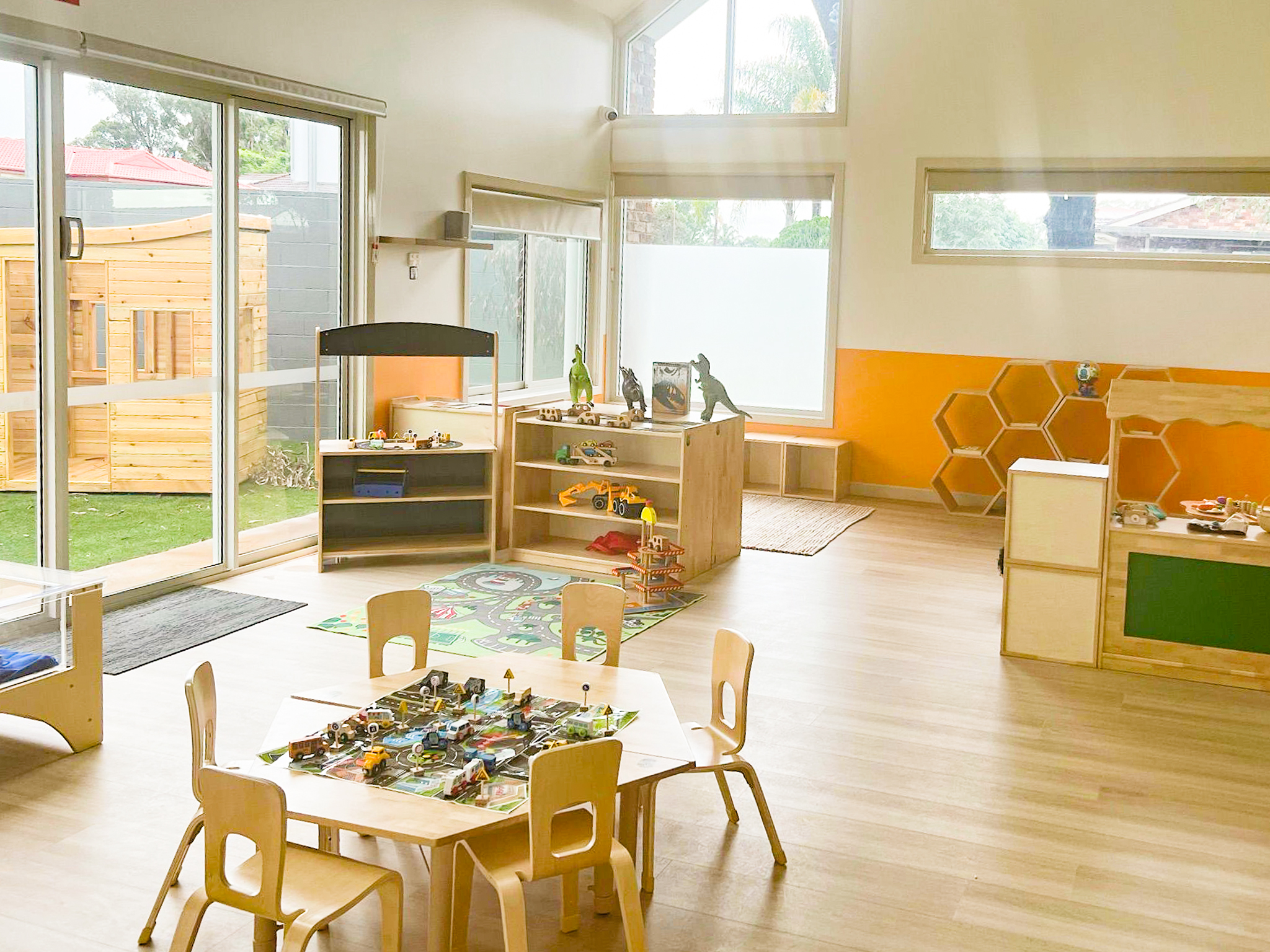
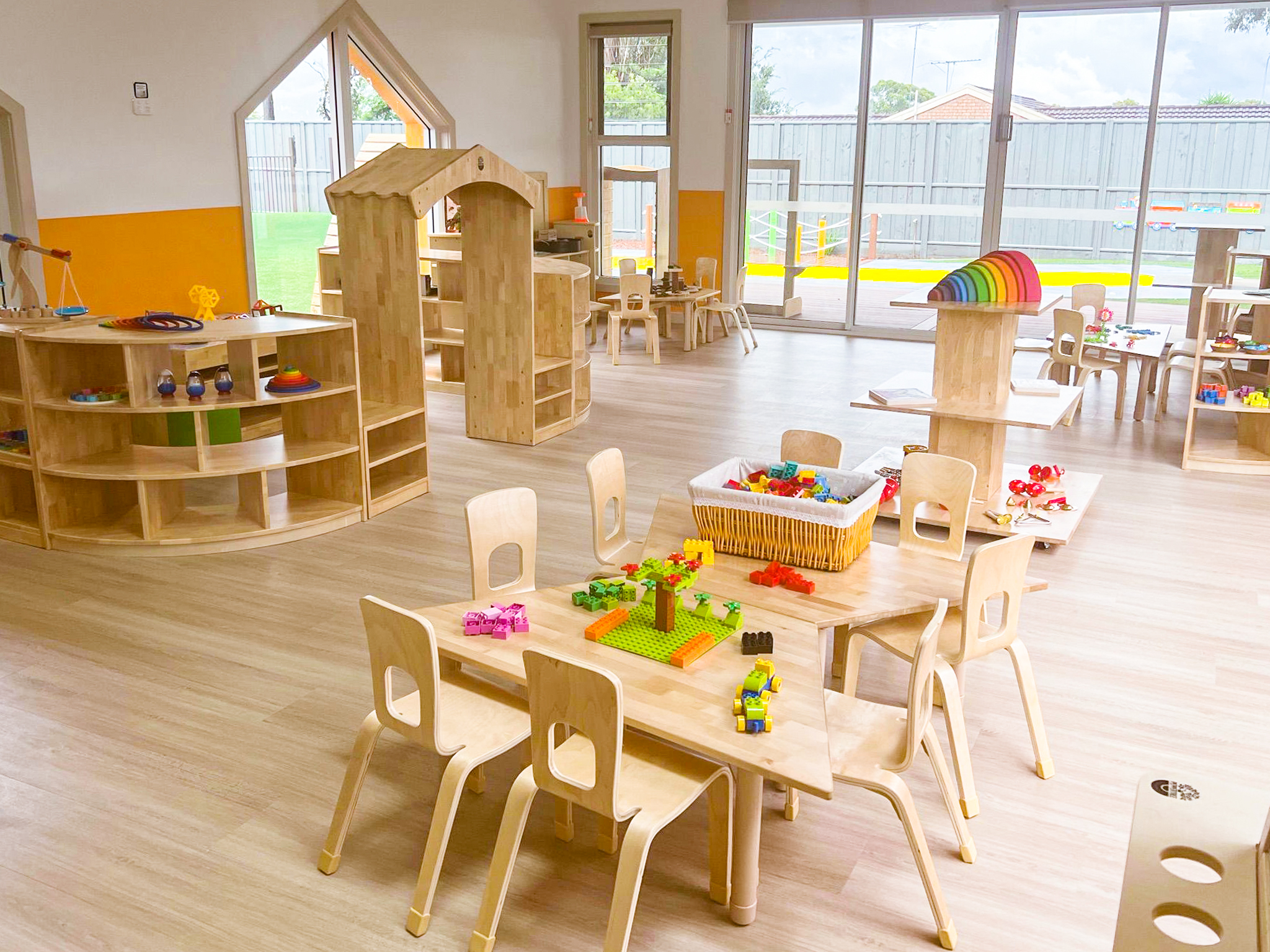
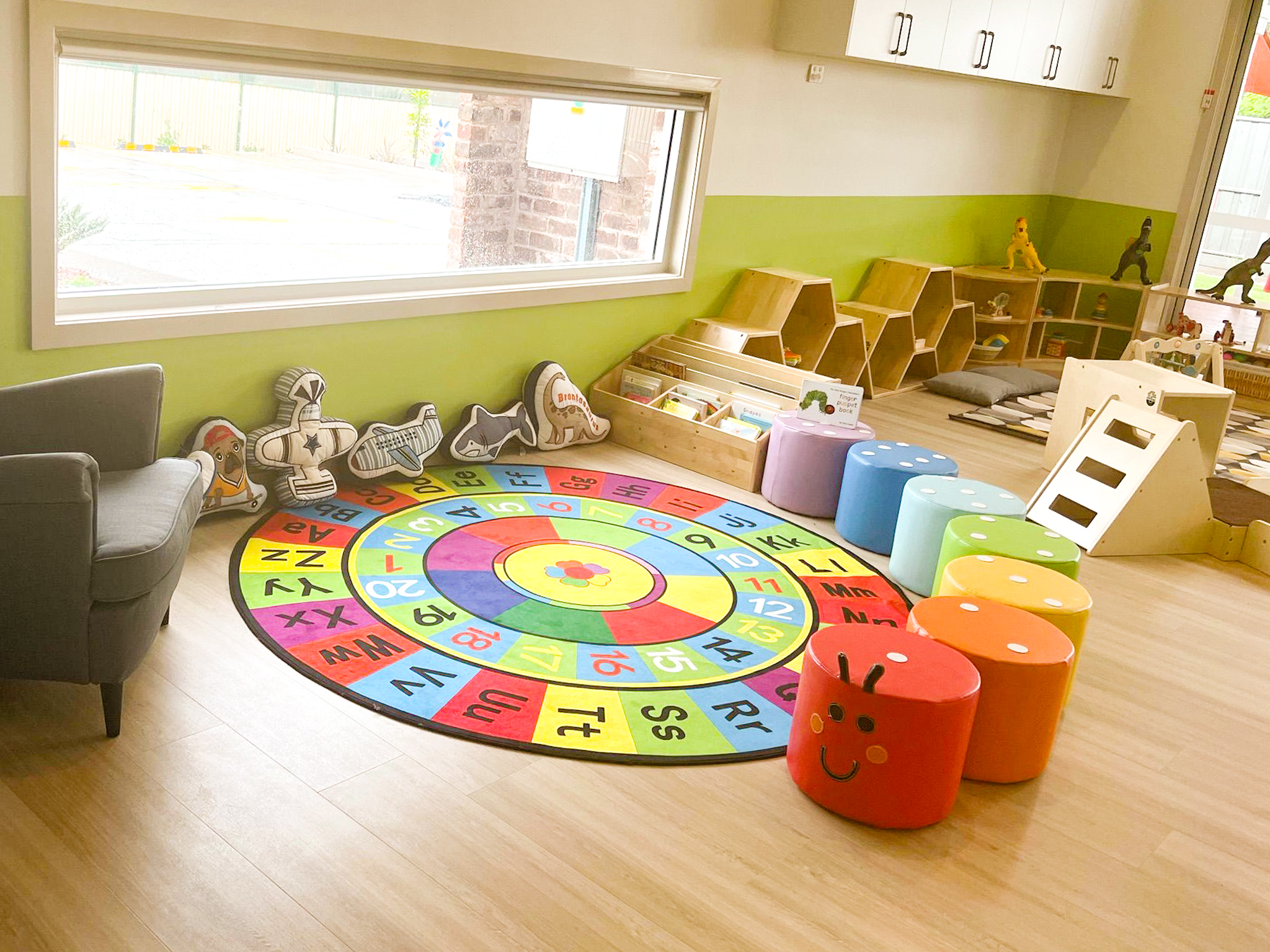
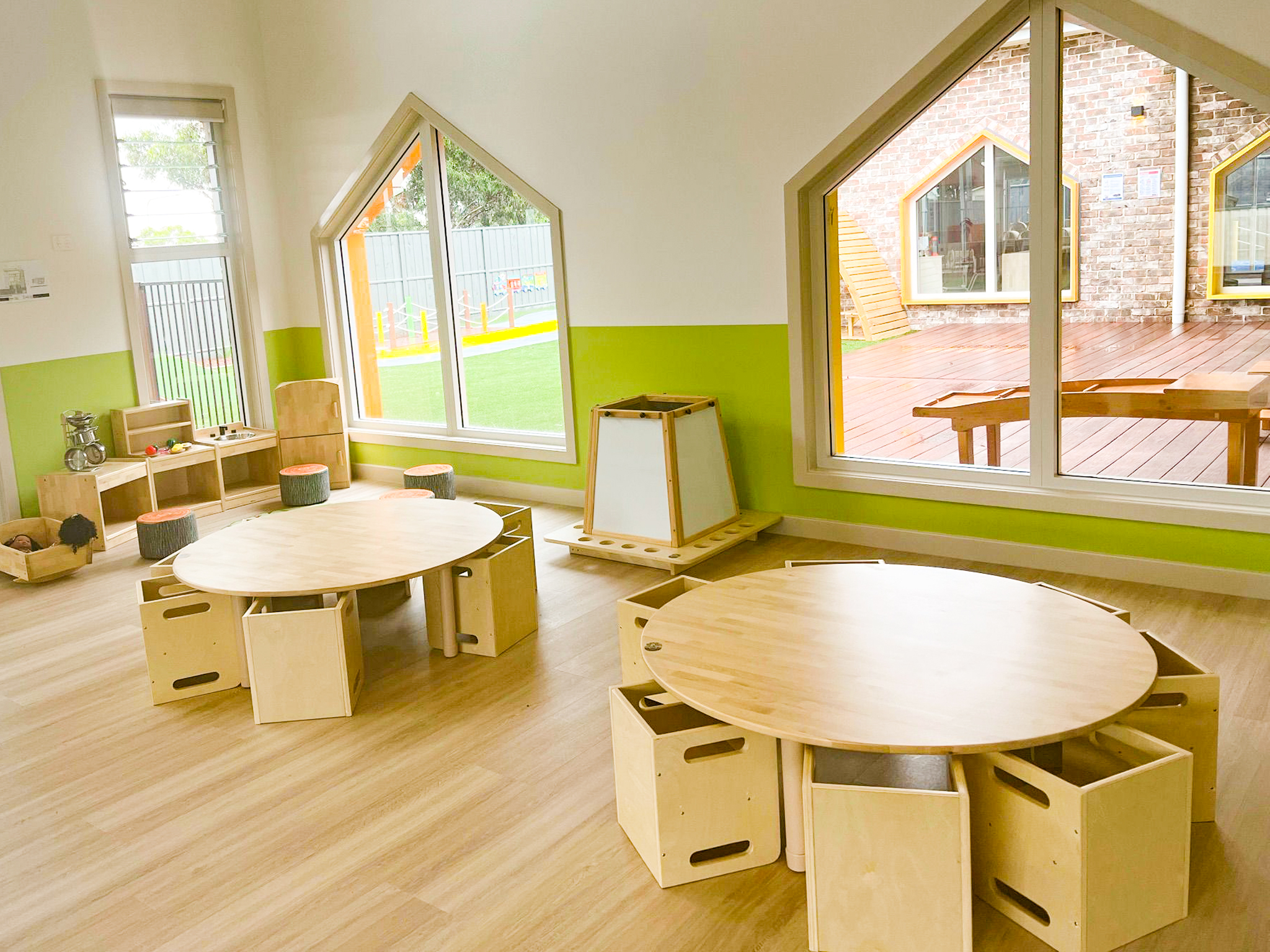
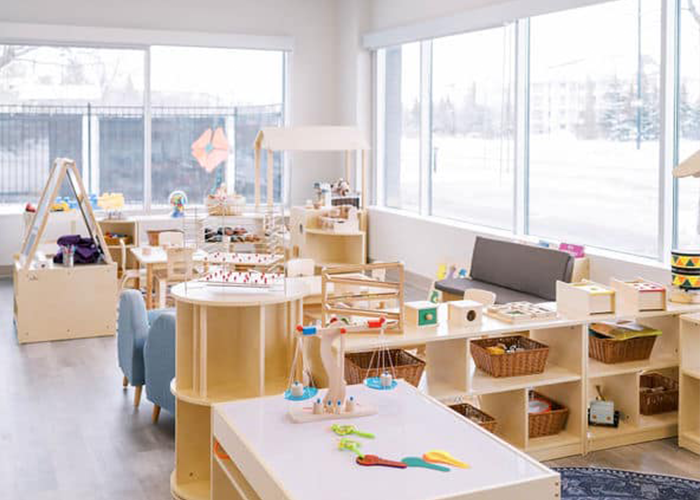
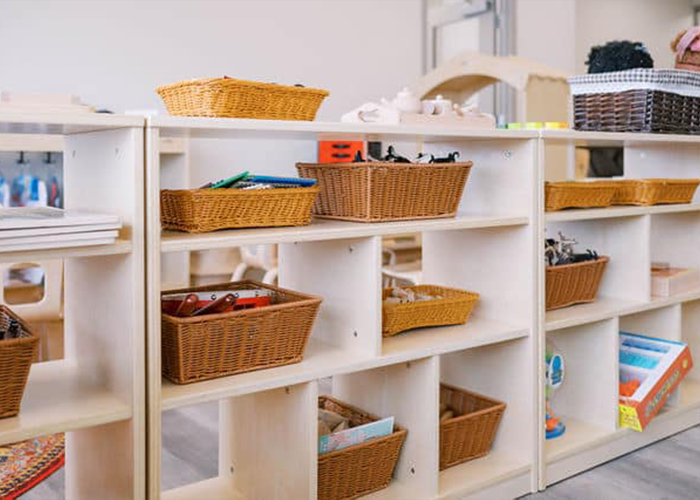
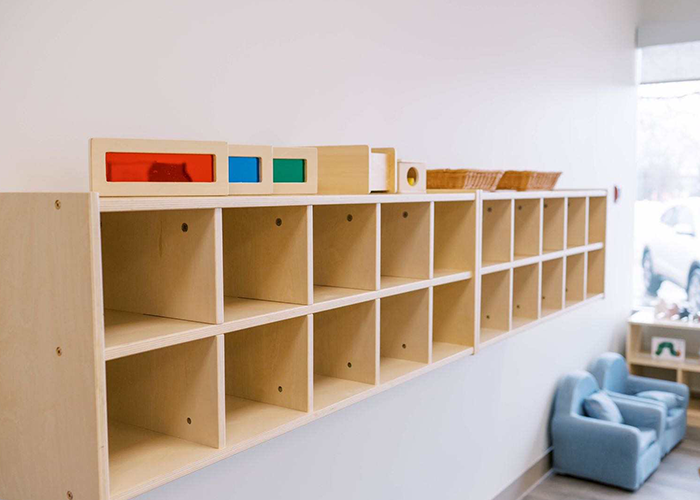
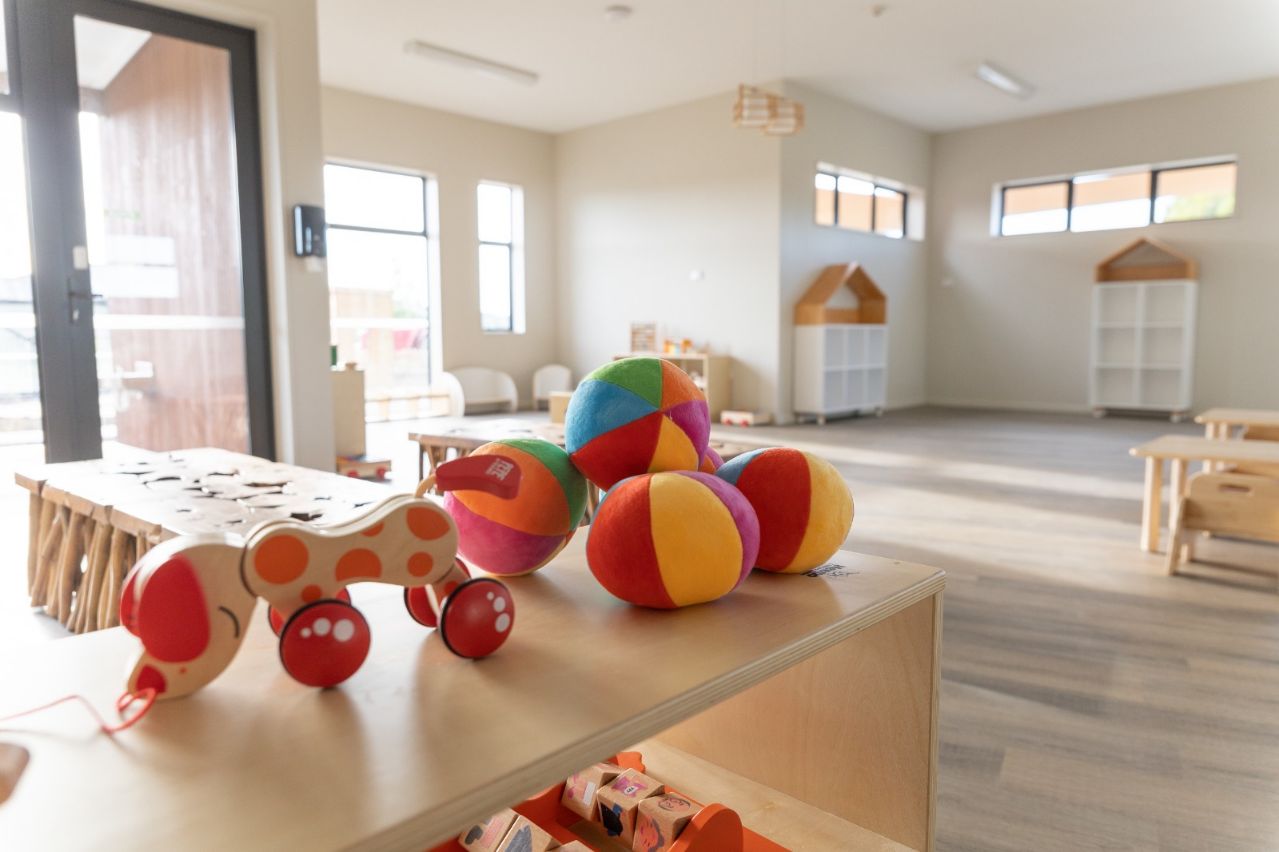
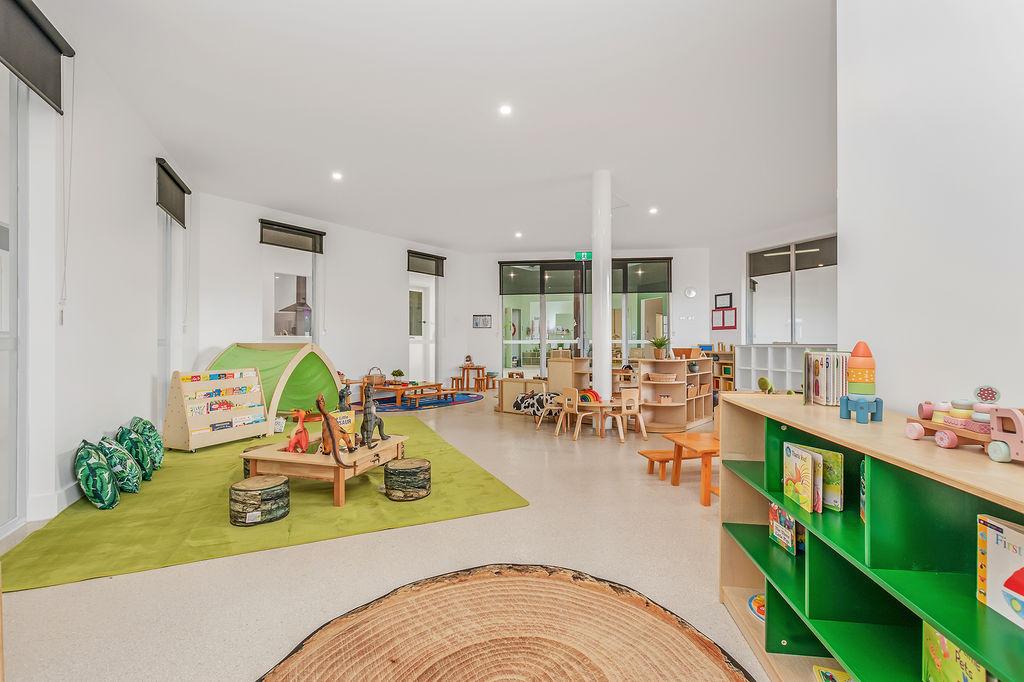
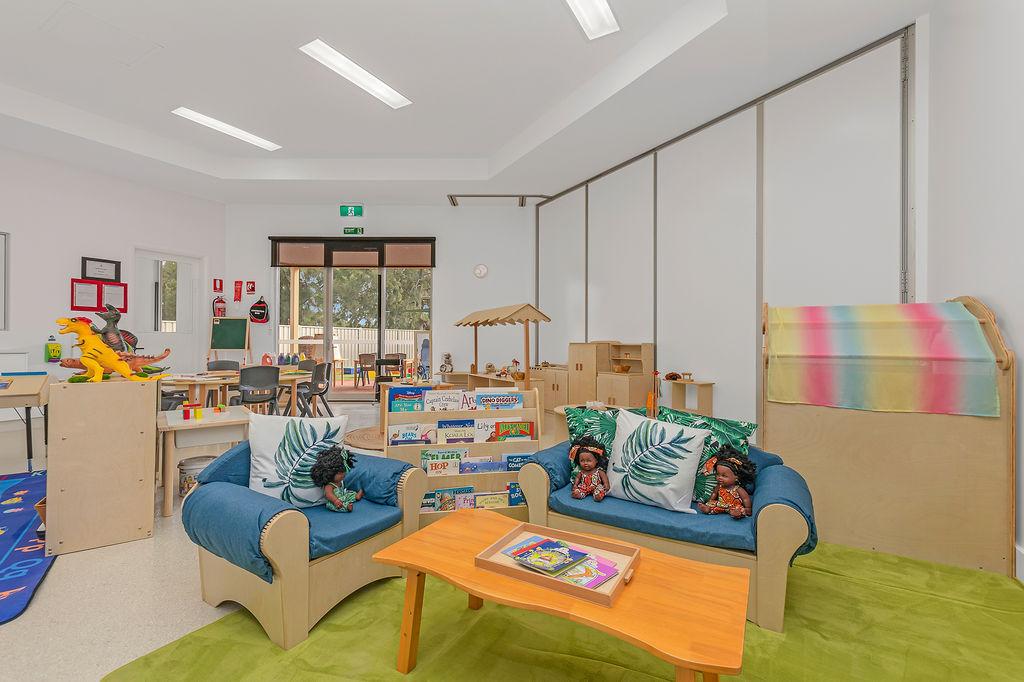
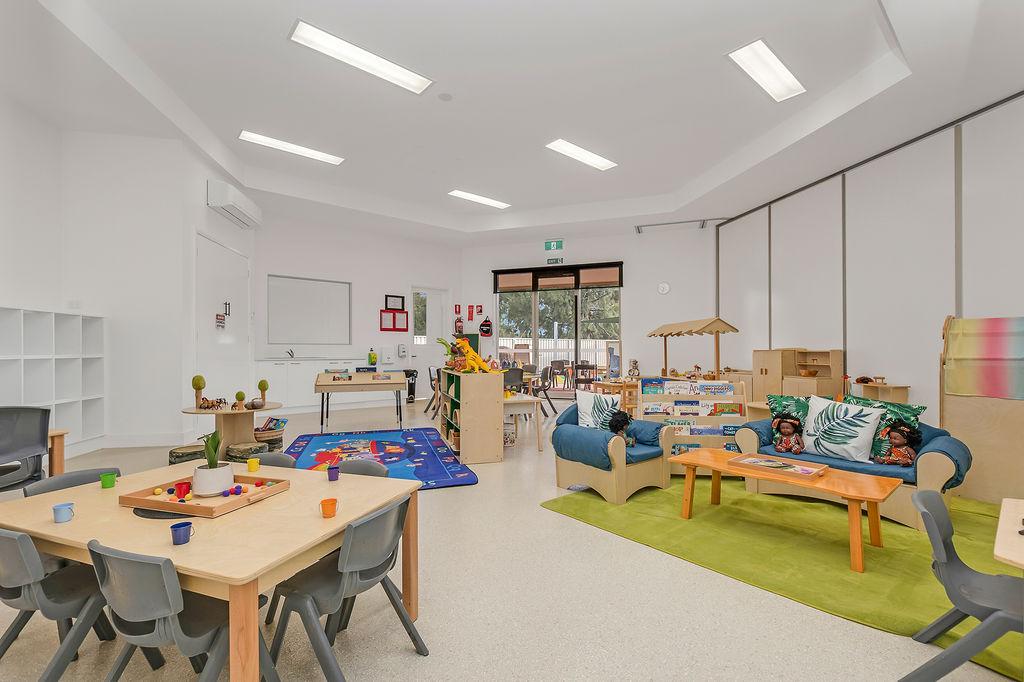
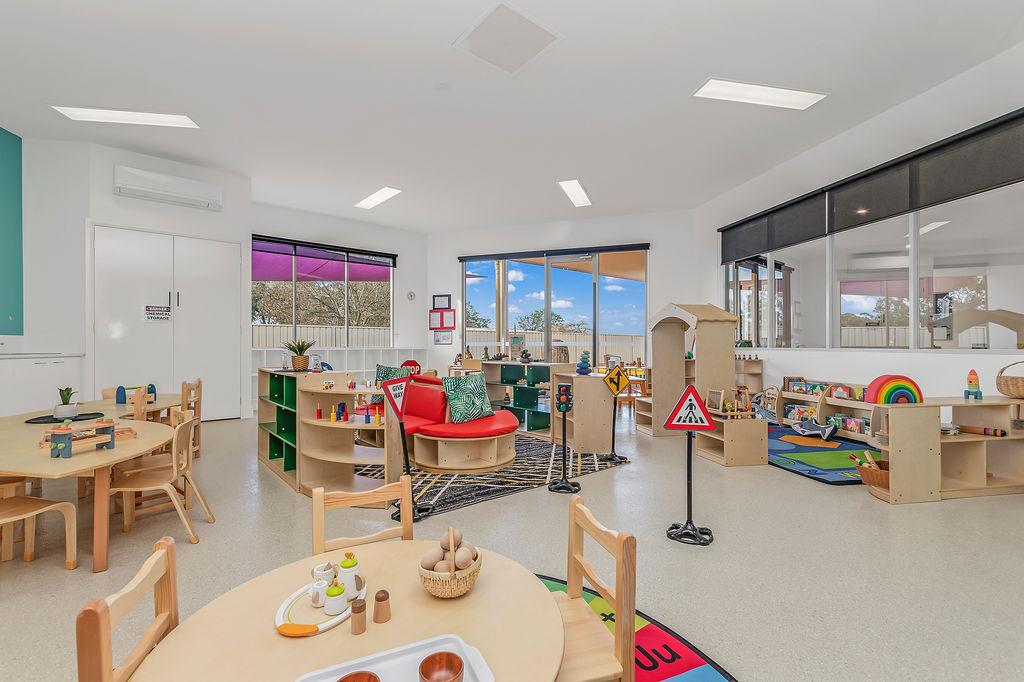
Surveys have shown that a typical child owns 238 toys in total, however parents think they play with just 12 ‘favourites’ on a daily basis, which makes up just five per cent of their toys. If you feel that your child has too many toys, then check my tips to sort them and to keep the ones the most in line with Montessori.
Montessori: As Good As Their Teachers

When choosing a school for your child, one of the most important things to remember is that you are also choosing the teachers. Your child’s education is only as successful as the teachers are successful. Fortunately, with the right school and the right teachers, your child will be well on his or her way to a great education and a thriving future.
Educational Benefits of Providing Toys To Children
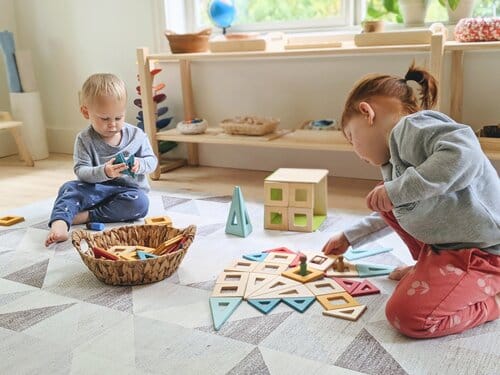
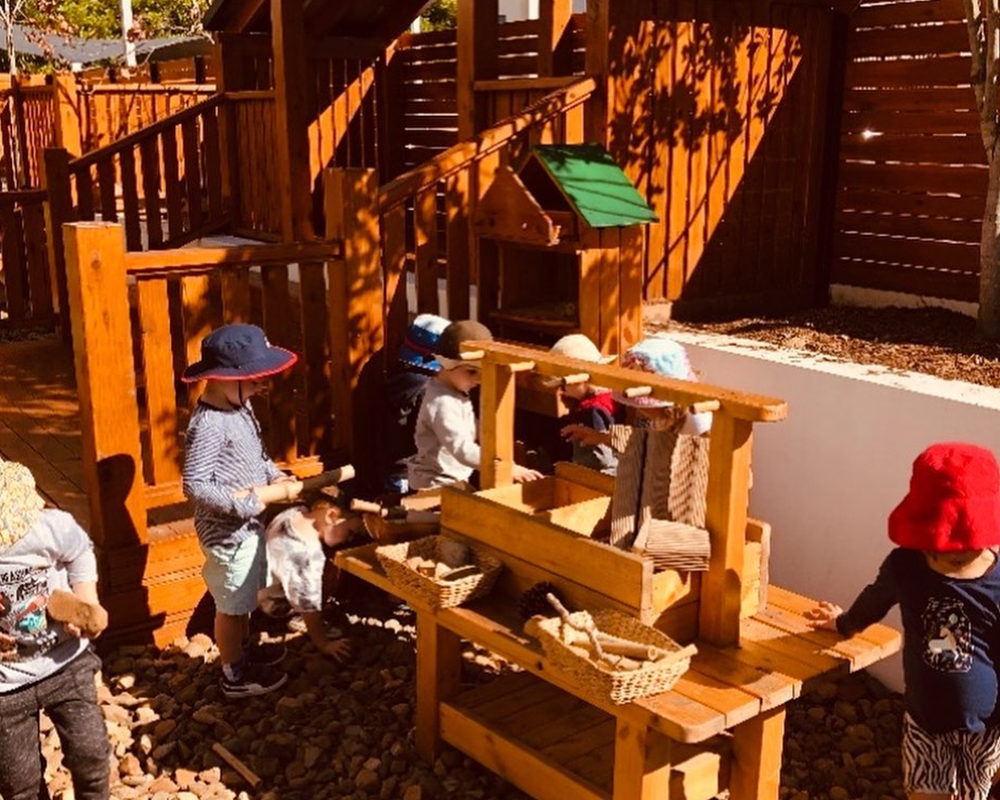
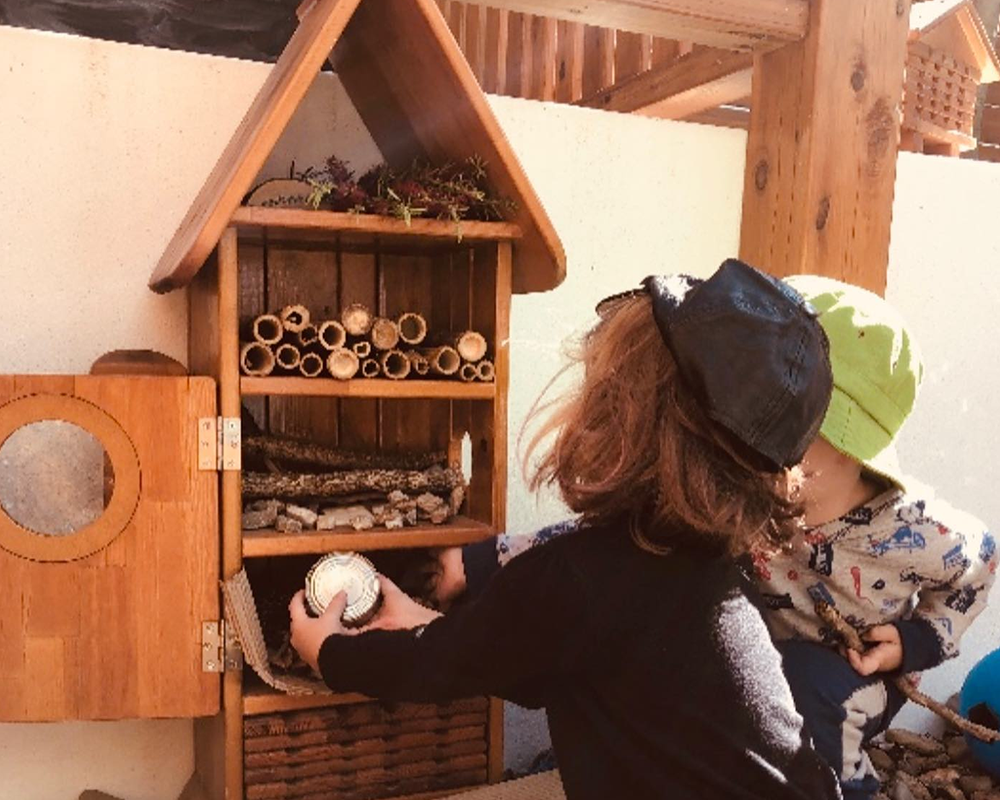
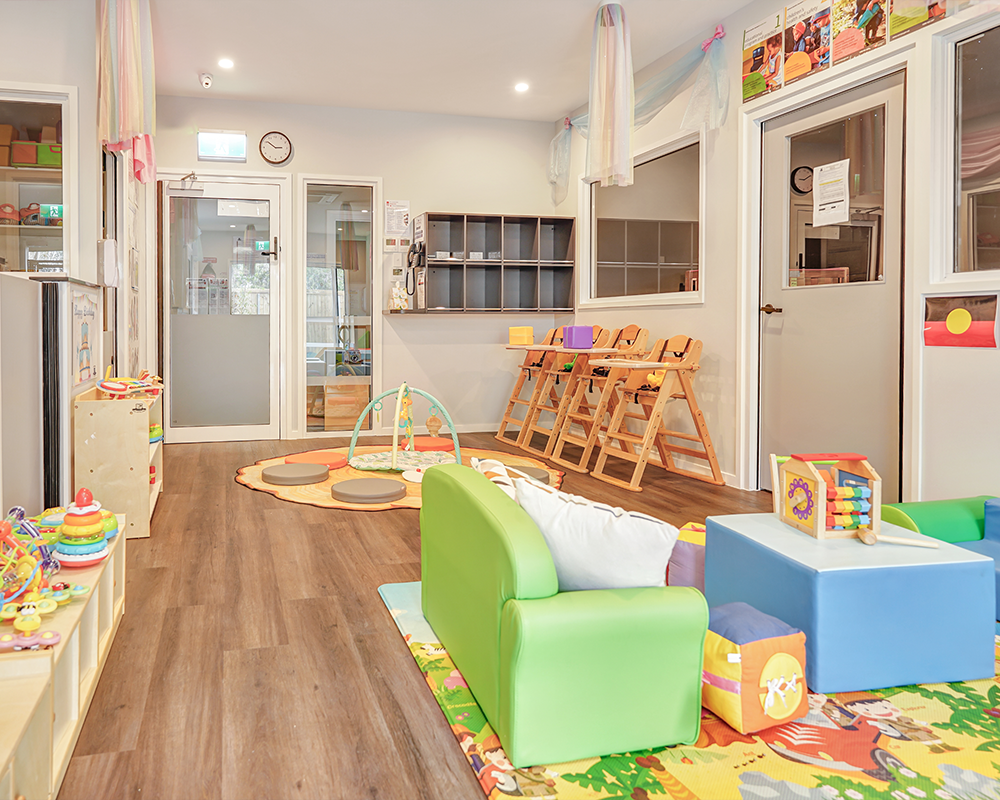
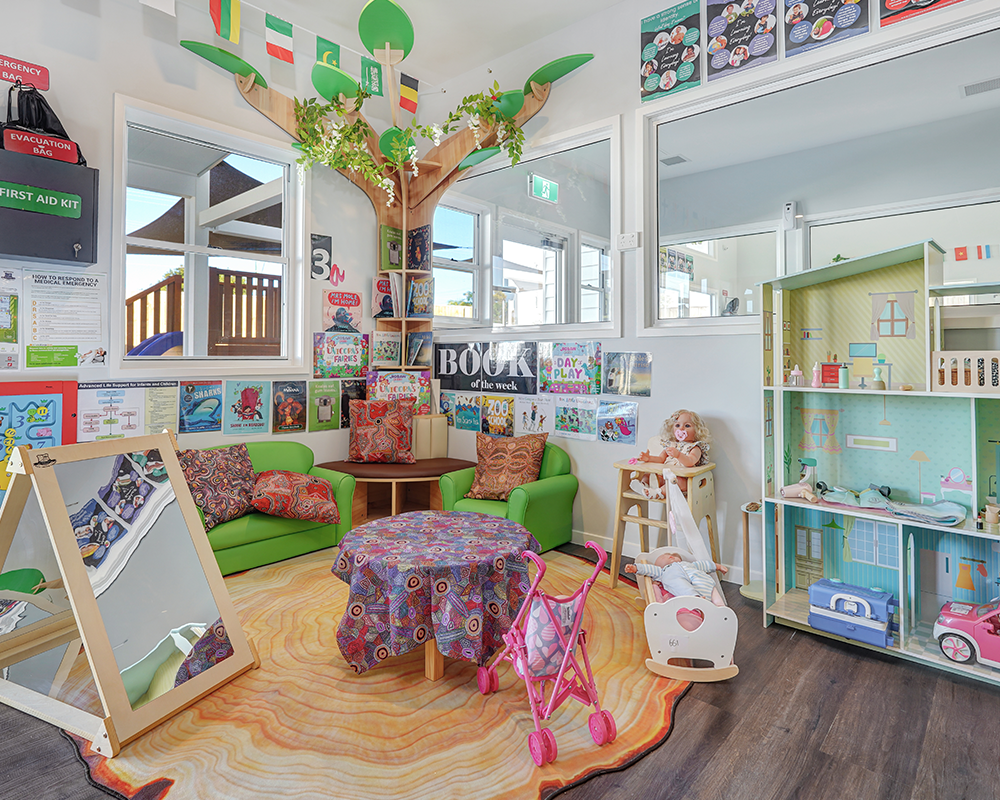
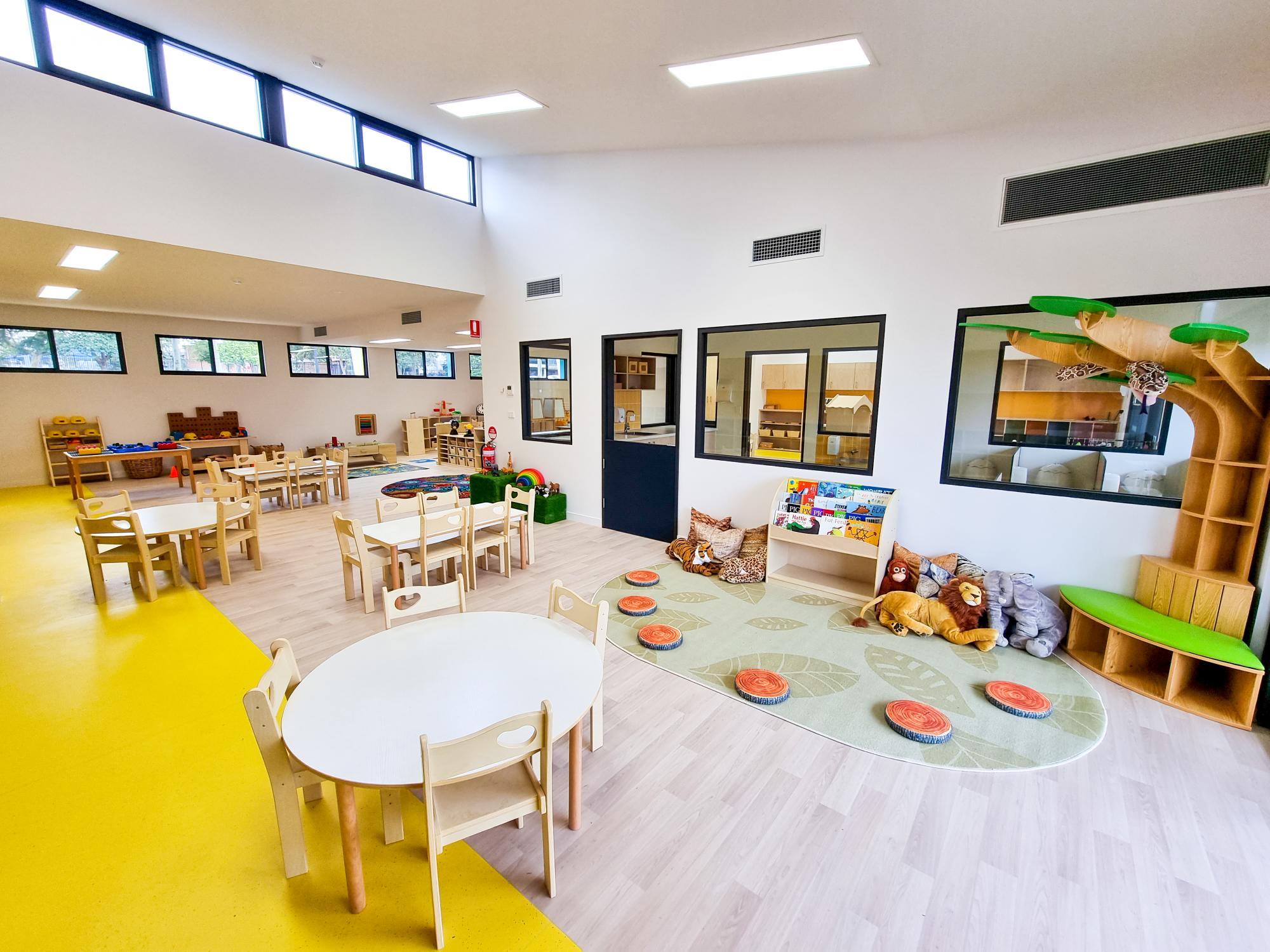
Kids love to play and you should encourage this. Thanks to toys and games, the little ones explore the surrounding world, develop their physical and intellectual abilities, establish emotional connections with other people and learn to express themselves. So the process of playing does not boil down to simply having fun — it also involves a lot of learning. Toys spark the children’s imagination, engage their senses and teach them to interact with the environment.
What is the Difference Between Montessori and Pikler Approaches?
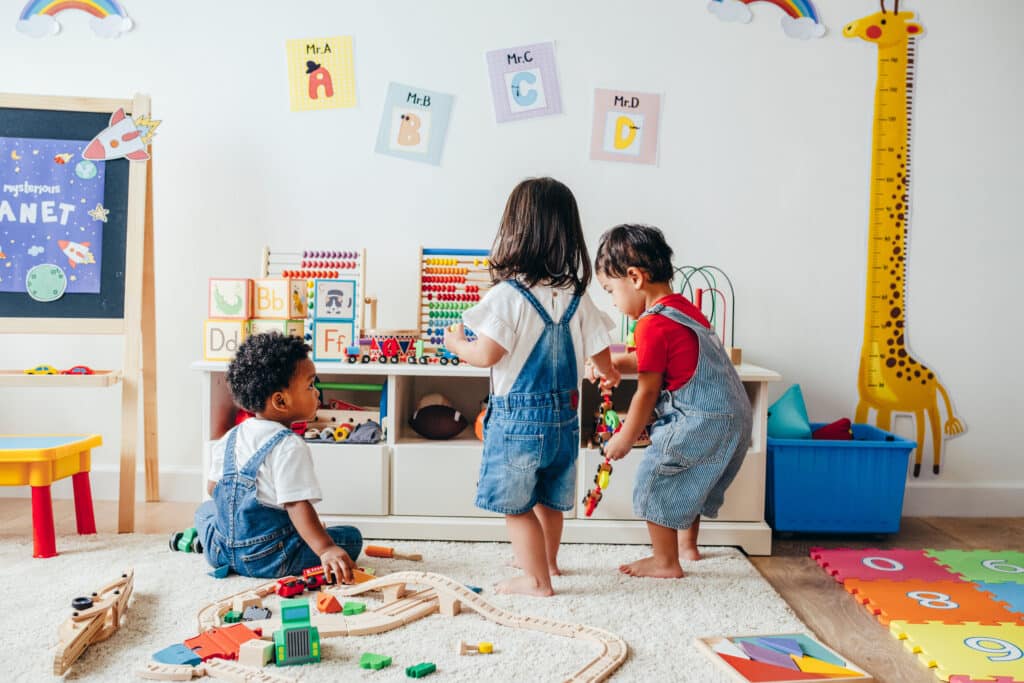
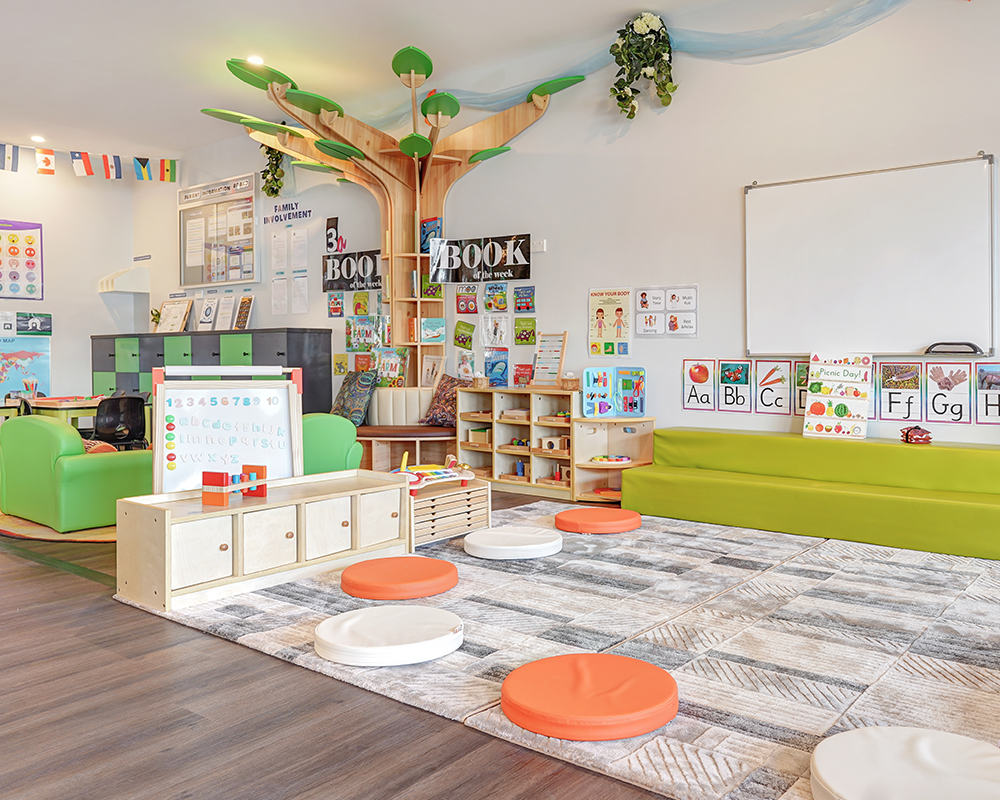
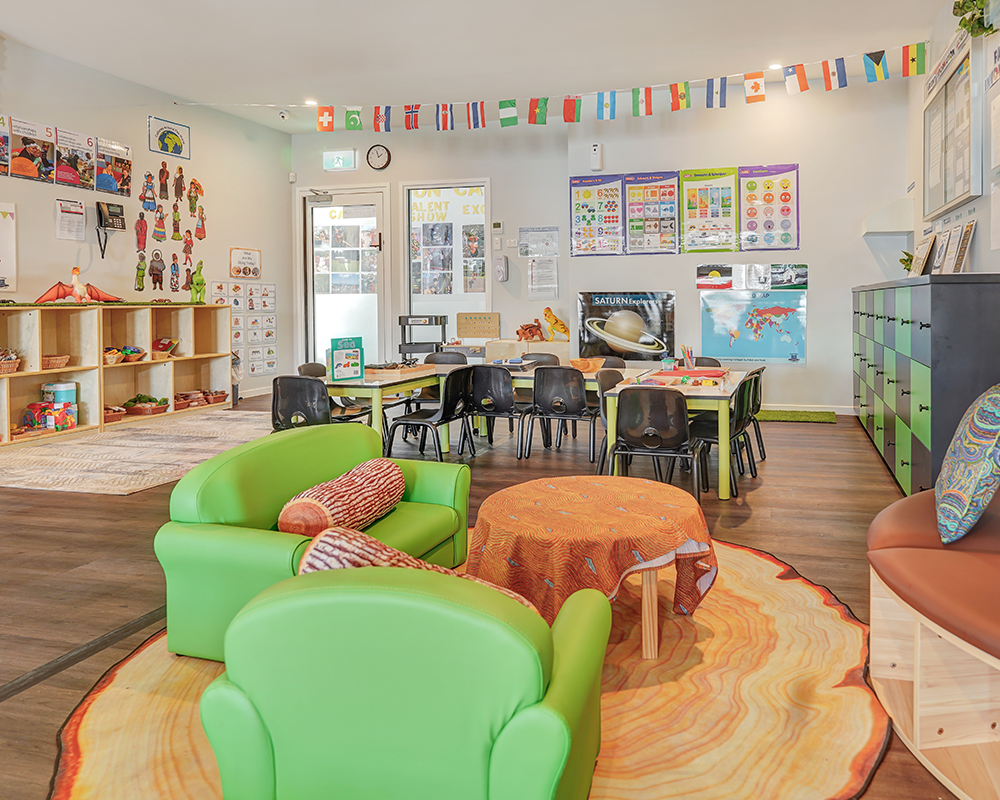
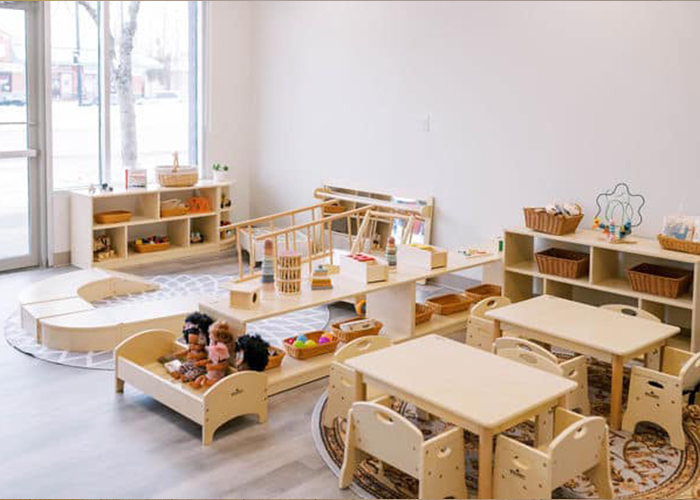
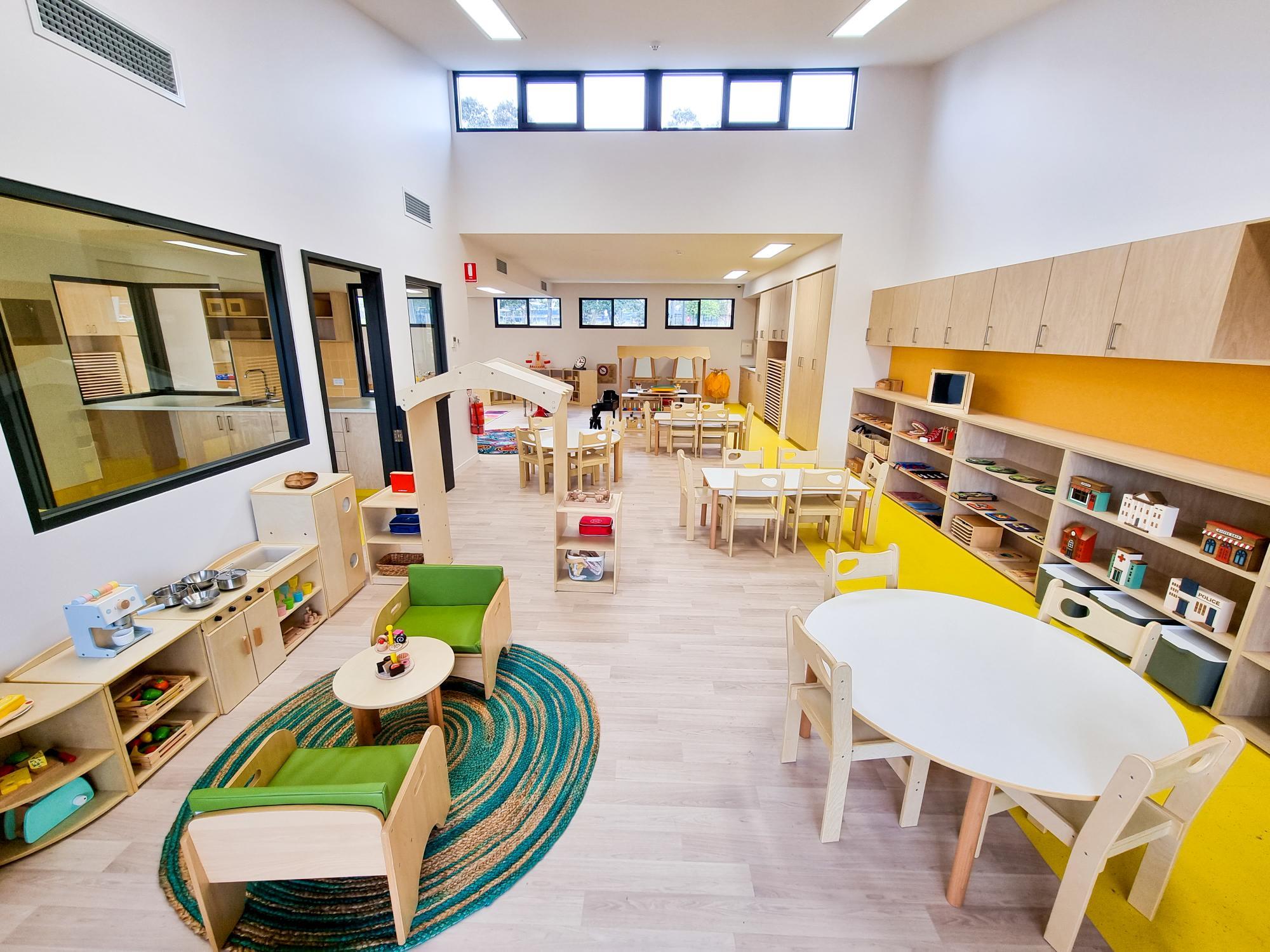
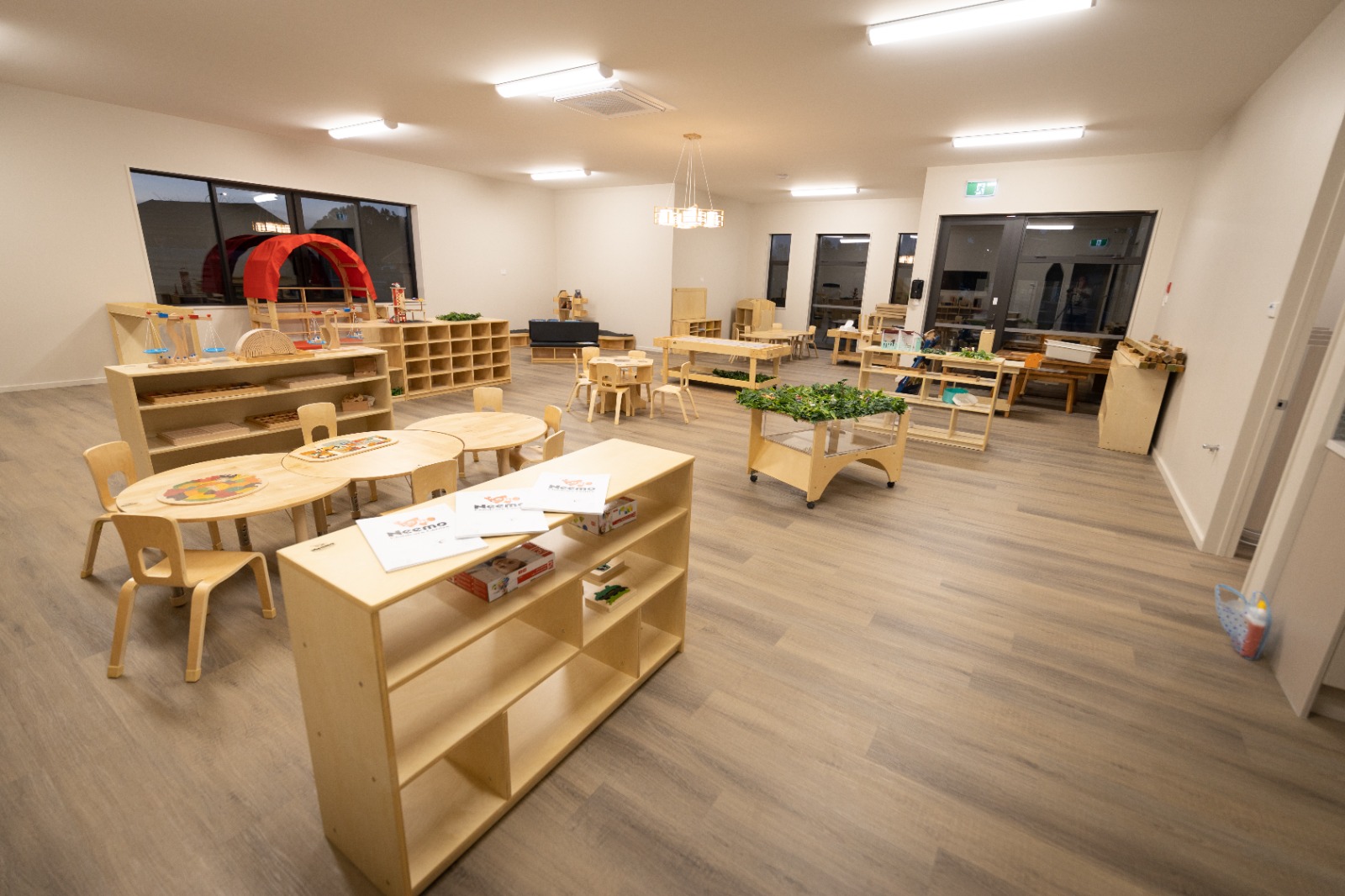
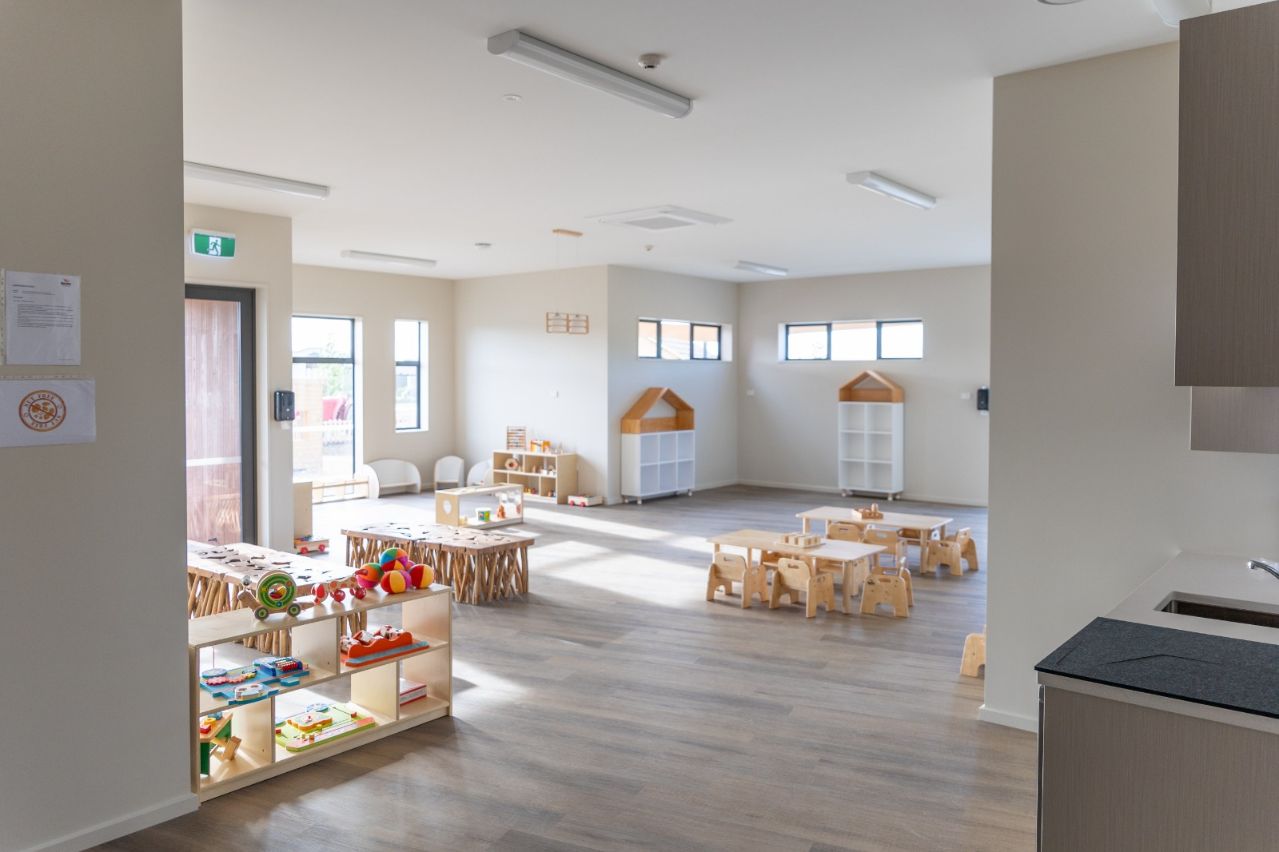
The Montessori and Pikler methods are two of the most popular of these methods, and they’re more than a century old. In these methods, teachers try to provide education based on the principles governing natural development as well as the individual needs of each child according to group games as well as individual activities for children. Also, the atmosphere and architecture of the place are important points too. These days, the Montessori and Pikler methods are being taught in most preschools and kindergartens in most countries. In this article, we want to discuss these two methods, what are the differences between them, and how they can be useful for your child.
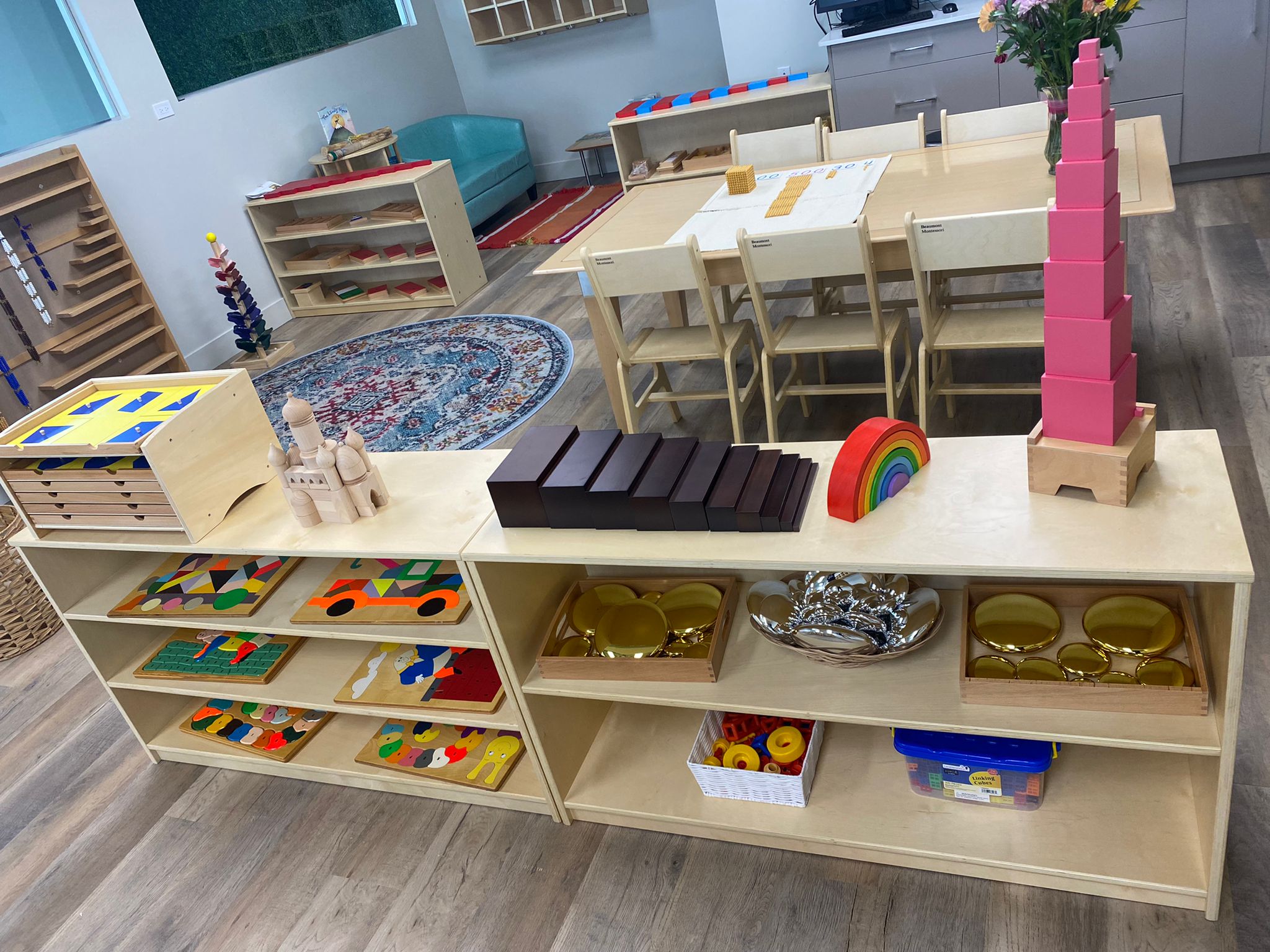
Let’s talk Montessori materials!
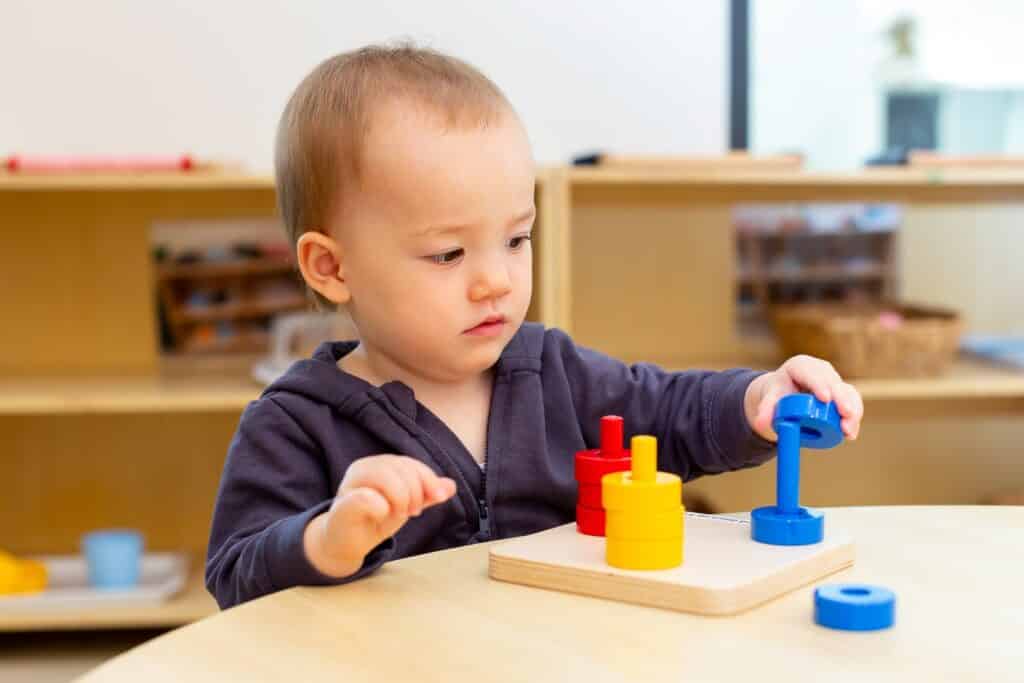
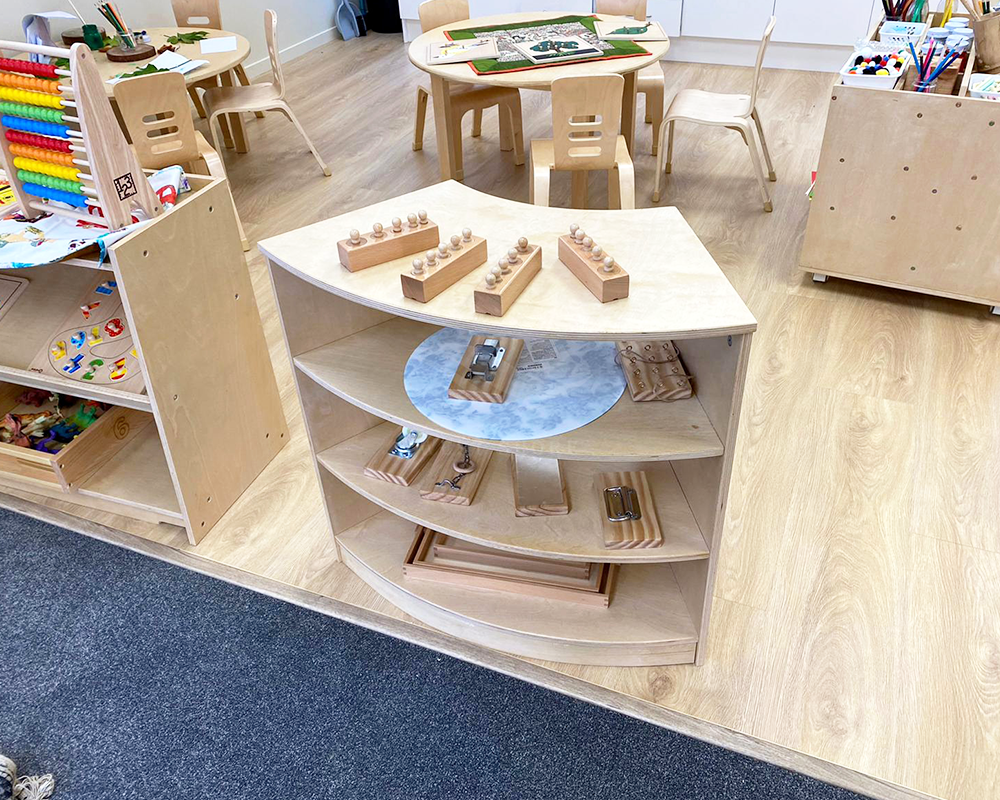
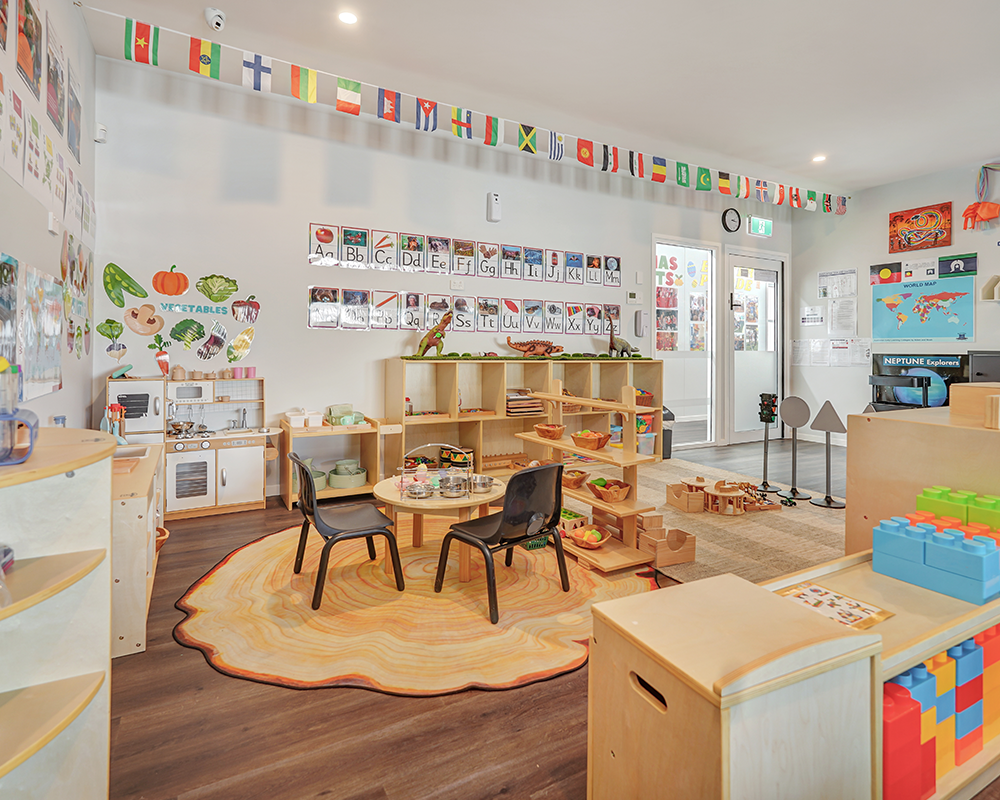
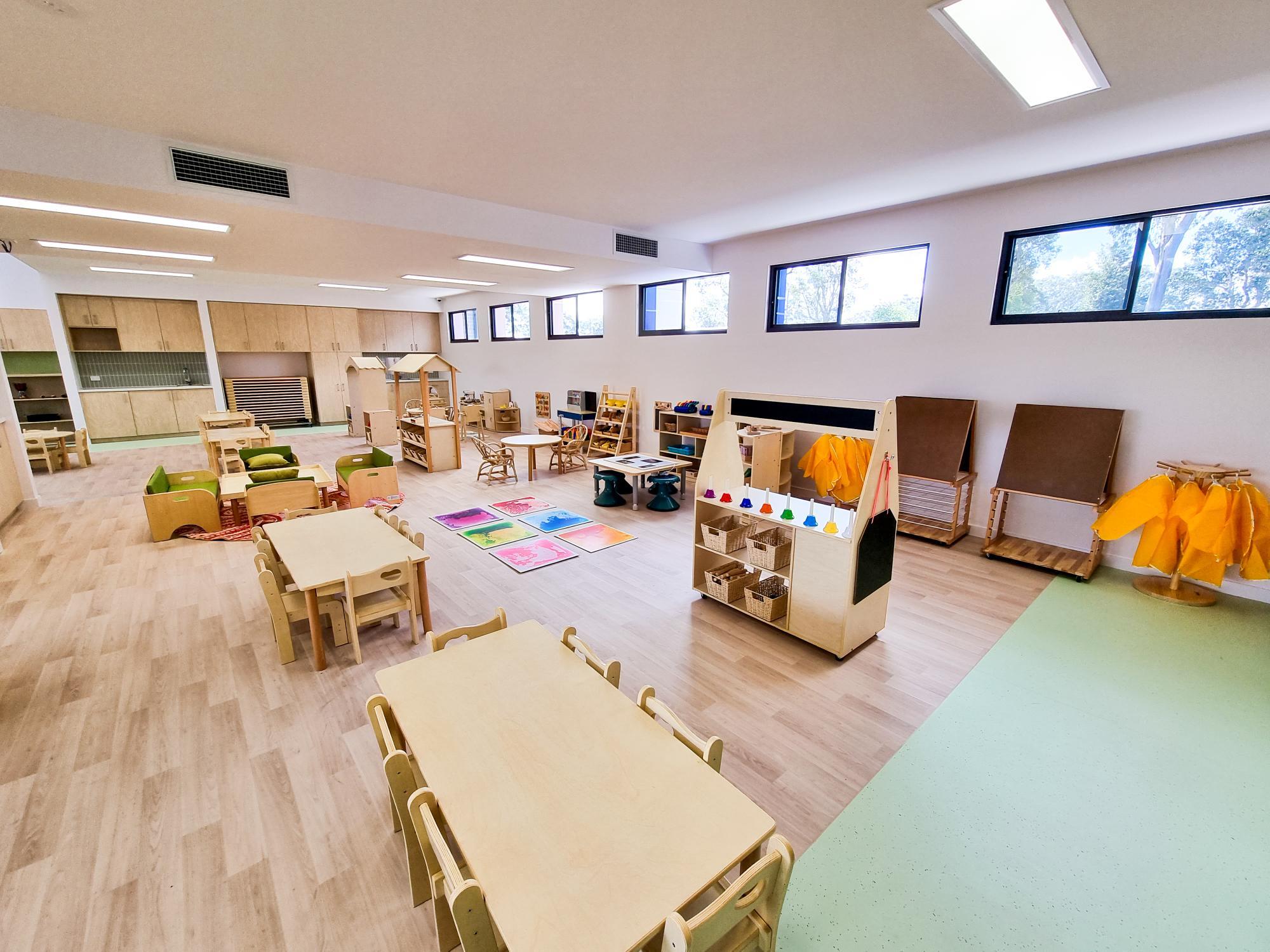
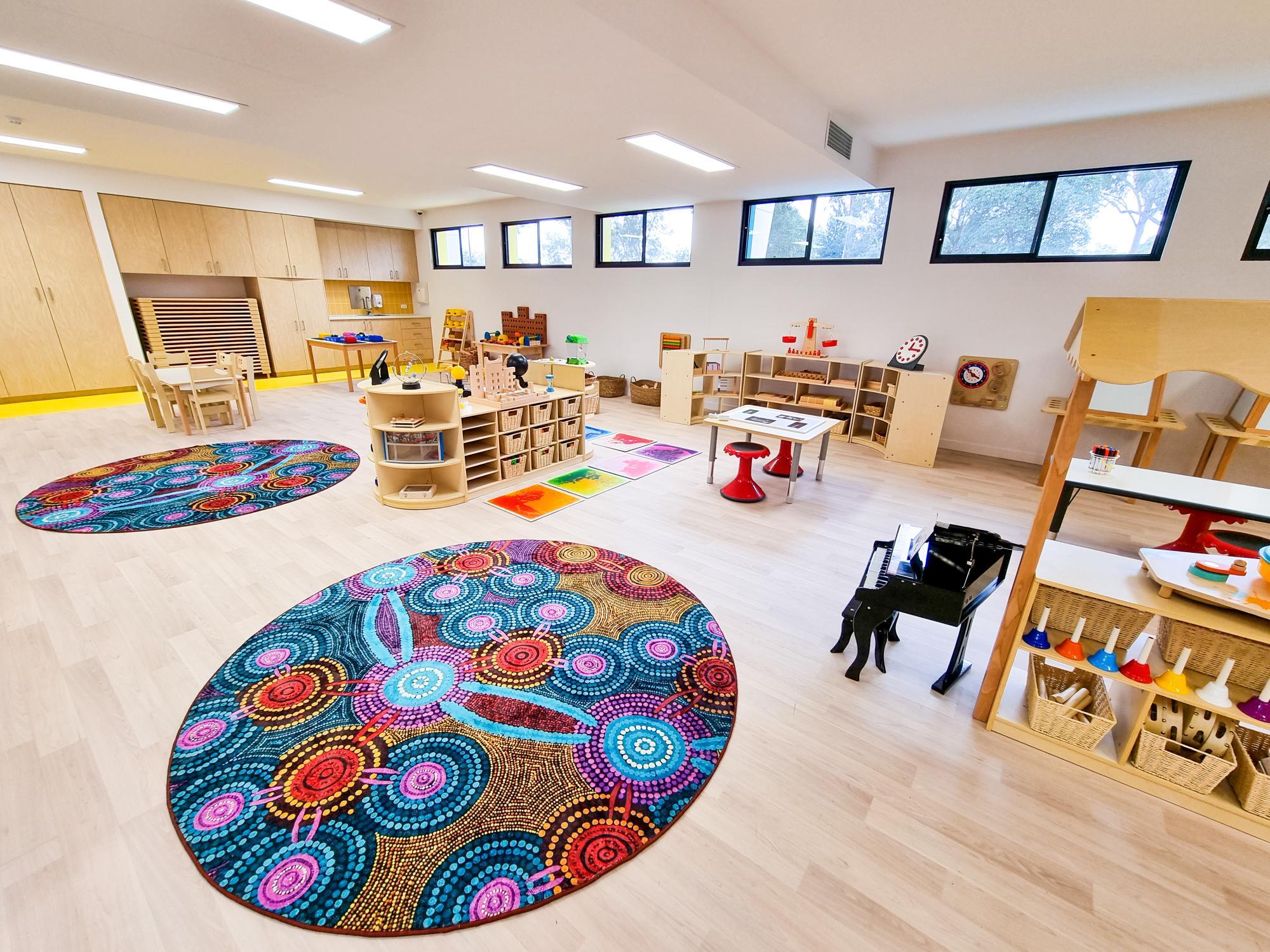
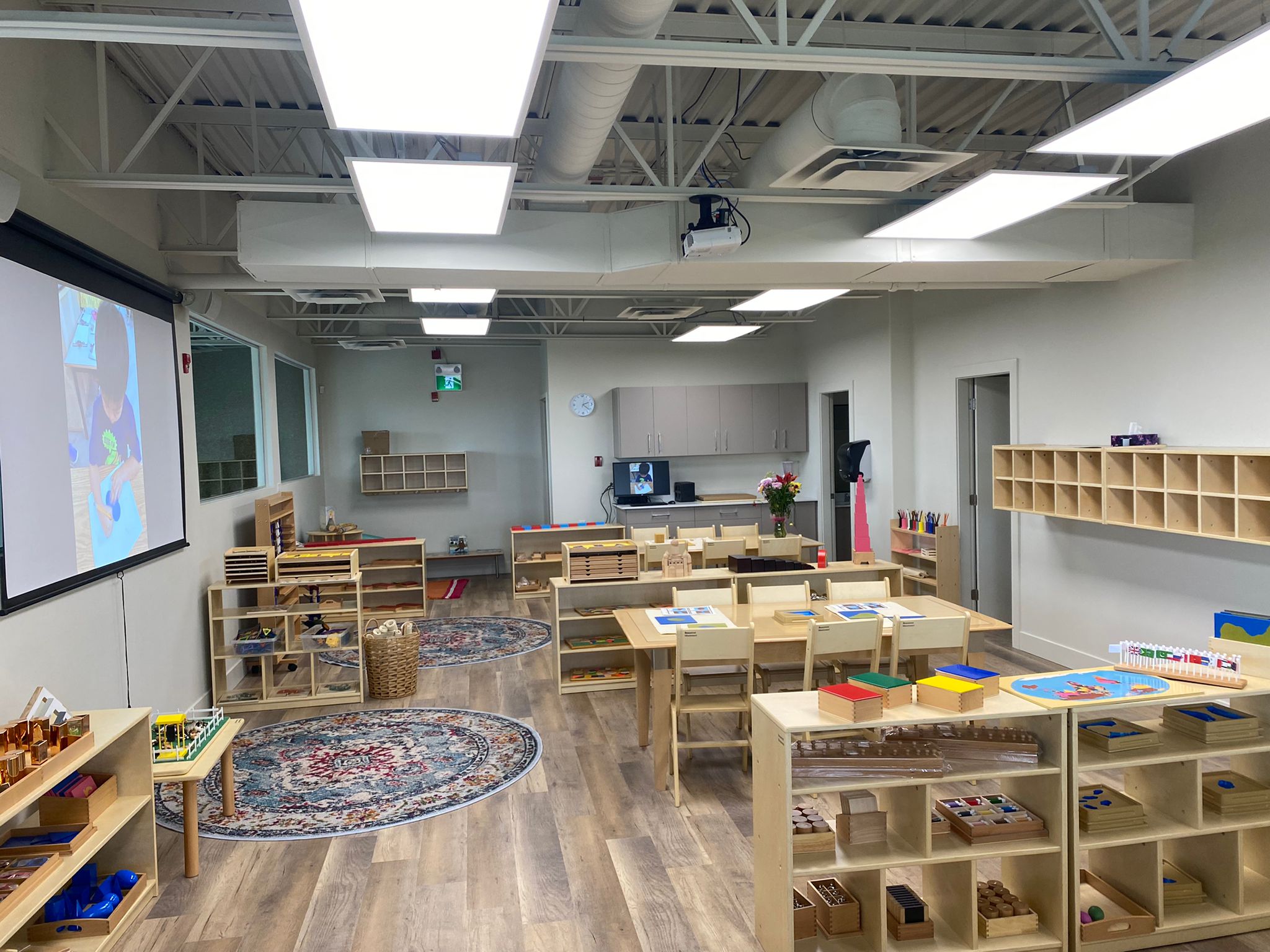
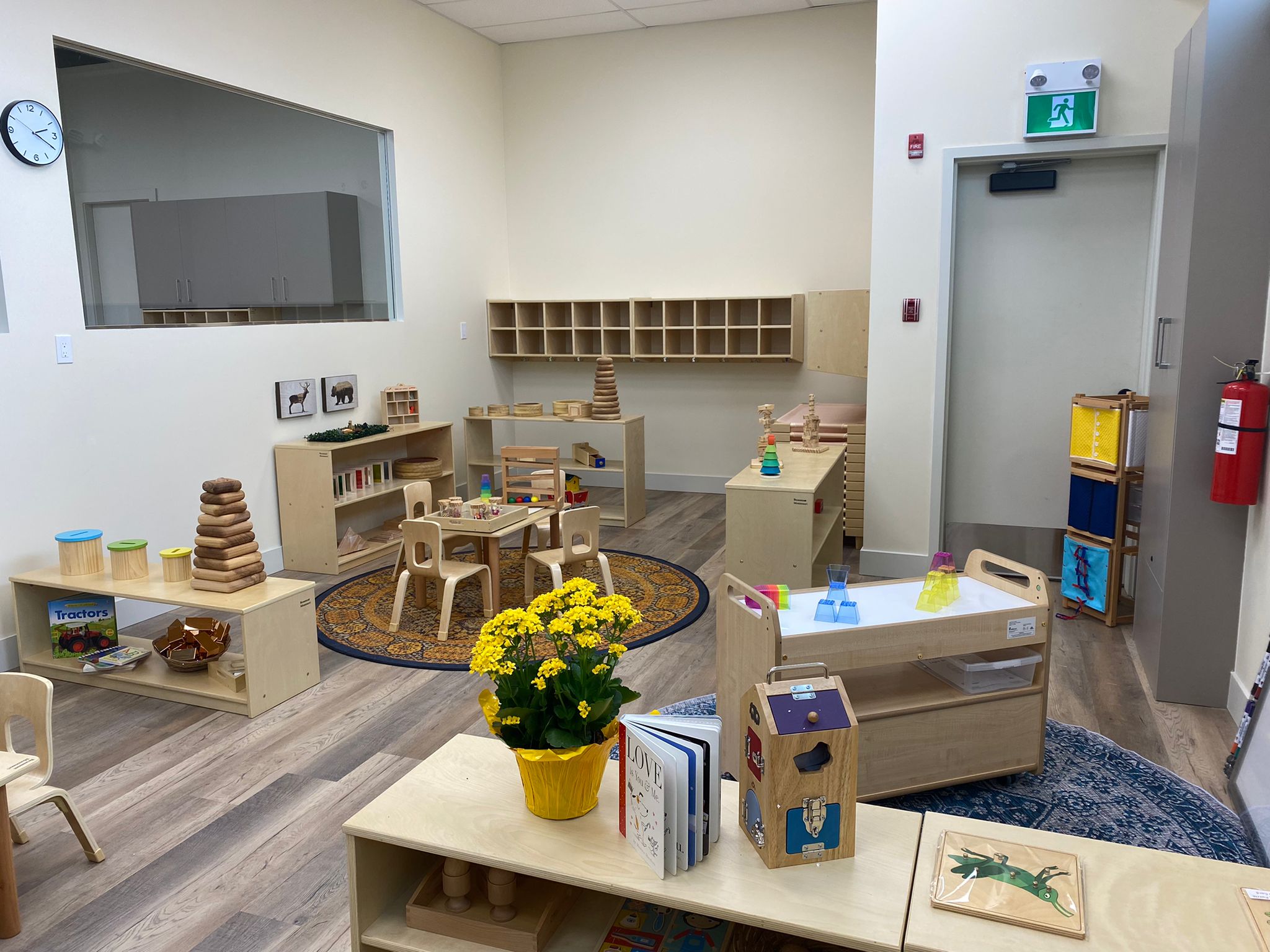
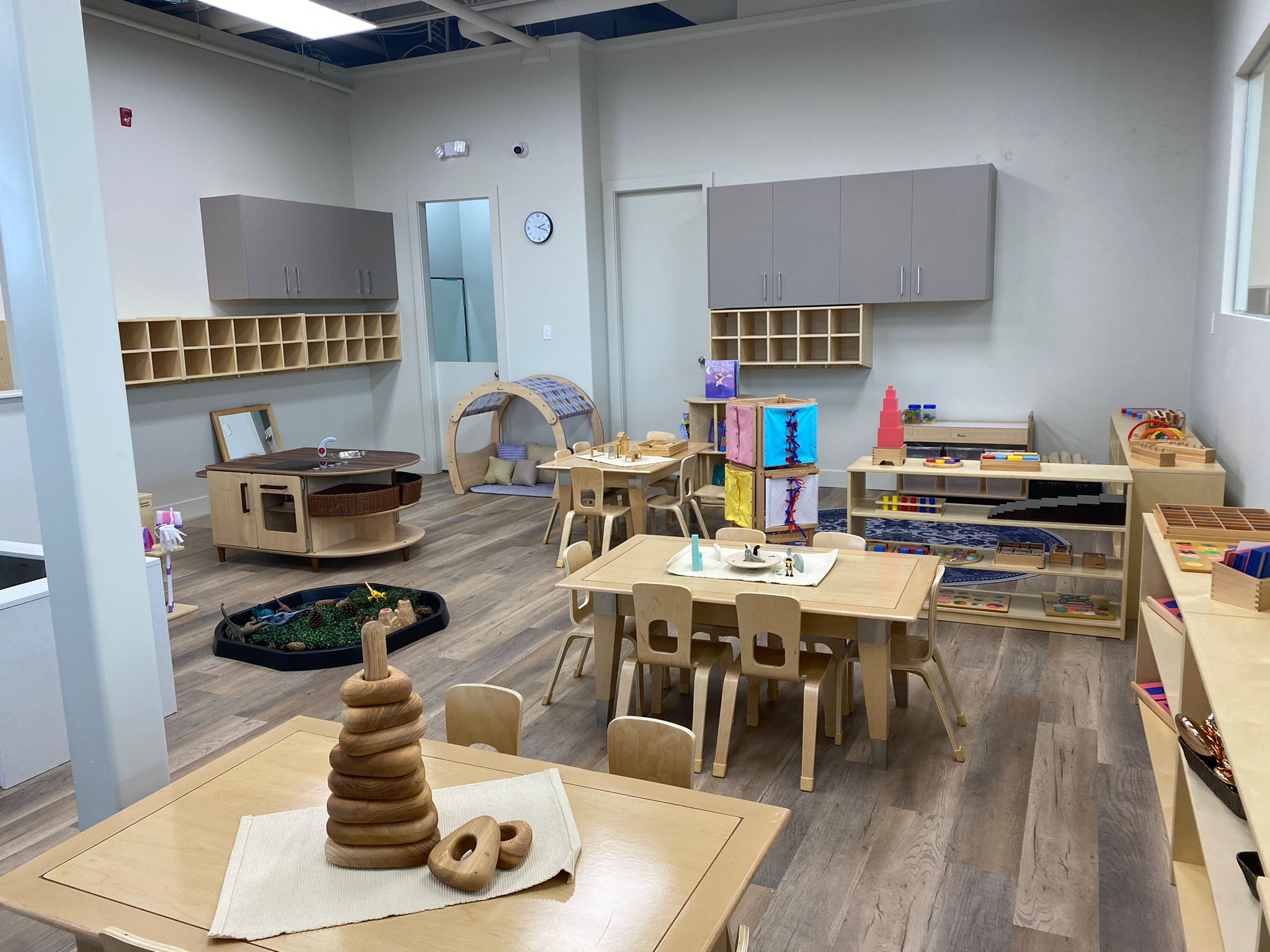
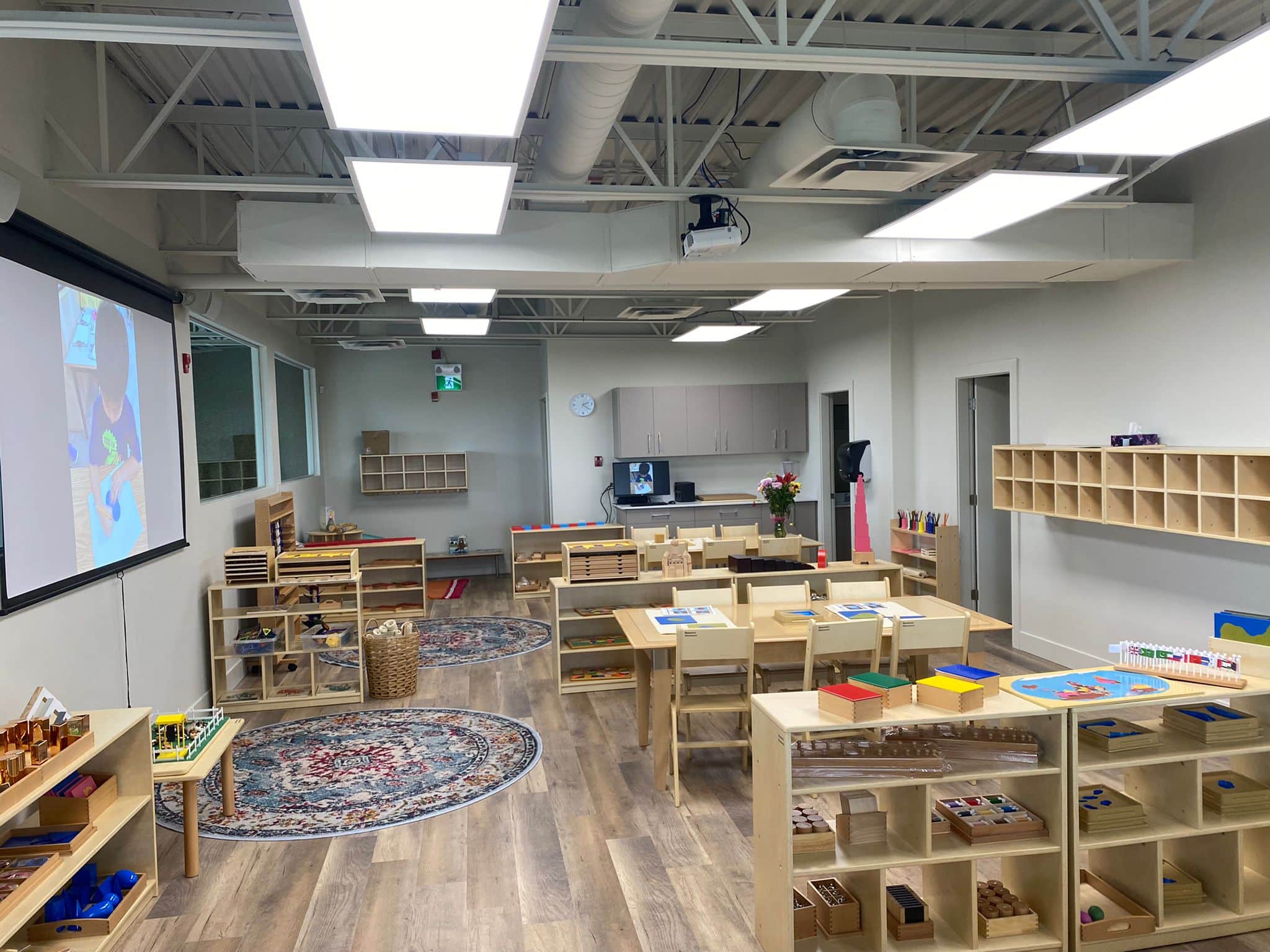
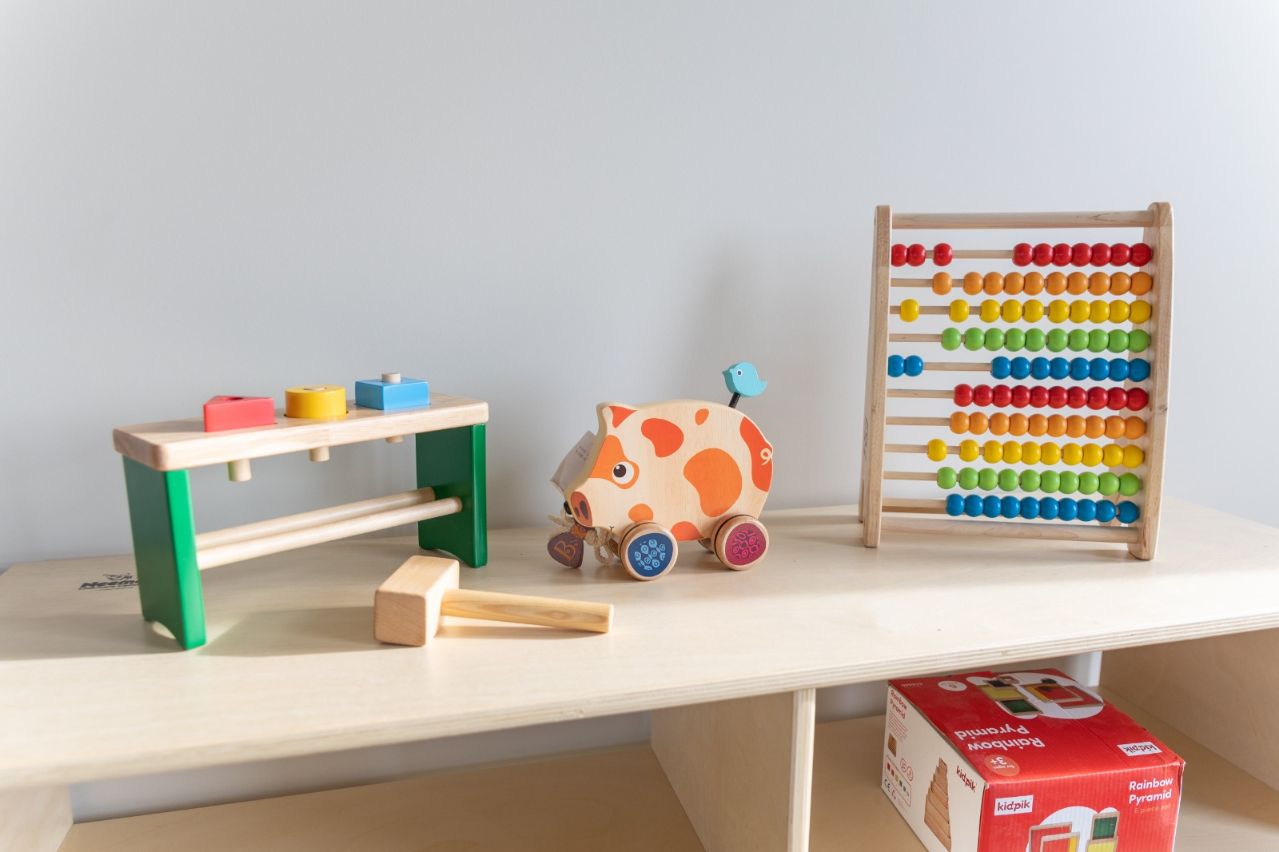
Montessori materials are part of a step-by-step curriculum. There is an order to those materials. When and how to present them is important. It is not a matter of age even if observations since the time of Maria Montessori have shown an average age for each piece of material. In the classroom, we observe if a child is ready for a specific material. We will notice if the child shows an interest for a specific skill.
Montessori Teacher Secrets: How To Guide Your Child to Love Learning
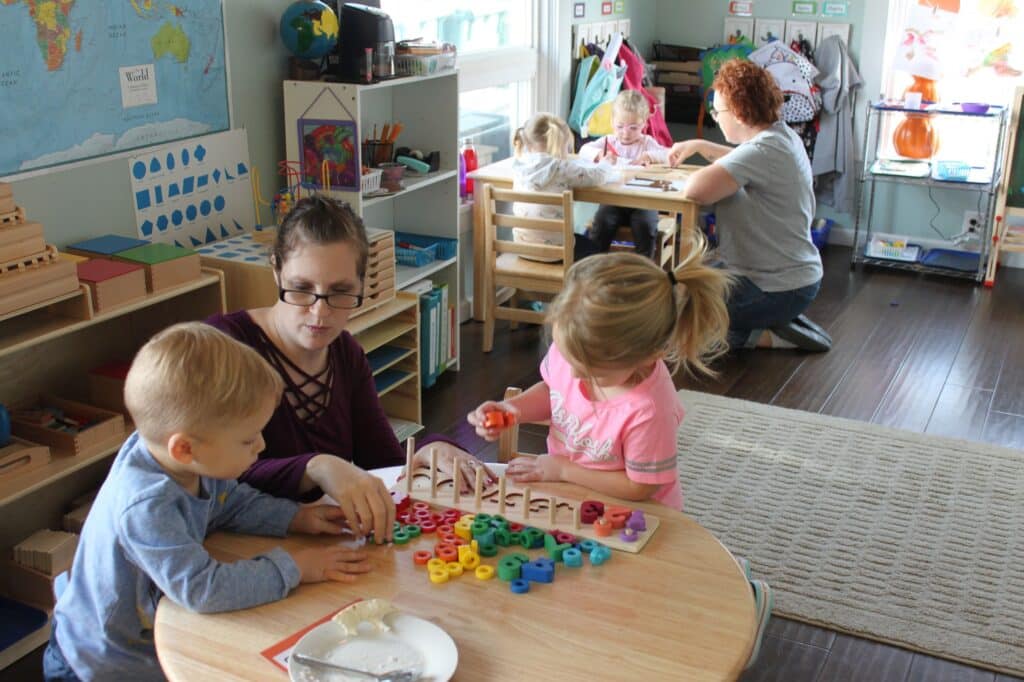
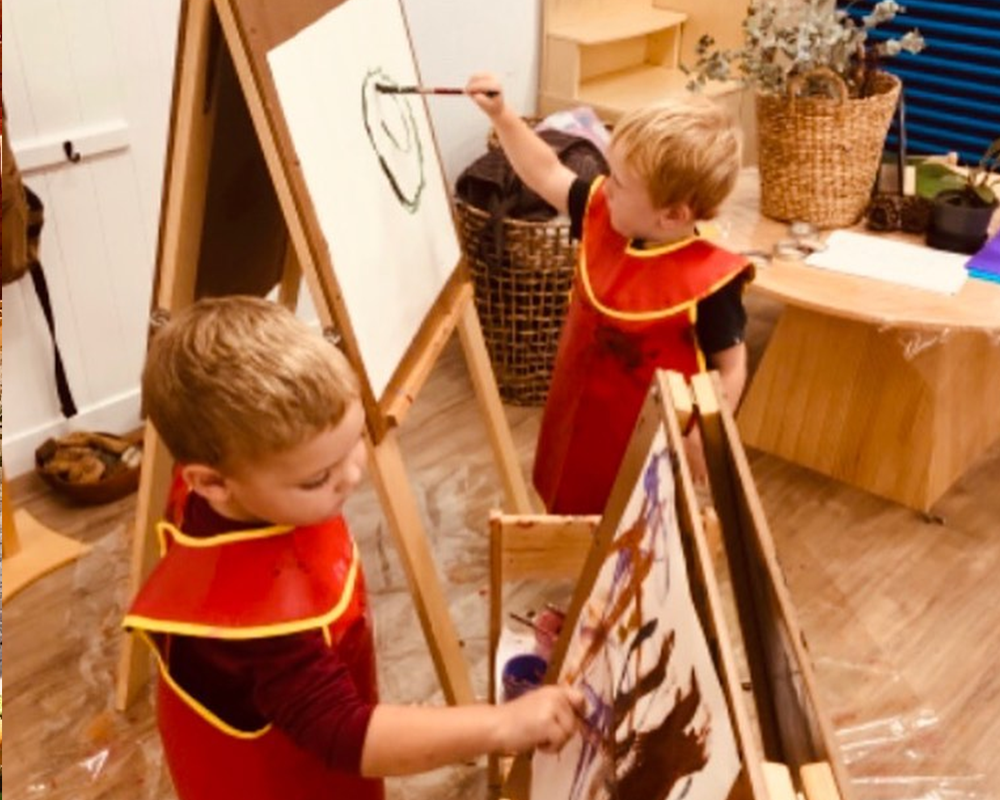
The love of learning is a powerful gift to give any child. And one of the greatest benefits of enrolling your child in an authentic Montessori classroom is the way it enriches your son or daughter’s learning experience.
Busy Boards: Educational Toys for Toddlers

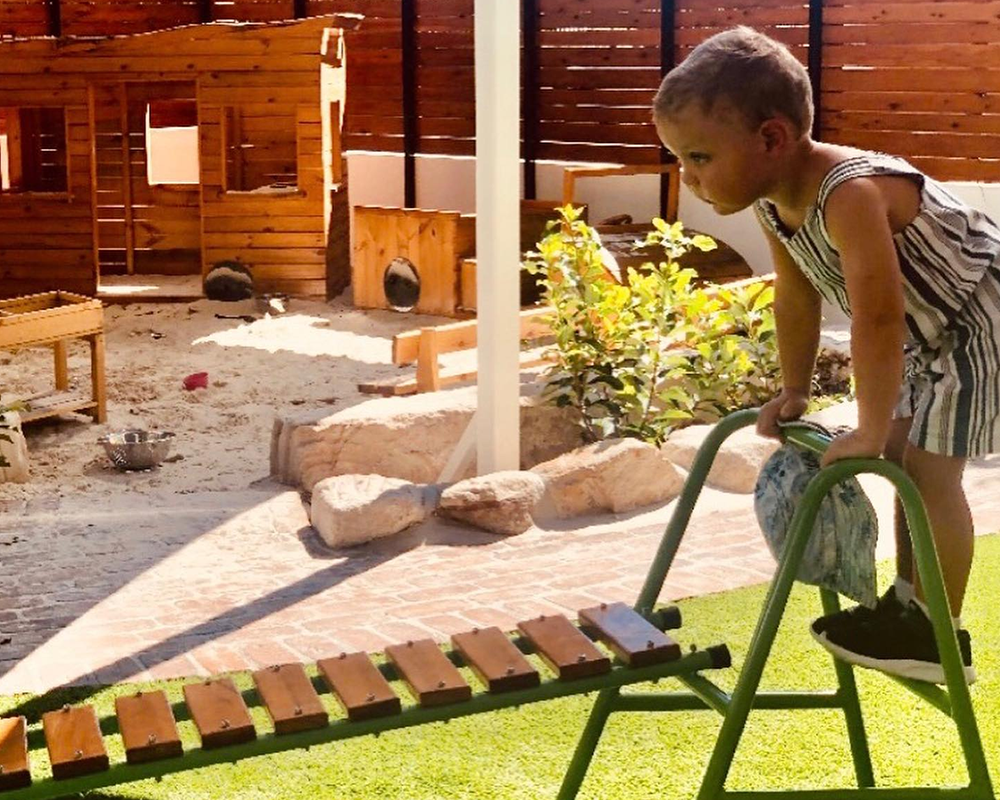
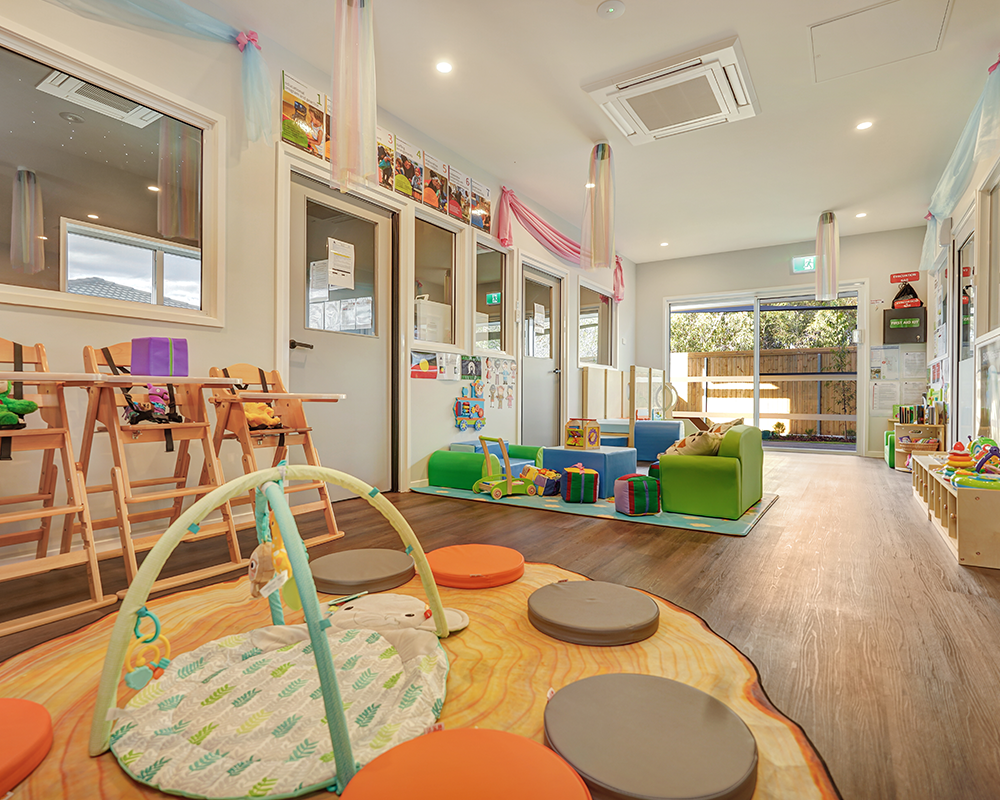
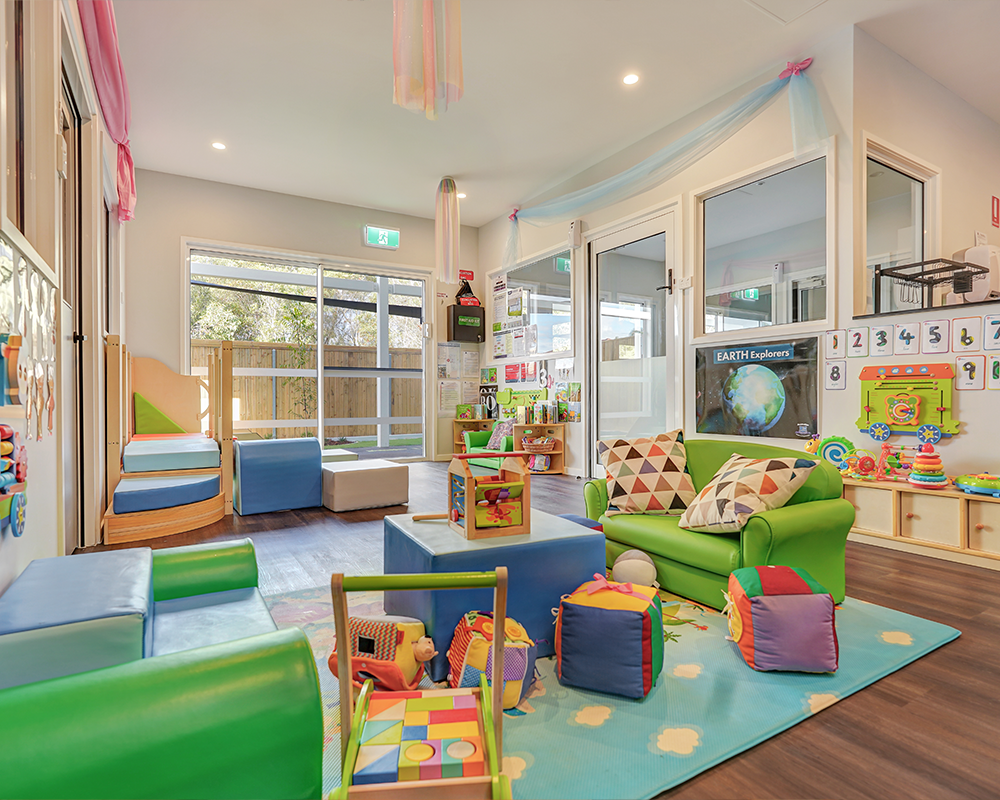
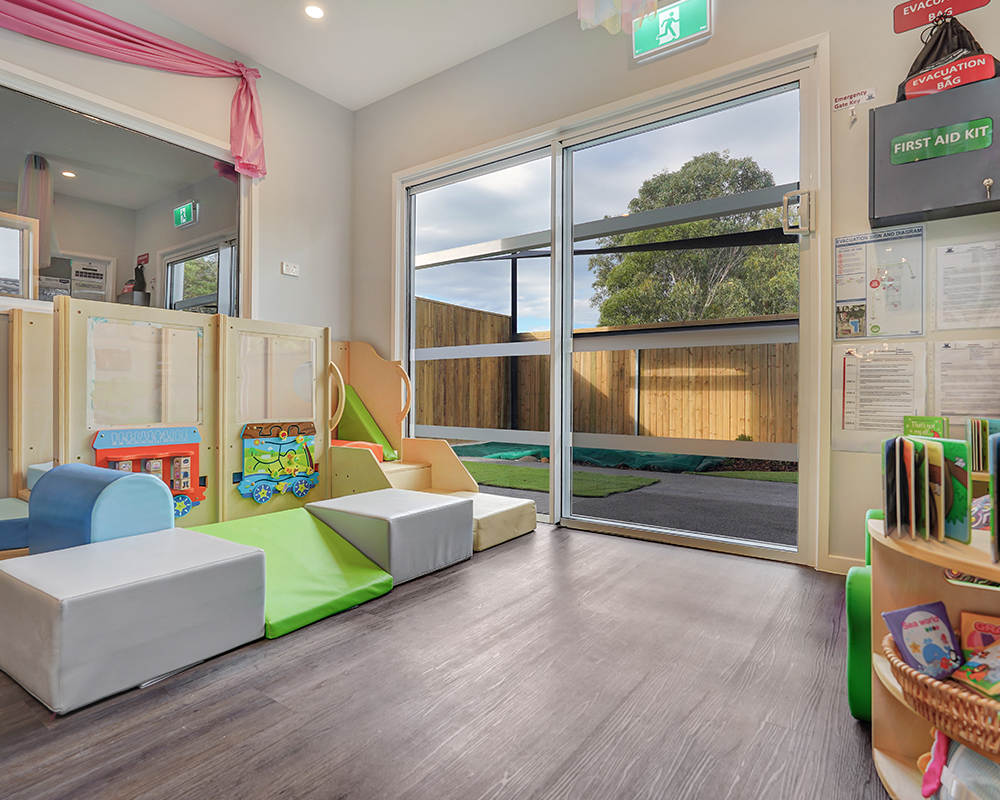
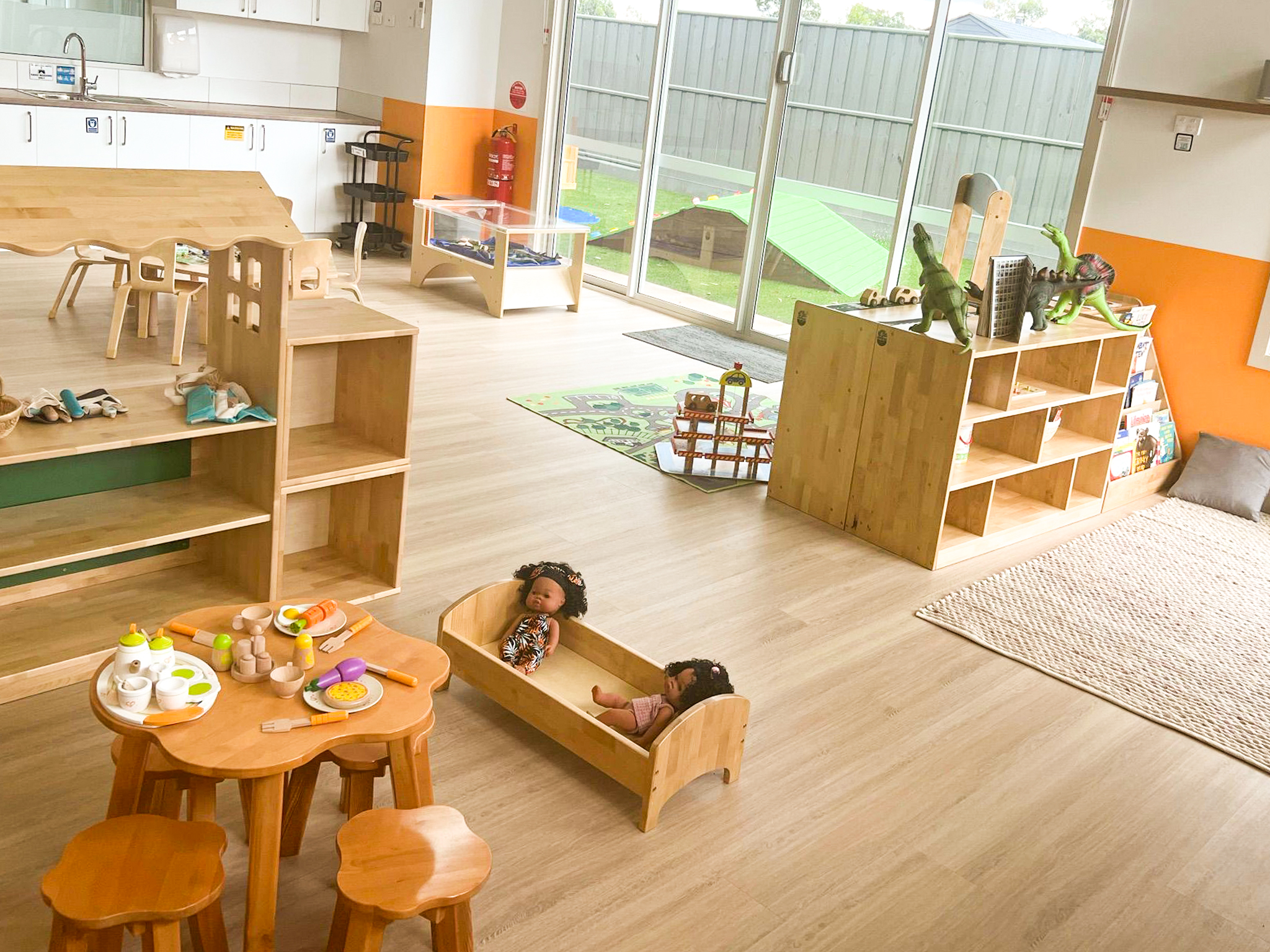
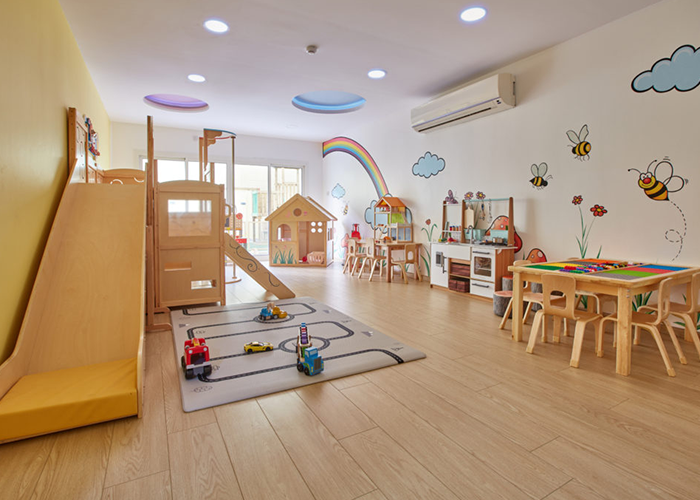
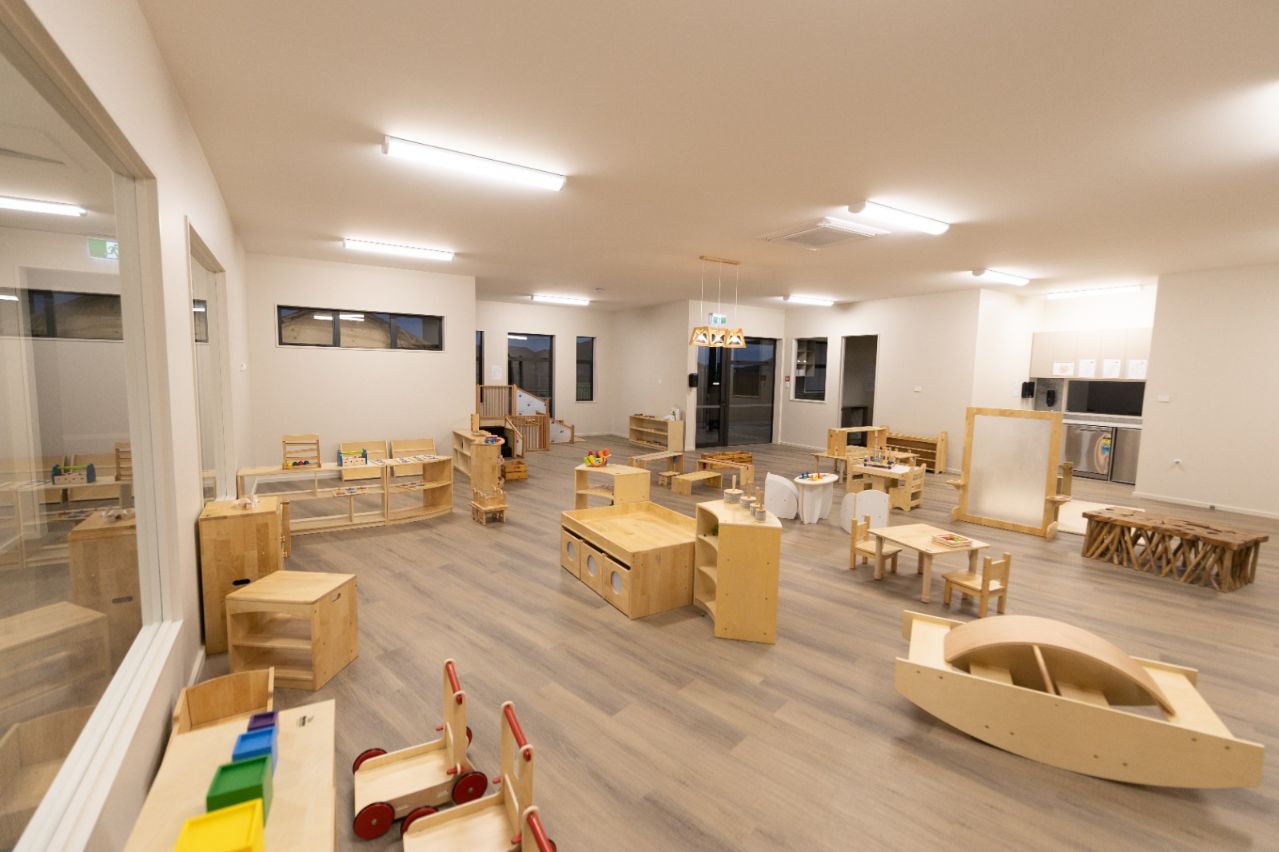
Montessori boards and Pikler furniture serve as the optimal educational toys since they help kids develop their physical, motor, and mental skills at the same time. Furthermore, they enhance children’s cognitive and social skills, boosting their personality development in the process too.