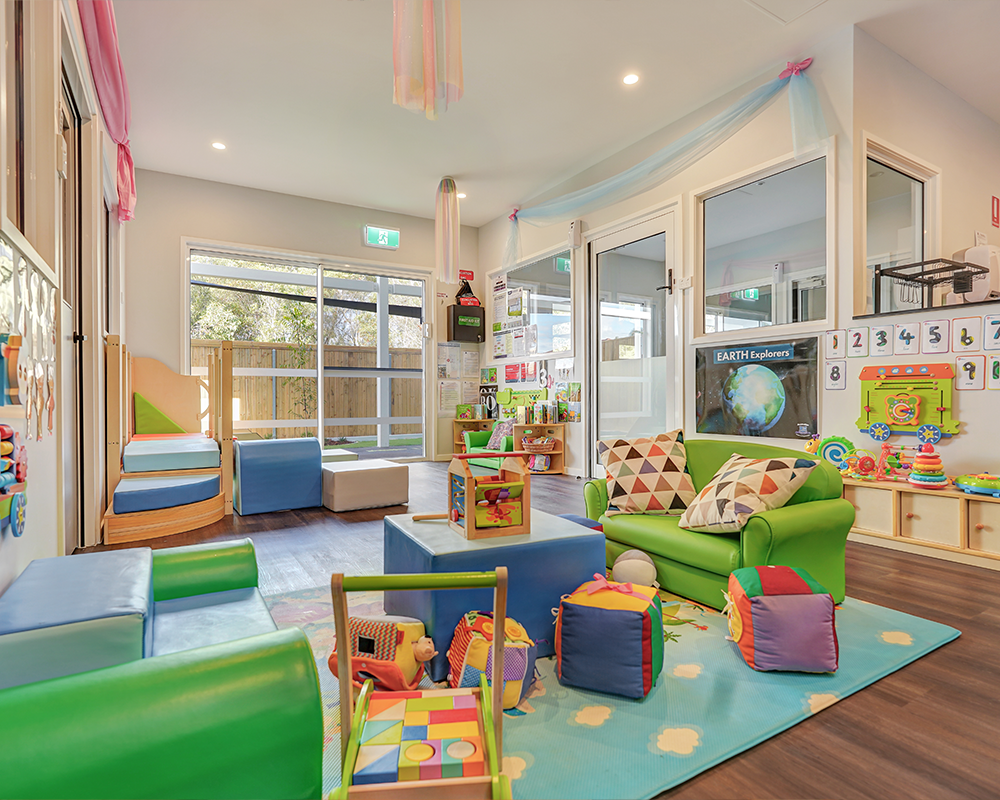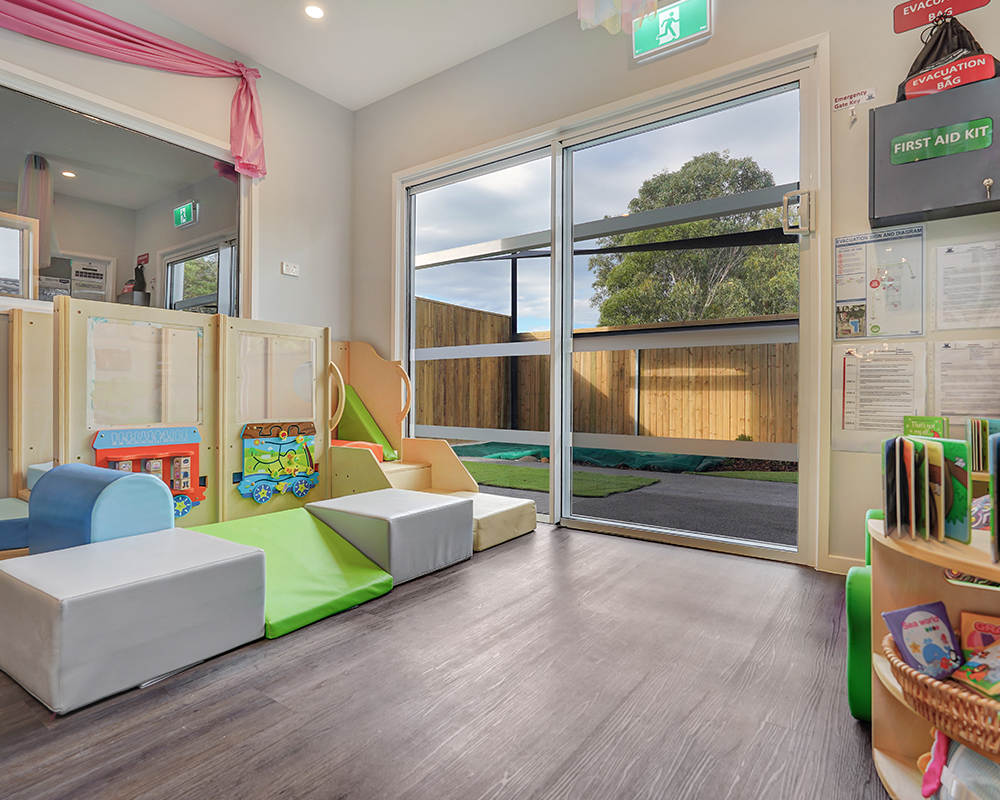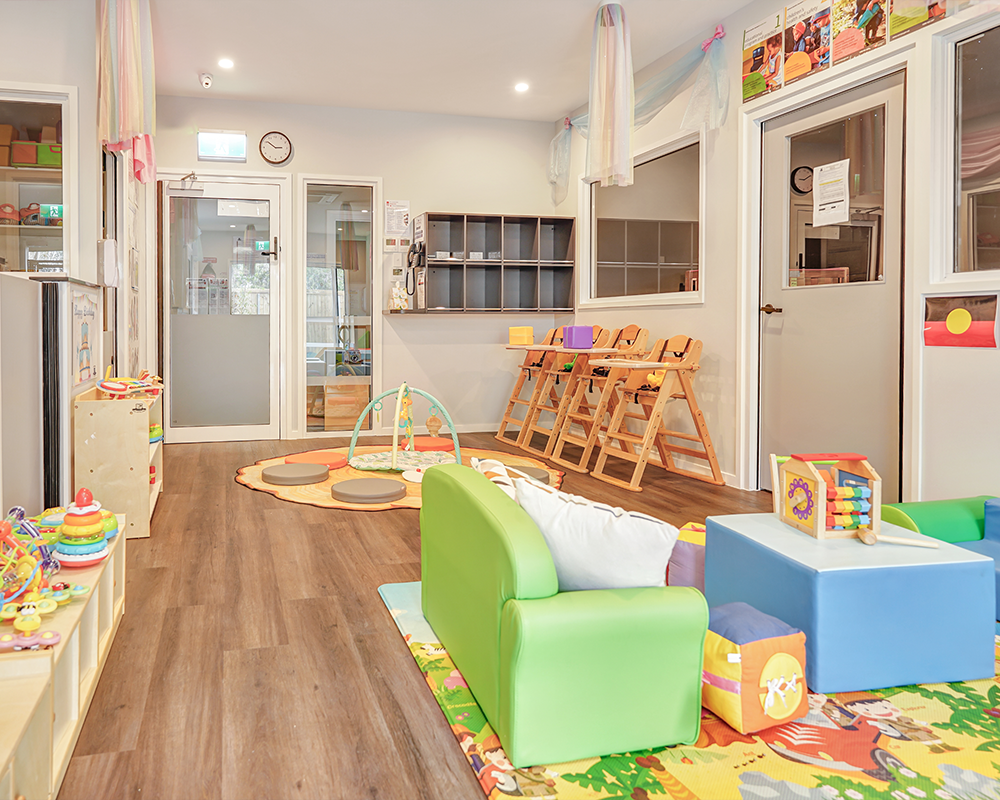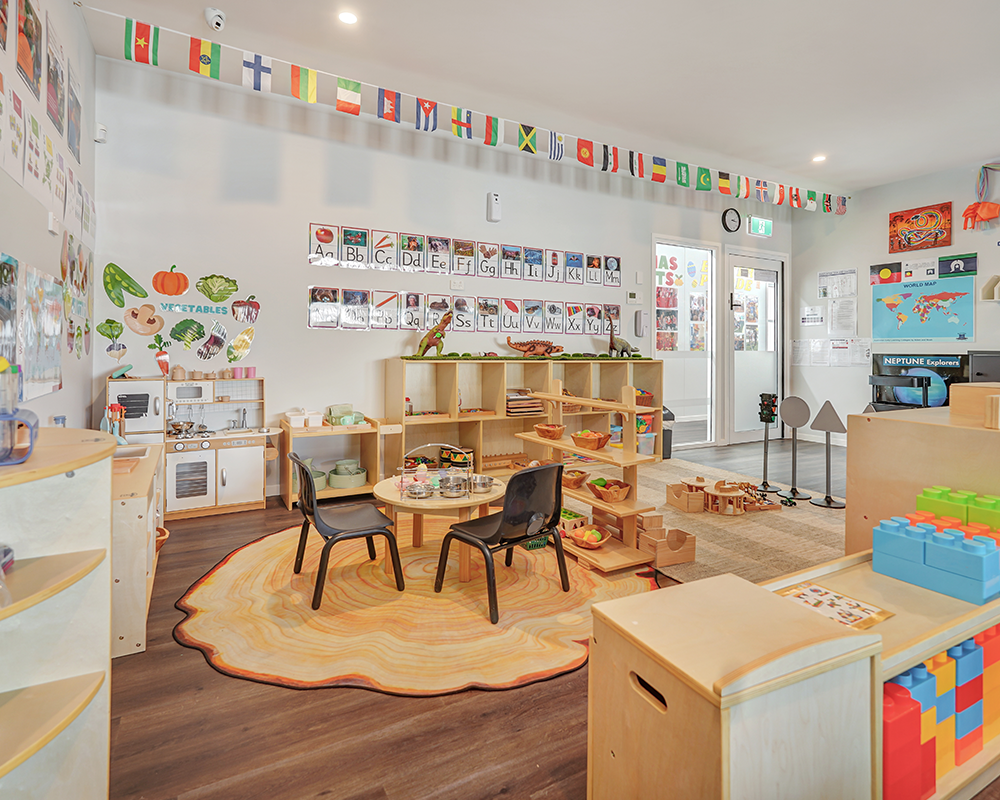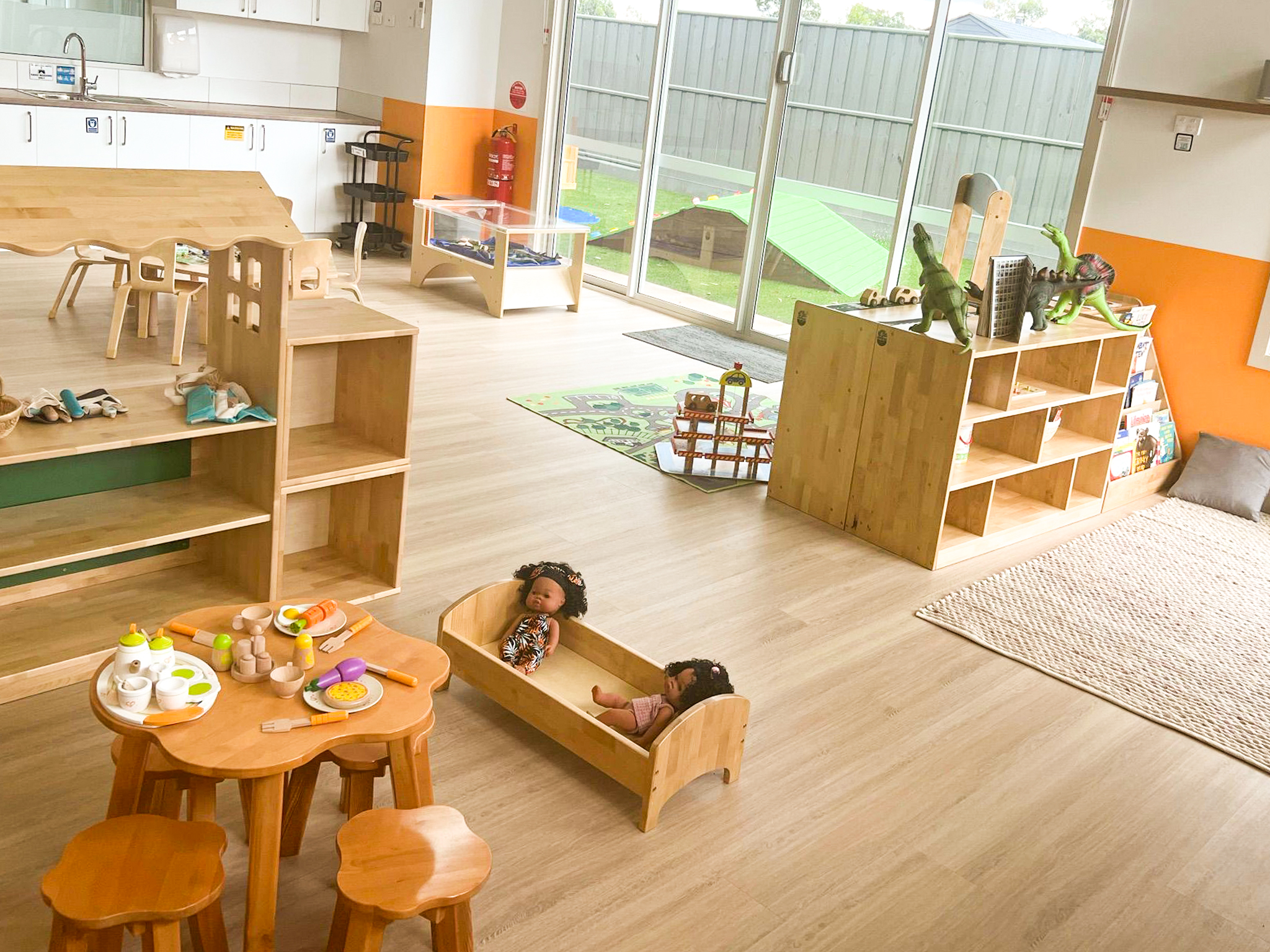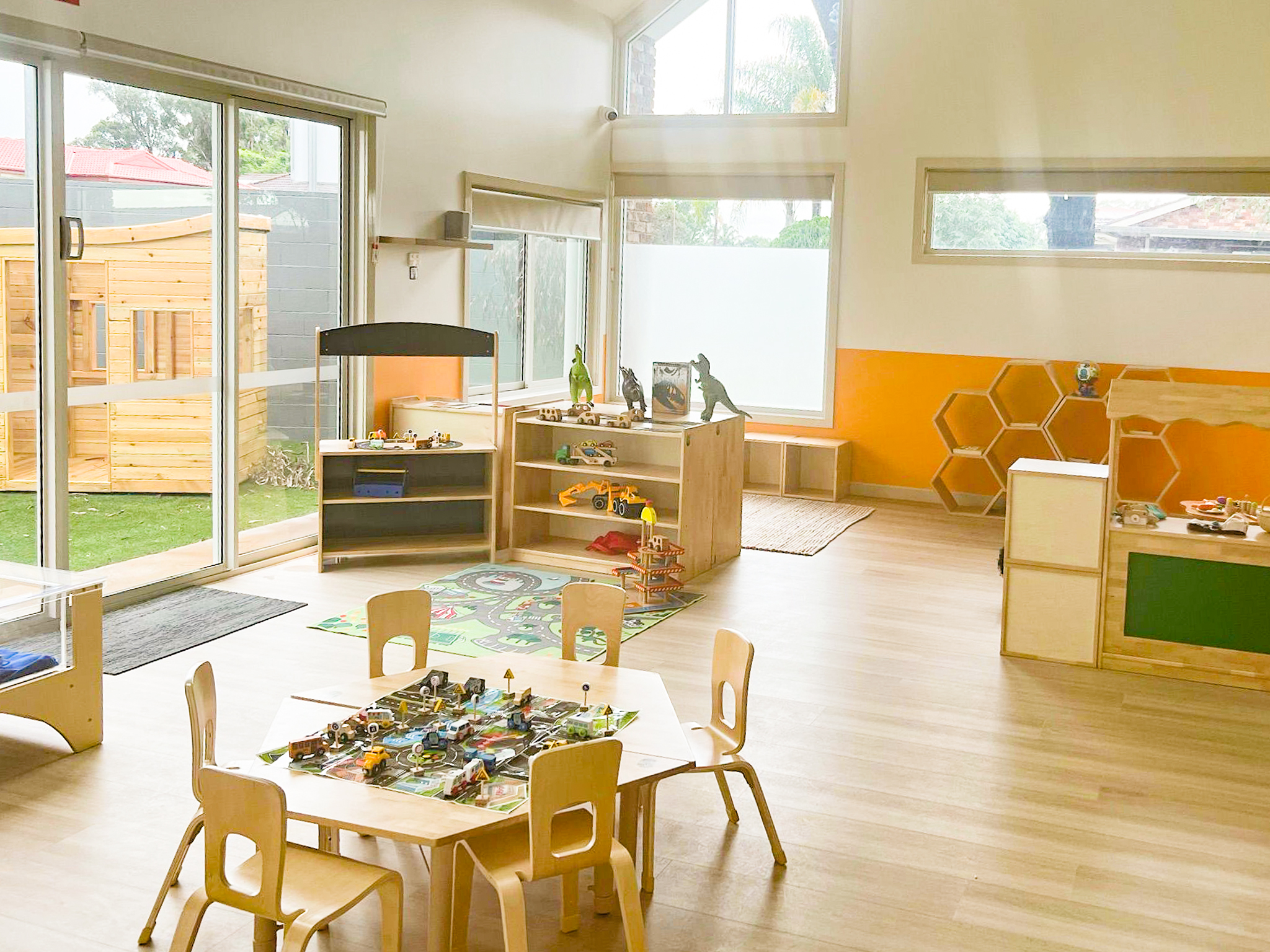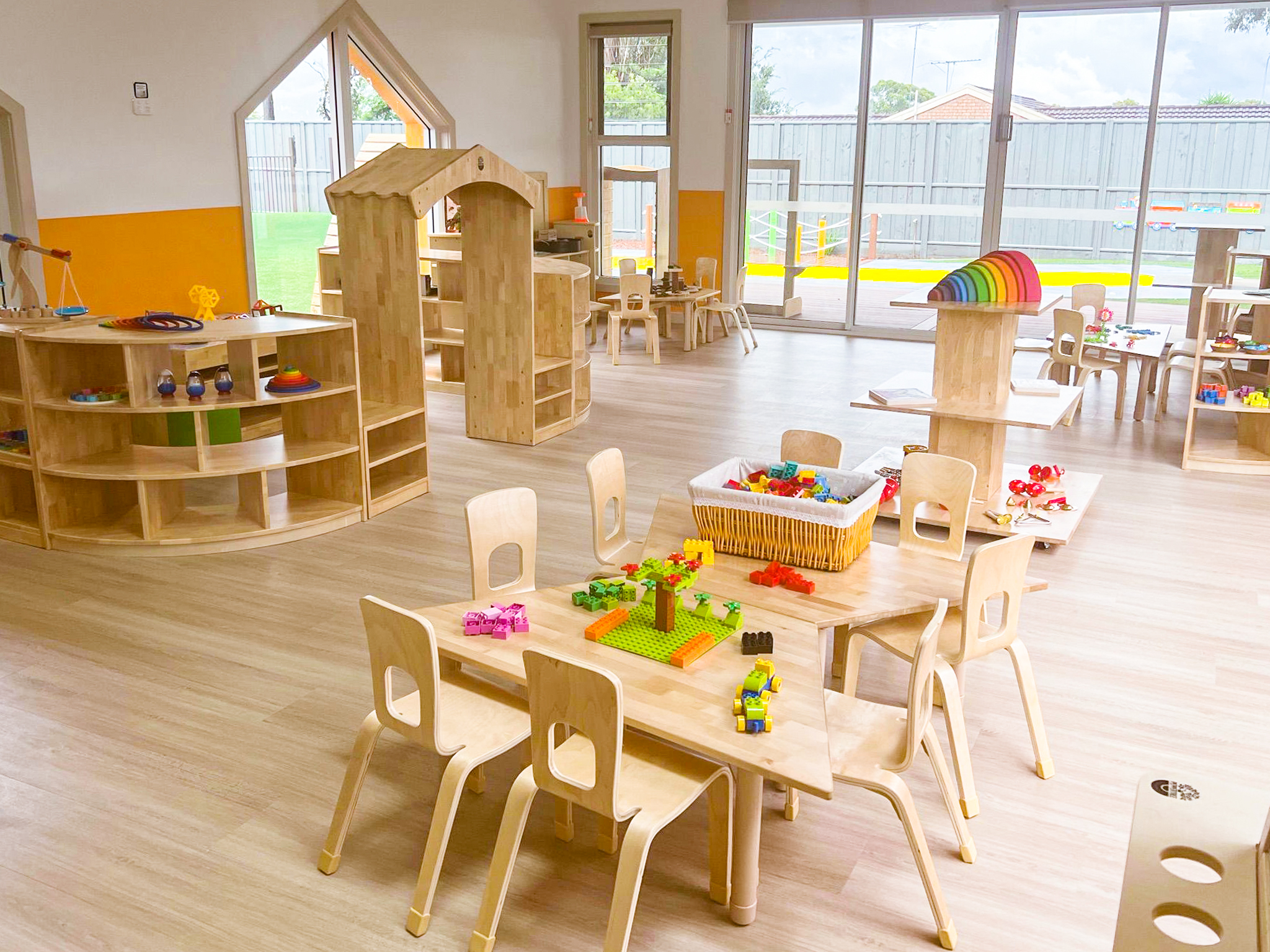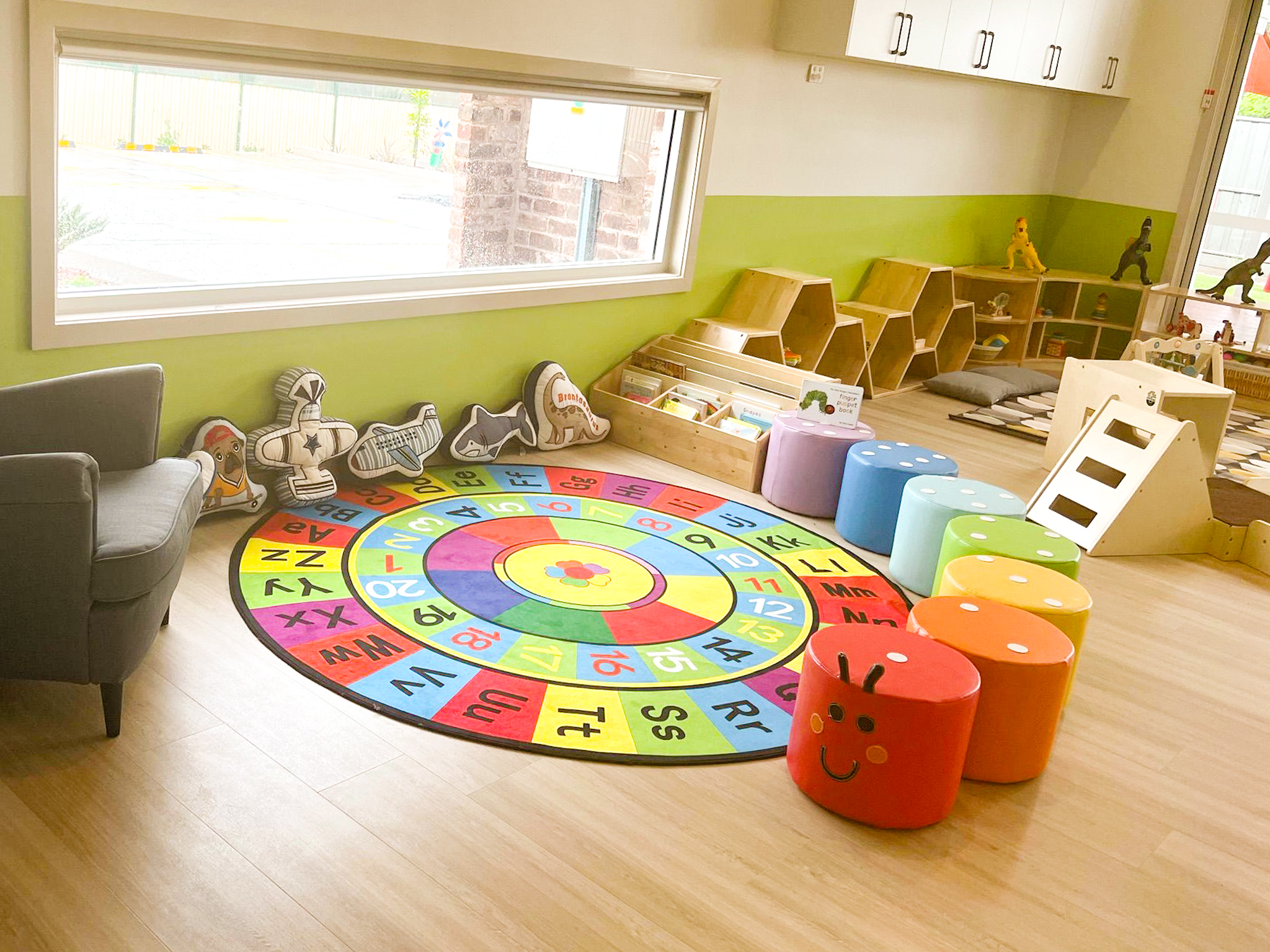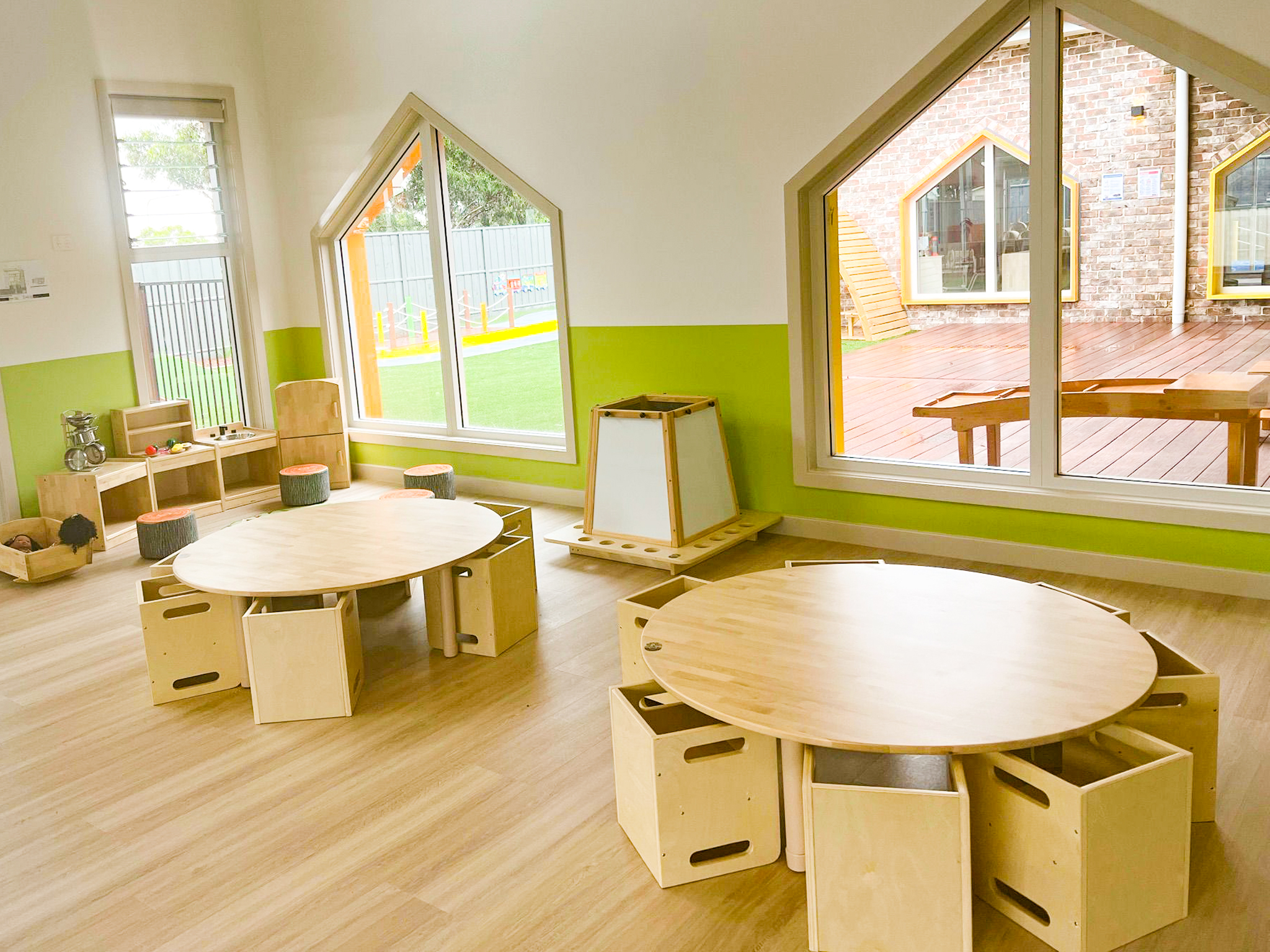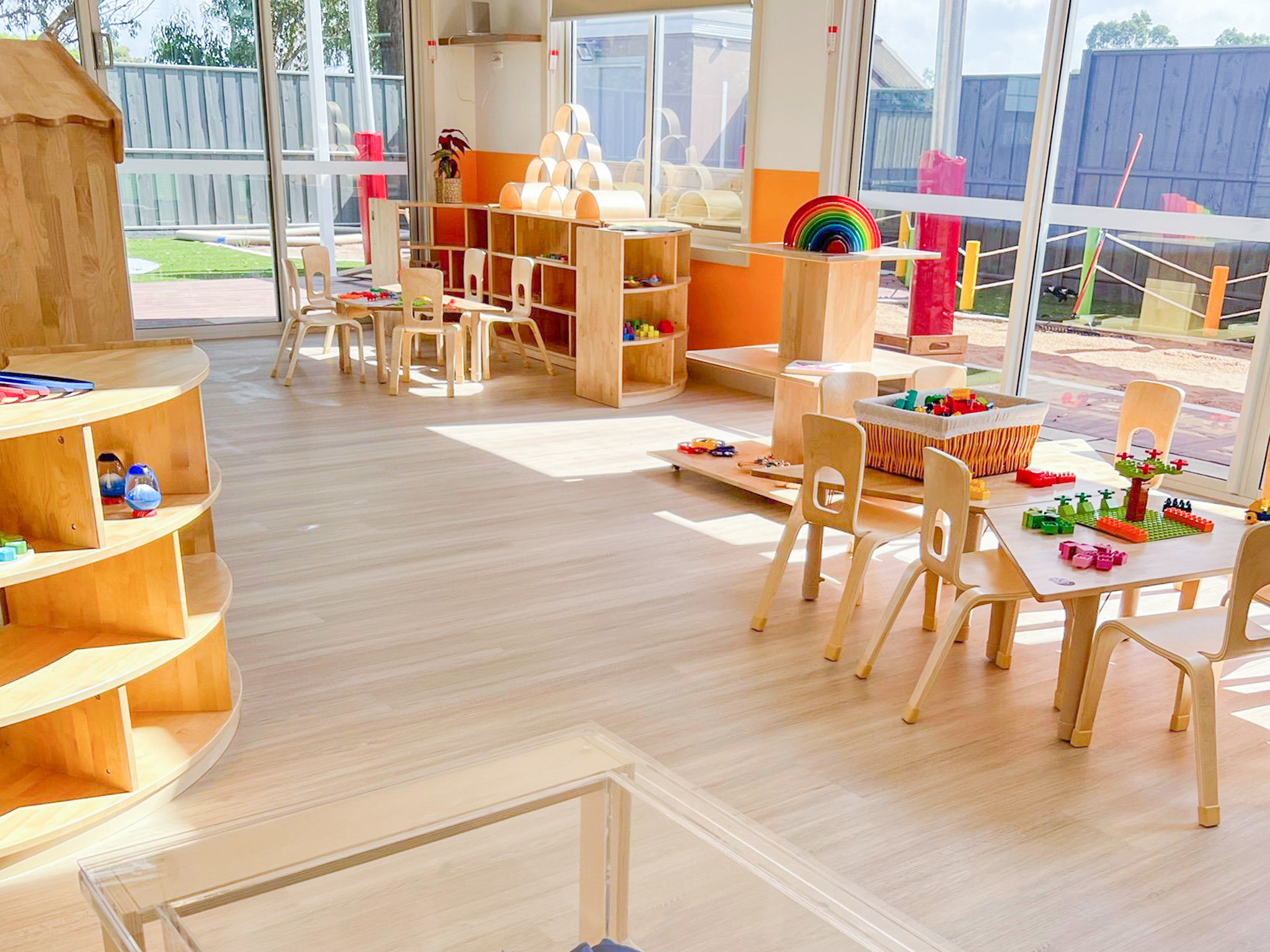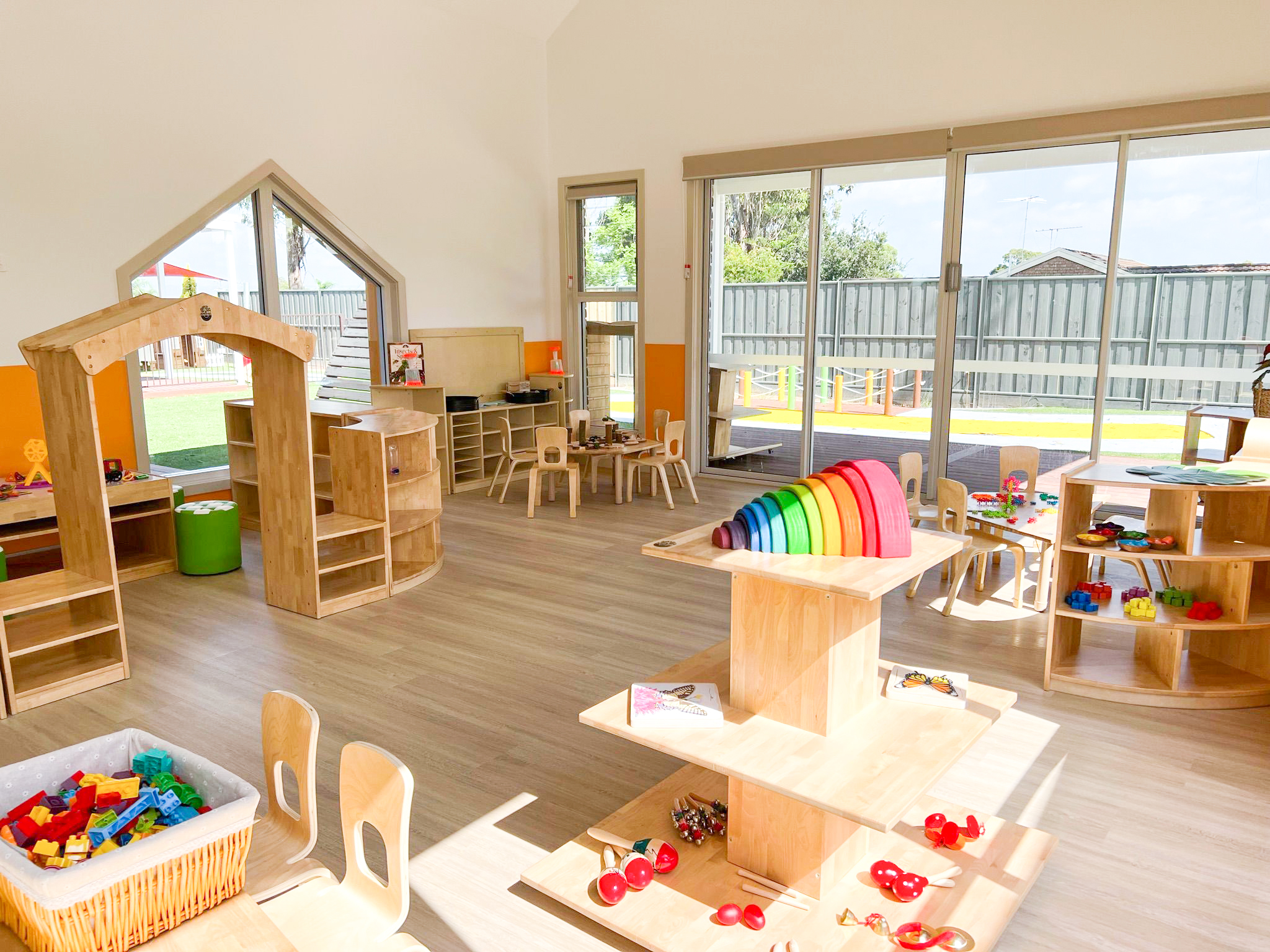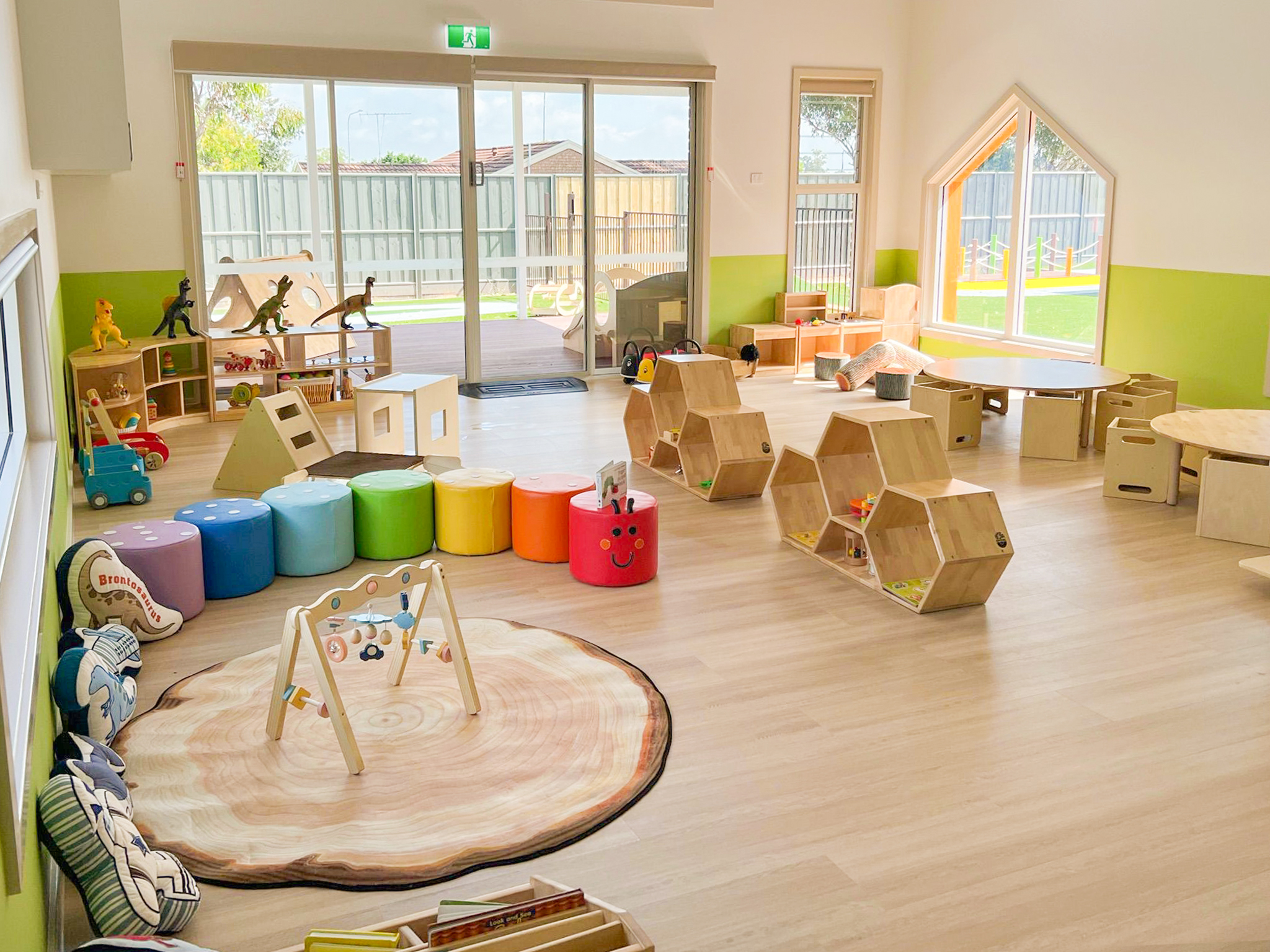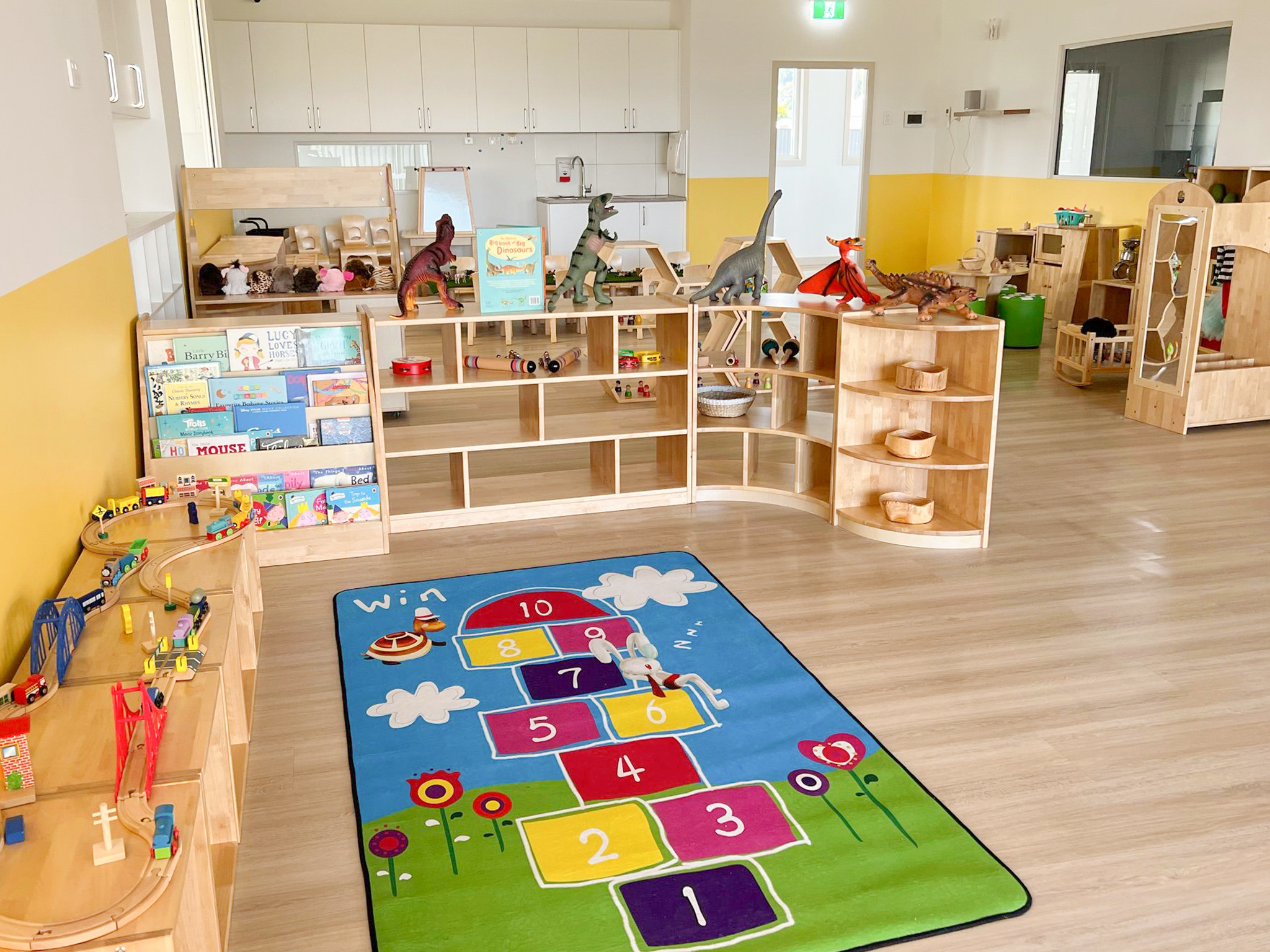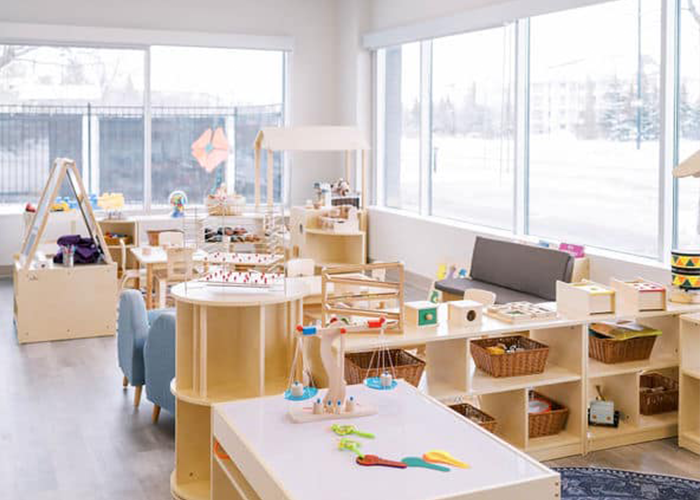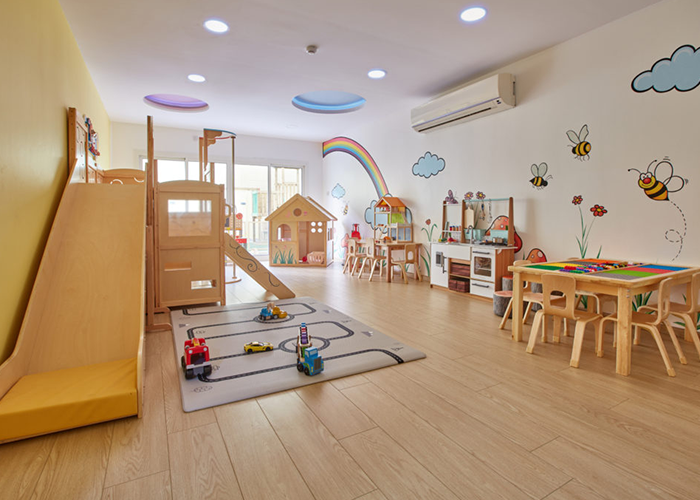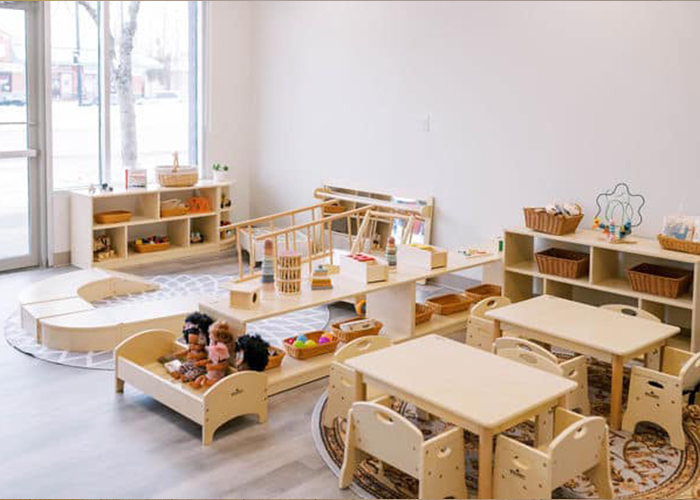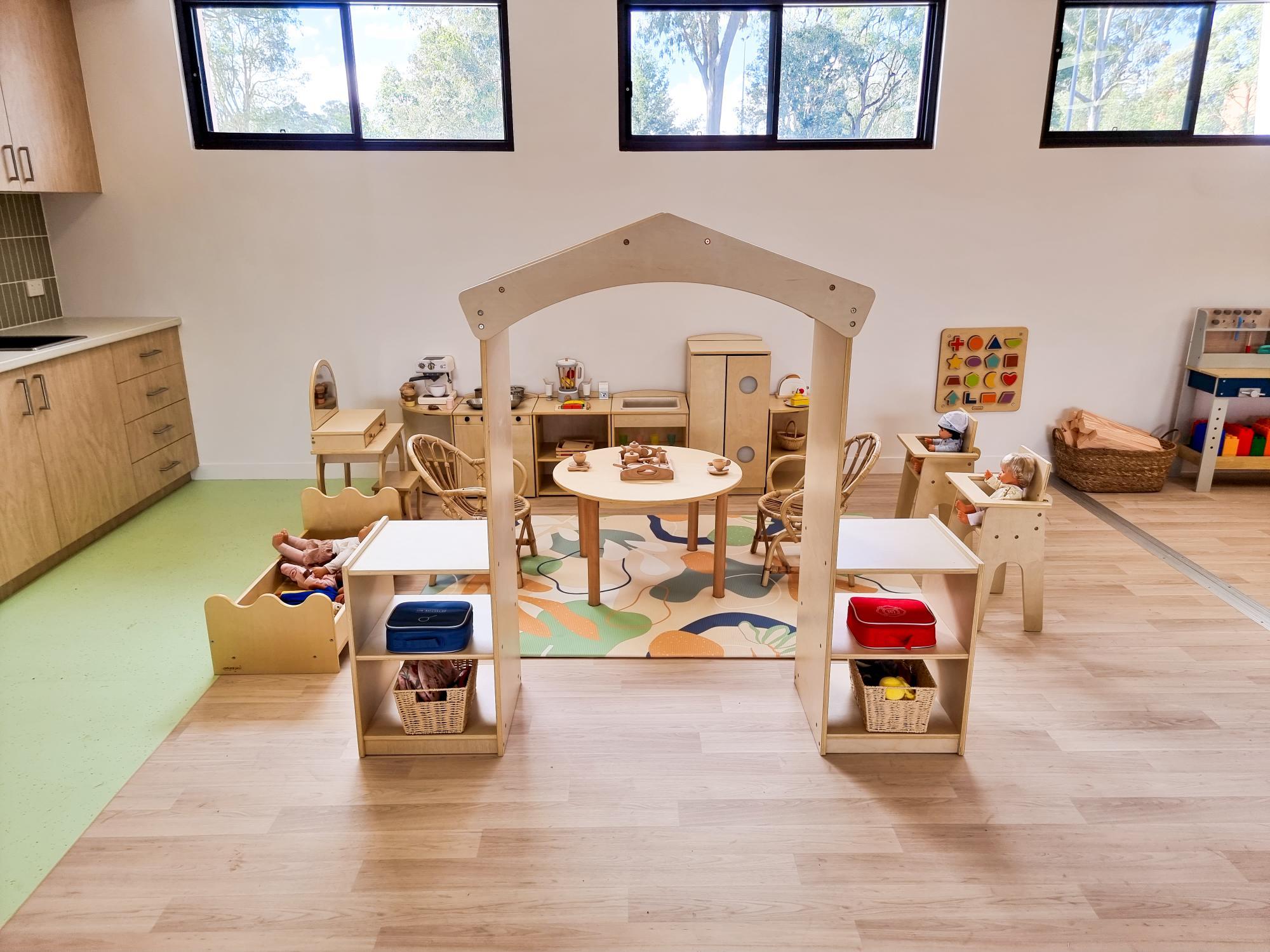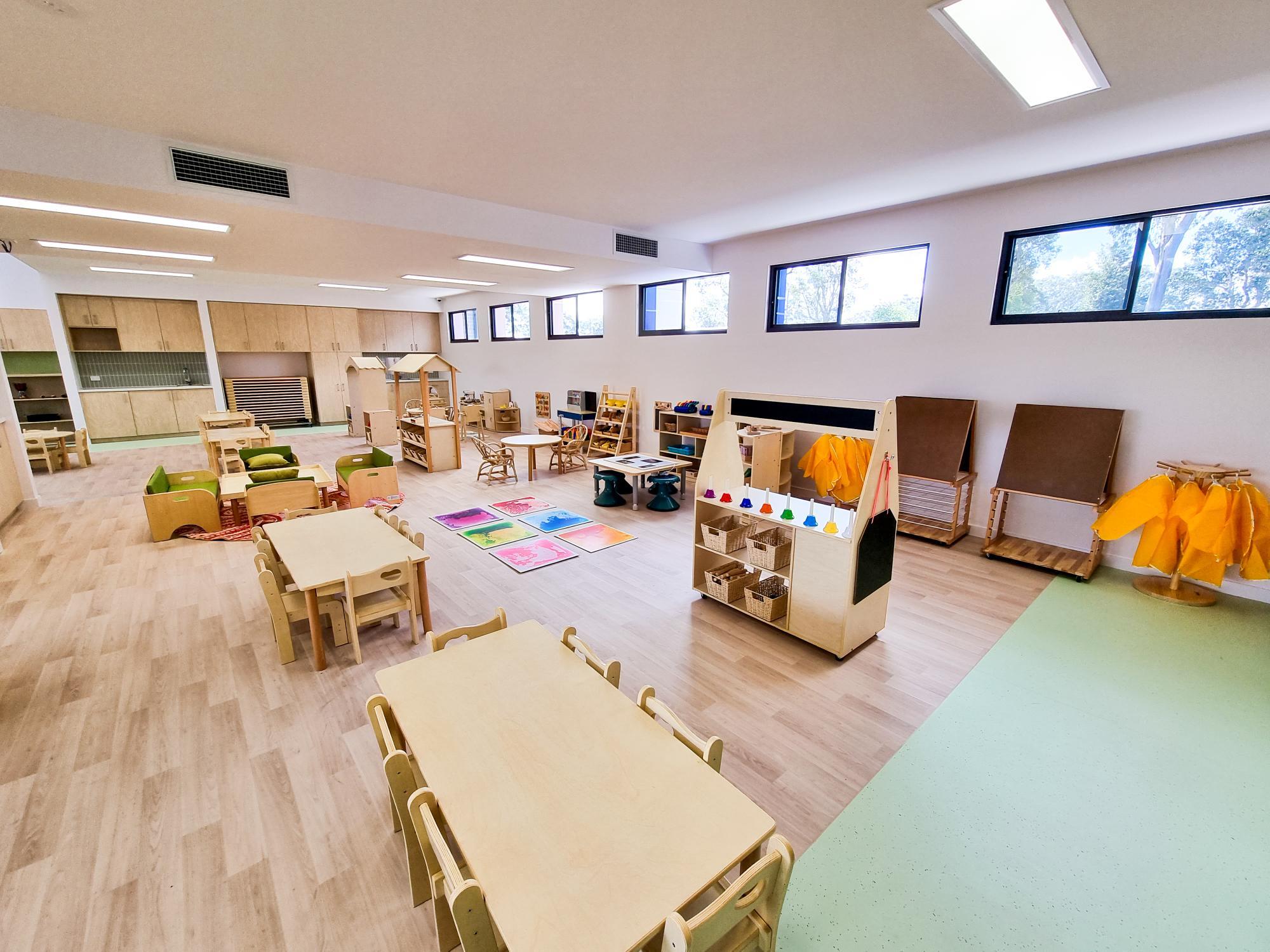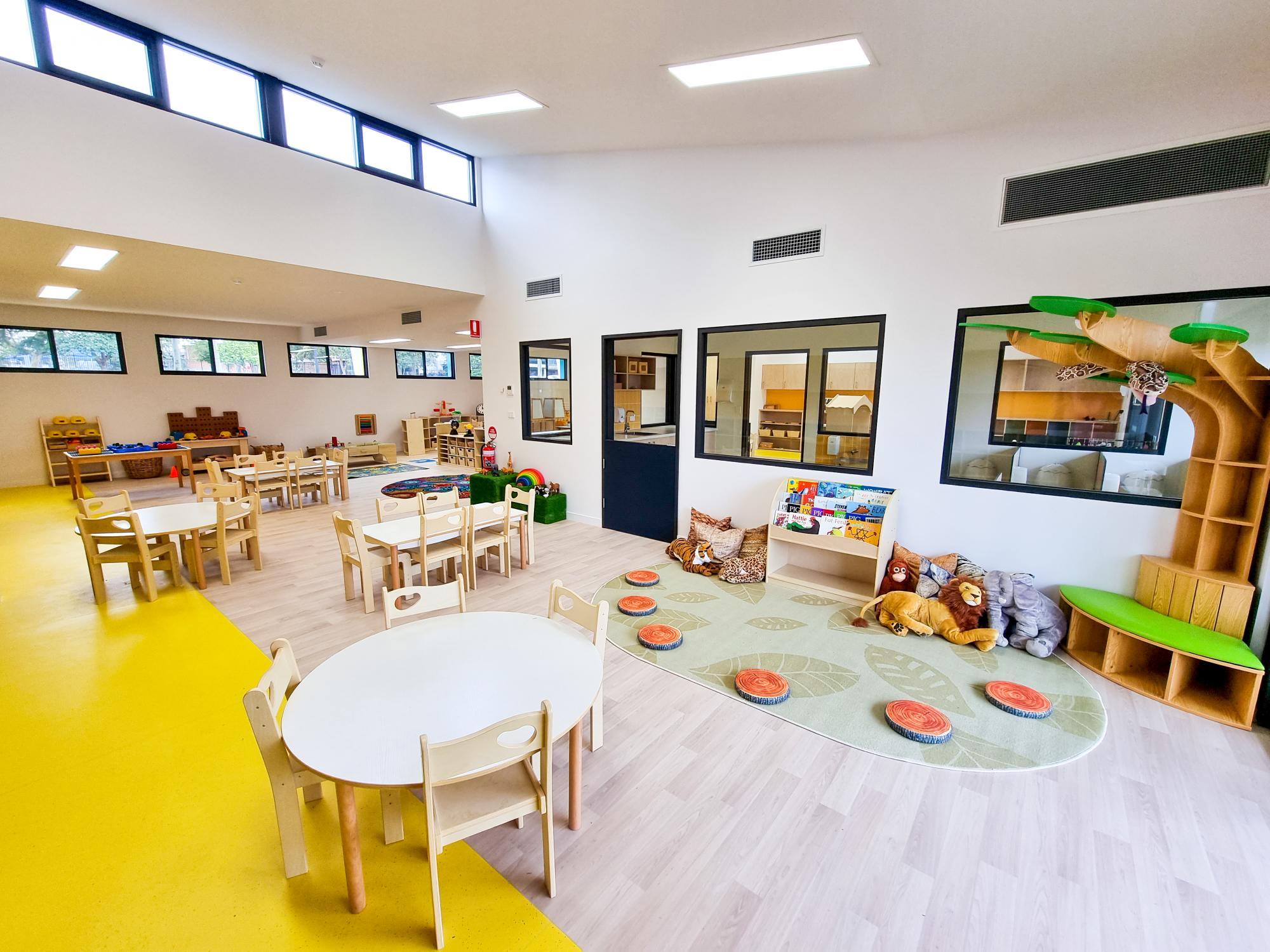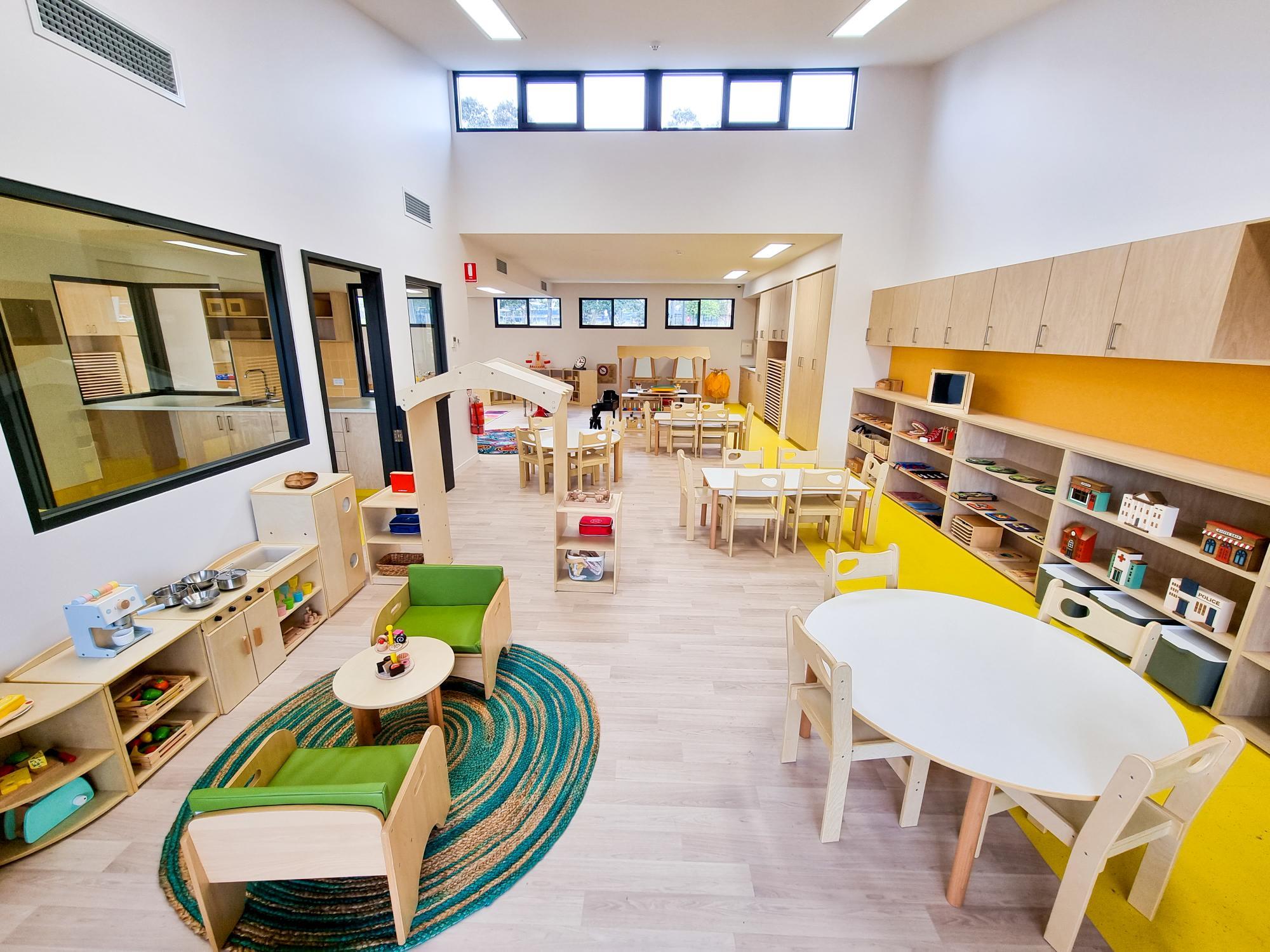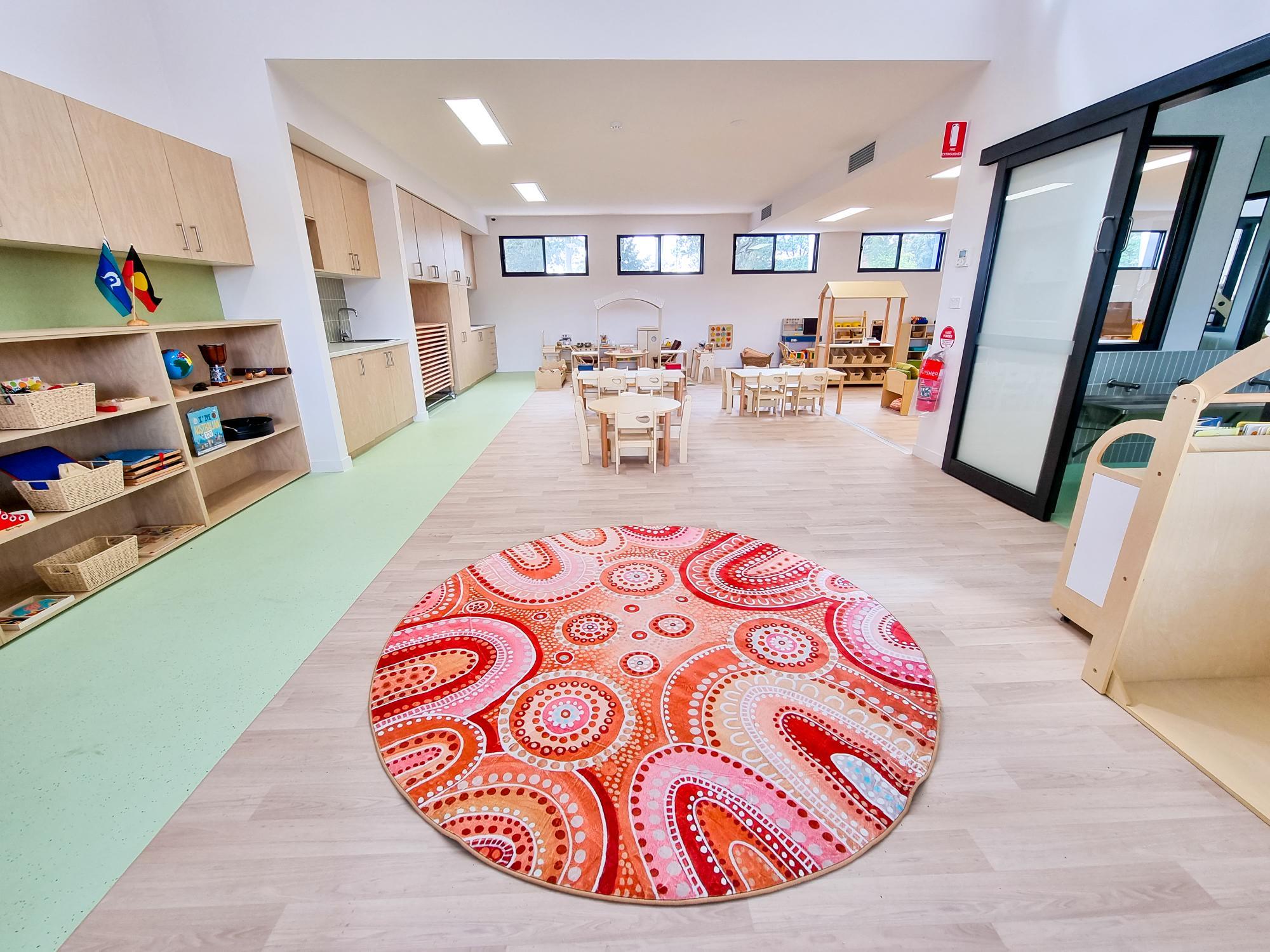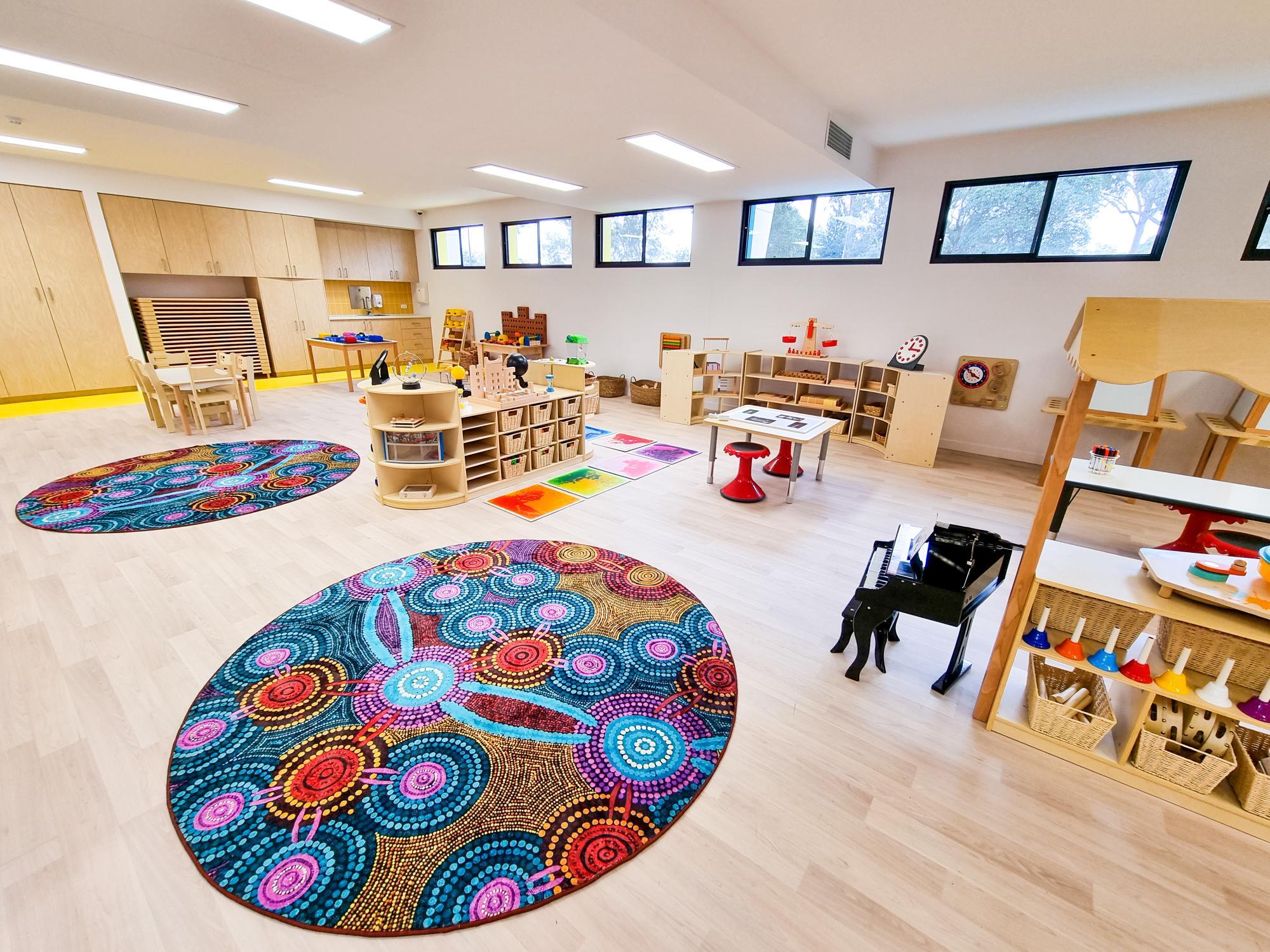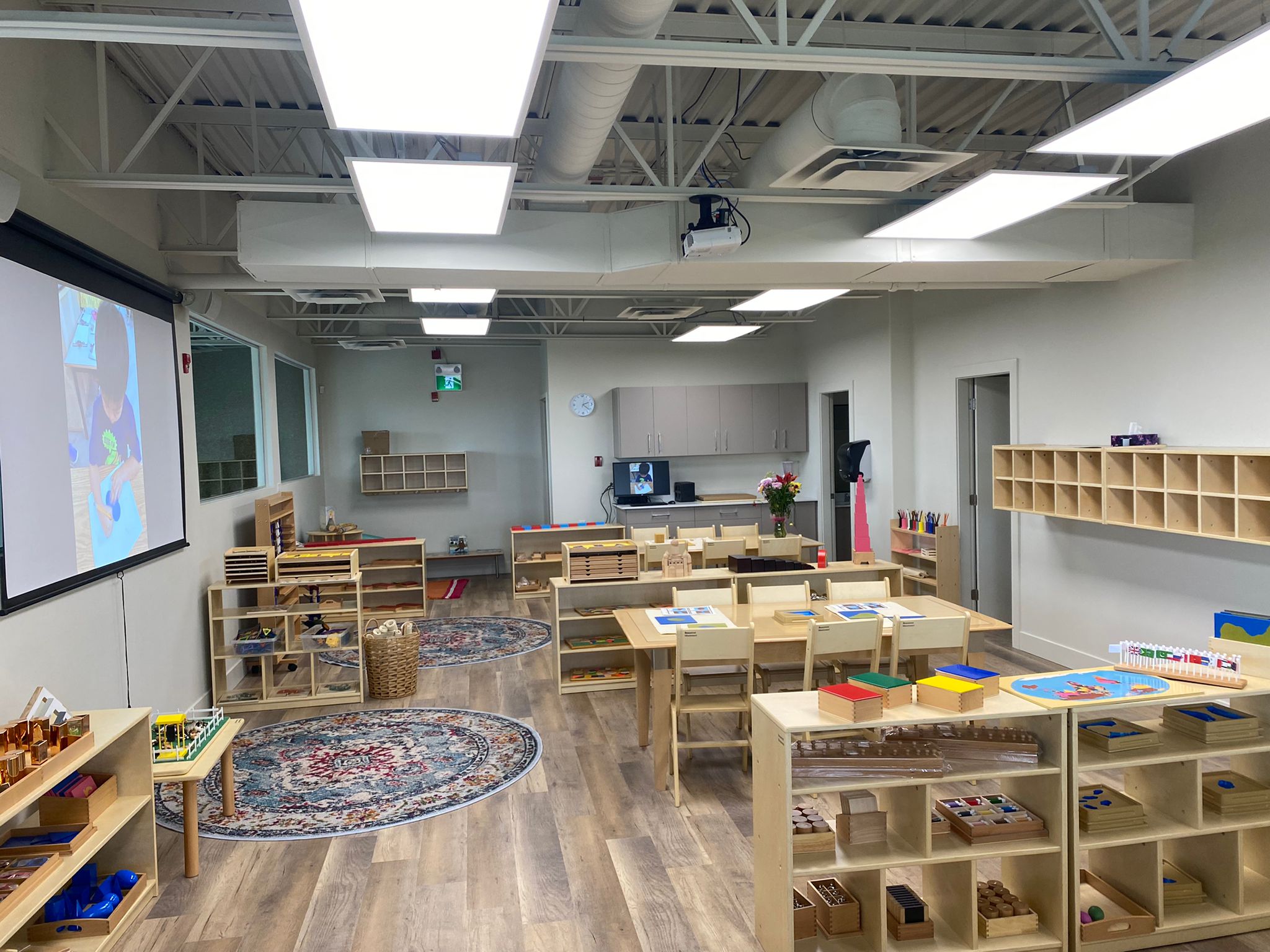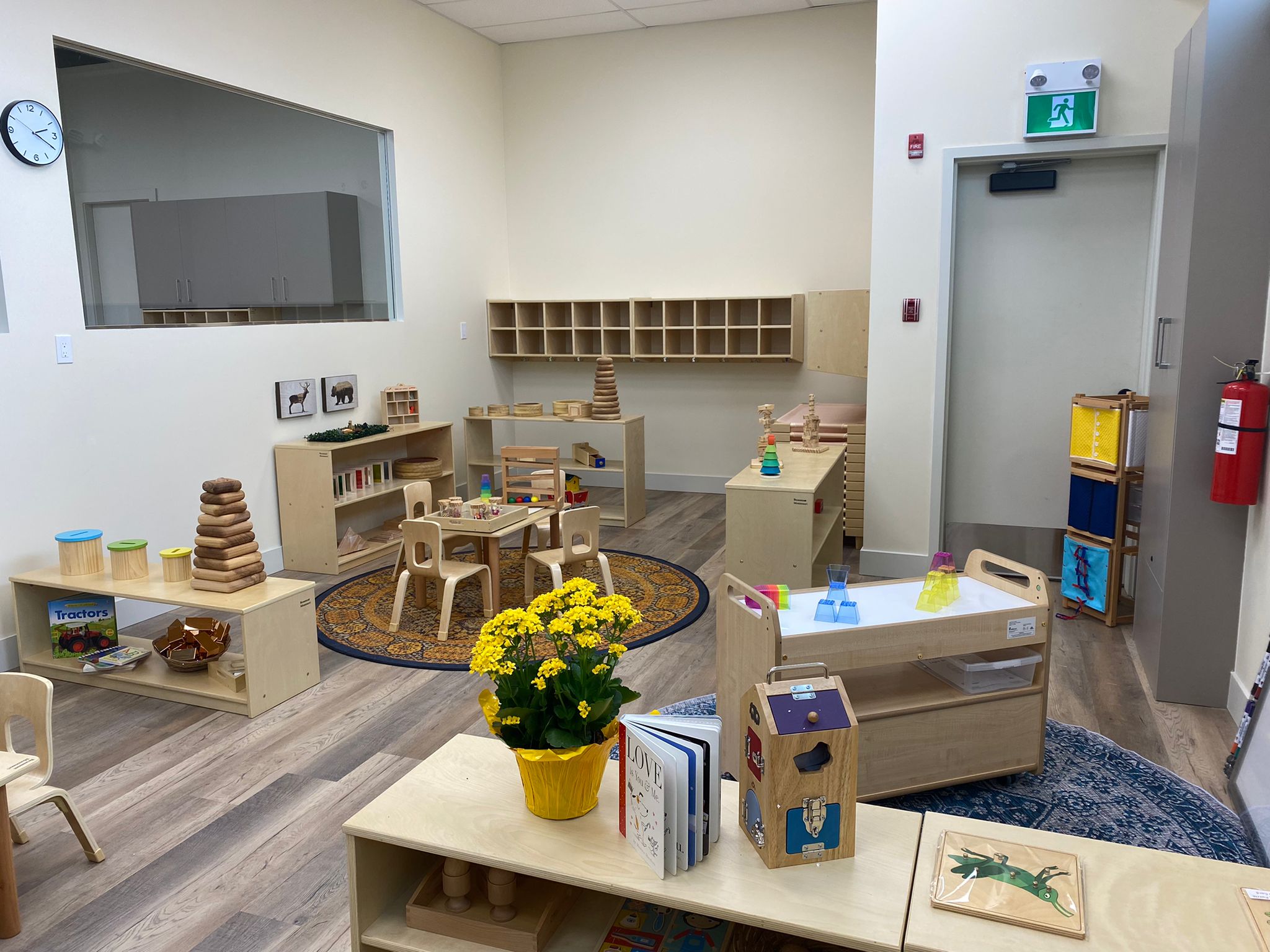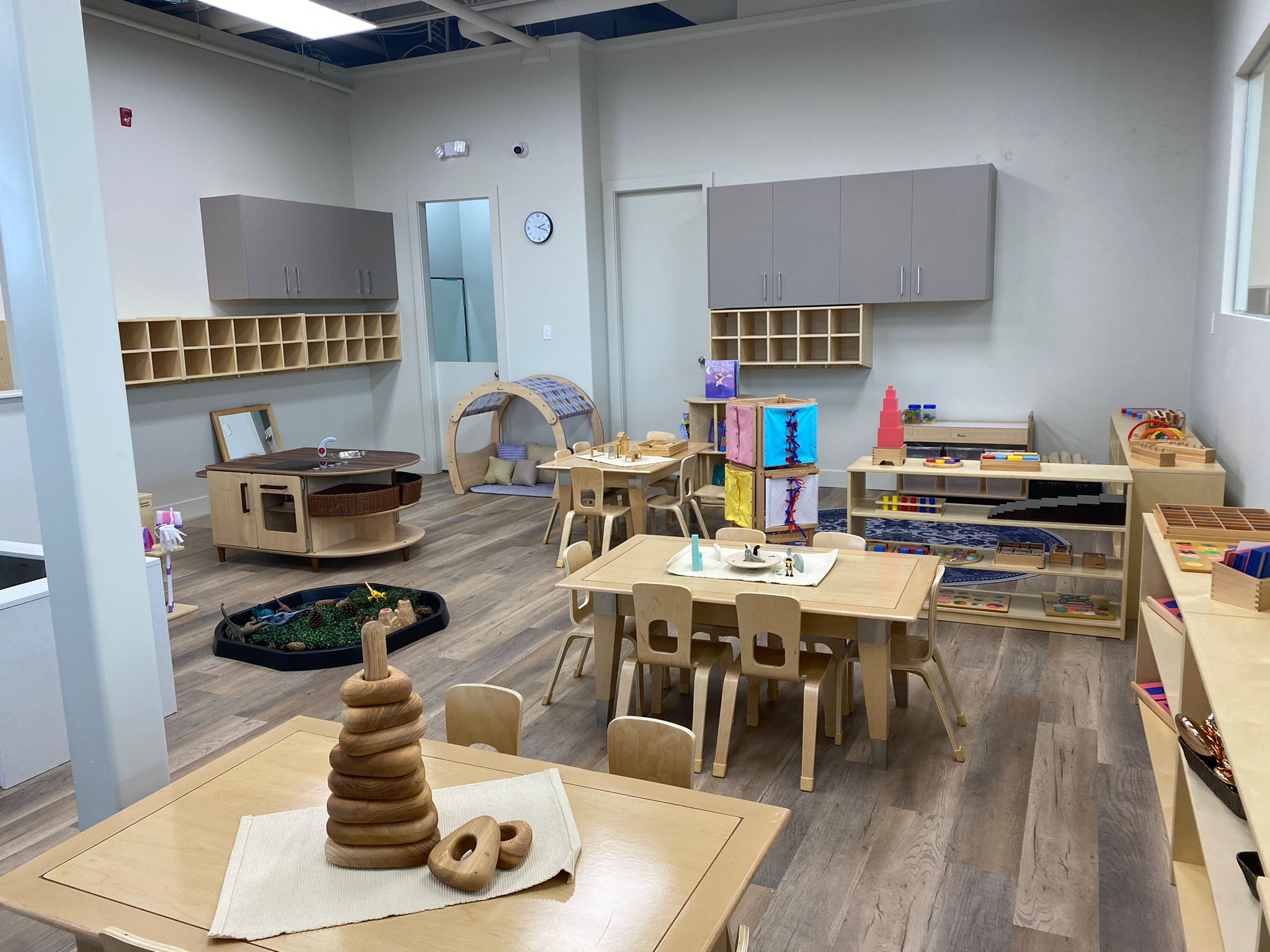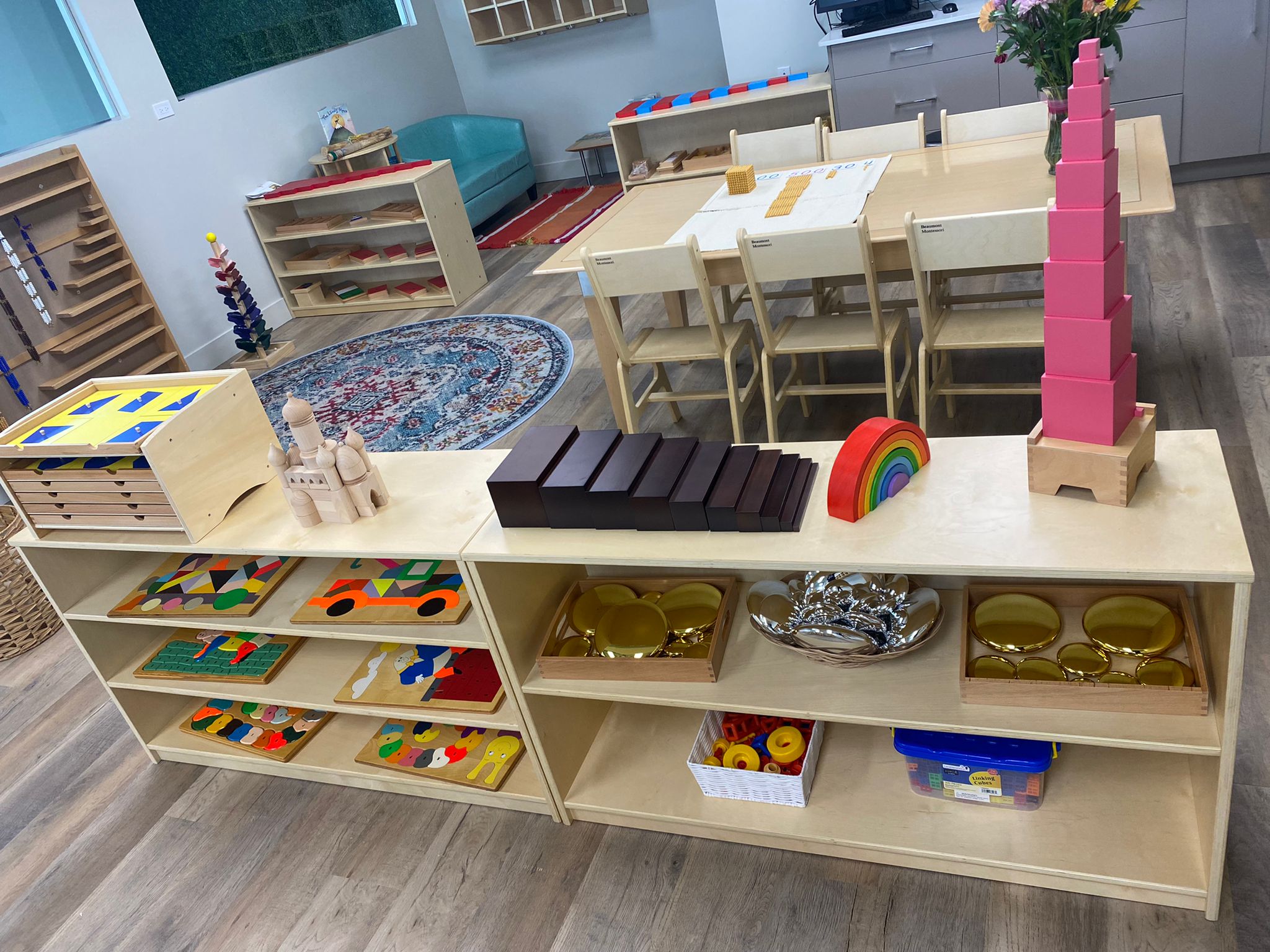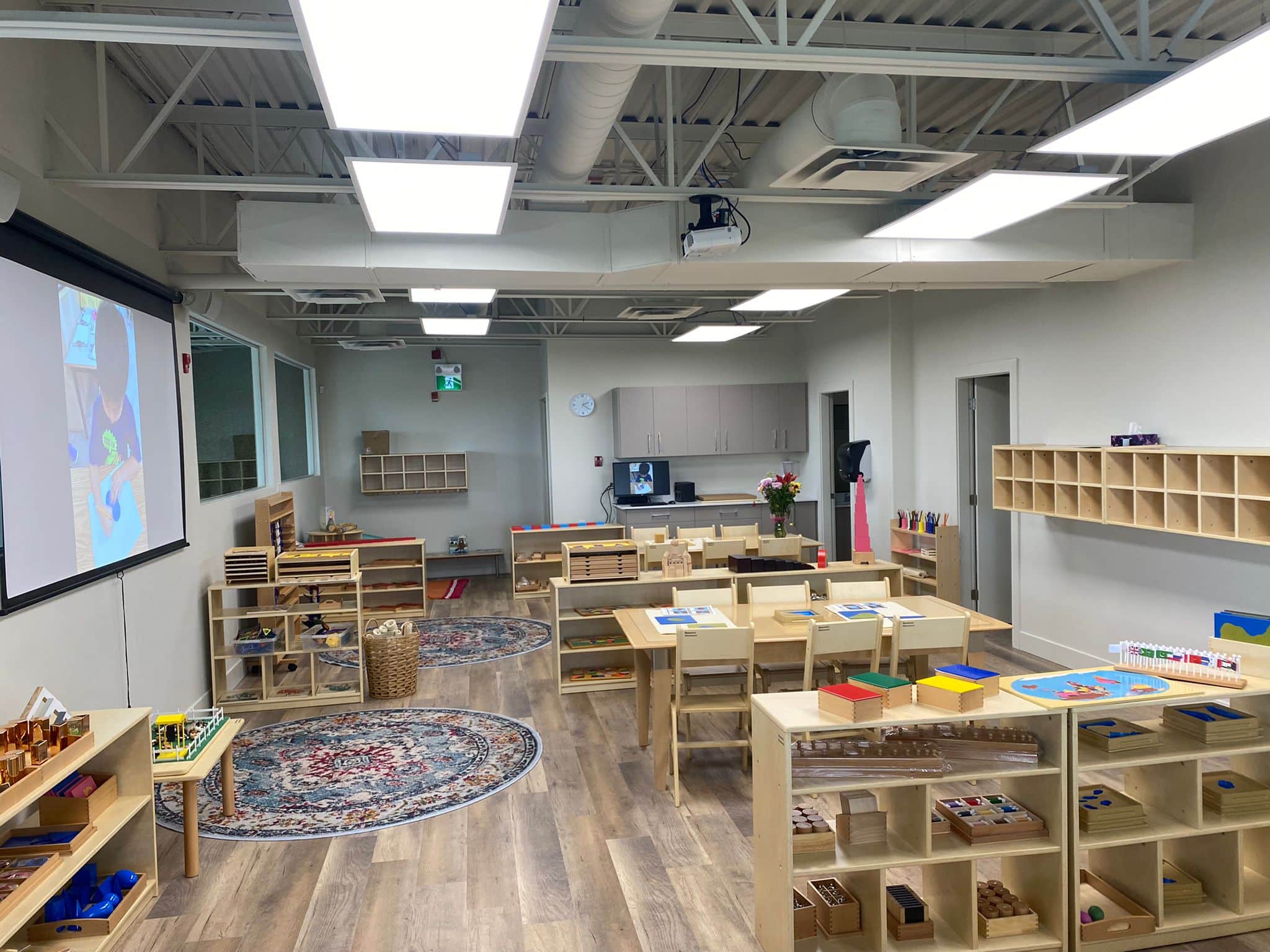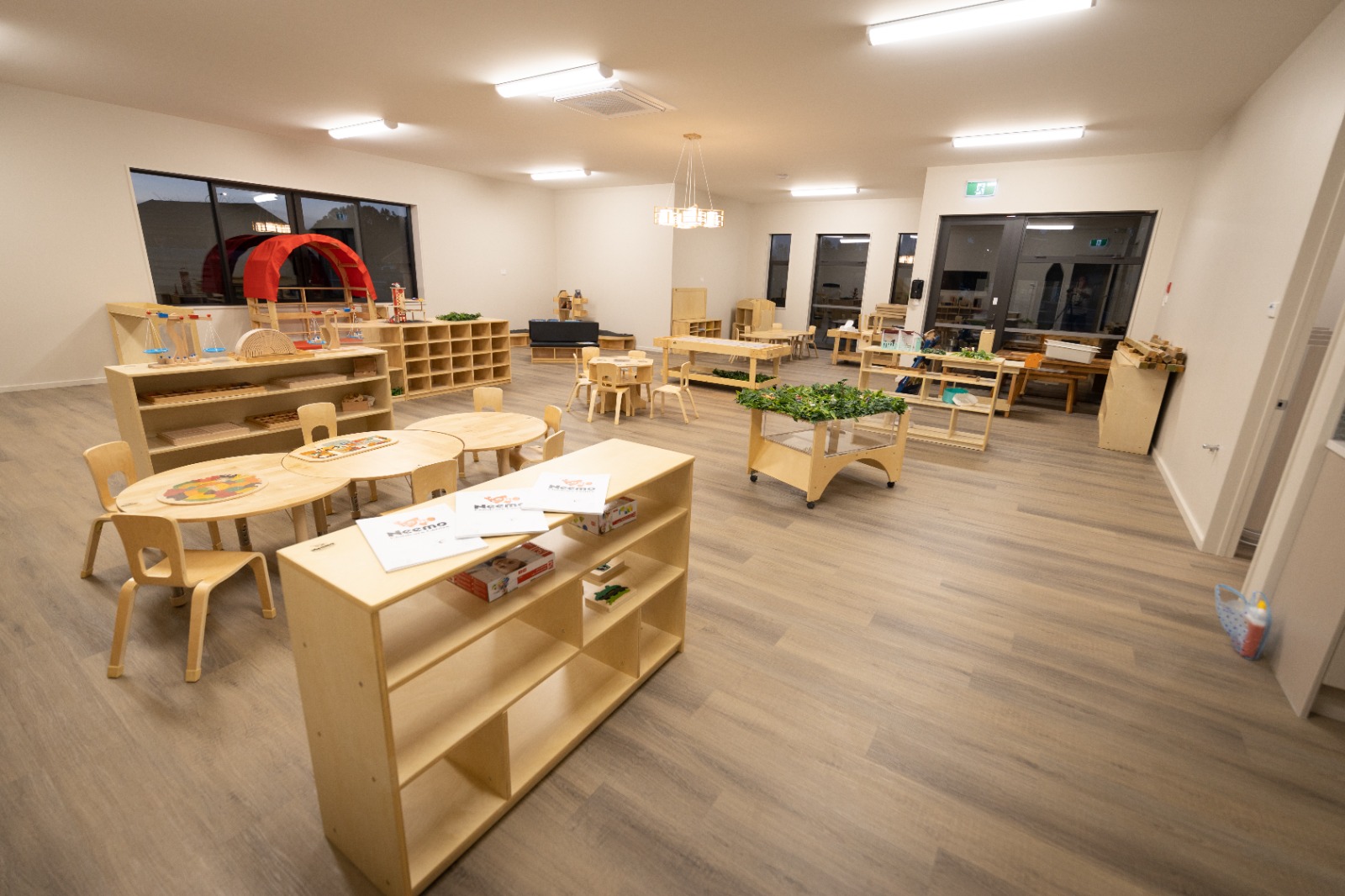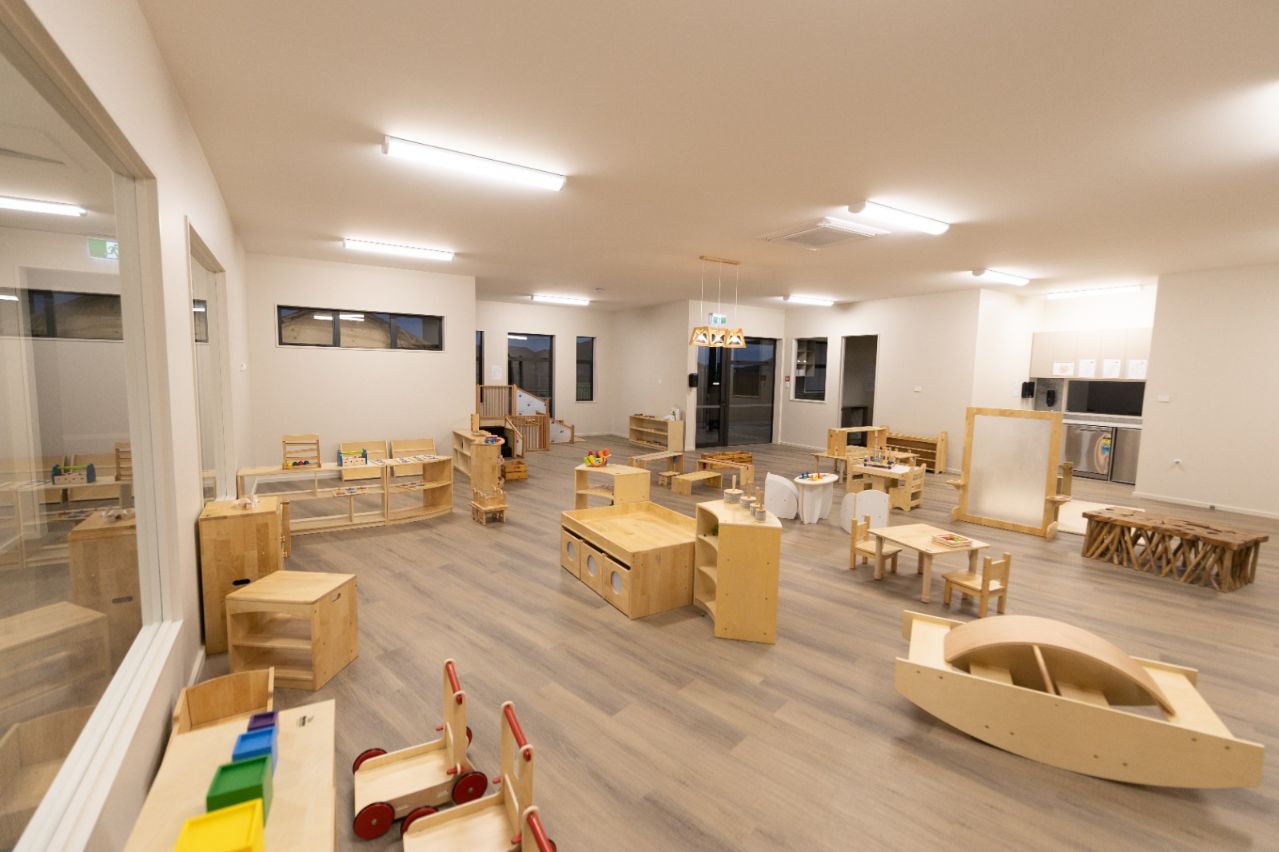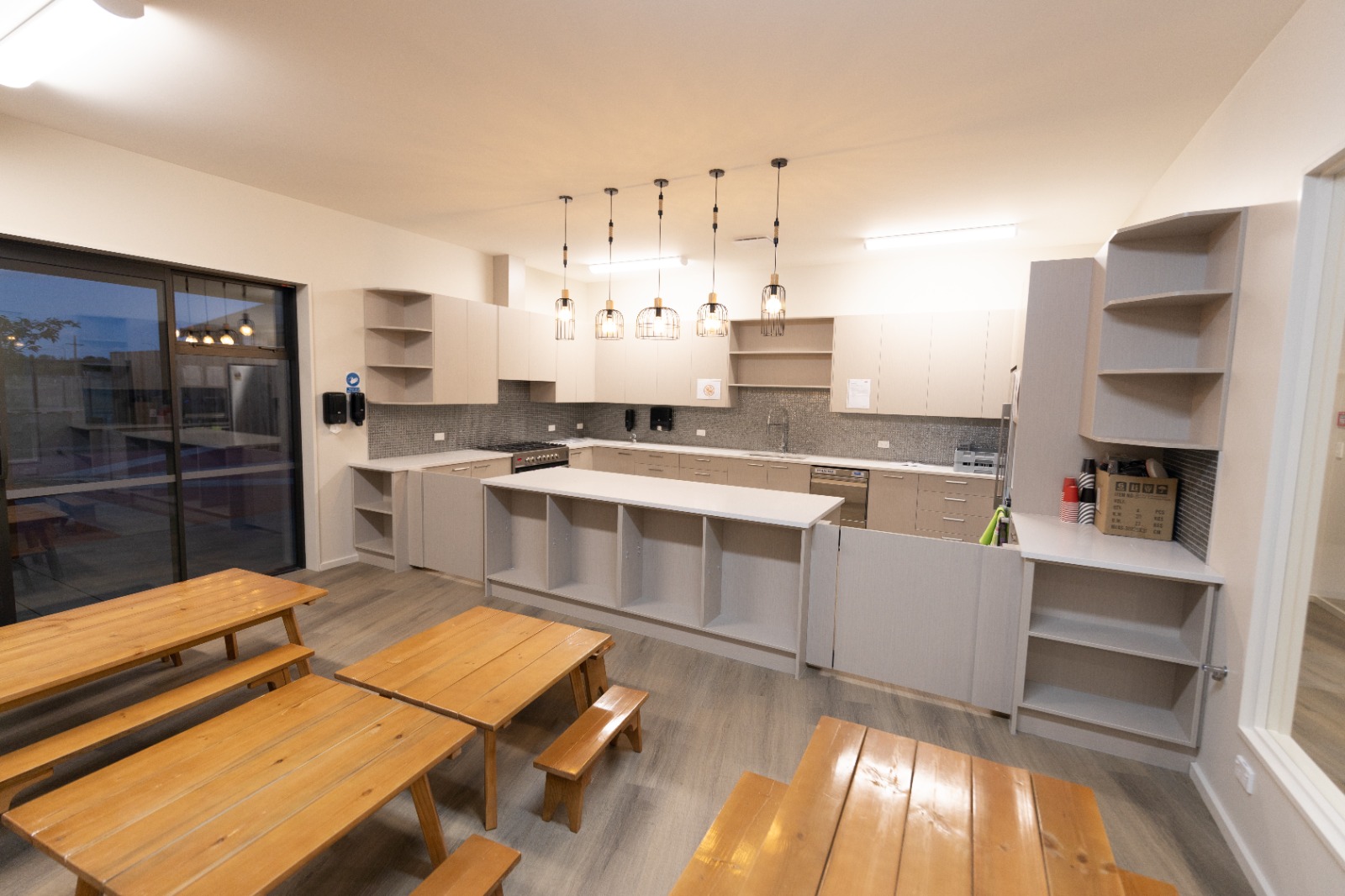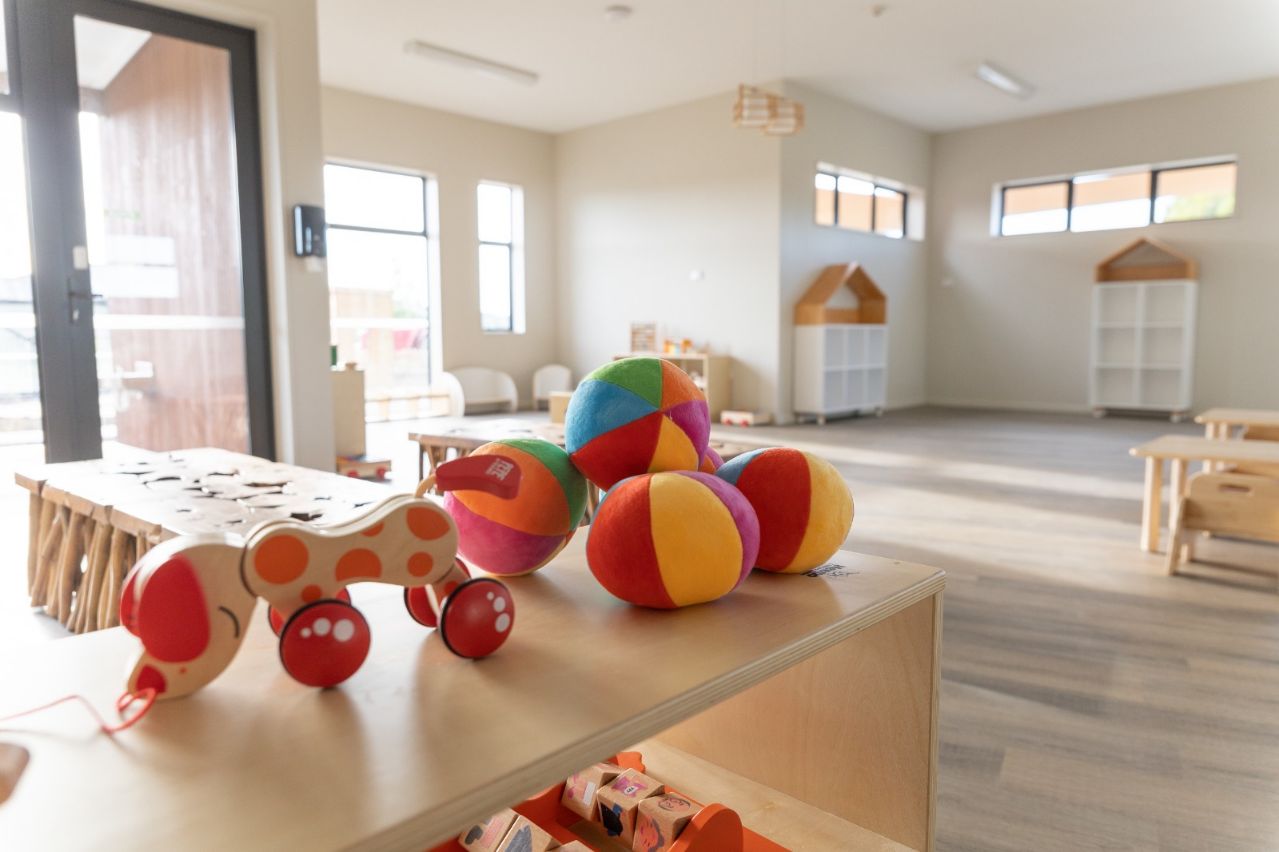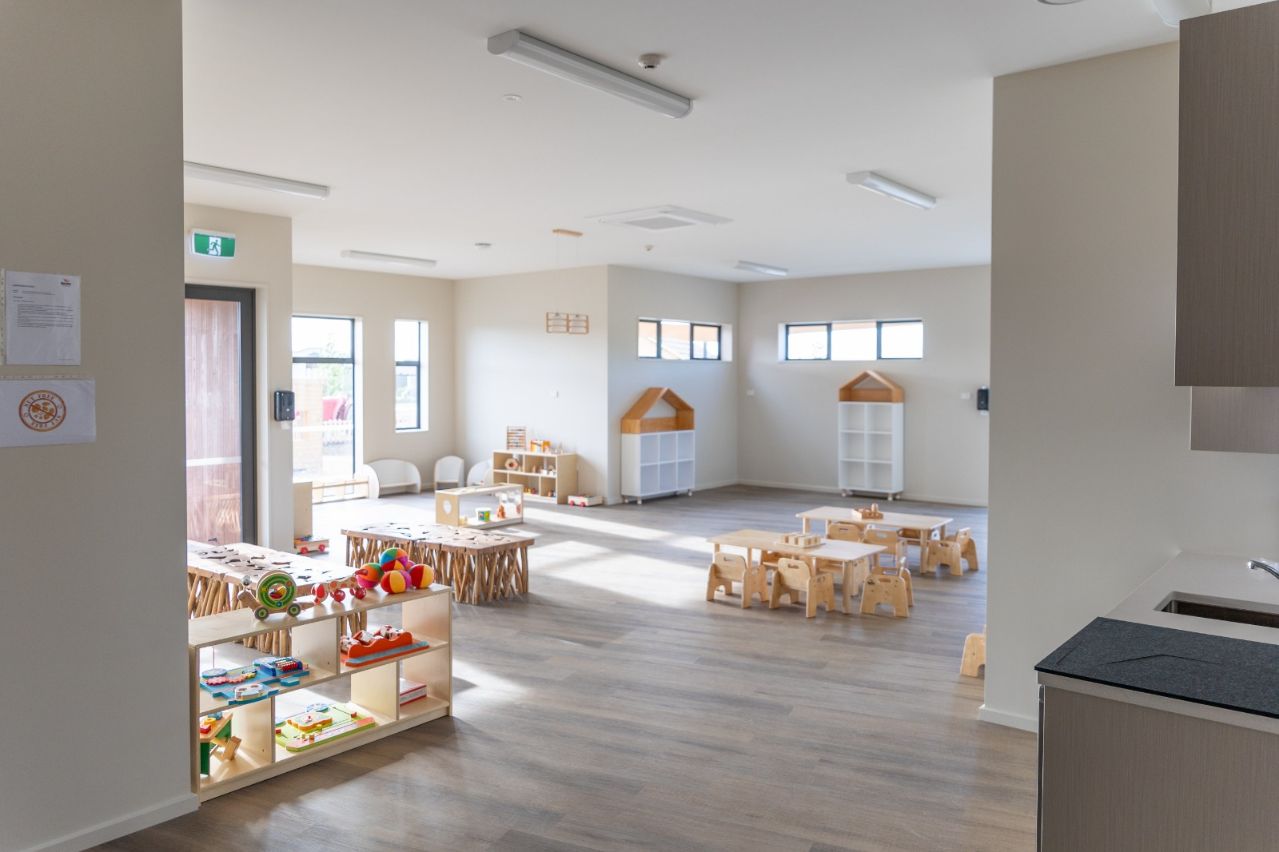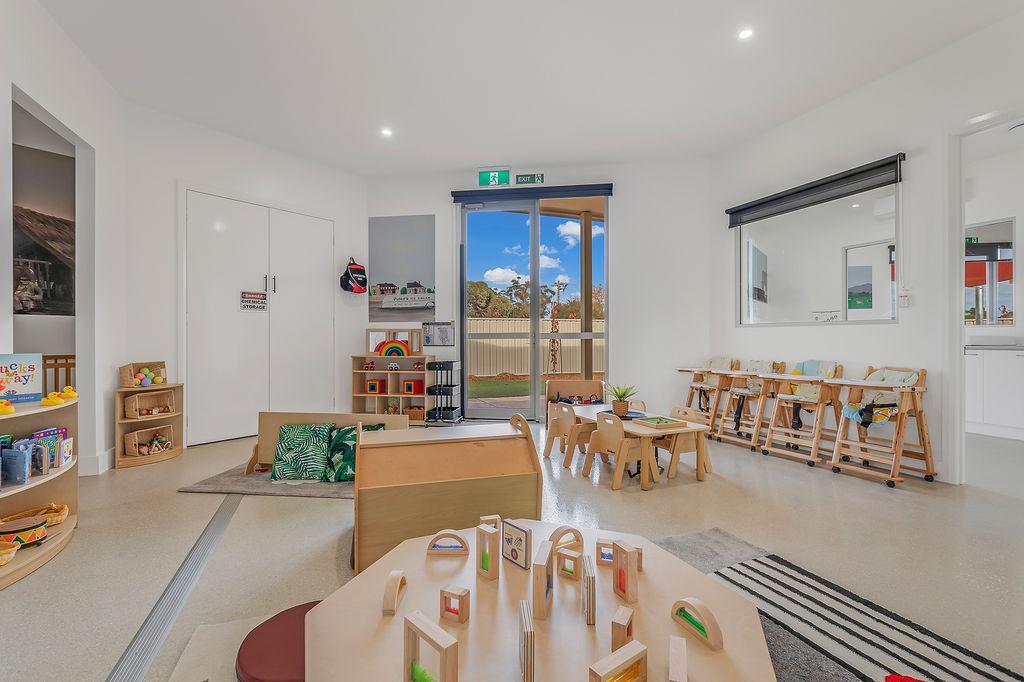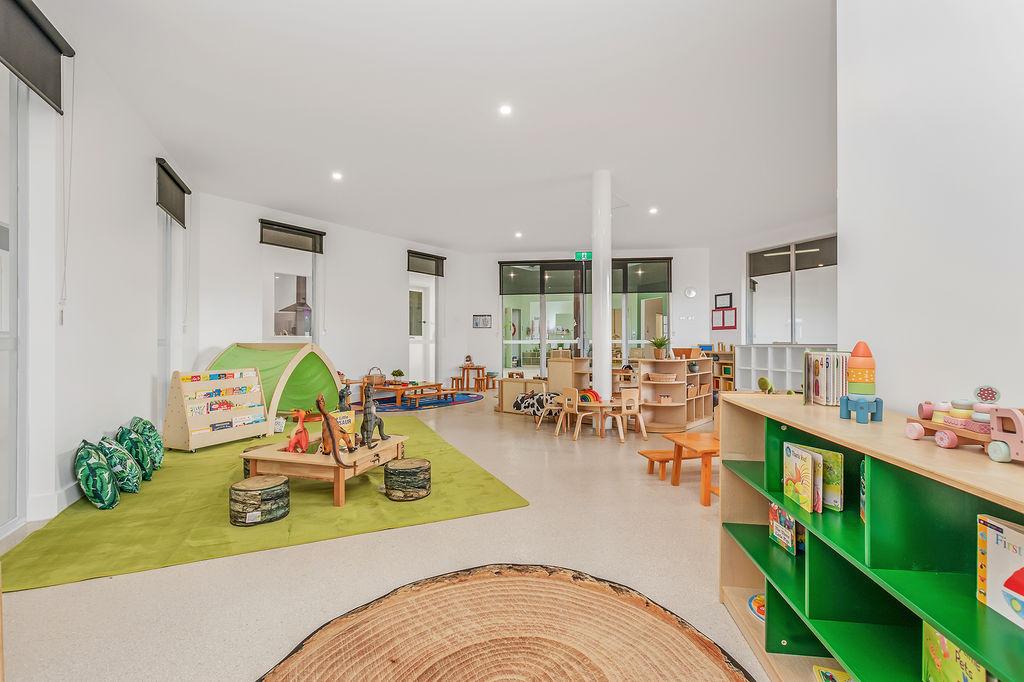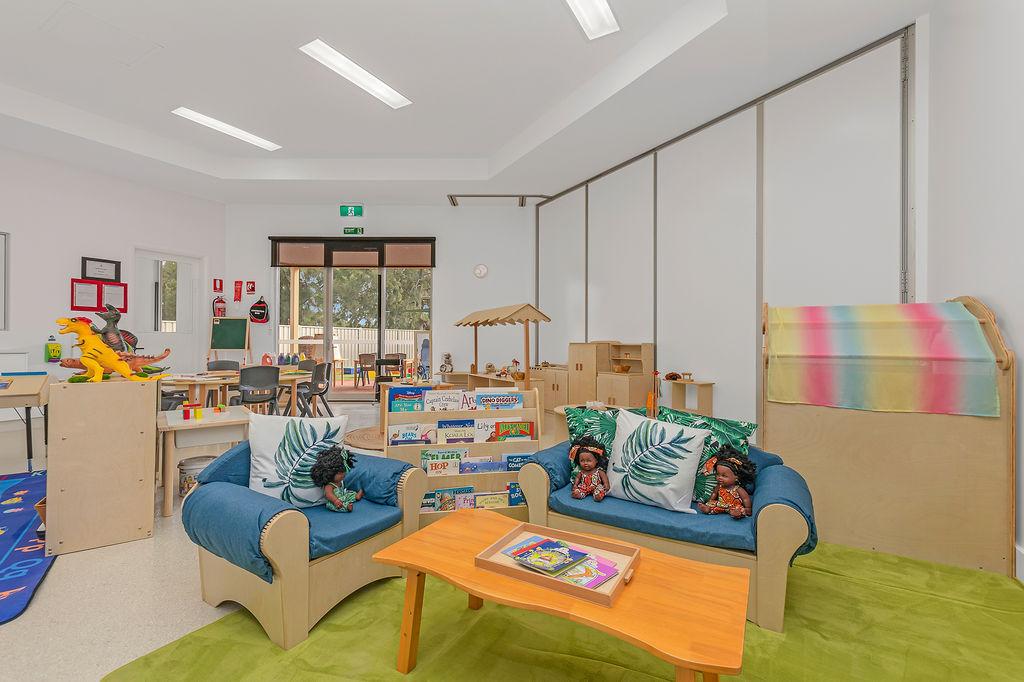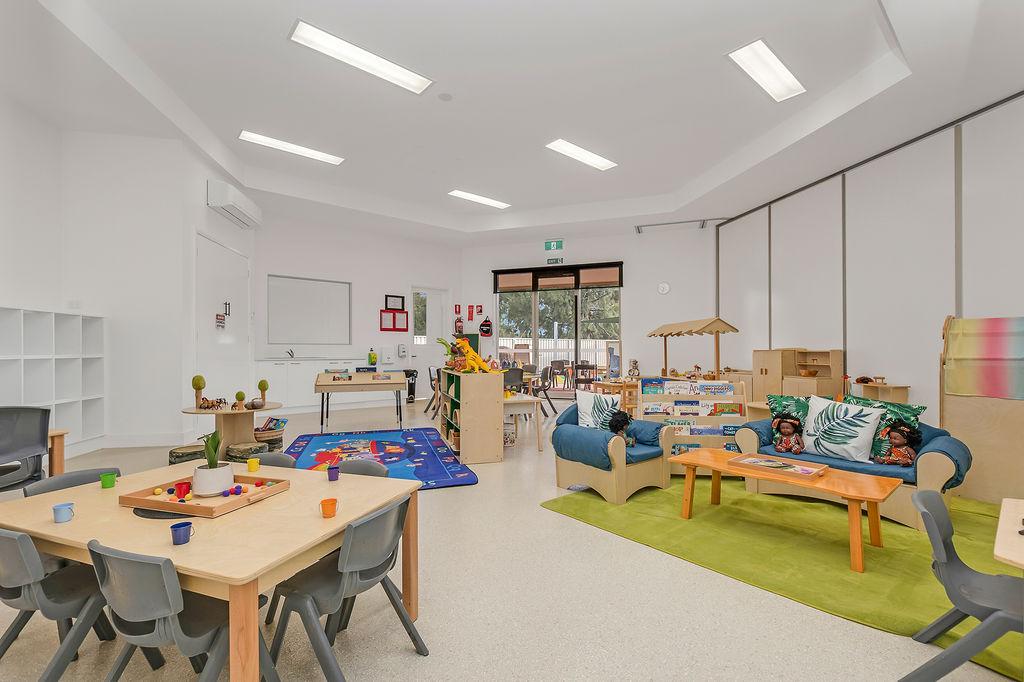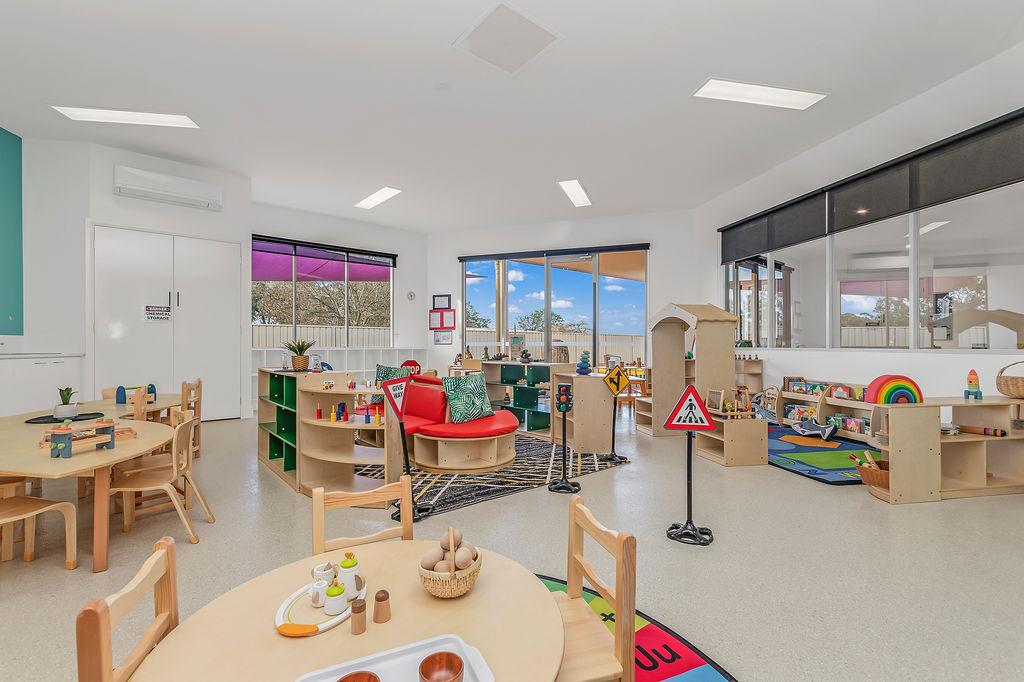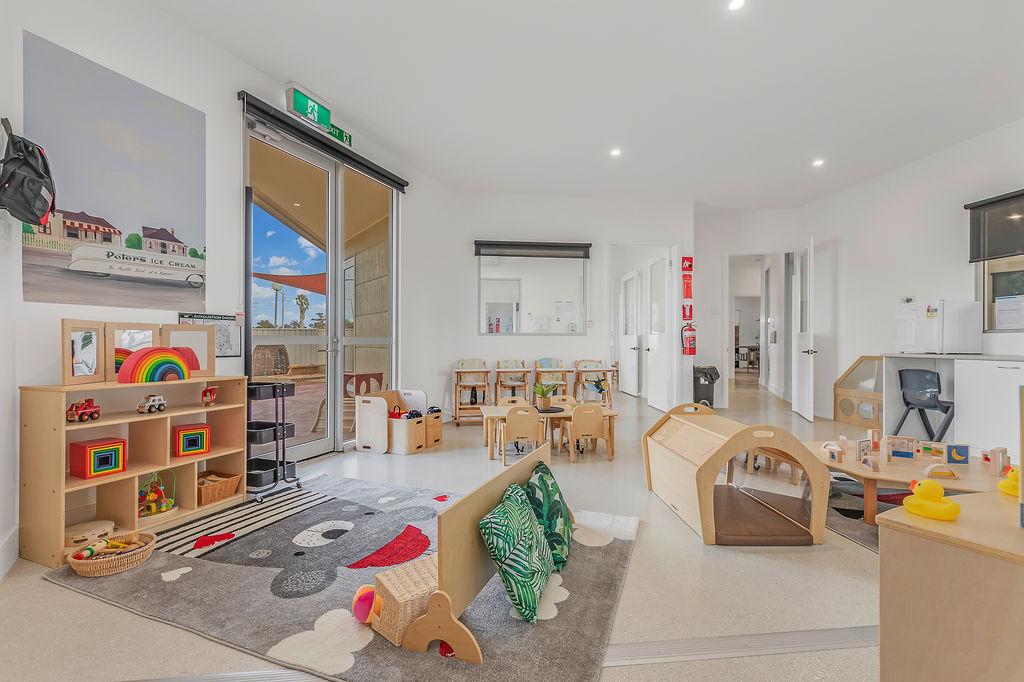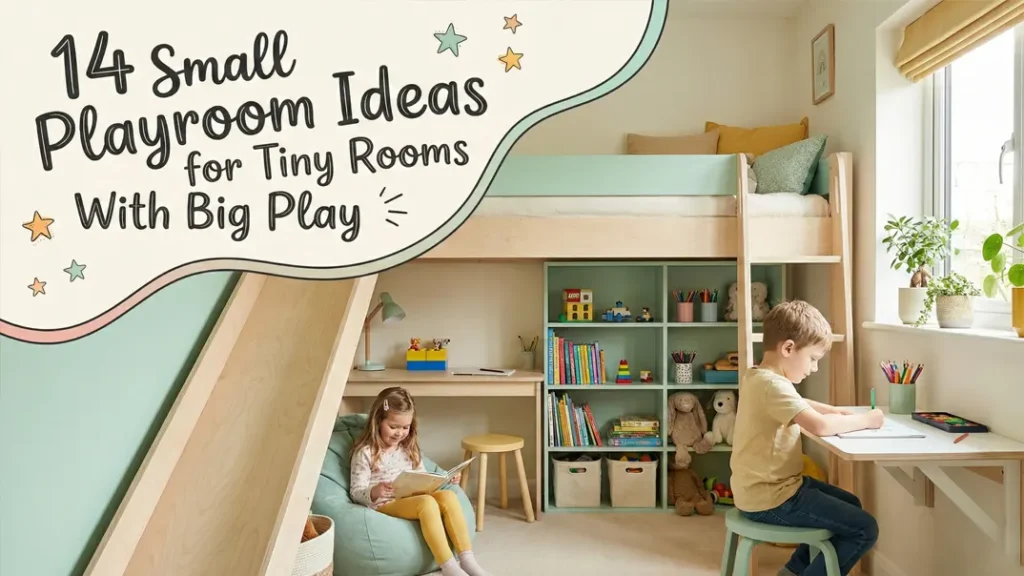
A small playroom does not mean limited possibilities. In fact, smaller spaces often demand smarter design decisions.
Many families and early learning centers struggle with the same issue: the room feels crowded, storage quickly overflows, and children move around in ways that seem chaotic rather than purposeful. The problem is rarely the size of the room. It is usually the layout strategy.
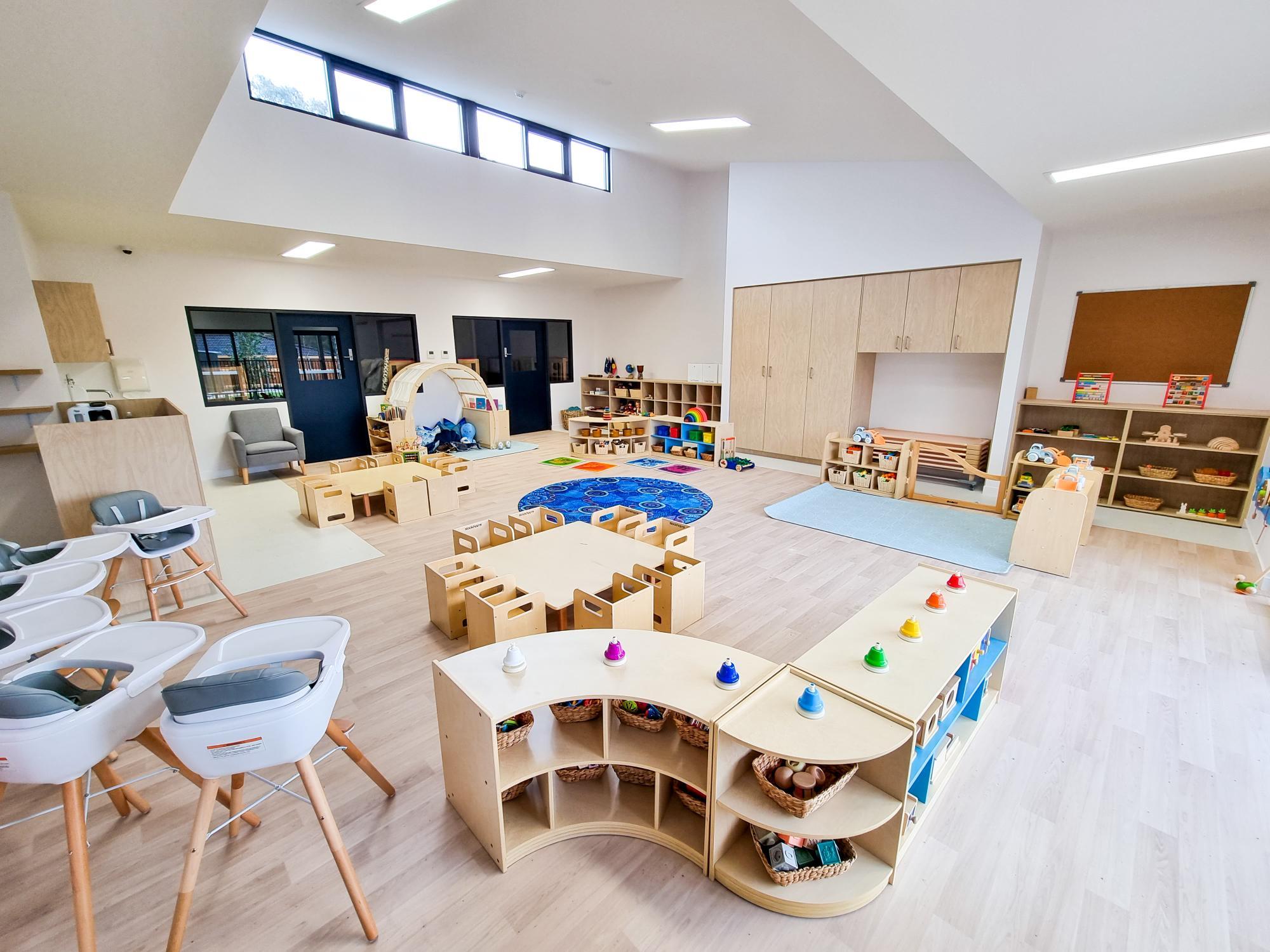
In small playroom design, every square foot must serve more than one purpose. The goal is not to fit more furniture into the room. The goal is to create clarity. Clear zones, defined circulation paths, accessible storage, and visual balance are what transform a tight space into a functional learning environment.
In this guide, you will find practical small playroom ideas that focus on layout logic, smart storage integration, space-saving furniture choices, and real-world design principles. Whether you are working with a corner of your home or a compact classroom, you will learn how to make the space feel organized, intentional, and developmentally supportive.
1. Turn Walls Into Play Surfaces
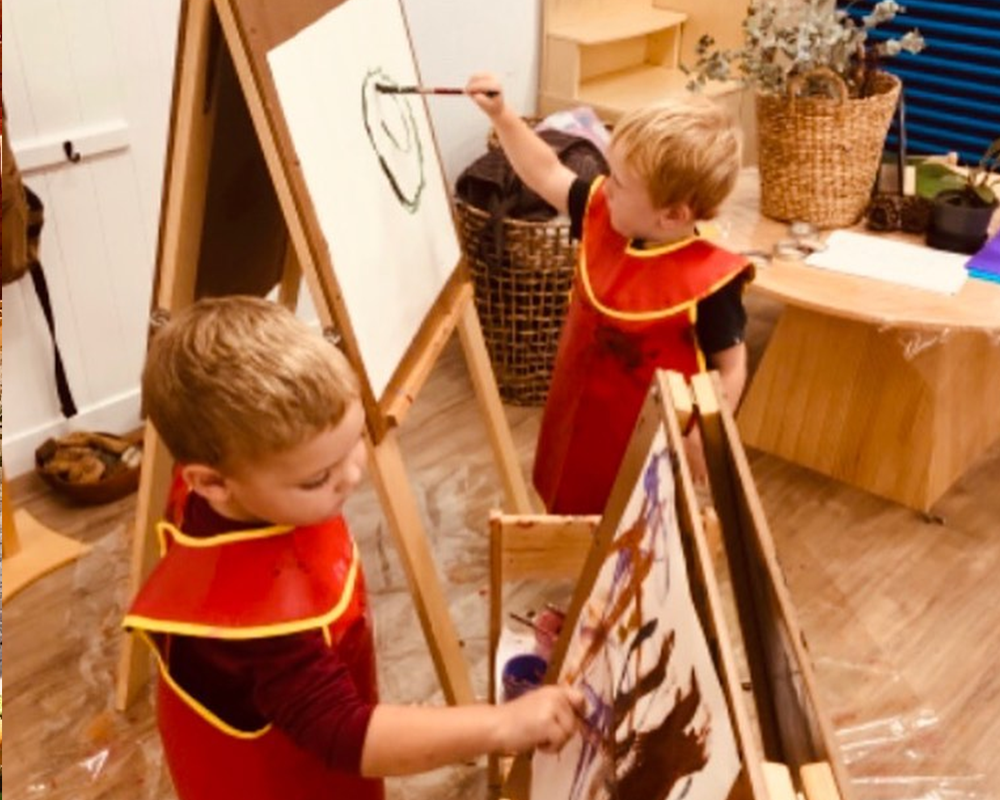
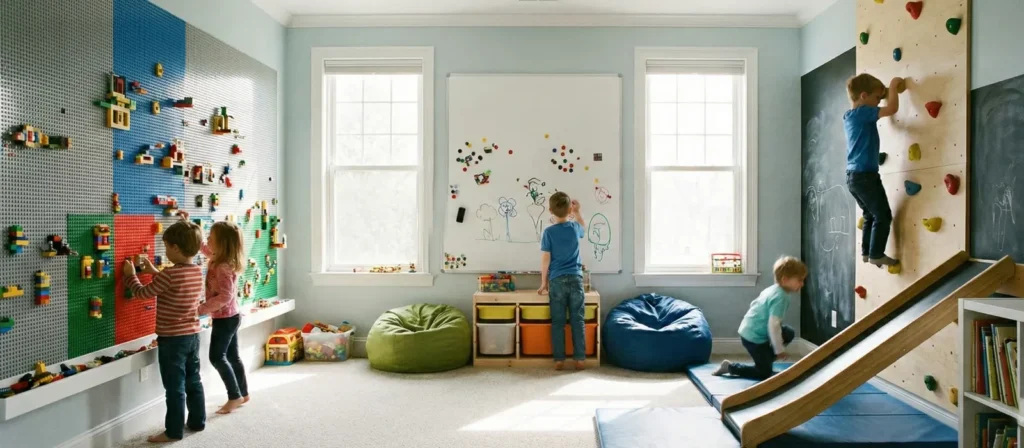
Small game room design idea integrates the walls themselves into the game space. This lets you ditch bulky easels and big boards that eat into floor space.
Wall-based small playroom design ideas:
- Chalkboard or whiteboard paint: one section of wall where kids can draw and write.
- Magnetic board or sheet metal: for letters, numbers, cars with magnets and artwork.
- Pegboard: hooks and shelves for tools, toy baskets and craft supplies that can be rearranged as kids grow.
Make sure any drawing surface is at a height kids can reach easily. Keep chalk, pens or magnets in attached cups so they’re always right where kids need them.
2. Use Sofa Backs and Corners as Hidden Play Zones
Many homes have “dead space” behind the sofa or in corners—exactly where small playroom ideas can shine.
We completed a project in a 72 m² apartment where the best small playroom ideas solution came from behind the sofa:
- The sofa was pulled 80 cm away from the wall.
- Behind it, we added a long runner-style mat and a row of low toy shelves against the wall.
- For the child, crawling behind the sofa felt like entering a secret play cave.
You can adapt this small playroom ideas approach by:
- Using awkward corners near windows or structural columns as play nooks.
- Defining a corner with an L-shaped mat or foam tiles.
- Adding a small wall lamp or string lights so it doesn’t feel dark or forgotten.
These corner-based small playroom ideas are perfect if you’re on a budget or renting. You’re not rebuilding your space; you’re just discovering and upgrading unused zones.
3. The 3-Level Vertical Storage Rule
Here’s one of our signature, exclusive small playroom ideas: the 3-level vertical storage rule. We developed this after organizing many tiny play corners that never had enough floor space.
We divide one wall into three height levels:
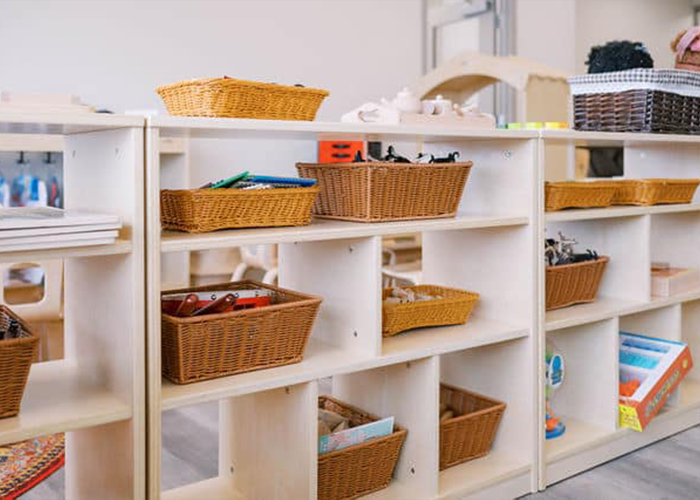
- Lower level (0–60 cm): Toys children can access and put away by themselves—blocks, cars, dolls, board books.
- Middle level (60–120 cm): Toys that need supervision—puzzles, art materials, small-piece sets.
- Upper level (120+ cm): Backup stock, seasonal toys, less-used games, and décor.
In one 2.2 m-wide wall project, this vertical small playroom ideas layout allowed us to fit the content of five large moving boxes of toys into a compact system. The floor went from toy avalanche to clear.
4. Ceiling Design
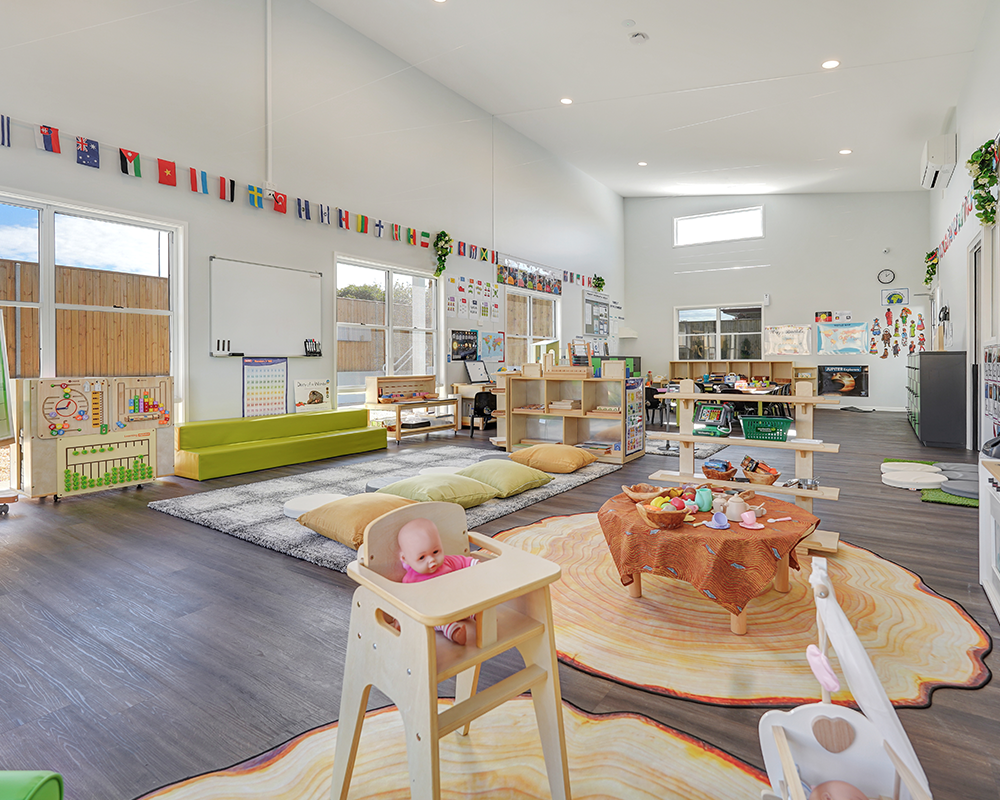
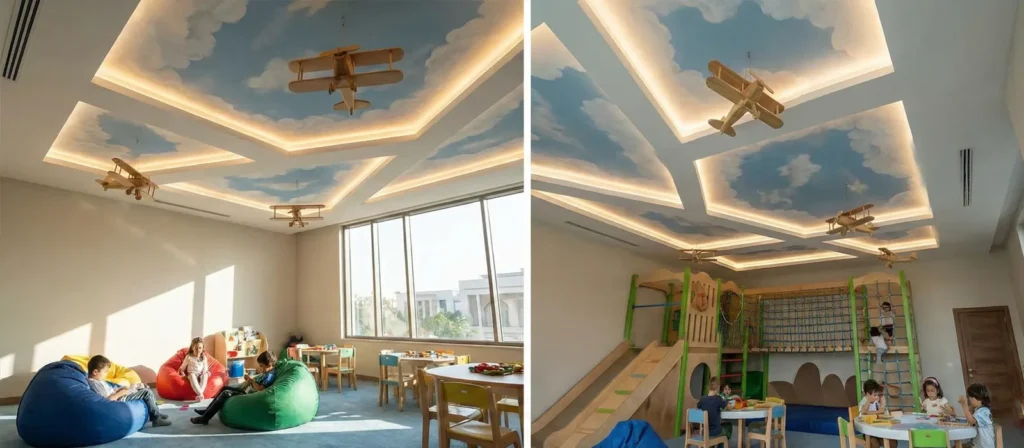
In a small playroom, the ceiling helps you make the room feel higher, brighter and more playful without using floor space.
- Use a light colour (white or very pale) to visually lift the room.
- Add a simple ceiling light with a soft shade, not a heavy chandelier.
- If you want a playful touch, keep it subtle:
- a soft-coloured stripe near the top of the wall
- simple star decals
- a fabric canopy in one corner to “drop” from the ceiling and create a cosy nook
Stand at the door and look in. If your eyes go straight to a messy floor, you need a calmer ceiling. If your eyes can move upwards easily, the room will feel more spacious.
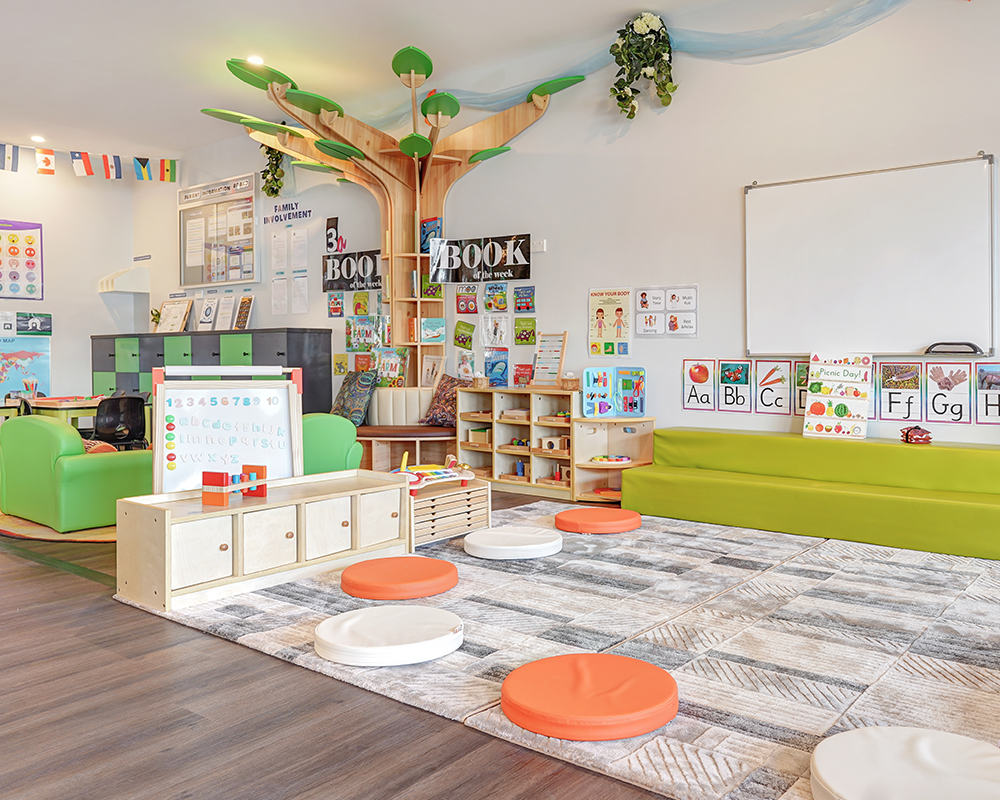
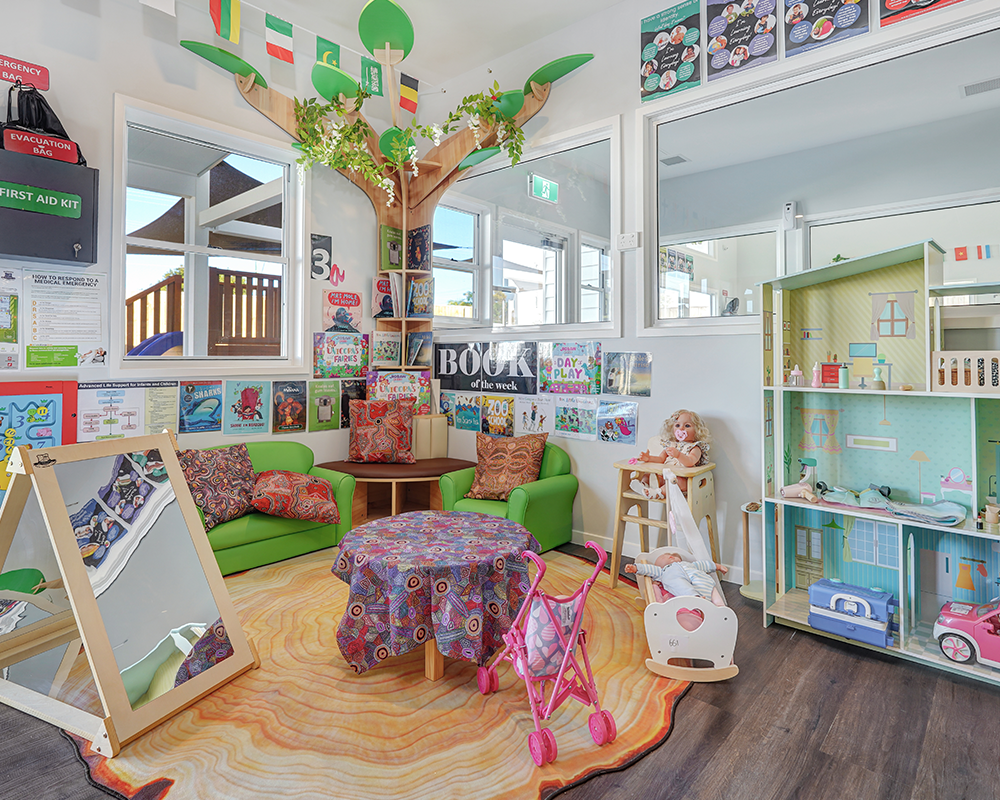
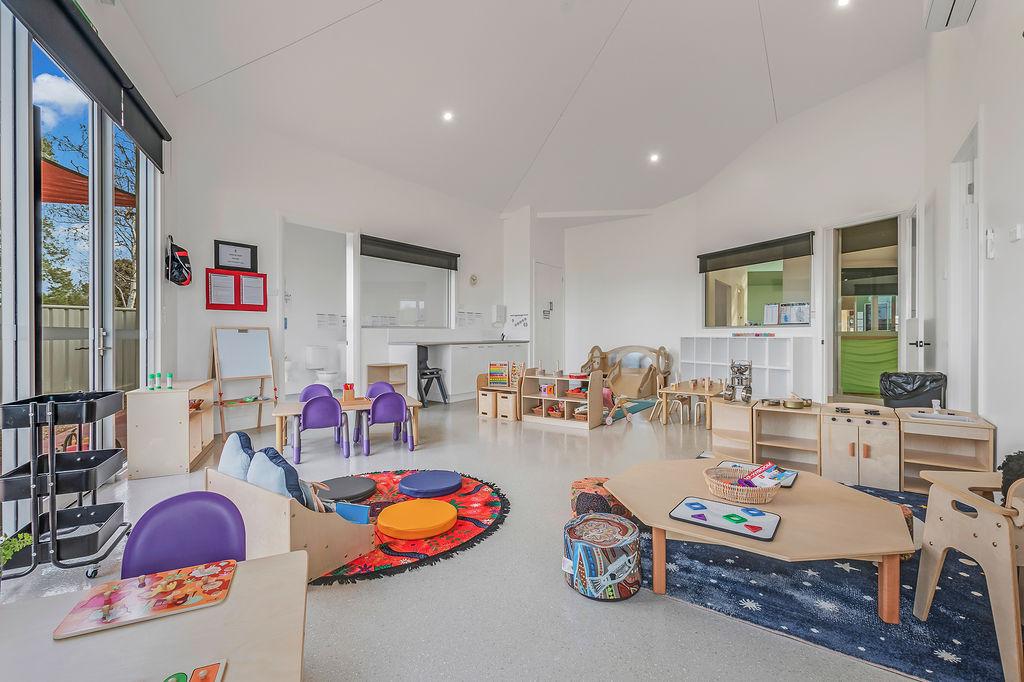
5. Create a Comfortable Reading Corner
You do not need a separate room to encourage reading. One quiet corner inside the playroom is enough.
Your reading nook can be incredibly simple:
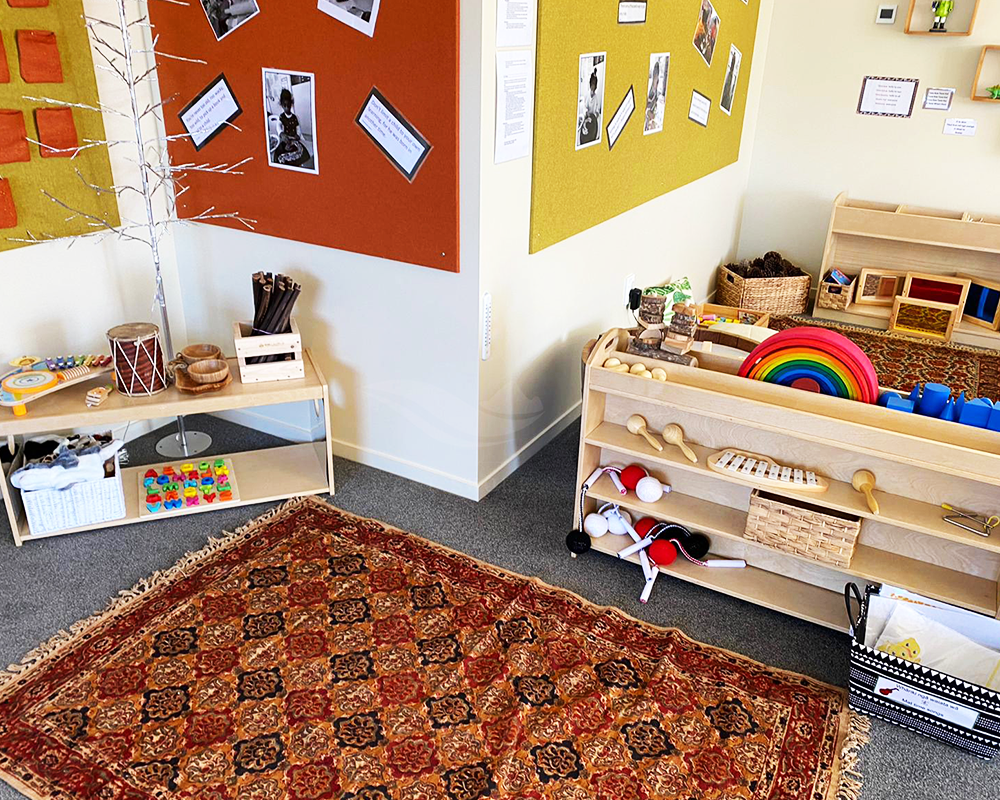
- a small rug or floor cushion
- a beanbag or kid-sized chair
- a narrow front-facing bookshelf
- a warm lamp or string lights
The goal isn’t a Pinterest-perfect library. It’s one soft, inviting spot where your child instinctively goes when they want a calmer moment.
6. Make the Back of the Door Work Hard
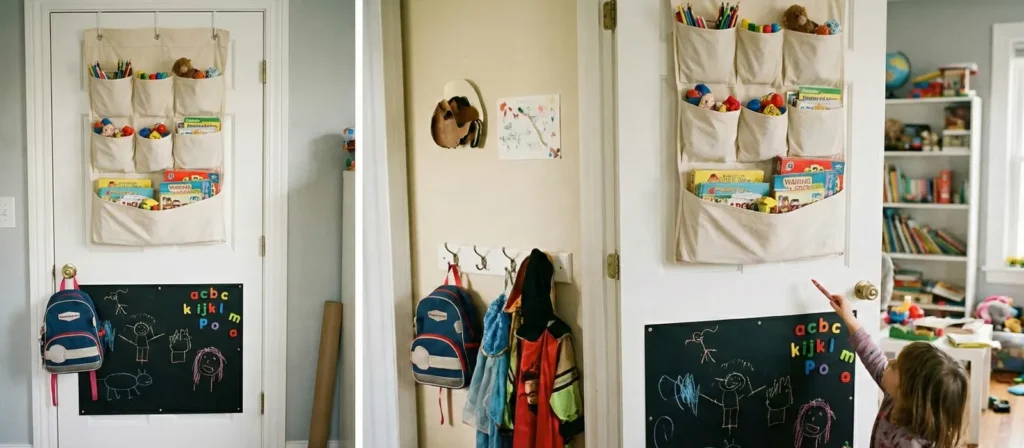
The back of the playroom door is prime real estate that most people ignore. Designers and organisers love using this surface in small playrooms because it adds storage without stealing wall width.
You can:
- Hang an over-the-door organiser with clear pockets for craft tools, small dolls or cars.
- Mount an extra-slim bookshelf for paperbacks and colouring books.
- Add hooks for dress-up costumes or play bags.
7. Keep Colours Calm, Add Fun in Layers
Look closely at professional kids’ rooms: walls, floors and big furniture are usually neutral, while colour comes from toys, books, art and textiles. Using this technique makes a small game room feel larger, tidier, and easier to update in the future.
How to apply this in your small playroom design ideas:
- Choose light, soft tones for walls (white, cream, pale grey, light sage).
- Keep large furniture in wood, white or muted shades.
- Add colour with rugs, cushions, wall art and, of course, the toys themselves.
If your child wants a theme—dinosaurs, space, princesses—use removable items: posters, bedding, decals, a lamp. When they inevitably move on, you’re not repainting the whole room.
Calm background, colourful details is the formula that makes small spaces look polished instead of cluttered.
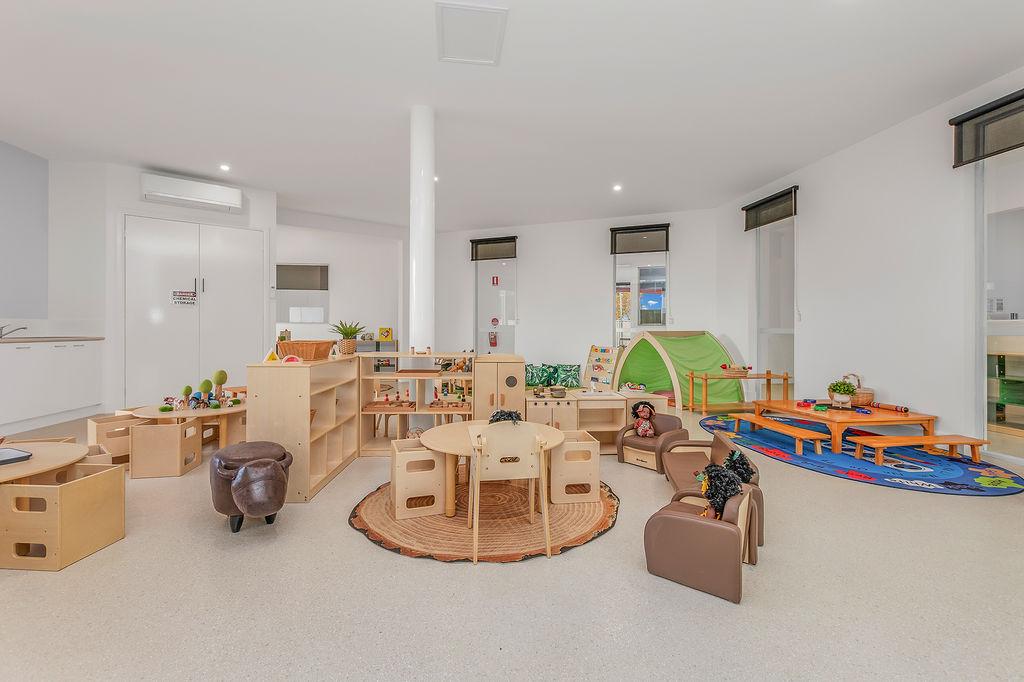
8. Maximize Space with Modular Furniture
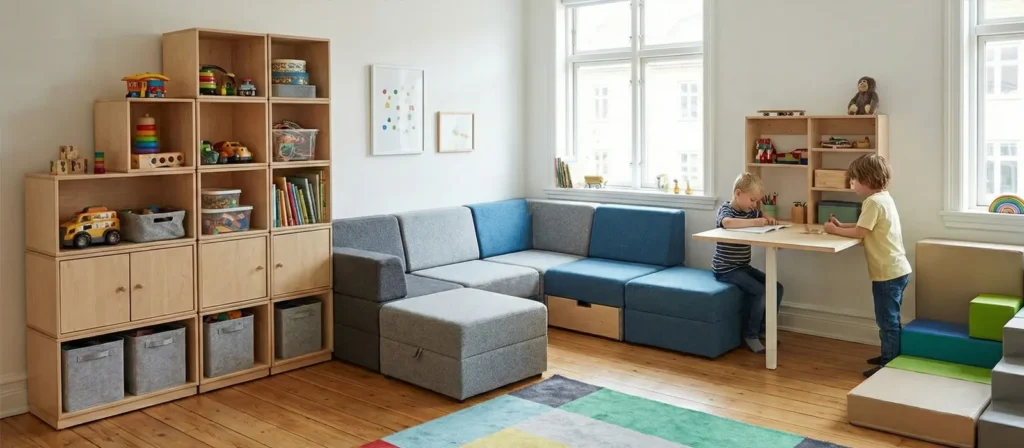
In a small playroom, large fixed pieces of furniture are usually a mistake. They block traffic, limit future changes, and make it hard to adapt as your child grows. Modular furniture, on the other hand, gives you flexibility without sacrificing comfort.
Modular pieces are items that can be rearranged, stacked, or reconfigured easily. You can think of them as building blocks that adapt to new ages and new play styles. Typical examples include:
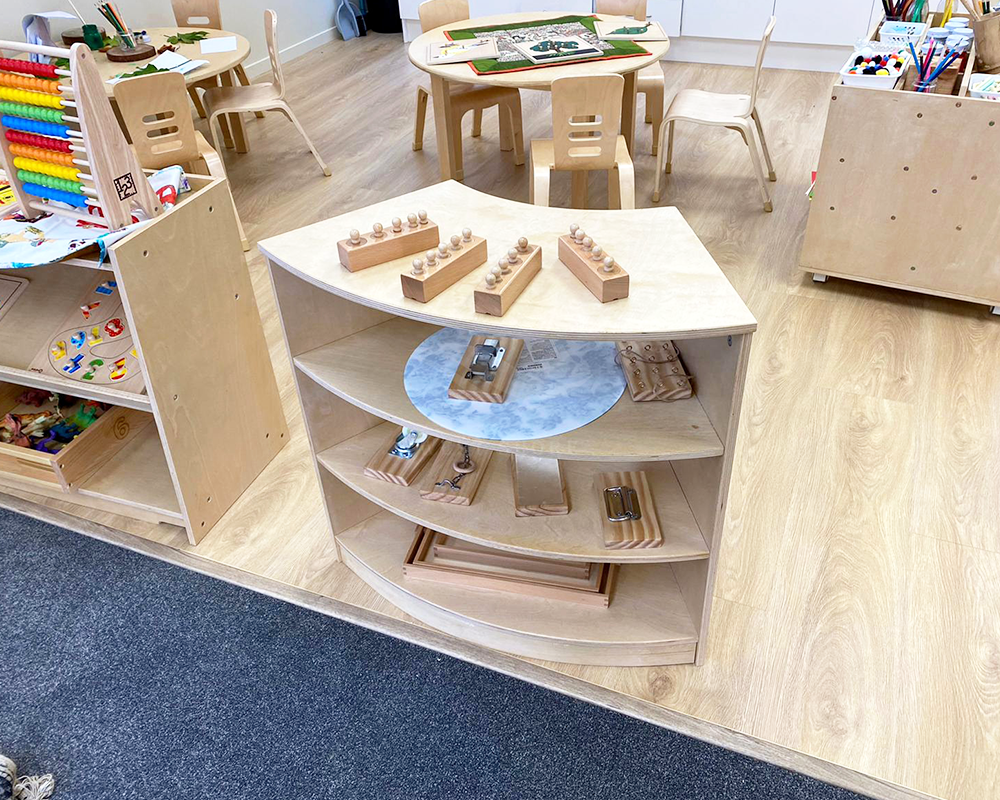
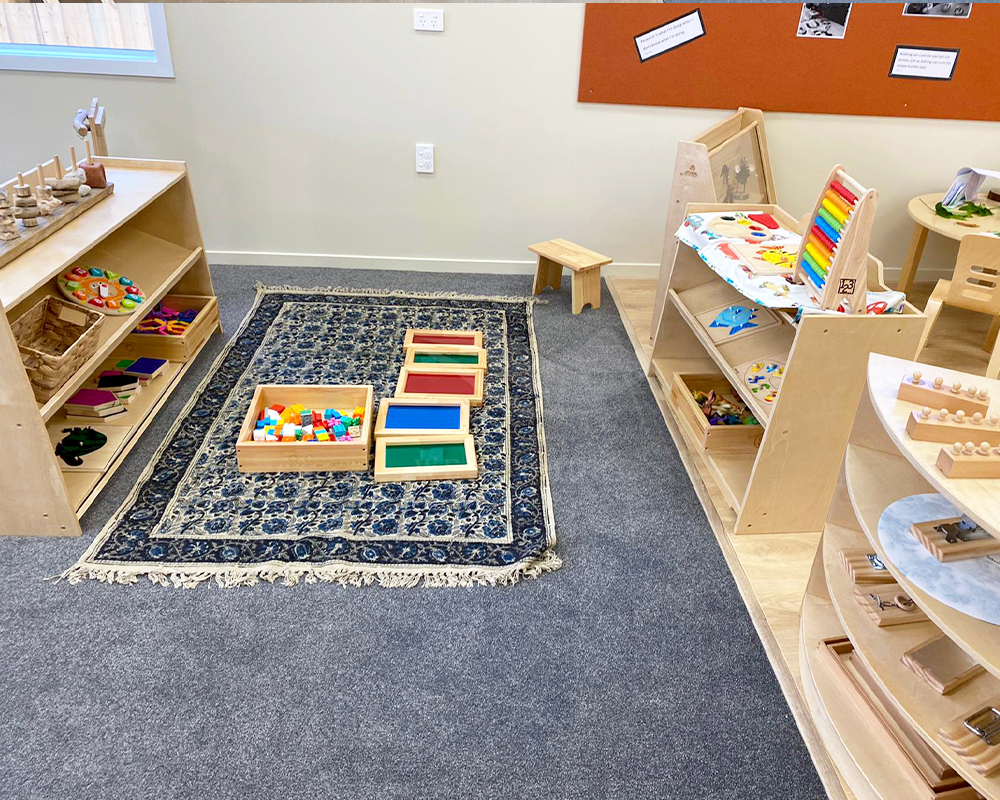
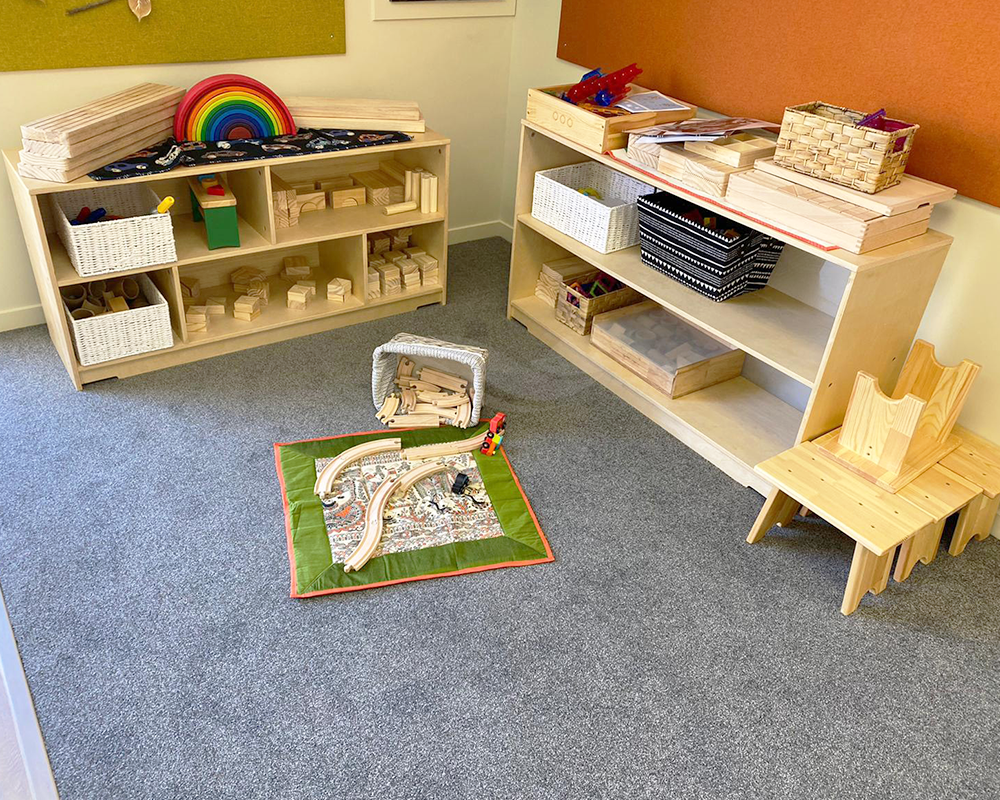
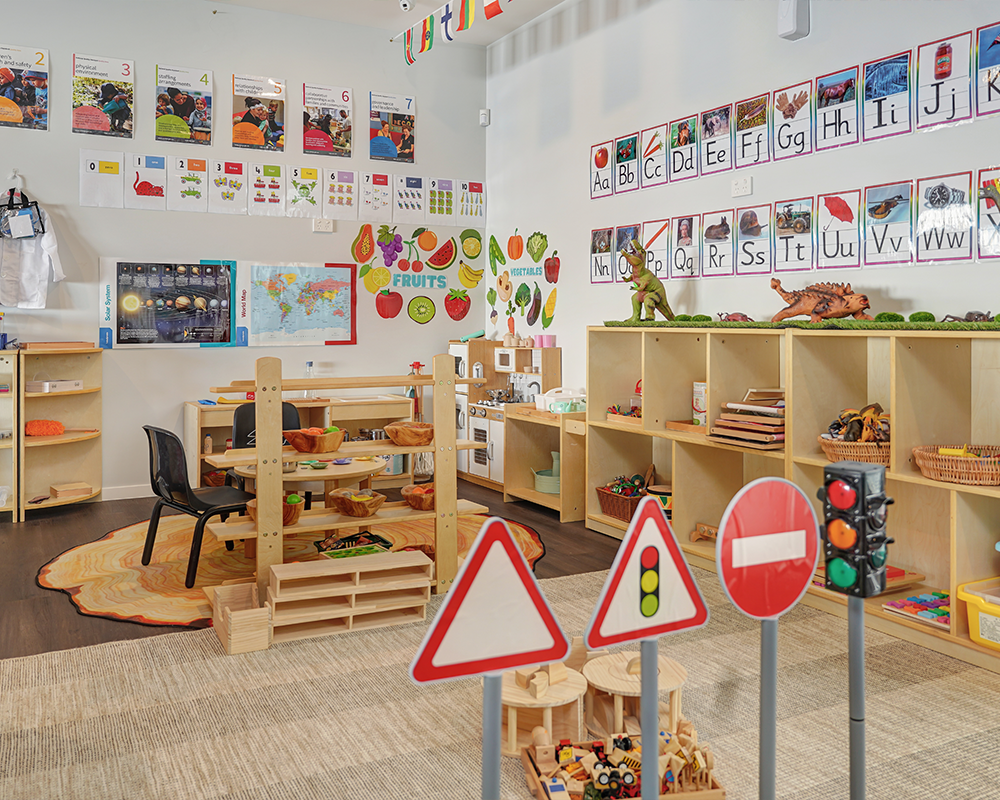
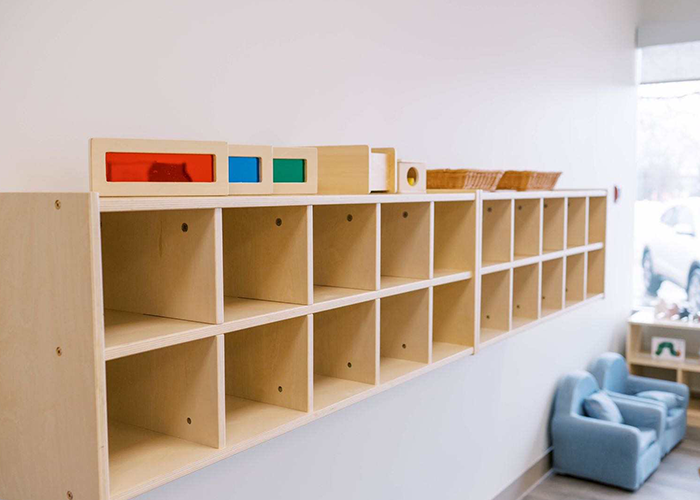
- Low cube shelves that can stand alone or be combined in a row or grid.
- Stackable stools that double as small tables.
- Foam play couches that unfold into mats, tunnels, or forts.
- Storage benches that can slide under a window or be grouped to form a seating area.
Because modular furniture can be reconfigured, it supports the natural evolution of a playroom: from open floor space for crawling, to low tables and seating for building, to proper desks and reading zones for older children. You are not locked into a layout that only works for one brief stage.
9. Let Soft Furnishings and Lighting Do the Heavy Lifting
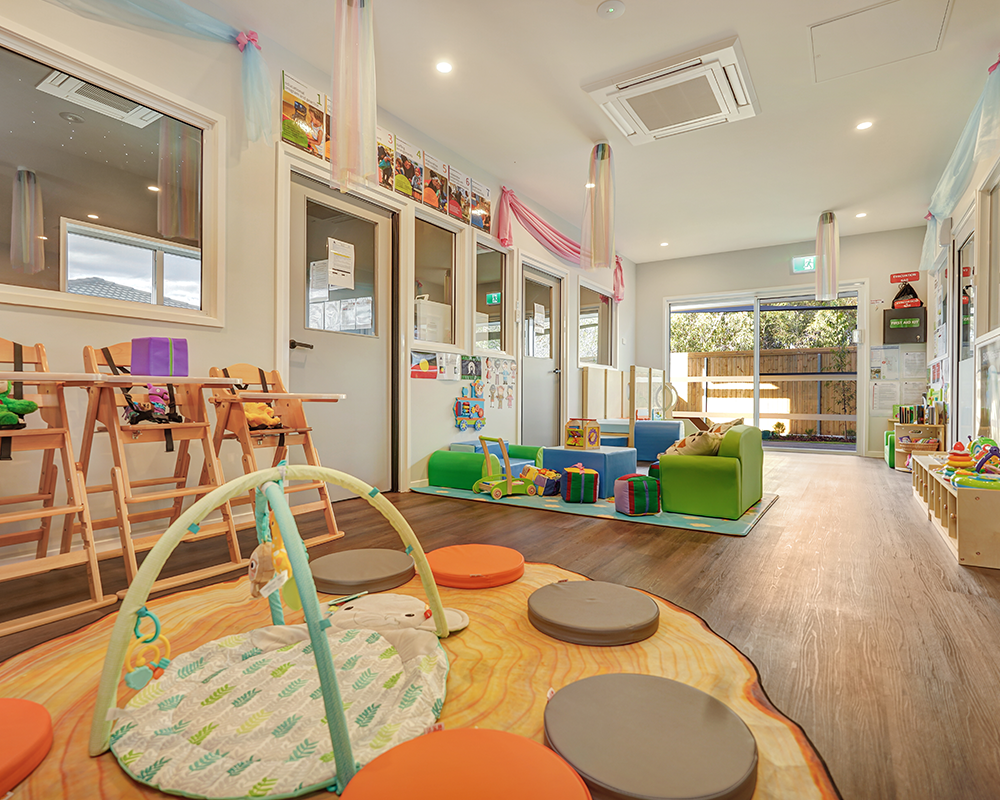
You can change the whole mood of a play space without moving walls or buying new furniture. Some of the easiest small playroom ideas revolve around soft furnishings and lighting:
- A thick rug or foam play mat tells kids, “This is the ground where we play.”
- Floor cushions, a small bean bag, or a miniature armchair invite lounging and reading.
- A warm floor lamp or string lights make evening play feel cozy instead of harsh.
When you rely on soft elements like these, your small playroom ideas stay flexible. You can adjust the space as kids grow simply by swapping a rug or adding a bigger chair, instead of rebuilding everything.
10. Design a Climbing Wall
Active play is just as important as quiet play, and children often have more energy than a small home can comfortably handle. A well-designed climbing wall can offer a safe outlet for movement in a small playroom, without taking up the footprint of a large slide or bulky plastic climber.
Under and around the climbing area, install impact-absorbing flooring. This can be thick gym mats, layered foam, or a high-density rug with padding underneath. Make sure it extends beyond the immediate climbing zone, because children rarely fall straight down in a neat line.
Decide how many children can be on the wall at one time, whether they climb barefoot or in specific shoes, and what behavior is not allowed.
If a full climbing wall feels like too much, you can still bring in vertical movement with a few lower elements: a short ladder, a mini rock panel, or a climbing frame.
11. A Game Table is Essential
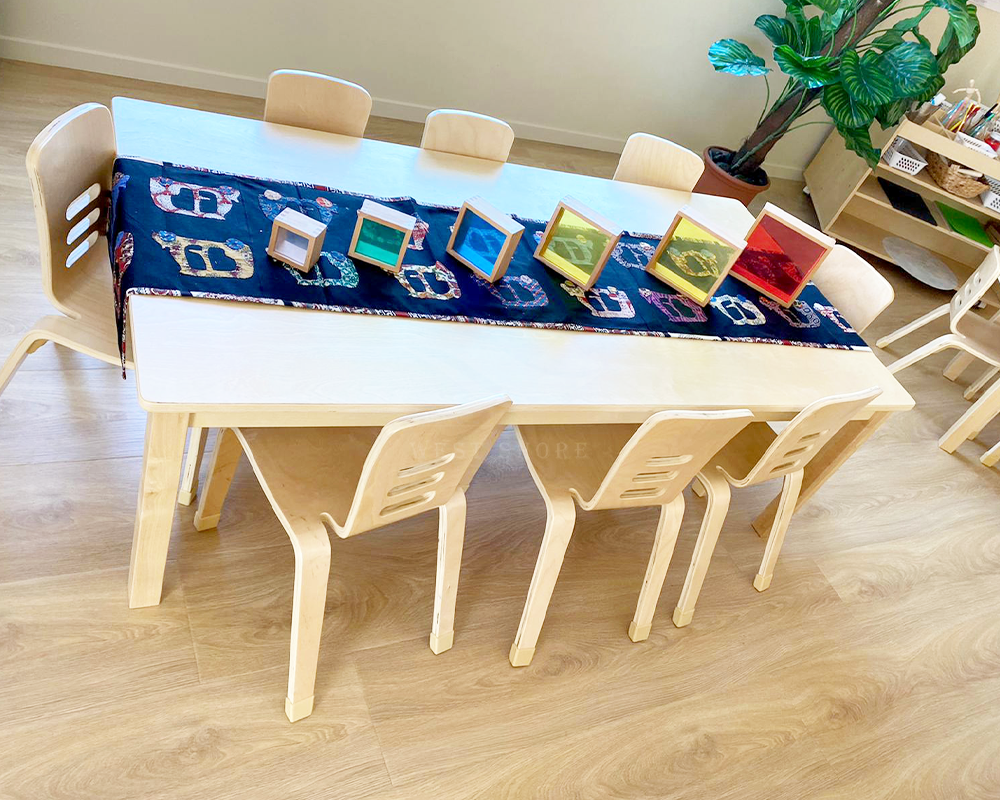
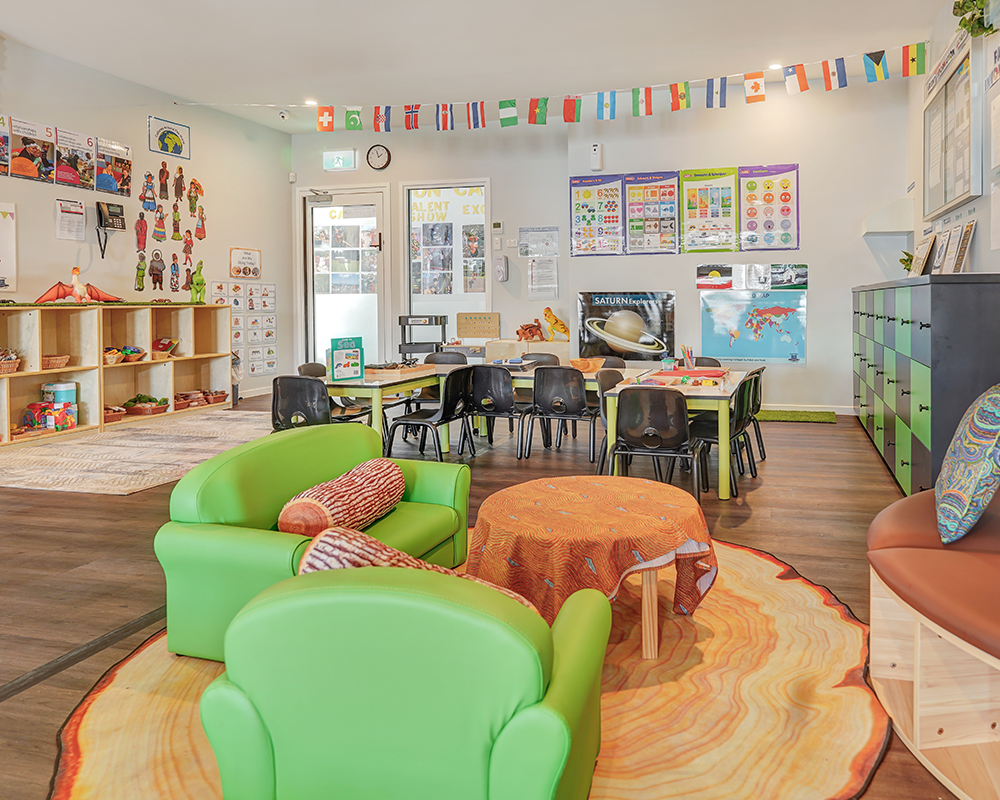
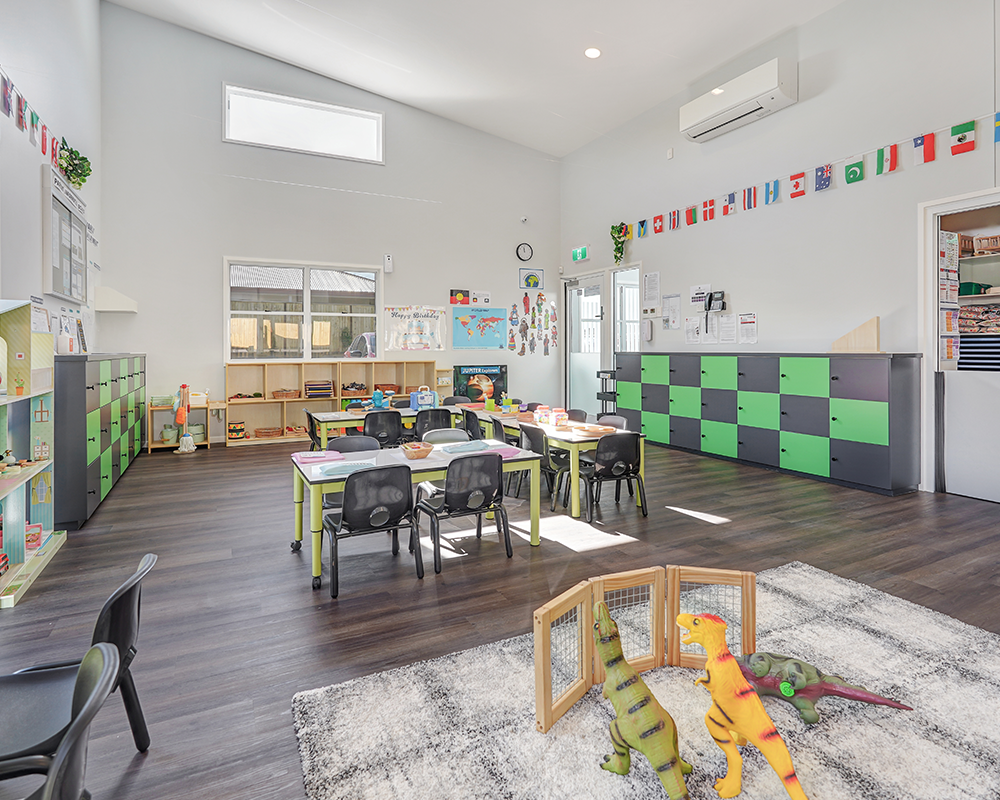
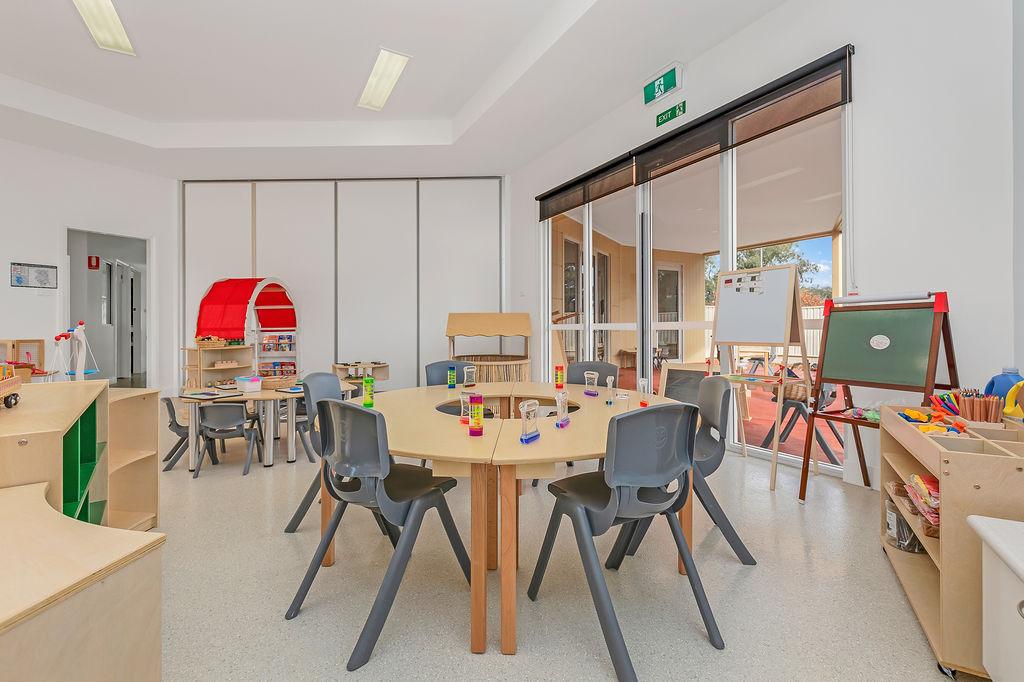
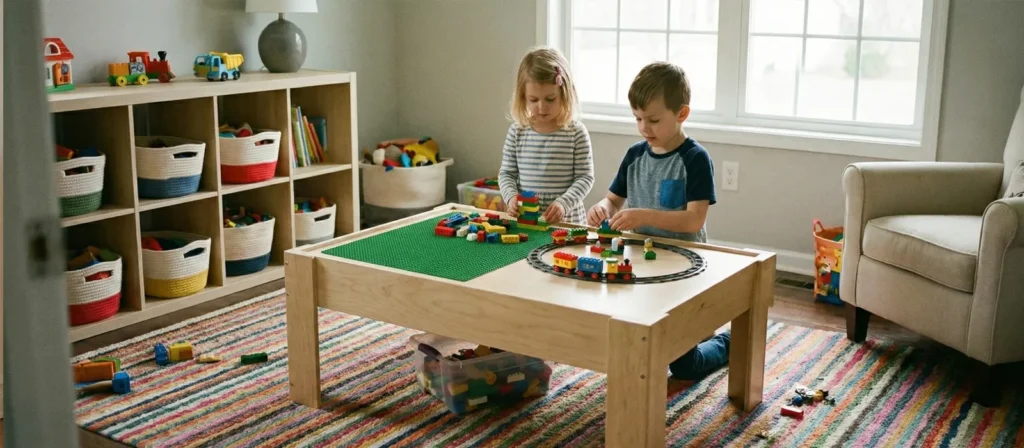
In a small playroom, a dedicated game table may sound like a luxury, but in reality it is one of the most useful pieces you can add. It becomes the centre for activities that need a flat surface and a bit of time: board games, puzzles, LEGO builds, drawing, model-making and simple science experiments.
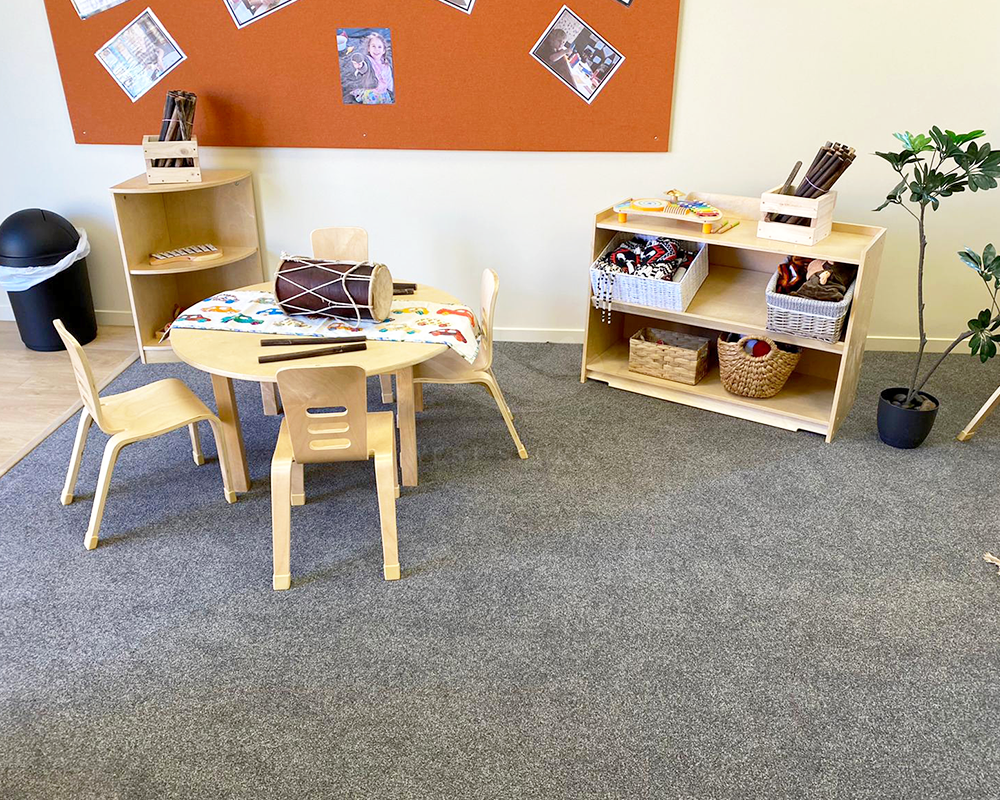
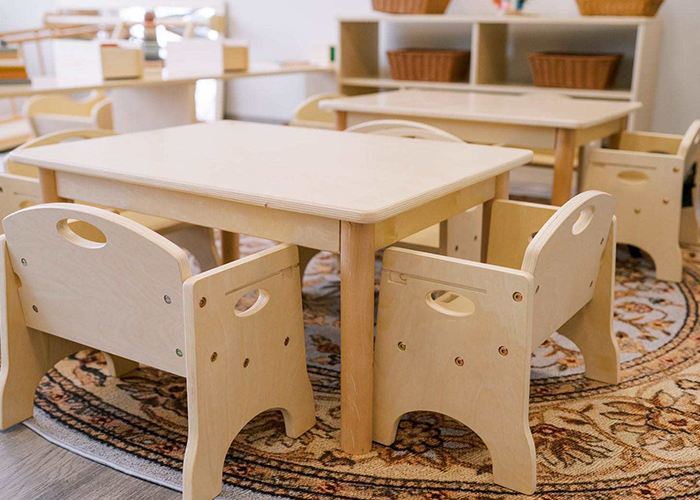
The game table does not have to be large. In fact, a compact, sturdy table with round corners is often better than a big one that crowds the room. The key is that it is stable, at a comfortable height for your child, and has enough surface area for the kind of activities your family enjoys.
Where possible, choose a table that offers hidden storage. Drawers, a shelf underneath or a lift-top panel can hold puzzles, markers, game pieces and small building sets. This keeps the tabletop clear without forcing you to find extra space elsewhere.
12. Blackboard
A blackboard is one of the simplest and most versatile additions you can bring into a small playroom. It encourages drawing, writing, planning, and imaginative play, all on a surface that does not use extra floor space.
You have several options, depending on your room layout:
- A full blackboard wall, if one wall is clear and you are comfortable with a bold look.
- A framed blackboard panel mounted at child height.
- Blackboard paint on the lower half of a wall or the side of a cabinet.
If dust is a concern, you can opt for a whiteboard instead, but be aware that markers can stain fabrics and small children may be tempted to write on other surfaces.
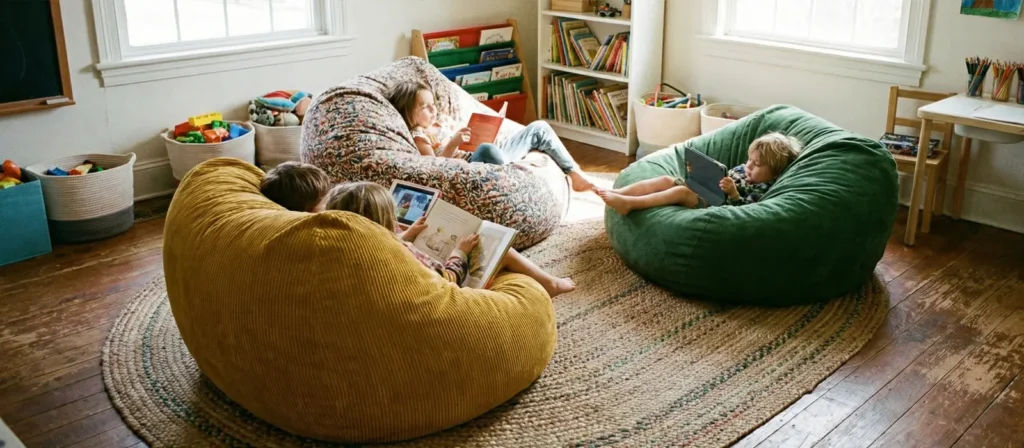
13. Beanbag Chairs
Beanbag chairs are a natural fit for a playroom because they invite relaxed seating and can be moved around easily. In a small playroom, they are especially helpful because they do not create a rigid layout and can be tucked into corners when not in use.
Beanbag chairs work well in the reading corner, by the game table as extra seating, or even against the climbing wall for soft landings when kids are sitting and watching each other. They can also define micro-zones: when a beanbag is pulled next to a bookshelf, it signals quiet time; when it joins the game table, it signals social play.
14. Build a Hidden Desk and Craft Zone
For school-age kids, or little ones who love drawing, a craft and homework zone is a smart upgrade. Small playroom ideas don’t usually have space for a large desk, but you have options:
- A wall-mounted fold-down desk that closes into a cabinet when not in use.
- A narrow console table along a wall with a pegboard for supplies.
Everything needs a home. Use cups and caddies for pens, a shallow drawer or box for paper, and labeled boxes for glue, stickers, and paint. That way these small playroom ideas support creativity rather than create new clutter nightmares.
FAQs
- We don’t have a separate room. Is it still worth creating small playroom ideas?
Yes. Small playroom ideas are designed exactly for homes without an extra room. A corner with a rug, one play wall, and smart storage can function just like a “mini playroom” and dramatically reduce toy chaos. - With a small budget, where should I invest first for small playroom ideas?
Prioritize three things: a good-sized rug to define the play zone, sturdy low storage (shelves or bins), and if possible, one flexible element like a pegboard or modular cushions. Décor, posters, and themed items can come later; the core of your small playroom ideas is layout and storage.
Final Thoughts
Designing a small playroom is not about copying magazine photos. It is about understanding how your child plays, how your family lives, and how each square meter can support both.
By thinking carefully about ceilings, reading corners, modular furniture, climbing walls, combined work-and-play zones, color, game tables, blackboards, beanbags and sofas, you can create a space that:
- Feels calm even when busy
- Adapts as your child grows
- Respects the limits of a small home
You do not need to implement every idea at once. Start with the area that will change your daily life the most.