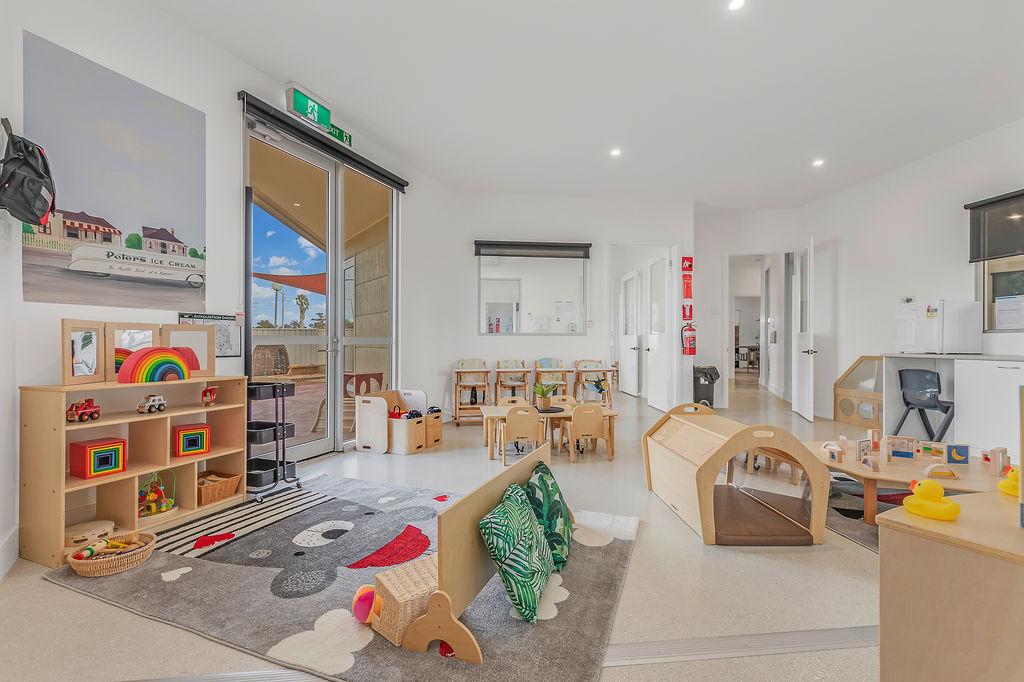
Montessori Trays: Why, How, And When to Use Them
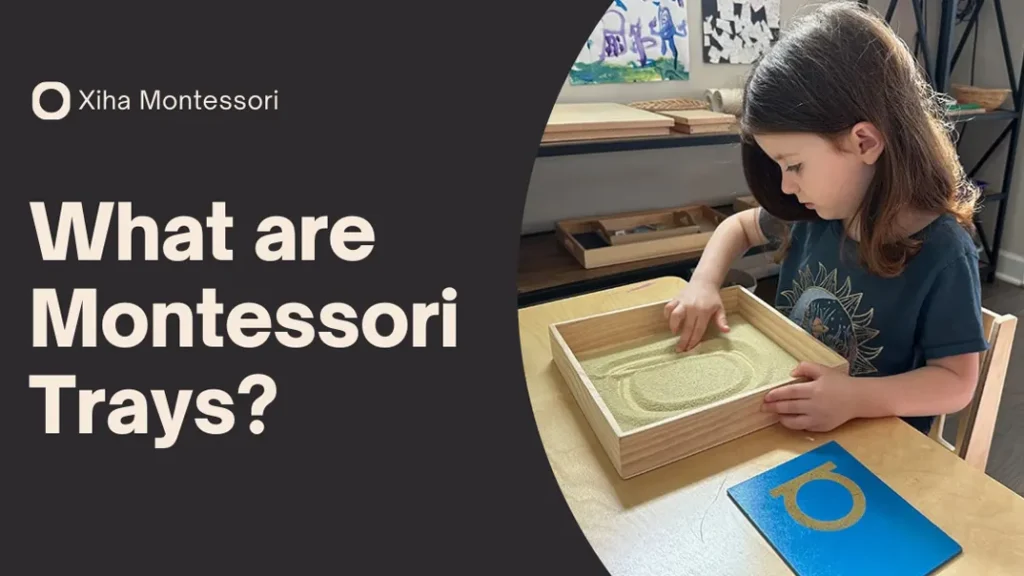
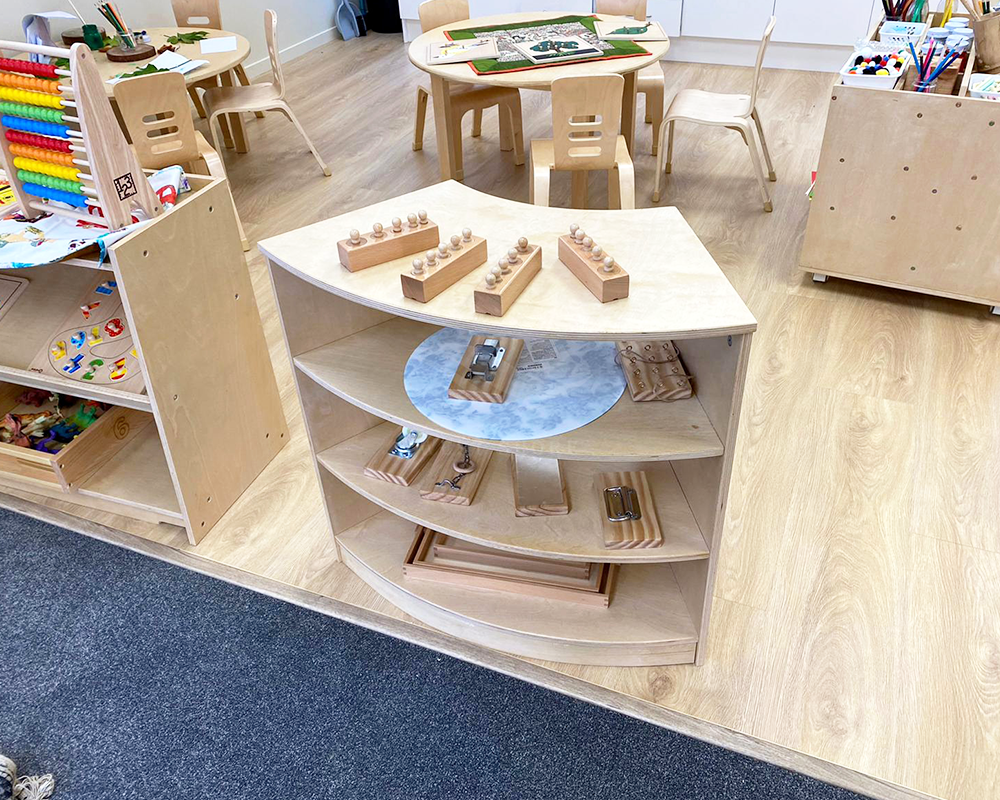
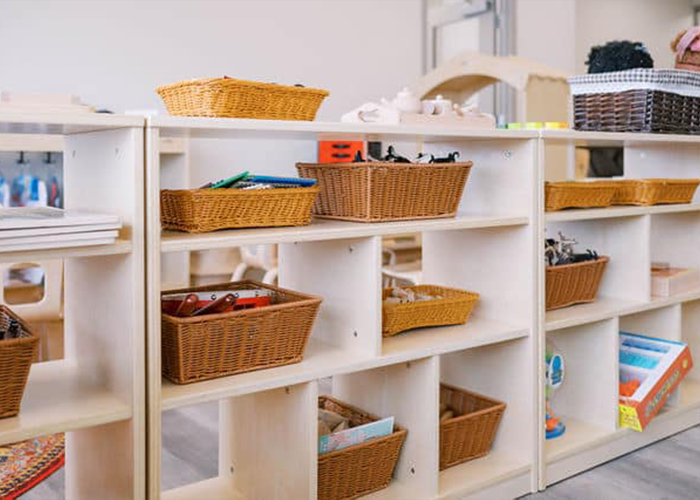
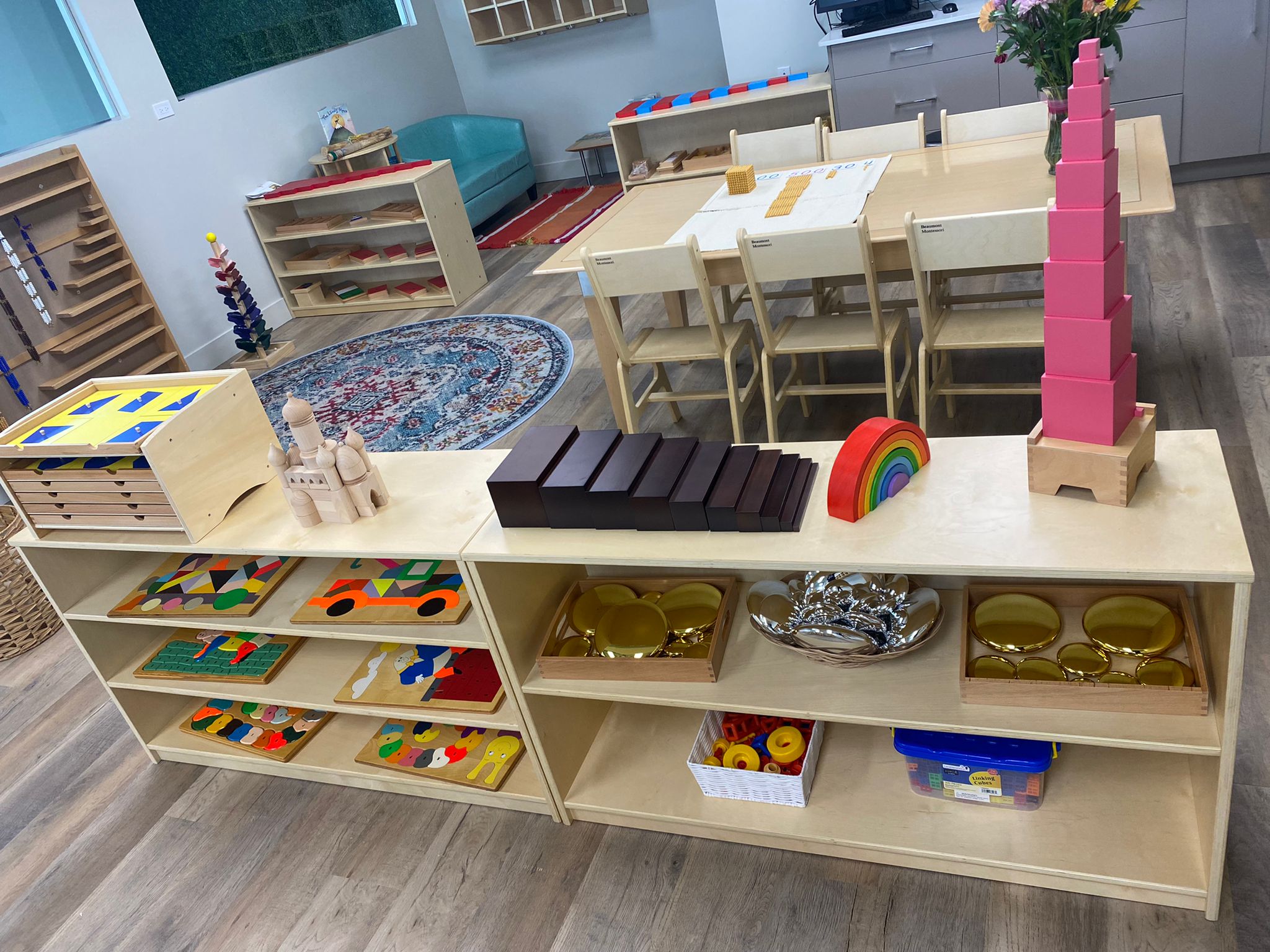
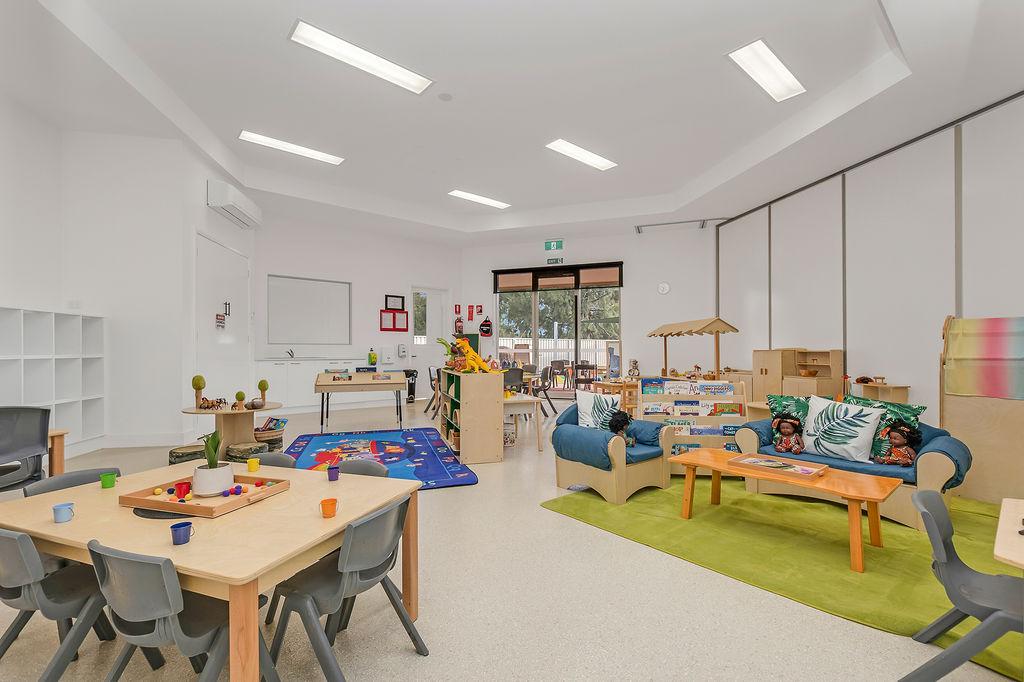
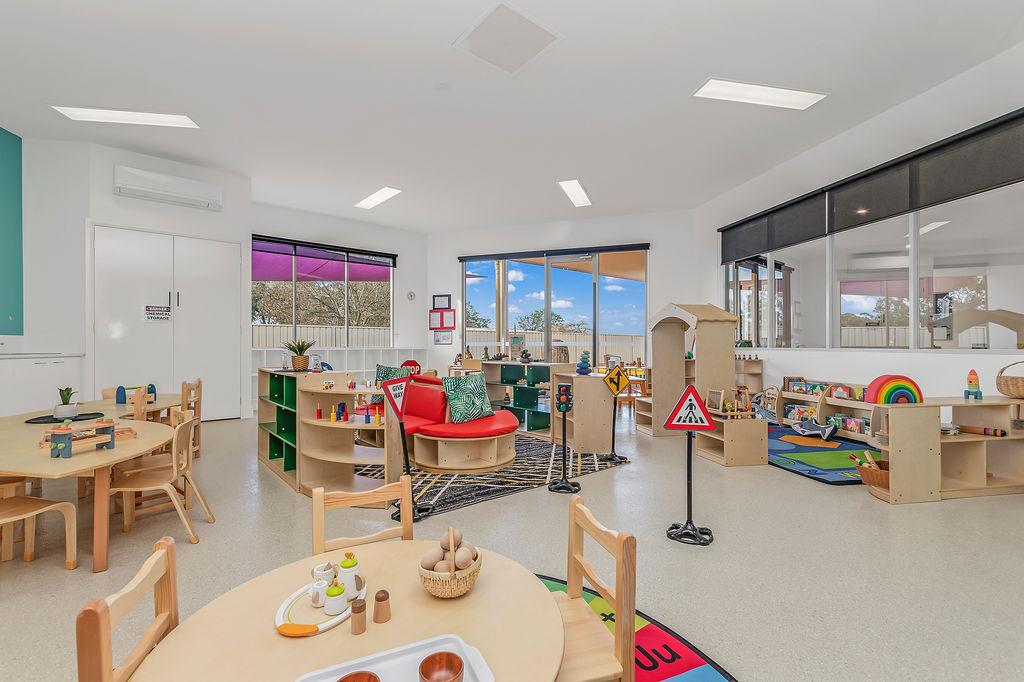
Montessori trays organize activities and foster a sense of independence and order. These trays are easy for a child to carry and include all the materials needed for an activity. Montessori trays and baskets offer variety without overwhelm and clutter, allowing for focused, uninterrupted play.
How Montessori Schools Teach Art
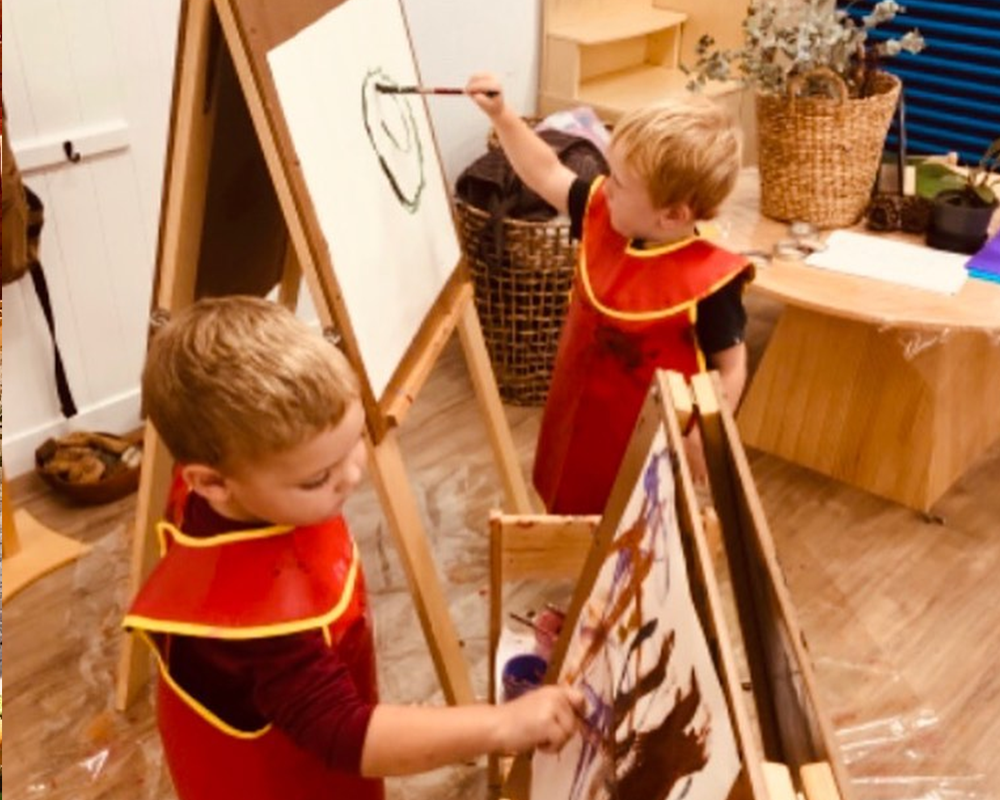
In the Montessori classroom, art is actually considered to be one of the most important ways that students can learn and express themselves. With a properly prepared environment, students can learn how to develop and express their sense of self and effectively communicate their feelings.
What Makes a Montessori Classroom Different?
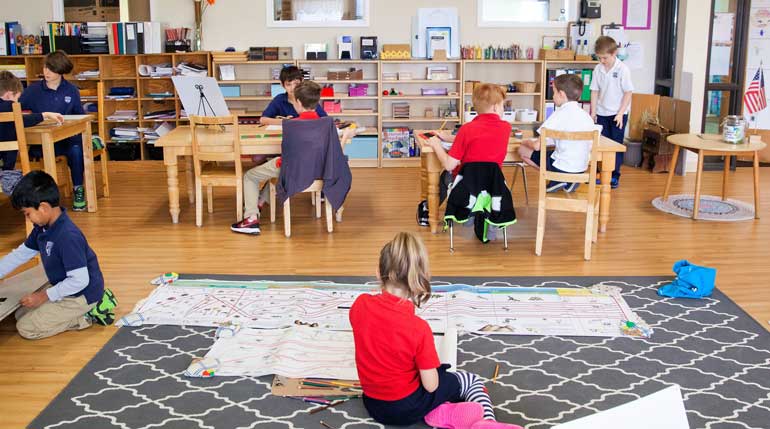
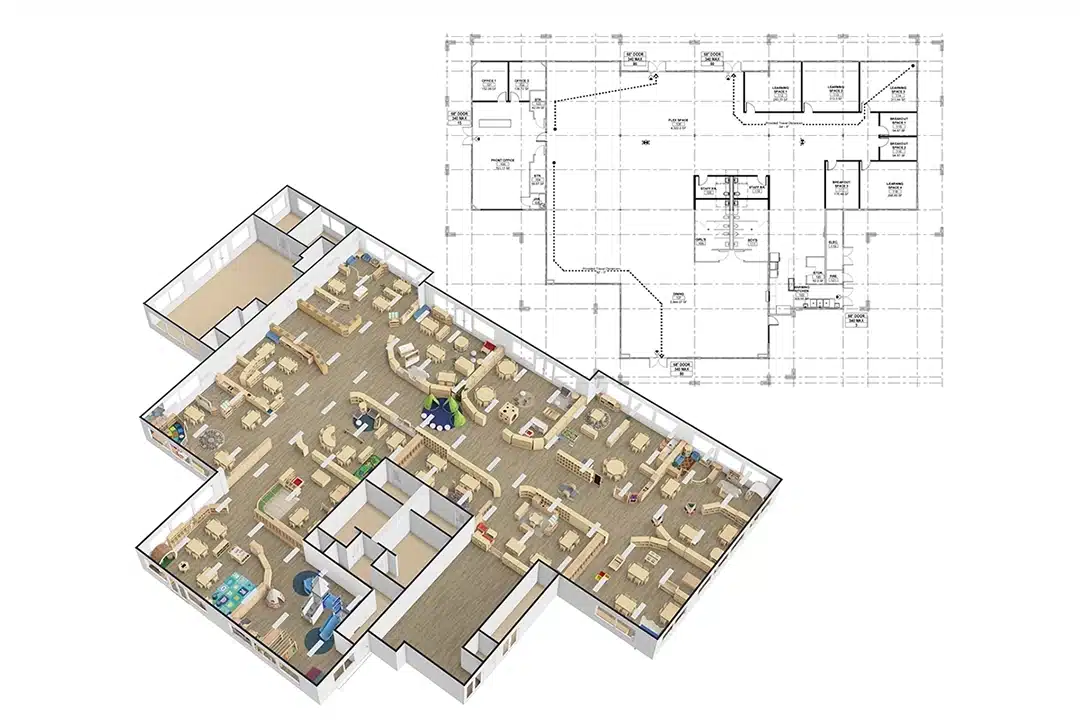
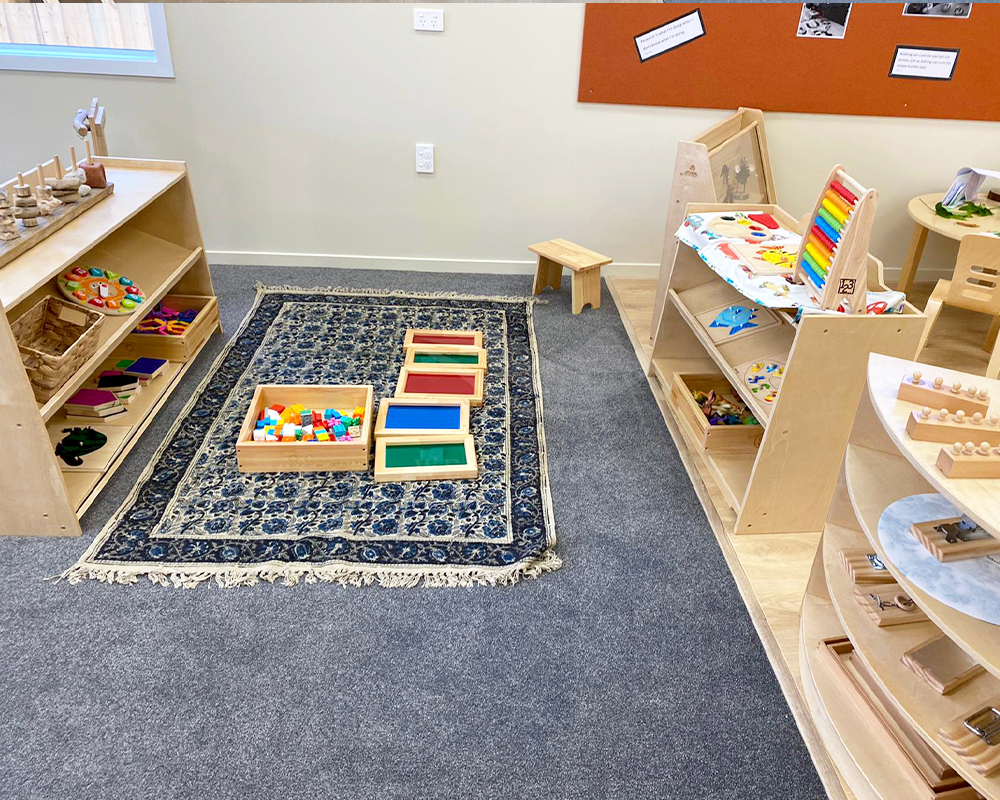
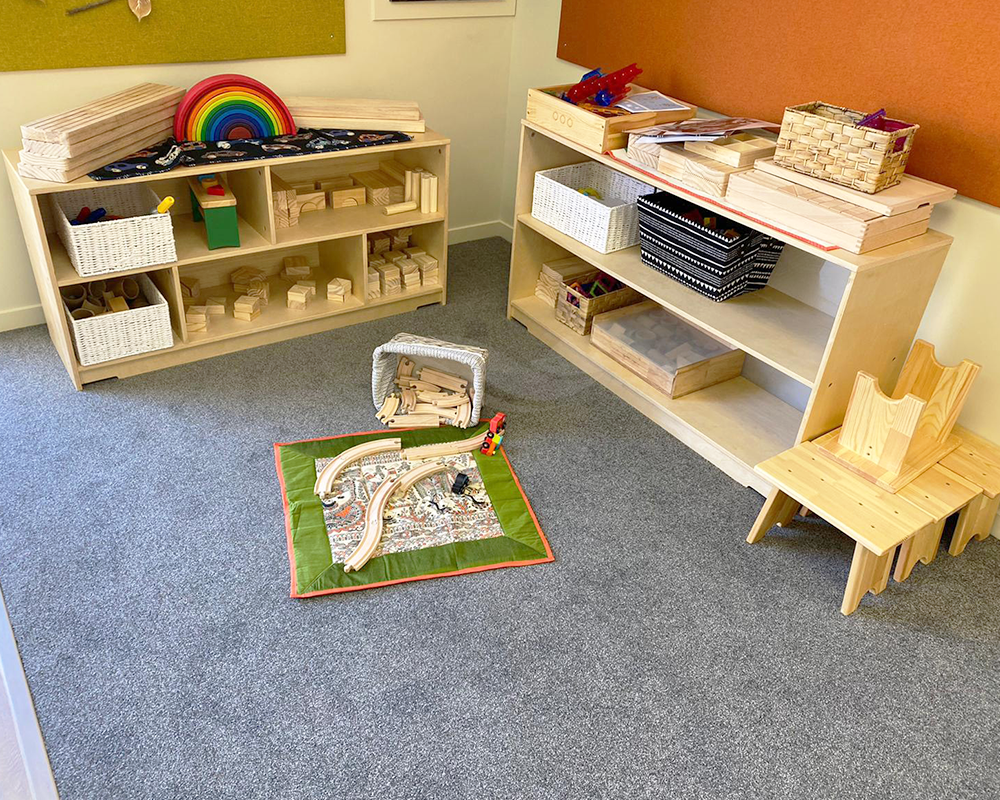
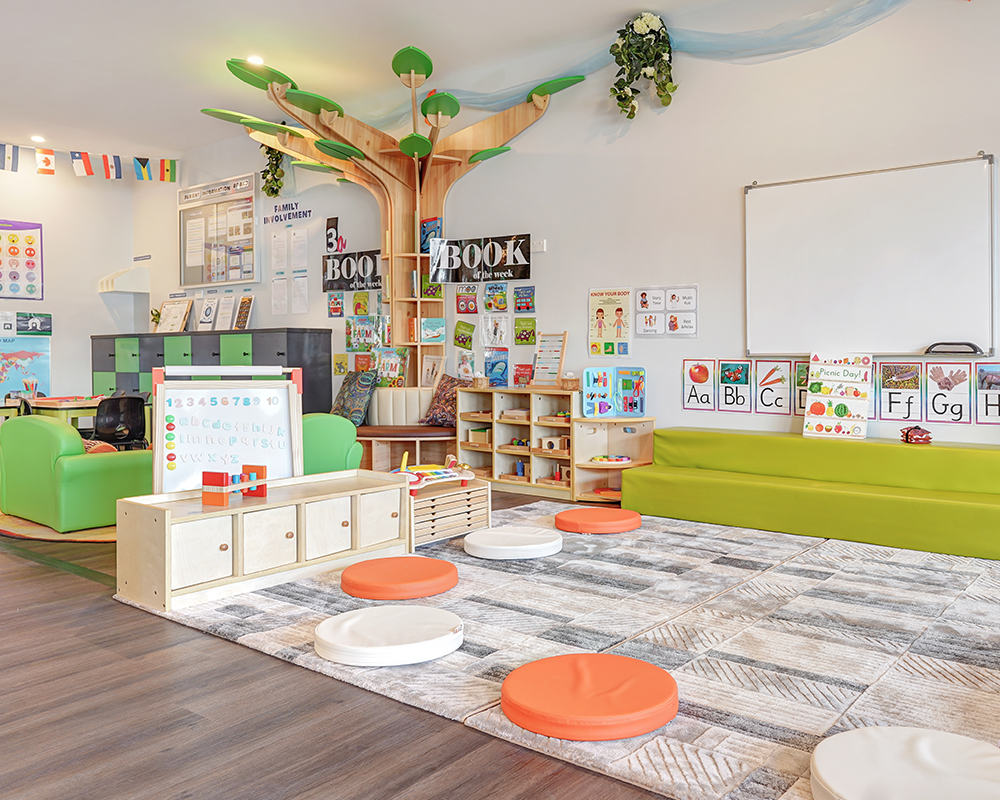
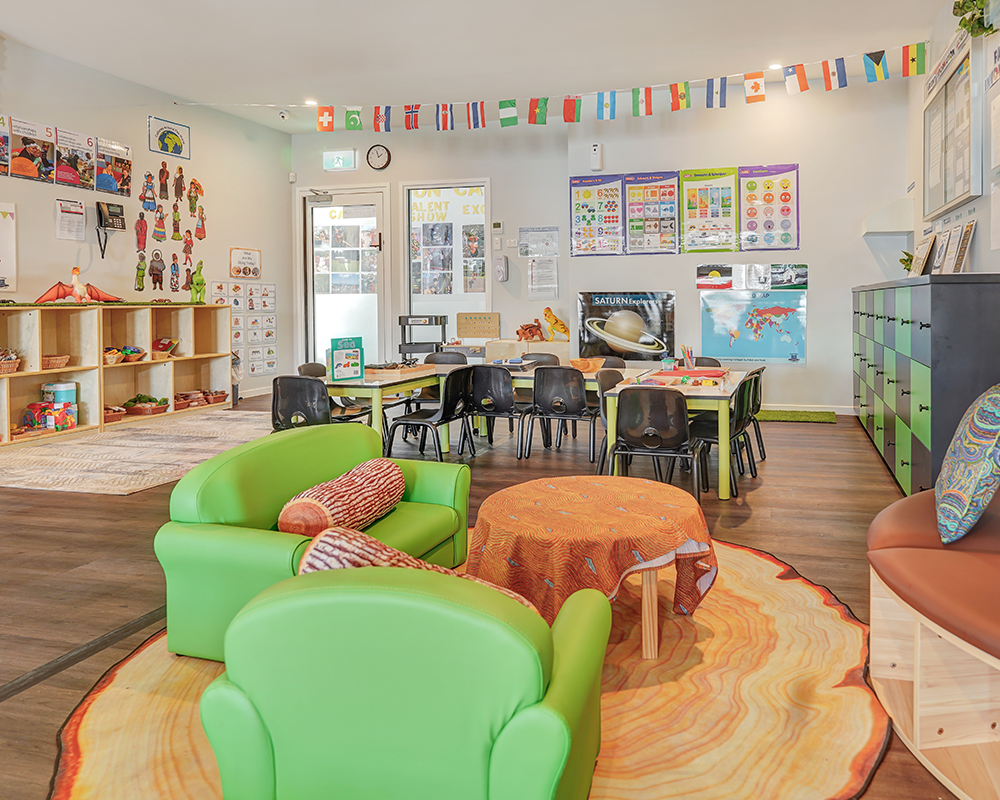
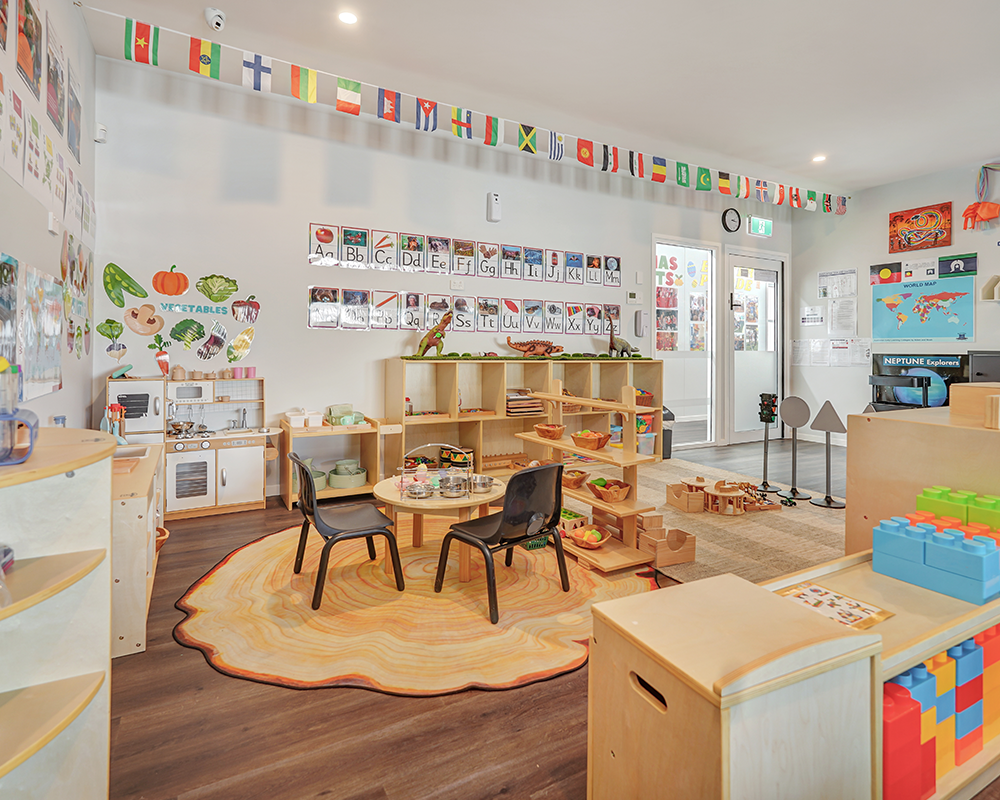
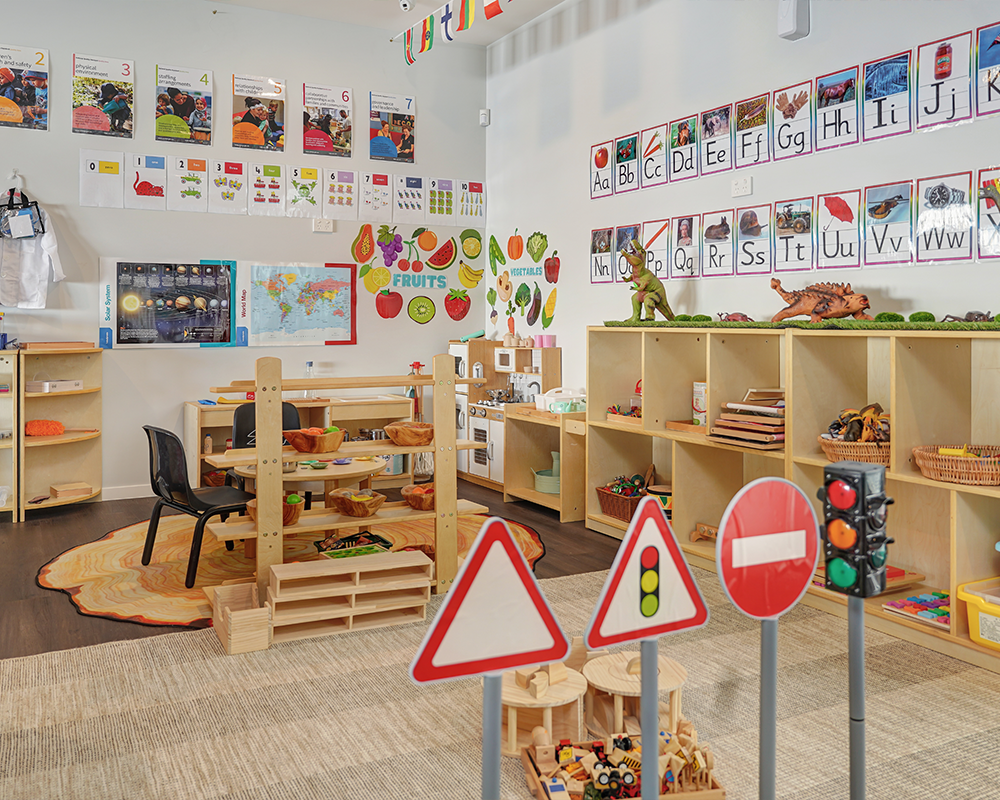
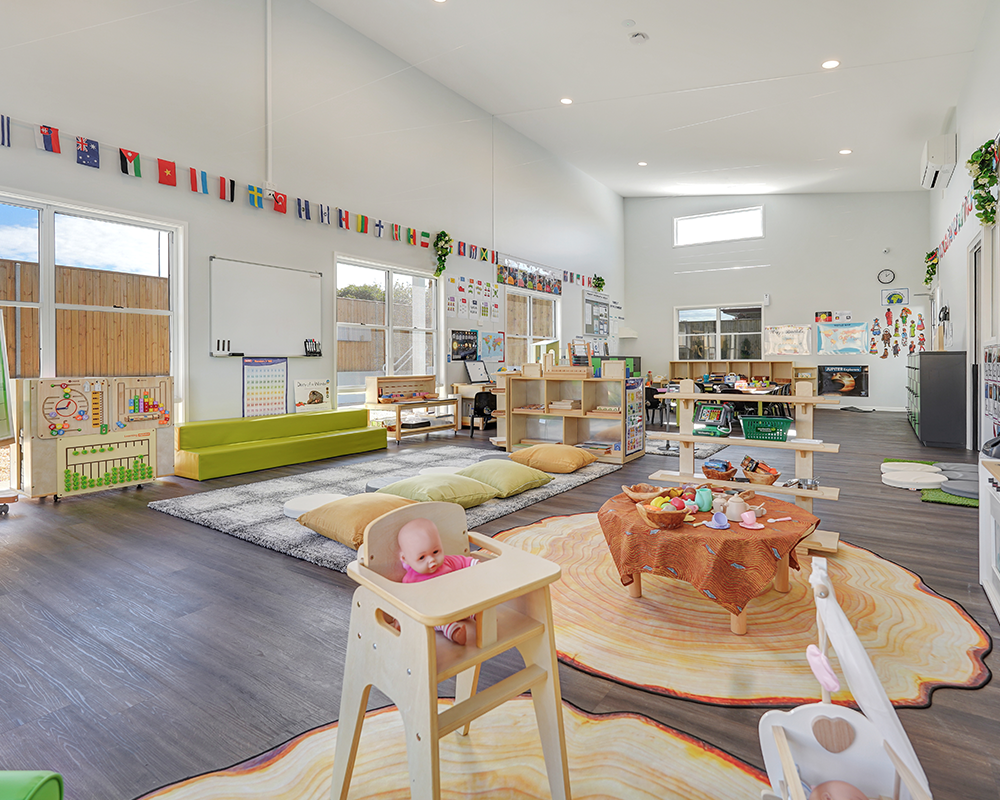
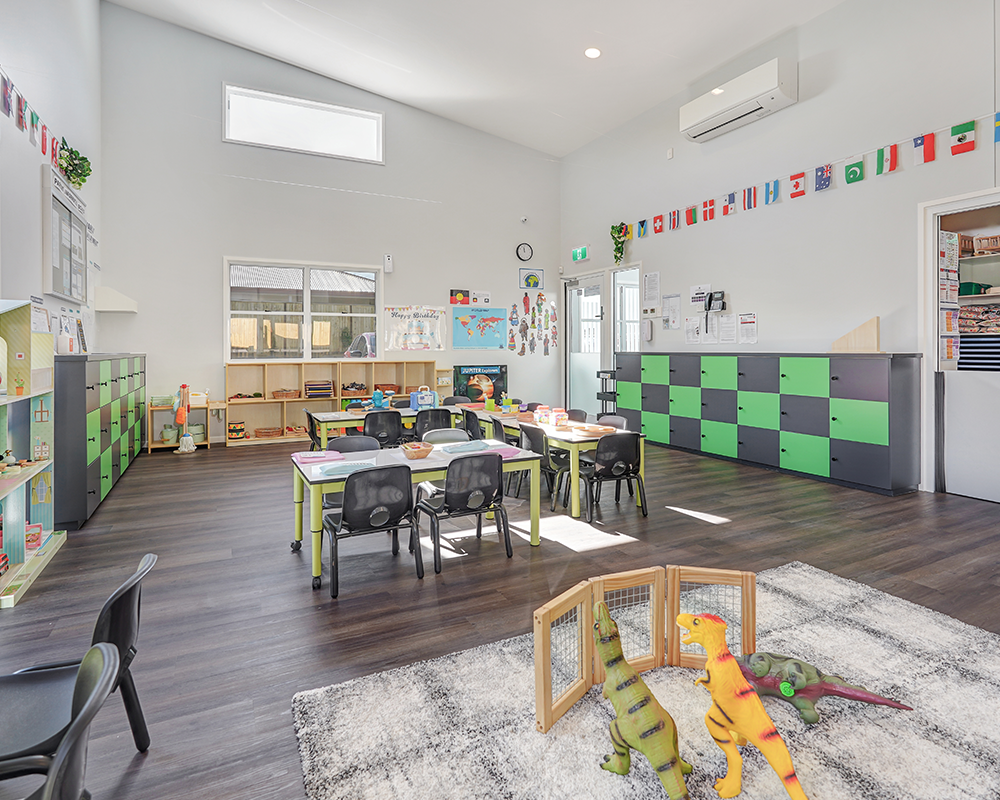
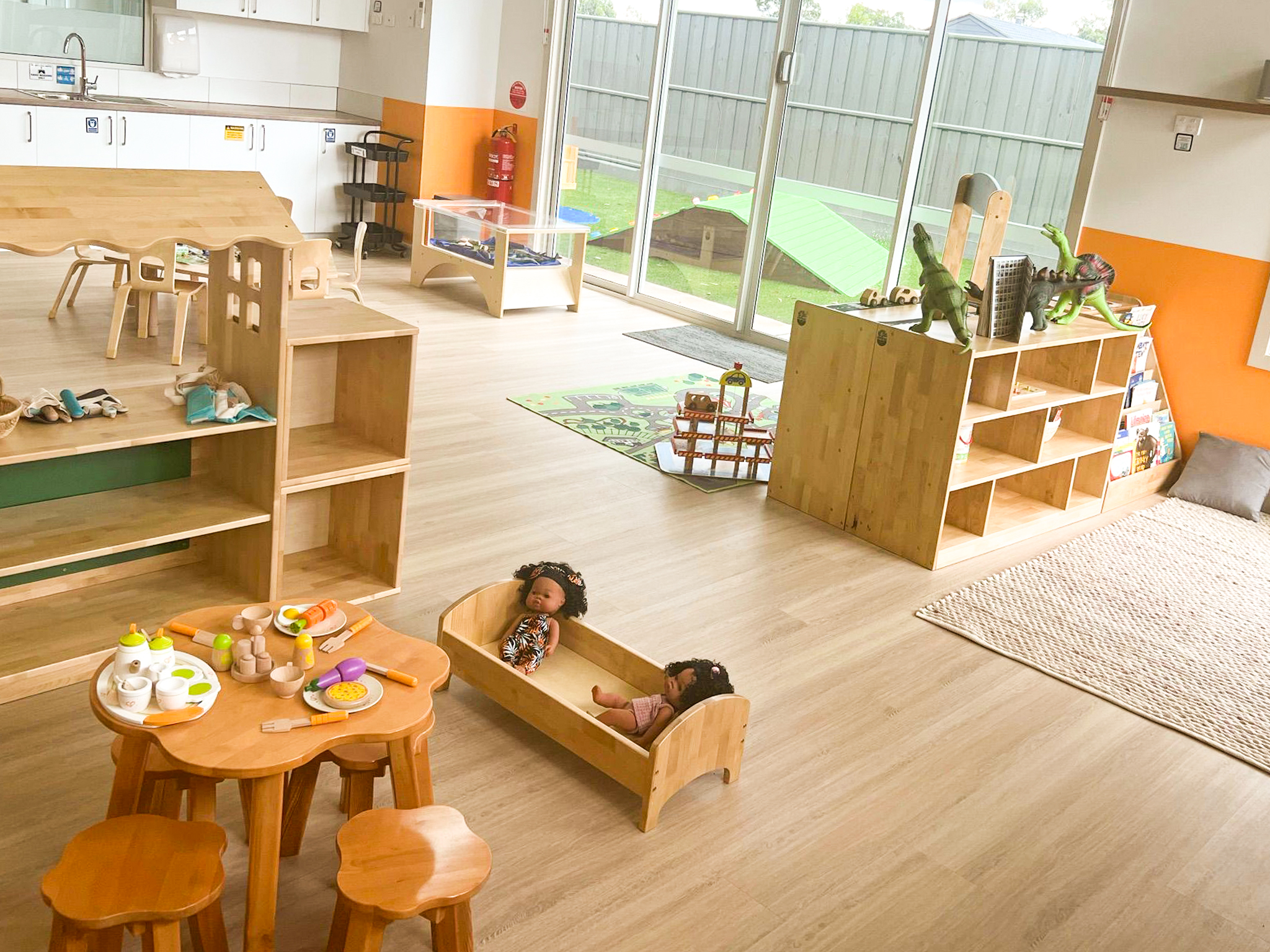
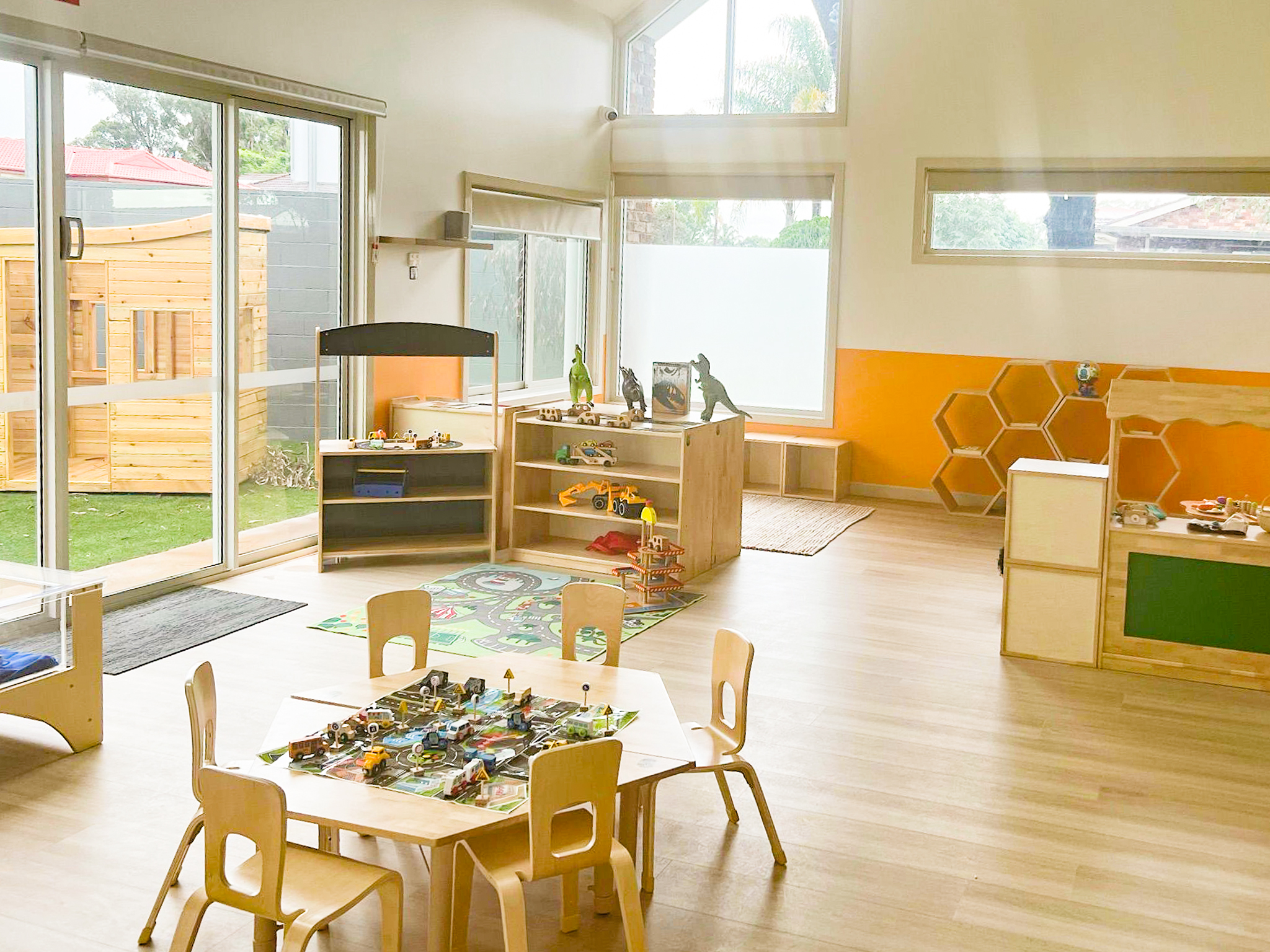
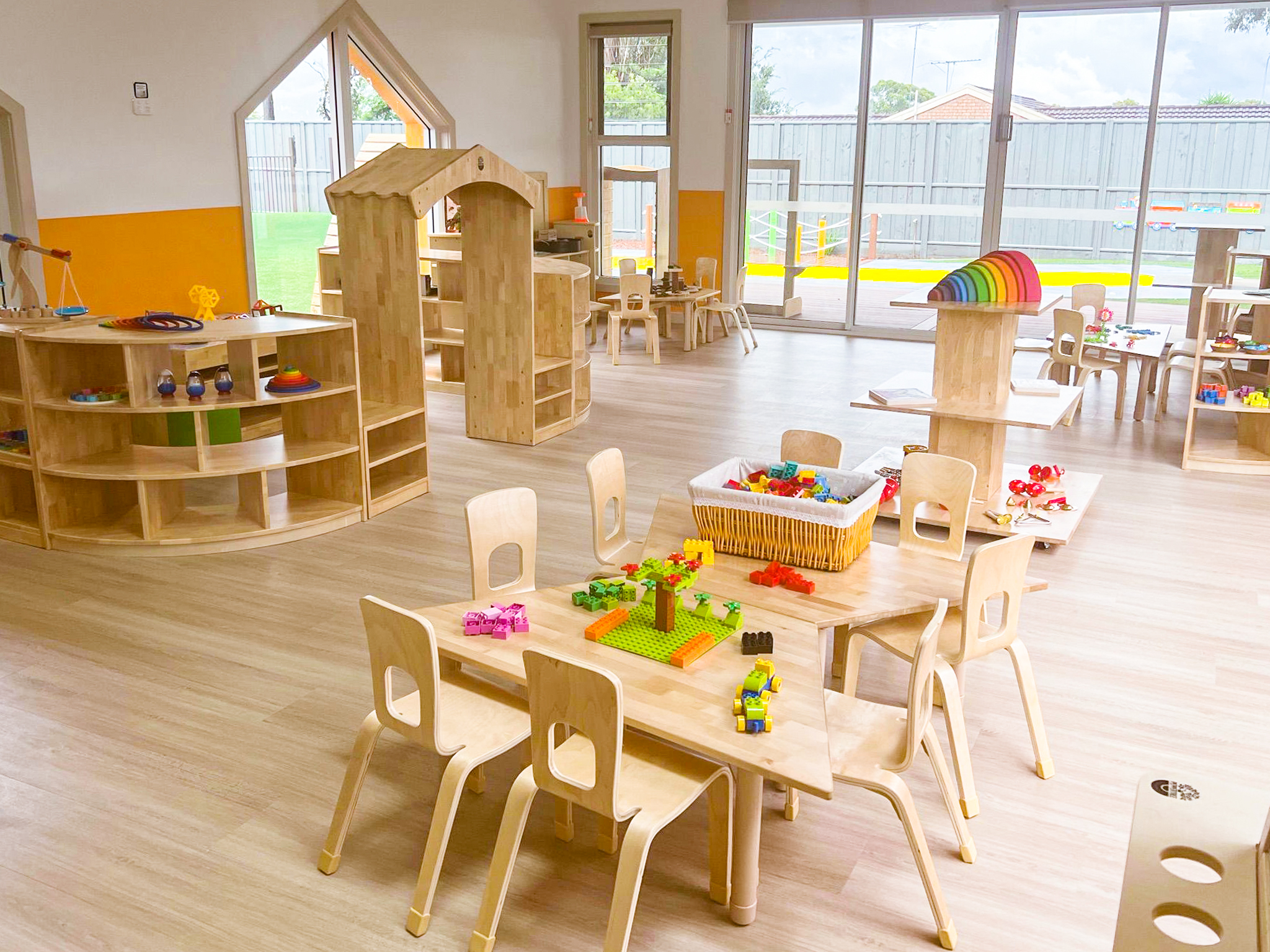
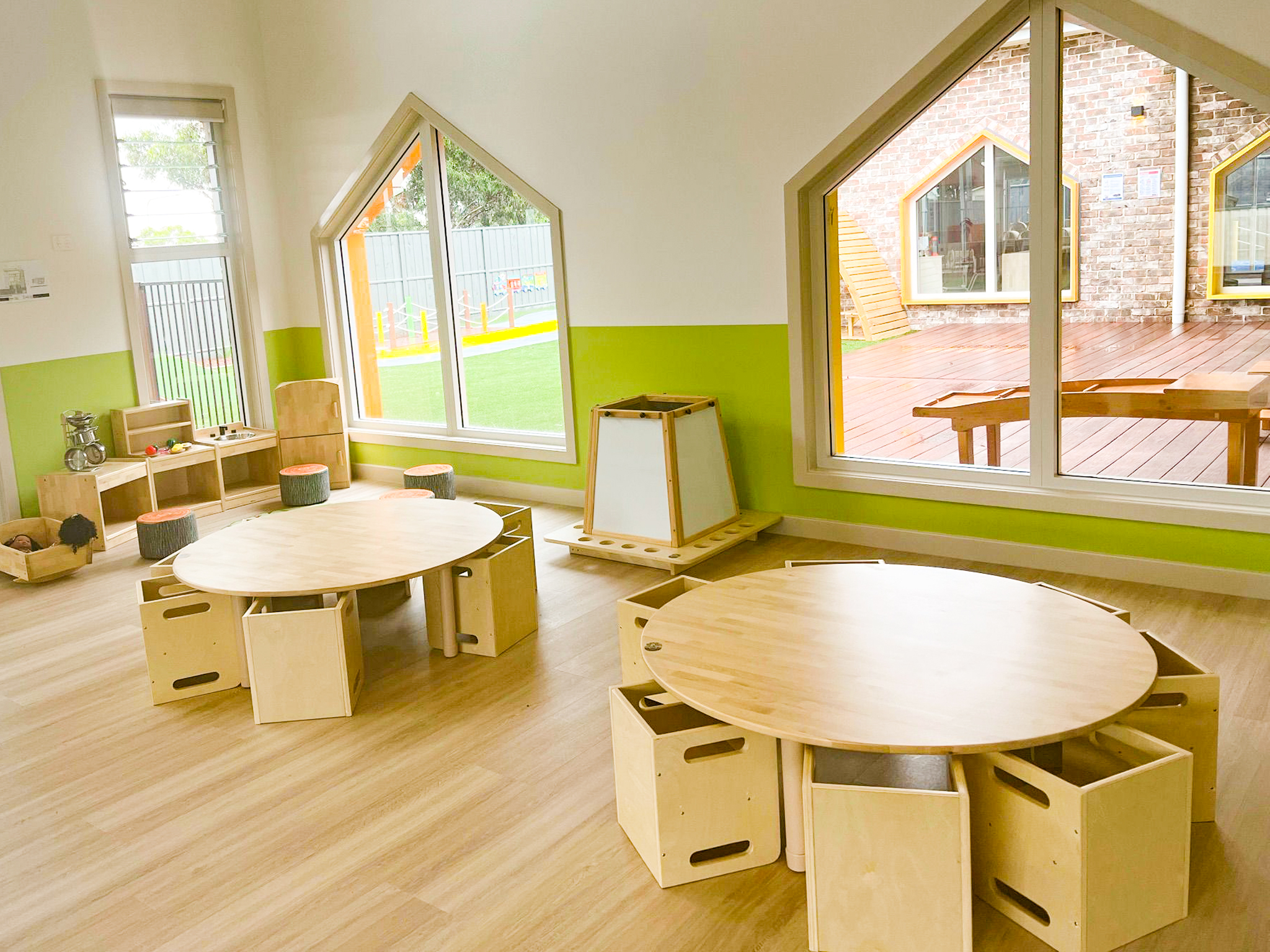
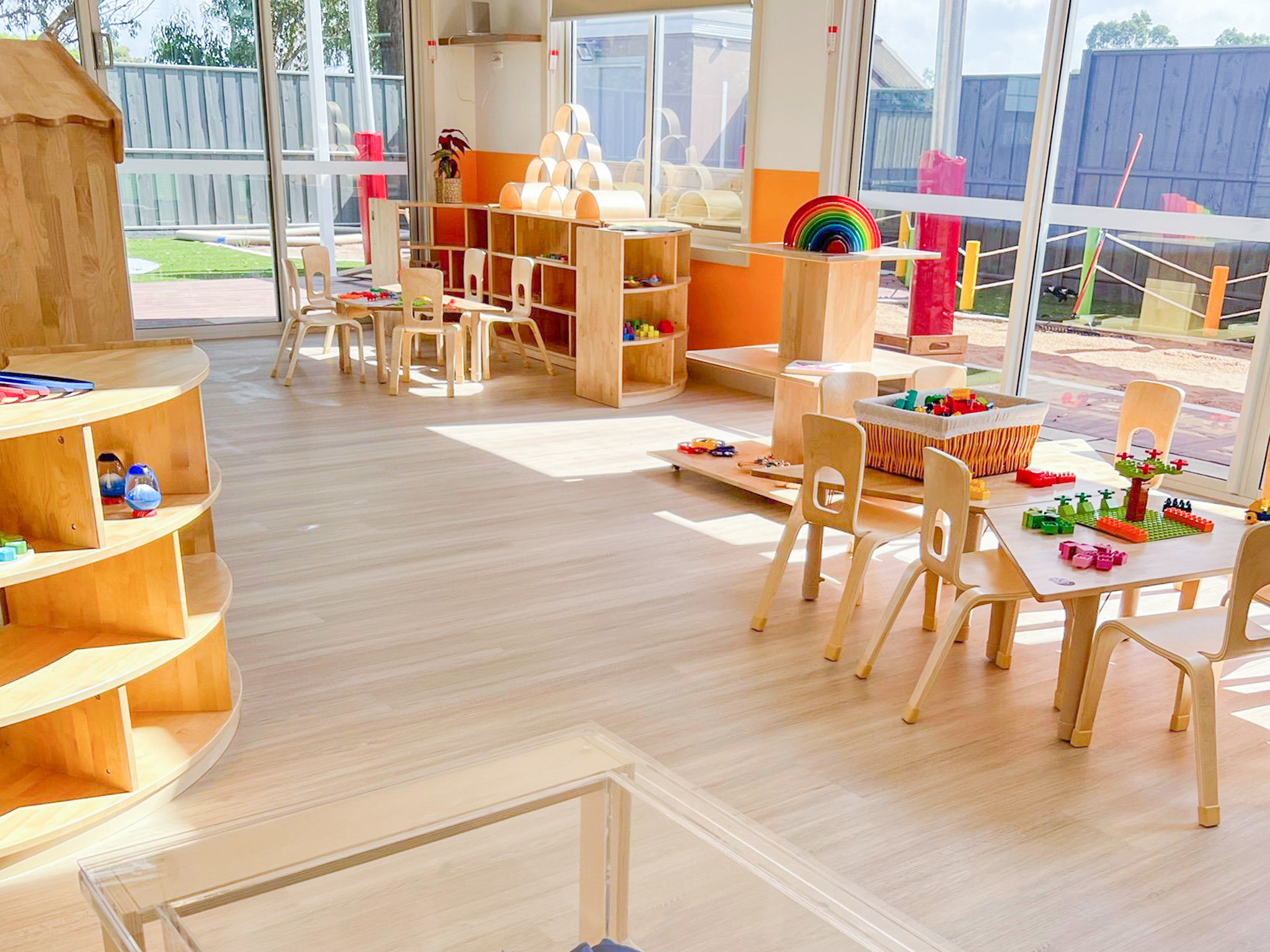
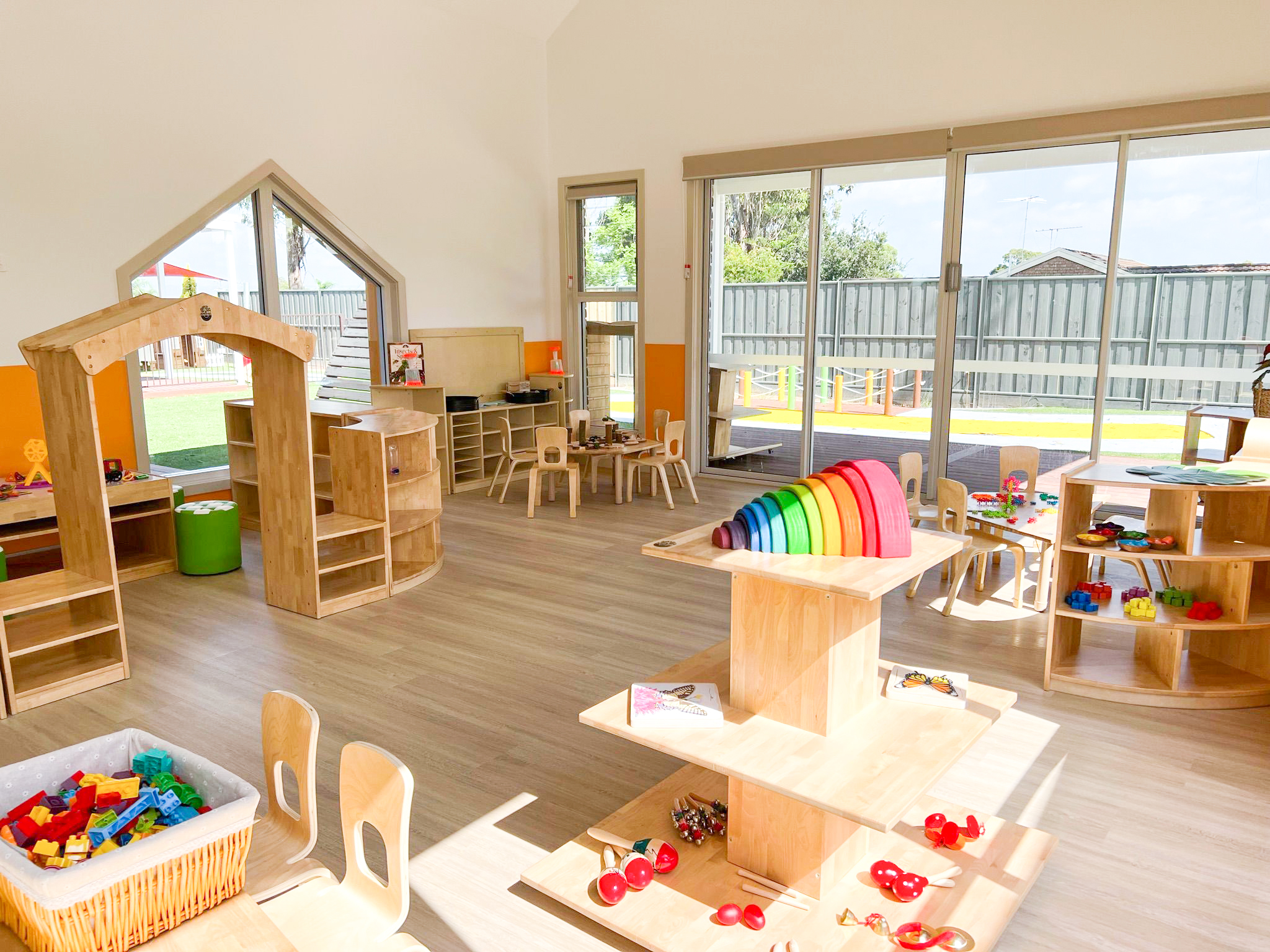
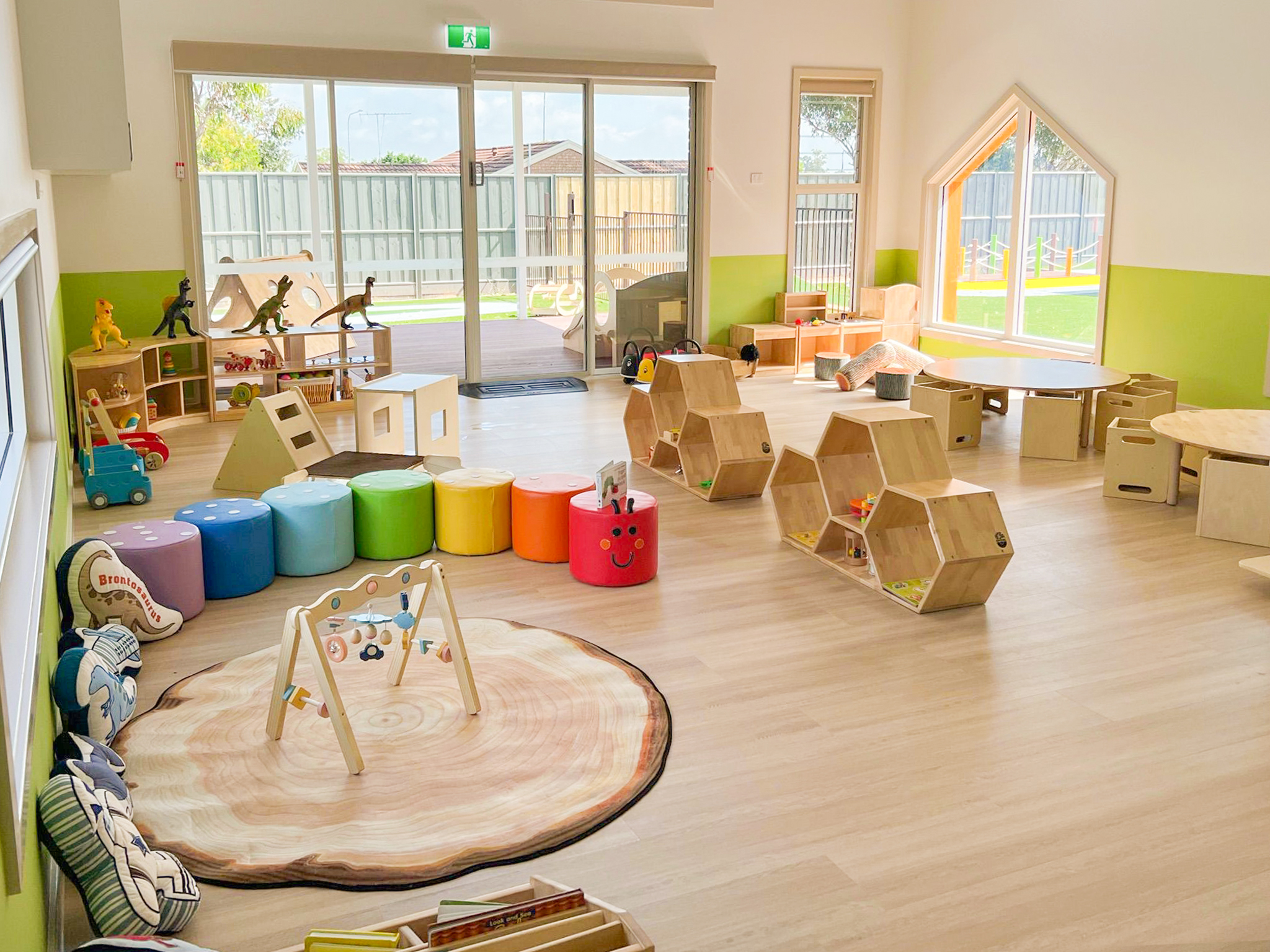
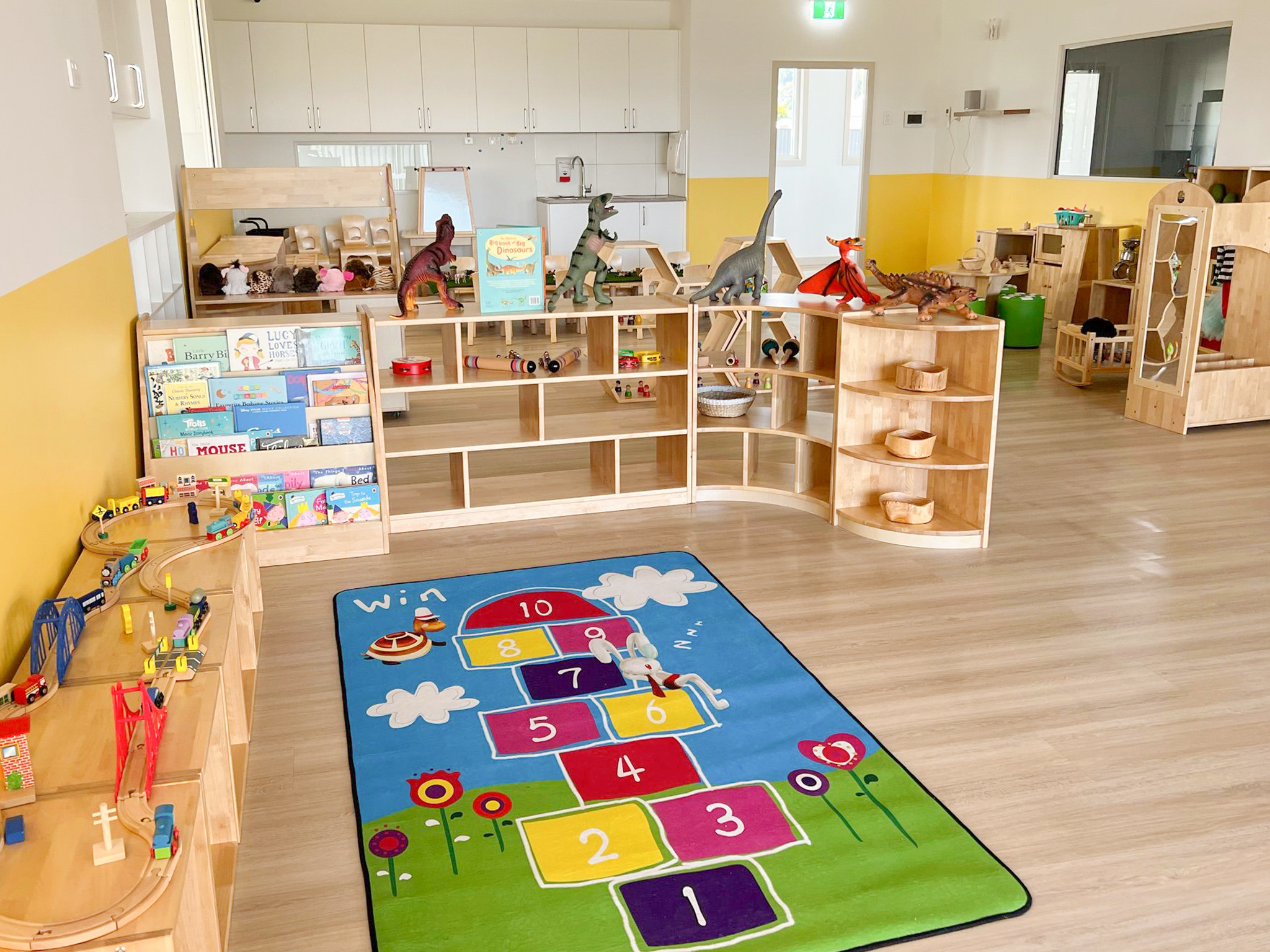
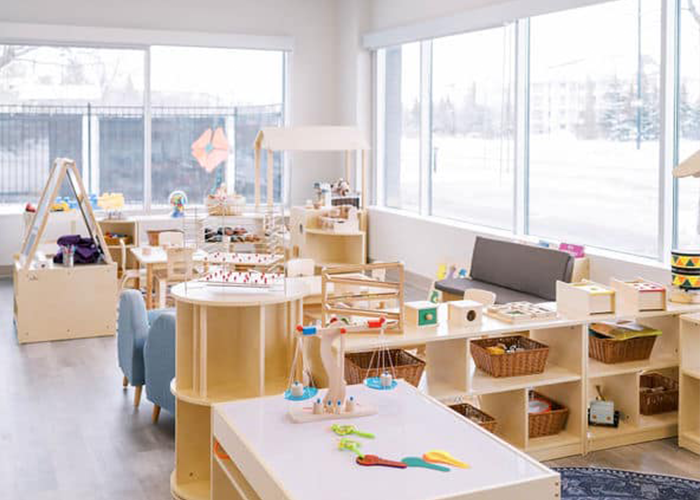
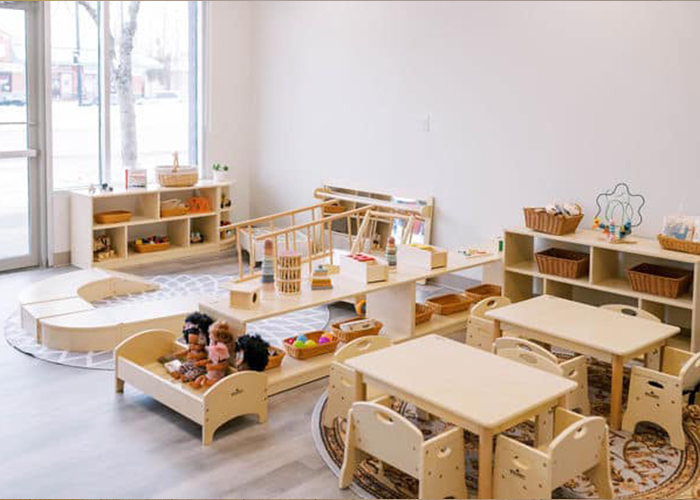
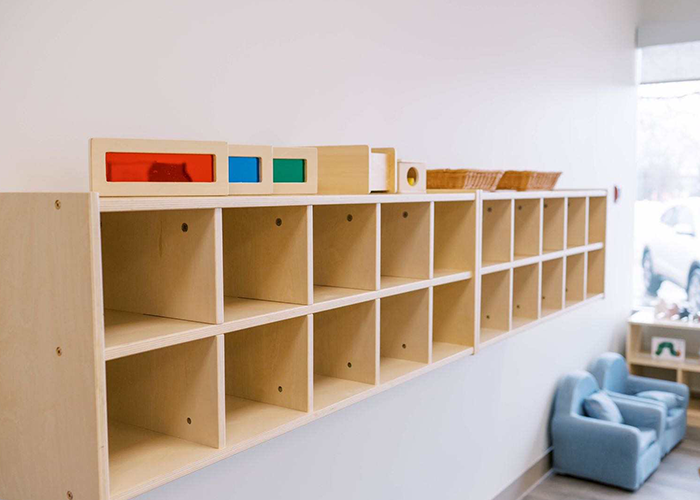
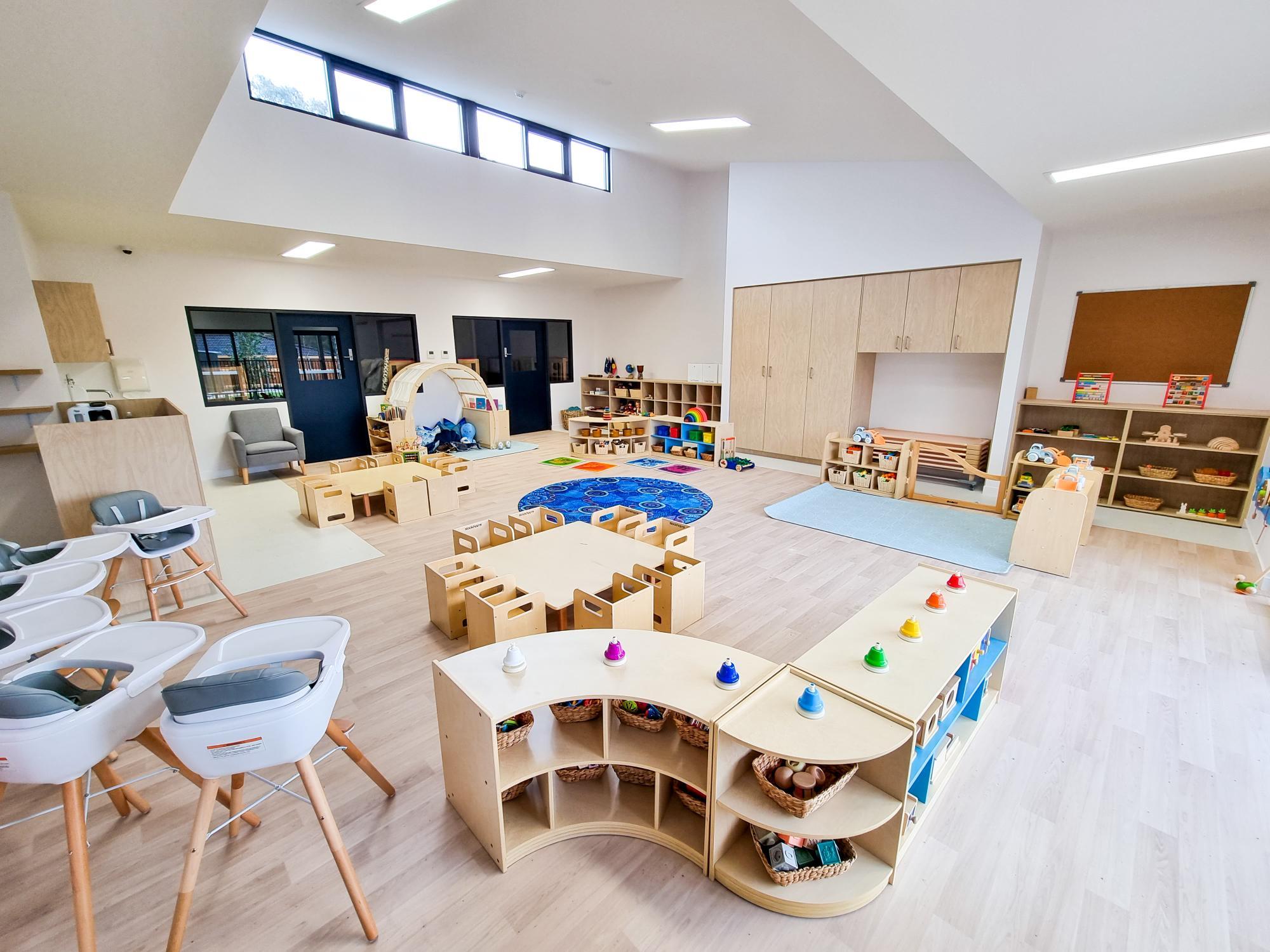
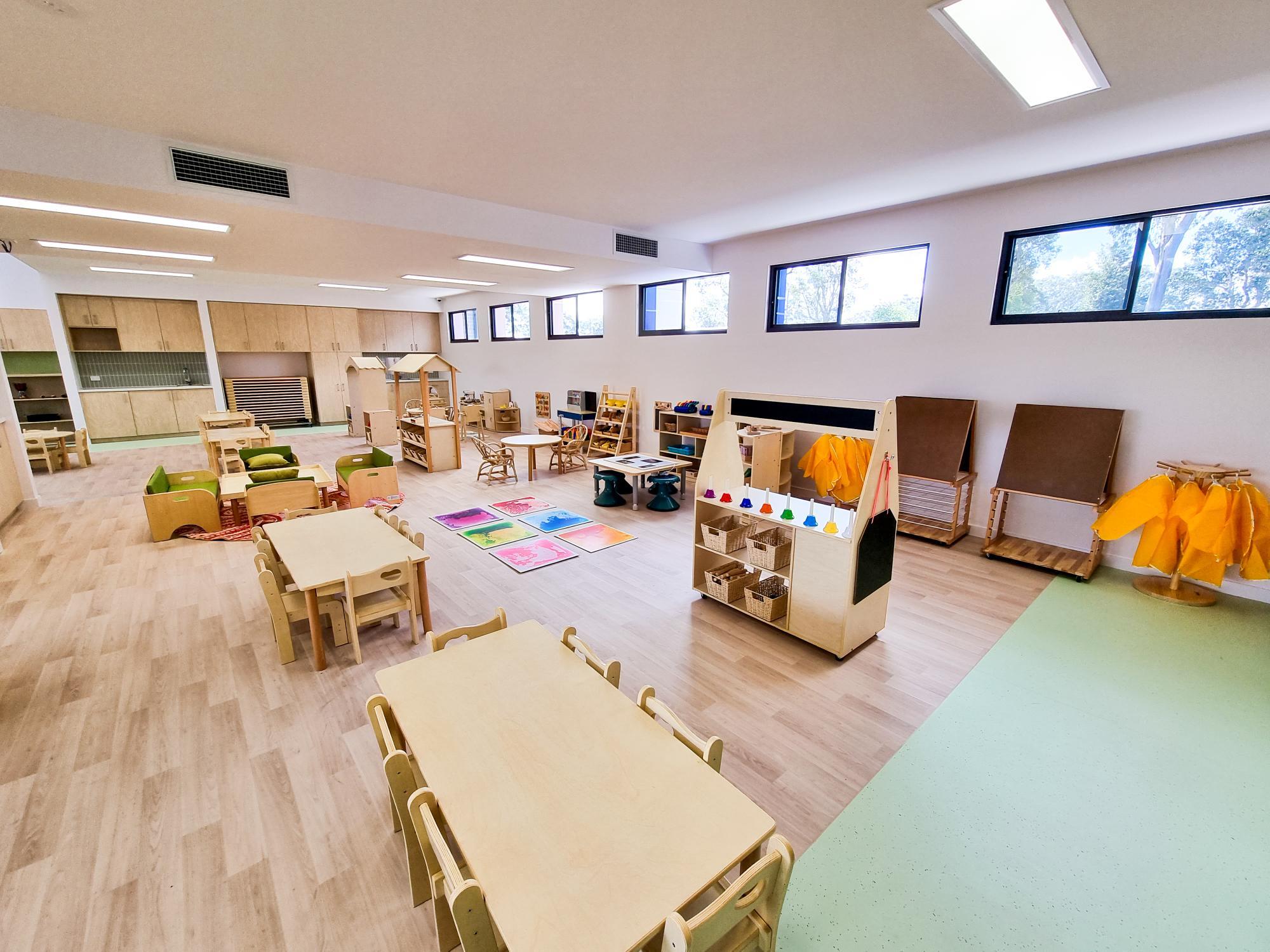
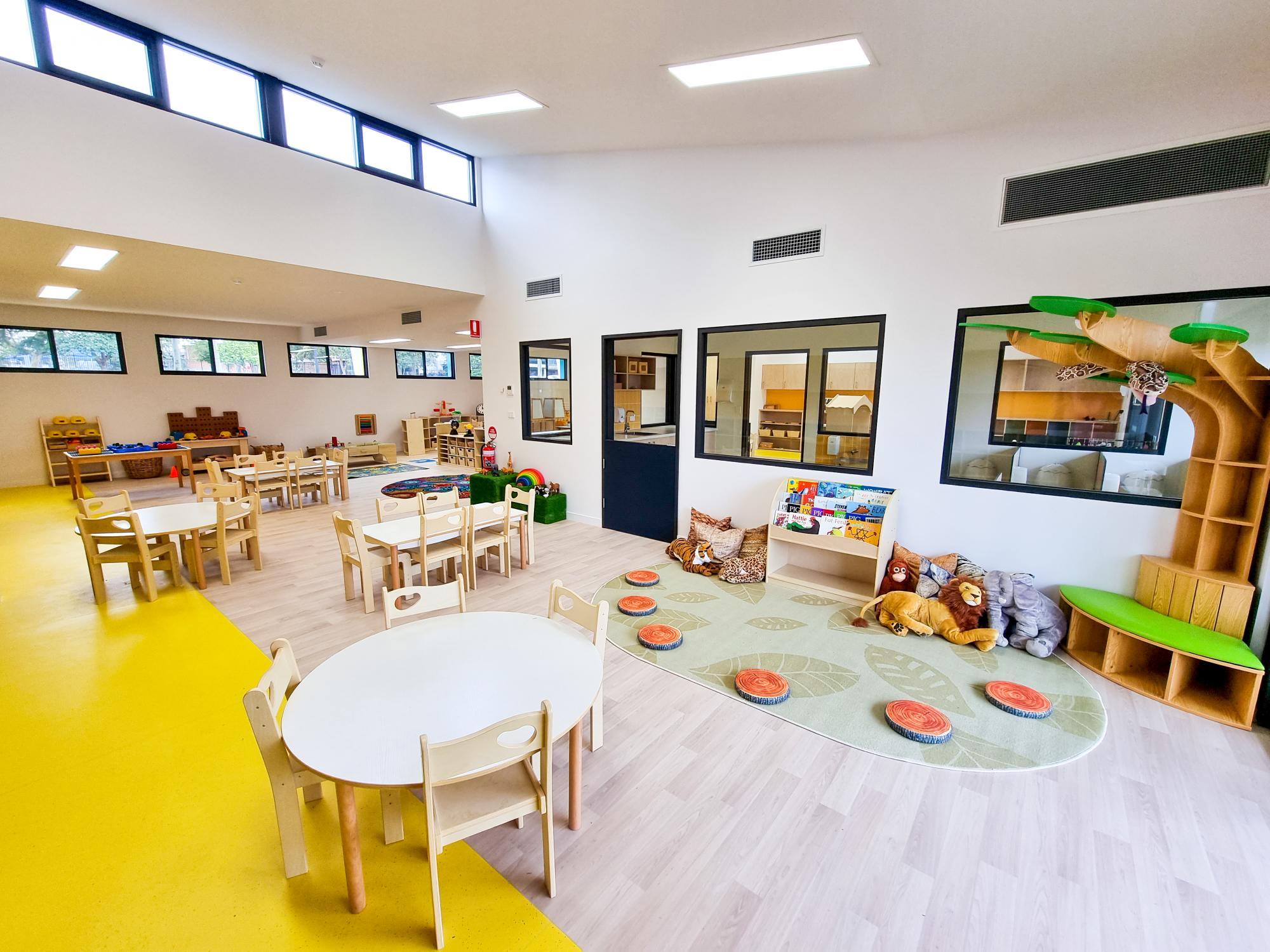
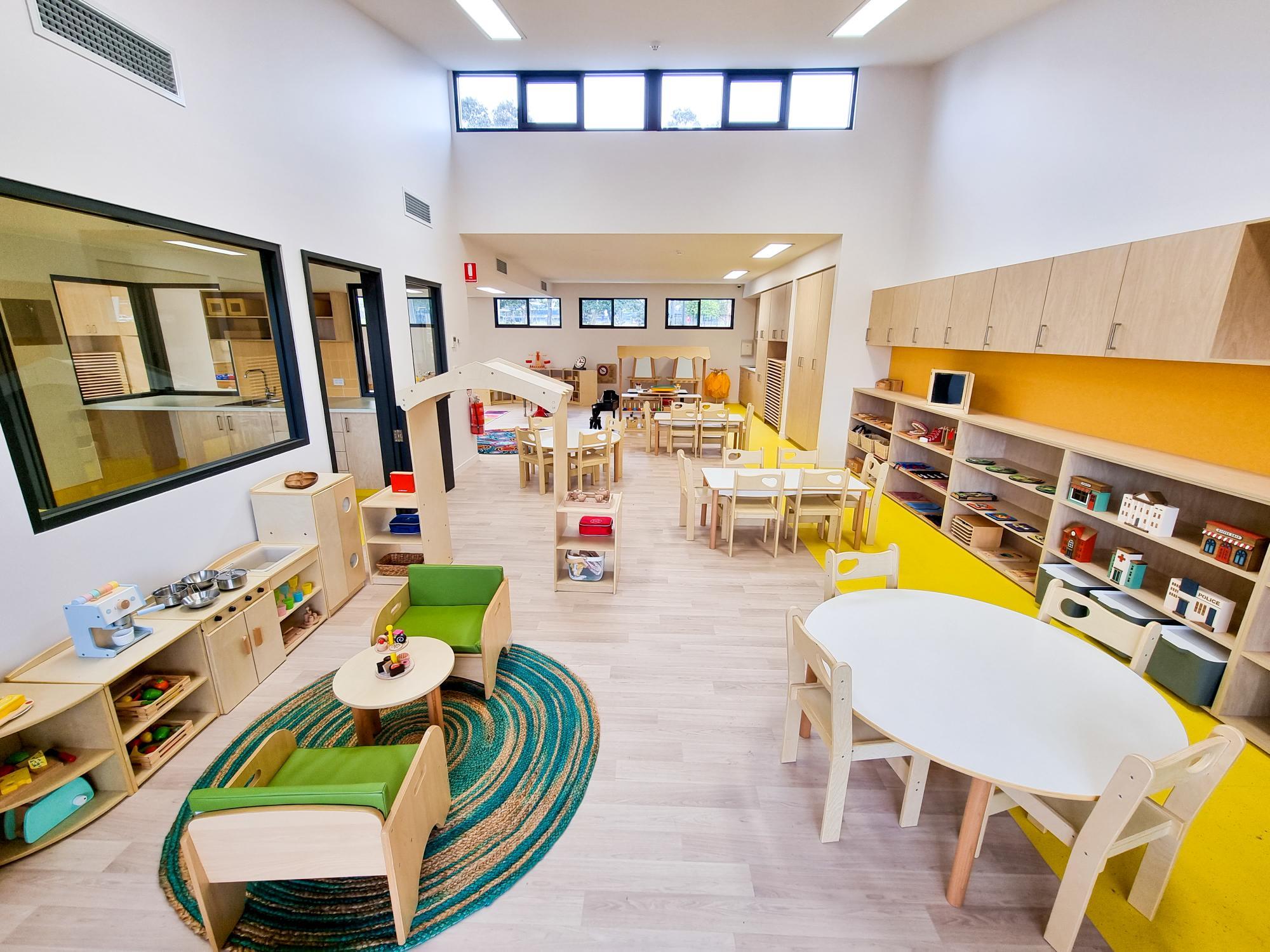
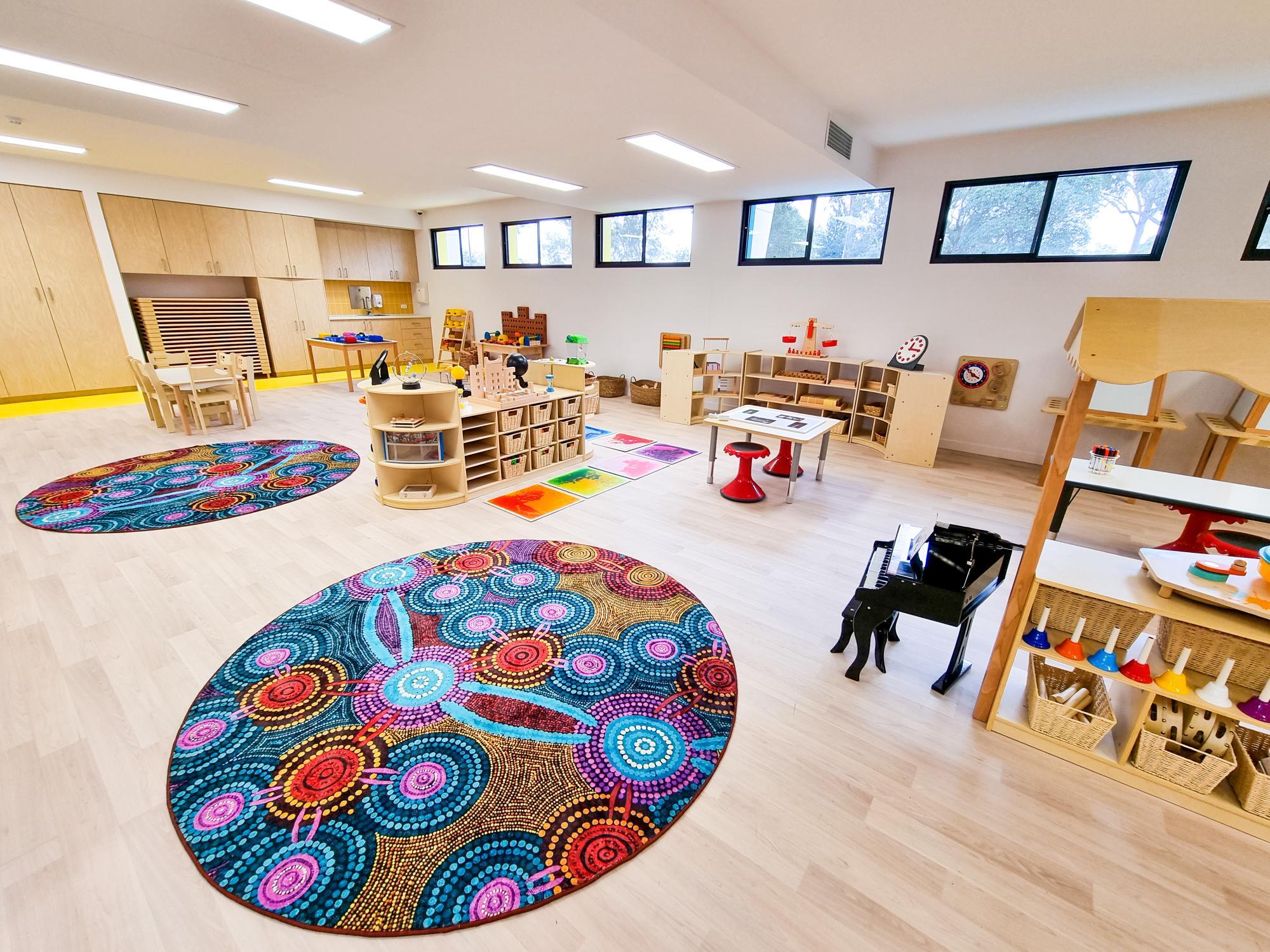
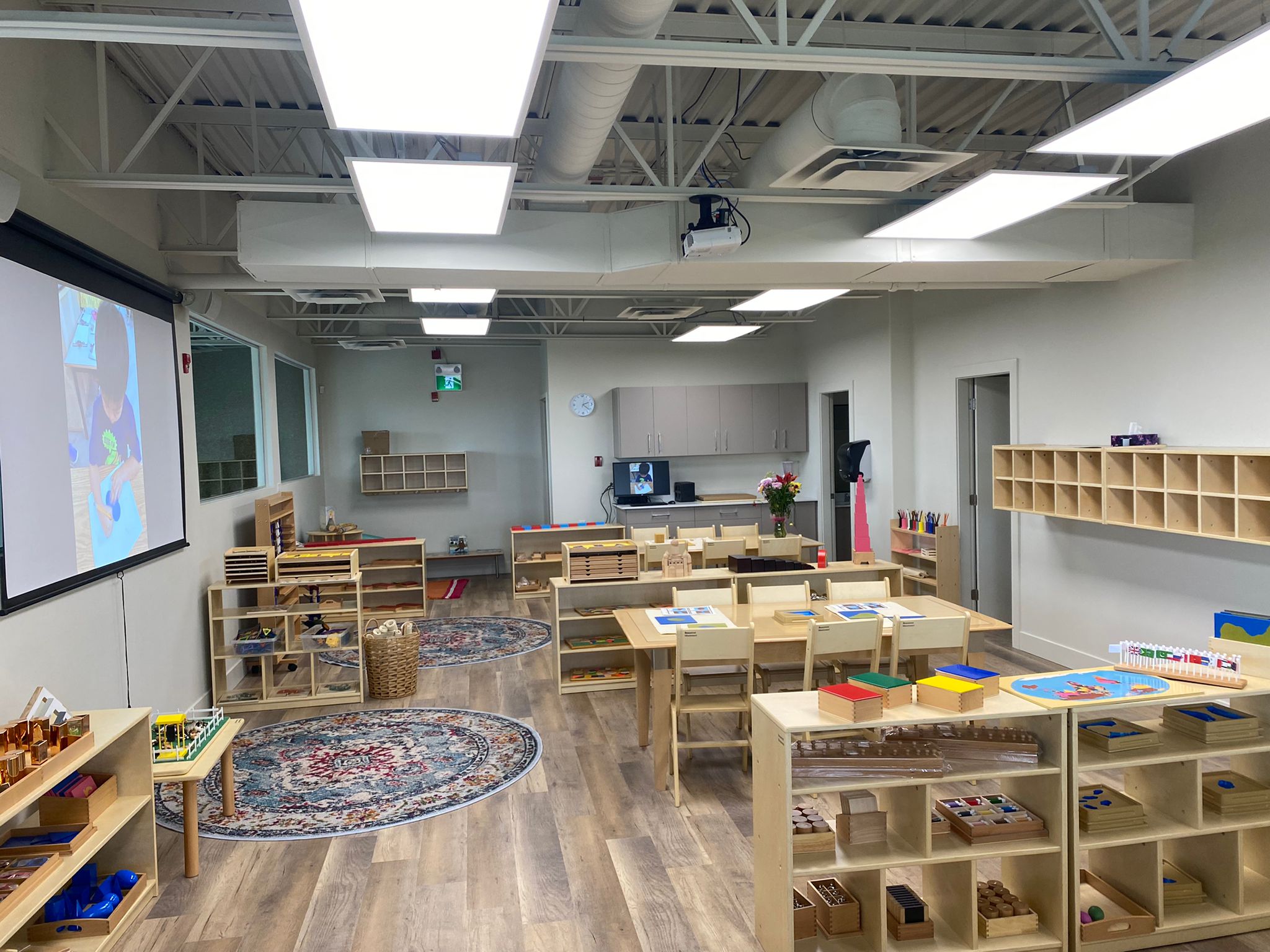
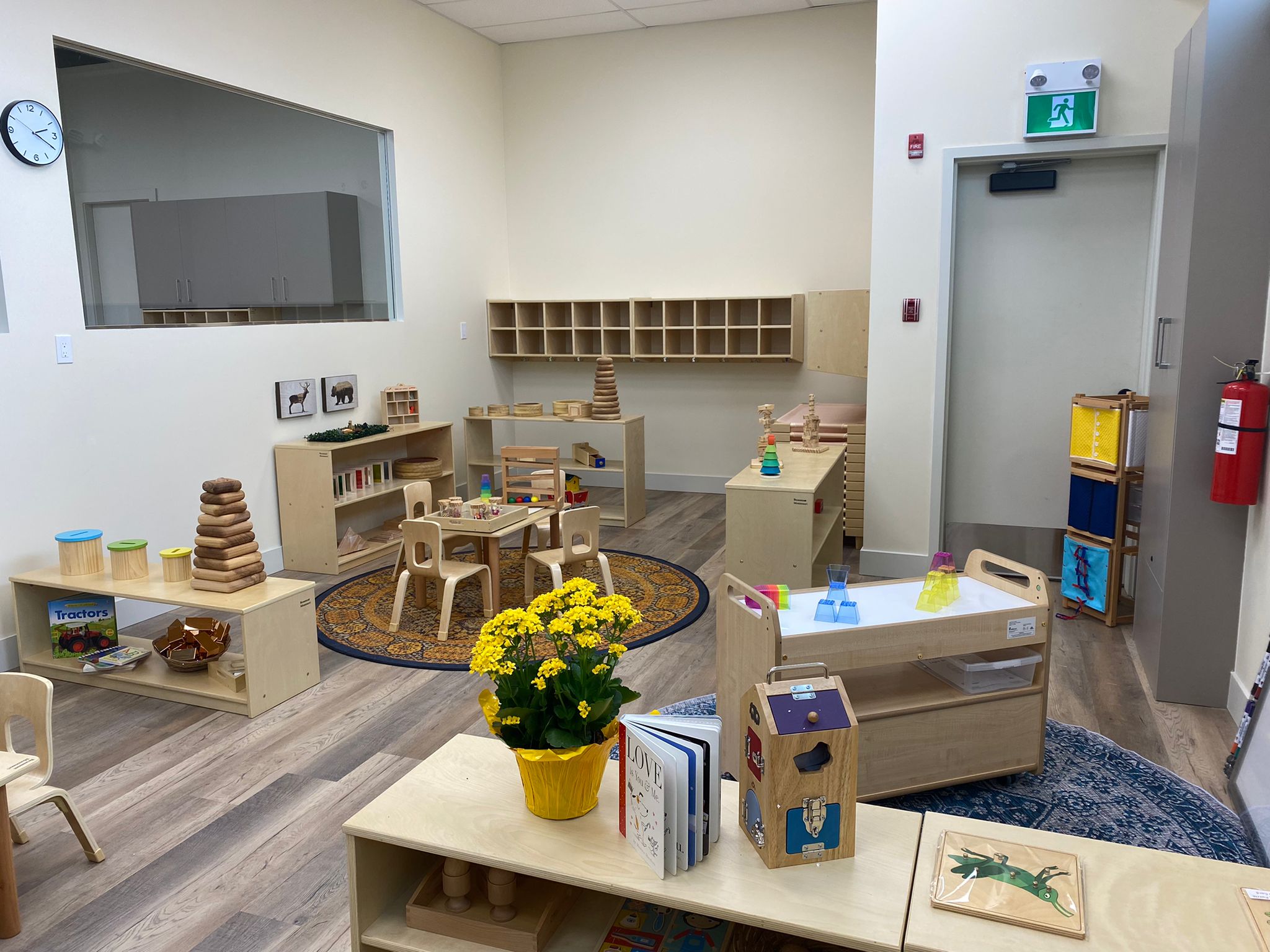
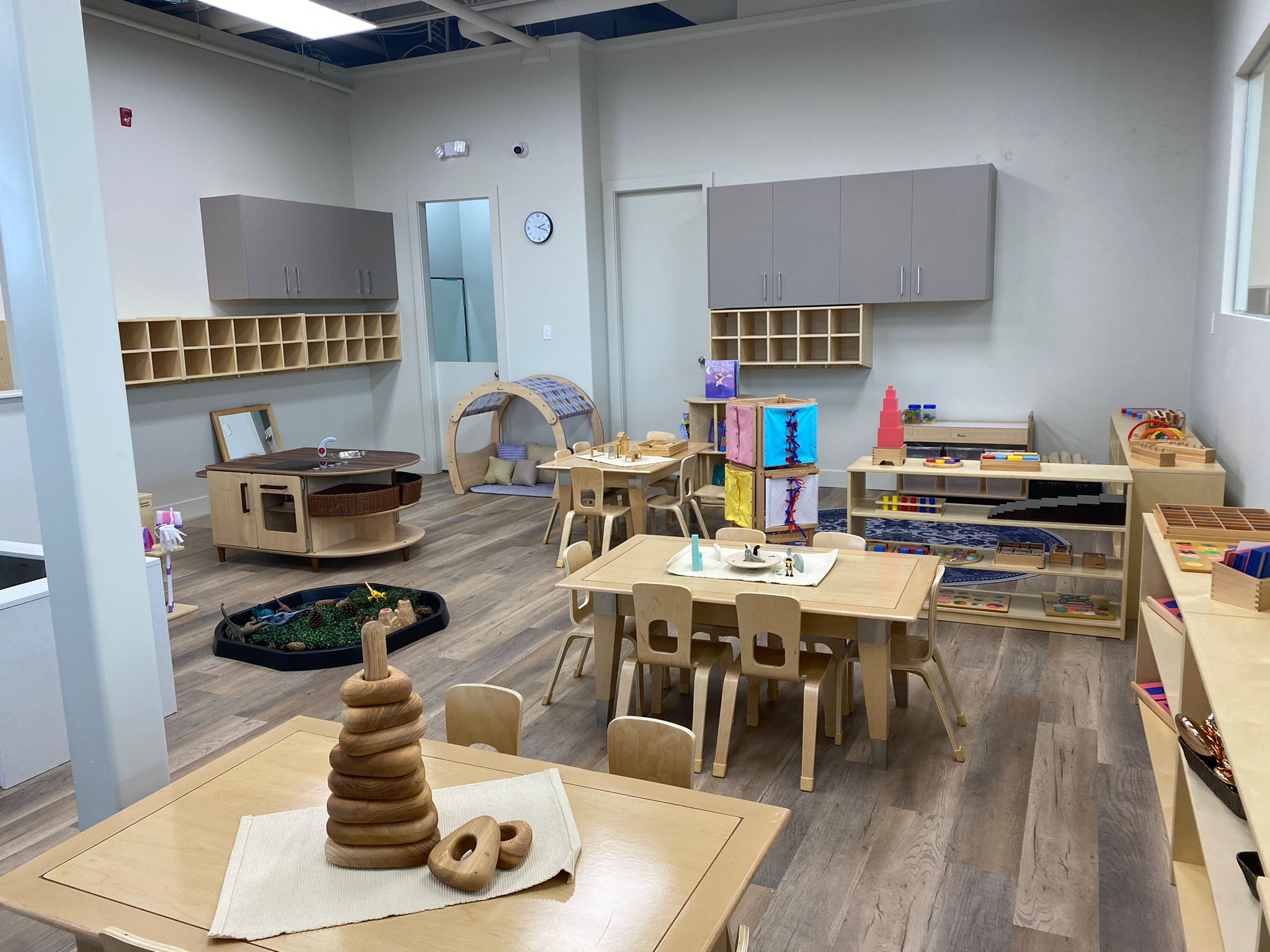
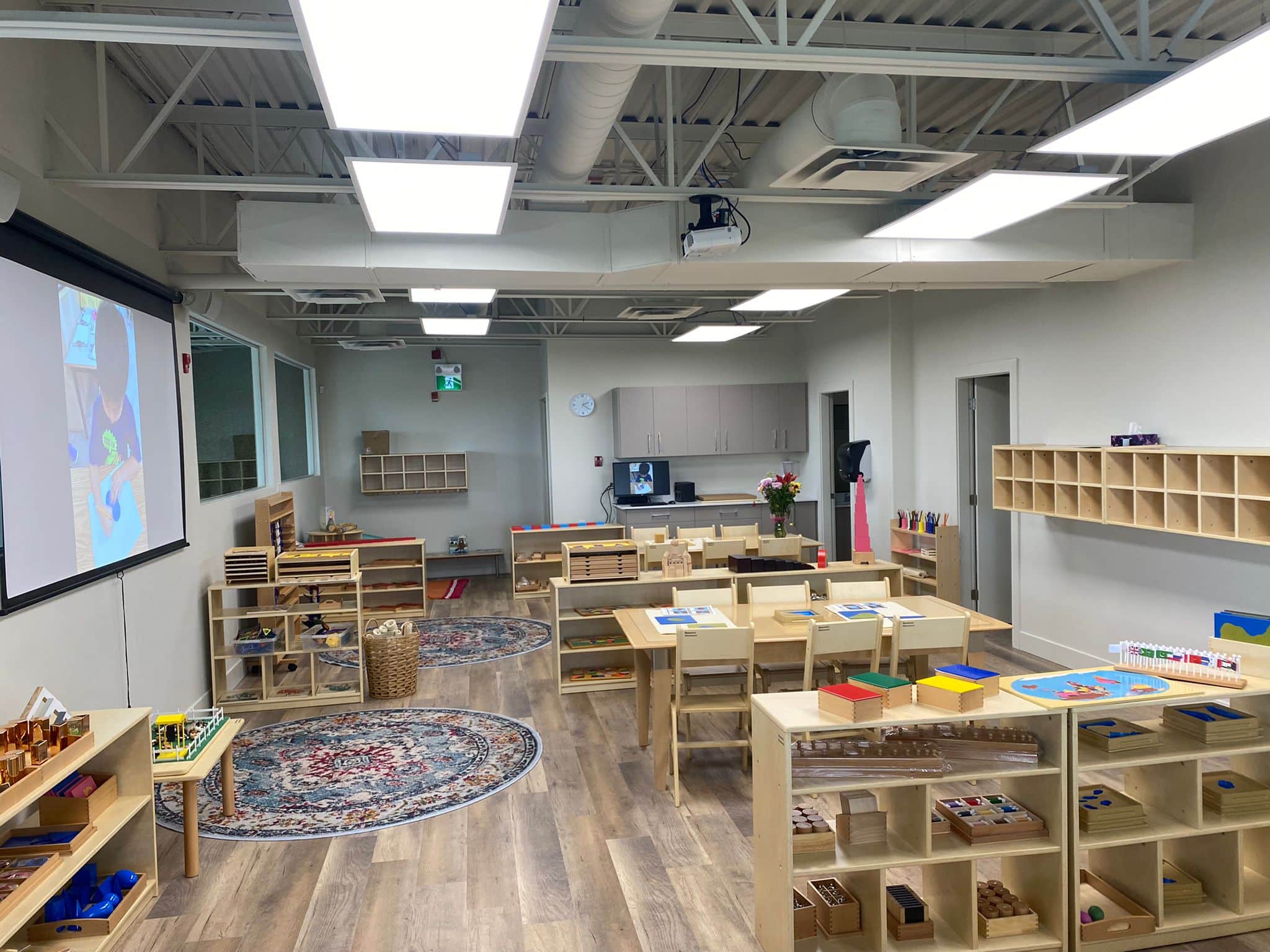
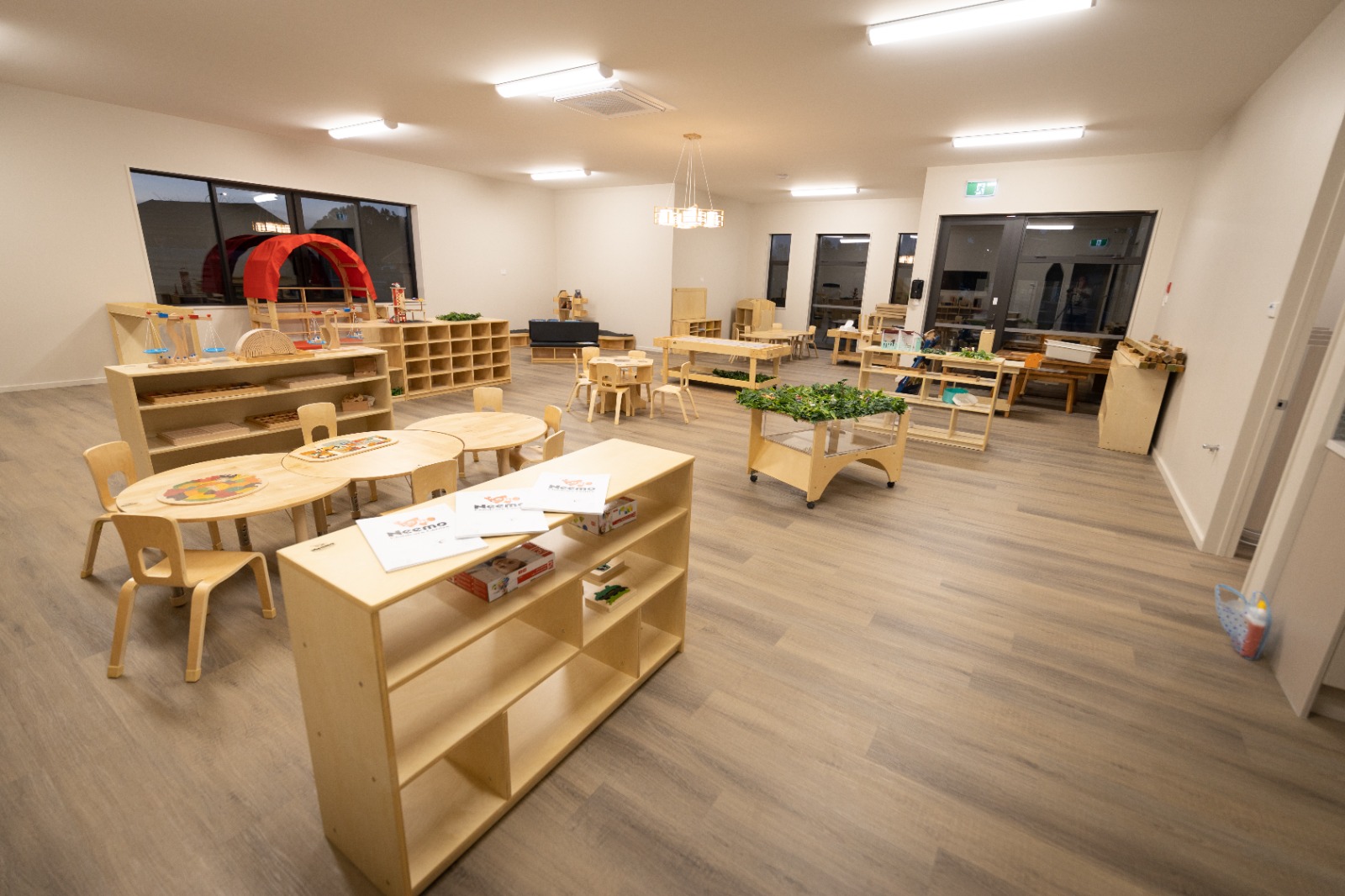
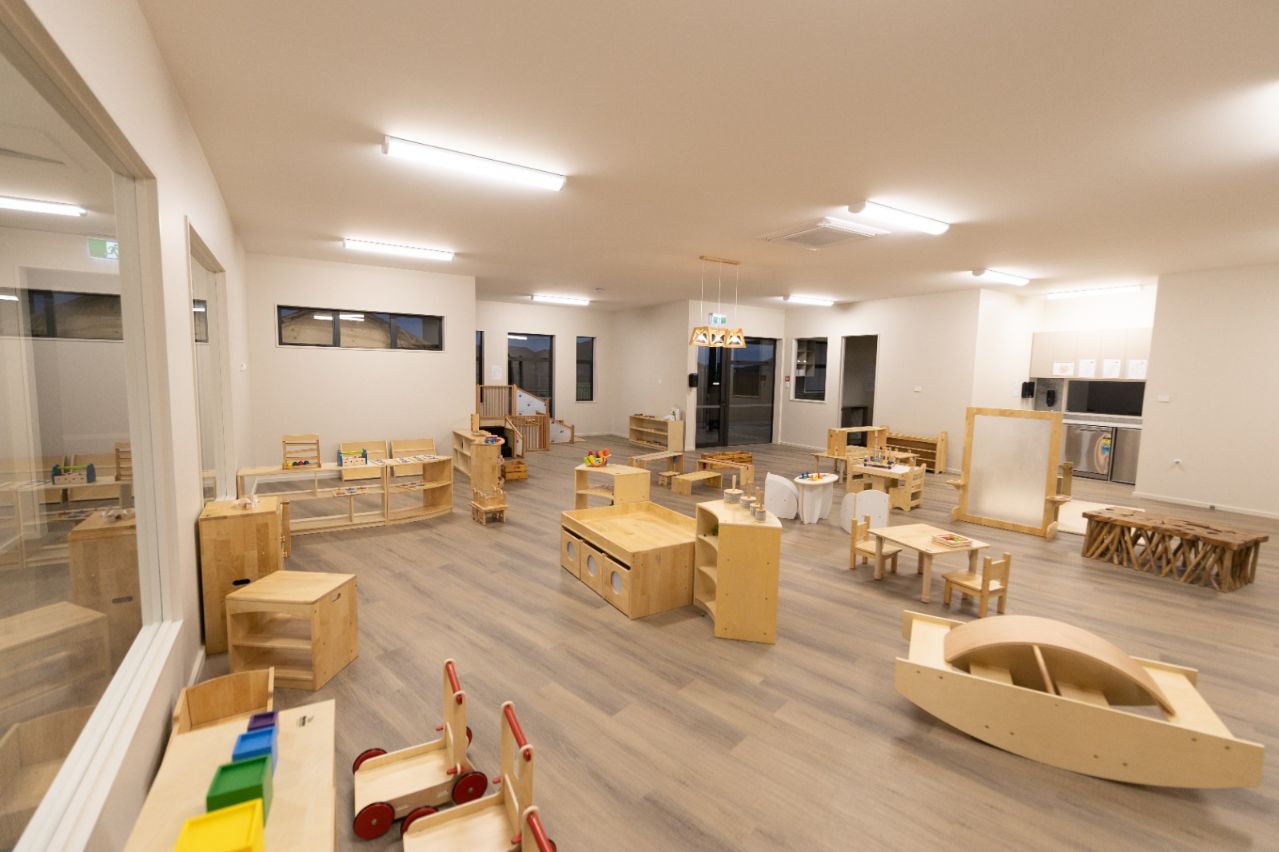
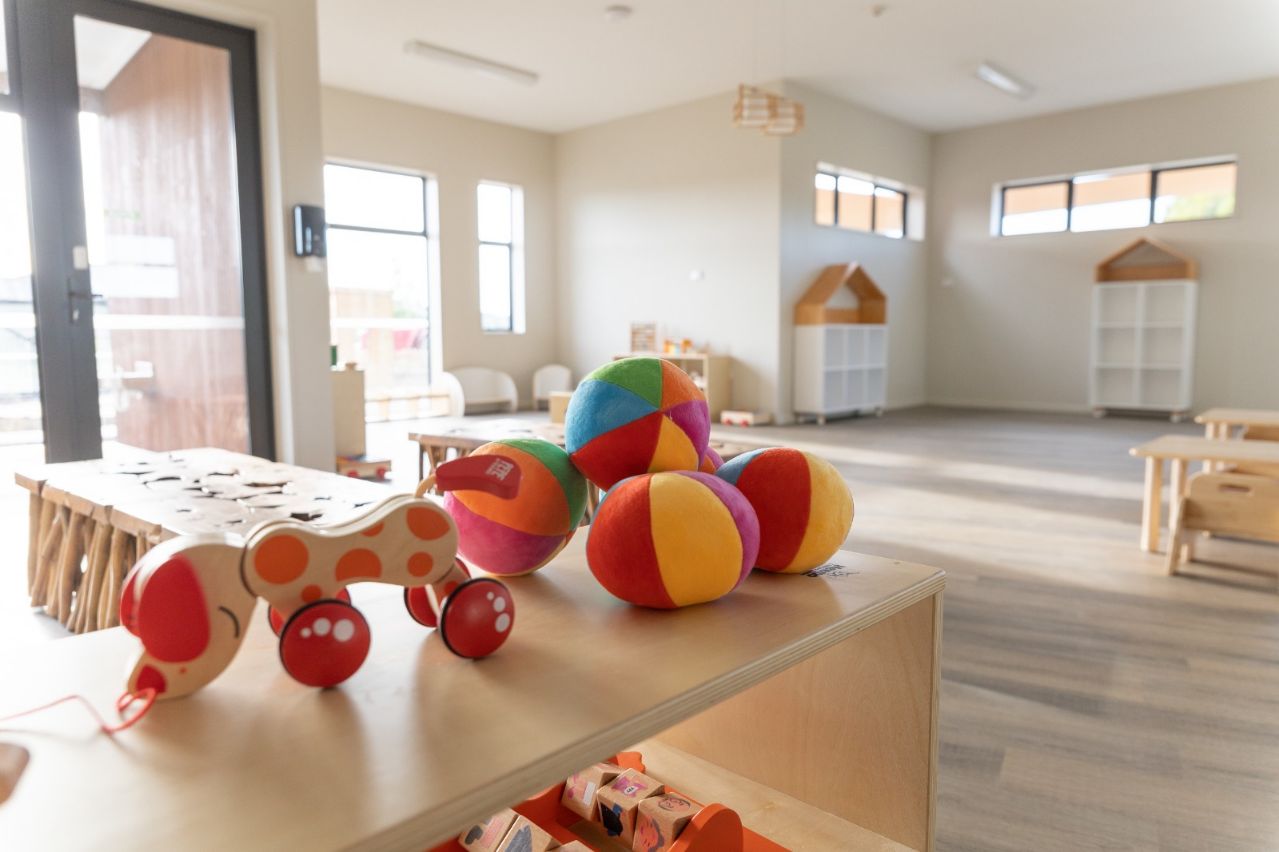
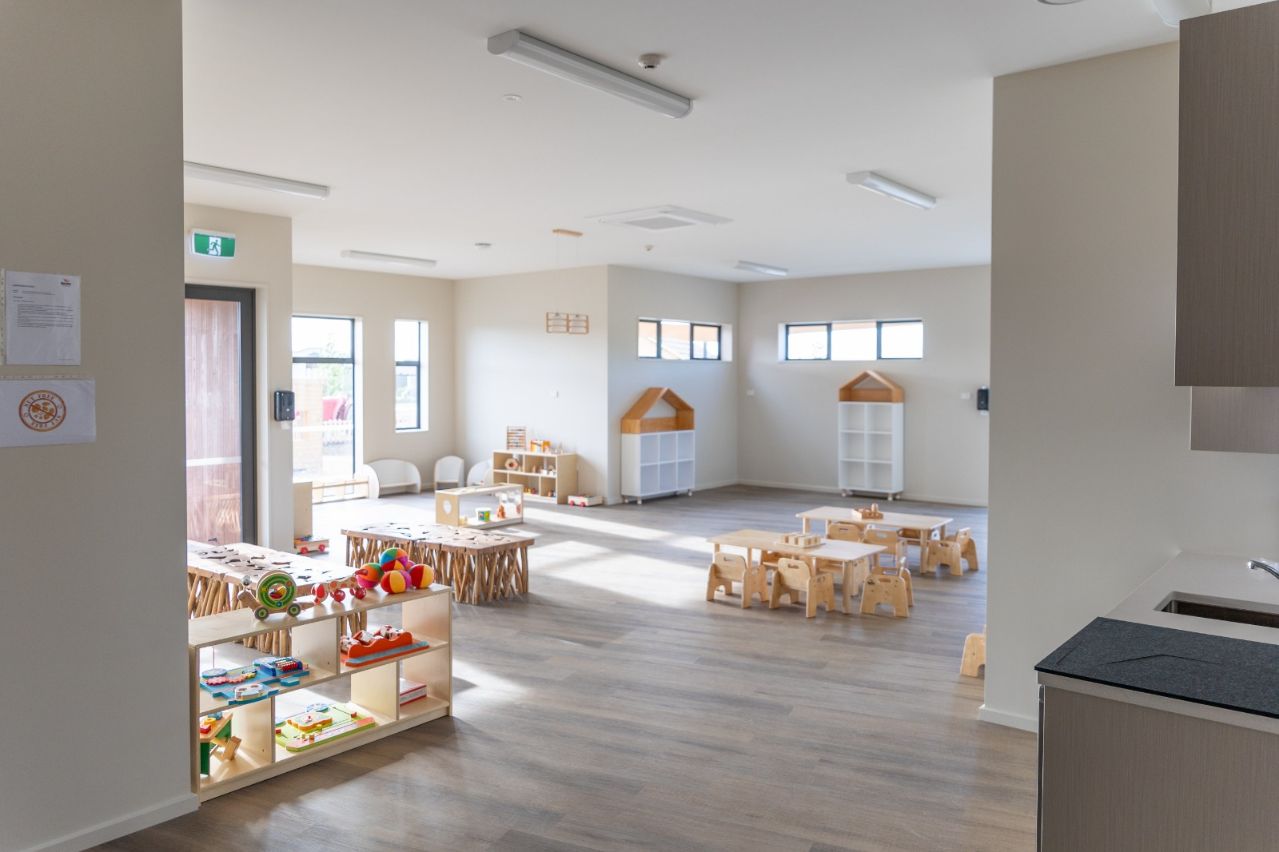
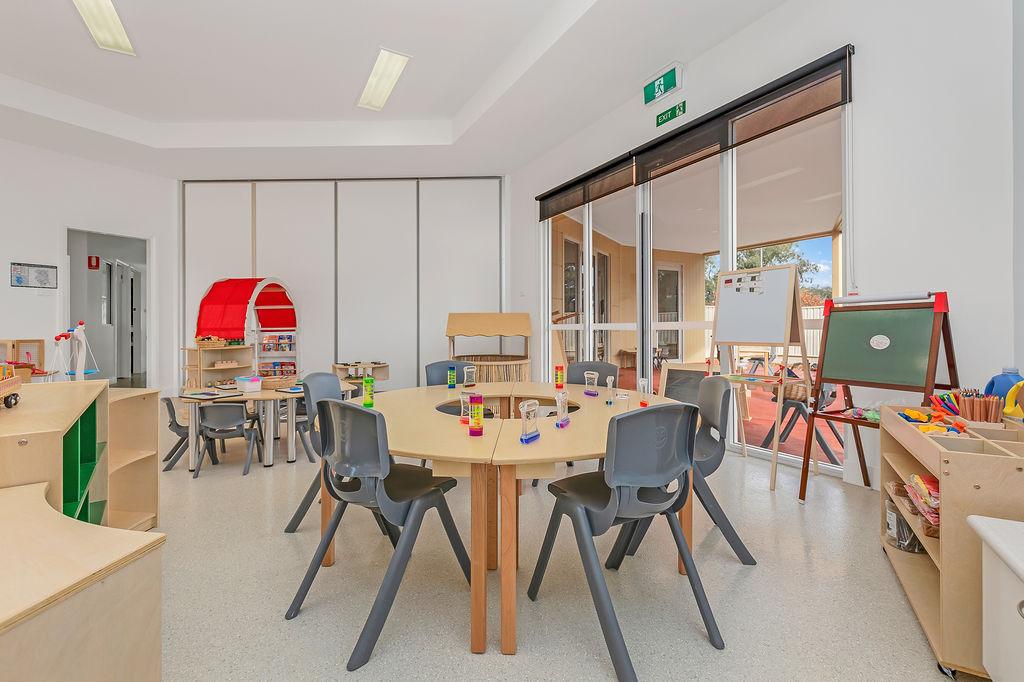
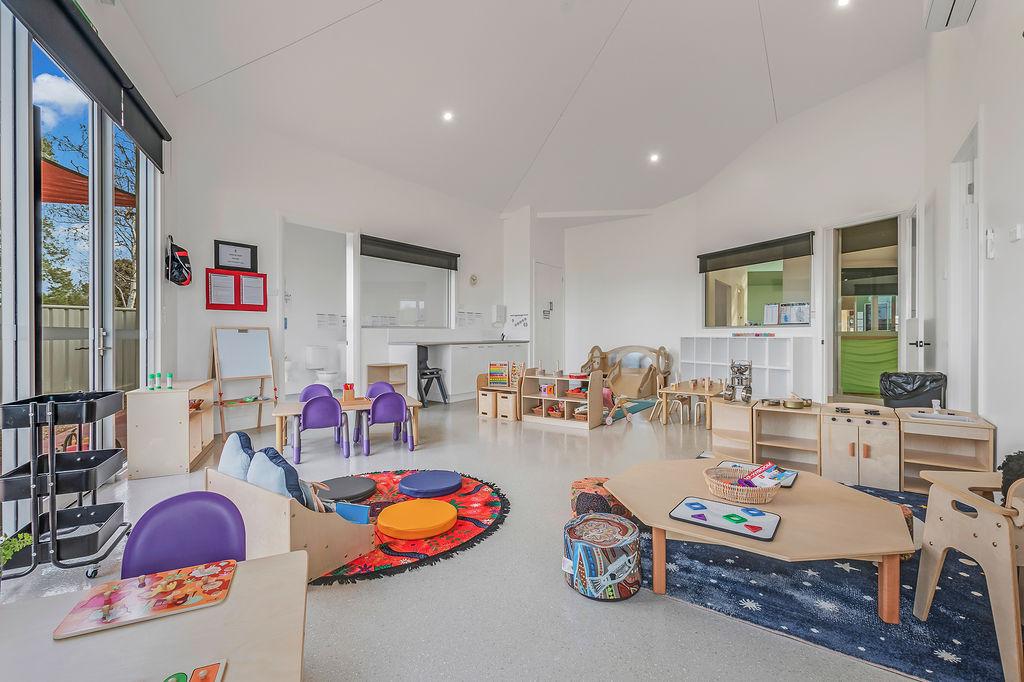
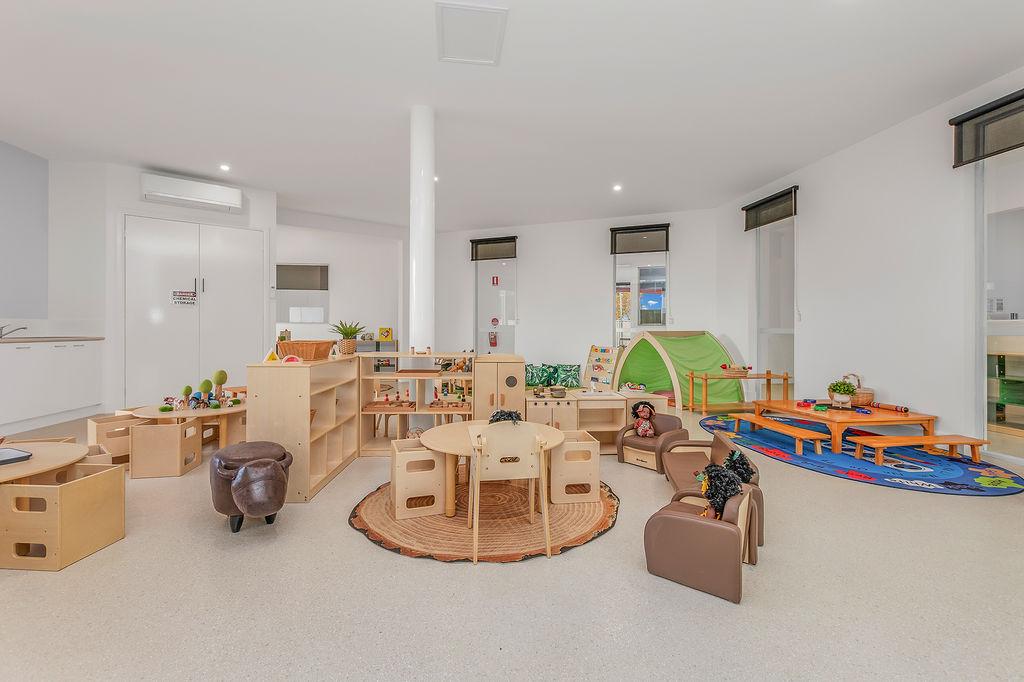
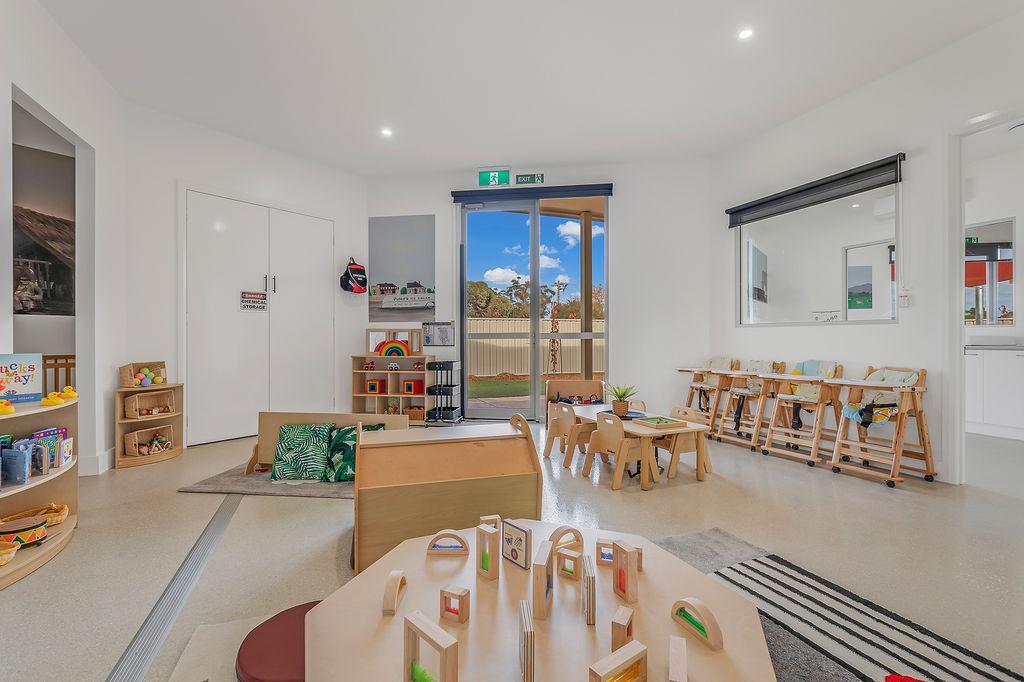
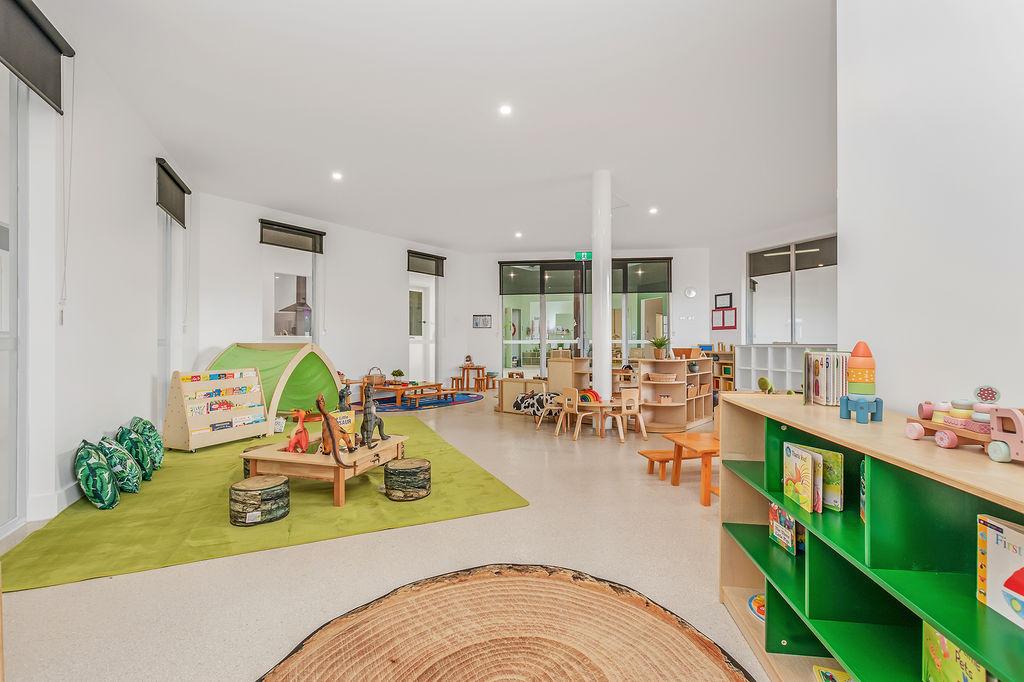
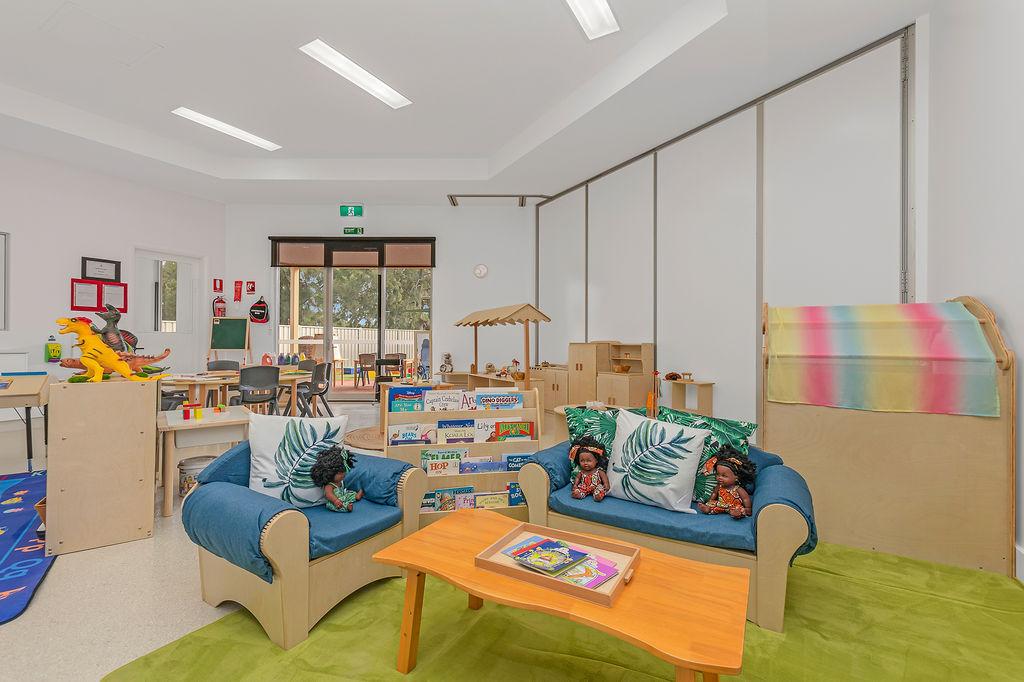
A Montessori classroom is minimalist, highly organized, and has plenty of open space for children to work on separate activities. There are as few distractions as possible to help kids focus on one task at a time.
Famous Montessori Alum: Bezos, Gates, Page & Brin

If you’re looking to teach your child using the Montessori method, these famous Montessori alum might inspire you. Your child may become a famous billionaire or scientist too!
What is Stereognostic Sense in Montessori?
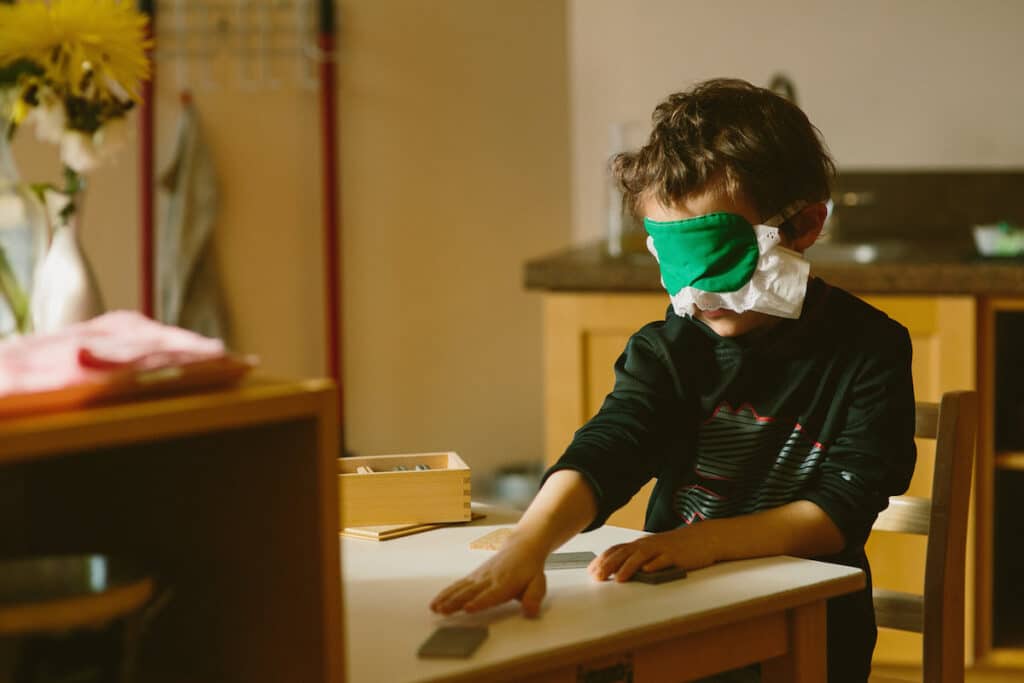
The Stereognostic sense, also known as tactile gnosis, is defined as the ability of humans to determine an object without tasting it, smelling it, looking at it, or even hearing it.
What is the Role of Music and Movement in the Montessori Classroom?
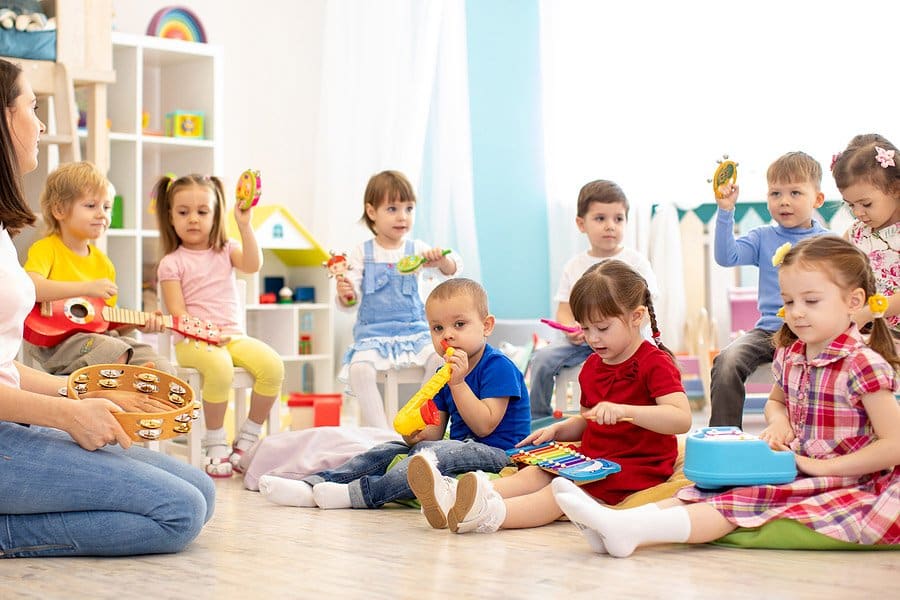
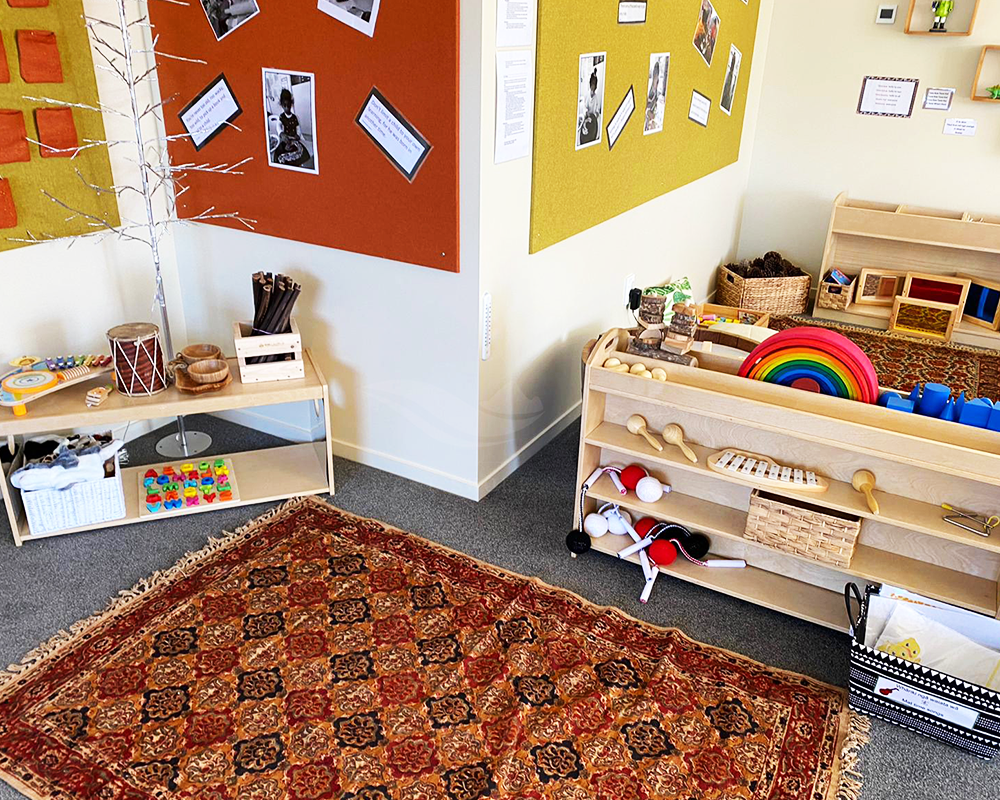
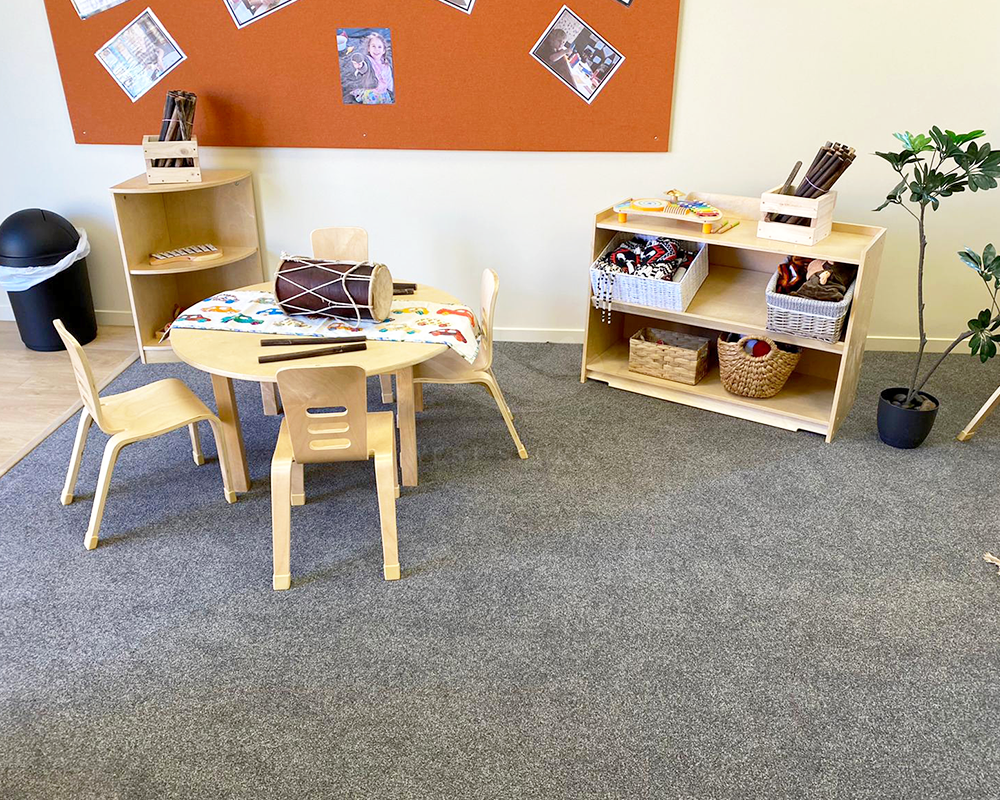
The role of music and movement is to encourage cognitive development and develop fine and gross motor skills while strengthening social and language skills.
What Skills Does Montessori Teach?
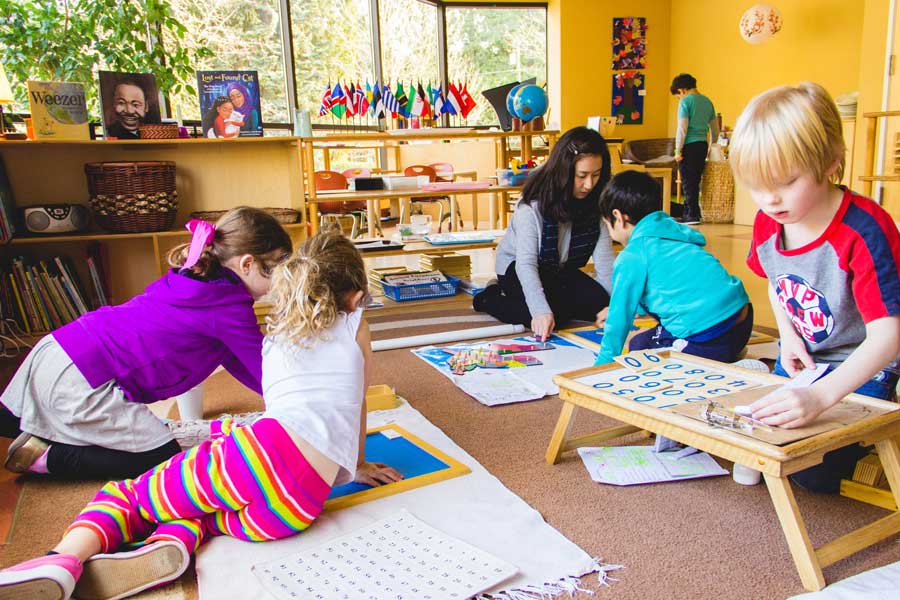
Montessori teaches an array of important real-world skills. These skills are critical thinking, social skills, collaboration, and creativity.
Montessori Christmas Activities: Our Favorite Ideas

Allowing your child to be involved in making, baking, and icing cookies is one of the best sensory experiences you can include them in. Cooking with children the Montessori way is extremely beneficial. Children acquire real-world life skills while engaging each of their senses.
Why risky play is important for young children
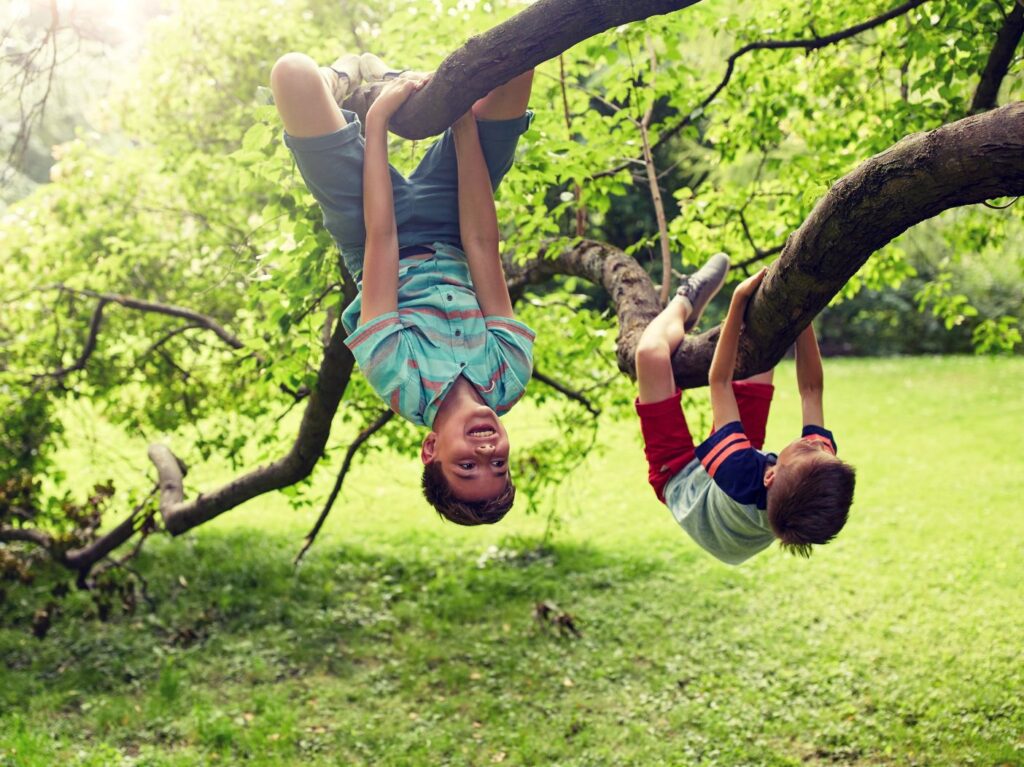
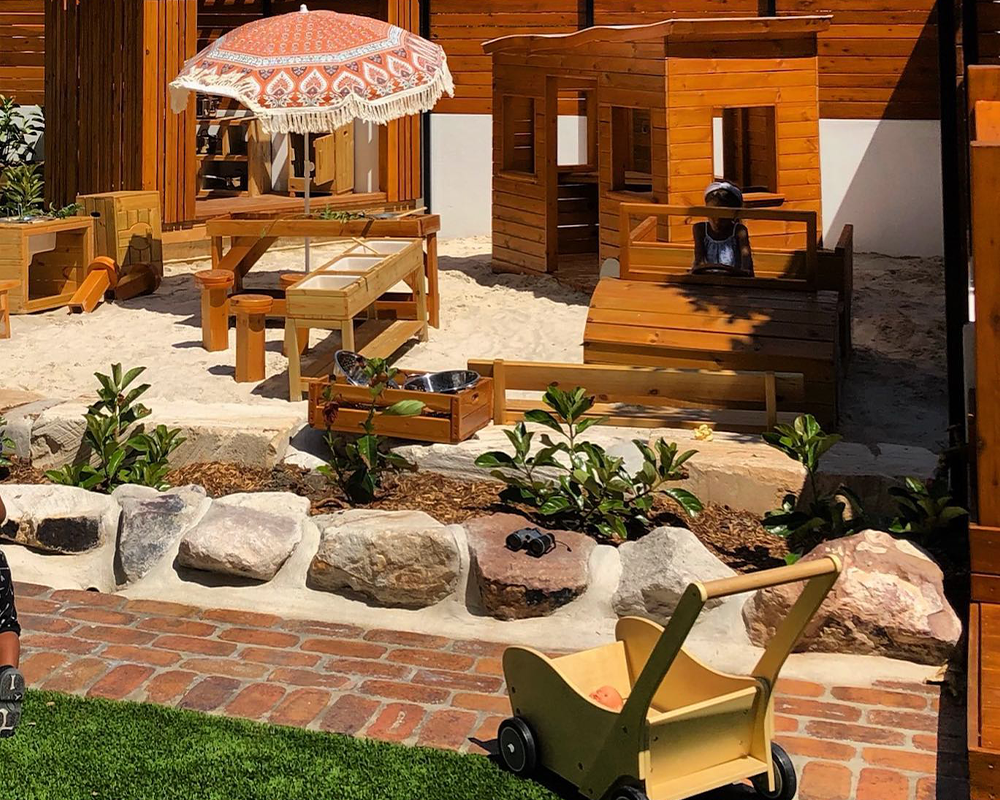
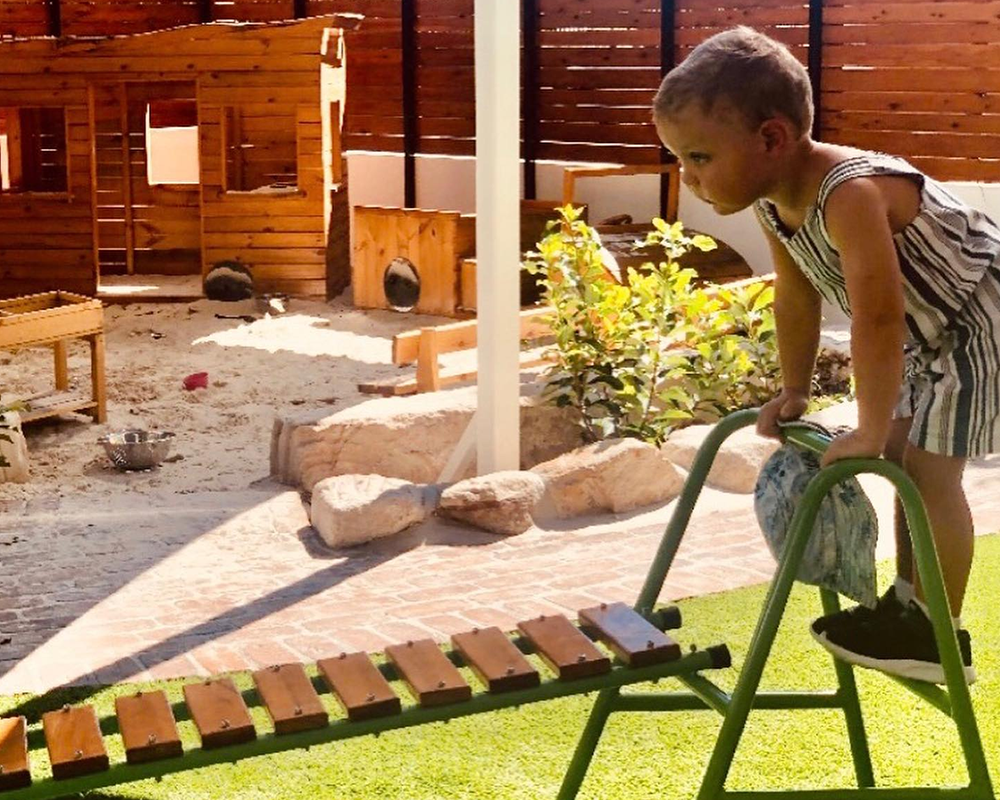
Risky play is crucial to a child’s development so it’s important that teachers and parents don’t prevent children from engaging in risky experiences and activities.