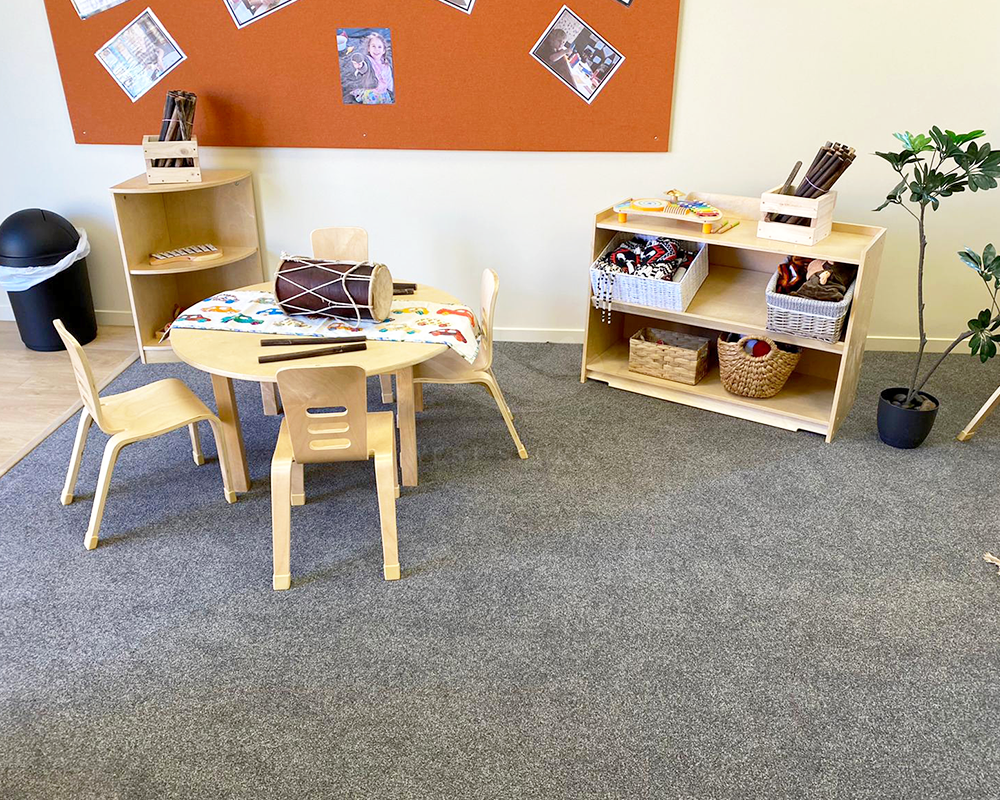
Why music is important for children in care

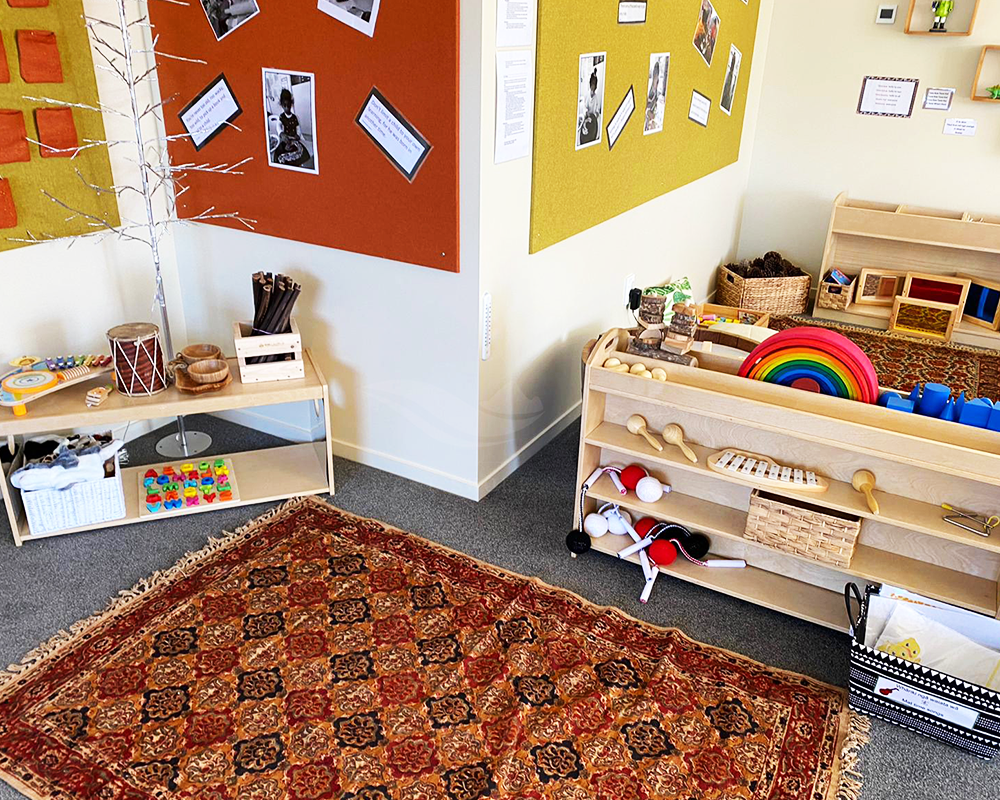
Whether a child is practising how to hold a maraca or hold a tune, music is a wonderful way to entertain youngsters and encourage their development.
The benefits of being bored
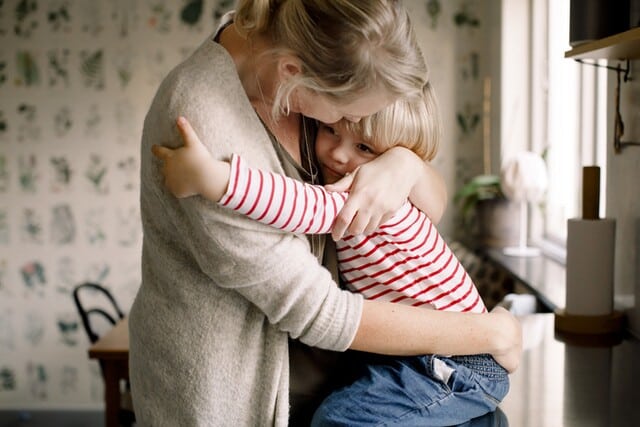
A busy kid is a happy kid, but what about a bored kid? Well, contrary to what your little complainer may think, a bit of boredom is actually a good thing.
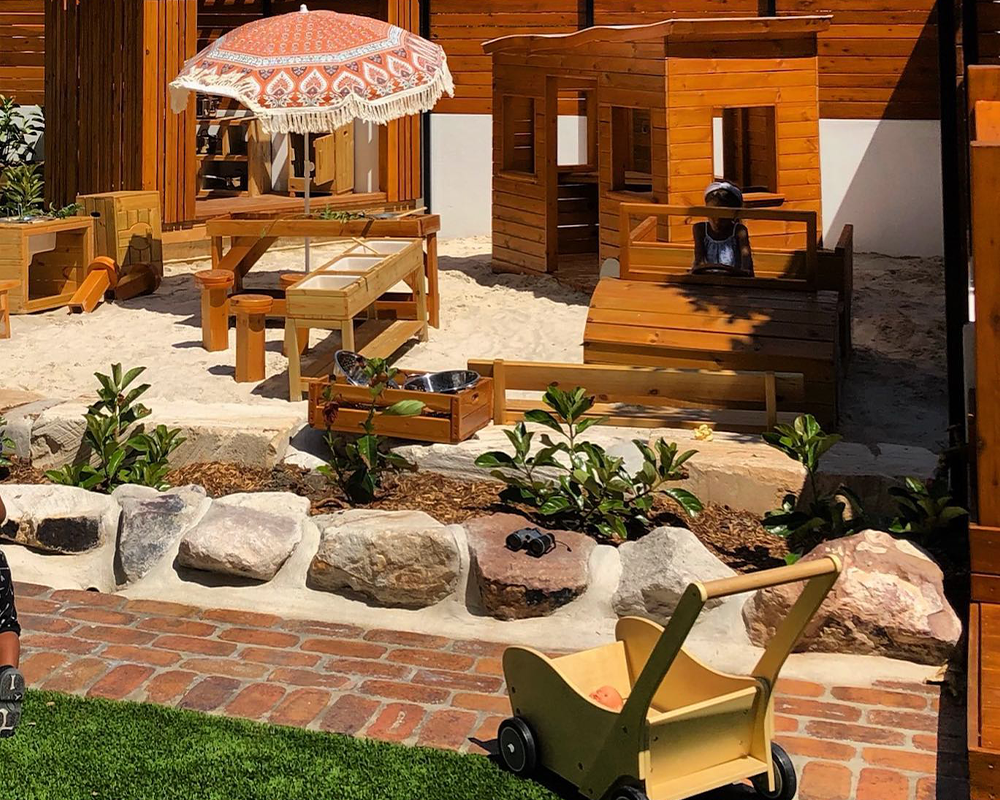
An award-winning approach to outdoor learning

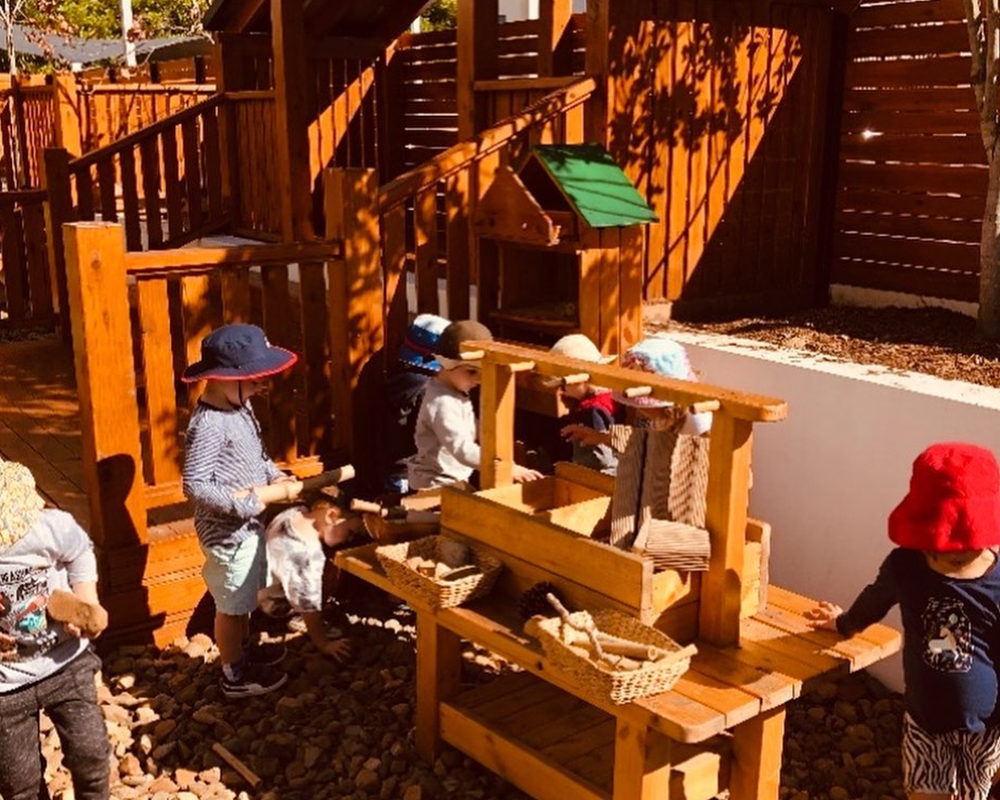
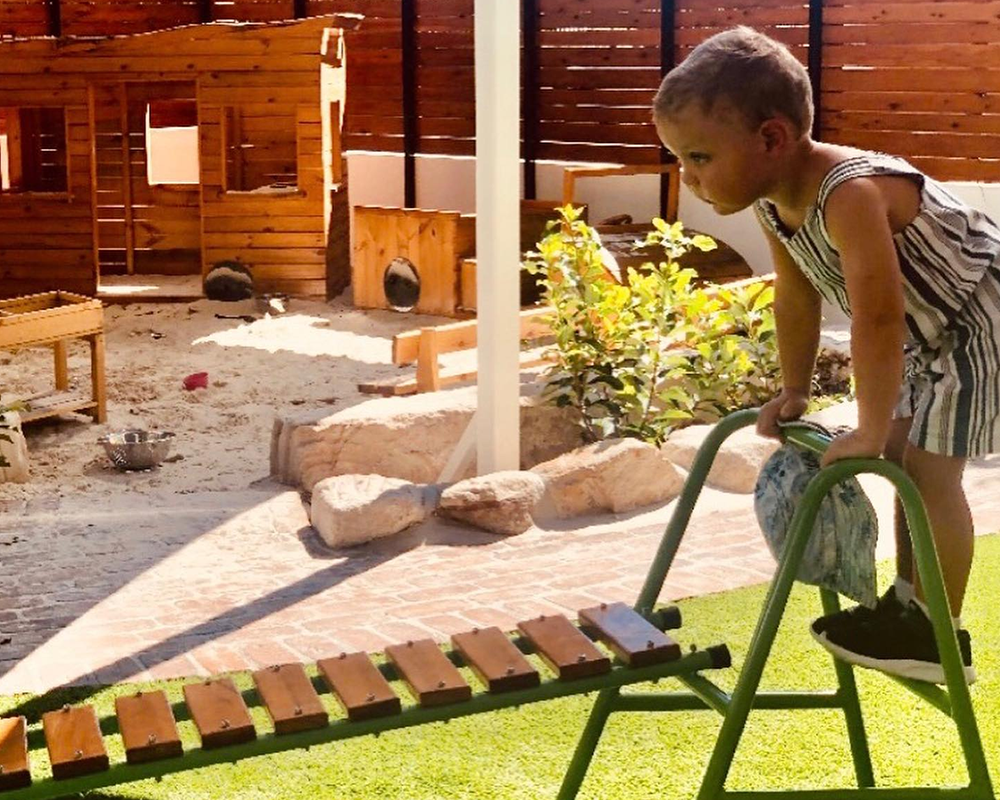
Young children need sensory stimulation and room to move, so instead of keeping kids indoors, many early learning services recognise the importance of outdoor play and offer a variety of open-air experiences.
How a group mentality influences preschoolers’ behaviour
Grown-ups are role models, rule-makers, mentors and disciplinarians all rolled into one, and it’s our job to support littlies as they learn to regulate their emotions and behaviour and grow their pro-social skills and independence.
Why is play so beneficial for young children?
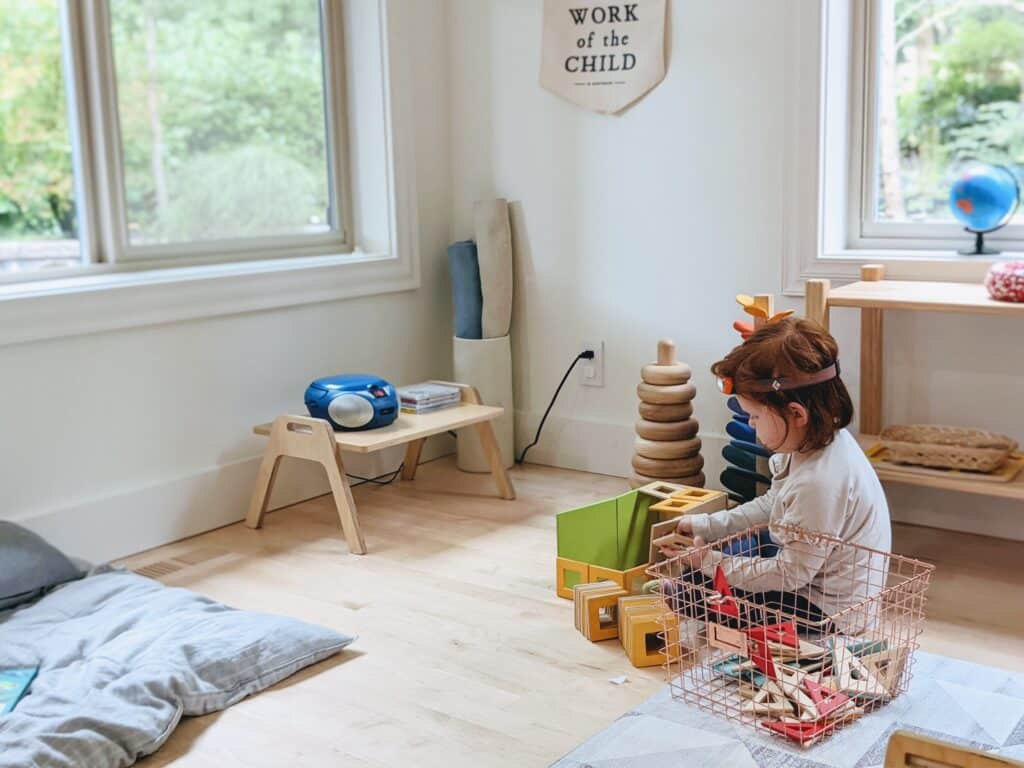
Parents and children experience, ‘Mutual joy and shared attunement’ when playing together, and that this can lower stress levels and provide valuable opportunities to communicate, engage and bond.
7 life skills that will help your child succeed

Here we look at the ways you can develop your child’s life skills through day-to-day activities. First, though, let’s see what life skills are essential for kids to learn.
Five simple reasons why reading is so important

Reading increases a child’s ability to communicate. The additional exposure children have to words that outreach their current vocabulary, the more likely they are to extend their understanding of words but communicate more succinctly.
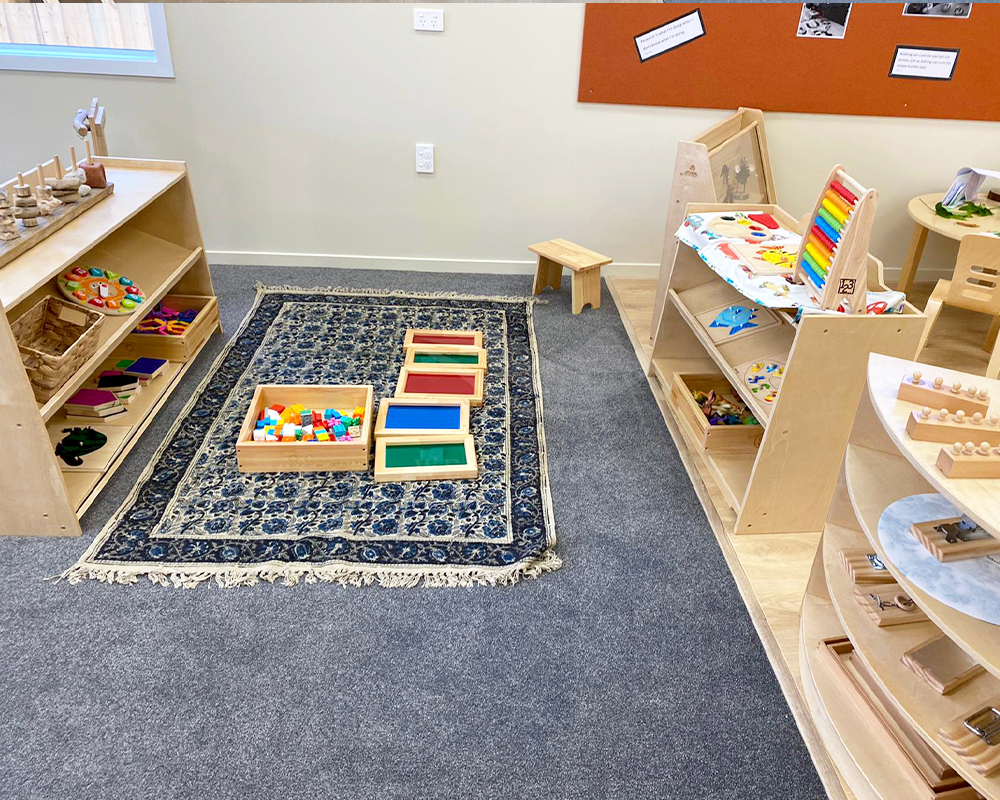
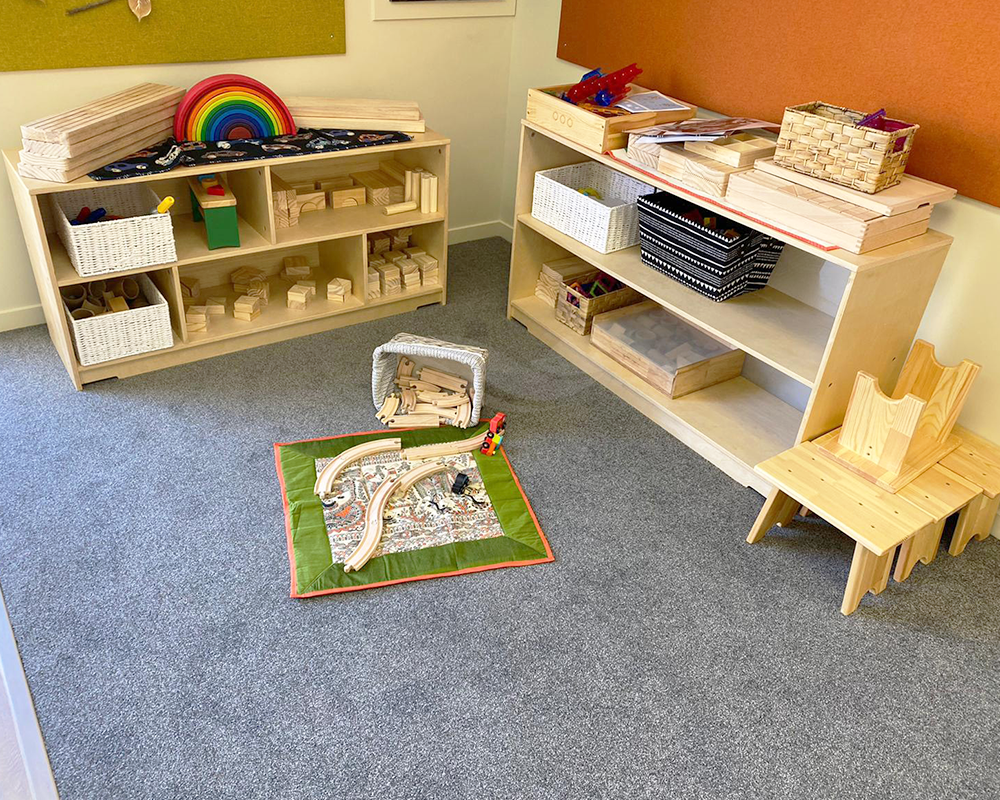
How fewer toys leads to higher quality play
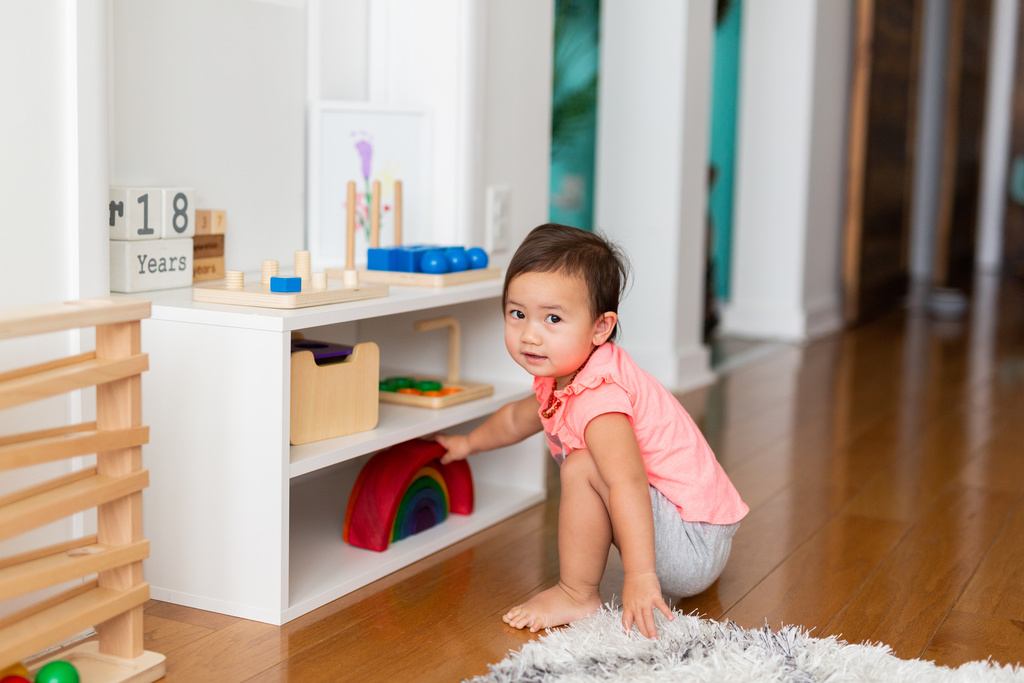
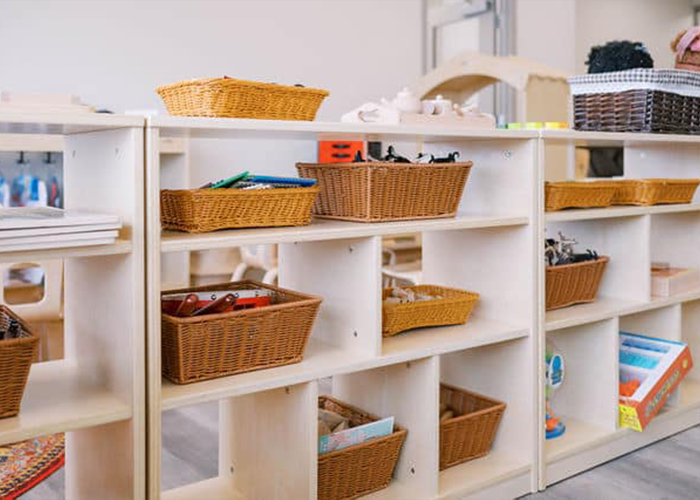
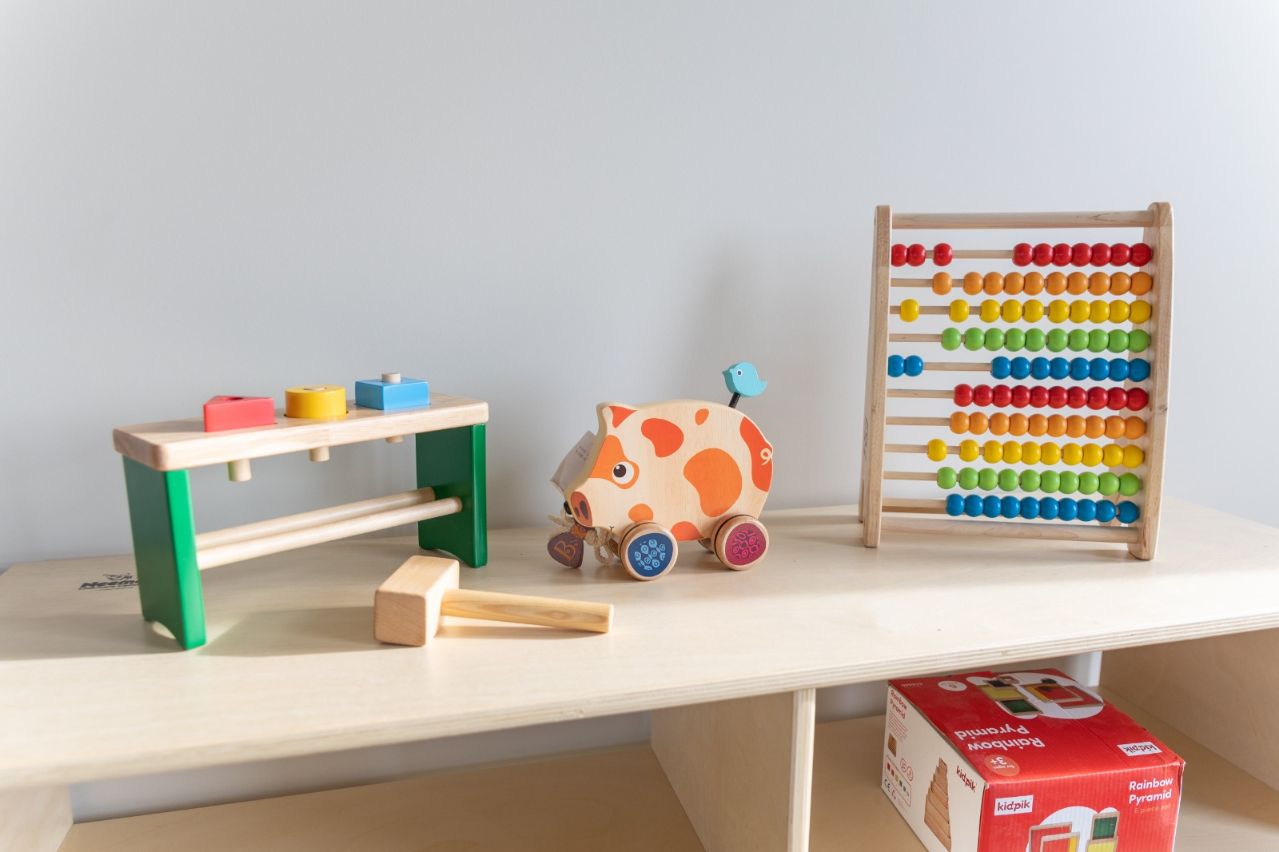
Toys are a fun way to develop youngsters’ motor skills, enliven their imagination, encourage social skills, practice problem-solving and foster independence, but it is possible to have too much of a good thing.
The role of sound play in early childhood services
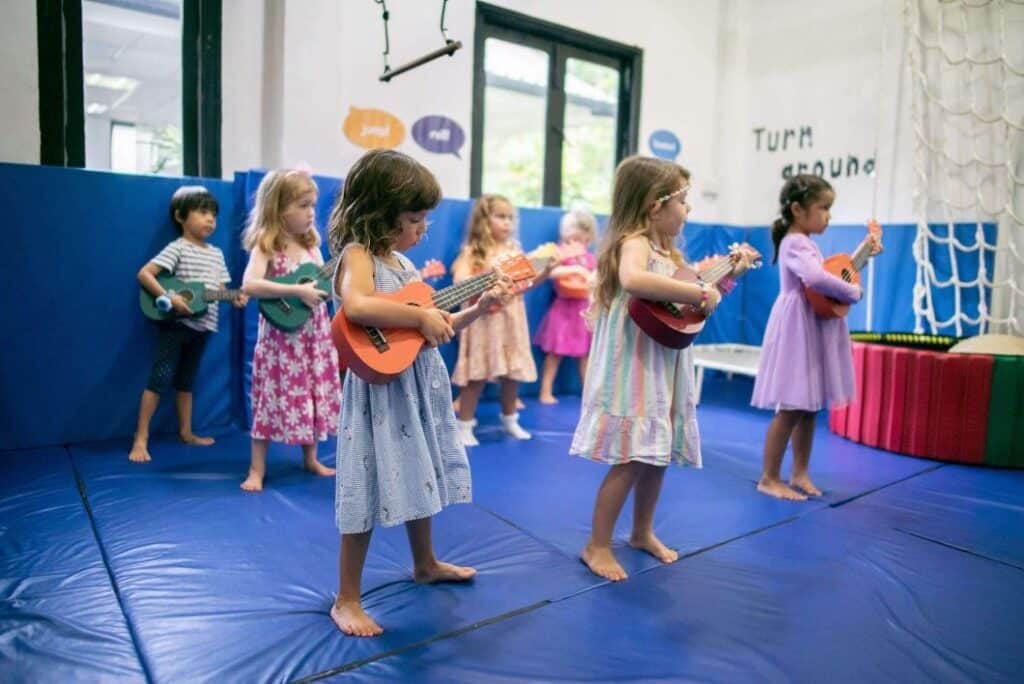
From the moment they’re born, sound is an integral part of children’s development. Infants respond to their parents’ voices, lullabies, and white noise, and as they grow, different sounds help them to learn and connect.