“One, two, three, four, five!” Do you remember the thrill of hearing your students recite for the first time? It is actually a distinct early developmental stage known as rote counting. Simply put, it is a child’s ability to recite numbers in their correct sequence from memory, much like singing the alphabet, without necessarily understanding that the word “three” represents three physical objects.
While it might seem like a simple imitation, developmental psychology tells a different story. According to the counting principles established by cognitive psychologists Rochel Gelman and C.R. Gallistel, mastering the “stable-order principle” is a core part of early numeracy. Before a child can count a pile of blocks accurately, they need first to remember the strict sequence of number words.
In this article, we will explain what rote counting is, how it differs from rational counting, why it matters in early childhood, and how parents and teachers can help children move from memorized counting to meaningful math learning through everyday routines, hands-on experiences, and well-prepared learning environments.
What Is Rote Counting?
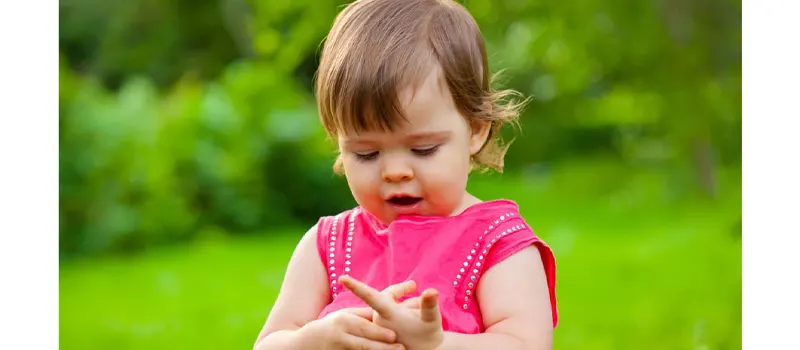
Rote counting refers to the ability to recite number words in a fixed, stable order from memory, without understanding of quantity or numerical relationships. It is considered an early stage of number development, where children learn the sequence of numbers as a verbal pattern before they can use numbers to count objects accurately or reason about amounts.
Rote counting is closely related to what developmental psychologists describe as the stable-order principle. In the counting principles outlined by Rochel Gelman and C. R. Gallistel, number words must be used in a fixed, consistent order when counting. Their work suggests that learning a stable number sequence is a foundational step in early counting development.
Rote counting is not a formal theory introduced by a single researcher. It is a descriptive term commonly used in education to refer to reciting number words in order from memory. Early childhood guidance from organizations such as NCTM and NAEYC also treats knowledge of number sequences and counting routines as an important foundation for later number understanding.
Different Types Of Rote Counting
Rote counting develops in stages, and children typically move through several forms as they become more familiar with number sequences.
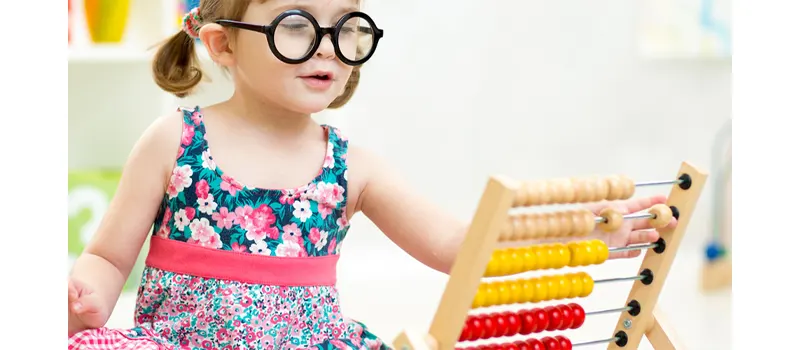
Forward Rote Counting
The most basic form is counting forward from one, such as “one, two, three.” Children usually learn this through repetition, songs, and daily routines. As confidence grows, they extend the sequence to higher numbers.
Counting from Different Starting Points
Once children can reliably count forward, they can begin at numbers other than one, such as four and continue upward. This shows they are not just repeating a fixed sequence but can access the number order more flexibly.
Backward Rote Counting
Counting backward, such as from ten to one, is another form of rote counting. It is more challenging because children must recall the sequence in reverse rather than follow a familiar forward pattern.
Skip Counting
Skip counting involves counting in intervals, such as by 2s, 5s, or 10s. When a preschooler proudly chants “10, 20, 30,” they probably don’t know that each jump means a group of exactly ten things. Right now, they are just memorizing a fun new rhythm.
The Benefits of Rote Counting
Rote counting helps children learn the fixed order of number words, strengthen verbal recall, and build a foundation for later counting skills. It gives young learners repeated exposure to numerical sequences, which supports early math participation even before they fully understand quantity.
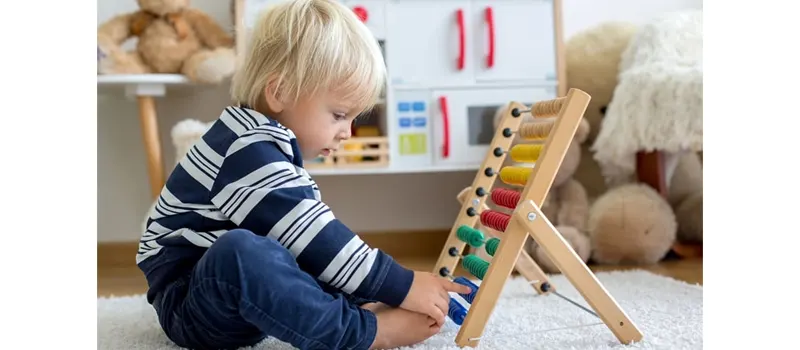
Builds Familiarity with Number Order
Rote counting helps children become familiar with the fixed order of number words. Before a child can count objects accurately, they need to know that numbers follow a stable sequence. Rote counting gives them repeated exposure to that pattern, which makes later counting tasks much easier.
Strengthens Memory and Recall
Rote counting relies heavily on repetition, so it naturally supports memory development. As children hear and repeat number sequences again and again, they become better at storing and recalling ordered information.
Supports Language Development
Counting is also a language task. When children practice rote counting, they are learning to pronounce number words clearly, hear sound patterns, and use verbal sequences with more confidence.
Prepares Children for More Advanced Counting Skills
Rote counting helps create the base for later skills such as one-to-one correspondence, counting on, and simple addition or subtraction. It makes learning more accessible.
Teaches Pattern Recognition
Numbers aren’t random; they follow a strict, predictable order. NAEYC notes that recognizing and predicting patterns is one of the most fundamental building blocks for algebraic thinking later in life. Rote counting is their very first exposure to these patterns.
Builds Confidence
For young children, being able to count aloud can create an early sense of success with numbers. That confidence matters. When children feel comfortable saying numbers in order, they are often more willing to join group activities, respond to teacher prompts, and participate in simple math games. It gives them a more secure starting point for future learning.
Helps Kids Make Sense of Daily Routines
Rote counting is also a practical, everyday tool. When you tell a reluctant toddler, “We are leaving the playground in ten seconds,” you are using rote counting to make an abstract concept like time feel predictable and safe. Counting helps structure their world and makes difficult transitions a lot smoother.
What Age Do Children Learn Rote Counting?
Most children begin rote counting between ages 2 and 3, can recite short number sequences by age 3 to 4, and extend counting to higher numbers by age 4 to 5. The exact timing varies, but rote counting typically develops before children understand quantity or use numbers accurately.
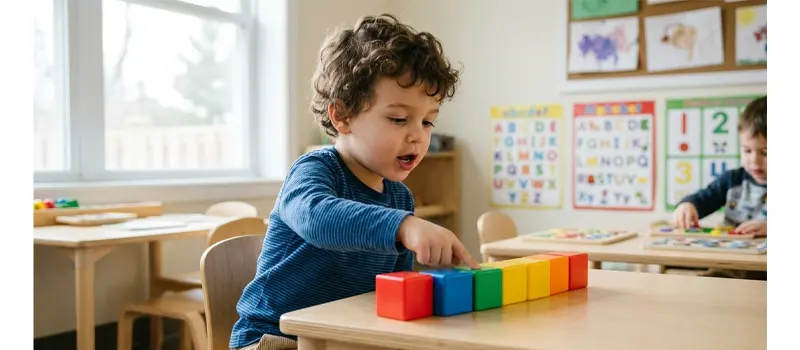
2 to 3 Years
Children often begin imitating number words they hear in songs, books, and daily routines. The sequence may be incomplete, out of order, or inconsistent.
3 to 4 Years
Children usually become more reliable with forward counting and may count to 10 or beyond with practice. At this stage, most children can count forward reliably, but they still may not connect numbers to actual quantities.
4 to 5 Years
Children often extend counting to higher numbers and begin using counting more purposefully in games, classroom activities, and simple object-counting.
Difference Between Rote Counting and Rational Counting
It’s a familiar scene in almost any early childhood classroom: during morning circle time, a preschooler recites numbers up to ten. It is easy to assume they have mastered foundational math. But if you hand them a plate of five crackers and ask, “How many?” they might just point to the first cracker and confidently shout, “Eight!”
Why the disconnect? As educators know, there is a massive developmental gap between rote counting and rational counting. Understanding this distinction is essential for accurately assessing your students and planning effective math interventions.
To put it simply, rote counting is a test of memory, while rational counting is a demonstration of true mathematical understanding.
Here is a quick breakdown of how these two stages differ in a classroom setting:
| Aspect | Rote Counting | Rational Counting |
|---|---|---|
| Definition | Reciting numbers in order from memory (e.g., “1, 2, 3, 4…”) without understanding quantity | Counting objects with a true understanding that each number represents a specific quantity |
| Core Focus | Memorization of a number sequence | Understanding quantity and number meaning |
| Understanding of Quantity | No real understanding of how many items there are | Clear understanding that numbers represent actual amounts |
| One-to-One Correspondence | Not required | Essential (each object is counted once) |
| Example | A child says “1–10” but cannot count 5 blocks correctly | A child counts 5 blocks and knows the last number means “there are 5.” |
| Typical Age Range | Around 2–3 years old (early exposure) | Around 3–5 years old (developing numeracy skills) |
| Common Mistakes | Skipping numbers, repeating numbers, losing sequence | Miscounting if the one-to-one principle is not fully mastered |
| Role in Development | Foundation step before meaningful counting | Critical step toward addition, subtraction, and problem solving |
How to Teach Rote Counting?
Rote counting is taught through repeated exposure to number sequences, clear adult modeling, and frequent chances to say numbers aloud in meaningful routines. The most effective approach is to start with short, stable sequences, repeat them consistently, and gradually increase flexibility by asking children to continue counting, start from different numbers, or notice mistakes in the sequence.
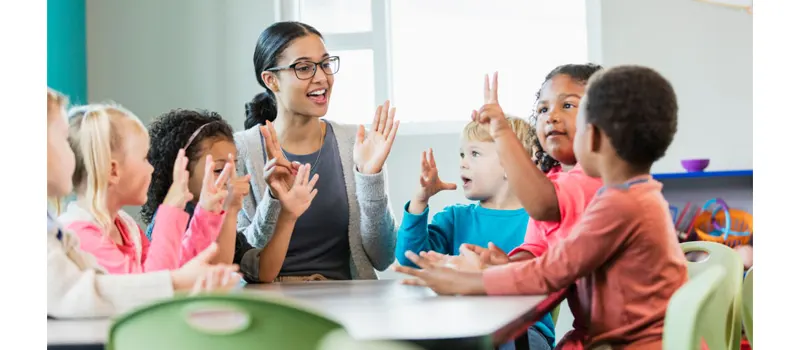
Start with a Short, Stable Number Sequence
Children learn rote counting more easily when the sequence is short enough to remember accurately. For beginners, counting from 1 to 5 or 1 to 10 is usually more effective than introducing a longer range too early. A stable short sequence gives children something they can repeat successfully, and success matters because an unstable number chain is harder to strengthen later.
Model the Sequence Clearly and Repeatedly
Children need to hear number words in the correct order many times before they can reproduce them independently. Adults should count slowly, pronounce each number clearly, and keep the rhythm steady. Consistent modeling helps children hear the structure of the sequence and reduces confusion caused by rushed or uneven counting.
Repetition in Daily Routines
Rote counting improves faster when it becomes part of ordinary moments instead of appearing only during formal lessons. Counting children in line, counting steps, counting toys during cleanup, or counting turns in a game all provide useful repetition. These short routines expose children to number order again and again without making practice feel forced.
Teach Through Voice, Rhythm, and Movement
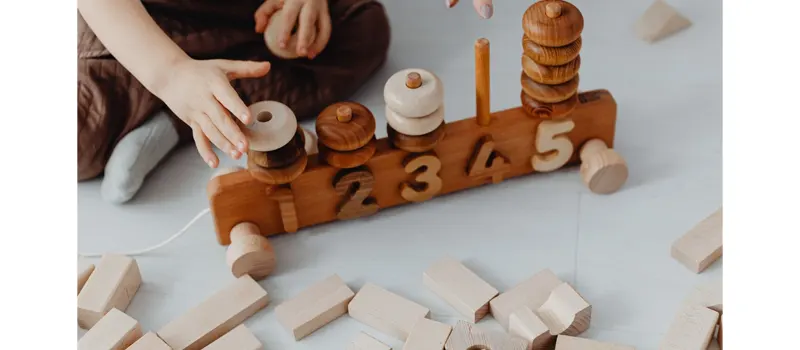
Many young children remember number sequences more easily when counting includes clapping, tapping, jumping, marching, or singing. Rhythm gives the sequence a predictable flow, and movement helps maintain attention. This is especially useful for children who lose focus during seated practice or respond better to active learning.
Whole-Group Repetition and Individual Recall
Choral counting helps children join in before they are ready to count alone, but individual recall shows whether the sequence is actually secure. After group practice, ask one child to continue the count, start from a number you choose, or count independently to a target number. This reveals whether the child knows the sequence or is only following the group.
Teach Children to Start from Different Numbers
A child who only counts from one is still relying on a fixed, memorized chain. Asking the child to start from 3, 5, or 7 builds flexibility and shows stronger control of number order. This is an important next step because later skills such as counting on and mental math depend on being able to enter the sequence at different points.
Include Backward and Skip Counting Gradually
Once forward counting becomes stable, children can begin practicing backward counting and simple skip counting patterns such as 2s, 5s, or 10s. These forms still rely on sequence memory, but they require better control and attention. They should be introduced after forward counting feels secure, not at the same time.
Correct Errors Immediately but Simply
When a child skips a number, repeats one, or loses the sequence, correction should be brief and direct. The aim is to restore the correct pattern, not to give a long explanation. In most cases, the best response is to say the sequence correctly and invite the child to try again. Because rote counting is built through repetition, children need to hear the correct sequence more often.
Check for Stability, Not Just Performance
A child who counts well once may still not know the sequence securely. Rote counting is more reliable when the child can repeat it across different settings, on different days, and with less adult support. Teachers and parents should listen for consistency: Can the child count without prompts? Can the child restart after a pause? Can the child continue after another child stops?
Keep Practice Short but Frequent
Young children usually learn rote counting better through frequent short practice than through long teaching sessions. A few clear repetitions during transitions, games, songs, and small-group moments are often more effective than one extended lesson. Short practice keeps attention high and gives children more chances to retrieve the sequence successfully.
Learning Materials for Rote Counting
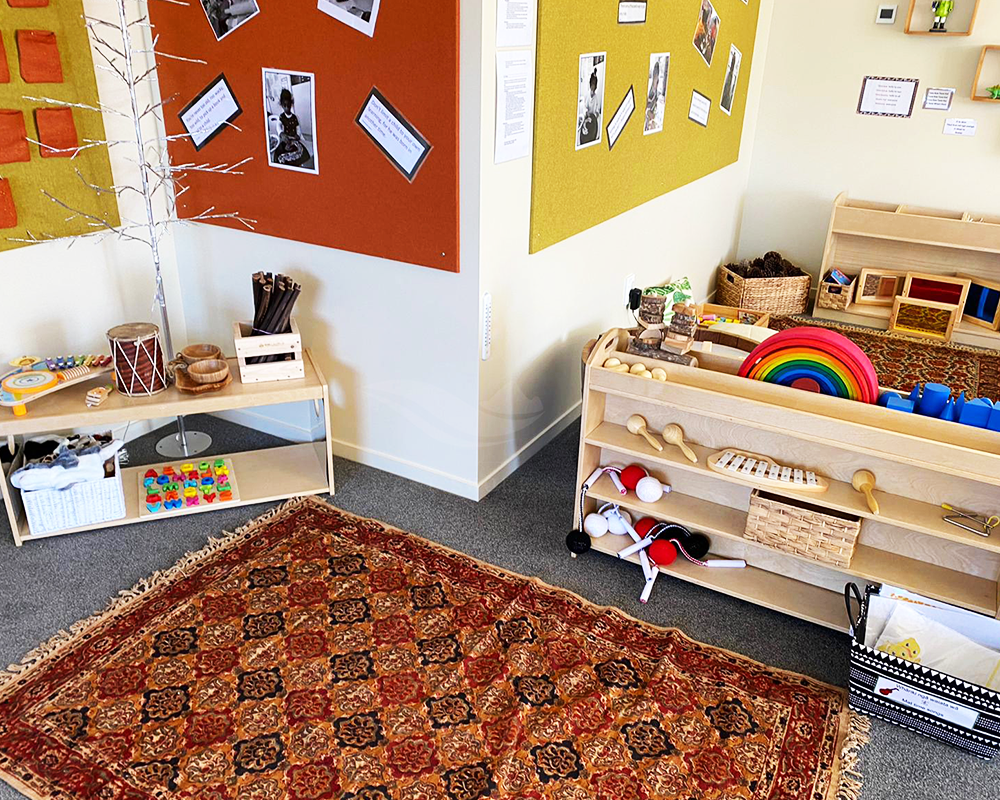
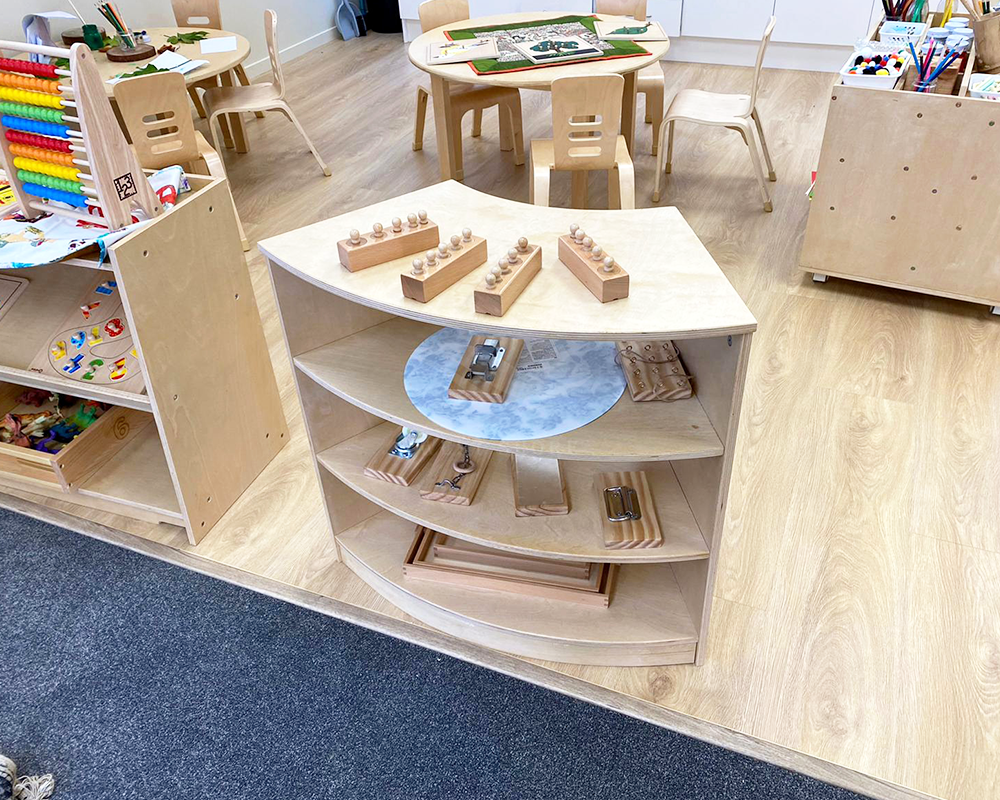
Rote counting materials should make number sequences easy to follow, repeat, and recall. Simple, repeatable tools work best because they support frequent practice without adding unnecessary complexity.
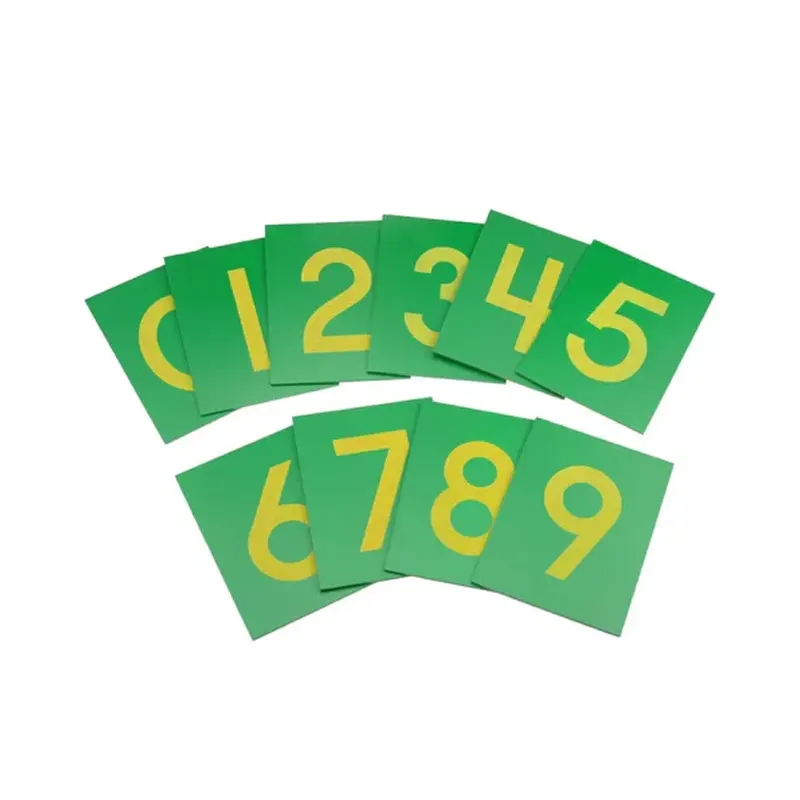
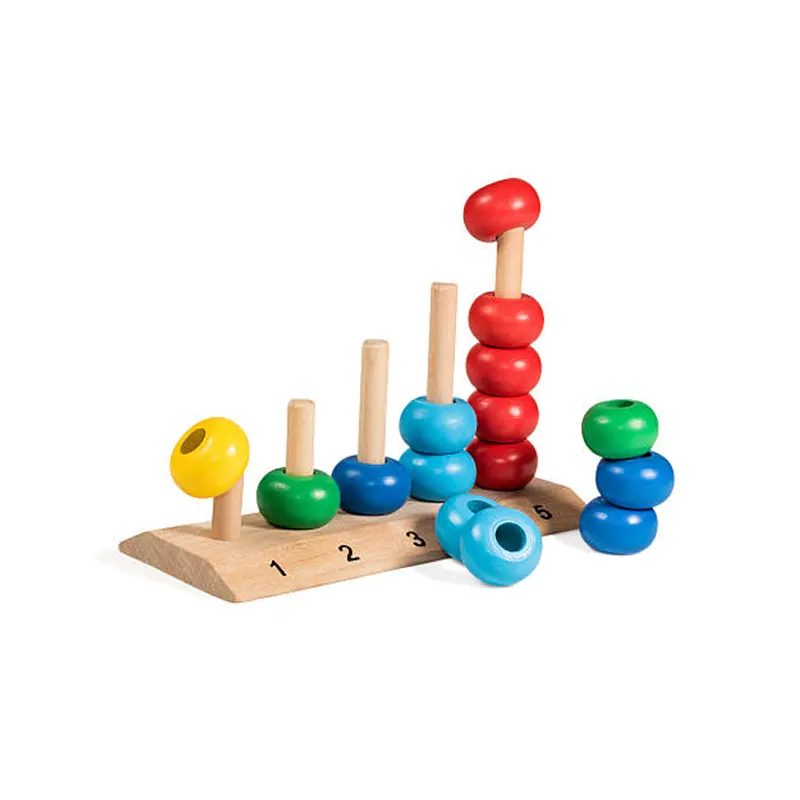
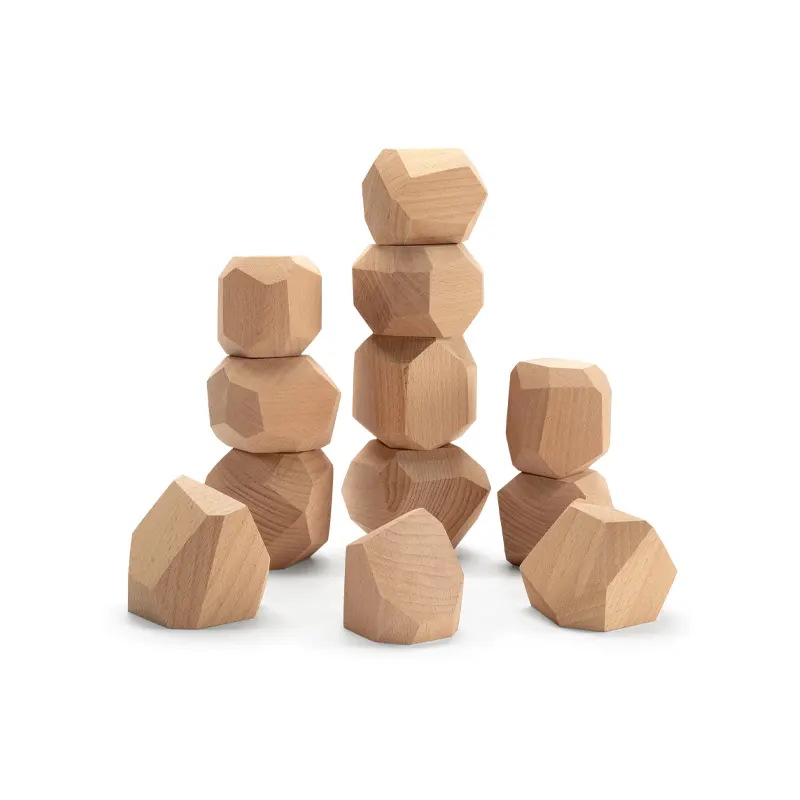
Common math materials used for rote counting include:
- Number Cards: Help children see and repeat numbers in the correct order, useful for sequence practice and simple counting games
- Flashcards: Support quick recall of number sequences through call-and-response activities
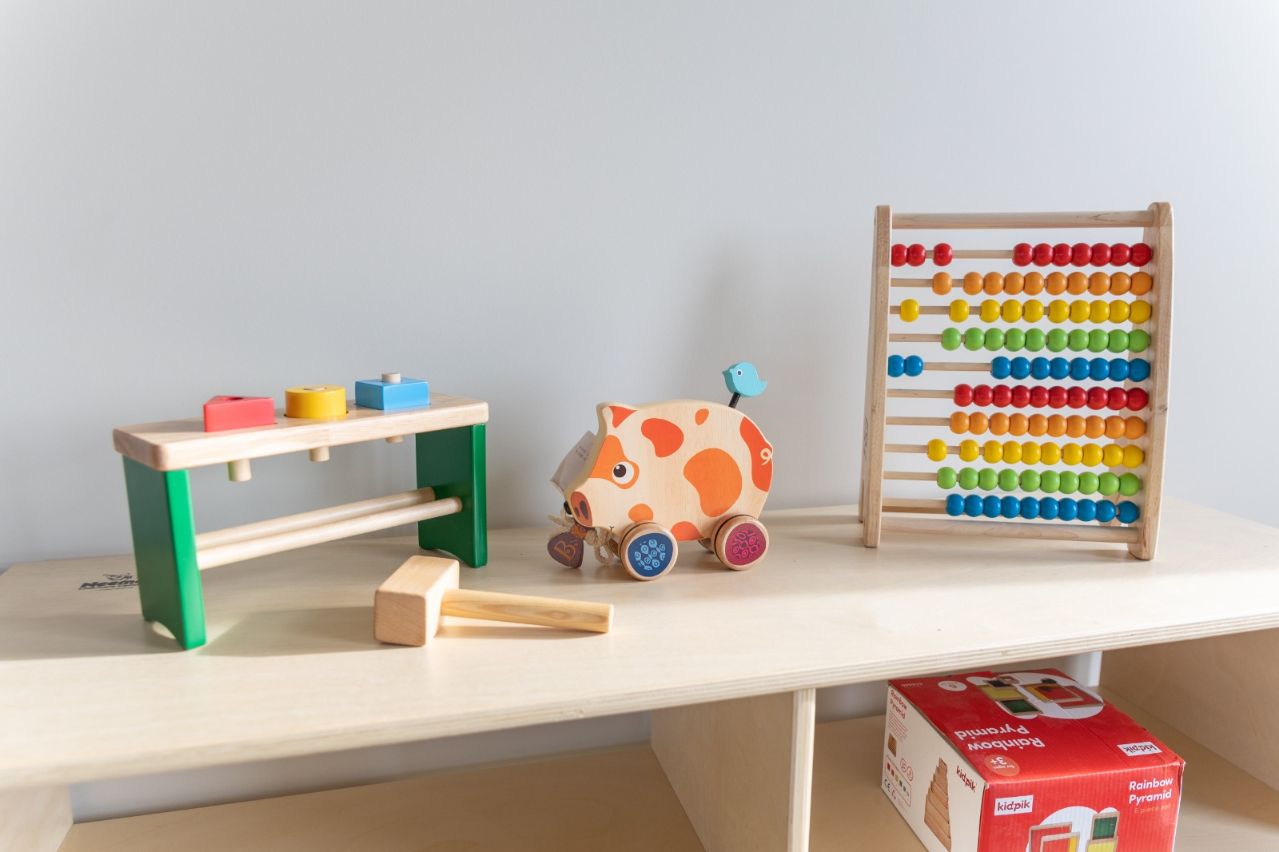
- Counting Beads: Add rhythm and pacing to verbal counting, making sequences easier to remember
- Stacking Blocks: Combine movement with counting, helping reinforce number order through action
- Loose Parts (buttons, pegs, stones): Allow flexible counting practice in everyday classroom or home activities
- Musical Instruments (tambourines, drums): Add a steady beat to counting, helping children follow the sequence through rhythm and timing.
Rote Counting Activities
You do not need expensive manipulatives or complicated lesson plans to build strong rote counting skills. The best early math activities tap into what preschoolers already love to do: sing, move, and play. Here are five highly engaging activities you can seamlessly integrate into your daily classroom routine:
Counting Songs
Counting songs combine number order with rhythm, repetition, and predictable language. The melody helps the sequence stick, so children often remember the numbers more easily and join in more confidently. This makes counting practice feel natural, especially during circle time, transitions, or group play.
Everyday Objects
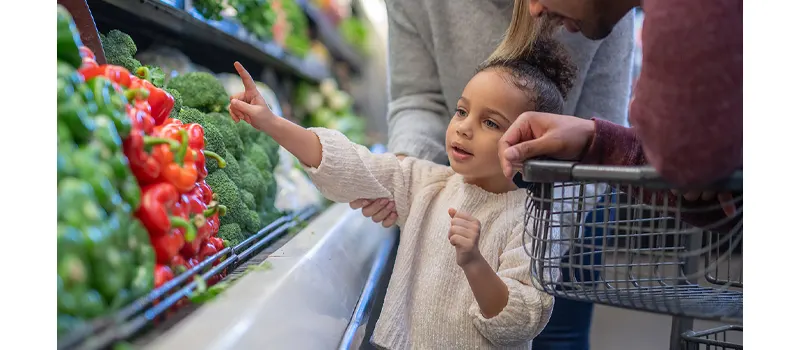
You don’t always need a dedicated math lesson to practice counting; your classroom is already full of opportunities! Try to turn daily transitions into counting challenges.
Count aloud together as a class while you hand out 15 paintbrushes, or count the exact number of steps it takes to walk from the reading rug to the classroom door. By combining rote counting into real, physical contexts, you are gently laying the foundation for that crucial rational counting we talked about earlier.
Hopscotch
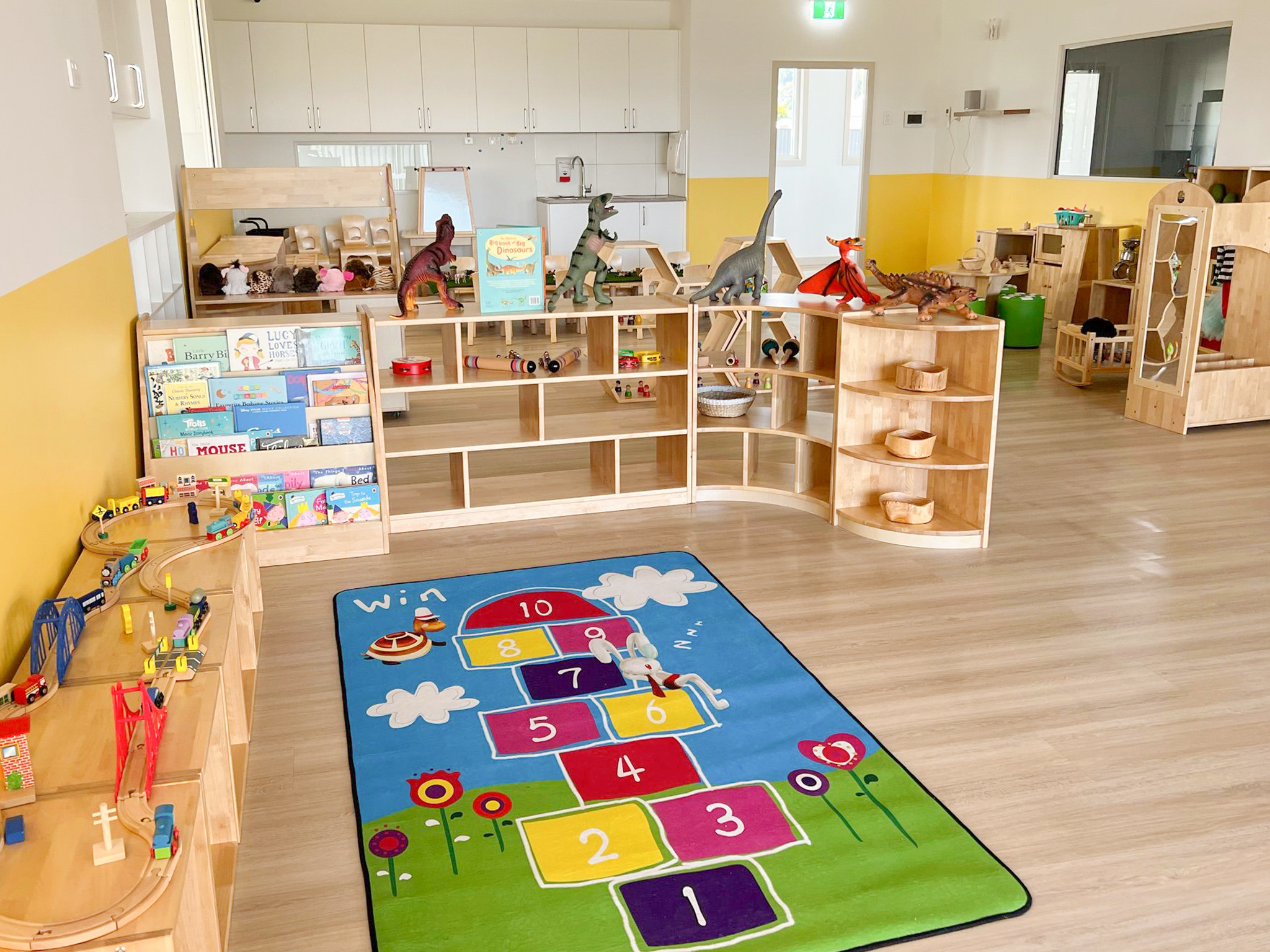
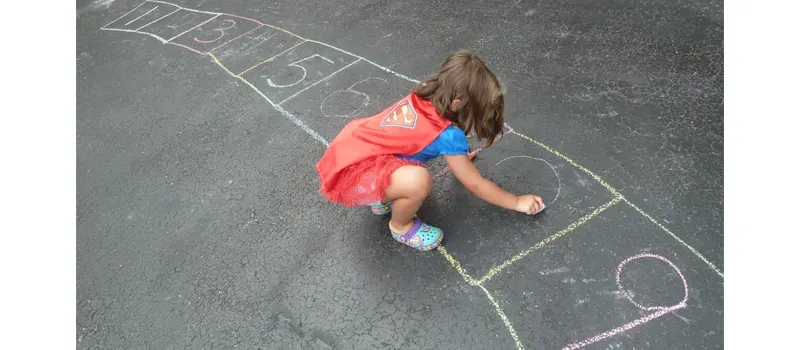
Hopscotch pairs counting with movement. As children jump from square to square and say the numbers aloud, they practice the sequence in a way that feels active and fun. As a student jumps, their whole body feels the rhythm of the count, and every single hop requires them to vocalize the next number. Plus, seeing the numbers chalked on the ground starts building early number recognition right alongside their oral counting.
Hide and Seek
Having a designated “seeker” cover their eyes and loudly count to 10 or 20 forces them to recall the sequence independently. The suspense naturally encourages them to project their voices, slow down their pace, and count with absolute confidence.
Catch the Teacher’s Mistake
In this game, the teacher counts aloud but intentionally says one number incorrectly. Children listen closely and stop the count when they hear the mistake. This turns rote counting into an attention game and helps children notice whether the sequence is actually correct instead of repeating it automatically.
Conclusion
Rote counting is where early counting begins. It helps children learn the sequence of number words and use them with confidence, but real progress happens when that sequence starts connecting to objects, quantity, and meaning.
That is why rote counting should be treated as a foundation. It gives children a structure they can build on, and it gives teachers and parents a clear starting point for introducing more meaningful number work. When children hear, repeat, and use number sequences regularly, they are better prepared for the next stage of math learning.
FAQs
What is an example of rote counting?
This may be a simple sequence such as “one, two, three, four, five,” but it can also include counting backward, skip counting by 2s or 5s, or starting from a number other than one and continuing correctly. In each case, the child is recalling a learned number sequence rather than showing full understanding of quantity.
Is rote counting actually learning?
Yes, rote counting is a form of learning, but it is limited to memorizing number order. It helps children become familiar with number sequences, which is an important early step.
How can teachers easily test if a child is rote counting or rational counting?
A simple way is to ask the child to count a group of objects. If the child can say numbers in order but miscounts, skips objects, or cannot tell how many there are at the end, the child is likely using rote counting. If the child matches one number to each object and knows the total, the child is using rational counting.
Why do children often skip “teen” numbers when counting?
Because they don’t follow a simple, predictable pattern like the twenties or thirties do. Words like “eleven” or “twelve” are unique and just have to be memorized through repetition, so kids naturally stumble or skip them.
Is rote counting the same as memorization?
Yes, rote counting is essentially just memorizing a specific sequence of sounds in the exact right order, much like a toddler memorizing the alphabet song. However, it is a very purposeful type of memorization, because knowing these number words by heart is the absolute requirement before a child can learn what those numbers actually mean in the real world.