What is Montessori Shelf Work?
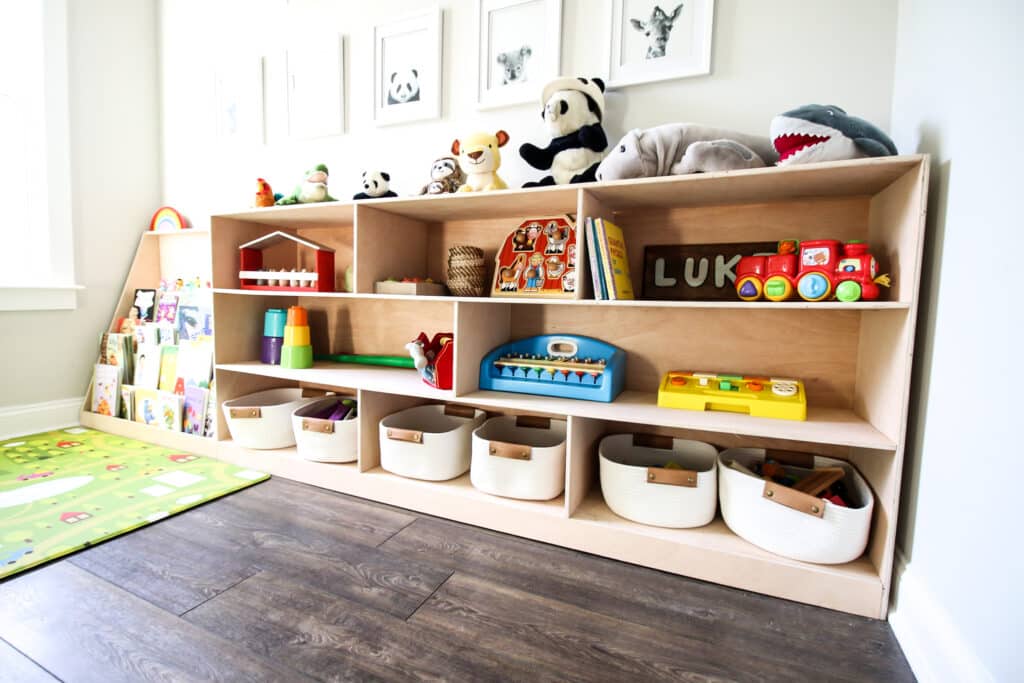
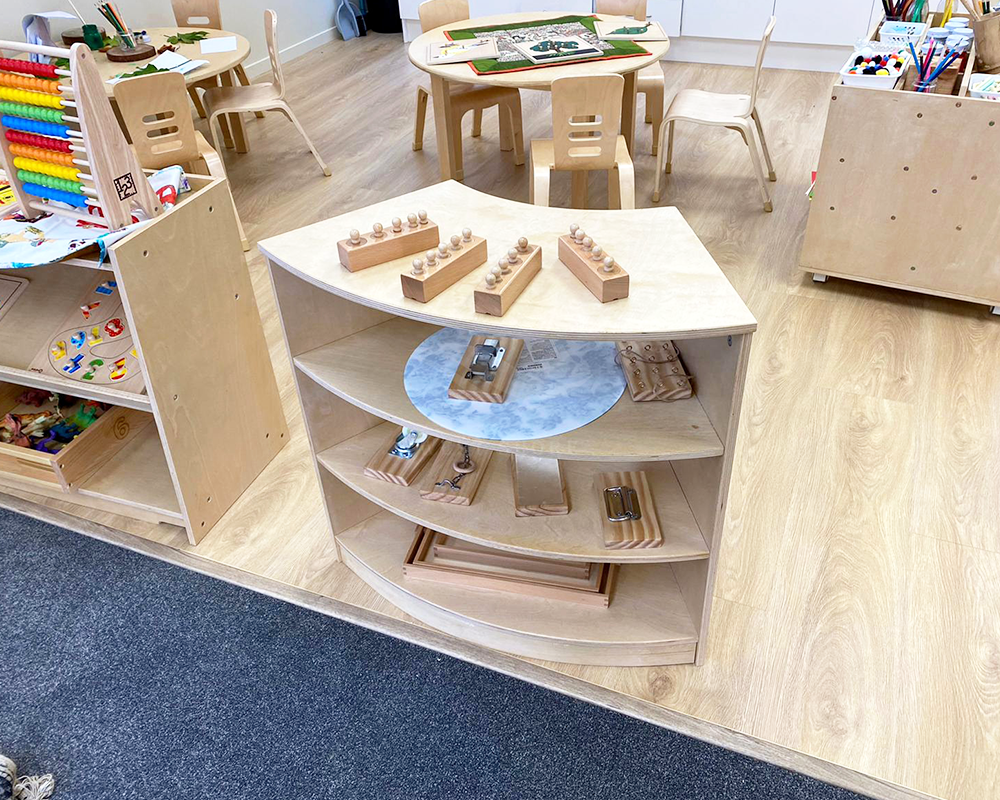
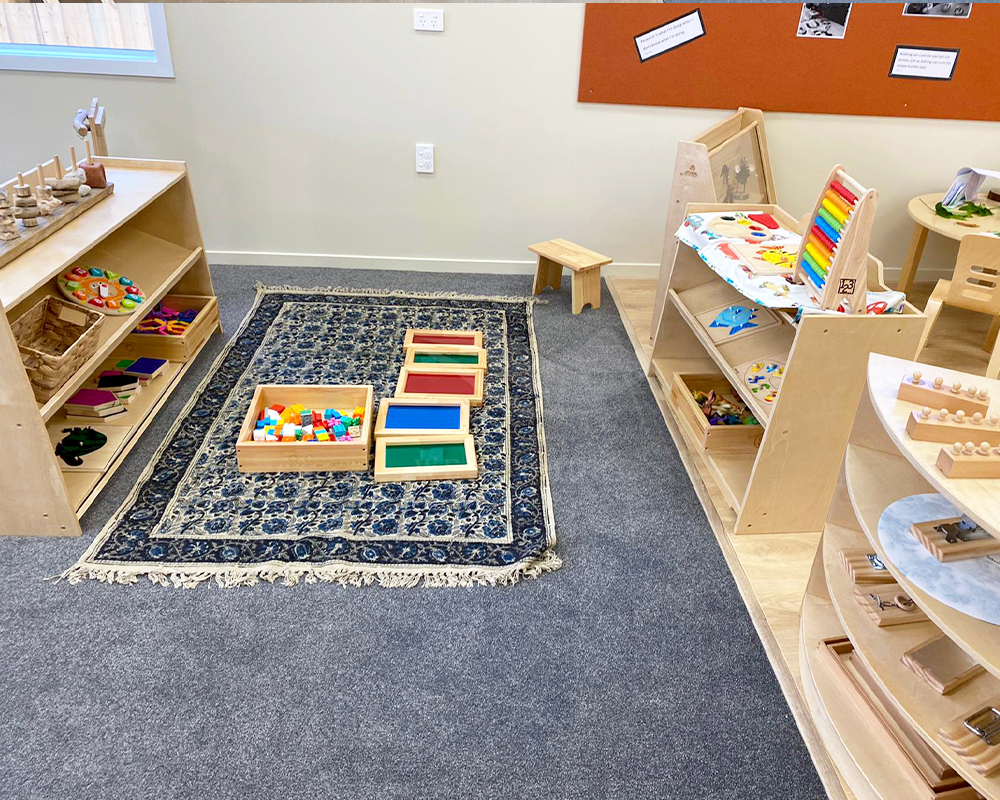
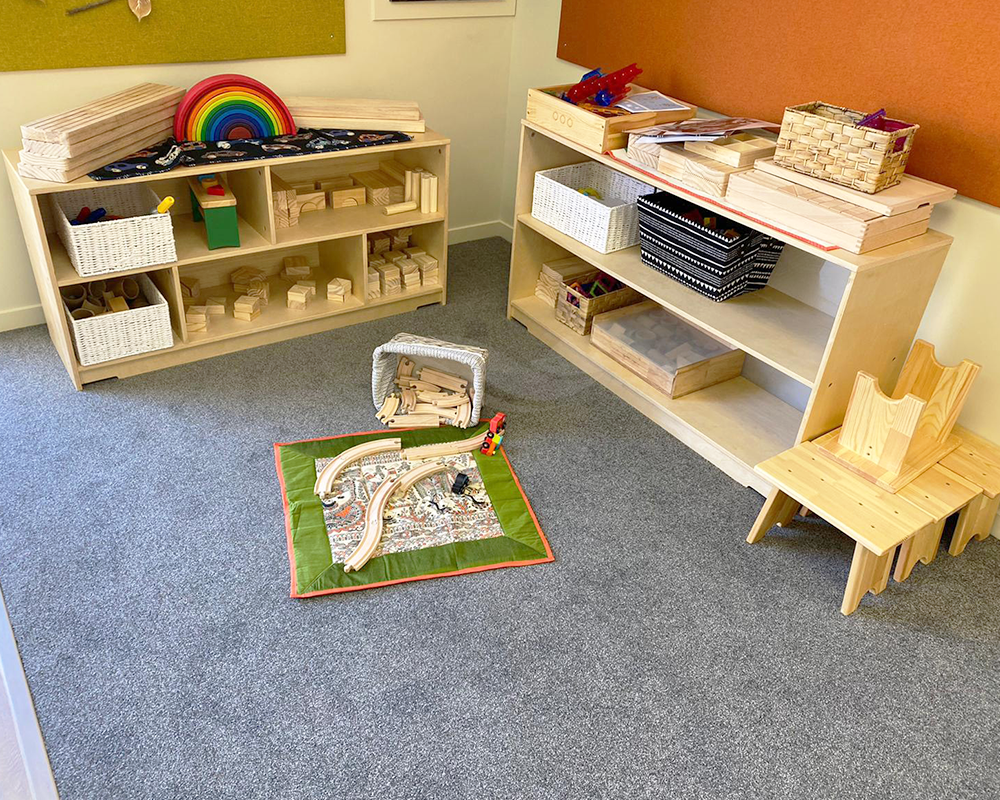
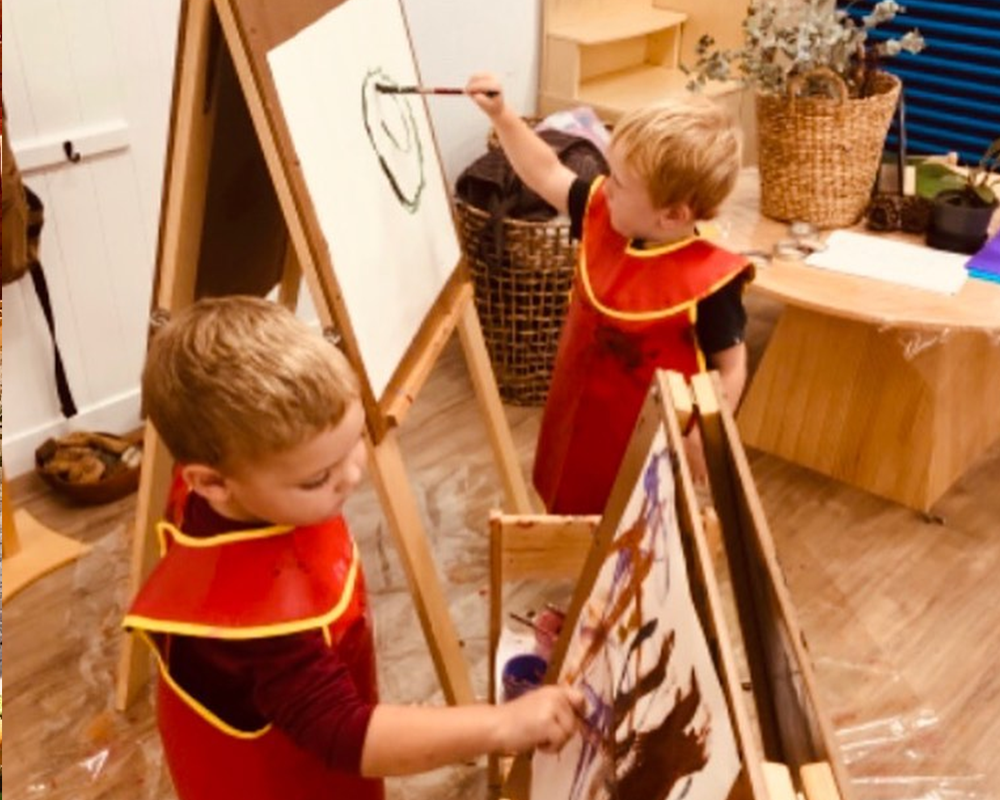
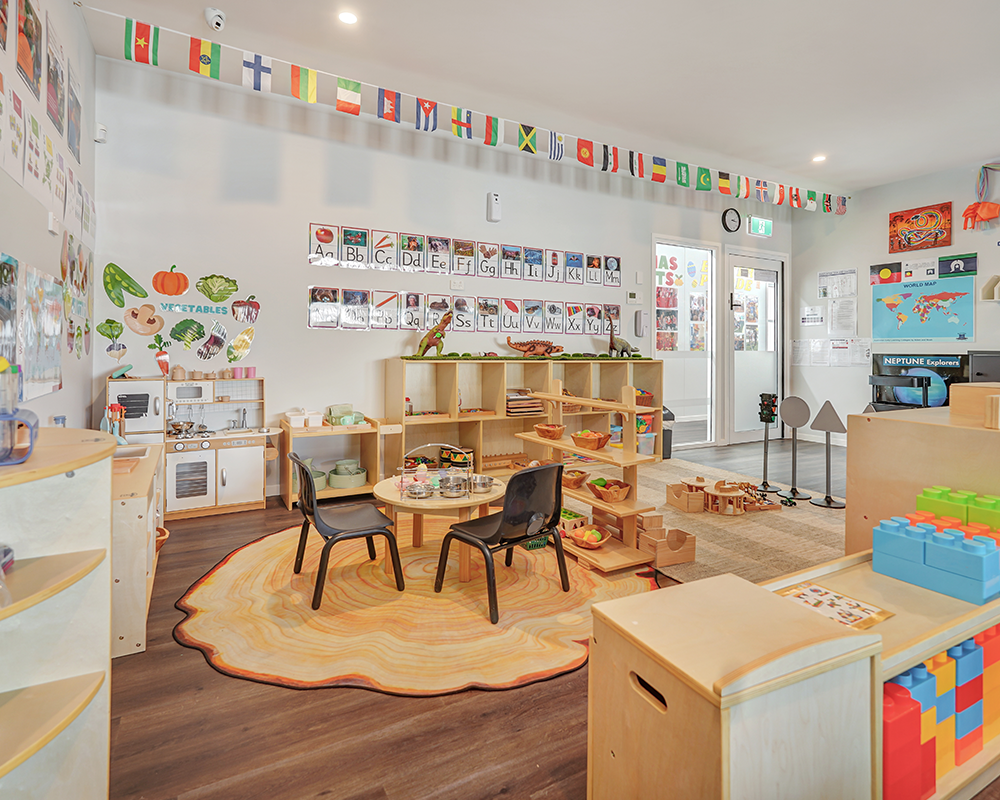
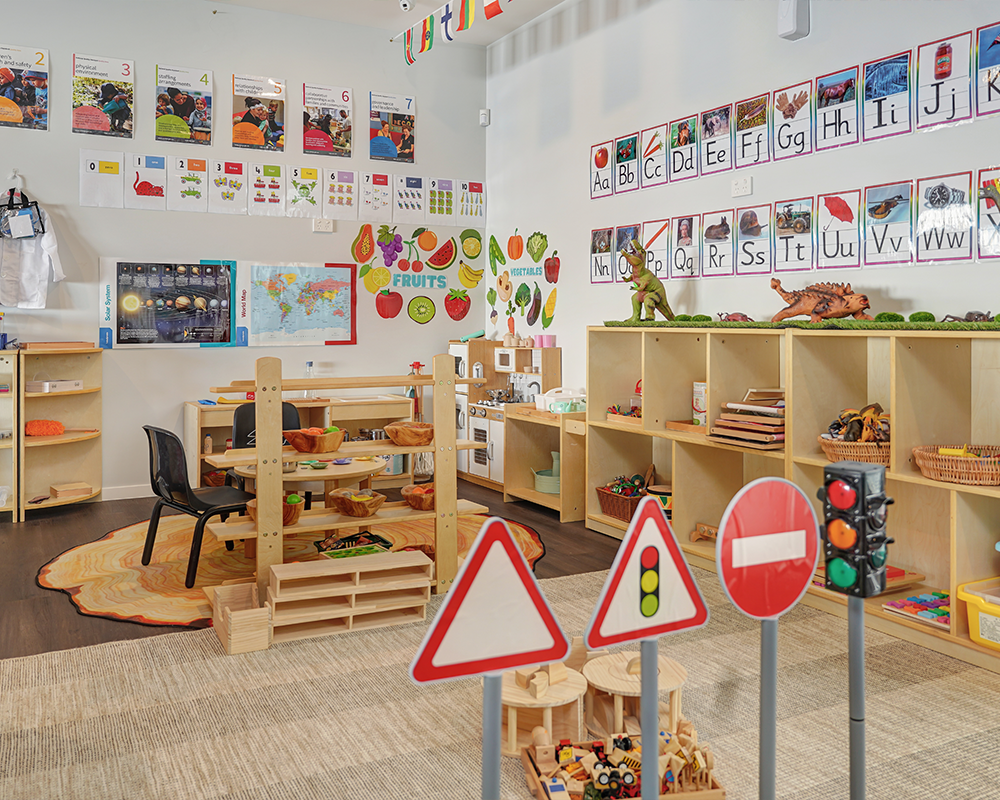
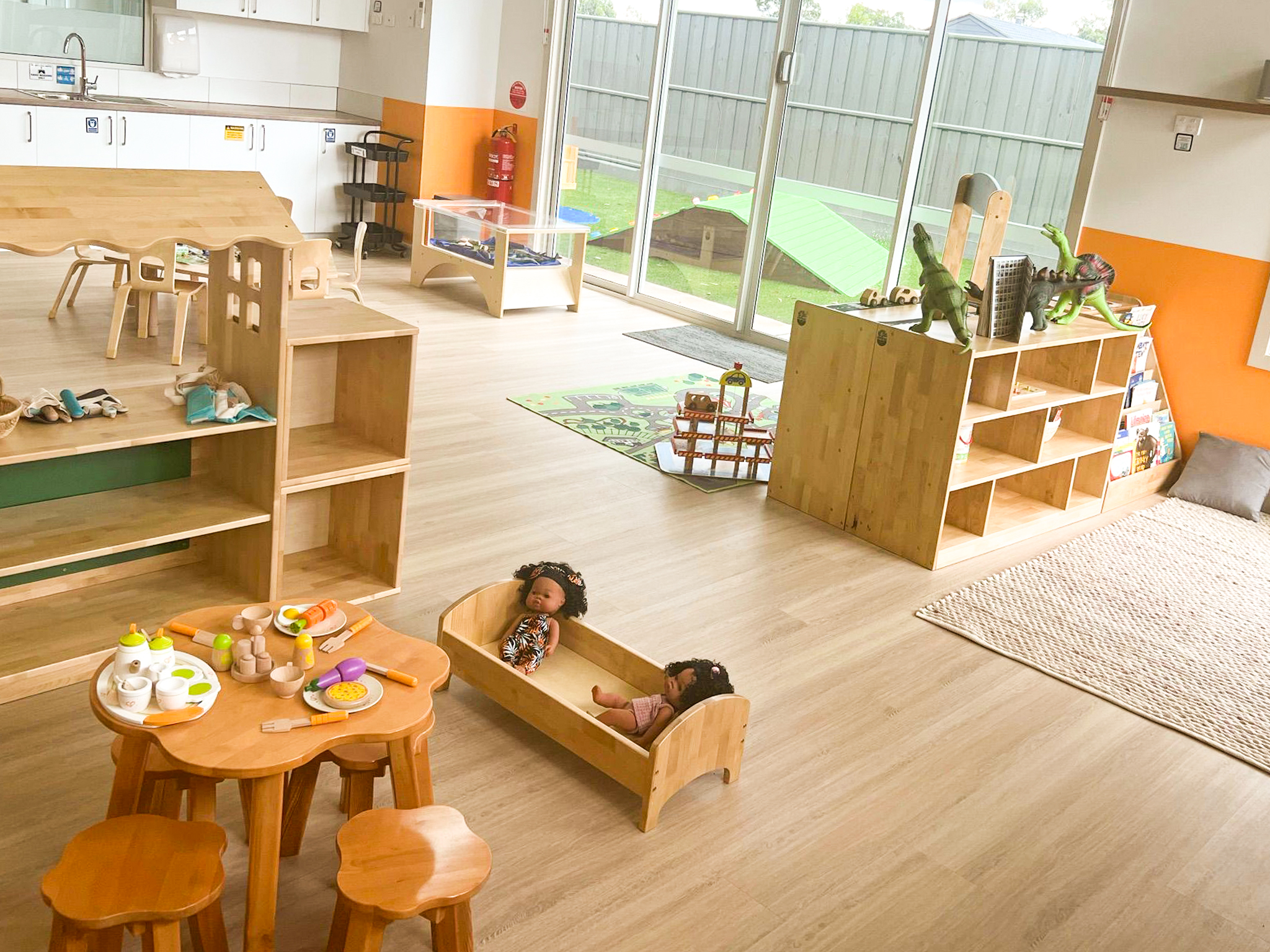
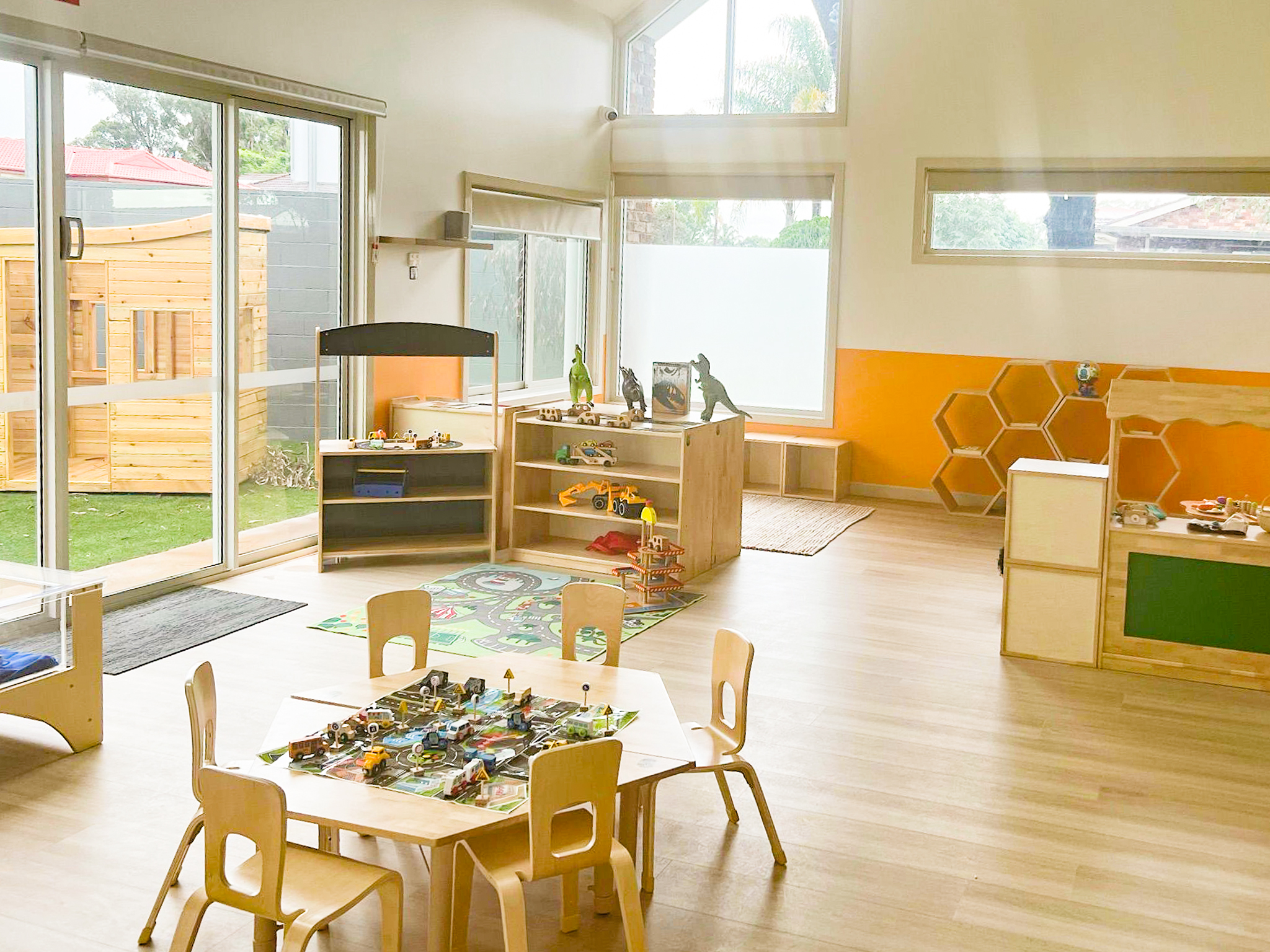
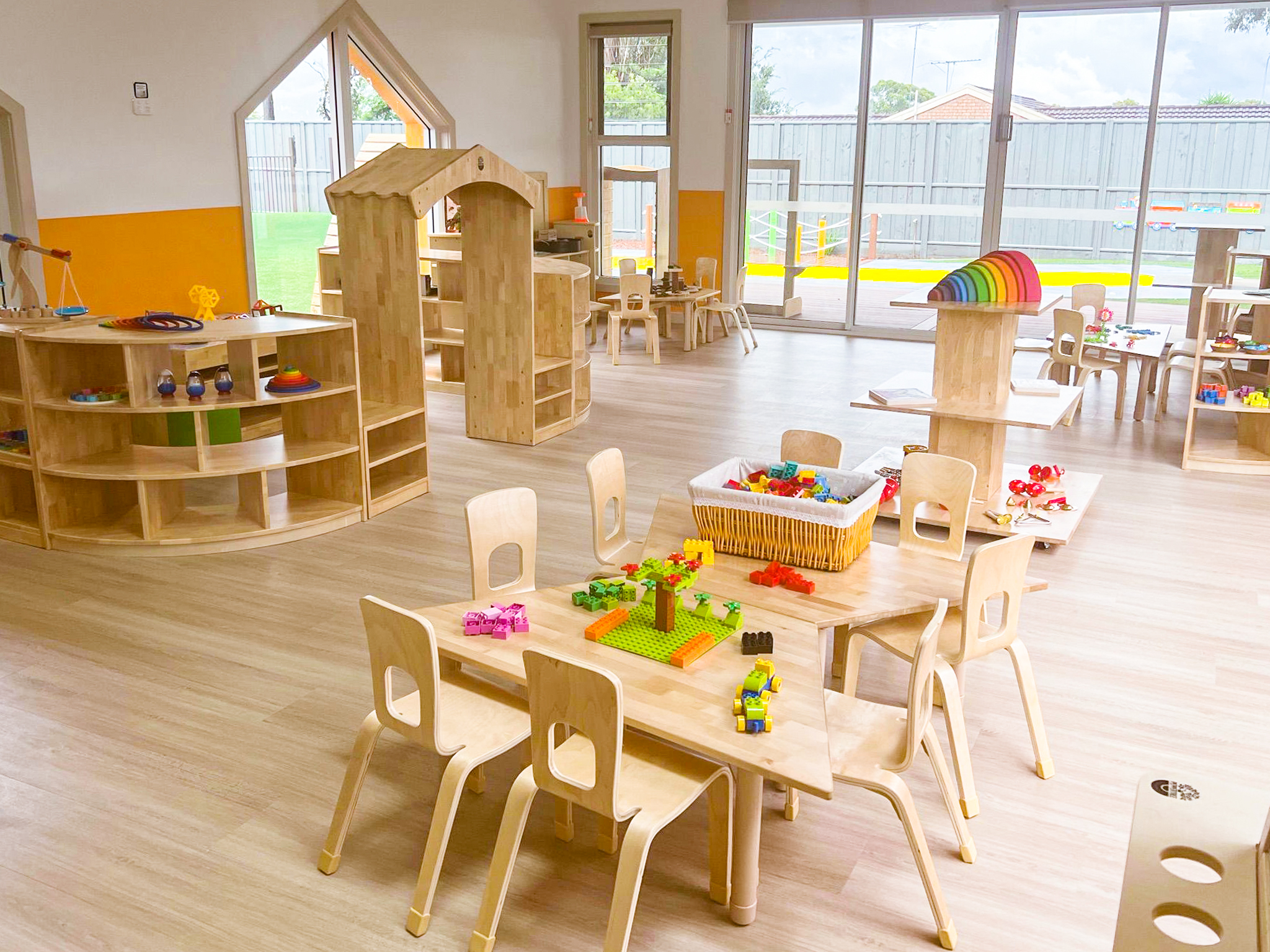
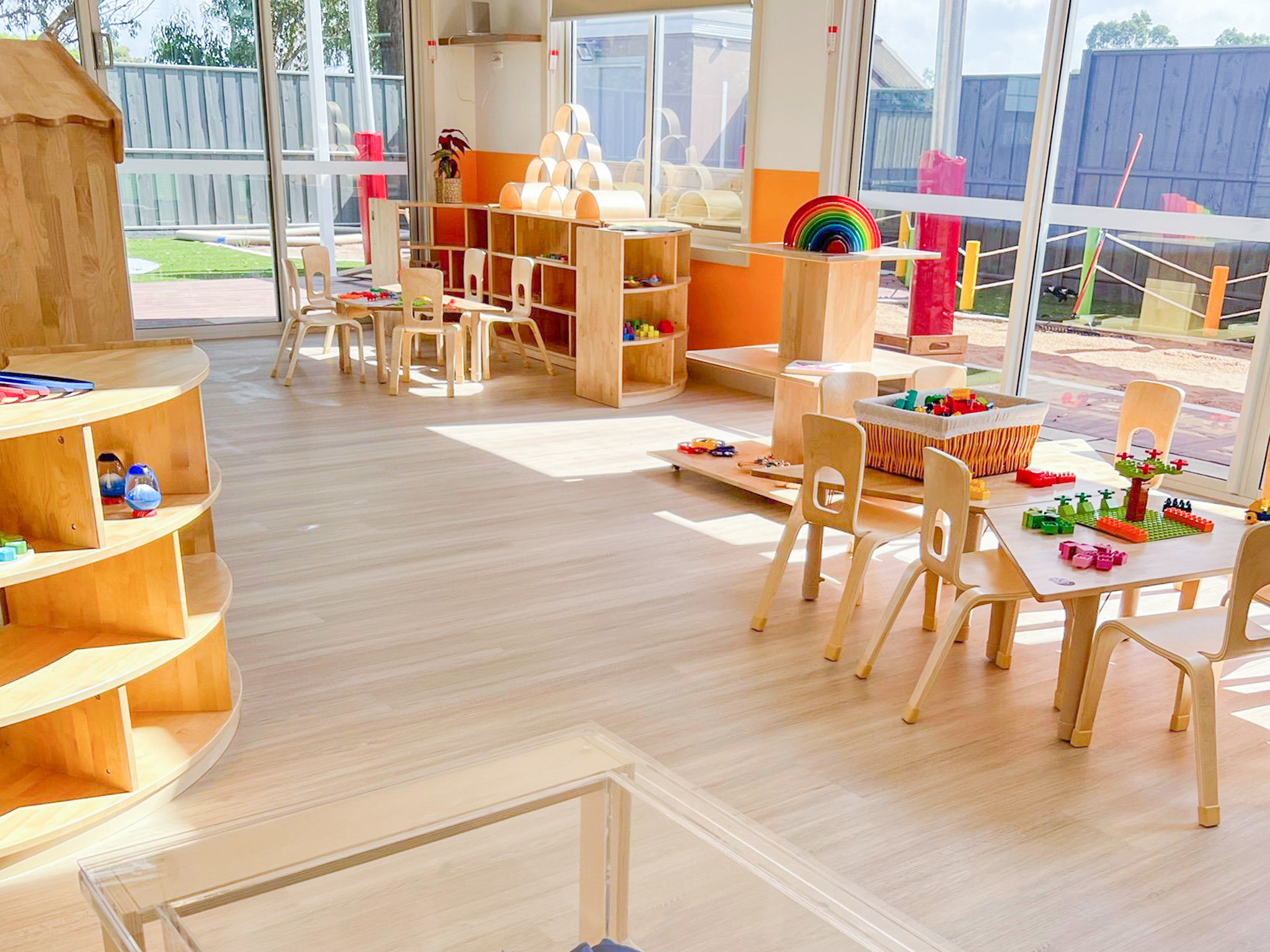
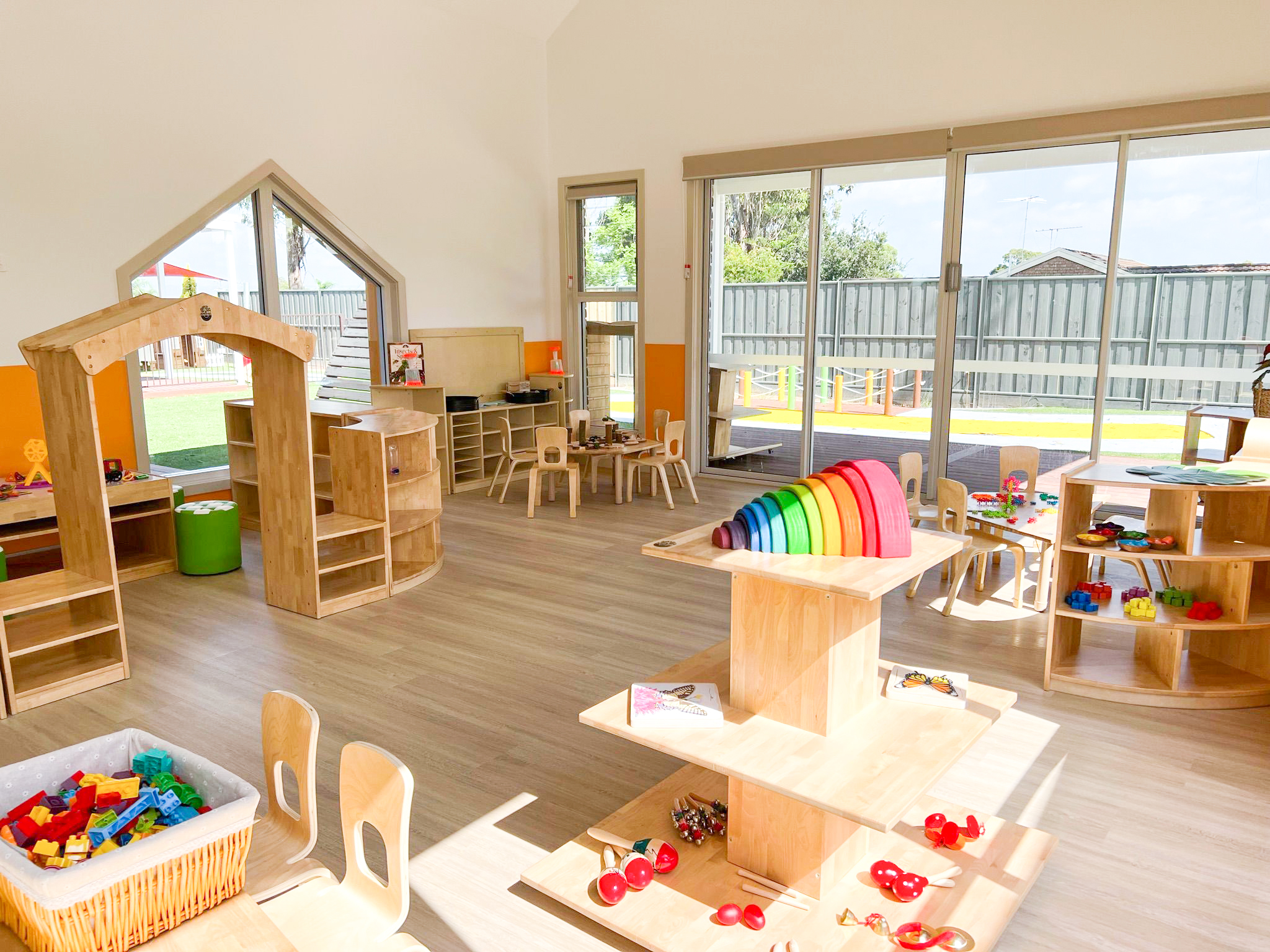
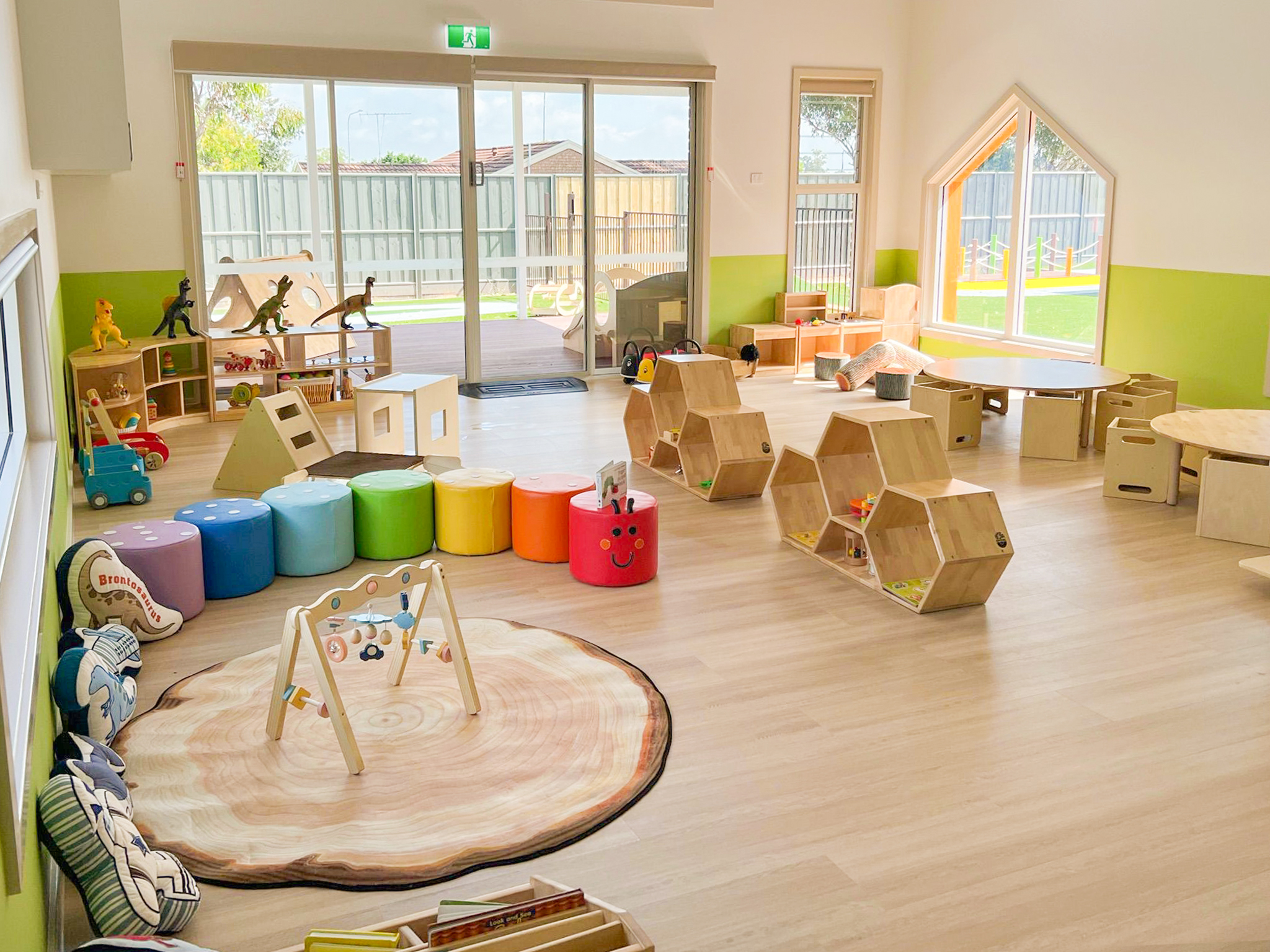
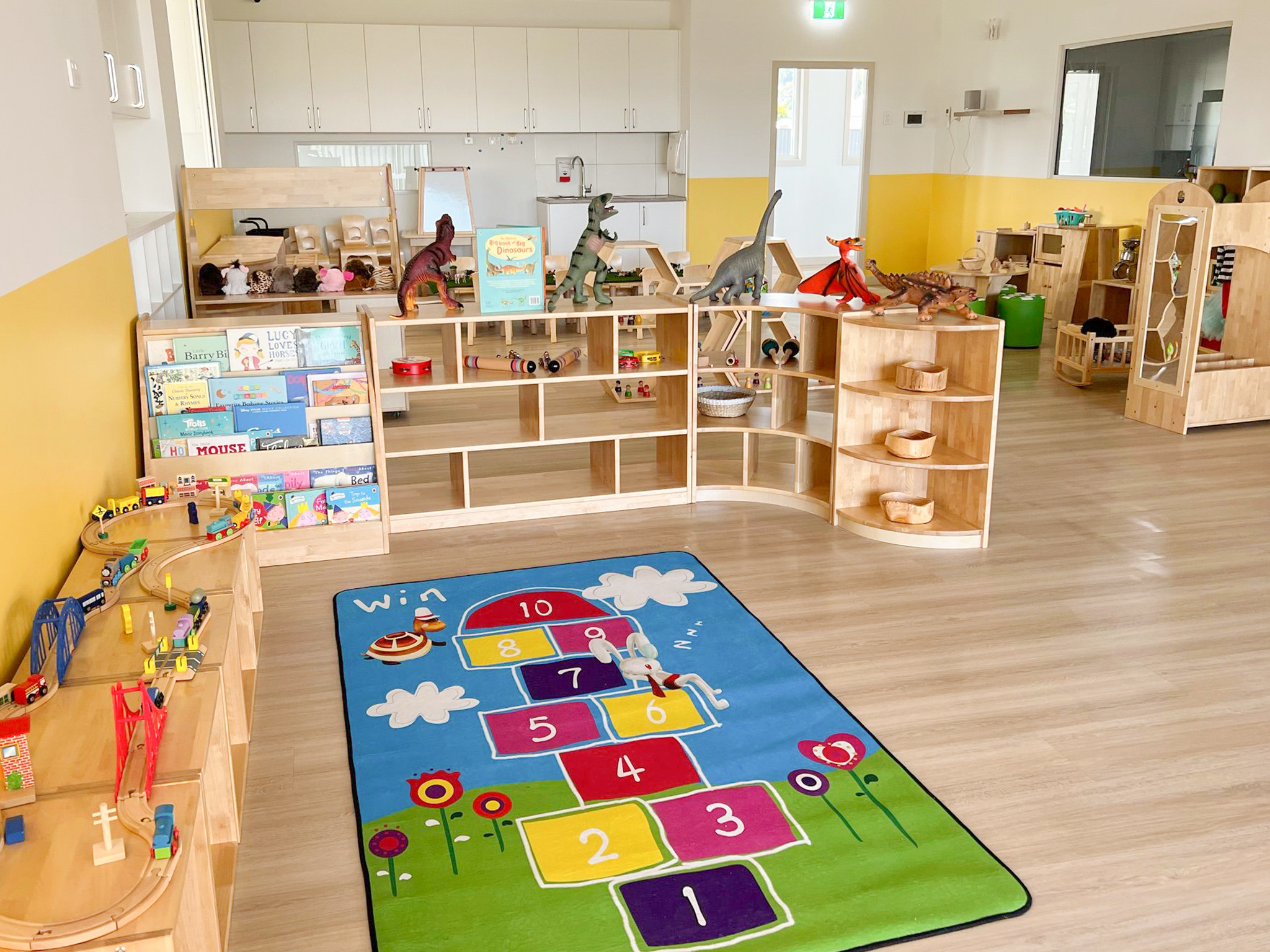
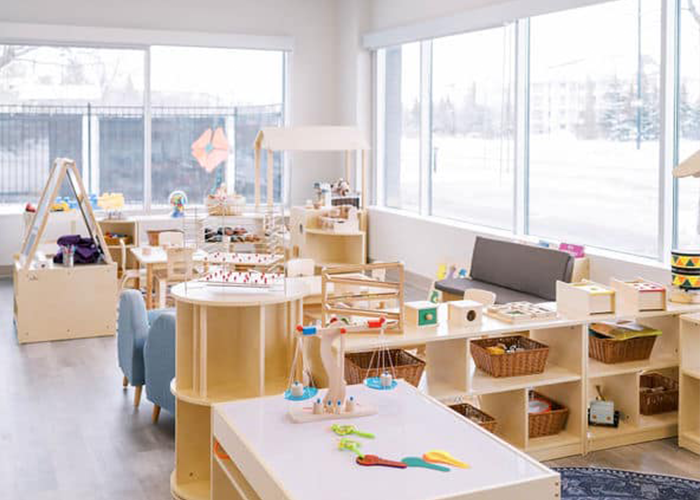
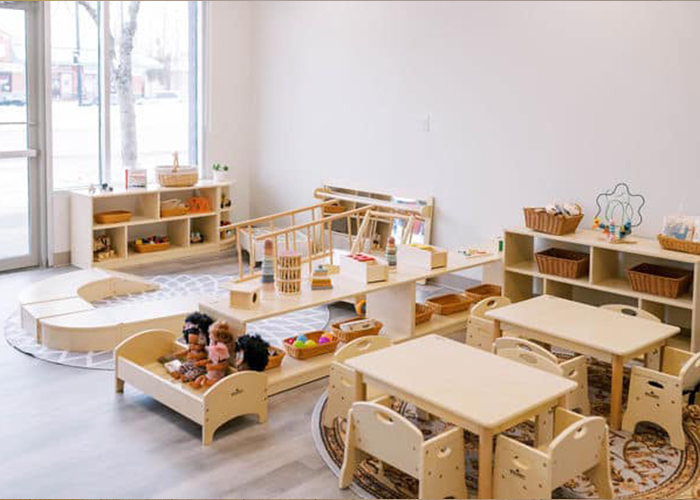
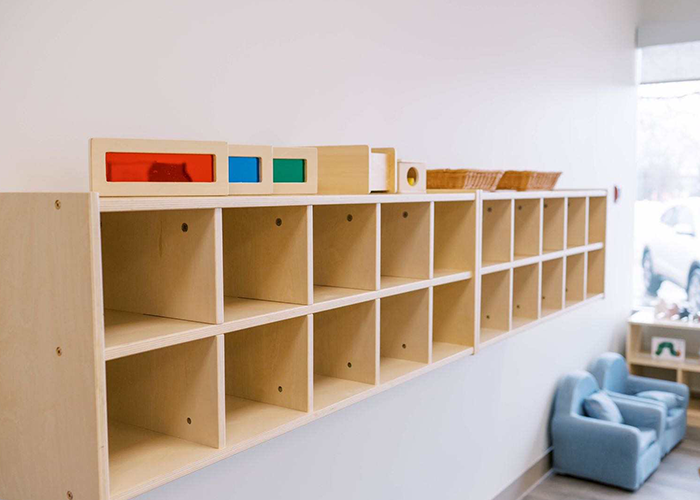
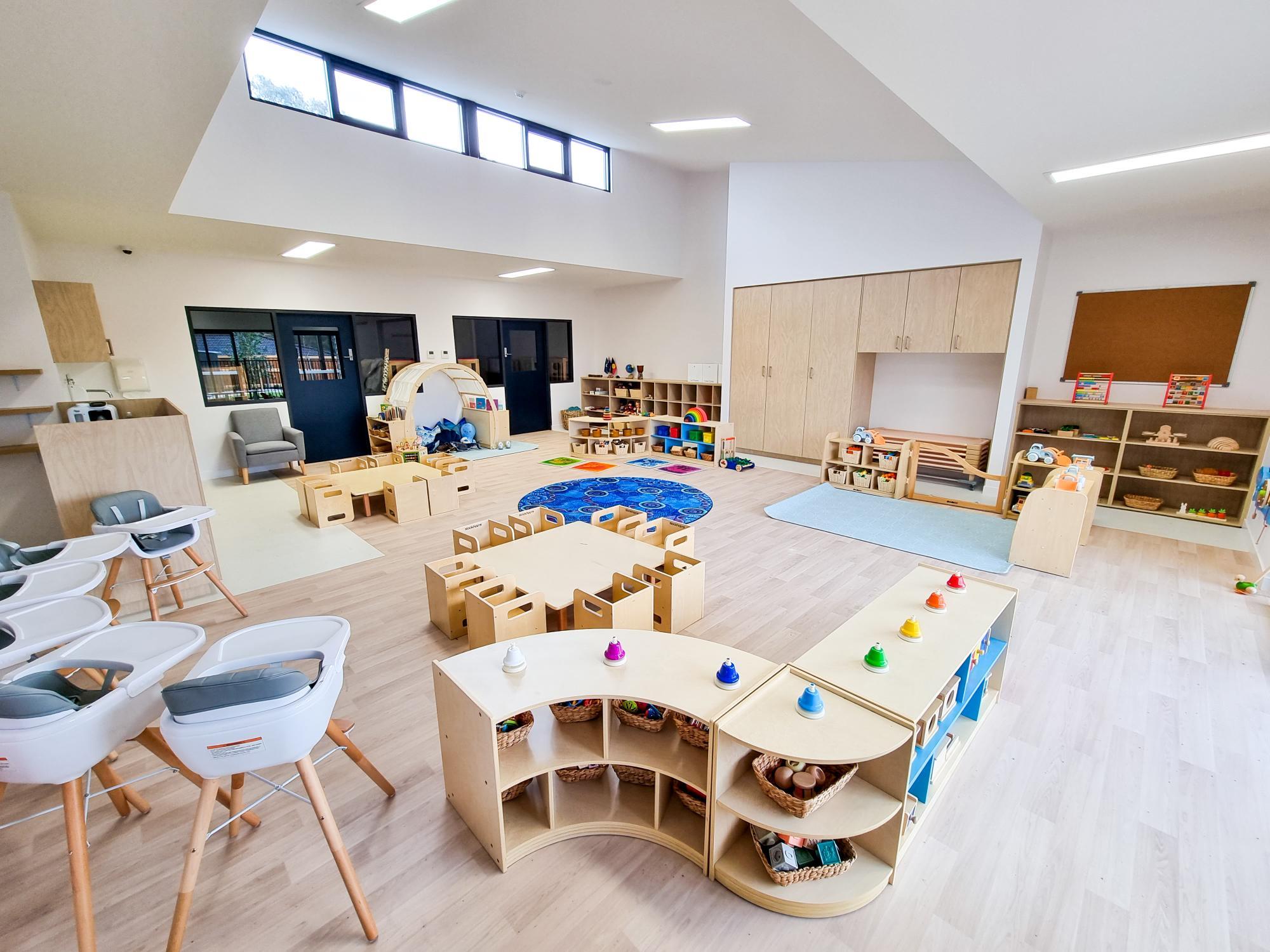
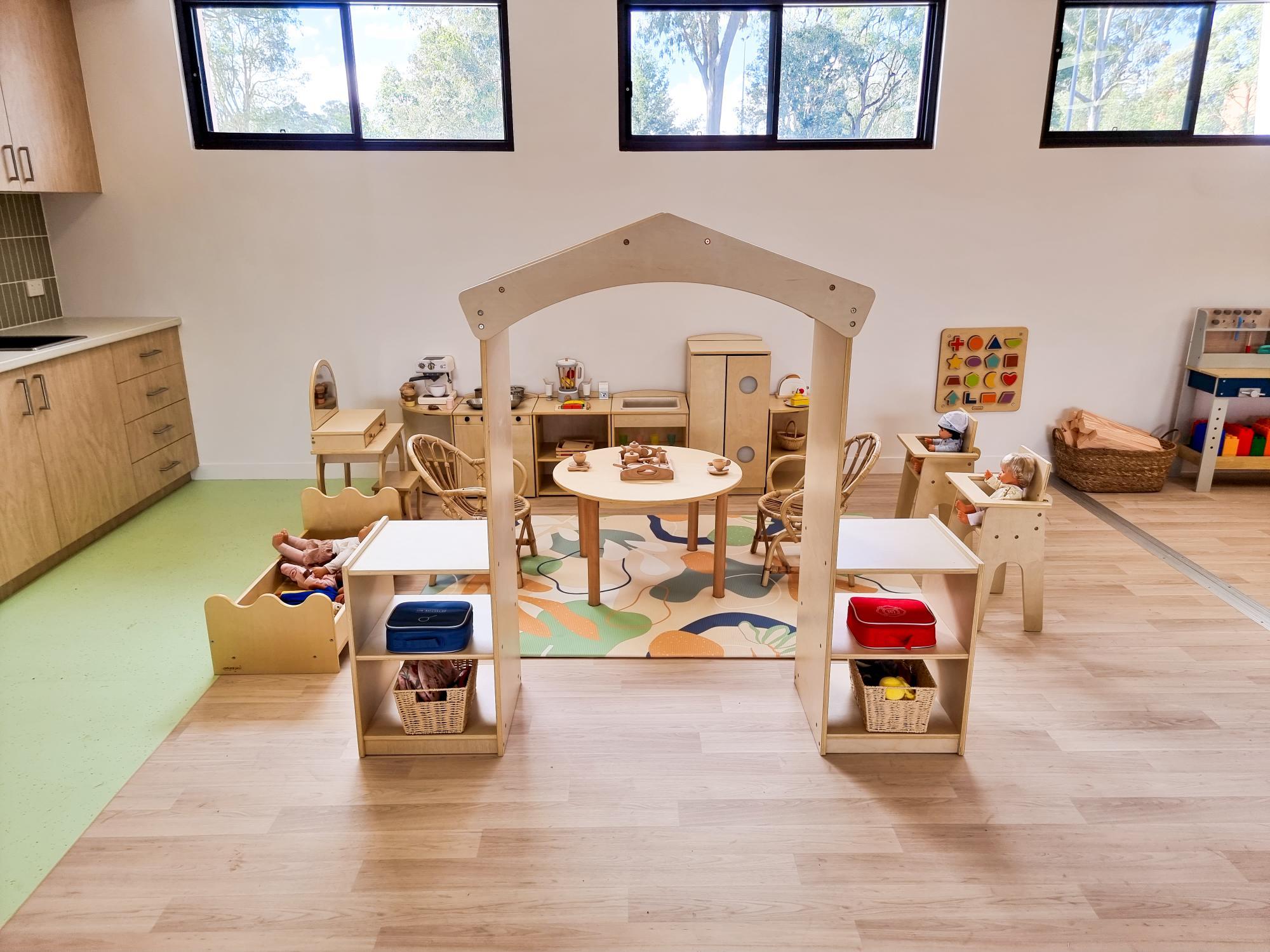
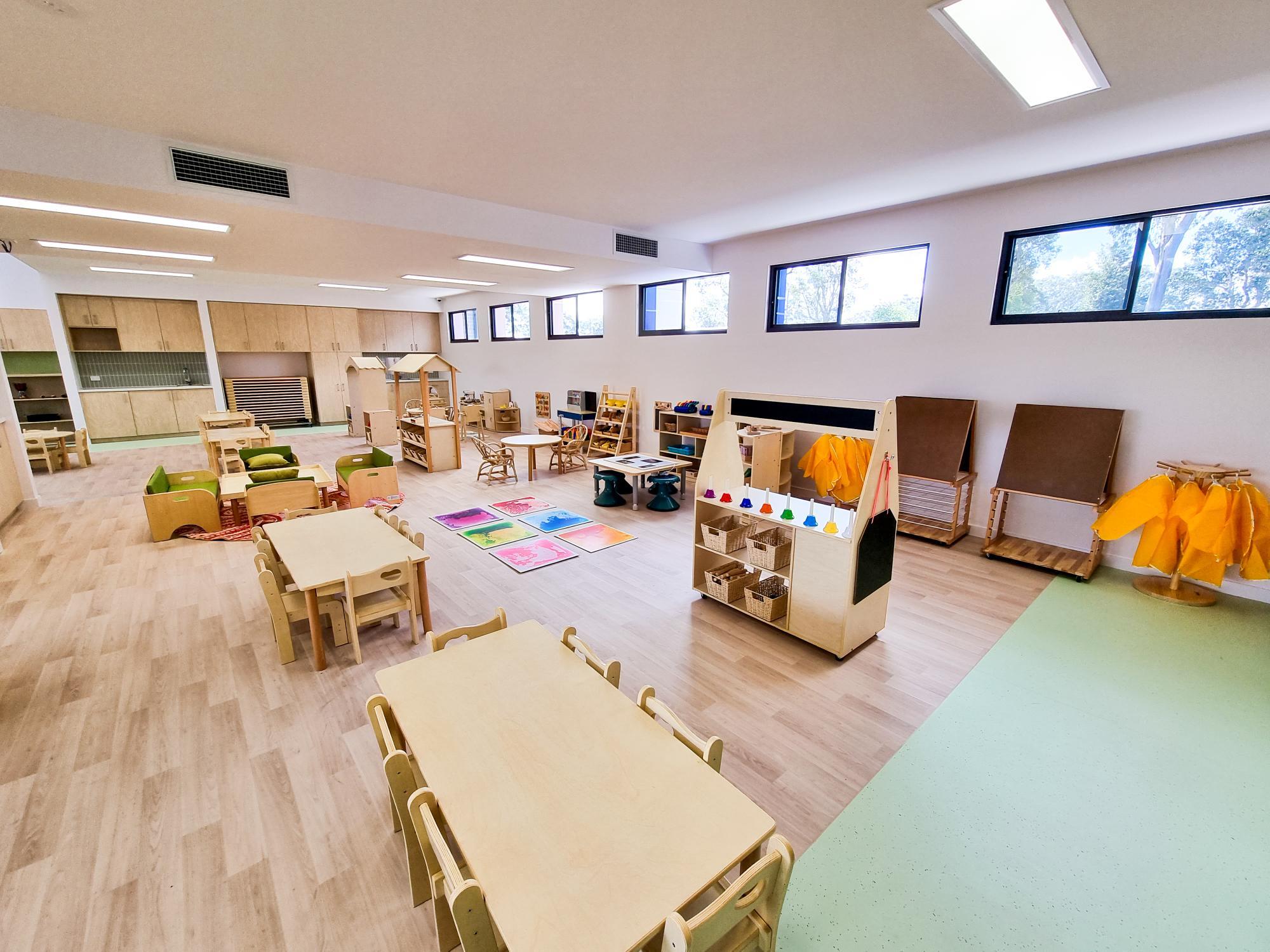
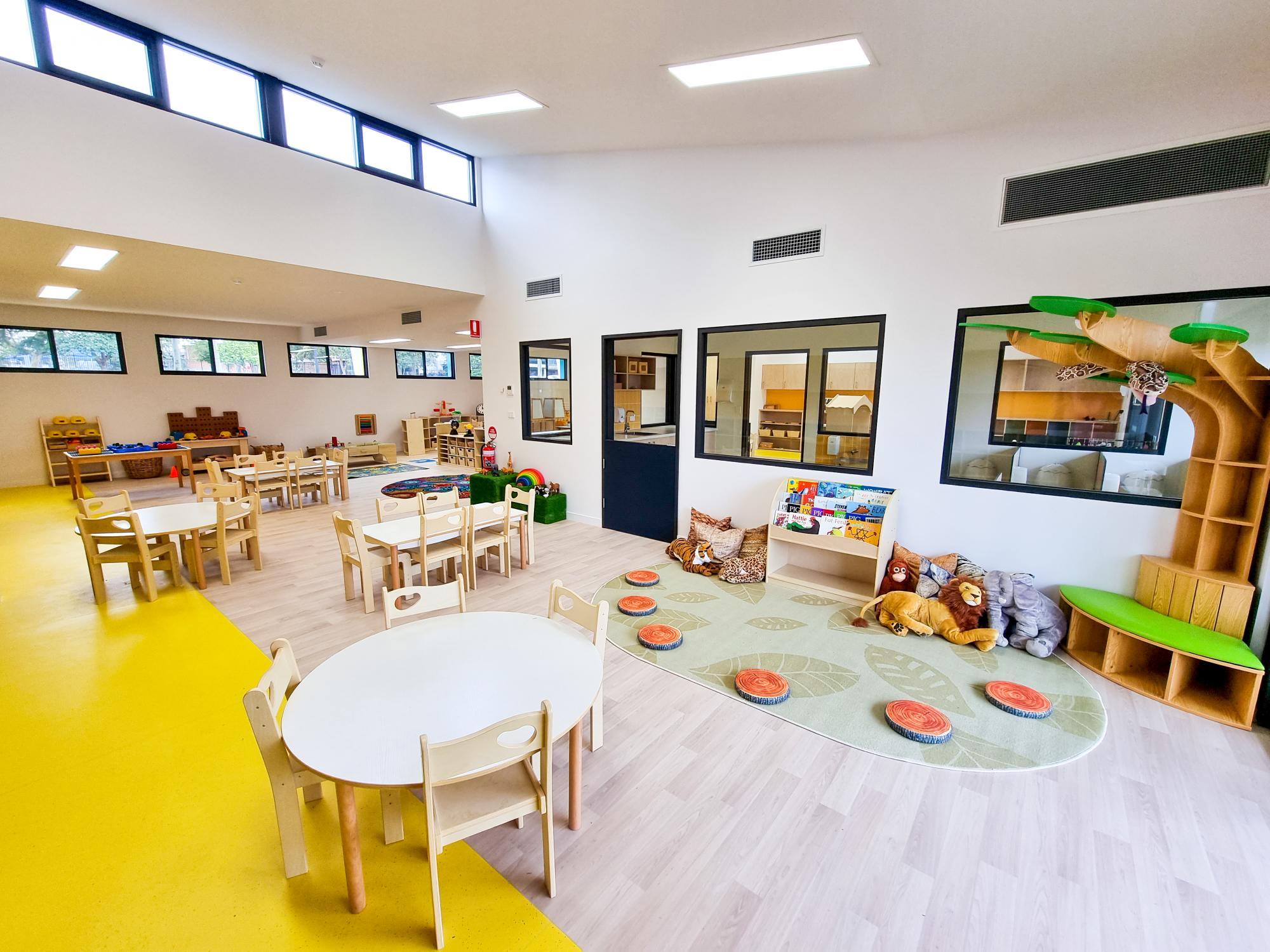
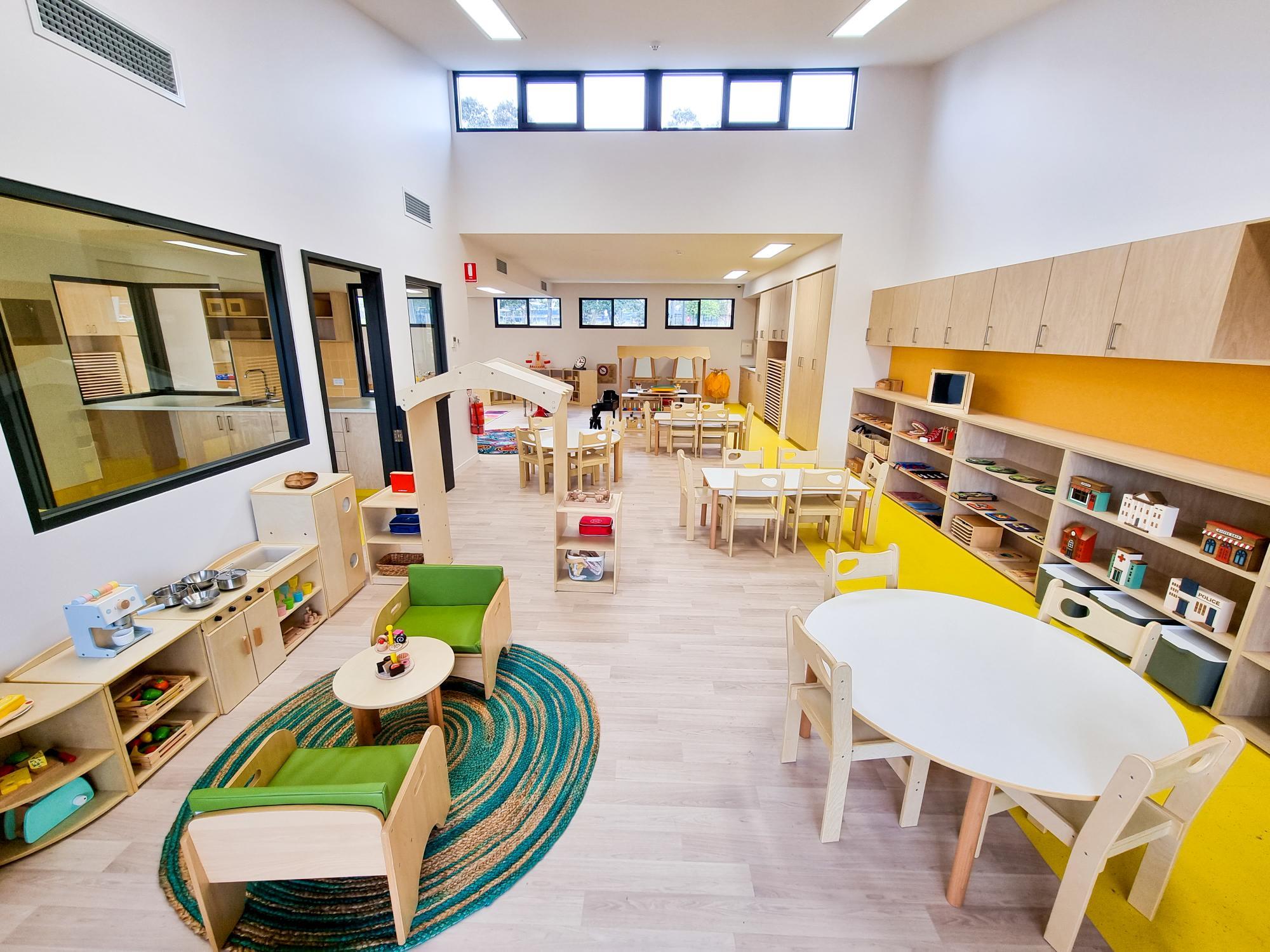
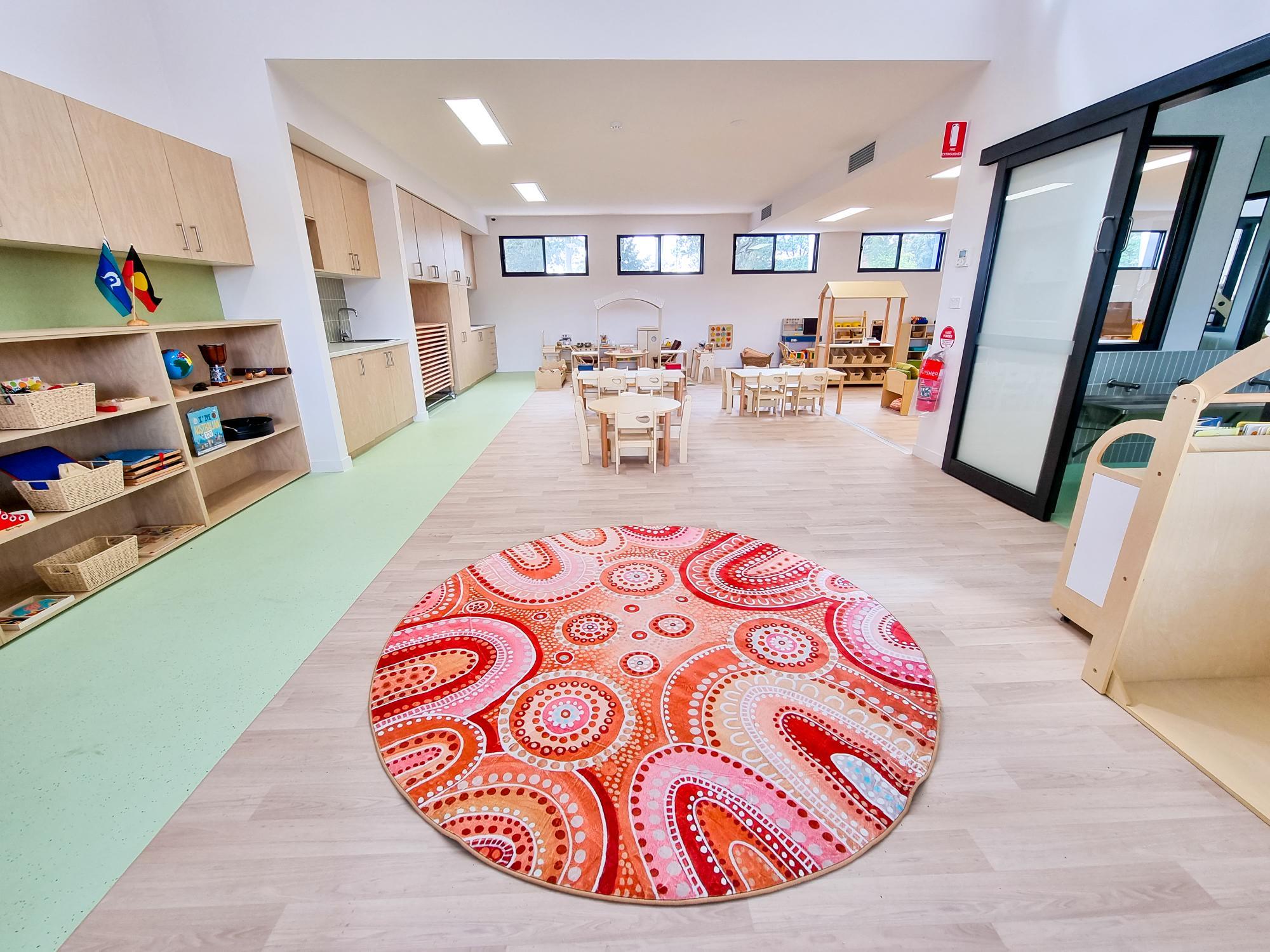
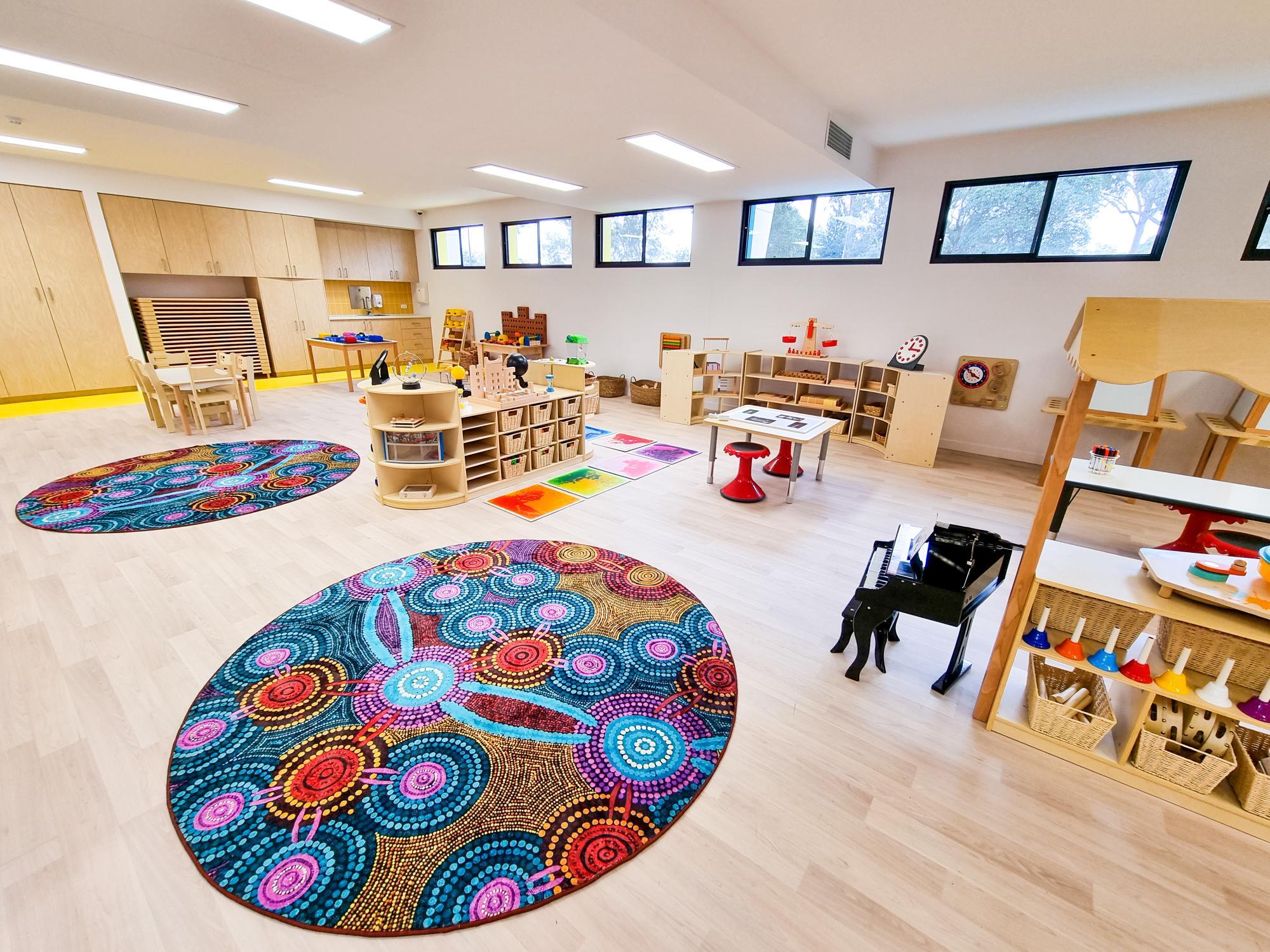
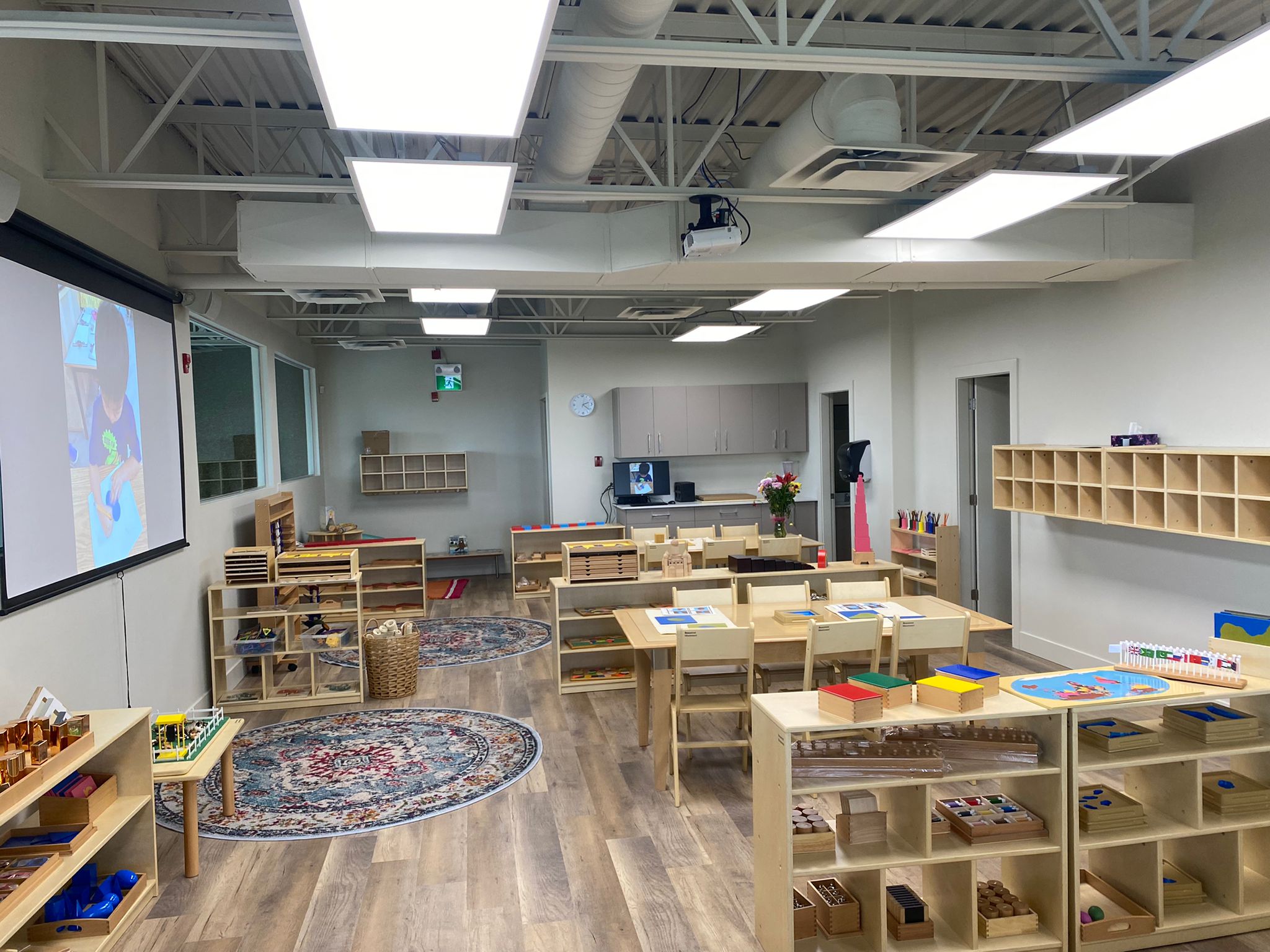
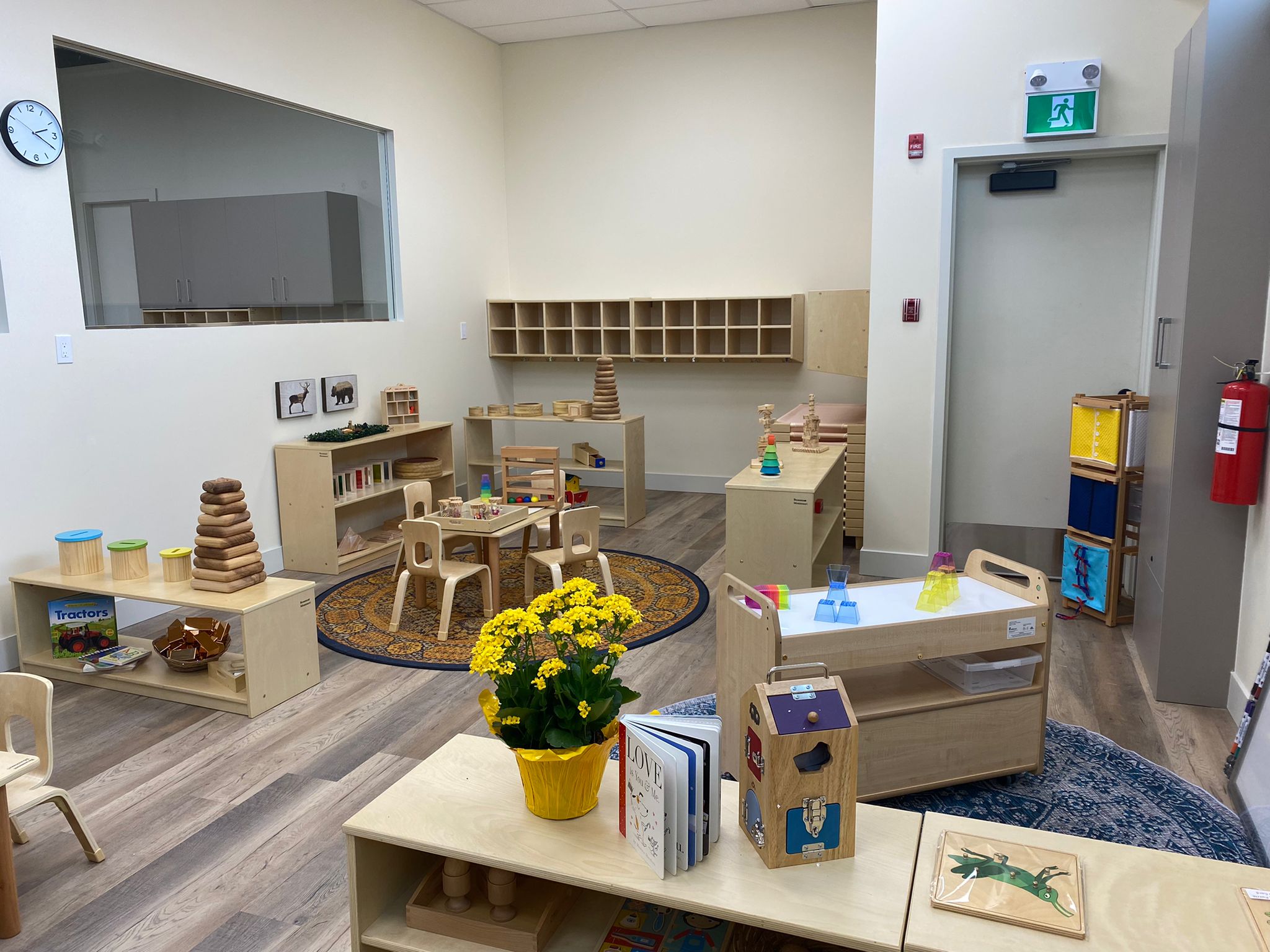
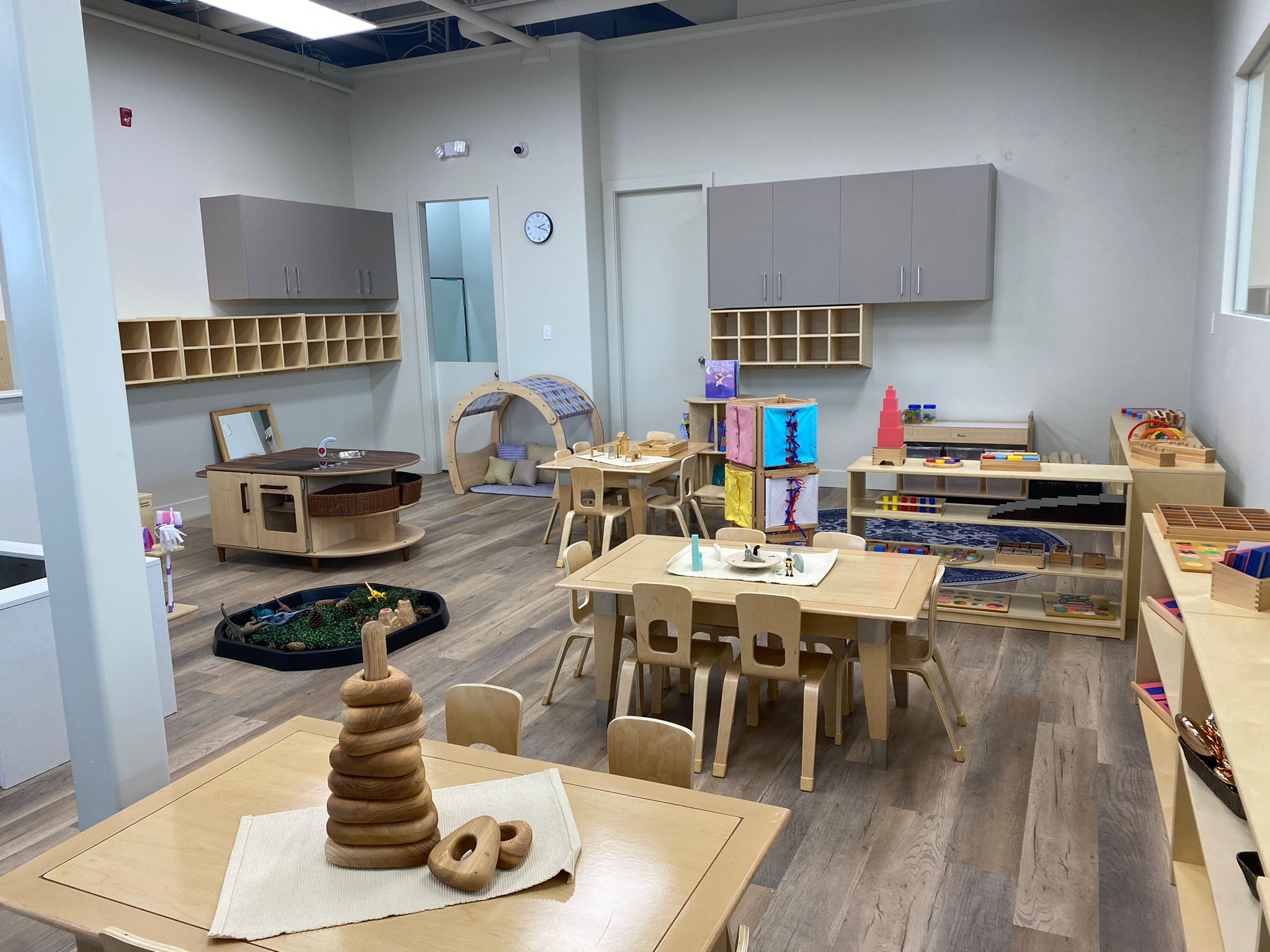
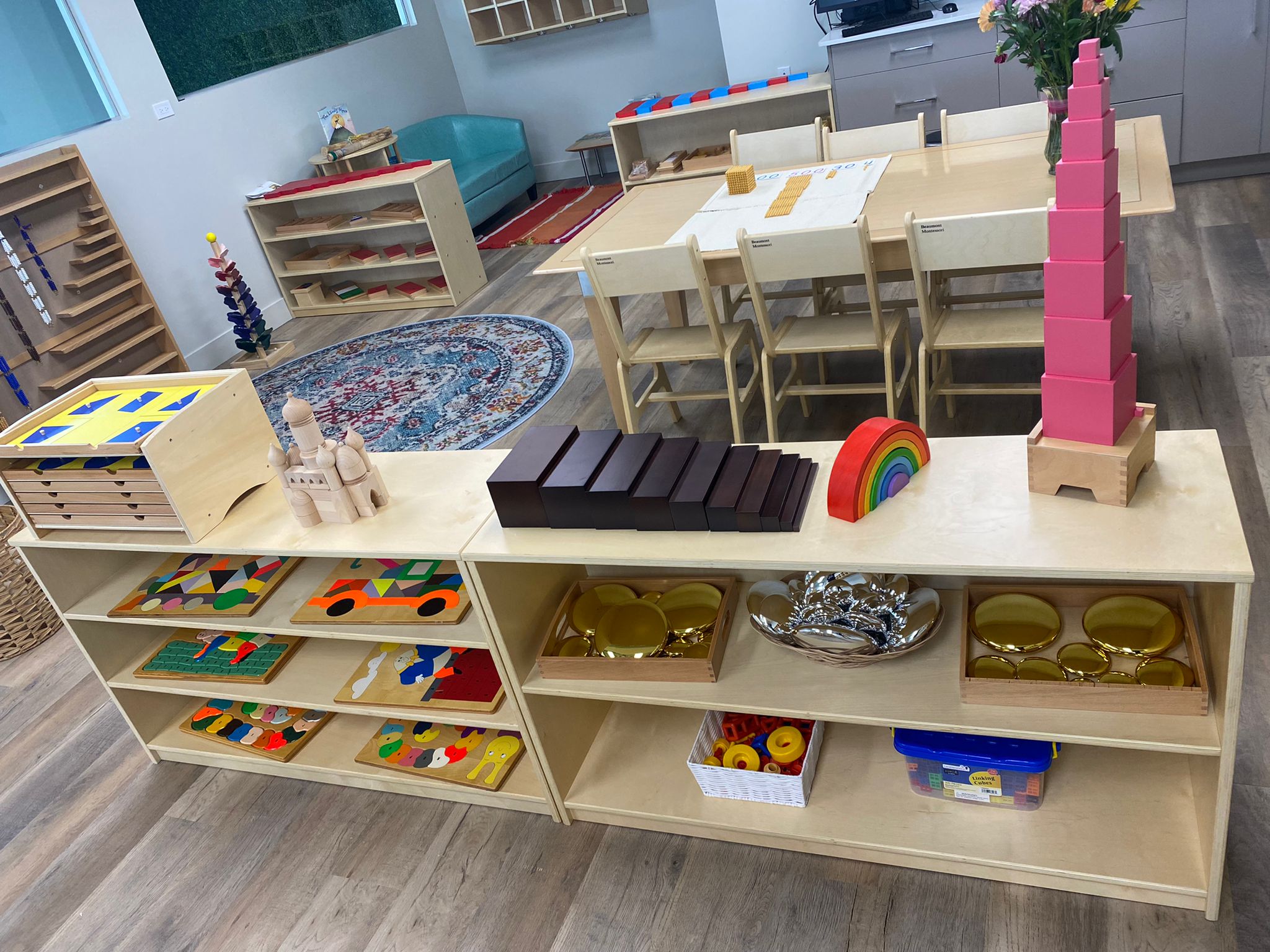
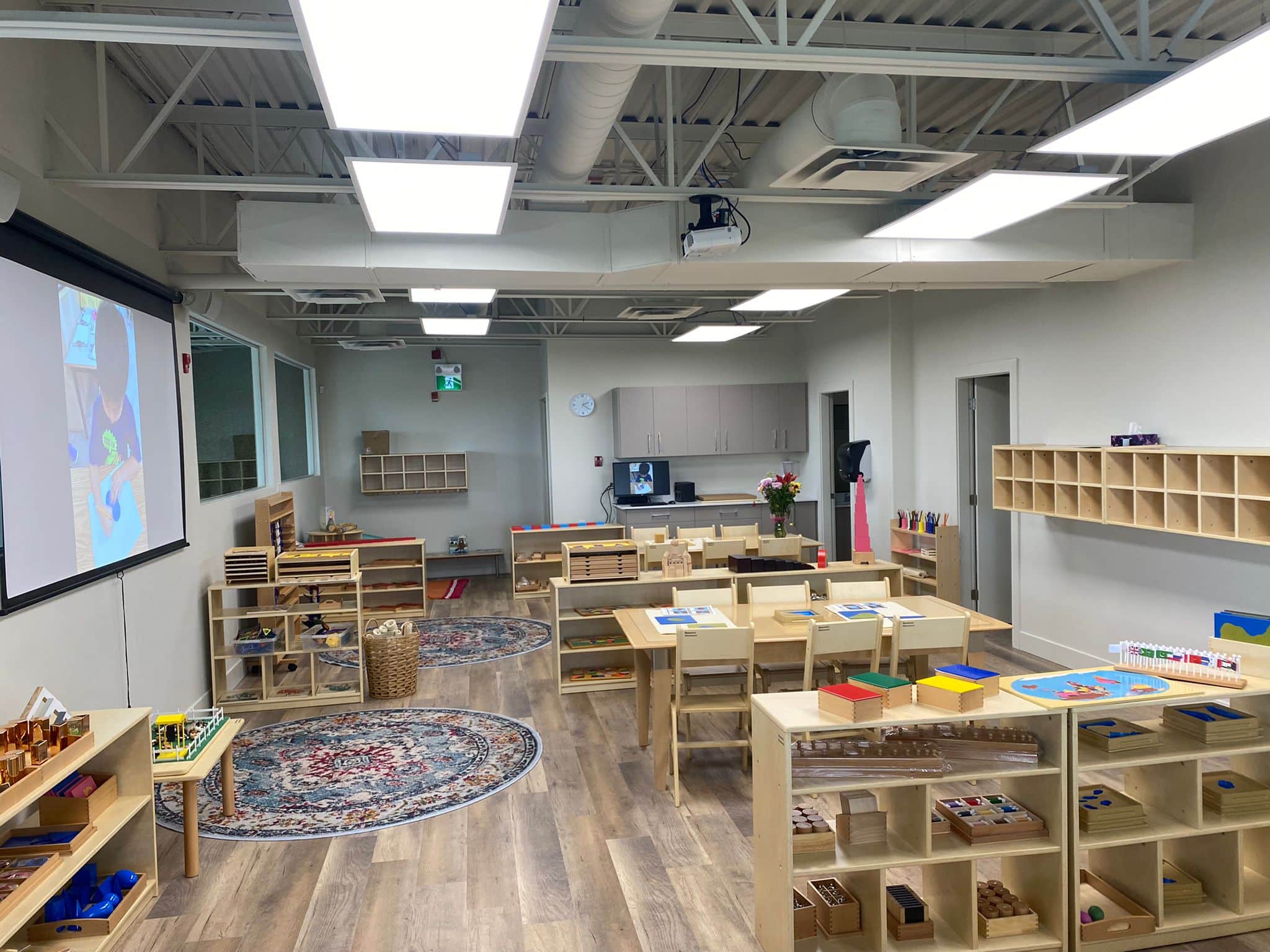
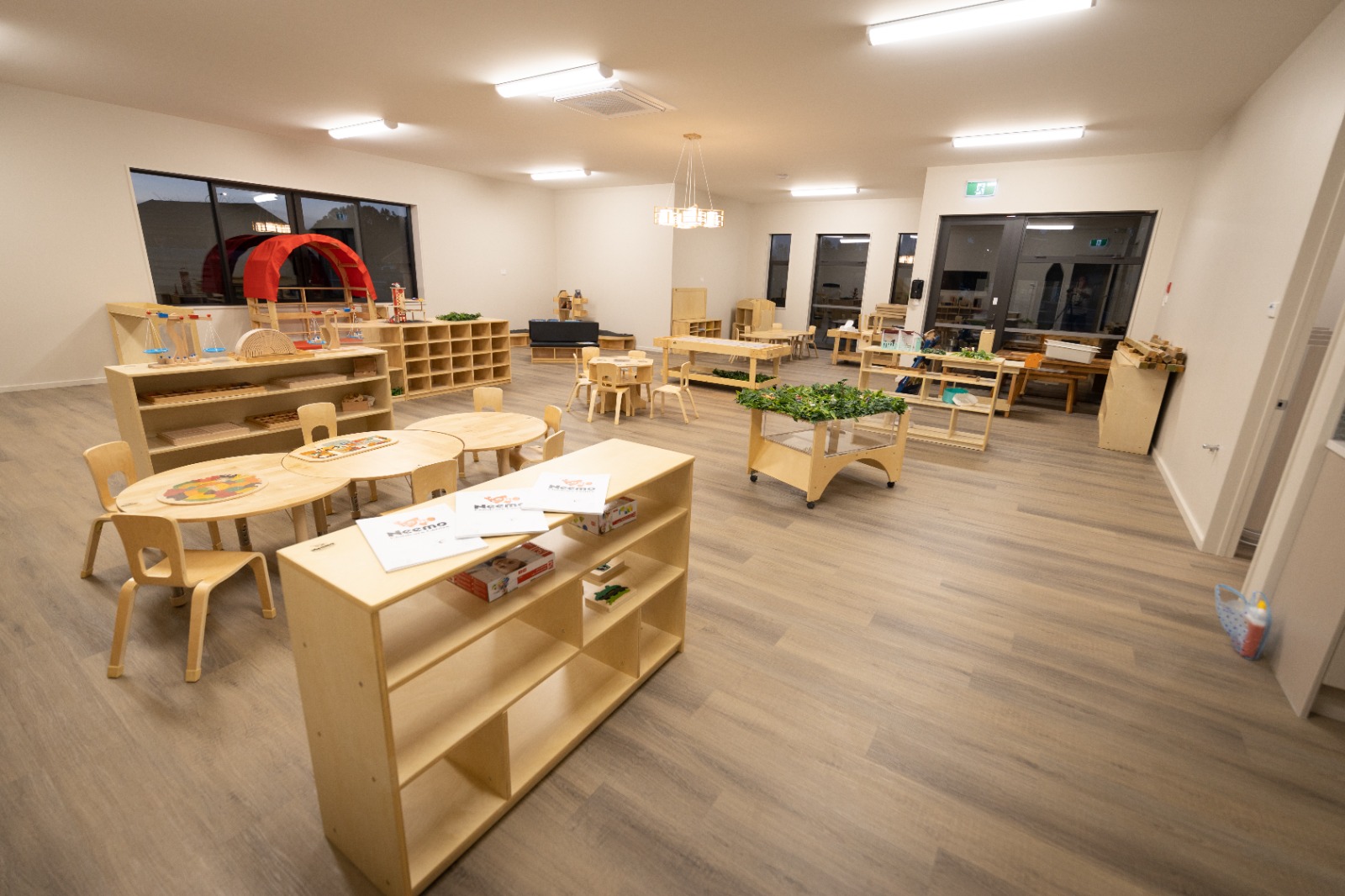
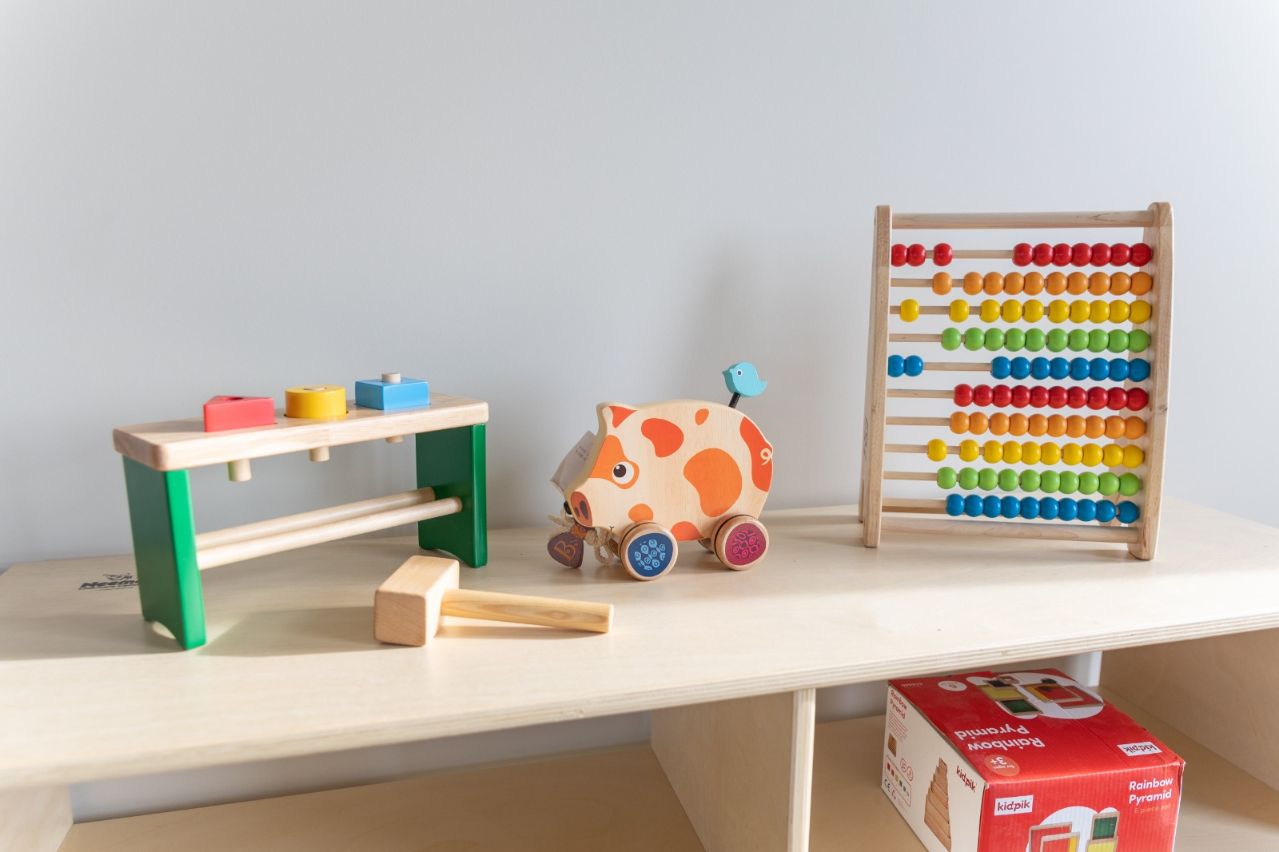
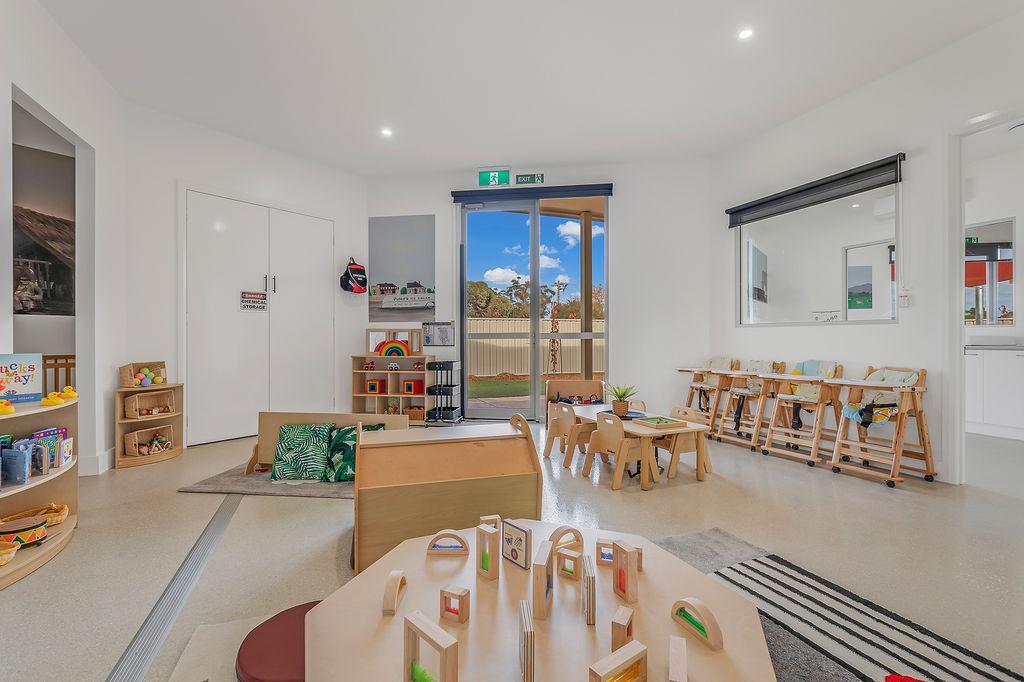
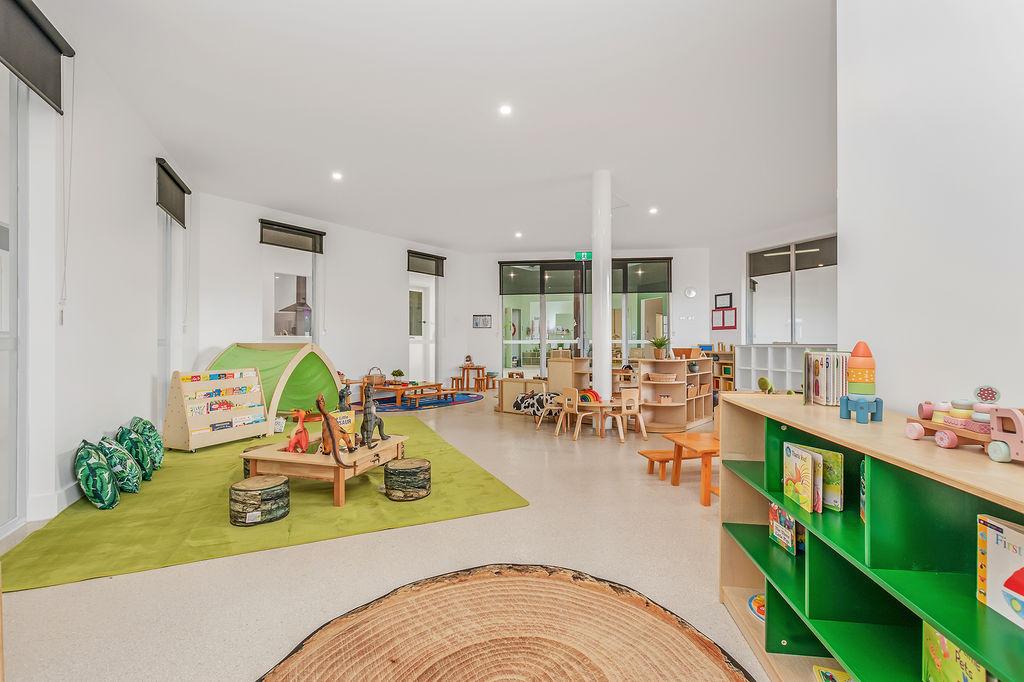
Montessori shelf work is a hands-on toy or activity laid out on the shelves for the child to work with. The activities are designed to stimulate the child’s mind, encourage exploration, and inspire independent learning.
What is Stereognostic Sense in Montessori?

The Stereognostic sense, also known as tactile gnosis, is defined as the ability of humans to determine an object without tasting it, smelling it, looking at it, or even hearing it.
What is the Role of Music and Movement in the Montessori Classroom?
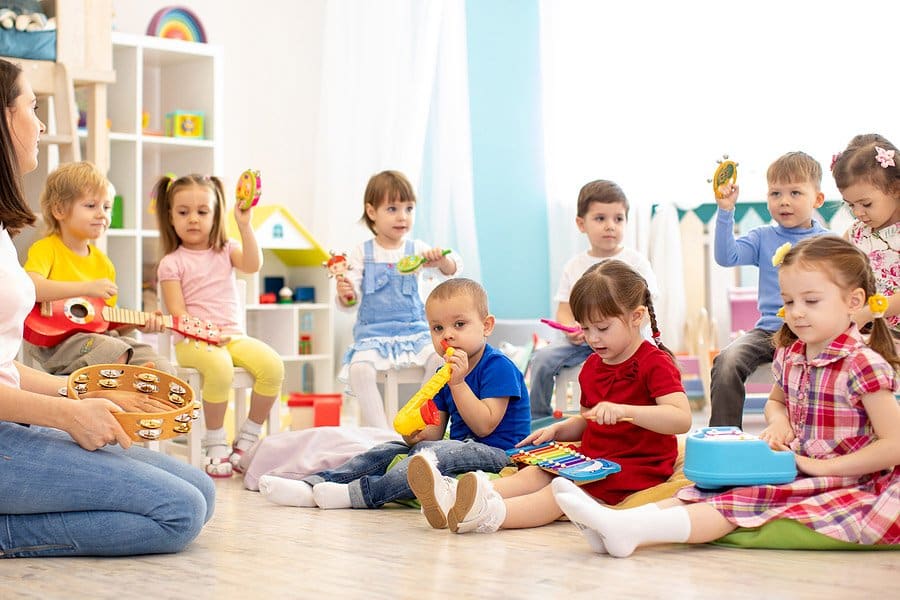
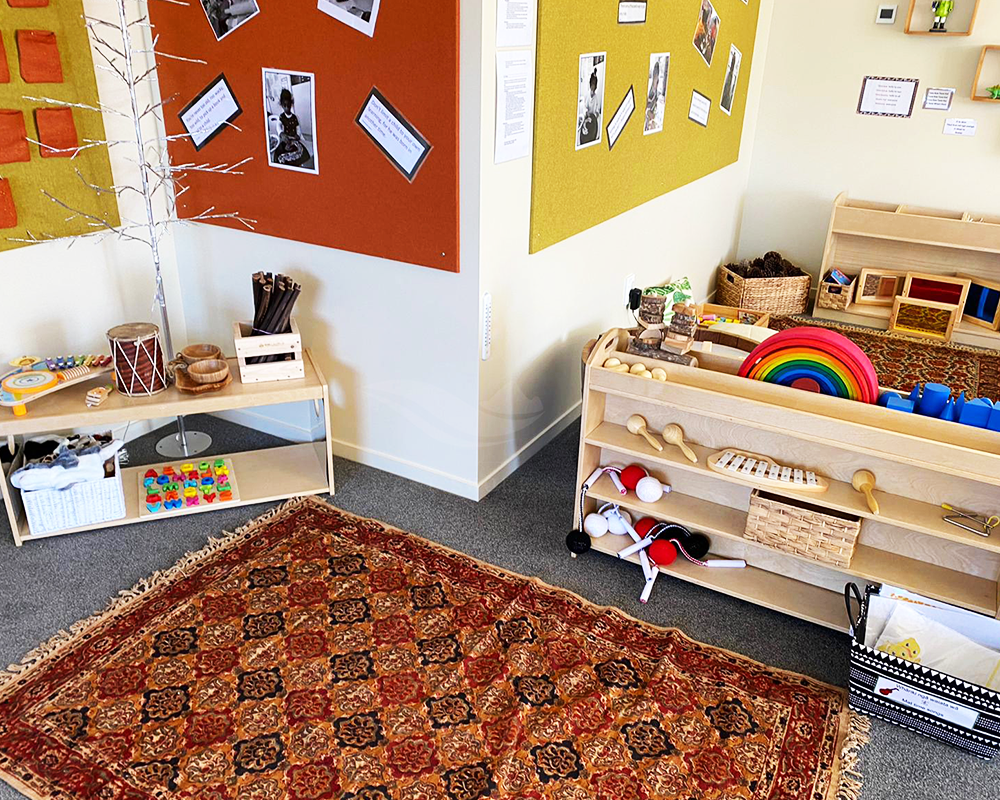
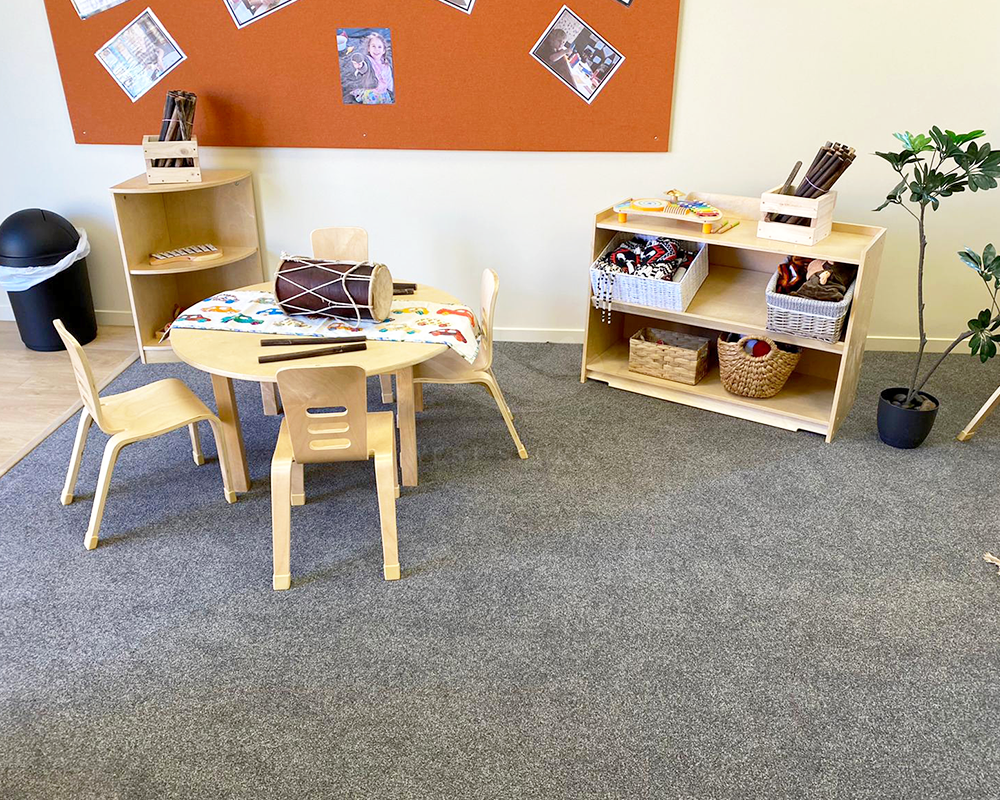
The role of music and movement is to encourage cognitive development and develop fine and gross motor skills while strengthening social and language skills.
What Skills Does Montessori Teach?
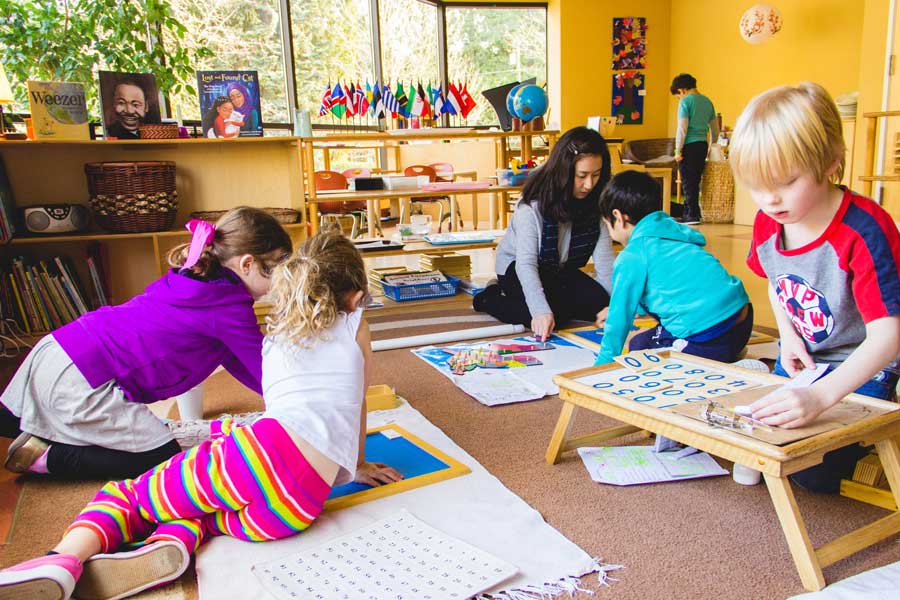
Montessori teaches an array of important real-world skills. These skills are critical thinking, social skills, collaboration, and creativity.
Montessori Christmas Activities: Our Favorite Ideas

Allowing your child to be involved in making, baking, and icing cookies is one of the best sensory experiences you can include them in. Cooking with children the Montessori way is extremely beneficial. Children acquire real-world life skills while engaging each of their senses.
Why risky play is important for young children

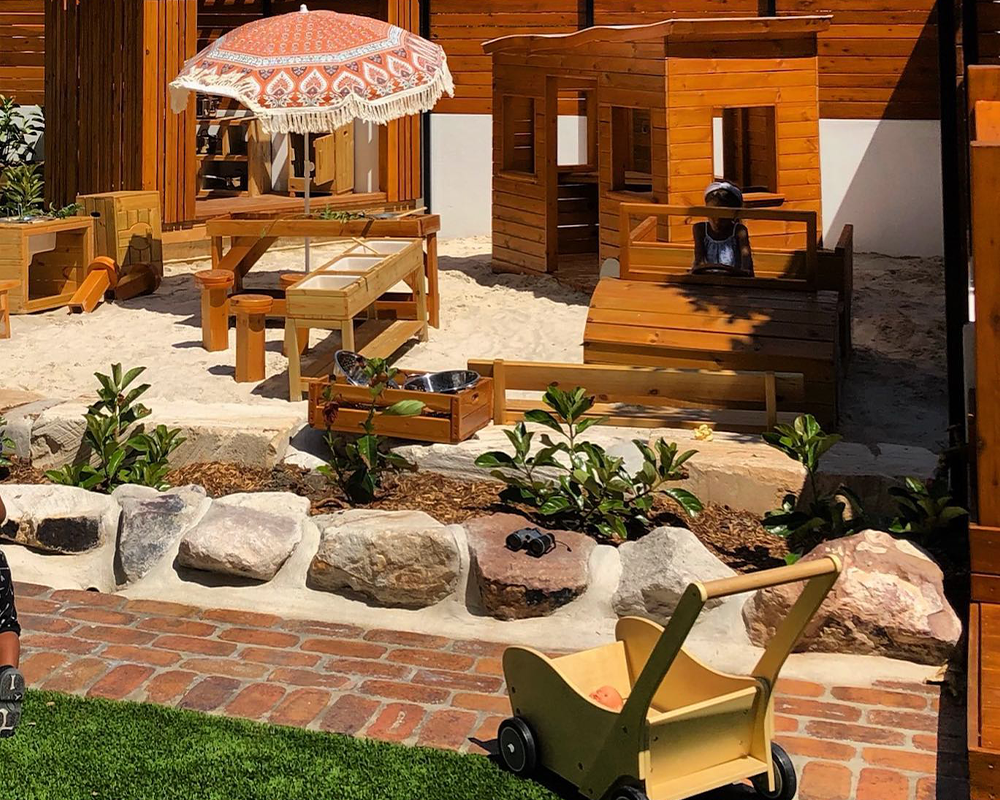
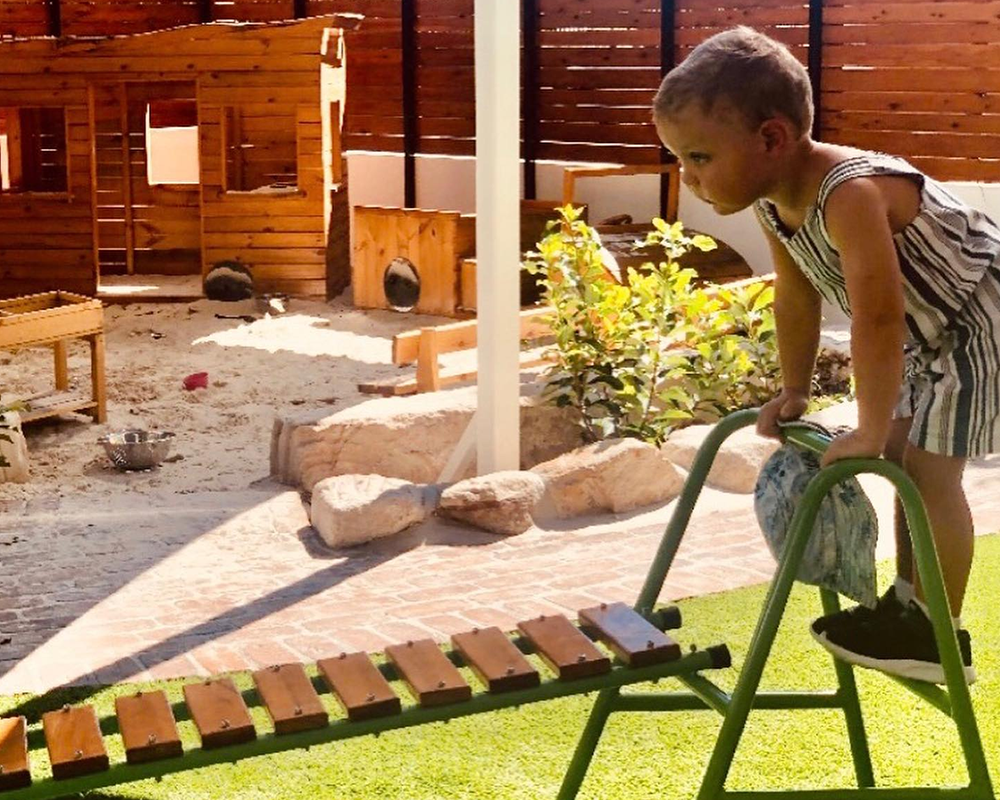
Risky play is crucial to a child’s development so it’s important that teachers and parents don’t prevent children from engaging in risky experiences and activities.
What Are The Long Term Benefits Of Early Childhood Education In Preschool
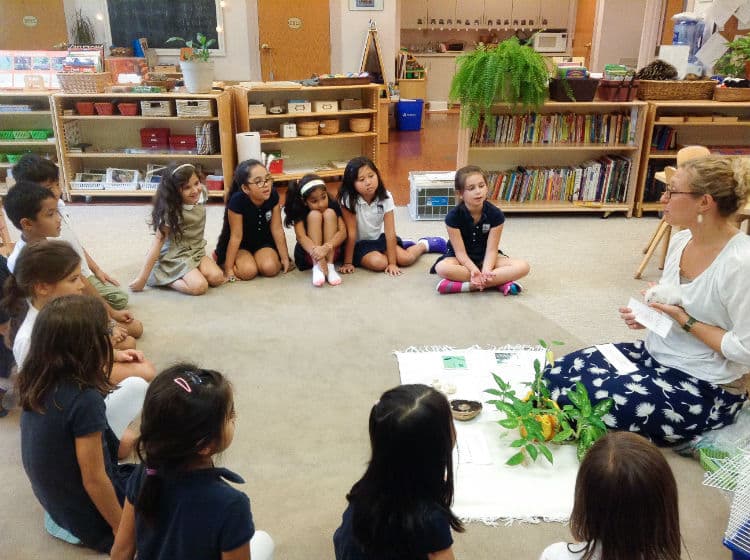
Preschool is so much more than a place for children to play during the day. It offers countless social, cognitive, academic, emotional and health benefits that could aid them throughout their childhood and well into their adult life.
Basic Principles of Montessori Education
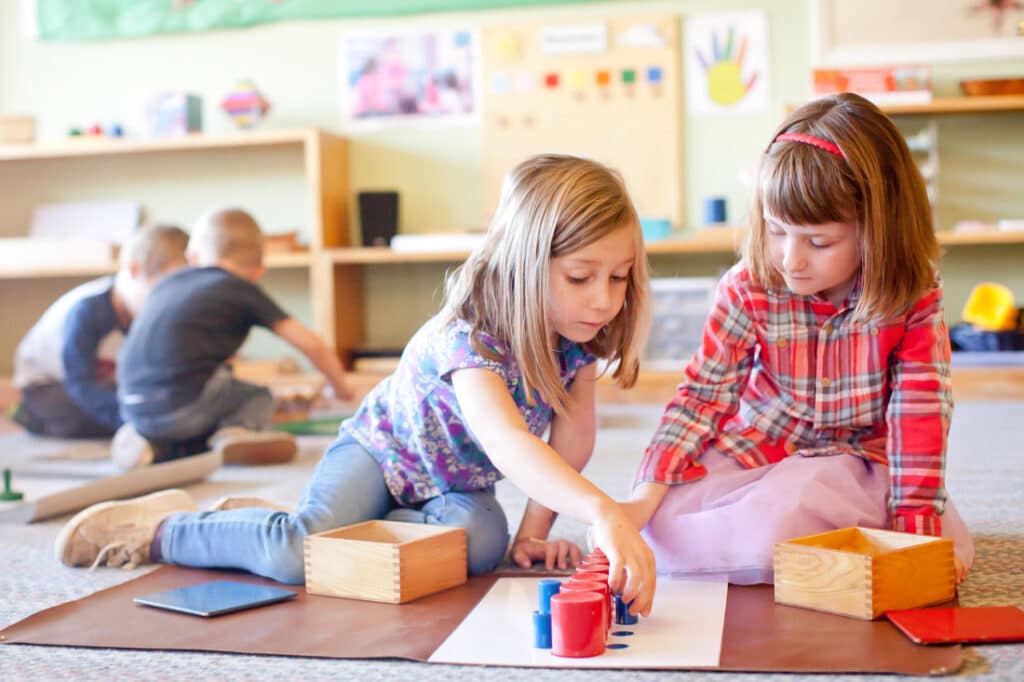
The Montessori learning model is a self-directed process, in which a child is treated differently from adults and individually from other kids. The role of a teacher in the Montessori classroom is supportive and encouraging rather than instructive and authoritative.
What Are The Long Term Benefits Of Early Childhood Education In Preschool?
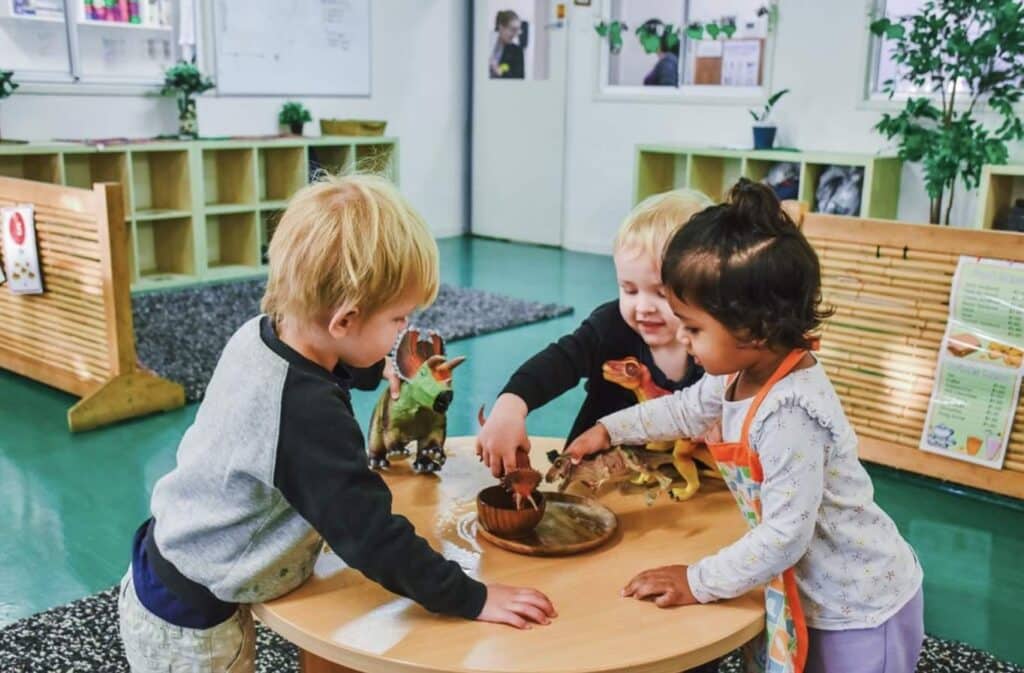
Children’s early non-academic skills, such as social competence and self-regulation, also contribute to school success. Some studies suggest that early social skills are linked to future literacy achievement.