Every child is born with a vivid imagination, and one of the simplest ways to nurture it is through Drawing Activities for Kids. With just paper and colors, children can transform blank pages into playful doodles, imaginative worlds, and expressive masterpieces. These activities are not just about fun; they are stepping stones to creativity, confidence, and lifelong learning.
Research in child development shows that Drawing Activities for Kids play a decisive role in shaping young minds. They strengthen fine motor skills, sharpen focus, and encourage problem-solving. More importantly, drawing helps children express emotions they can’t always put into words, building self-awareness and emotional resilience. Over time, these artistic habits fuel curiosity, spark innovative thinking, and even support academic success. Parents and educators alike find that drawing provides not only joy in the moment but also lasting benefits that help children thrive both in school and in life.
This guide brings you 21 fun and creative Drawing Activities for Kids that are designed to spark imagination, nurture artistic growth, and keep children happily engaged. From silly doodles to imaginative challenges, these activities will inspire your little artists and turn everyday moments into colorful adventures.

The Importance of Drawing Activities for Preschoolers
In the preschool stage, children are building the foundations for thinking, communicating, and interacting with the world. Drawing provides a natural way for children to explore ideas, express emotions, develop basic skills, and understand their surroundings.
Unlike other activities that focus on memory or logic, drawing allows children to learn through exploration and creation. Every seemingly random line, every vibrant color, every intricate shape, every seemingly nonsensical brushstroke represents a child’s highly individual observations, decisions, and unique, free spirit. Because art has no absolute standards of evaluation, it allows children to freely explore their imagination and express their individuality.
For preschool children, drawing is not just about creating artwork; it is a crucial component of early childhood development.
Building Fine Motor Skills and Hand Control
During the preschool years, children’s fine motor skills in their hands and fingers are still developing. Drawing activities, through everyday creative movements, provide them with valuable opportunities to practice these skills.
When children hold crayons, control pencils, use markers, or paintbrushes, they unconsciously strengthen their hand-eye coordination, finger dexterity, and overall hand-eye coordination.
Children who regularly practice drawing different lines, shapes, and patterns gradually develop better hand-eye coordination and fine motor skills. This physical development not only benefits their artistic activities but also helps them adapt smoothly to other activities in school and daily life. Simultaneously, these movements greatly promote balanced development of both hemispheres of the brain. These seemingly simple actions lay an important foundation for their future learning and career.
Supporting Language Development and Communication Skills
Before their language skills are fully developed, drawing provides children with a way to express their thoughts.
Many preschool children use drawings to tell stories about their family members, playmates, their imaginations, and dreams. A simple drawing of a house or person can spark a meaningful conversation. After a child finishes drawing, teachers and parents can naturally communicate with them about the picture:
“What happened in your drawing?”
“Can you tell me more about this person?”
Thus, children begin to organize their thoughts, unconsciously expanding their vocabulary while thinking about how to communicate with us. Through drawing discussions, children learn how to describe ideas, explain choices, and communicate with others, bringing them closer to the world and to others.
Encouraging Emotional Expression and Self-Understanding
Encouraging Emotional Expression and Self-Understanding: Preschool children frequently experience strong emotions, but they may not always be able to express these feelings verbally. After all, children and adults are still from two different worlds, and there is often a natural barrier between them, making mutual understanding difficult. Therefore, it’s common for children to express themselves to parents and teachers, but their understanding may not be fully grasped.
Drawing provides children with a safe and natural way to express their emotions through color, images, and stories.
Children might draw: things from their dreams, playing with their parents, joyful recess activities, or happy times spent with friends. These drawings can help adults better understand children’s perspectives.
More importantly, the creative process helps children recognize and express their feelings.
Therefore, drawing activities not only encourage children to express their emotions but also deepen their self-understanding through the process of drawing, exploration, and reflection.luable tool for supporting emotional development during early childhood.
Developing Imagination and Creative Thinking
Creativity is one of the most important abilities in drawing. When children create art, they constantly make decisions—what to draw? What colors to use? What style to use? Should the brushstrokes be precise or free? These choices cultivate children’s independent thinking abilities and amplify their innate creative strengths.
For example, when children create an imaginary animal or design a fantasy world, they are practicing flexible thinking and learning that there are multiple solutions. Because the imagined is fictional, transforming fictional content into a tangible image through drawing requires a high level of creativity and imagination. Imagining ideas and then bringing them to life through drawing extends and evolves children’s creative thinking, greatly benefiting them in their future lives and studies. This is because children will be more willing to explore ideas, solve problems, and approach challenges from different perspectives.
Strengthening Observation and Understanding of the World
Drawing helps children temporarily escape the fast pace of life, slowing down and allowing them to focus on the details around them. When time slows down, a completely different world emerges in a child’s eyes—they learn to observe the specific shapes of objects, such as the phases of the moon at night, the lifelike patterns on an indoor carpet, and the detailed textures and color gradations of a leaf picked up by the roadside, rather than simply seeing it as an ordinary leaf.
When children draw after careful observation, they continuously develop their observational and detail-oriented abilities and begin to learn how to explore the world around them.
This process of observation and exploration followed by practice brings children closer to the world and to things, enhancing their understanding of the world and its connection to creativity. It contributes to early science learning and encourages children to become active explorers.
Building Confidence Through Creativity and Achievement
The process of exploring, creating, thinking, and putting pen to paper, culminating in the completion of a painting, provides children with a profound sense of accomplishment.
Unlike activities with only one correct answer, painting allows each child to create a unique piece.
When children finish their work and see their ideas come to life, their confidence grows, fostering a strong drive to try new things.
For preschoolers, the experience of saying “This is what I made” is a crucial step in developing independence.
Regular painting activities help children understand that their ideas are valuable and that they are capable of creating meaningful works of art.
Encouraging Independence and Decision-Making Skills
Painting activities provide children with opportunities for independent choice. They can decide for themselves what theme to paint, what materials to use, and how to complete the artwork. Every decision fosters a child’s independence.
For example, in an open-ended painting activity, one child might choose crayons to create a colorful picture, while another might choose watercolors to explore a different style. There is no single right way, but facing different results sparks endless thinking in children.
This freedom teaches children to trust their own ideas, gradually transforming into the magic that empowers them with independent decision-making abilities.
Fun and Creative Drawing Activities
Drawing activities for kids open the door to endless creativity. With just a piece of paper and a pencil, children can turn their imagination into playful sketches, colorful patterns, or even whole stories. These activities are not only fun but also support confidence, fine motor skills, and creative expression. Below are some engaging drawing activities designed to inspire kids of all ages.
Observation Drawing
Observation drawing is one of the most valuable drawing activities for kids because it teaches them to notice the world around them carefully. The subject could be a toy, a flower, or even a family member. The goal is to recreate what’s seen as closely as possible.
This drawing preschool activity helps children recognize shapes, sizes, and proportions, which are essential early math skills. It also improves fine motor coordination, which is key for drawing for 5-year-olds and drawing for 6-year-olds as their control develops.

What you will need:
- The object you want to draw
- Paper or a sketchbook
- Pencils or crayons
- An eraser (optional)
Set up the chosen object where your child can see it clearly. Ask them to start by outlining the main shape before moving on to details like patterns, textures, or colors. Please encourage them to look back at the object often as they draw, so their sketch reflects what they see.
For younger children, guide them by pointing out basic shapes first, such as “This apple looks like a circle” or “The toy car has rectangular windows.” Older children can take the challenge further by adding details like shading, shadows, or proportions.
A simple tip: start with everyday items like fruit or blocks. Once your child feels more confident, you can encourage them to try trickier subjects such as plants, pets, or even self-portraits.
Blindfold Drawing
Blindfold drawing is one of the funniest Drawing Activities for Kids, because children quickly learn that art doesn’t always have to be perfect. With a blindfold on, they attempt to sketch an object, an animal, or even a silly face. The results are often unexpected and hilarious, which makes this activity a favorite for kids of all ages.
This activity isn’t just about fun; it helps children let go of the idea that every drawing needs to be perfect. It teaches them that creativity is about the process, not the final product. Blindfold drawing also boosts imagination and encourages kids to use their memory and sense of touch instead of relying only on their eyes.

What you will need:
- Paper
- Pencils, crayons, or markers
- A comfortable blindfold (or simply a scarf)
To start, have your child choose something simple to draw, like a house or a flower. Once the blindfold is on, guide them to where the paper is and let them begin sketching. Do not correct them, because half the fun is seeing where the lines end up.
Younger children might just enjoy making random lines and shapes, while older kids can turn it into a challenge by attempting to draw more detailed objects. If you have multiple children, make it a group game where each person takes turns guessing what the blindfolded drawing is supposed to be.
A useful tip: Keep the activity short and lighthearted. The goal isn’t accuracy but laughter, creativity, and confidence in trying something new.
Hand Tracing Art
Hand tracing art is a timeless classic among Drawing Activities for Kids. Children place their hand flat on a piece of paper, trace around it, and then transform the outline into something creative, such as animals, trees, or funny monsters. The simplicity makes it perfect for younger children, while older kids can push their creativity by adding details and decorations.
Hand tracing helps children practice fine motor control and spatial awareness. It also encourages them to use their imagination to transform something ordinary (their hand shape) into something extraordinary.

What you will need:
- Paper
- Pencil or crayon for tracing
- Markers or colored pencils for decorating
To begin, have your child place their hand firmly on the paper. Trace carefully around the hand to create an outline. Once the outline is ready, encourage your child to “see” what it could become. For example, a traced hand can be decorated with feathers to look like a turkey, with scales to look like a fish, or with branches and leaves to resemble a tree.
For younger children, this activity is mainly about tracing and coloring. Older children, however, can get creative by adding backgrounds, patterns, or even turning each finger into a character with faces and costumes.
A simple tip: Try seasonal versions of this activity. For example, hand tracings can become turkeys at Thanksgiving, spooky monsters at Halloween, or festive trees during Christmas.
Furniture and Object Sketching
Furniture and object sketching is a valuable yet straightforward Drawing Activity for Kids that sharpens observational skills. Children choose an everyday item, such as a chair, lamp, or table, and try to capture it on paper. While it may sound basic, this practice teaches them to notice shapes, lines, and angles in everyday objects they often overlook.
This kind of drawing is excellent for developing observation skills and improving a child’s understanding of perspective. It also encourages patience since children must take their time to notice details and translate them onto paper.

What you will need:
- Paper or sketchbook
- Pencil or crayons
- An everyday object (chair, vase, toy, or even a piece of fruit)
To start, ask your child to pick an object they want to draw. Have them spend a minute just looking at it before they begin sketching. Please encourage them to outline the big shapes first, for example, a chair might start with rectangles and straight lines. Once they have the basic structure, they can add details such as patterns, curves, or textures.
Younger children may focus only on basic outlines, while older kids can challenge themselves by experimenting with shadows or trying to draw the object from different angles. This not only boosts creativity but also sharpens their problem-solving skills.
A helpful tip: Start with simple items like cups or boxes. As your child’s confidence grows, move to more complex objects like plants, shoes, or even furniture with curves and designs.
Self-Portraits
Self-portraits are one of the most personal and meaningful drawing activities for kids. By drawing themselves, children get the chance to explore how they see their own features, expressions, and personality. This activity can be as simple as a stick figure with a smiley face or as detailed as a realistic sketch with shading and colors, depending on the child’s age and confidence level.
Self-portrait drawing is terrific for building self-awareness and boosting confidence. It encourages children to look closely in the mirror, notice small details, and then decide how to represent themselves on paper. Beyond the artistic skills, it’s also a way for children to express emotions and identity.

What you will need:
- A mirror (handheld or placed on a table)
- Paper or sketchbook
- Pencils, crayons, or colored pencils
To begin, set up a mirror where your child can clearly see their face. Ask them to start with the basic shapes—a circle or oval for the head, simple lines for eyes, nose, and mouth. From there, they can add details like hair, clothes, and even accessories. Please encourage them to include features that make them unique, such as freckles, glasses, or favorite hairstyles.
For younger children, the focus might be on simple outlines and colors, while older children can experiment with shading, proportions, and even facial expressions. This makes the activity flexible for all ages.
A tip for parents: Turn this into a fun tradition by having your child draw a new self-portrait every year. It’s a creative way to watch their skills, style, and self-perception grow over time.
“Simon Says” Drawing Game
“Simon Says” drawing is a playful twist on the classic game, where instead of moving their bodies, kids follow drawing instructions. For example, you might say, “Simon says draw a happy cat” or “Simon says add a rainbow in the sky.” Children love the surprise element of not knowing what comes next, and it keeps them engaged while exercising both listening and creative skills.
This activity is fantastic for developing focus, listening comprehension, and quick thinking. It also sparks imagination since the prompts can be as silly, simple, or elaborate as you want, making it one of the most entertaining drawing activities for kids.

What you will need:
- Paper or sketchbook
- Crayons, pencils, or markers
- A list of prompts (prepared or improvised)
To play, designate one person as “Simon.” That person gives drawing instructions step by step. If the instruction starts with “Simon says,” children should follow it. If it does not, they should skip it, just like in the traditional game. For instance, “Simon says draw a sun” should be followed, but if you say “Draw a tree” without the phrase, kids should leave their page as it is.
Younger children might enjoy drawing simple things like shapes, animals, or faces, while older kids can be challenged with more detailed prompts such as “draw a house with three windows and a tree beside it.”
A fun tip: Let the kids take turns being Simon. They’ll love coming up with wacky ideas and watching others try to draw them.
Body Tracing on Paper
Body tracing is a larger-than-life drawing activity where children lie down on a big sheet of paper while someone else traces their outline. Once the outline is complete, kids can decorate their “life-size” drawing with clothes, hairstyles, and even accessories. This activity is always a hit because children love seeing themselves represented on such a big canvas.
Beyond the fun, body tracing helps children with spatial awareness, creativity, and self-expression. It also encourages teamwork if they take turns tracing each other, making it one of the most engaging drawing activities for kids and a great group or family activity.

What you will need:
- Large sheets of paper (butcher paper, roll paper, or even taped-together sheets)
- Pencils, crayons, or markers for tracing
- Art supplies for decorating (stickers, paints, fabric scraps, etc.)
To begin, have one child lie down on the paper while another person carefully traces around their body. Once the outline is finished, invite them to add details like eyes, hair, clothes, and shoes. Please encourage them to be imaginative and turn themselves into superheroes, astronauts, or even fantastical creatures.
For younger children, the focus might be simply decorating with colors and shapes, while older kids can add more detail and experiment with creating realistic proportions.
A fun tip: If you tape the finished outlines to the wall, children will love comparing their traced “selves” as they grow taller over time. It turns into both an art project and a growth record!
Alphabet Drawing
Alphabet drawing is a creative way to mix art with early literacy skills. Children are challenged to create drawings based on letters of the alphabet, for example, “A” for apple, “B” for balloon, or “C” for cat. This simple activity turns learning letters into a fun, hands-on experience that blends education with creativity, making it one of the most effective drawing activities for kids.
This activity is particularly beneficial for preschoolers and early learners because it reinforces letter recognition while encouraging imagination. It also helps children connect abstract symbols (letters) with real-world objects and ideas.

What you will need:
- Paper or sketchbook
- Pencils, crayons, or markers
- A list of alphabet prompts (optional)
To begin, choose one letter of the alphabet and ask your child to think of something that starts with that letter. For instance, if the letter is “D,” they might draw a dog, a donut, or even a dragon. Younger children can start with simple objects, while older kids can try creating entire scenes that include multiple items beginning with the same letter.
For added fun, you can make it into a game by challenging them to complete one drawing for each letter of the alphabet over time. This turns into a longer creative project that kids can look back on proudly.
A helpful tip: If your child struggles to think of words, provide a list of ideas for each letter. You can even theme the activity, such as “animals A to Z” or “foods A to Z,” to keep it engaging.
Doodle Art Freestyle
Doodle art is one of the most carefree drawing activities for kids. Unlike structured drawing, doodling allows children to fill the page with whatever comes to mind, such as squiggles, shapes, patterns, or random designs. There are no rules, which makes it a fantastic way for kids to relax and let their imagination take the lead.
Doodling has surprising benefits, too. It helps with focus and creativity, encourages self-expression, and can even reduce stress. Children who may feel pressure to “draw perfectly” often enjoy doodling because it removes the idea of mistakes and shows that anything they draw is part of the art.

What you will need:
- Paper (plain or even lined notebooks)
- Pens, crayons, markers, or colored pencils
To get started, give your child a blank page and let them doodle freely. They might start with simple shapes like circles and stars and then build on them with faces, patterns, or funny designs. Encourage them to fill the whole page or even create themed doodles, such as “under the sea” or “space adventure.”
For younger kids, doodling may look like random lines, but that is part of the process because it is about exploring movement and creativity. Older children can turn doodles into more detailed sketches or repeat patterns that develop into unique designs.
Fun tip: Turn doodles into a game by starting a scribble yourself and asking your child to turn it into something new. This sparks creativity and shows them how imagination can transform even the simplest shapes.
Drawing from Different Angles
Drawing from different angles is one of the most engaging Drawing Activities for Kids, because it challenges them to look at familiar objects in new and unexpected ways. Instead of sketching something straight-on, children try to draw it from above, below, or from the side. For example, a toy car might look very different when seen from the top compared to the front. This activity builds an early understanding of perspective and encourages flexible, creative thinking.
The most significant benefit of this activity is that it trains the brain to see beyond the obvious. Kids begin to notice how objects change in size, shape, and proportion depending on where they’re viewed. This not only improves observation skills but also lays the groundwork for more advanced art techniques as they grow.

What you will need:
- Paper or sketchbook
- Pencil or crayons
- Everyday objects (toys, fruit, cups, or books)
To start, pick a simple object like a mug or toy animal. Have your child draw it once from the front, then shift the object and ask them to draw it again from a different angle, perhaps from the top or from the side. Encourage them to compare the drawings and talk about what looks different each time.
For younger children, the goal is simply to recognize that things don’t always look the same from every viewpoint. Older kids can take it further by experimenting with light and shadows or trying more complex objects.
Tip: Begin with simple, symmetrical objects, then gradually move to trickier ones. For an extra challenge, place the object on a higher or lower surface so children have to look up or down at it while drawing.
Draw on My Back Challenge
The “Draw on My Back Challenge” is a playful game that turns drawing into a sensory experience. As part of fun Drawing Activities for Kids, this one mixes art with teamwork and imagination. One child uses their finger to “draw” a simple picture on another child’s back, while the second child tries to guess what it is by sketching it on paper. The results are often funny and surprising, making it perfect for siblings, friends, or even parents and kids to enjoy together.
This activity encourages teamwork, listening, and imagination. It also helps children develop sensory awareness and strengthens their ability to visualize shapes in their minds. Plus, it’s an easy way to turn drawing into a social game rather than a solo activity.
What you will need:
- Paper or sketchbook
- Pencil, crayons, or markers
- At least two players
To play, have one child sit with a piece of paper in front of them. The other child (or parent) gently “draws” a picture with their finger on the child’s back, something simple like a star, a smiley face, or a flower. The child then tries to recreate what they felt on paper.
Younger kids will enjoy the guessing aspect, even if the drawings don’t match perfectly, while older children can handle more detailed shapes and even turn it into a competition to see who guesses correctly most often.
Fun tip: Use simple shapes for younger children and gradually increase difficulty. For a fun twist, let kids take turns being the “drawer” and see how creative (or silly) they can get with their designs.
Popsicle Stick Pencils
Popsicle stick pencils are a quirky and creative twist on regular drawing tools. By taping a crayon or marker to the end of a popsicle stick, children get a “giant pencil” that feels strange and a little tricky to use. The unusual grip makes the activity funny and challenging, which kids love.
This activity encourages flexibility, fine motor development, and problem-solving because children need to adjust how they control their movements. It also helps them realize that drawing does not always have to be serious; it can be silly and playful too.

What you will need:
- Popsicle sticks
- Crayons or markers
- Tape
- Paper
To set up, tape a crayon or marker securely to the end of a popsicle stick. Give it to your child and let them try drawing simple shapes, doodles, or even full pictures with their “pencil.” They may find their lines wobbly at first, but that’s part of the fun!
Younger children will enjoy experimenting with the odd tool, while older children can challenge themselves to draw something more detailed, like an animal or a house.
Fun tip: For extra laughs, try taping two crayons of different colors to one stick and see what kind of wild double drawings kids can create.
Rainbow Art
Rainbow art is a colorful and joyful activity that children of all ages adore. Whether using crayons, markers, or watercolors, kids can create their own bright rainbows across the page. It’s simple, uplifting, and an excellent way to experiment with colors.
This activity helps children learn about color order, blending, and symmetry. Beyond the artistic benefits, rainbows often spark happiness and wonder, making this one of the most cheerful drawing activities for kids.

What you will need:
- Paper
- Crayons, colored pencils, markers, or watercolors
To begin, encourage your child to draw the classic seven-color rainbow, starting with red and ending with violet. Younger children may focus on just getting the arch shape and a few bright colors, while older children can experiment with shading, blending, or even adding a scenic background like clouds, trees, or a pot of gold.
For extra fun, kids can design their own “fantasy rainbows” by using unusual colors, such as pink, silver, or even rainbow patterns made of polka dots or stripes.
Fun tip: Try rainbow art outdoors with chalk on the sidewalk after a rainy day. It makes the activity feel magical and connects beautifully with real-life weather.
Shadow Drawing
Shadow drawing is one of the most exciting Drawing Activities for Kids because it turns ordinary sunlight into an art tool. On a sunny day, you can place toys, leaves, or even your child’s hand over a sheet of paper, and the shadow will create the perfect outline to trace. Children are often fascinated by how shadows stretch, shrink, and change shape throughout the day, making this activity both artistic and a little scientific.
This kind of children’s drawing activity teaches observation skills, builds fine motor control, and introduces early concepts like light, perspective, and proportion. It’s also a great way to mix outdoor play with creativity, making it one of the most versatile drawing preschool activities.

What you will need:
- Paper
- Pencils, crayons, or markers
- A sunny spot
- Objects to cast shadows (toys, blocks, plants, etc.)
To begin, place an object in direct sunlight so that its shadow falls clearly on the paper. Ask your child to trace along the shadow’s edge carefully. Once the outline is complete, they can color it in or turn it into something new—for example, a toy dinosaur’s shadow could become a dragon, or a plant’s shadow could turn into a jungle scene.
Younger kids will enjoy tracing simple objects, while older children can experiment by moving objects closer or farther away from the paper to see how the shadow changes in size and shape.
Fun tip: Try tracing your child’s own shadow on the driveway with chalk. They’ll love decorating their life-size shadow with funny outfits, hats, or superhero capes.
Object Tracing
Object tracing is another classic among Drawing Activities for Kids, perfect for turning everyday items into creative works of art. Cups, lids, cookie cutters, or even toys can be traced to create neat shapes on paper. From there, children can use their imagination to transform these outlines into playful designs, animals, or entire scenes.
This simple drawing activity is beneficial for young children who are just learning hand control. It strengthens fine motor skills, builds spatial awareness, and gives children the satisfaction of creating neat outlines without the pressure of drawing freehand.

What you will need:
- Paper
- Pencils, crayons, or markers
- Everyday objects with interesting shapes (cups, spoons, keys, toy blocks, cookie cutters, etc.)
To start, gather a few safe household objects of different sizes and shapes. Show your child how to place the item on paper and carefully trace around the edge. Once the outline is done, challenge them to turn the shapes into something imaginative—a circle might become a sun, a lid outline could become a balloon, or a square traced from a toy block might turn into a house.
Younger children may be content with tracing and coloring inside the shapes, while older kids can combine multiple outlines to build more complex designs, like robots, animals, or even an entire cityscape.
Fun tip: Try tracing items in groups—for example, several overlapping circles can be turned into a flower or a snowman. This sparks creativity and shows kids how simple shapes can build bigger pictures.
Fun and Creative Drawing Activities for Kids
Roll-a-Drawing Dice Game
Roll-a-Drawing Dice Game combines creativity with a simple game structure, making drawing activities more exciting and unpredictable for children.
Unlike traditional drawing activities where children receive one fixed topic, this activity allows ideas to develop step by step. Each roll of the dice introduces a new challenge, encouraging children to adjust their plans and create unexpected combinations.
For example, a child may start by drawing a house, then add an animal, a flying object, and a surprising element. The final artwork often becomes much more imaginative than the child originally planned.
This activity helps children develop flexible thinking, creativity, and the ability to solve creative challenges.
You need to prepare:
- White paper
- Crayons, markers, or colored pencils
- One dice
- Drawing challenge cards
Example drawing challenges:
- Add an animal
- Draw something in the sky
- Add a funny object
- Create a vehicle
- Add a special pattern
- Include a surprise element
Prepare different drawing tasks based on children’s ages.
Children roll the dice and complete the matching challenge.
For example:
First roll:
Draw a house.
Second roll:
Add an animal.
Third roll:
Add something unusual.
Continue the game until children complete their artwork.
After finishing, encourage children to introduce their drawings and explain how each new challenge changed their original idea.
For younger children, use simple challenges related to familiar objects, colors, and shapes.
For older preschool children, add storytelling requirements, such as creating a character and explaining what is happening in the picture.
Pass-the-Picture Drawing
Pass-the-Picture Drawing is a collaborative activity that allows children to create artwork together.
Instead of completing a picture independently, children take turns adding new ideas to the same artwork. Each child contributes something different, creating a final picture that combines multiple perspectives.
This activity teaches children that creative work does not always have one owner or one correct direction. They learn how to accept changes, cooperate with others, and build on someone else’s ideas.
It is especially suitable for preschool classrooms because it encourages communication and social interaction while keeping children engaged.
You need to prepare:
- Large drawing paper
- Crayons, markers, or colored pencils
- Timer
How to do this activity:
Give each child a piece of paper or prepare one large shared drawing.
Let children draw for a short period, such as 30 seconds or one minute.
When the time is finished, children pass the drawing to another child.
The next child continues by adding:
- New characters
- New objects
- Background details
- Creative changes
Repeat several rounds until everyone has contributed.
At the end of the activity, children can discuss:
“What changed from the beginning?”
“Which part was created by someone else?”
“How did different ideas work together?”
Age adjustment tips:
For younger children, use small groups of two or three children to make cooperation easier.
For older preschool children, add creative rules, such as allowing each child to add only one new element each round.
Shadow Tracing Drawing
Shadow Tracing Drawing combines art with outdoor exploration and helps children discover how light creates different shapes.
Children use shadows from objects such as toys, plants, or classroom materials as the starting point for their artwork. After tracing the outline, they can transform the shape into a completely new picture.
For example, the shadow of a toy animal can become a real animal scene, a fantasy creature, or an imaginary landscape.
This activity encourages children to observe details, explore shapes, and understand that one object can inspire many creative ideas.
You need to prepare:
- Paper
- Pencils or markers
- Small toys or natural objects
- Sunlight or a light source
How to do this activity:
Place an object where it creates a visible shadow on the paper.
Children trace the outline of the shadow.
After completing the basic shape, encourage them to add:
- Colors
- Background scenes
- Characters
- Extra details
For example:
A simple shadow shape can become:
- A dinosaur in a forest
- A monster in a fantasy world
- A mountain landscape
Children can compare how the same object creates different ideas for different people.
Age adjustment tips:
For younger children, choose objects with simple and clear outlines.
For older preschool children, encourage them to combine multiple shadows and create a complete story scene.
Drawing with Props
Shaving Cream Drawing
Shaving cream drawing takes Drawing Activities for Kids to a whole new level of sensory fun. The foamy texture begs to be squished, swirled, and “drawn” with fingers. Kids love it because there’s no pressure—mistakes can be wiped away instantly, making it a confidence-building and laugh-filled art game.

What you will need:
- Non‑gel shaving cream
- A smooth tray or tabletop
- Towels for quick cleanup
Spread a layer of shaving cream across the surface, then invite your child to use their fingers to draw shapes, letters, or doodles. Once the foam fills up, smooth it over and start again for endless fun. For preschoolers, this doubles as a drawing game to practice shapes and letters, while older kids can try patterns, names, or even number formations.
Finger Painting
Finger painting is one of the most iconic Drawing Activities for Kids—messy, colorful, and endlessly creative. Instead of brushes, children paint directly with their hands, which makes it especially engaging for preschoolers and toddlers still developing fine motor skills.

What you will need:
- Washable paints
- Large paper sheets
- Apron or old clothes
Place pools of paint on a tray and let kids tap, swirl, and drag their hands across the paper. Please encourage them to layer colors to see new shades appear or press handprints into the page to start new designs. For older children, finger painting can evolve into landscapes, repeating patterns, or fun ideas for drawing, like rainbow swirls or underwater scenes.
Clay Creations with Drawing
Clay drawing adds a 3D twist to traditional art time. Children first mold clay into fun shapes such as stars, flowers, or animals, then place them on paper to trace outlines or decorate the clay itself. This clever mix of sculpture and sketching makes it one of the most creative children’s drawing activities.

What you will need:
- Modeling clay or playdough
- Paper or a sketchbook
- Simple tools (craft sticks or blunt toothpicks)
Let kids build a clay figure, trace its outline on paper, and expand the design into a whole scene. They can also carve details directly into the clay for texture. This activity blends sensory play with drawing skills, encouraging kids to think creatively in multiple dimensions.
Sidewalk Chalk Drawing
Sidewalk chalk drawing transforms the outdoors into a giant canvas and is one of the boldest Drawing Activities for Kids. Children adore the freedom of drawing big, whether it is rainbow murals, hopscotch grids, or obstacle courses. The best part is that it all washes away with water, so the pavement is ready for a brand-new creation tomorrow.

What you will need:
- Sidewalk chalk
- A safe outdoor surface
Hand your child chunky chalks and encourage them to draw roads for toy cars, giant rainbows, or colorful designs. Dip chalk in water for smoother strokes and brighter colors. This is an ideal drawing activity for preschoolers and older kids alike because it encourages collaboration—siblings and friends can team up to design an entire chalk city.
Drawing Materials List
Most of the drawing activities for kids we’ve explored can be done with just a handful of simple supplies. Having the right materials not only makes the process smoother but also makes art time feel more exciting and professional for children. With a small kit of go-to essentials, your child can try everything from observational drawing to rainbow art without any extra fuss.
Basic materials you’ll want to keep on hand:
- Paper or sketchbooks in different sizes
- Pencils, erasers, and sharpeners
- Crayons, colored pencils, and markers
- Washable paints and brushes
- Modeling clay or playdough
- Popsicle sticks, tape, and safe household objects for tracing
- Sidewalk chalk for outdoor art fun

These simple tools cover almost all the activities we’ve shared, whether your child is tracing, doodling, or experimenting with props like shaving cream or clay. And if you’re looking to upgrade your child’s art supplies for more colorful, long-lasting results, you can check out our carefully curated art products here @ chosen to spark creativity and make drawing even more enjoyable.
Fun Drawing and Painting Ideas Using Everyday Props
Traditional brushes are only one way for children to create art. Everyday objects can become unexpected drawing and painting tools, giving preschoolers new ways to experiment with lines, textures, movement, and color.
These activities encourage children to focus on the creative process rather than trying to make a perfect picture. They also help children compare how different tools leave different marks on paper.
Toy Car Track Painting
Toy cars can become painting tools by adding a small amount of washable paint to their wheels.
Children roll the cars across paper and watch the wheels create lines, curves, and overlapping tracks. Different wheel sizes and tread patterns produce different results, making each picture unique.
You need to prepare:
- Toy cars with textured wheels
- Washable paint
- Large sheets of paper
- Shallow paint trays
Let children dip the wheels lightly into paint and drive the cars across the paper. They can create roads, race tracks, abstract patterns, or complete vehicle scenes.
This activity combines pretend play with art while helping children explore movement, direction, and cause and effect.
Cotton Swab Dot Painting
Cotton swabs are useful for creating small dots, lines, and repeated patterns.
Instead of making broad brush strokes, children need to control smaller movements, which makes this activity especially useful for developing fine motor skills.
You need to prepare:
- Cotton swabs
- Washable paint
- Paper
- Small paint containers
Children can create flowers, stars, rain, animal spots, or completely abstract dot patterns.
A simple challenge is to ask children to create a picture using only dots.
Sponge Shape Painting
Sponges can create soft textures and repeated shapes that feel very different from pencil or brush drawing.
Cut sponges into simple forms such as circles, triangles, stars, or leaves. Children dip them into paint and press them onto paper.
You need to prepare:
- Clean sponges
- Washable paint
- Paper
- Shallow paint trays
Children can build pictures by combining different sponge shapes.
For example, circles can become flowers, bubbles, or animal bodies, while rectangles can become buildings.
This activity helps children understand how simple shapes can be combined into more complex images.
Fork Painting
A plastic fork can create lines and textures that resemble grass, fur, feathers, flower petals, or fireworks.
Children dip the back of the fork lightly into paint and drag or stamp it across the paper.
You need to prepare:
- Child-safe plastic forks
- Washable paint
- Paper
Children can experiment with pressing, dragging, rotating, and overlapping the fork marks.
Instead of telling children exactly what to create, encourage them to look at the marks first and decide what they remind them of.
String Pull Painting
String painting creates flowing, unpredictable lines and is especially exciting because children cannot completely control the final result.
Dip a piece of string into washable paint, place it between folded paper, and leave one end hanging outside.
You need to prepare:
- Thick string or yarn
- Washable paint
- Paper
- Paint trays
Close the paper gently, hold it in place, and slowly pull the string out.
When the paper is opened, children will see mirrored curves and unusual patterns.
They can leave the artwork abstract or transform the shapes into flowers, animals, wings, or imaginary creatures.
Straw Blow Painting
Straw blow painting lets children move liquid paint across the paper using air instead of their hands.
Place small drops of diluted washable paint on paper and let children blow through a straw to push the color in different directions.
You need to prepare:
- Drinking straws
- Diluted washable paint
- Thick paper
- Droppers
The paint creates branching lines that can become trees, hair, fireworks, monsters, or abstract patterns.
Make sure children understand that they should blow through the straw rather than suck liquid into it. Adult supervision is recommended.
Rolling Ball Painting
Rolling balls across paint-covered paper creates unpredictable paths and overlapping lines.
Place paper inside a shallow tray or box, add several drops of paint, and place a ball inside.
You need to prepare:
- Shallow tray or box
- Paper
- Washable paint
- Large balls that are not choking hazards
Children tilt the tray in different directions and watch the ball move through the paint.
This activity helps children explore direction, speed, movement, and cause and effect while creating abstract artwork.
For younger children, use balls that are too large to fit into the mouth.
Leaf and Flower Printing
Natural materials can become printing tools.
Leaves, flowers, seed pods, and other safe natural objects have textures and shapes that produce interesting patterns when covered lightly with paint.
You need to prepare:
- Leaves or flowers
- Washable paint
- Paper
- Paintbrushes or rollers
Children can paint one side of a leaf and press it onto paper to create a print.
They can compare different leaves and notice how veins, edges, and shapes create different results.
This activity combines art with nature observation and works especially well after an outdoor walk.
Toothbrush Splatter Painting
An old toothbrush can create tiny paint droplets across paper.
Children dip the bristles into washable paint and gently brush or flick them to create a splatter effect.
You need to prepare:
- Clean toothbrushes used only for art
- Washable paint
- Large paper
- Protective table covering
The resulting texture can be used for stars, snow, rain, fireworks, or abstract backgrounds.
Because paint can travel beyond the paper, this activity works best outdoors or on a well-protected surface.
Balloon Print Painting
A partially inflated balloon creates soft circular prints that change depending on how much pressure children apply.
You need to prepare:
- Balloons
- Washable paint
- Paper
- Paint trays
Children lightly press the balloon into paint and stamp it onto paper.
The prints can become flowers, bubbles, planets, or colorful abstract patterns.
This activity introduces children to pressure and repetition while giving them a very different painting experience from brushes.
Balloons should always be used with close adult supervision because broken balloon pieces can present a choking hazard.
Ice Cube Painting
Ice painting combines color, temperature, and movement in one sensory activity.
Freeze diluted washable paint or colored water in an ice tray. Add craft sticks before freezing so children can hold the cubes without touching them for long periods.
You need to prepare:
- Ice cube tray
- Washable paint or food coloring
- Craft sticks
- Thick paper
As the colored ice melts, children move it across the paper to create soft lines and blended colors.
They can observe how the artwork changes as the ice becomes smaller and the colors begin to mix.
This activity is especially suitable for summer themes and sensory learning.
How to Encourage Kids to Draw
Create a Welcoming Environment
Kids thrive when they feel free to create. Set up a small space at home with children’s drawing paper, crayons, and pencils always available. Having art supplies within reach encourages spontaneous creativity and makes pre-k drawing and preschool drawings a natural part of their playtime.
Make It Fun, Not Pressure
The best way to encourage drawing is by keeping it lighthearted. Celebrate every doodle, whether it’s a stick figure or colorful scribbles. Please remind your child that art isn’t about perfection, it’s about exploration. Fun, simple drawing activities like hand tracing or doodle games show them that every line can lead to something exciting.

Join in the Process
Children love it when parents or teachers participate. Sit down together and sketch side by side. This shows that drawing is worth your time, too. Shared drawing activities for kids, like “Draw on My Back” or sidewalk chalk murals, turn art into a bonding experience.
Offer Gentle Prompts and Ideas
Sometimes kids get stuck on “what to draw.” Help them with drawing ideas for kids, like their favorite toy, pet, or a rainbow. Use easy themes such as shapes, letters, or seasonal topics to spark ideas. A little direction can open the door to endless creativity without taking away their independence.
Celebrate Progress, Not Just Results
Every stage of art is part of growth, from early scribbles to more structured preschool drawings. Instead of focusing only on the finished picture, talk about the effort, the colors chosen, or the story behind the drawing. This reinforces confidence and keeps their love for drawing alive.
Conclusion
Through these children’s drawing activities for kids, we demonstrate how art can be both fun and powerful. From simple preschool drawing ideas to more creative challenges, each activity offers children new ways to learn and express themselves.
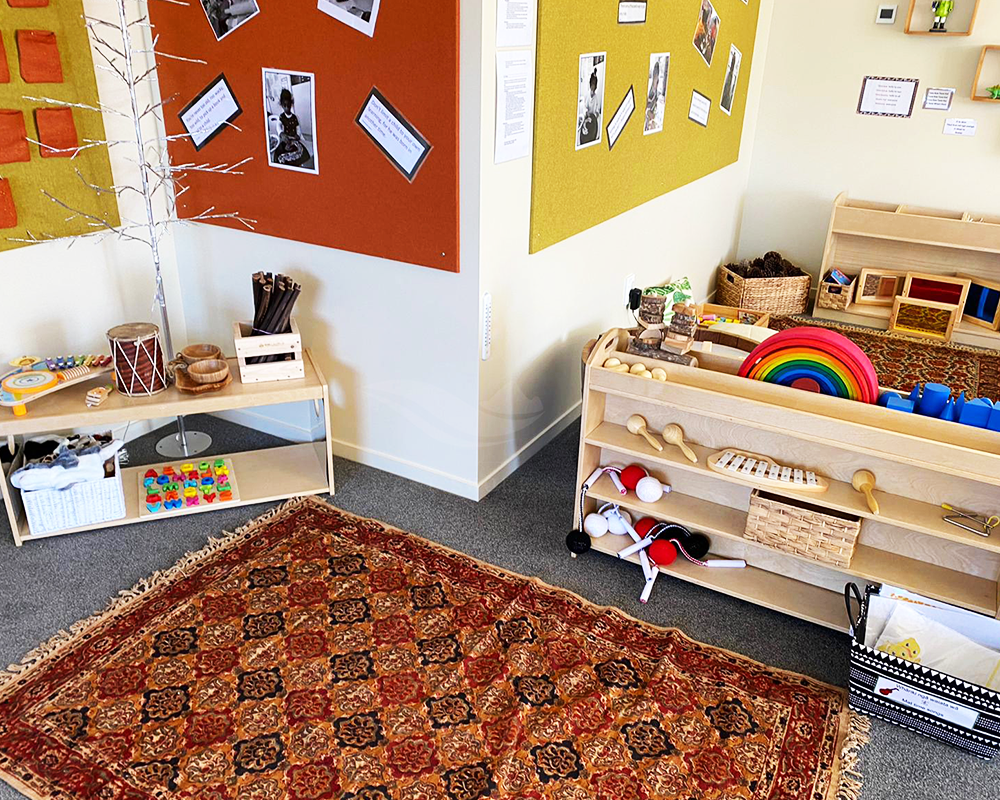
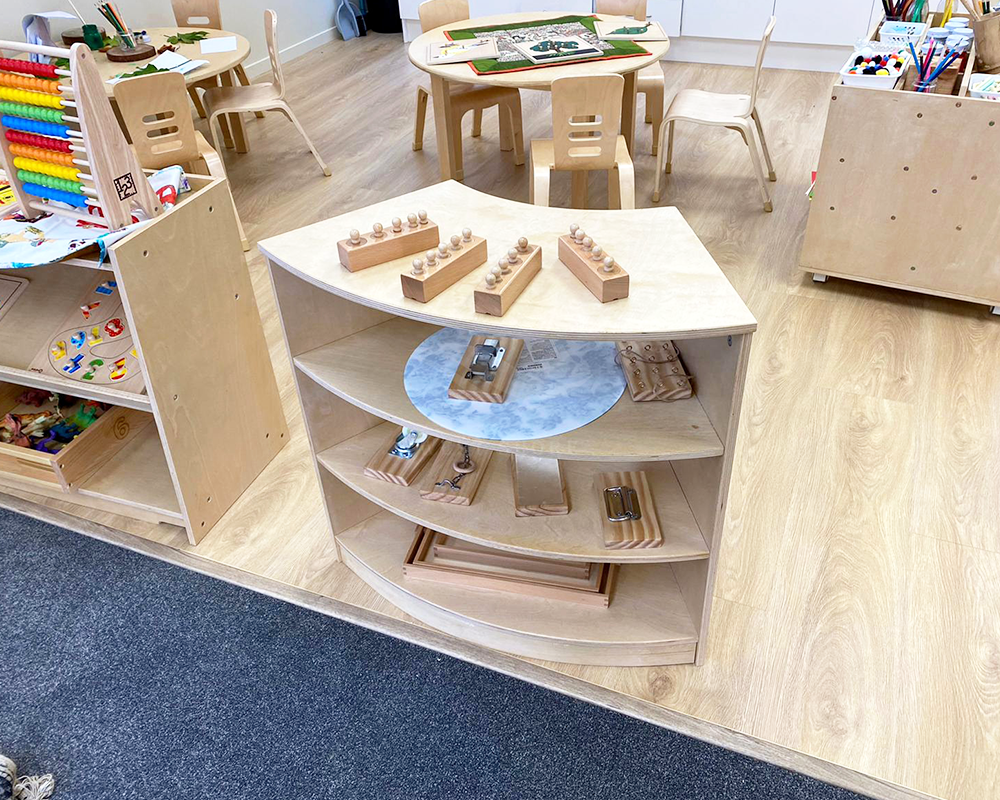
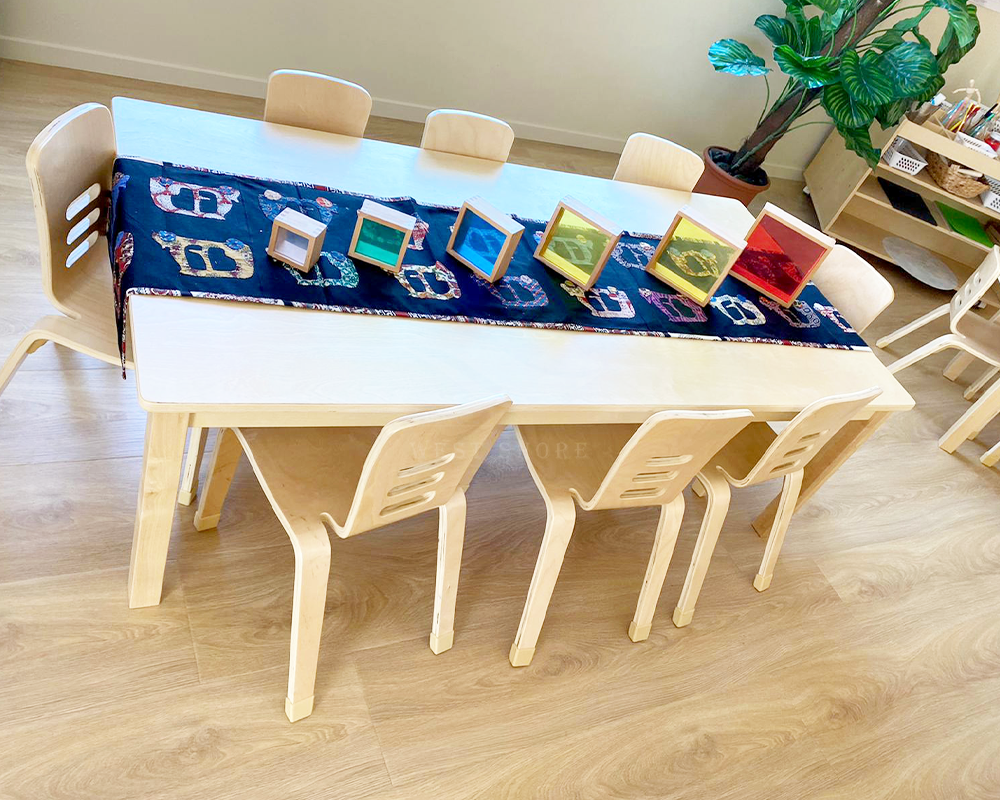
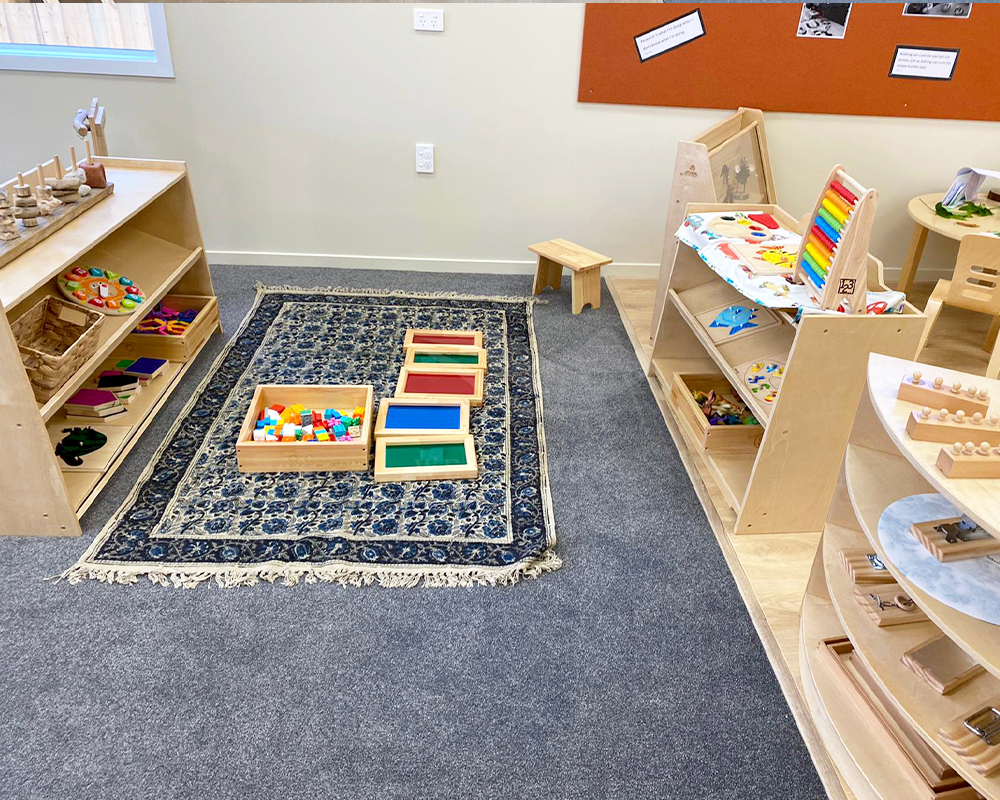
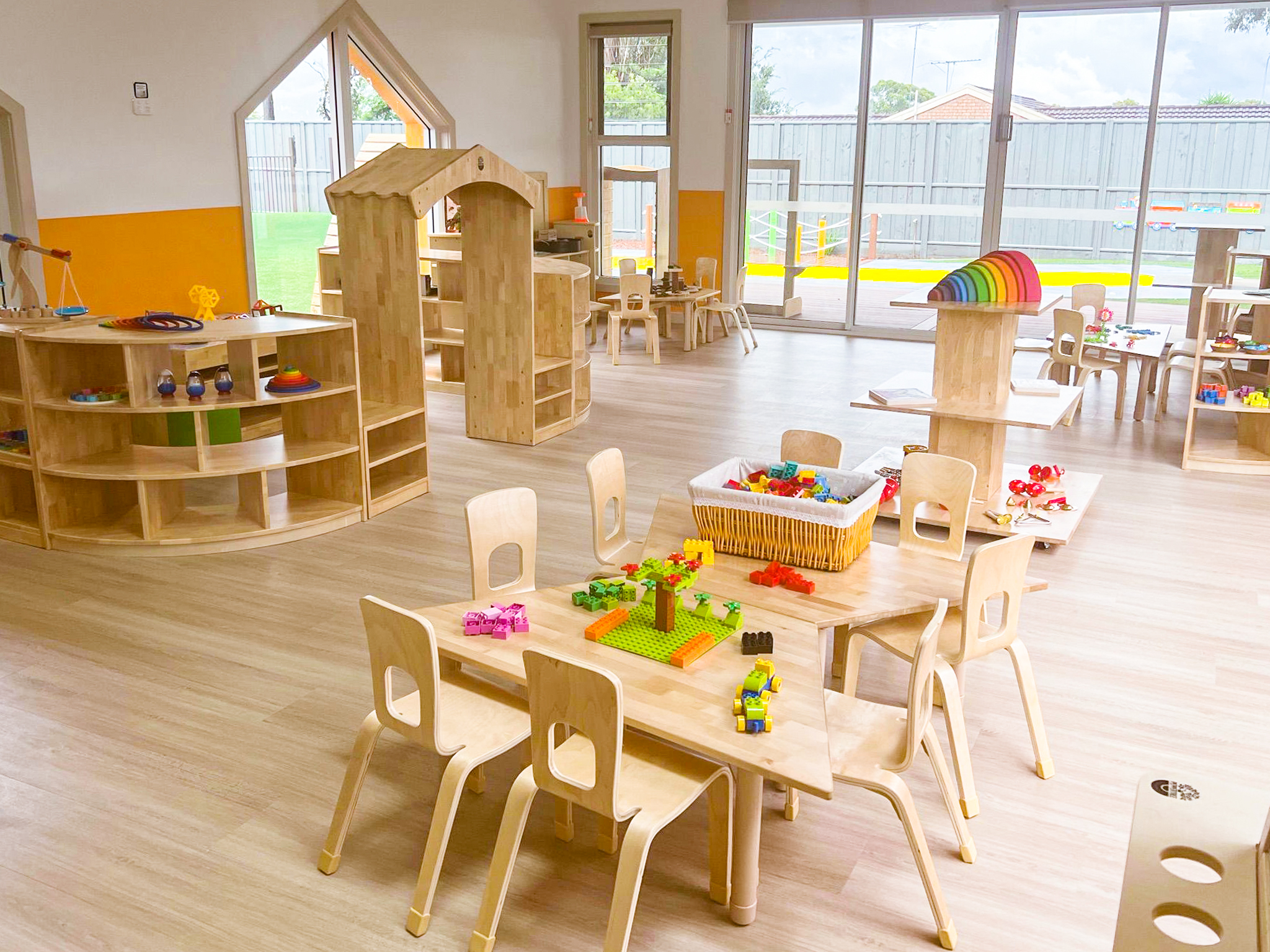
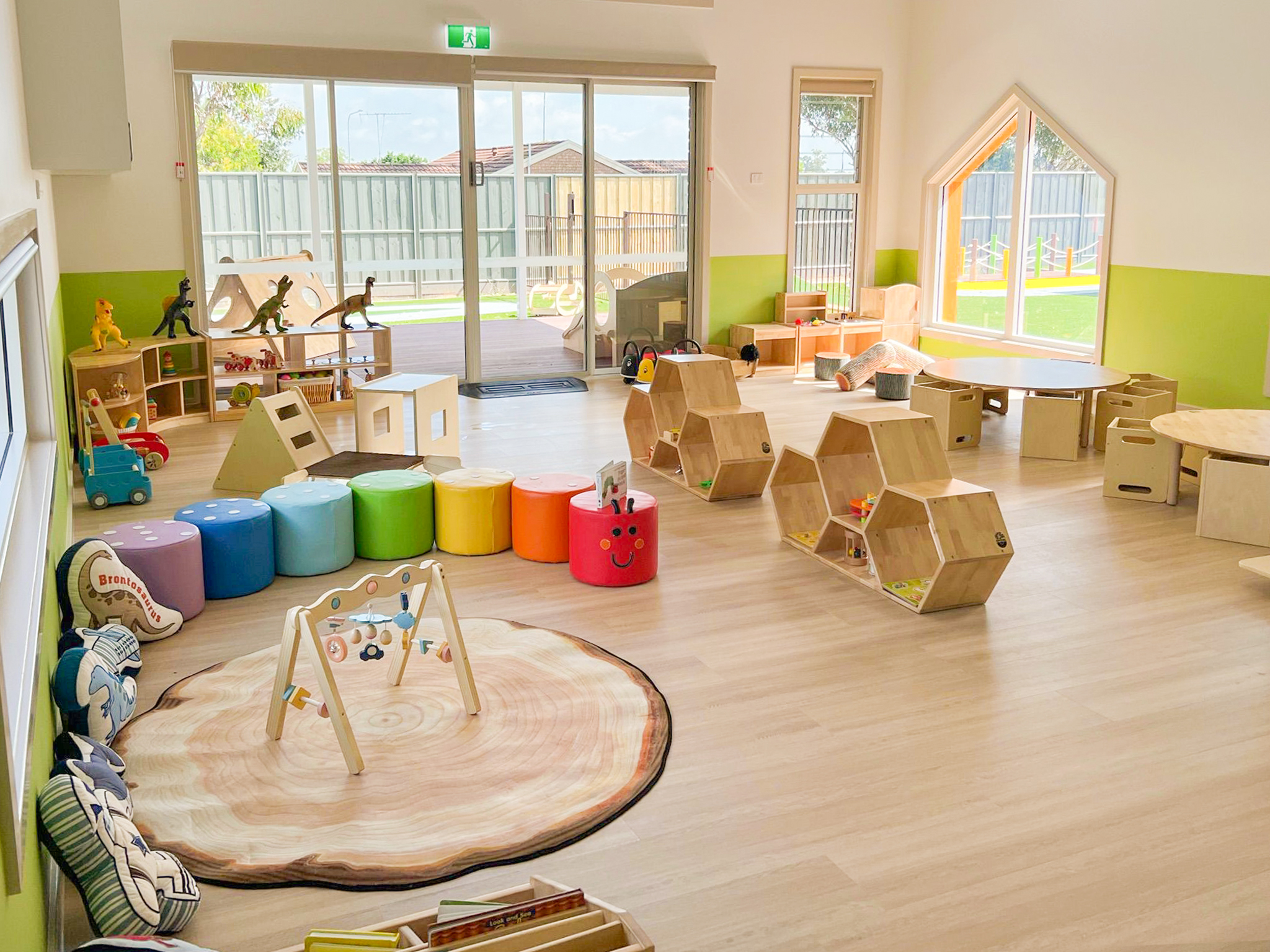
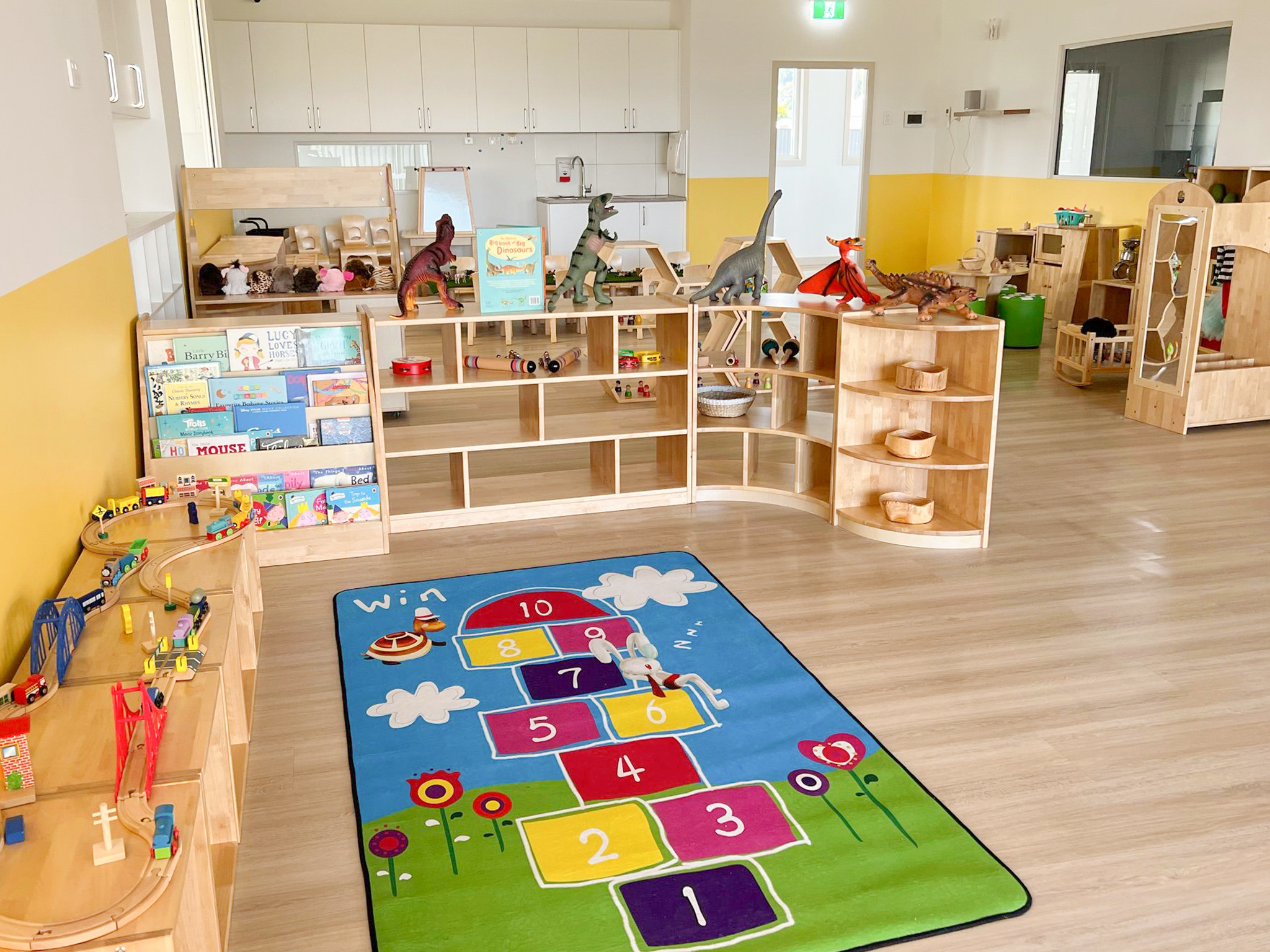
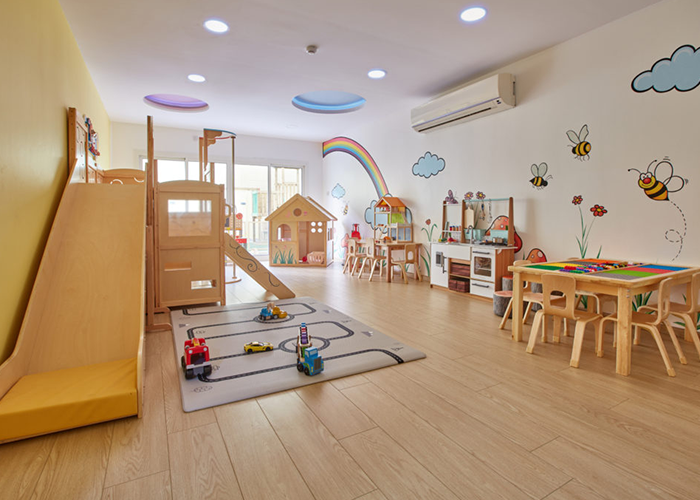
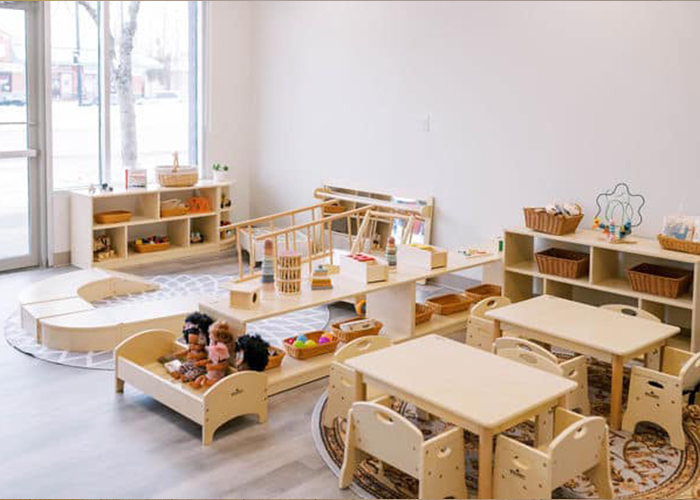
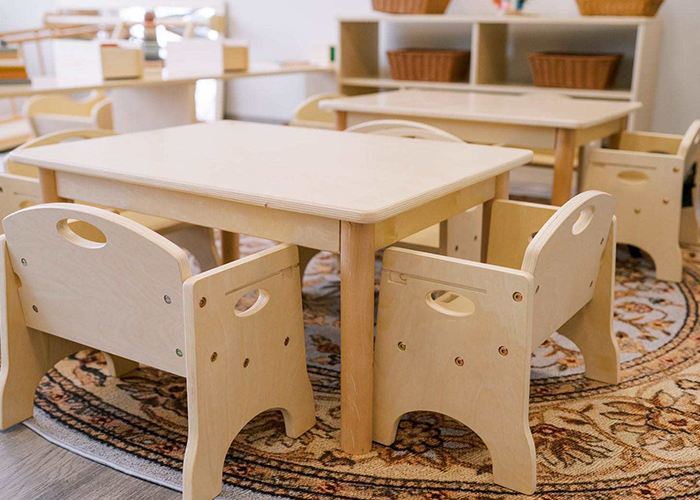
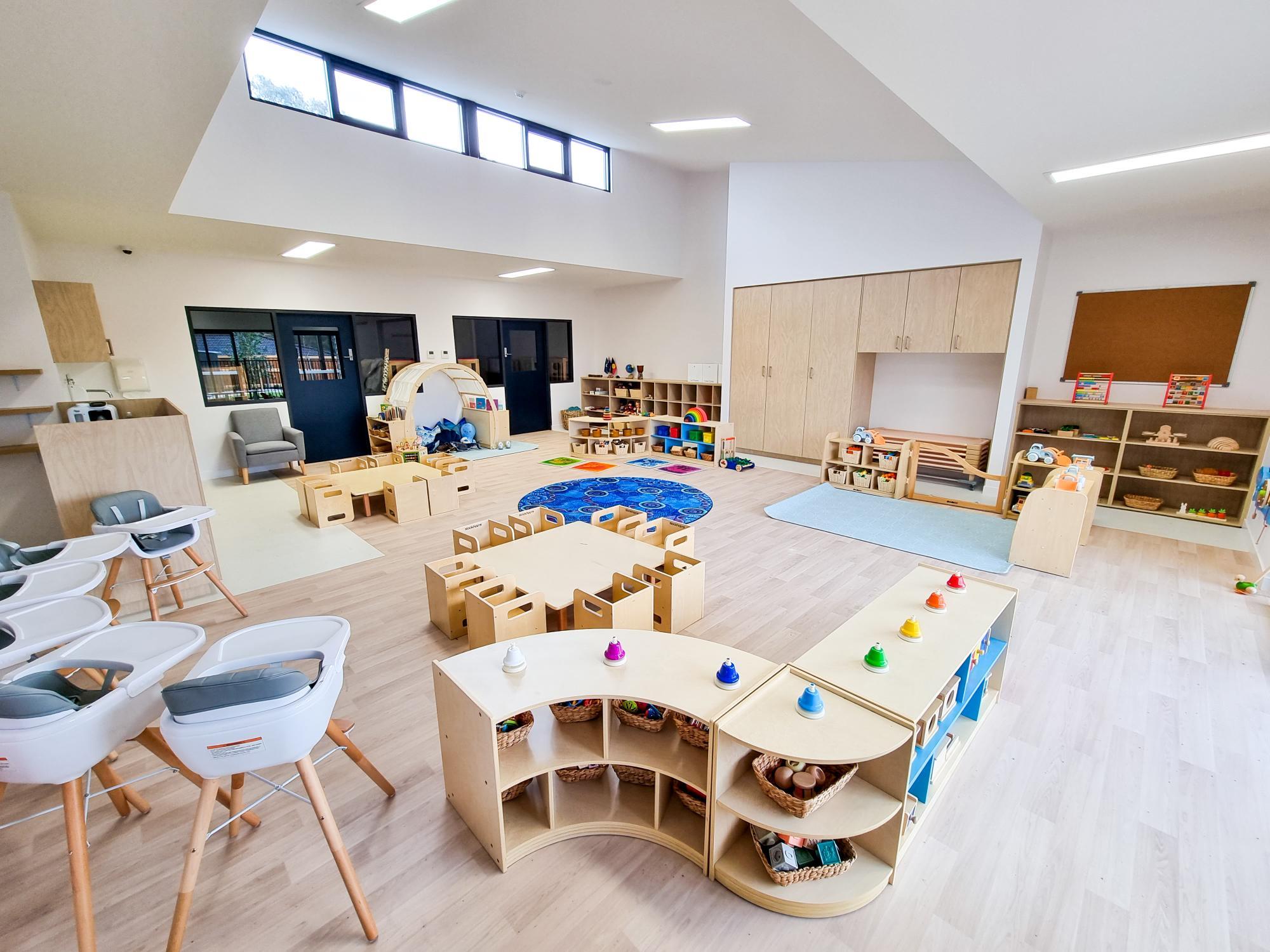
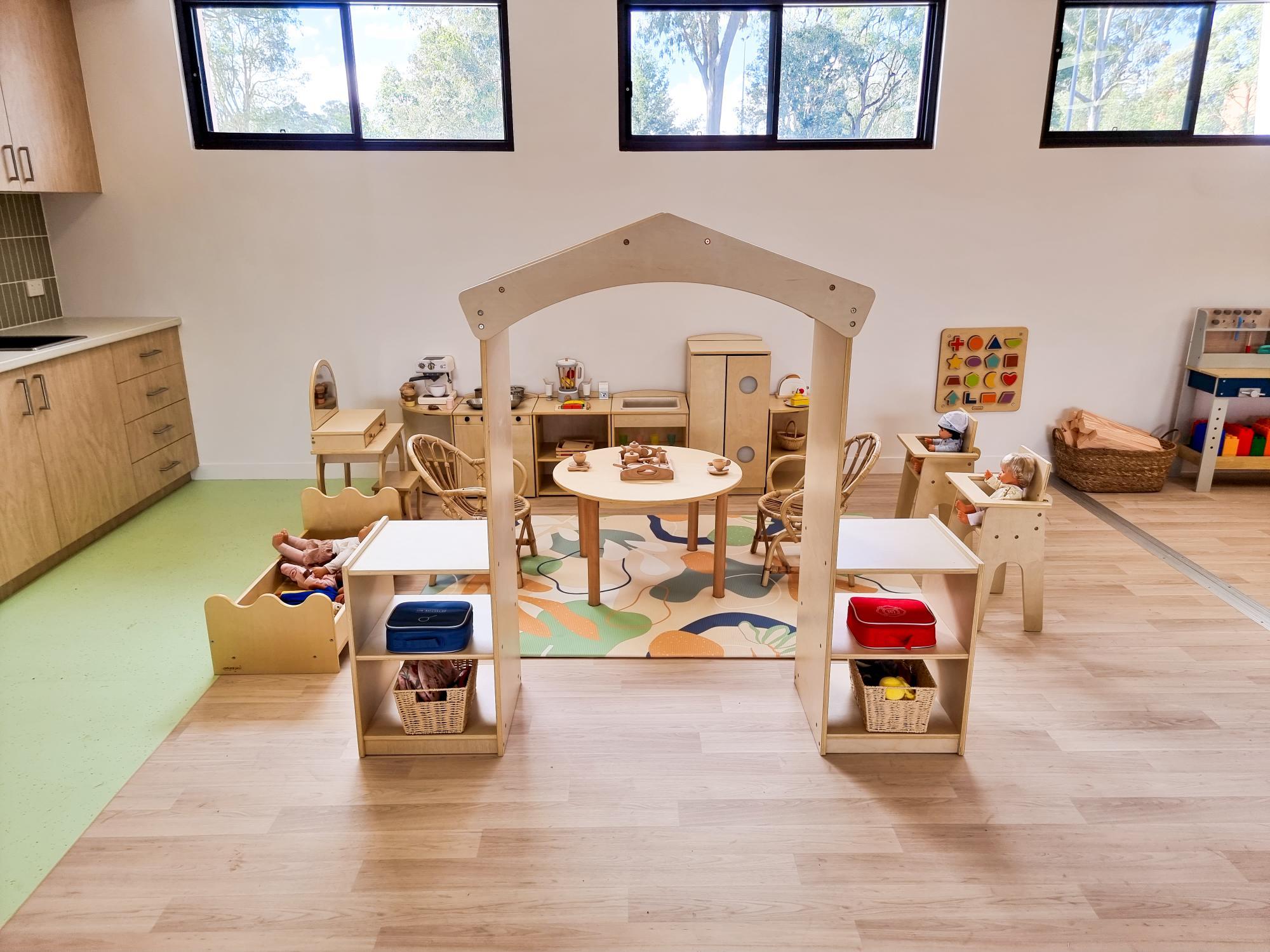
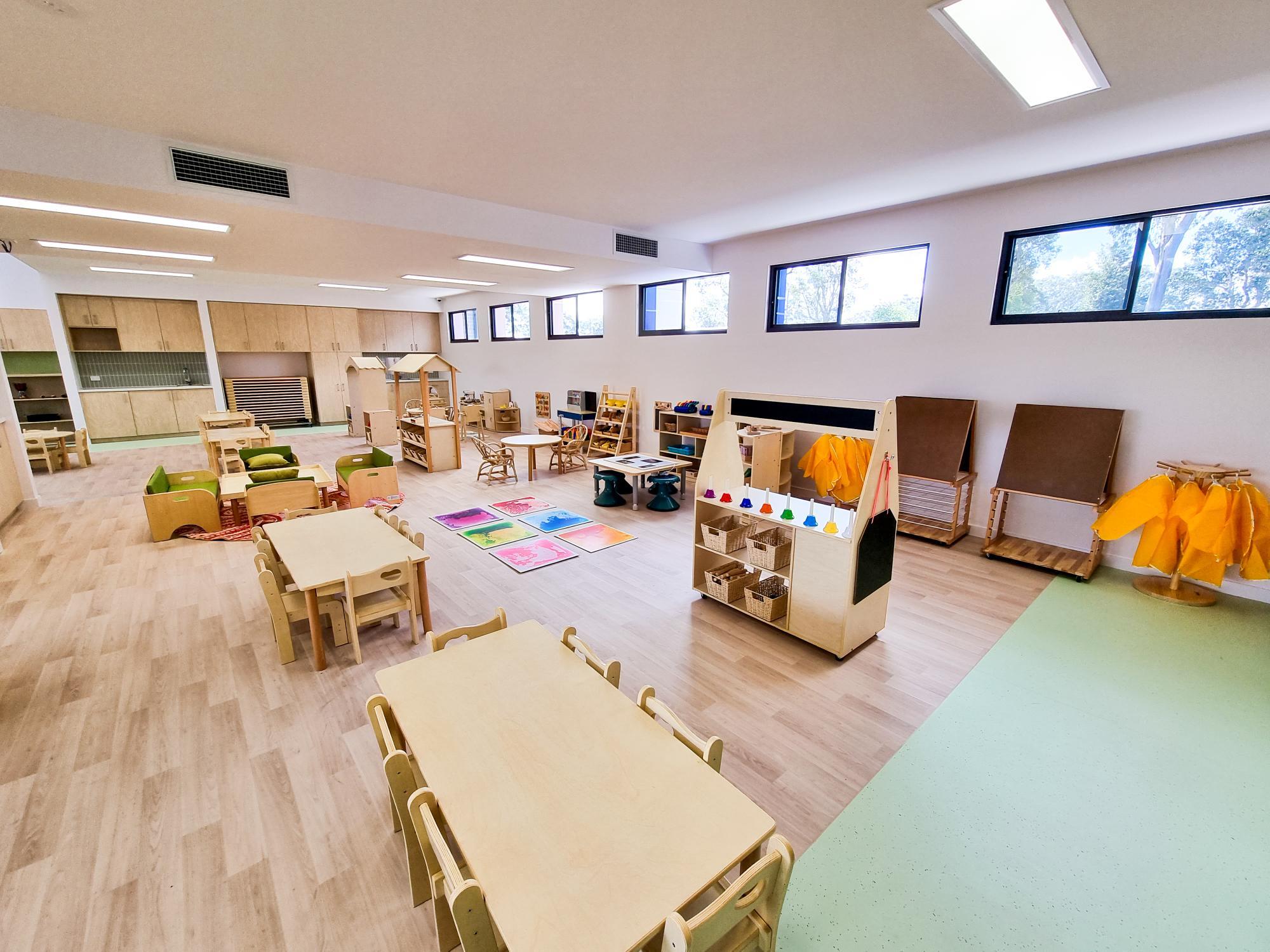
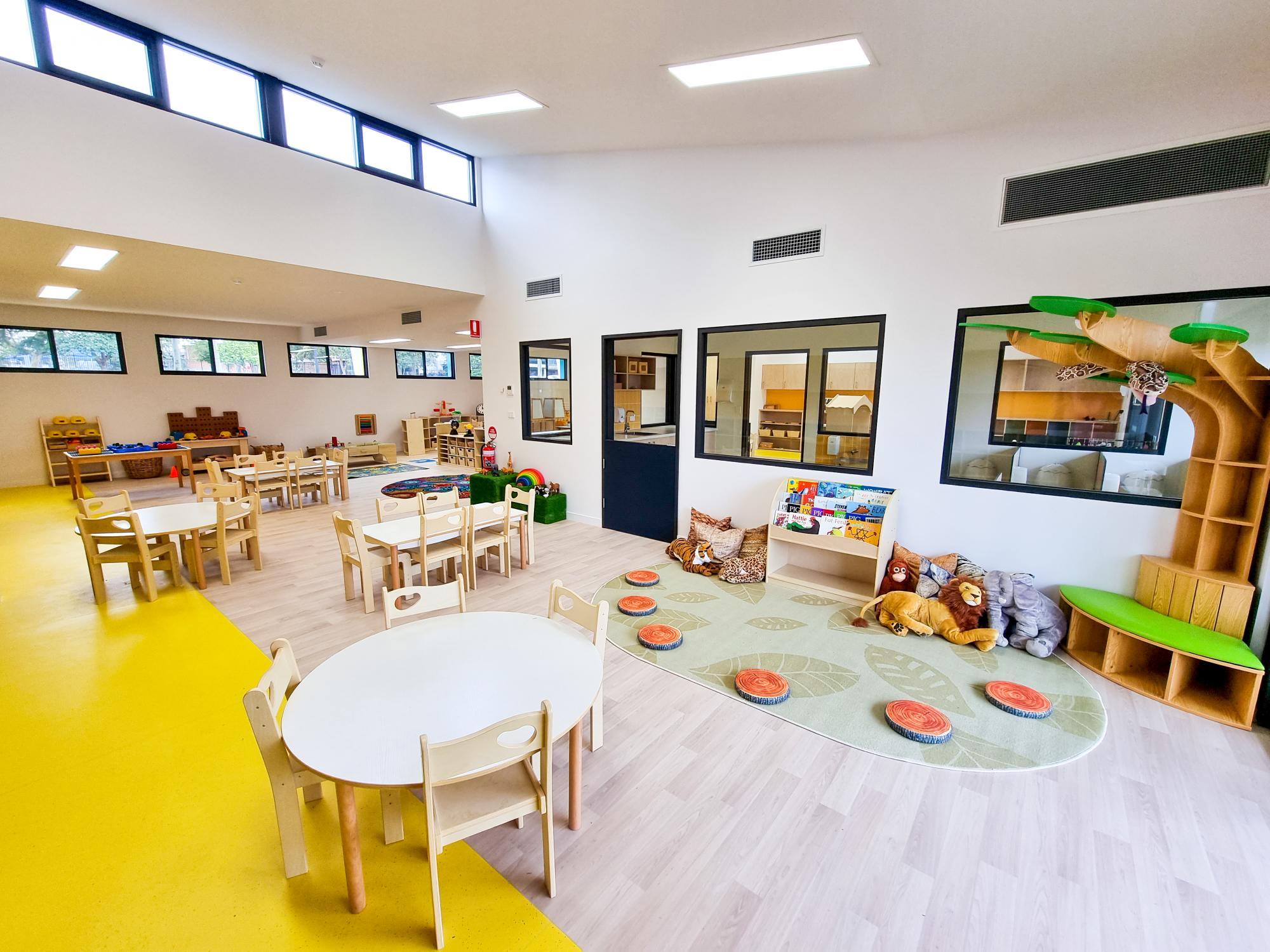
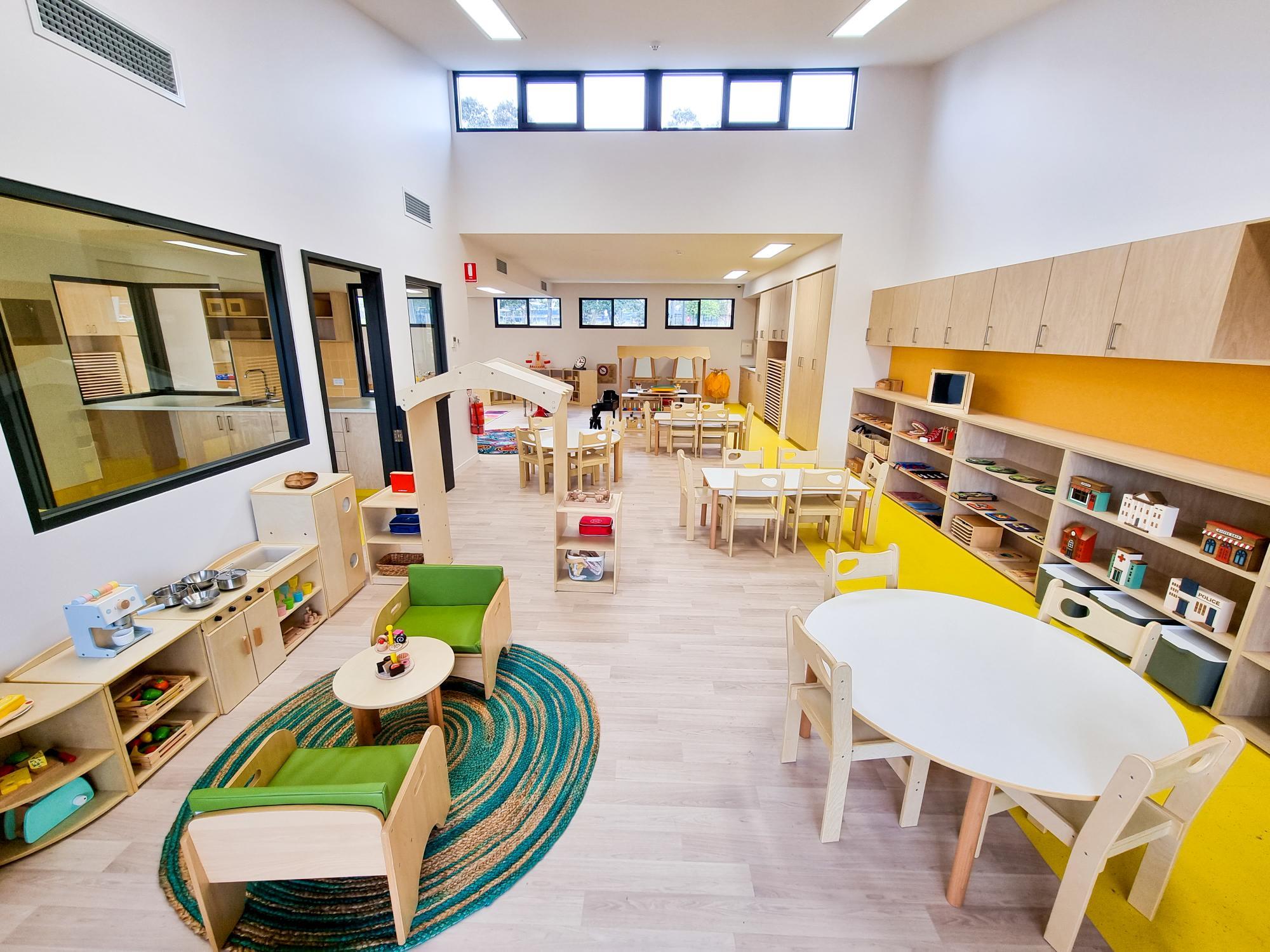
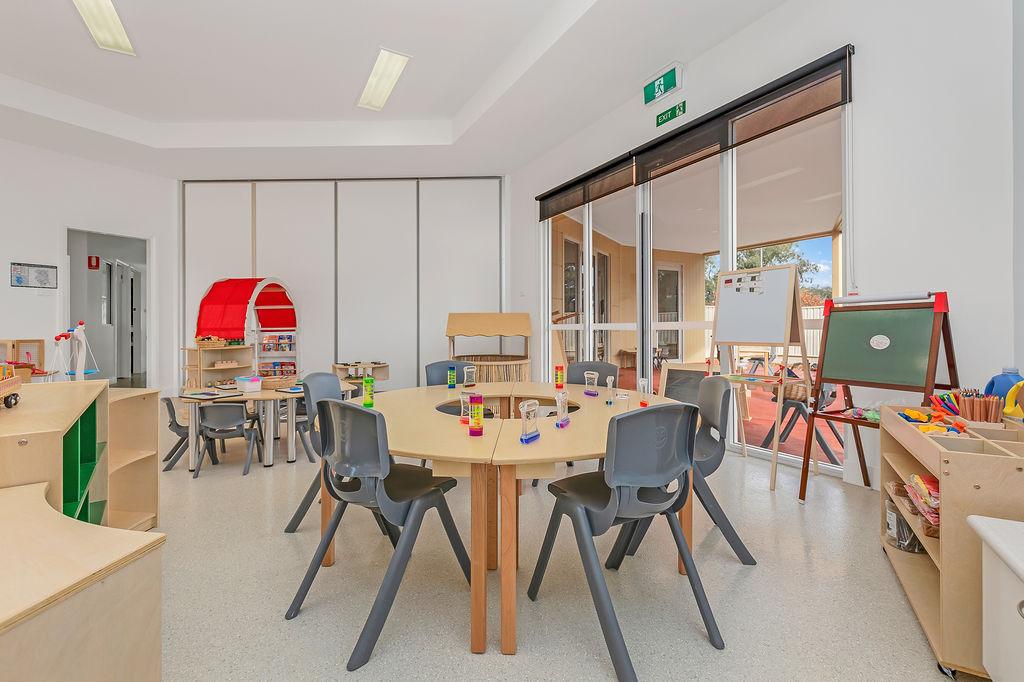
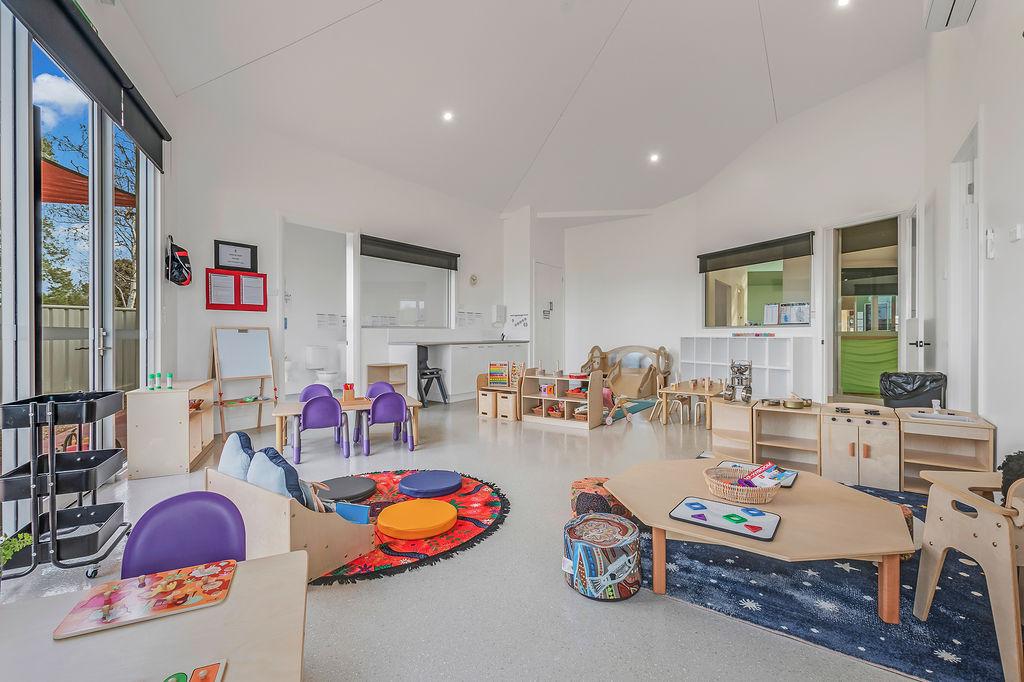
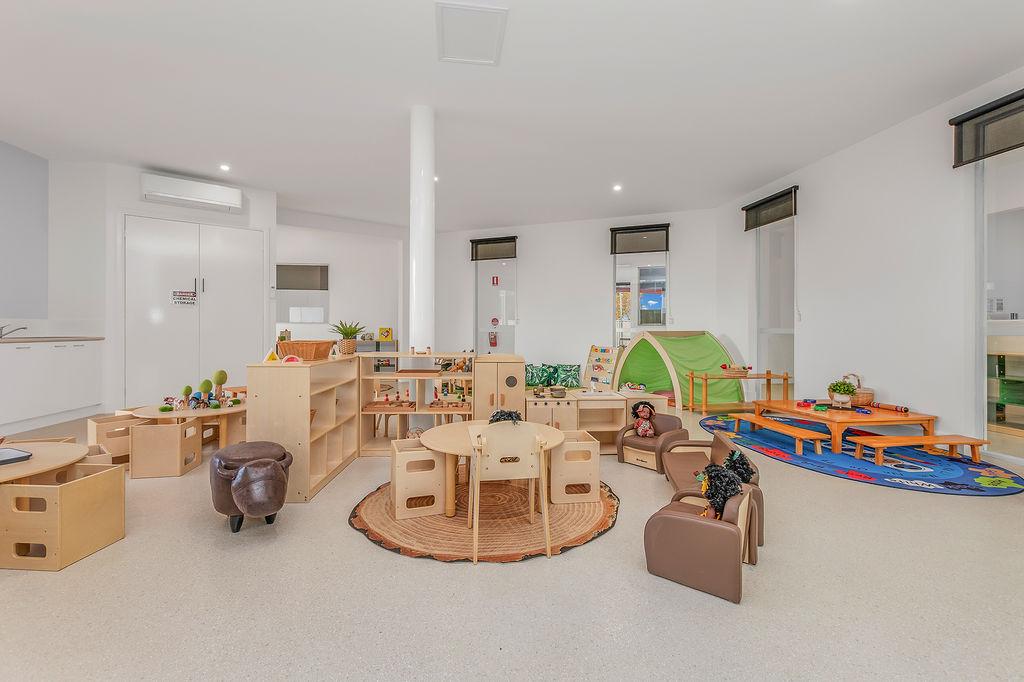
Also, with the right tables, chairs, and a welcoming environment, they’ll feel more comfortable and inspired. Just as the right drawing activities can spark imagination, the right climate can nurture it, giving every child the opportunity to grow not only as an artist but also as a confident, curious learner ready to take on the world.
FAQ
What can a seven-year-old draw?
A seven-year-old can try Drawing Activities for Kids such as sketching animals, houses, or simple landscapes. At this stage, children enjoy drawing family scenes or imaginative characters, which helps them practice storytelling and creative thinking.
What are easy things to draw for beginners?
Easy drawing ideas for beginners include shapes, doodles, rainbows, trees, or cartoon-style animals. These simple activities build confidence, fine motor skills, and creativity without overwhelming young learners.
What are the five rules of drawing?
The five rules of drawing—observation, proportion, perspective, shading, and composition—are often introduced through Drawing Activities for Kids. By learning these basics in playful ways, children improve their skills while keeping creativity and enjoyment at the center.