Dramatic play is a type of pretend play where children step into different roles, act out everyday situations, and use their imagination to make sense of the world around them. It might look like “just playing house” or “playing shop,” but underneath, children are practicing real-life skills in a safe and playful way.
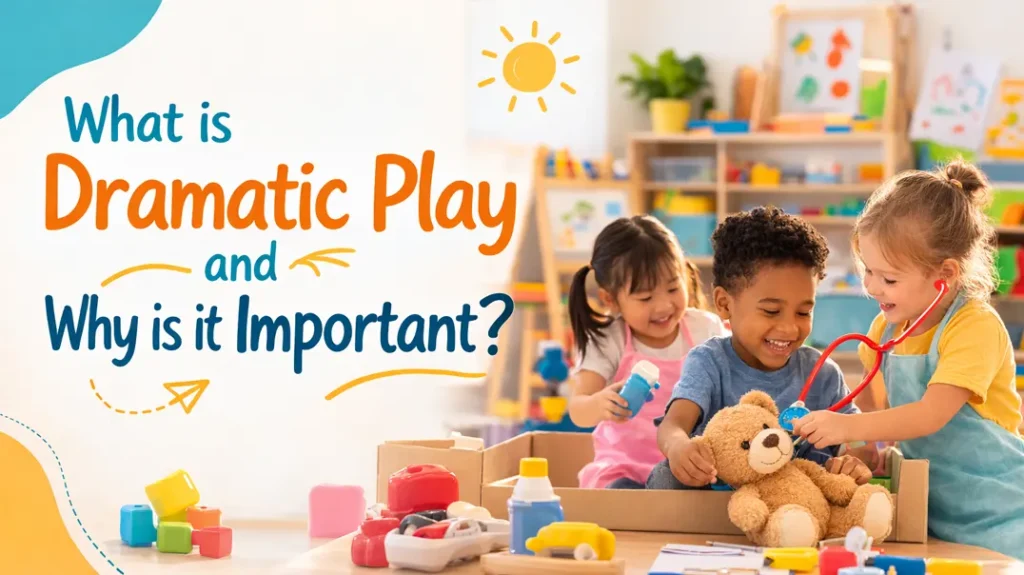
In a well set-up dramatic play area, you might see two preschoolers negotiating who will be the firefighter and who will call the emergency, or a small group of children planning the menu for their “family dinner.” They talk, listen, make decisions, take turns, and sometimes argue and solve conflicts, all within the safety of pretend. What looks like a simple game is, in fact, deep practice in communication, cooperation, and self-control.
In this guide, we will look closely at what dramatic play means in early childhood, the key benefits backed by child development theory, real-life examples from homes and classrooms, and practical ideas for creating dramatic play areas that actually work for your children or students.
What is Dramatic Play?
In early childhood education, dramatic play is usually defined as:
Child-initiated play where children take on roles, use objects symbolically, and create shared stories and rules around real or imagined situations.
The Core Features of Dramatic Play
Key parts of this when we talk about what is dramatic play:
- Role-taking
Children choose a role: parent, baby, teacher, doctor, bus driver, superhero, customer, waiter, and so on. - Symbolic use of objects
A spoon becomes a microphone. A cardboard box becomes a stove. A row of chairs turns into a train. Children give new meaning to ordinary objects. - Story and rules
They build a narrative: “First you come to my restaurant, then you order, then I cook, then you pay.” They also agree on rules inside the story: who is in charge, who has to wait, what counts as “finished.” - Often social, sometimes solo
Dramatic play can be solo – one child with dolls acting out bedtime. But most of the time, it becomes sociodramatic play, where children negotiate roles, storylines, and conflicts together.
How Dramatic Play Differs from Other Kinds of Play
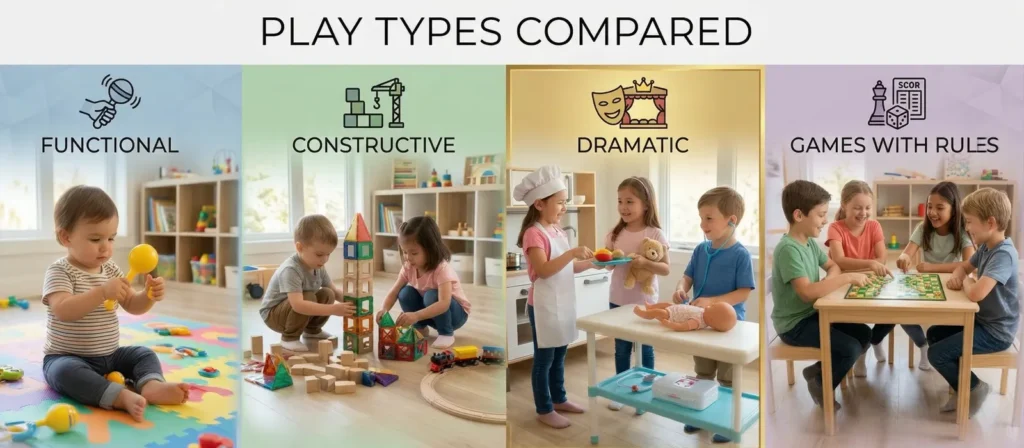
Sara Smilansky, a key researcher in play, described four major types of play: functional play, constructive play, dramatic play, and games with rules. Dramatic play sits relatively “high” on this developmental ladder because it combines imagination, social interaction, and rule-following.
- Functional play: Repetitive physical actions like shaking, banging, throwing, or pushing toys.
- Constructive play: Building or creating something tangible: block towers, train tracks, Lego models.
- Dramatic play: Taking on roles and acting out scenarios, often using language and symbolic props.
- Games with rules: Board games or physical games where children follow agreed rules.
Dramatic play often blends with constructive play — a block tower becomes a fire station, for example. But the key difference is that, in dramatic play, the focus is on people and roles, not on objects alone.
What Are the Types of Dramatic Play?
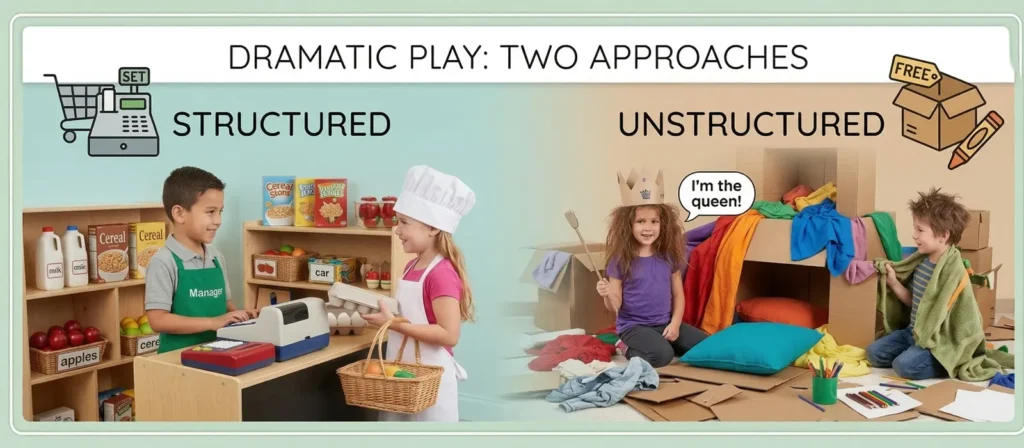
Dramatic play always involves imagination, roles, and stories, but the way it is organized can look quite different. A useful way to think about it is to distinguish between structured play and unstructured play within dramatic play.
1. Structured Play
Structured dramatic play is guided by an adult or follows a loose plan. The children are still pretending and making choices, but there is a more obvious frame around what they do.
Typical features of structured dramatic play:
- Adult-initiated theme
The teacher or parent might introduce a specific scenario tied to a learning goal: “Today we are going to pretend this corner is a clinic” or “Let’s act out what happens at the grocery store.” - Clear but flexible rules
Adults may set expectations in advance: everyone gets a turn being the cashier, we speak kindly to each other, we line up at the “counter,” we cannot push. These rules keep the activity safe and fair, and they model real-world norms. - Planned materials
Props are chosen to support the theme: pretend food and baskets for a shop, clipboards and bandages for a clinic, tickets and luggage for an airport. Children still adapt these items creatively, but the starting point is organized. - Defined learning targets
In early childhood classrooms, structured dramatic play is often intentional. A grocery store theme can support counting, sorting, and money concepts. A post office theme can build early writing skills as children “write” and “deliver” letters.
2. Unstructured Play
Unstructured dramatic play is child-led and open. Adults provide time, space, and safe materials, but do not dictate the theme, roles, or plot. The children invent those as they go.
Typical features of unstructured dramatic play:
- Child-chosen scenarios
One day the sofa is a boat and the floor is the ocean. Another day, the same space becomes a restaurant, a school, or a spaceship. The themes reflect what children find interesting, exciting, or confusing right now. - Flexible roles
Roles change quickly: someone starts as a chef, then becomes a superhero, then a lost puppy. The story might jump between worlds. For adults, it may seem inconsistent, but the child is testing ideas and feelings in different forms. - Improvised materials
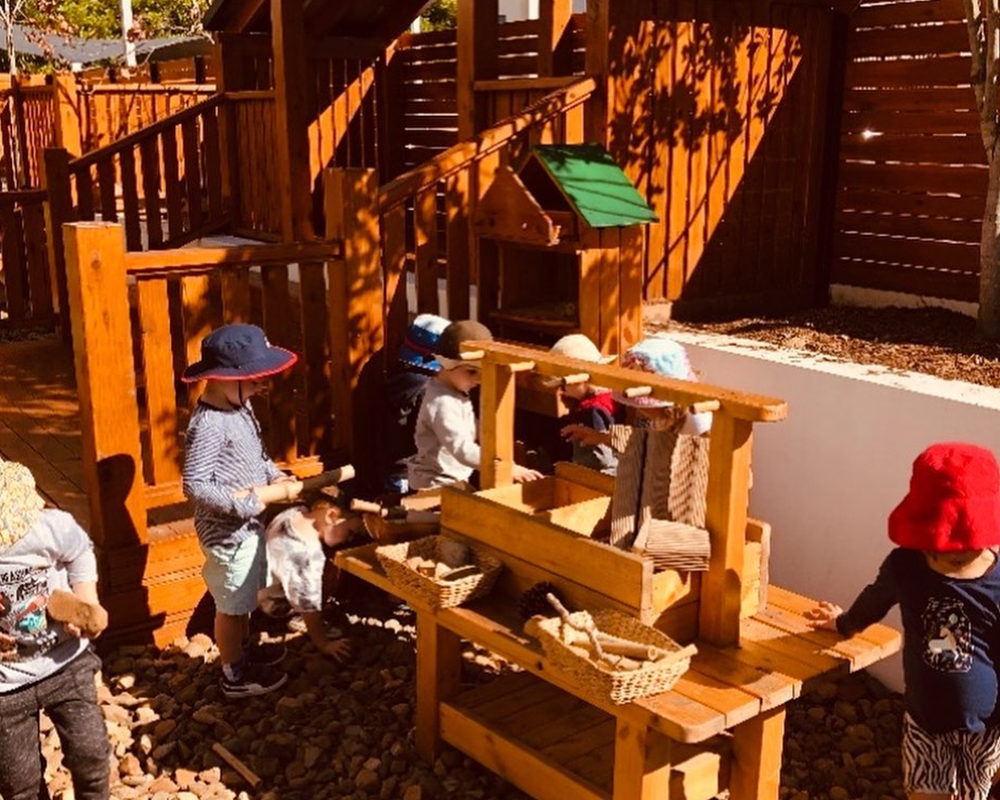
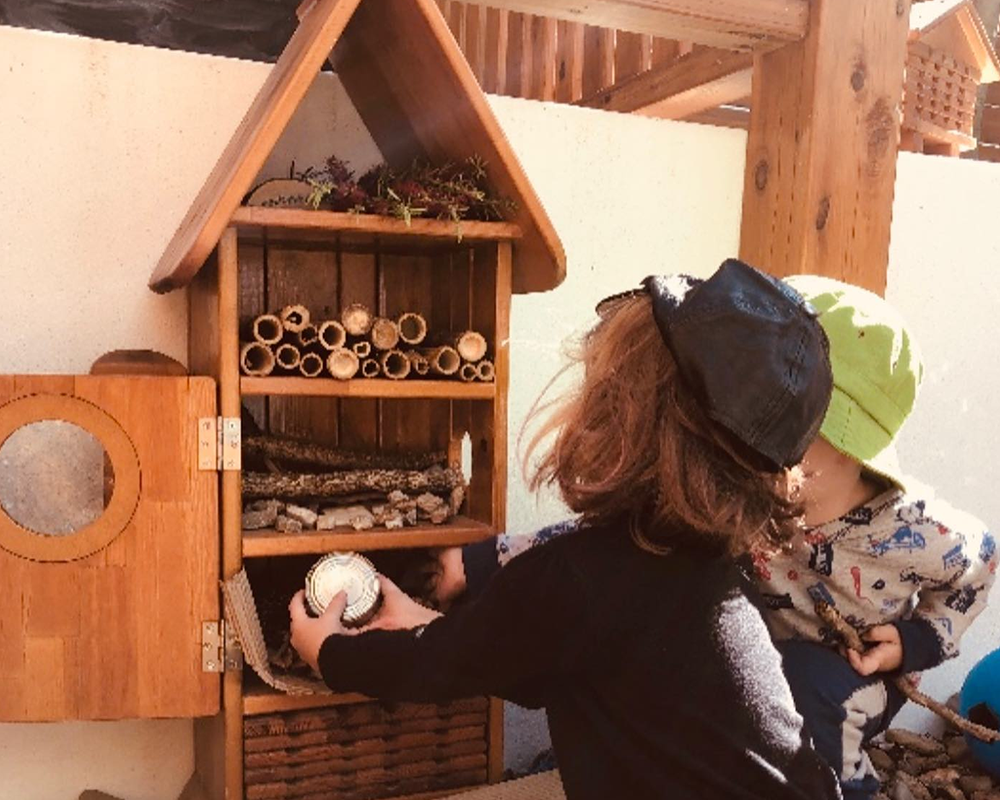
Anything safe can become a prop: cushions, blankets, boxes, clothes, wooden spoons. Children create meaning out of simple things instead of relying on ready-made toys.
Why is Dramatic Play Important?
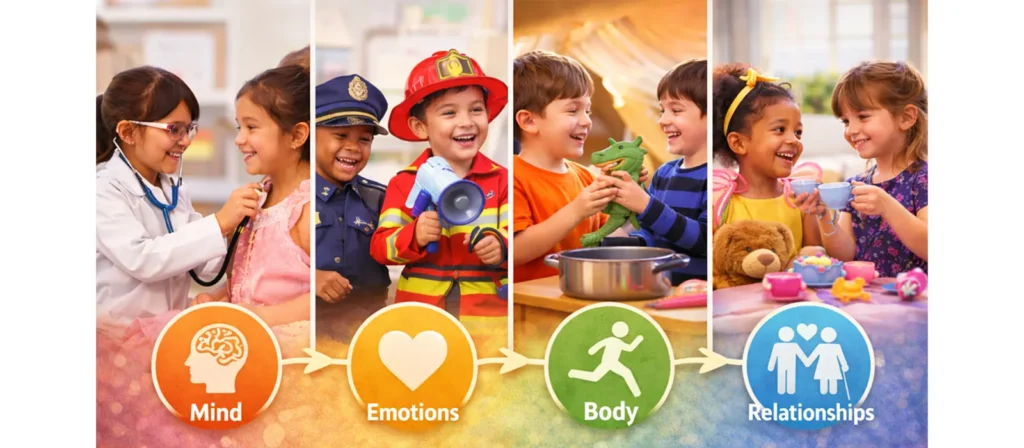
Dramatic play is important because it lets children learn naturally while they are fully engaged and enjoying themselves. Through pretend roles and stories, they build skills that are hard to teach with worksheets or direct instruction. It supports their mind, emotions, body, and relationships at the same time.
1. Enhances Creativity and Imagination
Dramatic play lets children turn everyday life into stories. A blanket becomes a cape, a box becomes a car, and a simple corner turns into a restaurant or a hospital. By constantly inventing new roles and situations, children learn to think in flexible, original ways.
2. Emotional Regulation
Children often do not have the words to explain how they feel, but they can show it through play. By acting out situations and switching roles, children safely process fears, worries and excitement, and gradually learn to understand and calm their own emotions.
3. Improves Communication Skills
Dramatic play is full of talking and listening. Children need to explain the story, give instructions, ask questions, and respond to others in character. To keep the game going, they naturally use more words, longer sentences, and clearer explanations. They also learn to listen, wait for their turn, and adjust how they speak depending on who they are “being” in the play.
4. Develops Focus
To stay in a role and follow a storyline, children must pay attention. They need to remember who is playing which character, what already happened, and what should happen next. Even though it looks relaxed, their brain is practising staying on task and holding information in mind.
5. Develops Social Skills
Dramatic play is almost like social training hidden inside a game. Children learn how to invite others in, share roles, and agree on what happens in the story. Playing together in roles teaches children how to share, take turns, solve conflicts and consider other people’s ideas and feelings.
6. Motor Skills
As they dress up, move around and handle props, children refine both large body movements and small hand actions in a meaningful, enjoyable way.
How to Use It in the Classroom?
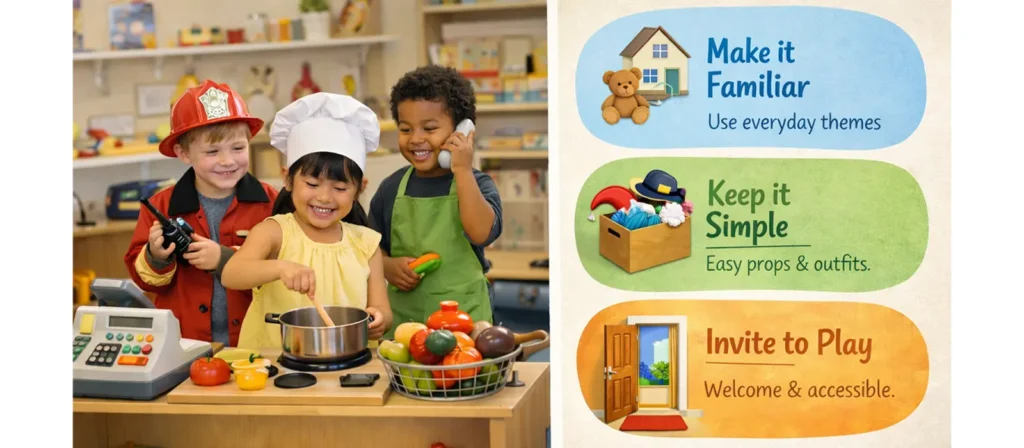
Dramatic play works best in the classroom when it feels natural, familiar, and easy for children to enter.
Start With a Real-Life Theme
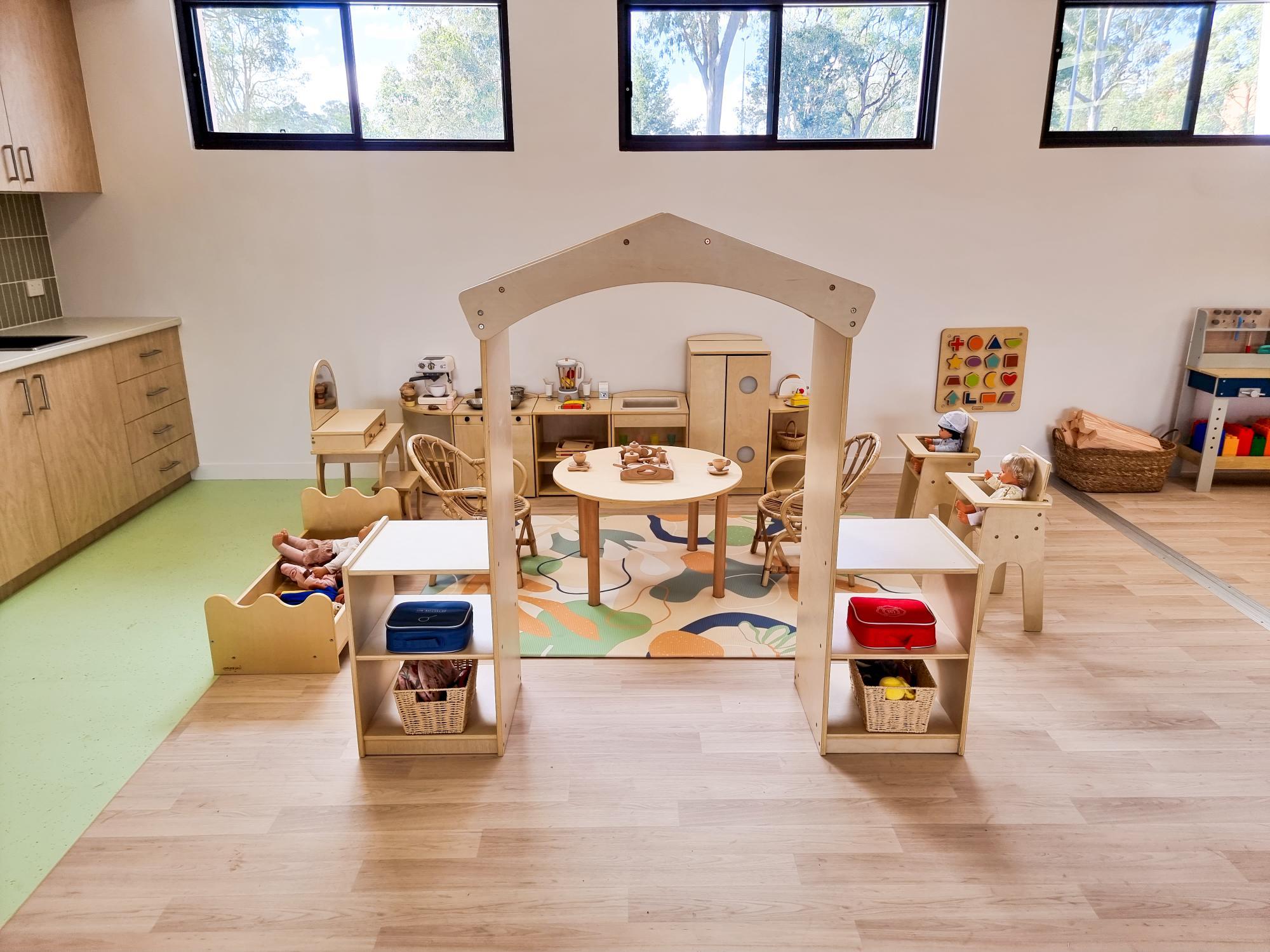
A simple setting such as a kitchen, shop, doctor’s office, or post office gives children a clear idea of what to do. Because these situations are already familiar, they can move into the play more confidently and begin using language in a meaningful way.
Keep the Materials Simple
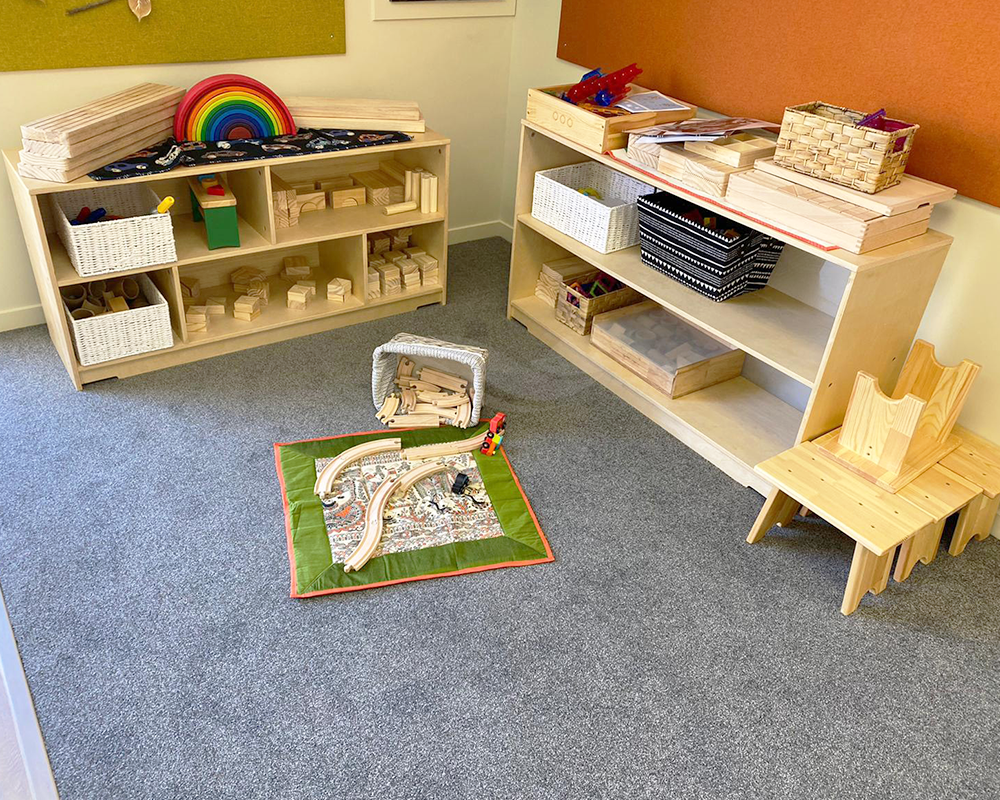
Usually, a few carefully selected dramatic play materials are enough. Items such as realistic food, notebooks, backpacks, role-playing costumes, or empty containers can help children understand the scene without making the environment feel crowded or cluttered.
Let Play Support Learning
In the classroom, dramatic play can naturally connect with daily learning. Children may practise speaking, taking turns, solving small problems, and using topic-related vocabulary while they play. The learning feels active because it happens through experience.
Guide, Then Step Back
The teacher’s role is to prepare the space, introduce the idea, and offer help when needed. After that, children should have room to lead the play themselves. This is usually when the most meaningful interaction happens.
The Difference Between Role-Playing and Dramatic Play?
Role-playing and dramatic play are closely related, but they are not exactly the same.
Role-playing usually focuses on acting out a specific role or situation. Dramatic play is broader and often includes a storyline, social interaction, and more imaginative freedom.
| Aspect | Role-Playing | Dramatic Play |
|---|---|---|
| Main focus | Acting out a specific role or situation | Creating a fuller pretend world with roles, story, and interaction |
| Structure | Usually more guided | Usually more open-ended |
| Purpose | Practising a response or situation | Exploring ideas, relationships, and imagination |
| Adult involvement | Often led by a teacher or adult | More often led by children |
| Story development | May be brief or limited | Usually develops into a larger storyline |
| Example | Pretending to be a cashier in a guided activity | Creating a whole store, assigning roles, and acting out different situations |
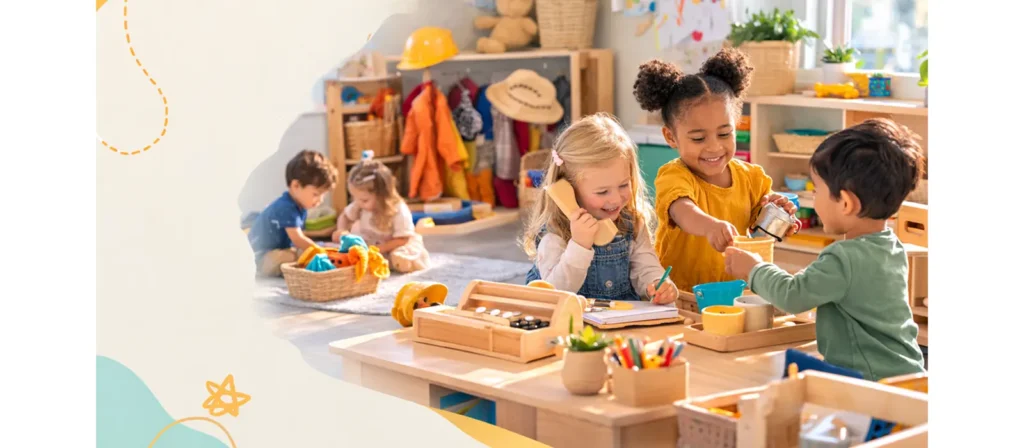
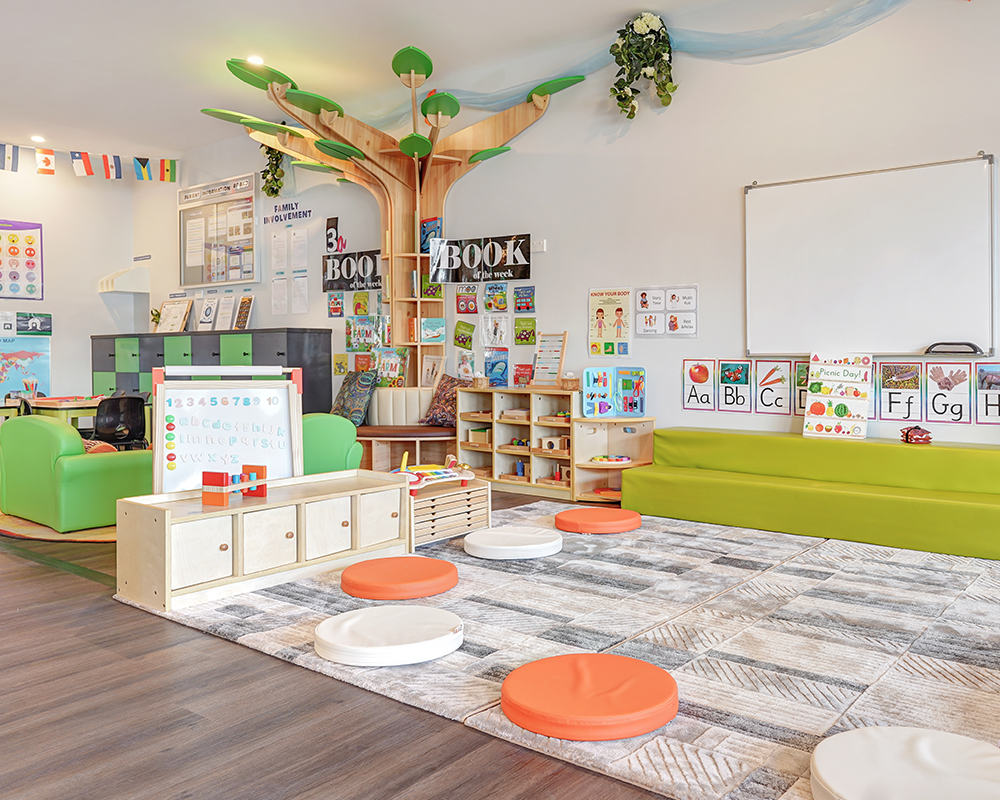
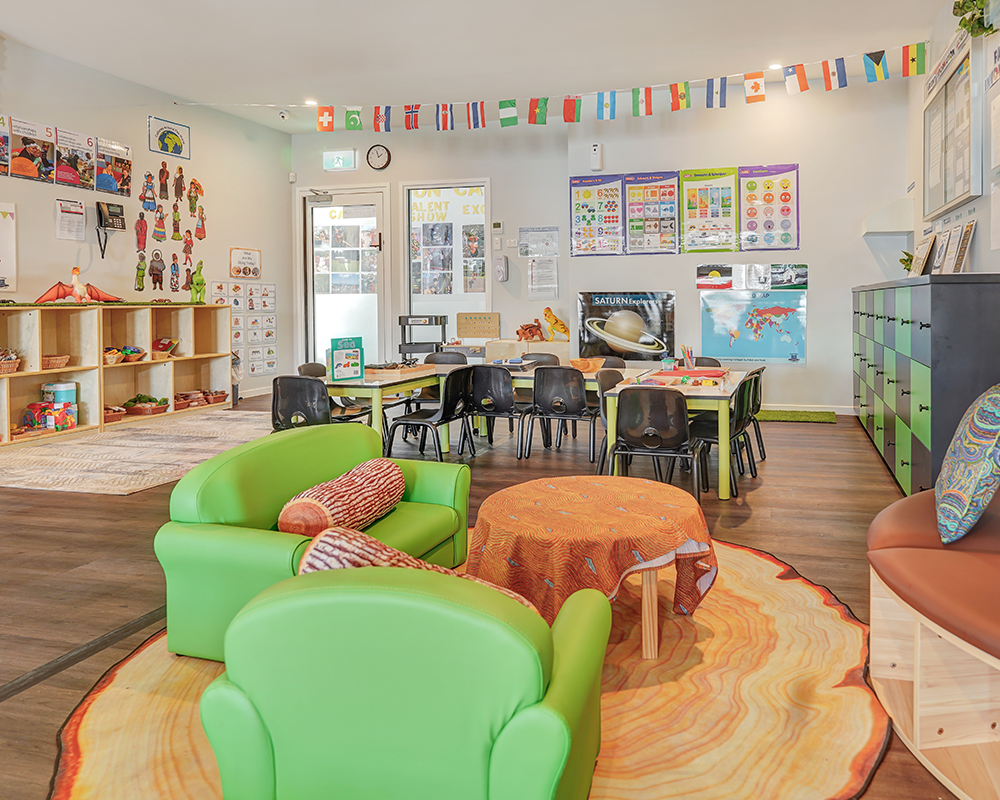
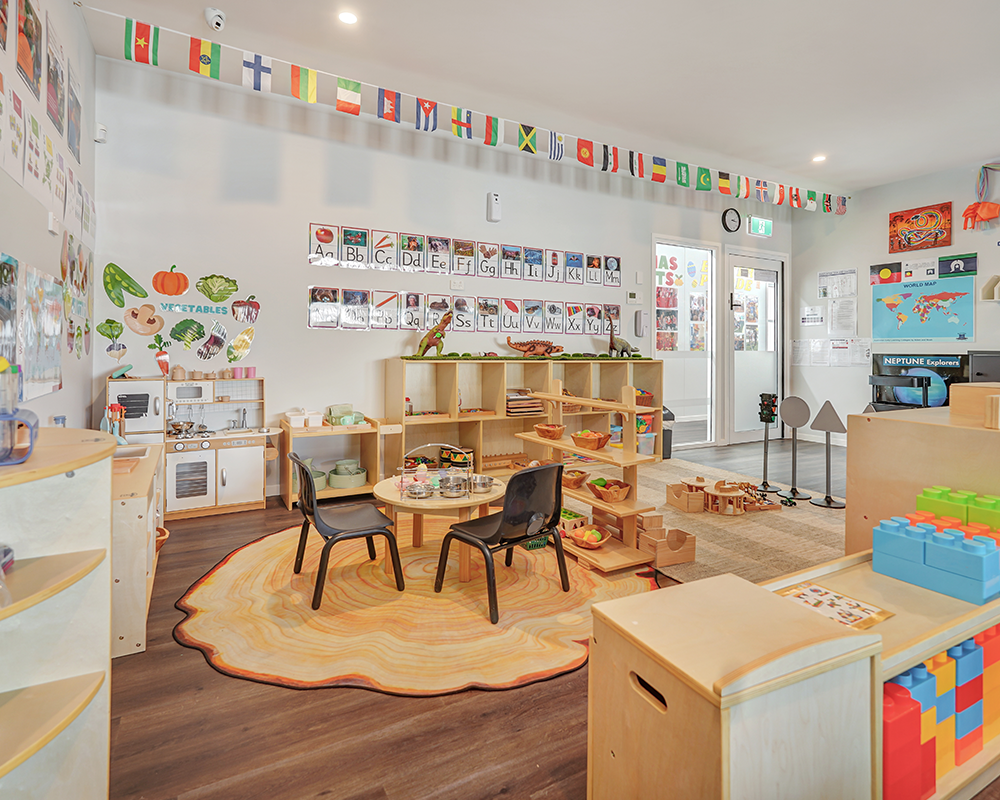
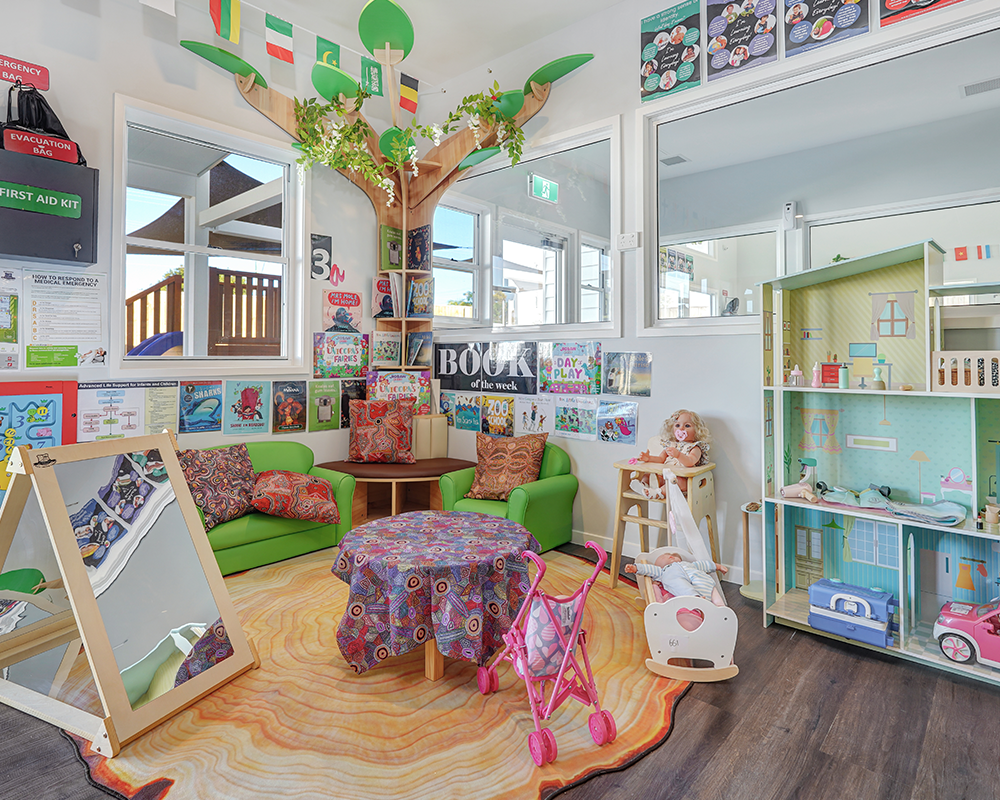
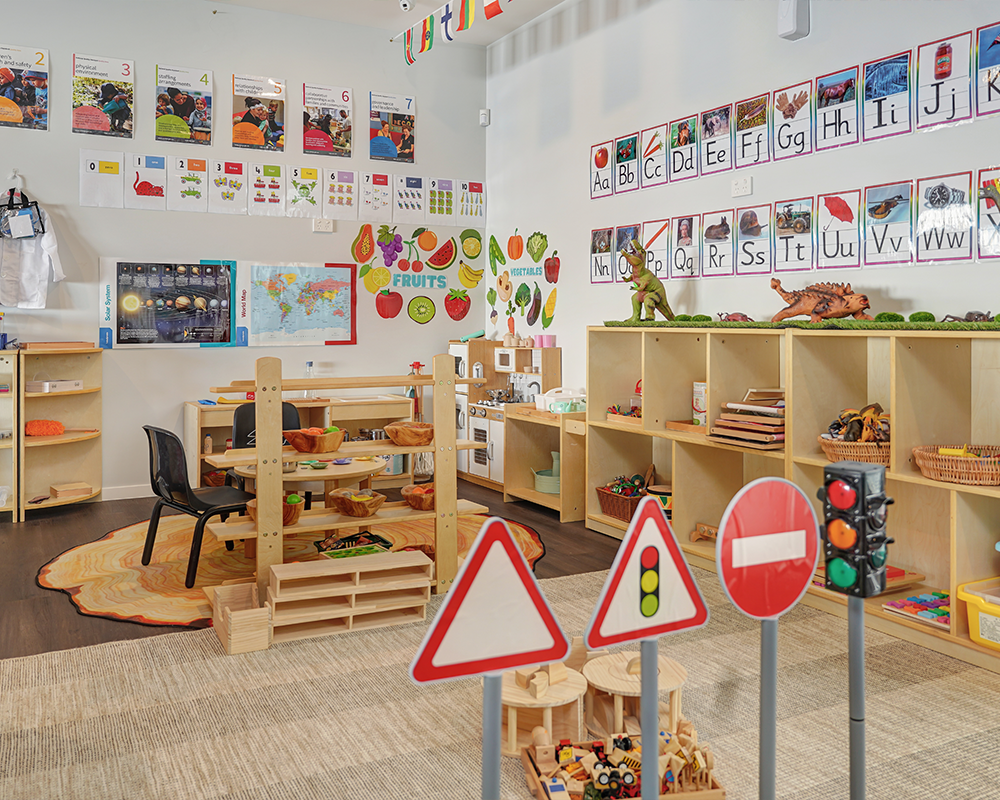
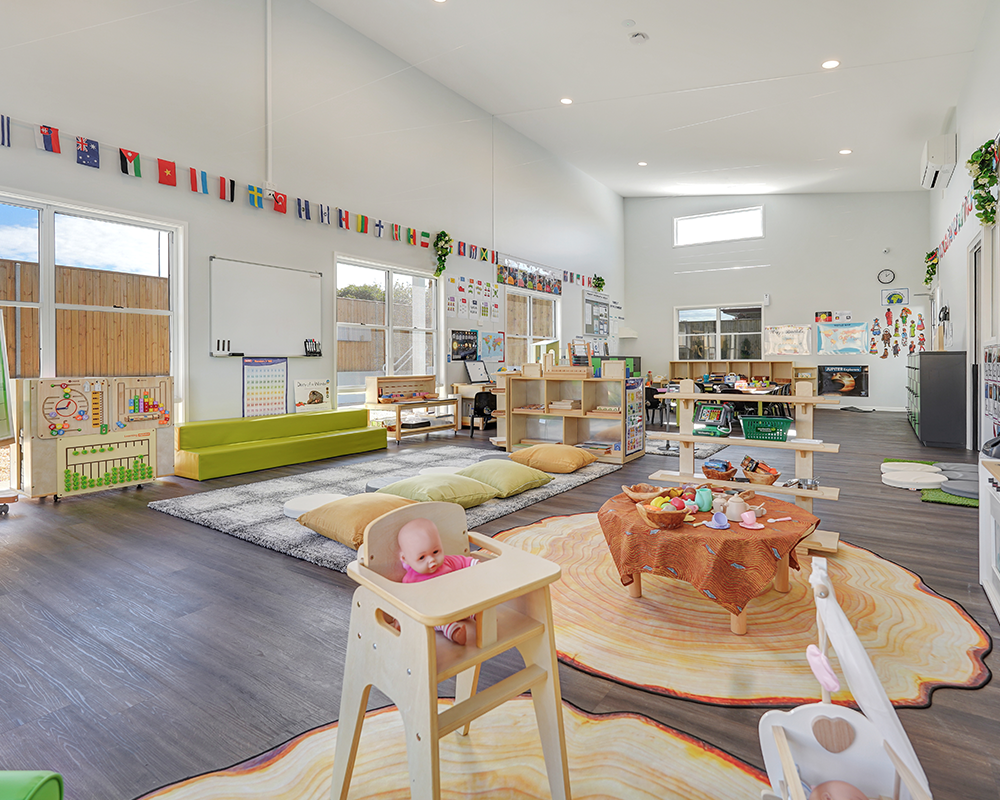
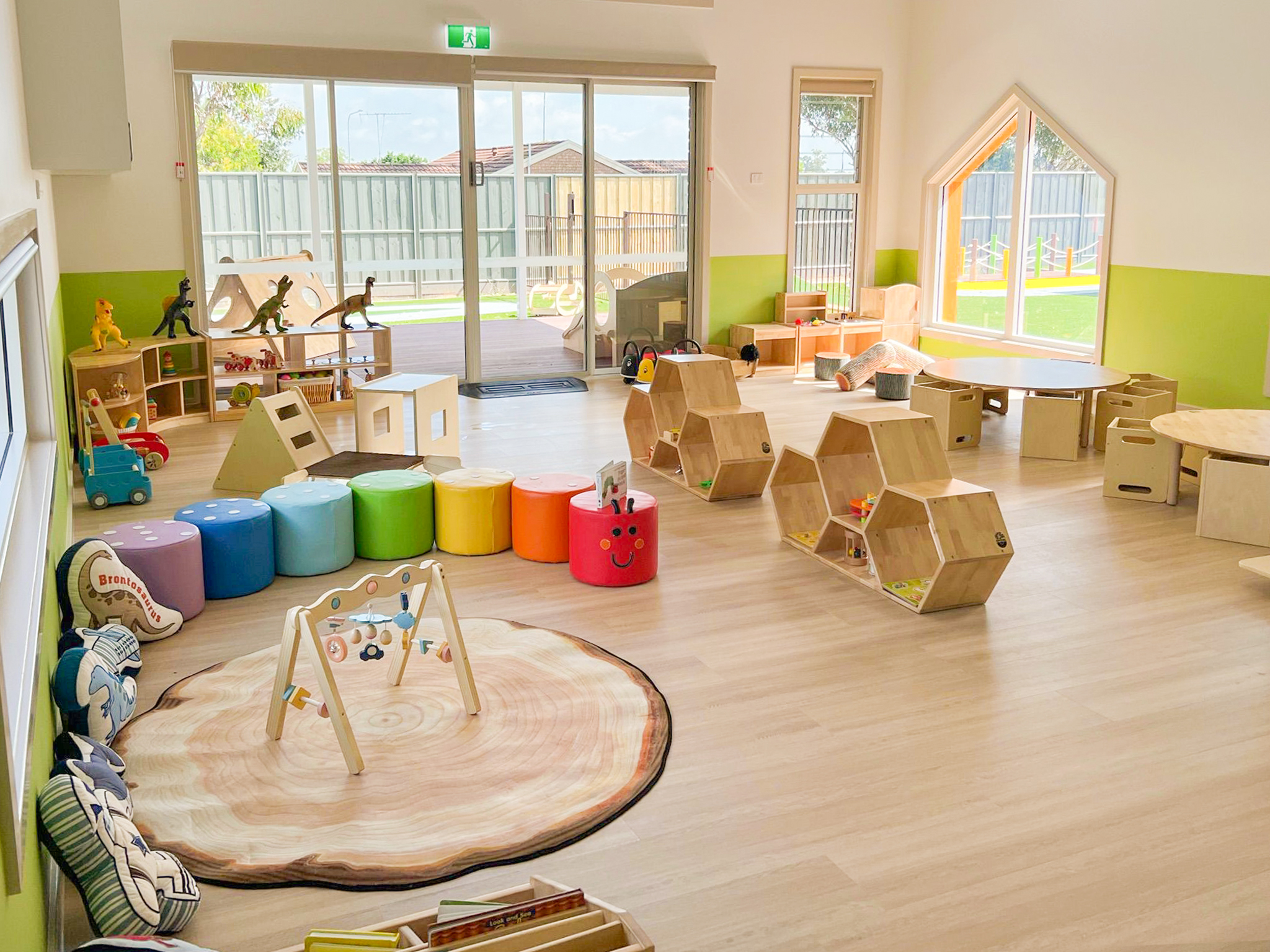
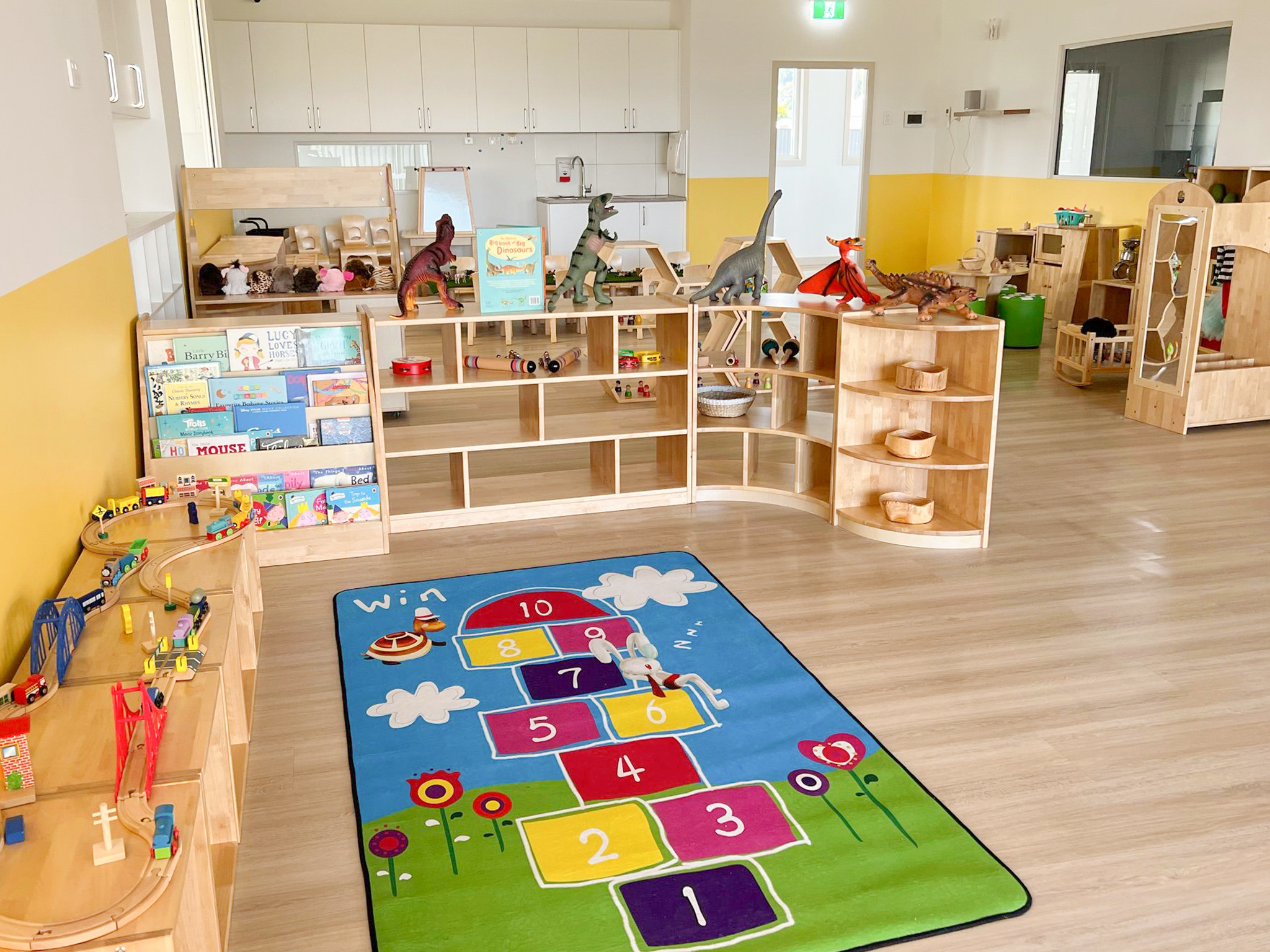
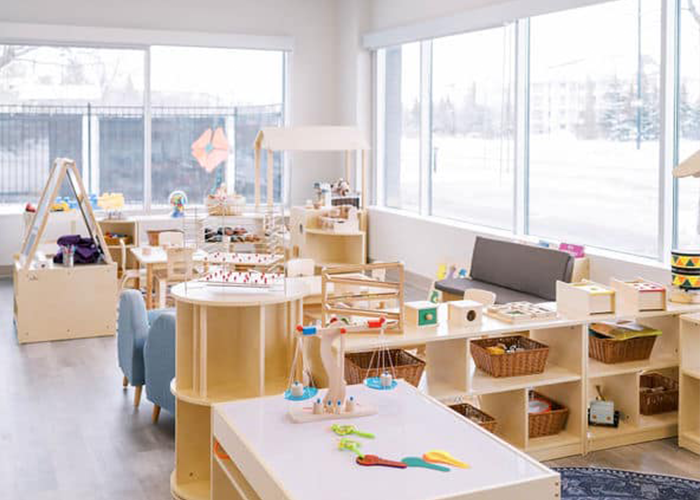
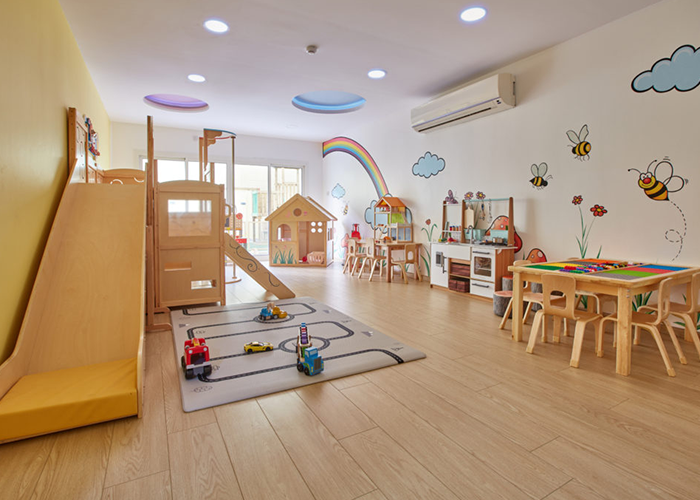
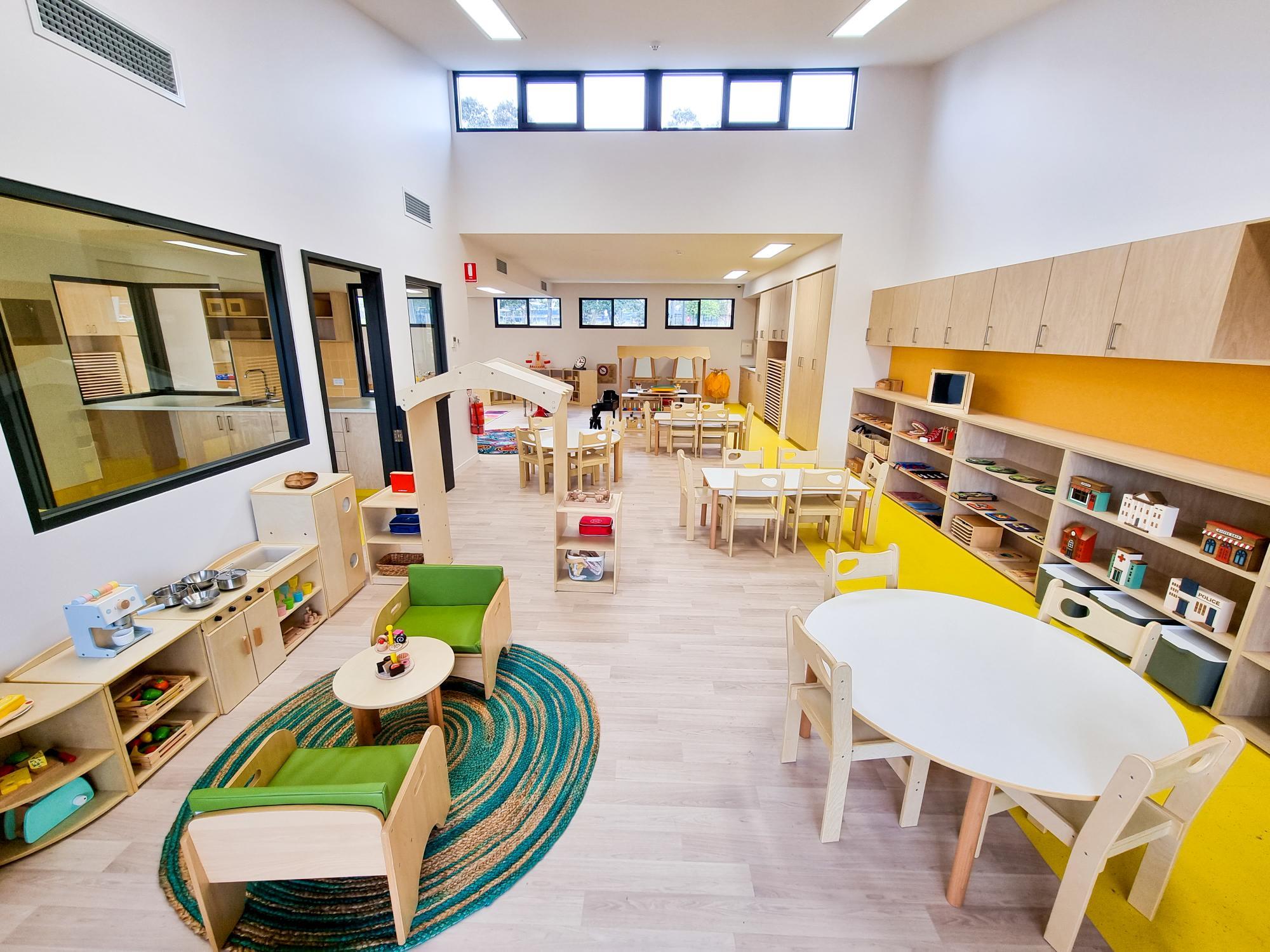
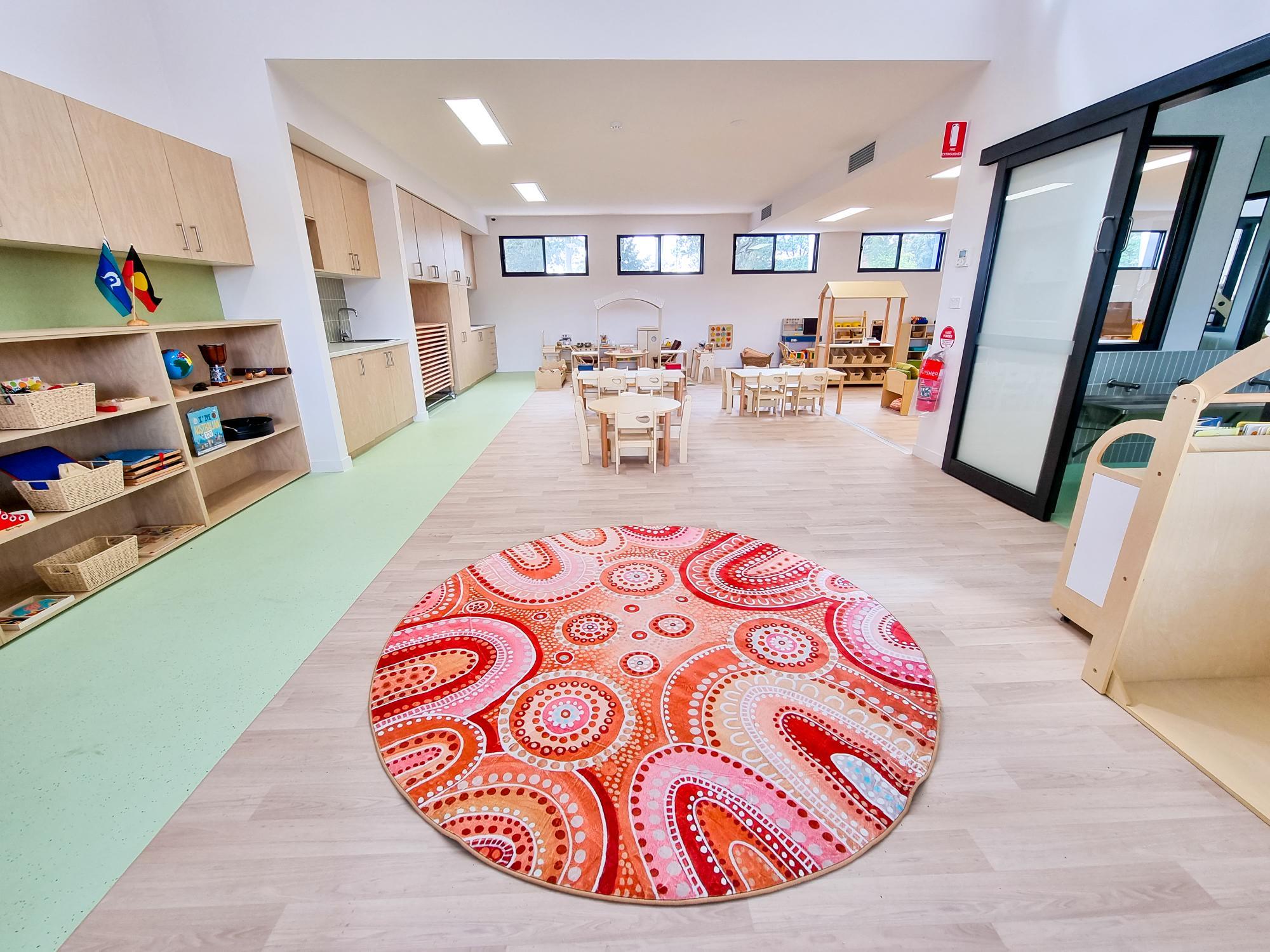
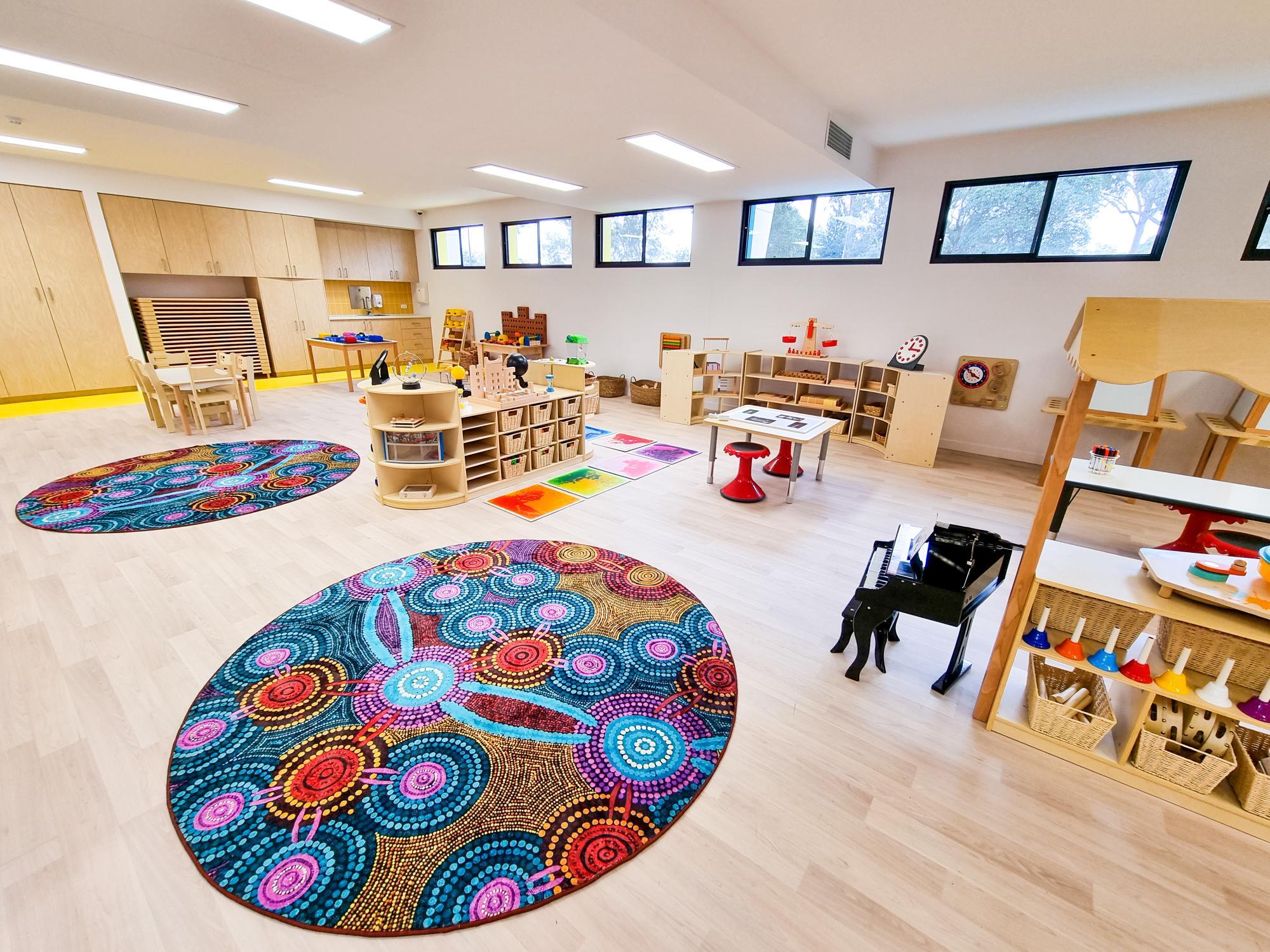
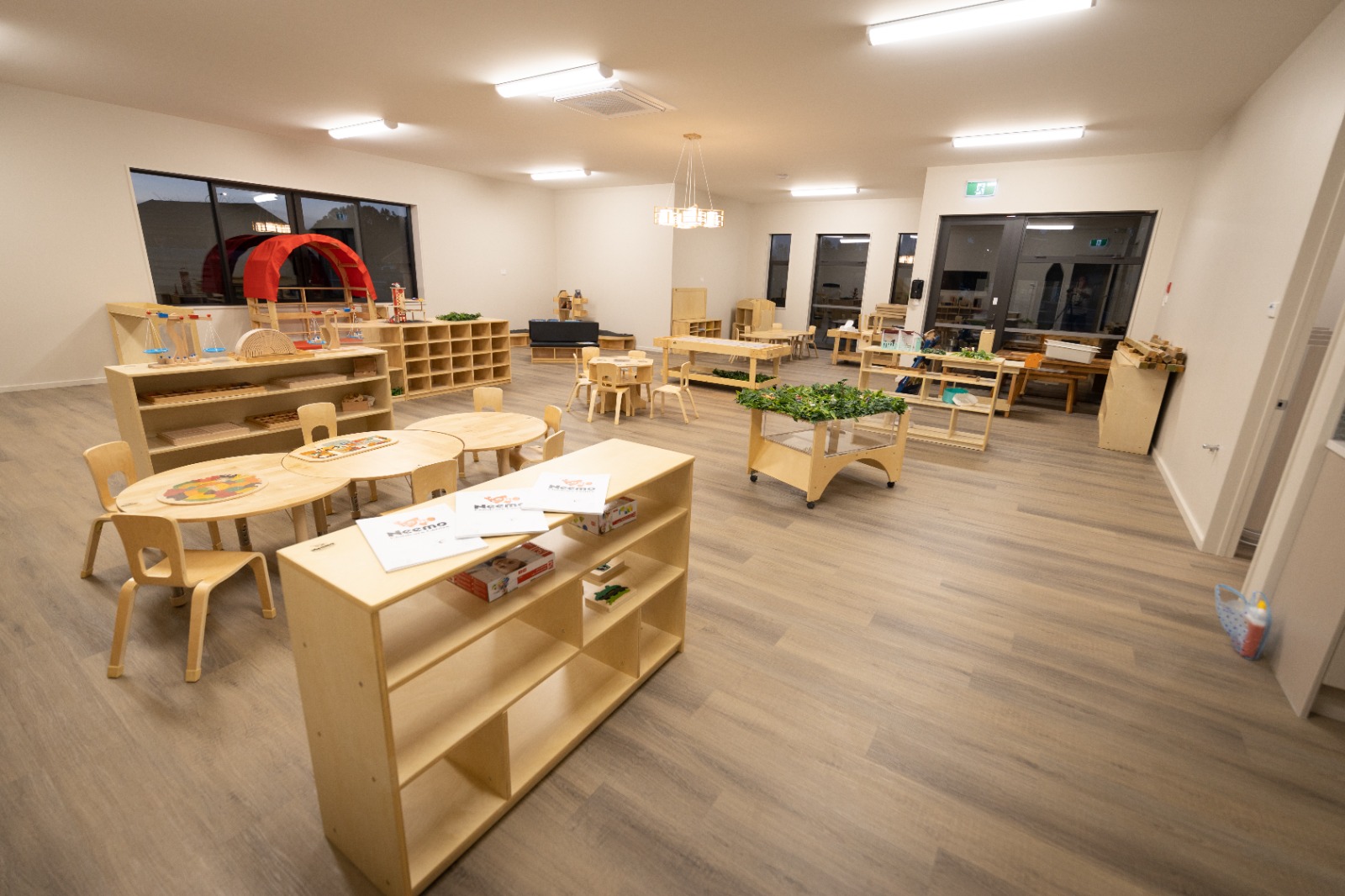
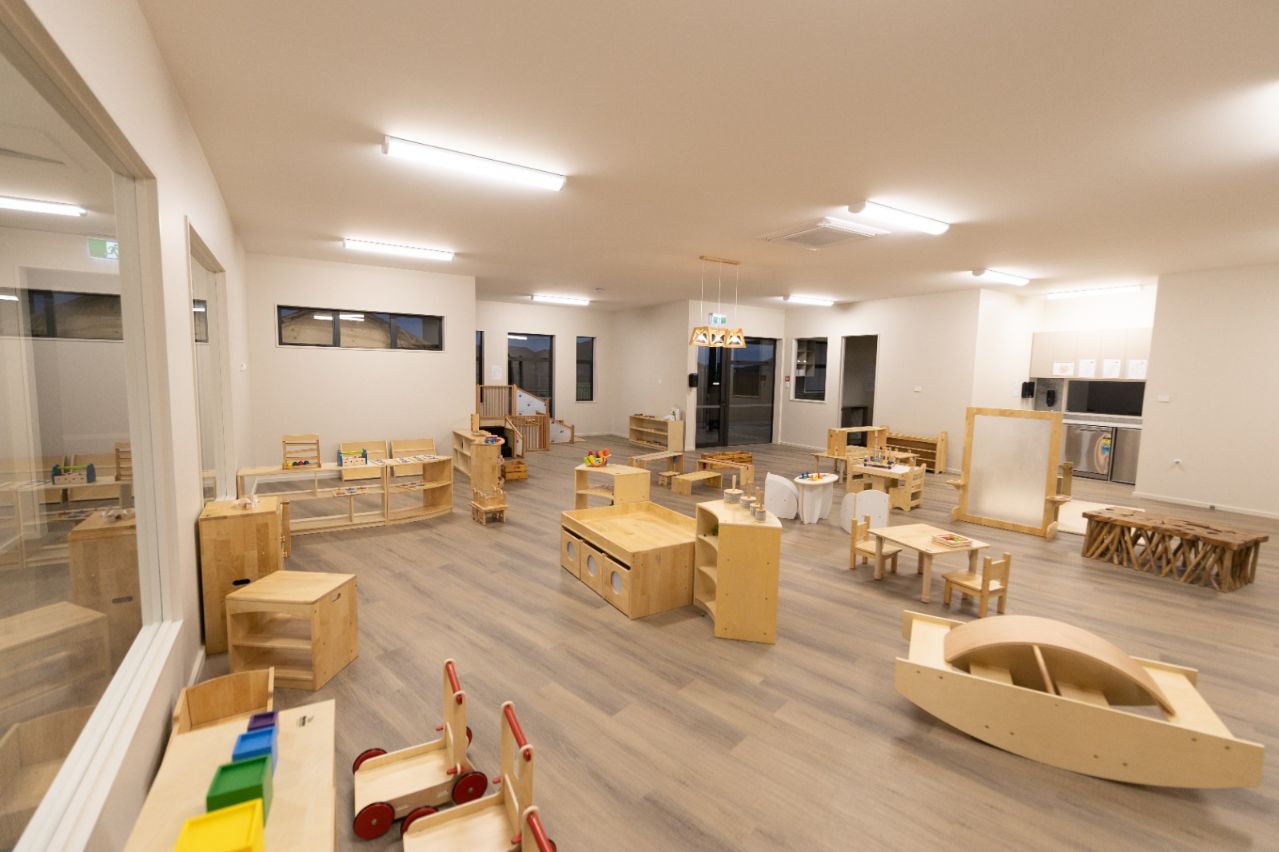
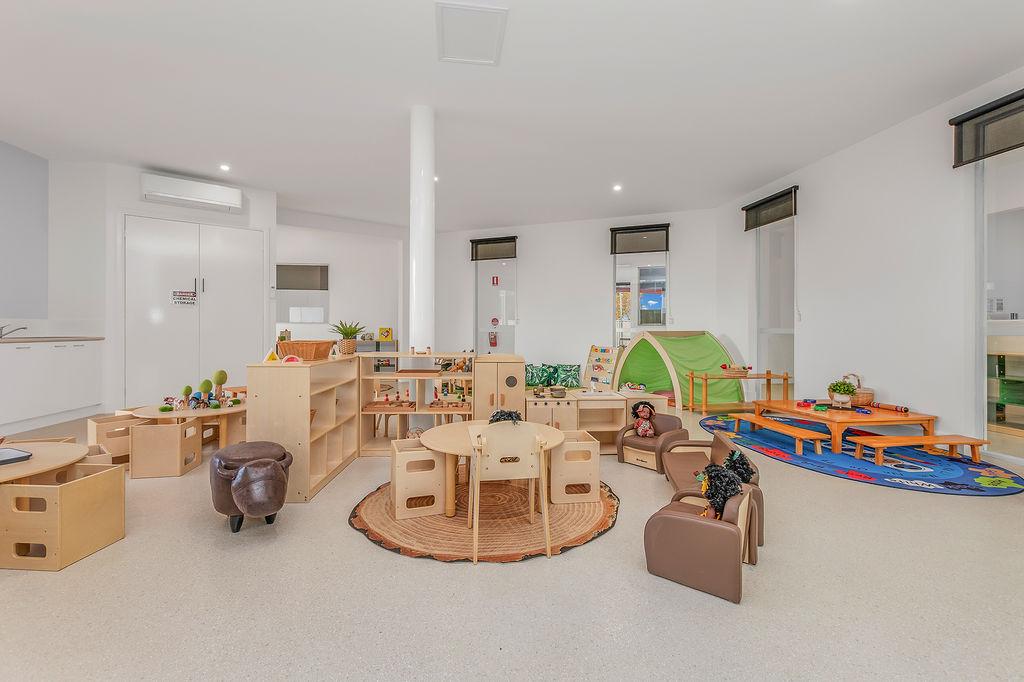
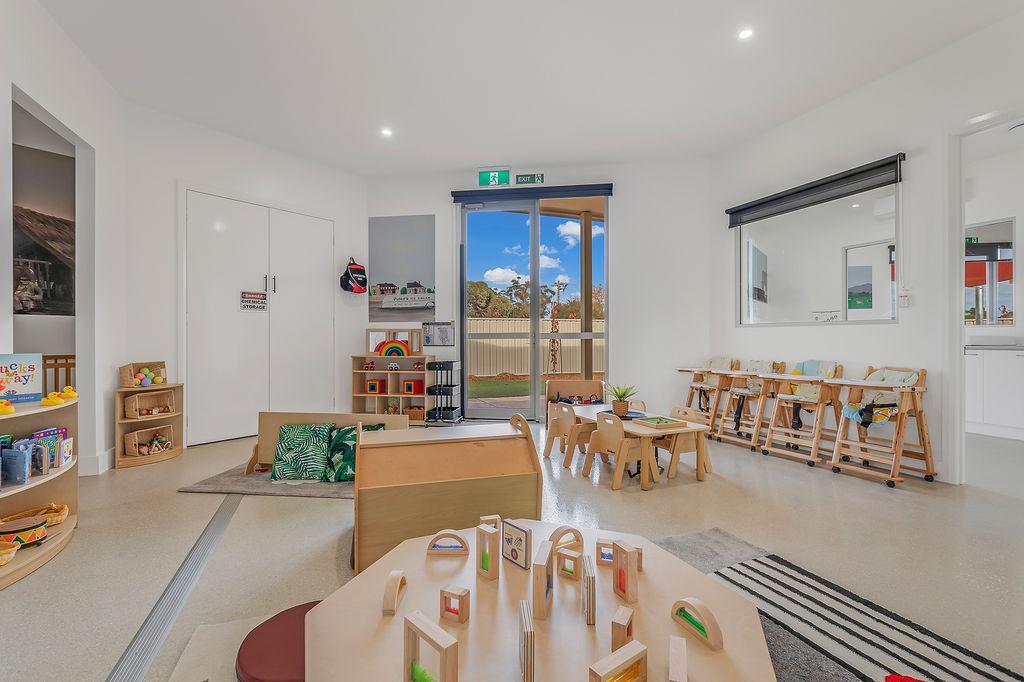
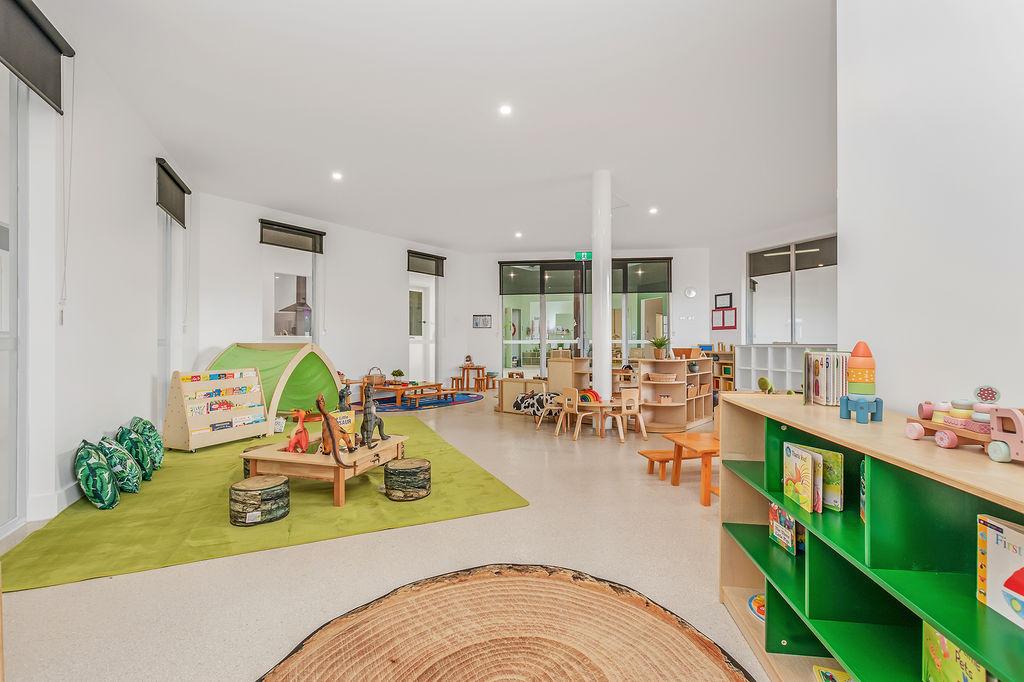
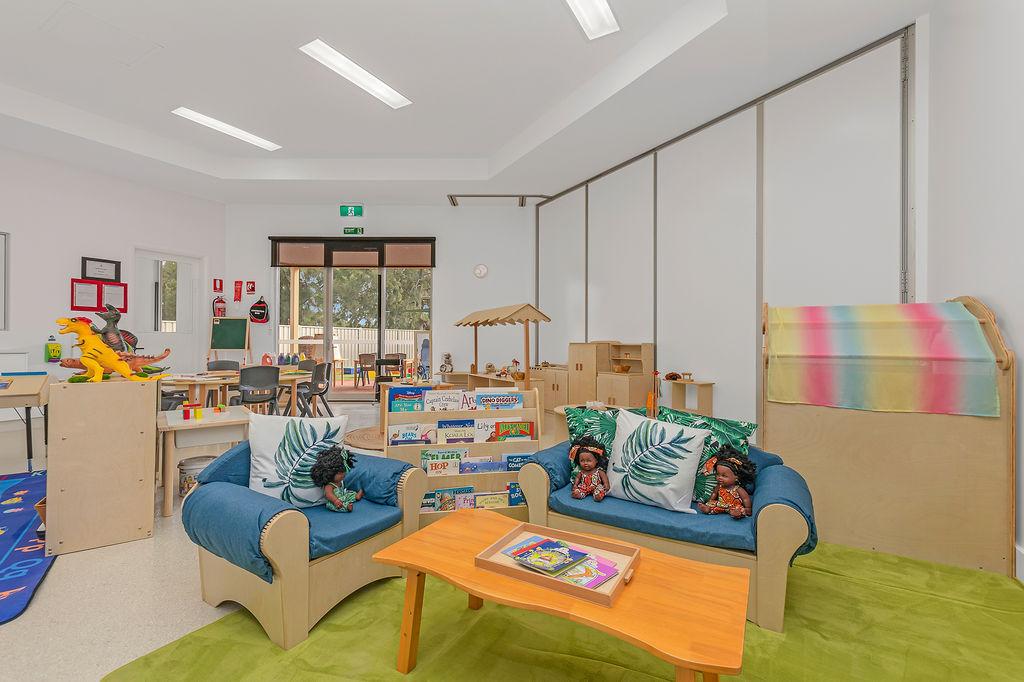
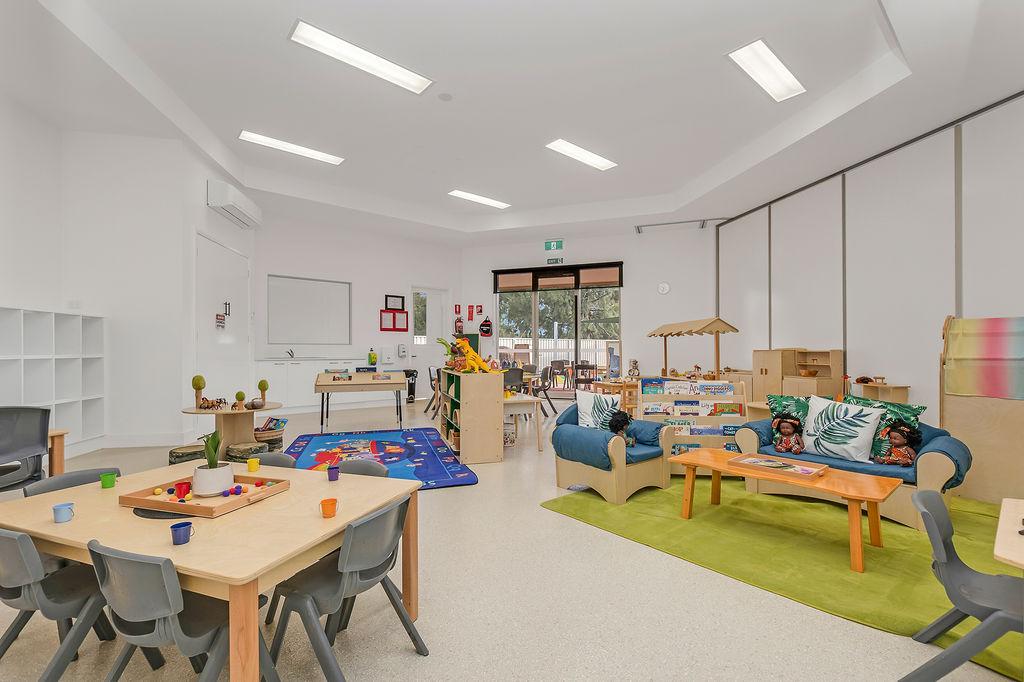
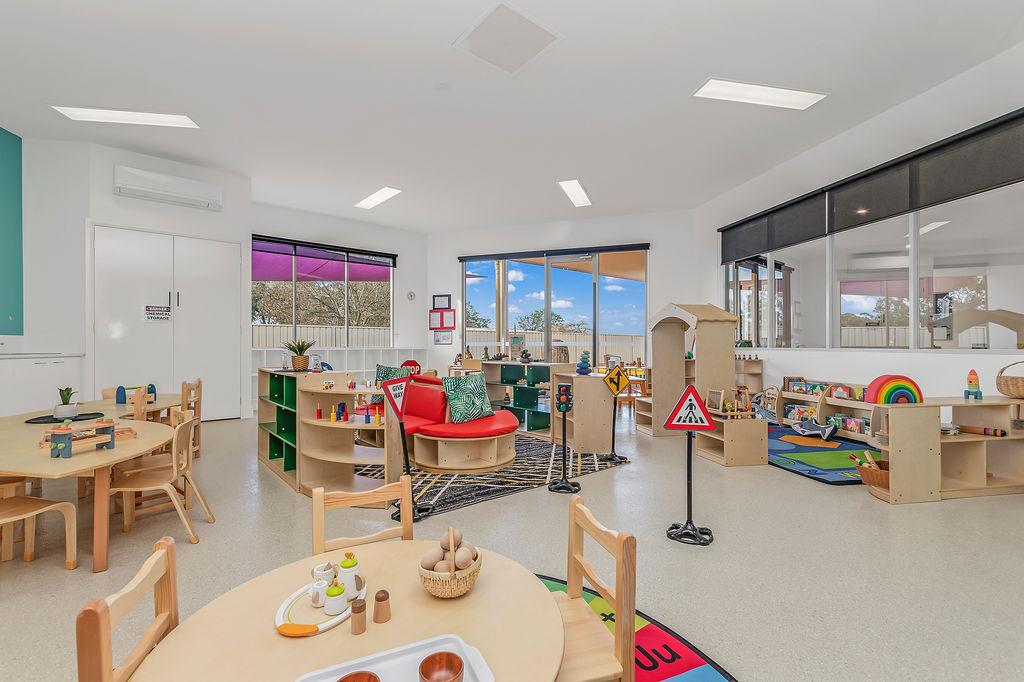
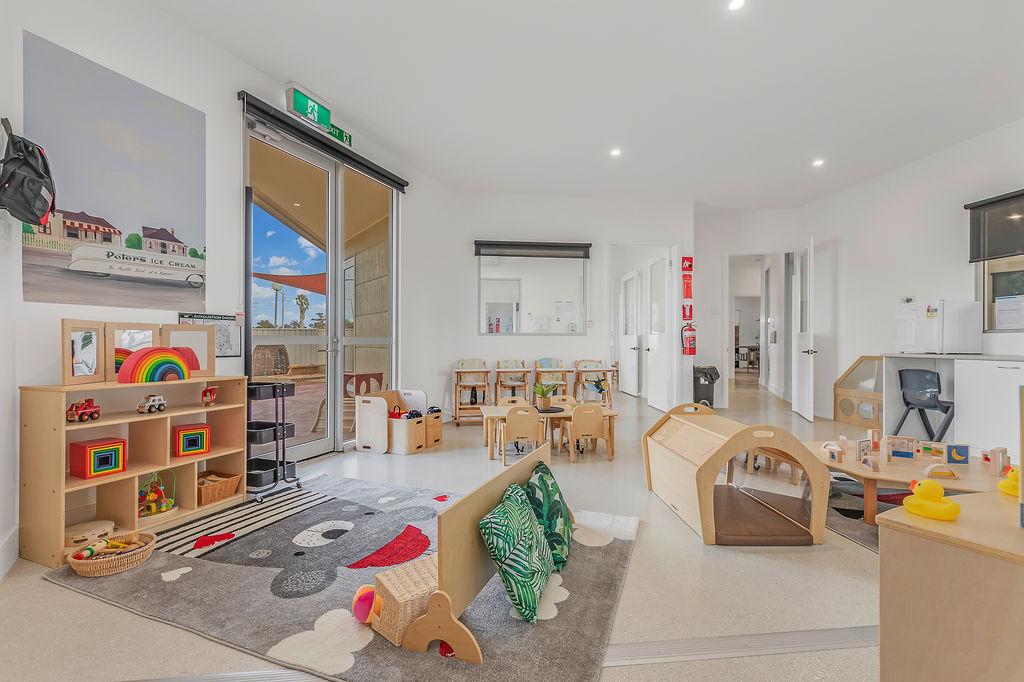
Creating an Environment for Dramatic Play
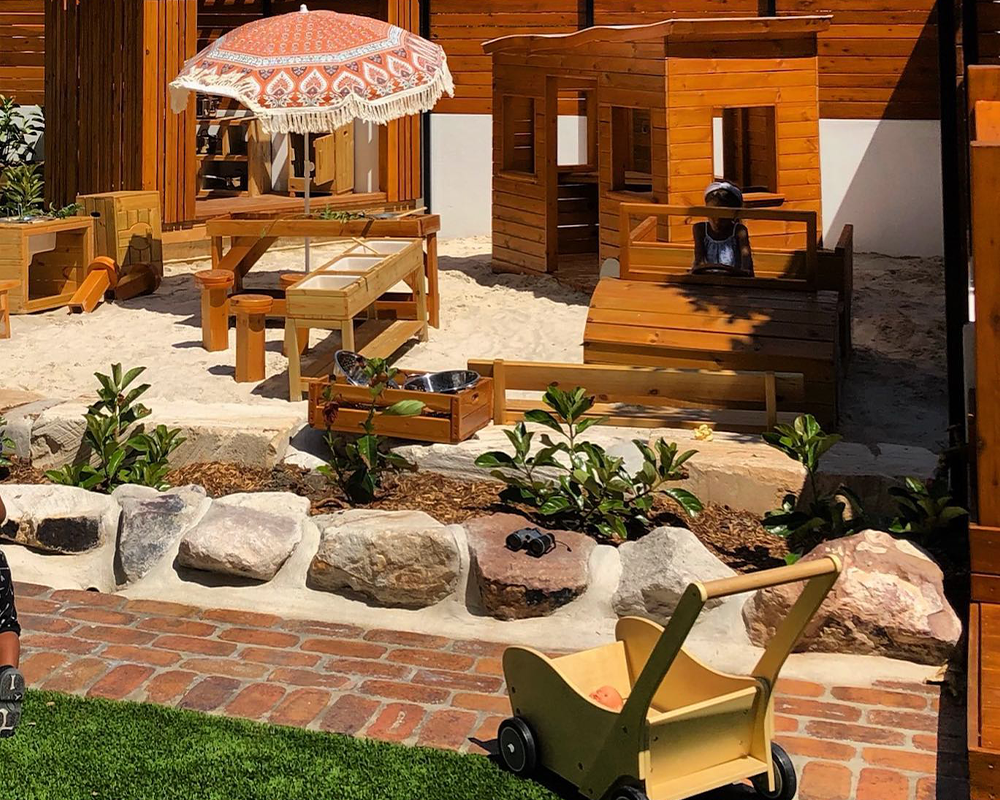
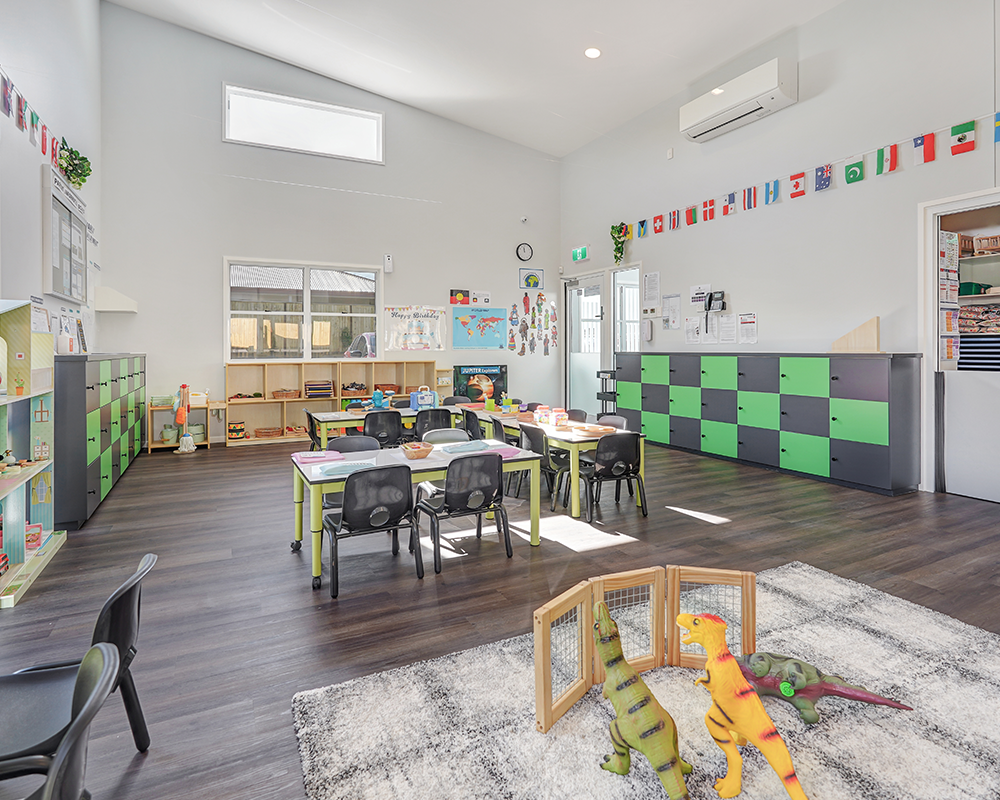
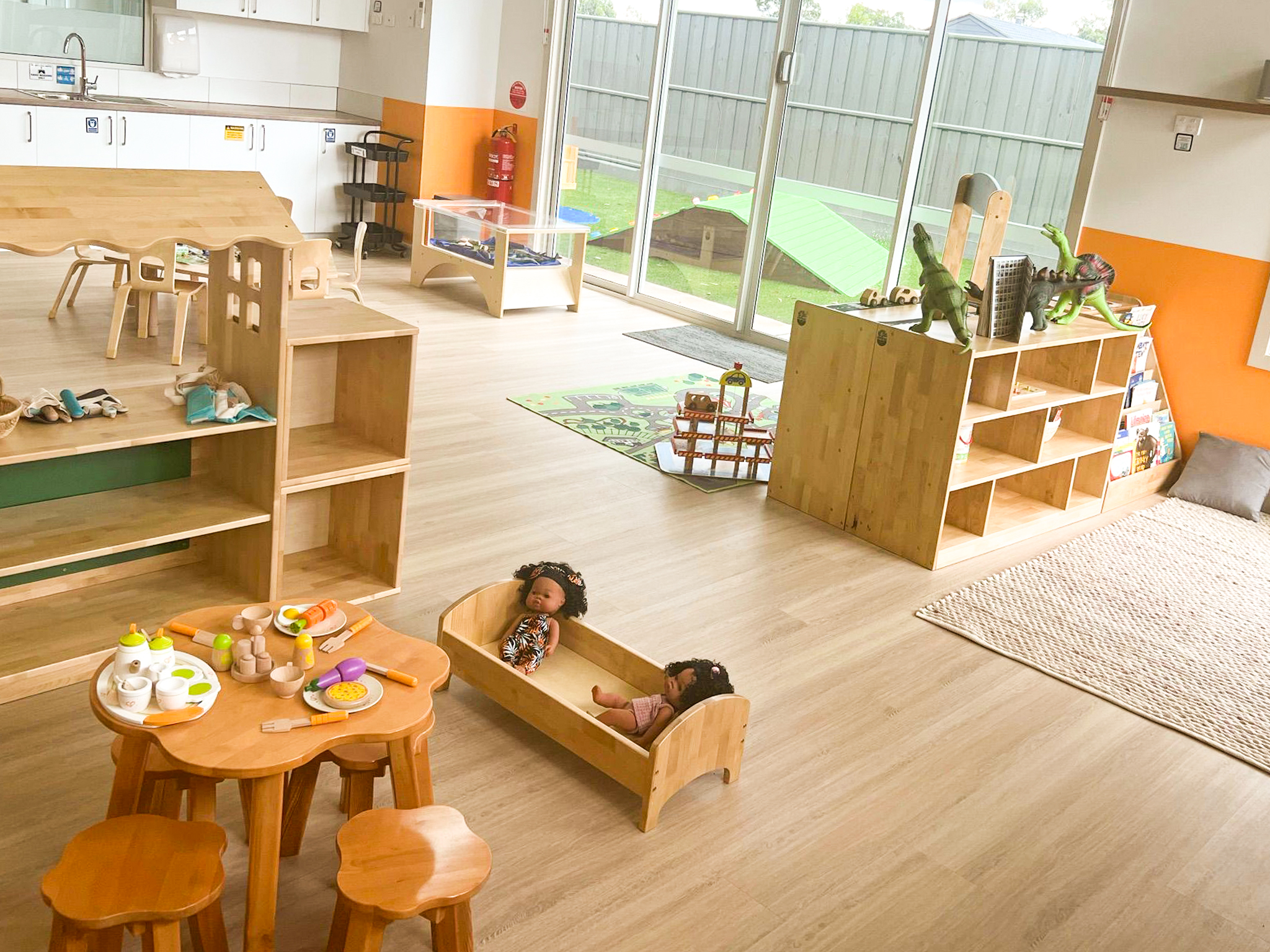
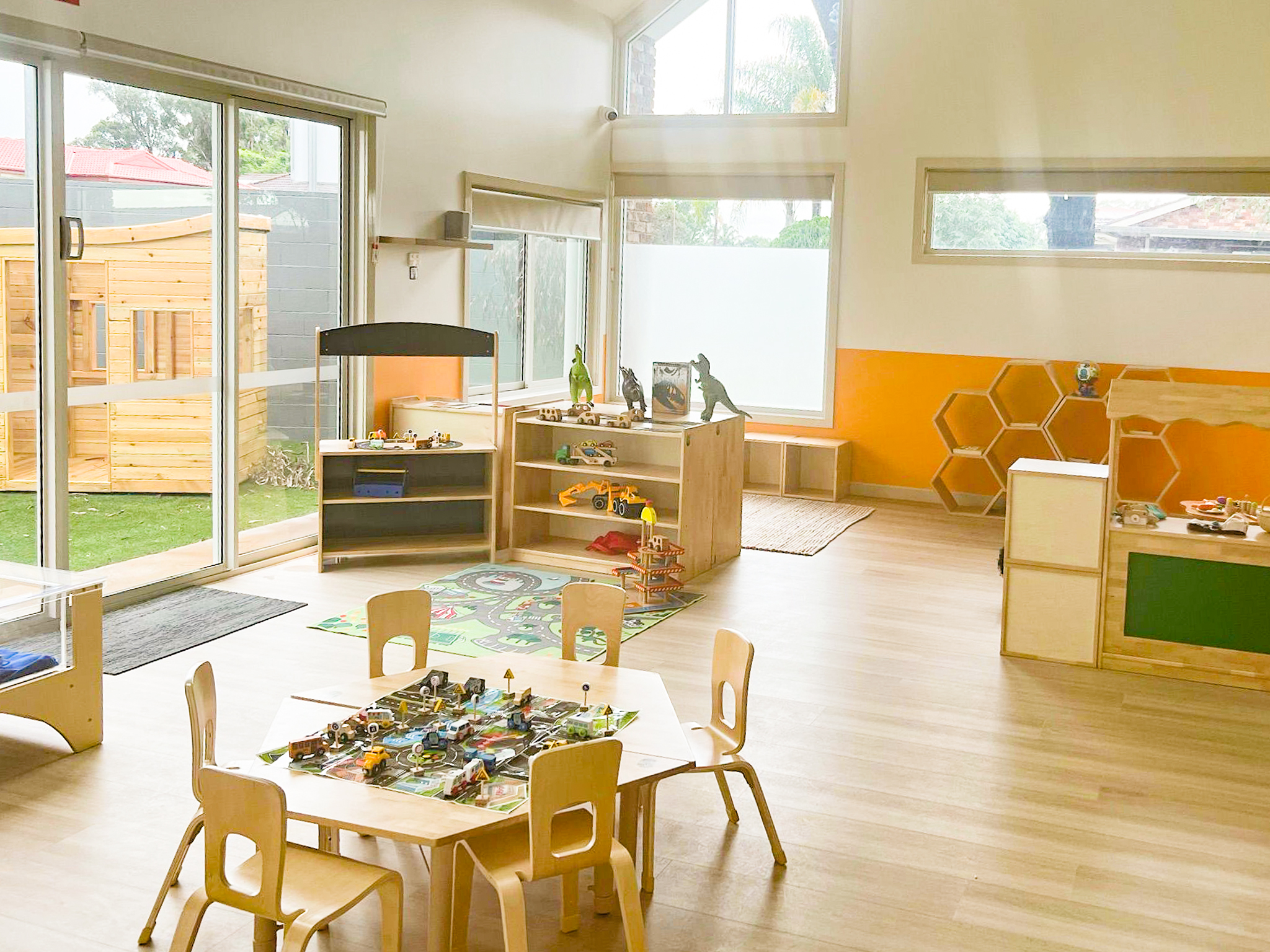
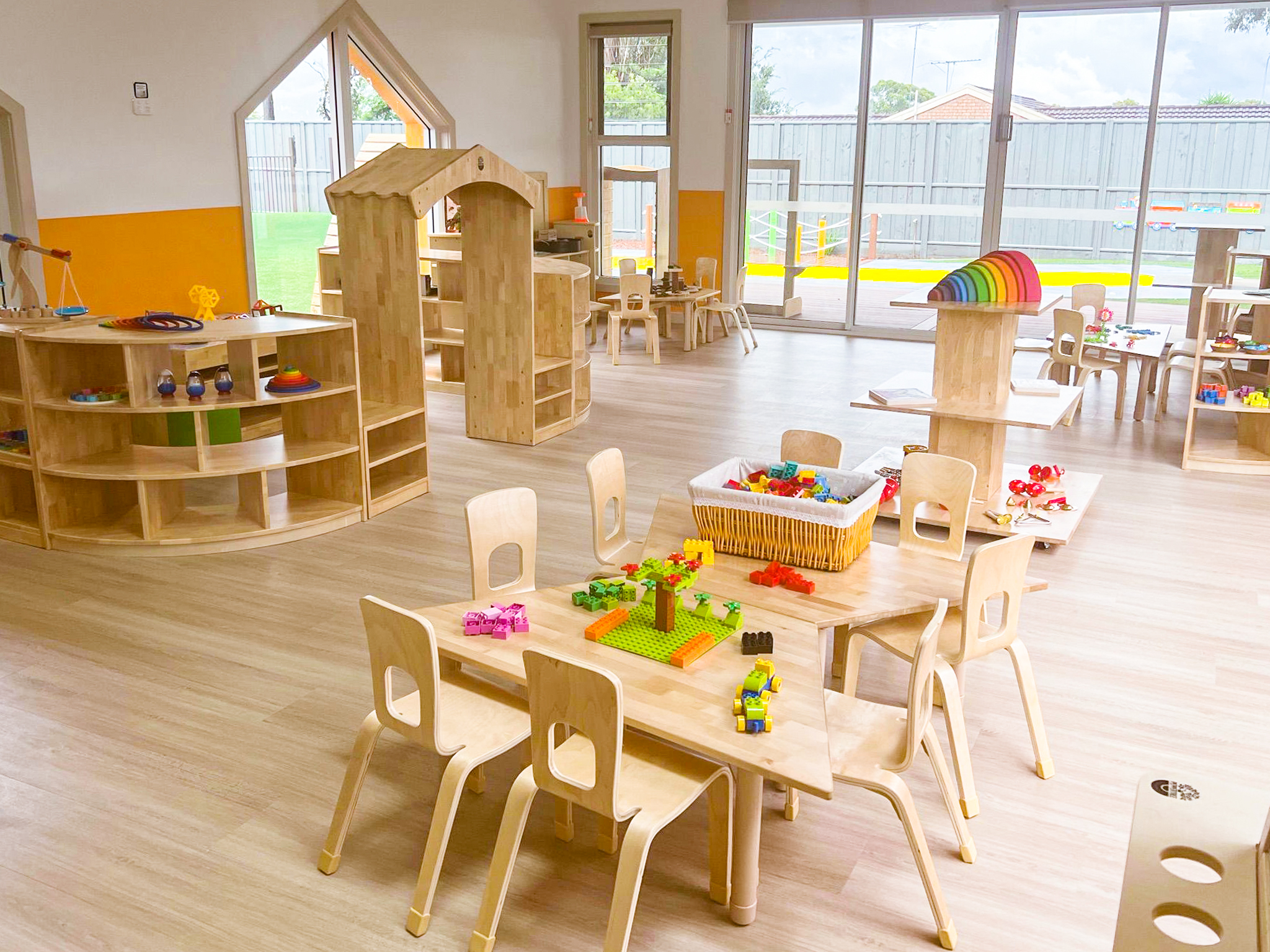
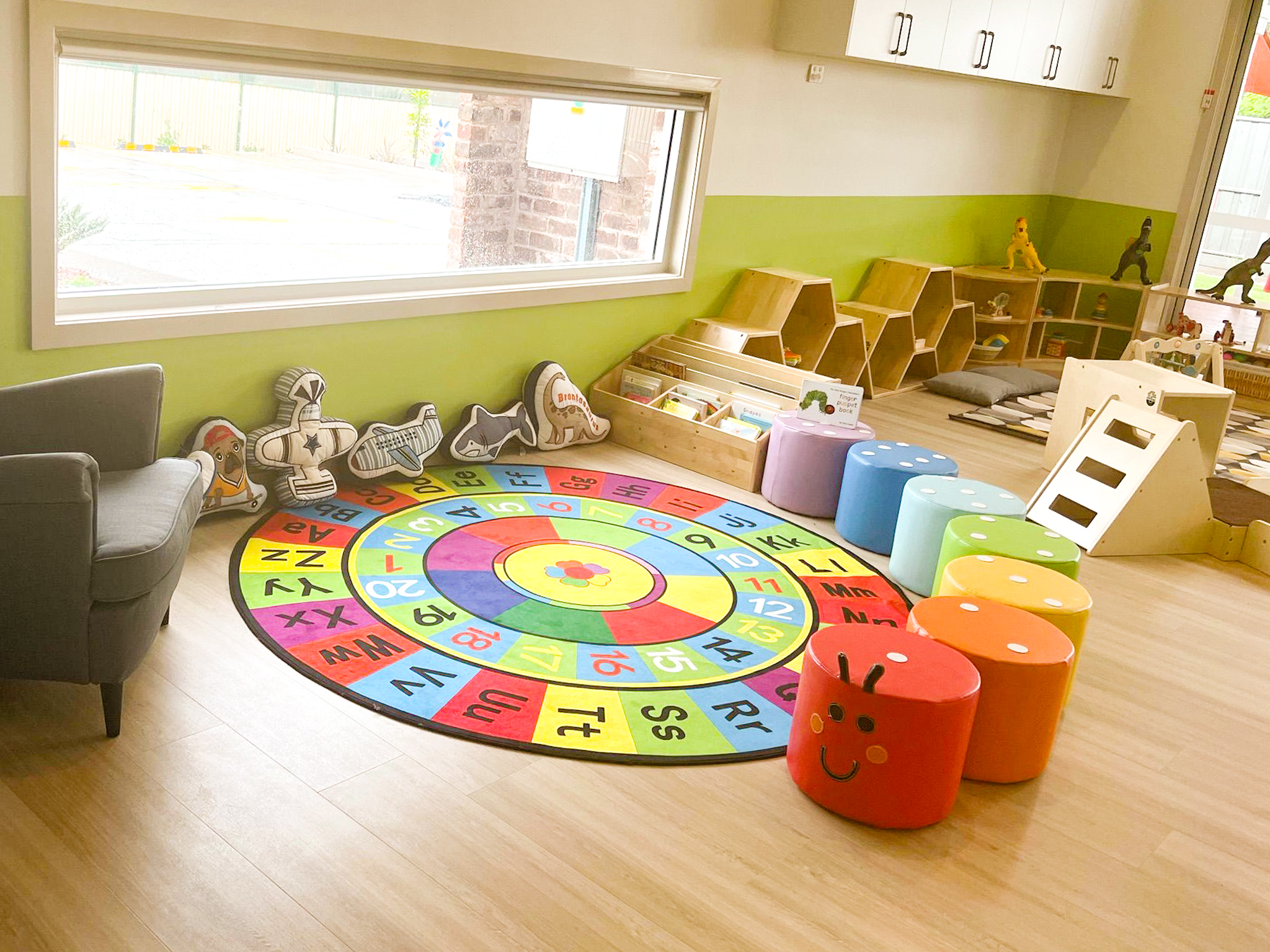
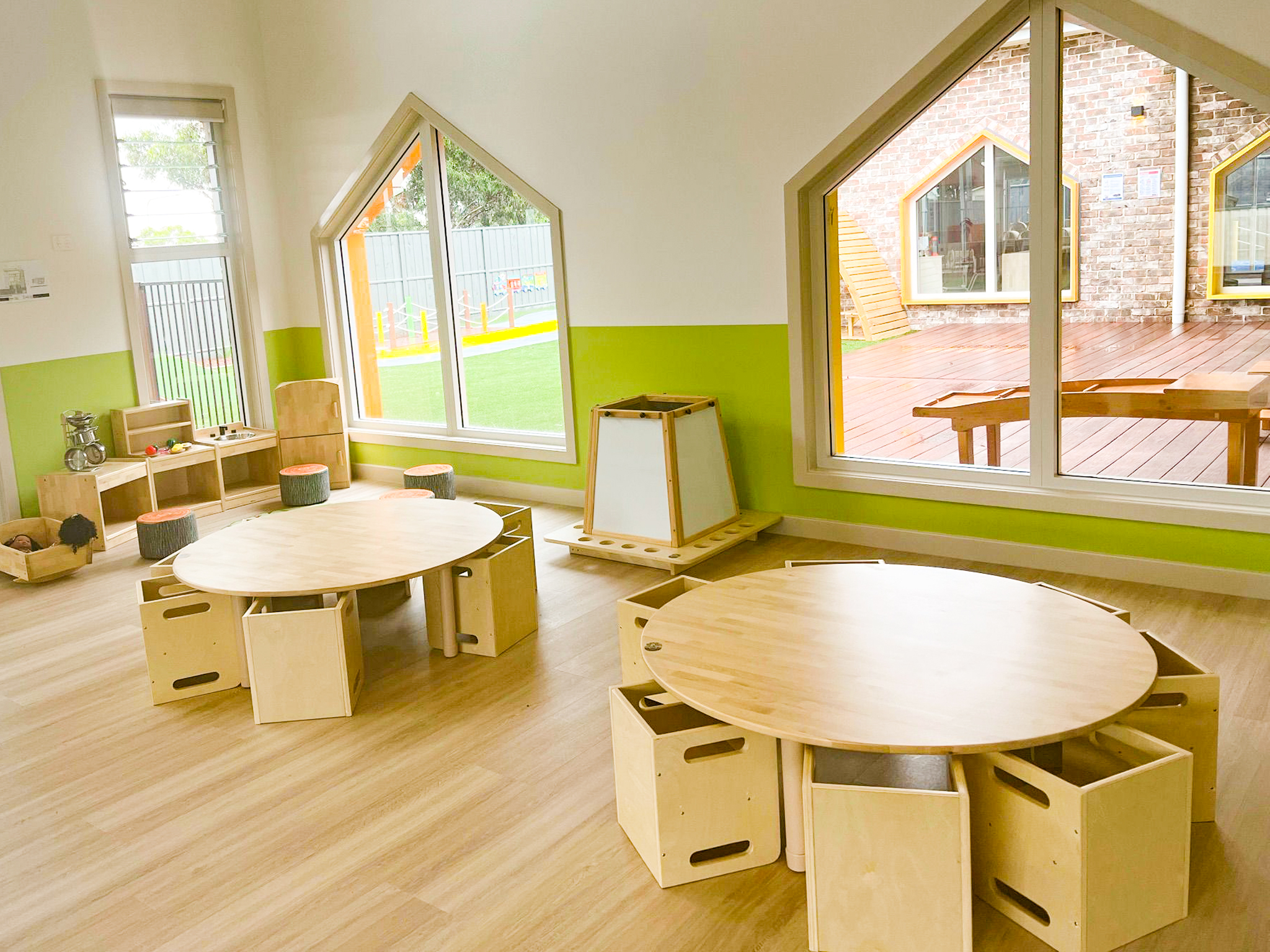
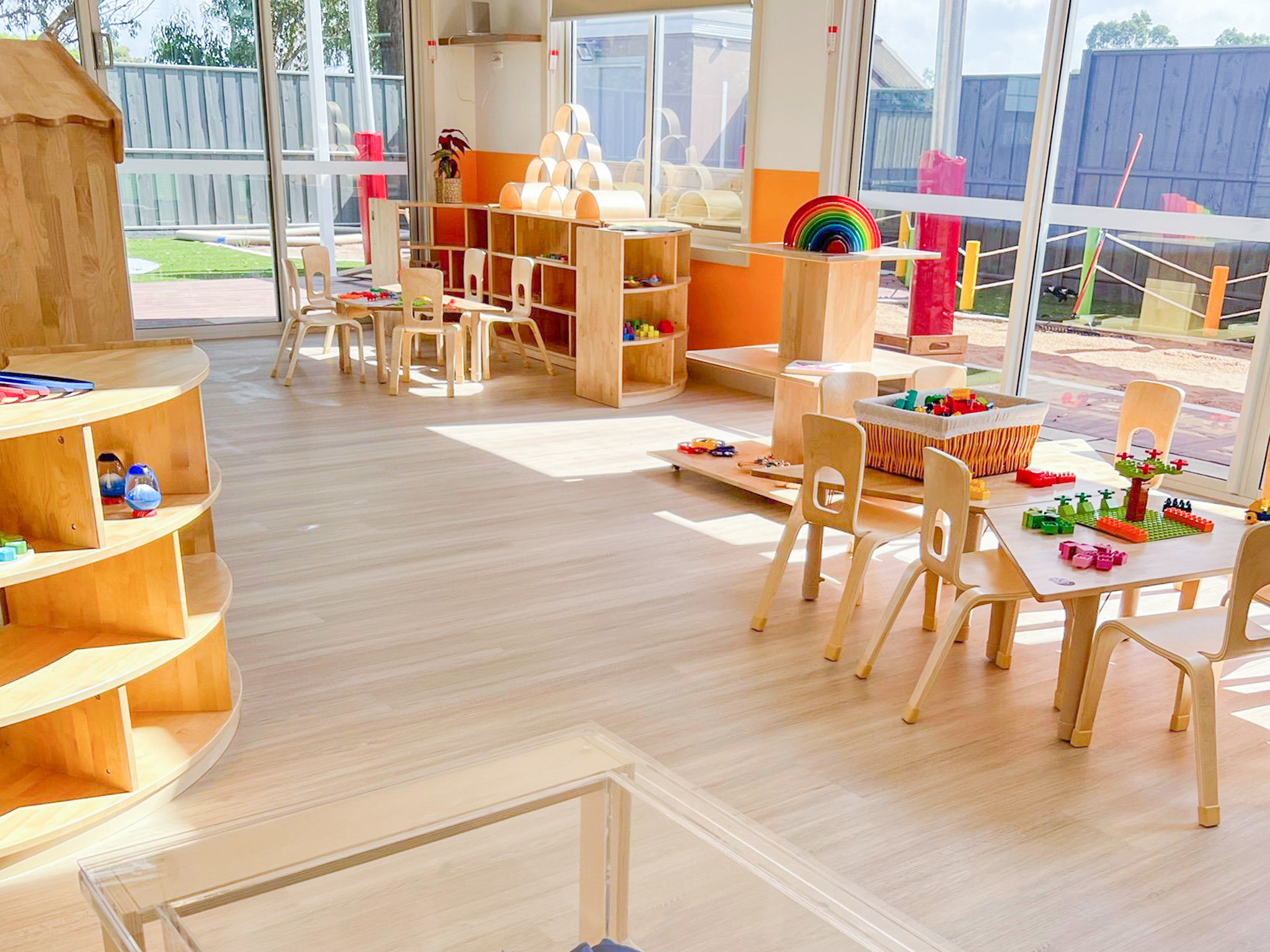
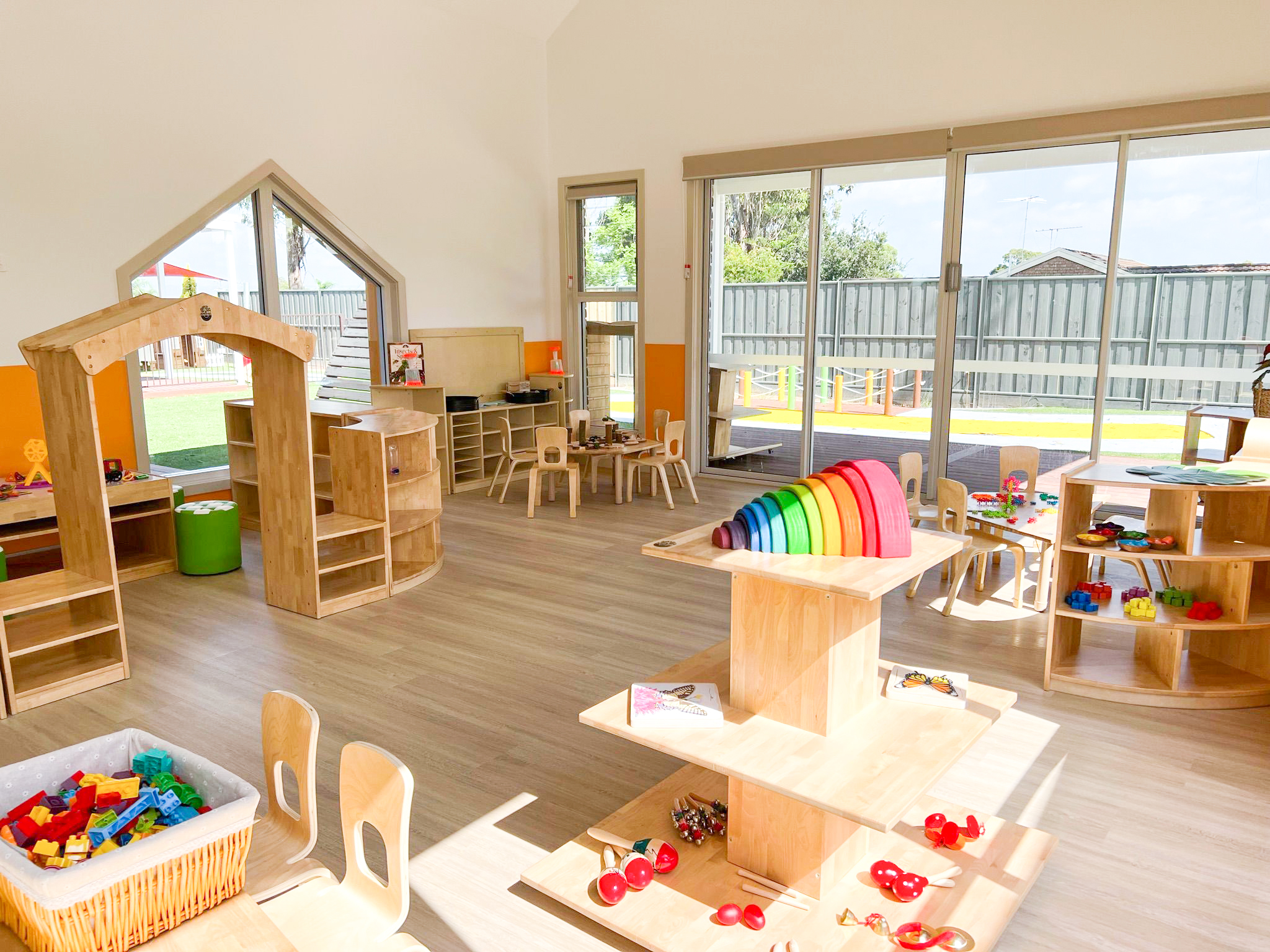
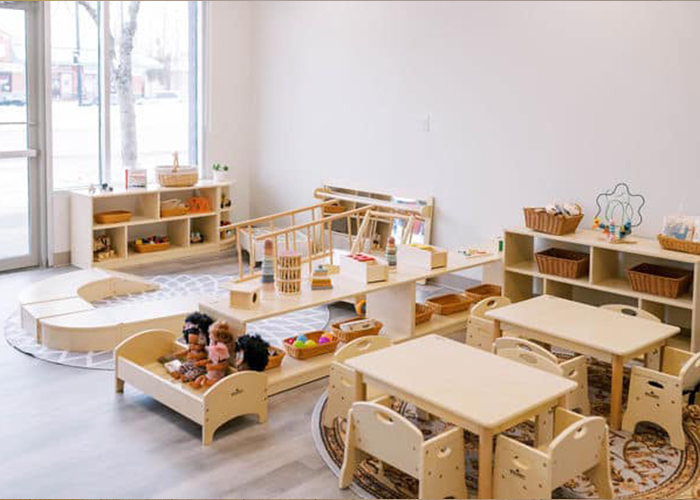
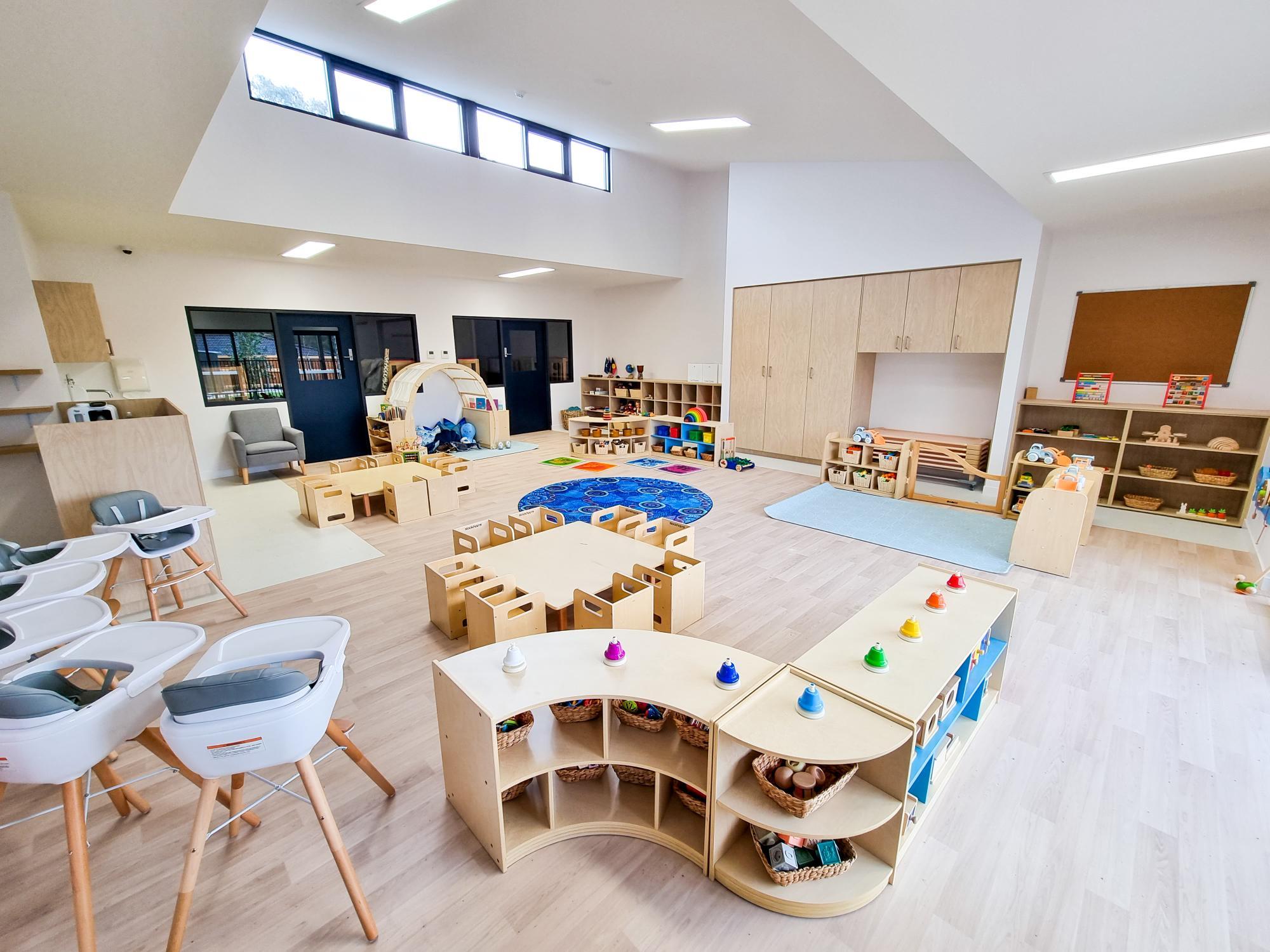
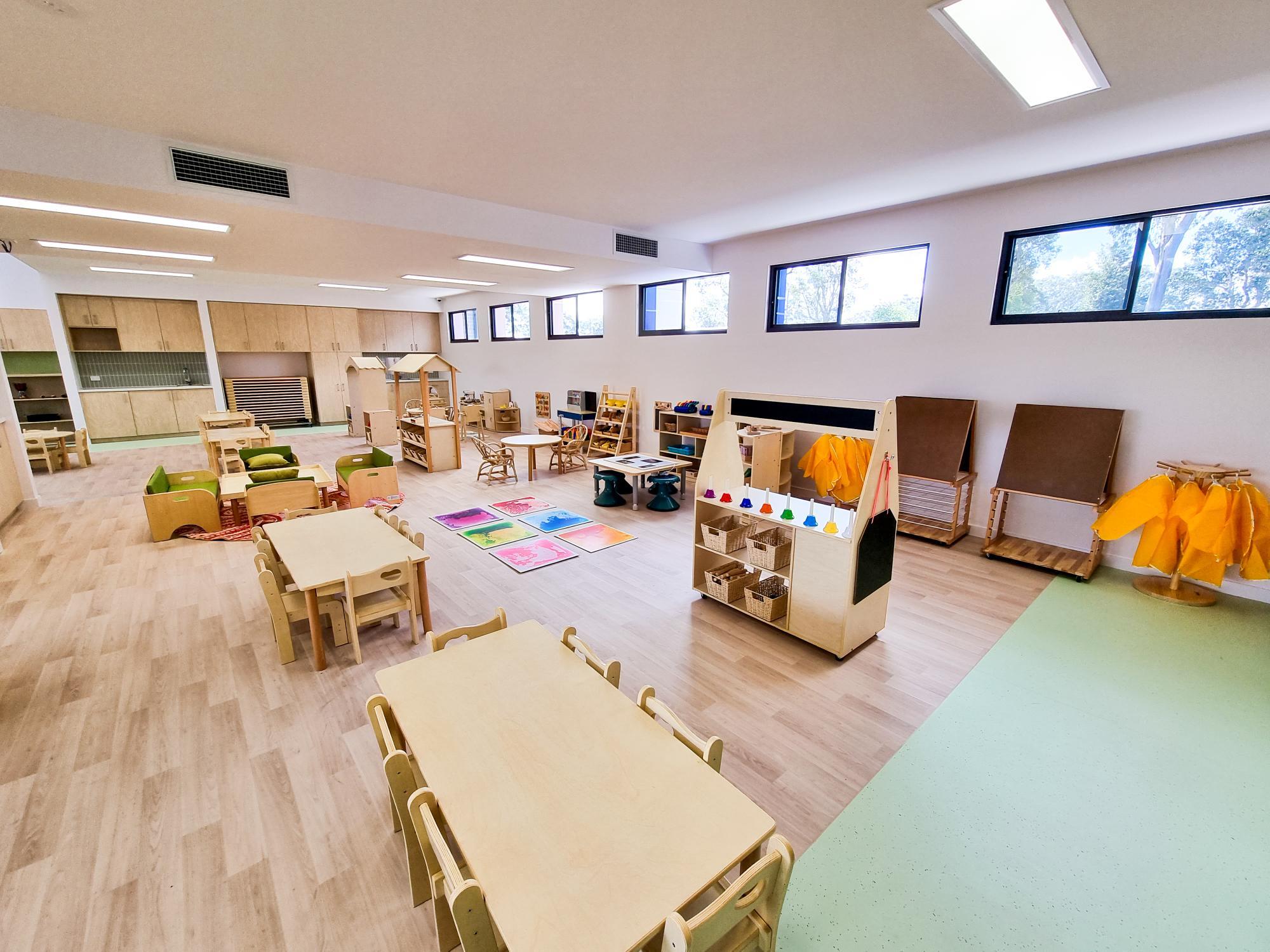
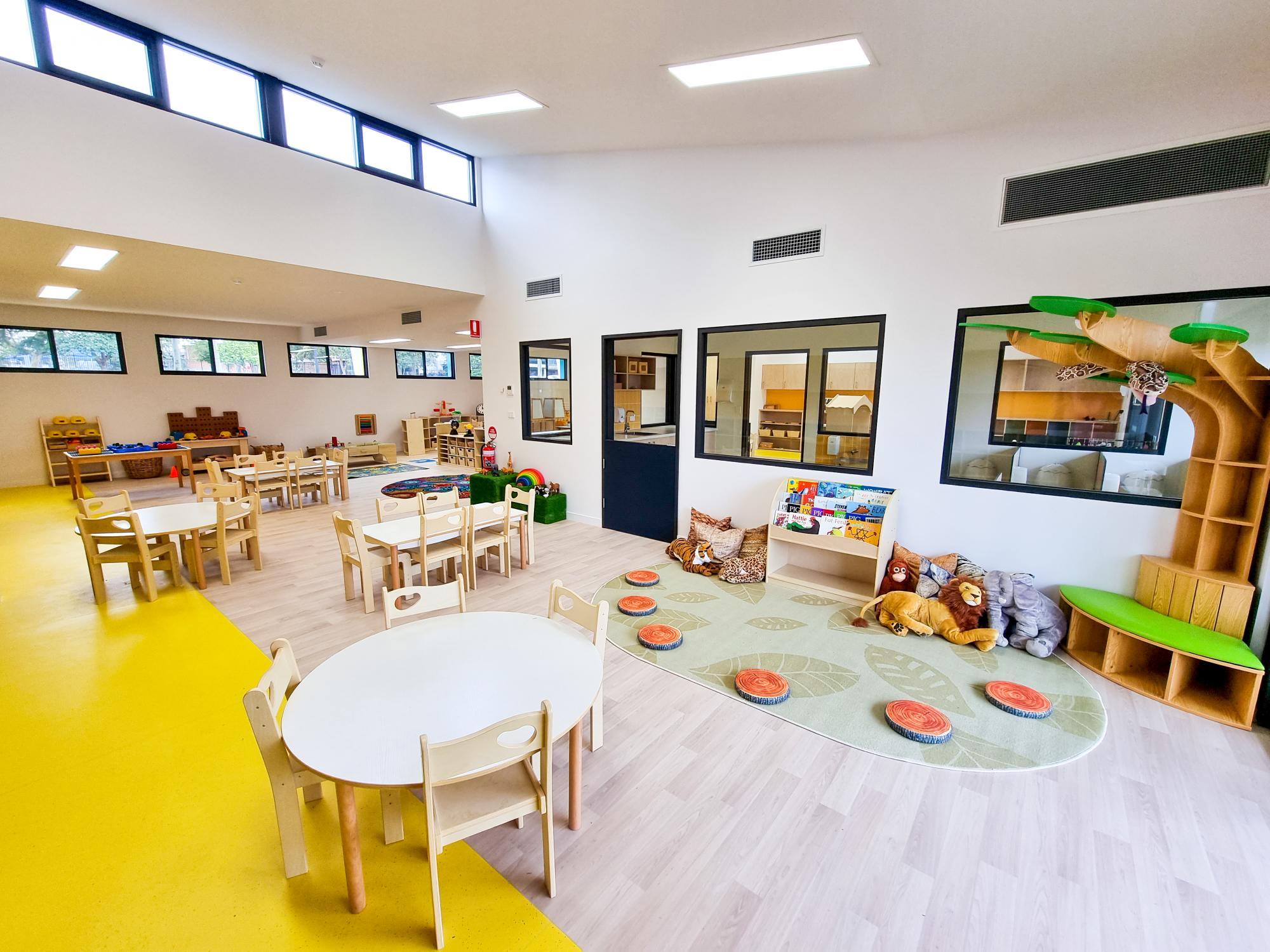
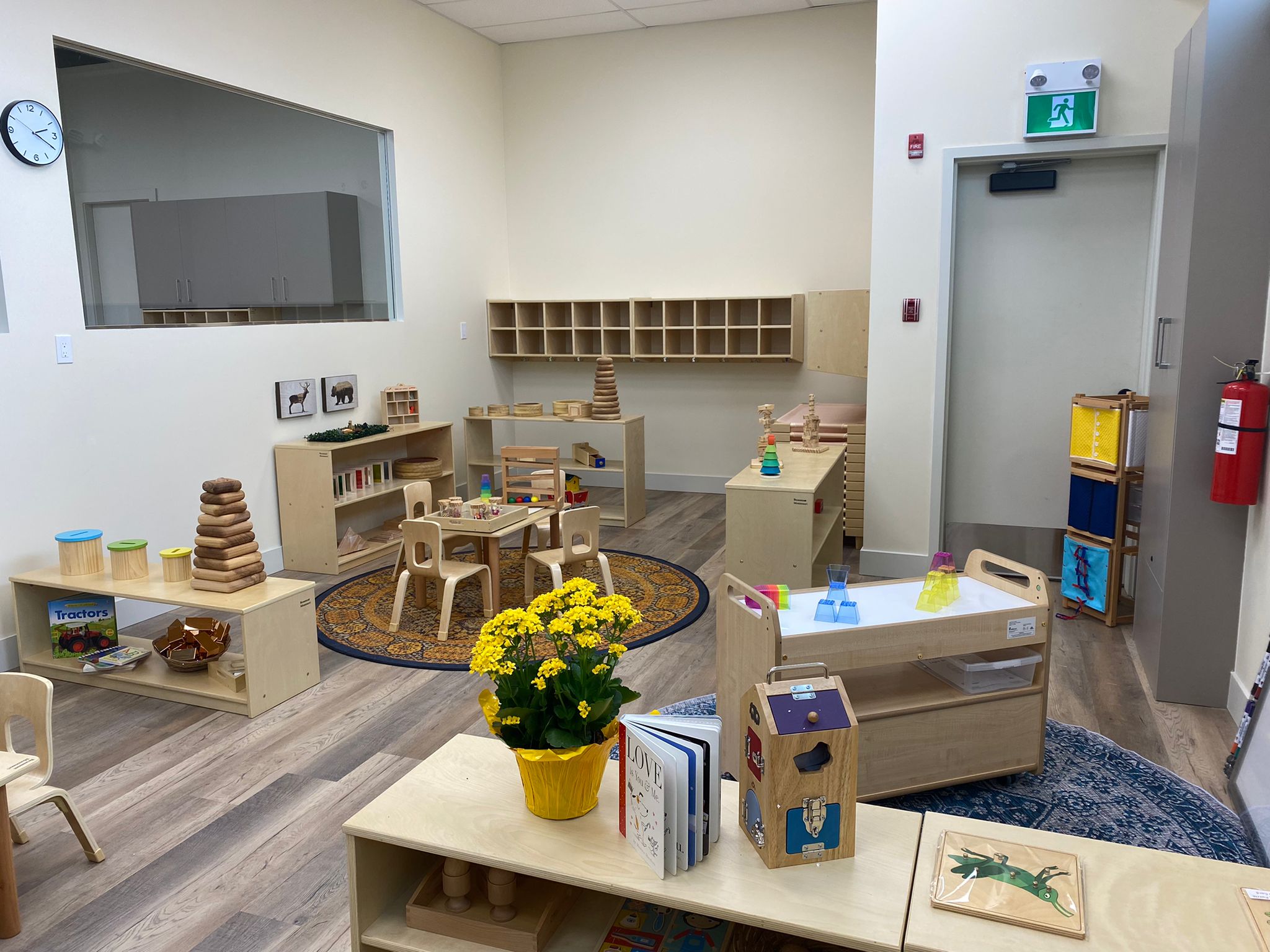
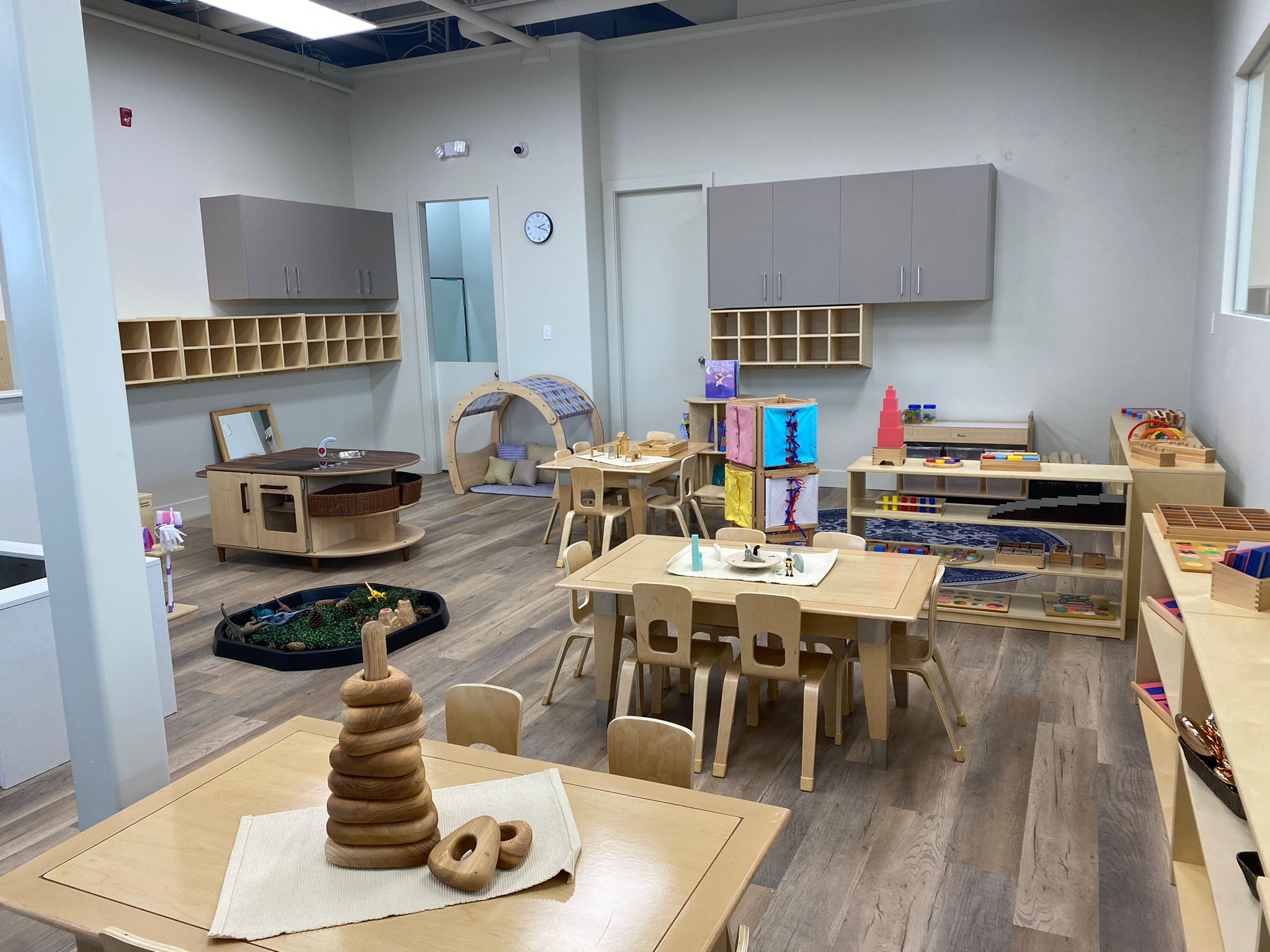
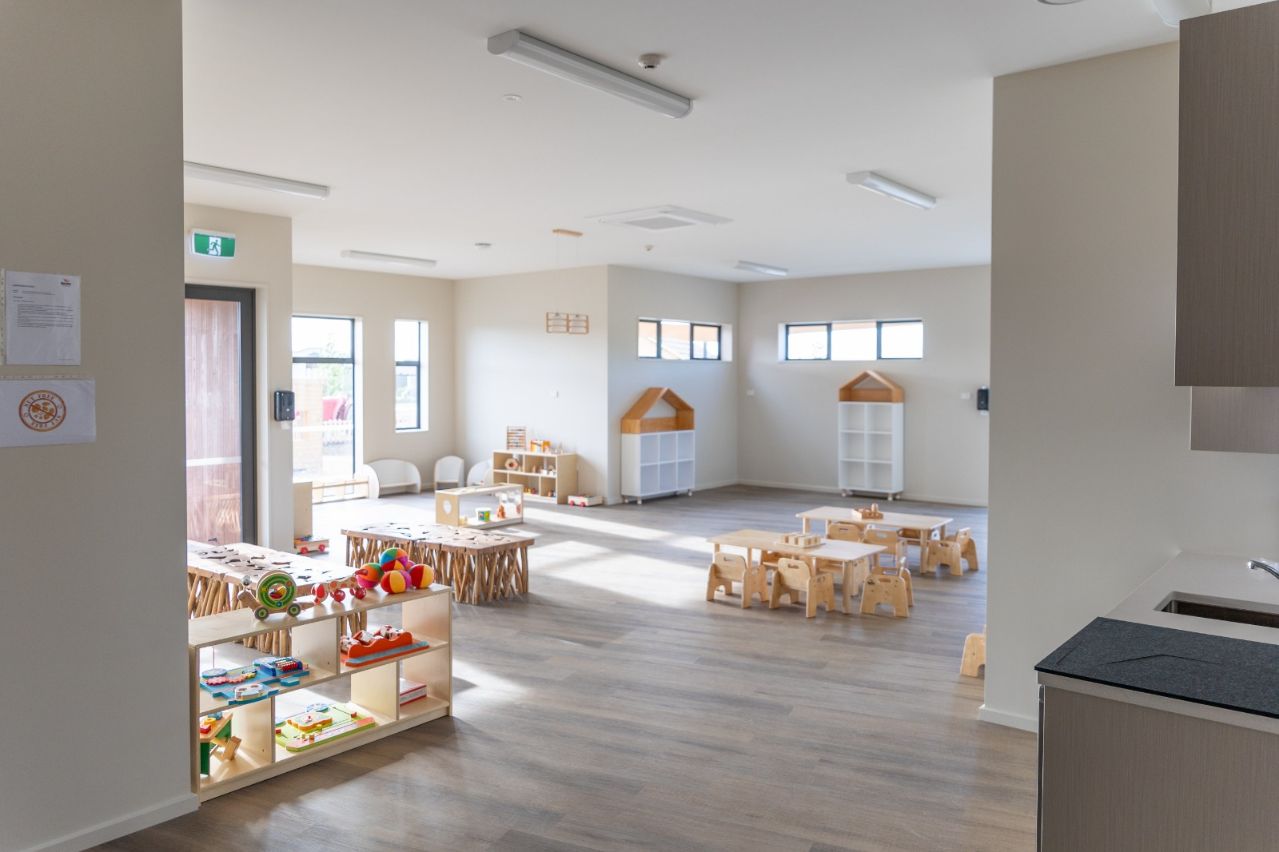
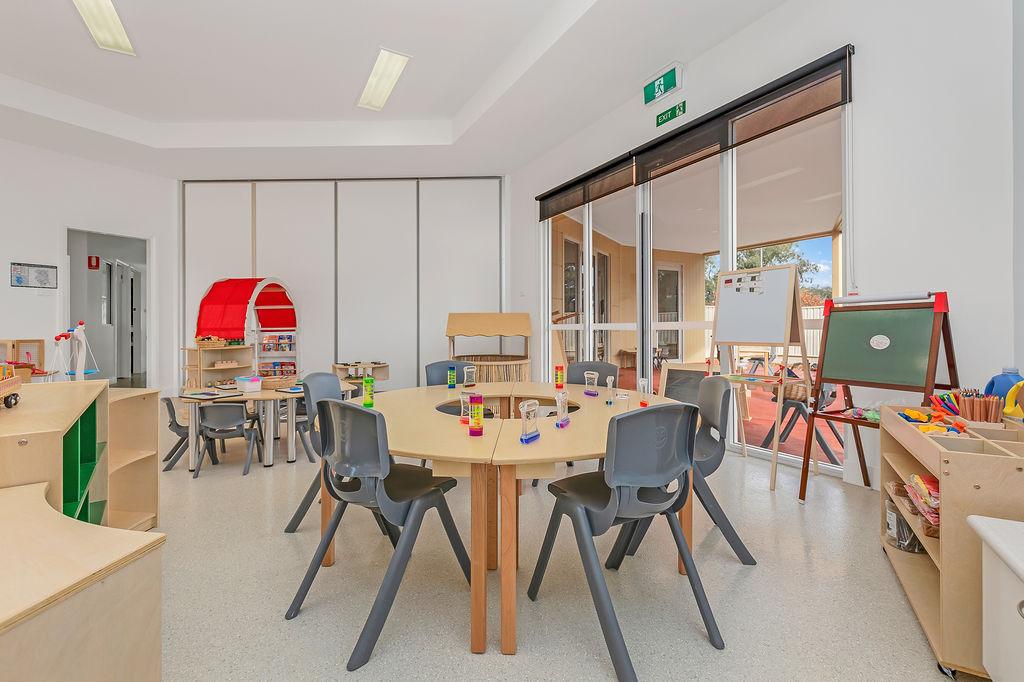
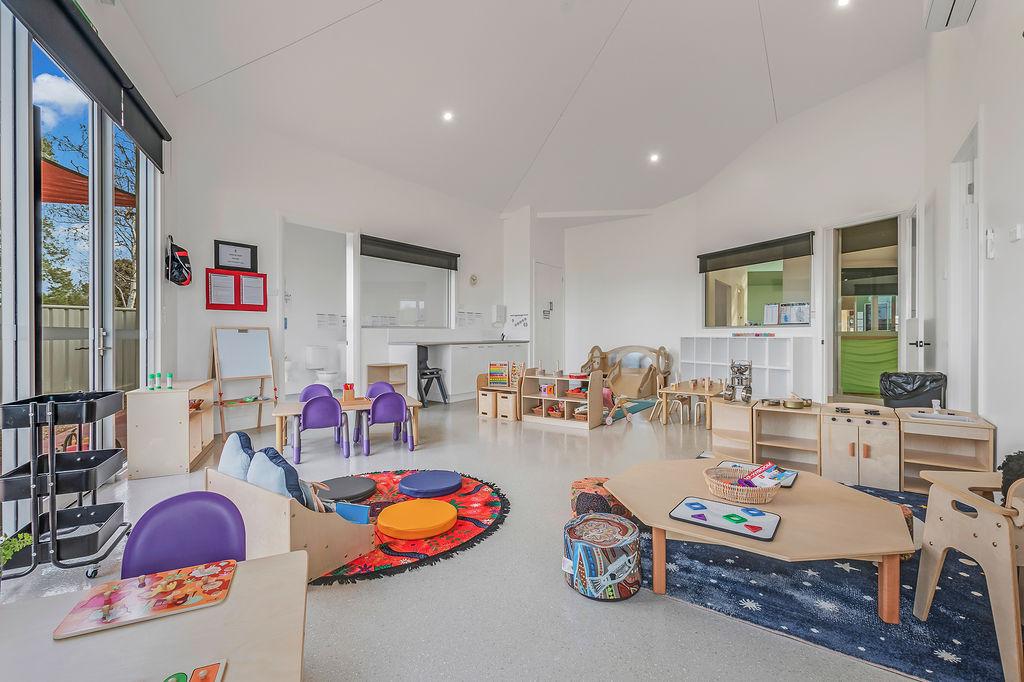
A dramatic play environment does not need to be perfect. It simply needs to make children feel ready to imagine, explore, and participate.
Keep the Space Clear and Inviting
Children are more likely to enter the play when the area feels easy to understand.
They should be able to see:
- where the dramatic play area is
- what materials belong there
- what they are allowed to use
If the space feels too restricted or confusing, children may hesitate. If it feels open and welcoming, they are more likely to begin naturally.
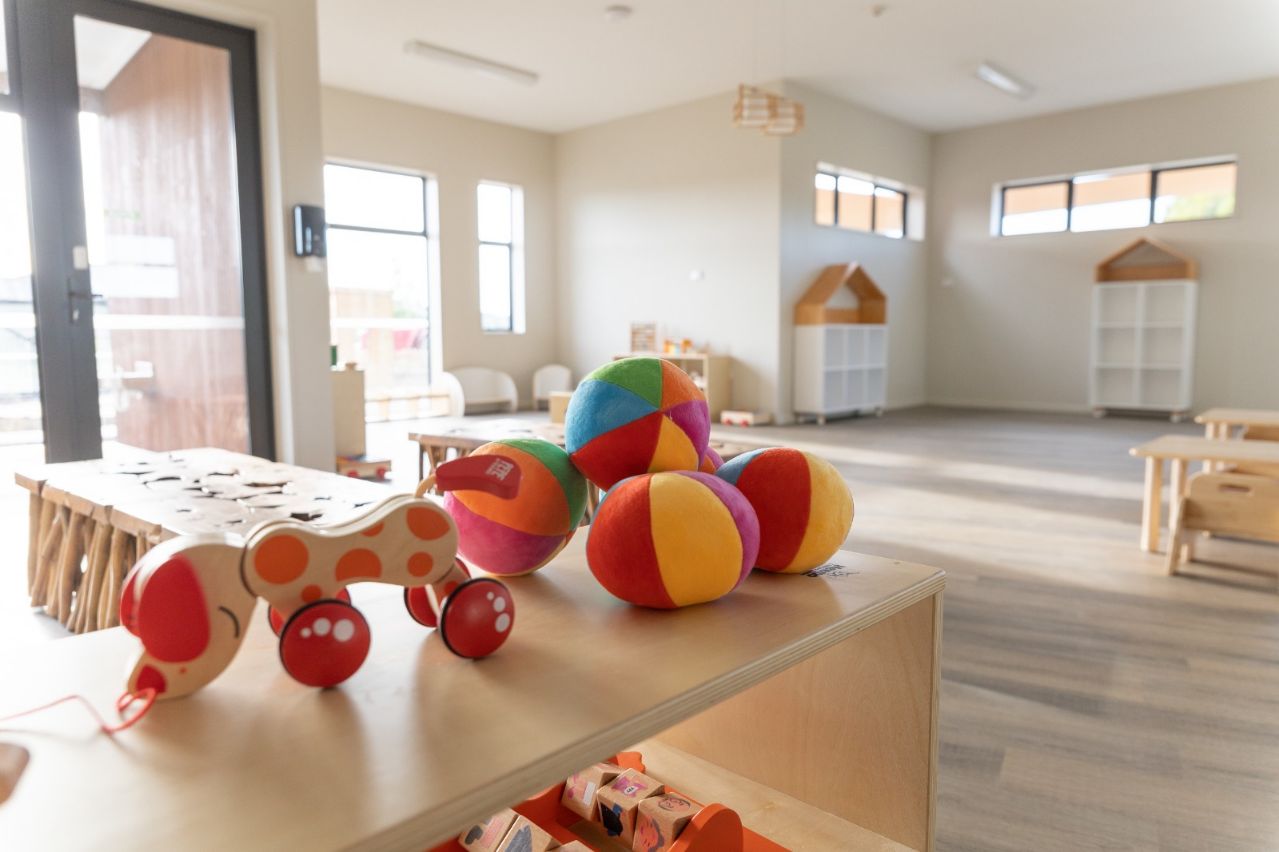
Use Simple, Flexible Materials
The best dramatic play materials are often the simplest ones.
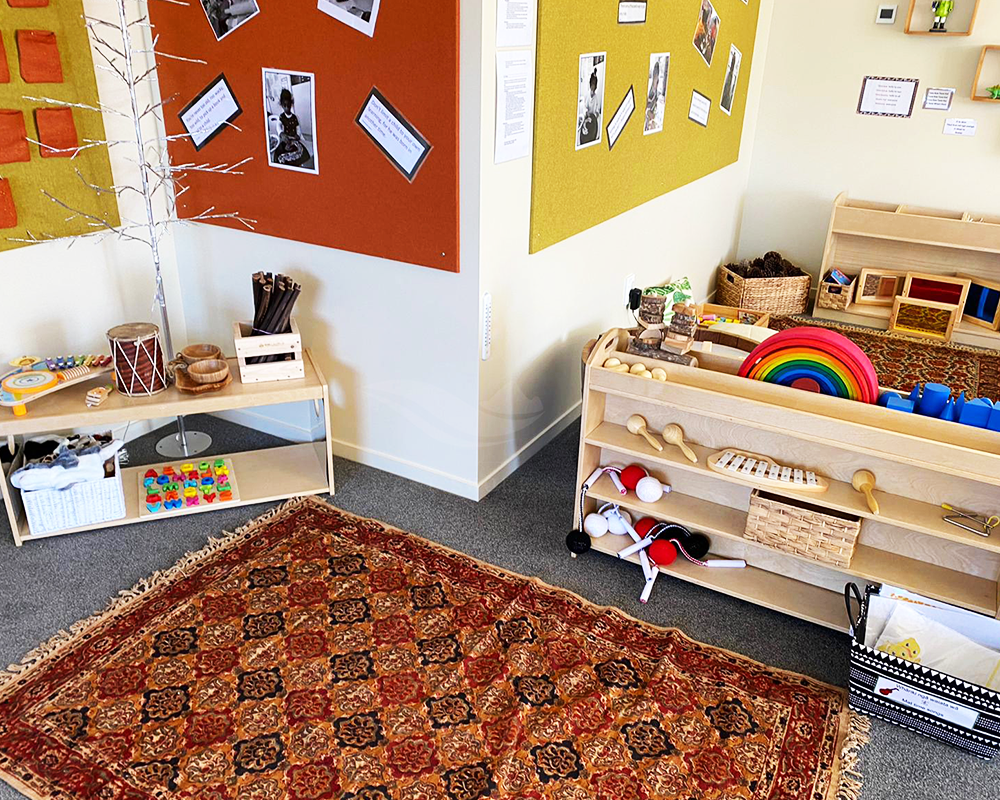
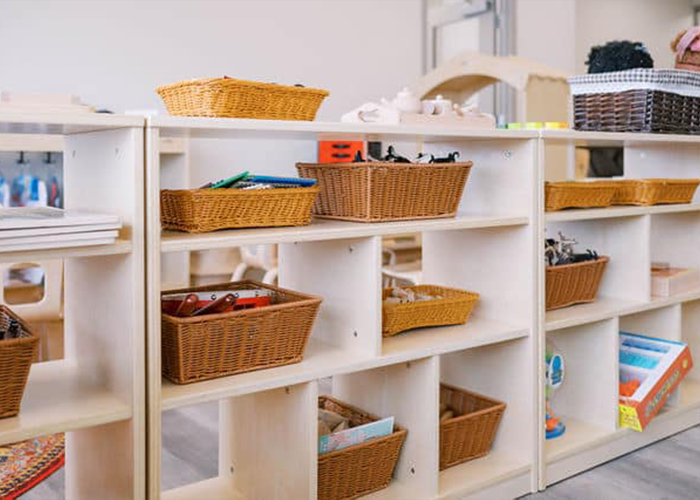
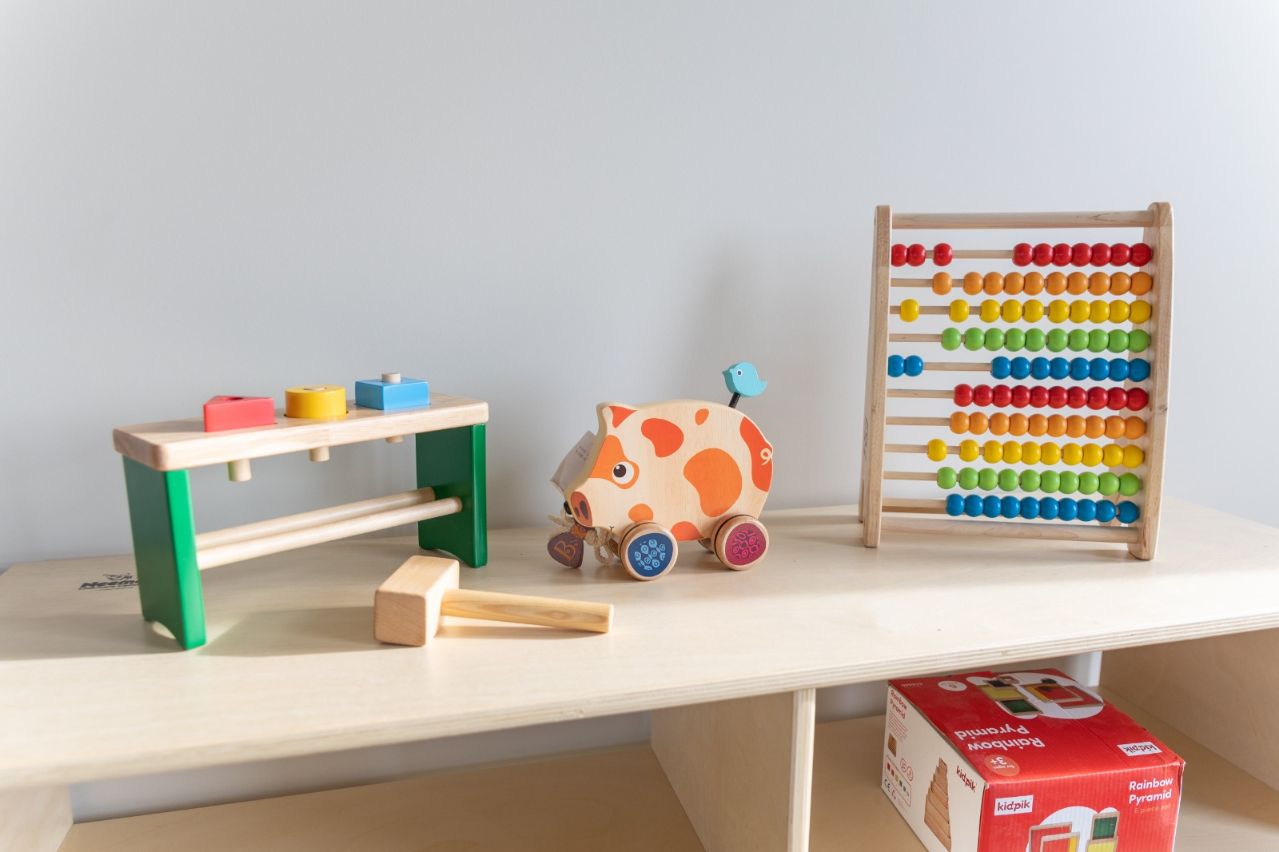
Boxes, bags, fabric, old clothes, kitchen tools, notebooks, empty containers, and pretend food can all work well. These kinds of materials give children room to decide what each object means.
That flexibility is important. It encourages imagination instead of limiting it.
Give Children a Familiar Starting Point
A theme can help children begin more easily, especially younger ones.
The theme does not need to be detailed. It only needs to offer enough direction for children to enter the play.
FAQs
- What materials are needed for dramatic play?
Dramatic play does not require expensive materials. Simple items such as boxes, fabric, dress-up clothes, kitchen tools, toy food, baskets, and notebooks are often enough to support rich play. - At what age does dramatic play begin?
Children often begin simple pretend play around age two. As they grow, their dramatic play becomes more detailed, social, and organized. - How does dramatic play help communication skills?
It encourages children to talk, listen, explain ideas, ask questions, and respond to others while staying in character. This helps improve vocabulary, sentence building, and everyday communication. - Can dramatic play support emotional development?
Yes. Dramatic play allows children to act out feelings and experiences in a safe way. This can help them process fear, excitement, frustration, and other strong emotions more effectively. - Does dramatic play need a special classroom setup?
No. A dramatic play area can be simple. What matters most is that the space feels clear, welcoming, and flexible enough for children to imagine and explore. - How long should dramatic play last?
There is no fixed amount of time, but children usually benefit more when they have enough time to stay in character and develop a story. In most settings, 20 to 40 minutes is often more useful than a very short activity. - What if a child does not want to join dramatic play?
That is normal. Some children prefer to watch before joining, while others need more time to feel comfortable. A familiar theme, simple props, and gentle encouragement usually help. Children should be invited, not forced. - Can dramatic play be used with mixed-age groups?
Yes, and it can work very well. Younger children often learn by watching older ones, while older children practice leadership, flexibility, and patience. Adults may just need to make sure the play stays inclusive and that younger children also have space to participate.
Conclusion
Dramatic play is much more than simple pretend time. It gives children a natural way to explore ideas, express emotions, build relationships, and make sense of the world around them. Through everyday role-based play, children strengthen creativity, communication, focus, social understanding, and motor development without feeling pressured or forced.
Whether it happens at home or in the classroom, dramatic play works best when adults provide a clear starting point, simple materials, and enough freedom for children to lead the experience. It does not need to be complicated to be meaningful. In most cases, a familiar theme, a supportive environment, and time to explore are enough to turn play into real learning.
When parents and teachers understand the value of dramatic play, they are better able to support children in ways that feel natural, engaging, and developmentally appropriate. That is why dramatic play remains such an important part of early childhood learning.