Every preschool classroom is filled with unique little learners. Some grasp letters instantly, others need more playtime or movement to focus. But traditional, one-size-fits-all teaching often leaves certain children behind.
When lessons don’t meet individual needs, some kids lose confidence, become disengaged, and miss key developmental milestones. Teachers feel overwhelmed, and parents worry about their child’s growth compared to peers.
That’s where Differentiated Instruction comes in, a powerful teaching approach that adapts content, process, and product to fit every child’s learning style. In this guide, we’ll explore how it works in preschool settings, why it’s essential, and how teachers and parents can make learning meaningful for every child.
Understanding Differentiated Instruction in Early Childhood
What Is Differentiated Instruction?
Differentiated Instruction is a teaching approach that recognizes each child learns differently. Instead of delivering the same lesson to everyone, educators adjust methods, materials, and pacing to meet diverse learning needs.

At its core, it’s about personalizing learning, adapting lessons so that every child can access, engage with, and demonstrate understanding of key concepts.
Educators who practice Differentiated Instruction in Preschool create inclusive classrooms where each child feels capable, valued, and supported.
Core Principles of Differentiated Instruction
Differentiation of Instruction relies on three core principles: content, process, and product.
1. Content: Tailoring What Children Learn
Teachers adjust what they teach based on readiness levels. This principle of differentiation of instruction means modifying materials based on skill level. A child learning numbers may work with counting blocks, while a peer ready for more might use simple equations.
2. Process: Guiding How Children Engage with Learning
How do you differentiate instruction during the learning process? Use flexible grouping, tiered activities, and varied instruction styles to support different learning modalities.
Process differentiation changes how children learn. Some may learn best through songs or hands-on activities, while others learn through discussion. Using
3. Product: Celebrating How Children Show Understanding
Children can demonstrate their learning in a variety of ways. Examples of differentiated instruction include building with blocks or drawing instead of writing. This flexibility helps each child confidently demonstrate their learning. This embodies the teaching strategies that support differentiated instruction, allowing children to make their own choices and unleash their creativity.
Key Benefits of Differentiated Instruction in Preschool
1. Boosts Engagement and Motivation
Children stay interested because activities align with their interests and strengths.
When teachers use Differentiated Instruction in the Classroom, children feel seen and supported. Lessons become more interactive and aligned with personal interests, increasing curiosity and focus.
2. Improves Learning Outcomes and Retention
The real strength of Differentiated Instruction lies not just in helping children grasp concepts it helps them retain what they’ve learned and apply it over time. In preschool, where learning is deeply sensory and experiential, repetition alone isn’t enough. Children remember best when lessons connect to their interests, emotions, and personal experiences. That’s exactly what differentiation achieves: it transforms abstract ideas into meaningful, memorable moments.
3. Builds Confidence and Self-Esteem
Success at their own level empowers children to take learning risks.
As children succeed in learning activities tailored to them, their self-belief flourishes. Children feel more successful when they experience challenge at the right level. This is why Differentiated Learning Instruction is essential in the early years; it builds lifelong learners.
4. Addresses Diverse Learning Needs
We support both talented and struggling students. Every class has auditory, visual, and kinesthetic learners.

Understanding these differences allows teachers to differentiate instruction in meaningful ways by offering multiple ways to access and demonstrate learning. For instance, some children grasp ideas best through hands-on exploration, others through stories or visual cues. Recognizing these patterns helps educators plan experiences that truly reflect each child’s learning profile, rather than expecting everyone to learn in the same way.
Whether supporting struggling students or extending gifted students, this approach ensures every learner gets what they need to thrive.
5. Shapes Positive Attitudes Toward Learning
Children feel valued, heard, and empowered, fostering a love of learning.
When teachers differentiate instruction, children experience success in ways that align with their unique abilities. Instead of feeling compared or left behind, each child discovers that learning is something they are capable of. Over time, positive learning experiences become self-reinforcing; children begin to approach challenges with confidence, not fear.
Children who receive differentiated instruction often demonstrate a genuine passion for learning and develop resilience and curiosity, key skills for lifelong success.
Implementing Differentiated Instruction in the Preschool Classroom
S.A. Adeniran has published articles emphasizing the need for differentiated instruction in kindergarten classrooms. Let’s bring the theory into practice. Here’s how to differentiate instruction in academically diverse classrooms.

Assess Each Child’s Strengths and Needs
Effective Differentiated Instruction begins with truly understanding who your learners are. In preschool, assessment is less about grades and more about observation. Teachers spend time watching how children interact, solve problems, and communicate. These insights reveal patterns; some children excel in visual learning, others thrive through movement or storytelling. Recognizing these traits allows educators to differentiate instruction naturally and intentionally.
Rather than applying a single teaching style, teachers tailor lessons to match readiness levels and personal interests. For instance, while introducing colors, one child may respond better through sorting toys, another through painting. Such observations help form flexible learning groups, ensuring that instruction remains both inclusive and targeted. When educators consistently assess children’s strengths and needs, they lay the groundwork for every other step in Differentiated Instruction in the Classroom.
2. Plan Purposeful and Flexible Activities
Once teachers understand their learners, they can design experiences that invite every child to succeed. The goal of Differentiated Instruction Strategies is not to create endless variations of the same task, but to craft activities with multiple entry points. This flexibility allows children to engage at their developmental level without feeling excluded.
Flexibility also means adjusting pacing and outcomes. Some children may complete a puzzle quickly, while others need more time or guidance. The teacher’s role is to observe and adapt in real time. This responsive approach embodies how to differentiate instruction effectively: by planning lessons that bend to the learners, not the other way around. Purposeful differentiation ensures that learning objectives stay clear while allowing multiple routes to reach them, keeping all children active and confident participants.
3. Explore Children’s Interests Through Play-Based Learning
Use centers, themes, and hands-on learning to let children lead the way.
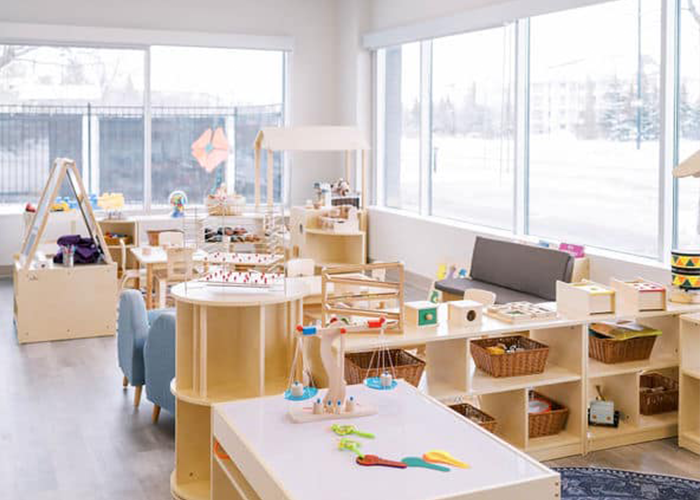
Here’s where differentiated instruction examples shine: each child may tackle a topic from a unique angle.
In early childhood education, learning through play is essential. And when it comes to differentiated learning, play becomes an especially powerful tool. By observing the kinds of play children gravitate towards, building, storytelling, role-playing, and sorting, teachers gain valuable insights into what engages each child.
Incorporating children’s interests also increases motivation. When learning feels relevant and fun, children are naturally more engaged. That’s why effective differentiated instruction in the classroom often looks like guided play rather than structured lessons.
4. Use Multisensory Approaches for Deeper Engagement
Preschoolers learn best when their senses are activated. That’s why differentiated instruction strategies often include multisensory learning experiences. Teachers should offer a mix of visual aids, tactile tools, auditory cues, and movement-based activities to support varied learning styles.
A simple literacy lesson might involve tracing letters in sand, singing phonetic sounds, and matching images to words, all within the same session. When thoughtfully applied, multisensory approaches not only boost engagement but also support memory and comprehension. In a truly differentiated classroom, these varied modalities are not add-ons; they are the norm, and they reflect a deep understanding of how to differentiate instruction for diverse learners.
The Role of Parents in Supporting Differentiated Learning

Parents play a vital role in reinforcing differentiated instruction at home. By sharing insights about their child’s interests and behaviors, they help educators personalize learning further.
At home, offering choices in activities or learning formats supports differentiated learning beyond the classroom. It’s also a subtle way to promote instruction differentiation in everyday life.
Parents can enhance differentiated learning by:
- Sharing insights about their child’s interests and strengths
- Reinforcing learning at home in ways aligned with school
- Encouraging choice and autonomy at home
- Collaborating with teachers on learning plans. Communicate regularly with teachers about progress
Collaborating with educators creates a consistent, supportive environment, making Differentiated Instruction in Early Childhood Education truly effective.
Conclusion
Differentiated Instruction transforms early learning.
It helps teachers address the needs of all children, gifted, struggling, or anywhere in between.
By personalizing content, process, and product, educators foster classrooms where every child thrives emotionally and academically.
In today’s diverse preschool classrooms, this approach isn’t optional; it’s essential.
When teachers and parents embrace differentiation, every preschooler has the chance to succeed, grow, and love learning.