Why do so many children struggle to grasp grammar when learning a language? How can abstract concepts like nouns, verbs, and adjectives be made clear and engaging? And most importantly, what teaching approach ensures that children don’t just memorize rules, but truly understand how language works? These are questions that Montessori Grammar Symbols were designed to answer.
Unlike traditional methods, Montessori Grammar Symbols provide a hands-on, visual framework for understanding language. By associating each part of speech with a distinct symbol and color, grammar becomes something children can see, touch, and explore. Instead of relying on rote learning, learners engage actively with Montessori Grammar Symbols, developing stronger comprehension, richer vocabulary, and greater confidence in communication.
In this article, we will dive deep into the world of Montessori Grammar Symbols, examining their purpose, their classroom applications, and their unique ability to transform language learning into a creative and meaningful journey.

What are Montessori Grammar Symbols?
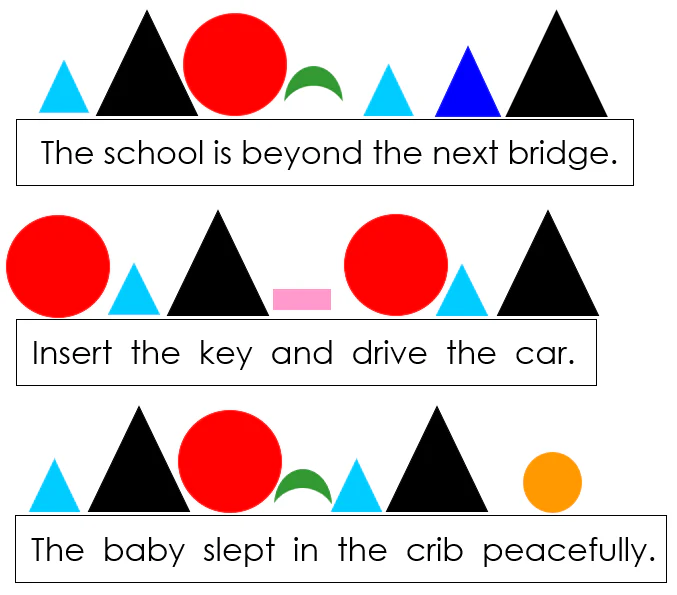
Montessori Grammar Symbols are a set of visual shapes and colors that represent the different parts of speech. They transform abstract grammar rules into something children can literally see and touch. Instead of memorizing extended definitions, learners use these symbols to explore how words function in a sentence. For example, a black triangle always marks a noun, while a red circle signals a verb. This simple, consistent system makes grammar less intimidating and far more engaging.
The beauty of Montessori Grammar Symbols lies in their ability to bridge the gap between concrete learning and abstract language concepts. By working with these symbols, children begin to recognize patterns, strengthen their sentence-building skills, and gain a deeper understanding of how language works. Below is a clear overview of the basic symbols most often introduced in Montessori classrooms.
| Symbol | Part of Speech | Meaning & Examples |
|---|---|---|

|
Noun | Names a person, place, thing, or idea — child, river, notebook, honesty. |

|
Article | Signals a noun and sets specificity — a, an, the. |

|
Adjective | Describes or limits a noun — tiny, green, seven, cheerful. |

|
Pronoun | Stands in for a noun to avoid repetition — I, you, she, they, mine, them. |

|
Verb | Shows action or state of being — run, sleep, become, is. |

|
Adverb | Modifies a verb, adjective, or adverb — quickly, very, yesterday, here. |

|
Preposition | Shows relationships of place, time, or direction — under, between, during, toward. |

|
Conjunction | Joins words, phrases, or clauses — and, but, or, because, although. |

|
Interjection | Expresses feeling or sound — wow!, hey!, oh!, ouch!. |
Once children begin working with these Montessori Grammar Symbols, grammar becomes a discovery rather than a chore. Each symbol invites exploration: swapping a verb changes the action, adding an adjective enriches description, and moving a preposition shifts relationships. This approach gives young learners a concrete way to experiment with language while building the foundations for confident reading and writing.
How Montessori Grammar Symbols Support Language Growth
Making Abstract Grammar Concrete
Grammar can feel abstract and complex for young learners. Grammar symbols in montessori solve this challenge by turning invisible concepts into visible forms. A black triangle always represents a noun, while a red circle consistently marks a verb. This clear symbolism allows children to connect words with their functions in a sentence, making grammar more approachable and meaningful.
Building Recognition and Sentence Skills
Through repeated use, Montessori Grammar Symbols help children recognize parts of speech almost instantly. When they see a red circle above a word, they know it carries the action. A triangle points them to the subject, while modifiers add detail and depth. This recognition naturally strengthens their sentence-building abilities, giving them the confidence to experiment with word order and expression.
Encouraging Critical Thinking
As children manipulate Montessori Grammar Symbols, they begin to question and analyze language. They ask: What happens if I remove this adjective? How does the sentence change if I add another verb? These small discoveries build critical thinking skills and encourage independent exploration of language structures, turning grammar lessons into a process of discovery.
Expanding Vocabulary and Expression
Another key benefit is vocabulary growth. By distinguishing adjectives, adverbs, and other modifiers with unique symbols, children see how different words shape meaning. This clarity encourages them to use richer vocabulary in both writing and speaking, making their communication more precise and expressive.
Boosting Confidence in Language Learning
The most critical outcome of working with Montessori Grammar Symbols is confidence. Instead of seeing grammar as a list of rules to memorize, children view it as a logical system they can explore. This positive perspective nurtures curiosity, creativity, and a lifelong love for language.

First Steps: Presenting Grammar Symbols to Young Learners
Introducing Symbols Through Story and Play
The first introduction to Montessori Grammar Symbols should be gentle and playful. Teachers often begin with a simple story or hands-on activity that highlights a noun and a verb—the two essential building blocks of language. For example, a child might hear a story about a cat (noun) that runs (verb), and then place the black triangle and red circle above the words. This playful storytelling makes the symbols memorable and sparks curiosity.
Starting with Nouns and Verbs
In Montessori classrooms, instruction begins with nouns and verbs because they are the easiest to understand and the most essential in communication. The black triangle (noun) represents stability and grounding, while the red circle (verb) represents movement and energy. Once children can reliably recognize and use these two parts of speech, the teacher gradually introduces other symbols like adjectives, articles, and adverbs.
Gradual Expansion to Other Parts of Speech
After nouns and verbs are well understood, children are invited to explore adjectives, articles, and pronouns, each represented by their distinct shape and color. This gradual expansion prevents overwhelm and allows learners to build confidence step by step. The Montessori principle of isolation of difficulty ensures that only one new concept is introduced at a time, making the learning process smooth and effective.
Hands-On Sentence Building
Children are encouraged to build sentences using word cards and grammar symbols montessori. For instance, they might lay out the words the small dog jumps and place the corresponding symbols above each word. This activity transforms sentence construction into a tangible puzzle, where children can see and feel the structure of language coming together.
Encouraging Curiosity and Independence
The role of the teacher is not to lecture but to guide discovery. By asking questions like What happens if we add another adjective? or How does the sentence change if we replace the verb?, children are encouraged to experiment independently. This sense of control fosters curiosity, problem-solving skills, and a more profound love for learning grammar.
Hands-On Learning: Activities with Montessori Grammar Symbols
Matching Words with Symbols
A simple starting activity is to provide children with word cards and a set of Montessori Grammar Symbols. The task is to match each word with the correct symbol, such as placing a black triangle above dog or a red circle above run. This direct matching exercise helps reinforce recognition and gives learners immediate feedback through touch and sight.
Building Sentences with Word Cards
Once children can identify nouns and verbs, they move to sentence-building. They lay out short phrases like the cat sleeps or a boy jumps, then place the appropriate symbols of grammar above each word. Seeing the shapes align with the words helps children understand sentence structure and the relationships between different parts of speech.
Storytelling with Grammar Symbols
To make the activity more engaging, children can create their own stories using word cards and symbols. For example, a story might begin with The little bird sings in the tree. The student arranges the words, places Montessori Grammar Symbols above them, and then continues expanding the story. This process makes grammar creative and interactive rather than mechanical.
Grammar Games and Challenges
Montessori classrooms often introduce playful grammar games. One example is the “sentence challenge,” where children are given a set of symbols and asked to build a sentence that fits them. For instance, the teacher might lay out a black triangle, red circle, and orange circle, prompting the child to create a sentence like The dog dashes. These challenges encourage flexible thinking and reinforce how symbols guide sentence creation.
Collaborative Group Activities
Montessori Grammar Symbols also lend themselves to group learning. Children can work together to build long sentences or even small stories, each taking turns to add a word and its matching symbol. This collaborative approach not only strengthens language skills but also builds teamwork and communication abilities.
How to Apply the Montessori Grammar Symbols at Home
The benefits of Montessori Grammar Symbols go well beyond the classroom. Parents can bring the same method into their daily routines, creating simple and meaningful opportunities for language learning at home. Here are some practical ways to do it:

Set Up a Home Language Space
Choose a small area in your home where Montessori Grammar Symbols and related materials are always accessible. This “language space” becomes a consistent spot where your child can practice freely, making grammar a natural part of the home environment.
Connect Reading with Grammar
During storytime, highlight parts of speech by introducing Montessori Grammar Symbols. For instance, pause to point out a noun or verb in the story, and let your child place the matching symbol above the word. This makes reading interactive and shows how grammar supports meaning.
Integrate Symbols into Everyday Routines
Look for natural moments during the day to use Montessori Grammar Symbols. Label objects around the house, discuss the verbs in daily routines like “eat” or “play,” or even bring symbols into
Montessori Grammar Symbol Sets
A high-quality set of Montessori Grammar Symbols is the foundation for making grammar a hands-on experience. These sets usually include all the basic symbols: triangles, circles, crescents, bars, and exclamation marks, crafted in transparent colors and durable materials. By physically placing the symbols above words, children can actively engage with grammar, turning abstract parts of speech into something they can see and touch.

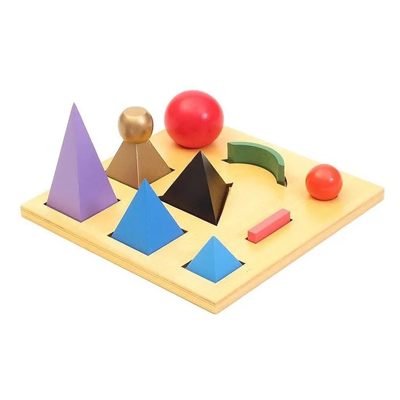
For home use, Grammar Symbol Sets are especially valuable because they allow parents to bring the Montessori method into everyday learning. Instead of worksheets or rote drills, children explore grammar by matching symbols to words, building sentences, and even creating their own stories. Having a complete set makes grammar lessons interactive, engaging, and far more memorable.
Investing in Montessori Grammar Symbol Sets also ensures consistency. Because the symbols follow a universal system, children who practice with them at home can easily transition to classroom work, and vice versa. This continuity helps reinforce understanding and boosts confidence in both reading and writing.


Clearing Up Common Myths About Montessori Grammar Symbols
Despite the clear benefits of Montessori Grammar Symbols, some misconceptions still circulate. Clarifying these misunderstandings helps parents and educators see their true value.
Misconception 1: Useful Only for Grammar Lessons
Many assume that Montessori Grammar Symbols are limited to teaching sentence structure. In reality, they do much more. By encouraging children to analyze, sort, and question how words function, the symbols also strengthen broader skills like reasoning, attention to detail, and problem-solving.
Misconception 2: Restricted to Montessori Classrooms
Another common belief is that Montessori Grammar Symbols are only relevant in Montessori schools. This is far from true. Parents can integrate them into home learning, and teachers from different educational traditions can adopt them as effective supplements. Their simplicity and universality make them adaptable to any learning environment.
Misconception 3: Limiting Creativity Through Focus on Grammar
Some worry that introducing Montessori Grammar Symbols might push children into rigid rule-following and take away from creative expression. In fact, the opposite happens. By giving children a clear understanding of language structure, the symbols free them to use words more flexibly. This foundation supports both clarity in communication and freedom in creative writing.
Conclusion
Montessori Grammar Symbols make grammar simple, visual, and engaging for children. They turn abstract rules into hands-on learning, helping learners build stronger vocabulary, clearer sentences, and greater confidence. Whether at school or at home, these symbols lay a lasting foundation for language growth.