Many parents notice that their children sometimes prefer to play alone instead of joining group activities, and they often wonder if this behavior is a sign of social difficulties.
Without the right understanding, it’s easy to misinterpret independent behavior as loneliness or even a developmental concern. This misunderstanding can cause unnecessary worry and may prevent parents from supporting one of the most important stages of early childhood.
The truth is that playing alone also known as independent play is a natural and healthy stage of growth. It provides children with the chance to develop creativity, problem-solving skills, and self-confidence. By learning when and how to encourage this type of play, parents can nurture independence while giving children the space to thrive.
The truth is that playing alone also known as independent play is a natural and healthy stage of growth. It provides children with the chance to develop creativity, problem-solving skills, and self-confidence. By learning when and how to encourage this type of play, parents can nurture independence while giving children the space to thrive.
What is Solitary Play?
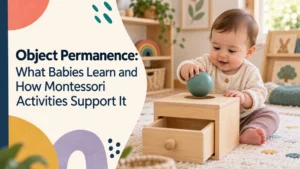
Solitary play, also known as independent play, refers to the type of play in which a child engages alone, without the involvement of other children or adults. If you need a precise solitary play definition, it’s simply play that occurs when a child is focused on an activity by themselves, exploring, experimenting, and learning without social interaction. Some parents ask: define solitary play it is the child-led, self-contained activity that promotes autonomy.

During these moments, children may use toys, books, puzzles, or even their imagination. Many caregivers look for toys for solitary play specifically designed to encourage independent exploration. The key here is that they do so without the need for interaction with others, allowing them to gain confidence in their abilities and ideas.
This phase has been deeply studied in developmental psychology and aligns with the theories of Jean Piaget and Lev Vygotsky who emphasized the role of play in cognitive and social development.
When Does Solitary Play Begin?
Solitary play age varies, but solitary play typically begins in infancy and changes as the child grows. Around the age of 6 months, babies start exploring their surroundings more actively, often focusing on toys or objects around them, which is the first glimpse of solitary play. As babies grow into toddlers, their solitary play becomes more focused on specific activities like building, drawing, or role-playing, and by the time they reach the age of 3 or 4, children can often engage in independent play for extended periods of time.

Parents sometimes ask, “during what age is solitary play more common?” It is most prominent in infancy through the preschool years, particularly from about 6 months to around 4 years, though older children still frequently enjoy independent activities. In the preschool years, children may still enjoy playing alongside others (parallel play), but as their sense of self develops, they will naturally begin to seek out time alone. By the time children reach school age, solitary game play can take the form of more structured hobbies like reading, building complex models, or solo board games.
Benefits of Solitary Play for Children
Solitary play is more than just a quiet time for children; it offers numerous developmental benefits that can positively impact their emotional, cognitive, and social growth. Here are some key benefits:

1. Cultivates Independence
Through solitary play, children develop a sense of independence. As they engage with toys and activities alone, they begin to rely on themselves for entertainment, learning, and problem-solving. This independence is critical as they grow older, helping them to develop confidence in their abilities and become more self-sufficient in various aspects of life.
2. Helps Develop Preferences and Interests
When children play solitary, they have the opportunity to explore their likes and dislikes without external influence. They might gravitate toward specific activities, such as solitary play games, puzzles, or creative crafts, helping them discover what excites and motivates them. This freedom to explore their interests is essential for later academic and personal pursuits. For budget-conscious families, there are even solitary play games free options online and printable activities that support independent play.
3. Strengthens Focus and Completion Skills
Solitary play requires children to concentrate on tasks and follow through on their ideas, strengthening their ability to focus and complete projects. Whether they are building a structure with blocks (one of the classic solitary play examples), completing a puzzle, or drawing a picture, they learn to immerse themselves in the task at hand, promoting perseverance and patience.
4. Promotes Self-Regulation
When children engage in solitary play, they learn to regulate their emotions and actions. They experience moments of frustration when something doesn’t work or satisfaction when they complete a task. These experiences teach them how to manage their feelings, cope with challenges, and celebrate their achievements independently. This self-regulation is crucial for emotional development and social interactions.
Examples of Solitary Play
Solitary play examples can vary based on the child’s age, interests, and developmental stage. Here are a few common examples:
Toddlers (6m–3y):
At this age, children are beginning to explore their senses and environment. Solitary play examples include stacking blocks, experimenting with cause-and-effect solitary play toys like push-and-pull cars, or simply banging objects together to understand sound. They may also enjoy flipping through picture books, exploring textures (soft toys, rattles, fabrics), and engaging in water play or sand play. These activities help toddlers strengthen motor skills, stimulate curiosity, and foster independence while still feeling secure in their own space.
Preschoolers (3–5y):
As imagination develops, preschoolers can dive deeper into pretend scenarios and creative tasks. Many enjoy drawing, coloring, and painting activities that give them freedom to express emotions and ideas. Others may create elaborate structures with building blocks, play with dolls or action figures in role-play, or explore puzzles that challenge their problem-solving skills. A key part of solitary play at this stage is storytelling: children often talk to themselves while acting out scenarios, which supports both creativity and language development.
Older Children (5+):
For school-aged children, solitary play can take the form of more structured hobbies. They may enjoy reading storybooks, journaling, practicing crafts, or building complex LEGO models. Some children also explore hobbies like music practice (keyboard, guitar), solo board games, or beginner-level video games that allow independent exploration. These activities not only entertain but also help children discover passions and build persistence through self-directed learning.
How to Support Children in the Solitary Play Stage
While solitary play is a natural part of childhood development, there are several ways you can support your child during this phase:

1. Allow Children to Play Alone
The most important thing you can do as a parent or caregiver is to give your child the space and time to play solitary. Avoid the temptation to hover or interrupt their play unless necessary. Playing solitary nurtures their autonomy and helps them develop a sense of ownership over their activities.
2. Provide Appropriate Toys
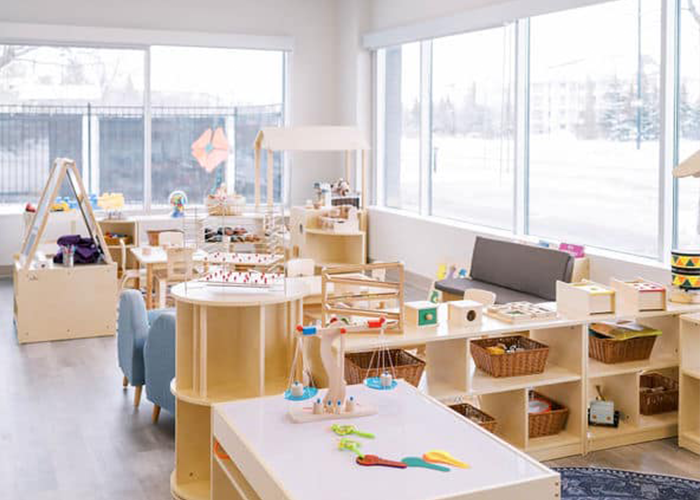
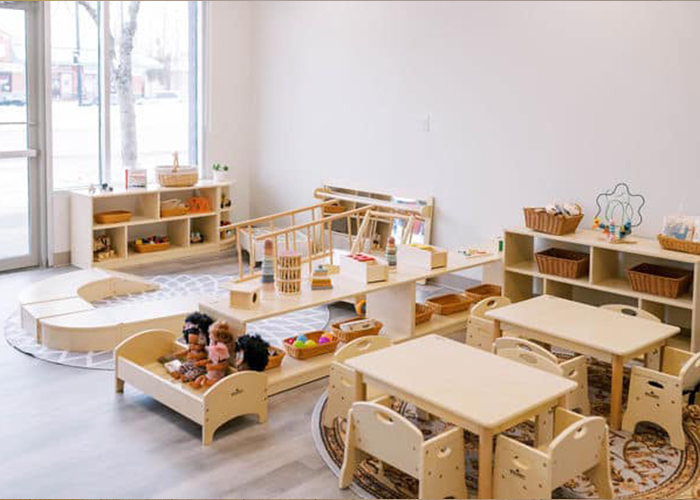
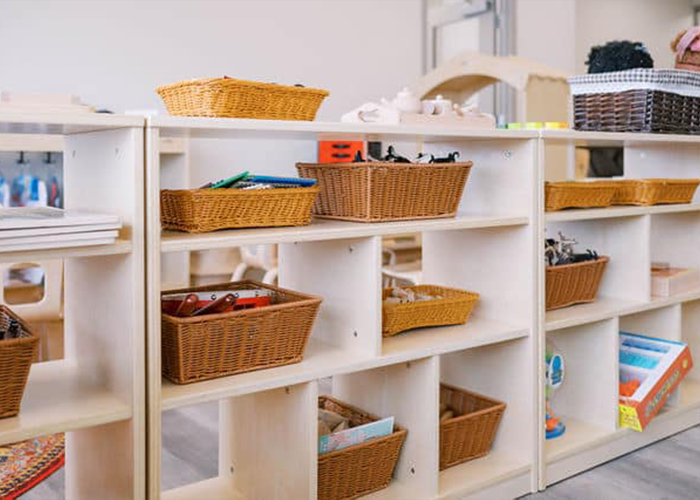
Ensure that your child has access to age-appropriate solitary play toys that encourage imagination and independent thinking. These toys can include building sets, puzzles, art supplies, dolls, and books. Toys that are open-ended, allowing for creativity and exploration, are particularly beneficial for solitary play.
3. Provide an Open Space
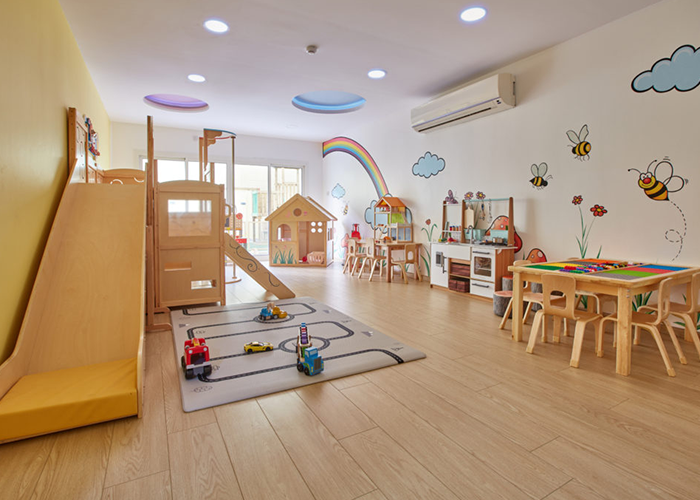
Children need an environment that supports their independence. A quiet space, free from distractions (such as television or constant adult interaction), can encourage children to fully engage in their activities. This space can be a cozy corner where children can explore at their own pace.
4. Do Not Interfere with Their Play
While it’s tempting to join in or offer advice, it’s important to allow children the freedom to navigate their play independently. Resist the urge to “fix” things or guide them too much. This fosters their decision-making skills and helps them feel a sense of accomplishment when they solve problems on their own.
5. Provide Support When Your Child Needs It
Although solitary play encourages independence, it’s important to remain available if your child asks for help or shows signs of frustration. Offering support when necessary is important, but the key is to balance intervention with autonomy. Sometimes, a simple word of encouragement or assistance can boost a child’s confidence.
Conclusion
Solitary play is far more than quiet time it’s an essential developmental stage that nurtures independence, focus, and creativity. From early infancy to the preschool years, children benefit immensely from the freedom to explore on their own. By providing age-appropriate toys for solitary play, safe spaces, and gentle encouragement, parents can support this natural process without interfering.
Ultimately, whether it’s stacking blocks, solving puzzles, or learning how to play solitary, these moments of independent discovery prepare children for future challenges. Understanding the importance of solitary play allows parents and caregivers to embrace it with confidence, ensuring that children grow not just socially but also emotionally, cognitively, and creatively.