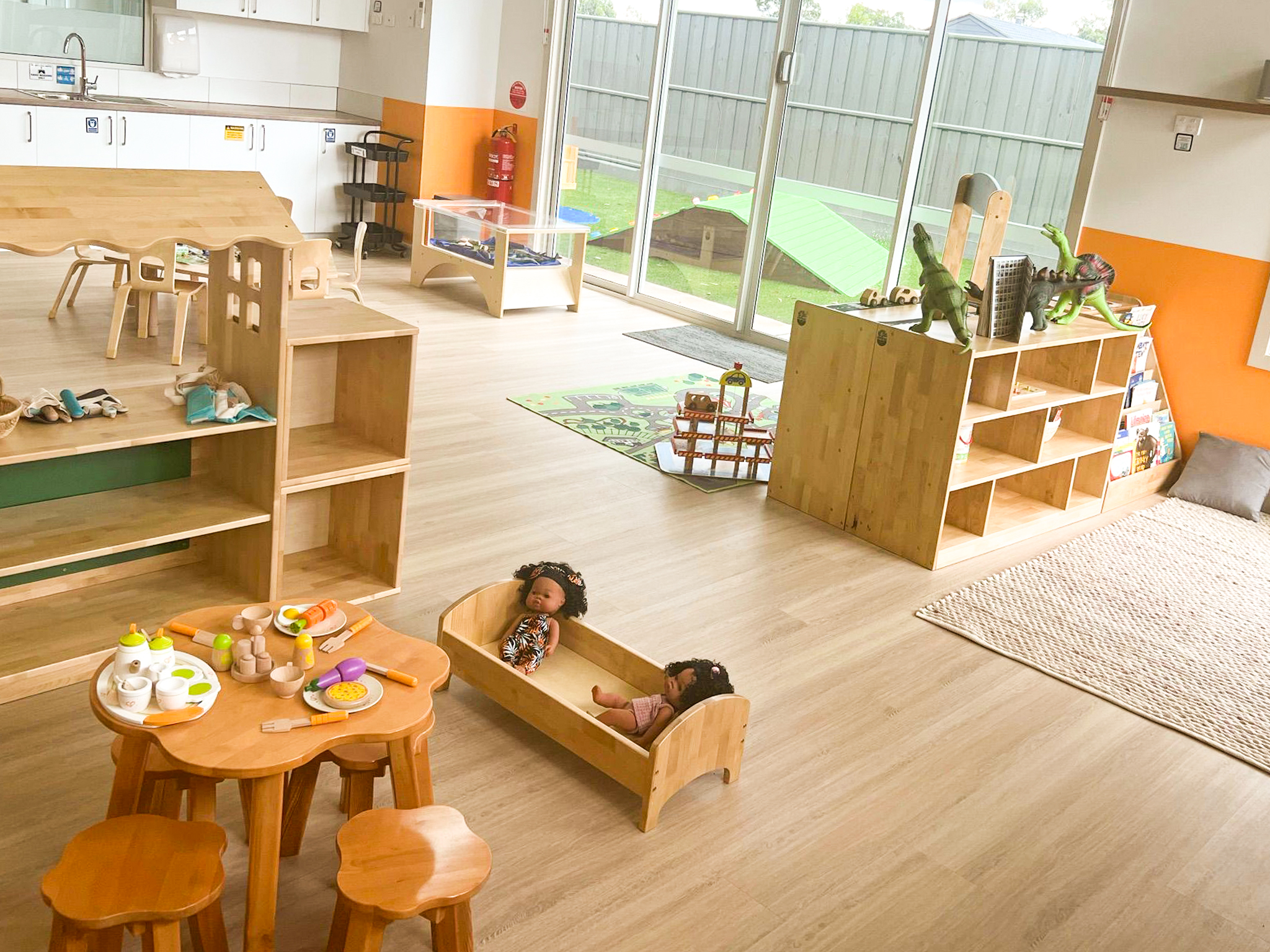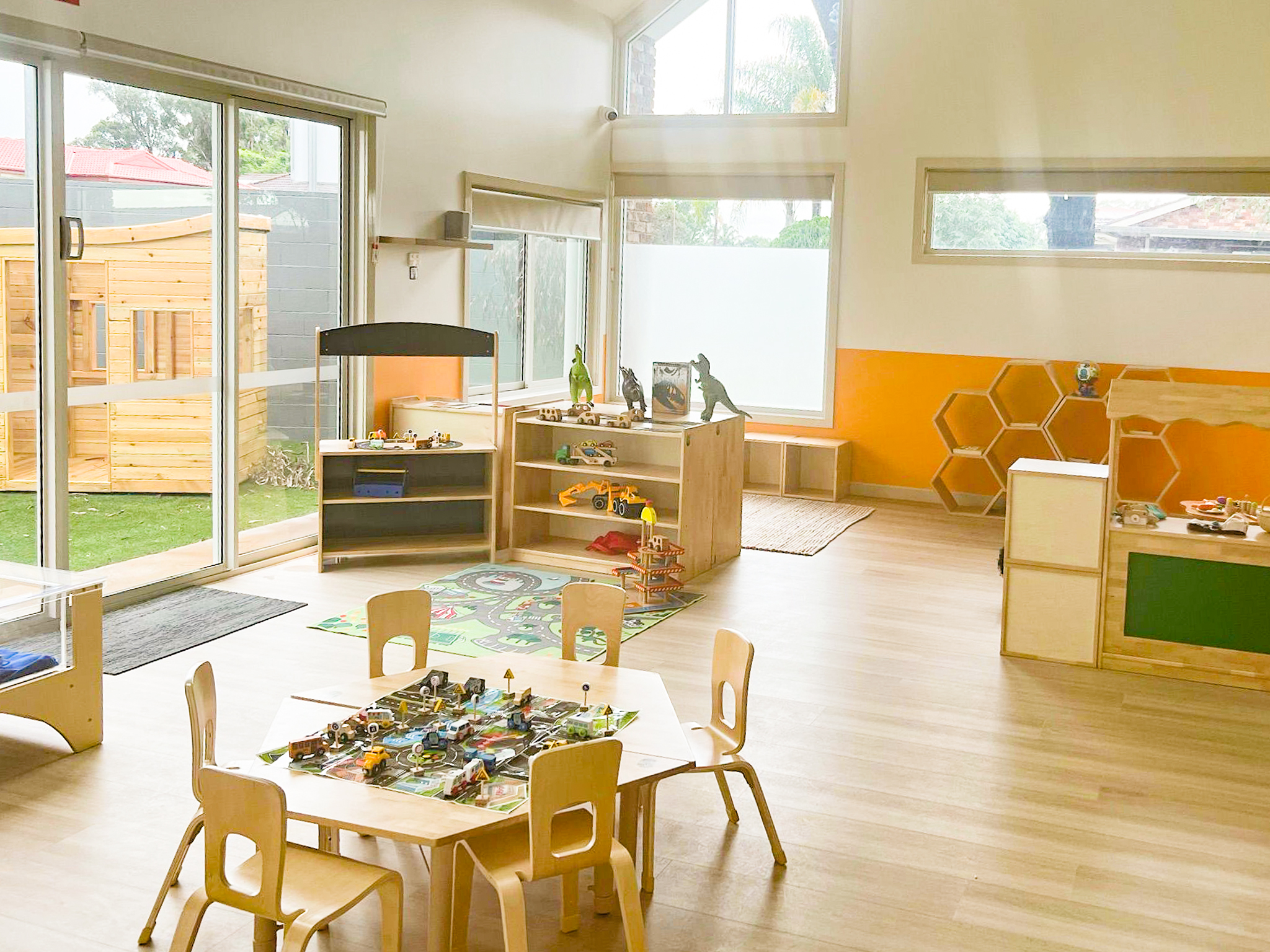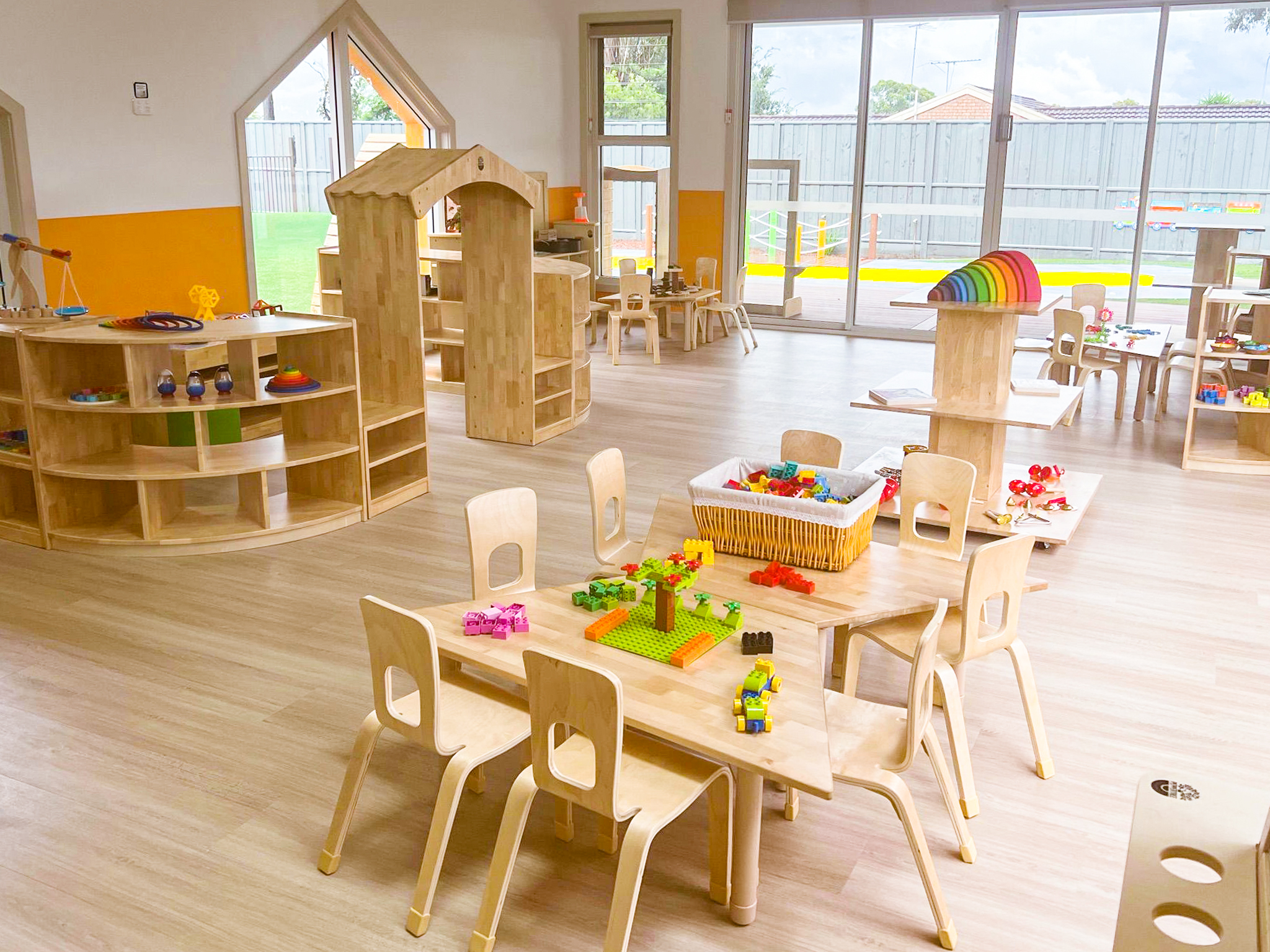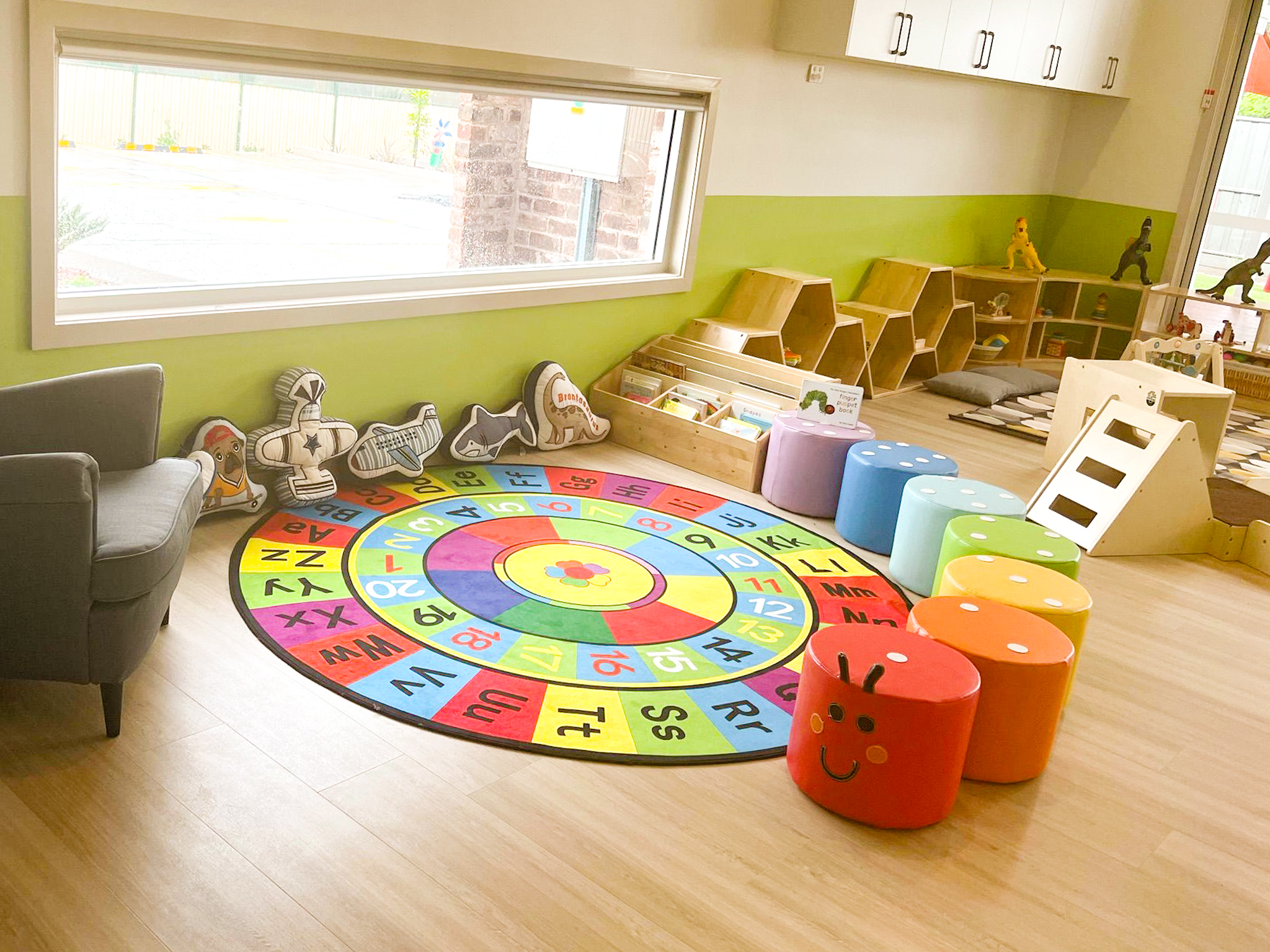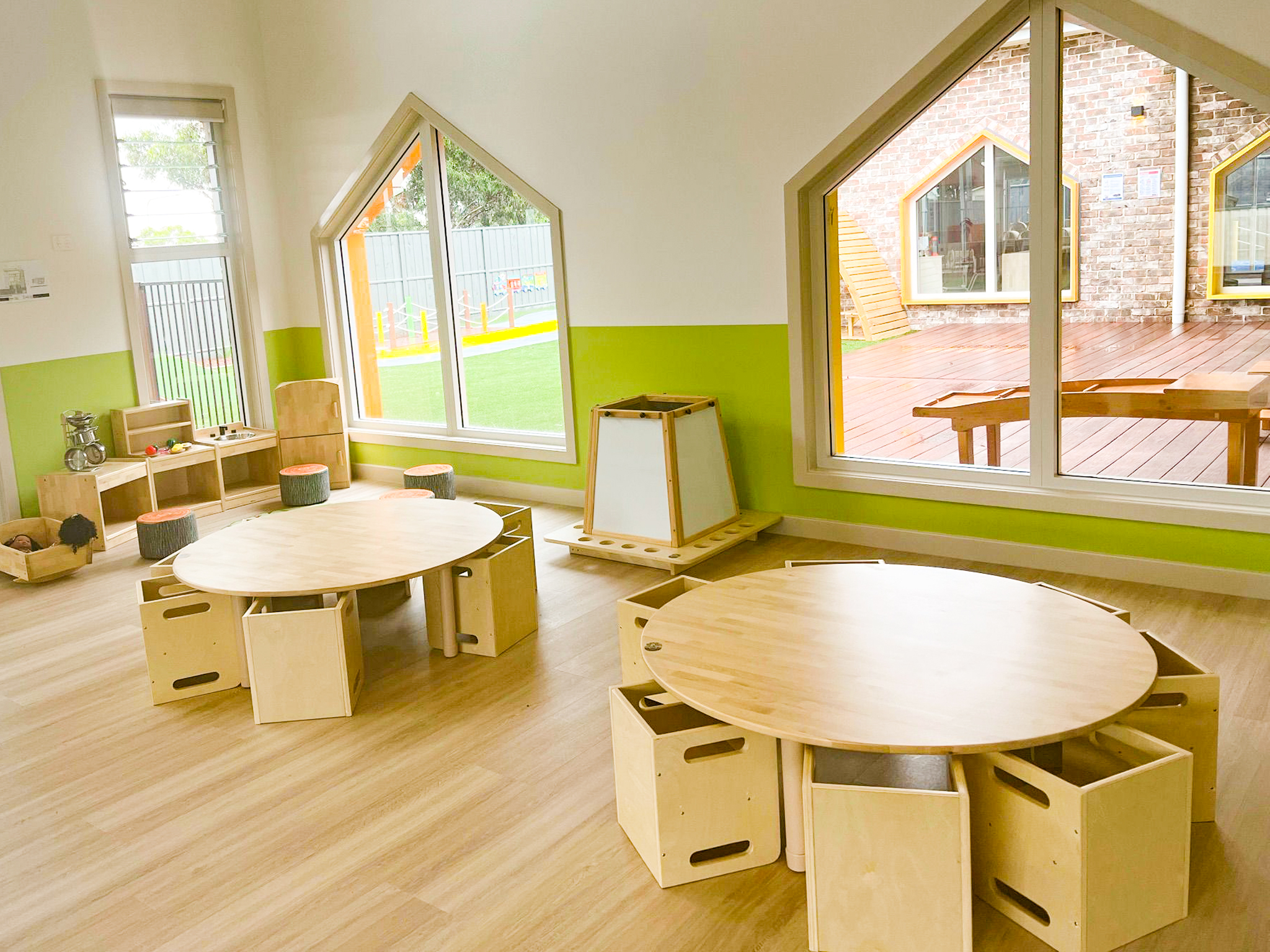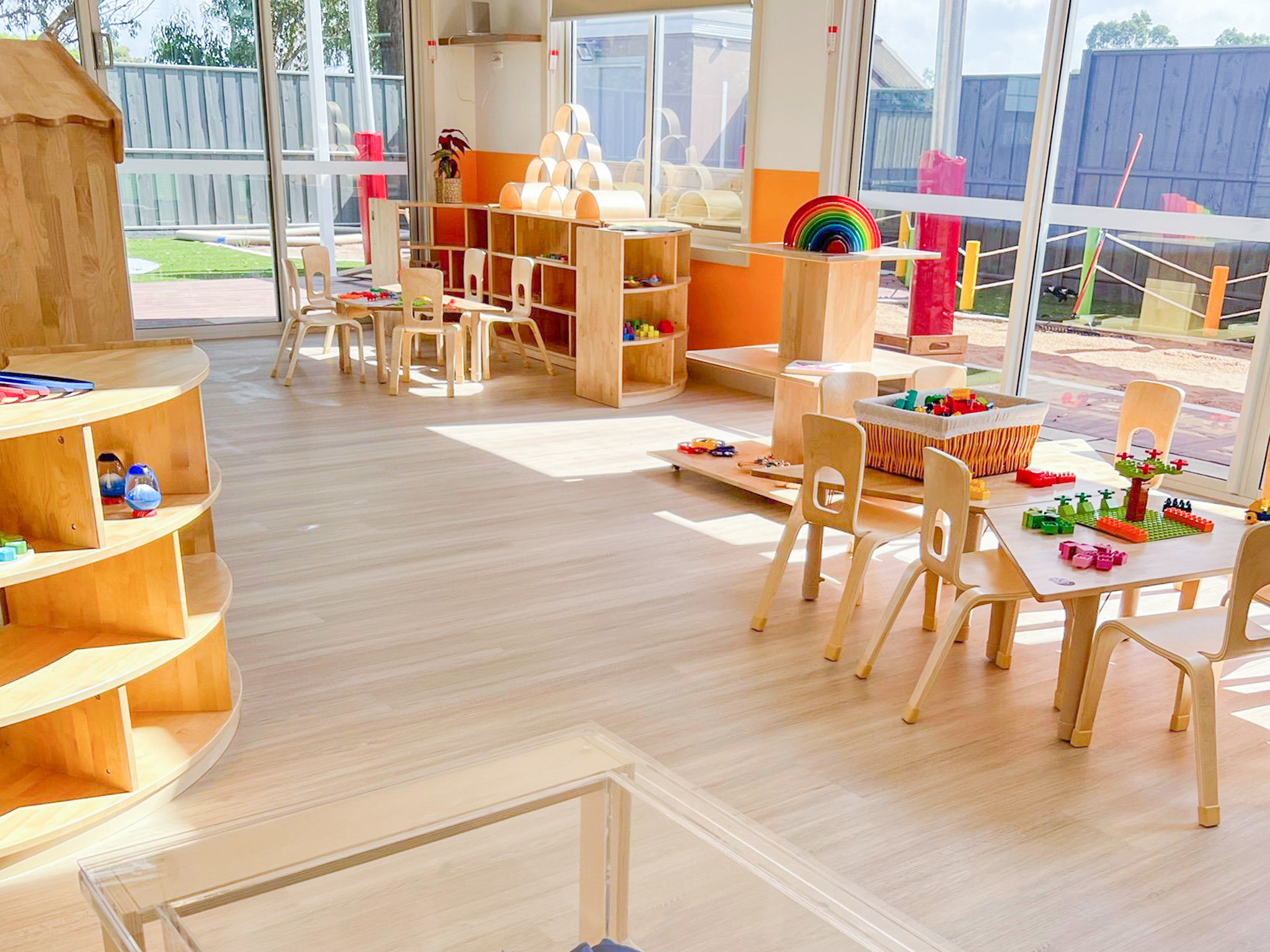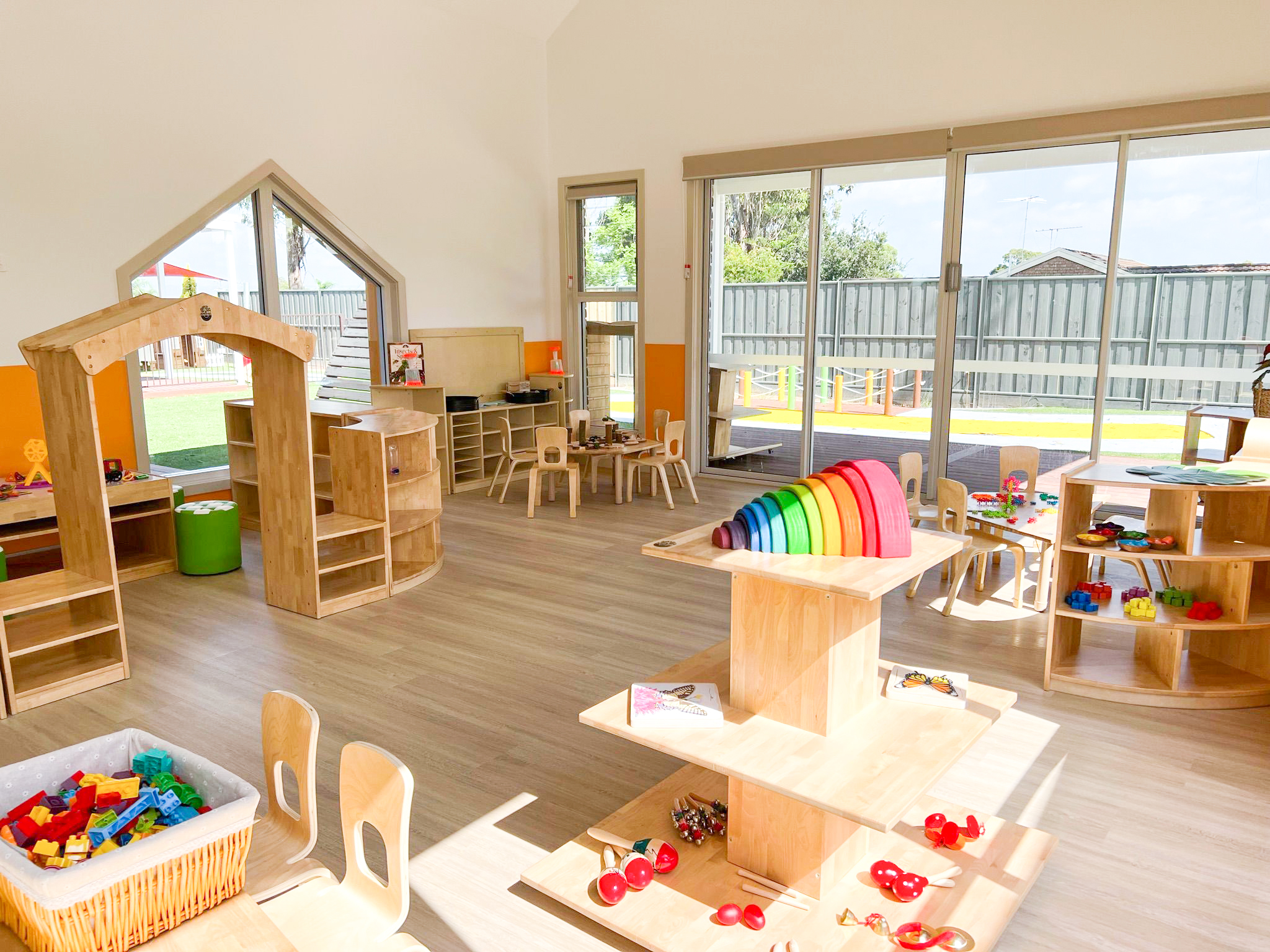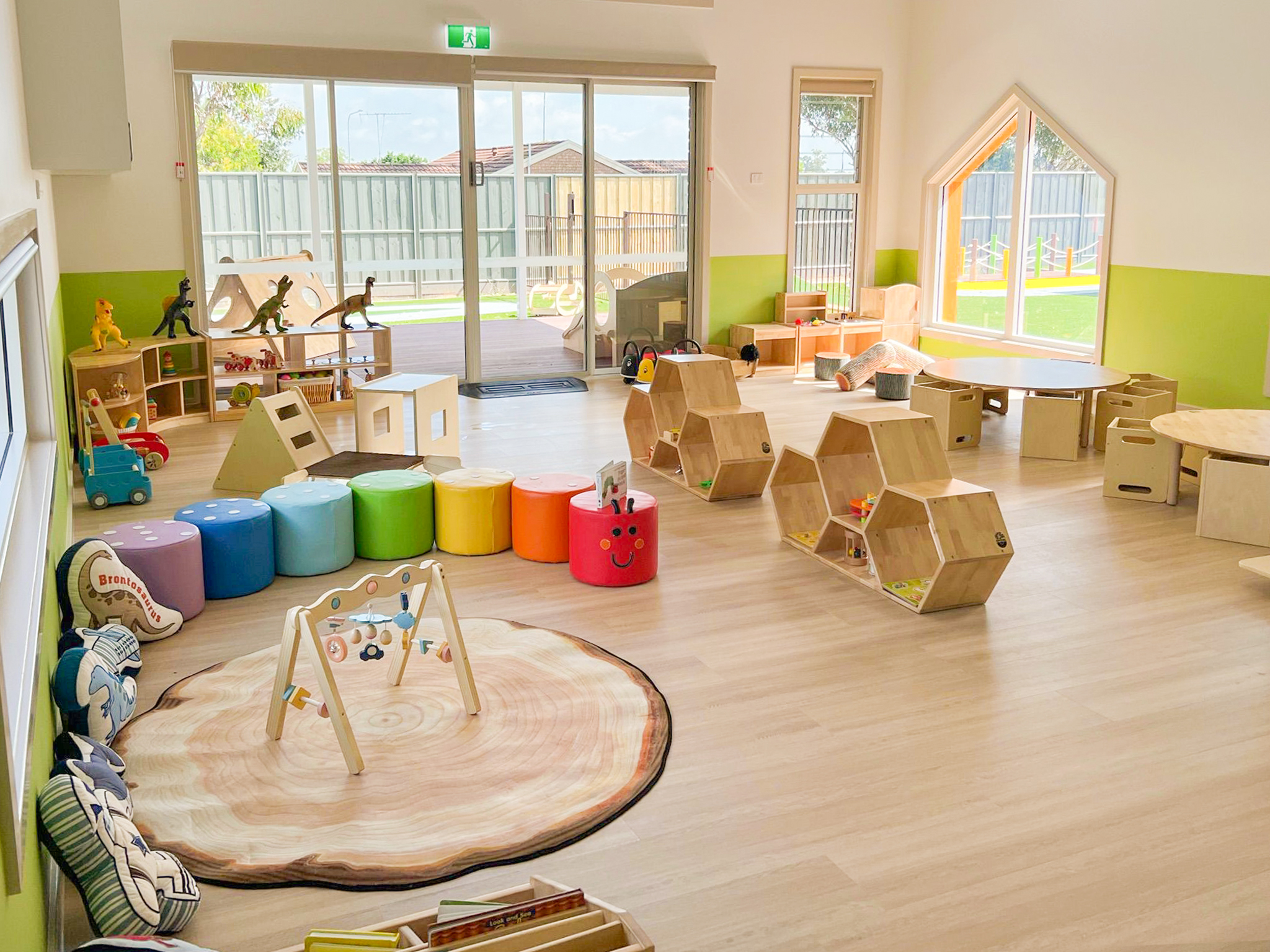
In today’s rapidly evolving world, STEM education is no longer an option but a necessity. Yet many classrooms today are still structured around traditional layouts that prioritize passive learning. Without thoughtful STEM classroom design, rows of desks, fixed seating, and limited hands-on resources often fail to support the collaborative, inquiry-driven environment that STEM learning demands.
This misalignment between teaching goals and physical space can quietly undermine even the most innovative curriculum. Students may struggle to engage deeply with problem-solving tasks, group projects may feel forced rather than fluid, and creativity can be stifled by environments that were never designed for experimentation. Over time, this disconnect not only reduces learning outcomes but also weakens students’ confidence in applying scientific and technological thinking to real-world situations.
The solution lies in reimagining the classroom itself as an active participant in the learning process. An effective STEM classroom is more than just a room; it’s a vibrant ecosystem where flexibility, collaboration, and exploration flourish.
This guide will walk you through key principles of STEM classroom design, from spatial planning and furniture selection to technology integration and collaborative zoning, so you can create an environment that inspires innovation and prepares students for the challenges ahead.
Characteristics of Effective STEM Classroom Design
Creating a high-impact STEM classroom doesn’t mean filling it with expensive gadgets. It’s about purpose-driven choices that align with how STEM education functions best. Let’s break down the essential characteristics of an effective STEM learning space.
Flexible Classroom Desig
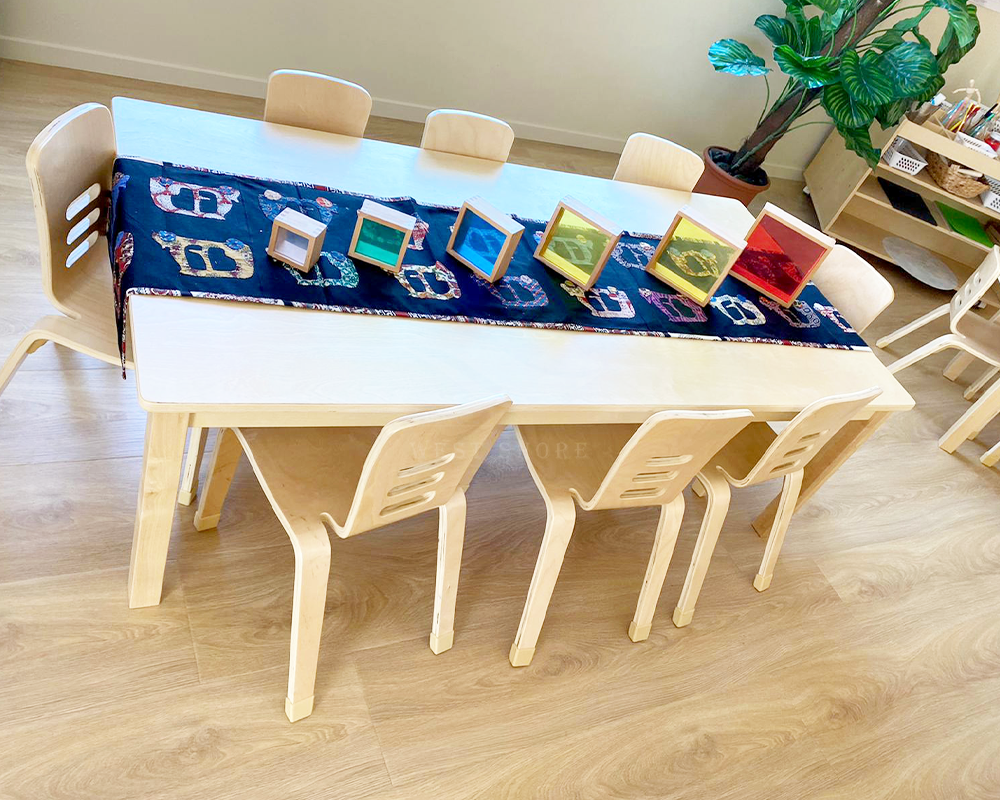
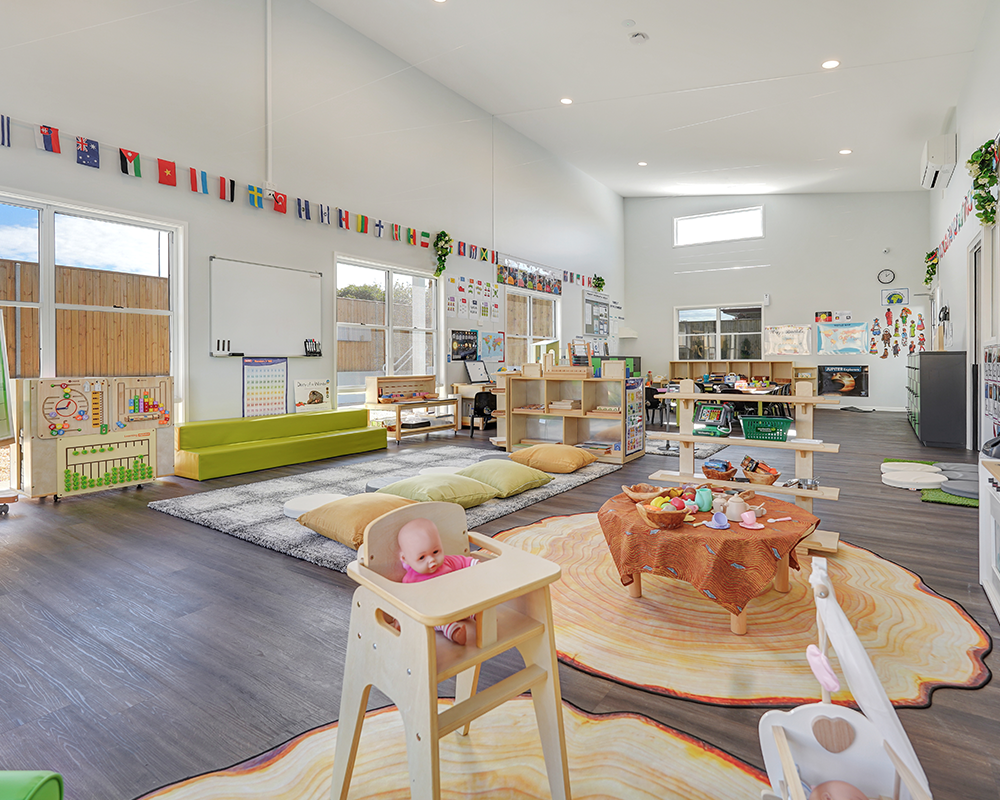
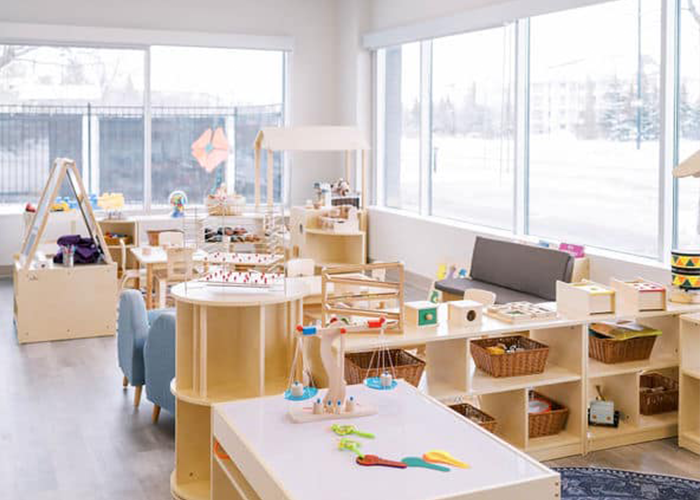
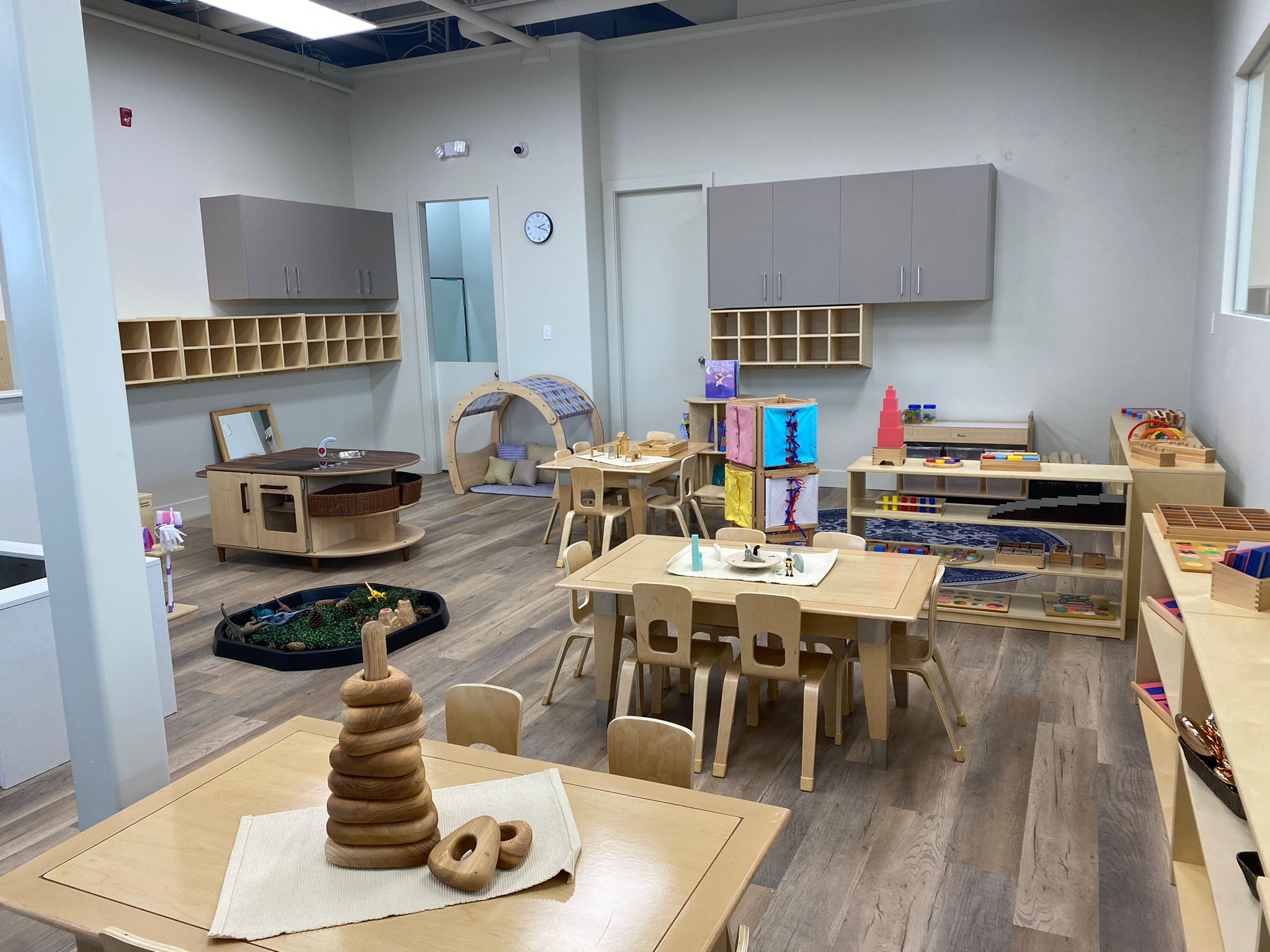
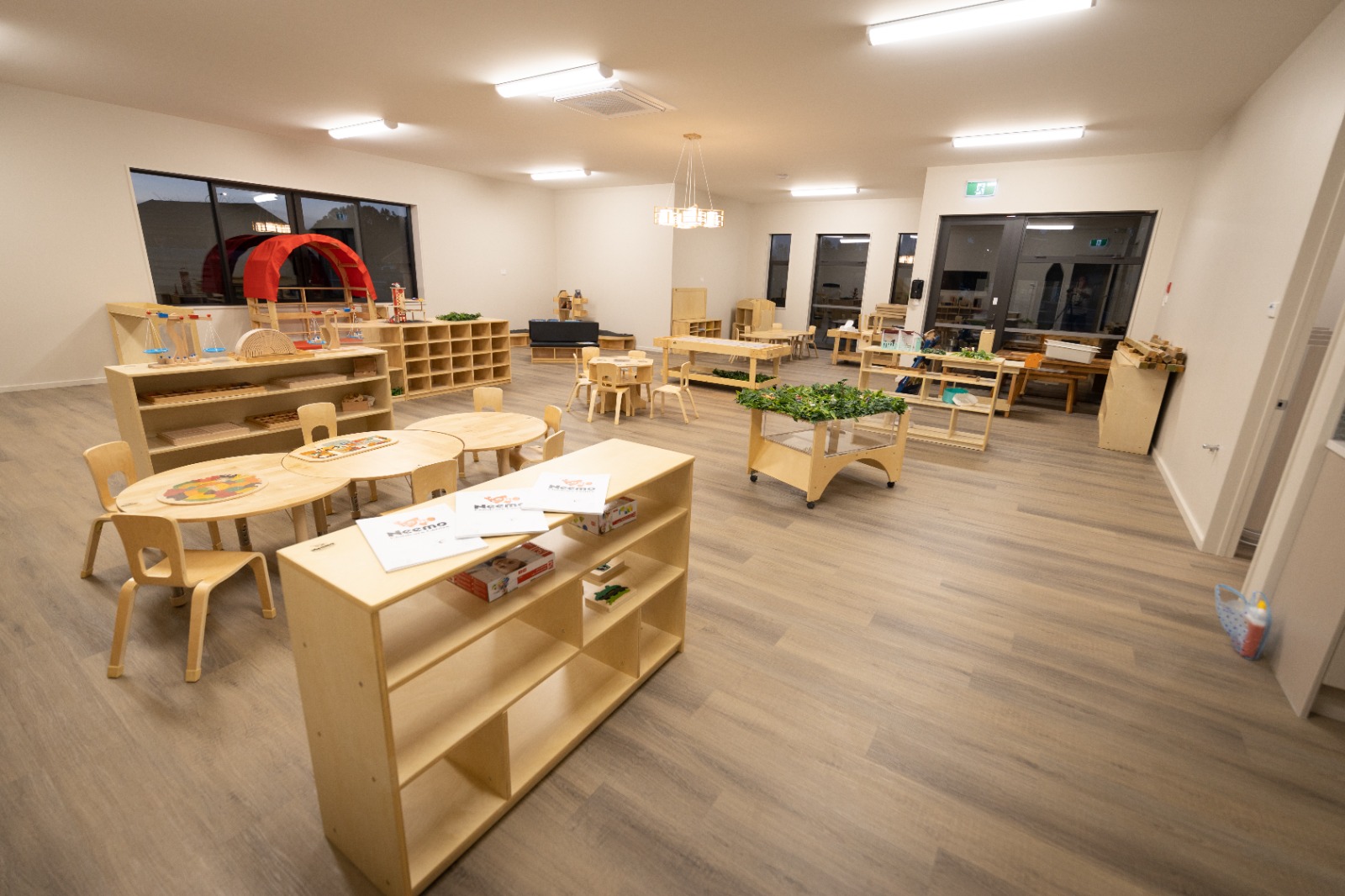
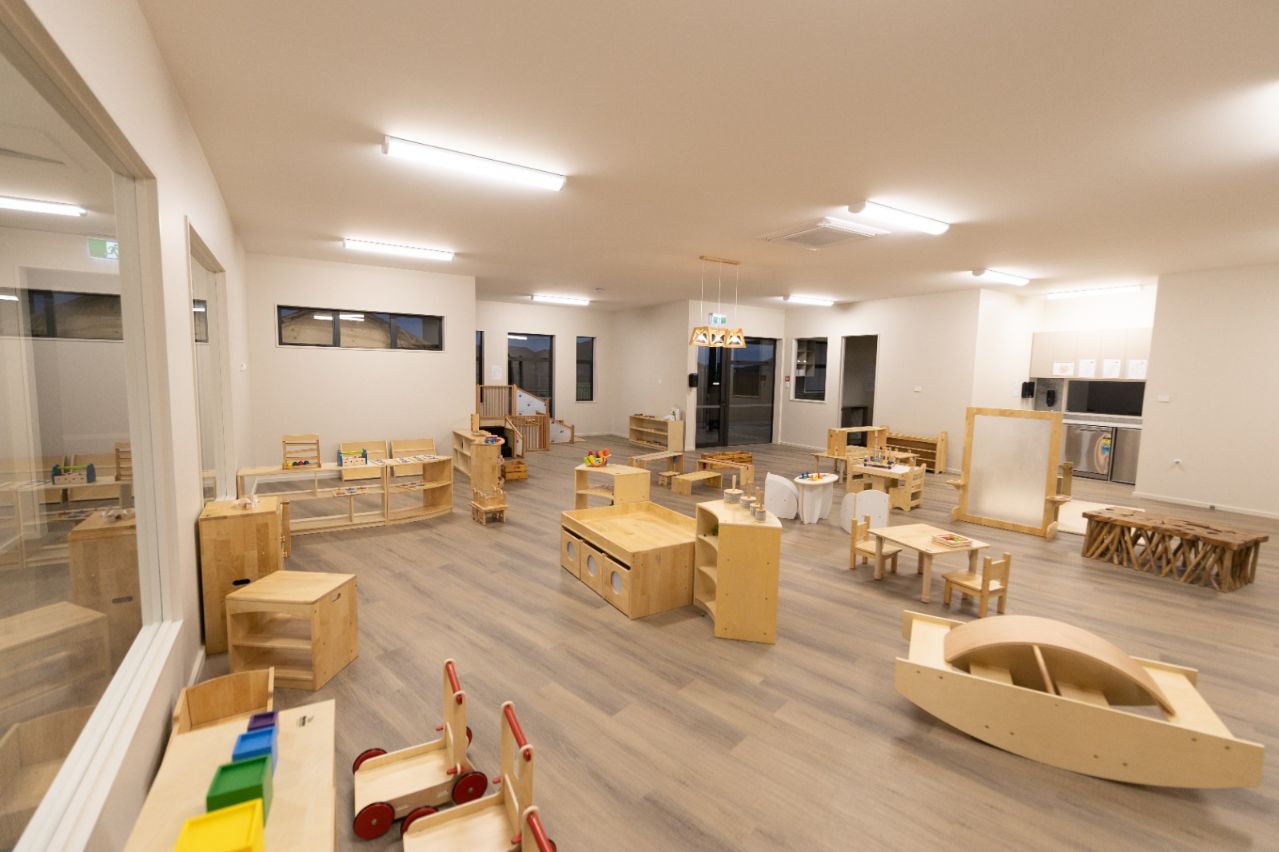
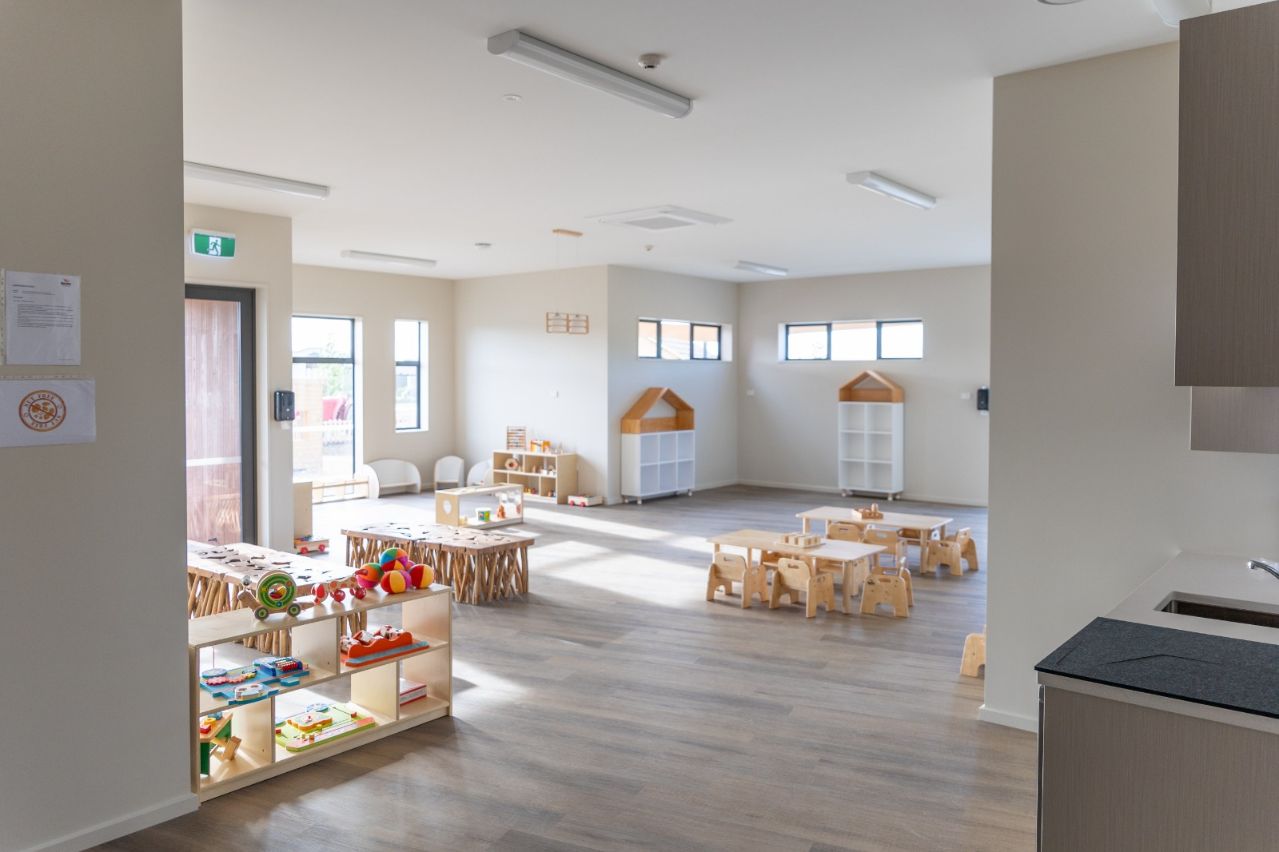
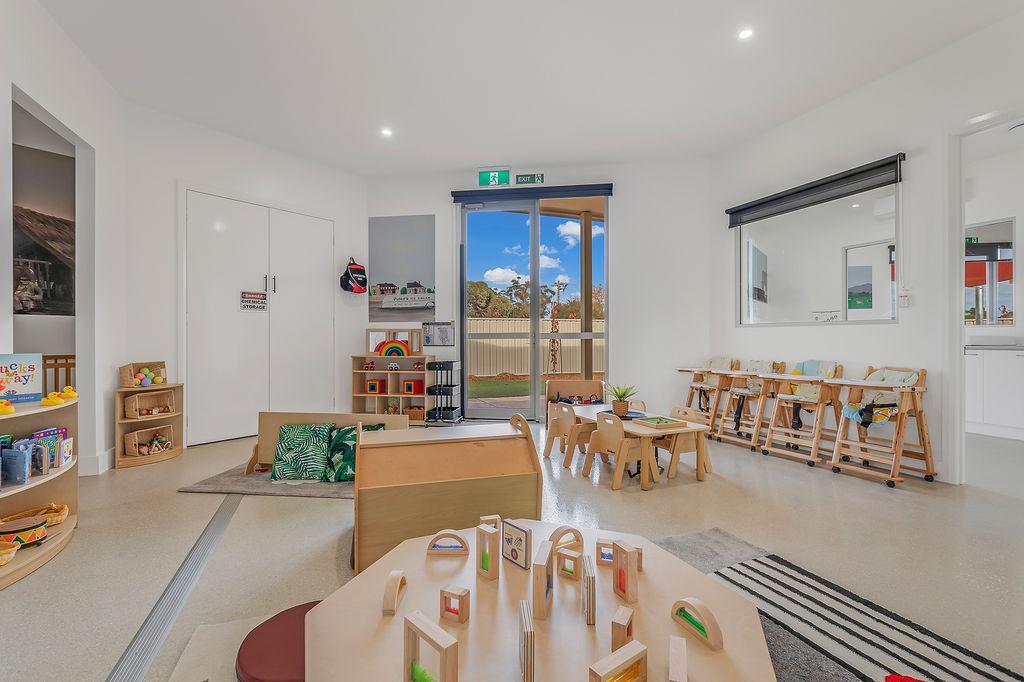
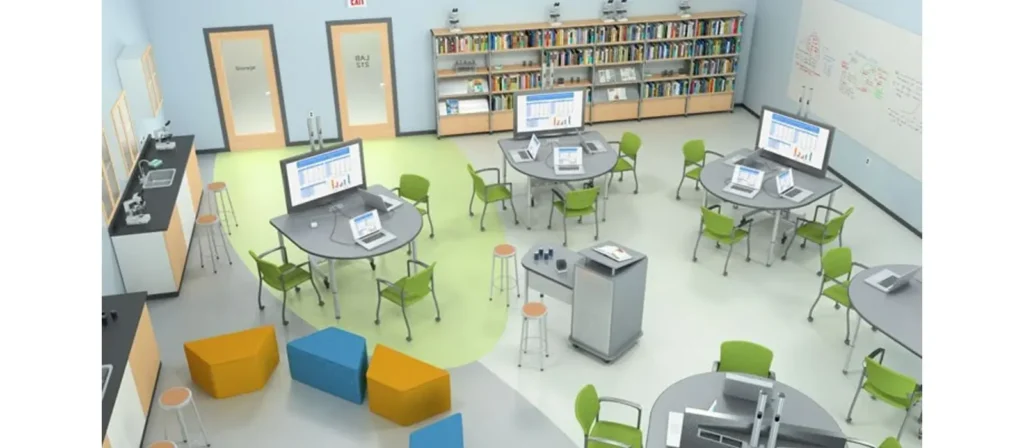
In a STEM environment, no two days look the same. One morning might involve 3D printing a prototype; the next, collaborating on a coding challenge. Flexibility is at the core of all great STEM learning spaces. Young learners need the ability to shift from individual work to small group collaborations quickly. That’s why modular tables, adjustable-height desks, and movable storage carts are a must.
In our work with North American kindergartens, we’ve seen how adaptable furniture boosts engagement. For example, a coding group might need a circle setup in the morning, while a science activity needs rows in the afternoon.
Mobility
Mobility in STEM classroom design refers to the ability for furniture, equipment, and tools to be moved quickly and seamlessly. Rather than bolting every table to the floor, wheeled bases or gliders enable rearrangement. Mobile carts for 3D printers, electronics kits, storage bins, and tool sets let instructors bring tools to students rather than forcing students to trek across the room.
To maintain safety, mobility must be balanced with stability: wheels should lock firmly, and movement should be controlled. A tip is to use dual-wheel locking casters and wide wheel bases to avoid tipping. Equipment carts should have cable management that accommodates movement without unplugging every time.
Collaboration
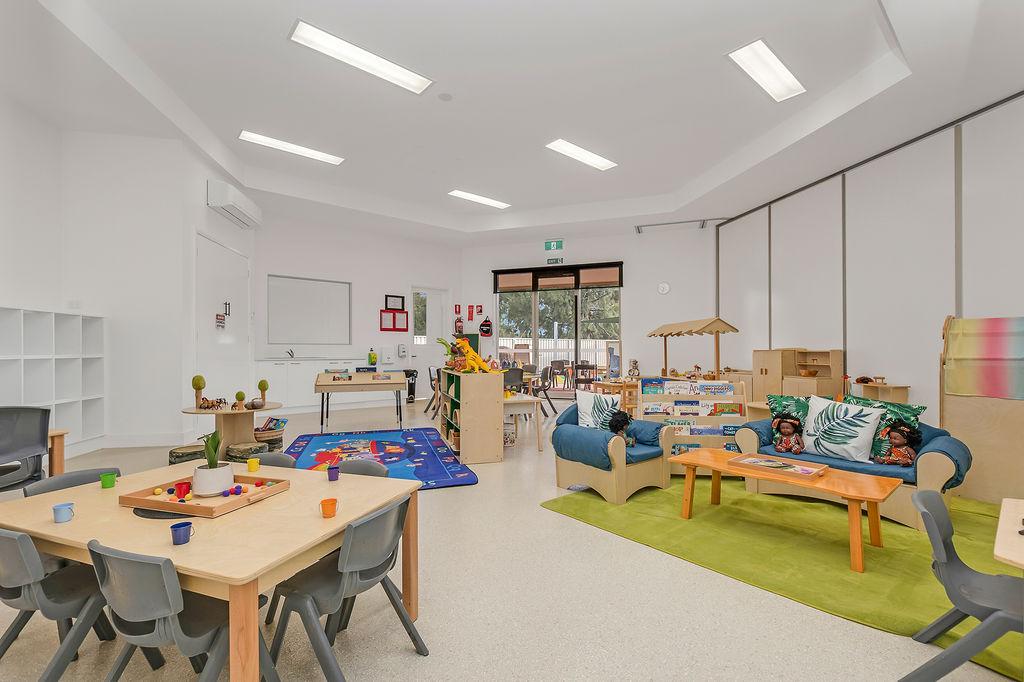
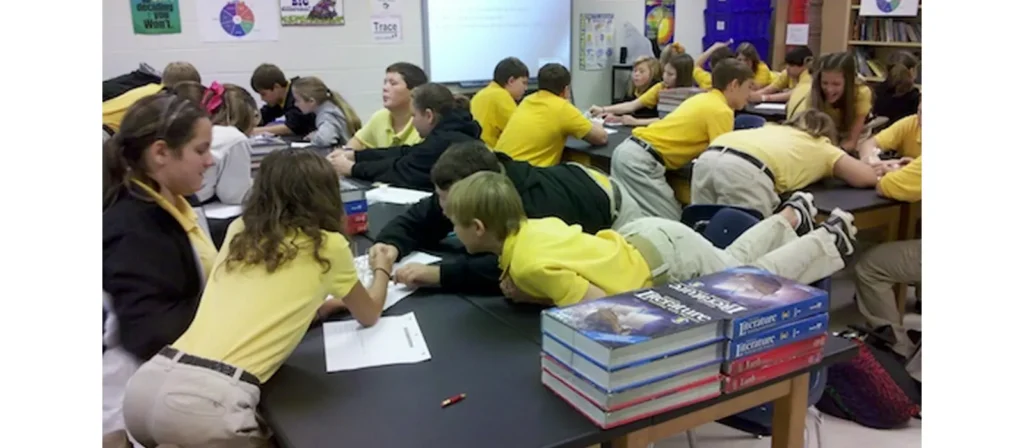
Teamwork is central to STEM education. The space should invite students to work in pairs or small groups, share work surfaces, and have shared access to supplies and tools. The layout should minimize barriers between groups: low furniture backs, open pathways, and shared whiteboard walls encourage peer observation and cross-pollination.
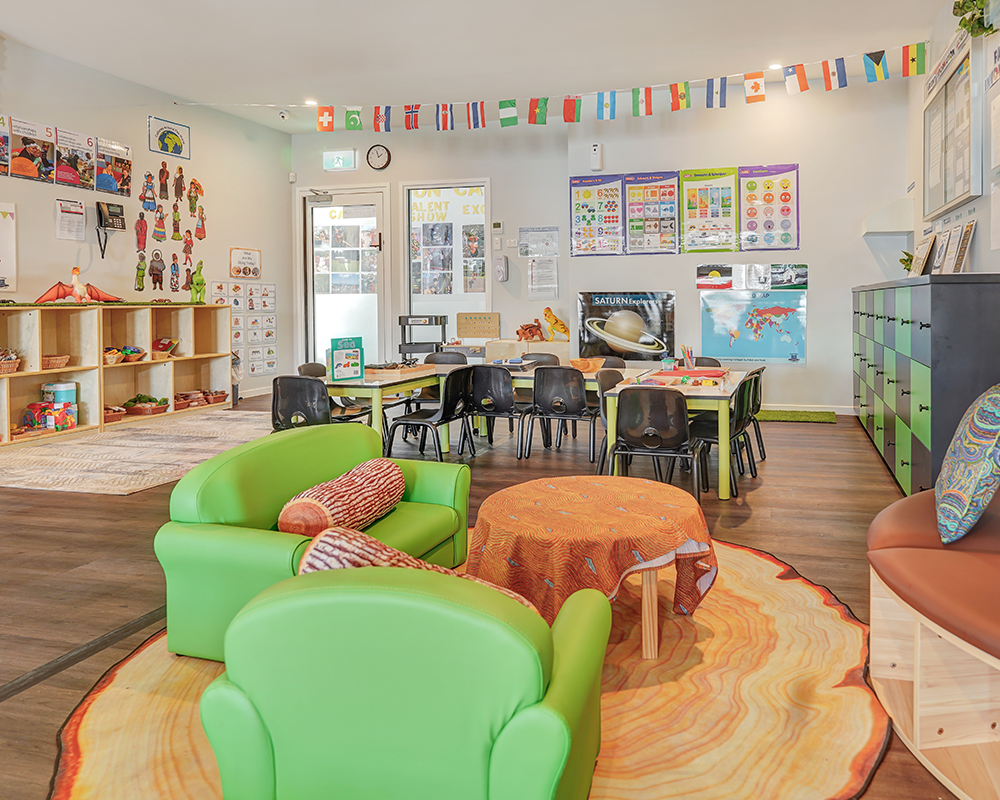
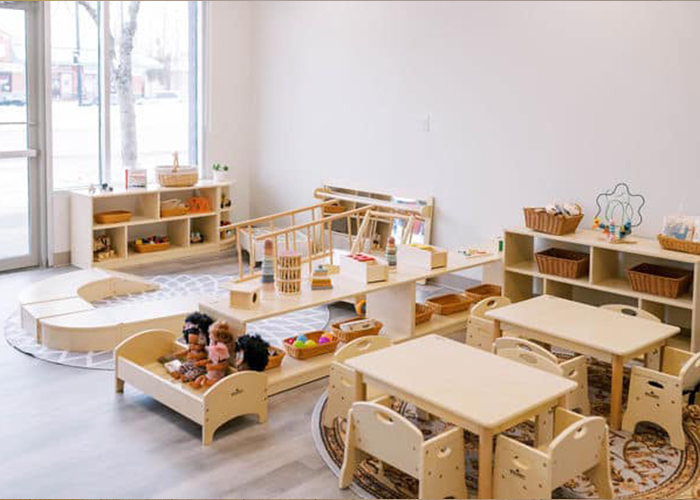
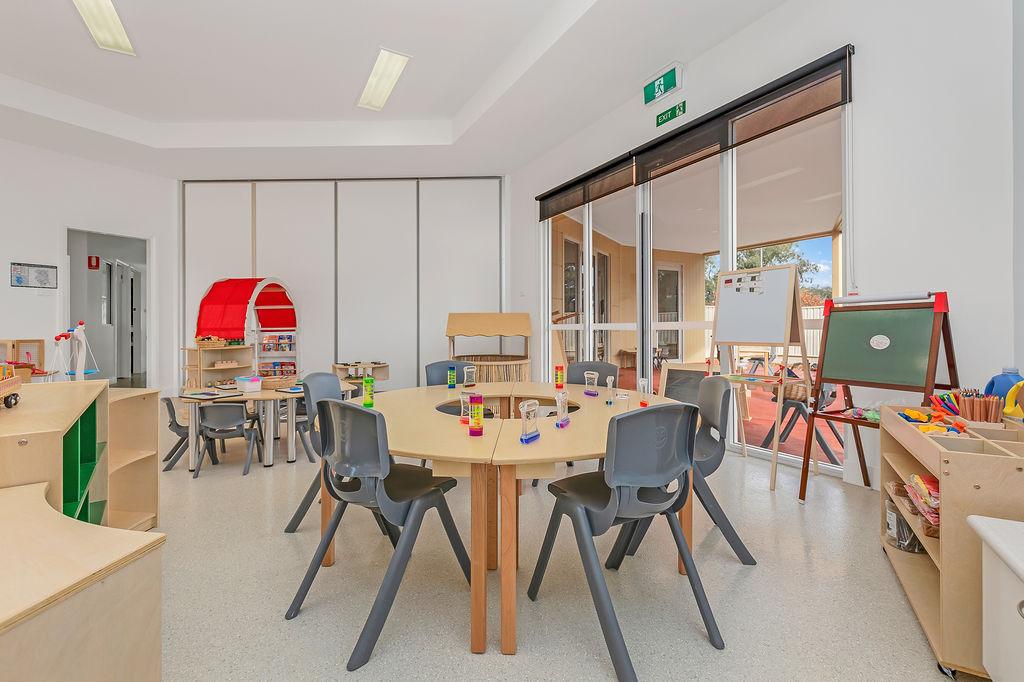
A good practice is to cluster tables in pods for 4–6 students, with shared central storage and display boards. Some classrooms deploy hexagonal tabletops so that each group’s edges align with neighbors, promoting visual and conversational connection.
Organization
Even the most creative spaces must be structured. STEM classroom design that lack smart organization tend to become chaotic quickly, especially with young children.
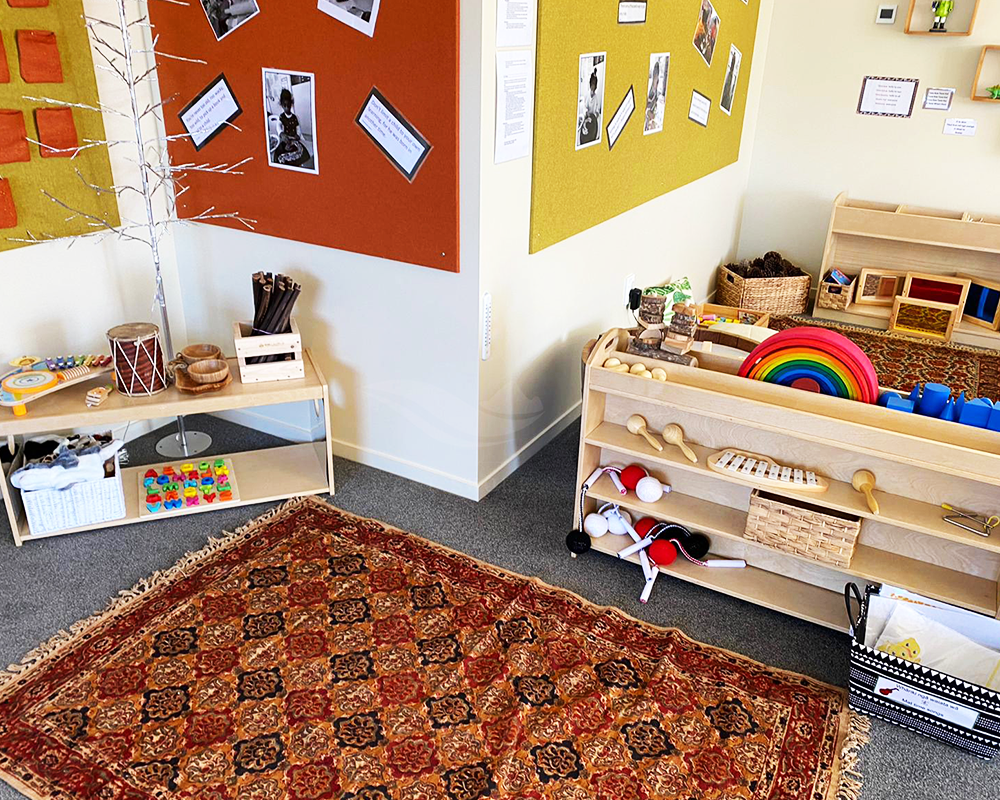
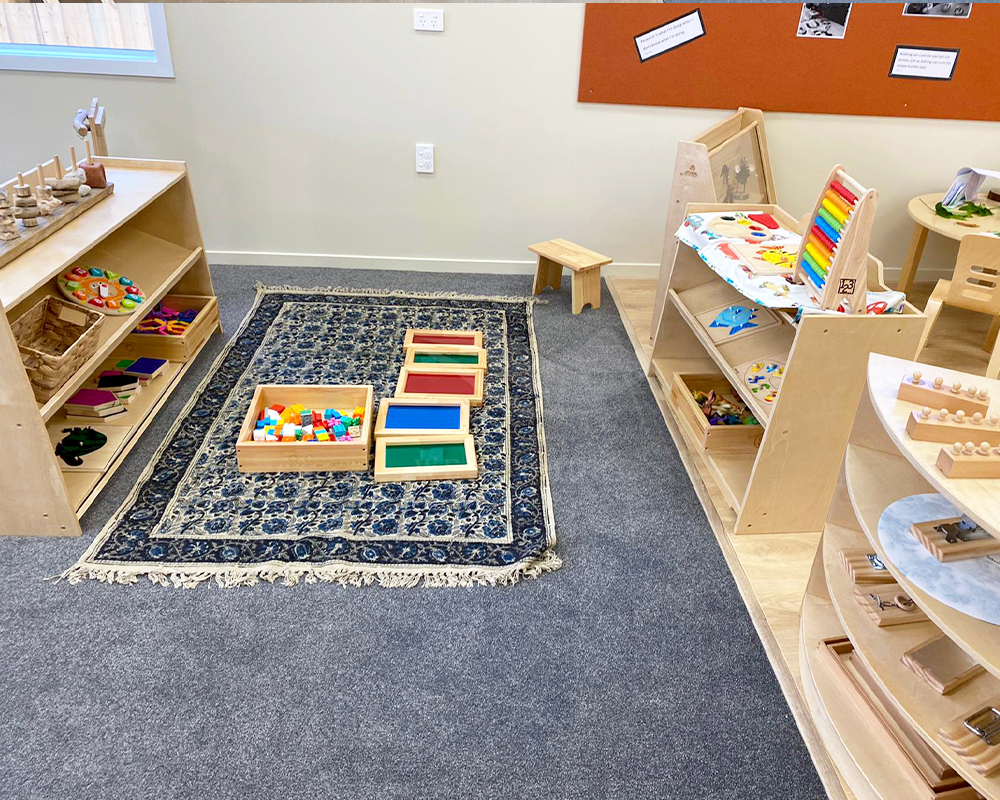
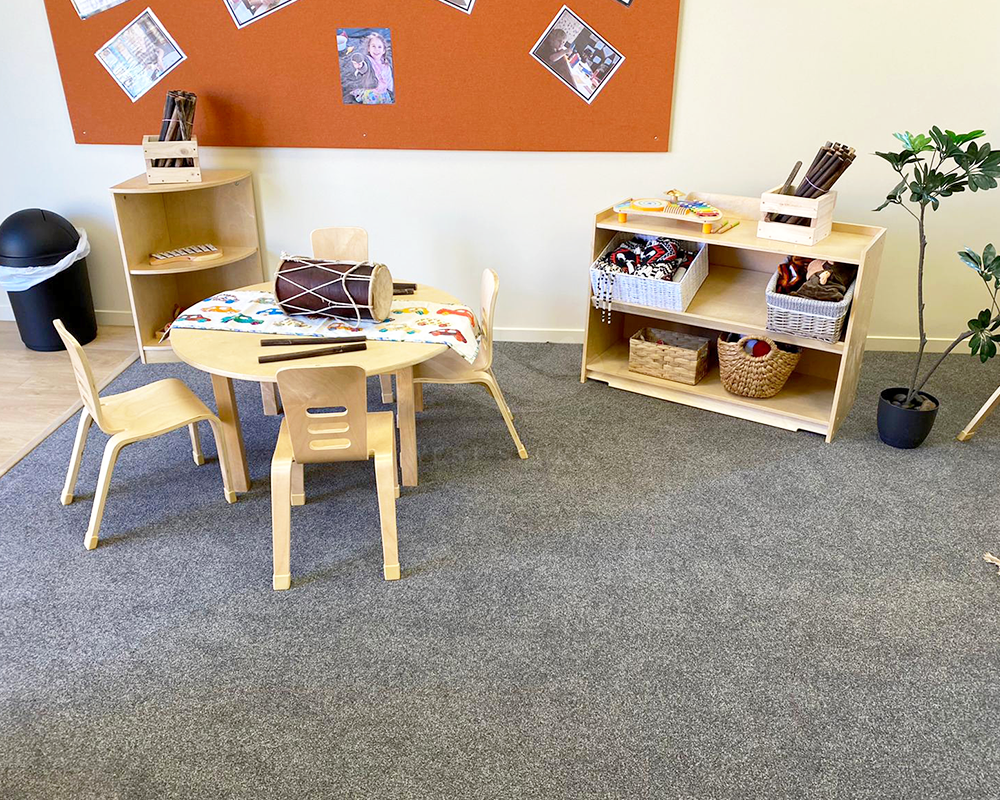
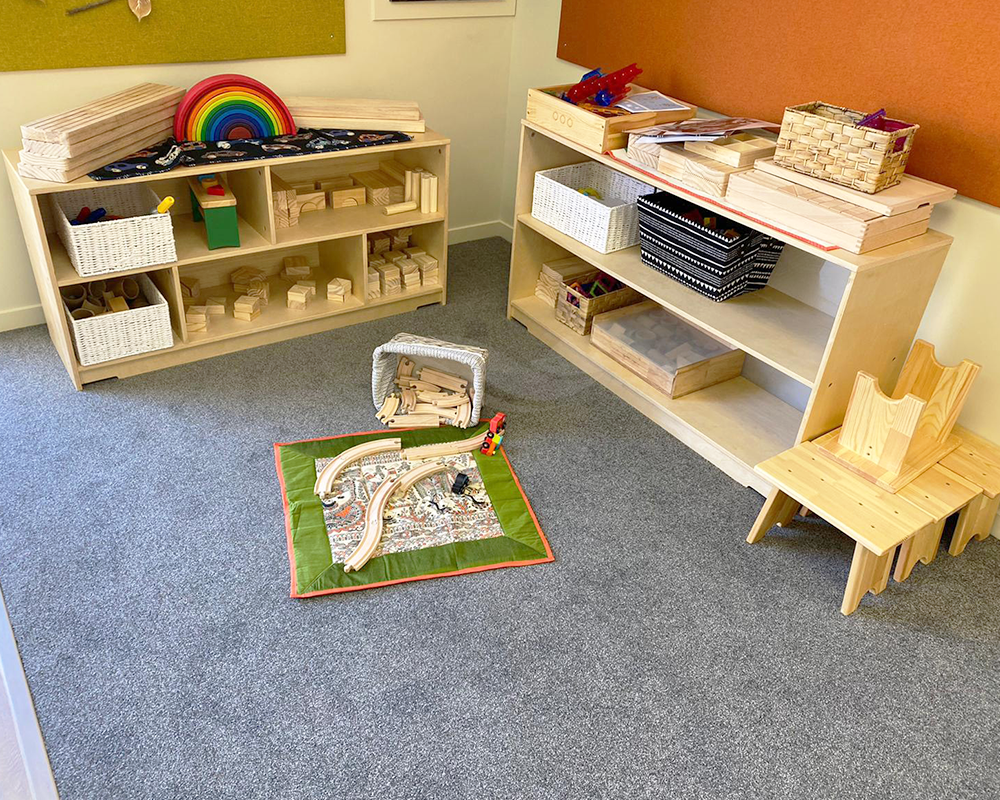
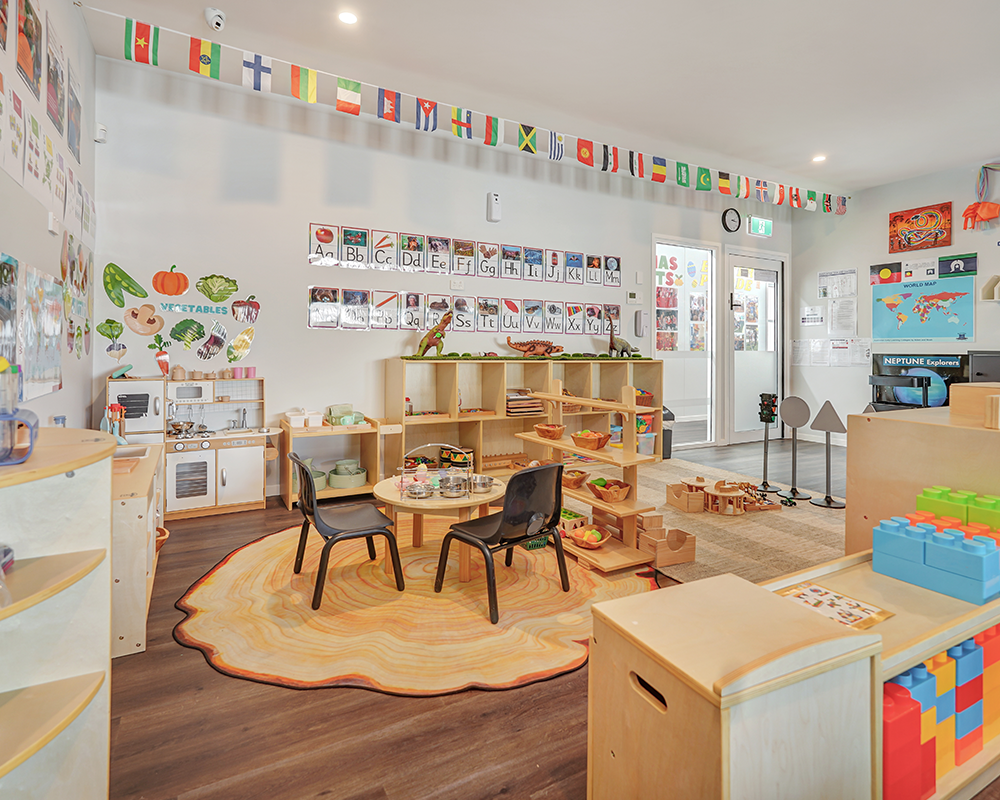
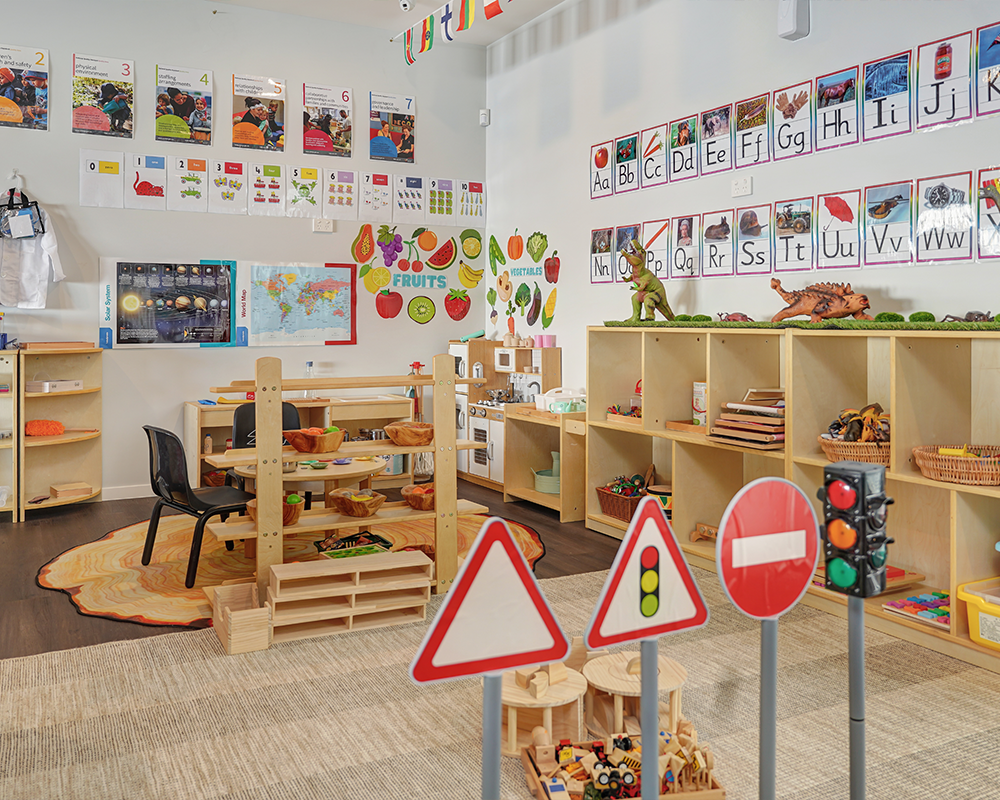
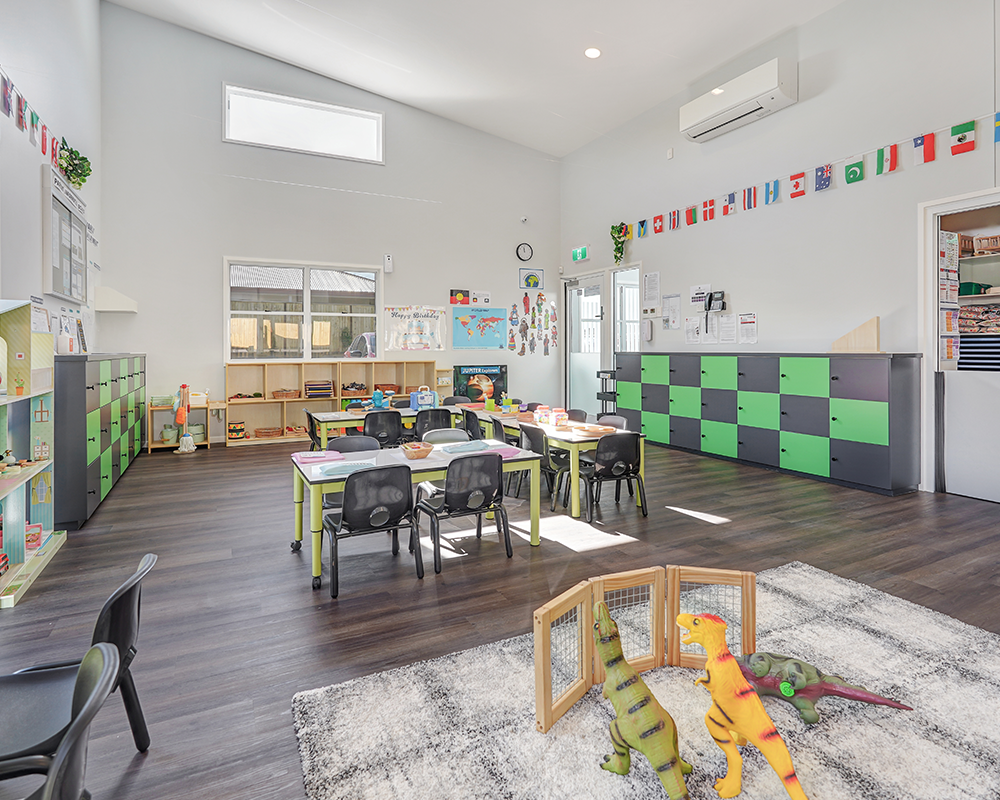
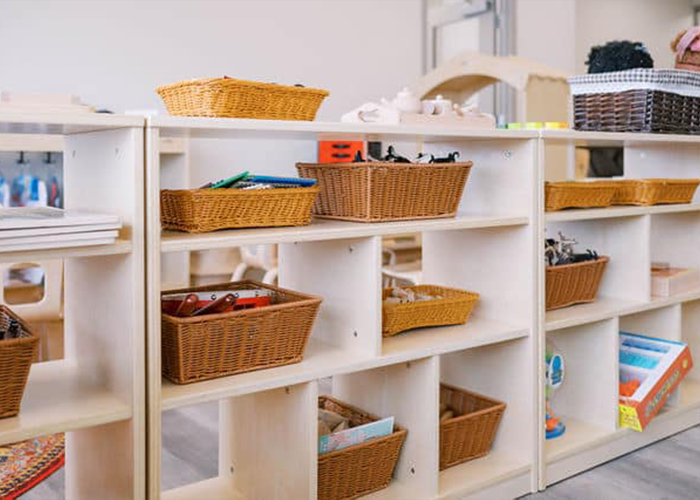
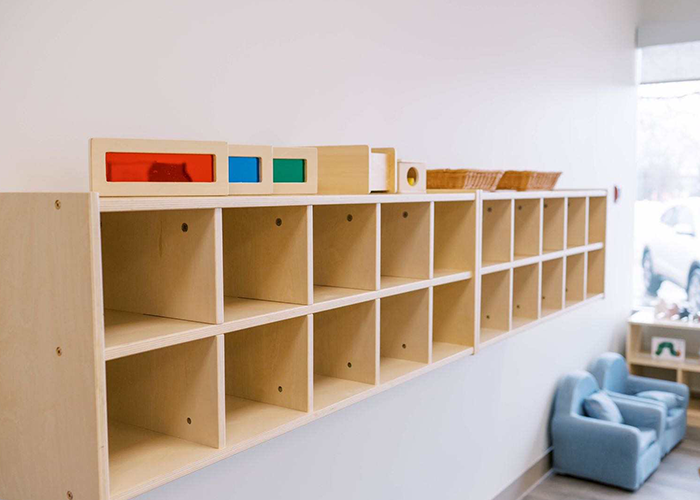
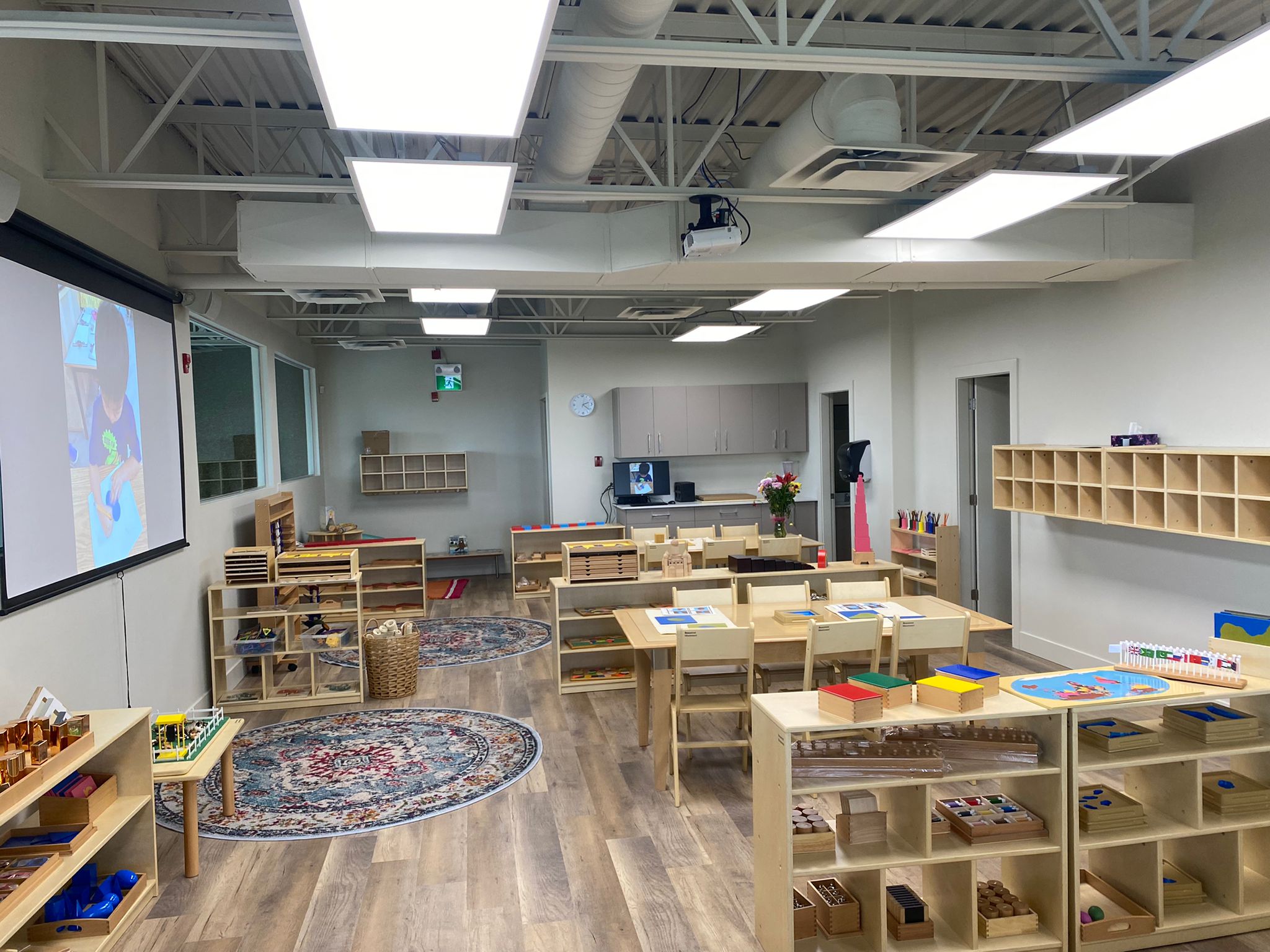
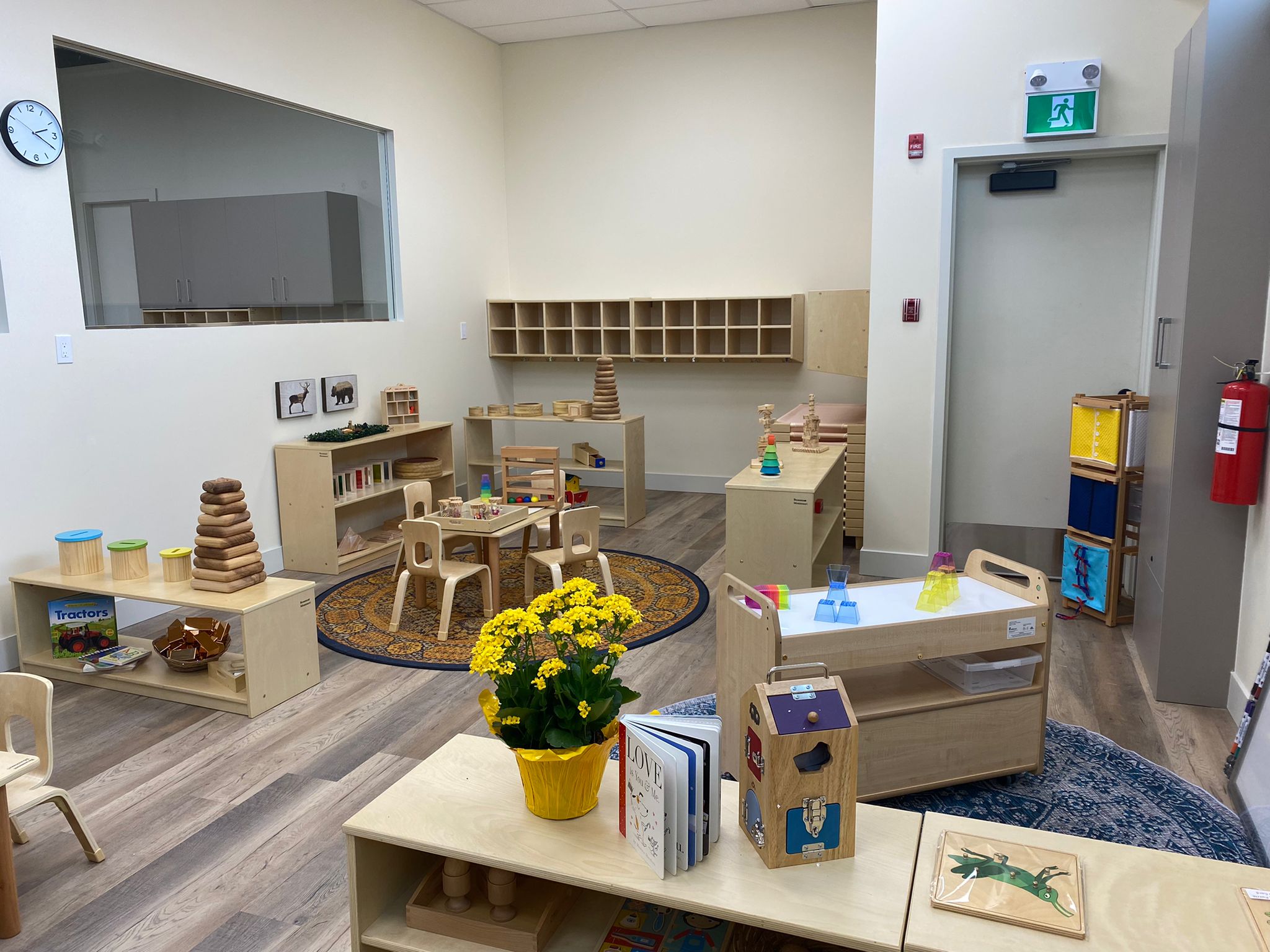
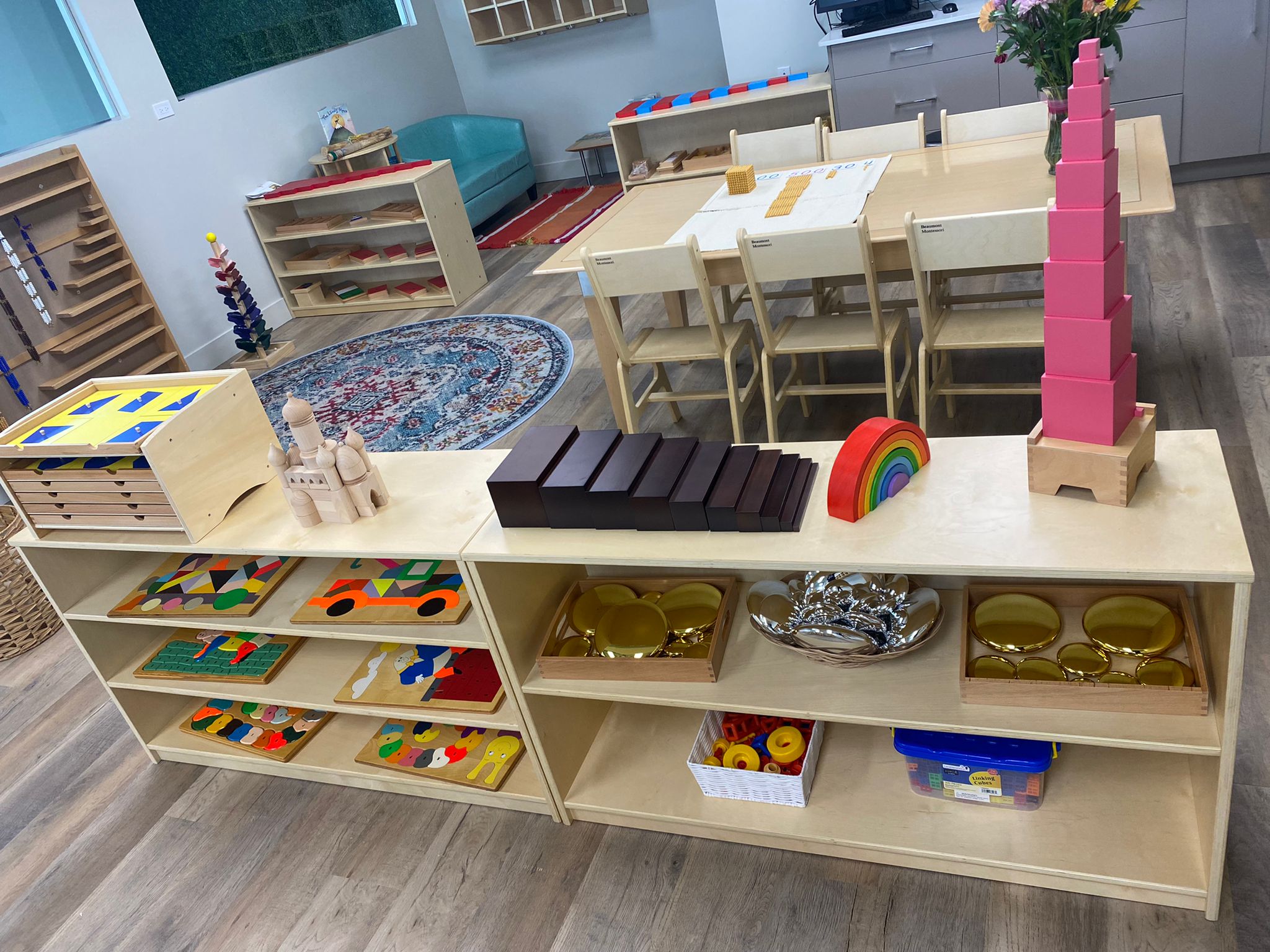
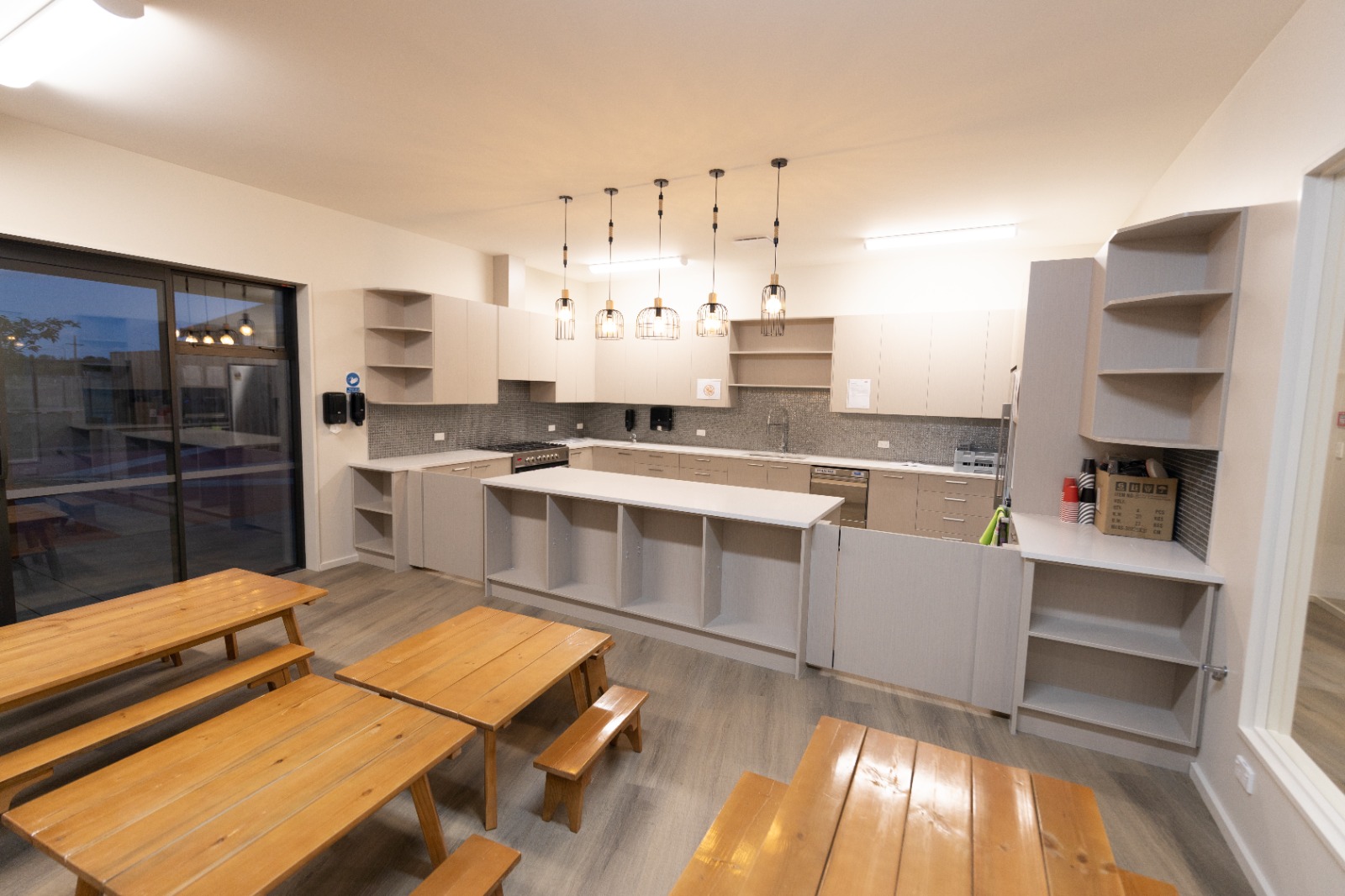
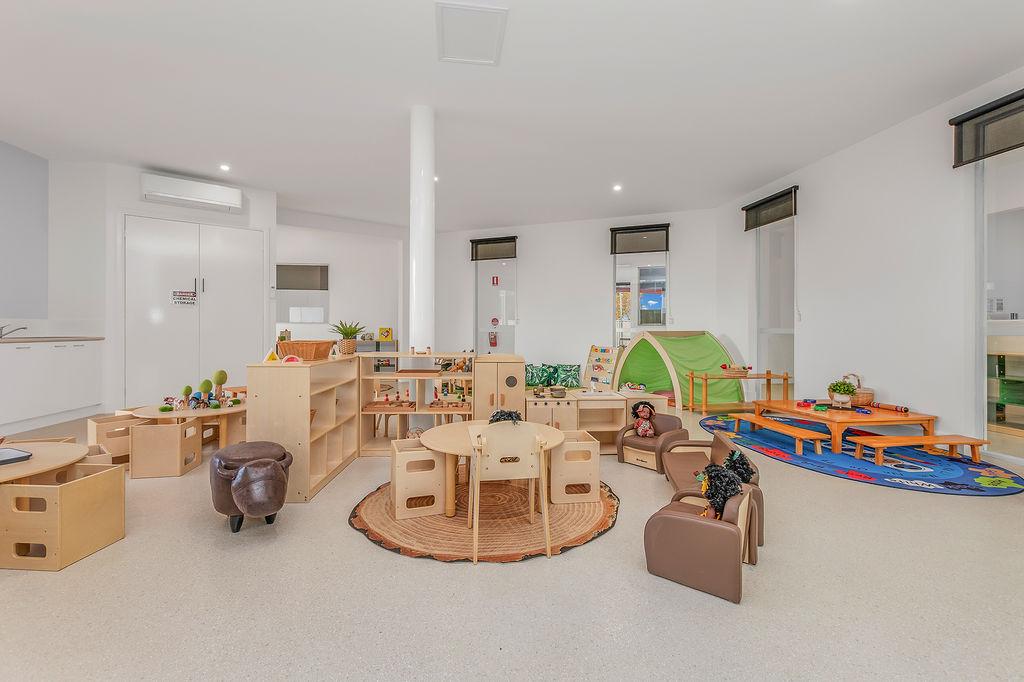
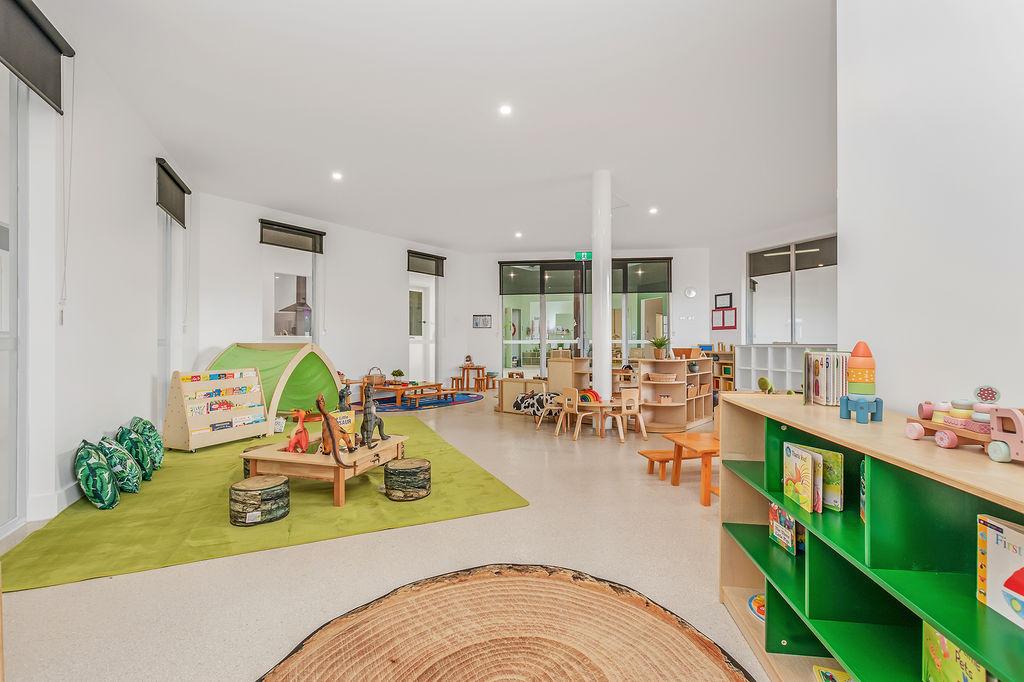
Each tool, toy, or material must have a designated home. Open shelving, color-coded bins, and clearly labeled zones help kids take responsibility for their space.
Team Focus
While collaboration is important, the design must subtly reinforce team identity and responsibility rather than chaos. Each group must feel ownership of its workspace. That might mean giving each team a small whiteboard or marker zone, a kit bin, or a personalized station wall. Teams should be able to claim, label, and modify their area—within the broader ecosystem of the classroom.
In practice, teachers sometimes provide colored tapes or boundary rugs to define team zones. That boundary visually reminds students both of ownership and of respecting others’ spaces.
Digitalization
A modern STEM classroom must embrace digital tools—not as gimmicks, but as embedded infrastructure. Charging stations, network ports, USB hubs, monitored device carts, and interactive displays should be habitual, not afterthoughts. Design should anticipate upgrades: include conduit for network lines, extra capacity for WiFi access points, and flexible mounting points for monitors or projectors.
In a 2020 survey, 78 % of high-performing STEM schools in the U.S. cited robust wireless infrastructure and device readiness as critical enablers of their success. Without thoughtful digitalization, expensive hardware may sit idle or be underutilized.
How to Design a STEM Classroom?
Designing a STEM classroom is part art, part engineering. Below are foundational and practical strategies, drawn from both theory and field experience.
1. Student‑Centered Design
At the heart of a STEM classroom design must be students—how they move, interact, think, and err. To center design on the student:
- Observe behavior patterns: Walk through a typical STEM lesson. Where do students naturally cluster? Which paths do they take to tools?
- Co‑design with students: Ask them what they want from their environment—maybe more privacy, better lighting, or flexible walls. When students co-create, they take ownership.
- Design for multiple learning styles: Some students prefer quiet corners, others like open social zones. Allow niches and collaborative hubs.
- Iterate based on feedback: Use short surveys or “post‑mortem” reflections after projects to see what spatial features aided or hindered them.
2. Employ Collaborative Design
Great classrooms come from great collaboration. We always involve school directors, teachers, and sometimes even students in the design process.
Why? Because the people using the space every day know what works. Teachers might request dual-use tables for crafts and coding. Directors may want space-saving solutions. A co-designed layout creates fewer surprises later.

3. Plan a Classroom Layout in Advance
You’d be surprised how many new school owners ignore layout until after the furniture is delivered. Big mistake.
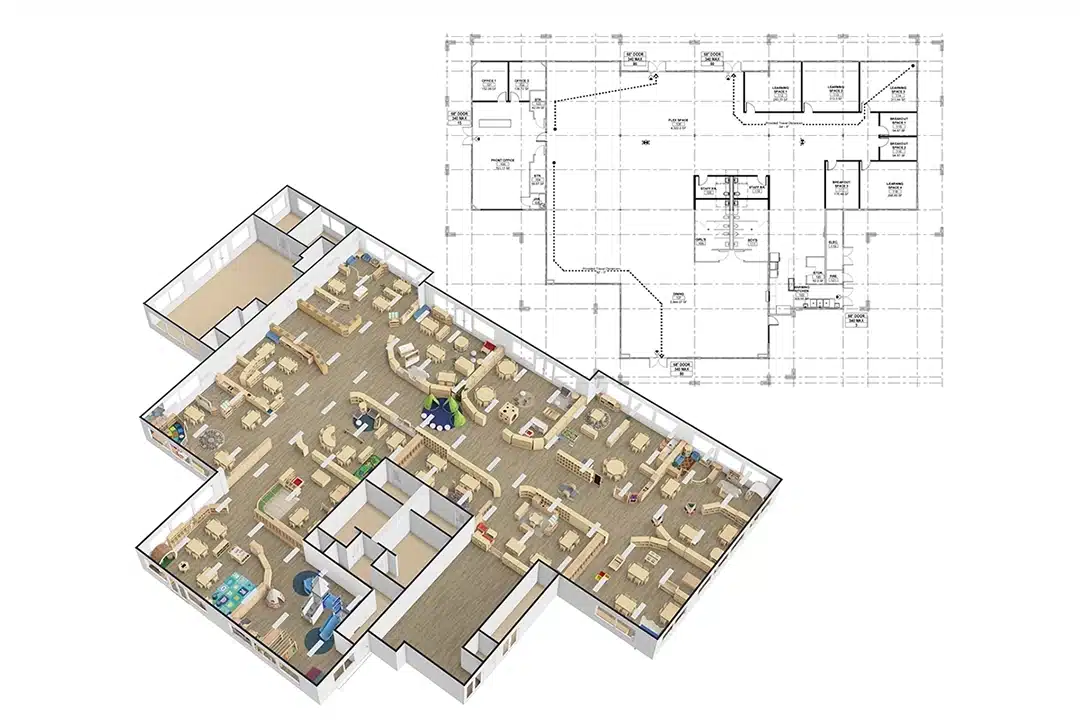
We encourage clients to use layout mockups or 3D simulations before placing an order.
Here are steps to plan the layout:
- Measure carefully: Record accurate interior dimensions, window/door locations, ceiling height, column posts.
- Draw zones on paper / CAD / software: Sketch zones with buffer zones (walkways, safety zones).
- Mock up with tape or painter’s tape: Use tape to mark tables and flow patterns on the floor; walk the student path physically.
- Simulate real use: Bring in sample tables, carts, or cardboard boxes to simulate equipment and work areas.
- Check electrical and network points: Mark where outlets and data ports must exist relative to furniture.
- Plan vertical usage: Walls matter. Think whiteboard walls, pegboards, shelving.
Don’t skip this planning stage—many expensive reworks happen because the layout didn’t actually “work” once people started using the room.
4. STEM Classroom Decorating Ideas
A STEM classroom should feel inviting and purposeful. Some decoration guidelines:
- Color schemes with intention: Use accent walls in energizing hues (e.g. teal, mustard), while keeping base walls neutral to support projection.
- Thematic murals or decals: Add space, circuit, molecule, or gear motifs to subtly evoke STEM identity.
- Student work displays: Reserve space for rotating project exhibits, idea walls, prototype case displays.
- Interactive surfaces: Use dry-erase paint or glassboards on walls or columns to keep thinking visible.
- Lighting accents: Use LED strips behind shelves or under tables to create ambient glow, making zones feel distinct.
- Inspirational quotes / real‑world connections: Posters from NASA missions, prominent engineers, or STEM milestones. But use modestly—don’t make walls overly busy.
5. Equipment and Technology
STEM classroom design should consider the addition and placement of technical equipment. From 3D printers to mini microscopes, the right tech elevates STEM learning. But every piece of equipment should:
- Be age-appropriate
- Serve a learning purpose
- Be stored safely and labeled

6. Furniture Selection
Furniture is the framework upon which all activities ride. Here’s how to choose:
- Choose lockable, heavy-duty casters: To move freely but stay stable when locked.
- Select height-adjustable tables and chairs: Accommodate different student heights and sitting/standing preferences.
- Prefer surfaces that support writing: Laminate tabletops with dry-erase surfaces allow students to write ideas directly.
- Pick modular tables: Ones that can split or combine (for examples, trapezoids, hexagons) for flexible groupings.
- Ensure easy-to-clean materials: Given soldering, adhesives, glues, prototypes, surfaces must resist stains and manage spills.
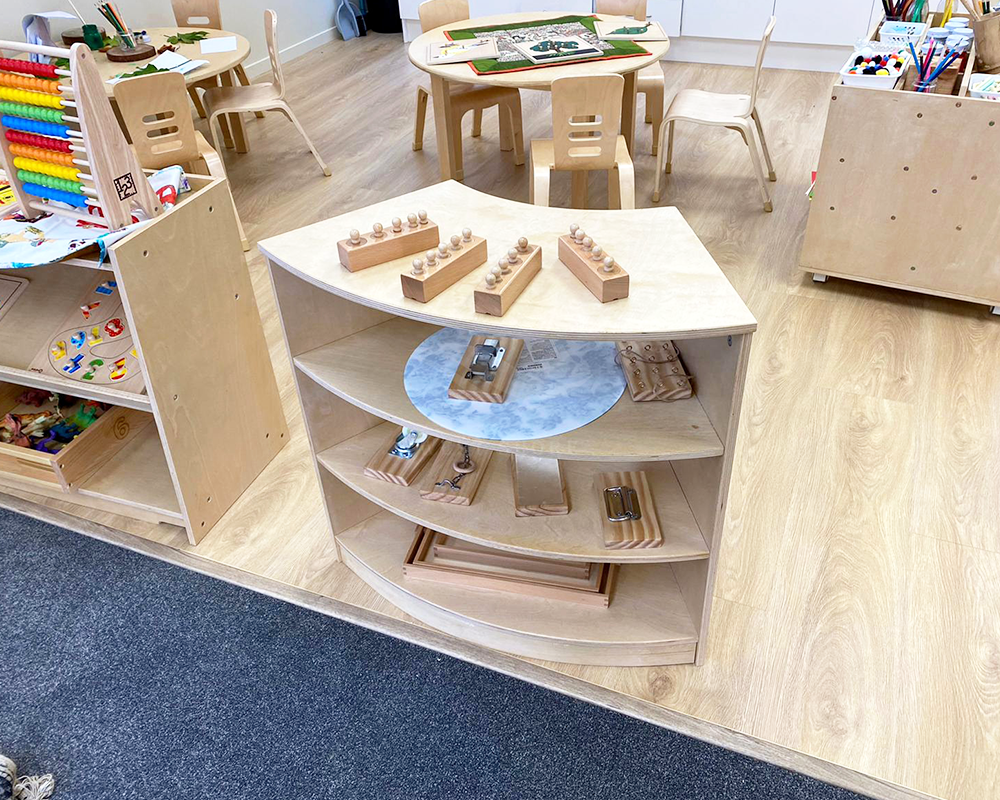
- Use storage-integrated furniture: Desks or tables with built-in shelves or under-desk storage save wall space.
Factors to Consider in STEM Classroom Design
Even the most exciting classroom vision will fall flat without proper attention to logistics and practicalities. These critical elements ensure your STEM classroom is not just inspiring but also functional, safe, and sustainable.
- Classroom Space
The size and openness of your classroom shape the entire learning experience. If the room feels cramped, students lose focus and movement becomes restricted. A well-planned space gives children the freedom to explore, experiment, and shift between activities without unnecessary interruptions. - Storage Space
STEM projects require a wide range of tools, materials, and devices. Without proper storage, classrooms can quickly become chaotic, leading to lost time and frustration. Organized storage keeps materials accessible, promotes responsibility, and allows lessons to flow smoothly. - STEM Materials
The right materials are the foundation of meaningful STEM learning. Whether it’s robotics kits, lab equipment, or coding tools, having accessible resources ensures students can move from theory to practice. Neglecting this consideration weakens the hands-on learning experience. - Seating
Seating arrangements directly influence how students learn and interact. Flexible, comfortable seating encourages collaboration, while also supporting individual work when needed. If seating is rigid or poorly designed, it can discourage teamwork and hinder engagement. - Electrical Outlets
Technology is central to STEM, and without enough outlets, even the best devices become useless. Poor planning here leads to constant disruptions and unsafe workarounds. Properly placed outlets keep projects running smoothly and reduce downtime. - Safety
Safety is non-negotiable in STEM environments where tools, chemicals, and machinery may be used. Prioritizing safety in the design process ensures compliance with regulations and protects both students and teachers.

Different STEM Classroom Area Layouts
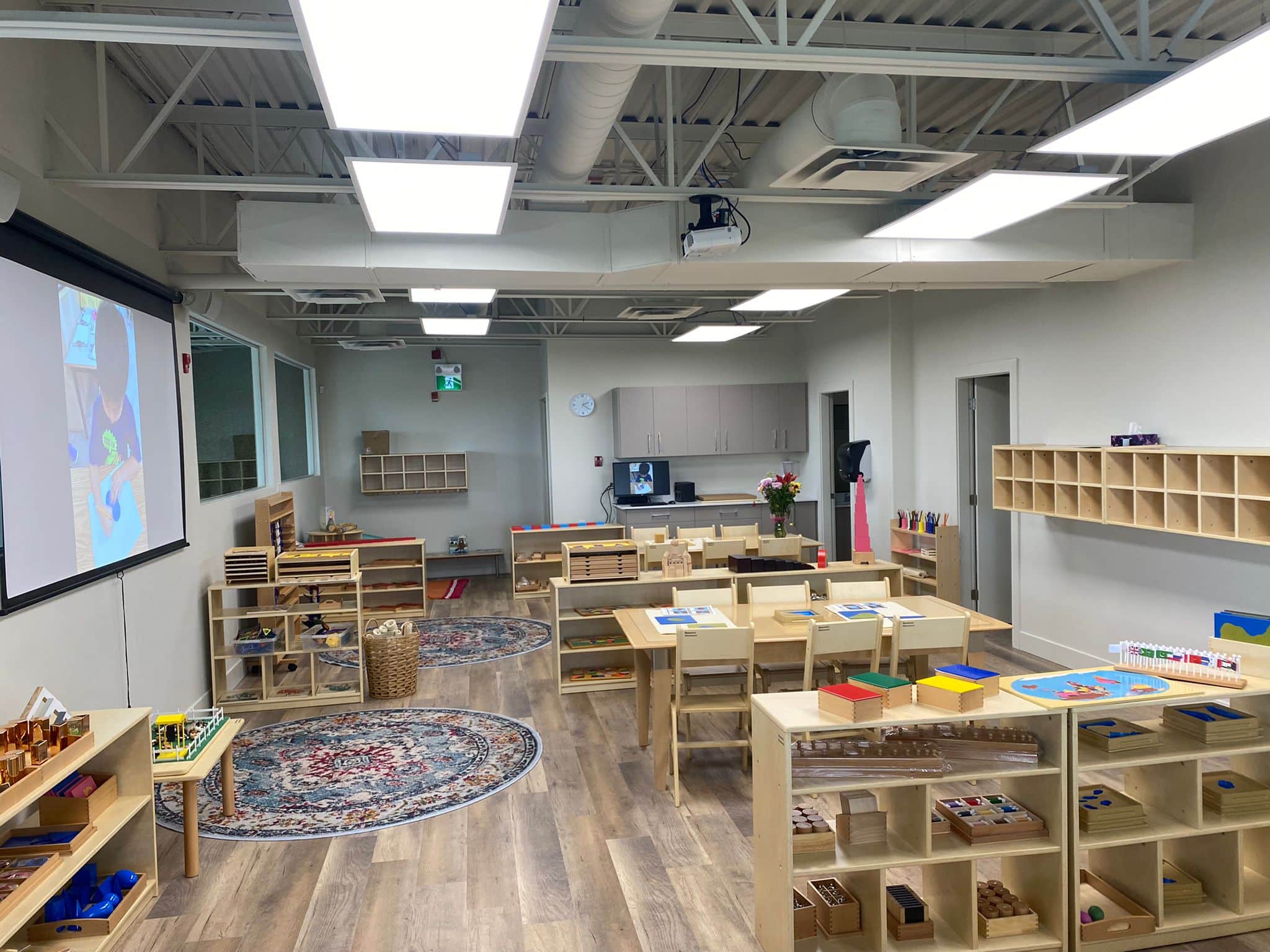
Designing effective STEM learning environments starts with how you divide your space. Instead of one open area, smart classrooms are broken into specialized learning zones—each designed to support a specific type of activity or student engagement style.
- Create a Maker Zone
This area should be designed for hands-on creation and prototyping. It includes tools, materials, and workbenches that support building, testing, and revising physical models. It’s ideal for engineering challenges, robotics, and art-integrated STEM projects. - Create a Collaborative Space
Students often work in teams on extended projects. Collaborative areas with large tables, writable walls, and digital presentation tools can be used for brainstorming, group planning, and peer feedback. This space should encourage open communication and flexible group arrangements. - Create a Quiet Zone
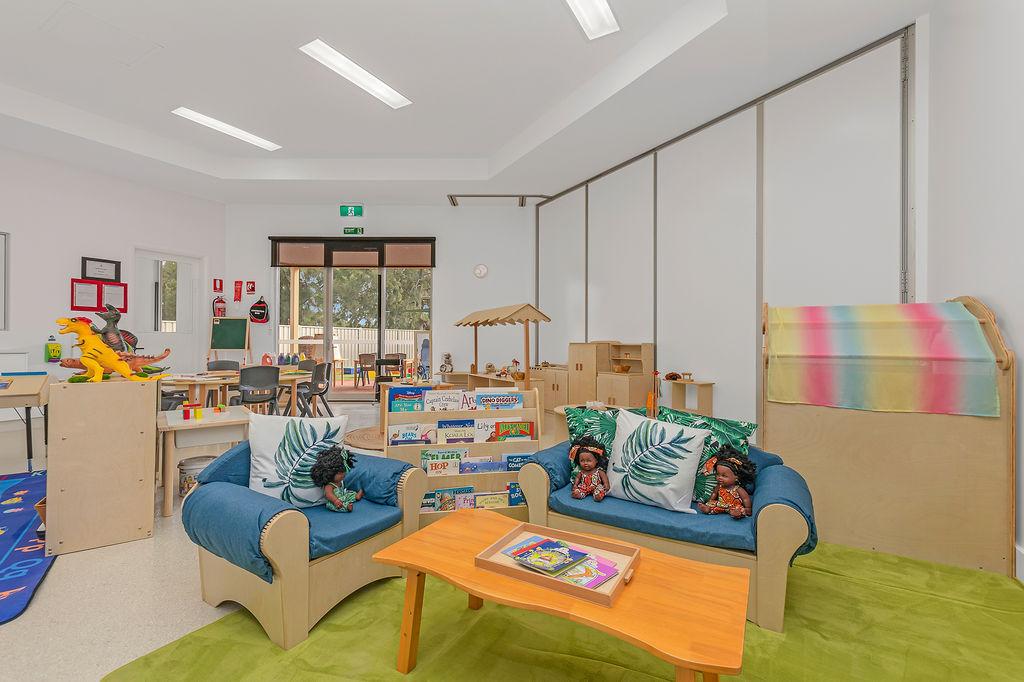
STEM also requires quiet focus, whether for reading, writing code, analyzing data, or reflecting on feedback. This area can feature soft seating, individual desks, or acoustic partitions to block noise. It offers a reprieve from the energetic maker or group zones. - Create a Special Area
Depending on your curriculum, you may need a specialized area for digital media production, virtual reality, or video conferencing. This space supports advanced or niche tools and helps students connect with global STEM communities or engage in cross-school collaboration. - Create an Experimentation Area
Science-driven STEM spaces need a zone for safe experimentation. Think of it as a mini-lab: sinks, fume hoods, lab tables, and durable flooring. This zone should be compliant with safety standards and equipped for chemical handling, dissections, and environmental testing.

STEM Classroom Environmental Support Elements
Even with a well-planned layout and properly selected furniture, if environmental factors such as lighting, acoustics, safety, and accessibility are not carefully considered, they can significantly reduce the overall effectiveness of classroom design.
Lighting and Illumination
- Prioritize natural light: Large windows or skylights should be used to provide soft, comfortable, and natural lighting.
- Avoid glare and shadows: Use diffusers, blinds, or shades to manage direct sunlight and reflections.
- Task lighting: Each workstation should have localized lighting, ideally adjustable, to support various activities.
- Consistent color temperature: Avoid overly cold or overly warm lighting to reduce student visual fatigue and maintain a stable mood in the room.
Acoustic Design
- Use acoustic panels, sound-absorbing ceilings, and modular soft materials to control reverberation.
- Carpets and area rugs can significantly reduce footstep and movement noise.
- Install noise-reducing materials in equipment zones to minimize disruptive sound.
- In multi-functional classrooms, divide noisy and quiet areas to avoid interference.
Ventilation / Air Quality
STEM work can involve fumes from soldering, 3D printing, or chemical experiments. Clean, filtered airflow is critical. Ventilation systems must handle localized exhaust near hazardous zones, while general airflow prevents stuffiness. Good air quality supports alertness, health, and safety.
Safety / Fire Safety / Emergency Design
No STEM space is complete without clear safety planning. Fire extinguishers, first aid kits, eye-wash stations, and emergency signage should be visible and accessible. Clear evacuation routes and labeled emergency shutoffs for equipment protect students and staff. Proactive safety design reduces risk and builds trust.
Accessibility / Inclusiveness
A truly great classroom serves every student. Design must accommodate mobility devices, sensory needs, and inclusive learning styles. That includes adjustable table heights, wide aisles, visual and tactile signage, and quiet zones. Accessibility is not optional—it’s foundational to equity and universal design.
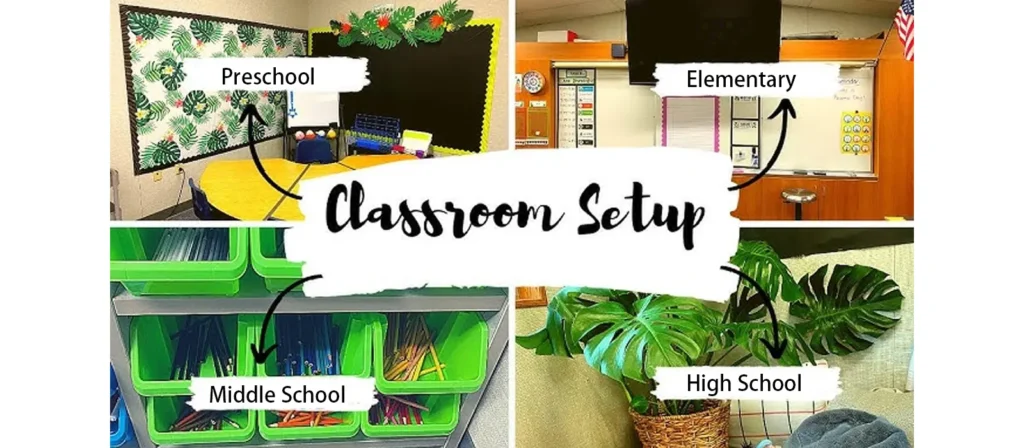
Design Key Points for Different Grade Levels
Not all STEM classrooms should look or function the same. Age matters. What works for a 17-year-old doesn’t suit a second grader. Below are age-appropriate design insights to consider when building STEM spaces for different grade levels.
Preschool
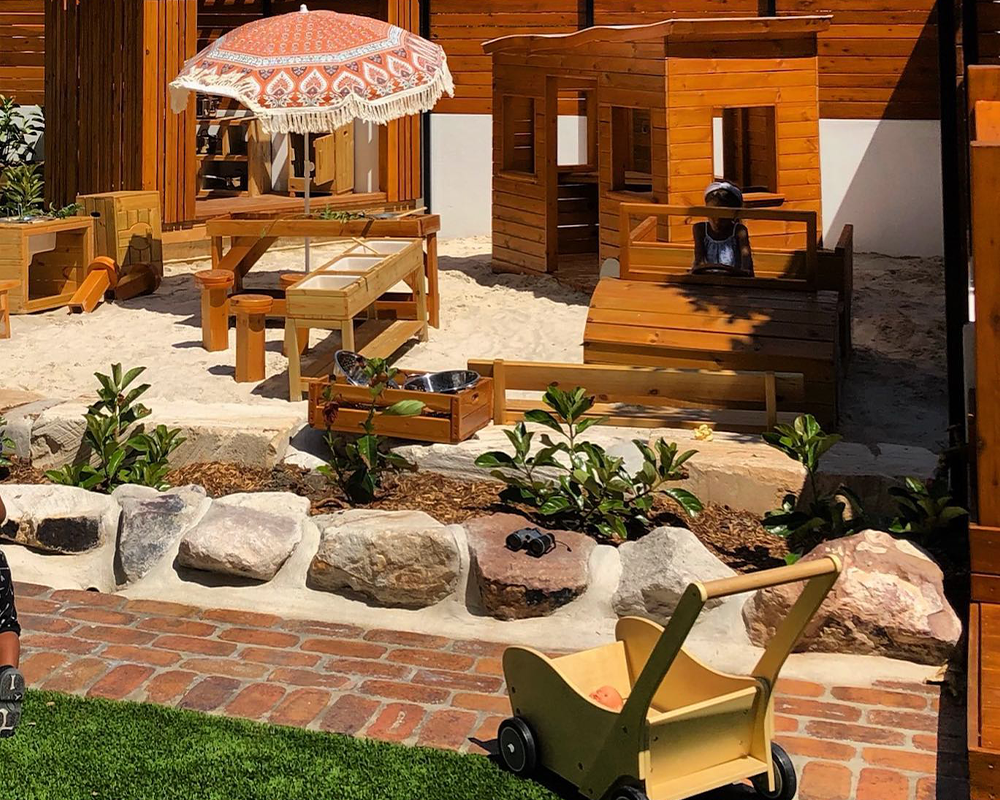
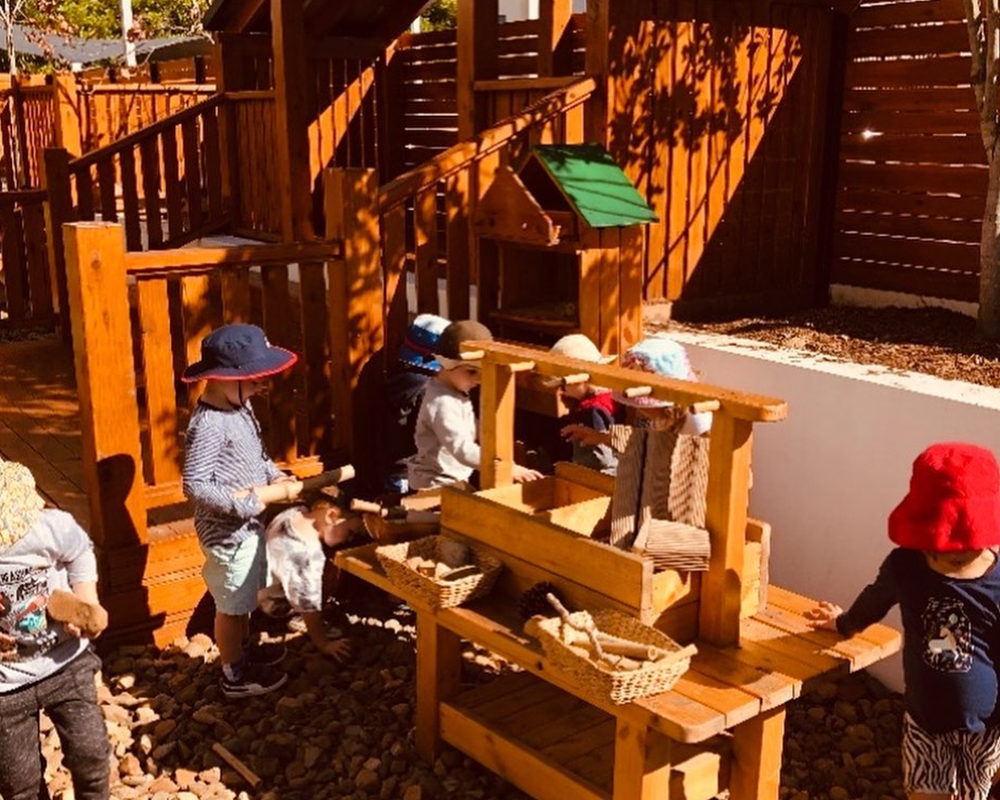
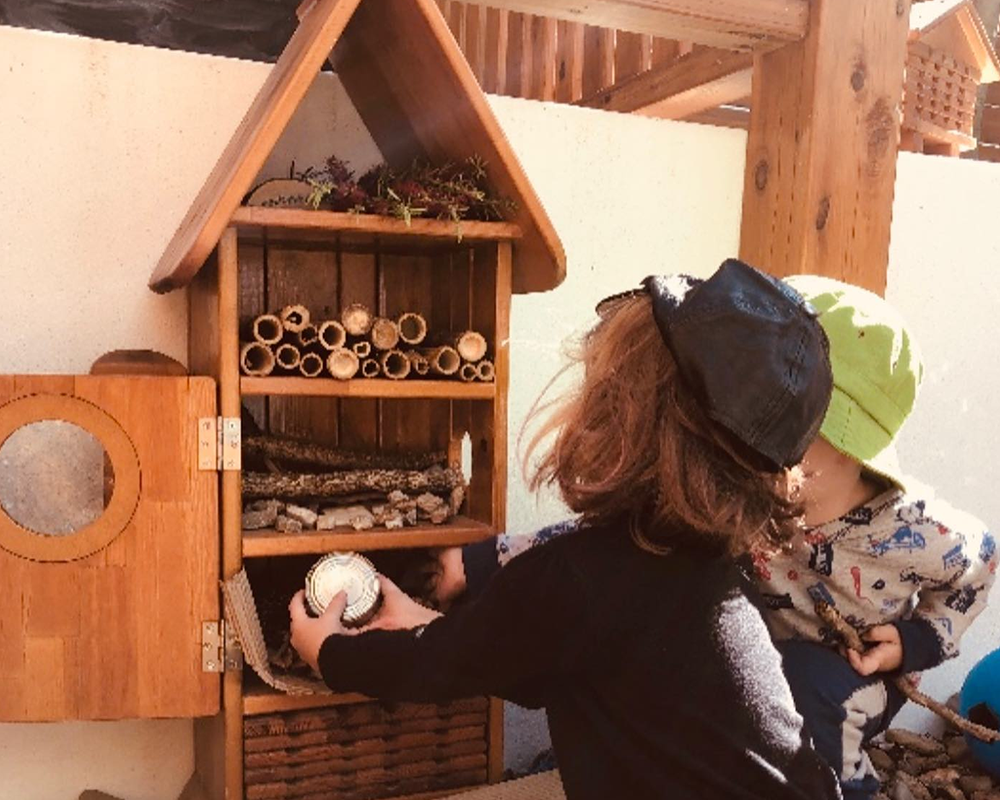
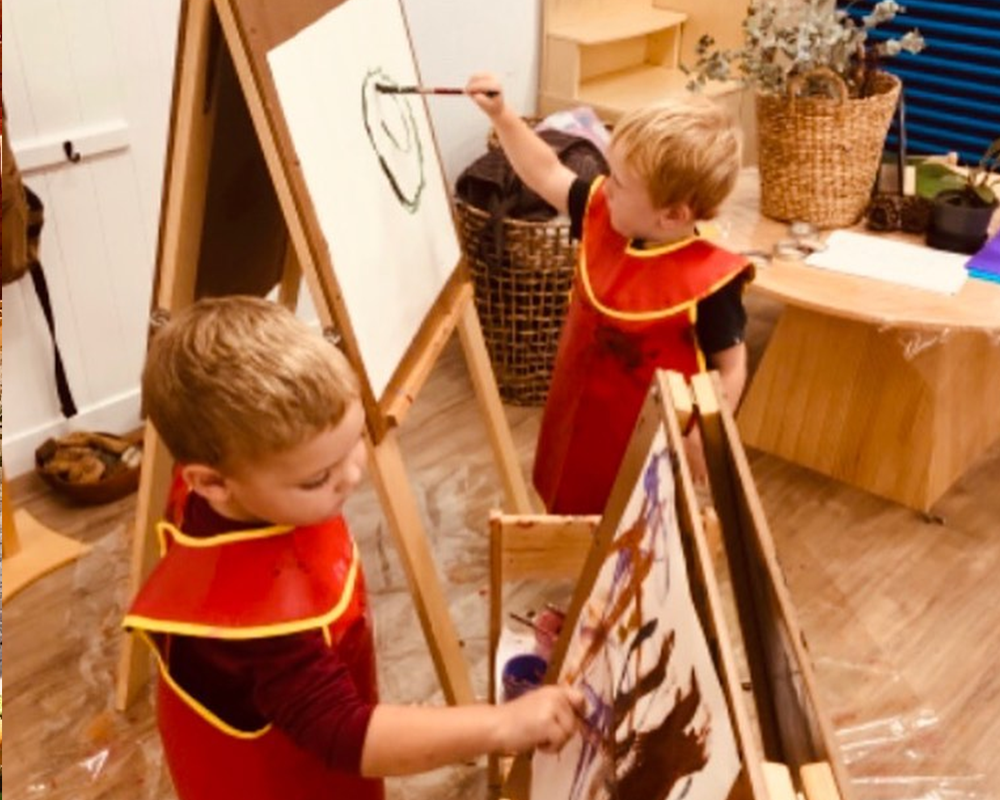
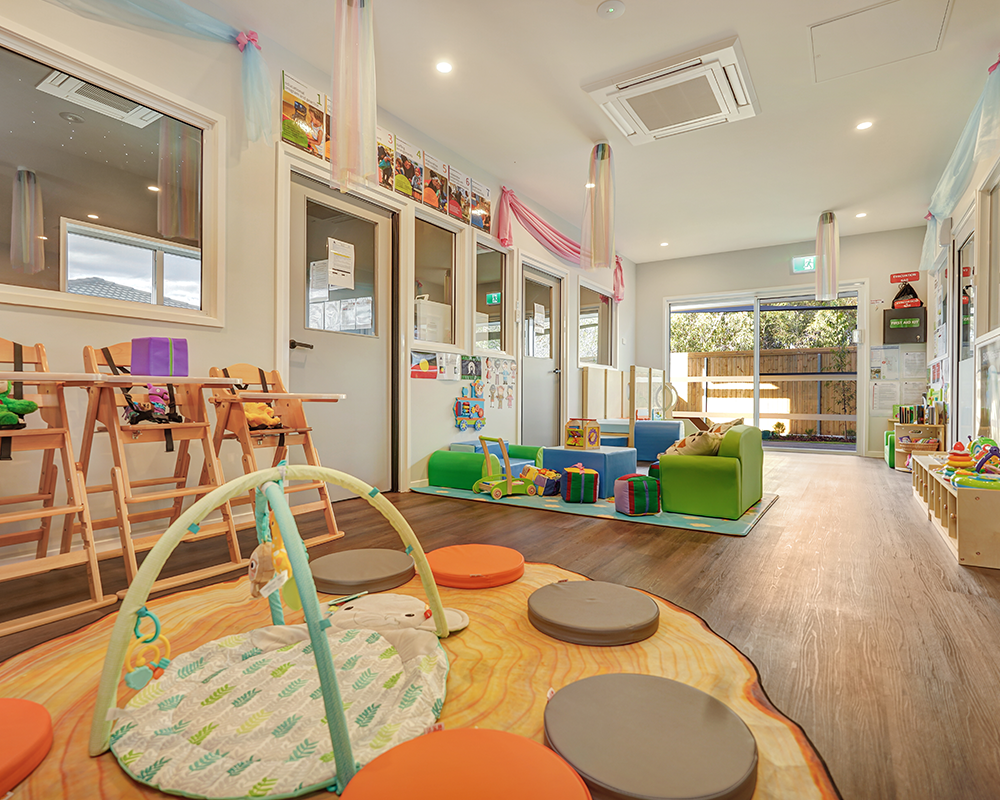
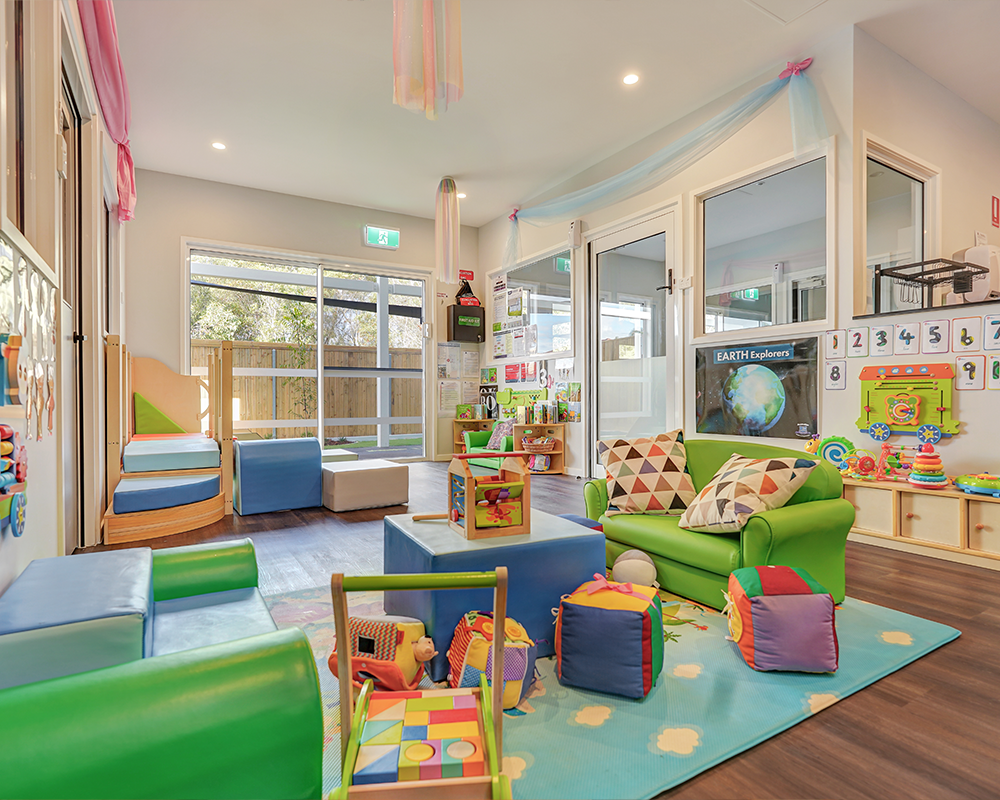
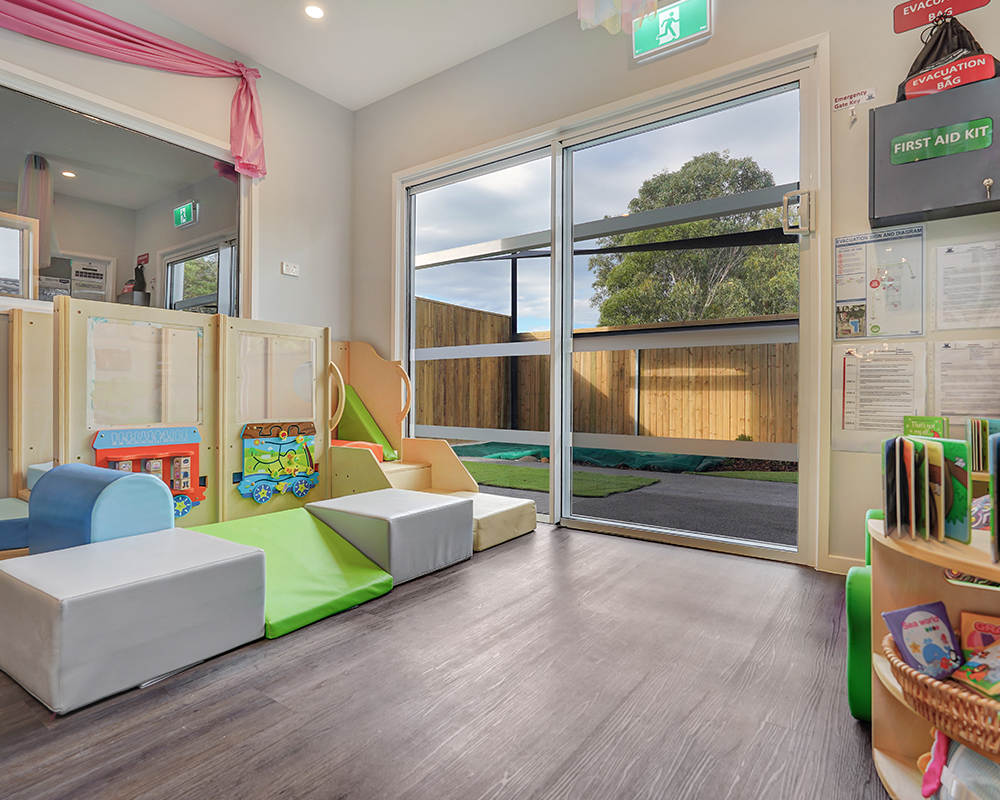
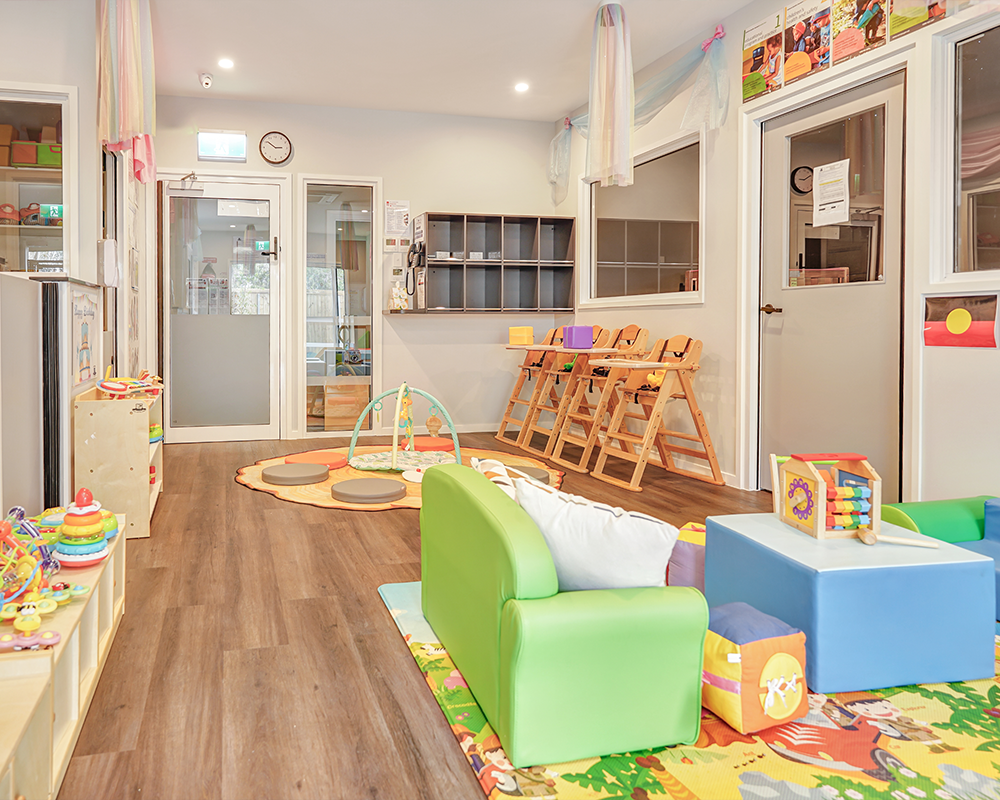
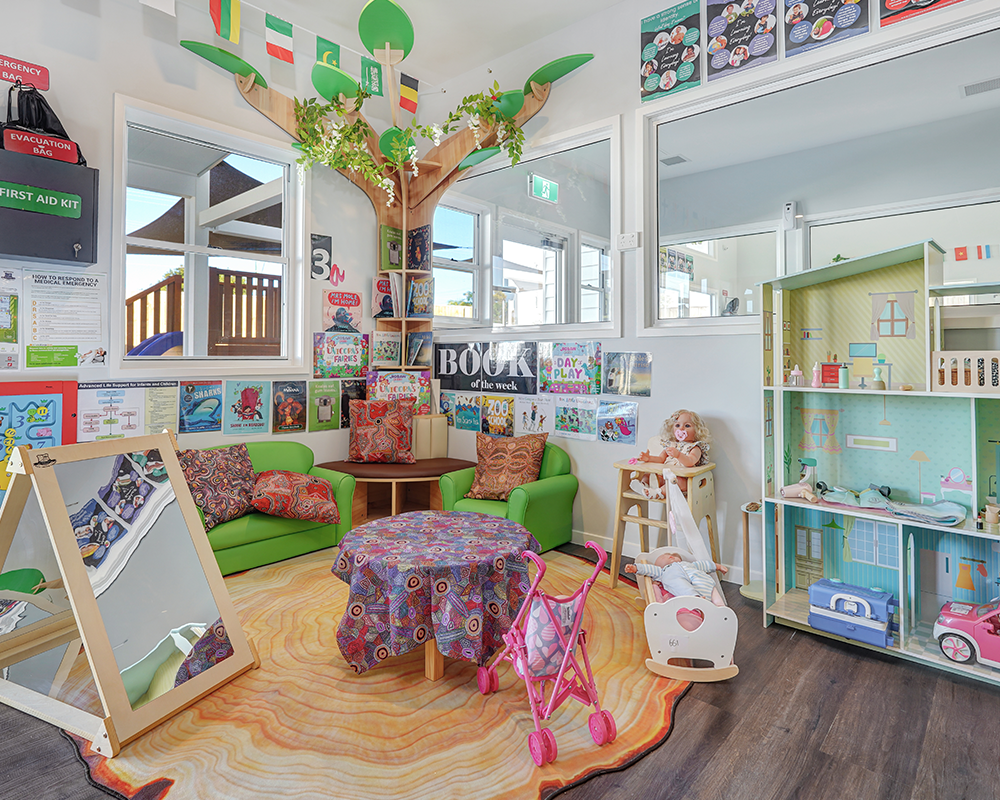
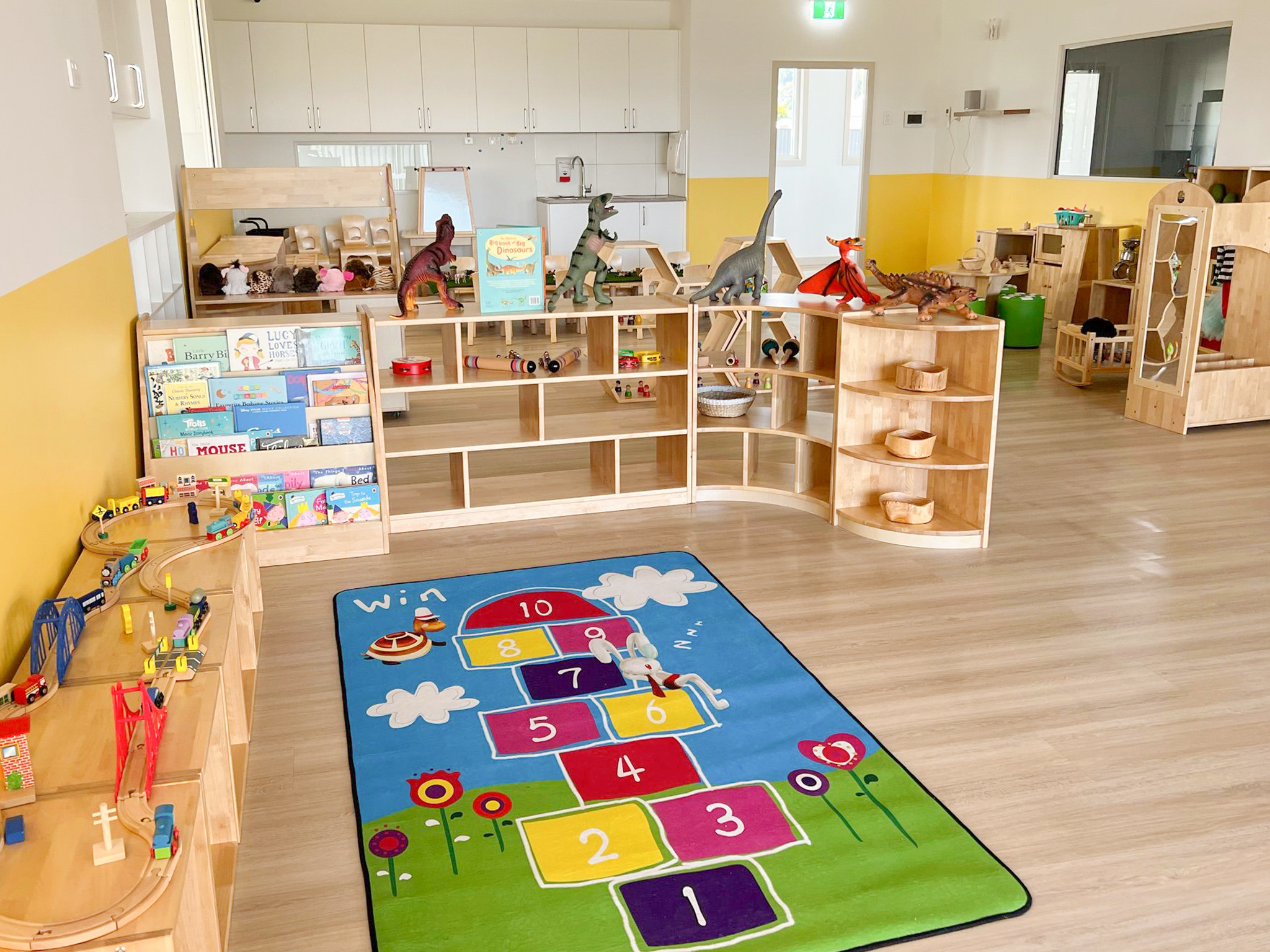
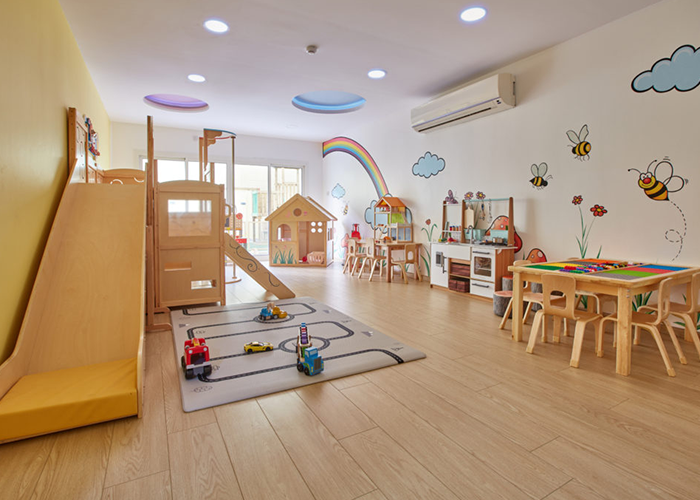
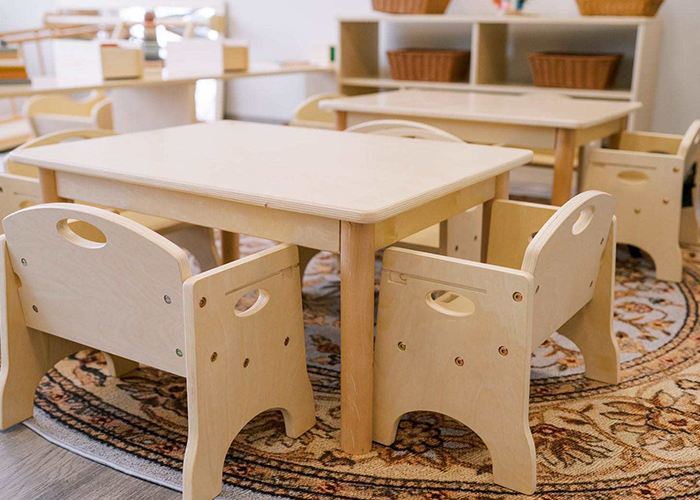
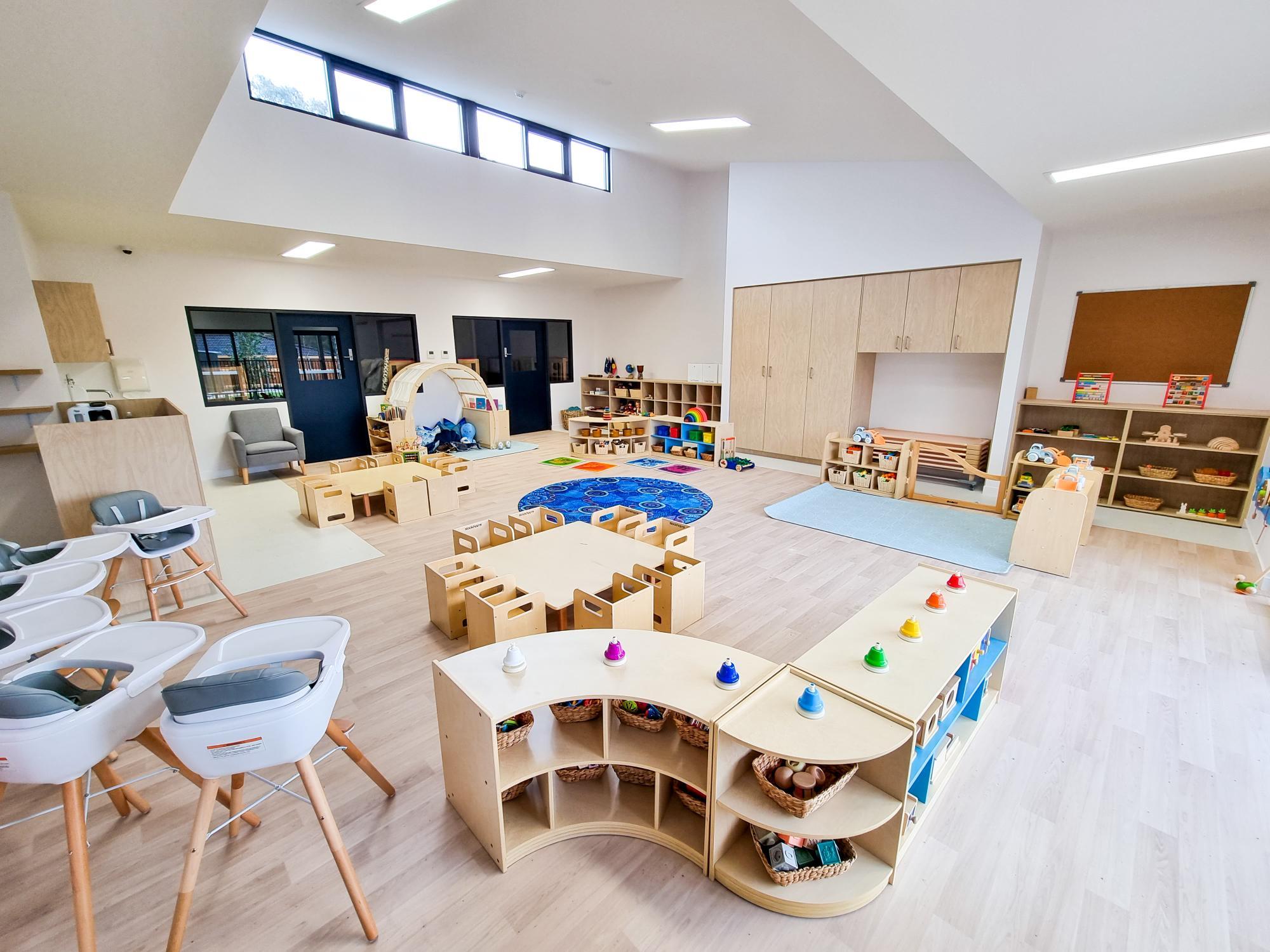
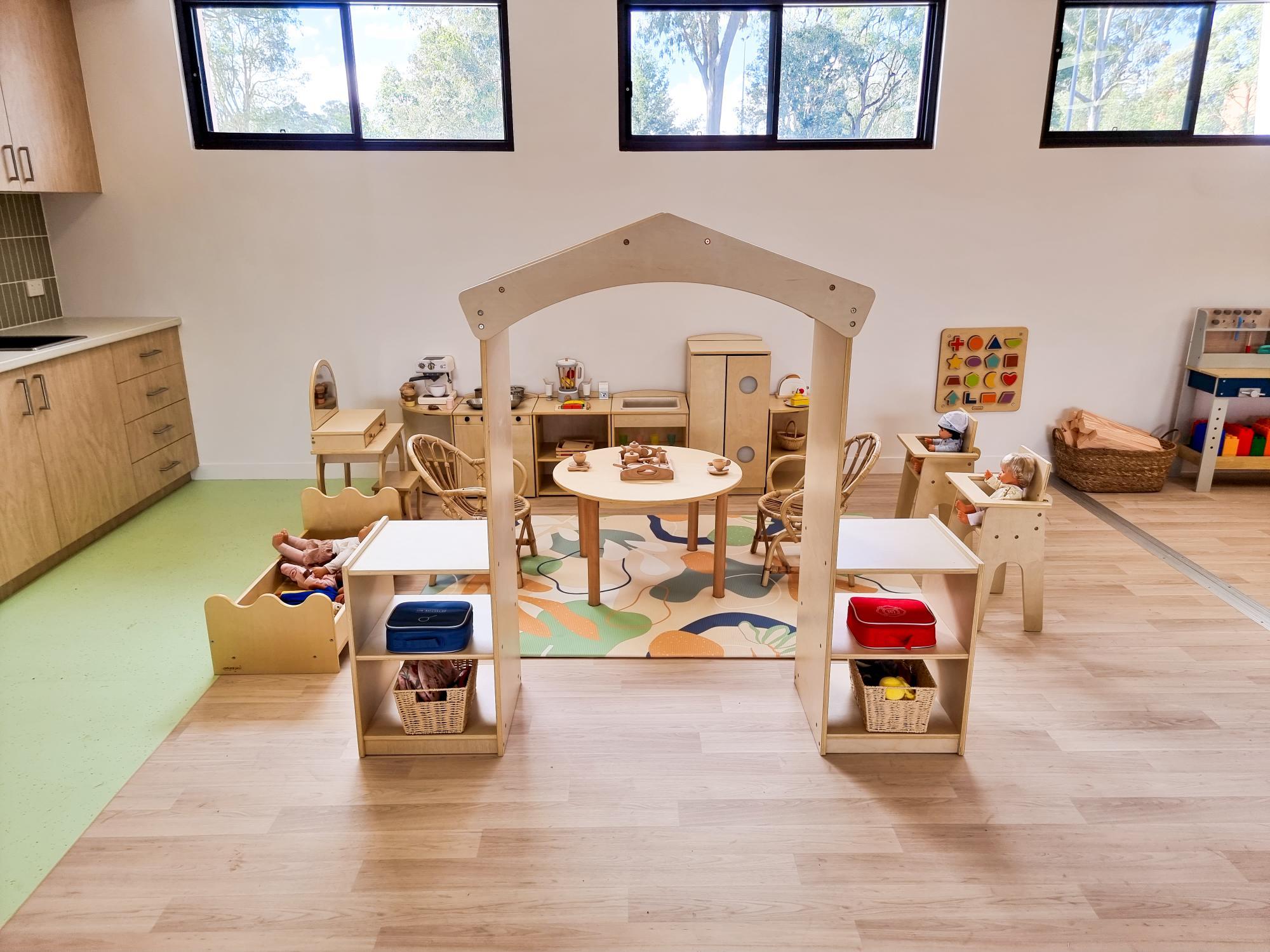
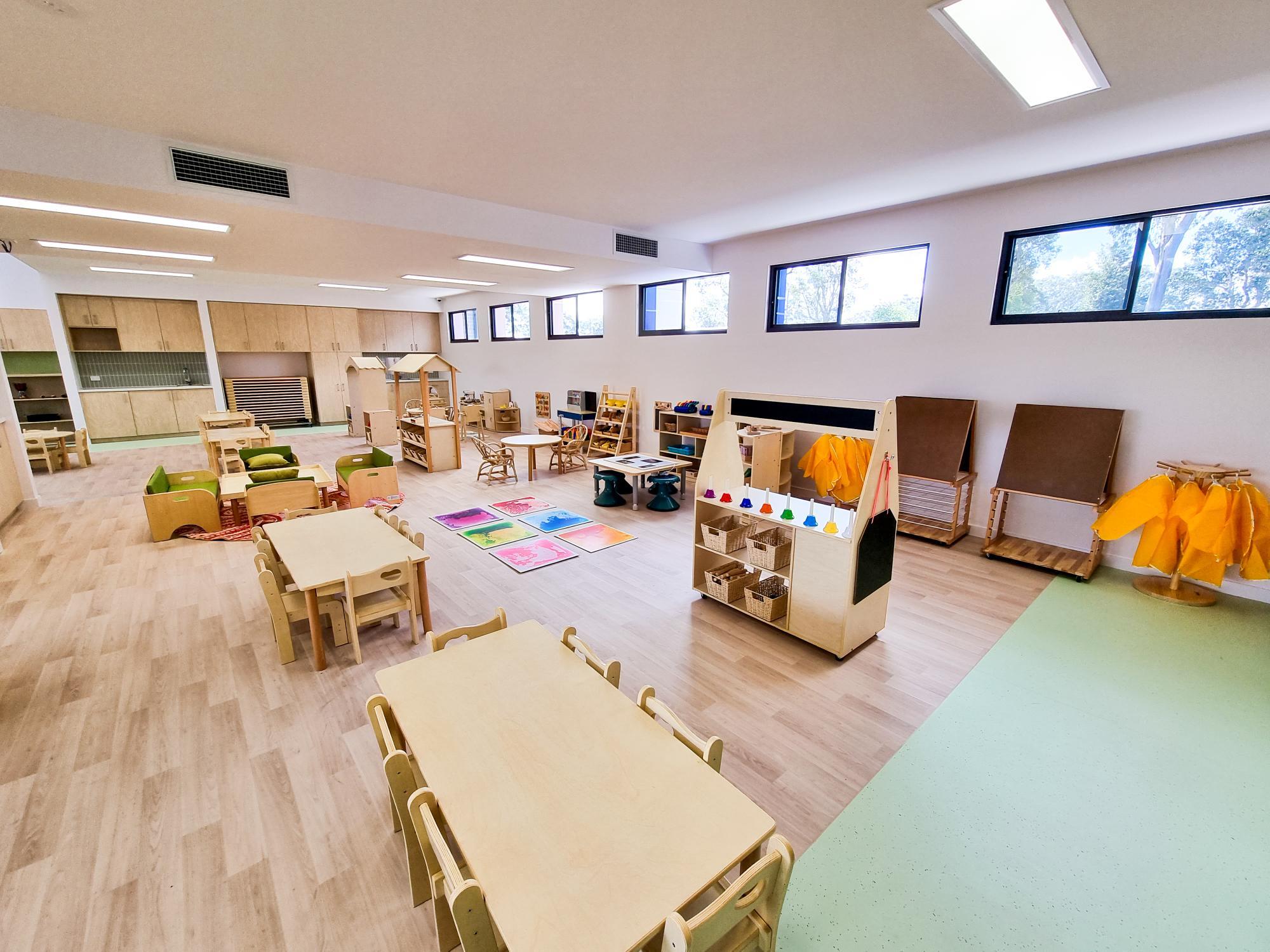
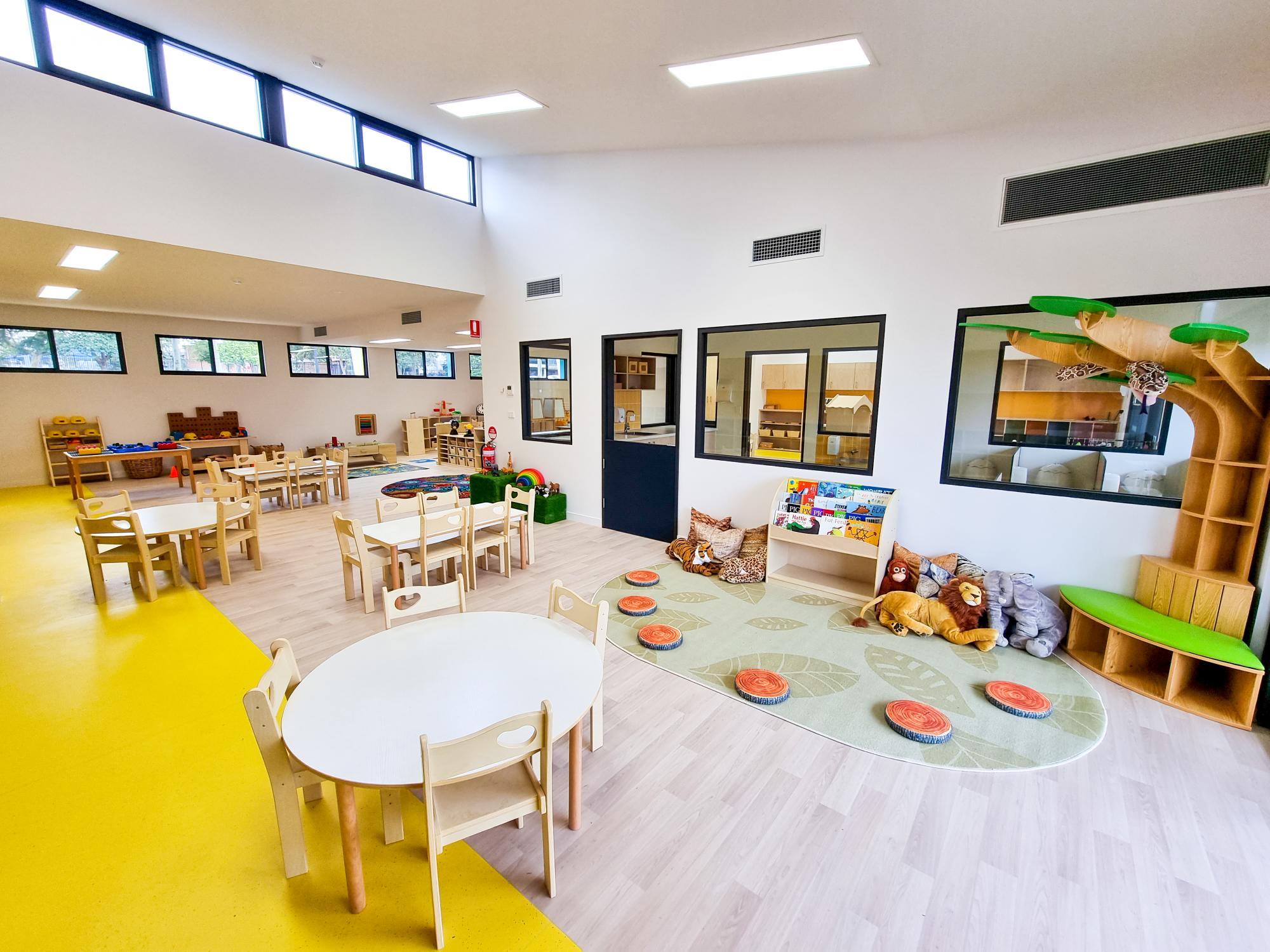
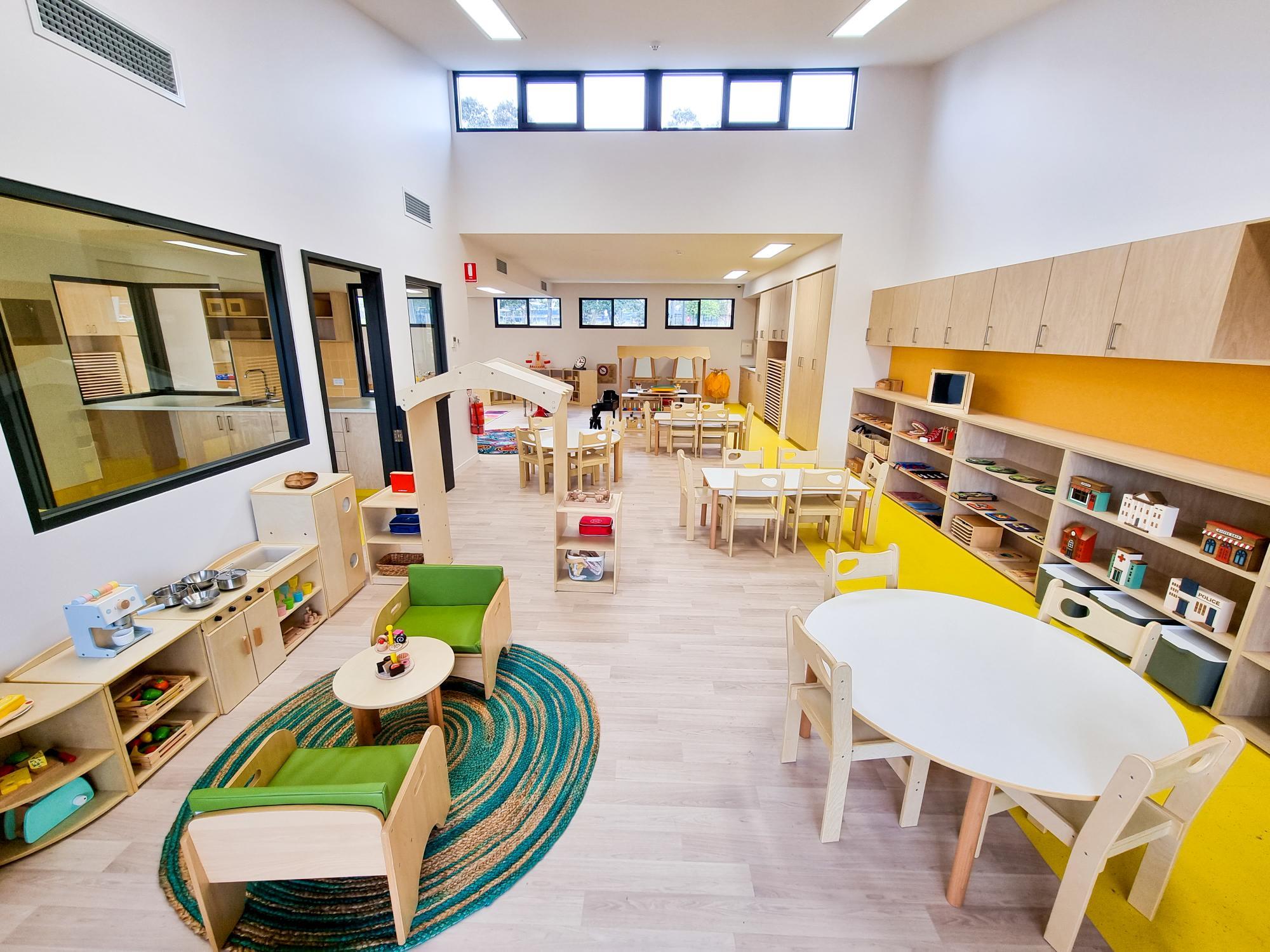
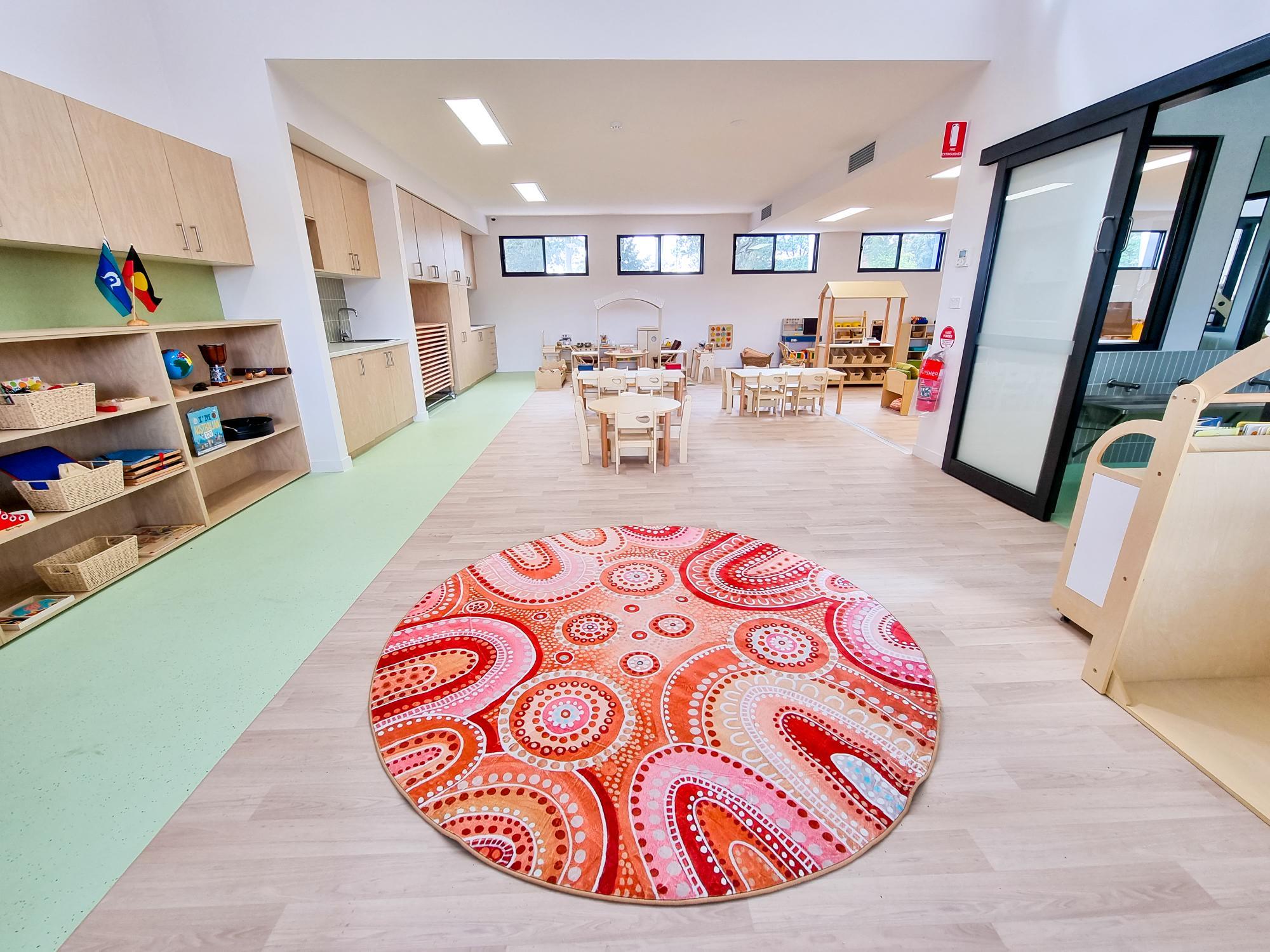
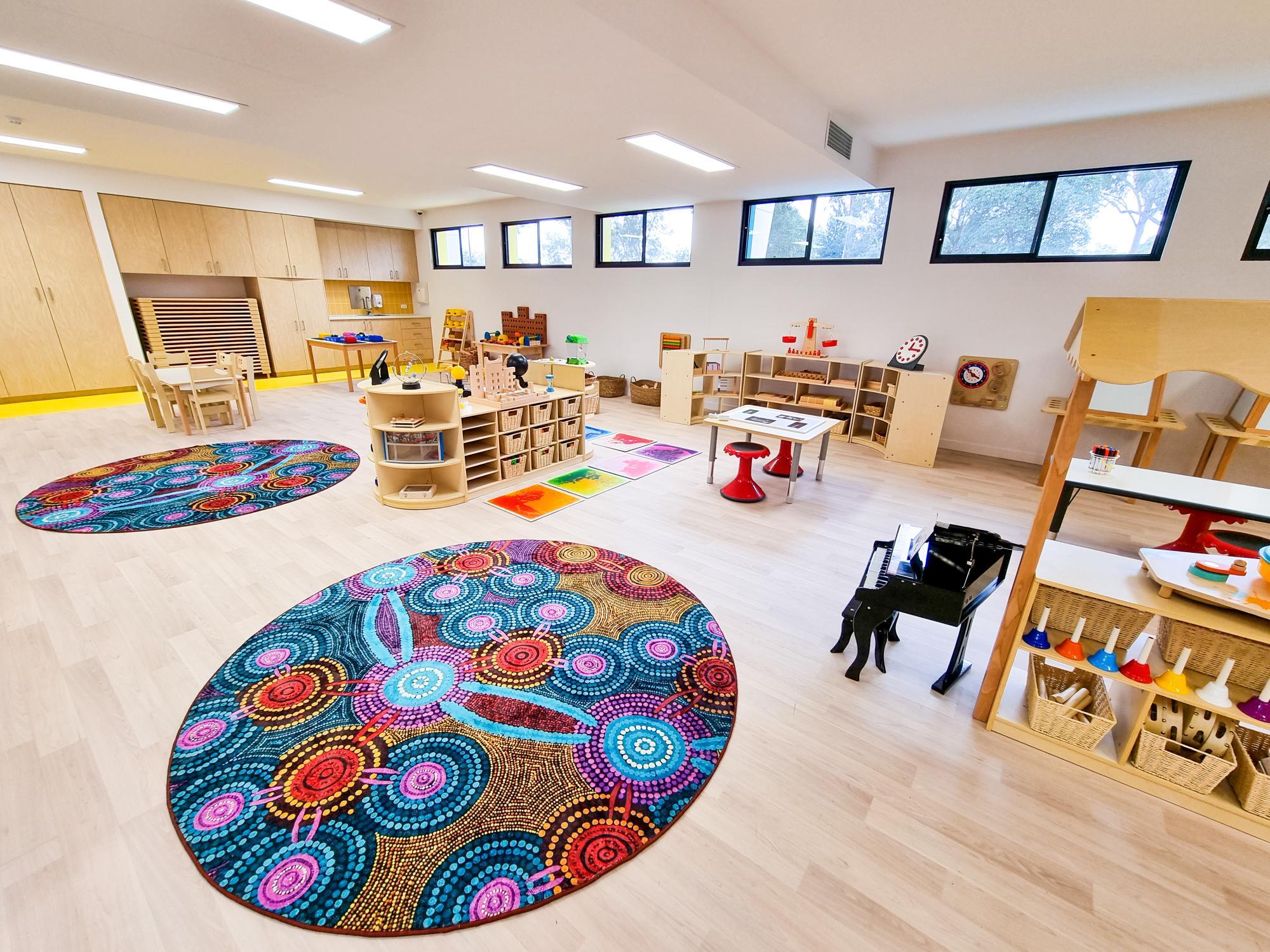
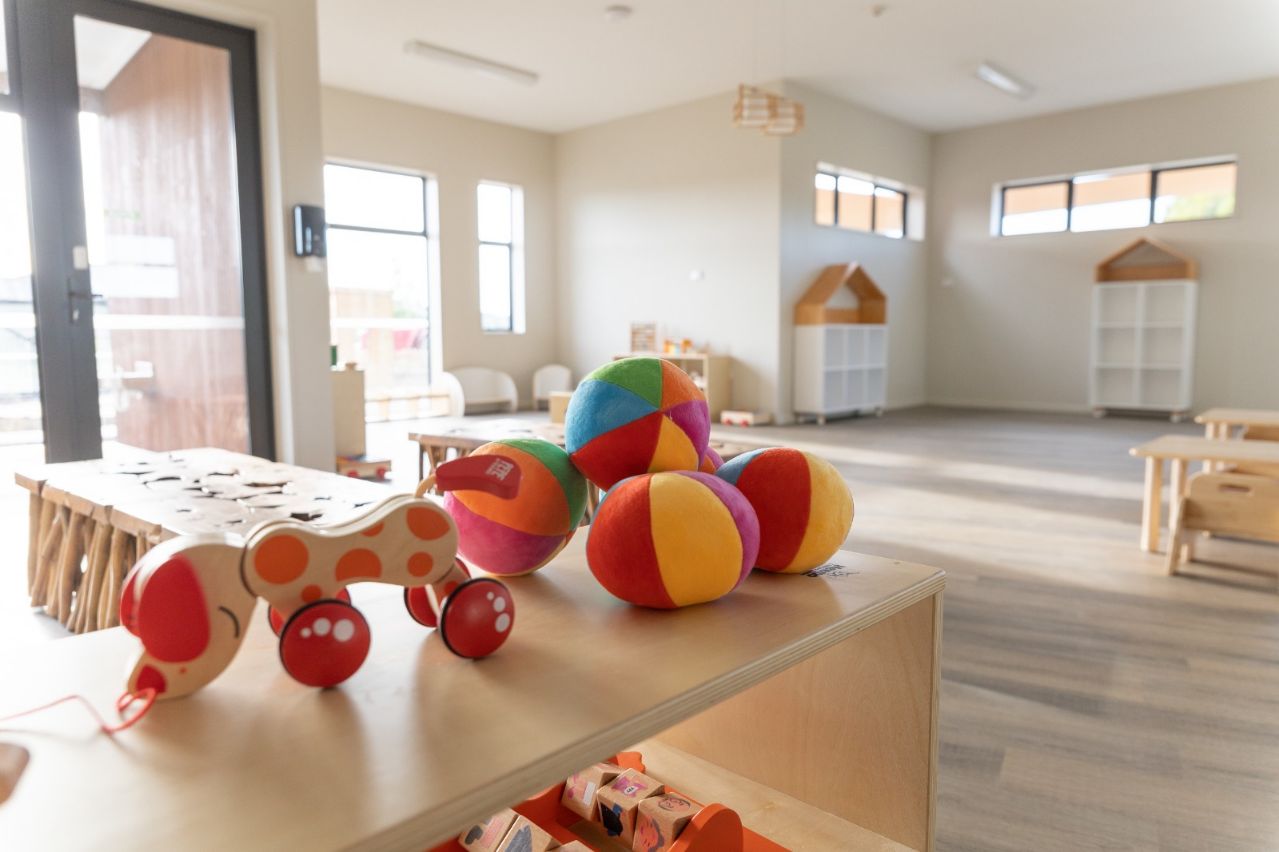
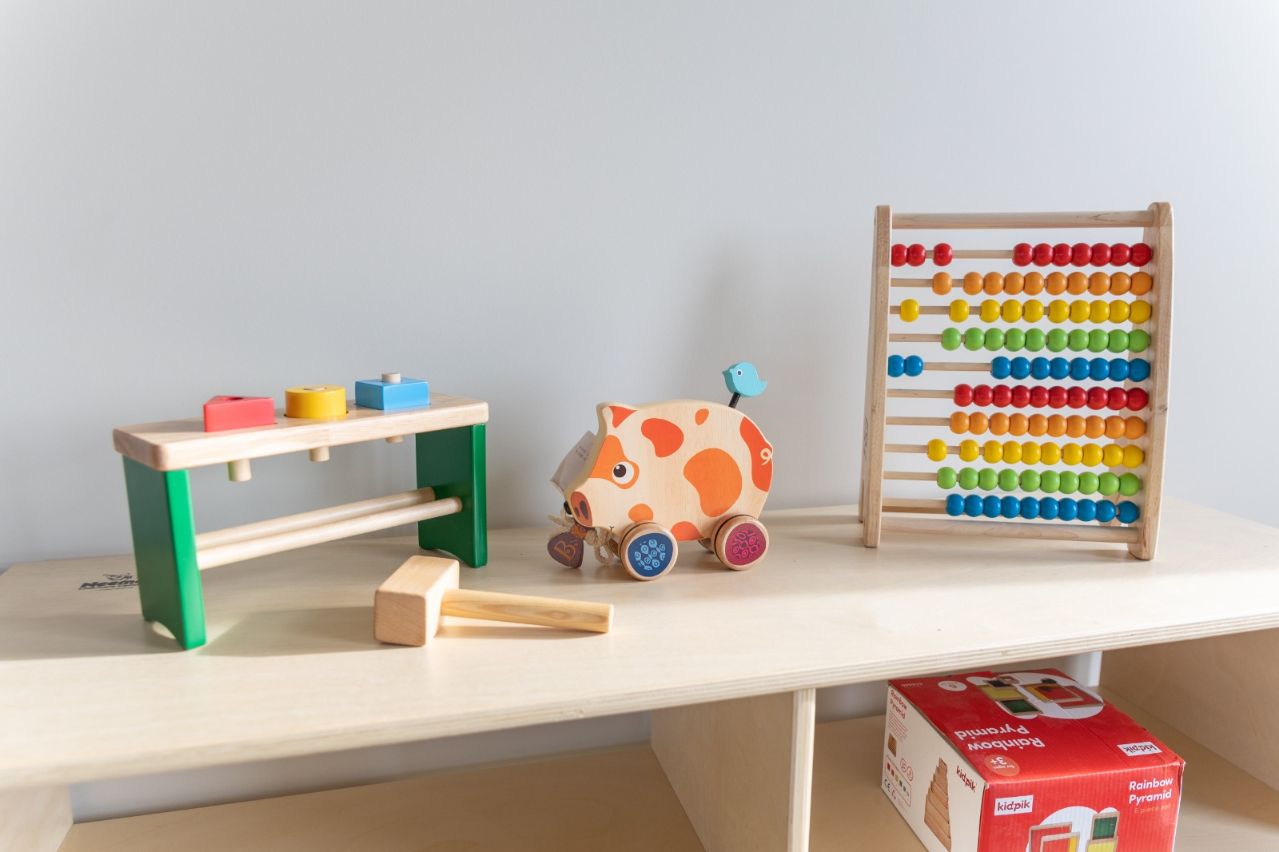
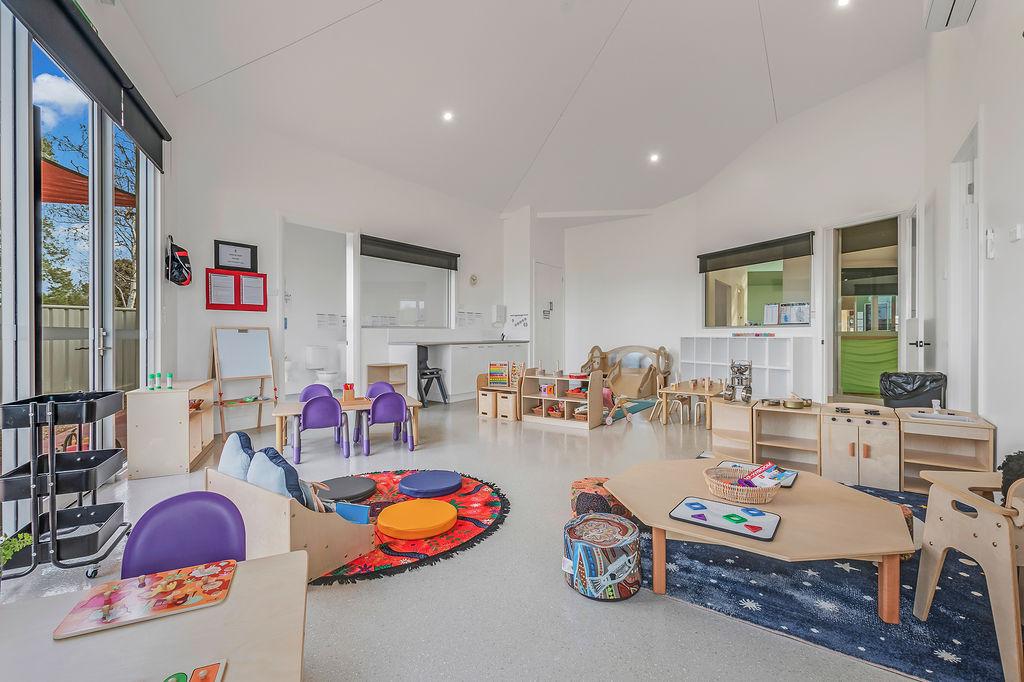
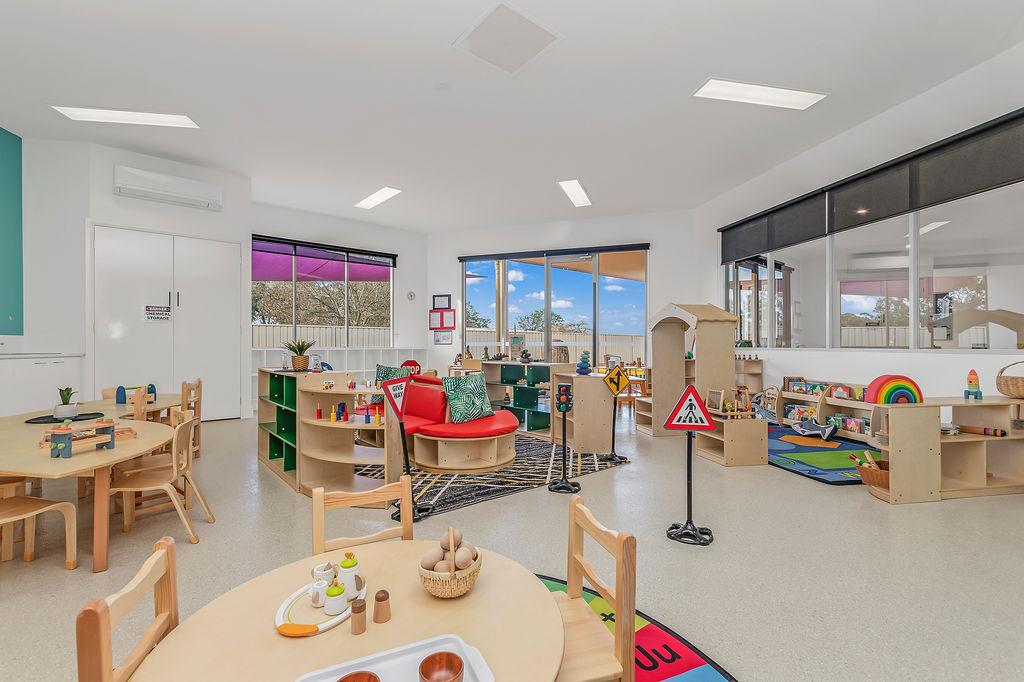
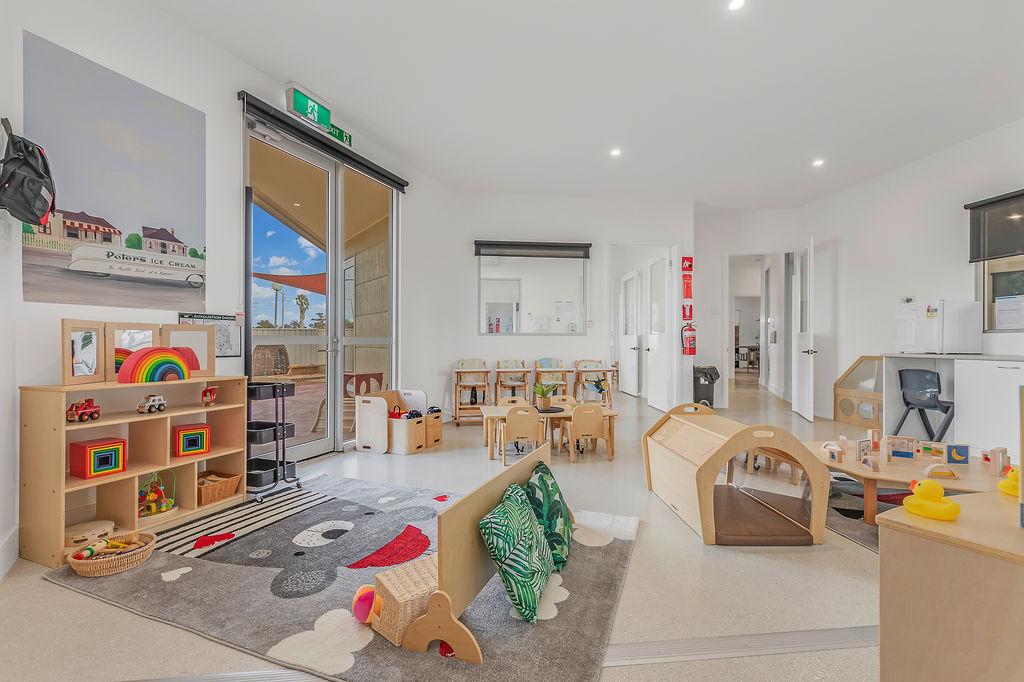
For ages 3–5, STEM spaces must be safe, colorful, and sensory-rich. Classroom furniture should be low to the ground with rounded edges. Zones should focus on tactile learning—like building, sorting, and water play. Visuals are especially important: clear labels, picture cues, and color-coded areas help guide behavior and attention. Everything should be within a child’s reach to encourage independence.
Elementary
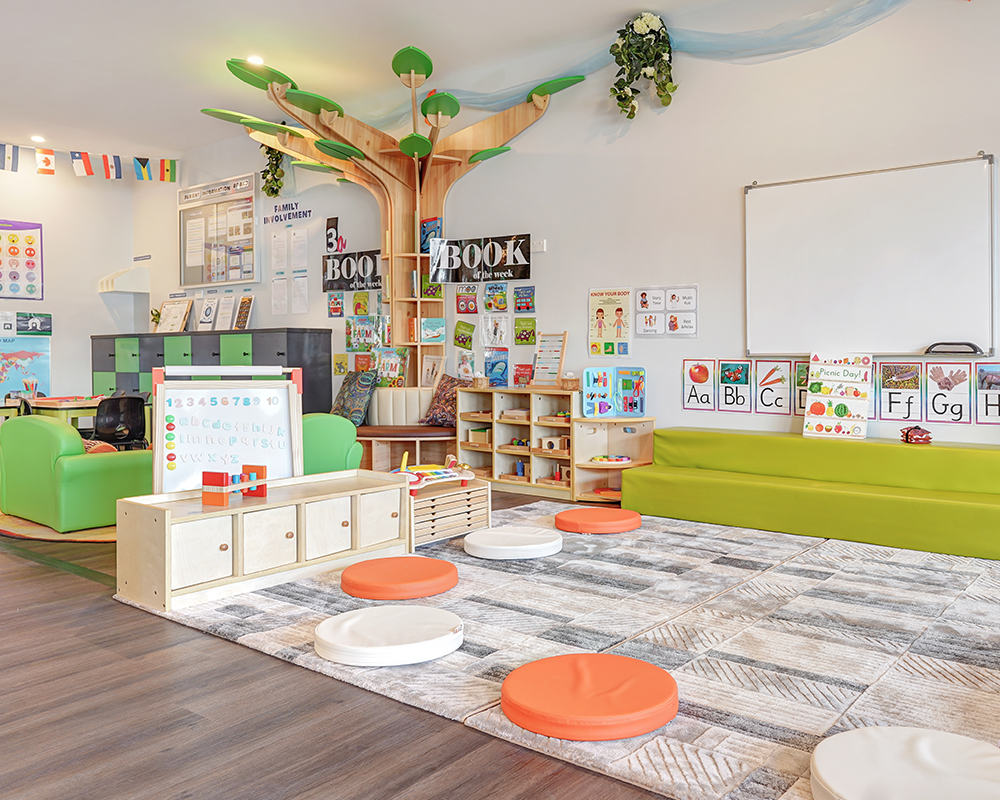
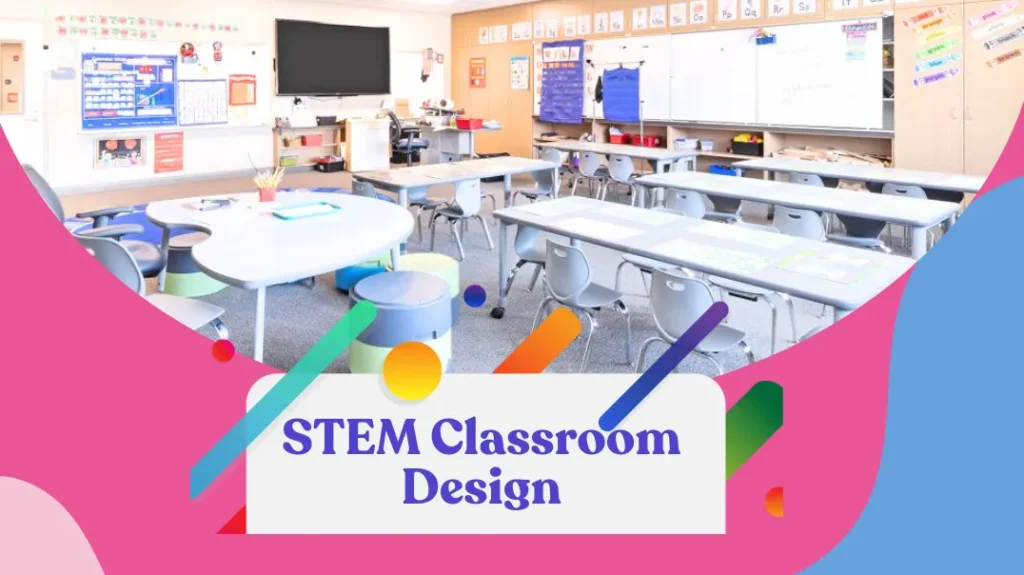
In elementary classrooms, curiosity explodes—but attention spans can still be short. Design should focus on flexibility, visual cues, and active learning. Maker areas should include simple circuits, LEGO STEM kits, and building materials. Collaborative zones should support storytelling, problem-solving, and creativity.
Bright visuals and student-created work should fill the walls. Zones should support whole-group and small-group rotation models, with built-in movement and noise control. Modular seating lets students shift between group and solo tasks easily.
Middle School
This is when STEM learning begins to deepen in structure. Students can handle more complex tools, collaborative projects, and guided inquiry. Design should allow for extended group projects, prototyping, and safe experimentation.
Furniture should become more adjustable. Storage needs increase dramatically—more components, electronics, tools. Technology use also ramps up, so power and network access must be dependable. There should be room for reflection zones as students start developing personal academic identities.
High School
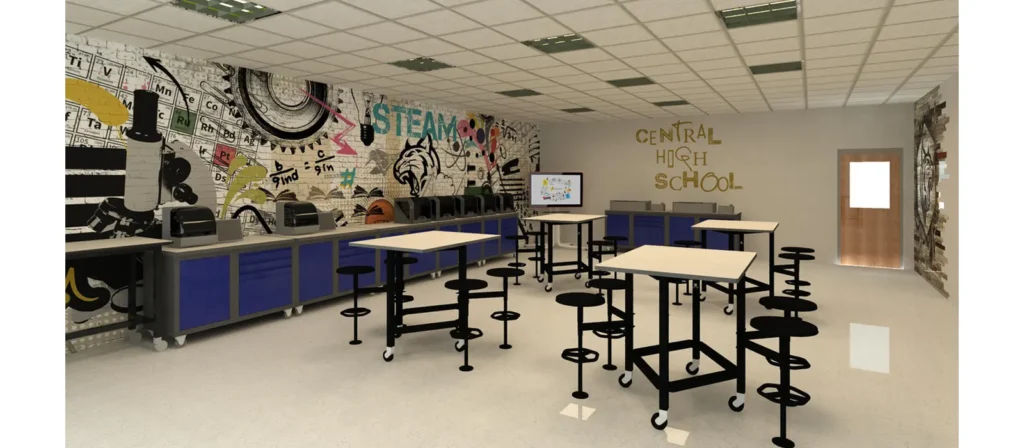
Designs here should resemble pre-college labs and innovation hubs. Emphasize advanced tools like 3D printers, computer programming stations, and chemistry lab setups. Seating should be adult-sized, zones should mimic professional workspaces, and students should have input in layout decisions.
Final Thoughts
Designing a STEM classroom is a long-term investment in how students think, collaborate, and innovate. From the large architectural features down to the smallest drawer bin, every decision sends a message: that this is a space where learning is active, student-driven, and rooted in the real world.
When design is done right, students don’t just learn about STEM—they live it.