Many children struggle with language development, confidence, and imagination when their exposure to stories is limited.
Without storytelling in early childhood, kids miss valuable chances to build empathy, sharpen memory, and connect with diverse perspectives.
This article explores the power of Storytelling in Early Childhood, offering techniques, strategies, and environments that help children grow into confident storytellers.
Why Storytelling is So Important in Early Childhood Education

Developing Children’s Language Skills and Literacy
Storytelling in early childhood promotes language development by exposing children to new vocabulary, sentence structures, and expressions. Listening to stories strengthens comprehension, while retelling builds literacy and speaking confidence. Teachers and parents who practice regular storytelling help children lay the foundation for reading and writing success.
For instance, a long-term study by Dr. Robert Carr and colleagues found that children exposed to frequent storytelling sessions demonstrate richer vocabularies and stronger comprehension skills. By actively participating repeating phrases, answering questions, or retelling stories kids not only learn language but also practice self-expression.
Cultivating a Love of Reading and Lifelong Learning
When stories are engaging and enjoyable, children develop a natural love for reading. This love becomes a lifelong habit, motivating them to explore books, ask questions, and seek knowledge independently. Storytelling transforms learning from an obligation into a joyful discovery.
Building Empathy, Emotional Intelligence, and Social Skills
Stories are mirrors and windows they reflect children’s own experiences and open doors to new ones. Through storytelling, children step into the shoes of characters, experiencing emotions such as joy, fear, or sadness. This helps build empathy and social awareness.
In group settings, storytelling encourages listening, turn-taking, and cooperation. Children learn that every voice matters and that sharing stories is a way of connecting with others.
Enhancing Memory and Strengthening Cognitive Processing
When children recall story sequences, they practice memory retention and logical thinking. The rhythm, repetition, and patterns within stories help solidify memory. This cognitive exercise supports not only storytelling skills but also academic readiness in math, science, and problem-solving.
Fostering Creativity, Imagination, and Problem-Solving
Storytelling in Early Childhood isn’t limited to words on a page. It invites children to imagine worlds, invent characters, and explore endless possibilities. Whether they act out a fairy tale with toys or invent their own endings, storytelling fosters creativity and flexible thinking skills vital for future innovation.
Storytelling sparks creativity by encouraging children to imagine new worlds and characters. It allows them to think outside the box, invent solutions, and express ideas confidently. Creative storytelling also inspires role-play, art, and dramatic performances, deepening their learning experiences.
Storytelling Techniques for All Ages

Storytelling for Babies (0–1 Years)
At this earliest stage, storytelling is less about plot and more about bonding, rhythm, and sensory stimulation. Babies respond to the tone of your voice, facial expressions, and repeated sounds. The goal is to build a sense of security and introduce the idea that language carries meaning.
- Use rhythm and repetition: Simple rhymes, lullabies, and repetitive picture books are ideal. Babies love predictable patterns, which help them anticipate sounds and recognize familiar words.
- Engage the senses: Choose board books with textures, bright colors, and high-contrast images. As you read, let your baby touch the pages and explore.
- Bond through voice: Babies don’t care about perfect storytelling they care about your presence. Exaggerate your intonation, sing your words, and pause for eye contact. This turns storytelling into an intimate dialogue.
- Incorporate daily routines: Narrate everyday actions like bathing or feeding as mini-stories. For example: “First we splash the water, then we wash your toes, and now the rubber duck swims!”
Even before babies can speak, they are soaking up the rhythm of language. Early exposure to storytelling lays the foundation for later vocabulary growth, listening comprehension, and attachment.
Storytelling for Toddlers (1–3 Years)
Toddlers are natural explorers and thrive on interactive storytelling. They love repetition, exaggerated actions, and props that bring stories to life. At this stage, children are beginning to form short sentences, so stories should invite participation.
- Interactive props: Puppets, plush toys, or felt boards help toddlers connect words with visuals. A puppet that “talks” directly to the child keeps their focus.
- Call-and-response storytelling: Choose books or oral stories with repeated phrases. Pause and let toddlers finish the lines.
- Movement stories: Act out the story with gestures or simple dance. For example, flap your arms like a bird or stomp like a giant. Movement helps toddlers stay engaged and supports memory.
- Keep it short and vivid: Attention spans are brief, so stick to short stories with colorful illustrations and clear, simple plots.
By encouraging toddlers to join in whether by repeating phrases, pointing to pictures, or acting out scenes you turn storytelling into a joyful, participatory experience.
Storytelling for Preschoolers (3–5 Years)
This is the golden age for Storytelling in Early Childhood. At this stage, children can retell simple stories, role-play, and even invent their own endings. Storytelling in Early Childhood becomes a tool for developing imagination, sequencing, and early literacy.
- Role-play and dramatic play: Use costumes, masks, and props to let preschoolers act out familiar tales. A dress-up corner can become a stage for fairy tales or invented stories.
- Wordless picture books: Books without text challenge children to narrate their own versions. This builds inferencing skills and narrative structure.
- Story dictation: Invite children to tell you a story while you write it down. Later, read their words back to them. This practice validates their voice and builds confidence in literacy.
- Group storytelling: During circle time, co-create stories as a class. Start with “Once upon a time…” and let each child add one detail. This teaches turn-taking and collective creativity.
- Memory retells: After reading, ask for a 30-second retell of the story. This sharpens sequencing, recall, and focus.
Preschoolers thrive when stories are interactive and give them space to contribute. These practices also prepare them for more structured learning in kindergarten.

Storytelling for Early School Age (5–8 Years)
At this age, children can handle more complex plots and character development. Educators can introduce story prompts and encourage group storytelling games.
- Introduce story prompts: Give them a starting line or a set of characters and let them invent the rest. Example: “A dragon found a treasure chest, but inside was…”
- Group games: Play storytelling games like “pass the story,” where each child adds one sentence. This encourages cooperation and flexibility.
- Story maps and graphic organizers: Visual tools help children break down stories into beginning, middle, and end.
- Cross-curricular storytelling: Connect storytelling to subjects like science (“Tell the story of a water droplet’s journey”) or history (“Imagine you were living in ancient Egypt”).
- Encourage written stories: Support children in writing down their own tales, then reading them aloud to peers.
At this stage, storytelling helps children build not just language skills but also critical thinking and academic confidence.
Storytelling for Older Children (8+ Years)
At this stage, focus on character development, plot structure, and peer feedback. Encourage them to tell real-life stories from their experiences to build confidence.For older children, storytelling becomes a medium of self-expression, creativity, and identity-building. They crave autonomy and appreciate opportunities to create their own projects.
- Choice-driven projects: Allow children to choose their storytelling format—comic strips, audio dramas, digital storytelling, or short plays.
- Focus on character and plot: Teach story elements such as setting, conflict, climax, and resolution. Encourage peer workshops where students give constructive feedback.
- Real-life storytelling: Invite children to share personal experiences or family stories. This builds confidence and strengthens cultural connections.
- Storytelling competitions: Organize events where children perform their original stories. This nurtures public speaking skills and confidence.
- Integration with technology: Use digital tools like story-making apps or podcasts. While traditional storytelling remains powerful, technology can enhance creativity when used wisely.
For older children, storytelling is not just about imagination—it’s also about identity, empathy, and communication. By giving them ownership, you help them grow into confident and articulate storytellers.
Common Challenges in Guiding Children’s Storytelling and How to Overcome Them
Storytelling in Early Childhood faces common barriers that dilute impact. Shyness limits vocal participation. Limited vocabulary restricts idea expansion. Weak sequencing disrupts plot coherence. Off-topic digressions derail narratives. Uneven turn-taking reduces inclusion. Short attention spans cut sessions short.
- Short attention spans: Use props, songs, or movement breaks.
- Lack of confidence: Start with group storytelling, then move to individual sharing.
- Limited vocabulary: Encourage children to invent words or use pictures as prompts.
- Digital distractions: Blend traditional storytelling with digital tools wisely.
How to Guide Children to Storytelling in Class
Guiding children to storytelling in class requires teachers to balance structure with creativity. Instead of only being listeners, children should gradually become narrators of their own stories.

1. Scaffold and Model Storytelling
Teachers can begin by modeling how to tell a simple story, thinking aloud about word choices or sequencing. As children grow more confident, prompts such as “Once upon a time…” or picture cards can support independent storytelling.
2. Integrate Storytelling with the Curriculum
Storytelling in Early Childhood is not limited to literacy. Teachers can use narrative to explain scientific cycles, historical events, or even math problems, helping children see knowledge as part of a bigger picture. For example, after a nature walk, children can create stories about the animals or plants they observed. This reinforces classroom learning through creativity.
3. Provide Constructive Feedback
After children tell their stories, feedback should focus on creativity, detail, and clarity rather than grammatical accuracy alone. Peer questions and group reflections also help strengthen storytelling skills.
A 2021 study in Early Child Development and Care confirmed that structured storytelling activities significantly improved preschoolers’ literacy and confidence in oral expression.
Designing Storytelling Environments for Children
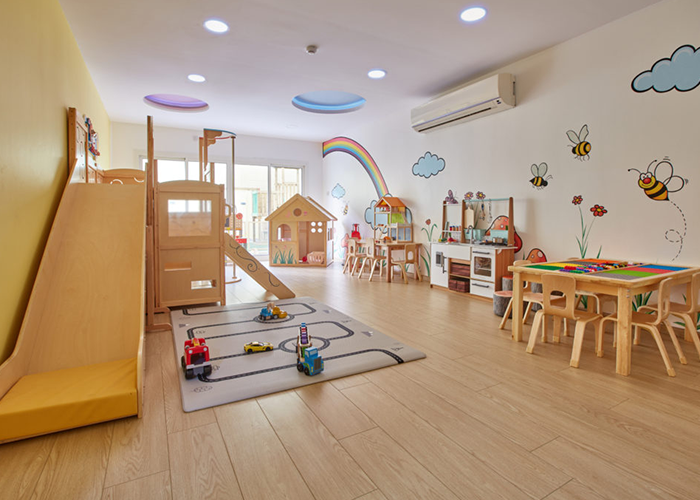
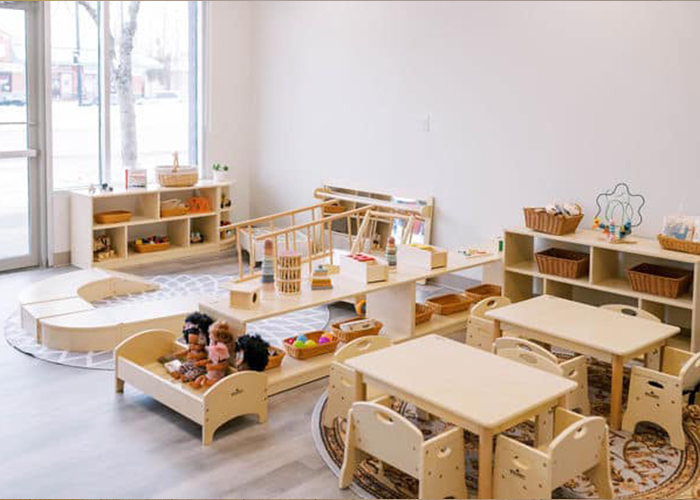
A well planned environment turns everyday moments into narrative prompts. Before looking at specific settings, it helps to see how space, materials, and routines work together to invite Storytelling in Early Childhood. The next sections outline practical ways to set this up at home and in kindergarten classrooms.
Creating Storytelling Spaces at Home with Toys and Props
At home, children benefit from dedicated spaces that invite imagination. A story corner with cushions, picture books, and soft lighting creates comfort and focus. Toys such as puppets, plush animals, and dolls easily transform into story characters, allowing children to invent plots in a playful way.
A story prop box filled with everyday objects scarves, toy cars, shells can spark spontaneous storytelling sessions. Parents can enhance the experience by rotating themes or scheduling weekly family story nights, where children use toys and props to narrate their stories. These simple practices encourage confidence and make Storytelling in Early Childhood a joyful family routine.

Creating a Storytelling-Friendly Environment in Kindergartens
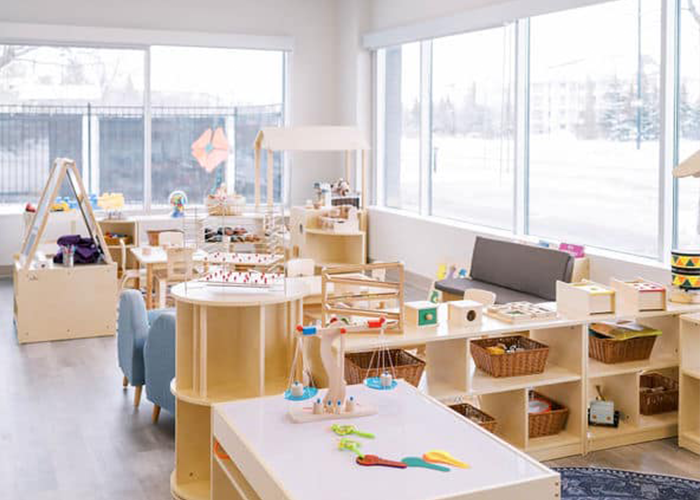
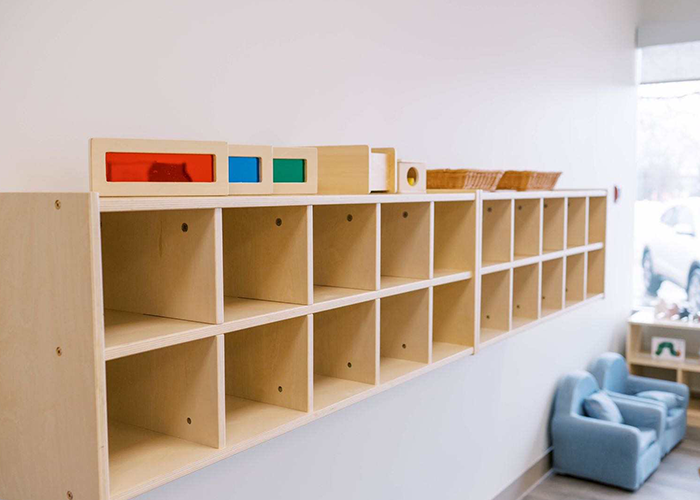
In kindergartens, the classroom environment plays a key role in nurturing storytelling. A reading and storytelling corner with cushions and accessible bookshelves signals to children that stories are valued. Role-play areas stocked with costumes, masks, and puppets give children opportunities to act out narratives, while story walls display their drawings and story maps, celebrating their creativity.

Rituals such as daily circle time or weekly story sharing ensure that storytelling is part of the learning rhythm. Teachers can use process drama techniques acting out stories together to deepen children’s understanding and engagement. Professional training in storytelling skills further helps teachers create immersive experiences.
Conclusion
Storytelling in early childhood is more than entertainment it’s a foundation for language, creativity, empathy, and lifelong learning. By nurturing young storytellers, we empower children to grow into confident thinkers and compassionate individuals.