Parents and educators often wonder which educational system (Traditional vs Montessori Education) is best for their child’s development. Given the diversity of educational philosophies today, this decision can be overwhelming. However, understanding the differences between these two systems can help you make a confident and informed choice.
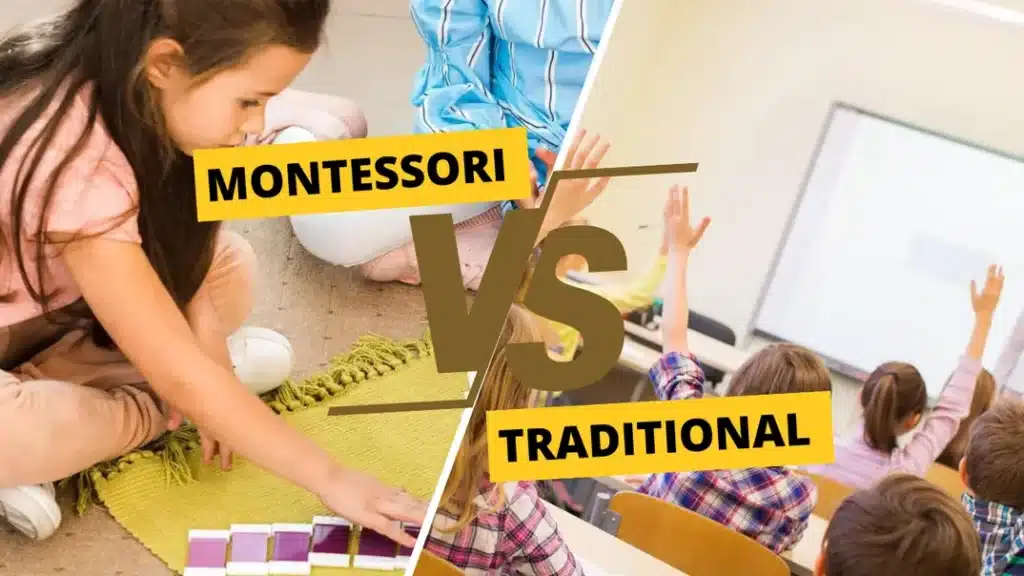
There are differences between Traditional vs Montessori education. Montessori education is a method developed by Dr. Maria Montessori and is known for its unique approach to learning. It emphasizes personal speed, hands-on activities, and a prepared environment that fosters natural exploration. Unlike traditional education, which often focuses on structured lessons and teacher-led instruction, traditional schools typically follow a fixed curriculum, standardized assessments, and a more uniform pace for all students.
As we delve deeper into the nuances of Montessori education, it becomes clear that it is not just an alternative teaching method but a comprehensive approach to child development.
Understanding the Montessori Approach
The core philosophy of Montessori education is centered around respect for the child. This respect is manifested in several key aspects:
Individualized Learning
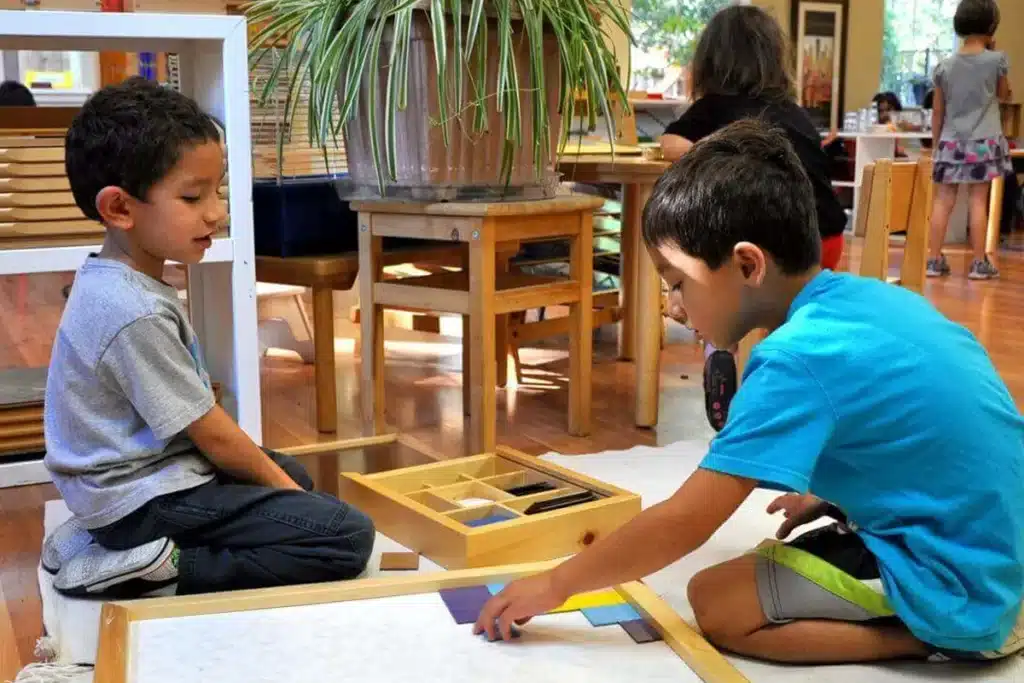
Montessori education is tailored to each child’s specific needs and learning pace. This individualized approach allows children to explore their interests and learn through discovery, often lacking in traditional settings where the pace and content are standardized.
Role of the Educator
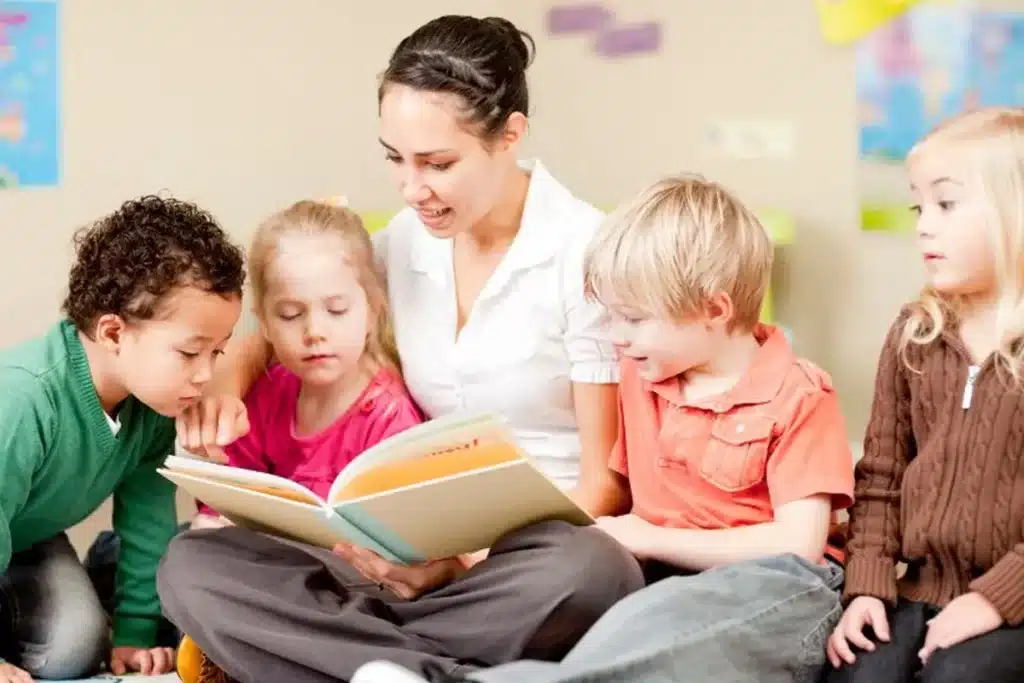
Montessori teachers act as guides or facilitators rather than traditional instructors. They observe and support children in their learning journey rather than directing it. This contrasts with the teacher-centered approach in conventional education, where the teacher is the primary source of knowledge and instruction.
Prepared Environment
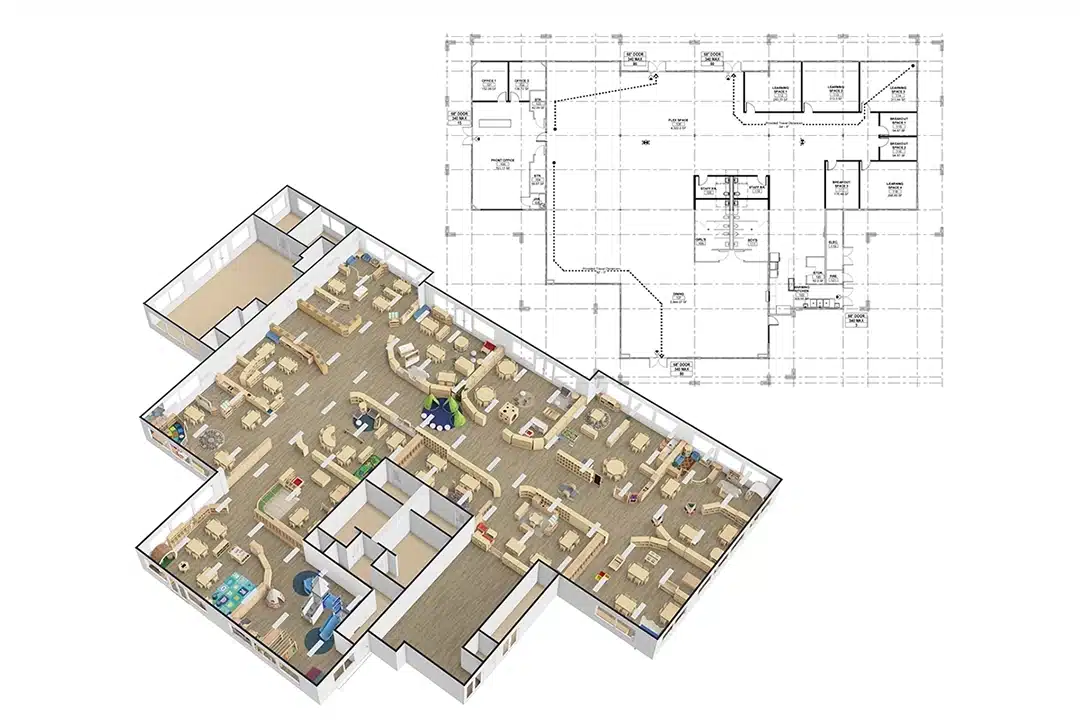
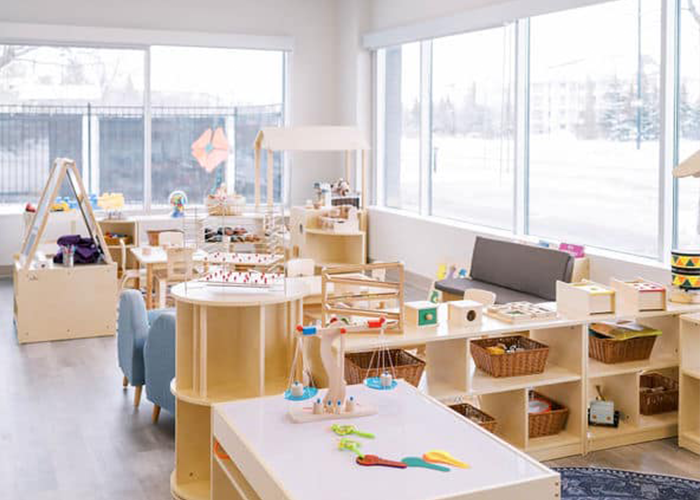
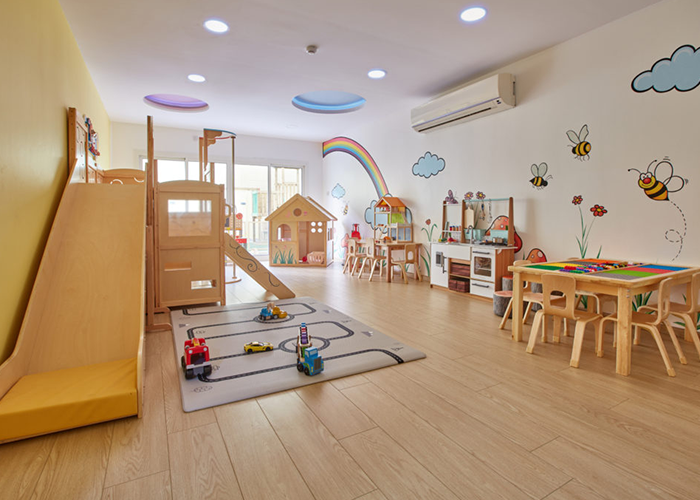
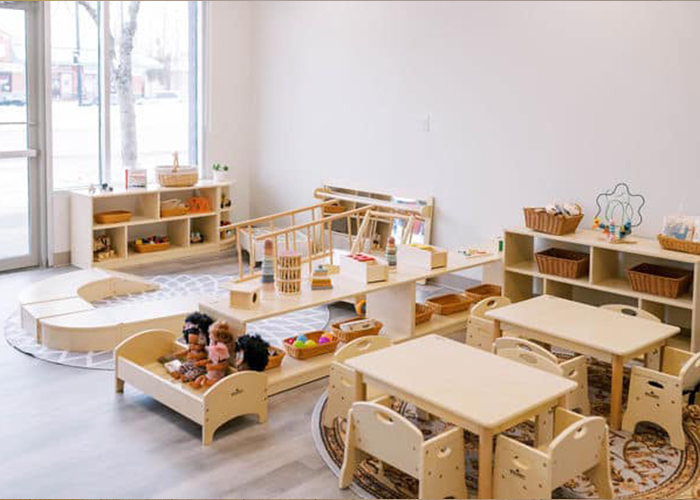
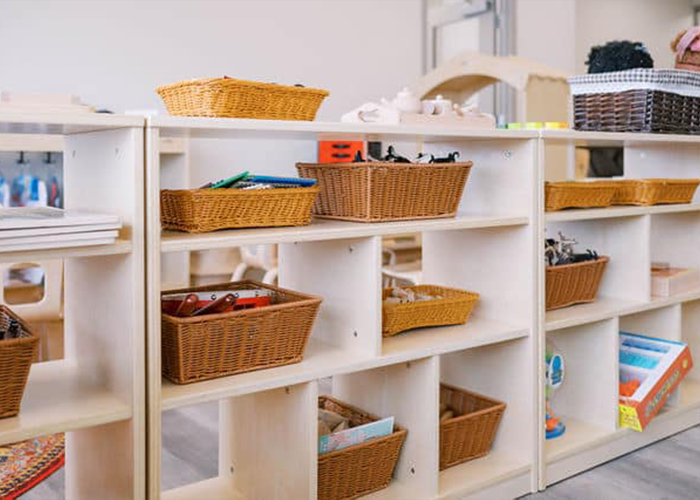
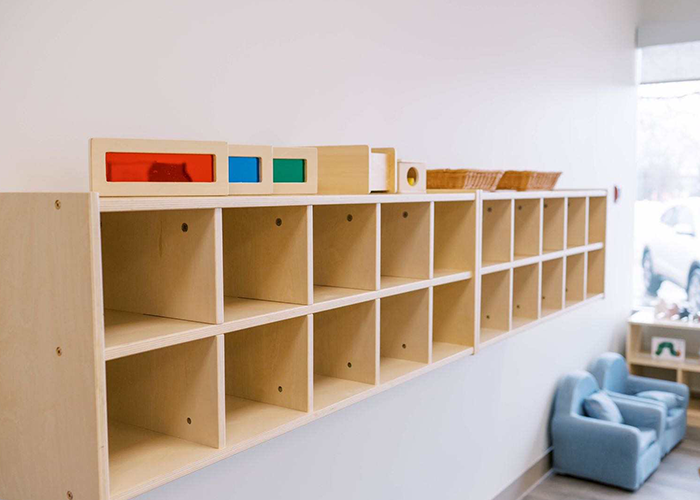
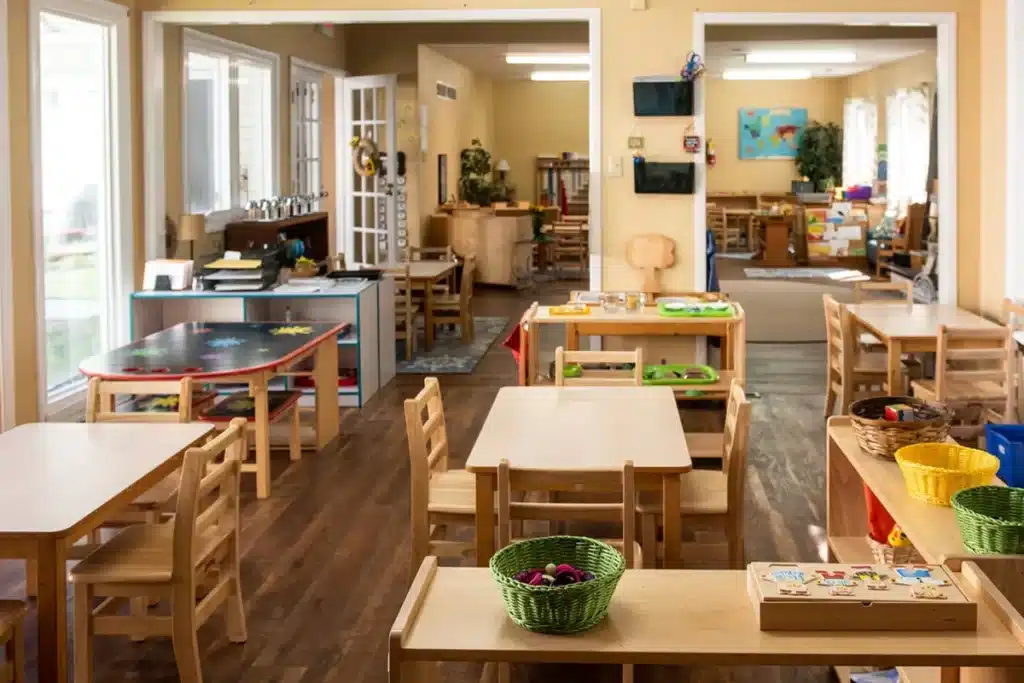
Montessori classrooms are carefully designed to encourage independence and exploration. Every material and piece of furniture is chosen to support the developmental needs of children, a stark contrast to traditional classrooms, which often prioritize efficiency and order over individual exploration.
Montessori Materials
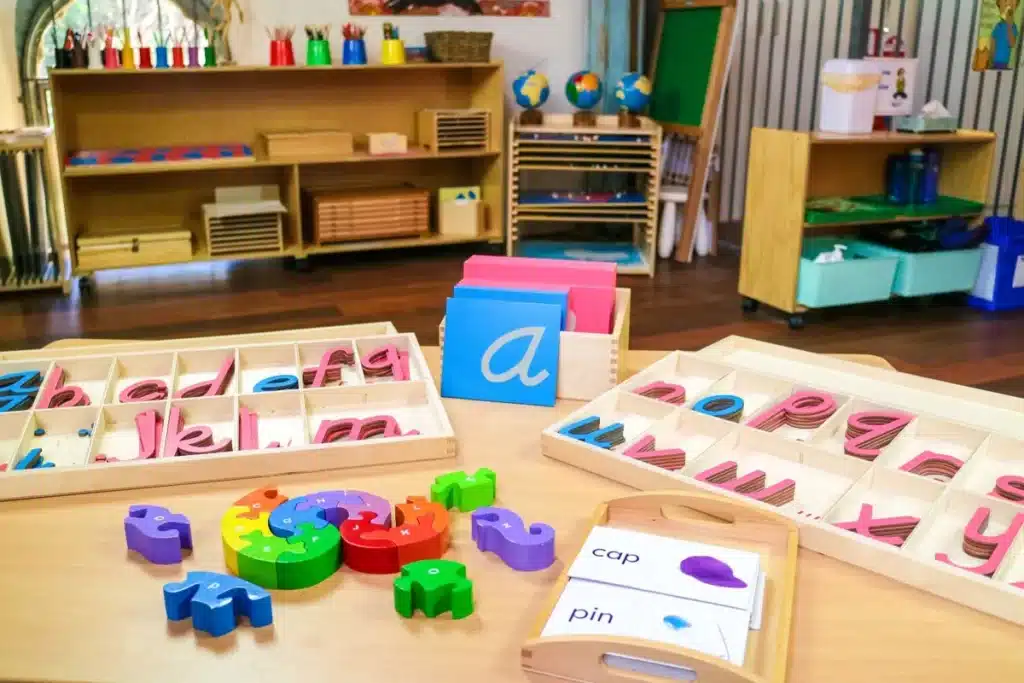
Unique, specialized materials are a hallmark of Montessori education. These materials are designed to self-correct and encourage exploration and learning through the senses. This contrasts with the more generic textbooks and materials found in traditional classrooms.

Mixed Age Groups
Montessori classrooms typically include children of various ages, fostering a community where older children help teach the younger ones. This approach differs from the age-segregated classrooms of traditional education, which can limit peer-to-peer learning opportunities.
Emphasis on Social and Emotional Development
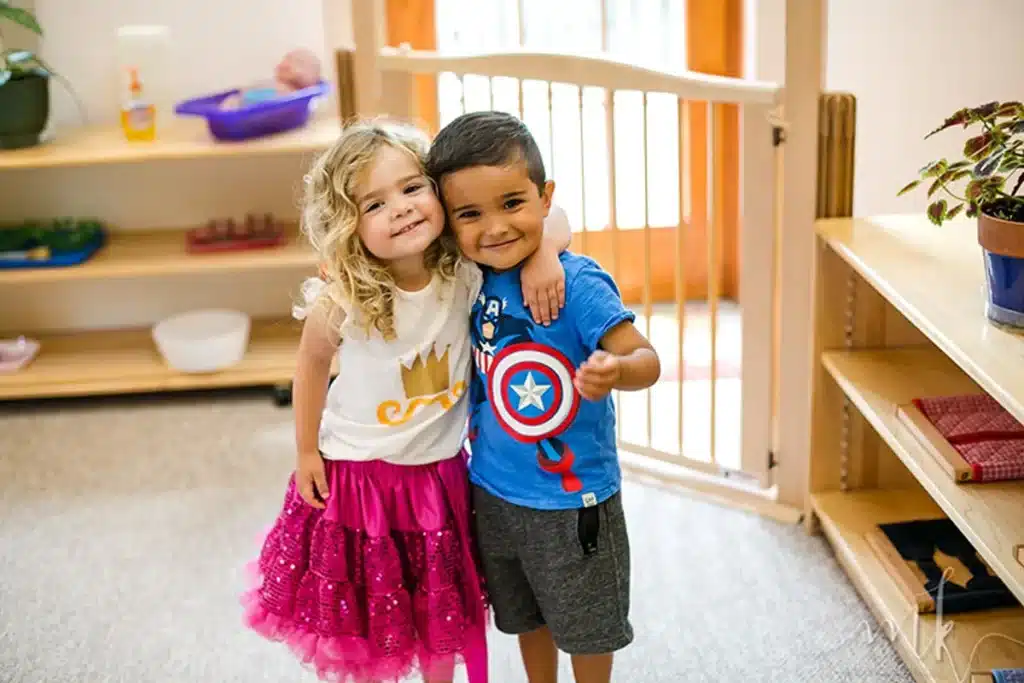
Montessori education places a strong emphasis on the social and emotional development of children. It recognizes that learning is an intellectual exercise involving empathy, self-regulation, and social skills.
Key Principles of Traditional Education
Traditional education is built around a clear and standardized curriculum that most students follow at the same pace. Subjects are separated into areas such as math, language, science, and history, and taught in a fixed sequence. The primary goal is to ensure that every student acquires a shared body of knowledge and skills, often aligned with official standards and tailored to exams and graduation requirements.
A second key principle is the teacher-centered classroom. The teacher is the primary source of information and leads the whole class through explanations, examples, and guided practice. Students are expected to listen, take notes, and complete assigned tasks. This model values clarity, order, and efficiency because a trained professional organizes learning for many students within a limited timeframe.
Traditional education also relies heavily on formal assessment and external motivation. Tests, quizzes, homework, and grades are central tools used to measure progress and signal achievement or difficulty. Students quickly learn that performance is judged through scores and report cards, which can shape future opportunities. Rules, discipline, and predictable consequences support the system and encourage students to follow instructions and respect authority.
Montessori vs Traditional Education
When parents compare Traditional vs Montessori Education, they are usually trying to understand how these two systems shape a child’s curiosity, independence, social skills, and future learning habits. Instead of looking at preschool, elementary, and adolescence separately, this section compares Montessori vs traditional education directly across key dimensions: learning environment, classroom structure, teaching methods, materials, assessment, social development, discipline, and future preparation.
Educational Philosophy & Learning Goals
Montessori education focuses on the holistic development of the child. Intellectual, emotional, social, and physical growth are integrated rather than separated into isolated goals. Classrooms encourage self-directed learning: children explore their interests at their own pace and choose work that genuinely engages them. The environment is designed to support independence and freedom within limits. Teachers guide and observe more than they directly instruct, and collaborative play and hands-on learning are central. Students often work together on projects, which creates a strong sense of community and cooperation.
Traditional education, in contrast, often centers around academic achievement. The primary aim is to prepare students for higher education or employment. A structured curriculum guides the entire learning process, and teachers typically lead whole-group instruction. This method emphasizes memorization, standardized instruction, and measurable results. Students follow a predetermined path and are expected to master specific content at specific times. The classroom environment is more teacher-centered, and pre-defined academic designs guide lessons. Traditional education tends to value obedience, conformity, and rule-following, training students to meet clear external expectations.
Learning Environments
In a Montessori learning environment, the classroom is carefully prepared to invite exploration and independence. Materials are arranged at the child’s level, open and accessible, so students can move freely and choose work that interests them. The space is divided into areas such as practical life, sensorial development, language, math, and culture. The overall feeling is calm but active; children are busy, but the noise level and movement are purposeful. This environment encourages curiosity, creativity, and a sense of ownership over learning. Children learn to care for their classroom, collaborate with peers, and sustain attention on meaningful tasks.
In a traditional classroom, the environment is more structured and uniform. Desks usually face the teacher or the board, placing the teacher at the visual and functional center of the room. Students typically follow a set schedule that dictates what subjects are learned and when. Lessons are teacher-led, and students listen, take notes, and complete assigned exercises. This environment emphasizes order, discipline, and clear routines. The setup prepares students for academic standards and test preparation by making the teacher’s guidance and instructions the focal point of classroom life.

Classroom Structure
Montessori classrooms often use mixed-age groups (for example, 3–6, 6–9, or 9–12 years in one class). This structure allows younger children to observe and learn from older peers, while older students naturally step into mentoring roles. It promotes a sense of community, responsibility, and leadership. Over time, children experience being both the learner and the role model, which supports social maturity and confidence.
Traditional classrooms typically group students by a single age or grade level. All children in a class are roughly the same age and are expected to move through the curriculum at the same pace. Roles such as class leader or group leader are often assigned by the teacher (for example, class monitor or group captain), and leadership opportunities may be limited to a smaller number of students. This structure provides a consistent peer group and familiar social dynamics, but it offers fewer natural opportunities for cross-age mentoring and multi-level leadership.
Teaching Methods & Teacher’s Role
In Montessori education, teachers act as guides or facilitators rather than traditional lecturers. They carefully observe students, introduce materials individually or in small groups, and then step back to allow the child to practice independently. Teaching is personalized: the teacher’s goal is to support individual growth, self-motivation, and self-discipline. The teacher–student relationship is collaborative; teachers and students work together to set learning goals and to explore topics that genuinely interest the child. The focus is on experiential learning and critical thinking, not just on covering a syllabus.
In traditional education, teachers typically take on a more authoritative and directive role. They lead the entire class through lessons, explain new concepts at the front of the room, and assign work for students to complete. The focus is on delivering content and ensuring comprehension. Teachers follow structured lesson plans aligned with a standardized curriculum. Progress is checked through tests, quizzes, and assignments. The teacher–student relationship is more hierarchical, and students rely on the teacher for information, instructions, and evaluation.

Learning Pace
In a Montessori classroom, children are encouraged to set their own learning pace. This self-directed approach allows them to explore subjects that interest them deeply, without pressure to keep up with or slow down for others. Teachers guide and support, but they do not dictate how quickly a child must move from one material or concept to another. This flexibility helps children build confidence, persistence, and a genuine love of learning, because they are allowed to stay with a concept until they fully understand it. The environment encourages curiosity and the freedom to repeat, refine, and expand skills at an individual rhythm.
In traditional education, the learning pace is structured and uniform. Teachers lead the class as a group, and everyone moves through the curriculum together according to timetables and unit plans. There are specific benchmarks and deadlines for each topic. Students often focus on keeping up with the class rather than exploring personal interests in depth. The structure emphasizes time management, goal completion, and preparation for exams. While this can help develop discipline and responsibility, it may not fully accommodate students who need more time or those ready to move more quickly.

Materials and Resources
Montessori materials are designed to captivate the senses and invite hands-on exploration. Each material has a specific educational purpose and is carefully engineered to teach a single concept at a time, with built-in control of error so children can self-correct. These materials support self-directed learning and allow students to move from concrete experiences to abstract understanding. Montessori education emphasizes learning through all five senses, turning abstract ideas into tangible experiences. This fosters independence, concentration, and critical thinking.
Traditional classrooms rely more on textbooks, workbooks, worksheets, and digital presentations. These resources provide structured content aligned with the curriculum. Students follow along with the teacher’s explanations, then reinforce learning through written exercises and homework. The focus is often on memorization, comprehension, and test preparation. Traditional materials give a clear path for achieving academic standards and benchmarks, but they may offer fewer opportunities for sensory-based, self-correcting exploration.
Assessment & Feedback
In Montessori education, assessment focuses on individual growth and development over time, not just test scores. Teachers observe students as they work with materials, track progress through detailed notes, and provide feedback through conversations and reflection. Children are often involved in self-assessment and setting personal goals, learning to evaluate their own progress, and taking responsibility for their learning. This approach encourages a deep understanding of concepts and supports intrinsic motivation rather than performance for grades.
In traditional education, assessment is commonly carried out through tests, quizzes, assignments, and graded projects. Teachers use these tools to measure knowledge and skills against predefined standards. Grades and scores are central to tracking progress and communicating achievement to parents and schools. Students learn to prepare for evaluations, manage time, and handle external expectations. This method offers a clear, measurable picture of academic performance, but it can also shift focus toward results over process, and may emphasize external validation more than internal growth.

Social & Emotional Development
Montessori education creates a nurturing environment for social and emotional development. Mixed-age groups and collaborative work encourage children to practice empathy, communication, and cooperation. The classroom feels like a community where students help one another, solve problems together, and learn to respect different perspectives. Activities are often designed to promote self-determination, responsibility, and emotional regulation. Children learn to negotiate, share, and support others in a natural, everyday context.
In traditional education, social development often occurs around the academic structure rather than through it. Teacher-led instruction and individual seatwork dominate class time, while social interactions happen during group projects, breaks, or extracurricular activities. Students learn to follow rules, meet expectations, and function within a structured environment. In many schools, teachers guide social interactions and conflict resolution, helping students navigate peer relationships. Traditional education supports discipline and responsibility, but may offer fewer built-in opportunities for sustained, self-directed collaboration during learning tasks.
Discipline & Behavior
In Montessori settings, discipline is understood as self-discipline. Children learn to manage their behavior through meaningful work, natural consequences, and clear, consistent limits. Teachers guide students to understand the impact of their actions on others and on the environment. The focus is on internal motivation rather than rewards and punishments. This approach fosters respect, responsibility, and a strong sense of personal accountability. Behavior is shaped by engagement and belonging rather than constant external control.
In traditional settings, discipline is usually maintained through rules, authority, and external consequences. Teachers set clear expectations for behavior, and students follow a structured code of conduct. Consequences for misbehavior, such as warnings, loss of privileges, or formal discipline, are pre-defined and consistently applied. This system emphasizes obedience, conformity, and respect for authority. Students learn to adhere to guidelines and understand the boundaries of acceptable behavior, which can support classroom order and predictability.
Preparing for the Future
Montessori education aims to prepare children for lifelong learning. By developing independence, curiosity, self-motivation, and adaptability, Montessori students learn how to learn. They engage in collaborative projects that build teamwork, creativity, and problem-solving skills. Teachers encourage exploration, innovation, and personal initiative. This approach nurtures a love of learning and resilience, equipping students to face future academic, social, and professional challenges with flexibility and confidence.
Traditional education prepares students by focusing on foundational knowledge, academic qualifications, and standardized expectations. Students learn to manage time, complete assignments, and meet external standards, skills that are necessary in many higher education and workplace settings. The structured framework provides a clear roadmap for progression from one grade to the next, and eventually into exams, diplomas, and degrees. Traditional schooling emphasizes content mastery and performance, helping students meet the formal requirements of educational systems and many professional environments.
Which educational approach is best for your child?
Choosing between Traditional vs Montessori Education is not about finding a perfect method but about finding the best fit for your child. The table below summarizes the main advantages and disadvantages of each approach so you can quickly see which style better matches your child’s needs and your family’s values.
The advantages and disadvantages of traditional and Montessori education.
| Aspect | Montessori Education | Traditional Education |
|---|---|---|
| Learning Approach | ✓ Encourages independence and self-directed learning ✗ May lack structure for some children | ✓ Provides clear structure and teacher-led instruction ✗ Can limit creativity and self-expression |
| Curriculum | ✓ Flexible, based on individual interests ✗ Less focus on standardized testing | ✓ Standardized curriculum ensures consistency ✗ One-size-fits-all may ignore individual needs |
| Pace of Learning | ✓ Students progress at their own pace ✗ Risk of slower progress without deadlines | ✓ Uniform pace for group learning ✗ Can cause stress for slower learners |
| Assessment | ✓ Focus on mastery and observation ✗ May not prepare for test-heavy systems | ✓ Prepares students for standardized exams ✗ Overemphasis on tests can cause anxiety |
| Teacher Role | ✓ Acts as a guide, fosters collaboration ✗ Requires highly trained Montessori teachers | ✓ Direct instruction with clear goals ✗ Teacher-centered, less student autonomy |
| Social Development | ✓ Mixed-age groups encourage peer mentoring ✗ Less exposure to competitive settings | ✓ Teamwork among same-age peers ✗ Limited multi-age social learning |
Conclusion
Montessori education offers a distinctive and effective alternative to traditional educational methods. Its focus on the individual child, respect for natural development, and holistic approach prepare children for lifelong learning and growth. As we continue to explore and appreciate the benefits of Montessori education, it becomes clear that this method is not just an alternative form of education but a profound contribution to the field.
Frequently Asked Questions (FAQ)
1. Do Montessori schools use grades and tests?
Most Montessori programs do not use traditional grades or frequent standardized tests. Instead, they focus on observational assessments and progress tracking tailored to each child’s development.
2. Are Montessori classrooms less academic?
No. Montessori classrooms cover core academic subjects but deliver them through hands-on materials and individual pacing, often leading to deeper conceptual understanding.
3. Can children transition between the two systems?
Yes, but transitions may require adjustment. Montessori students moving to traditional systems might need time adapting to rigid schedules, while traditional students entering Montessori may need support with independent learning.
4. Is Montessori more expensive than traditional education?
Often, yes. Many Montessori programs are private and tuition-based, while traditional education is widely available through public schools. However, some public Montessori options do exist.